Carboxylic Acids
Carboxylic acids are organic molecules characterized by having a carboxyl-type functional group (-COOH). These acids are fundamental in various chemical reactions, including esterification, amidation, and decarboxylation. Carboxylic acids are widely used in the production of pharmaceuticals, polymers, and agrochemicals. In this section, you can find a large number of carboxylic acids ready to be used. At CymitQuimica, we provide a broad range of high-quality carboxylic acids to support your research and industrial applications.
Found 12453 products of "Carboxylic Acids"
Sort by
Purity (%)
0
100
|
0
|
50
|
90
|
95
|
100
(3,4-Dichlorophenyl)acetic acid methyl ester
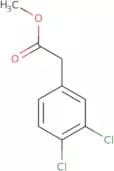
CAS:<p>(3,4-Dichlorophenyl)acetic acid methyl ester is a versatile building block and reagent that can be used in the synthesis of complex compounds. It is also a useful intermediate and reaction component for the synthesis of high-quality chemical products. This compound has been shown to be useful in the production of speciality chemicals, including research chemicals and fine chemicals.</p>Formula:C9H8Cl2O2Purity:Min. 95%Color and Shape:PowderMolecular weight:219.06 g/molN-α-Fmoc-N β-Boc-L-2,3-diaminopropionic acid
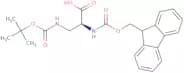
CAS:<p>N-alpha-Fmoc-Nbeta-Boc-L-2,3-diaminopropionic acid is a supramolecular compound that has antiproliferative effects on cancer cells. It can be used to inhibit the activity of tyrosine phosphatases, which are enzymes that regulate cell proliferation and differentiation. This compound has been shown to have synergistic effects with other chemotherapeutic agents in vitro and in vivo. It has also been shown to have a high binding affinity for polyacrylamide gels and is stable under various conditions.</p>Formula:C23H26N2O6Purity:Min. 95%Color and Shape:PowderMolecular weight:426.46 g/molSDF-1β (human) trifluoroacetate salt
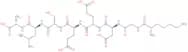
CAS:<p>Please enquire for more information about SDF-1beta (human) trifluoroacetate salt including the price, delivery time and more detailed product information at the technical inquiry form on this page</p>Formula:C382H620N114O97S5Purity:Min. 95%Molecular weight:8,522.05 g/molDL-3,4-Dihydroxymandelic acid
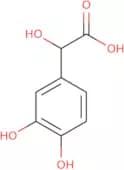
CAS:<p>DL-3,4-Dihydroxymandelic Acid is a biologically active compound that is found in the human body and has been used as a drug for the treatment of cardiac arrhythmias. It is also an intermediate in the biosynthesis of the neurotransmitter dopamine. DL-3,4-Dihydroxymandelic Acid has been shown to decrease enzyme activity in hl-60 cells and was found to be an inhibitor of acetate extract from coli K-12. The reaction mechanism for this compound has not yet been fully elucidated. DL-3,4-Dihydroxymandelic Acid is generally considered to have a physiological function in regulating systolic pressure.</p>Formula:C8H8O5Purity:Min. 95%Color and Shape:White To Yellow SolidMolecular weight:184.15 g/mol5-Nitroisophthalic acid monomethyl ester
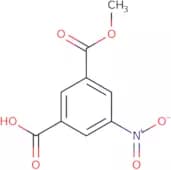
CAS:<p>5-Nitroisophthalic acid monomethyl ester (NIAE) is an acetylating agent that can be used for the preparation of 5-nitroisophthalic acid, which is a precursor to the synthesis of dyes and pharmaceuticals. The acetylation reaction of NIAE with proteins produces an insensitive material. Acetylation also inhibits the activity of serine proteases and virus replication. In addition, it has been found that the catalytic reduction of NIAE with palladium is faster than other synthetic methods. Optimal reaction conditions are obtained by adding chloride ions to the reaction mixture, while reductive conditions are optimal for catalysis. Reaction time can be shortened by using a soluble catalyst such as iodide ion or mercury(II) sulfate. The active site of NIAE contains a nitro group that reacts with substrates in the presence of oxygen, forming a product from which the acetyl group has been removed</p>Formula:C9H7NO6Purity:Min 98%Color and Shape:PowderMolecular weight:225.16 g/mol2-Methyl-5-nitrobenzoic acid
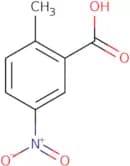
CAS:<p>2-Methyl-5-nitrobenzoic acid is a synthetic compound that has been shown to inhibit the growth of tumor xenografts in mice. This compound has been shown to inhibit the production of prostate-specific antigen and prostate cancer cells, as well as cause apoptosis in prostate cancer cells. 2-Methyl-5-nitrobenzoic acid also inhibits the activity of vitamin D3 and docetaxel, which are both chemotherapeutic agents used to treat prostate cancer. 2-Methyl-5-nitrobenzoic acid is a thermodynamic inhibitor with an IC50 value of 0.1 mM. It is an inhibitor of cellular respiration and mitochondrial function with a Km value of 1 mM. This agent also inhibits tumor perfusion, which may be due to its ability to induce apoptosis in tumor cells.</p>Formula:C8H7NO4Purity:Min. 95%Color and Shape:PowderMolecular weight:181.15 g/mol3,4-Dichlorocinnamic acid
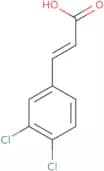
CAS:<p>3,4-Dichlorocinnamic acid is a pentane that has a molecular weight of 144.2 g/mol and melting point of -12 °C. It is soluble in organic solvents such as ethanol and acetone, but insoluble in water. 3,4-Dichlorocinnamic acid is an intermediate in the synthesis of cinnamates from phenylacetic acid and chloroform via methyl esterification with methanol followed by alkylation with chlorine. The reaction rate for this conversion is slow, making it difficult to produce at commercial scale. 3,4-Dichlorocinnamic acid can be obtained by irradiation of 3-chloro-1,2-propanediol with ultraviolet light or by heating hydrotalcite at high temperatures. Hydrotalcite is heated to 600°C where it reacts with air to form 3,4-dichlorocinnamic acid and</p>Formula:C9H6Cl2O2Purity:Min. 95%Color and Shape:PowderMolecular weight:217.05 g/mol4-tert-Butylcalix[4]arene - contains 12% residual solvent (ethyl acetate and acetonitrile)
CAS:<p>4-tert-Butylcalix[4]arene is a polymorphic compound with transport properties. It has been shown to have an activation energy of ˜30 kcal/mol, and can be characterized by its nmr spectra. The molecule can be found in n-hexane and zirconium. 4-tert-Butylcalix[4]arene is a coordination complex with a transfer mechanism that contains chloride or metal ion. It forms an acid complex with thermally stable molecules.</p>Formula:C44H56O4Purity:Min. 95%Color and Shape:PowderMolecular weight:648.91 g/mol4-n-Butoxyphenylacetic acid butyl ester
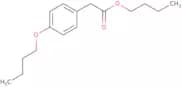
CAS:<p>4-n-Butoxyphenylacetic acid butyl ester is a chemical reagent that has been studied extensively as a useful intermediate in organic synthesis. It is of high purity and quality, and can be used for many applications.</p>Formula:C16H24O3Purity:80%Color and Shape:PowderMolecular weight:264.36 g/molBenzohydroxamic acid potassium
CAS:<p>Benzohydroxamic acid potassium salt is an organic compound that is soluble in water, but insoluble in organic solvents. It has a molecular weight of 134.2, and its chemical formula is C7H6N4O3K. It can react with acid solutions to form hydroxamic acids (e.g., benzohydroxamic acid). The nmr spectra of these compounds have been shown to be sensitive to the presence of molybdenum or other metal ions. Benzohydroxamic acid potassium salt can be synthesized by reacting hydrochloric acid with zirconium tetrachloride and carbon tetrachloride in the presence of ethyl bromoacetate. This reaction produces insoluble benzohydroxamic acid potassium salt together with ethyl bromoacetate as a byproduct.<br>Molecular weight: 134.2<br>Chemical formula: C7H6N4O3K<br>Soluble</p>Formula:C7H7NO2•KPurity:Min. 95%Color and Shape:PowderMolecular weight:176.23 g/molα-Mating Factor acetate salt
CAS:<p>Alpha-Mating Factor acetate salt is a complex compound that is a useful intermediate, building block, and reaction component. Alpha-Mating Factor acetate salt has been shown to be a useful scaffold for the synthesis of other compounds. It can also be used as a reagent in research or as a speciality chemical. Alpha-Mating Factor acetate salt is soluble in water and most organic solvents, making it versatile in its applications.</p>Formula:C82H114N20O17S·xC2H4O2Purity:Min. 95%Color and Shape:PowderMolecular weight:1,683.97 g/mol4-Mercaptophenylacetic acid
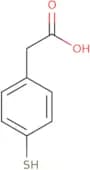
CAS:<p>4-Mercaptophenylacetic acid is a palladium complex that inhibits the synthesis of proteins by binding to the ribosome and blocking peptide bond formation. The molecule has a polymeric matrix with a high degree of crystallinity and an isolated yield of greater than 95%. 4-Mercaptophenylacetic acid is immobilized on a carboxylate surface and has been shown to have pharmacokinetic properties. It can be used in the treatment of cancer cells and inhibits protein synthesis, leading to cell death. 4-Mercaptophenylacetic acid also has anti-inflammatory activities due to its inhibition of prostaglandin synthesis.</p>Formula:C8H8O2SPurity:Min. 95%Color and Shape:Yellow PowderMolecular weight:168.21 g/moltert-Butyl-4-(2-bromoethyl)piperidine-1-carboxylate
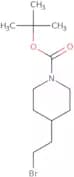
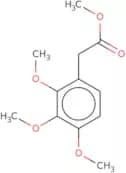
CAS:<p>tert-Butyl-4-(2-bromoethyl)piperidine-1-carboxylate is a white solid with a molecular weight of 215.07. It is soluble in organic solvents such as dichloromethane, ethanol, acetone and ether. The CAS number for this chemical is 169457-73-2. This product can be used as a reagent or complex compound to synthesize other fine chemicals, useful scaffolds and building blocks, speciality chemicals and research chemicals. It has many versatile uses due to its wide range of functional groups that are easily modified by various synthetic reactions.</p>Formula:C12H22BrNO2Purity:Min. 97 Area-%Color and Shape:PowderMolecular weight:292.21 g/molMethyl 2,3,4-trimethoxyphenyl acetate
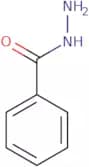
CAS:<p>Methyl 2,3,4-trimethoxyphenyl acetate is a high quality reagent that can be used to synthesize complex compounds. This compound is also useful as an intermediate in the synthesis of fine chemicals and useful scaffolds for chemical research. CAS No. 22480-88-2 Methyl 2,3,4-trimethoxyphenyl acetate is a versatile building block that can be used to synthesize other compounds with a wide range of applications.</p>Formula:C12H16O5Purity:Min. 95%Color and Shape:PowderMolecular weight:240.25 g/molBenzoic acid hydrazide
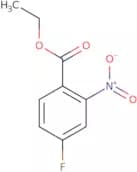
CAS:<p>Benzoic acid hydrazide is an antimicrobial agent that inhibits the growth of bacteria by binding to the active site of benzoyl-coenzyme A reductase, which is an enzyme involved in the biosynthesis of benzoate from benzoate semialdehyde. The optimum concentration for this compound is 1 mM. Benzoic acid hydrazide has been shown to inhibit bacterial growth in biological studies and x-ray crystal structures have been determined for this molecule. It also inhibits the growth of bacteria that are resistant to other types of antibiotics, such as ampicillin, erythromycin, and tetracycline. The mechanism of action for benzoic acid hydrazide appears to be due to its ability to form hydrogen bonding interactions with inhibitor molecules.</p>Formula:C7H8N2OPurity:Min. 95%Color and Shape:PowderMolecular weight:136.15 g/mol4-Fluoro-2-nitrobenzoic acid ethyl ester
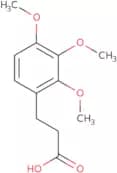
CAS:<p>4-Fluoro-2-nitrobenzoic acid ethyl ester is a fine chemical that can be used as a reagent, intermediate compound, building block, scaffold and building block for speciality chemicals. It has been shown to be an effective chemical in the synthesis of 4-fluoro-2-nitrobenzoic acid, which is a versatile building block with many potential applications. 4-Fluoro-2-nitrobenzoic acid ethyl ester is also useful in reactions involving amines and alcohols as well as metal catalyzed reactions. This product has CAS No. 1072207-10-3.</p>Formula:C9H8FNO4Purity:(%) Min. 85%Color and Shape:Clear LiquidMolecular weight:213.16 g/mol3-(2,3,4-trimethoxyphenyl)propanoic acid
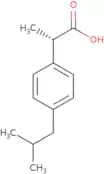
CAS:<p>3-(2,3,4-Trimethoxyphenyl)propanoic acid is a high quality chemical that is used as a reagent and as a useful intermediate in the production of fine chemicals. CAS No. 33130-04-0 is a versatile building block with many applications in the research and development of compounds for use as pharmaceuticals, agrochemicals, or other chemicals. 3-(2,3,4-Trimethoxyphenyl)propanoic acid can be used to synthesize new chemical substances with different properties than those of the starting material. This compound has been shown to have many uses in organic synthesis due to its versatility and reactivity.</p>Formula:C12H16O5Purity:Min. 98 Area-%Color and Shape:PowderMolecular weight:240.25 g/mol(S)-(+)-4-Isobutyl-a-methylphenylacetic acid
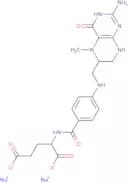
CAS:<p>Ibuprofen is a non-steroidal anti-inflammatory drug (NSAID) that inhibits the production of prostaglandins and has been shown to be effective in the treatment of pain, fever, and inflammation. Ibuprofen binds to and blocks cyclooxygenase enzymes COX-1 and COX-2, which are responsible for the production of prostaglandins. It also inhibits leukocyte migration, which may reduce symptoms associated with infectious diseases. The molecular docking analysis has shown that ibuprofen interacts with crystalline cellulose through hydrogen bonding interactions. Ibuprofen can be used in conjunction with sodium citrate as an anticoagulant during blood sampling procedures to prevent clotting. This medication can cause side effects such as nausea, stomach upset, heartburn, dizziness, headache, or increased risk of bleeding.></p>Formula:C13H18O2Purity:Min. 95%Color and Shape:White PowderMolecular weight:206.28 g/mol5-Methyltetrahydrofolic acid disodium salt
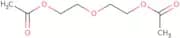
CAS:<p>5-Methyltetrahydrofolic acid disodium salt is a form of vitamin B9 that is produced by the body from 5,10-methylenetetrahydrofolate. It also can be obtained through the diet in foods such as milk, eggs, and leafy vegetables. This vitamin is necessary for many cellular processes, including amino acid metabolism. 5-Methyltetrahydrofolic acid disodium salt has been shown to have a significant effect on neuron cell growth and health. It has been shown to stimulate the enzyme activities of catecholamine-O-methyltransferase and dopamine beta hydroxylase in vitro. The effects were seen with both acidic and neutral pHs. 5-Methyltetrahydrofolic acid disodium salt has been found to be a selective inhibitor of receptor α (rho) uptake in Caco-2 cells at acidic pHs but not at neutral pHs. In addition</p>Formula:C20H23N7Na2O6Color and Shape:PowderMolecular weight:503.42 g/molDiethylene glycol diacetate
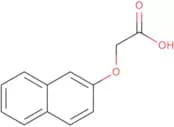
CAS:<p>Diethylene glycol diacetate is a coagulating agent that is used in the production of polyester fibers. It reacts with fatty acids and forms ester compounds, which are then polymerized and cross-linked to form a film. The acetylation of the hydroxyl group on the molecule provides an additional degree of polymerization, thereby increasing the molecular weight of the product. The reaction vessel used for this process is typically heated at a temperature between 180°C and 220°C to promote polymerization. This polymer film can be made into filaments by extruding it through a spinnerette or die head. The filament may be cut into small particles before being placed in a section, which is then processed as desired.</p>Formula:C8H14O5Purity:Min. 95%Color and Shape:Colorless Clear LiquidMolecular weight:190.19 g/mol2-Naphthoxyacetic acid
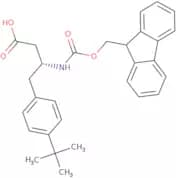
CAS:<p>2-Naphthoxyacetic acid is a chemical compound that has been shown to be a matrix effect agent in the kidney bean extract. It is also used as a nutrient solution in synchronous fluorescence and hydroxyl group. 2-Naphthoxyacetic acid can be used as an analytical method for sodium citrate, dispersive solid-phase extraction, nitrogen atoms, and acid complex. The optical sensor can be used for low light surface methodology. Fluoroacetic acid is a chemical compound that has been shown to have analytical properties similar to 2-Naphthoxyacetic acid.</p>Formula:C12H10O3Purity:Min 98%Color and Shape:PowderMolecular weight:202.21 g/molFmoc-(R)-3-amino-4-(4-tert-butyl-phenyl)-butyric acid
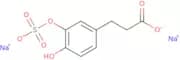
CAS:<p>Fmoc-3-Amino-4-(4-tertbutylphenyl)butyric acid is a versatile building block that can be used in the synthesis of complex compounds. Fmoc-3-Amino-4-(4-tertbutylphenyl)butyric acid is an intermediate for the production of speciality chemicals and reagents. It is also a useful scaffold in chemical reactions, as well as a reaction component. Fmoc-(R)-3-Amino-4-(4-tertbutylphenyl)butyric acid is soluble in ethanol and ether, but insoluble in water.</p>Formula:C29H31NO4Purity:Min. 95%Color and Shape:White To Off-White SolidMolecular weight:457.56 g/molDihydro caffeic acid 3-O-sulfate sodium salt
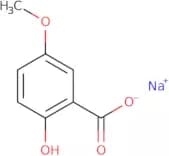
CAS:<p>Dihydro caffeic acid 3-O-sulfate sodium salt is a flavonol that is found in plants. It has been shown to have antioxidant properties and may be effective in the treatment of diseases associated with oxidative stress, such as diabetes mellitus and cancer. Dihydrocaffeic acid 3-O-sulfate sodium salt has also been shown to inhibit the growth of bacteria by modulating the production of nitric oxide. This agent has been quantified in human urine, which provides evidence for its potential use as a biomarker for disease risk due to its association with phenolic metabolites.</p>Formula:C9H8Na2O7SPurity:Min. 95%Color and Shape:White Off-White PowderMolecular weight:306.2 g/mol5-Methoxysalicylic acid sodium
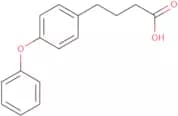
CAS:<p>5-Methoxysalicylic acid sodium (MSAS) is a drug that is used to treat intestinal ulcers. It is also used to reduce the viscosity of blood and as an adjuvant in the treatment of rheumatoid arthritis. The bioavailability of MSAS is increased when it is administered with cefmetazole, which enhances the absorption of this drug in the small intestine. MSAS has a hypoglycemic effect and can be used to treat high blood sugar levels. This drug binds to muscle cells and prevents their contraction, which can lead to relief from muscle pain or spasms. MSAS may also have a pharmacological effect on ligation, which occurs when tissue is cut off from its blood supply.</p>Formula:C8H7O4·NaPurity:Min. 95%Color and Shape:PowderMolecular weight:190.13 g/mol4-(4-Phenoxyphenyl)butyric acid
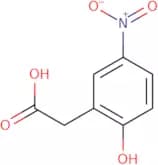
CAS:<p>4-(4-Phenoxyphenyl)butyric acid is a versatile building block that can be used in the synthesis of many different compounds. It has been used as a reaction component or intermediate in the synthesis of pharmaceuticals and agrochemicals, such as atorvastatin and methyltetrahydrofolate. 4-(4-Phenoxyphenyl)butyric acid is also used as a research chemical and has been shown to have antibacterial properties. This compound is soluble in water, making it easy to use in reactions with other reagents. 4-(4-Phenoxyphenyl)butyric acid is an important building block for many organic syntheses because it can be converted into a wide variety of useful compounds.</p>Formula:C16H16O3Purity:Min. 95%Color and Shape:PowderMolecular weight:256.3 g/mol2-Hydroxy-5-nitrophenylacetic acid
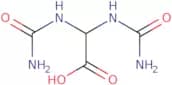
CAS:<p>2-Hydroxy-5-nitrophenylacetic acid is a versatile building block that can be used as a reagent, speciality chemical, or research chemical. It has been synthesized and characterized from the nitrobenzene derivative 2-hydroxyacetophenone. The compound has been shown to inhibit the growth of bacteria by binding to bacterial DNA gyrase and topoisomerase IV. This inhibits bacterial growth by preventing DNA replication and transcription. As an intermediate, 2-hydroxy-5-nitrophenylacetic acid is useful in organic synthesis as a reaction component or scaffold.</p>Formula:C8H7NO5Purity:Min. 95%Color and Shape:PowderMolecular weight:197.14 g/molAllantoic acid
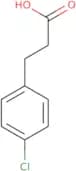
CAS:<p>Allantoin is a chemical compound with the molecular formula C4H6N2O3. It is a dihydroxyimide of uric acid and can be found in plants. Allantoin has been shown to inhibit transcriptional regulation by binding to dinucleotide phosphate (DNP) sites on DNA. This inhibition blocks the binding of RNA polymerase, preventing RNA synthesis and ultimately inhibiting bacterial growth. Allantoin has been shown to have antioxidant properties and was able to prevent lipid peroxidation in human serum samples. It also has been shown to improve enzyme activity in reaction solutions containing allantoic acid.</p>Formula:C4H8N4O4Purity:Min. 95%Color and Shape:White PowderMolecular weight:176.13 g/mol3-(4-Chlorophenyl)propionic acid
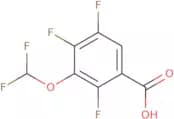
CAS:<p>3-(4-Chlorophenyl)propionic acid is a chemical compound that is used in the preparation of gabapentin. It is an organic solvent that can be used for the calibration and sample preparation of clinical toxicology tests, as well as analytical toxicology tests. 3-(4-Chlorophenyl)propionic acid is often used as an eluant in analytical chemistry to separate organic compounds from solutions. It is also used to extract γ-aminobutyric acid (GABA).</p>Formula:C9H9ClO2Purity:Min. 95%Color and Shape:PowderMolecular weight:184.62 g/mol3-(Difluoromethoxy)-2,4,5-trifluorobenzoic acid
CAS:<p>3-(Difluoromethoxy)-2,4,5-trifluorobenzoic acid is an antibacterial drug that belongs to the class of fluoroquinolones. It inhibits bacterial growth by binding to DNA gyrase and topoisomerase IV enzymes in bacteria. 3-(Difluoromethoxy)-2,4,5-trifluorobenzoic acid has been shown to be active against a wide variety of bacteria and is used as a treatment for urinary tract infections and skin infections. 3-(Difluoromethoxy)-2,4,5-trifluorobenzoic acid can also be used in combination with other antibiotics such as tetrabutyl ammonium chloride to enhance their effects.</p>Formula:C8H3F5O3Purity:Min. 95%Color and Shape:SolidMolecular weight:242.1 g/molEthyl 2-amino-4,5,6,7-tetrahydro-1-benzothiophene-3-carboxylate
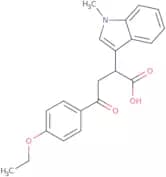
CAS:<p>Ethyl 2-amino-4,5,6,7-tetrahydro-1-benzothiophene-3-carboxylate is an antibacterial agent that inhibits the growth of bacteria by binding to amines and metal ions. It also has in vitro anticancer activity against cancer cells. Ethyl 2-amino-4,5,6,7-tetrahydro-1-benzothiophene-3-carboxylate has been shown to have antiinflammatory activity in rats.</p>Formula:C11H15SNO2Purity:Min. 95%Color and Shape:PowderMolecular weight:225.31 g/mol4-(4-Ethoxyphenyl)-2-(1-methylindol-3-yl)-4-oxobutanoic acid
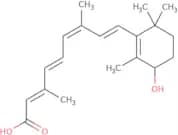
CAS:<p>Please enquire for more information about 4-(4-Ethoxyphenyl)-2-(1-methylindol-3-yl)-4-oxobutanoic acid including the price, delivery time and more detailed product information at the technical inquiry form on this page</p>Purity:Min. 95%rac 4-Hydroxy-9-cis-retinoic acid
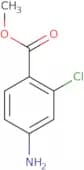
CAS:<p>9-cis-Retinoic acid is a retinoid that is found in the human body. It can be extracted from the cells of animals or plants and purified by using an organic solvent, such as hexane. 9-cis-Retinoic acid can also be synthesized by using a validated hplc method. Analysts use this compound to measure conjugate acids, hydroxy acids, and other compounds related to endogenous metabolism. It is often used as a buffering agent for specific applications.</p>Formula:C20H28O3Purity:Min. 95%Molecular weight:316.43 g/mol4-Amino-2-chlorobenzoic acid methyl ester
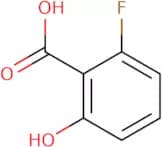
CAS:<p>4-Amino-2-chlorobenzoic acid methyl ester (4ACBME) is a chemical compound that has been used in the treatment of autoimmune diseases. It acts as an immunoreceptor and regulatory molecule by binding to specific receptors on the surface of lymphocytes, which are cells that play a central role in the immune system. 4ACBME also inhibits the production of inflammatory molecules, such as TNF-α, IL-1β, IL-6 and IL-8. The regression of tissue inflammation was observed in animal models after 4ACBME treatment. This compound has been shown to have no genotoxic impurities in vitro studies and its molecular descriptors are consistent with those found for other immunoreceptors.</p>Formula:C8H8ClNO2Purity:Min. 95%Color and Shape:White PowderMolecular weight:185.61 g/mol2-Fluoro-6-hydroxybenzoic acid
CAS:<p>2-Fluoro-6-hydroxybenzoic acid is a fluorescent compound that is commonly used as a reagent in organic synthesis. It has been shown to be an effective fungicide, and has also been shown to have pesticidal activity against various insects. The stability of 2-fluoro-6-hydroxybenzoic acid in water depends on the pH level; at low pH levels, it is stable and can be used as a fungicide, while at high pH levels, it is unstable and cannot be used as a fungicide. Studies have shown that 2-fluoro-6-hydroxybenzoic acid binds with hydrogen ions to form stable complexes, which may explain its pesticidal properties.</p>Formula:C7H5FO3Purity:Min. 95%Color and Shape:PowderMolecular weight:156.11 g/mol2-(2-Nitrophenoxy)acetic acid
CAS:<p>2-(2-Nitrophenoxy)acetic acid (NPAA) is a molecule that has been found in plants of the genus Balanites. It has been shown to be an intramolecular hydrogen bond acceptor, which may contribute to its chemical structure and stability. NPAA has also been shown to have a constant pKa value of 4.7, which means it is slightly acidic. NPAA is used as an industrial process sample preparation agent and can be synthesized by reacting phenol with nitric acid.</p>Formula:C8H7NO5Molecular weight:197.14 g/molDelicious peptide (bovine) trifluoroacetate
CAS:<p>Delicious peptide (bovine) trifluoroacetate is a polymerase chain reaction probe that is complementary to the 3' end of the human insulin gene. When used in a polymerase chain reaction, it amplifies the DNA sequences at the 3' end of the gene. The product of this amplification has been shown to inhibit genetic disorders such as metabolic disorders, iron homeostasis, and leukemia. This agent also inhibits acidic fibroblast proliferation and pluripotent cells. This drug has been shown to have a molecular docking analysis with pharmacological agents and may be helpful in treatments for various diseases.</p>Formula:C34H57N9O16•(C2HF3O2)xPurity:Min. 95 Area-%Color and Shape:PowderMolecular weight:847.87 g/molSyringic acid hydrazide
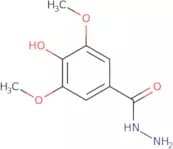
CAS:<p>Syringic acid hydrazide is a heterocyclic molecule with anticancer activity. It has been shown to inhibit the growth of cancer cells, both in vitro and in vivo. Syringic acid hydrazide is a chlorinating agent that reacts with p-hydroxybenzoic acid to form an intermediate that binds to active site residues on the cancer cell's DNA. This binding prevents the synthesis of DNA, leading to cell death. Syringic acid hydrazide does not affect uninfected plants or cultivars resistant to Fusarium oxysporum f., as it does not bind to their chlorophyll molecules.</p>Formula:C9H12N2O4Purity:Min. 95%Color and Shape:PowderMolecular weight:212.2 g/molFerrocenecarboxylic acid
CAS:Controlled Product<p>Ferrocenecarboxylic acid is a ferrocene compound that has been used as a polymerase chain reaction (PCR) probe. It has been shown to have an antiproliferative effect on leukemia cells, and can be used in the treatment of cancers. Ferrocenecarboxylic acid is membrane permeable and can therefore be used as a cell-impermeable chemotherapeutic agent. This drug also has the ability to bind to target DNA, with this binding being dependent on the functional groups present on the molecule. The ferrocene carboxylate conjugates are also able to react with nucleophiles such as dithiopyridine or pyridinium salts, which may serve as strategies for converting the drug into an MRI contrast agent.</p>Formula:C11H10FeO2Purity:Min. 98 Area-%Color and Shape:Yellow PowderMolecular weight:230.04 g/molCalcineurin Substrate trifluoroacetate salt H-Asp-Leu-Asp-Val-Pro-Ile-Pro-Gly-Arg-Phe-Asp-Arg-Arg-Val-Ser-Val-Ala-Ala-Glu-OH trifluo roacetate salt
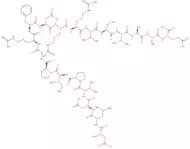
CAS:<p>Please enquire for more information about Calcineurin Substrate trifluoroacetate salt H-Asp-Leu-Asp-Val-Pro-Ile-Pro-Gly-Arg-Phe-Asp-Arg-Arg-Val-Ser-Val-Ala-Ala-Glu-OH trifluo roacetate salt including the price, delivery time and more detailed product information at the technical inquiry form on this page</p>Formula:C92H150N28O29Purity:Min. 95%Molecular weight:2,112.35 g/molZanamivir amine triacetate methyl ester
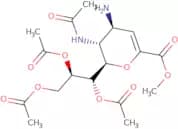
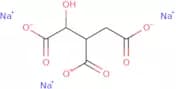
CAS:<p>Anti-viral; neuraminidase inhibitor; effective agains influenza A and B viruses</p>Formula:C18H26N2O10Purity:Min. 95%Color and Shape:Yellow PowderMolecular weight:430.41 g/molDL-Isocitric acid trisodium
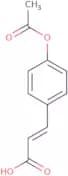
CAS:<p>DL-Isocitric acid trisodium salt hydrate is a nutrient solution that is used to provide energy for bacterial growth. DL-Isocitric acid trisodium salt hydrate provides sodium citrate, sodium succinate, and sodium carbonate which are essential for the metabolism of fatty acids. It also stabilizes chemical compounds and can be used as an alternative to the use of antibiotics. DL-Isocitric acid trisodium salt hydrate has been shown to inhibit enzyme activity in bacteria by binding to the active site of enzymes, inhibiting protein synthesis and cell division. The addition of colloidal gold particles can enhance its effectiveness in preventing bacterial growth.</p>Formula:C6H8O7•Na3Purity:Min. 95%Color and Shape:PowderMolecular weight:261.09 g/mol4-Acetoxycinnamic acid
CAS:<p>4-Acetoxycinnamic acid is a staphylococcal bactericide that inhibits bacterial growth and is active against many gram-positive bacteria, including Staphylococcus aureus. It is also active against many gram-negative bacteria, such as Escherichia coli and Pseudomonas aeruginosa. 4-Acetoxycinnamic acid has been shown to inhibit the growth of Staphylococcus aureus in an in vitro experiment by interfering with membrane permeability and inhibiting lipid synthesis. 4-Acetoxycinnamic acid has been shown to have antimicrobial activity against gram-positive and gram-negative bacteria, including methicillin resistant S. aureus (MRSA).</p>Formula:C11H10O4Purity:Min. 97 Area-%Color and Shape:PowderMolecular weight:206.19 g/mol6-Hydrazino-3-pyridinecarboxylic acid
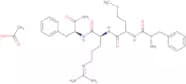
CAS:<p>6-Hydrazino-3-pyridinecarboxylic acid is a potent inhibitor of angiogenesis. It inhibits the activity of vascular endothelial growth factor, which is a potent pro-angiogenic factor. 6HPCA has been shown to inhibit the growth of prostate cancer cells in vitro and tumor growth in vivo. The mechanism for this inhibition may be due to its ability to decrease levels of all-trans retinoic acid (RA), a potent pro-angiogenic molecule. 6HPCA also inhibits the proliferation of human serum, monoclonal antibody, and polymer drug uptake in cell culture systems. In addition, 6HPCA has low toxicity and low pharmacokinetic properties that have been demonstrated by several studies using radiolabeled analogues and autoradiography.</p>Formula:C6H7N3O2Purity:Min. 97 Area-%Color and Shape:PowderMolecular weight:153.14 g/molH-Phe-Met-Arg-Phe-NH2 acetate
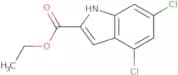
CAS:Controlled Product<p>H-Phe-Met-Arg-Phe-NH2 acetate is a high quality reagent that is useful in the synthesis of complex compounds. It can be used as an intermediate for the production of fine chemicals and speciality chemicals, as well as being a versatile building block in the synthesis of organic compounds. H-Phe-Met-Arg-Phe-NH2 acetate can also be used to make research chemicals or reaction components.</p>Formula:C29H42N8O4S•(C2H4O2)xPurity:Min. 95%Color and Shape:PowderMolecular weight:598.76 g/mol4,6-Dichloro-1H-indole-2-carboxylic acid ethyl ester
CAS:<p>4,6-Dichloro-1H-indole-2-carboxylic acid ethyl ester is a synthetic compound that functions as an agonist of the indole 2 receptor. It has been shown to have affinity for cortical and brain membranes, with a greater affinity for acidic regions of the membrane. 4,6-Dichloro-1H-indole-2-carboxylic acid ethyl ester is also capable of binding to the indole 2 receptor and activating it. The carboxyl group in this compound is substituted with benzene rings, which are connected by a moiety containing two carboxylic groups. 4,6-Dichloro-1H-indole-2-carboxylic acid ethyl ester was synthesised from 1H -indole acetic acid and chloroethane in four steps.</p>Formula:C11H9Cl2NO2Purity:Min. 95%Color and Shape:SolidMolecular weight:258.1 g/mol2-Hydroxyhippuric acid
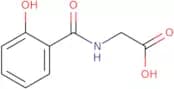
CAS:<p>2-Hydroxyhippuric acid (2HPA) is a metabolite of salicylic acid. 2HPA is used to measure the concentration of salicylic acid in urine, which can be used as a biomarker for disease activity. When 2HPA is present in the urine, it indicates that the body has been exposed to salicylic acid. The concentration of 2HPA in urine correlates with the amount of salicylic acid taken orally and excreted by the kidneys. The analytical method for determining 2HPA in urine involves measuring the concentration of 2HPA and its derivatives with high pressure liquid chromatography or gas chromatography-mass spectrometry. Some biological samples that can be tested include blood, serum, plasma, saliva, sweat, or hair. Pharmacological agents that may affect 2HPA levels include other drugs such as nonsteroidal anti-inflammatory drugs (NSAIDs) or aspirin. The model system for this metabolite is human</p>Formula:C9H9NO4Purity:Min. 94 Area-%Color and Shape:White PowderMolecular weight:195.17 g/mol1H-Indoline-3-carboxylic acid
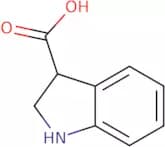
CAS:<p>1H-Indoline-3-carboxylic acid is a molecule with the chemical formula C8H6N2O2. It is an aromatic carboxylic acid and one of the three enantiopure isomers of indoline. 1H-Indoline-3-carboxylic acid has two tautomers, cis (cis) and trans (trans). The stereoisomer cis is found in nature, while trans can be synthesized. 1H-Indoline-3-carboxylic acid can be cleaved to form phenylacetic acid and benzoic acid in reactions catalyzed by acids at high temperatures. Kinetic studies have shown that 1H-indoline-3-carboxylic acid undergoes biotransformation to form methylbenzene, ethylbenzene, propylbenzene, butylbenzene, pentylbenzene and hexylbenzene.</p>Formula:C9H9NO2Purity:Min. 95%Color and Shape:PowderMolecular weight:163.17 g/mol2-(2,4-Dichlorophenoxy)-2-methylpropanoic acid
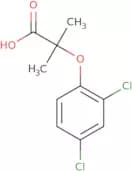
CAS:<p>2,4-Dichlorophenoxyacetic acid is a plant growth regulator that inhibits the transfer of auxin from the shoot to the root. It does this by preventing synthesis of 2,4-dichlorophenoxyacetic acid (2,4-D) and its conversion to 2,4-dichlorophenoxypropionic acid (2,4-DP). The 2,4-D then binds to the auxin transport proteins in the plasma membrane and prevents their passage through the cell wall. The mechanism of action of 2,4-D is not well understood but it is thought that it may inhibit or interfere with indoleacetic acid production or metabolism. Auxins are also mediators of plant physiology and play a role in many processes such as phototropism and phytochrome sensitivity.<br>2,4-D has been shown to block photosynthesis and respiration in plants by inhibiting chlorophyll synthesis. Indoleacetic acid</p>Formula:C10H10Cl2O3Purity:Min. 95%Color and Shape:Clear LiquidMolecular weight:249.09 g/molDihydroxyfumaric acid hydrate
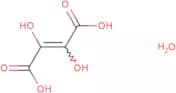
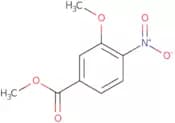
CAS:<p>Dihydroxyfumaric acid hydrate is a deuterated chemical that can be used in spectrometry as a deuteration agent to study the effect of deuteration on the vibrational and reactive properties of molecules. It is also used in medicine as an immobilization reagent for enzymes and antibodies. Dihydroxyfumaric acid hydrate has been shown to have prebiotic activity in food composition, inhibiting glycolaldehyde and protocatechuic acid. This chemical may also serve as a recycled molecule for other applications.</p>Formula:C4H4O6·xH2OPurity:Min. 95%Color and Shape:PowderMolecular weight:148.07 g/mol3-Methoxy-4-nitrobenzoic acid methyl ester
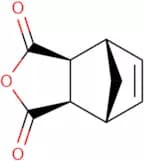
CAS:<p>3-Methoxy-4-nitrobenzoic acid methyl ester is a dianellidin, a type of natural product. It is an ionizing acid that catalyzes the reaction between carboxylic acids and hydroxyl compounds. This compound is used to produce some drugs, such as methyldopate, which is an antiarrhythmic drug that slows heart rate. The catalytic rate of 3-methoxy-4-nitrobenzoic acid methyl ester can be increased by buffers and solvents (e.g., methanol). These compounds increase the concentration of the reactants in solution and reduce the activation energy required for the reaction to take place. Uncatalyzed reactions are slow because there are no molecules to act as intermediates in the process.</p>Formula:C9H9NO5Purity:95%NmrColor and Shape:PowderMolecular weight:211.17 g/molcis-Norbornene-exo-2,3-dicarboxylic anhydride
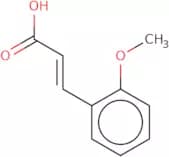
CAS:<p>Cis-Norbornene-exo-2,3-dicarboxylic anhydride is a reactive compound that is used as a precursor in the production of other chemicals. It can be used as an oxidation catalyst for organic synthesis reactions and has been shown to have high reactivity with hydroxyl groups under acidic conditions. Cis-Norbornene-exo-2,3-dicarboxylic anhydride reacts with calcium stearate to form a variety of products including aromatic hydrocarbons and boron nitride. The solubility data for cis-Norbornene-exo-2,3-dicarboxylic anhydride in human serum is available. The quantum theory predicts that cis-Norbornene-exo-2,3-dicarboxylic anhydride will undergo cationic polymerization in an acidic environment. This product also reacts with fatty acids to produce al</p>Formula:C9H8O3Purity:Min. 95%Color and Shape:White PowderMolecular weight:164.16 g/mol2-Methoxycinnamic acid
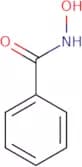
CAS:<p>2-Methoxycinnamic acid is a fine chemical that is used as a building block for research chemicals, pharmaceuticals, and other products. It is a versatile building block that can be used in the synthesis of complex compounds with diverse structures. 2-Methoxycinnamic acid is also an intermediate for the production of cinnamates, which are useful in the production of synthetic dyes.</p>Formula:C10H10O3Purity:Min. 95%Color and Shape:White PowderMolecular weight:178.18 g/molBenzohydroxamic acid
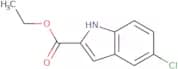
CAS:<p>Benzohydroxamic acid is a weak organic acid that is formed from the condensation of two molecules of benzoic acid. The thermodynamic data for this compound are available in the form of an equation and an enthalpy change. Benzohydroxamic acid interacts with metal hydroxides by forming metal complexes, which can be used as catalysts in transfer reactions. In addition, benzohydroxamic acid has been shown to inhibit HIV infection by inhibiting reverse transcriptase activity. This compound also undergoes hydrogen bonding interactions with other molecules due to its hydroxyl group and fatty acid moieties.</p>Formula:C7H7NO2Purity:Min. 95%Color and Shape:PowderMolecular weight:137.14 g/molEthyl 5-chloroindole-2-carboxylate
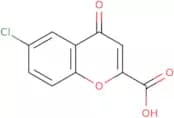
CAS:<p>Ethyl 5-chloroindole-2-carboxylate is a pro-apoptotic agent that has been shown to inhibit the replication of HIV. It inhibits the reverse transcriptase and DNA polymerases in the virus, which prevents it from being replicated. Ethyl 5-chloroindole-2-carboxylate also induces apoptosis by alkylating the cysteine residues on the host cell's proteins. This drug is not active against other viruses, such as herpes simplex virus type 1 (HSV1). It has been shown to be an analog for cannabidiol (CBD), which binds to cannabinoid receptors CB1 and CB2.</p>Formula:C11H10ClNO2Purity:Min. 95%Color and Shape:PowderMolecular weight:223.66 g/mol6-Chlorochromone-2-carboxylic acid
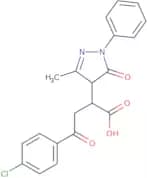
CAS:<p>6-Chlorochromone-2-carboxylic acid is a synthetic carboxylic acid that is a reagent in organic synthesis. It has been used to synthesize a number of new compounds, including substituted carboxylic acids and nitro compounds. The discovery of 6-chlorochromone-2-carboxylic acid was made possible by optimizing the reaction parameters, such as substituent and reaction time. This compound is cost effective and can be obtained from chromones.</p>Formula:C10H5ClO4Purity:Min. 95%Color and Shape:PowderMolecular weight:224.6 g/mol4-(4-Chlorophenyl)-2-(3-methyl-5-oxo-1-phenyl(2-pyrazolin-4-yl))-4-oxobutanoic acid
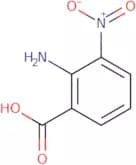
CAS:<p>Please enquire for more information about 4-(4-Chlorophenyl)-2-(3-methyl-5-oxo-1-phenyl(2-pyrazolin-4-yl))-4-oxobutanoic acid including the price, delivery time and more detailed product information at the technical inquiry form on this page</p>Purity:Min. 95%2-Amino-3-nitrobenzoic acid
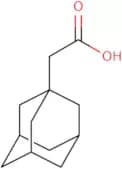
CAS:<p>2-Amino-3-nitrobenzoic acid (2ABN) is a peroxide that is used as an antiviral. 2ABN has been shown to inhibit the formation of reactive oxygen species in cancer cells, leading to apoptosis. It also inhibits the growth of carcinoma cell lines and tissues. 2ABN reacts with chloral hydrate to form a particle that can be encapsulated for delivery and release in vivo. This drug has been expressed in Escherichia coli, which may lead to improved stability and ease of production. 2ABN is thought to have anti-inflammatory properties due to its ability to inhibit the production of prostaglandins. The reactivity of 2ABN with surfactants such as sodium laureth sulfate (SLES) has been shown, which leads to it being used as an emulsifying agent for topical application.</p>Formula:C7H6N2O4Purity:Min. 95%Color and Shape:PowderMolecular weight:182.13 g/mol1-Adamantane acetic acid
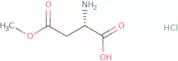
CAS:<p>1-Adamantane acetic acid is a naphthenic organic compound that has physiological effects. It is a hydrogen-bond acceptor and has a trifluoroacetic acid group. The compound inhibits mitochondrial function by inhibiting the enzyme ATPase, which is involved in the synthesis of ATP. 1-Adamantane acetic acid also inhibits tumor growth by inducing apoptosis in cancer cells. It has been shown to have potent antagonist activity against amide neurotransmitters such as acetylcholine and serotonin, which are involved in the regulation of muscle contractions and mood respectively.</p>Formula:C12H18O2Purity:Min. 95%Color and Shape:White PowderMolecular weight:194.27 g/molL-Aspartic acid b-methyl ester hydrochloride
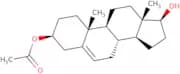
CAS:<p>L-Aspartic acid b-methyl ester hydrochloride is a high quality, versatile building block that can be used as a reaction component in the synthesis of complex compounds. L-Aspartic acid b-methyl ester hydrochloride is a useful scaffold for the preparation of novel fine chemicals and research chemicals with potential uses as pharmaceuticals, pesticides, and agricultural chemicals. It can also be used as an intermediate in the preparation of some natural products or industrial chemicals. L-Aspartic acid b-methyl ester hydrochloride has a CAS number of 16856-13-6.</p>Formula:C5H9NO4·HClColor and Shape:White PowderMolecular weight:183.59 g/molAndrostenediol 3-acetate
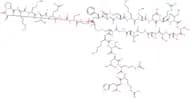
CAS:Controlled Product<p>Androstenediol 3-acetate is an oxime that is used as a coupling agent in organic synthesis. It uncouples oxidative phosphorylation by forming a covalent bond to the enzyme cytochrome-c oxidase, which is involved in the electron transport chain of mitochondria. This inhibits ATP production and forces the cell to rely on anaerobic glycolysis for energy. The efficiency of this reaction was determined through nuclear magnetic resonance spectroscopy and found to be about 60%. Androstenediol 3-acetate has been shown to increase myocardial contractility and cause cardiac hypertrophy in rats.</p>Formula:C21H32O3Purity:Min. 95%Color and Shape:PowderMolecular weight:332.48 g/molNesiritide acetate
CAS:<p>Nesiritide acetate is a man-made form of the natriuretic peptide hormone that is secreted by the heart. It is used to treat high blood pressure and congestive heart failure. Nesiritide acetate increases the amount of sodium and water excreted from the body, which reduces blood volume and lowers blood pressure. It also relaxes blood vessels, leading to lower blood pressure. This drug can also be used in diagnosis to assess levels of natriuretic peptides in the bloodstream. The typical therapeutic dose for this drug is 100 mcg/kg given intravenously over 30 minutes and then infusion at 0.01 mcg/kg/min for up to 24 hours. The dosage may be increased or decreased depending on the severity of symptoms or side effects experienced by the patient.</p>Formula:C143H244N50O42S4•(C2H4O2)xPurity:Min. 95 Area-%Color and Shape:PowderMolecular weight:3,464.05 g/mol5-(2-Chlorophenyl)thiophene-2-carboxylic acid
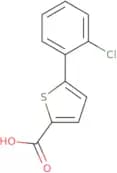
CAS:<p>5-(2-Chlorophenyl)thiophene-2-carboxylic acid is a reagent, complex compound, and useful intermediate that belongs to the class of fine chemicals. CAS No. 500604-91-1 is a speciality chemical that is used as a versatile building block in research chemicals and as a reaction component for the synthesis of new drugs. It is also an excellent building block for synthesizing 1,4-benzothiazepines and other heterocyclic compounds.</p>Formula:C11H7ClO2SPurity:Min. 95%Color and Shape:PowderMolecular weight:238.69 g/molCyano-3-phenoxybenzyl 3-(2,2-dichloroethenyl)-2,2-dimethylcyclopropanecarboxylate
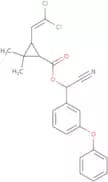
CAS:<p>Cypermethrin is an insecticide that belongs to the family of chemical pesticides. It is used in agriculture and in public health to control malaria-transmitting mosquitoes, head lice, and scabies mites. Cypermethrin disrupts the insect nervous system by inhibiting the function of synapses between nerves, resulting in paralysis and death. The compound also affects signal pathways that regulate locomotor activity and enzyme activities. Cypermethrin has been shown to have a high resistance to degradation by glycol ethers such as ethylene glycol monomethyl ether acetate (EGMEA). It has an optimum concentration of 0.01 ppm for mosquito control and 0.1 ppm for lice control. The analytical method involves liquid chromatography with sodium citrate as an ion-pairing agent and a linear calibration curve using a standard curve generated from known concentrations of cypermethrin.</p>Formula:C22H19Cl2NO3Purity:Min. 95%Color and Shape:Colorless Clear LiquidMolecular weight:416.3 g/mol2-Aminoterephthalic acid
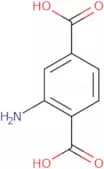
CAS:<p>2-Aminoterephthalic acid is a sulfa drug that has a skeleton containing two nitrogen atoms. It is a white, crystalline powder and can be dissolved in water. 2-Aminoterephthalic acid is used as an intermediate for the preparation of other sulfa drugs. The detection limit of this compound was determined to be 0.5 mg/L with the use of a chemiluminescence method and fluorescence probe. This compound reacts with acid to form an acid complex that can be detected by plasma mass spectrometry or electrochemical impedance spectroscopy.</p>Formula:C8H7NO4Purity:Min. 97 Area-%Color and Shape:White PowderMolecular weight:181.15 g/molp-Nitrobenzyl 6-(1'-hydroxyethyl)-azabicyclo(3.2.0)heptane-3,7-dione-2-carboxylate
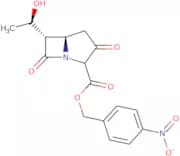
CAS:<p>p-Nitrobenzyl 6-(1'-hydroxyethyl)-azabicyclo(3.2.0)heptane-3,7-dione-2-carboxylate is a drug substance that is used in the manufacture of carbapenem antibiotics. It can be detected by a chloride ion chromatographic method, and the detection limit is 0.5 mg/L in the presence of zinc powder as a modifier. This material is used to prepare carbapenems using an analytical method that includes reaction monitoring by optical rotation, diastereomer chromatography, and transfer.</p>Formula:C16H16N2O7Purity:Min. 95%Color and Shape:PowderMolecular weight:348.31 g/molN-Nitroso-N-methyl-4-aminobutyric acid
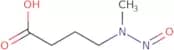
CAS:<p>N-Nitroso-N-methyl-4-aminobutyric acid (NMBA) is a solid with a low melting point which has been identified as a potentially carcinogenic component of both tobacco and tobacco smoke. NMBA is also one of a number of nitrosamine impurities which have been found to be present in angiotensin II receptor blocker (ARB) drugs used to treat high blood pressure.</p>Formula:C5H10N2O3Purity:Min. 98 Area-%Color and Shape:Slightly Yellow PowderMolecular weight:146.14 g/mol2-Bromo-2-methylpropionic acid
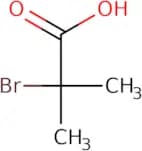
CAS:<p>2-Bromo-2-methylpropionic acid is a chemical compound that is used to stabilize nanoparticles. It also has covalent interactions with the surface of the nanoparticles, which helps to stabilize them and prevent aggregation. 2-Bromo-2-methylpropionic acid can be modified with polymers or other molecules that can help to stabilize the particles. This stabilizer is also able to create magnetic nanoparticles by using a strategy called "magnetic stabilization". In this method, the stabilizer can react with the metal ions in solution and form a stable complex, which will then coat the particles of interest. The stabilizer can also be used to circumvent mesoporous materials, such as silica gel, by coating them with a polymer layer.</p>Formula:C4H7BrO2Purity:Min. 95%Color and Shape:White Clear LiquidMolecular weight:167 g/mol3,5-Dichloro-4-fluorobenzoic acid
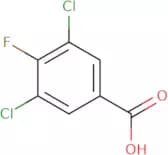
CAS:<p>3,5-Dichloro-4-fluorobenzoic acid is a chemical that belongs to the class of reagents. It reacts with an amine to form a urea and a dioxane derivative. 3,5-Dichloro-4-fluorobenzoic acid is used in the research and development of new drugs as a useful scaffold for novel compounds. It can be used as an intermediate or building block in the synthesis of complex molecules. This chemical also has speciality uses as a fine chemical, such as for use in cosmetics or cleaning products.</p>Formula:C7H3Cl2FO2Purity:Min. 95%Color and Shape:PowderMolecular weight:209 g/molAllyl P,P-diethylphosphonoacetate
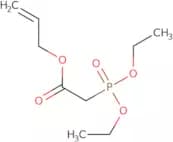
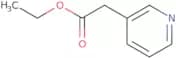
CAS:<p>Allyl P,P-diethylphosphonoacetate is a synthetic organic solvent that is soluble in water. It has an expressed form and an active methylene group. Allyl P,P-diethylphosphonoacetate is used in the synthesis of linear polymers through the addition of fluorine to the carbonyl group. The average particle diameter is 1 nm and it has a hydroxyl group.</p>Formula:C9H17O5PPurity:Min. 95%Color and Shape:Clear LiquidMolecular weight:236.2 g/molEthyl 3-pyRidylacetate
CAS:<p>Ethyl 3-pyRidylacetate is a chiral compound that is used in asymmetric synthesis. It is formed by the reaction of methides with base catalysts. The nmr spectrum of this compound shows three distinct signals, which correspond to the three possible stereoisomers: enolate, trisubstituted, and nucleophilic. These signals are due to the different methylene groups on the molecule. The active methylene group is responsible for alkylation reactions and carbon disulphide formation.</p>Formula:C9H11NO2Purity:Min. 95%Color and Shape:Clear LiquidMolecular weight:165.19 g/molBenzophenone-2,4'-dicarboxylic acid
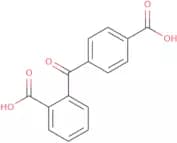
CAS:<p>Benzophenone-2,4'-dicarboxylic acid is a ligand that has been shown to have anion selectivity. It is an organic molecule that can be used in devices such as optical switches and sensors. Benzophenone-2,4'-dicarboxylic acid has been shown to have high fluorescence intensity and it is able to emit light. Benzophenone-2,4'-dicarboxylic acid can be used for the development of novel sensors for both organic and inorganic ions, as well as for ion-exchange membranes. The compound was also found to be luminescent with a bright emission peak at 559 nm, which makes it a promising candidate for fluorescent displays. Benzophenone-2,4'-dicarboxylic acid is also able to form coordinated water molecules when placed in contact with water. This coordinated water molecule may act as a ligand by binding to metal ions or other lig</p>Formula:C15H10O5Purity:Min. 95%Color and Shape:PowderMolecular weight:270.24 g/molHydrocinnamic acid N-hydroxysuccinimide ester
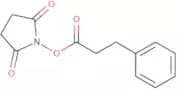
CAS:<p>Please enquire for more information about Hydrocinnamic acid N-hydroxysuccinimide ester including the price, delivery time and more detailed product information at the technical inquiry form on this page</p>Formula:C13H13NO4Purity:Min. 95%Color and Shape:PowderMolecular weight:247.25 g/mol4-(4-(Isopropyl)phenyl)-2-(3-methyl-5-oxo-1-phenyl(2-pyrazolin-4-yl))-4-oxobutanoic acid
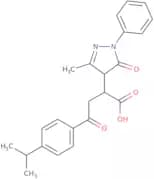
CAS:<p>Please enquire for more information about 4-(4-(Isopropyl)phenyl)-2-(3-methyl-5-oxo-1-phenyl(2-pyrazolin-4-yl))-4-oxobutanoic acid including the price, delivery time and more detailed product information at the technical inquiry form on this page</p>Formula:C23H24N2O4Purity:Min. 95%Color and Shape:PowderMolecular weight:392.45 g/molSDF-1α (human) trifluoroacetate salt
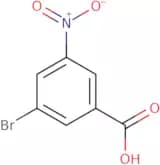
CAS:<p>Please enquire for more information about SDF-1alpha (human) trifluoroacetate salt including the price, delivery time and more detailed product information at the technical inquiry form on this page</p>Formula:C356H578N106O93S4Purity:Min. 95%Molecular weight:7,959.32 g/mol3-Bromo-5-nitrobenzoic acid
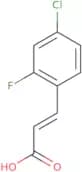
CAS:<p>3-Bromo-5-nitrobenzoic acid is a cancer drug that inhibits the proliferation of cancer cells by binding to amines, which are protonated at physiological pH. This binding leads to an electronic interaction between the bromine atom and the electron cloud of the amine group. The bromine atom is then more attracted to the nucleus, causing it to emit a photon of light. This process is called fluorescence and can be used for imaging cancer cells. 3-Bromo-5-nitrobenzoic acid also has potent antiproliferative activity against cancer cells, which may be due to its ability to bind ligands on target proteins in the cell membrane. It can also lead to apoptosis by interfering with the formation of supramolecular complexes or inhibiting protein synthesis.</p>Formula:C7H4BrNO4Purity:Min. 95%Color and Shape:PowderMolecular weight:246.02 g/mol4-Chloro-2-fluorocinnamic acid
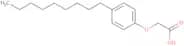
CAS:<p>4-Chloro-2-fluorocinnamic acid is a chemical intermediate that can be used as a building block for the synthesis of other compounds. It has been shown to be useful in the preparation of pharmaceuticals, agrochemicals, and dyestuffs. This chemical has many uses in research, such as being used as a reactant in organic synthesis or as a reagent for derivitization. 4-Chloro-2-fluorocinnamic acid is also an important intermediate for the production of more complex compounds. 4-Chloro-2-fluorocinnamic acid is a versatile building block that can be used in the preparation of many fine chemicals, with its versatility making it an important scaffold for drug discovery.</p>Formula:C9H6ClFO2Purity:Min. 95%Color and Shape:PowderMolecular weight:200.59 g/mol2-(4-Nonylphenoxy)acetic acid
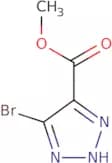
CAS:<p>2-(4-Nonylphenoxy)acetic acid is the main metabolite of nonylphenol, a polycyclic aromatic hydrocarbon. It has been shown to have an antioxidant effect and protect cells against oxidative damage. 2-(4-Nonylphenoxy)acetic acid also inhibits the growth of cultured cancer cells. This compound has been detected in human serum, breast milk, and urine samples from humans in the United States and Europe. 2-(4-Nonylphenoxy)acetic acid is used as a chemical substance in detergents, paints, coatings, dyes, and textile processing.END></p>Formula:C17H26O3Purity:Min. 95%Color and Shape:Clear LiquidMolecular weight:278.39 g/molMethyl 5-bromo-1H-1,2,3-triazole-4-carboxylate
CAS:<p>Methyl 5-bromo-1H-1,2,3-triazole-4-carboxylate is a versatile building block and research chemical that is used in the synthesis of complex compounds. It can be used as an intermediate in the synthesis of pharmaceuticals and other chemicals. Methyl 5-bromo-1H-1,2,3-triazole-4-carboxylate is a high quality reagent and scaffold for organic chemistry. This compound reacts with alcohols to form boronic esters or boronates. It also reacts with amines to form nitrile derivatives.</p>Formula:C4H4BrN3O2Purity:Min. 95%Color and Shape:White PowderMolecular weight:206 g/moltrans-Aconitic acid
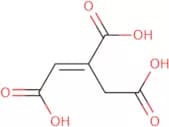
CAS:<p>Trans-aconitic acid is a plant metabolite that can be found in wine, honey, and other foods. It is also produced by the action of yeast on sugars and amino acids. Trans-aconitic acid is used as an analytical reagent in chromatographic analysis due to its high solubility in organic solvents. The biological function of trans-aconitic acid has not yet been determined, but it has been hypothesized that it may be involved in energy metabolism or mitochondrial membrane potential. Trans-aconitic acid binds to nuclear DNA, which could play a role in gene expression or transcriptional regulation. It also inhibits the activity of enzymes such as p-hydroxybenzoic acid form (PHBA) and zirconium oxide (ZrO). Trans-aconitic acid has been shown to inhibit the enzyme form of PHBA with an IC50 value of 0.5 mM.</p>Formula:C6H6O6Purity:Min. 95 Area-%Color and Shape:PowderMolecular weight:174.11 g/mol2-Chloro-4,6-difluorobenzoic acid
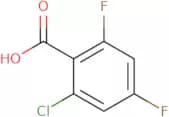
CAS:<p>2-Chloro-4,6-difluorobenzoic acid is the product of a reaction between 2-chloro-4,6-difluoroaniline and 4,6-dichlorobenzonitrile. It is used as a building block in the synthesis of pharmaceuticals and other specialty chemicals. 2-Chloro-4,6-difluorobenzoic acid is also used as a reagent in organic synthesis reactions. This chemical is soluble in water and has a boiling point of 190°C. 2CDFBA is found in CAS No. 1242339-67-8 and can be stored at room temperature.</p>Formula:C7H3ClF2O2Purity:Min. 95%Color and Shape:PowderMolecular weight:192.55 g/mol4-Fluoro-3-nitrobenzoic acid
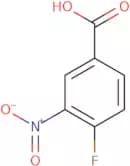
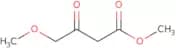
CAS:<p>4-Fluoro-3-nitrobenzoic acid (4FNBA) is a molecule that has been studied for its ability to inhibit the activity of amine oxidases and haloperoxidases. 4FNBA was shown to be a substrate for the model protein, with an equilibrium constant of 2.6 x 10^6 M^(-1). The conversion of 4FNBA to the corresponding quinoxalines was also observed. Molecular docking analysis revealed that 4FNBA binds to the chloride ion and hydrogen bond interactions with nitrogen and oxygen atoms in the protein. This molecule is structurally diverse and may be useful in chemical synthesis or as a drug for treating certain medical conditions.</p>Formula:C7H4FNO4Color and Shape:PowderMolecular weight:185.11 g/molMethyl 4-methoxyacetoacetate
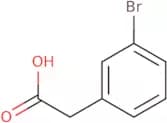
CAS:<p>Methyl 4-methoxyacetoacetate is a synthetic chemical compound that can be used in the synthesis of other substances. It has been shown to react with diacetates and produce hydroxy compounds during the reaction system. The reaction rate is dependent on the temperature and concentration of the reactants, as well as the presence of a catalyst such as hydrochloric acid. Methyl 4-methoxyacetoacetate has also been shown to form crystals when heated at constant temperature, which have been analyzed by X-ray diffraction. These crystals are composed of 2 molecules of methyl 4-methoxyacetoacetate that are held together through hydrogen bonding.</p>Formula:C6H10O4Purity:Min. 95%Color and Shape:Colorless Clear LiquidMolecular weight:146.14 g/mol3-Bromophenylacetic acid
CAS:<p>3-Bromophenylacetic acid is a metabolic disorder that belongs to the group of substances that have hydrogen bond. It is a receptor binding substance and can be used as an analog. 3-Bromophenylacetic acid has been shown to inhibit the CB1 receptor, which is involved in the regulation of appetite and pain perception. This compound has also been shown to have an inhibitory effect on cb1 receptor, which may be due to its ability to act as a solute in vitro. 3-Bromophenylacetic acid has been shown to be an efficient method for phase liquid chromatography when it is combined with proton exchange resin and solutes.</p>Formula:C8H7BrO2Purity:Min. 95%Color and Shape:PowderMolecular weight:215.04 g/mol4-Bromo-3,5-dinitrobenzoic acid
CAS:<p>4-Bromo-3,5-dinitrobenzoic acid is a potent anticancer agent that inhibits cancer cell growth and is used to treat colon cancer, ovarian cancer, and prostate cancer. It is a prodrug that enters the cell through passive diffusion and reacts with intracellular nucleophiles to generate reactive oxygen species. This causes disruption of DNA replication and repair, leading to apoptosis. 4-Bromo-3,5-dinitrobenzoic acid has been shown to be active against a variety of human cancer cells in culture, including colorectal (colorectal adenocarcinoma), lung (lung adenocarcinoma), breast (MCF-7), and prostate (PC3) cells. The drug also has potent activity against some leukemia cells.</p>Formula:C7H3BrN2O6Purity:90%Color and Shape:PowderMolecular weight:291.01 g/mol4-Acetylbutyric acid
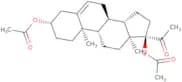
CAS:<p>4-Acetylbutyric acid is a monocarboxylic acid that is synthesized from levulinate. It has been shown to be an intermediate in the biosynthesis of amides and 2,6-dihydroxybenzoic acid. The reaction is catalyzed by an enzyme called acetyl coenzyme A synthetase and requires activation energies of −7.5 kJ/mol for the conversion of levulinate to 4-acetylbutyric acid. This organic compound has a kinetic constant of 1.1 × 10 M−1s−1 at 25°C and pH 7, with a pK value of 3.9 at 25°C; it also has amines and carboxylic functional groups, as well as a carbon source requirement.</p>Formula:C6H10O3Purity:Min. 95 Area-%Color and Shape:PowderMolecular weight:130.14 g/mol17α-Hydroxypregnenolone 3,17-diacetate
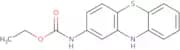
CAS:Controlled Product<p>17alpha-Hydroxypregnenolone 3,17-diacetate is a fine chemical that can be used as a versatile building block in the synthesis of complex compounds. It is typically used as a reagent or speciality chemical for research purposes, but it also has applications in the production of pharmaceuticals, cosmetics, and other products. This compound has been shown to have high purity and is an excellent reaction component for the synthesis of new scaffolds.</p>Formula:C25H36O5Purity:Min. 95%Color and Shape:PowderMolecular weight:416.55 g/molEthyl phenothiazine-2-carbamate
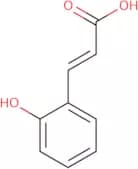
CAS:<p>Ethyl phenothiazine-2-carbamate is a versatile building block that can be used in the synthesis of complex compounds. It has a CAS number of 37711-29-8 and is soluble in organic solvents such as ethanol, acetone, and chloroform. Ethyl phenothiazine-2-carbamate can be used for research and to make reagents and speciality chemicals. This compound is useful in the synthesis of high quality chemical products like pharmaceuticals, agrochemicals, cosmetics, and flavors. It can also be used as an intermediate or scaffold in organic syntheses.</p>Formula:C15H14N2O2SPurity:Min. 95%Molecular weight:286.35 g/moltrans-2-Hydroxycinnamic acid
CAS:<p>Trans-2-hydroxycinnamic acid is a bioactive phytochemical that has been shown to inhibit the proliferation of 3T3-L1 preadipocytes. It also binds with 4-hydroxycinnamic acid, which is a compound found in coumarin derivatives. Trans-2-hydroxycinnamic acid is an analytical method for determining p-hydroxybenzoic acid, which is a metabolite of trans-2-hydroxycinnamic acid and can be used as an indicator for its presence in food products. Trans-2-hydoxycinnamic acid inhibits mitochondrial membrane potential and induces apoptosis in cancer cells. It also has drug interactions with etoac extract and structural analysis.</p>Formula:C9H8O3Color and Shape:PowderMolecular weight:164.16 g/mol(Des-Gly10,D-Ser4,D-Trp6,Pro-NHEt 9)-LHRH trifluoroacetate salt
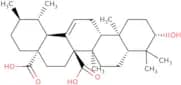
<p>Please enquire for more information about (Des-Gly10,D-Ser4,D-Trp6,Pro-NHEt 9)-LHRH trifluoroacetate salt including the price, delivery time and more detailed product information at the technical inquiry form on this page</p>Formula:C64H83N17O12Purity:Min. 95%Color and Shape:PowderMolecular weight:1,282.45 g/molQuinovic acid
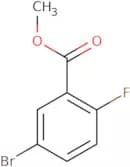
CAS:Controlled Product<p>Quinovic acid is a natural compound that has been shown to have anti-cancer effects. It is an alkanoic acid glycoside derivative, which is extracted from the acetate extract of the genus Quinovic. Quinovic acid inhibits DPP-IV and may be used as an inhibitor of inflammatory reactions in autoimmune disorders. The pharmacokinetic properties of quinovic acid have been studied in mice, which showed that it was rapidly absorbed and eliminated through urine. There are also no known reports of toxicity associated with this substance.</p>Formula:C30H46O5Purity:Min. 95%Color and Shape:White to off-white solid.Molecular weight:486.68 g/mol5-Bromo-2-fluorobenzoic acid methyl ester
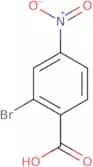
CAS:<p>5-Bromo-2-fluorobenzoic acid methyl ester (5BFME) is a synthetic, non-steroidal compound that is used to treat prostate cancer. 5BFME inhibits the production of prostate specific antigen (PSA) and other androgen levels in prostate cancer cells. 5BFME also has an effect on the cell cycle by inhibiting DNA synthesis, which is likely to have a synergistic effect with other anticancer drugs. 5BFME has shown no selectivity toward any type of cell, which may be due to its ability to modulate cellular biochemical pathways.</p>Formula:C8H6BrFO2Purity:Min. 95%Color and Shape:PowderMolecular weight:233.03 g/mol2-Bromo-4-nitrobenzoic acid
CAS:<p>2-Bromo-4-nitrobenzoic acid is a peptidomimetic that binds to farnesyltransferase and inhibits the enzyme activity. This drug is currently in preclinical development for the treatment of cancer. Preliminary studies have shown that 2-bromo-4-nitrobenzoic acid is able to inhibit tumor growth, which may be due to its inhibition of protein prenylation. This drug also has a low cell membrane permeability, which means it can only enter cells when they are actively taking up molecules from their surroundings. The lack of labelling on this drug means that it is not possible to detect its presence in vivo with positron emission tomography (PET) scans.</p>Formula:C7H4BrNO4Purity:Min. 95%Color and Shape:PowderMolecular weight:246.02 g/mol2-(4-Chloro-3-methylphenoxy)-2-methylpropanoic acid
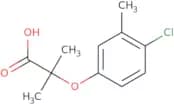
CAS:<p>2-(4-Chloro-3-methylphenoxy)-2-methylpropanoic acid (mCPP) is a pharmaceutical agent with a molecular weight of 318. It is used as an antidepressant and to treat anxiety disorders. This compound is quantified by reaction monitoring and recovery, using acetonitrile, chromatographic and spectrometric analysis. Optimization of the parameters for this analytical method has been carried out by monitoring the effects of ammonium formate on high concentrations of mCPP. The liquid chromatography technique was used to identify and quantify mCPP in order to develop a robust analytical method that can be applied to clinically relevant samples.</p>Formula:C11H13ClO3Purity:Min. 95%Color and Shape:PowderMolecular weight:228.67 g/molCecropin A (1-7)-Melittin A (2-9) amide trifluoroacetate salt
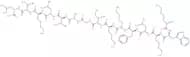
CAS:<p>Cecropin A (1-7)-Melittin A (2-9) amide trifluoroacetate salt is a cecropin-melittin hybrid peptide that has been immobilized on cellulose nanofibers for use as an antimicrobial. It has been shown to have strong antimicrobial activity against bacillus subtilis, and the immobilization process ensures that the peptide is not released from the surface of the material. The process of coating with nanopaper and then applying the peptides provides a stable surface with high antimicrobial activity. The synthetic peptides are synthesized by solid phase synthesis using Fmoc chemistry and purified by preparative HPLC.</p>Formula:C89H152N22O15Purity:Min. 95%Color and Shape:PowderMolecular weight:1,770.3 g/molAcetylene dicarboxylic acid potassium salt
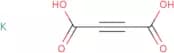
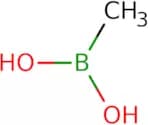
CAS:<p>Acetylene dicarboxylic acid potassium salt (ADAC) is a drug that belongs to the class of 2-fluorobenzoic acid derivatives. Acetylene dicarboxylic acid potassium salt inhibits the enzyme 2,3-dihydroxybenzoate-4-hydroxylase and reduces the production of propiolic acid, which leads to a decrease in the synthesis of tetracene. Acetylene dicarboxylic acid potassium salt has been shown to be an effective anesthetic, with good visual and motor activity. The high toxicity of this compound is due to its high affinity for protein binding sites and its ability to form hydrogen bonds.</p>Formula:C4H2KO4Purity:Min. 95%Molecular weight:153.15 g/molMethylboronic acid
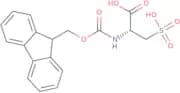
CAS:<p>Methylboronic acid is a cyclic peptide that can be found in plants. It was first discovered as an antimicrobial agent in the 1980s and has since been used to treat infectious diseases. Methylboronic acid reacts with oxygen nucleophiles such as penicillin-binding proteins, leading to their inhibition and subsequent death of bacteria. This compound also has potential for use in treating autoimmune diseases and inflammatory bowel disease due to its ability to inhibit the production of cytokines and other inflammatory mediators.</p>Formula:CH5BO2Purity:Min. 95%Color and Shape:PowderMolecular weight:59.86 g/molFmoc-L-cysteic acid
CAS:<p>Fmoc-L-cysteic acid is a versatile building block that can be used as a reagent, speciality chemical, or useful scaffold in the synthesis of complex compounds. It is an intermediate to other organic compounds and has been reported to have high purity. Fmoc-L-cysteic acid reacts with amines in the presence of base to produce amides. This compound can also be used as a reaction component or as a scaffold in the synthesis of pharmaceuticals.</p>Formula:C18H17NO7SPurity:Min. 95%Color and Shape:PowderMolecular weight:391.4 g/molLead acetate trihydrate
CAS:<p>Lead acetate trihydrate is a polymerase chain reaction (PCR) reagent. It is used in the detection of DNA sequences, typically for forensic or genealogical purposes. Lead acetate trihydrate has been shown to inhibit mitochondrial membrane potential and increase the growth factor-β1 level in experimental models. It also has been shown to cause toxicological effects such as enzyme activities and plasma mass spectrometry changes in animals, as well as physiological effects such as energy metabolism and structural analysis changes, which are related to oxidative injury. The biological sample can be analyzed using chemiluminescence methods.</p>Formula:C4H8O4•Pb•(H2O)3Purity:Min. 95%Color and Shape:PowderMolecular weight:381.37 g/mol3-[5-(2-Carboxyethyl) pyrazon-2-yl] propionic acid
CAS:<p>3-[5-(2-Carboxyethyl) pyrazon-2-yl] propionic acid is a white crystalline solid that is soluble in methanol and dichloromethane. It is used as a reagent, a complex compound, and an intermediate for the synthesis of fine chemicals. This product also has many uses as a building block for chemical synthesis, such as in the synthesis of speciality chemicals and research chemicals. 3-[5-(2-Carboxyethyl) pyrazon-2-yl] propionic acid can be used as versatile building blocks to form many different compounds with high reactivity and selectivity.</p>Formula:C8H10N2O5Purity:Min. 95%Molecular weight:214.18 g/molAminomethylphosphonic acid
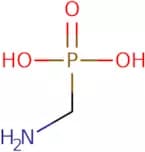
CAS:<p>Aminomethylphosphonic acid has proven action as a mimetic of both D- and L-alanine; it acts as an inhibitor of cell wall enzymes such as D-Ala-D-Ala synthetase, alanine racemase (JAA02406), and UDP-N-acetylmuramyl-L-alanine synthetase</p>Formula:CH6NO3PPurity:Min. 95%Color and Shape:PowderMolecular weight:111.04 g/mol

![4-tert-Butylcalix[4]arene - contains 12% residual solvent (ethyl acetate and acetonitrile)](/_next/image/?url=https%3A%2Fstatic.cymitquimica.com%2Fproducts%2F3D%2Fthumb-webp%2FFB59591.webp&w=3840&q=75)








![3-[5-(2-Carboxyethyl) pyrazon-2-yl] propionic acid](/_next/image/?url=https%3A%2Fstatic.cymitquimica.com%2Fproducts%2F3D%2Fthumb-webp%2FFC07077.webp&w=3840&q=75)