Carboxylic Acids
Carboxylic acids are organic molecules characterized by having a carboxyl-type functional group (-COOH). These acids are fundamental in various chemical reactions, including esterification, amidation, and decarboxylation. Carboxylic acids are widely used in the production of pharmaceuticals, polymers, and agrochemicals. In this section, you can find a large number of carboxylic acids ready to be used. At CymitQuimica, we provide a broad range of high-quality carboxylic acids to support your research and industrial applications.
Found 12454 products of "Carboxylic Acids"
Sort by
Purity (%)
0
100
|
0
|
50
|
90
|
95
|
100
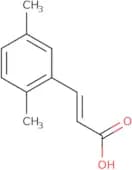
2,5-Dimethylcinnamic acid
CAS:<p>2,5-Dimethylcinnamic acid is a versatile building block that can be used as a reactant in organic synthesis. This compound has been shown to have high quality and is useful for research purposes and as a speciality chemical. 2,5-Dimethylcinnamic acid can be used as a reagent or reaction component in the preparation of other compounds. It also serves as an important intermediate to synthesize complex molecules. This compound has many applications and is often used as a building block for pharmaceuticals, agrochemicals, and fine chemicals.</p>Formula:C11H12O2Purity:Min. 95%Molecular weight:176.21 g/molFusaric acid
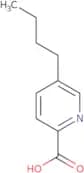
CAS:<p>Fusaric acid is a metabolite of the natural product fusarin. It is formed by the enzymatic hydroxylation of dopamine and has been shown to inhibit the production of picolinic acid, which is involved in the synthesis of NAD. Fusaric acid also inhibits tetracycline resistance in colorectal adenocarcinoma cells, leading to cell death. Fusaric acid has also been found to be effective against squamous carcinoma cells and thermal expansion in titration calorimetry experiments. The structural analysis of this compound showed that it has a planar geometry with a number of hydrogen bonding interactions.<br>FUSARIC ACID:<br>Fusaric acid is an inhibitor of dopamine β-hydroxylase (DBH) that was first isolated from fusarin, a natural product produced by some fungi species. It binds reversibly to DBH and blocks its activity, preventing the conversion of</p>Formula:C10H13NO2Color and Shape:Off-White PowderMolecular weight:179.22 g/mol10,12-Heptacosadiynoic Acid
CAS:<p>10,12-Heptacosadiynoic Acid is a ferrite that can be used as a monomer for the synthesis of magnetic nanoparticles. It has been shown to have an antiproliferative effect on cancer cells and can be used in the diagnosis of various cancers. 10,12-Heptacosadiynoic Acid is also able to interact with optical properties. This property makes it possible to use 10,12-Heptacosadiynoic Acid to detect water on surfaces by introducing a small amount of this compound into the water and looking for any changes in the optical properties.</p>Formula:C27H46O2Purity:Min. 95%Color and Shape:PowderMolecular weight:402.65 g/mol3,5-Dimethoxycinnamic acid methyl ester
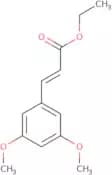
CAS:<p>Please enquire for more information about 3,5-Dimethoxycinnamic acid methyl ester including the price, delivery time and more detailed product information at the technical inquiry form on this page</p>Formula:C12H14O4Purity:Min. 95%Molecular weight:222.24 g/mol3-Phenyl-4,5-dihydroisoxazole-5-carboxylic acid
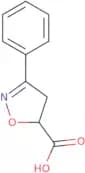
CAS:3-Phenyl-4,5-dihydroisoxazole-5-carboxylic acid is a fine chemical that is used as a building block in the synthesis of other chemicals. This compound can be used in research and development as a reagent for organic synthesis or as an intermediate for the production of high quality, complex compounds. 3-Phenyl-4,5-dihydroisoxazole-5-carboxylic acid is also a versatile building block that can be used in reactions involving amines, alcohols, carboxylic acids, sulfonic acids, and nitriles. It could also be used as a scaffold molecule to create complex molecules with interesting properties.Formula:C10H9NO3Purity:Min. 95 Area-%Color and Shape:PowderMolecular weight:191.18 g/mol2,5-Dibromobenzoic acid
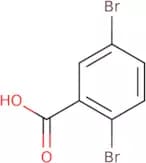
CAS:<p>2,5-Dibromobenzoic acid is an organic compound with the formula HO2CCHBrO2. It is a white solid that dissolves in water and organic solvents. This compound has been shown to inhibit PTP1B (protein tyrosine phosphatase 1B), which is a protein kinase involved in insulin signal transduction. Inhibition of PTP1B by 2,5-dibromobenzoic acid has been shown to lead to decreased cancer cell growth and increased apoptosis without affecting normal cells. This compound also inhibits histone methylation, which may be useful for cancer diagnosis or treatment. In addition, 2,5-dibromobenzoic acid can be used in the synthesis of polymers due to its ability to react with methacrylates or acrylates under free radical polymerization conditions.<br>2,5-Dibromobenzoic acid is a mon</p>Formula:C7H4Br2O2Purity:Min. 95%Color and Shape:PowderMolecular weight:279.91 g/mol(+/-)-2-Hydroxydecanoic acid
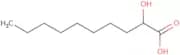
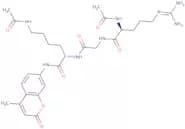
CAS:<p>2-Hydroxydecanoic acid is a fatty acid that has a hydroxy group and a hydroxyl group. It is used as an active substance in pharmaceutical preparations and as a synthetic chemical intermediate. 2-Hydroxydecanoic acid can be produced by the oxidation of 2-hydroxyoctanoic acid with hydrogen peroxide or sodium perborate. The analytical method for this compound is based on its constant boiling point (184°C). 2-Hydroxydecanoic acid has been shown to have nootropic activity in rats at nanomolar concentrations and also has sustained-release properties when it is incorporated into microspheres. The average particle diameter of these microspheres is 10 micrometers, which makes them suitable for use as a sustained-release drug delivery system.</p>Formula:C10H20O3Purity:Min. 95%Color and Shape:White PowderMolecular weight:188.26 g/molAc-Arg-Gly-Lys(Ac)-AMC trifluoroacetate salt
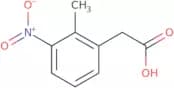
CAS:<p>Ac-Arg-Gly-Lys(Ac)-AMC is a potent apoptotic agent that induces the apoptosis of cancer cells by binding to the caspase-9, which is an enzyme that initiates the process of apoptosis. Ac-Arg-Gly-Lys(Ac)-AMC has been shown to inhibit the growth of cancer cells in cell culture and also shows potent antitumor activity against MDA-MB-231 breast cancer cells. This drug can be used as a potential therapeutic agent for cancers such as colorectal, prostate, and pancreatic cancer. Ac-Arg-Gly-Lys(Ac)-AMC is also able to induce apoptosis in human leukemia cells and may have a potential role in therapy for acute myelogenous leukemia (AML).</p>Formula:C28H40N8O7•C2HF3O2Purity:Min. 98 Area-%Color and Shape:PowderMolecular weight:714.69 g/mol2-Methyl-3-nitrophenylacetic acid
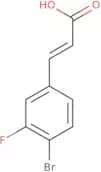
CAS:<p>2-Methyl-3-nitrophenylacetic acid is an alkali metal, which is obtained by the condensation of 2-methylphenol and nitric acid. The synthesis of this compound can be achieved through catalytic reduction of the nitro group with hydrogen in the presence of a nickel catalyst. This method has been shown to produce high yields. 2-Methyl-3-nitrophenylacetic acid is mildly toxic to humans and animals. It is a dopaminergic agent that has been used as a precursor for the production of ropinirole hydrochloride, which is used in the treatment of Parkinson's disease.</p>Formula:C9H9NO4Purity:Min. 95%Color and Shape:PowderMolecular weight:195.17 g/mol4-Bromo-3-fluorocinnamic acid
CAS:<p>4-Bromo-3-fluorocinnamic acid is a brominated derivative of cinnamic acid. It is used as an alloying agent in steel production, and can be used to control the content of manganese, nickel, phosphorous, and sulfur in steels. The equation for the preparation of 4-bromo-3-fluorocinnamic acid from cinnamic acid is: <br>4C6H5CO2H + 3HBr → 4C6H5BrFO2 + 2H2O</p>Formula:C9H6BrFO2Purity:Min. 95%Color and Shape:PowderMolecular weight:245.05 g/mol3-Methoxy-2-methylbenzoic acid
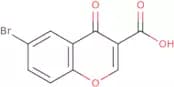
CAS:<p>3-Methoxy-2-methylbenzoic acid is a diazotization agent that is used to produce bromoethane. It is also used as an initiator in the synthesis of dimethylformamide and tetrahydrofuran. 3-Methoxy-2-methylbenzoic acid can be recycled and is used to synthesize methylbenzene, chloroanisole, and grignard reaction products such as chlorobenzene and low yield. 3-Methoxy-2-methylbenzoic acid has been shown to have a high yield for these reactions in comparison to other diazotization agents.</p>Formula:C9H10O3Purity:Min. 95%Color and Shape:White PowderMolecular weight:166.17 g/mol6-Bromochromone-3-carboxylic acid
CAS:<p>6-Bromochromone-3-carboxylic acid is a reactive building block that is used as a reagent. It is also a useful scaffold for the synthesis of complex compounds, due to its high quality and versatility. 6-Bromochromone-3-carboxylic acid can be used as a starting material for the synthesis of fine chemicals such as pharmaceuticals, pesticides, and dyes. This compound has CAS number 51085-91-7.br><br>6-Bromochromone-3-carboxylic acid is an important intermediate in organic syntheses because it can be reacted with other molecules containing functional groups to produce new compounds.br><br>The 6-bromochromone carboxylic acid group reacts with alcohols and amines to form esters and amides respectively. The carboxylic acid group can also react with phenols to produce phenoxy acids.br><br>This compound</p>Formula:C10H5BrO4Purity:Min. 95%Color and Shape:PowderMolecular weight:269.05 g/molBiotin caproic acid
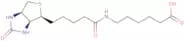
CAS:<p>Podophyllotoxin is a natural product that has been used in the treatment of cancer. Biotin caproic acid is a synthetic analogue of podophyllotoxin and has been shown to have potent antimicrobial activity. Podophyllotoxin is an inhibitor of microtubule polymerization, which leads to cell death. It also induces apoptosis by interacting with dopamine receptors on the cell surface and inhibiting their binding to dopamine. This inhibits dopamine-induced proliferation of cells, leading to cell death. Biotin caproic acid has been shown to have anticancer properties against human cancer cells in vitro. The mechanism of action may be due to binding to the cytochrome P450 enzyme and inhibiting its activity, which affects the metabolism of various drugs and hormones such as dopamine.</p>Formula:C16H27N3O4SPurity:Min. 95%Color and Shape:PowderMolecular weight:357.47 g/molIsonicotinic acid
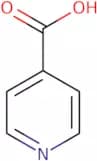
CAS:<p>Isonicotinic acid is an intramolecular hydrogen compound that has been shown to have antimicrobial activity. It has the ability to bind to the surface of bacteria and inhibit their growth by forming a complex with water vapor. Isonicotinic acid also inhibits the growth of subcutaneous tumors in mice and is believed to have anti-inflammatory properties. Isonicotinic acid may be a non-toxic agent for the treatment of bacterial infections because it does not react with human serum or cause hemolysis.</p>Formula:C6H5NO2Purity:Min. 98.5 %Color and Shape:PowderMolecular weight:123.11 g/molBenzyl carbamate
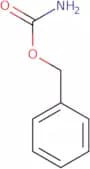
CAS:<p>Benzyl carbamate is a reactive chemical that can form amides, fluorescence probes, and amines. It is a polymorphic compound with two different crystal forms, alpha and beta. The alpha form is more stable than the beta form under normal conditions. Benzyl carbamate has been shown to have antimicrobial properties against bacteria such as Salmonella typhi, Pseudomonas aeruginosa, and Escherichia coli. It also has anti-inflammatory effects in bowel disease models and carisoprodol-induced locomotor activity. Benzyl carbamate can also cause colon cancer in rats with colorectal adenocarcinoma by inhibiting fatty acid metabolism.</p>Formula:C8H9NO2Purity:Min. 95%Color and Shape:White PowderMolecular weight:151.16 g/molGlycolic acid - 70% aqueous solution
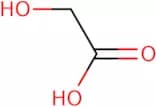
CAS:<p>Glycolic acid is a dicarboxylic acid that is used as a chemical peeling agent for the treatment of hyperkeratotic skin disorders. This product has been shown to inhibit the transcription-polymerase chain reaction (PCR) in maternal blood, which may be due to its ability to form glycolate from glucose and glyceraldehyde-3-phosphate. Glycolic acid inhibits the production of malonic acid by inhibiting the enzyme malonate decarboxylase, which converts malonic acid into succinic acid. The inhibition of this enzyme leads to an accumulation of intracellular glycolate and increased levels of succinic acid in cells. Glycolic acid also inhibits dapagliflozin, an inhibitor of sodium-dependent glucose transport proteins, suggesting that it may have pharmacological effects on diabetes mellitus. Glycolic acid binds with fatty acids by forming ester bonds, thereby preventing them from being incorporated into</p>Formula:C2H4O3Purity:Min. 95%Molecular weight:76.05 g/molEthylenediaminetetraacetic acid tetrasodium salt tetrahydrate
CAS:<p>Ethylenediaminetetraacetic acid tetrasodium salt tetrahydrate is a chemical compound that is used in cell culture to protect cells from oxidative injury. It has been shown to be effective against a variety of antimicrobial agents, such as aromatic hydrocarbons and reactive oxygen species. Ethylenediaminetetraacetic acid tetrasodium salt tetrahydrate has been shown to have antioxidant properties by scavenging reactive oxygen species, which are produced during the process of oxidation. This chemical compound also prevents the breakdown of disulfide bonds and may have a protective effect on DNA by preventing strand breakage. Ethylenediaminetetraacetic acid tetrasodium salt tetrahydrate can be used for sample preparation and inhibits the polymerase chain reaction (PCR) in vitro at low concentrations.</p>Formula:C10H12N2Na4O8·4H2OPurity:Min. 95%Color and Shape:PowderMolecular weight:452.23 g/mol3-Fluoro-4-hydroxybenzoic acid ethyl ester
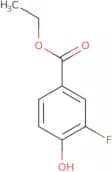
CAS:<p>3-Fluoro-4-hydroxybenzoic acid ethyl ester is a versatile building block that is used as a reagent in organic synthesis. It has the CAS number 56355-21-6. This compound has been shown to be useful for the synthesis of various pharmaceuticals and other complex compounds, such as 3-fluoro-4-(2,2,2-trifluoroethoxy)benzoic acid ethyl ester.</p>Formula:C9H9FO3Purity:Min. 95%Color and Shape:PowderMolecular weight:184.16 g/mol2-Bromo-4,5-dimethoxyphenylacetic acid
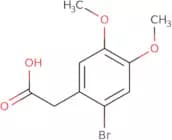
CAS:2-Bromo-4,5-dimethoxyphenylacetic acid is a synthetic compound that has been shown to be effective in the treatment of cancer. It acts by inhibiting the growth and proliferation of cancer cells. 2-Bromo-4,5-dimethoxyphenylacetic acid inhibits cancer cell division by amide formation with DNA, leading to DNA strand breakage. This drug also prevents the growth and proliferation of cancer cells by preventing their division. 2-Bromo-4,5-dimethoxyphenylacetic acid is used as a precursor for other anti-cancer agents that are synthesized from it and have increased potency.Formula:C10H11BrO4Purity:Min. 95%Color and Shape:PowderMolecular weight:275.1 g/mol2-Dimethylaminobenzoic acid
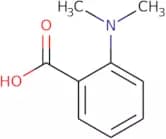
CAS:<p>2-Dimethylaminobenzoic acid (2DMB) is a chemical compound that is used as an amide. It has optical properties and can be used to study the hydrogen bond. 2DMB is also used in ultrasonic imaging and can be found in hydatid cysts, procumbens, anthranilic, proton and specific antibody. 2DMB is also used as a homogeneous catalyst for the synthesis of various chemical compounds including cancer drugs.</p>Formula:C9H11NO2Purity:Min. 95%Color and Shape:PowderMolecular weight:165.19 g/mol7-Oxo-dehydroepiandrosterone acetate
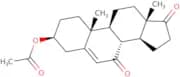
CAS:Controlled Product<p>7-Oxo-dehydroepiandrosterone acetate is a versatile building block that can be used in the synthesis of complex compounds and as a research chemical. It is a reagent, speciality chemical, and useful scaffold for the synthesis of new drugs. 7-Oxo-dehydroepiandrosterone acetate is also used in the manufacturing process as an intermediate or reaction component. The CAS number for this product is 1449-61-2.</p>Formula:C21H28O4Purity:Min. 95%Color and Shape:White Off-White PowderMolecular weight:344.44 g/mol4-[2'-(7''-Deazaguanine)ethyl]benzoic acid N-hydroxysuccinimide ester
CAS:<p>4-[2'-(7''-Deazaguanine)ethyl]benzoic acid N-hydroxysuccinimide ester is a useful intermediate in the synthesis of 7''-deazaguanine, which is a key building block in the synthesis of DNA. 4-[2'-(7''-Deazaguanine)ethyl]benzoic acid N-hydroxysuccinimide ester is a versatile building block that can be used in the synthesis of complex compounds. It has been shown to react with amines, sulfonyl chlorides, and epoxides to form amides, sulfonamides, and epoxy amines respectively. The CAS number for this compound is 204257-65-8.</p>Formula:C19H17N5O5Purity:Min. 95%Molecular weight:395.37 g/mol3-(4-Ethoxybenzoyl)acrylic acid
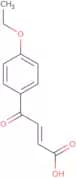
CAS:<p>3-(4-Ethoxybenzoyl)acrylic acid is a chemical that belongs to the group of reagents. It can be used in research involving organic synthesis as a building block and as an intermediate. 3-(4-Ethoxybenzoyl)acrylic acid can also be used to synthesize complex compounds or fine chemicals. The product is high quality, easy to use, and has many uses. This compound is a versatile building block that can be used to make many different compounds.</p>Formula:C12H12O4Purity:Min. 95%Color and Shape:PowderMolecular weight:220.22 g/mol4-Biphenylboronic acid
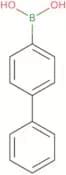
CAS:<p>4-Biphenylboronic acid is a molecule that belongs to the group of amines. It is used in plant science to study the effects of amines on plants. The molecule has been shown to have a high UV absorption and catalysis activity. 4-Biphenylboronic acid has also been shown to bind with p-hydroxybenzoic acid, which inhibits binding with proteins, leading to a change in morphology. 4-Biphenylboronic acid can be used as a chemical inhibitor for root formation and other biological functions.</p>Formula:C12H11BO2Purity:Min. 95%Color and Shape:White Off-White PowderMolecular weight:198.03 g/mol3-Fluoro-4-hydroxycinnamic acid
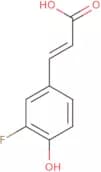
CAS:<p>3-Fluoro-4-hydroxycinnamic acid is a phenol that is an intermediate in the biocatalytic conversion of pyruvate to phenols. It has been shown to be a good candidate for use in organic synthesis, due to its ability to catalyze the reaction between benzene and hydrogen peroxide. 3-Fluoro-4-hydroxycinnamic acid also has potential applications in science and catalysis.</p>Formula:C9H7FO3Color and Shape:PowderMolecular weight:182.15 g/mol[Nitrilotris(methylene)]tris-phosphonic acid pentasodiumsalt - 38.0 to 42.0%, in water
CAS:<p>Nitrilotris(methylene)tris-phosphonic acid pentasodiumsalt is a compound that has antimicrobial properties. The product is used as a corrosion inhibitor, wetting agent, and pH control agent in water treatment. It is also used as an antimicrobial additive to paints and coatings. Nitrilotris(methylene)tris-phosphonic acid pentasodiumsalt inhibits the activity of matrix metalloproteinases and has been shown to be effective against bacterial strains such as Staphylococcus aureus, Streptococcus pneumoniae, Escherichia coli, Enterobacter cloacae, Pseudomonas aeruginosa, and Candida albicans.<br>br><br>Nitrilotris(methylene)tris-phosphonic acid pentasodiumsalt is also an acidic chemical with a pH of 2 to 3. It is also mainly composed of an aliphatic</p>Formula:C3H7NNa5O9P3Color and Shape:Clear LiquidMolecular weight:408.96 g/mol5-Phenylpenta-2,4-dienoic acid
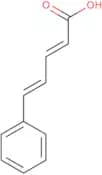
CAS:<p>5-Phenylpenta-2,4-dienoic acid is a high-potency inhibitor of tyrosine kinases. It has been shown to have an inhibitory effect on cancer cells in both squamous and non-squamous cell lines. This compound has been shown to inhibit the proliferation of cancer cells by arresting cell cycle progression at the G1 phase, which leads to the inhibition of DNA synthesis. 5-Phenylpenta-2,4-dienoic acid is also able to block the activation of transcription factors that are involved in tumorigenesis. In addition, this compound inhibits the proliferation of cancer cells by arresting cell cycle progression at the G1 phase, leading to inhibition of DNA synthesis. The molecular modeling study suggests that this compound may be able to bind with tyrosine kinase receptors on the surface of tumor cells and block their activity. The chemical structure of 5-phenylpenta-2,4-dien</p>Formula:C11H10O2Purity:Min. 95%Color and Shape:PowderMolecular weight:174.2 g/molHomogentisic acid
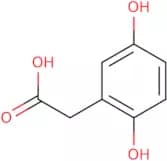
CAS:<p>Precursor of melanine synthesis in bacteria</p>Formula:C8H8O4Purity:Min 96%Color and Shape:White PowderMolecular weight:168.15 g/molNipecotic acid
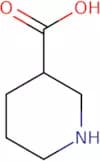
CAS:<p>Nipecotic acid is a competitive inhibitor of glutamate. It binds to the extracellular site of the glutamate-gated chloride channel and blocks the influx of chloride ions into the cell, resulting in an increase in intracellular chloride ion concentrations. Nipecotic acid has been shown to have a variety of effects on behaviour, including increased rotarod performance and improved motor learning in rats. This drug also inhibits uptake of hydrogen tartrate into cells, which is essential for catabolism of glucose by glycolysis. The effect on locomotor activity was not observed when nipecotic acid was administered orally or intraperitoneally. Nipecotic acid has a high resistance to hydrolysis by p-hydroxybenzoic acid and is used as an analytical standard for this compound.</p>Formula:C6H11NO2Color and Shape:PowderMolecular weight:129.15 g/molNb-N-(benzhydryloxycarbonyl)cytosine)-1-acetic acid
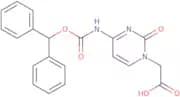
CAS:<p>Nb-N-(benzhydryloxycarbonyl)cytosine)-1-acetic acid is a speciality chemical that is used as a reagent, building block, and scaffold for organic synthesis. This compound can be used in various reactions to produce complex compounds with high purity. Nb-N-(benzhydryloxycarbonyl)cytosine)-1-acetic acid is an excellent starting material for the production of fine chemicals, research chemicals, and versatile building blocks. It is also a useful intermediate for the production of pharmaceuticals and other useful compounds.</p>Formula:C20H17N3O5Purity:Min. 98 Area-%Color and Shape:White PowderMolecular weight:379.37 g/mol2-Chloro-4-hydroxybenzoic acid monohydrate
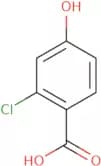
CAS:2-Chloro-4-hydroxybenzoic acid monohydrate is a fine chemical that is used as a building block for research chemicals. It is an important reagent for the synthesis of complex compounds and can be used as a versatile building block for the synthesis of polymers and pharmaceuticals. 2-Chloro-4-hydroxybenzoic acid monohydrate has been used to synthesize a range of novel polymers with potential application in materials science, medicine, and electronics. This compound is also a useful intermediate in organic synthesis reactions and can be used as a scaffold to produce more complex molecules.Formula:C7H5ClO3·H2OPurity:Min. 95%Color and Shape:White PowderMolecular weight:190.58 g/molValproic acid semisodium
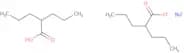
CAS:Controlled Product<p>Valproic acid is a medication used to treat seizures and other conditions. Valproic acid has been shown to be effective in the treatment of metabolic disorders such as hyperammonemia, hypertriglyceridemia, and hypoglycemia. It also has been shown to be an effective treatment for bipolar disorder. Valproic acid does have side-effect profiles that include weight gain, nausea, vomiting, and hair loss. Side effects are more likely to develop when valproic acid is taken with other medications such as erythromycin or divalproex sodium. Valproic acid can cause hypersensitivity syndrome in some patients. In order to avoid this side effect, blood sampling should be done before starting treatment. Valproic acid is metabolized by the liver into the active form, divalproex sodium (divalproex), which then inhibits the enzyme histone deacetylase (HDAC). The inhibition of HDAC leads to an increase in</p>Formula:C8H16O2•Na0Purity:Min. 95%Color and Shape:White to off-white solid.Molecular weight:311.41 g/molPimelic acid
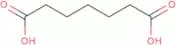
CAS:<p>Pimelic acid is a dicarboxylic acid that has been found to be the precursor of malonic acid in bacteria. It has an acidic nature and significant cytotoxicity, as well as a hydroxyl group that coordinates with nitrogen atoms. Pimelic acid is stable in the presence of water vapor and air, making it difficult to synthesize. These properties have made pimelic acid a topic of interest for polymer compositions. X-ray crystal structures have shown that pimelic acid is composed of six carbons, three nitrogens, one oxygen, and one hydrogen atom.</p>Formula:C7H12O4Color and Shape:PowderMolecular weight:160.17 g/mol1-H-Pyrrole-3-carboxylic acid
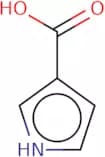
CAS:<p>The immobilized 1-H-pyrrole-3-carboxylic acid (1HP) is an amine that has been immobilized on a solid support. It is able to capture the growth factors and enzymes that are involved in immunoglobulin production and release. This immobilized 1HP has been used for the detection of albumin in urine samples, as well as for the determination of dopamine concentrations in blood plasma. The chemical composition of this immobilized 1HP has been determined by means of electrochemical impedance spectroscopy (EIS). The EIS results showed that it contains a few amines, which are responsible for its covalent linkages with the solid support.</p>Formula:C5H5NO2Purity:Min. 95%Color and Shape:Off-White PowderMolecular weight:111.1 g/molL-Glutamic acid diethyl ester HCl
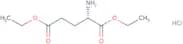
CAS:<p>L-glutamic acid diethyl ester hydrochloride (GDE) is an experimental drug that inhibits the activity of glutamic acid decarboxylase, an enzyme that catalyses the production of glutamate. GDE has been shown to decrease locomotor activity in rats and to cause neuronal death in cerebellar Purkinje neurons. It also has low potency as a neurotransmitter. L-Glutamic acid diethyl ester hydrochloride has been shown to be effective against autoimmune diseases and metabolic disorders, although it did not show significant effects on pharmacokinetic properties or glutamate levels in experimental models.</p>Formula:C9H17NO4·HClPurity:Min. 95%Color and Shape:PowderMolecular weight:239.7 g/molAnecortave acetate
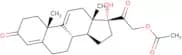
CAS:Controlled Product<p>Anecortave acetate is a steroid that has been shown to inhibit angiogenesis and has been approved for the treatment of proliferative diabetic retinopathy. It is a prodrug that undergoes enzymatic cleavage by esterases to release the active form, acetate. This drug is found in high concentrations in the sclera, which could be related to its ability to inhibit angiogenesis. Anecortave acetate inhibits viral replication and inflammation by binding to receptors on cells with these functions. Anecortave acetate also binds to monoclonal antibodies that are used as imaging agents for angiography and fluorescein angiography studies. The anti-angiogenic properties of this drug have been studied using pharmacokinetics studies, animal toxicity studies, and chemical biology approaches.</p>Formula:C23H30O5Purity:Min. 96 Area-%Color and Shape:White Off-White PowderMolecular weight:386.48 g/mol2-Nitro-3,4,5-trimethoxybenzoic acid methyl ester
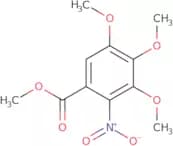
CAS:<p>2-Nitro-3,4,5-trimethoxybenzoic acid methyl ester is a potential anticancer agent. It has been shown to inhibit the growth of cancer cells in vitro and demonstrates anticancer activity against human tumor xenografts in mice. This compound binds to the epidermal growth factor receptor (EGFR) and inhibits its activity. This binding causes downstream signalling pathways to be suppressed, which ultimately prevents tumor cells from proliferating. 2-Nitro-3,4,5-trimethoxybenzoic acid methyl ester also has directional properties that may allow for selective targeting of cancerous cells.<br>2-Nitro-3,4,5-trimethoxybenzoic acid methyl ester is a white crystalline powder with an orthorhombic crystal system and an amine group on each end of the molecule.</p>Formula:C11H13NO7Purity:Min. 95%Color and Shape:PowderMolecular weight:271.22 g/mol(5-Pyridin-2-yl-2H-tetrazol-2-yl)acetic acid
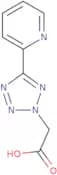
CAS:<p>5-Pyridin-2-yl-2H-tetrazol-2-yl)acetic acid is a chemical compound that can be used as a research chemical, reagent, or speciality chemical in the synthesis of pharmaceuticals, pesticides, and other organic compounds. It is also an intermediate for the production of other compounds and has been shown to have antioxidant properties. 5-(pyridin-2-yl)-2H tetrazole is a useful building block in the synthesis of complex compounds and scaffolds.</p>Formula:C8H7N5O2Purity:Min. 95%Color and Shape:PowderMolecular weight:205.17 g/mol2-Oxo-1,2,3,4-tetrahydroquinoline-4-carboxylic acid
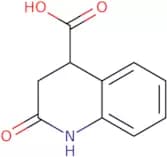
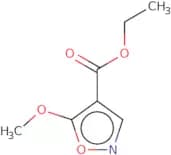
CAS:<p>2-Oxo-1,2,3,4-tetrahydroquinoline-4-carboxylic acid is a carboxylic acid that is an intermediate in the chemical synthesis of 2H and 3H tetrahydroquinolines. It can be synthesized by the oxidation of 2-(N,N-dimethylamino)benzaldehyde with hydrogen peroxide in methanol. The compound has been used to label animals for use in mass spectrometry studies and as a reactant in electron and nuclear magnetic resonance (NMR) spectroscopy experiments. In addition, 2-oxo-1,2,3,4-tetrahydroquinoline-4-carboxylic acid has been used to study equilibrium and reversible reactions as well as to identify the abundances of different spectral peaks. 2-Oxo-1,2,3,4-tetrahydroquinoline-4</p>Formula:C10H9NO3Purity:Min. 95%Molecular weight:191.18 g/mol5-Methoxyisoxazole-4-carboxylic acid ethyl ester
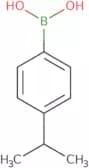
CAS:<p>5-Methoxyisoxazole-4-carboxylic acid ethyl ester is a fine chemical that has been used as a reagent, speciality chemical, and complex building block. It is also useful as a versatile intermediate for the synthesis of other organic compounds. 5-Methoxyisoxazole-4-carboxylic acid ethyl ester has been shown to react with alcohols and amines to form ethers and amides respectively. The compound can be used in the synthesis of polymers and pharmaceutical intermediates. 5-Methoxyisoxazole-4-carboxylic acid ethyl ester has a molecular weight of 210.24 g/mol and CAS No. 1314983-30-6.</p>Formula:C7H9NO4Purity:Min. 95%Molecular weight:171.15 g/mol4-Isopropylphenylboronic acid
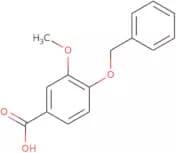
CAS:<p>4-Isopropylphenylboronic acid is a chiral organic chemical that is used as a Grignard reagent. It is an optically pure compound that can be isolated by recrystallization. The optical purity of 4-isopropylphenylboronic acid has been confirmed by the red shift observed in its IR spectrum. This compound undergoes nucleophilic substitution reactions, and it also catalyses the hydrostannylation of styrene with phenyllithium or butyllithium. The synthesis of this molecule requires relatively mild reaction conditions, and it can be obtained in high yield.</p>Formula:C9H13BO2Purity:Min. 95%Color and Shape:PowderMolecular weight:164.01 g/mol4-Benzyloxy-3-methoxybenzoic acid
CAS:<p>4-Benzyloxy-3-methoxybenzoic acid is an isomeric compound that is decarboxylated to 4-hydroxy-3-methoxybenzoic acid. It has been shown to inhibit tumor growth and induce apoptosis in HCT116 human lung cancer cells. The mechanism of action may be due to the inhibition of amine synthesis by vanillyl alcohol and oxygenated metabolites.</p>Formula:C15H14O4Purity:Min. 90%Molecular weight:258.27 g/mol2-(S)-Hydroxy-4-oxo-4-phenylbutyric acid
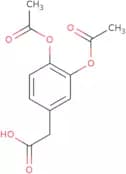
CAS:<p>2-(S)-Hydroxy-4-oxo-4-phenylbutyric acid is a useful building block that can be used in the production of many fine chemicals, research chemicals, and reagents. It is a versatile building block that can be used as a reaction component in a wide range of reactions. 2-(S)-Hydroxy-4-oxo-4-phenylbutyric acid is also an intermediate or scaffold for complex compounds that are valuable in many fields such as pharmaceuticals, agrochemicals, and polymers. This compound has been shown to have high quality and purity.</p>Formula:C10H10O4Purity:Min. 95%Color and Shape:PowderMolecular weight:194.18 g/mol3,4-Diacetoxyphenylacetic acid
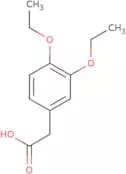
CAS:<p>3,4-Diacetoxyphenylacetic acid is a white crystalline solid. It is soluble in water, ethanol and acetone. This chemical is a useful building block for the synthesis of a wide range of compounds including pharmaceuticals, pesticides and agrochemicals. 3,4-Diacetoxyphenylacetic acid has been used as a reagent for the synthesis of various complex compounds such as anti-inflammatory drugs and antibiotics. 3,4-Diacetoxyphenylacetic acid can be used as a versatile building block in the synthesis of many different compounds with high purity and quality.</p>Formula:C12H12O6Purity:Min. 95%Molecular weight:252.22 g/mol3,4-Diethoxyphenylacetic acid
CAS:<p>3,4-Diethoxyphenylacetic acid is a synthetic compound that has been shown to be an inhibitor of multidrug resistance (MDR) efflux pumps. It is also a substrate for membrane sulfotransferases, which are enzymes that catalyze the transfer of sulfate from 3,4-diethoxyphenylacetic acid to other compounds. The addition of 3,4-diethoxyphenylacetic acid to cultured human cells has been shown to inhibit the activity of p-glycoprotein and therefore increase the uptake of drugs such as acetonitrile and aluminium.</p>Formula:C12H16O4Purity:Min. 95%Color and Shape:PowderMolecular weight:224.25 g/mol4-{[(Dimethylamino)sulfonyl]amino}benzoic acid
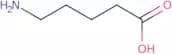
CAS:<p>4-{[(Dimethylamino)sulfonyl]amino}benzoic acid is a reagent that is used as an intermediate in the synthesis of complex compounds. It is also a useful scaffold for the synthesis of speciality chemicals and research chemicals. The compound has been shown to be versatile as a building block in organic reactions, such as condensation, esterification, and nitration.</p>Formula:C9H12N2O4SPurity:Min. 95%Color and Shape:Off-White To Brown SolidMolecular weight:244.27 g/mol5-Aminovaleric acid
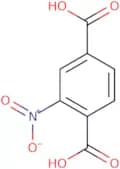
CAS:<p>5-Aminovaleric acid is a cyclic peptide that is an antagonist of the enzyme 5-aminovaleric acid hydrolase that catalyzes the conversion of 5-aminovaleric acid to succinic semialdehyde. The physiological function of 5-aminovaleric acid hydrolase is not known, but it has been implicated in a number of neurological disorders, such as Alzheimer's disease, Parkinson's disease, and amyotrophic lateral sclerosis. The reaction solution contains 5-aminovaleric acid (5AVA), hydrogen fluoride (HF), and l-lysine (Lys). Upon addition of HF to the solution, it reacts with Lys to form a dinucleotide phosphate intermediate. This intermediate then reacts with 5AVA to form an intramolecular hydrogen bond with the amino group of Lys and release hydrogen gas. The detection sensitivity for this reaction can be increased by using a cyclic peptide inhibitor.</p>Formula:C5H11NO2Purity:Min. 95%Color and Shape:Off-White PowderMolecular weight:117.15 g/mol2-Nitroterephthalic acid
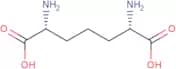
CAS:<p>2-Nitroterephthalic acid is an inorganic acid that belongs to the nitro group. It is a white powder and has a melting point of 115°C. The crystal structure of 2-nitroterephthalic acid was determined using x-ray crystallography, and the thermal expansion coefficient was measured at different temperatures between 10° and 120°C. This compound has been used as a test sample to study the hydrogen bonding interactions between methyl ethyl groups on the molecule's surface with carboxylate groups in other molecules. Structural analysis of this compound also revealed that it contains a carboxylate group that can be converted into an ester for use in organic synthesis.</p>Formula:C8H5NO6Color and Shape:PowderMolecular weight:211.13 g/mol(2S,6R)-2,6-Diaminoheptanedioic acid
CAS:<p>(2S,6R)-2,6-Diaminoheptanedioic acid is an antimicrobial agent that inhibits bacterial growth by binding to the Toll-like receptor 2 (TLR2) and Toll-like receptor 4 (TLR4). It has been shown to inhibit the production of IL-12 in a dose-dependent manner. The crystal structure of the complex between (2S,6R)-2,6-diaminoheptanedioic acid and TLR4 reveals that this compound binds to TLR4 at the interface between its extracellular domain and transmembrane domain, which disrupts the interaction between TLR4 and its ligands. This compound also inhibits calcium uptake by gram-positive bacteria such as Staphylococcus aureus and Enterococcus faecalis. (2S,6R)-2,6-Diaminoheptanedioic acid may be used for wastewater treatment because it</p>Formula:C7H14N2O4Purity:Min. 95%Color and Shape:White PowderMolecular weight:190.2 g/mol7-Keto abiraterone acetate
<p>7-Keto abiraterone acetate is a chemical compound that is used as a reagent in organic chemistry. It reacts with various electrophiles to form useful scaffolds for the synthesis of complex compounds. 7-Keto abiraterone acetate is a versatile building block, which can be used as a starting material or intermediate in the synthesis of many speciality chemicals. It has been reported to react with other reagents such as diazomethane and ethyl chloroformate to form good quality products. The CAS number for 7-keto abiraterone acetate is 383482-35-5.</p>Formula:C26H31NO3Purity:Min. 97 Area-%Color and Shape:PowderMolecular weight:405.53 g/mol2,4-Dichlorophenylacetic acid
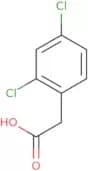
CAS:<p>2,4-Dichlorophenylacetic acid is a metabolite of 2,4-dichlorophenoxyacetic acid. It has been used as an analytical marker for the latter compound in urine samples. The metabolic rate of 2,4-DPA is related to the concentration of pyridoxine hydrochloride in plant tissue. This chemical reacts with light to form 2,4-dichlorobenzoic acid and undergoes photochemical reactions.</p>Formula:C8H6Cl2O2Purity:Min. 95%Color and Shape:PowderMolecular weight:205.04 g/molPoly(acrylic acid, sodium salt) solution - average molecular weight 15000, 35% in water
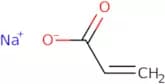
CAS:<p>Poly(acrylic acid) is a polymer that has significant cytotoxicity. The molecular weight of the polymers range from 10,000 to 1,000,000 and it is soluble in water. Poly(acrylic acid) can be used for the treatment of solid tumours and bowel diseases. It has been shown to have a phase transition temperature at around 55°C, which means that it is a liquid at room temperature but becomes a gel when heated. Poly(acrylic acid) is also used as an ionotropic gelation agent in ionotropic electrode gels, and as an additive to increase the viscosity of benzalkonium chloride solutions.</p>Formula:(C3H4O2)x•NaxPurity:Min. 95%Color and Shape:Clear Liquid6-Bromoindole-2-carboxylic acid
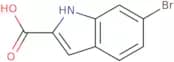
CAS:<p>6-Bromoindole-2-carboxylic acid is a useful building block that can be used in the synthesis of complex compounds. This chemical is also a versatile intermediate for research chemicals and pharmaceuticals. 6-Bromoindole-2-carboxylic acid is often used as a reaction component for organic syntheses, such as the manufacture of reagents and other specialty chemicals.</p>Formula:C9H6BrNO2Purity:Min. 95%Color and Shape:PowderMolecular weight:240.05 g/molImidazo[1,2-α]pyridin-3-yl-boronic acid pinacol ester
CAS:<p>Imidazo[1,2-a]pyridin-3-yl-boronic acid pinacol ester is a reagent that is used as an intermediate in the synthesis of complex compounds. The compound has been shown to be useful for research purposes and can be used as a building block in the synthesis of chemical compounds. Imidazo[1,2-a]pyridin-3-yl-boronic acid pinacol ester has an CAS number of 1238337-02-4 and is a versatile building block that can be used to synthesize speciality chemicals.</p>Formula:C13H17BN2O2Purity:Min. 95%Color and Shape:PowderMolecular weight:244.1 g/mol[(1-Methyl-1H-indol-5-yl)methyl]amine acetate
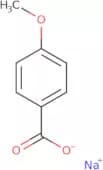
CAS:<p>[(1-Methyl-1H-indol-5-yl)methyl]amine acetate is a versatile building block that can be used in the preparation of a wide range of chemicals. This compound has been shown to react with a variety of reagents, such as phenyliodine diacetate and chloroacetic acid to give various products. [(1-Methyl-1H-indol-5-yl)methyl]amine acetate also reacts with potassium hydroxide (KOH) to produce indole. It is an important intermediate in the synthesis of other chemical compounds and has been reported in more than 200 scientific publications. The chemical formula for [(1-Methyl-1H-indol-5-yl)methyl]amine acetate is C13H14N2O4.</p>Formula:C10H12N2·C2H4O2Purity:Min. 95%Color and Shape:White PowderMolecular weight:220.27 g/mol4-Methoxybenzoic acid sodium
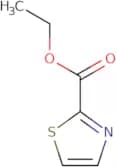
CAS:<p>4-Methoxybenzoic acid sodium is an amide that has been used as a preservative and antimicrobial agent in food products. It is also a second-order rate constant with a Ca2+ concentration of 0.1 mM for staphylococcus. The fatty acids of 4-methoxybenzoic acid sodium are hydrophobic and inhibit the growth of microorganisms by disrupting the cell membrane, which leads to leakage of cellular content. This compound also inhibits the activity of fatty acyl coenzyme A reductase and has been shown to have a microbicidal effect on gram-positive bacteria, such as Staphylococcus aureus. 4-Methoxybenzoic acid sodium has also been shown to be effective against Candida albicans, Streptococcus pyogenes, and Bacillus subtilis when combined with an antimicrobial peptide or cationic surfactant.</p>Formula:C8H7NaO3Purity:Min. 98 Area-%Color and Shape:PowderMolecular weight:174.13 g/molThiazole-2-carboxylic acid ethyl ester
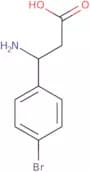
CAS:<p>Thiazole-2-carboxylic acid ethyl ester is a synthetic compound that is used as a model for peroxides and as a substrate in the study of carbonyl chemistry. It has been shown to react with benzene, yielding an alpha-hydroxybenzylidene ketone. The heterocycle can be converted to the corresponding carboxylic acid by dehydrogenation with hydrogen peroxide or sodium perborate. The yields of this reaction are dependent on the substituent effects of the heterocycle. Thiazole-2-carboxylic acid ethyl ester reacts with serine protease and amide in an enzyme assay. Kinetic data for this reaction are available in the literature.</p>Formula:C6H7NO2SPurity:Min. 95%Color and Shape:PowderMolecular weight:157.19 g/mol3-Amino-3-(4-bromophenyl)propanoic acid
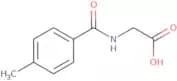
CAS:<p>3-Amino-3-(4-bromophenyl)propanoic acid is a versatile building block that is used in the synthesis of many different compounds. It is a reagent, useful as a research chemical and as a speciality chemical. 3-Amino-3-(4-bromophenyl)propanoic acid has been used in the synthesis of a number of complex compounds, including pharmaceuticals and pesticides. This compound is a good choice for use in organic synthesis because it reacts readily with an array of functional groups, such as carboxylic acids and amines.</p>Formula:C9H10BrNO2Purity:Min. 95%Color and Shape:PowderMolecular weight:244.09 g/mol4-Methyl hippuric acid
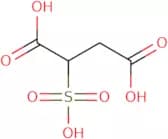
CAS:<p>4-Methyl hippuric acid is a metabolite of benzoic acid, and is excreted in the urine as an end product of phenylalanine metabolism. The matrix effect is a phenomenon that is observed when chromatographic analysis occurs in the presence of impurities or other substances. It can be minimized by using an optimum concentration of hydrochloric acid to extract the analyte from the sample matrix. 4-Methyl hippuric acid can be detected in urine samples by using a chromatographic method and then quantified by measuring its s-phenylmercapturic acid content. This compound has been used as a marker for determining blood pressure and has also been shown to have antihypertensive effects.</p>Formula:C10H11NO3Purity:Min. 95%Color and Shape:PowderMolecular weight:193.2 g/molSulfosuccinic Acid - 70 wt. % in H2O
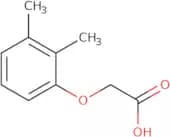
CAS:<p>Sulfosuccinic acid is a chemical compound that belongs to the group of coumarin derivatives. It has been shown to have good chemical stability in a variety of solvents, including water. Sulfosuccinic acid is also soluble in sodium salts and can be easily prepared as an aqueous solution or as a powder with particle size less than 10 microns. The surface methodology for this compound includes methods such as scanning electron microscopy (SEM), atomic force microscopy (AFM), and X-ray photoelectron spectroscopy (XPS). Sulfosuccinic acid has been found to have matrix effects on proteins and enzymes, which may be due to its basic properties. It is also used in nanoparticulate compositions for lc-ms/ms analysis.</p>Formula:C4H6O7SPurity:Min. 95%Color and Shape:Clear LiquidMolecular weight:198.15 g/mol2,3-Dimethylphenoxyacetic acid
CAS:<p>2,3-Dimethylphenoxyacetic acid is a selective inhibitor of strictosidine synthase, an enzyme that catalyzes the last step in the biosynthesis of the alkaloid strictosidine. It binds to a cysteine amino acid residue in the active site of the enzyme and prevents catalysis. This inhibition could be due to its ability to form covalent bonds with other molecules or its ability to bind strongly to metals such as iron and cobalt. 2,3-Dimethylphenoxyacetic acid has shown inhibitory effects on leukemia cells, HLA-60 human leukemia cells and HL-60 human leukemia cells. It is currently being investigated for use in cancer treatment.</p>Formula:C10H12O3Purity:Min. 95%Color and Shape:PowderMolecular weight:180.2 g/mol5-Nitro-2-furaldehyde diacetate
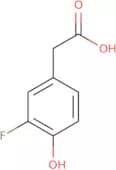
CAS:<p>5-Nitro-2-furaldehyde diacetate is a synthetic compound that can be used in the production of quinoline derivatives. It has been shown to have an inhibitory effect on lung cancer cells, although its mechanism of action is not yet known. 5NFDA was synthesized and tested with a reaction solution containing sodium carbonate and hydrochloric acid. The electron microscopic analysis showed that this compound reacts with the hydroxyl group on the surface of the lung cell membrane. This reaction causes a loss of integrity in the cell wall, leading to cell death.</p>Formula:C9H9NO7Purity:Min. 97 Area-%Color and Shape:PowderMolecular weight:243.17 g/mol3-Fluoro-4-hydroxyphenylacetic acid
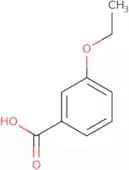
CAS:<p>3-Fluoro-4-hydroxyphenylacetic acid is a fluorinated aromatic compound that has been shown to have serotonergic, dopaminergic and noradrenergic actions. 3-Fluoro-4-hydroxyphenylacetic acid has been shown to interact with the serotonin receptor 5HT2A in cell culture and in vivo, as well as with the dopamine receptor DRD2. This compound also interacts with the eschscholtzia receptor. 3-Fluoro-4-hydroxyphenylacetic acid is biosynthesized from 5-hydroxyindoleacetic acid (5HIAA).</p>Formula:C8H7FO3Purity:Min. 95%Color and Shape:PowderMolecular weight:170.14 g/mol3-Ethoxybenzoic acid
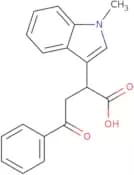
CAS:<p>3-Ethoxybenzoic acid is an organic compound that is used as a ligand in biochemistry. It has been shown to be active in the monooxygenase activity of human cytochrome P450 enzymes, including CYP1A2 and CYP3A4. 3-Ethoxybenzoic acid binds to the ferredoxin molecule, which is a hydrogen-accepting cofactor found in many electron transfer reactions. The orientation of 3-ethoxybenzoic acid with respect to the ferredoxin molecule determines its catalytic activity. Crystallography studies have revealed that 3-ethoxybenzoic acid can bind to two water molecules and one hydroxide ion, stabilizing the ferredoxin molecule and increasing its catalytic activity.</p>Formula:C9H10O3Purity:Min. 95%Color and Shape:PowderMolecular weight:166.17 g/mol2-(1-Methylindol-3-yl)-4-oxo-4-phenylbutanoic acid
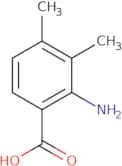
CAS:<p>Please enquire for more information about 2-(1-Methylindol-3-yl)-4-oxo-4-phenylbutanoic acid including the price, delivery time and more detailed product information at the technical inquiry form on this page</p>Purity:Min. 95%2-Amino-3,4-dimethylbenzoic acid
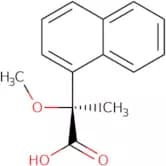
CAS:<p>Protocatechuic acid is a phenolic compound that is found in the cell wall of plants. It has been shown to have radical scavenging activities and antioxidant properties. Protocatechuic acid binds to acetylcholine receptors, which are proteins that are involved in neurotransmission. Protocatechuic acid also inhibits the production of 4-hydroxy radicals, which are reactive oxygen species. This effect was observed when an ethanol extract was used as a source of protocatechuic acid in a study on rats with experimental myocardial infarction. The activity of the muscarinic acetylcholine receptor has been shown to be dose-dependent, with greater activity at lower concentrations and lower activity at higher concentrations. Higher doses can lead to allosteric modulation of this receptor by protocatechuic acid.</p>Formula:C9H11NO2Purity:Min. 95%Color and Shape:PowderMolecular weight:165.19 g/mol(S)-2-Methoxy-2-(1-naphthyl)propanoic acid
CAS:<p>(S)-2-Methoxy-2-(1-naphthyl)propanoic acid is a chiral molecule that can exist in two different forms, each of which has the same physical and chemical properties. The two enantiomers are not optically active, meaning they have the same degree of rotation when passed through a polarizing filter. It is an organic compound that is used as a flavoring agent in food chemistry and as a bioactive compound. (S)-2-Methoxy-2-(1-naphthyl)propanoic acid also has been shown to function as an attractant for hemipteran insects such as mosquitoes, although it is not clear if this property is due to its aromatic or enantiomeric structure.</p>Formula:C14H14O3Purity:Min. 95%Color and Shape:PowderMolecular weight:230.26 g/molPotassium oxirane-2-carboxylate
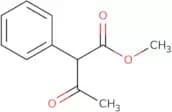
CAS:<p>Potassium oxirane-2-carboxylate is a chiral, silicon containing compound that inhibits the enzyme glucose 6-phosphate dehydrogenase. It has been shown to inhibit the formation of 6-phosphate in tubule cells. This inhibition leads to renal toxicity and may be due to its ability to catalyze primary alcohols into chloroacetone and malate. Potassium oxirane-2-carboxylate is an organosilicon compound that can be used as a catalyst for enzymatic reactions, such as dehydrogenation.</p>Formula:C3H3KO3Purity:Min. 95 Area-%Color and Shape:PowderMolecular weight:126.15 g/molMethyl 2-phenylacetoacetate
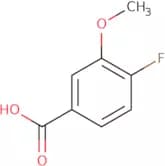
CAS:Controlled Product<p>Methyl 2-phenylacetoacetate is an impurity of amphetamine. It is a chemical intermediate and an impurity in the production of amphetamine by the Leuckart reaction. Methyl 2-phenylacetoacetate may be found in wastewater from the manufacture of amphetamine. This chemical is not a drug, but it may be used as a marker for wastewater treatment systems that are malfunctioning or aberrantly producing amphetamine.</p>Formula:C11H12O3Purity:Min. 95%Color and Shape:White PowderMolecular weight:192.21 g/mol4-Fluoro-3-methoxybenzoic acid
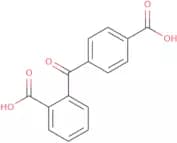
CAS:<p>4-Fluoro-3-methoxybenzoic acid is a chiral, organic compound. It is an estrogen antagonist that binds to the estrogen receptor. 4-Fluoro-3-methoxybenzoic acid has been shown to inhibit tumor growth by blocking the interaction of estradiol with its receptor in the cancer cell line MCF-7. The metabolically active form of this compound is 4′-hydroxymethyl 4′,4″-difluorobenzoate and it can be converted into other metabolites such as 3′,4′,5′,6′-tetrahydroxybenzoic acid. This conversion may be mediated by cytochrome P450 enzymes or through hydrolysis by esterases or glucuronidases. The stereoisomers of 4-fluoro-3 methoxybenzoic acid are erythro and threo forms which have different affinities for</p>Formula:C8H7FO3Purity:Min. 95%Color and Shape:PowderMolecular weight:170.14 g/molBenzophenone-2,4'-dicarboxylic acid
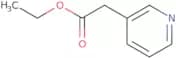
CAS:Benzophenone-2,4'-dicarboxylic acid is a ligand that has been shown to have anion selectivity. It is an organic molecule that can be used in devices such as optical switches and sensors. Benzophenone-2,4'-dicarboxylic acid has been shown to have high fluorescence intensity and it is able to emit light. Benzophenone-2,4'-dicarboxylic acid can be used for the development of novel sensors for both organic and inorganic ions, as well as for ion-exchange membranes. The compound was also found to be luminescent with a bright emission peak at 559 nm, which makes it a promising candidate for fluorescent displays. Benzophenone-2,4'-dicarboxylic acid is also able to form coordinated water molecules when placed in contact with water. This coordinated water molecule may act as a ligand by binding to metal ions or other ligFormula:C15H10O5Purity:Min. 95%Color and Shape:PowderMolecular weight:270.24 g/molEthyl 3-pyRidylacetate
CAS:<p>Ethyl 3-pyRidylacetate is a chiral compound that is used in asymmetric synthesis. It is formed by the reaction of methides with base catalysts. The nmr spectrum of this compound shows three distinct signals, which correspond to the three possible stereoisomers: enolate, trisubstituted, and nucleophilic. These signals are due to the different methylene groups on the molecule. The active methylene group is responsible for alkylation reactions and carbon disulphide formation.</p>Formula:C9H11NO2Purity:Min. 95%Color and Shape:Clear LiquidMolecular weight:165.19 g/molKulonic acid
CAS:Controlled Product<p>Kulonin is a plant extract that is used for the treatment of cancer. It has potent antitumor activity and can inhibit the growth of human lung cancer cells, SGC-7901 cells. Kulonin was shown to have antioxidant properties in an oxygenated environment, which may be due to its ability to scavenge reactive oxygen species and inhibit lipid peroxidation. This compound also has a nutritional value and is able to cross the blood-brain barrier, making it a potential candidate for treating brain tumors.</p>Purity:Min. 95%L-Aspartic acid sodium salt monohydrate
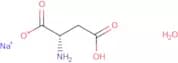
CAS:<p>L-Aspartic acid sodium salt monohydrate is a sodium carbonate salt of L-aspartic acid that has been shown to inhibit the growth of leishmania in vitro. It may also be effective against other protozoa and amoeba, including Entamoeba histolytica and Naegleria fowleri. L-Aspartic acid sodium salt monohydrate inhibits acid formation by inhibiting the enzyme carbonate synthetase. This compound also has potential as a drug target for infantile lysosomal storage disease due to its ability to activate glutamate, which is an amino acid that is deficient in this condition. The surface methodology used for this study was titration calorimetry, which can be used to measure the thermodynamic properties of activated carboxylates.</p>Formula:C4H6NO4Na·H2OColor and Shape:White Off-White Clear LiquidMolecular weight:173.1 g/molAllyl P,P-diethylphosphonoacetate
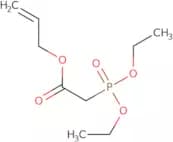
CAS:<p>Allyl P,P-diethylphosphonoacetate is a synthetic organic solvent that is soluble in water. It has an expressed form and an active methylene group. Allyl P,P-diethylphosphonoacetate is used in the synthesis of linear polymers through the addition of fluorine to the carbonyl group. The average particle diameter is 1 nm and it has a hydroxyl group.</p>Formula:C9H17O5PPurity:Min. 95%Color and Shape:Clear LiquidMolecular weight:236.2 g/mol3-Nitrophthalic acid
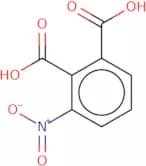
CAS:<p>3-Nitrophthalic acid is an organic compound that has been used in biological studies. It has been shown to bind to DNA and RNA, which may be due to hydrogen bonding interactions with the nitrogen atoms. 3-Nitrophthalic acid is synthesized by reacting sodium carbonate with trifluoroacetic acid, resulting in a carboxylate group. This compound has photochemical properties and can be used as a photosensitizer for the treatment of certain forms of cancer. 3-Nitrophthalic acid reacts with oxygen and generates singlet oxygen, which results in cellular damage.</p>Formula:C8H5NO6Purity:Min. 95%Color and Shape:PowderMolecular weight:211.13 g/molPolylactic acid - MW 40,000~80,000
CAS:<p>Polylactic acid is a polymer that has been used as a suture and in tissue engineering. It is synthesized by the polymerization of lactic acid, which is derived from renewable resources such as cornstarch, potatoes, and sugar beets. Polylactic acid has been shown to be effective against squamous carcinoma cells and colorectal adenocarcinoma cells. The mechanism of action for polylactic acid is not fully understood but it may have an effect on mitochondrial membrane potential, blood sampling, multivariate logistic regression, antibacterial efficacy, enzyme activities and transcriptional regulation. This polymer may also inhibit the growth of bacteria through the inhibition of glycol ethers or benzalkonium chloride.</p>Color and Shape:White Powder4-Phenylbutyric acid
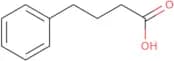
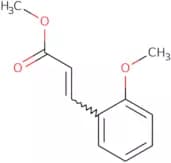
CAS:4-Phenylbutyric acid is a prophylactic antibiotic that has minimal toxicity. It has been shown to significantly up-regulate protein synthesis in kidney cells and to have neural cell protective effects. 4-Phenylbutyric acid also inhibits the production of dextran sulfate, which may be useful for the treatment of liver injury. This compound has been tested as an investigational agent for squamous cell carcinoma and other cancers.Formula:C10H12O2Purity:Min. 98%Color and Shape:White PowderMolecular weight:164.2 g/mol2-Methoxycinnamic acid methyl ester
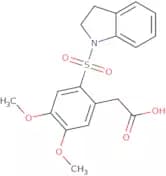
CAS:<p>2-Methoxycinnamic acid methyl ester is a monomer that can be used in the synthesis of magnetic nanoparticles. It has been shown to have high activity and can be used at temperatures between 20°C and 40°C. This reagent is also soluble in organic solvents, making it easy to purify. The size of the particles can be controlled by changing the diameter of the monomer, which can be determined using various techniques such as magnetic separation, filtration, or centrifugation. 2-Methoxycinnamic acid methyl ester was found to have a mesoporous structure when synthesized using an organometallic technique. This reagent is suitable for use in analytical methods such as gas chromatography-mass spectrometry (GC-MS) or liquid chromatography-mass spectrometry (LC-MS).</p>Formula:C11H12O3Purity:Min. 95%Color and Shape:PowderMolecular weight:192.21 g/mol2-(4,5-Dimethoxy-2-(indolin-1-ylsulfonyl)phenyl)acetic acid
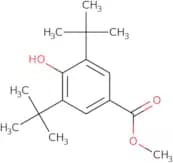
CAS:Please enquire for more information about 2-(4,5-Dimethoxy-2-(indolin-1-ylsulfonyl)phenyl)acetic acid including the price, delivery time and more detailed product information at the technical inquiry form on this pagePurity:Min. 95%3,5-Di-tert-Butyl-4-hydroxybenzoic acid methyl ester
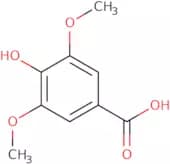
CAS:<p>3,5-Di-tert-Butyl-4-hydroxybenzoic acid methyl ester is a chemical that belongs to the group of low molecular weight solvents. It is used as an intermediate in organic synthesis and as a solvent for paints, lacquers, and varnishes. 3,5-Di-tert-Butyl-4-hydroxybenzoic acid methyl ester has been found to be resistant to radiation and ultraviolet light. This chemical has also been shown to have no mutagenic effects on calf thymus DNA.</p>Formula:C16H24O3Purity:Min. 95%Color and Shape:PowderMolecular weight:264.36 g/molSyringic acid
CAS:<p>Syringic acid is a phenolic acid that is found in the bark of the syringa tree (Lilac). It has been used in traditional Chinese medicine preparations to treat conditions such as skin problems and convulsions. Syringic acid is an intermediate in the biosynthesis of hydroxybenzoic acid, which is used as an analytical marker for plant identification. Syringic acid can be extracted from plants using subcritical water extraction or acetate extract. The sample preparation involves preparing samples of plant tissue by grinding them into a powder, followed by extraction with organic solvents. The final step is to purify the extract using column chromatography or recrystallization techniques.</p>Formula:C9H10O5Purity:Min. 98 Area-%Color and Shape:PowderMolecular weight:198.17 g/mol3-(3,4,5-Trimethoxyphenyl)propionic acid
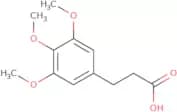
CAS:<p>3-(3,4,5-Trimethoxyphenyl)propionic acid (TMPPA) is a monocarboxylic acid that is structurally related to the amino acid lysine. It has been shown to have antinociceptive effects in animals and humans. TMPPA inhibits the production of prostaglandins and nitric oxide, which are inflammatory mediators that induce pain. TMPPA also has nociceptive properties in rats when given intraperitoneally or intrathecally, showing a reduction in locomotor activity. This compound also inhibits protein synthesis by binding to the ribosomal protein S6 kinase-1 (RSK-1), which is the target of many antibiotics used for cancer treatment. TMPPA binds to human serum albumin with high affinity and specificity, suggesting it may be useful as an agent for targeting human blood cells or as an antiobesity drug.</p>Formula:C12H16O5Purity:Min. 95%Color and Shape:Clear LiquidMolecular weight:240.25 g/mol3-(4-Hydroxyphenyl)propionic acid
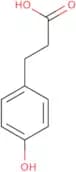
CAS:<p>Potential antioxidant; pharmaceutical intermediate</p>Formula:C9H10O3Purity:Min. 99 Area-%Color and Shape:PowderMolecular weight:166.17 g/mol2-Bromo-2-methylpropionic acid
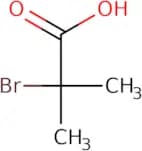
CAS:<p>2-Bromo-2-methylpropionic acid is a chemical compound that is used to stabilize nanoparticles. It also has covalent interactions with the surface of the nanoparticles, which helps to stabilize them and prevent aggregation. 2-Bromo-2-methylpropionic acid can be modified with polymers or other molecules that can help to stabilize the particles. This stabilizer is also able to create magnetic nanoparticles by using a strategy called "magnetic stabilization". In this method, the stabilizer can react with the metal ions in solution and form a stable complex, which will then coat the particles of interest. The stabilizer can also be used to circumvent mesoporous materials, such as silica gel, by coating them with a polymer layer.</p>Formula:C4H7BrO2Purity:Min. 95%Color and Shape:White Clear LiquidMolecular weight:167 g/mol2,6-Dichloropyridine-3-carboxylic acid
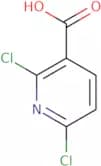
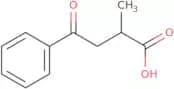
CAS:2,6-Dichloropyridine-3-carboxylic acid is an inhibitor of histone deacetylase (HDAC), and it has been shown to be effective in treating autoimmune diseases, cancer, inflammatory diseases, and other disorders. This drug binds to the catalytic site of HDACs and blocks the removal of acetyl groups from lysine residues on histones. 2,6-Dichloropyridine-3-carboxylic acid has been shown to inhibit the glutamate receptor subtype that is responsible for pain transmission in mice. This drug also has anti-inflammatory properties due to its alkylthio group that can disrupt protein–protein interactions. 2,6-Dichloropyridine-3-carboxylic acid is a cavity inhibitor that binds to a cavity formed by two amides on proteins.Formula:C6H3Cl2NO2Purity:Min. 95%Color and Shape:PowderMolecular weight:192 g/mol2-Methyl-4-oxo-4-phenylbutyric acid
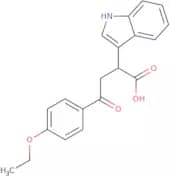
CAS:<p>2-Methyl-4-oxo-4-phenylbutyric acid (or 2MO4PBA) is a potent, stereoselective, and endogenous agonist of the nuclear receptors ERβ and ERα. It has been shown to have therapeutic potential in the treatment of estrogen deficiency and metabolic disorders. This compound binds to the DNA response element at positions DR1, DR2, DR3, DR4, and DR5 of the human estrogen receptor. The binding affinity at these sites is around 10 times lower than that of estradiol. 2MO4PBA is metabolized by esterases in vivo to 2-methyl-3-oxobutyric acid (2MO3BA). The metabolic conversion from 2MO4PBA to 2MO3BA is stereoselective with respect to configuration at C2. 2MO3BA binds to ERβ but not ERα. Functional assays demonstrate that this compound is a potent agonist</p>Formula:C11H12O3Purity:Min. 98 Area-%Color and Shape:PowderMolecular weight:192.21 g/mol4-(4-Ethoxyphenyl)-2-indol-3-yl-4-oxobutanoic acid
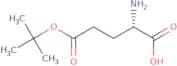
CAS:<p>Please enquire for more information about 4-(4-Ethoxyphenyl)-2-indol-3-yl-4-oxobutanoic acid including the price, delivery time and more detailed product information at the technical inquiry form on this page</p>Purity:Min. 90%L-Glutamic acid 5-tert-butyl ester
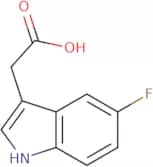
CAS:<p>L-glutamic acid 5-tert-butyl ester (L-GTE) is an amino acid that is classified as a heterocyclic amide. It can be synthesized by the condensation of L-glutamic acid and N-(2-aminoethyl)-N'-(2-propenyl)carbodimide with the tert-butylester of dihydrobenzoin. The protonation of L-GTE with sodium hydroxide produces the corresponding salt, L-glutamic acid 5-(N,N'-dimethylamino)propyl ester. This compound can be used for the synthesis of various amines by reacting it with primary amines in different sequences. L-GTE has also been shown to have antioxidant properties, which may be due to its ability to scavenge hydrogen sulfate radicals.</p>Formula:C9H17NO4Purity:Min. 98 Area-%Color and Shape:White PowderMolecular weight:203.24 g/mol5-Fluoroindole-3-acetic acid
CAS:<p>5-Fluoroindole-3-acetic acid is a fluorine-containing drug that inhibits the transport of indoleacetic acid (IAA), an auxin, in the peo-iaa system. It has been shown to inhibit cancer cell growth and induce apoptosis in a variety of tumour cells. 5-Fluoroindole-3-acetic acid can be used as a chemotherapeutic agent for cancers such as bladder, breast, and prostate cancers. This drug also activates enzymatic reactions by introducing fluorine atoms into reaction sites.</p>Formula:C10H8FNO2Color and Shape:PowderMolecular weight:193.17 g/molTrithiocyanuric acid
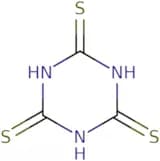
CAS:<p>Trithiocyanuric acid is an organic compound that has chemical stability and optimum concentration in the range of 0.2-0.4%. Trithiocyanuric acid is a monosodium salt, which can be formed by reacting sodium carbonate with cyanuric chloride or cyanuric acid. The structural analysis of trithiocyanuric acid shows that it has hydrogen bonding interactions with water molecules at the N-H and C-O bonds, which may explain its high solubility in water. Trithiocyanuric acid has been used to treat wastewater because it acts as a nitrogen-containing oxidant that facilitates the removal of dissolved organic matter and other chemicals. This process is aided by the formation of thiourea, which reacts with sulfur dioxide to form ammonium sulfate and urea. X-ray diffraction data from trithiocyanurate crystals show that it has two crystalline forms, one of which</p>Formula:C3H3N3S3Purity:Min. 95%Color and Shape:PowderMolecular weight:177.27 g/molDimethyl 4,4'-biphenyldicarboxylate
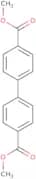
CAS:<p>Dimethyl 4,4'-biphenyldicarboxylate is a chemical that has been used to study chronic viral hepatitis. It is known to have an effect on the nuclear DNA and signal pathways, which are involved in the regulation of energy metabolism. Dimethyl 4,4'-biphenyldicarboxylate has been shown to have hepatoprotective properties by protecting against hepatic steatosis and hepatocarcinogenesis in mice.</p>Formula:C16H14O4Purity:Min. 95%Color and Shape:PowderMolecular weight:270.28 g/molN-Nitroso-N-methyl-4-aminobutyric acid
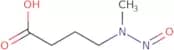
CAS:<p>N-Nitroso-N-methyl-4-aminobutyric acid (NMBA) is a solid with a low melting point which has been identified as a potentially carcinogenic component of both tobacco and tobacco smoke. NMBA is also one of a number of nitrosamine impurities which have been found to be present in angiotensin II receptor blocker (ARB) drugs used to treat high blood pressure.</p>Formula:C5H10N2O3Purity:Min. 98 Area-%Color and Shape:Slightly Yellow PowderMolecular weight:146.14 g/mol2-Ethylbenzoic acid
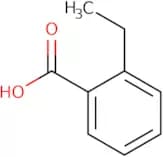
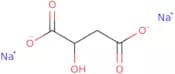
CAS:<p>2-Ethylbenzoic acid is a fatty acid that is found in plants, animals and microorganisms. It dissolves in water to form an amorphous drug with a molecular weight of about 170. 2-Ethylbenzoic acid has been shown to inhibit the activity of several enzymes, such as protein kinases and phospholipases. It also inhibits the activity of liver enzymes involved in the metabolism of drugs and other xenobiotics, such as phenylpropionic acid and malic acid. This drug has been shown to have an inhibitory effect on glucose uptake by cells and may be used as an anti-diabetic agent.</p>Formula:C9H10O2Purity:Min. 95%Color and Shape:PowderMolecular weight:150.17 g/molL-Malic acid disodium salt monohydrate
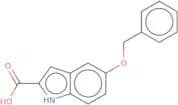
CAS:<p>L-Malic acid disodium salt monohydrate is a versatile building block that can be used in the production of research chemicals, reagents and speciality chemicals. It is also a useful building block for the synthesis of complex compounds with high quality. L-Malic acid disodium salt monohydrate has been used as a reagent in organic syntheses, as well as in the production of pharmaceuticals. In addition, it is an intermediate for the synthesis of polymers and other materials. The CAS number for L-Malic acid disodium salt monohydrate is 207511-06-6.</p>Formula:C4H4O5Na2·H2OPurity:Min. 95%Color and Shape:PowderMolecular weight:196.07 g/mol5-Benzyloxyindole-2-carboxylic acid
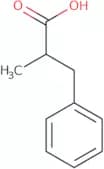
CAS:<p>5-Benzyloxyindole-2-carboxylic acid is a versatile compound that has been used as a building block for the synthesis of diverse chemical compounds. It has been shown to be useful in the synthesis of natural products and pharmaceuticals, such as anticancer drugs, antibiotics, and analgesics. 5-Benzyloxyindole-2-carboxylic acid is also used as an intermediate in the production of other chemical compounds. It has a CAS number of 6640-09-1 and is classified as a research chemical.</p>Formula:C16H13NO3Purity:Min. 95%Color and Shape:PowderMolecular weight:267.28 g/molα-Methylhydrocinnamic acid
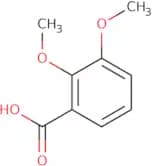
CAS:<p>Alpha-methylhydrocinnamic acid (AMHA) is a synthetic enantiomer of 2-phenylbutyric acid, which has been shown to inhibit the growth of k562 cells. It is also a substrate for fatty acid synthase and may play an important role in fatty acid metabolism. AMHA has been shown to inhibit the production of reactive oxygen species by phagocytic cells exposed to ionizing radiation, which may be due to its ability to scavenge hydroxyl radicals. The effect of AMHA on hematopoietic cells, including neutrophils and bone marrow cells, has not yet been determined.</p>Formula:C10H12O2Purity:Min. 95%Color and Shape:White Clear LiquidMolecular weight:164.2 g/mol2,3-Dimethoxybenzoic acid
CAS:<p>2,3-Dimethoxybenzoic acid is a metal chelate that has been shown to have in vitro antifungal activity. It is also a 5-membered heteroaryl amide with inhibitory properties against proinflammatory cytokines such as TNF-α and IL-1β. 2,3-Dimethoxybenzoic acid has been found to have inhibitory effects on the metabolism of cholesterol and other lipids, which may be due to its ability to bind with serum proteins. This compound has also been shown to have antiinflammatory activity in human serum.</p>Formula:C9H10O4Purity:Min. 95%Color and Shape:White Off-White PowderMolecular weight:182.17 g/mol3,4-Diacetamidobenzoic acid
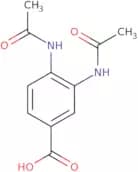
CAS:<p>3,4-Diacetamidobenzoic acid is a chemical compound that can be used as a reactant or scaffold in organic chemistry. It is also used as an intermediate in the synthesis of other chemicals and has been shown to have anti-inflammatory properties. 3,4-Diacetamidobenzoic acid is a versatile reagent that can be used to synthesize complex compounds and fine chemicals with high quality. It has CAS number 205873-56-9.</p>Formula:C11H12N2O4Purity:Min. 98 Area-%Color and Shape:PowderMolecular weight:236.22 g/mol3-(Tritylthio)propionic acid
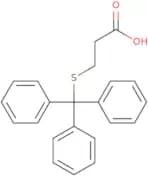
CAS:<p>3-(Tritylthio)propionic acid is a cyclic lipopeptide that has been shown to inhibit the growth of prostate cancer cells and bacteria. The compound has also been shown to be an effective broad-spectrum antimicrobial with a neutral pH. 3-(Tritylthio)propionic acid is synthesized by coupling an amine with a thiol containing molecule in the presence of hydrogen fluoride. This process produces a cyclic peptide that is stabilized by a disulfide bond between two cysteine residues. Hydrogen bonding interactions between 3-(tritylthio)propionic acid molecules allow for the formation of nanomaterials, which may have potential applications in medical imaging.</p>Formula:C22H20O2SPurity:Min. 98 Area-%Color and Shape:White Off-White PowderMolecular weight:348.46 g/mol




![4-[2'-(7''-Deazaguanine)ethyl]benzoic acid N-hydroxysuccinimide ester](/_next/image/?url=https%3A%2Fstatic.cymitquimica.com%2Fproducts%2F3D%2Fthumb-webp%2FFD20837.webp&w=3840&q=75)
![[Nitrilotris(methylene)]tris-phosphonic acid pentasodiumsalt - 38.0 to 42.0%, in water](/_next/image/?url=https%3A%2Fstatic.cymitquimica.com%2Fproducts%2F3D%2Fthumb-webp%2FFN153153.webp&w=3840&q=75)

![4-{[(Dimethylamino)sulfonyl]amino}benzoic acid](/_next/image/?url=https%3A%2Fstatic.cymitquimica.com%2Fproducts%2F3D%2Fthumb-webp%2FFD132762.webp&w=3840&q=75)

![Imidazo[1,2-α]pyridin-3-yl-boronic acid pinacol ester](/_next/image/?url=https%3A%2Fstatic.cymitquimica.com%2Fproducts%2F3D%2Fthumb-webp%2FFI51745.webp&w=3840&q=75)
![[(1-Methyl-1H-indol-5-yl)methyl]amine acetate](/_next/image/?url=https%3A%2Fstatic.cymitquimica.com%2Fproducts%2F3D%2Fthumb-webp%2FFM124972.webp&w=3840&q=75)