Carboxylic Acids
Carboxylic acids are organic molecules characterized by having a carboxyl-type functional group (-COOH). These acids are fundamental in various chemical reactions, including esterification, amidation, and decarboxylation. Carboxylic acids are widely used in the production of pharmaceuticals, polymers, and agrochemicals. In this section, you can find a large number of carboxylic acids ready to be used. At CymitQuimica, we provide a broad range of high-quality carboxylic acids to support your research and industrial applications.
Found 12453 products of "Carboxylic Acids"
Sort by
Purity (%)
0
100
|
0
|
50
|
90
|
95
|
100
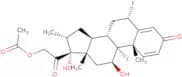
Flumethasone acetate
CAS:Controlled Product<p>Flumethasone acetate is a synthetic corticosteroid that has anti-inflammatory, antipruritic, and vasoconstrictive properties. It is used in the treatment of various skin disorders, including psoriasis, eczema and atopic dermatitis. Flumethasone acetate binds to the cytosolic glucocorticoid receptor (GR) and inhibits the transcription of genes that encode proteins involved in inflammation. The drug also has potent anti-inflammatory activity, but lacks the mineralocorticoid activity of hydrocortisone or cortisone. Flumethasone acetate does not bind significantly to the sex hormone binding globulin (SHBG), which is important for its use in females as it will not interfere with estrogen production.</p>Formula:C24H30F2O6Purity:Min. 95%Color and Shape:White/Off-White SolidMolecular weight:452.49 g/mol2,4,5-Trimethylcinnamic acid
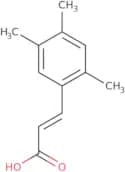
CAS:<p>2,4,5-Trimethylcinnamic acid is a useful scaffold for the synthesis of complex compounds. It is also used as a reagent and reaction component in organic synthesis. This chemical has a CAS number of 205748-06-7 and is classified as a speciality chemical.</p>Formula:C12H14O2Purity:Min. 95%Color and Shape:PowderMolecular weight:190.24 g/mol2-Chloro-3-nitrobenzoic acid
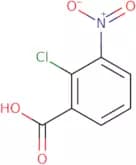
CAS:2-Chloro-3-nitrobenzoic acid is a mesomorphic organic compound that has been shown to inhibit the growth of Mycobacterium tuberculosis. It inhibits bacterial growth by binding to the factor receptor, which is a protein complex that interacts with the proton gradient and regulates cell division. The synthesis of this compound is achieved through high concentrations of nitrobenzene in a solid phase synthesis. 2-Chloro-3-nitrobenzoic acid is obtained in an isolated yield, typically greater than 90%. This compound dissolves readily in organic solvents such as ethyl acetate, ether, and chloroform.Formula:C7H4ClNO4Color and Shape:PowderMolecular weight:201.56 g/molMethylsulfuric acid potassium
CAS:<p>Methylsulfuric acid potassium salt is a chloride salt of methylsulfuric acid. It is used as a contrast agent in optical imaging and diagnosis, as well as in the treatment of radiation-induced fatty liver disease. In addition, it can be used to diagnose ventricular myocardium diseases and reversibly inhibit GABA-mediated inhibition of postsynaptic potentials. Methylsulfuric acid potassium salt binds to fatty acids in the myocardium and prevents their uptake, leading to an accumulation of fatty acids and subsequent cell damage. This drug has been shown to have an excitatory effect on neurons in the geniculate nucleus, which may result from its ability to inhibit gamma-aminobutyric acid (GABA) synthesis.</p>Formula:CH4O4S•KPurity:(Titration) Min. 97.0%Color and Shape:PowderMolecular weight:150.2 g/molKojic acid
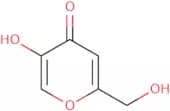
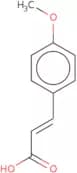
CAS:<p>Fungal metabolite; tyrosinase inhibitor; food additive</p>Formula:C6H6O4Purity:Min. 98 Area-%Color and Shape:White Off-White PowderMolecular weight:142.11 g/mol4-Methoxycinnamic acid
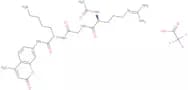
CAS:4-Methoxycinnamic acid is a derivative that is activated by light exposure. It has been shown to have antimicrobial activity against Gram-positive bacteria and yeast, but not Gram-negative bacteria. 4-Methoxycinnamic acid is an analytical reagent that can be used to measure the dry weight of skin cancer cells, as well as to study the genotoxic effects of human liver cells. The chemical has also been shown to be genotoxic in mouse bone marrow cells and human lymphocytes. 4-Methoxycinnamic acid has been found to cause synchronous fluorescence when exposed to UV light, which may be due to its ability to react with molecular oxygen. This reaction produces a linear model with two products: 4-hydroxybenzoic acid and 2,5-dihydroxybenzoic acid.Formula:C10H10O3Purity:Min. 95%Color and Shape:PowderMolecular weight:178.18 g/molAc-Arg-Gly-Lys-AMC trifluoroacetate salt
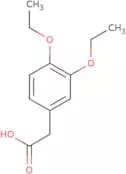
CAS:<p>Ac-Arg-Gly-Lys-AMC trifluoroacetate salt is a fine chemical that is used as a building block in the synthesis of complex compounds. Ac-Arg-Gly-Lys-AMC trifluoroacetate salt has been used as a reagent, speciality chemical and intermediate in research projects. Ac-Arg-Gly-Lys-AMC trifluoroacetate salt can be used to produce useful scaffolds for medicinal chemistry studies.</p>Formula:C26H38N8O6•C2HF3O2Purity:Min. 97 Area-%Color and Shape:PowderMolecular weight:672.65 g/mol3,4-Diethoxyphenylacetic acid
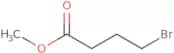
CAS:<p>3,4-Diethoxyphenylacetic acid is a synthetic compound that has been shown to be an inhibitor of multidrug resistance (MDR) efflux pumps. It is also a substrate for membrane sulfotransferases, which are enzymes that catalyze the transfer of sulfate from 3,4-diethoxyphenylacetic acid to other compounds. The addition of 3,4-diethoxyphenylacetic acid to cultured human cells has been shown to inhibit the activity of p-glycoprotein and therefore increase the uptake of drugs such as acetonitrile and aluminium.</p>Formula:C12H16O4Purity:Min. 95%Color and Shape:PowderMolecular weight:224.25 g/mol4-Bromobutyric acid methyl ester
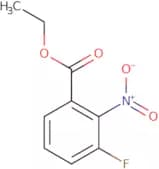
CAS:<p>4-Bromobutyric acid methyl ester is a synthetic compound that can be used to inhibit the activity of the G1 phase cyclin-dependent kinases. It has been shown to inhibit protein synthesis by alkylating the amino groups of proteins and fatty acids. 4-Bromobutyric acid methyl ester also inhibits the growth of cancer cell lines, such as renal carcinoma cells. The mechanism of action for this drug is not well understood, but it may be due to its ability to bind with monoclonal antibodies and enter kidney cells by passive diffusion.</p>Formula:C5H9BrO2Purity:Min. 95%Color and Shape:Clear LiquidMolecular weight:181.03 g/mol3-Fluoro-2-nitrobenzoic acid ethyl ester
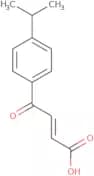
CAS:<p>3-Fluoro-2-nitrobenzoic acid ethyl ester is a fine chemical that is useful as a versatile building block in the synthesis of complex compounds. It can be used as an intermediate in the preparation of research chemicals and has been shown to react with amines to form nitrosoamines, which are useful reaction components. 3-Fluoro-2-nitrobenzoic acid ethyl ester has CAS number 163077-89-2 and is available at high quality.</p>Formula:C9H8FNO4Purity:Min. 95%Color and Shape:PowderMolecular weight:213.16 g/mol(E)-3-(4-Isopropylbenzoyl)acrylic acid
CAS:<p>3-(4-Isopropylbenzoyl)acrylic acid is a versatile building block that can be used in the synthesis of complex compounds, such as pharmaceuticals. It has been shown to be an effective reagent for the preparation of complex compounds and speciality chemicals. 3-(4-Isopropylbenzoyl)acrylic acid is also a useful intermediate for fine chemicals, research chemicals, and reaction components. This compound can be used as a useful scaffold for the synthesis of new chemical compounds. CAS No. 29587-82-4</p>Formula:C13H14O3Purity:90%Color and Shape:PowderMolecular weight:218.25 g/mol[5-Methyl-3-(trifluoromethyl)-1H-pyrazol-1-yl]acetic acid
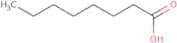
CAS:<p>[5-Methyl-3-(trifluoromethyl)-1H-pyrazol-1-yl]acetic acid is a reaction component that can be used in organic synthesis as a reagent. This chemical has been shown to have high quality, and is useful for research purposes. It is also a versatile building block and useful intermediate, which can be used in the production of complex compounds. [5-Methyl-3-(trifluoromethyl)-1H-pyrazol-1-yl]acetic acid has CAS number 345637-71-0, and is a fine chemical that is useful for chemistry research.</p>Formula:C7H7F3N2O2Purity:Min. 95%Color and Shape:PowderMolecular weight:208.14 g/molOctanoic acid
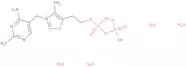
CAS:<p>Octanoic acid is a medium-chain fatty acid that is synthesized by the condensation of two molecules of acetyl-CoA. It is an antimicrobial agent that inhibits Gram-positive bacteria, such as Aerobacter aerogenes and Staphylococcus aureus. Octanoic acid has been shown to be effective in inhibiting the growth of Gram-negative bacteria, such as Escherichia coli and Pseudomonas aeruginosa. Octanoic acid has also been shown to have physiological effects on the human body, such as its ability to induce metabolic disorders. It is also used for energy metabolism and structural analysis.</p>Formula:C8H16O2Purity:Min. 98%Color and Shape:Clear LiquidMolecular weight:144.21 g/molCocarboxylase tetrahydrate
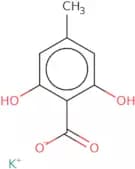
CAS:<p>Cocarboxylase tetrahydrate is a coenzyme form of vitamin B1; cofactor for enzymes involved in carbohydrate catabolism</p>Formula:C12H18N4O7P2S·4H2OPurity:Min 96%Color and Shape:White PowderMolecular weight:496.37 g/mol2,6-Dihydroxy-4-methylbenzoic acid potassium
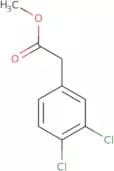
CAS:<p>2,6-Dihydroxy-4-methylbenzoic acid potassium salt (2,6-DMBAK) is a high quality reagent that is used as an intermediate in the synthesis of complex compounds. CAS No. 856177-01-0. It is a white crystalline solid with an mp of about 190 degrees Celsius and a bp of about 315 degrees Celsius. 2,6-DMBAK has been shown to be useful in the synthesis of speciality chemicals and research chemicals. This product can be used as a versatile building block for the preparation of various kinds of chemical compounds, and it also has many applications in organic synthesis because it reacts well with many different types of compounds.</p>Formula:C8H8O4•KPurity:Min. 95%Color and Shape:PowderMolecular weight:207.25 g/mol(3,4-Dichlorophenyl)acetic acid methyl ester
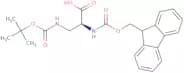
CAS:<p>(3,4-Dichlorophenyl)acetic acid methyl ester is a versatile building block and reagent that can be used in the synthesis of complex compounds. It is also a useful intermediate and reaction component for the synthesis of high-quality chemical products. This compound has been shown to be useful in the production of speciality chemicals, including research chemicals and fine chemicals.</p>Formula:C9H8Cl2O2Purity:Min. 95%Color and Shape:PowderMolecular weight:219.06 g/molN-α-Fmoc-N β-Boc-L-2,3-diaminopropionic acid
CAS:<p>N-alpha-Fmoc-Nbeta-Boc-L-2,3-diaminopropionic acid is a supramolecular compound that has antiproliferative effects on cancer cells. It can be used to inhibit the activity of tyrosine phosphatases, which are enzymes that regulate cell proliferation and differentiation. This compound has been shown to have synergistic effects with other chemotherapeutic agents in vitro and in vivo. It has also been shown to have a high binding affinity for polyacrylamide gels and is stable under various conditions.</p>Formula:C23H26N2O6Purity:Min. 95%Color and Shape:PowderMolecular weight:426.46 g/mol(R,Z)-12-Hydroxyoctadec-9-enoic acid
CAS:<p>(R,Z)-12-Hydroxyoctadec-9-enoic acid is a natural product that belongs to the group of antimicrobial agents. It inhibits bacterial translocation by binding to ester linkages on the surface of the bacterial cell wall, preventing the entrance of bacteria into host cells. The reactive site is an hydroxyl group located at C12. This compound has been shown to have activity against infectious diseases including chlamydia, shigella, and salmonella. (R,Z)-12-Hydroxyoctadec-9-enoic acid also has a number of other activities such as inhibition of glycol ethers and methanol solvents.</p>Formula:C18H34O3Purity:Min. 80 Area-%Color and Shape:Clear LiquidMolecular weight:298.46 g/molSDF-1β (human) trifluoroacetate salt
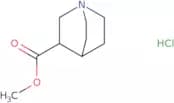
CAS:<p>Please enquire for more information about SDF-1beta (human) trifluoroacetate salt including the price, delivery time and more detailed product information at the technical inquiry form on this page</p>Formula:C382H620N114O97S5Purity:Min. 95%Molecular weight:8,522.05 g/molMethyl quinuclidine-3-carboxylate hydrochloride
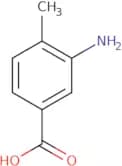
CAS:<p>Methyl quinuclidine-3-carboxylate hydrochloride is a versatile building block that can be used to synthesize a variety of compounds. It is an intermediate in the production of high quality research chemicals and reagents. This compound has been shown to be useful as a scaffold for reactions that produce complex compounds with interesting biological activity. Methyl quinuclidine-3-carboxylate hydrochloride is a fine chemical that can be used as a reaction component or for other purposes.</p>Formula:C9H15NO2·HClPurity:Min. 95%Molecular weight:205.68 g/mol3-Amino-4-methylbenzoic acid
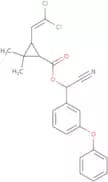
CAS:<p>3-Amino-4-methylbenzoic acid is a chemical that is used in the synthesis of pharmaceuticals. It has been shown to have receptor binding activity and is able to inhibit aminotransferase activity. 3-Amino-4-methylbenzoic acid has been shown to be a competitive inhibitor of ptp1b, an enzyme that degrades phosphatidylinositol (3,4,5)-triphosphate. This property may be useful for treating inflammatory diseases such as Crohn's disease and rheumatoid arthritis. 3-Amino-4-methylbenzoic acid binds to the active site of ptp1b with high affinity and forms a coordination complex with two zinc ions. Monomers are also able to bind to ptp1b and inhibit its function.<br>3-Amino-4-methylbenzoic acid has been tested in vitro for its ability to inhibit the growth</p>Purity:Min. 95%Color and Shape:PowderMolecular weight:151.16 g/molCyano-3-phenoxybenzyl 3-(2,2-dichloroethenyl)-2,2-dimethylcyclopropanecarboxylate
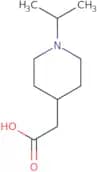
CAS:<p>Cypermethrin is an insecticide that belongs to the family of chemical pesticides. It is used in agriculture and in public health to control malaria-transmitting mosquitoes, head lice, and scabies mites. Cypermethrin disrupts the insect nervous system by inhibiting the function of synapses between nerves, resulting in paralysis and death. The compound also affects signal pathways that regulate locomotor activity and enzyme activities. Cypermethrin has been shown to have a high resistance to degradation by glycol ethers such as ethylene glycol monomethyl ether acetate (EGMEA). It has an optimum concentration of 0.01 ppm for mosquito control and 0.1 ppm for lice control. The analytical method involves liquid chromatography with sodium citrate as an ion-pairing agent and a linear calibration curve using a standard curve generated from known concentrations of cypermethrin.</p>Formula:C22H19Cl2NO3Purity:Min. 95%Color and Shape:Colorless Clear LiquidMolecular weight:416.3 g/mol(1-Isopropylpiperidin-4-yl)acetic acid
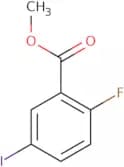
CAS:<p>(1-Isopropylpiperidin-4-yl)acetic acid is a fine chemical that has a versatile scaffold and can be used as a building block in the synthesis of complex compounds. It is also useful as a reaction component or reagent in the synthesis of new speciality chemicals. This chemical is available in high quality and purity grades.</p>Formula:C10H19NO2Purity:Min. 95%Color and Shape:PowderMolecular weight:185.26 g/mol2-Fluoro-5-iodobenzoic acid methyl ester
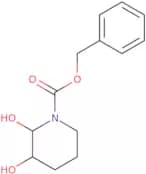
CAS:<p>2-Fluoro-5-iodobenzoic acid methyl ester is a fine chemical that is useful as a building block for the synthesis of complex compounds. It is also used as an intermediate in organic syntheses, and in research and development as a reaction component or speciality chemical. 2-Fluoro-5-iodobenzoic acid methyl ester has been shown to be effective in the synthesis of high quality reagents.</p>Formula:C8H6FIO2Purity:Min. 95%Color and Shape:Off-White To Yellow SolidMolecular weight:280.03 g/mol2,3-Dihydroxy-1-piperidinecarboxylic acid phenylmethyl ester
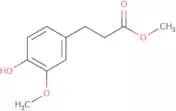
CAS:<p>2,3-Dihydroxy-1-piperidinecarboxylic acid phenylmethyl ester is a useful scaffold for making complex compounds. It is a reagent that can be used in reactions to make fine chemicals and a useful building block for the synthesis of complex compounds. It is also a useful intermediate in organic chemistry, with CAS No. 473436-50-9, and it is a versatile building block which can be used to synthesize many different types of chemical products.</p>Formula:C13H17NO4Purity:Min. 95%Color and Shape:Clear LiquidMolecular weight:251.28 g/molβ-(4-Hydroxy-3-methoxyphenyl)propionic acid methyl ester
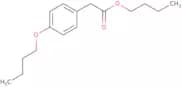
CAS:<p>β-(4-Hydroxy-3-methoxyphenyl)propionic acid methyl ester is a fine chemical used as a building block in the synthesis of pharmaceuticals, agrochemicals, and other chemicals. It is also used as a reagent for the detection of alkaloids and for the preparation of valuable speciality chemicals. β-(4-Hydroxy-3-methoxyphenyl)propionic acid methyl ester is an intermediate in organic reactions or can be used to synthesize complex compounds such as antibiotics. It is also an important scaffold that can be modified to produce new drugs with different properties.</p>Formula:C11H14O4Purity:Min. 95%Color and Shape:Clear LiquidMolecular weight:210.23 g/mol4-n-Butoxyphenylacetic acid butyl ester
CAS:<p>4-n-Butoxyphenylacetic acid butyl ester is a chemical reagent that has been studied extensively as a useful intermediate in organic synthesis. It is of high purity and quality, and can be used for many applications.</p>Formula:C16H24O3Purity:80%Color and Shape:PowderMolecular weight:264.36 g/molSodium acetate anhydrous
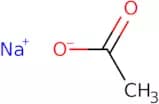
CAS:<p>Sodium acetate anhydrous is a salt of sodium and acetic acid. It is a white crystalline solid that can be obtained by reacting sodium hydroxide with acetic acid. This material is used as the buffer in analytical methods to maintain pH levels during chemical reactions. The addition of this salt to solution will cause the solution to have a higher boiling point, which can be used for phase transition temperature measurements. Injection solutions containing this salt are also used for injection into humans. Sodium acetate anhydrous has been shown to have covalent linkages when it reacts with DNA and ATP, which may be related to its ability to inhibit mitochondrial membrane potential and disrupt energy metabolism.</p>Formula:C2H4O2•NaPurity:Min. 95%Color and Shape:PowderMolecular weight:82.03 g/mol2-Fluoro-3-nitrobenzoic acid
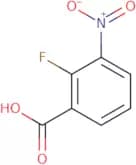
CAS:<p>2-Fluoro-3-nitrobenzoic acid is a fine chemical that has been used as a building block for research chemicals, reagents, and speciality chemicals. It is also a versatile building block for the synthesis of complex compounds and useful scaffolds. 2-Fluoro-3-nitrobenzoic acid can be used as an intermediate in organic reactions or as a reaction component in the synthesis of pharmaceuticals. This compound has been shown to have high purity and good quality with CAS No. 317-46-4.</p>Formula:C7H4O4NFPurity:Min. 95%Color and Shape:PowderMolecular weight:185.11 g/molBoc-Leu-Gly-Arg-AMC acetate salt
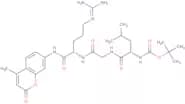
CAS:<p>Boc-Leu-Gly-Arg-AMC acetate salt is a potential drug target for leishmaniasis. It inhibits the growth of Leishmania by binding to the 17β-estradiol receptor and inhibiting protein synthesis. This drug also has a hydrolytic activity against proteins, which is activated by an acidic environment. It has been shown to inhibit the growth of bacteria including Staphylococcus aureus and Chlamydia pneumoniae by inhibiting urokinase-type plasminogen activator (uPA) and serine protease activities. Boc-Leu-Gly-Arg-AMC acetate salt has also been shown to inhibit cellular proliferation in cancer cells.</p>Formula:C29H43N7O7•C2H4O2Purity:Min. 98 Area-%Color and Shape:PowderMolecular weight:661.74 g/mol3-[2-(Benzoyloxy)phenyl)propionic acid
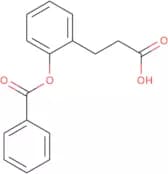
CAS:<p>3-[2-(Benzoyloxy)phenyl]propionic acid is a fine chemical that is useful for the synthesis of a wide range of chemicals. It is used as a versatile building block, intermediate and reagent in organic chemistry. This compound has CAS number 59725-59-6 and is soluble in water. 3-[2-(Benzoyloxy)phenyl]propionic acid can be synthesized from benzaldehyde, phenylacetic acid and propionic anhydride in the presence of sodium acetate.</p>Formula:C16H14O4Purity:Min. 95%Color and Shape:PowderMolecular weight:270.28 g/mol2-Aminoterephthalic acid
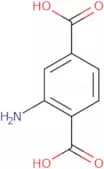
CAS:<p>2-Aminoterephthalic acid is a sulfa drug that has a skeleton containing two nitrogen atoms. It is a white, crystalline powder and can be dissolved in water. 2-Aminoterephthalic acid is used as an intermediate for the preparation of other sulfa drugs. The detection limit of this compound was determined to be 0.5 mg/L with the use of a chemiluminescence method and fluorescence probe. This compound reacts with acid to form an acid complex that can be detected by plasma mass spectrometry or electrochemical impedance spectroscopy.</p>Formula:C8H7NO4Purity:Min. 97 Area-%Color and Shape:White PowderMolecular weight:181.15 g/molTaurochenodeoxycholic acid
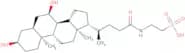
CAS:<p>Taurochenodeoxycholic acid is a bile acid derivative, which is a conjugated form of chenodeoxycholic acid. It is sourced from the bile of mammals, specifically as a conjugate of taurine and chenodeoxycholic acid. This compound participates in the emulsification of dietary fats, which is crucial for lipid digestion and absorption. Additionally, it contributes to the regulation of cholesterol homeostasis by modulating bile acid pool sizes and is involved in signaling pathways that affect lipid metabolism.</p>Formula:C26H45NO6SPurity:Min. 95%Color and Shape:PowderMolecular weight:499.7 g/mol3-(Tritylthio)propionic acid
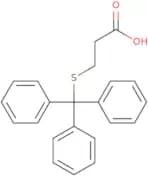
CAS:<p>3-(Tritylthio)propionic acid is a cyclic lipopeptide that has been shown to inhibit the growth of prostate cancer cells and bacteria. The compound has also been shown to be an effective broad-spectrum antimicrobial with a neutral pH. 3-(Tritylthio)propionic acid is synthesized by coupling an amine with a thiol containing molecule in the presence of hydrogen fluoride. This process produces a cyclic peptide that is stabilized by a disulfide bond between two cysteine residues. Hydrogen bonding interactions between 3-(tritylthio)propionic acid molecules allow for the formation of nanomaterials, which may have potential applications in medical imaging.</p>Formula:C22H20O2SPurity:Min. 98 Area-%Color and Shape:White Off-White PowderMolecular weight:348.46 g/mola-Ketoglutaric acid
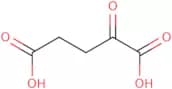
CAS:<p>a-Ketoglutaric acid is a naturally occurring organic compound that is found in the body as well as in plants. It belongs to the group of organic acids and is produced from the breakdown of amino acids, such as leucine and valine. a-Ketoglutaric acid has been shown to have physiological effects on cells and tissues by inhibiting enzymes involved in energy metabolism. In vitro assays have shown that a-ketoglutaric acid has inhibitory properties against plant metabolism. This drug also inhibits the transcriptional regulation of genes for fatty acid synthesis in human erythrocytes.<br>A-ketoglutaric acid has also been shown to inhibit glucose production in rat liver cells, which may be due to its ability to bind covalently with proteins or lipids, changing their structures and functions.</p>Formula:C5H6O5Color and Shape:White Off-White PowderMolecular weight:146.1 g/mol2-Bromo-5-nitrobenzoic acid
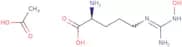
CAS:<p>2-Bromo-5-nitrobenzoic acid is an amine that has been shown to have a potent inhibitory effect on the enzyme fibrinogen, which is needed for blood clotting. It also inhibits other enzymes in the fibrinogen pathway, including those involved in protein synthesis and cellular metabolism. 2-Bromo-5-nitrobenzoic acid has been shown to inhibit cancer cells by blocking their ability to use amino acids as building blocks for new proteins. This drug may be used as a treatment for cancer and other diseases where protein synthesis is critical.</p>Formula:C7H4BrNO4Purity:Min. 95%Color and Shape:PowderMolecular weight:246.02 g/molN-γ-Hydroxy-L-arginine, acetate salt
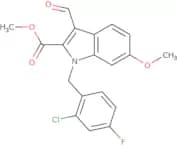
CAS:Controlled Product<p>N-gamma-Hydroxy-L-arginine, acetate salt is a fluorescent compound that is used for the measurement of dinucleotide phosphate. It is synthesized from L-arginine by an enzymatic reaction in order to activate its fluorescence. N-gamma-Hydroxy-L-arginine, acetate salt has been shown to bind to calmodulin and therefore may be used as a potential biomarker for cancer diagnosis. The binding constants of N-gamma-Hydroxy-L-arginine, acetate salt to calmodulin have been measured using fluorescence spectroscopy. The matrix effect was also investigated and it was found that the maximum intensity of the compound's fluorescence emission shifted with varying concentrations of ammonium sulfate. This shift in frequency depends on the concentration of ammonium sulfate added to the solution. N-gamma-Hydroxy-L-arginine, acetate salt has been</p>Formula:C8H18N4O5Purity:Min. 95 Area-%Color and Shape:Off-White PowderMolecular weight:250.25 g/molMethyl 1-(2-chloro-4-fluorobenzyl)-3-formyl-6-methoxy-1H-indole-2-carboxylate
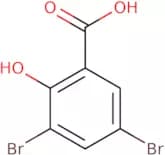
CAS:Controlled Product<p>Please enquire for more information about Methyl 1-(2-chloro-4-fluorobenzyl)-3-formyl-6-methoxy-1H-indole-2-carboxylate including the price, delivery time and more detailed product information at the technical inquiry form on this page</p>Formula:C19H15ClFNO4Purity:Min. 95%Molecular weight:375.78 g/mol3,5-Dibromo-2-hydroxybenzoic acid
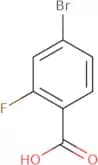
CAS:<p>3,5-Dibromo-2-hydroxybenzoic acid is a reactive, polarizable molecule that has been shown to be a useful starting material for the synthesis of 5-nitrosalicylic acid. It also is a precursor to 3,5-dinitrosalicylic acid and can react with hydrochloric acid in the presence of x-rays to form protonated molecules. The molecular structure of 3,5-dibromo-2-hydroxybenzoic acid has been determined using x-ray diffraction. This compound is not absorbed by the human body and does not have any known biological activity.</p>Formula:C7H4Br2O3Purity:Min. 95%Color and Shape:PowderMolecular weight:295.91 g/mol4-Bromo-2-fluorobenzoic acid
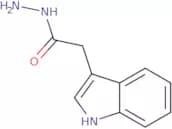
CAS:<p>4-Bromo-2-fluorobenzoic acid is an organic solvent that is used in the introduction of 2-aminoisobutyric acid. The reaction solution is typically heated and contains a small amount of either chloride, sulfoxide, or both. Various analytical methods can be used to determine the yield of the acylation reaction. 4-Bromo-2-fluorobenzoic acid's ligand can be converted to an acid chloride with a Grignard reagent and then reacted with carboxylate to form an ester. This ester reacts with amines to form amides, which are used as pharmaceuticals and intermediates for various other reactions. 4-Bromo-2-fluorobenzoic acid inhibits bacterial growth by binding to glutamine synthetase, thereby inhibiting protein synthesis.</p>Formula:C7H4BrFO2Purity:Min. 95%Color and Shape:PowderMolecular weight:219.01 g/molIndole-3-acetic acid hydrazide
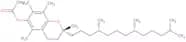
CAS:<p>Indole-3-acetic acid hydrazide is a molecule that has been shown to inhibit the activity of enzymes such as phosphofructokinase, pyruvate kinase, and lactate dehydrogenase. The compound also inhibits hemolytic activity by binding to the red blood cell membrane and inhibiting the enzyme NADH oxidoreductase. Indole-3-acetic acid hydrazide has been shown to bind to divinylbenzene with a hydrogen bond. The compound is also able to inhibit fatty acid synthesis through its interaction with the fatty acid synthase enzyme. In addition, indole-3-acetic acid hydrazide can be used as an inhibitor of SplA2 in cells.</p>Formula:C10H11N3OPurity:Min. 95%Color and Shape:PowderMolecular weight:189.21 g/molDL-a-Tocopherol acetate - powder
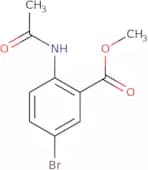
CAS:<p>DL-a-Tocopherol acetate is a synthetic vitamin E compound that is used in the treatment of eye disorders and other conditions. It is an antioxidant that inhibits lipid peroxidation by scavenging free radicals. DL-a-Tocopherol acetate has been shown to inhibit the activity of protein kinase C, which plays a role in cancer, inflammation and apoptosis. This compound also inhibits the activity of toll-like receptor 4, which may be useful in treating infectious diseases, and scavenges anion radicals.</p>Formula:C31H52O3Purity:Min. 50 Area-%Color and Shape:Clear LiquidMolecular weight:472.74 g/mol2-Acetamido-5-bromobenzoic acid methyl ester
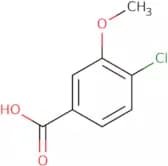
CAS:<p>2-Acetamido-5-bromobenzoic acid methyl ester is a mixture of compounds that is used as a pharmaceutical ingredient. It has been shown to be effective in treating diarrhea and dysentery, as well as being effective against certain bacteria such as Clostridium difficile. 2-Acetamido-5-bromobenzoic acid methyl ester was developed from the systematic study of a series of mixed compounds. The elution profile of this compound can be correlated with the elution profile of other compounds to determine whether the compound is present in the sample. The solvent system for this compound is heptane</p>Formula:C10H10BrNO3Purity:Min. 95%Color and Shape:PowderMolecular weight:272.1 g/mol4-Chloro-3-methoxybenzoic acid
CAS:<p>4-Chloro-3-methoxybenzoic acid (4CMB) is a putative cancer drug that belongs to the group of imidazole derivatives. 4CMB has been shown to inhibit the growth of human breast and colon cancer cells in culture by altering the metabolism of 3-hydroxyanthranilic acid, which is an acceptor for aromatic amino acid hydroxylase. The effect of 4CMB on this enzyme leads to a decrease in the production of kynurenine, which is a molecule involved in the production of melanin. This reduced amount of kynurenine results in a loss of pigment and decreases the ability of melanocytes to produce pigments such as melanin. This may help explain how 4CMB works against malignant cells and cancer.</p>Formula:C8H7ClO3Purity:Min. 95%Color and Shape:PowderMolecular weight:186.59 g/molmethyl 1-[(4-methylphenyl)sulfonyl]-4-piperidinecarboxylate
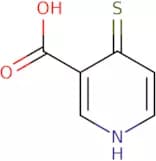
CAS:<p>Please enquire for more information about methyl 1-[(4-methylphenyl)sulfonyl]-4-piperidinecarboxylate including the price, delivery time and more detailed product information at the technical inquiry form on this page</p>Formula:C14H19NO4SPurity:Min. 95%Color and Shape:PowderMolecular weight:297.37 g/mol4-Mercaptonicotinic acid
CAS:<p>Please enquire for more information about 4-Mercaptonicotinic acid including the price, delivery time and more detailed product information at the technical inquiry form on this page</p>Formula:C6H5NO2SPurity:Min. 95%Color and Shape:PowderMolecular weight:155.18 g/mol4-Aminobenzoic acid N-butyl ester
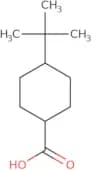
CAS:<p>4-Aminobenzoic acid N-butyl ester is a glycol ether compound that has been shown to have strong immunosuppressive and anti-inflammatory properties. It has been used in the treatment of autoimmune diseases, such as systemic lupus erythematosus and rheumatoid arthritis. 4-Aminobenzoic acid N-butyl ester also has a low potential for drug interactions with other drugs. The water solubility of this compound is high, making it suitable for use in humid environments, such as the respiratory tract. The bone cancer drug butamben was developed using 4-aminobenzoic acid N-butyl ester as a starting material. This drug also reacts with benzalkonium chloride to form stable complexes with high potency and high values.</p>Formula:C11H15NO2Purity:Min. 95 Area-%Color and Shape:PowderMolecular weight:193.24 g/mol4-tert-Butylcyclohexanecarboxylic acid
CAS:<p>4-tert-Butylcyclohexanecarboxylic acid is a monocarboxylic acid. It has been used as an analytical chemical for the estimation of naphthenic acids in petroleum oils. 4-tert-Butylcyclohexanecarboxylic acid has been identified as one of the major components of crude oil. The titration method is based on the formation of a complex with cyclopentylmethyl, which can be determined by measuring its UV absorption at 260 nm. This chemical can be used to synthesize 2-phenylbutyric acid, which is a useful carbon source for microorganisms that produce biodegradable plastics and other materials. The synthesis of this chemical starts with a strain of bacteria that converts monoacetic acid into 2-phenylbutyric acid. The mechanistic pathway involves stereoisomers and aldehydes.</p>Formula:C11H20O2Purity:Min. 95%Color and Shape:PowderMolecular weight:184.28 g/mol7-Keto abiraterone acetate
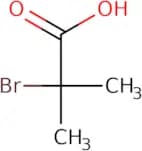
<p>7-Keto abiraterone acetate is a chemical compound that is used as a reagent in organic chemistry. It reacts with various electrophiles to form useful scaffolds for the synthesis of complex compounds. 7-Keto abiraterone acetate is a versatile building block, which can be used as a starting material or intermediate in the synthesis of many speciality chemicals. It has been reported to react with other reagents such as diazomethane and ethyl chloroformate to form good quality products. The CAS number for 7-keto abiraterone acetate is 383482-35-5.</p>Formula:C26H31NO3Purity:Min. 97 Area-%Color and Shape:PowderMolecular weight:405.53 g/mol2-Bromo-2-methylpropionic acid
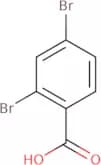
CAS:<p>2-Bromo-2-methylpropionic acid is a chemical compound that is used to stabilize nanoparticles. It also has covalent interactions with the surface of the nanoparticles, which helps to stabilize them and prevent aggregation. 2-Bromo-2-methylpropionic acid can be modified with polymers or other molecules that can help to stabilize the particles. This stabilizer is also able to create magnetic nanoparticles by using a strategy called "magnetic stabilization". In this method, the stabilizer can react with the metal ions in solution and form a stable complex, which will then coat the particles of interest. The stabilizer can also be used to circumvent mesoporous materials, such as silica gel, by coating them with a polymer layer.</p>Formula:C4H7BrO2Purity:Min. 95%Color and Shape:White Clear LiquidMolecular weight:167 g/mol2,4-Dibromobenzoic acid
CAS:<p>2,4-Dibromobenzoic acid is a synthetic chemical that is a cross-coupling product. It is used as an intermediate in the synthesis of hydrophobic compounds. 2,4-Dibromobenzoic acid has been validated and its use is arguably safe. It can be synthesized through a number of methods, including the use of fluorescence to detect reaction progress and the use of binder to increase sensitivity. The compound binds to ionizable groups on proteins and interacts with them through hydrogen bonding. This interaction can lead to conformational changes in the protein, which are reversible or not.</p>Formula:C7H4Br2O2Purity:Min. 95%Color and Shape:PowderMolecular weight:279.91 g/molMethylboronic acid
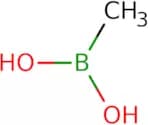
CAS:<p>Methylboronic acid is a cyclic peptide that can be found in plants. It was first discovered as an antimicrobial agent in the 1980s and has since been used to treat infectious diseases. Methylboronic acid reacts with oxygen nucleophiles such as penicillin-binding proteins, leading to their inhibition and subsequent death of bacteria. This compound also has potential for use in treating autoimmune diseases and inflammatory bowel disease due to its ability to inhibit the production of cytokines and other inflammatory mediators.</p>Formula:CH5BO2Purity:Min. 95%Color and Shape:PowderMolecular weight:59.86 g/mol2-(2-Hydroxyphenyl)-5,5-dimethyl-1,3-thiazolidine-4-carboxylic acid
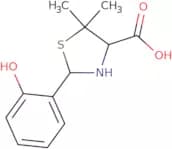
CAS:<p>Please enquire for more information about 2-(2-Hydroxyphenyl)-5,5-dimethyl-1,3-thiazolidine-4-carboxylic acid including the price, delivery time and more detailed product information at the technical inquiry form on this page</p>Formula:C12H15NO3SPurity:Min. 95%Color and Shape:PowderMolecular weight:253.32 g/mol2-Iodo-5-methylbenzoic acid
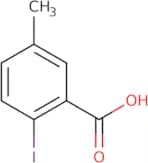
CAS:<p>2-Iodo-5-methylbenzoic acid is a fine chemical, useful building block and reagent that is used in the synthesis of complex compounds. It is versatile because it can be used as a reactant, intermediate or scaffold in many chemical reactions. It has been shown to be an effective catalyst for the Suzuki reaction and Buchwald-Hartwig amination reaction. 2-Iodo-5-methylbenzoic acid has also been found to be a useful intermediate for the synthesis of many pharmaceuticals, such as tamoxifen, griseofulvin, mesalazine, and risperidone.</p>Formula:C8H7IO2Purity:Min. 95%Color and Shape:PowderMolecular weight:262.04 g/mol2-Chloro-3,5-dinitrobenzoic acid
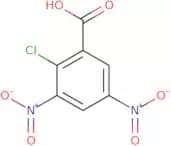
CAS:<p>2-Chloro-3,5-dinitrobenzoic acid is a chemical reagent that belongs to the group of p2-substituted benzenes. It is used in organic synthesis as a synthon for dimethylnaphthalene, which is an intermediate in the production of polyester fibers and polyurethane. The compound has been shown to induce apoptosis in prostate cancer cells. This effect may be due to its ability to react with amines and form nitrosating species, which may cause DNA damage. 2-Chloro-3,5-dinitrobenzoic acid can also react with 5-nitrosalicylic acid to form a stepwise reaction product.</p>Formula:C7H3ClN2O6Purity:Min. 95%Color and Shape:PowderMolecular weight:246.56 g/molMalonic acid disodium salt monohydrate
CAS:<p>Malonic acid disodium salt monohydrate is a water-soluble alkanoic acid that is used as a cross-linking agent in the manufacture of polymers. Malonic acid disodium salt monohydrate is also used to produce immunogenic antigens for cancer research and as a synthetic intermediate in the synthesis of pharmaceuticals or agricultural chemicals. Malonic acid disodium salt monohydrate is converted to malic acid by the enzyme cytosolic malate dehydrogenase. Malonic acid disodium salt monohydrate has an acidic pH and can be used to neutralize sodium salts such as sodium bicarbonate. Cell culture studies have shown that exposure to malonic acid disodium salt monohydrate inhibits protein synthesis and cell growth, which may be due to its ability to bind with DNA during transcription.</p>Formula:C3H2Na2O4·H2OPurity:Min 98%Color and Shape:White PowderMolecular weight:166.04 g/molTetrakis[N-phthaloyl-(R)-tert-leucinato]dirhodium bis(ethyl acetate) adduct
CAS:<p>Tetrakis[N-phthaloyl-(R)-tert-leucinato]dirhodium bis(ethyl acetate) adduct is a reagent that is used in organic synthesis and research. It has been shown to be useful as a scaffold for the synthesis of complex compounds, such as polymers. Tetrakis[N-phthaloyl-(R)-tert-leucinato]dirhodium bis(ethyl acetate) adduct can be used as an intermediate in the production of fine chemicals and speciality chemicals, as well as a versatile building block for the synthesis of diverse chemical compounds.</p>Formula:C56H56N4O16Rh2·C8H16O4Purity:Min. 95%Color and Shape:Yellow To Brown To Dark Green SolidMolecular weight:1423.08Ferulic acid 4-O-sulfate disodium salt
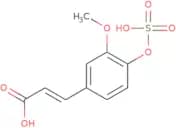
CAS:<p>Ferulic acid 4-O-sulfate disodium salt is a compound belonging to the class of hydroxybenzoic acids. It is found in plant and animal tissue, as well as in urine samples. Ferulic acid 4-O-sulfate disodium salt has been shown to have antitumorigenic activity on thp-1 cells by inhibiting activation of toll-like receptor 2 (TLR2). It also inhibits the production of proinflammatory cytokines and interleukin 6 (IL6) in human macrophages. Ferulic acid 4-O-sulfate disodium salt may be a potential chemopreventive agent for women with breast cancer who are at high risk for recurrence. In addition, ferulic acid 4-O-sulfate disodium salt may have antiobesity properties that are mediated through inhibition of fatty acid synthesis in humans.</p>Formula:C10H8Na2O7SPurity:Min. 95%Color and Shape:White Off-White PowderMolecular weight:318.21 g/mol3-(Trifluoromethyl)-1-benzothiophene-2-carboxylic acid
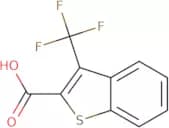
CAS:<p>3-(Trifluoromethyl)-1-benzothiophene-2-carboxylic acid is a versatile building block that can be used as a reagent, speciality chemical, and useful scaffold in research. This compound has been used to synthesize the drug called Raxibacumab, which is an antibody fragment. 3-(Trifluoromethyl)-1-benzothiophene-2-carboxylic acid can be used as a reaction component or intermediate to produce drugs such as Cefotaxime, Penicillin G, and Ampicillin.</p>Formula:C10H5F3O2SPurity:Min. 95%Molecular weight:246.21 g/molCAPSO
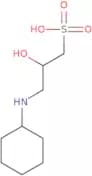
CAS:<p>CAPSO, also known as 3-(Cyclohexylamino)-2-hydroxy-1-propanesulfonic acid, is a zwitterionic buffer chemical that has an optimal pH range of 8.9-10.3 and a pKa of 9.6. This buffering agent shows low metal ion binding and high solubility and is commonly used in protein transfer applications and during cell lysis for membrane protein extraction.</p>Formula:C9H19NO4SPurity:Min. 95%Color and Shape:White PowderMolecular weight:237.32 g/mol2,3-Difluoro-6-methoxybenzoic acid methyl ester
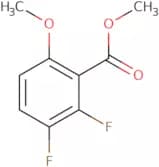
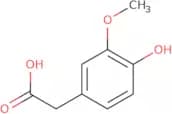
CAS:<p>2,3-Difluoro-6-methoxybenzoic acid methyl ester is a versatile building block that can be used in the production of fine chemicals and research chemicals. It is an intermediate for the synthesis of complex compounds and can be used as a reagent or speciality chemical in research. 2,3-Difluoro-6-methoxybenzoic acid methyl ester is also a useful building block for the synthesis of drugs.</p>Formula:C9H8F2O3Purity:Min. 95%Molecular weight:202.15 g/molHomovanillic acid
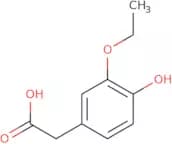
CAS:<p>Homovanillic acid is widely used as a fluorogenic substrate of peroxidase. The reaction is however not specific and has been shown to react also with soybean lipoxygenase in the presence of hydrogen peroxide. Excitation and emission wavelengths for homovanillic acid are 312 and 420 nm, respectively.</p>Formula:C9H10O4Purity:Min. 97.5 Area-%Color and Shape:Red PowderMolecular weight:182.17 g/mol3-Ethoxy-4-hydroxyphenylacetic acid
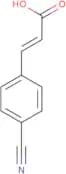
CAS:<p>3-Ethoxy-4-hydroxyphenylacetic acid is a chemical compound that functions as an anaesthetic. It has been shown to produce sedation and anesthesia in animals, but not in humans. 3-Ethoxy-4-hydroxyphenylacetic acid is also a metabolite of the drug propofol, which is used as a general anesthetic.</p>Formula:C10H12O4Purity:Min. 95%Color and Shape:PowderMolecular weight:196.2 g/mol4-Cyanocinnamic acid
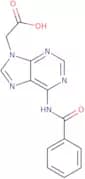
CAS:<p>4-Cyanocinnamic acid is a fatty acid that has been shown to be a substrate for the bacterial enzyme cinnamate 4-hydroxylase. The molecular weight of this compound is 136.16 g/mol, and it has a constant boiling point of 206°C. It can be synthesized from phenylacetic acid and p-coumaric acid using a transesterification reaction. This compound is reactive with carbonyl groups, which makes it useful in the detection of gram-positive bacteria by fluorescent probes or fluorescent dyes. 4-Cyanocinnamic acid is unreactive with esters of carboxylic acids, such as methyl esters, making it useful for the determination of fatty acids in isolates.</p>Formula:C10H7NO2Purity:Min. 95%Color and Shape:PowderMolecular weight:173.17 g/mol6-Benzoylamino-9H-purine-9-acetic acid
CAS:<p>6-Benzoylamino-9H-purine-9-acetic acid (BAPAA) is a high quality reagent that is used in the synthesis of complex compounds. It is also a useful intermediate in the preparation of fine chemicals, speciality chemicals, and research chemicals. 6-Benzoylamino-9H-purine-9-acetic acid is a versatile building block for the synthesis of novel compounds with desired biological activity. This compound is an excellent reaction component because it can be used to synthesize various chemical structures.</p>Formula:C14H11N5O3Purity:Min. 95%Color and Shape:PowderMolecular weight:297.27 g/mol3-Bromocinnamic acid methyl ester
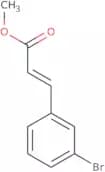
CAS:<p>3-Bromocinnamic acid methyl ester is a chemical compound that belongs to the group of useful scaffolds. It is a versatile building block and can be used as an intermediate in the synthesis of complex compounds. 3-Bromocinnamic acid methyl ester has been found to be a useful research chemical, reaction component, and speciality chemical. This chemical can be used in the production of fine chemicals and other products. 3-Bromocinnamic acid methyl ester is also useful as a reagent for organic reactions.</p>Formula:C10H9BrO2Purity:Min. 95%Color and Shape:PowderMolecular weight:241.08 g/molEthyl 2-hydroxy-5,6,7,8-tetrahydroquinoline-3-carboxylate
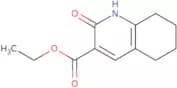
CAS:<p>Ethyl 2-hydroxy-5,6,7,8-tetrahydroquinoline-3-carboxylate is a fine chemical that is used as a building block in the manufacture of other compounds. It is also used as a reagent and speciality chemical. Ethyl 2-hydroxy-5,6,7,8-tetrahydroquinoline-3-carboxylate is an intermediate that can be used to produce other compounds. It can be used as a reaction component or useful scaffold for complex molecules.</p>Formula:C12H15NO3Purity:Min. 95%Color and Shape:PowderMolecular weight:221.25 g/mol3-Carboxymethyl-1-adamantane carboxylic acid
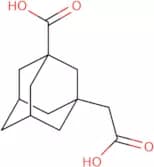
CAS:<p>3-Carboxymethyl-1-adamantane carboxylic acid is a tribasic, carboxylic acid that is used in the field of appraisal. 3-Carboxymethyl-1-adamantane carboxylic acid was first synthesized by the reaction of a dibromide and formic acid. This synthesis has been shown to produce a product with high purity, homogeneity, and stability. The use of this technique can be applied in tribasic, carboxylic acids as well as other polycarboxylates such as polyacrylics, polymaleic, and polyitaconic acids. The technique of analyzing these compounds by spectroscopic techniques is called profiling. This technique can be used for the identification of copper in natural environments such as rivers or lakes.</p>Formula:C13H18O4Purity:Min. 95%Color and Shape:PowderMolecular weight:238.28 g/mol1,5-Naphthalenedisulfonic acid tetrahydrate
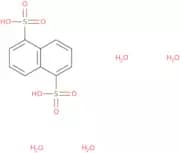
CAS:<p>1,5-Naphthalenedisulfonic acid tetrahydrate is an acidic molecule that has been observed in the form of nanodots. It has a molecular weight of 212.2g/mol and a water solubility of 0.01g/L at 20°C. 1,5-Naphthalenedisulfonic acid tetrahydrate is soluble in ethanol and methanol, but insoluble in acetone, diethyl ether, ethyl acetate, and chloroform. 1,5-Naphthalenedisulfonic acid tetrahydrate is a hydrogen bond acceptor and donor in its interactions with other molecules. It interacts synergistically with 3,5-dinitrosalicylic acid to produce a red coloration when dissolved in water or alcohols.</p>Formula:C10H6(SO3H)2•(H2O)4Purity:Min. 95%Color and Shape:PowderMolecular weight:360.36 g/molHyocholic acid
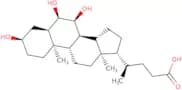
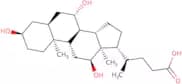
CAS:Controlled Product<p>Hyocholic acid is a bile acid that is a natural compound that has been shown to have cholesterol-lowering effects. It has been shown to inhibit hepatic steatosis and congestive heart failure, as well as bind to the receptor for bile acids, which may lead to physiological effects. The physiological levels of hyocholic acid in the human serum are unknown, but it has been shown to inhibit the activities of hyocholic acid hydrolase and cholesterol 7 alpha-hydroxylase in vitro. This inhibition leads to an accumulation of bile acids and cholesterol in the liver and blood and induces a condition known as hypercholesterolemia.</p>Formula:C24H40O5Purity:Min. 95%Color and Shape:White/Off-White SolidMolecular weight:408.57 g/mol3-Amino-4-chlorophenylacetic acid methyl ester
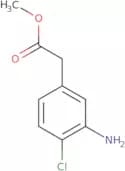
CAS:<p>3-Amino-4-chlorophenylacetic acid methyl ester is a fine chemical that is useful as a building block in the synthesis of complex compounds. It has been used as a reagent and speciality chemical, which can be used for research purposes. CAS No. 59833-69-1</p>Formula:C9H10ClNO2Purity:Min. 95%Molecular weight:199.63 g/mol3-Fluoro-4-methylbenzoic acid
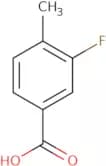
CAS:<p>3-Fluoro-4-methylbenzoic acid is an organic compound that is used as a ligand in coordination chemistry. This compound is an alkynyl ligand with a selenium atom at the 3 position, and it can be used to make metal complexes with cycloalkyl and heterocycloalkyl rings. 3-Fluoro-4-methylbenzoic acid has been shown to be a potent inhibitor of matrix metalloproteinase activity.</p>Formula:C8H7FO2Purity:Min. 95%Color and Shape:PowderMolecular weight:154.14 g/molDL-Aminobutyric acid
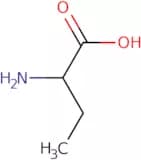
CAS:<p>DL-Aminobutyric acid is an analog of amino acids and a potent inhibitor of protease activity. It has been shown to inhibit the proteolytic activity of amyloid protein in human serum, most likely by competitive inhibition. DL-Aminobutyric acid also inhibits the enzyme activities that are responsible for the production of ammonia from amino acids. DL-Aminobutyric acid is an analyte in blood sampling and has a pH optimum of 8.0. It has been shown to have inhibitory properties on bacteria strains including Staphylococcus aureus and Streptococcus pneumoniae, but not Mycobacterium tuberculosis or Escherichia coli.</p>Formula:C4H9NO2Purity:Min 97%Color and Shape:PowderMolecular weight:103.12 g/molFlugestone 17-acetate
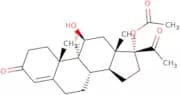
CAS:Controlled Product<p>Flugestone 17-acetate is a synthetic hormone that is used in the treatment of inflammatory bowel disease, as well as other inflammatory diseases. Flugestone 17-acetate is a prodrug of estradiol benzoate, which binds to the estrogen receptors in target tissues. It has been shown to be effective in treating infertility and metabolic disorders. Flugestone 17-acetate is also used to treat ovarian activity, such as estrus and fertility, and can be used for the prevention of autoimmune diseases such as chorionic or follicular growth.</p>Formula:C23H31FO5Purity:Min. 95%Color and Shape:White Yellow PowderMolecular weight:406.49 g/molH-Pro-Phe-Arg-AMC acetate salt
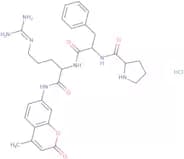
CAS:<p>Fluorogenic substrate targeting pancreatic and urinary Kallikrein</p>Formula:C30H37N7O5·C2HF3O2Purity:Min. 95%Color and Shape:White Off-White PowderMolecular weight:575.66 g/mol2-Nitro-3,4,5-trimethoxybenzoic acid
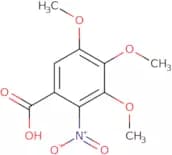
CAS:<p>2-Nitro-3,4,5-trimethoxybenzoic acid (2-NTMB) is a potent anticancer agent that has shown cytotoxic effects in human epidermoid carcinoma cells. It inhibits the growth of cancer cells by interfering with their DNA synthesis and repair. 2-NTMB binds to DNA and blocks the action of enzymes involved in DNA synthesis and repair. This binding leads to cancer cell death through irradiation or by blocking the production of new proteins vital for cell division. 2-NTMB is bioisosteric with combretastatin A4, which means it can be substituted for this drug without significant loss of potency. It also has been shown to be an effective chemotherapeutic agent against breast cancer in mice.</p>Formula:C10H11NO7Purity:Min. 95%Color and Shape:PowderMolecular weight:257.2 g/molMethyl 1-(mercaptomethyl)cyclopropane acetate
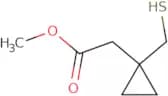
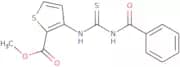
CAS:<p>Methyl 1-(mercaptomethyl)cyclopropane acetate is a fine chemical that is used as a reagent, speciality chemical, and intermediate. It has been shown to be a versatile building block for the synthesis of complex compounds. Methyl 1-(mercaptomethyl)cyclopropane acetate reacts with amines to form an amidine derivative. It is also a useful intermediate in the manufacture of herbicides, insecticides, and pharmaceuticals as well as a reaction component in the synthesis of other fine chemicals. CAS No: 152922-73-1</p>Formula:C7H12O2SPurity:Min. 95%Color and Shape:Clear LiquidMolecular weight:160.23 g/molMethyl 3-(((phenylcarbonylamino)thioxomethyl)amino)thiophene-2-carboxylate
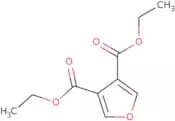
CAS:<p>Please enquire for more information about Methyl 3-(((phenylcarbonylamino)thioxomethyl)amino)thiophene-2-carboxylate including the price, delivery time and more detailed product information at the technical inquiry form on this page</p>Formula:C14H12N2O3S2Purity:Min. 95%Color and Shape:PowderMolecular weight:320.39 g/molDiethyl 3,4-furandicarboxylate
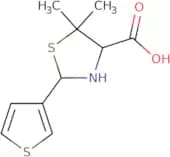
CAS:<p>Diethyl 3,4-furandicarboxylate is a chemical compound that is used as an antiproliferative drug in cancer therapy. It is synthesized by the thermal isomerization of diethyl acetylenedicarboxylate. The product has been shown to inhibit the growth of human cancer cells and has antibacterial activity against Gram-positive bacteria. Diethyl 3,4-furandicarboxylate also inhibits the synthesis of DNA and RNA by binding to the enzyme ribonucleotide reductase. Its cytostatic effects are due to its ability to inhibit cellular proliferation by inhibiting protein synthesis.</p>Formula:C10H12O5Purity:Min. 95%Color and Shape:Clear LiquidMolecular weight:212.2 g/mol5,5-dimethyl-2-(3-thienyl)-1,3-thiazolidine-4-carboxylic acid
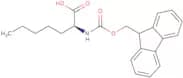
CAS:<p>Please enquire for more information about 5,5-dimethyl-2-(3-thienyl)-1,3-thiazolidine-4-carboxylic acid including the price, delivery time and more detailed product information at the technical inquiry form on this page</p>Purity:Min. 95%N-Fmoc-S-2-amino-heptanoic acid
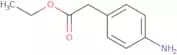
CAS:<p>N-Fmoc-S-2-amino-heptanoic acid is a metabolite of the pentose phosphate pathway that is also found in the glycolytic pathway. It is a cell activator and, as such, can be used to stimulate the production of insulin, dopamine, and other metabolic products. N-Fmoc-S-2-amino-heptanoic acid has been shown to reduce levels of glucose in rat brains with administration through the injection route. This compound has also been shown to inhibit glycolytic enzymes and increase cell toxicity.</p>Formula:C22H25NO4Purity:Min. 95%Color and Shape:White Off-White PowderMolecular weight:367.44 g/molEthyl 4-aminophenylacetate
CAS:<p>Ethyl 4-aminophenylacetate is a synthetic compound that has been shown to have anticancer activity in vitro. It has been shown to inhibit the activation of mouse splenocytes by carbonyl group-containing compounds, which are induced by lipopolysaccharide (LPS). Ethyl 4-aminophenylacetate also inhibits the binding of primary amines to opioid receptors in vitro. This compound has not been tested in vivo for its anticancer activity.</p>Formula:C10H13NO2Purity:Min. 95%Color and Shape:PowderMolecular weight:179.22 g/mol(S)-(+)-Citramalic acid
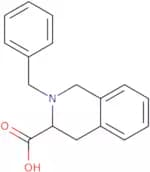
CAS:<p>Citramalic acid is a high quality, fine chemical that can be used as a reagent or building block. It can also be used in the synthesis of complex compounds and is an important intermediate for pharmaceuticals, agrochemicals, and other specialty chemicals. Citramalic acid has many uses, including as a versatile building block for organic synthesis. Citramalic acid is a reaction component that can be used to produce research chemicals with various applications.</p>Formula:C5H8O5Color and Shape:PowderMolecular weight:148.11 g/mol2-Benzyl-1,2,3,4-tetrahydro-isoquinoline-3-carboxylic acid
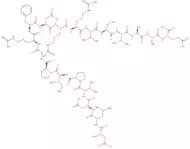
CAS:<p>2-Benzyl-1,2,3,4-tetrahydroisoquinoline-3-carboxylic acid is a versatile building block that can be used in the synthesis of fine chemicals and pharmaceuticals. It is used as a precursor to other compounds such as 2-benzylisoquinoline and 2-(2'-benzyloxy)benzoic acid. It is also used as a reagent for various research purposes.</p>Formula:C17H17NO2Purity:Min. 95%Color and Shape:PowderMolecular weight:267.32 g/molCalcineurin Substrate trifluoroacetate salt H-Asp-Leu-Asp-Val-Pro-Ile-Pro-Gly-Arg-Phe-Asp-Arg-Arg-Val-Ser-Val-Ala-Ala-Glu-OH trifluo roacetate salt
CAS:<p>Please enquire for more information about Calcineurin Substrate trifluoroacetate salt H-Asp-Leu-Asp-Val-Pro-Ile-Pro-Gly-Arg-Phe-Asp-Arg-Arg-Val-Ser-Val-Ala-Ala-Glu-OH trifluo roacetate salt including the price, delivery time and more detailed product information at the technical inquiry form on this page</p>Formula:C92H150N28O29Purity:Min. 95%Molecular weight:2,112.35 g/molSDF-1α (human) trifluoroacetate salt
CAS:<p>Please enquire for more information about SDF-1alpha (human) trifluoroacetate salt including the price, delivery time and more detailed product information at the technical inquiry form on this page</p>Formula:C356H578N106O93S4Purity:Min. 95%Molecular weight:7,959.32 g/molPalustric acid
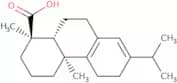
CAS:Controlled Product<p>Palustric acid is a fatty acid that is used to remove organic pollutants from wastewater. It has been shown to have significant interactions with human pathogens such as Pimaric Acid and Levopimaric Acid, which are produced by the degradation of chlorinated compounds. Palustric acid also has an acidic nature, and can cause a thermal expansion in water vapor.</p>Formula:C20H30O2Purity:Min. 95 Area-%Color and Shape:White Off-White PowderMolecular weight:302.45 g/molBazedoxifene acetate
CAS:Controlled Product<p>Bazedoxifene acetate is a selective estrogen receptor modulator (SERM) that prevents bone loss and reduces the risk of breast cancer in postmenopausal women. Bazedoxifene acetate has been shown to be safe and effective for the treatment of endometriosis, as it inhibits the growth of uterine tissue outside the uterus. Bazedoxifene acetate also acts on estrogen receptors in breast tissue and may be used to prevent breast cancer.</p>Formula:C32H38N2O5Purity:Min. 95%Color and Shape:White PowderMolecular weight:530.65 g/mol4-Chloro-2-fluorocinnamic acid
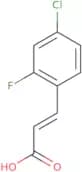
CAS:<p>4-Chloro-2-fluorocinnamic acid is a chemical intermediate that can be used as a building block for the synthesis of other compounds. It has been shown to be useful in the preparation of pharmaceuticals, agrochemicals, and dyestuffs. This chemical has many uses in research, such as being used as a reactant in organic synthesis or as a reagent for derivitization. 4-Chloro-2-fluorocinnamic acid is also an important intermediate for the production of more complex compounds. 4-Chloro-2-fluorocinnamic acid is a versatile building block that can be used in the preparation of many fine chemicals, with its versatility making it an important scaffold for drug discovery.</p>Formula:C9H6ClFO2Purity:Min. 95%Color and Shape:PowderMolecular weight:200.59 g/mol4,4'-(2-Pyridylmethylene)bisphenol diacetate
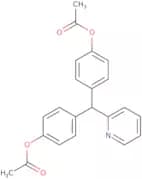
CAS:<p>Laxative</p>Formula:C22H19NO4Purity:Min. 95%Color and Shape:PowderMolecular weight:361.39 g/molPolymaleic acid, 48% aqueous solution
CAS:<p>Polymaleic acid is a homopolymer of maleic acid. It is a very efficient calcium carbonate antiscalant showing excellent performance in high temperature as well as high alkaline cooling water systems. The product is stable in presence of chlorine or other oxidizing biocides. Due to this and high temperature tolerance the material has found use in desalination plants.</p>Formula:(C4H4O4)nPurity:Min. 95%Color and Shape:Clear Liquid2,4-Dimethoxy-3-methylbenzoic acid
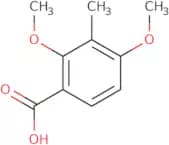
CAS:<p>2,4-Dimethoxy-3-methylbenzoic acid is a fine chemical that is used as a versatile building block in the synthesis of other organic compounds. 2,4-Dimethoxy-3-methylbenzoic acid has been used in research to generate novel compounds with desired properties. It is also used as a reaction component and speciality chemical. The compound can be reacted with sodium methoxide in methanol to form 2,4-dimethoxybenzaldehyde, which is an intermediate for the synthesis of other chemicals. It also reacts with nitric acid to form 2,4-dimethylbenzoic acid and oleum. These reactions are useful for the production of certain drugs or for the synthesis of polymers.</p>Formula:C10H12O4Purity:Min. 95%Molecular weight:196.2 g/molUrsocholic acid
CAS:Controlled Product<p>Ursocholic acid is a bile acid that is used in the treatment of pediatric bowel disease. Ursocholic acid reduces the formation of cholesterol gallstones and its use has been shown to improve the symptoms of congestive heart failure. The mechanism of action for ursocholic acid is not fully understood but it has been shown to increase the amount of serum bile acids and reduce the amount of hydroxyl group in bile acids. Ursocholic acid also increases cell lysis by interacting with hydrophobic regions on the surface of cells. There are high concentrations of ursocholic acid found in human feces, which may be due to its hydrophobic effect. Ursocholic acid also inhibits HIV infection by binding to gp120, preventing gp120 from binding to CD4 receptors on T-cells.</p>Formula:C24H40O5Purity:Min. 95%Color and Shape:PowderMolecular weight:408.57 g/molZinc acetate
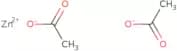
CAS:<p>Zinc acetate is a chemical compound that contains zinc, oxygen, and carbon. It is used in the treatment of infectious diseases, such as bowel disease. Zinc acetate also functions as an antiseptic and astringent. The reaction mechanism for this compound is ionotropic gelation. This process involves the formation of hydrogen bonds between molecules that are then converted to a solid state. Zinc acetate will react with phosphorus pentoxide to form zinc phosphate, which can be used as a structural analysis for x-ray diffraction data. In addition, it has been shown to have high values when nitrogen atoms are present and zinc acetate is also soluble in water vapor and reacts with copper chloride to form zirconium oxide.</p>Formula:C4H6O4ZnPurity:Min. 95%Color and Shape:PowderMolecular weight:183.47 g/mol2-Fluoro-6-methoxybenzoic acid
CAS:<p>2-Fluoro-6-methoxybenzoic acid is a monocarboxylic acid that is synthesized from 2,6-dichlorobenzoic acid by a mediated, synthetic sequence. This compound can be used as a substrate for kinetic analyses of the transport of carboxylic acids across cellular membranes. The uptake of 2-fluoro-6-methoxybenzoic acid is expressed in the apical surface membrane of Caco2 cells. Kinetic studies indicate that this compound reacts rapidly with butyllithium to form an enamine intermediate. The enamine intermediate then reacts with either water or methanol to produce a final product, depending on the reaction time.</p>Formula:C8H7FO3Purity:Min. 95%Color and Shape:PowderMolecular weight:170.14 g/mol(3,4,5-Trimethoxyphenyl)boronic acid
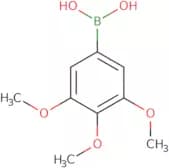
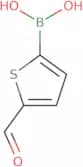
CAS:<p>(3,4,5-Trimethoxyphenyl)boronic acid is an active analogue of 3,4,5-trimethoxybenzoic acid. It has potent anti-inflammatory properties and inhibits cancer cell proliferation. (3,4,5-Trimethoxyphenyl)boronic acid has been shown to inhibit the growth of cancer cells in vitro by binding to the gyrase enzyme. This drug also has biological properties that may be useful for treating human liver diseases such as hepatic steatosis or nonalcoholic fatty liver disease (NAFLD).</p>Formula:C9H13BO5Purity:Min. 95 Area-%Color and Shape:PowderMolecular weight:212.01 g/mol5-Formyl-2-thiopheneboronic acid
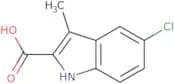
CAS:<p>5-Formyl-2-thiopheneboronic acid is a synthetic molecule that has been shown to be an effective electron microscope stabilizer. It is a boronate ester with a formyl group at the 2-position and a thiophene ring at the 5-position. The chloride in this molecule is used as a functional group, which can then react with other molecules to form new compounds. The functional theory of 5-formyl-2-thiopheneboronic acid includes its ability to form bonds with other molecules and its use as an inorganic base. The particle size of 5-formyl-2-thiopheneboronic acid is unsymmetrical, making it different from other molecules.</p>Formula:C5H5BO3SPurity:Min. 95%Color and Shape:PowderMolecular weight:155.97 g/mol5-Chloro-3-methyl-1H-indole-2-carboxylic acid
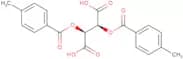
CAS:<p>5-Chloro-3-methyl-1H-indole-2-carboxylic acid (5CMC) is a versatile building block and research chemical. It has been shown to be an effective intermediate for the synthesis of many complex compounds with interesting pharmacological properties. 5CMC is also used as a speciality chemical in the production of pharmaceuticals, agrochemicals, and other chemicals. The compound is a fine chemical that can be used in various research and industrial applications.</p>Formula:C10H8ClNO2Purity:Min. 95 Area-%Color and Shape:PowderMolecular weight:209.63 g/mol(+)-O,O'-Di-p-toluoyl-D-tartaric acid
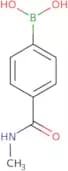
CAS:<p>(+)-O,O'-Di-p-toluoyl-D-tartaric acid is a potent and selective ligand for the dopamine D2 receptor. It was first synthesized in 1968 and has been extensively studied for its interactions with dopamine receptors. (+)-O,O'-Di-p-toluoyl-D-tartaric acid has been shown to be an orthosteric agonist at the D2 receptor, meaning it binds directly to the receptor in the absence of any other compounds. It binds to the extracellular site of the receptor, with a binding affinity that is 10 times more potent than that of apomorphine. The compound has been shown to have antidepressant effects when administered systemically, as well as in animal models of depression. This activity may be due to its ability to selectively activate dopamine D2 receptors in regions such as the prefrontal cortex.</p>Formula:C20H18O8Purity:Min. 95%Color and Shape:PowderMolecular weight:386.35 g/mol(4-(Methylcarbamoyl)phenyl)boronic acid
CAS:<p>Please enquire for more information about (4-(Methylcarbamoyl)phenyl)boronic acid including the price, delivery time and more detailed product information at the technical inquiry form on this page</p>Formula:C8H10BNO3Purity:Min. 95%Color and Shape:PowderMolecular weight:178.98 g/mol


![[5-Methyl-3-(trifluoromethyl)-1H-pyrazol-1-yl]acetic acid](/_next/image/?url=https%3A%2Fstatic.cymitquimica.com%2Fproducts%2F3D%2Fthumb-webp%2FFM54360.webp&w=3840&q=75)


![methyl 1-[(4-methylphenyl)sulfonyl]-4-piperidinecarboxylate](/_next/image/?url=https%3A%2Fstatic.cymitquimica.com%2Fproducts%2F3D%2Fthumb-webp%2FFM168868.webp&w=3840&q=75)



![Tetrakis[N-phthaloyl-(R)-tert-leucinato]dirhodium bis(ethyl acetate) adduct](/_next/image/?url=https%3A%2Fstatic.cymitquimica.com%2Fproducts%2F3D%2Fthumb-webp%2FFT60015.webp&w=3840&q=75)