Carboxylic Acids
Carboxylic acids are organic molecules characterized by having a carboxyl-type functional group (-COOH). These acids are fundamental in various chemical reactions, including esterification, amidation, and decarboxylation. Carboxylic acids are widely used in the production of pharmaceuticals, polymers, and agrochemicals. In this section, you can find a large number of carboxylic acids ready to be used. At CymitQuimica, we provide a broad range of high-quality carboxylic acids to support your research and industrial applications.
Found 12454 products of "Carboxylic Acids"
Sort by
Purity (%)
0
100
|
0
|
50
|
90
|
95
|
100
SPDP acid
CAS:<p>SPDP acid is a linker that forms reversible disulfide bonds with thiols on drugs or proteins. The cleavage occurs under intracellular reducing conditions. Its heterobifunctionality permits the formation of new disulfide bonds by reacting with free thiol groups on proteins (like cysteines) and also with amines.</p>Formula:C8H9NO2S2Purity:Min. 95%Color and Shape:PowderMolecular weight:215.29 g/molL-(+)-Glutamic acid HCl
CAS:<p>L-(+)-Glutamic acid HCl is a monosodium salt that belongs to the group of water-soluble organic acids. It has been used as a food additive and in wastewater treatment, as well as for the production of polymers and pharmaceuticals. Glutamate can be converted to glutamic acid by hydrolysis with sodium hydroxide or other strong bases. Glutamic acid is an important biochemical precursor in the synthesis of proteins, peptides, and nucleic acids. It also functions as a neurotransmitter in the central nervous system. L-(+)-glutamic acid HCl has been shown to induce apoptosis in human HL-60 cells by increasing reactive oxygen species (ROS) levels and activating caspase-3 activity in these cells. The crystalline cellulose used in this study was obtained from cellulose powder (Avicel PH101).</p>Formula:C5H9NO4·HClPurity:Min. 95%Color and Shape:White PowderMolecular weight:183.59 g/mol2-Methoxypropyl acetate
CAS:<p>2-Methoxypropyl acetate is a cross-linking agent that is used in water treatment. It is used as an additive to deionized water and can be found in high concentrations in wastewater. 2-Methoxypropyl acetate reacts with xylene to produce light emission, which makes it suitable for use as a chemical marker. The optimum dose of 2-methoxypropyl acetate ranges from 0.025% to 0.2%. 2-Methoxypropyl acetate has been shown to be toxic when injected into rats at doses of 100 mg/kg body weight, but not at doses of 25 mg/kg body weight or less. This compound was also shown to cause protrusion and necrosis of the nasal septum in rats after administration at doses of 500 mg/kg body weight.</p>Formula:C6H12O3Purity:Min. 95%Color and Shape:Colourless LiquidMolecular weight:132.16 g/mol9,10-Dihydroxystearic acid
CAS:<p>9,10-Dihydroxystearic acid is an ester that can be found in fatty acids. It is a model system for studying the reaction mechanism of ester linkages. 9,10-Dihydroxystearic acid has been shown to have a Michaelis–Menten kinetics with respect to NADPH and cytochrome P450 enzymes. 9,10-Dihydroxystearic acid has been used as an analytical chemistry probe for distinguishing between hepg2 cells and other cell types. 9,10-Dihydroxystearic acid also has magnetic resonance spectroscopy properties that make it an excellent probe for structural analysis.</p>Formula:C18H36O4Purity:Min. 95%Color and Shape:White PowderMolecular weight:316.48 g/mol7-[4-(4-Fluorophenyl)-6-(1-methylethyl)-2-(N-methyl-N-methylsulfonyl-amino)-pyrimidin-5-yl]-3,5-dihydroxy-hept-6-enoic acid ethyl es ter
CAS:<p>Rosuvastatin is a statin drug that inhibits cholesterol synthesis by inhibiting the enzyme HMG-CoA reductase. Rosuvastatin has been shown to reduce high-sensitivity C-reactive protein (hsCRP) and low-density lipoprotein cholesterol (LDL-C), which are risk factors for cardiovascular disease, in patients with hypercholesterolemia. Rosuvastatin also has a high degree of potency and specificity for the HMG-CoA reductase enzyme and shows no significant cross-reactivity with other HMG-CoA reductase inhibitors. Rosuvastatin is metabolized by CYP3A4 and CYP2C9. Drugs that inhibit these enzymes may increase the plasma levels of rosuvastatin, while drugs that induce these enzymes may decrease the plasma levels of rosuvastatin.</p>Formula:C24H32FN3O6SPurity:Min. 95%Color and Shape:PowderMolecular weight:509.59 g/molGanirelix acetate
CAS:Controlled Product<p>Ganirelix acetate is a synthetic, non-steroidal, anti-hormonal agent of the gonadotropin releasing hormone (GnRH) receptor antagonist class. It is used in research as a building block for fine chemical and pharmaceutical synthesis. Ganirelix acetate has been shown to be useful in the synthesis of drugs that target the GnRH receptor or other receptors with high affinity for GnRH. This compound can act as an intermediate in many chemical reactions and is also a versatile scaffold for drug design.</p>Formula:C80H113ClN18O13•(C2H4O2)2Purity:Min. 95%Color and Shape:White PowderMolecular weight:1,690.42 g/molDOTA-(Tyr3)-Octreotate acetate salt
CAS:Controlled Product<p>Octreotate is a radiopharmaceutical that is synthesized by reacting DOTA-Tyr3 with octreotide acetate. Octreotate, also known as dotatate, is used in nuclear medicine to treat neuroendocrine tumours. This drug has a high yield and can be reliably prepared using cassettes and computerised equipment to create germanium-68 labelled octreotate. The radionuclide emits positrons and gamma rays, which are used for imaging neuroendocrine tumours in the brain or other organs. Octreotate is a synthetic analogue of the natural hormone octreotide, which binds to receptors on the cell surface and prevents the release of hormones from cells. This may be due to its ability to inhibit protein synthesis by inhibiting rRNA synthesis.</p>Formula:C65H90N14O19S2Purity:Min. 95 Area-%Color and Shape:White Slightly Yellow PowderMolecular weight:1,435.63 g/mol3-(Cyanomethyl)benzoic acid
CAS:<p>3-(Cyanomethyl)benzoic acid is a useful building block that is used as a reagent in the production of pharmaceuticals and research chemicals. It is also used as a speciality chemical and as a high-quality fine chemical. This compound has versatile uses, including reactions with other chemicals to form complex compounds, and can be used as a reaction component or an intermediate in the synthesis of other chemicals. 3-(Cyanomethyl)benzoic acid has no known toxicity and its CAS number is 5689-33-8.</p>Formula:C9H7NO2Purity:Min. 95%Color and Shape:PowderMolecular weight:161.16 g/mol4-Hydroxy-3-methoxybenzoic acid ethyl ester
CAS:<p>4-Hydroxy-3-methoxybenzoic acid ethyl ester is a synthetic compound that is converted to protocatechuic acid, an antioxidant found in wine. It has been shown to have antioxidative properties in inflammatory bowel disease by inhibiting the formation of reactive oxygen species. Protocatechuic acid also inhibits the growth of bacterial strains such as Listeria monocytogenes and Bacillus cereus, which are often resistant to antibiotics. The mechanism of action is not well understood, but it may be due to its ability to inhibit the production of p-hydroxybenzoic acid, a precursor for bacterial cell wall synthesis. Protocatechuic acid also has anti-inflammatory properties and can be used as a bioactive phenolic in topical preparations such as creams or ointments.</p>Formula:C10H12O4Purity:Min. 95%Color and Shape:PowderMolecular weight:196.2 g/molp-Coumaric acid 4-O-sulfate disodium
CAS:<p>p-Coumaric acid 4-O-sulfate disodium salt is a high quality, reagent, complex compound. It is an intermediate in the synthesis of pyridoxal 5′-phosphate and may be used as a building block for the synthesis of other compounds. It is also a speciality chemical that may be used as a reaction component in organic synthesis.</p>Formula:C9H8O6S•Na2Purity:95%MinColor and Shape:PowderMolecular weight:290.2 g/mol3-Phenoxyphenylacetic acid
CAS:<p>3-Phenoxyphenylacetic acid is a diphenyl ether compound. It is used as a preservative and has antimycobacterial activity. 3-Phenoxyphenylacetic acid has been shown to be active against tuberculosis, with an MIC of 0.5 ug/mL. In addition, it can inhibit the growth of methicillin-resistant Staphylococcus aureus (MRSA) and erythromycin-resistant Mycobacterium tuberculosis. The mechanism of action is not fully understood, but may involve the inhibition of electron transport or oxidative phosphorylation in bacterial cells. 3-Phenoxyphenylacetic acid also inhibits the formation of reactive oxygen species from NADPH oxidase in human neutrophils, which may contribute to its antimicrobial activity.</p>Formula:C14H12O3Purity:Min. 95%Color and Shape:PowderMolecular weight:228.24 g/mol2-Fluoro-3-methylbenzoic acid methyl ester
CAS:<p>2-Fluoro-3-methylbenzoic acid methyl ester is a small molecule that has been shown to possess 5-HT3 receptor antagonist activity in the range of nanomolar potencies. This drug has also been shown to be orally active in mice. The physicochemical properties of 2-fluoro-3-methylbenzoic acid methyl ester include a melting point of 155.5° C, solubility in methanol and acetone, and a molecular weight of 168.2 g/mol.<br>2-Fluoro-3-methylbenzoic acid methyl ester is being developed as a targeted agent for the treatment of bowel syndrome, which is characterized by abdominal pain, nausea and diarrhea.</p>Formula:C9H9FO2Purity:Min. 95%Color and Shape:Clear LiquidMolecular weight:168.16 g/molNesfatin-1 (mouse) trifluoroacetate salt
CAS:<p>Please enquire for more information about Nesfatin-1 (mouse) trifluoroacetate salt including the price, delivery time and more detailed product information at the technical inquiry form on this page</p>Formula:C424H683N117O137Purity:Min. 95%Molecular weight:9,611.67 g/mol5-Methoxy-4-oxo-4H-pyran-2-carboxylic acid
CAS:<p>5-Methoxy-4-oxo-4H-pyran-2-carboxylic acid is a building block for organic synthesis. It is a versatile building block that can be used to synthesize complex compounds. 5-Methoxy-4-oxo-4H-pyran-2-carboxylic acid has been shown to be useful as a reagent in organic synthesis and as a reaction component. It is also used in pharmaceutical research and development. CAS No.: 1199-60-6</p>Formula:C7H6O5Purity:Min. 95%Color and Shape:PowderMolecular weight:170.12 g/mol3,5-Dinitro-4-hydroxyphenylpropionic acid hydrazide
CAS:<p>3,5-Dinitro-4-hydroxyphenylpropionic acid hydrazide is a versatile building block that can be used in the synthesis of complex compounds. It is an intermediate for the production of research chemicals and reagents, as well as a useful scaffold for making new compounds. This compound has been shown to be stable in air and water and is not toxic when ingested. 3,5-Dinitro-4-hydroxyphenylpropionic acid hydrazide is also soluble in many organic solvents and has low volatility.</p>Formula:C9H10N4O6Purity:Min. 95%Molecular weight:270.2 g/mol5,6,7,8-Tetrahydro-[1,8]naphthyridine-2-carboxylic acid
CAS:<p>5,6,7,8-Tetrahydro-[1,8]naphthyridine-2-carboxylic acid is a chemical compound with CAS No. 885278-22-8. It is a high quality reagent that can be used as a building block for the synthesis of complex compounds. 5,6,7,8-Tetrahydro-[1,8]naphthyridine-2-carboxylic acid can also be used as a reaction component in chemical synthesis and as an intermediate in the production of various fine chemicals and speciality chemicals.</p>Formula:C9H10N2O2Purity:Min. 98 Area-%Color and Shape:PowderMolecular weight:178.19 g/molDimethyl 1,4-cubanedicarboxylate
CAS:<p>Dimethyl 1,4-cubanedicarboxylate is a synthetic compound that belongs to the group of carbonyl compounds. It is a fluorinated derivative of 1,4-butanediol and has been synthesized in order to study its biological properties. Dimethyl 1,4-cubanedicarboxylate has been shown to antagonize the growth of a number of bacterial strains and to inhibit the enzyme acetylcholinesterase. The synthesis of this compound was achieved through the reaction mechanism involving an amine and a diacid. Dimethyl 1,4-cubanedicarboxylate also reacts with nucleophiles such as hydroxide ions or amines to form a new molecule with an electron-deficient carbonyl group (-CO).</p>Formula:C12H12O4Purity:Min. 95%Molecular weight:220.22 g/mol2-Methylnicotinic acid imidazolide
CAS:2-Methylnicotinic acid imidazolide is a small molecule with the ability to regulate RNA splicing. It has been shown to inhibit the transcription of specific genes by binding to the RNA sequence and forming a stable complex with the mRNA. The chemical structure of 2-methylnicotinic acid imidazolide has also been shown to be similar to that of nicotinamide, which is a precursor for NAD+, a coenzyme involved in cellular metabolism. This may explain how 2-methylnicotinic acid imidazolide regulates gene expression and promotes neuronal health.Formula:C10H9N3OPurity:Min. 95%Color and Shape:PowderMolecular weight:187.2 g/mol2-Aminoindane-2-carboxylic acid
CAS:<p>2-Aminoindane-2-carboxylic acid is a potent opioid analgesic with a high affinity for kappa-opioid receptors. Molecular modeling studies suggest that it binds to the receptor in an orientation similar to morphine and has a higher binding affinity than morphine. In functional assays, 2-Aminoindane-2-carboxylic acid showed low potency at the delta opioid receptor. It also has been shown to have a high affinity for the kappa opioid receptor and a low affinity for delta opioid receptors, which are associated with respiratory depression. This drug can be made from indole and carboxylic acids or by treating 2 aminoindanone with hydrochloric acid and hydrogen gas.</p>Formula:C10H11NO2Purity:Min. 95%Color and Shape:PowderMolecular weight:177.2 g/mol4-Bromomandelic acid
CAS:<p>4-Bromomandelic acid is a chemical with the molecular formula CHBrO. It is an acid that can be found in the form of a solution at room temperature. It is soluble in water and alcohols, but not in ether or chloroform. 4-Bromomandelic acid is used as a reagent for the identification of carbohydrates and other organic compounds by phase chromatography. 4-Bromomandelic acid can be recycled from triticum aestivum (wheat) straw by washing with hydrochloric acid to remove impurities. The purified product can then be crystallized from trifluoroacetic acid or acetic anhydride, followed by backpressure to remove excess solvent. It has been shown that binding constants for metal ions are increased in the presence of p-hydroxybenzoic acid or biphenyl, which has led to its use as a catalyst for reactions involving these substances.</p>Formula:C8H7BrO3Purity:Min. 95%Color and Shape:PowderMolecular weight:231.04 g/mol2-Aminoterephthalic acid dimethyl ester
CAS:<p>2-Aminoterephthalic acid dimethyl ester is a proton receptor that binds to the C-terminus of the proton receptor. It has been shown to inhibit serine protease activity and chemokine production, which may lead to dysuria. The proton receptor-binding site is composed of a five-membered heteroaryl ring with a methylthio group, which interacts with the protonated amino group at the 2 position of the 2-aminoterephthalic acid. This interaction results in an electrochemical impedance spectroscopy signal that has a low energy.</p>Formula:C10H11NO4Purity:Min. 98.5 Area-%Color and Shape:Off-White PowderMolecular weight:209.2 g/mol9,10-Dihydro-5-methoxy-9-oxo-4-acridinecarboxylic acid
CAS:<p>Please enquire for more information about 9,10-Dihydro-5-methoxy-9-oxo-4-acridinecarboxylic acid including the price, delivery time and more detailed product information at the technical inquiry form on this page</p>Formula:C15H11NO4Purity:Min. 95%Color and Shape:PowderMolecular weight:269.25 g/mol2,4-Dihydroxybutanoic acid calcium
<p>2,4-Dihydroxybutanoic acid calcium is a versatile building block that can be used as a reagent or speciality chemical in research. It has many uses as a building block for complex compounds, such as pharmaceuticals and agrochemicals. 2,4-Dihydroxybutanoic acid calcium is also an important intermediate for reactions to produce useful scaffolds. This product is of high quality and can be used in many applications.</p>Formula:(C4H7O4)2•CaPurity:(¹H-Nmr) Min. 95 Area-%Color and Shape:White PowderMolecular weight:278.27 g/mol1,2-Naphthoquinone-4-sulfonic acid sodium salt
CAS:<p>1,2-Naphthoquinone-4-sulfonic acid sodium salt is a fluorescent probe that reacts with the hydroxyl groups of amino acids and proteins. It has been used to measure glucose levels by injecting it into a living organism and examining the fluorescence emitted in response to an excitation wavelength. The redox potential of this molecule is -0.29 volts, which indicates that it is nucleophilic. 1,2-Naphthoquinone-4-sulfonic acid sodium salt can be used as a dye for labeling amines and other compounds with strong electron withdrawing groups. This compound is often used as a reagent in the synthesis of pharmaceutical preparations such as ceftriaxone. 1,2-Naphthoquinone-4-sulfonic acid sodium salt also reacts with hydrochloric acid to produce amines such as benzeneamine or ethylamine.</p>Formula:C10H5O5S·NaPurity:Min. 98 Area-%Color and Shape:Yellow PowderMolecular weight:260.2 g/mol5-Methylnicotinic acid
CAS:<p>5-Methylnicotinic acid is a synthetic compound that belongs to the class of organic compounds. It is an amide with optical properties and reacts in aqueous solution with hydroxides to form salts. 5-Methylnicotinic acid has been shown to be effective against rupatadine fumarate, sodium hydroxide solution, transfer mechanism, and plasma samples.</p>Formula:C7H7NO2Purity:Min. 95%Color and Shape:PowderMolecular weight:137.14 g/mol4-Methylphenoxyacetic acid
CAS:<p>4-Methylphenoxyacetic acid is a coumarin derivative that has been shown to accumulate in mammalian cells. It has been used as a substrate for conjugation with sulfur and selenium, yielding solubility data. Conjugates of 4-methylphenoxyacetic acid have been characterized by NMR spectra and chemical structure analysis, which revealed the presence of butyric acid residues. The tissue culture studies showed that the mutant strain was unable to grow in the presence of 4-methylphenoxyacetic acid.</p>Formula:C9H10O3Purity:Min. 95%Color and Shape:White PowderMolecular weight:166.17 g/molb-Amyrin acetate
CAS:Controlled Product<p>Please enquire for more information about b-Amyrin acetate including the price, delivery time and more detailed product information at the technical inquiry form on this page</p>Purity:Min. 95%(R)-3-Hydroxydecanoic acid
CAS:<p>(R)-3-Hydroxydecanoic acid is a fatty acid that belongs to the group of antimicrobial agents. It has been shown to inhibit the growth of P. aeruginosa in vitro, and to have anti-bacterial activity against gram-positive bacteria. The chemical structure of this compound is similar to that of cyclic lipopeptides, which are known for their antifungal and antibacterial properties. This compound has been shown to inhibit bacterial translocation in vivo, as well as prevent both gram-positive and gram-negative bacteria from attaching to the intestinal wall. (R)-3-Hydroxydecanoic acid also inhibits the production of inflammatory cytokines by human monocytes stimulated with lipopolysaccharide (LPS).</p>Formula:C10H20O3Purity:Min. 95%Color and Shape:PowderMolecular weight:188.26 g/mol4-Bromo-2-methylbenzoic acid ethyl ester
CAS:<p>4-Bromo-2-methylbenzoic acid ethyl ester is a high quality and versatile building block. It is a useful intermediate in the synthesis of organic compounds, and can be used as a reaction component in the synthesis of complex compounds. 4-Bromo-2-methylbenzoic acid ethyl ester is also a useful scaffold for the construction of new chemical entities. It has been shown to react with potassium tert-butoxide to produce 4-(2,6-dimethylphenyl)piperidine (CAS No. 220389-34-4).</p>Formula:C10H11BrO2Purity:Min. 95%Color and Shape:Clear LiquidMolecular weight:243.1 g/moltert-Butyl methyl(2-(methylamino)ethyl)carbamate
CAS:<p>Tert-Butyl methyl(2-(methylamino)ethyl)carbamate (TBMMEC) is an experimental anticancer drug that has been shown to induce the regression of a variety of cancers in animal models. TBMMEC binds to the antigen Cetuximab and its conjugates, which have been found to be effective against colorectal cancer cells. TBMMEC has also been shown to inhibit the replication of human cytomegalovirus, a virus that causes cancer in humans. This drug is currently being tested for safety and efficacy in humans.</p>Formula:C9H20N2O2Purity:Min. 95%Color and Shape:Colourless To Pale Yellow LiquidMolecular weight:188.27 g/mol4-Benzyloxyindole-2-carboxylic acid
CAS:<p>4-Benzyloxyindole-2-carboxylic acid is a synthetic intermediate. It can be prepared from the hydrazide by reaction with benzaldehyde and subsequent reduction. The carboxylic acid moiety of 4-benzyloxyindole-2-carboxylic acid reacts with an electron source to form a class of compounds that can be used as synthetic intermediates. The diazonium salts formed in this process are then reacted with different electrophiles to give other useful products. 4-Benzyloxyindole-2-carboxylic acid has been used for the synthesis of many organic compounds, such as active compounds, intermediates, and synthetic intermediates, by spectroscopic techniques.</p>Formula:C16H13NO3Purity:Min. 95%Color and Shape:PowderMolecular weight:267.28 g/molCyclosporin A acetate
CAS:<p>Cyclosporin A is a cyclic non-hydrolyzable glycol ester that inhibits the production of cytokines and inflammatory mediators by binding to specific intracellular receptors. Cyclosporin A acetate is an inactive prodrug that is converted to active cyclosporine in the liver. Cyclosporin A acetate has been shown to be effective in treating autoimmune diseases such as rheumatoid arthritis and psoriasis, as well as atopic dermatitis. Cyclosporin A acetate is used orally and usually taken with food or milk to reduce gastrointestinal irritation. The oral dosage form of this drug contains saccharose as a diluent and surfactant, which reduces the risk of gastrointestinal irritation.</p>Formula:C64H113N11O13Purity:(%) Min. 95%Color and Shape:PowderMolecular weight:1,244.65 g/molIndole-2-carboxylic acid methyl ester
CAS:<p>Indole-2-carboxylic acid methyl ester is a carbazole that can be synthesized from indole and hydrogen chloride. It has been shown to inhibit the production of β-amyloid, an important factor in the pathogenesis of Alzheimer’s disease. Indole-2-carboxylic acid methyl ester has also been shown to have inhibitory effects on ion-exchange, melatonin synthesis, and yields of aziridines. The affinity of indole-2-carboxylic acid methyl ester for aldehydes was found to be very high. It is also able to cross the blood brain barrier into the brain and has been shown to be effective against pancreatic cancer cells in vitro.</p>Formula:C10H9NO2Purity:Min. 95%Color and Shape:Slightly Brown PowderMolecular weight:175.18 g/molGlycochenodeoxycholic acid sodium salt
CAS:<p>Glycochenodeoxycholic acid sodium salt is a bile acid derivative, which is an important component of the bile produced in the liver. It originates from the metabolism and conjugation of chenodeoxycholic acid with glycine, a process that occurs in the liver. This compound plays a significant role in the emulsification and solubilization of dietary fats, which facilitates their absorption in the intestines.</p>Formula:C26H42NNaO5Purity:Min. 96 Area-%Color and Shape:White Off-White PowderMolecular weight:471.61 g/molUsnic acid
CAS:<p>Usnic acid is a natural compound with significant cytotoxicity. It has been shown to have matrix effects in the environment and oxidative injury on cells. Usnic acid is a component of the herb goldenseal, and has been shown to have pharmacological activities against infectious diseases, such as pandemic influenza. The optical sensor of usnic acid is used as an indicator for environmental pollution and microbial growth.</p>Formula:C18H16O7Purity:Min. 95%Color and Shape:White PowderMolecular weight:344.32 g/mol2-Propylglutaric acid
CAS:<p>2-Propylglutaric acid (2PGA) is a metabolic byproduct of the metabolism of branched chain amino acids. It is found in urine samples and has been shown to cause liver lesions in rats. 2PGA is metabolized to propionic acid, which can be detected in urine as a marker for renal dysfunction. 2PGA also increases gamma-aminobutyric acid levels in the brain and may have an effect on GABAergic neurotransmission. The elimination rate of 2PGA is slower than that of propionic acid, which means that it persists longer in the body than other metabolites. This chemical ionization technique can be used to measure the concentration of 2PGA and other fatty acids in biological fluids.</p>Formula:C8H14O4Purity:Min. 95%Color and Shape:PowderMolecular weight:174.19 g/mol(2E)-3-Methyl-2-hexenoic acid
CAS:<p>(2E)-3-Methyl-2-hexenoic acid is a fatty acid that is metabolized by the liver to 3-hydroxy-3-methylhexanoic acid. This compound has been shown to be effective in the treatment of chronic schizophrenia, with clinical studies showing that it may be more effective than other anti-schizophrenia drugs. (2E)-3-Methyl-2-hexenoic acid has also been shown to have antibiotic properties against bacteria such as Staphylococcus aureus, Streptococcus pneumoniae and Pseudomonas aeruginosa. It has also been shown to be effective in treating infectious diseases such as malaria and tuberculosis. (2E)-3-Methyl-2-hexenoic acid binds to bacterial enzymes, inhibiting their function and preventing them from replicating DNA. This binding prevents the formation of an antibiotic inhibitor complex with the enzyme cell wall synthesis that is required for cell wall biosynthesis</p>Formula:C7H12O2Purity:Min. 95 Area-%Color and Shape:White PowderMolecular weight:128.17 g/mol2,4,6-Trifluorophenylacetic acid
CAS:<p>2,4,6-Trifluorophenylacetic acid is a fluorinated phenylacetic acid that has been shown to inhibit the growth of the fungus Botrytis cinerea. It does this by disrupting the conformation of microtubules and inhibiting cell division. This compound has been synthesized in analogy with other known phenylacetic acids and its structure was confirmed through single-crystal x-ray diffraction studies. The heteroaryl groups on 2,4,6-Trifluorophenylacetic acid disrupt the microtubule polymerization process by binding to tubulin subunits. The fluorine atom also binds to the pyridine ring in this molecule to form an electron-deficient heterocycle.</p>Formula:C8H5F3O2Purity:Min. 95%Color and Shape:White PowderMolecular weight:190.12 g/mol4-Phenyl-2-pyrrolidone-3-carboxylic acid ethyl ester
CAS:<p>4-Phenyl-2-pyrrolidone-3-carboxylic acid ethyl ester is an organic compound. It is an intermediate in the synthesis of 2,4,6-trichloroisonicotinic acid and 2,4,6-trichloropyrimidine. The compound has a variety of uses as a reagent and building block for organic synthesis. 4-Phenyl-2-pyrrolidone-3-carboxylic acid ethyl ester is soluble in many solvents such as acetone, ethers and chloroform. It has a CAS number of 5245032. This chemical can be used as a speciality chemical or fine chemical to produce drugs.</p>Formula:C13H15NO3Purity:Min. 95%Color and Shape:PowderMolecular weight:233.26 g/mol2-Chloro-4-hydroxybenzoic acid methyl ester
CAS:<p>2-Chloro-4-hydroxybenzoic acid methyl ester is a white crystalline solid at room temperature. It is soluble in water and ethanol and has a melting point of 137°C. 2-Chloro-4-hydroxybenzoic acid methyl ester can be used as a versatile building block for the synthesis of fine chemicals, useful intermediates, research chemicals, reaction components, specialty chemicals, and complex compounds. It can also be used as a reagent to prepare other compounds.</p>Formula:C8H7ClO3Purity:Min. 95%Color and Shape:PowderMolecular weight:186.59 g/mol4-Ethoxyphenylacetic acid
CAS:<p>4-Ethoxyphenylacetic acid is an organic compound that belongs to the class of cannabinoids. It is a metabolite of tetrahydrocannabinol (THC) and can be used as a precursor to other cannabinoids, such as cannabidiol. This substance also has been shown to have canalization effects on plant physiology and root formation. 4-Ethoxyphenylacetic acid is synthesized in a solid-phase synthesis and purified by hydrogen chloride gas. The synthesis is efficient and can be done in gram quantities. Structural studies have shown that this molecule binds to cannabinoid receptors CB1 and CB2, which are found throughout the body, including the brain. 4-Ethoxyphenylacetic acid may act as a regulator for these receptors, with its effects depending on concentration.</p>Formula:C10H12O3Purity:Min. 95%Color and Shape:PowderMolecular weight:180.2 g/mol2-Bromo-6-nicotinic acid methyl ester
CAS:<p>2-Bromo-6-nicotinic acid methyl ester is a monomer that is used in vivo as a reactive probe. It undergoes a thermally induced reaction with sodium carbonate to form picolinic acid and 2,6-dibromonicotinic acid. The picolinic acid can be converted to its fluorescent analog, which has been shown to be useful for the detection of tumors in mice. This compound also reacts with metal ions such as copper and zinc, which allows it to act as a ligand for metal complexes.</p>Formula:C7H6BrNO2Purity:Min. 95%Color and Shape:PowderMolecular weight:216.03 g/mol(2-Amino-2-adamantyl)acetic acid
CAS:<p>2-Amino-2-adamantylacetic acid is a fine chemical that is used as a building block in the synthesis of many other compounds. It is also used as a research reagent and speciality chemical, and has been shown to be a versatile building block for complex molecules. This compound can be reacted with other chemicals to form useful intermediates that are used in the synthesis of pharmaceuticals and agrochemicals. 2-Amino-2-adamantylacetic acid is listed on the Chemical Abstracts Service (CAS) registry as 1573548-14-7.</p>Formula:C12H19NO2Purity:Min. 95%Color and Shape:White PowderMolecular weight:209.28 g/mol4-Amino-3-methylbenzoic acid
CAS:<p>4-Amino-3-methylbenzoic acid is a chemical compound that can be synthesized from 4-Methylbenzoic acid and sodium carbonate. It has been used in the treatment of cervical cancer and leishmania. The synthesis of this drug is an example of a chemical reaction in which a carboxylic acid is reacted with sodium carbonate to give an ester and sodium bicarbonate. This process requires the use of trifluoroacetic acid. The resulting drug also has antiviral properties, as it inhibits HIV infection by blocking reverse transcriptase activity. 4-Amino-3-methylbenzoic acid was also shown to have anti-inflammatory properties, which may be due to its ability to inhibit prostaglandin synthesis.</p>Formula:C8H9NO2Purity:Min. 95%Color and Shape:Brown PowderMolecular weight:151.16 g/molLead(IV) acetate - Stabilized with acetic acid (5-10%)
CAS:<p>Lead acetate is an alkanoic acid that can be used as a lead salt. It has been shown to react with protocatechuic acid in the presence of hydrogen to form lead(IV) protocatechuate and acetic acid. This reaction mechanism can be applied to the analysis of other organic acids, such as fatty acids. Lead acetate also inhibits protease activity in vitro and has been shown to have therapeutic effects against autoimmune diseases and polycystic ovarian syndrome. Lead acetate has a low toxicity and is stable when mixed with trifluoroacetic acid or nitro compounds, but very reactive with strong oxidizing agents such as hydrochloric acid or hydrogen fluoride. Lead acetate is non-hygroscopic and insoluble in water, making it suitable for use in analytical chemistry.</p>Formula:C8H12O8PbPurity:Min. 95%Color and Shape:White PowderMolecular weight:443.38 g/molEthylenediaminetetraacetic Dianhydride
CAS:<p>Ethylenediaminetetraacetic dianhydride (EDTA) is a dianhydride that is used in wastewater treatment. It is a strong chelating agent and reacts with metal ions to form complexes, which are then removed as sludge. EDTA also has amide groups that can react with water under acidic conditions, which increases its adsorption capacity. This compound is thermally stable and has a high chemical stability in the presence of human serum and basic fibroblasts. EDTA binds to DNA by electrostatic interactions, forming hydrogen bonds between the amine group of the EDTA molecule and the phosphate groups of DNA. This prevents cross-linking of DNA chains and results in an increased rate of DNA synthesis.</p>Formula:C10H12N2O6Purity:Min. 95%Color and Shape:PowderMolecular weight:256.21 g/mol3-Hydroxy-2-methylbenzoic acid
CAS:<p>3-Hydroxy-2-methylbenzoic acid is a chemical compound that can be found in urine. It has been shown to have antiviral activity against herpes simplex virus type 1 (HSV-1) and cytomegalovirus (CMV). This compound was synthesized by molecular modeling study, which showed that 3-hydroxy-2-methylbenzoic acid has the potential to inhibit viral replication by attacking the viral DNA. The structure of this molecule was also studied in detail using nuclear magnetic resonance and X-ray crystallography techniques. 3-Hydroxy-2-methylbenzoic acid is a weak base, which can react with an acidic solution to form a salt, such as chloride or sulfonate. This salt can then be used as an active ingredient in drugs to treat infections caused by viruses such as HSV and CMV.</p>Formula:C8H8O3Purity:Min. 95%Color and Shape:White PowderMolecular weight:152.15 g/molMethyl (2Z)-[5-(3-chlorophenyl)-1,3-dihydro-2H-1,4-benzodiazepin-2-ylidene]acetate
CAS:Controlled Product<p>Please enquire for more information about Methyl (2Z)-[5-(3-chlorophenyl)-1,3-dihydro-2H-1,4-benzodiazepin-2-ylidene]acetate including the price, delivery time and more detailed product information at the technical inquiry form on this page</p>Formula:C18H15ClN2O2Purity:Min. 95%Molecular weight:326.78 g/molRacemic Fmoc-cis-3-phenyl-pyrrolidine-2-carboxylic acid
CAS:<p>Please enquire for more information about Racemic Fmoc-cis-3-phenyl-pyrrolidine-2-carboxylic acid including the price, delivery time and more detailed product information at the technical inquiry form on this page</p>Formula:C26H23NO4Purity:Min. 95%Color and Shape:PowderMolecular weight:413.47 g/mol3,5-di-tert-Butyl-4-hydroxybenzoic acid
CAS:<p>3,5-di-tert-Butyl-4-hydroxybenzoic acid (BHT) is an organic compound that is used as a preservative in food and has been shown to inhibit the production of fatty acids in the body. BHT is extracted from a variety of sources including hydrochloric acid, ultrasonic extraction, and synthetic methods. It is typically purified by a process that involves the use of deionized water and an organic solvent such as methanol or hexane. BHT can be found in urine samples and fatty alcohols. The human metabolism of BHT includes biliary secretion, which demonstrates its potential for use in treating gallstones.</p>Formula:C15H22O3Purity:Min. 95%Color and Shape:PowderMolecular weight:250.33 g/mol(2-Oxo-2H-chromen-3-yl)acetic acid
CAS:<p>(2-Oxo-2H-chromen-3-yl)acetic acid is a molecule that has been shown to have antibacterial activity against Staphylococcus aureus and other bacteria. It is an amide that reacts with lysine residues in the bacterial cell wall, which leads to inhibition of growth. (2-Oxo-2H-chromen-3-yl)acetic acid also has conjugates with malic acid, which can be used as a fluorescent indicator for its presence in bacterial cells. This compound has been shown to be active against Gram-positive and Gram-negative bacteria, but not against Mycobacterium tuberculosis or Mycobacterium avium complex. The dilution method is used to determine the concentration of this compound in bacterial cells.</p>Formula:C11H8O4Purity:Min. 95%Color and Shape:PowderMolecular weight:204.18 g/molFmoc-iminodiacetic acid
CAS:<p>Fmoc-iminodiacetic acid is a versatile building block and reagent that is used in the synthesis of complex compounds, such as peptides, proteins, and pharmaceuticals. It is also a useful intermediate in organic synthesis reactions. Fmoc-iminodiacetic acid has been shown to be effective as a reactant for the preparation of various scaffolds with high purity and quality.</p>Formula:C19H17NO6Purity:Min. 95%Color and Shape:PowderMolecular weight:355.34 g/mol2,4-Dibromobenzoic acid
CAS:<p>2,4-Dibromobenzoic acid is a synthetic chemical that is a cross-coupling product. It is used as an intermediate in the synthesis of hydrophobic compounds. 2,4-Dibromobenzoic acid has been validated and its use is arguably safe. It can be synthesized through a number of methods, including the use of fluorescence to detect reaction progress and the use of binder to increase sensitivity. The compound binds to ionizable groups on proteins and interacts with them through hydrogen bonding. This interaction can lead to conformational changes in the protein, which are reversible or not.</p>Formula:C7H4Br2O2Purity:Min. 95%Color and Shape:PowderMolecular weight:279.91 g/mol2-(2-Hydroxyphenyl)-5,5-dimethyl-1,3-thiazolidine-4-carboxylic acid
CAS:<p>Please enquire for more information about 2-(2-Hydroxyphenyl)-5,5-dimethyl-1,3-thiazolidine-4-carboxylic acid including the price, delivery time and more detailed product information at the technical inquiry form on this page</p>Formula:C12H15NO3SPurity:Min. 95%Color and Shape:PowderMolecular weight:253.32 g/mol4-Chlorobenzoic acid
CAS:<p>4-Chlorobenzoic acid is a dehalogenase that removes chlorinated organic compounds from water. It has been shown to be effective in removing the following: trichloroethene, tetrachloroethene, and dichloroethene. 4-Chlorobenzoic acid is a member of the group P2 dehalogenases and has been shown to have an affinity for aromatic substrates like benzoate. This enzyme is an integral part of wastewater treatment systems as it prevents the accumulation of toxic chlorine-containing chemicals in soil and groundwater.</p>Formula:C7H5ClO2Purity:Min. 95%Color and Shape:PowderMolecular weight:156.57 g/mol4-Mercaptonicotinic acid
CAS:<p>Please enquire for more information about 4-Mercaptonicotinic acid including the price, delivery time and more detailed product information at the technical inquiry form on this page</p>Formula:C6H5NO2SPurity:Min. 95%Color and Shape:PowderMolecular weight:155.18 g/mol2,4-Dichlorocinnamic acid
CAS:<p>2,4-Dichlorocinnamic acid is a diphenolase inhibitor that is used in the treatment of lactic acidosis. It inhibits the glyoxylate cycle enzyme, muscle monophenolase activity, and tyrosinase activity. 2,4-Dichlorocinnamic acid also binds to tyrosinase and inhibits the reaction scheme. The binding of this drug to tyrosinase causes irreversible inhibition of the enzyme's catalytic site. 2,4-Dichlorocinnamic acid has been shown to have a low degree of cell toxicity and has a kinetic effect on adsorption kinetics.</p>Formula:C9H6Cl2O2Purity:Min. 95%Color and Shape:White PowderMolecular weight:217.05 g/molL-Aspartic acid b-benzyl ester
CAS:<p>L-Aspartic acid b-benzyl ester (L-ABE) is a cytostatic drug that is biodegradable and can be used in a variety of animal species. It has been shown to inhibit the growth of cancer cells in vitro and in vivo, as well as micelles. L-ABE inhibits the action of dehydroascorbic acid reductase, an enzyme that reduces dehydroascorbic acid to ascorbic acid. This inhibition leads to an increase in the concentration of dehydroascorbic acid, which may cause cell death by damaging DNA. L-ABE also has been shown to inhibit P-glycoprotein (Pgp), leading to increased accumulation of anticancer drugs such as doxorubicin, which can lead to cell death.</p>Formula:C11H13NO4Purity:Min. 95%Color and Shape:White PowderMolecular weight:223.23 g/molEthyl 2-nitrilo-2-(2-oxoindolin-3-ylidene)acetate
CAS:<p>Please enquire for more information about Ethyl 2-nitrilo-2-(2-oxoindolin-3-ylidene)acetate including the price, delivery time and more detailed product information at the technical inquiry form on this page</p>Purity:Min. 95%Angiotensin acetate
CAS:Controlled Product<p>Angiotensin I is a peptide hormone that acts on the vasculature and other tissues to regulate blood pressure and fluid balance. Angiotensin acetate (AA) is a derivative of angiotensin I, which is used as a building block in organic synthesis. AA can be reacted with an amine or alcohol to form an amide or ester respectively. It is also used as a reagent in the synthesis of various drugs such as beta blockers and ACE inhibitors. Angiotensin acetate has been shown to have anti-fungal properties and can be used as a scaffold for drug design.</p>Formula:C49H70N14O11•(C2H4O2)2Purity:Min. 95%Color and Shape:White PowderMolecular weight:1,151.27 g/mol4-Benzyloxyindole-2-carboxylic acid ethyl ester
CAS:4-Benzyloxyindole-2-carboxylic acid ethyl ester is a cyclic compound that has been synthesized through an intramolecular carboxylate cyclization. This class of compounds are known for their ability to form propargylic analogues, which have the potential to be used as anticancer drugs. The compound was first reported in 1969 by Schardt and co-workers and was found to have activity against leukemia cells. It has been shown to undergo a series of cyclizations, which are triggered by the presence of oxygen or other electron acceptors.Formula:C18H17NO3Purity:Min. 95%Molecular weight:295.33 g/mol(5S)-N-(5-Amino-1-carboxypentyl) iminodiacetic acid hydrate
CAS:<p>(5S)-N-(5-Amino-1-carboxypentyl) iminodiacetic acid hydrate is a sophisticated chelating agent, designed for precise control in various biochemical applications. The reactive moieties of this compound are particularly useful in affinity chromatography and surface functionalization, making it a valuable tool in both protein purification and the development of biosensors or other biotechnological applications. Affinity chromatography: As a metal-chelator, it is particularly adept at binding divalent metal cations such as Ni²⁺, Co²⁺, and Cu²⁺, which are instrumental in stabilizing protein structures or facilitating enzyme activity. When complexed with Ni²⁺ (nickel) ions (5S)-N-(5-Amino-1-carboxypentyl) iminodiacetic acid forms a surface that can specifically capture proteins engineered with a polyhistidine tag (His-tag). Such interactions facilitate the purification and isolation of target proteins with high specificity, allowing immobilization in a controlled orientation without compromising functional integrity.Surface functionalization: The free amine group allows for conjugation via strong covalent bonds to surfaces such as glass, silica, gold (e.g., electrodes), polymers, hydrogels and magnetic beads. This creates metal-functionalized surfaces for biospecific interactions with His-tagged proteins. Examples of potential applications of this include Surface Plasmon Resonance (SPR), fluorescence microscopy and use in artificial cell systems with hydrogel-based cell-mimicking environments. Thus giving (5S)-N-(5-Amino-1-carboxypentyl) iminodiacetic acid a broad scope in its application in advanced biochemical assays and materials science.</p>Formula:C10H18N2O6·xH2OPurity:Min. 95 Area-%Color and Shape:White PowderMolecular weight:262.26 g/molModafinil carboxylate methyl ester
CAS:<p>Modafinil is a wakefulness-promoting agent that has been approved for the treatment of excessive daytime sleepiness associated with narcolepsy. Modafinil carboxylate methyl ester (MCE) is an active pharmaceutical ingredient (API) that is synthesized from modafinil. MCE is a white to off-white powder that is soluble in water and acetonitrile. It has been shown to be identical to the API on the basis of analytical data, including analytical methods such as reversed-phase high-performance liquid chromatography (RP-HPLC), quantified by UV spectrophotometry at 230 nm, and validated by process development.</p>Formula:C16H16O3SPurity:Min. 95%Color and Shape:PowderMolecular weight:288.36 g/mol(S)-2-Amino-3-(methylamino)propanoic acid hydrochloride
CAS:<p>(S)-2-Amino-3-(methylamino)propanoic acid hydrochloride is a synthetic compound often used in scientific research. It is derived from non-proteinogenic amino acids and has important implications for the study of neurotoxicology. This compound mimics the structural properties of certain naturally occurring amino acids, which allows it to act as a significant tool for understanding biological pathways affected by neurotoxins.</p>Formula:C4H11ClN2O2Color and Shape:Off-White PowderMolecular weight:154.6 g/molOleic acid - EP
CAS:<p>Oleic acid is a naturally occurring monounsaturated fatty acid (C18:1, cis-9-octadecenoic acid) widely used as an excipient in pharmaceutical formulations. Due to its amphiphilic and lipophilic properties, oleic acid is an important drug excipient primarily used to enhance the solubility and bioavailability of poorly water-soluble drugs. As a fatty acid, it is widely used in cosmeceuticals as it acts as a solubilizer in lipid-based systems, an emulsifier in creams and ointments, and a penetration enhancer in transdermal patches, aiding drug absorption through the skin.</p>Formula:C18H34O2Purity:Min. 95%Color and Shape:Colorless Clear LiquidMolecular weight:282.46 g/molL-Aspartic β-7-amido-4-methylcoumarin
CAS:<p>L-Aspartic acid beta-7-amido-4-methylcoumarin (LAM) is a fluorescent amino acid that can be used to diagnose deficiencies of this amino acid. LAM is an experimental diagnostic chemical and has been tested in rats, rabbits, and humans. It is a fluorescent amino acid that binds to the 7th position on lysine residues in proteins. The binding of the fluorophore to the protein can be detected using fluorescence spectroscopy. The assay measures the intensity of fluorescence at 480 nm and 660 nm which corresponds to excitation at 320 nm and 420 nm respectively. LAM is currently being studied as a potential treatment for cancerous cells and their growth.</p>Formula:C14H14N2O5Purity:Min. 99 Area-%Color and Shape:White PowderMolecular weight:290.27 g/molPiperazinophenylacetic acid benzylamide hydrochloride
CAS:<p>Piperazinophenylacetic acid benzylamide hydrochloride is a versatile building block that can be used in the synthesis of complex compounds for research and development. It is a reagent for the preparation of speciality chemicals and also a useful intermediate for the synthesis of reaction components. Piperazinophenylacetic acid benzylamide hydrochloride is a high quality, commercially available chemical that can be used as a scaffold for the preparation of new chemical compounds.</p>Formula:C13H19N3O•HClPurity:Min. 95%Color and Shape:PowderMolecular weight:269.77 g/molBenzo[b]thiophene-2-carboxylic acid
CAS:<p>A raw material for use in pharma, dye and organic synthesis industries.</p>Formula:C9H6O2SPurity:Min. 95%Color and Shape:PowderMolecular weight:178.21 g/mol6-Fluoronicotinic acid
CAS:<p>6-Fluoronicotinic acid is a compound class that is biosynthesized from picolinic acid. It has been found to have biological properties such as the ability to form positrons and spiroindolines. 6-Fluoronicotinic acid can be synthesized by solid-phase synthesis and analyzed using vibrational spectroscopy. This compound class is also a radionuclide, which means it can be used in positron emission tomography (PET) scans of the human body. 6-Fluoronicotinic acid has been shown to bind to cardiac tissue and cancer cells, making it an effective drug for treating these diseases.</p>Formula:C6H4FNO2Purity:Min. 95%Color and Shape:PowderMolecular weight:141.1 g/mol7-Hydroxy-2-naphthalene sulfonic acid sodium
CAS:<p>7-Hydroxy-2-naphthalene sulfonic acid sodium (7HNS) is a fluorescent probe that can be used for the detection of cross-links in collagen and elastin. The sensitivity of this compound is very high, with a detection limit of 1 pmol/ml. 7HNS binds to the lysine residues in collagen and elastin, forming covalent bonds that are detectable by fluorescence. It has been used in the analysis of tissues such as cartilage, bone, skin, and blood vessels.</p>Formula:C10H7NaO4SPurity:Min. 93 Area-%Color and Shape:PowderMolecular weight:246.22 g/molMethyl indole-3-acetate
CAS:<p>Methyl indole-3-acetate is a phytochemical that inhibits the growth of cells. It has been shown to induce apoptosis in cancer cells, and also to inhibit carcinogenesis. Methyl indole-3-acetate is found at higher concentrations in the target tissue, such as the prostate gland, than in other tissues. This compound has been shown to inhibit lipid peroxidation in vitro and may be useful for the prevention of oxidative damage as well as for its antitumor activity. The effects of methyl indole-3-acetate on cell growth are related to its ability to bind with amines and uroquinase enzymes. Methyl indole-3-acetate has been shown to have anti-cancer properties in various model systems, including microbial metabolism studies.</p>Formula:C11H11NO2Purity:Min. 99 Area-%Color and Shape:PowderMolecular weight:189.21 g/mol2-Bromo-3-hydroxybenzoic acid
CAS:<p>2-Bromo-3-hydroxybenzoic acid is an inhibitor of HIV protease that has potent antiviral activity. It inhibits the enzyme responsible for the cleavage of the gag and pol polyproteins in HIV, preventing the formation of new virus particles. 2-Bromo-3-hydroxybenzoic acid is orally bioavailable and can be used as a prodrug for other benzamides or urethanes with antiviral potency. This drug is a cyclic inhibitor that binds to the hydrophobic pocket on the surface of HIV protease and prevents it from functioning as an enzyme.</p>Formula:C7H5BrO2Purity:Min. 95%Color and Shape:PowderMolecular weight:201.02 g/molIndole-2-carboxylic acid
CAS:<p>Indole-2-carboxylic acid is a potent inducer of the cytochrome P450 enzyme. It has been shown to bind to the active site of the enzyme and inhibit its activity. Indole-2-carboxylic acid is an acidic molecule with two hydrogen atoms that are capable of forming an intermolecular hydrogen bond, which may be responsible for its ability to bind to the enzyme. This compound has been shown to inhibit the activity of other enzymes such as xanthine oxidase and phosphodiesterase, which are involved in chemical reactions that produce reactive oxygen species (ROS). ROS are implicated in neuronal death and Parkinson's disease.</p>Formula:C9H7NO2Purity:Min 98%Color and Shape:PowderMolecular weight:161.16 g/molGanoderic acid C6
CAS:Controlled Product<p>Ganoderic acid C6 is a natural product with potent anti-cancer and anti-inflammatory activities. It has shown to inhibit the growth of human cancer cells in vitro by targeting the fatty acid synthase enzyme, which is involved in biosynthesis of fatty acids. Ganoderic acid C6 also inhibits hydroxylation of oleic acid, an important step in the synthesis of prostaglandins and leukotrienes. This inhibition leads to a decrease in inflammation and chronic bronchitis. Although ganoderic acid C6 has been shown to have beneficial effects on metabolic disorders, it has also been shown to be toxic to liver cells at high concentrations. The toxicity may be due to its ability to inhibit different enzymes that are involved in fatty acid metabolism.</p>Formula:C30H42O8Purity:Min. 95%Color and Shape:PowderMolecular weight:530.65 g/mol3-Bromo-4-hydroxybenzoic acid
CAS:<p>3-Bromo-4-hydroxybenzoic acid (3BBA) is a hydroxylated benzoic acid that is used as an intermediate in the production of dyes, pharmaceuticals, and other chemicals. 3BBA also has been shown to have anti-inflammatory effects and may be useful for the treatment of heart disease patients. The antimicrobial activity of 3BBA is due to its ability to inhibit bacterial growth by inhibiting the enzyme acetate extract, which is involved in the biosynthesis of fatty acids. This substance also inhibits bacterial growth by binding to particle and p. aeruginosa. 3BBA can be synthesized using ethylene diamine and p-hydroxybenzoic acid in basic dye reactions at pH optimum 7.5.</p>Formula:C7H5BrO3Purity:Min. 95%Color and Shape:SolidMolecular weight:217.02 g/molEthyl cyclohexylideneacetate
CAS:<p>Ethyl cyclohexylideneacetate is a labile compound that can be synthesized via the catalytic asymmetric synthesis of ethyl cyclohexene-1,1-dicarboxylate with tetrahydrofuran. This synthetic process involves an exchange of one electron between the two reactants, which is a catalyst for the reaction. This product has been shown to inhibit the activity of gabapentin (a drug used to treat epilepsy), phosphoranes, and aldehydes. The stability of this compound depends on its environment, as it is susceptible to light and heat. Ethyl cyclohexylideneacetate can be converted into dianions by treatment with trifluoride or boron trifluoride etherate, which are strong bases.</p>Formula:C10H16O2Purity:Min. 90%Color and Shape:Clear LiquidMolecular weight:168.23 g/mol3-Mercaptohexyl acetate
CAS:<p>3-Mercaptohexyl acetate is a chemical that is used in analytical methods to prepare samples for magnetic resonance spectroscopy. 3-Mercaptohexyl acetate is also a potential biomarker, as it can be found in vitro and has been shown to interact with other compounds. The binding of 3-mercaptohexyl acetate to thiols and the effect of carbon disulphide on this binding have been studied. 3-Mercaptohexyl acetate has been shown to interact with receptor binding sites, which may be due to its similarity to natural compounds. Chemical reactions that produce 3-mercaptohexyl acetate are not well understood.</p>Formula:C8H16O2SPurity:Min. 95%Color and Shape:Clear LiquidMolecular weight:176.28 g/mol3-(2-(2-Aminoethoxy)ethoxy)-propanoic acid
CAS:<p>3-(2-(2-Aminoethoxy)ethoxy)-propanoic acid is a PEG compound with two different functional groups (also known as heterobifunctional). Unlike homobifunctional PEG compounds (same functional group on both ends), this type of compounds are more versatile as have two different anchor points. 3-(2-(2-Aminoethoxy)ethoxy)-propanoic acid is used as a linker and spacer to add a PEG moiety, via pegylation (a bioconjugation technique) to proteins, peptides, oligonucleotides, small molecules and nanoparticles.</p>Formula:C7H15NO4Purity:Min. 95%Color and Shape:White PowderMolecular weight:177.2 g/mol(4-Formyl-2-methoxyphenoxy)acetic acid
CAS:<p>Phenoxyacetic acid is a phenoxy compound that exhibits antibacterial and anthelmintic activity. It has been shown to be highly active against helminthes, such as tapeworms and roundworms. Phenoxyacetic acid interacts with the helminth's cell membrane, which causes the release of cytochrome c from mitochondria and inhibits mitochondrial function. This leads to cell death by inhibiting protein synthesis and DNA replication. The hydrophobic nature of phenoxyacetic acid allows it to penetrate the anthelmint's cuticle and enter the worm's body cavity where it inhibits mitochondrial function. Phenoxyacetic acid has also been shown to inhibit tuberculosis in mice in vivo, but not in vitro. In addition, phenoxyacetic acid binds to nuclei of cancer cells and prevents the production of RNA and protein synthesis. This results in cell death by apoptosis or necrosis.</p>Formula:C10H10O5Purity:Min. 95%Color and Shape:PowderMolecular weight:210.18 g/molFlumethasone acetate
CAS:Controlled Product<p>Flumethasone acetate is a synthetic corticosteroid that has anti-inflammatory, antipruritic, and vasoconstrictive properties. It is used in the treatment of various skin disorders, including psoriasis, eczema and atopic dermatitis. Flumethasone acetate binds to the cytosolic glucocorticoid receptor (GR) and inhibits the transcription of genes that encode proteins involved in inflammation. The drug also has potent anti-inflammatory activity, but lacks the mineralocorticoid activity of hydrocortisone or cortisone. Flumethasone acetate does not bind significantly to the sex hormone binding globulin (SHBG), which is important for its use in females as it will not interfere with estrogen production.</p>Formula:C24H30F2O6Purity:Min. 95%Color and Shape:White/Off-White SolidMolecular weight:452.49 g/mol4-Nitrohippuric acid
CAS:<p>4-Nitrohippuric acid is a metabolite of the amino acid glycine, which is converted to 4-nitrohippuric acid by nitroreductase. It is an aromatic compound that has been shown to have high affinity for tissues such as kidney and liver. 4-Nitrohippuric acid can be used as an ion-exchange reagent for the separation of peptide hormones from plasma or urine. The kinetic constants of 4-nitrohippuric acid have been determined in rat studies. This compound has also been used to measure the rate of hydrolysis of hippurate in human urine samples. The optical properties of this compound have not yet been fully characterized for its use in spectroscopic applications.</p>Formula:C9H8N2O5Purity:Min. 95%Color and Shape:Yellow PowderMolecular weight:224.17 g/mol3,5-Dichloro-2,6-dihydroxybenzoic acid
CAS:<p>3,5-Dichloro-2,6-dihydroxybenzoic acid is a synthetic compound that has been shown to have anti-leishmanial activity. It prevents the release of iron from the parasite by binding to iron ions and preventing the formation of iron complexes. 3,5-Dichloro-2,6-dihydroxybenzoic acid also inhibits disulfide bond formation in proteins. This inhibition leads to a decrease in protein synthesis. The effect of 3,5-dichloro-2,6-dihydroxybenzoic acid on Leishmania species was confirmed using metabolomics analysis on human blood samples collected from women in Tanzania.</p>Formula:C7H4Cl2O4Purity:Min. 95%Color and Shape:PowderMolecular weight:223.01 g/molFolic acid
CAS:<p>Folic acid is a water-soluble vitamin that is required for the synthesis of DNA and RNA. It is also important in the synthesis of amino acids, proteins, and lipids. It has been shown to have a protective effect against certain cancers, such as squamous cell carcinoma (SCC). Folic acid may be used as a supplement for women with low levels of folic acid in their diet to decrease the risk of neural tube defects in their children. Folic Acid has been shown to bind to folate receptors on cells and inhibit extracellular adenosine production. This inhibition causes an increase in intracellular adenosine concentrations, which leads to activation of nuclear DNA polymerases.</p>Formula:C19H19N7O6Purity:Min. 96 Area-%Color and Shape:Yellow PowderMolecular weight:441.4 g/mol3,5-Dibromo-4-anisic acid
CAS:3,5-Dibromo-4-anisic acid (3,5-DA) is a brominated alkaloid that has been isolated from the Madagascan sponge Psammaplysilla. 3,5-DA is amphimedonine with an additional bromine atom. It has been highlighted in spectroscopy as a possible metabolite of psammaplysene due to its similar chemical structure. 3,5-DA is present in the marine environment and has been found to be a minor component of the sponge Psammaplysilla.Formula:C8H6Br2O3Purity:Min. 95%Color and Shape:PowderMolecular weight:309.94 g/mol1H-Pyrrolo[3,2-b]pyridine-7-carboxylic acid
CAS:<p>1H-Pyrrolo[3,2-b]pyridine-7-carboxylic acid is a chemical compound that belongs to the group of organic compounds. The spatial property of 1H-pyrrolo[3,2-b]pyridine-7-carboxylic acid is protrusion. It has a molecular weight of 293.1 g/mol and optical properties of module and positioning. The actuator module position can be used as an on/off switch for the molecule's optical properties.</p>Formula:C8H6N2O2Purity:Min. 95 Area-%Color and Shape:PowderMolecular weight:162.15 g/molN-Dihydrocinnamoylaminocaproic acid
CAS:<p>Please enquire for more information about N-Dihydrocinnamoylaminocaproic acid including the price, delivery time and more detailed product information at the technical inquiry form on this page</p>Formula:C15H21NO3Purity:Min. 95%Molecular weight:263.33 g/mol(L)-2-Bromo-3-phenylpropionic acid
CAS:<p>L-2-Bromo-3-phenylpropionic acid is a synthetic amino acid that is structurally similar to L-phenylalanine. It can be prepared by the reaction of triphosgene with l-(+)-phenylglycine, followed by hydrolysis of the resulting 2-(bromophenyl)acetic acid. L-2-Bromo-3-phenylpropionic acid has been used in peptidomimetics, which are synthesized using strategies derived from the structures and properties of proteins. One of these strategies is based on the conformational change of an amide bond. This synthetic amino acid has been shown to have affinity for certain chiral conformations and may be used as a chiral ligand in asymmetric synthesis.</p>Formula:C9H9BrO2Purity:Min. 95%Color and Shape:Slightly Yellow PowderMolecular weight:229.07 g/molPiperidin-1-yl-acetic acid
CAS:<p>Piperidin-1-yl-acetic acid is a nitrogen-containing organic compound, which is an alkanoic acid. It has a molecular weight of 104.09 and empirical formula C6H11NO2. Piperidin-1-yl-acetic acid is not soluble in cold water, but it dissolves in boiling water to form a white solid. This compound can be used as an enzyme inhibitor or as a pharmacological agent.<br>Piperidin-1-yl-acetic acid has been shown to inhibit the transcriptional regulation of enzymes that are involved in the production of porphyrins and other heme protein cofactors such as cytochrome c. The compound also inhibits the synthesis of these enzymes by binding to their active sites and inhibiting their function.</p>Formula:C7H13NO2Purity:Min. 95 Area-%Color and Shape:PowderMolecular weight:143.18 g/mol(6-Chloro-2-oxo-1,3-benzoxazol-3(2H)-yl)acetic acid
CAS:<p>Please enquire for more information about (6-Chloro-2-oxo-1,3-benzoxazol-3(2H)-yl)acetic acid including the price, delivery time and more detailed product information at the technical inquiry form on this page</p>Formula:C9H6ClNO4Purity:Min. 95%Color and Shape:PowderMolecular weight:227.6 g/molD-Pantothenic acid - Technical grade
CAS:<p>D-Pantothenic acid is a vitamin that is involved in the metabolism of carbohydrates and fats. It is a cofactor for the synthesis of acetyl-coenzyme A, which is important for energy metabolism. D-Pantothenic acid also participates in the synthesis of hemoglobin and red blood cells, as well as being important for proper nerve function and cell growth. D-Pantothenic acid can be synthesized by humans from pantetheine, which is found in the diet and can be made by bacteria in the intestines. Pantetheine can also be converted to coenzyme A through an intermediate called pantethine. The human body needs both pantethine and pantetheine to produce adequate levels of D-pantothenic acid.</p>Formula:C9H17NO5Purity:Min. 95%Color and Shape:PowderMolecular weight:219.24 g/mol2-(2-Oxo-1-pyrrolidinyl)butyric acid
CAS:2-Oxo-1-pyrrolidineacetic acid ethylester is a chiral compound that has been used as a calibration standard for the determination of hexane in pharmaceutical formulations. It has also been used as an impurity in ion-exchange chromatography and as an acidic reagent in the preparation of pharmaceutical formulations. 2-Oxo-1-pyrrolidineacetic acid ethylester is a racemic mixture, containing equal amounts of two enantiomers, which can be separated by column chromatography on silica gel. The separation of these enantiomers was achieved using a butanoic acid mobile phase with a flow rate of 1 mL/min. The elution order was found to be (R)-2-oxo-1-pyrrolidineacetic acid ethylester > (S)-2-oxo-1-pyrrolidineacetic acid ethylester.Formula:C8H13NO3Purity:Min. 95%Color and Shape:PowderMolecular weight:171.19 g/molTrithiocyanuric acid
CAS:<p>Trithiocyanuric acid is an organic compound that has chemical stability and optimum concentration in the range of 0.2-0.4%. Trithiocyanuric acid is a monosodium salt, which can be formed by reacting sodium carbonate with cyanuric chloride or cyanuric acid. The structural analysis of trithiocyanuric acid shows that it has hydrogen bonding interactions with water molecules at the N-H and C-O bonds, which may explain its high solubility in water. Trithiocyanuric acid has been used to treat wastewater because it acts as a nitrogen-containing oxidant that facilitates the removal of dissolved organic matter and other chemicals. This process is aided by the formation of thiourea, which reacts with sulfur dioxide to form ammonium sulfate and urea. X-ray diffraction data from trithiocyanurate crystals show that it has two crystalline forms, one of which</p>Formula:C3H3N3S3Purity:Min. 95%Color and Shape:PowderMolecular weight:177.27 g/mol4,5-Dihydroxybenzene-1,2-dicarboxylic acid
CAS:<p>Protocatechuic acid is an aromatic hydrocarbon that is the main metabolite of 4,5-dihydroxybenzene-1,2-dicarboxylic acid. It is a carbon source for bacteria and has been shown to increase the synthesis of protocatechuate 3,4-dioxygenase (PCO) in rat liver cells when incubated. Protocatechuic acid is also a precursor for the production of 2-hydroxybenzoic acid and 4-hydroxybenzoic acid, which are found in many foods. The genus that produces protocatechuic acid belongs to the class of extradiols. This means that it contains four contiguous double bonds on one side of the molecule. Stenotrophomonas maltophilia is a species with high levels of protocatechuic acid and can be used as an indicator for this compound.</p>Formula:C8H6O6Purity:Min. 95%Color and Shape:PowderMolecular weight:198.13 g/molN-(2,6-Diisopropylphenylcarbamoylmethyl)iminodiacetic acid
CAS:N-(2,6-Diisopropylphenylcarbamoylmethyl)iminodiacetic acid is a monosodium salt that has been shown to be an inhibitor of the energy metabolism in cells. It is a structural analog of adenosine and inhibits the enzyme adenosine deaminase, which converts adenosine into inosine. Inhibiting this enzyme leads to increased levels of adenosine in the cell and causes depletion of ATP, resulting in cell death. N-(2,6-Diisopropylphenylcarbamoylmethyl)iminodiacetic acid has been shown to have therapeutic potential for autoimmune diseases such as primary sclerosing cholangitis (PSC). This compound also blocks T-cell activation and proliferation by inhibiting protein kinase C and cyclic AMP response element binding protein, leading to decreased inflammation.Formula:C18H26N2O5Purity:Min. 95%Color and Shape:PowderMolecular weight:350.41 g/mol1-Octanesulfonic sodium salt monohydrate
CAS:<p>1-Octanesulfonic acid sodium salt monohydrate is an animal drug that has been used for the long-term treatment of chronic exposure to animals. It can be used as a component of a chromatographic method for the analysis of dopamine in biological fluids. 1-Octanesulfonic acid sodium salt monohydrate has also been shown to have antipsychotic effects, which may be due to its ability to increase dopaminergic neurotransmission by inhibiting the reuptake of dopamine. This drug is not active against human cancer cells, but it does inhibit imatinib (the active form) and other tyrosine kinase inhibitors at micromolar concentrations, making it a potential candidate for use in pharmaceutical dosages as an adjunct therapy for chronic myeloid leukemia.</p>Formula:C8H17O3SNa•H2OPurity:Min. 95%Color and Shape:White PowderMolecular weight:234.29 g/mol4,4'-Azobis(4-cyanovaleric acid)
CAS:<p>Azobis(4-cyanovaleric acid) is a chemical compound that has reactive functional groups. It is a particle that is soluble in acetate extract and hydrochloric acid. The synthesis of Azobis(4-cyanovaleric acid) involves the reaction of 4-cyanoacrylic acid with 2,2'-azobis(2-methylpropionitrile). It is used as an intermediate in the preparation of polymers. Azobis(4-cyanovaleric acid) is used for the treatment of infectious diseases such as tuberculosis and malaria. The production of chain reactions with other molecules makes this chemical reactive and unstable. Azobis(4-cyanovaleric acid) also reacts with nucleophilic groups, such as hydroxyl groups, to form a covalent bond. This process can be reversed by adding a strong base or oxidant.</p>Formula:C12H16N4O4Purity:Min. 95 Area-%Color and Shape:PowderMolecular weight:280.28 g/molTriphenylphosphine-3,3',3''-trisulfonic acid trisodium salt
CAS:<p>Triphenylphosphine-3,3',3''-trisulfonic acid trisodium salt is a cationic surfactant that has been used as a catalyst in organic synthesis. This drug has been shown to be effective in the treatment of hydrochloric acid and sodium carbonate bladder stones. It has also been used to treat orthoboric acid nephropathy, which is a type of kidney disease caused by exposure to high levels of boric acid. Triphenylphosphine-3,3',3''-trisulfonic acid trisodium salt is not readily absorbed into the bloodstream and exhibits low bioavailability.</p>Formula:C18H12Na3O9PS3Purity:Min. 90 Area-%Color and Shape:White PowderMolecular weight:568.42 g/molCorticosterone 21-acetate
CAS:Controlled Product<p>Corticosterone 21-acetate is a fatty acid that has been used as a pharmaceutical preparation for the treatment of high blood pressure. It also has antihypertensive activity and can be used to treat congestive heart failure. Corticosterone 21-acetate binds to the distal tubule cells in the kidney, causing an increase in the production of hydroxyproline, which leads to increased synthesis of collagen. This drug has been shown to inhibit the growth of some types of cancerous cells and may have synergistic interactions with other drugs that are used to treat cancer. Corticosterone 21-acetate is bound to corticosteroid binding globulin in the blood plasma, preventing it from crossing into tissues.</p>Formula:C23H32O5Purity:Min. 95%Color and Shape:SolidMolecular weight:388.5 g/molBathocuproine disulfonic acid disodium salt hydrate
CAS:<p>Bathocuproine disulfonic acid disodium salt hydrate is a copper complex that can be used for the analysis of urine samples. It is a multicellular animal-specific enzyme inhibitor that binds to phosphatase, which is an important component in the metabolism of carbohydrates and proteins. Bathocuproine disulfonic acid disodium salt hydrate inhibits the activity of this enzyme by forming a stable copper complex, thereby preventing the hydrolysis of phosphoric esters. Bathocuproine disulfonic acid disodium salt hydrate has been shown to inhibit growth factor activity in human serum, while inhibiting the reaction vessel corrosion process. This compound also contains functional groups such as sulfonic acid, carboxylate and sulfonamide groups.</p>Formula:C26H18N2Na2O6S2·xH2OPurity:Min. 95%Color and Shape:White PowderMolecular weight:584.57 g/mol2,4,6-Trimethoxycinnamic acid
CAS:<p>2,4,6-Trimethoxycinnamic acid is a cinnamoyl compound that can be isolated from the seeds of Garcinia gummi-guta. This compound has been synthesised and optimised for use as an antioxidant in food and cosmetic products. 2,4,6-Trimethoxycinnamic acid has a high product yield under isothermal conditions using β-cyclodextrin as a solvent. It also shows good stability in the presence of light. 2,4,6-Trimethoxycinnamic acid has been shown to be efficient in preventing oxidation reactions by acting as a scavenger of singlet oxygen and peroxyl radicals. The analytical data obtained from this study suggests that 2,4,6-Trimethoxycinnamic acid will not produce any moieties or photostability problems when used in these applications.</p>Formula:C12H14O5Purity:Min. 95%Color and Shape:PowderMolecular weight:238.24 g/mol1-(3-Methoxybenzoyl)piperidine-4-carboxylic acid
CAS:<p>1-(3-Methoxybenzoyl)piperidine-4-carboxylic acid is a fine chemical that can be used as a building block in organic synthesis. It has CAS No. 353465-22-2 and is also known as P1. This compound is useful in the preparation of a variety of complex compounds, including pharmaceuticals, agrochemicals, and other specialty chemicals. The compound can be used as a reagent or intermediate for reactions such as Friedel-Crafts acylation, carbonylation, and sulfonylation. 1-(3-Methoxybenzoyl)piperidine-4-carboxylic acid is also an excellent scaffold for the synthesis of complex molecules with versatile functional groups.</p>Formula:C14H17NO4Purity:Min. 98 Area-%Color and Shape:PowderMolecular weight:263.29 g/mol4-Chloro-2-methoxybenzoic acid
CAS:<p>4-Chloro-2-methoxybenzoic acid is a chloroacetic acid that is used as an antibacterial agent. It has been shown to have a broad spectrum of activity against bacteria, including gram-positive and gram-negative bacteria. 4-Chloro-2-methoxybenzoic acid is active against both stationary and mobile phases of growth. It has also been shown to be effective in inhibiting the growth of fungi, such as Aspergillus niger, Aspergillus fumigatus, Penicillium notatum, and Fusarium oxysporum. This compound can be synthesized from carboxylic acids by reacting them with sodium nitrite in the presence of dry nitrogen gas to form chloroacetic acid. The chemical formula for this compound is CHClOOC(CH)COOH.</p>Formula:C8H7ClO3Purity:Min. 95%Color and Shape:PowderMolecular weight:186.59 g/mol(Ethylamino)(oxo)acetic acid
CAS:<p>(Ethylamino)(oxo)acetic acid is a low molecular weight compound that is found in many sources, including plants and animals. It has been shown to inhibit the growth of bacteria such as escherichia coli and azelaic acid, although it is not active against mycobacteria. This molecule has also been shown to be potent in inhibiting the activity of dehydrogenase enzymes. The molecular weight of this compound is unknown, but it has been determined that it contains one carboxylic group, two amide groups, and one amino group.</p>Formula:C4H7NO3Purity:Min. 95%Color and Shape:PowderMolecular weight:117.1 g/mol(R)-(-)-3-Hydroxybutyric acid ethyl ester
CAS:<p>(R)-(-)-3-Hydroxybutyric acid ethyl ester is an enantiomer of 3-hydroxybutyric acid. It is synthesized from diethyl succinate in a one-pot, stereoselective, high-yield process by using asymmetric synthesis and hydrogenation. The reaction vessel used for this synthesis is a reaction solution that has been optimized to be resistant to high pressure and temperature. This product can be used as a renewable feedstock in the production of polyesters and other polymers.</p>Formula:C6H12O3Purity:Min. 95%Color and Shape:Colorless Clear LiquidMolecular weight:132.16 g/mol(R)-3-Aminobutanoic acid
CAS:<p>(R)-3-Aminobutanoic acid is a β-amino acid that is involved in the biosynthesis of other amino acids. It has been shown to have inhibitory effects on lymphoblast cells and to be an intermediate in the synthesis of dioncophylline, a calcium-mobilizing agent. (R)-3-Aminobutanoic acid is also an intermediate in the formation of crotonic acid, which is involved in the synthesis of butyric acid. This compound has been shown to have catalytic activity with a variety of organic reactions because it can act as both a base and a nucleophile. The reaction system may be reversed phase high performance liquid chromatography, gas chromatography, or thin layer chromatography.</p>Formula:C4H9NO2Purity:Min. 95%Color and Shape:PowderMolecular weight:103.12 g/mol7-Methoxycoumarin-4-acetic acid N-succinimidyl ester
CAS:<p>7-Methoxycoumarin-4-acetic acid N-succinimidyl ester is a fluorescent probe for the detection of metalloproteinases. It has been used in assays to measure matrix metalloproteinase activity and to study the kinetics of these enzymes. This compound can be used as a fluorescence focus for the study of extracellular matrix regulation. 7-Methoxycoumarin-4-acetic acid N-succinimidyl ester inhibits matrix metalloproteinases by binding to their active site and blocking access to substrates, preventing the breakdown of extracellular matrix proteins.</p>Formula:C16H13NO7Purity:Min. 97 Area-%Color and Shape:Off-White PowderMolecular weight:331.28 g/molBis[2-[Ethyl[(Heptadecafluorooctyl)Sulphonyl]Amino]Ethyl] (4-Methyl-1,3-Phenylene)Biscarbamate
CAS:Controlled Product<p>Bis[2-[Ethyl[(heptadecafluorooctyl)sulphonyl]amino]ethyl] (4-methyl-1,3-phenylene)biscarbamate is a sulfonate that is used as a chemical intermediate. It is a mixture of bis[2-[ethyl(heptadecafluorooctyl)sulphonyl]amino]ethyl (4-methyl-1,3-phenylene)biscarbamate and bis[2-[ethyl(hexadecafluoroheptyl)sulphonyl]amino]ethyl (4-methyl-1,3-phenylene)biscarbamate.</p>Formula:C33H26F34N4O8S2Purity:Min. 95%Color and Shape:PowderMolecular weight:1,316.66 g/mol2-Hydroxy-6-methylbenzoic acid methyl ester
CAS:Methyl anthranilate is a bioactive molecule that belongs to the group of methyl 2-hydroxybenzoates. It has been shown to be effective against formicidae and other insects in bioassays. The chemical composition of methyl anthranilate includes a hydroxyl group and an aromatic ring, which may allow for a diverse range of chemical structures. Methyl anthranilate is synthesized by the non-enzymatic condensation of formaldehyde with 2-hydroxybenzoic acid. This molecule has been used as an insecticide in model organisms such as Drosophila melanogaster and Caenorhabditis elegans.Formula:C9H10O3Purity:Min. 95%Color and Shape:PowderMolecular weight:166.17 g/molFerroceneboronic acid
CAS:Ferroceneboronic acid is a reagent, complex compound, useful intermediate, fine chemical and useful scaffold. It is also a versatile building block for the synthesis of speciality chemicals. Ferroceneboronic acid reacts with an organic halide to form a ferrocenyl-containing boronate ester that is useful as a reaction component in organic synthesis. The CAS number for ferroceneboronic acid is 12152-94-2.Formula:C5H6BO2·C5H5·FePurity:Min. 95 Area-%Color and Shape:PowderMolecular weight:229.85 g/mol4-Fluoro-3-methoxybenzoic acid
CAS:<p>4-Fluoro-3-methoxybenzoic acid is a chiral, organic compound. It is an estrogen antagonist that binds to the estrogen receptor. 4-Fluoro-3-methoxybenzoic acid has been shown to inhibit tumor growth by blocking the interaction of estradiol with its receptor in the cancer cell line MCF-7. The metabolically active form of this compound is 4′-hydroxymethyl 4′,4″-difluorobenzoate and it can be converted into other metabolites such as 3′,4′,5′,6′-tetrahydroxybenzoic acid. This conversion may be mediated by cytochrome P450 enzymes or through hydrolysis by esterases or glucuronidases. The stereoisomers of 4-fluoro-3 methoxybenzoic acid are erythro and threo forms which have different affinities for</p>Formula:C8H7FO3Purity:Min. 95%Color and Shape:PowderMolecular weight:170.14 g/mol4-Aminoacetanilide-3-sulfonic acid
CAS:<p>4-Aminoacetanilide-3-sulfonic acid is a chemical compound with the molecular formula, C6H7NO4S. It is a white crystalline solid that is soluble in water and readily soluble in organic solvents such as ethanol, acetone and DMF. This product is used as a building block for other compounds. It can be synthesized from the reaction of 4-aminobenzenesulfonyl chloride with sodium sulfite and it has been used as an intermediate in organic synthesis. The CAS Registry Number for this compound is 96-78-6.</p>Formula:C8H10N2O4SPurity:Min. 95%Color and Shape:Pale Pink To Violet SolidMolecular weight:230.24 g/mol2-(MorpholinoMethyl)phenylboronic acid pinacol ester
CAS:<p>2-(MorpholinoMethyl)phenylboronic acid pinacol ester is a fine chemical that can be used as a building block for the synthesis of complex compounds. It is also suitable for use in research and development, as it has been shown to be a reagent and speciality chemical. This compound is an intermediate for the synthesis of other compounds, such as pharmaceuticals, agrochemicals, and cosmetics. 2-(MorpholinoMethyl)phenylboronic acid pinacol ester can be used as a versatile building block in organic synthesis reactions. It has been shown to have high quality properties and can be used to synthesize valuable scaffolds.</p>Formula:C17H26BNO3Purity:Min. 95%Color and Shape:PowderMolecular weight:303.20 g/mol5-[(3αR,6S,6αS)-2,5,5-trioxo-1,3,3α,4,6,6α-hexahydrothieno[3,4-d]imidazol-6-yl]pentanoic acid
CAS:<p>The compound 5-[(3aR,6S,6aS)-2,5,5-trioxo-1,3,3a,4,6,6a-hexahydrothieno[3,4-d]imidazol-6-yl]pentanoic acid (TIPA) is a diagnostic marker for the diagnosis of urinary tract infections. The compound is present in urine and can be detected with an antibody response. TIPA is excreted by human kidneys in a circadian pattern and has a maximum concentration at pH 7.0. This compound is taken up by bacteria in the urinary tract and its presence can be used to diagnose UTI. TIPA also binds to biotin and polyclonal antibodies that are used for immunohistochemical assays.</p>Formula:C10H16N2O5SPurity:Min. 95%Color and Shape:White To Off-White SolidMolecular weight:276.31 g/mol2-Methyl-4-oxo-4-phenylbutyric acid
CAS:<p>2-Methyl-4-oxo-4-phenylbutyric acid (or 2MO4PBA) is a potent, stereoselective, and endogenous agonist of the nuclear receptors ERβ and ERα. It has been shown to have therapeutic potential in the treatment of estrogen deficiency and metabolic disorders. This compound binds to the DNA response element at positions DR1, DR2, DR3, DR4, and DR5 of the human estrogen receptor. The binding affinity at these sites is around 10 times lower than that of estradiol. 2MO4PBA is metabolized by esterases in vivo to 2-methyl-3-oxobutyric acid (2MO3BA). The metabolic conversion from 2MO4PBA to 2MO3BA is stereoselective with respect to configuration at C2. 2MO3BA binds to ERβ but not ERα. Functional assays demonstrate that this compound is a potent agonist</p>Formula:C11H12O3Purity:Min. 98 Area-%Color and Shape:PowderMolecular weight:192.21 g/moltrans-3-Octenoic acid
CAS:<p>Trans-3-octenoic acid is a conjugate of estradiol and caproic acid. It can be prepared by reacting estradiol with sodium octanoate in the presence of chlorine. Trans-3-octenoic acid has been shown to have anticancer activity when administered to rats. Trans-3-octenoic acid also has behavioral responses that are pheromonal in nature, leading to an increase in human urine production when it is present. The oxidation products of trans-3-octenoic acid are detected by high performance liquid chromatography (HPLC).</p>Formula:C8H14O2Purity:90%Color and Shape:Clear LiquidMolecular weight:142.2 g/mol1,1,2,2,3,3,4,4-Octafluorobutane-1-sulphonic acid
CAS:<p>1,1,2,2,3,3,4,4-Octafluorobutane-1-sulphonic acid is a fine chemical that is used as a reactive intermediate in the synthesis of more complex compounds. It has been shown to be useful in the synthesis of 1H-benzo[d]imidazole derivatives and 2-(trifluoromethyl)thiophenes. This compound has also been used as a reaction component for the preparation of other chemicals such as tetrafluoroethylene oxide. 1,1,2,2,3,3,4,4-Octafluorobutane-1-sulphonic acid is a versatile building block that can be used to create high quality reagents and research chemicals.</p>Formula:C4H2F8O3SPurity:Min. 95%Color and Shape:Clear LiquidMolecular weight:282.11 g/mol3,3',4,4'-Benzophenonetetracarboxylic dianhydride
CAS:<p>3,3',4,4'-Benzophenonetetracarboxylic dianhydride (BPTA) is a reactive dianhydride that contains a hydroxyl group and is a nitrogen-containing compound. It has good transport properties and chemical stability. It can be used to synthesize polyimides with high resistance, color, and thermal expansion. BPTA is used as the starting material for the synthesis of diphenyl ethers. In addition, it can be used to produce polymers with good thermal stability by reacting it with diphenylmethane diisocyanate. The reaction mechanism of BPTA is similar to that of benzophenone tetracarboxylic acid (BPTCA).</p>Formula:C17H6O7Purity:Min. 95%Color and Shape:PowderMolecular weight:322.23 g/mol4-Methyl-1-naphthoic acid
CAS:<p>4-Methyl-1-naphthoic acid (4MN) is a chemical that belongs to the group of diene compounds. It is a precursor in the biosynthesis of naphthoquinones and can be used for the preparation of aziridines and amides. 4MN has shown inhibitory properties against tumor cells and has been used as an experimental anticancer drug. The antineoplastic activity of 4MN may be due to its ability to interfere with DNA replication and cell division.</p>Formula:C12H10O2Purity:Min. 95%Color and Shape:White PowderMolecular weight:186.21 g/mol4-Ethyl-5-methylthiophene-3-carboxylic acid
CAS:<p>4-Ethyl-5-methylthiophene-3-carboxylic acid is a chemical compound that can be used as an intermediate for the synthesis of other compounds. It is also a building block and a versatile building block in organic synthesis, with many applications in research and industry. This compound has a CAS number of 884497-34-1 and is classified as a speciality chemical.</p>Formula:C8H10O2SPurity:Min. 95%Color and Shape:PowderMolecular weight:170.23 g/mol(3-Aminomethyl)benzoic acid methyl ester HCl
CAS:<p>3-Aminomethylbenzoic acid methyl ester HCl is a fine chemical that is used as a reagent for the synthesis of other compounds. It is also a versatile building block, which can be used to make many different compounds. 3-Aminomethylbenzoic acid methyl ester HCl has been demonstrated to be a useful intermediate in the synthesis of various pharmaceuticals, such as metoclopramide and clozapine. 3-Aminomethylbenzoic acid methyl ester HCl is also a useful scaffold for research chemicals, such as 4-amino-N-(2-hydroxyethyl)benzenesulfonamide or N-[3-(aminomethyl)phenyl]acetamide.</p>Formula:C9H11NO2·HClPurity:Min. 95%Color and Shape:PowderMolecular weight:201.65 g/mol4-(4-Ethoxyphenyl)-2-(3-methyl-5-oxo-1-phenyl(2-pyrazolin-4-yl))-4-oxobutanoic acid
CAS:<p>Please enquire for more information about 4-(4-Ethoxyphenyl)-2-(3-methyl-5-oxo-1-phenyl(2-pyrazolin-4-yl))-4-oxobutanoic acid including the price, delivery time and more detailed product information at the technical inquiry form on this page</p>Purity:Min. 95%2-Cyano-5-fluorobenzoic acid ethyl ester
CAS:<p>2-Cyano-5-fluorobenzoic acid ethyl ester is a chemical compound with the formula C6H4(COOCH2)2FO. The compound is an intermediate in the synthesis of other chemicals, such as pharmaceuticals. It is also used as a building block in other syntheses. 2-Cyano-5-fluorobenzoic acid ethyl ester has been assigned CAS No. 1260751-65-2 and is useful in organic synthesis because it is a versatile building block, complex compound, and fine chemical.</p>Formula:C10H8FNO2Purity:Min. 95%Molecular weight:193.17 g/mol7-Chloro-4-hydroxyquinoline-3-carboxylic acid
CAS:<p>7-Chloro-4-hydroxyquinoline-3-carboxylic acid is a chemical compound that has antioxidative activity and is used in the production of various organic substances. It is synthesized by reacting ammonium nitrate with a hydroxy group, an organic solvent, and phenoxy. The resulting product can be heated to form 7-chloro-4-hydroxyquinoline, which undergoes a series of reactions to produce 7-chloro-4-(2,2,2,-trichloroethoxy)quinoline. This reaction system produces a quinoline derivative that has been shown to be expressed at high levels in phosphatidylcholine (PC) and alpha-tocopherol (a vitamin E derivative). The final product is then purified by triethyl orthoformate (TEO), which removes the sulfoxide group.</p>Formula:C10H6ClNO3Purity:Min. 95%Color and Shape:PowderMolecular weight:223.61 g/molLithocholic acid
CAS:Controlled Product<p>Bile acid derivative; fat solubilizer</p>Formula:C24H40O3Color and Shape:White Off-White PowderMolecular weight:376.57 g/mol2-Furoic acid
CAS:<p>2-Furoic acid is a compound that belongs to group P2 of the picolinic acid family. It has been shown to have synergistic effects with picolinic acid and a number of other compounds, including sodium fusidate, in inhibiting the growth of Escherichia coli and Staphylococcus aureus. 2-Furoic acid has been identified as a potential drug target for hypertension and may be used as an antihypertensive agent. This compound can be prepared by mixing hydrazine with 2-furoic acid chloride in water or ethanol at room temperature. The product can then be purified using column chromatography or recrystallized from methanol. The mechanism of this reaction is not yet known but it may involve the formation of dehydroascorbic acid by dehydration.</p>Formula:C5H4O3Purity:Min. 95%Color and Shape:PowderMolecular weight:112.08 g/mol3-(2-Carboxyphenyl)propionic acid
CAS:<p>3-(2-Carboxyphenyl)propionic acid is a chemical compound that belongs to the group of phytoalexins. It is a synthetic compound that is used as a raw material for the synthesis of various pharmaceuticals and other organic compounds. 3-(2-Carboxyphenyl)propionic acid has shown luminescence properties, which may be due to its oxidation products. The isoquinoline alkaloids present in this compound are responsible for its anti-inflammatory effects. 3-(2-Carboxyphenyl)propionic acid can also be found in conjugates with chloride or other organic acids, such as diazide, which inhibit bacterial growth and increase the solubility of this substance.</p>Formula:C10H10O4Purity:Min. 95%Color and Shape:White/Off-White SolidMolecular weight:194.18 g/mol3-Fluorocinnamic acid
CAS:<p>3-Fluorocinnamic acid is an organic compound that belongs to the class of amides. It reacts with metal ions such as copper, silver, or gold. 3-Fluorocinnamic acid has a constant boiling point and can be used in the preparation of cinnamic acid derivatives. 3-Fluorocinnamic acid also has redox potential and is used as a substrate in enzyme preparations. 3-Fluorocinnamic acid can be synthesized by hydrolysis of malonic acid and metal salts with hydrochloric acid, which then reacts with triticum aestivum. The product is purified by recrystallization from water. This compound inhibits the reaction that converts lactose into glucose and galactose, leading to the production of lactic acid from milk.</p>Formula:C9H7FO2Purity:Min. 98 Area-%Color and Shape:PowderMolecular weight:166.15 g/mol2,4-Difluorobenzoic acid ethyl ester
CAS:<p>C9H8F2O2 2,4-Difluorobenzoic acid ethyl ester is a drug that inhibits the growth of protozoan parasites in the intestine. It has been shown to be effective against coccidiosis and grignard reagent, an antifungal drug. C9H8F2O2 2,4-Difluorobenzoic acid ethyl ester is a fungicide that inhibits the synthesis of RNA by binding to the cgmp-dependent protein (cyclic guanosine monophosphate) in protozoa, preventing protein synthesis and causing cell death. Magnesium chloride and chloride ions are required for this reaction to take place.</p>Formula:C9H8F2O2Purity:Min. 95%Color and Shape:Clear LiquidMolecular weight:186.16 g/molAc-Lys-AMC acetate salt
CAS:<p>Ac-Lys-AMC acetate salt is a fine chemical that is used as a building block in biological research. It is a versatile building block that can be used in the synthesis of complex compounds, and as a reaction component for the production of useful intermediates. Ac-Lys-AMC acetate salt is also used as a reagent in the detection of nucleic acids.</p>Formula:C18H23N3O4•C2H4O2Purity:Min. 98 Area-%Color and Shape:PowderMolecular weight:405.44 g/molDiethyl iminodiacetate
CAS:<p>Diethyl iminodiacetate is a reactive chemical that is used in the polymerization of plastics, paints, and other products. It reacts with the carbonyl group of unsaturated fatty acid to form an ester. This reaction also occurs in biological systems where it can inhibit the activity of enzymes. Diethyl iminodiacetate has been shown to inhibit the growth of bacteria by inhibiting their ability to synthesize proteins. The protonated form of diethyl iminodiacetate is a potent radiation-protective agent for use in veterinary and human medicine. The nitrogen atoms on the compound are responsible for its dendritic structure.</p>Formula:C8H15NO4Purity:Min. 95%Color and Shape:Colorless Clear LiquidMolecular weight:189.21 g/molTungstosilicic acid hydrate
CAS:<p>Tungstosilicic acid hydrate is an alkanoic acid that has a chemical formula of ZrO(OH)(SO)2. It is insoluble in water and reacts with hydrogen fluoride to form tungsten hexafluoride. Tungstosilicic acid hydrate is used as a catalyst in wastewater treatment, and also has biological properties that can be used for the synthesis of esters. The chemical stability of tungstosilicic acid hydrate is high, and it has been shown to be an excellent catalyst for the hydrogenation of alkenes. Tungstosilicic acid hydrate does not react with protonated amines or amides, which makes it a good candidate for catalyzing reactions involving these functional groups.</p>Formula:H4O40SiW12·xH2OPurity:(%) Min. 80%Color and Shape:PowderMolecular weight:2,878.17 g/mol2-(2-Fluoro-4-iodoanilino)-3,4-difluorobenzoic acid
CAS:<p>2-(2-Fluoro-4-iodoanilino)-3,4-difluorobenzoic acid is a potent and selective allosteric antagonist of the adenosine A2A receptor. It has been shown to reduce blood pressure in rats and mice. 2-(2-Fluoro-4-iodoanilino)-3,4-difluorobenzoic acid has also been shown to increase levels of endogenous adenosine by modulating the activity of adenosine deaminase. This drug has been tested in humans with hypertension and was found to be safe and well tolerated at doses between 25mg and 300mg per day.</p>Formula:C13H7F3INO2Purity:Min. 98%Color and Shape:White PowderMolecular weight:393.1 g/molAmmoniumdithiocarbamate
CAS:<p>Ammoniumdithiocarbamate is a group p2 compound that reacts with hydrochloric acid to form a dithiocarbamic acid. This reaction is reversible and an equilibrium between the two compounds exists. Ammoniumdithiocarbamate can be used to synthesize nucleophilic substitutions, which are used in many industrial applications. The reactivity of ammoniumdithiocarbamate is increased by the presence of amp-activated protein, which increases hydrogen bonding interactions with the dithiocarbamic acid. Ammoniumdithiocarbamate has been shown in animal studies to inhibit inflammatory diseases and lung damage caused by carbon disulphide.</p>Formula:CH6N2S2Purity:Min. 95%Color and Shape:PowderMolecular weight:110.2 g/mol5-Azido-pentanoic acid
CAS:<p>5-Azido-pentanoic acid is a cyclic peptide that is synthesized in the presence of a polymer drug. The polymer drug is used to control the molecular weight and purity of the product. 5-Azido-pentanoic acid has been shown to induce apoptosis in cancer cells by interacting with calcium, which leads to an increase in cytosolic calcium concentrations. This chemical also interacts with hydrogen bonds and intramolecular hydrogen bonds, which may affect its pharmacokinetic properties.</p>Formula:C5H9N3O2Purity:Min. 95%Color and Shape:Colorless Clear LiquidMolecular weight:143.14 g/mol1-(2-Hydroxyethyl)-1H-pyrazole-5-carboxylic acid
CAS:<p>1-(2-Hydroxyethyl)-1H-pyrazole-5-carboxylic acid is a fine chemical that can be used as a building block for research chemicals, a reagent for speciality chemicals, and a versatile scaffold for the synthesis of complex compounds. It is also used as an intermediate or synthetic building block in reactions with other molecules. 1-(2-Hydroxyethyl)-1H-pyrazole-5 carboxylic acid has been shown to have high quality and reacts well with many other molecules.</p>Formula:C6H8N2O3Purity:Min. 95%Color and Shape:SolidMolecular weight:156.14 g/molBiotin-PEG3-propionic acid
CAS:Biotin-PEG3-propionic acid is a PEG compound with two different functional groups (also known as heterobifunctional). Unlike homobifunctional PEG compounds (same functional group on both ends), this type of compounds are more versatile as have two different anchor points. Biotin-PEG3-propionic acid is used as a linker and spacer to add a PEG moiety, via pegylation (a bioconjugation technique) to proteins, peptides, oligonucleotides, small molecules and nanoparticles.Formula:C19H33N3O7SPurity:Min. 95%Color and Shape:PowderMolecular weight:447.55 g/molEthyl acetamidocyanoacetate
CAS:<p>Ethyl acetamidocyanoacetate is an amide which inhibits the enzyme thrombin. It inhibits the conversion of fibrinogen to fibrin, and thus prevents blood clot formation. Ethyl acetamidocyanoacetate has been shown to inhibit serine protease, one of the most abundant enzymes in the human body. This inhibition causes a decrease in inflammatory diseases caused by these enzymes. Ethyl acetamidocyanoacetate also has analog properties that can be used for solid-phase synthesis.</p>Formula:C7H10N2O3Purity:Min. 98 Area-%Molecular weight:170.17 g/mol(R)-3-(2-Amino-2-oxoethyl)-5-methylhexanoic acid
CAS:<p>(R)-3-(2-Amino-2-oxoethyl)-5-methylhexanoic acid (cis) is an intermediate in the synthesis of a chiral drug. It is prepared by a ring-opening reaction with an alkyl substituent, followed by asymmetric synthesis to provide optically pure cis stereoisomers. This compound has been shown to be active as a desymmetrizer of esters and as an intermediate in the synthesis of biologically active compounds.</p>Formula:C9H17NO3Purity:Min. 95%Color and Shape:White Off-White PowderMolecular weight:187.24 g/mol(3-Hydroxyphenyl)acetic acid methyl ester
CAS:<p>(3-Hydroxyphenyl)acetic acid methyl ester is an allosteric inhibitor of the serotonin transporter (SERT), which is a target enzyme for many drugs. It has inhibitory activity against 5-HT1A receptors, and other targets that have not yet been elucidated. This compound has been shown to react with coumarin derivatives to form reaction products. The molecular modelling of this drug shows that its uptake is inhibited by the presence of acids, such as hydrochloric acid, in the environment. The rate of reaction between (3-hydroxyphenyl)acetic acid methyl ester and serotonin has been determined experimentally using kinetic data. Molecular modeling predicts that this compound will bind tightly to the SERT protein via hydrogen bonding interactions with amino acids in the binding site.</p>Formula:C9H10O3Purity:Min. 95%Color and Shape:Colorless PowderMolecular weight:166.17 g/mol2-Fluoro-4-methylbenzoic acid ethyl ester
CAS:<p>2-Fluoro-4-methylbenzoic acid ethyl ester is a versatile building block that is used in the synthesis of complex compounds with a wide variety of biological and chemical properties. This compound has been used as a reagent for research, as well as in the production of pharmaceuticals and other speciality chemicals. It has also been found to be useful in the synthesis of compounds with high quality. 2-Fluoro-4-methylbenzoic acid ethyl ester can be used as an intermediate in reactions, or as a scaffold for further synthesis. The CAS number for this compound is 500579-61-3.</p>Formula:C10H11FO2Purity:Min. 95%Color and Shape:Colourless LiquidMolecular weight:182.19 g/molDL-erythro Ritalinic acid
CAS:Controlled Product<p>DL-erythro Ritalinic acid is a fine chemical that is used as a versatile building block in the synthesis of complex compounds. It is also a useful intermediate in research chemicals and speciality chemicals production. DL-erythro Ritalinic acid can be used as a reaction component to form complex compounds. This chemical has high purity and quality, making it an excellent reagent for use in laboratory reactions.</p>Formula:C13H17NO2Purity:Min. 90%Color and Shape:PowderMolecular weight:219.28 g/mol(all-Z)-6,9,12,15,18-Heneicosapentaenoic acid ethyl ester 98%, 10mg/ml ethanol solution
CAS:<p>(all-Z)-6,9,12,15,18-Heneicosapentaenoic acid ethyl ester 98% is a quaternary ammonium salt that is useful as a reaction component or reagent. It has been shown to be a useful scaffold for the synthesis of complex compounds with high quality. This chemical can also be used as a building block for the synthesis of speciality chemicals and versatile building blocks. This compound is highly reactive and can be used in reactions with other chemicals to form more complex compounds. (all-Z)-6,9,12,15,18-Heneicosapentaenoic acid ethyl ester 98% has CAS No. 131775-86-5 and is soluble in ethanol solution at 10mg/ml.</p>Formula:C23H36O2Purity:Min. 98 Area-%Color and Shape:Clear LiquidMolecular weight:344.53 g/mol2-Boc-6-Chloro-3,4-dihydro-1H-isoquinoline-1-carboxylic acid
CAS:<p>2-Boc-6-Chloro-3,4-dihydro-1H-isoquinoline-1-carboxylic acid is a useful scaffold for the production of various chemical compounds. It is a versatile building block that can be used as an intermediate in various chemical reactions or as a speciality chemical. 2-Boc-6-Chloro-3,4-dihydro-1H-isoquinoline-1 carboxylic acid has been shown to be a high quality and reliable reagent for use in research and development.</p>Formula:C15H18ClNO4Purity:Min. 95%Color and Shape:White PowderMolecular weight:311.76 g/mol3-(4-Fluorobenzoyl)-6-Methoxy-2-Methyl-1H-Indole-1-Acetic Acid
CAS:Controlled Product<p>3-(4-Fluorobenzoyl)-6-Methoxy-2-Methyl-1H-Indole-1-Acetic Acid is a prodrug that is metabolized to 6-fluoro-3,4 dioxo tamoxifen in the liver. It has been shown to have anticholinergic, cytosolic calcium and c1-4 alkyl properties. 3-(4-Fluorobenzoyl)-6-Methoxy-2-Methylindole Acetic Acid also has a basic group, cyclopentane ring, and pyridine ring.</p>Formula:C19H16FNO4Purity:Min. 95%Molecular weight:341.33 g/molFmoc-12-amino-4,7,10-trioxadodecanoic acid
CAS:Fmoc-12-amino-4,7,10-trioxadodecanoic acid is a PEG compound with two different functional groups (also known as heterobifunctional). Unlike homobifunctional PEG compounds (same functional group on both ends), this type of compounds are more versatile as have two different anchor points. Fmoc-12-amino-4,7,10-trioxadodecanoic acid is used as a linker and spacer to add a PEG moiety, via pegylation (a bioconjugation technique) to proteins, peptides, oligonucleotides, small molecules and nanoparticles.Formula:C24H29NO7Purity:Min. 97 Area-%Color and Shape:White Off-White Solidified MassMolecular weight:443.49 g/mol(Des-Gly10,D-Trp6,D-Leu7,Pro-NHEt 9)-LHRH trifluoroacetate salt
<p>Please enquire for more information about (Des-Gly10,D-Trp6,D-Leu7,Pro-NHEt 9)-LHRH trifluoroacetate salt including the price, delivery time and more detailed product information at the technical inquiry form on this page</p>Formula:C64H83N17O12Purity:Min. 95%Color and Shape:PowderMolecular weight:1,282.45 g/mol5-Chloroindole-3-acetic acid
CAS:<p>5-Chloroindole-3-acetic acid (5CI3A) is a compound that belongs to the indole class of compounds. It is structurally similar to the amino acid tryptophan, which makes it a good template molecule for the synthesis of other indoles. 5CI3A is mainly found in plants and bacteria, where it acts as an auxin. In plants, 5CI3A stimulates cell elongation and leaf growth by interacting with plant hormones such as auxins and gibberellins. This compound also binds to serum albumin, which may be responsible for its low toxicity in humans. 5CI3A has been shown to inhibit the activity of human serum albumin by forming hydrogen bonds with it. This inhibition reduces the binding affinity of 5CI3A for other proteins in serum, making it less likely to interact with them than if there were no binding competition.</p>Formula:C10H8ClNO2Color and Shape:PowderMolecular weight:209.63 g/molDihydrocortisone 21-acetate
CAS:Controlled Product<p>Dihydrocortisone 21-acetate is a synthetic steroid hormone that has radical mechanism of action. It is used to treat inflammatory and autoimmune diseases, such as rheumatoid arthritis, lupus erythematosus, dermatitis herpetiformis, myasthenia gravis, and Behçet's disease. This drug can be synthesized from the reaction of prednisolone with acetyl chloride. Dihydrocortisone 21-acetate is an ester of hydrocortisone or cortisone. It may also be obtained from plant sources by hydrolysis of chlorocarbonates. Dihydrocortisone 21-acetate is freely soluble in dimethylformamide (DMF) and tetrazolium salts are used as the indicator for its presence.</p>Formula:C23H32O6Purity:Min. 95%Color and Shape:PowderMolecular weight:404.5 g/mol3,5-Dihydroxyphenylacetic acid methyl ester
CAS:<p>3,5-Dihydroxyphenylacetic acid methyl ester is a high quality, reagent, and complex compound with CAS No. 4724-10-1. It is used as an intermediate in the synthesis of other compounds or in research to produce new compounds. This chemical is also useful as a scaffold for building blocks or as a building block when it comes to synthesizing many different types of compounds. 3,5-Dihydroxyphenylacetic acid methyl ester has been used as a reactant in many reactions and is versatile when it comes to being able to be used in reactions involving many different types of chemicals.</p>Formula:C9H10O4Purity:Min. 95%Color and Shape:Brown Off-White PowderMolecular weight:182.17 g/mol5-Chloro-4-hydroxy-1-methyl-2-oxo-1,2-dihydro-quinoline-3-carboxylic acid ethyl-phenyl-amide
CAS:<p>Laquinimod is an immunomodulator drug that inhibits the activity of the immune system. It binds to toll-like receptor 7, which is a protein on the surface of certain cells that responds to infection and inflammation. Laquinimod has been shown to inhibit neurodegeneration in vitro, which may be due to its ability to bind with neuronal death receptors and block the inflammatory response. Laquinimod also inhibits bowel disease by reducing inflammation and controlling immunity in the intestinal tract. Laquinimod has been shown to have long-term efficacy when administered at physiological levels. This drug is chemically stable, even after exposure to light.</p>Formula:C19H17ClN2O3Purity:Min. 95%Color and Shape:White PowderMolecular weight:356.8 g/mol(2-Pyrimidylthio)acetic acid
CAS:<p>2-Pyrimidylthio)acetic acid is an amide that has been shown to form a crystalline solid with diffraction properties. The molecular structure of this compound was determined by X-ray crystallography and showed that it has a reactive nature. 2-Pyrimidylthio)acetic acid is able to form an adsorption isotherm for the desorption of anions by magnetic nanoparticles, which may be due to its supramolecular interactions. It has also been shown to have kinetic and adsorption properties.</p>Formula:C6H6N2O2SPurity:Min. 95%Color and Shape:PowderMolecular weight:170.19 g/mol3-Guanidinopropionic acid
CAS:<p>3-Guanidinopropionic acid (3GP) is a disinfectant that has been shown to have a chronic oral toxicity. 3GP is also used as an additive in nutrient solutions and has antimicrobial properties. 3GP inhibits the production of ATP by binding to the atp-sensitive K+ channels, thereby blocking the influx of potassium ions into the cell. This process can lead to cardiac arrest. 3GP also has antimicrobial effects against many microorganisms, including Streptococcus pyogenes, Staphylococcus aureus, Pseudomonas aeruginosa, and Escherichia coli.</p>Formula:C4H9N3O2Purity:Min. 95%Color and Shape:PowderMolecular weight:131.13 g/molβ-(3-Aminophenyl)propionic acid
CAS:<p>Beta-(3-aminophenyl)propionic acid (BAPA) is a β-amino acid that inhibits the formation of nitric oxide and other reactive oxygen species by binding to a receptor on the surface of cells. BAPA also has inhibitory properties against certain enzymes, such as aminopyrine N-demethylase and carbonic anhydrase. It is used in analytical methods for amines, malonic acid, and hydrochloride salts. Carbon sources that are metabolized by fungi can be converted into BAPA through the process of asymmetric synthesis. This compound is also used as a precursor for gamma-aminobutyric acid (GABA), which is a neurotransmitter in the central nervous system.</p>Formula:C9H11NO2Purity:Min. 95%Color and Shape:PowderMolecular weight:165.19 g/mol2-Chloro-3-nitrobenzoic acid methyl ester
CAS:<p>2-Chloro-3-nitrobenzoic acid methyl ester is a chemical compound that has been shown to inhibit the activity of serotonin. The compound binds to the 5-HT3 receptor on the enteric neurons and inhibits the release of serotonin in the bowel, which is one of the two major sites of action for this drug. This inhibition leads to reduced motility and decreased secretion in the bowel, which helps relieve symptoms in patients with irritable bowel syndrome (IBS). It has also been shown that 2-chloro-3-nitrobenzoic acid methyl ester is able to inhibit the production of serotonin from tryptophan by inhibiting an enzyme called aromatic amino acid decarboxylase.<br>2-Chloro-3-nitrobenzoic acid methyl ester has a high affinity for both rat and human 5ht3 receptors. The kinetics and thermodynamics of this reaction have been studied using methanol as a</p>Formula:C8H6ClNO4Purity:Min. 95%Color and Shape:PowderMolecular weight:215.59 g/mol3,5-Dinitrobenzoic acid
CAS:<p>3,5-Dinitrobenzoic acid is a chemical substance that is used to treat bowel disease. It has been shown to have a good effect on the treatment of diseases caused by bacteria, such as Clostridium difficile and Escherichia coli. 3,5-Dinitrobenzoic acid is an organic compound that belongs to the group of p2 compounds. The mechanism for its antibacterial activity is currently unknown. It has been found to be soluble in water at a concentration of 0.1 M and can be detected in wastewater samples. 3,5-Dinitrobenzoic acid has been shown to react with 2,4-dichlorobenzoic acid to form 2-nitrobenzyl alcohol and 4-chlorophenylhydrazine. This reaction also produces hydrogen gas that can cause explosions when mixed with air or other combustible materials. The structure consists of two benzene rings attached to nitro groups</p>Formula:C7H4N2O6Purity:Min. 98 Area-%Color and Shape:PowderMolecular weight:212.12 g/molFenofibric acid methyl ester
CAS:<p>Fenofibric acid methyl ester is a chemical that has been used as a reference standard for the calibration of HPLC. It is an acidic compound that can be used to measure the flow rate of liquids. Fenofibric acid methyl ester has a particle size between 2 and 4 micrometers in diameter, which has been shown to be consistent with the use of dihedrals and diameters. This product has been found to be suitable for chromatographic methods such as calibration and validation. The purity of this chemical has been validated by regression analysis using chromatograms.</p>Formula:C18H17ClO4Purity:Min. 95%Color and Shape:PowderMolecular weight:332.78 g/mol1,1',1''-Tris(1H-1,2,3-triazol-4-yl-1-acetic acid ethyl ester) trimethylamine
CAS:<p>1,1',1''-Tris(1H-1,2,3-triazol-4-yl-1-acetic acid ethyl ester) trimethylamine is an organic solvent that has been used in the synthesis of azide–alkyne cycloaddition products. The solvent has shown to be soluble in water and is stable at high temperatures. It can also be used as a reagent or ligand for cycloaddition reactions with alkynes.</p>Formula:C21H30N10O6Purity:Min. 95%Color and Shape:White PowderMolecular weight:518.53 g/mol3,4,5-Trimethoxyphenylacetic acid
CAS:<p>3,4,5-Trimethoxyphenylacetic acid is a synthetic compound that is used as an anticancer drug. It has been shown to inhibit the growth of cancer cells in vitro and in vivo by binding to the DNA. 3,4,5-Trimethoxyphenylacetic acid has been shown to be stereoselective with respect to the anticancer activity of the two isomers. The hydroxyl group present on one side of the molecule may be responsible for this effect. 3,4,5-Trimethoxyphenylacetic acid also inhibits enzymes called oxidases that are involved in the production of prostaglandins from arachidonic acid (prostaglandins play a role in inflammation). This property may account for its anti-inflammatory effects.</p>Formula:C11H14O5Purity:Min. 95%Color and Shape:White PowderMolecular weight:226.23 g/mol4-tert-Butylbenzoic acid
CAS:<p>4-tert-Butylbenzoic acid is a 4-dimethylaminobenzoic acid derivative that has been used as a potential antidepressant. It has shown to have a high solubility in water, which may be due to hydrogen bonding interactions with the amino group of cyclen. The binding constants for 4-tert-butylbenzoic acid and cyclen have been found to be stronger than those for 4-dimethylaminobenzoic acid and cyclen. This suggests that 4-tert-butylbenzoic acid is more potent than 4-dimethylaminobenzoic acid. Process optimization studies on the synthesis of this compound have been carried out using x-ray crystal structures to determine optimum conditions. In vitro experiments using human urine samples revealed that the concentration of 4-tert-butylbenzoic acid was higher in urine samples containing amines than those without amines, suggesting that it may</p>Formula:C11H14O2Purity:Min. 95%Molecular weight:178.23 g/molIsopilocarpic acid sodium salt
CAS:<p>Isopilocarpic acid sodium salt is a synthetic compound that contains methyl groups and electron. It is an utilizable and liquid chromatographic compound with an acyl group. Isopilocarpic acid sodium salt has been shown to be a prodrug derivative that is hydrolyzed to form the active methylene and hydroxy groups. The aliphatic chain in this compound can be ethylene or benzyl.</p>Formula:C11H17N2NaO3Purity:Min. 95%Color and Shape:White PowderMolecular weight:248.25 g/mol6-Chloro-2-fluoropyridine-3-boronic acid
CAS:<p>6-Chloro-2-fluoropyridine-3-boronic acid is a versatile building block for the synthesis of complex compounds, which can be used as a reagent in research or as a speciality chemical. This compound can be used as an intermediate, reaction component, or scaffold to synthesize other more complex structures. 6-Chloro-2-fluoropyridine-3-boronic acid is available in high quality and has CAS No. 1256345-66-0.</p>Formula:C5H4BClFNO2Purity:Min. 95%Color and Shape:Light (Or Pale) Orange SolidMolecular weight:175.35 g/mol3,5-Dinitro-4-hydroxyphenylacetic acid
CAS:3,5-Dinitro-4-hydroxyphenylacetic acid is a conjugate that consists of an antigen and a carrier molecule. It is used to enhance the immune response by stimulating T cells which are responsible for the production of antibodies. The conjugate is also known to have cytotoxic effects on the surface of cancer cells in vitro. 3,5-Dinitro-4-hydroxyphenylacetic acid has been shown to be effective in immunizing mice against the antigen ovalbumin, which is often used as a model antigen in immunology research. This conjugate has been shown to promote mitogenesis, or cell division, in spleen cells isolated from immunized mice.Formula:C8H6N2O7Purity:Min. 95%Molecular weight:242.14 g/molEicosapentaenoic acid ethyl ester
CAS:<p>Eicosapentaenoic acid ethyl ester (EPA-E) is a natural compound that belongs to the group of polyunsaturated fatty acids. EPA-E has been shown to be an antioxidant, which prevents oxidative damage and reduces inflammation. It has been found to lower LDL cholesterol and triglycerides in clinical trials. EPA-E also decreases body mass index, hepatic steatosis, and symptoms of metabolic syndrome. The mechanism of action for these effects is not fully understood but may be due to increased activity of the enzyme spal2. EPA-E has been shown to have favorable biochemical properties in animal models of atherosclerosis.</p>Formula:C22H34O2Purity:Min. 96 Area-%Color and Shape:Clear LiquidMolecular weight:330.5 g/mol(R)-(+)-2-Methoxypropionic acid
CAS:<p>(R)-(+)-2-Methoxypropionic acid is a derivatization agent that is used to label branched-chain amino acids. It has been shown to react with l-rhamnose, which is found in glycoproteins and polysaccharides.</p>Formula:C4H8O3Purity:Min. 95%Color and Shape:Clear Colourless To Pale Yellow LiquidMolecular weight:104.1 g/mol2-Amino-5-bromothiazole-4-carboxylic acid methyl ester
CAS:<p>2-Amino-5-bromothiazole-4-carboxylic acid methyl ester is a reagent that can be used as a building block for the synthesis of complex compounds. It is also an intermediate in the synthesis of other chemical compounds with therapeutic potential. 2-Amino-5-bromothiazole-4-carboxylic acid methyl ester is a fine chemical, which is useful for research purposes. The CAS number for this product is 850429-60-6.</p>Formula:C5H5BrN2O2SPurity:Min. 95%Color and Shape:PowderMolecular weight:237.08 g/mol5-Amino-2-bromobenzoic acid
CAS:<p>5-Amino-2-bromobenzoic acid is an organic compound that is used in the manufacture of other chemicals. It is a white crystalline solid with a melting point of 133°C, and it has a molecular weight of 222.27 g/mol. This chemical has been shown to be mutagenic, and it may also cause adverse effects on the liver, kidneys, stomach, and skin when taken orally or applied to the skin. 5-Amino-2-bromobenzoic acid is found in many products that are used for industrial purposes such as dyes, rubber chemicals, textile chemicals, pesticides, and herbicides. The chemical can be found in products that are sold in hardware stores and supermarkets.</p>Formula:C7H6BrNO2Purity:Min. 95%Color and Shape:PowderMolecular weight:216.03 g/mol4-Cyanocinnamic acid
CAS:<p>4-Cyanocinnamic acid is a fatty acid that has been shown to be a substrate for the bacterial enzyme cinnamate 4-hydroxylase. The molecular weight of this compound is 136.16 g/mol, and it has a constant boiling point of 206°C. It can be synthesized from phenylacetic acid and p-coumaric acid using a transesterification reaction. This compound is reactive with carbonyl groups, which makes it useful in the detection of gram-positive bacteria by fluorescent probes or fluorescent dyes. 4-Cyanocinnamic acid is unreactive with esters of carboxylic acids, such as methyl esters, making it useful for the determination of fatty acids in isolates.</p>Formula:C10H7NO2Purity:Min. 95%Color and Shape:PowderMolecular weight:173.17 g/mol2-Biphenylcarboxylic acid
CAS:<p>2-Biphenylcarboxylic acid (2BCA) is a metabolite of biphenyl. The hydroxyl group on 2BCA binds to the receptor, producing an antihypertensive effect. It has been shown to be effective in the treatment of metabolic disorders and diseases such as diabetes mellitus, hypertension, and heart disease. 2BCA is also effective in the treatment of tumors because it inhibits tumor cell growth by binding to fatty acids. This drug forms hydrogen bonds with other molecules due to its hydroxyl group and can be synthesized through a Suzuki coupling reaction.<br>2BCA has been found to have an inhibitory effect on prostaglandin synthesis through the p2 receptor activity.</p>Formula:C13H10O2Purity:Min. 95%Color and Shape:PowderMolecular weight:198.22 g/mol4-(4-Acetamidophenyl)-4-oxobutanoic acid
CAS:<p>4-(4-Acetamidophenyl)-4-oxobutanoic acid is a versatile building block that can be used as a reaction component, reagent, or useful scaffold. It is also a high quality chemical with CAS number 5473-15-4. This chemical has been shown to have many applications in research and development, such as the synthesis of pharmaceuticals, agrochemicals, and textiles. 4-(4-Acetamidophenyl)-4-oxobutanoic acid is an important intermediate for the synthesis of complex compounds. It is also a fine chemical that can be used for research purposes.</p>Formula:C12H13NO4Purity:Min. 95 Area-%Color and Shape:PowderMolecular weight:235.24 g/molNesfatin-1 (human) trifluoroacetate salt
CAS:<p>Please enquire for more information about Nesfatin-1 (human) trifluoroacetate salt including the price, delivery time and more detailed product information at the technical inquiry form on this page</p>Formula:C427H691N113O134Purity:Min. 95%Molecular weight:9,551.74 g/mol3-Ethoxy-4-hydroxyphenylacetic acid
CAS:<p>3-Ethoxy-4-hydroxyphenylacetic acid is a chemical compound that functions as an anaesthetic. It has been shown to produce sedation and anesthesia in animals, but not in humans. 3-Ethoxy-4-hydroxyphenylacetic acid is also a metabolite of the drug propofol, which is used as a general anesthetic.</p>Formula:C10H12O4Purity:Min. 95%Color and Shape:PowderMolecular weight:196.2 g/molHomovanillic acid
CAS:<p>Homovanillic acid is widely used as a fluorogenic substrate of peroxidase. The reaction is however not specific and has been shown to react also with soybean lipoxygenase in the presence of hydrogen peroxide. Excitation and emission wavelengths for homovanillic acid are 312 and 420 nm, respectively.</p>Formula:C9H10O4Purity:Min. 97.5 Area-%Color and Shape:Red PowderMolecular weight:182.17 g/mol5-Formylsalicylic acid
CAS:<p>5-Formylsalicylic acid is a molecule that has the chemical formula HOOC-(CH2)4-COOH. It is an organic acid that is derived from 5-nitrosalicylic acid, which is prepared by reacting sodium carbonate with hydroxybenzoic acid in the presence of ethylene diamine. This compound has been shown to have the ability to form hydrogen bonds with other molecules and itself. 5-Formylsalicylic acid can be synthesized by reacting sodium hydroxide with hydrogen chloride gas in a neutral pH environment. The surface methodology for this compound was determined to be gravimetric analysis, while it exhibits intermolecular hydrogen bonding interactions and matrix effects. Hydrogen bonding interactions are formed through nitrogen atoms and carboxylate groups on the surface of the molecule.</p>Formula:C8H6O4Purity:Min. 95%Color and Shape:PowderMolecular weight:166.13 g/molCAPSO
CAS:<p>CAPSO, also known as 3-(Cyclohexylamino)-2-hydroxy-1-propanesulfonic acid, is a zwitterionic buffer chemical that has an optimal pH range of 8.9-10.3 and a pKa of 9.6. This buffering agent shows low metal ion binding and high solubility and is commonly used in protein transfer applications and during cell lysis for membrane protein extraction.</p>Formula:C9H19NO4SPurity:Min. 95%Color and Shape:White PowderMolecular weight:237.32 g/mol4-Phenylbenzoic acid methyl ester
CAS:4-Phenylbenzoic acid methyl ester is a bifunctional molecule that has been shown to be an effective antibacterial agent. It contains two oxadiazole moieties, which are structurally similar to sulfonamides and can form a stable amide bond with an amino group. The pharmacophore of 4-phenylbenzoic acid methyl ester is a four-member ring with two nitrogens and two carbons. This compound has been shown to have antibacterial properties by cleaving the magnesium bond in the enzyme methionine synthase, which catalyzes the formation of methionine from homocysteine and ATP. 4-Phenylbenzoic acid methyl ester is also able to cleave bonds in nonpolar solvents such as benzene, chloroform, and dichloromethane.Formula:C14H12O2Purity:Min. 95%Color and Shape:PowderMolecular weight:212.24 g/molGlutaric acid
CAS:<p>Glutaric acid is a dinucleotide phosphate that exists in two forms: the alpha form, which has a high phase transition temperature and is insoluble in water; and the beta form, which has a low phase transition temperature and is soluble in water. Glutaric acid can be used as an analytical reagent to identify the type of nucleotides present in samples. It can also be used as an experimental solvent for other compounds that are not soluble in water. The toxicity of glutaric acid has been studied extensively and found to be low. This compound does not appear to have any adverse effects on human health or animals at doses up to 1g/kg body weight. Glutaric acid has been shown to have anti-infectious properties by inhibiting the growth of bacteria, fungi, and viruses. The effectiveness of glutaric acid against infectious diseases appears to depend on its ability to block protein synthesis by inhibiting enzymes such as glutathione reductase</p>Formula:C5H8O4Purity:Min. 99 Area-%Color and Shape:White PowderMolecular weight:132.11 g/mol4-Aminobenzoyl-L-glutamic acid
CAS:<p>4-Aminobenzoyl-L-glutamic acid (PABA) is a dinucleotide phosphate that can be found in human serum. It has been shown to have receptor activity for epithelial mesenchymal cells and is used as a model organism for folate, group p2 polymerase chain reactions (PCR). PABA is also involved in the reaction mechanism of linear calibration curves.</p>Formula:C12H14N2O5Purity:Min. 95%Color and Shape:PowderMolecular weight:266.25 g/molAmmonium acetate
CAS:<p>Ammonium acetate is a salt that is used in the laboratory to synthesize ubiquitin ligases. It has been shown to have receptor activity and can be used to study the interaction between ammonium ions and sodium citrate. Ammonium acetate is a chemical reagent that is used to synthesize ubiquitin ligases, which are proteins that are involved in the degradation of other proteins. Ammonium acetate can also be used as an experimental model for myocardial infarct. The reaction between ammonium and water vapor yields ammonia gas, which can be analyzed with electrochemical impedance spectroscopy (EIS). A solution of ammonium acetate and palladium on zirconium oxide is suitable for coupling reactions, such as amination reactions. This compound has been used as an analytical method for the structural analysis of organic compounds.</p>Formula:C2H7NO2Color and Shape:White Clear LiquidMolecular weight:77.08 g/molBenzenesulfonic acid, 4-methyl-2-(3-pyridinylmethylene)hydrazide
CAS:Please enquire for more information about Benzenesulfonic acid, 4-methyl-2-(3-pyridinylmethylene)hydrazide including the price, delivery time and more detailed product information at the technical inquiry form on this pagePurity:Min. 95%Ferulic acid 4-O-sulfate disodium salt
CAS:<p>Ferulic acid 4-O-sulfate disodium salt is a compound belonging to the class of hydroxybenzoic acids. It is found in plant and animal tissue, as well as in urine samples. Ferulic acid 4-O-sulfate disodium salt has been shown to have antitumorigenic activity on thp-1 cells by inhibiting activation of toll-like receptor 2 (TLR2). It also inhibits the production of proinflammatory cytokines and interleukin 6 (IL6) in human macrophages. Ferulic acid 4-O-sulfate disodium salt may be a potential chemopreventive agent for women with breast cancer who are at high risk for recurrence. In addition, ferulic acid 4-O-sulfate disodium salt may have antiobesity properties that are mediated through inhibition of fatty acid synthesis in humans.</p>Formula:C10H8Na2O7SPurity:Min. 95%Color and Shape:White Off-White PowderMolecular weight:318.21 g/mol5(6)-Carboxyfluorescein diacetate N-succinimidyl ester
CAS:<p>5(6)-Carboxyfluorescein diacetate N-succinimidyl ester is a high quality chemical that is used as an intermediate in the synthesis of fluorescein, a complex compound. It is also useful as a reagent and building block in the synthesis of other compounds. 5(6)-Carboxyfluorescein diacetate N-succinimidyl ester is soluble in water and can be used to make fine chemicals, such as speciality chemicals and research chemicals. The chemical is also versatile and can be used as a reaction component for synthesizing other compounds.</p>Formula:C29H19NO11Purity:Min. 95%Color and Shape:White PowderMolecular weight:557.46 g/mol2-Sulphoterephthalic monosodium
CAS:<p>2-Sulphoterephthalic monosodium (2-SPM) is a zirconium oxide that is synthesized by reacting 5-hydroxymethylfurfural with hydrochloric acid in the presence of 2-aminoterephthalic acid. It has been shown to be an efficient catalyst for the synthesis of 5-hmf from glucose in aqueous media. This product also exhibits strong protonation properties and can be used as a hydrogen bonding donor. The fluorescence properties of 2-SPM have also been studied, which may lead to its potential use as a supramolecular fluorescent probe.</p>Formula:C8H5NaO7SPurity:Min. 95%Color and Shape:White PowderMolecular weight:268.18 g/mol(3-Oxo-1,2-benzisothiazol-2(3H)-yl)acetic acid
CAS:<p>(3-Oxo-1,2-benzisothiazol-2(3H)-yl)acetic acid is a speciality chemical that can be used as an intermediate in the synthesis of other chemicals. It is also a useful component in research and development of new drugs. The compound has been shown to react with various molecules to form adducts with different functional groups. (3-Oxo-1,2-benzisothiazol-2(3H)-yl)acetic acid is soluble in most organic solvents and can be stored at room temperature for up to one year. The compound has been found to have a high purity level and is sold in a variety of grades for different purposes.</p>Formula:C9H7NO3SPurity:Min. 95%Color and Shape:White PowderMolecular weight:209.22 g/mol4-Amino-2-chlorobenzoic acid
CAS:<p>4-Amino-2-chlorobenzoic acid (4ACB) is a drug that inhibits the absorption of other drugs by binding to their active sites. It is used as an analytical reagent in chromatographic methods for determining protein concentration, and has been shown to be effective in reducing pain in animal models. 4ACB has also been shown to have ochronotic properties, which may be due to its ability to inhibit the formation of reactive oxygen species. 4ACB binds with high affinity to the plasma proteins albumin and alpha1-acid glycoprotein, with a binding constant of 10-8 M. The elimination half-life of 4ACB is approximately 27 hours, and it is excreted primarily through the kidneys.</p>Formula:C7H6ClNO2Purity:Min. 95%Color and Shape:PowderMolecular weight:171.58 g/molEthyl 3-tolylacetate
CAS:<p>Ethyl 3-tolylacetate is a colorless or light yellow liquid. It has a boiling point of 123-124 degrees Celsius and a density of 1.067 g/mL. It is soluble in water, but insoluble in ethanol and ether. Ethyl 3-tolylacetate has been used to synthesize hydrochlorides, ethoxycarbonyls, imines, hydrazones, and isatins.</p>Formula:C11H14O2Purity:Min. 95%Color and Shape:PowderMolecular weight:178.23 g/molChenodeoxycholic acid, sodium salt
CAS:Controlled Product<p>Chenodeoxycholic acid, sodium salt is a bile acid that is derived from ursodeoxycholic acid. It has been used in the treatment of gallstones and primary biliary cirrhosis. Chenodeoxycholic acid, sodium salt inhibits the production of cholesterol by blocking the action of 3-hydroxy-3-methylglutaryl coenzyme A reductase (HMGCR) enzyme, which is responsible for catalyzing the conversion of HMG-CoA to mevalonate. Chenodeoxycholic acid also inhibits the growth of tumor cells and has antiinflammatory properties due to its ability to inhibit prostaglandin synthesis. This drug may interact with drugs that are substrates for either chenodeoxycholic acid or cytochrome P450 enzymes.</p>Formula:C24H39NaO4Color and Shape:White Off-White PowderMolecular weight:414.57 g/mol5-Bromo-2,4-dihydroxybenzoic acid
CAS:<p>5-Bromo-2,4-dihydroxybenzoic acid is an organic compound that is found in plants and animals. It is a metabolite of benzoic acid and can be produced by the metabolism of phenylalanine. 5-Bromo-2,4-dihydroxybenzoic acid has been shown to inhibit acetylsalicylic acid synthase, which prevents production of the antiinflammatory drug acetylsalicylic acid. This inhibition also leads to a decrease in the production of malonic acid and hippuric acid. The enzyme synthase gene that produces this metabolite can be found on a miniaturized DNA microchip. This gene has been cloned and sequenced by spatially mapping the genes that produce 5-bromo-2,4-dihydroxybenzoic acid using a microchip. Chromatographic analysis has shown that this compound is resistant to some toxins.</p>Formula:C7H5BrO4Purity:Min. 98 Area-%Color and Shape:PowderMolecular weight:233.02 g/molDiphenylmethane-4-carboxylic acid
CAS:<p>Diphenylmethane-4-carboxylic acid is a synthetic compound that has been used as a contraceptive. It works by forming a hydrophobic complex with fatty acids in the cell membrane, which prevents the uptake of glyoxal and thiosemicarbazide. Diphenylmethane-4-carboxylic acid has also been shown to be effective in treating cancerous tumors in rats. The formation rate of diphenylmethane-4-carboxylic acid can be increased when it is reacted with citric acid or phosphoric acid in the presence of phosphorus pentoxide. The reaction is catalyzed by sodium hydroxide solution or hydroxide solution.</p>Formula:C14H12O2Purity:Min. 98 Area-%Color and Shape:PowderMolecular weight:212.24 g/mol6a-Methyl hydrocortisone 21-acetate
CAS:Controlled Product<p>Hydrocortisone is a corticosteroid that is used to suppress the immune system and reduce inflammation. It has anti-inflammatory, antipyretic, and vasoconstrictive properties. Hydrocortisone is a synthetic form of cortisol, which is produced naturally by the adrenal gland. Hydrocortisone acetate is an ester of hydrocortisone with acetic acid. This drug can be administered orally or topically, depending on the condition being treated. The methyl group in this compound makes it less reactive than natural hydrocortisone.</p>Formula:C24H34O6Purity:Min. 95%Color and Shape:PowderMolecular weight:418.52 g/mol3-Hydroxyphenylacetic acid
CAS:<p>3-Hydroxyphenylacetic acid is an organic compound with the formula CH(OH)(CH)COOH. It is a quinoid, meaning that it contains a benzene ring with one of the hydrogens replaced by a hydroxyl group. 3-Hydroxybenzoic acid is an important intermediate in the synthesis of several pharmaceuticals, including antipyrine and salicylic acid. It can be synthesized from phenol or benzoic acid. 3-Hydroxybenzoic acid has been shown to have antimicrobial properties against various bacteria and fungi, as well as hypoglycemic effects in rats. This compound was also shown to inhibit 4-hydroxyphenylacetate (4-HPAA) reductase activity and dopamine oxidation, two key enzymes involved in energy metabolism.</p>Formula:C8H8O3Purity:Min. 95%Color and Shape:PowderMolecular weight:152.15 g/mol3-Cyclohexene-1-carboxylic acid
CAS:<p>3-Cyclohexene-1-carboxylic acid is a reactive organic compound with a boiling point of 147°C. It is a solvent that can be used as an acid catalyst in organic synthesis. 3-Cyclohexane-1-carboxylic acid was used to synthesize the stereoisomers of butyl vinyl ether and alkyl phenols. This compound also metabolizes into cyclohexane ring, primary alcohols, halides, fatty acids, and aromatic hydrocarbons.</p>Formula:C7H10O2Purity:Min. 95%Color and Shape:Clear LiquidMolecular weight:126.15 g/mol6-Bromo-2-naphtholic acid
CAS:<p>6-Bromo-2-naphtholic acid is a methanol solvent. It has been shown to have biological properties and can be used in optical imaging. 6-Bromo-2-naphtholic acid is also used to synthesize 1-adamantanol, which is an organic compound that has been shown to have antimicrobial properties. A solution of 6-bromo-2-naphthol in hydrochloric acid was found to react with 4-methoxyphenyl boronic acid to produce a mixture of products that include the desired 1,4,5,8,9,10,11,12 hexahydrobenzo[a]phenanthrene. The vibrational frequencies for this product were determined using IR spectroscopy and the binding constants were calculated using DFT computational methods. The molecular structure of this product was determined using molecular modeling and quantum chemistry. Naphthalene is the parent</p>Formula:C11H7O2BrPurity:Min. 95%Color and Shape:PowderMolecular weight:251.08 g/mol3,5-di-tert-Butyl-4-hydroxyphenylpropionic acid
CAS:<p>3,5-Di-tert-butyl-4-hydroxyphenylpropionic acid (BHT) is a phenolic compound that is used as an antioxidant in food and cosmetic products. It has been shown to inhibit the growth of Streptococcus faecalis and Pseudomonas aeruginosa in cell culture. BHT has also been shown to have antioxidative properties in vitro. BHT has been found to react with other molecules (e.g., oxygen, carbon dioxide, or nitric oxide) to produce stable chemical species that are not harmful to cells. These reactions lead to the formation of chemical structures that are less reactive than BHT itself. This property may be due to its ability to scavenge free radicals, thereby preventing lipid peroxidation and oxidative damage.</p>Formula:C17H26O3Purity:Min. 95%Color and Shape:PowderMolecular weight:278.39 g/mol4-tert-Butylcalix[4]arene-tetraacetic acid tetraethyl ester
CAS:<p>4-tert-Butylcalix[4]arene-tetraacetic acid tetraethyl ester is a chemical compound that has been shown to be stable in both water and organic solvents. It can be used as a pharmaceutical dosage form for administration of drugs with poor bioavailability, such as fatty acids. This compound has been shown to be effective in the treatment of cancer, especially breast cancer, and has been tested in clinical trials for the treatment of potassium ion deficiency. 4-tert-Butylcalix[4]arene-tetraacetic acid tetraethyl ester also has antiviral properties and is being studied for its use against HIV.</p>Formula:C60H80O12Purity:Min. 95%Color and Shape:PowderMolecular weight:993.27 g/molIralukast Na
CAS:<p>Iralukast Na is a leukotriene receptor antagonist that prevents bronchoconstrictor response. It binds to the cystic fibrosis transmembrane conductance regulator (CFTR) and blocks the binding of leukotrienes, which are potent bronchoconstrictors. Iralukast Na also blocks the activity of inflammatory cells and reduces bowel inflammation. Iralukast Na has been shown to be effective in treating asthma, inflammatory bowel disease, and other autoimmune diseases.</p>Formula:C38H36F3NaO8SPurity:Min. 95%Molecular weight:732.198073-Hydroxybutyric acid
CAS:<p>3-Hydroxybutyric acid is a fatty acid that is the product of the oxidation of butyric acid. It has been shown to have biological functions such as inhibition of glucose uptake and activation of transport properties in recombinant cells. 3-Hydroxybutyric acid also has a role in regulation of intracellular pH, which can be measured by monitoring changes in the levels of hydrochloric acid or sodium salts in urine samples. The biological function of 3-hydroxybutyric acid may be related to its ability to inhibit the growth of bacteria, such as Pseudomonas aeruginosa. This compound has been successfully used as a model protein for cytosolic proteins.</p>Formula:C4H8O3Purity:(%) Min. 80%Color and Shape:Clear LiquidMolecular weight:104.1 g/mol3,5-Dibenzyloxybenzoic acid
CAS:<p>3,5-Dibenzyloxybenzoic Acid is a photophysical and optical material that has many functional groups including the benzene ring. This compound is a potassium salt that can be synthesized by reacting dipolar compounds with nucleophiles. It is also found in organic solvents such as chloroform, acetone, and acetic acid. 3,5-Dibenzyloxybenzoic Acid can be used in photodynamic therapy to treat cancer cells by targeting the tumor's porphyrin. This compound has been shown to be potent antagonists of chloride channels and could potentially be used for treating pain caused by nerve injury.</p>Formula:C21H18O4Purity:Min. 95%Molecular weight:334.37 g/mol4-Bromobenzoic acid
CAS:<p>4-Bromobenzoic acid is a hydroxylated aromatic compound that is used in organic synthesis. It can be prepared by the reaction of hydrochloric acid with benzoic acid. 4-Bromobenzoic acid inhibits the enzyme diphenolase, which catalyzes the conversion of p-hydroxybenzoic acid to tiglic acid. This inhibition prevents the production of tyrosine, an amino acid that is essential for protein synthesis and cell division. 4-Bromobenzoic acid also inhibits the activity of an enzyme called etoac extract, which catalyzes a reaction between tyrosine and ethanolamine to form dopamine and acetaldehyde. The inhibition of this enzyme prevents the production of dopamine, another amino acid that is important for protein synthesis and cell division.</p>Formula:C7H5BrO2Purity:Min. 95%Color and Shape:PowderMolecular weight:201.02 g/mol(Des-Gly10,D-Tyr5,D-Trp6,Pro-NHEt 9)-LHRH trifluoroacetate salt
CAS:<p>Please enquire for more information about (Des-Gly10,D-Tyr5,D-Trp6,Pro-NHEt 9)-LHRH trifluoroacetate salt including the price, delivery time and more detailed product information at the technical inquiry form on this page</p>Formula:C64H83N17O12Purity:Min. 95%Color and Shape:PowderMolecular weight:1,282.45 g/molPyridinium acetate
CAS:Controlled Product<p>Pyridinium acetate is a chemical compound with the molecular formula of C6H5N3O2. It is a white solid with a melting point of 61 °C. This compound belongs to the class of organic compounds called heterocycles, which contain atoms other than carbon in their ring structures. Pyridinium acetate has been shown to have an inhibitory effect on collagen synthesis and can be used for the treatment of high blood pressure. The synthesis of pyridinium acetate is done by a synthetase enzyme that requires ATP, citric acid, and sodium citrate as substrates. This pathway creates pyridinium acetate from two molecules of aspartic acid and one molecule of acetic acid. The final product contains a carbonyl group, which gives it its acidic properties. Pyridinium acetate also has an acidic pH optimum at 3-4 and is resistant to mutants such as E. coli K-12 that</p>Formula:C5H5N·C2H4O2Purity:Min. 95%Color and Shape:PowderMolecular weight:139.15 g/mol
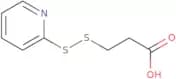

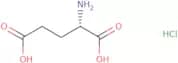
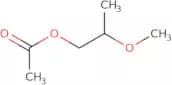

![7-[4-(4-Fluorophenyl)-6-(1-methylethyl)-2-(N-methyl-N-methylsulfonyl-amino)-pyrimidin-5-yl]-3,5-di…](/_next/image/?url=https%3A%2Fstatic.cymitquimica.com%2Fproducts%2F3D%2Fthumb-webp%2FFF35383.webp&w=3840&q=75)
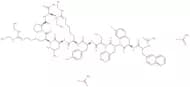
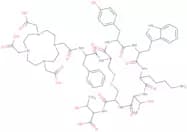
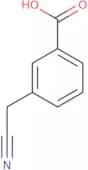

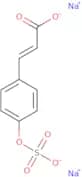
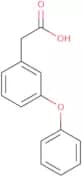


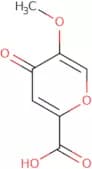
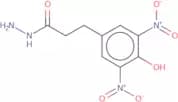
![5,6,7,8-Tetrahydro-[1,8]naphthyridine-2-carboxylic acid](/_next/image/?url=https%3A%2Fstatic.cymitquimica.com%2Fproducts%2F3D%2Fthumb-webp%2FFT56542.webp&w=3840&q=75)
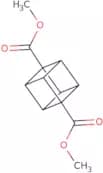
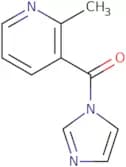
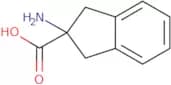
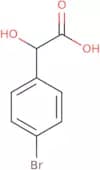
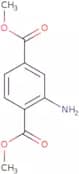
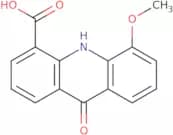


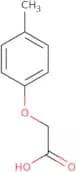
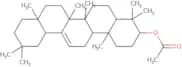
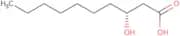
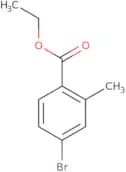
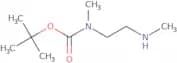
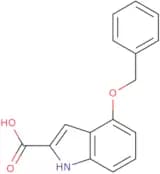
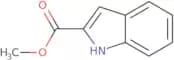
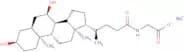
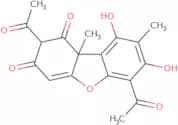
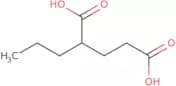
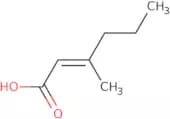

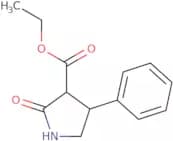
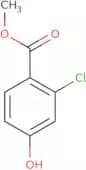
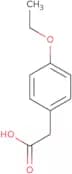
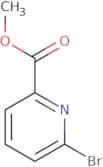
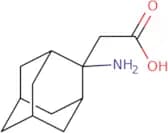
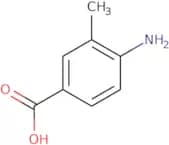

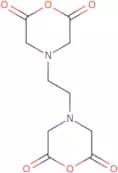
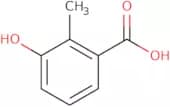
![Methyl (2Z)-[5-(3-chlorophenyl)-1,3-dihydro-2H-1,4-benzodiazepin-2-ylidene]acetate](/_next/image/?url=https%3A%2Fstatic.cymitquimica.com%2Fproducts%2F3D%2Fthumb-webp%2FFM128487.webp&w=3840&q=75)
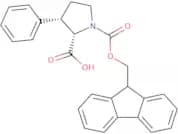
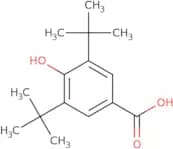
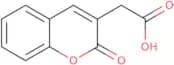
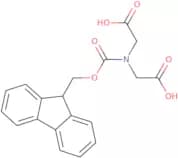
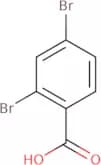
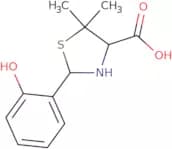
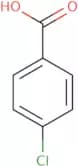
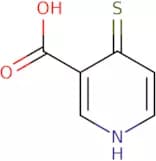

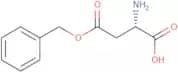
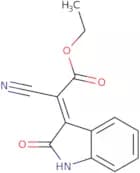
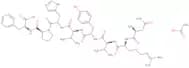
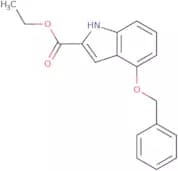

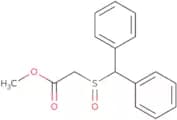
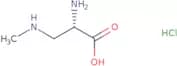
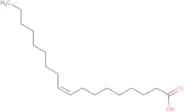
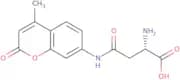
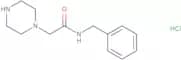
![Benzo[b]thiophene-2-carboxylic acid](/_next/image/?url=https%3A%2Fstatic.cymitquimica.com%2Fproducts%2F3D%2Fthumb-webp%2FFB01173.webp&w=3840&q=75)
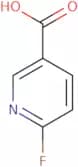
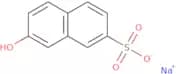
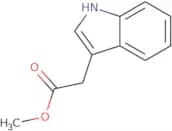
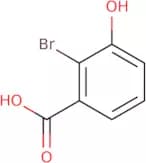
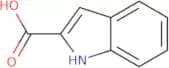
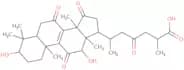
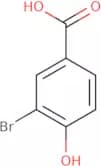
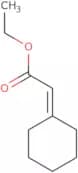
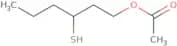

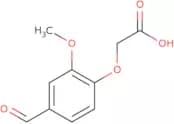
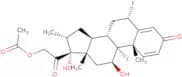

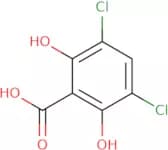
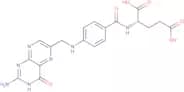
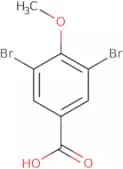
![1H-Pyrrolo[3,2-b]pyridine-7-carboxylic acid](/_next/image/?url=https%3A%2Fstatic.cymitquimica.com%2Fproducts%2F3D%2Fthumb-webp%2FFP167590.webp&w=3840&q=75)
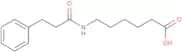
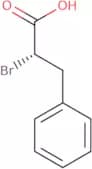
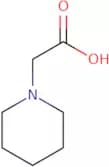
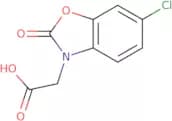
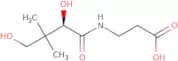
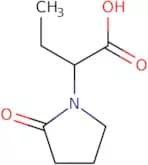
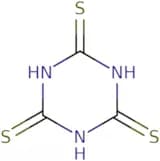
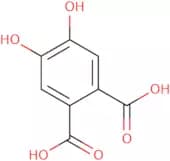
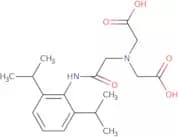

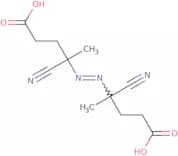
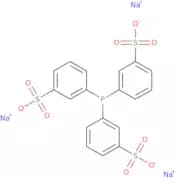
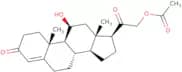
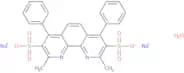
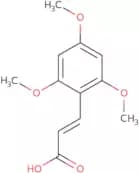
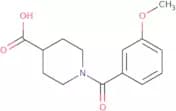
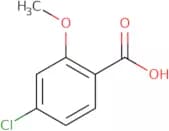
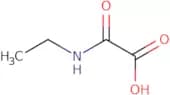
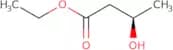
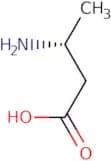
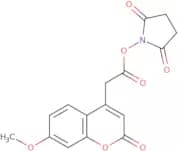
![Bis[2-[Ethyl[(Heptadecafluorooctyl)Sulphonyl]Amino]Ethyl] (4-Methyl-1,3-Phenylene)Biscarbamate](/_next/image/?url=https%3A%2Fstatic.cymitquimica.com%2Fproducts%2F3D%2Fthumb-webp%2FFB101999.webp&w=3840&q=75)
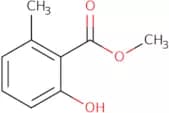
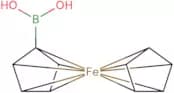
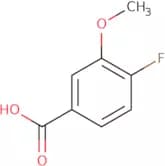
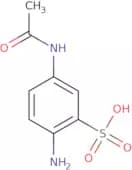
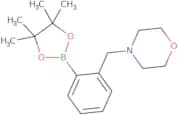
![5-[(3αR,6S,6αS)-2,5,5-trioxo-1,3,3α,4,6,6α-hexahydrothieno[3,4-d]imidazol-6-yl]pentanoic acid](/_next/image/?url=https%3A%2Fstatic.cymitquimica.com%2Fproducts%2F3D%2Fthumb-webp%2FFB64039.webp&w=3840&q=75)
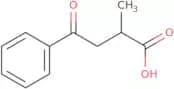
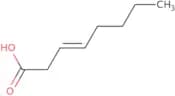
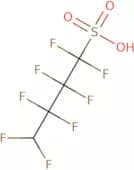
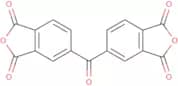
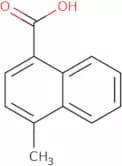
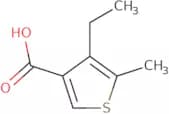
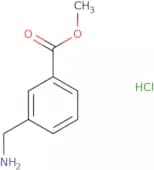
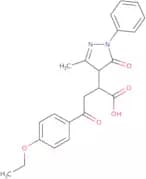
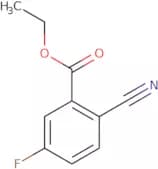
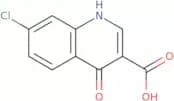
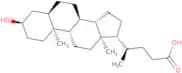
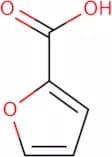

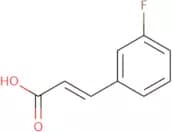
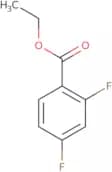



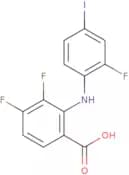
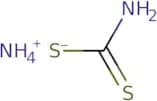
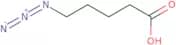
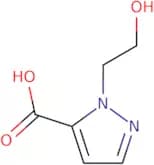

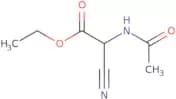
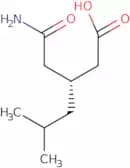
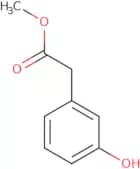
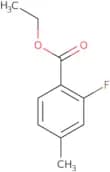
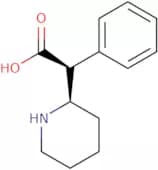
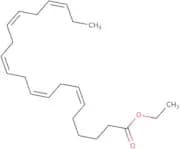
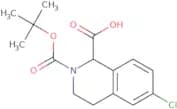
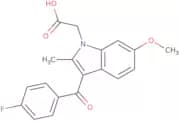
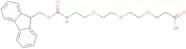
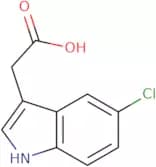
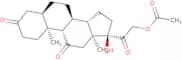
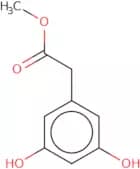
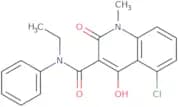
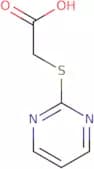
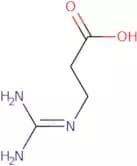
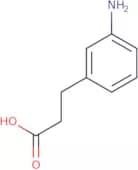
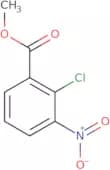
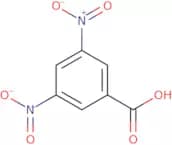
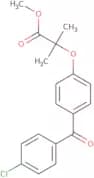
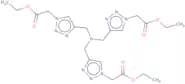
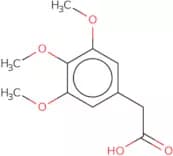
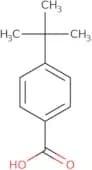
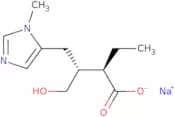
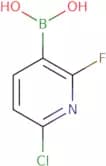
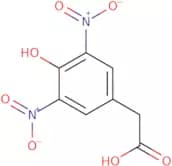
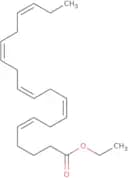
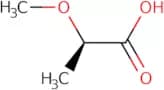
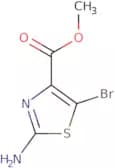
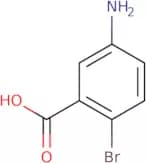
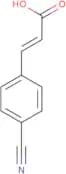
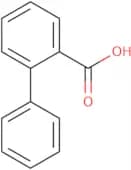
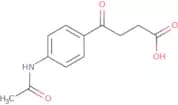
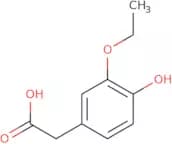
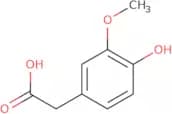
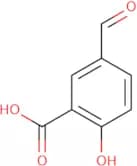
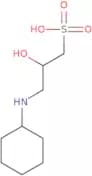
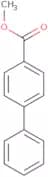
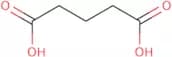
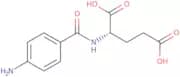
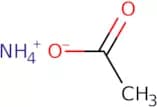
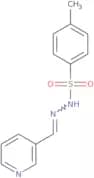
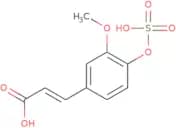
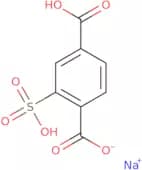
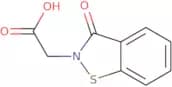
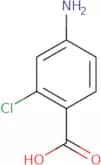
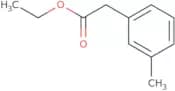
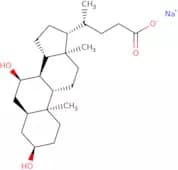
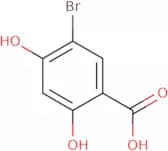
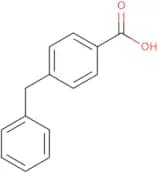
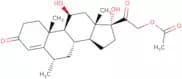
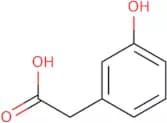
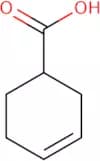
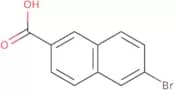
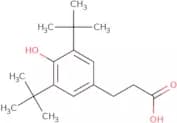
![4-tert-Butylcalix[4]arene-tetraacetic acid tetraethyl ester](/_next/image/?url=https%3A%2Fstatic.cymitquimica.com%2Fproducts%2F3D%2Fthumb-webp%2FFT05936.webp&w=3840&q=75)