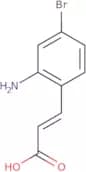
Carboxylic Acids
Carboxylic acids are organic molecules characterized by having a carboxyl-type functional group (-COOH). These acids are fundamental in various chemical reactions, including esterification, amidation, and decarboxylation. Carboxylic acids are widely used in the production of pharmaceuticals, polymers, and agrochemicals. In this section, you can find a large number of carboxylic acids ready to be used. At CymitQuimica, we provide a broad range of high-quality carboxylic acids to support your research and industrial applications.
Found 12453 products of "Carboxylic Acids"
Sort by
Purity (%)
0
100
|
0
|
50
|
90
|
95
|
100
DL-Aminobutyric acid
CAS:<p>DL-Aminobutyric acid is an analog of amino acids and a potent inhibitor of protease activity. It has been shown to inhibit the proteolytic activity of amyloid protein in human serum, most likely by competitive inhibition. DL-Aminobutyric acid also inhibits the enzyme activities that are responsible for the production of ammonia from amino acids. DL-Aminobutyric acid is an analyte in blood sampling and has a pH optimum of 8.0. It has been shown to have inhibitory properties on bacteria strains including Staphylococcus aureus and Streptococcus pneumoniae, but not Mycobacterium tuberculosis or Escherichia coli.</p>Formula:C4H9NO2Purity:Min 97%Color and Shape:PowderMolecular weight:103.12 g/mol4,5-Dimethoxy-2-nitrocinnamic acid
CAS:<p>4,5-Dimethoxy-2-nitrocinnamic acid is a versatile building block that can be used as a reagent or speciality chemical. It is useful for the synthesis of complex compounds, and can be used as a reaction component or scaffold in organic chemistry. 4,5-Dimethoxy-2-nitrocinnamic acid is a high quality intermediate with CAS No. 20567-38-8.</p>Formula:C11H11NO6Purity:Min. 95%Molecular weight:253.21 g/mol4-Fluorophthalic acid
CAS:<p>4-Fluorophthalic acid is a monomer that forms polymers with high molecular weights. 4-Fluorophthalic acid is soluble in water and has been shown to be effective as a disinfectant. It has also been shown to have strong antifungal activity against Candida albicans and other species of yeast, due to its ability to penetrate the cell wall. Fluorinated surfaces have been shown to have increased resistance to bacterial colonization, which may be due to an increase in surface wettability or the formation of a fluorocarbon film on the surface. 4-Fluorophthalic acid can be used for the production of covid-19 (pandemic influenza vaccine), which is a vaccine that contains small quantities of 4-fluorophthalic acid, making it more stable during storage. The presence of this molecule makes it possible for Covid-19 vaccines to be safely stored at room temperature without refrigeration</p>Formula:C8H5FO4Purity:Min. 95%Color and Shape:White PowderMolecular weight:184.12 g/molGallic acid monohydrate
CAS:<p>Gallic acid monohydrate is a natural phenolic compound present in plants, such as oak and sumac. It has been shown to have anticarcinogenic properties in animal models of cancer. Gallic acid monohydrate inhibits the growth of tumor cells by binding to the DNA of tumor cells and inhibiting the synthesis of RNA and proteins. It also possesses antioxidant properties, which may be due to its ability to scavenge free radicals. Gallic acid monohydrate is soluble in water, but not in organic solvents such as ether or chloroform. It exists as two crystalline polymorphs: one anhydrous form that occurs at room temperature and a hydrated form that appears when heated above 40 degrees Celsius. In vitro assays have shown that gallic acid monohydrate is stable when exposed to heat, light, and pH changes.END></p>Formula:C7H8O6Purity:Min. 95%Color and Shape:White PowderMolecular weight:188.13 g/mol2-(4-(2,5-Dichlorophenylamino)-3,5-thiazolyl)acetic acid
CAS:<p>Please enquire for more information about 2-(4-(2,5-Dichlorophenylamino)-3,5-thiazolyl)acetic acid including the price, delivery time and more detailed product information at the technical inquiry form on this page</p>Purity:Min. 80%Thiophene-2-glyoxylic acid
CAS:<p>Thiophene-2-glyoxylic acid is a reactive metabolite of thiophene that is formed from the environmental degradation of this compound. Thiophene-2-glyoxylic acid reacts with halides to form an electrophilic intermediate. This intermediate can react with a variety of nucleophiles, including the drug metabolites, leading to the formation of new compounds. Thiophene-2-glyoxylic acid has been shown to enhance the fluorescence properties of some organic compounds. It also has been shown to inhibit the metabolism of some drugs that are conjugated with acids and can be detected in plasma by mass spectrometry.</p>Formula:C6H4O3SPurity:Min. 95%Color and Shape:PowderMolecular weight:156.16 g/mol1-Hydroxycyclopropanecarboxylic acid methyl ester
CAS:<p>1-Hydroxycyclopropanecarboxylic acid methyl ester is a potent inhibitor of phosphorylation. It binds to the ATP and ADP molecules, preventing them from binding to the <br>phosphoryl transferase enzyme. This inhibits the phosphorylation of glucose, leading to an accumulation of phosphoglycolate and pyruvate in cells. 1-Hydroxycyclopropanecarboxylic acid methyl ester has been shown to be a potent inhibitor of cyclopropane-fatty acid synthase, which is involved in synthesis of fatty acids for energy storage. The diethyl succinate derivative is also known as ethylene dibromide. Condensation reactions between this compound and carboxylic acids produce diethyl succinates that are used as plasticizers in polymers such as polyvinyl chloride (PVC).</p>Formula:C5H8O3Purity:Min. 95%Molecular weight:116.12 g/mol2-Quinoxalinecarboxylic acid
CAS:<p>2-Quinoxalinecarboxylic acid is a monoclonal antibody that binds to fatty acids. It has been shown to be effective in treating solid tumours, autoimmune diseases, and cyclic peptide-induced genotoxicity in biological studies. The compound is stable at physiological pH and can be used for the detection of hydrochloric acid using electrochemical impedance spectroscopy.</p>Formula:C9H6N2O2Purity:Min. 95%Color and Shape:PowderMolecular weight:174.16 g/mol2-Hydroxyphenylacetic acid
CAS:<p>2-Hydroxyphenylacetic acid is a hydroxylated phenolic acid that is structurally similar to other phenolic acids. It is present in many plants, including tea leaves and coffee beans, where it acts as an antioxidant. 2-Hydroxyphenylacetic acid has been found in the urine of humans and animals following ingestion of excessive amounts of these plants. It is also found in urine samples from patients with certain types of kidney disease. The synthesis of 2-hydroxyphenylacetic acid can be achieved by reacting ethylene diamine with sodium hydroxide solution or hydrochloric acid.</p>Formula:C8H8O3Purity:Min. 95%Color and Shape:Off-White Slightly Brown PowderMolecular weight:152.15 g/molHydroxocobalamin acetate
CAS:<p>Hydroxocobalamin acetate is a water-soluble form of hydroxocobalamin, a vitamin B12 prodrug. It is an insoluble polymer that dissolves slowly in an acidic environment. Hydroxocobalamin acetate has been shown to inhibit the growth of human carcinoma cells in culture and can be used as a test compound for anticancer drugs. Hydroxocobalamin acetate is also used as a mouth rinse agent to prevent or treat dental cavities. In addition, it can be used to relieve the symptoms of gastroesophageal reflux disease (GERD) by reducing the acidity of gastric contents. This drug has been shown to stimulate vasoactive intestinal polypeptide release from enterochromaffin cells and can be used for the treatment of irritable bowel syndrome (IBS). Hydroxocobalamin acetate is poorly soluble in neutral pH environments and should not be given orally.</p>Formula:C64H91CoN13O16PPurity:Min. 90 Area-%Color and Shape:Red PowderMolecular weight:1,388.39 g/molGlutathionesulfonic acid
CAS:<p>Glutathionesulfonic acid is a thiolate that can be synthesized by the reaction of iodoacetic acid with glutathione. This compound is used for the analysis of acids, using a liquid chromatography method and fluorescence analysis to detect the oxidation of aliphatic hydrocarbons. Glutathionesulfonic acid is also used as a target enzyme in biomimetic studies, where it reacts with metal surfaces to form an irreversible bond. It has been shown to have sublethal doses when combined with amino acids, which may be due to its ability to form disulfide bonds.</p>Formula:C10H17N3O9SPurity:Min. 95%Color and Shape:PowderMolecular weight:355.32 g/molN4-Boc-cytosin-1-yl acetic acid
CAS:<p>N4-Boc-cytosin-1-yl acetic acid is a fine chemical that is used as a reagent, and can be used as a building block in the synthesis of various compounds. It has been shown to be an effective intermediate in the synthesis of various compounds, and can be used as a scaffold for drug discovery. N4-Boc-cytosin-1-yl acetic acid is also useful in the production of other chemicals, such as pharmaceuticals and pesticides.</p>Formula:C11H15N3O5Purity:Min. 98 Area-%Color and Shape:PowderMolecular weight:269.25 g/molN-Nitroso-N-methyl-4-aminobutyric acid
CAS:<p>N-Nitroso-N-methyl-4-aminobutyric acid (NMBA) is a solid with a low melting point which has been identified as a potentially carcinogenic component of both tobacco and tobacco smoke. NMBA is also one of a number of nitrosamine impurities which have been found to be present in angiotensin II receptor blocker (ARB) drugs used to treat high blood pressure.</p>Formula:C5H10N2O3Purity:Min. 98 Area-%Color and Shape:Slightly Yellow PowderMolecular weight:146.14 g/mol2,2,4-Trimethyl-1,2,3,4-tetrahydroquinoline-8-carboxylic acid
CAS:<p>2,2,4-Trimethyl-1,2,3,4-tetrahydroquinoline-8-carboxylic acid is a versatile building block that can be used as a reagent or speciality chemical in research and development. It is also an intermediate for the synthesis of complex compounds with various properties. This compound has been shown to be useful as a building block for the synthesis of new compounds with potential pharmaceutical applications.</p>Formula:C13H17NO2Purity:Min. 95%Color and Shape:White Off-White PowderMolecular weight:219.28 g/mol2-Hydroxy-5-nitrocinnamic acid
CAS:<p>2-Hydroxy-5-nitrocinnamic acid is a high quality, reagent intermediate that is used in the synthesis of complex compounds. It can be used as an important intermediate for the production of fine chemicals and speciality chemicals. 2-Hydroxy-5-nitrocinnamic acid has been shown to have versatile building block properties and can be used as a useful scaffold or building block in chemical reactions.</p>Formula:C9H7NO5Purity:Min. 95%Color and Shape:PowderMolecular weight:209.16 g/molrac trans-3-amino-1-oxyl-2,2,5,5-tetramethylpyrrolidine-4-carboxylic acid
CAS:<p>Rac-trans-3-amino-1-oxyl-2,2,5,5-tetramethylpyrrolidine 4-carboxylic acid (rac TAT) is an axial chiral compound. It has a molecular weight of 246.36 and the empirical formula C11H19N3O4. Rac TAT is soluble in water and alcohols. Rac TAT crystallizes as a racemic mixture of enantiomers (Rac=50% + 50%). Rac TAT has been used as a probe for cyclic secondary amines with high resolution. Rac TAT also shows high selectivity for β-amino acids over α-amino acids. The configuration of the molecule is determined by the configuration of the biphenyl substituents at C4 and C5. Rac TAT can be synthesized from racemic trans 3 amino 1 oxyl 2 2 5 5 tetramethyl pyrrolidin 4</p>Formula:C9H17N2O3Purity:Min. 95%Color and Shape:PowderMolecular weight:201.24 g/mol6-Benzoylamino-9H-purine-9-acetic acid
CAS:<p>6-Benzoylamino-9H-purine-9-acetic acid (BAPAA) is a high quality reagent that is used in the synthesis of complex compounds. It is also a useful intermediate in the preparation of fine chemicals, speciality chemicals, and research chemicals. 6-Benzoylamino-9H-purine-9-acetic acid is a versatile building block for the synthesis of novel compounds with desired biological activity. This compound is an excellent reaction component because it can be used to synthesize various chemical structures.</p>Formula:C14H11N5O3Purity:Min. 95%Color and Shape:PowderMolecular weight:297.27 g/mol9-Oxo-10(9H)-acridineacetic acid
CAS:<p>9-Oxo-10(9H)-acridineacetic acid is an anti-viral drug that belongs to the class of acridone derivatives. It has been shown to have a redox potential of -0.15 V, which is indicative of its oxidizing properties. 9-Oxo-10(9H)-acridineacetic acid can be used as an antiviral agent against human pathogens such as HIV, hepatitis B, and hepatitis C. This drug also has activity index values of 5.6x10⁴ and 10x105 in terms of the ability to inhibit viral polymerase chain reaction (PCR) amplification and virus infection respectively.</p>Formula:C15H11NO3Purity:Min. 95%Color and Shape:Yellow PowderMolecular weight:253.25 g/mol6-(3-(Trifluoromethyl)phenoxy)picolinic acid
CAS:<p>6-(3-(Trifluoromethyl)phenoxy)picolinic acid is a fine chemical that is used as a building block for complex compounds or as an intermediate for the synthesis of other compounds. It has been used in the synthesis of several pharmaceuticals, such as tamoxifen, and also has been used in research studies. 6-(3-(Trifluoromethyl)phenoxy)picolinic acid can be used to synthesize many different types of compounds, making it a versatile building block with many useful applications.</p>Formula:C13H8F3NO3Purity:Min. 95%Color and Shape:PowderMolecular weight:283.2 g/molCHES
CAS:<p>2-(N-Cyclohexylamino)ethanesulfonic acid, also known as CHES, is a biological cyclohexylamino buffer with an optimal pH range of 8.6-10.0 and a pKa of 9.5. It has poor metal ion coordination and is suitable for applications above physiological pH.</p>Formula:C8H17NO3SPurity:(Titration) 98.0 To 102.0%Color and Shape:PowderMolecular weight:207.29 g/molBis(2,4,4-trimethylpentyl)phosphinic acid
CAS:<p>Bis(2,4,4-trimethylpentyl)phosphinic acid (diisooctylphosphinic acid) is a slightly water soluble compound which has a variety of applications based upon its metal ion chelating properties. Fe(III) and In(III) ions, for example, can be ligated by phosphinic acids allowing them to transfer from an aqueous into an organic phase, treatment of the organic soluble metal complexes with aqueous acid or base as appropriate selectively strips the phosphinic acid ligands and the metal ions re-enter the aqueous phase. Similarly, heavy metal contaminants can be removed from solid materials using diisooctylphosphinic acid as a ligand in super critical fluid extraction (SFE) processes. Bis(2,4,4-trimethylpentyl)phosphinic acid can also be used as an additive to create halogen-free flame retardant adhesives.</p>Formula:C16H35O2PPurity:Min. 95%Color and Shape:Colorless Clear LiquidMolecular weight:290.42 g/mol3-Hydroxy-4-methylbenzoic acid
CAS:<p>3-Hydroxy-4-methylbenzoic acid is a cardiotonic glycoside that has been used in the treatment of cardiac arrhythmia. It has been shown to inhibit the enzyme persulfate, which is involved in the activation of hydrogen peroxide and may be responsible for the therapeutic effect of 3-hydroxy-4-methylbenzoic acid. The inhibition of persulfate by 3-hydroxy-4-methylbenzoic acid may be due to an intramolecular hydrogen bond that is formed between the sulfonate group on 3-hydroxy-4 methyl benzoic acid and the hydroxyl group on 4-tert butylbenzoic acid. Animal studies have shown that this drug inhibits sodium urate crystal formation and excretion in urine samples. This drug also inhibits renal ammoniagenesis, which is a metabolic pathway where ammonia is converted to urea, thereby lowering blood levels of ammonia. The metabolism of</p>Formula:C8H8O3Purity:Min. 95%Color and Shape:PowderMolecular weight:152.15 g/mol4-Cyanocinnamic acid
CAS:<p>4-Cyanocinnamic acid is a fatty acid that has been shown to be a substrate for the bacterial enzyme cinnamate 4-hydroxylase. The molecular weight of this compound is 136.16 g/mol, and it has a constant boiling point of 206°C. It can be synthesized from phenylacetic acid and p-coumaric acid using a transesterification reaction. This compound is reactive with carbonyl groups, which makes it useful in the detection of gram-positive bacteria by fluorescent probes or fluorescent dyes. 4-Cyanocinnamic acid is unreactive with esters of carboxylic acids, such as methyl esters, making it useful for the determination of fatty acids in isolates.</p>Formula:C10H7NO2Purity:Min. 95%Color and Shape:PowderMolecular weight:173.17 g/mol4-Bromobutyric acid methyl ester
CAS:<p>4-Bromobutyric acid methyl ester is a synthetic compound that can be used to inhibit the activity of the G1 phase cyclin-dependent kinases. It has been shown to inhibit protein synthesis by alkylating the amino groups of proteins and fatty acids. 4-Bromobutyric acid methyl ester also inhibits the growth of cancer cell lines, such as renal carcinoma cells. The mechanism of action for this drug is not well understood, but it may be due to its ability to bind with monoclonal antibodies and enter kidney cells by passive diffusion.</p>Formula:C5H9BrO2Purity:Min. 95%Color and Shape:Clear LiquidMolecular weight:181.03 g/molBis-(1,3-diethylthiobarbituric acid)trimethine oxonol
CAS:<p>Bis-(1,3-diethylthiobarbituric acid)trimethine oxonol (BTTMO) is a compound class of drugs that inhibit the ATP-binding cassette transporter and block the transport of cellular metabolites across the mitochondrial membrane. This inhibition leads to a decrease in cellular ATP levels and an increase in cytosolic calcium. BTTMO has shown promising results in animal models for treatment of cervical cancer, which may be due to its ability to stimulate epidermal growth factor receptor signaling. BTTMO also inhibits energy metabolism by inhibiting mitochondrial membrane potential and blocking atp-sensitive potassium channels. It also induces gamma-aminobutyric acid release from neurons, leading to hyperpolarization of the cell membrane.</p>Formula:C19H24N4O4S2Purity:Min. 95%Color and Shape:Dark Purple SolidMolecular weight:436.55 g/mol5,6,7,8-Tetrahydro-1-naphthoic acid
CAS:<p>5,6,7,8-Tetrahydro-1-naphthoic acid is a synthetic organic compound that is used to make dyes and paints. It has toxic properties and can cause irritation of the skin or lungs. The mechanism of its toxicity is not known, but it may be due to the formation of reactive oxygen species in the body or the inhibition of monoamine oxidase. 5,6,7,8-Tetrahydro-1-naphthoic acid exhibits dose-dependent toxicity with increasing doses resulting in more severe reactions. It also has a high potential for long term carcinogenicity.</p>Formula:C11H12O2Purity:Min. 95%Molecular weight:176.21 g/mol4-Cyanobenzoic acid ethyl ester
CAS:<p>4-Cyanobenzoic acid ethyl ester is a hydrogen-bonding acceptor that is also able to form exciplexes with styrene. It has a conformation that is similar to that of aminobenzoate, which is a hydrogen-bonding donor. 4-Cyanobenzoic acid ethyl ester reacts with solvents such as benzene and chloroform, undergoing hydration reactions to form the corresponding 4-cyanophenol derivatives. It undergoes cyclization when heated in the presence of ruthenium(II) chloride to produce 1,4-dihydropyridine derivatives. The reaction mechanism for this reaction consists of two steps: an intramolecular nucleophilic attack followed by an intramolecular electrophilic substitution. The deionized water used in this synthetic process eliminates the need for drying agents and stabilizers, making it easier to carry out the synthesis.</p>Formula:C10H9NO2Purity:Min. 95%Color and Shape:PowderMolecular weight:175.18 g/molZanamivir amine triacetate methyl ester
CAS:<p>Anti-viral; neuraminidase inhibitor; effective agains influenza A and B viruses</p>Formula:C18H26N2O10Purity:Min. 95%Color and Shape:Yellow PowderMolecular weight:430.41 g/molMethyl phenylacetate
CAS:Controlled Product<p>Methyl phenylacetate is a coumarin derivative that is synthesized by an asymmetric synthesis using a solid catalyst. It has been shown to have antiproliferation activity in cell culture studies and to inhibit the growth of certain cancer cells. The reactions are catalyzed by hydrophobic effect, which helps to bind the methyl phenylacetate with trifluoroacetic acid and form the bound form. This then reacts with hydroxy methyl or dihydroconiferyl alcohol, forming methyl phenacyl acetate as the product.</p>Formula:C9H10O2Purity:Min. 95%Molecular weight:150.17 g/molEthyl 2-(4-((5-chloro-2-methoxyphenyl)amino)-3,5-thiazolyl)acetate
CAS:<p>Please enquire for more information about Ethyl 2-(4-((5-chloro-2-methoxyphenyl)amino)-3,5-thiazolyl)acetate including the price, delivery time and more detailed product information at the technical inquiry form on this page</p>Purity:Min. 95%4-Aminosalicylic acid hydrazide
CAS:<p>4-Aminosalicylic acid hydrazide is a reactive functional group that is used as an intermediate in organic synthesis. It has a structural formula of C6H7N3O2 and is a white solid. 4-Aminosalicylic acid hydrazide has been shown to be highly resistant to mycobacterium avium, and can be used for the treatment of tuberculosis. The reactivity of this compound was studied by gravimetric analysis. This reaction is also degradable due to the presence of chloride ions and amido groups.</p>Formula:C7H9N3O2Purity:Min. 95%Color and Shape:PowderMolecular weight:167.17 g/mol2-Ethoxycinnamic acid
CAS:<p>2-Ethoxycinnamic acid is a metastable molecule that has been obtained by an asymmetric synthesis. It is unreactive, and its reaction products are polyvalent. 2-Ethoxycinnamic acid can be analyzed using analytical methods such as flow system, functional theory, and gas chromatography. 2-Ethoxycinnamic acid has been used in the preparation of cinnamates, which are used in perfumes and flavors. Polymorphs of this molecule have also been observed in crystalline form. There are two different forms of the molecule: α-form and β-form. The α-form is more stable than the β-form because it has a hydrogen bond with the methyl group on the left side of the molecule.</p>Formula:C11H12O3Purity:Min. 95%Color and Shape:PowderMolecular weight:192.21 g/molThiazole-5-carboxylic acid
CAS:<p>Thiazole-5-carboxylic acid is a carboxylic acid with an aromatic ring. It is a chiral compound that can exist in the form of two enantiomers, D and L. The D form has been shown to have a lower melting point than the L form. Thiazole-5-carboxylic acid has been shown to be a competitive inhibitor of xanthine oxidase, which is involved in purine metabolism and DNA synthesis. It also has antioxidant properties due to its ability to scavenge free radicals, such as superoxide anion (O2-) and hydroxyl radical (HO).</p>Formula:C4H3NO2SPurity:Min. 95%Molecular weight:129.14 g/molCAPSO
CAS:<p>CAPSO, also known as 3-(Cyclohexylamino)-2-hydroxy-1-propanesulfonic acid, is a zwitterionic buffer chemical that has an optimal pH range of 8.9-10.3 and a pKa of 9.6. This buffering agent shows low metal ion binding and high solubility and is commonly used in protein transfer applications and during cell lysis for membrane protein extraction.</p>Formula:C9H19NO4SPurity:Min. 95%Color and Shape:White PowderMolecular weight:237.32 g/molFerrocenecarboxylic acid
CAS:Controlled Product<p>Ferrocenecarboxylic acid is a ferrocene compound that has been used as a polymerase chain reaction (PCR) probe. It has been shown to have an antiproliferative effect on leukemia cells, and can be used in the treatment of cancers. Ferrocenecarboxylic acid is membrane permeable and can therefore be used as a cell-impermeable chemotherapeutic agent. This drug also has the ability to bind to target DNA, with this binding being dependent on the functional groups present on the molecule. The ferrocene carboxylate conjugates are also able to react with nucleophiles such as dithiopyridine or pyridinium salts, which may serve as strategies for converting the drug into an MRI contrast agent.</p>Formula:C11H10FeO2Purity:Min. 98 Area-%Color and Shape:Yellow PowderMolecular weight:230.04 g/mol4-Phenylbenzoic acid methyl ester
CAS:<p>4-Phenylbenzoic acid methyl ester is a bifunctional molecule that has been shown to be an effective antibacterial agent. It contains two oxadiazole moieties, which are structurally similar to sulfonamides and can form a stable amide bond with an amino group. The pharmacophore of 4-phenylbenzoic acid methyl ester is a four-member ring with two nitrogens and two carbons. This compound has been shown to have antibacterial properties by cleaving the magnesium bond in the enzyme methionine synthase, which catalyzes the formation of methionine from homocysteine and ATP. 4-Phenylbenzoic acid methyl ester is also able to cleave bonds in nonpolar solvents such as benzene, chloroform, and dichloromethane.</p>Formula:C14H12O2Purity:Min. 95%Color and Shape:PowderMolecular weight:212.24 g/mol3-Hydroxy-4-methoxybenzoic acid methyl ester
CAS:<p>3-Hydroxy-4-methoxybenzoic acid methyl ester is a phenolic acid that is a potent inhibitor of tyrosinase activity. It has been shown to inhibit the growth of cancer cells by binding to 5-HT2A receptors and inhibiting the production of epidermal growth factor, which leads to a decrease in the expression of tyrosinase. 3-Hydroxy-4-methoxybenzoic acid methyl ester has also been shown to have an inhibitory effect on the synthesis of protocatechuic acid and acetate extract from soybean. This compound was found to be more effective than kojic acid, arbutin, and ascorbic acid.</p>Formula:C9H10O4Purity:Min. 95%Color and Shape:PowderMolecular weight:182.17 g/mol(Des-Gly10,D-Ser4,D-Trp6,Pro-NHEt 9)-LHRH trifluoroacetate salt
<p>Please enquire for more information about (Des-Gly10,D-Ser4,D-Trp6,Pro-NHEt 9)-LHRH trifluoroacetate salt including the price, delivery time and more detailed product information at the technical inquiry form on this page</p>Formula:C64H83N17O12Purity:Min. 95%Color and Shape:PowderMolecular weight:1,282.45 g/molQuinovic acid
CAS:Controlled Product<p>Quinovic acid is a natural compound that has been shown to have anti-cancer effects. It is an alkanoic acid glycoside derivative, which is extracted from the acetate extract of the genus Quinovic. Quinovic acid inhibits DPP-IV and may be used as an inhibitor of inflammatory reactions in autoimmune disorders. The pharmacokinetic properties of quinovic acid have been studied in mice, which showed that it was rapidly absorbed and eliminated through urine. There are also no known reports of toxicity associated with this substance.</p>Formula:C30H46O5Purity:Min. 95%Color and Shape:White to off-white solid.Molecular weight:486.68 g/molErgosterol acetate
CAS:Controlled Product<p>Ergosterol acetate is a fatty acid that is derived from the fungus, Ganoderma lucidum. It has anti-oxidant properties and can inhibit cholesterol synthesis. Ergosterol acetate has been shown to inhibit the growth of prostate cancer cells in k562 cells and DU-145 cells, but not in Caco-2 cells. The mechanism of action for this effect may be due to its ability to inhibit epoxidase activity and transfer reactions with epoxides. Ergosterol acetate also has been shown to have physiological activities, such as increasing the viability of ganoderma lucidum spores and inhibiting cell proliferation in caco-2 cells.</p>Formula:C30H46O2Purity:Min. 97 Area-%Color and Shape:Slightly Yellow PowderMolecular weight:438.69 g/mol1,3-Dimethylvioluric acid
CAS:<p>1,3-Dimethylvioluric acid is a molecule that has been shown to reduce the size of experimental animal models of ventricular myocardium. It also increases the levels of atp and urea nitrogen in the heart, suggesting an increase in cardiac function. This molecule may be used to help prevent or treat cardiovascular diseases such as heart failure. 1,3-Dimethylvioluric acid has also been shown to have pluripotent cell properties and can be used to generate cells that are capable of differentiating into other types of cells. The effective dose for 1,3-dimethylvioluric acid is not known.</p>Formula:C6H7N3O4Purity:Min. 95%Color and Shape:White PowderMolecular weight:185.14 g/molValeric acid sodium
CAS:<p>Valeric acid sodium salt is a fatty acid that has been shown to inhibit bacterial growth in the presence of epidermal growth factor and sodium salts. Valeric acid sodium salt is used as an antiseptic in topical formulations and as a preservative for pharmaceuticals. Valeric acid sodium salt also inhibits HIV infection by inhibiting the binding of HIV to its receptor, which prevents the virus from entering cells.</p>Formula:C5H10O2•NaPurity:Min. 95%Color and Shape:PowderMolecular weight:125.12 g/mol3-Toluic acid
CAS:<p>3-Toluic acid is a colorless liquid that is soluble in water and organic solvents. 3-Toluic acid is an inhibitor of bacterial growth that has been shown to be effective against certain strains of Escherichia coli, Klebsiella pneumoniae, and Pseudomonas aeruginosa. 3-Toluic acid inhibits the growth of bacteria by reacting with a hydrogen bond in their ribosomal RNA to block the production of proteins vital for cell division. It also disrupts the normal metabolic pathways of bacteria by inhibiting microbial metabolism.</p>Formula:C8H8O2Purity:Min. 95%Color and Shape:PowderMolecular weight:136.15 g/mol4-Ethyl-5-methylthiophene-3-carboxylic acid
CAS:<p>4-Ethyl-5-methylthiophene-3-carboxylic acid is a chemical compound that can be used as an intermediate for the synthesis of other compounds. It is also a building block and a versatile building block in organic synthesis, with many applications in research and industry. This compound has a CAS number of 884497-34-1 and is classified as a speciality chemical.</p>Formula:C8H10O2SPurity:Min. 95%Color and Shape:PowderMolecular weight:170.23 g/mol4-Benzyloxybenzoic acid methyl ester
CAS:<p>4-Benzyloxybenzoic acid methyl ester is a chemical compound that is used as a ligand in analytical chemistry. It can be used to extract metals from samples by forming coordination complexes with them. 4-Benzyloxybenzoic acid methyl ester can also be used to synthesize arenes and other organic molecules. This compound has been shown to have anti-cancer effects, which may be due to its ability to inhibit the function of histone deacetylases and thereby suppress the expression of genes involved in cell proliferation.</p>Formula:C15H14O3Purity:Min. 95%Color and Shape:PowderMolecular weight:242.27 g/molN-(1-Naphthyl)phthalamic acid
CAS:<p>N-(1-Naphthyl)phthalamic acid (NPA) is a plant growth regulator that is used to increase the yield and quality of crops. It inhibits the production of ethylene, which is a plant hormone responsible for fruit ripening and senescence. NPA also has been shown to affect the levels of fatty acids in plants. The effects of NPA on mitochondrial cytochrome P450 enzymes have been studied using electrochemical impedance spectroscopy (EIS). This study showed that NPA can inhibit the activity of these enzymes, which may be due to its ability to bind to them or alter their structure.</p>Formula:C18H13NO3Purity:Min. 95%Color and Shape:Light (Or Pale) Purple To Purple SolidMolecular weight:291.3 g/mol5-Bromo-2-fluorobenzoic acid methyl ester
CAS:<p>5-Bromo-2-fluorobenzoic acid methyl ester (5BFME) is a synthetic, non-steroidal compound that is used to treat prostate cancer. 5BFME inhibits the production of prostate specific antigen (PSA) and other androgen levels in prostate cancer cells. 5BFME also has an effect on the cell cycle by inhibiting DNA synthesis, which is likely to have a synergistic effect with other anticancer drugs. 5BFME has shown no selectivity toward any type of cell, which may be due to its ability to modulate cellular biochemical pathways.</p>Formula:C8H6BrFO2Purity:Min. 95%Color and Shape:PowderMolecular weight:233.03 g/mol2,6-Dichloropyridine-3-carboxylic acid
CAS:<p>2,6-Dichloropyridine-3-carboxylic acid is an inhibitor of histone deacetylase (HDAC), and it has been shown to be effective in treating autoimmune diseases, cancer, inflammatory diseases, and other disorders. This drug binds to the catalytic site of HDACs and blocks the removal of acetyl groups from lysine residues on histones. 2,6-Dichloropyridine-3-carboxylic acid has been shown to inhibit the glutamate receptor subtype that is responsible for pain transmission in mice. This drug also has anti-inflammatory properties due to its alkylthio group that can disrupt protein–protein interactions. 2,6-Dichloropyridine-3-carboxylic acid is a cavity inhibitor that binds to a cavity formed by two amides on proteins.</p>Formula:C6H3Cl2NO2Purity:Min. 95%Color and Shape:PowderMolecular weight:192 g/mol2-Bromo-4-nitrobenzoic acid
CAS:<p>2-Bromo-4-nitrobenzoic acid is a peptidomimetic that binds to farnesyltransferase and inhibits the enzyme activity. This drug is currently in preclinical development for the treatment of cancer. Preliminary studies have shown that 2-bromo-4-nitrobenzoic acid is able to inhibit tumor growth, which may be due to its inhibition of protein prenylation. This drug also has a low cell membrane permeability, which means it can only enter cells when they are actively taking up molecules from their surroundings. The lack of labelling on this drug means that it is not possible to detect its presence in vivo with positron emission tomography (PET) scans.</p>Formula:C7H4BrNO4Purity:Min. 95%Color and Shape:PowderMolecular weight:246.02 g/mol2-Fluoro-6-hydroxybenzoic acid
CAS:<p>2-Fluoro-6-hydroxybenzoic acid is a fluorescent compound that is commonly used as a reagent in organic synthesis. It has been shown to be an effective fungicide, and has also been shown to have pesticidal activity against various insects. The stability of 2-fluoro-6-hydroxybenzoic acid in water depends on the pH level; at low pH levels, it is stable and can be used as a fungicide, while at high pH levels, it is unstable and cannot be used as a fungicide. Studies have shown that 2-fluoro-6-hydroxybenzoic acid binds with hydrogen ions to form stable complexes, which may explain its pesticidal properties.</p>Formula:C7H5FO3Purity:Min. 95%Color and Shape:PowderMolecular weight:156.11 g/molBoc-Gly-Arg-Arg-AMC acetate salt
CAS:<p>Boc-Gly-Arg-Arg-AMC acetate salt is a protease inhibitor that inhibits the activity of serine proteases. This protein is a potent and selective inhibitor of the NS3 protease from hepatitis C virus, which is responsible for the cleavage of polyproteins into mature proteins. Boc-Gly-Arg-Arg-AMC acetate salt has been shown to be effective in transfection experiments and polymerase chain reaction, as well as in inhibiting the activity of soybean trypsin and mammalian tissue proteases.</p>Formula:C29H44N10O7•(C2H4O2)xPurity:Min. 98 Area-%Color and Shape:PowderMolecular weight:644.72 g/mol3-(3,4,5-Trimethoxyphenyl)propionic acid
CAS:<p>3-(3,4,5-Trimethoxyphenyl)propionic acid (TMPPA) is a monocarboxylic acid that is structurally related to the amino acid lysine. It has been shown to have antinociceptive effects in animals and humans. TMPPA inhibits the production of prostaglandins and nitric oxide, which are inflammatory mediators that induce pain. TMPPA also has nociceptive properties in rats when given intraperitoneally or intrathecally, showing a reduction in locomotor activity. This compound also inhibits protein synthesis by binding to the ribosomal protein S6 kinase-1 (RSK-1), which is the target of many antibiotics used for cancer treatment. TMPPA binds to human serum albumin with high affinity and specificity, suggesting it may be useful as an agent for targeting human blood cells or as an antiobesity drug.</p>Formula:C12H16O5Purity:Min. 95%Color and Shape:Clear LiquidMolecular weight:240.25 g/molMeOSuc-Ala-Phe-Lys-AMC trifluoroacetate salt
CAS:<p>MeOSuc-Ala-Phe-Lys-AMC is a compound that has a destabilizing effect on the vascular wall, due to its ability to inhibit proteolytic activity. It is also able to reduce the level of angiogenic factors, and thus has an anti-angiogenic effect. MeOSuc-Ala-Phe-Lys-AMC has been shown to have a macroscopic effect on vessels in tissue culture, and this can be observed through leucocyte migration. MeOSuc-Ala-Phe-Lys-AMC has also been shown to cause haemorrhagic changes in microvessels and muscle cells. This compound is also able to inhibit placental growth factor and muscle cell proliferation, as well as reducing the number of microvessels in the placenta.</p>Formula:C33H41N5O8•C2HF3O2Purity:Min. 95 Area-%Color and Shape:PowderMolecular weight:749.73 g/mol2-(4,5-Dimethoxy-2-(indolin-1-ylsulfonyl)phenyl)acetic acid
CAS:<p>Please enquire for more information about 2-(4,5-Dimethoxy-2-(indolin-1-ylsulfonyl)phenyl)acetic acid including the price, delivery time and more detailed product information at the technical inquiry form on this page</p>Purity:Min. 95%1,5-Naphthalenedisulfonic acid tetrahydrate
CAS:<p>1,5-Naphthalenedisulfonic acid tetrahydrate is an acidic molecule that has been observed in the form of nanodots. It has a molecular weight of 212.2g/mol and a water solubility of 0.01g/L at 20°C. 1,5-Naphthalenedisulfonic acid tetrahydrate is soluble in ethanol and methanol, but insoluble in acetone, diethyl ether, ethyl acetate, and chloroform. 1,5-Naphthalenedisulfonic acid tetrahydrate is a hydrogen bond acceptor and donor in its interactions with other molecules. It interacts synergistically with 3,5-dinitrosalicylic acid to produce a red coloration when dissolved in water or alcohols.</p>Formula:C10H6(SO3H)2•(H2O)4Purity:Min. 95%Color and Shape:PowderMolecular weight:360.36 g/molSodium 2-(3,3-bis(4-(dimethylamino)phenyl)ureido)acetate
CAS:<p>Please enquire for more information about Sodium 2-(3,3-bis(4-(dimethylamino)phenyl)ureido)acetate including the price, delivery time and more detailed product information at the technical inquiry form on this page</p>Formula:C19H23N4NaO3Purity:Min. 95%Molecular weight:378.4 g/mol4-Cyano-2-fluorobenzoic acid methyl ester
CAS:<p>4-Cyano-2-fluorobenzoic acid methyl ester is a versatile building block for complex compounds. It can be used as a reagent to synthesize other compounds and as a speciality chemical with high quality. This chemical is also an intermediate in the synthesis of other compounds, such as 4-cyano-2-fluorobenzoic acid ethyl ester, which has been shown to be useful in the synthesis of β-lactam antibiotics.</p>Formula:C9H6FNO2Purity:Min. 95%Color and Shape:PowderMolecular weight:179.15 g/molEthyl 2-amino-4,5,6,7-tetrahydro-1-benzothiophene-3-carboxylate
CAS:<p>Ethyl 2-amino-4,5,6,7-tetrahydro-1-benzothiophene-3-carboxylate is an antibacterial agent that inhibits the growth of bacteria by binding to amines and metal ions. It also has in vitro anticancer activity against cancer cells. Ethyl 2-amino-4,5,6,7-tetrahydro-1-benzothiophene-3-carboxylate has been shown to have antiinflammatory activity in rats.</p>Formula:C11H15SNO2Purity:Min. 95%Color and Shape:PowderMolecular weight:225.31 g/mol3-(Difluoromethoxy)-2,4,5-trifluorobenzoic acid
CAS:<p>3-(Difluoromethoxy)-2,4,5-trifluorobenzoic acid is an antibacterial drug that belongs to the class of fluoroquinolones. It inhibits bacterial growth by binding to DNA gyrase and topoisomerase IV enzymes in bacteria. 3-(Difluoromethoxy)-2,4,5-trifluorobenzoic acid has been shown to be active against a wide variety of bacteria and is used as a treatment for urinary tract infections and skin infections. 3-(Difluoromethoxy)-2,4,5-trifluorobenzoic acid can also be used in combination with other antibiotics such as tetrabutyl ammonium chloride to enhance their effects.</p>Formula:C8H3F5O3Purity:Min. 95%Color and Shape:SolidMolecular weight:242.1 g/molGhrelin trifluoroacetate
CAS:<p>Ghrelin is a peptide hormone that regulates appetite and has been shown to have potent anti-cachectic effects in animal models. It is thought to be an important regulator of body weight, insulin resistance, and metabolism. Ghrelin is synthesized in the stomach and released into the bloodstream when the stomach is empty. Ghrelin binds to ghrelin receptors in the hypothalamus, which stimulate growth hormone release from the pituitary gland. This hormone also binds to other cells in the hypothalamus, such as neurons that produce orexin, which may account for its effects on sleep patterns. Ghrelin has been shown to inhibit tumor growth by suppressing angiogenesis and inducing apoptosis. The molecular weight of ghrelin is 3497 Da. The sequence of ghrelin consists of 28 amino acids: Gly-Ser-Ser(octanoyl)-Phe-Leu-Ser-Pro-Glu-His-Gln-Lys-Ala</p>Formula:C147H245N45O42•(C2HO2F3)xPurity:Min. 95 Area-%Color and Shape:PowderMolecular weight:3,314.8 g/mol4-Hydroxy-4'-biphenylcarboxylic acid
CAS:<p>4-Hydroxy-4'-biphenylcarboxylic acid is a kind of organic compound that has carboxylic acid functional group. It can be used as an intermediate for the synthesis of pharmaceuticals, dyes, and other organic compounds. 4-Hydroxy-4'-biphenylcarboxylic acid can be synthesized from p-hydroxybenzoic acid in the presence of a chloride donor and an acceptor (e.g., sodium hydroxide solution) with oxalyl as the catalyst. Trichloroacetic acid is used to remove the hydroxybenzoic acid byproduct which may cause corrosion and instability problems. The molecular structure of 4-Hydroxy-4'-biphenylcarboxylic acid is shown below:</p>Formula:C13H10O3Purity:Min. 95%Color and Shape:White PowderMolecular weight:214.22 g/mol3,4,5-Triiodobenzoic acid
CAS:<p>3,4,5-Triiodobenzoic acid is a mesomeric molecule that has regulatory effects on root formation. It is an inhibitor of the transport of calcium ions and thereby inhibits the uptake of calcium by plant cells. 3,4,5-Triiodobenzoic acid also prevents the formation of intermolecular hydrogen bonds and molecular electrostatic potentials in biological studies. In addition, it has been shown to have a pH optimum of 6.0 and vibrational frequencies at 157 cm-1. This compound is used as a radiopaque contrast agent for X-ray imaging in muscle tissue.</p>Formula:C7H3I3O2Purity:Min. 95%Color and Shape:PowderMolecular weight:499.81 g/molPoly-L-glutamic acid sodium, MW 50,000-100,000
CAS:<p>Poly-L-glutamic acid sodium, MW 50,000-100,000 is a treatment agent that belongs to the group of oligopeptides. It is a low-dose therapeutic agent for the treatment of hair loss and alopecia. The amino acid sequence of this product has been shown to be similar to that of methionine and contains carboxyl groups. Poly-L-glutamic acid sodium, MW 50,000-100,000 is formed by the deprotonation and protonation of amino groups and carboxyl groups in an acidic environment.</p>Formula:(C5H9NO4)x•NaxPurity:Min. 95%Color and Shape:Powder2-Sulphoterephthalic monosodium
CAS:<p>2-Sulphoterephthalic monosodium (2-SPM) is a zirconium oxide that is synthesized by reacting 5-hydroxymethylfurfural with hydrochloric acid in the presence of 2-aminoterephthalic acid. It has been shown to be an efficient catalyst for the synthesis of 5-hmf from glucose in aqueous media. This product also exhibits strong protonation properties and can be used as a hydrogen bonding donor. The fluorescence properties of 2-SPM have also been studied, which may lead to its potential use as a supramolecular fluorescent probe.</p>Formula:C8H5NaO7SPurity:Min. 95%Color and Shape:White PowderMolecular weight:268.18 g/mol3-Fluoro-2-hydroxybenzoic acid methyl ester
CAS:<p>3-Fluoro-2-hydroxybenzoic acid methyl ester (3-FHBA) is a high quality chemical compound that is used as an intermediate to produce other compounds. It has been shown to be a useful scaffold for the synthesis of complex compounds with various functional groups. 3-FHBA is also a reagent in the production of fine chemicals, research chemicals, and speciality chemicals. This compound has many uses, including being a versatile building block for reactions in organic synthesis and being a reaction component in the production of many types of products.</p>Formula:C8H7FO3Purity:Min. 95%Color and Shape:White PowderMolecular weight:170.14 g/mol4-Chlorocinnamic acid
CAS:<p>4-Chlorocinnamic acid is a malonic acid derivative and one of the cinnamic acid derivatives that has been shown to inhibit many chemical reactions. It inhibits the production of tyrosinase, which is an enzyme that catalyzes the conversion of tyrosinase to 4-hydroxycinnamic acid. 4-Chlorocinnamic acid also inhibits the growth of Candida glabrata in vitro. The effect on candida is due to its ability to inhibit the production of hydroxyl group and aromatic hydrocarbon, both of which are required for candida's survival. 4-Chlorocinnamic acid binds with aryl halide and neutral ph, preventing it from reacting with other substances.</p>Formula:C9H7ClO2Purity:Min. 95%Color and Shape:PowderMolecular weight:182.6 g/mol3-Bromo-4-methoxyphenylacetic acid
CAS:<p>3-Bromo-4-methoxyphenylacetic acid is a benzyl ester of hydroxybenzoic acid. It is used as a synthetic precursor for the synthesis of curare and related compounds. 3-Bromo-4-methoxyphenylacetic acid was first synthesized in 1869 by German chemist Wilhelm Koenigs and has been widely used as a synthetic intermediate in organic chemistry. This compound can be prepared from bromobenzene, methoxybenzene, and acetic acid in the presence of dimethyl ether or nitrite. 3-Bromo-4-methoxyphenylacetic acid is also used to produce nitromethane, an alkylating agent that reacts with amines, alcohols, thiols, and sulfides to form N-substituted nitro compounds.</p>Formula:C9H9BrO3Purity:Min. 95%Color and Shape:PowderMolecular weight:245.07 g/molFerroceneboronic acid
CAS:<p>Ferroceneboronic acid is a reagent, complex compound, useful intermediate, fine chemical and useful scaffold. It is also a versatile building block for the synthesis of speciality chemicals. Ferroceneboronic acid reacts with an organic halide to form a ferrocenyl-containing boronate ester that is useful as a reaction component in organic synthesis. The CAS number for ferroceneboronic acid is 12152-94-2.</p>Formula:C5H6BO2·C5H5·FePurity:Min. 95 Area-%Color and Shape:PowderMolecular weight:229.85 g/molL-Aspartic β-7-amido-4-methylcoumarin
CAS:<p>L-Aspartic acid beta-7-amido-4-methylcoumarin (LAM) is a fluorescent amino acid that can be used to diagnose deficiencies of this amino acid. LAM is an experimental diagnostic chemical and has been tested in rats, rabbits, and humans. It is a fluorescent amino acid that binds to the 7th position on lysine residues in proteins. The binding of the fluorophore to the protein can be detected using fluorescence spectroscopy. The assay measures the intensity of fluorescence at 480 nm and 660 nm which corresponds to excitation at 320 nm and 420 nm respectively. LAM is currently being studied as a potential treatment for cancerous cells and their growth.</p>Formula:C14H14N2O5Purity:Min. 99 Area-%Color and Shape:White PowderMolecular weight:290.27 g/mol7-Methoxycoumarin-4-acetic acid N-succinimidyl ester
CAS:<p>7-Methoxycoumarin-4-acetic acid N-succinimidyl ester is a fluorescent probe for the detection of metalloproteinases. It has been used in assays to measure matrix metalloproteinase activity and to study the kinetics of these enzymes. This compound can be used as a fluorescence focus for the study of extracellular matrix regulation. 7-Methoxycoumarin-4-acetic acid N-succinimidyl ester inhibits matrix metalloproteinases by binding to their active site and blocking access to substrates, preventing the breakdown of extracellular matrix proteins.</p>Formula:C16H13NO7Purity:Min. 97 Area-%Color and Shape:Off-White PowderMolecular weight:331.28 g/molKulonic acid
CAS:Controlled Product<p>Kulonin is a plant extract that is used for the treatment of cancer. It has potent antitumor activity and can inhibit the growth of human lung cancer cells, SGC-7901 cells. Kulonin was shown to have antioxidant properties in an oxygenated environment, which may be due to its ability to scavenge reactive oxygen species and inhibit lipid peroxidation. This compound also has a nutritional value and is able to cross the blood-brain barrier, making it a potential candidate for treating brain tumors.</p>Purity:Min. 95%3-Fluoro-4-methylbenzoic acid
CAS:<p>3-Fluoro-4-methylbenzoic acid is an organic compound that is used as a ligand in coordination chemistry. This compound is an alkynyl ligand with a selenium atom at the 3 position, and it can be used to make metal complexes with cycloalkyl and heterocycloalkyl rings. 3-Fluoro-4-methylbenzoic acid has been shown to be a potent inhibitor of matrix metalloproteinase activity.</p>Formula:C8H7FO2Purity:Min. 95%Color and Shape:PowderMolecular weight:154.14 g/mol(R)-3-Aminobutanoic acid
CAS:<p>(R)-3-Aminobutanoic acid is a β-amino acid that is involved in the biosynthesis of other amino acids. It has been shown to have inhibitory effects on lymphoblast cells and to be an intermediate in the synthesis of dioncophylline, a calcium-mobilizing agent. (R)-3-Aminobutanoic acid is also an intermediate in the formation of crotonic acid, which is involved in the synthesis of butyric acid. This compound has been shown to have catalytic activity with a variety of organic reactions because it can act as both a base and a nucleophile. The reaction system may be reversed phase high performance liquid chromatography, gas chromatography, or thin layer chromatography.</p>Formula:C4H9NO2Purity:Min. 95%Color and Shape:PowderMolecular weight:103.12 g/mol(2RS)-2-[3-(2-Methylpropyl)phenyl] propanoic acid
CAS:<p>(2RS)-2-[3-(2-Methylpropyl)phenyl] propanoic acid is the active ingredient in a pharmaceutical preparation that is used to treat urinary tract infections. The active substance can be contaminated with impurities such as chloride, sodium carbonate, or diluent substances during production. This product has been studied by chromatographic science and has been found to be an effective treatment for diseases of the urinary tract. It is also available as a pharmaceutical preparation for use in other fields of medicine. The active substance is often used as a sample pretreatment before ionisation mass spectrometry analysis. This product is typically diluted with hydrochloric acid before being injected into the chromatographic column for purification.</p>Formula:C13H18O2Purity:Min. 95%Color and Shape:Clear LiquidMolecular weight:206.28 g/molPyrazine-2-carboxylic acid
CAS:<p>Pyrazine-2-carboxylic acid is a potent inhibitor of bacterial x-lactamase. It was found that the inhibition of x-lactamase by pyrazine-2-carboxylic acid could be attributed to hydrogen bonding interactions with the active site of the enzyme and a high rate constant for the reaction. The antibacterial efficacy of pyrazine-2-carboxylic acid against wild type Streptococcus pneumoniae and methicillin resistant Staphylococcus aureus (MRSA) was tested and found to be comparable to that of benzylpenicillin. Pyrazine-2-carboxylic acid also has biological properties, such as an inhibitory effect on protein synthesis in bacteria, which may be due to its ability to bind to ribosomes.</p>Formula:C5H4N2O2Purity:Min. 95%Color and Shape:PowderMolecular weight:124.1 g/molFmoc-(S)-2-(aminomethyl)-4-methylpentanoic acid
CAS:<p>Fmoc-(S)-2-(aminomethyl)-4-methylpentanoic acid is a proteinogenic amino acid that is used in the production of casein and other dairy products. It is also found in wheat, where it can be converted to the essential amino acid methionine. Fmoc-(S)-2-(aminomethyl)-4-methylpentanoic acid is classified as a high-quality protein because it contains all eight essential amino acids (EAAs). It has been shown that when dietary intakes are low, malnourished children may benefit from increased intake of this amino acid.</p>Formula:C22H25NO4Purity:Area-% Min. 95 Area-%Color and Shape:PowderMolecular weight:367.44 g/mol3-Cysteinylacetaminophen trifluoroacetic acid salt
CAS:<p>Acetaminophen is a common pain reliever and fever reducer. It is available over-the-counter in many countries. Acetaminophen is a member of the class of drugs known as analgesic, antipyretic, and anti-inflammatory drugs (APAP). The drug has been shown to be effective for acute pain relief, but not for chronic pain. Acetaminophen has also been found to be an effective analgesic when taken at high doses (above 1000 mg per day) for more than one week. In vivo studies have shown that acetaminophen inhibits mitochondrial membrane potential in hk-2 cells and cd-1 mice. This inhibition leads to apoptosis and cell death. Acetaminophen is not associated with serious side effects when used at the recommended dose, although it can lead to liver damage if taken in large quantities or on a prolonged basis.</p>Formula:C11H14N2O4S·xC2HO2F3Purity:(%) Min. 95%Color and Shape:Brown PowderMolecular weight:270.31 g/molMethyl-2-formyl-4-thiophenecarboxylate
CAS:<p>Methyl-2-formyl-4-thiophenecarboxylate is a high quality reagent that is useful as an intermediate in the synthesis of complex compounds. It has a CAS number of 67808-66-6 and can be used as a building block in the synthesis of biologically active molecules. Methyl-2-formyl-4-thiophenecarboxylate is also a versatile building block that can be used to synthesize speciality chemicals, such as research chemicals and reaction components. This chemical has been shown to have many uses in organic synthesis, including being used for the preparation of pharmaceuticals. Methyl 2 formyl 4 thiophenecarboxylate is also useful for the production of fine chemicals, such as dyes and fragrances.</p>Formula:C7H6O3SPurity:Min. 95%Color and Shape:PowderMolecular weight:170.19 g/molMethyl 1-(mercaptomethyl)cyclopropane acetate
CAS:<p>Methyl 1-(mercaptomethyl)cyclopropane acetate is a fine chemical that is used as a reagent, speciality chemical, and intermediate. It has been shown to be a versatile building block for the synthesis of complex compounds. Methyl 1-(mercaptomethyl)cyclopropane acetate reacts with amines to form an amidine derivative. It is also a useful intermediate in the manufacture of herbicides, insecticides, and pharmaceuticals as well as a reaction component in the synthesis of other fine chemicals. CAS No: 152922-73-1</p>Formula:C7H12O2SPurity:Min. 95%Color and Shape:Clear LiquidMolecular weight:160.23 g/mol3-Cyclohexene-1-carboxylic acid
CAS:<p>3-Cyclohexene-1-carboxylic acid is a reactive organic compound with a boiling point of 147°C. It is a solvent that can be used as an acid catalyst in organic synthesis. 3-Cyclohexane-1-carboxylic acid was used to synthesize the stereoisomers of butyl vinyl ether and alkyl phenols. This compound also metabolizes into cyclohexane ring, primary alcohols, halides, fatty acids, and aromatic hydrocarbons.</p>Formula:C7H10O2Purity:Min. 95%Color and Shape:Clear LiquidMolecular weight:126.15 g/mol3-Fluorocinnamic acid
CAS:<p>3-Fluorocinnamic acid is an organic compound that belongs to the class of amides. It reacts with metal ions such as copper, silver, or gold. 3-Fluorocinnamic acid has a constant boiling point and can be used in the preparation of cinnamic acid derivatives. 3-Fluorocinnamic acid also has redox potential and is used as a substrate in enzyme preparations. 3-Fluorocinnamic acid can be synthesized by hydrolysis of malonic acid and metal salts with hydrochloric acid, which then reacts with triticum aestivum. The product is purified by recrystallization from water. This compound inhibits the reaction that converts lactose into glucose and galactose, leading to the production of lactic acid from milk.</p>Formula:C9H7FO2Purity:Min. 98 Area-%Color and Shape:PowderMolecular weight:166.15 g/mol3-(Trifluoromethyl)-1-benzothiophene-2-carboxylic acid
CAS:<p>3-(Trifluoromethyl)-1-benzothiophene-2-carboxylic acid is a versatile building block that can be used as a reagent, speciality chemical, and useful scaffold in research. This compound has been used to synthesize the drug called Raxibacumab, which is an antibody fragment. 3-(Trifluoromethyl)-1-benzothiophene-2-carboxylic acid can be used as a reaction component or intermediate to produce drugs such as Cefotaxime, Penicillin G, and Ampicillin.</p>Formula:C10H5F3O2SPurity:Min. 95%Molecular weight:246.21 g/molMalonic acid disodium salt monohydrate
CAS:<p>Malonic acid disodium salt monohydrate is a water-soluble alkanoic acid that is used as a cross-linking agent in the manufacture of polymers. Malonic acid disodium salt monohydrate is also used to produce immunogenic antigens for cancer research and as a synthetic intermediate in the synthesis of pharmaceuticals or agricultural chemicals. Malonic acid disodium salt monohydrate is converted to malic acid by the enzyme cytosolic malate dehydrogenase. Malonic acid disodium salt monohydrate has an acidic pH and can be used to neutralize sodium salts such as sodium bicarbonate. Cell culture studies have shown that exposure to malonic acid disodium salt monohydrate inhibits protein synthesis and cell growth, which may be due to its ability to bind with DNA during transcription.</p>Formula:C3H2Na2O4·H2OPurity:Min 98%Color and Shape:White PowderMolecular weight:166.04 g/mol2,3-Dichlorocinnamic acid
CAS:<p>2,3-Dichlorocinnamic acid is an organic compound that can be synthesized in a multistep process involving the reaction of pyridine with sulfuryl chloride. This reaction forms 2,3-dichloropropiophenone and 2,3-dichloroacetophenone. The latter compound is converted to the desired product by reacting it with thionyl chloride. The final step involves hydrolysis of the ester group to form 2,3-dichlorocinnamic acid.<br>2,3-Dichlorocinnamic acid can also be synthesized from phenylpropiolic acid and chlorosulfuric acid or from methyl propiolate and chlorosulfuric acid. <br>2,3-Dichlorocinnamic acid is a white crystalline solid that melts at 155°C and boils at 287°C. It is soluble in water and has a low yield due to</p>Formula:C9H6Cl2O2Purity:Min. 95%Molecular weight:217.05 g/mol3-(4-Nitrophenyl)-1-adamantanecarboxylic acid
CAS:<p>3-(4-Nitrophenyl)-1-adamantanecarboxylic acid is a high quality, versatile building block compound that has been used as a reagent and as a useful intermediate. This product is commercially available and can be used in the synthesis of complex compounds with many different applications, such as pharmaceuticals, pesticides, dyes, and photographic chemicals. It is also a useful scaffold for the production of speciality chemicals and research chemicals. 3-(4-Nitrophenyl)-1-adamantanecarboxylic acid has been used in reactions involving electron transfer, nucleophilic substitution, and condensation reactions.</p>Formula:C17H19NO4Purity:Min. 95%Molecular weight:301.34 g/mol(2S,3R)-3-((4R)-2,2-Dimethyldioxolan-4-yl)-2-methyl-2,3-dihydroxypropanoic acid ethyl ester
CAS:<p>(2S,3R)-3-((4R)-2,2-Dimethyldioxolan-4-yl)-2-methyl-2,3-dihydroxypropanoic acid ethyl ester is a high quality reagent that is used as an intermediate for the synthesis of complex compounds. It is also a useful building block for the synthesis of speciality chemicals and research chemicals. The versatility of this compound makes it a useful scaffold and building block for reaction components.</p>Formula:C11H20O6Purity:Min. 95%Color and Shape:PowderMolecular weight:248.27 g/molAllantoic acid
CAS:<p>Allantoin is a chemical compound with the molecular formula C4H6N2O3. It is a dihydroxyimide of uric acid and can be found in plants. Allantoin has been shown to inhibit transcriptional regulation by binding to dinucleotide phosphate (DNP) sites on DNA. This inhibition blocks the binding of RNA polymerase, preventing RNA synthesis and ultimately inhibiting bacterial growth. Allantoin has been shown to have antioxidant properties and was able to prevent lipid peroxidation in human serum samples. It also has been shown to improve enzyme activity in reaction solutions containing allantoic acid.</p>Formula:C4H8N4O4Purity:Min. 95%Color and Shape:White PowderMolecular weight:176.13 g/mol16-Dehydropregnenolone acetate
CAS:Controlled Product<p>16-Dehydropregnenolone acetate is a synthetic compound that can be used in wastewater treatment. It reacts with phosphorus pentoxide to form an insoluble solid product. 16-Dehydropregnenolone acetate has been shown to inhibit the growth of human prostate cancer cells and breast cancer cells in vitro and in vivo. 16-Dehydropregnenolone acetate is also a specific agonist for the progesterone receptor, which may be due to its ability to bind to the stereospecific (S) binding site on this receptor. The optimum concentration for 16-dehydropregnanediol is 10 mM and it requires the presence of phosphotungstic acid for maximum activity. This substance has biological properties that are similar to those of natural progesterones, but it does not have any estrogenic properties.</p>Formula:C23H32O3Purity:Min. 95%Color and Shape:PowderMolecular weight:356.5 g/molVinyl carbamate
CAS:<p>Vinyl carbamate is a reactive chemical that is carcinogenic in animals. It can be synthesized by reacting vinyl chloride with anhydrous ammonia at high temperature and pressure. Vinyl carbamate is used in the synthesis of polymers, such as epidermal growth factor and hydroxyl group-containing proteins. It also has been used to prepare monoclonal antibodies against the cd-1 mouse lymphoma cell line. However, it should not be used at low doses due to its carcinogenic potential. The carcinogenic effects of vinyl carbamate have been observed in mice after administration of a single dose (2 mg/kg) or repeated doses (0.3 mg/kg per day for 5 days).</p>Formula:C3H5NO2Purity:Min. 95%Color and Shape:White To Off-White SolidMolecular weight:87.08 g/molDL-3-Aminoisobutyric acid
CAS:<p>DL-3-Aminoisobutyric acid (LAA) is a metabolite of the amino acid L-arginine. It is produced in the liver by the enzyme arginase and can be used to diagnose hepatic steatosis. It is also found in urine and human serum, as well as in microbial metabolism. LAA has been shown to regulate gene transcription and metabolism through its ability to inhibit the activity of gamma-aminobutyric acid (GABA), an inhibitory neurotransmitter that regulates energy metabolism and metabolic disorders. In addition, LAA has been shown to have antioxidant properties, which may be related to its role in caproic acid biosynthesis.</p>Formula:C4H9NO2Color and Shape:White Off-White PowderMolecular weight:103.12 g/mol4-(4-Phenoxyphenyl)butyric acid
CAS:<p>4-(4-Phenoxyphenyl)butyric acid is a versatile building block that can be used in the synthesis of many different compounds. It has been used as a reaction component or intermediate in the synthesis of pharmaceuticals and agrochemicals, such as atorvastatin and methyltetrahydrofolate. 4-(4-Phenoxyphenyl)butyric acid is also used as a research chemical and has been shown to have antibacterial properties. This compound is soluble in water, making it easy to use in reactions with other reagents. 4-(4-Phenoxyphenyl)butyric acid is an important building block for many organic syntheses because it can be converted into a wide variety of useful compounds.</p>Formula:C16H16O3Purity:Min. 95%Color and Shape:PowderMolecular weight:256.3 g/mol3,3',5-Triiodo thyroacetic acid
CAS:<p>3,3',5-Triiodo thyroacetic acid is a synthetic thyroid hormone that acts as a thyroid hormone receptor agonist. It binds to the thyroid hormone receptor, leading to the activation of other transcription factors and increased synthesis of proteins. 3,3',5-Triiodo thyroacetic acid has been shown to increase the metabolic rate in rats by increasing the expression of epidermal growth factor in skin cells and signal transduction in nerve cells. This drug also causes an increase in transcriptional regulation and protein synthesis. 3,3',5-Triiodo thyroacetic acid does not have any known side effects or toxicity.</p>Formula:C14H9I3O4Purity:Min. 95%Color and Shape:White Off-White PowderMolecular weight:621.93 g/molEthyl 5-Methyl-2-oxo-2,3-dihydro-1H-imidazole-4-carboxylate
CAS:<p>Please enquire for more information about Ethyl 5-Methyl-2-oxo-2,3-dihydro-1H-imidazole-4-carboxylate including the price, delivery time and more detailed product information at the technical inquiry form on this page</p>Purity:Min. 90%Phenylboronic acid
CAS:<p>Phenylboronic acid is a natural compound that has been shown to inhibit the growth of squamous carcinoma cells. The optical sensor can be used to measure the amount of phenylboronic acid in a solution. The sensor is made from a thin film of colloidal gold, which changes color in response to phenylboronic acid. This method of detection is not as accurate as other methods and can only be used with low concentrations. Phenylboronic acid has been shown to have anti-inflammatory properties, which may be due to its ability to inhibit toll-like receptor 4 and toll-like receptor 6 signaling pathways.</p>Formula:C6H7BO2Purity:Min. 95%Color and Shape:White PowderMolecular weight:121.93 g/mol3-Chloro-2-pyrazine-carboxylic acid
CAS:<p>3-Chloro-2-pyrazinecarboxylic acid is a nucleophilic compound that is synthetically produced and has antimicrobial properties. It is an active component of the drug 3,4 dichloro-2-pyrazinecarboxylic acid (DCP). This agent binds to the chloride ion in bacterial cells, which inactivates the enzyme adenosine triphosphatase that is essential for maintaining cellular homeostasis. 3-Chloro-2-pyrazinecarboxylic acid has been shown to be active against a number of Gram positive and Gram negative bacteria, including Staphylococcus epidermidis, Streptococcus pneumoniae, and Pseudomonas aeruginosa. It also has antibacterial activity against mycobacteria such as Mycobacterium tuberculosis and Mycobacterium avium complex.</p>Formula:C5H3ClN2O2Purity:Min. 95%Color and Shape:Off-White To Light Brown SolidMolecular weight:158.54 g/mol2,4-Dihydroxybenzoic acid hydrazide
CAS:<p>2,4-Dihydroxybenzoic acid hydrazide is an antibiotic that inhibits the growth of bacteria by binding to the enzyme chorismate synthase and blocking the synthesis of folate. It has been shown to have bactericidal activity against Chlamydia, a sexually transmitted disease caused by this bacteria. 2,4-Dihydroxybenzoic acid hydrazide is a protonated form of 2,4-dihydroxyphenylacetic acid, which is a molecule found in humans and other mammals. This drug may be useful for treating herpes simplex virus and inhibiting the spread of HIV.</p>Formula:C7H8N2O3Purity:Min. 95%Molecular weight:168.15 g/mol9-Fluoro-11β,17-Dihydroxy-16α-Methyl-3,20-Dioxopregna-1,4-Dien-21-Yl 2-[2-(2-Ethoxyethoxy)Ethoxy]Acetate
CAS:Controlled Product<p>Methylprednisolone is a corticosteroid that has been used for the treatment of many conditions, including asthma and arthritis. It is used to reduce inflammation and suppress the immune system. Methylprednisolone can be administered orally or as an injection. It is also used in the diagnosis of tumours, especially those that are difficult to diagnose by other means. Methylprednisolone may be given together with another drug called dexamethasone, which has synergistic effects. These drugs have been shown to cause death in animals with certain types of tumours. In humans, they can cause cutaneous lesions, such as follicle cysts and tnf-α expression in skin cells. This drug also causes a microsporum infection (a type of fungus) on the skin to grow more rapidly when it is applied topically, resulting in a larger diameter section than untreated areas.</p>Formula:C30H43FO9Purity:Min. 95%Molecular weight:566.66 g/molZinc dibutyldithiocarbamate
CAS:<p>Zinc dibutyldithiocarbamate is a chemical compound that forms a complex with fatty acids. It is used as an absorbent and sample preparation agent in uv spectroscopy. Zinc dibutyldithiocarbamate can also cause allergic reactions and is toxic to cells in the presence of calcium stearate. This chemical is found in reaction solutions, where it reacts with hydrochloric acid and boron nitride to form zinc diethyldithiocarbamate. Zinc dibutyldithiocarbamate has shown growth factor-like properties and was shown to enhance the rate of cell growth on V79 cells when combined with polyene.</p>Formula:C18H36N2S4ZnPurity:Min. 95%Color and Shape:PowderMolecular weight:474.14 g/mol2-(4-toluenesulfonyl)propionic acid hydrazide
CAS:<p>Please enquire for more information about 2-(4-toluenesulfonyl)propionic acid hydrazide including the price, delivery time and more detailed product information at the technical inquiry form on this page</p>Purity:Min. 95%4-(N-Butoxy)phenyl acetic acid
CAS:<p>4-(N-Butoxy)phenyl acetic acid is a hydroxamic acid that has been shown to be mutagenic in Salmonella typhimurium. 4-(N-Butoxy)phenyl acetic acid is a ligand that binds to the metal atom of the enzyme hydroxylamine, preventing it from binding to other compounds. This results in an increase in the production of hydroxylamine, which leads to DNA damage and cell death. 4-(N-Butoxy)phenyl acetic acid also has catalytic properties and can interact with chloride ions, due to its electronegativity.</p>Formula:C12H16O3Purity:Min. 98 Area-%Color and Shape:Off-White PowderMolecular weight:208.25 g/molS,S'-Bis(a,a'-dimethyl-a''-acetic acid)trithiocarbonate
CAS:<p>Bis(trithiocarbonate)s are a group of compounds that are used as reagents, intermediates and building blocks in organic synthesis. They are also used for the preparation of certain pharmaceuticals. Bis(trithiocarbonate)s can be used as a versatile building block for chemical synthesis. It is also an intermediate in the synthesis of various pharmaceuticals, including but not limited to piroxicam and penicillin.</p>Formula:C9H14O4S3Purity:Min. 95 Area-%Color and Shape:Yellow PowderMolecular weight:282.4 g/molN-tert-Boc-L-aspartic acid tert-butyl ester
CAS:<p>N-tert-Boc-L-aspartic acid tert-butyl ester is a chemical compound that is synthesized in the laboratory. It has been shown to have an insulinotropic effect on plasma samples and may be used in the treatment of cancer. The ring opening of N-tert-Boc-L-aspartic acid tert-butyl ester yields L-aspartic acid, which can be used for the synthesis of collagen or glycopeptide. This chemical is also found to stimulate T cells and has been shown to inhibit proliferation of cancer cells in vitro.</p>Formula:C13H23NO6Purity:Min. 95%Color and Shape:White PowderMolecular weight:289.32 g/mol3,5-Dinitro-4-hydroxyphenylpropionic acid hydrazide
CAS:<p>3,5-Dinitro-4-hydroxyphenylpropionic acid hydrazide is a versatile building block that can be used in the synthesis of complex compounds. It is an intermediate for the production of research chemicals and reagents, as well as a useful scaffold for making new compounds. This compound has been shown to be stable in air and water and is not toxic when ingested. 3,5-Dinitro-4-hydroxyphenylpropionic acid hydrazide is also soluble in many organic solvents and has low volatility.</p>Formula:C9H10N4O6Purity:Min. 95%Molecular weight:270.2 g/mol3-(1H-Indol-3-yl)acrylic acid
CAS:<p>(2E)-3-(1H-Indol-3-yl)acrylic acid is a chemical compound that can be found in the plant genus "Actinomycetes". It has significant antiproliferative activity and may induce apoptotic cell death. (2E)-3-(1H-Indol-3-yl)acrylic acid is a precursor to the aromatic amino acid l-phenylalanine, which can be used for the synthesis of many other compounds. The compound was first isolated in an ethanolic extract of Actinomycetes bacteria and identified by NMR spectroscopy. In addition, (2E)-3-(1H-Indol-3-yl)acrylic acid is metabolized into chloride and methanol. It is also a low detection substance in urine, making it difficult to detect using current methods.</p>Formula:C11H9NO2Purity:Min. 95%Color and Shape:White PowderMolecular weight:187.19 g/mol2-Chloro-5-hydroxybenzoic acid
CAS:<p>2-Chloro-5-hydroxybenzoic acid is a compound that contains a hydroxyl group. It is an organic acid and a monomer that can be used in the preparation of coumarin derivatives. 2-Chloro-5-hydroxybenzoic acid can be prepared by oxidation of 2,3,4,5,6 tetrahydrobenzoquinone with hydrogen peroxide followed by hydrolysis. The oxidation step is carried out using potassium permanganate as oxidant and activated manganese dioxide as catalyst. This method yields the desired product in high yield.</p>Formula:C7H5ClO3Purity:Min. 95%Color and Shape:PowderMolecular weight:172.57 g/mol3-Amino-4-nitrobenzoic acid
CAS:<p>3-Amino-4-nitrobenzoic acid is a synthetic compound, which has been shown to inhibit the activity of trypanothione reductase. This inhibition of the enzyme causes an increase in the level of intracellular trypanothione, which is then acetylated by ATP sulfurylase and converted to trypanothione. 3-Amino-4-nitrobenzoic acid is also a potent inhibitor of fxa, which is a coagulation factor necessary for blood clotting. The active site of 3-amino-4-nitrobenzoic acid contains two nitroarenes that are responsible for its antithrombotic properties.</p>Formula:C7H6N2O4Purity:Min. 95%Color and Shape:PowderMolecular weight:182.13 g/mol3β-Myrianthic acid
CAS:Controlled Product<p>3beta-Myrianthic acid is a triterpenoid compound, which is naturally derived from the plant Myrianthus arboreus. This species belongs to the Moraceae family, known for a wide array of bioactive substances. The compound exhibits its effects through several biochemical pathways, modulating multiple target sites, including anti-inflammatory and antiproliferative activities. Its mode of action primarily involves the inhibition of key enzymes and signaling pathways, contributing to its potential therapeutic applications. Researchers have shown interest in 3beta-Myrianthic acid for its potential utility in pharmaceutical and biotechnological fields, specifically as a candidate for developing new anti-cancer and anti-inflammatory agents. The compound's efficacy in preclinical studies highlights its promise, making it a subject of ongoing research with the aim to uncover further therapeutic possibilities.</p>Formula:C30H48O6Purity:Min. 98 Area-%Color and Shape:White PowderMolecular weight:504.7 g/molLY2112688 trifluoroacetate
CAS:<p>Please enquire for more information about LY2112688 trifluoroacetate including the price, delivery time and more detailed product information at the technical inquiry form on this page</p>Formula:C51H70N18O11S2•(C2HF3O2)xPurity:Min. 95%Color and Shape:PowderMolecular weight:1,175.35 g/mol2-(4-Hydroxy-3-methylphenyl)acetic acid
CAS:<p>2-(4-Hydroxy-3-methylphenyl)acetic acid is a small molecule that has been shown to be an effective inhibitor of the enzyme hydroxylase. This enzyme catalyzes the conversion of L-4-hydroxymandelic acid to mandelic acid, which is needed for the biosynthesis of L-DOPA, a precursor in the synthesis of dopamine. 2-(4-Hydoxy-3-methylphenyl)acetic acid has been shown to inhibit this reaction by binding to the active site and blocking access.</p>Formula:C9H10O3Purity:Min. 95%Color and Shape:PowderMolecular weight:166.17 g/molMethyl 2,3,4-trimethoxyphenyl acetate
CAS:<p>Methyl 2,3,4-trimethoxyphenyl acetate is a high quality reagent that can be used to synthesize complex compounds. This compound is also useful as an intermediate in the synthesis of fine chemicals and useful scaffolds for chemical research. CAS No. 22480-88-2 Methyl 2,3,4-trimethoxyphenyl acetate is a versatile building block that can be used to synthesize other compounds with a wide range of applications.</p>Formula:C12H16O5Purity:Min. 95%Color and Shape:PowderMolecular weight:240.25 g/molMethyl 5-bromo-1H-1,2,3-triazole-4-carboxylate
CAS:<p>Methyl 5-bromo-1H-1,2,3-triazole-4-carboxylate is a versatile building block and research chemical that is used in the synthesis of complex compounds. It can be used as an intermediate in the synthesis of pharmaceuticals and other chemicals. Methyl 5-bromo-1H-1,2,3-triazole-4-carboxylate is a high quality reagent and scaffold for organic chemistry. This compound reacts with alcohols to form boronic esters or boronates. It also reacts with amines to form nitrile derivatives.</p>Formula:C4H4BrN3O2Purity:Min. 95%Color and Shape:White PowderMolecular weight:206 g/molFludrocortisone acetate
CAS:Controlled Product<p>Fludrocortisone acetate is a corticosteroid hormone used in the treatment of a number of diseases, including infectious diseases. Fludrocortisone acetate can be administered orally or by injection. It is also used to treat bowel disease and as an aid to diagnose subarachnoid hemorrhage. The matrix effect of fludrocortisone acetate has been studied using human serum and polymerase chain reactions (PCR). Fludrocortisone acetate is stable at temperatures below its phase transition temperature, but it undergoes degradation at higher temperatures. This drug is not active against bacteria, fungi, viruses, or parasites.</p>Formula:C23H31FO6Purity:Min. 95%Color and Shape:PowderMolecular weight:422.49 g/mol2-Amino-3-hydroxybenzoic acid ethyl ester
CAS:<p>2-Amino-3-hydroxybenzoic acid ethyl ester is soluble in organic solvents and is a catalyst for the hydrolysis of phenoxazinones. It has been shown to be the most active among the amino acid esters at pH 7. The optimum temperature for this enzyme is 37 degrees Celsius. The substrate specificity of this enzyme, which was purified by fractionation, is 3-hydroxyanthranilic acid and 3-hydroxyanthranilic acid with metals such as copper or zinc ions. This enzyme also catalyses the hydrolysis of proteins and peptides containing hydrophobic amino acids.</p>Formula:C9H11NO3Purity:Min. 95%Color and Shape:PowderMolecular weight:181.19 g/molFluoroacetic anhydride
CAS:<p>Fluoroacetic anhydride is a sulfa drug that is used in the preparation of fluoroacetic acid. Fluoroacetic acid has been used to prepare fluorescent derivatives, which are useful for the detection of bile acids and serum proteins. Fluoroacetic acid is also an electrolyte that has been used to measure the concentration of copper ions. This compound is a glycosidic bond, which forms between a hydroxyl group and a carbohydrate or other organic molecule with an oxygen atom at its end. The heterocycle in this compound is bicyclic, meaning it contains two rings linked together by one carbon atom. The fatty acid in this compound consists of a carboxylic acid attached to a hydrocarbon chain with two or more double bonds, which are often unsaturated. Fluoroacetic anhydride may be found in infectious diseases such as tuberculosis and malaria. It may also be found in autoimmune diseases such as lupus erythematos</p>Formula:C4H4F2O3Purity:Min. 95%Color and Shape:Clear LiquidMolecular weight:138.07 g/moltert-Butyl-4-(2-bromoethyl)piperidine-1-carboxylate
CAS:<p>tert-Butyl-4-(2-bromoethyl)piperidine-1-carboxylate is a white solid with a molecular weight of 215.07. It is soluble in organic solvents such as dichloromethane, ethanol, acetone and ether. The CAS number for this chemical is 169457-73-2. This product can be used as a reagent or complex compound to synthesize other fine chemicals, useful scaffolds and building blocks, speciality chemicals and research chemicals. It has many versatile uses due to its wide range of functional groups that are easily modified by various synthetic reactions.</p>Formula:C12H22BrNO2Purity:Min. 97 Area-%Color and Shape:PowderMolecular weight:292.21 g/molDL-erythro Ritalinic acid
CAS:Controlled Product<p>DL-erythro Ritalinic acid is a fine chemical that is used as a versatile building block in the synthesis of complex compounds. It is also a useful intermediate in research chemicals and speciality chemicals production. DL-erythro Ritalinic acid can be used as a reaction component to form complex compounds. This chemical has high purity and quality, making it an excellent reagent for use in laboratory reactions.</p>Formula:C13H17NO2Purity:Min. 90%Color and Shape:PowderMolecular weight:219.28 g/molPotassium dimethyldithiocarbamate - 50% aqueous solution
CAS:<p>Potassium dimethyldithiocarbamate is a biocide that is used for the treatment of wastewater. It has been shown to inhibit the growth of bacteria and fungi through its antimicrobial activity. Potassium dimethyldithiocarbamate prevents bacterial attachment to surfaces, which may be due to its ability to bind covalently with proteins and form a protective layer on metal surfaces. This agent also has an inhibitory effect on complex enzyme reactions, such as transfer reactions, which are important in microbial metabolism.</p>Formula:C3H7NS2·KPurity:Min. 95%Color and Shape:Clear LiquidMolecular weight:160.32 g/molPhenyl acetate
CAS:<p>Phenyl acetate is a phenol compound that has been shown to inhibit the growth of cancer cells in vitro and in vivo. Phenyl acetate was found to be more potent than benzoate at inhibiting the growth of malignant brain cells. It also inhibits prostaglandin synthesis by binding with basic proteins, which prevents the release of prostaglandin J2. This activity suggests that phenyl acetate may be useful in treating cancer, as well as inflammatory disorders such as arthritis and asthma. The structural analysis of phenyl acetate reveals that it has an intermolecular hydrogen bond between two phenyl groups, which is responsible for its antifungal activity.</p>Formula:C8H8O2Purity:Min. 98%Color and Shape:Clear LiquidMolecular weight:136.15 g/mol3-Bromocinnamic acid
CAS:<p>3-Bromocinnamic acid is a long-term treatment that inhibits the adenosine receptor, which is an important component of the central nervous system. It has been shown to have biological properties such as cell growth inhibition, depressant effect, and inhibitory effects on HIV replication. 3-Bromocinnamic acid also inhibits the action of sodium salts in vitro and in vivo, suggesting that this drug may be useful for the treatment of epilepsy. 3-Bromocinnamic acid can be used to study the mechanisms by which sirt1 inhibitors act as anticancer drugs. In addition, 3-bromocinnamic acid has been shown to have therapeutic potential for treating Alzheimer's disease and Parkinson's disease.</p>Formula:C9H7BrO2Purity:Min. 95%Color and Shape:PowderMolecular weight:227.05 g/molTaurochenodeoxycholic acid
CAS:<p>Taurochenodeoxycholic acid is a bile acid derivative, which is a conjugated form of chenodeoxycholic acid. It is sourced from the bile of mammals, specifically as a conjugate of taurine and chenodeoxycholic acid. This compound participates in the emulsification of dietary fats, which is crucial for lipid digestion and absorption. Additionally, it contributes to the regulation of cholesterol homeostasis by modulating bile acid pool sizes and is involved in signaling pathways that affect lipid metabolism.</p>Formula:C26H45NO6SPurity:Min. 95%Color and Shape:PowderMolecular weight:499.7 g/mol(all-Z)-6,9,12,15,18-Heneicosapentaenoic acid ethyl ester 98%, 10mg/ml ethanol solution
CAS:<p>(all-Z)-6,9,12,15,18-Heneicosapentaenoic acid ethyl ester 98% is a quaternary ammonium salt that is useful as a reaction component or reagent. It has been shown to be a useful scaffold for the synthesis of complex compounds with high quality. This chemical can also be used as a building block for the synthesis of speciality chemicals and versatile building blocks. This compound is highly reactive and can be used in reactions with other chemicals to form more complex compounds. (all-Z)-6,9,12,15,18-Heneicosapentaenoic acid ethyl ester 98% has CAS No. 131775-86-5 and is soluble in ethanol solution at 10mg/ml.</p>Formula:C23H36O2Purity:Min. 98 Area-%Color and Shape:Clear LiquidMolecular weight:344.53 g/molβ-(4-Acetoxyphenyl)propionic acid
CAS:<p>Beta-Propionic acid is an organic compound that belongs to the group of monocarboxylic acids. The chemical name for beta-propionic acid is 2-oxopropanoic acid. Beta-Propionic acid has a molecular weight of 88.06 grams per mole and a melting point of -79 degrees Celsius. This product is soluble in water, ethanol, ether, and ethyl acetate. It also reacts with dilute alkalis to form salts such as sodium bicarbonate and potassium propionate. Beta-Propionic acid is used in the manufacturing of polyurethane plastics, as well as in the production of resins for paints and varnishes.</p>Formula:C11H12O4Purity:Min. 95%Color and Shape:PowderMolecular weight:208.21 g/molVanillic acid methyl ester
CAS:<p>Vanillic acid methyl ester is a chemical compound that can be used as an antioxidant and antimicrobial agent. It is synthesized by the reaction of vanillin with methanol in the presence of hydrochloric acid. Vanillic acid methyl ester has been shown to have antioxidative properties and inhibit the activities of various enzymes, such as eugenol oxidase, lipid peroxidase, and cyclooxygenase-1. This product also has shown anti-inflammatory effects in animal models of bowel disease and coronary heart diseases. Vanillic acid methyl ester converts to benzoic acid when it is metabolized by cytochrome P450 2E1, which can then be conjugated with glutathione or glucuronic acid.</p>Formula:C9H10O4Purity:Min. 95%Color and Shape:White Off-White PowderMolecular weight:182.17 g/mol4-Mercaptophenylacetic acid
CAS:<p>4-Mercaptophenylacetic acid is a palladium complex that inhibits the synthesis of proteins by binding to the ribosome and blocking peptide bond formation. The molecule has a polymeric matrix with a high degree of crystallinity and an isolated yield of greater than 95%. 4-Mercaptophenylacetic acid is immobilized on a carboxylate surface and has been shown to have pharmacokinetic properties. It can be used in the treatment of cancer cells and inhibits protein synthesis, leading to cell death. 4-Mercaptophenylacetic acid also has anti-inflammatory activities due to its inhibition of prostaglandin synthesis.</p>Formula:C8H8O2SPurity:Min. 95%Color and Shape:Yellow PowderMolecular weight:168.21 g/mol6-Chloro-7-methylchromone-2-carboxylic acid
CAS:<p>6-Chloro-7-methylchromone-2-carboxylic acid is a fine chemical that has been used as a versatile building block for the synthesis of complex compounds. It has been shown to be an effective reaction component in the synthesis of 1,4-benzoquinones and N'-acylhydrazones. 6-Chloro-7-methylchromone-2-carboxylic acid is also a useful intermediate in the preparation of other chemicals, such as pharmaceuticals and pesticides. This compound can be used as an additive to improve the quality of high purity reagents.</p>Formula:C11H7ClO4Purity:Min. 95%Molecular weight:238.62 g/mol3,4-Diacetamidobenzoic acid
CAS:<p>3,4-Diacetamidobenzoic acid is a chemical compound that can be used as a reactant or scaffold in organic chemistry. It is also used as an intermediate in the synthesis of other chemicals and has been shown to have anti-inflammatory properties. 3,4-Diacetamidobenzoic acid is a versatile reagent that can be used to synthesize complex compounds and fine chemicals with high quality. It has CAS number 205873-56-9.</p>Formula:C11H12N2O4Purity:Min. 98 Area-%Color and Shape:PowderMolecular weight:236.22 g/mol(5S)-N-(5-Amino-1-carboxypentyl) iminodiacetic acid hydrate
CAS:<p>(5S)-N-(5-Amino-1-carboxypentyl) iminodiacetic acid hydrate is a sophisticated chelating agent, designed for precise control in various biochemical applications. The reactive moieties of this compound are particularly useful in affinity chromatography and surface functionalization, making it a valuable tool in both protein purification and the development of biosensors or other biotechnological applications. Affinity chromatography: As a metal-chelator, it is particularly adept at binding divalent metal cations such as Ni²⁺, Co²⁺, and Cu²⁺, which are instrumental in stabilizing protein structures or facilitating enzyme activity. When complexed with Ni²⁺ (nickel) ions (5S)-N-(5-Amino-1-carboxypentyl) iminodiacetic acid forms a surface that can specifically capture proteins engineered with a polyhistidine tag (His-tag). Such interactions facilitate the purification and isolation of target proteins with high specificity, allowing immobilization in a controlled orientation without compromising functional integrity.Surface functionalization: The free amine group allows for conjugation via strong covalent bonds to surfaces such as glass, silica, gold (e.g., electrodes), polymers, hydrogels and magnetic beads. This creates metal-functionalized surfaces for biospecific interactions with His-tagged proteins. Examples of potential applications of this include Surface Plasmon Resonance (SPR), fluorescence microscopy and use in artificial cell systems with hydrogel-based cell-mimicking environments. Thus giving (5S)-N-(5-Amino-1-carboxypentyl) iminodiacetic acid a broad scope in its application in advanced biochemical assays and materials science.</p>Formula:C10H18N2O6·xH2OPurity:Min. 95 Area-%Color and Shape:White PowderMolecular weight:262.26 g/molL-Malic acid disodium salt monohydrate
CAS:<p>L-Malic acid disodium salt monohydrate is a versatile building block that can be used in the production of research chemicals, reagents and speciality chemicals. It is also a useful building block for the synthesis of complex compounds with high quality. L-Malic acid disodium salt monohydrate has been used as a reagent in organic syntheses, as well as in the production of pharmaceuticals. In addition, it is an intermediate for the synthesis of polymers and other materials. The CAS number for L-Malic acid disodium salt monohydrate is 207511-06-6.</p>Formula:C4H4O5Na2·H2OPurity:Min. 95%Color and Shape:PowderMolecular weight:196.07 g/mol(Des-Gly10,D-Trp6,D-Leu7,Pro-NHEt 9)-LHRH trifluoroacetate salt
<p>Please enquire for more information about (Des-Gly10,D-Trp6,D-Leu7,Pro-NHEt 9)-LHRH trifluoroacetate salt including the price, delivery time and more detailed product information at the technical inquiry form on this page</p>Formula:C64H83N17O12Purity:Min. 95%Color and Shape:PowderMolecular weight:1,282.45 g/mol(1-Methylethyl)boronic acid
CAS:<p>(1-Methylethyl)boronic acid is a boronic acid that can be used as a catalyst in organic synthesis. This compound is an organometallic compound that has been shown to be a good catalyst for the polymerization of olefins, and for the preparation of copolymers with polyenes. It can also be used in asymmetric synthesis and as a site-specific ligand in transition metal catalyzed reactions. (1-Methylethyl)boronic acid has been shown to inhibit protease activity and may have therapeutic potential for metabolic disorders such as obesity.</p>Formula:C3H9BO2Purity:Min. 95%Color and Shape:PowderMolecular weight:87.91 g/mol3,7-Diketo-5β-cholan-24-oic acid
CAS:Controlled Product<p>3,7-Diketo-5beta-cholan-24-oic acid is a bile acid that is found in the body. It is one of the major bile acids in humans, and it circulates in the blood bound to albumin. 3,7-Diketo-5beta-cholan-24-oic acid has been shown to be synthesized by the liver and secreted into bile as a conjugate with taurine or glycine. 3,7-Diketo-5beta-cholan-24-oic acid is hydrated by water and micelles before it reaches the intestinal lumen. It can be absorbed by intestinal cells and reabsorbed into the bloodstream. The process of absorption starts when 3,7-diketo 5beta cholan 24 oic acid binds to an ileal receptor on intestinal cells. This binding causes a conformational change in the receptor that activates signaling pathways</p>Formula:C24H36O4Purity:Min. 95%Color and Shape:PowderMolecular weight:388.54 g/molAsperulosidic acid
CAS:<p>Asperulosidic acid is a glycoside derivative that belongs to the natural compounds. It has been shown to be an enzyme inducer in bacteria, yeast and plants. Asperulosidic acid can be found in the leaves of asperula odorata, a plant commonly known as sweet woodruff. It is also found in fructus asperuli, which is made from the fruit of asperula odorata. Asperulosidic acid has been shown to increase the activity of enzymes such as β-glucuronidase and esterase in bacteria, which may have an effect on their metabolism. This compound also increases the activity of proteases and other enzymes in plants and yeast. The matrix effect can be used to determine the concentration of this compound by measuring its effects on enzyme activity. Matrix effects can be measured using a plate test or by plasma mass spectrometry. Asperulosidic acid has been shown to have growth</p>Formula:C18H24O12Purity:Min. 95%Color and Shape:SolidMolecular weight:432.38 g/mol3-Hydroxypropanoic acid - 30% solution in water
CAS:<p>3-Hydroxypropanoic acid is a fatty acid with a hydroxyl group. It can be found in synthetic pathways that produce glycerol, and is an intermediate in the production of antimicrobial peptides. 3-Hydroxypropanoic acid has been shown to inhibit the growth of bacteria and fungi in vitro assays. This compound also inhibits the activity of enzymes such as malonic acid decarboxylase, which catalyzes the conversion of malonic acid to succinic acid. 3-Hydroxypropanoic acid is used as a model system for congestive heart failure because it has been shown to mimic some aspects of this condition by inhibiting mitochondrial function. The reaction mechanism involves inhibition of oxidative phosphorylation, leading to an accumulation of reactive oxygen species (ROS) and reduced ATP production.</p>Formula:C3H6O3Color and Shape:Colorless Clear LiquidMolecular weight:90.08 g/molPyrimidine-4-boronic acid
CAS:<p>Pyrimidine-4-boronic acid is a pyrimidine derivative that is used as a building block or intermediate in organic chemistry. It has the CAS number 852362-24-4 and can be found in research chemicals and speciality chemicals. Pyrimidine-4-boronic acid is a versatile chemical with many uses, including as a reaction component or reagent. This compound has many properties that make it useful for synthesis, such as its low toxicity and high quality.</p>Formula:C4H5BN2O2Purity:Min. 95 Area-%Color and Shape:PowderMolecular weight:123.91 g/mol5-Chloroindole-3-acetic acid
CAS:<p>5-Chloroindole-3-acetic acid (5CI3A) is a compound that belongs to the indole class of compounds. It is structurally similar to the amino acid tryptophan, which makes it a good template molecule for the synthesis of other indoles. 5CI3A is mainly found in plants and bacteria, where it acts as an auxin. In plants, 5CI3A stimulates cell elongation and leaf growth by interacting with plant hormones such as auxins and gibberellins. This compound also binds to serum albumin, which may be responsible for its low toxicity in humans. 5CI3A has been shown to inhibit the activity of human serum albumin by forming hydrogen bonds with it. This inhibition reduces the binding affinity of 5CI3A for other proteins in serum, making it less likely to interact with them than if there were no binding competition.</p>Formula:C10H8ClNO2Color and Shape:PowderMolecular weight:209.63 g/molN-α-Fmoc-N β-Boc-L-2,3-diaminopropionic acid
CAS:<p>N-alpha-Fmoc-Nbeta-Boc-L-2,3-diaminopropionic acid is a supramolecular compound that has antiproliferative effects on cancer cells. It can be used to inhibit the activity of tyrosine phosphatases, which are enzymes that regulate cell proliferation and differentiation. This compound has been shown to have synergistic effects with other chemotherapeutic agents in vitro and in vivo. It has also been shown to have a high binding affinity for polyacrylamide gels and is stable under various conditions.</p>Formula:C23H26N2O6Purity:Min. 95%Color and Shape:PowderMolecular weight:426.46 g/mol(3,4-Dichlorophenyl)acetic acid methyl ester
CAS:<p>(3,4-Dichlorophenyl)acetic acid methyl ester is a versatile building block and reagent that can be used in the synthesis of complex compounds. It is also a useful intermediate and reaction component for the synthesis of high-quality chemical products. This compound has been shown to be useful in the production of speciality chemicals, including research chemicals and fine chemicals.</p>Formula:C9H8Cl2O2Purity:Min. 95%Color and Shape:PowderMolecular weight:219.06 g/mol5-Chloro-4-hydroxy-1-methyl-2-oxo-1,2-dihydro-quinoline-3-carboxylic acid ethyl-phenyl-amide
CAS:<p>Laquinimod is an immunomodulator drug that inhibits the activity of the immune system. It binds to toll-like receptor 7, which is a protein on the surface of certain cells that responds to infection and inflammation. Laquinimod has been shown to inhibit neurodegeneration in vitro, which may be due to its ability to bind with neuronal death receptors and block the inflammatory response. Laquinimod also inhibits bowel disease by reducing inflammation and controlling immunity in the intestinal tract. Laquinimod has been shown to have long-term efficacy when administered at physiological levels. This drug is chemically stable, even after exposure to light.</p>Formula:C19H17ClN2O3Purity:Min. 95%Color and Shape:White PowderMolecular weight:356.8 g/mol4-Aminobenzoic acid hexyl ester
CAS:<p>4-Aminobenzoic acid hexyl ester is a cytoskeletal molecule that interacts with actin and myosin to form filaments. It has been shown to regulate transcriptional activity by reducing the level of reactive oxygen species or hydrogen peroxide, which are thought to induce cell death. 4-Aminobenzoic acid hexyl ester has also been shown to interact with imatinib, which is used in cancer treatment. This interaction may be due to the ability of 4-aminobenzoic acid hexyl ester to inhibit protein–protein interactions between proteins in the Wnt signaling pathway.</p>Formula:C13H19NO2Purity:Min. 95%Color and Shape:PowderMolecular weight:221.3 g/molGypsogenic acid
CAS:Controlled Product<p>Gypsogenic acid is a triterpenoid saponin that is found in the leaves of the plant Gypsophila paniculata. It has been shown to have hemolytic activity and protein synthesis inhibition. This compound is membrane permeable, which makes it an effective antibacterial agent. Gypsogenic acid also has anticancer properties, as it inhibits tumor growth and induces apoptosis in cancer cells. The chemical structure of gypsogenic acid consists of a sugar backbone with a fatty acid tail at one end. The glycosidic bond between the sugar and the fatty acid renders this compound soluble in water, which accounts for its hemolytic activity.</p>Formula:C30H46O5Purity:Min. 95%Color and Shape:PowderMolecular weight:486.68 g/molDimethyl 4,4'-biphenyldicarboxylate
CAS:<p>Dimethyl 4,4'-biphenyldicarboxylate is a chemical that has been used to study chronic viral hepatitis. It is known to have an effect on the nuclear DNA and signal pathways, which are involved in the regulation of energy metabolism. Dimethyl 4,4'-biphenyldicarboxylate has been shown to have hepatoprotective properties by protecting against hepatic steatosis and hepatocarcinogenesis in mice.</p>Formula:C16H14O4Purity:Min. 95%Color and Shape:PowderMolecular weight:270.28 g/molIndole-5-carboxylic acid
CAS:<p>Indole-5-carboxylic acid is a chemical species that contains a heterocyclic ring with five atoms, one of which is a carboxyl group. It is an intermediate in the biosynthesis of tryptophan and histidine in the body. Indole-5-carboxylic acid has been used as a ligand to immobilize copper, nickel, palladium, and platinum on conductive supports. It has also been used for the structural analysis of dopamine by hybridization experiments and for the detection of mismatched hydrogen bonding interactions. This compound can be detected using FT-IR spectroscopy or electrochemical impedance spectroscopy.</p>Formula:C9H7NO2Purity:Min. 95%Color and Shape:PowderMolecular weight:161.16 g/mol(2-Pyrimidylthio)acetic acid
CAS:<p>2-Pyrimidylthio)acetic acid is an amide that has been shown to form a crystalline solid with diffraction properties. The molecular structure of this compound was determined by X-ray crystallography and showed that it has a reactive nature. 2-Pyrimidylthio)acetic acid is able to form an adsorption isotherm for the desorption of anions by magnetic nanoparticles, which may be due to its supramolecular interactions. It has also been shown to have kinetic and adsorption properties.</p>Formula:C6H6N2O2SPurity:Min. 95%Color and Shape:PowderMolecular weight:170.19 g/mol2-(4-tert-Butylphenoxy)-2-methylpropanoic acid
CAS:<p>2-(4-tert-Butylphenoxy)-2-methylpropanoic acid is a versatile building block and reagent for the synthesis of complex compounds. It has been used in research as a possible treatment for inflammatory diseases, including asthma and rheumatoid arthritis. This product is also a useful scaffold for the development of new drugs. 2-(4-tert-Butylphenoxy)-2-methylpropanoic acid has been shown to have antiviral properties against human immunodeficiency virus (HIV) and hepatitis C virus (HCV).</p>Formula:C14H20O3Purity:Min. 95%Color and Shape:PowderMolecular weight:236.31 g/mol2,4,5-Trimethylbenzoic acid
CAS:<p>2,4,5-Trimethylbenzoic acid is a white crystalline solid that is soluble in water. It is used as an analytical reagent and oxidation catalyst. 2,4,5-Trimethylbenzoic acid can be found in polymer films and inorganic acids. The oxidation products of 2,4,5-Trimethylbenzoic acid are known to have antioxidant properties. The compound can be found as an oxidant or an activator in organic synthesis reactions. 2,4,5-Trimethylbenzoic acid has been used as a starting material for the synthesis of acyl halides and carboxylates. It also has been used to synthesize fatty acids from unsaturated hydrocarbons.</p>Formula:C10H12O2Purity:Min. 95%Color and Shape:PowderMolecular weight:164.2 g/mol11-Azido-3,6,9-trioxaundecanoic acid
CAS:<p>11-Azido-3,6,9-trioxaundecanoic acid is a glycan that is expressed by cancer cells. Cancer cells are able to produce 11-azido-3,6,9-trioxaundecanoic acid in response to a variety of stimuli. The compound has been shown to be an immunogenic antigen for the generation of antibodies against cancer cells. Lectins can be used to detect glycosylated proteins and glycoconjugates on cell surfaces and can also be used to immobilize them. Immobilized lectins have been used as an alternative method of detecting glycolipids and glycoconjugates on cell surfaces with high sensitivity and specificity. This glycan has been conjugated with cetuximab to target colon cancer cells. Cetuximab is a monoclonal antibody that binds specifically to the epidermal growth factor receptor (EGFR) found on the surface of many colorectal</p>Formula:C8H15N3O5Purity:(¹H-Nmr) Min. 95 Area-%Color and Shape:Clear LiquidMolecular weight:233.22 g/molZinc pentamethylenedithiocarbamate
CAS:<p>Zinc pentamethylenedithiocarbamate is an analytical reagent for the determination of fatty acid, viscosity, and cross-linking agent. It is also used as a synthetic, inorganic, organosilicon, piperidine derivative. Zinc pentamethylenedithiocarbamate is a molecule that consists of two divalent hydrocarbons: zinc diethyldithiocarbamate and organosilicon. The molecular weight of zinc pentamethylenedithiocarbamate is 476.6 g/mol.</p>Formula:C12H20N2S4ZnPurity:(%) Min. 95%Color and Shape:PowderMolecular weight:385.94 g/mol4-(4-Ethoxyphenyl)-2-indol-3-yl-4-oxobutanoic acid
CAS:<p>Please enquire for more information about 4-(4-Ethoxyphenyl)-2-indol-3-yl-4-oxobutanoic acid including the price, delivery time and more detailed product information at the technical inquiry form on this page</p>Purity:Min. 90%Ethyl 5-chloropyrazolo[1,5-a]pyrimidine-3-carboxylate
CAS:<p>Please enquire for more information about Ethyl 5-chloropyrazolo[1,5-a]pyrimidine-3-carboxylate including the price, delivery time and more detailed product information at the technical inquiry form on this page</p>Formula:C9H8ClN3O2Purity:Min. 95%Color and Shape:PowderMolecular weight:225.63 g/moltrans-3-Nitrocinnamic acid
CAS:<p>Trans-3-Nitrocinnamic acid is a white solid that can be obtained by the nitration of cinnamic acid. Trans-3-Nitrocinnamic acid is an isoenzyme as it has different chemical properties than cis-3-nitrocinnamic acid. The intermolecular hydrogen bonding and vibrational frequencies are different in trans-3-nitrocinnamic acid, which causes the dipole to change and increases the solubility in water. The genotoxic activity of trans-3-nitrocinnamic acid was evaluated using the Ames test, which showed that it is not mutagenic. However, there were some genotoxic effects observed in rats after applying trans-3-nitrocinnamic acid on skin.</p>Formula:C9H7NO4Purity:Min. 95%Color and Shape:PowderMolecular weight:193.16 g/mol4-Ethoxy-3-methoxycinnamic acid
CAS:<p>4-Ethoxy-3-methoxycinnamic acid (4EMC) is a metabolite of propionic acid. It is produced by the fungus Phanerochaete chrysosporium when it is grown on lignocellulose. 4EMC can be cleaved from its ester bond with benzyl alcohol and vanillyl alcohol to produce vanillyl, benzyl, and ethanol. These products are then further metabolized to produce other compounds such as acetaldehyde, acetic acid, and butanol. 4EMC also inhibits the enzyme catalysed that converts propanol to butanol in cultures of P. chrysosporium</p>Formula:C12H14O4Purity:Min. 95%Color and Shape:PowderMolecular weight:222.24 g/molN-Benzyloxycarbonyl-6-aminocaproic acid
CAS:<p>N-Benzyloxycarbonyl-6-aminocaproic acid is a synthetic molecule that has been shown to inhibit ubiquitin ligases. It may be used as an antigen for the detection of cancer cells, and it can also serve as a potential drug for inhibiting the growth of cancer cells. This molecule is a peptidomimetic that mimics the structure of ubiquitin. N-Benzyloxycarbonyl-6-aminocaproic acid binds to ubiquitin through hydrogen bonding interactions and can interfere with the protein's function by forming crosslinks with other proteins. N-Benzyloxycarbonyl-6-aminocaproic acid has been found to have a high molecular weight (MW) and viscosity, which makes it difficult to use in biological systems. However, this molecule can be used as an e3 ubiquitin ligase inhibitor in supramolecular systems because it does not interfere with other</p>Formula:C14H19NO4Purity:Min. 95%Color and Shape:White PowderMolecular weight:265.31 g/mol3-(N-(4-Acetylphenyl)carbamoyl)pyridine-2-carboxylic acid
CAS:<p>Please enquire for more information about 3-(N-(4-Acetylphenyl)carbamoyl)pyridine-2-carboxylic acid including the price, delivery time and more detailed product information at the technical inquiry form on this page</p>Formula:C15H12N2O4Purity:Min. 95%Color and Shape:PowderMolecular weight:284.27 g/mol(1R,2R)-Boc-aminocyclohexane carboxylic acid
CAS:<p>Please enquire for more information about (1R,2R)-Boc-aminocyclohexane carboxylic acid including the price, delivery time and more detailed product information at the technical inquiry form on this page</p>Formula:C12H21NO4Purity:Min. 95%Color and Shape:PowderMolecular weight:243.3 g/mol4-Morpholinylacetic acid hydrochloride
CAS:<p>4-Morpholinylacetic acid hydrochloride is a fluorescent probe that is used to study the interaction between extracellular proteins and cells. It can be detected in tissues by fluorescence microscopy and has been tested on animal tissues. The linker group allows for the encapsulation of the probe into mesoporous silica particles that can be recovered from biological fluids and analyzed using analytical methods. 4-Morpholinylacetic acid hydrochloride is not acidic, which means it does not interact with DNA or RNA. The fluorescent properties of this compound allow for easy detection in tissues and microenvironments where other probes may not be detectable.</p>Formula:C6H11NO3•HClPurity:Min. 95%Molecular weight:181.62 g/mol6-Hydroxynicotinic acid
CAS:<p>6-Hydroxynicotinic acid is a nicotinic acid analogue that has been shown to inhibit bacterial growth, with the exception of Bacillus subtilis. It has been shown to be specific for bacterial nicotinamide adenine dinucleotide (NAD) reductase and NAD+ kinase enzymes, which are involved in the biosynthesis of nicotinamide adenine dinucleotide phosphate (NADP). 6-Hydroxynicotinic acid binds to these enzymes and prevents them from carrying out their normal reactions, leading to decreased ATP production. In vitro assays have also demonstrated that 6-hydroxynicotinic acid inhibits human epidermal growth factor receptor (EGFR) tyrosine phosphorylation, thereby inhibiting its signalling pathway.</p>Formula:C6H5NO3Purity:Min. 95%Color and Shape:White PowderMolecular weight:139.11 g/mol3,4,5-Trimethoxyphenylacetic acid
CAS:<p>3,4,5-Trimethoxyphenylacetic acid is a synthetic compound that is used as an anticancer drug. It has been shown to inhibit the growth of cancer cells in vitro and in vivo by binding to the DNA. 3,4,5-Trimethoxyphenylacetic acid has been shown to be stereoselective with respect to the anticancer activity of the two isomers. The hydroxyl group present on one side of the molecule may be responsible for this effect. 3,4,5-Trimethoxyphenylacetic acid also inhibits enzymes called oxidases that are involved in the production of prostaglandins from arachidonic acid (prostaglandins play a role in inflammation). This property may account for its anti-inflammatory effects.</p>Formula:C11H14O5Purity:Min. 95%Color and Shape:White PowderMolecular weight:226.23 g/molNesfatin-1 (mouse) trifluoroacetate salt
CAS:<p>Please enquire for more information about Nesfatin-1 (mouse) trifluoroacetate salt including the price, delivery time and more detailed product information at the technical inquiry form on this page</p>Formula:C424H683N117O137Purity:Min. 95%Molecular weight:9,611.67 g/mol5-Benzyloxyindole-3-acetic acid
CAS:<p>5-Benzyloxyindole-3-acetic acid is a synthetic chemical that is used as a plant growth regulator. It inhibits the uptake of other plant nutrients, such as nitrates and phosphate ions by roots, which leads to decreased plant growth. This compound also has an inhibitory effect on membranes and morphology. The inhibition of membrane transport can lead to cell death, which can be seen in the case of plants treated with this chemical. 5-Benzyloxyindole-3-acetic acid has been shown to affect the response pathway of plants at temperatures between c1-c3 degrees Celsius.</p>Formula:C17H15NO3Purity:Min. 95%Color and Shape:PowderMolecular weight:281.31 g/molZinc ethylphenyl dithiocarbamate
CAS:<p>Zinc ethylphenyl dithiocarbamate is a hydrogenated zinc diethyldithiocarbamate that is used as an industrial chemical. The process of hydrogenation changes the chemical properties of the molecule by replacing one or more hydrogens with a hydrogen atom. It has been shown to have strong antioxidant properties and to inhibit the oxidation of fats, oils, and other organic substances. Zinc ethylphenyl dithiocarbamate has also been shown to be anti-inflammatory and to have hemolytic activity. This product is a white powder that is soluble in organic solvents such as ethers, benzene, and chloroform. It can be mixed into molten waxes and oils at high temperatures without decomposing.</p>Formula:C18H20N2S4ZnPurity:Min. 95%Color and Shape:White PowderMolecular weight:458.01 g/mol5-Methyl-2-pyrazinecarboxylic acid
CAS:<p>5-Methyl-2-pyrazinecarboxylic acid is a natural compound that can be found in plants. It has been shown to have antidiabetic properties and to be useful as a fluorescence probe. 5-Methyl-2-pyrazinecarboxylic acid can be synthesized by the condensation of pyrazinamide with formaldehyde, followed by oxidation with sodium formate. The synthesis of 5-methyl-2-pyrazinecarboxylic acid can also be achieved by heating an aqueous solution of pyrazinamide at 100°C for 30 minutes. This process yields the desired product in high yield, which is then purified by recrystallization or column chromatography.</p>Formula:C6H6N2O2Purity:Min. 95%Color and Shape:PowderMolecular weight:138.12 g/mol3-Bromocinnamic acid methyl ester
CAS:<p>3-Bromocinnamic acid methyl ester is a chemical compound that belongs to the group of useful scaffolds. It is a versatile building block and can be used as an intermediate in the synthesis of complex compounds. 3-Bromocinnamic acid methyl ester has been found to be a useful research chemical, reaction component, and speciality chemical. This chemical can be used in the production of fine chemicals and other products. 3-Bromocinnamic acid methyl ester is also useful as a reagent for organic reactions.</p>Formula:C10H9BrO2Purity:Min. 95%Color and Shape:PowderMolecular weight:241.08 g/molPiperazinophenylacetic acid benzylamide hydrochloride
CAS:<p>Piperazinophenylacetic acid benzylamide hydrochloride is a versatile building block that can be used in the synthesis of complex compounds for research and development. It is a reagent for the preparation of speciality chemicals and also a useful intermediate for the synthesis of reaction components. Piperazinophenylacetic acid benzylamide hydrochloride is a high quality, commercially available chemical that can be used as a scaffold for the preparation of new chemical compounds.</p>Formula:C13H19N3O•HClPurity:Min. 95%Color and Shape:PowderMolecular weight:269.77 g/mol2-Phenylacrylic acid
CAS:<p>2-Phenylacrylic acid is a chromatographic method that can be used as a cross-linking agent in the synthesis of polycarboxylic acids. It has been shown to protonate tiglic acid, which is an important component in the formation of polycarboxylic acids. 2-Phenylacrylic acid also has acidic properties and can be used as a conditioning agent for the synthesis of hydroxylated molecules. This compound has been shown to have hepatic steatosis-inducing effects and may also contribute to metabolic disorders such as diabetes mellitus type II. Molecular modeling studies have shown that 2-phenylacrylic acid is able to bind with human liver cells, which may be due to its hydroxyl group.</p>Formula:C9H8O2Purity:Min. 95%Color and Shape:PowderMolecular weight:148.16 g/molLosartan carboxylic acid
CAS:<p>Angiotensin II type 1 receptor antagonist</p>Formula:C22H21ClN6O2Purity:Min. 95%Color and Shape:PowderMolecular weight:436.89 g/mol5-Ethylindole-2-carboxylic acid
CAS:<p>5-Ethylindole-2-carboxylic acid is an organic compound that is a decarboxylation product of indole. It can be obtained by catalytic dehydrogenation of ethyl ester or 5-ethylindole-2-carboxylic acid. It has been shown to inhibit the growth of bacteria and fungi, as well as to have anti-inflammatory properties.</p>Formula:C11H11NO2Purity:Min. 95%Molecular weight:189.21 g/molLL-37 amide trifluoroacetate
CAS:<p>Please enquire for more information about LL-37 amide trifluoroacetate including the price, delivery time and more detailed product information at the technical inquiry form on this page</p>Formula:C205H341N61O52•(C2HF3O2)xPurity:Min. 95%Color and Shape:PowderMolecular weight:4,492.28 g/molH-Ser-His-OH acetate
CAS:<p>H-Ser-His-OH acetate salt is an amide that has been shown to have a neutral pH and to be soluble in organic solvents such as chloroform. It has a biological function of being a serine protease inhibitor. H-Ser-His-OH acetate salt binds to the amino acid histidine and inhibits the activity of serine proteases. This product has been used in fluorescence techniques, immunofluorescence analyses, and molecular biology.</p>Formula:C9H14N4O4·xC2H4O2Purity:Min. 95%Color and Shape:PowderMolecular weight:242.24 g/molPiperacillin
CAS:<p>Piperacillin is a β-lactam antibiotic that inhibits the synthesis of bacterial cell walls by binding to penicillin-binding proteins. It is used for the treatment of serious infections caused by gram-negative organisms such as Aerogenes, Enterobacter, and Klebsiella. Piperacillin has a high MIC90 value against Staphylococcus and other gram-positive bacteria, but it is not active against β-lactamase producing strains of bacteria such as E. coli or Klebsiella pneumoniae. The MIC90 values are determined through an analytical method on different strains of bacteria and validated with a sample preparation before use in clinical trials.</p>Formula:C23H27N5O7SPurity:Min. 95 Area-%Color and Shape:White PowderMolecular weight:517.56 g/mol5-Methyl-2-nitrobenzoic acid
CAS:<p>5-Methyl-2-nitrobenzoic acid is a nitro compound that has been shown to have potent cytotoxicity in vivo. 5-Methyl-2-nitrobenzoic acid inhibits the proliferation of cervical cancer cells in vitro, and induces apoptosis. The functional groups present on this molecule are nitro and methyl. The linear model used to describe the structure of 5-methyl-2-nitrobenzoic acid is an electron withdrawing group, which is why it has such potent cytotoxic effects. It also shows optical properties such as vibrational spectroscopy, which can be used to identify this molecule</p>Formula:C8H7NO4Purity:Min. 95%Color and Shape:PowderMolecular weight:181.15 g/mol1,4-Dihydro-2,6-dimethyl-4-(3-nitrophenyl)-3,5-pyridinedicarboxylic acid 3-(2-cyanoethyl) 5-methyl ester
CAS:<p>1,4-Dihydro-2,6-dimethyl-4-(3-nitrophenyl)-3,5-pyridinedicarboxylic acid 3-(2-cyanoethyl) 5-methyl ester is a chemical compound that has the CAS number 75130-24-4. It is a white powder with a melting point of 144°C. This chemical is soluble in acetone, ether and chloroform. It can be used as a building block for organic synthesis due to its versatility and useful scaffold.</p>Formula:C19H19N3O6Purity:Min. 95%Color and Shape:White to yellow solid.Molecular weight:385.37 g/mol4-(4-Acetamidophenyl)-4-oxobutanoic acid
CAS:<p>4-(4-Acetamidophenyl)-4-oxobutanoic acid is a versatile building block that can be used as a reaction component, reagent, or useful scaffold. It is also a high quality chemical with CAS number 5473-15-4. This chemical has been shown to have many applications in research and development, such as the synthesis of pharmaceuticals, agrochemicals, and textiles. 4-(4-Acetamidophenyl)-4-oxobutanoic acid is an important intermediate for the synthesis of complex compounds. It is also a fine chemical that can be used for research purposes.</p>Formula:C12H13NO4Purity:Min. 95 Area-%Color and Shape:PowderMolecular weight:235.24 g/mol4-(Trifluoromethyl)mandelic acid
CAS:<p>4-(Trifluoromethyl)mandelic acid (4-TFA) is a metabolite of the drug mandelic acid. It is a thermodynamically stable, stereospecific, and highly polar compound that can be easily purified by column chromatography. 4-TFA has been shown to have analytical methods in common with mandelic acid, including fluorine analysis and regression. The chemical properties of 4-TFA are similar to those of other aldehydes. It also has enantiomeric purity and can be analysed using gas chromatography-mass spectrometry in urine samples.</p>Formula:C9H7F3O3Purity:Min. 95%Color and Shape:PowderMolecular weight:220.15 g/mol(2,4,6-Trimethoxyphenyl)acetic acid
CAS:<p>(2,4,6-Trimethoxyphenyl)acetic acid is a fine chemical that can be used as a versatile building block in the synthesis of other compounds. It is also a useful intermediate for research chemicals and reaction components. (2,4,6-Trimethoxyphenyl)acetic acid is used to synthesize speciality chemicals such as polymers and pharmaceuticals. It is also an important reagent in organic synthesis. This compound has been shown to have high quality and can be used as an additive in paints and coatings.</p>Formula:C11H14O5Purity:Min. 95%Color and Shape:PowderMolecular weight:226.23 g/mol2,3-Dihydroxyquinoxaline-6-carboxylic acid
CAS:<p>2,3-Dihydroxyquinoxaline-6-carboxylic acid is a ligand that can be used to study intermolecular hydrogen bonding. It has a luminescence property, which is dependent on the environment. 2,3-Dihydroxyquinoxaline-6-carboxylic acid has been shown to form stacking interactions with other molecules in the crystal lattice. This stacking interaction is due to the presence of intermolecular hydrogen bonds and hydrogen bonds between carboxylate anions and hydroxyl groups. When 2,3-Dihydroxyquinoxaline-6-carboxylic acid is exposed to x rays or an electron beam, it will emit light in the visible region of the spectrum. The luminescence properties of this molecule are sensitive to changes in pH and oxidation state.</p>Formula:C9H6N2O4Purity:Min. 95%Color and Shape:Off-White PowderMolecular weight:206.15 g/molBenzo[b]thiophene-2-carboxylic acid
CAS:<p>A raw material for use in pharma, dye and organic synthesis industries.</p>Formula:C9H6O2SPurity:Min. 95%Color and Shape:PowderMolecular weight:178.21 g/mol3-Hydroxy-5-methylbenzoic acid
CAS:<p>3-Hydroxy-5-methylbenzoic acid is a gentisate oxidation product that is obtained from the degradation of 3-hydroxybenzoic acid. Gentisate is synthesized by Pseudomonas fluorescens, which belongs to the genus Pseudomonas. This product has been shown to inhibit the growth of Pseudomonas aeruginosa and other fluorescent pseudomonads, but not other bacteria such as Escherichia coli and Staphylococcus aureus. The mechanism of this inhibition may be due to the production of reactive oxygen species (ROS) by these organisms. 3-Hydroxy-5-methylbenzoic acid can also act as an antioxidant in alkaline conditions by reducing 2,5-dihydroxybenzoic acid to benzoic acid. It has also been shown to be a fluorescent product that can be used for unambiguous identification of Pseudomonas fluorescens isolates and</p>Formula:C8H8O3Purity:Min. 95%Color and Shape:PowderMolecular weight:152.15 g/mol4-Hydroxymandelic acid ethyl ester
CAS:<p>Mandelic acid is a natural product that can be found in the leaves and rhizomes of plants from the genus Mandelia. It has been analysed for its natural product profile and was found to contain alcohols, fatty acids, and volatile compounds. 4-Hydroxymandelic acid ethyl ester is a synthetic compound that has been shown to have age-related benefits and functional properties. The compound has been shown to increase fatty acid synthesis, decrease oxidation of fatty acids, and inhibit signalling pathways associated with inflammation.</p>Formula:C10H12O4Purity:Min. 95%Color and Shape:PowderMolecular weight:196.2 g/mol3-Mercaptophenylacetic acid
CAS:<p>3-Mercaptophenylacetic acid is an active form of 3-mercaptophenylacetic acid. It is a protein that is used to produce ribonuclease, which is a type of enzyme that breaks down RNA. The hydrolytic reaction of 3-mercaptophenylacetic acid can be facilitated by buffers such as guanidine hydrochloride and thiols such as glutathione. Diazotization with sodium nitrite or diazotization with potassium nitrite followed by treatment with sodium sulfite or potassium bisulfite will convert 3-mercaptophenylacetic acid to 3-mercaptophenol. Denaturant such as urea, guanidine hydrochloride, or triethanolamine can be used to convert the molecule into an aliphatic form. This will expand the molecule and create a more reactive molecule.</p>Formula:C8H8O2SPurity:Min. 95%Color and Shape:PowderMolecular weight:168.21 g/mol(2-Benzyloxyphenyl)acetic acid
CAS:<p>2-Benzyloxyphenylacetic acid is a phenolic compound that has been shown to be an inhibitor of the enzyme borohydride reductase. The model studies on 2-benzyloxyphenylacetic acid were conducted in acidic and alkaline environments. The presence of buffers and other biomolecules did not affect the inhibition. 2-Benzyloxyphenylacetic acid was also found to be selective for the borohydride reductase enzyme, inhibiting it more than any other tested enzyme. This compound has been shown to inhibit the oxidation of dienones by 2-hydroxyphenylacetic acid, which may have implications in pharmaceutical applications.</p>Formula:C15H14O3Purity:Min. 95%Color and Shape:PowderMolecular weight:242.27 g/molTerephthalic acid dibenzyl ester
CAS:<p>Terephthalic acid dibenzyl ester is a reactive dye that changes color when it reacts with metals. It is used in the preparation of polyvinyl chloride (PVC) and other polymers. Terephthalic acid dibenzyl ester has a low energy, which means that it does not emit much heat or light when heated or exposed to light. This property makes it useful for recording devices such as thermometers and recorders. The hydroxyl group on the aromatic hydrocarbon allows this compound to react with unsaturated alkyls, which are compounds containing carbon-to-carbon double bonds. Terephthalic acid dibenzyl ester has been shown to increase insulin sensitivity in rats by increasing glucose uptake into skeletal muscle cells.</p>Formula:C22H18O4Purity:Min. 95%Color and Shape:PowderMolecular weight:346.38 g/mol4-Nitro-1H-pyrazole-3-carboxylic acid
CAS:<p>4-Nitro-1H-pyrazole-3-carboxylic acid is a potent inhibitor of tyrosine kinases. It has been shown to bind to the ATP binding site of the enzyme, thereby blocking the catalytic action and inhibiting cell proliferation. 4-Nitro-1H-pyrazole-3-carboxylic acid can be used as a tool for studying receptor tyrosine kinase signaling pathways and drug target validation. This compound also has an immobilized form that can be used in microscopy studies to study human cell lines. The immobilized form is prepared by attaching colloidal particles of this compound onto a surface using silane coupling chemistry, which allows for its use as an alternative to radioactive isotopic labels. The immobilized form has been shown to enhance the Raman signal from proteins bound on the surface due to increased light scattering from the protein molecules in contact with this compound.</p>Formula:C4H3N3O4Purity:Min. 95%Color and Shape:SolidMolecular weight:157.08 g/mol2-Hydroxy-6-methylbenzoic acid methyl ester
CAS:<p>Methyl anthranilate is a bioactive molecule that belongs to the group of methyl 2-hydroxybenzoates. It has been shown to be effective against formicidae and other insects in bioassays. The chemical composition of methyl anthranilate includes a hydroxyl group and an aromatic ring, which may allow for a diverse range of chemical structures. Methyl anthranilate is synthesized by the non-enzymatic condensation of formaldehyde with 2-hydroxybenzoic acid. This molecule has been used as an insecticide in model organisms such as Drosophila melanogaster and Caenorhabditis elegans.</p>Formula:C9H10O3Purity:Min. 95%Color and Shape:PowderMolecular weight:166.17 g/mol4-(N-Formylmethylamino)benzoic acid
CAS:<p>4-(N-Formylmethylamino)benzoic acid is a white crystalline solid that has been used as a reagent, complex compound, and useful intermediate. It is also an important building block for the synthesis of many other compounds. 4-(N-Formylmethylamino)benzoic acid is soluble in water, ethanol, ether, benzene, chloroform and acetone. The product can be used in the preparation of various drugs and pesticides.</p>Formula:C9H9NO3Purity:Min. 95%Color and Shape:PowderMolecular weight:179.17 g/mol2-Acetamido-5-nitrobenzoic acid methyl ester
CAS:<p>2-Acetamido-5-nitrobenzoic acid methyl ester is an organic molecule that has the chemical formula C7H6N2O4. This compound belongs to a class of compounds called diazo compounds, which are characterized by a nitrogen atom with two bonds to carbon atoms and one bond to oxygen. 2-Acetamido-5-nitrobenzoic acid methyl ester is soluble in water and methanol. It has been shown to be chiral and exhibits optical activity. The experimental results show that the compound can exist in two different forms or conformations, which are distinguished by their x-ray diffraction patterns. These conformers have been identified as (1) the protonated form and (2) the torsion form. The protonated conformer has a molecular structure that contains a benzene ring with a hydrogen atom attached to it, while the torsion conformer does not contain this hydrogen atom</p>Formula:C10H10N2O5Purity:Min. 95%Color and Shape:PowderMolecular weight:238.2 g/molEthyl 6-Bromoindole-2-carboxylate
CAS:<p>Please enquire for more information about Ethyl 6-Bromoindole-2-carboxylate including the price, delivery time and more detailed product information at the technical inquiry form on this page</p>Formula:C11H10BrNO2Purity:Min. 95%Molecular weight:268.11 g/mol4-Nitro-1-naphthaleneacetic acid
CAS:<p>4-Nitro-1-naphthaleneacetic acid (4NNA) is a chemical that belongs to the group of naphthalene acetic acids. It is a useful building block for the synthesis of 1,2,3,4-tetrahydronaphthoquinones, 1,2,3,4-oxonaphthoquinones and other related compounds. 4NNA is mainly used as an intermediate in organic reactions and as a reagent for the analytical detection of metals. This compound has been shown to be useful as a scaffold in drug design due to its complex structure.</p>Formula:C12H9NO4Purity:Min. 95%Molecular weight:231.2 g/molB-(4-Fluoro-2-hydroxyphenyl)-boronic acid
CAS:<p>B-(4-Fluoro-2-hydroxyphenyl)-boronic acid is a fungicide that has been synthesized to inhibit the growth of fungi. This compound is an effective fungicide against a wide variety of plant pathogens. It has been shown to be highly efficient in catalyzing intramolecular cyclization reactions, which are sometimes difficult to perform with traditional methods. The regulatory nature of this compound makes it an excellent candidate for commercial applications in agroscience and industry.</p>Formula:C6H6BFO3Purity:Min. 95%Color and Shape:PowderMolecular weight:155.92 g/mol2-(Methylamino)ethanesulfonic acid
CAS:<p>2-(Methylamino)ethanesulfonic acid is a detergent composition that is a sodium salt of N-methyltaurine. It can be used as an ingredient in various detergent compositions to help remove grease and oil from surfaces. 2-(Methylamino)ethanesulfonic acid has been shown to have anti-inflammatory properties in primary sclerosing cholangitis, an autoimmune disease where bile ducts become inflamed and scarred. The chemical also has been shown to exhibit cationic surfactant properties, which may contribute to its ability to remove oils and dirt.</p>Formula:C3H9NO3SPurity:Min. 95%Color and Shape:Clear LiquidMolecular weight:139.17 g/molGlutaric acid
CAS:<p>Glutaric acid is a dinucleotide phosphate that exists in two forms: the alpha form, which has a high phase transition temperature and is insoluble in water; and the beta form, which has a low phase transition temperature and is soluble in water. Glutaric acid can be used as an analytical reagent to identify the type of nucleotides present in samples. It can also be used as an experimental solvent for other compounds that are not soluble in water. The toxicity of glutaric acid has been studied extensively and found to be low. This compound does not appear to have any adverse effects on human health or animals at doses up to 1g/kg body weight. Glutaric acid has been shown to have anti-infectious properties by inhibiting the growth of bacteria, fungi, and viruses. The effectiveness of glutaric acid against infectious diseases appears to depend on its ability to block protein synthesis by inhibiting enzymes such as glutathione reductase</p>Formula:C5H8O4Purity:Min. 99 Area-%Color and Shape:White PowderMolecular weight:132.11 g/molFmoc-L-aspartic acid β-2-phenylisopropyl ester
CAS:<p>Fmoc-L-aspartic acid beta-2-phenylisopropyl ester is a macrocyclic amino acid with conformational and anti-inflammatory properties. It has been shown to inhibit the proliferation of cancer cells in vitro, as well as the osteolytic, lymphoproliferative, and inflammatory activities in vivo. Fmoc-L-aspartic acid beta-2-phenylisopropyl ester also has antiarrhythmic effects on cardiac tissue that are caused by its ability to bind to chloride channels. This compound also inhibits the production of inflammatory cytokines such as tumor necrosis factor alpha (TNFα) and interleukin 6 (IL6).</p>Formula:C28H27NO6Purity:Min. 95%Color and Shape:PowderMolecular weight:473.52 g/mol4-Chloro-2-methoxybenzoic acid
CAS:<p>4-Chloro-2-methoxybenzoic acid is a chloroacetic acid that is used as an antibacterial agent. It has been shown to have a broad spectrum of activity against bacteria, including gram-positive and gram-negative bacteria. 4-Chloro-2-methoxybenzoic acid is active against both stationary and mobile phases of growth. It has also been shown to be effective in inhibiting the growth of fungi, such as Aspergillus niger, Aspergillus fumigatus, Penicillium notatum, and Fusarium oxysporum. This compound can be synthesized from carboxylic acids by reacting them with sodium nitrite in the presence of dry nitrogen gas to form chloroacetic acid. The chemical formula for this compound is CHClOOC(CH)COOH.</p>Formula:C8H7ClO3Purity:Min. 95%Color and Shape:PowderMolecular weight:186.59 g/mol3-Iodobenzoic acid
CAS:<p>3-Iodobenzoic acid is a crystalline solid that has been shown to inhibit the growth of epidermal cells by binding to the epidermal growth factor receptor. 3-Iodobenzoic acid is an x-ray crystal structure that is hydrated and forms hydrogen bonds with DNA. It can be used as a model system for studying the effects of drugs on DNA synthesis. 3-Iodobenzoic acid has shown to bind to the plasma membrane in cardiac cells, which may be due to its hydroxyl group. The compound also has been shown to form benzoate from benzoic acid in wastewater treatment plants, which can have adverse effects on aquatic life.</p>Formula:C7H5IO2Purity:Min. 95%Color and Shape:PowderMolecular weight:248.02 g/mol2,4,6-Trimethoxycinnamic acid
CAS:<p>2,4,6-Trimethoxycinnamic acid is a cinnamoyl compound that can be isolated from the seeds of Garcinia gummi-guta. This compound has been synthesised and optimised for use as an antioxidant in food and cosmetic products. 2,4,6-Trimethoxycinnamic acid has a high product yield under isothermal conditions using β-cyclodextrin as a solvent. It also shows good stability in the presence of light. 2,4,6-Trimethoxycinnamic acid has been shown to be efficient in preventing oxidation reactions by acting as a scavenger of singlet oxygen and peroxyl radicals. The analytical data obtained from this study suggests that 2,4,6-Trimethoxycinnamic acid will not produce any moieties or photostability problems when used in these applications.</p>Formula:C12H14O5Purity:Min. 95%Color and Shape:PowderMolecular weight:238.24 g/molP-Nitrobenzoic acid
CAS:<p>P-Nitrobenzoic acid is a nitro compound that is used as an intermediate in the synthesis of various pharmaceuticals. It is also used in wastewater treatment to remove protocatechuic acid, which is produced during the oxidation of phenols by peroxidase. P-Nitrobenzoic acid can be synthesized by reacting sodium nitrite with p-hydroxybenzoic acid. The structure of this compound was determined through a series of experiments, and it was found that it has two nitrogen atoms that are incorporated into the benzene ring. This compound reacts with aziridine in an exothermic reaction mechanism to form an unstable five membered ring. This reaction proceeds through a series of steps and eventually forms p-nitrobenzoic acid.</p>Formula:C7H5NO4Purity:Min. 95%Color and Shape:PowderMolecular weight:167.12 g/molMesitylenesulphonic acid hydrate
CAS:<p>Mesitylenesulphonic acid hydrate is a high quality chemical that is used as a reagent, complex compound and useful intermediate. It can be used in the production of fine chemicals, research chemicals, speciality chemicals and versatile building blocks. Mesitylenesulphonic acid hydrate has CAS No. 79326-99-1 and is a speciality chemical that can be used as a reaction component for the production of important compounds such as pharmaceuticals, pesticides and herbicides.</p>Formula:C9H12O3S·xH2OPurity:Min. 95%Color and Shape:PowderMolecular weight:200.26 g/mol3-Phenyl-4-phthalazinone-1-acetic acid
CAS:<p>3-Phenyl-4-phthalazinone-1-acetic acid (3PPAA) is an organic compound that can be used to synthesize gold nanoparticles. Gold nanoparticles are ferroelectric and have a dipole moment. 3PPAA can be modeled using simulations with the panthera program, which is able to predict the effect of various parameters on the morphology of the particles. The shape of the gold nanoparticles can be controlled by changing the concentration of 3PPAA in water and by adding or removing a stabilizing agent such as sodium bicarbonate. 3PPAA has been shown to have a strong interaction with mitochondrial DNA, which could lead to death of cells by interfering with mitochondrial function.</p>Formula:C16H12N2O3Purity:Min. 95%Color and Shape:SolidMolecular weight:280.28 g/mol2-Amino-4-bromocinnamic acid
CAS:<p>2-Amino-4-bromocinnamic acid is a fine chemical with a CAS number of 914636-63-8. It is used in the synthesis of complex compounds and useful building blocks, as well as in research. This compound has been shown to be an intermediate for the preparation of derivatives with potential pharmaceutical applications, such as antihistamines, antipsychotics, and antibiotics. 2-Amino-4-bromocinnamic acid is also an important reagent for organic syntheses.</p>Formula:C9H8BrNO2Purity:Min. 98 Area-%Color and Shape:PowderMolecular weight:242.07 g/mol2-Amino-4-fluorobenzoic acid
CAS:<p>2-Amino-4-fluorobenzoic acid is a nitrogenous heterocyclic compound. It is an analog of the epidermal growth factor (EGF), which can bind to the EGF receptor and stimulate cell growth and differentiation. 2-Amino-4-fluorobenzoic acid has been shown to have anticancer activity in vitro, as well as in vivo. The synthetic process for this compound involves nitrous acid, hydrochloric acid, and frequency reactions. This product is used industrially for the preparation of other compounds.</p>Formula:C7H6FNO2Purity:Min. 95%Color and Shape:PowderMolecular weight:155.13 g/mol5-Bromo-6-chloro-1H-indole-2-carboxylic acid
CAS:<p>Please enquire for more information about 5-Bromo-6-chloro-1H-indole-2-carboxylic acid including the price, delivery time and more detailed product information at the technical inquiry form on this page</p>Formula:C9H5BrClNO2Purity:Min. 95%Molecular weight:274.5 g/mol
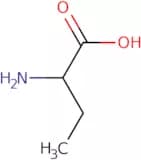


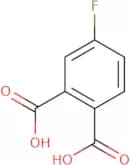
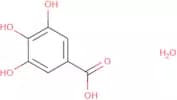
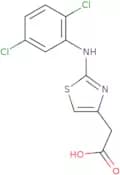

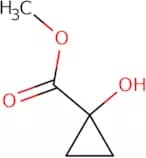
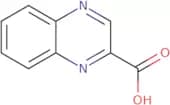
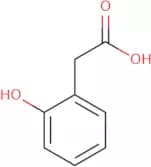
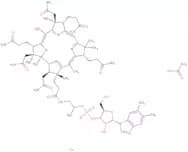
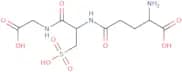
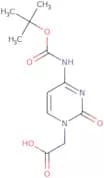
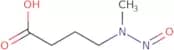
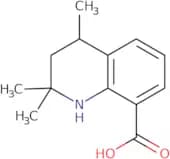
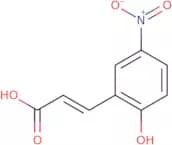
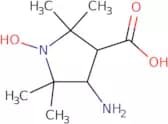
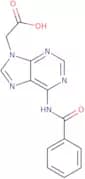
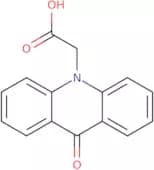
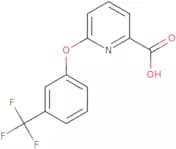
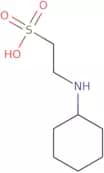
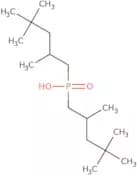
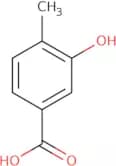
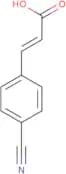
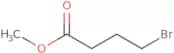
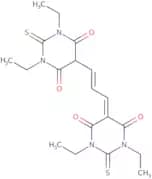
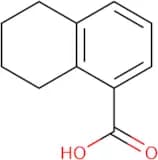

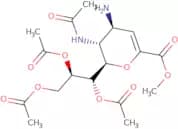
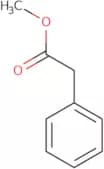
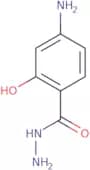
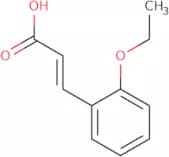
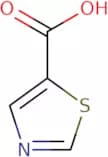
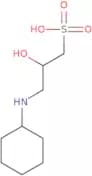

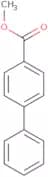
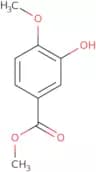

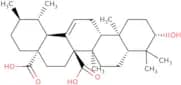
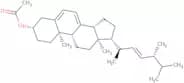
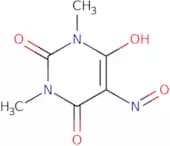

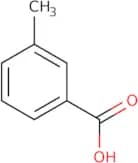
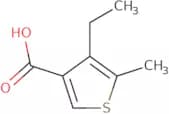
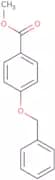

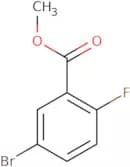
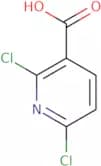
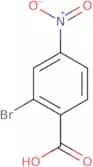
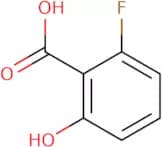
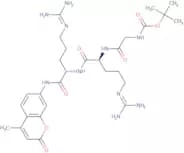
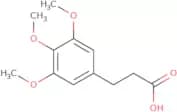
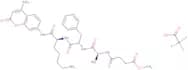
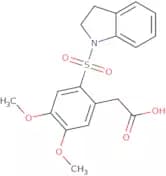
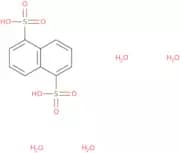
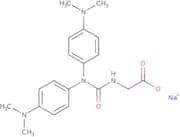
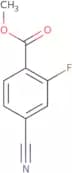

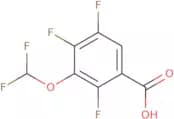
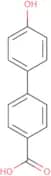
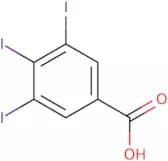
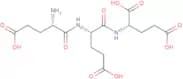
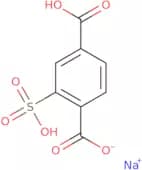
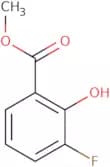
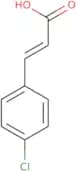
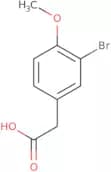
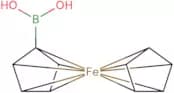
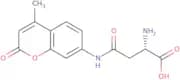
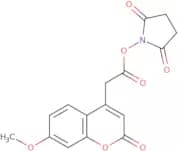
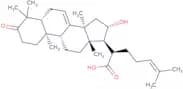
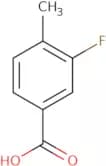
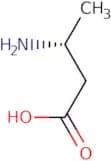
![(2RS)-2-[3-(2-Methylpropyl)phenyl] propanoic acid](/_next/image/?url=https%3A%2Fstatic.cymitquimica.com%2Fproducts%2F3D%2Fthumb-webp%2FFM15851.webp&w=3840&q=75)
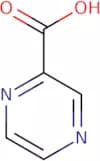
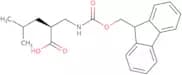
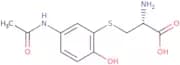
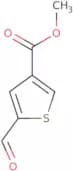
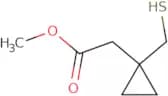
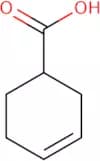
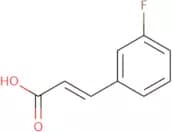
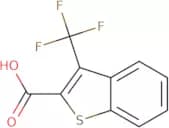

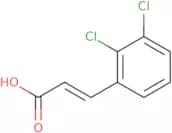
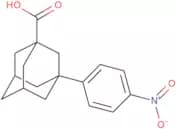
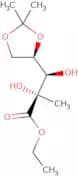
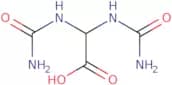
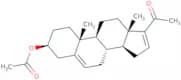
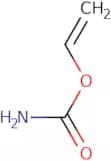

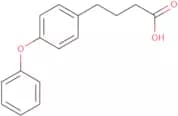

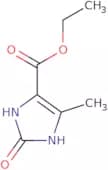
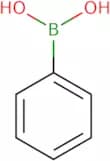

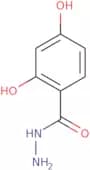
![9-Fluoro-11β,17-Dihydroxy-16α-Methyl-3,20-Dioxopregna-1,4-Dien-21-Yl 2-[2-(2-Ethoxyethoxy)Ethoxy]A…](/_next/image/?url=https%3A%2Fstatic.cymitquimica.com%2Fproducts%2F3D%2Fthumb-webp%2FFF103016.webp&w=3840&q=75)

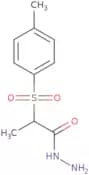
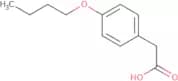
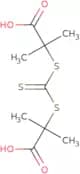
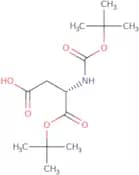
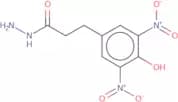
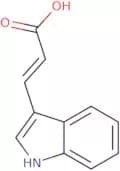
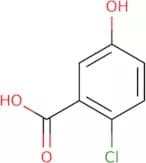
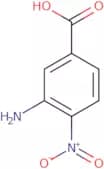
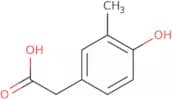
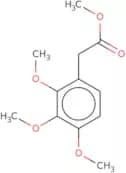
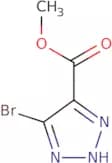
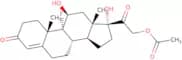
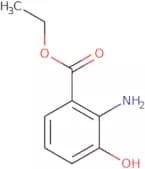
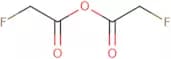
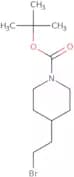
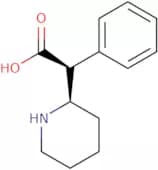
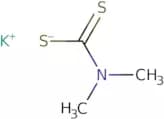
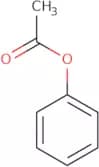
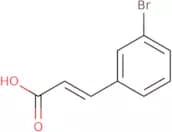
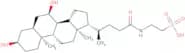
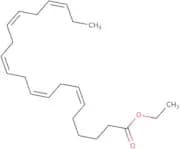
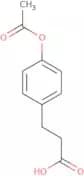
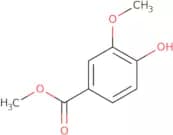
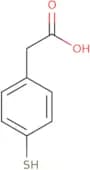
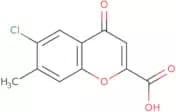
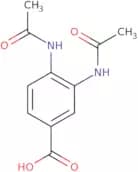

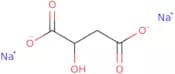


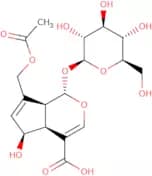
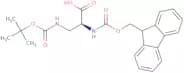
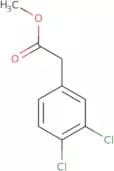
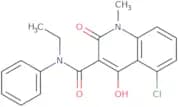
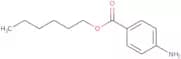
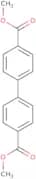
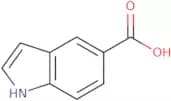
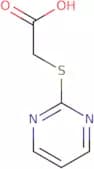
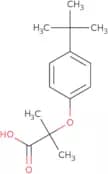
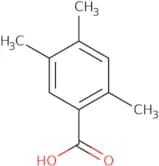

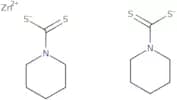
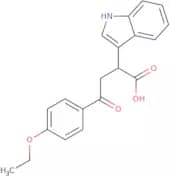
![Ethyl 5-chloropyrazolo[1,5-a]pyrimidine-3-carboxylate](/_next/image/?url=https%3A%2Fstatic.cymitquimica.com%2Fproducts%2F3D%2Fthumb-webp%2FFE44325.webp&w=3840&q=75)
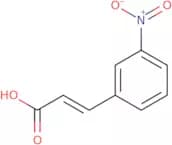
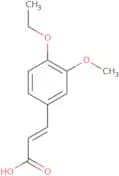
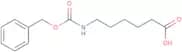
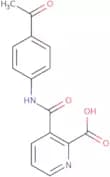
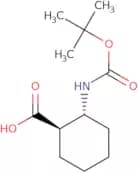
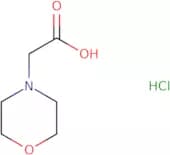
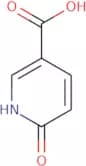
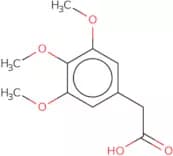

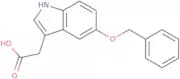
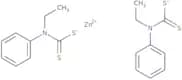
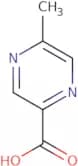
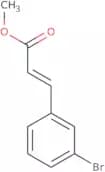
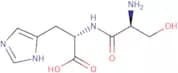
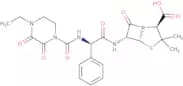
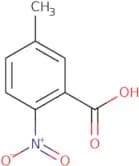
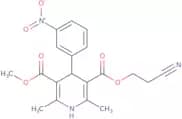
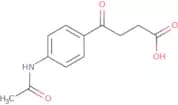
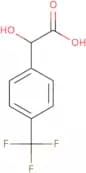
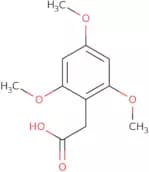
![Benzo[b]thiophene-2-carboxylic acid](/_next/image/?url=https%3A%2Fstatic.cymitquimica.com%2Fproducts%2F3D%2Fthumb-webp%2FFB01173.webp&w=3840&q=75)