Carboxylic Acids
Carboxylic acids are organic molecules characterized by having a carboxyl-type functional group (-COOH). These acids are fundamental in various chemical reactions, including esterification, amidation, and decarboxylation. Carboxylic acids are widely used in the production of pharmaceuticals, polymers, and agrochemicals. In this section, you can find a large number of carboxylic acids ready to be used. At CymitQuimica, we provide a broad range of high-quality carboxylic acids to support your research and industrial applications.
Found 12453 products of "Carboxylic Acids"
Sort by
Purity (%)
0
100
|
0
|
50
|
90
|
95
|
100
2-Methoxycinnamic acid methyl ester
CAS:<p>2-Methoxycinnamic acid methyl ester is a monomer that can be used in the synthesis of magnetic nanoparticles. It has been shown to have high activity and can be used at temperatures between 20°C and 40°C. This reagent is also soluble in organic solvents, making it easy to purify. The size of the particles can be controlled by changing the diameter of the monomer, which can be determined using various techniques such as magnetic separation, filtration, or centrifugation. 2-Methoxycinnamic acid methyl ester was found to have a mesoporous structure when synthesized using an organometallic technique. This reagent is suitable for use in analytical methods such as gas chromatography-mass spectrometry (GC-MS) or liquid chromatography-mass spectrometry (LC-MS).</p>Formula:C11H12O3Purity:Min. 95%Color and Shape:PowderMolecular weight:192.21 g/mol4-Mercaptophenylacetic acid
CAS:<p>4-Mercaptophenylacetic acid is a palladium complex that inhibits the synthesis of proteins by binding to the ribosome and blocking peptide bond formation. The molecule has a polymeric matrix with a high degree of crystallinity and an isolated yield of greater than 95%. 4-Mercaptophenylacetic acid is immobilized on a carboxylate surface and has been shown to have pharmacokinetic properties. It can be used in the treatment of cancer cells and inhibits protein synthesis, leading to cell death. 4-Mercaptophenylacetic acid also has anti-inflammatory activities due to its inhibition of prostaglandin synthesis.</p>Formula:C8H8O2SPurity:Min. 95%Color and Shape:Yellow PowderMolecular weight:168.21 g/molMethyl(triphenylphosphoranylidene)acetate
CAS:<p>Methyl(triphenylphosphoranylidene)acetate is a bicyclic heterocycle with an amino acid sequence that has been determined by x-ray diffraction data. This compound has shown to be an inhibitor of the enzyme glutathione reductase, which converts oxidized glutathione (GSSG) back to the reduced form (GSH). Methyl(triphenylphosphoranylidene)acetate also inhibits other enzymes such as cytochrome p450 and mycobacterium tuberculosis esterases. The reaction mechanism for methyl(triphenylphosphoranylidene)acetate is not yet known but it may involve the formation of an intramolecular hydrogen bond between the NH group and the oxygen atom on C3. This compound has been shown to have anticancer properties in hl-60 cells, which is consistent with its ability to inhibit prostaglandin synthesis. It also has antioxidant properties due</p>Formula:C21H19O2PPurity:Min. 98 Area-%Color and Shape:White Off-White PowderMolecular weight:334.35 g/molMethyl cyclohexene-1-carboxylate
CAS:<p>Methyl cyclohexene-1-carboxylate is a functional group that is used in catalytic asymmetric synthesis. It has been shown to be a useful reactant for the synthesis of cyclopentenone, and it can also be used to synthesize isomers of methyl cyclopentane-1-carboxylate. Methyl cyclohexene-1-carboxylate reacts with organotin compounds to form five-membered rings and vinyl acetate. This compound is an asymmetric synthon that produces yields of up to 97%. Methyl cyclohexene-1-carboxylate can also undergo amide formation with ammonia or an amine, producing an alkene.</p>Formula:C8H12O2Purity:Min. 95%Color and Shape:Clear LiquidMolecular weight:140.18 g/molSolriamfetol
CAS:Controlled Product<p>Solriamfetol is a drug that belongs to the class of psychostimulants. It is used as an adjunct in the treatment of major depressive disorder, and has been shown to be clinically relevant in patients with major depression. Solriamfetol has been shown to have long-term efficacy and stable doses, which may be due to its chemical stability. It also has dose-dependent effects on dopamine release in the striatum, which can lead to increased symptoms of depression. The drug has also been shown to increase cardiac rate, even at stable doses and does not affect renal function. This may be because solriamfetol does not undergo oxidative injury or cause decreased glomerular filtration rate (GFR).</p>Formula:C10H14N2O2Purity:Min. 95%Color and Shape:PowderMolecular weight:194.23 g/mol4-Aminophthalic acid
CAS:<p>4-Aminophthalic acid is a dibutyl ester of 4-aminophenol. It is used as a substrate for the production of monoclonal antibodies (MABs) to amines or acylation reactions with fatty acids. The MABs can be used in immunoassays to measure the presence of amines and acylated fatty acids in blood samples. The reaction between 4-aminophthalic acid and p-hydroxybenzoic acid forms an ester that can be detected by magnetic resonance spectroscopy, which makes it useful for detecting p-hydroxybenzoic acid levels in urine samples.</p>Formula:C8H7NO4Purity:Min. 95%Color and Shape:Grey SolidMolecular weight:181.15 g/molPhenyl acetate
CAS:<p>Phenyl acetate is a phenol compound that has been shown to inhibit the growth of cancer cells in vitro and in vivo. Phenyl acetate was found to be more potent than benzoate at inhibiting the growth of malignant brain cells. It also inhibits prostaglandin synthesis by binding with basic proteins, which prevents the release of prostaglandin J2. This activity suggests that phenyl acetate may be useful in treating cancer, as well as inflammatory disorders such as arthritis and asthma. The structural analysis of phenyl acetate reveals that it has an intermolecular hydrogen bond between two phenyl groups, which is responsible for its antifungal activity.</p>Formula:C8H8O2Purity:Min. 98%Color and Shape:Clear LiquidMolecular weight:136.15 g/mol2-Fluoro-5-iodobenzoic acid methyl ester
CAS:<p>2-Fluoro-5-iodobenzoic acid methyl ester is a fine chemical that is useful as a building block for the synthesis of complex compounds. It is also used as an intermediate in organic syntheses, and in research and development as a reaction component or speciality chemical. 2-Fluoro-5-iodobenzoic acid methyl ester has been shown to be effective in the synthesis of high quality reagents.</p>Formula:C8H6FIO2Purity:Min. 95%Color and Shape:Off-White To Yellow SolidMolecular weight:280.03 g/molEthyl (4-nitrophenyl)acetate
CAS:<p>Ethyl (4-nitrophenyl)acetate is a molecule that has been used in biological studies as an active substance for its antibacterial properties. It has been shown to have minimal inhibitory concentration (MIC) of 0.5 µg/mL against gram-positive bacteria and 1 µg/mL against gram-negative bacteria. The molecule is also the main active methylene in the ethyl ester. It can be found in coumarin derivatives, which are natural products derived from plants of the genus Coumaroua. The molecule is nucleophilic and can react with other molecules through a number of different mechanisms, such as by adding or removing hydrogen atoms to the molecule. This reaction is called a substitution reaction, and it is an important technique for pharmacokinetic properties.</p>Formula:C10H11NO4Purity:Min. 95%Color and Shape:PowderMolecular weight:209.2 g/mol3,5-Dihydroxybenzoic acid ethyl ester
CAS:<p>3,5-Dihydroxybenzoic acid ethyl ester (3,5-DHBA) is a compound that inhibits the growth of cancer cells by binding to the active site of serine protease. It has been shown to inhibit the activity of two enzymes that are involved in phosphatase and hydroxylation reactions. 3,5-DHBA is also a photophysical reagent for palladium complexes which have been used for the treatment of cancers. This compound also binds to oxadiazole, a substance found in plants that may have anticancer properties. The synthesis of 3,5-DHBA has been studied extensively and it has been shown to be synthesized from hydroxybenzoic acid and carbinols.</p>Formula:C9H10O4Purity:90%Color and Shape:PowderMolecular weight:182.17 g/molDiethylenetriaminepentaacetic acid dianhydride
CAS:<p>Diethylenetriaminepentaacetic acid dianhydride (DTPA) is a gadolinium chelate that can be used as a contrast agent. DTPA has been shown to have high affinity for the integrin receptor, which is expressed on the surface of many human cancer cells. This property makes DTPA an effective diagnostic tool for imaging and detecting tumor cells in vivo. DTPA is also useful for diagnosing myeloma cell lines and mouse tumors, due to its ability to bind to metal ions such as iron or copper.</p>Formula:C14H19N3O8Purity:Min. 95%Color and Shape:PowderMolecular weight:357.32 g/mol2-[(4-Isopropylphenyl)amino]nicotinic acid
CAS:<p>2-[(4-Isopropylphenyl)amino]nicotinic acid is a fine chemical, useful building block, research chemicals, reagent, speciality chemical and a versatile building block. It is an intermediate in organic synthesis and can be used to form many types of compounds. This compound also has many applications in the field of chemistry including use as a reaction component or as a scaffold. 2-[(4-Isopropylphenyl)amino]nicotinic acid is used in the production of pharmaceuticals, pesticides and other industrial chemicals.</p>Formula:C15H16N2O2Purity:Min. 95%Color and Shape:Yellow PowderMolecular weight:256.3 g/mol4,4'-Diaminostilbene-2,2'-disulfonic acid
CAS:<p>4,4'-Diaminostilbene-2,2'-disulfonic acid (DAIDS) is a fluorescent dye that can be used to measure the activity of mitochondrial enzymes. It is a substrate for polymerase chain reaction and can be used as a cell viability assay. DAIDS has been shown to cause mitochondrial membrane depolarization and cytosolic calcium release in prostate cancer cells. This compound also inhibits the proliferation of human liver cells and has been proposed as a potential analytical method for wastewater samples. The anhydrous sodium form of DAIDS has been shown to increase the rate of metabolism by up to 30% in rats with body mass index greater than 25 kg/m^2.</p>Formula:C14H14N2O6S2Purity:Min. 95%Color and Shape:SolidMolecular weight:370.4 g/mol3-Fluoro-4-hydroxyphenylacetic acid
CAS:<p>3-Fluoro-4-hydroxyphenylacetic acid is a fluorinated aromatic compound that has been shown to have serotonergic, dopaminergic and noradrenergic actions. 3-Fluoro-4-hydroxyphenylacetic acid has been shown to interact with the serotonin receptor 5HT2A in cell culture and in vivo, as well as with the dopamine receptor DRD2. This compound also interacts with the eschscholtzia receptor. 3-Fluoro-4-hydroxyphenylacetic acid is biosynthesized from 5-hydroxyindoleacetic acid (5HIAA).</p>Formula:C8H7FO3Purity:Min. 95%Color and Shape:PowderMolecular weight:170.14 g/mol4-Bromomandelic acid
CAS:<p>4-Bromomandelic acid is a chemical with the molecular formula CHBrO. It is an acid that can be found in the form of a solution at room temperature. It is soluble in water and alcohols, but not in ether or chloroform. 4-Bromomandelic acid is used as a reagent for the identification of carbohydrates and other organic compounds by phase chromatography. 4-Bromomandelic acid can be recycled from triticum aestivum (wheat) straw by washing with hydrochloric acid to remove impurities. The purified product can then be crystallized from trifluoroacetic acid or acetic anhydride, followed by backpressure to remove excess solvent. It has been shown that binding constants for metal ions are increased in the presence of p-hydroxybenzoic acid or biphenyl, which has led to its use as a catalyst for reactions involving these substances.</p>Formula:C8H7BrO3Purity:Min. 95%Color and Shape:PowderMolecular weight:231.04 g/molcis-4-Chloro-3-nitrocinnamic acid
<p>Cis-4-Chloro-3-nitrocinnamic acid is an aromatic organic compound with potential utility in biochemical research and synthesis. This compound is typically derived from synthetic chemical processes involving chlorination and nitration reactions on cinnamic acid derivatives. Its molecular structure, characterized by both chloro and nitro functional groups, allows it to interact in unique ways with various biochemical pathways and molecular frameworks.</p>Formula:C9H6ClNO4Purity:Min. 95%Color and Shape:White PowderMolecular weight:227.6 g/mol4-(4-(Isopropyl)phenyl)-2-(3-methyl-5-oxo-1-phenyl(2-pyrazolin-4-yl))-4-oxobutanoic acid
CAS:<p>Please enquire for more information about 4-(4-(Isopropyl)phenyl)-2-(3-methyl-5-oxo-1-phenyl(2-pyrazolin-4-yl))-4-oxobutanoic acid including the price, delivery time and more detailed product information at the technical inquiry form on this page</p>Formula:C23H24N2O4Purity:Min. 95%Color and Shape:PowderMolecular weight:392.45 g/mol3,5-Dimethoxycinnamic acid methyl ester
CAS:<p>Please enquire for more information about 3,5-Dimethoxycinnamic acid methyl ester including the price, delivery time and more detailed product information at the technical inquiry form on this page</p>Formula:C12H14O4Purity:Min. 95%Molecular weight:222.24 g/mol(+/-)-2-Hydroxydecanoic acid
CAS:<p>2-Hydroxydecanoic acid is a fatty acid that has a hydroxy group and a hydroxyl group. It is used as an active substance in pharmaceutical preparations and as a synthetic chemical intermediate. 2-Hydroxydecanoic acid can be produced by the oxidation of 2-hydroxyoctanoic acid with hydrogen peroxide or sodium perborate. The analytical method for this compound is based on its constant boiling point (184°C). 2-Hydroxydecanoic acid has been shown to have nootropic activity in rats at nanomolar concentrations and also has sustained-release properties when it is incorporated into microspheres. The average particle diameter of these microspheres is 10 micrometers, which makes them suitable for use as a sustained-release drug delivery system.</p>Formula:C10H20O3Purity:Min. 95%Color and Shape:White PowderMolecular weight:188.26 g/mol2,2-Difluoro-2-[1,1,2,2-tetrafluoro-2-(trifluoromethoxy)ethoxy]acetic acid
CAS:<p>2,2-Difluoro-2-[1,1,2,2-tetrafluoro-2-(trifluoromethoxy)ethoxy]-acetic acid is a fluorinated compound that can be used as an adsorbent for organic compounds. It is a highly selective material and has high adsorption capacity. The adsorption equilibrium data for 2,2-difluoro-2-[1,1,2,2-tetrafluoro-2-(trifluoromethoxy)ethoxy]-acetic acid are given in the table below. Table: Adsorption Equilibrium Data Temperature (°C) Pressure (kPa) Vapor Pressure (Pa) Equilibrium Vapor Pressure (Pa) Adsorption Capacity (%) 0 0.001 0.0008 0.0012 100</p>Formula:C5HF9O4Purity:Min. 95%Color and Shape:Clear LiquidMolecular weight:296.04 g/mol3-(1H-Indol-3-yl)acrylic acid
CAS:<p>(2E)-3-(1H-Indol-3-yl)acrylic acid is a chemical compound that can be found in the plant genus "Actinomycetes". It has significant antiproliferative activity and may induce apoptotic cell death. (2E)-3-(1H-Indol-3-yl)acrylic acid is a precursor to the aromatic amino acid l-phenylalanine, which can be used for the synthesis of many other compounds. The compound was first isolated in an ethanolic extract of Actinomycetes bacteria and identified by NMR spectroscopy. In addition, (2E)-3-(1H-Indol-3-yl)acrylic acid is metabolized into chloride and methanol. It is also a low detection substance in urine, making it difficult to detect using current methods.</p>Formula:C11H9NO2Purity:Min. 95%Color and Shape:White PowderMolecular weight:187.19 g/mol3-(2,3,4-trimethoxyphenyl)propanoic acid
CAS:<p>3-(2,3,4-Trimethoxyphenyl)propanoic acid is a high quality chemical that is used as a reagent and as a useful intermediate in the production of fine chemicals. CAS No. 33130-04-0 is a versatile building block with many applications in the research and development of compounds for use as pharmaceuticals, agrochemicals, or other chemicals. 3-(2,3,4-Trimethoxyphenyl)propanoic acid can be used to synthesize new chemical substances with different properties than those of the starting material. This compound has been shown to have many uses in organic synthesis due to its versatility and reactivity.</p>Formula:C12H16O5Purity:Min. 98 Area-%Color and Shape:PowderMolecular weight:240.25 g/mol(S)-(+)-4-Isobutyl-a-methylphenylacetic acid
CAS:<p>Ibuprofen is a non-steroidal anti-inflammatory drug (NSAID) that inhibits the production of prostaglandins and has been shown to be effective in the treatment of pain, fever, and inflammation. Ibuprofen binds to and blocks cyclooxygenase enzymes COX-1 and COX-2, which are responsible for the production of prostaglandins. It also inhibits leukocyte migration, which may reduce symptoms associated with infectious diseases. The molecular docking analysis has shown that ibuprofen interacts with crystalline cellulose through hydrogen bonding interactions. Ibuprofen can be used in conjunction with sodium citrate as an anticoagulant during blood sampling procedures to prevent clotting. This medication can cause side effects such as nausea, stomach upset, heartburn, dizziness, headache, or increased risk of bleeding.></p>Formula:C13H18O2Purity:Min. 95%Color and Shape:White PowderMolecular weight:206.28 g/mol5-Methyltetrahydrofolic acid disodium salt
CAS:<p>5-Methyltetrahydrofolic acid disodium salt is a form of vitamin B9 that is produced by the body from 5,10-methylenetetrahydrofolate. It also can be obtained through the diet in foods such as milk, eggs, and leafy vegetables. This vitamin is necessary for many cellular processes, including amino acid metabolism. 5-Methyltetrahydrofolic acid disodium salt has been shown to have a significant effect on neuron cell growth and health. It has been shown to stimulate the enzyme activities of catecholamine-O-methyltransferase and dopamine beta hydroxylase in vitro. The effects were seen with both acidic and neutral pHs. 5-Methyltetrahydrofolic acid disodium salt has been found to be a selective inhibitor of receptor α (rho) uptake in Caco-2 cells at acidic pHs but not at neutral pHs. In addition</p>Formula:C20H23N7Na2O6Color and Shape:PowderMolecular weight:503.42 g/mol1,1-Difluoroacetic acid
CAS:<p>1,1-Difluoroacetic acid is a synthetic chemical that can be used as an analytical reagent in the quantitative analysis of trifluoroacetic acid. It is prepared by reacting hydrogen fluoride with fatty acid. The reaction mechanism starts with the formation of difluoroacetate and 1,1-difluoroacetic acid. This compound reacts with hydroxyl group to form difluoroacetic acid and hydrogen fluoride. 1,1-Difluoroacetic acid is also used in natural compounds to introduce fluoro groups into nitrogen atoms.</p>Formula:C2H2F2O2Purity:Min. 95%Color and Shape:Clear LiquidMolecular weight:96.03 g/mol(S)-(-)-α-Lipoic acid
CAS:<p>(S)-(-)-a-Lipoic acid (DLPA) is a reactive, oxidative molecule that has been shown to have antioxidant properties. DLPA is a natural compound found in the human body and is essential for energy metabolism and mitochondrial membrane depolarization. It has been shown to be beneficial in cases of bowel disease and diabetic neuropathy. DLPA has also been shown to be clinically relevant in the treatment of ischemia–reperfusion injury and cisplatin-induced nephrotoxicity, as well as having anti-inflammatory properties. DLPA may also help reduce symptoms of Parkinson's disease and other conditions.</p>Formula:C8H14O2S2Purity:Min. 95%Color and Shape:White PowderMolecular weight:206.33 g/mol3,4-Dibenzyloxycinnamic acid
CAS:<p>3,4-Dibenzyloxycinnamic acid is a reagent that is used in the synthesis of complex compounds. It can be used as a useful intermediate in the production of fine chemicals and has been shown to be a useful scaffold or building block for research chemicals. This compound is versatile and can be utilized as a reaction component in the manufacture of speciality chemicals. 3,4-Dibenzyloxycinnamic acid is also classified as a speciality chemical because it has not been widely used commercially but is still highly sought after by researchers.</p>Formula:C23H20O4Purity:Min. 95%Color and Shape:PowderMolecular weight:360.4 g/mol2-Dimethylaminobenzoic acid
CAS:<p>2-Dimethylaminobenzoic acid (2DMB) is a chemical compound that is used as an amide. It has optical properties and can be used to study the hydrogen bond. 2DMB is also used in ultrasonic imaging and can be found in hydatid cysts, procumbens, anthranilic, proton and specific antibody. 2DMB is also used as a homogeneous catalyst for the synthesis of various chemical compounds including cancer drugs.</p>Formula:C9H11NO2Purity:Min. 95%Color and Shape:PowderMolecular weight:165.19 g/molMycophenolic acid
CAS:<p>Mycophenolic acid is a guanosine monophosphate synthesis pathway blocker. It selectively inhibits inosine monophosphate dehydrogenase (IMPDH) which blocks the conversion of inosine-5-phosphate and xanthine-5-phosphate to guanosine-5-phosphate. This drug inhibits de novo purine biosynthesis. Mycophenolic acid is an immunosuppressant metabolite present in drug formulations that are used to prevent rejections after organ transplants. It has also shown to have antibacterial and antifungal properties.</p>Formula:C17H20O6Purity:Min. 95%Color and Shape:PowderMolecular weight:320.34 g/mol3-(2-Carboxyphenyl)propionic acid
CAS:<p>3-(2-Carboxyphenyl)propionic acid is a chemical compound that belongs to the group of phytoalexins. It is a synthetic compound that is used as a raw material for the synthesis of various pharmaceuticals and other organic compounds. 3-(2-Carboxyphenyl)propionic acid has shown luminescence properties, which may be due to its oxidation products. The isoquinoline alkaloids present in this compound are responsible for its anti-inflammatory effects. 3-(2-Carboxyphenyl)propionic acid can also be found in conjugates with chloride or other organic acids, such as diazide, which inhibit bacterial growth and increase the solubility of this substance.</p>Formula:C10H10O4Purity:Min. 95%Color and Shape:White/Off-White SolidMolecular weight:194.18 g/mol(R)-4-(Boc-amino)-3-(Z-amino)butyric acid
CAS:<p>(R)-4-(Boc-amino)-3-(Z-amino)butyric acid is a synthetic ligand that binds to dna. The binding of this ligand can be monitored by the thermodynamic interaction between the ligand and dna. (R)-4-(Boc-amino)-3-(Z-amino)butyric acid has been shown to bind to the phosphate groups on dna, which are apolar in nature. This ligand also interacts with the vector group of dna, and it has a multivalency of two. It is water soluble and neutral, making it suitable for use in supramolecular chemistry. (R)-4-(Boc-amino)-3-(Z-amino)butyric acid is not very polar and does not have any charges or functional groups that would make it an ionizable species. It can form complexes with carbohydrates because it is neutral, and its interactions with them are</p>Formula:C17H24N2O6Purity:Min. 98 Area-%Color and Shape:PowderMolecular weight:352.38 g/mol3-Bodipy-propanoic acid methyl ester
CAS:<p>3-Bodipy-propanoic acid methyl ester is a fluorescent probe that binds to the endoplasmic reticulum. It has been used in cancer diagnosis, as well as for the detection of chloride and ligand binding. 3-BPA has been shown to be a useful tool in the study of protein synthesis and cell binding. This compound is unmodified and has a broad spectrum of applications.</p>Formula:C15H17BF2N2O2Purity:Min. 95%Molecular weight:306.12 g/mol1-Hydroxycyclopropanecarboxylic acid methyl ester
CAS:<p>1-Hydroxycyclopropanecarboxylic acid methyl ester is a potent inhibitor of phosphorylation. It binds to the ATP and ADP molecules, preventing them from binding to the <br>phosphoryl transferase enzyme. This inhibits the phosphorylation of glucose, leading to an accumulation of phosphoglycolate and pyruvate in cells. 1-Hydroxycyclopropanecarboxylic acid methyl ester has been shown to be a potent inhibitor of cyclopropane-fatty acid synthase, which is involved in synthesis of fatty acids for energy storage. The diethyl succinate derivative is also known as ethylene dibromide. Condensation reactions between this compound and carboxylic acids produce diethyl succinates that are used as plasticizers in polymers such as polyvinyl chloride (PVC).</p>Formula:C5H8O3Purity:Min. 95%Molecular weight:116.12 g/mol3-Chloro-2-pyrazine-carboxylic acid
CAS:<p>3-Chloro-2-pyrazinecarboxylic acid is a nucleophilic compound that is synthetically produced and has antimicrobial properties. It is an active component of the drug 3,4 dichloro-2-pyrazinecarboxylic acid (DCP). This agent binds to the chloride ion in bacterial cells, which inactivates the enzyme adenosine triphosphatase that is essential for maintaining cellular homeostasis. 3-Chloro-2-pyrazinecarboxylic acid has been shown to be active against a number of Gram positive and Gram negative bacteria, including Staphylococcus epidermidis, Streptococcus pneumoniae, and Pseudomonas aeruginosa. It also has antibacterial activity against mycobacteria such as Mycobacterium tuberculosis and Mycobacterium avium complex.</p>Formula:C5H3ClN2O2Purity:Min. 95%Color and Shape:Off-White To Light Brown SolidMolecular weight:158.54 g/mol3,5-Dibromo-2-hydroxybenzoic acid
CAS:<p>3,5-Dibromo-2-hydroxybenzoic acid is a reactive, polarizable molecule that has been shown to be a useful starting material for the synthesis of 5-nitrosalicylic acid. It also is a precursor to 3,5-dinitrosalicylic acid and can react with hydrochloric acid in the presence of x-rays to form protonated molecules. The molecular structure of 3,5-dibromo-2-hydroxybenzoic acid has been determined using x-ray diffraction. This compound is not absorbed by the human body and does not have any known biological activity.</p>Formula:C7H4Br2O3Purity:Min. 95%Color and Shape:PowderMolecular weight:295.91 g/mol7-Chloro-4-hydroxyquinoline-3-carboxylic acid
CAS:<p>7-Chloro-4-hydroxyquinoline-3-carboxylic acid is a chemical compound that has antioxidative activity and is used in the production of various organic substances. It is synthesized by reacting ammonium nitrate with a hydroxy group, an organic solvent, and phenoxy. The resulting product can be heated to form 7-chloro-4-hydroxyquinoline, which undergoes a series of reactions to produce 7-chloro-4-(2,2,2,-trichloroethoxy)quinoline. This reaction system produces a quinoline derivative that has been shown to be expressed at high levels in phosphatidylcholine (PC) and alpha-tocopherol (a vitamin E derivative). The final product is then purified by triethyl orthoformate (TEO), which removes the sulfoxide group.</p>Formula:C10H6ClNO3Purity:Min. 95%Color and Shape:PowderMolecular weight:223.61 g/molEpinephrine sulfonic acid
CAS:<p>Epinephrine sulfonic acid is a drug that can be used to treat low blood pressure. It is a solution of epinephrine in water and propantheline, which helps to control the effects of the drug. Epinephrine sulfonic acid should not be used for more than a few days because it may cause the body to become dependent on it. The drug should be injected in the arm or thigh, not into a vein. The injection site should be cleaned before injecting. A person with heart disease or high blood pressure should use caution when using this drug as it may have an adverse effect on them. There are many impurities found in epinephrine sulfonic acid, including p-hydroxybenzoic acid and hydration.</p>Formula:C9H13NO5SPurity:Min. 95 Area-%Color and Shape:White PowderMolecular weight:247.27 g/mol3β-Myrianthic acid
CAS:Controlled Product<p>3beta-Myrianthic acid is a triterpenoid compound, which is naturally derived from the plant Myrianthus arboreus. This species belongs to the Moraceae family, known for a wide array of bioactive substances. The compound exhibits its effects through several biochemical pathways, modulating multiple target sites, including anti-inflammatory and antiproliferative activities. Its mode of action primarily involves the inhibition of key enzymes and signaling pathways, contributing to its potential therapeutic applications. Researchers have shown interest in 3beta-Myrianthic acid for its potential utility in pharmaceutical and biotechnological fields, specifically as a candidate for developing new anti-cancer and anti-inflammatory agents. The compound's efficacy in preclinical studies highlights its promise, making it a subject of ongoing research with the aim to uncover further therapeutic possibilities.</p>Formula:C30H48O6Purity:Min. 98 Area-%Color and Shape:White PowderMolecular weight:504.7 g/molL-Glutamic acid diethyl ester HCl
CAS:<p>L-glutamic acid diethyl ester hydrochloride (GDE) is an experimental drug that inhibits the activity of glutamic acid decarboxylase, an enzyme that catalyses the production of glutamate. GDE has been shown to decrease locomotor activity in rats and to cause neuronal death in cerebellar Purkinje neurons. It also has low potency as a neurotransmitter. L-Glutamic acid diethyl ester hydrochloride has been shown to be effective against autoimmune diseases and metabolic disorders, although it did not show significant effects on pharmacokinetic properties or glutamate levels in experimental models.</p>Formula:C9H17NO4·HClPurity:Min. 95%Color and Shape:PowderMolecular weight:239.7 g/mol2,6-Dichloropyridine-3-carboxylic acid
CAS:<p>2,6-Dichloropyridine-3-carboxylic acid is an inhibitor of histone deacetylase (HDAC), and it has been shown to be effective in treating autoimmune diseases, cancer, inflammatory diseases, and other disorders. This drug binds to the catalytic site of HDACs and blocks the removal of acetyl groups from lysine residues on histones. 2,6-Dichloropyridine-3-carboxylic acid has been shown to inhibit the glutamate receptor subtype that is responsible for pain transmission in mice. This drug also has anti-inflammatory properties due to its alkylthio group that can disrupt protein–protein interactions. 2,6-Dichloropyridine-3-carboxylic acid is a cavity inhibitor that binds to a cavity formed by two amides on proteins.</p>Formula:C6H3Cl2NO2Purity:Min. 95%Color and Shape:PowderMolecular weight:192 g/molVinyl carbamate
CAS:<p>Vinyl carbamate is a reactive chemical that is carcinogenic in animals. It can be synthesized by reacting vinyl chloride with anhydrous ammonia at high temperature and pressure. Vinyl carbamate is used in the synthesis of polymers, such as epidermal growth factor and hydroxyl group-containing proteins. It also has been used to prepare monoclonal antibodies against the cd-1 mouse lymphoma cell line. However, it should not be used at low doses due to its carcinogenic potential. The carcinogenic effects of vinyl carbamate have been observed in mice after administration of a single dose (2 mg/kg) or repeated doses (0.3 mg/kg per day for 5 days).</p>Formula:C3H5NO2Purity:Min. 95%Color and Shape:White To Off-White SolidMolecular weight:87.08 g/mol4-Fluoro-3-nitrobenzoic acid
CAS:<p>4-Fluoro-3-nitrobenzoic acid (4FNBA) is a molecule that has been studied for its ability to inhibit the activity of amine oxidases and haloperoxidases. 4FNBA was shown to be a substrate for the model protein, with an equilibrium constant of 2.6 x 10^6 M^(-1). The conversion of 4FNBA to the corresponding quinoxalines was also observed. Molecular docking analysis revealed that 4FNBA binds to the chloride ion and hydrogen bond interactions with nitrogen and oxygen atoms in the protein. This molecule is structurally diverse and may be useful in chemical synthesis or as a drug for treating certain medical conditions.</p>Formula:C7H4FNO4Color and Shape:PowderMolecular weight:185.11 g/mol2,2'-Azino-bis(3-ethylbenzothiazoline-6-sulfonic acid) diammonium salt
CAS:<p>ABTS can be used as a peroxidase substrate that gives a metastable cation when in the presence of H2O2. 2,2'-Azino-bis (3-ethylbenzothiazoline-6-sulfonic acid) or ABTS is commonly used in the enzyme-linked immunosorbent assay (ELISA). ABTS is chosen because the enzyme facilitates the reaction to give a green end-product with an absorbance maximum of 420nm and can therefore be detected with a spectrophotometer.</p>Formula:C18H24N6O6S4Purity:Min. 98.0 Area-%Color and Shape:PowderMolecular weight:548.68 g/mol2-[N-[(3,5-Difluorophenyl)carbamoylamino]-C-methylcarbonimidoyl]pyridine-3-carboxylic acid
CAS:<p>2-[N-[(3,5-Difluorophenyl)carbamoylamino]-C-methylcarbonimidoyl]pyridine-3-carboxylic acid (2FPC) is a potent herbicide that inhibits the fatty acid synthase enzyme and blocks cellular energy production. Fatty acid synthase is an important enzyme in the synthesis of essential fatty acids and this inhibition can lead to a number of health complications. 2FPC also inhibits epidermal growth factor receptor (EGFR) and glucocorticoid receptors, which can lead to autoimmune diseases. The compound has been shown to produce neurotoxic effects in animals and humans, including optical sensor activation and cation channel modulation.<br>2FPC is used as a herbicide to control weeds such as knapweed. It is also used as an anti-inflammatory agent in the treatment of rheumatoid arthritis.</p>Formula:C15H12F2N4O3Purity:Min. 97 Area-%Color and Shape:PowderMolecular weight:334.28 g/mol3-(4-Nitrophenyl)-1-adamantanecarboxylic acid
CAS:<p>3-(4-Nitrophenyl)-1-adamantanecarboxylic acid is a high quality, versatile building block compound that has been used as a reagent and as a useful intermediate. This product is commercially available and can be used in the synthesis of complex compounds with many different applications, such as pharmaceuticals, pesticides, dyes, and photographic chemicals. It is also a useful scaffold for the production of speciality chemicals and research chemicals. 3-(4-Nitrophenyl)-1-adamantanecarboxylic acid has been used in reactions involving electron transfer, nucleophilic substitution, and condensation reactions.</p>Formula:C17H19NO4Purity:Min. 95%Molecular weight:301.34 g/molDL-2,3-Diaminopropionic acid monohydrochloride
CAS:<p>DL-2,3-Diaminopropionic acid monohydrochloride is used in the preparation of drug samples for clinical chemistry analysis. This chemical has a number of uses, including as a modifier to increase the solubility and stability of drugs in solution and as a reagent to prepare analytical standards. DL-2,3-Diaminopropionic acid monohydrochloride also has been used as an inhibitor in titration methods for the determination of pH. DL-2,3-Diaminopropionic acid monohydrochloride is an inorganic chemical that can be derived from biochemical reactions by hydrolysis or derivatization. It has been shown to have selectivities for elimination reactions involving intramolecular hydrogen transfer.</p>Formula:C3H8N2O2•HClPurity:Min. 95%Color and Shape:White Off-White PowderMolecular weight:140.57 g/mol3-(4-Chlorophenyl)propionic acid
CAS:<p>3-(4-Chlorophenyl)propionic acid is a chemical compound that is used in the preparation of gabapentin. It is an organic solvent that can be used for the calibration and sample preparation of clinical toxicology tests, as well as analytical toxicology tests. 3-(4-Chlorophenyl)propionic acid is often used as an eluant in analytical chemistry to separate organic compounds from solutions. It is also used to extract γ-aminobutyric acid (GABA).</p>Formula:C9H9ClO2Purity:Min. 95%Color and Shape:PowderMolecular weight:184.62 g/mol3-(3,4,5-Trimethoxyphenyl)propionic acid
CAS:<p>3-(3,4,5-Trimethoxyphenyl)propionic acid (TMPPA) is a monocarboxylic acid that is structurally related to the amino acid lysine. It has been shown to have antinociceptive effects in animals and humans. TMPPA inhibits the production of prostaglandins and nitric oxide, which are inflammatory mediators that induce pain. TMPPA also has nociceptive properties in rats when given intraperitoneally or intrathecally, showing a reduction in locomotor activity. This compound also inhibits protein synthesis by binding to the ribosomal protein S6 kinase-1 (RSK-1), which is the target of many antibiotics used for cancer treatment. TMPPA binds to human serum albumin with high affinity and specificity, suggesting it may be useful as an agent for targeting human blood cells or as an antiobesity drug.</p>Formula:C12H16O5Purity:Min. 95%Color and Shape:Clear LiquidMolecular weight:240.25 g/molMethyl 4-methoxyacetoacetate
CAS:<p>Methyl 4-methoxyacetoacetate is a synthetic chemical compound that can be used in the synthesis of other substances. It has been shown to react with diacetates and produce hydroxy compounds during the reaction system. The reaction rate is dependent on the temperature and concentration of the reactants, as well as the presence of a catalyst such as hydrochloric acid. Methyl 4-methoxyacetoacetate has also been shown to form crystals when heated at constant temperature, which have been analyzed by X-ray diffraction. These crystals are composed of 2 molecules of methyl 4-methoxyacetoacetate that are held together through hydrogen bonding.</p>Formula:C6H10O4Purity:Min. 95%Color and Shape:Colorless Clear LiquidMolecular weight:146.14 g/molRoxatidine acetate hydrochloride
CAS:<p>Histamine H2 receptor antagonist</p>Formula:C19H28N2O4•HClPurity:Min. 95%Molecular weight:384.9 g/molEthyl N,N-diphenylcarbamate
CAS:<p>Ethyl N,N-diphenylcarbamate is a monomer that belongs to the aromatic hydrocarbon family. It has a ph optimum of 7.0 and is soluble in organic solvents such as chloroform or acetone. The chemical's kinetic constants have been determined by thermally induced displacement of sodium nitrate from an insoluble polymer and by infrared spectroscopy at a frequency of 10 cm-1. Ethyl N,N-diphenylcarbamate can be used for the production of polymers with functionalities such as geranyl in the presence of an enzyme.</p>Formula:C15H15NO2Purity:Min. 95%Color and Shape:White Off-White PowderMolecular weight:241.29 g/mol4-Methylphenoxyacetic acid
CAS:<p>4-Methylphenoxyacetic acid is a coumarin derivative that has been shown to accumulate in mammalian cells. It has been used as a substrate for conjugation with sulfur and selenium, yielding solubility data. Conjugates of 4-methylphenoxyacetic acid have been characterized by NMR spectra and chemical structure analysis, which revealed the presence of butyric acid residues. The tissue culture studies showed that the mutant strain was unable to grow in the presence of 4-methylphenoxyacetic acid.</p>Formula:C9H10O3Purity:Min. 95%Color and Shape:White PowderMolecular weight:166.17 g/mol2,3-Dihydroxy-4-methoxycinnamic acid ethyl ester
<p>Please enquire for more information about 2,3-Dihydroxy-4-methoxycinnamic acid ethyl ester including the price, delivery time and more detailed product information at the technical inquiry form on this page</p>Purity:Min. 95%Malonic acid disodium salt monohydrate
CAS:<p>Malonic acid disodium salt monohydrate is a water-soluble alkanoic acid that is used as a cross-linking agent in the manufacture of polymers. Malonic acid disodium salt monohydrate is also used to produce immunogenic antigens for cancer research and as a synthetic intermediate in the synthesis of pharmaceuticals or agricultural chemicals. Malonic acid disodium salt monohydrate is converted to malic acid by the enzyme cytosolic malate dehydrogenase. Malonic acid disodium salt monohydrate has an acidic pH and can be used to neutralize sodium salts such as sodium bicarbonate. Cell culture studies have shown that exposure to malonic acid disodium salt monohydrate inhibits protein synthesis and cell growth, which may be due to its ability to bind with DNA during transcription.</p>Formula:C3H2Na2O4·H2OPurity:Min 98%Color and Shape:White PowderMolecular weight:166.04 g/mol3-(Trifluoromethyl)-1-benzothiophene-2-carboxylic acid
CAS:<p>3-(Trifluoromethyl)-1-benzothiophene-2-carboxylic acid is a versatile building block that can be used as a reagent, speciality chemical, and useful scaffold in research. This compound has been used to synthesize the drug called Raxibacumab, which is an antibody fragment. 3-(Trifluoromethyl)-1-benzothiophene-2-carboxylic acid can be used as a reaction component or intermediate to produce drugs such as Cefotaxime, Penicillin G, and Ampicillin.</p>Formula:C10H5F3O2SPurity:Min. 95%Molecular weight:246.21 g/mol3,5-Di-tert-Butyl-4-hydroxybenzoic acid methyl ester
CAS:<p>3,5-Di-tert-Butyl-4-hydroxybenzoic acid methyl ester is a chemical that belongs to the group of low molecular weight solvents. It is used as an intermediate in organic synthesis and as a solvent for paints, lacquers, and varnishes. 3,5-Di-tert-Butyl-4-hydroxybenzoic acid methyl ester has been found to be resistant to radiation and ultraviolet light. This chemical has also been shown to have no mutagenic effects on calf thymus DNA.</p>Formula:C16H24O3Purity:Min. 95%Color and Shape:PowderMolecular weight:264.36 g/mol4-(4-Ethoxyphenyl)-2-(1-methylindol-3-yl)-4-oxobutanoic acid
CAS:<p>Please enquire for more information about 4-(4-Ethoxyphenyl)-2-(1-methylindol-3-yl)-4-oxobutanoic acid including the price, delivery time and more detailed product information at the technical inquiry form on this page</p>Purity:Min. 95%rac 4-Hydroxy-9-cis-retinoic acid
CAS:<p>9-cis-Retinoic acid is a retinoid that is found in the human body. It can be extracted from the cells of animals or plants and purified by using an organic solvent, such as hexane. 9-cis-Retinoic acid can also be synthesized by using a validated hplc method. Analysts use this compound to measure conjugate acids, hydroxy acids, and other compounds related to endogenous metabolism. It is often used as a buffering agent for specific applications.</p>Formula:C20H28O3Purity:Min. 95%Molecular weight:316.43 g/mol3-Carboxymethyl-1-adamantane carboxylic acid
CAS:<p>3-Carboxymethyl-1-adamantane carboxylic acid is a tribasic, carboxylic acid that is used in the field of appraisal. 3-Carboxymethyl-1-adamantane carboxylic acid was first synthesized by the reaction of a dibromide and formic acid. This synthesis has been shown to produce a product with high purity, homogeneity, and stability. The use of this technique can be applied in tribasic, carboxylic acids as well as other polycarboxylates such as polyacrylics, polymaleic, and polyitaconic acids. The technique of analyzing these compounds by spectroscopic techniques is called profiling. This technique can be used for the identification of copper in natural environments such as rivers or lakes.</p>Formula:C13H18O4Purity:Min. 95%Color and Shape:PowderMolecular weight:238.28 g/mol2-Chloro-4-fluoro-5-sulfamoylbenzoic acid
CAS:<p>2-Chloro-4-fluoro-5-sulfamoylbenzoic acid is a sulfonamide-based compound with potential antibacterial activity to inhibit folic acid synthesis, an essential process for bacterial growth and reproduction. Additionally, the presence of the sulfamoyl group may contribute to diuretic properties, making it a candidate for treating conditions like hypertension and edema. Furthermore, this compound could exhibit antidiabetic effects by inhibiting carbonic anhydrase enzymes involved in glucose metabolism and insulin secretion, although further research is necessary to validate these applications.</p>Formula:C7H5ClFNO4SPurity:Min. 95.5 Area-%Color and Shape:PowderMolecular weight:253.64 g/mol4-Bromo-3,5-dinitrobenzoic acid
CAS:<p>4-Bromo-3,5-dinitrobenzoic acid is a potent anticancer agent that inhibits cancer cell growth and is used to treat colon cancer, ovarian cancer, and prostate cancer. It is a prodrug that enters the cell through passive diffusion and reacts with intracellular nucleophiles to generate reactive oxygen species. This causes disruption of DNA replication and repair, leading to apoptosis. 4-Bromo-3,5-dinitrobenzoic acid has been shown to be active against a variety of human cancer cells in culture, including colorectal (colorectal adenocarcinoma), lung (lung adenocarcinoma), breast (MCF-7), and prostate (PC3) cells. The drug also has potent activity against some leukemia cells.</p>Formula:C7H3BrN2O6Purity:90%Color and Shape:PowderMolecular weight:291.01 g/mol2-Ketopimelic acid
CAS:<p>2-Ketopimelic acid is a fatty acid that is produced by the catalysis of 2-ketoglutarate. It is found in the mitochondrial matrix and in the biosynthesis of fatty acids. The wild-type strain of E. coli has been shown to produce 2-ketopimelic acid during aerobic growth on glucose, while mutant strains did not synthesize this compound. The production of 2-ketopimelic acid requires a functional acyl carrier protein (ACP) and an active enoyl reductase (ER). The biosynthesis of 2-ketopimelic acid can be catalysed by dehydrogenase enzymes such as enoyl reductase, which are involved in the conversion of 3-oxoacyl CoA into 3-hydroxyacyl CoA.<br>2-Ketopimelic acid may also play a role in tuberculosis, as it has been detected in human protein using reaction monitoring techniques</p>Formula:C7H10O5Purity:Min. 95%Color and Shape:PowderMolecular weight:174.15 g/mol2-(4,5-Dimethoxy-2-(indolin-1-ylsulfonyl)phenyl)acetic acid
CAS:<p>Please enquire for more information about 2-(4,5-Dimethoxy-2-(indolin-1-ylsulfonyl)phenyl)acetic acid including the price, delivery time and more detailed product information at the technical inquiry form on this page</p>Purity:Min. 95%2-Nitro-3,4,5-trimethoxybenzoic acid methyl ester
CAS:<p>2-Nitro-3,4,5-trimethoxybenzoic acid methyl ester is a potential anticancer agent. It has been shown to inhibit the growth of cancer cells in vitro and demonstrates anticancer activity against human tumor xenografts in mice. This compound binds to the epidermal growth factor receptor (EGFR) and inhibits its activity. This binding causes downstream signalling pathways to be suppressed, which ultimately prevents tumor cells from proliferating. 2-Nitro-3,4,5-trimethoxybenzoic acid methyl ester also has directional properties that may allow for selective targeting of cancerous cells.<br>2-Nitro-3,4,5-trimethoxybenzoic acid methyl ester is a white crystalline powder with an orthorhombic crystal system and an amine group on each end of the molecule.</p>Formula:C11H13NO7Purity:Min. 95%Color and Shape:PowderMolecular weight:271.22 g/molErgosterol acetate
CAS:Controlled Product<p>Ergosterol acetate is a fatty acid that is derived from the fungus, Ganoderma lucidum. It has anti-oxidant properties and can inhibit cholesterol synthesis. Ergosterol acetate has been shown to inhibit the growth of prostate cancer cells in k562 cells and DU-145 cells, but not in Caco-2 cells. The mechanism of action for this effect may be due to its ability to inhibit epoxidase activity and transfer reactions with epoxides. Ergosterol acetate also has been shown to have physiological activities, such as increasing the viability of ganoderma lucidum spores and inhibiting cell proliferation in caco-2 cells.</p>Formula:C30H46O2Purity:Min. 97 Area-%Color and Shape:Slightly Yellow PowderMolecular weight:438.69 g/mol3-(2-Ethoxyphenyl)propionic acid
CAS:<p>3-(2-Ethoxyphenyl)propionic acid is a versatile building block that can be used as a reagent, speciality chemical, or useful scaffold in the synthesis of complex compounds. 3-(2-Ethoxyphenyl)propionic acid has been shown to have high quality and is a useful intermediate in the synthesis of fine chemicals. This compound has been used as a reactant in organic reactions such as Michael addition and Diels-Alder reactions.</p>Formula:C11H14O3Purity:Min. 95%Molecular weight:194.23 g/mol3-Hydroxy-4-methoxybenzoic acid methyl ester
CAS:<p>3-Hydroxy-4-methoxybenzoic acid methyl ester is a phenolic acid that is a potent inhibitor of tyrosinase activity. It has been shown to inhibit the growth of cancer cells by binding to 5-HT2A receptors and inhibiting the production of epidermal growth factor, which leads to a decrease in the expression of tyrosinase. 3-Hydroxy-4-methoxybenzoic acid methyl ester has also been shown to have an inhibitory effect on the synthesis of protocatechuic acid and acetate extract from soybean. This compound was found to be more effective than kojic acid, arbutin, and ascorbic acid.</p>Formula:C9H10O4Purity:Min. 95%Color and Shape:PowderMolecular weight:182.17 g/molFerrocenecarboxylic acid
CAS:Controlled Product<p>Ferrocenecarboxylic acid is a ferrocene compound that has been used as a polymerase chain reaction (PCR) probe. It has been shown to have an antiproliferative effect on leukemia cells, and can be used in the treatment of cancers. Ferrocenecarboxylic acid is membrane permeable and can therefore be used as a cell-impermeable chemotherapeutic agent. This drug also has the ability to bind to target DNA, with this binding being dependent on the functional groups present on the molecule. The ferrocene carboxylate conjugates are also able to react with nucleophiles such as dithiopyridine or pyridinium salts, which may serve as strategies for converting the drug into an MRI contrast agent.</p>Formula:C11H10FeO2Purity:Min. 98 Area-%Color and Shape:Yellow PowderMolecular weight:230.04 g/molD-(-)-Tartaric acid
CAS:<p>Used in the preparation of enantiospecific homochiral cis-4-formyl b-lactams</p>Formula:C4H6O6Purity:Min 98.5%Color and Shape:White PowderMolecular weight:150.09 g/molCalcineurin Substrate trifluoroacetate salt H-Asp-Leu-Asp-Val-Pro-Ile-Pro-Gly-Arg-Phe-Asp-Arg-Arg-Val-Ser-Val-Ala-Ala-Glu-OH trifluo roacetate salt
CAS:<p>Please enquire for more information about Calcineurin Substrate trifluoroacetate salt H-Asp-Leu-Asp-Val-Pro-Ile-Pro-Gly-Arg-Phe-Asp-Arg-Arg-Val-Ser-Val-Ala-Ala-Glu-OH trifluo roacetate salt including the price, delivery time and more detailed product information at the technical inquiry form on this page</p>Formula:C92H150N28O29Purity:Min. 95%Molecular weight:2,112.35 g/mol2-Ethoxycinnamic acid
CAS:<p>2-Ethoxycinnamic acid is a metastable molecule that has been obtained by an asymmetric synthesis. It is unreactive, and its reaction products are polyvalent. 2-Ethoxycinnamic acid can be analyzed using analytical methods such as flow system, functional theory, and gas chromatography. 2-Ethoxycinnamic acid has been used in the preparation of cinnamates, which are used in perfumes and flavors. Polymorphs of this molecule have also been observed in crystalline form. There are two different forms of the molecule: α-form and β-form. The α-form is more stable than the β-form because it has a hydrogen bond with the methyl group on the left side of the molecule.</p>Formula:C11H12O3Purity:Min. 95%Color and Shape:PowderMolecular weight:192.21 g/molPalustric acid
CAS:Controlled Product<p>Palustric acid is a fatty acid that is used to remove organic pollutants from wastewater. It has been shown to have significant interactions with human pathogens such as Pimaric Acid and Levopimaric Acid, which are produced by the degradation of chlorinated compounds. Palustric acid also has an acidic nature, and can cause a thermal expansion in water vapor.</p>Formula:C20H30O2Purity:Min. 95 Area-%Color and Shape:White Off-White PowderMolecular weight:302.45 g/molethyl 2-amino-4-(2-fluorophenyl)-7,7-dimethyl-5-oxo-4,6,7,8-tetrahydro2H-chromene-3-carboxylate
CAS:<p>Please enquire for more information about ethyl 2-amino-4-(2-fluorophenyl)-7,7-dimethyl-5-oxo-4,6,7,8-tetrahydro2H-chromene-3-carboxylate including the price, delivery time and more detailed product information at the technical inquiry form on this page</p>Purity:Min. 95%DL-Isocitric acid trisodium
CAS:<p>DL-Isocitric acid trisodium salt hydrate is a nutrient solution that is used to provide energy for bacterial growth. DL-Isocitric acid trisodium salt hydrate provides sodium citrate, sodium succinate, and sodium carbonate which are essential for the metabolism of fatty acids. It also stabilizes chemical compounds and can be used as an alternative to the use of antibiotics. DL-Isocitric acid trisodium salt hydrate has been shown to inhibit enzyme activity in bacteria by binding to the active site of enzymes, inhibiting protein synthesis and cell division. The addition of colloidal gold particles can enhance its effectiveness in preventing bacterial growth.</p>Formula:C6H8O7•Na3Purity:Min. 95%Color and Shape:PowderMolecular weight:261.09 g/molFolic acid impurity F
CAS:<p>Folic acid impurity F is a byproduct of the condensation reaction between folic acid and formaldehyde. This impurity is found in synthetic folic acid and is also present in small amounts in natural folates. It has been shown to be an antioxidant that can prevent the oxidation of vitamin B12, which can lead to cell damage. Folic acid impurity F can be isolated from a chromatographic column using acidic conditions, then hydrolyzed with dilute hydrochloric acid or sodium hydroxide to produce the desired product.</p>Formula:C7H6ClN5OPurity:Min. 95%Molecular weight:211.61 g/molBis(2,4,4-trimethylpentyl)phosphinic acid
CAS:<p>Bis(2,4,4-trimethylpentyl)phosphinic acid (diisooctylphosphinic acid) is a slightly water soluble compound which has a variety of applications based upon its metal ion chelating properties. Fe(III) and In(III) ions, for example, can be ligated by phosphinic acids allowing them to transfer from an aqueous into an organic phase, treatment of the organic soluble metal complexes with aqueous acid or base as appropriate selectively strips the phosphinic acid ligands and the metal ions re-enter the aqueous phase. Similarly, heavy metal contaminants can be removed from solid materials using diisooctylphosphinic acid as a ligand in super critical fluid extraction (SFE) processes. Bis(2,4,4-trimethylpentyl)phosphinic acid can also be used as an additive to create halogen-free flame retardant adhesives.</p>Formula:C16H35O2PPurity:Min. 95%Color and Shape:Colorless Clear LiquidMolecular weight:290.42 g/mol2-Hydroxy-6-methylbenzoic acid methyl ester
CAS:<p>Methyl anthranilate is a bioactive molecule that belongs to the group of methyl 2-hydroxybenzoates. It has been shown to be effective against formicidae and other insects in bioassays. The chemical composition of methyl anthranilate includes a hydroxyl group and an aromatic ring, which may allow for a diverse range of chemical structures. Methyl anthranilate is synthesized by the non-enzymatic condensation of formaldehyde with 2-hydroxybenzoic acid. This molecule has been used as an insecticide in model organisms such as Drosophila melanogaster and Caenorhabditis elegans.</p>Formula:C9H10O3Purity:Min. 95%Color and Shape:PowderMolecular weight:166.17 g/mol7-Methoxycoumarin-4-acetic acid N-succinimidyl ester
CAS:<p>7-Methoxycoumarin-4-acetic acid N-succinimidyl ester is a fluorescent probe for the detection of metalloproteinases. It has been used in assays to measure matrix metalloproteinase activity and to study the kinetics of these enzymes. This compound can be used as a fluorescence focus for the study of extracellular matrix regulation. 7-Methoxycoumarin-4-acetic acid N-succinimidyl ester inhibits matrix metalloproteinases by binding to their active site and blocking access to substrates, preventing the breakdown of extracellular matrix proteins.</p>Formula:C16H13NO7Purity:Min. 97 Area-%Color and Shape:Off-White PowderMolecular weight:331.28 g/mol(R)-3-Aminobutanoic acid
CAS:<p>(R)-3-Aminobutanoic acid is a β-amino acid that is involved in the biosynthesis of other amino acids. It has been shown to have inhibitory effects on lymphoblast cells and to be an intermediate in the synthesis of dioncophylline, a calcium-mobilizing agent. (R)-3-Aminobutanoic acid is also an intermediate in the formation of crotonic acid, which is involved in the synthesis of butyric acid. This compound has been shown to have catalytic activity with a variety of organic reactions because it can act as both a base and a nucleophile. The reaction system may be reversed phase high performance liquid chromatography, gas chromatography, or thin layer chromatography.</p>Formula:C4H9NO2Purity:Min. 95%Color and Shape:PowderMolecular weight:103.12 g/molAscorbic acid
CAS:<p>Ascorbic acid is an essential vitamin, also known as Vitamin C, which is a naturally occurring organic compound abundant in various fruits and vegetables, including citrus fruits, berries, and peppers. Its mode of action primarily relies on its ability to donate electrons, thereby neutralizing free radicals and reducing oxidative stress at the cellular level. Furthermore, ascorbic acid acts as a cofactor for several vital enzymatic reactions, including collagen synthesis, iron absorption, and the biosynthesis of neurotransmitters.</p>Formula:C32H42N2O7Purity:Min. 95%Molecular weight:566.69 g/mol2-Pyridylacetic acid
CAS:<p>2-Pyridylacetic acid is an organic compound that is found in the urine of patients with inflammatory bowel disease. It is associated with a high risk of colorectal cancer and has been shown to inhibit tumor cell proliferation in a number of studies. 2-Pyridylacetic acid inhibits the reaction of picolinic acid with lactic acid, which is a mechanism for the synthesis of nicotinamide adenine dinucleotide (NAD). This compound also has inhibitory properties against the activity of phosphofructokinase. 2-Pyridylacetic acid can be quantified using liquid chromatography tandem mass spectrometry (LC-MS/MS) methods that are based on chemical ionization or electron impact ionization. It can also be detected by gas chromatography mass spectrometry. The sample preparation involves hydrochloric acid extraction followed by concentration and derivatization.</p>Formula:C7H7NO2Purity:Min. 95 Area-%Color and Shape:White PowderMolecular weight:137.14 g/mol2,4,5-Trimethoxybenzoic acid
CAS:<p>2,4,5-Trimethoxybenzoic acid is a polarizer that belongs to the group of phenols. It is used in the production of photographic film and as an intermediate in organic synthesis. The 2,4,5-trimethoxybenzoic acid has been shown to have a protective effect on Toll-like receptor 4 (TLR4) and TLR2 signaling pathways after thermal expansion. This compound may be helpful in reducing risk due to its involvement in the M2 phenotype and its lack of cytotoxic effects on macrophages. 2,4,5-Trimethoxybenzoic acid also has a hydroxyl group that can form hydrogen bonds with other compounds or water molecules. It also has fatty acids that can permeate through cell membranes and increase water permeability.</p>Formula:C10H12O5Purity:Min. 95%Color and Shape:PowderMolecular weight:212.2 g/molIndole-3-acetic acid hydrazide
CAS:<p>Indole-3-acetic acid hydrazide is a molecule that has been shown to inhibit the activity of enzymes such as phosphofructokinase, pyruvate kinase, and lactate dehydrogenase. The compound also inhibits hemolytic activity by binding to the red blood cell membrane and inhibiting the enzyme NADH oxidoreductase. Indole-3-acetic acid hydrazide has been shown to bind to divinylbenzene with a hydrogen bond. The compound is also able to inhibit fatty acid synthesis through its interaction with the fatty acid synthase enzyme. In addition, indole-3-acetic acid hydrazide can be used as an inhibitor of SplA2 in cells.</p>Formula:C10H11N3OPurity:Min. 95%Color and Shape:PowderMolecular weight:189.21 g/mol5-Bromo-2-methoxycinnamic acid
CAS:<p>5-Bromo-2-methoxycinnamic acid is a fine chemical that is used as a scaffold, versatile building block, and useful intermediate. It has been shown to be a useful reaction component in the preparation of complex compounds. 5-Bromo-2-methoxycinnamic acid can also be used as a speciality chemical or reagent. This compound has high quality and is an important research chemical.</p>Formula:C10H9BrO3Purity:Min. 95%Color and Shape:PowderMolecular weight:257.08 g/molGlycoursodeoxycholic acid
CAS:<p>Glycoursodeoxycholic acid (GUDCA) is a bile acid that is synthesized from glycine and ursodeoxycholic acid. It has been shown to have an antioxidant effect in a model system of oxidative injury. GUDCA has also been found to attenuate the effects of bile acid on bowel disease, as well as metabolic disorders such as energy metabolism and bile acid homeostasis. GUDCA may be used as a therapeutic treatment for metabolic disorders, including obesity and diabetes. GUDCA may also be effective in treating neurological diseases such as Alzheimer's disease and Parkinson's disease.</p>Formula:C26H43NO5Purity:Min. 96 Area-%Color and Shape:White PowderMolecular weight:449.62 g/mol2-Phenyl-4-quinolinecarboxylic acid
CAS:<p>2-Phenyl-4-quinolinecarboxylic acid is a nonsteroidal anti-inflammatory drug that is commonly used to treat bronchoconstrictor response and inflammatory bowel disease. It is also an antimicrobial agent, which can be used to treat infectious diseases. The compound was found to have structural similarity to other nonsteroidal anti-inflammatory drugs, such as ibuprofen and naproxen. 2-Phenyl-4-quinolinecarboxylic acid has shown the ability to inhibit leukemia inhibitory factor (LIF) production by lymphocytes, which may have a role in the development of leukemia. This drug also possesses antioxidative properties and has been shown to have high values in group P2 polymerase chain reactions.</p>Formula:C16H11NO2Purity:Min. 98.5%Color and Shape:PowderMolecular weight:249.26 g/mol3-Chloro-4-methoxybenzoic acid methyl ester
CAS:<p>3-Chloro-4-methoxybenzoic acid methyl ester is a potent antiproliferative agent that inhibits the growth of cancer cells and bacteria. It is an amide, which has been synthesized by equilibration between two equivalents of 3-chlorobenzoic acid and methylamine. The copulatory proton profile for this compound has been determined using liquid chromatography with mass spectrometry detection (LCMS). This compound is also a weak inhibitor of tyrosine kinases, but is more potent as an inhibitor of protein kinase C. Sorafenib and dasatinib are examples of compounds that have been shown to be linked to this drug. 3-Chloro-4-methoxybenzoic acid methyl ester can induce the production of TNF-α in thp-1 cells at micromolar concentrations.</p>Formula:C9H9ClO3Purity:Min. 95%Color and Shape:PowderMolecular weight:200.62 g/molPhenylboronic acid
CAS:<p>Phenylboronic acid is a natural compound that has been shown to inhibit the growth of squamous carcinoma cells. The optical sensor can be used to measure the amount of phenylboronic acid in a solution. The sensor is made from a thin film of colloidal gold, which changes color in response to phenylboronic acid. This method of detection is not as accurate as other methods and can only be used with low concentrations. Phenylboronic acid has been shown to have anti-inflammatory properties, which may be due to its ability to inhibit toll-like receptor 4 and toll-like receptor 6 signaling pathways.</p>Formula:C6H7BO2Purity:Min. 95%Color and Shape:White PowderMolecular weight:121.93 g/molN-Nitroso-N-methyl-4-aminobutyric acid
CAS:<p>N-Nitroso-N-methyl-4-aminobutyric acid (NMBA) is a solid with a low melting point which has been identified as a potentially carcinogenic component of both tobacco and tobacco smoke. NMBA is also one of a number of nitrosamine impurities which have been found to be present in angiotensin II receptor blocker (ARB) drugs used to treat high blood pressure.</p>Formula:C5H10N2O3Purity:Min. 98 Area-%Color and Shape:Slightly Yellow PowderMolecular weight:146.14 g/mol[(8b)-1,6-Dimethylergolin-8-yl)methyl]carbamic acid phenylmethyl ester
CAS:<p>Ergolines are a class of drugs that bind to serotonin receptors. The ergoline derivative [(8b)-1,6-dimethylergolin-8-yl)methyl]carbamic acid phenylmethyl ester (DMPE) is a potent and selective 5-hydroxytryptamine (5-HT) receptor antagonist. DMPE has been shown to have the ability to increase serum prolactin levels in rats and antagonize the effects of metergoline in monkeys. It also reduces blood pressure in animals by blocking the vasoconstrictor effect of 5-HT on vascular smooth muscle cells.</p>Formula:C25H29N3O2Purity:Min. 95%Color and Shape:White PowderMolecular weight:403.52 g/molPoly(acrylic acid) solution
CAS:<p>Poly(acrylic acid) solution is a polymer that is used in water treatment. It has been shown to be effective in removing sulfate and carbonates from water. Poly(acrylic acid) solution has a molecular weight of about 10,000 Daltons and a number average molecular weight of about 4,000 Daltons. This solution is supersaturated with poly(acrylic acid) but it does not form crystals because it crystallizes at high temperature and pressure. The polymers are adsorbed onto the surface of the particles in the water and then can form crystals when the polymers are forced to nucleate by lowering the temperature or increasing the force applied to them.</p>Formula:(C3H4O2)xColor and Shape:Colorless Clear Liquid6-(Tritylthio)hexanoic acid
CAS:<p>6-(Tritylthio)hexanoic acid is a derivatized hexanoic acid. It has been shown to adsorb at room temperature to the phthalocyanine monolayer, which is used in the design of new solar cells. 6-(Tritylthio)hexanoic acid binds to the thiol group of metalloporphyrins and porphyrins, forming linkages that can be cleaved by amide bond formation. This compound also has porphyrin-like properties and can be used as a precursor for porphyrin synthesis.</p>Formula:C25H26O2SPurity:Min. 95%Color and Shape:Off-White PowderMolecular weight:390.54 g/mol4-(Acetylamino)-3-chlorobenzoic acid
CAS:<p>4-(Acetylamino)-3-chlorobenzoic acid is a fine chemical that can be used as a building block in research, as a reagent in the synthesis of complex compounds, or as an intermediate for the synthesis of versatile scaffolds. This compound has been shown to be an effective starting material for the preparation of 4-aminomethylbenzoic acid derivatives. It is soluble in water and has a melting point of 215°C.</p>Formula:C9H8ClNO3Purity:Min. 95%Color and Shape:Pale brown solid.Molecular weight:213.62 g/mol1-Diazoacetonylphosphonic acid dimethyl ester
CAS:<p>1-Diazoacetonylphosphonic acid dimethyl ester is an antimicrobial agent that has been shown to be active against Candida species and other fungi. The compound was synthesized using a modified Ugi four-component reaction, which enabled the preparation of a single asymmetric synthesis. This process also generated a new bioactive molecule, 1-aminoacetonylphosphonic acid, in high yield and with excellent enantioselectivity.</p>Formula:C5H9N2O4PPurity:Min. 95%Color and Shape:PowderMolecular weight:192.11 g/mol2,4-Dimethoxy-6-methylbenzoic acid
CAS:<p>2,4-Dimethoxy-6-methylbenzoic acid is a polyunsaturated compound that has been shown to have antioxidative properties. It has been shown to inhibit the formation of reactive oxygen species (ROS) and lipid peroxidation and reduce oxidative stress in mice. This molecule also has anticancer activities and is able to inhibit the growth of cancer cells. 2,4-Dimethoxy-6-methylbenzoic acid has been quantified in different food products such as vegetables, fruits, and grains. It can be found in dietary supplements, solvents, and cosmetics.</p>Formula:C10H12O4Purity:Min. 95%Color and Shape:White PowderMolecular weight:196.2 g/mol2-(2-Hydroxy-4-methoxyphenyl)-5,5-dimethyl-4-thiazolidinecarboxylic acid
CAS:<p>Please enquire for more information about 2-(2-Hydroxy-4-methoxyphenyl)-5,5-dimethyl-4-thiazolidinecarboxylic acid including the price, delivery time and more detailed product information at the technical inquiry form on this page</p>Formula:C13H17NO4SPurity:Min. 95%Color and Shape:PowderMolecular weight:283.34 g/mol3,4-Diethoxybenzoic acid
CAS:<p>3,4-Diethoxybenzoic acid is a phenolic compound that has potent antitumor activity. It inhibits the growth of tumor cells by inhibiting DNA synthesis and protein synthesis in the cell. 3,4-Diethoxybenzoic acid also inhibits the production of enzymes such as pepsin, lipase, and amylase that are important for digestion. It has been shown to be an effective antifungal agent in vitro against Candida albicans and Saccharomyces cerevisiae. 3,4-Diethoxybenzoic acid may also have a role in the prevention of dental caries due to its inhibitory effects on bacterial plaque formation.</p>Formula:C11H14O4Purity:Min. 95%Color and Shape:Clear LiquidMolecular weight:210.23 g/molMethyl quinuclidine-3-carboxylate hydrochloride
CAS:<p>Methyl quinuclidine-3-carboxylate hydrochloride is a versatile building block that can be used to synthesize a variety of compounds. It is an intermediate in the production of high quality research chemicals and reagents. This compound has been shown to be useful as a scaffold for reactions that produce complex compounds with interesting biological activity. Methyl quinuclidine-3-carboxylate hydrochloride is a fine chemical that can be used as a reaction component or for other purposes.</p>Formula:C9H15NO2·HClPurity:Min. 95%Molecular weight:205.68 g/mol3-Amino-4-methylbenzoic acid
CAS:<p>3-Amino-4-methylbenzoic acid is a chemical that is used in the synthesis of pharmaceuticals. It has been shown to have receptor binding activity and is able to inhibit aminotransferase activity. 3-Amino-4-methylbenzoic acid has been shown to be a competitive inhibitor of ptp1b, an enzyme that degrades phosphatidylinositol (3,4,5)-triphosphate. This property may be useful for treating inflammatory diseases such as Crohn's disease and rheumatoid arthritis. 3-Amino-4-methylbenzoic acid binds to the active site of ptp1b with high affinity and forms a coordination complex with two zinc ions. Monomers are also able to bind to ptp1b and inhibit its function.<br>3-Amino-4-methylbenzoic acid has been tested in vitro for its ability to inhibit the growth</p>Purity:Min. 95%Color and Shape:PowderMolecular weight:151.16 g/molTetramethylammonium acetate monohydrate
CAS:<p>Tetramethylammonium acetate monohydrate is an on-line, inorganic acid that reacts with other reagents to form hydrogen bonds. Tetramethylammonium acetate monohydrate is used as a reactive solvent for organic solutes and has been used in hydrophilic interaction chromatography to separate fatty acids and phenolic acids. This compound has been shown to be effective in the treatment of chronic bronchitis due to its ability to break down mucus.</p>Formula:C6H15NO2•H2OColor and Shape:White PowderMolecular weight:151.2 g/mol2-Fluoro-3-nitrobenzoic acid ethyl ester
CAS:<p>2-Fluoro-3-nitrobenzoic acid ethyl ester is a versatile, high quality building block with a number of uses in research and industry. It is an intermediate in the synthesis of a range of compounds, including pharmaceuticals and other fine chemicals. 2-Fluoro-3-nitrobenzoic acid ethyl ester is also used as a reagent for the synthesis of complex compounds, such as pharmaceuticals. This compound can be synthesized from readily available starting materials and has been shown to be useful for the preparation of scaffolds for organic synthesis. 2-Fluoro-3-nitrobenzoic acid ethyl ester is not listed on the Chemical Abstract Service (CAS) registry, but it does have an IUPAC name (2-(2,6-difluorophenyl)-5-(1,1,2,2 tetrafluoropropoxy)-3H-[1]py</p>Formula:C9H8FNO4Purity:Min. 95%Color and Shape:Off-White PowderMolecular weight:213.16 g/molPipecolic acid
CAS:<p>Pipecolic acid is a metabolite of tryptophan that has been shown to inhibit the proliferation of pluripotent cells in vitro. Pipecolic acid was also shown to have a significant effect on the reaction mechanism of dinucleotide phosphate, which is essential for the synthesis of DNA and RNA. Pipecolic acid can be synthesized from picolinic acid through an amide bond formation. This compound is also found in wild-type strains as well as cancerous and infectious strains of bacteria. Pipecolic acid inhibits bacterial growth by binding to the active site of specific enzymes, such as methionine adenosyltransferase and ribonucleotide reductase, leading to the inhibition of protein synthesis and cell division. It has been shown to inhibit leukemia inhibitory factor (LIF) activity in vitro, suggesting that it may be involved in urinary infections.<br>Pipecolic acid can also be prepared using preparative high-performance liquid chromatography (prepar</p>Formula:C6H11NO2Purity:Min. 95%Color and Shape:White PowderMolecular weight:129.16 g/molβ-(4-Hydroxy-3-methoxyphenyl)propionic acid methyl ester
CAS:<p>β-(4-Hydroxy-3-methoxyphenyl)propionic acid methyl ester is a fine chemical used as a building block in the synthesis of pharmaceuticals, agrochemicals, and other chemicals. It is also used as a reagent for the detection of alkaloids and for the preparation of valuable speciality chemicals. β-(4-Hydroxy-3-methoxyphenyl)propionic acid methyl ester is an intermediate in organic reactions or can be used to synthesize complex compounds such as antibiotics. It is also an important scaffold that can be modified to produce new drugs with different properties.</p>Formula:C11H14O4Purity:Min. 95%Color and Shape:Clear LiquidMolecular weight:210.23 g/mol3,5-Dichloro-4-fluorobenzoic acid
CAS:<p>3,5-Dichloro-4-fluorobenzoic acid is a chemical that belongs to the class of reagents. It reacts with an amine to form a urea and a dioxane derivative. 3,5-Dichloro-4-fluorobenzoic acid is used in the research and development of new drugs as a useful scaffold for novel compounds. It can be used as an intermediate or building block in the synthesis of complex molecules. This chemical also has speciality uses as a fine chemical, such as for use in cosmetics or cleaning products.</p>Formula:C7H3Cl2FO2Purity:Min. 95%Color and Shape:PowderMolecular weight:209 g/molFmoc-D-1,2,3,4-tetrahydronorharman-3-carboxylic acid
CAS:<p>Fmoc-D-1,2,3,4-tetrahydronorharman-3-carboxylic acid is a fine chemical that is a versatile building block and reaction intermediate. It is a high quality compound with CAS No. 268731-07-3. Fmoc-D-1,2,3,4-tetrahydronorharman-3-carboxylic acid can be used as a reagent for the synthesis of complex compounds and scaffolds. This compound has been shown to have useful properties in the research field.</p>Formula:C27H22N2O4Purity:Min. 95%Molecular weight:438.47 g/molMeclofenamic acid sodium salt
CAS:<p>Meclofenamic acid is a non-steroidal anti-inflammatory drug that is used to treat pain and inflammation. It inhibits the production of prostaglandin, which is a natural chemical produced by the body that causes pain, fever, and inflammation. Meclofenamic acid sodium salt can be administered orally or topically. The drug has been shown to reduce disease activity in patients with rheumatoid arthritis and other inflammatory conditions. Meclofenamic acid sodium salt is also used for the treatment of gouty arthritis, osteoarthritis, ankylosing spondylitis, and dysmenorrhea. Meclofenamic acid sodium salt has been shown to have cardiac effects such as bradycardia and heart blockage when taken at high doses over a long period of time.</p>Formula:C14H10Cl2NNaO2Purity:Min. 95%Color and Shape:White PowderMolecular weight:318.13 g/mol1-Methyl-L-histidine
CAS:<p>1-Methyl-L-histidine (3-(1-Methylimidazol-4-yl)-L-alanine) is a natural but non-proteinogenic amino acid; employed as index of muscle protein breakdown.</p>Formula:C7H11N3O2Purity:99.79% - 99.83%Color and Shape:SolidMolecular weight:169.18DL-tert-Butyl Hydrazodicarboxylate
CAS:Controlled Product<p>Applications DI-Tert-Butyl Hydrazodicarboxylate (cas# 16466-61-8) is a useful research chemical.<br></p>Formula:C10H20N2O4Color and Shape:NeatMolecular weight:232.27Phthalamic Acid
CAS:Controlled Product<p>Applications Phthalamic Acid is a reactant in the synthesis of phthalimide derivatives with analgesic activity.<br>References Gajare, S.P., Mahajan, S.S.: Int. J. Pharmaceut. Phytopharmacol. Res., 1, 357 (2012)<br></p>Formula:C8H7NO3Color and Shape:WhiteMolecular weight:165.152-(Cyclopropylmethoxy)-acetic Acid
CAS:Controlled Product<p>Applications 2-(Cyclopropylmethoxy)-acetic Acid (cas# 246869-08-9) is a compound useful in organic synthesis.<br></p>Formula:C6H10O3Color and Shape:NeatMolecular weight:130.14(Z)-2-(Methoxyimino)-3-oxo-butanoic Acid
CAS:Controlled Product<p>Applications (Z)-2-(Methoxyimino)-3-oxo-butanoic Acid is an intermediate used in the synthesis of Cefotaxime Bromoacetyl Analogue (C242940), which is an impurity of Cefotaxime (C242950), a broad spectrum third generation cephalosporin antibiotic<br>References Wise, R., et al.: Antimicrob. Agents Chemother., 14, 807 (1978), Muhtadi, F.J., et al.: Anal. Profiles Drug Subs., 11, 139 (1982),<br></p>Formula:C5H7NO4Color and Shape:NeatMolecular weight:145.113,4-Dihydro-6,7-dimethoxy-3-oxo-2-quinoxalinepropanoic Acid
CAS:Controlled Product<p>Applications Intermediate in the production of DMEQ-TAD<br>References Shimizu, M., et al.: Anal. Biochem., 194, 77 (1991),<br></p>Formula:C13H14N2O5Color and Shape:NeatMolecular weight:278.26rac (Aminomethyl)ethylenediaminetetraacetic Acid tetra-(t-Butyl Ester)
CAS:Controlled Product<p>Applications rac (Aminomethyl)ethylenediaminetetraacetic Acid tetra-(t-Butyl Ester) (cas# 1391052-55-3) is a compound useful in organic synthesis.<br></p>Formula:C27H51N3O8Color and Shape:NeatMolecular weight:545.71Methyl a-Bromophenylacetate
CAS:Controlled Product<p>Applications Methyl α-bromophenylacetate is used in synthetic chemistry as an initiator for polymerization reactions (such as the polymerization of methyl methacrylate). Methyl α-bromophenylacetate is also used as a reagent to synthesize compounds that act as selective Serotonin (HCl: S274980) reuptake inhibitors (SSRI). SSRIs are used to modulate symptoms in autistic patients.<br> Not a dangerous good if item is equal to or less than 1g/ml and there is less than 100g/ml in the package<br>References Fors, B. & Hawker, C.: Angew. Chem. Int. Edit., 51, 8850 (2012); Ghoneim, O., et al.: Bioorgan. Med. Chem. Lett., 21, 6714 (2011); O’Reilly, R., et al.: Macromolecules, 40, 7441 (2007)<br></p>Formula:C9H9BrO2Color and Shape:NeatMolecular weight:229.07Methyl 2-[2-[(2,5-Dimethylphenoxy)methyl]phenyl]-2-(hydroxy)acetic Acid Ester
CAS:Controlled Product<p>Applications Methyl 2-[2-[(2,5-Dimethylphenoxy)methyl]phenyl]-2-(hydroxy)acetic Acid Ester is an intermediate used in the synthesis of Mandestrobin (M162555), which is a novel fungicide having a methoxyacetamid structure. Mandestrobin also shows safer profiles for human health and the environment.<br>References Hirotomi, D., & Kiguchi, S.: PCT Int. Appl., WO 2017026526 A1 20170216 (2017)<br></p>Formula:C18H20O4Color and Shape:NeatMolecular weight:300.35Ethyl-[4-(thienylketo)-2,3-dichloro-phenoxy]acetate
CAS:Controlled Product<p>Applications Ethyl-[4-(thienylketo)-2,3-dichloro-phenoxy]acetate (cas# 66883-42-9) is a compound useful in organic synthesis.<br></p>Formula:C15H12Cl2O4SColor and Shape:NeatMolecular weight:359.22α-Aminocyclohexanecarboxylic Acid
CAS:Controlled ProductFormula:C7H13NO2Color and Shape:NeatMolecular weight:143.184Isopropyl Trifluoroacetate
CAS:Controlled Product<p>Applications ISOPROPYL TRIFLUOROACETATE (cas# 400-38-4) is a useful research chemical.<br> Not a dangerous good if item is equal to or less than 1g/ml and there is less than 100g/ml in the package<br></p>Formula:C5H7F3O2Color and Shape:NeatMolecular weight:156.13,4,5-tris(Acetyloxy)benzoic Acid
CAS:Controlled ProductFormula:C13H12O8Color and Shape:NeatMolecular weight:296.22Isobutyl Acetoacetate
CAS:Controlled Product<p>Applications Isobutyl Acetoacetate is a building block that has been used as a reactant in the preparation of b-annulated 1,4-dihydropyridine derivatives as TGFβ signaling inhibitors.<br>References Schade, D., et. al.: J. Med. Chem., 55, 9946 (2012)<br></p>Formula:C8H14O3Color and Shape:NeatMolecular weight:158.195-Amino-2-chlorobenzoic Acid
CAS:Controlled Product<p>Applications 5-Amino-2-chlorobenzoic Acid is a reagent in the preparation of potent and selective benzothiazole hydrazone inhibitors of Bcl-XL.<br>References Sleebs, B.E., et al.: J. Med. Chem., 56, 5514, (2013)<br></p>Formula:C7H6ClNO2Color and Shape:NeatMolecular weight:171.58(2R,3R)-2,3-Bis(acetyloxy)butanedioic Acid Mono[(10S)-5-(aminocarbonyl)-10,11-dihydro-5H-dibenz[b,f]azepin-10-yl] Ester
CAS:Controlled Product<p>Applications (2R,3R)-2,3-Bis(acetyloxy)butanedioic Acid Mono[(10S)-5-(aminocarbonyl)-10,11-dihydro-5H-dibenz[b,f]azepin-10-yl] Ester is an intermediate in the synthesis of Eslicarbazepine (M546510), a novel central nervous system drug.<br>References Duncan, J., et al.: Br. J. Clin. Pharmacol., 53, 123 (2002), Almeida, L., et al.: J. Clin. Pharmacol., 45, 1062 (2005), Coppola, G., et al.: CNS Drugs, 18, 133 (2004),<br></p>Formula:C23H22N2O9Color and Shape:NeatMolecular weight:470.43Methyl 4-Bromofuran-2-carboxylate
CAS:Controlled Product<p>Applications Methyl 4-Bromofuran-2-carboxylate is used to prepare pyrimidinamines and pyridinamines as adenosine receptor modulators for treatment of CNS disorders.<br>References Borroni, E., et al.; PCT Int. Appl., WO 2001062233 A2 20010830 (2001)<br></p>Formula:C6H5BrO3Color and Shape:NeatMolecular weight:205.01Methyl 2-Benzylhydrazinecarboxylate
CAS:Controlled Product<p>Applications Methyl 2-benzylhydrazinecarboxylate is an intermediate for the synthesis of CFM 1571 Hydrochloride (C291720), which acts as a soluble guanylyl cyclase (sGC) activator while ignoring adenylyl cyclase. Inhibits collagen-stimulated platelet aggregation in vitro.<br>References Kotzki, S. et al.: J. Pharm. Exp. Ther., 346, 424 (2013); Selwood, D> et al.: J. Med. CHem., 44, 78 (2001)<br></p>Formula:C9H12N2O2Color and Shape:NeatMolecular weight:180.2tert-Butoxycarbonyl-ε-aminocaproic Acid
CAS:Controlled Product<p>Applications Protected ε-Aminocaproic Acid (A603015). Used in the preparatiom of esters of 6-aminohexanoic acid as antibacterial agents. EACA is reported to inhibit chymotrypsin, Factor VIIa, lysine carboxy peptidase, plasmin, and plasminogen activator.<br>References Dolezal, P., et al.: Pharm. Res., 10, 1015 (1993), Vavrova, K., et al.: Curr. Med. Chem., 12, 2273 (2005), Holas, T., et al.: Bioorg. Med. Chem., 14, 7671 (2006),<br></p>Formula:C11H21NO4Color and Shape:NeatMolecular weight:231.292-(Carboxymethylamino) Nicotinic Acid Diethyl Ester
CAS:Controlled Product<p>Applications 2-(Carboxymethylamino) Nicotinic Acid Diethyl Ester (cas# 1178176-00-5) is a compound useful in organic synthesis.<br></p>Formula:C12H16N2O4Color and Shape:NeatMolecular weight:252.27Ethyl (2’-Hydroxy-3’-benzyloxybenzoyl)acetate
CAS:Controlled Product<p>Applications Ethyl (2’-Hydroxy-3’-benzyloxybenzoyl)acetate is an intermediate used in the preparation of 8-Hydroxy Warfarin (H996140).<br></p>Formula:C18H18O5Color and Shape:NeatMolecular weight:314.33Acetic Acid-d
CAS:Controlled Product<p>Stability Hygroscopic, Moisture sensitive<br>Applications Isotope labelled Acetic Acid is a common chemical reagent used in a multitude of organic reactions. It is the primary constituent of vinegar, contributing to its distinct taste and odor. It is used in the synthesis of dye-sensitized solar cells.<br>References Hara, K. et al.: J. Phys. Chem. 109, 15476 (2005); Nakayama, T. et al.: J. Biochem., 46, 1217 (1959);<br></p>Formula:C2H3DO2Color and Shape:NeatMolecular weight:61.06Diethyl N,N-(3’-Pyridylmethylene)bis(carbamate)
CAS:Controlled Product<p>Applications Diethyl N,N-(3’-Pyridylmethylene)bis(carbamate) (cas# 2744-17-4) is a compound useful in organic synthesis.<br></p>Formula:C12H17N3O4Color and Shape:NeatMolecular weight:267.28Hydrofluoric Acid
CAS:Controlled Product<p>Applications Hydrofluoric Acid is a common chemical reagent used as a precursor to most pharmaceutical and high volume fluoride compounds as well as in the oil refinery process. Hydrofluoric acid causes skin burns if contact with skin.<br> Not a dangerous good if item is equal to or less than 1g/ml and there is less than 100g/ml in the package<br>References Yamashita M. et al.; Crit. Care. Med., 29, 1575 (2001); Stahl, K. et al.: Ind. Eng. Chem., 7, 56 (1915);<br></p>Formula:FHColor and Shape:NeatMolecular weight:20.01N-(2-N’,N’-Dimethylaminoethyl)maleamic Acid
CAS:Controlled Product<p>Applications N-(2-N’,N’-Dimethylaminoethyl)maleamic Acid (cas# 116503-79-8) is a compound useful in organic synthesis.<br></p>Formula:C8H14N2O3Color and Shape:NeatMolecular weight:186.213,4-Dibenzyl-gallic Acid Benzyl Ester
CAS:Controlled Product<p>Applications An intermediate in the preparation of Digallic Acid<br></p>Formula:C28H24O5Color and Shape:NeatMolecular weight:440.49Methyl Cyanoacetate
CAS:Controlled Product<p>Applications Methyl Cyanoacetate is often used as a nucleophile in the electrochemical oxidation of catechols. Methyl Cyanoacetate is also a reagent in the synthesis of Methyl 2-Amino-4-trifluoromethylthiophene-3-carboxylate (M287290); a compound used in the synthesis of DPP-IV inhibitors for treating type 2 diabetes.<br>References Rafiee, M., et al.: J. Electroanal. Chem., 626, 36 (2009); Deng, J., et al.: Eur. J. Med. Chem., 46, 71 (2010)<br></p>Formula:C4H5NO2Color and Shape:NeatMolecular weight:99.095-Amino-2-chloro-4-fluorobenzoic Acid
CAS:Controlled Product<p>Applications 5-Amino-2-chloro-4-fluorobenzoic Acid is an intermediate in the synthesis of Saflufenacil-d7 (S081802). Saflufenacil-d7 is the labeled version of Saflufenacil (S081800), which is a herbicide of the pyrimidinedione chemical class used for the preplant burndown and selective preemergence dicot weed control in different field crops. It was found to inhibit protoporphyrinogen IX oxidase (PPO) enzyme.<br>References Knezevic, S., et al.: Crop Prot., 29, 148 (2010); Grossmann, K., et al.: Weed Sci., 58, 1 (2010)<br></p>Formula:C7H5ClFNO2Color and Shape:NeatMolecular weight:189.57Dimethyl Cyclopropane-1,1-dicarboxylate
CAS:Controlled Product<p>Applications Dimethyl cyclopropane-1,1-dicarboxylate (cas# 6914-71-2) is a useful research chemical.<br></p>Formula:C7H10O4Color and Shape:NeatMolecular weight:158.15Allenylboronic acid pinacol ester
CAS:Controlled Product<p>Applications Allenylboronic acid pinacol ester<br></p>Formula:C9H15BO2Color and Shape:NeatMolecular weight:166.03rac-Trifluorolactic Acid
CAS:Controlled Product<p>Applications rac-Trifluorolactic Acid is a derivative of DL-Lactic Acid (L113490) which occurs in small quantities in the blood and muscle fluid of man and animals. The lactic acid concentration increases in muscle and blood after vigorous activity.<br>References He, W. et al.: Comp. Biochem. Phys. Part A: Mol. Int. Phys., 166, 308 (2013)<br></p>Formula:C3H3F3O3Color and Shape:NeatMolecular weight:144.05(2,2-Dimethyl-1,3-dioxolan-4-yl)methyl Dibenzyl Carbamate Phosphate
Controlled Product<p>Applications (2,2-Dimethyl-1,3-dioxolan-4-yl)methyl Dibenzyl Carbamate Phosphate is an intermediate used in the synthesis of Glycerol 3-Phosphoethanolamine (G601595), which is the product of a alcoholysis reaction with phosphatidylcholine and phosphatidylethanolamine.<br>References Meng, Z., et al.: Zhongguo Youzhi, 38, 32 (2013)<br></p>Formula:C26H35N2O10PColor and Shape:NeatMolecular weight:566.537Dimethylarsinothioic Acid Anhydrosulfide
CAS:Controlled Product<p>Applications Dimethylarsinothioic Acid Anhydrosulfide is an intermediate in the synthesis of standards for arsenic inspection. It is used as an aid to help in determining the level of toxicity in humans. Metabolite in mammals.<br></p>Formula:C4H12As2O2SColor and Shape:NeatMolecular weight:274.052,2-Dimethylpropanoic Acid 1,1'-[[1-Ethyl-2-(4-hydroxyphenyl)-1,2-ethenediyl]di-4,1-phenylene] Ester
CAS:Controlled Product<p>Applications 2,2-Dimethylpropanoic Acid 1,1'-[[1-Ethyl-2-(4-hydroxyphenyl)-1,2-ethenediyl]di-4,1-phenylene] Ester is an intermediate in the synthesis of ferrocenyl tamoxifen derivatives with modified side chains.<br>References Nguyen, A., et al.: Chem. Eur. J., 15, 684 (2009);<br></p>Formula:C32H36O5Color and Shape:NeatMolecular weight:500.634-Benzoylbenzoic acid
CAS:Controlled Product<p>Applications 4-Benzoylbenzoic acid is a reagent that is used in the synthesis of BzATP Triethylammonium Salt, which is a selective P2X purinergic agonist. It is more potent than ATP at homodimeric P2X7 receptors.<br>References Cole, D., Yount, R.: J. Biol. Chem., 265, 22537 (1990); Atarashi, K., et al.: Nature, 455, 808 (2008)<br></p>Formula:C14H10O3Color and Shape:NeatMolecular weight:226.234-Benzyloxybenzoic Acid
CAS:Controlled Product<p>Applications 4-Benzyloxybenzoic Acid is a chemical reagent in the preparation of anticancer leads such as quinolin-4-one derivatives.<br>References Cheng, Y. et al.: Bioorg. Med. Chem. Lett., 23, 5223 (2013);<br></p>Formula:C14H12O3Color and Shape:NeatMolecular weight:228.24Ethyl Isocyanatoacetate
CAS:Controlled Product<p>Applications is a building block used in various chemial synthesis such in the preparation of 6-(carboxymethylureido)-(±)-nicotine (CMUNic), nicotine immunogen, and imidazo[1,2-c]-quinazoline-2,5-(3H,6H)dione.<br>References Y Hieda et. al,: The Journal of pharmacology and experimental therapeutics, 283(3), undefined (1998-2-12); Papadopoulos EP.Journal of Heterocyclic Chemistry 18(3), 515-518,<br></p>Formula:C5H7NO3Color and Shape:NeatMolecular weight:129.112-(((10-(Benzyloxy)-10-oxodecan-2-yl)oxy)carbonyl)benzoic Acid
CAS:Controlled Product<p>Applications 2-(((10-(Benzyloxy)-10-oxodecan-2-yl)oxy)carbonyl)benzoic Acid is an intermediate in the synthesis of Monocarboxyisodecyl Phthalate (M525575), a metabolite of Dibutyl phthalate (DBP) (D429495), which is found widely in consumer products.<br></p>Formula:C25H30O6Color and Shape:NeatMolecular weight:426.52-Thioxo-3-thiazolidinecarboxylic Acid Benzyl Ester
CAS:Controlled Product<p>Applications Intermediate in the preparation of alkoxycarbonylthiazolethione derivatives.<br></p>Formula:C11H11NO2S2Color and Shape:NeatMolecular weight:253.34Uroxanic Acid
CAS:Controlled Product<p>Applications Uroxanic Acid is an intermediate in synthesizing Allantoic Acid (A541500), which is a metabolic intermediate in nucleic acid metabolism.<br>References Yoon, K., et al.: Nat. Prod. Sci., 14, 254 (2008); Ramazzina, I., et al.: J. Biol. Chem., 283, 23295 (2008); Kim, K., et al.: J. Mol. Biol., 387, 1067 (2009);<br></p>Formula:C5H8N4O6Color and Shape:NeatMolecular weight:220.142,4-Dinitrobenzenesulfonic Acid xH2O
CAS:Controlled Product<p>Applications 2,4-Dinitrobenzenesulfonic Acid (cas# 89-02-1) is a useful research chemical.<br></p>Formula:C6H4N2O7S·x(H2O)Color and Shape:NeatMolecular weight:248.17Benzyl (2S)-4-Oxoazetidine-2-carboxylate
CAS:Controlled Product<p>Applications benzyl (2s)-4-oxoazetidine-2-carboxylate, is a building block used for various chemical synthesis such as for the synthesis of NMDA receptor antagonists, 3-alkyl-L-aspartic acids, and orally active β-lactam inhibitors.<br>References Baldwin, J.E. et al. Tetrahedron 51, 11581-11581, (1995); Hanessian, S. et al. Synlett , 33-33, (1992)<br></p>Formula:C11H11NO3Color and Shape:NeatMolecular weight:205.21Ethyl [(tert-Butyldimethylsilyl)oxy]acetate
CAS:Controlled Product<p>Applications Ethyl [(tert-Butyldimethylsilyl)oxy]acetate (cas# 67226-78-2) is a compound useful in organic synthesis.<br></p>Formula:C10H22O3SiColor and Shape:NeatMolecular weight:218.377-Hydroxy-1,4-benzodioxan-6-carboxylic Acid
CAS:Controlled Product<p>Applications Intermediate in the preparation of Benzoxazines.<br></p>Formula:C9H8O5Color and Shape:NeatMolecular weight:196.16(2S)-2-[[(phenylmethoxy)carbonyl]amino]-4-Pentenoic acid
CAS:Controlled Product<p>Applications (2S)-2-[[(phenylmethoxy)carbonyl]amino]-4-Pentenoic acid is a useful building block, and has been used in the regioselective preparation of nonracemic silylated amino acids.<br>References Marchand, D.; et al.: Eur. J. Org. Chem., 18, 3107 (2008).<br></p>Formula:C13H15NO4Color and Shape:NeatMolecular weight:249.264-Carboxy-9-fluorenone
CAS:Controlled Product<p>Applications 9-Oxo-9H-fluorene-4-carboxylic acid (cas# 6223-83-2) is a useful research chemical.<br></p>Formula:C14H8O3Color and Shape:NeatMolecular weight:224.21N,N’-Di-Boc (R)-1-Azido-3-[[3-fluoro-4-(morpholin-4-yl)phenyl]amino]propan-2-yl Acetate
Controlled Product<p>Applications N,N’-Di-Boc (R)-1-Azido-3-[[3-fluoro-4-(morpholin-4-yl)phenyl]amino]propan-2-yl Acetate is an intermediate used in the synthesis of N-Desacetyl-N,O-descarbonyl O-Acetyl Linezolid (D288280), which is an impurity of Linezolid (L466500); an oxazolidinone antimicrobial that inhibits bacterial mRNA translation.<br>References Brickner, S.J., et al.: J. Med. Chem., 39, 673 (1996); Ford, C.W., et al.: Antimicrob. Agents Chemother., 40, 1508 (1996); Rybak, M.J., et al.: Pharmacotherapy, 18, 456 (1998); Stevens, D.L., et al.: Clin. Infect. Dis., 34, 1481 (2002)<br></p>Formula:C25H38FN3O7Color and Shape:NeatMolecular weight:511.586-Quinoxalinecarboxylic Acid
CAS:Controlled Product<p>Applications 6-Quinoxalinecarboxylic Acid is an intermediate used in the production of antiprotozoal agents.<br>References Kim, D., et al.: Eur. J. Med. Chem., 44, 568 (2009), Lyne, P., et al.: Bioorg. Med. Chem. Lett., 19, 1026 (2009),<br></p>Formula:C9H6N2O2Color and Shape:NeatMolecular weight:174.16Methyl 2-(4-Oxocyclohexyl)acetate
CAS:Controlled Product<p>Applications METHYL 2-(4-OXOCYCLOHEXYL)ACETATE (cas# 66405-41-2) is a useful research chemical.<br></p>Formula:C9H14O3Color and Shape:NeatMolecular weight:170.21Methyl 1,4-Benzodioxan-2-carboxylate
CAS:<p>Applications Methyl 1,4-Benzodioxan-2-carboxylate is an intermediate used to prepare 2,3-dihydrobenzo[b|[1,4|dioxin- and indolealkylamine derivatives as potential antidepressants.<br>References Wang, S., et al.: Archiv der Pharmazie (Weinheim, Germany), 347, 32 (2014); Wang, S., et al.: Bioorg. Med. Chem. Lettt., 24, 1766 (2014)<br></p>Formula:C10H10O4Color and Shape:Colourless To Off-WhiteMolecular weight:194.182-(4-Pyridyl)ethanesulfonic Acid
CAS:Controlled Product<p>Applications 2-(4-Pyridyl)ethanesulfonic acid is the sulfonated substrate for alkanesulfonate monooxygenase. It is also used in the preparation of benzyldimethyltetradecyl ammoniumchloride dihydrate solution.<br> Not a dangerous good if item is equal to or less than 1g/ml and there is less than 100g/ml in the package<br>References Kasahara, I., et al.: Anal. Sci., 17, i1233 (2001); Eichhorn, E., et al.: J. Biol. Chem., 274, 26639 (1999)<br></p>Formula:C7H9NO3SColor and Shape:NeatMolecular weight:187.223,3-Diphenylpropionic Acid
CAS:Controlled Product<p>Applications 3,3-Diphenylpropionic Acid is used in the preparation of steroid 5α-reductase inhibiting acylpiperidines. It can also be used in the preparation of calpain-inhibitory piptidyl α-ketoacids and esters.<br>References Picard, F. et al.: J. Med. Chem., 45, 3406 (2002); Donkor, I. et al.: J. Med. Chem., 51, 4346 (2008);<br></p>Formula:C15H14O2Color and Shape:NeatMolecular weight:226.27Tetradeca-1,13-dien-3-yl Acetate
Controlled Product<p>Applications Tetradeca-1,13-dien-3-yl Acetate in synthesizing 3-Hydroxydodecanedioic Acid (H939615), which is used in studies of fatty acid metabolic disorders such as ketoacidosis where enzyme deficiencies are believed to be present.<br>References Chickos, J. et al.: J. Clin. Lab. Anal., 16, 115 (2002); Greter, J. et al.: Clin. Chem., 26, 281 (1960);<br></p>Formula:C16H28O2Color and Shape:NeatMolecular weight:252.392Trichloroacetic Anhydride
CAS:Controlled Product<p>Applications Trichloroacetic Anhydride is used in organometallic reactions as well as oxadiazole containing 5-lipoxygenase activating protein inhibitors.<br>References Takahashi, H. et al.: J. Med. Chem., 58, 1669 (2015);<br></p>Formula:C4Cl6O3Color and Shape:NeatMolecular weight:308.763-Thiophenecarboxylic Acid
CAS:Controlled Product<p>Applications 3-Thiophenecarboxylic Acid was used as a lading compound for the development of a clinic useful D-amino acid inhibitor and have the potential to sever as active site proves to elucidate the structure-function relationships of D-amino acids.<br>References Katane, M., et al.: J. Med. Chem., 56, 1894 (2013)<br></p>Formula:C5H4O2SColor and Shape:NeatMolecular weight:128.15Ethyl 2-Aminothiophene-3-carboxylate
CAS:Controlled Product<p>Applications Ethyl 2-Aminothiophene-3-carboxylate (cas# 31891-06-2) is a compound useful in organic synthesis.<br></p>Formula:C7H9NO2SColor and Shape:NeatMolecular weight:171.22(E)-(2-(Furan-2-yl)-2-(methoxyimino)acetic Acid
CAS:Controlled Product<p>Applications 2-(Furan-2-yl)-2-(methoxyimino)acetic Acid is an intermediate in the synthesis of Cephalosporin derivatives.<br>References Ger. Offen. (1978), DE 2731724 A1 19780119.<br></p>Formula:C15H10F3NOSColor and Shape:NeatMolecular weight:309.3062-[(1,3-Dihydro-1,3-dioxo-2H-isoindol-2-yl)acetyl]-butanedioic Acid Diethyl Ester
CAS:Controlled Product<p>Applications 2-[(1,3-Dihydro-1,3-dioxo-2H-isoindol-2-yl)acetyl]-butanedioic Acid Diethyl Ester is an intermediate in the synthesis of 5-Aminolevulinic Acid-3-13C Hydrochloride which is a naturally occurring amino acid; precursor of tetrapyrroles in the biosynthesis of chlorophyll and heme. Antineoplastic (photosensitizer).<br>References Sisler, E.C., et al.: Physiol. Plant., 16, 315 (1963), Herdeis, C., et al.: Arch. Pharm., 317, 304 (1984), Peng, Q., et al.: Cancer, 79, 2282(1997),<br></p>Formula:C18H19NO7Color and Shape:NeatMolecular weight:361.351,1-Dimethyl 2-Ethenylcyclopropane-1,1-dicarboxylate
CAS:Controlled Product<p>Applications 1,1-Dimethyl 2-Ethenylcyclopropane-1,1-dicarboxylate is a useful chemical in organic synthesis.<br>References Laugeois, Maxime, et al.: Org. Let., 19(9), 2266-2269 (2017);Zhu, Haipan, et al.: Beilstein J. of Org. Chem., 12, 1340-1347 (2016)<br></p>Formula:C9H12O4Color and Shape:NeatMolecular weight:184.194-(Benzyloxy)-2-hydroxy-5-(sulfooxy)benzoic Acid
Controlled Product<p>Applications 4-(Benzyloxy)-2-hydroxy-5-(sulfooxy)benzoic Acid is an intermediate used in the synthesis of 4-Hydroxy Flecainide (H942485), which is an analogue of Flecainide (F390000).<br>References Blom, Y., et al.: J. Chromatogr., 653, 138 (1993),<br></p>Formula:C14H12O8SColor and Shape:NeatMolecular weight:340.30510,12-Tricosadiynoic Acid
CAS:Controlled Product<p>Applications 10,12-TRICOSADIYNOIC ACID (cas# 66990-30-5) is a useful research chemical.<br></p>Formula:C23H38O2Color and Shape:NeatMolecular weight:346.56trans-3-Hexenedioic Acid
CAS:Controlled Product<p>Applications trans-3-Hexenedioic Acid is used as a starting material in the synthesis of Adipic Acid (A291590) which is primarily used in the synthesis of nylon.<br>References Kim, Y. et al.: Ind. Eng. Chem. Res., 51, 15801 (2012); Li, C., et al.: Electrochim. Acta, 56, 1529 (2010)<br></p>Formula:C6H8O4Color and Shape:NeatMolecular weight:144.132-(Hydroxyimino)-3-oxo-pentanedioic Acid 1,5-Diethyl Ester
CAS:Controlled Product<p>Applications Used in the preparation of Isoxazole derivatives.<br>References Silverman, R.: J. Heterocyc. Chem. 15, 1519 (1978)<br></p>Formula:C9H13NO6Color and Shape:NeatMolecular weight:231.29-Hydroxydecanoic Acid Benzyl Ester
CAS:Controlled Product<p>Applications 9-Hydroxydecanoic Acid Benzyl Ester is an intermediate in the synthesis of Monocarboxyisodecyl Phthalate (M525575), a metabolite of Dibutyl phthalate (DBP) (D429495), which is found widely in consumer products.<br>References Weber, A. E., et al.: J. Med. Chem., 35, 3755 (1992);<br></p>Formula:C17H26O3Color and Shape:NeatMolecular weight:278.39Propane-1,3-diylbis((3-acetamidopropyl)carbamic Acid) di-tert-Butyl Ester
Controlled Product<p>Applications Propane-1,3-diylbis((3-acetamidopropyl)carbamic Acid) di-tert-Butyl Ester is an intermediate in the synthesis of derivatives of Spermine (S680510) which is a biogenic polyamine formed from Spermidine (S680400) that occurs in almost all tissues.<br>References Theoharides, T.C., et al.: Life Sci., 27, 703 (1980); Horn, Y., et al.: Cancer Res., 42, 3248 (1982)<br></p>Formula:C23H44N4O6Color and Shape:NeatMolecular weight:472.619Homophthalic acid
CAS:Controlled Product<p>Applications Homophthalic acid (cas# 89-51-0) is a useful research chemical.<br></p>Formula:C9H8O4Color and Shape:NeatMolecular weight:180.154-Oxocyclohexanecarboxylic Acid
CAS:Controlled Product<p>Applications 4-Oxocyclohexanecarboxylic Acid is used in the preparation of Indomethacin (I641000) analogues used in the treatment of prostate cancer. In addition it is used in the synthesis of β-alanine derivatives as glucagon receptor antagonists.<br>References Liedtke, A. et al.: J. Med. Chem., 56, 2429 (2013); Lau, J. et al.: J. Med. Chem., 50, 113 (2007);<br></p>Formula:C7H10O3Color and Shape:NeatMolecular weight:142.15Allyl Acetate
CAS:Controlled Product<p>Applications Allyl Acetate is an intermediate in synthesizing Cabergoline-d5 (C050002), a labelled dopamine D2-receptor agonist.<br> Not a dangerous good if item is equal to or less than 1g/ml and there is less than 100g/ml in the package<br>References Brambilla, E., et al.: Eur. J. Med. Chem., 24, 421 (1989); Ferrari, C., et al.: J. Clin. Endocrinol. Metab., 68, 1201 (1989); Hutton, J.T., et al.: Neurology, 46, 1062 (1996)<br></p>Formula:C5H8O2Color and Shape:NeatMolecular weight:100.12α-Hydroxy-3,4-bis(phenylmethoxy)benzeneacetic Acid Phenylmethyl Ester
CAS:Controlled Product<p>Applications α-Hydroxy-3,4-bis(phenylmethoxy)benzeneacetic Acid Phenylmethyl Ester is an protected intermediate in the synthesis of metabolites of Catecholamines.<br></p>Formula:C29H26O5Color and Shape:NeatMolecular weight:454.51Propyl Acetoacetate
CAS:Controlled Product<p>Applications Propyl Acetoacetate is used as a reagent in the synthesis of 3,4-dihydropyrimidin-2(1H)-ones as a novel class of potent and selective A2B adenosine receptor antagonists.<br>References Crespo, A., et al.: ACS Med. Chem. Lett., 4, 1031 (2013)<br></p>Formula:C13H16N4O6·HClColor and Shape:NeatMolecular weight:360.753-(p-Carboxyphenyl)propionic Acid Dimethyl Ester
CAS:Controlled Product<p>Applications A benzoic acid derivative used in the preparation of potent, selective, orally bioavailable matrix metalloproteinase inhibitors.<br>References Wada, C. et al.: J. Med. Chem., 45, 219 (2002)<br></p>Formula:C12H14O4Color and Shape:NeatMolecular weight:222.242-(Cyclopropylmethoxy)-acetic Acid 1,1-Dimethyl-2-[4-(methylsulfonyl)phenyl]-2-oxoethyl Ester
CAS:Controlled Product<p>Applications 2-(Cyclopropylmethoxy)-acetic Acid 1,1-Dimethyl-2-[4-(methylsulfonyl)phenyl]-2-oxoethyl Ester is a useful research chemical for organic synthesis and other chemical processes.<br>References Leblanc, Y., et al.: Bioorg. Med. Chem. Lett., 9, 2207 (1999)<br></p>Formula:C17H22O6SColor and Shape:NeatMolecular weight:354.42(Z)-5-(2,3-Bis(tert-butoxycarbonyl)guanidino)-2-((tert-butoxycarbonyl)amino)pentanoic Acid
Controlled Product<p>Applications (Z)-5-(2,3-Bis(tert-butoxycarbonyl)guanidino)-2-((tert-butoxycarbonyl)amino)pentanoic Acid is an intermediate used in the synthesis of N-(4-Amino-5-oxoheptyl)guanidine Trifluoroacetate Salt (A633006), which is a biosynthetic intermediate in the study of saxitoxin gene cluster in cyanobacteria.<br>References Kellmann, R., et al.: Appl. Environ. Microbiol., 74, 4044 (2008)<br></p>Formula:C21H38N4O8Color and Shape:NeatMolecular weight:474.548(R)-5-Oxotetrahydrofuran-2-carboxylic Acid
CAS:Controlled Product<p>Applications (R)-5-Oxotetrahydrofuran-2-carboxylic Acid is an intermediate used to synthesize 2',3'-dideoxy-4'-selenonucleosides as potential antiviral agents.<br>References Jeong, L., et al.: Bioorg. Med. Chem., 16, 9891 (2008)<br></p>Formula:C5H6O4Color and Shape:NeatMolecular weight:130.13-(4-Aminophenyl)propionic Acid
CAS:Controlled Product<p>Applications 3-(4-Aminophenyl)propionic acid (cas# 2393-17-1) is a useful research chemical.<br></p>Formula:C9H11NO2Color and Shape:NeatMolecular weight:165.193-[(Carboxymethyl)thio]propionic Acid Dimethyl Ester
CAS:Controlled Product<p>Applications 3-[(Carboxymethyl)thio]propionic Acid Dimethyl Ester (cas# 7400-45-5) is a compound useful in organic synthesis.<br></p>Formula:C7H12O4SColor and Shape:NeatMolecular weight:192.23(E,E)-8-Oxogeranyl Acetate
CAS:Controlled Product<p>Applications (E,E)-8-Oxogeranyl Acetate is an intermediate in the synthesis of rac-Rossinone B, an bioactive meroterpenoids from the Antarctic Ascidian.<br>References Appleton, D.R., et al.: J. Org. Chem., 23, 9195 (2009); Zhang, Z., et al.: Org. Lett., 12, 5554 (2010);<br></p>Formula:C12H18O3Color and Shape:NeatMolecular weight:210.27Ethyl 2-(Ethoxymethylene)acetoacetate
CAS:Controlled Product<p>Applications Ethyl 2-(ethoxymethylene)acetoacetate<br></p>Formula:C9H14O4Color and Shape:NeatMolecular weight:186.212-(4-Octylphenyl)ethyl Acetate
CAS:Controlled Product<p>Applications 2-(4-Octylphenyl)ethyl Acetate (cas# 162358-04-5) is a compound useful in organic synthesis.<br></p>Formula:C18H28O2Color and Shape:NeatMolecular weight:276.41tert-Butyl (Triphenylphosphoranylidene)carbamate
CAS:Controlled Product<p>Applications tert-Butyl (Triphenylphosphoranylidene)carbamate is used in the preparation of ketimines.<br>References Yan, W., et. al.: Organic Lett., 14, 2512 (2012)<br></p>Formula:C23H24NO2PColor and Shape:NeatMolecular weight:377.42Isopropyl Acetoacetate
CAS:Controlled Product<p>Applications Isopropyl Acetoacetate (cas# 542-08-5) is a compound useful in organic synthesis.<br></p>Formula:C7H12O3Color and Shape:NeatMolecular weight:144.17Acetylenedicarboxylic Acid
CAS:Controlled Product<p>Applications Acetylenedicarboxylic Acid is used as an electrolyte in the fabrication of anodic nanoporous alumina. It is also used as a reagent in the synthesis of several organic compounds including that of derivatives of metronodazole (antibiotic and antiprotozoal medication) which display increased antimicrobial and antiparasitic properties.<br> Not a dangerous good if item is equal to or less than 1g/ml and there is less than 100g/ml in the package<br>References Kikuchi, T., et al.: Electrochem. Lett., 3, C25 (2014); Al-Masoudi, N., et al.: Monatsh. Chem., 147, 383 (2016);<br></p>Formula:C4H2O4Color and Shape:NeatMolecular weight:114.06Dibenzyl Azodicarboxylate
CAS:Controlled Product<p>Applications Dibenzyl azodicarboxylate is a reagent used in the synthesis of Minocycline-d6 (M344797). Minocycline-d6 is a labeled second generation tetracycline antibiotic. Antibacterial.<br>References Zbinovsky, V., et al.: Anal. Profiles Drug Subs., 6, 323 (1977); Oringer, R.J., et al.: J. Periodontol., 73, 835 (2002)<br></p>Formula:C16H14N2O4Color and Shape:YellowMolecular weight:298.292-Butynoic Acid
CAS:Controlled Product<p>Applications 2-Butynoic Acid is used as a reagent in the synthesis of BMS 911543 (B596075); a potent JAK2 inhibitor used as a potential treatment for myeloproliferative disorders. 2-Butynoic Acid is also used in the preparation of chirally pure 1,2,3,4-tetrahydroisoquinoline analogs as anti-cancer agents.<br> Not a dangerous good if item is equal to or less than 1g/ml and there is less than 100g/ml in the package<br>References Fitzgerald, M.A., et al.: J. Org. Chem., 80, 6001 (2015); Ramanivas, T., et al.: Eur. J. Med. Chem., 92, 608 (2015)<br></p>Formula:C4H4O2Color and Shape:NeatMolecular weight:84.071,1-Cyclopentanediacetic Anhydride
CAS:Controlled Product<p>Applications 1,1-Cyclopentanediacetic Anhydride is used to prepare betulin carboxyalkanoate derivatives as anti-HIV agents.<br>References Sun, I., et al.: J. Med. Chem., 41, 4648 (1998); Zhu, Y., et al.: Bioorg. Med. Chem. Lett., 11, 3115 (2001)<br></p>Formula:C9H12O3Color and Shape:NeatMolecular weight:168.19Diisopropyl Azodicarboxylate
CAS:Controlled Product<p>Applications Diisopropyl Azodicarboxylate is an azodicarboxylic acid derivative used as a reagent in the production of many organic compounds. Diisopropyl Azodicarboxylate is commonly used as an oxidizer in Mitsunobu reactions and can also serve as a selective deprotectant of N-benzyl groups in the presence of other protecting groups.<br>References Pichika, R. et al.: Nuc. Med. Biol., 38, 1183 (2011); Kroutil, J. et al.: Synthesis, 3, 446 (2004); Hughes, D.L. et al.: Org. React., 42, 335 (1992);<br></p>Formula:C8H14N2O4Color and Shape:NeatMolecular weight:202.21P,P'-[(1,2-Phenylene)bis(methylene)]bisphosphonic Acid P,P,P',P'-tetraethyl ester
CAS:Controlled Product<p>Applications P,P'-[(1,2-Phenylene)bis(methylene)]bisphosphonic Acid P,P,P',P'-Tetraethyl Ester also used in claisen condensations. Also used in the synthesis of styrylbenzenes as β-amyloid binding ligands as well as free radical scavengers.<br>References Gavara, L. et al.: Tetrahedron Lett., 54, 817 (2013); Flaherty, D. et al.: J. Med. CHem., 53, 7992 (2010);<br></p>Formula:C16H28O6P2Color and Shape:NeatMolecular weight:378.34Ethyl 2-(1,3-dioxoisoindol-2-yl)acetate
CAS:Controlled Product<p>Applications Ethyl 2-(1,3-dioxoisoindol-2-yl)acetate<br></p>Formula:C12H11NO4Color and Shape:NeatMolecular weight:233.228-Bromooctanoic Acid
CAS:Controlled Product<p>Applications 8-Bromooctanoic Acid (cas# 17696-11-6) is a compound useful in organic synthesis.<br> Not a dangerous good if item is equal to or less than 1g/ml and there is less than 100g/ml in the package<br></p>Formula:C8H15BrO2Color and Shape:NeatMolecular weight:223.114-(3-Acetoxypropyl)phenyl Acetate
CAS:Controlled Product<p>Applications 4-(3-Acetoxypropyl)phenyl Acetate is an intermediate used in biological studies for biodistribution and elimination of xenoestrogen nonylphenol in Wistar rats.<br>References Oriyama, T., et al.: Synlett., 6, 701 (1997);<br></p>Formula:C13H16O4Color and Shape:NeatMolecular weight:236.262,2-Dimethyl-1,3-dioxane-5,5-dicarboxylic Acid Dimethyl Ester
CAS:Controlled Product<p>Applications 2,2-Dimethyl-1,3-dioxane-5,5-dicarboxylic Acid Dimethyl Ester (cas# 111934-93-1) is a compound useful in organic synthesis.<br></p>Formula:C10H16O6Color and Shape:NeatMolecular weight:232.234-Vinylbenzoic Acid
CAS:Controlled Product<p>Stability Store in a Cool Dry Area.<br>Applications A metabolite of 1,4-diethenylbenzene.<br>References Linhart, I., et al.: Xenobiotica, 19, 645 (1989),<br></p>Formula:C9H8O2Color and Shape:NeatMolecular weight:148.161-Methyluric acid
CAS:Controlled Product<p>1-Methyluric acid is a purine derivative that is a metabolite of caffeine. It is formed by the hepatic cytochrome P450 enzyme system and excreted in the urine. 1-Methyluric acid has been shown to be metabolized by rat liver microsomal enzymes, with the production of malonic acid, which may be responsible for its observed hepatotoxicity. The drug has also been shown to have an antibody response in rats and has been found to inhibit the activity of human liver enzymes. It also inhibits rat kidney enzyme activities and causes renal toxicity in rats. There are many drug interactions that can occur with 1-methyluric acid, including those with warfarin, phenytoin, carbamazepine, and diazepam. This drug should not be used in patients with severe renal impairment or chronic renal failure because it can cause acute renal failure due to its high degree of protein binding and rapid elimination from the body.</p>Formula:C6H6N4O3Purity:Min. 98 Area-%Color and Shape:White PowderMolecular weight:182.14 g/mol2-Aminopyridine-5-sulfonic acid
CAS:<p>2-Aminopyridine-5-sulfonic acid is an alkaline hydrolysis product of benzene and water. It is an organic compound that is classified as a heterocyclic amine. The molecule has a pyridine ring with two nitrogen atoms in the ring. 2-Aminopyridine-5-sulfonic acid has been shown to be used as a ligand for coordination of ruthenium metal ions, which has been studied by theory and experiment. This ligand was also found to be able to coordinate halides such as chloride, bromide, or iodide ions. 2-Aminopyridine-5-sulfonic acid can exist in two different isomers: (S)-2-(benzyloxycarbonylamino)pyridine 5 sulfonic acid or (R)-2-(benzyloxycarbonylamino)pyridine 5 sulfonic acid.</p>Formula:C5H6N2O3SPurity:Min. 95%Color and Shape:SolidMolecular weight:174.18 g/mol
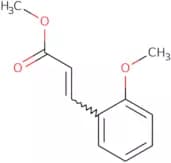

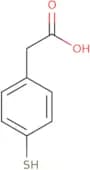
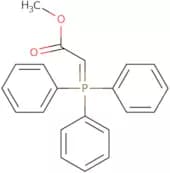
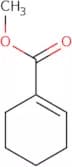
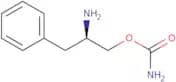
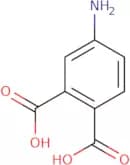
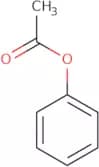
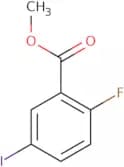
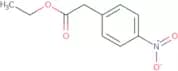
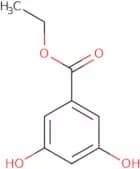
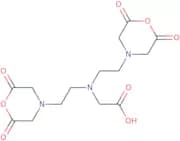
![2-[(4-Isopropylphenyl)amino]nicotinic acid](/_next/image/?url=https%3A%2Fstatic.cymitquimica.com%2Fproducts%2F3D%2Fthumb-webp%2FFI136104.webp&w=3840&q=75)
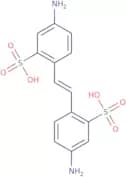
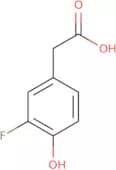
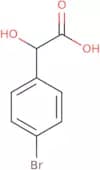
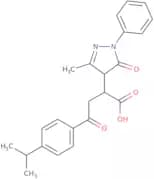
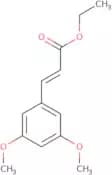
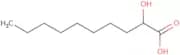
![2,2-Difluoro-2-[1,1,2,2-tetrafluoro-2-(trifluoromethoxy)ethoxy]acetic acid](/_next/image/?url=https%3A%2Fstatic.cymitquimica.com%2Fproducts%2F3D%2Fthumb-webp%2FFD99821.webp&w=3840&q=75)
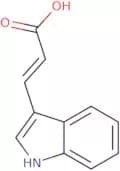
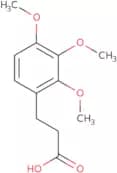
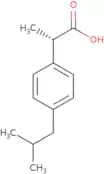
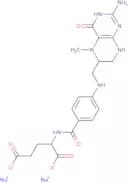
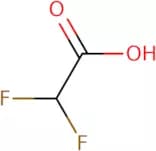
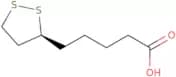
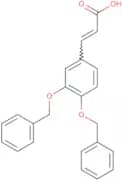
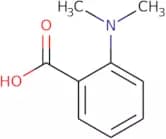
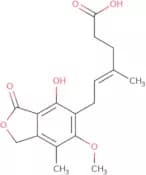

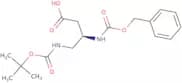
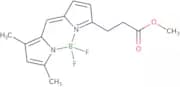
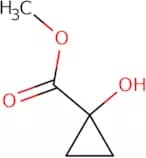

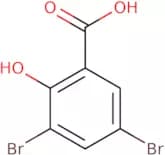
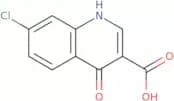
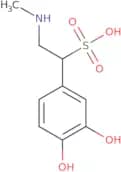
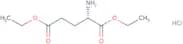
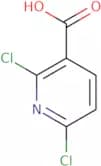
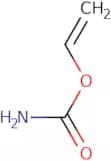
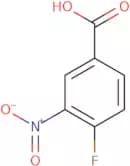

![2-[N-[(3,5-Difluorophenyl)carbamoylamino]-C-methylcarbonimidoyl]pyridine-3-carboxylic acid](/_next/image/?url=https%3A%2Fstatic.cymitquimica.com%2Fproducts%2F3D%2Fthumb-webp%2FFD101726.webp&w=3840&q=75)
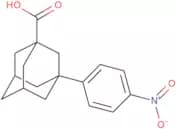
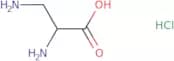
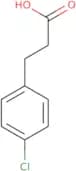
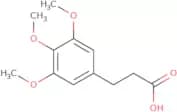
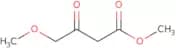

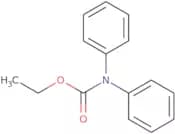
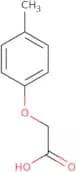

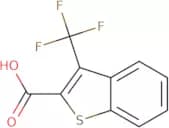
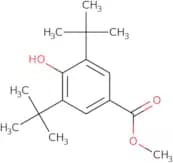
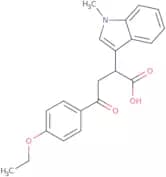
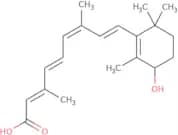
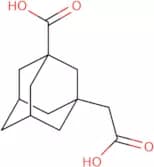
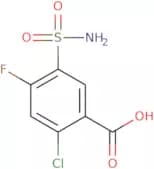

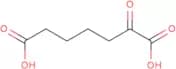
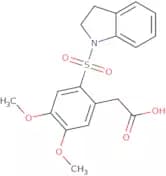
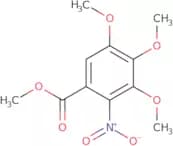
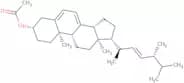
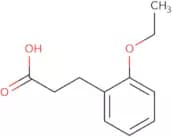
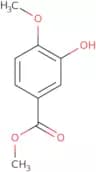

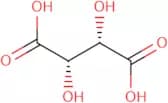
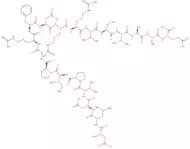
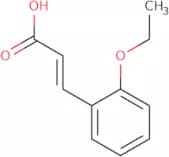
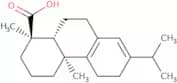
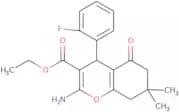
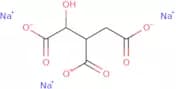
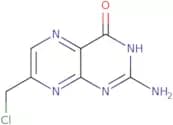
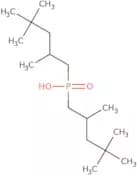
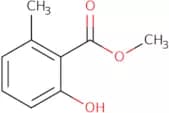
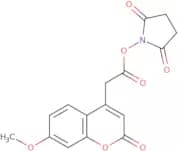
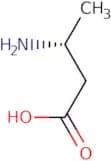

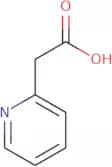

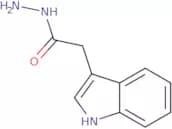

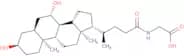

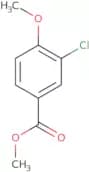
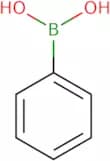
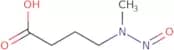
![[(8b)-1,6-Dimethylergolin-8-yl)methyl]carbamic acid phenylmethyl ester](/_next/image/?url=https%3A%2Fstatic.cymitquimica.com%2Fproducts%2F3D%2Fthumb-webp%2FFM12444.webp&w=3840&q=75)
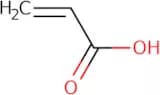
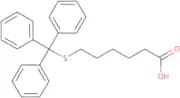
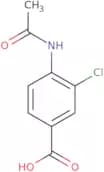
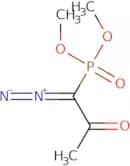
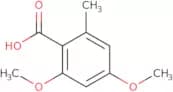
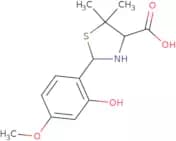

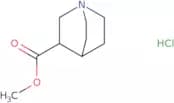
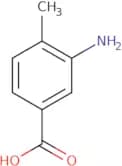
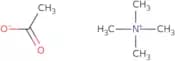
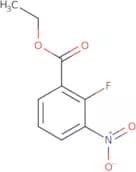
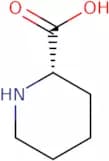
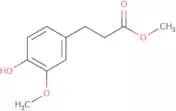
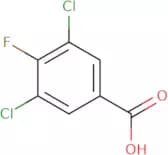
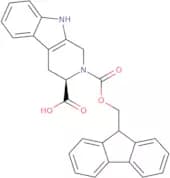

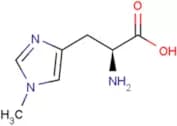

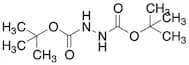

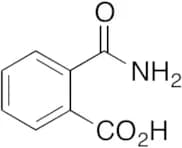
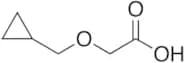
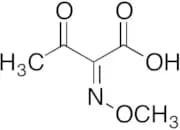
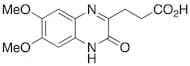
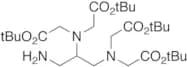
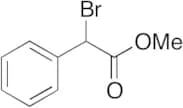
![Methyl 2-[2-[(2,5-Dimethylphenoxy)methyl]phenyl]-2-(hydroxy)acetic Acid Ester](/_next/image/?url=https%3A%2Fstatic.cymitquimica.com%2Fproducts%2FTR%2Fthumb-webp%2FM153970.webp&w=3840&q=75)
![Ethyl-[4-(thienylketo)-2,3-dichloro-phenoxy]acetate](/_next/image/?url=https%3A%2Fstatic.cymitquimica.com%2Fproducts%2FTR%2Fthumb-webp%2FE926740.webp&w=3840&q=75)
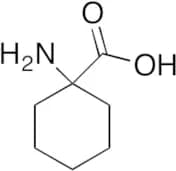
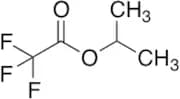
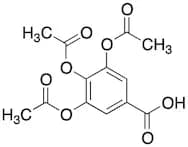
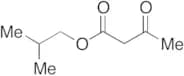
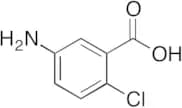
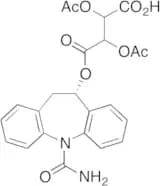
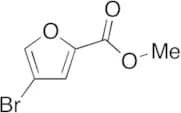
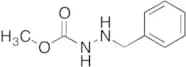
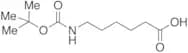
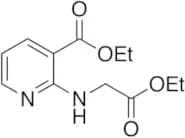
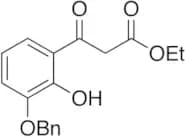

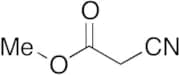
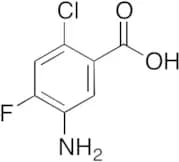
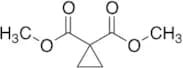

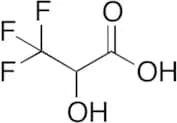
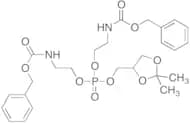
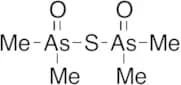
![2,2-Dimethylpropanoic Acid 1,1'-[[1-Ethyl-2-(4-hydroxyphenyl)-1,2-ethenediyl]di-4,1-phenylene] Est…](/_next/image/?url=https%3A%2Fstatic.cymitquimica.com%2Fproducts%2FTR%2Fthumb-webp%2FD473765.webp&w=3840&q=75)
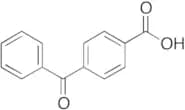
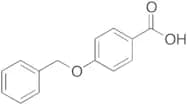
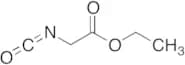
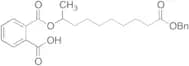
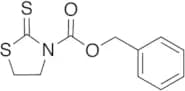
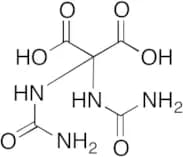
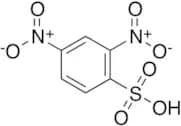

![Ethyl [(tert-Butyldimethylsilyl)oxy]acetate](/_next/image/?url=https%3A%2Fstatic.cymitquimica.com%2Fproducts%2FTR%2Fthumb-webp%2FE900620.webp&w=3840&q=75)
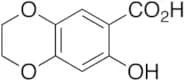
![(2S)-2-[[(phenylmethoxy)carbonyl]amino]-4-Pentenoic acid](/_next/image/?url=https%3A%2Fstatic.cymitquimica.com%2Fproducts%2FTR%2Fthumb-webp%2FP228100.webp&w=3840&q=75)
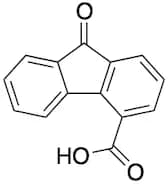
![N,N’-Di-Boc (R)-1-Azido-3-[[3-fluoro-4-(morpholin-4-yl)phenyl]amino]propan-2-yl Acetate](/_next/image/?url=https%3A%2Fstatic.cymitquimica.com%2Fproducts%2FTR%2Fthumb-webp%2FD422605.webp&w=3840&q=75)
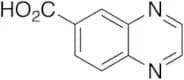
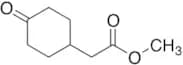
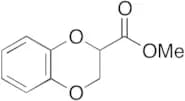
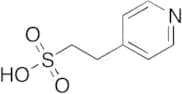

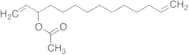


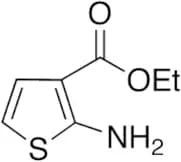
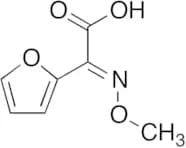
![2-[(1,3-Dihydro-1,3-dioxo-2H-isoindol-2-yl)acetyl]-butanedioic Acid Diethyl Ester](/_next/image/?url=https%3A%2Fstatic.cymitquimica.com%2Fproducts%2FTR%2Fthumb-webp%2FD449108.webp&w=3840&q=75)
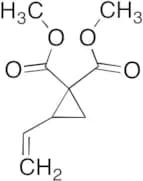
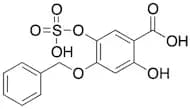

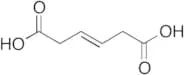
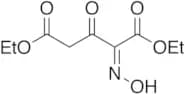

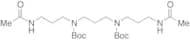
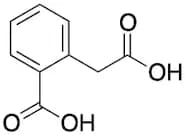

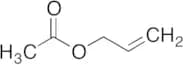
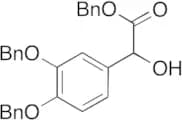
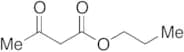
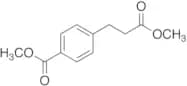
![2-(Cyclopropylmethoxy)-acetic Acid 1,1-Dimethyl-2-[4-(methylsulfonyl)phenyl]-2-oxoethyl Ester](/_next/image/?url=https%3A%2Fstatic.cymitquimica.com%2Fproducts%2FTR%2Fthumb-webp%2FC988675.webp&w=3840&q=75)

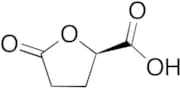
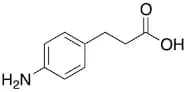
![3-[(Carboxymethyl)thio]propionic Acid Dimethyl Ester](/_next/image/?url=https%3A%2Fstatic.cymitquimica.com%2Fproducts%2FTR%2Fthumb-webp%2FC181020.webp&w=3840&q=75)
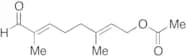
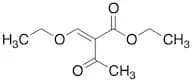

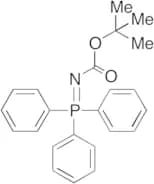

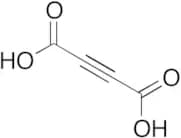
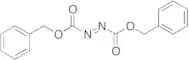
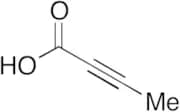
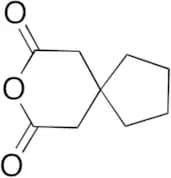
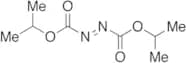
![P,P'-[(1,2-Phenylene)bis(methylene)]bisphosphonic Acid P,P,P',P'-tetraethyl ester](/_next/image/?url=https%3A%2Fstatic.cymitquimica.com%2Fproducts%2FTR%2Fthumb-webp%2FP319815.webp&w=3840&q=75)