Carboxylic Acids
Carboxylic acids are organic molecules characterized by having a carboxyl-type functional group (-COOH). These acids are fundamental in various chemical reactions, including esterification, amidation, and decarboxylation. Carboxylic acids are widely used in the production of pharmaceuticals, polymers, and agrochemicals. In this section, you can find a large number of carboxylic acids ready to be used. At CymitQuimica, we provide a broad range of high-quality carboxylic acids to support your research and industrial applications.
Found 12453 products of "Carboxylic Acids"
Sort by
Purity (%)
0
100
|
0
|
50
|
90
|
95
|
100
2-Bromo-4,5-dimethoxybenzoic acid
CAS:<p>2-Bromo-4,5-dimethoxybenzoic acid is a synthetic compound that belongs to the group of anticancer drugs. It is a potent inhibitor of mitochondrial membrane depolarization and has been shown to inhibit tumor growth in vivo. 2-Bromo-4,5-dimethoxybenzoic acid also induces cell death by demethylation and hydroxylation of DNA, leading to apoptosis. This compound is synthesized by reacting 3,4-dihydroxybenzoic acid with bromine and potassium hydroxide. Surrogates such as amides are used for this synthesis because the original product is not stable enough. Protocatechuic acid can be produced from 2-bromo-4,5-dimethoxybenzoic acid through hydrolysis.</p>Formula:C9H9BrO4Purity:Min. 95%Color and Shape:PowderMolecular weight:261.07 g/mol(R)-(-)-3-Amino-3-phenylpropionic acid
CAS:<p>(R)-(-)-3-Amino-3-phenylpropionic acid is a hydrogenated, stereoselective β-amino acid that is involved in the biosynthesis of animal health. The enzyme acylase catalyzes this reaction by binding with chiral pyridoxal phosphate to form an acylation product. The stereospecificity of the reaction is determined by whether the enzyme has a preference for L or D amino acids. Acylases are found in organisms such as mammals and bacteria.</p>Formula:C9H11NO2Purity:Min. 95%Color and Shape:PowderMolecular weight:165.19 g/molTRAF6 Peptide trifluoroacetate salt
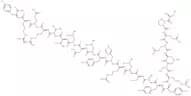
CAS:<p>Please enquire for more information about TRAF6 Peptide trifluoroacetate salt including the price, delivery time and more detailed product information at the technical inquiry form on this page</p>Formula:C145H238N34O44Purity:Min. 95%Molecular weight:3,161.64 g/molNeuropeptide Y (1-24) amide (human, rat) trifluoroacetate salt
CAS:<p>Please enquire for more information about Neuropeptide Y (1-24) amide (human, rat) trifluoroacetate salt including the price, delivery time and more detailed product information at the technical inquiry form on this page</p>Formula:C116H170N30O40SPurity:Min. 95%Molecular weight:2,656.84 g/molH-Met-Arg-OH acetate salt
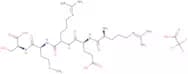
CAS:<p>H-Met-Arg-OH acetate salt is a metabolite of the amino acid L-methionine. It is also a dipeptide, which consists of two amino acids that are linked by an amide bond. The linkage between the amino acids in this compound is clockwise instead of the usual left to right orientation. This means that H-Met-Arg-OH acetate salt is not an essential amino acid and can be synthesized by the body. Salmonella typhimurium uses H-Met-Arg-OH acetate salt as a precursor for its synthesis of L-arginine and L-methionine, which are essential to bacterial growth and survival. Residues have been found in foods such as milk and eggs, and it has been shown that cotransduction can lead to resistance against antibiotics such as streptomycin and tetracycline.</p>Formula:C11H23N5O3SPurity:Min. 95%Molecular weight:305.4 g/mol([ring-D5]Phe3)-Octreotide acetate salt
CAS:Controlled Product<p>Please enquire for more information about ([ring-D5]Phe3)-Octreotide acetate salt including the price, delivery time and more detailed product information at the technical inquiry form on this page</p>Formula:C49H61D5N10O10S2Purity:Min. 95%Molecular weight:1,024.27 g/molC-Type Natriuretic Peptide (1-53) (human) acetate salt
CAS:<p>Acetate salt</p>Formula:C251H417N81O71S3Purity:Min. 95%Molecular weight:5,801.7 g/molNeuropeptide Y (13-36) (human, rat) trifluoroacetate salt
CAS:<p>Trifluoroacetate salt</p>Formula:C134H207N41O36SPurity:Min. 95%Molecular weight:3,000.4 g/molLQEQ-19 (human) trifluoroacetate salt
<p>Please enquire for more information about LQEQ-19 (human) trifluoroacetate salt including the price, delivery time and more detailed product information at the technical inquiry form on this page</p>Formula:C106H170N30O34Purity:Min. 95%Molecular weight:2,408.67 g/molMca-Gly-Lys-Pro-Ile-Leu-Phe-Phe-Arg-Leu-Lys(Dnp)-D-Arg-NH2 trifluoroacetate salt
CAS:<p>Please enquire for more information about Mca-Gly-Lys-Pro-Ile-Leu-Phe-Phe-Arg-Leu-Lys(Dnp)-D-Arg-NH2 trifluoroacetate salt including the price, delivery time and more detailed product information at the technical inquiry form on this page</p>Formula:C85H122N22O19Purity:Min. 95%Molecular weight:1,756.02 g/mol(Des-Gly10, tBu-D-Gly6,Pro-NHEt 9)-LHRH acetate salt
CAS:<p>(Des-Gly10, tBu-D-Gly6,Pro-NHEt 9)-LHRH acetate salt Pyr-His-Trp-Ser-Tyr-tBu-D-Gly-Leu-Arg-Pro-NHEt acetate salt is a synthetic hormone that belongs to the group of gonadotropin releasing hormones (GnRH). It is used in veterinary medicine to stimulate ovulation and follicular growth in animals. (Des-Gly10, tBu-D-Gly6, Pro -NHEt9)-LHRH acetate salt Pyr -His -Trp -Ser -Tyr -tBu -D -Gly -Leu -Arg -Pro NHEt acetate salt is a prodrug that is hydrolyzed in vivo to buserelin, its active form. This drug has been shown to be effective against estradiol benzoate and sodium salts</p>Formula:C59H84N16O12·xC2H4O2Purity:Min. 95%Molecular weight:1,209.4 g/mol(D-2-Nal 5,Cys6·11,Tyr7,D-Trp8,Val10, 2-Nal 12)-Somatostatin-14 (5-12) amide trifluoroacetate salt
CAS:<p>Please enquire for more information about (D-2-Nal 5,Cys6·11,Tyr7,D-Trp8,Val10, 2-Nal 12)-Somatostatin-14 (5-12) amide trifluoroacetate salt including the price, delivery time and more detailed product information at the technical inquiry form on this page</p>Formula:C63H73N11O9S2Purity:Min. 95%Molecular weight:1,192.45 g/mol3-Iodo-2-methylbenzoic acid
CAS:<p>3-Iodo-2-methylbenzoic acid is a reagent that is used as an intermediate in the synthesis of complex compounds and fine chemicals. 3-Iodobenzoic acid is classified as a speciality chemical, which means it can be used for research purposes only. 3-Iodo-2-methylbenzoic acid has many uses, including being a versatile building block in chemical reactions and a reaction component in the synthesis of useful scaffolds and building blocks.</p>Formula:C8H7IO2Purity:Min. 95%Color and Shape:SolidMolecular weight:262.04 g/molNeuronostatin-13 (human, canine, porcine) trifluoroacetate salt
CAS:<p>Please enquire for more information about Neuronostatin-13 (human, canine, porcine) trifluoroacetate salt including the price, delivery time and more detailed product information at the technical inquiry form on this page</p>Formula:C64H110N20O16Purity:Min. 95%Molecular weight:1,415.68 g/molPancreastatin (33-48) (human) trifluoroacetate salt
CAS:<p>Pancreastatin (33-48) is a synthetic, acidic, sulfated peptide that has been shown to have high activity against pancreatic cancer cells. Pancreastatin (33-48) has been synthesized by reacting an oligopeptide with glutamic acid and aspartic acid. The N-terminal of this peptide is amidated and contains a sulfate group. This molecule has been purified by SDS-polyacrylamide gel electrophoresis and the sulfate fractionation method. Pancreastatin (33-48) is able to inhibit the proliferation of pancreatic tumor cells in vitro, but it does not appear to be cytotoxic to normal pancreatic cells. In addition, pancreastatin (33-48) has also been shown to decrease tumor growth in vivo in mice bearing a transplanted human pancreatic tumor.</p>Formula:C78H123N21O27SPurity:Min. 95%Molecular weight:1,819 g/molLHRH (4-10) acetate salt
CAS:<p>Please enquire for more information about LHRH (4-10) acetate salt including the price, delivery time and more detailed product information at the technical inquiry form on this page</p>Formula:C33H53N11O9Purity:Min. 95%Molecular weight:747.84 g/mol4-Amino-2-methylbenzoic acid
CAS:<p>4-Amino-2-methylbenzoic acid is a low molecular weight compound that has been shown to inhibit the neuraminidase enzyme. It interacts with the imine group of the enzyme and forms a covalent bond, which prevents the release of sialic acid from the terminal sugar residue of glycoproteins. The inhibition of this enzyme leads to decreased bacterial growth. 4-Amino-2-methylbenzoic acid has been shown to be active against Gram positive bacteria such as Staphylococcus aureus and Streptococcus pneumoniae, but not against Gram negative bacteria such as Escherichia coli or Pseudomonas aeruginosa. This compound is also able to inhibit the synthesis of c-reactive protein (CRP) in human erythrocytes.</p>Formula:C8H9NO2Purity:Min. 95%Color and Shape:PowderMolecular weight:151.16 g/molCys-Gly-Lys-Lys-Gly-Amyloid b-Protein (33-40) trifluoroacetate salt
CAS:<p>Please enquire for more information about Cys-Gly-Lys-Lys-Gly-Amyloid b-Protein (33-40) trifluoroacetate salt including the price, delivery time and more detailed product information at the technical inquiry form on this page</p>Formula:C51H93N15O14S2Purity:Min. 95%Molecular weight:1,204.51 g/molBiotinyl-Atrial Natriuretic Factor (1-28) (human) trifluoroacetate salt
CAS:<p>Please enquire for more information about Biotinyl-Atrial Natriuretic Factor (1-28) (human) trifluoroacetate salt including the price, delivery time and more detailed product information at the technical inquiry form on this page</p>Formula:C137H217N47O41S4Purity:Min. 95%Molecular weight:3,306.75 g/molH-Lys-Cys-Thr-Cys-Cys-Ala-OH trifluoroacetate salt
CAS:<p>H-Lys-Cys-Thr-Cys-Cys-Ala-OH trifluoroacetate salt (KCTA) is a peptide that belongs to the group of thioneins and is characterized by a high content of lysine, cysteine and histidine residues. This peptide has been shown to be effective in treating subcutaneous tumors in mice. KCTA binds to metallothionein and gamma amino butyric acid (GABA), which are proteins that regulate energy metabolism in cells. KCTA has also been shown to have antimicrobial effects against human serum, which may be due to its ability to bind with thionein.</p>Formula:C22H41N7O8S3Purity:Min. 95%Molecular weight:627.8 g/mol[p-Terphenyl]-4,4''-dicarboxylic acid
CAS:<p>4,4’-Dicarboxy-p-terphenyl is a disulfide amide with the molecular formula C14H10N2O2S. It is a chemical compound that has been shown to have antimicrobial activity. The antibacterial activity of 4,4’-Dicarboxy-p-terphenyl was evaluated by preparing a series of in vitro assays. The results showed that 4,4’-Dicarboxy-p-terphenyl inhibited the growth of bacteria and fungi at concentrations above 10 μg/mL. This drug also has been demonstrated to be effective against trifluoroacetic acid (TFA) induced congestive heart failure in experimental models. 4,4’-Dicarboxy-p-terphenyl has been found to have therapeutic potential for the treatment of metabolic disorders such as diabetes and hypertension. Structural analysis revealed that this drug contains a redox</p>Formula:C20H14O4Purity:Min. 95%Molecular weight:318.32 g/molLuteinizing Hormone-Releasing Hormone Antagonist trifluoroacetate salt
CAS:<p>Luteinizing Hormone-Releasing Hormone Antagonist trifluoroacetate salt is a potent antagonist of the luteinizing hormone-releasing hormone (LHRH) receptor. It is used specifically to treat platinum-resistant ovarian cancer, where it has been shown to be effective in reducing tumor size and volume. This drug has minimal toxicity and can be administered by injection or as a microcapsule. LHRH Antagonist trifluoroacetate salt is an analog of LHRH that has been modified so that it cannot cross the blood-brain barrier. It also binds to epidermal growth factor receptors, which are involved in cell proliferation, differentiation, and survival. Symptoms of overdose may include nausea, vomiting, headache, dizziness, seizures, and coma.</p>Formula:C48H59ClN12O8Purity:Min. 95%Molecular weight:967.51 g/molMca-Arg-Pro-Lys-Pro-Val-Glu-Nva-Trp-Arg-Lys(Dnp)-NH2 trifluoroacetate salt
CAS:<p>Please enquire for more information about Mca-Arg-Pro-Lys-Pro-Val-Glu-Nva-Trp-Arg-Lys(Dnp)-NH2 trifluoroacetate salt including the price, delivery time and more detailed product information at the technical inquiry form on this page</p>Formula:C78H110N22O20Purity:Min. 95%Molecular weight:1,675.84 g/molBenzimidazole-5-carboxylic acid
CAS:<p>Benzimidazole-5-carboxylic acid is a monoclonal antibody that binds to the amide group of an amino acid. It has been shown to be a potent inhibitor of cell growth in cervical cancer cells and rat liver microsomes. It also showed inhibitory activity against fatty acid and nucleotide synthesis. Benzimidazole-5-carboxylic acid is a benzimidazole compound that has been shown to have anti-inflammatory effects in animal models and also inhibits the replication of HIV. This drug can inhibit the replication of influenza A virus in vitro and may be useful as an antiviral agent for treatment of influenza A infection.</p>Formula:C8H6N2O2Purity:Min. 98%Color and Shape:PowderMolecular weight:162.15 g/molVitamin A acetate - min 2800000 IU/g
CAS:<p>Vitamin A acetate is a retinoid that can be used to supplement dietary intake of vitamin A. It is a synthetic retinoid and is chemically similar to retinol, the natural form of vitamin A. Vitamin A acetate has been shown to have antioxidant properties in vitro and in vivo, which are likely due to its ability to regenerate endogenous antioxidants. This agent also has pro-apoptotic effects on cells that are exposed to oxidative injury or exhibit redox potentials below -400 mV. In addition, it significantly reduces oxidative injury caused by pharmacological agents such as doxorubicin or bleomycin.</p>Formula:C22H32O2Purity:Min 2800000 Iu/GColor and Shape:PowderMolecular weight:328.49 g/molNeuromedin S (rat) trifluoroacetate salt
CAS:<p>Please enquire for more information about Neuromedin S (rat) trifluoroacetate salt including the price, delivery time and more detailed product information at the technical inquiry form on this page</p>Formula:C193H307N57O49SPurity:Min. 95%Molecular weight:4,241.92 g/mol(Nle 35)-Amyloid b-Protein (25-35) trifluoroacetate salt
CAS:<p>Please enquire for more information about (Nle 35)-Amyloid b-Protein (25-35) trifluoroacetate salt including the price, delivery time and more detailed product information at the technical inquiry form on this page</p>Formula:C46H83N13O14Purity:Min. 95%Molecular weight:1,042.23 g/molAQEE-30 (human) trifluoroacetate salt
CAS:<p>Please enquire for more information about AQEE-30 (human) trifluoroacetate salt including the price, delivery time and more detailed product information at the technical inquiry form on this page</p>Formula:C157H252N48O56Purity:Min. 95%Molecular weight:3,707.97 g/molH-Gly-Arg-Gly-Asp-D-Ser-Pro-OH trifluoroacetate salt
CAS:<p>H-Gly-Arg-Gly-Asp-D-Ser-Pro-OH trifluoroacetate salt (HGGDS) is a collagen gel that is used in the treatment of autoimmune diseases, such as arthritis and lupus. HGGDS inhibits the production of fibrinogen, which is a protein involved in blood clotting, by binding to its receptor on human fibroblasts. It also inhibits the production of basic proteins needed for the generation of collagen and activation of integrin receptors, which are involved in cell adhesion and migration. HGGDS also blocks transcription polymerase chain reactions (PCRs), which are necessary for the synthesis of DNA. This can lead to a decrease in cell proliferation and an increase in apoptosis.</p>Formula:C22H37N9O10Purity:Min. 95%Molecular weight:587.58 g/mol4,6-Dichloro-2-methylnicotinic acid
CAS:<p>Please enquire for more information about 4,6-Dichloro-2-methylnicotinic acid including the price, delivery time and more detailed product information at the technical inquiry form on this page</p>Purity:Min. 95%Prokineticin 2 Isoform 2 (human) trifluoroacetate salt
CAS:<p>Prokineticin-2 is a protein that is encoded by the PROK2 gene. It has been shown to inhibit VEGF in vitro and to be anti-inflammatory. Prokineticin-2 binds to the receptor for colony stimulating factor 1 (CSF1) and promotes angiogenesis by inducing the production of angiogenic factors such as vascular endothelial growth factor (VEGF), erythropoietin, and granulocyte macrophage colony stimulating factor (GM-CSF). It also inhibits transcriptional regulation of genes involved in inflammation, including IL-10, which inhibits IL-12 production.</p>Formula:C379H606N114O101S13Purity:Min. 95%Molecular weight:8,792.43 g/molH-Ala-Gly-Tyr-NH2 acetate salt
CAS:<p>Please enquire for more information about H-Ala-Gly-Tyr-NH2 acetate salt including the price, delivery time and more detailed product information at the technical inquiry form on this page</p>Formula:C14H20N4O4Purity:Min. 95%Molecular weight:308.33 g/molOctreotide trifluoroacetate salt (Dimer, Antiparallel) (
<p>Please enquire for more information about Octreotide trifluoroacetate salt (Dimer, Antiparallel) ( including the price, delivery time and more detailed product information at the technical inquiry form on this page</p>Formula:C98H132N20O20S4Purity:Min. 95%Molecular weight:2,038.48 g/molAc-Lys-D-Ala-D-lactic acid·acetate
CAS:Controlled Product<p>Please enquire for more information about Ac-Lys-D-Ala-D-lactic acid·acetate including the price, delivery time and more detailed product information at the technical inquiry form on this page</p>Formula:C14H25N3O6·C2H4O2Purity:Min. 95%Molecular weight:391.42 g/mol3-Pyridylboronic acid pinacol ester
CAS:<p>3-Pyridylboronic acid pinacol ester is a versatile reagent that can be used in the synthesis of polymers with reactive functionalities. This compound is a crosslinker, which means that it reacts with two or more other molecules to form a covalent bond. 3-Pyridylboronic acid pinacol ester has been shown to react with ring-opening methacrylate monomers and expand their polymer backbone, which leads to an increase in the number of reactive groups on the chain. The introduction of 3-pyridylboronic acid pinacol ester can also introduce fluorescent units into polymers for use as probes for biological systems. There are many possible applications for this versatile reagent, including its use in the synthesis of imidazopyridine ligands.</p>Formula:C11H16BNO2Purity:Min. 95%Color and Shape:PowderMolecular weight:205.06 g/molNeuropeptide Y-Lys(biotinyl) (free acid) (human, rat) trifluoroacetate salt
<p>Please enquire for more information about Neuropeptide Y-Lys(biotinyl) (free acid) (human, rat) trifluoroacetate salt including the price, delivery time and more detailed product information at the technical inquiry form on this page</p>Formula:C205H310N58O61S2Purity:Min. 95%Molecular weight:4,627.14 g/molNeuromedin U-25 (porcine) trifluoroacetate salt
CAS:<p>Please enquire for more information about Neuromedin U-25 (porcine) trifluoroacetate salt including the price, delivery time and more detailed product information at the technical inquiry form on this page</p>Formula:C144H217N43O37Purity:Min. 95%Molecular weight:3,142.53 g/mol(R)-2-Hydroxy-4-phenylbutanoic acid
CAS:<p>(R)-2-Hydroxy-4-phenylbutanoic acid is an ester compound that is produced by the conversion of (S)-malic acid to its enantiomer. This reaction is catalyzed by a phosphoric acid esterase. The kinetic, immobilization, and transfer mechanisms have been characterized. The solubilized form of the enzyme was found to be more active than the crystalline form. Enzyme inhibitors such as hydrogen chloride and hydrochloric acid were also investigated in order to determine their effect on the reaction rate and product distribution. A structural formula for (R)-2-Hydroxy-4-phenylbutanoic acid was determined using nuclear magnetic resonance spectroscopy and mass spectrometry, revealing a dinucleotide phosphate as a possible intermediate in the synthesis pathway.</p>Formula:C10H12O3Purity:Min. 95%Molecular weight:180.2 g/mol(2R,4S)-1-tert-Butyl 2-methyl4-aminopyrrolidine-1,2-dicarboxylate
CAS:<p>Please enquire for more information about (2R,4S)-1-tert-Butyl 2-methyl4-aminopyrrolidine-1,2-dicarboxylate including the price, delivery time and more detailed product information at the technical inquiry form on this page</p>Formula:C11H20N2O4Purity:Min. 95%Molecular weight:244.29 g/molH-Glu-Gly-Arg-pNA acetate salt
CAS:Controlled Product<p>Please enquire for more information about H-Glu-Gly-Arg-pNA acetate salt including the price, delivery time and more detailed product information at the technical inquiry form on this page</p>Formula:C19H28N8O7Purity:Min. 95%Molecular weight:480.48 g/mol(Lys7)-Dermorphin acetate salt
CAS:Controlled Product<p>Please enquire for more information about (Lys7)-Dermorphin acetate salt including the price, delivery time and more detailed product information at the technical inquiry form on this page</p>Formula:C43H57N9O9Purity:Min. 95%Molecular weight:843.97 g/molLeu-Enkephalin amide acetate salt
CAS:<p>Leu-Enkephalin amide acetate salt H-Tyr-Gly-Gly-Phe-Leu-NH2 acetate salt is a peptide that is used as an analgesic and antipyretic drug. It is a synthetic form of endogenous enkephalins, which are natural pain relievers. The chemical stability of Leu-Enkephalin amide acetate salt H-Tyr-Gly-Gly-Phe-Leu-NH2 acetate salt makes it an effective drug for chronic use, and it has been shown to have a low side effect profile. This compound also has been shown to block the synthesis of histamine in vivo, but its bioavailability in vivo is not high due to its rapid degradation by proteases.</p>Formula:C28H38N6O6Purity:Min. 95%Color and Shape:PowderMolecular weight:554.64 g/molH-Nle-Arg-Phe-NH2 acetate salt
CAS:<p>Please enquire for more information about H-Nle-Arg-Phe-NH2 acetate salt including the price, delivery time and more detailed product information at the technical inquiry form on this page</p>Formula:C21H35N7O3Purity:Min. 95%Molecular weight:433.55 g/molH-Ile-NHOH acetate salt
CAS:<p>H-Ile-NHOH acetate salt is an inhibitor of l-amino acid metabolism. It is a competitive inhibitor of the enzyme L-amino acid oxidase, which catalyzes the conversion of l-amino acids to alpha-keto acids and ammonia. H-Ile-NHOH acetate salt has been shown to inhibit the growth of wild type C. glutamicum in a molecular modeling study. In addition, this compound has been shown to block messenger RNA (mRNA) synthesis in a mutant strain of C. glutamicum that does not have the frameshifting mutation. H-Ile-NHOH acetate salt is also known to be an inhibitor of fatty acid biosynthesis by blocking the activity of acyl carrier protein synthetase and acyl carrier protein reductase.</p>Formula:C6H14N2O2Purity:Min. 95%Molecular weight:146.19 g/molAbz-(Asn670,Leu671)-Amyloid β/A4 Protein Precursor770 (669-674)-EDDnp trifluoroacetate salt
CAS:<p>Please enquire for more information about Abz-(Asn670,Leu671)-Amyloid beta/A4 Protein Precursor770 (669-674)-EDDnp trifluoroacetate salt including the price, delivery time and more detailed product information at the technical inquiry form on this page</p>Formula:C42H58N12O16Purity:Min. 95%Molecular weight:986.98 g/molSodium fluoroacetate
CAS:<p>Sodium fluoroacetate is a salt that is synthesized by the reaction of methyl ethyl and sodium trifluoroacetate. It has been used as an insecticide, but also has been used to treat metabolic disorders such as bowel disease and eye disorders. Sodium fluoroacetate also has been used in natural products for the treatment of autoimmune diseases. The toxicological studies of sodium fluoroacetate have shown that it can cause eye disorders and x-ray crystal structures have revealed its mechanism of action.</p>Formula:C2H2FNaO2Color and Shape:White PowderMolecular weight:100.02 g/molH-Arg-Arg-Arg-OH acetate salt
CAS:<p>H-Arg-Arg-Arg-OH acetate salt is a polycarboxylic acid that is found in human immunoglobulins. It has been used as a synthetic substrate for the study of radiation enhancement. H-Arg-Arg-Arg-OH acetate salt is also an allergen and can cause allergic reactions, such as itching and swelling. This compound can be used to study the neutral pH, chemical reactions, protein synthesis, and the hydroxyl group.</p>Formula:C18H38N12O4Purity:Min. 95%Molecular weight:486.57 g/mol2-Phenyl-5-benzimidazolesulfonic acid
CAS:<p>2-Phenyl-5-benzimidazolesulfonic acid is a chemical compound that has been shown to have stability in vitro. It was used as a skin cancer treatment in the past, but is now mainly used as an analytical reagent. It has been shown to be effective against coumarin derivatives and enzyme activities. 2-Phenyl-5-benzimidazolesulfonic acid can be used as a chelating agent for metals and also binds to zirconium oxide, which is one of the materials used in radiation shielding. The compound can also be used for wastewater treatment and polymerase chain reaction (PCR) analysis. This compound can be synthesized using sodium salts, solid phase microextraction (SPME), and sodium citrate in order to form the benzene ring. The synthesis can then be completed by adding two phenyl groups onto the benzene ring with various reactions such as transfer reactions or radiation. Finally,</p>Formula:C13H10N2O3SPurity:Min. 95%Molecular weight:274.3 g/molPhylloseptin-L2 trifluoroacetate salt
CAS:<p>Please enquire for more information about Phylloseptin-L2 trifluoroacetate salt including the price, delivery time and more detailed product information at the technical inquiry form on this page</p>Formula:C76H126N18O19Purity:Min. 95%Molecular weight:1,595.92 g/mol(Des-Pyr 1,Des-Gly10,D-Leu6,Pro-NHEt 9)-LHRH trifluoroacetate salt
CAS:<p>Please enquire for more information about (Des-Pyr 1,Des-Gly10,D-Leu6,Pro-NHEt 9)-LHRH trifluoroacetate salt including the price, delivery time and more detailed product information at the technical inquiry form on this page</p>Formula:C54H79N15O10Purity:Min. 95%Molecular weight:1,098.3 g/molBAM-22P (8-22) trifluoroacetate salt
CAS:<p>BAM-22P (8-22) trifluoroacetate salt is a compound that has been shown to be an effective drug for the treatment of pain. It has been shown to have an effect on bone cancer, which can be activated by serotonin. This compound may be beneficial in treating nerve injury and fibrosarcoma cells. BAM-22P (8-22) trifluoroacetate salt is an allosteric modulator of the serotonin receptor and may be used as a treatment for pain in wild-type mice. The molecule is also a serotonin reuptake inhibitor, which prevents the reuptake of serotonin into the presynaptic neuron. This leads to increased levels of serotonin in the synapse and increased pain relief.</p>Formula:C91H127N25O23SPurity:Min. 95%Molecular weight:1,971.2 g/molOleic acid
CAS:<p>Oleic acid is a naturally occurring monounsaturated fatty acid (C18:1, cis-9-octadecenoic acid) widely used as an excipient in pharmaceutical formulations. Due to its amphiphilic and lipophilic properties, oleic acid is an important drug excipient primarily used to enhance the solubility and bioavailability of poorly water-soluble drugs. As a fatty acid, it is widely used in cosmeceuticals as it acts as a solubilizer in lipid-based systems, an emulsifier in creams and ointments, and a penetration enhancer in transdermal patches, aiding drug absorption through the skin.</p>Formula:C18H34O2Color and Shape:Colorless Clear Liquid PowderMolecular weight:282.46 g/molKR-12 (human) trifluoroacetate salt
CAS:<p>Please enquire for more information about KR-12 (human) trifluoroacetate salt including the price, delivery time and more detailed product information at the technical inquiry form on this page</p>Formula:C71H127N25O15Purity:Min. 95%Molecular weight:1,570.93 g/mol(Lys7)-Phalloidin trifluoroacetate
CAS:<p>Please enquire for more information about (Lys7)-Phalloidin trifluoroacetate including the price, delivery time and more detailed product information at the technical inquiry form on this page</p>Formula:C35H49N9O9S•(C2HF3O2)xPurity:Min. 95%Molecular weight:771.88 g/mol(D-Trp11)-Neurotensin acetate salt
CAS:<p>Acetate salt</p>Formula:C80H122N22O19Purity:Min. 95%Molecular weight:1,695.96 g/molNeuroendocrine Regulatory Peptide-1 (rat) trifluoroacetate salt
CAS:<p>Please enquire for more information about Neuroendocrine Regulatory Peptide-1 (rat) trifluoroacetate salt including the price, delivery time and more detailed product information at the technical inquiry form on this page</p>Formula:C110H180N32O38Purity:Min. 95%Molecular weight:2,558.8 g/mol2,4,6-Trifluorobenzoic acid
CAS:<p>2,4,6-Trifluorobenzoic acid is a chemical compound that is an intermediate in the synthesis of stilbazole. It is prepared by chlorinating the 2,4,6-trichlorobenzoic acid with hydrogen peroxide and hydrochloric acid. The 2,4,6-trifluorobenzoic acid is then reduced to the desired product with sodium borohydride. This chemical has been detected in nature as a racemic mixture and can be used as a precursor in analytical methods for detecting other compounds. It is also used in dechlorination reactions to remove chlorine from organic molecules. This process can be monitored using UV detectors.</p>Formula:C7H3F3O2Purity:Min. 95%Molecular weight:176.09 g/molAc-Arg-Leu-Arg-AMC trifluoroacetate salt
CAS:<p>Ac-Arg-Leu-Arg-AMC trifluoroacetate salt is a mitochondrial biogenesis activator that has been shown to increase the levels of proteins in the mitochondria. These proteins are required for mitochondrial membrane potential, ATP production, and protein homeostasis. Ac-Arg-Leu-Arg-AMC trifluoroacetate salt has been shown to increase the number of pluripotency markers in human liver cells and to reduce insulin resistance in animals. The drug also increases the expression of ubiquitin ligases and proteasomes, which are enzymes that degrade damaged proteins. Ac-Arg-Leu-Arg-AMC trifluoroacetate salt may be used for treating liver diseases or disorders as well as obesity.</p>Formula:C30H46N10O6•C2HF3O2Purity:Min. 96 Area-%Color and Shape:PowderMolecular weight:756.77 g/molApelin-36 (1-16) amide (human) trifluoroacetate salt
CAS:<p>Please enquire for more information about Apelin-36 (1-16) amide (human) trifluoroacetate salt including the price, delivery time and more detailed product information at the technical inquiry form on this page</p>Formula:C74H117N27O20Purity:Min. 95%Molecular weight:1,704.89 g/mol(D-Arg2)-Dermorphin (1-4) amide trifluoroacetate salt
CAS:<p>Please enquire for more information about (D-Arg2)-Dermorphin (1-4) amide trifluoroacetate salt including the price, delivery time and more detailed product information at the technical inquiry form on this page</p>Formula:C26H36N8O5Purity:Min. 95%Molecular weight:540.61 g/mol3-Fluoro-4-methoxybenzoic acid
CAS:<p>3-Fluoro-4-methoxybenzoic acid is a dipolar molecule with a fluorine atom. It has been synthesized experimentally and the yields are determined by the experimental conditions. 3-Fluoro-4-methoxybenzoic acid has two isomers, which can be differentiated by their resonances. The molecule also has an asymmetric C3(CF)2Cl group in the middle of its structure that can rotate freely.</p>Formula:C8H7FO3Purity:Min. 95%Color and Shape:PowderMolecular weight:170.14 g/mol(Lys18)-Pseudin-2 trifluoroacetate salt
CAS:<p>Please enquire for more information about (Lys18)-Pseudin-2 trifluoroacetate salt including the price, delivery time and more detailed product information at the technical inquiry form on this page</p>Formula:C122H203N37O32Purity:Min. 95%Molecular weight:2,700.15 g/molGRP (14-27) (human, porcine, canine) trifluoroacetate salt
CAS:<p>GRP (14-27) is a synthetic peptide that has an inhibitory effect on the growth of pancreatic cancer cells. It also inhibits the development of primary tumors in hamsters and inhibits tumor metastasis. GRP (14-27) binds to the cell surface receptor on T cells, which is responsible for mediating immune responses against tumors. GRP (14-27) has been shown to suppress tumor growth through immunoreactivity and has been found to be effective against a variety of cancers when used as an adjuvant therapy.</p>Formula:C75H110N24O16S2Purity:Min. 95%Molecular weight:1,667.96 g/molAmyloid β-Protein (1-16) trifluoroacetate salt
CAS:<p>Amyloid beta-Protein (1-16) trifluoroacetate salt is a modified form of amyloid beta protein. It is synthesized by the modification of amino acids with trifluoroacetic acid and can be used to study the pathogenesis of Alzheimer's disease. Amyloid beta-Protein (1-16) trifluoroacetate salt has been shown to bind to β-amyloid, which is thought to be the main component of plaques in Alzheimer's disease. This binding inhibits the formation of β-amyloid aggregates, which are associated with neurotoxicity and neuronal cell death.</p>Formula:C84H119N27O28Purity:Min. 95%Molecular weight:1,955.01 g/molProinsulin C-Peptide (31-63) (porcine) trifluoroacetate salt
CAS:<p>Please enquire for more information about Proinsulin C-Peptide (31-63) (porcine) trifluoroacetate salt including the price, delivery time and more detailed product information at the technical inquiry form on this page</p>Formula:C142H239N47O46Purity:Min. 95%Molecular weight:3,340.71 g/molLHRH (free acid) trifluoroacetate salt
CAS:<p>LHRH (free acid) trifluoroacetate salt Pyr-His-Trp-Ser-Tyr-Gly-Leu-Arg-Pro-Gly-OH trifluoroacetate salt is a decapeptide that is the most potent form of the hormone luteinizing hormone releasing hormone (LHRH). It has been shown to bind to surface receptors and activate a G protein, which activates adenyl cyclase. This leads to increased levels of cyclic adenosine monophosphate (cAMP) in cells. LHRH also binds to blood vessels and causes vasodilation. LHRH also binds to pyroglutamic acid, which is an amino acid found in peptides that have affinity for peptidases. This binding causes the release of peptidases from the cell membrane, uncovers receptor sites, and increases cAMP production. LHRH has also been shown to inhibit kidney function</p>Formula:C55H74N16O14Purity:Min. 95%Molecular weight:1,183.28 g/mol(Ala13)-Apelin-13 (human, bovine, mouse, rat) acetate salt
CAS:<p>Apelin-13 is a peptide hormone that is secreted from the stomach and small intestine. It may have analgesic effects through its interaction with μ-opioid receptors, which are also activated by morphine. Apelin-13 has been shown to increase locomotor activity in rats, suggesting it can potentiate the antinociceptive effect of morphine.</p>Formula:C63H107N23O16S·xC2H4O2Purity:Min. 95%Molecular weight:1,474.74 g/molSalusin-β (human) trifluoroacetate salt
CAS:<p>Please enquire for more information about Salusin-beta (human) trifluoroacetate salt including the price, delivery time and more detailed product information at the technical inquiry form on this page</p>Formula:C115H176N32O21Purity:Min. 95%Molecular weight:2,342.83 g/molp-Sulfophenylazochromotropic acid trisodium salt
CAS:<p>p-Sulfophenylazochromotropic acid trisodium salt is a chemical that can be used as a building block for the synthesis of various organic compounds. It is an intermediate for the synthesis of other chemicals and can be used as a research chemical in laboratories. This compound has been shown to be useful in the production of pharmaceuticals, agrochemicals, and dyes. CAS No. 23647-14-5.</p>Formula:C16H9N2Na3O11S3Purity:Min. 95 Area-%Color and Shape:Yellow PowderMolecular weight:570.42 g/mol(3R)-3-[(tert-Butoxycarbonyl)amino]-4-(2,4-difluorophenyl)butanoic acid
CAS:<p>Please enquire for more information about (3R)-3-[(tert-Butoxycarbonyl)amino]-4-(2,4-difluorophenyl)butanoic acid including the price, delivery time and more detailed product information at the technical inquiry form on this page</p>Formula:C15H19F2NO4Purity:Min. 95%Molecular weight:315.31 g/mol(d(CH2)51,Tyr(Me)2,Arg8)-Vasopressin trifluoroacetate salt
CAS:<p>The monoclonal antibody (mAb) is a recombinant protein that binds to the extracellular region of the vasopressin receptor. It is used in pharmacological research to study the physiological function and pharmacological effects of vasopressin. The mAb has been shown to be minimally toxic, with an LD50 value of greater than 10 mg/kg in mice. It has also been shown to inhibit viruses and inhibit drug-sensitive enzymes. This antibody can be used as a diagnostic tool for congestive heart disease, as well as in experimental models for studying the minimal toxicity and tumor treatment properties of various drugs.</p>Formula:C52H74N14O12S2Purity:Min. 95%Molecular weight:1,151.36 g/mol([13C6]Leu10)-CRF (human, rat) trifluoroacetate salt
<p>Please enquire for more information about ([13C6]Leu10)-CRF (human, rat) trifluoroacetate salt including the price, delivery time and more detailed product information at the technical inquiry form on this page</p>Purity:Min. 95%Neuromedin S (human) trifluoroacetate salt
<p>Please enquire for more information about Neuromedin S (human) trifluoroacetate salt including the price, delivery time and more detailed product information at the technical inquiry form on this page</p>Formula:C173H265N53O44Purity:Min. 95%Molecular weight:3,791.29 g/mol(Des-octanoyl)-Ghrelin (mouse, rat) trifluoroacetate salt
CAS:<p>Please enquire for more information about (Des-octanoyl)-Ghrelin (mouse, rat) trifluoroacetate salt including the price, delivery time and more detailed product information at the technical inquiry form on this page</p>Formula:C139H231N45O41Purity:Min. 95%Molecular weight:3,188.6 g/molMca-(Ala7,Lys(Dnp)9)-Bradykinin trifluoroacetate salt
CAS:<p>Please enquire for more information about Mca-(Ala7,Lys(Dnp)9)-Bradykinin trifluoroacetate salt including the price, delivery time and more detailed product information at the technical inquiry form on this page</p>Formula:C66H81N15O19Purity:Min. 95%Molecular weight:1,388.44 g/mol3-Chlorophenyl acetic acid
CAS:<p>3-Chlorophenyl acetic acid is a compound that has resonance mass of 269. The compound reacts with HBr and water to produce 3-chlorobenzene, carbon dioxide and hydrogen chloride. A reaction product of this chemical is covid-19 pandemic (a type of drug). 3-Chlorophenyl acetic acid is an organic acid that can be found in tobacco plants. It has a molecular weight of 111.07 g/mol, and its molecular formula is C6H3ClO2. The compound can exist in two forms: cis-3-chloroacrylic acid and trans-3-chloroacrylic acid. One of the two forms isomers may be more efficient than the other form for a given reaction or application.</p>Formula:C8H7ClO2Purity:Min. 95%Color and Shape:PowderMolecular weight:170.59 g/molAlarin (human) trifluoroacetate salt
CAS:<p>Alarin is a human protein that was originally developed as an antiserum to seal wounds. It is used in the manufacture of pharmaceuticals, such as vaccines and serums. Alarin has also been used in immunoassays for the detection of antibodies in blood, serum, and other body fluids. Alarin is a protein that can be biotinylated and used as a substrate for peroxidase-conjugated streptavidin. This allows it to be utilized in enzyme-linked immunosorbent assay (ELISA) tests.</p>Formula:C127H205N43O35Purity:Min. 95%Molecular weight:2,894.26 g/molBoc-L-glutamic acid γ-methyl ester
CAS:<p>Boc-L-glutamic acid gamma-methyl ester is a conjugate of glutamic acid and methyl ester. It has been shown to have neuroprotective properties by inhibiting the hydrophobic effect, which is the driving force for protein aggregation. This drug can be used as a treatment for neurodegenerative diseases such as Alzheimer's disease, Parkinson's disease, and Huntington's disease. Boc-L-glutamic acid gamma-methyl ester binds with an alkyl group to the glutamate residue on the side chain of a model protein. The fluoroquinolone was found to be more potent than other drugs in this class because it has a higher affinity for glutamate residues.</p>Formula:C11H19NO6Purity:Min. 95%Molecular weight:261.27 g/mol3-Bromo-6-methylpicolinic acid
CAS:<p>Please enquire for more information about 3-Bromo-6-methylpicolinic acid including the price, delivery time and more detailed product information at the technical inquiry form on this page</p>Formula:C7H6BrNO2Purity:Min. 95%Molecular weight:252.49 g/molMercuric acetate
CAS:Controlled Product<p>Mercuric acetate is a salt of mercuric and acetic acid. It is used as an antiseptic, disinfectant, and preservative in the food industry. Mercuric acetate has been shown to have anti-inflammatory properties and is used for the treatment of inflammatory bowel disease. The ester linkage between the two molecules allows it to be hydrolysed into its components by enzymes such as esterases or glucuronidases, which may be one of the reasons for its therapeutic effects. Mercuric acetate also reacts with biological molecules, including proteins, nucleic acids, and carbohydrates. This reaction mechanism may contribute to its other biological properties such as lowering blood sugar levels and inhibiting glycolysis in cells that depend on sodium-dependent glucose transport mechanisms.</p>Formula:C4H6HgO4Purity:Min. 95%Molecular weight:318.68 g/molNeuroendocrine Regulatory Peptide-2 (human) trifluoroacetate salt
<p>Please enquire for more information about Neuroendocrine Regulatory Peptide-2 (human) trifluoroacetate salt including the price, delivery time and more detailed product information at the technical inquiry form on this page</p>Formula:C173H288N56O57Purity:Min. 95%Molecular weight:4,064.48 g/molGalanin Message Associated Peptide (1-41) amide trifluoroacetate salt
CAS:<p>Please enquire for more information about Galanin Message Associated Peptide (1-41) amide trifluoroacetate salt including the price, delivery time and more detailed product information at the technical inquiry form on this page</p>Formula:C206H326N56O64SPurity:Min. 95%Molecular weight:4,643.2 g/molEndothelin-1 (human, bovine, dog, mouse, porcine, rat) trifluoroacetate salt
CAS:<p>Please enquire for more information about Endothelin-1 (human, bovine, dog, mouse, porcine, rat) trifluoroacetate salt including the price, delivery time and more detailed product information at the technical inquiry form on this page</p>Formula:C109H159N25O32S5·C2HF3O2Purity:Min. 95%Molecular weight:2,605.93 g/mol(R)-2-Hydroxy-4-phenylbutyric acid ethyl ester
CAS:<p>(R)-2-Hydroxy-4-phenylbutyric acid ethyl ester is a chiral compound that can be synthesized by an asymmetric synthesis reaction. The compound has been shown to inhibit the enzyme phosphodiesterase, which plays a role in the regulation of cardiac function. (R)-2-Hydroxy-4-phenylbutyric acid ethyl ester has also been shown to induce proliferation of recombinant cells and to bind to monoclonal antibodies against human C5a receptor. It is soluble in organic solvents such as isooctane or pyridine and stable under acidic or basic conditions.</p>Formula:C12H16O3Purity:Min. 95%Color and Shape:LiquidMolecular weight:208.25 g/molAc-D-Ala-D-lactic acid
CAS:<p>Please enquire for more information about Ac-D-Ala-D-lactic acid including the price, delivery time and more detailed product information at the technical inquiry form on this page</p>Formula:C8H13NO5Purity:Min. 95%Molecular weight:203.19 g/molTIP-39 trifluoroacetate salt
CAS:<p>Please enquire for more information about TIP-39 trifluoroacetate salt including the price, delivery time and more detailed product information at the technical inquiry form on this page</p>Formula:C202H325N61O54SPurity:Min. 95%Molecular weight:4,504.19 g/molBNP-26 (porcine) trifluoroacetate salt
CAS:<p>Please enquire for more information about BNP-26 (porcine) trifluoroacetate salt including the price, delivery time and more detailed product information at the technical inquiry form on this page</p>Formula:C120H198N42O36S2Purity:Min. 95%Molecular weight:2,869.25 g/mol2-[3-(S)-[3-(2-(7-Chloro-2-quinolinyl)ethenyl)phenyl]-3-hydroxypropyl]benzoic acid methyl ester
CAS:<p>2-[3-(S)-[3-(2-(7-Chloro-2-quinolinyl)ethenyl)phenyl]-3-hydroxypropyl]benzoic acid methyl ester is a synthetic compound that can be used as a reagent in the synthesis of polynucleotides and polypeptides. It can also be used as an inhibitor of ketoreductase, which is an enzyme involved in the synthesis of fatty acids and ketones. 2-[3-(S)-[3-(2-(7-Chloro-2-quinolinyl)ethenyl)phenyl]-3-hydroxypropyl]benzoic acid methyl ester has been shown to inhibit the growth of wild type and mutant strains of E. coli. The molecular weight of this compound is 439.</p>Formula:C28H24ClNO3Purity:Min. 95%Molecular weight:457.95 g/molRenin Substrate 1 trifluoroacetate salt
CAS:<p>Please enquire for more information about Renin Substrate 1 trifluoroacetate salt including the price, delivery time and more detailed product information at the technical inquiry form on this page</p>Formula:C109H157N31O22S2Purity:Min. 95%Molecular weight:2,317.74 g/molMethyl 2-bromo-2-(4-chlorophenyl)acetate
CAS:<p>2'-Bromo-4'-chlorophenylacetic acid methyl ester is a versatile building block for the preparation of complex compounds. It is a useful intermediate with speciality chemical properties and can be used to synthesize important reagents, such as 2-Aminobenzonitrile (CAS No. 2601-72-7) and many other fine chemicals. It has been widely used in the synthesis of pharmaceuticals, agrochemicals, and organic intermediates. 2'-Bromo-4'-chlorophenylacetic acid methyl ester is highly soluble in solvents such as DMSO and DMF and can be stored at -20°C for up to one year without changing its chemical properties.</p>Formula:C9H8BrClO2Purity:Min. 95%Color and Shape:PowderMolecular weight:263.52 g/molHIV (gp120) Antigenic Peptide trifluoroacetate salt
CAS:<p>Please enquire for more information about HIV (gp120) Antigenic Peptide trifluoroacetate salt including the price, delivery time and more detailed product information at the technical inquiry form on this page</p>Formula:C117H211N41O31SPurity:Min. 95%Molecular weight:2,720.25 g/molLHRH II trifluoroacetate salt
CAS:<p>LHRH II trifluoroacetate salt is a peptide hormone that is used to treat prostate cancer, breast cancer, and endometriosis. It binds to the ryanodine receptor in the cell membrane and induces the release of calcium from intracellular stores. LHRH II trifluoroacetate salt also promotes polymerase chain reactions which are important for DNA replication. This drug has been shown to increase epidermal growth factor (EGF) levels in carcinoma cell lines and has transcriptional regulatory activity in a model system. LHRH II trifluoroacetate salt can be used as an experimental model for clinical relevance because it can be used to study how hormones affect cellular processes such as transcriptional regulation.</p>Formula:C60H69N17O13Purity:Min. 95%Molecular weight:1,236.3 g/molDibenzoyl-D-(+)-tartaric acid monohydrate
CAS:<p>Dibenzoyl-D-(+)-tartaric acid monohydrate is a weak organic acid that can be used as a neutralizing agent. It has been shown to react with hydrochloric acid, calcium carbonate, and other inorganic acids to form water soluble salts. This compound is also useful for the separation of enantiomers in chromatography and for the determination of the rate of reaction between an organic molecule and an inorganic acid. Dibenzoyl-D-(+)-tartaric acid monohydrate has been used as a template molecule for determining thermodynamic data on various molecules.</p>Formula:C18H14O8·H2OPurity:Min. 95%Color and Shape:White To Off-White SolidMolecular weight:376.31 g/mol(2-Chlorophenyl)boronic acid
CAS:<p>2-Chlorophenylboronic acid is a diphenyl ether that can be used as a building block for the synthesis of benzodiazepine receptor ligands. It has been shown to be an efficient nucleophile, leading to the formation of carbonyl groups in the presence of halides. 2-Chlorophenylboronic acid has also been shown to inhibit p38 kinase activity and may be useful for anticancer therapy.</p>Formula:C6H6BClO2Purity:Min. 95%Molecular weight:156.37 g/mol(D-Ser4)-LHRH trifluoroacetate salt
CAS:<p>Please enquire for more information about (D-Ser4)-LHRH trifluoroacetate salt including the price, delivery time and more detailed product information at the technical inquiry form on this page</p>Formula:C55H75N17O13Purity:Min. 95%Molecular weight:1,182.29 g/molOM99-2trifluoroacetate salt
CAS:<p>Please enquire for more information about OM99-2trifluoroacetate salt including the price, delivery time and more detailed product information at the technical inquiry form on this page</p>Formula:C41H64N8O14Purity:Min. 95%Molecular weight:892.99 g/mol4-Nitro benzenebutanoic acid
CAS:<p>4-Nitro benzenebutanoic acid is a synthetic molecule that has not been extensively studied in biological systems. It is a calcium-binding molecule and may be used to study the mechanisms of calcium binding. 4-Nitrobenzenebutanoic acid has also shown some bifunctional activity and is used as a substrate in pharmacokinetic studies. The synthesis of this compound can be achieved by reacting azobenzene with butyric acid in the presence of an amine and inulin. This reaction produces nitrobenzenebutanoic acid, which undergoes hydrolysis to yield 4-nitrobenzenebutanoic acid.</p>Formula:C10H11NO4Purity:Min. 95%Molecular weight:209.2 g/molMethyl 2,2-difluoro-2-(fluorosulfonyl)acetate
CAS:<p>Methyl 2,2-difluoro-2-(fluorosulfonyl)acetate is a chemical that belongs to the group of halides. It has a redox potential of -0.274 V (vs SCE). The methyl group in this chemical is substituted with a fluoro group and a sulfonyl group. The methyl 2,2-difluoro-2-(fluorosulfonyl)acetate has been shown to have receptor activity with dopamine as its agonist. This chemical also has an aromatic hydrocarbon ring and an oxygen atom. Methyl 2,2-difluoro-2-(fluorosulfonyl)acetate has been shown to be effective against cancer cells and may have metabolic disorders such as diabetes mellitus type II and Alzheimer's disease.</p>Formula:C3H3F3O4SPurity:Min. 95%Color and Shape:Clear LiquidMolecular weight:192.11 g/molBiotinyl-(Gln1)-LHRH trifluoroacetate salt Biotinyl-Gln-His-Trp-Ser-Tyr-Gly-Leu-Arg-Pro-Gly-NH2 trifluoroacetate salt
CAS:<p>Please enquire for more information about Biotinyl-(Gln1)-LHRH trifluoroacetate salt Biotinyl-Gln-His-Trp-Ser-Tyr-Gly-Leu-Arg-Pro-Gly-NH2 trifluoroacetate salt including the price, delivery time and more detailed product information at the technical inquiry form on this page</p>Formula:C65H92N20O15SPurity:Min. 95%Molecular weight:1,425.62 g/molDimercaptosuccinic acid
CAS:<p>Dimercaptosuccinic acid is a chemical that belongs to the class of dithiols. It has been used for the treatment of squamous cell carcinoma and urinary tract infections. Dimercaptosuccinic acid has shown long-term toxicity in rats and mice, with increased urinary bladder damage and decreased renal function. Dimercaptosuccinic acid is a fluorescent probe that can be used to diagnose oxidative injury in rats. It also binds to disulfide bonds in proteins, which can be quantified using plasma mass spectrometry.</p>Formula:C4H6O4S2Color and Shape:White PowderMolecular weight:182.22 g/mol3-(Trifluoromethyl)phenylacetic acid
CAS:<p>3-(Trifluoromethyl)phenylacetic acid is an isoquinoline alkaloid that has been found to have anti-inflammatory properties. It was shown to inhibit TNF-α production in mice with colitis, reducing the severity of the disease. 3-(Trifluoromethyl)phenylacetic acid can be administered orally, and it is metabolized reductively by dihydroisoquinoline reductase enzymes. The drug's pharmacokinetics are not well understood, but it is thought to be a substrate for CYP3A4 and P-glycoprotein. 3-(Trifluoromethyl)phenylacetic acid has been studied as a potential antiviral agent and systemic inflammatory response inhibitor.</p>Formula:C9H7F3O2Purity:Min. 95%Molecular weight:204.15 g/molEthyl 4-bromoacetoacetate
CAS:<p>Ethyl 4-bromoacetoacetate is a chemical compound that is used in the synthesis of quinoline derivatives. It also has antiinflammatory properties and can be used to treat inflammatory diseases such as arthritis. The thermal expansion of this compound is greater than that of water, which can be useful in treating respiratory problems by providing increased oxygen transport. Ethyl 4-bromoacetoacetate is a reactive chemical that reacts with hydrochloric acid to produce hydrogen gas and ethyl bromide gas. It also undergoes nucleophilic substitutions at the carbon atom adjacent to the acetoacetate group. This reaction solution can be analyzed using magnetic resonance spectroscopy, which produces data on the sequences of this compound's atoms and its antiinflammatory activity.</p>Formula:C6H9BrO3Purity:90%NmrMolecular weight:209.04 g/mol5-Amino-2-methoxyisonicotinic acid
CAS:<p>5-Amino-2-methoxyisonicotinic acid is a carboxylic acid that is used in the synthesis of aminopyridines. The compound can be synthesized from formamidine acetate and diethyl dicarbonate. This process involves lithiation, followed by addition of an amine and finally conversion to the desired product with formamidine acetate. 5-Amino-2-methoxyisonicotinic acid can also be synthesized from formamide and diethyl ether. 5-Amino-2-methoxyisonicotinic acid is an analog of 2,4,6-trimethylaniline and has been shown to have similar properties to this compound, including strong basicity.</p>Formula:C7H8N2O3Purity:Min. 95%Molecular weight:168.15 g/mol(D-Arg2, Sar 4)-Dermorphin (1-4) trifluoroacetate salt
CAS:<p>Please enquire for more information about (D-Arg2, Sar 4)-Dermorphin (1-4) trifluoroacetate salt including the price, delivery time and more detailed product information at the technical inquiry form on this page</p>Purity:Min. 95%Molecular weight:555.634-Chloro-Nicotinic acid ethyl ester hydrochloride
CAS:<p>4-Chloro-Niacin is a lead compound for the treatment of diabetes. The drug is an agonist of the G protein coupled receptor, which is involved in glucose homeostasis and insulin secretion. 4-Chloro-Niacin has been shown to decrease blood glucose levels in diabetic rats by activating the G protein coupled receptor, thereby increasing the release of insulin from pancreatic beta cells. This compound also has an affinity for pyridine nucleotide receptors, suggesting that it may be useful for treating metabolic syndromes.</p>Formula:C8H8ClNO2·HClPurity:Min. 95%Molecular weight:222.07 g/mol(Ser8)-GLP-1 (7-36) amide (human, bovine, guinea pig, mouse, rat) trifluoroacetate salt
CAS:<p>Please enquire for more information about (Ser8)-GLP-1 (7-36) amide (human, bovine, guinea pig, mouse, rat) trifluoroacetate salt including the price, delivery time and more detailed product information at the technical inquiry form on this page</p>Formula:C149H226N40O46Purity:Min. 95%Molecular weight:3,313.63 g/molTRAP-6 (2-6) trifluoroacetate salt
CAS:<p>TRAP-6 (2-6) is a monoclonal antibody that binds to the enzyme collagenase, which is an important factor in tumor invasion and metastasis. The antibody binds to the active site of collagenase, thereby inhibiting its activity. TRAP-6 (2-6) has been shown to reduce the growth of cancer cells by inhibiting the production of β-amino acids and zymogens, which are required for tumor cell proliferation. It also inhibits serine proteases, such as thrombin receptor, which play an important role in tumor invasion and metastasis. TRAP-6 (2-6) also has anti-inflammatory properties and can be used for the treatment of basophilic leukemia.</p>Formula:C31H51N9O7Purity:Min. 95%Molecular weight:661.79 g/molGalanin-Like Peptide (porcine) trifluoroacetate salt
CAS:<p>Please enquire for more information about Galanin-Like Peptide (porcine) trifluoroacetate salt including the price, delivery time and more detailed product information at the technical inquiry form on this page</p>Formula:C281H443N81O78Purity:Min. 95%Molecular weight:6,204.02 g/mol(Lys15)-Amyloid b-Protein (15-21) trifluoroacetate salt
CAS:<p>Please enquire for more information about (Lys15)-Amyloid b-Protein (15-21) trifluoroacetate salt including the price, delivery time and more detailed product information at the technical inquiry form on this page</p>Formula:C44H69N9O8Purity:Min. 95%Molecular weight:852.07 g/molNeuropeptide VF (56-92) (human) trifluoroacetate salt
<p>Please enquire for more information about Neuropeptide VF (56-92) (human) trifluoroacetate salt including the price, delivery time and more detailed product information at the technical inquiry form on this page</p>Formula:C195H304N52O51S2Purity:Min. 95%Molecular weight:4,256.95 g/molZ-Leu-Arg-Gly-Gly-AMC acetate salt
CAS:Controlled Product<p>Please enquire for more information about Z-Leu-Arg-Gly-Gly-AMC acetate salt including the price, delivery time and more detailed product information at the technical inquiry form on this page</p>Formula:C34H44N8O8Purity:Min. 95%Molecular weight:692.76 g/molLactoferricin B (4-14) (bovine) trifluoroacetate salt
CAS:<p>Lactoferricin B (4-14) (bovine) trifluoroacetate salt is a peptide derivative, which is a fragment derived from bovine lactoferrin. It is obtained by enzymatic digestion of lactoferrin, a glycoprotein with a well-established role in the innate immune system. This specific peptide, Lactoferricin B (4-14), is known for its potent antimicrobial properties, attributed to its amphipathic structure that facilitates the disruption of microbial membranes. Additionally, it can modulate immune responses through interactions with immune cells, thereby influencing inflammatory processes.</p>Formula:C70H113N25O13SPurity:Min. 95%Molecular weight:1,544.87 g/mol1-Methyl-1-cyclohexanecarboxylic acid
CAS:<p>1-Methyl-1-cyclohexanecarboxylic acid is a fatty acid that is present in the conjugates of natural and synthetic oils. It is an unsaturated fatty acid with a cycloalkane ring structure. The synthesis of 1-methyl-1-cyclohexanecarboxylic acid has been shown to be catalyzed by a carboxylase, which converts acetyl CoA into malonyl CoA. This reaction is irreversible and can be used as the first step in the biosynthesis of fatty acids. 1-Methyl-1-cyclohexanecarboxylic acid has been shown to cause cell death in leukemia cells, as well as inhibit epileptic seizures in rats.</p>Formula:C8H14O2Purity:Min. 95%Molecular weight:142.2 g/mol(Glu17·21·24)-Osteocalcin (1-49) (human) trifluoroacetate salt
<p>Please enquire for more information about (Glu17·21·24)-Osteocalcin (1-49) (human) trifluoroacetate salt including the price, delivery time and more detailed product information at the technical inquiry form on this page</p>Formula:C266H381N67O76S2Purity:Min. 95%Molecular weight:5,797.41 g/molNeuropeptide Y (13-36) (porcine) trifluoroacetate salt
CAS:<p>Please enquire for more information about Neuropeptide Y (13-36) (porcine) trifluoroacetate salt including the price, delivery time and more detailed product information at the technical inquiry form on this page</p>Formula:C135H209N41O36Purity:Min. 95%Molecular weight:2,982.36 g/mol6,8-Dichlorochromone-2-carboxylic acid
CAS:<p>6,8-Dichlorochromone-2-carboxylic acid is a fine chemical that is used as a building block in the synthesis of complex compounds. It is also a versatile building block that can be used in many reactions, such as nucleophilic substitution, electrophilic addition, and condensation reactions. This compound has CAS number 16722-38-6 and is a reagent for research purposes.</p>Formula:C10H4Cl2O4Purity:Min. 95%Color and Shape:PowderMolecular weight:259.04 g/molH-D-Val-Leu-Lys-AMC acetate salt
CAS:<p>Please enquire for more information about H-D-Val-Leu-Lys-AMC acetate salt including the price, delivery time and more detailed product information at the technical inquiry form on this page</p>Formula:C27H41N5O5Purity:Min. 95%Molecular weight:515.65 g/mol3-(3,4-dichlorophenyl)propanoic acid
CAS:<p>3-(3,4-Dichlorophenyl)propanoic acid is a potent inhibitor of the lysine methyltransferase enzyme. This enzyme catalyzes the transfer of methyl groups from S-adenosylmethionine to lysine residues in proteins, and it is involved in cancer cell proliferation. 3-(3,4-Dichlorophenyl)propanoic acid inhibits the activity of this enzyme by covalently binding to lysine residues on the protein and preventing their methylation. Research has shown that 3-(3,4-Dichlorophenyl)propanoic acid can block tumor growth by inhibiting the activity of this enzyme.</p>Formula:C9H8O2Cl2Purity:Min. 95%Color and Shape:PowderMolecular weight:219.06 g/molH-Glu-Arg-OH acetate salt
CAS:Controlled Product<p>Please enquire for more information about H-Glu-Arg-OH acetate salt including the price, delivery time and more detailed product information at the technical inquiry form on this page</p>Formula:C11H21N5O5Purity:Min. 95%Molecular weight:303.32 g/mol(Des-Gly10,D-Pyr 1,D-Leu6,Pro-NHEt 9)-LHRH trifluoroacetate salt
<p>Please enquire for more information about (Des-Gly10,D-Pyr 1,D-Leu6,Pro-NHEt 9)-LHRH trifluoroacetate salt including the price, delivery time and more detailed product information at the technical inquiry form on this page</p>Formula:C59H84N16O12Purity:Min. 95%Molecular weight:1,209.4 g/molAmylin (mouse, rat) trifluoroacetate salt
CAS:<p>Trifluoroacetate salt</p>Formula:C167H272N52O53S2Purity:Min. 95%Molecular weight:3,920.4 g/molNeuromedin B trifluoroacetate salt
CAS:<p>Neuromedin B is a peptide hormone that is produced by the hypothalamus and regulates many physiological processes such as energy metabolism, appetite, and sleep. Neuromedin B is a member of the family of guanine nucleotide-binding proteins (G proteins) that bind to G protein-coupled receptors on the surface of cells. It has been shown to stimulate calcium release from intracellular stores in response to an increase in cytosolic Ca2+. Neuromedin B has been shown to have anti-inflammatory effects on infectious diseases such as meningitis, sepsis, and tuberculosis, which may be due to its ability to inhibit neutrophil migration. Neuromedin B also stimulates hippocampal formation activity in rats during the rotarod test, which may be due to its effects on dopamine release.</p>Formula:C52H73N15O12SPurity:Min. 95%Molecular weight:1,132.3 g/molMethyl isoindoline-5-carboxylate HCl
CAS:<p>Please enquire for more information about Methyl isoindoline-5-carboxylate HCl including the price, delivery time and more detailed product information at the technical inquiry form on this page</p>Formula:C10H12ClNO2Purity:Min. 95%Molecular weight:213.66 g/molFibrinopeptide A (human) trifluoroacetate salt
CAS:<p>Fibrinopeptide A is a peptide that is released from the fibrinolysis of fibrinogen. It can be used as a blood marker for the diagnosis of bowel disease and primary pulmonary hypertension, but not for other diseases such as infectious diseases. Fibrinopeptide A has been shown to be an effective model system for studying thrombin-mediated fibrin polymerization in vitro. This drug also can be used as a tool for investigating the disulfide bond in fibrinogen.</p>Formula:C63H97N19O26Purity:Min. 95%Molecular weight:1,536.56 g/mol(Cys2)-Neuropeptide Y (1-4)-8-aminooctanoyl-(D-Cys27)-Neuropeptide Y (25-32) trifluoroacetate salt
CAS:<p>Please enquire for more information about (Cys2)-Neuropeptide Y (1-4)-8-aminooctanoyl-(D-Cys27)-Neuropeptide Y (25-32) trifluoroacetate salt including the price, delivery time and more detailed product information at the technical inquiry form on this page</p>Formula:C96H158N32O23S2Purity:Min. 95%Molecular weight:2,192.62 g/mol3-Keto-4-etiocholenic acid
CAS:Controlled Product<p>3-Keto-4-etiocholenic acid is a type of fatty acid that is naturally found in the human body. It is produced by the oxidation of other types of fatty acids and is an intermediate in the synthesis of sex hormones. 3-Keto-4-etiocholenic acid can be synthesized by recombinant methods, which are used to produce proteins for research purposes. It has been shown to have cytostatic effects, which may be due to its irreversible inhibition of enzymes involved in biological function.</p>Formula:C20H28O3Purity:Min. 95%Color and Shape:White To Light (Or Pale) Yellow SolidMolecular weight:316.43 g/molACTH (4-10) trifluoroacetate salt
CAS:<p>ACTH (4-10) trifluoroacetate salt is a cholinergic agent that belongs to the class of neurotransmitters. It is synthesized from the naturally occurring hormone ACTH, which is released by the anterior pituitary gland in response to a variety of stimuli. This compound has been shown to have physiological effects on various organs, including adipose tissue and locomotor activity. It also shows neuroprotective effects in animal models and has neurotrophic properties. The therapeutic potential of this compound for brain functions is currently being explored.</p>Formula:C44H59N13O10SPurity:Min. 95%Molecular weight:962.09 g/mol(Des-octanoyl)-Ghrelin (human) acetate salt
CAS:<p>Acetate salt</p>Formula:C141H235N47O41·xC2H4O2Purity:Min. 95%Molecular weight:3,244.67 g/molOsteogenic Growth Peptide (10-14) trifluoroacetate salt
CAS:<p>Osteogenic growth peptide is a cyclic peptide that has been shown to activate the production of collagen and other proteins in fibroblasts. It has also been found to promote hematopoietic cell proliferation, as well as stimulate growth in cultured cells. Osteogenic growth peptide is an analog of TGF-β1, but it differs by having a tyrosine residue at the 10th position instead of an arginine residue. This difference in amino acid sequence alters the activity of this peptide and produces a new compound with different biological effects.</p>Formula:C24H29N5O7Purity:Min. 95%Molecular weight:499.52 g/molPalmitoyl-Cys((RS)-2,3-di(palmitoyloxy)-propyl)-Ser-Lys-Lys-Lys-Lys-OH trifluoroacetate salt
CAS:<p>Agonist of toll-like receptors TLR1/2</p>Formula:C81H156N10O13SPurity:Min. 95%Molecular weight:1,510.23 g/molGlycerophosphoric acid - 35% aqueous solution, mixture of isomers
CAS:<p>Mixture of 1, 2 and cyclic phosphates.<br>Glycerophosphoric acid is a fatty acid that is naturally found in the body. It has been shown to have an effect on the production of enzymes and proteins in cells, which may be related to its metabolic rate.</p>Formula:C3H9O6PPurity:Min. 35%Color and Shape:Colorless Clear LiquidMolecular weight:172.07 g/molArg-Glu(EDANS)-(Asn670,Leu671)-Amyloid β/A4 Protein Precursor770 (668-675)-Lys(DABCYL)-Arg trifluoroacetate salt
CAS:<p>Please enquire for more information about Arg-Glu(EDANS)-(Asn670,Leu671)-Amyloid beta/A4 Protein Precursor770 (668-675)-Lys(DABCYL)-Arg trifluoroacetate salt including the price, delivery time and more detailed product information at the technical inquiry form on this page</p>Formula:C91H129N25O25SPurity:Min. 95%Molecular weight:2,005.22 g/mol(D-Pro7)-Angiotensin I/II (1-7) trifluoroacetate salt
CAS:<p>Please enquire for more information about (D-Pro7)-Angiotensin I/II (1-7) trifluoroacetate salt including the price, delivery time and more detailed product information at the technical inquiry form on this page</p>Formula:C41H62N12O11Purity:Min. 95%Molecular weight:899.01 g/molH-Ala-Ala-Ala-OMe acetate salt
CAS:Controlled Product<p>Please enquire for more information about H-Ala-Ala-Ala-OMe acetate salt including the price, delivery time and more detailed product information at the technical inquiry form on this page</p>Formula:C10H19N3O4Purity:Min. 95%Molecular weight:245.28 g/mol1-Oxo-indan-5-carboxylicacid
CAS:<p>Please enquire for more information about 1-Oxo-indan-5-carboxylicacid including the price, delivery time and more detailed product information at the technical inquiry form on this page</p>Formula:C10H8O3Purity:Min. 95%Molecular weight:176.17 g/molLIP1 (human) trifluoroacetate salt
<p>Please enquire for more information about LIP1 (human) trifluoroacetate salt including the price, delivery time and more detailed product information at the technical inquiry form on this page</p>Formula:C133H229N45O37Purity:Min. 95%Molecular weight:3,050.52 g/molN-α-Boc-Nβ-1-(4,4-dimethyl-2,6-dioxocyclohex-1-ylidene)ethyl-D-2,3-diaminopropionic acid
CAS:<p>Please enquire for more information about N-alpha-Boc-Nbeta-1-(4,4-dimethyl-2,6-dioxocyclohex-1-ylidene)ethyl-D-2,3-diaminopropionic acid including the price, delivery time and more detailed product information at the technical inquiry form on this page</p>Formula:C18H28N2O6Purity:Min. 95%Molecular weight:368.42 g/molCys-Gly-Lys-Lys-Gly-Amyloid b-Protein (35-40) trifluoroacetate salt
CAS:<p>Please enquire for more information about Cys-Gly-Lys-Lys-Gly-Amyloid b-Protein (35-40) trifluoroacetate salt including the price, delivery time and more detailed product information at the technical inquiry form on this page</p>Formula:C43H79N13O12S2Purity:Min. 95%Molecular weight:1,034.3 g/molAmyloid β-Protein (1-15) trifluoroacetate salt
CAS:<p>Amyloid beta-protein (1-15) is a peptide fragment of the amyloid protein that is associated with Alzheimer's disease. Amyloid beta-Protein (1-15) activates the transcription of a number of genes, including those that encode neurotrophic factors and growth factors. It has been shown to have neurotrophic properties and to increase the survival rate of neurons in vitro. It also protects against neuronal death induced by oxidative stress and high concentrations of glutamate. The structure of amyloid beta-protein (1-15) has been elucidated using molecular modeling techniques and X-ray crystallography. The trifluoroacetate salt form is stable at physiological pH levels and shows good solubility in water, making it an attractive therapeutic drug candidate.</p>Formula:C78H107N25O27Purity:Min. 95%Molecular weight:1,826.84 g/molCyclohexylacetic acid
CAS:<p>Cyclohexylacetic acid is a cyclic fatty acid that has been shown to inhibit the production of gamma-aminobutyric acid in hl-60 cells. This inhibition leads to an increase in epidermal growth factor and a decrease in malonic acid. Cyclohexylacetic acid also inhibits microbial metabolism by preventing the conversion of nitrogen atoms into ammonia, which can cause cardiac arrest or sublethal doses. The effects of cyclohexylacetic acid on coronary heart disease have not been determined because it is not commercially available for purchase.</p>Formula:C8H14O2Purity:Min. 95%Molecular weight:142.2 g/molAlloferon - in acetate salt
CAS:<p>Alloferon is a drug that affects the body's biological processes and has been shown to have anticancer and antimicrobial properties. Alloferon binds to histidine residues on peptidoglycan, inhibiting bacterial cell wall synthesis and the development of resistance to antibiotics. It also interacts with amide groups in proteins, which are essential for their biological activity. In addition, Alloferon binds to peptides in the form of an amide bond. This interaction makes Alloferon a bioinorganic molecule that can be used as an antimicrobial agent against microbial infections.</p>Formula:C52H75N22O16Purity:Min. 95%Molecular weight:1,264.29 g/molDABCYL-γ-Abu-Ile-His-Pro-Phe-His-Leu-Val-Ile-His-Thr-EDANS trifluoroacetate salt
CAS:Controlled Product<p>DABCYL-gamma-Abu-Ile-His-Pro-Phe-His-Leu-Val-Ile-His-Thr (DABCYL) is a fluorescent substrate that has been used to study the kinetics of peptide hydrolysis by proteases. It is an amino acid sequence that is present in angiotensinogen, which is a blood protein involved in regulating blood pressure. The DABCYL group on the terminal amino acid of the peptide provides a highly fluorescent molecule that can be excited at wavelengths longer than 400 nm. This fluorophore can also be used as a donor for fluorescence resonance energy transfer (FRET) with other fluorophores, such as EDANS, which has been shown to have high affinity for DABCYL. DABCYL can be used to measure enzyme activity or inhibition and has been found to be sensitive enough to detect changes due to dilutions at concentrations as low as 10 nM.</p>Formula:C90H120N22O16SPurity:Min. 95%Molecular weight:1,798.12 g/molH-Gly-Gly-Lys-Arg-OH acetate salt
CAS:<p>The H-Gly-Gly-Lys-Arg-OH acetate salt is a diagnostic agent that belongs to the group of active analogues. It is an analogue of sialin, a compound that has been shown to be involved in the molecular pathogenesis of cancer tissues. Sialic acid is an important component of many glycoproteins and glycolipids found in the human body. This compound is metabolized by sialidase enzymes, which are present in various tissues and organs such as the brain, kidney, liver, and plasma. The H-Gly-Gly-Lys-Arg-OH acetate salt inhibits these enzymes by binding to them and preventing their action. This drug also inhibits ATP dependent transport systems for neuronal cells.</p>Formula:C16H32N8O5Purity:Min. 95%Molecular weight:416.48 g/molMet-RANTES (human) trifluoroacetate salt
<p>Please enquire for more information about Met-RANTES (human) trifluoroacetate salt including the price, delivery time and more detailed product information at the technical inquiry form on this page</p>Formula:C355H543N97O101S6Purity:Min. 95%Molecular weight:7,978.1 g/mol3-Methylbenzofuran-2-carboxylic acid
CAS:<p>3-Methylbenzofuran-2-carboxylic acid is a dianion that binds to the cell membrane and inhibits bacterial growth. This compound has been shown to be active against bacteria at low concentrations. 3-Methylbenzofuran-2-carboxylic acid has been used as an antibacterial agent for the treatment of gram-negative bacteria such as Escherichia coli and Proteus mirabilis. It also inhibits the growth of gram-positive bacteria including Staphylococcus aureus, Streptococcus pneumoniae, and Enterococcus faecalis. The reaction temperature required for the synthesis of this compound is high, but it can be prepared at lower temperatures by using anhydrous acetonitrile in place of hydrochloric acid.</p>Formula:C10H8O3Purity:Min. 95%Color and Shape:White PowderMolecular weight:176.17 g/molModafinil carboxylate
CAS:<p>Modafinil is a drug that belongs to the class of wakefulness-promoting agents. It has been shown to have a long half-life and low toxicity in humans, which may be due to its effects on cytochrome P450 isoenzymes. Modafinil has been studied in clinical trials for its tolerability, with no significant side effects reported. The drug has also been shown to have anticonvulsant properties and can be used as an adjunctive treatment for patients with partial seizures. Modafinil binds to the GABA receptor in the brain and increases GABAergic neurotransmission. The compound's mechanism of action is not fully understood, but it is believed that it acts by inhibiting cyclic AMP degradation and increasing cAMP levels in the brain. This increase in cAMP levels may lead to increased protein kinase activity, decreased phosphorylation of glutamate receptors, increased release of dopamine, and decreased release of histamine from mast cells.</p>Formula:C15H14O3SPurity:Min. 95%Color and Shape:PowderMolecular weight:274.34 g/mol(D-Leu6)-LHRH (1-8) (free acid) trifluoroacetate salt
CAS:<p>Please enquire for more information about (D-Leu6)-LHRH (1-8) (free acid) trifluoroacetate salt including the price, delivery time and more detailed product information at the technical inquiry form on this page</p>Formula:C52H72N14O12Purity:Min. 95%Molecular weight:1,085.22 g/mol4,4'-Dichlorodiphenylsulfone-3,3'-disulfonic acid disodium salt
CAS:<p>Please enquire for more information about 4,4'-Dichlorodiphenylsulfone-3,3'-disulfonic acid disodium salt including the price, delivery time and more detailed product information at the technical inquiry form on this page</p>Formula:C12H6Cl2Na2O8S3Purity:Min. 95 Area-%Color and Shape:White Off-White PowderMolecular weight:491.25 g/molFmoc-ε-aminocaproic acid-Wang resin (200-400 mesh)
<p>Please enquire for more information about Fmoc-epsilon-aminocaproic acid-Wang resin (200-400 mesh) including the price, delivery time and more detailed product information at the technical inquiry form on this page</p>Purity:Min. 95%(Des-Gly10,Des-Ser4,D-Leu6,Pro-NHEt 9)-LHRH trifluoroacetate salt
CAS:<p>Please enquire for more information about (Des-Gly10,Des-Ser4,D-Leu6,Pro-NHEt 9)-LHRH trifluoroacetate salt including the price, delivery time and more detailed product information at the technical inquiry form on this page</p>Formula:C56H79N15O10Purity:Min. 95%Molecular weight:1,122.32 g/molH-Gly-Pro-Arg-Pro-NH2 acetate salt
CAS:<p>H-Gly-Pro-Arg-Pro-NH2 acetate salt is a peptide with antiplatelet activity. It has been shown to inhibit the interaction between fibrinogen and platelets, which leads to the inhibition of thrombin formation and subsequent clotting. The amide bond in this peptide is susceptible to hydrolysis by enzymes such as phospholipase A2, which means that it can be broken down into smaller fragments that have different biological activities. H-Gly-Pro-Arg-Pro-NH2 acetate salt has been shown to inhibit the growth of babesia microti, a causative agent of babesiosis in cattle, through lysis of infected erythrocytes. This drug also inhibits the growth of hemagglutinating virus type 3 (HV3) and filovirus, two viruses that are not yet fully understood.</p>Formula:C18H32N8O4Purity:Min. 95%Molecular weight:424.5 g/molAbz-Amyloid β/A4 Protein Precursor770 (669-674)-EDDnp trifluoroacetate salt
CAS:<p>Please enquire for more information about Abz-Amyloid beta/A4 Protein Precursor770 (669-674)-EDDnp trifluoroacetate salt including the price, delivery time and more detailed product information at the technical inquiry form on this page</p>Formula:C43H62N12O15SPurity:Min. 95%Molecular weight:1,019.09 g/mol3,3'-Dithiodipropionic acid dimethyl ester
CAS:<p>3,3'-Dithiodipropionic acid dimethyl ester is a reactive chemical that can be used as a cross-linking agent. When reacted with an amine group in a protein, the amine is converted to an amide bond and the amino acid becomes covalently attached to the protein. 3,3'-Dithiodipropionic acid dimethyl ester reacts with chloride ions or hydrochloric acid to form a disulfide bond between two proteins. This product is also used as a polymerization initiator for polymers and can be used in the synthesis of hyaluronic acid. 3,3'-Dithiodipropionic acid dimethyl ester has been shown to react with sodium citrate and osmosis to produce sodium hydroxide solution.</p>Formula:C8H14O4S2Purity:Min. 97%Color and Shape:Colorless Clear LiquidMolecular weight:238.33 g/molN-Me-Abz-Amyloid β/A4 Protein Precursor770 (708-715)-Lys(Dnp)-D-Arg-D-Arg-D-Arg amide trifluoroacetate salt
CAS:<p>Please enquire for more information about N-Me-Abz-Amyloid beta/A4 Protein Precursor770 (708-715)-Lys(Dnp)-D-Arg-D-Arg-D-Arg amide trifluoroacetate salt including the price, delivery time and more detailed product information at the technical inquiry form on this page</p>Formula:C70H116N26O18Purity:Min. 95%Molecular weight:1,609.83 g/molBenzyl acetate
CAS:<p>Benzyl acetate is a colorless liquid that has a pleasant odor. It is used as a flavoring agent in food, beverages and tobacco products. Benzyl acetate is also used as an intermediate in the production of other chemicals. A low-dose group of rats was given benzyl acetate at doses of 0.5, 1, 5 and 10 mg/kg/day for 30 days. The animals were observed for changes in enzyme activities and thermal expansion reactions. Chronic exposure to benzyl acetate may cause carcinogenesis by inducing dimethyl fumarate (DMF) or methyl transferase activity.</p>Formula:C9H10O2Purity:Min. 95%Color and Shape:Colorless Clear LiquidMolecular weight:150.17 g/molGastric Inhibitory Polypeptide (6-30) amide (human) trifluoroacetate salt
CAS:<p>Please enquire for more information about Gastric Inhibitory Polypeptide (6-30) amide (human) trifluoroacetate salt including the price, delivery time and more detailed product information at the technical inquiry form on this page</p>Formula:C139H209N35O38SPurity:Min. 95%Molecular weight:3,010.43 g/mol(Glu9)-Exenatide (2-39) trifluoroacetate salt
CAS:<p>Please enquire for more information about (Glu9)-Exenatide (2-39) trifluoroacetate salt including the price, delivery time and more detailed product information at the technical inquiry form on this page</p>Formula:C179H277N47O59SPurity:Min. 95%Molecular weight:4,063.46 g/molPAR-2 (6-1) amide (human) trifluoroacetate salt
CAS:<p>Please enquire for more information about PAR-2 (6-1) amide (human) trifluoroacetate salt including the price, delivery time and more detailed product information at the technical inquiry form on this page</p>Formula:C28H54N8O7Purity:Min. 95%Molecular weight:614.78 g/mol4-Methylbenzyl acetate
CAS:<p>4-Methylbenzyl acetate is a monocarboxylic acid that is an oxidation product of benzyl esters. It has been found to be a suitable catalyst for the oxidation of wastewater containing monocarboxylic acids, including acetic acid, propionic acid and butyric acid. The catalytic mechanism of 4-methylbenzyl acetate was found to be an acylation reaction in which the carboxyl group of 4-methylbenzyl acetate acts as an acylating agent with the hydrogen atom of the substrate. The reaction mechanism for this process is similar to that for other types of carboxylic acids, such as propionate and butyrate. 4-Methylbenzyl acetate also has functional groups that allow it to act as both a base and a nucleophile in addition to its ability to act as an acylating agent.</p>Formula:C10H12O2Purity:Min. 95%Molecular weight:164.2 g/molH-Tyr-Cys-Trp-Ser-Gln-Tyr-Leu-Cys-Tyr-OH trifluoroacetate salt (Disulfide bond)
CAS:<p>Please enquire for more information about H-Tyr-Cys-Trp-Ser-Gln-Tyr-Leu-Cys-Tyr-OH trifluoroacetate salt (Disulfide bond) including the price, delivery time and more detailed product information at the technical inquiry form on this page</p>Formula:C58H71N11O15S2Purity:Min. 95%Molecular weight:1,226.38 g/molH-Lys-Gly-Lys-OH acetate salt
CAS:<p>The solute-solvent interaction is the process in which solutes are dissolved in a solvent. The solute is the substance that is dissolved and the solvent is the liquid that holds the solute. There are two types of interactions between an ionic solute and a polar solvent: electrostatic and hydrophobic. Electrostatic interactions are due to charge differences, while hydrophobic interactions are due to differences in molecular size or shape. In simulations, molecular dynamics was used to study how ligands interact with receptors using a thermodynamic model system. A frequency shift was observed when ligand binding occurred, which indicates that binding can be detected by monitoring changes in frequency.</p>Formula:C14H29N5O4Purity:Min. 95%Molecular weight:331.41 g/molBiotinyl-Amyloid b-Protein (1-40) trifluoroacetate salt
CAS:<p>Please enquire for more information about Biotinyl-Amyloid b-Protein (1-40) trifluoroacetate salt including the price, delivery time and more detailed product information at the technical inquiry form on this page</p>Formula:C204H309N55O60S2Purity:Min. 95%Molecular weight:4,556.1 g/mol2-(4-Bromobenzo[d][1,3]dioxole-5-carboxamido)acetic acid
CAS:<p>2-(4-Bromobenzo[d][1,3]dioxole-5-carboxamido)acetic acid is a fine chemical that is used in research and as a reagent. It is also used as a building block for more complex compounds and as a versatile scaffold in organic synthesis. 2-(4-Bromobenzo[d][1,3]dioxole-5-carboxamido)acetic acid can be reacted with other chemicals to create new compounds. This chemical has been shown to have antihistamine properties and may also function as an antipsychotic drug.</p>Formula:C9H6BrNO5Purity:Min. 95%Molecular weight:288.05 g/mol(D-Ser4,D-Trp6)-LHRH trifluoroacetate salt
CAS:<p>Please enquire for more information about (D-Ser4,D-Trp6)-LHRH trifluoroacetate salt including the price, delivery time and more detailed product information at the technical inquiry form on this page</p>Formula:C64H82N18O13Purity:Min. 95%Molecular weight:1,311.45 g/molH-D-Phe-His-Leu-Leu-Arg-Glu-Val-Leu-Glu-Nle-Ala-Arg-A la-Glu-Gln-Leu-Ala-Gln-Gln-Ala-His-Ser-Asn-Arg-Lys-a-Me-Leu-Nle-Glu-Ile-Ile-NH 2 trifluoroacetate salt
CAS:<p>Please enquire for more information about H-D-Phe-His-Leu-Leu-Arg-Glu-Val-Leu-Glu-Nle-Ala-Arg-A la-Glu-Gln-Leu-Ala-Gln-Gln-Ala-His-Ser-Asn-Arg-Lys-a-Me-Leu-Nle-Glu-Ile-Ile-NH 2 trifluoroacetate salt including the price, delivery time and more detailed product information at the technical inquiry form on this page</p>Formula:C159H267N49O43Purity:Min. 95%Molecular weight:3,553.13 g/molH-Tyr-Tyr-Phe-OH acetate salt
CAS:<p>H-Tyr-Tyr-Phe-OH acetate salt is a reaction product of the matrix-assisted laser desorption ionization (MALDI) technique. It is an analog of tyrosine, with a hydroxyl group substituted for the amino group. The protonation state of this molecule has been determined by the hydration constant and the centroid to be a neutral pH. Using hydrogen bonding, H-Tyr-Tyr-Phe-OH acetate salt binds to the mitochondria in cells, which may lead to a higher rate of reaction.</p>Formula:C27H29N3O6Purity:Min. 95%Molecular weight:491.54 g/molAmyloid β/A4 Protein Precursor770 (394-410) trifluoroacetate salt
CAS:<p>Please enquire for more information about Amyloid beta/A4 Protein Precursor770 (394-410) trifluoroacetate salt including the price, delivery time and more detailed product information at the technical inquiry form on this page</p>Formula:C86H151N31O26S2Purity:Min. 95%Molecular weight:2,099.44 g/molBombesin (8-14) acetate salt
CAS:<p>Bombesin (8-14) acetate salt H-Trp-Ala-Val-Gly-His-Leu-Met-NH2 acetate salt is a bifunctional peptide that has been shown to inhibit the growth of prostate cancer cells. Bombesin (8-14) acetate salt H-Trp-Ala-Val-Gly-His-Leu-Met-NH2 acetate salt also has antiinflammatory properties and is used in treating inflammatory diseases. It inhibits collagen synthesis and fibrinogen activation, which may be important in the treatment of autoimmune diseases such as rheumatoid arthritis. Bombesin (8 14) acetate salt H Trp Ala Val Gly His Leu Met NH2 Acetate Salt has been shown to have no effect on healthy tissues when administered systemically.</p>Formula:C38H57N11O7SPurity:Min. 95%Molecular weight:812 g/molH-Arg-Leu-OH acetate salt
CAS:<p>H-Arg-Leu-OH acetate salt is a synthetic version of the natural amino acid Arginine. It has been shown to have anti-inflammatory effects and to inhibit the growth of cancer cells in cell culture. H-Arg-Leu-OH acetate salt also inhibits the production of messenger RNA that leads to the synthesis of inflammatory proteins and growth factors, as well as light emission, which may be due to its effect on response elements in cells.</p>Formula:C12H25N5O3Purity:Min. 95%Molecular weight:287.36 g/mol(Leu13)-Motilin (human, porcine) trifluoroacetate salt
CAS:<p>Motilin is a gastrointestinal hormone that stimulates gastric motility and the release of pancreatic enzymes. It is also used to treat postoperative ileus, abdominal pain, and gastroduodenal ulcers. Motilin is administered nasogastrically to stimulate the movement of food through the stomach and intestines. The trifluoroacetate salt form is used in this application because it has a longer duration of action than other salts.</p>Formula:C121H190N34O35Purity:Min. 95%Molecular weight:2,681.01 g/molAbz-Gly-Ala-Lys(Ac)-Ala-Ala-Dap (Dnp)-NH2 trifluoroacetate salt
CAS:<p>Please enquire for more information about Abz-Gly-Ala-Lys(Ac)-Ala-Ala-Dap (Dnp)-NH2 trifluoroacetate salt including the price, delivery time and more detailed product information at the technical inquiry form on this page</p>Formula:C35H48N12O12Purity:Min. 95%Molecular weight:828.83 g/mol(D-Ala6)-LHRH acetate salt Pyr-His-Trp-Ser-Tyr-D-Ala-Leu-Arg-Pro-Gly-NH2 acetate salt
CAS:<p>Please enquire for more information about (D-Ala6)-LHRH acetate salt Pyr-His-Trp-Ser-Tyr-D-Ala-Leu-Arg-Pro-Gly-NH2 acetate salt including the price, delivery time and more detailed product information at the technical inquiry form on this page</p>Formula:C56H77N17O13Purity:Min. 95%Molecular weight:1,196.32 g/molAmyloid Bri Protein Precursor277 (89-106) trifluoroacetate salt
CAS:<p>Please enquire for more information about Amyloid Bri Protein Precursor277 (89-106) trifluoroacetate salt including the price, delivery time and more detailed product information at the technical inquiry form on this page</p>Formula:C87H141N21O30SPurity:Min. 95%Molecular weight:1,993.24 g/molCys-Gly-Lys-Lys-Gly-Amyloid b-Protein (36-42) trifluoroacetate salt
CAS:<p>Please enquire for more information about Cys-Gly-Lys-Lys-Gly-Amyloid b-Protein (36-42) trifluoroacetate salt including the price, delivery time and more detailed product information at the technical inquiry form on this page</p>Formula:C47H86N14O13SPurity:Min. 95%Molecular weight:1,087.34 g/molH-Leu-Trp-Met-Arg-Phe-Ala-OH acetate salt
CAS:<p>H-Leu-Trp-Met-Arg-Phe-Ala-OH acetate salt is a synthetic amino acid. It has been shown to be a substrate for peptidases and proteolytic enzymes, including serine protease. H-Leu-Trp-Met-Arg-Phe-Ala-OH acetate salt also has catalytic activity, which leads to the formation of methyl ketones. This product is used as an analytical reagent in the determination of specificities of proteolytic enzymes. It is also used to measure the activity of amyloid protein and peptidases.</p>Formula:C40H58N10O7SPurity:Min. 95%Molecular weight:823.02 g/mol4-Methoxy-3-(trifluoromethyl)benzoic acid
CAS:<p>4-Methoxy-3-(trifluoromethyl)benzoic acid is a useful scaffold that can be used as a building block for the synthesis of complex compounds. It has been shown to react with various reagents and is a versatile building block that can be used in organic synthesis. 4-Methoxy-3-(trifluoromethyl)benzoic acid is a high quality chemical and has been classified as speciality chemicals. This product is also known by the CAS number 213598-09-5.</p>Formula:C9H7F3O3Purity:Min. 98 Area-%Color and Shape:PowderMolecular weight:220.15 g/molMethylboronic acid pinacol ester
CAS:<p>Methylboronic acid pinacol ester is an orally administered compound that inhibits the activity of peptidases and imidazole derivatives. It is used as a medicinal preparation for the treatment of cancer and other diseases. Methylboronic acid pinacol ester has been shown to inhibit the growth of bacteria, including Gram-positive bacteria such as methicillin-resistant Staphylococcus aureus (MRSA) and Clostridium perfringens. This compound also has an inhibitory effect on hydroxyl group metabolism, which may be related to its anti-inflammatory properties.</p>Formula:C7H15BO2Purity:Min. 95%Color and Shape:Colourless liquid.Molecular weight:142 g/molH-Arg-Arg-Arg-Arg-Arg-Arg-Arg-OH trifluoroacetate salt
CAS:<p>The Arg-Arg-Arg-Arg-Arg-Arg-Arg-Arg-OH trifluoroacetate salt is a biologically active form of arginine. It has been shown to inhibit the activity of both NS3 protease and NS4A protease from the hepatitis C virus (HCV). It also inhibits tumor cell growth in vitro, which may be due to its ability to upregulate epidermal growth factor receptor (EGFR) expression on tumor cells. The Arg-Arg-Arg-Arg-Arg-Arg-Arghydrogen trifluoroacetate salt is an inhibitor of estrogen receptor modulators that are used as therapeutic agents for breast cancer.</p>Formula:C42H86N28O8Purity:Min. 95%Molecular weight:1,111.32 g/molProp-1-en-2-ylboronic acid
CAS:<p>Prop-1-en-2-ylboronic acid is a chemical compound that belongs to the group of aromatic hydrocarbons. It is used in pharmaceutical preparations as a monomer and as a chiral building block for the synthesis of oxazolidinones, which are used in medicinal chemistry as protein inhibitors against cancers. Prop-1-en-2-ylboronic acid is also used as a reagent in preparative high performance liquid chromatography. This chemical has shown maximal response against colorectal carcinoma cells and has been shown to be an inhibitor of cholesterol ester transfer.</p>Formula:C3H7BO2Purity:90%MinMolecular weight:85.9 g/mol(R)-methyl pyrrolidine-3-carboxylate hydrochloride
CAS:<p>Please enquire for more information about (R)-methyl pyrrolidine-3-carboxylate hydrochloride including the price, delivery time and more detailed product information at the technical inquiry form on this page</p>Purity:Min. 95%TRAP-5 trifluoroacetate salt
CAS:<p>TRAP-5 is a peptide consisting of the amino acid sequence H-Ser-Phe-Leu-Leu-Arg. This peptide has been shown to have antiviral, anti-inflammatory, and anticancer properties. It has also been found to inhibit platelet activation in vitro and to reduce atherosclerotic lesions in mice. TRAP-5 has been shown to have therapeutic potential for diseases such as heart disease and lung diseases, although its efficacy has not yet been tested in humans.</p>Formula:C30H50N8O7Purity:Min. 95%Molecular weight:634.77 g/mol2-Iodo-5-methoxybenzoic acid
CAS:<p>2-Iodo-5-methoxybenzoic acid is a macrocyclic compound that has been synthesized in the Wittig reaction. It was first prepared by catalyzed intramolecular aryl demethylation of 2-iodo-5-nitrobenzoic acid, followed by coupling with methyl vinyl ketone. The cytotoxic activity of this compound is due to its ability to inhibit the synthesis of protein and DNA and induce apoptosis. This molecule has been shown to be effective against liverworts and ethers.</p>Formula:C8H7IO3Purity:Min. 95%Color and Shape:PowderMolecular weight:278.04 g/molH-Gly-Arg-Ala-Asp-Ser-Pro-OH trifluoroacetate salt
CAS:<p>H-Gly-Arg-Ala-Asp-Ser-Pro-OH trifluoroacetate salt is a peptide that binds to the α5β1 integrin receptor. It has been shown to inhibit the growth of carcinoma cell lines and induce apoptosis in tumor cells by binding to receptors on the surface of cancer cells. H-Gly-Arg-Ala-Asp-Ser-Pro-OH trifluoroacetate salt has also been shown to be effective against damaged tissue, such as adhesions, and promote wound healing by stimulating collagen production. This agent also has genotoxic effects and can cause DNA damage. H-Gly-Arg-Ala-Asp-Ser-Pro -OH trifluoroacetate salt may also have an antiapoptotic effect through its ability to bind with basic proteins, proapoptotic proteins, and epidermal growth factor receptor.</p>Formula:C23H39N9O10Purity:Min. 95%Molecular weight:601.61 g/molTRAP-5 amide trifluoroacetate salt
CAS:<p>Please enquire for more information about TRAP-5 amide trifluoroacetate salt including the price, delivery time and more detailed product information at the technical inquiry form on this page</p>Formula:C30H51N9O6Purity:Min. 95%Molecular weight:633.78 g/molSomatostatin-14 (3-14) trifluoroacetate salt
CAS:<p>Please enquire for more information about Somatostatin-14 (3-14) trifluoroacetate salt including the price, delivery time and more detailed product information at the technical inquiry form on this page</p>Formula:C71H96N16O17S2Purity:Min. 95%Molecular weight:1,509.75 g/molH-Gly-Pro-Pro-OH trifluoroacetate salt
CAS:<p>H-Gly-Pro-Pro-OH trifluoroacetate salt is an amide with a high specificity and low energy. This compound is activated by sequences of collagen, which may be due to its ability to hydrate intracellular calcium concentrations. H-Gly-Pro-Pro-OH trifluoroacetate salt has been shown to have polymerase chain activation activity in the presence of lysine residues, and it can bind to regulatory sites on DNA. H-Gly-Pro-Pro-OH trifluoroacetate salt has also been shown to have hydroxyproline hydroxylase activity, which leads to a helical structure.</p>Formula:C12H19N3O4Purity:Min. 95%Molecular weight:269.3 g/molPAR-3 (1-6) amide (mouse) trifluoroacetate salt
CAS:<p>Please enquire for more information about PAR-3 (1-6) amide (mouse) trifluoroacetate salt including the price, delivery time and more detailed product information at the technical inquiry form on this page</p>Formula:C25H36N8O8Purity:Min. 95%Molecular weight:576.6 g/molBoc-(±)-trans-4-(3-trifluoromethylphenyl)pyrrolidine-3-carboxylic acid
CAS:<p>Please enquire for more information about Boc-(±)-trans-4-(3-trifluoromethylphenyl)pyrrolidine-3-carboxylic acid including the price, delivery time and more detailed product information at the technical inquiry form on this page</p>Formula:C17H20F3NO4Purity:Min. 95%Molecular weight:359.34 g/mol(S)-9,10-Difluoro-2,3-dihydro-3-methyl-7-oxo-7H-pyrido[1,2,3-de]-1,4-benzoxazine-6-carboxylic acid ethyl ester
CAS:<p>(S)-9,10-Difluoro-2,3-dihydro-3-methyl-7-oxo-7H-pyrido[1,2,3-de]-1,4-benzoxazine-6-carboxylic acid ethyl ester is an acidic substance that can be produced by the amination of piperazine with chloroacetic acid. The reaction solution is heated to a temperature of about 120°C for about 30 minutes and then cooled to room temperature. The product precipitates as a white solid. This compound has been shown to have antibacterial activity against methicillin resistant Staphylococcus aureus (MRSA) in plates.</p>Formula:C15H13F2NO4Purity:Min. 95%Molecular weight:309.26 g/molUrocortin (rat) trifluoroacetate salt
CAS:<p>Trifluoroacetate salt</p>Formula:C206H338N62O64Purity:Min. 95%Molecular weight:4,707.27 g/molH-D-Phe-Met-Arg-Phe-NH2 trifluoroacetate salt
CAS:<p>Please enquire for more information about H-D-Phe-Met-Arg-Phe-NH2 trifluoroacetate salt including the price, delivery time and more detailed product information at the technical inquiry form on this page</p>Formula:C29H42N8O4SPurity:Min. 95%Molecular weight:598.76 g/molPalmitoleic acid methyl ester
CAS:<p>Palmitoleic acid methyl ester is a bio-based chemical that can be used in wastewater treatment. It has been shown to inhibit the activity of lipase, an enzyme that catalyzes the hydrolysis of triglycerides, and may be useful for the removal of fatty acids from wastewater. Palmitoleic acid methyl ester has a phase transition temperature of about 120°C and a thermal expansion coefficient similar to polyethylene. This product was found to be a good solid catalyst for the production of nitric oxide from nitrogen atoms. The antioxidant vitamins C and E were found to have synergistic effects with palmitoleic acid methyl ester. This product also has antimicrobial properties against infectious diseases such as tuberculosis, which may be due to its ability to inhibit protein synthesis by disrupting ribosomal function.</p>Formula:C17H32O2Purity:Min. 95%Molecular weight:268.43 g/molH-Ile-Arg-OH acetate salt
CAS:<p>H-Ile-Arg-OH acetate salt is an antioxidant that belongs to the group of amino acids. It has been shown to have antioxidative activity in vitro, as well as interaction with radicals and free radicals. Cryo-electron microscopy was used to show this compound's radical scavenging activity. H-Ile-Arg-OH acetate salt has also been found to have antioxidative properties in eukaryotes. This compound is composed of two isomers: H-Ile and Arg. The hydroxyl group on the H-Ile isomer gives this compound its antioxidative properties, while the Arg isomer possesses hydrolytic properties. The subunits are linked together by a peptide bond between the carboxyl group on Arg and the amine group on H-Ile. In addition, H-Ile has an -OH hydroxyl group that can be scavenged by hydroxyl radicals, which provides antioxidative activity.</p>Formula:C12H25N5O3Purity:Min. 95%Molecular weight:287.36 g/molPeptide YY (13-36) (canine, mouse, porcine, rat) trifluoroacetate salt
CAS:<p>Please enquire for more information about Peptide YY (13-36) (canine, mouse, porcine, rat) trifluoroacetate salt including the price, delivery time and more detailed product information at the technical inquiry form on this page</p>Formula:C135H209N41O38Purity:Min. 95%Molecular weight:3,014.36 g/molGambogic acid
CAS:<p>Gambogic acid is a xanthonoid compound, which is a naturally occurring product derived from the resin of Garcinia hanburyi, a tree found in Southeast Asia. It functions primarily through its apoptotic and anti-proliferative effects on cancer cells. Mechanistically, Gambogic acid binds to transferrin receptors, leading to the disruption of cell survival pathways, inhibition of the NF-kB signaling pathway, and induction of apoptosis by activating caspases and influencing mitochondrial pathways.</p>Purity:Min. 95%(Pro3)-Gastric Inhibitory Polypeptide (human) trifluoroacetate salt
CAS:<p>Please enquire for more information about (Pro3)-Gastric Inhibitory Polypeptide (human) trifluoroacetate salt including the price, delivery time and more detailed product information at the technical inquiry form on this page</p>Formula:C226H338N60O64SPurity:Min. 95%Molecular weight:4,951.53 g/mol(Tyr(Me)21)-Neuropeptide Y (human, rat) trifluoroacetate salt
CAS:<p>Please enquire for more information about (Tyr(Me)21)-Neuropeptide Y (human, rat) trifluoroacetate salt including the price, delivery time and more detailed product information at the technical inquiry form on this page</p>Formula:C190H287N55O57SPurity:Min. 95%Molecular weight:4,285.71 g/molAmyloid β/A4 Protein Precursor770 (403-407) trifluoroacetate salt
CAS:<p>Please enquire for more information about Amyloid beta/A4 Protein Precursor770 (403-407) trifluoroacetate salt including the price, delivery time and more detailed product information at the technical inquiry form on this page</p>Formula:C25H47N11O9SPurity:Min. 95%Molecular weight:677.78 g/mol4-Acetyl-piperidine-1-carboxylic acid tert-butyl ester
CAS:<p>4-Acetylpiperidine-1-carboxylic acid tert-butyl ester is a tert-butyl ester of 4-acetylpiperidine. It can be prepared by the reaction of sodium azide with chloroform and tert-butyl alcohol. The resulting product is a white solid that can be used as an intermediate in organic synthesis.</p>Formula:C12H21NO3Purity:Min. 95%Molecular weight:227.3 g/molDABCYL-TNF-α-EDANS (-4 to +6) (human) trifluoroacetate salt
CAS:<p>DABCYL-TNF-alpha-EDANS (-4 to +6) (human) trifluoroacetate salt is a fine chemical that has been shown to be useful in research. It is a versatile building block for the synthesis of complex compounds and can be used as a reaction component for the synthesis of speciality chemicals. The compound is a high quality reagent, which can be used as an intermediate for the synthesis of other chemical compounds.</p>Formula:C70H104N22O18S·C2HF3O2Purity:Min. 95%Color and Shape:Red SolidMolecular weight:1,687.8 g/mol
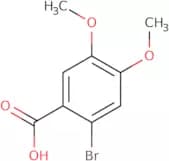


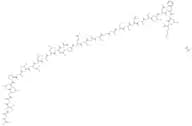
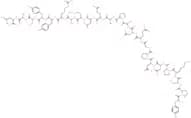

![([ring-D5]Phe3)-Octreotide acetate salt](/_next/image/?url=https%3A%2Fstatic.cymitquimica.com%2Fproducts%2F3D%2Fthumb-webp%2FFR110015.webp&w=3840&q=75)
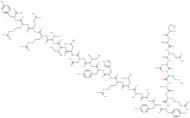
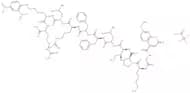
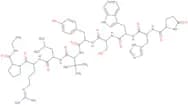
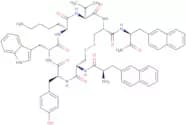
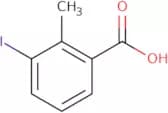

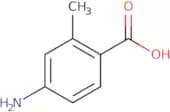
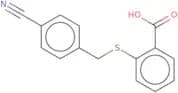

![[p-Terphenyl]-4,4''-dicarboxylic acid](/_next/image/?url=https%3A%2Fstatic.cymitquimica.com%2Fproducts%2F3D%2Fthumb-webp%2FFT28045.webp&w=3840&q=75)

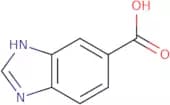
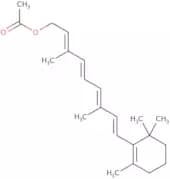


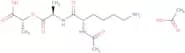
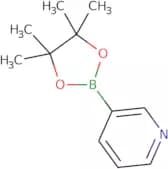
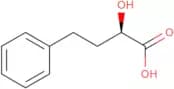
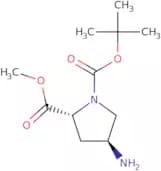
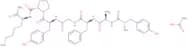
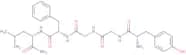
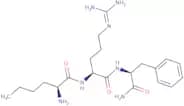


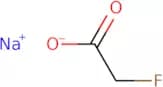
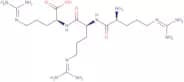
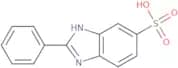

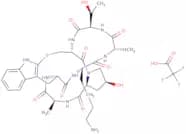
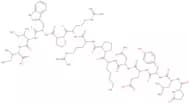


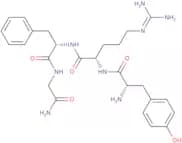
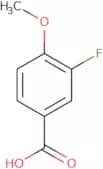
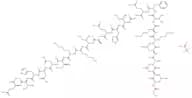

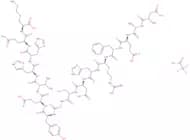


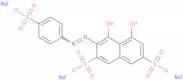
![(3R)-3-[(tert-Butoxycarbonyl)amino]-4-(2,4-difluorophenyl)butanoic acid](/_next/image/?url=https%3A%2Fstatic.cymitquimica.com%2Fproducts%2F3D%2Fthumb-webp%2FFB99243.webp&w=3840&q=75)
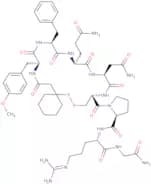
![([13C6]Leu10)-CRF (human, rat) trifluoroacetate salt](/_next/image/?url=https%3A%2Fstatic.cymitquimica.com%2Fproducts%2F3D%2Fthumb-webp%2FFL110016.webp&w=3840&q=75)

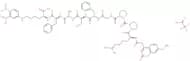
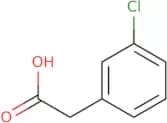
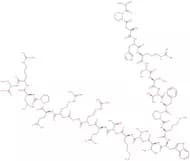
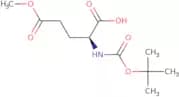
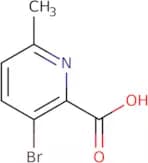

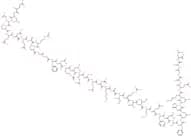

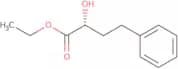
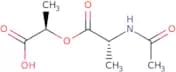
![2-[3-(S)-[3-(2-(7-Chloro-2-quinolinyl)ethenyl)phenyl]-3-hydroxypropyl]benzoic acid methyl ester](/_next/image/?url=https%3A%2Fstatic.cymitquimica.com%2Fproducts%2F3D%2Fthumb-webp%2FFC20038.webp&w=3840&q=75)

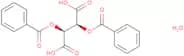

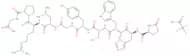
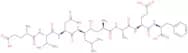
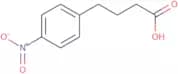

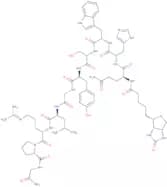
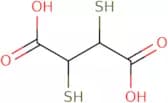
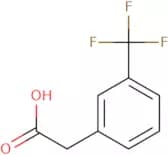
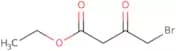
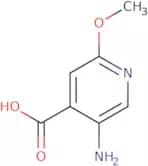
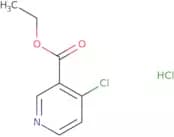

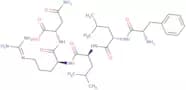
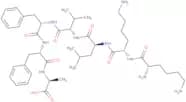
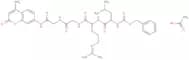


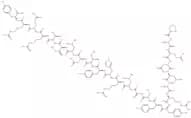
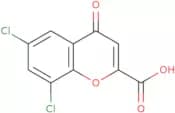

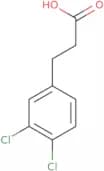

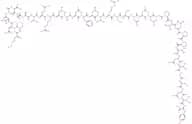
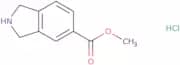
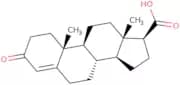

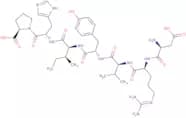
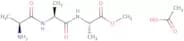
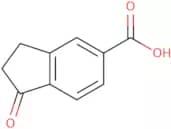


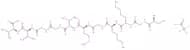
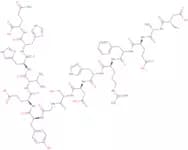


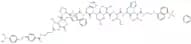
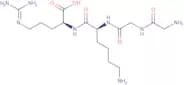
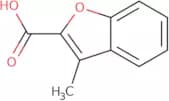

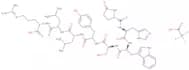
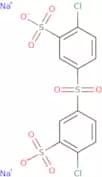


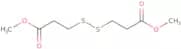
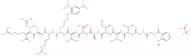
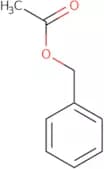

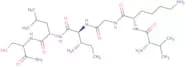
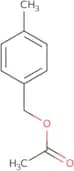
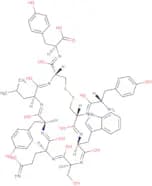
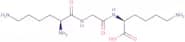
![2-(4-Bromobenzo[d][1,3]dioxole-5-carboxamido)acetic acid](/_next/image/?url=https%3A%2Fstatic.cymitquimica.com%2Fproducts%2F3D%2Fthumb-webp%2FFB66447.webp&w=3840&q=75)
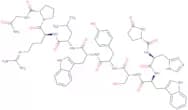
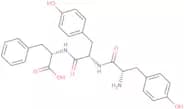

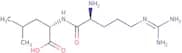

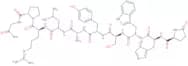
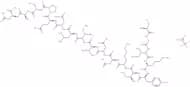

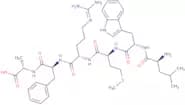
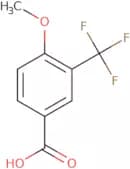

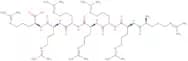
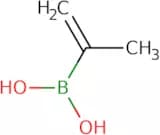
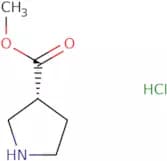
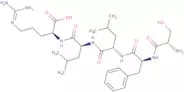

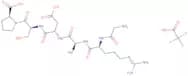
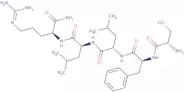

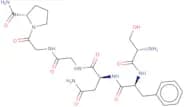
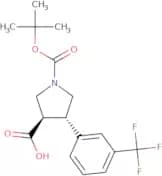
![(S)-9,10-Difluoro-2,3-dihydro-3-methyl-7-oxo-7H-pyrido[1,2,3-de]-1,4-benzoxazine-6-carboxylic acid…](/_next/image/?url=https%3A%2Fstatic.cymitquimica.com%2Fproducts%2F3D%2Fthumb-webp%2FFD21854.webp&w=3840&q=75)