Pharmaceutical Standards
Pharmaceutical standards are a comprehensive set of reference materials essential for ensuring the safety, efficacy, and quality of pharmaceutical products. This category includes standards for active pharmaceutical ingredients (APIs), which are the core components responsible for therapeutic effects. Additionally, it covers compounds and metabolites relevant to both the pharmaceutical and veterinary industries, providing benchmarks for the accurate measurement and analysis of these substances. Nitrosamine control standards are crucial for detecting and mitigating potentially harmful nitrosamines in drug formulations. Toxicology standards help assess the safety and potential adverse effects of pharmaceutical compounds. Furthermore, enzyme activators and inhibitors standards are vital for research and development, enabling precise studies of biochemical pathways and drug mechanisms. These pharmaceutical standards are indispensable tools for regulatory compliance, quality control, and research, ensuring that pharmaceutical products meet stringent safety and effectiveness criteria.
Subcategories of "Pharmaceutical Standards"
- APIs for research and impurities(273,463 products)
- Enzyme Activators and Inhibitors(2,827 products)
- Nitrosamines(2,605 products)
- Pharmaceutical and Veterinary Compounds and Metabolites(2,577 products)
- Toxicology(13,652 products)
Found 7836 products of "Pharmaceutical Standards"
Sort by
Purity (%)
0
100
|
0
|
50
|
90
|
95
|
100
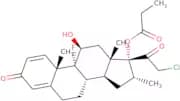
Clobetasol Propionate - Impurity C
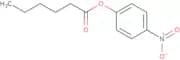
CAS:Controlled Product<p>21-Chloro-9-fluoro-11beta,17-dihydroxy-16alpha-methylpregna-1,4-diene-3,20-dione 17-propionate is an ester of ketoconazole and the propionic acid. It is used as a pharmaceutical formulation and has been shown to be stable in an HPLC method. This compound also has an optical isomer that was validated by a stability test. This product has been shown to have antiinflammatory properties and may be used as a topical treatment for skin disorders such as clobetasol propionate.</p>Formula:C25H32ClFO5Purity:Min. 95%Molecular weight:466.97 g/mol4-Nitrophenyl hexanoate
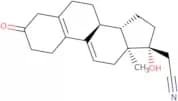
CAS:<p>4-Nitrophenyl hexanoate is an acyl phosphate monoclonal antibody (aMAb) that binds to the enzyme hydroxylase, which converts 4-nitrophenol to p-nitrophenol. This aMAb has been shown to inhibit the activity of this enzyme and its conversion of 4-nitrophenol to p-nitrophenol, leading to its use in biochemical studies as a model for monooxygenase enzymes. The reaction mechanism for this aMAb is believed to be that it reacts with the acyl chain of hydroxylase and hinders the active site from binding 4-nitrophenol. 4-Nitrophenyl hexanoate also has a cationic surfactant that can bind or react with proteins or nucleic acids by electrostatic interactions or hydrogen bonding. It is also able to form polymers with other monoclonal antibodies and has been used in protein purification processes</p>Formula:C12H15NO4Purity:Min. 98 Area-%Color and Shape:Colorless Clear LiquidMolecular weight:237.25 g/mol(17α)-17-Hydroxy-3-oxo-19-norpregna-5(10),9(11)-diene-21-nitrile
CAS:Controlled Product<p>Please enquire for more information about (17α)-17-Hydroxy-3-oxo-19-norpregna-5(10),9(11)-diene-21-nitrile including the price, delivery time and more detailed product information at the technical inquiry form on this page</p>Formula:C20H25NO2Purity:Min. 95%Color and Shape:PowderMolecular weight:311.42 g/mol2N-Boc-2',2''-triaminotriethylamine
CAS:<p>Please enquire for more information about 2N-Boc-2',2''-triaminotriethylamine including the price, delivery time and more detailed product information at the technical inquiry form on this page</p>Formula:C11H26N4O2Purity:Min. 95%Color and Shape:Yellow PowderMolecular weight:246.35 g/mol(-)-B-Chlorodiisopinocampheylborane, 65% heptane solution
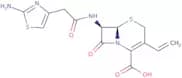
CAS:<p>(-)-B-Chlorodiisopinocampheylborane is a synthetic compound that belongs to the class of diketones. It has been used in asymmetric synthesis, metathesis reactions, and as a catalyst for the preparation of chiral compounds. (-)-B-Chlorodiisopinocampheylborane can be synthesized from trifluoromethylation using chlorodiphenylsilane and sodium borohydride in heptane. This agent has been shown to be effective for the production of β-unsaturated ketones by reaction with carbonyl groups. The reaction produces a racemic mixture of enantiomers, which are isomers that are not identical but have the same chemical formula and similar physical properties. (-)-B-Chlorodiisopinocampheylborane can also be used as an intermediate for the synthesis of latanoprost lactol, which is a prostaglandin</p>Formula:C20H34BClPurity:Min. 95%Color and Shape:Clear LiquidMolecular weight:320.75 g/molCefdinir related compound B
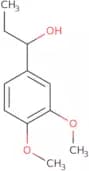
CAS:<p>Please enquire for more information about Cefdinir related compound B including the price, delivery time and more detailed product information at the technical inquiry form on this page</p>Formula:C14H14N4O4S2Purity:Min. 95%Molecular weight:366.42 g/mol1-(3',4'-Dimethoxyphenyl)-1-propanol
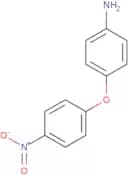
CAS:<p>1-(3’,4’-Dimethoxyphenyl)-1-propanol is a naturally occurring chemical with the molecular formula C10H14O2. It has been found in the bark of Pinus pinaster and the rhizome of Piper auritum. This compound has been shown to have an antiinflammatory effect by inhibiting prostaglandin synthesis. It also inhibits nitrosation reactions and is being studied for its potential as a cancer chemopreventive agent. 1-(3’,4’-Dimethoxyphenyl)-1-propanol is an enantiomer of 2-(3',4'-dimethoxyphenyl)propane-1,3-diol.</p>Formula:C11H16O3Purity:Min. 95%Molecular weight:196.24 g/mol4-(4-Nitrophenoxy)aniline
CAS:<p>4-(4-Nitrophenoxy)aniline is a synthetic drug that is used as a substrate for the cytochrome P450 system. It has been shown to be metabolized by the liver in two steps, forming reduction products and interacting with thiourea. This drug also has functional groups which are active in the group p2 of the periodic table, such as diphenyl ethers and aminophenols. 4-(4-Nitrophenoxy)aniline can be used to probe the interaction between an enzyme and its substrate.</p>Formula:C12H10N2O3Purity:Min. 95%Molecular weight:230.22 g/mol19-Carboxy cholesterol
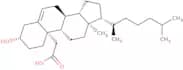
CAS:Controlled Product<p>Please enquire for more information about 19-Carboxy cholesterol including the price, delivery time and more detailed product information at the technical inquiry form on this page</p>Formula:C27H44O3Purity:Min. 95%Molecular weight:416.64 g/molAcetyl-D-methionine
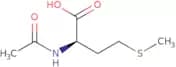
CAS:<p>Acetyl-D-methionine is a type strain that belongs to the class of amino acids. It is necessary for protein synthesis and can be found in dietary concentrations. Acetyl-D-methionine has been shown to have enzyme activities, such as malonic acid formation and racemase activity, which are dependent on the bacterial strain. Acetyl-D-methionine has been demonstrated to be able to form a chelate with copper ions, which may contribute to its antimicrobial properties. Acetyl-D-methionine has been shown to inhibit the growth of Stenotrophomonas maltophilia in vitro and in vivo. Acetyl-D-methionine also inhibits the growth of Sprague Dawley rats infected with S. maltophilia when administered intravenously or orally.</p>Formula:C7H13NO3SPurity:Min. 95%Molecular weight:191.25 g/mol(+)-(8,8-Dichlorocamphorylsulfonyl)oxaziridine
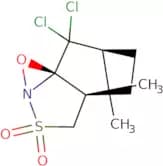
CAS:<p>Please enquire for more information about (+)-(8,8-Dichlorocamphorylsulfonyl)oxaziridine including the price, delivery time and more detailed product information at the technical inquiry form on this page</p>Formula:C10H13Cl2NO3SPurity:Min. 95%Molecular weight:298.19 g/molVitamin B12 e-Monocarboxylic Acid
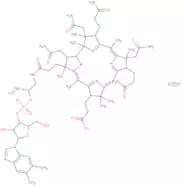
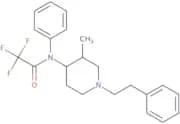
CAS:Controlled Product<p>Please enquire for more information about Vitamin B12 e-Monocarboxylic Acid including the price, delivery time and more detailed product information at the technical inquiry form on this page</p>Formula:C63H87CoN13O15PPurity:Area-% Min. 95 Area-%Color and Shape:PowderMolecular weight:1,356.35 g/molrac-cis despropionyl mefentanyl N-trifluoroacetate
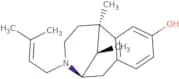
CAS:Controlled Product<p>Please enquire for more information about rac-cis despropionyl mefentanyl N-trifluoroacetate including the price, delivery time and more detailed product information at the technical inquiry form on this page</p>Formula:C22H25F3N2OPurity:Min. 95%Molecular weight:390.44 g/mol(-)-cis-Pentazocine
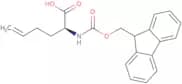
CAS:Controlled Product<p>(-)-cis-Pentazocine is a kappa-opioid receptor agonist that has been used for the treatment of pain, cough, and diarrhea. It is also used to treat withdrawal symptoms in those who are addicted to other narcotic drugs. The drug binds to the κ-opioid receptors and activates G protein coupled receptors. When this occurs, it inhibits the release of neurotransmitters from nerve cells in the brain, which reduces pain and causes sedation. Pentazocine can cause side effects such as dizziness, constipation, nausea, vomiting, headache, blurred vision, anxiety and depression. These side effects are more common with high doses or when pentazocine is taken with other drugs that have similar effects.</p>Formula:C19H27NOPurity:Min. 95%Molecular weight:285.42 g/mol(S)-N-Fmoc-2-(3'-butenyl)glycine
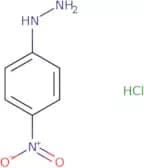
CAS:<p>Please enquire for more information about (S)-N-Fmoc-2-(3'-butenyl)glycine including the price, delivery time and more detailed product information at the technical inquiry form on this page</p>Formula:C21H21NO4Purity:Min. 95%Color and Shape:White PowderMolecular weight:351.4 g/mol4-Nitrophenylhydrazine hydrochloride
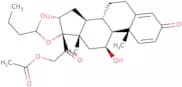
CAS:<p>4-Nitrophenylhydrazine hydrochloride is an organic compound that belongs to the class of hydrazines. It is a colorless solid that has a melting point of 202-204 °C. 4-Nitrophenylhydrazine hydrochloride is used in the synthesis of other compounds, such as trifluoroacetic acid and nucleophilic compounds. The chemical structure can be analyzed using nuclear magnetic resonance (NMR) spectroscopy, which shows that this compound contains amines and nitro groups. 4-Nitrophenylhydrazine hydrochloride is also soluble in water due to its acidic nature. This compound reacts with bases and alcohols to form salts, such as monosodium salt.</p>Formula:C6H7N3O2·HClPurity:Min. 95%Color and Shape:PowderMolecular weight:189.6 g/mol21-Acetoxy-11b-hydroxy-16a,17a-propylmethylenedioxpregna-1,4-diene-3,20-dione
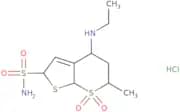
CAS:Controlled Product<p>Please enquire for more information about 21-Acetoxy-11b-hydroxy-16a,17a-propylmethylenedioxpregna-1,4-diene-3,20-dione including the price, delivery time and more detailed product information at the technical inquiry form on this page</p>Formula:C27H36O7Purity:Min. 95%Color and Shape:PowderMolecular weight:472.57 g/molDorzolamide hydrochloride related compound A
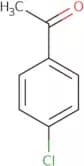
CAS:<p>Please enquire for more information about Dorzolamide hydrochloride related compound A including the price, delivery time and more detailed product information at the technical inquiry form on this page</p>Formula:C10H16N2O4S3·HClPurity:Min. 95%Molecular weight:360.9 g/mol4'-Chloroacetophenone
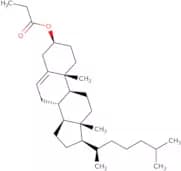
CAS:<p>4'-Chloroacetophenone is a chemical substance that is used in the synthesis of other substances. It has been shown to be an effective tool for cell-specific reactions, such as methyl ketones and benzaldehyde. 4'-Chloroacetophenone reacts with hydrochloric acid and palladium complexes to produce electron reduction, which leads to the activation of methyl ketones. This reaction provides a method for synthesizing molecules with a carbonyl group. The isolated yield of this reaction is dependent on the reaction solution temperature and concentration. The mechanism of this reaction appears to be Suzuki coupling reaction.</p>Formula:C8H7ClOPurity:Min. 95%Color and Shape:Clear Colourless To Pale Yellow LiquidMolecular weight:154.59 g/molCholesterol propionate
CAS:Controlled Product<p>Cholesterol Propionate is a monolayer film-forming polymer that forms a polymeric matrix when combined with water. The thermal expansion of this material is dependent on the concentration of cholesterol propionate and can be used as a target tissue for multi-walled carbon nanotubes (MWCNTs). In addition, Cholesterol Propionate has been shown to have light emission properties due to its hydroxyl group and fatty acid content. The phase transition temperature of the material is dependent on the concentration of benzoate in the formulation. When it reaches the phase transition temperature, cholesteryl benzoate undergoes a phase change from crystalline to liquid at room temperature. This property can be used to activate MWCNTs within Cholesterol Propionate films, which then emit light.</p>Formula:C30H50O2Purity:Min. 95%Molecular weight:442.7 g/molb-Sitosterol - 40%
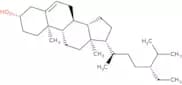
CAS:Controlled Product<p>b-Sitosterol is a sterol that is found in plants and animals. It has been shown to reduce the incidence of skin tumor formation when applied topically. b-Sitosterol also has hypoglycemic effects, which may be due to its ability to bind with p-hydroxybenzoic acid, an inhibitor of glucose absorption. This compound also has a matrix effect on the skin, which may be due to its ability to inhibit the production of collagenase, an enzyme involved in the breakdown of collagen. b-sitosterol also has antiinflammatory properties that have been shown using analytical methods such as metal chelate. Studies have shown that b-sitosterols are natural compounds that are found in high concentrations in beta-sitosterol.</p>Formula:C29H50OPurity:Min. 95%Molecular weight:414.71 g/mol2,6-Dichloro-5-nitropyrimidin-4-amine
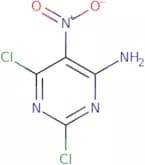
CAS:<p>2,6-Dichloro-5-nitropyrimidin-4-amine is a chlorinating agent that reacts with aliphatic and aromatic amines to form substituted pyrimidines. The substitution pattern of the product depends on the regioselectivity of the reaction. 2,6-Dichloro-5-nitropyrimidin-4-amine is one of the few chlorinating agents that react with propylamine. Substitution at position 2 of the purine ring has been found to be more selective than substitution at position 6. The 2,6-dichloropyrimidine can also be used as a nitro group source in chemical synthesis or as an intermediate in production of other compounds.</p>Formula:C4H2Cl2N4O2Purity:Min. 95%Color and Shape:SolidMolecular weight:208.99 g/molHaloperidol Impurity D
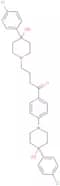
CAS:<p>Please enquire for more information about Haloperidol Impurity D including the price, delivery time and more detailed product information at the technical inquiry form on this page</p>Formula:C32H36Cl2N2O3Purity:Min. 95%Molecular weight:567.55 g/molVedaprofen
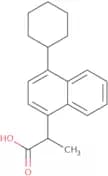
CAS:<p>Vedaprofen is a nonsteroidal anti-inflammatory drug that belongs to the class of drugs known as NSAIDs. It inhibits the activity of the enzyme cyclooxygenase (COX), which causes inflammation and pain. Vedaprofen has been shown to be effective in treating bowel disease, inflammatory bowel disease, and autoimmune diseases, such as arthritis. Vedaprofen also has antimicrobial properties, inhibiting bacterial growth by binding to the COX enzyme in the cell membrane. The α subunit is one of the effector proteins for COX-1 and COX-2, and vedaprofen binds to this protein preventing its activation. This inhibitory effect on COX-1 and COX-2 leads to a reduction in production of prostaglandins (PGs) that are responsible for inflammatory responses. Vedaprofen may be administered orally or intravenously depending on the severity of symptoms. The oral route is preferred because it does not require</p>Formula:C19H22O2Purity:Min. 95%Molecular weight:282.38 g/molErythrosin B
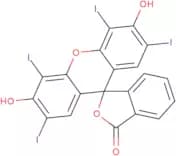
CAS:<p>Erythrosin B is a fluorescent dye that is used in biological research. It has been shown to have cytotoxic effects on human leukemia cells (HL-60) and cytotoxic effects on human lymphocytes. The toxicities of this compound are dependent on the concentration and the duration of exposure, as well as the type of biological sample. Erythrosin B can be used to detect DNA damage in cells by using an analytical method called matrix effect synchronous fluorescence. This dye appears to be genotoxic in vitro and in vivo, but its long-term toxicity is unknown. Erythrosin B has antimicrobial properties against gram-positive bacteria and fungi, but it does not have any activity against Gram negative bacteria or viruses.</p>Formula:C20H8I4O5Purity:Min. 95%Color and Shape:PowderMolecular weight:835.89 g/molBudesonide Impurity 9
CAS:Controlled Product<p>Please enquire for more information about Budesonide Impurity 9 including the price, delivery time and more detailed product information at the technical inquiry form on this page</p>Formula:C21H26O6Purity:Min. 95%Molecular weight:374.43 g/mol5a-Pregnane-3a,20a-diol
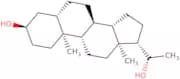
CAS:Controlled Product<p>5a-Pregnane-3a,20a-diol is a gamma-aminobutyric acid (GABA) analogue that is used in the treatment of women with variegated hyperpigmentation. It has inhibitory properties on mutant enzymes such as disulfate reductase and other enzymes involved in the synthesis of prostaglandins. The drug binds to the enzyme GABA transaminase and this binding prevents the formation of GABA from glutamate. 5a-Pregnane-3a,20a-diol also inhibits the synthesis of prostaglandin E2 by binding to cyclooxygenase 2, leading to decreased inflammation and pain. 5a-Pregnane-3a,20a-diol is metabolized by glucuronidation or sulfation and excreted into bile or urine. This drug can also be hydrolyzed by dehydrogenases or other enzymes such as esterases.</p>Formula:C21H36O2Purity:Min. 95%Molecular weight:320.51 g/molPregnantriol
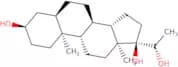
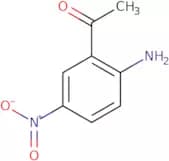
CAS:Controlled Product<p>Pregnantriol is a naturally occurring steroid hormone that is produced in the placenta and the adrenal glands. Pregnantriol has been shown to be a potent inducer of liver cells, which may be due to its ability to bind to enzymes that are involved in lipid metabolism. This compound has also been shown to have diagnostic properties and is used as a diagnostic agent for adrenocortical carcinoma, urinary tract infections, metabolic disorders, and acid formation. Pregnantriol can be detected using fluorescence detection.</p>Formula:C21H36O3Purity:Min. 95%Color and Shape:PowderMolecular weight:336.51 g/mol1-(2-Amino-5-nitrophenyl)ethanone
CAS:<p>Please enquire for more information about 1-(2-Amino-5-nitrophenyl)ethanone including the price, delivery time and more detailed product information at the technical inquiry form on this page</p>Formula:C8H8N2O3Purity:Min. 95%Molecular weight:180.16 g/molErythropoietin - lyophilized powder
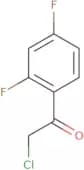
CAS:<p>Erythropoietin is a hormone that stimulates the production of red blood cells, and is used for patients with anemia. It is a recombinant human erythropoietin (rhEPO) that has been produced by genetic engineering. Erythropoietin binds to receptors on the surface of many types of cells, including those in the bone marrow. This binding stimulates the production of red blood cells from precursor cells in the bone marrow, and increases oxygen-carrying capacity in blood. The half-life of erythropoietin is approximately 36 hours. This drug also can be used to reduce high blood pressure and improve responsiveness to other drugs that are given intravenously. Erythropoietin can cause an increase in asialoglycoprotein levels in serum, which may be due to its effects on hepatocytes or erythrocytes.</p>Purity:(Capillary Zone Electrophoresis) Min. 98.0%2-Chloro-2',4'-difluoroacetophenone
CAS:<p>2-Chloro-2',4'-difluoroacetophenone (2,4-DFAP) is an asymmetric synthesis of urea nitrogen. It has been shown to be a broad-spectrum antimicrobial, with activity against a number of fungi and bacteria. The molecular modelling of 2,4-DFAP has revealed that it has intramolecular hydrogen bonds and is a supramolecular enantiomer. Additionally, the transport properties have been studied and found to have chloride ions in the molecule. This may be responsible for its anti-fungal effects as well as its ability to inhibit the growth of cryptococcus neoformans.</p>Formula:C8H5ClF2OPurity:Min. 95%Molecular weight:190.57 g/mol(Asp371)-Tyrosinase (369-377) (human) acetate salt
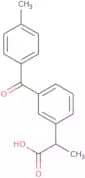
CAS:<p>Tyrosinase protein:<br>Peptide Tyrosinase (Asp371) – HLA-A*0201 (YMDGTMSQV) is a human tyrosinase-derived (369-377) peptide by posttranslational conversion of the sequence YMNGTMSQV. Tyrosinase is an oxidase membrane-bound protein. Tyrosinase play a key role in the melanin synthesis pathway. Tyrosinase is presented on the surface of HLA-A*02:01 melanomas and also expressed in melanocytes. Tyrosinase has been still suggested to be a tumor antigen and might be implicated in improvement of immunotherapeutic strategies such as for efficient anticancer vaccine development.<br>Applications of Peptide Tyrosinase (Asp371) – HLA-A*0201 (YMDGTMSQV):<br>Peptide Tyrosinase (Asp371) – HLA-A*0201 (YMDGTMSQV) is used to stimulate specific cytotoxic T lymphocytes (CTL) in PBMCs and then to analyze CTL response especially the cytokine production by ELISPOT assay. Peptide Tyrosinase (Asp371) – HLA-A*0201 (YMDGTMSQV) is also involved in experimental therapies of metastatic melanoma by allogeneic hematopoietic stem cell transplantation. In fact, cytotoxic T cells were generated from peripherical blood mononuclear cells (PBMCs) of HLA-A*02:01 healthy donors after being stimulated by injection of Asp371 antigen (2). This strategy raises issues which concern the graft versus tumor (GvT) effect and graft versus host disease (GvHD).</p>Formula:C42H66N10O16S2Purity:Min. 95%Molecular weight:1,031.16 g/molrac-4'-Methyl ketoprofen
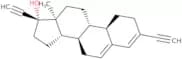
CAS:<p>Please enquire for more information about rac-4'-Methyl ketoprofen including the price, delivery time and more detailed product information at the technical inquiry form on this page</p>Formula:C17H16O3Purity:Min. 95%Color and Shape:PowderMolecular weight:268.31 g/mol(17a)-3-Ethynyl-19-norpregna-3,5-dien-20-yn-17-ol
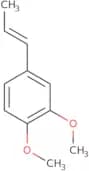
CAS:Controlled Product<p>Please enquire for more information about (17a)-3-Ethynyl-19-norpregna-3,5-dien-20-yn-17-ol including the price, delivery time and more detailed product information at the technical inquiry form on this page</p>Formula:C22H26OPurity:Min. 95%Molecular weight:306.44 g/molIsoeugenol methyl ether
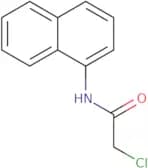
CAS:<p>Isoeugenol methyl ether is a plant-derived natural compound that is used in vitro as an antioxidant. It has been shown to inhibit the activity of enzymes such as hydroxylase, glucuronidase, and cytochrome P450. Isoeugenol methyl ether has also been shown to have anti-inflammatory properties and may be useful for treatment of colorectal adenocarcinoma. The mechanism by which isoeugenol methyl ether inhibits the enzyme activity is not clear but it may be due to its ability to bind reversibly with free enzyme form.</p>Formula:C11H14O2Purity:Min. 95%Color and Shape:LiquidMolecular weight:178.23 g/mol2-Chloro-N-1-naphthylacetamide
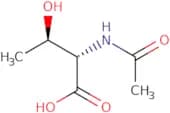
CAS:<p>2-Chloro-N-1-naphthylacetamide is a synthetic organic compound that belongs to the class of sulfur compounds. It is used in the synthesis of other compounds and has been shown to be a potent inhibitor of hydroxylapatite and sulfate hydrolysis. The reaction mechanism for this compound’s inhibition of sulfate hydrolysis is not known, but it may be due to its ability to act as an electron donor or acceptor. 2-Chloro-N-1-naphthylacetamide also has carcinogenic properties, with some studies suggesting that it can cause liver cancer in rodents.</p>Formula:C12H10ClNOPurity:Min. 95%Molecular weight:219.67 g/molAcetyl-L-threonine
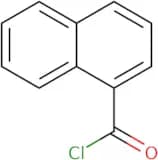
CAS:<p>Acetyl-L-threonine is a nonessential amino acid that is used as a dietary supplement and in clinical chemistry. Acetyl-L-threonine binds to the extracellular signal in mammalian cells and may be involved in the regulation of gene expression. It has been found that acetyl-L-threonine is coagulant, which may be due to its ability to inhibit the formation of fibrinogen or clotting factors. This amino acid can also regulate the release of l-threonine from cells, which affects serum levels. Acetyl-L-threonine has been shown to increase the glomerular filtration rate, which may be due to its ability to increase coagulation.</p>Formula:C6H11NO4Purity:Min. 95%Color and Shape:PowderMolecular weight:161.16 g/mol1-Naphthoyl chloride
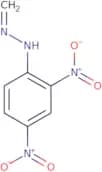
CAS:<p>1-Naphthoyl chloride is a metabolite of 1-naphthol. It has been used in the synthesis of steroidal alkaloids, including the anti-inflammatory drug indomethacin and the anesthetic ketamine. 1-Naphthoyl chloride is also a precursor to synthetic cannabinoids, which are substances that have effects similar to those of cannabis but are not derived from marijuana. It binds to receptors on cells that are sensitive to cannaboids. The binding causes changes in cell function and can lead to psychological effects such as paranoia and hallucinations. The detection sensitivity of 1-naphthoyl chloride can be increased by using fluorescence detectors or gravimetric analysis.</p>Formula:C11H7ClOPurity:Min. 95%Color and Shape:Clear LiquidMolecular weight:190.63 g/molFormaldehyde-2,4-dinitrophenylhydrazone
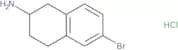
CAS:<p>Formaldehyde-2,4-dinitrophenylhydrazone (FDNH) is a chemical compound that inhibits the production of galacturonic acid. It is used as an analytical method to measure the concentration of galacturonic acid in biological samples. FDNH reacts with galacturonic acid to form a diazonium salt and a hydrazone derivative. The diazonium salt can be measured by liquid chromatography, while the hydrazone derivative can be measured by gas chromatography. This test has been used to measure the concentration of galacturonic acid in plants, pharmaceutical drugs, and reaction products.</p>Formula:C7H6N4O4Purity:Min. 95%Molecular weight:210.15 g/mol6-Bromo-1,2,3,4-tetrahydronaphthalen-2-ylamine hydrochloride
CAS:Controlled Product<p>Please enquire for more information about 6-Bromo-1,2,3,4-tetrahydronaphthalen-2-ylamine hydrochloride including the price, delivery time and more detailed product information at the technical inquiry form on this page</p>Formula:C10H12BrN·HClPurity:Min. 95%Molecular weight:262.57 g/molδ6-Testosterone
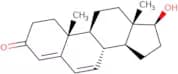
CAS:Controlled Product<p>Delta6-Testosterone is a natural steroid hormone that belongs to the group of steroid drugs. It is a potent androgen, or male sex hormone, which stimulates the development and maintenance of male sexual characteristics, including the growth of prostate gland and seminal vesicles. The effects of Delta6-testosterone are mediated by binding to and activating the Androgen Receptor (AR). The effects may also be increased when Delta6-testosterone binds to AR in combination with other hormones such as estradiol.<br>Delta6-Testosterone is metabolized by the liver into testosterone through the cytochrome p450 enzyme system. This process begins with conversion of Delta6-testosterone into 6alpha-dihydrotestosterone (DHT) by 5a-reductase. DHT can then be converted into testosterone by 3beta-hydroxysteroid dehydrogenase/3alpha-hydroxysteroid dehydrogenase (3betaHSD) or 17beta hyd</p>Formula:C19H26O2Purity:Min. 95%Molecular weight:286.41 g/molWhiskey lactone
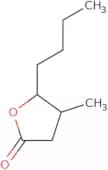
CAS:<p>Whiskey lactone is an organic compound that belongs to the class of lactones. This sample preparation technique employs a solution of sodium hydroxide that acts as an extractant. The hydroxide solution reacts with the acidic ph of the sample, which causes hydrolysis and esterification of the fatty acid chains in the sample. The reaction is accompanied by a color change from yellow to blue. Whiskey lactone has been shown to have high values for eugenol and chemical structures such as isovaleric acid and hydroxyl group.</p>Formula:C9H16O2Purity:Min. 98 Area-%Color and Shape:Clear LiquidMolecular weight:156.22 g/mol21-Amino-17-hydroxypregna-1,4-diene-3,11,20-trioneHydrochloride
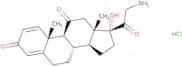
CAS:Controlled Product<p>Please enquire for more information about 21-Amino-17-hydroxypregna-1,4-diene-3,11,20-trioneHydrochloride including the price, delivery time and more detailed product information at the technical inquiry form on this page</p>Formula:C21H28ClNO4Purity:Min. 95%Molecular weight:393.9 g/molDibutyltin dilaurate
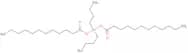
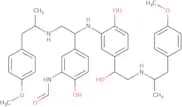
CAS:<p>Dibutyltin dilaurate is a chemical substance that is used as a stabilizer in polyvinyl chloride (PVC) and polyurethane. It has been shown to react with potassium dichromate, methyl ethyl ketone, and plasma mass spectrometry. Dibutyltin dilaurate is not acutely toxic, but can be hazardous when exposed to high levels of it over a long period of time. The main route of exposure is through inhalation of the vapor or skin contact with the liquid form. In animal studies, dibutyltin dilaurate has been shown to cause liver damage and kidney toxicity.</p>Formula:C32H64O4SnPurity:Min. 95 Vol-%Molecular weight:631.56 g/molFormoterol EP Impurity F (Mixture of Diastereomers)
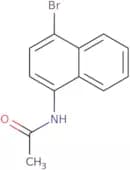
CAS:<p>Please enquire for more information about Formoterol EP Impurity F (Mixture of Diastereomers) including the price, delivery time and more detailed product information at the technical inquiry form on this page</p>Formula:C37H46N4O6Purity:Min. 95%Molecular weight:642.78 g/molN-(4-Bromonaphthalene-1-yl)-acetamide
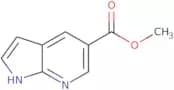
CAS:<p>The N-(4-bromonaphthalene-1-yl)-acetamide is a high quality chemical that is used as a reaction component in the synthesis of pharmaceuticals and other speciality chemicals. It can also be used as a building block for creating more complex compounds. This compound is a versatile building block that can be used to synthesise many different types of products.</p>Formula:C12H10BrNOPurity:Min. 95%Molecular weight:264.12 g/mol7-Azaindole-5-carboxylic acid methyl ester
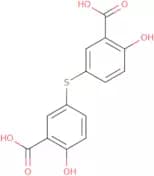
CAS:<p>7-Azaindole-5-carboxylic acid methyl ester is an ester derivative that can be synthesized from the reaction of acetyl chloride and diazotization. 7-Azaindole-5-carboxylic acid methyl ester has been used in research for its biological activity, specifically as a cytotoxic agent. It has also been shown to inhibit the growth of cancer cells by alkylation reactions and cyclization reactions. 7-Azaindole-5-carboxylic acid methyl ester has been shown to have antitumor properties with a mechanism that is not yet fully understood.</p>Formula:C9H8N2O2Purity:Min. 95%Molecular weight:176.17 g/mol5,5'-Thiodisalicylic Acid
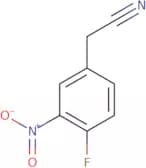
CAS:<p>5,5'-Thiodisalicylic Acid is a reactive functional group with a silver ion. This compound has a hydrochloric acid and hydroxy group that react to form a hydroxyl group with the proton. It also has a nitrogen atom, which can be found in the reactive acidic hydroxyl group of 5,5'-thiodisalicylic acid. The fatty acids are viscosity and carbonyl groups. 5,5'-Thiodisalicylic Acid is an organic compound that reacts with chloride to form patterns.</p>Purity:Min. 95%(4-Fluoro-3-Nitrophenyl)Acetonitrile
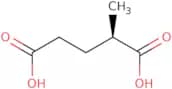
CAS:<p>4-Fluoro-3-nitrophenylacetonitrile is a monomer that can be synthesised from the reaction of carbamic acid and diphenyl ether. It is chiral, stereoselective and nucleophilic. 4-Fluoro-3-nitrophenylacetonitrile can also be synthesised by reacting fluoroacetamide with sodium cyanide in water, forming the corresponding amide, which reacts with acetonitrile to form the nitro compound. The anti-cancer properties of 4-fluoro-3 nitrophenylacetonitrile have been studied in vitro and in vivo. This substance has been shown to inhibit growth of cancer cells and induce apoptosis. In addition, this substance has been used as a synthetic strategy for dihydroisoquinolines, which are important for their anti-cancer properties.</p>Formula:C8H5FN2O2Purity:Min. 95%Molecular weight:180.14 g/mol(R)-(-)-2-Methylglutaric Acid
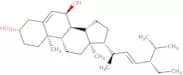
CAS:<p>Please enquire for more information about (R)-(-)-2-Methylglutaric Acid including the price, delivery time and more detailed product information at the technical inquiry form on this page</p>Formula:C6H10O4Purity:Min. 95%Molecular weight:146.14 g/mol7α-Hydroxystigmasterol
CAS:Controlled Product<p>Please enquire for more information about 7alpha-Hydroxystigmasterol including the price, delivery time and more detailed product information at the technical inquiry form on this page</p>Purity:Min. 95%D,L-Alanosine sodium salt
<p>Please enquire for more information about D,L-Alanosine sodium salt including the price, delivery time and more detailed product information at the technical inquiry form on this page</p>Formula:C3H6N3NaO4Purity:Min. 95%Molecular weight:171.09 g/mol4'-[[1,4'-Dimethyl-2'-propyl(2,6'-bi-1H-benzimidazol)-1'-yl]-methyl]-1,1'-biphenyl-2-carboxylicacid 1,1-dimethylethylester
CAS:<p>4'-[[1,4'-Dimethyl-2'-propyl(2,6'-bi-1H-benzimidazol)-1'-yl]-methyl]-1,1'-biphenyl-2-carboxylic acid 1,1-dimethylethyl ester (DMBPC) is a drug substance that is used in the manufacture of solid oral dosage forms. It has been shown to be present at low levels as an impurity in other drug substances. The presence of this impurity has been shown to cause problems with the chromatographic and hplc methods used for its quantification. The following are some important aspects of DMBPC: A. Impurities: The purity of DMBPC is 98%. The impurity profile includes 6% 2-propylbenzimidazole (2PB), 3% 4'-[[2-(6' -methoxycarbony</p>Formula:C37H38N4O2Purity:Min. 95%Molecular weight:570.72 g/molN-(1,2,3,4-Tetrahydro-7-methoxy-1-oxo-2-naphthalenyl)propanamide
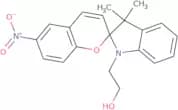
CAS:Controlled Product<p>Please enquire for more information about N-(1,2,3,4-Tetrahydro-7-methoxy-1-oxo-2-naphthalenyl)propanamide including the price, delivery time and more detailed product information at the technical inquiry form on this page</p>Formula:C14H17NO3Purity:Min. 95%Molecular weight:247.29 g/mol1-(2-Hydroxyethyl)-3,3-dimethylindolino-6'-nitrobenzopyrylospiran
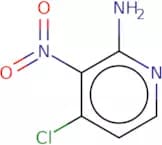
CAS:<p>Please enquire for more information about 1-(2-Hydroxyethyl)-3,3-dimethylindolino-6'-nitrobenzopyrylospiran including the price, delivery time and more detailed product information at the technical inquiry form on this page</p>Purity:Min. 95%2-Amino-4-chloro-3-nitropyridine
CAS:<p>2-Amino-4-chloro-3-nitropyridine is a potent inhibitory molecule that inhibits the activity of the enzyme acetylcholinesterase. It has been used in the treatment of chronic pain, and has been shown to be effective for inhibiting malonate esters and amino acid esters. This drug is an ethyl ester that can be synthesized from chlorobenzene and malonic acid by chlorinating it with chlorine gas. 2-Amino-4-chloro-3-nitropyridine has also been shown to have a high affinity for malonic acid diethyl esters.</p>Formula:C5H4ClN3O2Purity:Min. 98 Area-%Color and Shape:PowderMolecular weight:173.56 g/molHistatin 5
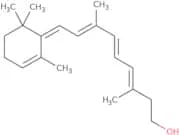
CAS:<p>Histatin 5 is a peptide that has been shown to have antimicrobial activity against Candida albicans, Candida glabrata, and Cryptococcus albicans. It is believed to exert its effect by binding to copper ions and inhibiting the mitochondrial functions of the pathogen. Histatin 5 also has pro-apoptotic properties and may be used as an experimental treatment for infectious diseases caused by opportunistic fungal strains.</p>Formula:C133H195N51O33Purity:Min. 95%Molecular weight:3,036.3 g/molall-trans-Retro retinol
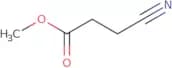
CAS:<p>All-trans-retinol is a form of vitamin A that is found in many animal tissues and some plant oils. It acts as a hormone, binding to the retinoic acid receptors (RARs) in the nucleus and activating gene transcription. All-trans-retinol has been shown to be effective against hyperproliferative diseases such as cancer, both by inducing apoptosis and by inhibiting cell growth. All-trans-retinol may also have therapeutic potential for other diseases, such as intestinal cancers and prostatic hypertrophy. This compound has been shown to induce messenger RNA (mRNA) production in cells that express RARs.</p>Formula:C20H30OPurity:Min. 95%Molecular weight:286.45 g/mol3-Cyanopropionic acid methyl ester
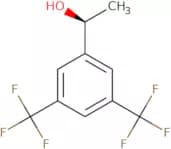
CAS:<p>3-Cyanopropionic acid methyl ester is a compound that belongs to the class of aliphatic carboxylic acids. It is an intermediate in the production of adiponitrile and acrylonitrile. This compound is used as a feedstock for the manufacture of vinylene, which can be used to produce c1-6 alkyl. 3-Cyanopropionic acid methyl ester can be produced from propylene and hydrogen cyanide in a high salt, activated reaction system. It has been shown that this compound may have metabolic disorders due to its ability to inhibit fatty acid oxidation and increase viscosity. 3-Cyanopropionic acid methyl ester is a colorless liquid at room temperature with a boiling point of 154°C and a molecular weight of 98.14 g/mol.</p>Formula:C5H7NO2Purity:Min. 95%Color and Shape:Clear LiquidMolecular weight:113.11 g/mol(S)-3',5'-Bis(trifluoromethyl)-1-phenethanol
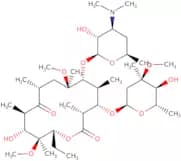
CAS:<p>(S)-3',5'-Bis(trifluoromethyl)-1-phenethanol is a choline derivative that is used in the treatment of liver cancer. It has been shown to increase the permeability of cell membranes and to suppress the growth of tumor cells by inhibiting protein synthesis. (S)-3',5'-Bis(trifluoromethyl)-1-phenethanol can be used as a surfactant and a hydrophobic solvent for optimization of reaction parameters. This chemical also has been shown to be active against Gram-positive bacteria such as Staphylococcus aureus and Enterococcus faecalis, but not against Gram-negative bacteria such as Escherichia coli or Pseudomonas aeruginosa. The mechanism of this effect is mediated by chloride ions that act as bioreductive agents on cellular membranes, leading to increased permeability and cell death.</p>Formula:C10H8F6OPurity:Min. 95%Molecular weight:258.16 g/molClarithromycin impurity F
CAS:<p>Please enquire for more information about Clarithromycin impurity F including the price, delivery time and more detailed product information at the technical inquiry form on this page</p>Formula:C39H71NO13Purity:Min. 90 Area-%Color and Shape:PowderMolecular weight:761.98 g/molNaphthalen-2-ethanol
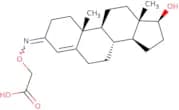
CAS:<p>Naphthalen-2-ethanol is a primary alcohol that has been synthesized and immobilized onto boron nitride. It can be used as a synthetic reaction rate indicator. Naphthalen-2-ethanol is soluble in organic solvents such as methanol, which can be used to determine the concentration of methanol in solution by observing the change in absorbance at 230 nm. This compound has functional groups such as carbinols, which are characterized by their high reactivity and ability to form esters, ethers, amides, or nitriles. Naphthalen-2-ethanol also reacts with lipases to produce polyamines and with chromatography to produce substitutive nomenclature.</p>Formula:C12H12OPurity:Min. 95%Molecular weight:172.22 g/molTestosterone 3-(O-carboxymethyl)oxime
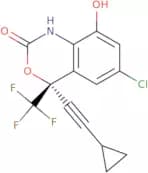
CAS:Controlled Product<p>Testosterone 3-(O-carboxymethyl)oxime is an inactive prodrug of testosterone. It is a potent and selective inhibitor of angiotensin II that causes vasodilation by blocking the conversion of angiotensin I to angiotensin II. Testosterone 3-(O-carboxymethyl)oxime has been shown to be effective in lowering blood pressure in patients with congestive heart failure, although it may cause side effects such as dizziness, headache, and nausea. This drug can also be used to treat prostate cancer because it inhibits the production of testosterone and reduces serum levels of luteinizing hormone. Testosterone 3-(O-carboxymethyl)oxime can also be used for diagnostic purposes as a marker for polycystic ovary syndrome (PCOS).</p>Formula:C21H31NO4Purity:Min. 95%Molecular weight:361.48 g/molrac 8-Hydroxy efavirenz
CAS:<p>Efavirenz is a non-nucleoside reverse transcriptase inhibitor (NNRTI) used in the treatment of HIV. It has been shown to be reactive with sodium carbonate, forming a stable complex that can be measured by LC-MS/MS. The formation rate of this complex may be influenced by the presence of other drugs, such as rifampin, which inhibits cytochrome P450 activity and reduces efavirenz metabolism. This drug has been shown to inhibit human Cytochrome P450 3A4 (CYP3A4) and may have increased plasma concentrations when administered with CYP3A4 inhibitors such as ketoconazole or erythromycin. Efavirenz is also metabolized in the liver by cytochrome P450 enzymes, mainly CYP3A4. Pharmacokinetic modeling has been used to study the drug's effects on hepatic clearance and plasma concentrations in humans.</p>Formula:C14H9ClF3NO3Purity:Min. 95%Color and Shape:White PowderMolecular weight:331.67 g/molFluorescein-sp-biotin
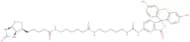
CAS:<p>Fluorescein-sp-biotin is a biotinylated derivative of fluorescein. The conjugate is used to measure the amount of free d-biotin in samples. Fluorescein-sp-biotin binds to streptavidin, which has a high affinity for biotin, and then emits light at an excitation wavelength of 488 nm when excited with a laser. The intensity of the emitted light is proportional to the concentration of free d-biotin in the sample. The following product descriptions have been generated from this information: Rifapentine Rifapentine is an anti-tuberculosis drug that belongs to the class of rifamycins. It is the most active of the rifamycins for the treatment of tuberculosis. Rifapentine inhibits bacterial growth by binding to DNA-dependent RNA polymerase, thereby preventing transcription and replication.</p>Formula:C42H50N6O8S2Purity:Min. 95%Molecular weight:831.01 g/molGabapentin related compound A
CAS:<p>Gabapentin related compound A is a gamma-aminobutyric acid analogue that has been shown to reduce diabetic neuropathy in vivo. It binds to the GABA-B receptor, which is a ligand-gated chloride channel. Gabapentin related compound A produces a rapid increase in chloride ion conductance and hyperpolarization of neurons, leading to its neuroprotective effect. The chemical stability of this drug has been investigated by hydrolysis with hydrochloric acid under various conditions. The reaction mechanism for gabapentin related compound A is similar to that of gabapentin, but it has an analog structure that confers additional stability.</p>Formula:C9H15NOPurity:Min. 95%Color and Shape:White To Off-White SolidMolecular weight:153.22 g/molN-(6-Phenylhexyl)-5-chloro-1-naphthalenesulfonamide
CAS:<p>N-(6-Phenylhexyl)-5-chloro-1-naphthalenesulfonamide is a dibutyryl camp analog that has been shown to inhibit the L-type calcium channel in a dose-dependent manner. It has an effect on both spermatozoa and glioma cells, with its most significant effect being inhibition of the intracellular calcium ion. This drug inhibits the growth rate of these cells, which may be due to its ability to activate adrenergic receptors and cause increased intracellular calcium ion levels. N-(6-Phenylhexyl)-5-chloro-1-naphthalenesulfonamide also slows the cycle of the cell, which may be due to a kinetic effect.</p>Formula:C22H24ClNO2SPurity:Min. 95%Molecular weight:401.95 g/mol4-(4-Nitrophenoxy)butanoic acid
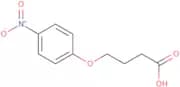
CAS:Controlled Product<p>Please enquire for more information about 4-(4-Nitrophenoxy)butanoic acid including the price, delivery time and more detailed product information at the technical inquiry form on this page</p>Formula:C10H11NO5Purity:Min. 95%Molecular weight:225.2 g/mol2-Naphthol
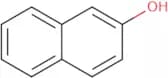
CAS:<p>2-Naphthol is an organic compound with the chemical formula C10H7O. It is a derivative of naphthalene, and is produced by the condensation of two molecules of malonic acid in the presence of a reducing agent such as sodium borohydride. 2-Naphthol is used as a pesticide and as a chemical intermediate in the production of other chemicals. 2-Naphthol has been shown to be toxic to humans and animals; it may cause liver damage, kidney damage, and skin irritation. The acute oral LD50 for rats is 690 mg/kg body weight. 2-Naphthol binds to cell receptors that are involved in a variety of physiological processes including heme transport, phagocytosis, oxidative burst, chemotaxis, and respiratory burst. This binding inhibits these functions leading to cell death.</p>Formula:C10H8OPurity:Min. 95%Color and Shape:White To Yellow To Pink To Light Brown SolidMolecular weight:144.17 g/molErythrosine
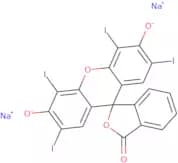
CAS:<p>Erythrosine is a fluorescent dye that is used in the detection of synchronous fluorescence and adsorption. It has been shown to be more sensitive than other methods, such as matrix effect or electrochemical impedance spectroscopy. Erythrosine has been shown to have genotoxic activity in hl-60 cells, as well as long-term toxicity. It also has analytical applications due to its ability to be used as a fluorescence probe for biological samples.</p>Formula:C20H8I4O5·2NaPurity:Min. 95%Color and Shape:Red PowderMolecular weight:881.87 g/molMethyl-1-naphthalenemethylamine
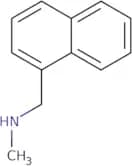
CAS:<p>Methyl-1-naphthalenemethylamine is a synthetic drug that is used as an anti-fungal agent. It is used to treat dermatophytosis and onychomycosis caused by Trichophyton mentagrophytes. Methyl-1-naphthalenemethylamine has been shown to have a clinical response in patients with the skin condition tinea pedis. This drug inhibits the growth of fungi by inhibiting cell membrane synthesis, which leads to cell death. Methyl-1-naphthalenemethylamine has been shown to be effective against Trichophyton mentagrophytes in plasma samples from patients with tinea pedis who were treated with this drug. The effectiveness of this drug may be due to its ability to inhibit the synthesis of polysaccharides, proteins, and lipids in the fungal cell membrane, or its ability to inhibit protein synthesis by binding with ribos</p>Formula:C12H13NPurity:Min. 95%Color and Shape:Clear LiquidMolecular weight:171.24 g/mol2,2'-Dichlorodiethyl ether
CAS:Controlled Product<p>2,2'-Dichlorodiethyl ether (2,2-DDE) is a cationic surfactant that is used in the production of fluorocarbons and other chemicals. It is also used in wastewater treatment as an oxidizing agent. 2,2'-DDE is toxic to humans, with a blood group toxicity profile similar to that of ethylene glycol and diethylene glycol. 2,2'-DDE can be found in the environment due to its use as a component in products and its presence in wastewaters. 2,2'-DDE has been shown to be reactive with hydrogen fluoride and oxidation catalyst, which may cause interactive effects when it is present at high concentrations. This chemical has been shown to induce cell death through histological analysis on cell cultures. Reaction mechanism for this chemical is not known.</p>Formula:C4H8Cl2OPurity:Min. 95%Color and Shape:Clear LiquidMolecular weight:143.01 g/mol2,6-Diisopropylnaphthalene
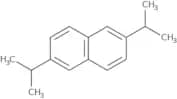
CAS:<p>Epidermal growth factor (EGF) is a polypeptide hormone that stimulates mitosis and cell growth. In some cases, it can act as an autocrine or paracrine hormone. Epidermal growth factor is used to stimulate the renewal of cells in the skin and mucous membranes. It also has been shown to have anti-inflammatory properties, which may be due to its ability to inhibit the release of inflammatory mediators such as prostaglandins and leukotrienes. 2,6-Diisopropylnaphthalene (2,6-DNP) is an antimicrobial agent that binds to the cell nucleus and inhibits transcription and translation of DNA into RNA by binding to RNA polymerase II. This binding prevents formation of transcription complexes with the cell factor necessary for transcription. 2,6-DNP has been shown to reduce disease activity in patients with inflammatory bowel disease in a clinical trial when used alone or in combination with other agents. The</p>Formula:C16H20Purity:Min. 95%Molecular weight:212.33 g/molAmoxicillin dimer tri-sodium salt (penicilloic acid form) - mixture of diastereomers
<p>Please enquire for more information about Amoxicillin dimer tri-sodium salt (penicilloic acid form) - mixture of diastereomers including the price, delivery time and more detailed product information at the technical inquiry form on this page</p>Formula:C32H27N6Na3O11S2Purity:Min. 95%Molecular weight:804.69 g/mol(NZ)-4-chloro-N-[1-[2-(4-nitrophenyl)ethyl]piperidin-2-ylidene]benzenesulfonamide
CAS:Controlled Product<p>Please enquire for more information about (NZ)-4-chloro-N-[1-[2-(4-nitrophenyl)ethyl]piperidin-2-ylidene]benzenesulfonamide including the price, delivery time and more detailed product information at the technical inquiry form on this page</p>Formula:C19H20ClN3O4SPurity:Min. 95%Molecular weight:421.9 g/mol10b-Hydroxy δ4-tibolone
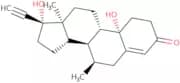
CAS:Controlled Product<p>Please enquire for more information about 10b-Hydroxy delta4-tibolone including the price, delivery time and more detailed product information at the technical inquiry form on this page</p>Formula:C21H28O3Purity:Min. 95%Molecular weight:328.45 g/mol1-Nitronaphthalene
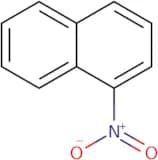
CAS:<p>1-Nitronaphthalene is a nitrobenzene derivative that has been used as an intermediate in the synthesis of pharmaceuticals, dyes, and other organic compounds. 1-Nitronaphthalene is classified as a hazardous substance due to its carcinogenicity and toxicity. In particular, it can cause irritation and burns on skin contact and may be fatal if swallowed. The toxicity profile of 1-nitronaphthalene has been studied in rats, mice, guinea pigs, rabbits, hamsters, and dogs. It was found to have moderate acute oral toxicity in rats but no significant acute toxicity in mice or dogs. 1-Nitronaphthalene also had little effect on p450 activity or enzyme activities in rats.</p>Formula:C10H7NO2Purity:Min. 95%Color and Shape:Yellow Clear LiquidMolecular weight:173.17 g/mol14,15-Dehydro budesonide
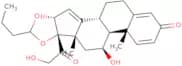
CAS:<p>Please enquire for more information about 14,15-Dehydro budesonide including the price, delivery time and more detailed product information at the technical inquiry form on this page</p>Formula:C25H32O6Purity:Min. 95%Molecular weight:428.52 g/mol(R)-3,3'-Dibromo-1,1'-bi-2-naphthol
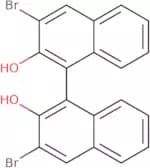
CAS:<p>(R)-3,3'-Dibromo-1,1'-bi-2-naphthol is an aromatic hydrocarbon that is chiral. It has been used as a reagent in organic synthesis and as a fluorescent labeling agent for HPLC analysis. (R)-3,3'-Dibromo-1,1'-bi-2-naphthol has also been used to synthesize biphenyls. (R)-3,3'-Dibromo-1,1'-bi-2-naphthol can be found in natural products such as flavanones and styrene. It can act as a solvating or additive agent in organic reactions and reactions involving aromatics.</p>Formula:C20H12Br2O2Purity:Min. 95%Color and Shape:PowderMolecular weight:444.12 g/mol4-Nitrophenol
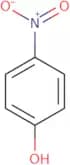
CAS:<p>4-Nitrophenol is a chemical compound that is used in wastewater treatment to remove iron and copper ions. 4-Nitrophenol has been shown to catalyze the oxidation of picolinic acid by copper chloride, forming oxalic acid. The redox potential of 4-nitrophenol is -0.53 V, which makes it a suitable electron acceptor for the reaction. The reaction mechanism of this process involves the formation of a nitroso radical intermediate, which reacts with copper ions to form copper nitroso complexes and then reacts with oxygen to form hydroxylamine radicals. This reaction can also be followed using fluorescence probe measurements or electrochemical impedance spectroscopy (EIS).</p>Formula:C6H5NO3Purity:Min. 95%Color and Shape:PowderMolecular weight:139.11 g/molEdoxaban Impurity 2
CAS:<p>Please enquire for more information about Edoxaban Impurity 2 including the price, delivery time and more detailed product information at the technical inquiry form on this page</p>Purity:Min. 95%3-Chloro-2-nitropyridine
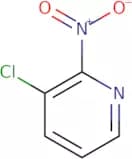
CAS:<p>3-Chloro-2-nitropyridine is a chemical compound that has been shown to have anticancer activity. It is a structural analog of the nucleophilic piperazine, which can react with hydrogen fluoride in an electrophilic substitution reaction to form 3-chloro-2-nitropyridine oxide. The anticancer activity of this compound may be due to its ability to inhibit the growth of tumor cells by binding to the d4 receptor, inhibiting the production of inflammatory cytokines and growth factors. 3-Chloro-2-nitropyridine has also been shown to have antiinflammatory activities, which may be due to its inhibition of nitric oxide synthesis and 5'-lipoxygenase.</p>Formula:C5H3N2O2ClPurity:Min. 95%Color and Shape:PowderMolecular weight:158.54 g/mol1,2-Dimethyl-2-thiopseudourea hydroiodide
CAS:<p>Please enquire for more information about 1,2-Dimethyl-2-thiopseudourea hydroiodide including the price, delivery time and more detailed product information at the technical inquiry form on this page</p>Formula:C3H8N2S·IHPurity:Min. 95%Molecular weight:232.09 g/mol4-Acetamido-4'-isothiocyanatostilbene-2,2'-disulfonic acid, sodium salt
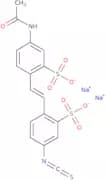
CAS:<p>4-Acetamido-4'-isothiocyanatostilbene-2,2'-disulfonic acid, sodium salt (AITC-S) is a stilbene derivative with inhibitory properties. It has been shown to inhibit the uptake of camp in rat ventricular myocytes and caco-2 cells as well as the release of camp from rat renal proximal tubules. AITC-S also inhibits the transport of camp into the cells. The mechanism by which AITC-S inhibits uptake is not yet known, but it may be due to competition for a common carrier or an effect on intracellular metabolism. This compound has also been shown to have an acute ischemic protective effect on rats when administered before reperfusion following coronary artery occlusion.</p>Formula:C17H12N2Na2O7S3Purity:Min. 95%Molecular weight:498.46 g/molCodeine-D3 solution
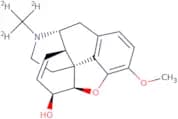
CAS:Controlled Product<p>Please enquire for more information about Codeine-D3 solution including the price, delivery time and more detailed product information at the technical inquiry form on this page</p>Purity:Min. 95%Roxithromycin EP Impurity C
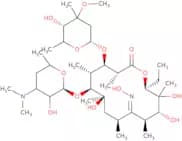
CAS:<p>Roxithromycin EP Impurity C is a byproduct of the synthesis of erythromycin. It has been shown to have anti-inflammatory activity in liver cells, and has been used as a model for studying the mechanism of action of erythromycin. The reaction solution contains inorganic acid and nitrogen atoms. Roxithromycin EP Impurity C reacts with erythromycin to form an intermediate that then undergoes a series of reactions, including hydroxylation, oxidation, and decarboxylation. The purified product is made up of carbonyl groups and transcriptional regulation. This impurity can also be found in cell nuclei.</p>Formula:C37H68N2O13Purity:Min. 95%Molecular weight:748.94 g/molCefradine impurity F
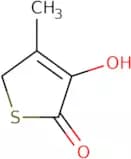
CAS:<p>Cefradine impurity F is a hydrolysis product of cefradine, which is an antibiotic. It is catalysed by β-lactamase enzymes and undergoes nucleophilic attack on the carbon atom adjacent to the carbonyl group. Cefradine impurity F has been shown to be effective against enterobacter, which is a type of bacteria that can cause urinary tract infections. The uptake of cefradine impurity F into bacteria can occur through passive diffusion or active transport mechanisms. This drug was also found to be hydrolyzed by buffers such as phosphate and acetate in vitro, but not by other substances such as EDTA and citrate. Cefradine impurity F has been shown to be hydrolyzed in vivo, with the most likely mechanism being spontaneous hydrolysis.</p>Formula:C5H6O2SPurity:Min. 95%Color and Shape:PowderMolecular weight:130.17 g/mol4-(2-Chlorophenyl)-9-methyl-6H-thieno[3,2-f][1,2,4]triazolo[4,3-a][1,4]diazepine-2-propanoic acid methyl ester
CAS:Controlled Product<p>Please enquire for more information about 4-(2-Chlorophenyl)-9-methyl-6H-thieno[3,2-f][1,2,4]triazolo[4,3-a][1,4]diazepine-2-propanoic acid methyl ester including the price, delivery time and more detailed product information at the technical inquiry form on this page</p>Formula:C19H17ClN4O2SPurity:Min. 95%Molecular weight:400.88 g/mol5-Bromo-1H-indole-2-carboxylic acid methyl ester
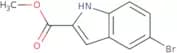
CAS:<p>5-Bromo-1H-indole-2-carboxylic acid methyl ester is a drug that belongs to the class of carboxylates. It has been shown to inhibit the growth of tumor cells in vitro and in vivo. The antitumor activity of this compound may be due to its ability to stabilize planar indole moieties, which are cytotoxic. 5-Bromo-1H-indole-2-carboxylic acid methyl ester interacts with other molecules through intermolecular interactions and can form an indole ring system that has a trifluoromethyl group and a carboxylate group in its structure.</p>Formula:C10H8BrNO2Purity:Min. 95%Molecular weight:254.08 g/molD-Aspartic acid b tert-butyl ester
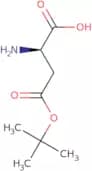
CAS:<p>D-Aspartic acid b tert-butyl ester (DATB) is an antimicrobial agent that has been shown to inhibit the growth of drug-resistant bacteria. DATB has been shown to be active against both gram-positive and gram-negative bacteria, with a selectivity for those with a peptidoglycan cell wall. DATB inhibits the synthesis of amide and peptide bonds and has been shown to have a wide range of uses in the production of antibiotics, such as carbamates and natural products.</p>Formula:C8H15NO4Purity:Min. 95%Color and Shape:PowderMolecular weight:189.21 g/molN,N-Diethylaminoethyl 2,2-diphenylvalerate hydrochloride
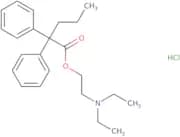
CAS:Controlled Product<p>N,N-Diethylaminoethyl 2,2-diphenylvalerate hydrochloride is a depressant drug that inhibits the growth of bacteria by inhibiting fatty acid synthesis. It has been shown to inhibit group P2 enzymes that are involved in the production of fatty acids. In this way, it inhibits the formation and release of ATP, which is essential for bacterial growth. N,N-Diethylaminoethyl 2,2-diphenylvalerate hydrochloride also has inhibitory properties against bacteria that cause infectious diseases. This drug is effective against Hl-60 cells and can be used as a diagnostic tool for detection sensitivity and detection time.</p>Formula:C23H32ClNO2Purity:Min. 95%Molecular weight:389.96 g/mol7-Amino-4-(trifluoromethyl)coumarin
CAS:<p>7-Amino-4-(trifluoromethyl)coumarin is a coumarin derivative that has been used as a fluorescence probe for the study of enzyme activities. It can be used as a potential biomarker for autoimmune diseases, and has also been shown to have tyrosine kinase domain binding activity. 7-Amino-4-(trifluoromethyl)coumarin can bind to the hydroxyl group in tyrosine residues with high affinity, and binds to the nitrogen atoms in protein kinases with low affinity. This compound is able to form intermolecular hydrogen bonds and steric interactions with peptide hormones.</p>Formula:C10H6F3NO2Purity:Min. 95%Molecular weight:229.16 g/mol3-O-Acetyl-26-hydroxy cholesterol
CAS:Controlled Product<p>Please enquire for more information about 3-O-Acetyl-26-hydroxy cholesterol including the price, delivery time and more detailed product information at the technical inquiry form on this page</p>Formula:C29H48O3Purity:Min. 95%Molecular weight:444.69 g/molTadalafil impurity C
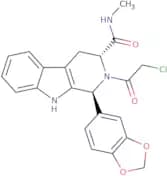
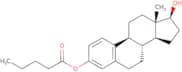
CAS:<p>Please enquire for more information about Tadalafil impurity C including the price, delivery time and more detailed product information at the technical inquiry form on this page</p>Formula:C22H20ClN3O4Purity:Min. 95%Molecular weight:425.86 g/molEstradiol 3-valerate
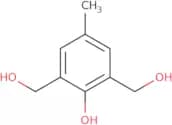
CAS:Controlled Product<p>Please enquire for more information about Estradiol 3-valerate including the price, delivery time and more detailed product information at the technical inquiry form on this page</p>Formula:C23H32O3Purity:Min. 95%Color and Shape:PowderMolecular weight:356.5 g/mol2,6-Bis(hydroxymethyl)-p-cresol
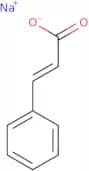
CAS:<p>2,6-Bis(hydroxymethyl)-p-cresol (BHMC) is a cross-linking agent that reacts with the hydroxyl groups of polymers to form covalent bonds. This reaction is irreversible and has been shown to be effective in thermal expansion applications. BHMC is insoluble in water and so can be used as a proton donor for the synthesis of polymer hydrogels. BHMC has also been used as a molecular modeling probe for studying protein structure and function. This compound reacts with nucleophiles by nucleophilic attack on the carbonyl carbon atom, producing an intermediate that tautomerizes to the corresponding enone. The reaction mechanism involves formation of a tetranuclear transition state followed by acid catalysis. Functional groups such as -OH, -NH2, or -COOH are required for this reaction to occur. NMR spectra have shown that there are three different chemical structures</p>Formula:C9H12O3Purity:Min. 95%Color and Shape:PowderMolecular weight:168.19 g/molSodium cinnamate
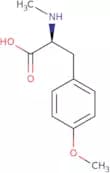
CAS:<p>Sodium cinnamate is an organic compound that is a derivative of 4-hydroxycinnamic acid. It forms sodium salts with water vapor, which are soluble in water. Sodium cinnamate has been shown to have genotoxic activity, and may be used as a potential anticancer drug. Sodium cinnamate also binds to toll-like receptors on the surface of cells, which activate inflammatory signaling pathways. This compound also inhibits enzymes involved in infectious diseases such as influenza A virus and herpes simplex virus type 1 replication. Caffeic acids, chlorogenic acids, and pge2 levels were shown to be increased after treatment with sodium cinnamate.</p>Formula:C9H7NaO2Purity:Min. 95 Area-%Color and Shape:PowderMolecular weight:170.14 g/molN-Methyl-O-methyl-L-tyrosine hydrochloride
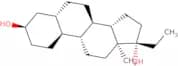
CAS:<p>N-Methyl-O-methyl-L-tyrosine hydrochloride (NMT) is an organic compound that is synthesized from D-alanine. It has been shown to inhibit the production of didemnin, a protein that regulates the cell cycle, in mcf-7 cells. NMT has also been shown to stop the growth of human breast cancer cells and increase the lifespan of mice with cancerous tumors. NMT is a macrocyclic molecule, which means it has a ring structure made up of at least six atoms. The conformation of this molecule may be cyclic or linear.</p>Formula:C11H15NO3·HClPurity:Min. 95%Molecular weight:245.7 g/mol(3a,5a,17a)-19-Norpregnane-3,17-diol
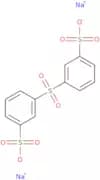
CAS:Controlled Product<p>Please enquire for more information about (3a,5a,17a)-19-Norpregnane-3,17-diol including the price, delivery time and more detailed product information at the technical inquiry form on this page</p>Formula:C20H34O2Purity:Min. 95%Molecular weight:306.48 g/molDiphenylsulfone-3,3'-disulfonic Acid Disodium Salt
CAS:<p>Please enquire for more information about Diphenylsulfone-3,3'-disulfonic Acid Disodium Salt including the price, delivery time and more detailed product information at the technical inquiry form on this page</p>Purity:Min. 95%



![4'-[[1,4'-Dimethyl-2'-propyl(2,6'-bi-1H-benzimidazol)-1'-yl]-methyl]-1,1'-biphenyl-2-carboxylicaci…](/_next/image/?url=https%3A%2Fstatic.cymitquimica.com%2Fproducts%2F3D%2Fthumb-webp%2FFD148340.webp&w=3840&q=75)






![(NZ)-4-chloro-N-[1-[2-(4-nitrophenyl)ethyl]piperidin-2-ylidene]benzenesulfonamide](/_next/image/?url=https%3A%2Fstatic.cymitquimica.com%2Fproducts%2F3D%2Fthumb-webp%2FFN154024.webp&w=3840&q=75)


![4-(2-Chlorophenyl)-9-methyl-6H-thieno[3,2-f][1,2,4]triazolo[4,3-a][1,4]diazepine-2-propanoic acid …](/_next/image/?url=https%3A%2Fstatic.cymitquimica.com%2Fproducts%2F3D%2Fthumb-webp%2FFC20337.webp&w=3840&q=75)