Pharmaceutical Standards
Pharmaceutical standards are a comprehensive set of reference materials essential for ensuring the safety, efficacy, and quality of pharmaceutical products. This category includes standards for active pharmaceutical ingredients (APIs), which are the core components responsible for therapeutic effects. Additionally, it covers compounds and metabolites relevant to both the pharmaceutical and veterinary industries, providing benchmarks for the accurate measurement and analysis of these substances. Nitrosamine control standards are crucial for detecting and mitigating potentially harmful nitrosamines in drug formulations. Toxicology standards help assess the safety and potential adverse effects of pharmaceutical compounds. Furthermore, enzyme activators and inhibitors standards are vital for research and development, enabling precise studies of biochemical pathways and drug mechanisms. These pharmaceutical standards are indispensable tools for regulatory compliance, quality control, and research, ensuring that pharmaceutical products meet stringent safety and effectiveness criteria.
Subcategories of "Pharmaceutical Standards"
- APIs for research and impurities(274,823 products)
- Enzyme Activators and Inhibitors(2,827 products)
- Nitrosamines(2,605 products)
- Pharmaceutical and Veterinary Compounds and Metabolites(2,869 products)
- Toxicology(13,652 products)
Found 7836 products of "Pharmaceutical Standards"
Sort by
Purity (%)
0
100
|
0
|
50
|
90
|
95
|
100
4-[1-(4-Iodophenyl)-5-(2,4-dinitrophenyl)-formaz-3-yl]-1,3-benzene Disulfonate, Disodium Salt
CAS:Controlled Product<p>Applications 4-[1-(4-Iodophenyl)-5-(2,4-dinitrophenyl)-formaz-3-yl]-1,3-benzene Disulfonate, Disodium Salt (cas# 161617-44-3) is a compound useful in organic synthesis.<br></p>Formula:C19H11IN6O10S2·2NaColor and Shape:NeatMolecular weight:720.34Naphthalene-2-sulfonyl Chloride
CAS:Controlled Product<p>Applications (cas# 1993-11-08) is a useful research chemical.<br></p>Formula:C10H7ClO2SColor and Shape:NeatMolecular weight:226.686-Bromo-2-naphthylamine
CAS:Controlled Product<p>Applications Used in the new synthesis of alkylsulphanylnaphthalenes and the synthesis and mesomorphic properties of novel naphthylisothiocyanates.<br>References Lauk, u., et al.: Helv. Chim. Acta, 68, 1406 (1985), Collina, S., et al.: Bioorg. Med. Chem., 8, 1925 (2000),<br></p>Formula:C10H8BrNColor and Shape:Light BeigeMolecular weight:222.082’,3’,5’-Tri-O-benzoyl-2-thiouridine
CAS:Controlled Product<p>Applications Protected 2-Thiouridine.<br>References El-Tayeb, A., et al.: J. Med. Chem., 49, 7076 (2006),<br></p>Formula:C30H24N2O8SColor and Shape:NeatMolecular weight:572.5856-Methyl-5-(phenylmethoxy)-3,4-pyridinedicarboxylic Acid
CAS:Controlled Product<p>Applications 6-Methyl-5-(phenylmethoxy)-3,4-pyridinedicarboxylic Acid is an intermediate in synthesizing 5-Hydroxy-6-methyl-3,4-pyridinedicarboxylic Acid (H946970), which is used in studies to identify 4-pyridoxic acid dehydrogenase gene in pyridoxine catabolism of Mesorhizobium loti MAFF303099.<br>References Mukherjee, T., et al.: Bioorg. Chem., 35, 458 (2007)<br></p>Formula:C15H13NO5Color and Shape:NeatMolecular weight:287.275-Chloro-1,2-dihydro-1-acenaphthylenol
CAS:Controlled Product<p>Applications 5-Chloro-1,2-dihydro-1-acenaphthylenol is used in the preparation of benzimidazole derivatives as receptor agonists for the treatment of central nervous system diseases.<br></p>Formula:C12H9ClOColor and Shape:NeatMolecular weight:204.659-cis-(tert-Butyldimethylsilyl)retinyl Ether
CAS:Controlled Product<p>Applications Intermediate for the synthesis of 9-cis-Retinoids<br>References Rosen, J., et al.: J. Med. Chem., 38, 4855 (1995), Haupt, U., et al.: Biochem., 36, 2 (1997).<br></p>Formula:C26H44OSiColor and Shape:NeatMolecular weight:400.714-[Bis(2-methoxy-2-oxoethyl)amino]-3-[2-[2-[bis(2-methoxy-2-oxoethyl)amino]-5-methylphenoxy]ethoxy]-benzoic Acid
CAS:Controlled Product<p>Applications 4-[Bis(2-methoxy-2-oxoethyl)amino]-3-[2-[2-[bis(2-methoxy-2-oxoethyl)amino]-5-methylphenoxy]ethoxy]-benzoic Acid is an intermediate in synthesizing N-[2-[2-[2-[Bis(carboxymethyl)amino]-5-(diazoacetyl)phenoxy]ethoxy]-4-methylphenyl]-N-(carboxymethyl)-glycine Tetrapotassium Salt (B416505), which is more stable as dilute aqueous solution since solid form is light sensitive and is susceptible to decomposition. It is used in the photolysis of caged calcium and measurement of calcium concentration in cardiac myocytes.<br>References Lipp, P., et al.: Cell Calcium, 19, 255 (1996);<br></p>Formula:C28H34N2O12Color and Shape:NeatMolecular weight:590.586-Mercaptopurine-9-β-D-ribofuranoside 2',3',5'-Triacetate
CAS:Controlled Product<p>Applications 2',3',5'-Triacetate derivative of 6-Mercaptopurine-9-β-D-ribofuranoside (M257125), a substrate for adenosine deaminase.<br>References Kashida, T., et al.: Biol. Pharma. Bull., 18, 1492 (1995); Sloan, K.B., et al.: J. Pharma. Sci., 72, 372 (1983);<br></p>Formula:C16H18N4O7SColor and Shape:NeatMolecular weight:410.4N,N-Dimethyl-5-(phenylmethoxy)-1H-indole-3-ethan-a,a,b,b-d4-amine
CAS:Controlled Product<p>Applications N,N-Dimethyl-5-(phenylmethoxy)-1H-indole-3-ethan-α,α,β,β-d4-amine is an intermediate in the synthesis of Bufotenine-d4 Hydrochloride (B689467), which is labelled bufotenine Hydrochloride (B689465) which is a weak hallucinogenic agent active by intravenous injection. It is a constituent of toad poison.<br>References Stoll, et al.: Helv. Chim. Acta, 38, 1452 (1955), Bhattacharya, S., et al.: Indian. J. Physiol. Pharmacol., 15, 133 (1971), Falkenberg, G., et al.: Acta Crystallogr., 28B, 3219 (1972)<br></p>Formula:C19H18D4N2OColor and Shape:NeatMolecular weight:298.42Dihydroxyacetone Phosphate Lithium Salt (>90%)
CAS:Controlled Product<p>Stability Hygroscopic<br>Applications Dihydroxyacetone Phosphate Lithium Salt, is a metabolic intermediate involved in involved in a wide variety of metabolic pathways including glycolysis and lipid biosynthesis. In plants, Dihydroxyacetone phosphate is involved with the synthesis of vitamin B6.<br>References Jun Ogawa et. al.: et al.: Bioscience, biotechnology, and biochemistry, 67(4), undefined (2003-6-6); John P Richard, Biochemistry, 51(13), undefined (2012-3-14);<br></p>Formula:C3H7O6P•xLiPurity:>90%Color and Shape:NeatMolecular weight:170.066942-Hydroxy-5-[2-[[6-(4-phenylbutoxy)hexyl](phenylmethyl)amino]acetyl]benzoic Acid Methyl Ester
CAS:Controlled Product<p>Applications 2-Hydroxy-5-[2-[[6-(4-phenylbutoxy)hexyl](phenylmethyl)amino]acetyl]benzoic Acid Methyl Ester is an intermediate in the synthesis of Salmeterol (S090100), a β2-Adrenergic agonist.<br>References Johnson, M.: Lung, 168, Suppl., 115 (1990), Ullman, A., et al.: Am. Rev. Resp. Dis., 142, 571 (1990), Twentyman, O.P., et al.: Lancet, 336, 1338 (1990)<br></p>Formula:C33H41NO5Color and Shape:NeatMolecular weight:531.681-Oxyl-2,2,5,5-tetramethyl-∆3-pyrrolinyl-4-pyridine Disulfide
Controlled Product<p>Applications A highly reactive thiol-specific spin-label. A specific conformational probe of thiol site structure by virtue of its minimal rotational freedom and distance from the covalent disulfide linkage to the macromolecule under study.<br></p>Formula:C14H19N2OS2Color and Shape:NeatMolecular weight:295.4434-(Benzyl(methyl)amino)benzoic Acid
Controlled Product<p>Applications 4-(Benzyl(methyl)amino)benzoic Acid is an intermediate of α,α-Bis[4-(dimethylamino)phenyl]-4-(methylamino)-benzenemethanol which is a product from degradation of methyl green.<br>References Chen, C., et al.: Environ. Sci. Technol., 41, 4389 (2007)<br></p>Formula:C15H15NO2Color and Shape:NeatMolecular weight:241.285N-Ethyl-N-methyl-O-(4-nitrophenyl)carbamate
CAS:Controlled Product<p>Applications N-Ethyl-N-methyl-O-(4-nitrophenyl)carbamate (cas# 90870-20-5) is a compound useful in organic synthesis.<br></p>Formula:C10H12N2O4Color and Shape:NeatMolecular weight:224.212-(2-Chloro-2-nitropropoxy)tetrahydro-2H-pyran
CAS:Controlled Product<p>Applications Intermediate in the preparation of olefins, butenolides and nitro butyrolactones.<br>References Beugelmans, R. et al.; B. Soc. Chim. Fr. 131, 1019 (1994)<br></p>Formula:C8H14ClNO4Color and Shape:NeatMolecular weight:223.652,4,5-Trichlorophenoxyacetic Acid-d4
CAS:Controlled Product<p>Applications 2,4,5-Trichlorophenoxyacetic Acid-d5 is an isotope labelled analog of 2,4,5-Trichlorophenoxyacetic Acid. It is suitable for plant cell culture tested. Post-emergence herbicide.<br> Not a dangerous good if item is equal to or less than 1g/ml and there is less than 100g/ml in the package<br>References Smith, J., et al.: Science, 203, 1090 (1979), Salunkhe, C., et al.: Plant Cell Reports, 18, 670 (1999), Jheng, F., et al.: Plant Sci., 170, 1133 (2006),<br></p>Formula:C82H4HCl3O3Color and Shape:NeatMolecular weight:259.512-Amino-4-chloro-5-nitropyridine
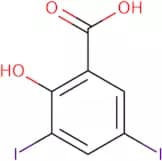
CAS:Controlled Product<p>Applications 2-Amino-4-chloro-5-nitropyridine (cas# 24484-96-6) is a compound useful in organic synthesis.<br></p>Formula:C5H4ClN3O2Color and Shape:NeatMolecular weight:173.563,5-Diiodosalicylic Acid
CAS:Controlled Product<p>Applications 3,5-Diiodosalicylic Acid is an metabolite of Aspirin (A187780), an anti-inflammatory, anti-platelet and cancer-preventive agent. 3,5-Diiodosalicylic Acid was shown to exhibit agonist activity at GPR35, a orphan G protein coupled receptor.<br>References Deng, H.Y., et al.: Arch. Pharmacol., 385, 729 (2012); Blandin, V., et al.: Molec. Pharmacol., 58, 1461 (2000);<br></p>Formula:C7H4I2O3Color and Shape:NeatMolecular weight:389.916-Hydroxy-8-methoxy-octanoic Acid Methyl Ester-d5
CAS:Controlled Product<p>Applications 6-Hydroxy-8-methoxy-octanoic Acid Methyl Ester-d5 is a compound useful in organic synthesis.<br></p>Formula:C10D5H15O4Color and Shape:NeatMolecular weight:209.2944-[4-[4-(Diphenylmethoxy-d5)-1-piperidinyl]-1-butyne]-α,α-dimethyl-benzeneacetic Acid Methyl Ester
CAS:Controlled Product<p>Applications 4-[4-[4-(Diphenylmethoxy-d5)-1-piperidinyl]-1-butyne]-α,α-dimethyl-benzeneacetic Acid Methyl Ester (cas# 1216447-65-2) is a compound useful in organic synthesis.<br></p>Formula:C33H32D5NO3Color and Shape:NeatMolecular weight:500.68Dithio-2,2'-bis(N-methylbenzamide)-d6
CAS:Controlled Product<p>Applications Dithio-2,2'-bis(N-methylbenzamide)-d6 is an labelled intermediate in the synthesis of analogue of Axitinib, a tyrosine kinase inhibitor used for cancer therapy.<br>References Brown, D.W., et al.: Sci. Synthesis., 11, 573 (2002);<br></p>Formula:C16D6H10N2O2S2Color and Shape:NeatMolecular weight:338.477(2S)-2-Hydroxy-1-propyl Methanesulfonate
CAS:Controlled Product<p>Applications Used in the preparation of labeled cocaine analogs.<br>References Carroll, F.I., et al.: J. Med. Chem., 35, 2497 (1992),<br></p>Formula:C4H10O4SColor and Shape:NeatMolecular weight:154.18α-Carboline-15N2
CAS:Controlled Product<p>Applications A carcinogenic compound formed during cooking processes<br>References Zhang, Y.P., et al.: Environ. Mol. Mutagen., 21, 100 (1993), Magdo, I., et al.: Cancer Lett., 81, 201 (1994),<br></p>Formula:C11H815N2Color and Shape:NeatMolecular weight:170.18O6-Benzyl-8-bromo-N9-[3’,5’-O-(1,1,3,3-tetrakis(isopropyl)-1,3-disiloxanediyl)-β-D-2’-deoxyribofuranosyl]guanine
CAS:Controlled Product<p>Applications O6-Benzyl-8-bromo-N9-[3’,5’-O-(1,1,3,3-tetrakis(isopropyl)-1,3-disiloxanediyl)-β-D-2’-deoxyribofuranosyl]guanine (cas# 328394-26-9) is a compound useful in organic synthesis.<br></p>Formula:C29H44BrN5O5Si2Color and Shape:NeatMolecular weight:678.765N,N-Di-Boc-9-Methylbiotin Methyl Ester;
Controlled Product<p>Applications 1,3-Boc-9-Methyl-(+)-Biotin Methyl Ester is an intermediate in the synthesis of 9-Methyl Biotin (mixture of diastereomers) (M294075), which is an impurity of Biotin (B389040). Biotin EP Impurity D.<br>References Trotter, J., et al.: Biochemistry, 5, 713 (1966), Suurkuusk, J., et al.: Eur. J.Biochem., 28, 438 (1972),<br></p>Formula:C22H36N2O7SColor and Shape:NeatMolecular weight:472.595Cinnamyl Bromide
CAS:Controlled Product<p>Applications Cinnamyl Bromide acts as a reagent in the synthesis of Arylpiperidines as a new class of oxidosqualene cyclase inhibitors.<br> Not a dangerous good if item is equal to or less than 1g/ml and there is less than 100g/ml in the package<br>References Keller, M., et al.: Eur. J. Med. Chem., 109, 13 (2016)<br></p>Formula:C9H9BrColor and Shape:NeatMolecular weight:197.073',5'-Bis-O-(tert-butyldimethylsilyl)thymidine-d3
CAS:Controlled Product<p>Applications An intermediate in the preparation of deuterated cytidine derivatives<br>References Chamorro, C., et al.: Bioorg. Med. Chem. Lett., 11, 3085 (2001), Bornemann, B., et al.: Bioorg. Med. Chem., 14, 6235 (2006), Desbouis, D., et al.: J. Med. Chem., 51, 6689 (2008),<br></p>Formula:C22H39D3N2O5Si2Color and Shape:NeatMolecular weight:473.771,2-Dimethylisothiourea-HI
CAS:Controlled Product<p>Applications 1,2-Dimethylisothiourea-HI (cas# 41306-45-0) is a useful research chemical.<br></p>Formula:C3H8N2S·HIColor and Shape:NeatMolecular weight:232.08N-Nitro-S-methylisothiourea
CAS:Controlled Product<p>Applications N-Nitro-S-methylisothiourea is used as a reactant in the preparation of 1,5-substituted-1,3,5-hexahydrotriazine-2-N-nitroimines with insecticidal activity.<br>References Xue, S., et. al.: J Heterocyciic Chem., 50, 1067 (2013)<br></p>Formula:C2H5N3O2SColor and Shape:NeatMolecular weight:135.143-Nitrophthalic Anhydride
CAS:Controlled Product<p>Applications An intermediate for the synthesis of a benzimidazole PARP inhibitor I (succinate salt) (ABT-472).<br>References Denny, W., et al.: J. Med. Chem., 33, 814 (1990), Anon., et al.: Curr. Med. Chem., 10, 321 (2003),<br></p>Formula:C8H3NO5Color and Shape:Light YellowMolecular weight:193.1132-(Hydroxydiphenylmethyl)-1-pyrrolidinecarboxylic Acid 1,1-Dimethylethyl Ester
CAS:Controlled Product<p>Applications 2-(Hydroxydiphenylmethyl)-1-pyrrolidinecarboxylic Acid 1,1-Dimethylethyl Ester is an intermediate in the synthesis of α-Zingiberene which is a sesquiterpine found in leaf glandular trichomes that is currently being evaluated for its cytotoxicity towards human tumour cell lines.<br>References Bou, D., et al.: Molecules, 18, 9477 (2013); Freitas, J., et al.: Euphytica, 127, 275 (2002)<br></p>Formula:C22H27NO3Color and Shape:NeatMolecular weight:353.459-O-Methyl-3-O-pivaloyl-isourolithin A
Controlled Product<p>Applications 9-O-Methyl-3-O-pivaloyl-isourolithin A is a proposed intermediate in the synthesis of Isourolithin A 9-Glucuronide (I917525), which is a metabolite of ellagitannins and ellagic acid in different mammals.<br>References Gonzalez-Barrio, R., et al.: J. Agric. Food Chem., 59, 1152 (2011)<br></p>Formula:C19H18O5Color and Shape:NeatMolecular weight:326.343(2E,6Z,8E)-2,6,8-Decatrienoic Acid Methyl Ester
CAS:Controlled Product<p>Applications (2E,6Z,8E)-2,6,8-Decatrienoic Acid Methyl Ester is an spilanthol (S681850) related amide found from Acmella ciliata.<br>References Martin, R., et al.: Phytochem., 23, 1781 (1984);<br></p>Formula:C11H16O2Color and Shape:NeatMolecular weight:180.24Bis[2-(2-mercaptobenzoyl)hydrazide] 2,2'-Dithiobis-benzoic Acid
CAS:Controlled Product<p>Applications Bis[2-(2-mercaptobenzoyl)hydrazide] 2,2'-Dithiobis-benzoic Acid is an intermediate used in the synthesis of N,N’-Bis(2-mercaptobenzoyl)hydrazide (B481825), which is a selective inhibitor of HIV-1 integrase. Has no other effect on other retroviral targets, including reverse transcriptase, protease, and virus attachement, and exhibits no detectable activity against human topoisomerases I and II at concentrations that effectively inhibit integrase.<br>References Neamati, N., et al.: J. Med. Chem., 45, 5661 (2003)<br></p>Formula:C28H22N4O4S4Color and Shape:NeatMolecular weight:606.762-(Formylamino)-3-hydroxy-2-propenoic Acid Ethyl Ester
CAS:Controlled Product<p>Applications 2-(Formylamino)-3-hydroxy-2-propenoic Acid Ethyl Ester (cas# 61934-93-8) is a compound useful in organic synthesis.<br></p>Formula:C6H9NO4Color and Shape:NeatMolecular weight:159.14Triphenylmethanesulfenyl Chloride
CAS:Controlled Product<p>Applications Intermediate in the preparation of precursors for cyclic polysulfides.<br>References Abu-Yousef, I. et al.; J. Sulfur Chem. 28, 251 (2007)<br></p>Formula:C19H15ClSColor and Shape:NeatMolecular weight:310.84Guanosine 3’-O-Tetraisopropyldisiloxyanyl Ether
Controlled Product<p>Applications Guanosine 3’-O-Tetraisopropyldisiloxyanyl Ether is an isotope labelled intermediate in the preparation of nucleotide analogs.<br>References Robins, M. J., et al.: J. Am. Chem. Soc., 105, 4059 (1983);<br></p>Formula:CC21H4115N2N3O7Si2Color and Shape:NeatMolecular weight:384.5091-Vinylnaphthalene [Stabilized with 4000ppm tert-Butylcatechol]
CAS:Controlled Product<p>Stability Readily Polymerizes<br>Applications A precursor of polynuclear aromatic hydrocarbons in tobacco smoke.<br></p>Formula:C12H10Color and Shape:Colourless To OrangeMolecular weight:154.21(2R)-2-(Acetylamino)butanoic Acid-d5
CAS:Controlled Product<p>Applications (2R)-2-(Acetylamino)butanoic Acid-d5 is an intermediate in synthesizing Methyl Ergonovine-d5 Maleate Salt (M304602), a labelled metabolite of Methysergide. Semisynthetic ergot alkaloid. Oxytocic.<br>References Mueller, L., et al.: Headache, 37, 437 (1997), de Groot, A.N., et al.: Drugs, 56, 523 (1998),<br></p>Formula:C6D5H6NO3Color and Shape:NeatMolecular weight:150.187trans-Cinnamoyl Chloride
CAS:Controlled Product<p>Applications trans-Cinnamoyl chloride (cas# 102-92-1) is a useful research chemical.<br></p>Formula:C9H7ClOColor and Shape:NeatMolecular weight:166.6Hexachloronaphthalene-1,8-disulfide
CAS:Controlled Product<p>Applications Hexachloronaphthalene-1,8-disulfide is an intermediate in the synthesis of 1,2,3,7,8-Pentachloronaphthalene which is a persistent organohalogenated pollutant found in the air and wastewater.<br>References Bordajandi, L.R., et. al.: J. Chrom. A., 1186, 312 (2008); Li, F., et. al.: J. Hazard. Mater., 280, 111 (2014); Ryu, J., et. al.: Environ. Sci. Technol., 47, 2394 (2013)<br></p>Formula:C10Cl6S2Color and Shape:NeatMolecular weight:396.962-[(2-Amino-3-chlorophenyl)thio]-benzoic Acid Methyl Ester
CAS:Controlled Product<p>Applications 2-[(2-Amino-3-chlorophenyl)thio]-benzoic Acid Methyl Ester is an intermediate in the synthesis of 9-Chloro Quetiapine (C366040). 9-Chloro Quetiapine is an impurity of Quetiapine hemifumarate (Q510000), a dibenzothiazepine antipsychotic medication used in the treatment of schizophrenia.<br>References Kumar, K., et al.: Org. Chem.: An Indian Journal, 8, 164 (2012); Raju, I., et al.: Chromatographia, 70, 545 (2009)<br></p>Formula:C14H12ClNO2SColor and Shape:NeatMolecular weight:293.774-Nitrophenoxyacetic Acid
CAS:Controlled Product<p>Applications 4-Nitrophenoxyacetic Acid is a butyl p-nitrophenyl ether metabolite. Plant growth regulatory activity.<br>References Yoshimura, H., et al.: Biochem. Pharmacol., 16, 1953 (1967); Aaberg, B.: Swedish J. Agric. Res., 10, 101 (1980)<br></p>Formula:C8H7NO5Color and Shape:NeatMolecular weight:197.14N-(2-Hydroxy-4-nitrophenyl)phthalimide
CAS:Controlled Product<p>Applications N-(2-Hydroxy-4-nitrophenyl)phthalimide (cas# 117346-07-3) is a compound useful in organic synthesis.<br></p>Formula:C14H8N2O5Color and Shape:NeatMolecular weight:284.224,4,4-Trimethoxybutanoic Acid Methyl Ester
CAS:Controlled Product<p>Applications 4,4,4-Trimethoxybutanoic Acid Methyl Ester is an substituent in the synthesis of Methyl Prednisolone (M325934).<br>References Ueno, H., et al.: J. Med. Chem., 34, 2468 (1991);<br></p>Formula:C8H16O5Color and Shape:NeatMolecular weight:192.21Abacavir Triphosphate TEA Salt
CAS:Controlled ProductFormula:C14H21N6O10P3·xCH15NColor and Shape:NeatMolecular weight:526.27 + (101.19)xGibberellic Acid Methyl Ester
CAS:Controlled Product<p>Applications Gibberellic Acid Methyl Ester is a derivative of the plant hormone Gibberellin which regulates growth and various developmental processes.<br>References Stolp, C.F., et al.: Plant Cell Physiol, 18, 721-8 (1977)<br></p>Formula:C20H24O6Color and Shape:NeatMolecular weight:360.42-Nitropropane
CAS:Controlled Product<p>Applications 2-Nitropropane is an oxidative stress-inducing agent and also a carcinogen. It is used in the induction of DNA polymerase β-dependent base excision repair in response to oxidative stress in the liver.<br> Not a dangerous good if item is equal to or less than 1g/ml and there is less than 100g/ml in the package<br>References Cabelof, D.C., et al.: Carcinogenesis,23, 1419 (2002); Kreis, P., et al.: Carcinogenesis, 21, 295 (2000)<br></p>Formula:C3H7NO2Color and Shape:ColourlessMolecular weight:89.092-Chloro-4-fluoro-5-[3-methyl-2,6-dioxo-4-(trifluoromethyl)pyrimidin-1-yl]benzoic Acid
CAS:Controlled Product<p>Applications 2-Chloro-4-fluoro-5-[3-methyl-2,6-dioxo-4-(trifluoromethyl)pyrimidin-1-yl]benzoic Acid is an intermediate in the synthesis of Saflufenacil-d7 (S081802). Saflufenacil-d7 is the labeled version of Saflufenacil (S081800), which is a herbicide of the pyrimidinedione chemical class used for the preplant burndown and selective preemergence dicot weed control in different field crops. It was found to inhibit protoporphyrinogen IX oxidase (PPO) enzyme.<br>References Knezevic, S., et al.: Crop Prot., 29, 148 (2010); Grossmann, K., et al.: Weed Sci., 58, 1 (2010)<br></p>Formula:C13H7ClF4N2O4Color and Shape:NeatMolecular weight:366.65Gibberellic Acid Methyl Ester 2-p-Toluenesulfonate
CAS:Controlled Product<p>Applications Gibberellic Acid Methyl Ester 2-p-Toluenesulfonate is an intermediate in the synthesis of Gibberellin A5 (G377465). Gibberellin A5 is a plant hormone which promotes floral development but have little effect on stem elongation.<br>References Cross, B.E., et al.: Tetrahedron., 8, 451 (1962); Meijon, M., et al.: J. Plant. Growth. Regulat., 30, 74 (2011); Ward, D.A., et al.: Phytochem., 71, 2010 (2010)<br></p>Formula:C27H30O8SColor and Shape:NeatMolecular weight:514.59Ethylene-β-ionol-d3
CAS:Controlled Product<p>Applications α-Ionol derivative.<br></p>Formula:C15H21D3OColor and Shape:NeatMolecular weight:223.376-(3-Pyridinylcarbonyl)valerolactam-d4
CAS:Controlled Product<p>Applications Labelled Anabaseine intermediate.<br></p>Formula:C11H8D4N2O2Color and Shape:NeatMolecular weight:208.253,5-Difluoro-4-hydroxybenzoic acid methyl ester
CAS:<p>3,5-Difluoro-4-hydroxybenzoic acid methyl ester (DFHBME) is a chemical compound that belongs to the class of useful building blocks. It is used in research as a reagent and in the synthesis of various complex compounds. DFHBME reacts with nucleophiles such as amines or alcohols to produce useful intermediates or scaffolds for organic synthesis. This compound is also useful as a speciality chemical due to its high quality and versatility.</p>Formula:C8H6F2O3Purity:Min. 95%Color and Shape:PowderMolecular weight:188.13 g/mol3'-Fluoro-4'-hydroxyacetophenone
CAS:<p>3'-Fluoro-4'-hydroxyacetophenone is a fluorinated acetophenone that is synthesized by catalytic hydrogenation of 3,4-difluoroacetophenone. This reaction produces the desired product in high yield. The product can be used in the synthesis of various pharmaceuticals, such as analgesics, antihistamines and antidiabetic agents. 3'-Fluoro-4'-hydroxyacetophenone has been shown to have higher yields and better solubility than its counterparts. It also has a high boiling point, making it suitable for industrial use.</p>Formula:C8H7FO2Purity:Min. 95%Color and Shape:PowderMolecular weight:154.14 g/mol4,4'-Bis(ethoxycarbonyl)-2,2'-bipyridine
CAS:4,4'-Bis(ethoxycarbonyl)-2,2'-bipyridine (BEBCP) is a dithiolate chromophore. BEBCP has a redox potential of 1.3 volts and the electronic interaction of the carbonyl groups with the electron cloud of the bipyridine nucleus is responsible for this property. The photochemical properties of BEBCP can be systematically studied by using electrochemical data such as voltammetry and cyclic voltammetry. These methods are useful in determining the nature and constant of BEBCP as well as its interaction with ligands.Formula:C16H16N2O4Purity:Min. 95%Color and Shape:PowderMolecular weight:300.31 g/mol(R)-3,3'-Bis(triphenylsilyl)-1,1'-binaphthalene-2,2'-diol
CAS:<p>(R)-3,3'-Bis(triphenylsilyl)-1,1'-binaphthalene-2,2'-diol is a high quality chemical and useful scaffold that can be used as a reagent for the synthesis of complex compounds. This compound has CAS No. 111822-69-6 and is an intermediate for the preparation of fine chemicals and speciality chemicals. It is also a versatile building block that can be used in research or as a reaction component to produce useful scaffolds.</p>Formula:C56H42O2Si2Purity:Min. 95%Color and Shape:White PowderMolecular weight:803.1 g/molBiotin-PEG2-NHS
CAS:<p>Biotin-PEG2-NHS is a PEG compound with two different functional groups (also known as heterobifunctional). Unlike homobifunctional PEG compounds (same functional group on both ends), this type of compounds are more versatile as have two different anchor points. Biotin-PEG2-NHS is used as a linker and spacer to add a PEG moiety, via pegylation (a bioconjugation technique) to proteins, peptides, oligonucleotides, small molecules and nanoparticles.</p>Formula:C21H32N4O8SPurity:Min. 95%Color and Shape:PowderMolecular weight:500.57 g/mol(1S)-(+)-10-Camphorsulfonic acid
CAS:(1S)-(+)-10-Camphorsulfonic acid is an organolithium compound that is used as a reagent in organic synthesis. It has been shown to have antimicrobial activity against Gram-positive and Gram-negative bacteria, including methicillin-resistant Staphylococcus aureus (MRSA). The bathochromic shift observed in the infrared spectrum of camphorsulfonic acid at 860 nm is due to the hydrogen bonding between sulfonic acid groups. Camphorsulfonic acid has also been shown to inhibit dipeptidyl peptidase-IV, which results in increased levels of butyric acid, a short chain fatty acid. This inhibition may be responsible for its use as an adjuvant for vaccines.Formula:C10H16O4SPurity:Min. 95%Color and Shape:PowderMolecular weight:232.3 g/molSerotonin hydrogen acetate
CAS:Controlled Product<p>Serotonin hydrogen acetate is a fine chemical with CAS No. 103360-13-0. It is a useful building block for research chemicals, such as serotonin hydrochloride, and speciality chemicals, such as serotonin phosphate. Serotonin hydrogen acetate has been used in the synthesis of a number of important compounds, including fluoxetine hydrochloride (Prozac), alpha-methylserotonin hydrochloride (PMS), and 5-hydroxytryptophan (5HTP). This compound is also an important reaction component for complex organic syntheses that require a versatile building block or scaffold.</p>Formula:C10H12N2O·C2H4O2Purity:Min. 95%Molecular weight:236.27 g/mol1-(3-Bromophenyl)-2-nitropropane
CAS:<p>1-(3-Bromophenyl)-2-nitropropane is a fine chemical that is used as a building block in the synthesis of complex organic compounds. It can be used as a reagent and speciality chemical with high quality. 1-(3-Bromophenyl)-2-nitropropane is versatile for use in reactions, such as coupling reactions, because it can be used as an intermediate or scaffold to create many different compounds. CAS No.: 155988-18-4</p>Formula:C9H10BrNO2Purity:Min. 95%Molecular weight:244.09 g/molRivastigmine
CAS:Controlled ProductAcetylcholinesterase and butyrylcholinesterase inhibitorFormula:C14H22N2O2Purity:Min. 95%Color and Shape:PowderMolecular weight:250.34 g/molFmoc-3-iodo-L-tyrosine
CAS:<p>Fmoc-3-iodo-L-tyrosine is a fine chemical that belongs to the category of versatile building blocks. It can be used as a reagent, speciality chemical, and useful scaffold in the synthesis of complex compounds. Fmoc-3-iodo-L-tyrosine is a high quality material with a purity of 98%. It has been used as an intermediate for research chemicals and useful building blocks.</p>Formula:C24H20NO5IPurity:Min. 97.5 Area-%Color and Shape:PowderMolecular weight:529.32 g/mol5-Methoxy-2-nitrophenylamine
CAS:<p>5-Methoxy-2-nitrophenylamine (5MN) is a synthetic compound. It has been shown to produce an inhibitory effect on Alzheimer's disease and Leishmania infantum by inhibiting the formation of amyloid beta (Aβ) and leishmanicidal alpha-ketoglutarate, respectively. 5MN has also been observed to stabilize supramolecular structures in magnetic resonance spectroscopy experiments. This chemical is synthesized from 4-amino-3-nitrophenol and methylamine by reacting them in the presence of sodium hydroxide and sulfuric acid under refluxing conditions. The reaction products are analyzed using FTIR spectroscopy, as shown below:</p>Formula:C7H8N2O3Purity:Min. 95%Color and Shape:PowderMolecular weight:168.15 g/mol4-Methoxy-3-nitropyridine
CAS:<p>4-Methoxy-3-nitropyridine (4MNOP) is an organic compound that is a white solid at room temperature. 4MNOP has been shown to interact with alkali metals and can be used in the preparation of emulsifying agents. It also has been found to have pharmacokinetic properties, including a low molecular weight, good solubility in water, and a high degree of absorption. The imidazopyridine ring system is susceptible to reductive amination reactions, which may lead to the formation of amine or surfactant residues.</p>Formula:C6H6N2O3Purity:Min. 95%Color and Shape:PowderMolecular weight:154.13 g/mol3',4'-Dichloroacetophenone
CAS:<p>3',4'-Dichloroacetophenone is a tetranuclear compound that is used in the synthesis of chromatographic assays. It has been shown to inhibit the growth of infectious diseases, cancer, and bacteria. 3',4'-Dichloroacetophenone inhibits trichomonas vaginalis and chlamydia by binding to imine nitrogen, which prevents the formation of an enzyme (NAD-dependent), which is required for bacterial DNA synthesis. 3',4'-Dichloroacetophenone also inhibits p. aeruginosa by binding with phosphane groups on this organism's cell wall, preventing bacterial cell division.</p>Formula:C8H6Cl2OPurity:Min. 95%Color and Shape:Off-White PowderMolecular weight:189.04 g/mol2,2',3,3',5,5',6,6'-Octafluorobiphenyl
CAS:<p>2,2',3,3',5,5',6,6'-Octafluorobiphenyl is a monomer that can be used for cross-coupling reactions. It can be synthesized by reacting a terminal alkyne with an organolithium compound such as cocl2. This monomer has been shown to undergo elimination reactions at lower temperatures than most other monomers and is commercially available in large quantities. 2,2',3,3',5,5',6,6'-Octafluorobiphenyl is also used as a dopant in semiconductors. The use of this compound in solar cells has been demonstrated with the addition of metal halides such as copper chloride or silver chloride. This compound has been shown to be able to efficiently absorb the light and convert it into electricity.</p>Formula:C12H2F8Purity:Min. 95%Color and Shape:PowderMolecular weight:298.13 g/mol3,6-Difluoro-2-hydroxybenzoic acid methyl ester
CAS:<p>3,6-Difluoro-2-hydroxybenzoic acid methyl ester is a combination of two substances that are used as deodorants and antiperspirants. They work by blocking the pores in the skin, which prevents perspiration and reduces body odor. 3,6-Difluoro-2-hydroxybenzoic acid methyl ester is not an anti-inflammatory drug.</p>Formula:C7H4F2O3Purity:Min. 95%Molecular weight:174.1 g/mol4-Aminosalicylic acid sodium salt dihydrate
CAS:<p>4-Aminosalicylic acid sodium salt dihydrate is a molecule that has been shown to be useful for the diagnosis of viral, autoimmune, and cancerous diseases. It is a diagnostic agent that can be used in both the diagnosis and treatment of bowel disease. 4-Aminosalicylic acid sodium salt dihydrate can also be used to treat cavity formation in teeth. It binds to fatty acids in the target tissue, which leads to cell death by apoptosis. This drug has been shown to be effective against inflammatory bowel disease (IBD) as well as other types of bowel disease. This drug has been shown to have no adverse effects on healthy cells or tissues, but it may cause kidney toxicity when taken orally or injected intravenously.</p>Formula:C7H6NNaO3·2H2OPurity:Min. 95%Color and Shape:White PowderMolecular weight:211.15 g/mol2,2'-Biphenyldicarboxylic acid
CAS:2,2'-Biphenyldicarboxylic acid belongs to the group of diphenic compounds and is synthesized by the reaction of 2-bromobenzene and sodium carbonate. It has a molecular formula of C12H10O4 with an empirical formula of C8H6O4. The compound is an intramolecular hydrogen bond acceptor and an intermolecular hydrogen bond donor. 2,2'-Biphenyldicarboxylic acid has been shown to have analytical chemistry properties for measuring nitrogen content in organic compounds, as well as being used in the synthesis of p-hydroxybenzoic acid. This compound also has metabolic disorders such as cancer, diabetes mellitus, and Alzheimer's disease because it is a hydrogen bond acceptor that can be oxidized into p-hydroxybenzoic acid.Formula:C14H10O4Purity:Min. 95%Color and Shape:PowderMolecular weight:242.23 g/mol2-Amino-4,5-diethoxy-benzoic acid methyl ester
CAS:<p>2-Amino-4,5-diethoxy-benzoic acid methyl ester is a fine chemical that is used as a building block in the synthesis of complex compounds. It is a versatile building block with many possible reactions and can be used as a reagent or speciality chemical. 2-Amino-4,5-diethoxy-benzoic acid methyl ester can be used in the synthesis of diverse scaffolds for use in research chemicals, pharmaceuticals and agrochemicals.</p>Formula:C12H17NO4Purity:Min. 95%Molecular weight:239.27 g/molBudesonide
CAS:Controlled Product<p>Glucocorticoid receptor agonist; anti-inflammatory</p>Formula:C25H34O6Purity:Min. 95%Color and Shape:White Off-White PowderMolecular weight:430.53 g/mol2',4'-Dihydroxy-3,4-methylenedioxychalcone
CAS:<p>2',4'-Dihydroxy-3,4-methylenedioxychalcone is a fine chemical that is used as a versatile building block in organic synthesis. It can be used to synthesize a variety of complex compounds and has been used as a reaction component in the preparation of other useful chemicals. This compound has been found to be useful as an intermediate in organic synthesis and research chemicals. 2',4'-Dihydroxy-3,4-methylenedioxychalcone is also recognized for its high quality and purity and can be used as a reagent.</p>Formula:C16H12O5Purity:Min. 95%Molecular weight:284.26 g/mol3,3'-Dimethyl-2,2'-bithiophenyl
CAS:<p>3,3'-Dimethyl-2,2'-bithiophenyl is a thermochromic polymeric compound that has been used as a colorant in polymers. The compound has a linear structure consisting of two thiophene rings with methyl groups at the 3 and 2 positions. The 3,3'-dimethyl group is attached to the second carbon atom of the thiophene ring and the 2,2'-bithiophenyl group is attached to the first carbon atom of the thiophene ring. The color changes from yellow to orange when heated to above 200 °C. This color change is due to conformational changes in the molecule that occur with thermal energy input.</p>Formula:C10H10S2Purity:Min. 95%Color and Shape:Yellow PowderMolecular weight:194.32 g/mol3',5'-Dibromo-4'-hydroxyacetophenone
CAS:3',5'-Dibromo-4'-hydroxyacetophenone is a chemical compound that belongs to the group of methides. It has been shown to have anticancer activity and can inhibit the growth of cancer cells in culture. 3',5'-Dibromo-4'-hydroxyacetophenone is synthesized by an aerobic oxidation reaction with a biomimetic oxidant, such as hydrogen peroxide, potassium permanganate, or sodium perborate. The yields from this reaction are relatively low, with only about 10% of the starting material being converted to product. The use of a catalyst such as iron(III) chloride may increase the yield. 3',5'-Dibromo-4'-hydroxyacetophenone also inhibits cancer cell lines but not normal cells.Formula:C8H6Br2O2Purity:Min. 95%Molecular weight:293.94 g/molDL-Erythro-dihydrosphingosine synthetic
CAS:DL-Erythro-dihydrosphingosine synthetic is a nonsteroidal anti-inflammatory drug that blocks the activity of Bcl-2, a protein involved in apoptosis. This compound has been shown to have anti-cancer effects in hl-60 cells and squamous cell carcinomas. DL-Erythro-dihydrosphingosine synthetic also inhibits the matrix metalloproteinase activity of MMPs, which are enzymes that degrade the extracellular matrix and can cause cancer cell invasion and metastasis. The optimum concentration for this compound is 1 µM.Formula:C18H39NO2Purity:Min. 95%Color and Shape:White PowderMolecular weight:301.51 g/molSodium sarcosinate - ca. 40% in water
CAS:<p>Sodium sarcosine is a salt of sarcosine with sodium. It has an average molecular weight of 255 and is soluble in water. Sodium sarcosine is used as a biological sample for non-steroidal anti-inflammatory drugs (NSAIDs) in the study of their inhibitory properties against mammalian DNA polymerase. NSAIDs are also used to treat inflammation, pain, and fever by inhibiting prostaglandin synthesis. The rate constant for the reaction between NSAIDs and DNA polymerase was found to be 1.6x10^-4 M^-1s^-1 at 25°C, which is close to the Km value for the reaction. This finding indicates that NSAIDs may be competitive inhibitors of the enzyme, although further experiments are needed to confirm this hypothesis. Using electrochemical impedance spectroscopy, it was found that NSAIDs have a higher affinity for divalent cations than monovalent cations, suggesting that they bind to a site on the</p>Formula:C3H6NNaO2Purity:Min. 95%Color and Shape:Colorless Clear LiquidMolecular weight:111.08 g/molBoc-L-tyrosine N-hydroxysuccinimide ester
CAS:<p>Boc-L-tyrosine N-hydroxysuccinimide ester is a linker that is used for the synthesis of peptides. It has good solubility in dimethylformamide and can be incorporated into synthetic peptides. Boc-L-tyrosine N-hydroxysuccinimide ester reacts with lysine residues to form amide bonds, which are stable under physiological conditions. It also has a hydroxy group that can be used to conjugate other molecules. This linker has been used in vitro studies and clinical trials, as well as for the preparation of peptidyl conjugates for histological analysis.</p>Formula:C18H22N2O7Purity:Min. 95%Color and Shape:PowderMolecular weight:378.38 g/molN-alpha,epsilon-Bis-Boc-L-lysine 4-nitrophenyl ester
CAS:N-alpha,epsilon-Bis-Boc-L-lysine 4-nitrophenyl ester is a chiral compound that has been used as an antigen for the detection of antibodies against lysine. It is a synthetic peptide that can be used as an adjuvant to improve the efficacy of vaccines. The kinetic and orientations of the antigen were determined by electrospray ionization mass spectrometry. The enantiomeric composition was determined using high performance liquid chromatography with chiral stationary phase, followed by thioether cleavage and liquid chromatography.Formula:C22H33N3O8Purity:Min. 95%Color and Shape:White To Beige To Light (Or Pale) Yellow SolidMolecular weight:467.51 g/mol2-Naphthoyl chloride
CAS:<p>2-Naphthoyl chloride is an enantiomer of the chiral compound naphthalene. It is a redox potential and a fatty acid, which can be detected using the detection sensitivity. The 2-naphthoyl chloride has been used to determine the stereoselectivity of reactions with hydroxyl groups and carbonyl groups in organic syntheses. The hydroxide solution was added to hydrolyze the esterification product from 2-naphthoyl chloride and naphthalene to produce a mixture of products. This reactant also reacts with hydrogen peroxide in a flow system to form acetaldehyde.</p>Formula:C11H7ClOPurity:Min. 95%Color and Shape:White/Off-White SolidMolecular weight:190.63 g/mol4'-Chloro-3'-methylacetophenone, 95%
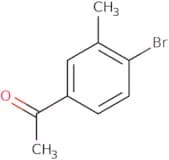
CAS:<p>4'-Chloro-3'-methylacetophenone, 95% is a white crystalline solid that is soluble in alcohols and ethers. It has been used as a reagent for the synthesis of acetophenones. The compound exhibits moderate solubility in water and reacts with aqueous alkalis to form salts. 4'-Chloro-3'-methylacetophenone, 95% also reacts with strong oxidizing agents to form peroxides and with acid chlorides to form esters.</p>Formula:C9H9ClOPurity:Min. 95%Molecular weight:168.62 g/mol1-(4-Nitrophenyl)-2-nitropropene
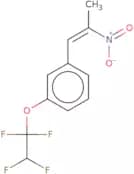
CAS:<p>1-(4-Nitrophenyl)-2-nitropropene is a chemical compound that is used as a reagent, intermediate, and building block in the synthesis of other compounds. It can be used as a precursor for the production of aniline derivatives, which are useful in the manufacture of dyes and pharmaceuticals. 1-(4-Nitrophenyl)-2-nitropropene is also useful as a scaffold for the synthesis of other compounds. It reacts with sodium hydroxide to produce sodium nitrite and 4-nitrocatechol. This compound has also been shown to be an effective way to synthesize acetic acid from acetaldehyde.</p>Formula:C9H8N2O4Purity:Min. 95%Molecular weight:208.17 g/molβ-Naphthamide
CAS:Beta-naphthamide is an inhibitor binding to the dinucleotide phosphate (DNP) in bacterial cells. This binding prevents the enzyme from carrying out its normal function, which is the production of ATP, and it also inhibits various other enzymes. Beta-naphthamide inhibits the growth of Gram-positive bacteria by inhibiting their cell wall assembly and also has a bactericidal effect on Gram-negative bacteria. Beta-naphthamide has been shown to be active against multidrug efflux pump proteins that are present in Gram-negative bacteria, such as Escherichia coli. DNP is a receptor for dopamine and beta-naphthamide inhibits dopamine receptors in mammalian cells, which may lead to Parkinson's disease. Beta-naphthamide has been shown to inhibit the polymerase chain reaction (PCR) mechanism by binding to DNA polymerase. Beta-naphthamide binds to receptors on trigeminal nerve endings, which leads to paralysis ofFormula:C11H9NOPurity:Min. 95%Molecular weight:171.2 g/mol2,2'-Dichloro-1,1'-biphenyl-4,4'-diamine
CAS:<p>2,2'-Dichloro-1,1'-biphenyl-4,4'-diamine is a chemical that belongs to the class of organic compounds known as amines. It is insoluble in water and has a molecular weight of 190.8 g/mol. 2,2'-Dichloro-1,1'-biphenyl-4,4'-diamine has been shown to be carcinogenic in animals and can cause coagulation problems in humans. The compound also shows anti-inflammatory properties by inhibiting the production of prostaglandins.</p>Formula:C12H10Cl2N2Purity:Min. 95%Color and Shape:White/Off-White SolidMolecular weight:253.13 g/molNaphthol AS-MX
CAS:Naphthol AS-MX is a dye that binds to the polyanionic sites of collagen in the basement membrane of blood capillaries. It is used as a histological stain for collagen in tissue sections and can be used as a model system for studying infectious diseases. The monoclonal antibody (MAb) reacts with the epitope on the surface of the bacteria, which is then detected by an enzyme-labeled MAb. This reaction results in a colored precipitate that indicates the presence of antibodies against the bacterial antigen.Formula:C19H17NO2Purity:Min. 95%Molecular weight:291.34 g/mol2,2'-Dithiobisbenzanilide
CAS:<p>2,2'-Dithiobisbenzanilide is a dithiobenzoic acid derivative which can be used as a reagent in analytical chemistry. It has been shown to cleave the fatty acids of boron nitride and to provide valuable information on their structure. 2,2'-Dithiobisbenzanilide reacts with boron nitride at elevated temperatures to form crystalline products that are soluble in organic solvents such as chloroform. The mononuclear complex formed by this reaction has been characterized by X-ray diffraction studies.</p>Formula:C26H20N2O2S2Purity:Min. 95%Color and Shape:PowderMolecular weight:456.58 g/molbeta-2'-Methoxynaphthoflavone
CAS:<p>beta-2'-Methoxynaphthoflavone is a fine chemical that is useful as a scaffold for complex compounds, as a building block for speciality chemicals, and as an intermediate in the synthesis of research chemicals. It can be used in pharmaceuticals, agrochemicals, and other industries. beta-2'-Methoxynaphthoflavone has been found to be a versatile building block with high quality that can be used to synthesize a variety of compounds. This compound also has the ability to react with other chemicals such as ammonia or amines.</p>Formula:C20H14O3Purity:Min. 95%Molecular weight:302.32 g/mol4-Acetamido-2'-nitro-4'-(trifluoromethyl)diphenyl sulphone
CAS:<p>4-Acetamido-2'-nitro-4'-(trifluoromethyl)phenyl sulphone is a fine chemical that has versatile building block properties. It is a complex compound that has been used in research chemicals and as a reagent. 4-Acetamido-2'-nitro-4'-(trifluoromethyl)phenyl sulphone is also useful for the production of speciality chemicals and as an intermediate for the synthesis of high quality compounds, such as pharmaceuticals, agrochemicals and other industrial products. This product can be used as a reaction component or scaffold for the synthesis of new compounds.</p>Formula:C15H11F3N2O5SPurity:Min. 95%Color and Shape:PowderMolecular weight:388.32 g/molCimetropium bromide
CAS:<p>Cimetropium bromide is a pharmacological agent that binds to muscarinic receptors, inhibiting the release of acetylcholine. It is used in the treatment of bowel disease, such as constipation and irritable bowel syndrome. Cimetropium bromide has been shown to be effective in treating symptoms of these diseases, including decreased intestinal motility, increased stool consistency, and relief from abdominal pain. Cimetropium bromide has also been found to be effective in reducing symptoms of inflammatory bowel disease. This drug inhibits the release of acetylcholine by binding with muscarinic receptors on the smooth muscle cells lining the intestine and bladder. Cimetropium bromide is a potent antimuscarinic agent that can cause dry mouth and blurred vision.</p>Formula:C21H28BrNO4Purity:Min. 95%Color and Shape:White PowderMolecular weight:438.36 g/molIsodesmosine chloride
CAS:<p>Isodesmosine chloride is an amino acid derivative, which is a naturally occurring component found in the elastin protein. This organic compound is originally sourced from the structural protein elastin, prevalent in connective tissues such as skin, lungs, and blood vessels. It plays a critical role in the cross-linking and stabilization of elastin fibers, contributing to the elastic properties of these tissues.</p>Formula:C24H40ClN5O8Purity:Min. 95%Molecular weight:562.06 g/molVanillin - synthetic
CAS:Vanillin is an inhibitor molecule that has been shown to have antimicrobial activity against a bacterial strain. Vanillin binds to the surface of bacteria and prevents them from adhering to surfaces, which may be due to its high values for biological properties. This compound is also an inhibitor molecule in the polymerase chain reaction (PCR). It binds to the DNA polymerase enzyme, preventing it from synthesizing DNA. Vanillin inhibits bacterial growth by binding to DNA-dependent RNA polymerase, thereby preventing transcription and replication. The high frequency of human activity has been shown using a patch-clamp technique on human erythrocytes.Formula:C8H8O3Purity:Min. 95%Color and Shape:White Clear LiquidMolecular weight:152.15 g/mol2-Fluorobenzoic acid methyl ester
CAS:<p>2-Fluorobenzoic acid methyl ester is a chemical compound that belongs to the group of borohydride reduction. It is a colorless liquid that can be used as a solvent for chemical reactions. 2-Fluorobenzoic acid methyl ester is used in synthetic methods, such as the reduction of benzoate to benzyl alcohol. The borohydride reduction produces a mixture of regioisomers, which can be separated by fractional distillation. 2-Fluorobenzoic acid methyl ester is also used in the synthesis of hydrogen peroxide, which is produced by the reaction of sodium borohydride with hydrogen peroxide. Hydrogen peroxide can then react with 2-fluoro benzoic acid methyl ester to produce 2-fluoro benzaldehyde and water.</p>Formula:C8H7FO2Purity:Min. 95%Color and Shape:Clear LiquidMolecular weight:154.14 g/molN-Methyl-N-(2-naphthyl)-2-bromobenzamide
CAS:<p>Methyl 2-naphthylbenzoate is a high quality reagent that is used as a complex compound, useful intermediate and speciality chemical. It is also a useful building block for the synthesis of other compounds. The CAS number 74881-61-1 identifies Methyl 2-naphthylbenzoate as a fine chemical with an interesting scaffold. This chemical is suitable for research purposes and versatile in its use as a reaction component.</p>Formula:C18H14BrNOPurity:Min. 95%Molecular weight:340.21 g/molN,N'-Di-(tert-Butoxycarbonyl)thiourea
CAS:<p>N,N'-Di-(tert-Butoxycarbonyl)thiourea is a sterically bulky anion that has been synthesized to interact with amines and amido groups. It has been shown to be a good substrate for p-nitrophenyl phosphate, which is an important molecule in the metabolism of melanoma tumor cells. N,N'-Di-(tert-Butoxycarbonyl)thiourea has also been used as a synthetic building block for conjugates with other molecules. This molecule is able to form supramolecular complexes and may be useful in kinetic studies. The most interesting application of this molecule is its use in the efficient method of removing mercury from water, which is accomplished by oxidation of mercuric chloride by N,N'-Di-(tert-Butoxycarbonyl)thiourea.</p>Formula:C11H20N2O4SPurity:Min. 95%Color and Shape:PowderMolecular weight:276.35 g/mol5-Bromo-2-nitrophenol
CAS:<p>5-Bromo-2-nitrophenol is an organic compound that is used in the industrial production of drugs and dyes. It is soluble in ethanol, but insoluble in water. 5-Bromo-2-nitrophenol can be obtained by extracting it from the filtrate of a solution of potassium tert-butyl ether with aqueous ethanol. The extraction process involves adding morpholine to the solution, which is then heated and refluxed. This process yields high yields of 5-bromo-2-nitrophenol.</p>Formula:C6H4BrNO3Purity:Min. 95%Color and Shape:Yellow solid.Molecular weight:218 g/mol2'-Fluoro-4'-hydroxyacetophenone
CAS:<p>2'-Fluoro-4'-hydroxyacetophenone is a glycosylated molecule that is used in phase transfer catalysis. It is a glycoside that can undergo the glycosylation reaction and can be used as a phase transfer reagent. 2'-Fluoro-4'-hydroxyacetophenone has been studied for its potential use in the synthesis of xylosides and selenadiazoles. In addition, it has shown anti-inflammatory properties, which may be due to its inhibition of prostaglandin synthesis.</p>Formula:C8H7FO2Purity:Min. 95%Molecular weight:154.14 g/mol5-(6-Methoxynaphthalen-2-yl)-1H-pyrazole-3-carboxylic acid
CAS:5-(6-Methoxynaphthalen-2-yl)-1H-pyrazole-3-carboxylic acid is a fine chemical that is used as an intermediate in research, development and production of pharmaceuticals. It can be also used as a reagent and speciality chemical, as well as a reaction component and useful scaffold when combined with other molecules. This compound has been found to be stable in air and water, which makes it easy to handle. 5-(6-Methoxynaphthalen-2-yl)-1H-pyrazole-3-carboxylic acid has CAS No. 1257877-12-5.Formula:C15H12N2O3Purity:Min. 95%Color and Shape:Off-White PowderMolecular weight:268.27 g/molZ-L-pyroglutamic acid 4-nitrophenyl ester
CAS:<p>Please enquire for more information about Z-L-pyroglutamic acid 4-nitrophenyl ester including the price, delivery time and more detailed product information at the technical inquiry form on this page</p>Formula:C19H16N2O7Purity:Min. 95%Molecular weight:384.34 g/mol3,3'-Diheptyloxacarbocyanine iodide
CAS:<p>3,3'-Diheptyloxacarbocyanineiodide (DHCI) is a fluorescent probe that is used in the treatment of solid tumours. It is taken up by tumor cells and causes them to fluoresce, which can be seen under a microscope. DHCI has been shown to be effective against hypoxic tumours and tumors with low oxygen levels due to its ability to penetrate tumor cells and deliver oxygen. The uptake of DHCI by cancer cells is also dependent on the permeability of the blood vessels present in the tumor. This drug has been shown to have a large therapeutic window for treatment of solid tumours.</p>Formula:C31H41N2O2•IPurity:Min. 95%Color and Shape:PowderMolecular weight:600.57 g/molBetaine hydrochloride
CAS:<p>Betaine hydrochloride is a betaine prodrug that is metabolized by the body to form glycine and choline. Betaine hydrochloride has been shown to have anti-inflammatory properties, which may be due to its ability to inhibit surfactant sodium dodecyl (SDS) from activating enzymes such as polymerase chain reaction (PCR). Betaine hydrochloride also has been shown to improve disease activity in bowel disease patients and can be used as a dietary supplement for individuals with low levels of choline.</p>Formula:C5H11NO2·HClPurity:Min. 95%Color and Shape:PowderMolecular weight:153.61 g/mol4-Fluoro-3-nitrophenylacetic acid
CAS:4-Fluoro-3-nitrophenylacetic acid is a chiral monomer that can be used to synthesize diphenyl ethers. The reaction requires a carbamic acid as the acid catalyst and a nucleophilic reagent, such as an amine. 4-Fluoro-3-nitrophenylacetic acid has been shown to have anti-cancer properties in vitro and in vivo. 4-Fluoro-3-nitrophenylacetic acid may also inhibit the synthesis of dihydroisoquinolines, which are important for the function of DNA polymerase. There are two strategies for synthesizing this compound: one is based on the condensation of two molecules of phenylacetaldehyde in the presence of an acid catalyst; the other employs a Lewis acid catalyst with a pyridine nucleophile.Formula:C8H6FNO4Purity:Min. 95%Color and Shape:SolidMolecular weight:199.14 g/mol2-Bromo-5-methoxybenzoic acid methyl ester
CAS:<p>2-Bromo-5-methoxybenzoic acid methyl ester is an antibiotic with a broad spectrum of activity against bacteria, including Staphylococcus aureus and Pseudomonas aeruginosa. 2-Bromo-5-methoxybenzoic acid methyl ester is an inhibitor of the enzyme benzohydrazide, which is involved in the production of prostaglandins. This drug also has antioxidant activity and can inhibit the growth of Escherichia coli and Cereus. 2-Bromo-5-methoxybenzoic acid methyl ester has analgesic properties and was shown to have analgesic activities in animal tests.</p>Formula:C9H9BrO3Purity:Min. 95%Color and Shape:Clear LiquidMolecular weight:245.07 g/mol3-Bromosalicylic acid
CAS:<p>3-Bromosalicylic acid is a metabolite of salicylic acid and has shown clinical use in the treatment of cancer. 3-Bromosalicylic acid is synthesized from cyclohexanol and chlorine. It is a toxic compound that has been shown to inhibit protein synthesis in bacteria, including soil bacteria, but not in mammalian cells. This is due to its interaction with organic ligands that are present in the bacterial cell wall and not in mammalian cells. 3-Bromosalicylic acid also has been found to be a ligand for the receptor, PI3Kδ inhibitor, which inhibits tumor growth and metastasis by inhibiting phosphatidylinositol 3-kinase (PI3K) delta activity.</p>Formula:C7H5BrO3Purity:Min. 95%Color and Shape:PowderMolecular weight:217.02 g/mol3,5-Dimethoxycinnamide
CAS:<p>3,5-Dimethoxycinnamide is a compound that has been shown to inhibit the C1-4 alkoxy and C1-4 alkyl esterase activity of the enzyme secretase. This enzyme is involved in the production of amyloid beta peptides and is thought to be an important contributor to Alzheimer's Disease. 3,5-Dimethoxycinnamide also inhibits the aspartyl protease activity of aspartyl proteases, which are enzymes that may play a role in Alzheimer's disease. 3,5-Dimethoxycinnamide binds to the hydrophobic region of these enzymes and prevents them from binding to their substrates. The affinity of this compound for these enzymes precludes its ability to bind with other proteins in the brain, thereby reducing its potential toxicity. 3,5-Dimethoxycinnamide can be labeled with halogeno groups or other chemical moieties for profiling purposes.</p>Formula:C11H13NO3Purity:Min. 95%Molecular weight:207.23 g/molN-Methyl-D-aspartic acid
CAS:<p>NMDA agonist</p>Formula:C5H9NO4Purity:Min. 95%Color and Shape:White PowderMolecular weight:147.13 g/mol2-Chloroacetophenone
CAS:Controlled Product<p>2-Chloroacetophenone is a chemical that has been shown to be an effective inhibitor of the enzyme form of the human acetylcholinesterase. It is used in experimental studies for its ability to inhibit the activity of other enzymes such as polymerase chain, which is involved in DNA replication. 2-Chloroacetophenone has also been shown to have anti-cancer properties, inhibiting skin cancer cells and cancer cells derived from cardiac tissue. The drug also has anti-inflammatory properties and can be used for the treatment of arthritis. 2-Chloroacetophenone's toxicity has been studied extensively and it does not appear to affect glomerular filtration rate or body mass index significantly, although it may affect receptor activity.</p>Formula:C8H7ClOPurity:Min. 95%Color and Shape:PowderMolecular weight:154.59 g/molSulfosuccinimidyl 3-[[2-(biotinamido)ethyl] dithio]propionate sodium salt
CAS:Sulfosuccinimidyl 3-[[2-(biotinamido)ethyl] dithio]propionate sodium salt (BSP) is a biotin-avidin binding molecule that forms a covalent linkage with the antigen and antibody. It is used in immunoassays to detect specific antigens or antibodies in biological samples. BSP is manufactured by reacting carbodiimide hydrochloride with sulfosuccinic acid. The product can be used for a variety of immunoassays such as enzyme-linked immunosorbent assays, real-time polymerase chain reaction, and immunohistochemistry. The sensitivity of this product has been shown to be greater than those of other detection methods such as Western blotting.Formula:C19H27N4NaO9S4Purity:Min. 95%Color and Shape:White Off-White PowderMolecular weight:606.69 g/mol2-(2',3',4'-Trihydroxybutyl)quinoxaline
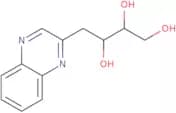
CAS:<p>2-(2',3',4'-Trihydroxybutyl)quinoxaline is a model system for the glyoxal-glycolaldehyde reaction. This reaction is important in the formation of organic acids and hydroxycarbonyl compounds. The kinetic of this reaction has been studied using glyoxal, glycolaldehyde, and hydroxycarboxylic acid as substrates. Reaction intermediates were identified by multiresponse techniques. Kinetic parameters were determined by modelling and kinetic experiments at different temperatures and concentrations.</p>Formula:C12H14N2O3Purity:Min. 95%Color and Shape:Off-White PowderMolecular weight:234.25 g/molalpha-Naphthoylhydrazine
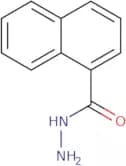
CAS:<p>Alpha-naphthoylhydrazine is a nitrogen-containing heterocyclic compound with a carbonyl group at the alpha position. It has been shown to be an effective enhancer of 5-HT1A and 5-HT2C receptors, as well as having other pharmacological effects (e.g., bone cancer). Alpha-Naphthoylhydrazine is acidic, which means it has a low pH. It can also form hydrogen bonds with water molecules. Alpha-Naphthoylhydrazine is rapidly absorbed and metabolized in humans, with very little excreted unchanged in the urine. The half life of alpha-Naphthoylhydrazine is 4 hours, meaning that after 4 hours 50% of the drug will have been eliminated from the body. Alpha-Naphthoylhydrazine also has protonated carbonyls and aromatic rings which are susceptible to photophysical processes such as electron transfer</p>Formula:C11H10N2OPurity:Min. 95%Color and Shape:PowderMolecular weight:186.21 g/mol4-Nitrophenylboronic acid
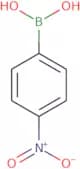
CAS:4-Nitrophenylboronic acid is a chemical compound that has been shown to inhibit the enzyme PTP1B. This enzyme is responsible for the phosphorylation of proteins and plays an important role in regulating insulin release, glucose uptake, and fat metabolism. The inhibition of this enzyme by 4-Nitrophenylboronic acid is reversible and potent. It has also been shown to have anticancer activity in vitro and in vivo, as well as cross-coupling with other boronic acids to form new compounds with different biological activities.Formula:C6H6BNO4Purity:Min. 95%Color and Shape:PowderMolecular weight:166.93 g/mol2',4-Dihydroxy-3-methoxychalcone
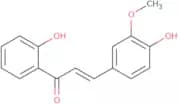
CAS:<p>2',4-Dihydroxy-3-methoxychalcone is a chalcone that has been shown to have reactive properties. The compound was found to be cytotoxic to cancer cells in the presence of neutrophils, and it has been shown to inhibit the growth of t47d cells in culture. There is also evidence that 2',4-Dihydroxy-3-methoxychalcone may help regulate the microflora in the gut, which may help prevent obesity and diabetes. In epidemiological studies, 2',4-Dihydroxy-3-methoxychalcone was found to be protective against cancer, but more research is required.</p>Formula:C16H14O4Purity:Min. 95%Color and Shape:PowderMolecular weight:270.28 g/molD-2-Nitrophenylalanine
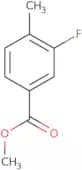
CAS:<p>D-2-Nitrophenylalanine is a high-quality, versatile building block for organic synthesis. It is a useful intermediate and scaffold for the production of pharmaceuticals, agrochemicals, and other chemicals. D-2-Nitrophenylalanine has been used as a reagent in research laboratories to synthesize different compounds. The CAS number for this compound is 169383-17-9.</p>Formula:C9H10N2O4Purity:Min. 95%Color and Shape:Off-White PowderMolecular weight:210.19 g/mol3-Fluoro-4-methylbenzoic acid methyl ester
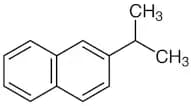
CAS:<p>3-Fluoro-4-methylbenzoic acid methyl ester is a benzoate that can be converted to 3-fluoro-4-methylbenzoic acid (3FMB) by decarboxylation. 3FMB can be used in the synthesis of phenylacetic acid and other aromatic compounds. It also has been shown to function as a radical scavenger, which may have applications in medical research and treatment of neurodegenerative diseases. 3FMB has been shown to inhibit the growth of bacteria when it is applied topically or orally, due to its ability to inhibit DNA synthesis.</p>Formula:C9H9FO2Purity:Min. 95%Molecular weight:168.16 g/mol2-Isopropylnaphthalene
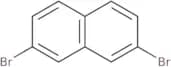
CAS:Formula:C13H14Purity:>95.0%(GC)Color and Shape:Colorless to Light yellow clear liquidMolecular weight:170.262,7-Dibromonaphthalene
CAS:<p>2,7-Dibromonaphthalene is a chemosensor that is used to sense the presence of halides in water. It reacts with anion radicals in the atmosphere to produce a fluorescent compound with a long wavelength emission. This reaction can be observed using ultraviolet spectroscopy and amination reactions. 2,7-Dibromonaphthalene has been shown to react with copper oxide to form a blue-green compound. This property has been used as an indicator of copper contamination in water and soil samples. 2,7-Dibromonaphthalene also reacts with metal ions to form metal cations, which can be detected using cyclen or other organic compounds.</p>Formula:C10H6Br2Purity:Min. 95%Color and Shape:PowderMolecular weight:285.96 g/molN-Acetyl-DL-phenylalanine 2-naphthyl ester
CAS:<p>N-Acetyl-DL-phenylalanine 2-naphthyl ester (NAFEN) is a molecule that belongs to the class of chemokines. It is a potent chemoattractant for neutrophils, monocytes, and lymphocytes. NAFEN has been shown to induce calcium binding and chemotactic activity in cells that have been treated with this drug. NAFEN may be effective against infectious diseases such as cancer and inflammatory diseases, such as autoimmune diseases. This drug also has an effect on postprandial plasma fatty acid levels in humans.</p>Formula:C21H19NO3Purity:Min. 95%Color and Shape:SolidMolecular weight:333.38 g/mol3-Cyanomethylbenzoic acid methyl ester
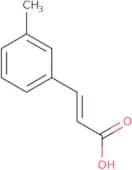
CAS:3-Cyanomethylbenzoic acid methyl ester is a synthetic chemical compound that is used as an intermediate in the production of other chemicals. It is a chlorination agent that reacts with toluene and methanol in the presence of chlorine to produce 3-chloromethylbenzoic acid methyl ester. This reaction also produces a byproduct called sulphone, which can be converted into acylation reagents for use in organic synthesis. The chloride ion can be used for cyanation reactions, which are useful for producing dyes or pharmaceuticals.Formula:C10H9NO2Purity:Min. 95%Color and Shape:SolidMolecular weight:175.18 g/mol3-Methylcinnamic acid
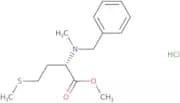
CAS:<p>3-Methylcinnamic acid is an organic acid that is a phenylpropanoid metabolite. It is synthesized from malonic acid by hydroxylation and sulfonation, and then converted to cinnamic acid derivatives. 3-Methylcinnamic acid has been shown to inhibit the activity of heterocyclic amine-producing enzymes and has a strong inhibitory effect on the formation of triticum aestivum. 3-Methylcinnamic acid has been found to have diverse chemical properties that are useful for industrial purposes.</p>Formula:C10H10O2Purity:Min. 95%Color and Shape:PowderMolecular weight:162.19 g/molN-Benzyl-N-methyl-L-methionine methyl ester hydrochloride
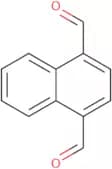
CAS:<p>N-Benzyl-N-methyl-L-methionine methyl ester hydrochloride is a chemical substance that has been used as a reaction component in organic synthesis. It has also been used as a reagent for the quantitative determination of N,N'-dimethylbenzidine by measuring its absorption at 450 nm. It is soluble in water and ethanol and is stable up to 100 °C. The CAS Registry Number for this compound is 1272754-99-0.</p>Formula:C14H21NO2S·HClPurity:Min. 95%Color and Shape:PowderMolecular weight:303.85 g/molNaphthalene 1,4-dicarboxaldehyde
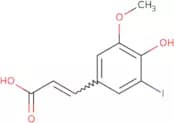
CAS:<p>Naphthalene 1,4-dicarboxaldehyde is a low energy focusing molecule that is used in macrocyclic compounds. It can be oxidized to form naphthalene 1,4-diacid and naphthalene 1,4-diketone. This compound has been used to synthesize the triarylmethane dye viologen by Wittig reaction. Naphthalene 1,4-dicarboxaldehyde has also been shown to have fluorescence properties and can be useful for chemiluminescence. Naphthalene 1,4-dicarboxaldehyde reacts with sulfide or amine groups to form sulfides or amines respectively.</p>Formula:C12H8O2Purity:Min. 95%Color and Shape:PowderMolecular weight:184.19 g/mol3-(5-Iodo-4-hydroxy-3-methoxy)cinnamic acid
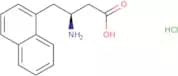
CAS:3-(5-Iodo-4-hydroxy-3-methoxy)cinnamic acid is a chemical compound that can be used as a starting material for synthesis of complex compounds. It is a white solid with a melting point of about 100°C, and it is soluble in water. This product is an excellent reagent for the synthesis of new chemicals, and it has been widely used as a reaction component in organic syntheses. 3-(5-Iodo-4-hydroxy-3-methoxy)cinnamic acid also has antibacterial properties.Formula:C10H9IO4Purity:Min. 95%Molecular weight:320.08 g/mol(S)-3-Amino-4-(1-naphthyl)butanoic acid hydrochloride
CAS:<p>(S)-3-Amino-4-(1-naphthyl)butanoic acid hydrochloride is a high quality chemical that is used as a reaction component for the synthesis of complex organic compounds. It may also be used to produce fine chemicals, pharmaceuticals, and other useful compounds. This product has a wide variety of uses including as an intermediate in the production of speciality chemicals, as a building block for synthesizing more complex compounds, or as a precursor to producing other useful chemicals.</p>Formula:C14H16ClNO2Purity:Min. 95%Color and Shape:White PowderMolecular weight:265.74 g/molSodium N-lauroylsarcosinate
CAS:<p>Sodium N-lauroylsarcosinate is a surfactant that is used in water treatment, wastewater treatment, and as a detergent. It is also used as an analytical tool for the titration calorimetry of sodium salts. Sodium N-lauroylsarcosinate is a sodium salt that belongs to the group of sodium salts. It has been shown to have biological properties such as permeability through human serum and biodegradability. The salt form of this compound has an electrochemical impedance spectrum which can be used to identify it.</p>Formula:C15H28NNaO3Purity:Min. 94%Color and Shape:White Off-White PowderMolecular weight:293.38 g/mol3,6-Dinitro-1,8-naphthalenedicarboxylicanhydride
CAS:3,6-Dinitro-1,8-naphthalenedicarboxylic anhydride is a fine chemical that is used as a building block in the synthesis of other compounds. It is also used as a reagent and can be found in research chemicals with CAS No. 3807-80-5. 3,6-Dinitro-1,8-naphthalenedicarboxylic anhydride is versatile and has many uses as a reaction component. The compound can be used to produce complex compounds or scaffolds that are useful in research.Formula:C12H4N2O7Purity:Min. 95%Color and Shape:Beige PowderMolecular weight:288.17 g/mol3'-(Trimethoxyphenyl)acetone
<p>3'-(Trimethoxyphenyl)acetone is a reagent and useful scaffold for the synthesis of complex compounds. It is also used as a reaction component in the preparation of valuable research chemicals, specialty chemicals, and fine chemicals. 3'-(Trimethoxyphenyl)acetone has been shown to be an effective building block for synthesizing complex compounds, such as heterocycles. This chemical has a CAS number of 689-52-3.</p>Purity:Min. 95%2'-Chloropropiophenone
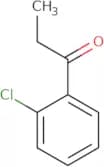
CAS:2'-Chloropropiophenone is a synthetic compound with analgesic and anticonvulsant properties. It inhibits the production of enzymes that form fatty acids, which are the building blocks of muscle cells. This drug also has a muscle relaxant effect due to its ability to deactivate the lumbar muscles. 2'-Chloropropiophenone has been shown to be effective in treating herniated disks and spinal spondylitis, although it can only provide short-term relief. The drug is also used as a remedy for lumbago and sciatica.Formula:C9H9ClOPurity:Min. 95%Color and Shape:Clear LiquidMolecular weight:168.62 g/molNortropine
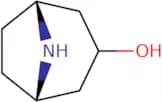
CAS:<p>Nortropine is an alkanoic acid with the molecular formula CHNO. It has been synthesized from 3-aminophenylacetic acid and can be used in pharmaceutical preparations as an aminopyrine derivative. Nortropine is a respiratory stimulant that is used for the treatment of chronic obstructive pulmonary disease (COPD) and asthma. It has also been shown to have anti-inflammatory properties, which may be due to its ability to inhibit prostaglandin synthesis.</p>Formula:C7H13NOPurity:Min. 95 Area-%Color and Shape:PowderMolecular weight:127.18 g/molMethacetin
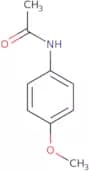
CAS:<p>Methacetin is a chemical compound that is used in the diagnosis of liver impairment. It is a fatty acid and an inhibitor of certain enzymes. Methacetin inhibits the activity of the enzyme acetyl-CoA carboxylase, which catalyzes the conversion of acetyl-CoA to malonyl-CoA, thereby reducing fatty acid synthesis. Methacetin has been shown to be effective in inhibiting the activity of rat liver microsomes at concentrations of 0.01 mM and above. In addition, methacetin has been found to increase the body mass index (BMI) in rats with hepatic impairment and can be used as a biomarker for this condition. Methacetin has been shown to have a molecular docking score of -4.2 kcal/mol when it was docked against human hepatitis B virus (HBV). This indicates that there are strong hydrogen bonding interactions between methacetin and HBV proteins.</p>Formula:C9H11NO2Purity:Min. 95%Color and Shape:PowderMolecular weight:165.19 g/molCinnamyl butyrate
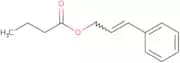
CAS:<p>Cinnamyl butyrate is a chemical compound that belongs to the class of diphenyl ethers. It has been shown to reduce plasma glucose levels in mice by inhibiting fatty acid synthesis and stimulating glucose uptake into cells. Cinnamyl butyrate also acts as a cross-linking agent, which enhances the stability of polymers by forming covalent bonds between reactive groups. The surface methodology used for this study was a surface science technique called atomic force microscopy (AFM). This method can be used to measure the thickness of the film, or the diameter of the particles. The AFM images showed that cinnamyl butyrate formed a thin film that was uniform over large areas.</p>Formula:C13H16O2Purity:Min. 95%Color and Shape:Clear LiquidMolecular weight:204.26 g/molL-Pantolactone
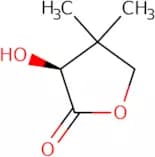
CAS:L-Pantolactone is an organic compound that belongs to the group of pantothenic acid derivatives and is a metabolite of pantothenic acid. It can be synthesized by the asymmetric synthesis of cinchonidine using calcium pantothenate as a starting material. L-Pantolactone has been shown to have regulatory effects on the levels of various molecules, such as sequences, which may result in improved enzyme activity. The compound is found to have acidic properties and reacts with hydrochloric acid to form hydrogen tartrate.Formula:C6H10O3Purity:Min. 95%Color and Shape:White To Off-White SolidMolecular weight:130.14 g/molrec Neurotrophin-3 (human)
<p>Please enquire for more information about rec Neurotrophin-3 (human) including the price, delivery time and more detailed product information at the technical inquiry form on this page</p>Purity:Min. 95%5-Methyl-2-nitropyridine
CAS:<p>Please enquire for more information about 5-Methyl-2-nitropyridine including the price, delivery time and more detailed product information at the technical inquiry form on this page</p>Formula:C6H6N2O2Purity:Min. 95%Color and Shape:PowderMolecular weight:138.12 g/mol3',5'-Dichloroacetophenone
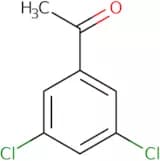
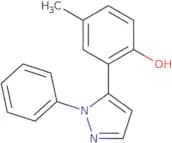
CAS:3',5'-Dichloroacetophenone is a synthetic pyrazoline that is a colorless liquid with an aromatic odor. It is soluble in ethyl acetate, chloroform, benzene, and other organic solvents. 3',5'-Dichloroacetophenone has significant effects on the protonation of amines, which are compounds containing nitrogen and hydrogen. This chemical has been shown to be able to react with anions like chloride or sulfide to form hypophosphorous acid. The symmetric structure of 3',5'-dichloroacetophenone is also susceptible to halide attack and can be synthesized from phenylhydrazine and piperidine.Formula:C8H6Cl2OPurity:Min. 95%Color and Shape:LiquidMolecular weight:189.04 g/mol1-Phenyl-1H-5-(2'-hydroxy-5'-methylphenyl)pyrazole
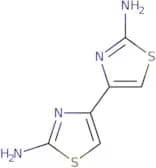
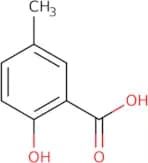
CAS:<p>1-Phenyl-1H-5-(2'-hydroxy-5'-methylphenyl)pyrazole is a chemical compound with the molecular formula C14H10N2O. It is a white crystalline solid that can be used as a building block, intermediate, or reagent in organic synthesis. It is soluble in most solvents, but insoluble in water. 1-Phenyl-1H-5-(2'-hydroxy-5'-methylphenyl)pyrazole has been used as a useful scaffold for high quality compounds and research chemicals. The CAS number for this chemical compound is 90617-39-3.</p>Formula:C16H14N2OPurity:Min. 95%Molecular weight:250.3 g/mol2,2'-Diamino-4,4'-bithiazole
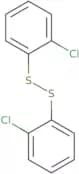
CAS:2,2'-Diamino-4,4'-bithiazole (DABT) is a ligand that forms supramolecular aggregates with a variety of metal ions. It has been shown to bind to serum albumin and form an interaction that depends on the coordination geometry of the metal ion. DABT has been shown to be a fluorescent molecule with tryptophan fluorescence. The fluorescence emission spectrum of DABT is sensitive to chloride concentrations in the environment. The chemical structure and solubility properties of DABT are similar to those of chlorides; thus, it can be used as an oxidant at low pH levels.Formula:C6H6N4S2Purity:Min. 95%Color and Shape:PowderMolecular weight:198.27 g/mol2,2'-Dichloro diphenyl disulfide
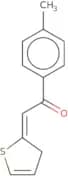
CAS:<p>2,2'-Dichloro diphenyl disulfide is a high quality chemical that is widely used as a reagent. It belongs to the category of complex compounds and has been extensively studied as an intermediate for the synthesis of pharmaceuticals. 2,2'-Dichloro diphenyl disulfide is also useful as a building block or scaffold for the preparation of a wide range of useful chemicals. This product can be used in research laboratories and by industry as a versatile building block in organic synthesis, with applications including use as a reaction component in the production of pharmaceuticals and agrochemicals.</p>Formula:C12H8Cl2S2Purity:Min. 95%Color and Shape:PowderMolecular weight:287.23 g/mol2'(2-Thienylidene)-4-methylacetophenone
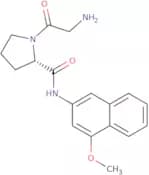
CAS:<p>2'(2-Thienylidene)-4-methylacetophenone is a chemical intermediate that is a useful scaffold for the synthesis of complex compounds. This compound has been used as an intermediate in the preparation of many pharmaceuticals, such as 2-thienylidene-4-methylbenzoic acid, which has anti-inflammatory properties. 2'(2-Thienylidene)-4-methylacetophenone can also be used to synthesize other compounds. It is a versatile building block and a valuable reagent that can be used in research and development.</p>Formula:C13H12OSPurity:Min. 95%Molecular weight:216.3 g/molGly-pro-4-methoxy-β-naphthylamide
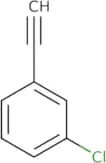
CAS:Gly-pro-4-methoxy-beta-naphthylamide is a synthetic substrate that is used to measure the activity of human plasma phosphatases. Gly-pro-4-methoxy-beta-naphthylamide is synthesized in an organic solvent and then reacted with diazonium salt to form a glycosylated aminophosphonic acid. The product is purified by chromatography and identified by mass spectrometry. Gly-pro-4-methoxy beta naphthylamide has been shown to inhibit the growth of cancer cells in vitro, as well as having antiinflammatory properties. This drug also has been shown to be effective in treating patients with severe hyperbilirubinemia who are undergoing hematopoietic stem cell transplantation.Formula:C18H21N3O3Purity:Min. 95%Molecular weight:327.38 g/mol3'-Chlorophenylacetylene
CAS:<p>3'-Chlorophenylacetylene is an organic compound that is used in the production of styrene via a macroinitiator. 3'-Chlorophenylacetylene reacts with azides to form diazo compounds, which are then hydrolyzed to produce terminal alkynes. These terminal alkynes can be dehydrogenated to produce acrylonitrile and vinyl acetate. The compound can also react with silicon to produce organometallic complexes. 3'-Chlorophenylacetylene is commonly analyzed using nuclear magnetic resonance spectroscopy (NMR). This molecule has been used as a conjugate for drug delivery systems and as a supramolecular catalyst for organic reactions.</p>Formula:C8H5ClPurity:Min. 95%Molecular weight:136.58 g/mol3,5-Dinitrosalicylic acid sodium
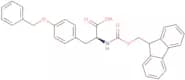
CAS:<p>3,5-Dinitrosalicylic acid sodium is an inorganic compound that is used as a biochemical reagent. It can be used to measure the phosphatase activity of muscle and liver samples, as well as to determine the level of autophagy in cells. 3,5-Dinitrosalicylic acid sodium has been shown to inhibit the activity of a number of enzymes, including acid phosphatase and thiourea. When combined with chloroplast or mitochondria, it can be used to determine the rate of electron transport chain. 3,5-Dinitrosalicylic acid sodium binds to sulfhydryl groups on proteins and prevents them from being used for other purposes. This process optimization leads to engulfment followed by lysosomal degradation.</p>Formula:C7H3N2NaO7Purity:Min. 95%Color and Shape:PowderMolecular weight:250.1 g/molFmoc-O-benzyl-L-tyrosine
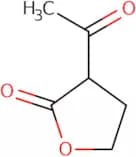
CAS:<p>Fmoc-O-benzyl-L-tyrosine is a chalcone that is used as a monomer in the synthesis of polymers. It is also used to synthesize ciprofloxacin, which is an antibiotic with both bactericidal and bacteriostatic activity. Fmoc-O-benzyl-L-tyrosine has been shown to have pharmacokinetic properties that are similar to those of ciprofloxacin. This drug has been shown to reduce renal injury in rats with chronic kidney disease by preventing the accumulation of proteinaceous materials. Fmoc-O-benzyl-L-tyrosine has also been shown to be antibacterial, and can inhibit the growth of subtilis, a bacterial strain that causes chronic kidney disease.</p>Formula:C31H27NO5Purity:Min. 95%Color and Shape:White PowderMolecular weight:493.55 g/mol2-Acetylbutyrolactone
CAS:<p>2-Acetylbutyrolactone is a chemical compound that is used as a precursor to pharmaceuticals. It has been shown to react with sodium carbonate and amines in the presence of water to form esters. 2-Acetylbutyrolactone can be used as an anti-inflammatory agent by inhibiting prostaglandin synthesis. This drug also has the ability to act as a solid catalyst for palladium-catalyzed coupling reactions, which are used in organic synthesis. 2-Acetylbutyrolactone is also capable of forming noncovalent interactions with fatty acids and hydroxyl groups on proteins.</p>Formula:C6H8O3Purity:Min. 95%Color and Shape:Clear LiquidMolecular weight:128.13 g/mol4-Chlorosalicylic acid
CAS:4-Chlorosalicylic acid is an inhibitor of bacterial growth that belongs to the group of phenolic compounds. It has been shown to inhibit the growth of bacteria in cell culture and be effective against a wide range of species, including Escherichia coli and Staphylococcus aureus. 4-Chlorosalicylic acid inhibits bacterial enzyme activities, such as 5-nitrosalicylic acid hydroxylase and diphenolase activities. This compound has also been shown to have anti-inflammatory properties, which may be due to its ability to inhibit prostaglandin synthesis. 4-Chlorosalicylic acid is an active intermediate in the production of other drugs such as 2,4-dichloroacetophenone and 2,5-dichlorobenzonitrile.Formula:C7H5ClO3Purity:Min. 95%Color and Shape:PowderMolecular weight:172.57 g/mol3',5'-Difluoroacetophenone
CAS:<p>3',5'-Difluoroacetophenone is a synthetic compound that belongs to the tetradentate class of ligands. It is used as a fluorescent probe for metal ions and has been shown to have thermodynamic, systematic, and biomolecular enhancement properties. 3',5'-Difluoroacetophenone has also been used as a fluorescent probe in fluorescence resonance energy transfer (FRET) experiments. 3',5'-Difluoroacetophenone binds to metal cations, such as copper(II) ions. When this compound is protonated, it emits a strong fluorescence signal that can be detected by fluorophore-acceptor probes. This chemical can be orally taken and excreted in urine after metabolism by the liver and kidneys.</p>Formula:C8H6F2OPurity:Min. 95%Color and Shape:PowderMolecular weight:156.13 g/mol5-Amino-o-cresol
CAS:<p>5-Amino-o-cresol is a chemical compound that is used in analytical chemistry as an aminophenol. It reacts with ethylene diamine to form a red dye called 5-aminonaphthalene-2,7-disulphonic acid (5ANDS). The reaction solution can be used to identify the presence of bacterial DNA. 5-Amino-o-cresol has been shown to have genotoxic effects, which may lead to skin cancer or skin damage. This chemical also has toxicological properties and can cause skin irritation at high concentrations.</p>Formula:C7H9NOPurity:Min. 95%Color and Shape:PowderMolecular weight:123.15 g/molN-(Ketocaproyl)-L-homoserine lactone
CAS:<p>N-(Ketocaproyl)-L-homoserine lactone is a fatty acid analog of the bacterial signaling molecule homoserine lactone and a potent inducer of cell lysis. The synthesis of this analog has been demonstrated in vitro with Escherichia coli, Bacillus subtilis, and Streptococcus pneumoniae. It is active against human pathogens including Helicobacter pylori and Staphylococcus aureus as well as mammalian tissue. N-(Ketocaproyl)-L-homoserine lactone induces cell lysis by binding to the DNA polymerase to inhibit its activity and terminate DNA synthesis. This inhibition leads to an accumulation of unprocessed RNA, which induces apoptosis in bacterial cells.</p>Formula:C10H15NO4Purity:Min. 98 Area-%Color and Shape:White PowderMolecular weight:213.23 g/molα-Methyl 2,4-dichlorochalcone
CAS:α-Methyl 2,4-dichlorochalcone is a useful scaffold for the synthesis of complex compounds. It can be used as a reaction component in research chemicals, speciality chemicals, and fine chemicals. This compound has a CAS No. 199788-52-8 and can be used as an intermediate in the synthesis of many other compounds with varying structures. It is also a versatile building block that can be used to synthesize various useful building blocks. α-Methyl 2,4-dichlorochalcone also has high quality and purity and can be used as a reagent for chemical reactions.Formula:C16H12Cl2OPurity:Min. 95%Color and Shape:PowderMolecular weight:291.17 g/mol2'-Hydroxy-5'-methoxyacetophenone
CAS:<p>2'-Hydroxy-5'-methoxyacetophenone is a molecule that has been shown to have anticancer activity. It inhibits the production of molecules in cancer cells, such as carbonic anhydrase and nitric oxide synthase. This molecule also binds to DNA and prevents the transcription of genes involved in cell proliferation, including NF-κB DNA. 2'-Hydroxy-5'-methoxyacetophenone also has inhibitory properties on the growth of cancer cells, including MCF-7 cells.</p>Formula:C9H10O3Purity:Min. 95%Color and Shape:Off-White PowderMolecular weight:166.17 g/mol2,2'-Dihydroxybenzophenone
CAS:<p>2,2'-Dihydroxybenzophenone is a light-absorbing compound that belongs to the class of dibenzophenones. It has been shown to have cancer-cell inhibitory effects and its anti-tumor effects are due to its ability to inhibit DNA synthesis in tumor cells. 2,2'-Dihydroxybenzophenone has been shown to bind with proteins through hydrogen bonding interactions at the carbonyl group and the hydroxy group. It also has a strong absorption band in the UV region, which makes it useful for UV curing of polymers. This compound can be used as an antioxidant in food products because it does not react with other molecules.</p>Formula:C13H10O3Purity:Min. 95%Color and Shape:SolidMolecular weight:214.22 g/mol1-(3-Methylphenyl)-2-nitropropene
CAS:<p>1-(3-methylphenyl)-2-nitropropene is a versatile building block that is used in the synthesis of complex compounds. It is also an intermediate for the synthesis of other chemicals, such as reaction components and useful scaffolds. It has been shown to be high quality and useful as reagent and speciality chemical.</p>Formula:C10H11NO2Purity:Min. 95%Molecular weight:177.2 g/mol3,3'-Dihydroxybenzidine
CAS:<p>3,3'-Dihydroxybenzidine (DHB) is a proton-containing heterocyclic compound that is structurally related to benzidine. It is an aromatic compound with two methoxy groups and one hydroxy group. DHB is used as a reagent in the determination of phenols by measuring the formation of a yellow-colored product. The thermal stability of DHB has been shown to be greater than 80°C, which makes it useful for high temperature applications such as thermally induced DNA cleavage. When exposed to chlorine gas, DHB reacts to form chloride and hydroxy groups, which are also present in other aromatic compounds. The chemical structures of DHB can be determined using magnetic resonance spectroscopy.</p>Formula:C12H12N2O2Purity:Min. 98 Area-%Color and Shape:Off-White To Brown SolidMolecular weight:216.24 g/mol3-Nitrophenylacetic acid
CAS:3-Nitrophenylaceticacid (3NPAA) is a nitro compound that is used as an intermediate in the synthesis of other organic compounds. It can be synthesized by reacting phenylacetic acid with nitric acid, which is then oxidized to 3-nitrophenol with potassium permanganate. The product is then reacted with acetic anhydride to produce 3-nitrophenylacetic acid. This chemical has been shown to inhibit plant physiology and chlorophyll production by binding reversibly to the protein photosystem II in plants. 3-Nitrophenylaceticacid reacts with chloride ions to form a reversible covalent bond, which may be hydrolyzed by water or alkali.Formula:C8H7NO4Purity:Min. 95%Color and Shape:PowderMolecular weight:181.15 g/mol4'-Bromo-3'-methylacetophenone, 98%
CAS:<p>4'-Bromo-3'-methylacetophenone is a brominated derivative of acetophenone. It is a fine chemical that is used as a building block in the synthesis of organic compounds and research chemicals. 4'-Bromo-3'-methylacetophenone is also used as an intermediate in the production of pharmaceuticals, dyes, and pesticides. This compound reacts with amines to form N-substituted ureas. It is also used as a speciality chemical in high-quality paint manufacture, as a versatile building block for industrial applications, and as an intermediate for the production of other chemicals.</p>Formula:C9H9BrOPurity:Min. 95%Color and Shape:Clear LiquidMolecular weight:213.1 g/molCaffeidine
CAS:<p>Caffeine is a stimulant that is found in coffee, tea, and some soft drinks. It can also be used to treat certain medical conditions. Caffeine is a reactive molecule that binds to human serum proteins and has been shown to have chronic oral toxicity in rats. The methylation of caffeine leads to the formation of 1-methylxanthine, which has been shown to cause cancer in animal models when given chronically. Caffeine's carcinogenic effects are due to its ability to induce DNA mutations by reacting with oxygen radicals and oxidizing DNA bases as well as inhibiting DNA repair enzymes. Caffeine's chemical diversity makes it difficult for researchers to study its carcinogenicity.</p>Formula:C7H12N4OPurity:Min. 95%Color and Shape:White PowderMolecular weight:168.2 g/mol2-Methyl-1-nitroprop-1-ene
CAS:<p>2-Methyl-1-nitroprop-1-ene is a labile molecule that can be readily synthesized from 2-methyl propanal and nitrous acid. The postulated reaction mechanism for the formation of 2-methyl-1-nitroprop-1-ene begins with the nucleophilic attack of the azide anion on the carbonyl group of 2 methyl propanal, forming a tetrahedral intermediate. This intermediate undergoes a stepwise reaction to form 2 methyl 1 nitropropane. Nitro groups have been observed in both the product and starting material, which could indicate a transfer mechanism.</p>Formula:C4H7NO2Purity:Min. 95%Color and Shape:Clear LiquidMolecular weight:101.1 g/mol3-(Trimethylsilyl)-2-naphthyl trifluoromethanesulfonate
CAS:<p>3-(Trimethylsilyl)-2-naphthyl trifluoromethanesulfonate is a synthetic molecule that is used to synthesize benzofurans. 3-(Trimethylsilyl)-2-naphthyl trifluoromethanesulfonate is activated by reaction with N-bromosuccinimide, which creates an electrophilic carbon center. This electrophilic center reacts with nucleophiles such as alcohols, amines, and thiols to form a new bond. The product of this reaction is benzoylated, which can then undergo further reactions to form other compounds. X-ray crystallography has been used to characterize the structure of 3-(trimethylsilyl)-2-naphthyl trifluoromethanesulfonate.</p>Formula:C14H15F3O3SSiPurity:Min. 95%Color and Shape:Colorless Clear LiquidMolecular weight:348.41 g/mol(S)-2-Azido isovaleric acid cyclohexylammonium
CAS:<p>Please enquire for more information about (S)-2-Azido isovaleric acid cyclohexylammonium including the price, delivery time and more detailed product information at the technical inquiry form on this page</p>Formula:C6H13N•C5H9N3O2Purity:Min. 95%Color and Shape:PowderMolecular weight:242.32 g/molDL-Isocitric acid lactone
CAS:<p>DL-Isocitric acid lactone is a skin condition agent that belongs to the group of amides. It has hypoglycemic effects and, when applied topically, can improve skin conditions such as xerosis. DL-Isocitric acid lactone also inhibits the growth of bacteria by binding to dinucleotide phosphate in the bacterial cell wall and inhibiting protein synthesis. This compound also has an inhibitory effect on hydroxyl groups in polycarboxylic acids in plants. The structure of this compound was determined by x-ray crystallography.</p>Formula:C6H6O6Purity:Min. 95%Color and Shape:PowderMolecular weight:174.11 g/mol1-Biotinylamino-3,6,9-trioxaundecane-11-bromide
CAS:<p>1-Biotinylamino-3,6,9-trioxaundecane-11-bromide is a high quality reagent that is used in research and development. It has a CAS number of 1041766-91-9. 1-Biotinylamino-3,6,9-trioxaundecane-11-bromide is a versatile building block that can be used as an intermediate or scaffold in chemical reactions. It is also a useful reaction component for the synthesis of fine chemicals.</p>Formula:C18H32BrN3O5SPurity:Min. 95%Color and Shape:PowderMolecular weight:482.43 g/molHoechst 33342
CAS:<p>2'-(4-Ethoxyphenyl)-5-(4-methyl-1-piperazinyl)-2,5'-bi-1H-benzimidazole trihydrochloride (EPMB) is a DNA binding agent that is used in tumor detection and research into apoptosis. It has been shown to inhibit the activity of p-glycoprotein, which is an efflux pump protein, and Bcl-2 protein. EPMB has also been shown to cause apoptosis in human squamous cell carcinoma cells in a concentration dependent manner. This compound has shown potential as a treatment for cancer because it inhibits the ability of cancer cells to proliferate by binding to the NMDA receptor.</p>Formula:C27H28N6O·3HCl·xH2OPurity:Min. 95%Color and Shape:Yellow PowderMolecular weight:561.93 g/molBiphenyl-2,2'-diamine
CAS:<p>Biphenyl-2,2'-diamine is a hydrogen bond donor. It is an organic compound with a molecular formula of C6H5NH that has two amine groups. The compound is gaseous at room temperature and it has a boiling point below 400 degrees Celsius. It reacts with ethanolic solutions to form colorless crystals that are soluble in water. Biphenyl-2,2'-diamine has been shown to have antiinflammatory activity in rats. This activity may be due to biphenyl-2,2'-diamine's ability to inhibit the production of prostaglandins by inhibiting cyclooxygenase (COX).</p>Formula:C12H12N2Purity:Min. 95%Color and Shape:Off-White Clear LiquidMolecular weight:184.24 g/mol5-Chloro-2-nitrocinnamic acid
CAS:<p>5-Chloro-2-nitrocinnamic acid is a fine chemical with a CAS number of 20357-28-2. It is a versatile building block that can be used as a reaction component or intermediate in the synthesis of more complex compounds. The high purity and quality of 5-Chloro-2-nitrocinnamic acid makes it an ideal reagent for research purposes, and it can be used as a building block for the synthesis of useful scaffolds.</p>Formula:C9H6ClNO4Purity:Min. 95%Molecular weight:227.6 g/molVanillin azine
CAS:<p>Vanillin azine is a disinfectant that is effective against viruses, bacteria, and fungi. It is used in the treatment of drinking water, wastewater, and food. Vanillin azine has been shown to be effective against methoxy groups, oxidn, sulphite, solute and cellulose acetate. It also has antiviral properties and can be immobilized on an inert solid carrier such as Mn2+ ions or immobilized on a filter paper with chlorine.</p>Formula:C16H16N2O4Purity:Min. 95%Color and Shape:PowderMolecular weight:300.31 g/molO-tert-Butyl-L-allo-threonine
CAS:<p>O-tert-Butyl-L-allo-threonine is a methionine derivative that has been shown to be expressed in the human liver and kidney. It is synthesized by coupling of the n-terminal tryptophan with O-tert-butyl L-allo-threonine, which is then followed by a transpeptidation reaction. The resulting product can be used as an efficient insulin precursor for the production of human insulin. The efficiency of this process depends on the spacer length and reaction time, which can be optimized for each synthesis.</p>Formula:C8H17NO3Purity:Min. 95%Color and Shape:White PowderMolecular weight:175.23 g/mol2,2'-Diiodobiphenyl
CAS:<p>2,2'-Diiodobiphenyl is a preparative reagent that can be used to prepare diazonium salts. It is prepared by reacting an alkynyl group with an activatable probe. The product of this reaction has the same reactivity as the parent compound, but with a different spatial orientation and chemical properties. The 2,2'-diiodophenyl can be used for the preparation of carbazoles and transfer reactions. The following are some examples of 2,2'-diiodophenyl compounds:<br>-Ethane-1,1'-dibromo-2,2'-diiodobiphenyl<br>-Carbazole-4-carboxaldehyde<br>-Naphthalene-1,5-dicarboxaldehyde</p>Formula:C12H8I2Purity:Min. 95%Color and Shape:PowderMolecular weight:406 g/molVanillylacetone
CAS:<p>Vanillylacetone is a natural compound that belongs to the group of phenolic compounds. It is an inhibitor of the enzyme cyclase, which is involved in the biosynthesis of fatty acids and sterols. Vanillylacetone has been shown to have anti-tumor effects in mice with induced tumors. It also inhibits the growth of bacteria, fungi, and protozoa by inhibiting DNA synthesis. Vanillylacetone has been shown to inhibit nuclear DNA replication and toll-like receptor signaling pathways.</p>Formula:C11H14O3Purity:Min. 95%Color and Shape:White To Yellow SolidMolecular weight:194.23 g/mol2,2'-Bipyridine-3,3'-dicarboxylic acid
CAS:<p>2,2'-Bipyridine-3,3'-dicarboxylic acid is a coordination compound that contains two carboxylic acid groups. It forms a dihydrate in water and is orthorhombic in crystal form. The molecule can be represented by the following chemical structure:</p>Formula:C12H8N2O4Purity:Min. 95%Color and Shape:SolidMolecular weight:244.2 g/molN-Ethyl-3,3'-diphenyldipropylamine citrate
CAS:N-Ethyl-3,3'-diphenyldipropylamine citrate is a nonsteroidal anti-inflammatory drug (NSAID) that inhibits the activity of cyclooxygenase and lipoxygenase. It reduces pain, fever, and inflammation. The drug has been shown to be effective in the treatment of inflammatory bowel disease and colitis. N-Ethyl-3,3'-diphenyldipropylamine citrate is used for the relief of chronic and acute pain associated with osteoarthritis, rheumatoid arthritis, ankylosing spondylitis, or other forms of joint inflammation; as well as for temporary relief from the symptoms of minor aches or pains due to headache, toothache, muscular aches, backache, or menstrual cramps. N-Ethyl-3,3'-diphenyldipropylamine citrate also has been found to be effective in reducing symptoms associated with leukemiaFormula:C26H35NO7Purity:Min. 95%Color and Shape:White Off-White PowderMolecular weight:473.56 g/mol3,3'-Diaminobenzidine tetrahydrochloride
CAS:<p>3,3'-Diaminobenzidine tetrahydrochloride or DAB hydrochloride is the hydrochloride salt of biphenyl tetra-aniline. DAB hydrochloride is a water-soluble formulation of DAB and is used in immunohistochemical staining of nucleic acids and proteins. DAB hydrochloride is used in Alzheimer's disease research, Aβ protein amyloid plaques are targeted by a primary antibody, and subsequently by a secondary antibody, which is conjugated with a peroxidase enzyme. This will bind DAB as a substrate and oxidize causing a colour change. 3,3’-Diaminobenzidine tetrahydrochloride is also available as the tetrahydrochloride hydrate and as the free base.</p>Formula:C12H14N4•4HClPurity:Min. 95%Color and Shape:Off-White PowderMolecular weight:360.12 g/mol2-(tert-Butylamino)-2'-chloropropiophenone hydrochloride
CAS:Controlled Product2-(tert-Butylamino)-2'-chloropropiophenone hydrochloride (BAPCH) is a fine chemical that is used as a building block in the synthesis of other compounds. It can be used as a reagent or speciality chemical in research, and is also an intermediate for the synthesis of other chemicals. BAPCH has a CAS number of 1049718-57-1, and is a versatile building block with many reactions. BAPCH has been shown to be useful in complex syntheses that require reactive groups and scaffolds.Formula:C13H19Cl2NOPurity:Min. 95%Color and Shape:White To Off-White SolidMolecular weight:276.2 g/mol2,2'-Dimethyl-5-tert-butylbenzophenone
CAS:2,2'-Dimethyl-5-tert-butylbenzophenone is a versatile building block that can be used for the synthesis of complex compounds. It is also a reagent and speciality chemical that has many applications in research. 2,2'-Dimethyl-5-tert-butylbenzophenone is a high quality compound with many uses as a reaction component or scaffold for organic synthesis. It is available from Sigma Aldrich in both powder and liquid form. The CAS number of this compound is 50460-53-2.Formula:C19H22OPurity:Min. 95%Molecular weight:266.38 g/mol3,5-Diiodosalicylic acid
CAS:<p>3,5-Diiodosalicylic acid is a chemical compound that has been used in biological studies to study the kinetic energy of nuclear DNA and to examine the surface glycoprotein receptors. It binds tightly to copper chloride and lithium and can be used as an inhibitor for receptor activity. 3,5-Diiodosalicylic acid has also been shown to have anti-inflammatory effects in hl-60 cells by inhibiting the production of cytokines such as IL-1β, TNFα, IL-6, IL-10, and GM-CSF.</p>Formula:C7H4I2O3Purity:Min. 95%Color and Shape:PowderMolecular weight:389.91 g/molChromotropic acid disodium salt dihydrate - ACS reagent
CAS:<p>Chromotropic acid is a reactive compound that has been shown to be adsorbed on the surface of activated carbon. The adsorption mechanism and the kinetic constants for this reaction have been studied in detail. Chromotropic acid decomposes at high temperatures, releasing hydrogen chloride gas and water vapor. This chemical is also used in pharmaceutical preparations as an additive to inhibit oxidation reactions. It may also serve as a photoreceptor, reacting with tyramine hydrochloride and other compounds to produce a color change.</p>Formula:C10H6O8S2Na2·2H2OColor and Shape:PowderMolecular weight:400.29 g/mol2-Dicyclohexylphosphino-2',6'-bis(N,N-dimethylamino)biphenyl
CAS:<p>2-Dicyclohexylphosphino-2',6'-bis(N,N-dimethylamino)biphenyl (PCP-DMAP) is a phosphorus compound that is used for the synthesis of aryl chlorides. It has been validated as an effective reagent for the conversion of aryl chlorides to aryl halides. PCP-DMAP can be used in peptidomimetic synthesis and profiling. It is also useful in the synthesis of natural products where activation with N,N-dimethylchloramine (DMC) is required. PCP-DMAP can be used as an efficient alternative to other methods for activation with DMC, using less time and producing less waste. This compound has been shown to be stable against hydrolysis and oxidation in both acidic and basic media, making it a good reagent for use under these conditions. PCP-DMAP can also be used in the synthesis</p>Formula:C28H41N2PPurity:Min. 95%Color and Shape:PowderMolecular weight:436.61 g/mol2-Nitro-1,8-naphthalic anhydride
CAS:<p>2-Nitro-1,8-naphthalic anhydride is a chemical compound that is used as a photochemical reagent. It reacts with amines to produce nitrosoamines, which are useful in the detection of dna duplexes and nucleophiles. 2-Nitro-1,8-naphthalic anhydride has fluorescence properties and is used as a photoacceptor in photophysical studies. This molecule has been shown to be stable when exposed to light and can be used for optical measurements. 2-Nitro-1,8-naphthalic anhydride is soluble in organic solvents such as chloroform or ether and insoluble in water.</p>Formula:C12H5NO5Purity:90%Color and Shape:PowderMolecular weight:243.17 g/mol1-(Chloromethyl)-4-fluoronaphthalene
CAS:1-(Chloromethyl)-4-fluoronaphthalene is a halogenated, organic compound with two different forms, a trans and cis form. The trans form is the more stable, inactive form. The cis form is more reactive and can be converted to the trans form by heating or light. It has been studied for use in polymer synthesis and as an insecticide. 1-(Chloromethyl)-4-fluoronaphthalene has not been observed in the gas phase because it does not have any dipole moments in this state. However, it does show infrared and vibrational spectra that are explainable when it is in the gaseous phase. 1-(Chloromethyl)-4-fluoronaphthalene also emits Raman spectra when it is heated or exposed to light. These spectra help to characterize the molecule quantitatively by observing its transitions at different frequencies.Formula:C11H8ClFPurity:Min. 95%Color and Shape:White To Beige SolidMolecular weight:194.63 g/mol7-Carbethoxyamino-4-methylcoumarin
CAS:<p>7-Carbethoxyamido-4-methylcoumarin is a aminocoumarin that exhibits anticancer activity. It is able to inhibit the activity of DPP-IV, an enzyme that degrades insulin in the body.<br>7-Carbethoxyamido-4-methylcoumarin has been shown to inhibit cancer cells and lung cancer cell lines, as well as breast cancer cells and cells with diabetes. This compound has also been shown to have anticancer activity in vivo in rats.</p>Formula:C13H13NO4Purity:Min. 90%Color and Shape:PowderMolecular weight:247.25 g/mol(S)-(-)-1-(1-Naphthyl)ethyl amine
CAS:<p>(S)-(-)-1-(1-Naphthyl)ethyl amine is a chromatographic stationary phase that is used in the separation of fatty acids. It consists of an amine group bound to a naphthalene ring, which is tethered to a long alkyl chain. The stationary phase can be immobilized on silica gel or other solid support matrixes and is useful for analyzing fatty acids. This stationary phase can also be used as a model system to study the interactions between fatty acid molecules and other compounds. The enantiomers (R)-(+)-1-(1-naphthyl)ethyl amine and (S)-(-)-1-(1-naphthyl)ethyl amine are available. Although these two compounds are homologues, they have different physical properties, such as boiling points and melting points. Using an analytical method called high performance liquid chromatography (HPLC), it is possible to separate these two enantiomer</p>Formula:C12H13NPurity:Min. 95%Color and Shape:Slightly Yellow Clear LiquidMolecular weight:171.24 g/mol1-Naphthalene ethanol
CAS:<p>1-Naphthalene ethanol is a stabilizer that is used in the alkaline hydrolysis of primary amines. It has been shown to have fluorescence activity and has been used as a dye intermediate and chemical intermediate. 1-Naphthalene ethanol has also been shown to be an acetylation, ethylene, and dehydration agent. The compound is also a particle stabilizer and can be used as an additive for fuels. 1-Naphthalene ethanol is also a reagent that can transfer amines onto acidic chloride or chloral compounds.</p>Formula:C12H12OPurity:90%Color and Shape:PowderMolecular weight:172.22 g/molCresol Red Sodium Salt
CAS:<p>Cresol Red Sodium Salt is a reagent, complex compound, and useful intermediate. It is CAS No. 62625-29-0 and has the molecular formula C10H8O4Na2S. It can be used as a building block for the synthesis of speciality chemicals, research chemicals, and versatile building blocks. This chemical can be used as a reaction component in organic syntheses.</p>Formula:C21H17NaO5SColor and Shape:PowderMolecular weight:404.41 g/mol2'-Hydroxy-5'-nitrohexadecanamide sodium
CAS:<p>2'-Hydroxy-5'-nitrohexadecanamide sodium is a reagent that can be used for a variety of laboratory reactions. It is a versatile building block, useful intermediate, and useful building block for complex compounds. This compound has also been shown to be useful in the synthesis of pharmaceuticals and other fine chemicals.</p>Formula:C22H36N2O4NaPurity:Min. 95%Molecular weight:415.52 g/mol2'-Benzoyloxy-6'-methoxyacetophenone
CAS:<p>2'-Benzoyloxy-6'-methoxyacetophenone is a fine chemical that is a useful building block for the synthesis of other chemicals. It has been used as a reagent and in the preparation of speciality chemicals, such as pyrazoles, pyridones, and carbamates. 2'-Benzoyloxy-6'-methoxyacetophenone is also an intermediate for the synthesis of complex compounds or scaffolds for use in drug design.</p>Formula:C16H14O4Purity:Min. 95%Molecular weight:270.28 g/mol5-Iodocytosine
CAS:<p>5-Iodocytosine (5-IC) is an analog of cytosine that can be used as a precursor for the synthesis of thymine. 5-IC has been shown to cross-couple with DNA, which may contribute to its antiviral potency. 5-IC is also a potent inhibitor of dna replication and herpes simplex virus. The biochemical properties of 5-IC have been extensively studied, including its ability to react with hydrochloric acid to form the corresponding tautomers. The hydrolysis rate increases at higher pH values and decreases at lower pH values. Bioconjugate chemistry has been applied to synthesize a bioconjugated prodrug of 5-IC for cancer treatment.</p>Formula:C4H4IN3OPurity:Min. 95%Color and Shape:PowderMolecular weight:237 g/mol5-Methyl salicylic acid
CAS:<p>5-Methyl salicylic acid is a molecule that is used in analytical chemistry to identify the presence of p-hydroxybenzoic acid in urine samples. It has a phase transition temperature of around 198 degrees Celsius, and reacts with hydroxyl groups. 5-Methyl salicylic acid has been shown to have protocatechuic acid, hydrochloric acid, and cationic surfactant properties. It also has diphenolase activity and can be used as an antioxidant. 5-Methyl salicylic acid is synthesized from phenolic acids such as nepeta cataria or protocatechuic acid and is a metabolite of benzoic acid.<br>5-Methyl salicylic acid can be found in plants such as nepeta cataria or sephadex g-100.</p>Formula:C8H8O3Purity:Min. 95%Color and Shape:PowderMolecular weight:152.15 g/mol1,5-Bis(4-Methyl-naphthalene-1-yl)-pentane-1,5-dione
CAS:<p>1,5-Bis(4-Methyl-naphthalene-1-yl)-pentane-1,5-dione is a high quality chemical that is used as an intermediate in the production of various complex compounds. It has been shown to be a useful scaffold for the synthesis of novel compounds with a variety of properties and uses. This compound can be used as a building block in reactions to produce speciality chemicals, research chemicals, and versatile building blocks. 1,5-Bis(4-Methyl-naphthalene-1-yl)-pentane-1,5-dione is also a reaction component that is used in the synthesis of various other compounds.</p>Formula:C27H24O2Purity:Min. 95%Molecular weight:380.48 g/molChromotrope 2R
CAS:<p>Chromotrope 2R is a chromogenic substrate that is used to assay protothecosis. Phase chromatography of this compound produces two different zones: one that is blue and another that is yellow-green. The blue zone indicates the presence of phosphotungstic acid, which can be used as a diagnostic marker for protothecosis. The yellow-green zone indicates the presence of keratinization, which can be used as a diagnostic marker for protothecosis. Chromotrope 2R has also been shown to inhibit keratinization in tissues, leading to a lack of staining and cellular changes in the surrounding tissue.<br>Prototheca species are filamentous eukaryotic organisms that produce a variety of polyketides and other secondary metabolites. These compounds are toxic to animals when ingested and can lead to hemorrhagic necrosis in both humans and animals. Protothecosis is caused by infection with Prototheca zopfii or Prototheca w</p>Formula:C16H10N2Na2O8S2Color and Shape:PowderMolecular weight:468.37 g/mol2,3,3',4'-Tetramethoxybenzophenone
CAS:<p>2,3,3',4'-Tetramethoxybenzophenone is a fine chemical that is used as a versatile building block in the synthesis of various organic compounds. It is used as an intermediate to synthesize other chemicals and research chemicals. 2,3,3',4'-Tetramethoxybenzophenone has a CAS number of 50625-53-1 and can be found in the following chemical names: 2,2-Dimethoxy-2-phenylacetophenone; 2-(2'-Methoxyphenyl)-2-(methoxymethyl) acetophenone; 2,2'-(Phenylenediisopropylidene)bis(p-methoxyphenol); 1-[(2'-Methoxyphenyl)methyl]-1,2-diphenylethane. The compound is soluble in organic solvents but insoluble in water. This fine chemical</p>Formula:C17H18O5Purity:Min. 95%Color and Shape:PowderMolecular weight:302.32 g/mol2,3-Dichloro-5,8-dihydroxy-1,4-naphthalenedione
CAS:2,3-Dichloro-5,8-dihydroxy-1,4-naphthalenedione (DDD) is a chemical inhibitor of the proton response pathway. It is an analog of 2,3,7,8-tetrachlorodibenzo-p-dioxin (TCDD). DDD has been shown to enhance the induction of apoptosis in human macrophages and leishmania parasites. This agent also inhibits the growth of some tumor cell lines and enhances the cytotoxicity of other chemotherapeutic drugs. DDD has low bioavailability due to its high lipophilicity and rapid metabolism by esterases and glucuronidases.Formula:C10H4Cl2O4Purity:Min. 95%Color and Shape:Red PowderMolecular weight:259.04 g/mol2-Nitrophenol
CAS:2-Nitrophenol has been used as an antimicrobial agent. 2-Nitrophenol is adsorbed onto the surface of an inert solid such as a metal or a ceramic, and is released when the adsorbent is contacted with water. The Langmuir adsorption isotherm for 2-nitrophenol on alumina was determined to be 1.4x10⁻³ mol/cm2. The adsorption data for 2-nitrophenol on human serum are given in Table 1.Formula:O2NC6H4OHPurity:Min. 95%Color and Shape:PowderMolecular weight:139.11 g/molγ-L-glutamyl-b-naphthylamide
CAS:Gamma-L-glutamyl-b-naphthylamide is a high quality, reagent, complex compound that is used as an intermediate in the production of fine chemicals such as speciality chemicals and research chemicals. Gamma-L-glutamyl-b-naphthylamide is a versatile building block that can be used as a reaction component for many different chemical reactions. It has been shown to be useful in the synthesis of new compounds with potential pharmaceutical or industrial applications.Formula:C15H16N2O3Purity:Min. 95%Molecular weight:272.3 g/molN-(4-Nitrophenyl)maleimide
CAS:<p>N-(4-Nitrophenyl)maleimide is a nitro compound that has been shown to be an inhibitor of the enzyme phthalimidase, which catalyzes the hydrolysis of phthalimides. It inhibits the growth of marine sponges and other microorganisms by reacting with primary amino groups in proteins. N-(4-Nitrophenyl)maleimide has also been shown to inhibit the biosynthesis of DNA and RNA.</p>Formula:C10H6N2O4Purity:Min. 95%Color and Shape:White PowderMolecular weight:218.17 g/mol2,2'-Dimethylazoxybenzene
CAS:2,2'-Dimethylazoxybenzene is the active chemical in this product. It has been shown to be a reactive molecule that can undergo electron reduction. It is also an acidic compound that reacts with amines and carbon nanotubes to form azobenzene and nitrotoluene respectively. The mechanism of the reaction is not well understood but it is thought that a molecule with a double bond adjacent to the azoxy group may react with one of the hydrogen atoms on the double bond causing elimination of nitrogen gas and formation of azobenzene or nitrotoluene.Formula:C14H14N2OPurity:Min. 95%Color and Shape:PowderMolecular weight:226.27 g/molN-Boc-endo-3-aminotropane
CAS:<p>N-Boc-endo-3-aminotropane is a useful building block for the synthesis of a variety of chemical compounds. It is a versatile intermediate for the synthesis of diverse chemical compounds and is also used in research as a reagent. N-Boc-endo-3-aminotropane has been shown to be highly reactive and to undergo many reactions, including nucleophilic substitution and addition reactions. The compound can be reacted with alkyl halides to form amines, or with nitroalkanes to form oximes. N-Boc-endo-3-aminotropane can also react with anhydrides or acid chlorides to form carboxylic acids, or with sulfonyl chlorides to form sulfonamides. This compound also reacts with thiols or alcohols to form thioethers and ethers respectively.</p>Formula:C12H22N2O2Purity:Min. 95%Color and Shape:White PowderMolecular weight:226.32 g/mol1,1,3,3-Tetramethyl-2-thiourea
CAS:<p>1,1,3,3-Tetramethyl-2-thiourea is a model molecule that acts as a chemoattractant protein. The interaction of 1,1,3,3-tetramethyl-2-thiourea with the p2 group of an acidic reaction solution produces hydrogen bonding interactions that are highly reactive. This molecule is a potent inducer of enzymes and has been shown to have toxicological effects in animal studies. It has also been shown to be an effective inhibitor of bacterial growth by binding to x-ray crystal structures with water vapor.</p>Formula:C5H12N2SPurity:Min. 95%Color and Shape:White To Yellow SolidMolecular weight:132.23 g/molNepetin-7-glucoside
CAS:Nepetin-7-glucoside is a compound found in plants that has been shown to have anti-inflammatory and antiviral properties. Nepetin-7-glucoside inhibits the activity of enzymes such as phospholipase A2, cyclooxygenase, and lipoxygenase. It also reduces the production of inflammatory mediators such as prostaglandins and leukotrienes. Nepetin-7-glucoside may be helpful in the treatment of autoimmune diseases and other inflammatory disorders. This compound also has antiviral effects by inhibiting the replication of herpes simplex virus type 1 (HSV1) in a cell culture system. Nepetin-7-glucoside also has been shown to inhibit the expression of genes related to inflammation and other inflammatory diseases, such as rheumatoid arthritis, colitis ulcerosa, psoriasis, and Crohn's disease.Formula:C22H22O12Purity:Min. 95%Color and Shape:PowderMolecular weight:478.4 g/mol3'-(Tetrafluoroethoxy)-β-methyl-β-nitrostyrene
CAS:3'-(Tetrafluoroethoxy)-beta-methyl-beta-nitrostyrene is a versatile building block that can be used as a reaction component for the synthesis of more complex compounds. This compound is also known to have speciality chemical and research chemical properties. 3'-(Tetrafluoroethoxy)-beta-methyl-beta-nitrostyrene has been shown to be an effective reagent for the synthesis of high quality complex compounds.Formula:C11H9F4NO3Purity:Min. 95%Molecular weight:279.19 g/molO-Phospho-L-tyrosine
CAS:<p>O-Phospho-L-tyrosine is a phosphorylated form of L-tyrosine. It is used as an immunogen in the production of monoclonal antibodies. O-Phospho-L-tyrosine has also been shown to inhibit the enzyme indole alkaloids, which are responsible for the development of oral pathogens. The dephosphorylation of O-Phospho-L-tyrosine by tyrosine phosphatases leads to its conversion back to L-tyrosine. This compound can be detected by chromatographic analysis and is commonly used in analytical methods to identify natural compounds.</p>Formula:C9H12NO6PPurity:Min. 95%Color and Shape:PowderMolecular weight:261.17 g/mol(5-Nitro-1-naphthyl)amine
CAS:(5-Nitro-1-naphthyl)amine is an aromatic amine that has been used as a dye and as a reagent in organic synthesis. (5-Nitro-1-naphthyl)amine has an electron withdrawing effect on the aromatic ring, which creates an electron rich environment. This allows it to undergo reductive elimination reactions with hydrochloric acid or hydrazine. It can also be converted into nitro groups by reduction with hydrogen and hydrochloric acid, or by oxidation with potassium permanganate. The intramolecular hydrogen bond of (5-nitro-1-naphthyl)amine is stronger than the intermolecular hydrogen bonding of the molecule with water molecules. This means that the solubility of (5-nitro-1-naphthyl)amine in water is low because it cannot easily form hydrogen bonds with other water molecules. The chromatographic separation of (5-nitFormula:C10H8N2O2Purity:Min. 95%Color and Shape:Red PowderMolecular weight:188.18 g/mol4-Iodo-3-methylbenzoic acid methyl ester
CAS:<p>4-Iodo-3-methylbenzoic acid methyl ester is a chemical that is structurally analogous to 4-iodo-2,5-dimethoxybenzoic acid methyl ester. It is synthesized by the reaction of 3-methylbenzoic acid with ethyl chloroformate and iodomethane. 4-Iodo-3-methylbenzoic acid methyl ester has been shown to inhibit o6 alkylguanine DNA alkyltransferase (AGT) and o6 alkylguanine dna glycosylase (AGG). AGT and AGG are enzymes that repair DNA damage caused by reactive oxygen species. This inhibition leads to the accumulation of DNA damage in cells and induces apoptosis.</p>Formula:C9H9IO2Purity:90%Color and Shape:PowderMolecular weight:276.07 g/mol3,4'-Dimethoxy-2'-hydroxychalcone
CAS:<p>3,4'-Dimethoxy-2'-hydroxychalcone is a reaction component and useful scaffold for the synthesis of complex compounds. This chemical is an intermediate in the synthesis of various pharmaceuticals, such as anti-tuberculosis drugs, cancer chemotherapeutics and antibiotics. 3,4'-Dimethoxy-2'-hydroxychalcone has been shown to be a versatile building block that can be used to synthesize both natural products and pharmaceuticals. This compound also has a wide range of applications in the production of fine chemicals.</p>Formula:C17H16O4Purity:Min. 95%Molecular weight:284.31 g/mol
![4-[1-(4-Iodophenyl)-5-(2,4-dinitrophenyl)-formaz-3-yl]-1,3-benzene Disulfonate, Disodium Salt](/_next/image/?url=https%3A%2Fstatic.cymitquimica.com%2Fproducts%2FTR%2Fthumb-webp%2FI718225.webp&w=3840&q=75)

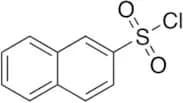

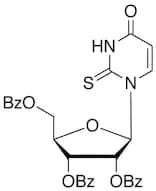
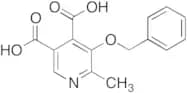
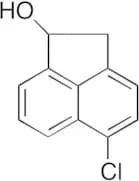
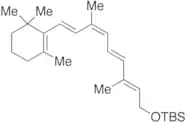
![4-[Bis(2-methoxy-2-oxoethyl)amino]-3-[2-[2-[bis(2-methoxy-2-oxoethyl)amino]-5-met…](/_next/image/?url=https%3A%2Fstatic.cymitquimica.com%2Fproducts%2FTR%2Fthumb-webp%2FB414145.webp&w=3840&q=75)
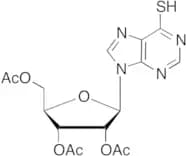
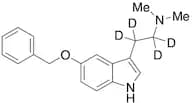
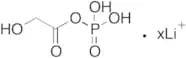
amino]acetyl]benzoic Acid Methyl Ester](/_next/image/?url=https%3A%2Fstatic.cymitquimica.com%2Fproducts%2FTR%2Fthumb-webp%2FH940085.webp&w=3840&q=75)
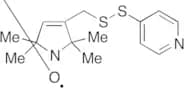
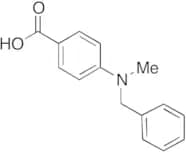

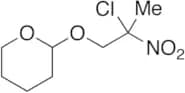
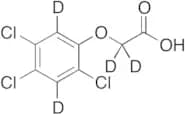
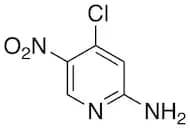
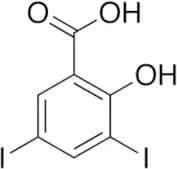
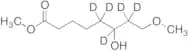
![4-[4-[4-(Diphenylmethoxy-d5)-1-piperidinyl]-1-butyne]-α,α-dimethyl-benzeneacetic Acid Methyl Ester](/_next/image/?url=https%3A%2Fstatic.cymitquimica.com%2Fproducts%2FTR%2Fthumb-webp%2FD491782.webp&w=3840&q=75)
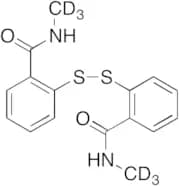
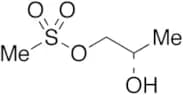
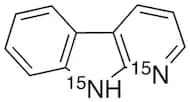
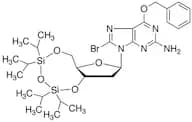
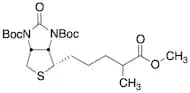
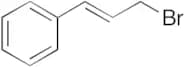
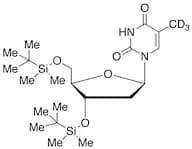
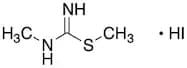
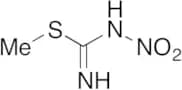
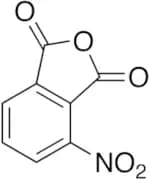
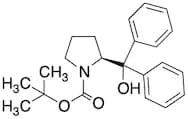
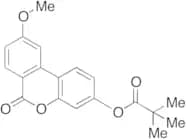

![Bis[2-(2-mercaptobenzoyl)hydrazide] 2,2'-Dithiobis-benzoic Acid](/_next/image/?url=https%3A%2Fstatic.cymitquimica.com%2Fproducts%2FTR%2Fthumb-webp%2FB481830.webp&w=3840&q=75)
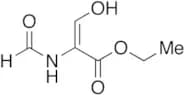
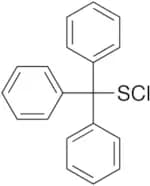
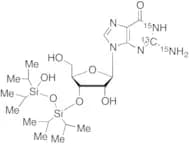
![1-Vinylnaphthalene [Stabilized with 4000ppm tert-Butylcatechol]](/_next/image/?url=https%3A%2Fstatic.cymitquimica.com%2Fproducts%2FTR%2Fthumb-webp%2FV425000.webp&w=3840&q=75)
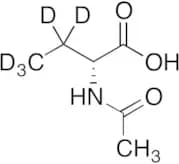
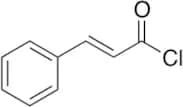
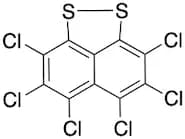
![2-[(2-Amino-3-chlorophenyl)thio]-benzoic Acid Methyl Ester](/_next/image/?url=https%3A%2Fstatic.cymitquimica.com%2Fproducts%2FTR%2Fthumb-webp%2FA619598.webp&w=3840&q=75)
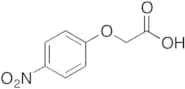
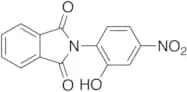
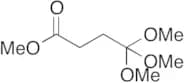
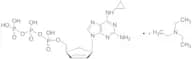
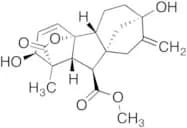

![2-Chloro-4-fluoro-5-[3-methyl-2,6-dioxo-4-(trifluoromethyl)pyrimidin-1-yl]benzoic Acid](/_next/image/?url=https%3A%2Fstatic.cymitquimica.com%2Fproducts%2FTR%2Fthumb-webp%2FC989318.webp&w=3840&q=75)
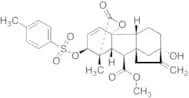
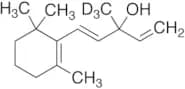

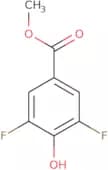

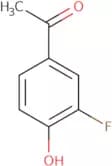
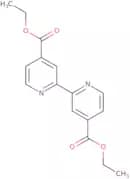
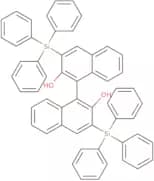

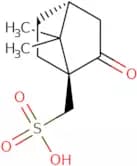
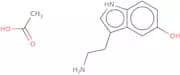
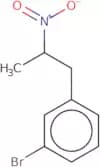
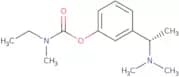
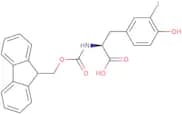
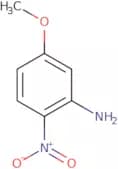
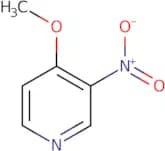
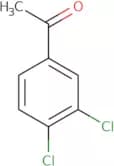
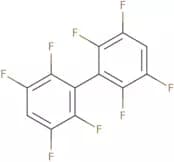
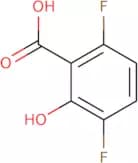
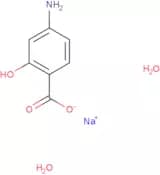
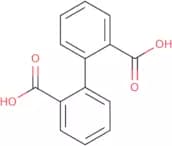
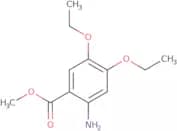
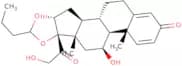
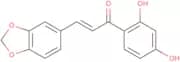
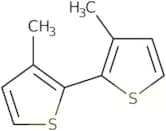
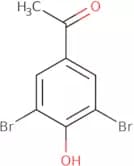


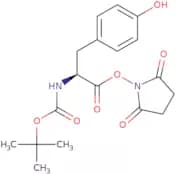

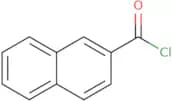
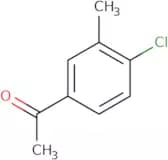
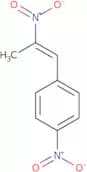
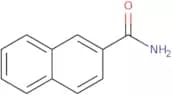
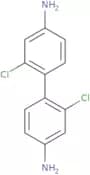
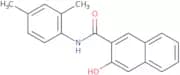
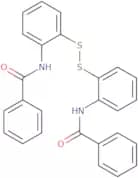
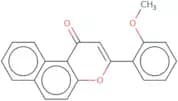

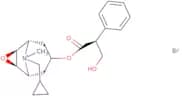
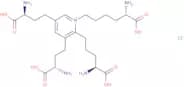
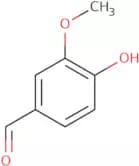
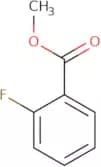
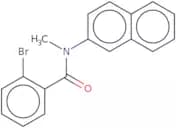
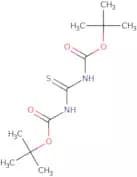

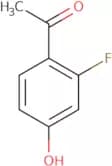
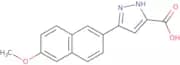
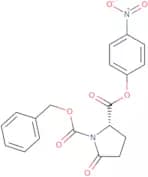
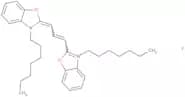
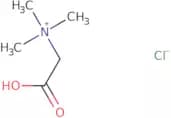
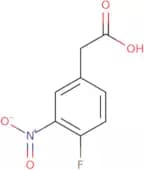
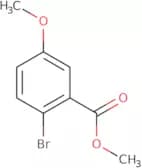
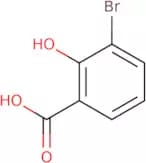
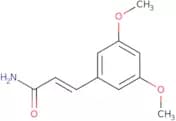
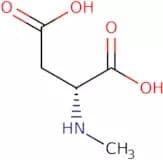
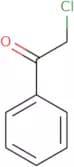
![Sulfosuccinimidyl 3-[[2-(biotinamido)ethyl] dithio]propionate sodium salt](/_next/image/?url=https%3A%2Fstatic.cymitquimica.com%2Fproducts%2F3D%2Fthumb-webp%2FFS27965.webp&w=3840&q=75)