Antimicrobials
Subcategories of "Antimicrobials"
- Antibiotics(4,133 products)
- Antifungals(889 products)
- Antiparasitics(695 products)
- Antivirals(766 products)
Found 2436 products of "Antimicrobials"
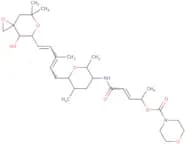
Meayamycin B
CAS:Meayamycin B is a synthetic macrolide, a complex organic compound, which is derived from the natural product FR901464. This compound functions as an antagonist of the spliceosome, the cellular machinery responsible for pre-mRNA splicing. By binding to specific components of the spliceosome, Meayamycin B disrupts the splicing process, leading to the accumulation of unspliced precursor mRNA. This action effectively induces apoptosis in cancer cells, making it a notable candidate for cancer therapy research.
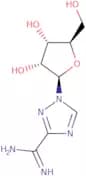
Formula:C31H48N2O8Purity:Min. 95%Molecular weight:576.72 g/molViramidine
CAS:Viramidine is a nucleotide analogue prodrug, which is derived from naturally occurring nucleosides, specifically optimized for enhanced therapeutic profiles. Its mode of action involves conversion into ribavirin triphosphate within the body. This active form inhibits viral RNA polymerase, a critical enzyme necessary for viral replication. By disrupting the synthesis of viral RNA, Viramidine effectively reduces viral proliferation within host cells.
Purity:Min. 95%GSK 2838232
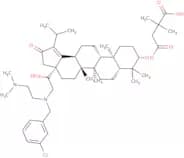
CAS:GSK 2838232 is a HIV-1 maturation inhibitor with action on HIV-1 Gag protein cleavage and is used for research on HIV treatment.
Formula:C48H73ClN2O6Purity:Min. 95%Color and Shape:White PowderMolecular weight:809.56 g/molRef: 3D-FG137685
Discontinued productAdefovir - Bio-X ™
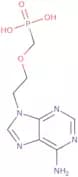
CAS:Adefovir is an antiviral drug that is used for the treatment of hepatitis B infections. This drug works by blocking the enzyme reverse transcriptase, therefore preventing the replication of the virus in the body.
Formula:C8H12N5O4PPurity:Min. 95%Color and Shape:PowderMolecular weight:273.19 g/molHIV-1 integrase inhibitor
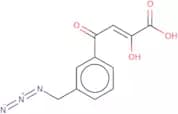
CAS:HIV-1 Integrase Inhibitor is an antiretroviral compound with a mode of action that blocks the viral enzyme integrase, preventing the integration of viral DNA into the host genome. It is used for the treatment of HIV infection.
Formula:C11H9N3O4Purity:Min. 95%Color and Shape:PowderMolecular weight:247.21 g/molRef: 3D-FA64909
Discontinued productAtovaquone - Bio-X ™
CAS:Atovaquone is an antimicrobial drug that is used for the treatment of Pneumocystis jirovecii pneumonia. This drug is an analog of ubiquinone and has good in vitro activity against Toxoplasma gondii.
Formula:C22H19ClO3Purity:Min. 95%Color and Shape:PowderMolecular weight:366.84 g/molGeldanamycin
CAS:Inhibits chaperone protein HSP90; anti-proliferative; antineoplastic
Formula:C29H40N2O9Purity:Min. 95%Color and Shape:Yellow PowderMolecular weight:560.64 g/molRef: 3D-AG23651
Discontinued productRoxithromycin
CAS:Roxithromycin is a macrolide antibiotic with action on bacterial protein synthesis by binding to the 50S ribosomal subunit and is used for treating respiratory, skin, and soft tissue infections.
Formula:C41H76N2O15Purity:Min. 95%Color and Shape:White PowderMolecular weight:837.05 g/molRef: 3D-AR27766
Discontinued productGSK 8175
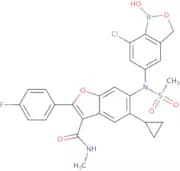
CAS:Inhibitor of viral protein NS5B
Formula:C27H23BClFN2O6SPurity:Min. 95%Molecular weight:568.81 g/molOmbitasvir
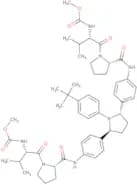
CAS:Ombitasvir is a NS5A inhibitor antiviral agent with action on hepatitis C virus replication and is used for treating chronic hepatitis C in combination therapies.
Formula:C50H67N7O8Purity:Min. 98 Area-%Color and Shape:White PowderMolecular weight:894.1 g/molAmprenavir
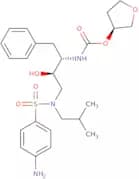
CAS:Anti-retroviral; HIV protease inhibitor
Formula:C25H35N3O6SPurity:Min. 98 Area-%Color and Shape:White Off-White PowderMolecular weight:505.63 g/molValinomycin
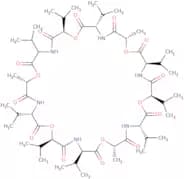
CAS:Valinomycin is an ionophore antibiotic with action on potassium ion transport across cell membranes and is used for research on ion transport and as an antimicrobial agent.
Formula:C54H90N6O18Purity:Min. 90 Area-%Color and Shape:White PowderMolecular weight:1,111.32 g/molRef: 3D-AV28656
Discontinued productNitrocycline
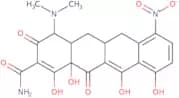
CAS:Nitrocycline is a broad-spectrum antibiotic, which is a synthetic derivative of tetracycline with enhanced antibacterial properties. As a chemically synthesized compound, nitrocycline has been engineered to overcome resistance mechanisms common in bacterial pathogens. Its mode of action involves the inhibition of protein synthesis, achieved by binding to the 30S ribosomal subunit, effectively preventing the addition of new amino acids to nascent peptide chains. This binding action interrupts bacterial growth and replication, providing robust activity against both Gram-positive and Gram-negative bacteria.
Formula:C21H21N3O9Purity:Min. 95%Molecular weight:459.4 g/molAmoscanate
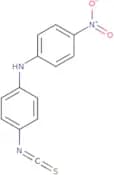
CAS:Amoscanate is an antiparasitic compound derived from synthetic chemical processes, which acts by disrupting the mitochondrial function of parasitic organisms. This compound intervenes in the energy metabolism of endoparasites, leading to their incapacitation and eventual death. Its action is selective for parasitic species, minimizing effects on the host organism.
Formula:C13H9N3O2SPurity:Min. 95%Molecular weight:271.3 g/molHerbicidin K
CAS:Herbicidin K is a naturally derived herbicide, known for its biological origin from microbial fermentation processes. It is primarily sourced from certain strains of Streptomyces, a genus of Gram-positive bacteria notable for their diverse secondary metabolites. The mode of action of Herbicidin K involves the inhibition of key enzymatic pathways within target plants, leading to the disruption of cellular functions and ultimately plant death. This selectivity is particularly effective against broadleaf weeds, providing a targeted approach to weed management.
Formula:C22H27N5O10Purity:Min. 95%Molecular weight:521.48 g/molPiperacillin sodium, pharma grade
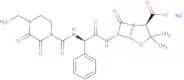
CAS:Piperacillin sodium, pharma grade is a pharmaceutical-grade beta-lactam antibiotic with action on bacterial cell wall synthesis and is used for research and pharmaceutical applications.
Formula:C23H27N5O7S•NaPurity:Min. 95%Color and Shape:PowderMolecular weight:540.55 g/molRef: 3D-AP165376
Discontinued productNalidixic acid sodium salt
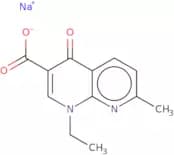
CAS:Nalidixic acid sodium salt is a sodium salt form of nalidixic acid with similar action and applications as nalidixic acid.
Formula:C12H11N2NaO3Purity:(%) Min. 98%Color and Shape:White PowderMolecular weight:254.22 g/molRef: 3D-FN16321
Discontinued productTipranavir - Bio-X ™
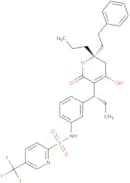
CAS:This product is part of our Bio-X ™ Range. These products are aimed at life science researchers who need high quality ready-to-use products for assay development, screening or other R&D work. With a solubility datasheet and convenient vials, all of our Bio-X ™ products are in stock across our global warehouses for rapid delivery and ease of use.
Formula:C31H33F3N2O5SPurity:Min. 95%Color and Shape:PowderMolecular weight:602.67 g/mol4-Epichlortetracycline
CAS:4-Epichlortetracycline is a metabolite of chlortetracycline, which is derived from the Streptomyces genus of bacteria. It is structurally related to tetracycline antibiotics but differs specifically in its epimerization at the fourth position. This alteration results in a product with significantly reduced antibacterial activity compared to its parent compound. The mechanism of action primarily involves ribosomal binding, inhibiting protein synthesis in susceptible bacteria; however, the epimerization here compromises this efficacy.
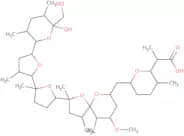
Formula:C22H23ClN2O8Purity:Min. 95%Molecular weight:478.9 g/molMaduramicin ammonium
CAS:Maduramicin ammonium is an anticoccidial agent with action on protozoal parasites by disrupting ion gradients and is used for preventing coccidiosis in poultry.
Formula:C47H83NO17Purity:Min. 95%Color and Shape:PowderMolecular weight:934.16 g/molRef: 3D-AM24971
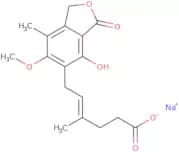
Discontinued productMycophenolate sodium
CAS:Inhibitor of inosine monophosphate dehydrogenase; immunosuppressant
Formula:C17H20O6·NaPurity:Min. 95%Molecular weight:343.33 g/molRef: 3D-AM45694
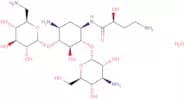
Discontinued productAmikacin hydrate
CAS:Inhibitor of protein synthesis; aminoglycoside
Formula:C22H43N5O13·xH2OPurity:Min. 900 Μg/MgColor and Shape:PowderMolecular weight:585.6 g/molRef: 3D-FA153306
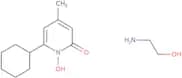
Discontinued productCiclopirox olamine - Bio-X ™
CAS:Ciclopirox is a broad-spectrum antifungal agent that is used to treat onychomycosis of fingernails and toenails in immunocomprised patients. Ciclopirox has been shown to work by binding to polyvalent metal cations such Al3+ and Fe3+. These cations interfere with cellular processes including mitochondrial electron transport and energy synthesis by inhibiting numerous enzymes, including cytochromes. Additionally, the plasma membrane of fungi appears to be altered by ciclopirox as well, leading to the disorder of internal structures.
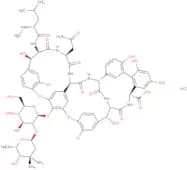
Formula:C12H17NO2•C2H7NOPurity:Min. 95%Color and Shape:PowderMolecular weight:268.35 g/molVancomycin HCl - pharma grade
CAS:Vancomycin is a tricyclic glycopeptide antibiotic that has bactericidal effects against staphylococci, streptococci, and other gram-positive bacteria. It is often used as an alternative treatment for severe staphylococcal and streptococcal infections, including endocarditis, and infections with MRSA (methicillin-resistant Staphylococcus aureus), penicillin-resistant pneumococci or in cases of allergy to penicillins and cephalosporins.
Formula:C66H75Cl2N9O24·HClColor and Shape:PowderMolecular weight:1,485.71 g/molEntecavir hydrate
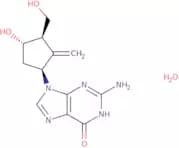
CAS:Nucleoside reverse transcriptase inhibitor; anti-Hepatitis B virus
Formula:C12H15N5O3·xH2OPurity:Min. 98 Area-%Color and Shape:White PowderMolecular weight:277.28 g/molCloxacillin sodium hydrate
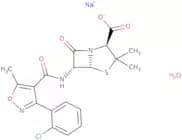
CAS:β-lactam antibiotic of penicillin subclass, which inhibits bacterial cell wall synthesis by targeting the proteoglycan synthesis. Cloxacillin has a narrow spectrum of action and is effective against Gram-positive organisms. Cloxacillin is resistant to the action of β-lactamase and therefore preferentially used for treatment of Staphylococcal infections.
Formula:C19H18ClN3O5S•H2O•NaPurity:Min. 95%Color and Shape:White PowderMolecular weight:476.89 g/molRef: 3D-AS59804
Discontinued productTenofovir
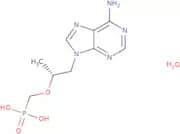
CAS:Tenofovir is a nucleoside reverse transcriptase inhibitor (NRTI) with action on viral reverse transcriptase to block replication and is used for treating HIV/AIDS and chronic hepatitis B.
Formula:C9H14N5O4P·H2OPurity:Min. 95%Molecular weight:305.23 g/molRef: 3D-GIA18449
Discontinued productOleandomycin phosphate
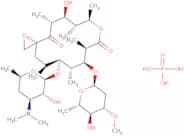
CAS:Controlled ProductOleandomycin phosphate is a macrolide antibiotic with action on bacterial protein synthesis inhibition and is used for treating respiratory tract infections and as a veterinary antibiotic.
Formula:C35H64NO16PPurity:(%) Reported (%)Color and Shape:PowderMolecular weight:785.85 g/molCefonicid sodium
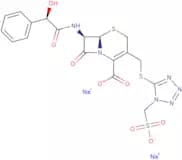
CAS:Cephalosporin antibiotic; interferes with cell wall biosynthesis
Formula:C18H18N6Na2O8S3Purity:Min. 95%Color and Shape:PowderMolecular weight:588.55 g/molRef: 3D-FC50064
Discontinued productMonensin sodium
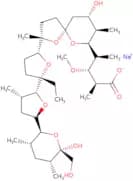
CAS:Monensin sodium is a polyether antibiotic with action on ion transport across bacterial cell membranes and is used for preventing coccidiosis and improving feed efficiency in livestock.
Formula:C36H61NaO11Purity:(%) Min. 90%Color and Shape:White Off-White PowderMolecular weight:692.85 g/molCytarabine - Bio-X ™
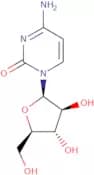
CAS:Cytarabine is also known as cytosine arabinoside (ara-C) and is a chemotherapy drug that works by inhibiting DNA synthesis. It acts as a nucleoside analogue, which is incorporated into the growing DNA chain during replication. Cytarabine combines a cytosine base with an arabinose sugar (1β-arabinofuranosylcytosine) and is an analog for human deoxycytosine. Cytarabine interferes with DNA synthesis as it is rapidly converted to cytosine arabinoside triphosphate, damaging DNA when cells are in the synthesis phase (S phase). Tumor cells which are highly mitotic and growing rapidly are therefore preferably targeted. Cytarabine also inhibits nucleotide reductase enzymes as well as nuclear polymerases, leading to interruption and inhibition of synthesis, strand breaks and cell death.
Formula:C9H13N3O5Purity:(%) Min. 98%Color and Shape:PowderMolecular weight:243.22 g/molOseltamivir
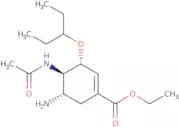
CAS:Inhibitor of viral neuraminidase enzyme, effective against influenza A and B viruses. This antiviral compound inhibits neuraminidase-mediated cleavage of host cell sialic acids, which interact with newly synthesised virions from the host cell. This prevents virion budding from the host, resulting in inhibition of virion release and viral infection overall.
Formula:C16H28N2O4Purity:Min. 95 Area-%Color and Shape:PowderMolecular weight:312.4 g/molRef: 3D-FO61474
Discontinued productMebendazole
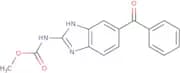
CAS:Mebendazole is a benzimidazole anthelmintic with action on microtubule formation in parasitic worms and is used for treating intestinal worm infections like threadworms and roundworms.
Formula:C16H13N3O3Purity:99.0 To 101.0%Color and Shape:PowderMolecular weight:295.29 g/molRef: 3H-HE4005
Discontinued productEthyl Bromoacetate
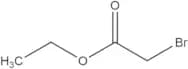
CAS:Formula:C4H7BrO2Color and Shape:Clear Colourless to Yellow OilMolecular weight:167.0Cefovecin Sodium
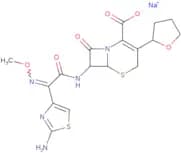
CAS:Please enquire for more information about Cefovecin Sodium including the price, delivery time and more detailed product information at the technical inquiry form on this page
Formula:C17H18N5NaO6S2Molecular weight:475.48 g/molLincomycin hydrochloride
CAS:Lincomycin is active against gram-positive bacteria such as staphylococci, streptococci, pneumococci, diphtheria bacillus, and clostridia. It is used to treat severe bacterial infections including: sepsis, osteomyelitis, septic endocarditis, pneumonia, pulmonary abscess, infected wounds, purulent meningitis and severe pseudomembranous colitis. Lincomycin is an alternative antibiotic for penicillin-resistant gram-positive bacteria.
Formula:C18H35ClN2O6SPurity:Min. 95%Color and Shape:Off-White PowderMolecular weight:443 g/molAbafungin
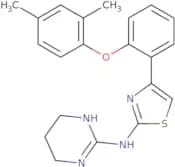
CAS:Abafungin is an antifungal agent and is used for treating fungal infections.
Formula:C21H22N4OSPurity:Min. 95%Color and Shape:PowderMolecular weight:378.49 g/molRef: 3D-FA55383
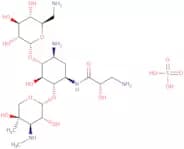
Discontinued productIsepamicin sulfate - 70%
CAS:Isepamicin sulfate - 70% is a semi-synthetic aminoglycoside antibiotic, which is derived from naturally occurring antibiotic compounds through chemical modifications. Its mode of action involves binding to the bacterial 30S ribosomal subunit, disrupting protein synthesis and consequently causing bacterial cell death. This mechanism of action is typical of aminoglycosides, characterized by their bactericidal properties against a broad spectrum of Gram-negative bacteria, with some efficacy against certain Gram-positive bacterial strains.
Formula:C22H45N5O16SPurity:Min. 95%Color and Shape:White/Off-White SolidMolecular weight:667.68 g/molRef: 3D-FI163230
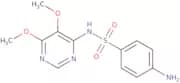
Discontinued productSulfadoxine
CAS:Sulfadoxine is a long-acting sulfonamide antibiotic with action on bacterial folate synthesis inhibition and is used for treating malaria in combination with pyrimethamine.
Formula:C12H14N4O4SPurity:Min. 95%Color and Shape:PowderMolecular weight:310.33 g/molRef: 3D-AS01376
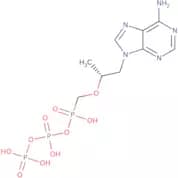
Discontinued productTenofovir diphosphate
CAS:Tenofovir diphosphate is an antiviral compound, which is a key active metabolite derived from the prodrugs tenofovir disoproxil fumarate and tenofovir alafenamide, both originating from chemical synthesis. Its mode of action involves inhibiting the activity of HIV-1 reverse transcriptase by competing with the natural substrate, deoxyadenosine 5’-triphosphate, and causing chain termination after incorporation into viral DNA. This mechanism effectively prevents the replication of retroviral DNA, thus halting the progression of the infection.
Formula:C9H16N5O10P3Purity:Min. 95%Molecular weight:447.17 g/molSulopenem
CAS:Sulopenem is a thiopenem antibiotic with action on bacterial cell wall synthesis and is used for treating uncomplicated urinary tract infections.
Formula:C12H15NO5S3Purity:Min. 95%Color and Shape:Off-White Yellow PowderMolecular weight:349.45 g/molRef: 3D-AS178419
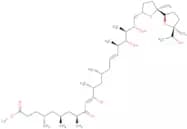
Discontinued productIonomycin calcium
CAS:Ionomycin calcium is a potent calcium ionophore, which is derived from natural sources such as certain Streptomyces species. Its primary mode of action involves facilitating the translocation of calcium ions (Ca^2+) across biological membranes, specifically transporting them from external environments or intracellular stores into the cytoplasm. This action significantly elevates intracellular calcium levels.
Formula:C41H70O9•CaPurity:Min. 95%Molecular weight:747.07 g/molRef: 3D-AL34905
Discontinued product3-(2-(2,4-Dichlorophenyl)-2-hydroxyethyl)-3,4-imidazolidinedione
CAS:3-(2-(2,4-Dichlorophenyl)-2-hydroxyethyl)-3,4-imidazolidinedione is a synthetic compound, which is a derivative of imidazolidinedione. It is primarily characterized as an antifungal agent with broad-spectrum activity against various fungal species. Its mode of action involves disrupting the synthesis of ergosterol, an essential component of fungal cell membranes. This disruption leads to increased membrane permeability and ultimately, cell death. The efficacy of this compound is attributed to its ability to inhibit the growth of pathogens by targeting critical pathways necessary for fungal survival.
Formula:C11H12Cl2N2O3Purity:Min. 95%Molecular weight:291.13 g/molRef: 3D-WCA16256
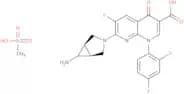
Discontinued productTrovafloxacin mesylate
CAS:Trovafloxacin mesylate is a synthetic antibiotic belonging to the fluoroquinolone class, which is derived from chemical synthesis processes rather than natural sources. The mode of action of trovafloxacin mesylate involves the inhibition of bacterial enzymes DNA gyrase and topoisomerase IV. These enzymes are essential for DNA replication, repair, and transcription within the bacterial cell. By inhibiting these enzymes, trovafloxacin mesylate disrupts bacterial DNA processes, leading to cell death and exerting its antibacterial effects.
Formula:C21H19F3N4O6SPurity:Min. 95%Molecular weight:512.46 g/molRef: 3D-FT28618
Discontinued productTridehydro pirlimycin
CAS:Tridehydro pirlimycin is an antibiotic compound, which is a synthetic derivative with origins in the lincosamide family. It is characterized by its ability to inhibit bacterial protein synthesis by binding to the 50S ribosomal subunit, leading to a bacteriostatic effect. The compound is primarily developed for its use in veterinary medicine, particularly in the treatment and management of bacterial infections in animals.
Formula:C17H25ClN2O5SPurity:Min. 95%Molecular weight:404.91 g/molOmaciclovir
CAS:Please enquire for more information about Omaciclovir including the price, delivery time and more detailed product information at the technical inquiry form on this page
Formula:C10H15N5O3Purity:Min. 95%Molecular weight:253.26 g/molRef: 3D-ZEA26589
Discontinued productPiericidin A
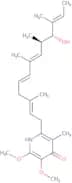
CAS:Piericidin A is a microbial metabolite, specifically a type of polyketide, which is derived from the bacterium of the genus Streptomyces. This compound acts as an electron transport chain inhibitor by specifically binding to the ubiquinone binding site of complex I (NADH:ubiquinone oxidoreductase) in mitochondria. This mode of action results in the disruption of ATP production through oxidative phosphorylation.
Formula:C25H37NO4Purity:Min. 95%Molecular weight:415.57 g/molTebufenozide-hydroxymethyl
CAS:Tebufenozide-hydroxymethyl is an insect growth regulator, which is synthesized chemically to function as an agonist of the molting hormone, ecdysone, in target pest species. It operates by mimicking the effects of ecdysone, leading to premature and lethal molting in lepidopteran larvae. This disruption in the developmental cycle of the insects effectively suppresses their population by preventing them from reaching maturity and reproducing.
Formula:C22H28N2O3Purity:Min. 95%Molecular weight:368.5 g/molRef: 3D-RGA54761
Discontinued productLeptomycin A
CAS:Leptomycin A is a Streptomyces-produced inhibitor, which is derived from the bacterium Streptomyces spiroverticillatus. It functions by specifically binding to and inhibiting the CRM1 (exportin 1), a nuclear export receptor. This action blocks the nuclear export of proteins that contain a leucine-rich nuclear export signal (NES), thereby leading to their accumulation within the nucleus. The inhibition of CRM1 disrupts various cellular processes, including cell cycle regulation and signal transduction pathways.
Formula:C32H46O6Purity:Min. 95%Molecular weight:526.7 g/molEquisetin
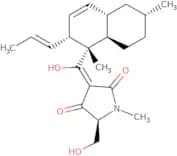
CAS:Equisetin is a secondary metabolite, which is produced by the fungus *Fusarium equiseti*. It operates predominantly through the inhibition of protein synthesis and interference with cellular processes within target organisms. Equisetin exhibits potent antibacterial and antifungal activities primarily by interfering with cell wall synthesis in bacteria and disrupting key pathways in fungi.
Purity:Min. 95%Nigericin sodium
CAS:Nigericin transports cations across the membrane of the cell and it is used to study anion transport. It can be used as a buffer to control pH value inside of the cell.
Formula:C40H67NaO11Purity:Min. 95%Molecular weight:746.94 g/molRef: 3D-AN34907
Discontinued productAminosidine
CAS:Aminosidine is a nucleoside analogue that inhibits the HIV-1 reverse transcriptase and the integrase, which are enzymes involved in viral DNA synthesis. Aminosidine is active against Leishmania spp., but not against bacteria. Aminosidine has been shown to be effective in experimental models of human bowel disease and in patients with inflammatory bowel disease. It was also found to be active against wild-type strains of human immunodeficiency virus type 1, but not resistant mutants. The mechanism of action is the inhibition of cellular mitochondrial membrane potential.
Purity:Min. 95%Sulfamethazine Sodium Salt
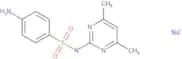
CAS:Sulfamethazine Sodium Salt is a synthetic sulfonamide antibacterial agent derived from sulfanilamide compounds, characterized by its broad-spectrum efficacy against various bacterial pathogens. It operates by interfering with bacterial folic acid synthesis, specifically inhibiting the enzyme dihydropteroate synthase. This action results in the incapacitation of bacterial growth and replication, as folic acid is essential for nucleic acid formation and cell division.
Formula:C12H13N4O2S·NaPurity:Min. 95%Molecular weight:300.31 g/molRef: 3D-BAA98158
Discontinued productCycloxydim-sulfone-glutaric acid
CAS:Cycloxydim-sulfone-glutaric acid is a synthesized herbicide, which is a derivative of cycloxydim, a cyclohexanedione compound. It is characterized by its ability to effectively inhibit acetyl-CoA carboxylase, an enzyme crucial in fatty acid biosynthesis within plant systems. The source of this compound is primarily through complex chemical synthesis processes that combine its constituent elements to enhance its stability and efficacy as a herbicide.
Formula:C10H16O6SPurity:Min. 95%Molecular weight:264.3 g/molRef: 3D-UEA72581
Discontinued productQuinocarcin
CAS:Quinocarcin is an antitumor antibiotic, which is a potent chemical compound derived from the bacterium Streptomyces. This compound exhibits its mode of action through interaction with DNA, where it induces DNA cross-linking and inhibits DNA replication, ultimately leading to cell death. The mechanism makes it particularly effective as a cytotoxic agent against rapidly dividing cancer cells.
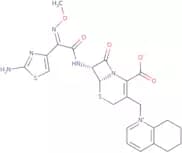
Formula:C18H22N2O4Purity:Min. 95%Molecular weight:330.4 g/molCefquinome
CAS:Cefquinome is a broad-spectrum antibiotic, which is a fourth-generation cephalosporin. It is derived from the β-lactam class of antibiotics and is specifically designed for veterinary applications. Its mode of action involves the inhibition of bacterial cell wall synthesis, leading to cell lysis and death. This action is facilitated through the binding of cefquinome to penicillin-binding proteins, which undermines the structural integrity of bacterial cell walls, proving effective against both Gram-positive and Gram-negative bacteria.
Formula:C23H24N6O5S2Purity:Min. 95%Molecular weight:528.61 g/molClenhexerol
CAS:Clenhexerol is a topical antiseptic, which is a chemically synthesized product with broad-spectrum antimicrobial properties. It is derived from chlorhexidine, commonly used in various medical formulations for its efficacy against both Gram-positive and Gram-negative bacteria. Clenhexerol operates through disrupting microbial cell membranes, leading to leakage of cellular components and cell death, making it highly effective in reducing microbial load on skin and mucous membranes.
Formula:C14H22Cl2N2OPurity:Min. 95%Molecular weight:305.2 g/molRef: 3D-DDA98288
Discontinued productPikromycin
CAS:Pikromycin is an antibiotic, which is derived from the bacterium *Streptomyces venezuelae*. It functions by specifically binding to the 50S ribosomal subunit, thereby inhibiting bacterial protein synthesis. This action effectively blocks peptide chain elongation, leading to the cessation of bacterial growth and proliferation. Pikromycin serves as an important model compound in antibiotic research, particularly in the study of macrolides and polyketides, due to its unique structure and biosynthetic pathway.
Formula:C28H47NO8Purity:Min. 95%Molecular weight:525.7 g/molRef: 3D-UAA72156
Discontinued productDicloxacillin sodium salt
CAS:Dicloxacillin is a penicillin antibiotic that is used to treat bacterial infections of the gastrointestinal tract, skin, and urinary tract. It binds to the penicillin-binding proteins in bacterial cell walls by competitive inhibition. Dicloxacillin inhibits bacterial growth by binding to the enzyme cell wall synthesis that is required for cell wall biosynthesis, inhibiting protein synthesis and cell division. This drug also has a toxic effect on respiratory system cells, which may be due to its ability to induce apoptosis. Dicloxacillin sodium salt is available as tablets for oral administration or as an intravenous solution for injection. It can interact with other drugs, such as benzalkonium chloride and matrix effect; it also has analytical methods such as chromatographic analysis and rate constant.
Formula:C19H17Cl2N3O5S·NaPurity:Min. 95%Molecular weight:493.32 g/molPurfalcamine
CAS:Purfalcamine is a synthetic pharmaceutical compound that belongs to a class of molecules known as small-molecule inhibitors. It is sourced through advanced chemical synthesis, enabling precise structural modifications to optimize its biological activity. The mode of action of Purfalcamine involves selective inhibition of a specific target protein involved in key cellular signaling pathways. This targeted interaction disrupts abnormal cellular processes, making it a promising therapeutic candidate for certain diseases.
Formula:C29H33FN8OPurity:Min. 95%Molecular weight:528.6 g/molRef: 3D-NRB62068
Discontinued productOxpoconazole fumarate
CAS:Oxpoconazole fumarate is a systemic antifungal agent, which is a synthetic compound derived from chemical synthesis. It functions by inhibiting the biosynthesis of ergosterol, a critical component of fungal cell membranes, ultimately disrupting cell growth and replication. This inhibition interferes with the integrity and functionality of the fungal cell membrane, leading to cell death.
Formula:C42H52Cl2N6O8Purity:Min. 95%Molecular weight:839.8 g/molRef: 3D-ZGA21212
Discontinued productENOblock
CAS:ENOblock is a biochemical inhibitor, which is synthesized from specific small molecules with the capability to modulate metabolic pathways. This product is derived from a high-throughput screening aimed at identifying novel regulators of enzymatic processes and exhibits unique properties influencing nicotinamide adenine dinucleotide (NAD) metabolism.
Formula:C31H43FN8O3Purity:Min. 95%Molecular weight:594.74 g/molRef: 3D-CXB82773
Discontinued productSPR741
CAS:SPR741 is an antimicrobial potentiator, which is derived from polymyxin B, an antibiotic sourced from the bacterium *Bacillus polymyxa*. Its mode of action involves permeabilizing the outer membrane of Gram-negative bacteria, allowing otherwise impermeable antibiotics to enter the bacterial cell. This potentiation effect significantly enhances the efficacy of co-administered antibiotics against resistant strains.
Formula:C44H73N13O13Purity:Min. 95%Molecular weight:992.1 g/molRef: 3D-EXB33052
Discontinued productMesosulfuron
CAS:Mesosulfuron is a selective herbicide, which is a synthetic chemical compound with a specific mode of action designed to inhibit acetolactate synthase (ALS). This enzyme inhibition disrupts the biosynthesis of essential amino acids such as valine, leucine, and isoleucine, leading to the cessation of cell division and consequent plant growth arrest. The herbicide is primarily utilized in agricultural settings, particularly for post-emergence control of various grass weeds within cereal crops, including wheat and barley. Its application is crucial for managing weed competition that can significantly impact crop yield and quality. Mesosulfuron is absorbed through the foliage and roots of targeted species, providing systemic action that ensures effective control. Its usage is governed by stringent regulations to minimize environmental impact and to manage herbicide resistance through integrated weed management strategies.
Formula:C16H19N5O9S2Purity:Min. 95%Molecular weight:489.5 g/molRef: 3D-ARA85266
Discontinued productOxacillin sodium
CAS:Oxacillin sodium is a beta-lactam antibiotic with action on bacterial cell wall synthesis and is used for treating infections caused by penicillin-resistant Staphylococcus aureus.
Formula:C19H18N3NaO5SPurity:Min. 95%Color and Shape:PowderMolecular weight:423.42 g/molRef: 3D-AO158090
Discontinued productSarecycline
CAS:Sarecycline is a tetracycline-class antibiotic, which is derived from naturally occurring tetracycline antibiotics. Its mode of action involves inhibition of bacterial protein synthesis by binding to the 30S ribosomal subunit, thereby preventing the addition of amino acids to nascent peptide chains. This specific mechanism disrupts bacterial growth, making Sarecycline effective against certain strains of bacteria implicated in dermatological conditions.
Formula:C24H29N3O8Purity:Min. 95 Area-%Molecular weight:487.5 g/molRef: 3D-FS180986
Discontinued productViolacein
CAS:Violacein is a model system for studying the effects of hydroxyl groups on cell lysis. It is a fatty acid that contains nitrogen atoms and has antimicrobial properties. Violacein has been shown to cause the loss of mitochondrial membrane potential in HL-60 cells, which may be due to its ability to act as a multidrug efflux pump inhibitor. Violacein also exhibits antimicrobial activity against several bacterial strains, including MRSA and methicillin-sensitive Staphylococcus aureus (MSSA). In addition, violacein has been shown to induce cell lysis in vitro via the degradation of proteins and lipids in the cytoplasm.
Formula:C20H13N3O3Purity:Min. 95%Color and Shape:PowderMolecular weight:343.3 g/molRef: 3D-AAA54854
Discontinued productN'-Desmethyl azithromycin
CAS:N'-Desmethyl azithromycin is a semi-synthetic derivative antibiotic, which is derived from the chemical modification of azithromycin, a macrolide antibiotic sourced originally from the bacterium *Streptomyces erythreus*. It functions primarily by inhibiting bacterial protein synthesis, binding specifically to the 50S ribosomal subunit, which results in the prevention of transpeptidation and translocation processes during translation. This action effectively halts bacterial growth, rendering it bacteriostatic.
Formula:C37H70N2O12Purity:Min. 95%Molecular weight:734.96 g/molPazufloxacin
CAS:Pazufloxacin is an antibacterial agent, which is a synthetic derivative originating from the fluoroquinolone class of compounds. This source categorizes it alongside a group of broad-spectrum antibiotics known for their efficacy against a wide variety of bacterial pathogens. The mode of action of pazufloxacin involves the inhibition of bacterial DNA gyrase and topoisomerase IV. These are essential enzymes for bacterial DNA replication, transcription, repair, and recombination processes. By inhibiting these enzymes, pazufloxacin disrupts the bacterial DNA processes, ultimately leading to cell death.
Formula:C16H15FN2O4Purity:Min. 95%Molecular weight:318.3 g/molRef: 3D-AP65124
Discontinued product6-(2-Chlorophenoxy)-5-fluoro-4(3H)-pyrimidinone
CAS:6-(2-Chlorophenoxy)-5-fluoro-4(3H)-pyrimidinone is a heterocyclic compound, which is a synthetic derivative developed for biochemical research. This compound is synthesized through a series of organic reactions, involving halogenation and cyclization techniques, typically conducted in a controlled laboratory setting. Its design incorporates specific structural features, such as the chlorophenoxy and fluoro groups, which are strategically positioned to enhance its binding affinity and specificity.
Formula:C10H6ClFN2O2Purity:Min. 95%Molecular weight:240.62 g/molRef: 3D-UVA00209
Discontinued productTigecycline mesylate
CAS:Tigecycline mesylate is a novel glycylcycline antibiotic, which is a derivative of the tetracycline class of antibiotics. It is a semi-synthetic product derived from minocycline, exhibiting a broad spectrum of antibacterial activity. Tigecycline mesylate functions through the inhibition of bacterial protein synthesis. It achieves this by binding to the 30S ribosomal subunit, thereby preventing the incorporation of amino acid residues into elongating peptide chains, a crucial step in protein production.
Formula:C30H43N5O11SPurity:Min. 95%Molecular weight:681.8 g/molRef: 3D-KVB87127
Discontinued productNSC-60339
CAS:NSC-60339 is a synthetic antineoplastic agent derived from laboratory synthesis known for its targeted inhibition of specific cancer cell pathways. The compound operates by interfering with crucial cellular processes such as DNA replication or protein synthesis, depending on its exact mode of action.
Formula:C26H23ClN6O2Purity:Min. 95%Molecular weight:487 g/molTyrothricin
CAS:Tyrothricin is a peptide antibiotic, which is derived from the bacterium Bacillus brevis. This compound comprises a mixture of polypeptides, primarily gramicidin and tyrocidine, both of which are instrumental in its antimicrobial activity. The mode of action of tyrothricin involves disrupting bacterial cell membranes, leading to cell lysis and death. Gramicidin increases the permeability of the bacterial membrane to ions, while tyrocidine promotes disruption of membrane integrity, which together exert bactericidal and bacteriostatic effects.
Formula:C65H85N11O13Purity:Min. 95%Molecular weight:1,228.44 g/molRef: 3D-AT30150
Discontinued product3-Chloro-4-(3-chloro-2-nitrophenyl)pyrrole
CAS:3-Chloro-4-(3-chloro-2-nitrophenyl)pyrrole is a synthetic chemical compound, classified as an organochlorine derivative. This compound originates from the modification of pyrrole structures, which are heterocyclic aromatic compounds. The synthesis involves chlorination and nitration processes to enhance its potential activity and specificity.
Formula:C10H6Cl2N2O2Purity:Min. 95%Molecular weight:257.07 g/molRef: 3D-BAA01871
Discontinued productTri-O-benzyl FR 900098
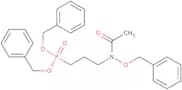
CAS:Tri-O-benzyl FR 900098 is a chemical compound, often referenced in biochemical research contexts. It is a synthetic derivative that originates from complex chemical synthesis, involving multiple benzylation steps to modify the original molecular framework. This structural transformation lends the compound unique chemical properties.
Formula:C26H30NO5PPurity:Min. 95%Molecular weight:467.49 g/molRef: 3D-AT28571
Discontinued productGatifloxacin hydrate
CAS:Gatifloxacin hydrate is a fluoroquinolone antibiotic, which is synthesized chemically. It exerts its bactericidal effects primarily by inhibiting bacterial DNA gyrase and topoisomerase IV. These enzymes are crucial for bacterial DNA replication, transcription, and repair. By preventing these processes, gatifloxacin effectively halts bacterial cell division, ultimately leading to cell death.
Formula:C19H24FN3O5Purity:Min. 95%Molecular weight:393.4 g/molRef: 3D-PZA75180
Discontinued productAcetophos
CAS:Acetophos is an organophosphate insecticide, which is a synthetic chemical compound derived from phosphoric acid. It functions by inhibiting acetylcholinesterase, an essential enzyme in the nervous systems of insects. This inhibition leads to the accumulation of acetylcholine, causing continuous nerve impulses that result in the paralysis and eventual death of the pest.
Formula:C8H17O5PSPurity:Min. 95%Molecular weight:256.26 g/molRef: 3D-CAA42525
Discontinued productNeticonazole
CAS:Neticonazole is a synthetic antifungal compound, which is derived from pharmaceutical chemical synthesis. It functions primarily as an imidazole derivative, disrupting the synthesis of ergosterol, a crucial component of fungal cell membranes. This interference leads to increased cell membrane permeability, ultimately causing cell lysis and death of the fungal organism.
Formula:C17H22N2OSPurity:Min. 95%Molecular weight:302.4 g/molRef: 3D-FFA72668
Discontinued productTromantadine hydrochloride
CAS:Controlled ProductTromantadine hydrochloride is a synthetic antiviral compound, which is a derivative of adamantane. It originates from chemical synthesis, tailored specifically to target viral processes. Tromantadine hydrochloride primarily exerts its effects by inhibiting the penetration of virus particles into host cells and impeding the subsequent stages of viral replication. This mode of action effectively reduces the viral load and hinders the progression of the infection.
Formula:C16H28N2O2•HClPurity:Min. 95%Molecular weight:316.87 g/mol(2RS,4S)-2-[[(phenylacetyl)amino]methyl]-5,5-dimethylthiazolidine-4-carboxylic acid (penilloic acids of benzylpenicillin)
CAS:(2RS,4S)-2-[[(Phenylacetyl)amino]methyl]-5,5-dimethylthiazolidine-4-carboxylic acid, commonly referred to as penilloic acids, is a hydrolytic degradation product of benzylpenicillin. It is derived through the enzymatic or chemical cleavage of the β-lactam ring of benzylpenicillin, which is a classic β-lactam antibiotic.
Formula:C15H20N2O3SPurity:Min. 95%Molecular weight:308.4 g/molRef: 3D-AAA50134
Discontinued productE-Ceftazidime
CAS:E-Ceftazidime is a third-generation cephalosporin antibiotic, which is derived from the mold Acremonium. It functions by inhibiting bacterial cell wall synthesis, a crucial component for bacterial survival and replication. This inhibition occurs through the binding to specific penicillin-binding proteins (PBPs) within the bacterial cell wall, thus preventing cross-linking of the peptidoglycan chains, which results in the eventual lysis and death of the bacterial cell.
Formula:C22H22N6O7S2Purity:Min. 95%Molecular weight:546.60 g/molRef: 3D-XDA14838
Discontinued productSE 563
CAS:SE 563 is a biocontrol agent, which is an organism-based product derived from natural sources. It is sourced from a specific strain of entomopathogenic nematodes known for their effectiveness in targeting and controlling insect pests. The mode of action involves the nematodes seeking out their insect hosts in the soil, entering through natural openings, and releasing symbiotic bacteria that kill the host from within.
Formula:C22H17ClF3NO3Purity:Min. 95%Molecular weight:435.08491Ref: 3D-AS178055
Discontinued productGanciclovir, Antibiotic for Culture Media Use Only
CAS:Ganciclovir is an antiviral agent specifically designed for culture media use. It is a synthetic analogue of 2'-deoxy-guanosine, derived from nucleoside compounds, and operates primarily by inhibiting the replication of viral DNA. Its mode of action involves selective phosphorylation by viral kinases, which converts it into ganciclovir triphosphate, a potent inhibitor of viral DNA polymerase, ultimately preventing viral DNA synthesis.
Formula:C9H13N5O4Purity:Min. 98.0 Area-%Molecular weight:255.23 g/molRef: 3D-Q-201148
Discontinued product1,3,5-Triazine-2,4-diamine
CAS:1,3,5-Triazine-2,4-diamine is a selective herbicide, which is synthesized from chemical feedstocks via a process involving triazine ring formation and chlorination. This compound operates by inhibiting photosynthesis in susceptible plants, specifically targeting the photosystem II complex. When absorbed through the roots and leaves, it disrupts the electron transport chain, leading to chlorophyll loss and subsequent plant death.
Formula:C5H6F3N5OPurity:Min. 95%Molecular weight:209.13 g/molRef: 3D-TGC09528
Discontinued productNoracronycine
CAS:Please enquire for more information about Noracronycine including the price, delivery time and more detailed product information at the technical inquiry form on this page
Formula:C19H17NO3Purity:Min. 95%Molecular weight:307.3 g/molRef: 3D-NAA16179
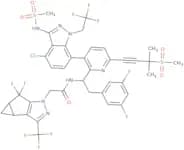
Discontinued productLenacapavir
CAS:Lenacapavir is a capsid inhibitor with a mode of action that interferes with the HIV capsid protein, disrupting multiple stages of the viral lifecycle. It is used for treating multidrug-resistant HIV infections.
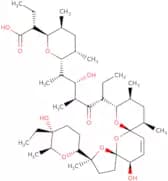
Formula:C39H32ClF10N7O5S2Purity:Min. 95%Color and Shape:PowderMolecular weight:968.28 g/molNarasin
CAS:Narasin is an ionophore antibiotic, which is a fermentation product derived from certain strains of the bacterium *Streptomyces aureofaciens*. It functions by disrupting the ion gradients across cell membranes, specifically facilitating the transport of sodium and potassium ions. This action interferes with the energy metabolism of certain pathogenic microorganisms, rendering them unable to proliferate effectively.
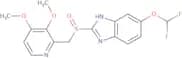
Formula:C43H72O11Purity:Min. 95%Molecular weight:765.03 g/molPantoprazole-d3
CAS:Pantoprazole-d3 is a stable isotope-labeled version of the proton pump inhibitor pantoprazole, which is derived synthetically for scientific research and analytical applications. Isotope labeling involves substituting hydrogen atoms with deuterium, resulting in Pantoprazole-d3 containing three deuterium atoms. This modification preserves the pharmacological profile of the parent compound while enabling precise tracking in biological studies through advanced spectroscopic techniques.
Formula:C16H15F2N3O4SPurity:Min. 95%Molecular weight:386.4 g/molRef: 3D-XLB72737
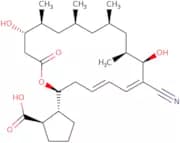
Discontinued productBorrelidin
CAS:Borrelidin is a potent antibiotic of the polyketide class, which is isolated from various Streptomyces species. Its mode of action is characterized by its inhibition of threonyl-tRNA synthetase, effectively disrupting protein synthesis within bacteria. Additionally, Borrelidin is known for its unique anti-angiogenic properties, which result from the inhibition of endothelial cell proliferation, making it a compound of interest in cancer research.
Purity:Min. 95%Ref: 3D-BB162712
Discontinued productClarithromycin-13CD3
CAS:Clarithromycin-13CD3 is an isotopically labeled macrolide antibiotic, which is synthesized to include deuterium (D) and carbon-13 (^13C) in its molecular structure. This modified compound serves as a stable isotope-labeled standard, primarily sourced from chemical synthesis. The incorporation of these isotopes differentiates it from the naturally occurring antibiotic, enabling its use in precise analytical studies.
Formula:C37CH66D3NO13Purity:Min. 95%Molecular weight:751.97 g/molRef: 3D-AC72406
Discontinued productPiperacillin oxalylamide
CAS:Piperacillin oxalylamide is an investigational antibiotic, which is a synthetic derivative of the widely used β-lactam antibiotic, piperacillin. Its development is rooted in the quest to combat β-lactamase-producing resistant bacterial strains, which are a growing threat in clinical settings. It operates by inhibiting bacterial cell wall synthesis, similar to other β-lactam antibiotics, but possesses a modified structure that enhances its resistance to enzymatic degradation by β-lactamases.
Formula:C23H29N5O8SPurity:Min. 95%Molecular weight:535.57 g/molValidamycin (technical)
CAS:Validamycin (technical) is an antifungal agent, which is a natural product derived from the actinomycete Streptomyces hygroscopicus. This compound functions through a specific mode of action by inhibiting the enzyme trehalase, crucial for the breakdown of trehalose into glucose. Consequently, this disruption in the carbohydrate metabolism weakens fungal structure and growth.
Formula:C20H35NO13Purity:Min. 95%Molecular weight:497.5 g/molRef: 3D-ACA64214
Discontinued product8-Fluoro erythromycin
CAS:8-Fluoro erythromycin is a synthetic derivative of the macrolide antibiotic erythromycin. It is derived from the fermentation of *Streptomyces erythraeus*, a species known for producing erythromycin, which is chemically modified to include a fluorine atom at the eighth position. This modification enhances its pharmacokinetic properties, improving its stability and bioavailability compared to the parent compound.
Formula:C37H66FNO13Purity:Min. 95%Molecular weight:751.92 g/molRef: 3D-AF16726
Discontinued productDidesethyl chloroquine hydroxyacetamide-d4
CAS:Didesethyl chloroquine hydroxyacetamide-d4 is a deuterated pharmaceutical compound, which serves as a stable isotope-labeled analog. Such compounds are often synthesized in specialized laboratories for research purposes, providing insightful data on pharmacokinetics and metabolic pathways. The deuteration, involving the replacement of hydrogen atoms with deuterium, offers enhanced accuracy in mass spectrometry analysis due to its unique isotopic signature.
Formula:C16H20ClN3O2Purity:Min. 95%Molecular weight:325.82 g/molRef: 3D-RYB95686
Discontinued productFlufenoxystrobin
CAS:Flufenoxystrobin is a synthetic fungicide, which is derived from the strobilurin class of compounds known for their antifungal properties. It operates by inhibiting mitochondrial respiration in fungal cells, specifically blocking the electron transport chain at the Qo site of cytochrome b. This disruption in energy production is lethal to the targeted fungi.
Formula:C19H16ClF3O4Purity:Min. 95%Molecular weight:400.8 g/molRef: 3D-TLB16202
Discontinued productCefquinome sulfate
CAS:Cefquinome sulfate is a cephalosporin antibiotic, which is a synthetic, broad-spectrum antimicrobial agent. It is derived from the beta-lactam family, specifically designed to combat Gram-positive and Gram-negative bacterial pathogens. The mode of action involves inhibiting bacterial cell wall synthesis. It achieves this by binding to penicillin-binding proteins (PBPs) within the bacterial cell wall, ultimately leading to cell lysis and death due to the interruption of necessary cell wall components.
Formula:C23H26N6O9S3Purity:Min. 95%Color and Shape:White To Light (Or Pale) Yellow To Beige To Light Brown SolidMolecular weight:626.69 g/molRef: 3D-AC19869
Discontinued productPNU 142300
CAS:PNU 142300 is a non-peptidyl anticoagulant, which is a synthetically derived small molecule. This compound is sourced from advanced chemical synthesis techniques that focus on mimicking biological activity through non-biological materials. PNU 142300 acts by specifically inhibiting factor Xa, a crucial enzyme in the coagulation cascade responsible for the conversion of prothrombin to thrombin. By targeting this enzyme, it effectively prevents the formation of blood clots, thereby exhibiting potent anticoagulant properties.
Formula:C16H20FN3O6Purity:Min. 95%Molecular weight:369.35 g/molRef: 3D-FP27102
Discontinued productFervenulin
CAS:Fervenulin is a synthetic compound, which is a chemically designed product developed for laboratory use. It is synthesized through a series of organic reactions, allowing for precise control over its molecular structure and properties. The mode of action for Fervenulin involves altering microbial growth pathways, particularly targeting specific enzymes and cellular processes critical for microbial proliferation. This mode of action effectively inhibits or modifies the activity of these cellular components, providing a tool for microbiologists to investigate microbial behavior under controlled conditions.
Formula:C7H7N5O2Purity:Min. 95%Molecular weight:193.16 g/molRef: 3D-AAA48357
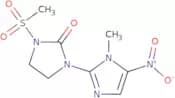
Discontinued productSatranidazole
CAS:Satranidazole is an antimicrobial agent that falls under the category of synthetic nitroimidazoles. It is derived from chemical synthesis and is designed to combat infections caused by specific organisms. The mode of action involves the reduction of the nitro group within the organism, creating reactive intermediates that disrupt DNA synthesis and lead to cell death. This mode of action is notably effective against protozoal infections and anaerobic bacterial infections.
Formula:C8H11N5O5SPurity:Min. 95%Molecular weight:289.27 g/mol


























![(2RS,4S)-2-[[(phenylacetyl)amino]methyl]-5,5-dimethylthiazolidine-4-carboxylic acid (penilloic aci…](/_next/image/?url=https%3A%2Fstatic.cymitquimica.com%2Fproducts%2F3D%2Fthumb-webp%2FAAA50134.webp&w=3840&q=75)