Antimicrobials
Antimicrobials are agents that destroy or inhibit the growth of microorganisms, including bacteria, viruses, fungi, and parasites. These compounds are essential in the prevention and treatment of infections, playing a crucial role in medicine, agriculture, and the food industry. At CymitQuimica, we offer an extensive range of high-quality, high-purity antimicrobials suitable for various scientific and industrial applications. Our catalog includes antibiotics, antifungals, antivirals, and disinfectants, all designed to meet the needs of research and development, as well as clinical and production applications. With our products, professionals can ensure the effectiveness and safety in infection control and public health protection.
Subcategories of "Antimicrobials"
- Antibiotics(4,111 products)
- Antifungals(835 products)
- Antiparasitics(704 products)
- Antivirals(762 products)
Found 2422 products of "Antimicrobials"
Sort by
Purity (%)
0
100
|
0
|
50
|
90
|
95
|
100
Bromophos-methyl-oxon
CAS:<p>Bromophos-methyl-oxon is an organophosphate insecticide and acaricide, which is a synthetic chemical derived from organophosphate compounds. It functions by inhibiting the activity of the enzyme acetylcholinesterase in target organisms. This inhibition leads to the accumulation of acetylcholine at nerve synapses, disrupting normal nerve function and ultimately resulting in the paralysis and death of pests.</p>Formula:C8H8BrCl2O4PPurity:Min. 95%Molecular weight:349.93 g/molAsukamycin
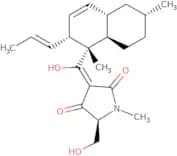
CAS:<p>Asukamycin is an antibiotic, which is a secondary metabolite derived from the bacterium *Streptomyces nodosus*. Its mode of action involves the inhibition of cell wall synthesis in susceptible bacteria by interfering with peptidoglycan polymerization, which is essential for maintaining bacterial cell integrity. Additionally, asukamycin exhibits the ability to interfere with the biosynthesis of important cellular components in certain pathogens, contributing to its antimicrobial efficacy.</p>Formula:C31H34N2O7Purity:Min. 95%Molecular weight:546.6 g/molChaetoglobosin A - From chaetomium globosum
CAS:<p>Chaetoglobosin A is a mycotoxin, which is a secondary metabolite produced by the fungus Chaetomium globosum. This compound exhibits its mode of action by disrupting the cytoskeletal elements within cells, primarily affecting actin polymerization. This interference leads to alterations in cell morphology and can induce apoptosis in certain cell lines.</p>Formula:C32H36N2O5Purity:Min. 95%Molecular weight:528.64 g/molPantoprazole-d3
CAS:<p>Pantoprazole-d3 is a stable isotope-labeled version of the proton pump inhibitor pantoprazole, which is derived synthetically for scientific research and analytical applications. Isotope labeling involves substituting hydrogen atoms with deuterium, resulting in Pantoprazole-d3 containing three deuterium atoms. This modification preserves the pharmacological profile of the parent compound while enabling precise tracking in biological studies through advanced spectroscopic techniques.</p>Formula:C16H15F2N3O4SPurity:Min. 95%Molecular weight:386.4 g/molPhthivazid
CAS:<p>Phthivazid is an antibiotic, which is a synthetic derivative of isonicotinic acid hydrazide. It functions by inhibiting the synthesis of mycolic acids in the mycobacterium cell wall, which are essential components for the survival of the bacteria. This disruption in the cell wall synthesis results in bactericidal activity against Mycobacterium tuberculosis.</p>Formula:C14H13N3O3Purity:90% MinColor and Shape:PowderMolecular weight:271.27 g/molTrans-tetradecenyl acetate
CAS:<p>Trans-tetradecenyl acetate is a synthetic pheromone, which is an analog of a naturally occurring insect sex pheromone. It is derived from synthetic organic chemistry processes that aim to replicate the molecular structure of pheromones produced by insects. The mode of action involves mimicking the natural pheromone signals used by female insects to attract males. By dispersing trans-tetradecenyl acetate into the environment, it disrupts the mating communication between the sexes, leading to a reduction in successful mating events and, consequently, a decrease in pest population over time.</p>Formula:C16H30O2Purity:Min. 95%Molecular weight:254.41 g/molDuocarmycin sa
CAS:<p>Duocarmycin SA is an antitumor antibiotic, which is derived from the natural products of Streptomyces bacteria. This compound exhibits its mode of action through the alkylation of DNA, specifically binding within the minor groove. The alkylation process preferentially targets adenine-thymine-rich regions, leading to irreversible DNA damage and subsequent inhibition of DNA replication. Such interaction results in the induction of apoptosis in rapidly dividing cells.</p>Formula:C25H23N3O7Purity:Min. 95%Molecular weight:477.5 g/molPSI-7409
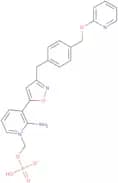
CAS:<p>PSI-7409 is a novel antimicrobial compound, which is synthetically derived with a unique mechanism of action. This compound is engineered through a complex synthesis process ensuring high purity and efficacy. PSI-7409 exerts its effects by disrupting bacterial cell wall synthesis, leading to cell lysis and death. Its precise mode of interaction on the molecular level involves inhibition of key enzymatic pathways essential for peptidoglycan assembly, thereby compromising the structural integrity of bacterial cells.</p>Formula:C10H16FN2O14P3Purity:Min. 95%Molecular weight:500.16 g/molBromobutide-desbromo
CAS:<p>Bromobutide-desbromo is a chemical compound that functions as a selective herbicide. It is derived from synthetic sources and is specifically formulated to interfere with photosynthesis in target plants. The mode of action of bromobutide-desbromo involves inhibiting photosystem II, a crucial component of the photosynthetic electron transport chain in plants. This inhibition disrupts the energy conversion process, leading to a decrease in ATP and NADPH production, which are essential for plant growth.</p>Formula:C15H23NOPurity:Min. 95%Molecular weight:233.35 g/mol2,4,5,6-Tetrachlorophenol-13C6
CAS:<p>2,4,5,6-Tetrachlorophenol-13C6 is an isotopically labeled chemical compound, primarily used as a reference standard in analytical chemistry. This compound, derived from its non-labeled counterpart 2,4,5,6-tetrachlorophenol, is synthesized through the incorporation of carbon-13 isotopes. Its primary mode of action involves acting as a stable, traceable marker, facilitating accurate quantification and analysis of environmental samples, particularly in mass spectrometry.</p>Formula:C6H2Cl4OPurity:Min. 95%Molecular weight:237.8 g/molEgcg octaacetate
CAS:<p>Please enquire for more information about Egcg octaacetate including the price, delivery time and more detailed product information at the technical inquiry form on this page</p>Formula:C38H34O19Purity:Min. 95%Molecular weight:794.7 g/molRadicinol
CAS:<p>Radicinol is a natural compound, which is a dihydroflavonol primarily sourced from plant origins. This compound is biosynthesized in specific plant species and extracted through meticulous biochemical processes to ensure its purity and efficacy. The mode of action of Radicinol involves the modulation of specific cellular pathways, conferring antioxidative and anti-inflammatory properties. It acts by scavenging free radicals and enhancing cellular resilience against oxidative stress.</p>Formula:C12H14O5Purity:Min. 95%Molecular weight:238.24 g/molLascufloxacin
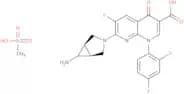
CAS:<p>Lascufloxacin is a synthetic fluoroquinolone antibiotic, which is derived from chemical synthesis. Its mode of action involves inhibiting bacterial DNA gyrase and topoisomerase IV, enzymes crucial for DNA replication, transcription, repair, and recombination. By targeting these enzymes, lascufloxacin effectively hampers bacterial cell division and growth, leading to cell death. This mechanism specifically affects Gram-positive and Gram-negative bacterial strains, making it a versatile agent in antibacterial therapy.</p>Formula:C21H24F3N3O4Purity:Min. 95%Molecular weight:439.4 g/molFluxapyroxad-N-desmethyl
CAS:<p>Fluxapyroxad-N-desmethyl is a fungicidal metabolite, which is derived from the parent compound fluxapyroxad, a pyridine carboxamide fungicide. The source of this compound is through the biological or chemical transformation of fluxapyroxad, which involves demethylation. Its mode of action involves the inhibition of succinate dehydrogenase, an essential enzyme in the fungal pathogen's mitochondrial electron transport chain. This inhibition results in disruption of energy production within the fungal cells, ultimately leading to their death.</p>Formula:C17H10F5N3OPurity:Min. 95%Molecular weight:367.27 g/molN-Biotinyl-12-aminododecanoyltobramycin amide
CAS:<p>N-Biotinyl-12-aminododecanoyltobramycin amide is a synthetic bioconjugate, which is derived from the aminoglycoside antibiotic tobramycin. This compound is chemically modified by the addition of a biotin moiety linked through a 12-aminododecanoyl spacer. The source of this product is rooted in the conjugation of biotin to tobramycin, allowing for targeted delivery and potential hybrid applications in both therapeutic and diagnostic fields.</p>Formula:C40H74N8O12SPurity:Min. 95%Molecular weight:891.13 g/molTolnifanide
CAS:<p>Tolnifanide is a fungicidal product, which is a synthetic compound derived from chemical synthesis. It operates by interfering with the normal cellular function of fungi, inhibiting their growth and reproduction. This mode of action involves disrupting key processes within the fungal cells, rendering them unable to thrive in their host environment.</p>Formula:C15H15ClN2O4SPurity:Min. 95%Molecular weight:354.8 g/molOfloxacin methyl ester
CAS:<p>Ofloxacin methyl ester is a chemical compound, which is a derivative utilized in scientific research, particularly in the synthesis of ofloxacin-related compounds. It is a synthetic ester, derived from chemical synthesis involving ofloxacin, a fluoroquinolone antibiotic. The mode of action of ofloxacin methyl ester is based on its role as an intermediate compound. It facilitates the creation of active forms or analogs that can be tested for their pharmacological properties. Although not directly used as a therapeutic agent, it plays a crucial role in the development and modification of molecules for antibacterial applications.</p>Formula:C19H22FN3O4Purity:Min. 95%Molecular weight:375.4 g/mol3'-N-Desmethyl-3'-N-formyl azithromycin
CAS:<p>3'-N-Desmethyl-3'-N-formyl azithromycin is a semi-synthetic macrolide antibiotic, derived from the well-known azithromycin. It is created through structural modification, where the 3'-N-demethylated and 3'-N-formyl groups enhance its pharmacokinetic properties and potentially improve its antimicrobial efficacy.</p>Formula:C38H70N2O13Purity:Min. 95%Molecular weight:762.97 g/molVirginiamycin M1
CAS:<p>Inhibitor of protein synthesis; streptogramin</p>Formula:C28H35N3O7Purity:Min. 95%Molecular weight:525.59 g/molCenicriviroc sulfone
CAS:<p>Cenicriviroc sulfone is a small-molecule pharmaceutical compound, which is a synthetic product derived from medicinal chemistry optimization processes. It functions as a dual antagonist of the CCR2 and CCR5 receptors, which are chemokine receptors involved in inflammatory response and HIV entry, respectively. By blocking these receptors, Cenicriviroc sulfone inhibits the signaling pathways that lead to immune cell recruitment and inflammation.</p>Formula:C41H52N4O5SPurity:Min. 95%Molecular weight:712.90 g/molGriseoluteic acid
CAS:<p>Griseoluteic acid is a cyclic lipopeptide that inhibits bacterial growth by binding to the enzyme cyclase, which is involved in the production of cyclic AMP. Griseoluteic acid also inhibits the synthesis of rRNA (ribosomal RNA), which is required for protein synthesis. The compound has been shown to have a high degree of resistance against antibiotic-resistant strains and exhibits a low toxicity profile in vitro. Griseoluteic acid also has an inhibitory effect on hydrogen bonding interactions, which may be due to its ability to inhibit energy metabolism. This compound also exhibits anti-inflammatory properties and has been shown to have neurodevelopmental effects in animal models.</p>Formula:C15H12N2O4Purity:Min. 95%Molecular weight:284.27 g/molTriazoxide-desoxy
CAS:<p>Triazoxide-desoxy is an investigational compound, which is a synthetic derivative of triazoxide, originating from pharmacological research aimed at modulating physiological pathways. This compound acts primarily by influencing ion channel activity at a cellular level, impacting the regulation of potassium channels which are crucial for maintaining cellular homeostasis and signaling.</p>Formula:C10H6ClN5Purity:Min. 95%Molecular weight:231.64 g/molCeratotoxin A
CAS:<p>Ceratotoxin A is a peptide toxin, which is derived from the venom of the female fruit fly *Ceratitis capitata*. This toxin is part of a group of antimicrobial peptides that play a crucial role in the innate immune response of the fly. Ceratotoxin A functions by integrating into the cell membranes of bacteria, leading to membrane disruption and subsequent bacterial cell death.</p>Formula:C135H243N35O32Purity:Min. 95%Molecular weight:2,868.6 g/molAbacavir-d4
CAS:Controlled Product<p>Abacavir-d4 is a deuterium-labeled analogue of the antiretroviral medication Abacavir. It serves as a critical tool for pharmaceutical research and development. This isotopically labeled compound is synthesized by incorporating four deuterium atoms into the molecular structure of Abacavir, preserving the pharmacokinetic and pharmacodynamic properties of the original molecule while allowing for precise analytical quantification.</p>Formula:C14H14D4N6OPurity:Min. 95%Molecular weight:290.36 g/molCarbovir
CAS:<p>Carbovir is a nucleoside reverse transcriptase inhibitor (NRTI), which is derived from carbocyclic nucleosides. Its mode of action involves the selective inhibition of the reverse transcriptase enzyme, an essential component in the replication cycle of retroviruses, such as HIV. By incorporating into the viral DNA chain during synthesis, Carbovir effectively halts chain elongation, thereby impeding the virus's ability to proliferate.</p>Formula:C11H13N5O2Purity:Min. 95%Molecular weight:247.25 g/molCoumoxystrobin
CAS:<p>Coumoxystrobin is a fungicide, which is a product of synthetic chemistry with a mode of action that involves the inhibition of mitochondrial respiration. Specifically, it disrupts the electron transport chain by binding to the Qo site in complex III, thereby preventing the transfer of electrons. This action halts ATP production, leading to the death of fungal cells.</p>Formula:C26H28O6Purity:Min. 95%Molecular weight:436.5 g/molGentamicin C2 pentaacetate (2 : 1 Mixture of C2 and C2a)
CAS:Controlled Product<p>Gentamicin C2 pentaacetate (2 : 1 Mixture of C2 and C2a) is an aminoglycoside class antibiotic derivative, primarily derived from the fermentation of Micromonospora species. This product is a semi-synthetic compound, combining two closely related gentamicin components, C2 and C2a, in a specified ratio. Its mode of action involves binding to the 30S subunit of the bacterial ribosome, which disrupts protein synthesis resulting in bactericidal activity against a wide spectrum of Gram-negative and some Gram-positive bacteria.</p>Formula:C30H61N5O17Purity:Min. 95%Molecular weight:763.83 g/molAureonitol
CAS:<p>Aureonitol is a fungal metabolite, which is sourced from specific species of fungi, primarily within the Aspergillus and Penicillium genera. This is a naturally occurring compound that functions as an antibiotic, disrupting the biosynthesis processes within certain microorganisms. It achieves this action by inhibiting key enzymes involved in cell wall formation or by interfering with nucleic acid pathways, thereby impeding the growth and proliferation of bacterial cells.</p>Formula:C13H18O2Purity:Min. 95%Molecular weight:206.28 g/molLicoflavone B
CAS:<p>Licoflavone B is a naturally occurring flavonoid, which is primarily derived from the roots of licorice plants, such as Glycyrrhiza inflata. It functions as a bioactive compound with potential antioxidant and anti-inflammatory activities. The mode of action of Licoflavone B involves the scavenging of free radicals, modulation of signaling pathways, and inhibition of pro-inflammatory mediators. These biological activities render it valuable in research focused on chronic diseases and oxidative stress.</p>Formula:C25H26O4Purity:Min. 95%Molecular weight:390.5 g/molFluhexafon
CAS:<p>Fluhexafon is an innovative acaricide, which is derived from advanced chemical synthesis. Its mode of action involves disrupting critical biological processes in mites, specifically targeting nerve receptor pathways to inhibit their survival and reproduction. By interfering with the neurotransmission, it effectively reduces mite populations, ensuring healthier crops.</p>Formula:C12H17F3N2O3SPurity:Min. 95%Molecular weight:326.34 g/molAcetophos
CAS:<p>Acetophos is an organophosphate insecticide, which is a synthetic chemical compound derived from phosphoric acid. It functions by inhibiting acetylcholinesterase, an essential enzyme in the nervous systems of insects. This inhibition leads to the accumulation of acetylcholine, causing continuous nerve impulses that result in the paralysis and eventual death of the pest.</p>Formula:C8H17O5PSPurity:Min. 95%Molecular weight:256.26 g/molNapyradiomycin A
CAS:<p>Napyradiomycin A is a secondary metabolite, classified as a type of antibiotic, which is derived from marine Streptomyces bacteria. This natural product is of considerable interest due to its unique biosynthetic origin, found specifically in marine ecosystems. Napyradiomycin A exhibits its mode of action primarily through the inhibition of bacterial RNA synthesis. This is achieved by interacting with bacterial enzymes, subsequently halting their reproductive and metabolic processes, which makes it a potent antibacterial agent.</p>Formula:C25H30Cl2O5Purity:Min. 95%Molecular weight:481.40 g/molSARS-CoV-IN-3
CAS:<p>SARS-CoV-IN-3 is a small-molecule inhibitor, which is derived through synthetic organic chemistry targeting SARS-CoV-2. It exhibits its mode of action by specifically inhibiting the viral RNA-dependent RNA polymerase (RdRp) enzyme. This enzyme is crucial for viral RNA synthesis, and by inhibiting its activity, SARS-CoV-IN-3 effectively suppresses viral replication within host cells.</p>Formula:C25H20ClFEN3OPurity:Min. 95%Molecular weight:469.74 g/molBiotinyl tobramycin amide
CAS:<p>Biotinyl tobramycin amide is a biotinylated form of the antibiotic tobramycin, which is derived from the actinobacterium Streptomyces tenebrarius. It features a tobramycin core, a potent aminoglycoside antibiotic, chemically linked to biotin. This modification allows for the specific attachment to avidin or streptavidin-labeled probes due to the strong biotin-streptavidin interaction, facilitating various labeling and detection techniques in research.</p>Formula:C28H51N7O11SPurity:Min. 95%Molecular weight:693.81 g/moltrans-Abacavir dihydrochloride
CAS:<p>trans-Abacavir dihydrochloride is a synthetic compound classified as a nucleoside analog. It is derived from chemical synthesis and serves as a prodrug that is metabolized in the body to its active form, carbovir triphosphate. Its primary mode of action involves the inhibition of the HIV-1 reverse transcriptase enzyme. This inhibition is achieved through the incorporation of the active metabolite into viral DNA, resulting in chain termination and preventing viral replication.</p>Formula:C14H18N6O·2HClPurity:Min. 95%Molecular weight:359.25 g/molMiconazole
CAS:<p>Anti-fungal; sterol 14α-demethylase inhibitor</p>Formula:C18H14Cl4N2OPurity:Min. 95 Area-%Color and Shape:White Off-White PowderMolecular weight:416.13 g/molDSHS00884
CAS:<p>DSHS00884 is a CRISPR-associated enzyme, which is a type of gene-editing tool derived from bacterial immune systems. This enzyme functions as a molecular scissor that targets specific DNA sequences and introduces breaks or modifications at defined loci. The mode of action involves recognizing specific guide RNA sequences that direct the enzyme to complementary DNA sites where it executes precise edits. This precision stems from its ability to form base-pair interactions with the targeted DNA, ensuring minimal off-target effects.</p>Formula:C12H12N4O2S2Purity:Min. 95%Molecular weight:308.4 g/molRifampicin, Antibiotic for Culture Media Use Only
CAS:<p>Rifampicin is a drug that inhibits protein synthesis in bacteria and is used to treat tuberculosis. Rifampicin binds to the beta subunit of the bacterial RNA polymerase, inhibiting transcription and translation. It has been shown to inhibit the acetylcholine receptor function in rats, which may be related to its antituberculosis activity. Histopathological studies have shown that rifampicin inhibits the growth of human tumors in mice, including lung cancer, breast cancer, and leukemia. The drug is also being studied for its potential use in treating Alzheimer's disease. The pharmacokinetics and oral bioavailability of rifampicin have been studied and Rifampicin has been shown to be an effective anti-tuberculosis drug.</p>Formula:C43H58N4O12Purity:Min. 90.0 Area-%Molecular weight:822.94 g/molMecillinam, Antibiotic for Culture Media Use Only
CAS:<p>Mecillinam is a beta-lactam antibiotic specifically designed for use in culture media. It is derived from the amidinopenicillin family, featuring a unique ability to interfere with bacterial cell wall synthesis. Its mode of action involves inhibiting penicillin-binding protein 2 (PBP2), an essential enzyme for cell wall elongation and maintenance in Gram-negative bacteria. This targeted inhibition results in the formation of spherical cells and subsequent cell lysis.</p>Formula:C15H23N3O3SPurity:Min. 95 Area-%Molecular weight:325.43 g/molRef: 3D-Q-201343
5gTo inquire10gTo inquire25gTo inquire50gTo inquire2500mgTo inquire-Unit-ggTo inquireNoracronycine
CAS:<p>Please enquire for more information about Noracronycine including the price, delivery time and more detailed product information at the technical inquiry form on this page</p>Formula:C19H17NO3Purity:Min. 95%Molecular weight:307.3 g/molThiamphenicol
CAS:<p>Thiamphenicol is a semisynthetic derivative of chloramphenicol with action on bacterial protein synthesis inhibition and is used for treating bacterial infections, particularly in veterinary medicine.</p>Formula:C12H15Cl2NO5SPurity:Min. 98 Area-%Color and Shape:PowderMolecular weight:356.22 g/molFuraprofen
CAS:<p>Furaprofen is a nonsteroidal anti-inflammatory drug (NSAID), which is a synthetic pharmaceutical compound derived from the carboxylic acid class. Its mode of action involves inhibiting the enzyme cyclooxygenase (COX), which plays a crucial role in the biosynthesis of pro-inflammatory prostaglandins. By blocking COX activity, Furaprofen reduces the formation of these signaling molecules, thereby alleviating inflammation and pain.</p>Formula:C17H14O3Purity:Min. 95%Molecular weight:266.29 g/molGemifioxacin
CAS:<p>Gemifloxacin is an antibacterial agent primarily classified as a fluoroquinolone antibiotic, which is a synthetic compound derived from chemical processes in pharmaceutical manufacturing. Its mechanism of action involves the inhibition of key bacterial enzymes, namely DNA gyrase and topoisomerase IV. These enzymes are crucial for bacterial DNA replication, transcription, repair, and recombination. By obstructing these enzymes, Gemifloxacin effectively inhibits bacterial cell division and growth, leading to the eradication of susceptible bacterial strains.</p>Formula:C18H20FN5O4Purity:Min. 95%Molecular weight:389.38 g/molLydicamycin
CAS:<p>Lydicamycin is an antibacterial compound, which is a polyketide-derived antibiotic produced by the microorganism Streptomyces. This natural compound functions by inhibiting bacterial protein synthesis, effectively interrupting critical cellular processes within susceptible bacteria. The mode of action primarily focuses on binding to the bacterial ribosome, thereby disrupting protein production and inhibiting bacterial growth.</p>Formula:C47H74N4O10Purity:Min. 95%Molecular weight:855.11 g/molAT-511
CAS:<p>AT-511 is an antiviral compound, which is derived from organic synthesis processes associated with the development of nucleotide analogs. It acts by targeting the RNA-dependent RNA polymerase, a crucial enzyme in the replication process of RNA viruses. By inhibiting this enzyme, AT-511 effectively halts viral replication, reducing the viral load within the host.</p>Formula:C24H33FN7O7PPurity:Min. 95%Molecular weight:581.5 g/molTuberculosis inhibitor 3
CAS:<p>Tuberculosis inhibitor 3 is a synthesized chemical compound designed to target the Mycobacterium tuberculosis bacterium, which is the causative agent of tuberculosis. This inhibitor is derived through advanced chemical synthesis techniques, involving the modification of specific molecular structures to enhance its binding affinity and specificity toward the bacterial cellular targets.</p>Formula:C21H22F6N4O3SPurity:Min. 95%Molecular weight:524.5 g/molDuocarmycin MA
CAS:<p>Duocarmycin MA is a cytotoxic compound, which is a derivative of natural products isolated from bacteria of the Streptomyces genus. Its mode of action involves the alkylation of DNA, leading to the cleavage of the DNA helix and ultimately resulting in cell apoptosis. This process is highly selective for adenine-thymine rich regions, allowing it to precisely target and disrupt cancerous cells.</p>Formula:C34H31ClN4O5Purity:Min. 95%Molecular weight:611.1 g/molSulconazole nitrate
CAS:<p>Sulconazole nitrate is an antifungal agent, which is a synthetic compound derived from imidazole. Its mode of action involves the inhibition of ergosterol synthesis, an essential component of fungal cell membranes, leading to increased membrane permeability and ultimately cell death.</p>Formula:C18H16Cl3N3O3SPurity:Min. 95%Molecular weight:460.76 g/molClindamycin-d3 hydrochloride
CAS:Controlled Product<p>Clindamycin-d3 hydrochloride is an isotopically labeled pharmaceutical compound, specifically designed for use in the field of analytical chemistry and pharmacokinetics. It is derived from clindamycin, a known antibiotic sourced from modifications of the naturally occurring compound lincomycin, produced by the actinobacterium Streptomyces lincolnensis. The incorporation of deuterium atoms, replacing hydrogen, allows for its use in sophisticated analytical methods such as mass spectrometry, where it serves to trace the metabolic pathways and to quantify the bioavailability and distribution of clindamycin in biological systems with high precision.</p>Formula:C18H30ClD3N2O5S•HClPurity:Min. 95%Molecular weight:464.46 g/molFosfomycin calcium monohydrate
CAS:<p>Fosfomycin calcium monohydrate is an antibacterial agent, derived from Streptomyces species. This compound functions as a structural analog of phosphoenolpyruvate, interfering with cell wall synthesis. Specifically, it targets and irreversibly inhibits the enzyme UDP-N-acetylglucosamine enolpyruvyl transferase (MurA), which is critical in the early stages of bacterial cell wall biosynthesis. This inhibition prevents the formation of peptidoglycan, leading to bacterial cell lysis.</p>Formula:C3H7CaO5PPurity:Min. 95%Molecular weight:194.14 g/molLetrozole
CAS:Controlled Product<p>Letrozole is a non-steroidal aromatase inhibitor, which is synthesized chemically. This product acts by inhibiting the aromatase enzyme, thus reducing estrogen production in the body. Estrogen plays a critical role in the proliferation of hormone-sensitive breast cancer cells, and by lowering its levels, Letrozole effectively impedes cancer growth.</p>Formula:C17H11N5Molecular weight:285.30 g/molNaftifine N-Oxide
CAS:<p>Naftifine N-Oxide is an antifungal agent, which is derived from synthetic chemical processes. Its structure is based on the modification of the known antifungal, naftifine, by introducing an N-oxide functional group, which may enhance certain pharmacokinetic properties. As a synthetic derivative, Naftifine N-Oxide is specifically designed to interfere with the biosynthesis of ergosterol, an essential component of fungal cell membranes. By inhibiting squalene epoxidase, an enzyme crucial to the ergosterol pathway, Naftifine N-Oxide effectively disrupts the development and maintenance of the fungal cell membrane, compromising cell integrity and leading to antifungal activity.</p>Formula:C21H21NOPurity:Min. 95%Molecular weight:303.4 g/molCeftibuten Hydrate
CAS:<p>Ceftibuten Hydrate is a third-generation cephalosporin antibiotic, which is a synthetic derivative of naturally occurring cephalosporin C, derived from the fungus Acremonium. It functions by inhibiting bacterial cell wall synthesis, leading to cell lysis and death. This bactericidal action is accomplished through the binding to specific penicillin-binding proteins (PBPs) located inside the bacterial cell wall, disrupting the final transpeptidation step of peptidoglycan synthesis in bacterial cell walls.</p>Formula:C15H14N4O6S2·xH2OPurity:Min. 95%Molecular weight:410.42 g/molPropicillin
CAS:<p>Propicillin is a broad-spectrum antimicrobial agent that has been shown to be effective against both gram-positive and gram-negative bacteria. Propicillin belongs to the group of nonsteroidal anti-inflammatory drugs. It is a particle that is soluble in water and lipid. Propicillin does not inhibit the growth of Streptococcus species, but does cause cell lysis by attaching to fatty acids on the surface of cells. Propicillin also inhibits microbial infection by inhibiting enzymes involved in fatty acid synthesis. The human serum pharmacokinetics of propicillin have been studied and found to be similar to those of ampicillin, which allows for use as an intravenous drug in humans. The pharmacokinetics, biochemical properties, and cellular mechanisms are complex, but it is known that propicillin binds to bacterial ribosomes and inhibits protein synthesis by binding to the peptidyl transferase centre on the ribosome.</p>Formula:C18H22N2O5SPurity:Min. 95%Molecular weight:378.4 g/molCoronarin D ethyl ether
CAS:<p>Coronarin D ethyl ether is a diterpenoid compound, which is derived from the plant Hedychium coronarium, also known as white ginger lily. This compound belongs to a class of naturally occurring chemicals with complex polycyclic structures. The source of Coronarin D ethyl ether is the rhizome of Hedychium coronarium, which is part of the Zingiberaceae family. These plants are often studied for their bioactive properties and potential therapeutic applications.</p>Formula:C22H34O3Purity:Min. 95%Molecular weight:346.5 g/molPyrimorph
CAS:<p>Pyrimorph is a fungicide, which is a synthetic compound with specific activity against oomycete pathogens. It belongs to the chemical class of morpholines. Its mode of action involves the disruption of the biosynthetic pathways essential for the survival and proliferation of oomycetes, leading to their effective inhibition. Pyrimorph specifically targets the biosynthesis of cellulose in the cell walls of these pathogens, inhibiting their capacity to multiply and cause disease.</p>Formula:C22H25ClN2O2Purity:Min. 95%Molecular weight:384.9 g/molClindamycin 4-phosphate
CAS:<p>Clindamycin 4-phosphate is a semi-synthetic antibiotic, which is a derivative of the natural antibiotic lincomycin. It is specifically synthesized from Streptomyces lincolnensis cultures. The mode of action of Clindamycin 4-phosphate involves inhibiting bacterial protein synthesis by binding to the 50S subunit of the bacterial ribosome, thus preventing peptide chain elongation and subsequent bacterial growth.</p>Formula:C18H34ClN2O8PSPurity:Min. 95%Molecular weight:504.96 g/molA2ti-1
CAS:<p>A2ti-1 is a specialized therapeutic agent, which is derived from recombinant DNA technology with the specific mode of action of targeting and modulating cytokine signaling pathways within the immune system. It is designed to interact with specific cytokine receptors, thereby inhibiting or modulating the downstream signaling cascades that are pivotal in the inflammatory response and immune regulation.</p>Formula:C20H22N4O2SPurity:Min. 95%Molecular weight:382.5 g/molAcetoxypolygodial
CAS:<p>Acetoxypolygodial is a sesquiterpenoid compound, which is a naturally derived product from the roots of the plant Polygonum hydropiper. This compound exhibits its mode of action through its ability to disrupt microbial cell membranes, leading to increased permeability and eventual cell death. Its primary mechanism involves direct interaction with lipid bilayers, causing destabilization.</p>Formula:C17H24O4Purity:Min. 95%Molecular weight:292.4 g/molArtelinic acid
CAS:<p>Artelinic acid is a synthetic antimalarial agent, which is derived from artemisinin, a natural compound sourced from the sweet wormwood plant (Artemisia annua). The mode of action of Artelinic acid involves the generation of free radicals within the Plasmodium parasite, leading to oxidative stress and damage to the parasite’s cellular components, ultimately resulting in parasite death. This mechanism is particularly effective against Plasmodium species, including those strains resistant to other antimalarial drugs.</p>Formula:C23H30O7Purity:Min. 95%Molecular weight:418.5 g/molPuromycin-D3
CAS:<p>Puromycin-D3 is a deuterium-labeled antibiotic, which is synthetically derived from the bacterium *Streptomyces alboniger*, with three hydrogen atoms replaced by deuterium. Its mode of action involves the inhibition of protein synthesis by mimicking the aminoacyl end of tRNA, causing premature chain termination during translation on ribosomes. This mechanism specifically targets growing peptides in cells, making it a valuable tool for studying protein synthesis.</p>Formula:C22H26D3N7O5Purity:Min. 95%Molecular weight:474.53 g/mol(10E)-10,11-Didehydro-11-deoxy-6-O-methylerythromycin
CAS:<p>(E)-10,11-Didehydro-11-deoxy-6-O-methylerythromycin is a semisynthetic macrolide antibiotic, which is derived from erythromycin, a natural product obtained from the bacterium *Saccharopolyspora erythraea*. This compound functions as an inhibitor of protein synthesis by binding to the 50S ribosomal subunit of bacteria, thus preventing the growth and proliferation of susceptible bacterial strains. The alteration in its chemical structure, notably the methylation at the 6-O position, enhances its stability and improves its pharmacokinetic profile compared to the parent compound, erythromycin.</p>Formula:C38H67NO12Purity:Min. 95%Molecular weight:729.94 g/molTelavancin
CAS:<p>Telavancin is a lipoglycopeptide antibiotic, which is a semi-synthetic derivative of vancomycin. Its source is derived through modifications of the glycopeptide antibiotic, specifically aimed to enhance antibacterial activity. Telavancin functions by inhibiting cell wall synthesis in Gram-positive bacteria, including methicillin-resistant Staphylococcus aureus (MRSA). It does this by binding to the D-alanyl-D-alanine terminus of cell wall precursors, disrupting peptidoglycan polymerization and, consequently, cell wall integrity. Additionally, Telavancin increases membrane permeability and disrupts membrane potential, further enhancing its bactericidal activity.</p>Formula:C80H106Cl2N11O27PPurity:Min. 95%Molecular weight:1,755.64 g/molSisunatovir hydrochloride
CAS:<p>Sisunatovir hydrochloride is an antiviral agent, which is a synthetic compound with a mechanism of action specifically targeting the respiratory syncytial virus (RSV). As a potent inhibitor, Sisunatovir hydrochloride interferes with the viral replication process by binding to a specific protein essential for the virus's ability to replicate within host cells.</p>Formula:C23H23ClF4N4OPurity:Min. 95%Molecular weight:482.9 g/mol6,11-Di-O-methyl erythromycin
CAS:<p>6,11-Di-O-methyl erythromycin is a semi-synthetic derivative of erythromycin, which is a macrolide antibiotic originally sourced from the bacterium *Saccharopolyspora erythraea*. This compound is produced through chemical modification of the natural antibiotic to improve its pharmacokinetic properties, such as stability and absorption.</p>Formula:C39H71NO13Purity:Min. 95%Molecular weight:761.98 g/molPivmecillinam hydrochloride
CAS:<p>Pivmecillinam hydrochloride is an antibacterial prodrug, which is derived from the source compound mecillinam, a beta-lactam antibiotic. It functions by inhibiting bacterial cell wall synthesis, specifically targeting the penicillin-binding protein 2 (PBP2). This affinity leads to a weakening of the bacterial cell wall, causing cell lysis and death, particularly in gram-negative bacteria.</p>Formula:C21H33N3O5S·HClPurity:Min. 95%Molecular weight:476.03 g/molCensavudine
CAS:<p>Censavudine is an antiviral compound, which is a synthetic nucleoside analog designed to interfere with viral replication processes. The source of this compound lies in its chemical synthesis, which involves precise structural modifications to resemble natural nucleosides. Its mode of action involves incorporation into viral RNA by the viral polymerase, leading to chain termination. This mechanism effectively hinders the replication of viral genomes, thus preventing the proliferation of the virus within the host organism.</p>Formula:C12H12N2O4Purity:Min. 95%Molecular weight:248.23 g/molSpiramycin hexanedioate
CAS:<p>Spiramycin hexanedioate is a macrolide antibiotic, which is derived from the bacterium *Streptomyces ambofaciens*. Its mode of action involves binding to the 50S ribosomal subunit of susceptible bacteria, thereby inhibiting protein synthesis. This interaction results in the interruption of bacterial growth and reproduction, particularly effective against Gram-positive organisms.</p>Formula:C49H84N2O18Purity:Min. 95%Molecular weight:989.2 g/molPiperacillin-d5
CAS:<p>Piperacillin-d5 is a stable isotopically labeled antibiotic, which is synthesized chemically to incorporate deuterium atoms. It is derived from the β-lactam group of antibiotics, sharing properties with its non-labeled counterpart, piperacillin. The incorporation of five deuterium atoms allows researchers to use it as a tracer in various pharmacokinetic and metabolic studies without altering its biological activity.</p>Formula:C23H22D5N5O7SPurity:Min. 95%Molecular weight:522.59 g/molPantoprazole magnesium
CAS:<p>Pantoprazole magnesium is a pharmaceutical compound that belongs to the class of proton pump inhibitors (PPIs). It is derived from the benzimidazole chemical family and synthesized through a chemical process that involves the formation of a magnesium salt of pantoprazole. This compound's mode of action involves the irreversible inhibition of the H+/K+ ATPase enzyme system located on the gastric parietal cell surface. By blocking this enzyme system, pantoprazole magnesium effectively reduces the secretion of gastric acid.</p>Formula:C32H28F4MgN6O8S2Purity:Min. 95%Molecular weight:789.00 g/molSordarin sodium salt
CAS:<p>Sordarin sodium salt is an antifungal agent, characterized as a semisynthetic derivative produced from the fermentation products of filamentous fungi, specifically belonging to the phylum Ascomycota. This compound exerts its effects by selectively inhibiting fungal protein synthesis. It achieves this by obstructing the function of elongation factor 2 (EF-2), an essential component of fungal ribosomal activity, thereby disrupting the translational elongation step of protein synthesis.</p>Formula:C27H39NaO8Purity:Min. 95%Molecular weight:514.58 g/molSibofimloc
CAS:<p>Please enquire for more information about Sibofimloc including the price, delivery time and more detailed product information at the technical inquiry form on this page</p>Formula:C35H39NO11Purity:Min. 95%Molecular weight:649.68 g/molThienamycin p-nitrobenzyl ester, N-methylpyrrolidinone hydrochloride
CAS:<p>Thienamycin p-nitrobenzyl ester, N-methylpyrrolidinone hydrochloride is a synthetic compound commonly utilized in biochemical research, particularly in the study of beta-lactam antibiotics. It is derived through synthetic pathways involving the modification of thienamycin, a naturally occurring beta-lactam antibiotic, to enhance its stability and facilitate its study in various experimental settings. This modification allows for investigation into the structure-activity relationships and potential enhancements of antibiotic function.</p>Formula:C23H31ClN4O7SPurity:Min. 95%Molecular weight:543 g/molMethicillin sodium hydrate
CAS:<p>Methicillin sodium hydrate is a semi-synthetic β-lactam antibiotic, which is a derivative of the naturally occurring antibiotic penicillin. It is sourced from the modification of the penicillin nucleus, specifically designed to resist degradation by the bacterial enzyme penicillinase. This enzyme, produced by certain bacterial strains, can render penicillin ineffective. Methicillin operates by inhibiting the synthesis of bacterial cell walls, specifically binding to penicillin-binding proteins (PBPs). This action disrupts the cross-linking of peptidoglycan chains, a critical component for bacterial cell wall integrity, ultimately leading to cell lysis and death.</p>Formula:C17H21N2NaO7SPurity:Min. 95%Molecular weight:420.4 g/molMacrosphelide A
CAS:<p>Macrosphelide A is a bioactive macrocyclic lactone, which is a secondary metabolite derived from the culture of certain fungal species. It functions primarily through the disruption of cell adhesion processes, which is facilitated by its ability to interfere with the function of specific cell surface receptors. This mode of action underlies its potential as an immunosuppressive agent, where it can inhibit the activities of immune cells by altering cellular communication and adhesion.</p>Formula:C16H22O8Purity:Min. 95%Molecular weight:342.34 g/molSulbenicillin
CAS:<p>Sulbenicillin is a semi-synthetic penicillin antibiotic, which is derived from 6-aminopenicillanic acid, a natural precursor in the biosynthesis of penicillins. With its beta-lactam structure, Sulbenicillin disrupts bacterial cell wall synthesis by inhibiting penicillin-binding proteins, which are essential enzymes in the cross-linking of peptidoglycan layers. This disruption compromises the structural integrity of the bacterial cell wall, resulting in cell lysis and death, particularly in Gram-negative bacteria.</p>Formula:C16H18N2O7S2Purity:Min. 95%Molecular weight:414.46 g/molClindamycin
CAS:<p>Inhibitor of protein synthesis; lincosamide class</p>Formula:C18H33ClN2O5SPurity:Min. 95%Molecular weight:424.98 g/molCyprazine-desisopropyl
CAS:<p>Cyprazine-desisopropyl is a metabolite, which is a derivative form resulting from the biotransformation of cyromazine, an insect growth regulator. Cyromazine is originally sourced as a triazine-class pesticide, commonly used to control insect populations by disrupting their growth processes. Cyprazine-desisopropyl, similarly, impacts the development stages of target insect species.</p>Formula:C6H8ClN5Purity:Min. 95%Molecular weight:185.61 g/molBiotinamidocaproate tobramycin amide
CAS:<p>Biotinamidocaproate tobramycin amide is a chemical conjugate, serving as an innovative antimicrobial agent derived from the integration of biotin with tobramycin, an aminoglycoside antibiotic. This product embodies the amalgamation of tobramycin’s robust antibacterial properties with biotin’s ability to guide compounds specifically to targets through biotin-avidin interactions.</p>Formula:C34H62N8O12SPurity:Min. 95%Molecular weight:806.97 g/molVebufloxacin
CAS:<p>Vebufloxacin is an antibacterial agent, which is synthesized as a member of the fluoroquinolone class of antibiotics. This compound is derived from chemical synthesis, specifically designed to target and inhibit bacterial DNA gyrase and topoisomerase IV. These enzymes play crucial roles in DNA replication and transcription, making them ideal targets for disrupting bacterial cell function.</p>Formula:C19H22FN3O3Purity:Min. 95%Molecular weight:359.4 g/molNifedipine
CAS:<p>Nifedipine is a pharmaceutical compound belonging to the class of dihydropyridine calcium channel blockers, which is synthetically derived. Its mode of action involves the inhibition of calcium ions entering vascular smooth muscle and cardiac muscle cells, leading to vasodilation. By blocking these channels, it reduces peripheral vascular resistance, thereby decreasing blood pressure and easing cardiac workload.</p>Formula:C17H18N2O6Purity:Min. 98 Area-%Molecular weight:346.33 g/molOxacillin sodium
CAS:<p>Oxacillin sodium is a beta-lactam antibiotic with action on bacterial cell wall synthesis and is used for treating infections caused by penicillin-resistant Staphylococcus aureus.</p>Formula:C19H18N3NaO5SPurity:Min. 95%Color and Shape:PowderMolecular weight:423.42 g/molShowdomycin
CAS:<p>Showdomycin is an antibiotic, which is derived from the bacterium *Streptomyces showdoensis*. The mode of action of Showdomycin involves its role as a nucleoside analog that disrupts nucleic acid synthesis by incorporating itself into the nucleic acid chains during replication and transcription, thereby impairing cellular functions.</p>Formula:C9H11NO6Purity:Min. 95%Molecular weight:229.19 g/molAqabamycin F
CAS:<p>Aqabamycin F is a type of antibiotic compound, which is derived from marine natural sources, specifically from bacteria found in oceanic environments. This product is characterized by its unique molecular structure that offers potent antimicrobial properties. The mode of action of Aqabamycin F involves inhibiting essential bacterial enzymes, thus disrupting the cellular processes necessary for bacteria to survive and proliferate. This mechanism makes it effective against a wide range of bacterial pathogens, contributing to its potential in treating infections that are resistant to conventional antibiotics. Research into Aqabamycin F continues to explore its full spectrum of activity, offering insights into new therapeutic pathways for antibiotic-resistant bacterial infections. Its unique origin and molecular activity position Aqabamycin F as a promising candidate for addressing the growing challenge of antibiotic resistance.</p>Formula:C16H11N4O8Purity:Min. 95%Molecular weight:387.28 g/molVoxilaprevir
CAS:<p>Voxilaprevir is an antiviral compound, which is a product of chemical synthesis with a unique mode of action targeting the Hepatitis C virus (HCV). It acts as a potent inhibitor of the HCV NS3/4A protease, a crucial enzyme required for the viral replication process. By inhibiting this protease, Voxilaprevir disrupts the viral life cycle, preventing replication and aiding in the clearance of the virus from the host.</p>Formula:C40H52F4N6O9SPurity:Min. 95%Molecular weight:868.94 g/molFlutimide
CAS:<p>Flutimide is a nonsteroidal antiandrogen, which is synthesized chemically. It functions by competitively inhibiting the binding of androgens, such as testosterone, to androgen receptors. This interferes with the action of androgens at the cellular level, leading to a reduction in the growth effects mediated by these hormones.</p>Formula:C12H18N2O3Purity:Min. 95%Molecular weight:238.28 g/molGrazoprevir hydrate
CAS:<p>Grazoprevir hydrate is a direct-acting antiviral agent used in the treatment of hepatitis C virus (HCV) infections. It is a synthetic compound derived through targeted pharmaceutical synthesis aimed at inhibiting viral replication. This compound operates by selectively inhibiting the NS3/4A protease, an enzyme critically involved in the post-translational processing and replication of the HCV polyprotein. By blocking this protease, grazoprevir effectively disrupts the virus's life cycle, thereby reducing viral load in patients.</p>Formula:C38H52N6O10SPurity:Min. 95%Molecular weight:784.9 g/molBRITE-338733
CAS:<p>BRITE-338733 is an advanced biotechnological product, which is derived from microbial fermentation with high specificity enzymatic action. This product is engineered to efficiently catalyze specific biochemical reactions, thereby facilitating various lab-scale processes.</p>Formula:C27H35N3O2Purity:Min. 95%Molecular weight:433.6 g/molBromuconazole
CAS:<p>Bromuconazole is a systemic fungicide, which is a synthetic chemical compound primarily used to protect crops from fungal diseases. It is derived from the triazole class of fungicides, which are known for their ability to inhibit important biochemical processes within fungal cells. The mode of action of Bromuconazole involves the inhibition of the enzyme C14-demethylase, a key component in the biosynthesis of ergosterol. Ergosterol is an essential component of fungal cell membranes, and its disruption leads to impaired cellular function and ultimately the death of the fungal organism.</p>Formula:C13H12BrCl2N3OPurity:Min. 95%Molecular weight:377.1 g/mol3-Chloro-4-(3-chloro-2-nitrophenyl)pyrrole
CAS:<p>3-Chloro-4-(3-chloro-2-nitrophenyl)pyrrole is a synthetic chemical compound, classified as an organochlorine derivative. This compound originates from the modification of pyrrole structures, which are heterocyclic aromatic compounds. The synthesis involves chlorination and nitration processes to enhance its potential activity and specificity.</p>Formula:C10H6Cl2N2O2Purity:Min. 95%Molecular weight:257.07 g/mol14-Chloro daunorubicin
CAS:<p>14-Chloro daunorubicin is a chemotherapeutic agent, which is a synthetic derivative of the naturally occurring anthracycline antibiotic, daunorubicin. This compound is specifically modified to include a chlorine atom at the 14th position, which enhances its pharmacological effectiveness compared to its parent compound. The drug acts primarily by intercalating into DNA, disrupting the function of topoisomerase II, and generating free radicals. These mechanisms collectively inhibit DNA replication and transcription, leading to cell apoptosis, particularly in rapidly dividing cancer cells.</p>Formula:C27H28ClNO10Purity:Min. 95%Molecular weight:561.96 g/molNafcillin sodium
CAS:<p>Nafcillin sodium is a beta-lactam antibiotic, which is a semisynthetic derivative of the organic compound penicillin. It is specifically engineered to be resistant to the inactivation by penicillinase enzymes produced by certain bacteria. This feature allows it to remain effective against a range of penicillinase-producing staphylococcal infections.</p>Formula:C21H21N2NaO5SPurity:Min. 95%Color and Shape:PowderMolecular weight:436.46 g/molBeclabuvir
CAS:<p>Beclabuvir is an investigational antiviral agent, which is synthetically derived with the purpose of targeting the hepatitis C virus (HCV). It functions as a non-nucleoside inhibitor, specifically inhibiting the HCV NS5B RNA-dependent RNA polymerase, a crucial enzyme necessary for viral replication. By obstructing the polymerase activity, Beclabuvir effectively impedes the replication cycle of the virus, thereby reducing viral load in infected individuals.</p>Formula:C36H45N5O5SPurity:Min. 95%Molecular weight:659.84 g/molHexazinone metabolite B
CAS:<p>Hexazinone metabolite B is a chemical byproduct of the breakdown of Hexazinone, which is an herbicide. This metabolite emerges from an extensive metabolic pathway in plants, fungi, and soil microorganisms as they degrade the parent compound. Its mode of action involves interacting with plant processes, potentially affecting growth and development, as it may influence photosynthetic pathways or other vital physiological functions.</p>Formula:C11H18N4O2Purity:Min. 95%Molecular weight:238.29 g/molHexazinone metabolite E
CAS:<p>Hexazinone metabolite E is a degradation product of the herbicide Hexazinone, which is derived from synthetic chemical processes. This metabolite emerges as a result of the biochemical breakdown of Hexazinone in soil and water environments. The mode of action involves the contamination and persistence in various environmental matrices, making it a key compound of interest for understanding the environmental impact of herbicide application. Hexazinone initially acts by inhibiting photosynthesis in plants, and its metabolites, including metabolite E, provide insights into the degradation pathways and long-term behavior of the herbicide in ecosystems.</p>Formula:C10H15N3O4Purity:Min. 95%Molecular weight:241.24 g/molHexazinone metabolite C
CAS:<p>Hexazinone Metabolite C is a chemical compound that serves as a marker for the metabolic degradation of hexazinone, a systemic herbicide. This metabolite is derived from the biological and chemical transformation processes that hexazinone undergoes when applied to plants and soil environments.</p>Formula:C11H18N4O3Purity:Min. 95%Molecular weight:254.29 g/molDemethylbleomycin A2 sulfate
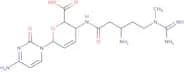
CAS:<p>Demethylbleomycin A2 sulfate is an antineoplastic agent, which is derived from the bacterium Streptomyces verticillus. This compound functions by binding to DNA, inducing strand breaks and inhibiting DNA synthesis, ultimately leading to apoptosis or programmed cell death. Its mechanism of action involves the generation of free radicals, which cause oxidative damage to the DNA strands, impairing cellular replication and tumor growth.</p>Formula:C55H84N17O21S3Purity:Min. 95%Molecular weight:1,415.6 g/molOxaquin
CAS:<p>Oxaquin is a synthetic antibiotic, which is a derivative of the fluoroquinolone class, developed through chemical synthesis. It disrupts bacterial DNA replication by inhibiting the DNA gyrase and topoisomerase IV enzymes, which are crucial for DNA synthesis and repair. This mode of action prevents bacterial cells from dividing and leading to cell death.</p>Formula:C31H33F2N4O11PPurity:Min. 95%Molecular weight:706.6 g/molKanamycin A Related Compound 1
CAS:<p>Kanamycin A Related Compound 1 is an analytical reference standard, which is derived from aminoglycoside antibiotics. Its source stems from the chemical structures related to the aminoglycoside class, primarily used to ensure precise identification and quantification of kanamycin residues or impurities in pharmaceutical formulations. The mode of action of Kanamycin A Related Compound 1 involves serving as a comparator or reference point in chromatographic and spectroscopic methods, facilitating accurate analysis by providing a consistent baseline for research laboratories.</p>Formula:C12H25N3O7Purity:Min. 95%Molecular weight:323.34 g/mol3-(2-(2,4-Dichlorophenyl)-2-hydroxyethyl)-3,4-imidazolidinedione
CAS:<p>3-(2-(2,4-Dichlorophenyl)-2-hydroxyethyl)-3,4-imidazolidinedione is a synthetic compound, which is a derivative of imidazolidinedione. It is primarily characterized as an antifungal agent with broad-spectrum activity against various fungal species. Its mode of action involves disrupting the synthesis of ergosterol, an essential component of fungal cell membranes. This disruption leads to increased membrane permeability and ultimately, cell death. The efficacy of this compound is attributed to its ability to inhibit the growth of pathogens by targeting critical pathways necessary for fungal survival.</p>Formula:C11H12Cl2N2O3Purity:Min. 95%Molecular weight:291.13 g/molPiericidin A
CAS:<p>Piericidin A is a microbial metabolite, specifically a type of polyketide, which is derived from the bacterium of the genus Streptomyces. This compound acts as an electron transport chain inhibitor by specifically binding to the ubiquinone binding site of complex I (NADH:ubiquinone oxidoreductase) in mitochondria. This mode of action results in the disruption of ATP production through oxidative phosphorylation.</p>Formula:C25H37NO4Purity:Min. 95%Molecular weight:415.57 g/molClindamycin B hydrochloride
CAS:<p>Clindamycin B hydrochloride is a semi-synthetic antibiotic, which is derived from the parent compound, lincomycin, obtained from the bacterium *Streptomyces lincolnensis*. It exerts its antibacterial effects by binding to the 50S subunit of the bacterial ribosome, inhibiting protein synthesis by preventing peptide bond formation, which is essential for bacterial growth and survival.</p>Formula:C17H31ClN2O5S•HClPurity:Min. 95%Color and Shape:White To Off-White SolidMolecular weight:447.42 g/molPhleomycin
CAS:<p>Phleomycin is an antibiotic, which is derived from the bacterium *Streptomyces verticillus*. Its mode of action involves binding to DNA and inducing breaks by generating free radicals in the presence of oxygen and ferrous ions, leading to cell death. Phleomycin is prominently used in molecular biology applications as a selective agent in the generation of stable transfectants. It is particularly effective in selecting for cells that have integrated vectors conferring resistance, such as the Sh ble gene used in yeast, plant, and mammalian cell systems. Due to its potent DNA-cleaving ability, Phleomycin is valuable in studies requiring stringent selection pressure. Researchers commonly utilize it in experiments focusing on genetic modification and cellular resistance development.</p>Formula:C51H75N17O21S2Purity:Min. 95%Molecular weight:1,326.38 g/molMesosulfuron
CAS:<p>Mesosulfuron is a selective herbicide, which is a synthetic chemical compound with a specific mode of action designed to inhibit acetolactate synthase (ALS). This enzyme inhibition disrupts the biosynthesis of essential amino acids such as valine, leucine, and isoleucine, leading to the cessation of cell division and consequent plant growth arrest. The herbicide is primarily utilized in agricultural settings, particularly for post-emergence control of various grass weeds within cereal crops, including wheat and barley. Its application is crucial for managing weed competition that can significantly impact crop yield and quality. Mesosulfuron is absorbed through the foliage and roots of targeted species, providing systemic action that ensures effective control. Its usage is governed by stringent regulations to minimize environmental impact and to manage herbicide resistance through integrated weed management strategies.</p>Formula:C16H19N5O9S2Purity:Min. 95%Molecular weight:489.5 g/molTazobactam diphenylmethyl ester
CAS:<p>Tazobactam diphenylmethyl ester is a chemical compound that serves as a precursor or intermediate in the synthesis of beta-lactamase inhibitors. This product originates from synthetic organic chemistry and plays a crucial role in antibiotic research and development. Its mode of action involves modifying or blocking the active site of beta-lactamase enzymes, which are responsible for granting bacteria resistance to beta-lactam antibiotics.</p>Formula:C23H22N4O5SPurity:Min. 95%Molecular weight:466.5 g/molRPW-24
CAS:<p>RPW-24 is a microbial inoculant, which is derived from specifically cultivated microbial strains with known capabilities of enhancing soil fertility. Utilizing a proprietary selection of Bacillus and Pseudomonas species, this product functions by facilitating the solubilization of inorganic phosphate compounds in the soil. These microbes secrete organic acids and enzymes that convert insoluble forms of phosphorus into forms that are more readily available to plants, thereby enhancing nutrient uptake and promoting plant growth.</p>Formula:C15H13ClN4Purity:Min. 95%Molecular weight:284.74 g/molPyrametostrobin
CAS:<p>Pyrametostrobin is a fungicide, which is derived from strobilurin compounds. These compounds are originally sourced from natural antifungal substances produced by certain fungi, specifically the wood-decay fungus Strobilurus tenacellus. Pyrametostrobin functions by inhibiting mitochondrial respiration in fungal cells, specifically targeting the cytochrome bc1 complex within the electron transport chain. This action disrupts the energy production of the fungal cells, ultimately leading to their death.</p>Formula:C21H23N3O4Purity:Min. 95%Molecular weight:381.4 g/molErythromycylamine
CAS:<p>Erythromycylamine is a semisynthetic antibiotic, which is derived from the parent compound erythromycin. This compound is sourced from the fermentation product of the bacterium *Saccharopolyspora erythraea*. Erythromycylamine acts by inhibiting bacterial protein synthesis, specifically targeting the 50S ribosomal subunit, which ultimately leads to the disruption of bacterial cell growth and replication.</p>Formula:C37H70N2O12Purity:Min. 95%Molecular weight:734.96 g/molArtefenomel
CAS:<p>Artefenomel is an antimalarial agent, which is a synthetic derivative originally based on artemisinin, primarily sourced from the Artemisia annua plant. It exhibits its mode of action by targeting and disrupting the Plasmodium parasite's life cycle within the human host. Specifically, artefenomel interferes with the parasite's ability to degrade hemoglobin, leading to the accumulation of toxic levels of heme, ultimately causing the parasite's death.</p>Formula:C28H39NO5Purity:Min. 95%Molecular weight:469.6 g/molPicloxydine digluconate
CAS:<p>Picloxydine digluconate is an antiseptic agent, which is derived from synthetic chemical processes designed to produce highly effective antimicrobial compounds. It operates through the disruption of microbial cell membranes, leading to the leakage of cell contents and subsequent cell death. This mode of action is particularly efficient against a wide spectrum of bacteria, including both Gram-positive and Gram-negative strains, as well as fungi and some viruses.</p>Formula:C26H36Cl2N10O7Purity:Min. 95%Molecular weight:671.5 g/molOxpoconazole fumarate
CAS:<p>Oxpoconazole fumarate is a systemic antifungal agent, which is a synthetic compound derived from chemical synthesis. It functions by inhibiting the biosynthesis of ergosterol, a critical component of fungal cell membranes, ultimately disrupting cell growth and replication. This inhibition interferes with the integrity and functionality of the fungal cell membrane, leading to cell death.</p>Formula:C42H52Cl2N6O8Purity:Min. 95%Molecular weight:839.8 g/molClomocycline
CAS:<p>Clomocycline is an antibiotic, which is a derivative of tetracycline originating from Streptomyces species. The mechanism of action involves inhibition of bacterial protein synthesis by binding to the 30S ribosomal subunit. This action blocks the attachment of aminoacyl-tRNA to the acceptor site on the mRNA-ribosome complex, ultimately impeding the addition of amino acids to the growing peptide chain and thus hindering bacterial growth.</p>Formula:C23H25ClN2O9Purity:Min. 95%Molecular weight:508.9 g/mol3-Chloro-10,11-dihydro-5H-dibenzo[B,D]azepine
CAS:<p>3-Chloro-10,11-dihydro-5H-dibenzo[B,D]azepine is a tricyclic compound, which is typically synthesized through organic chemical processes involving multiple reaction steps to introduce the chloro and dihydro functionalities. With its distinct azepine ring structure, it acts primarily on the central nervous system by modulating neurotransmitter pathways, specifically targeting neurotransmitter reuptake.</p>Formula:C14H12ClNPurity:Min. 95%Molecular weight:229.7 g/molD 13-9001
CAS:<p>Please enquire for more information about D 13-9001 including the price, delivery time and more detailed product information at the technical inquiry form on this page</p>Formula:C31H39N11O6SPurity:Min. 95%Molecular weight:693.8 g/molBalapiravir hydrochloride
CAS:<p>Balapiravir hydrochloride is an antiviral agent, which is synthesized through chemical processes. It operates as a prodrug, meaning it is metabolized in the body to produce the active compound that inhibits viral replication. The mode of action of Balapiravir involves targeting the viral RNA polymerase, an essential enzyme for the replication of viral genomes. By inhibiting this enzyme, the drug effectively reduces viral load within the host, impairing the spread and establishment of the virus.</p>Formula:C21H31ClN6O8Purity:Min. 95%Molecular weight:531 g/molCaerulomycin A
CAS:<p>Caerulomycin A is a bioactive compound classified as a natural broad-spectrum antibiotic, which is derived from various Streptomyces species found in soil. Its mode of action involves inhibiting fungal and bacterial growth by interfering with essential cellular processes, effectively curbing the proliferation of pathogenic microorganisms. This potent molecule achieves its effects by binding to specific cellular targets, thereby disrupting cell wall synthesis and other critical metabolic pathways.</p>Formula:C12H11N3O2Purity:Min. 95%Molecular weight:229.23 g/molMethiozolin
CAS:<p>Methiozolin is an herbicide, which is a synthetic compound with a specific mode of action. It targets the cell division process, specifically inhibiting the synthesis of very-long-chain fatty acids in plants. This mode of action makes Methiozolin effective against problematic weed species such as annual bluegrass (Poa annua), which is known for its pervasive growth in turfgrass systems.</p>Formula:C17H17F2NO2SPurity:Min. 95%Molecular weight:337.4 g/molBorrelidin
CAS:<p>Borrelidin is a potent antibiotic of the polyketide class, which is isolated from various Streptomyces species. Its mode of action is characterized by its inhibition of threonyl-tRNA synthetase, effectively disrupting protein synthesis within bacteria. Additionally, Borrelidin is known for its unique anti-angiogenic properties, which result from the inhibition of endothelial cell proliferation, making it a compound of interest in cancer research.</p>Purity:Min. 95%SP187
CAS:<p>Please enquire for more information about SP187 including the price, delivery time and more detailed product information at the technical inquiry form on this page</p>Formula:C16H33NO5Purity:Min. 95%Molecular weight:319.44 g/molOfloxacin d3 hydrochloride
CAS:<p>Ofloxacin d3 hydrochloride is a deuterated form of the quinolone antibiotic, which is a synthetic derivative designed for research purposes. It is sourced from the fluorinated carboxyquinolone class, where deuterium atoms replace certain hydrogen atoms to study metabolic pathways involving ofloxacin with minimal isotopic interference. Ofloxacin d3 inhibits bacterial DNA gyrase and topoisomerase IV, enzymes crucial for DNA replication, transcription, and repair. By stabilizing the transient cleavable complex with DNA, it prevents the ligation of DNA strands, leading to bacterial cell death. This compound is utilized primarily in laboratory settings for studying the pharmacokinetics and biodistribution of quinolones, as well as for elucidating resistance mechanisms in bacterial strains. Its stable isotopic composition makes it ideal for advanced analytical techniques such as mass spectrometry. Through these investigations, insights into drug metabolism, efficacy, and resistance can be gleaned, contributing to the broader understanding of quinolone antibiotic activity.</p>Formula:C18H21ClFN3O4Purity:Min. 95%Molecular weight:400.8 g/molBephenium
CAS:<p>Bephenium is an anthelmintic agent, which is a type of product used to treat infections caused by parasitic worms. It originates from synthetic chemical processes specifically designed to combat nematode infestations. The mode of action involves disrupting the neuromuscular activity of susceptible parasitic worms, such as hookworms and roundworms, leading to their paralysis and eventual expulsion from the host organism.</p>Formula:C17H22NOPurity:Min. 95%Molecular weight:256.36 g/molN-Nitroso-N-phenylbenzylamine
CAS:<p>N-Nitroso-N-phenylbenzylamine is a nitroso compound, which is synthesized through a chemical reaction involving nitrosation. It arises typically from the interaction of secondary amines and nitrosating agents. This compound functions as a potential mutagen due to its ability to form reactive intermediates that can interact with DNA. These intermediates can lead to modifications in the DNA structure, potentially causing mutations.</p>Formula:C13H12N2OPurity:Min. 95%Molecular weight:212.25 g/molFervenulin
CAS:<p>Fervenulin is a synthetic compound, which is a chemically designed product developed for laboratory use. It is synthesized through a series of organic reactions, allowing for precise control over its molecular structure and properties. The mode of action for Fervenulin involves altering microbial growth pathways, particularly targeting specific enzymes and cellular processes critical for microbial proliferation. This mode of action effectively inhibits or modifies the activity of these cellular components, providing a tool for microbiologists to investigate microbial behavior under controlled conditions.</p>Formula:C7H7N5O2Purity:Min. 95%Molecular weight:193.16 g/molS-Ethyl (3-hydroxypropyl)propylthiocarbamate
CAS:<p>S-Ethyl (3-hydroxypropyl)propylthiocarbamate is a selective herbicide used primarily in the agricultural sector. Derived from synthetic organic chemistry, it belongs to the thiocarbamate class of herbicides. These compounds are known for their ability to inhibit the growth of undesirable plant species by interfering with lipid synthesis.</p>Formula:C9H19NO2SPurity:Min. 95%Molecular weight:205.32 g/molBisphenol A d14
CAS:<p>Bisphenol A d14 is an isotopically labeled compound, which is a variant of Bisphenol A (BPA) where hydrogen atoms are partially replaced with deuterium isotopes. This compound is produced through chemical synthesis, ensuring that 14 of the hydrogen atoms in the BPA molecule are replaced by deuterium to create a stable form with a slightly higher atomic mass, facilitating advanced analytical studies.</p>Formula:C15H16O2Purity:Min. 95%Molecular weight:242.37 g/molClothianidin-urea
CAS:<p>Clothianidin-urea is an insecticide, which is synthesized from chemical sources and belongs to the neonicotinoid class of compounds. Its mode of action involves binding to nicotinic acetylcholine receptors in the central nervous system of insects, disrupting normal nerve function and leading to paralysis and eventual death. This mode of action is selective to insects, offering a degree of safety to non-target species including humans and animals.</p>Formula:C6H8ClN3OSPurity:Min. 95%Molecular weight:205.67 g/molBottromycin A2
CAS:<p>Bottromycin A2 is a peptide antibiotic, which is a natural product derived from the fermentation of certain Streptomyces strains. It operates by targeting the bacterial ribosome, specifically inhibiting protein synthesis. The mode of action involves binding to the A-site of the 50S ribosomal subunit, thereby preventing the correct positioning of transfer RNA (tRNA) during translation. This inhibition halts the growth of bacteria by disrupting essential protein production processes.</p>Formula:C42H62N8O7SPurity:Min. 95%Molecular weight:823.1 g/molPosaconazole-d5
CAS:<p>Posaconazole-d5 is a deuterated form of the antifungal agent posaconazole, which is a synthetic compound derived from triazole. The substitution of hydrogen atoms with deuterium in this compound allows for enhanced stability and differentiation in analytical applications, particularly in pharmacokinetic and metabolic studies.</p>Formula:C37H42F2N8O4Purity:Min. 95%Molecular weight:705.8 g/molCephalosporin 87/359(cefoxitin impurity H)
CAS:<p>Cephalosporin 87/359 (cefoxitin impurity H) is an analytical reference standard, which is a secondary metabolite that can arise during the synthesis or degradation of the cephalosporin antibiotic, cefoxitin. It is sourced from chemical synthesis processes where isolation and purification of impurities are essential for ensuring the efficacy and safety of pharmaceutical products. The mode of action of this impurity is not therapeutic but crucial for analytical purposes, serving as a comparator to detect and quantify potential contaminants in cefoxitin production.</p>Formula:C15H15N3O6S2Purity:Min. 95%Molecular weight:397.40 g/molSTAADIUM™ PeptiZide L-Pyr
CAS:<p>STAADIUM⢠PeptiZide L-Pyr is a targeted inhibitor for pyroglutamyl-aminopeptidase-producing bacteria. The antibacterial activity of STAADIUM⢠PeptiZide L-Pyr is triggered by the enzyme pyroglutamyl aminopeptidase (a.k.a. pyrase or pyrrolidonyl peptidase) that is present, not only in bacteria, but also in archaea, plants and animals. STAADIUM⢠PeptiZide can be used to suppress the growth of Citrobacter freundii on diagnostic agar plates for Salmonella. L-pyrrolidonyl peptidase activity has also been exploited to distinguish Enterococcus species and Streptococcus pyogenes from other Streptococaceae species. More details in the application notes document.</p>Formula:C17H17N3O3SPurity:Min. 95 Area-%Molecular weight:343.41 g/molSisunatovir
CAS:<p>Sisunatovir is an antiviral agent, which is a small-molecule compound with specificity designed to inhibit the fusion process of the respiratory syncytial virus (RSV). This small-molecule inhibitor is synthetically derived, with its action targeting the F (fusion) protein of the virus. The mechanism of action involves preventing the viral fusion with host cell membranes, thereby blocking entry and subsequent replication within the host cells.</p>Formula:C23H22F4N4OPurity:Min. 95%Molecular weight:446.4 g/molPhthalic acid, bis[2-(2-ethoxyethoxy)ethyl] ester
CAS:<p>Phthalic acid, bis[2-(2-ethoxyethoxy)ethyl] ester is a specialized industrial plasticizer, which is a type of additive used to enhance the flexibility and durability of polymer-based materials. It is derived from phthalic acid through esterification with ethylene glycol ether derivatives, resulting in a compound that effectively reduces the brittleness of plastic formulations by increasing their plasticity.</p>Formula:C20H30O8Purity:Min. 95%Molecular weight:398.4 g/molAWZ1066S
CAS:<p>AWZ1066S is a synthetic analog, which is a chemically engineered compound designed to mimic or influence biological molecules. This product is derived from sophisticated organic synthesis techniques that enable the precise modification of its molecular structure to enhance its specificity and efficacy. AWZ1066S operates through targeted binding to specific biomolecules or receptors, thereby modulating their function or facilitating their detection in complex biological systems.</p>Formula:C19H19F3N6OPurity:Min. 95%Molecular weight:404.4 g/molLenampicillin
CAS:<p>Lenampicillin is a semi-synthetic antibiotic, which is derived from ampicillin, a widely used beta-lactam antibiotic. It originates from the penicillin group of compounds, which are produced by the Penicillium fungi. This group of antibiotics is characterized by their bactericidal properties, which function through the inhibition of bacterial cell wall synthesis. Specifically, Lenampicillin targets and binds to penicillin-binding proteins present in susceptible bacteria. This action inhibits the transpeptidation step of peptidoglycan synthesis, weakening the cell wall and eventually causing cell lysis and death.</p>Formula:C21H23N3O7SPurity:Min. 95%Molecular weight:461.5 g/mol6-[(1,1-Dimethylethyl)amino]-1,3,5-triazine-2,4(1H,3H)-dione,1,3,5-triazine-2,4(1H,3H)-dione
CAS:<p>6-[(1,1-Dimethylethyl)amino]-1,3,5-triazine-2,4(1H,3H)-dione, commonly known as Terbuthylazine, is a selective systemic herbicide, which is synthesized chemically and primarily sourced from the triazine group of compounds. It operates by inhibiting photosynthesis, specifically interfering with the electron transport in photosystem II. This disruption in the photosynthetic pathway effectively halts the growth of susceptible weed species.</p>Formula:C7H12N4O2Purity:Min. 95%Molecular weight:184.2 g/molDimoxystrobin-5-benzoic acid
CAS:<p>Dimoxystrobin-5-benzoic acid is a chemical fungicide, which is a synthetic compound derived from the strobilurin class of fungicides. It functions by inhibiting mitochondrial respiration in fungi, specifically blocking the electron transfer at the Qo site of the cytochrome bc1 complex. This mode of action disrupts energy production in fungal cells, thereby curbing their growth and proliferation.</p>Formula:C19H20N2O5Purity:Min. 95%Molecular weight:356.4 g/molValidamycin B
CAS:<p>Validamycin B is an aminoglycoside antibiotic, which is a type of product derived from the bacterium *Streptomyces hygroscopicus*. Its mode of action involves inhibiting the trehalase enzyme, an essential component for fungal cell viability, thereby disrupting the energy supply within the fungal cells. This disruption leads to impediments in fungal growth and proliferation.</p>Formula:C20H35NO14Purity:Min. 95%Molecular weight:513.5 g/molEthyl 6-fluoro-7-benzofurancarboxylate
CAS:<p>Ethyl 6-fluoro-7-benzofurancarboxylate is a synthetic organic compound, belonging to the class of ester derivatives, which is primarily used in chemical research and potential pharmaceutical development. This compound is synthesized through a series of organic reactions involving fluorination and esterification processes, originating from precursors of benzofuran derivatives.</p>Formula:C11H9FO3Purity:Min. 95%Molecular weight:208.18 g/molMBX-4132
CAS:<p>Please enquire for more information about MBX-4132 including the price, delivery time and more detailed product information at the technical inquiry form on this page</p>Formula:C18H15FN4O2Purity:Min. 95%Molecular weight:338.3 g/molPyflubumide-des(2-methyl-1oxopropyl)
CAS:<p>Pyflubumide-des(2-methyl-1oxopropyl) is a selective miticide, which is synthesized through advanced chemical processes. Its mode of action involves inhibiting cellular respiration in spider mites, specifically targeting the activity of mitochondrial complex II. This disrupts the energy production pathway, leading to pest mortality.</p>Formula:C21H25F6N3O2Purity:Min. 95%Molecular weight:465.4 g/mol1-Ethyl-6-fluoro-7-(4-formylpiperazin-1-yl)-4-oxo-1,4-dihydroquinoline-3-carboxylic acid
CAS:<p>1-Ethyl-6-fluoro-7-(4-formylpiperazin-1-yl)-4-oxo-1,4-dihydroquinoline-3-carboxylic acid is an advanced fluoroquinolone antibiotic, which is synthetically derived. This compound operates by efficiently inhibiting bacterial DNA gyrase and topoisomerase IV, enzymes which are critical for bacterial DNA replication, transcription, and repair. The inhibition of these enzymes interferes with the DNA processes, ultimately leading to bacterial cell death.</p>Formula:C17H18FN3O4Purity:Min. 95%Molecular weight:347.34 g/mol3-(2,4,6-Trimethylphenylsulfonyl)-1,2,4-triazole
CAS:<p>3-(2,4,6-Trimethylphenylsulfonyl)-1,2,4-triazole is a sulfonyl-triazole reagent, which is widely utilized in the field of organic chemistry. This compound is synthetically derived, serving as an important tool in the construction of sulfonyl-protected intermediates and heterocyclic structures. Its mode of action involves acting as a versatile electrophile in conditions favoring nucleophilic attack, facilitating the formation of carbon-nitrogen and carbon-sulfur bonds.</p>Formula:C11H13N3O2SPurity:Min. 95%Molecular weight:251.31 g/molBAY-Y 3118
CAS:<p>BAY-Y 3118 is a synthetic compound specifically designed as a radiolabeled dopamine D4 receptor antagonist. It is sourced from chemical synthesis processes that enable modification of molecular structures to target specific biological receptors. The mode of action of BAY-Y 3118 involves binding to the D4 subtype of dopamine receptors, which are G protein-coupled receptors located in the central nervous system. This binding is typically labeled with a radiolabel to facilitate tracking and visualization in biological assays.</p>Formula:C20H21ClFN3O3Purity:Min. 95%Molecular weight:405.8 g/molClomeprop (free acid)
CAS:<p>Clomeprop (free acid) is a selective herbicide, which is synthesized chemically to target grass species. Its mode of action involves the inhibition of the enzyme acetyl-CoA carboxylase, crucial for fatty acid synthesis. This interferes with lipid production, which is vital for plant growth and development.</p>Formula:C10H10Cl2O3Purity:Min. 95%Molecular weight:249.09 g/molBafilomycin C1
CAS:<p>Bafilomycin C1 is a macrolide antibiotic, which is derived from the bacterium Streptomyces sp. Its mode of action involves the inhibition of vacuolar H+-ATPase (V-ATPase), an enzyme complex responsible for acidifying various intracellular compartments. This inhibition disrupts pH regulation within cells, affecting numerous cellular processes such as protein degradation and trafficking.</p>Formula:C39H60O12Purity:Min. 95%Molecular weight:720.9 g/molTadalafil-N-ethyl
CAS:<p>Tadalafil-N-ethyl is a synthetic compound derived from Tadalafil, a well-known phosphodiesterase type 5 (PDE5) inhibitor. This product is chemically synthesized through pharmaceutical processes involving ethylation, enhancing its pharmacological profile for research purposes. Its mode of action primarily involves the selective inhibition of the PDE5 enzyme, leading to an increased concentration of cyclic guanosine monophosphate (cGMP) in the corpus cavernosum. This results in vasodilation and increased blood flow, facilitating penile erection.</p>Formula:C23H21N3O4Purity:Min. 95%Molecular weight:403.4 g/molOxfendazole
CAS:<p>Oxfendazole is a benzimidazole anthelmintic with action on microtubule formation in parasitic worms and is used for treating gastrointestinal parasites in livestock.</p>Formula:C15H13N3O3SPurity:Min. 98 Area-%Color and Shape:White PowderMolecular weight:315.35 g/molCephamycin C
CAS:<p>Cephamycin C is a cephalosporin antibiotic, which is a type of β-lactam antibiotic. It is derived from the fermentation process of certain Streptomyces species and other actinomycetes. Its mode of action involves inhibiting bacterial cell wall synthesis by binding to penicillin-binding proteins (PBPs). This inhibition disrupts the structural integrity of the bacterial cell wall, leading to cell lysis and death.</p>Formula:C16H22N4O9SPurity:Min. 95%Color and Shape:PowderMolecular weight:446.4 g/molPNU 103017
CAS:<p>PNU 103017 is an experimental neuroprotective compound, which is a derivative of pharmacological agents developed for neurological research. It is sourced through synthetic modification processes aimed at enhancing specific receptor interactions in the central nervous system. Its mode of action involves targeting and modulating specific neurotransmitter receptors, such as the sigma receptors, which play a crucial role in neuronal signaling and protection against excitotoxicity.</p>Formula:C28H28N2O5SPurity:Min. 95%Molecular weight:504.6 g/mol2-(2-Methyl-4-nitro-1H-imidazol-1-yl)ethyl benzoate
CAS:<p>2-(2-Methyl-4-nitro-1H-imidazol-1-yl)ethyl benzoate is a synthetic chemical compound, classified as an organic ester. It originates from the reaction between benzoic acid and a derivative of nitroimidazole, a class of compounds known for their bioactivity. The molecular framework includes a benzoate ester linked to an imidazole ring, which is substituted with nitro and methyl groups, contributing to its unique characteristics.</p>Formula:C13H13N3O4Purity:Min. 95%Molecular weight:275.26 g/molFludazonium chloride
CAS:<p>Fludazonium chloride is a quaternary ammonium compound, which is chemically synthesized. It functions primarily as an antibacterial agent by disrupting microbial cell membranes, leading to cell lysis and death. This compound is particularly effective against a broad spectrum of bacteria due to its ability to interact with phospholipid bilayers.</p>Formula:C26H20Cl5FN2O2Purity:Min. 95%Molecular weight:588.7 g/molBlasticidin S
CAS:<p>Blasticidin S is an antibiotic, which is derived from the bacterium *Streptomyces griseochromogenes*. It operates by inhibiting protein synthesis in both prokaryotic and eukaryotic cells. This inhibition is achieved by interfering with the peptide bond formation in the ribosome, thus preventing the elongation of the polypeptide chain. Blasticidin S is particularly useful in molecular biology and cell culture applications, where it is employed to selectively kill non-transformed cells. This allows for the maintenance and expansion of cells that have been stably transfected with a blasticidin resistance gene, thereby ensuring the selection and propagation of cells with the desired genetic modifications. Its precise mechanism and specific action make Blasticidin S a valuable tool for researchers working on gene expression studies, recombinant protein production, and other genetic engineering endeavors.</p>Formula:C17H26N8O5Purity:Min. 95%Molecular weight:422.4 g/mol3'-N,N-Di(desmethyl)-3'-N-formyl azithromycin
CAS:<p>3'-N,N-Di(desmethyl)-3'-N-formyl azithromycin is a semisynthetic macrolide antibiotic derivative, which is synthesized through chemical modification of azithromycin. Azithromycin is originally derived from erythromycin, which is produced by the bacterium Saccharopolyspora erythraea. The modifications in this derivative result in enhanced specificity and altered pharmacokinetic properties compared to the parent compound.</p>Formula:C37H68N2O13Purity:Min. 95%Color and Shape:White/Off-White SolidMolecular weight:748.94 g/mol7,8-Didemethyl-8-hydroxy-5-deazariboflavin
CAS:<p>7,8-Didemethyl-8-hydroxy-5-deazariboflavin is a cofactor often referred to as a deazaflavin. It is a derivative of riboflavin and is primarily sourced from methanogenic archaea. These microorganisms are found in anaerobic environments and play a crucial role in the process of methanogenesis.</p>Formula:C16H17N3O7Purity:Min. 95%Molecular weight:363.32 g/mol7,10-Dihydroxy-8(E)-octadecenoic acid
CAS:<p>7,10-Dihydroxy-8(E)-octadecenoic acid is a hydroxylated fatty acid, which is derived from the microbial transformation of oleic acid by certain bacterial species, particularly Pseudomonas aeruginosa. This compound features a unique structure characterized by its dihydroxy modifications and a cis double bond. The compound's mode of action involves modulating bacterial growth and metabolic pathways, possessing antimicrobial properties that result from its ability to interfere with cell membrane integrity and function.</p>Formula:C18H34O4Purity:Min. 95%Molecular weight:314.50 g/molRifamdin
CAS:<p>Rifamdin is an antibiotic, which is a chemical substance derived from the source compound rifampicin. Its mode of action involves the inhibition of bacterial DNA-dependent RNA polymerase, which effectively suppresses bacterial RNA synthesis, leading to cell death. This mechanism primarily targets Mycobacterium tuberculosis, the causative agent of tuberculosis.</p>Formula:C46H64N4O12Purity:Min. 95%Molecular weight:865.02 g/molDuocarmycin analog
CAS:<p>Duocarmycin analog is a chemotherapeutic compound, which is a synthetic analog derived from natural products originally isolated from Streptomyces bacteria. These analogs operate through a unique mode of action by binding to the minor groove of DNA and subsequently alkylating adenine bases. This process results in DNA strand scission, preventing replication and leading to cell death, particularly in rapidly dividing cancer cells.</p>Formula:C34H31ClN4O5Purity:Min. 95%Molecular weight:611.1 g/molErythromycin B
CAS:<p>Erythromycin B is a semisynthetic macrolide antibiotic, which is derived from the actinomycete *Saccharopolyspora erythraea*. Its mode of action involves inhibiting bacterial protein synthesis by binding to the 50S ribosomal subunit. This interference with protein synthesis effectively hampers bacterial growth, making it a potent bacteriostatic agent.</p>Formula:C37H67NO12Purity:90%NmrMolecular weight:717.93 g/molStreptidine dihydrochloride
CAS:<p>Streptidine dihydrochloride is a biochemical compound, specifically a derivative of streptomycin, which is obtained through chemical modification of the aminoglycoside antibiotic streptomycin. It is composed of streptidine, a constituent sugar derivative, that is integral to the structure of streptomycin, rendered as a hydrochloride salt to enhance solubility and stability.</p>Formula:C8H18N6O4·2HClPurity:Min. 95%Bombinin-like peptide (blp-1)
CAS:<p>Bombinin-like peptide (blp-1) is an antimicrobial peptide, which is derived from the skin secretion of certain amphibians, specifically the *Bombina* species of frogs. This peptide functions by disrupting microbial cell membranes, leading to cell lysis and death. Its ability to compromise the integrity of the cell membrane makes it effective against a range of pathogenic microorganisms, including bacteria and fungi.</p>Formula:C115H194N34O33Purity:Min. 95%Molecular weight:2,581 g/molCefteram
CAS:<p>Cefteram is a third-generation cephalosporin antibiotic, which is synthesized through chemical processes starting from cephalosporin C, a compound derived from the fungus Acremonium. As a cephalosporin, it functions by inhibiting bacterial cell wall synthesis. This is achieved through the binding to penicillin-binding proteins (PBPs), which are critical in the formation of the bacterial cell wall. By disrupting this process, Cefteram leads to the lysis and death of the bacteria.</p>Formula:C16H17N9O5S2Purity:Min. 95%Color and Shape:White To Off-White SolidMolecular weight:479.5 g/molTCA1
CAS:<p>TCA1 is a synthetic small molecule, which is specifically derived from complex organic synthesis processes, designed to target bacterial metabolic pathways. It operates primarily by inhibiting essential enzymatic functions, thereby disrupting normal metabolic activity within bacterial cells. This inhibitory action results in weakened or halted protein synthesis, directly affecting bacterial growth and proliferation.</p>Formula:C16H13N3O4S2Purity:Min. 95%Molecular weight:375.4 g/molMacrolactin Z
CAS:<p>Please enquire for more information about Macrolactin Z including the price, delivery time and more detailed product information at the technical inquiry form on this page</p>Formula:C29H40O8Purity:Min. 95%Molecular weight:516.6 g/molSulbactam Related Compound A
CAS:<p>Sulbactam Related Compound A is a chemical compound often used in pharmaceutical research and development. It is typically derived from the synthetic modification of existing antibiotics to explore new potential therapeutic benefits. The compound functions as a beta-lactamase inhibitor, which is of significant interest to researchers due to its potential to enhance the efficacy of beta-lactam antibiotics. By inhibiting the action of bacterial beta-lactamase enzymes, it permits these antibiotics to remain effective against resistant strains of bacteria.</p>Formula:C5H11NO4SPurity:Min. 95%Molecular weight:181.21 g/molPotassium clavulanate - 1:1 mixture with cellulose, Antibiotic for Culture Media Use Only
CAS:<p>Potassium clavulanate is a beta-lactamase inhibitor and an antibacterial agent. The presence of potassium clavulanate in culture media inhibits the activity of beta-lactamases, which are enzymes that confer resistance to penicillin and other beta-lactam antibiotics. It also has been shown to be active against bacterial infections such as tuberculosis, sepsis, and pneumonia, where it can inhibit the growth of bacteria by interfering with their ability to form cell walls.</p>Formula:C8H8KNO5Purity:Min. 95.0 Area-%Molecular weight:237.25 g/mol25-O-Deacetyl rifabutin
CAS:<p>25-O-Deacetyl rifabutin is an antibiotic derivative, which is sourced from the semi-synthetic modification of rifabutin, a compound originally derived from the fermentation of the bacterium Amycolatopsis mediterranei. This derivative works by inhibiting bacterial RNA synthesis. It achieves this by specifically targeting the DNA-dependent RNA polymerase enzyme, which is essential for bacterial transcription. The mechanism involves binding to the beta-subunit of the polymerase, thereby blocking the elongation of the RNA chain, which ultimately leads to the death of the bacterial cell.</p>Formula:C44H60N4O10Purity:Min. 95%Color and Shape:Purple PowderMolecular weight:804.97 g/molNarasin
CAS:<p>Narasin is an ionophore antibiotic, which is a fermentation product derived from certain strains of the bacterium *Streptomyces aureofaciens*. It functions by disrupting the ion gradients across cell membranes, specifically facilitating the transport of sodium and potassium ions. This action interferes with the energy metabolism of certain pathogenic microorganisms, rendering them unable to proliferate effectively.</p>Formula:C43H72O11Purity:Min. 95%Molecular weight:765.03 g/mol1-Ethyl-6-fluoro-7-(piperazin-1-yl)quinolin-4(1H)-one
CAS:<p>1-Ethyl-6-fluoro-7-(piperazin-1-yl)quinolin-4(1H)-one is a fluoroquinolone antibiotic, which is a synthetic derivative sourced from the quinolone family. This compound functions by targeting bacterial DNA gyrase and topoisomerase IV, which are crucial enzymes involved in the replication and transcription of bacterial DNA. By inhibiting these enzymes, the antibiotic effectively disrupts DNA replication in susceptible bacterial strains, leading to cell death.</p>Formula:C15H18FN3OPurity:Min. 95%Molecular weight:275.32 g/molOmomycin
CAS:<p>Omomycin is a novel antibiotic, specifically a macrolide, which is derived from microbial sources, primarily soil-dwelling actinomycetes. Its mode of action involves inhibiting bacterial protein synthesis by binding to the 50S ribosomal subunit. This interaction prevents the translocation of peptides during translation, thereby halting bacterial growth and proliferation.</p>Formula:C29H39NO4Purity:Min. 95%Molecular weight:465.6 g/molSparsomycin
CAS:<p>Sparsomycin is an antibiotic compound, which is a secondary metabolite isolated from Streptomyces species. Its mode of action involves the inhibition of protein synthesis by targeting the large subunit of the ribosome, specifically binding to the 50S subunit in bacterial ribosomes and the 60S subunit in eukaryotic ribosomes. This binding interferes with peptide bond formation, thereby disrupting the translational process essential for protein synthesis.</p>Formula:C13H19N3O5S2Purity:Min. 95%Molecular weight:361.4 g/molAminosidine
CAS:<p>Aminosidine is a nucleoside analogue that inhibits the HIV-1 reverse transcriptase and the integrase, which are enzymes involved in viral DNA synthesis. Aminosidine is active against Leishmania spp., but not against bacteria. Aminosidine has been shown to be effective in experimental models of human bowel disease and in patients with inflammatory bowel disease. It was also found to be active against wild-type strains of human immunodeficiency virus type 1, but not resistant mutants. The mechanism of action is the inhibition of cellular mitochondrial membrane potential.</p>Purity:Min. 95%Syncytial virus inhibitor-1
CAS:<p>Syncytial virus inhibitor-1 is a potent antiviral compound, which is a synthetic small molecule with a specific mode of action targeting respiratory syncytial virus (RSV). This compound is engineered to inhibit the fusion process between the viral envelope and the host cell membrane, thereby preventing the virus from entering and infecting the cells.</p>Formula:C23H26N4O3SPurity:Min. 95%Molecular weight:438.5 g/molAztreonam-d6
CAS:<p>Aztreonam-d6 is an isotopically labeled antibiotic, which is a synthetic monobactam derived from bacterial fermentation processes with deuterium enrichment. With a beta-lactam structure, Aztreonam-d6 acts by inhibiting bacterial cell wall synthesis, specifically targeting the penicillin-binding protein 3 (PBP3) in Gram-negative bacteria. This action disrupts cell wall construction, leading to cell lysis and death, making it an effective option against certain resistant bacterial strains.</p>Formula:C13H17N5O8S2Purity:Min. 95%Molecular weight:441.5 g/molTrovafloxacin mesylate
CAS:<p>Trovafloxacin mesylate is a synthetic antibiotic belonging to the fluoroquinolone class, which is derived from chemical synthesis processes rather than natural sources. The mode of action of trovafloxacin mesylate involves the inhibition of bacterial enzymes DNA gyrase and topoisomerase IV. These enzymes are essential for DNA replication, repair, and transcription within the bacterial cell. By inhibiting these enzymes, trovafloxacin mesylate disrupts bacterial DNA processes, leading to cell death and exerting its antibacterial effects.</p>Formula:C21H19F3N4O6SPurity:Min. 95%Molecular weight:512.46 g/mol7-Descarbamoyl 17-amino geldanamycin
CAS:<p>7-Descarbamoyl 17-amino geldanamycin is a semi-synthetic derivative of the benzoquinone ansamycin antibiotic geldanamycin, which is naturally produced by the bacterium *Streptomyces hygroscopicus*. As an inhibitor of the Heat Shock Protein 90 (Hsp90), it targets this molecular chaperone crucial for the stability and function of numerous oncoproteins. By inhibiting Hsp90, 7-Descarbamoyl 17-amino geldanamycin disrupts protein folding processes, leading to the degradation of client proteins and subsequent disruption of cell signaling pathways involved in tumor growth and survival.</p>Formula:C27H38N2O7Purity:Min. 95%Molecular weight:502.6 g/molBRD-K98645985
CAS:<p>BRD-K98645985 is a synthetic biochemical reagent, likely developed through chemical synthesis or natural product isolation. It functions as a modulator of specific biochemical pathways, potentially acting as an enzyme inhibitor, receptor agonist, or antagonist. This compound interacts with targeted proteins or cellular mechanisms, altering physiological responses or signaling cascades. The precise mode of action often involves binding to active sites, thereby influencing molecular conformation and activity.</p>Formula:C33H43N5O4Purity:Min. 95%Molecular weight:573.7 g/molOxysanguinarine
CAS:<p>Oxysanguinarine is an alkaloid compound, which is derived from the plant species of the Papaveraceae family. As a benzophenanthridine alkaloid, it is predominantly extracted from plants such as Sanguinaria canadensis. Its mode of action involves disrupting microbial cell membranes and interfering with enzyme systems, leading to antimicrobial and antifungal effects. This compound exhibits potential in inhibiting the growth of various pathogens, making it a subject of interest in pharmaceutical and microbiological research. Applications of oxysanguinarine extend to studying its efficacy in antimicrobial treatments, exploring its potential as a natural pesticide, and investigating its role in traditional medicine. Due to its complex biochemical interactions, ongoing research aims to better understand its mechanisms and potential therapeutic uses.</p>Formula:C20H13NO5Purity:Min. 95%Molecular weight:347.3 g/mol(S)-4-(((R)-6-(2-Chloro-4-fluorophenyl)-5-(methoxycarbonyl)-2-(thiazol-2-yl)-3,6-dihydropyrimidin-4-yl)methyl)morpholine-3-carboxyli c acid
CAS:<p>(S)-4-(((R)-6-(2-Chloro-4-fluorophenyl)-5-(methoxycarbonyl)-2-(thiazol-2-yl)-3,6-dihydropyrimidin-4-yl)methyl)morpholine-3-carboxylic acid is a selective chemical inhibitor, derived from synthetic organic chemistry methodologies. This compound is engineered for precise interaction with a target protein, modulating cellular pathways involved in disease progression. Its unique structure, including the chlorofluorophenyl and thiazolyl moieties, confers high binding affinity and specificity, making it a valuable tool in biochemical research.</p>Formula:C21H20ClFN4O5SPurity:Min. 95%Molecular weight:494.9 g/molOligomycin B
CAS:<p>Oligomycin B is an antibiotic compound, which is derived from Streptomyces species. It is an inhibitor of the mitochondrial ATP synthase complex, specifically targeting the F₀ subunit of ATP synthase. This action obstructs the proton channel, preventing the flow of protons across the mitochondrial membrane. As a result, Oligomycin B effectively halts ATP synthesis by oxidative phosphorylation, which is crucial for the survival of aerobic organisms.</p>Formula:C45H72O12Purity:Min. 95%Color and Shape:PowderMolecular weight:805.05 g/molSARS-CoV-IN-1
CAS:<p>SARS-CoV-IN-1 is a small-molecule inhibitor, which is a synthetic compound designed to interfere with viral replication. This compound is sourced through rigorous combinatorial chemistry methods, enabling the precise targeting of viral enzymes. SARS-CoV-IN-1 specifically inhibits the activity of the SARS-CoV-2 main protease (Mpro), an essential enzyme responsible for processing viral polyproteins into functional units necessary for virus replication.</p>Formula:C23H16ClFEN3OPurity:Min. 95%Molecular weight:441.69 g/molEthofumesate-2-hydroxy
CAS:<p>Ethofumesate-2-hydroxy is a selective herbicide, which is a synthetic chemical compound with a specific mode of action. This herbicide primarily originates from chemical synthesis processes designed to interfere with plant growth at a biochemical level. The mode of action of Ethofumesate-2-hydroxy involves the inhibition of lipid synthesis, which disrupts cell membrane formation and hampers weed growth. It effectively targets susceptible weed species by inhibiting essential biochemical pathways, thus leading to their decline or death.</p>Formula:C11H14O5SPurity:Min. 95%Molecular weight:258.29 g/molAAI101
CAS:<p>Please enquire for more information about AAI101 including the price, delivery time and more detailed product information at the technical inquiry form on this page</p>Formula:C11H14N4O5SPurity:Min. 95%Molecular weight:314.32 g/molPlazomicin sulfate
CAS:<p>An aminoglycoside antibiotic. Found applications in treatment of UTi's as it decreases the ability of bacteria to make protein.</p>Formula:C25H48N6O10·XH2SO4Purity:Min. 85%Color and Shape:PowderMolecular weight:592.69 g/molSanfetrinem cilexetil
CAS:<p>Sanfetrinem cilexetil is an oral prodrug, which is derived from trinem antibiotics, a subgroup of β-lactams. It is a synthetic compound developed to enhance the pharmacokinetic properties of its active form, sanfetrinem. Upon oral administration, sanfetrinem cilexetil undergoes hydrolysis in the digestive tract to release the active β-lactam antibiotic, sanfetrinem.</p>Formula:C23H33NO8Purity:Min. 95%Molecular weight:451.50 g/molGanciclovir hydrate
CAS:<p>Ganciclovir hydrate is an antiviral compound, which is a synthetic analogue of 2'-deoxy-guanosine derived from chemical synthesis. It functions through selective inhibition of viral DNA polymerase, specifically by incorporating into the viral DNA during replication. This incorporation leads to chain termination, effectively impeding the synthesis of viral DNA and curbing viral proliferation.</p>Formula:C9H15N5O5Purity:Min. 95%Molecular weight:273.25 g/molFlufenoxystrobin
CAS:<p>Flufenoxystrobin is a synthetic fungicide, which is derived from the strobilurin class of compounds known for their antifungal properties. It operates by inhibiting mitochondrial respiration in fungal cells, specifically blocking the electron transport chain at the Qo site of cytochrome b. This disruption in energy production is lethal to the targeted fungi.</p>Formula:C19H16ClF3O4Purity:Min. 95%Molecular weight:400.8 g/molRilopirox
CAS:<p>Please enquire for more information about Rilopirox including the price, delivery time and more detailed product information at the technical inquiry form on this page</p>Formula:C19H16ClNO4Purity:Min. 95%Molecular weight:357.8 g/molDimethenamid-ethane sulfonic acid (esa) sodium
CAS:<p>Dimethenamid-ethane sulfonic acid (ESA) sodium is a herbicide metabolite, which is derived from Dimethenamid, an active ingredient in pre-emergent herbicides used for controlling grass and broadleaf weeds. The compound is formed through the metabolic degradation of the parent herbicide in soil and plants, largely influenced by microbial activity and environmental conditions.</p>Formula:C12H18NNaO5S2Purity:Min. 95%Molecular weight:343.4 g/molPeplomycin sulfate
CAS:<p>Peplomycin sulfate is an anticancer antibiotic, which is a derivative of the bleomycin family of glycopeptide antibiotics produced by the bacterium *Streptomyces verticillus*. This antibiotic operates through a mode of action that involves the induction of DNA strand breaks by forming a complex with iron and oxygen, leading to the generation of free radicals. These radicals cleave DNA strands, thereby inhibiting DNA synthesis and inducing apoptosis in cancerous cells.</p>Formula:C61H90N18O25S3Purity:Min. 95%Molecular weight:1,571.67 g/mol1,3''-Di-HABA kanamycin A
CAS:<p>1,3''-Di-HABA kanamycin A is a chemically modified antibiotic derivative. It is derived from kanamycin A, a well-known aminoglycoside antibiotic that is originally sourced from the bacterium *Streptomyces kanamyceticus*. The modification with 1,3''-Di-HABA alters its pharmacodynamic properties, potentially influencing its specificity and interaction with biological targets.</p>Formula:C26H50N6O15Purity:Min. 95%Molecular weight:686.71 g/molCephradine monohydrate
CAS:<p>Cephradine monohydrate is a first-generation cephalosporin antibiotic, which is derived from the fungus Acremonium. It operates by inhibiting bacterial cell wall synthesis, a critical process necessary for bacterial growth and replication. This inhibition occurs through the binding of the antibiotic to penicillin-binding proteins, leading to cell lysis and subsequent bacterial death.</p>Formula:C16H19N3O4S·H2OPurity:Min. 95%Molecular weight:367.42 g/molAcetyl-pepstatin
CAS:<p>Acetyl-pepstatin is a potent protease inhibitor, which is synthesized from a naturally occurring peptide source. Its primary mode of action involves the inhibition of aspartic proteases, a class of enzymes responsible for protein digestion and processing within biological systems. By specifically targeting these enzymes, Acetyl-pepstatin effectively halts the hydrolytic activity, which makes it an invaluable tool in the study of protease function and the regulation of proteolytic pathways.</p>Formula:C31H57N5O9Purity:Min. 95%Molecular weight:643.8 g/molGatifloxacin hydrochloride
CAS:<p>Gatifloxacin hydrochloride is a synthetic antibacterial agent, which is derived from the fourth-generation fluoroquinolone class of antibiotics. It exhibits a broad-spectrum bactericidal activity by targeting bacterial DNA gyrase and topoisomerase IV enzymes, essential for bacterial DNA replication, transcription, and repair processes.</p>Formula:C19H24FN3O5Purity:Min. 95%Molecular weight:393.4 g/mol3-Phenanthrenebutyric acid
CAS:<p>3-Phenanthrenebutyric acid is a synthetic compound that serves as an analogue of phenanthrene derivatives, commonly utilized in biochemical and pharmacological research. Its source lies in laboratory synthesis, designed to mimic the structural properties of naturally occurring phenanthrene compounds, which are typically found in fossil fuels and plant sources.</p>Formula:C18H16O2Purity:Min. 95%Molecular weight:264.3 g/molEquisetin
CAS:<p>Equisetin is a secondary metabolite, which is produced by the fungus *Fusarium equiseti*. It operates predominantly through the inhibition of protein synthesis and interference with cellular processes within target organisms. Equisetin exhibits potent antibacterial and antifungal activities primarily by interfering with cell wall synthesis in bacteria and disrupting key pathways in fungi.</p>Purity:Min. 95%Cadazolid
CAS:<p>Cadazolid is an investigational antibiotic, which is a synthetic oxazolidinone-cephalosporin hybrid, with a novel mechanism of action. It is engineered to disrupt bacterial protein synthesis by binding to the 50S ribosomal subunit, while also exerting strong bactericidal effects. This dual-action approach combines attributes of both linezolid and cephalosporins to target and disrupt essential bacterial processes.</p>Formula:C29H29F2N3O8Purity:Min. 95%Molecular weight:585.55 g/molFosmanogepix
CAS:<p>Fosmanogepix is a novel antifungal prodrug, which is derived from manogepix. This product is a synthetic compound, designed to target invasive fungal infections through its unique mechanism of action. The prodrug itself is inactive until metabolized in the body, where it converts into its active form, manogepix. This activation occurs through enzymatic hydrolysis, enabling it to exert its antifungal effects.</p>Formula:C22H21N4O6PPurity:Min. 95%Color and Shape:PowderMolecular weight:468.4 g/molPirodavir
CAS:<p>Pirodavir is a potent antiviral compound, which is a synthetic molecule developed through pharmaceutical research. It acts by targeting the rhinovirus, the most common viral infectious agent in humans, primarily responsible for the common cold. Pirodavir's mode of action involves binding to the viral capsid, thereby preventing the uncoating process essential for viral replication.</p>Formula:C21H27N3O3Purity:Min. 95%Molecular weight:369.46 g/molAlisporivir
CAS:<p>Alisporivir is an investigational antiviral agent, which is a synthetic derivative of cyclosporine A. It originates from the structural modification of naturally occurring cyclosporines, specifically designed to retain potent antiviral activity while minimizing immunosuppressive effects. Its mode of action involves the inhibition of cyclophilin, an essential cellular protein that facilitates the replication of hepatitis C virus (HCV) by interacting with viral proteins. By binding to cyclophilin, alisporivir disrupts this interaction, effectively halting the viral replication process.</p>Formula:C63H113N11O12Purity:Min. 95%Molecular weight:1,216.6 g/molCefixime methyl ester
CAS:<p>Cefixime methyl ester is a chemical compound often used in the development of antibiotics, specifically as a semi-synthetic cephalosporin derivative. It is derived from Cephalosporium acremonium, a type of fungus, which serves as a source for the initial cephalosporin structure. The compound functions as a beta-lactam antibiotic by inhibiting bacterial cell wall synthesis. It achieves this through the acylation of penicillin-binding proteins, effectively halting the transpeptidation or cross-linking of the peptidoglycan layer, which is crucial for bacterial survival and division.</p>Formula:C17H17N5O7S2Purity:Min. 95%Molecular weight:467.50 g/mol
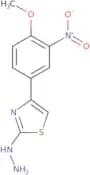


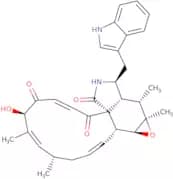
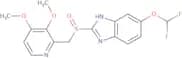
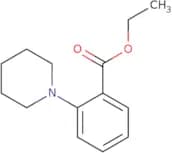

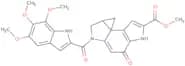
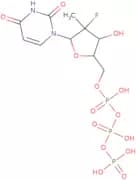


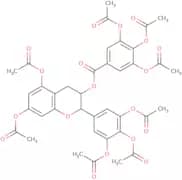

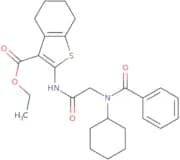
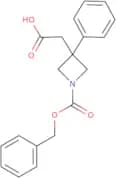
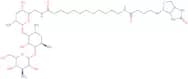
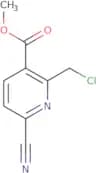


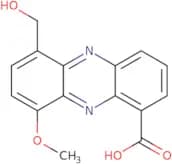
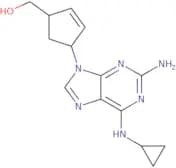


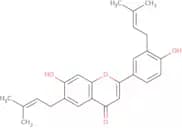

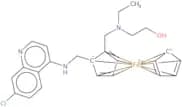

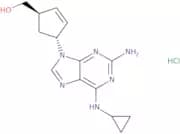
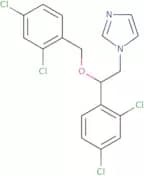

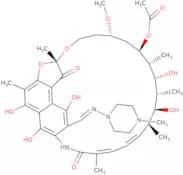

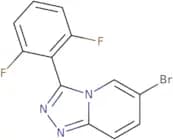
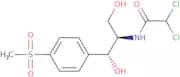
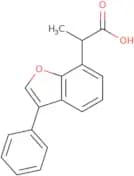
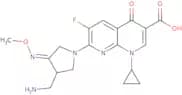
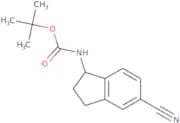

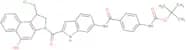
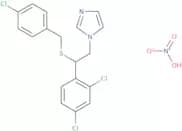

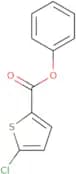
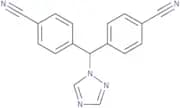

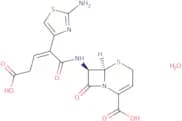
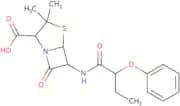



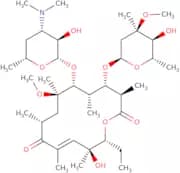

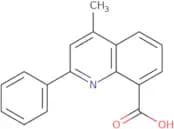

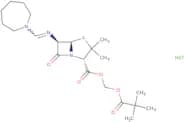
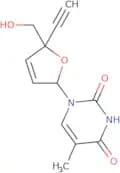
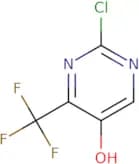

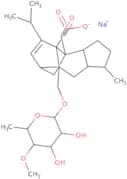
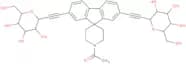
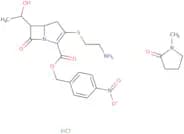
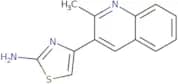
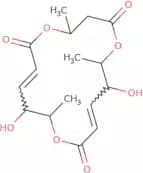


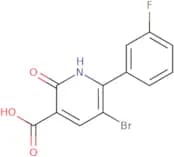



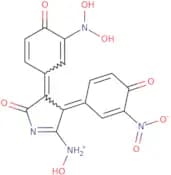
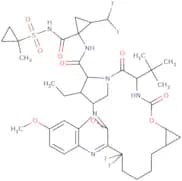
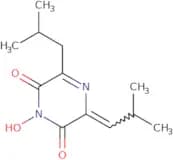
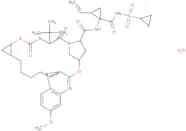
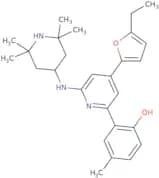


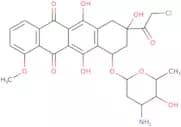
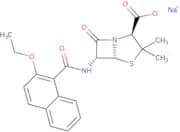
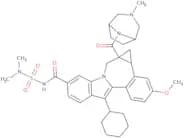

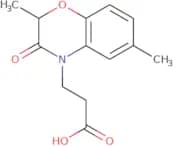

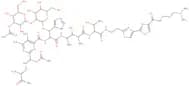
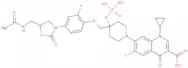
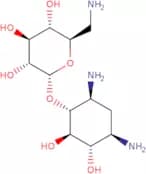
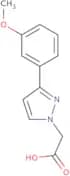
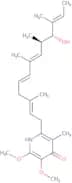
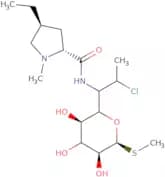
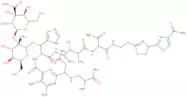

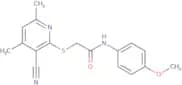


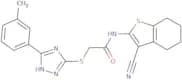


![3-Chloro-10,11-dihydro-5H-dibenzo[B,D]azepine](/_next/image/?url=https%3A%2Fstatic.cymitquimica.com%2Fproducts%2F3D%2Fthumb-webp%2FPBA60790.webp&w=3840&q=75)
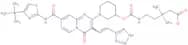

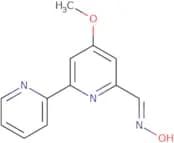
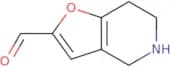
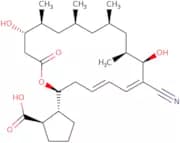

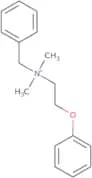
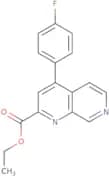
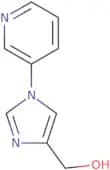
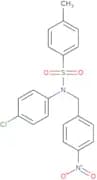
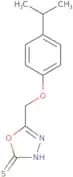
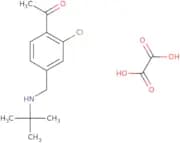
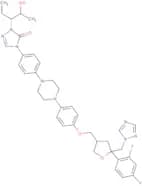
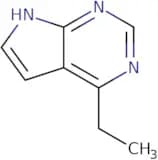
![Phthalic acid, bis[2-(2-ethoxyethoxy)ethyl] ester](/_next/image/?url=https%3A%2Fstatic.cymitquimica.com%2Fproducts%2F3D%2Fthumb-webp%2FAAA11785.webp&w=3840&q=75)
![6-[(1,1-Dimethylethyl)amino]-1,3,5-triazine-2,4(1H,3H)-dione,1,3,5-triazine-2,4(1H,3H)-dione](/_next/image/?url=https%3A%2Fstatic.cymitquimica.com%2Fproducts%2F3D%2Fthumb-webp%2FJMA92318.webp&w=3840&q=75)