Steroids
Subcategories of "Steroids"
Found 2262 products of "Steroids"
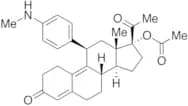
N-Desmethyl Ulipristal Acetate
CAS:Controlled ProductApplications N-Desmethyl Ulipristal Acetate is the N-monodemethylated analogue and metabolite of the selective progesterone receptor modulator Ulipristal Acetate (U700810). N-Desmethyl Ulipristal Acetate contributes significantly to the antiprogestational activity of its parent compound.
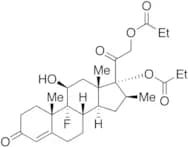
References Attardi, B.J. et al.: J. Steroid Biochem. Mol. Biol., 88, 277 (2004);Formula:C29H35NO4Color and Shape:NeatMolecular weight:461.591,2-Dihydro-Betamethasone 17,21-Dipropionate
CAS:Stability Hygroscopic
Applications A degradation product of Betamethasone (B327000).
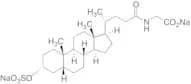
References Andersson, P., et al.: J. Pharm. Pharmacol., 36, 763 (1984), Wurthwein, G., et al.: Biopharm. Drug Dispos., 11, 381 (1990), Samtani, M., et al.: J. Pharm. Sci., 93, 726 (2004), Samtani, M., et al.: Drug Metab. Dispos., 33, 1124 (2005),Formula:C28H39FO7Color and Shape:NeatMolecular weight:506.63-Sulfoglycolithocholic Acid Disodium Salt
CAS:Controlled ProductStability Hygroscopic
Applications 3-Sulfoglycolithocholic Acid Disodium Salt is a derivative of Lithocholic acid (L469180). Lithocholic acid (LCA) is a putative tumor promoter,that is shown to be able to inhibit mammalian DNA polymerase β.
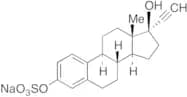
References Ogawa, A., et al.: Jap. J. Canc. Res., 89, 1154 (1998)Formula:C26H41NO7S·2NaColor and Shape:NeatMolecular weight:557.65Ethynyl Estradiol 3-Sulfate Sodium Salt (>85%)
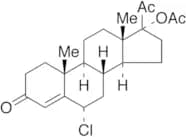
CAS:Formula:C20H23NaO5SPurity:>85%Color and Shape:White To Light OrangeMolecular weight:398.456α-Chloro-17-acetoxy Progesterone
CAS:Applications Progesterone (P755900) impurity.
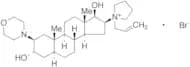
References Liang, T., et al.: Biol. Chem., 256, 7998 (1981), Bratoeff, E., et al.: J. Steroid Biochem. Mol. Biol., 111, 275 (2008),Formula:C23H31ClO4Color and Shape:NeatMolecular weight:406.9417-Desacetyl Rocuronium Bromide
CAS:Impurity Rocuronium EP Impurity C
Applications 17-Desacetyl Rocuronium Bromide (Rocuronium EP Impurity C) is a metabolite of Rocuronium (R639500), in human plasma.
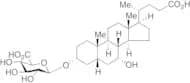
References Kleef, U., et al.: J. Chromatogr., 621, 65 (1993), Proost, J., et al.: Br. J. Anaesth., 85, 717 (2000),Formula:C30H51N2O3·BrColor and Shape:NeatMolecular weight:567.64Chenodeoxycholic acid-3-β-D-glucuronide
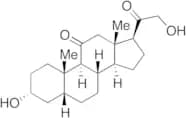
CAS:Controlled ProductFormula:C30H48O10Color and Shape:White To Off-WhiteMolecular weight:568.7Tetrahydrodehydrocorticosterone
CAS:Controlled ProductApplications Tetrahydrodehydrocorticosterone inhibits aldosteronogenesis by intact cells at concentrations that inhibited angiotensin binding.
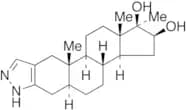
References Campanile, C.P., Goodfriend, T.L.: Steroids, 37, 681(1981)Formula:C21H32O4Color and Shape:NeatMolecular weight:348.4816β-Hydroxy Stanozolol
CAS:Controlled ProductStability Hygroscopic
Applications It is one of the mono-hydroxylated metabolite of Stanozolol (S684500), an internal standard in doping analysis.
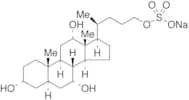
References Chung, B., et al.: J. Anal. Toxicol., 14, 91 (1990), Schanzer, W., et al.: J. Steroid Biochem., 36, 153 (1990), Phillis, B., et al.: Eur. J. Pharmacol., 398, 263 (2000)Formula:C21H32N2O2Color and Shape:White To Off-WhiteMolecular weight:344.49Petromyzonol 24-Sulfate Sodium Salt
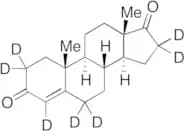
CAS:Controlled ProductFormula:C24H41O7S·NaColor and Shape:NeatMolecular weight:496.63Androst-4-ene-3,17-dione-2,2,4,6,6,16,16-d7
CAS:Controlled ProductApplications Androst-4-ene-3,17-dione-2,2,4,6,6,16,16-d7 is an intermediate in the synthesis of Dehydroepiandrosterone-d5 which is the labeled analogue of Dehydro Epiandrosterone (D229585). Dehydro Epiandrosterone is a major secretory steroidal product of the adrenal gland; secretion progresively declines with aging. May have estrogen-or androgen-like effects depending on the hormonal milieu. Intracellularly converted to androstenedione. It is used in treatment of menopausal syndrome.
References Yahara, M., et al.: J. Toxicol. Sci., 2, 161 (1977), Morales, A.J., et al.: J. Clin. Endocrinol. Metab., 78, 1360 (1994), Ebeling, P., et al.: Lancet, 343, 1479 (1994),Formula:C19D7H19O2Color and Shape:NeatMolecular weight:293.4614,15-Dehydro Fluocinolone Acetonide
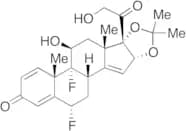
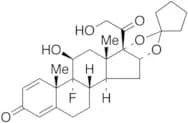
Impurity Fluocinolone Acetonide EP Impurity I
Applications 14,15-Dehydro Fluocinolone Acetonide is an impurity of Fluocinolone Acetonide (F455800); a glucocorticoid and anti-inflammatory agent.
References Sammul, et al.: J. Assoc. Off. Agric. Chem., 47, 952 (1964); Emerson, M.V., et al.: BioDrugs, 21, 245 (2007)Formula:C24H28F2O6Color and Shape:NeatMolecular weight:450.4721-Desacetyl Amcinonide
CAS:Controlled ProductApplications Amcinonide (A576150) analog as glucocorticoid receptor agonists for the treatment of inflammation and allergic conditions.
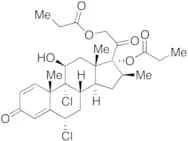
References Woodford, R., et al.: Curr. Ther. Res., 26, 301 (1979),Formula:C26H33FO6Color and Shape:NeatMolecular weight:460.546α-Chlorobeclomethasone Dipropionate
CAS:Controlled ProductImpurity Beclomethasone Dipropionate EP Impurity E
Applications 6α-Chlorobeclomethasone Dipropionate (Beclomethasone Dipropionate EP Impurity E) is an analogue of Beclomethasone Dipropionate (B131030), an antiallergic, antiasthmatic (inhalate). Anti-inflammatory (topical).
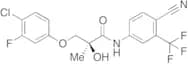
References Laube, B., et al.: J. Allergy Clin. Immunol., 101, 475 (1998); Harrison, L., et al.: Eur. J. Clin. Pharmacol., 58, 191 (2002); Maneechotesuwan, K., et al.: J. Allergy Clin. Immunol., 121, 43 (2008)Formula:C28H36Cl2O7Color and Shape:NeatMolecular weight:555.49S 23
CAS:Applications S 23 is a selective androgen receptor modulator.
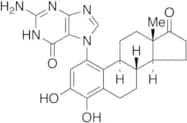
References Thevis, M., et al.: Drug Testing and Analysis, 2, 589 (2010); Jones, A., et al.; Endocr., 150, 385 (2009)Formula:C18H13ClF4N2O3Color and Shape:White To Off-WhiteMolecular weight:416.754-Hydroxy Estrone 1-N7-Guanine
CAS:Controlled ProductStability Hygroscopic
Applications 4-Hydroxy Estrone 1-N7-Guanine is an estrogen metabolite formed with DNA which can lead to the mutations that initiate breast, prostate, and other types of cancer. Estrogen-DNA depurinating adducts as biomarkers of cancer risk and their use in cancer detection and prevention.
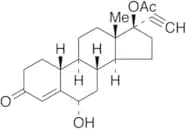
References Chakravarti, D., et al.: Mutat. Res., 456, 17 (2000), Liehr, J., et al.: Endocr. Rev., 21, 4054 (2000), Chakravarti, D., et al.: Oncogene, 20, 7945 (2001), Cavalieri, E., et al.: Chem. Res. Toxicol., 14, 1041 (2002),Formula:C23H25N5O4Color and Shape:NeatMolecular weight:435.486α-Hydroxy Norethindrone Acetate
CAS:Controlled ProductApplications An oxidative product of the drug Norethindrone (N676000). Norethindrone impurity.
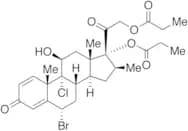
References Reif, V., et al.: Pharmaceutical Res., 4, 54 (1987), Rao, P., et al.: Steroids, 59, 621 (1994),Formula:C22H28O4Color and Shape:Off-WhiteMolecular weight:356.466α-Bromo Beclomethasone Dipropionate
CAS:Controlled ProductImpurity Beclomethasone Dipropionate EP Impurity F
Applications 6α-Bromo Beclomethasone Dipropionate (Beclomethasone Dipropionate EP Impurity F) is an impurity of Beclomethasone Dipropionate (B131030).Formula:C28H36BrClO7Color and Shape:White SolidMolecular weight:599.9421-Chloro-9-fluoro-11beta,17-dihydroxy-16beta-methylpregn-4-ene-3,20-dione 17-Propionate
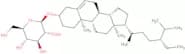
CAS:Formula:C25H34ClFO5β-Sitosterol β-D-glucoside
CAS:β-Sitosterol β-D-glucoside is a phytosterol glycoside, which is primarily derived from plant sources such as fruits, vegetables, nuts, and seeds. As a natural component of plant cell membranes, it exhibits bioactive properties. The compound functions by modulating cholesterol metabolism and has anti-inflammatory, immunomodulatory, and antioxidant effects. It achieves this by interfering with the absorption of cholesterol in the intestines and modulating the activity of enzymes involved in its metabolism.
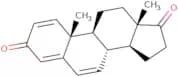
Formula:C35H60O6Purity:Min. 98 Area-%Color and Shape:White PowderMolecular weight:576.85 g/molAndrosta-1,4,6-triene-3,17-dione
CAS:Controlled ProductAndrosta-1,4,6-triene-3,17-dione is a steroidal aromatase inhibitor, which is a synthetic compound derived from modifications of naturally occurring steroid structures. Its mode of action involves the inhibition of the aromatase enzyme. Aromatase catalyzes the conversion of androgens into estrogens, a critical step in the biosynthesis of estrogens. By inhibiting this enzyme, Androsta-1,4,6-triene-3,17-dione effectively reduces estrogen levels, which can be of particular interest in research environments exploring the role of estrogens in various biological processes.
Formula:C19H22O2Purity:Min. 95%Color and Shape:Yellow PowderMolecular weight:282.38 g/molGracillin
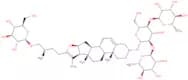
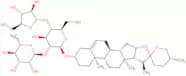
CAS:Gracillin is a steroidal saponin, which is a bioactive compound derived from the plant genus Dioscorea. This natural product is characterized by its complex glycoside structure, where a sugar moiety is attached to a steroid-like aglycone. The mode of action of Gracillin involves its interaction with cellular membranes, leading to increased cell membrane permeability. This action is thought to disrupt normal cellular functions, making it a compound of interest for studying membrane dynamics.Formula:C45H72O17Purity:Min. 95%Color and Shape:White PowderMolecular weight:885.04 g/molDihydroformononetin
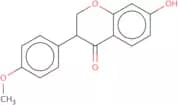
CAS:Dihydroformononetin is an isoflavonoid phytoestrogen, which is a type of naturally occurring compound found primarily in leguminous plants. It is derived from plant sources such as red clover and soybeans, known for their rich isoflavone content. This compound undergoes metabolic conversion in plants and potentially in the human body, exerting effects through interactions with estrogen receptors.Formula:C16H14O4Purity:Min. 95%Color and Shape:White PowderMolecular weight:270.28 g/molBetamethasone enol aldehyde Z isomer
CAS:Controlled ProductBetamethasone enol aldehyde Z isomer is a synthetic corticosteroid, which is derived from modifications of the naturally occurring glucocorticoid, cortisol. Its structure has been altered to enhance anti-inflammatory and immunosuppressive potency. As a Z isomer, it exhibits specific stereochemistry, potentially affecting its pharmacokinetics and interactions at the molecular level.Formula:C22H27FO4Purity:Min. 95 Area-%Color and Shape:PowderMolecular weight:374.45 g/molFormononetin
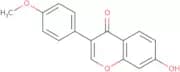
CAS:Formononetin is a naturally occurring isoflavone, which is a type of phytoestrogen found predominantly in legumes like red clover and other related plant species. It is a secondary metabolite that influences various biological processes by interacting with estrogen receptors. Formononetin acts primarily by mimicking or modulating the activity of natural estrogens within the body, binding to estrogen receptors and influencing gene expression and cellular responses.
Formula:C16H12O4Purity:Min. 95%Color and Shape:PowderMolecular weight:268.26 g/molCortisone acetate
CAS:Controlled ProductCortisone acetate is a synthetic corticosteroid, which is a derivative of cortisone, a naturally occurring hormone produced by the adrenal cortex. As a pharmaceutical compound, cortisone acetate acts primarily as an anti-inflammatory and immunosuppressive agent. Its mode of action involves the conversion into cortisol, a glucocorticoid, which then interacts with glucocorticoid receptors to modulate the transcription of responsive genes. This process reduces the production of pro-inflammatory cytokines and inhibits the function of immune cells, thereby producing an anti-inflammatory effect.Formula:C23H30O6Purity:95%MinColor and Shape:PowderMolecular weight:402.48 g/molWithaferin A
CAS:Withaferin A is a bioactive compound, which is a steroidal lactone with antiproliferative properties. It is derived from the medicinal plant *Withania somnifera*, commonly known as Ashwagandha. Withaferin A exerts its effects by modulating various signaling pathways, including the inhibition of NF-kB and induction of oxidative stress, which lead to apoptotic cell death in cancer cells and reduced inflammation.
Formula:C28H38O6Purity:Min. 98 Area-%Color and Shape:White PowderMolecular weight:470.6 g/molCoumestrol
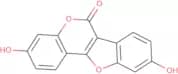
CAS:Coumestrol is a phytoestrogen compound, which is a naturally occurring compound found in a variety of plants, such as soybeans, clover, and alfalfa. It is derived from the metabolic processes within these plants. Coumestrol exhibits estrogenic activity, acting as an agonist for estrogen receptors. This biological activity enables coumestrol to mimic the action of endogenous estrogens, thereby influencing estrogen-responsive pathways.Formula:C15H8O5Purity:Min. 95%Color and Shape:PowderMolecular weight:268.22 g/mol2'-Hydroxyformononetin
CAS:2'-Hydroxyformononetin is a naturally occurring isoflavone, which is predominantly found in certain plants such as red clover and soy. It is a type of phytoestrogen, which exhibits estrogen-like activity due to its ability to bind estrogen receptors. The mode of action involves modulating estrogen receptor pathways, which in turn can affect various physiological processes related to hormone balance and cell proliferation.Formula:C16H12O5Purity:Min. 95%Color and Shape:PowderMolecular weight:284.26 g/molZuclomiphene
CAS:Controlled ProductZuclomiphene is a selective estrogen receptor modulator (SERM), which is derived from clomiphene citrate, a mixture containing two isomers, zuclomiphene and enclomiphene. Zuclomiphene acts by binding to estrogen receptors, exhibiting both estrogenic and anti-estrogenic effects depending on the target tissue. This dual action makes it a valuable tool in modulating estrogen receptor activity for scientific research.
Formula:C26H28ClNOPurity:Min. 95%Molecular weight:405.96 g/molSaponin - from quillaja plant - 25%-30% sapogenin content
CAS:Saponin from the quillaja plant is a natural extract characterized by a significant sapogenin content of 25%-30%. This product is derived from the bark of the Quillaja saponaria tree, a native species of Chile. The primary mode of action of these saponins involves the interaction with cell membranes due to their surfactant properties, which can lead to membrane permeabilization and subsequent cellular responses.Purity:Min. 95%Color and Shape:PowderUzarigenin
CAS:Uzarigenin is a steroidal sapogenin, which is a naturally derived chemical compound typically extracted from plants belonging to the Apocynaceae family. It is primarily sourced from species like *Cynanchum* and *Xysmalobium*, where it exists as part of glycosidic complexes. The mode of action of uzarigenin involves its interaction with cellular steroid pathways, providing insights into various biological processes involving steroidal regulation and interaction. Such properties make it valuable in the study of steroid biosynthesis and the pharmacodynamics of cardiotonic steroids.Formula:C23H34O4Purity:Min. 97 Area-%Color and Shape:PowderMolecular weight:374.52 g/molBrassicasterol
CAS:Controlled ProductBrassicasterol is a phytosterol, which is synthesized by various plant sources, particularly found in the seeds of plants such as rapeseed, mustard, and some algae. As a sterol, it is structurally similar to cholesterol but differs by having a methyl group at C24. This characteristic structure plays a vital role in its mode of action, modulating membrane fluidity and cell signaling pathways in organisms. In mammalian systems, brassicasterol may contribute to the reduction of cholesterol absorption by competing for incorporation into micelles, thus influencing metabolic pathways related to lipid processing and absorption.
Formula:C28H46OPurity:Min. 95 Area-%Color and Shape:Off-White PowderMolecular weight:398.66 g/mol9,10-Secocholesta-5,7,10(19)-trien-3beta-ol
CAS:9,10-Secocholesta-5,7,10(19)-trien-3beta-ol is a secosteroid compound, which is predominantly derived from the photochemical conversion of 7-dehydrocholesterol in the skin upon exposure to ultraviolet B radiation. This compound undergoes a series of hepatic and renal hydroxylations to form active vitamin D metabolites, such as calcitriol. These active forms modulate calcium and phosphate homeostasis through a nuclear receptor-mediated mechanism that governs gene expression relevant to mineral metabolism.
Formula:C27H44OPurity:Min. 97 Area-%Color and Shape:White Yellow PowderMolecular weight:384.64 g/molTeasterone
CAS:Controlled ProductPlease enquire for more information about Teasterone including the price, delivery time and more detailed product information at the technical inquiry form on this pageFormula:C28H48O4Purity:Min. 95%Molecular weight:448.35526Bakuchiol
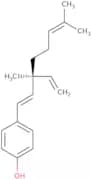
CAS:Phytoestrogen with anti-cancer properties
Formula:C18H24OPurity:Min. 95%Color and Shape:Clear LiquidMolecular weight:256.38 g/molSegesterone
CAS:Controlled ProductSegesterone is a synthetic progestin, which is a chemically engineered hormone analogue. It is synthesized from steroid precursors, specifically designed to mimic the naturally occurring hormone progesterone. Segesterone acts primarily through binding to progesterone receptors, exerting its effects by modulating gene expression related to reproductive processes. This mechanism inhibits ovulation, alters cervical mucus to prevent sperm penetration, and modifies the endometrial lining to reduce the likelihood of implantation.Formula:C21H28O3Purity:Min. 95%Molecular weight:328.4 g/mol7-Dehydrostigmasterol
CAS:Controlled Product7-Dehydrostigmasterol is a phytosterol, which is a type of steroid alcohol derived from plant sources, particularly within the metabolic pathway of various sterols. This compound acts as an intermediate in the biosynthesis of other phytosterols, functioning within key enzymatic conversion processes that are part of the larger sterol metabolic network.Purity:Min. 95%Cholesterol 3-sulfate sodium
CAS:Cholesterol 3-sulfate sodium salt is a fine chemical that is used as a versatile building block and reagent. It is a useful intermediate that can be used in the synthesis of complex compounds, speciality chemicals, and reaction components. Cholesterol 3-sulfate sodium salt can be used to synthesize cholesterol derivatives. This compound has been shown to have high reactivity with nucleophiles and can be used as a building block for other organic compounds. The CAS number for Cholesterol 3-sulfate sodium salt is 2864-50-8.Formula:C27H45NaO4SPurity:Min. 95%Color and Shape:White PowderMolecular weight:488.7 g/molPseudoprotodioscin
CAS:Pseudoprotodioscin is a bioactive saponin compound, which is primarily derived from various plant sources, including members of the genus Tribulus. The compound is part of a larger family of steroidal saponins known for their diverse biological activities. Its mode of action includes influencing cellular pathways through modulation of enzyme activity and interaction with steroid hormone receptors, contributing to its bioactivity.Formula:C51H82O21Purity:Min. 95%Color and Shape:White PowderMolecular weight:1,031.18 g/molMestranol
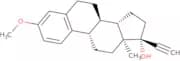
CAS:Mestranol is a synthetic estrogen, which is derived from chemical synthesis. Its mode of action involves being a prodrug of ethinylestradiol, meaning it is metabolized in the liver to its active form, which then binds to estrogen receptors in target tissues. This binding alters the expression of genes, influencing the reproductive system to prevent ovulation. By inhibiting the release of gonadotropins (LH and FSH) from the pituitary, it effectively halts the maturation of ovarian follicles.Formula:C21H26O2Purity:Min. 95%Color and Shape:White PowderMolecular weight:310.43 g/molHydrocortisone acetate
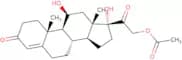
CAS:Controlled ProductHydrocortisone acetate is a synthetic corticosteroid, which is a product derived from the modification of natural adrenal cortex hormones. It functions as an anti-inflammatory and immunosuppressive agent through its interaction with glucocorticoid receptors, leading to the modulation of gene expression involved in immune and inflammatory responses. This interaction inhibits the release of pro-inflammatory mediators and reduces the permeability of capillaries, thereby diminishing inflammation and immune activity.Formula:C23H32O6Purity:Min. 97 Area-%Color and Shape:PowderMolecular weight:404.5 g/molLanosterol (Isocholesterol) - Lanosterol 60%
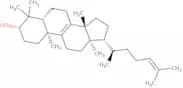
CAS:Controlled ProductComposed of Lanosterol (~65%), dihydrolanosterol, agnosterol,dihydroagnosterol.Extracted from wool.Formula:C30H50OPurity:Min. 60 Area-%Color and Shape:White Off-White PowderMolecular weight:426.72 g/molPolyphyllin D
CAS:Polyphyllin D is a natural compound, which is a steroidal saponin extracted from the rhizome of Paris polyphylla, a traditional Chinese medicinal plant. It exhibits significant biological activities and has garnered interest for its potential therapeutic applications. Polyphyllin D exerts its effects primarily through the disruption of cellular processes, including the induction of apoptosis, modulation of the cell cycle, and inhibition of angiogenesis. It achieves these actions by influencing multiple molecular pathways, such as the mitochondrial apoptotic pathway and autophagy regulation.Formula:C44H70O16Purity:Min. 95%Color and Shape:PowderMolecular weight:855.02 g/molStigmasterol
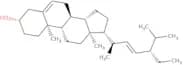
CAS:Controlled ProductPhytosterol with anti-osteoarthritic activity; inhibits cholesterol biosynthesis
Formula:C29H48OPurity:Min. 95 Area-%Color and Shape:White PowderMolecular weight:412.69 g/molLanosta-8-en-3-one
CAS:Controlled ProductReduced form of lanosteroneFormula:C30H50OPurity:Min. 95%Color and Shape:PowderMolecular weight:426.72 g/molErizimoside
CAS:Please enquire for more information about Erizimoside including the price, delivery time and more detailed product information at the technical inquiry form on this pageFormula:C35H52O14Purity:Min. 95%Color and Shape:PowderMolecular weight:696.78 g/molDioscin
CAS:Dioscin is a steroidal saponin, which is a naturally occurring compound found in various plants, notably in species such as Dioscorea nipponica and Dioscorea zingiberensis. These plants belong to the yam family, which are well-regarded for their medicinal properties. The mode of action of dioscin involves modulation of various biochemical pathways, including the suppression of inflammatory cytokines and inhibition of cancer cell proliferation. Additionally, dioscin has been shown to promote apoptosis in cancer cells through the activation of caspases and disruption of mitochondrial function.
Formula:C45H72O16Purity:Min. 95%Color and Shape:PowderMolecular weight:869.05 g/molPrednisolone
CAS:Controlled ProductPrednisolone is a synthetic corticosteroid, which is a derivative of the natural hormone cortisol. It is derived from the modification of the corticosteroid structure to enhance its anti-inflammatory and immunosuppressive properties. The mode of action of prednisolone involves binding to glucocorticoid receptors, leading to the modulation of gene expression. This results in the suppression of pro-inflammatory cytokines and the inhibition of various immune responses.
Formula:C21H28O5Purity:Min. 95%Color and Shape:PowderMolecular weight:360.44 g/molBeclomethasone dipropionate
CAS:Controlled ProductBeclomethasone dipropionate is a synthetic corticosteroid, which is derived from beclomethasone, a glucocorticoid steroid. Its mode of action involves binding to specific intracellular glucocorticoid receptors. This binding modulates the transcription of glucocorticoid-responsive genes, leading to the synthesis of anti-inflammatory proteins and the inhibition of pro-inflammatory cytokine production. This reduces airway inflammation, edema, and mucus production, and enhances the responsiveness of beta-adrenergic receptors in the bronchial smooth muscle, facilitating bronchodilation.Formula:C28H37ClO7Purity:Min. 95%Color and Shape:PowderMolecular weight:521.04 g/molPolyphyllin B (Formosanin C)
CAS:Polyphyllin B (Formosanin C) is a natural saponin compound, which is derived from the rhizomes of plants in the genus Paris, particularly Paris polyphylla. Known for its biological activity, Polyphyllin B functions primarily by disrupting cellular membranes and inducing apoptosis in cancer cells through various signaling pathways, including the mitochondrial pathway. This mechanism is attributed to its ability to interfere with cancer cell proliferation and promote cell death, making it a compound of interest in oncological research.
Formula:C51H82O20Purity:Min. 95%Color and Shape:PowderMolecular weight:1,015.19 g/molCholesterol
CAS:Controlled ProductCholesterol is a complex lipid molecule, which is an essential component of cell membranes in animals. It is primarily synthesized in the liver, though it can also be obtained from dietary sources such as meat, dairy, and eggs. Cholesterol's mode of action involves its incorporation into the phospholipid bilayer of cell membranes, where it modulates fluidity and structural integrity, impacting membrane protein function and cellular signaling pathways.Formula:C27H46OPurity:Min. 95 Area-%Color and Shape:White Clear LiquidMolecular weight:386.65 g/molent-Fisetinidol-(4α->8)-catechin-(6->4α)-ent-fisetinidol
CAS:Ent-Fisetinidol-(4alpha->8)-catechin-(6->4alpha)-ent-fisetinidol is a complex flavan-3-ol oligomer, which is a type of polyphenolic compound commonly found in various plant species. This compound is derived primarily from plants such as those in the genus *Acacia* and other similar species rich in condensed tannins. The mode of action of this oligomer involves its ability to engage in antioxidant activities, which include scavenging free radicals and chelating metal ions that facilitate oxidative stress in biological systems.Formula:C45H38O16Purity:Min. 95%Color and Shape:PowderMolecular weight:834.77 g/molCoumestrol-9-methyl ether
CAS:Coumestrol-9-methyl ether is a synthetic estrogen analogue, which is derived from coumestrol, a naturally occurring phytoestrogen found in various plant sources such as soybeans and clover. This compound is synthesized through chemical modification to enhance its stability and bioactivity, differing from its naturally occurring counterpart by the addition of a methyl group.Formula:C16H10O5Purity:Min. 95%Molecular weight:282.25 g/molPregnenolone acetate
CAS:Controlled ProductPregnenolone acetate is a synthetic compound classified as a steroidal hormone precursor. It is derived from pregnenolone, which is a naturally occurring steroid hormone in the body. Pregnenolone is primarily synthesized from cholesterol, a fundamental component upon which steroidogenesis is based. The acetate form is an ester derivative, which can enhance stability and bioavailability.
Formula:C23H34O3Purity:Min. 98 Area-%Color and Shape:White PowderMolecular weight:358.51 g/molb-Estradiol
CAS:Controlled ProductEstradiol is a synthetic or naturally occurring form of estrogen, predominantly sourced from ovarian secretions in females. It performs its mode of action by binding to estrogen receptors, ERα and ERβ, subsequently regulating gene expression and modulating various biological processes including reproductive system development, bone density maintenance, and cardiovascular function.Formula:C18H24O2Purity:Min. 97 Area-%Color and Shape:PowderMolecular weight:272.38 g/molProtodioscin
CAS:Protodioscin is a steroidal saponin, which is a naturally occurring glycoside. It is predominantly sourced from the plant Tribulus terrestris but can also be found in other medicinal plants such as Dioscorea species. The mode of action of protodioscin involves its ability to influence the levels of dehydroepiandrosterone (DHEA) and other hormones, potentially affecting physiological functions related to vitality and performance.Formula:C51H84O22Purity:Min. 95%Color and Shape:PowderMolecular weight:1,049.22 g/molBetamethasone
CAS:Controlled ProductBetamethasone is a synthetic corticosteroid, which is an analogue of a glucocorticoid sourced from adrenal cortex hormones. Its mode of action involves modulating the immune response by inhibiting the release of substances in the body that cause inflammation. This is achieved through its binding affinity to glucocorticoid receptors, leading to transcriptional changes that suppress pro-inflammatory cytokine production and other mediators of inflammation.
Formula:C22H29FO5Purity:Min. 97 Area-%Color and Shape:White PowderMolecular weight:392.46 g/mol