Terpenoids
Subcategories of "Terpenoids"
- Diterpenes (C₂₀)(671 products)
- Hemiterpenes (C₅)(21 products)
- Monoterpenes (C₁₀)(709 products)
- Sesquiterpenes (C₂₅)(452 products)
- Tetraterpenes (C₄₀)(63 products)
- Triterpenes (C₃₀)(1,128 products)
Found 1423 products of "Terpenoids"
β-Aescin
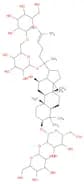
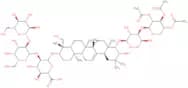
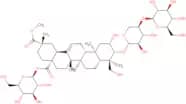
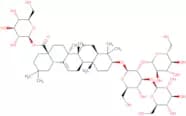
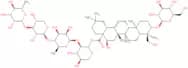
CAS:β-Aescin is a saponin glycoside, which is derived from the seeds of the horse chestnut tree (Aesculus hippocastanum). It acts primarily through anti-inflammatory mechanisms and improves vascular permeability. By inhibiting enzymes such as hyaluronidase and elastase, β-Aescin reduces the breakdown of glycosaminoglycans and supports capillary integrity. This results in decreased edema and improved venous tone, making it beneficial in reducing symptoms associated with chronic venous insufficiency.Formula:C55H86O24Purity:Min. 95%Color and Shape:White To Off-White SolidMolecular weight:1,131.26 g/molEsculentoside H
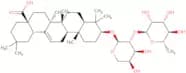
CAS:Esculentoside H is a naturally occurring triterpenoid saponin, which is derived from the plant Phytolacca esculenta, commonly known as the pokeweed. This compound has garnered significant interest due to its unique mode of action as an anti-inflammatory and immunomodulatory agent. By modulating cellular signaling pathways, Esculentoside H can inhibit the expression of pro-inflammatory cytokines and suppress the activation of NF-kB, a key transcription factor involved in inflammatory responses.
Formula:C48H76O21Purity:Min. 95%Molecular weight:989.1 g/molbeta-Hederin
CAS:Beta-Hederin is a saponin, which is a type of soap-like compound, derived from the leaves of the ivy plant, Hedera helix. Saponins are glycosides characterized by their ability to form stable, soap-like foams in aqueous solutions. This particular compound is notable for its amphiphilic nature, allowing it to interact with biological membranes.Purity:Min. 97 Area-%Rotundone - 30%
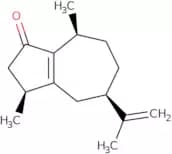
CAS:Peppery aroma constituent of essential oil of Cyperus rotundus (nutgrass)Formula:C15H22OPurity:Min. 95%Molecular weight:218.33 g/molProsaikogenin G
CAS:Prosaikogenin G is a saponin derivative, which is a bioactive compound commonly found in medicinal plants, traditionally used in Eastern medicine. Saponins are naturally occurring glycosides, and they have a wide range of biological activities due to their amphiphilic nature. Prosaikogenin G is specifically sourced from Bupleurum species, a well-known genus in herbal medicine. These compounds have been extensively studied for their anti-inflammatory and immunomodulatory effects.
Formula:C36H58O8Purity:Min. 95%Molecular weight:618.84 g/molGlycyrrhetic acid 3-O-b-D-glucuronide
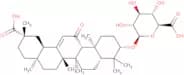
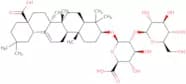
CAS:Glycyrrhetic acid 3-O-b-D-glucuronide is a bioactive compound derived from the root of the licorice plant (Glycyrrhiza glabra). Licorice has been used for centuries in traditional medicine, and this compound is one of its active components. The compound functions by modulating inflammatory pathways, primarily through inhibiting enzymes like cyclooxygenase and phospholipase A2, which play key roles in the inflammatory response. In addition, it exhibits effects on glucocorticoid metabolism, enhancing the activity of endogenous glucocorticoids and subsequently leading to anti-inflammatory and immune-modulating effects.Formula:C36H54O10Purity:Min. 95%Molecular weight:646.81 g/molHomoarbutin
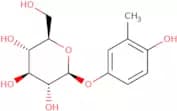
CAS:Homoarbutin is a skin-brightening agent, which is sourced from certain plant species known for their medicinal properties. It operates through the inhibition of tyrosinase, an enzyme critical in the biosynthetic pathway of melanin production. By effectively reducing melanin synthesis, Homoarbutin helps mitigate hyperpigmentation and provides a more even skin tone.Purity:Min. 95%CongmunosideV
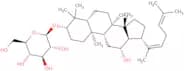
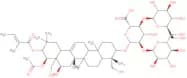
CAS:Congmunoside V is a triterpenoid saponin, which is a bioactive compound isolated from the plant Gynostemma pentaphyllum, also known as Jiaogulan. This plant is traditionally recognized in herbal medicine and is a member of the Cucurbitaceae family, primarily found in East Asia. Triterpenoid saponins are a class of chemical compounds composed of a sapogenin (triterpene) attached to sugar moieties, which confer a variety of biological activities.
Purity:Min. 95%llludin S
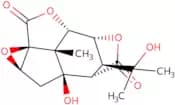
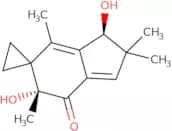
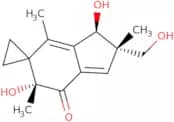
CAS:Illudin S is a sesquiterpene toxin, which is a naturally occurring compound isolated from several species of fungi belonging to the genus Omphalotus, such as Omphalotus olearius, commonly known as the Jack-o'-lantern mushroom. Its mode of action involves alkylating DNA, which leads to DNA cross-linking and subsequent inhibition of DNA synthesis. This mechanism renders it highly cytotoxic, as it can induce cell death by disrupting normal cellular replication processes.
Formula:C15H20O4Purity:Min. 95%Molecular weight:264.13616Juvenile hormone I
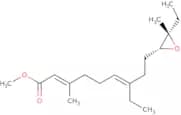
CAS:Juvenile hormone I is a sesquiterpenoid hormone, which is an endogenous regulatory compound found in insects. Its source is primarily the corpora allata, a pair of endocrine glands associated with the insect brain. Juvenile hormone I functions by modulating the expression of specific genes involved in development, metamorphosis, and reproduction, acting through a receptor-mediated mechanism that influences the transcriptional activity of target genes.Formula:C18H30O3Purity:Min. 95%Color and Shape:Clear LiquidMolecular weight:294.43 g/molKansuiphorin C
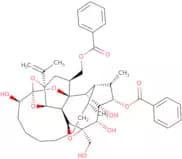
CAS:Kansuiphorin C is a diterpenoid ester that is a naturally occurring compound isolated from the root tubers of Euphorbia kansui. This compound belongs to a class of chemical compounds known for their potential therapeutic properties. Kansuiphorin C functions primarily through a mechanism that involves the induction of cytotoxicity in cancerous cells, provoking cell death through pathways that promote apoptosis.Purity:Min. 95%Carvacrol
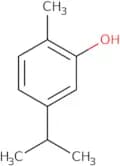
CAS:Carvacrol is a monoterpenoid phenol, which is primarily derived from essential oils of various aromatic plants, notably oregano (Origanum vulgare) and thyme (Thymus vulgaris). It exhibits potent antimicrobial activity by disrupting microbial cell membranes, leading to leakage of cellular contents and ultimately, cell death. Carvacrol's mechanism also includes inhibition of biofilm formation and interference with quorum sensing pathways in bacteria, enhancing its therapeutic potential.Formula:C10H14OPurity:Min. 95%Color and Shape:Colorless Clear LiquidMolecular weight:150.22 g/molalpha-Selinine
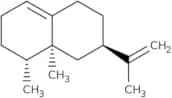
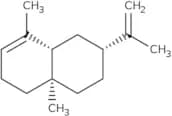
CAS:alpha-Selinine is a sesquiterpene compound, which is a naturally occurring organic molecule. It is extracted primarily from the essential oils of certain plant species, such as those within the Apiaceae family, including celery and parsley. The compound’s mode of action involves interactions at the molecular level with cellular targets, which can influence a range of biological pathways. Studies suggest that alpha-Selinine may exhibit various bioactivities, including antimicrobial, anti-inflammatory, and antioxidant effects, by modulating enzyme activity and cell signaling pathways.Formula:C15H24Purity:85%MinMolecular weight:204.35 g/mol8(17)14-Labdadiene-13-ol-6-acetyl - Larix decidua (European larch)
CAS:8(17)14-Labdadiene-13-ol-6-acetyl is a sesquiterpenoid compound, which is a type of naturally occurring terpenoid. It is derived from the resin of the Larix decidua, commonly known as the European larch. This compound is formed through the complex biosynthetic pathways in the larch tree, specifically involving the cyclization of geranylgeranyl diphosphate (GGPP) and subsequent modifications to yield its unique structure.Formula:C22H36O3Purity:Min. 95%Molecular weight:348.52 g/molCycloartenol acetate
CAS:Cycloartenol acetate is a natural triterpenoid, which is primarily derived from plant sources. It serves as a key intermediate in the biosynthesis of sterols, crucial components of plant cell membranes. The compound is synthesized in the plant's cellular systems through the cyclization process from 2,3-oxidosqualene, utilizing cycloartenol synthase enzymes. This enzymatic modification marks the diverging point between plant sterol and steroid biosynthesis pathways, distinguishing it from similar pathways in animals and fungi.
Formula:C32H52O2Purity:Min. 95%Molecular weight:468.75 g/molPhyllanthostatin 2 - Phyllanthus acuminatus
CAS:Phyllanthostatin 2 is a bioactive compound, classified as a lignan, which is isolated from the plant Phyllanthus acuminatus. This compound is part of a broader group of naturally occurring phytochemicals known for exhibiting various biological activities. The primary source of Phyllanthostatin 2, Phyllanthus acuminatus, is a plant found in tropical regions and is traditionally used in herbal medicine.Formula:C40H52O18Purity:Min. 95%Molecular weight:820.83 g/mol(+)-Nootkatone
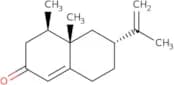
CAS:Flavour and scent of grapefruit
Formula:C15H22OPurity:Min. 95%Molecular weight:218.33 g/molTagitinin A
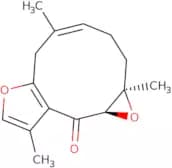
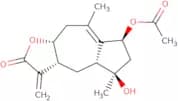
CAS:Tagitinin A is a naturally occurring sesquiterpene lactone, which is derived from the plant *Tithonia diversifolia*. This compound is known for its potential therapeutic properties, particularly in the field of oncology. As a sesquiterpene lactone, Tagitinin A is part of a larger class of secondary metabolites found in various plant species, which often exhibit diverse biological activities.Purity:Min. 95%Zingibroside R1
CAS:Triterpenoid saponin with anti-tumour and antiangiogenic activityFormula:C42H66O14Purity:Min. 95%Molecular weight:794.97 g/molNeotriptophenolide
CAS:Neotriptophenolide is a synthetic compound that belongs to the class of bioactive alkaloids. It is derived from a rational synthesis process, leveraging advanced organic chemistry techniques to replicate and improve upon naturally occurring compounds. The mode of action of Neotriptophenolide involves specific interactions with cellular receptors and enzymes, influencing various biochemical pathways essential for cellular regulation and signaling.Purity:Min. 95%Prosaikogenin F
CAS:Prosaikogenin F is a saponin derivative, which is a bioactive compound typically derived from ginseng or related plants within the Araliaceae family. These sources are renowned for their complex saponins, known as ginsenosides, which play significant roles in traditional medicine and modern pharmacology.Formula:C36H58O8Purity:Min. 95%Molecular weight:618.84 g/molNotoginsenoside Fe
CAS:Notoginsenoside Fe is a bioactive saponin, which is a natural compound sourced from the roots of the Panax notoginseng plant, commonly used in traditional Chinese medicine. This compound is part of the ginsenoside family and is known for its diverse pharmacological properties. As a saponin, Notoginsenoside Fe operates by modulating various biological pathways, including anti-inflammatory and antioxidant effects, which contribute to its therapeutic potential.Formula:C47H80O17Purity:Min. 95%Color and Shape:SolidMolecular weight:917.13 g/molEscin Ib
CAS:Escin Ib is a natural saponin glycoside, which is derived from the seeds of Aesculus hippocastanum, commonly known as horse chestnut. Its mode of action involves inhibiting the enzyme hyaluronidase, thereby reducing capillary permeability and effectively controlling edema and inflammation. Additionally, it acts by stabilizing lysosomal membranes, further contributing to its anti-inflammatory effects.
Purity:Min. 95%Pinifolic acid - Pinus sylvestris (Scots pine)
CAS:Pinifolic acid is a bioactive compound, which is derived from Pinus sylvestris (Scots pine), a species of pine native to Eurasia. This compound is extracted from the needles and bark of the tree, recognized for its rich content of polyphenolic compounds. The mode of action of pinifolic acid involves potent antioxidant activity, which is facilitated by its ability to scavenge free radicals and thereby reduce oxidative stress at the cellular level. The bioactive components are believed to interact with various biochemical pathways, potentially exerting anti-inflammatory and protective effects on various tissues.
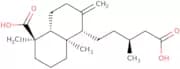
Formula:C20H32O4Purity:Min. 95%Molecular weight:336.47 g/mol8(17)13-Labdadiene-15,18-diol - Xcupressocyparis leylandii (cypress)
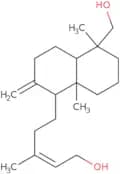
CAS:8(17)13-Labdadiene-15,18-diol is a diterpenoid compound, which is derived from the hybrid plant Xcupressocyparis leylandii, commonly known as Leyland cypress. This compound belongs to the labdane-type diterpenes, which are known for their diverse biological activities. The source, Xcupressocyparis leylandii, is a fast-growing evergreen tree often used in horticulture.Formula:C20H34O2Purity:Min. 95%Molecular weight:306.48 g/molHelenalin
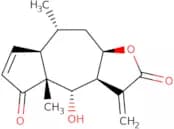
CAS:Helenalin is a sesquiterpene lactone, which is a secondary metabolite derived from plants, specifically from the Arnica species. This compound is characterized by its molecular framework containing a cyclodecadiene ring along with an α-methylene-γ-lactone ring, conferring its biological activities. Helenalin exerts its effects primarily by inhibiting key transcription factors such as NF-κB and other molecules involved in critical signaling pathways. This mode of action results from its ability to form adducts with thiol groups of cysteine residues on these proteins, thus altering their activity and inhibiting inflammatory responses.Purity:Min. 95%Platycodin D2
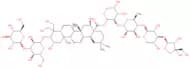
CAS:Platycodin D2 is a bioactive saponin, which is a phytochemical compound found predominantly in the roots of Platycodon grandiflorus, a species commonly known as the Chinese bellflower. This compound is known for its surfactant properties due to its ability to form stable foams when dissolved in aqueous solutions. The mode of action of Platycodin D2 involves interaction with cell membranes, where it can disrupt lipid bilayers, leading to increased cell permeability. This property is crucial for its potential therapeutic effects, as it can facilitate the delivery of other pharmacologically active compounds across cellular barriers.Formula:C63H102O33Purity:Min. 95%Molecular weight:1,387.46 g/molSclareolide
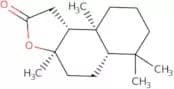
CAS:Controlled ProductSclareolide is a bicyclic diterpene lactone, which is primarily derived from the plant species *Salvia sclarea*, commonly known as clary sage. This compound acts as a precursor in the biosynthesis of sclareol, undergoing chemical transformations to yield its final structure. The mode of action of sclareolide is primarily linked to its ability to interact with olfactory receptors, enhancing or modifying fragrance profiles.Formula:C16H26O2Purity:Min. 95%Color and Shape:SolidMolecular weight:250.38 g/molCimigenol
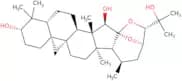
CAS:Cimigenol is an acetate extract from the plant Cimicifuga foetida. This extract has been shown to have antiproliferative and anticomplement activities, as well as a pharmacokinetic profile that is similar to epinephrine. It has been shown to induce autophagy in prostate cancer cells and inhibit the growth of fetal bovine retinal pigment epithelium cells. The mechanism of action of cimigenol is not yet known, but it may involve hydroxyl group reactions with proteins or epidermal growth factor (EGF) receptors on cell surfaces. Cimigenol also has anticancer properties that are mediated by its ability to reduce mitochondrial membrane potential (MMP).
CIMIGENOL- A potent acetate extract from the plant Cimicifuga foetida, which has been shown to have antiproliferative and anticomplement activities, as well as a pharmacokinetic profile that is similar toFormula:C30H48O5Purity:Min. 95%Color and Shape:PowderMolecular weight:488.7 g/molChrysanthellin B
CAS:Chrysanthellin B is a bioactive compound, which is a secondary metabolite isolated from the plant Chrysanthemum indicum, known for its potential therapeutic properties. This product originates from the Asteraceae family, which is a rich source of pharmacologically active substances. The mode of action of Chrysanthellin B involves modulation of lipid metabolism and antioxidant activity, which can contribute to hepatoprotective effects. Specifically, it interacts with biochemical pathways to inhibit lipid peroxidation and promote hepatic health. Chrysanthellin B is primarily studied for its use in reducing lipid levels and protecting liver function. It has shown promise in the context of experimental models of hyperlipidemia and hepatic disorders, providing insights into potential applications in treating metabolic syndrome and related conditions. Further research is ongoing to elucidate its mechanisms and efficacy in clinical contexts.Formula:C58H94O26Purity:Min. 95%Molecular weight:1,207.35 g/molMomilactone B
CAS:Please enquire for more information about Momilactone B including the price, delivery time and more detailed product information at the technical inquiry form on this pageFormula:C20H26O4Purity:Min. 95%Color and Shape:PowderMolecular weight:330.42 g/molHydroxyvalerenic acid
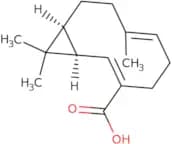
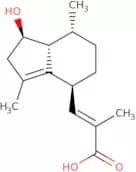
CAS:Hydroxyvalerenic acid is a bioactive compound, which is primarily found in the roots of the Valeriana officinalis plant. This source is widely recognized in traditional medicine for its calming properties. The compound acts on the central nervous system, potentially modulating GABAergic activity, which may contribute to its sedative and anxiolytic effects.Formula:C15H22O3Purity:Min. 95 Area-%Molecular weight:250.33 g/molGinkgolic acid (C15:1)
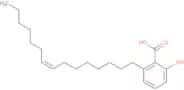
CAS:Ginkgolic acid (C15:1) is a bioactive compound, which is derived from the seeds and leaves of the Ginkgo biloba tree. It is known for its cytotoxic and antimicrobial properties, primarily acting as an inhibitor of various enzymatic activities. This compound functions by interfering with enzyme processes, disrupting cellular functions in target organisms. Ginkgolic acid is utilized in research focused on understanding and potentially manipulating these biological pathways. Its applications extend to studies examining its effects on cancer cell lines, where it has demonstrated the ability to induce apoptosis and inhibit cellular proliferation. Additionally, its antimicrobial characteristics are explored for developing novel pharmaceutical agents. While primarily of interest in the context of biochemical research, Ginkgolic acid also serves as a model compound for studying the ecological roles of natural plant toxins.Formula:C22H34O3Purity:Min. 95%Color and Shape:White PowderMolecular weight:346.5 g/molTripdiolide
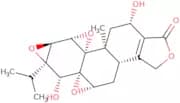
CAS:Tripdiolide is a bioactive diterpenoid, which is derived from the Chinese medicinal plant Tripterygium wilfordii, commonly known as Thunder God Vine. This compound exerts its effects through a complex mode of action, primarily involving the inhibition of nuclear factor kappa B (NF-kB) signaling pathways and the induction of apoptosis. Recent studies have also suggested its role in modulating the immune response by targeting specific cytokines and signaling pathways.
Purity:Min. 95%Color and Shape:PowderQS 21
CAS:QS-21 is a saponin-based adjuvant, which is a compound used to enhance the body's immune response to an antigen. This product is derived from the bark of the Quillaja saponaria tree, commonly known as the soapbark tree, native to Chile. The mode of action of QS-21 involves stimulating the immune system by activating antigen-presenting cells, such as dendritic cells and macrophages, which in turn enhance both humoral and cellular immune responses.
Formula:C92H148O46Molecular weight:1,990.14 g/molIsoasiaticoside
CAS:Isoasiaticoside is a triterpenoid saponin, which is a bioactive compound derived from the plant *Centella asiatica*. This compound is known for its mode of action that involves modulating collagen synthesis and promoting fibroblast proliferation. It plays a significant role in enhancing wound healing and improving the structural integrity of the skin matrix by increasing the production of Type I collagen.Formula:C48H78O19Purity:Min. 95%Molecular weight:959.12 g/molOrobanchyl acetate
CAS:Orobanchyl acetate is a natural compound, a sesquiterpenoid ester, which is isolated from plants of the Orobanche species. These plants, often referred to as broomrapes, are parasitic and obtain nutrients from host plants, making them a unique source of bioactive compounds. The mode of action of orobanchyl acetate is primarily allelopathic, where it influences the growth and development of neighboring plants. It achieves this by interacting with specific biochemical pathways, potentially inhibiting the growth of competing plant species.Formula:C21H24O7Purity:Min. 95%Color and Shape:PowderMolecular weight:388.41 g/molDehydrokahweol
CAS:Dehydrokahweol is a diterpene molecule, which is a natural compound found in coffee beans. Identified as one of the diterpenes present in coffee, dehydrokahweol is derived from plant sources, specifically Coffea arabica and Coffea canephora. The mode of action of dehydrokahweol involves various biochemical pathways, including modulation of oxidative stress and potential anti-inflammatory activities. This compound is under investigation for its ability to influence cellular signaling pathways that may impact metabolic and immunological responses.Formula:C20H24O2Purity:Min. 95%Color and Shape:PowderMolecular weight:296.4 g/molDigitoxigenin
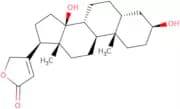
CAS:Digitoxigenin is an aglycone, which is a type of steroid structure, derived from the hydrolysis of cardiac glycosides found in plants of the Digitalis species, such as foxglove. This compound is obtained through enzymatic or chemical cleavage of glycosidic bonds present in its parent molecules, digitoxin and others, which are naturally occurring compounds in these plants.Formula:C23H34O4Color and Shape:White PowderMolecular weight:374.51 g/molThujone (α- and β- mixture)
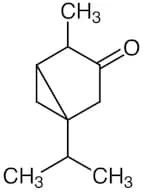
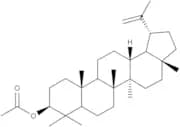
CAS:Formula:C10H16OPurity:>70.0%(GC)Color and Shape:Colorless to Light orange to Yellow clear liquidMolecular weight:152.24Lupeol acetate
CAS:Lupeol acetate analytical standard provided with chromatographic purity, to be used as reference material for qualitative determination.
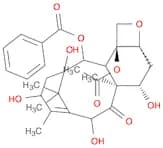
Formula:C32H52O2Purity:(HPLC) ≥95%Color and Shape:PowderMolecular weight:468.7710-Deacetylbaccatin III
CAS:Formula:C29H36O10Purity:95%Color and Shape:SolidMolecular weight:544.5901Ref: IN-DA003AAQ
Discontinued productRef: IN-DA004ZSE
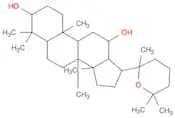
Discontinued productDammarane-3,12-diol, 20,25-epoxy-, (3b,12b,20R)-
CAS:Formula:C30H52O3Color and Shape:SolidMolecular weight:460.7321b-D-Glucopyranoside,(1aR,2S,3aR,5R,5aR,5bS)-5b-[(benzoyloxy)methyl]tetrahydro-5-hydroxy-2-methyl-2,5-methano-1H-3,4-dioxacyclobuta[cd]pentalen-1a(2H)-yl
CAS:Formula:C23H28O11Purity:95%Color and Shape:SolidMolecular weight:480.4618Gossypol Acetic Acid
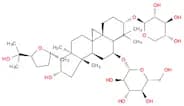
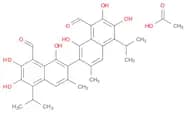
CAS:Formula:C32H34O10Purity:95%Color and Shape:SolidMolecular weight:578.6063599999999b-D-Glucopyranoside,(3b,12b)-20-(b-D-glucopyranosyloxy)-12-hydroxydammar-24-en-3-yl2-O-b-D-glucopyranosyl-
CAS:Formula:C48H82O18Purity:98%Color and Shape:SolidMolecular weight:947.15391H-4,6:16,19-Dietheno-21,25-metheno-12H-[1,3]dioxolo[4,5-g]pyrido[2',3':17,18][1,10]dioxacycloeicosino[2,3,4-ij]isoquinoline,2,3,13,14,14a,15,26,26a-octahydro-22,30-dimethoxy-1,14-dimethyl-,(14aS,26aR)-
CAS:Formula:C37H38N2O6Purity:97%Color and Shape:SolidMolecular weight:606.7074Levomenol 100 µg/mL in Methanol
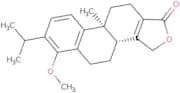
CAS:Formula:C15H26OColor and Shape:Single SolutionMolecular weight:222.37α-Terpinene 2000 µg/mL in Acetonitrile
CAS:Formula:C10H16Color and Shape:Single SolutionMolecular weight:136.23(-)-Borneol 100 µg/mL in Acetonitrile
CAS:Formula:C10H18OColor and Shape:Single SolutionMolecular weight:154.25Geranyl acetate 100 µg/mL in Acetonitrile
CAS:Formula:C12H20O2Color and Shape:Single SolutionMolecular weight:196.29Farnesol (mixture of isomers)
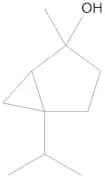
CAS:Controlled ProductFormula:C15H26OColor and Shape:NeatMolecular weight:222.37(1S)-β-Pinene 2000 µg/mL in Acetonitrile
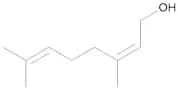
CAS:Formula:C10H16Color and Shape:Single SolutionMolecular weight:136.23Nerol 1000 µg/mL in Isopropanol
CAS:Controlled ProductFormula:C10H18OColor and Shape:Single SolutionMolecular weight:154.258-Mercaptomenthone
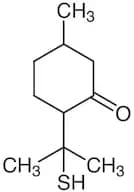
CAS:Formula:C10H18OSPurity:>97.0%(GC)(T)Color and Shape:Colorless to Light yellow to Light orange clear liquidMolecular weight:186.31Isocalendin
CAS:Isocalendin is a natural compound derived from the calendula plant, known for its potent anti-inflammatory properties. This product is extracted through a meticulous process that maintains the bioactive compounds inherent to calendula, ensuring efficacy and purity. Isocalendin functions by modulating inflammatory pathways at the cellular level, primarily inhibiting pro-inflammatory mediators. This selective action aids in reducing inflammation and promoting tissue repair without adverse effects associated with synthetic alternatives.
Formula:C11H16O3Purity:Min. 95%Color and Shape:PowderMolecular weight:196.24 g/molRef: 3D-XI170625
Discontinued productTriptonide
CAS:Inhibits canonical Wnt/β-catenin signaling; antineoplastic
Formula:C20H22O6Purity:Min. 95%Color and Shape:PowderMolecular weight:358.39 g/molRef: 3D-FT65197
Discontinued productAgnuside
CAS:Agnuside is a diterpenoid compound, which is a phytoconstituent primarily sourced from the plant Vitex agnus-castus, commonly known as chaste tree. This compound is extracted from the fruit of the plant through a series of isolation and purification processes aimed at preserving its chemical integrity.
Formula:C22H26O11Purity:Min. 95 Area-%Color and Shape:Brown PowderMolecular weight:466.44 g/molRef: 3D-MA08289
Discontinued productEscin sodium
CAS:Escin sodium is a phytopharmaceutical agent, which is a derivative of the saponin complex found in the seeds of the horse chestnut tree, Aesculus hippocastanum. Its mode of action involves anti-inflammatory and vasoactive processes, primarily exerted through reducing vascular permeability and increasing venous tone. These mechanisms facilitate the reduction of edema and improve venous return.
Formula:C32H34O7Purity:Min. 95%Molecular weight:530.61 g/molBilobalide
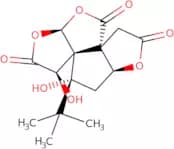
CAS:Bilobalide is a sesquiterpene trilactone, which is a secondary metabolite isolated from the leaves of the Ginkgo biloba tree. The source of bilobalide, Ginkgo biloba, is one of the oldest tree species, extensively studied for its wide array of bioactive compounds. Bilobalide exerts its mode of action predominantly through modulation of various neurotransmitter systems and protection against neuronal injury. It has demonstrated the ability to antagonize the GABAA receptor and inhibit excitotoxicity related to excessive glutamate release, thereby providing neuroprotective effects.
Formula:C15H18O8Purity:Min. 95%Color and Shape:White PowderMolecular weight:326.3 g/molRef: 3D-FB65801
Discontinued productZederone
CAS:Zederone is a bioactive sesquiterpene, which is a type of terpenoid compound. It is primarily sourced from the rhizomes of several Curcuma species, particularly Curcuma zedoaria. These plants are native to regions of Asia and have been used in traditional medicine for various purposes.
Formula:C15H18O3Purity:Min. 98 Area-%Color and Shape:Off-White PowderMolecular weight:246.3 g/molRef: 3D-FZ156853
Discontinued productMomilactone A
CAS:Controlled ProductSecondary plant metabolite with antimicrobial properties produced in response to plant infection and exposure to UV light. This diterpenoid phytoalexin is found only in rice (Oryza sativa) and moss (Hypnum plumaeforme).
Formula:C20H26O3Purity:Min. 95 Area-%Molecular weight:314.42 g/molGnidimacrin
CAS:Gnidimacrin is a natural diterpenoid ester, which is derived from the plant genus *Gnidia*. It is known for its intricate molecular structure and potent biological activities. As a plant-derived compound, it is sourced primarily from the shrubs native to Africa and Asia, belonging to the Thymelaeaceae family.
Formula:C44H54O12Purity:Min. 95%Molecular weight:774.89 g/molIsosteviol
CAS:Isosteviol is a diterpenoid compound, which is a metabolite derived from the enzymatic hydrolysis of stevioside, a glycoside found in the leaves of the Stevia rebaudiana plant. Its mode of action involves modulation of various biological pathways, including anti-inflammatory and antihyperglycemic effects. These actions are attributed to its ability to interact with specific cellular targets, inhibiting pro-inflammatory cytokines and improving insulin sensitivity.
Formula:C20H30O3Purity:Min. 95%Molecular weight:318.45 g/molRef: 3D-FI24731
Discontinued productKaurenoic acid
CAS:Selective antibacterial and anti-inflammtory activity; uterine relaxant
Formula:C20H30O2Purity:Min. 98 Area-%Color and Shape:White PowderMolecular weight:302.45 g/molRef: 3D-FK74528
Discontinued productIriversical
CAS:Iriversical is a synthetic compound, which is derived from a combination of bioactive organic molecules. It operates through intricate biochemical interactions, specifically targeting cellular pathways involved in signal transduction. These interactions are facilitated by the compound's affinity for binding sites on specific enzymes, thereby modulating their activity.
Formula:C31H52O3Purity:Min. 95%Molecular weight:472.74 g/molGinkgolide B
CAS:Ginkgolide B is a diterpenoid lactone, which is a secondary metabolite isolated from the leaves of the Ginkgo biloba tree. This compound is primarily sourced from the extract of Ginkgo biloba, a plant that has been utilized for centuries in traditional medicine systems.
Formula:C20H24O10Purity:Min. 90 Area-%Color and Shape:White PowderMolecular weight:424.4 g/molRef: 3D-FG10334
Discontinued product10-epi-Elemol
CAS:10-epi-Elemol is a sesquiterpene alcohol, which is derived from natural plant sources, primarily obtained through the essential oils of particular species. Its molecular structure includes a complex arrangement of carbon rings and an alcohol group, characterizing it as a prominent component among sesquiterpenes.
Formula:C15H26OPurity:Min. 95%Molecular weight:222.37 g/molGinsenoside Rh3
CAS:Ginsenoside Rh3 is a bioactive saponin compound, which is a principle component isolated from Panax ginseng, a perennial plant widely known for its medicinal properties. This compound represents a specific form of ginsenoside with distinct pharmacological characteristics derived through the deglycosylation process of other ginsenosides during processing or digestion.
Formula:C36H60O7Purity:Min. 95%Color and Shape:White Off-White PowderMolecular weight:604.86 g/molRef: 3D-OG31927
Discontinued productCryptotanshinone
CAS:Cryptotanshinone is a naturally occurring bioactive compound, which is an abietane diterpenoid sourced from the roots of *Salvia miltiorrhiza*, commonly known as Danshen. This compound exhibits a distinct mode of action characterized by its inhibition of the STAT3 signaling pathway, which is crucial in the regulation of gene expression involved in cell growth and survival. Furthermore, Cryptotanshinone demonstrates the ability to modulate various other molecular targets, such as the androgen receptor, rendering it valuable in the pharmacological landscape.
Formula:C19H20O3Purity:Min. 98 Area-%Color and Shape:PowderMolecular weight:296.36 g/molRef: 3D-FC16238
Discontinued productMomordin 1c
CAS:Momordin 1c is a triterpenoid saponin, a type of secondary metabolite, extracted primarily from species of the plant genus *Momordica*, such as *Momordica charantia*—commonly known as bitter melon. This compound is characterized by its unique structure, which contributes to its biological activities.
Formula:C41H64O13Purity:Min. 95%Color and Shape:PowderMolecular weight:764.94 g/molRef: 3D-OM08142
Discontinued productPicrotin
CAS:Picrotin is a natural compound, which is derived from the Anamirta cocculus plant, commonly known as the Indian berry or fishberry. It belongs to the class of sesquiterpene lactones, which are known for their complex structures and bioactivity. The mode of action of picrotin primarily involves interactions with the central nervous system, although the exact molecular targets are not fully elucidated. Studies suggest that it may act as a GABA receptor antagonist, which can influence neurotransmitter activity.
Formula:C15H18O7Purity:Min. 95%Color and Shape:PowderMolecular weight:310.3 g/molRef: 3D-FP66559
Discontinued productlnuchinenolide B
CAS:Lnuchinenolide B is a bioactive compound, which is a type of natural product often isolated from various plant species. This compound has garnered interest due to its origins in diverse botanical sources. Its mode of action is typically associated with its interaction at the molecular level with specific biological targets, potentially inhibiting or modulating particular enzymatic activities or receptor pathways. Such interaction underscores its capacity to influence biological processes, making it a compound of interest in pharmacological research.
Formula:C17H22O5Purity:Min. 95%Molecular weight:306.35 g/mol(-)-Perillyl alcohol
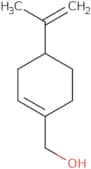
CAS:(-)-Perillyl alcohol is a monoterpene alcohol, which is a naturally occurring compound primarily extracted from the essential oils of lavender, peppermint, and other plants in the Lamiaceae family. It is characterized by its ability to interfere with cellular processes, notably through its modulation of signaling pathways and induction of apoptosis, as well as inhibition of cell proliferation.
Formula:C10H16OPurity:Min. 90%Color and Shape:Clear LiquidMolecular weight:152.23 g/molRef: 3D-FP70326
Discontinued productVolvalerenic acid
CAS:Volvalerenic acid is a sesquiterpene compound, which is a naturally occurring organic constituent found in the roots of Valeriana species, particularly Valeriana officinalis. This compound is primarily obtained through the extraction of these roots utilizing organic solvents and further chromatographic purification methods.
Formula:C15H22O2Purity:Min. 95%Molecular weight:234.33 g/molDeoxygedunin
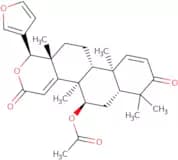
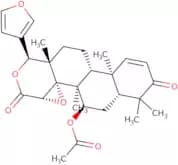
CAS:Deoxygedunin is a natural limonoid, which is a type of chemical compound often derived from plant sources, particularly in the Meliaceae family. This compound is primarily isolated from the seeds of the Indian neem tree (Azadirachta indica) and the African mahogany tree (Khaya senegalensis). It exhibits its biological effects through activation of the Nrf2 pathway, an essential cellular defense mechanism against oxidative stress. By promoting the expression of antioxidant proteins, deoxygedunin enhances cellular resilience to oxidative damage.
Formula:C28H34O6Purity:Min. 95%Molecular weight:466.57 g/molValencene
CAS:Valencene is a sesquiterpene, which is a naturally occurring terpenoid hydrocarbon. It is primarily sourced from the essential oils of citrus fruits, particularly Valencia oranges. Its mode of action involves its volatile nature, which contributes to its distinctive, sweet, citrusy aroma. Valencene is often synthesized or extracted using advanced biotechnological methods, ensuring high purity and consistency.
Formula:C15H24Purity:Min. 95%Color and Shape:Colorless Clear LiquidMolecular weight:204.35 g/molGedunin
CAS:Gedunin is a pentacyclic triterpenoid compound which is primarily found in the neem tree (Azadirachta indica) and other plants in the Meliaceae family.Gedunin works by inhibiting heat shock proteins (Hsp), which are involved in protein folding and stress responses in cells. It also triggers apoptosis in cancer cells and modulates inflammatory pathways to reduce inflammation.Gedunin is used for its anticancer, antimalarial, antibacterial, antifungal, anti-inflammatory, and neuroprotective properties. It has shown promise in inducing apoptosis in cancer cells, effectively combating malaria parasites, exhibiting antimicrobial properties, reducing inflammation, and potentially benefiting neurodegenerative diseases like Parkinson's.
Formula:C28H34O7Purity:Min. 95%Color and Shape:PowderMolecular weight:482.57 g/molRef: 3D-XG161760
Discontinued productCineole
CAS:Controlled ProductCineole, often referred to as eucalyptol, is a monoterpenoid and a cyclic ether that represents a key constituent of certain essential oils. It is primarily sourced from the leaves of Eucalyptus species, but also found in smaller quantities within other aromatic plants such as rosemary, sage, and tea tree. Cineole exerts its effects through a multifaceted mode of action, acting predominantly as an antimicrobial and anti-inflammatory agent. This is achieved by disrupting the lipid membrane of microbial pathogens, leading to their destabilization and eventual demise. Additionally, cineole modulates inflammatory pathways by inhibiting the production of pro-inflammatory cytokines, thereby ameliorating symptoms associated with inflammation.
Formula:C10H18OPurity:Min. 95%Color and Shape:Colorless Clear LiquidMolecular weight:154.25 g/molRef: 3D-FC74126
Discontinued productToosendanin
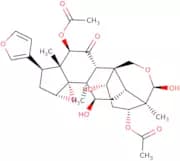
CAS:Toosendanin is a bioinsecticidal compound, which is a natural product isolated from the bark of the Melia toosendan tree, also known as the Chinese Melia. The source of this compound lies in the Meliaceae family, known for its diverse array of bioactive phytochemicals.
Formula:C30H38O11Purity:Min. 95%Color and Shape:Off-White PowderMolecular weight:574.62 g/molRef: 3D-FT65803
Discontinued product(1S)-(-)-(-)-Verbenone
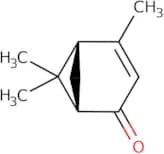
CAS:(1S)-(-)-(-)-Verbenone is a bicyclic monoterpene, which is a type of terpenoid compound. It is naturally sourced from various plants, predominantly from the essential oils of pines and other coniferous trees. The mode of action of Verbenone is intriguing; it acts as an anti-aggregation pheromone in certain beetle species, disrupting their communication and reducing infestation levels. This mechanism is particularly effective against bark beetles, which are known to cause significant damage to forestry ecosystems.
Formula:C10H14OPurity:Min. 98 Area-%Color and Shape:Clear LiquidMolecular weight:150.22 g/molCucurbitacin E
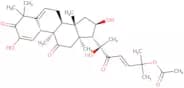
CAS:Controlled ProductCucurbitacin E is a triterpenoid compound, which is a natural product derived from plants in the Cucurbitaceae family. This bioactive compound exerts its effects primarily through the disruption of cytoskeletal integrity, inhibition of the JAK/STAT signaling pathway, and induction of apoptosis. These molecular activities make it a potent agent in research focusing on cellular proliferation and inflammation.
Formula:C32H44O8Purity:Min. 95%Molecular weight:556.69 g/molRef: 3D-FC69737
Discontinued product(+)-Nerolidol
CAS:(+)-Nerolidol is a sesquiterpene alcohol, which is a type of volatile organic compound. It is derived from the essential oils of various plants, including jasmine, tea tree, and lemongrass. As a natural compound, (+)-Nerolidol is synthesized by plants as part of their aromatic profile and may serve as a defense mechanism against pathogens and herbivores.
Formula:C15H26OPurity:Min. 95%Color and Shape:Colorless Clear LiquidMolecular weight:222.37 g/molRef: 3D-FN33788
Discontinued product14-Epitriptolide
CAS:14-Epitriptolide is a diterpenoid epoxide, which is derived from the natural product triptolide. It originates from the plant species *Tripterygium wilfordii*, commonly known in traditional Chinese medicine. The mode of action of 14-Epitriptolide involves the inhibition of RNA polymerase II-mediated transcription, thereby interfering with transcriptional processes essential for cancer cell survival and proliferation. Additionally, it induces oxidative stress and disrupts cellular homeostasis.
Formula:C20H26O7Purity:Min. 95%Color and Shape:SolidMolecular weight:378.42 g/molRef: 3D-FE65706
Discontinued productSaikosaponin C
CAS:Saikosaponin C is a triterpene saponin, which is a bioactive compound found in various medicinal plants, particularly those in the genus Bupleurum, often used in traditional Chinese medicine. It is derived from the roots of these plants, where it coexists with other saponins, contributing to their medicinal properties.
Formula:C48H78O17Purity:Min. 95%Color and Shape:PowderMolecular weight:927.12 g/molRef: 3D-OS45923
Discontinued productLoganin
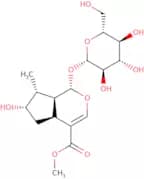
CAS:Loganin is a bioactive iridoid compound, which is a type of secondary metabolite typically found in plants. It is primarily derived from sources such as the genera Strychnos and Gentiana, among others. Loganin operates through various biological pathways, influencing enzymatic and receptor activities that contribute to its pharmacological effects. These activities include anti-inflammatory, antioxidant, and neuroprotective actions, making Loganin a compound of interest in several areas of medical research.
Formula:C17H26O10Purity:Min. 94 Area-%Color and Shape:PowderMolecular weight:390.39 g/molRef: 3D-ML11578
Discontinued productUrsolic acid acetate
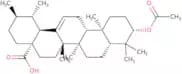
CAS:Ursolic acid acetate is a natural triterpenoid compound, which is derived from the acetylation of ursolic acid. This compound is sourced from a variety of medicinal plants, including apples, rosemary, and holy basil. Its mode of action involves modulating multiple cellular pathways, including the inhibition of nuclear factor-kappa B (NF-κB) and the activation of AMP-activated protein kinase (AMPK). These actions contribute to its anti-inflammatory, anticancer, and antioxidant properties.
Formula:C32H50O4Purity:Min. 95 Area-%Color and Shape:PowderMolecular weight:498.74 g/molRef: 3D-FU65546
Discontinued productSoyasaponin III
CAS:Soyasaponin III is a bioactive compound, which is a naturally occurring saponin derived from soybeans. These glycosides are primarily found in the seeds of the soybean plant, Glycine max. Soyasaponins are known for their amphiphilic nature, which enables them to interact with both lipid and aqueous phases, affecting membrane dynamics and cellular processes.
Formula:C42H68O14Purity:Min. 95%Color and Shape:PowderMolecular weight:796.98 g/molRef: 3D-FS137921
Discontinued productα-Amyrin
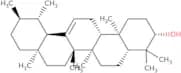
CAS:Controlled Productα-Amyrin is a pentacyclic triterpene, which is commonly found in the resins and latex of various plant species. It is primarily sourced from the lipophilic extracts of angiosperms, where it is often present in both the free form and as esters. Its mode of action involves modulation of key signaling pathways involved in inflammation and cellular oxidative stress, particularly through the inhibition of pro-inflammatory enzymes such as cyclooxygenase. α-Amyrin also induces apoptosis via mitochondrial pathways in certain cell types, adding to its therapeutic potential.
Formula:C30H50OPurity:Min. 95%Color and Shape:PowderMolecular weight:426.72 g/molRef: 3D-FA66691
Discontinued productTriptophenolide methyl ether
CAS:Triptophenolide methyl ether is a bioactive compound, classified as a terpene, derived from natural plant sources. It is primarily isolated from the roots of species within the *Tripterygium* genus. Terpenes are a large and varied class of organic compounds produced by a variety of plants, known for their aromatic qualities and biological activity.
Formula:C21H26O3Purity:Min. 95%Molecular weight:326.43 g/molRef: 3D-FT65638
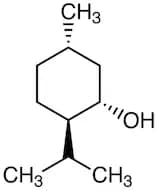
Discontinued product(+)-Menthol
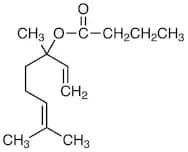
CAS:Formula:C10H20OPurity:>99.0%(GC)Color and Shape:White or Colorless powder to lump to clear liquidMolecular weight:156.27Linalyl Butyrate
CAS:Formula:C14H24O2Purity:>97.0%(GC)Color and Shape:Colorless to Almost colorless clear liquidMolecular weight:224.34Soyasaponin Aa
CAS:Soyasaponin Aa is a bioactive compound, specifically a type of saponin, which is derived from soybeans. As a secondary metabolite produced by plants, Soyasaponin Aa is characterized by its amphipathic structure, which allows it to interact with both lipid and aqueous environments. Its mode of action involves disrupting lipid membranes, which can lead to various biological effects, including cytotoxicity to certain cancer cells, cholesterol-lowering properties, and the modulation of immune responses.
Formula:C64H100O31Purity:Min. 95 Area-%Color and Shape:PowderMolecular weight:1,365.46 g/molRef: 3D-FS65453
Discontinued productIlludin M
CAS:Illudin M is a natural compound, categorized as a sesquiterpene. It is derived from certain species of mushrooms, notably those in the Omphalotus genus, such as the jack-o'-lantern mushroom (Omphalotus illudens). The mode of action of Illudin M involves targeting and damaging DNA within cells. Due to its cytotoxic nature, it interferes with DNA synthesis, leading to cell death, particularly in rapidly dividing cells.
Formula:C15H20O3Purity:Min. 95%Molecular weight:248.14124α-Terpineol
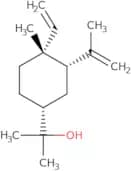
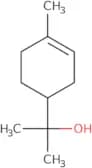
CAS:Alpha-terpineol is a terpene alcohol that exhibits cytotoxic effects on cells. It has been shown to cause cell lysis in both bacteria and mammalian cells, which may be due to its reactive oxygen species (ROS) production. Alpha-terpineol is also an effective agent against infectious diseases such as HIV, tuberculosis, and malaria. This molecule has a high resistance to chemical degradation, making it a promising anticancer agent. Alpha-terpineol can inhibit the polymerase chain reaction (PCR) by binding to the enzyme DNA polymerase, thereby preventing the synthesis of DNA molecules. It can also bind to the enzyme RNA polymerase and inhibit the transcription of mRNA into protein molecules. Lastly, alpha-terpineol is known for its genotoxic effects in vivo and in vitro. The genotoxicity of alpha-terpineol has been demonstrated using several different methods including electron microscopy, chemical stability assays, surface methodology experiments on kidney bean extract,
Formula:C10H18OPurity:Min. 95%Molecular weight:154.25 g/mol









![b-D-Glucopyranoside,(1aR,2S,3aR,5R,5aR,5bS)-5b-[(benzoyloxy)methyl]tetrahydro-5-hydroxy-2-methyl-2…](/_next/image/?url=https%3A%2Fstatic.cymitquimica.com%2Fproducts%2FIN%2Fthumb-webp%2FDA00I4J3.webp&w=3840&q=75)
![1H-4,6:16,19-Dietheno-21,25-metheno-12H-[1,3]dioxolo[4,5-g]pyrido[2',3':17,18][1,10]dioxacycloeico…](/_next/image/?url=https%3A%2Fstatic.cymitquimica.com%2Fproducts%2FIN%2Fthumb-webp%2FDA00I8RC.webp&w=3840&q=75)