Nucleotides
Subcategories of "Nucleotides"
Found 2637 products of "Nucleotides"
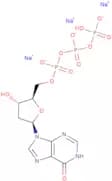
2'-Deoxyinosine-5'-triphosphate sodium
CAS:2'-Deoxyinosine-5'-triphosphate sodium is a nucleoside that is used as an antiviral, anticancer and novel drug. It inhibits viral replication by inhibiting DNA synthesis in the cell. 2'-Deoxyinosine-5'-triphosphate sodium binds to viral RNA polymerase, preventing the enzyme from creating new DNA strands. This prevents the virus from replicating and spreading to other cells in the body. 2'-Deoxyinosine-5'-triphosphate sodium has been shown to inhibit cancer growth by binding to DNA, which prevents it from dividing and creating new cells. This drug also has antiviral activity against HIV and Herpes Simplex Virus Type 1 (HSV1). 2'-Deoxyinosine-5'-triphosphate sodium is typically used as a buffer solution for peptide synthesis or as a chemical intermediate for various organic syntheses.Formula:C10H15N4O13P3·xNaPurity:Min. 95%Color and Shape:White PowderMolecular weight:492.17 g/mol3'-Deoxycytidine-5'-triphosphate
CAS:3'-Deoxycytidine-5'-triphosphate is a modified nucleoside that is the precursor for DNA synthesis. It is an activator of deoxyribonucleoside triphosphates, which are needed in the production of DNA. 3'-Deoxycytidine-5'-triphosphate has been shown to be active against cancer cells and antiviral agents. This chemical also inhibits viral RNA synthesis by blocking the conversion of ribonucleotides to deoxyribonucleotides. 3'-Deoxycytidine-5'-triphosphate is novel and high purity, with a CAS number 69383-05-7.
Purity:Min. 95%Molecular weight:467.1 g/mol2',3'-Di-O-benzoyl-N6-benzoyl-L-adenosine
CAS:2',3'-Di-O-benzoyl-N6-benzoyl-L-adenosine (DBBA) is a modified nucleoside with anticancer, antiviral, and synthetic properties. It can be used as a building block for the synthesis of DNA, RNA, or other nucleotide analogues. DBBA has shown activity against certain cancer cells and has been found to inhibit the replication of HIV and herpes simplex virus type 1 in cell culture. DBBA is also known as 2',3'-Dibenzoyl-N6-benzoyladenosine.Formula:C31H25N5O7Purity:Min. 95%Molecular weight:579.56 g/molAbacavir 5'-phosphate
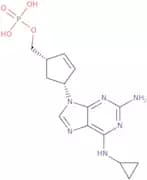
CAS:Abacavir 5'-phosphate is a nucleoside analog that inhibits the replication of the herpes virus by covalently binding to the viral DNA polymerase and blocking its ability to polymerize dNTPs. Abacavir 5'-phosphate's anti-viral potency has been shown in vivo using a model with herpes simplex virus, and it has been shown to inhibit viral replication in cell culture. The drug also reacts with cellular components such as proteins, lipids, and nucleic acids, which may lead to drug reactions. Abacavir 5'-phosphate is chemically stable, so it can be subjected to analytical methods without degradation. It is an analog of zidovudine (AZT).
Formula:C14H19N6O4PPurity:Min. 95%Molecular weight:366.31 g/mol1-(2-Deoxy-β-D-erythro-pentofuranosyl)-4-nitro-1H-indole
CAS:Please enquire for more information about 1-(2-Deoxy-β-D-erythro-pentofuranosyl)-4-nitro-1H-indole including the price, delivery time and more detailed product information at the technical inquiry form on this pageFormula:C13H14N2O5Purity:Min. 95%Molecular weight:278.26 g/molN6-Acetyl-2'-deoxyadenosine
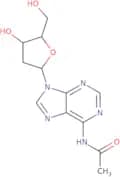
CAS:N6-Acetyl-2'-deoxyadenosine is an antiviral and anticancer nucleoside. It is a novel modified nucleoside that has been synthesized with a high degree of purity. N6-Acetyl-2'-deoxyadenosine is active against HIV, Hepatitis C, and other viruses, as well as cancer cells. It also inhibits the activity of bacterial DNA gyrase and topoisomerase IV, which are enzymes that maintain the integrity of bacterial DNA. N6-Acetyl-2'-deoxyadenosine has a phosphoramidite structure and is synthesized from 2'-deoxyribonucleosides.Formula:C12H15N5O4Purity:Min. 95%Molecular weight:293.28 g/mol2'-Deoxy-5-fluorouridine-5'-triphosphate sodium salt - 100 mM solution in water
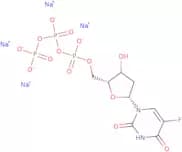
CAS:2'-Deoxy-5-fluorouridine-5'-triphosphate sodium salt - 100 mM solution in water is a nucleotide analog that inhibits the synthesis of RNA. It is used for the treatment of cancer. This agent binds to DNA and prevents the formation of RNA by inhibiting the enzyme ribonucleotide reductase. 2'-Deoxy-5-fluorouridine-5'-triphosphate sodium salt - 100 mM solution in water also has a perchloric acid component, which may be responsible for its haematopoietic effects.
Formula:C9H14FN2O14P3·xNaPurity:Min. 95%Color and Shape:PowderMolecular weight:486.13 g/mol2’-Deoxy-N2-DMF-2’-fluoroguanosine
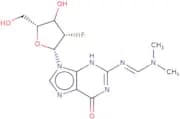
Please enquire for more information about 2’-Deoxy-N2-DMF-2’-fluoroguanosine including the price, delivery time and more detailed product information at the technical inquiry form on this page
Formula:C13H17FN6O4Purity:Min. 95%Molecular weight:340.31 g/mol2'-Deoxy-5-methyl-isocytidine
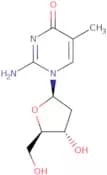
CAS:2'-Deoxy-5-methyl-isocytidine is an analog of cytidine that is used in the synthesis of oligodeoxynucleotides. It has shown to be complementary to dsDNA and to inhibit hepatitis B virus replication in cell culture. 2'-Deoxy-5-methyl-isocytidine is synthesized by solid phase chemistry on a polystyrene support with monomers, depyrimidination, and purification by column chromatography. The chemical stability of this compound has been shown by its ability to withstand heating at 100°C for 10 minutes without decomposition.Formula:C10H15N3O4Purity:Min. 95%Molecular weight:241.26 g/mol7-Deaza-2'-deoxyguanosine-5'-triphosphate sodium salt - 10mM aqueous solution
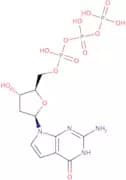
CAS:7-Deaza-2'-deoxyguanosine-5'-triphosphate sodium salt is a cytosolic small molecule that inhibits the activity of telomerase, an enzyme involved in the replication of chromosomes. It also has inhibitory effects on kinase domains and may be used to treat cancer. 7-Deaza-2'-deoxyguanosine-5'-triphosphate sodium salt binds to human mitochondrial DNA and inhibits gene transcription by hybridizing with it. This results in the inhibition of dopamine production, which can be helpful for treating Parkinson's disease. 7-Deaza-2'-deoxyguanosine-5'-triphosphate sodium salt is structurally similar to 2'-deoxyadenosine 5'-triphosphate (dATP) and can be incorporated into DNA by phosphorylation to form a covalent bond that disrupts the dATP/ATP ratio. This causes cellular energy production to decrease and
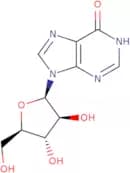
Formula:C11H17N4O13P3·xNaPurity:Min. 95%Molecular weight:506.19 g/molGuanosine-2'(&3')-monophosphate disodium (mixed isomers)
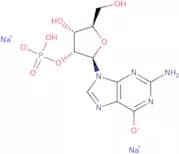
CAS:Guanosine-2'(&3')-monophosphate disodium salt (mixed isomers) is a synthetic nucleoside with antiviral and anticancer properties. It has been shown to activate the transcription of DNA in vitro by binding to the promoter region, resulting in higher levels of RNA synthesis. Guanosine-2'(&3')-monophosphate disodium salt (mixed isomers) has been shown to inhibit the replication of viruses, such as herpes simplex virus type 1 (HSV-1), and it may have potential use in cancer therapy. The drug is also used as a precursor for other antiviral drugs and antibiotics. Guanosine-2'(&3')-monophosphate disodium salt (mixed isomers) is available in high purity, high quality, and at low cost.Formula:C10H14N5O8P•2NaPurity:Min. 95%Color and Shape:White PowderMolecular weight:407.18 g/mol2',3'-Dehydro-5'-O-tritylthymidine
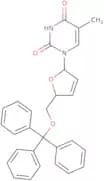
CAS:2',3'-Dehydro-5'-O-tritylthymidine is an anticancer compound, which is a novel nucleoside phosphoramidite. It is synthesized from thymidine in two steps: first, the 2',3'-dideoxyribose phosphate moiety is prepared by reacting 2',3'-dideoxyribose with chloroacetic acid in the presence of triethylamine, followed by reaction with trityl chloride to form the 5' position of the thymidine. 2',3'-Dehydro-5'-O-tritylthymidine has been shown to inhibit DNA synthesis and antiviral activity.Formula:C29H26N2O4Purity:Min. 95%Molecular weight:466.54 g/mol5-Cyano-2'-deoxycytidine
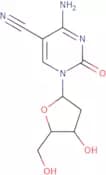
CAS:Nucleobase functionalised deoxynucleosideFormula:C10H12N4O4Purity:Min. 95%Molecular weight:252.23 g/mol7-Deaza-2'-deoxy-7-ethynyladenosine
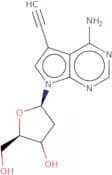
CAS:7-Deaza-2'-deoxy-7-ethynyladenosine is a fluorescent analog of adenosine that has been synthesized to be used as an antimicrobial agent. This compound has shown to be effective against both Gram-positive and Gram-negative bacteria, including methicillin resistant Staphylococcus aureus and Escherichia coli. 7DDAE is also able to inhibit the growth of fungus and yeast, such as Candida albicans. This drug has been shown to have no cytotoxic effects on mammalian cells at concentrations up to 50 μM. 7DDAE has been found to be very photostable in solution, which means it does not degrade when exposed to light.
Formula:C13H14N4O3Purity:Min. 95%Color and Shape:PowderMolecular weight:274.28 g/mol5-(Carboxyhydroxymethyl)uridine methyl ester
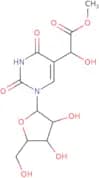
CAS:5-(Carboxyhydroxymethyl)uridine methyl ester is a modified form of uridine that is used in biochemical reactions. It is found in the ovary, where it interacts with acidic environments to produce the corresponding hydroxymethyl derivatives. The hydroxymethyl derivatives are then converted to the corresponding 5-carboxy-hydroxymethyl derivatives by conjugates and modifications, which can be analyzed using various assays. 5-(Carboxyhydroxymethyl)uridine methyl ester has also been shown to have epigenetic effects on cellular activity and cancer.Formula:C12H16N2O9Purity:Min. 95 Area-%Color and Shape:Slightly Yellow Clear LiquidMolecular weight:332.26 g/mol2-Methyladenosine-5'-triphosphate
CAS:2-Methyladenosine-5'-triphosphate (2-MeATP) is an inhibitor of the purinergic receptor P2X. It is a competitive antagonist of ATP at the P2X receptor, blocking ATP binding and inhibiting ATP-mediated signal transduction. 2-MeATP has been shown to inhibit angiotensin-mediated hyperpolarization in wild type and mutant strains of M. smegmatis, as well as m. tuberculosis perfusion in mesenteric lymph nodes and vasoconstriction in wildtype and mutant strains of AT1 receptors.Formula:C11H18N5O13P3Purity:Min. 95%Molecular weight:521.21 g/mol4-Amino-6-hydroxypyrazolo[3,4-d]pyrimidine
CAS:Formula:C5H5N5OPurity:>93.0%(HPLC)Color and Shape:White to Light yellow to Light orange powder to crystallineMolecular weight:151.135-Amino-1-β-D-ribofuranosyl-1H-imidazole-4-carboxamide
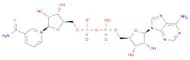
CAS:Formula:C9H14N4O5Purity:95%Color and Shape:SolidMolecular weight:258.2313THIONICOTINAMIDE ADENINE DINUCLEOTIDE
CAS:Formula:C21H33N7O13P2SPurity:95%Color and Shape:SolidMolecular weight:685.5383Ref: IN-DA00BZEP
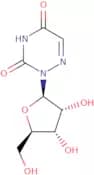
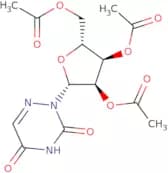
Discontinued product2',3',5'-Tri-O-acetyl-6-azauridine
CAS:2',3',5'-Tri-O-acetyl-6-azauridine is a nucleoside analog for research purposes. The replacement of a carbon atom with a nitrogen atom on the uracil base affects how the molecule interacts with cellular processes. It has the potential to interfere with normal metabolic processes within cells, particularly those related to RNA synthesis. Due to its ability to disrupt cell growth, it could be studied for any potential antiviral or antitumor properties.
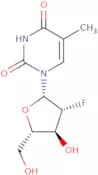
Formula:C14H17N3O9Purity:Min. 95%Color and Shape:PowderMolecular weight:371.3 g/mol2'-Deoxy-2'-fluoro-L-uridine
CAS:2'-Deoxy-2'-fluoro-L-uridine is a synthetic nucleoside analog of uridine where the sugar is both fluorinated at the 2' position and in the L-configuration, which is the mirror image of naturally occurring D-nucleosides. This modification makes it structurally distinct and biologically significant for certain applications in drug development and biochemical research.
Formula:C9H11FN2O5Purity:Min. 95%Color and Shape:White PowderMolecular weight:246.2 g/molRef: 3D-ND02886
Discontinued product2'-Deoxy-5-propynyluridine
CAS:2'-Deoxy-5-propynyluridine is a nucleoside that is naturally synthesized in the body. It is an intermediate in the synthesis of pyrimidine nucleotides and has been shown to be useful for the treatment of cardiac arrhythmias. 2'-Deoxy-5-propynyluridine has also been found to have a stabilizing effect on RNA, enhancing its biological relevance. This compound can be used as a fluorescent probe and can be used to study transcriptional regulation mechanisms.
Formula:C12H14N2O5Purity:Min. 95%Color and Shape:PowderMolecular weight:266.26 g/molRef: 3D-ND02838
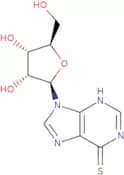
Discontinued product6-Thioinosine
CAS:6-Thioinosine is a nucleoside analog that is chemically related to 6-mercaptopurine. It inhibits the polymerase chain reaction and has been shown to inhibit aerobic metabolism in aerobacter aerogenes. It also inhibits the growth of hl-60 cells, which are derived from human leukemia cells. 6-Thioinosine has been shown to have anti-inflammatory properties, which may be due to its ability to inhibit prostaglandin synthesis. It also blocks the activity of certain receptors and has a disease activity against infectious diseases such as systemic candidiasis, bacterial endocarditis, and bowel disease.
Formula:C10H12N4O4SPurity:Min. 98 Area-%Color and Shape:PowderMolecular weight:284.29 g/mol5'-O-Trityluridine
CAS:5'-O-Trityluridine is a nucleoside analogue that has been prepared as an oriented, oxidized, hydrogenated, xylene derivative of uridine. It is composed of ribofuranoside and uridine. The orientation is controlled by the use of trityl groups on the 5' and 3' hydroxyl groups. The alkali metal salt isomers are analysed using HPLC and GC. This compound interacts with phosphotriesters and cyclic phosphodiesters.
Formula:C28H26N2O6Purity:Min. 95%Color and Shape:White Off-White PowderMolecular weight:486.52 g/molRef: 3D-NT06665
Discontinued product2'-Deoxycytidine
CAS:2'-Deoxycytidine is a deoxyribonucleotide that is used in the synthesis of DNA. It has been shown to have potent antitumor activity against solid tumours and may be useful for the treatment of leukemic mice. This compound has been shown to inhibit the kinase activity of IL-2 receptor and Toll-like receptor, which are proteins that regulate the immune response. 2'-Deoxycytidine also inhibits DNA polymerase activity and thermal expansion, which may make it a good candidate as an anticancer drug.
Formula:C9H13N3O4Purity:Min. 99 Area-%Color and Shape:PowderMolecular weight:227.22 g/mol3'-Deoxyuridine
CAS:3'-Deoxyuridine is a synthetic antibiotic that is used in the treatment of viral infections, such as hepatitis B and C, and HIV. 3'-Deoxyuridine competitively inhibits the synthesis of RNA by binding to the enzyme RNA polymerase. This drug also has antiviral activity against the human cytomegalovirus (CMV) and Hepatitis C virus (HCV). 3'-Deoxyuridine is synthesized from uracil in an organic solvent, trifluoroacetic acid, at low temperatures. The incorporation of deoxynucleoside triphosphates into DNA occurs after cleavage of the terminal phosphate group by water vapor.
Formula:C9H12N2O5Purity:Min. 95%Color and Shape:PowderMolecular weight:228.21 g/molRef: 3D-ND05963
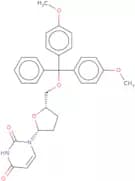
Discontinued product2',3'-Dideoxy-5'-O-DMT-uridine
CAS:2',3'-Dideoxy-5'-O-DMT-uridine is a nucleoside for use in research applications
Formula:C30H30N4O6Purity:Min. 95%Color and Shape:White To Off-White SolidMolecular weight:514.58 g/molRef: 3D-ND08411
Discontinued productN-Pyrrolo-2'-deoxycytidine
CAS:N-Pyrrolo-2'-deoxycytidine is a nucleoside analog that is used in the laboratory as a template for DNA synthesis. It has been shown to be an effective inhibitor of human pathogens. N-Pyrrolo-2'-deoxycytidine binds to DNA and prevents replication by interfering with the binding of the enzyme polymerase to the template strand, which leads to denaturation of the complementary strand and blocking of DNA elongation. This drug has been shown to bind specifically to sequences that are unpaired in duplexes, such as single-stranded telomeres. N-Pyrrolo-2'-deoxycytidine can also be used as a fluorescence probe for detecting dsDNA duplexes.
Formula:C12H15N3O4Purity:Min. 98 Area-%Color and Shape:PowderMolecular weight:265.27 g/molRef: 3D-NP08698
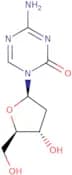
Discontinued productDecitabine
CAS:A synthetic cytosine analogue that incorporates into DNA and prevents DNA methylation via DNA (cytosine-5)-methyltransferase 1 (DNMT1) inhibition. Demonstrated potent anti-leukaemic effects attributed to cell cycle arrest and induction of apoptosis. Has anti-growth effects on solid tumor cell lines.
Formula:C8H12N4O4Purity:Min. 98 Area-%Color and Shape:White PowderMolecular weight:228.21 g/mol(2R,3R,4S,5R)-2-(4-Aminothieno[3,4-d]pyrimidin-7-yl)-5-(hydroxymethyl)tetrahydrofuran-3,4-diol
CAS:(2R,3R,4S,5R)-2-(4-Aminothieno[3,4-d]pyrimidin-7-yl)-5-(hydroxymethyl)tetrahydrofuran-3,4-diol is a nucleoside analog for research purposesFormula:C11H13N3O4SPurity:Min. 95%Color and Shape:PowderMolecular weight:283.3 g/molRef: 3D-FA165910
Discontinued product6-Methylpurine-2'-deoxyriboside
CAS:6-Methylpurine-2'-deoxyriboside (6MPdR) is a nucleoside analog that inhibits viral polymerase activity. It is used in the treatment of bowel diseases, such as inflammatory bowel disease and hepatitis C. 6MPdR can be used to treat cancer by inhibiting cellular proliferation and inducing apoptosis. This drug has been shown to inhibit leishmania growth in cell culture. 6MPdR can be administered orally or intravenously, and is pegylated for greater stability in the blood stream.
Formula:C11H14N4O3Purity:Min. 95%Color and Shape:PowderMolecular weight:250.25 g/molRef: 3D-NM46495
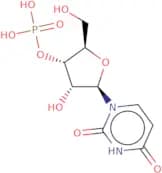
Discontinued product3′-UMP
CAS:3′-UMP is a modified nucleoside that has antiviral activity, and is synthesized by the phosphoramidite method. It is a novel compound, which has not been previously reported. 3′-UMP is an activator of ribonucleotide reductase and can be used to treat viral infections. This drug also has anticancer effects and can be used as a chemotherapeutic agent for the treatment of leukemia. 3′-UMP has high purity and high quality.
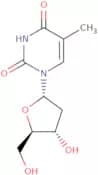
Formula:C9H13N2O9PPurity:Min. 95%Molecular weight:324.18 g/mol2'-Deoxyuridine
CAS:2'-Deoxyuridine (2'-dU) is an intermediate in the synthesis of thymidylate, which is a precursor for DNA synthesis. It can be prepared through high-performance liquid chromatography. 2'-dU has been shown to inhibit the enzymatic activity of enzymes responsible for synthesizing uridine and thymidylate, leading to neuronal death. 2'-dU has also been shown to have a protective effect against mitochondrial dysfunction induced by hydrogen fluoride. It is also known to bind with toll-like receptor 4 (TLR4), which is involved in inflammatory responses. 2'-dU has been used as a fluorescence probe for nucleic acids and as a polymerase chain reaction (PCR) substrate.
Formula:C9H12N2O5Purity:Min. 98 Area-%Color and Shape:White PowderMolecular weight:228.21 g/molRef: 3D-ND06282
Discontinued productTricyclic nucleoside phosphate
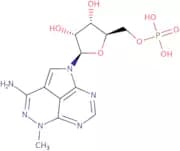
CAS:Akt activation inhibitor
Formula:C13H17N6O7PPurity:Min. 95%Molecular weight:400.28 g/molRef: 3D-NT44794
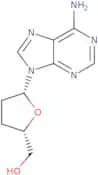
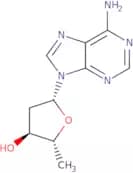
Discontinued product2',3'-Dideoxyadenosine
CAS:2',3'-Dideoxyadenosine is a nucleoside analog that inhibits HIV replication and is a competitive inhibitor of adenylyl cyclase. This latter action reduces levels of cyclic adenosine monophosphate (cAMP)
Formula:C10H13N5O2Purity:Min. 95%Color and Shape:PowderMolecular weight:235.25 g/mol5-(Methylaminomethyl)-2-thiouridine
CAS:5-(Methylaminomethyl)-2-thiouridine is a nucleotide that is important for both DNA and RNA synthesis. It is the methyl donor in the formation of dTMP, an essential component of DNA. 5-(Methylaminomethyl)-2-thiouridine is synthesized by the enzyme thioredoxin reductase using NADPH and glutathione as cofactors. The synthesis of this nucleotide is regulated by hydrogen bonding, which may be due to its ability to form a cationic surfactant with a molecule such as typhimurium. This activity may be due to the presence of a disulfide bond that can react with other molecules such as guanine nucleotides.
5-(Methylaminomethyl)-2-thiouridine has been shown to have structural analysis and chemical biology applications when used in conjunction with E. coli K-12 cells, MethanobrevibFormula:C11H17N3O5SPurity:(¹H-Nmr) Min. 95 Area-%Color and Shape:PowderMolecular weight:303.34 g/molRef: 3D-NM159475
Discontinued productN4-Ethenocytidine
CAS:N4-Ethenocytidine is a nucleoside analogue that has been synthesized and shown to be an effective inhibitor of the hepatitis C virus. N4-Ethenocytidine prevents the synthesis of viral RNA by attacking the 3'-hydroxyl group of uridine, which is involved in the formation of ribonucleotides. This compound can also inhibit rat liver microsomes through a hydrated attack on carbonyl groups. The reaction products are trifluoroacetic acid and chloride ions. N4-Ethenocytidine's fluorescence properties have been used to identify its reaction intermediates, which include uridylic acid and 4-etheno-N6-isopentenyladenosine.
Formula:C11H13N3O5Purity:Min. 95%Color and Shape:White Off-White PowderMolecular weight:267.24 g/molRef: 3D-NE06244
Discontinued product2'-Deoxy-2'-fluoro-5-methylcytidine
CAS:2'-Deoxy-2'-fluoro-5-methylcytidine is a nucleoside analog that is a modified version of cytidine, where the sugar (deoxyribose) has a fluoro modification at the 2' carbon and a methyl group is attached at the 5' position of the cytosine base. This modification confers unique properties that can be useful in research and drug development.
Formula:C10H14FN3O4Purity:Min. 95%Color and Shape:Off-White PowderMolecular weight:259.23 g/molRef: 3D-ND71638
Discontinued productL-Guanosine
CAS:L-Guanosine is an enantiomer of adenosine. It has been shown to be effective in the treatment of autoimmune diseases and viruses, such as HIV. L-Guanosine is activated by phosphorylation, which leads to its binding with DNA and inhibition of viral replication. L-Guanosine is also a potent inhibitor of mammalian cell proliferation. It binds to the enzyme adenosyltransferase, thereby inhibiting the production of nucleotides, which are necessary for DNA synthesis. This inhibition causes cell death due to lack of DNA synthesis and protein production.
Formula:C10H13N5O5Purity:Min. 95%Color and Shape:White PowderMolecular weight:283.24 g/mol2'(3')-O-(4-Benzoyl)benzoyladenosine-5'-triphosphate triethylammonium salt
CAS:2'(3')-O-(4-Benzoyl)benzoyladenosine-5'-triphosphate triethylammonium salt is a nucleoside analog of Adenosine-5'-triphosphate (ATP), a key player in cellular energy transfer. 2'(3')-O-(4-Benzoyl)benzoyl has been added to this molecule as well as a triethylammonium salt which helps to increase the stability of the molecule in solutions. 2'(3')-O-(4-Benzoyl)benzoyladenosine-5'-triphosphate triethylammonium salt has potential use as a tool for understanding how cells use ATP and how changes to ATP affect cellular processes. Other possible uses are in the study of how ATP interacts with enzymes.
Formula:C24H24N5O15P3·C6H15NPurity:Min. 75 Area-%Color and Shape:White PowderMolecular weight:816.58 g/mol2',3',5'-Tri-O-acetyladenosine
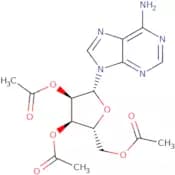
CAS:2',3',5'-Tri-O-acetyladenosine is a chemically protected form of adenosine with potential for use as an intermediate in nucleoside synthesis and nucleic acid chemistry. The hydroxyl (–OH) groups at the 2′, 3′, and 5′ positions of the ribose are protected by acetyl groups (–COCH₃), which can prevent unwanted chemical reactions during chemical synthesis.
Formula:C16H19N5O7Purity:Min. 95%Color and Shape:PowderMolecular weight:393.35 g/molRef: 3D-NT04548
Discontinued product3'-Deoxyinosine
CAS:3'-Deoxyinosine is a nucleoside analog that is used in the treatment of leukemia, lymphoma, and AIDS-related Kaposi's sarcoma. The drug inhibits DNA synthesis by inhibiting enzymes such as ribonucleotide reductase, thymidylate synthase, and dihydrofolate reductase. 3'-Deoxyinosine has minimal toxicity and may be administered orally or intravenously. It has been shown to have an inhibitory effect on the growth of skin cancer cells and leishmania parasites in cell culture. This drug also lowers blood pressure by interfering with the synthesis of angiotensin II and may be useful for treating hypertension. The drug is synthetically prepared in a laboratory by chemists.
Formula:C10H12N4O4Purity:Min. 95%Color and Shape:PowderMolecular weight:252.23 g/molRef: 3D-ND166260
Discontinued product2'-Deoxy-5-hydroxycytidine
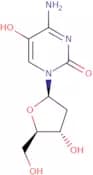
CAS:2'-Deoxy-5-hydroxycytidine is a nucleoside analog that is used to treat human immunodeficiency virus (HIV). It inhibits the synthesis of HIV by inhibiting the enzyme reverse transcriptase. This drug binds to DNA duplexes, and has been shown to be reactive with damaged DNA. The compound has been shown to inhibit viral replication in a model system, and also inhibits the polymerase chain reaction. 2'-Deoxy-5-hydroxycytidine may also have thermodynamic properties that are related to its potential for reactivity with oxidative DNA.
2'-Deoxy-5-hydroxycytidine is an analog of cytidine. It can be synthesized using solid phase synthesis on a resin support.Formula:C9H13N3O5Purity:Min. 95%Color and Shape:White PowderMolecular weight:243.22 g/mol2',5'-Dideoxyuridine
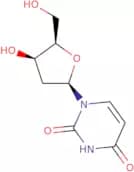
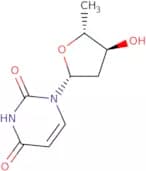
CAS:2',5'-Dideoxyuridine is a synthetic nucleoside analog derived from uridine, one of the four standard nucleosides found in RNA. It is chemically modified by the removal of hydroxyl (–OH) groups at the 2' and 5' positions of the sugar, altering its ability to participate in RNA or DNA chain formation.
Formula:C9H12N2O4Purity:Min. 95%Color and Shape:White To Off-White SolidMolecular weight:212.21 g/molRef: 3D-ND08409
Discontinued productInosine 5'-monophosphate disodium salt hydrate
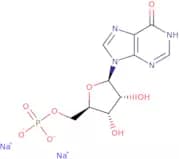
CAS:Inosine 5'-monophosphate disodium salt hydrate is a nucleotide that is synthesized from adenosine triphosphate in the energy metabolism of cells. It is used as an activator of signal pathways and as a potent inducer of metabolic enzymes. Inosine 5'-monophosphate disodium salt hydrate has been shown to induce bowel disease in mice with experimental colitis, suggesting its utility for treating inflammatory bowel disease. Inosine 5'-monophosphate disodium salt hydrate binds to the ATP-binding site of GTPase, stimulating the hydrolysis of ATP to ADP and phosphate. This reaction causes a conformational change in the enzyme's active site that increases the affinity for GTP by about 10-fold. The binding site is composed of two alpha helices sandwiching a central beta sheet and the catalytic residues are located at both ends of this beta sheet. Structural analysis has revealed that this drug interacts with
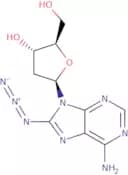
Formula:C10H11N4O8PNa2·xH2OPurity:Min. 99.0 Area-%Color and Shape:White PowderMolecular weight:392.17 g/mol8-Azido-2'-deoxyadenosine
CAS:8-azido-2-deoxyadenosine is an azide funcationalised nuceleoside
Formula:C10H12N8O3Purity:Min. 95%Color and Shape:PowderMolecular weight:292.25 g/molRef: 3D-NA44903
Discontinued productNelarabine
CAS:Nelarabine is a drug that prevents the growth of cells by inhibiting the bcr-abl kinase, which is an intracellular target. This drug has been shown to be effective against pediatric patients with t-cell acute lymphoblastic leukemia and adults with chronic myeloid leukemia. Nelarabine has minimal toxicity in humans and is not toxic to healthy cells. It has been shown to have anti-inflammatory properties and may be used as a biomarker for autoimmune diseases. Nelarabine also inhibits angiogenesis, which may be due to its effects on nuclear DNA.
Formula:C11H15N5O5Purity:Min. 95%Color and Shape:White PowderMolecular weight:297.27 g/molRef: 3D-NN26176
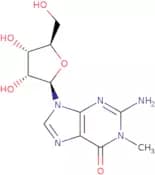
Discontinued productN1-Methylguanosine
CAS:Controlled ProductN1-Methylguanosine is a methylated nucleotide that is incorporated into the growing DNA chain during protein synthesis. The incorporation of N1-methylguanosine into the growing DNA chain can cause frameshifting, which creates an unusual amino acid sequence. This effect has been shown in model organisms, such as Saccharomyces cerevisiae and Escherichia coli. In these organisms, N1-methylguanosine has been shown to induce cancer when added to the growth medium. It is also found in urine samples from people with bladder cancer and has been used to identify urinary tract cancers. Titration calorimetry studies have shown that N1-methylguanosine binds to a chelate ligand and forms a disulfide bond with cysteine residues on proteins or peptides, which may lead to mitochondrial dysfunction by interfering with hydrogen bonding interactions. Messenger RNA studies show that N1-methylguanosine inhibits translation of mRNA by binding to
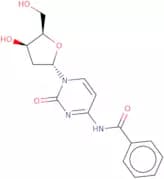
Formula:C11H15N5O5Purity:Min. 95%Color and Shape:White PowderMolecular weight:297.27 g/molN4-Benzoyl-2'-deoxy-a-cytidine
CAS:N4-Benzoyl-2'-deoxy-a-cytidine is a novel, modified nucleoside that has shown anticancer and antiviral activity. It is synthesized by the enzymatic oxidation of 2'-deoxyadenosine with benzoyl chloride and sodium bicarbonate. N4-Benzoyl-2'-deoxy-a-cytidine has been shown to activate transcription, increase DNA synthesis, and inhibit virus replication. It also inhibits bacterial growth, but does not appear to have any effect on mammalian cells.Formula:C16H17N3O5Purity:Min. 95%Color and Shape:PowderMolecular weight:331.32 g/molRef: 3D-NB08374
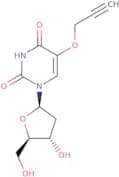
Discontinued product2'-Deoxy-5-propargyloxyuridine
CAS:2'-Deoxy-5-propargyloxyuridine is a synthetic compound that inhibits the herpes simplex virus by inhibiting thymidylate synthase, an enzyme in the synthesis of DNA. It is used to study the growth rate of herpes virus and has been shown to inhibit murine leukemia L1210 and human l1210 cells at concentrations of 10-20 μg/mL. 2'-Deoxy-5-propargyloxyuridine has also been shown to have inhibitory activities against other viruses, such as polio virus and influenza virus. 2'-Deoxy-5-propargyloxyuridine inhibits biosynthesis by binding to enzymes involved in the synthesis of nucleic acids. The inhibitory dose for this compound is not yet known, but it has been shown to have an inhibitory effect on cell culture when preincubated with cells before infection with herpes simplex virus.
Formula:C12H14N2O6Purity:Min. 95%Color and Shape:PowderMolecular weight:282.26 g/molRef: 3D-ND08234
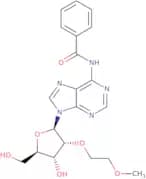
Discontinued productN6-Benzoyl-2'-O-(2-methoxyethyl)adenosine
CAS:N6-Benzoyl-2'-O-(2-methoxyethyl)adenosine is a novel nucleoside that can be used as an antiviral agent. It is an activator of viral polymerase and inhibits the proliferation of cells infected with HIV. This compound has been synthesized from 2'-deoxyadenosine monophosphate, which is a precursor to RNA and DNA synthesis. N6-Benzoyl-2'-O-(2-methoxyethyl)adenosine has also been shown to inhibit the growth of experimental tumors in mice. The synthesis of this compound is reliable and reproducible, making it a high quality product.
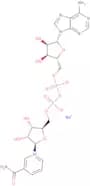
Formula:C20H23N5O6Purity:Min. 95%Molecular weight:429.43 g/molβ-Nicotinamide adenine dinucleotide sodium dihydrate
CAS:Coenzyme and regenerating electron donor in catabolic processes
Formula:C21H26N7NaO14P2•(H2O)2Purity:Min. 95%Color and Shape:White PowderMolecular weight:721.44 g/molRef: 3D-NN44827
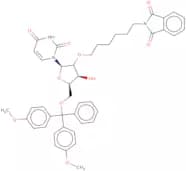
Discontinued product5'-O-DMT-2'-O-hexylphthalimidouridine
5'-O-DMT-2'-O-hexylphthalimidouridine is a novel nucleoside analog with anticancer activity. It is a modified nucleoside that has been synthesized and purified in high purity. 5'-O-DMT-2'-O-hexylphthalimidouridine is an activator of DNA and RNA synthesis and has antiviral properties. It also inhibits the production of tumor necrosis factor alpha (TNFα) by human synovial cells. This compound binds to the RNA polymerase II enzyme, which prevents transcription of genetic material from DNA templates into messenger RNA. This leads to inhibition of protein synthesis and cell death by apoptosis.
Formula:C44H45N3O10Purity:Min. 95%Molecular weight:775.86 g/molRef: 3D-ND08415
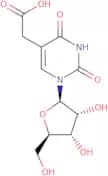
Discontinued product5-(Carboxymethyl)uridine
CAS:5-(Carboxymethyl)uridine is an uridine compound that has been shown to inhibit protein synthesis in cultured cells. It binds to the ribosome and inhibits protein synthesis by inhibiting the formation of peptide bonds. 5-Carboxymethyl-uridine has been shown to be effective against two strains of bacteria, Escherichia coli and Staphylococcus aureus, in cell culture experiments. The inhibition of bacterial protein synthesis was shown to be dose-dependent for both strains. The mechanism of action is believed to be due to its binding to the ribosome and inhibiting the formation of peptide bonds.
Formula:C11H14N2O8Purity:Min. 95 Area-%Color and Shape:White Off-White PowderMolecular weight:302.24 g/molRef: 3D-NC159474
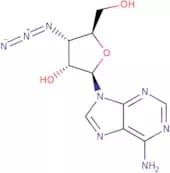
Discontinued product3'-Azido-3'-deoxyadenosine
CAS:3'-Azido-3'-deoxyadenosine is an initiator that can be used in oligoribonucleotide synthesis. It is stable, nonhydrolyzable and does not require any protecting groups for its use. 3'-Azido-3'-deoxyadenosine is efficient at initiating the synthesis of ribosomal RNA and has been shown to be a good substrate for biochemical studies. This compound is functionalized with a ribose group, which can be linked to other substances. The linkage of this compound to other substances allows it to be used as a building block for the production of oligoribonucleotides.
Formula:C10H12N8O3Purity:Min. 95%Color and Shape:PowderMolecular weight:292.25 g/molRef: 3D-FA144620
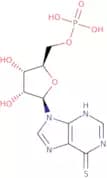
Discontinued product6-Thioinosine 5'-monophosphate
CAS:6-Thioinosine 5'-monophosphate (6TIMP) is a hydrogen bond donor that possesses inhibitory properties against protein synthesis. It has been shown to have an anti-inflammatory effect and can be used for the treatment of inflammatory bowel disease. 6TIMP is also able to inhibit the bcr-abl kinase, which is implicated in the development of renal cell cancer. 6TIMP can be administered intravenously or orally and penetrates tissues well. The rate at which it enters cells is dependent on the transport rate, which is determined by its acidity. 6TIMP has been shown to cause DNA damage, leading to apoptosis and cell death in carcinoma cell lines. The mechanism of action appears to involve inhibition of cellular protein synthesis, acid formation, and DNA damage.
Formula:C10H13N4O7PSPurity:Min. 95%Color and Shape:PowderMolecular weight:364.27 g/molRef: 3D-NT10843
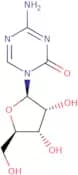
Discontinued product5-Azacytidine
CAS:An azanucleoside and epigenetic modulator that interferes with nucleic acid metabolism. The compound gets incorporated into RNA and inhibits ribonucleotide reductase subunit RRM2 in leukemia cell lines. Intracellularly, 5-azacytidine can get converted into 2′-deoxy-5-azacytidine (decitabine) and subsequently incorporated in DNA, where it irreversibly inhibits DNMT1 methyltransferase. In human epithelial cell lines, this compound decreases Src-activated expression of a histone chaperone CAF1 and inhibits cell motility and invasiveness.
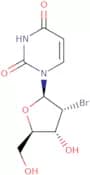
Formula:C8H12N4O5Purity:Min. 95%Color and Shape:White Off-White PowderMolecular weight:244.21 g/mol2'-Bromo-2'-deoxyuridine
CAS:2'-Bromo-2'-deoxyuridine is a synthetic nucleoside analog of deoxyuridine, in which the 2'-hydroxyl group of the ribose sugar is replaced with a bromine atom (Br) at the 2' position. This modification allows it to be incorporated into DNA during DNA synthesis, where it can replace the normal thymidine. This molecule can potentially be used in molecular biology and cell biology as a thymidine analog to study DNA replication, cell proliferation, and DNA repair.
Formula:C9H11BrN2O5Purity:Min. 95%Color and Shape:PowderMolecular weight:307.1 g/molPolyinosinic-polycytidylic acid sodium salt
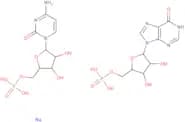
CAS:Polyinosinic acid-polycytidylic acid (Poly I:C), an agonist of TLR3 toll-like receptors, is a synthetic double-stranded RNA analog, consisting of polyinosinic acid (poly I) paired with polycytidylic acid (poly C), forming a stable duplex structure. PolyI:C stimulates the secretion of pro-inflammatory cytokines and type I interferon through its interaction with endosomal Toll-like receptor 3 (TLR-3) and the cytoplasmic receptors melanoma differentiation-associated gene 5 (MDA-5) and retinoic acid-inducible gene I (RIG-I). This immunostimulant activity makes Poly I:C a useful vaccine adjuvant and is used in vaccine formulations. Poly I:C and its stabilized analogs (e.g., poly-ICLC) are also being actively researched for their dual role in oncology: directly targeting tumors and acting as immune potentiators. For example Poly I:C can induce apoptosis in tumor cells and stimulate immunogenic cell death and is therefore being explored alongside chemotherapy, radiotherapy, and checkpoint inhibitors, helping to overcome resistance mechanisms and strengthen treatment outcomes. We can supply PolyI:C to all stages of your project - from R&D and preclinical phases right up to GMP commercial manufacture. Contact our team for custom Poly I:C products.
For more on poly I:C read out blog 'Poly I:C: A Vaccine Adjuvant With Oncological Potential.'Formula:(C10H13N4O8P)x•(C9H14N3O8P)x•NaxColor and Shape:White PowderRef: 3D-TP36521
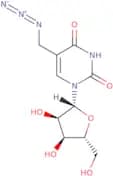
Discontinued product5-(Azidomethyl)uridine
CAS:5-(Azidomethyl)uridine (5-AZA-U) is a cytosolic nucleoside analog that inhibits the replication of herpes simplex virus type 1 (HSV-1). It is resistant to degradation by cellular nucleases and is fluorescent, making it a clickable substrate for microscopy. 5-AZA-U has been shown to inhibit the transcription of viral DNA and the synthesis of viral proteins in mammalian cells. This drug has also been shown to be effective against cancer and hepatitis B virus (HBV). 5-AZA-U can be used as an antiviral agent because of its ability to inhibit the posttranscriptional gene expression of HSV-1. 5-(Azidomethyl)uridine is also an analog of uridine, which can be used to study intracellular signaling pathways that regulate proliferation, differentiation, or apoptosis in mammalian cells.
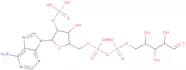
Formula:C10H13N5O6Purity:Min. 95%Color and Shape:PowderMolecular weight:299.24 g/molAdenosine-5'-O-diphosphoribose phosphate
CAS:Potential metabolite of NADP+
Formula:C15H24N5O17P3Purity:Min. 95 Area-%Color and Shape:PowderMolecular weight:639.3 g/molRef: 3D-NA63573
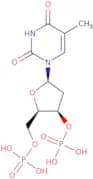
Discontinued productThymidine-3',5'-diphosphate sodium salt
CAS:Thymidine-3',5'-diphosphate sodium salt is a nucleoside that is used in the synthesis of oligonucleotides. It is an antiviral and anticancer agent. Thymidine-3',5'-diphosphate sodium salt has been shown to inhibit DNA synthesis, leading to cell death. It also has been shown to be effective against Hepatitis B virus and HIV-1.
Formula:C10H16N2O11P2·xNaPurity:Min. 98 Area-%Color and Shape:White PowderMolecular weight:402.19 g/molRef: 3D-NT09781
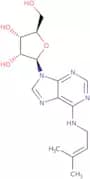
Discontinued product6-(3,3-Dimethylallylamino)-9-(b-D-ribofuranosyl)purine
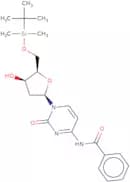
CAS:6-(3,3-Dimethylallylamino)-9-(b-D-ribofuranosyl)purine is an energy metabolism agent that mimics cytokinin, a plant hormone. It has been shown to affect the angiogenic process and induce apoptosis in HL60 cells through the pro-apoptotic protein Bax. 6-(3,3-Dimethylallylamino)-9-(b-D-ribofuranosyl)purine has also been used as a model system to study the structure of dna, which is important for understanding how it replicates. 6-(3,3-Dimethylallylamino)-9-(b-D-ribofuranosyl)purine is structurally similar to adenosine and binds to the A3 receptor with high affinity. This drug is active as an analogue of adenosine and may be useful for treating diseases such as heart disease or diabetes.Formula:C15H21N5O4Purity:Min. 98 Area-%Color and Shape:White PowderMolecular weight:335.37 g/molN4-Benzoyl-5'-O-tert-butyldimethylsilyl-2'-deoxycytidine
CAS:N4-Benzoyl-5'-O-tert-butyldimethylsilyl-2'-deoxycytidine is a nucleoside monophosphate with antiviral and anticancer activity. It is used as an activator for the synthesis of oligodeoxynucleotides and may be used in the treatment of herpes zoster, AIDS, or cancer. N4-Benzoyl-5'-O-tert-butyldimethylsilyl-2'-deoxycytidine has a novel structure that is modified from natural nucleosides and has been shown to have high purity.
Purity:Min. 97.0 Area-%Color and Shape:PowderMolecular weight:445.60 g/molRef: 3D-NB08718
Discontinued product1-(2’-Deoxy-2’-fluoro-arabinofuranosyl)-5-hydroxymethyluracil
CAS:1-(2’-Deoxy-2’-fluoro-arabinofuranosyl)-5-hydroxymethyluracil (also abbreviated as FMAU-OH) is a modified nucleoside analog. It consists of a fluorinated sugar moiety (2’-deoxy-2’-fluoro-arabinofuranose) attached to a uracil base with a hydroxymethyl (-CH₂OH) group at the 5-position. The 2’-fluoro substitution and arabinose sugar configuration can enhance its stability and affect its incorporation into DNA or RNA. It has the potential to be used as an inhibitor of viral polymerases and can be used in research.
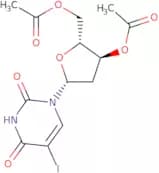
Formula:C10H13FN2O6Purity:Min. 95%Color and Shape:PowderMolecular weight:276.22 g/mol3',5'-Di-O-acetyl-2'-deoxy-5-iodouridine
CAS:3',5'-Di-O-acetyl-2'-deoxy-5-iodouridine is an inorganic, deoxyribonucleoside. It is the acetyl derivative of 2'-deoxy-5-iodouridine, which is an analog of uracil. 3',5'-Di-O-acetyl-2'-deoxy-5-iodouridine has been shown to have antiviral properties against herpes simplex virus type 1 (HSV1) and herpes simplex virus type 2 (HSV2) in animals. This drug also has antiangiogenic properties, inhibiting the growth of new blood vessels and tissues at the site of a tumour. Studies have shown that 3',5'-di-O acetyl 2'-deoxyuridine can be incorporated into exudates from human cancer patients and can inhibit tumor cell proliferation in vivo.
Formula:C13H15IN2O7Purity:Min. 95%Molecular weight:438.18 g/mol2'-Deoxy-5-methylcytidine
CAS:2'-Deoxy-5-methylcytidine is a nucleoside analogue that inhibits the synthesis of DNA. It prevents methylation of guanine, which disrupts the binding of guanine nucleotide-binding proteins to the dna template and prevents polymerase chain reactions. 2'-Deoxy-5-methylcytidine has been shown to inhibit colon cancer cells in vitro, and may be a potential biomarker for bowel disease. This drug is also a methyltransferase inhibitor, which means it blocks the enzyme responsible for adding methyl groups to cytosine molecules.
Formula:C10H15N3O4Purity:Min. 98 Area-%Color and Shape:White PowderMolecular weight:241.25 g/molRef: 3D-ND06242
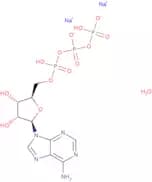
Discontinued productAdenosine 5'-triphosphate disodium salt hydrate
CAS:Adenosine 5'-triphosphate disodium salt hydrate (ATP 2Na) is a nucleoside triphosphate acting as the essential part of energy storage and metabolism in vivo. It plays a crucial role in many biological processes including neurotransmission, signal transduction, muscle contraction and cardiac function, often described as the "molecular unit of currency" for intracellular energy transfer.
Formula:C10H14N5Na2O13P3·xH2OPurity:Min. 97 Area-%Color and Shape:White PowderMolecular weight:551.14 g/mol1,3-Dimethylpseudouridine
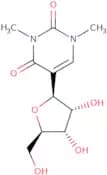
CAS:1,3-Dimethylpseudouridine is a methylated derivative of pseudouridine, which is a naturally occurring modified nucleoside found in RNA. This compounds can be used in research applications
Formula:C11H16N2O6Purity:Min. 95%Color and Shape:PowderMolecular weight:272.25 g/molRef: 3D-ND162827
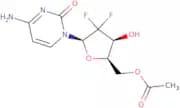
Discontinued product5'-O-Acetyl-2'-deoxy-2',2'-difluorocytidine
5'-O-Acetyl-2'-deoxy-2',2'-difluorocytidine is a novel nucleoside that can be used as an antiviral and anticancer agent. It has shown to be more potent than other nucleosides in inhibiting the synthesis of viral DNA and RNA, which makes it a potential candidate for treating HIV infection and cancer. This drug can also act as an activator by stimulating the production of deoxyribonucleotides and ribonucleotides. 5'-O-Acetyl-2'-deoxy-2',2'-difluorocytidine has been shown to have high purity and quality, making it a good candidate for use in various fields of research.
Formula:C11H13F2N3O5Purity:Min. 98 Area-%Color and Shape:PowderMolecular weight:305.23 g/molRef: 3D-NA10690
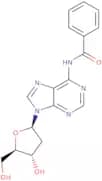
Discontinued productN6-Benzoyl-2'-deoxyadenosine
CAS:N6-Benzoyl-2'-deoxyadenosine (BADA) is a nucleoside analog that is used in the diagnosis of infections caused by bacteria. BADA binds to DNA duplexes and alters their structure, which can be detected using electrophoresis. BADA has been shown to have low bioavailability and is insoluble in water, so it must be administered intravenously. It has also been found to have anti-inflammatory properties, which may be due to its ability to inhibit prostaglandin synthesis.
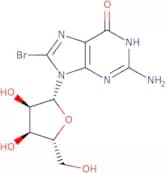
Formula:C17H17N5O4Purity:Min. 95%Color and Shape:White PowderMolecular weight:355.35 g/mol8-Bromoguanosine
CAS:8-Bromoguanosine (8BrG) is a potent inhibitor of cyclase enzymes that lead to the formation of cyclic guanosine monophosphate (cGMP). It has been shown to inhibit signal pathways, such as those regulated by the G protein-coupled receptor (GPCR), which are activated by the 2-adrenergic receptor. 8BrG has been shown to be effective against C. glabrata and other fungi and has been used in experimental models for infectious diseases.
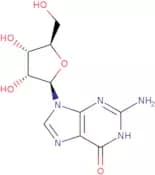
Formula:C10H12BrN5O5Purity:Min. 95%Color and Shape:White PowderMolecular weight:362.14 g/molGuanosine hydrate
CAS:Blocks glutamatergic activity; neuroprotective
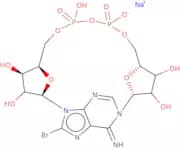
Formula:C10H13N5O5·xH2OPurity:Min. 98 Area-%Color and Shape:PowderMolecular weight:283.24 g/mol8-Bromocyclic adenosine diphosphate ribose sodium
CAS:8-Bromocyclic adenosine diphosphate ribose sodium salt (8BCAR) is a cytosolic cyclase inhibitor that inhibits the synthesis of cyclic adenosine monophosphate (cAMP). 8BCAR blocks the activation of protein kinase A, which is an enzyme involved in the phosphorylation of cAMP. 8BCAR has been shown to inhibit cardiac hypertrophy induced by growth factor-β1 and to increase mitochondrial membrane potential, as well as to suppress cardiomyocyte apoptosis. In addition, this drug can be used for the treatment of cancers such as leukemia and lymphoma.
Formula:C15H19BrN5NaO13P2Purity:Min. 95%Color and Shape:PowderMolecular weight:642.19 g/molAllopurinol riboside
CAS:Allopurinol riboside is a hydroxyl analog of allopurinol. Allopurinol riboside has minimal toxicity in tissue culture and exhibits no cytotoxicity in human serum. It is a potent inhibitor of microbial infection, including infections caused by Hepatitis C virus (HCV), Leishmania amazonensis, and Mycobacterium tuberculosis. Allopurinol riboside binds to adenine nucleotide and inhibits the synthesis of purines, which are necessary for DNA replication. This binding also inhibits the production of ATP, leading to cell death. In addition, allopurinol riboside inhibits the growth of human macrophages in vitro by inhibiting protein synthesis. Allopurinol riboside may be useful for treating HCV-induced liver disease or leishmaniasis.
Formula:C10H12N4O5Purity:Min. 97 Area-%Color and Shape:White PowderMolecular weight:268.23 g/molRef: 3D-NA07960
Discontinued product8-Aza-7-deaza-2'-deoxyadenosine
CAS:8-Aza-7-deaza-2'-deoxyadenosine is a single-stranded DNA analogue that is used as a conjugate to deliver drugs to cells. It has been shown to be effective in the treatment of HIV by suppressing viral replication and the production of infectious virions. The drug is photolabile, which means it can be activated with light and then delivered to cells. 8-Aza-7-deaza-2'-deoxyadenosine has also been shown to inhibit the growth of human immunodeficiency virus (HIV) in vitro, but does not inhibit the growth of other viruses such as herpes simplex virus type 1 or adenovirus.
Formula:C10H13N5O3Purity:Min. 95%Color and Shape:PowderMolecular weight:251.24 g/molRef: 3D-NA141793
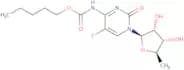
Discontinued productCapecitabine
CAS:Pro-drug of 5-FU; anti-cancer agent
Formula:C15H22FN3O6Purity:Min. 95%Color and Shape:PowderMolecular weight:359.35 g/molRef: 3D-ND09160
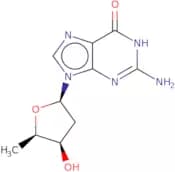
Discontinued product2',5'-Dideoxyguanosine
CAS:2',5'-Dideoxyguanosine is a modified nucleoside analog of guanosine, one of the four natural nucleosides found in RNA and DNA. This synthetic molecule has hydroxyl groups removed from the 2' and 5' positions of the sugar component, which alters its ability to participate in nucleic acid synthesis.
Formula:C10H13N5O3Purity:Min. 97 Area-%Color and Shape:White PowderMolecular weight:251.25 g/molRef: 3D-ND08406
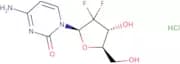
Discontinued productGemcitabine HCl
CAS:Anticancer nucleoside; DNA synthesis interference
Formula:C9H11F2N3O4·HClPurity:Min. 98 Area-%Color and Shape:White PowderMolecular weight:299.66 g/molClevudine
CAS:Clevudine is a synthetic pyrimidine analogue effective against the hepatitis B virus (HBV). Once inside the cell, it is converted into its active forms, clevudine monophosphate and clevudine triphosphate. The triphosphate form competes with thymidine to be incorporated into viral DNA, leading to DNA chain termination and inhibition of the HBV DNA polymerase (reverse transcriptase). Due to its long half-life, clevudine significantly reduces covalently closed circular DNA (cccDNA), making relapse less likely after treatment ends.
Formula:C10H13FN2O5Purity:Min. 95%Color and Shape:White PowderMolecular weight:260.22 g/molRef: 3D-NC09470
Discontinued product6-Azauridine
CAS:Inhibitor of uridine monophosphate synthase
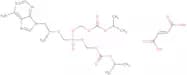
Formula:C8H11N3O6Purity:Min. 95%Color and Shape:White PowderMolecular weight:245.19 g/molTenofovir disoproxil fumarate
CAS:Anti-viral; reverse transcriptase inhibitor
Formula:C23H34N5O14PPurity:Min. 97.5 Area-%Color and Shape:White Off-White PowderMolecular weight:635.52 g/mol5-Aminouridine
CAS:5-Aminouridine is an analog of uridine that is used in the synthesis of RNA. It inhibits the synthesis of RNA by viruses, and it may also inhibit the synthesis of RNA by cells, including muscle cells. 5-Aminouridine has been shown to inhibit protein synthesis in muscle cells incubated with orotic acid. The drug may also interact with other drugs metabolized by UDP-glucose pyrophosphorylase, such as carbamazepine and phenytoin. This interaction may lead to decreased serum levels of these drugs following treatment with 5-aminouridine.
Formula:C9H13N3O6Purity:Min. 90 Area-%Color and Shape:PowderMolecular weight:259.22 g/molRef: 3D-NA163143
Discontinued product3'-O-Acetyl-5'-tert-butyldiphenylsilyl-2'-deoxy-2'-fluoro-5-methyluridine
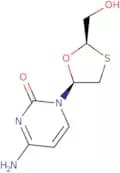
3'-O-Acetyl-5'-tert-butyldiphenylsilyl-2'-deoxy-2'-fluoro-5-methyluridine is a synthetic nucleoside that has antiviral activity. It is a modified nucleoside that contains a monophosphate group, which makes it an activator of DNA polymerase. 3'-O-Acetyl-5'-tert-butyldiphenylsilyl-2'-deoxy-2'-fluoro-5-methyluridine is novel because it contains an acetyl group at the 3' position and a silyl ether on the 2' oxygen atom. 3'-O-Acetyl-5'-tert-butyldiphenylsilyl-2'-deoxy-2'-fluoro -5 -methyluridine has CAS No. 62768‑36‑3 and is available in high purity.Purity:Min. 95%Lamivudine
CAS:Anti-viral; reverse transcriptase inhibitor
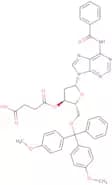
Formula:C8H11N3O3SPurity:Min. 95%Color and Shape:White PowderMolecular weight:229.26 g/molN6-Benzoyl-2'-deoxy-5'-O-DMT-adenosine 3'-O-succinate triethylammonium salt
CAS:N6-Benzoyl-2'-deoxy-5'-O-DMT-adenosine 3'-O-succinate triethylammonium salt is a novel nucleoside analog that has antiviral and anticancer properties. It is a ribonucleotide with an N6-(benzoyl)-2'-deoxyadenosine base linked to the 3' position of the sugar through an acetyl group, with a succinic acid moiety at the 5' position. This drug inhibits DNA synthesis and has been shown to block HIV replication in vitro. It also has activity against human papillomavirus type 16 (HPV16) infections in vivo.
Formula:C42H39N5O9·C6H15NPurity:Min. 95%Color and Shape:PowderMolecular weight:858.98 g/molRef: 3D-NB10413
Discontinued product9-(b-D-Arabinofuranosyl)hypoxanthine
CAS:9-(b-D-Arabinofuranosyl)hypoxanthine is a glycosylated analogue of the incretin hormone glucagon-like peptide-1 (GLP-1). It has been shown to inhibit Streptococcus pyogenes and other bacteria. 9-(b-D-Arabinofuranosyl)hypoxanthine has also been shown to have inhibitory properties against zirconium oxide, pulmonary vasodilation, squamous cell carcinoma, and rate constant. This drug has not been studied in clinical trials for antiviral prophylaxis or arabinoside. The only known side effects are drug interactions with cyclin D2 and nitrate reductase.
Formula:C10H12N4O5Purity:Min. 98 Area-%Color and Shape:White PowderMolecular weight:268.23 g/molRef: 3D-NA03401
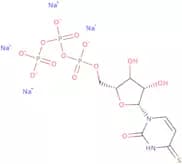
Discontinued product4-Thiouridine-5'-triphosphate sodium salt - aqueous solution
CAS:4-Thiouridine-5'-triphosphate sodium salt - aqueous solution (4TUTP) is an analog of uridine and can be used as a template for the synthesis of single-stranded DNA. 4TUTP has been shown to have a high affinity for dsDNA, allowing it to form a ternary complex with DNA polymerase and single-stranded DNA template. 4TUTP can also be used to prepare samples for profiling experiments or other molecular studies. It is reactive, so should be handled with caution in order to avoid unwanted crosslinking. 4TUTP may also be used in chloroplast research.Formula:C9H15N2O14P3S·xNaPurity:Min. 95 Area-%Color and Shape:Clear LiquidMolecular weight:500.20 g/molRef: 3D-NT34810
Discontinued product2',5'-Dideoxyadenosine
CAS:2',5'-Dideoxyadenosine is a nucleotide analog that inhibits the enzyme adenylate cyclase, by binding non-competitively via the P-site
Formula:C10H13N5O2Purity:Min. 95%Color and Shape:White Off-White PowderMolecular weight:235.25 g/molRef: 3D-ND07997
Discontinued productN4-Methylcytidine
CAS:N4-Methylcytidine is a member of the group P2. Its chemical structure consists of two nitrogen atoms, one carbon atom, and four hydrogen atoms. It is a nucleoside analogue that inhibits synthesis of human mitochondrial DNA by inhibiting bacterial enzyme uridine-cytidine kinase, which converts uridine to cytidine in the mitochondria. N4-Methylcytidine has been shown to be potent against viruses such as HIV and herpes simplex virus type 1 (HSV-1) in cell culture studies. This antiviral effect is due to the interference with viral dna replication and protein synthesis by preventing incorporation of uracil into dna and ribosomal RNA.
Formula:C10H15N3O5Purity:Min. 95%Color and Shape:PowderMolecular weight:257.24 g/molRef: 3D-NM76577
Discontinued product5-Bromo-2'-deoxyuridine
CAS:5-Bromo-2'-deoxyuridine (5-BrDU) is a nitrate reductase inhibitor that prevents the reduction of nitrate to nitrite by inhibiting the enzyme nitrate reductase. It is a genotoxic agent that has been shown to cause DNA damage and cell death in vitro. 5-BrDU has been shown to induce preconditioning in vivo, reducing neuronal injury after ischemia. This drug also binds to NMDA receptors and may be useful as a model system for studying neurodegenerative diseases such as Alzheimer's disease. 5-BrDU has been shown to inhibit the polymerase chain reaction in wild-type strains of bacteria, but not in strains with a mutation in their DNA gyrase genes.
Formula:C9H11BrN2O5Purity:Min. 99 Area-%Color and Shape:White Off-White PowderMolecular weight:307.1 g/molRef: 3D-NB06315
Discontinued productThymidine-5'-triphosphate trisodium
CAS:Thymidine-5'-triphosphate or dTTP, is a nucleotide used by the cell to synthesize DNA molecules. Thymidine-5'-triphosphate is used in molecular biology techniques and assays as a substrate of the enzyme DNA polymerase, e.g. polymerase chain reaction (PCR), DNA sequencing, pyrosequencing reactions. Salt form of thymidine-5'-triphosphate has been used in a newly developed detection system for SARS-CoV-2 that combines bioluminescence in real-time (BART) with reverse-transcriptase loop-mediated amplification (RT-LAMP).Formula:C10H17N2O14P3•Na3Purity:(%) Min. 90%Color and Shape:White PowderMolecular weight:551.14 g/molRef: 3D-NT05748
Discontinued product8-Azido-ATP-γ-biotin sodium
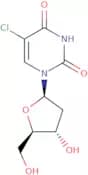
8-Azido-ATP is a novel nucleoside that has been shown to be an activator of DNA and RNA synthesis in human cells. It is synthesized by the enzymatic transfer of a gamma-biotin moiety from ATP to dATP, resulting in 8-azido-ATP. This drug has antiviral and anticancer activity and has been shown to inhibit the replication of HIV. The 8-azido-ATP can be used as an activator for purine nucleotide incorporation into DNA or RNA, which may help with cancer treatment or prevention. 8-Azido-ATP also inhibits the growth of certain viruses, such as herpes simplex virus type 1 (HSV1) and cytomegalovirus (CMV).Formula:C25H41N12O14P3S•NaxPurity:Min. 95%Color and Shape:White/Off-White SolidMolecular weight:858.65 g/mol5-Chloro-2'-deoxyuridine
CAS:5-Chloro-2'-deoxyuridine is a nucleoside analog that inhibits DNA synthesis by inhibiting the enzyme thymidylate synthetase. It has been used for the treatment of bladder cancer and may also be beneficial in treating other cancers such as colon cancer. 5-Chloro-2'-deoxyuridine is taken up from the intestine by cells, where it is converted to thymidine monophosphate and then to thymidine diphosphate, which inhibits DNA synthesis by interfering with cell division. The mechanism of action is similar to that of cytosine arabinoside, but it does not require activation by intracellular enzymes. 5-Chloro-2'-deoxyuridine can cause cell lysis and can inhibit protease activity during cell culture, which makes it a useful tool for purifying proteins or peptides. The drug has been shown to be an analog of cytosine arabinos
Formula:C9H11ClN2O5Purity:Min. 98 Area-%Color and Shape:White PowderMolecular weight:262.65 g/molRef: 3D-NC04688
Discontinued productStavudine 5'-triphosphate sodium salt - 100 mM aqueous solution
Stavudine 5'-triphosphate sodium salt is a modified nucleoside analog with antiviral and anticancer properties. It is a phosphoramidate of stavudine, which has been modified by the replacement of the L-cysteine moiety with a 2-thiophenecarboxamide group. The novel chemical structure of stavudine 5'-triphosphate sodium salt leads to higher solubility in water than other analogues and improved pharmacokinetics. Stavudine 5'-triphosphate sodium salt is an activator for the synthesis of DNA, RNA, and protein. It also inhibits viral replication by interfering with viral DNA polymerase and ribonucleotide reductase, which are essential enzymes for viral replication.Formula:C10H17N2O13P3·xNaPurity:Min. 95 Area-%Color and Shape:Clear LiquidMolecular weight:466.17 g/molα-Thymidine
CAS:a-Thymidine is a thymidylate analog that is used as an anti-HIV drug. It is the L-enantiomer of thymidine, which is a nucleoside base in DNA. The biological effects of a-thymidine are due to its ability to be incorporated into DNA and act as a competitive inhibitor of the enzyme protein synthesis. It also has been shown to have antiviral properties against herpes simplex virus type 1 and hepatitis B virus.
Formula:C10H14N2O5Purity:Min. 98 Area-%Color and Shape:PowderMolecular weight:242.23 g/molRef: 3D-NT00283
Discontinued productN6-Benzoyl-3'-O-tert-butyldimethylsilyl-2'-O-(2-methoxyethyl)adenosine
N6-Benzoyl-3'-O-tert-butyldimethylsilyl-2'-O-(2-methoxyethyl)adenosine is a modified nucleoside with antiviral activity. This compound is synthesized by a modified method that avoids the use of phosphoramidites, which are usually used to synthesize nucleosides. N6-Benzoyl-3'-O-tert-butyldimethylsilyl-2'-O-(2-methoxyethyl)adenosine is an activator of viral RNA polymerase and has been shown to be active against HIV and herpes simplex virus type 1.
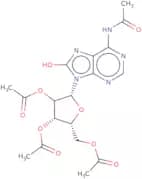
Purity:Min. 95%N6-Acetyl-2',3',5'-tri-O-acetyl-8-hydroxyadenosine
N6-Acetyl-2',3',5'-tri-O-acetyl-8-hydroxyadenosine is a modified nucleoside that is used in the synthesis of oligonucleotides. It is an activator with antiviral and anticancer properties, as well as various other biological activities. The CAS number for this product is 91359-02-2. The purity of this product ranges from 99% to 100%. This chemical has not been previously synthesized and has not been modified by any substituents or moieties.
Formula:C18H21N5O9Purity:Min. 95%Color and Shape:PowderMolecular weight:451.39 g/molRef: 3D-NA08462
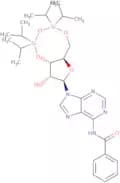
Discontinued productN6-Benzoyl-3',5'-O-(1,1,3,3- tetraisopropyl-1,3-disiloxanediyl)adenosine
CAS:N6-Benzoyl-3',5'-O-(1,1,3,3-tetraisopropyl-1,3-disiloxanediyl)adenosine is a novel antiviral agent that belongs to the class of nucleoside analogues. It has high antiviral activity against human cytomegalovirus and herpes simplex virus type 1. N6-Benzoyl-3',5'-O-(1,1,3,3-tetraisopropyl-1,3-disiloxanediyl)adenosine also has anticancer effects and is used in the treatment of leukemia. This drug inhibits DNA synthesis by acting as a competitive inhibitor for deoxyribonucleotide triphosphates and binds to ribonucleosides in order to inhibit DNA replication.Formula:C29H43N5O6Si2Purity:Min. 95%Color and Shape:White PowderMolecular weight:613.87 g/molRef: 3D-NB09330
Discontinued product





![4-Amino-6-hydroxypyrazolo[3,4-d]pyrimidine](/_next/image/?url=https%3A%2Fstatic.cymitquimica.com%2Fproducts%2F3B%2Fthumb-webp%2FA2699.webp&w=3840&q=75)








![(2R,3R,4S,5R)-2-(4-Aminothieno[3,4-d]pyrimidin-7-yl)-5-(hydroxymethyl)tetrahydrofuran-3,4-diol](/_next/image/?url=https%3A%2Fstatic.cymitquimica.com%2Fproducts%2F3D%2Fthumb-webp%2FFA165910.webp&w=3840&q=75)