Quinazoline and Quinoline Derivatives
Quinazolines and quinolines are nitrogen-containing heterocyclic compounds with aromatic structures that play a key role in the synthesis of drugs with anticancer, antimicrobial, and anti-inflammatory activity. Their derivatives feature structural modifications that optimise bioavailability and selectivity, enabling the development of new active ingredients for various therapeutic applications. These compounds are used in the manufacture of APIs for the treatment of cancer, infections, neurodegenerative diseases, and cardiovascular conditions. Additionally, quinazoline and quinoline derivatives are essential in the research of enzyme inhibitors and the design of innovative bioactive molecules.
At CymitQuimica, we offer high-purity quinazoline and quinoline derivatives for applications in chemical synthesis, pharmaceutical development, and biotechnology.
Found 65941 products of "Quinazoline and Quinoline Derivatives"
Sort by
Purity (%)
0
100
|
0
|
50
|
90
|
95
|
100
Lodoxamide-15N2,d2
CAS:Controlled Product<p>Applications Lodoxamide-15N2,d2 is the labelled form of Lodoxamide which is an antiallergic drug that acts as a mast cell stabilizer. It is effective in the treatment of allergic conjunctivitis and in decreasing vascular permeability.<br>References Ciprandi, G., et al.: Allergy, 51(12), 946-951 (1996); Bayer, Atilla., et al.: Ophthalmologica, 217(2), 119-123 (2003)<br></p>Formula:C11H4D2ClN15N2O6Color and Shape:NeatMolecular weight:315.63N-Ethyl-3-buteno-o-toluidide
CAS:Controlled ProductFormula:C13H17NOColor and Shape:NeatMolecular weight:203.284-Nitrothalidomide
CAS:<p>Applications 4-Nitrothalidomide is a compound involved in the preparation of Pomalidomide (P688200), a thalidomide derivative and potent inhibitor of TNF-α production.<br>References Huang, D., et al.: Syn. Comm., 46, 1343-1348 (2016); Ruchelman, A. et al.: Bioorg. Med. Chem. Lett., 23, 360 (2013); Latif, T. et al.: Exp. Hematol. Oncol., 1, 27 (2012); Man, H. et al.: Bioorg. Med. Chem. Lett., 13, 3415 (2003); Muller, G. et al.: Bioorg. Med. Chem. Lett., 9, 1625 (1999)<br></p>Formula:C13H9N3O6Color and Shape:NeatMolecular weight:303.23Ethyl 2-Methoxy-5-sulfamoylbenzoate
CAS:Controlled Product<p>Impurity Sulpiride EPimpurity C<br>Applications ethyl 2-methoxy-5-sulfamoylbenzoate (cas# 33045-53-3) is a useful research chemical.<br></p>Formula:C10H13NO5SColor and Shape:NeatMolecular weight:259.284-[3-(Methylamino)-1-(2-thienyl)propyl]-1-naphthalenol Hydrochloride (Duloxetine Impurity)
CAS:Controlled Product<p>Impurity D721000<br>Applications Duloxetine impurity; also a related compound of Duloxetine metabolite.<br></p>Formula:C18H19NOS·ClHColor and Shape:NeatMolecular weight:333.88rac-Bromo-Descyanobicalutamide
Controlled Product<p>Applications Descyano-Bromo-Bicalutamide is related to Bicalutamide(B382000). A non-steroidal androgen receptor antagonist that binds the androgen receptor and prevents its activation<br>References Tucker, H., et al.: J. Med. Chem., 31, 954 (1988), Cockshott, I.D., et al.: Eur. Urol., 18, Suppl. 3, 10 (1990)<br></p>Formula:C17H14BrF4NO4SColor and Shape:NeatMolecular weight:484.26N-(S)-Glycidylphthalimide
CAS:Controlled Product<p>Applications N-(S)-Glycidylphthalimide is a phthalimide derivative used as an intermediate in the preparation of the antibiotic Linezolid (L466500).<br>References Rajesh, T. et al.: Pharm. Chem., 3, 168 (2011);<br></p>Formula:C11H9NO3Color and Shape:WhiteMolecular weight:203.19Tadalafil-13C2,d3
CAS:Controlled Product<p>Applications Tadalafil-13C2,d3 is labelled Tadalafil (T004500) which is used for the treatment of erectile dysfunction. It is a phosphodiesterase 5 inhibitor.<br>References Carrier, S., et al.: Can. J. Urol., 10(1), 12 (2003), Doggrell, S.A., et al.: Expert Opin. Pharmacother., 6, 75 (2005), Forgue, S.T., et al.: Br. J. Clin. Pharmacol., 61, 280 (2005)<br></p>Formula:C2013C2H16D3N3O4Color and Shape:White PowderMolecular weight:394.415-Hydroxy Propranolol Hydrochloride
CAS:Controlled Product<p>Applications A metabolite of Propranolol.<br>References Otton, S., et al.: Br. J. Clin. Pharmacol., 30, 751 (1990), Fujita, S., et al.: J. Pharmacol. Exp. Ther., 264, 226 (1993), Bichara, N., et al.: Drug Metab. Dispos., 24, 112 (1996), Tasaki, T., et al.: J. Biochem., 123, 162 (1998),<br></p>Formula:C16H21NO3·HClColor and Shape:NeatMolecular weight:311.8042,3-Bis[(acetyloxy)methyl]-1-oxoquinoxalin-1-ium-4(1H)-olate
CAS:Controlled Product<p>Applications 2,3-Bis[(acetyloxy)methyl]-1-oxoquinoxalin-1-ium-4(1H)-olate is an antibiotic.<br>References Marrero-Ponce, Yovani, et al.: Bioorg. & Med. Chem., 13(8), 2881-2899 (2005)<br></p>Formula:C14H14N2O6Color and Shape:NeatMolecular weight:306.27(D,L)-erythro-α-Phenyl-2-piperidineacetamide
CAS:Controlled Product<p>Stability Hygroscopic<br>Applications Intermediate in the preparation of D-threo-Methylphenidate (Ritalin)<br></p>Formula:C13H18N2OColor and Shape:NeatMolecular weight:218.295-[(2-Chloroethyl)(2-hydroxyethyl)amino]-1-methyl-1H-benzimidazole-2-butanoic Acid Ethyl Ester
CAS:Controlled Product<p>Stability Hygroscopic<br>Applications Bendamustine (B132500) impurity.<br></p>Formula:C18H26ClN3O3Color and Shape:NeatMolecular weight:367.87Anastrozole EP Impurity E (2-[3-(Cyanodimethylmethyl)-5-hydroxymethylphenyl]-2-methylpropionitrile)
CAS:Controlled Product<p>Impurity Anastrozole EP Impurity E<br>Applications 2-[3-(Cyanodimethylmethyl)-5-hydroxymethylphenyl]-2-methylpropionitrile (Anastrozole EP Impurity E ) is an impurity of Anastrozole (A637425), an aromatase inhibitor which functions as an antineoplastic (1,2). Anastrozole is used in post-menopausal women with advanced breast cancer.<br>References 1. Plourde, P. et al.: Breast Cancer Res Treat. 1994;30(1):103-112. Buzdar, A. et al.: Cancer. 1997 Feb 15;79(4):730-9.<br></p>Formula:C15H18N2OColor and Shape:NeatMolecular weight:242.32Levetiracetam-d6
CAS:Controlled Product<p>Applications The labelled (S)-enantiomer of Etiracetam (E932970) and the ethyl analog of Piracetam (P500800). Used as an anticonvulsant.<br>References Gower, A.J., et al.: Eur. J. Pharmacol., 222, 193 (1992); Kasteleijn-Noist Trenite, D.G.A., et al.: Epilepsy Res., 25, 225 (1996); Patsalos, P.N., et al.: Pharmacol. Ther., 85, 77 (2000),<br></p>Formula:C82H6H8N2O2Color and Shape:BeigeMolecular weight:176.252-Hydroxy Imipramine-d6
CAS:Controlled Product<p>Applications A labelled metabolite of Imipramine.<br>References De Jongh, G.D., et al.: Drug Metab. Dispos., 2, 48 (1981), Suckow, R.F., et al.: J. Pharm. Sci., 73, 1745 (1984), Fraser, A.D., et al.: J. Anal. Toxicol., 11,168 (1987),<br></p>Formula:C19H18D6N2OColor and Shape:NeatMolecular weight:302.443-[(Methylamino)sulfonyl]-2-thiophenecarboxylic Acid
CAS:Controlled ProductFormula:C6H7NO4S2Color and Shape:Off-WhiteMolecular weight:221.25Loratadine Impurity F
CAS:Controlled Product<p>Impurity Loratadine EP Impurity F; Loratadine USP Related Compound G Impurity<br>Applications Loratadine Impurity F (Loratadine EP Impurity F; Loratadine USP Related Compound G Impurity) is a fluorinated analog of Loratadine (L469575), which is a nonsedating-type histamine H1-receptor.<br>References Bruttmann, G., et al.: J. Allergy Clin. Immunol., 83, 411 (1989), Haria, M., et al.: Drugs, 48, 617 (1994)<br></p>Formula:C22H24ClFN2O2Color and Shape:White To Off-WhiteMolecular weight:402.89Irbesartan N-β-D-Glucuronide
CAS:<p>Applications A metabolite of Irbesartan (M8).<br>References Cazaubon, C., et al.: J. Pharmacol. Exp. Ther., 265, 826 (1993), Eberhardt, R., et al.: J. Clin. Pharmacol., 33, 1023 (1993), Huskey, S., et al.: Drug Metab. Dispos., 21, 792 (1993), van Den Meiracker, A., et al.: Hypertension, 25, 22 (1995),<br></p>Formula:C31H36N6O7Color and Shape:NeatMolecular weight:604.656-Hydroxy-7-methoxy-4(1H)-quinazolinone
CAS:Controlled Product<p>Applications 6-Hydroxy-7-methoxy-4(1H)-quinazolinone is a reactant used in the preparation of 4-anilinoquinazoline derivatives that have shown antitumor activities. 6-Hydroxy-7-methoxy-4(1H)-quinazolinone was also used as a reactant in the synthetic preparation of 2-arylbenzothiazoles as kinase inhibitors.<br>References Chandregowda, V., et al.: Eur. J. Med. Chem., 44, 3046 (2009); Tasler, S., et al.: Bioorg. Med. Chem. Lett., 17, 6728 (2009);<br></p>Formula:C9H8N2O3Color and Shape:BeigeMolecular weight:192.174-Chloro Perphenazine
CAS:Controlled Product<p>Applications 4-Chloro Perphenazine is an impurity of Perphenazine (P291100), an D2 dopamine receptor antagonist; α-adrenergic receptor antagonist and σ-receptor agonist; phenothiazine antipsychotic.<br>References Briggs, K., et al.: Toxicology, 231, 113 (2007), Toga, T., et al.: J. Pharmacol. Sci., 105, 207 (2007),<br></p>Formula:C21H26ClN3OSColor and Shape:NeatMolecular weight:403.972-Amino Edoxaban Methanesulfonate
CAS:Controlled ProductFormula:C16H22ClN5O3•(CH4O3S)Color and Shape:NeatMolecular weight:463.93N-Desmethyl N-Nitroso Olopatadine-d3
Controlled ProductFormula:C20D3H17N2O4Color and Shape:NeatMolecular weight:355.4022-Hydroxy Imipramine β-D-Glucuronide
CAS:Controlled Product<p>Applications A metabolite of Imipramine.<br>References Gram, L.F., et al.: Clin. Pharmacol. Therap., 17, 555 (1975), Hackett, A.M., et al.: Xenobiotica, 14, 491 (1984), Chiba, M., et al.: Biochem. Pharmacol., 39, 367 (1990),<br></p>Formula:C25H32N2O7Color and Shape:NeatMolecular weight:472.535-[1-Hydroxy-2-(2,4,5-trifluorophenyl)ethylidene]-2,2-dimethyl-1,3-dioxane-4,6-dione
CAS:Controlled Product<p>Applications 5-[1-Hydroxy-2-(2,4,5-trifluorophenyl)ethylidene]-2,2-dimethyl-1,3-dioxane-4,6-dione is an impurity of the DPP-IV inhibitor Sitagliptin (S491000).<br>References Ye, F. et al.: Hech. Huax., 18, 767 (2010); Ahn, J.H, et al.: Bioorg. Med. Chem. Lett., 17, 2622 (2007);<br></p>Formula:C14H11F3O5Color and Shape:NeatMolecular weight:316.23Efavirenz 3-Desoxy
CAS:<p>Applications Efavirenz 3-Desoxy is an analog of Efavirenz (E425000), a nonnucleoside HIV-1 reverse transcriptase inhibitor. Antiviral.<br>References Young, S.D., et al.: Antimicrob. Ag. Chemother., 39, 2602 (1995)<br></p>Formula:C15H11ClF3NOColor and Shape:Off White SolidMolecular weight:313.70N-Nitroso Moxonidine
Controlled ProductFormula:C9H11ClN6O2Color and Shape:NeatMolecular weight:270.6761-Methyl-1H-indazole-3-carboxylic Acid Anhydride
CAS:Controlled Product<p>Applications 1-Methyl-1H-indazole-3-carboxylic Acid Anhydride is an impurity of Granisetron (G780000), a specific serotonin (5HT3) receptor antagonist and a antiemetic agent.<br>References Kilpatrick, G.J., et al.: Nature, 330, 746 (1987); Durig, T., et al.: J. Pharm. Sci., 86, 1092 (1997); Yuasa, H., et al.: Chem. Pharm. Bull., 44, 1361 (1996); Vishnu, E.V.R., et al.: Lett. Org. Chem., 8, 722 (2011);<br></p>Formula:C18H14N4O3Color and Shape:Off-WhiteMolecular weight:334.33N-Nitroso-1-(2-methoxyphenyl)piperazine
CAS:Controlled Product<p>Applications N-Nitroso-1-(2-methoxyphenyl)piperazine is a reagent used in the preparation of 9-aminoacridine-based agents that impair bovine viral diarrhea virus replication.<br>References Loddo, R. et al.: Bio. & Med. Chem., 26(4), 855-868, (2018)<br></p>Formula:C11H15N3O2Color and Shape:Off-White To Light BrownMolecular weight:221.261-(4-(4-(tert-Butyl)phenyl)-4-hydroxybutyl)piperidine-4-carboxylic Acid
Controlled ProductFormula:C20H31NO3Color and Shape:NeatMolecular weight:333.465N-trifluoroacetyl Varenicline
CAS:Controlled Product<p>Applications 7,8,9,10-Tetrahydro-8-(trifluoroacetyl)-6,10-methano-6H-pyrazino[2,3-h][3]benzazepine is used to prepare varenicline, which is a smoking cessation. It is a Varenicline protected impurity.<br>References Coe, J., et al.: J. Med. Chem., 48, 3474 (2005) ;<br></p>Formula:C15H12F3N3OColor and Shape:NeatMolecular weight:307.2705Plerixafor Hydrochloride (1:8)
CAS:Controlled Product<p>Stability Hygroscopic<br>Applications Plerixafor Hydrochloride (1:8), is an immunostimulant used to mobilize hematopoietic stem cells in cancer patients. It is a hematopoietic stem cell (HSC) mobilizer that inhibits the CXCR4 chemokine receptor and blocks binding of its ligand, stromal cell-derived factor-1-α (SDF-1-α).<br>References Xie, T., et al.: Science, 290, 328 (2000), Leone, D., et al.: J. Pharmacol. Exp. Ther., 305, 1150 (2003), Chigaev, A., et al.: J. Immunol. 178, 6828 (2007), Kiel, M., et al.: Cell Stem Cell, 1, 204 (2007),<br></p>Formula:C28H54N8·8ClHColor and Shape:NeatMolecular weight:794.475-(4-methylphenyl)imidazolidine-2,4-dione
CAS:Controlled Product<p>Applications 5-(4-methylphenyl)imidazolidine-2,4-dione (cas# 69489-37-8) is a useful research chemical.<br></p>Formula:C10H10N2O2Color and Shape:NeatMolecular weight:190.206-(4-Phenylbutoxy)-1-hexanamine
CAS:<p>Applications 6-(4-Phenylbutoxy)-1-hexanamine is an intermediate in the synthesis of salmeterol (S090100), a structural analog of Albuterol (A514500).<br>References Goswami, J., et al.: Tetrahedron. Asym., 12, 3343 (2002);<br></p>Formula:C16H27NOColor and Shape:Off White SolidMolecular weight:249.39Haloperidol pyridinium Chloride Impurity
CAS:Controlled Product<p>Applications Haloperidol pyridinium Chloride is a neurotoxic pyridinium metabolite of haloperidol that is formed in the liver and found in the brain. Haloperidol pyridinium Chloride is a substrate for human organic cation transporters.<br>References Kang, H. et. al.: Drug Metab. Dispos., 34, 1145 (2006)<br></p>Formula:C21H18Cl2FNOColor and Shape:NeatMolecular weight:390.28Rilmazafone Hydrochloride
CAS:<p>Applications Rilmazafone Hydrochloride can be used in biological study of nitrazepam or rilmazafone hydrochloride combined with ethanol effects on human memory. It is also used as sleep aid medication.<br>References Suzuki, M., et al.: Neurosciences (Okayama, Japan), 20, 43 (1994)<br></p>Formula:C21H20Cl2N6O3·HClColor and Shape:NeatMolecular weight:475.33 + (36.46)2-(Bromomethyl)-3-nitrobenzoic Acid Methyl Ester
CAS:Controlled Product<p>Applications 2-(Bromomethyl)-3-nitrobenzoic Acid Methyl Ester (cas# 98475-07-1) is a compound useful in organic synthesis.<br> Not a dangerous good if item is equal to or less than 1g/ml and there is less than 100g/ml in the package<br></p>Formula:C9H8BrNO4Color and Shape:Off-White To Light YellowMolecular weight:274.07N-Methyl Topiramate
CAS:Controlled Product<p>Impurity Topiramate N-methyl impurity<br>Applications N-Methyl Topiramate, is an impurity of Topiramate (T540250); which is an anticonvulsant (antiepilepsy) drug, that has been approved for weight loss by FDA.<br>References Maryanoff, B.E., et al.: J. Med. Chem., 30, 880 (1987), Bialer, M.: Clin. Pharmacokinet., 24, 441 (193),<br></p>Formula:C13H23NO8SColor and Shape:NeatMolecular weight:353.39Trazodone 1,4-Di-N-Oxide
CAS:Controlled Product<p>Stability Hygroscopic<br>Applications A possible metabolite of Trazodone-HCl (T718500).<br></p>Formula:C19H22ClN5O3Color and Shape:NeatMolecular weight:403.86Carvedilol Bisalkylpyrocatechol Impurity
CAS:Controlled Product<p>Applications A new known impurity of Carvedilol (C184625), published in Carvedilol USP monograph.<br></p>Formula:C40H42N4O6Color and Shape:NeatMolecular weight:674.78rac N-Nitroso-N-Desmethyl Dapoxetine-D3
Controlled ProductFormula:C20D3H17N2O2Color and Shape:NeatMolecular weight:323.404S-(s)-Verapamil-D6
CAS:Controlled Product<p>Applications Labelled S-Verapamil (V124991). Both isomers inhibit the p-glycoprotein efflux pump in multidrug resistant tumor cells.<br>References Peroutka, S., et al.: J. Ann. Neurol, 23, 500 (1988), Eliason, J.F., et al.: Int. J. Cancer, 46, 113 (1990),<br></p>Formula:C27H33D6ClN2O4Color and Shape:NeatMolecular weight:497.13-(Dimethylamino)-1-(2-thienyl)propan-1-ol
CAS:<p>3-(Dimethylamino)-1-(2-thienyl)propan-1-ol is an organic compound that is used as a chiral building block in the synthesis of drugs. It is not currently used in any known drug, but it has been shown to be racemized at high temperatures. 3-(Dimethylamino)-1-(2-thienyl)propan-1-ol is also a byproduct of pollution and can be found in the environment where it may be degraded by bacteria.</p>Formula:C9H15NOSPurity:Min. 95%Molecular weight:185.29 g/molValdecoxib impurity I
CAS:<p>Valdecoxib impurity I is a synthetic compound that is used as an impurity standard for the drug product Valdecoxib. It has a CAS number of 1373038-59-5 and is used in HPLC analysis to detect the presence of metabolites. Valdecoxib impurity I has been shown to be a metabolite of Valdecoxib, but the metabolic pathway has not been elucidated.</p>Formula:C16H15N3O5S2Purity:Min. 95%Molecular weight:393.44 g/molIcotinib Hydrochloride
CAS:Icotinib Hydrochloride, an oral EGFR inhibitor (BPI-2009H), may halt cancer growth by blocking EGFR signaling.Formula:C22H22ClN3O4Purity:99.89%Color and Shape:SolidMolecular weight:427.88rac-N-Desisopropyl-N-ethyl acebutolol
CAS:rac-N-Desisopropyl-N-ethyl acebutolol is a synthetic drug product. It is an analytical standard for the impurity, acebutolol, and is metabolized by cytochrome P450 3A4 to form the major metabolite, N-desisopropyl acebutolol. rac-N-Desisopropyl-N-ethyl acebutolol is a research and development product that can be custom synthesized to meet specific needs. It has been shown to have antihypertensive properties in rats and monkeys. This product is not intended for human use.Formula:C17H26N2O4Purity:Min. 95%Molecular weight:322.4 g/molCyamemazine sulfoxide
CAS:<p>Cyamemazine sulfoxide is a histamine H1 receptor antagonist. It has been shown to have strong affinity for the serotonin 5-HT2C and dopamine D2 receptors, as well as the atrial 5-HT2A receptors. Cyamemazine sulfoxide has a low oral bioavailability of about 10% and is metabolized in the liver to cyamemazine and its active form, cyamemazine sulfoxide. Cyamemazine sulfoxide binds to serotonin 5-HT2C receptors with a high affinity, which leads to inhibition of serotonin release from nerve endings in the brain. This drug also inhibits dopamine release from nerve endings in the brain and has been shown to have cardiac effects on heart rate and contractility.</p>Formula:C19H21N3OSPurity:Min. 95%Molecular weight:339.46 g/mol2’-[(1E)-2-[4-[[(2-Carboxyethyl)amino]carbonyl]phenyl]diazenyl] balsalazide
CAS:<p>2’-[(1E)-2-[4-[[(2-Carboxyethyl)amino]carbonyl]phenyl]diazenyl] balsalazide is a chemical substance that has been used as an analytical standard and as a research and development (R&D) tool. It is also used as an impurity standard in the manufacture of drugs, such as antibiotics. 2’-[(1E)-2-[4-[[(2-Carboxyethyl)amino]carbonyl]phenyl]diazenyl] balsalazide is a white to off-white crystalline powder that is soluble in water, ethanol, acetone, and methanol. This chemical substance can be synthesized using natural or synthetic methods.</p>Formula:C27H24N6O9Purity:Min. 95%Molecular weight:576.51 g/molMethyl 3-aminocrotonate
CAS:<p>Methyl 3-aminocrotonate is an intermediate in the synthesis of pyridinedicarboxylic acid. It is a white powder with a melting point of 160-165°C and a boiling point of 263°C. Methyl 3-aminocrotonate is soluble in water, alcohols, ethers, chloroform, and benzene. It has been detected by its UV absorption at 227 nm. The detection sensitivity for this compound was found to be 0.1 ppm. This product has shown to produce calcium stearate as an acid conjugate.<br>Methyl 3-aminocrotonate is a molecule that contains a hydrogen bond between the hydroxyl group and the amine group on C3, which are both in close proximity to the carbonyl group on C2. This molecule exhibits intramolecular hydrogen bonding between two hydrogen atoms on different molecules. <br>The IR spectrum for methyl 3-aminoc</p>Formula:C5H9NO2Purity:Min. 95%Color and Shape:White To Yellow SolidMolecular weight:115.13 g/molAlpha-Desmethyl anastrozole
CAS:<p>Alpha-Desmethyl anastrozole is a synthetic chemical that has been used as an impurity standard for the drug product, Anastrozole (Arimidex). This compound is metabolized in humans and is a metabolite of Arimidex. Alpha-Desmethyl anastrozole exhibits high purity and can be synthesized using custom synthesis. The CAS number for this compound is 1215780-15-6.</p>Formula:C16H17N5Purity:Min. 95%Molecular weight:279.34 g/mol(S)-(-)-2-Aminomethyl-1-ethylpyrrolidine
CAS:<p>(S)-(-)-2-Aminomethyl-1-ethylpyrrolidine is a compound that belongs to the class of cyclohexane ring. It has been shown to possess potent anti-infective activity against bacteria and fungi, but not against viruses. It is an inorganic compound that can be synthesized by the chlorination of (S)-(-)-2-aminoethanol. This method is efficient and does not require any organic solvents or catalysts. The binding of inhibitors to the enzyme can be studied by using this molecule as a model system. This molecule also has application as a coating for metal surfaces, which can inhibit corrosion.</p>Formula:C7H16N2Purity:Min. 95%Molecular weight:128.22 g/molMethyl 4-[[1-(ethoxycarbonyl)-2-oxocyclopentyl]methyl]-α-methylbenzeneacetate
CAS:Please enquire for more information about Methyl 4-[[1-(ethoxycarbonyl)-2-oxocyclopentyl]methyl]-α-methylbenzeneacetate including the price, delivery time and more detailed product information at the technical inquiry form on this pageFormula:C19H24O5Purity:Min. 95%Molecular weight:332.39 g/molN-(4-Amino-6,7-dimethoxyquinazol-2-yl)-N-methylpropylenediamine hydrochloride
CAS:<p>N-(4-Amino-6,7-dimethoxyquinazol-2-yl)-N-methylpropylenediamine hydrochloride is an impurity that can be found in some commercially available drugs. It is a metabolite of the drug N-(4-amino-6,7-dimethoxyquinazol-2-yl)propylenediamine and is used as a reference standard for HPLC analysis. This compound has been shown to have antiplatelet activities.</p>Formula:C14H22ClN5O2Purity:Min. 95%Molecular weight:327.81 g/molApixaban Impurity 11
CAS:<p>Apixaban impurity 11 is an analytical standard used in research and development, drug development, and the production of API. It has a purity of 99.5% by HPLC and is a metabolite of apixaban. Apixaban impurity 11 has the CAS number 2204368-51-2 and is a Metabolite and Impurity standard for pharmacopoeia with a purity of 99.5% by HPLC. This product can be custom synthesized or natural with a purity of 99.5% by HPLC.</p>Formula:C29H31N5O5Purity:Min. 95%Molecular weight:529.59 g/mol1-Phenyl-1,2,3,4-tetrahydro-isoquinoline
CAS:<p>1-Phenyl-1,2,3,4-tetrahydro-isoquinoline is a synthetic compound which has been used as a lead compound for the development of drugs with dopamine β-hydroxylase inhibitory activity. In vitro studies have shown that 1-phenyl-1,2,3,4-tetrahydro-isoquinoline inhibits human serum dopamine β-hydroxylase and can be used to study the possible role of this enzyme in Parkinson's disease. This drug is racemized in the body and has been found to be effective against Parkinson's disease in rats. It is also an enantiomer that has industrial applications for the production of polyurethane foam insulation coatings.</p>Formula:C15H15NPurity:Min. 95%Color and Shape:PowderMolecular weight:209.29 g/mol[4-(4-Amino-7-hydroxy-6-methoxy-2-quinazolinyl)-1-piperazinyl](tetrahydro-2-furanyl)-methanone
CAS:<p>3-amino-2,6-dimethoxy-4-(4-amino-7-hydroxy-6-methoxyquinazolin-2(1H)-yl)piperazine (DMQA) is a synthetic compound. It is a racemate with two stereoisomers, which are mirror images of each other. The two stereoisomers have been characterized and the data for the two stereoisomers are provided in the table below.</p>Formula:C18H23N5O4Purity:Min. 95%Molecular weight:373.41 g/molDes(oxopentyl) valsartan benzyl ester
CAS:<p>Des(oxopentyl) Valsartan Benzyl Ester is an analytical standard for the drug valsartan. It is a white to off-white, crystalline powder that is soluble in methanol and acetone. This compound can be used as an HPLC standard, or as an impurity standard in the development of valsartan drugs. Des(oxopentyl) Valsartan Benzyl Ester also has niche uses in natural product isolation and synthetic organic chemistry. It is a metabolite of des(oxopentyl)valsartan, which is a prodrug of valsartan.</p>Formula:C26H27N5O2Purity:Min. 95%Molecular weight:441.53 g/molEthyl 2-(6-amino-2,3-dichlorobenzyl)glycine
CAS:<p>Ethyl 2-(6-amino-2,3-dichlorobenzyl)glycine is a drug product with a CAS number of 70406-92-7. It has an analytical purity of greater than 98% and is supplied as a white powder. This product is metabolized in the human body to form an active metabolite. The chemical name for this drug product is ethyl 2-(6-amino-2,3-dichlorobenzyl)glycine, which can be found in the pharmacopoeia under the name of 6′ amino 2,3′ dichlorobenzyl glycine.</p>Formula:C11H14Cl2N2O2Purity:Min. 95%Molecular weight:277.15 g/molLosartan imidazo[1,5-b]isoquinoline impurity
CAS:<p>Losartan is a drug product that belongs to the class of losartan impurity. It is an impurity standard for research and development, as well as a custom synthesis. Losartan is also used in the synthesis of other drugs, such as losartan potassium, which is classified as a niche compound. Losartan impurity has been shown to be metabolized by several enzymes including CYP2C9 and CYP3A4. The metabolite identified from this study was N-desmethyl losartan.</p>Formula:C22H21ClN6Purity:Min. 95%Molecular weight:404.9 g/mol1-Desmethyl 2-methyl granisetron
CAS:Controlled Product<p>Granisetron is a serotonin 5-hydroxytryptamine 3 (5-HT3) receptor antagonist. It is used in the prevention and treatment of nausea and vomiting caused by cytotoxic chemotherapy, radiation therapy, or surgery. Granisetron hydrochloride is a white to off-white powder with a molecular weight of 476.0. The chemical formula for granisetron hydrochloride is C22H24ClN2O2S. This drug has been shown to be efficient in the prevention and treatment of nausea and vomiting caused by cytotoxic chemotherapy, radiation therapy, or surgery. The potential impurities are as follows: <br>1) 1-Desmethyl 2-methyl granisetron <br>2) 2-Methyl granisetron <br>3) 2-Methyl 3-(4'-hydroxyphenyl)propionitrile <br>4) 2-(4'-Hydroxyphenyl)-3-(</p>Formula:C18H24N4OPurity:Min. 95%Molecular weight:312.41 g/molChlorhexidine dihydrochloride impurity B
CAS:<p>Chlorhexidine dihydrochloride impurity B is an impurity found in chlorhexidine dihydrochloride, a drug that is used as an antiseptic and disinfectant. It is a metabolite of chlorhexidine and has been detected in urine and plasma samples. This impurity has no known pharmacological activity. The purity of this compound is not less than 99%.</p>Formula:C16H28Cl3N9OPurity:Min. 95%Color and Shape:White PowderMolecular weight:468.81 g/mol4-[(2,3,4-Trimethoxyphenyl)methyl]-1-piperazinecarboxylic acid ethyl ester
CAS:<p>4-[(2,3,4-Trimethoxyphenyl)methyl]-1-piperazinecarboxylic acid ethyl ester is an impurity standard for HPLC. It is a white or off-white solid that is soluble in organic solvents. The compound has been shown to be a metabolite of the drug product, and can also be found as an impurity in the API. 4-[(2,3,4-Trimethoxyphenyl)methyl]-1-piperazinecarboxylic acid ethyl ester can be synthesized from 2,3,4-trimethoxybenzoic acid and 1-(2-chloroethyl)piperazine.</p>Formula:C17H26N2O5Purity:Min. 95%Molecular weight:338.4 g/molIndoxacarb impurity 6
CAS:<p>Indoxacarb is a racemic compound that is used as an insecticide. It belongs to the class of carbamate insecticides and is marketed under the trade name of "Provaunt". Indoxacarb inhibits acetylcholinesterase, which leads to increased acetylcholine in the synapse, resulting in death. The production of indoxacarb has been optimized to yield a high-level of stereoselectivity. This optimization was achieved through a biocatalytic process that uses a strain of Escherichia coli with high stereoselectivity. This strain produces indoxacarb with a high level of stereoselectivity, which can be confirmed by NMR analysis.</p>Formula:C11H9ClO4Purity:Min. 95%Color and Shape:PowderMolecular weight:240.64 g/molN,N-Dimethylaminoethyl-a-(1-Hydroxycyclopentyl)phenylacetate hydrochloride
CAS:Controlled Product<p>N,N-Dimethylaminoethyl-a-(1-Hydroxycyclopentyl)phenylacetate hydrochloride (DMAEA) is a drug that is used as an ophthalmic. It has been shown to be safe and effective in patients with chronic open angle glaucoma, and it may also have some efficacy for the treatment of other conditions such as uveitis and retinal detachment. DMAEA is thought to work by binding to the DNA in the eye’s optic nerve cells and blocking the production of leukotrienes. This drug has also been shown to have anti-inflammatory properties.</p>Formula:C17H26ClNO3Purity:Min. 95%Color and Shape:PowderMolecular weight:327.85 g/molN-(3-hydroxytricyclo[3.3.1.1]dec-1-yl)glycyl-L-prolinamide
CAS:N-(3-hydroxytricyclo[3.3.1.1]dec-1-yl)glycyl-L-prolinamide is a metabolite that is formed when the drug product, ticagrelor, undergoes metabolism in the liver. Ticagrelor is a prodrug that requires conversion to its active form, which is N-(3-hydroxytricyclo[3.3.1.1]dec-1-yl)glycyl-L-prolinamide, before it can be used as a platelet inhibitor and antiplatelet agent for the prevention of thrombotic events such as heart attack and stroke. It has been shown to have an excellent stability profile and high purity when produced by HPLC or synthesized using the latest methodology under GMP conditions.Purity:Min. 95%N,N'-Dimethyl-2-nitro-1,1-ethendiamine
CAS:<p>N,N'-Dimethyl-2-nitro-1,1-ethendiamine is a protonated form of N,N'-dimethyl-2-nitroetheneamine. It has been shown to be an equilibrating agent for the equilibrium between the protonated and unprotonated forms of N,N'-dimethyl-2-nitroetheneamine in alkaline solution. In this way it can be used to determine the pH of an unknown solution. The equilibrium constant is 10^14 at 25 degrees Celsius. This constant varies with temperature and concentration of N,N'-dimethyl-2-nitroetheneamine. The electronic spectra show that this molecule is an anion.</p>Formula:C4H9N3O2Purity:Min. 95%Molecular weight:131.13 g/molAmiodarone EP Impurity G HCL
<p>Amiodarone is a drug product that is used in the treatment of various heart conditions. It contains impurity G and HCL. Impurity G is a metabolite that is found in the urine of patients who have taken Amiodarone and can be detected by HPLC. Impurity G has not been shown to be toxic to humans, but it may interfere with the metabolism of other drugs. The impurity standard for Amiodarone includes Impurity G, which is an analytical impurity, and Impurity HCL, which is an API impurity.</p>Formula:C26H31I2NO4·HClPurity:Min. 95%Molecular weight:711.8 g/mol(3-endo)-9-methyl-9-azabicyclo[3.3.1]nonan-3-amine
CAS:<p>Granisetron is a drug that belongs to the group of serotonin receptor antagonists. It is used as an antiemetic, mainly in the prevention and treatment of nausea and vomiting caused by cancer chemotherapy and surgery. This drug has been shown to be effective in controlling nausea and vomiting, even when given after chemotherapy or surgical procedures. Granisetron hydrochloride was synthesized in 1988 by chemists at Hoffmann-La Roche. The synthesis was patented in 1990. Potential impurities are not listed on the USP or EP pharmacopeia, but these impurities have been detected during synthesis.</p>Formula:C9H18N2Purity:Min. 95%Molecular weight:154.25 g/molBis-[[2-[1-methylamino-2-nitroethenamine]ethyl]thio]methane
CAS:<p>Bis-[[2-[1-methylamino-2-nitroethenamine]ethyl]thio]methane is a drug product that has been synthesized for research and development. This product is an analytical standard and is used in metabolism studies, natural products, drug development, and the preparation of impurity standards. The CAS number for this product is 1331637-48-9. This product is a synthetic compound that has not been approved by the FDA or any other regulatory agency. It can be shipped to US destinations only.</p>Formula:C11H22N6O4S2Purity:Min. 95%Molecular weight:366.46 g/molLansoprazole impurity H
CAS:<p>Lansoprazole impurity H is a metabolite of lansoprazole, a proton pump inhibitor that inhibits the production of stomach acid. Lansoprazole impurity H is used in research and development as an analytical standard to measure lansoprazole concentrations in drug products. It is also used as an impurity standard for pharmacopoeia purposes. Lansoprazole impurity H is not known to be toxic, but it has not been evaluated for carcinogenicity or reproductive toxicity.</p>Formula:C23H16F3N5OSPurity:90%MinMolecular weight:467.47 g/molAmido methyl meloxicam
CAS:<p>Amido methyl meloxicam is a synthetic nonsteroidal anti-inflammatory drug. It is used to relieve inflammation and pain. Amido methyl meloxicam is chemically similar to the naturally occurring substance, meclofenamic acid, but it does not have the same side effects.<br>Amido methyl meloxicam is metabolized in the liver by CYP3A4/5 and then excreted by the kidneys.</p>Formula:C15H15N3O4S2Purity:Min. 95%Molecular weight:365.43 g/mol5-Chloro-N-[3-[[(5-chloro-2-thienyl)carbonyl]amino]-2-hydroxypropyl]-N-[4-(3-oxo-4-morpholinyl)phenyl]-2-thiophenecarboxamide
CAS:<p>Please enquire for more information about 5-Chloro-N-[3-[[(5-chloro-2-thienyl)carbonyl]amino]-2-hydroxypropyl]-N-[4-(3-oxo-4-morpholinyl)phenyl]-2-thiophenecarboxamide including the price, delivery time and more detailed product information at the technical inquiry form on this page</p>Formula:C23H21Cl2N3O5S2Purity:Min. 95%Molecular weight:554.47 g/molTopiramate impurity C
CAS:<p>Topiramate impurity C is an analytical reference standard, which is primarily sourced from the chemical synthesis of topiramate-related compounds. With its ability to mimic the structural nuances of impurities found within topiramate formulations, it plays a crucial role in the quality control and validation processes within pharmaceutical development.Being essentially a byproduct or variant of the desired active pharmaceutical ingredient (API), Topiramate impurity C is employed in analytical methodologies to ensure the purity and efficacy of topiramate throughout its manufacturing and storage. Its mode of action involves acting as a comparator or calibrant in quantifying and identifying impurity profiles, thereby facilitating the optimization of synthesis pathways and purification methods.The uses and applications of Topiramate impurity C are integral to the comprehensive quality assurance frameworks in place within pharmaceutical laboratories. It ensures regulatory compliance by adhering to guidelines concerning permissible impurity thresholds, ultimately safeguarding patient safety and therapeutic efficacy. Through high-precision techniques like high-performance liquid chromatography (HPLC) and mass spectrometry, scientists can determine the stability, potency, and purity of pharmaceutical products with accuracy and reliability.</p>Formula:C12H19ClO8SPurity:Min. 95%Molecular weight:358.79 g/molPitavastatin Z-isomer impurity
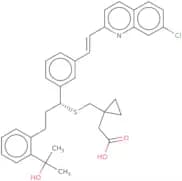
CAS:<p>The Z-isomer impurity of pitavastatin is a synthetic compound that has been used as an analytical standard and pharmacopoeia reference. The Z-isomer impurity is not found in nature, but is generated by the hydrogenation of the natural product. It has been shown to be metabolized by CYP3A4 and CYP2C9 enzymes, which are the primary enzymes responsible for drug metabolism. This impurity does not have any therapeutic effect on the body, but can be used as a research and development standard for HPLC.</p>Purity:Min. 95%Montelukast Bis-sulfide(mixture of diastereomers)
CAS:<p>Montelukast Bis-sulfide is a drug product that is custom synthesized with high purity. It has been studied for its metabolism, analytical properties, and natural sources. The metabolite of montelukast bis-sulfide has been extensively researched for pharmacopoeia as well as for drug development. Montelukast bis-sulfide is a synthetic compound that is not found in nature, but it has niche applications in research and development. CAS No.: 1242260-05-4</p>Formula:C41H46ClNO5S2Purity:Min. 95%Molecular weight:732.39 g/molAlfuzosin hydrochloride EP Impurity F hydrochloride
CAS:<p>Alfuzosin EP Impurity F hydrochloride is a drug product that is used as an analytical standard for Alfuzosin hydrochloride. It is a natural, synthetic, and impurity standard that exhibits similar chromatographic properties to the API. The CAS number of this impurity is 19216-68-3. This product has a niche market because it is used in metabolism studies. It also exhibits high purity and pharmacopoeia grade quality.</p>Formula:C12H16N4O2•HClPurity:Min. 95%Molecular weight:284.74 g/molIsopropyl 2-(3-nitrobenzilidene)acetoacetate
CAS:<p>This isopropyl 2-(3-nitrobenzylidene)acetoacetate is a reaction solution that can be used to produce the antihypertensive drug, methyldopa. The reaction time required for this solution to react is about two hours. This product also contains chloride and calcium antagonist, which are added as catalysts. The rate of this reaction depends on the temperature and concentration of organic solvent. Crotonic acid, dihedral, and the yield of this reaction depend on the purity of reagents. Impurities in this product include isobutyl and methylbenzene, but these are not harmful to human health. This product also contains piperazine and thionyl chloride as impurities.</p>Formula:C14H15NO5Purity:Min. 95%Molecular weight:277.27 g/mol3,4-Dimethoxy-N,N-dimethyl-benzeneethanamine hydrochloride
CAS:Controlled Product<p>3,4-Dimethoxy-N,N-dimethyl-benzeneethanamine hydrochloride is a drug product that is used as an analytical standard. This drug development chemical is not found in nature and has been synthesized in the laboratory. The chemical's structure closely resembles that of amphetamine and methamphetamine. 3,4-Dimethoxy-N,N-dimethyl-benzeneethanamine hydrochloride is used to develop analytical methods for determining impurities in APIs such as 3,4-dimethoxyamphetamine (DMA). It is also used to help identify metabolites of amphetamines. 3,4-Dimethoxy-N,N-dimethyl-benzeneethanamine hydrochloride has been shown to have a half life of approximately 12 hours and is excreted through the urine.</p>Formula:C12H19NO2·HClPurity:Min. 95%Molecular weight:245.75 g/mol3'-Acetyl-4'-(2,3-epoxypropoxy)butyranilide
CAS:<p>3'-Acetyl-4'-(2,3-epoxypropoxy)butyranilide is an impurity found in the drug product of 3'-acetyl-4'-(2,3-epoxypropoxy)butyranilide hydrochloride. It has a molecular weight of 268.9 and chemical formula C12H18O6N2. 3'-Acetyl-4'-(2,3-epoxypropoxy)butyranilide is a synthetic compound that can be used as an analytical reference material for HPLC standardization or as an impurity standard for synthesis.</p>Formula:C15H19NO4Purity:Min. 95%Molecular weight:277.32 g/mol2-[2-(4-Dibenzo[b,f][1,4]thiazepin-11-yl-1-piperazinyl)ethoxy]ethanol N-oxide
CAS:2-[2-(4-Dibenzo[b,f][1,4]thiazepin-11-yl-1-piperazinyl)ethoxy]ethanol N-oxide is a peroxide that is used in pharmaceutical preparations as an antioxidant. It is a white solid that is insoluble in water and has a molecular weight of 168.13. 2-[2-(4-Dibenzo[b,f][1,4]thiazepin-11-yl-1-piperazinyl)ethoxy]ethanol N-oxide has been shown to be effective against the development of cholesterol gallstones and can be used as a prophylactic agent against cardiovascular disease. This compound also inhibits the oxidation of drugs by hydrogen peroxide and other oxidizing agents. 2-[2-(4-Dibenzo[b,f][1,4]thiazepin-11-yl-1-piperazinyl)ethFormula:C21H25N3O3SPurity:Min. 95%Color and Shape:Tan to pale orange solid.Molecular weight:399.51 g/mol[6-Hydroxy-2-(4-hydroxyphenyl)-7-[4-(2-piperidin-1-yl-ethoxy)benzoyl]-benzo[b]thien-3-yl]-[4-[2-(1-piperidinyl)ethoxy]phenyl]methano ne
CAS:<p>(6-Hydroxy-2-(4-hydroxyphenyl)-7-[4-(2-piperidin-1-yl-ethoxy)benzoyl]-benzo[b]thien-3-yl]-[4-[2-(1-piperidinyl)ethoxy]phenyl]methano ne) is a synthetic drug product that has been custom synthesized for the purpose of research and development. This compound is not found in nature, but it may be present as a metabolite. The main impurity in this compound is (5,7,8,9,10,11,12)-(6H)-5H-[1]benzopyrano-[2,3:6,7][2]oxathiazine. Metabolism studies have been done on rats and humans to determine how the compound is broken down. It was determined that the liver enzyme CYP3A4 was responsible for the</p>Formula:C42H44N2O6SPurity:Min. 95%Molecular weight:704.87 g/molrac-Benzyl phenylephrone hydrochloride
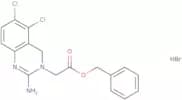
CAS:Controlled Product<p>Rac-Benzyl phenylephrone hydrochloride is a synthetic compound that is not found in nature. It can be used as an analytical standard or a pharmacopoeia impurity standard. Rac-Benzyl phenylephrone hydrochloride has been shown to inhibit the activity of CYP3A4, an enzyme which metabolizes many drugs. As a result, it may be useful for drug development and research and could have applications in niche markets such as natural products.</p>Formula:C16H18ClNO2Purity:Min. 95%Molecular weight:291.77 g/mol2-Amino-5,6-dichloro-3(4H)-quinazoline acetic acid hydrobromide
CAS:<p>2-Amino-5,6-dichloro-3(4H)-quinazoline acetic acid hydrobromide is a drug product that is Custom synthesized. It has a high purity and analytical quality. Metabolism studies have been conducted on this compound. Natural and synthetic sources are available for this compound. It is found in the Drug Development section of the pharmacopoeia. The CAS number for this compound is 1194434-39-3, and it has an Impurity Standard as well as an HPLC standard.</p>Formula:C10H10BrCl2N3O2Purity:Min. 95%Molecular weight:355.02 g/molN-Hydroxy-6-(trifluoromethoxy)-2-benzothiazolamine
CAS:<p>N-Hydroxy-6-(trifluoromethoxy)-2-benzothiazolamine (NHTB) is a drug that has been shown to have clinical use as an anticonvulsant. NHTB is a metabolite of diazepam, which is used to treat seizures and anxiety. It binds to the GABA receptor and increases the duration of time that the chloride channel remains open, leading to inhibition of neural activity and in turn seizure control. NHTB has been found to be more potent than diazepam and has also been shown to bind to other receptors, such as dopamine receptors.</p>Formula:C8H5F3N2O2SPurity:Min. 95%Molecular weight:250.2 g/molEnalaprilat benzyl ester
CAS:<p>Enalaprilat benzyl ester is a drug product that is custom synthesized according to the customer's specifications. It is a white or off-white crystalline powder and has a purity of 99%. Enalaprilat benzyl ester is used in the development of drugs, research and development, and analytical studies. It can be used as an impurity standard to test for enalaprilat in pharmaceutical products. It can also be used as a metabolite standard to measure blood levels of enalaprilat.</p>Formula:C25H30N2O5Purity:Min. 95%Molecular weight:438.52 g/molAripiprazole dimer
CAS:<p>Aripiprazole dimer is a drug product that is used for analytical purposes. It is an impurity standard for the research and development of drugs. The CAS number for this compound is 1797986-18-5. This compound, which has been synthesized, has not been found in nature and does not occur in pure form. Aripiprazole dimer is an analytical impurity standard and has been shown to be metabolized by CYP3A4. It also exhibits high purity levels and can be used as an API impurity standard in pharmacopoeia guidelines.</p>Formula:C48H56Cl4N6O4Purity:Min. 95%Molecular weight:922.81 g/molDefluoropitavastatin calcium Salt
CAS:<p>Defluoropitavastatin calcium salt is a synthetic, high purity, pharmacopoeia drug product. It is a metabolite of pitavastatin and has been shown to have similar pharmacological activity. Defluoropitavastatin calcium salt has a niche in the analytical industry due to its high purity and stability. It has been used as an impurity standard for HPLC analysis. Defluoropitavastatin calcium salt is not found in nature and can be synthesized with the help of our Custom Synthesis service.</p>Purity:Min. 95%Chlorhexidine diacetate impurity A
CAS:Chlorhexidine diacetate impurity A is a high purity, analytical standard for the detection of chlorhexidine diacetate impurities in drug products. Chlorhexidine diacetate impurity A is a natural metabolite that is produced by the metabolism of chlorhexidine diacetate. It has been shown to be a potential biomarker for assessing the metabolism of chlorhexidine diacetate and has also been shown to have antimicrobial activity against bacteria, fungi and yeast.Formula:C16H24ClN9Purity:Min. 95%Color and Shape:White to off-white solid.Molecular weight:377.88 g/mol3-[2-[4-(5-Fluoro-1,2-benzisoxazol-3-yl)-1-piperidinyl]ethyl]-6,7,8,9-tetrahydro-2-methyl-4H-pyrido[1,2-a]pyrimidin-4-one
CAS:<p>3-[2-[4-(5-Fluoro-1,2-benzisoxazol-3-yl)-1-piperidinyl]ethyl]-6,7,8,9-tetrahydro-2-methyl-4H-pyrido[1,2-a]pyrimidin-4-one is a drug product that can be used as an analytical reference standard. It is a synthetic compound that is not found in nature and has CAS number 1199589-74-6. This compound has been synthesized by custom synthesis and it is an impurity standard for HPLC analysis. 3-[2-[4-(5-Fluoro-1,2-benzisoxazol-3 -yl)-1 -piperidinyl]ethyl]-6,7,8,9 -tetrahydro - 2 methyl - 4H - pyrido[1,2 -a]p</p>Formula:C23H27FN4O2Purity:Min. 95%Molecular weight:410.48 g/mol4-[1,5-Bis-(2-methylsulfamoylethyl)-1H-indol-3-yl]-1-methylpyridinium chloride
CAS:<p>Please enquire for more information about 4-[1,5-Bis-(2-methylsulfamoylethyl)-1H-indol-3-yl]-1-methylpyridinium chloride including the price, delivery time and more detailed product information at the technical inquiry form on this page</p>Formula:C20H27N4O4S2•ClPurity:Min. 95%Molecular weight:487.04 g/molCaptopril EP Impurity H
CAS:<p>Captopril EP Impurity H is a drug product that is used as an analytical reference standard. It is not intended for administration to humans or animals. Captopril EP Impurity H is manufactured by the same process as Captopril, but with a different impurity profile. The purity of this product is 99.5% at 25°C, and it has an impurity profile of less than 0.5%. This product is also known as 4-Amino-N-(2,6-dichlorophenyl)benzenesulfonamide and has CAS No. 205521-07-9.</p>Formula:C15H23NO5S2Purity:Min. 95%Molecular weight:361.48 g/molRisperidone N-oxide
CAS:<p>Risperidone N-oxide is a prodrug of risperidone. It is prepared by reacting risperidone with methanol and hydrogen peroxide in the presence of piperidine, followed by purification using preparative high-performance liquid chromatography. Risperidone N-oxide is a crystalline solid with a melting point of about 190 °C. Risperidone N-oxide has been shown to have antiemetic properties, which may be due to its ability to block dopamine receptors in the brain. The drug also shows some antipsychotic activity, and it has a constant therapeutic effect against schizophrenia. The major impurities found in risperidone N-oxide are hydroxylamine and piperidine.</p>Formula:C23H27FN4O3Purity:Min. 95%Molecular weight:426.48 g/mol3,5-Bis[2-[[[2-[(aminoiminomethyl)amino]thiazol-4-yl]methyl]sulphanyl]ethyl]-4H-1,2,4,6-thiatriazine-1,1-dioxide
CAS:<p>Famotidine is a pharmaceutical agent that belongs to the class of H2-receptor antagonists. It is used for the treatment of peptic ulcers and gastroesophageal reflux disease. Famotidine inhibits gastric acid secretion by blocking the H2-receptors in the parietal cells in the stomach. There are two major impurities, 4-amino-N-[(4-[[[2-(aminosulphonyl)thiazol-4-yl]methyl]sulphanyl]ethyl]-3,5-bis[[2-[(aminoiminomethyl)amino]thiazol-4-yl]methyl]sulphanyl]ethyl]-1,2,4,6-thiatriazine 1,1 dioxide and 2-[(aminoiminomethyl)amino]-N-[(4-[[2-(aminosulphonyl)thiazol-4-yl</p>Formula:C16H23N11O2S5Purity:Min. 95%Molecular weight:561.76 g/mol1-[(1-Methylethyl)amino]-3-phenoxy-2-propanol
CAS:<p>1-[(1-Methylethyl)amino]-3-phenoxy-2-propanol is an organic compound that belongs to the class of phenoxyethanol derivatives. It has been used in milligram amounts to assist in the separation of racemic mixtures by countercurrent chromatography. The compound is a racemate and the enantiomers are separated by chiral high performance liquid chromatography. The β-adrenergic agonist activity of 1-[(1-methylethyl)amino]-3-phenoxy-2-propanol has been shown in rats.</p>Formula:C12H19NO2Purity:Min. 95%Molecular weight:209.28 g/molN,N-Bis[2-(2-hydroxyethoxy)ethyl] quetiapine chloride
<p>N,N-Bis[2-(2-hydroxyethoxy)ethyl] quetiapine chloride is a synthetic drug product with a purity of >98% and low impurity content, which is used in research and development. It can be custom synthesized to meet the needs of a particular research or development project. This compound has an analytical purity of >98% and low impurity content, making it suitable for use as an API impurity standard. N,N-Bis[2-(2-hydroxyethoxy)ethyl] quetiapine chloride is not currently regulated by any pharmacopoeia.</p>Formula:C25H34ClN3O4SPurity:Min. 95%Molecular weight:508.07 g/molVerapamil
CAS:Verapamil (CP-16533-1), an oral calcium channel blocker, inhibits P-gp and CYP3A4, used for hypertension, arrhythmias, and angina research.Formula:C27H38N2O4Purity:99.61% - 99.93%Color and Shape:OilMolecular weight:454.6Pantoprazole impurity
CAS:<p>Pantoprazole is a proton pump inhibitor. It is used in the treatment of gastroesophageal reflux disease and other conditions involving excessive stomach acid production. The chemical name for Pantoprazole impurity is (E)-1-(4-chlorophenyl)ethyl-3-[(pyrrolidin-2-yl)oxy]propanediol. This substance is an enantiomer of pantoprazole, which has been determined to be inactive. Pantoprazole impurity can be identified by its melting point, crystallizing habit, and optical rotation. Active carbon filtration can be used to remove this substance from the final product.</p>Formula:C24H24F2N4O5SPurity:Min. 95%Molecular weight:518.53 g/mola-[3-[[2-(3,4-Dimethoxyphenyl)ethyl]methylamino]propyl]-3,4-dimethoxy-a-propyl-benzeneacetonitrile
CAS:<p>a-[3-[[2-(3,4-Dimethoxyphenyl)ethyl]methylamino]propyl]-3,4-dimethoxy-a-propyl-benzeneacetonitrile is a drug product that is custom synthesized and has been shown to have high purity. It is also used in analytical studies, metabolism studies, and natural drug development. This compound can also be found as an impurity standard for HPLC or as an API impurity.</p>Formula:C27H38N2O4Purity:Min. 95%Molecular weight:454.6 g/mol3-O-Desethyl-5-O-desmethyl amlodipine
CAS:<p>3-O-Desethyl-5-O-desmethyl amlodipine is a drug product that can be used as an analytical reference standard. It is metabolized in vivo to form 5-O-desmethyl amlodipine, which is the active form of this drug. 3-O-Desethyl-5-O-desmethyl amlodipine is also an impurity in the drug product Amlodipine besylate and its CAS number is 1821498-25-2. The synthetic route for this compound starts with the reaction of 2,3,4,6 trichlorobenzeneethanol with sodium hydroxide followed by hydrogenation of the intermediate to yield 3-(2,6 dichlorophenyl) propanoic acid. This acid was then reacted with methylamine to yield 3-(2,6 dichlorophenyl)-N-[(methylamino) methyl]propionamide.</p>Formula:C17H19ClN2O5Purity:Min. 95%Molecular weight:366.8 g/mol(S)-3-(Dimethylamino)-1-(2-thienyl)propan-1-ol
CAS:<p>(S)-3-(Dimethylamino)-1-(2-thienyl)propan-1-ol is a polymerase chain reaction (PCR) reagent that is used as a building block for the synthesis of five membered ring lactams and dihedral polymers. This compound is synthesized by chemoenzymatic coupling of propanamine with trifluoroacetic acid in the presence of methyl groups, followed by catalytic hydrogenation to yield the desired product. The asymmetric synthesis of this compound was achieved through chiral resolution using NMR spectroscopy.</p>Formula:C9H15NOSPurity:Min. 95%Molecular weight:185.29 g/mol3,4-Dimethoxyphenyl isopropyl ketone
CAS:<p>3,4-Dimethoxyphenyl isopropyl ketone (DMPK) is a calcium antagonist that has been shown to be hypotensive in rats. It is also used as a pharmacological agent to study muscle physiology and biotransformations. DMPK has been shown to have microbial uptake and chronotropic properties, which may explain its use in the treatment of bacterial infections. DMPK binds to sulfoxides and chiral compounds, blocking their activity by inhibiting the enzyme systems involved in oxidation reactions. The drug is an analog of benzyl alcohol, with which it shares similar pharmacological profile.</p>Formula:C12H16O3Purity:Min. 95%Molecular weight:208.25 g/mol5-(Aminosulfonyl)-2-methoxy-benzoic acid methyl ester
CAS:<p>5-(Aminosulfonyl)-2-methoxy-benzoic acid methyl ester is a synthetic compound that is used for pharmaceutical preparations. It is typically prepared by the reaction of ethylene and chloroacetic acid in the presence of an organic solvent. The reaction time can be adjusted to produce the desired amount of 5-(aminosulfonyl)-2-methoxy-benzoic acid methyl ester. This synthetic compound has been shown to have a high yield, with minimal contaminating impurities. It has also been shown to be effective in both pharmaceutical dosage and calibration.</p>Formula:C9H11NO5SPurity:Min. 95%Molecular weight:245.25 g/molSolifenacin Impurity D
CAS:<p>Solifenacin Impurity D is a synthetic impurity of solifenacin. Solifenacin is an anti-cholinergic drug used to treat overactive bladder and urinary incontinence. The purity of this product is 99%. It is soluble in methanol, ethanol, chloroform, and acetone. Solifenacin Impurity D can be used as a reference material for analytical purposes or as an impurity standard in the development of new drugs.</p>Formula:C31H28N2OPurity:Min. 96 Area-%Color and Shape:White PowderMolecular weight:444.57 g/mola,a'-[[[2-(3,4-Dimethoxyphenyl)ethyl]imino]di-3,1-propanediyl]bis[3,4-dimethoxy-alpha-(1-methylethyl)-benzeneacetonitrile
CAS:<p>2,3,4-Trimethoxybenzaldehyde is an organic compound that is used as a chemical intermediate in the synthesis of pharmaceuticals. It is also used as a reagent in the chemical industry and as a flavoring agent. 2,3,4-Trimethoxybenzaldehyde has been shown to be metabolized by human liver microsomes to yield metabolites that are not well characterized. The impurities found in this drug product are 2-methoxy-5-methylphenol and 2,6-dimethoxyphenol.</p>Formula:C42H57N3O6Purity:Min. 95%Molecular weight:699.92 g/molAnastrozole dimer impurity - 65%
CAS:<p>Anastrozole is an aromatase inhibitor used in the treatment of breast cancer. It is a synthetic drug and impurity standard for HPLC analysis, pharmacopoeia monograph, and synthetic drug development. This product is a mixture of two stereoisomers - the active form, 4-hydroxyanastrozole (4HA), and the inactive form, 4-oxo-anastrozole (4OA). The purity of this product is >99% with a melting point of 130°C.</p>Formula:C30H31N9Purity:Min. 95%Molecular weight:517.63 g/mol4-Hydoxymethyl-5-methylimidazol
CAS:<p>4-Hydroxymethyl-5-methylimidazol (HMMI) is a corrosion inhibitor that is used in the production of nanomaterials. It has been shown to be an effective treatment for wastewater containing hydrochloric acid and organic solvents. The reaction between HMMI and the acids in wastewater forms a complex that prevents the corrosion of metal surfaces. HMMI can be synthesized by reacting aesculus with formaldehyde in an organic solvent, such as acetone or chloroform, at room temperature. HMMI has also been shown to have antiviral potency and is used in skin care products, such as lotions and shampoos, due to its ability to penetrate the skin barrier. Magnetic resonance spectroscopy (MRS) was used to study the effect of HMMI on skin cells, while electrochemical methods were used to investigate how it inhibits viral activity.</p>Formula:C5H8N2OPurity:Min. 95%Molecular weight:112.13 g/molDasatinib impurity
CAS:<p>Dasatinib is a cancer drug that is used to treat patients with chronic myeloid leukemia and Philadelphia chromosome-positive acute lymphoblastic leukemia. It inhibits the activity of tyrosine kinases, in particular Bcr-Abl and Src. Dasatinib is a structural analog of imatinib, which has been shown to be effective against chronic myeloid leukemia by inhibiting the activity of Bcr-Abl. Dasatinib impurity is an unwanted substance found in dasatinib. It can be synthesized from formic acid, chloride and chlorine using a series of industrial processes. The salt form of dasatinib impurity is acidic and synthetic.</p>Formula:C22H27N7O2SPurity:Min. 95%Molecular weight:453.56 g/mol2-Methoxy-5-sulfamoylbenzamide
CAS:<p>2-Methoxy-5-sulfamoylbenzamide is a white crystalline solid that is soluble in water. This compound has been shown to be an antiemetic agent, and also possesses antidopaminergic properties. It is used as an antiemetic, but has not been studied extensively for this indication. 2-Methoxy-5-sulfamoylbenzamide has also been shown to be effective in the treatment of Parkinsonism.</p>Formula:C8H10N2O4SPurity:Min. 95%Molecular weight:230.24 g/mol3-[(1E)-2-[4-[[(2-Carboxyethyl)amino]carbonyl]phenyl]diazenyl] balsalazide
CAS:<p>3-[(1E)-2-[4-[[(2-Carboxyethyl)amino]carbonyl]phenyl]diazenyl] balsalazide is a white to off-white solid that is soluble in water and acidic solutions. It has an impurity level of less than 0.5%. The melting point of 3-[(1E)-2-[4-[[(2-Carboxyethyl)amino]carbonyl]phenyl]diazenyl] balsalazide is approximately 195°C. This compound has been shown to have antibiotic activity against a variety of bacteria, including methicillin resistant Staphylococcus aureus (MRSA).</p>Formula:C27H24N6O9Purity:Min. 95%Molecular weight:576.51 g/mol(S)-Phenylephrine hydrochloride
CAS:<p>(S)-Phenylephrine hydrochloride is a chiral sulfate salt of phenylephrine that is used as a bronchodilator. It has been shown to inhibit cell growth in the presence of sulfate and has been studied for its effects on the respiratory cycle. The compound was also investigated for possible use in treating liver cancer and showed promising results. Chromatograms of hepg2 cells, human liver cells, and liquid chromatography lysates revealed the presence of salbutamol, which is a metabolite of (S)-phenylephrine hydrochloride.</p>Formula:C9H14ClNO2Purity:Min. 95%Molecular weight:203.67 g/mol5-Ethyl-5-phenyl-2-(1-phenylpropyl)dihydropyrimidine-4,6(1H,5H)-dione
CAS:<p>5-Ethyl-5-phenyl-2-(1-phenylpropyl)dihydropyrimidine-4,6(1H,5H)-dione is an impurity in the drug product of the drug 5-[3-(3,4-dihydroisoquinolin-2(1H)-yl)propoxy]-2,2'-bis[N-(2-hydroxyethyl)]ethaneamine. It is an analytical standard for HPLC and can be used as a pharmacopoeia or custom synthesis. It is also a metabolite of the drug 5-[3-(3,4-dihydroisoquinolin-2(1H)-yl)propoxy]-2,2'-bis[N-(2-hydroxyethyl)]ethaneamine.</p>Formula:C21H24N2O2Purity:Min. 95%Color and Shape:White PowderMolecular weight:336.43 g/mol(S)-5-Chloronaproxen
CAS:<p>(S)-5-Chloronaproxen is a synthetic drug product with a purity of 99.9%. It has been synthesized from natural, custom synthesis and analytical grade raw materials. Metabolism studies have been conducted to determine the metabolic pathways of (S)-5-chloronaproxen. The metabolite profile was analyzed by HPLC, and the impurity standard was developed for use in pharmacopoeia, niche research and development, and quality control laboratories.</p>Formula:C14H13ClO3Purity:Min. 95%Molecular weight:264.7 g/molN-(5,6-Dichloro-1,4-dihydro-2-quinazolinyl)-2,3-dihydroxypropanamide 2,2,2-trifluoroacetate
CAS:<p>N-(5,6-Dichloro-1,4-dihydro-2-quinazolinyl)-2,3-dihydroxypropanamide 2,2,2-trifluoroacetate is an analytical reference standard that can be used as a high purity drug product impurity in HPLC. It also has niche application as an API impurity and is a metabolite of the drug quinine.</p>Formula:C13H12Cl2F3N3O5Purity:Min. 95%Molecular weight:418.15 g/mol3-[2-[4-(1,2-Benzisoxazol-3-yl)-1-piperidinyl]ethyl]-6,7,8,9-tetrahydro-2-methyl-4H-pyrido[1,2-a]pyrimidin-4-one
CAS:<p>3-[2-[4-(1,2-Benzisoxazol-3-yl)-1-piperidinyl]ethyl]-6,7,8,9-tetrahydro-2-methyl-4H-pyrido[1,2-a]pyrimidin-4-one is an analog of the antibacterial drug cefuroxime. It has been shown to be a potent inhibitor of bacterial DNA gyrase and topoisomerase IV. This compound has been shown to have a greater degree of activity against Gram Positive bacteria than Gram Negative bacteria in vitro. 3-[2-[4-(1,2-Benzisoxazol-3-yl)-1-piperidinyl]ethyl]-6,7,8,9-tetrahydro-- 2 -methyl-- 4H-- pyrido[1,2-- a]pyrimidin-- 4 -one is not active against acid</p>Formula:C23H28N4O2Purity:Min. 95%Molecular weight:392.49 g/molN-Desmethyltoremifene
CAS:<p>N-Desmethyltoremifene is an anti-estrogen that has been shown to have genotoxic effects. It inhibits DNA synthesis and protein synthesis in human breast cancer cells. N-Desmethyltoremifene is a potent inducer of CYP3A4, which metabolizes many drugs. This drug also binds to α1-acid glycoprotein, which can lead to reduced plasma concentrations and pharmacokinetics. N-Desmethyltoremifene has been shown to inhibit the growth of renal cell carcinoma in animals, but not normal tissue, at high doses.</p>Formula:C25H26ClNOPurity:Min. 95%Molecular weight:391.93 g/mol3,4-Dihydro naratriptan
CAS:<p>3,4-Dihydro naratriptan is a medicinal compound that is used as an anti-migraine drug. It is a hydrogenated form of the parent molecule naratriptan and has been shown to have a reaction time of about 30 minutes when catalyzed by palladium. The impurity, 3,4-dihydro naratriptan sulfonamide, has been found to be less potent than the target compound and can be eliminated from the synthesis by using catalytic hydrogenation. 3,4-Dihydro naratriptan sulfonamide can also be reduced by catalytic hydrogenation to yield 3,4-dihydro naratriptan.</p>Formula:C17H23N3O2SPurity:Min. 95%Molecular weight:333.45 g/mol(3R,5R)-Pitavastatin Calcium Salt
CAS:<p>(3R,5R)-Pitavastatin Calcium Salt is a drug product that is used in the development of pharmaceuticals. It is a synthetic compound with an impurity standard and a metabolite impurity. The CAS number for this product is 254452-96-5. (3R,5R)-Pitavastatin Calcium Salt has been shown to be metabolized by CYP2C9 and CYP2C8 enzymes, which may result in a decrease in potency or activity. This product also has been shown to have anti-inflammatory properties and inhibit the production of inflammatory mediators such as prostaglandins and leukotrienes. (3R,5R)-Pitavastatin Calcium Salt was prepared by solid phase synthesis using a fluorous biphasic approach.</p>Formula:C25H24FNO4CaPurity:Min. 95%Color and Shape:White/Off-White SolidMolecular weight:441.5 g/mol1-[[3-Methyl-4-(2,2,2-trifluoroethoxy)-2-pyridinyl]methyl]-2-[[[3-methyl-4-(2,2,2-trifluoroethoxy)-2-pyridinyl]methyl]sulfinyl]-1H-b enzimidazole
CAS:<p>1-[[3-Methyl-4-(2,2,2-trifluoroethoxy)-2-pyridinyl]methyl]-2-[[[3-methyl-4-(2,2,2-trifluoroethoxy)-2-pyridinyl]methyl]sulfinyl]-1H-b enzimidazole is an impurity of a drug product. It is a metabolite that has been shown to be present in human plasma and urine. This compound is synthetically produced and is not found in nature. It has been shown to have niche applications in both analytical chemistry and pharmacopoeia.</p>Formula:C25H22F6N4O3SPurity:Min. 95%Molecular weight:572.52 g/mol(RS)-Methyl ethyl 1,4-dihydro-2,6-dimethyl-4-(3-nitrophenyl)pyridine-3,5-dicarboxylate - EP Grade
CAS:<p>Propranolol hydrochloride is a non-selective beta-adrenergic blocker that blocks the effects of epinephrine, norepinephrine and dopamine. Propranolol hydrochloride has been shown to inhibit the activity of proximal tubules in the kidney, which may be due to its inhibition of chemical ionization. This drug also has antihypertensive activity and can be used for the treatment of cardiac disorders such as hypertension. Propranolol hydrochloride is a monoclonal antibody that is activated by nitro groups and binds with high affinity to multiple-reaction monitoring (MRM) transitions for protonated molecular ions at m/z 289, 296, 305, 313, 320, 328, 336 and 344. Propranolol hydrochloride also has vasodilatory effects on the papillary muscle which aids in regulating blood pressure by maintaining vascular resistance.</p>Formula:C18H20N2O6Purity:Min. 95%Molecular weight:360.36 g/molN,N'-Bis[2-(3,4-dimethoxyphenyl)ethyl]-N,N'-dimethyl-1,3-propanediamine dihydrochloride
CAS:<p>N,N'-Bis[2-(3,4-dimethoxyphenyl)ethyl]-N,N'-dimethyl-1,3-propanediamine dihydrochloride is a synthetic compound that is metabolized to the natural product naphthol AS. It is an impurity in the drug product and can also be used as an analytical reference standard.</p>Formula:C25H38N2O4·2HClPurity:Min. 95%Molecular weight:503.5 g/molSitagliptin hydroxy amide impurity
CAS:<p>Sitagliptin is an oral dipeptidyl peptidase-4 inhibitor that is used to treat type 2 diabetes. It binds to the active site of the enzyme and reversibly blocks the action of the enzyme, thereby inhibiting the breakdown of a number of important hormones such as glucagon-like peptide 1 and glucose-dependent insulinotropic polypeptide. Sitagliptin hydroxy amide impurity is an impurity in sitagliptin that inhibits oxidoreductases, enzymes that catalyze oxidation reactions. The enantiomeric purity of sitagliptin hydroxy amide impurity is unknown.</p>Formula:C16H14F6N4O2Purity:Min. 95%Molecular weight:408.3 g/molN-(1-Oxobutyl)-N-[[2'-(2H-tetrazol-5-yl)[1,1'-biphenyl]-4-yl]methyl]-L-valine
CAS:<p>N-(1-Oxobutyl)-N-[[2'-(2H-tetrazol-5-yl)[1,1'-biphenyl]-4-yl]methyl]-L-valine (GW1929) is a potent vasodilator that is used for the treatment of hypertension. It is synthesized by condensation of sodium hydroxide with 2-(4′-chlorophenyl)piperazine followed by methyl esterification and chloride acylation. The synthesis of GW1929 has been accomplished in two steps: carbonate cyclization and valsartan hydrolysis. In the first step, the carboxylic acid group of GW1929 was converted to its corresponding chloride compound which was then reacted with methyl bromide to yield the desired product. The second step involved hydrolysis of GW1929 with potassium carbonate, after which it was oxidized with azide to form an ester. Sodium</p>Formula:C23H27N5O3Purity:Min. 95%Color and Shape:White PowderMolecular weight:421.49 g/molDesmethyl fluvoxamine - EP
CAS:<p>Desmethyl fluvoxamine is the active metabolite of fluvoxamine, which is a drug used to treat depression. It has been shown that desmethyl fluvoxamine binds to the human liver and can be detected in the blood. A liquid chromatography method was used to measure desmethyl fluvoxamine in wastewater samples. The uptake of desmethyl fluvoxamine into human liver cells was also studied using a polymerase chain reaction technique on cell cultures. Desmethyl fluvoxamine has been shown to induce antidepressant response in people who were administered caffeine. Clinical studies have been conducted on the use of desmethyl fluvoxamine as an antidepressant treatment, with some success.</p>Formula:C14H19F3N2O2Purity:Min. 95%Molecular weight:304.31 g/mol2-(Aminomethyl)-1-ethylpyrrolidine
CAS:<p>2-(Aminomethyl)-1-ethylpyrrolidine is a pharmaceutical preparation that has been used in the analytical method for determining impurities in pharmaceuticals. It has also been used as an intermediate for pharmaceutical dosage preparations and as a reagent for chromatographic analysis of various substances. 2-(Aminomethyl)-1-ethylpyrrolidine is produced by acylation of pyrrole with ethyl chloride, followed by hydrolysis with sodium carbonate and hydrochloric acid. The substance can be separated into its two components using chromatography, which is based on the difference in their polarity. 2-(Aminomethyl)-1-ethylpyrrolidine is a dopamine receptor antagonist that blocks uptake of dopamine into cells by inhibiting the dopamine transporter (DAT). This leads to increased levels of extracellular dopamine and subsequent activation of postsynaptic D2 receptors.</p>Formula:C7H16N2Purity:Min. 95%Color and Shape:Clear LiquidMolecular weight:128.22 g/molTrazodone Hydrochloride BP Impurity A
CAS:<p>Trazodone Hydrochloride BP Impurity A is an unproven impurity of Trazodone. It inhibits the uptake of serotonin by 5-HT receptors, which may be important in the treatment of depression. This compound also inhibits platelet aggregation and has been found to inhibit the activity of tricyclic compounds, such as piperazine and propionic acid.</p>Formula:C19H22CIN5O2Purity:Min. 95%Molecular weight:491.33 g/molDi-destriazole anastrozole dimer impurity
CAS:<p>Di-destriazole anastrozole dimer impurity is a synthetic impurity that is created during the synthesis of anastrozole. It has been studied as a possible metabolite of the drug, but its role in metabolism is not well understood. Di-destriazole anastrozole dimer impurity is soluble in water and methanol and has a melting point of between 1°C to 2°C. The purity of this compound is typically at least 99% with a specific gravity of 1.043 g/mL.</p>Formula:C26H29N3Purity:Min. 95%Molecular weight:383.53 g/mol3,4-Dimethoxy-a-(1-methylethyl)benzeneacetonitrile
CAS:<p>3,4-Dimethoxy-a-(1-methylethyl)benzeneacetonitrile (DXM) is a synthetic phenylethylamine that is usually found in cough suppressant preparations. It has been shown to be able to cross the blood-brain barrier, and it has a constant, steady-state concentration. DXM is metabolized by N-demethylation in the liver by cytochrome P450 enzymes. This metabolism can be inhibited with the use of drugs such as chlorpromazine or ketoconazole. Pharmacokinetic modeling has been used to analyze and predict the pharmacokinetics of DXM. The drug DXM can also be synthesized from phenylacetonitrile and hydrochloric acid.</p>Formula:C13H17NO2Purity:Min. 95%Color and Shape:PowderMolecular weight:219.28 g/molRopivacaine N-Oxide
CAS:<p>Ropivacaine N-Oxide is a synthetic drug used to relieve pain during surgery. It is metabolized by the liver, with metabolites excreted in the urine. Ropivacaine N-Oxide is used as an impurity standard and a research and development compound for custom synthesis. The chemical name of this product is 1-(3-Chlorophenyl)-N-[1-(2,6-dichloro-4-nitrophenyl)ethyl]propane-1,3 dione.</p>Formula:C17H26N2O2Purity:Min. 95%Color and Shape:SolidMolecular weight:290.4 g/mol2-((2-Methyl-1-(propionyloxy)propoxy)(4-phenylbutyl)phosphoryl)acetic acid
CAS:<p>2-((2-Methyl-1-(propionyloxy)propoxy)(4-phenylbutyl)phosphoryl)acetic acid (KZPBA) is a zoonotic antibiotic that has been shown to be active against agalactiae. It is a prodrug, which is metabolized to the active form, KZPBA, in humans and other mammals. The mechanism of action of KZPBA is not yet known; however, it has been hypothesized that its activity may be due to inhibition of DNA gyrase and topoisomerase IV. This drug has also been shown to have an effect on mastitis in dairy cows.</p>Formula:C19H29O6PPurity:Min. 95%Molecular weight:384.4 g/mol2-Amino-5,6-dichloro-3,4-dihydroquinazoline hydrobromide
CAS:<p>2-Amino-5,6-dichloro-3,4-dihydroquinazoline hydrobromide is a metabolite of the drug product 2-[2-(2,4-dichlorophenyl)-2-(1H-1,2,4-triazol-1-ylmethyl)ethylamino]benzeneacetic acid. It has been shown to inhibit protein synthesis in vitro and in vivo.</p>Formula:C8H8BrCl2N3Purity:Min. 95%Molecular weight:296.98 g/molrac-N-Desbutyroyl acebutolol
CAS:<p>rac-N-Desbutyroyl acebutolol is a prodrug that is metabolized to the active form, acebutolol. The metabolism of rac-N-desbutyroyl acebutolol is mediated through cytochrome P450 (CYP) enzymes, specifically CYP2D6. Rac-N-desbutyroyl acebutolol has been shown to inhibit the growth of bacteria in vitro and in vivo. It has also been shown to have therapeutic effects on diabetic patients with high levels of fatty acids in their blood. Rac-N-desbutyroyl acebutolol has also been found to be effective for the treatment of patients with polycarboxylic acid exposure and dna replication diseases.</p>Formula:C14H22N2O3Purity:Min. 95%Molecular weight:266.34 g/molThiamethoxam
CAS:Thiamethoxam ((E)-thiamethoxam) is an insecticide of broad-spectrum neonicotinoids.Formula:C8H10ClN5O3SPurity:99.86%Color and Shape:SolidMolecular weight:291.711-(2-Furoyl)piperazine
CAS:<p>1-(2-Furoyl)piperazine is a potent inhibitor of tyrosinase, an enzyme involved in the production of melanin. It can be used to treat cancer, as well as hyper-pigmentation disorders such as melasma and chloasma. 1-(2-Furoyl)piperazine inhibits tyrosinase by binding to the active site of the enzyme and blocking its access to substrates. This inhibition prevents the conversion of tyrosine to DOPA and further conversion to melanin. 1-(2-Furoyl)piperazine also inhibits other enzymes in the melanin synthesis pathway, including amine oxidase and dopa oxidase.</p>Formula:C9H12N2O2Purity:Min. 95%Color and Shape:PowderMolecular weight:180.2 g/mol1-[[2-[(2-Aminophenyl)amino]-5-methyl-3-thienyl]carbonyl]-4-methyl-piperazine
CAS:<p>Please enquire for more information about 1-[[2-[(2-Aminophenyl)amino]-5-methyl-3-thienyl]carbonyl]-4-methyl-piperazine including the price, delivery time and more detailed product information at the technical inquiry form on this page</p>Formula:C17H22N4OSPurity:Min. 95%Molecular weight:330.45 g/mol3-(Dimethylamino)-1-(2-thienyl)propanone hydrochloride
CAS:<p>3-(Dimethylamino)-1-(2-thienyl)propanone hydrochloride is a sulfoxide that is used as a solvent. It has been used in the synthesis of benzylsulfoxides and solvents for the manufacture of pharmaceuticals. 3-(Dimethylamino)-1-(2-thienyl)propanone hydrochloride is also a potent compound, which is structurally similar to benzene but with an additional methyl group. 3-(Dimethylamino)-1-(2-thienyl)propanone hydrochloride has been used in the synthesis of melphalan and elemental analysis. The chloride group on its structure makes it soluble in water and organic solvents such as acetonitrile. 3-(Dimethylamino)-1-(2-thienyl)propanone hydrochloride can be synthesized by reacting nitric acid with 2-aminothiophenol and dimethylanil</p>Formula:C9H14ClNOSPurity:Min. 95%Molecular weight:219.73 g/molChlorhexidine diacetate EP Impurity O
CAS:<p>Chlorhexidine diacetate EP Impurity O is an analytical reference material that is used as a pharmaceutical impurity. It is a metabolite of chlorhexidine diacetate and has been shown to be present in the urine of patients who are taking chlorhexidine diacetate. Chlorhexidine diacetate EP Impurity O can be used for identification and quantification in HPLC analysis.</p>Formula:C22H30Cl2N10Purity:Min. 95%Molecular weight:505.45 g/mol(2R)-2-(3,4-Dimethoxyphenyl)-5-[2-(3,4-dimethoxyphenyl)ethyl-methylamino]-2-isopropylpentanenitrile hydrochloride
CAS:<p>(2R)-2-(3,4-Dimethoxyphenyl)-5-[2-(3,4-dimethoxyphenyl)ethyl-methylamino]-2-isopropylpentanenitrile hydrochloride (ZD4054) is a drug that has been shown to be sensitive to the efflux pump in Escherichia coli. It is also able to inhibit multidrug resistance in nematodes and cross-resistance in humans. ZD4054 inhibits multidrug resistance by inhibiting the efflux of drugs from cells. This prevents the development of resistance to antibiotics and other drugs. The mechanism of action for this drug is unknown, but it may affect chloride channels that are found on the cell membrane. ZD4054 has also been shown to be effective against C.elegans and Drosophila melanogaster, two species commonly used for research purposes.</p>Formula:C27H39ClN2O4Purity:Min. 95%Molecular weight:491.06 g/molAlverine EP Impurity E
CAS:<p>Alverine EP Impurity E is a nitrogen containing compound with the molecular formula C9H10N. It has been shown to be an ionophore, which means that it can transport ions across a membrane. Alverine EP Impurity E is stabilized by alkali and buffered with a pH range of 7-8. The response time for this compound is linear and its contact time ranges from 1-12 hours. This impurity has a phenyl group and a ph range of 6-7. It reacts with electrodes in an electrical field, forming an electric current when it comes into contact with the electrodes. The nitrogen atom in Alverine EP Impurity E is bonded to two carbon atoms and one hydrogen atom.</p>Formula:C27H33NPurity:Min. 95%Molecular weight:371.56 g/molN2-Methyl alfuzosin-D7 hydrochloride
CAS:<p>N2-Methyl alfuzosin-D7 is a drug product that belongs to the group of alfuzosin, which is a selective inhibitor of the enzyme phosphodiesterase type 5 (PDE5) and is used for the treatment of benign prostatic hyperplasia. It has been designed to reduce the risk of adverse effects associated with other PDE5 inhibitors, such as erectile dysfunction and urinary retention. N2-Methyl alfuzosin-D7 has been shown to be effective in animal studies and in vitro experiments. However, its metabolism remains unknown.</p>Formula:C19H21D7ClN5O4Purity:Min. 95%Molecular weight:432.95 g/mol1,4-Di-2-furoylpiperazine
CAS:1,4-Di-2-furoylpiperazine is a synthetic compound that has been shown to have anti-inflammatory and analgesic properties. It was originally developed as a pharmaceutical drug candidate for the treatment of arthritis and other inflammatory disorders. 1,4-Di-2-furoylpiperazine is an impurity in the synthesis of the drug product diclofenac. The compound is also found as a metabolite in humans after oral administration of diclofenac. 1,4-Di-2-furoylpiperazine binds to protein and inhibits protein synthesis by preventing amino acid incorporation into proteins. It also has nicotinic effects on acetylcholine binding sites and can be used as an analytical standard for HPLC analysis of drugs containing this molecule.Formula:C14H14N2O4Purity:Min. 95%Molecular weight:274.27 g/mol2-Methyl-3,4-dimethoxy pyridine hydrochloride
CAS:<p>2-Methyl-3,4-dimethoxy pyridine hydrochloride is an analytical standard that is used as a reference compound in the pharmaceutical industry to identify impurities in drug products. It also has a niche use as an API impurity and HPLC standard. 2-Methyl-3,4-dimethoxy pyridine hydrochloride is used as an intermediate for the synthesis of other drugs, including benzodiazepines and beta blockers. It is also used in research and development for its high purity. This chemical is natural or synthetic in origin but can be custom synthesized to meet specific requirements. 2-Methyl-3,4-dimethoxy pyridine hydrochloride also has CAS number 1210824-88-6.</p>Formula:C8H11NO2HClPurity:Min. 95%Molecular weight:189.64 g/molCinacalcet impurity E hydrochloride
CAS:<p>Cinacalcet is a drug product that is used for the treatment of secondary hyperparathyroidism in patients with chronic kidney disease. It is metabolized through a number of metabolic transformations, including hydrolysis by esterases or glucuronidases, oxidation by cytochrome P450 enzymes, reduction by glutathione reductase, or conjugation with glucuronic acid. The high frequency of human activity has been shown using a patch-clamp technique on human erythrocytes. Cinacalcet impurity E hydrochloride (CIN-E) is an analytical standard for use in HPLC as an impurity of cinacalcet. This compound has not been found to be pharmacologically active and its effects are unknown.</p>Formula:C22H25N·HClPurity:Min. 95%Molecular weight:339.9 g/mol1,1-Bis-(methylthio)-2-nitroethene
CAS:<p>1,1-Bis-(methylthio)-2-nitroethene is a versatile molecule that can be used as an imine. It is synthesized by reacting trifluoromethanesulfonic acid with the amine in the presence of a base. The imine product has been shown to bind to amines and is therefore a potential drug candidate for prostate cancer cells. 1,1-Bis-(methylthio)-2-nitroethene reacts with triflic acid to produce an intramolecular hydrogen bond, leading to its efficient synthesis. The resulting compound then undergoes reactions that are characterized by nmr spectra and profiles. This functional group is inhibitory against prostate cancer cell lines at high concentrations, although it has no effect on other cell lines.</p>Formula:C4H7NO2S2Purity:Min. 95%Molecular weight:165.24 g/molLisinopril diketopipirazine
CAS:<p>Lisinopril diketopipirazine is an analytical drug product. The CAS number for this product is 219677-82-4. This product requires a custom synthesis and impurity standard. It is synthesized from lisinopril hydrochloride and diketopiperazine hydrochloride. Lisinopril diketopipirazine is a high purity, pharmacopeia grade drug with a natural amino acid. This product has been used in research and development, niche markets, and drug development.</p>Formula:C21H29N3O4Purity:90%MinColor and Shape:White To Off-White SolidMolecular weight:387.47 g/mol2-[[2-Oxo-3-[4-(3-oxo-4-morpholinyl)phenyl]-5-oxazolidinyl]methyl]-1H-isoindole-1,3(2H)-dione
CAS:<p>Please enquire for more information about 2-[[2-Oxo-3-[4-(3-oxo-4-morpholinyl)phenyl]-5-oxazolidinyl]methyl]-1H-isoindole-1,3(2H)-dione including the price, delivery time and more detailed product information at the technical inquiry form on this page</p>Formula:C22H19N3O6Purity:Min. 95%Molecular weight:421.4 g/mol((3R,5S,6E)-Methyl-7-(2-cyclopropyl-4-(4-fluorophenyl)quinolin -3-yl)-3,5-dihydroxyhept-6-enoate
CAS:<p>((3R,5S,6E)-Methyl-7-(2-cyclopropyl-4-(4-fluorophenyl)quinolin -3-yl)-3,5-dihydroxyhept-6-enoate is a metabolite of the drug product. It is a white to off-white crystalline powder that is soluble in methanol and insoluble in water. This compound has been shown to be an impurity standard for HPLC analysis of the drug product. ((3R,5S,6E)-Methyl-7-(2-cyclopropyl-4-(4-fluorophenyl)quinolin -3-yl)-3,5-dihydroxyhept-6-enoate has been used in metabolism studies and pharmacopoeia as a reference substance for the analytical testing of drugs. It can also be synthesized for research purposes.</p>Purity:Min. 95%Salbutamol Impurity D
CAS:<p>Salbutamol Impurity D is a chiral, metal chelator impurity of the drug substance Salbutamol. It is a prodrug that is hydrolyzed to its active form, salbutamol sulfate, in vivo. Salbutamol Impurity D binds to chloride ions and has been shown to be an interferent for many analytical methods. The reversed-phase chromatography retention time for Salbutamol Impurity D is about 10 minutes shorter than for Salbutamol sulfate.</p>Formula:C13H19NO3Purity:Min. 95%Molecular weight:237.29 g/mol9,10-Dioxo ketotifen
CAS:<p>9,10-Dioxo ketotifen is a drug product that belongs to the category of HPLC standards. It has been shown to be a metabolite of ketotifen and also an impurity in ketotifen. 9,10-Dioxo ketotifen has been shown to possess antihistamine activity and may have potential as a lead compound for the development of new drugs.</p>Formula:C19H17NO2SPurity:Min. 95%Color and Shape:PowderMolecular weight:323.41 g/molFluvoxketone
CAS:Fluvoxketone is a drug that belongs to the class of selective non-steroidal anti-inflammatory drugs. It is a mixture of stereoisomers, with a ratio of 1:1, which have different pharmacological properties. Fluvoxketone has an average elution time of 18 minutes and can be detected in the sodium dodecyl sulphate-polyacrylamide gel electrophoresis (SDS-PAGE) profile at around 10 minutes. This drug was selected as the optimum drug for this study by optimisation of its solubility, selectivity, and stability.Formula:C13H15F3O2Purity:Min. 95%Molecular weight:260.25 g/mol1-Desmethyl granisetron
CAS:Controlled Product1-Desmethyl granisetron is an impurity found in the synthesis of granisetron hydrochloride. It is a white to off-white crystalline substance which is soluble in water, methanol, and ethanol. 1-Desmethyl granisetron has a molecular weight of 328.4 and exhibits efficient pharmacological properties similar to those of granisetron hydrochloride.Formula:C17H22N4OPurity:Min. 95%Molecular weight:298.38 g/molDe(diethylaminoethyl-5-iodo) Amiodarone
CAS:<p>Amiodarone is a drug that belongs to the group of annular compounds. It has been used in the treatment of cardiac arrhythmias, such as atrial fibrillation (AF) and ventricular tachycardia (VT). Amiodarone has been shown to have a high affinity for specific genes, including those involved in the regulation of the heart. This drug is also used in animals, such as dogs and rats. Amiodarone has been shown to have toxic effects on cardiac tissue and other organs, which may be due to its ability to inhibit the metabolism of thyroid hormones by deiodination. Amiodarone also inhibits synthesis of protein by binding to DNA, inhibiting transcription and translation.</p>Formula:C19H17IO3Purity:Min. 95%Color and Shape:PowderMolecular weight:420.24 g/mol2-Phenylbutyramide
CAS:<p>2-Phenylbutyramide is a drug that acts as a potent, nonselective agonist at adenosine A3 receptors. It has been shown to have therapeutic potential for the treatment of bowel disease and cardiac diseases. 2-Phenylbutyramide binds to the adenosine A3 receptor and triggers an increase in intracellular calcium levels, which leads to smooth muscle relaxation in the gut. This drug also has been found to be effective against autoimmune diseases and organometallic toxicity. It is not active against bacterial infections such as hepatitis or inflammatory bowel disease.</p>Formula:C10H13NOPurity:Min. 95%Molecular weight:163.22 g/molN2-Methyl alfuzosin
CAS:<p>N2-Methyl alfuzosin is an impurity of Alfuzosin, a drug used to treat benign prostatic hyperplasia. It can be used as an HPLC standard for the detection and quantification of Alfuzosin in pharmaceutical products. N2-Methyl alfuzosin is a metabolite of Alfuzosin that is formed by cytochrome P450 3A4. It has been shown to have anti-inflammatory effects, which may be due to its inhibition of prostaglandin synthesis.</p>Formula:C19H27N5O4Purity:Min. 95%Molecular weight:389.45 g/molSalbutamol EP impurity C
CAS:<p>Salbutamol EP Impurity C is an impurity of Salbutamol EP, which is an active pharmaceutical ingredient. It is a hydrophilic interaction chromatography and reverse-phase high-performance liquid chromatography method that can be used to screen for the presence of impurities in this product. The detection method is based on the use of a diode array detector with a synchronous detection mode. The column used in this screening process is a liquid chromatography column with a particle size of 5 microns and a length of 250 mm, which has been packed with 5% phenyl-95% dimethyl polysiloxane stationary phase. This process requires acetonitrile as the mobile phase, and the detection wavelength ranges from 220 nm to 240 nm.</p>Formula:C13H21NO2Purity:Min. 95%Color and Shape:PowderMolecular weight:223.31 g/molN-Formyl Saxagliptin
<p>N-Formyl Saxagliptin is an analytical standard for HPLC. It is used as a drug development and API impurity in the pharmaceutical industry. It was synthesized by reacting formaldehyde with the amino acid L-glutamic acid, followed by purification to remove any other contaminants. The CAS number for this chemical is 57847-82-0.</p>Purity:Min. 95%3-[[[2-[(Aminoiminomethyl)amino]-4-thiazolyl]methyl]sulfinyl]-N-(aminosulfonyl)propanimidamide
CAS:<p>3-[[[2-[(Aminoiminomethyl)amino]-4-thiazolyl]methyl]sulfinyl]-N-(aminosulfonyl)propanimidamide is a drug product that is custom synthesized. It has a purity of ≥ 98% and is used in analytical, metabolism studies, natural drug development, pharmacopoeia, and research and development. 3-[[[2-[(Aminoiminomethyl)amino]-4-thiazolyl]methyl]sulfinyl]-N-(aminosulfonyl)propanimidamide has an impurity standard of 5% and can be found under CAS No. 90237-03-9.</p>Formula:C8H15N7O3S3Purity:Min. 95%Molecular weight:353.45 g/molN-Methyl omeprazole (Mixture of isomers with the methylated nitrogens of imidazole)
<p>Please enquire for more information about N-Methyl omeprazole (Mixture of isomers with the methylated nitrogens of imidazole) including the price, delivery time and more detailed product information at the technical inquiry form on this page</p>Formula:C18H21N3O3SPurity:Min. 95%Molecular weight:359.44 g/mol4,8-Dichloro-5,6-dihydro-11H-benzo[5,6]cyclohepta[1,2-b]pyridin-11-one
CAS:<p>4,8-Dichloro-5,6-dihydro-11H-benzo[5,6]cyclohepta[1,2-b]pyridin-11-one is a drug that has been developed for the treatment of cancer. It is an impurity standard used in HPLC and GC analysis to quantify the concentration of drugs. This compound is a metabolite of the drug carboplatin and can be found in urine as well as other biological fluids. Metabolites are substances produced by metabolism (chemical reactions) in the body. 4,8-Dichloro-5,6-dihydro-11H-benzo[5,6]cyclohepta[1,2-b]pyridin-11-one can also be found naturally in plants such as ivy or wild parsnip.</p>Formula:C14H9Cl2NOPurity:Min. 95%Molecular weight:278.13 g/molEthyl 2-methoxy-5-sulfamoylbenzoate
CAS:<p>Ethyl 2-methoxy-5-sulfamoylbenzoate is a research and development impurity standard. It is a white to off-white crystalline solid that is soluble in water. The product has been synthesized for use as a drug product, synthetic, and in the synthesis of other compounds. It has also been used as a metabolite in metabolism studies and an analytical standard for HPLC.</p>Formula:C10H13NO5SPurity:Min. 95%Molecular weight:259.28 g/molSolifenacin impurity C
CAS:<p>Solifenacin impurity C is an impurity that is found in the drug product Solifenacin. It has been shown to be a natural metabolite and has been detected in human urine. Solifenacin impurity C is used as an analytical standard for HPLC analyses of solifenacin, and can also be used as a reference material for pharmacopoeia. The purity of this compound is 99%.</p>Formula:C31H28N2OPurity:Min. 95 Area-%Color and Shape:White PowderMolecular weight:444.57 g/molValdecoxib 3'-sulfonamide
CAS:<p>Valdecoxib 3'-sulfonamide is a synthetic, non-naturally occurring drug product that has been custom synthesized for the purposes of research and development. It is not a natural API nor is it an impurity standard. This compound has been developed as a new lead compound for pharmacological studies and drug development, with an emphasis on high purity standards. The CAS number for this compound is 1373038-56-2.</p>Formula:C16H14N2O3SPurity:Min. 95%Molecular weight:314.36 g/mol3’-Destrifluoromethyl 2’-trifluoromethyl cinacalcet
CAS:<p>3' - Destrifluoromethyl 2' - trifluoromethyl cinacalcet is a metabolite of cinacalcet, which is a drug used for the treatment of secondary hyperparathyroidism. It is an impurity in the drug product and can be identified by HPLC.</p>Formula:C22H22F3NPurity:Min. 95%Molecular weight:357.41 g/molDeiodo amiodarone
CAS:<p>Deiodo amiodarone is a noncompetitive inhibitor that binds to the active site of the enzyme and blocks the binding of substrate, thereby inhibiting the synthesis of catecholamines. Deiodo amiodarone has been shown to inhibit the oxidation of benzofuran derivatives in rat liver microsomes, human liver tissue samples, and chromatographic conditions. The inhibition constant for deiodo amiodarone was determined by liquid chromatography with a homogenizing technique.</p>Formula:C25H30INO3Purity:Min. 95%Molecular weight:519.42 g/molN1-Losartanyl-losartan
CAS:<p>N1-Losartanyl-losartan is a new nonpolar, innovative pharmaceutical agent that fulfills the needs of pharmacological research. It has been shown to be pharmacologically active in vivo and in vitro. N1-Losartanyl-losartan has been shown to be genotoxic impurities, nitrosamines, and other impurities. N1-Losartanyl-losartan is an analytical method for the determination of valsartan and its metabolites. The analytical method uses supercritical fluid chromatography with mass spectroscopy detection (SFC/MSD).</p>Formula:C44H44Cl2N12OPurity:95%NmrMolecular weight:827.81 g/molCalcipotriol EP Impurity I
<p>Calcipotriol EP Impurity I is a metabolite of calcipotriol which acts as a natural, synthetic and analytical standard for the compound. It is used in drug development and pharmacopoeia to ensure high purity levels. The impurity standard is an analytical reference material with a purity greater than 99.5% and contains no more than 10% of any other impurity.</p>Formula:C27H40O3Purity:Min. 95%Molecular weight:412.6 g/mol2,2'-(1,4-Piperazinediyl)bis[6,7-dimethoxy-4-quinazolinamine]
CAS:<p>2,2'-(1,4-Piperazinediyl)bis[6,7-dimethoxy-4-quinazolinamine] is a chemical compound that is used as a lead to develop new drugs against malaria. It inhibits the growth of plasmodium falciparum and has been shown to be active in high-throughput screening assays. 2,2'-(1,4-Piperazinediyl)bis[6,7-dimethoxy-4-quinazolinamine] may serve as an active molecule for the treatment of malaria in combination with other antiplasmodial agents. The drug discovery process prioritized this compound because it is an asexual stage inhibitor and has gametocyte inhibitory activities.</p>Formula:C24H28N8O4Purity:Min. 95%Molecular weight:492.53 g/molN-Methyl-N-(3-chloropropyl)homoveratrylamine
CAS:<p>N-Methyl-N-(3-chloropropyl)homoveratrylamine is a chlorinated alkylating agent that has been shown to accumulate in the myocardium. It is an anaesthetic that can be recycled and used as a nutrient. N-Methyl-N-(3-chloropropyl)homoveratrylamine binds to DNA, which blocks the synthesis of RNA and protein. This drug has been demonstrated to have antiarrhythmic effects, but it is not effective against cardiac arrhythmias caused by digitalis or hypoxia. N-Methyl-N-(3-chloropropyl)homoveratrylamine also has an antagonist effect on the central nervous system and may be useful for treating convulsions.</p>Formula:C12H19NO2·HClPurity:Min. 95%Molecular weight:245.75 g/molLevofloxacin diamine impurity
CAS:<p>Levofloxacin is a synthetic fluoroquinolone antibiotic. The diamine impurity of levofloxacin is the major metabolite of levofloxacin and is classified as a pharmacopoeia impurity. Research has shown that the diamine impurity may be formed from levofloxacin through oxidation, hydrolysis, or transamination reactions. Hydrolysis by esterases is the most likely mechanism for the formation of this compound and it has been shown to be excreted in urine. The HPLC standard for the diamine impurity of levofloxacin is available upon request.</p>Purity:Min. 95%Alverine EP Impurity C
CAS:<p>Alverine EP Impurity C is a by-product of the synthesis of alverine, which is an ammonium salt. The process involves the use of high yield, high purity triflic acid, and organic solvents. The reaction system is typically carried out in a solvent such as toluene or dichloromethane. The organic solvent is then removed by filtration and the desired product can be obtained by crystallization or recrystallization. Alverine EP Impurity C has been shown to have insecticidal properties when applied externally, due to its interaction with insect stereoisomers. It also has anticancer activity and may be used in cancer therapy treatments that involve decompressing tumours and increasing blood supply to the area. Alverine EP Impurity C also has a citric acid binding property that makes it insoluble in water.</p>Formula:C11H17NPurity:Min. 95%Molecular weight:163.26 g/molBrexpiprazole impurity 2
CAS:<p>Brexpiprazole impurity 2 is a product of research and development. It is an impurity standard that can be custom-synthesized in high purity. This product is a synthetic, pharmacopoeia-grade drug product that can be used as a metabolite in metabolism studies or as a QC in analytical assays. Brexpiprazole impurity 2 has CAS No. 2094559-58-5, and is available in natural form. It is also available for HPLC analysis with a purity of 99%.</p>Formula:C38H40N4O4SPurity:Min. 95%Molecular weight:648.81 g/molCinacalcet impurity B
CAS:<p>Cinacalcet impurity B is an amine that is a by-product of the manufacturing process for cinacalcet. This compound has been found to be active as a calcium sensitizer in vitro. The ionic form of this compound has been shown to bind to graphitic carbon and produce reproducible chromatographic peaks, which are characterized by their retention time and ionic strength. Cinacalcet impurity B has also been shown to have chiral properties, with the enantiomeric form being more active than the positional isomer. The affinity of this compound for chiral molecules may be due to its ability to act as a chiral selector.</p>Formula:C19H19NPurity:Min. 95%Molecular weight:261.36 g/mol6,7-Dimethoxy-2-[4-[(tetrahydro-2-furanyl)carbonyl]-1-piperazinyl]-4(3H)-quinazolinone
CAS:<p>6,7-Dimethoxy-2-[4-[(tetrahydro-2-furanyl)carbonyl]-1-piperazinyl]-4(3H)-quinazolinone is a drug product. It is an analytical standard for the impurity of CAS No. 1177261-73-2. This compound has been synthesized by custom synthesis and its purity is high. The compound has been used in research and development of drugs, pharmacopoeia, HPLC standards, and other related fields.</p>Formula:C19H24N4O5Purity:Min. 95%Molecular weight:388.42 g/molLabetalol EP impurity D
CAS:<p>Labetalol EP impurity D is a metabolite of labetalol that is used as an impurity standard for HPLC. This impurity has been identified in the drug product and also in the drug development process. Labetalol EP impurity D is one of many metabolites that can be formed by cytochrome P450 enzymes. Labetalol EP impurity D is a natural metabolite of labetalol, which can be found in the urine of humans and other mammals. It is also present in various plants and fungi, including mushrooms, lichens, yeast, and barley. Synthetic labetalol EP impurity D can also be produced by various chemical reactions.</p>Formula:C9H12N2O3Purity:Min. 95%Molecular weight:196.2 g/mola,a,a',a'-Tetramethyl-5-(dibromomethyl)-1,3-benzenediacetonitrile
CAS:<p>Tetramethyl-1,3-benzenediacetonitrile is a synthetic chemical that is used as an impurity in the synthesis of pharmaceuticals. It can be found in drug products and is used as an analytical standard for HPLC analysis. Tetramethyl-1,3-benzenediacetonitrile can also be found in natural sources such as plants and fungi. The metabolite has been studied for its metabolism and pharmacological properties. Tetramethyl-1,3-benzenediacetonitrile is not regulated by any pharmacopoeia standards.</p>Formula:C15H16Br2N2Purity:Min. 95%Molecular weight:384.11 g/molBrexpiprazole impurity 10
CAS:<p>Brexpiprazole impurity 10 is a drug product that is used as an analytical reference standard for the quality control of brexpiprazole. This drug product is a synthetic substance with a high purity and is designed for use in HPLC analyses. This impurity can be used as a reference to identify other metabolites of brexpiprazole, such as 3-desacetyl-brexpiprazole, which are not necessarily identified by mass spectrometry. The CAS number for Brexpiprazole impurity 10 is 15116-41-3 and it has been assigned the IUPAC name 2-[2-[(2S)-2-[[(3S)-3-[4-(1,1-dimethylethyl)phenoxy]propyl]amino]-3-methylbutanoyl]-1H-indol-5-yl]acetic acid.</p>Formula:C16H15NO2Purity:Min. 95%Molecular weight:253.3 g/mol(R)-1-Phenyl-1,2,3,4-tetrahydroisoquinoline
CAS:<p>(R)-1-Phenyl-1,2,3,4-tetrahydroisoquinoline is a chiral molecule with four stereocenters. It is synthesized by the reaction of sulfamic acid and cyclohexene in the presence of p-toluenesulfonic acid. The product formed is then dehydrogenated to produce (R)-1-phenyl-1,2,3,4-tetrahydroisoquinoline. This compound is soluble in organic solvents such as benzene and ethane and can be used as an acceptor for chiral stationary phases.</p>Formula:C15H15NPurity:Min. 95%Color and Shape:PowderMolecular weight:209.29 g/mol1,3-bis(1,1-Dimethylpropyl) benzene
CAS:<p>1,3-bis(1,1-Dimethylpropyl) benzene is a synthetic compound that is used in drug product formulation. It is also used as an analytical standard for the determination of 1,3-bis(1,1-dimethylethyl)benzene in drug products and as a natural impurity in API preparations. This compound is metabolized to 1,3-dibromobenzene and 1,2-dibromoethane during its metabolic process. The chemical properties of this compound are similar to those of other alkylbenzenes and it has been shown to have pharmacological effects such as analgesic and antiinflammatory activities.</p>Formula:C16H26Purity:Min. 95%Molecular weight:218.38 g/molNaproxen Impurity C
CAS:<p>Naproxen Impurity C is an analytical impurity that is found in Naproxen. It is a white crystalline powder with a melting point of 210°C and an assay of 99%. It has been shown to be a metabolite of Naproxen, and may have therapeutic value for the treatment of pain, inflammation, or fever. The purity of this product has been verified by HPLC analysis.</p>Formula:C14H13BrO3Purity:Min. 95%Molecular weight:309.16 g/mol5,6-Dehydro-17beta-dutasteride
CAS:<p>5,6-Dehydro-17beta-dutasteride is a synthetic drug product that is used as an analytical standard for the determination of metabolites and impurities in pharmaceuticals. It also has been used as a natural metabolite, which can be found in human urine. 5,6-Dehydro-17beta-dutasteride is a metabolite of dutasteride, which is an antiandrogen medication for the treatment of benign prostatic hyperplasia (BPH). It is also known to inhibit the metabolism of other drugs such as ketoconazole and metoprolol.</p>Formula:C27H28F6N2O2Purity:Min. 95%Molecular weight:526.51 g/molRacecadotril Impurity G
CAS:<p>Racecadotril Impurity G is an analytical impurity found in the drug Racecadotril. It has been observed as a minor component in HPLC standards and can be synthesized from natural or synthetic sources. Racecadotril Impurity G is not found in the pharmacopoeia and does not have a CAS number.</p>Formula:C19H21NO3SPurity:Min. 95%Molecular weight:343.44 g/mol1-[[3-Methyl-4-(2,2,2-trifluoroethoxy)-2-pyridinyl]methyl]-2-[[[3-methyl-4-(2,2,2-trifluoroethoxy)-2-pyridinyl]methyl]thio]-1H-benzi midazole
CAS:<p>1-[[3-Methyl-4-(2,2,2-trifluoroethoxy)-2-pyridinyl]methyl]-2-[[[3-methyl-4-(2,2,2-trifluoroethoxy)-2-pyridinyl]methyl]thio]-1H-benzi midazole is a high purity analytical standard that is used to calibrate HPLC. It is found as an impurity in the drug product and as a metabolite. 1-[(3-Methyl-4-(2,2,2 -trifluoroethoxy) - 2 - pyridinyl) methyl] - 2 - [[[3 - methyl (4 ( 2 , 2 , 2 - trifluoroethoxy) - 2 pyridinyl) methyl] thio] - 1 H benzimidazole is the IUPAC name for this compound. This chemical has been synthesized</p>Formula:C25H22F6N4O2SPurity:Min. 95%Molecular weight:556.52 g/mol3,4-Bis(2-methoxyethoxy)benzoic acid ethyl ester
CAS:<p>3,4-Bis(2-methoxyethoxy)benzoic acid ethyl ester is a compound that has been shown to have bactericidal activity against Gram-positive bacteria. It is currently being evaluated for use in the preparation of samples for microbiological analysis and as an antimicrobial agent. 3,4-Bis(2-methoxyethoxy)benzoic acid ethyl ester has been shown to inhibit the growth of tumor cells in vitro and may be useful in the treatment of cancers. This compound also inhibits the production of nitric oxide by nitro groups and hydrogen bonds with amino acids on proteins or carbohydrates that are required for bacterial cell wall biosynthesis.</p>Formula:C15H22O6Purity:Min. 95%Molecular weight:298.33 g/mol2-[(R)-[(1S)-2-Methyl-1-(1-oxopropoxy)propoxy](4-phenylbutyl)phosphinyl]acetic acid
CAS:<p>2-[(R)-[(1S)-2-Methyl-1-(1-oxopropoxy)propoxy](4-phenylbutyl)phosphinyl]acetic acid is a metabolite of the drug product, 2-[(S)-2-methyl-1-(1-oxopropoxy)propoxy](4-phenylbutyl)phosphinic acid. It is an impurity standard for the analytical determination of 2-[(S)-2-methyl-1-(1-oxopropoxy)propoxy](4-phenylbutyl)phosphinic acid in both drug products and in synthetic intermediates. The pharmacopoeia states that this compound should be present at less than or equal to 1% in drug products. This metabolite has been shown to have antiinflammatory activity.</p>Formula:C19H29O6PPurity:Min. 95%Molecular weight:384.4 g/mol1-[4-(4-Amino-6,7-dimethoxy-2-quinazolinyl)-1-piperazinyl]-2-hydroxy-1-pentanone
CAS:<p>1-[4-(4-Amino-6,7-dimethoxy-2-quinazolinyl)-1-piperazinyl]-2-hydroxy-1-pentanone (DMPP) is an analog of the antiarrhythmic drugs flecainide and propafenone. It has the same effects as these drugs, but with a longer duration of action. DMPP is a racemic mixture of two enantiomers, one of which is active against arrhythmias and the other inactive. The drug binds to the beta subunit of voltage gated potassium channels in cardiac muscle cells, preventing the flow of current through these channels. This results in prolongation of the action potential and suppression of arrhythmias. DMPP also inhibits cellulase activity and may be used as an agent for treatment of bacterial infections caused by methicillin resistant Staphylococcus aureus (MRSA).</p>Formula:C19H27N5O4Purity:Min. 95%Molecular weight:389.45 g/mol4',4'''-[(4'-Methyl-2'-propyl[2,6'-bi-1H-benzimidazole]-1,1'-diyl)bis(methylene)]bis[1,1'-biphenyl]-2-carboxylic acid
CAS:<p>4',4'''-[(4'-Methyl-2'-propyl[2,6'-bi-1H-benzimidazole]-1,1'-diyl)bis(methylene)]bis[1,1'-biphenyl]-2-carboxylic acid is an analytical reagent that is used in research and development as a drug product impurity standard. This compound has been shown to be metabolized by cytochrome P450 1A1 and 2C8 to form 4-hydroxybenzoic acid and 4,4''-[(4'-methyl-2' propyl-[2,6']bi-1H-benzimidazol-1,1' diyl)bis(methylene)]bis[3-(4-hydroxyphenyl)-propionic acid], respectively. 4',4''-[(4'-Methyl-2' propyl-[2,6']bi-1</p>Formula:C46H38N4O4Purity:Min. 95%Molecular weight:710.82 g/molRegorafenib metabolite M5
CAS:<p>Regorafenib metabolite M5 is a drug product that is custom synthesized by our company and has high purity. It can be used in metabolism studies, drug development, and pharmacopoeia due to its natural origin. It is also a synthetic compound that can be used as an impurity standard or research and development standard in HPLC.</p>Formula:C20H13ClF4N4O4Purity:Min. 95%Molecular weight:484.79 g/mol1,1'-[(1-Methylethyl)imino]bis[3-[4-(2-methoxyethyl)phenoxy]-2-propanol
CAS:<p>1,1'-[(1-Methylethyl)imino]bis[3-[4-(2-methoxyethyl)phenoxy]-2-propanol] is a synthetic drug product that has been custom synthesized for testing purposes. It is one of the metabolites of the drug product 1,1'-[(1-Methylethyl)imino]bis[3-[4-(2-hydroxypropyl)phenoxy]-2-propanol]. The metabolite has not been found in nature and its structure is unknown. Metabolism studies have been performed on this metabolite to determine its metabolic pathway. This metabolite is an impurity standard for HPLC analysis.</p>Formula:C27H41NO6Purity:Min. 95%Molecular weight:475.62 g/mol2,3,4-Trihydroxybenzylhydrazine oxalic acid salt
CAS:<p>Metabolite of benserazide</p>Formula:C7H10N2O3·C2O4H2Purity:Min. 95%Molecular weight:260.2 g/mol(2S,4S)-4-Cyclohexyl-1-(1,3 dioxopentyl)-L-proline
CAS:Controlled Product<p>(4S)-4-Cyclohexyl-1-(1,3 dioxopentyl)-L-proline is a synthetic, non-natural amino acid. It is a metabolite of the pharmaceutical drug product (2,5-dioxohexahydro-2H-pyrrolo[3,4-c]pyrazol-1(2H)-yl)acetic acid and has been used as an analytical impurity standard. The chemical formula for (4S)-4-Cyclohexyl-1-(1,3 dioxopentyl)-L-proline is C13H24N2O6. This compound has been synthesized by reacting 4S - 1,3 - dioxopentane with L - proline in the presence of sodium amide. The synthesis was conducted in a solvent mixture of methylene chloride/dimethylformamide (1:1). The molecular</p>Formula:C16H25NO4Purity:Min. 95%Molecular weight:295.37 g/mol4-Dibenzo[b,f][1,4]thiazepin-11-yl-1-piperazineethanol hydrochloride
CAS:<p>4-Dibenzo[b,f][1,4]thiazepin-11-yl-1-piperazineethanol hydrochloride is a drug product that is custom synthesized for research and development purposes. It has been shown to be an active metabolite of diazepam with a half life of 3 hours and low toxicity. 4-Dibenzo[b,f][1,4]thiazepin-11-yl-1-piperazineethanol hydrochloride is used as an analytical standard in the pharmaceutical industry. This compound has been studied in metabolism studies and pharmacopoeia. It has also been shown to have antiinflammatory properties.</p>Formula:C19H23Cl2N3OSPurity:Min. 95%Color and Shape:Off-white solid.Molecular weight:412.38 g/molRoflumilast Impurity E
CAS:<p>Roflumilast Impurity E is a reagent that is used to monitor the pharmacokinetic properties of roflumilast. Roflumilast Impurity E is an acidic component of roflumilast that may be synthesized from acetone and acid hydrolysis. It has been shown to be hepatotoxic, but it does not have any adverse effects on the liver when taken with other drugs such as erythromycin and phenytoin. This substance also has a spectrum of action that includes pulmonary disease, which makes it useful for treating bronchitis and asthma.</p>Formula:C13H8Cl2F2N2O3Purity:Min. 95%Molecular weight:349.12 g/mol3-(Methylamino)-5,6-dihydro-2H-1,4-thiazin-2-one oxime hydrochloride
CAS:<p>3-(Methylamino)-5,6-dihydro-2H-1,4-thiazin-2-one oxime hydrochloride is an analytical reagent used for HPLC analysis of the impurities in pharmaceutical products. It is a white crystalline solid with a melting point of 235°C. 3-(Methylamino)-5,6-dihydro-2H-1,4-thiazin-2-one oxime hydrochloride is used as a reference standard and has been assigned CAS No. 112233-23-5 by the Chemical Abstracts Service (CAS). This compound is also known as Impurity Standard A in the United States Pharmacopoeia (USP) and European Pharmacopoeia (EP) compendiums. 3-(Methylamino)-5,6-dihydro-2H-1,4-thiazin-2-one oxime</p>Formula:C5H9N3OS•HClPurity:Min. 95%Color and Shape:PowderMolecular weight:195.67 g/mol4-Oxo valsartan benzyl ester
CAS:<p>4-Oxo valsartan benzyl ester is a drug product that is used for research and development purposes. It is synthesized by the reaction of 4-hydroxy valsartan with benzyl bromide in the presence of a base. 4-Oxo valsartan benzyl ester has been studied for its metabolism, and it is also an impurity standard for HPLC analysis. The purity of this compound is >98% and it has CAS number 188240-32-6.</p>Formula:C31H33N5O4Purity:Min. 95%Molecular weight:539.63 g/mol4'-(Bromomethyl)-[1,1'-biphenyl]-2-carboxamide
CAS:<p>4'-(Bromomethyl)-[1,1'-biphenyl]-2-carboxamide is a custom synthesis drug product. It is used as an analytical standard and has been shown to be metabolized in vitro. The main metabolites are 4'-hydroxymethyl-[1,1'-biphenyl]-2-carboxamide and 4'-carboxy-[1,1'-biphenyl]-2-carboxamide. The drug product is also a natural product and can be found in the human body.</p>Formula:C14H12BrNOPurity:Min. 95%Molecular weight:290.16 g/mol2-Amino-5,6-dichloro-3(4H)-quinazoline acetic acid benzyl ester hydrobromide
CAS:<p>2-Amino-5,6-dichloro-3-(4H)-quinazoline acetic acid benzyl ester hydrobromide is a drug product that is used as an analytical reference standard for the identification of impurities in aminoglycosides. 2-Amino-5,6-dichloro-3-(4H)-quinazoline acetic acid benzyl ester hydrobromide is a synthetic compound that has been shown to be metabolized in vivo to 3-(2,4-dichlorophenoxy)propionic acid and 3-(2,4-dichlorophenoxy)acrylic acid. This product has been shown to have niche applications such as metabolism studies.</p>Formula:C17H15Cl2N3O2Purity:Min. 95%Molecular weight:364.23 g/molMontelukast impurity I
CAS:<p>Montelukast impurity I is an impurity found in the drug product, Montelukast. It is a natural substance and is produced as a result of metabolism studies. The chemical name for this impurity is 3-hydroxy-4-(2-methylpropyl)-5-(4-methoxyphenyl)pentanoic acid. This impurity can be used as an analytical standard and can be synthesized for use in pharmacopoeia. This compound has not been shown to have any therapeutic effects on humans or animals. This impurity has been shown to cause nausea, vomiting, and diarrhea in some patients.</p>Formula:C35H36ClNO4SPurity:Min. 95%Molecular weight:602.18 g/mol
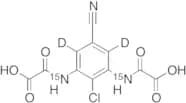

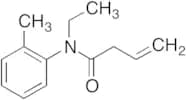
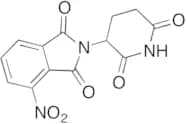
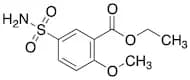
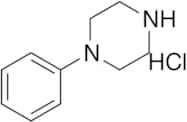
![4-[3-(Methylamino)-1-(2-thienyl)propyl]-1-naphthalenol Hydrochloride (Duloxetine Impurity)](/_next/image/?url=https%3A%2Fstatic.cymitquimica.com%2Fproducts%2FTR%2Fthumb-webp%2FM287200.webp&w=3840&q=75)
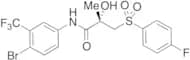
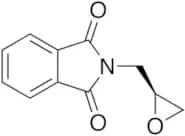
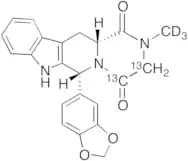
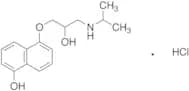
![2,3-Bis[(acetyloxy)methyl]-1-oxoquinoxalin-1-ium-4(1H)-olate](/_next/image/?url=https%3A%2Fstatic.cymitquimica.com%2Fproducts%2FTR%2Fthumb-webp%2FB325620.webp&w=3840&q=75)
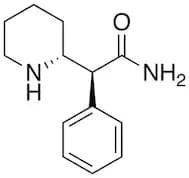
![5-[(2-Chloroethyl)(2-hydroxyethyl)amino]-1-methyl-1H-benzimidazole-2-butanoic Acid Ethyl Ester](/_next/image/?url=https%3A%2Fstatic.cymitquimica.com%2Fproducts%2FTR%2Fthumb-webp%2FC369650.webp&w=3840&q=75)
![Anastrozole EP Impurity E (2-[3-(Cyanodimethylmethyl)-5-hydroxymethylphenyl]-2-methylpropionitrile)](/_next/image/?url=https%3A%2Fstatic.cymitquimica.com%2Fproducts%2FTR%2Fthumb-webp%2FA637428.webp&w=3840&q=75)
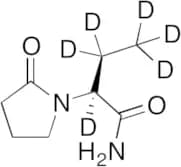
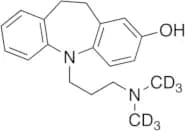
![3-[(Methylamino)sulfonyl]-2-thiophenecarboxylic Acid](/_next/image/?url=https%3A%2Fstatic.cymitquimica.com%2Fproducts%2FTR%2Fthumb-webp%2FM287245.webp&w=3840&q=75)
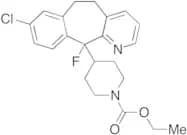
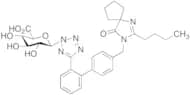
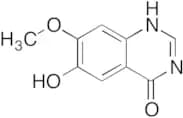
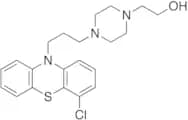
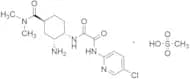
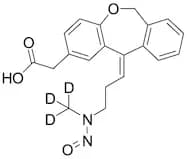
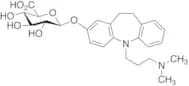
![5-[1-Hydroxy-2-(2,4,5-trifluorophenyl)ethylidene]-2,2-dimethyl-1,3-dioxane-4,6-dione](/_next/image/?url=https%3A%2Fstatic.cymitquimica.com%2Fproducts%2FTR%2Fthumb-webp%2FH971700.webp&w=3840&q=75)
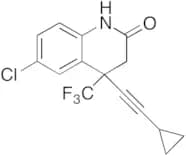
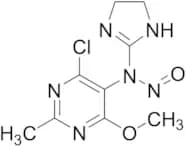
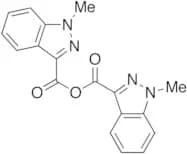

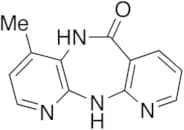
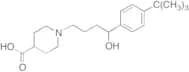
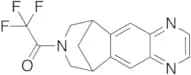
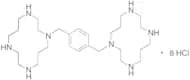
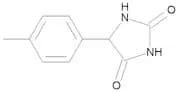

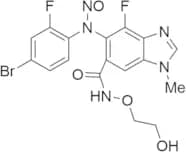
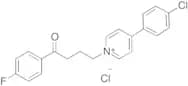
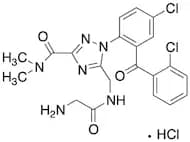
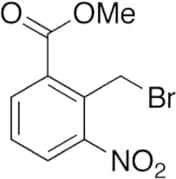
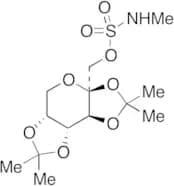
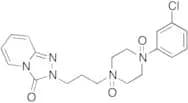
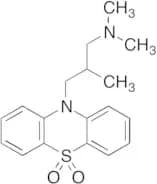
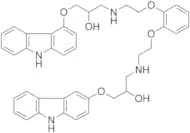
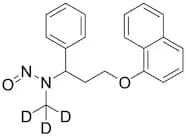
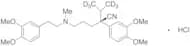
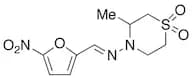
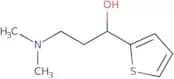

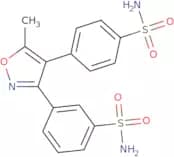
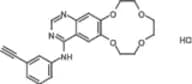


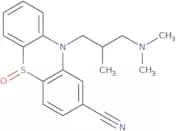
![2’-[(1E)-2-[4-[[(2-Carboxyethyl)amino]carbonyl]phenyl]diazenyl] balsalazide](/_next/image/?url=https%3A%2Fstatic.cymitquimica.com%2Fproducts%2F3D%2Fthumb-webp%2FIC157151.webp&w=3840&q=75)
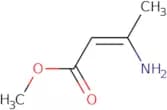
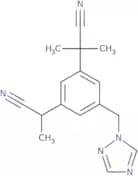
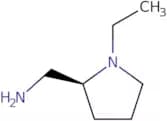
![Methyl 4-[[1-(ethoxycarbonyl)-2-oxocyclopentyl]methyl]-α-methylbenzeneacetate](/_next/image/?url=https%3A%2Fstatic.cymitquimica.com%2Fproducts%2F3D%2Fthumb-webp%2FIM184082.webp&w=3840&q=75)


-methanone](/_next/image/?url=https%3A%2Fstatic.cymitquimica.com%2Fproducts%2F3D%2Fthumb-webp%2FIA63847.webp&w=3840&q=75)
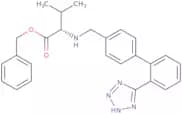
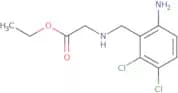
![Losartan imidazo[1,5-b]isoquinoline impurity](/_next/image/?url=https%3A%2Fstatic.cymitquimica.com%2Fproducts%2F3D%2Fthumb-webp%2FIL24943.webp&w=3840&q=75)
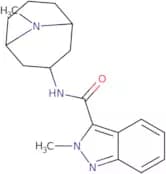
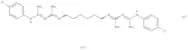
![4-[(2,3,4-Trimethoxyphenyl)methyl]-1-piperazinecarboxylic acid ethyl ester](/_next/image/?url=https%3A%2Fstatic.cymitquimica.com%2Fproducts%2F3D%2Fthumb-webp%2FIT145543.webp&w=3840&q=75)
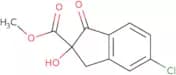
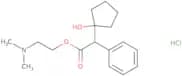
![N-(3-hydroxytricyclo[3.3.1.1]dec-1-yl)glycyl-L-prolinamide](/_next/image/?url=https%3A%2Fstatic.cymitquimica.com%2Fproducts%2F3D%2Fthumb-webp%2FIN176051.webp&w=3840&q=75)
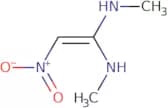

![(3-endo)-9-methyl-9-azabicyclo[3.3.1]nonan-3-amine](/_next/image/?url=https%3A%2Fstatic.cymitquimica.com%2Fproducts%2F3D%2Fthumb-webp%2FIE22671.webp&w=3840&q=75)
![Bis-[[2-[1-methylamino-2-nitroethenamine]ethyl]thio]methane](/_next/image/?url=https%3A%2Fstatic.cymitquimica.com%2Fproducts%2F3D%2Fthumb-webp%2FIB57853.webp&w=3840&q=75)
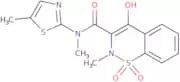
![5-Chloro-N-[3-[[(5-chloro-2-thienyl)carbonyl]amino]-2-hydroxypropyl]-N-[4-(3-oxo-4-morpholinyl)phe…](/_next/image/?url=https%3A%2Fstatic.cymitquimica.com%2Fproducts%2F3D%2Fthumb-webp%2FIC183209.webp&w=3840&q=75)

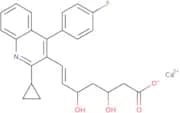
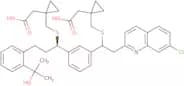

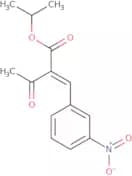
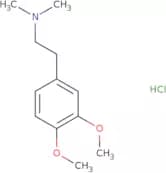
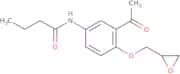
![2-[2-(4-Dibenzo[b,f][1,4]thiazepin-11-yl-1-piperazinyl)ethoxy]ethanol N-oxide](/_next/image/?url=https%3A%2Fstatic.cymitquimica.com%2Fproducts%2F3D%2Fthumb-webp%2FID27365.webp&w=3840&q=75)
![[6-Hydroxy-2-(4-hydroxyphenyl)-7-[4-(2-piperidin-1-yl-ethoxy)benzoyl]-benzo[b]thien-3-yl]-[4-[2-(1…](/_next/image/?url=https%3A%2Fstatic.cymitquimica.com%2Fproducts%2F3D%2Fthumb-webp%2FIH45164.webp&w=3840&q=75)
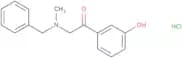


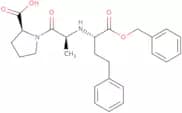

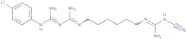
![3-[2-[4-(5-Fluoro-1,2-benzisoxazol-3-yl)-1-piperidinyl]ethyl]-6,7,8,9-tetrahydro-2-methyl-4H-pyrid…](/_next/image/?url=https%3A%2Fstatic.cymitquimica.com%2Fproducts%2F3D%2Fthumb-webp%2FIF23360.webp&w=3840&q=75)
![4-[1,5-Bis-(2-methylsulfamoylethyl)-1H-indol-3-yl]-1-methylpyridinium chloride](/_next/image/?url=https%3A%2Fstatic.cymitquimica.com%2Fproducts%2F3D%2Fthumb-webp%2FIB183365.webp&w=3840&q=75)

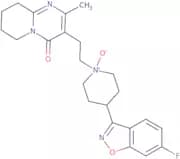
![3,5-Bis[2-[[[2-[(aminoiminomethyl)amino]thiazol-4-yl]methyl]sulphanyl]ethyl]-4H-1,2,4,6-thiatriazi…](/_next/image/?url=https%3A%2Fstatic.cymitquimica.com%2Fproducts%2F3D%2Fthumb-webp%2FIB58080.webp&w=3840&q=75)
![1-[(1-Methylethyl)amino]-3-phenoxy-2-propanol](/_next/image/?url=https%3A%2Fstatic.cymitquimica.com%2Fproducts%2F3D%2Fthumb-webp%2FIM63785.webp&w=3840&q=75)
![N,N-Bis[2-(2-hydroxyethoxy)ethyl] quetiapine chloride](/_next/image/?url=https%3A%2Fstatic.cymitquimica.com%2Fproducts%2F3D%2Fthumb-webp%2FIB76470.webp&w=3840&q=75)
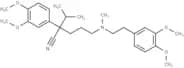
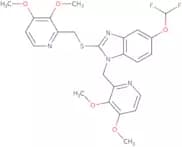
![a-[3-[[2-(3,4-Dimethoxyphenyl)ethyl]methylamino]propyl]-3,4-dimethoxy-a-propyl-benzeneacetonitrile](/_next/image/?url=https%3A%2Fstatic.cymitquimica.com%2Fproducts%2F3D%2Fthumb-webp%2FID145564.webp&w=3840&q=75)
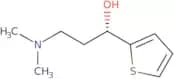
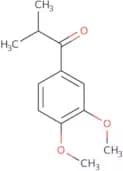
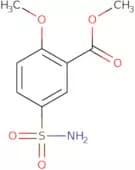
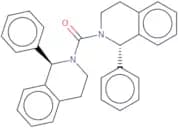
![a,a'-[[[2-(3,4-Dimethoxyphenyl)ethyl]imino]di-3,1-propanediyl]bis[3,4-dimethoxy-alpha-(1-methyleth…](/_next/image/?url=https%3A%2Fstatic.cymitquimica.com%2Fproducts%2F3D%2Fthumb-webp%2FID145565.webp&w=3840&q=75)
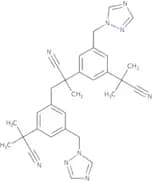

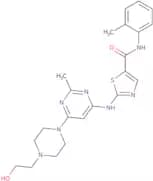
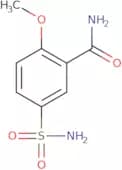
![3-[(1E)-2-[4-[[(2-Carboxyethyl)amino]carbonyl]phenyl]diazenyl] balsalazide](/_next/image/?url=https%3A%2Fstatic.cymitquimica.com%2Fproducts%2F3D%2Fthumb-webp%2FIC19769.webp&w=3840&q=75)

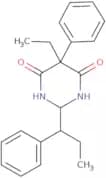
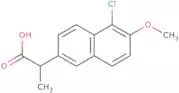
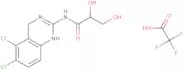
![3-[2-[4-(1,2-Benzisoxazol-3-yl)-1-piperidinyl]ethyl]-6,7,8,9-tetrahydro-2-methyl-4H-pyrido[1,2-a]p…](/_next/image/?url=https%3A%2Fstatic.cymitquimica.com%2Fproducts%2F3D%2Fthumb-webp%2FIB21194.webp&w=3840&q=75)
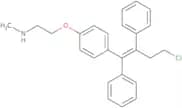
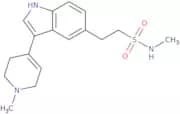
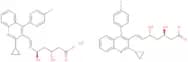
![1-[[3-Methyl-4-(2,2,2-trifluoroethoxy)-2-pyridinyl]methyl]-2-[[[3-methyl-4-(2,2,2-trifluoroethoxy)…](/_next/image/?url=https%3A%2Fstatic.cymitquimica.com%2Fproducts%2F3D%2Fthumb-webp%2FIM25689.webp&w=3840&q=75)
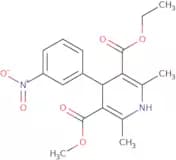
![N,N'-Bis[2-(3,4-dimethoxyphenyl)ethyl]-N,N'-dimethyl-1,3-propanediamine dihydrochloride](/_next/image/?url=https%3A%2Fstatic.cymitquimica.com%2Fproducts%2F3D%2Fthumb-webp%2FIB145560.webp&w=3840&q=75)
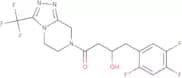
![N-(1-Oxobutyl)-N-[[2'-(2H-tetrazol-5-yl)[1,1'-biphenyl]-4-yl]methyl]-L-valine](/_next/image/?url=https%3A%2Fstatic.cymitquimica.com%2Fproducts%2F3D%2Fthumb-webp%2FIO28664.webp&w=3840&q=75)
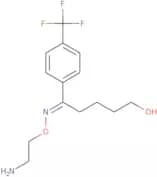
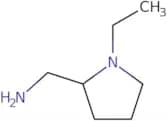

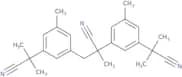
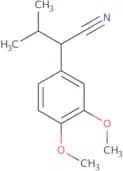
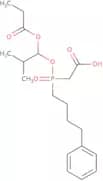
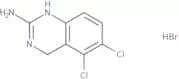

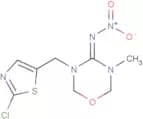
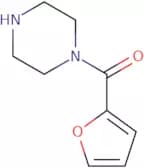
![1-[[2-[(2-Aminophenyl)amino]-5-methyl-3-thienyl]carbonyl]-4-methyl-piperazine](/_next/image/?url=https%3A%2Fstatic.cymitquimica.com%2Fproducts%2F3D%2Fthumb-webp%2FIA183184.webp&w=3840&q=75)
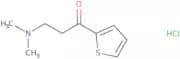

![(2R)-2-(3,4-Dimethoxyphenyl)-5-[2-(3,4-dimethoxyphenyl)ethyl-methylamino]-2-isopropylpentanenitril…](/_next/image/?url=https%3A%2Fstatic.cymitquimica.com%2Fproducts%2F3D%2Fthumb-webp%2FID28684.webp&w=3840&q=75)
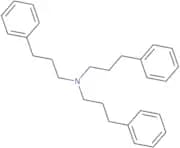
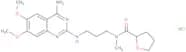

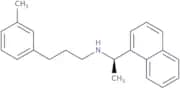
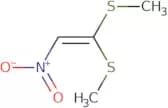
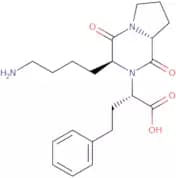
![2-[[2-Oxo-3-[4-(3-oxo-4-morpholinyl)phenyl]-5-oxazolidinyl]methyl]-1H-isoindole-1,3(2H)-dione](/_next/image/?url=https%3A%2Fstatic.cymitquimica.com%2Fproducts%2F3D%2Fthumb-webp%2FIO183175.webp&w=3840&q=75)
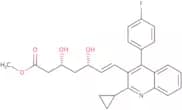
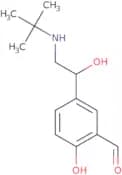
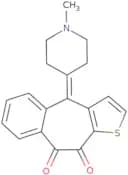
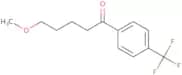
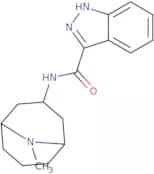

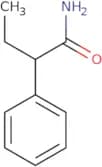

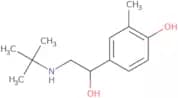
![3-[[[2-[(Aminoiminomethyl)amino]-4-thiazolyl]methyl]sulfinyl]-N-(aminosulfonyl)propanimidamide](/_next/image/?url=https%3A%2Fstatic.cymitquimica.com%2Fproducts%2F3D%2Fthumb-webp%2FIA182983.webp&w=3840&q=75)

![4,8-Dichloro-5,6-dihydro-11H-benzo[5,6]cyclohepta[1,2-b]pyridin-11-one](/_next/image/?url=https%3A%2Fstatic.cymitquimica.com%2Fproducts%2F3D%2Fthumb-webp%2FID21639.webp&w=3840&q=75)
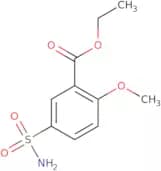
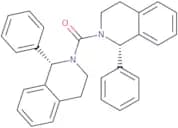
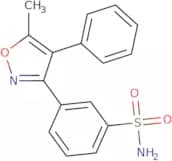
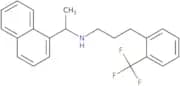
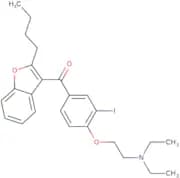
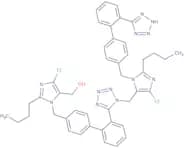

![2,2'-(1,4-Piperazinediyl)bis[6,7-dimethoxy-4-quinazolinamine]](/_next/image/?url=https%3A%2Fstatic.cymitquimica.com%2Fproducts%2F3D%2Fthumb-webp%2FIP27062.webp&w=3840&q=75)
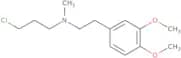
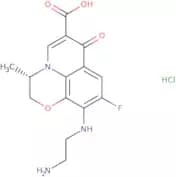
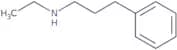
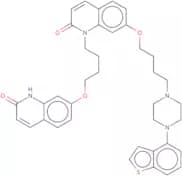

![6,7-Dimethoxy-2-[4-[(tetrahydro-2-furanyl)carbonyl]-1-piperazinyl]-4(3H)-quinazolinone](/_next/image/?url=https%3A%2Fstatic.cymitquimica.com%2Fproducts%2F3D%2Fthumb-webp%2FID63842.webp&w=3840&q=75)

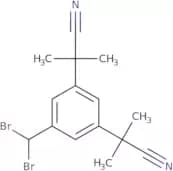
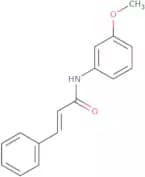
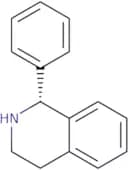
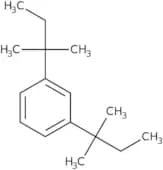
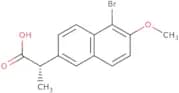
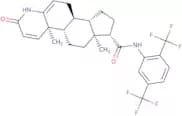
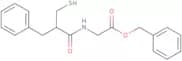
![1-[[3-Methyl-4-(2,2,2-trifluoroethoxy)-2-pyridinyl]methyl]-2-[[[3-methyl-4-(2,2,2-trifluoroethoxy)…](/_next/image/?url=https%3A%2Fstatic.cymitquimica.com%2Fproducts%2F3D%2Fthumb-webp%2FIM25690.webp&w=3840&q=75)
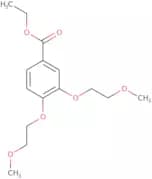
phosphinyl]acetic acid](/_next/image/?url=https%3A%2Fstatic.cymitquimica.com%2Fproducts%2F3D%2Fthumb-webp%2FIM21078.webp&w=3840&q=75)
![1-[4-(4-Amino-6,7-dimethoxy-2-quinazolinyl)-1-piperazinyl]-2-hydroxy-1-pentanone](/_next/image/?url=https%3A%2Fstatic.cymitquimica.com%2Fproducts%2F3D%2Fthumb-webp%2FIA63849.webp&w=3840&q=75)
![4',4'''-[(4'-Methyl-2'-propyl[2,6'-bi-1H-benzimidazole]-1,1'-diyl)bis(methylene)]bis[1,1'-biphenyl…](/_next/image/?url=https%3A%2Fstatic.cymitquimica.com%2Fproducts%2F3D%2Fthumb-webp%2FIM28023.webp&w=3840&q=75)
![1,1'-[(1-Methylethyl)imino]bis[3-[4-(2-methoxyethyl)phenoxy]-2-propanol](/_next/image/?url=https%3A%2Fstatic.cymitquimica.com%2Fproducts%2F3D%2Fthumb-webp%2FIM63789.webp&w=3840&q=75)
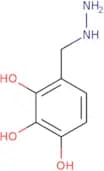
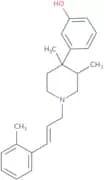
![4-Dibenzo[b,f][1,4]thiazepin-11-yl-1-piperazineethanol hydrochloride](/_next/image/?url=https%3A%2Fstatic.cymitquimica.com%2Fproducts%2F3D%2Fthumb-webp%2FID27364.webp&w=3840&q=75)
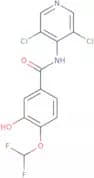
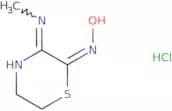
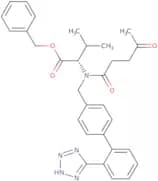
![4'-(Bromomethyl)-[1,1'-biphenyl]-2-carboxamide](/_next/image/?url=https%3A%2Fstatic.cymitquimica.com%2Fproducts%2F3D%2Fthumb-webp%2FIB19246.webp&w=3840&q=75)