Monosaccharides
Monosaccharides are the simplest form of carbohydrates and serve as fundamental building blocks for more complex sugars and polysaccharides. These single sugar molecules play critical roles in energy metabolism, cellular communication, and structural components of cells. In this section, you will find a wide variety of monosaccharides essential for research in biochemistry, molecular biology, and glycoscience. These compounds are crucial for studying metabolic pathways, glycosylation processes, and developing therapeutic agents. At CymitQuimica, we offer high-quality monosaccharides to support your research needs, ensuring precision and reliability in your scientific investigations.
Subcategories of "Monosaccharides"
- Alloses(11 products)
- Arabinoses(21 products)
- Erythroses(11 products)
- Fructoses(9 products)
- Fucoses(36 products)
- Galactosamine(41 products)
- Galactose(261 products)
- Glucoses(365 products)
- Glucuronic Acids(51 products)
- Glyco-substrates for Enzyme(77 products)
- Guloses(6 products)
- Idoses(4 products)
- Inositols(15 products)
- Lyxoses(4 products)
- Mannoses(65 products)
- O-Glycans(48 products)
- Psicoses(3 products)
- Rhamnoses(10 products)
- Riboses(61 products)
- Sialic Acids(100 products)
- Sorboses(4 products)
- Sugars(173 products)
- Tagatoses(4 products)
- Taloses(8 products)
- Xyloses(20 products)
Show 17 more subcategories
Found 6088 products of "Monosaccharides"
Sort by
Purity (%)
0
100
|
0
|
50
|
90
|
95
|
100
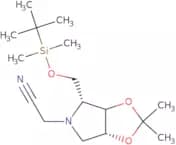
5-O-tert-Butyldimethylsilyl-N-cyanomethyl-1,4-dideoxy-1,4-imino-2,3-O-isopropylidene-D-ribitol
CAS:<p>5-O-tert-Butyldimethylsilyl-N-cyanomethyl-1,4-dideoxy-1,4-imino-2,3-O-isopropylidene--D ribitol is a fluorinated glycosylation product of 5-(O-(tertbutyldimethylsilyl)cyanomethyl)-1,4 dihydroxy imino 2,3 O isopropylidene D ribitol. It is a high purity complex carbohydrate that can be synthesized by click modification of 5-(O-(tertbutyldimethylsilyl)cyanomethyl)-1,4 dihydroxy imino 2,3 O isopropylidene D ribitol with ethynyltrifluoroborate and osmium tetroxide. This compound has CAS No. 577978-59-7.</p>Formula:C16H30N2O3SiPurity:Min. 95%Molecular weight:326.51 g/molD-myo-Inositol 1,4,6-triphosphate sodium salt
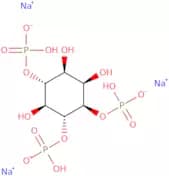
CAS:<p>D-myo-Inositol 1,4,6-triphosphate sodium salt (DMIPS) is an alkaline polymer. It is a high capacity, rechargeable electrode material that can be used in electrochemical cells. DMIPS has been shown to have the highest energy density and power density of any known polymer and can operate at low temperatures. This material has been shown to be effective in polymer electrolyte membrane fuel cells, as well as being used as a separator in lithium ion batteries.</p>Formula:C6H12O15P3·xNaPurity:Min. 95%Molecular weight:417.07 g/molMethyl 2,3-di-O-benzoyl-4,6-O-(4-methoxybenzylidene)-a-D-galactopyranoside
<p>Methyl 2,3-di-O-benzoyl-4,6-O-(4-methoxybenzylidene)-a-D-galactopyranoside is a fluorinated and methylated synthetic carbohydrate. It is an oligosaccharide that is synthesized from galactose and glucose by glycosylation and click modification. Methyl 2,3-di-O-benzoyl-4,6-O-(4-methoxybenzylidene)-a-D-galactopyranoside has CAS number: 6079410.</p>Formula:C29H28O9Purity:Min. 95%Molecular weight:520.54 g/molMethyl 3,5-di-O-acetyl-2,4-anhydro-D-arabinonate
<p>Methyl 3,5-di-O-acetyl-2,4-anhydro-D-arabinonate is a custom synthesis of a complex carbohydrate. It is modified with methylation, glycosylation and click modification. This product has been fluorinated to provide high purity and is used in the preparation of other saccharides. Methyl 3,5-di-O-acetyl-2,4-anhydro-D-arabinonate belongs to the category of carbohydrates and sugars. This product is made up of a saccharide that contains three carbon atoms (C3H7O6) and one oxygen atom (O). The chemical formula for this compound is C3H5(COOC2H5)3.</p>Purity:Min. 95%1,2,3,4-Tetra-O-acetyl-6,7-dideoxy-L-galacto-hept-6-enopyranose
CAS:<p>1,2,3,4-Tetra-O-acetyl-6,7-dideoxy-L-galacto-hept-6-enopyranose is a custom synthesis for the modification of saccharides. This compound has high purity and is synthesized by methylation of 1,2,3,4 tetra O acetyl 6,7 dideoxy L galacto hept 6 enopyranose with acetic anhydride and pyridine. The CAS number for this compound is 1193251-65-8.</p>Purity:Min. 95%Methyl 3,4-di-O-acetyl-D-glucuronal
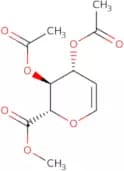
CAS:<p>Methyl 3,4-di-O-acetyl-D-glucuronal is a sugar that has been synthesized in the laboratory. It is a functional sugar that can be used as a building block for other sugars. The conformation of this molecule was determined by conformational studies. This molecule has two benzyl groups that are oriented in different ways, which simplifies the parameters for this compound. Methyl 3,4-di-O-acetyl-D-glucuronal is an anomeric sugar and can be found in the pyranose ring. Methyl 3,4-di-O-acetyl-D-glucuronal also has a conformational theory that was developed to optimize its orientations and predict its geometries.</p>Formula:C11H14O7Purity:Min. 95%Color and Shape:White PowderMolecular weight:258.22 g/molMethyl 4-O-methyl-α-D-glucopyranoside
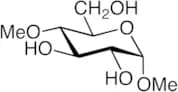
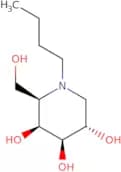
CAS:<p>Methyl 4-O-methyl-α-D-glucopyranoside is a methyl glucoside analogue</p>Formula:C8H16O6Purity:Min. 95%Color and Shape:PowderMolecular weight:208.21 g/molN-Butyldeoxygalactonojirimycin
CAS:<p>Competitive inhibitor of glucosylceramidase (GlcCer), which catalyses the first step in glycosphingolipid (GSL) synthesis. This compound is a promising candidate for substrate reduction therapy in Sandhoff disease, where it decreases the rate of GSL biosynthesis and counterbalances the impaired rate of ganglioside catabolism.</p>Formula:C10H21NO4Purity:Min. 95%Color and Shape:PowderMolecular weight:219.28 g/molTri-O-benzyl-isofagomine hydrochloride
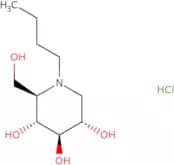
<p>Tri-O-benzyl-isofagomine hydrochloride is a modification of an oligosaccharide and a carbohydrate. It is synthesized by the methylation and glycosylation of isofagomine. Tri-O-benzyl-isofagomine hydrochloride has been shown to have high purity and can be used in the treatment of cancer, as well as being a potential drug for diabetes mellitus. This drug also prevents the formation of glycosaminoglycan polymers, which are responsible for cartilage rigidity. The CAS number for this drug is 569287-73-2.</p>Purity:Min. 95%N-Butyldeoxynojirimycin hydrochloride
CAS:<p>Competitive inhibitor of ceramide-glycosyltransferase used for substrate reduction therapy in lysosomal storage disorders. It inhibits glucosylceramide synthase, which catalyses the initial step in glycosphingolipid biosynthetic pathway. This compound delays the onset of symptoms in type 1 Gaucher disease, Sandhoff disease and Tay-Sachs disease. It also reduces brain abnormalities in mucolipidosis type IV.</p>Formula:C10H21NO4•HClPurity:Min. 95%Color and Shape:PowderMolecular weight:255.74 g/molD-Glucose-6-phosphate - 1M, in H2O
CAS:<p>Glucose 6-phosphatase substrate</p>Formula:C6H13O9PPurity:Min. 95%Color and Shape:Colorless Clear LiquidMolecular weight:260.14 g/mol6-Deoxy-a-D-talose
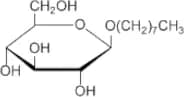
CAS:<p>6-Deoxy-a-D-talose is a non-reducing sugar. It is used in the synthesis of glycosides and polysaccharides. 6-Deoxy-a-D-talose is hydrolyzed by esterases or glucuronidases, oxidized by cytochrome P450 enzymes, reduced by glutathione reductase, or conjugated with glucuronic acid.</p>Formula:C6H12O5Purity:Min. 95%Color and Shape:PowderMolecular weight:164.16 g/moln-Octyl-β-D-glucopyranoside
CAS:<p>Octyl-beta-D-glucopyranoside is an alkylglycoside non-ionic detergent and is one of the most commonly used in membrane protein isolation. As it is uncharged, it is unlikely to cause protein denaturation or refolding issues, allowing for the isolation of intact macromolecular complexes without affecting protein-protein interactions. Octyl-beta-D-glucopyranoside, also known as octylglucoside or OG, forms small, uniformed micelles and has an aggregation number of between 27-100. It is readily dialyzable from membrane protein preparations due to its high Critical Micelle Concentration (CMC) of 18-20mM. Octyl-beta-D-glucopyranoside has similar uses and properties to that of another frequently used surfactant, Octyl-beta-D-thioglucopyranoside.</p>Formula:C14H28O6Molecular weight:292.38 g/molEthyl b-D-thiogalactopyranoside
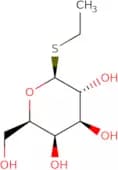
CAS:<p>Synthetic building block</p>Formula:C8H16O5SPurity:Min. 95%Color and Shape:White PowderMolecular weight:224.28 g/mol4,6-O-(4-Methoxybenzylidene)-1,2,3-tri-O-pivaloyl-b-D-glucopyranose
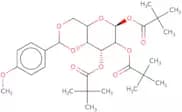
<p>4,6-O-(4-Methoxybenzylidene)-1,2,3-tri-O-pivaloyl-b-D-glucopyranose is a Glycosylation compound that has been modified with methyl groups on the 4 and 6 carbons of the sugar. It is a complex carbohydrate that has been fluorinated at the C5 position. This product is available for custom synthesis in quantities of 10g or more. The CAS number for this compound is 13357007.</p>Formula:C29H42O10Purity:Min. 95%Molecular weight:550.65 g/mol2,3,4,6-Tetra-O-pivaloyl-b-D-galactopyranosyl amine
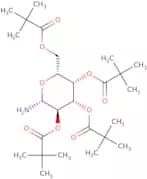
CAS:<p>2,3,4,6-Tetra-O-pivaloyl-b-D-galactopyranosyl amine is a glycosylated monosaccharide with four pivaloyl groups. It is an important component of the glycoconjugate family and has been used in research as a model for glycoprotein synthesis. This compound is synthesized from 2,3,4,6-tetra-O-pivaloylglucose through the use of Click chemistry and fluorination. The 2,3,4,6-Tetra-O-pivaloylglucose can be modified to produce a variety of sugar derivatives including methylated sugars and polysaccharides. This product is custom synthesized to meet customer specifications.<br>2,3,4,6-Tetra-O-pivaloylglucose can be obtained by reacting 2 equivalents of triacetin</p>Formula:C26H45NO9Purity:Min. 95%Color and Shape:PowderMolecular weight:515.64 g/mol2-Azido-2-deoxy-2,4-di-C-methyl-L-lyxono-1.4-lactone
<p>2-Azido-2-deoxy-2,4-di-C-methyl-L-lyxono-1.4-lactone is a synthetic sugar that belongs to the group of carbohydrates. It is a monosaccharide that has been modified with fluorination and glycosylation. This carbohydrate has also been methylated, which makes it useful for click chemistry reactions. 2-Azido-2-deoxy-2,4-diCmethyl L -lyxono 1,4 -lactone is used in the synthesis of complex carbohydrates and oligosaccharides.<br>!--END--></p>Purity:Min. 95%D-Galactose-6-O-sulphate sodium
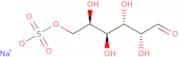
CAS:<p>D-Galactose-6-O-sulphate sodium salt is used as a diagnostic agent to measure the level of galactose in blood and tissues. The enzyme that hydrolyzes D-galactose-6-O-sulphate, galactose oxidase, is present in leukocytes and chorionic villi. The enzymatic assay for this chemical is based on the reaction between D-galactose and sulfite to form D-galactosulfonic acid. This reaction is catalysed by a sulphatase enzyme. A fluorimetric method can be used to measure the formation of D-galactosulfonic acid.</p>Formula:C6H11O9SNaPurity:Min. 95%Color and Shape:White PowderMolecular weight:282.2 g/mol2,4-O-Benzylidene-D-threitol
<p>2,4-O-Benzylidene-D-threitol is a sugar that can be custom synthesized according to the specific requirements of our customers. It has been used in the synthesis of oligosaccharides and monosaccharides. 2,4-O-Benzylidene-D-threitol is also used as a building block for glycosylation and methylation reactions. This product comes with CAS No. 129330-36-2, 98% purity, and can be purchased from our company at competitive prices.</p>Purity:Min. 95%Methyl 4,6-O-benzylidene-2-benzyloxycarbonylamino-2-deoxy-a-D-glucopyranose
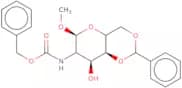
CAS:<p>Methyl 4,6-O-benzylidene-2-benzyloxycarbonylamino-2-deoxy-a-D-glucopyranose is a custom synthesized compound. It is a polysaccharide that is modified with fluorine and methyl groups. The chemical structure of this compound includes a glucose molecule with an amino group at the C1 position and an acetyl group at the C4 position. This modification increases the solubility and stability of this compound. Methyl 4,6-O-benzylidene-2-benzyloxycarbonylamino-2-deoxy--A D glucopyranose has been used in research as a model for glycosylation.</p>Formula:C22H25NO7Purity:Min. 95%Molecular weight:415.44 g/molMethyl 2,3,4-tri-O-benzoyl-6-O-tert-butyldiphenylsilyl-a-D-glucopyranoside
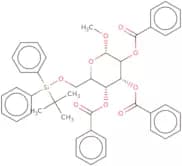
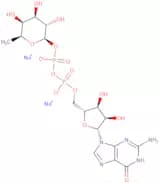
<p>Methyl 2,3,4-tri-O-benzoyl-6-O-tert-butyldiphenylsilyl-a-D-glucopyranoside is an oligosaccharide that has been modified with methylation and fluorination. The modification of the sugar with a methyl group at the 6 position on the glucopyranoside ring gives it increased stability against hydrolysis. This product can be used as a reagent in glycosylation or polysaccharide synthesis.</p>Formula:C44H44O9SiPurity:Min. 95%Molecular weight:744.92 g/molGDP-L-fucose disodium - low endotoxin grade
CAS:<p>GDP-L-fucose is a natural fucosyl donor and substrate for fucosyltransferases (FUT) that catalyses the fucosylation of, for example, human milk oligosaccharides or glycoproteins. GDP-L-fucose is widely used in (chemo)enzymatic synthesis of glycans. Cymit Quimicaesis of GDP-L-fucose, a nucleotide sugar consisting of an L-fucose that is β-glycosidically linked to the nucleotide guanosine diphosphate (GDP), is achieved either through de novo synthesis via GDP-mannose or through a salvage pathway from free fucose. Fucosylation is catalysed by fucosyltransferases (~ 13 FUT genes have been identified in the human genome to date) to generate α-1,2, α-1,3, α-1-4 and α-1-6 linkages of fucose to other sugars, as well as direct linkages to peptides, with release of GDP (Lairson, 2008).</p>Formula:C16H23N5O15P2Na2Purity:Min. 95%Color and Shape:White PowderMolecular weight:633.31 g/molBenzoyl 2,3-O-isopropylidene-D-lyxofuranoside
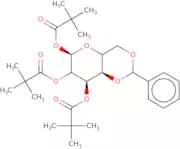
CAS:<p>Benzoyl 2,3-O-isopropylidene-D-lyxofuranoside is a high purity custom synthesis sugar. This compound can be synthesized by Click modification, fluorination, and glycosylation. It has CAS No. 110808-28-1. The molecular formula is C12H14O8 and the molecular weight is 360.2 g/mol. Benzoyl 2,3-O-isopropylidene-D-lyxofuranoside is used as an intermediate in the synthesis of saccharides including complex carbohydrates such as oligosaccharides and monosaccharides.</p>Formula:C15H18O6Purity:Min. 95%Molecular weight:294.3 g/mol4,6-O-Benzylidene-1,2,3-tri-O-pivaloyl-a-D-mannopyranose
<p>4,6-O-Benzylidene-1,2,3-tri-O-pivaloyl-a-D-mannopyranose is an oligosaccharide that is synthesized by the fluorination of a monosaccharide. It can be used for glycosylation and polysaccharide synthesis. The product has a CAS number of 53487-04-9 and a high purity level of 98%.</p>Formula:C28H40O9Purity:Min. 95%Molecular weight:520.61 g/molEthyl 2-O-benzoyl-3-O-benzyl-4-O-Fmoc-b-D-thioglucopyranoside
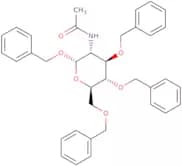
<p>Ethyl 2-O-benzoyl-3-O-benzyl-4-O-Fmoc-b-D-thioglucopyranoside is a sugar that belongs to the class of carbohydrates. It is a synthetic compound and can be used as a building block for oligosaccharides, monosaccharides, and saccharides. This product has been shown to have high purity, custom synthesis, and fluoroquinolone resistance.</p>Purity:Min. 95%2-Acetamido-1,3,4,6-tetra-O-benzyl-2-deoxy-a-D-glucopyranoside
CAS:<p>2-Acetamido-1,3,4,6-tetra-O-benzyl-2-deoxy-a-D-glucopyranoside is a modification of the natural carbohydrate. It is an oligosaccharide synthesized with custom synthesis. The synthetic process involves the methylation and glycosylation of the monosaccharides. Fluorination and saccharide linkages are also used in the production of this compound. 2-Acetamido-1,3,4,6-tetra-O-benzyl-2-deoxyglucopyranoside can be used as a building block for complex carbohydrates or as a research reagent for glycobiology.</p>Formula:C36H39NO6Purity:Min. 95 Area-%Color and Shape:PowderMolecular weight:581.7 g/mol(2E) -3-((2,3:5,6-Di-O-isopropylidene)-D-mannit-1-yl)-2- butenoic acid methyl ester (or tert.butyl ester)
<p>(2E) -3-((2,3:5,6-Di-O-isopropylidene)-D-mannit-1-yl)-2- butenoic acid methyl ester (or tert.butyl ester) is a synthetic compound that is used in the modification of complex carbohydrates and sugars. It is an ester of 2,3:5,6-di-O-(isopropylidene)-D-mannitol and 2,2’-(propane 1,3 diol). The CAS number for this product is 53724-59-8.</p>Purity:Min. 95%N-Acetyl-D-glucosamine - plant source
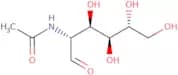
CAS:<p>N-acetyl D-glucosamine (GlcNAc) is an aldohexose (2-acetamido-2-deoxyglucose) in which the hydroxyl group at position 2 is replaced by NHAc (Collins, 2006). N-acetyl D-glucosamine forms the exoskeletons of molluscs and insects as the building block of the polysaccharide chitin (Rudrapatnam, 2003). N-acetyl D-glucosamine is a key component of N- and O-linked glycans, present in glycolipids and the glycosaminoglycan hyaluronic acid (Fallacara, 2018). A recent study has suggested that N-acetyl D-glucosamine may have therapeutic potential for COVID-19 as it affects the spike protein-ACE2 receptor interaction during the infection with SARS-CoV-2 virus (Baysal, 2021).</p>Formula:C8H15NO6Purity:Min. 98 Area-%Color and Shape:PowderMolecular weight:221.21 g/mol3,4,6-Tri-O-acetyl-2-azido-2-deoxy-D-galactose
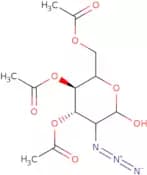
CAS:<p>3,4,6-Tri-O-acetyl-2-azido-2-deoxy-D-galactose is a sialylated glycoside with a carbohydrate and an amino sugar. It is a stereoselective analog of sialoside, which is the product of the reaction between neuraminic acid with D-galactose. The enzyme that catalyzes this reaction is called sialoglycolysis. 3,4,6-Tri-O-acetyl-2-azido-2-deoxy -D -galactose has been shown to be an efficient catalyst for the synthesis of glycosylamines from disaccharides and trifluoromethanesulfonate in solid phase.</p>Formula:C12H17N3O8Purity:Min. 98 Area-%Color and Shape:PowderMolecular weight:331.28 g/molN-[2-(4'-Methoxyphenylacetonitrile)]-2,3,4,6-tetra-O-pivaloyl-D-glucopyranoside
<p>N-[2-(4'-Methoxyphenylacetonitrile)]-2,3,4,6-tetra-O-pivaloyl-D-glucopyranoside is a custom synthesis of a carbohydrate. It is a synthetic saccharide that is modified by fluorination and methylation. This compound has high purity and can be custom synthesized to order.</p>Formula:C35H52N2O10Purity:Min. 95%Molecular weight:660.79 g/molb-D-Galactoheptose
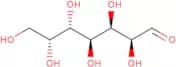
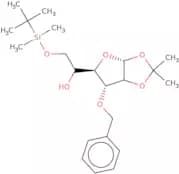
CAS:<p>B-D-Galactoheptose is a short-chain carbohydrate that is found in Citrus. It can be used as a food additive, but it also serves as an intermediate in the synthesis of other sugars. The stereospecificity of this sugar is determined by the orientation of its hydroxyl group on carbon atom 2. This sugar has been shown to inhibit the growth of food-borne pathogens, such as Salmonella and Staphylococcus, and has been shown to have anti-inflammatory properties. The biosynthesis of b-D-galactoheptose begins with the conversion of glucose into erythrose 4 phosphate. This process requires ATP and pyruvate kinase and proceeds through two reactions: erythrose 4 phosphate dehydrogenase, which converts erythrose 4 phosphate into erythronate 4 phosphate; and aldolase, which converts erythronate 4 phosphate into b-D</p>Formula:C7H14O7Purity:Min. 95%Color and Shape:PowderMolecular weight:210.18 g/mol3-O-Benzyl-6-O-tert-butyldimethylsilyl-1,2-O-isopropylidene-a-D-glucofuranose
<p>3-O-Benzyl-6-O-tert-butyldimethylsilyl-1,2-O-isopropylidene-a-D-glucofuranose is a custom synthesis of a monosaccharide. It is synthesized by fluorinating the hydroxyl group on C3 and then methylating the benzyl group. The resulting product is a glycosylation that can be used as a carbohydrate for biosynthesis or as a research tool for studying saccharides.</p>Formula:C22H36O6SiPurity:Min. 95%Molecular weight:424.6 g/molN-[N-[N-[2,4-Anhydro-3-azido-3-deoxy-5-O-tert-butyldimethylsilyl-D-arabinonoyl-]-3-amino-2,4-anhydro-5-O-tert-butyldimethylsilyl-D-a rabinonoyl-]-3-amino-2,4-anhydro-5-O-tert-butyldimethylsilyl-D-arabinonoyl-]-3-amino-2,4-anhydro-5-O-tert-butyldimethy
<p>N-[N-[N-[2,4-Anhydro-3-azido-3-deoxy-5-O-tert-butyldimethylsilyl-D-arabinonoyl]-3 amino]-2,4 anhydro -5 O -tert -butyldimethylsilyl D arabinonoyl]-3 amino]-2,4 anhydro -5 O -tert -butyldimethylsilyl D arabinonoyl]-3 amino]-2,4 anhydro -5 O -tert</p>Purity:Min. 95%a-D-Glucoheptonic acid magnesium salt
CAS:<p>a-D-Glucoheptonic acid magnesium salt is a carbohydrate that belongs to the group of saccharides. It can be used as an anti-inflammatory agent, and has been shown to inhibit the production of nitric oxide in macrophages. It also has antiviral properties. This product is available for custom synthesis, with high purity and high purity.</p>Formula:C13H23O8MgPurity:Min. 95%Color and Shape:PowderMolecular weight:331.62 g/mol6-Deoxy-L-altritol
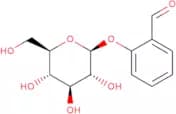
<p>6-Deoxy-L-altritol is a carbohydrate that belongs to the class of saccharides. It is a synthetic carbohydrate, and its structure is similar to that of D-mannitol. 6-Deoxy-L-altritol can be used for medical purposes as it inhibits bacterial growth and is an anti-inflammatory agent. 6-Deoxy-L-altritol has been modified with fluorine atoms to give it potent antibacterial activity against Gram negative bacteria, such as Salmonella typhi, Escherichia coli, and Pseudomonas aeruginosa. This modification also makes 6-deoxy L-altritol stable at high temperatures and resistant to acid hydrolysis.</p>Purity:Min. 95%2-Formylphenyl b-D-glucopyranoside
CAS:<p>2-Formylphenyl b-D-glucopyranoside is a phenolic compound that has been shown to have high resistance to transport. It has been shown to possess surface methodology and this property can be used for the delivery of compounds. 2-Formylphenyl b-D-glucopyranoside has also been shown to inhibit plant enzyme activities such as detoxification enzymes and carbohydrate chemistry, which are important in the uptake of natural compounds. In addition, it is able to bind with amines and hydroxyl groups on cells, which may be due to its receptor cell properties. 2-Formylphenyl b-D-glucopyranoside can be synthesized by reacting trifluoroacetic acid with an amine and a hydroxyl group in the presence of glycol ethers or natural compounds.</p>Formula:C13H16O7Purity:Min. 95%Color and Shape:PowderMolecular weight:284.26 g/molOctyl D-glucuronic acid
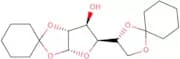
CAS:<p>Octyl D-glucuronic acid is a glycosylation agent that can be used to modify the surface of proteins and polymers. It is an oligosaccharide that contains eight glucose molecules linked by beta 1-4 glycosidic bonds. Octyl D-glucuronic acid has been shown to have a high purity, with no detectable impurities or contaminants. The modification of proteins and polymers with this molecule has been shown to increase their stability and resistance to environmental factors such as moisture, heat, pH changes, and light exposure. It also increases the hydrophilicity of the modified material and can be used for click chemistry reactions using azide or alkyne functional groups.<br>Octyl D-glucuronic acid is commercially available from Sigma Aldrich in different grades: Technical Grade (TG), Analytical Grade (AG), Pharmaceutical Grade (PG).</p>Formula:C14H26O7Purity:Min. 95%Color and Shape:PowderMolecular weight:306.36 g/mol1,2:5,6-Di-O-cyclohexylidene-α-D-glucofuranose
CAS:<p>1,2:5,6-Di-O-cyclohexylidene-a-D-glucofuranose is a synthetic sugar which is used as a starting material for the synthesis of oligosaccharides and polysaccharides. This chemical is also used in the modification of glycosylation and carbohydrate. It can be used to synthesize high purity sugars, including monosaccharides and oligosaccharides. 1,2:5,6-Di-O-cyclohexylidene-a-D-glucofuranose is not fluorescent under UV light.</p>Formula:C18H28O6Purity:Min. 95%Color and Shape:White PowderMolecular weight:340.41 g/molCarrageenan
CAS:<p>Carageenan is a mixture of gelling sulphated galactans extracted from red algae (typically Euchuma cottonii, Euchuma spinosum Mastocarpus stellata and Chondrus crispus). The structure of all carrageenans consists of a strictly alternating masked repeating unit of 1,3 linked α-D-galactose and 1,4 linked β-D-galactose with variable proportions of sulphate. The α-linked galactose residue occurs as α-3-6-anhydro-2-sulphate.<br>The images were kindly provided by Prof Mike Guiry from Cork who runs ‘The Seaweed Site’.</p>Color and Shape:White PowderMethyl 4,6-O-benzylidene-2,3-di-O-pivaloyl-a-D-galactopyranoside
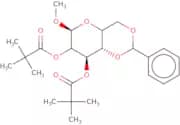
<p>Methyl 4,6-O-benzylidene-2,3-di-O-pivaloyl-a-D-galactopyranoside is a custom synthesis of methyl 4,6-O-benzylidene-2,3-di-O-(pivaloyl)-a-D galactopyranoside. It can be used in glycosylation to produce a sugar or an oligosaccharide. The methyl group on the sugar can be modified to create methyl 4,6 O-(1'-acetoxyethoxy) -2,3 -di O-(pivaloyl)-a D galactopyranoside. This product has CAS No. and is listed as an oligosaccharide.</p>Formula:C24H34O8Purity:Min. 95%Molecular weight:450.53 g/molEthyl 2,3-di-O-benzyl-4,6-O-benzylidene-a-D-thiomannopyranoside
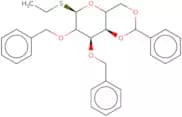
CAS:<p>Ethyl 2,3-di-O-benzyl-4,6-O-benzylidene-a-D-thiomannopyranoside is a custom synthesis of an oligosaccharide with a complex carbohydrate structure. It can be modified to suit customer specifications. This product has been fluorinated and is available in high purity. Ethyl 2,3-di-O-benzyl-4,6-O-benzylidene-a-D-thiomannopyranoside is a sugar that can be used for the synthesis of polysaccharides and saccharides. It has been synthesized by methylation and Click modification.</p>Formula:C29H32O5SPurity:Min. 95%Molecular weight:492.63 g/molN-[(4'-Nitrophenyl)-1-propenyl]imino-2,3,4,6-tetra-O-pivaloyl-D-glucopyranoside
<p>N-[(4'-Nitrophenyl)-1-propenyl]imino-2,3,4,6-tetra-O-pivaloyl-D-glucopyranoside is a synthetic polysaccharide. It is a complex carbohydrate that is modified by methylation and glycosylation. The monomeric unit of this polysaccharide is a 6-(nitrophenoxy)hexose. N-[(4'-Nitrophenyl)-1-propenyl]imino-2,3,4,6-tetra-O-pivaloyl-D-glucopyranoside has been shown to have antiviral effects in the past.</p>Formula:C35H50N2O11Purity:Min. 95%Molecular weight:674.78 g/molMethyl 4,6-O-benzylidene-2-deoxy-a-D-glucpyranosid-3-ulose
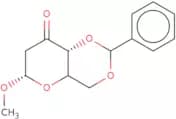
CAS:<p>Methyl 4,6-O-benzylidene-2-deoxy-a-D-glucpyranosid-3-ulose is a custom synthesis of a complex carbohydrate. It is an Oligosaccharide with a Polysaccharide backbone. The modification of the saccharide is Methylation and Glycosylation. Click chemistry was used to introduce fluorine atoms into the sugar ring. The Carbohydrate is a sugar, which is a chemical compound that consists of carbon, hydrogen and oxygen atoms. It has high purity and fluoroination at the C1 position. This synthetic product can be used in various applications such as food additives, pharmaceuticals, or agrochemicals.</p>Formula:C14H16O5Purity:Min. 95%Molecular weight:264.27 g/mol(2R,3S,4R)-4-C-((2R,3S)-N-Benzyl-3-tert.butylsilyloxy-2-azetidinyl)-3-O-tert.butyldimethylsilyl-2,3,4-trihydroxybutanoic acid methyl ester
<p>(2R,3S,4R)-4-C-((2R,3S)-N-Benzyl-3-tert.butylsilyloxy-2-azetidinyl)-3-O-tert.butyldimethylsilyl-2,3,4-trihydroxybutanoic acid methyl ester is a synthetic glycosylation that has been modified with fluorination and custom synthesis. It is a high purity product at CAS No. 90132-76-6 that can be modified with click chemistry. The product is sold by the gram and has a purity of >98%.</p>Purity:Min. 95%N-Azidoacetylmannosamine
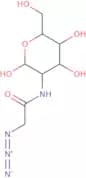
CAS:<p>N-Azidoacetylmannosamine, also called ManNAz and 2-[(2-azidoacetyl)amino]-2-deoxy-D-mannose, is a click reagent for metabolic labelling of ManNAc. The azide is able to react with an alkyne in a 1,3-dipolar cycloaddition reaction (click chemistry) to enable linking to a fluorescent probe or a biotin. N-Azidoacetylmannosamine has been used in the chemical modification of glycoproteins to improve their in vivo efficacy and to label them for detection.</p>Formula:C8H14N4O6Purity:Min. 90%Color and Shape:White PowderMolecular weight:262.22 g/mol2,4,6-Tri-O-benzoyl-3-benzyl-D-mannopyranosyl trichloroacetimidate
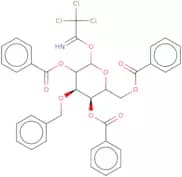
<p>2,4,6-Tri-O-benzoyl-3-benzyl-D-mannopyranosyl trichloroacetimidate is a synthetic glycosylation compound. It can be used for the synthesis of complex carbohydrates, such as polysaccharides and oligosaccharides. This product is a high purity, custom synthesis that has been modified with fluorination and methylation. CAS No.: 59978-06-0</p>Formula:C36H30Cl3NO9Purity:Min. 95%Molecular weight:726.98 g/molMethyl 2-O-acetyl-4,6-O-benzylidene-a-D-glucopyranoside
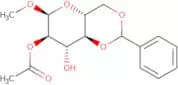
CAS:<p>Methyl 2-O-acetyl-4,6-O-benzylidene-a-D-glucopyranoside is a sugar with the molecular formula C9H10O5. It is an Oligosaccharide, Synthetic, Glycosylation, Fluorination, Custom synthesis, Methylation, Monosaccharide, Polysaccharide and saccharide. Methyl 2-O-acetyl-4,6-O-benzylidene-a-D-glucopyranoside has a Click modification and complex carbohydrate. This product has high purity and can be modified to meet your needs.</p>Formula:C16H20O7Purity:Min. 95%Molecular weight:324.33 g/mol(3R, 5R) -1-Benzyl-3, 4, 5- piperidinetriol
<p>(3R, 5R) -1-Benzyl-3, 4, 5- piperidinetriol is a modification of the parent compound. The modification of the parent compound is accomplished by the introduction of a benzyl group at the 3' and 5' positions of the molecule. This modification can be used to synthesize oligosaccharides, which are complex carbohydrates. (3R, 5R) -1-Benzyl-3, 4, 5- piperidinetriol is synthesized from high purity (99%) monosaccharide methylated with formaldehyde in aqueous solution with hydrochloric acid and sodium hydroxide as catalysts. It has CAS number 8056-97-2 and molecular weight of 231.24 grams per mole.</p>Purity:Min. 95%Methyl 2,3-di-O-methyl-α-D-xylofuranoside
CAS:<p>A useful xylose building block</p>Formula:C8H16O5Purity:Min. 95%Color and Shape:PowderMolecular weight:192.21 g/mol(2S,3R,4R,5S)-3-O-Benzyl-3,4,5-trihydroxypiperidine-2-carboxylic acid
<p>(2S,3R,4R,5S)-3-O-Benzyl-3,4,5-trihydroxypiperidine-2-carboxylic acid is a synthetic compound. It is a fluorinated glycosylated oligosaccharide with the molecular formula C14H21FNO6. This compound has been modified with methylation, monosaccharide and polysaccharide modifications. It is also a complex carbohydrate that can be custom synthesized and purified to high purity. CAS No.: 366864-11-1</p>Purity:Min. 95%D-Glucose - anhydrous
CAS:<p>D-Glucose is a monosaccharide that is used as an energy source. D-glucose is transported across the cell membrane by a sodium-dependent transporter. It has been shown to have antibacterial activity against Escherichia coli and staphylococcus in rat liver microsomes, as well as an inhibiting effect on the growth of squamous carcinoma cells in rats. D-glucose has also been shown to have hypoglycemic effects in diabetic rats, which may be due to its ability to stimulate insulin release from the pancreas.</p>Formula:C6H12O6Molecular weight:180.16 g/mol2-O-Benzyl-D-mannose
<p>2-O-Benzyl-D-mannose is a monosaccharide that is glycosylated with glucose in the 2-position. It is also known as benzylmannoside and can be methylated at the C6 position or fluorinated at the C2 position. It has been shown to be synthetically modified with benzaldehyde, nitrobenzene, or thioacetamide. The CAS number for this compound is 51179-25-4.</p>Purity:Min. 95%1,3,4,6-Tetra-O-acetyl-2-{2-[(2-aminoethyl)amino]-acetamido]}-2-deoxy-D-glucopyranose
<p>1,3,4,6-Tetra-O-acetyl-2-{2-[(2-aminoethyl)amino]-acetamido}-2-deoxy-D-glucopyranose is a custom synthetic sugar that has been modified to include fluorine atoms in the 1,3 and 4 positions. This sugar can be used as a fluorescent probe for DNA methylation. The fluorine atoms in 1,3 and 4 positions provide increased stability and prevent the sugar from being hydrolyzed by esterases.</p>Purity:Min. 95%3-Deoxy-3-fluoro-D-galactose
CAS:<p>Please enquire for more information about 3-Deoxy-3-fluoro-D-galactose including the price, delivery time and more detailed product information at the technical inquiry form on this page</p>Formula:C6H11FO5Purity:Min. 95%Color and Shape:PowderMolecular weight:182.15 g/molChloramphenicol 1-O-β-D-galactopyranoside
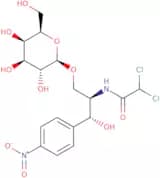
CAS:<p>Chloramphenicol 1-O-b-D-galactopyranoside is an antibiotic that binds to the 50S ribosomal subunit and inhibits bacterial protein synthesis. It is a modified form of chloramphenicol, which has been chemically altered to make it more soluble in water. Chloramphenicol 1-O-b-D-galactopyranoside can be used for the treatment of infections caused by bacteria such as Mycobacterium avium complex, Clostridium perfringens, or Staphylococcus aureus. This drug is also used to protect against meningitis caused by H. influenzae type b and other Gram negative bacteria. Chloramphenicol 1-O-b-D-galactopyranoside is also used for the prevention of disease recurrence in patients with superficial bladder cancer who have had a partial cystectomy and are at high risk for tumor recurrence</p>Formula:C17H22N2O10Cl2Purity:Min. 95%Color and Shape:PowderMolecular weight:485.27 g/mol1,2,3-Tri-O-benzoyl-4,6-O-benzylidene-b-D-galactopyranose
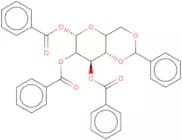
<p>1,2,3-Tri-O-benzoyl-4,6-O-benzylidene-b-D-galactopyranose is a synthetic glycosylate that can be used for the introduction of oligosaccharide chains onto proteins. It is a monosaccharide and part of a complex carbohydrate. 1,2,3-Tri-O-benzoyl-4,6-O-benzylideneb -D galactopyranose can be methylated and fluorinated. The synthesis of this compound is custom, making it possible to order in high purity.</p>Formula:C34H28O9Purity:Min. 95%Molecular weight:580.58 g/molSunitinib N-glucuronide
<p>Sunitinib N-glucuronide is a synthetic small molecule with a molecular weight of 517.63 Da and a chemical formula of C14H18F3N5O6S. Sunitinib N-glucuronide is a monosaccharide sugar that is modified with fluorine. It is one of the products of the methylation, custom synthesis, and click modification reactions. The CAS number for this product is 70698-74-7. Sunitinib N-glucuronide has a purity level of 98%, which means that it has less than 2% impurities. This product can be used in oligosaccharides, polysaccharides, or saccharides as a complex carbohydrate or high purity carbohydrate. It can also be used as an additive to modify the properties of monosaccharides and sugars.</p>Purity:Min. 95%Iron sucrose - 20% Iron
CAS:<p>Iron sucrose is a form of iron that is used in the treatment of iron deficiency anemia. Iron sucrose is administered orally and absorbed in the small intestine. The amounts of iron absorbed are not sufficient to correct the underlying cause of iron deficiency anemia, but can be used as a substitute for oral iron therapy. Iron sucrose has been shown to be safe and effective in treating chronic bowel disease and may be useful in other diseases with inflammatory components, such as infectious diseases and inflammatory bowel disease. Iron sucrose may also be helpful for patients with congestive heart failure or nephrology dialysis who require supplemental erythropoietin.</p>Formula:C12H22O11FePurity:Min. 95%Molecular weight:398.14 g/mol1,4-Dideoxy-1,4-imino-D-ribitol
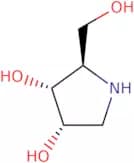
CAS:<p>1,4-Dideoxy-1,4-imino-D-ribitol is a polyhydroxylated pyrrolidine alkaloid isolated from the roots of mulberry trees (Morus alba) and from the bark of leguminous plants (Angylocalyx pynaertii). Due to its structure it has been looked at as enzyme inhibitors that mimic glycoside and nucleoside substrates. It was found to be a potent inhibitor of lysosomal β-mannosidase and eukaryotic DNA polymerases.</p>Formula:C5H11NO3Purity:Min. 95%Molecular weight:133.15 g/molL-Gulono-γ-lactone
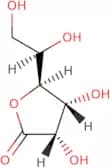
CAS:<p>L-Gulono-gamma-lactone is a natural vitamin C metabolite that is synthesized from L-ascorbic acid in the liver. It has been shown to inhibit the oxidase and other enzymes involved in ascorbic acid metabolism, which may be due to its ability to bind to iron. L-Gulono-gamma-lactone also inhibits polymerase chain reactions in rat liver microsomes and inhibits the activities of ascorbic acid and glutathione reductase in rat hepatic tissues. This compound is not active against humans, but it has been shown to have antioxidation properties.</p>Formula:C6H10O6Molecular weight:178.14 g/molRef: 3D-G-8500
1kgTo inquire100gTo inquire250gTo inquire500gTo inquire2500gTo inquire-Unit-kgkgTo inquire6-O-Acetylglycitin
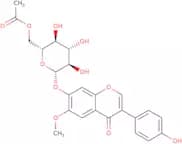
CAS:<p>6-O-Acetylglycitin is a bioactive compound that has been shown to have many physiological activities. It is the acetylated form of glycitin, which is a precursor in the synthesis of glycogen in the liver. 6-O-Acetylglycitin has been shown to promote the repair mechanism of hepatic steatosis and exhibits anti-cancer effects by inhibiting poly(ADP-ribose) polymerase chain reaction (PCR) and uvb-induced polymerase chain reaction (PCR). This compound also inhibits growth of cancer cells in vitro. 6-O-Acetylglycitin has been shown to have an analog with pharmaceutical preparations.</p>Formula:C24H24O11Purity:Min. 98 Area-%Color and Shape:PowderMolecular weight:488.44 g/molMethyl 6-O-tert-butyldiphenylsilyl-2,3,4-tri-O-pivaloyl-a-D-mannopyranoside
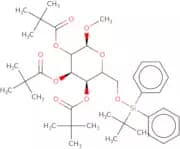
<p>Methyl 6-O-tert-butyldiphenylsilyl-2,3,4-tri-O-pivaloyl-a-D-mannopyranoside is a synthetic glycosylation reagent. It is used in the synthesis of oligosaccharides and polysaccharides. Methyl 6-O-tert-butyldiphenylsilyl-2,3,4-tri-O—pivaloyl -a—D—mannopyranoside has been shown to be highly pure with a CAS number of 2907939–87–6.</p>Formula:C38H56O9SiPurity:Min. 95%Molecular weight:684.95 g/molMethyl 5-amino-5-deoxy-a-D-ribofuranoside
CAS:<p>Methyl 5-amino-5-deoxy-a-D-ribofuranoside is a synthetic monosaccharide that has been modified with fluorination and glycosylation. It belongs to the group of saccharides, which are carbohydrates. Methyl 5-amino-5-deoxy -a-D-ribofuranoside is used in the synthesis of oligosaccharides and polysaccharides. The compound has a molecular weight of 268.3 g/mol and a CAS number of 262600-85-1.</p>Formula:C6H13NO4Purity:Min. 95%Molecular weight:163.17 g/mol2,3-Diaza-1,1,4,4-tetraphenyl-trans- butadiene
<p>2,3-Diaza-1,1,4,4-tetraphenyl-trans-butadiene is a synthetic compound that can be used as a methylating agent. This compound has been shown to be an effective sugar donor for the synthesis of complex carbohydrates with high purity. 2,3-Diaza-1,1,4,4-tetraphenyl-trans-butadiene is also useful for click modification and glycosylation.</p>Purity:Min. 95%Calcium L(-)-arabonate tetrahydrate
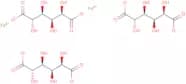
CAS:<p>Calcium L-Arabonate is a calcium salt of arabic acid. Calcium L-Arabonate is an absorbable form of calcium that has been shown to be effective in the prevention and treatment of osteoporosis. This compound was discovered in 1867, but was not used for medicinal purposes until the early 1900s when it was found to be effective in treating the symptoms of rickets.</p>Formula:C10H20O12·Ca·(H2O)4Purity:Min. 95%Color and Shape:White PowderMolecular weight:444.38 g/molMethyl 6-O-tert-butyldimethylsilyl-2,3-O-isopropylidene-α-D-lyxo-hexopyranosid-4-ulose
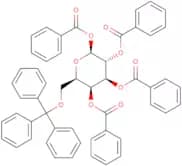
<p>Methyl 6-O-tert-butyldimethylsilyl-2,3-O-isopropylidene-alpha-D-lyxo-hexopyranosid-4-ulose is a fluorinated sugar that can be used for the synthesis of oligosaccharides and carbohydrates. This sugar has been custom synthesized and has been modified with methylation and click chemistry. The CAS number for this product is 93558-18-7.</p>Purity:Min. 95%1,2,3,4-Tetra-O-benzoyl-6-O-trityl-b-D-galactopyranose
CAS:<p>1,2,3,4-Tetra-O-benzoyl-6-O-trityl-b-D-galactopyranose is a custom synthetic sugar that can be modified using a variety of glycosylation and modification techniques. This product has been synthesized and purified to high purity standards. It is an Oligosaccharide, Polysaccharide, Modification, saccharide with CAS No. 100740-75-8.</p>Formula:C53H42O10Purity:Min. 95%Molecular weight:838.89 g/molD-myo-inositol 3-phosphate
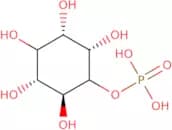
CAS:<p>D-myo-inositol 3-phosphate (IP3) is a molecule that is involved in the metabolism of carbohydrates, fats, and proteins. It is synthesized from D-myo-inositol 1,4,5-trisphosphate through the action of an enzyme called phosphatidylinositol kinase. IP3 binds to the calmodulin protein and has been shown to have biological properties, such as cytosolic or chloroplastic localization and transcriptional regulation. IP3 also participates in the synthesis of DNA and RNA. The sequence of IP3 has been determined for plants such as Solanum tuberosum and Arabidopsis thaliana.</p>Formula:C6H13O9PPurity:Min. 95%Molecular weight:260.14 g/mol3,5-Dideoxy-3,5-imino-1,2-O-isopropylidene-N-(4-methoxyphenyl)methyl-6-O-tert.butyldimethylsilyl-a-D-glucofuranose
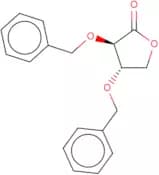
<p>3,5-Dideoxy-3,5-imino-1,2-O-isopropylidene-N-(4-methoxyphenyl)methyl-6-O-tert.butyldimethylsilyl-a-D-glucofuranose is a methylation product of 3,5 dihydroxy -3,5 imino -1,2 O isopropylidene -N (4 methoxyphenyl) methyl -6 O tert. butyldimethylsilyl A D glucofuranose which is an oligosaccharide. It has been synthesized for the purpose of Click modification and modified with a fluorine atom on the carbonyl group. This product has high purity and is custom synthesized according to customer specifications.</p>Purity:Min. 95%2,3-Di-O-benzyl-L-threonic acid-1,4-lactone
CAS:<p>2,3-Di-O-benzyl-L-threonic acid-1,4-lactone is a custom synthesis of an Oligosaccharide. It has CAS No. 150575-74-9 and is Polysaccharide, Modification, saccharide, Methylation, Glycosylation, Carbohydrate. 2,3-Di-O-benzyl-L-threonic acid-1,4-lactone has Click modification and is Fluorination and Synthetic.</p>Formula:C18H18O4Purity:Min. 95%Molecular weight:298.33 g/mol6-Deoxy-D-psicose
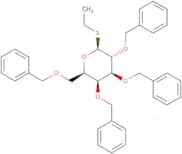
<p>6-Deoxy-D-psicose is a sugar molecule that is made up of six carbon atoms. It is one of the two possible epimers of D-psicose, and it can be used as an alkaline equilibrating agent for the conversion of D-fructose to 1-deoxy-D-fructose. 6-Deoxy-D-psicose can also be used as a substrate in reactions with other sugars to form new compounds. 6DPSC can be transformed into rhamnose by heating it at 100°C in alkaline solution, or into l-rhamnose by heating it at 120°C in alkaline solution. The transformation process converts 6DPSC into its epimer, which is stable at high temperatures without decomposing. 6DPSC has been shown to have efficient properties for use in research and for the production of various substances.</p>Purity:Min. 95%Ethyl 2,3,4,6-tetra-O-benzyl-β-D-thiogalactopyranoside
CAS:<p>Synthetic building block</p>Formula:C36H40O5SPurity:Min. 95%Color and Shape:White PowderMolecular weight:584.77 g/mol(-)-isolariciresinol-2a-O-b-D-xylopyranoside
<p>(-)-isolariciresinol-2a-O-b-D-xylopyranoside is a methylated saccharide that is used in the synthesis of complex carbohydrates. It is synthesized by reacting an aldehyde with an alcohol, and it has been modified using click chemistry. The product is purified to be at least 98% pure, and it can be custom synthesized to order. (-)-isolariciresinol-2a-O-b-D-xylopyranoside can be fluorinated for use as a fluorescent probe for various applications. It has a CAS number of 564964-92-1.</p>Purity:Min. 95%5-Azido-5-deoxy-2,3-O-isopropylidene-D-gulono-1,4-lactone
<p>5-Azido-5-deoxy-2,3-O-isopropylidene-D-gulono-1,4-lactone is a carbohydrate that has been modified by the addition of an azide group. Carbohydrates are complex carbohydrates that consist of monosaccharides linked together to form polysaccharides. They are sugar molecules that act as a source of energy for living organisms. 5-Azido-5-deoxy-2,3-O-isopropylidene -D gulono 1,4 lactone is a monosaccharide which can be methylated and glycosylated with other sugars to form a polysaccharide. It is also fluorinated and saccharide. This compound belongs to CAS No. 144948–71–8 and has the molecular formula C6H8N2O7F9O6.</p>Purity:Min. 95%N-(Benzyl malonoate-1-yl)-2-amino-2-deoxy-3,5:6,7-di-O-isopropylidene-D-glycero-D-ido-heptono-1.4-lactone
<p>N-(Benzyl malonoate-1-yl)-2-amino-2-deoxy-3,5:6,7-di-O-isopropylidene-D-glycero-D-idoheptono -1.4 -lactone is a synthetic compound that has been modified with fluorination and methylation. It is a monosaccharide that has been synthesized through a click modification and glycosylation. The CAS number for this compound is not available but it is classified as an oligosaccharide and saccharide. This carbohydrate has an average molecular weight of 647.1 g/mol and the structure contains 16 carbons, 36 hydrogens, 1 oxygen, and 2 nitrogens.</p>Purity:Min. 95%2,3-O-Isopropylidene -D- ribonic acid γ-lactone
<p>2,3-O-Isopropylidene -D- ribonic acid gamma-lactone is a Custom synthesis, Modification, Fluorination, Methylation, Monosaccharide, Synthetic, Click modification, Oligosaccharide, saccharide, CAS No., Polysaccharide. It has the following properties: CAS No., Polysaccharide.<br>2,3-O-Isopropylidene -D- ribonic acid gamma-lactone is a Custom synthesis.</p>Purity:Min. 95%6-Hydroxyestradiol-6-O-b-D-glucuronide
<p>6-Hydroxyestradiol-6-O-b-D-glucuronide is a synthetic, 6-hydroxyestradiol derivative that is useful for the study of estrogen metabolism and the development of progesterone agonists. The compound has been shown to have high purity, and is custom synthesized in accordance with customer specifications. 6-Hydroxyestradiol-6-O-b-D-glucuronide can be modified by glycosylation, methylation, or fluorination. This product also has a number of applications in the biomedical field due to its ability to act as an intermediate in the synthesis of oligosaccharides and saccharides.</p>Purity:Min. 95%N-(2-Carboxyethyl)-2,5-dideoxy-2,5-imino-D-mannonic acid
<p>N-(2-Carboxyethyl)-2,5-dideoxy-2,5-imino-D-mannonic acid is a hydrogen bonded compound that has a low melting point and crystallizes in the form of a five membered ring. The molecule has an unusual conformation due to the presence of two carboxylic acid moieties and two hydroxy groups. The molecule's zwitterionic nature arises from the presence of two negative charges on one side of the molecule and two positive charges on the other side. It is a weak acceptor for hydrogen bonding with an intermolecular distance of 3.4 Å and an intramolecular distance of 2.3 Å.</p>Purity:Min. 95%D-Mannose
CAS:<p>D-mannose is an organic compound and a naturally occurring sugar that is found in many plants. It has been shown to inhibit the growth of bacteria such as Escherichia coli, Staphylococcus aureus, and Klebsiella pneumoniae by binding to bacterial cells. D-mannose inhibits bacterial cell wall synthesis by acting as an alternative substrate for glycolysis, which leads to inhibition of protein synthesis. D-mannose may also act as a competitive inhibitor of certain enzymes such as proteases. This product has been shown to be effective against drug-resistant strains of bacteria by inhibiting the production of fatty acid synthase and other proteins involved in the synthesis of antimicrobial resistance.</p>Formula:C6H12O6Purity:Min. 99 Area-%Molecular weight:180.16 g/molRef: 3D-M-1001
1kgTo inquire5kgTo inquire250gTo inquire500gTo inquire2500gTo inquire-Unit-kgkgTo inquire1-Deoxy-1-vinylsulfonamido-b-D-glucuronide
<p>1-Deoxy-1-vinylsulfonamido-b-D-glucuronide is a synthetic sugar. It is a member of the group of compounds called sulfonamides. This drug has high purity, and can be custom synthesized to meet specific requirements. 1-Deoxy-1-vinylsulfonamido-b-D-glucuronide is used in the synthesis of oligosaccharides, monosaccharides, and saccharides.</p>Purity:Min. 95%(2a, 3b, 4a) -N-Benzyl-3- benzyloxy-2, 4-azetidinedimethanol
<p>(2a, 3b, 4a) -N-Benzyl-3- benzyloxy-2, 4-azetidinedimethanol is a custom synthesis of glycosylation. It is an oligosaccharide that has been synthesized by reacting methylated glycosylations with a fluorinated saccharide. The molecular weight of this product is approximately 540 g/mol and the CAS No. is 82408-19-8. This product can be used for Methylation and Click modification. This product is highly pure and has been custom synthesized to meet your specifications.</p>Purity:Min. 95%(2R, 3S, 4S) -3-Fluoro- 4- (fluoromethyl])- 1- (phenylmethyl) -2- azetidinecarboxylic acid methyl ester
<p>(2R, 3S, 4S) -3-Fluoro-4-(fluoromethyl)-1-(phenylmethyl)-2-azetidinecarboxylic acid methyl ester is a synthetic compound that is used in the preparation of modified saccharides and oligosaccharides. These compounds are used in the synthesis of complex carbohydrates. This product also has fluoroquinolone resistance and has been shown to be an inhibitor of RNA polymerase II transcription and DNA topoisomerase I.</p>Purity:Min. 95%Ixoroside
CAS:<p>Ixoroside is a coumarin derivative that has been shown to inhibit the activity of an enzyme called epidermal growth factor receptor. The chemical diversity of this compound has made it difficult to study its biological properties and mechanisms. Ixoroside has been studied in vitro for its effects on eye disorders and for its potential to be used as a monoclonal antibody. It has also been shown to have toxicological studies with no significant adverse effects observed. Ixoroside is found in the genus Nepeta, where it is mainly found in Nepeta cataria and Fructus ixorii species plants, which are used in traditional Chinese medicine. It can also be found in other plants such as Eucalyptus globulus, which is commonly used in cough suppressants.</p>Formula:C16H24O9Purity:Min. 95%Molecular weight:360.36 g/mol1,6-Bis- O- Tert.butyldimethylsilyl- 3, 4- O-isopropylidene)-2,5-O-methanesulfonyl-D- mannitol
<p>1,6-Bis-O-tert.butyldimethylsilyl-3,4-O-isopropylidene)-2,5-O-methanesulfonyl-D-mannitol is a sugar that is used as a starting material for the synthesis of glycosides. This compound has been shown to react with click chemistry and undergo fluorination, glycosylation, methylation, and modification reactions. It has been shown to be useful in the synthesis of oligosaccharides and monosaccharides. The chemical formula for 1,6-Bis-O-tert.butyldimethylsilyl-3,4-O-[isopropylidene)-2,5 - O]-methanesulfonyl--D--mannitol is C14H30OSiMesO8S2.</p>Purity:Min. 95%2-C-Methyl- D- arabinonic acid g- lactone
<p>2-C-Methyl- D- arabinonic acid g- lactone is a sugar that is custom synthesized to provide high purity. It can be modified by fluorination, glycosylation, and methylation. This compound is used as a synthetic sugar in the synthesis of oligosaccharides and monosaccharides. 2-C-Methyl- D- arabinonic acid g- lactone can also be used in carbohydrate complex analysis. CAS No.: 135187-29-5</p>Purity:Min. 95%1,2,3,4-Tetra-O-acetyl-6-O-triisopropylsilyl-b-D-galactopyranose
<p>1,2,3,4-Tetra-O-acetyl-6-O-triisopropylsilyl-b-D-galactopyranose is a carbohydrate modified with fluorine and is a member of the saccharide family. It is a synthetic sugar that can be custom synthesized to produce high purity and high quality products. This product has been used in glycosylation reactions and click chemistry modifications.</p>Formula:C23H40O10SiPurity:Min. 95%Molecular weight:504.66 g/mol2, 5- Anhydro-4,6-O-isopropylidene-D- idonic acid
<p>2, 5-Anhydro-4,6-O-isopropylidene-D-idonic acid is a carbohydrate that can be used as a saccharide or oligosaccharide. This product has been fluorinated and methylated. It is also glycosylated and click modified. 2,5-Anhydro-4,6-O-isopropylidene-D-idonic acid can be synthesized to order and is available in high purity.</p>Purity:Min. 95%4'-Demethylpodophyllotoxin-2,3-Di-O-dichloroacetyl-4,6-O-ethylidene-b-D-glucopyranoside
<p>4'-Demethylpodophyllotoxin-2,3-Di-O-dichloroacetyl-4,6-O-ethylidene-b-D-glucopyranoside is a glycoside of podophyllotoxin with an OCHOCHCHCl group. It is a modification of the natural product and can be used as a building block for the synthesis of polysaccharides. It has CAS number 109710-33-5 and can be custom synthesized to meet your specifications. This compound is very pure and has been modified to have high purity. It is also very stable in solution due to its chemical stability. This compound is a synthetic sugar that can be used in glycosylation reactions, making it applicable for many uses including the synthesis of oligosaccharides.</p>Purity:Min. 95%D-Talono-1,4-lactone
CAS:<p>D-Talono-1,4-lactone is a stereoselective drug that inhibits the synthesis of c-glycosides and is used to study the mechanisms of action of these compounds. It has been shown to have antibacterial activity against gram-negative pathogens such as Escherichia coli, Salmonella typhi, Klebsiella pneumoniae, and Acinetobacter baumannii. D-Talono-1,4-lactone also has inhibitory activities against gram negative bacteria. This compound may be a potential biomarker for the detection of gram negative bacteria in water samples. The mechanism of action of this drug is not known but it is likely due to its ability to inhibit bacterial growth.</p>Formula:C6H10O6Purity:Min. 95%Color and Shape:PowderMolecular weight:178.14 g/molD-Gluconic acid calcium salt
CAS:<p>D-Gluconic acid calcium salt is a chemical that inhibits the activity of enzymes in the pathway of methyl glycosides. It has been shown to inhibit cortisol production and reduce the concentration of this hormone in cell culture. D-Gluconic acid calcium salt also inhibits enzyme activities, such as cholesterol esterase and lipase, which are involved in lipid metabolism. This chemical has been shown to be an effective inhibitor of benzalkonium chloride (a disinfectant used for sterilization) and chinese herb (used as a traditional medicine). D-Gluconic acid calcium salt can also inhibit locomotor activity and lower cholesterol levels in mice.</p>Formula:C6H11O7CaPurity:Min. 95%Color and Shape:White PowderMolecular weight:215.19 g/mol3,5-Dimethyl-D-fructose
<p>3,5-Dimethyl-D-fructose is a glycosylation product of 3,5-dimethoxy-4-hydroxybenzoic acid and D-glucose. It can be synthesized by the reaction of 3,5-dimethoxy-4-hydroxybenzoic acid with D-glucose in the presence of sodium cyanoborohydride. This product has been used as a reactant in click chemistry and as a fluorinating agent for saccharides. 3,5-Dimethyl-D-fructose is a custom synthesis that can be ordered in high purity at CAS No. 52674-57-6.br>br><br>3,5 - Dimethyl - D - fructose <br>is an oligosaccharide that is used as an intermediate in the synthesis of other sugars. This product has been shown to have antiinflammatory properties due to its inhibition of prostaglandin synthesis.br</p>Purity:Min. 95%(3R, 5R) -1-Benzyl-3, 4, 5- piperidinetriol hydrochloride
<p>(3R, 5R) -1-Benzyl-3, 4, 5- piperidinetriol hydrochloride is a synthetic compound that is used for the production of oligosaccharides and saccharides. This molecule is a part of the glycosylation reaction and has been modified to produce a variety of carbohydrate products. The CAS number for this compound is 6078-73-5 and it can be synthesized in various lengths. The chemical name for this compound is (3R, 5R)-1-(benzyloxycarbonyl)-3,4,5-piperidinetriol hydrochloride.</p>Purity:Min. 95%Benzyl D-glucopyranoside
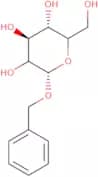
CAS:<p>Benzyl D-glucopyranoside is a synthetic reagent that is used in the synthesis of carbohydrates. The benzyl group is an important part of this molecule, as it can be used to synthesize homologues by substituting the hydroxyl group with other groups. This chemical has been shown to inhibit bacterial disease and carbohydrate antigen production in cells. The stereoisomers are not active against bacteria, but the D-glucopyranoside form is more effective than the L-glucopyranoside form. Benzyl D-glucopyranoside also inhibits lipid peroxidation, which is an indication of its antioxidant activity.</p>Formula:C13H18O6Purity:Min. 95%Color and Shape:White To Off-White SolidMolecular weight:270.28 g/mol1-O-Benzoyl-2,4-O-benzylidene-D-threitol
<p>1-O-Benzoyl-2,4-O-benzylidene-D-threitol is a high purity custom synthesis sugar with click modification, fluorination, glycosylation, and methylation. It has CAS number and is an Oligosaccharide. 1-O-Benzoyl-2,4-O-benzylidene-D-threitol Monosaccharide saccharide Carbohydrate complex carbohydrate. It is also Glycosylated and Synthetic.</p>Purity:Min. 95%Dabigatran 3-acyl glucuronide
<p>Dabigatran 3-acyl glucuronide is a glycosylation product of the anti-coagulant drug dabigatran. It is synthesized by the reaction of an ester, such as acetyl chloride, with a sugar, typically glucose. Dabigatran 3-acyl glucuronide has been shown to have a high purity and no detectable impurities. The CAS number for this compound is 1073498-74-4.</p>Purity:Min. 95%1’,2’-Di-O-acetyl-5’-O-benzoyl-3’-deoxy-3’-fluoro-D-ribofuranose
<p>1’,2’-Di-O-acetyl-5’-O-benzoyl-3’-deoxy-3’-fluoro-D-ribofuranose is a glycosylated monosaccharide that is custom synthesized for use as a fluorinated probe in the detection of protein glycosylation. This compound has been shown to react with Methyl groups to form a complex carbohydrate. 1’,2’-Di-O-acetyl-5’-O-benzoyl-3’ -deoxy -3’ -fluoro D ribofuranose is soluble in water and organic solvents such as ethanol or methanol. The CAS number for this compound is 522611–41–0.</p>Purity:Min. 95%1-O-tert-Butyldimethylsilyl 2-azido-2-deoxy-b-D-galactopyranoside
CAS:<p>1-O-tert-Butyldimethylsilyl 2-azido-2-deoxy-b-D-galactopyranoside is a complex carbohydrate that can be modified to produce an oligosaccharide or polysaccharide. The modification of this glycosylated sugar can be done using methylation, click chemistry, or fluorination. This carbohydrate has been shown to have high purity and is suitable for use in any synthesis that requires saccharides.</p>Formula:C12H25N3O5SiPurity:Min. 95%Molecular weight:319.43 g/mol3,5-O-Isopropylidene-L-lyxonic acid-1,4-lactone
<p>3,5-O-Isopropylidene-L-lyxonic acid-1,4-lactone is a fluorinated monosaccharide that can be synthesized in a custom synthesis. This chemical is an oligosaccharide with a complex carbohydrate structure and can be modified by glycosylation, methylation, or click modification. The chemical has been shown to have high purity and can be used in the production of polysaccharides. 3,5-O-Isopropylidene-L-lyxonic acid-1,4-lactone is a synthetic sugar with CAS number 7063-92-3.</p>Formula:C8H12O5Purity:Min. 95%Molecular weight:188.18 g/mol(2R, 3R, 4R) -3- Benzyloxy- 1- benzyl-4- (hydroxymethyl) - 3-methyl-2- azetidinecarboxylic acid methyl ester
<p>(2R, 3R, 4R) -3-Benzyloxy-1-benzyl-4-(hydroxymethyl)-3-methyl-2-azetidinecarboxylic acid methyl ester is a synthetic sugar that is used for the modification of saccharides and oligosaccharides. It also has been shown to be an effective fluorinating agent for carbohydrates.</p>Purity:Min. 95%Anthrose - ethylene diamine-N6-hydroxylhexanoic acid linker
<p>Anthrose is a high purity, custom synthesis, and oligosaccharide. It can be modified with fluorination, glycosylation, and methylation. Anthrose is used for the synthesis of complex carbohydrate.</p>Purity:Min. 95%





![N-[2-(4'-Methoxyphenylacetonitrile)]-2,3,4,6-tetra-O-pivaloyl-D-glucopyranoside](/_next/image/?url=https%3A%2Fstatic.cymitquimica.com%2Fproducts%2F3D%2Fthumb-webp%2FMM08496.webp&w=3840&q=75)
![N-[N-[N-[2,4-Anhydro-3-azido-3-deoxy-5-O-tert-butyldimethylsilyl-D-arabinonoyl-]-3-amino-2,4-anhyd…](/_next/image/?url=https%3A%2Fstatic.cymitquimica.com%2Fproducts%2F3D%2Fthumb-webp%2FMA168719.webp&w=3840&q=75)


![N-[(4'-Nitrophenyl)-1-propenyl]imino-2,3,4,6-tetra-O-pivaloyl-D-glucopyranoside](/_next/image/?url=https%3A%2Fstatic.cymitquimica.com%2Fproducts%2F3D%2Fthumb-webp%2FMN08501.webp&w=3840&q=75)


![1,3,4,6-Tetra-O-acetyl-2-{2-[(2-aminoethyl)amino]-acetamido]}-2-deoxy-D-glucopyranose](/_next/image/?url=https%3A%2Fstatic.cymitquimica.com%2Fproducts%2F3D%2Fthumb-webp%2FMT145162.webp&w=3840&q=75)





![(2R, 3S, 4S) -3-Fluoro- 4- (fluoromethyl])- 1- (phenylmethyl) -2- azetidinecarboxylic acid methyl …](/_next/image/?url=https%3A%2Fstatic.cymitquimica.com%2Fproducts%2F3D%2Fthumb-webp%2FMF163470.webp&w=3840&q=75)