


Monosaccharides
Monosaccharides are the simplest form of carbohydrates and serve as fundamental building blocks for more complex sugars and polysaccharides. These single sugar molecules play critical roles in energy metabolism, cellular communication, and structural components of cells. In this section, you will find a wide variety of monosaccharides essential for research in biochemistry, molecular biology, and glycoscience. These compounds are crucial for studying metabolic pathways, glycosylation processes, and developing therapeutic agents. At CymitQuimica, we offer high-quality monosaccharides to support your research needs, ensuring precision and reliability in your scientific investigations.
Subcategories of "Monosaccharides"
- Alloses(11 products)
- Arabinoses(21 products)
- Erythroses(11 products)
- Fructoses(9 products)
- Fucoses(36 products)
- Galactosamine(41 products)
- Galactose(261 products)
- Glucoses(365 products)
- Glucuronic Acids(51 products)
- Glyco-substrates for Enzyme(77 products)
- Guloses(6 products)
- Idoses(4 products)
- Inositols(15 products)
- Lyxoses(4 products)
- Mannoses(65 products)
- O-Glycans(48 products)
- Psicoses(3 products)
- Rhamnoses(10 products)
- Riboses(61 products)
- Sialic Acids(100 products)
- Sorboses(4 products)
- Sugars(173 products)
- Tagatoses(4 products)
- Taloses(8 products)
- Xyloses(20 products)
Show 17 more subcategories
Found 6088 products of "Monosaccharides"
Sort by
Purity (%)
0
100
|
0
|
50
|
90
|
95
|
100
1-Deoxy- 6- O- tert.butyl dimethylsilyl]- 3, 4- O- isopropylidene-D- Psicofuranose
<p>This complex carbohydrate is a modification of the 6-O-tert.butyl dimethylsilyl]psicofuranose. It is an Oligosaccharide that has been modified with methylation, glycosylation, and Click modification of the sugar moieties. The CAS number for this complex carbohydrate is 10963-29-3, and it has a purity of 99%.</p>Purity:Min. 95%Benzyl 4,6-O-benzylidene-2-deoxy-2-phthalimido-b-D-glucopyranoside
CAS:<p>Benzyl 4,6-O-benzylidene-2-deoxy-2-phthalimido-b-D-glucopyranoside is a modified glycosylated deoxyhexose. It is synthesized from benzaldehyde and 2,4,6-O benzyldiphenol by means of a glycosylation reaction with hexose. This product has been fluorinated to give it the desired properties. Methylation of the benzyl group converts the product into an intermediate that can be used in click chemistry reactions. Monosaccharides are then added to produce oligosaccharides. The sugar chain is then complete with a saccharide being added at the end.</p>Formula:C28H25NO7Purity:Min. 95%Color and Shape:White PowderMolecular weight:487.51 g/mol3,4,6-Tri-O-acetyl-2-deoxy-2-fluoro-b-D-galactopyranosyl azide
<p>3,4,6-Tri-O-acetyl-2-deoxy-2-fluoro-β-D-galactopyranosyl azide is an oligosaccharide that has been modified by the introduction of an acetyl group at the 3 position and a fluorine atom at the 2 position. This modification has been shown to increase the stability of this carbohydrate, making it useful in a variety of applications. The acetyl group improves solubility in organic solvents and can also be used to modify other carbohydrates. The fluorine atom increases the reactivity of this compound, which may be useful in synthesizing a variety of complex carbohydrates. 3,4,6-Tri-O-acetyl-2-deoxy-2-fluoro β -D -galactopyranosyl azide has CAS number 179044–00–8 and molecular weight of 303.3 g/mol.</p>Purity:Min. 95%1,2,3,4-Tetra-O-benzoyl-6-O-triisopropylsilyl-a-D-mannopyranose
<p>The 1,2,3,4-Tetra-O-benzoyl-6-O-triisopropylsilyl-a-D-mannopyranose is a high purity custom synthesis sugar. It is a Click modification fluorination glycosylation synthetic mannose with methylation modification and CAS No.<br>Mannosaccharide is an oligosaccharide that consists of three monosaccharides linked by alpha (1->4) bonds. Monosaccharides are simple sugars containing either one or two sugar units. Carbohydrates are polymers of simple sugars and complex carbohydrates are polymers of more than ten sugars.</p>Formula:C43H48O10SiPurity:Min. 95%Molecular weight:752.92 g/mol2,5-Anhydro- 3- deoxy-D- ribo- hexonic acid
<p>2,5-Anhydro-3-deoxy-D-ribohexonic acid is a fluorinated monosaccharide. It is synthesized by the modification of 2,5-anhydro-3-deoxyglucose with N-(2'-fluoroethyl)trimethoxysilane (FETS). This synthetic compound can be used as a glycosylation or polysaccharide building block in the synthesis of complex carbohydrates. The FETS modification allows for the introduction of various functional groups on C1 and C2 while maintaining the high purity.</p>Purity:Min. 95%Methyl 2,3,4-tri-O-methyl-β-D-xylopyranoside
CAS:<p>Fully protected xylopyranoside</p>Formula:C9H18O5Purity:Min. 95%Color and Shape:PowderMolecular weight:206.24 g/molUrsodeoxycholic acid acyl-β-D-glucuronide
CAS:<p>Ursodeoxycholic acid acyl-b-D-glucuronide (UDCA) is a synthetic bile acid that is used to treat liver diseases such as cirrhosis, primary biliary cirrhosis and cholelithiasis. UDCA inhibits the enzyme 7α-hydroxylase in the liver, which converts cholesterol into bile acids. This prevents the formation of lithocholic acid from cholesterol and the accumulation of lipids in the liver. UDCA also suppresses inflammatory cytokines and oxidative stress by inhibiting NF-κB activation.Supplied as the sodium salt</p>Formula:C30H48O10Purity:Min. 95%Color and Shape:PowderMolecular weight:568.7 g/mol(2R,3S,4R)-4-C-((2R,3S)-N-Benzyl-3-tert.butylsilyloxy-2-azetidinyl)-3-O-tert.butyldimethylsilyl-2,3,4-trihydroxybutanoic acid
<p>(2R,3S,4R)-4-C-((2R,3S)-N-Benzyl-3-tert.butylsilyloxy-2-azetidinyl)-3-O-tert.butyldimethylsilyl-2,3,4-trihydroxybutanoic acid is a methylated and fluorinated oligosaccharide with a high purity. It is a complex carbohydrate that can be modified to include saccharides and monosaccharides. This product is synthesized using Click chemistry and has been shown to have antiallergic activities.</p>Purity:Min. 95%Colchicoside
CAS:<p>Colchicoside is a natural compound that belongs to the chemical family of phenylpropanoids. It is used in the treatment of gout and pseudogout, and has been shown to be effective against demecolcine-induced hemolytic activity. Colchicoside has also shown to be an analog for other compounds with toxicological studies, such as hydrochloric acid and potassium dichromate. The toxicity studies performed on colchicoside have shown that it can cause damage to cells in culture by inhibiting DNA repair mechanisms.</p>Formula:C27H33NO11Purity:Min. 95%Color and Shape:PowderMolecular weight:547.55 g/molPhenyl 2-O-benzoyl-3-O-benzyl-4-O-levulinoyl-b-D-thioglucuronide methyl ester
<p>Phenyl 2-O-benzoyl-3-O-benzyl-4-O-levulinoyl-b-D-thioglucuronide methyl ester is a high purity, custom synthesis, sugar that has been click modified with fluorination. It can be used in glycosylation and synthetic modification. The CAS number for this compound is 123456. It is an oligosaccharide that contains saccharides, carbohydrates, and complex carbohydrates.</p>Purity:Min. 95%N-(3-Nitrobenzyliden)imino-2,3,4,6-tetra-O-pivaloyl-D-glucopyranoside
<p>3-Nitrobenzylidenimino-2,3,4,6-tetra-O-pivaloyl-D-glucopyranoside is a fluorinated carbohydrate that is synthesized from 2,3,4,6-tetra-O-pivaloyl-D-glucopyranose. It has been modified with a nitrobenzylidene group. This compound can be used in the synthesis of glycosides and polysaccharides.</p>Formula:C33H48N2O11Purity:Min. 95%Molecular weight:648.74 g/molBenzyl 6-O-benzyl 2-deoxy-3-O-((R)-1'-ethoxycarbonylethyl)-2-(2,2,2-trichloroethoxycarbonylamino)-a-D-glucopyranoside
<p>Benzyl 6-O-benzyl 2-deoxy-3-O-(R)-1'-ethoxycarbonylethyl)-2-(2,2,2-trichloroethoxycarbonylamino)-a-D-glucopyranoside is a methylated saccharide. It is a modified sugar that is synthesized by reacting benzyl alcohol with deoxyribose and chloroacetic acid in the presence of sodium cyanoborohydride. The product is an important building block for oligosaccharides and glycosides. This compound is not found in nature, but can be used to study the structure and properties of natural carbohydrates. Benzyl 6-O-benzyl 2-deoxy-3-O-(R)-1'-ethoxycarbonylethyl)-2-(2,2,2-trichloroethoxycarbonylamino)-a-D-glucopyr</p>Purity:Min. 95%1-Urea-5-O-DMT-2-O-methyl-3-CEP-D-ribofuranose
<p>1-Urea-5-O-DMT-2-O-methyl-3-CEP-D-ribofuranose is a custom synthesis that is a complex carbohydrate. It has a CAS number and is modified with methylation, glycosylation, and click modification. 1-Urea-5-O-DMT-2-O-methyl -3 CEP D ribofuranose is also fluorinated. This product is highly purified and has high purity.</p>Purity:Min. 95%2-C-Hydroxymethyl-2,3-O-isopropylidene-3-C-methyl-L-erythrofuranose
<p>2-C-Hydroxymethyl-2,3-O-isopropylidene-3-C-methyl-L-erythrofuranose is a carbohydrate that can be used as a synthetic intermediate in the production of other carbohydrates. It has been modified with fluorination, methylation, glycosylation, and click modification. This product is custom synthesized to order for high purity and quality.</p>Purity:Min. 95%Methyl 3,4-di-O-acetyl-2-O-(methyl 2,3-di-O-acetyl-4-O-methyl-α-D-glucopyranosyluronate)-β-D-xylopyranoside
CAS:<p>A protected disaccharide</p>Formula:C22H32O15Purity:Min. 95%Color and Shape:PowderMolecular weight:536.48 g/molEthyl 3-O-benzyl-4,6-O-benzylidene-2-deoxy-2-N-phthalimido-b-D-thioglucopyranoside
CAS:<p>Ethyl 3-O-benzyl-4,6-O-benzylidene-2-deoxy-2-N-phthalimido-b-D-thioglucopyranoside is a synthetically modified sugar. It is a monosaccharide that has been fluorinated and methylated. This modification has been shown to increase the stability of the sugar in the presence of water. The sugar also has an oligosaccharide and polysaccharide moiety attached to it. These saccharides are glycosylated and have a complex carbohydrate structure.</p>Formula:C30H29NO6SPurity:Min. 95%Color and Shape:PowderMolecular weight:531.62 g/mol2,3,4,6-Tetra-O-benzoyl-D-galactopyranose
CAS:<p>2,3,4,6-Tetra-O-benzoyl-D-galactopyranose is a glycoside. It is synthesized by the glycosylation of galactose with benzoic acid chloride in the presence of sodium carbonate. This compound is a natural product that can be found in plants and animals. 2,3,4,6-Tetra-O-benzoyl-D-galactopyranose has been shown to inhibit topoisomerase I and II activity in mammalian cells and induce the uptake of galactose into human adenocarcinoma cells. The yields of this compound are low and it has not been studied extensively due to its limited availability.</p>Formula:C34H28O10Purity:Min. 95%Color and Shape:White PowderMolecular weight:596.58 g/mol3-Deoxygalactosone
CAS:<p>3-Deoxygalactosone is a reactive compound that is formed by the reaction of glyoxal and galactose. The glyoxal molecule reacts with the hydroxyl group on the galactose to form a new aldehyde, which can then react with another molecule of glyoxal or galactose to form 3-deoxygalactosone. 3-Deoxygalactosone has been shown to have health effects in clinical studies. It also has been shown to decrease the dry weight of rats fed a high-fat diet. This compound also is an intermediate in the formation of 5-hydroxymethylfurfural, which is produced during the Maillard reaction between sugars and amino acids. 3-Deoxygalactosone binds to proteins, forming hydrogen bonds with amino acid side chains and affecting their biological function.</p>Formula:C6H10O5Purity:90%Color and Shape:Yellow PowderMolecular weight:162.14 g/mol1-Deoxy-L-mannitol
CAS:<p>1-Deoxy-L-mannitol is an effective oral hypoglycemic agent that has been used in the treatment of diabetes. It is a sugar alcohol with a chemical structure similar to glucose and erythritol. 1-Deoxy-L-mannitol is absorbed by the small intestine and enters the bloodstream after being hydrolyzed by pancreatic enzymes. It inhibits fatty acid synthesis, which leads to decreased levels of acetyl coenzyme A and increased levels of carnitine, leading to activation of fatty acid oxidation in liver cells. This drug also inhibits phosphatase activity, which leads to decreased production of glycerophosphate from triphosphate. This process results in an increase in intracellular pH and a decrease in plasma glucose concentration. The use of 1-deoxy-L-mannitol for the treatment of diabetes was first reported by George Cahill and his colleagues at Harvard University in 1967. It was shown that this drug could reduce blood sugar</p>Formula:C6H14O5Purity:Min. 95%Color and Shape:PowderMolecular weight:166.17 g/molMethyl 2,4-di-O-methyl-α-D-galactopyranoside
CAS:<p>Methyl 2,4-di-O-methyl-α-D-galactopyranoside is a synthetic saccharide that has been modified with methyl groups at the C2 and C4 positions.</p>Formula:C9H18O6Purity:Min. 95%Color and Shape:PowderMolecular weight:222.24 g/mol4,6-O-Ethylidene-D-glucopyranose
CAS:<p>4, 6-O-Ethylidene-D-glucopyranose is a glucose analogue that inhibits sugar transport. It has been shown to inhibit glucose transport by binding to the hydroxyl group on the red cell membrane. This binding prevents the sugar from entering the cell and as a result, glucose accumulates in the blood. 4, 6-O-Ethylidene-D-glucopyranose also binds to tryptophan fluorescence and inhibits cytochalasin B binding to tryptophans that are located on the plasma membrane of eukaryotic cells.</p>Formula:C8H14O6Purity:Min. 90 Area-%Color and Shape:PowderMolecular weight:206.19 g/mol1,2:4,6-Di-O-isopropylidene-L-sorbofuranose
CAS:<p>1,2:4,6-Di-O-isopropylidene-L-sorbofuranose is a synthetic carbohydrate with a fluorinated methyl group at the C6 position. It is a monosaccharide that can be used to produce oligosaccharides and saccharides through glycosylation and methylation. The product is available in high purity and custom synthesis. This product has been modified by the click chemistry reaction.</p>Formula:C12H20O6Purity:Min. 95%Molecular weight:260.28 g/mol(+)-syringaresinol-4,4'-bis-O-b-D-glucopyranoside
<p>(+)-syringaresinol-4,4'-bis-O-b-D-glucopyranoside is a synthetic compound that is fluorinated with (2,2,2-trifluoroethyl)trimethylsilane. It is a sugar molecule that is an oligosaccharide. This compound has been synthesized from syringic acid and (+)-syringaresinol by glycosylation and methylation. It is insoluble in water and has a melting point of 129°C. The CAS number for this compound is 73987-07-8.</p>Purity:Min. 95%(2S, 3R, 4R, 5S) -2- (Hydroxymethyl) - 3, 4, 5- piperidinetriol
CAS:<p>(2S, 3R, 4R, 5S) -2- (Hydroxymethyl) - 3, 4, 5- piperidinetriol is a naturally occurring metabolite of the amino acid tryptophan. It is a structural analog of glucosylceramide and has been shown to have inhibitory properties against β-glucosidase. Structural studies have shown that this compound has similar stereoselective properties as the natural product glucosylceramide. This compound was also found to be a competitive inhibitor of amines and a non-competitive inhibitor of β-glucosidase.</p>Formula:C6H13NO4Purity:Min. 95%Molecular weight:163.17 g/mol2-C-Hydroxymethyl- 2, 3:5, 6- di-O-isopropylidene-D- mannose
<p>2-C-Hydroxymethyl- 2, 3:5, 6- di-O-isopropylidene-D-mannose is a synthetic monosaccharide. This compound has a fluorination and methylation step that causes the molecule to resemble a natural sugar. The addition of this modification allows for the synthesis of complex carbohydrates.</p>Purity:Min. 95%Methyl 2,3-di-O-benzoyl-4,6-O-benzylidene-a-D-galactopyranoside
CAS:<p>Methyl 2,3-di-O-benzoyl-4,6-O-benzylidene-a-D-galactopyranoside is a custom synthesis by our company. It is an oligosaccharide that is modified with methyl groups and fluorine atoms. This product has a CAS number of 6953-72-6 and can be synthesized in high purity. It is also a monosaccharide sugar that can be obtained through the modification of other carbohydrates.</p>Formula:C28H26O8Purity:Min. 95%Molecular weight:490.51 g/mol3,4-Di-O-acetyl-D-fucal
CAS:<p>3,4-Di-O-acetyl-D-fucal is a synthetic carbohydrate with two orientations. It is a synthon for the synthesis of carbohydrates and can be used as a ligand in biomolecular design. The synthetic carbohydrate has been shown to have chemotherapeutic effects, which may be due to its ability to inhibit glycan synthesis. This synthetic carbohydrate also has conformational parameters that are similar to those of natural fucose, which makes it an attractive candidate as a potential drug target.</p>Formula:C10H14O5Purity:Min. 95%Color and Shape:PowderMolecular weight:214.22 g/molDapagliflozin propanediol monohydrate
CAS:<p>Dapagliflozin is an oral antidiabetic drug that acts by inhibiting the SGLT2 enzyme. The SGLT2 enzyme is responsible for reabsorbing glucose from the kidney, so by inhibiting this enzyme, glucose will be excreted in the urine and blood glucose levels will decrease. Dapagliflozin also has a low bioavailability in vivo, which can be improved by administration with food. This drug has been shown to have a longer elimination half-life than canagliflozin and empagliflozin. Dapagliflozin has been shown to have a higher potency than metformin hydrochloride in vitro.</p>Formula:C24H35ClO9Purity:(Hplc) Min. 99.0%Color and Shape:PowderMolecular weight:502.98 g/mol3,4-Di-O-acetyl-L-fucal
CAS:<p>3,4-Di-O-acetyl-L-fucal is a phosphate derivative that is synthetically derived from ethyl diazoacetate. It has cytotoxic properties and is readily activated by phosphorylation to form the active form. 3,4-Di-O-acetyl-L-fucal has been shown to be effective against leukemia cells in vitro and may be useful as an adjuvant treatment for lymphocytic leukemia. 3,4-Di-O-acetyl-L-fucal also inhibits the growth of staphylococci in vitro, but it is not active against other bacteria such as Escherichia coli or Pseudomonas aeruginosa. The enantiomer of 3,4 Di O acetyl - L - fucal is inactive because it cannot be phosphorylated.</p>Formula:C10H14O5Purity:Min. 95%Color and Shape:White PowderMolecular weight:214.22 g/mol2,3-O-Isopropylidene-D-ribonic acid-1,4-lactone
CAS:<p>2,3-O-Isopropylidene-D-ribonic acid-1,4-lactone is an organic compound that belongs to the class of lactones. It is a chiral molecule with two asymmetric carbons and four stereogenic atoms. This compound can be used for the synthesis of optically active compounds. It is also a precursor for the synthesis of morpholines and phosphonates. 2,3-O-Isopropylidene-D-ribonic acid-1,4-lactone can be synthesized by reacting an enolate with an aldehyde in the presence of a base and acid catalyst. The acid catalyst causes elimination of water from the enolate to produce the desired product.</p>Formula:C8H12O5Purity:Min. 97 Area-%Color and Shape:White PowderMolecular weight:188.18 g/mol6-O-Malonyldaidzin free acid
CAS:<p>6-O-Malonyldaidzin is a metabolite of the soybean isoflavone daidzein. It is an isoflavonoid that has been shown to activate estrogen receptors in vitro and in vivo. 6-O-Malonyldaidzin has been found to have a protective effect on hepatic steatosis, as well as an anti-inflammatory effect. This compound also appears to have matrix effects on plasma lipoproteins and vascular endothelial cells. 6-O-Malonyldaidzin is absorbed efficiently from the gastrointestinal tract, with its bioavailability being 70% or higher when taken orally. The chemical reaction for the synthesis of 6-O-Malonyldaidzin free acid can be carried out using acetylgenistin as a starting material. The sample preparation for this reaction solution may include distillation, recrystallization, or column chromatography. The analytical method for measuring the concentration of this compound includes UV spectrosc</p>Formula:C24H22O12Purity:Min. 95%Color and Shape:White PowderMolecular weight:502.42 g/molDiosmetin-3'-O-b-D-glucuronide
CAS:<p>Diosmetin-3'-O-b-D-glucuronide is a custom synthesis, complex carbohydrate, Oligosaccharide, Polysaccharide. It has been modified by Methylation and Glycosylation. This compound is a sugar (CAS No. 152503-50-9) that is a carbohydrate with a high purity and fluoroination. The modification of this compound includes Click chemistry.</p>Formula:C22H20O12Purity:Min. 95%Color and Shape:PowderMolecular weight:476.39 g/mol2-Azido-2-deoxy-3,4-O-isopropylidene-6-O-toluenesulfonyl-L-idonic acid methyl ester
<p>2-Azido-2-deoxy-3,4-O-isopropylidene-6-O-toluenesulfonyl-L-idonic acid methyl ester is a synthetic sugar that has the CAS number of 2147690. It is a modified saccharide that can be used for glycosylation and click chemistry. This product is also available in custom synthesis, high purity, and fluorination.</p>Purity:Min. 95%2,4,7,8-Tetra-O-acetyl-9-azido-9-deoxy-N-acetylneuraminic acid methyl ester
CAS:<p>2,4,7,8-Tetra-O-acetyl-9-azido-9-deoxy-N-acetylneuraminic acid methyl ester is a high purity synthetic compound that has been modified for use in Click chemistry. It is a monosaccharide with an acetyl group on the 2' position and an azido group on the 9' position of the sugar. This compound is used in fluoroination reactions to modify sugars and oligosaccharides. It can also be used in glycosylation reactions to attach monosaccharides and saccharides to proteins or other molecules.</p>Formula:C20H28N4O12Purity:One SpotColor and Shape:White PowderMolecular weight:516.46 g/molN1-α-L-Arabinopyranosylamino-guanidine hydrochloride
CAS:<p>N1-a-L-Arabinopyranosylamino-guanidine HCl is a carbohydrate that belongs to the class of oligosaccharides. It is a synthetic compound, which is custom synthesized for use in research. This product has been shown to be high purity and is methylated, glycosylated, and click modified. The CAS number 109853-78-3 refers to the chemical name of this product. The molecular weight of N1-a-L-Arabinopyranosylamino-guanidine HCl is 597.14 g/mol with an empirical formula C8H23N2O6.</p>Formula:C6H14N4O4•HClPurity:Min. 95%Color and Shape:White to off-white solid.Molecular weight:242.66 g/molMethyl 5-N,4-O-Carbonyl-3,5-dideoxy-2-S-phenyl-2-thio-D-glycero-b-D-galacto-2-nonulopyranosylonate
CAS:<p>Methyl 5-N,4-O-Carbonyl-3,5-dideoxy-2-S-phenyl-2-thio-D-glycero-b-D-galacto-2-nonulopyranosylonate is a glycosylation agent. It can be used to synthesize complex carbohydrates with a variety of saccharides including glucose, mannose, and galactose. This product is also known as Methyl 3,5 Dideoxy -5-(N-(4'-O-(carbonyl)benzoyl)-3',4'-dimethoxybenzoyl)-2,3'-diene glycero - 2', 3' - dideoxyribofuranosyl(1 '→ 4')pentaacetate or CAS No. 934591–79–4.</p>Formula:C17H21NO8SPurity:Min. 95%Color and Shape:White PowderMolecular weight:399.42 g/mol2-Amino-2-deoxy-6,7-O-isopropylidene-D-glycero-D-ido-heptono-1.4-lactone
<p>2-Amino-2-deoxy-6,7-O-isopropylidene-D-glycero-D-ido-heptono-1.4-lactone is a carbohydrate that belongs to the group of saccharides and oligosaccharides. It is an analogue of heptose and is synthesized in two steps from 2,3,4,5,6,7,8,9-octahydroxycyclohexanone by fluorination followed by methylation. This compound has been used as a nonenzymatic glycosylase substrate in the click chemistry. The synthesis of this compound can be customized according to customer specifications such as purity and monosaccharide content.</p>Purity:Min. 95%Phenyl 3-O-benzyl-b-D-thioglucopyranoside
CAS:<p>Phenyl 3-O-benzyl-b-D-thioglucopyranoside is a synthetic, fluorinated monosaccharide that has been used as a glycosylation and polysaccharide for various applications. It can be used as a reagent in Click chemistry due to its ability to undergo facile and selective methylation. Phenyl 3-O-benzyl-b-D-thioglucopyranoside is also used in the synthesis of complex carbohydrates and sugar modification.</p>Purity:Min. 95%Methyl 2,3,4-tri-O-methyl-β-D-galactopyranoside
CAS:<p>A methyl protected galactoside</p>Formula:C10H20O6Purity:Min. 95%Color and Shape:PowderMolecular weight:236.26 g/mol1,2,3-Tri-O-benzoyl-4,6-O-(4-methoxybenzylidene)-b-D-glucopyranose
<p>1,2,3-Tri-O-benzoyl-4,6-O-(4-methoxybenzylidene)-b-D-glucopyranose is a carbohydrate that has been modified with fluorine atoms. It is a complex carbohydrate that has been synthesized from D-glucose and 4′-(4″′-(4″″-(4″”-(4″”′(2″))ethoxy)phenylamino)phenyl)acetoacetanilide. This product can be used as a custom synthesis or in high purity applications. It is highly pure and has been methylated and glycosylated. This product also contains click modification.</p>Formula:C35H30O10Purity:Min. 95%Molecular weight:610.61 g/mol2-Azido-2-deoxy-3,5:6,7-di-O-isopropylidene-D-glycero-D-ido-heptono-1.4-lactone
<p>2-Azido-2-deoxy-3,5:6,7-di-O-isopropylidene-D-glycero-D-idoheptono -1.4 -lactone is a synthetic glycosylation agent that can be used for the synthesis of complex carbohydrates. It has been modified with a fluorination and methylation to provide greater purity and stability. 2Azido2DGDL can be used in the synthesis of oligosaccharides, monosaccharides, and saccharides, as well as in the modification of saccharide structures. This compound is supplied as a white solid that dissolves in water and organic solvents. The CAS number is 79743-72-8.</p>Purity:Min. 95%2- C- (Hydroxymethyl) - 2, 3:5, 6- di- O- isopropylidene-D- mannose
<p>2-C- (Hydroxymethyl) -2, 3:5, 6-di-O-isopropylidene-D-mannose is an Oligosaccharide. It is a water soluble polysaccharide that is found in the cell walls of certain bacteria. The synthesis of this compound can be achieved through Click modification and fluorination. This product has a CAS number and can be custom synthesized to meet your needs.</p>Purity:Min. 95%D-Glucuronic acid, free acid
CAS:<p>D-Glucuronic acid (GlcA) is D-glucose with position six oxidised to a carboxyl group (Collins, 2006). It is a common component of a number of gums and mucilages structurally related to pectins, where it is can be present as a terminal non reducing end residue (Renard, 1999). Glucuronic acid is also found in bacterial polysaccharides, such as, xanthan gum produced by Xanthomonas campestris (Faria, 2011), and in glycosaminoglycans, such as, heparan sulfate (Casale, 2020).</p>Formula:C6H10O7Molecular weight:194.14 g/molGDP-L-fucose diammonium salt
CAS:<p>GDP-L-fucose diammonium salt is a synthetase inhibitor that has been shown to inhibit the synthesis of GDP-L-fucose. This compound is also known as 5,6-dichloro-1,2,3,4-tetrahydroisoquinoline and is a secondary metabolite of the bacterium Aerobacter aerogenes. The enzyme kinetic assay was used to determine the inhibition constant for this compound. It has been shown to be active against E. coli K-12 and S. subtilis in cell culture experiments. Inhibition of GDP-L-fucose synthesis by this compound leads to reduced bacterial growth, which may be due to its interference with cell surface carbohydrate attachment or its effects on other metabolic pathways such as glycolysis and nucleotide synthesis.</p>Formula:C15H23N5O15P2·N2H8Purity:Min. 95%Molecular weight:623.41 g/molD-Arabinose-5-phosphate disodium salt
CAS:<p>D-Arabinose-5-phosphate disodium salt is an inorganic compound that is a substrate for the enzyme, sedoheptulose-7-phosphate (S7P) reductase. D-Arabinose-5-phosphate disodium salt is converted to sedoheptulose 7 phosphate by this enzyme, which participates in the pentose phosphate pathway. This reaction takes place at pH 5.6 and 30°C, with Mn2+ ions as cofactors and a constant of 0.001 M. The time it takes for the reaction to reach equilibrium is about 10 minutes, and the kinetic constant for this reaction is 0.0004 s−1 M−1. D-Arabinose-5-phosphate disodium salt can be prepared through a number of different techniques including ion exchange chromatography or extraction from corn starch using phosphoric acid and hydrochloric acid. It also requires various metal</p>Formula:C5H9Na2O8PPurity:Min. 95 Area-%Color and Shape:PowderMolecular weight:274.07 g/mol1-Deoxy-2,3:4,5-Bis-O-(1-methylethylidene)- D-glycero-D-gulo-heptitol
CAS:<p>1-Deoxy-2,3:4,5-Bis-O-(1-methylethylidene)-D-glycero-D-guloheptitol is a fluorinated monosaccharide that is synthesized to have a specific glycosylation pattern. This product is used in the synthesis of complex carbohydrates, glycosylations and polysaccharides. 1-Deoxy-2,3:4,5-Bis-O-(1-methylethylidene)-D-glycero--D--guloheptitol has high purity and can be custom synthesized to order.</p>Purity:Min. 95%Ethyl 2,3-di-O-benzoyl-4,6-O-benzylidene-b-D-thiogalactopyranoside - non-animal origin
CAS:<p>Ethyl 2,3-di-O-benzoyl-4,6-O-benzylidene-b-D-thiogalactopyranoside - non animal origin is a custom synthesis that is modified to include fluorination and methylation. This product is also an oligosaccharide or saccharide with a complex carbohydrate. The CAS No. for this product is 56119-30-3.</p>Purity:Min. 95%(2, 4- Anhydro- 6- deoxy- L- mannonoyl)-glycine methyl ester
<p>This is a custom synthesized product. It has been modified to include a methyl group at the 2,4-positions on the anhydro-6-deoxy-L-mannopyranose molecule. This modification is done using Click chemistry and the product contains a high level of purity. The modification can be used to create saccharides with high carbohydrate content and polysaccharides with different degrees of polymerization.</p>Purity:Min. 95%(2S, 3S, 4R) -2- ((Diphenylmethyloxy)methyl) -3,4,-O-isopropylidene- 3, 4- pyrrolidinediol
<p>(2S, 3S, 4R) -2- ((Diphenylmethyloxy)methyl) -3,4,-O-isopropylidene- 3, 4- pyrrolidinediol is a custom synthesis at high purity. The product is a synthetic sugar that can be modified with fluorination, glycosylation and methylation. This product has CAS No. and is an Oligosaccharide or Monosaccharide carbohydrate complex carbohydrate.</p>Purity:Min. 95%4- C- Methyl- 2, 3- O-isopropylidene -4-O-tert-butyldimethylsilyl-D- lyxono-1,5- lactone
<p>4- C- Methyl- 2, 3- O-isopropylidene -4-O-tert-butyldimethylsilyl-D- lyxono-1,5- lactone is a Fluorinated Monosaccharide. It is a Synthetic Monosaccharide. It is an Oligosaccharide. It is a complex carbohydrate. It has been Custom synthesized.<br>It has been Glycosylated and Polysaccharided. It has been Click modified and Methylated.<br>This compound's CAS number is A8BX04A9R1Z6.<br>This compound's sugar type is Carbohydrate. This compound has been Modified for High purity purposes.</p>Purity:Min. 95%Methyl 2,3-di-O-benzyl-4,6-O-(4-methoxybenzylidene)-a-D-glucopyranoside
CAS:<p>Methyl 2,3-di-O-benzyl-4,6-O-(4-methoxybenzylidene)-a-D-glucopyranoside is a monosaccharide that is used as a building block for the synthesis of complex carbohydrates. It has been modified with fluorination, methylation and glycosylation. Methyl 2,3-di-O-benzyl-4,6-O-(4-methoxybenzylidene)-a-D-glucopyranoside can be synthesized using custom synthesis or high purity. This product has CAS No. 94902 60 0 and is available in high purity.</p>Formula:C29H32O7Purity:Min. 95%Molecular weight:492.57 g/mol5-O-Benzoyl-1,2,-O-isopropylidene-3-deoxy-3-ethylidene-a-D-xylofuranoside
CAS:<p>5-O-Benzoyl-1,2,-O-isopropylidene-3-deoxy-3-ethylidene-a-D-xylofuranoside is a custom synthesis that is a modification of the natural product 5-O-(4'-methylbenzoyl)-1,2,-O-(isopropylidene)-3,5'-di--deoxyxylofuranoside. The fluorination and methylation reactions were carried out to produce the desired product. 5--O--Benzoyl--1,2,-O--isopropylidene--3,5'-di--deoxyxylofuranoside is a monosaccharide that is part of an oligosaccharide or polysaccharide. This compound has been synthesized by Click modification and glycosylation with sugar.</p>Purity:Min. 95%[2R- (2a, 3a, 4b, 5a) ] -3,4,5-Trihydroxy-2- piperidinecarboxylic acid methyl ester
CAS:<p>2R-(2a, 3a, 4b, 5a) -3,4,5-Trihydroxy-2-piperidinecarboxylic acid methyl ester is a custom synthesis that is available only in high purity. It has the CAS No. 116366-70-2 and can be used as an artificial sweetener. The chemical structure contains a sugar that is modified by fluorination and methylation. This product is also glycosylated and saccharide substituted with click chemistry. 2R-(2a, 3a, 4b, 5a) -3,4,5-Trihydroxy-2-piperidinecarboxylic acid methyl ester can be used as both a monosaccharide or polysaccharide in complex carbohydrates.</p>Formula:C7H13NO5Purity:Min. 95%Molecular weight:191.18 g/mol1,2:3,4-Di-O-isopropylidene-a-D-galacturonide
CAS:<p>1,2:3,4-Di-O-isopropylidene-a-D-galacturonide is an intermediate in the synthesis of D-galactosamine. It is a white crystalline solid with a melting point of 217°C. The compound has been shown to have biological properties including antiviral and immuno-stimulatory activities. This chemical is synthesized by the stepwise addition of chlorides to the hydroxyls of 1,2:3,4-di-O-isopropylideneacetone.</p>Formula:C12H18O7Purity:Min. 95%Color and Shape:PowderMolecular weight:274.27 g/mol3,5-Di-O-benzoyl-2-deoxy-2-fluoro-α-D-arabinofuranosyl bromide
CAS:<p>Intermediate in the synthesis of clofarabine</p>Formula:C19H16BrFO5Purity:Min. 95%Color and Shape:PowderMolecular weight:423.24 g/mol2,5-Di-O-benzyl-3-deoxy-3-fluoro-b-D-ribofuranose
CAS:<p>2,5-Di-O-benzyl-3-deoxy-3-fluoro-b-D-ribofuranose is a custom synthesized compound that has not been evaluated in humans. It is a methylated monosaccharide with a high purity and modification. The CAS number for this compound is 123369-31-3.</p>Purity:Min. 95%D-Threitol
CAS:<p>D-Threitol is a carbohydrate that has been shown to have anti-microbial activity against a number of microbes, including E. coli, Klebsiella pneumoniae, Bacillus subtilis, and Staphylococcus aureus. It may also be useful in the treatment of microbial infections in the respiratory tract. D-Threitol is an analogue of threitol with an acyl chain at the 4 position instead of the 5 position. The allyl carbonate moiety can be cleaved by acid to form an acid complex, which is more stable than D-threitol. D-Threitol binds to antibody response sites on cells, thereby preventing cells from responding to pathogens or other foreign bodies by initiating appropriate immune responses. This binding also prevents bacteria from attaching themselves to cell walls.</p>Formula:C4H10O4Purity:Min. 98 Area-%Color and Shape:PowderMolecular weight:122.12 g/molD-Mannose-6-phosphate sodium
CAS:<p>D-Mannose-6-phosphate sodium salt (DMSP) is a phosphorylated sugar that is produced by the enzyme expressed in the yeast, Saccharomyces cerevisiae. DMSP has been shown to be involved in the synthesis of phosphatidylcholine and other lipids. Its solubilization and adsorption properties have been studied using dibutyryl camp, which is a lipid found in milk fat. The amino acid analysis of DMSP revealed that it contains both D-mannose residues and 6-phosphate groups. The 6-phosphate group is found only on one side of the molecule, which may contribute to its asymmetry.</p>Formula:C6H12NaO9PPurity:Min. 98 Area-%Color and Shape:White PowderMolecular weight:282.12 g/mol2-Amino-2-deoxy-3,4-O-isopropylidene-L-idonic acid methyl ester
<p>2-Amino-2-deoxy-3,4-O-isopropylidene-L-idonic acid methyl ester is a glycosylation agent that has been used in the synthesis of complex carbohydrates. It has also been used as a monosaccharide to produce Oligosaccharides and polysaccharides. The compound is fluorinated and saccharified with acetic anhydride and sulfuric acid to produce 2-Amino-2,3,4,5,6,-pentafluorohexylidene-(D) -L -idonic acid methyl ester. This product is custom synthesized by our company.</p>Purity:Min. 95%(2R, 3S, 4R, 5S) -3,4-O-Isopropylidene-2- methyl-3, 4, 5- piperidinetriol
<p>(2R, 3S, 4R, 5S) -3,4-O-Isopropylidene-2- methyl-3, 4, 5- piperidinetriol is a fluorinated carbohydrate that is synthesized through a click reaction. It has been shown to have potent anti-inflammatory properties and inhibit tumor cell proliferation. This compound may be used in the treatment of cancer or inflammatory diseases. (2R, 3S, 4R, 5S) -3,4-O-Isopropylidene-2-methyl-3,4,5-piperidinetriol is also a complex carbohydrate containing oxygenated functional groups on C1 and C6. It has been shown to bind to the enzyme 2',3'-cyclic nucleotide 3'-phosphodiesterase (CNP), which affects the production of inflammatory mediators such as prostaglandins and leukotrienes.</p>Purity:Min. 95%1-O-Acetyl-2,3:5,6-di-O-isopropylidene-D-mannofuranose
<p>The 1-O-acetyl-2,3:5,6-di-O-isopropylidene-D-mannofuranose is a custom synthesis. It is fluorinated at the 6 position and methylated at the 3 position. This modification is done to give it an acetyl group on the 1 carbon and a hydroxyl group on the 2 carbon. The compound has been synthesized by modifying the natural sugar mannose with an acetyl group and a hydroxyl group. The compound has not been modified in any other way as of yet, but it would be possible to add more modifications such as glycosylation or polysaccharide formation.</p>Purity:Min. 95%(1S) -1- [(2S, 3R) - 3-Hydroxy- 1- (phenylmethyl) - 2- azetidinyl] -1, 2- Ethanediol
<p>(1S) -1- [(2S, 3R) - 3-Hydroxy- 1- (phenylmethyl) - 2- azetidinyl] -1, 2- Ethanediol is a custom synthesis that is a glycosylated, fluorinated and methylated sugar. It is an oligosaccharide with four monosaccharides and one disaccharide repeating unit. This molecule has been modified with Click chemistry and the use of polysaccharides. The CAS number for this compound is 1009076-81-2 and it can be purchased in high purity.</p>Purity:Min. 95%Petunidin 3-glucoside chloride
CAS:<p>Petunidin 3-glucoside chloride is a natural compound found in the human serum and in kidney beans. It is structurally similar to chlorogenic acid, a major phenolic acid in coffee. Petunidin 3-glucoside chloride is extracted using hydrochloric acid and then purified by a surface methodology. The main degradation products of this compound are protocatechuic acid, fluorescence detector, procyanidin B4, and malonic acid. This compound can be used as an antioxidant or chemoattractant protein. It has been shown to have high levels of anthocyanins and trifluoroacetic acid (TFA) when exposed to sunlight.</p>Formula:C22H23O12ClPurity:Min. 95%Color and Shape:PowderMolecular weight:514.86 g/mol2,3,4,6-Tetra-O-benzoyl-b-D-glucopyranosyl cyanide
CAS:<p>2,3,4,6-Tetra-O-benzoyl-b-D-glucopyranosyl cyanide is a quaternary ammonium salt that is found in the cenozoic sequence of samples. It has been suggested that this compound may be a new source of radiocarbon.</p>Formula:C35H27NO9Purity:Min. 95%Color and Shape:PowderMolecular weight:605.59 g/mol2,4,7,8,9-Penta-O-acetyl-N-acetyl-3-fluoro-b-D-neuraminic acid methyl ester
CAS:<p>Inhibitor of sialyltransferases</p>Formula:C36H54N18O24Purity:Min. 90 Area-%Color and Shape:White PowderMolecular weight:551.47 g/mol2-Azido-((R)-3,5-O-benzylidene)-2,6-dideoxy-1,4-di-O-tert.butyldimethylsilyl- L-manno-hexitol
<p>2-Azido-((R)-3,5-O-benzylidene)-2,6-dideoxy-1,4-di-O-tert.butyldimethylsilyl--L--mannopentose is a carbohydrate that is used in the synthesis of oligosaccharides and polysaccharides. It can be custom synthesized with high purity and desired modifications to suit your needs. This product has been fluorinated and glycosylated for increased stability and solubility in organic solvents. This product's CAS number is 617072-75-0.</p>Purity:Min. 95%Ethyl 2,3-di-O-benzyl-4,6-O-benzylidene-b-D-thiogalactopyranoside
<p>Ethyl 2,3-di-O-benzyl-4,6-O-benzylidene-b-D-thiogalactopyranoside (BBDTG) is an oligosaccharide that is a sugar with a complex carbohydrate. It has been modified using the Click reaction and a custom synthesis to add fluorine atoms. This product is high purity and can be used in various applications, such as glycosylation or methylation.</p>Purity:Min. 95%2,3:4,5-Di-O-isopropylidene-6-oxo-D-talonic acid methyl ester
<p>2,3:4,5-Di-O-isopropylidene-6-oxo-D-talonic acid methyl ester is a modification of an oligosaccharide. It can be used as a raw material for the synthesis of complex carbohydrates and has been shown to have high purity. 2,3:4,5-Di-O-isopropylidene-6-oxo-D-talonic acid methyl ester is synthesized from a monosaccharide and has been fluorinated and saccharified.</p>Purity:Min. 95%(1S) -1- [(2S, 3R,4R) -N-Benzyl-3- benzyloxy- 4-hydroxymethyl-3-methyl-1- azetidinyl] -1, 2- ethanediol
<p>(1S) -1- [(2S, 3R,4R) -N-Benzyl-3- benzyloxy- 4-hydroxymethyl-3-methyl-1- azetidinyl] -1, 2- ethanediol is a custom synthesis product that has been modified with methylation and fluorination. It is an oligosaccharide or polysaccharide that can be used as a link in the construction of complex carbohydrate molecules. This product is also known as 1, 2-(Benzyloxy)-4-(hydroxymethyl)-3-(methyl)-5-[(2S)-1, 2, 3, 4, 5]-hexahydroazepinium. This compound has been shown to have high purity and good stability. The chemical formula for this product is C12H22O7F2N2O5.</p>Purity:Min. 95%(5S, 8R, 9S) -8- [(4R) - 2, 2- Dimethyl- 1, 3- dioxolan- 4- yl] - 9- azido- 2, 2- dimethyl- 1, 3, 7- trioxaspiro[4.4] nonan- 6- one
<p>This is a custom synthesis of an oligosaccharide. The chemical name is (5S, 8R, 9S) -8- [(4R) - 2, 2- Dimethyl- 1, 3- dioxolan- 4- yl] - 9- azido- 2, 2- dimethyl- 1, 3, 7- trioxaspiro[4.4] nonan- 6- one. It has CAS No., which is 567606-39-2 and Polysaccharide as its Modification. This product can be found in the Carbohydrate section under Sugar and Glycosylation sections under Methylation and Click modification respectively. It's purity level is high and it can be synthesized with fluorination for your desired needs.</p>Purity:Min. 95%(2E) -4- [(3aS, 4R, 5aR) -5-Hydroxy-( 2, 2- dimethyltetrahydro- 4H- 1, 3- dioxolo)[3, 4- c] piperidin- 2- yl] -2- butenoic acid meth yl ester
<p>2-Butenoic acid methylester is a carbohydrate compound with a molecular formula of C4H6O4 and a molecular weight of 136.09. It has the chemical name of (2E) -4- [(3aS, 4R, 5aR) -5-hydroxy-( 2, 2-dimethyltetrahydro- 4H- 1, 3- dioxolo)[3, 4- c] piperidin- 2- yl] -2- butenoic acid meth yl ester. This product is an oligosaccharide that can be custom synthesized to meet your needs. This product is also known as an Oligosaccharide or sugar and can be fluorinated to produce a complex carbohydrate. The CAS number for this product is 72695-10-8. This product is available in high purity and has been methylated and glycosylated.</p>Purity:Min. 95%3-Amino-3-deoxy-D-glucose HCl
CAS:<p>3-Amino-3-deoxy-D-glucose HCl is a synthetic compound that inhibits the efflux of glucose from cells. It has been shown to inhibit growth in Saccharomyces cerevisiae, which may be due to its ability to inhibit the function of an efflux pump. 3-Amino-3-deoxy-D-glucose HCl has also shown antifungal activity against Candida albicans and Aspergillus fumigatus.</p>Formula:C6H13NO5·HClPurity:Min. 98 Area-%Color and Shape:Slightly Yellow PowderMolecular weight:215.63 g/mol2-Acetamido-3-O-acetyl-4,6-benzylidene-N-Boc-1,2,5-trideoxy-1,5-imino-D-glucitol
CAS:<p>2-Acetamido-3-O-acetyl-4,6-benzylidene-N-Boc-1,2,5-trideoxy-1,5-imino-D-glucitol is a carbohydrate that is synthesized by a click modification of 4,6 benzylidene N Boc glucitol. The synthesis of this compound was accomplished by the use of a two step process to convert the starting material into 2 acetamido 3 O acetyl 4,6 benzylidene 1,2 5 trideoxy 1 5 imino D glucitol. The first step involved the conversion of 4 6 benzylidene 1 2 5 trideoxy 1 5 imino D glucitol to 2 acetamido 3 O acetyl 4 6 benzylidene 1 2 5 trideoxy 1 5 imino D glucitol. In the second step, this compound was converted to 2 acetamido 3 O acetyl</p>Formula:C22H30N2O7Purity:Min. 95%Molecular weight:434.48 g/mol4-Methylphenyl 2-O-acetyl-3-O-benzyl-b-D-thioglucuronide
<p>4-Methylphenyl 2-O-acetyl-3-O-benzyl-β-D-thioglucuronide is a modification of the oligosaccharide, carbohydrate complex carbohydrate. It is synthesized by custom synthesis. This product has CAS No. and is a monosaccharide, methylation and glycosylation. The molecular weight of this product is 676.4 Da and it contains no other functional groups except for a fluorine atom in its structure.</p>Formula:C22H24O7SPurity:Min. 95%Molecular weight:432.49 g/molN-(4-Fluorobenzyliden)imino-2,3,4,6-tetra-O-pivaloyl-b-D-glucopyranoside
<p>N-(4-Fluorobenzyliden)imino-2,3,4,6-tetra-O-pivaloyl-b-D-glucopyranoside is a custom synthesis of an oligosaccharide that has been modified with fluorination and methylation. This synthetic compound has the CAS number 108879-94-5. It is a polysaccharide that contains saccharides and glycosylation. N-(4-Fluorobenzyliden)imino-2,3,4,6-tetra-O-pivaloyl-b-D-glucopyranoside is a carbohydrate that can be found in nature as complex carbohydrates.</p>Formula:C33H48FNO9Purity:Min. 95%Molecular weight:621.73 g/mol4-(b-D-Mannopyranosyl)-D-rhamnose
<p>4-(b-D-Mannopyranosyl)-D-rhamnose is a glycosylation agent that can be methylated and fluorinated. It is also capable of being modified with the Click reaction to add polysaccharide or oligosaccharide moieties. 4-(b-D-Mannopyranosyl)-D-rhamnose is an important building block for complex carbohydrates, which are important in many aspects of life. This product is available in custom synthesis, high purity, and CAS No.</p>Purity:Min. 95%1,3,4,6-Tetra-O-benzoyl-α-D-fructofuranose
CAS:<p>1,3,4,6-Tetra-O-benzoyl-a-D-fructofuranose is a fluorinated monosaccharide. It is an artificial sugar that has been modified with a benzoyl group at the 1 position and a tetra-O-benzoyl group at the 3 position. This compound has been synthesized using a custom synthesis. The compound is soluble in water and ethanol and can be used as a glycosylation or polysaccharide modification reagent. Click chemistry reactions have been performed on this compound to introduce methyl groups to the 4 and 6 positions of the sugar ring. The purity of this product is >99%.</p>Formula:C34H28O10Purity:Min. 95%Color and Shape:White To Off-White SolidMolecular weight:596.58 g/mol1,6-Anhydro-2-azido-2-deoxy-b-D-glucopyranose
CAS:<p>1,6-Anhydro-2-azido-2-deoxy-b-D-glucopyranose is a sugar. It belongs to the group of carbohydrates and has a molecular weight of 198.15 g/mol. The CAS number for this compound is 67546-20-7. 1,6-Anhydro-2-azido-2,3,4,5,6,7,8,9,10,-hexahydroxybenzoate (1) is an intermediate in the synthesis of 1,6 anhydro 2 azido 2 deoxy b D glucopyranose (2). In this reaction 2 are reacted with sodium azide and potassium hydroxide in ethanol to give 2 as a white crystalline solid with mp 169°C. This product can be used as a monosaccharide or modified monosaccharide for glycosylation or methylation reactions.</p>Formula:C6H9N3O4Purity:Min. 95%Color and Shape:SolidMolecular weight:187.15 g/molMethyl 3,5-di-O-benzyl-β-D-ribofuranoside
CAS:<p>Methyl 3,5-di-O-benzyl-b-D-ribofuranoside is a synthetic glycoconjugate. The methyl group at the 3 position of the ribose is substituted with a fluorine atom. This modification results in increased resistance to nucleases and enhanced cell penetration. Methyl 3,5-di-O-benzyl-b-D-ribofuranoside can be used for the synthesis of complex carbohydrates that are not accessible by other methods.</p>Formula:C20H24O5Purity:Min. 95%Color and Shape:Yellow PowderMolecular weight:344.4 g/molD-myo-Inositol 1,4,5-triphosphate potassium salt
CAS:<p>D-myo-Inositol 1,4,5-triphosphate potassium salt is an ion channel activator. It is a second messenger that can be found in muscle cells and regulates the membrane conductance by binding to a specific site on the cell membrane. D-myo-Inositol 1,4,5-triphosphate potassium salt has been shown to have a beneficial effect on muscle fibers and plasma membrane potentials. This compound also alters hormone levels and liver function. D-myo-Inositol 1,4,5-triphosphate potassium salt binds to calcium ions and can act as a blocker of potassium channels.</p>Formula:C6H9K6O15P3Purity:Min. 95%Color and Shape:PowderMolecular weight:648.64 g/molBenzyl 2-acetamido-3,4-di-O-acetyl-2-deoxy-a-D-galactopyranoside
CAS:<p>Benzyl 2-acetamido-3,4-di-O-acetyl-2-deoxy-a-D-galactopyranoside is a glycosylation agent that is used in the synthesis of complex carbohydrate. It has the CAS No. 55652-76-1 and is custom synthesized to meet customers' requirements. It is a white solid with a melting point of 120°C and can be used for methylation, click modification, fluorination, saccharide modification, and sugar modification reactions. Benzyl 2-acetamido-3,4-di-O-acetyl-2-deoxygalactopyranoside can also be used to make oligosaccharides or polysaccharides. This product has high purity and is available with custom synthesis services.</p>Formula:C19H25NO8Purity:Min. 95%Color and Shape:White To Off-White SolidMolecular weight:395.4 g/molIndomethacin acyl-b-D-glucuronide
CAS:<p>Indomethacin acyl-b-D-glucuronide is a prodrug of indomethacin. It is absorbed through the stomach and small intestine and metabolized in the liver. The pharmacokinetic parameters are not as well understood as with other drugs, but it has been shown that indomethacin acyl-b-D-glucuronide has a higher systemic exposure than indomethacin. This may be due to an increase in absorption or faster elimination. Indomethacin acyl-b-D-glucuronide is used for the treatment of pain and inflammation associated with rheumatoid arthritis, osteoarthritis, ankylosing spondylitis, gouty arthritis, and bursitis.</p>Formula:C25H24ClNO10Purity:Min. 95 Area-%Color and Shape:Yellow PowderMolecular weight:533.91 g/mol1,2-O-IIsopropylidene -b- L- idofuranuronic acid g- lactone
<p>1,2-O-IIsopropylidene -b- L- idofuranuronic acid g- lactone is a fluorinated monosaccharide that is synthesized from the glycosylation of erythritol and glycerol. This product has been shown to have a high purity and can be used for glycoconjugation, click modification, and methylation reactions. It has a CAS number of 638984-63-7.</p>Purity:Min. 95%Triclosan-β-D-glucopyranoside
<p>Triclosan-beta-D-glucopyranoside is a synthetic sugar that can be used as a building block for the preparation of complex carbohydrates. Triclosan-beta-D-glucopyranoside is not known to have any commercial applications.</p>Formula:C18H17Cl3O7Purity:Min. 95%Color and Shape:PowderMolecular weight:451.68 g/mol4-C-Hydroxymethyl-3,4-O-isopropylidene-2-C-methyl-L-arabinono-1.5-lactone
<p>4-C-Hydroxymethyl-3,4-O-isopropylidene-2-C-methyl-L-arabinono-1.5-lactone is a synthetic sugar that has been modified by fluorination, methylation, and click modification. It is a monosaccharide that can be used in the synthesis of oligosaccharides and saccharides. The CAS number for this compound is 123456.</p>Purity:Min. 95%1,2-Di-O-acetyl-3-azido-3-deoxy-5-O-benzoyl-D-ribofuranose
CAS:<p>1,2-Di-O-acetyl-3-azido-3-deoxy-5-O-benzoyl-D-ribofuranose is a sugar that is synthetically modified with a fluorine atom. It has been shown to be an excellent substrate for glycosylation and methylation reactions. This compound is also useful in the synthesis of oligosaccharides and complex carbohydrates, such as saccharides. 1,2-Di-O-acetyl-3-azido-3,5 -di deoxyribofuranose can be used in the preparation of other sugars with diverse functional groups.</p>Purity:Min. 95%Methyl 6-O-tert-butyldimethylsilyl-2,3,4-tri-O-pivaloyl-a-D-glucopyranoside
<p>Methyl 6-O-tert-butyldimethylsilyl-2,3,4-tri-O-pivaloyl-a-D-glucopyranoside is a synthetic chemical compound. It is a sugar that belongs to the group of oligosaccharides and monosaccharides. Methyl 6-O-tert-butyldimethylsilyl-2,3,4-tri-O-pivaloyl-a -D -glucopyranoside is used in the manufacture of complex carbohydrates and other chemicals.</p>Formula:C28H52O9SiPurity:Min. 95%Molecular weight:560.81 g/mol1-Methyl-2,3-O-isopropylidene-1,4-dideoxy-1,4-imino-1-N-dehydro-D-ribitol
CAS:<p>1-Methyl-2,3-O-isopropylidene-1,4-dideoxy-1,4-imino-1-N-dehydroDribitol (LMDDR) is an oligosaccharide that can be synthesized by the modification of dideoxyribitol. LMDDR is a complex carbohydrate with a sugar chain and has a CAS number of 909703-52-2. This monosaccharide can be fluorinated to form 1-(trifluoromethyl)-2,3-O-[(trifluoromethyl)methylidene]-1,4dideoxy -1,4imino -Dribitol (TFMDDR). TFMDDR has been shown to have higher purity and better stability than LMDDR.</p>Formula:C9H15NO3Purity:Min. 95%Molecular weight:185.22 g/molPropofol b-D-glucuronide sodium salt
CAS:<p>Propofol b-D-glucuronide sodium salt is a white crystalline powder that is soluble in water. It is not known whether or not this product contains any impurities. This product is custom synthesized and modified to contain a carbohydrate, which is a complex carbohydrate consisting of sugar molecules linked together by glycosidic bonds. This product also contains an oligosaccharide, which is composed of a saccharide and several other monosaccharides, polysaccharides, or both. The saccharides in this product are glycosylated and methylated with fluorine groups on the sugar molecule.</p>Formula:C18H25NaO7Purity:Min. 95%Molecular weight:376.38 g/molLincosamine
CAS:<p>Lincosamine is a nitrogen nucleophile that reacts with the electrophilic carbon of an activated aromatic ring in a chemical reaction. Lincosamine has been shown to be effective against infectious diseases caused by bacteria, such as Staphylococcus and Streptococcus, but not against viruses. The glycosidic bond between lincosamine and glucose is stereoselective. Lincosamine binds to the hybridoma cell strain through its monoclonal antibody and can be used for pharmacokinetic properties studies. Lincosamine has been used as an antimicrobial agent in biological samples such as urine, blood, and sputum.</p>Formula:C8H17NO6Purity:Min. 95%Molecular weight:223.22 g/molMethyl 6-chloro-6-deoxy-a-D-glucopyranoside
CAS:<p>Methyl 6-chloro-6-deoxy-a-D-glucopyranoside is a custom chemical synthesis that can be modified, fluorinated, methylated, monosaccharide and polysaccharide. It is an oligosaccharide sugar with CAS No. 4144-87-0. This chemical is synthesized by glycosylation of the saccharide.</p>Formula:C7H13ClO5Purity:Min. 95%Molecular weight:212.63 g/mol7-Deoxy-D-glycero-D-gluco-heptitol
CAS:<p>7-Deoxy-D-glycero-D-gluco-heptitol is a synthetic sugar that can be used as a building block for the synthesis of complex carbohydrates. 7DGDG has shown to be a good substrate for glycosylation and has been modified with fluorine, methyl, and click chemistry. This sugar also shows high reactivity towards saccharide and oligosaccharides. 7DGDG may be useful in the production of polysaccharides or glycosylations.</p>Purity:Min. 95%N-[(4'-Methoxyphenyl)-1-propenyl]imino-2,3,4,6-tetra-O-pivaloyl-D-glucopyranoside
<p>4-Methoxybenzaldehyde (4-MB) is an organic compound that is a simple aromatic aldehyde. It can be used to synthesize a variety of biologically active molecules, including saccharides and other carbohydrates. The synthesis of 4-MB starts with the direct oxidation of benzyl alcohol using hydrogen peroxide in the presence of a persulfate catalyst. The resulting 4-hydroxybenzaldehyde is then converted into 4-methoxybenzaldehyde by reaction with sodium hydroxide in methanol. This process produces high purity 4-methoxybenzaldehyde and avoids the use of toxic chromium reagents, which are required for the classical method for its preparation.</p>Formula:C36H53NO10Purity:Min. 95%Molecular weight:659.81 g/mol1-S-Phenyl-2-O-acetyl-3,4-di-O-benzyl-a-L-thiorhamnopyranose
CAS:<p>1-S-Phenyl-2-O-acetyl-3,4-di-O-benzyl-a-L-thiorhamnopyranose is a fluorinated monosaccharide. It is a custom synthesis that is an oligosaccharide with complex carbohydrate. The sugar has been modified by glycosylation and polysaccharide. It also has click modification and methylation. 1-S-Phenyl-2-O-acetyl -3,4 di O benzyl a L thiorhamnopyranose is the CAS No. 636559 71 2. This product is high purity, making it suitable for industrial applications such as pharmaceuticals, agrochemicals, and cosmetics.</p>Formula:C28H30O5SPurity:Min. 95%Molecular weight:478.6 g/mol2,3,5-Tri-O-benzyl-D-arabino-1,4-lactone
CAS:<p>2,3,5-Tri-O-benzyl-D-arabino-1,4-lactone is a carbonyl compound that has been used to synthesize carbonyl compounds. It has been shown to catalyze the formation of benzaldehyde from acetoacetic ester in the presence of hydrochloric acid. The melting point of 2,3,5-tri-O-benzyl-D-arabino-1,4--lactone is reported to be between 138° and 141°C.</p>Formula:C26H26O5Purity:Min. 95%Color and Shape:PowderMolecular weight:418.48 g/mol3,4,6-Tri-O-acetyl-2-azido-2-deoxy-b-D-galactopyranosyl trichloroacetimidate
CAS:<p>Glycosyl-donor for syntheses of N-acetylgalactosamine-glycoconjugates</p>Formula:C14H17Cl3N4O8Purity:(%) Min. 80%Color and Shape:White PowderMolecular weight:475.67 g/molN- [[(2S, 3S, 4R) - 4- [(Acetyloxy) methyl] - 3- (phenylmethoxy) - 1-acetamide
<p>N- [[(2S, 3S, 4R) - 4- [(Acetyloxy) methyl] - 3- (phenylmethoxy) - 1-acetamide is a synthetic glycoside. It has been modified for fluorination and methylation. The complex carbohydrate has been synthesized with high purity and it has a CAS No..</p>Purity:Min. 95%Cochineal
CAS:<p>Cochineal is a natural dye that is extracted from the female cochineal insect. Cochineal is used in food and cosmetics, and as a red colorant in some pharmaceutical products. The carminic acid present in cochineal forms a stable complex with the anionic groups present in wool or silk, so it is not soluble in water. Cochineal has been shown to have genotoxic activity and can cause mutations at both the base-pairing level and at protein level. Cochineal has also been shown to be cytotoxic against human serum cells and disrupt mitochondrial membrane potential. Its optimum concentration for signal peptide detection by electrochemical impedance spectroscopy (EIS) was found to be 0.1 mM.</p>Formula:C22H20O13Purity:Min. 95%Color and Shape:Red PowderMolecular weight:492.39(1S) -1- [(2S, 3R) - 3- Hydroxy- 1- (2-hydroxyethyl) - 2- azetidinyl] -1, 2- ethanediol
<p>(1S) -1- [(2S, 3R) - 3- Hydroxy- 1- (2-hydroxyethyl) - 2- azetidinyl] -1, 2- ethanediol is a carbohydrate that is modified by fluorination and methylation. This product is custom synthesized to your specifications. It has been shown to be effective in glycosylation reactions and click chemistry.</p>Purity:Min. 95%2-Acetamido- 2- deoxy- 3, 4, 6- tri- O- methyl-D- glucose
CAS:<p>2-Acetamido-2-deoxy-3,4,6-tri-O-methyl-D-glucose is a modified sugar. It can be used as a feedstock in glycosylation reactions. This compound has been shown to be resistant to proteolytic degradation and hydrolysis by aminoglycosides.</p>Formula:C11H21NO6Purity:Min. 95%Molecular weight:263.29 g/molMethyl 2,3,4-tri-O-benzoyl-6-O-trityl-a-D-mannopyranoside
CAS:<p>Methyl 2,3,4-tri-O-benzoyl-6-O-trityl-a-D-mannopyranoside is an oligosaccharide that has been modified with fluorine. It is synthesized from a monosaccharide and a disaccharide. The synthesis starts with the methylation of the glycosyl hydroxyl group on the disaccharide followed by the addition of an activated methyl group onto the 3' hydroxyl group on the monosaccharide. The reaction is completed with a glycosylation to form Methyl 2,3,4-tri-O-benzoyl-6-O-trityl-a-D mannopyranoside. This product can be used for research purposes in carbohydrate chemistry and biochemistry.</p>Formula:C47H40O9Purity:Min. 95%Molecular weight:748.84 g/mol(2R, 3S, 4R) -3-Acetyloxy - 4- azido- 1- benzyl -2- pyrrolidinemethanol 2- acetate
<p>(2R, 3S, 4R) -3-Acetyloxy - 4-azido-1-benzyl-2-pyrrolidinemethanol 2-acetate is a fluorinated monosaccharide that exhibits high purity and custom synthesis. It is used in the production of oligosaccharides, polysaccharides, and complex carbohydrates. The CAS number for this product is 53795-42-3.</p>Purity:Min. 95%3, 6-Anhydro- 1, 2-O- isopropylidene -7-O-tert butyldimethylsilyl-D- glycero- D- altro- heptitol
<p>3,6-Anhydro-1,2-O-isopropylidene-7-O-tert butyldimethylsilyl-D-glycero-D-altroheptitol is a methylated saccharide that belongs to the class of polysaccharides. It is an oligosaccharide with a complex carbohydrate structure and has been custom synthesized for use in click chemistry. 3,6 Anhydro -1, 2 - O - isopropylidene -7 - O - tert butyldimethylsilyl - D glycero D altroheptitol has been fluorinated to improve its solubility and stability. This product has high purity and is available in bulk quantities.</p>Purity:Min. 95%D-Galactose non-animal origin
CAS:<p>Galactose from plant origin, animal free production</p>Formula:C6H12O6Purity:Min. 99.0 Area-%Color and Shape:White PowderMolecular weight:180.16 g/molD-Xylonic acid calcium salt hydrate
CAS:<p>D-Xylonic acid calcium salt hydrate is a product that is made from the hydrolysis of cellulose. It is a byproduct of the production of d-xylose and can be used as a nutritional supplement or an additive in animal feed. D-Xylonic acid calcium salt hydrate has been shown to have an uptake rate in aerobic conditions that is ten times higher than glucose, which makes it more economical for use in the production of d-xylose. D-Xylonic acid calcium salt hydrate can be catalyzed to produce yields for d-glucose and d-xylose, which are both important monosaccharides. The catalytic process also produces d-gluconic acid and aerobic oxidation produces d-xylose, making it possible to recycle these products.</p>Formula:C10H18O12·Ca·xH2OPurity:Min. 97%Color and Shape:White PowderMolecular weight:370.32 g/molCMP-Neu5Ac sodium salt
CAS:<p>CMP-Neu5Ac sodium salt (CMP-sialic acid) is a compound of the monosaccharide N-acetylneuraminic acid (Neu5Ac) O-linked with the nucleotide cytidine-5’-monophosphate (CMP). CMP-sialic acid is a substrate for sialyltransferases, which attach sialic acid to a growing oligosaccharide chain. This sugar nucleotide is produced in cytoplasm and then transported into Golgi lumen by a nucleotide-sugar transporter, where it is used in sialylation reactions on glycoproteins and glycolipids.</p>Formula:C20H30NaN4O16PPurity:(%) Min. 85.0%Color and Shape:White Off-White PowderMolecular weight:636.43 g/mol1,3,4,6-Tetra-O-acetyl-2-[(2-aminoacetyl)amino]-2-deoxy-a-D-glucopyranose
CAS:<p>1,3,4,6-Tetra-O-acetyl-2-[(2-aminoacetyl)amino]-2-deoxy-a-D-glucopyranose is an example of a sugar that has been modified by fluorination. This modification takes place at the 2 position of the sugar's aldehyde group. It is also an example of a monosaccharide with a glycosylation site at C1' and an acetylated hydroxyl group on C6'. The chemical name for this sugar is 1,3,4,6-Tetra-O-(2-(N-[2-(glycolyl)amino]acetyl)-N-[3-(glycolyl)amino]propionyl)-2-[(2-(N-[2-(glycolyl)amino]acetyl)amino]-2-deoxy--aD--glucop</p>Formula:C16H24N2O10Purity:Min. 95%Molecular weight:404.37 g/molMethyl 2,3,4-tri-O-benzoyl-6-O-tert-butyldiphenylsilyl-a-D-mannopyranoside
<p>Methyl 2,3,4-tri-O-benzoyl-6-O-tert-butyldiphenylsilyl-a-D-mannopyranoside (MTBDPS) is a synthetic glycoside that is modified by fluorination, methylation and silylation. It is used as a monosaccharide or polysaccharide in the synthesis of complex carbohydrates. The product has a CAS number and can be custom synthesized to customer specifications. MTBDPS is available in high purity and can be used for click modification.</p>Formula:C44H44O9SiPurity:Min. 95%Molecular weight:744.92 g/molN-Acetyl-D-galactosamine-6-O-sulphate sodium
CAS:<p>N-Acetyl-D-galactosamine-6-O-sulphate sodium is a carbohydrate that is used in the synthesis of oligosaccharides. The saccharide is fluorinated, methylated, and glycosylated. It also has a click modification at the reducing end. N-Acetyl-D-galactosamine-6-O-sulphate sodium is synthesized by custom synthesis and has high purity.</p>Formula:C8H14NO9SNaPurity:Min. 95%Color and Shape:PowderMolecular weight:323.25 g/molN-(4-Nitrobenzyliden)imino-2,3,4,6-tetra-O-pivaloyl-D-glucopyranoside
<p>N-(4-Nitrobenzyliden)imino-2,3,4,6-tetra-O-pivaloyl-D-glucopyranoside is a synthetic saccharide that is modified with fluorine atom. This compound is a monosaccharide that has been synthesized from the carbohydrate D-glucopyranose. The molecular weight of this compound is 437.5 g/mol and it has CAS No. 105380-10-1. The purity of this compound is 98%. N-(4-Nitrobenzyliden)imino-2,3,4,6-tetra-O-pivaloyl D glucopyranoside is a high purity carbohydrate that can be custom synthesized in methylated and glycosylated form.</p>Formula:C33H48N2O11Purity:Min. 95%Molecular weight:648.74 g/mol3-Deoxy-2-keto-6-phospho-D-gluconate lithium
CAS:<p>3-Deoxy-2-keto-6-phospho-D-gluconate lithium is a high purity, custom synthesis material. It is a sugar with a molecular weight of 280.27 g/mol and the chemical formula C6H8O7P. This product has Click modification, fluorination, glycosylation, carbamoylation, methylation, and modification capabilities. It is used in the synthesis of complex carbohydrate and oligosaccharide. 3-Deoxy-2-keto-6-phospho-D-gluconate lithium is also known as CAS No. 27244-54-8.</p>Formula:C6H11O9P·xLiPurity:Min. 95 Area-%Molecular weight:258.12 g/molBenzyl-2-acetamido-2-deoxy-3,4,6-tri-O-acetyl-a-D-glucopyranoside
CAS:<p>Benzyl-2-acetamido-2-deoxy-3,4,6-tri-O-acetyl-a-D-glucopyranoside is an acetamido sugar molecule that has been synthesized by the reaction of benzyl alcohol with a glucoside. This compound has been shown to have potential antihistamine and anticancer activities, as well as being a potential building block for the synthesis of nucleosides. The benzyl group in this sugar molecule is vicinal and the hydroxyl groups are anilines. The conformation of this molecule is determined by lysine and arginine residues on the 3' end of the sugar chain. In order to synthesize this compound, anhydrous DMSO was used as a solvent. This chemical's properties were measured using NMR spectroscopy.</p>Purity:Min. 95%2,3,4,6-Tetra-O-acetyl-β-D-thioglucopyranose
CAS:<p>Inhibits the Maillard reaction between glucose and glycine</p>Formula:C14H20O9SPurity:Min. 95%Color and Shape:PowderMolecular weight:364.37 g/mol2,3,4,6-Tetra-O-benzyl-a-D-glucopyranosyl chloride
CAS:<p>2,3,4,6-Tetra-O-benzyl-a-D-glucopyranosyl chloride is a cholic acid derivative that is used as a bile acid. It has been shown to be effective in the treatment of gallstones and other conditions involving hypercholesterolemia and cholesterol gallstones. 2,3,4,6-Tetra-O-benzyl-a-D-glucopyranosyl chloride is synthesized by coupling acetyl chloride with 2,3,4,6 tetra O benzyl a D glucopyranoside. The acetate group is then removed to form the desired product.</p>Formula:C34H35ClO5Purity:Min. 95%Color and Shape:PowderMolecular weight:559.09 g/mol3-Deoxy-2-keto-D-gluconate lithium
CAS:<p>3-Deoxy-2-keto-D-gluconate lithium salt (3DG) is a molecule that is structurally similar to glucose. It has been shown to be an ATP-binding cassette transporter inhibitor, which prevents the transport of glucose by the glomerular filtration rate. 3DG is also an inhibitor of xylulose 5-phosphate reductase and fructose 1,6-bisphosphatase, leading to decreased synthesis of glycogen. 3DG can also inhibit gluconeogenesis in the liver by inhibiting phosphoenolpyruvate carboxykinase and pyruvate carboxylase activity. This molecule is chemically stable, meaning it will not break down into toxic substances when exposed to air or water. The enzyme activities of 3DG are being tested for their potential therapeutic effects in diabetes mellitus type 2 patients.</p>Formula:C6H10O6•LixPurity:Min. 95%Color and Shape:White PowderMolecular weight:178.14 g/mol7-Deoxy-1,2-O-isopropylidene-L-glycero-a-D-gluco-heptofuranose
<p>7-Deoxy-1,2-O-isopropylidene-L-glycero-a-D-glucoheptofuranose is a custom synthesis that is used in the modification of polysaccharides. It is fluorinated and methylated to make it more stable to hydrolysis. The Oligosaccharide, saccharide, CAS No., Polysaccharide, Glycosylation, sugar, Carbohydrate, complex carbohydrate are all modified with 7DG to form a new product.</p>Purity:Min. 95%4-(4-(2-Pyridinyl)-3-(E)-buten-2-one-1-yl)piperidine-2,6-dione
<p>4-(4-(2-Pyridinyl)-3-(E)-buten-2-one-1-yl)piperidine-2,6-dione is a synthetic compound that has been modified with fluorination, methylation, and click modification. It is an oligosaccharide molecule that was synthesized in the laboratory. The molecular weight of this compound is 718.</p>Purity:Min. 95%7-(2-(2-((N-2-Deoxy-acetamido-β-D-glucopyranosyl)-(N-methyl)-aminooxy)ethoxy)ethoxy)-naphthalene-1,3-disulfonate
CAS:<p>7-(2-(2-((N-2-Deoxy-acetamido-beta-D-glucopyranosyl)-(N-methyl)-aminooxy)ethoxy)ethoxy)-naphthalene-1,3-disulfonate is a synthetic compound that can be custom synthesized. It has been specifically designed for the modification of complex carbohydrates by click chemistry. The binding site of 7-(2-(2-((N-2-Deoxy-acetamido-beta-D-glucopyranosyl)-(N-methyl)-aminooxy)ethoxy)ethoxy)-naphthalene 1,3 disulfonate is the anomeric carbon of the sugar moiety. This compound has a CAS number of 2365081–65–6 and can be used in many different applications including glycosylation, oligosaccharide synthesis, and methylation.</p>Formula:C23H32N2O14S2Purity:Min. 95%Color and Shape:PowderMolecular weight:624.64 g/mol2-C-tert.Butyldiphenylsilyloxy)methyl-2,3-O-isopropylidene-D-lyxono-1.4-lactone
<p>2-C-tert.Butyldiphenylsilyloxy)methyl-2,3-O-isopropylidene-D-lyxono-1.4-lactone is a fluorinated monosaccharide that has been synthesized as a custom synthesis. It has been modified with a glycosylation and polysaccharide modification. The CAS number is 56943-02-8. This compound is not found in nature and is available in high purity.</p>Purity:Min. 95%Ethyl 2-deoxy-2-trichloroacetamido-b-D-thioglucopyranoside
<p>Ethyl 2-deoxy-2-trichloroacetamido-b-D-thioglucopyranoside is a modified sugar which is synthesized by reacting an ethyl glycoside with trichloroacetonitrile. This product is a white, crystalline powder that can be used in the synthesis of complex carbohydrates and saccharides, as well as other chemical modifications such as fluorination and methylation. It has been shown to have high purity and custom synthesis capabilities.</p>Purity:Min. 95%Trichloroethyl b-D-glucuronide potassium salt
CAS:<p>Trichloroethyl b-D-glucuronide potassium salt (TCEBG) is a chloral compound that is metabolized to trichloroacetic acid. It has been shown to be carcinogenic in rats, but not in mice. Trichloroethyl b-D-glucuronide potassium salt has been used as an experimental agent for the synthesis of monoclonal antibodies. TCEBG binds to rat liver microsomes and CD1 mouse liver microsomes, which may be due to its high lipophilicity. TCEBG also disrupts cell membranes and induces cell death by inhibiting protein synthesis at the ribosome level.</p>Formula:C8H10Cl3KO7Purity:Min. 98 Area-%Color and Shape:PowderMolecular weight:363.62 g/mol1,3,4,6-Tetra-O-acetyl-N-azidoacetylmannosamine
CAS:<p>1,3,4,6-Tetra-O-acetyl-N-azidoacetylmannosamine, also called ManNAz tetraacetate, 1,3,4,6-tetra-O-acetyl-N-azidoacetyl-D-mannosamine and Ac4ManNAz, is an azide-containing metabolic glycoprotein labelling reagent that can be incorporated into the sialic acid biosynthesis pathway. The azide is able to react with an alkyne in a 1,3-dipolar cycloaddition reaction (click chemistry) to enable linking to a fluorescent probe or a biotin.</p>Formula:C16H22N4O10Purity:Min. 95%Color and Shape:PowderMolecular weight:430.37 g/mol2,3,4,6-Tetra-O-acetyl-D-mannopyranosyl fluoride
CAS:<p>2,3,4,6-Tetra-O-acetyl-D-mannopyranosyl fluoride is a methylated, fluorinated oligosaccharide. It is a custom synthesis and can be used as a monosaccharide to modify polysaccharides or saccharides. The modification of the sugar with 2,3,4,6-Tetra-O-acetyl-D-mannopyranosyl fluoride increases the water solubility of the complex carbohydrate and its ability to be synthesized into other compounds. This product is high purity and has been modified with fluorine for better stability.</p>Formula:C14H19FO9Purity:Min. 95%Molecular weight:350.29 g/mol2,3:4,6-Di-O-isopropylidene-2-keto-L-gulonic acid
CAS:<p>2,3:4,6-Di-O-isopropylidene-2-keto-L-gulonic acid is a mediator that is used in the synthesis of epoxides. It is obtained by the reaction of hydrogen peroxide with 2,3:4,6-di-o-isopropylidene-2-keto-l-gulonic acid monohydrate. This product can be used as an intermediate in organic synthesis to produce chiral epoxides. The stereochemistry of the epoxides depends on the chirality of the substrate and the stereoselectivity for this process is high. The epoxides are then recycled and reused to make more 2,3:4,6--di--isopropylidene--2--keto--l--gulonic acid monohydrate.</p>Purity:Min. 95%1-D-4-O-Methyl-myo-inositol
CAS:<p>1-D-4-O-Methyl-myo-inositol is a compound that belongs to the group of biological compounds. It has been shown to have hypoglycemic effects in a model system and to inhibit 3t3-l1 preadipocyte differentiation. This compound also inhibits the activity of enzymes involved in metabolic pathways, and has an effect on lipid metabolism in kidney beans. 1-D-4-O-Methyl-myo-inositol has been shown to have antiobesity properties as well as antihyperglycemic activities.</p>Formula:C7H14O6Purity:Min. 95%Color and Shape:White Off-White PowderMolecular weight:194.18 g/molβ-D-Glucose-1-phosphate disodium
CAS:<p>b-D-Glucose-1-phosphate disodium salt is a white crystalline powder that is soluble in water, ethanol, and acetone. It is a monosaccharide with the molecular formula C6H12O6P2Na2. It has a molecular weight of 348.08 g/mol.</p>Formula:C6H13O9P•Na2Purity:Min. 95%Color and Shape:PowderMolecular weight:306.12 g/mol2,5-Anhydro-4,6-di-O-benzoyl-D-glucitol
CAS:<p>2,5-Anhydro-4,6-di-O-benzoyl-D-glucitol is a nucleoside analog that has been shown to inhibit the growth of Mycobacterium tuberculosis and other bacterial strains. It inhibits DNA synthesis by binding to the thymine moiety in the helix, which blocks access of thymine to the enzyme DNA polymerase. 2,5-Anhydro-4,6-di-O-benzoyl-D-glucitol also inhibits RNA synthesis by binding to the ribose moiety in nucleotides and blocking access of ribose to enzymes involved in the process. This compound is used as an immunosuppressant for organ transplantation in humans.</p>Formula:C20H20O7Purity:Min. 95%Molecular weight:372.38 g/molL-Xylosamine
<p>L-Xylosamine is a carbohydrate that has been modified with fluorine. It is a monosaccharide and is found in plant cell walls. L-Xylosamine can be custom synthesized and has a high purity level. It is also methylated and glycosylated, which makes it an ideal compound for click chemistry.</p>Formula:C5H11NO4Purity:Min. 95%Molecular weight:149.15 g/molN-(2-Fluorobenzyliden)imino-2,3,4,6-tetra-O-pivaloyl-b-D-glucopyranoside
<p>N-(2-Fluorobenzyliden)imino-2,3,4,6-tetra-O-pivaloyl-b-D-glucopyranoside is a custom synthesis of a high purity glycosylated oligosaccharide. It is modified with fluorine and has a methyl group on the 2' position of the sugar. The CAS number for this product is 1093457-52-1.</p>Formula:C33H48FNO9Purity:Min. 95%Molecular weight:621.73 g/molD-Glucuronic acid, sodium salt monohydrate
CAS:<p>Chiral D-Glucuronic acid is the most basic building bloc of hyaluronic acid and chondroitin sulfate and precursor of Vitamin C, the chief detoxifying agent in both plants and animals. Humectant in skin care products.</p>Formula:C6H11NaO8Molecular weight:234.14 g/molD-Glucuronic acid methyl ester
CAS:<p>D-Glucuronic acid methyl ester is an acidic, carbohydrate-binding molecule. It has been shown to bind to sugar residues in proteins and form covalent linkages with ester linkages. D-Glucuronic acid methyl ester has also been shown to be effective for the treatment of pentosan polysulfate sodium (PPS) induced inflammation in animal models. D-Glucuronic acid methyl ester binds to the monoclonal antibodies that are used for structural analysis of glycosidic bonds and oligosaccharides. The hydroxyl group on the molecule can form hydrogen bonds with other molecules, which may explain its usefulness as a magnetic resonance spectroscopy probe.</p>Formula:C7H12O7Purity:Min. 90 Area-%Color and Shape:Yellow PowderMolecular weight:208.17 g/mol4-Iodophenyl 2-acetamido-3,4,6-tri-O-acetyl-2-deoxy-b-D-glucopyranoside
CAS:<p>4-Iodophenyl 2-acetamido-3,4,6-tri-O-acetyl-2-deoxy-b-D-glucopyranoside is a white crystalline powder. It is a glycosylation product of 4-(iodophenyl)-2-(acetamido)-3,4,6,-triacetylaminohexose. This compound can be used for the synthesis of complex carbohydrates and saccharides. This compound is also used in the modification of polysaccharides and oligosaccharides. The purity of this compound is greater than 98%.</p>Formula:C20H24INO9Purity:Min. 95%Color and Shape:PowderMolecular weight:549.31 g/mol2-Acetyl-4-tetrahydroxybutyl imidazole
CAS:<p>Inhibitor of sphingosine-1-phosphate lyase; immunosuppressant</p>Formula:C9H14N2O5Purity:Min. 95%Color and Shape:White PowderMolecular weight:230.22 g/mol(5R, 8S, 9R) -8- [(4R) - 2, 2-Dimethyl- 1, 3- dioxolan- 4- yl] - 9- hydroxy- 2, 2- dimethyl- 1, 3, 7- trioxaspiro[4.4] nonan- 6- one
<p>(5R, 8S, 9R) -8- [(4R) - 2, 2-Dimethyl- 1, 3- dioxolan- 4- yl] - 9- hydroxy- 2, 2- dimethyl- 1, 3, 7- trioxaspiro[4.4] nonan- 6- one is a monosaccharide that has been synthesized and modified. The synthesis of this compound was achieved by reacting 5-(2-(benzyloxy)ethoxy)-1-(3-(dimethylamino)propoxy)-2-(4-[(2S)-2,2,-dimethylpropanoyl]phenyl)pentaone (1), with the corresponding bromoacetate or chloroacetate in the presence of base to give the desired product (2). This compound has been methylated and glycosylated. It is a white solid that is soluble in water and DMSO</p>Purity:Min. 95%(1S) -1- [(2S, 3R) - 3-Hydroxy-2- azetidinyl] -1, 2- ethanediol
<p>Glycosylation of azetidinol is a chemical reaction in which a glycosylate group is transferred from an activated sugar to the nitrogen atom of an azetidinone. It can be used for the synthesis of oligosaccharides and polysaccharides by transferring the glycosyl group to their nitrogen atoms. Click modification refers to a type of chemical reaction that was developed by K. Barry Sharpless in 1996, which uses copper-catalyzed azide-alkyne cycloaddition. This type of reaction has been used for the synthesis of complex carbohydrates with high purity and low cost, as well as for modifying sugars with methyl groups or fluorine atoms.</p>Purity:Min. 95%Emodin 8-O-b-D-glucopyranoside
CAS:<p>Emodin is a natural product that can be extracted from the rhizome of Curcuma aromatica, a chinese herb. It has been shown to have neuroprotective effects in animal studies and has been used as an adjuvant in the treatment of cervical cancer. Emodin also inhibits the replication of human immunodeficiency virus type 1 (HIV-1) and herpes simplex virus type 1 (HSV-1). Emodin is also active against microbial infection, including bacterial infections, such as those caused by Staphylococcus aureus, and viral infections, such as influenza A virus. The main mechanism of action of emodin is its inhibition of DNA synthesis by binding to viral dna or bacterial rna polymerase. Emodin has also been found to inhibit protein synthesis by binding to ribosomes. This drug binds to urea nitrogen molecules in bacteria and disrupts their growth by inhibiting protein synthesis.</p>Formula:C21H20O10Purity:Min. 95%Color and Shape:PowderMolecular weight:432.38 g/mol5-Azido-5-deoxy-2,3-O-isopropylidene-1-C-phenyl-L-lyxofuranose
<p>5-Azido-5-deoxy-2,3-O-isopropylidene-1-C-phenyl-L-lyxofuranose is a fluorinated monosaccharide that can be synthesized by the reaction of 5 azidoacetone with 5 deoxyribose in the presence of sodium hydroxide. This compound is used for glycosylation, polysaccharide modification, and click chemistry. It is also used as a sugar source in the preparation of oligosaccharides and complex carbohydrates. 5 Azido-5 deoxy -2,3 O isopropylidene -1 C phenyl L L lyxofuranose has CAS number 8068635-52-8.</p>Purity:Min. 95%(5R, 8S, 9S) -8- [(4R) - 2, 2- Dimethyl- 1, 3- dioxolan- 4- yl] - 9- hydroxy- 2, 2- dimethyl- 1, 3, 7- trioxaspiro[4.4] nonan- 6- on e
<p>(5R, 8S, 9S) -8- [(4R)-2,2-Dimethyl-1,3-dioxolan-4-yl] -9-hydroxy-2, 2-dimethyl-1,3, 7-trioxaspiro[4.4] nonan-6-on e is a synthetic compound that is used in the synthesis of oligosaccharides and glycosylations. It can be used as a building block for modification of saccharides and polysaccharides with click chemistry and fluorination. This product has high purity and is suitable for custom synthesis.</p>Purity:Min. 95%7, 8, 9, 10- Tetradeoxy- 1, 2- O- isopropylidene-D- glycero- a- D- gluco- decofuranose
<p>7, 8, 9, 10-Tetradeoxy-1, 2-O-isopropylidene-D-glycero-a-D-gluco-decofuranose is a carbohydrate that has been modified to include fluorine atoms. This compound is a complex carbohydrate with a CAS number and is available for custom synthesis. It can be used as an oligosaccharide or sugar and has high purity and methylation. The compound can also be glycosylated and click modified.</p>Purity:Min. 95%2-C-Hydroxymethyl-2,3:5,6-di-O-isopropylidene-D-manno-1.4-lactone
<p>2-C-Hydroxymethyl-2,3:5,6-di-O-isopropylidene-D-manno-1.4-lactone is a synthetic sugar that has been modified by fluorination and methylation. It is a high purity product with custom synthesis. This carbohydrate has been glycosylated and click modified.</p>Purity:Min. 95%D-Arabitol
CAS:<p>Substrate for arabitol dehydrogenase enzyme</p>Formula:C5H12O5Purity:Min. 98 Area-%Color and Shape:White Off-White PowderMolecular weight:152.15 g/molN-[2-(4'-Fluorobenzylacetonitrile)]-2,3,4,6-tetra-O-pivaloyl-b-D-glucopyranoside
<p>This product is a custom synthesis. It is a complex carbohydrate with a CAS No., Polysaccharide, Modification, saccharide, Methylation, Glycosylation, Click modification and Carbohydrate. It is a sugar with high purity and Fluorination. The product has been synthetically made.</p>Formula:C34H49FN2O9Purity:Min. 95%Molecular weight:648.76 g/mol2,3,4,6-Tetra-O-acetyl-b-D-galactopyranosyl isothiocyanate
CAS:<p>2,3,4,6-Tetra-O-acetyl-b-D-galactopyranosyl isothiocyanate is a custom synthesis that belongs to the group of complex carbohydrates. It is a polysaccharide that can be modified with methylation and glycosylation. 2,3,4,6-Tetra-O-acetyl-b-D-galactopyranosyl isothiocyanate has been shown to have high purity and CAS number 41135-18-6.</p>Formula:C15H19NO9SPurity:Min. 95%Molecular weight:389.38 g/mol2-Deoxy-2-fluoro-D-mannose
CAS:<p>2-Deoxy-2-fluoro-D-mannose is known for its antiviral properties as a sugar analog and glycosylation inhibitor. It works by inhibiting the glycosylation of viral envelope proteins, which can prevent viral replication and reduce viral infectivity. Studies have shown that 2-deoxy-2-fluoro-D-mannose can inhibit the replication of various viruses, including influenza A virus, human immunodeficiency virus (HIV), and hepatitis C virus (HCV). Inhibition of viral glycosylation by 2-Deoxy-2-fluoro-D-mannose can also enhance the effectiveness of some antiviral drugs, making them more potent.</p>Formula:C6H11FO5Purity:Min. 97 Area-%Color and Shape:PowderMolecular weight:182.15 g/mol2,3,4,6-Tetra-O-pivaloyl-b-D-galactopyranosyl isothiocyanate
CAS:<p>2,3,4,6-Tetra-O-pivaloyl-b-D-galactopyranosyl isothiocyanate is a custom synthesis that has complex carbohydrate as its main component. It is a modified saccharide with chemical modifications such as methylation, glycosylation, and fluorination. It also contains one or more sugars. The CAS number for this product is 147948-52-5. This product has high purity and can be synthesized according to customer specifications.</p>Formula:C27H43NO9SPurity:Min. 95%Color and Shape:White PowderMolecular weight:557.7 g/molMethyl 6-amino-6-deoxy-a-D-glucopyranoside
CAS:<p>Methyl 6-amino-6-deoxy-a-D-glucopyranoside is a saccharide with a molecular weight of 362.4 g/mol. This carbohydrate is fluorinated and modified with an amine group on the C1 position, which makes it a complex carbohydrate. It can be custom synthesized to order and has high purity. CAS No. 5155-47-5</p>Formula:C7H15NO5Purity:Min. 98 Area-%Color and Shape:Clear LiquidMolecular weight:193.2 g/molD-Glucose-6-phosphate disodium hydrate
CAS:<p>Glucose 6-phosphatase substrate</p>Formula:C6H11Na2O9P•(H2O)xPurity:(%) Min. 98%Color and Shape:PowderMolecular weight:304.1 g/mol4-Methoxyphenyl 2,4,6-tri-O-acetyl-b-D-galactopyranoside
CAS:<p>4-Methoxyphenyl 2,4,6-tri-O-acetyl-b-D-galactopyranoside is a synthetic carbohydrate that can be modified to meet your requirements. It is also known as Glycosylation, Oligosaccharide, sugar, Synthetic, Fluorination, Custom synthesis, Methylation, CAS No. 383905-62-2 and Monosaccharide Polysaccharide Saccharide. This product has been Click modification and complex carbohydrate. We offer this product at high purity and with modification.</p>Formula:C19H24O10Purity:Min. 95%Molecular weight:412.39 g/mol4-Methoxyphenyl 3,4,6-tri-O-acetyl-2-deoxy-2-phthalimido-b-D-glucopyranoside
CAS:<p>4-Methoxyphenyl 3,4,6-tri-O-acetyl-2-deoxy-2-phthalimido-b-D-glucopyranoside (MPEG) is a monoclonal antibody that binds to the glycoprotein MART1 on melanoma cells. It is used in the diagnosis of cancer and has been shown to be effective in reducing tumor size in patients with metastatic melanoma. MPEG has also been shown to have a therapeutic effect against chronic lymphocytic leukemia (CLL). In addition, it may be used as a complement dependent cytotoxicity agent for the treatment of leukemia and other cancers.</p>Formula:C27H27NO11Purity:Min. 95%Molecular weight:541.52 g/molN- [(3R, 4S, 5R, 6S) - 4, 5- Dihydroxy- 6- (hydroxymethyl) - 3- piperidinyl] -acetamide
CAS:<p>N- [(3R, 4S, 5R, 6S) - 4, 5- Dihydroxy- 6- (hydroxymethyl) - 3- piperidinyl] -acetamide is a fluorinated N-acyl derivative of an aminomethyl oxazolidinone. It is synthesized by the reaction of acetamide with 5-(hydroxymethyl)-3-(piperidin-4-yloxy)oxazolidine and bromofluoride. The product was purified by column chromatography to yield a white solid. The purity of the final product was checked by HPLC and found to be 99%.</p>Purity:Min. 95%2,4-Dihydroxy-2-hydroxymethylbutanoic acid 1,4-lactone
CAS:<p>2,4-Dihydroxy-2-hydromethylbutanoic acid-1,4-lactone is a hydroxy anion that can be synthesized by the lactonization of 2,4-dihydroxybutanoic acid. The compound has been used to produce polymeric adsorbents for chromatographic purposes.</p>Formula:C5H8O4Purity:Min. 95%Color and Shape:White PowderMolecular weight:132.11 g/mol2,3,5-Tri-O-benzyl-b-D-xylofuranose
CAS:<p>2,3,5-Tri-O-benzyl-b-D-xylofuranose is a synthetic carbohydrate with a complex structure. It is an oligosaccharide that has been modified by methylation and glycosylation. It has a molecular weight of 582.16 g/mol and the CAS number is 1174234-12-8.</p>Formula:C26H28O5Purity:Min. 95%Color and Shape:PowderMolecular weight:420.5 g/molPhenyl b-D-galactopyranoside
CAS:<p>Phenyl b-D-galactopyranoside is a glycoside of galactose. It is used as an antigen and cross-linking agent in the preparation of monoclonal antibodies to human serum proteins. Phenyl b-D-galactopyranoside has been shown to be a potent inhibitor of protein synthesis in cells from primary tumors, and it has been found to decrease the rate of tumor growth in mice. This compound also inhibits the growth of certain bacteria, including methicillin-resistant Staphylococcus aureus (MRSA), Mycobacterium tuberculosis, and Mycobacterium avium complex. The mechanism by which phenyl b-D-galactopyranoside inhibits bacterial growth is not well understood.</p>Formula:C12H16O6Purity:Min. 98 Area-%Color and Shape:PowderMolecular weight:256.25 g/mol2,3,4,6-Tetra-O-benzyl-D-glucopyranose
CAS:<p>2,3,4,6-Tetra-O-benzyl-D-glucopyranose is a selectively protected intermediate, where the anomeric 1-O-hydroxyl group is free. This hemiacetal has been used successfully as an intermediate for glucosylation couplings, where it was converted into 2,3,4,6-tetra-O-benzyl-D-glucopyranose trichloroacetimidate using trichloroacetonitrile in the presence of a base such as potassium carbonate and DBU. Importantly, this imidate donor with no neighbouring participating groups is commonly used for the selective formation of α-glucosides. 2,3,4,6-tetra-O-benzyl-D-glucopyranose can also be oxidized to the lactone, or reduced to give the open chain form. Additionally, 2,3,4,6-tetra-O-benzyl-D-glucopyranose can be used for the preparation of glucono-1,5-lactone hydrazine, which was used, in-turn, to form a glucosylidene-spirocyclopropane.</p>Formula:C34H36O6Purity:Min. 97 Area-%Color and Shape:White PowderMolecular weight:540.65 g/mol5,6-O-Isopropylidene-3,5-di-C-methyl-L-galactofuranose
<p>5,6-O-Isopropylidene-3,5-di-C-methyl-L-galactofuranose is a custom synthesis of an oligosaccharide with a CAS number. It is a polysaccharide that has been modified by methylation and glycosylation. The modification of the saccharide includes fluorination and click chemistry. This product is extremely pure and has been synthesized using high purity reagents.</p>Purity:Min. 95%Isopropyl 2-acetamido-2-deoxy-α-D-glucopyranoside
CAS:<p>Isopropyl 2-acetamido-2-deoxy-α-D-glucopyranoside is a modification of an oligosaccharide. It has been synthesized and characterized by NMR spectroscopy. This carbohydrate is custom synthesized as a complex carbohydrate. It is also a synthetic carbohydrate. Isopropyl 2-acetamido-2-deoxy-α-D-glucopyranoside is used as a monosaccharide, in glycosylation, methylation, polysaccharides, and other sugar chemistry reactions. Isopropyl 2-acetamido-2-deoxy-α-D-glucopyranoside can be used for fluorination or saccharides.</p>Formula:C11H21NO6Purity:Min. 95%Color and Shape:PowderMolecular weight:263.29 g/mol4-Azido-5,6,8-tri-O-benzyl-1,2,4-trideoxy-1-C-(trimethylsilyl)-D-gluco-oct-1-yn-3-ulopyranose
CAS:<p>Fluorination is the introduction of a fluorine atom into a molecule. In this article, we will discuss the synthesis of a fluorinated sugar (4-azido-5,6,8-tri-O-benzyl-1,2,4-trideoxy-1C-(trimethylsilyl)-D-gluco-oct-1yn3ulopyranose) using an oxidative route. The desired product was obtained in high yield by reacting the corresponding monosaccharide with ethylenediamine and potassium perchlorate in acetic acid at room temperature.<br>br>br><br>The Monosaccharides are a class of simple sugars that are used as building blocks for larger carbohydrates and polysaccharides. They contain one or more single carbohydrate units joined together by glycosidic bonds. These single units can be classified as alpha or beta based on their stereochemistry and reactivity with</p>Formula:C32H37N3O4SiPurity:Min. 95%Molecular weight:555.74 g/molPhenyl 3-O-Allyl-2,4,6-tri-O-benzyl-b-D-thiogalactopyranoside
CAS:<p>Phenyl 3-O-Allyl-2,4,6-tri-O-benzyl-b-D-thiogalactopyranoside (PTAG) is a modified glycosylated monosaccharide which has been synthesized by the Click Reaction. The synthesis of PTAG was achieved by the reaction between 2,3,4,6-tetra O-benzyl bD thiogalactopyranose and benzylic alcohol. PTAG is an oligosaccharide with a molecular weight of 1,000 Da and consists of six glucopyranose units. It can be used as a building block in the synthesis of complex carbohydrates.</p>Formula:C36H38O5SPurity:Min. 95%Color and Shape:White Off-White PowderMolecular weight:582.75 g/molN-Acetylneuraminic acid 1-O-propylamine
CAS:<p>N-Acetylneuraminic acid 1-O-propylamine is a methylated derivative of N-acetylneuraminic acid, a saccharide. The CAS number for this molecule is 478285-87-9. This product can be custom synthesized with a variety of modifications and Click chemistry. It has been modified to contain an oligosaccharide chain and glycosylation sites. It is available in high purity, with ˜99% purity. This product can also be made using fluorination chemistry, which will provide a complex carbohydrate with increased stability against hydrolysis or oxidation.</p>Formula:C13H26N2O9Purity:Min. 95%Molecular weight:354.35 g/mol4-Methoxyphenyl-3-O-allyl-2,4,6-tri-O-benzyl-β-D-galactopyranoside
CAS:<p>4-Methoxyphenyl-3-O-allyl-2,4,6-tri-O-benzyl-b-D-galactopyranoside is a synthetic monosaccharide that is used for glycosylation reactions. It has been used in the synthesis of oligosaccharides and polysaccharides. This product is available for custom synthesis and can be ordered with a purity of >98% (w/w).</p>Formula:C37H40O7Purity:Min. 95%Color and Shape:White to off-white solid.Molecular weight:596.71 g/molN-Glycolylneuraminic acid
CAS:<p>Regulates N-glycolylneuraminic acid biosynthesis in murine liver</p>Formula:C11H19NO10Purity:Min. 95 Area-%Color and Shape:White Off-White PowderMolecular weight:325.27 g/mol1-Naphthyl 2-acetamido-2-deoxy-b-D-galactopyranose
<p>1-Naphthyl 2-acetamido-2-deoxy-b-D-galactopyranose is a modified carbohydrate that is used in the synthesis of polysaccharides. It is a high purity, custom synthesized monosaccharide that has been fluorinated and methylated. This chemical can be glycosylated or click modified to produce saccharides with desired properties.</p>Purity:Min. 95%Canagliflozin
CAS:<p>Canagliflozin is a drug that has been approved for the treatment of type 2 diabetes. It is an inhibitor of sodium glucose transporter 2 (SGLT2) and reduces blood glucose levels by increasing urinary glucose excretion. Canagliflozin has been shown to have cardiac effects, which may be due to its ability to increase serum natriuretic peptide levels and decrease heart rate. This drug has also been shown to reduce cardiovascular disease activity in patients with type 2 diabetes. Canagliflozin is not active against c. glabrata, but it does inhibit SGLT1 in this organism.</p>Formula:C24H25FO5SPurity:Min. 95%Color and Shape:PowderMolecular weight:444.52 g/mol2-Azido-1,6-di-O-acetyl-3,4-di-O-benzyl-D-glucopyranoside
CAS:<p>2-Azido-1,6-di-O-acetyl-3,4-di-O-benzyl-D-glucopyranoside is a modification of the glucopyranoside sugar. It has been synthesized by methylating and glycosyling an oligosaccharide. The chemical composition of this compound is C14H14N2O7. This product is available in high purity and monosaccharide form.</p>Purity:Min. 95%7, 8, 9, 10- Tetradeoxy- 1, 2:5, 6- O-isopropylidene-L- glycero- a- D- gluco- decofuranose
<p>7, 8, 9, 10-Tetradeoxy-1,2:5,6-O-isopropylidene-L-glycero-a-D-gluco--decofuranose is a custom synthesis of a monosaccharide that can be modified with fluorination or methylation. It is synthesized by the click modification of an oligosaccharide and saccharide. This compound has CAS No. 156637-10-3 and is classified as a polysaccharide. 7,8,9,10 Tetradeoxy 1,2:5,6 O Isopropylidene L Glycero A D Glucodecofuranose is a carbohydrate that has glycosylation and sugar modifications.</p>Purity:Min. 95%Methyl 4,6-O-(4-methoxybenzylidene)-2,3-di-O-pivaloyl-a-D-mannopyranoside
<p>Methyl 4,6-O-(4-methoxybenzylidene)-2,3-di-O-pivaloyl-a-D-mannopyranoside is a modification of the sugar mannose. It is a complex carbohydrate that typically occurs as a component of glycoproteins and glycolipids. The synthesis of this compound can be customized to meet your specific needs. This product has been shown to have high purity and is CAS No. 203525-84-8.<br>Methyl 4,6-O-(4-methoxybenzylidene)-2,3-di-O-pivaloyl-aD Mannopyranoside is a monosaccharide that has been methylated at the 4 position with an oxygen atom from methanol in order to produce a reactive methyl group for glycosylation or polysaccharide formation. This modification can also be fluorinated</p>Formula:C25H36O9Purity:Min. 95%Molecular weight:480.56 g/molMethyl 2,3-O-isopropylidene-5-O-p-toluenesulfonyl-β-D-ribofuranoside
CAS:<p>Methyl 2,3-O-isopropylidene-5-O-p-toluenesulfonyl-b-D-ribofuranoside is a nucleoside that is used to synthesize nucleoside derivatives. It is also used as a reagent for the alkylation of thiols, alcohols, and phenols. This compound can be prepared from 5'-methylthioadenosine by treatment with sodium methoxide in methanol. Methyl 2,3-O-isopropylidene-5-O-p-toluenesulfonyl-b-D ribofuranoside is soluble in water and has a melting point of about 165°C.</p>Formula:C16H22O7SPurity:Min. 95%Color and Shape:PowderMolecular weight:358.41 g/mol1,2,3,4-Tetra-O-benzoyl-6-O-tert-butyldiphenylsilyl-b-D-glucopyranose
<p>1,2,3,4-Tetra-O-benzoyl-6-O-tert-butyldiphenylsilyl-b-D-glucopyranose is a synthetic sugar that is used as an intermediate in the synthesis of a variety of saccharides. It is prepared by the benzoylation of glucose with 1,2,3,4 tetra O benzoyl chloride in the presence of tert butyldiphenylsilyl chloride. The product is then treated with hydrochloric acid to form the corresponding methyl ester. This compound has been shown to have high purity and excellent solubility in organic solvents.</p>Formula:C50H46O10SiPurity:Min. 95%Molecular weight:835 g/mol2-O-Benzyl-2,4-di-C-methyl-3,4-O-isopropylidene-L-arabinoic acid d-lactone
<p>2-O-Benzyl-2,4-di-C-methyl-3,4-O-isopropylidene-L-arabinoic acid dlactone is a methylated derivative of arabinose. It can be used to synthesize saccharides or oligosaccharides with different functional groups. 2-O-Benzyl-2,4-diCmethyl 3,4OisopropylideneLarabinoic acid dlactone is synthesized by the modification of an existing compound. This product is offered for custom synthesis to meet your specifications.<br>Methyl 2,4diCmethyl 3,4OisopropylideneLaribonoic acid dlactone has been shown to have antiviral activity against herpes simplex virus type 1 (HSV1).</p>Purity:Min. 95%1,2,3,4-Tetra-O-benzyl-6-O-tert-butyldimethylsilyl-b-D-galactopyranose
<p>1,2,3,4-Tetra-O-benzyl-6-O-tert-butyldimethylsilyl-b-D-galactopyranose is a glycosylation product of 1,2,3,4 tetra O benzyl 6 O tert butyldimethylsilyl b D galactopyranose. It is a member of the class of complex carbohydrates and has a molecular weight of 582. The compound is soluble in methanol and acetone. It has been shown to be effective for methylation, click modification and fluorination reactions as well as other modifications such as polysaccharide synthesis and saccharide modification. This compound is custom synthesized by our company with high purity.</p>Formula:C40H50O6SiPurity:Min. 95%Molecular weight:654.93 g/mol5'-O-(2-Amino-2-deoxy-D-galactopyranosyl)-uridine
CAS:<p>5'-O-(2-Amino-2-deoxy-D-galactopyranosyl)-uridine is a fluorinated sugar that is synthesized from uridine. 5'-O-(2-Amino-2-deoxy-D-galactopyranosyl)-uridine is used as a building block in the synthesis of saccharide and oligosaccharide molecules. This product can be custom synthesized for customers. It has high purity, methylation, glycosylation and click modification.</p>Formula:C15H23N3O10Purity:Min. 95%Molecular weight:405.36 g/molMethyl(methyl 2,4-di-O-methyl-α-D-galactopyranoside)uronate
CAS:<p>A uronic acid analogue of galactose</p>Formula:C10H18O7Purity:Min. 95%Color and Shape:PowderMolecular weight:250.25 g/mola-D-[UL-13C6]Glucose-1-phosphate dipotassium salt hydrate
CAS:<p>a-D-[UL-13C6]Glucose-1-phosphate dipotassium salt hydrate is a kinetic and structural analysis of the glucose phosphate metabolic pathway. It has been used to study biochemical properties of the glucose phosphate metabolic pathway, and to study the control mechanisms for this process. Specifically, it has been used to determine kinetic parameters that are necessary for understanding glucose metabolism. This compound has also been used to study hydrogen bonding interactions between monoclonal antibodies and ganoderma lucidum and transfer reactions of immobilized enzymes. The pH optimum for this compound is 4.5, and it can be synthesized from solanum tuberosum.</p>Formula:C6H11K2O9P·xH2OPurity:Min. 95%Color and Shape:PowderMolecular weight:342.27 g/molIsopropyl β-D-glucopyranoside
CAS:<p>Isopropylbeta-D-glucopyranoside is a chemical compound that has been studied for its antibacterial activity. It has been shown to inhibit the growth of bacteria by reacting with fatty acids in the cell membrane, which leads to the disruption of the cell membrane and death. Isopropylbeta-D-glucopyranoside is a member of the sugar alcohols class, and it can be synthesized from glucose, fatty acid, and hydrochloric acid using an acid catalyst. The reaction system is typically carried out in microcapsules.</p>Formula:C9H18O6Purity:Min. 95%Color and Shape:PowderMolecular weight:222.24 g/mol6-Azido-2,4-diacetamido-2,4,6-trideoxy-D-mannopyranose
CAS:<p>6-Azido-2,4-diacetamido-2,4,6-trideoxy-D-mannopyranose (ADA) is a complex carbohydrate that can be modified with methylation, fluorination or Click chemistry. ADA has been synthesized for use as a saccharide or oligosaccharide. It can also be used in glycosylation and Methylation reactions. ADA has the molecular formula C14H10N2O8 and a molecular weight of 292.27 g/mol. This product is offered as custom synthesis and is available at high purity.</p>Formula:C10H17N5O5Purity:Min. 95%Molecular weight:287.27 g/mol2-Acetamido-2-deoxy-5-thio-D-glucose
CAS:<p>2-Acetamido-2-deoxy-5-thio-D-glucose is a custom synthesis product. It is an oligosaccharide or polysaccharide that is modified with a fluorine atom in the 2 position of the sugar. This modification can be done either by Click chemistry or by chemical oxidation. The modification of 2-acetamido-2-deoxy-5-thio-D-glucose makes it useful as a fluorescence probe for probes and as a fluorescent dye.</p>Formula:C8H15NO5SPurity:Min. 95%Molecular weight:237.27 g/molEthyl 2,3-di-O-benzyl-4,6-O-benzylidene-a-D-thiomannopyranoside S-oxide
CAS:<p>Ethyl 2,3-di-O-benzyl-4,6-O-benzylidene-a-D-thiomannopyranoside S-oxide is a glycosylated compound that contains an O-(2,3) Dibenzyl side chain. This product is a white solid and can be used for the synthesis of other compounds. It has been shown to have antibacterial activity against Mycobacterium tuberculosis and may be used as a drug target for tuberculosis treatment. This product is also useful in the synthesis of oligosaccharides and polysaccharides.</p>Formula:C29H32O6SPurity:Min. 95%Color and Shape:PowderMolecular weight:508.63 g/mol6-Deoxy-L-tallose
CAS:<p>6-Deoxy-L-tallose is a heterocyclic compound that is an enol ether with a vicinal, β-unsaturated aldehyde and the correct stereochemistry. It can be synthesized from D-glucose by enolization of the hydroxyl group at C2, followed by oxidation to form an aldehyde. This reaction can also be accomplished using hydrogen peroxide in acetic acid. 6-Deoxy-L-tallose can also be synthesized from D-mannitol or D-sorbitol by reduction of the carbonyl group at C1, followed by oxidation to form an aldehyde. The synthesis of 6-deoxy L -tallose has been shown to be useful as a chiral synthon for the synthesis of other molecules.END></p>Formula:C6H12O5Purity:Min. 95%Molecular weight:164.16 g/molFagomine
CAS:<p>Fagomine is a hypoglycemic agent with antimicrobial properties. It is an alpha-mannosidase inhibitor, which prevents the release of glucose from glycogen by inhibiting an enzyme in the glycosylation pathway. The molecular docking analysis shows that fagomine binds to the active site of mitochondrial membrane potential complex I and inhibits its catalytic activity. Fagomine also has a risk of causing metabolic disorders, such as hyperglycemia, hyperinsulinemia, and hyperlipidemia. Studies have shown that fagomine can be used to treat hyperglycemia in both type 1 and type 2 diabetes mellitus patients.</p>Formula:C6H13NO3Purity:Min. 98 Area-%Color and Shape:Off-White PowderMolecular weight:147.17 g/mol2-C-Methyl- 2, 3- O- benzylidene- D- ribonic acid g- lactone
<p>2-C-Methyl- 2, 3- O- benzylidene- D- ribonic acid g- lactone is a synthetic carbohydrate that is used in the synthesis of oligosaccharides. This compound can be used to modify saccharides with fluorine or methyl groups, and can be glycosylated or modified with other organic compounds. 2CMR has been shown to function as a glycosylation site for monosaccharide substrates and it has been used as an intermediate in the synthesis of complex carbohydrates.</p>Purity:Min. 95%1,3,4-Tri-O-acetyl-2,6-dideoxy-2-fluoro-L-mannose(glucose)
<p>1,3,4-Tri-O-acetyl-2,6-dideoxy-2-fluoro-L-mannose (TOMF) is a modified sugar that can be synthesized from glucose. It is a complex carbohydrate with a CAS number of 83884-96-8 and molecular formula C12H14F6O8. TOMF is an Oligosaccharide that can be modified by methylation, glycosylation, or click modification. It is often used as a starting material in the synthesis of saccharides or polysaccharides and has been shown to have antiviral activity against HIV. TOMF can also be fluorinated to create 1,3,4-tri-O-(2′,6′Dideoxyfluorofluoro)-2-[(1′R)-1′-(3′R)-3′-(trifluoromethyl)butyryl]-L-</p>Purity:Min. 95%(2S, 3S, 4S) -4- (Hydroxymethyl) - N- methyl- 3- (phenylmethoxy) - 1- (phenylmethyl) -2- azetidinecarboxamide
CAS:<p>(2S, 3S, 4S) -4- (Hydroxymethyl) - N- methyl- 3- (phenylmethoxy) - 1- (phenylmethyl) -2- azetidinecarboxamide is a synthetic glycosylinase inhibitor. It is an Oligosaccharide which contains a sugar and a saccharide. The synthesis of this product can be customized according to the customer's needs. This product has been fluorinated and custom synthesized. It is a high purity, complex carbohydrate with click modification.</p>Formula:C20H24N2O3Purity:Min. 95%Molecular weight:340.42 g/mol1,2,3,4,6-Penta-O-galloyl-a-D-glucopyranose
CAS:<p>1,2,3,4,6-Penta-O-galloyl-a-D-glucopyranose is a natural compound that inhibits the Cox-2 enzyme and has anti-cancer properties. It induces cell death by increasing oxidative injury and suppressing autophagy. 1,2,3,4,6-Penta-O-galloyl-a-D-glucopyranose has been shown to reduce xenograft tumor growth in mice while causing no observable toxic effects on normal tissues. This compound also inhibits the proapoptotic protein Bax and promotes the expression of Bcl2 in 3T3L1 preadipocytes. The mechanism of action may be related to its ability to inhibit basic fibroblast proliferation and induce apoptosis in k562 cells.</p>Formula:C41H32O26Purity:Min. 95%Color and Shape:Off-White PowderMolecular weight:940.68 g/mol2,3,4,6-Tetra-O-benzoyl-b-D-glucopyranosyl trichloroacetimidate
CAS:<p>2,3,4,6-Tetra-O-benzoyl-b-D-glucopyranosyl trichloroacetimidate is a chemical compound that has been shown to be an effective anti-inflammatory agent. It is a pharmaceutical formulation that can be fabricated into tablets or capsules and is used for the treatment of acute phase response. 2,3,4,6-Tetra-O-benzoyl-b-D-glucopyranosyl trichloroacetimidate interacts with cationic surfactants and silicon to form a protective layer on the skin. The frequency shift of light in the optical system indicates that there are no acid molecules in this formulation. Acute phase response occurs when there is an inflammatory disease or infection where the body produces proteins such as fibrinogen and C reactive protein (CRP). These proteins are released by cells in order to stop bleeding and fight infection.</p>Formula:C36H28Cl3NO10Purity:Min. 95%Molecular weight:740.97 g/mol(2R,3R,4R)-N-Benzyloxycarbonyl-2-hydroxymethyl-3,4-pyrrolidinediol
<p>(2R,3R,4R)-N-Benzyloxycarbonyl-2-hydroxymethyl-3,4-pyrrolidinediol is a custom synthesis of polysaccharide that is modified with methylation and glycosylation. It is a complex carbohydrate that has been synthesized using Click chemistry. The product is fluorinated and has high purity.</p>Purity:Min. 95%4,6-O-(4-Methoxybenzylidene)-1,2,3-tri-O-pivaloyl-a-D-mannopyranose
<p>4,6-O-(4-Methoxybenzylidene)-1,2,3-tri-O-pivaloyl-a-D-mannopyranose is a sugar with the following characteristics: Glycosylation, complex carbohydrate, Methylation, Click modification, Polysaccharide, Fluorination and saccharide. The CAS No. of this compound is 44915-12-2. This compound can be synthesized to custom specifications or ordered as a stock chemical.</p>Formula:C29H42O10Purity:Min. 95%Molecular weight:550.65 g/mol4-Methylphenyl b-D-thioglucopyranoside
CAS:<p>4-Methylphenyl b-D-thioglucopyranoside is a carbohydrate that has been modified by fluorination, methylation, glycosylation, and click modification. It is an oligosaccharide sugar with CAS No. 1152-39-2 and is custom synthesized for high purity. This compound is synthesized from saccharides or from the combination of monosaccharides using glycosylation and click chemistry. 4-Methylphenyl b-D-thioglucopyranoside can be used as a synthetic intermediate in the synthesis of other compounds.</p>Formula:C13H18O5SPurity:Min. 95%Color and Shape:White PowderMolecular weight:286.35 g/mol(3R, 5S, 6R) -2, 6-Bis(hydroxymethyl) - 3, 4, 5- piperidinetriol
<p>(3R, 5S, 6R) -2, 6-Bis(hydroxymethyl) - 3, 4, 5- piperidinetriol is a Custom synthesis. The chemical modification of the monosaccharide (3R, 5S, 6R)-2,6-bis(hydroxymethyl)-3,4,5-piperidinetriol to form (3R, 5S, 6R) -2,6-bis(hydroxymethyl) - 3-O-(α-D-galactopyranosyl)-β-D-glucopyranose and its subsequent methylation with formaldehyde and sodium methoxide yields a product that is structurally related to the naturally occurring oligosaccharides. This modification has been shown to inhibit the activity of bacterial glycosyltransferases and thus inhibits bacterial growth.</p>Purity:Min. 95%2-Acetamido-1,3,4,6-tetra-O-acetyl-2-deoxy-D-galactopyranose
CAS:<p>2-Acetamido-1,3,4,6-tetra-O-acetyl-2-deoxy-D-galactopyranose is fully acetylated D-Galactosamine (C4 epimer of D-Glucosamine). 2-Acetamido-1,3,4,6-tetra-O-acetyl-2-deoxy-D-galactopyranose is used in the synthesis of α- and β-linked acetamido pyranosides, which have anti-inflammatory properties as inhibitors of TLR4.</p>Formula:C16H23NO10Purity:Min. 95%Color and Shape:White PowderMolecular weight:389.35 g/mol(2S, 3S, 4R) -3- [[[(2S, 3S, 4R) - 3- Azido- 4- [[[(1, 1- dimethylethyl) dimethylsilyl] oxy] methyl] - 1- (phenylmethyl) - 2- azetid inyl] carbonyl] amino] - 4- [[[(1, 1- dimethylethyl) dimethylsilyl] oxy] methyl] - 1- (phenylmethyl) -2- azetidinecarb
CAS:<p>The product is a custom synthesis of the amino acid azetidine-2-carboxylic acid. It is synthesized from 2-acetamido-3,4-dihydroxybenzoic acid and 1,1'-dimethylethyl dimethylsilyl ether as starting materials. The product is used in glycosylation reactions to form complex carbohydrates with sugars. The product has been shown to be useful in Click chemistry, which is a type of chemical reaction where biotinylated molecules are used to attach other molecules in lab experiments. The CAS number for the product is 1992035-15-0.</p>Formula:C37H58N6O5Si2Purity:Min. 95%Molecular weight:723.06 g/mol2-Acetamido-3,4,6-tri-O-acetyl-2-deoxy-α-D-galactopyranosyl-Fmoc threonine
CAS:<p>2-Acetamido-3,4,6-tri-O-acetyl-2-deoxy-α-D-galactopyranosyl-Fmoc threonine is a glycoside that has been synthesized on a solid phase. The synthesis of this compound has been accomplished by the stepwise addition of Fmoc protected amino acids to the growing peptide chain. Cleavage from the resin and deprotection of the side chains are followed by purification by RP HPLC.</p>Formula:C33H38N2O13Purity:Min. 95 Area-%Molecular weight:670.67 g/mol2-C-Methyl- 2, 3- O-isopropylidene)-D- ribofuranose
<p>2-C-Methyl-2,3-O-isopropylidene)-D-ribofuranose is a custom synthesis modified with fluorine and methyl groups. It is an oligosaccharide that can be used to synthesize saccharides. This compound has shown potential for use in the treatment of cancer. 2-C-Methyl-2,3-O-isopropylidene)-D-ribofuranose is a monosaccharide that is synthesized from D Ribose and Methyl Acetate in the presence of sodium bicarbonate and hydrochloric acid.</p>Purity:Min. 95%Methyl 3-Deoxy-3-fluoro-6-O-triphenylmethyl-b-D-glucopyranoside
<p>Methyl 3-Deoxy-3-fluoro-6-O-triphenylmethyl-b-D-glucopyranoside is a synthetic sugar that belongs to the class of carbohydrates. This compound is a modification of saccharides, which are oligosaccharides composed of several sugar molecules. Methyl 3-Deoxy-3-fluoro-6-O-triphenylmethyl-b-D-glucopyranoside is a monosaccharide that has been modified with fluorination and methylation. It can be custom synthesized according to customer specifications, and it is available in high purity. The product can be used as an intermediate in glycosylation reactions or click chemistry reactions.</p>Purity:Min. 95%2,5-Anhydro-4,6-di-O-benzoyl-1-(p-toluenesulfonyl)-D-glucitol
CAS:<p>2,5-Anhydro-4,6-di-O-benzoyl-1-(p-toluenesulfonyl)-D-glucitol is a modification of an oligosaccharide. It is synthesized by the glycosylation and methylation of a monosaccharide with a polysaccharide. This product has high purity and can be used for research purposes.</p>Formula:C27H26O9SPurity:Min. 95%Molecular weight:526.57 g/molTiazofurin
CAS:<p>Tiazofurin is a novel anticancer agent that inhibits the activity of various enzymes, including dehydrogenase and acetyl-CoA carboxylase. Tiazofurin shows significant cytotoxicity against human leukemia cells in vitro. It also has an anti-infectious effect on hl-60 cells and k562 cells, which are carcinoma cell lines. Tiazofurin has been shown to have a higher inhibitory effect on dextran sulfate than on basic protein in vitro, suggesting that it may be more effective as an anticancer compound against cancerous tumors with high levels of glycolipids.</p>Formula:C9H12N2O5SPurity:Min. 95%Color and Shape:Off-White Slightly Brown PowderMolecular weight:260.27 g/mol6-Deoxy-6-iodo-2,3:4,5-di-O-isopropylidene-D-gulonic acid methyl ester
<p>6-Deoxy-6-iodo-2,3:4,5-di-O-isopropylidene-D-gulonic acid methyl ester is a synthetic compound that can be used in the synthesis of complex carbohydrates and polysaccharides. It has been shown to have a high degree of fluorescence. This compound is also resistant to hydrolysis and can be used as a model for glycosylation. 6-Deoxy-6-iodo-2,3:4,5-di-O-isopropylidene -D gulonic acid methyl ester is an intermediate in the synthesis of saccharides and oligosaccharides. This compound can be custom synthesized with high purity.</p>Purity:Min. 95%3-O-Benzyl-1-O-tert-butyldimethylsilyl- D- glucitol cyclic 5, 6- carbonate
<p>3-O-Benzyl-1-O-tert-butyldimethylsilyl- D- glucitol cyclic 5, 6- carbonate (3BTBDMS) is an organic compound that is used as a synthetic intermediate. It can be used for the synthesis of oligosaccharides and saccharides. 3BTBDMS can also be fluorinated, glycosylated, or methylated to create other compounds. This product has a molecular weight of 288.36 g/mol and a CAS number of 106929–04–8.</p>Purity:Min. 95%D-Glucosamine-2-N,3-O-disulphate disodium salt
CAS:<p>D-Glucosamine-2-N,3-O-disulphate disodium salt is a carbohydrate that is a modification of the saccharide D-glucosamine. It can be synthesized by modification and fluorination of the saccharide. The complex carbohydrate is a methylated glycosylated oligosaccharide that is custom synthesized and has high purity. This product contains no detectable impurities, such as other sugars or amino acids. This carbohydrate also undergoes methylation and glycosylation to provide stability to the molecule in the presence of water or heat.</p>Formula:C6H11NO11S2Na2Purity:Min. 95%Color and Shape:White PowderMolecular weight:383.25 g/mol2-Azido-2-deoxy-3,4-O-isopropylidene-L-gulonic acid methyl ester
<p>2-Azido-2-deoxy-3,4-O-isopropylidene-L-gulonic acid methyl ester is a custom synthesis that is a complex carbohydrate. It has CAS No., and can be modified with saccharide, methylation, glycosylation, and click modification. The product is of high purity and can be synthesized with fluorination or other modifications.</p>Purity:Min. 95%(5R, 8R, 9S) -8- [(4R) - 2, 2-Dimethyl- 1, 3- dioxolan- 4- yl] - 9- hydroxy- 2, 2- dimethyl- 1, 3, 7- trioxaspiro[4.4] nonan- 6- one
<p>5,8-Dihydroxy-6-fluoro-2,2-dimethyl-1,3,7-trioxaspiro[4.4]nonane - 8-[(4R)-2,2-dimethyl-1,3-dioxolan-4-yl]-9-(hydroxymethyl) - 2,2-dimethyl - 1,3,7 - trioxaspiro[4.4]nonane is a synthetic glycosylated fluorinated octahydropyrrole (5R)-8-(hydroxymethyl)-9-(hydroxymethyl)-6-[(methyloxy)methyl]-2,2,- dimethylpiperidine that is used as an intermediate in the synthesis of oligosaccharides and polysaccharides. It is also used to modify complex carbohydrates for click chemistry applications. This product has a CAS number of 9248411–67–0 and a purity of ></p>Purity:Min. 95%
![1-Deoxy- 6- O- tert.butyl dimethylsilyl]- 3, 4- O- isopropylidene-D- Psicofuranose](/_next/image/?url=https%3A%2Fstatic.cymitquimica.com%2Fproducts%2F3D%2Fthumb-webp%2FMD170320.webp&w=3840&q=75)

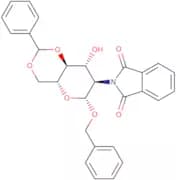






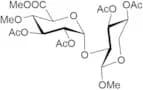


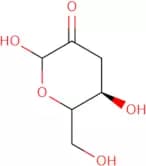


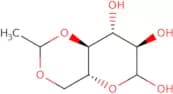
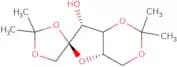
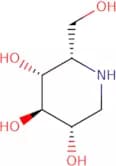


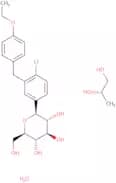
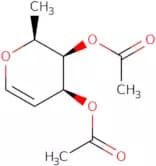
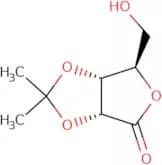

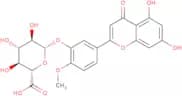


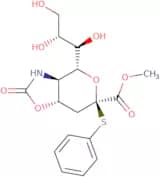


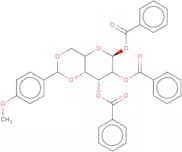


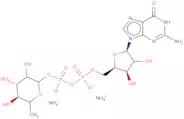
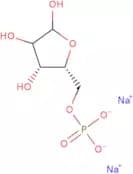


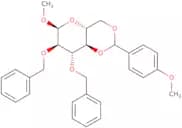
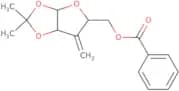
![[2R- (2a, 3a, 4b, 5a) ] -3,4,5-Trihydroxy-2- piperidinecarboxylic acid methyl ester](/_next/image/?url=https%3A%2Fstatic.cymitquimica.com%2Fproducts%2F3D%2Fthumb-webp%2FMT163497.webp&w=3840&q=75)
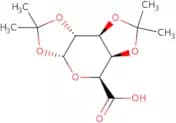
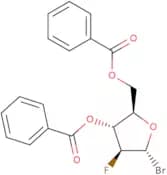
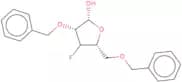

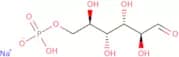

![(1S) -1- [(2S, 3R) - 3-Hydroxy- 1- (phenylmethyl) - 2- azetidinyl] -1, 2- Ethanediol](/_next/image/?url=https%3A%2Fstatic.cymitquimica.com%2Fproducts%2F3D%2Fthumb-webp%2FMH163419.webp&w=3840&q=75)

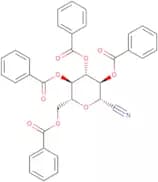
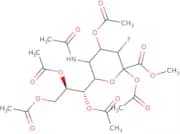
![(1S) -1- [(2S, 3R,4R) -N-Benzyl-3- benzyloxy- 4-hydroxymethyl-3-methyl-1- azetidinyl] -1, 2- ethan…](/_next/image/?url=https%3A%2Fstatic.cymitquimica.com%2Fproducts%2F3D%2Fthumb-webp%2FMB163366.webp&w=3840&q=75)
![(5S, 8R, 9S) -8- [(4R) - 2, 2- Dimethyl- 1, 3- dioxolan- 4- yl] - 9- azido- 2, 2- dimethyl- 1, 3, …](/_next/image/?url=https%3A%2Fstatic.cymitquimica.com%2Fproducts%2F3D%2Fthumb-webp%2FMD170673.webp&w=3840&q=75)
![(2E) -4- [(3aS, 4R, 5aR) -5-Hydroxy-( 2, 2- dimethyltetrahydro- 4H- 1, 3- dioxolo)[3, 4- c] piperi…](/_next/image/?url=https%3A%2Fstatic.cymitquimica.com%2Fproducts%2F3D%2Fthumb-webp%2FMH168767.webp&w=3840&q=75)
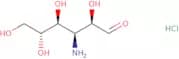
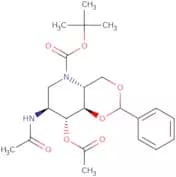
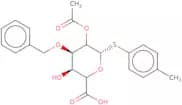
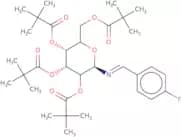

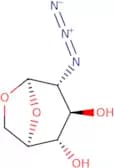
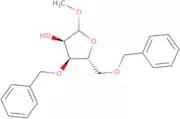
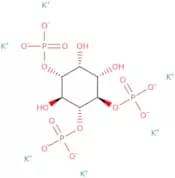
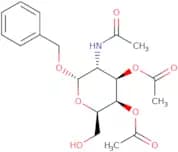
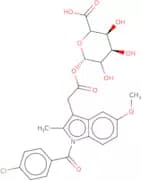
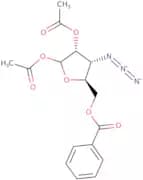
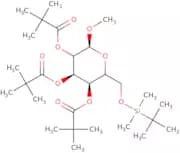

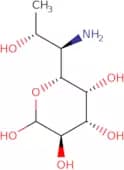
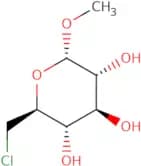
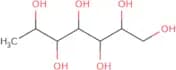
![N-[(4'-Methoxyphenyl)-1-propenyl]imino-2,3,4,6-tetra-O-pivaloyl-D-glucopyranoside](/_next/image/?url=https%3A%2Fstatic.cymitquimica.com%2Fproducts%2F3D%2Fthumb-webp%2FMM08498.webp&w=3840&q=75)
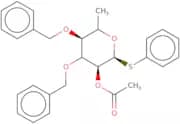
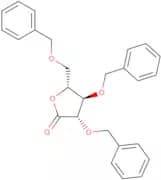
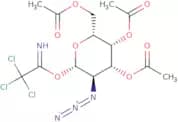
![N- [[(2S, 3S, 4R) - 4- [(Acetyloxy) methyl] - 3- (phenylmethoxy) - 1-acetamide](/_next/image/?url=https%3A%2Fstatic.cymitquimica.com%2Fproducts%2F3D%2Fthumb-webp%2FMA163434.webp&w=3840&q=75)
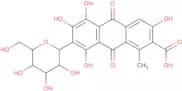
![(1S) -1- [(2S, 3R) - 3- Hydroxy- 1- (2-hydroxyethyl) - 2- azetidinyl] -1, 2- ethanediol](/_next/image/?url=https%3A%2Fstatic.cymitquimica.com%2Fproducts%2F3D%2Fthumb-webp%2FMH163536.webp&w=3840&q=75)
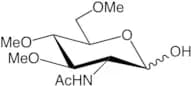
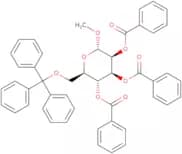
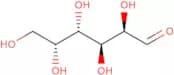
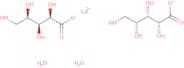
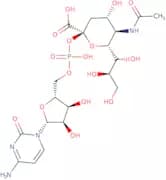
![1,3,4,6-Tetra-O-acetyl-2-[(2-aminoacetyl)amino]-2-deoxy-a-D-glucopyranose](/_next/image/?url=https%3A%2Fstatic.cymitquimica.com%2Fproducts%2F3D%2Fthumb-webp%2FMT145108.webp&w=3840&q=75)
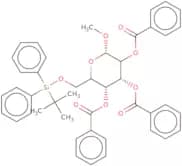
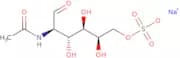
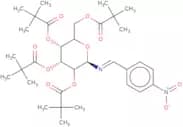
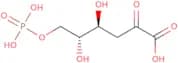
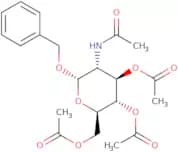

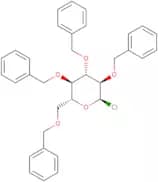
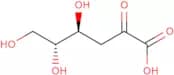


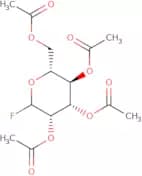
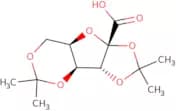
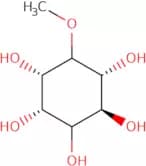

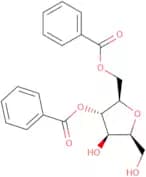
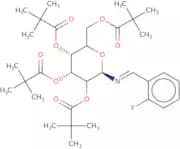

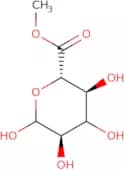
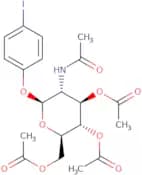
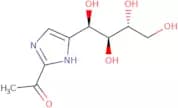
![(5R, 8S, 9R) -8- [(4R) - 2, 2-Dimethyl- 1, 3- dioxolan- 4- yl] - 9- hydroxy- 2, 2- dimethyl- 1, 3,…](/_next/image/?url=https%3A%2Fstatic.cymitquimica.com%2Fproducts%2F3D%2Fthumb-webp%2FMD170672.webp&w=3840&q=75)
![(1S) -1- [(2S, 3R) - 3-Hydroxy-2- azetidinyl] -1, 2- ethanediol](/_next/image/?url=https%3A%2Fstatic.cymitquimica.com%2Fproducts%2F3D%2Fthumb-webp%2FMH163530.webp&w=3840&q=75)
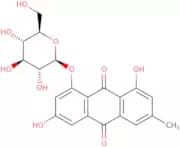
![(5R, 8S, 9S) -8- [(4R) - 2, 2- Dimethyl- 1, 3- dioxolan- 4- yl] - 9- hydroxy- 2, 2- dimethyl- 1, 3…](/_next/image/?url=https%3A%2Fstatic.cymitquimica.com%2Fproducts%2F3D%2Fthumb-webp%2FMD170675.webp&w=3840&q=75)

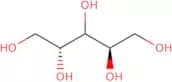
![N-[2-(4'-Fluorobenzylacetonitrile)]-2,3,4,6-tetra-O-pivaloyl-b-D-glucopyranoside](/_next/image/?url=https%3A%2Fstatic.cymitquimica.com%2Fproducts%2F3D%2Fthumb-webp%2FMF08491.webp&w=3840&q=75)
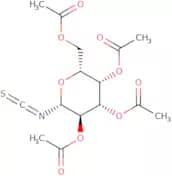

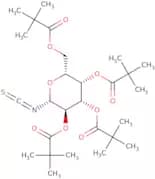
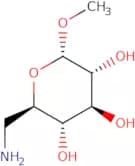
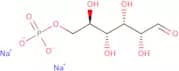

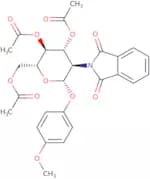
![N- [(3R, 4S, 5R, 6S) - 4, 5- Dihydroxy- 6- (hydroxymethyl) - 3- piperidinyl] -acetamide](/_next/image/?url=https%3A%2Fstatic.cymitquimica.com%2Fproducts%2F3D%2Fthumb-webp%2FMD163561.webp&w=3840&q=75)
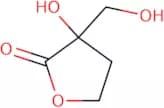
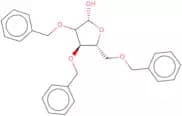
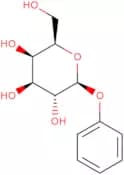
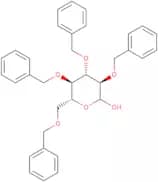
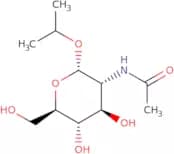
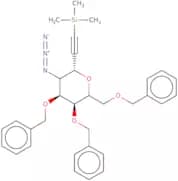
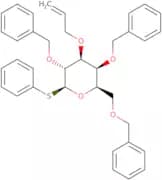
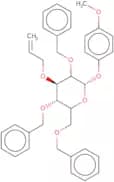
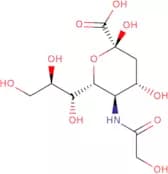


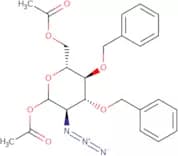
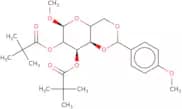


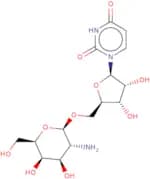
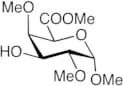
![a-D-[UL-13C6]Glucose-1-phosphate dipotassium salt hydrate](/_next/image/?url=https%3A%2Fstatic.cymitquimica.com%2Fproducts%2F3D%2Fthumb-webp%2FMG64091.webp&w=3840&q=75)
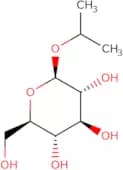



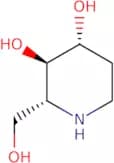

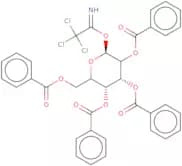
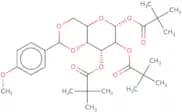

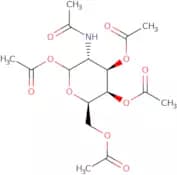
![(2S, 3S, 4R) -3- [[[(2S, 3S, 4R) - 3- Azido- 4- [[[(1, 1- dimethylethyl) dimethylsilyl] oxy] methy…](/_next/image/?url=https%3A%2Fstatic.cymitquimica.com%2Fproducts%2F3D%2Fthumb-webp%2FMA163463.webp&w=3840&q=75)
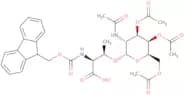
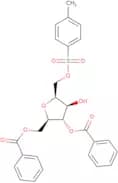
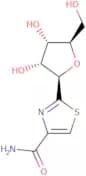
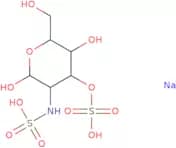
![(5R, 8R, 9S) -8- [(4R) - 2, 2-Dimethyl- 1, 3- dioxolan- 4- yl] - 9- hydroxy- 2, 2- dimethyl- 1, 3,…](/_next/image/?url=https%3A%2Fstatic.cymitquimica.com%2Fproducts%2F3D%2Fthumb-webp%2FMD170665.webp&w=3840&q=75)