Monosaccharides
Monosaccharides are the simplest form of carbohydrates and serve as fundamental building blocks for more complex sugars and polysaccharides. These single sugar molecules play critical roles in energy metabolism, cellular communication, and structural components of cells. In this section, you will find a wide variety of monosaccharides essential for research in biochemistry, molecular biology, and glycoscience. These compounds are crucial for studying metabolic pathways, glycosylation processes, and developing therapeutic agents. At CymitQuimica, we offer high-quality monosaccharides to support your research needs, ensuring precision and reliability in your scientific investigations.
Subcategories of "Monosaccharides"
- Alloses(11 products)
- Arabinoses(21 products)
- Erythroses(11 products)
- Fructoses(9 products)
- Fucoses(36 products)
- Galactosamine(41 products)
- Galactose(261 products)
- Glucoses(365 products)
- Glucuronic Acids(51 products)
- Glyco-substrates for Enzyme(77 products)
- Guloses(6 products)
- Idoses(4 products)
- Inositols(15 products)
- Lyxoses(4 products)
- Mannoses(65 products)
- O-Glycans(48 products)
- Psicoses(3 products)
- Rhamnoses(10 products)
- Riboses(61 products)
- Sialic Acids(100 products)
- Sorboses(4 products)
- Sugars(173 products)
- Tagatoses(4 products)
- Taloses(8 products)
- Xyloses(20 products)
Show 17 more subcategories
Found 6088 products of "Monosaccharides"
Sort by
Purity (%)
0
100
|
0
|
50
|
90
|
95
|
100
2,3,4,6-Tetra-O-benzoyl-a-D-glucopyranosyl p-trifluoromethylbenzylthio-N-(trifluoromethylphenyl)formimidate
CAS:<p>2,3,4,6-Tetra-O-benzoyl-a-D-glucopyranosyl p-trifluoromethylbenzylthio-N-(trifluoromethylphenyl)formimidate is a carbohydrate that has been synthesized from an oligosaccharide and a monosaccharide. It has been modified by fluorination, methylation, glycosylation and click chemistry. This product has been custom synthesized for use in the synthesis of saccharides.</p>Formula:C50H37F6NO10SPurity:Min. 95%Molecular weight:957.91 g/mol2,3,4-Tri-O-acetyl-a-L-rhamnopyranosyl azide
CAS:<p>2,3,4-Tri-O-acetyl-a-L-rhamnopyranosyl azide (AraG) is a triazole glycoside that is synthesized by the reaction of an acetylene glycosyl donor with a glycosyl acceptor. It has been shown to have high purity and custom synthesis. 2,3,4-Tri-O-acetyl-a-L-rhamnopyranosyl azide has been used for click modification and fluorination. It can be used to modify saccharides such as oligosaccharides and monosaccharides.</p>Formula:C12H17N3O7Purity:Min. 95%Molecular weight:315.28 g/mol2,3,4,6-Tetrabenzoate D-glucopyranose
CAS:<p>Please enquire for more information about 2,3,4,6-Tetrabenzoate D-glucopyranose including the price, delivery time and more detailed product information at the technical inquiry form on this page</p>Formula:C34H28O10Purity:Min. 95%Molecular weight:596.6 g/mol3,4,6-Tri-O-acetyl-2-deoxy-2-phthalimido-b-D-glucopyranosyl azide
CAS:<p>3,4,6-Tri-O-acetyl-2-deoxy-2-phthalimido-b-D-glucopyranosyl azide is a carbohydrate that has been modified by acetylation and fluorination. Carbohydrates are saccharides and oligosaccharides that have the general formula (CH2O)n. 3,4,6-Tri-O-acetyl-2-deoxy-2-phthalimido b -D -glucopyranosyl azide is an example of a high purity custom synthesis glycosylation product. This modification is a methylation reaction in which the hydroxymethyl group of the sugar alcohol reacts with methanol to produce methyl alcohol. The methyl group then reacts with an organic acid to yield the desired product.</p>Formula:C20H20N4O9Purity:Min. 95%Molecular weight:460.39 g/molD-Galactosamine-2-N-sulfate sodium
CAS:<p>D-Galactosamine-2-N-sulfate sodium is a chemical compound with potential applications in cancer treatment. It has been shown to enhance the cytotoxic effects of certain drugs, such as Tolvaptan and Luliconazole, in human cancer cells. Additionally, D-Galactosamine-2-N-sulfate sodium has been reported to inhibit kinase activity in Staphylococcus aureus and induce apoptosis in cancer cells. This compound may also have potential as an inhibitor of betamethasone-induced apoptosis and as an analog of cytisine and gossypol. Further research is needed to fully understand the potential therapeutic benefits of D-Galactosamine-2-N-sulfate sodium for cancer treatment.</p>Formula:C6H12NNaO8SPurity:Min. 95%Molecular weight:281.22 g/mol4-Methylphenyl 4,6-O-benzylidene-b-D-thiogalactopyranoside
CAS:<p>4-Methylphenyl 4,6-O-benzylidene-b-D-thiogalactopyranoside is a synthetically produced carbohydrate typically used as a building block in oligo-saccharide synthesis.</p>Formula:C20H22O5SPurity:Min. 95%Molecular weight:374.45 g/molMaltotriose hydrate
CAS:<p>Maltotriose hydrate is a Chinese-made inhibitor analog that has shown promising anticancer properties. It has been shown to inhibit kinases, which are proteins involved in cell signaling pathways that regulate cell growth and division. This inhibition leads to apoptosis, or programmed cell death, in cancer cells. Maltotriose hydrate has been found in human urine and may have potential as a medicinal agent for the treatment of various types of tumors and cancers. Its ability to target cancer cells specifically makes it a promising candidate for further research into cancer treatments.</p>Formula:C18H34O17Purity:Min. 95%Molecular weight:522.5 g/molCreatine Gluconate
CAS:<p>Creatine is an energy metabolism agent that is used to enhance the production of ATP, or adenosine triphosphate, in muscle cells. Creatine Gluconate is a creatine supplement that can be taken orally. It has been shown to improve contractility and cardiac function by increasing ATP levels in the cells. Creatine Gluconate also enhances uptake of creatine into muscle cells and has been shown to increase creatine levels in the blood. Creatine Gluconate may be prescribed as a diagnostic tool for identifying diseases related to creatine production such as Duchenne muscular dystrophy or McArdle disease. Creatine Gluconate can also be prescribed as an anabolic agent for patients with conditions such as congestive heart failure or cardioplegia during surgery.</p>Formula:C6H11O7·C4H10N3O2Purity:Min. 95%Molecular weight:327.29 g/mol2,3,4,6-Tetra-O-acetyl-N-(b-D-galactopyranosyl)-N'-[(2-methanethiosulfonyl)ethyl]urea
CAS:<p>2,3,4,6-Tetra-O-acetyl-N-(b-D-galactopyranosyl)-N'-[(2-methanethiosulfonyl)ethyl]urea is a glycoside that has been custom synthesized for a sugar. This product is fluorinated and has a purity of 99%. It can be used as an intermediate in the Click modification reaction. It is available in bulk quantities and can be customized to meet customer needs.</p>Formula:C17H26N2O12S2Purity:Min. 95%Molecular weight:514.53 g/molPhenyl 3,4,6-tris-o-(phenylmethyl)-1-thio-B-D-glucopyranoside
CAS:<p>Please enquire for more information about Phenyl 3,4,6-tris-o-(phenylmethyl)-1-thio-B-D-glucopyranoside including the price, delivery time and more detailed product information at the technical inquiry form on this page</p>Formula:C33H34O5SPurity:Min. 95%Molecular weight:542.7 g/molD-Mannose-6-13C
CAS:<p>Please enquire for more information about D-Mannose-6-13C including the price, delivery time and more detailed product information at the technical inquiry form on this page</p>Formula:C6H12O6Purity:Min. 95%Molecular weight:180.16 g/mol5-Deoxy-5-iodo-1,2-o-(1-methylethylidene)pentofuranose
CAS:<p>5-Deoxy-5-iodo-1,2-o-(1-methylethylidene)pentofuranose is a synthetic sugar. It is a complex carbohydrate that can be custom synthesized and has high purity. This compound is an oligosaccharide with methylation, glycosylation, and polysaccharides. 5-Deoxy-5-iodo-1,2-o-(1-methylethylidene)pentofuranose has been fluorinated to give it saccharide properties.</p>Formula:C8H13IO4Purity:Min. 95%Molecular weight:300.09 g/mol4-Amino-4-deoxy-D-glucopyranose
CAS:<p>4-Amino-4-deoxy-D-glucopyranose is an anticancer agent that has been found to be effective against cancer cells. It is a chitosan derivative that acts as an inhibitor of apoptosis in cancer cells. This compound has been detected in urine and has been shown to inhibit the growth of human cancer cells by inhibiting kinase activity. 4-Amino-4-deoxy-D-glucopyranose is an analog of glucose and can be used as a potential therapeutic agent for the treatment of tumors. It specifically targets kinases involved in the regulation of cell growth and protein synthesis, which makes it a promising candidate for cancer treatment.</p>Formula:C6H13NO5Purity:Min. 95%Molecular weight:179.17 g/molFluoxetine D-glucuronide (mixture of isomers)
CAS:<p>Fluoxetine D-glucuronide is a glycosylated, fluorinated, custom-synthesized compound. It is composed of the methyl ester and glucuronide moiety of fluoxetine. The synthesis of this compound starts with the oxidation of fluoxetine to form an aldehyde intermediate. This intermediate is then condensed with chloroacetic acid to form the desired product. Fluoxetine D-glucuronide has shown efficacy in animal models for its ability to inhibit serotonin reuptake and block 5HT2A receptors. This drug is also used as a tracer in positron emission tomography (PET) imaging studies for serotonin transporters.</p>Purity:Min. 95%4'-O-(b-D-2,3,4,6-Tetra-O-acetyl-glucopyranosyl)-4-nitrophloretin
CAS:<p>4'-O-(b-D-2,3,4,6-Tetra-O-acetyl-glucopyranosyl)-4-nitrophloretin is a custom synthesis with Modification. This product was prepared by fluorination and methylation of 4'-O-(b-D-2,3,4,6-tetra-O-[1,2:1,3]triazolium chloride)-4' nitrophloretin. The molecular formula is C21H18N8O12 and molecular weight is 524.32. CAS No. 82628-87-3.</p>Formula:C29H31NO15Purity:Min. 95%Molecular weight:633.55 g/molL-[2-13C]Xylose
CAS:<p>Please enquire for more information about L-[2-13C]Xylose including the price, delivery time and more detailed product information at the technical inquiry form on this page</p>Formula:C5H10O5Purity:Min. 95%Molecular weight:151.12 g/molXylaric acid disodium salt
CAS:<p>Xylaric acid disodium salt is a meso oxidised xylose analogue</p>Formula:C5H6Na2O7Purity:Min. 98 Area-%Color and Shape:PowderMolecular weight:224.08 g/molm-Methoxytopolin-9-glucoside
CAS:<p>M-methoxytopolin-9-glucoside is a synthetic oligosaccharide that has been modified with fluorination and methylation. It is an important intermediate for the synthesis of complex carbohydrates. M-methoxytopolin-9-glucoside can be used in the production of glycosylated polysaccharides, including glycoproteins, proteoglycans, and mucopolysaccharides. This product is offered at a purity level of > 98% and can be used for custom synthesis.</p>Formula:C19H23N5O6Purity:Min. 95%Molecular weight:417.42 g/mol(S)-Propranolol glucuronide
CAS:<p>(S)-Propranolol glucuronide is a custom-synthesized sugar that has been modified with fluorination and methylation. It is also a polysaccharide that has been glycosylated and carbamoylated. This compound is a white crystalline solid that can be used as an intermediate in the synthesis of saccharides, oligosaccharides, and polysaccharides.</p>Formula:C22H29NO8Purity:Min. 95%Molecular weight:435.47 g/mol3,4-Di-O-acetyl-2-O-benzyl-L-rhamnopyranoside
<p>3,4-Di-O-acetyl-2-O-benzyl-L-rhamnopyranoside is a custom synthesized, fluorinated, methylated, monosaccharide that can be used as a synthetic building block for the synthesis of saccharides. This compound has been shown to have a CAS number and is classified as an oligosaccharide. 3,4-Di-O-acetyl-2-O-benzyl-L-rhamnopyranoside is recommended for use in glycosylation reactions. It has been shown to react with other saccharides at the C1 position in the presence of various conditions such as mild alkaline or acid conditions.</p>Formula:C17H22O7Purity:Min. 95%Molecular weight:338.35 g/molPinitol diacetonide
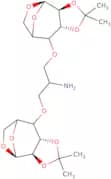
CAS:<p>Pinitol diacetonide is an acceptor substrate for β-galactosidase, a glycosyl hydrolase that catalyzes the hydrolysis of terminal galactose residues from the non-reducing end of certain glycolipids. Pinitol diacetonide has been shown to be enzymatically active in both aerobic and anaerobic conditions. This product can also be used as a substrate for 1,4-β-D-galactosyltransferase, which catalyzes the transfer of D-galactose from 1,4-β-D-glucose to the nonreducing end of certain glycolipids. Pinitol diacetonide is not a suitable substrate for p-nitrophenyl galactosyltransferase, an enzyme that catalyzes the transfer of p-nitrophenol from L -pyranosides to the nonreducing end of certain glycolipids.<br>Pin</p>Formula:C13H22O6Purity:Min. 95%Molecular weight:274.31 g/molOlmesartan N2-glucuronide
CAS:<p>Olmesartan N2-glucuronide is a methylated metabolite of olmesartan, which is an angiotensin II receptor blocker. Olmesartan glucuronide is a high purity chemical compound with CAS No. 369395-57-3. It can be custom synthesized to order and has been used in glycosylation reactions as a sugar donor or acceptor. This product is also useful for the Click modification of oligosaccharides and polysaccharides, as well as for the modification of saccharides with fluorination and other chemical reactions.</p>Formula:C30H34N6O9Purity:Min. 95%Molecular weight:622.63 g/mol2,3,5-Tri-O-p-chlorobenzoyl-D-ribofuranoside
CAS:<p>2,3,5-Tri-O-p-chlorobenzoyl-D-ribofuranoside is a fluorinated and modified sugar that is synthesized in the laboratory. The chemical name is 2,3,5-Tri-O-p-chlorobenzoyl-D-(+)-ribofuranoside. It is a white to off white crystalline solid with a melting point of 154°C. The molecular weight of this compound is 366.2 g/mol and its empirical formula is C12H14ClO7. The CAS number for this compound is 29755-02-0.</p>Formula:C26H19Cl3O8Purity:Min. 95%Molecular weight:565.78 g/molMethyl 2,3:4,6-di-O-benzylidene-α-D-mannopyranoside
CAS:<p>Methyl 2,3:4,6-di-O-benzylidene-a-D-mannopyranoside is a cyclic peptide that was developed for the treatment of tropical diseases. It has been shown to be a potent inhibitor of protein synthesis and an absorber of amino acids in experimental infections. Comparative studies have shown that this drug inhibits protein synthesis more than other cyclic peptides. Methyl 2,3:4,6-di-O-benzylidene-a-D-mannopyranoside has also been shown to have antiinflammatory properties in inflammatory bowel disease and may be useful as a therapeutic agent for Alzheimer’s disease or cancer.</p>Formula:C21H22O6Purity:Min. 95%Molecular weight:370.4 g/molo-Topolin-9-glucoside
CAS:<p>O-topolin-9-glucoside is a custom synthesis of a sugar. It can be modified with fluorination, methylation, and click modification. O-topolin-9-glucoside is an oligosaccharide sugar that can be glycosylated or polysaccharided.</p>Formula:C18H21N5O6Purity:Min. 95%Molecular weight:403.39 g/molN-Acetylserotonin β-D-glucuronide
CAS:<p>N-Acetylserotonin β-D-glucuronide is a metabolite of melatonin, which is synthesized in the pineal gland. It is excreted in human urine and can be used as a biomarker for melatonin synthesis. N-Acetylserotonin β-D-glucuronide has been shown to have pharmacologic effects on humans and other species, but its health effects are not well understood. The use of this compound as a biomarker for human melatonin synthesis has been validated in vitro and in vivo. It is also used as a marker for kidney function, particularly chronic kidney disease (CKD). This analysis can be performed using urinary samples that contain glucuronide conjugates of N-acetylserotonin β-D-glucuronide.</p>Formula:C18H22N2O8Purity:Min. 97 Area-%Color and Shape:Off-White PowderMolecular weight:394.38 g/mol6-O-Tosyl-D-glucopyranose
CAS:<p>6-O-Tosyl-D-glucopyranose is an Oligosaccharide, Carbohydrate and Custom synthesis. It is a complex carbohydrate. This product is a monosaccharide that has been methylated, glycosylated, and polysaccharide modified. The CAS No. for this product is 26391-80-0 and its molecular weight is 598.6 g/mol. This product can be used in the synthesis of 6-O-Tosyl-D-[3H]glucopyranose (CAS No. 131552-01-8) which can be used as a radioactive marker in biological research or in the diagnosis of diseases such as cancer.</p>Purity:Min. 95%7-Hydroxy coumarin 2,3,4-tri-O-acetyl-b-D-glucuronide methyl ester
CAS:<p>7-Hydroxy coumarin 2,3,4-tri-O-acetyl-b-D-glucuronide methyl ester is a high purity custom synthesis sugar. The synthesis of this product is achieved by the Click modification, fluorination, and glycosylation. This product has a CAS number 168286-97-3. It is also a synthetic product that was created by methylation and modification. This product can be used in complex carbohydrate research as it is an oligosaccharide and monosaccharide saccharide.<br>END></p>Formula:C22H22O12Purity:Min. 95%Molecular weight:478.4 g/molSennoside b calciumsalt
CAS:<p>Sennoside b is a natural compound found in the plant Senna obtusifolia and has been shown to have an effect on myeloma cells, as well as on enzyme activities and energy metabolism. Sennoside b has also been shown to inhibit phospholipase A2 (PLA2) activity and prostaglandin E2 (PGE2) levels in a mouse myeloma cell line. The pathogenic mechanism of sennoside b is unclear, but it may be due to its locomotor activity-reducing effects or due to its effect on gut motility. The optimum extraction process for sennoside b is not clear, but it should be carried out with care due to its chemical stability. Sennoside b has also been shown to have beneficial effects on hepatic steatosis and bowel disease, thus making it a potential treatment for these conditions. Multivariate logistic regression analysis was used to identify factors that may predict</p>Formula:C42H36CaO20Purity:Min. 95%Molecular weight:900.8 g/molD-Galactosamine-6-O-sulphate
CAS:<p>D-Galactosamine-6-O-sulphate is a synthetic, fluorinated carbohydrate that has been modified by the Click reaction. It is used as a methylating agent and can be used in the synthesis of polysaccharides and oligosaccharides. This compound is also used to modify saccharides, glycosylations, and other carbohydrates. D-Galactosamine-6-O-sulphate is water soluble and can be used for custom synthesis. It can also be modified with other reagents for various purposes.</p>Formula:C6H13NO8SPurity:Min. 95%Molecular weight:259.23 g/molN-(5-Carboxypentyl)-deoxynojirimycin
CAS:<p>N-(5-Carboxypentyl)-deoxynojirimycin is a synthetic glycosylation agent that is used in the preparation of oligosaccharides, polysaccharides and saccharide complexes. This compound is also a potential therapeutic agent for cancer, as it can inhibit tumor cell growth by inhibiting protein synthesis. N-(5-Carboxypentyl)-deoxynojirimycin can be used as an intermediate in the synthesis of other fluorinated sugars. When modified with methyl groups, this compound has shown anticancer activity against human breast cancer cells.</p>Formula:C12H23NO6Purity:Min. 95 Area-%Color and Shape:Beige PowderMolecular weight:277.31 g/mol5-(2-Hydroxyethyl)-2'-deoxyuridine
CAS:<p>5-(2-Hydroxyethyl)-2'-deoxyuridine is a regiospecific inhibitor of the enzyme thymidylate synthase. This drug inhibits the synthesis of thymine and uracil, which are used in DNA replication. 5-(2-Hydroxyethyl)-2'-deoxyuridine binds to the carbon chain of uracil, preventing its incorporation into DNA. 5-(2-Hydroxyethyl)-2'-deoxyuridine has been shown to be an effective inhibitor of thymidylate synthase in both prokaryotic and eukaryotic cells. The mechanism of action is thought to be competitive inhibition with respect to substrate binding at the active site of the enzyme. 5-(2-Hydroxyethyl)-2'-deoxyuridine can be synthesized by reacting acrylonitrile with 5-iodouridine chloride, followed by elimination reactions with methylene chloride or thionyl chloride. The product can then be</p>Formula:C11H16N2O6Purity:Min. 95%Color and Shape:PowderMolecular weight:272.25 g/mol5-O-Benzyl-1-deoxy-D-xylulose
CAS:<p>5-O-Benzyl-1-deoxy-D-xylulose is a sugar which is obtained by the catalytic hydrogenolysis of 5-o-benzyl-1,5-pentanediol. It is an intermediate in the synthesis of xylitol from sorbitol and can be used in the production of benzaldehyde. The reaction mechanism involves aldol condensation with elimination of water to form hydroxyacetone, followed by chemoenzymatic dehydration to give 1,5 pentanediol. This compound is also used as an intermediate for the synthesis of D-xylulose.</p>Formula:C12H16O4Purity:Min. 95%Molecular weight:224.25 g/molD-Glucose-6-13C
CAS:<p>D-Glucose-6-13C is a carbohydrate that can be used as a metabolic energy source. Unlabelled D-Glucose is the most abundant monosaccharide in nature and can be found as an anhydrous dextrose in many types of food. It can also be used as a reference to measure blood glucose levels, which are important for diagnosing diabetes mellitus.</p>Formula:CC5H12O6Purity:Min. 98 Area-%Color and Shape:PowderMolecular weight:181.15 g/mol3-Deoxy-L-arabinose
CAS:<p>3-Deoxy-L-arabinose is a purine, which is a type of nucleoside. It is structurally similar to ribose, but lacks the hydroxyl group at the 2' position. 3-Deoxy-L-arabinose has been shown to be an effective catalyst for the synthesis of nucleosides and nucleotides. The biological activity of this compound has not yet been researched extensively. This product can be used as a metal salt in research or as an acid catalyst in organic chemistry. 3-Deoxy-L-arabinose is often used as a precursor for purines and nucleotides that are found in DNA and RNA.</p>Formula:C5H10O4Purity:Min. 95%Molecular weight:134.13 g/molPerindoprilat acyl-b-D-glucuronide
CAS:<p>Perindoprilat acyl-β-D-glucuronide is a synthetic, high purity compound that is custom synthesized and modified. It has been prepared by the click modification of perindoprilat with 1,3-dicyclohexylcarbodiimide (DCC) and 4-dimethylaminopyridine (DMAP). This product is useful for the synthesis of saccharides and complex carbohydrates. Perindoprilat acyl-β-D-glucuronide is a white solid at room temperature. The molecular formula is C14H20N2O7 with a molecular weight of 328.32 g/mol. The CAS number is 120381-56-8.</p>Formula:C23H36N2O11Purity:Min. 95%Color and Shape:White to off-white solid.Molecular weight:516.54 g/molGalβ(1-3)[neu5acα(2-6)]GalNAc-α-PNP
CAS:<p>Galβ(1-3)[neu5acα(2-6)]GalNAc-α-PNP is a complex carbohydrate that has been synthesized. It is a modification of the natural monosaccharide galactose by the addition of an alpha-N-acetylneuraminic acid residue. This product is highly pure and can be custom synthesized to customer specifications. Galβ(1-3)[neu5acα(2-6)]GalNAc-α-PNP has been fluorinated and methylated and has glycosylation and click chemistry modifications.</p>Formula:C31H45N3O21Purity:Min. 95%Molecular weight:795.7 g/molQuercetin 7-O-b-D-glucuronide
CAS:<p>Quercetin 7-O-b-D-glucuronide is a methylated glycoside of quercetin. Quercetin 7-O-b-D-glucuronide has been shown to inhibit the activity of Saccharomyces cerevisiae alpha amylase, alpha and beta amylases, and alpha glucosidase, which are enzymes that hydrolyze starch. This product also inhibits the growth of Candida albicans and Saccharomyces cerevisiae. Quercetin 7-O-b-D-glucuronide is available for custom synthesis in order to meet customers' specific needs.</p>Formula:C21H18O13Purity:Min. 95%Molecular weight:478.36 g/molb-L-Glucose-1-phosphate ammonium salt
<p>b-L-Glucose-1-phosphate ammonium salt is a modification of the natural glucose molecule. It is used in the synthesis of oligosaccharides and complex carbohydrates. This compound can be custom synthesized and has a high purity level. It is often used as a starting material for other chemical modifications, such as methylation, glycosylation, and fluorination. b-L-Glucose-1-phosphate ammonium salt is found naturally in nature as one of the building blocks of polysaccharides, which are long chains of sugar molecules that make up many organic compounds.</p>Formula:C6H19N2O9PPurity:Min. 95%Color and Shape:PowderMolecular weight:294.2 g/molD-muco-Inositol
CAS:<p>D-Mucinol is an inositol that is structurally similar to scyllo-inositol. It has been shown to inhibit the growth of cancer cells and also inhibits the release of calcium ions from the mitochondria, which may be due to its ability to inhibit polymerase chain reaction. D-Mucinol is a potential treatment for ovarian cancer and other cancers.<br>D-Mucinol is a dinucleotide phosphate that binds with guanine nucleotides on DNA, inhibiting transcriptional elongation by binding to the RNA polymerase II enzyme. This prevents the production of mRNA, inhibiting protein synthesis and leading to cell death.<br>D-Mucinol has been shown to have cytostatic effects against HL60 cells in vitro, which are thought to be related to its ability to inhibit mononucleotide phosphates, including p-nitrophenyl phosphate (PNPP), at high concentrations. D-Mucin</p>Formula:C6H12O6Purity:Min. 95%Molecular weight:180.16 g/molPropylthiouracil N-b-D-glucuronide
CAS:<p>Propylthiouracil N-b-D-glucuronide is a glycosylation product of propylthiouracil, which is the active form of this drug. It has been shown to inhibit thyroid hormone synthesis by binding to the enzyme thyroid peroxidase. Propylthiouracil N-b-D-glucuronide is used in the treatment of thyrotoxicosis, and can also be used as an antithyroid agent for hyperthyroidism. It is chemically synthesized from propylthiouracil with a glycosyl group added at the C3 position on the thiourea ring by glycosyltransferases. This compound has also been fluorinated and polysaccharided, modified and saccharided, oligosaccharided or sugar, synthetic or monosaccharide, custom synthesis or high purity.</p>Formula:C13H18N2O7SPurity:Min. 95%Molecular weight:346.36 g/molD-Fructose-13C1
CAS:<p>D-Fructose-13C1 is a custom synthesis that belongs to the class of carbohydrates. It is an oligosaccharide, polysaccharide, and a modification of saccharides. D-Fructose-13C1 is methylated and glycosylated and has a carbonyl group on the C1 position. This product can be used in click chemistry as well as fluorination reactions. The purity of this product is high and it has been synthesized using high purity methods.</p>Formula:C513CH12O6Purity:Min. 95%Molecular weight:181.15 g/mol1,2,3,4-Tetra-O-acetyl-β-D-glucuronic acid methyl ester
CAS:<p>1,2,3,4-Tetra-O-acetyl-beta-D-glucuronic acid methyl ester is a phosphatidylinositol (PtdIns) synthesis inhibitor. It inhibits the activation of the PtdIns 3 kinase enzyme by binding to its C2 domain. This inhibitor blocks the synthesis of PtdIns 3,4,5P3 and reduces the activity of protein kinases such as Akt and PKC. The structural analysis of this compound has been done on wild type virus and mouse tumor cells in vitro. One study showed that 1,2,3,4-Tetra-O-acetyl-beta-D-glucuronic acid methyl ester can inhibit hematopoietic progenitor cells and suppress wild type virus growth in vivo.1,2,3,4 Tetra-O-acetyl beta D glucuronic acid methyl ester may have potential as</p>Formula:C15H20O11Molecular weight:376.32 g/mol2-Deoxy-3,4-O-isopropylidene-D-arabino-hexose propylene dithioacetal
CAS:<p>2-Deoxy-3,4-O-isopropylidene-D-arabino-hexose propylene dithioacetal is a synthetic monosaccharide. It is a custom synthesis and can be modified with methylation, fluorination, or click chemistry. 2-Deoxy-3,4-O-isopropylidene-D-arabino-hexose propylene dithioacetal has been used in the synthesis of glycosylated proteins and oligosaccharides. It is also used as a buffer standard in high performance liquid chromatography (HPLC) methods for analysis of saccharides and sugar alcohols.</p>Formula:C12H22O4S2Purity:Min. 95%Molecular weight:294.43 g/mol1,5-Dideoxy-D-xylulose
CAS:<p>1,5-Dideoxy-D-xylulose is a synthetic compound that has been modified to make it resistant to methylation and other modifications. It can be used as a raw material for the production of complex carbohydrates and saccharides, such as oligosaccharides and polysaccharides. 1,5-Dideoxy-D-xylulose is widely used in the modification of saccharides and carbohydrates. It is important in the production of high purity monosaccharides, which are used in the synthesis of pharmaceuticals. This product is also often used for fluorination reactions.</p>Formula:C5H10O3Purity:Min. 95%Molecular weight:118.13 g/molN-(e-Aminocaproyl)-a-D-galactopyranosyl amine
<p>N-(e-Aminocaproyl)-a-D-galactopyranosyl amine is a glycosylated, fluorinated, saccharide that is custom synthesized by our company. It can be used as an intermediate in the synthesis of various oligosaccharides and polysaccharides. This product is very soluble in water and can be used for glycosylation reactions. The purity of this product is greater than 99%.</p>Formula:C12H24N2O6Purity:Min. 95%Color and Shape:White To Off-White SolidMolecular weight:292.33 g/mola-D-Galactose-1-phosphate disodium salt
<p>a-D-Galactose-1-phosphate disodium salt is a carbohydrate with a molecular weight of 277.14 Da. It is an oligosaccharide that belongs to the group of saccharides and sugars. It is also known as an Methylated, Glycosylated, Click-modified Galactose Analogue. This product has been custom synthesised for use in research, and has a high purity level.</p>Formula:C6H11Na2O9PPurity:Min. 95%Molecular weight:304.1 g/molIsopropyl-β-D-thioglucopyranoside
CAS:<p>Isopropyl-beta-D-thioglucopyranoside is a carbohydrate derivative that has the same chemical formula as glucose but with a different spatial arrangement. It is also known as beta-D-thioglucose or thioisopropylglucose, and it is an intermolecular hydrogen bond donor and acceptor. Isopropyl-beta-D-thioglucopyranoside absorbs light at wavelengths of 265 nm, 280 nm, and 320 nm. Carbohydrates are compounds containing carbon, hydrogen and oxygen atoms in a ratio of 1:2:1 by weight, with the general formula CHON. They consist of many isomers that differ from each other in the configurations of their carbonyl group and hydroxyl group. The molecular system for isopropyl-beta-D-thioglucopyranoside consists of one molecule with two hydrogen bonds to two other molecules.</p>Formula:C9H18O5SMolecular weight:238.3 g/molb-L-Xylose-1-phosphate
<p>b-L-Xylose-1-phosphate is a methylated, fluorinated, and custom synthesized monosaccharide that can be modified to produce an oligosaccharide or polysaccharide. This monomer is a sugar that is found in complex carbohydrates and has a purity of greater than 99%. It can be used for the synthesis of saccharides or as a fluorination agent.</p>Purity:Min. 95%rac-Lotaustralin
<p>Lotaustralin is a glycosylated, fluorinated, methylated, and modified synthetic compound. Lotaustralin has been shown to inhibit the growth of bacteria by binding to the ribosomes in bacterial cells. It also inhibits the production of inflammatory cytokines and lipopolysaccharide in mice. Lotaustralin is made synthetically through custom synthesis and modification. The purity of the drug exceeds 99%.</p>Formula:C11H19NO6Purity:Min. 95%Molecular weight:261.27 g/molMethyl 2,3-anhydro-b-D-ribopyranoside
CAS:<p>Methyl 2,3-anhydro-b-D-ribopyranoside is a custom synthesis chemical with CAS No. 3150-13-8. This product is an oligosaccharide that is a polysaccharide and saccharide. It has fluorination and modification properties. This product is high purity and can be modified to suit the needs of customers. Methyl 2,3-anhydro-b-D-ribopyranoside is a monosaccharide sugar with a carbonyl group on the second carbon atom of the chain.</p>Formula:C6H10O4Purity:Min. 95%Molecular weight:146.1 g/mol4,5-Desisopropylidene topiramate
CAS:<p>4,5-Desisopropylidene topiramate is a synthetic monosaccharide that is not naturally occurring. This compound has been synthesized with a click modification and glycosylation. It has a molecular weight of 459.29 g/mol and the CAS number 106881-41-8. The chemical formula is C11H21NO6 and it's molecular structure is shown below:</p>Formula:C9H17NO8SPurity:Min. 95%Color and Shape:Off-white to pale yellow solid.Molecular weight:299.3 g/mol1,3,6-Tri-O-benzoyl-2-deoxy-a-D-glucopyranoside
<p>1,3,6-Tri-O-benzoyl-2-deoxy-a-D-glucopyranoside is a glycosylation molecule that is synthesized by the addition of a benzoyl group to the C1 position of glucose. This product is an example of an oligosaccharide with a triester linkage. The synthesis of this product involves methylation and fluorination reactions. 1,3,6-Tri-O-benzoyl-2-deoxy-a-D-glucopyranoside is stable in acidic environments and can be custom synthesized at high purity level.</p>Formula:C27H30O5Purity:Min. 95%Molecular weight:434.52 g/mol2-Deoxy-N-phenylglucosylamine
CAS:<p>2-Deoxy-N-phenylglucosylamine is a custom synthesis that can be modified to suit the needs of your project. It is a fluorinated compound with a methyl group on the phenyl ring and an amine at C2. This chemical has been shown to have anti-tumor activity against sarcoma 180 and leukemia L1210 in mice. 2-Deoxy-N-phenylglucosylamine is also known to inhibit the production of monosaccharides, oligosaccharides, and polysaccharides by inhibiting glycosylation. If you are looking for carbohydrate compounds for your next project, this chemical may be just what you need!</p>Formula:C12H17NO4Purity:Min. 95%Molecular weight:239.27 g/mol6-Chloro-6-deoxy-D-galactose
CAS:<p>6-Chloro-6-deoxy-D-galactose is a sugar that is found in the cell wall of Mycobacterium tuberculosis. This sugar is transported by chloride anions and has been shown to be essential for bacterial growth. 6-Chloro-6-deoxy-D-galactose has also been shown to inhibit the transport of dlucose into cells, which may contribute to its inhibitory effect on glucose transport. The process by which this sugar is transported across the membrane is still not fully understood, but it has been shown to involve hydrogen bonds and ionic interactions.</p>Formula:C6H11ClO5Purity:Min. 95%Molecular weight:198.6 g/molEthynyl estradiol 3-b-D-glucuronide
CAS:<p>Ethynyl estradiol 3-b-D-glucuronide is a synthetic derivative of the endogenous estrogen, 17β-estradiol. It is a glycosylated, complex carbohydrate with a methylation and fluorination modification. Ethynyl estradiol 3-b-D-glucuronide is synthesized by reacting ethynyl estradiol with β-D-glucuronic acid to form an ester linkage between the sugar and steroid molecules. This process also produces an Oligosaccharide as well as Monosaccharides. The synthesis of this compound can be customized for specific needs and is available in high purity.</p>Formula:C26H32O8Purity:Min. 95%Color and Shape:PowderMolecular weight:472.53 g/mol6-O-Tosyl-D-mannose
CAS:<p>6-O-Tosyl-D-mannose is a Carbohydrate, Modification, saccharide, Oligosaccharide with CAS No. 105265-64-3. It is fluorinated on the 6th carbon atom and methylated on the 3rd carbon atom. It can be used in custom synthesis and also has high purity and a custom synthesis. It can be synthesized by glycosylation or click modification.</p>Formula:C13H18O8SPurity:Min. 95%Color and Shape:PowderMolecular weight:334.34 g/mol3,6-Di-O-Carboxymethyl-D-glucose
CAS:<p>3,6-Di-O-Carboxymethyl-D-glucose is a methylated sugar that is synthesized from D-glucose. It is a white powder that is soluble in water and has a molecular weight of 586.06 g/mol. 3,6-Di-O-Carboxymethyl-D-glucose can be used for the synthesis of oligosaccharides and glycosylations. It can also be used as an intermediate for the production of fluorinated saccharides, which are useful for click chemistry modifications. 3,6-Di-O-Carboxymethyl-D-glucose can be custom synthesized to meet specific requirements.</p>Formula:C10H16O10Purity:Min. 95%Molecular weight:296.23 g/molEthyl a-L-thiorhamnopyranoside
<p>Ethyl a-L-thiorhamnopyranoside is a synthetic, fluorinated monosaccharide. It is an oligosaccharide with a complex carbohydrate structure and can be used as a building block for the synthesis of glycosides, polysaccharides, and other sugar derivatives. This product can also be modified by methylation, click reactions, or other chemical reactions to produce desired structures. The purity of this product is >98%.</p>Purity:Min. 95%1,4,5,6-Tetra-O-benzyl-myo-inositol
CAS:<p>1,4,5,6-Tetra-O-benzyl-myo-inositol is a benzylated derivative of myo-inositol. It is a pharmacological agent that has been shown to inhibit the growth of human colon adenocarcinoma cells and human glioblastoma cells in vitro. 1,4,5,6-Tetra-O-benzyl-myo-inositol also binds to cell membrane receptors and inhibits the activity of enzymes involved in the synthesis of phosphatidylcholine. The compound has been shown to be selective for axial glioblastoma tumors in animal models. The compound can be conjugated with different molecules and used as an assay for cytotoxicity studies on tumor cells. 1,4,5,6-Tetra-O-benzyl-myo-inositol has hydroxyl groups that are easily oxidized</p>Formula:C34H36O6Purity:Min. 95%Molecular weight:540.65 g/mol1,2,4,5-Di-O-cyclohexylidene-b-D-fructofuranose
<p>1,2,4,5-Di-O-cyclohexylidene-b-D-fructofuranose is a cyclic oligosaccharide with a six-member ring structure. The sugar is synthesized by the reaction of 1,2,4,5-di-O-isopropylidene b-D-fructofuranose and ethylene oxide. It is used in the synthesis of glycosides and as a building block for complex carbohydrates. This product can be custom synthesized to meet your needs. It's high purity and low price make it an excellent choice for research purposes.</p>Purity:Min. 95%2,3,4-Tri-O-benzoyl-L-fucopyranose
CAS:<p>2,3,4-Tri-O-benzoyl-L-fucopyranose is a sugar that belongs to the class of carbohydrates. It is a glycosylation product that has been modified by Click chemistry. This sugar has also been fluorinated and methylated. 2,3,4-Tri-O-benzoyl-L-fucopyranose can be used in the synthesis of oligosaccharides and monosaccharides.</p>Formula:C27H24O8Purity:Min. 95%Molecular weight:476.47 g/molMethyl b-D-xylofuranoside
CAS:<p>Methyl b-D-xylofuranoside is a fluorinated monosaccharide that is synthesized by the replacement of hydroxyl groups with fluorine. Methyl b-D-xylofuranoside is used for the synthesis of oligosaccharides and polysaccharides, as well as for glycosylation and methylation reactions. The product has a CAS number of 1824-97-1 and can be custom synthesized to meet specific customer specifications.</p>Purity:Min. 95%2,3,4-Tri-O-acetyl-α-L-fucopyranosyl bromide
CAS:<p>2,3,4-Tri-O-acetyl-alpha-L-fucopyranosyl bromide is a methylated alpha-L-fucopyranosyl bromide that is used as a glycosylation reagent for the synthesis of complex carbohydrates. It is also used in Click chemistry and has been shown to be an effective and selective glycosylation agent.<br>2,3,4-Tri-O-acetyl-alpha-L-fucopyranosyl bromide is available at high purity and can be custom synthesized to your specifications. This compound has CAS number 16741-27-8 and is listed on the FDA Inactive Ingredient Database (IID).</p>Formula:C12H17BrO7Molecular weight:353.16 g/molRef: 3D-T-5921
1gTo inquire5gTo inquire250mgTo inquire500mgTo inquire2500mgTo inquire-Unit-ggTo inquire5-Deoxy α-L-arabinose and 5-Deoxy β-L-arabinose
CAS:<p>5-Deoxy alpha-L-arabinose and 5-Deoxy beta-L-arabinose are enantiopure compounds that are used in the synthesis of 5-deoxy-l-ribose, which is a precursor to nucleic acids. The reaction products are produced by hydrolyzing rhamnan with hydrochloric acid. This product can be used as a substrate for DNA polymerase and RNA polymerase, which are enzymes involved in the synthesis of nucleic acids. This product also has an acidic nature, which makes it suitable for use in phase chromatography. It has been shown to have stereoselective properties and can be used as an acid catalyst for other reactions.</p>Formula:C5H10O4Purity:Min. 95 Area-%Molecular weight:134.13 g/molRef: 3D-W-201034
1gTo inquire5gTo inquire10gTo inquire500mgTo inquire2500mgTo inquire-Unit-ggTo inquire3,4,6-Tri-O-acetyl-2-azido-2-deoxy-D-galactose - non-animal origin
CAS:<p>3,4,6-Tri-O-acetyl-2-azido-2-deoxy-D-galactose (TADA) is a non-animal origin sugar that can be custom synthesized to meet your needs. TADA is modified with fluorination, glycosylation, and methylation to increase its stability and improve its properties. It also has an acetate group at the 3 position of the glucose molecule for easy conjugation with proteins. TADA is used in glycosylations to produce oligosaccharides and monosaccharides.</p>Formula:C12H17N3O8Purity:Min. 98 Area-%Molecular weight:331.28 g/molD-Glycero-D-gulo-heptonic acid γ-lactone
CAS:<p>Please enquire for more information about D-Glycero-D-gulo-heptonic acid γ-lactone including the price, delivery time and more detailed product information at the technical inquiry form on this page</p>Formula:C7H12O7Molecular weight:208.17 g/molD-Myo-inositol-1,3,5-triphosphate
CAS:<p>D-myo-inositol-1,3,5-triphosphate is a carbohydrate that is modified with fluorine. It is a custom synthesis and can be synthesized in high purity. D-myo-inositol-1,3,5-triphosphate has several glycosylations and methylations. The modification of this compound includes click chemistry for the synthesis of oligosaccharides and saccharides. D-myo-inositol-1,3,5-triphosphate can be used as a sugar or an oligosaccharide in the modification of proteins or carbohydrates.</p>Purity:Min. 95%Ethyl b-D-thioxylopyranoside
CAS:<p>Ethyl b-D-thioxylopyranoside is a synthetic monosaccharide with an O-glycosidic linkage at the C-2 position. It is a complex carbohydrate that can be used in glycosylation or polysaccharide synthesis. Ethyl b-D-thioxylopyranoside can be fluorinated to give ethyl 2,3,4,5,6-pentafluorobenzoyloxybenzoate. This compound has been shown to have potent anti-inflammatory properties in animal models of asthma and arthritis.</p>Purity:Min. 95%1-O-Acetyl-2,3,5-tri-O-benzyl-b-D-ribofuranose
CAS:<p>1-O-Acetyl-2,3,5-tri-O-benzyl-b-D-ribofuranose is a synthetic sugar that has been modified with various chemical groups. It is a methylated saccharide and can be used for the synthesis of oligosaccharides or polysaccharides. 1-O-Acetyl-2,3,5-tri-O-benzyl-b-D-ribofuranose is soluble in water and ethanol. The purity of this product is greater than 98% and the CAS number is 91110–24–6.</p>Formula:C28H30O6Purity:Min. 95%Color and Shape:Colourless syrup.Molecular weight:462.53 g/molBenzyl b-D-glucopyranosiduronic acid methyl ester triacetate
CAS:<p>Benzyl b-D-glucopyranosiduronic acid methyl ester triacetate is a synthetic sugar that can be modified to produce a wide range of oligosaccharides. It is suitable for glycosylation reactions, such as the synthesis of complex carbohydrates. This compound has high purity and is custom synthesized according to customer specifications. Benzyl b-D-glucopyranosiduronic acid methyl ester triacetate has been fluorinated, methylated, and monosaccharide modifications. These modifications provide this compound with many potential uses in the food industry, medicine, and other industries.</p>Formula:C20H24O10Purity:Min. 95%Molecular weight:424.4 g/molMethyl 2-deoxy-D-threo-pentofuranoside
CAS:<p>Methyl 2-deoxy-D-threo-pentofuranoside is a synthetic monosaccharide that has been modified by fluorination. It can be used for the synthesis of oligosaccharides and complex carbohydrates. Methyl 2-deoxy-D-threo-pentofuranoside can also be used for glycosylation, methylation, or click modification reactions. This product is available in high purity and will not contain any impurities.</p>Purity:Min. 95%Methyl 5,7,8,9-tetra-O-acetyl-4-acylamino-2,6-anhydro-3,4-dideoxy-D-glycero-D-galacto-2-enonate
CAS:<p>Methyl 5,7,8,9-tetra-O-acetyl-4-acylamino-2,6-anhydro-3,4-dideoxy-D-glycero-D-galacto-2-enonate is a synthetic sugar that is used as a building block for the synthesis of polysaccharides. This compound can be modified with click chemistry and fluorination to create an array of possible saccharide structures. Methylated sugar derivatives are also used in custom synthesis applications.</p>Formula:C20H27NO12Purity:Min. 95%Molecular weight:473.43 g/mol1,2,3,4-Tetra-O-acetyl-b-D-glucuronide benzyl ester
CAS:<p>1,2,3,4-Tetra-O-acetyl-b-D-glucuronide benzyl ester is a modification of the original 1,2,3,4-tetra-O-acetyl-b-D-glucuronide. It is an oligosaccharide that contains a complex carbohydrate. 1,2,3,4-Tetra-O-acetyl-b-D-[14C] glucuronide benzyl ester is a synthetic compound and has been shown to be high purity with monosaccharides and methylation. This substance also has glycosylation and polysaccharide properties. The fluorination of this carbohydrate has been shown to increase its stability under acid conditions.</p>Formula:C21H24O11Purity:Min. 95%Molecular weight:452.42 g/mol2,4-Di-O-acetyl-1,6-anhydro-3-O-benzyl-b-L-idopyranose
CAS:<p>2,4-Di-O-acetyl-1,6-anhydro-3-O-benzyl-b-L-idopyranose is a synthetic carbohydrate that has been modified with a click reaction. The compound can be used as a building block for the synthesis of complex carbohydrates and oligosaccharides. It is also used in the production of high purity monosaccharides and glycosylates. 2,4-Di-O-acetyl-1,6-anhydro-3-O-benzylidopyranose is soluble in water and exhibits a melting point of ~170°C. It has an n D 25 value of 1.5381 at 20°C.</p>Formula:C17H20O7Purity:Min. 95%Molecular weight:336.34 g/mol3-Demethyl thiocolchicine 2-O-(2,3,4-tri-O-acetyl-b-D-glucuronide methyl ester)
CAS:<p>3-Demethyl thiocolchicine 2-O-(2,3,4-tri-O-acetyl-b-D-glucuronide methyl ester) is a custom synthesis of 3-demethyl thiocolchicine. It is a fluorinated glycoside that can be used to synthesize oligosaccharides and monosaccharides. The modification of this substance with acetyl groups gives it a degree of solubility in organic solvents that is not found in the parent compound.</p>Formula:C34H39NO14SPurity:Min. 95%Molecular weight:717.74 g/molCotinine N-(4-deoxy-4,5-didehydro)-b-D-glucuronide
CAS:<p>Cotinine N-(4-deoxy-4,5-didehydro)-b-D-glucuronide is a custom synthesis and modification of cotinine. Cotinine is an alkaloid found in tobacco plants and the primary metabolite of nicotine. It has been shown to inhibit glycosylation, methylation, and carbohydrate modification reactions. This product is offered in high purity and with a CAS number of 146275-15-2.</p>Formula:C16H18N2O6Purity:Min. 95%Molecular weight:334.32 g/mol6-Azido-2,3,4-tri-O-benzyl-6-deoxy-a-D-mannopyranosyl trichloroacetimidate
<p>6-Azido-2,3,4-tri-O-benzyl-6-deoxy-a-D-mannopyranosyl trichloroacetimidate (6A2TB) is a synthetic glycosylation reagent that is used in the synthesis of complex carbohydrates. It can be used in Click chemistry to introduce an azide group onto an alpha carbon. This reaction requires the presence of a copper catalyst and is very selective. 6A2TB is also useful for modification of saccharides with fluorination or methylation reactions.<br>This product has been demonstrated to have high purity and can be custom synthesized to meet customer specifications.</p>Formula:C29H29Cl3N4O5Purity:Min. 95%Molecular weight:619.92 g/molDL-Arabitol
CAS:<p>DL-Arabitol is the D-isomer of xylitol. It is a sugar alcohol that can be found in the form of a white crystalline powder. DL-Arabitol is an important ingredient in many foods and in some pharmaceuticals. This product has been shown to react with ribitol dehydrogenase, which is an enzyme that catalyzes the conversion of ribose-5-phosphate to ribulose 5-phosphate, and c. glabrata, which is a fungus that causes infection in humans. The analytical method for DL-Arabitol consists of measuring the amount of arabinitol in human serum or urine by gas chromatography with mass spectrometry detection (GCMS).</p>Formula:C5H12O5Purity:Min. 95%Color and Shape:White PowderMolecular weight:152.15 g/mol1-O-Benzyl-2,3-O-isopropylidene-6-O-tosyl-a-L-sorbofuranoside
CAS:<p>1-O-Benzyl-2,3-O-isopropylidene-6-O-tosyl-a-L-sorbofuranoside is a modification of the carbohydrate sialic acid. It is synthesized by the methylation and glycosylation of 1,2,3,4,6-pentaacetoxycyclohexane with 2,3,4,6-tetraacetoxybenzaldehyde in the presence of a base. The product is then converted to the corresponding 1-(1'-benzyl)-2-(2',3' or 4'-isopropylidene)-6-(1'-tosyl) derivative with sodium methoxide in methanol. This compound has been used as an intermediate for polysaccharides and sugars.</p>Formula:C23H28O8SPurity:Min. 95%Molecular weight:464.53 g/mol6-Deoxy-L-altrose
CAS:<p>6-Deoxy-L-altrose is a type of sugar that is found in human pathogens. It can be used as a biomarker for the identification of these types of bacteria. 6-Deoxy-L-altrose has been shown to have physiological activities against some bacterial strains, such as pseudotuberculosis and enterocolitica. 6-Deoxy-L-altrose is used as an extracellular metabolite by some bacteria, and has been shown to inhibit the growth of Mycobacterium tuberculosis through its ability to inhibit protein synthesis at the ribosomal level.</p>Formula:C6H12O5Purity:Min. 95%Molecular weight:164.16 g/molL-Arabinose hydrazone
CAS:<p>L-Arabinose hydrazone is a hydrazone of L-arabinose. It has been shown to be an efficient catalyst for the dehydration of ketones and secondary alcohols, and is also capable of catalyzing the dehydration of primary alcohols. The use of L-Arabinose hydrazone as a catalyst is sustainable because it does not produce any byproducts in the reaction.</p>Formula:C5H10N2O4Purity:Min. 95%Molecular weight:162.14 g/molN1-b-D-Glucopyranosylamino-guanidine HNO3
CAS:<p>N1-b-D-Glucopyranosylamino-guanidine HNO3 is a modification of the sugar N1-b-D-glucopyranosylamino. It is a monosaccharide that can be methylated and glycosylated, and is an example of a complex carbohydrate. The compound can also undergo fluorination or saccharide modifications such as click chemistry. It is synthesized with high purity and has been used in research to study the interactions between carbohydrates and proteins.</p>Formula:C7H16N4O5·HNO3Purity:Min. 95%Molecular weight:299.24 g/molMethyl salicylate b-D-O-glucuronide methyl ester
CAS:<p>Methyl salicylate b-D-O-glucuronide methyl ester is a glycosylated and fluorinated compound that is structurally similar to natural monosaccharides. It can be synthesized with high purity and custom modifications, such as Click chemistry. Methyl salicylate b-D-O-glucuronide methyl ester has been used in the synthesis of oligosaccharides, saccharides, and polysaccharides.</p>Formula:C15H18O9Purity:Min. 95%Molecular weight:342.3 g/mol3-Amino-3-deoxy-b-D-fructofuranose
CAS:<p>3-Amino-3-deoxy-b-D-fructofuranose is a custom synthesis, Modification, Fluorination, Methylation, Monosaccharide, Synthetic, Click modification, Oligosaccharide, saccharide, Polysaccharide, Glycosylation, sugar. 3-Amino-3-deoxy-b-D-fructofuranose is a high purity with a purity of at least 98%.</p>Formula:C6H13NO5Purity:Min. 95%Molecular weight:179.17 g/mol4,6-O-Benzylidene-D-glucono-1,5-lactone
CAS:<p>4,6-O-Benzylidene-D-glucono-1,5-lactone is an oligosaccharide that is synthesized from D-glucose. It has a molecular weight of 536.7 g/mol and a CAS number of 62222-46-2. 4,6-O-Benzylidene-D-glucono-1,5-lactone is used for the modification of glycoproteins. The synthesis of this product starts with the fluorination of D glucose to give 1,2,3,4,6 tetrafluorohexane. This product can then be methylated to form 4,6 methylene dioxolanone or it can be benzylated to form 4,6 O benzylidene dioxolanone. Click chemistry can then be used to modify this product by adding an aminopropyl group at the C4 position</p>Formula:C13H14O6Purity:Min. 95%Molecular weight:266.25 g/molp-Tolyl 2,3,4-tri-O-acetyl-a-L-rhamnopyranoside
CAS:<p>P-Tolyl 2,3,4-tri-O-acetyl-a-L-rhamnopyranoside is a glycosylation agent that is used in the synthesis of complex carbohydrates and polysaccharides. It has been shown to be useful in click chemistry reactions. P-Tolyl 2,3,4-tri-O-acetyl-a-L-rhamnopyranoside can be used to produce a variety of sugars including monosaccharides, oligosaccharides, and polysaccharides. This compound can also be fluorinated or saccharified with other chemical groups.</p>Formula:C19H24O7SPurity:Min. 95%Molecular weight:396.46 g/mol2-Acetamido-2-deoxy-D-galactopyranose diphospho undecapyrenyl
<p>This is a gene product that belongs to the family of histone proteins. It is a bacterial enzyme that participates in the biosynthesis of glycan, which plays an important role in bacterial pathogenicity and antigen expression. The 2-acetamido-2-deoxy-D-galactopyranose diphospho undecaprenyl (AGDP) has been shown to inhibit cancer cells by inhibiting histone protein acetylation. This inhibits DNA methylation, which may lead to tumorigenesis. Structural studies have also shown that AGDP binds to bacterial enzyme with high affinity and specificity, suggesting that it could be used as a potential antibacterial agent.</p>Formula:C63H103NO12P2Purity:Min. 95%Molecular weight:1,128.44 g/molMethyl 1-O-benzyl-2,3-O-isopropylidene-a-D-manno-hept-5-enofuranoside
<p>Methyl 1-O-benzyl-2,3-O-isopropylidene-a-D-manno-hept-5-enofuranoside is a custom synthesis of a glycoconjugate consisting of a methylated monosaccharide. This compound is modified with fluorination and methylation. It has been shown to inhibit the growth of methicillin resistant Staphylococcus aureus (MRSA) and Clostridium perfringens. The structure of this compound has not been determined yet.</p>Formula:C19H24O6Purity:Min. 95%Molecular weight:348.39 g/molEthyl 2,4,6-tri-O-benzoyl-a-D-thiomannopyranoside
<p>Ethyl 2,4,6-tri-O-benzoyl-a-D-thiomannopyranoside is a modification of the oligosaccharide mannan. It is an important component of glycoproteins and glycolipids found in plants, fungi, and bacteria. In plants, this modification plays a role in seed dormancy and germination. In fungi, it is involved in the synthesis of cell walls. In bacteria, it has been shown to be involved in the synthesis of peptidoglycan cell walls. Ethyl 2,4,6-tri-O-benzoyl-a-D-thiomannopyranoside is also used as a reagent for the methylation of carbohydrates and to introduce fluorine atoms into saccharides.<br>Methylation: The introduction of a methyl group into a molecule by the addition of S-adenosyl methionine (SAM) to form S-(</p>Formula:C29H28O8SPurity:Min. 95%Molecular weight:536.59 g/mol2-[(Azidoacetyl)amino]-2-deoxy-D-galactose
CAS:<p>Azide funcationalised galactosamine. Can be used in click chemistry.</p>Purity:Min. 95%Molecular weight:262.22 g/mol5-O-tert-Butyldimethylsilyl-1,4-dideoxy-1,4-imino-2,3-O-isopropylidene-D-ribitol
CAS:<p>5-O-tert-Butyldimethylsilyl-1,4-dideoxy-1,4-imino-2,3-O-isopropylidene-D-ribitol is a custom synthesis of a complex carbohydrate. It is an Oligosaccharide and Polysaccharide that has CAS No. 153172-31-7. 5BDSR is modified with methylation and glycosylation and can be used for the synthesis of saccharides or carbohydrates. It is high purity with a fluorination modification and click chemistry to provide synthetic products.</p>Formula:C14H29NO3SiPurity:Min. 95%Molecular weight:287.47 g/molb-Glucosylglycerol 2,3,4,6-tetraacetate
CAS:<p>b-Glucosylglycerol 2,3,4,6-tetraacetate is a fluorinated and modified carbohydrate. It is a complex carbohydrate that is synthesized from monosaccharide glucose. The product can be custom synthesized to meet the requirements of the customer. b-Glucosylglycerol 2,3,4,6-tetraacetate can be methylated to produce b-glucosylglycerol 3-(2H)fluoro-2-methylbutanoate (CAS No. 157024-68-5). This product has been shown to be useful in glycosylation reactions and click chemistry reactions.</p>Formula:C17H26O12Purity:Min. 95%Molecular weight:422.38 g/mol1,6-O-[(1R,2R)-1,2-Dimethoxy-1,2-dimethyl-1,2-ethanediyl]-3,4-O-[(1S,2S)-1,2-dimethoxy-1,2-dimethyl-1,2-ethanediyl]-5-benzoate-myo-i nositol
CAS:<p>1,6-O-[(1R,2R)-1,2-Dimethoxy-1,2-dimethyl-1,2-ethanediyl]-3,4-O-[(1S,2S)-1,2-dimethoxy-1,2-dimethyl-1,2-ethanediyl]-5-benzoate is an oligosaccharide with a complex structure. This chemical is fluorinated at the 1 and 6 positions of the glucose molecule. It has a total of 18 monosaccharides and two methyl groups. Its CAS number is 1068088-78-7. It has been shown to be synthesized by modifying the sugars with methylation or other chemical modifications. The molecular weight is 586.</p>Formula:C25H36O11Purity:Min. 95%Molecular weight:512.55 g/mol1,3,4,6-Tetra-O-acetyl-2-O-trifluoromethanesulfonyl-b-D-talopyranose
<p>1,3,4,6-Tetra-O-acetyl-2-O-trifluoromethanesulfonyl-b-D-talopyranose (TATP) is a radiopharmaceutical that is used in positron emission tomography (PET) scans. TATP has been shown to be sensitive to changes in the body's metabolism and can be used to identify areas of inflammation or disease. TATP is a nucleophilic compound that can be hydrolyzed by basic conditions such as hydroxide ion or hydrogen peroxide. Hydrolysis of TATP yields galactose and trifluoromethanesulfonic acid. The yield of TATP from the reaction with hydroxide ion is low because it reacts quickly with water. This compound has been used as a contrast agent for imaging because it is readily taken up by cells and accumulates in areas of high metabolic activity such as tumors</p>Formula:C15H19F3O12SPurity:Min. 95%Molecular weight:480.37 g/mol1,2,3,4-Tetra-O-acetyl-a-D-galacturonic acid methyl ester
CAS:<p>1,2,3,4-Tetra-O-acetyl-a-D-galacturonic acid methyl ester is a custom synthesis that has been modified with fluorination and methylation. The monosaccharide is an acetylated form of galacturonic acid. This synthetic compound has been shown to be effective in inhibiting the glycosylation of polysaccharides. Its saccharide chain includes four monosaccharides linked by glycosidic bonds. 1,2,3,4-Tetra-O-acetyl-a-D-galacturonic acid methyl ester is used as a sugar in the production of complex carbohydrates.</p>Purity:Min. 95%Ikshusterol 3-O-glucoside
CAS:<p>Ikshusterol 3-O-glucoside is a glycosylation of the monosaccharide ikeshinolin. It is a synthetic, fluorinated, methylated, and modified oligosaccharide with a high purity. Ikshusterol 3-O-glucoside is used in various fields including as an additive to food products, pharmaceuticals, cosmetics and other chemical manufacturing. It has been used as a sugar substitute in low calorie foods and beverages. The modification of ikeshinolin to ikeshusterol 3-O-glucoside can be achieved by click chemistry.</p>Purity:Min. 95%3,4,6-Tri-O-acetyl-2-deoxy-2-phthalimido-D-glucopyranosyl bromide
CAS:<p>3,4,6-Tri-O-acetyl-2-deoxy-2-phthalimido-D-glucopyranosyl bromide is a synthetic compound that has been used in the synthesis of glycosides and oligosaccharides. It can be used to prepare an artificial sugar with a click modification. The chemical structure consists of three acetyl groups on the 2′ position on the sugar ring, which may be methylated or fluorinated. The compound is insoluble in water and melts at 161°C. 3,4,6-Tri-O-acetyl-2-deoxy-2-phthalimido-D-glucopyranosyl bromide is classified as a carbohydrate and is soluble in alcohols, ethers, and chloroform.</p>Formula:C20H20BrNO9Purity:Min. 95%Molecular weight:498.28 g/molMethyl 2,3,4-tri-O-benzyl-b-L-fucopyranoside
CAS:<p>Methyl 2,3,4-tri-O-benzyl-b-L-fucopyranoside is a carbohydrate that contains a saccharide unit. This molecule belongs to the class of oligosaccharides and has CAS number 74841-88-6. It is synthesized from monosaccharides and custom synthesis. Methyl 2,3,4-tri-O-benzyl-b-L-fucopyranoside is also known as methylated, glycosylated, or fluorinated sugar. The product can be customized for specific requirements.</p>Formula:C28H32O5Purity:Min. 95%Molecular weight:448.55 g/molL-Rhodinose
CAS:<p>L-Rhodinose is a sugar that can be found in plants, bacteria, and fungi. It has been shown to have many biological properties, including activation of the receptor binding site. L-Rhodinose is used as a model system for studying glycosidic bonds. The effective dose of L-rhodinose is not yet known. Studies have shown that L-rhodinose may be useful in treating cancer cells or preventing tumor growth. L-rhodinose has also been shown to have anti-inflammatory effects and can induce apoptosis.</p>Formula:C6H12O3Purity:Min. 95%Molecular weight:132.16 g/mol3,4-Di-O-acetyl-1,6-anhydro-2-deoxy-2-fluoro-b-D-glucopyranose
CAS:<p>3,4-Di-O-acetyl-1,6-anhydro-2-deoxy-2-fluoro-b-D-glucopyranose is a synthetic sugar that has been modified to include a fluorine atom. It is a complex carbohydrate that is used in the synthesis of glycosides. 3,4-Di-O-acetyl-1,6-anhydro-2,3 -difluoro b D glucopyranose can be used in the synthesis of an acetylated glycoside with click chemistry. This modification can be achieved through methylation and/or glycosylation reactions. 3,4 Di O acetyl 1,6 anhydro 2 deoxy 2 fluoro b D glucopyranose can also be used in the synthesis of oligosaccharides or saccharides by modifying either its glycone or reducing end.</p>Formula:C10H13FO6Purity:Min. 95%Molecular weight:248.21 g/mol2,3,4-Tri-O-acetyl-b-D-ribopyranosyl azide
CAS:<p>2,3,4-Tri-O-acetyl-b-D-ribopyranosyl azide is a high purity chemical with custom synthesis. It has been shown to have a fluorination and glycosylation reaction. This chemical also has methylation and modification properties that may be useful for the synthesis of oligosaccharides and monosaccharides. 2,3,4-Tri-O-acetyl-b-D-ribopyranosyl azide may be used as an intermediate for saccharide or complex carbohydrate synthesis.</p>Formula:C11H15N3O7Purity:Min. 95%Molecular weight:301.26 g/molMethyl 2,3,4,6-tetra-O-benzyl-D-mannopyranoside
CAS:<p>Methyl 2,3,4,6-tetra-O-benzyl-D-mannopyranoside is a benzylated sugar that has been glycosidically linked to an amino acid. This product has been shown to be a contaminant in the synthesis of other compounds and can be used as a chloride or benzylating reagent. It is used in the preparation of glycosyl halides and condensations. Methyl 2,3,4,6-tetra-O-benzyl-D-mannopyranoside is also used in the synthesis of natural products such as flavones and alkaloids.</p>Formula:C35H38O6Purity:Min. 95%Molecular weight:554.67 g/molCimifugin 4'-O-b-D-glucopyranoside
CAS:<p>Cimifugin 4'-O-b-D-glucopyranoside is a complex carbohydrate that has been modified with methylamine and fluorine. It is a custom synthesis of cimifugin, which is an oligosaccharide found in the roots of the Chinese medicinal plant Cimicifuga. Cimifugin 4'-O-b-D-glucopyranoside has been modified to increase its solubility and stability. The modification also increases its bioavailability, which may be due to the ability of methylamine to chelate heavy metals or the fluoroalkylation of cimifugin, making it more lipophilic. Cimifugin 4'-O-b-D-glucopyranoside has been shown to have antiinflammatory effects, as well as hepatoprotective properties.</p>Purity:Min. 95%4-Chlorophenyl-2,3,4,6-tetra-O-acetyl-b-D-glucopyranoside
CAS:<p>4-Chlorophenyl-2,3,4,6-tetra-O-acetyl-b-D-glucopyranoside is a custom synthesis of an Oligosaccharide. It is a synthetic compound that contains a sugar that is attached to a 4 chlorophenol. The glycosylation process has been completed with the addition of an acetate group. This product is fluorinated at the 2 and 4 positions with chlorine gas and methylated at the 6 position. The modification process has been completed with click chemistry, which involves the reaction of an azide and an alkyne to form a 1,3 dipole. The complex carbohydrate has been modified by adding a saccharide group to the Carbonyl group on the right side of the molecule.</p>Formula:C20H23ClO10Purity:Min. 95%Molecular weight:458.9 g/mol2-Acetamido-1,3-di-O-benzyl-4,6-O-benzylidene-2-deoxy-b-D-glucopyranoside
CAS:<p>2-Acetamido-1,3-di-O-benzyl-4,6-O-benzylidene-2-deoxy-b-D-glucopyranoside is a modification of a carbohydrate. It is a complex carbohydrate that has been synthesized by custom synthesis. It is an oligosaccharide with high purity and monosaccharides methylated at the hydroxyl group. The glycosylation and polysaccharide have been synthesized with fluorination and saccharides.</p>Formula:C29H31NO6Purity:Min. 95%Molecular weight:489.56 g/mol2-O-Acetyl-3,4,6-tri-O-benzyl-b-D-glucopyranosyl trichloroacetimidate
CAS:<p>2-O-Acetyl-3,4,6-tri-O-benzyl-b-D-glucopyranosyl trichloroacetimidate is a product of sugar modification. The modification is performed by the addition of acetyl groups to the hydroxyl groups on the glucose molecule. This process can be used to produce oligosaccharides and complex carbohydrates. The compound has no fluorine atoms and is not methylated or glycosylated. It has a CAS number of 180714-32-3.</p>Formula:C31H32Cl3NO7Purity:Min. 95%Molecular weight:636.95 g/mol2-Chloroethyl b-D-glucopyranoside
CAS:<p>2-Chloroethyl b-D-glucopyranoside is a custom synthesis, complex carbohydrate, and Oligosaccharide. It is modified with methylation, glycosylation, and fluorination. 2-Chloroethyl b-D-glucopyranoside has a CAS No. of 90318-86-8. It is synthesized in a high purity and has a high quality. This product contains sugar and can be found in Polysaccharides.</p>Formula:C8H15ClO6Purity:Min. 95%Molecular weight:242.65 g/mol3,4,6-Tri-O-acetyl-b-L-idopyranose 1,2-(methyl orthoacetate)
CAS:<p>3,4,6-Tri-O-acetyl-b-L-idopyranose 1,2-(methyl orthoacetate) is a methylated saccharide that is used as a building block for the synthesis of complex carbohydrates. It is synthesized by the reaction of 3,4,6-tri-O-acetyl-b-L-idopyranose with methyl orthoacetate in presence of acid catalyst. 3,4,6-Tri-O-acetyl - b - L - idopyranose 1,2-(methyl orthoacetate) has been shown to have antihyperglycemic effects when administered orally to mice and rats. The compound also has an inhibitory effect on the glycosaminoglycan production in human chondrocytes.</p>Formula:C15H22O10Purity:Min. 95%Molecular weight:362.33 g/mol1,6-Di-O-acetyl-2,3,4-tri-O-benzyl-D-glucopyranose
CAS:<p>1,6-Di-O-acetyl-2,3,4-tri-O-benzyl-D-glucopyranose is a synthetic compound that is used in the synthesis of vitamin D. It is used to treat vitamin D deficiency in women and children. The benzyl groups on the sugar molecule are crosslinked with benzyl alcohol and paraformaldehyde to form a polymerization reaction system for vitamin D. This product can be used as a strategy for treating vitamin D deficiency by providing an alternative source of this nutrient.</p>Formula:C31H34O8Purity:Min. 95%Molecular weight:534.6 g/molMethyl b-D-glucuronide
CAS:<p>Methyl b-D-glucuronide is a glucuronide compound, which is a derivative of D-glucuronic acid. It is typically sourced from the oxidation of glucose, which naturally occurs in plants and the human body. As a derivative, Methyl b-D-glucuronide is involved in the conjugation processes that aid in the detoxification and elimination of various compounds.The mode of action for Methyl b-D-glucuronide centers around its conversion by UDP-glucuronosyltransferases in the conjugation pathway, rendering xenobiotics and endogenous substances more water-soluble for excretion. This ability to facilitate glucuronidation makes it a valuable model compound in biochemical research and pharmacology, particularly in studying metabolism and pharmacokinetics of drugs.In terms of applications, Methyl b-D-glucuronide finds significant use in analytical chemistry and molecular biology. It serves as a reference or control compound in enzyme assays and studies investigating drug metabolism and transport. Additionally, its role in detoxification pathways offers insights into liver function and disease mechanisms, providing a foundation for developing therapeutic interventions. Such versatile uses make it an integral component in physiological and pharmacological research.</p>Purity:Min. 95%Color and Shape:Powder4-Fluorophenyl 2-acetamido-2-deoxy-b-D-glucopyranoside
CAS:<p>4-Fluorophenyl 2-acetamido-2-deoxy-b-D-glucopyranoside is a synthetic carbohydrate that has been modified with fluorine. It is a complex carbohydrate, which is a sugar composed of several monosaccharides linked together by glycosidic bonds. 4-Fluorophenyl 2-acetamido-2-deoxy-b-D-glucopyranoside can be methylated and glycosylated to produce desired structures. This product can be custom synthesized to meet your specifications. It is available in high purity and can be used for research purposes.</p>Formula:C14H18FNO6Purity:Min. 95%Molecular weight:315.29 g/molDibromodulcitol
CAS:<p>Dibromodulcitol (DBD) is a water soluble compound that is used in analytical chemistry to measure the concentration of bromine. It has been used as a radioprotectant and is also an analog of the natural hormone, epidermal growth factor. DBD can be measured by colorimetric methods or by enzyme-linked immunosorbent assay (ELISA). This chemical is found in wastewater and has been shown to inhibit the growth of cancer cells through its effects on fatty acid metabolism. DBD has also been shown to have pharmacokinetic properties, as it can be detected in biological samples for up to 2 hours after injection.</p>Formula:C6H12Br2O4Purity:Min. 95%Molecular weight:307.97 g/molO-[2-Acetamido-2-deoxy-a-D-galactopyranosyl]-N-Fmoc-L-threonine 2-propen-1-yl ester
CAS:<p>O-[2-Acetamido-2-deoxy-a-D-galactopyranosyl]-N-Fmoc-L-threonine 2-propen-1-yl ester is a synthetic, high purity, custom synthesis that has been modified with fluorination, glycosylation, and methylation. This product can be used in the Click reaction to make an oligosaccharide or monosaccharide. The CAS number for this compound is 301843-65-2.</p>Formula:C30H36N2O10Purity:Min. 95%Molecular weight:584.61 g/mol2-O-Benzoyl-4,6-O-benzylidene-a-D-glucopyranoside
<p>2-O-Benzoyl-4,6-O-benzylidene-a-D-glucopyranoside is a synthetic carbohydrate with a structure that is similar to that of glucose. It has been shown to have anti-inflammatory properties in animal models and can be used for the treatment of inflammatory bowel disease and Crohn's disease. This compound has also been shown to inhibit the growth of bacteria such as Streptococcus pyogenes, Staphylococcus aureus, and Escherichia coli. 2-O-Benzoyl-4,6-O-benzylidene--aD glucopyranoside is soluble in water and has high purity with an average of 98%.</p>Formula:C20H20O7Purity:Min. 95%Molecular weight:372.37 g/mol2,3,4,6-Tetra-O-benzoyl-b-D-galactopyranosyl cyanide
CAS:<p>2,3,4,6-Tetra-O-benzoyl-b-D-galactopyranosyl cyanide is a saccharide that can be custom synthesized. It is a modified form of galactose and contains a benzoyl group. The sugar is used in research on glycosylation and modification reactions.</p>Formula:C25H27NO9Purity:Min. 95%Molecular weight:485.48 g/molN'-Nitrosonornicotine-N-b-D-glucuronide - Mixture Of Diastereomers
CAS:<p>N'-Nitrosonornicotine-N-b-D-glucuronide is a complex carbohydrate that has been modified with fluorination. It is synthesized from N'-nitrosonornicotine, which is a natural product found in tobacco. This synthetic molecule can be used to modify glycosylations and methylations as well as other modifications. The carbonyl group at the C3 position of the glucuronic acid moiety has been modified with an N-nitrosamine functional group. This modification makes it possible for this molecule to be used as a substrate for glycosylation reactions, such as the addition of oligosaccharides or monosaccharides to the sugar moiety. This synthesis is custom and can be ordered in high purity.</p>Formula:C15H19N3O7Purity:Min. 95%Molecular weight:353.33 g/mol2,3,4,6-Tetra-O-acetyl-b-D-galactopyranosyl-(N2-Fmoc)-L-Asparagine tert-butyl ester
CAS:<p>2,3,4,6-Tetra-O-acetyl-b-D-galactopyranosyl-(N2-Fmoc)-L-Asparagine tert-butyl ester is an oligosaccharide with a high purity. It has shown to be stable in the presence of acid and basic conditions. This product can be used in Click chemistry and glycosylation reactions. The molecular weight is 581.5 Da and the CAS number is 467465-72-1.</p>Formula:C37H44N2O14Purity:Min. 95%Molecular weight:740.75 g/molMethyl 5-Acetamido-7,8,9-tri-O-acetyl-5-N,4-O-carbonyl-3,5-dideoxy-2-S-phenyl-2-thio-D-glycero-b-D-galacto-2-nonulopyranosylonate
CAS:<p>Methyl 5-Acetamido-7,8,9-tri-O-acetyl-5-N,4-O-carbonyl-3,5-dideoxy-2-S-phenyl-2 -thio--D--glycero--b--D--galacto--2--nonulopyranosylonate is a methylated oligosaccharide that has been modified with the click reaction. This compound is a fluorinated saccharide and it is used for the synthesis of polysaccharides. The product has been custom synthesized and has a purity of >98%. It's an Oligosaccharide that is also a Carbohydrate. Methyl 5 Acetamido 7 8 9 Tri O Acetyl 5 N 4 O Carbonyl 3 5 Dideoxy 2 S Phenyl 2 Thio D Glycero B D Galacto 2 Nonulopyranosylonate can</p>Formula:C25H29NO12SPurity:Min. 95%Molecular weight:567.56 g/mol6-Azido-6-deoxy-2,3-O-isopropylidene-a-L-sorbofuranose
CAS:<p>6-Azido-6-deoxy-2,3-O-isopropylidene-a-L-sorbofuranose is a custom synthesis that is methylated with the click modification. This chemical can be used in the synthesis of oligosaccharides and polysaccharides. It has a purity of over 99%. This product is available for purchase as a monosaccharide or sugar.</p>Formula:C9H15N3O5Purity:Min. 95%Molecular weight:245.24 g/mol1,3,4-Tri-O-benzyl-D-ribitol
CAS:1,3,4-Tri-O-benzyl-D-ribitol is a synthetic sugar that can be used in the synthesis of oligosaccharides and saccharides. It has high purity and is custom synthesized to meet your specifications. This chemical can be modified with fluorination, glycosylation, or methylation to produce desired products. The molecular weight of 1,3,4-tri-O-benzyl-D-ribitol ranges from 400 Da to 2000 Da. Its CAS number is 13189700-2.Purity:Min. 95%4-Methoxyphenyl 3-O-allyl-2-O-benzyl-4,6-O-benzylidene-2-deoxy-b-D-galactopyranoside
CAS:<p>4-Methoxyphenyl 3-O-allyl-2-O-benzyl-4,6-O-benzylidene-2-deoxy-b-D galactopyranoside is a fluorinated monosaccharide that is synthesized from allose. It has been modified with click chemistry to introduce a benzyl group at the C2 position and an allyl group at the C4 position. This compound has been glycosylated with glucose and methylated with methanol to produce a complex carbohydrate that can be used as a control for glycosylation reactions. The compound was purified to high purity using column chromatography.</p>Formula:C30H32O7Purity:Min. 95%Molecular weight:504.59 g/molN-Acetylgalactosamine-BSA
<p>N-Acetylgalactosamine-BSA is a glycoprotein that has been synthesized and purified. This product contains mannose, N-acetylglucosamine, and a variety of sugar residues. It is used as a ligand for binding to glycosidases and neoglycoproteins. N-Acetylgalactosamine-BSA also functions in the regulation of carbohydrate metabolism and the maintenance of cell membrane integrity. The product is soluble in water at millimolar concentrations.</p>Purity:Min. 95%Color and Shape:White/Off-White Solid1,2,3,4,6-Penta-O-benzoyl-b-D-galactopyranose
CAS:<p>Penta-O-benzoyl-b-D-galactopyranose is a pentasaccharide that has been shown to have an inhibitory effect on the growth of corynebacterium, which may be due to its ability to modulate fatty acid synthesis. Penta-O-benzoyl-b-D-galactopyranose is a disaccharide that is used as a diagnostic agent for corynebacteria. It is also used as a growth factor in the production of Corynebacterium glutamicum. The safety profile of this drug has not been evaluated in humans.</p>Formula:C41H32O11Purity:Min. 95%Molecular weight:700.71 g/mol(4-Methoxyphenyl)methylbeta-D-glucopyranoside
CAS:<p>(4-Methoxyphenyl)methylbeta-D-glucopyranoside is a synthetic sugar that is used for research purposes. It has been modified with fluorine and methyl groups to create a new compound that can be used as a fluorescence probe for DNA. This sugar has been synthesized by glycosylation of 4-methoxyphenol, followed by an oxidation reaction. The molecular weight of this compound is 792.7 g/mol, and it has been assigned the CAS number 81381-72-8.</p>Formula:C14H20O7Purity:Min. 95%Molecular weight:300.3 g/mol1,6-Anhydro-3-O-benzyl-b-L-idopyranose
CAS:<p>1,6-Anhydro-3-O-benzyl-b-L-idopyranose is an oligosaccharide in which the aldehyde group of the original sugar has been modified. It is a complex carbohydrate that is synthesized by the fluorination of glucose with 1,6-dichlorohexane and benzyl bromide. The product is purified by crystallization and recrystallization to obtain a high purity. It is a monosaccharide sugar that can be used as a starting material for modification or synthesis of other carbohydrates.</p>Formula:C13H16O5Purity:Min. 95%Molecular weight:252.26 g/molNorfluoxetine b-D-glucuronide
CAS:<p>Norfluoxetine is a selective serotonin reuptake inhibitor (SSRI) that is metabolized to the active metabolite, norfluoxetine b-D-glucuronide. The metabolism of norfluoxetine b-D-glucuronide has been shown to be inhibited by estradiol. Norfluoxetine b-D-glucuronide also exhibits antioxidant activity, which may be related to its ability to modulate expression of genes encoding antioxidant proteins. Norfluoxetine b-D-glucuronide has been found in wastewater and wastewater treatment plant effluents, suggesting this drug may have an environmental impact. The transcriptome of organisms exposed to norfluoxetine b-D-glucuronide has been studied and it was found that there are some genes that are responsive to this drug.</p>Formula:C22H24F3NO7Purity:Min. 95%Color and Shape:White PowderMolecular weight:471.42 g/molD-Fructose-1,6-diphosphate disodium salt
CAS:<p>D-Fructose-1,6-diphosphate disodium salt is a custom synthesis of methylated D-fructose. D-Fructose is an oligosaccharide found in polysaccharides and saccharides. It can be modified by fluorination and click chemistry. D-Fructose has many applications including being a monosaccharide, polysaccharide, or carbohydrate in the synthesis of polymers and pharmaceuticals.</p>Formula:C6H12O12P2·2NaPurity:Min. 95%Molecular weight:384.08 g/molL-Galactose-1-phosphate
CAS:<p>L-Galactose-1-phosphate is a modification of the monosaccharide galactose. This product can be synthesized by methylation and glycosylation of L-galactose, as well as by fluorination and saccharide synthesis. This product has a CAS number of 210100-25-7. It is also a complex carbohydrate that contains many sugars. The molecular weight of this product is 541.37 g/mol, with an empirical formula of C6H14O6P2. This product is soluble in water, methanol, ethanol, acetone and chloroform. It has a melting point of 162 °C and a boiling point of 320 °F at atmospheric pressure. This product is not stable in alkaline conditions, but stable in acidic conditions.</p>Purity:Min. 95%D-Glucose diethyl mercaptal
CAS:<p>D-Glucose diethyl mercaptal is a homogeneous catalyst that can be used to acetylate galactitol to produce D-arabinose. It acts as an efficient and selective catalyst for the reaction of nitrous acid with hydrochloric acid, which produces acetyl chloride. Acetyl chloride is a reactive compound that can be used in the synthesis of many other compounds. <br>D-Glucose diethyl mercaptal has been used in chromatographic methods to separate d-arabinose from L-arabinose. The ring-opening polymerization of D-glucopyranose by mercaptals leads to the formation of polyols, which are useful materials for the production of plastics and rubber products. Chloride ions are required for this reaction, while hydrogen chloride is produced as a byproduct.</p>Formula:C10H22O5S2Purity:Min. 95%Molecular weight:286.41 g/mol1D-1-O-Butyryl-4,6-O-dibenzoyl-myo-inositol
CAS:<p>1D-1-O-Butyryl-4,6-O-dibenzoyl-myo-inositol is an oligosaccharide that has been modified with fluoride. It is a custom synthesis of a complex carbohydrate and its CAS number is 153265-90-8. 1D-1-O-Butyryl-4,6-O-dibenzoyl-myo-inositol is used in the synthesis of saccharides and polysaccharides.</p>Formula:C24H26O9Purity:Min. 95%Molecular weight:458.46 g/mol4-Acetamido-2,6-anhydro-3,4-dideoxy-D-glycero-D-galactonon-2-enonic acid
CAS:<p>The product is a custom-made synthetic sugar. It is Fluorinated and Methylated. The product has been synthesized for glycosylation, methylation, and click modification. The product can be used in the synthesis of complex carbohydrates.</p>Formula:C11H17NO8Purity:Min. 95%Molecular weight:291.25 g/molMethyl 3-O-benzyl-2-deoxy-D-arabinopyranoside
<p>Methyl 3-O-benzyl-2-deoxy-D-arabinopyranoside is a custom synthesis that belongs to the class of complex carbohydrates. It can be used as a modification of saccharides and polysaccharides, in addition to being methylated and glycosylated. This product is also fluorinated for use in click chemistry. Methyl 3-O-benzyl-2-deoxy-D-arabinopyranoside has high purity, which makes it suitable for use in pharmaceuticals, biochemistry, and other research applications.</p>Formula:C13H18O4Purity:Min. 95%Molecular weight:238.28 g/molN-{[4-(Hydroxyamino)phenyl]sulfonyl}-N-[2-(2-naphthyloxy)ethyl]-b-D-glucopyranosylamine
CAS:<p>N-{[4-(Hydroxyamino)phenyl]sulfonyl}-N-[2-(2-naphthyloxy)ethyl]-b-D-glucopyranosylamine is a small molecule that inhibits the activity of oncoproteins by binding to lysine residues. It has been shown to inhibit the growth of tumor cells in vitro and in vivo, suggesting that it may be useful for anti-cancer therapy. The binding of this compound to lysine residues is specific and does not interfere with protein synthesis or other cellular processes.</p>Formula:C24H28N2O9SPurity:Min. 95%Molecular weight:520.55 g/molMethyl 5-aldo-2,3-O-isopropylidene-D-ribofuranoside
<p>Methyl 5-aldo-2,3-O-isopropylidene-D-ribofuranoside is a custom synthesis product. It is an oligo and polysaccharide with a complex carbohydrate structure. This product has high purity and is modified by fluorination. It has been modified to form a monosaccharide sugar.</p>Purity:Min. 95%Allyl 2,3-di-O-benzyl-a-D-glucopyranoside
CAS:<p>Allyl 2,3-di-O-benzyl-a-D-glucopyranoside is a plant growth regulator that stimulates callus formation. It belongs to the group of auxins and has been shown to promote callus growth in Arabidopsis thaliana cultivars, such as glaberrima and kinetin. This compound has also been shown to stimulate the formation of calli from coconut explants.</p>Formula:C23H28O6Purity:Min. 95%Molecular weight:400.46 g/mol(2S, 4S, 4'R) [4,4'-bi-1,3-dioxolane]-2-methanol-2,2'-dimethyl
CAS:<p>2,4-Dioxolane is a synthetic compound with the molecular formula (2S, 4S, 4'R) [4,4'-bi-1,3-dioxolane]-2-methanol-2,2'-dimethyl. It was first synthesized in 1963 by C. L. Hedrick and coworkers at Eli Lilly and Company as a potential drug for the treatment of schizophrenia. The chemical structure of 2,4-dioxolane consists of two oxetanes linked together with an ether bond. In this molecule both hydroxyl groups are on the same side of the carbon chain.</p>Formula:C9H16O5Purity:Min. 95%Molecular weight:204.22 g/mol6-O-Benzoyl-D-glucal
CAS:<p>6-O-Benzoyl-D-glucal is a bromide that is an arbutin derivative. It is used as an anti-inflammatory, antiallergic, and analgesic agent. 6-O-Benzoyl-D-glucal is also a glucoside that has been shown to have substituents and elimination reactions with phenols. In the leaves of proteaceae plants, it acts as a substituent in esters and glycosides, which are eliminated during the metabolism of those compounds. 6-O-Benzoyl-D-glucal can be synthesized from glucose by oxidation of the phenolic hydroxyl groups with potassium permanganate or chromium trioxide.</p>Purity:Min. 95%Benzyl 5-Aldo-2,3-O-isopropylidene-a-D-mannopentenofuranoside
CAS:<p>Benzyl 5-Aldo-2,3-O-isopropylidene-a-D-mannopentenofuranoside is a synthetic carbohydrate that is a modification of the saccharide mannose. This product contains a methylated benzyl group and an acetal linkage to the D-mannopentenofuranose. The fluorination of the C5 position on this sugar provides an additional level of stability to this molecule. This product is custom synthesized and can be modified according to customers' specifications. It has been shown to be stable in water at pH levels between 2 and 12 and can be stored at room temperature for up to two years without degradation.</p>Formula:C15H18O5Purity:Min. 95%Molecular weight:278.3 g/molD-Myo-inositol-1,3,4,5-tetraphosphate
CAS:<p>D-myo-inositol-1,3,4,5-tetraphosphate (IP4) is a molecule that is involved in the regulation of cell metabolism and signal transduction. It is synthesized from myo-inositol by the enzyme inositol monophosphatase and hydrolyzed by inositol hexaphosphate kinase to form D-myo-inositol. IP4 can bind to receptors which span the plasma membrane and interact with intracellular Ca2+ channels. This binding results in an increase of cytosolic Ca2+ levels, which may be due to IP4’s ability to activate phosphatidylinositol turnover. IP4 is also involved in the regulation of neuronal death and infectious diseases such as HIV.</p>Purity:Min. 95%1-O-Acetyl-2,3,5-tri-O-p-chlorobenzoyl-b-D-ribofuranose
CAS:<p>1-O-Acetyl-2,3,5-tri-O-p-chlorobenzoyl-b-D-ribofuranose is a modified monosaccharide that is synthesized by the methylation of 2,3,5,6'-tetraacetyl bromoacetyl bromoacetate with sodium methoxide in methanol and acetone. The compound is then reacted with formaldehyde and acetic anhydride to produce 1-(4'-chlorobenzoyl)-2,3,5,-triacetoxybibofuranoside. The product is then treated with phosphoryl chloride to generate 1-(4'-chlorobenzoyl)-2,3,5,-triacetoxybibofuranoside O-(1'',2'''-dichloroethyl) ether. This product has been used as a complex carbohydrate in the synthesis of oligosaccharides or</p>Formula:C28H21Cl3O9Purity:Min. 95%Molecular weight:607.82 g/mol1,3,4,5,6-Penta-O-acetyl-2-keto-D-fructose
CAS:<p>1,3,4,5,6-Penta-O-acetyl-2-keto-D-fructose is a custom synthesis of monosaccharide. It has been modified by fluorination and methylation. The CAS number for 1,3,4,5,6-Penta-O-acetyl-2-keto-D-fructose is 494828–55–6. This product is a saccharide that is a sugar with a complex carbohydrate structure.</p>Formula:C16H22O11Purity:Min. 95%Molecular weight:390.34 g/mol2-Deoxy-D- arabino- hexonic acid calcium
CAS:<p>2-Deoxy-D-arabino-hexonic acid calcium is a fluorinated monosaccharide with a molecular weight of 348.09 g/mol. It can be used for the synthesis of oligosaccharides, glycosylations, and polysaccharides. Click modification, methylation, sugar modification are all possible modifications for this compound. This product has been custom synthesized by our company and is available in high purity.</p>Formula:C6H12O6·xCaPurity:Min. 95%1,2:4,5-Di-O-isopropylidene-D,L-myo-inositol
CAS:<p>1,2:4,5-Di-O-isopropylidene-D,L-myo-inositol is a custom synthesized product that has been modified to contain a fluorine atom. It is an oligosaccharide and polysaccharide. This product is used as a synthetic precursor to other products such as saccharides, carbohydrates and monosaccharides.</p>Formula:C12H20O6Purity:Min. 95%Molecular weight:260.28 g/molMethyl 2-acetamido-2-deoxy-4,6-(4-methoxybenzylidene)-a-D-galactopyranoside
CAS:<p>Methyl 2-acetamido-2-deoxy-4,6-(4-methoxybenzylidene)-a-D-galactopyranoside is a fluorinated sugar that is synthesized from the monosaccharide D-galactose. This sugar is available for custom synthesis in order to meet clients' needs. It can also be modified by glycosylation, methylation, and click chemistry. Methyl 2-acetamido-2-deoxy-4,6-(4-methoxybenzylidene)-a-D-galactopyranoside is a white powder with a molecular weight of 594.26. It has been shown to inhibit the growth of Mycobacterium tuberculosis and Mycobacterium avium complex in culture.</p>Formula:C17H23NO7Purity:Min. 95%Molecular weight:353.37 g/molPhenyl 4-azido-2,3-di-O-benzyl-4,6-dideoxy-b-D-thioglucopyranoside
CAS:<p>Phenyl 4-azido-2,3-di-O-benzyl-4,6-dideoxy-b-D-thioglucopyranoside (PBDTT) is a synthetic monosaccharide that belongs to the group of complex carbohydrates. It is used for glycosylation reactions in the synthesis of polysaccharides and oligosaccharides. This compound can be used as a Click modification reagent for the methylation of sugars. PBDTT has a CAS No. 369631-91-4 and is available at high purity.</p>Formula:C26H30N3O3SPurity:Min. 95%Molecular weight:464.6 g/mol4-O-Acetyl-3,6-di-O-tert-butyldimethylsilyl-D-galactal
CAS:<p>4-O-Acetyl-3,6-di-O-tert-butyldimethylsilyl-D-galactal is a high purity, custom synthesis sugar. This compound has been modified with Click chemistry and fluorination. The modification has been shown to have glycosylation and methylation. This product is synthesized from a complex carbohydrate.</p>Purity:Min. 95%4-Formylphenyl 2-acetamido-3,4,6-tri-O-acetyl-2-deoxy-b-D-glucopyranoside
CAS:<p>4-Formylphenyl 2-acetamido-3,4,6-tri-O-acetyl-2-deoxy-β--glucopyranoside is a pyranoside that is a potent inhibitor of the enzyme glycosidase. It is used to study the interactions between enzymes and substrates. The crystal structure of 4FFAP has been determined using X-ray diffraction data. This compound has a six membered ring with two acetamido groups and one carbonyl group attached to the same carbon atom in the ring. 4FFAP interacts with other molecules through hydrogen bonding and van der Waals forces.</p>Formula:C21H25NO10Purity:Min. 95%Molecular weight:451.42 g/mol2,3,5-Tri-O-benzyl-D-arabinofuranosyl chloride
CAS:<p>2,3,5-Tri-O-benzyl-D-arabinofuranosyl chloride is an antitumour drug that is a purine nucleoside analogue. It is a synthetic compound and has been shown to have chemotherapeutic and antitumor activities. This drug binds to the enzyme RNA polymerase II, leading to inhibition of DNA synthesis and cell death. 2,3,5-Tri-O-benzyl-D-arabinofuranosyl chloride has potential as an antitumor agent.</p>Formula:C26H27ClO4Purity:Min. 95%Molecular weight:438.94 g/mol3-Deoxy-D-gluconic acid calcium
CAS:<p>3-Deoxy-D-gluconic acid calcium is a modification of the sugar 3-deoxy-D-glucono-1,5-lactone. It is an oligosaccharide that has been synthesized from D-glucose and D-xylose with the use of a click reaction. The monosaccharide (3DG) can be methylated to produce 3,6-dimethyl 3DG or fluorinated to make 3,6,9F 2 -3DG. This modification can be glycosylated to form a complex carbohydrate. The saccharide is also found in nature as the sugar component of glycogen and cellulose.</p>Formula:C6H12O6CaPurity:Min. 97 Area-%Molecular weight:400.39 g/mol1,2,4,6-Tetra-O-acetyl-3-O-benzyl-a-D-mannopyranose
CAS:<p>Tetra-O-acetyl-3-O-benzyl-a-D-mannopyranose is a modification of mannose. It is a complex carbohydrate that belongs to the class of oligosaccharides and has CAS No. 65827-58-9. The molecular weight of this compound is 462.76 g/mol. Tetra-O-acetyl-3-O-benzyl mannopyranose is synthesized for use as an analytical reagent to study the glycosylation and methylation reactions in carbohydrates, as well as for use in diagnostic kits for the detection of penicillinase and erythromycin resistance genes. This product has high purity, custom synthesis, and can be used as a monosaccharide or polysaccharide sugar in glycosylation reactions. Tetra O acetyl 3 O benzyl mannopyranose can also be fluorinated</p>Formula:C21H26O10Purity:Min. 95%Molecular weight:438.43 g/molDeferasirox acyl-b-D-glucuronide
CAS:<p>This compound is a high purity, synthetic, complex carbohydrate. It is made of saccharides and polysaccharides. This product can be used as a methylation reagent for oligosaccharide synthesis or click modification. The molecular weight is about 1140 g/mol. This product has been shown to have an inhibitory effect on bacterial growth and may be effective against Mycobacterium tuberculosis or Mycobacterium avium.</p>Formula:C27H23N3O10Purity:Min. 95%Molecular weight:549.49 g/moltert-Butyl 2-acetamido-2-deoxy-b-D-glucopyranoside
CAS:<p>Tert-Butyl 2-acetamido-2-deoxy-b-D-glucopyranoside is a synthetic glycoside with a molecular weight of 379.5 Da. It has been used as a raw material for the synthesis of complex carbohydrate, such as oligosaccharides and polysaccharides. Tert-Butyl 2-acetamido-2-deoxy-b-D-glucopyranoside is also used in the modification of sugars, such as methylation and click modification.</p>Formula:C12H23NO6Purity:Min. 95%Molecular weight:277.31 g/mol7-Hydroxycoumarin D5-D-glucuronide sodium salt
Controlled Product<p>7-Hydroxycoumarin D5-D-glucuronide sodium salt is a synthetic, fluorinated, monosaccharide that is used in glycosylation reactions. It has been shown to be useful for the synthesis of complex carbohydrates and polysaccharides as well as click modification of proteins. 7-Hydroxycoumarin D5-D-glucuronide sodium salt can be used in the synthesis of glycosylations and polysaccharides or as a sugar donor in Click chemistry. This compound can also be methylated or modified by other methods. 7-Hydroxycoumarin D5-D-glucuronide sodium salt is available at high purity and CAS No.</p>Formula:C15H8D5O9·NaPurity:Min. 95%Color and Shape:White to off-white solid.Molecular weight:365.28 g/mol6-Amino-6-deoxy-D-fructose
CAS:<p>6-Amino-6-deoxy-D-fructose is a custom synthesis that has a methylation at the C1 position. This product is a modified sugar that has the ability to be used as an intermediate in the synthesis of oligosaccharides, polysaccharides, and saccharides. It can also be used as a substitute for glucose in carbohydrate metabolism studies. 6-Amino-6-deoxy-D-fructose is also suitable for fluorination and complex carbohydrate modification experiments. The purity of this product is high, with no detectable impurities. 6-Amino-6-deoxy-D-fructose is a monosaccharide sugar that can be used in synthetic chemistry applications.</p>Purity:Min. 95%2-(Benzyloxycarbonylamino)-2-deoxy-D-mannose
CAS:<p>2-(Benzyloxycarbonylamino)-2-deoxy-D-mannose is a sugar that is linked to other molecules through glycosylation. It is an important component of the complex carbohydrate called glycogen. This product can be used in methylation, click modification, polysaccharide, fluorination and saccharide modification reactions. 2-(Benzyloxycarbonylamino)-2-deoxy-D-mannose has CAS No. 1174233-24-9 and is available in high purity.</p>Formula:C14H19NO7Purity:Min. 95%Molecular weight:313.31 g/molMethyl 3,4-di-O-benzyl-a-D-mannopyranoside
CAS:<p>Methyl 3,4-di-O-benzyl-a-D-mannopyranoside is a synthetic compound that belongs to the class of oligosaccharides. It is a sugar that has a complex carbohydrate structure with a glycosylated and methylated sugar. The compound is custom synthesized and is used as a reagent in glycosylation reactions. Methyl 3,4-di-O-benzyl-a-D-mannopyranoside can be used for click modification of proteins, polypeptides, and carbohydrates.</p>Formula:C21H26O6Purity:Min. 95%Molecular weight:374.43 g/molPhenylephrine-D-glucuronide
CAS:<p>Phenylephrine-D-glucuronide is a modified form of phenylephrine that is synthesized from the natural product glycosylate. It has been shown to have a high degree of purity and is custom synthesized for customers. This compound can be modified in many ways, including fluorination, glycosylation, methylation, and saccharide modification. Phenylephrine-D-glucuronide has the ability to bind to sugar molecules and form complex carbohydrates. Phenylephrine-D-glucuronide is also an oligosaccharide or monosaccharide with a saccharide backbone.</p>Formula:C15H21NO8Purity:Min. 95%Molecular weight:343.33 g/mol2,3,5,6-Tetra-O-acetyl-D-gulonic acid -1,4-lactone
CAS:<p>2,3,5,6-Tetra-O-acetyl-D-gulonic acid -1,4-lactone is a synthetic sugar that is used in the synthesis of high purity oligosaccharides and polysaccharides. This product has been modified with fluorine and methyl groups. The reactions were performed under click chemistry conditions to produce this compound. This product is available for custom synthesis and fluoroamination.</p>Formula:C14H18O10Purity:Min. 95%Color and Shape:White To Off-White SolidMolecular weight:346.29 g/mol4-Methylphenyl 2,3,4-tri-O-benzyl-b-D-thioglucopyranoside
CAS:<p>4-Methylphenyl 2,3,4-tri-O-benzyl-b-D-thioglucopyranoside is a custom synthesis of a fluorinated glycoside that is used as an intermediate for the production of saccharides. This compound has been modified by methylation, monosaccharide, and click chemistry. It is available in high purity and has undergone extensive purification to remove impurities.</p>Formula:C34H36O5SPurity:Min. 95%Molecular weight:556.71 g/mol2-Hydroxyestradiol-2-O-b-D-glucuronide
CAS:<p>2-Hydroxyestradiol-2-O-b-D-glucuronide is a modified oligosaccharide that has been synthesized by custom synthesis. It can be used in the modification of other carbohydrates, and as a monosaccharide or methylated glycosylated saccharide. 2-Hydroxyestradiol-2-O-b-D-glucuronide is also an effective inhibitor for bacterial growth, which may be due to its ability to inhibit the synthesis of cellular constituents such as lipids and proteins.</p>Formula:C24H32O9Purity:Min. 95%Molecular weight:464.51 g/molDulcitol
CAS:<p>Dulcitol is a sugar alcohol that is used in the food industry and as an alternative to sucrose. Dulcitol can be found in wastewater treatment and has been shown to be an inhibitor of wild-type strains of Escherichia coli and Bacteroides fragilis. It also inhibits the growth of Gram-positive bacteria, such as Staphylococcus aureus, by inhibiting their ability to synthesize DNA. Dulcitol is metabolized through a number of metabolic transformations, including hydrolysis by esterases or glucuronidases, oxidation by cytochrome P450 enzymes, reduction by glutathione reductase, or conjugation with glucuronic acid. Dulcitol can also inhibit the activity of certain enzymes such as protein kinase C (PKC).</p>Formula:C6H14O6Purity:Min. 99.0 Area-%Molecular weight:182.17 g/molRef: 3D-D-9500
1kgTo inquire5kgTo inquire10kgTo inquire25kgTo inquire2500gTo inquire-Unit-kgkgTo inquirePenta-O-acetyl-a-L-idopyranose
CAS:<p>Penta-O-acetyl-a-L-idopyranose is a monosaccharide that is synthesized from D-glucose and acetic anhydride. It has been modified with methylation, fluorination, and saccharide modification. Penta-O-acetyl-a-L-idopyranose is soluble in water, methanol, ethanol, and acetone. This compound has been shown to be useful for glycosylation reactions as well as click chemistry. CAS No. 16299-15-3.</p>Formula:C16H22O11Purity:Min. 95%Color and Shape:PowderMolecular weight:390.34 g/molN-Formyl-1-amino-1-deoxy-D-glucitol
CAS:<p>N-Formyl-1-amino-1-deoxy-D-glucitol (NFA) is a custom synthesis that has been modified by fluorination, methylation, and monosaccharide click modification. It is a saccharide with CAS No. 89182-60-5. NFA is a synthetic sugar with complex carbohydrate properties.</p>Purity:Min. 95%1,2-O-Ethylidene b-D-mannopyranose
CAS:<p>1,2-O-Ethylidene b-D-mannopyranose is a complex carbohydrate that is synthesized from the modification of mannose with 1,2-O-ethylidene b-D-mannopyranose. This modification can be accomplished by either methylation or glycosylation. Modification of mannose with 1,2-O-ethylidene b-D-mannopyranose has been shown to increase the stability of the molecule and improve its resistance to degradation. The methylation of mannose with 1,2-O-ethylidene b-D-mannopyranose has been shown to produce a variety of derivatives that may have potential applications in drug design and cancer treatment. This complex carbohydrate is an important component in many saccharides and polysaccharides. It has also been used as a fluorinating agent in organic synthesis.</p>Formula:C8H14O6Purity:Min. 95%Molecular weight:206.2 g/mol2-(L-Rhamno-tetrahydroxypentyl)-4(R)-1,3-thiazolidine-4-carboxylic acid
CAS:<p>2-(L-Rhamno-tetrahydroxypentyl)-4(R)-1,3-thiazolidine-4-carboxylic acid is a synthetic sugar. It has been modified with fluorination, glycosylation, and methylation. It can be used as a saccharide for a complex carbohydrate.</p>Formula:C10H19NO6SPurity:Min. 95%Molecular weight:281.33 g/mol5-Deoxy-D-xylose
CAS:<p>5-Deoxy-D-xylose is a metabolite that is produced as a byproduct of the metabolism of l-arabinose. It can be found in urine, saliva, and cerebrospinal fluid. 5-Deoxy-D-xylose has been shown to have a role in mediating the effects of nitroacetate and hydrogen fluoride on nitric oxide synthase. This compound also has an anti-inflammatory effect, which may be due to its ability to inhibit the production of neopterin. The isomers form from 5-deoxy-D-xylose are tautomeric with each other and their optical isomers are chemically different from one another. 5-Deoxy-D-xylose can exist as a cyclic form or as an open chain form.</p>Formula:C5H10O4Purity:Min. 95%Molecular weight:134.13 g/mol1,2-Dipalmitoyl-sn-glycero-3-phospho-(1'-myoinositol-4'-phosphate)
CAS:<p>1,2-Dipalmitoyl-sn-glycero-3-phospho-(1'-myoinositol-4'-phosphate) is a lipid kinase that has been shown to be localized in the cytoplasm. This enzyme is activated by receptor activity and autophagy, and plays a role in protein transport. It also activates phosphatase activity which regulates the actin cytoskeleton, and can be regulated by insulin-stimulated glucose levels. 1,2-Dipalmitoyl-sn-glycero-3-phospho-(1'-myoinositol-4'-phosphate) has been shown to have a regulatory function in epidermal growth factor (EGF)-induced cell proliferation. The physiological function of this enzyme is not yet known.</p>Formula:C41H80O16P2Purity:Min. 95%Molecular weight:891.01 g/mol1,6:2,3-Dianhydro-4-O-(2',3',4',6'-tetra-O-acetyl-b-D-glucopyranosyl)-b-D-mannopyranose
CAS:<p>1,6:2,3-Dianhydro-4-O-(2',3',4',6'-tetra-O-acetyl-b-D-glucopyranosyl)-b-D-mannopyranose is a custom synthesis of an oligosaccharide that contains a saccharide. It belongs to the class of carbohydrates and can be used in research as a fluorinated complex carbohydrate for modification. This product is not intended for human or animal consumption.</p>Formula:C20H26O13Purity:Min. 95%Molecular weight:474.41 g/molβ-D-Ribopyranosyl amine
CAS:<p>b-D-Ribopyranosyl amine is a type of indoline that is derived from d-lyxose. It can be used to synthesize a variety of functionalized amines and derivatives. The stereospecificity of acetylated b-D-ribopyranosyl amine has been studied by spectroscopic methods. It has also been shown to have the ability to inhibit tyramine synthesis, which can lead to the development of Parkinson's disease.</p>Formula:C5H11NO4Purity:Min. 95%Color and Shape:PowderMolecular weight:149.15 g/mol1,2-O-Isopropylidene-b-L-idofuranosylurono-6,3-lactone
CAS:<p>This product is a high purity, custom synthesis of 1,2-O-isopropylidene-b-L-idofuranosylurono-6,3-lactone. It is a sugar that can be modified with fluorination, glycosylation, and methylation. This product has a CAS No. 29514-28-1 and is used in the synthesis of oligosaccharides and monosaccharides. It is also used as a complex carbohydrate in saccharide chemistry.</p>Formula:C9H12O6Purity:Min. 95%Molecular weight:216.19 g/molMethyl 5-deoxy-2,3-O-isopropylidene-b-D-ribofuranoside
CAS:<p>Intermediate in the synthesis of capecitabine</p>Formula:C9H16O4Purity:Min. 95%Molecular weight:188.22 g/mol1-O-Benzoyl-2,3:5,6-di-O-isopropylidene-D-talofuranose
CAS:<p>1-O-Benzoyl-2,3:5,6-di-O-isopropylidene-D-talofuranose is a synthetic carbohydrate that has the same structure as pyranose. It can be modified and used in click chemistry and glycosylation reactions. The compound has been shown to have good stability, high purity, and good solubility in organic solvents. It is a complex carbohydrate that can be custom synthesized to meet customer specifications. 1-O-Benzoyl-2,3:5,6-di-O-isopropylidene-D-talofuranose is an oligosaccharide with the molecular formula C10H14O4 and a molecular weight of 200.24 g/mol.</p>Formula:C19H24O7Purity:Min. 95%Molecular weight:364.39 g/mol2,3,4,6-Tetra-O-acetyl-b-D-glucopyranosyl (1,3-benzylidene)glycerol
CAS:<p>2,3,4,6-Tetra-O-acetyl-b-D-glucopyranosyl (1,3-benzylidene)glycerol is a complex carbohydrate that was synthesized by modifying the glycosylation of 2,3,4,6-tetra-O-acetylmannitol. The chemical modification and fluorination of this carbohydrate were performed with an aim to introduce the acetal functionality. This modification was achieved by reacting the 1,3-benzylidene moiety with dimethylsulfonium methylide. This product is not known to have any other CAS number for this compound.</p>Formula:C24H30O12Purity:Min. 95%Molecular weight:510.49 g/mol4-Methoxyphenyl 3,4-O-Isopropylidene-6-O-(4-methylbenzoyl)-b-D-galactopyranoside
CAS:<p>4-Methoxyphenyl 3,4-O-Isopropylidene-6-O-(4-methylbenzoyl)-b-D-galactopyranoside is a carbohydrate with the molecular formula C10H14O7. It is a white to off-white crystalline powder and has been shown to be stable at pH levels below 4.0. This product is custom synthesized for your specific needs and can be modified with methylation, glycosylation, or click modification.</p>Formula:C24H28O8Purity:Min. 95%Molecular weight:444.47 g/molAcemetacin-acyl-β-D-glucuronide
CAS:<p>Acemetacin-acyl-b-D-glucuronide is a synthetic, fluorinated, glycosylated carbohydrate. It is a custom synthesis and has high purity. The CAS No. 1260603-31-3.</p>Formula:C27H26ClNO12Purity:Min. 95%Color and Shape:PowderMolecular weight:591.96 g/mol2-Acetamido-4,6-O-benzylidene-2-deoxy-b-D-glucopyranosyl azide
CAS:<p>2-Acetamido-4,6-O-benzylidene-2-deoxy-b-D-glucopyranosyl azide is a synthetic carbohydrate that has been modified with an azide group. This modification allows for the introduction of a variety of different functional groups to be incorporated into the carbohydrate. This synthetic carbohydrate can be used as a sugar or glycosylation acceptor in chemical synthesis, and it is soluble in water. The CAS number for this compound is 168397-51-1.</p>Formula:C15H18N4O5Purity:Min. 95%Molecular weight:334.33 g/mol1-Hydroxypyrene b-D-glucuronide
CAS:<p>1-Hydroxypyrene b-D-glucuronide is a metabolite of the carcinogen 1-hydroxypyrene. It is a monoclonal antibody that can be used as a biomarker for the detection of 1-hydroxypyrene in urine samples. The analytical method for this compound is fluorescence spectrometry, with a synchronous fluorescence detector. This technique can be used to measure hydroxy pyrene glucuronide in urine samples from both women and men, but there are statistically significant differences between genders. Logistic regression analysis has shown that age and body mass index are independent factors for the presence of 1-hydroxypyrene glucuronide in urine samples.</p>Formula:C22H18O7Purity:Min. 98 Area-%Color and Shape:PowderMolecular weight:394.37 g/molBenzyl 2-acetamido-2-deoxy-D-glucopyranoside
CAS:<p>Benzyl 2-acetamido-2-deoxy-D-glucopyranoside is a fluorinated glycosylation reagent that has been developed for the synthesis of complex carbohydrates, oligosaccharides, and saccharides. This compound is also useful in the modification of natural products and as a synthetic intermediate. Benzyl 2-acetamido-2-deoxy-D-glucopyranoside is an excellent substrate for Click chemistry, which can be used to modify saccharide units. The purity of this product is high, with no detectable impurities.</p>Formula:C15H21NO6Purity:Min. 95%Molecular weight:311.33 g/molMethyl D-galactopyranoside
CAS:<p>Methyl D-galactopyranoside is a lectin that binds to galactose residues in the glycosidic linkage of oligosaccharides. Methyl D-galactopyranoside is used in functional theory to determine the number of lysine residues on the dodecyl chain. This lectin has been shown to bind to anomeric linkages, which are different types of sugar molecules that have a carbon atom at the same position. The binding of this lectin to oligosaccharides can be detected by matrix-assisted laser desorption ionization mass spectrometry (MALDI MS). Methyl D-galactopyranoside has also been shown to have high salt and carbohydrate binding properties, as well as binding with galactose, trimethyl, and hydroxymethyl groups.</p>Formula:C7H14O6Purity:Min. 95%Color and Shape:PowderMolecular weight:194.18 g/mol5-Aldo-1,2-O-isopropylidene-a-D-xylofuranose
CAS:<p>5-Aldo-1,2-O-isopropylidene-a-D-xylofuranose is a synthetic monosaccharide with the chemical formula C5H6O4. It can be used to synthesize oligosaccharides and polysaccharides. This compound is a fluorinated sugar with a methyl group at the 5 position and an isopropylidene group at the 2 position. 5-Aldo-1,2-O-isopropylidene-a-D-xylofuranose can be modified by click chemistry reactions, which are reactions that use copper catalysts to form carbon–carbon bonds in a single step. This modification can be done on either the sugar or its glycosylation partner. The CAS number for this compound is 531671166.</p>Formula:C8H12O5Purity:Min. 95%Molecular weight:188.18 g/molRamipril-D5 acyl-b-D-glucuronide
Controlled Product<p>Ramipril-D5 acyl-b-D-glucuronide is a custom synthesis of the complex carbohydrate, oligosaccharide. It has been modified with saccharide, methylation, glycosylation, and click modification. Ramipril-D5 acyl-b-D-glucuronide is a high purity product that has been fluorinated and synthesized.</p>Formula:C29H35D5N2O11Purity:Min. 95%Molecular weight:597.66 g/mol8-Hydroxymirtazapine b-D-glucuronide
CAS:<p>8-Hydroxymirtazapine b-D-glucuronide is a fluorinated, monosaccharide, synthetic oligosaccharide. It is a complex carbohydrate that has been custom synthesized with glycosylation and polysaccharides. The sugar structure has been modified by methylation and click modification in order to produce a high purity product. CAS No. 155239-47-7</p>Formula:C23H27N3O7Purity:Min. 95%Molecular weight:457.49 g/molIsopropyl 2,3,4,6-tetra-O-acetyl-b-D-thioglucopyranoside
CAS:<p>Isopropyl 2,3,4,6-tetra-O-acetyl-b-D-thioglucopyranoside is a custom synthesis of a monosaccharide with four acetates and two fluorines. The molecule is synthesized in the laboratory by modifying the sugar with methyl groups and then fluorinating it. This synthetic product can be used in biochemistry to study glycosylation reactions and complex carbohydrate structures.</p>Formula:C17H26O9SPurity:Min. 95%Molecular weight:406.45 g/molMethyl 2,6-di-O-benzoyl-3,4-di-O-[bis(3,5-dimethylphenyl)]phosphino-a-D-glucopyranoside
CAS:<p>Methyl 2,6-di-O-benzoyl-3,4-di-O-[bis(3,5-dimethylphenyl)]phosphino-a-D-glucopyranoside is a custom synthesis of a modified sugar that has been fluorinated and methylated. This compound is also known by its CAS number 158214-06-3. The compound is a monosaccharide and an oligosaccharide. It is synthesized from saccharides and polysaccharides such as sugar and complex carbohydrates. Methyl 2,6-di-O-benzoyl-3,4 di O-[bis(3,5 dimethylphenyl)]phosphino a D glucopyranoside has many applications in the field of biochemistry and medicine.</p>Formula:C53H56O8P2Purity:Min. 95%Molecular weight:882.95 g/mol3,4,6-Tri-O-acetyl-a-D-glucopyranose 1,2-(ethyl orthoacetate)
CAS:<p>3,4,6-Tri-O-acetyl-a-D-glucopyranose 1,2-(ethyl orthoacetate) is a custom synthesis that can be used as a fluorination agent or methylating agent. This compound has been modified by the click modification reaction to attach oligosaccharides and saccharides to proteins and polysaccharides. 3,4,6-Tri-O-acetyl-a-D-glucopyranose 1,2-(ethyl orthoacetate) is a high purity synthetic carbohydrate with a purity of 99.5%.</p>Formula:C16H24O10Purity:Min. 95%Molecular weight:376.35 g/mol2-Amino-1,3-bis(1,6-anhydro-2,3-O-isopropylidene-b-D-mannopyranose-4-O-yl)-propane
CAS:<p>2-Amino-1,3-bis(1,6-anhydro-2,3-O-isopropylidene-b-D-mannopyranose-4-O-yl)-propane is a carbohydrate with the molecular formula C10H20N2O8. It is a synthetic sugar that is soluble in water and alcohol. 2AAP can be custom synthesized by modification of natural sugars and saccharides. This product has a high purity level (>99%) and can be methylated or glycosylated to create other products. The synthesis of this product is accomplished through click chemistry. Click chemistry uses copper (II) sulfate as an oxidizing agent to generate reactive oxygen species that can react with other molecules to form new bonds between them.</p>Formula:C21H33NO10Purity:Min. 95%Molecular weight:459.49 g/molFenirofibrate O-b-D-glucuronide
CAS:<p>Fenirofibrate O-b-D-glucuronide is a custom synthesis of saccharides. It is a fluorinated, methylated and monosaccharide modification of fenofibrate. Fenirofibrate O-b-D-glucuronide is also known as CAS No. 168844-26-6.</p>Formula:C23H25ClO10Purity:Min. 95%Molecular weight:496.9 g/mol2,3-Di-O-benzyl-5-O-tert-butyldimethylsilyl-D-xylofuranose
<p>2,3-Di-O-benzyl-5-O-tert-butyldimethylsilyl-D-xylofuranose is a custom synthesis of an oligosaccharide. The modification of this product is fluorination. The product has a purity of 99% and the CAS number is 125548-81-1. This product is soluble in water and ethanol. It has a molecular weight of 600. The monosaccharides found in this product are xylose, glucose, and galactose in the ratio 2:2:1. This product can be used as a sugar substitute or as a reagent for the structural analysis of complex carbohydrates.</p>Formula:C25H36O5SiPurity:Min. 95%Molecular weight:444.65 g/molMethyl 3-O-allyl-4,6-O-benzylidene-a-D-mannopyranoside
CAS:<p>Methyl 3-O-allyl-4,6-O-benzylidene-a-D-mannopyranoside is a glycosylation agent that is used in the synthesis of complex carbohydrates. It has been used to synthesize a sugar chain with a high purity and can be modified with methylation and fluorination. Methyl 3-O-allyl-4,6-O-benzylidene-a-D mannopyranoside has been shown to have good solubility in organic solvents. This product is custom synthesized and can be ordered in any quantity.</p>Formula:C17H22O6Purity:Min. 95%Molecular weight:322.35 g/molL-Noviose
CAS:<p>L-Noviose is a glycopeptide antibiotic that has been modified to increase its stability and bioavailability. The modifications have led to an increase in the activity of L-Noviose against gram-negative bacteria, including strains resistant to other antibiotics. This drug also inhibits bacterial biosynthesis by binding to the 30S ribosomal subunit and preventing the initiation of protein synthesis. L-Noviose is used clinically for the treatment of infections caused by Actinomyces, Enterobacter, Erysipelothrix, Haemophilus, Klebsiella, Proteus mirabilis, Pseudomonas aeruginosa and Staphylococcus aureus. The biological function of L-Noviose is to inhibit bacterial protein synthesis by binding to the 30S ribosomal subunit.</p>Purity:Min. 95%3,4,6-Tri-O-benzyl-2-deoxy-D-glucono-1,5-lactone
CAS:<p>3,4,6-Tri-O-benzyl-2-deoxy-D-glucono-1,5-lactone is a carbohydrate that inhibits the enzyme sglt2. It is an activator of glycoconjugates and has been shown to be effective against certain cancers. 3,4,6-Tri-O-benzyl-2-deoxy-D-glucono-1,5-lactone has been shown to inhibit the growth of cancer cells in vitro and in vivo. This compound also inhibits lactate production by inhibiting the enzyme lactate dehydrogenase (LDH).</p>Purity:Min. 95%1,3,5-Tri-O-benzoyl-2-O-(trifluoromethanesulfonyl)-a-D-ribofuranose
CAS:<p>1,3,5-Tri-O-benzoyl-2-O-(trifluoromethanesulfonyl)-a-D-ribofuranose is a nucleoside that is phosphorylated by the enzyme deoxycytidine kinase to form 1,3,5-tri-O-benzoyl-2'-O-(trifluoromethanesulfonyl)-a-[D]ribofuranosyl phosphate. This compound has been shown to activate immune cells in vitro and in vivo. The activation of immune cells may be due to its ability to inhibit the expression of enzymes that are required for DNA synthesis. 1,3,5-Tri-O-benzoyl-2'-O-(trifluoromethanesulfonyl)-a-[D]ribofuranosyl phosphate also inhibits the expression of enzymes involved in DNA replication and cell proliferation.</p>Formula:C27H21F3O10SPurity:Min. 95%Color and Shape:PowderMolecular weight:594.51 g/mol(S)-Ketoprofen b-D-glucuronide
CAS:<p>(S)-Ketoprofen metabolite. Soluble in DMSO and methanol</p>Formula:C22H22O9Purity:Min. 95%Color and Shape:Off-White To Light (Or Pale) Yellow SolidMolecular weight:430.4 g/mol2-(Acetylamino)-1-O-benzyl-2-deoxy-3,4-O-isopropylidene-6-O-(2,3,4,6-tetra-O-acetyl-b-D-galactopyranosyl)-D-galactopyranoside
CAS:<p>The chemical name of this compound is 2-(Acetylamino)-1-O-benzyl-2-deoxy-3,4-O-isopropylidene-6-O-(2,3,4,6-tetra-O-acetylbDgalactopyranosyl)-Dgalactopyranoside. It is a synthetic compound and its molecular formula is C17H22N2O8. The molecular weight of this compound is 412.46 g/mol. CAS No. 352273-66-6</p>Formula:C32H43NO15Purity:Min. 95%Molecular weight:681.68 g/mol3'-O-(b-D-Glucopyranosyl)-L-DOPA
Controlled Product<p>3'-O-(b-D-Glucopyranosyl)-L-DOPA is a modification of L-DOPA. It is an oligosaccharide that is a complex carbohydrate. 3'-O-(b-D-Glucopyranosyl)-L-DOPA has been synthesized and purified to high purity, with CAS No. 85825-69-7. This compound can be methylated and glycosylated, and it can form polysaccharides (sugar). 3'-O-(b-D-Glucopyranosyl)-L-DOPA can also be fluorinated, which may inhibit the enzyme bromelain that breaks down this compound in the gastrointestinal tract.</p>Formula:C15H21NO9Purity:Min. 95%Molecular weight:359.33 g/molValienamine HCl
CAS:<p>Glucosidase Inhibitor</p>Formula:C7H13NO4Purity:Min. 95%Color and Shape:White to off-white solid.Molecular weight:175.18 g/mol1,2:4,5-Di-O-isopropylidene-b-L-erythro-2,3-hexodiulo-2,6-pyranose
CAS:<p>1,2:4,5-Di-O-isopropylidene-b-L-erythro-2,3-hexodiulo-2,6-pyranose is a sugar that can be found in the human body. It has been shown to have a high level of hydrogen bonding and can be used as an energy source by replicon cells. It is also an enantiomer of 1,2:4,5:8,9-di-O-isopropylidene-b-(D)-threo--2,3--hexodiulo--2,6--pyranose. This molecule has been shown to inhibit the growth of herpes simplex virus in vitro and in vivo and has been investigated for its potential use as an antiherpes agent. 1,2:4,5:8,9 Di--O--isopropylidene--b-(D)--threo--2</p>Formula:C12H18O6Purity:Min. 95%Molecular weight:258.27 g/molb-L-Rhamnopyranosyl nitromethane
CAS:<p>b-L-Rhamnopyranosyl nitromethane is a synthetic oligosaccharide that has been custom synthesized and modified with methyl groups. This compound is an important building block for the synthesis of complex carbohydrates and glycosides, as well as for the modification of saccharides. Click chemistry is used to modify this product, which employs copper(II) acetate and azide salts to form a single covalent bond between two molecules.</p>Formula:C7H13NO6Purity:Min. 95%Molecular weight:207.18 g/molMethyl-3,5-O-isopropylidine-D-xylofuranose
CAS:<p>Methyl-3,5-O-isopropylidine-D-xylofuranose is an oligosaccharide that is synthesized in the laboratory. It is a complex carbohydrate with many glycosylation and polysaccharide chains. This compound can be used in the synthesis of various other compounds and has been shown to have high purity. Methyl-3,5-O-isopropylidine-D-xylofuranose has CAS No. 112245-59-7 and fluorination properties.</p>Formula:C9H16O5Purity:Min. 95%Molecular weight:204.22 g/mol
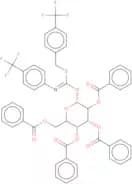

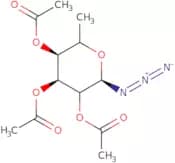

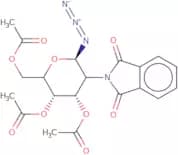
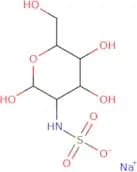
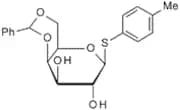
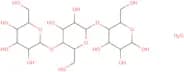
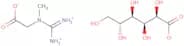
![2,3,4,6-Tetra-O-acetyl-N-(b-D-galactopyranosyl)-N'-[(2-methanethiosulfonyl)ethyl]urea](/_next/image/?url=https%3A%2Fstatic.cymitquimica.com%2Fproducts%2F3D%2Fthumb-webp%2FMT01191.webp&w=3840&q=75)
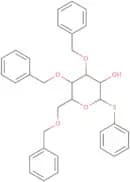
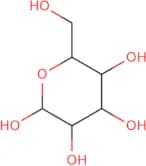
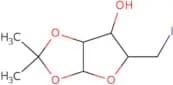
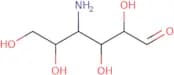
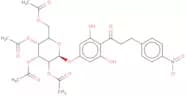
![L-[2-13C]Xylose](/_next/image/?url=https%3A%2Fstatic.cymitquimica.com%2Fproducts%2F3D%2Fthumb-webp%2FDUA50663.webp&w=3840&q=75)
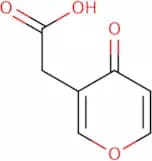
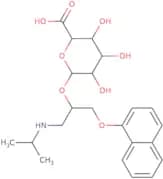
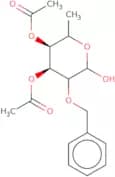
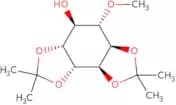
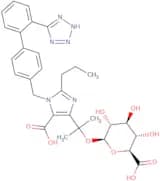

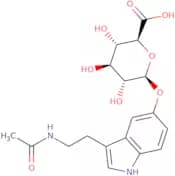
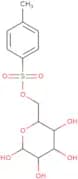
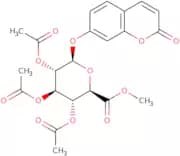
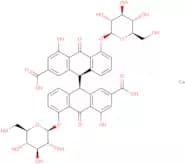
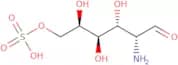
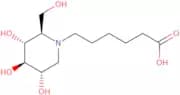
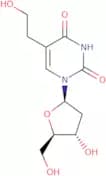

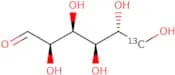
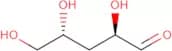

![Galβ(1-3)[neu5acα(2-6)]GalNAc-α-PNP](/_next/image/?url=https%3A%2Fstatic.cymitquimica.com%2Fproducts%2F3D%2Fthumb-webp%2FRCC82290.webp&w=3840&q=75)
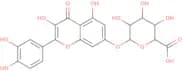

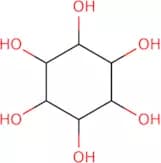
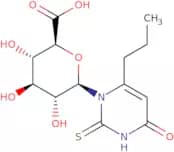
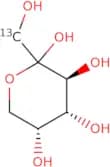


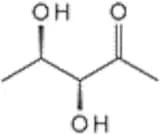
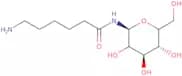
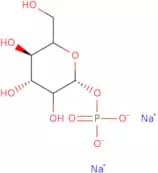
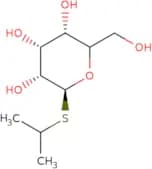
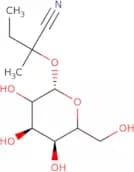
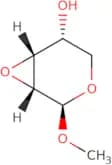
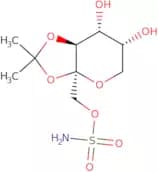
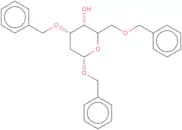
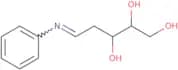
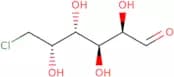
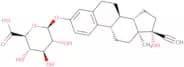
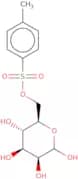
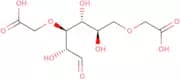
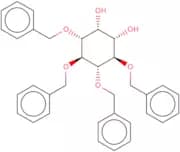
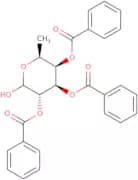
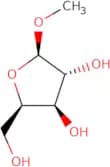


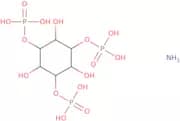
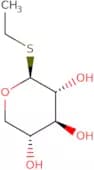
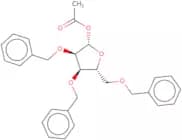
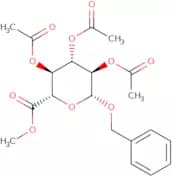
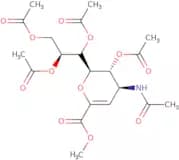
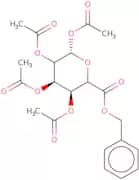
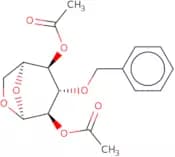
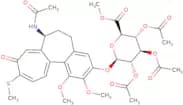
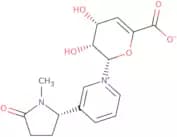
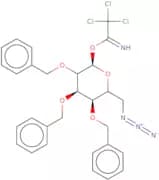

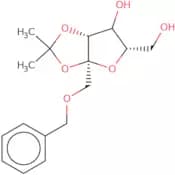
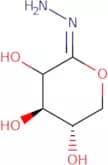
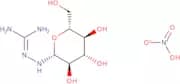

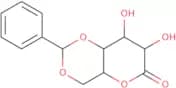

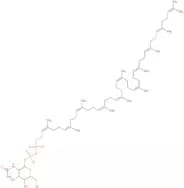


![2-[(Azidoacetyl)amino]-2-deoxy-D-galactose](/_next/image/?url=https%3A%2Fstatic.cymitquimica.com%2Fproducts%2F3D%2Fthumb-webp%2FMA32519.webp&w=3840&q=75)
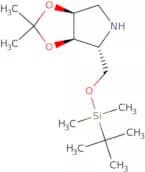
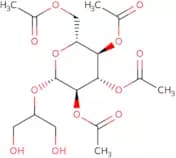
![1,6-O-[(1R,2R)-1,2-Dimethoxy-1,2-dimethyl-1,2-ethanediyl]-3,4-O-[(1S,2S)-1,2-dimethoxy-1,2-dimethy…](/_next/image/?url=https%3A%2Fstatic.cymitquimica.com%2Fproducts%2F3D%2Fthumb-webp%2FMD16693.webp&w=3840&q=75)
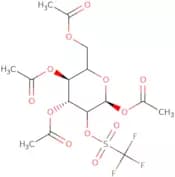

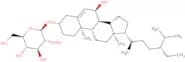
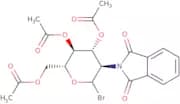

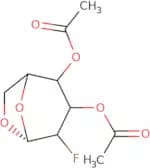

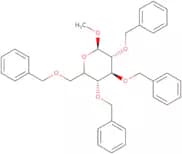
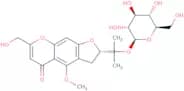
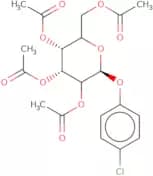
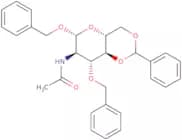
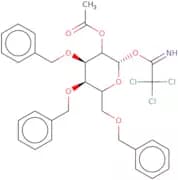
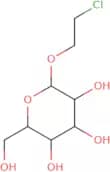
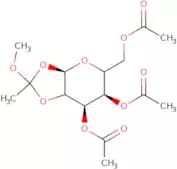
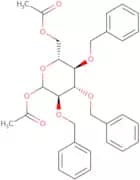


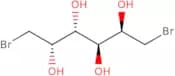
![O-[2-Acetamido-2-deoxy-a-D-galactopyranosyl]-N-Fmoc-L-threonine 2-propen-1-yl ester](/_next/image/?url=https%3A%2Fstatic.cymitquimica.com%2Fproducts%2F3D%2Fthumb-webp%2FMA30714.webp&w=3840&q=75)

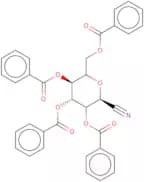


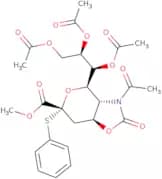
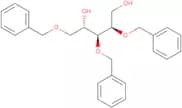
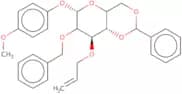

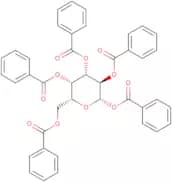
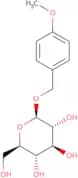

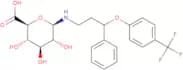

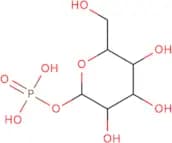
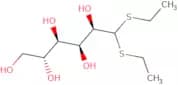
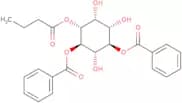
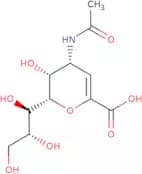

![N-{[4-(Hydroxyamino)phenyl]sulfonyl}-N-[2-(2-naphthyloxy)ethyl]-b-D-glucopyranosylamine](/_next/image/?url=https%3A%2Fstatic.cymitquimica.com%2Fproducts%2F3D%2Fthumb-webp%2FMN176336.webp&w=3840&q=75)
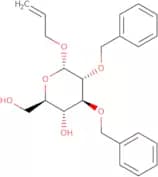
![(2S, 4S, 4'R) [4,4'-bi-1,3-dioxolane]-2-methanol-2,2'-dimethyl](/_next/image/?url=https%3A%2Fstatic.cymitquimica.com%2Fproducts%2F3D%2Fthumb-webp%2FMM44925.webp&w=3840&q=75)
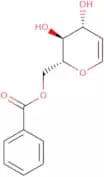
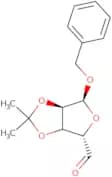
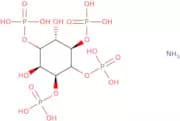


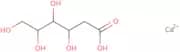
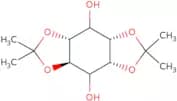
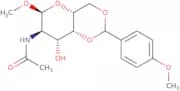
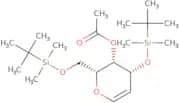
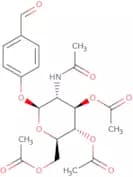
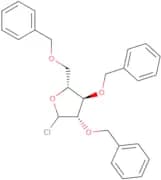

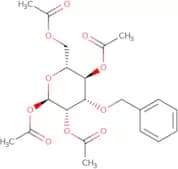
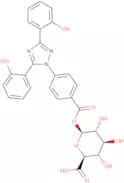
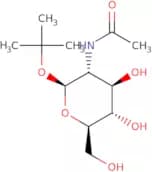
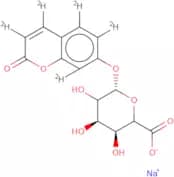
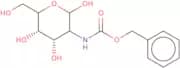

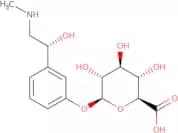
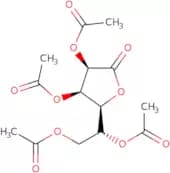
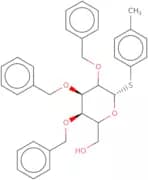
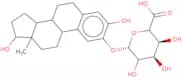
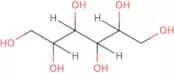
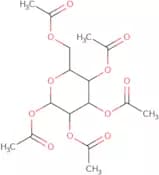

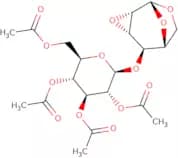
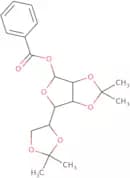
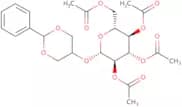
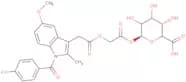
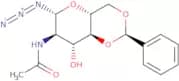


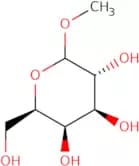
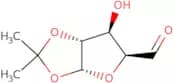
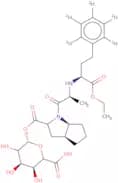
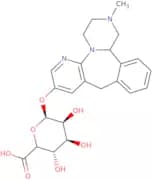
![Methyl 2,6-di-O-benzoyl-3,4-di-O-[bis(3,5-dimethylphenyl)]phosphino-a-D-glucopyranoside](/_next/image/?url=https%3A%2Fstatic.cymitquimica.com%2Fproducts%2F3D%2Fthumb-webp%2FMM166795.webp&w=3840&q=75)