Monosaccharides
Monosaccharides are the simplest form of carbohydrates and serve as fundamental building blocks for more complex sugars and polysaccharides. These single sugar molecules play critical roles in energy metabolism, cellular communication, and structural components of cells. In this section, you will find a wide variety of monosaccharides essential for research in biochemistry, molecular biology, and glycoscience. These compounds are crucial for studying metabolic pathways, glycosylation processes, and developing therapeutic agents. At CymitQuimica, we offer high-quality monosaccharides to support your research needs, ensuring precision and reliability in your scientific investigations.
Subcategories of "Monosaccharides"
- Alloses(11 products)
- Arabinoses(21 products)
- Erythroses(11 products)
- Fructoses(9 products)
- Fucoses(36 products)
- Galactosamine(41 products)
- Galactose(261 products)
- Glucoses(365 products)
- Glucuronic Acids(51 products)
- Glyco-substrates for Enzyme(77 products)
- Guloses(6 products)
- Idoses(4 products)
- Inositols(15 products)
- Lyxoses(4 products)
- Mannoses(65 products)
- O-Glycans(48 products)
- Psicoses(3 products)
- Rhamnoses(10 products)
- Riboses(61 products)
- Sialic Acids(100 products)
- Sorboses(4 products)
- Sugars(173 products)
- Tagatoses(4 products)
- Taloses(8 products)
- Xyloses(20 products)
Show 17 more subcategories
Found 6088 products of "Monosaccharides"
Sort by
Purity (%)
0
100
|
0
|
50
|
90
|
95
|
100
Ethyl 2,3,4-tri-O-benzyl-b-D-thiogalactopyranoside
CAS:<p>Ethyl 2,3,4-tri-O-benzyl-b-D-thiogalactopyranoside is a synthetically produced saccharide typically used as a building block in oligo-saccharide synthesis.</p>Purity:Min. 95%Mannostatin A hydrochloride
CAS:<p>Mannostatin A is a prodrug that is activated in the body by cleavage of the ester linkage. It has been shown to be a specific inhibitor of feedback inhibition of protein synthesis and cleavage at the carboxyl-terminal end. Mannostatin A has also been shown to inhibit, selectively, the synthesis of proteins in bacteria. In addition, it is possible that this drug may be converted into an inactive form by conjugation with glucuronic acid or by oxidation.</p>Formula:C6H14ClNO3SPurity:Min. 95%Molecular weight:215.7 g/molLotaustralin
CAS:<p>Lotaustralin is a natural product that is derived from the plant Lotea usitatissima. It belongs to the class of isoflavonoids and has shown activity against infectious diseases. Lotaustralin has been shown to inhibit mycelial growth in vitro by targeting enzymes involved in the biosynthesis of isoflavonoid compounds in plants, such as lc-ms/ms methodology, preparative hplc, and enzymatic assays. It also has been shown to have an effect on locomotor activity in mice. The polymerase chain reaction (PCR) assay was used to detect the presence of lotaustralin in various samples, including blood serum and sputum samples. This product can be used for sample preparation for PCR assay.</p>Formula:C11H19NO6Purity:Min. 97%Molecular weight:261.27 g/mol2,3-O-Isopropylidene-L-threitol
CAS:<p>2,3-O-Isopropylidene-L-threitol is a chiral sugar alcohol that is a new type of HDAC inhibitor. It has been shown to be an effective inhibitor of histone deacetylase (HDAC) and can be used in the treatment of certain cancers. 2,3-O-Isopropylidene-L-threitol is considered to be enantiomerically pure because it contains only one stereoisomer. It is also synthesized via a dehydrogenative process, which starts with the addition of 2 equivalents of phenol to diphenol followed by the addition of 4 equivalents of biphenyl. This product can also be used to make polycarbonates with functional groups such as epoxy or vinyl groups.</p>Formula:C7H14O4Purity:Min. 95%Color and Shape:Yellow PowderMolecular weight:162.18 g/molMethyl 2,3,4,6-tetra-O-benzyl-b-D-galactopyranoside
CAS:<p>Methyl 2,3,4,6-tetra-O-benzyl-b-D-galactopyranoside is a modification of the sugar galactose. It is a complex carbohydrate and an oligosaccharide that is synthesized from monosaccharides by glycosylation or polysaccharide synthesis. This product has been custom synthesized and can be modified to your specifications. It has high purity and is synthetic. Methyl 2,3,4,6-tetra-O-benzyl-b-D-galactopyranoside is used in various applications such as pharmaceuticals, agrochemicals, cosmetics and food additives.</p>Purity:Min. 95%N6-Isopentenyladenine-7-glucoside
CAS:<p>N6-Isopentenyladenine-7-glucuronide is a synthetic monosaccharide that is used in the synthesis of complex carbohydrates. It is also a fluorinated compound that has been modified to form a glucuronide, which is an organic compound with a sugar and an alcohol group. N6-Isopentenyladenine-7-glucuronide can be used as a raw material for the production of oligosaccharides and polysaccharides, which are complex carbohydrates. This product can be custom synthesized to meet different requirements. It is available in high purity and the CAS number for this product is 59384-58-6.</p>Formula:C16H23N5O5Purity:Min. 95%Molecular weight:365.38 g/molb-L-Xylose-1-phosphate
<p>b-L-Xylose-1-phosphate is a methylated, fluorinated, and custom synthesized monosaccharide that can be modified to produce an oligosaccharide or polysaccharide. This monomer is a sugar that is found in complex carbohydrates and has a purity of greater than 99%. It can be used for the synthesis of saccharides or as a fluorination agent.</p>Purity:Min. 95%rac-Lotaustralin
<p>Lotaustralin is a glycosylated, fluorinated, methylated, and modified synthetic compound. Lotaustralin has been shown to inhibit the growth of bacteria by binding to the ribosomes in bacterial cells. It also inhibits the production of inflammatory cytokines and lipopolysaccharide in mice. Lotaustralin is made synthetically through custom synthesis and modification. The purity of the drug exceeds 99%.</p>Formula:C11H19NO6Purity:Min. 95%Molecular weight:261.27 g/molResveratrol-4’-O-(6”-galloyl)glucoside
CAS:<p>Resveratrol-4’-O-(6”-galloyl)glucoside is a methylated, saccharide complex carbohydrate. It is an oligosaccharide that has been modified with click chemistry and glycosylation. Resveratrol-4’-O-(6”-galloyl)glucoside is synthesized in high purity through a custom synthesis process that includes fluorination and modification of the sugar. This product can be used as an ingredient in pharmaceuticals, food additives, or dietary supplements.</p>Formula:C27H26O12Purity:Min. 95%Molecular weight:542.49 g/mol4,5-Desisopropylidene topiramate
CAS:<p>4,5-Desisopropylidene topiramate is a synthetic monosaccharide that is not naturally occurring. This compound has been synthesized with a click modification and glycosylation. It has a molecular weight of 459.29 g/mol and the CAS number 106881-41-8. The chemical formula is C11H21NO6 and it's molecular structure is shown below:</p>Formula:C9H17NO8SPurity:Min. 95%Color and Shape:Off-white to pale yellow solid.Molecular weight:299.3 g/mol1,3,6-Tri-O-benzoyl-2-deoxy-a-D-glucopyranoside
<p>1,3,6-Tri-O-benzoyl-2-deoxy-a-D-glucopyranoside is a glycosylation molecule that is synthesized by the addition of a benzoyl group to the C1 position of glucose. This product is an example of an oligosaccharide with a triester linkage. The synthesis of this product involves methylation and fluorination reactions. 1,3,6-Tri-O-benzoyl-2-deoxy-a-D-glucopyranoside is stable in acidic environments and can be custom synthesized at high purity level.</p>Formula:C27H30O5Purity:Min. 95%Molecular weight:434.52 g/mol3-Deoxy-D-glucosone-bis(benzoylhydrazone)
CAS:<p>3-Deoxy-D-glucosone-bis(benzoylhydrazone) is a synthetic compound that has been used in the synthesis of saccharides and oligosaccharides. This reagent can be used for the methylation of glycosyl groups, as well as the modification of carbohydrate chains to produce complex carbohydrates. 3-Deoxy-D-glucosone-bis(benzoylhydrazone) is a white powder with a molecular weight of 239. It is soluble in methanol, ethanol, acetone, and chloroform. The CAS number for this compound is 32443-70-2.</p>Formula:C20H22N4O5Purity:Min. 95%Molecular weight:398.41 g/mol2-(Acetylthio)ethyl 2,3,4,6-tetra-O-acetyl-b-D-glucopyranoside
CAS:<p>2-(Acetylthio)ethyl 2,3,4,6-tetra-O-acetyl-b-D-glucopyranoside is an organic compound that belongs to the group of glycosylation. It is a synthetic sugar that can be used in the production of oligosaccharides and polysaccharides. This product has been modified with fluorination, methylation, acetylation and click chemistry. The CAS number for this product is 34044-34-3.</p>Formula:C18H26O11SPurity:Min. 95%Molecular weight:450.46 g/mol2-Deoxy-N-phenylglucosylamine
CAS:<p>2-Deoxy-N-phenylglucosylamine is a custom synthesis that can be modified to suit the needs of your project. It is a fluorinated compound with a methyl group on the phenyl ring and an amine at C2. This chemical has been shown to have anti-tumor activity against sarcoma 180 and leukemia L1210 in mice. 2-Deoxy-N-phenylglucosylamine is also known to inhibit the production of monosaccharides, oligosaccharides, and polysaccharides by inhibiting glycosylation. If you are looking for carbohydrate compounds for your next project, this chemical may be just what you need!</p>Formula:C12H17NO4Purity:Min. 95%Molecular weight:239.27 g/molEthynyl estradiol 3-b-D-glucuronide
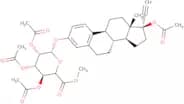
CAS:<p>Ethynyl estradiol 3-b-D-glucuronide is a synthetic derivative of the endogenous estrogen, 17β-estradiol. It is a glycosylated, complex carbohydrate with a methylation and fluorination modification. Ethynyl estradiol 3-b-D-glucuronide is synthesized by reacting ethynyl estradiol with β-D-glucuronic acid to form an ester linkage between the sugar and steroid molecules. This process also produces an Oligosaccharide as well as Monosaccharides. The synthesis of this compound can be customized for specific needs and is available in high purity.</p>Formula:C26H32O8Purity:Min. 95%Color and Shape:PowderMolecular weight:472.53 g/mol6-Deoxy-6-fluoro-1,2-O-isopropylidene-a-D-glucofuranose
CAS:<p>6-Deoxy-6-fluoro-1,2-O-isopropylidene-a-D-glucofuranose is an oligosaccharide with a molecular weight of 692.3 Da. It is synthesized by the reaction of 1,2:5,6:8,9-hexahydroxydecane and 2,5,6:8,9-hexahydroxyoctane in dichloromethane. This product can be methylated at the hydroxyl group at C1 or glycosylated at the hydroxyl group at C2 to produce 6-(methyloxy)-6-(glycosyloxy)-1,2-O-isopropylidene-a-Dglucofuranose or 6-(methyloxy)-6-(glycosyloxy) -a -Dglucofuranose. The desired product can be purified using column chromatography on</p>Formula:C9H15FO5Purity:Min. 95%Molecular weight:222.21 g/mol3,6-Di-O-Carboxymethyl-D-glucose
CAS:<p>3,6-Di-O-Carboxymethyl-D-glucose is a methylated sugar that is synthesized from D-glucose. It is a white powder that is soluble in water and has a molecular weight of 586.06 g/mol. 3,6-Di-O-Carboxymethyl-D-glucose can be used for the synthesis of oligosaccharides and glycosylations. It can also be used as an intermediate for the production of fluorinated saccharides, which are useful for click chemistry modifications. 3,6-Di-O-Carboxymethyl-D-glucose can be custom synthesized to meet specific requirements.</p>Formula:C10H16O10Purity:Min. 95%Molecular weight:296.23 g/molMaltoheptaose hydrate
CAS:<p>Maltoheptaose hydrate is a mixture of oligosaccharides and monosaccharides that has been shown to be effective as a biocide. Maltoheptaose hydrate has been shown to be an effective radiation absorber, with the ability to absorb microwaves and other forms of radiation. The compound also has the capacity to form hydrogen bonds, which can lead to the formation of alcohols in solution. This property makes maltoheptaose hydrate a useful recording agent for microwave radiation, as well as being able to absorb alcohols. Maltoheptaose hydrate is composed of both monomeric and monosaccharides, which are saccharides.</p>Formula:C42H74O37Purity:Min. 95%Molecular weight:1,171 g/molMethyl a-D-mannofuranoside
CAS:<p>Methyl a-D-mannofuranoside is a synthetic sugar that has been modified by the addition of fluorine at C-1 and methylation at C-2. This modification provides the compound with desired physical properties, such as increased stability and solubility. Methyl a-D-mannofuranoside can be used in the synthesis of oligosaccharides, which are complex carbohydrates consisting of three to ten monosaccharides linked together by glycosidic bonds. It is also used for click chemistry modifications.</p>Formula:C7H14O6Purity:Min. 95%Molecular weight:194.18 g/mol2-O-Carboxymethyl-D-glucose
CAS:<p>2-O-Carboxymethyl-D-glucose is a reaction product of D-glucose and chloroacetate. It is often used in the production of sulfoxide and fibre. 2-O-Carboxymethyl-D-glucose can be used as a precursor for other chemical compounds, such as functional groups, acidic monomers, or reactive monomers. It has been shown to react with anhydroglucose at a rate of 1:1. The reaction time for this process is dependent on the concentration of the reactants.</p>Formula:C8H14O8Purity:Min. 95%Color and Shape:White Off-White PowderMolecular weight:238.19 g/molCMP-Pseudaminic acid
<p>CMP-Pseudaminic acid is a chemical compound that belongs to the group of thuringiensis. It is biosynthesized by the action of enzymes, which catalyze the conversion of sialic acid to CMP-pseudaminic acid. This process is carried out in two steps. The first step involves a reaction between sialic acid and ATP and the second step entails an enzymatic reaction between CMP-pseudaminic acid and UDP-glucose. X-ray crystal structures have been obtained for both steps of this process, with the second step being more complex than the first. Chemical diversity has been observed in pseudaminics, with some being glycosylated while others are not. Analysis with spectrometry has shown that pseudaminics are highly o-glycosylated at their hydroxy groups and have high levels of carbon atoms as well as hydroxyl groups. Structural analysis has revealed that pseudaminics</p>Formula:C22H32N5O15PPurity:Min. 95%Molecular weight:637.49 g/mol7-Hydroxycoumarin b-D-glucuronide sodium salt
CAS:<p>7-Hydroxycoumarin b-D-glucuronide sodium salt is a metal ion chelator that has been shown to be synergistic with sulfate in the inhibition of virus replication. It does not inhibit the formation of ATP, but inhibits its utilization by competing for sulfate ions. 7-Hydroxycoumarin b-D-glucuronide sodium salt has also been shown to inhibit the formation of atp levels in protoplasts from rat thymus and liver. This substance is an analog of coumarin and is metabolized by glucuronidation and sulfation. The enzyme β-glucuronidase hydrolyzes 7-hydroxycoumarin b-D-glucuronide sodium salt, releasing 7-hydroxycoumarin, which can be excreted or further metabolized by oxidation or conjugation with glucuronic acid.</p>Formula:C15H13NaO9Purity:Min. 95%Color and Shape:White PowderMolecular weight:360.26 g/molMethyl b-D-glucopyranoside hemihydrate
CAS:<p>Methyl b-D-glucopyranoside hemihydrate is a white crystalline solid that is soluble in water. It is a synthetic product, which can be custom synthesized and modified to suit the needs of customers. Methyl b-D-glucopyranoside hemihydrate is used for the synthesis of glycosidic substances and as a raw material for saccharide derivatives. This compound has been shown to have high purity, and is often used in the production of oligosaccharides and monosaccharides.</p>Formula:C7H14O6H2OPurity:Min. 95%Color and Shape:White to off-white solid.Molecular weight:203.19 g/molEthyl a-L-thiorhamnopyranoside
<p>Ethyl a-L-thiorhamnopyranoside is a synthetic, fluorinated monosaccharide. It is an oligosaccharide with a complex carbohydrate structure and can be used as a building block for the synthesis of glycosides, polysaccharides, and other sugar derivatives. This product can also be modified by methylation, click reactions, or other chemical reactions to produce desired structures. The purity of this product is >98%.</p>Purity:Min. 95%2,3,4-Tri-O-benzoyl-L-fucopyranose
CAS:<p>2,3,4-Tri-O-benzoyl-L-fucopyranose is a sugar that belongs to the class of carbohydrates. It is a glycosylation product that has been modified by Click chemistry. This sugar has also been fluorinated and methylated. 2,3,4-Tri-O-benzoyl-L-fucopyranose can be used in the synthesis of oligosaccharides and monosaccharides.</p>Formula:C27H24O8Purity:Min. 95%Molecular weight:476.47 g/molSecoxyloganin
CAS:<p>Secoxyloganin is a 4-hydroxycinnamic acid that belongs to the group of caffeic acids. It is an iridoid, which is a type of monoterpene indole alkaloid that has been found in various plants. Secoxyloganin can be found in the roots, stems, and leaves of plants such as Securigera varia and Digitalis purpurea. Secoxyloganin has shown antimicrobial activity against Gram-positive bacteria such as Staphylococcus aureus and Gram-negative bacteria such as Pseudomonas aeruginosa. It also has antiviral properties, which may be due to its ability to inhibit RNA synthesis and protein synthesis.<br>Secoxyloganin has been shown to have physiological effects in vitro assays, including an increase in glucose uptake by cells after injection of glucose into the cell culture medium.</p>Formula:C17H24O11Purity:Min. 95%Molecular weight:404.37 g/molMethyl b-D-xylofuranoside
CAS:<p>Methyl b-D-xylofuranoside is a fluorinated monosaccharide that is synthesized by the replacement of hydroxyl groups with fluorine. Methyl b-D-xylofuranoside is used for the synthesis of oligosaccharides and polysaccharides, as well as for glycosylation and methylation reactions. The product has a CAS number of 1824-97-1 and can be custom synthesized to meet specific customer specifications.</p>Purity:Min. 95%b-Sitosterol b-D-glucuronide methyl ester
<p>b-Sitosterol b-D-glucuronide methyl ester is a carbohydrate that is a modification of saccharides. It is a sugar with the molecular formula C23H36O11 and molecular weight of 594.71. It has CAS No. 64432-41-7 and was first synthesized in the laboratory by custom synthesis in 2007. This compound is highly pure and has been shown to have high purity. It has been modified using fluorination, glycosylation, and methylation reactions. The carbohydrate has been shown to have anti-inflammatory activities, which may be due to its ability to inhibit prostaglandin synthesis.</p>Formula:C36H60O7Purity:Min. 95%Molecular weight:604.86 g/molPhenyl 2,3,4,6-tetra-O-acetyl-a-L-thioglucopyranoside
CAS:<p>Please enquire for more information about Phenyl 2,3,4,6-tetra-O-acetyl-a-L-thioglucopyranoside including the price, delivery time and more detailed product information at the technical inquiry form on this page</p>Formula:C20H24O9SPurity:Min. 95%Molecular weight:440.46 g/molSennoside D
CAS:<p>Sennoside D is a fatty acid that can be isolated from the sennosides found in the leaves of the plant Senna alata. It has been shown to have anti-tumor properties and may play a role in treating colon cancer, breast cancer, and skin cancer. Sennoside D has also been shown to be effective against autoimmune diseases such as arthritis, ulcerative colitis, and Crohn's disease. The low energy of this compound may be due to its formation rate. The hydroxide solution (NaOH) is used in the synthesis of this molecule because it binds with carbon dioxide molecules to form sodium bicarbonate and carbon dioxide gas which can then be captured by water. This process produces a high yield of sennoside D. In addition, the bound form of this molecule is soluble in organic solvents and insoluble in water, which makes it suitable for skin conditions as well as colon cancer treatments.</p>Purity:Min. 95%Color and Shape:SolidEthyl 2,3,4-tri-O-acetyl-a-L-rhamnopyranoside
<p>Ethyl 2,3,4-tri-O-acetyl-a-L-rhamnopyranoside is a custom synthesis of methylated oligosaccharides. It is an acetylated form of L-rhamnopyranoside that is obtained by the reaction of dl-glyceraldehyde with acetone and acetic acid. The product has been fluorinated to give a complex carbohydrate with high purity.</p>Formula:C14H22O8Purity:Min. 95%Molecular weight:318.32 g/mol(S)-Propranolol b-D-glucuronide sodium salt
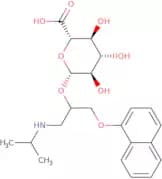
CAS:<p>Propranolol is a non-selective beta-blocker that blocks the action of epinephrine on beta-adrenergic receptors. It is used to treat high blood pressure, angina, and arrhythmia. Propranolol b-D-glucuronide sodium salt is a prodrug of propranolol that has been modified in order to improve its oral bioavailability.</p>Formula:C22H28NNaO8Purity:Min. 95%Molecular weight:457.45 g/molD-Myo-inositol-1,3,5-triphosphate
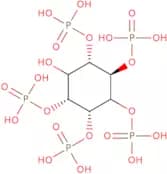
CAS:<p>D-myo-inositol-1,3,5-triphosphate is a carbohydrate that is modified with fluorine. It is a custom synthesis and can be synthesized in high purity. D-myo-inositol-1,3,5-triphosphate has several glycosylations and methylations. The modification of this compound includes click chemistry for the synthesis of oligosaccharides and saccharides. D-myo-inositol-1,3,5-triphosphate can be used as a sugar or an oligosaccharide in the modification of proteins or carbohydrates.</p>Purity:Min. 95%1-Acetyl-2-deoxy-3,5-di-O-benzoylribofuranose
CAS:<p>1-Acetyl-2-deoxy-3,5-di-O-benzoylribofuranose is a fluorinated carbohydrate that is synthesized by click chemistry with acetic anhydride and 3,5-di-O-benzoylribofuranose. It is a complex carbohydrate with a high purity. This product can be custom synthesized to meet the specific requirements of customers.</p>Formula:C21H20O7Purity:Min. 95%Molecular weight:384.38 g/molEthyl b-D-thioxylopyranoside
CAS:<p>Ethyl b-D-thioxylopyranoside is a synthetic monosaccharide with an O-glycosidic linkage at the C-2 position. It is a complex carbohydrate that can be used in glycosylation or polysaccharide synthesis. Ethyl b-D-thioxylopyranoside can be fluorinated to give ethyl 2,3,4,5,6-pentafluorobenzoyloxybenzoate. This compound has been shown to have potent anti-inflammatory properties in animal models of asthma and arthritis.</p>Purity:Min. 95%Entecavir 3''-O-b-D-glucuronide
<p>Entecavir 3''-O-b-D-glucuronide is a synthetic compound that is a methylated, fluorinated, and modified oligosaccharide. It has CAS number 68655-87-8 and it is a high purity, complex carbohydrate with a saccharide unit. Entecavir 3''-O-b-D-glucuronide can be used in the synthesis of monosaccharides and polysaccharides.</p>Formula:C18H23N5O9Purity:Min. 95%Color and Shape:SolidMolecular weight:453.4 g/mol2-Deoxy-3,4:5,6-di-O-isopropylidene-D-arabino-hexose propane-1,3-diyl dithioacetal
CAS:<p>The antibiotic 2-deoxy-3,4:5,6-di-O-isopropylidene-D-arabino-hexose propane-1,3-diyl dithioacetal is a shikimate analog that inhibits the shikimate pathway. It prevents the synthesis of aromatic compounds and other nitrogenous substances by inhibiting the enzyme chorismate synthase. Chorismate synthase catalyzes the conversion of 3,4:5,6-di-O-isopropylidene D-arabino hexose to chorismic acid which is then converted to shikimic acid. The antibiotic binds covalently to an active site cysteine residue on the enzyme and inhibits its activity. This inhibition blocks the production of aromatic amino acids and other nitrogenous substances required for protein synthesis in bacteria.</p>Formula:C15H26O4S2Purity:Min. 95%Molecular weight:334.5 g/molMethyl 2,3-di-O-benzoyl-4,6-O-benzylidene-b-D-galactopyranoside
CAS:<p>Methyl 2,3-di-O-benzoyl-4,6-O-benzylidene-b-D-galactopyranoside is a custom synthesis that belongs to the class of complex carbohydrates. This compound is an oligosaccharide or a polysaccharide that has been modified by methylation and glycosylation. The modification of this saccharide with methyl groups allows for fluorination which is a click modification. Methyl 2,3-di-O-benzoyl-4,6-O-benzylidene b -D galactopyranoside is synthesized via glycosylation followed by fluorination. This product can be used as a research chemical or in other applications.</p>Formula:C28H26O8Purity:Min. 95%Molecular weight:490.5 g/molRaltegravir b-D-glucuronide methyl ester
<p>Raltegravir is an HIV protease inhibitor that belongs to the class of glycosylated polymers. This compound is synthesized by a click modification of d-glucose with a methyl group and then fluorinated. The sugar moiety is attached to the backbone through a glycosyl linkage, which results in the formation of a complex carbohydrate. Raltegravir b-D-glucuronide methyl ester is soluble in water, alcohols, and organic solvents. It has been shown to be active against HIV type 1 strains resistant to other drugs. The synthesis of this compound was custom designed for high purity and high yield.</p>Formula:C27H31FN6O11Purity:Min. 95%Molecular weight:634.57 g/mol5-Deoxy-L-lyxono-1,4-lactone
CAS:<p>5-Deoxy-L-lyxono-1,4-lactone is a crystalline solid that belongs to the class of hydroxamic acids. This compound has been shown to react with hydroxylamine in an aldonic reaction and to inhibit the enzyme xanthin oxidase. The monoclinic crystal structure of 5-Deoxy-L-lyxono-1,4-lactone was determined by XRD analysis. This compound is synthesized from glyoxylate and malonitrile in an efficient manner. It also inhibits glucose oxidation and can be used as an additive for food products.</p>Formula:C5H8O4Purity:Min. 95%Molecular weight:132.12 g/mol1-O-Acetyl-2,3,5-tri-O-benzyl-b-D-ribofuranose
CAS:<p>1-O-Acetyl-2,3,5-tri-O-benzyl-b-D-ribofuranose is a synthetic sugar that has been modified with various chemical groups. It is a methylated saccharide and can be used for the synthesis of oligosaccharides or polysaccharides. 1-O-Acetyl-2,3,5-tri-O-benzyl-b-D-ribofuranose is soluble in water and ethanol. The purity of this product is greater than 98% and the CAS number is 91110–24–6.</p>Formula:C28H30O6Purity:Min. 95%Color and Shape:Colourless syrup.Molecular weight:462.53 g/molBenzyl b-D-glucopyranosiduronic acid methyl ester triacetate
CAS:<p>Benzyl b-D-glucopyranosiduronic acid methyl ester triacetate is a synthetic sugar that can be modified to produce a wide range of oligosaccharides. It is suitable for glycosylation reactions, such as the synthesis of complex carbohydrates. This compound has high purity and is custom synthesized according to customer specifications. Benzyl b-D-glucopyranosiduronic acid methyl ester triacetate has been fluorinated, methylated, and monosaccharide modifications. These modifications provide this compound with many potential uses in the food industry, medicine, and other industries.</p>Formula:C20H24O10Purity:Min. 95%Molecular weight:424.4 g/molMethyl 2-deoxy-D-threo-pentofuranoside
CAS:<p>Methyl 2-deoxy-D-threo-pentofuranoside is a synthetic monosaccharide that has been modified by fluorination. It can be used for the synthesis of oligosaccharides and complex carbohydrates. Methyl 2-deoxy-D-threo-pentofuranoside can also be used for glycosylation, methylation, or click modification reactions. This product is available in high purity and will not contain any impurities.</p>Purity:Min. 95%D-[1-13C]Xylose
CAS:<p>D-[1-13C]Xylose is a carbon source that is used to study the metabolism of glycolytic carbon in cells. It has been labeled with 13C and can be used as a tracer for the study of the distribution of metabolites, including glucuronic acid, mannose, and xylose. This can be done by nuclear magnetic resonance (NMR) spectroscopy or by using a magnetic resonance spectroscopy technique. The use of D-[1-13C]xylose has been shown to be an effective way to label cryptococcus neoformans cells in order to understand their metabolism.</p>Formula:C5H10O5Purity:Min. 95%Molecular weight:151.12 g/molMethyl 5,7,8,9-tetra-O-acetyl-4-acylamino-2,6-anhydro-3,4-dideoxy-D-glycero-D-galacto-2-enonate
CAS:<p>Methyl 5,7,8,9-tetra-O-acetyl-4-acylamino-2,6-anhydro-3,4-dideoxy-D-glycero-D-galacto-2-enonate is a synthetic sugar that is used as a building block for the synthesis of polysaccharides. This compound can be modified with click chemistry and fluorination to create an array of possible saccharide structures. Methylated sugar derivatives are also used in custom synthesis applications.</p>Formula:C20H27NO12Purity:Min. 95%Molecular weight:473.43 g/mol1,2,3,4-Tetra-O-acetyl-b-D-glucuronide benzyl ester
CAS:<p>1,2,3,4-Tetra-O-acetyl-b-D-glucuronide benzyl ester is a modification of the original 1,2,3,4-tetra-O-acetyl-b-D-glucuronide. It is an oligosaccharide that contains a complex carbohydrate. 1,2,3,4-Tetra-O-acetyl-b-D-[14C] glucuronide benzyl ester is a synthetic compound and has been shown to be high purity with monosaccharides and methylation. This substance also has glycosylation and polysaccharide properties. The fluorination of this carbohydrate has been shown to increase its stability under acid conditions.</p>Formula:C21H24O11Purity:Min. 95%Molecular weight:452.42 g/mol1,2-Dideoxy-2'-pyrrolidin-1-yl-a-D-glucopyranoso-[2,1-d]-2'-thiazoline
<p>1,2-Dideoxy-2'-pyrrolidin-1-yl-a-D-glucopyranoso-[2,1-d]-2'-thiazoline is a custom synthesis. It is an organic compound with the molecular formula C8H8F4N4O3S. The compound contains a chiral center and consists of four stereoisomers.<br>The 1,2-Dideoxy-2'-pyrrolidin-1-yl glycosides are methylated at the 3' position of the sugar moiety by a methyl group from S-(+)-mandelic acid in order to form the corresponding methyl ester. This reaction takes place in presence of sodium methoxide (NaOMe) as a base and potassium carbonate (KCO3) as a catalyst. This process is known as Click modification and it proceeds under mild conditions without any hazardous reagents or solvents. The resulting product</p>Purity:Min. 95%N1-b-D-Glucopyranosylamino-guanidine HNO3
CAS:<p>N1-b-D-Glucopyranosylamino-guanidine HNO3 is a modification of the sugar N1-b-D-glucopyranosylamino. It is a monosaccharide that can be methylated and glycosylated, and is an example of a complex carbohydrate. The compound can also undergo fluorination or saccharide modifications such as click chemistry. It is synthesized with high purity and has been used in research to study the interactions between carbohydrates and proteins.</p>Formula:C7H16N4O5·HNO3Purity:Min. 95%Molecular weight:299.24 g/molMethyl salicylate b-D-O-glucuronide methyl ester
CAS:<p>Methyl salicylate b-D-O-glucuronide methyl ester is a glycosylated and fluorinated compound that is structurally similar to natural monosaccharides. It can be synthesized with high purity and custom modifications, such as Click chemistry. Methyl salicylate b-D-O-glucuronide methyl ester has been used in the synthesis of oligosaccharides, saccharides, and polysaccharides.</p>Formula:C15H18O9Purity:Min. 95%Molecular weight:342.3 g/mol3-Amino-3-deoxy-b-D-fructofuranose
CAS:<p>3-Amino-3-deoxy-b-D-fructofuranose is a custom synthesis, Modification, Fluorination, Methylation, Monosaccharide, Synthetic, Click modification, Oligosaccharide, saccharide, Polysaccharide, Glycosylation, sugar. 3-Amino-3-deoxy-b-D-fructofuranose is a high purity with a purity of at least 98%.</p>Formula:C6H13NO5Purity:Min. 95%Molecular weight:179.17 g/mol4,6-O-Benzylidene-D-glucono-1,5-lactone
CAS:<p>4,6-O-Benzylidene-D-glucono-1,5-lactone is an oligosaccharide that is synthesized from D-glucose. It has a molecular weight of 536.7 g/mol and a CAS number of 62222-46-2. 4,6-O-Benzylidene-D-glucono-1,5-lactone is used for the modification of glycoproteins. The synthesis of this product starts with the fluorination of D glucose to give 1,2,3,4,6 tetrafluorohexane. This product can then be methylated to form 4,6 methylene dioxolanone or it can be benzylated to form 4,6 O benzylidene dioxolanone. Click chemistry can then be used to modify this product by adding an aminopropyl group at the C4 position</p>Formula:C13H14O6Purity:Min. 95%Molecular weight:266.25 g/mol2,3,4,6-Tetra-O-acetyl-D-gluconolactone
CAS:<p>2,3,4,6-Tetra-O-acetyl-D-gluconolactone is a carbohydrate that is used as an antioxidant. It is an ester of butanol and 2,3,4,6-tetra-O-acetyl-D-gluconic acid and has been shown to have chain transfer properties. This compound is also soluble in organic solvents such as methylene chloride and ethylzinc. 2,3,4,6-Tetra-O-acetyl-D-gluconolactone can be used in the synthesis of a number of different compounds including polyesters and polyamides.</p>Formula:C14H18O10Purity:Min. 95%Color and Shape:White To Off-White SolidMolecular weight:346.29 g/molp-Tolyl 2,3,4-tri-O-acetyl-a-L-rhamnopyranoside
CAS:<p>P-Tolyl 2,3,4-tri-O-acetyl-a-L-rhamnopyranoside is a glycosylation agent that is used in the synthesis of complex carbohydrates and polysaccharides. It has been shown to be useful in click chemistry reactions. P-Tolyl 2,3,4-tri-O-acetyl-a-L-rhamnopyranoside can be used to produce a variety of sugars including monosaccharides, oligosaccharides, and polysaccharides. This compound can also be fluorinated or saccharified with other chemical groups.</p>Formula:C19H24O7SPurity:Min. 95%Molecular weight:396.46 g/molPropionyl 3,4,6-tri-O-acetyl-2-acetamido-2-deoxy-b-D-thiogalactopyranoside
CAS:<p>Propionyl 3,4,6-tri-O-acetyl-2-acetamido-2-deoxy-b-D-thiogalactopyranoside is a modification of the natural glycoside, galactose. It is an oligosaccharide that can be synthesized from D-galactose and propionic acid in the presence of triethyl orthoformate. The molecular weight of this compound is 706.07 g/mol. Propionyl 3,4,6-tri-O-acetyl-2-acetamido-2-deoxygalactopyranoside has been shown to inhibit the growth of bacteria by binding to the 50S ribosomal subunit and preventing transcription and replication.</p>Formula:C17H25NO10SPurity:Min. 95%Molecular weight:435.45 g/mol2,3-Anhydro-4,6-O-benzylidene-N-(tert-butoxycarbonyl)-1,5-deoxy-1,5-imino-D-glucitol
CAS:<p>2,3-Anhydro-4,6-O-benzylidene-N-(tert-butoxycarbonyl)-1,5-deoxy-1,5-imino-D-glucitol (NTB) is a synthetic glycoside that can be modified with a variety of functional groups for use in bioactive molecules. NTB is a high purity product with an estimated purity of >99%. It is synthesized from glucose by click modification with tertiary butyl bromoacetate followed by fluorination and glycosylation. The product has been shown to be useful in the synthesis of oligosaccharides and complex carbohydrates.</p>Formula:C18H23NO5Purity:Min. 95%Molecular weight:333.38 g/mol2-Acetamido-2-deoxy-D-galactopyranose diphospho undecapyrenyl
<p>This is a gene product that belongs to the family of histone proteins. It is a bacterial enzyme that participates in the biosynthesis of glycan, which plays an important role in bacterial pathogenicity and antigen expression. The 2-acetamido-2-deoxy-D-galactopyranose diphospho undecaprenyl (AGDP) has been shown to inhibit cancer cells by inhibiting histone protein acetylation. This inhibits DNA methylation, which may lead to tumorigenesis. Structural studies have also shown that AGDP binds to bacterial enzyme with high affinity and specificity, suggesting that it could be used as a potential antibacterial agent.</p>Formula:C63H103NO12P2Purity:Min. 95%Molecular weight:1,128.44 g/molMethyl 1-O-benzyl-2,3-O-isopropylidene-a-D-manno-hept-5-enofuranoside
<p>Methyl 1-O-benzyl-2,3-O-isopropylidene-a-D-manno-hept-5-enofuranoside is a custom synthesis of a glycoconjugate consisting of a methylated monosaccharide. This compound is modified with fluorination and methylation. It has been shown to inhibit the growth of methicillin resistant Staphylococcus aureus (MRSA) and Clostridium perfringens. The structure of this compound has not been determined yet.</p>Formula:C19H24O6Purity:Min. 95%Molecular weight:348.39 g/molEthyl 2,4,6-tri-O-benzoyl-a-D-thiomannopyranoside
<p>Ethyl 2,4,6-tri-O-benzoyl-a-D-thiomannopyranoside is a modification of the oligosaccharide mannan. It is an important component of glycoproteins and glycolipids found in plants, fungi, and bacteria. In plants, this modification plays a role in seed dormancy and germination. In fungi, it is involved in the synthesis of cell walls. In bacteria, it has been shown to be involved in the synthesis of peptidoglycan cell walls. Ethyl 2,4,6-tri-O-benzoyl-a-D-thiomannopyranoside is also used as a reagent for the methylation of carbohydrates and to introduce fluorine atoms into saccharides.<br>Methylation: The introduction of a methyl group into a molecule by the addition of S-adenosyl methionine (SAM) to form S-(</p>Formula:C29H28O8SPurity:Min. 95%Molecular weight:536.59 g/mol2-Acetamido-1,3,6-tri-O-benzyl-2-deoxy-a-D-glucopyranoside
CAS:<p>2-Acetamido-1,3,6-tri-O-benzyl-2-deoxy-a-D-glucopyranoside is a carbohydrate that is composed of four sugar units. It is an antigenic determinant found on the surface of human erythrocytes. The chemical synthesis of this substance begins with the condensation reaction between D-glucose and 2,4,6,-trinitrophenylacetic acid followed by benzylation and acetylation. This compound belongs to the group of substances known as carbohydrates which are chains of monosaccharides that form glycosidic bonds with other sugars. These chains are classified according to their length and the number of sugar units they contain: trioses (three sugar units), tetroses (four sugar units), pentoses (five sugar units), hexoses (six sugar units) or heptoses (seven sugar).</p>Formula:C29H33NO6Purity:Min. 95%Molecular weight:491.58 g/molD-myo-Inositol-1,5,6-triphosphate sodium salt
CAS:<p>D-myo-Inositol-1,5,6-triphosphate sodium salt is a synthetic compound that is used in the study of the structure and function of carbohydrates. It is a complex carbohydrate that has been modified with fluorination and methylation. It is also glycosylated and click-modified. D-myo-Inositol-1,5,6-triphosphate sodium salt has CAS number 120965-76-6.</p>Formula:C6H12O15P3·xNaPurity:Min. 95%Molecular weight:417.07 g/mol?-Gal-nonoate
CAS:<p>β-Gal-nonoate is a high purity, custom synthesis, sugar modified with fluorination, glycosylation, and methylation. It is a synthetic molecule that has CAS No. 357192-77-9. β-Gal-nonoate is a modification of β-galactoside and it's glycosylated with oligosaccharides and monosaccharides. It is an oligosaccharide that can be complex carbohydrate.</p>Formula:C10H19N3O7Purity:Min. 95%Molecular weight:293.27 g/molBenzyl 2-acetamido-3,6-di-O-benzoyl-2-deoxy-a-D-glucopyranoside
CAS:<p>A 2-acetamido-3,6-di-O-benzoyl-2-deoxy-a-D-glucopyranoside is a custom synthesis of a complex carbohydrate that has been modified with methylation and glycosylation. It is an Oligosaccharide with Polysaccharide and Modification. The CAS number for this compound is 82827-77-8 and has a purity of 99%. This compound has been fluorinated and synthesized.</p>Formula:C29H29NO8Purity:Min. 95%Molecular weight:519.54 g/mol2,3-O-Isopropylidene-1,6-di-O-p-toluenesulfonyl-a-L-sorbofuranose
CAS:<p>2,3-O-Isopropylidene-1,6-di-O-p-toluenesulfonyl-a-L-sorbofuranose is a synthetic sugar that has been modified with fluorine. It has a molecular weight of 594.65 and melting point of 190°C. The compound is used as a precursor for the synthesis of oligosaccharides and polysaccharides.</p>Formula:C23H28O10S2Purity:Min. 95%Molecular weight:528.59 g/mol2-[(Azidoacetyl)amino]-2-deoxy-D-galactose
CAS:<p>Azide funcationalised galactosamine. Can be used in click chemistry.</p>Purity:Min. 95%Molecular weight:262.22 g/molMethyl 3-O-benzyl-a-L-rhamnopyranoside
CAS:<p>Methyl 3-O-benzyl-a-L-rhamnopyranoside is a synthetic, fluorinated sugar that is used as a glycosylation and methylation reagent. It can be used for the synthesis of oligosaccharides, polysaccharides, and saccharides in the laboratory. Methyl 3-O-benzyl-a-L-rhamnopyranoside is not found in any natural sources.</p>Formula:C14H20O5Purity:Min. 95%Molecular weight:268.31 g/molBenzyl 2,3-O-isopropylidene-6-O-trityl-5-keto-a-D-mannofuranoside 5-oxime
CAS:<p>The synthesis of benzyl 2,3-O-isopropylidene-6-O-trityl-5-keto-a-D-mannofuranoside 5-oxime is accomplished by the reaction of a D-mannose with phloroglucinol in the presence of sodium methoxide. The product is purified by column chromatography.</p>Formula:C35H35NO6Purity:Min. 95%Molecular weight:565.66 g/mol(R)-Ketoprofen b-D-glucuronide
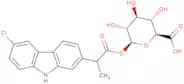
CAS:<p>(R)-Ketoprofen b-D-glucuronide is a synthetic modified sugar that is produced by the glucuronidation of ketoprofen, a nonsteroidal anti-inflammatory drug. The modification of ketoprofen with glucuronic acid can be achieved through an enzymatic process, which is catalyzed by UDP-glucuronyltransferase. This modification increases the solubility of ketoprofen and its ability to penetrate cells. (R)-Ketoprofen b-D-glucuronide has been shown to have antibacterial properties against Gram positive bacteria such as Staphylococcus aureus and Streptococcus pyogenes. It has also shown antiviral activity against HIV-1 due to its inhibition of reverse transcriptase, which is an enzyme important for viral replication.</p>Formula:C22H22O9Purity:Min. 95%Color and Shape:White to off-white solid.Molecular weight:430.4 g/mol5-O-tert-Butyldimethylsilyl-1,4-dideoxy-1,4-imino-2,3-O-isopropylidene-D-ribitol
CAS:<p>5-O-tert-Butyldimethylsilyl-1,4-dideoxy-1,4-imino-2,3-O-isopropylidene-D-ribitol is a custom synthesis of a complex carbohydrate. It is an Oligosaccharide and Polysaccharide that has CAS No. 153172-31-7. 5BDSR is modified with methylation and glycosylation and can be used for the synthesis of saccharides or carbohydrates. It is high purity with a fluorination modification and click chemistry to provide synthetic products.</p>Formula:C14H29NO3SiPurity:Min. 95%Molecular weight:287.47 g/molb-Glucosylglycerol 2,3,4,6-tetraacetate
CAS:<p>b-Glucosylglycerol 2,3,4,6-tetraacetate is a fluorinated and modified carbohydrate. It is a complex carbohydrate that is synthesized from monosaccharide glucose. The product can be custom synthesized to meet the requirements of the customer. b-Glucosylglycerol 2,3,4,6-tetraacetate can be methylated to produce b-glucosylglycerol 3-(2H)fluoro-2-methylbutanoate (CAS No. 157024-68-5). This product has been shown to be useful in glycosylation reactions and click chemistry reactions.</p>Formula:C17H26O12Purity:Min. 95%Molecular weight:422.38 g/molEthyl b-D-ribo-hex-3-ulopyranoside
CAS:<p>Ethyl b-D-ribo-hex-3-ulopyranoside is a synthetic, fluorinated monosaccharide that is used as a building block for the synthesis of complex carbohydrates. It is also used in glycosylations, click modifications, and methylations to modify saccharides.</p>Purity:Min. 95%1,6-O-[(1R,2R)-1,2-Dimethoxy-1,2-dimethyl-1,2-ethanediyl]-3,4-O-[(1S,2S)-1,2-dimethoxy-1,2-dimethyl-1,2-ethanediyl]-5-benzoate-myo-i nositol
CAS:<p>1,6-O-[(1R,2R)-1,2-Dimethoxy-1,2-dimethyl-1,2-ethanediyl]-3,4-O-[(1S,2S)-1,2-dimethoxy-1,2-dimethyl-1,2-ethanediyl]-5-benzoate is an oligosaccharide with a complex structure. This chemical is fluorinated at the 1 and 6 positions of the glucose molecule. It has a total of 18 monosaccharides and two methyl groups. Its CAS number is 1068088-78-7. It has been shown to be synthesized by modifying the sugars with methylation or other chemical modifications. The molecular weight is 586.</p>Formula:C25H36O11Purity:Min. 95%Molecular weight:512.55 g/mol1,2-O-Di-O-acetyl-5-O-benzoyl-3-O-methyl-D-ribofuranose
CAS:<p>1,2-O-Di-O-acetyl-5-O-benzoyl-3-O-methyl -D-ribofuranose is a custom synthesis of a fluorinated sugar. It has been modified through fluorination at the C5 position and methylation at the O1 and O2 positions. This product can be used in the synthesis of oligosaccharides and saccharides that are glycosylated with sugars.</p>Formula:C17H20O8Purity:Min. 95%Molecular weight:352.34 g/molCelecoxib carboxylic acid acyl-b-D-glucuronide
CAS:<p>Celecoxib is a nonsteroidal anti-inflammatory drug (NSAID) that has been used to treat pain and inflammation. Celecoxib carboxylic acid acyl-b-D-glucuronide is an active metabolite of celecoxib that is formed by the conjugation of celecoxib with glucuronic acid. It has been shown to inhibit the synthesis of prostaglandins, which are inflammatory mediators.</p>Formula:C23H20F3N3O10SPurity:Min. 95%Molecular weight:587.48 g/mol1,3,4,6-Tetra-O-acetyl-2-O-trifluoromethanesulfonyl-b-D-talopyranose
<p>1,3,4,6-Tetra-O-acetyl-2-O-trifluoromethanesulfonyl-b-D-talopyranose (TATP) is a radiopharmaceutical that is used in positron emission tomography (PET) scans. TATP has been shown to be sensitive to changes in the body's metabolism and can be used to identify areas of inflammation or disease. TATP is a nucleophilic compound that can be hydrolyzed by basic conditions such as hydroxide ion or hydrogen peroxide. Hydrolysis of TATP yields galactose and trifluoromethanesulfonic acid. The yield of TATP from the reaction with hydroxide ion is low because it reacts quickly with water. This compound has been used as a contrast agent for imaging because it is readily taken up by cells and accumulates in areas of high metabolic activity such as tumors</p>Formula:C15H19F3O12SPurity:Min. 95%Molecular weight:480.37 g/mol1,2,3,4-Tetra-O-acetyl-a-D-galacturonic acid methyl ester
CAS:<p>1,2,3,4-Tetra-O-acetyl-a-D-galacturonic acid methyl ester is a custom synthesis that has been modified with fluorination and methylation. The monosaccharide is an acetylated form of galacturonic acid. This synthetic compound has been shown to be effective in inhibiting the glycosylation of polysaccharides. Its saccharide chain includes four monosaccharides linked by glycosidic bonds. 1,2,3,4-Tetra-O-acetyl-a-D-galacturonic acid methyl ester is used as a sugar in the production of complex carbohydrates.</p>Purity:Min. 95%N'-Nitrosonornicotine-N-b-D-glucuronide - Mixture Of Diastereomers
CAS:<p>N'-Nitrosonornicotine-N-b-D-glucuronide is a complex carbohydrate that has been modified with fluorination. It is synthesized from N'-nitrosonornicotine, which is a natural product found in tobacco. This synthetic molecule can be used to modify glycosylations and methylations as well as other modifications. The carbonyl group at the C3 position of the glucuronic acid moiety has been modified with an N-nitrosamine functional group. This modification makes it possible for this molecule to be used as a substrate for glycosylation reactions, such as the addition of oligosaccharides or monosaccharides to the sugar moiety. This synthesis is custom and can be ordered in high purity.</p>Formula:C15H19N3O7Purity:Min. 95%Molecular weight:353.33 g/mol2,3,4,6-Tetra-O-acetyl-b-D-galactopyranosyl-(N2-Fmoc)-L-Asparagine tert-butyl ester
CAS:<p>2,3,4,6-Tetra-O-acetyl-b-D-galactopyranosyl-(N2-Fmoc)-L-Asparagine tert-butyl ester is an oligosaccharide with a high purity. It has shown to be stable in the presence of acid and basic conditions. This product can be used in Click chemistry and glycosylation reactions. The molecular weight is 581.5 Da and the CAS number is 467465-72-1.</p>Formula:C37H44N2O14Purity:Min. 95%Molecular weight:740.75 g/molMethyl 5-Acetamido-7,8,9-tri-O-acetyl-5-N,4-O-carbonyl-3,5-dideoxy-2-S-phenyl-2-thio-D-glycero-b-D-galacto-2-nonulopyranosylonate
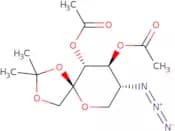
CAS:<p>Methyl 5-Acetamido-7,8,9-tri-O-acetyl-5-N,4-O-carbonyl-3,5-dideoxy-2-S-phenyl-2 -thio--D--glycero--b--D--galacto--2--nonulopyranosylonate is a methylated oligosaccharide that has been modified with the click reaction. This compound is a fluorinated saccharide and it is used for the synthesis of polysaccharides. The product has been custom synthesized and has a purity of >98%. It's an Oligosaccharide that is also a Carbohydrate. Methyl 5 Acetamido 7 8 9 Tri O Acetyl 5 N 4 O Carbonyl 3 5 Dideoxy 2 S Phenyl 2 Thio D Glycero B D Galacto 2 Nonulopyranosylonate can</p>Formula:C25H29NO12SPurity:Min. 95%Molecular weight:567.56 g/mol6-Azido-6-deoxy-2,3-O-isopropylidene-a-L-sorbofuranose
CAS:<p>6-Azido-6-deoxy-2,3-O-isopropylidene-a-L-sorbofuranose is a custom synthesis that is methylated with the click modification. This chemical can be used in the synthesis of oligosaccharides and polysaccharides. It has a purity of over 99%. This product is available for purchase as a monosaccharide or sugar.</p>Formula:C9H15N3O5Purity:Min. 95%Molecular weight:245.24 g/mol1,3,4-Tri-O-benzyl-D-ribitol
CAS:1,3,4-Tri-O-benzyl-D-ribitol is a synthetic sugar that can be used in the synthesis of oligosaccharides and saccharides. It has high purity and is custom synthesized to meet your specifications. This chemical can be modified with fluorination, glycosylation, or methylation to produce desired products. The molecular weight of 1,3,4-tri-O-benzyl-D-ribitol ranges from 400 Da to 2000 Da. Its CAS number is 13189700-2.Purity:Min. 95%b-Core-APE-HSA
<p>b-Core-APE-HSA is a custom synthesis of an oligosaccharide. This product is a complex carbohydrate with a CAS number and the molecular weight range of 500 to 10,000 Daltons. It is a polysaccharide that has been modified by methylation or glycosylation. The saccharide in this product is either glucose or mannose and it can be modified using click chemistry, fluorination, or other modifications. This product has high purity and can be synthesized using synthetic techniques such as glycosylation or Methylation.</p>Purity:Min. 95%Methyl 3-acetamido-2-chloro-2,3-dideoxy-a-D-altropyranoside
CAS:<p>Methyl 3-acetamido-2-chloro-2,3-dideoxy-a-D-altropyranoside is a high purity and custom synthesis Glycosylation product. It is a synthetic sugar that is used in the modification of complex carbohydrates. Methyl 3-acetamido-2-chloro-2,3-dideoxy-a-D-altropyranoside can be synthesized by fluorination and methylation of glycosylates or saccharides.</p>Formula:C9H16ClNO5Purity:Min. 95%Molecular weight:253.68 g/mol(2R,4R)-2-[L-Xylo-tetrahydroxybut-1-yl]-1,3-thiazolidine-4-carboxylic acid
CAS:<p>(2R,4R)-2-[L-Xylo-tetrahydroxybut-1-yl]-1,3-thiazolidine-4-carboxylic acid is a methylated saccharide that can be used for the synthesis of glycosides and other carbohydrate derivatives. (2R,4R)-2-[L-Xylo-tetrahydroxybut-1-yl]-1,3-thiazolidine-4-carboxylic acid has been shown to react with various reagents such as iodine and bromine. This product has been synthesized by Click modification.</p>Formula:C8H15NO6SPurity:Min. 95%Molecular weight:253.27 g/molBenzyl 2-acetamido-3,6-di-O-benzoyl-2,4-dideoxy-4-fluoro-a-D-glucopyranoside
CAS:<p>Benzyl 2-acetamido-3,6-di-O-benzoyl-2,4-dideoxy-4-fluoro-a-D-glucopyranoside is an oligosaccharide that possesses a complex sugar structure. It is custom synthesized in our laboratory and can be fluorinated, methylated, or modified with click chemistry. The compound is stable in water and has a high purity level.</p>Formula:C29H28FNO7Purity:Min. 95%Molecular weight:521.53 g/mol1,2-O-Isopropylidene-3-O-benzyl-5-deoxy-5-C-(2-pyridyl)-D-xylofuranose
<p>1,2-O-Isopropylidene-3-O-benzyl-5-deoxy-5-C-(2-pyridyl)-D-xylofuranose is a fluorinated sugar. This compound has been synthesized by modifying the glycosylation site of N4,N4'-diisopropylidene-1,2,3,5,5'-pentaacetamido-[1,6]hexanedioic acid methyl ester to 1,2-O-isopropylidene. The structure of this compound consists of a C(2) pyridine moiety and an O(1) protonated methyl group on the terminal carbon atom.</p>Purity:Min. 95%Molecular weight:341.37 g/molL-Rhamnose bis(ethylsulfone)
CAS:<p>L-Rhamnose bis(ethylsulfone) is a custom synthesis that belongs to the class of saccharides. L-Rhamnose bis(ethylsulfone) is often used in the production of complex carbohydrates, such as polysaccharides and glycosylation. It has been modified with fluorination, methylation, and click modification. L-Rhamnose bis(ethylsulfone) can be used for the synthesis of oligosaccharides or saccharides by glycosylation.</p>Formula:C10H22O8S2Purity:Min. 95%Molecular weight:334.41 g/mol1,2:5,6-Di-O-isopropylidene-3,4-di-O-benzyl-D-myo-inositol
CAS:<p>1,2:5,6-Di-O-isopropylidene-3,4-di-O-benzyl-D-myo-inositol is a synthetic compound that is used as a building block for the synthesis of oligosaccharides. It is a monosaccharide and can be methylated to form a glycosylation. 1,2:5,6-Di-O-isopropylidene-3,4-di-O-benzyl-D myo inositol can also be fluorinated to form a saccharide.</p>Formula:C26H32O6Purity:Min. 95%Molecular weight:440.53 g/mol2,3-O-Isopropylidene-1,5-di-O-toluoyl-b-D-ribofuranose
CAS:<p>2,3-O-Isopropylidene-1,5-di-O-toluoyl-b-D-ribofuranose (IPDT) is a saccharide that is modified with a methyl group at the 2' position of the ribose. This modification can be used to control the rate of glycosylation reactions, or to synthesize oligosaccharides and complex carbohydrates. IPDT is also an important precursor for click chemistry reactions, which are used in the synthesis of polymers and other organic compounds.</p>Formula:C24H26NO7Purity:Min. 95%Molecular weight:440.47 g/molHirsutanonol 5-O-glucoside
CAS:<p>Hirsutanonol 5-O-glucoside is an antral suppressant. It controls symptoms and parameters of the disease. It is a biopsy that has been carried out in patients with symptoms of gastric ulcer disease. The biopsy samples were stained with haematoxylin and eosin, and histological investigation showed that the interstitial cells are stained. Hirsutanonol 5-O-glucoside is also a symptomatic drug that can be used to investigate the correlation between gastric ulcer disease and gender.</p>Purity:Min. 95%1,5-Anhydroxylitol
CAS:<p>1,5-Anhydroxylitol is a white crystalline solid that is soluble in water and methanol. 1,5-Anhydroxylitol is an intermediate in the metabolic pathway of glyceric acid. It can be produced by the oxidation of sulfoxide or by reduction of glycols. 1,5-Anhydroxylitol has been shown to have acidic properties with a pKa value of 3.2. The protonation of 1,5-anhydroxylitol is postulated to involve hydroxide ions from water or hydroxide solution. The hydroxide ion reacts with the hydroxyl group on the ring at the 5th carbon atom to produce a reactive metastable form that quickly decomposes into glyceric acid and water.</p>Formula:C5H10O4Purity:Min. 95%Molecular weight:134.13 g/mol5-Hydroxymethyl tolterodine b-D-glucuronide
CAS:<p>5-Hydroxymethyl tolterodine b-D-glucuronide is a custom synthesis of a complex carbohydrate. It is an Oligosaccharide that is modified with Methylation, Glycosylation and Carbohydrate. The CAS No. is 210573-52-7, and it has a purity of >99%. This product has the following properties: Fluorination, Synthetic, Click modification, saccharide, sugar.</p>Formula:C28H39NO8Purity:Min. 95%Molecular weight:517.61 g/mol3,6-Di-O-tert-butyldiphenylsilyl-D-galactal
CAS:<p>3,6-Di-O-tert-butyldiphenylsilyl-D-galactal is an oligosaccharide that is a methylated and fluorinated derivative of the natural product D-galactal. The chemical structure of 3,6-di-O-tert-butyldiphenylsilyl-D-galactal is based on a beta-(1->4) linkage of two glucose residues with a terminal alpha-(1->3) linkage to form an alpha-(1->6) linkage. The compound is readily available in high purity, and can be custom synthesized to meet specific customer requirements for glycosylation, modification, or other special requests. 3,6-Di-O-tert-butyldiphenylsilyl--D--galactal has been shown in vitro to inhibit the growth of Mycobacterium tuberculosis and Mycobacterium av</p>Purity:Min. 95%Trichloroethyl 2,3,4-tri-O-acetyl-b-D-glucopyranosiduronic acid methyl ester
CAS:<p>Trichloroethyl 2,3,4-tri-O-acetyl-b-D-glucopyranosiduronic acid methyl ester is a synthetic carbohydrate that can be used for glycosylation reactions. Trichloroethyl 2,3,4-tri-O-acetyl-b-D-glucopyranosiduronic acid methyl ester is an intermediate in the synthesis of oligosaccharides and complex carbohydrates. It can be used to modify the sugar component of glycoproteins and glycopeptides.</p>Formula:C15H19Cl3O10Purity:Min. 95%Molecular weight:465.66 g/molR-Hydroxy topiramate
CAS:<p>R-Hydroxy topiramate is the stable isotope of the active pharmaceutical ingredient, topiramate. It can be used for the calibration of liquid chromatography and mass spectrometry methods. R-Hydroxy topiramate is prepared by dilution of a solution of topiramate with water, followed by elution from an ion exchange resin with methanol. The eluent is dried under vacuum to remove methanol and finally dissolved in a minimal volume of acetonitrile. R-Hydroxy topiramate is used to measure concentrations of lamotrigine and zonisamide in plasma and serum samples.</p>Formula:C12H21NO9SPurity:Min. 95%Molecular weight:355.36 g/molMethyl 2-deoxy-D-arabinopyranoside
CAS:<p>Methyl 2-deoxy-D-arabinopyranoside is a fluorinated monosaccharide with an alpha,beta-unsaturated carbonyl group. It is used as a building block for the synthesis of complex carbohydrates and oligosaccharides. Methyl 2-deoxy-D-arabinopyranoside has been shown to be modified by methylation, glycosylation, and polysaccharide formation. This product can be custom synthesized to meet the needs of the customer.</p>Formula:C6H12O5Purity:Min. 95%Molecular weight:164.16 g/molMirabegron O-glucuronide
CAS:<p>Mirabegron is a drug that has been used to treat overactive bladder and urinary incontinence. Mirabegron is an agonist of the beta-3 adrenergic receptor and increases the levels of cAMP in cells by binding to this receptor. This leads to relaxation of smooth muscle tissue, which decreases resistance in the bladder and urethra and promotes urine storage. Mirabegron O-glucuronide is a metabolite of mirabegron that can be detected in urine using mass spectrometry methods. Mirabegron O-glucuronide has been found in human liver samples following oral administration, as well as in human blood samples after intravenous administration.</p>Purity:Min. 95%3-Indolyl b-D-glucopyranoside trihydrate
CAS:<p>Precursor of the uremic toxin indoxyl sulfate</p>Formula:C14H17NO6·3H2OPurity:Min. 95%Molecular weight:349.33 g/mol4-Methoxyphenyl 2-O-benzoyl-3,6-di-O-benzyl-b-D-glucopyranoside
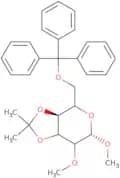
CAS:<p>4-Methoxyphenyl 2-O-benzoyl-3,6-di-O-benzyl-b-D-glucopyranoside is a mutant that has been identified in patients with cirrhosis. This variant is characterized by a transition from G to T at nucleotide position 1 of the coding region, which encodes for methionine at amino acid position 5. The mutant allele was found to be present in 53% of patients who had undergone abdominal ultrasonography and had liver cancer. In laboratory tests, this mutant demonstrated increased sensitivity to azide and an increased susceptibility to hepatoma. This variant has also been shown to be associated with an increased risk of developing cancer.</p>Formula:C34H34O8Purity:Min. 95%Molecular weight:570.63 g/molMethyl 6-O-trityl-a-D-galactopyranoside
CAS:<p>Methyl 6-O-trityl-a-D-galactopyranoside is a custom synthesis, Click modification, and Oligosaccharide. It is a polysaccharide that consists of monosaccharides linked together with glycosidic bonds. This substance can be modified by fluorination and has a high purity. Methyl 6-O-trityl-a-D-galactopyranoside has CAS No. 35920-83-3 and is available in the form of white crystals.</p>Formula:C26H28O6Purity:Min. 95%Molecular weight:436.51 g/mol1-O-Tosyl-2,3:4,5-di-O-isopropylidene-L-arabinitol
CAS:<p>1-O-Tosyl-2,3:4,5-di-O-isopropylidene-L-arabinitol is a sugar that is used in the synthesis of oligosaccharides and complex carbohydrates. This product can be custom synthesized to meet your needs. It has been shown to react with fluorine at high temperatures and with CH3OH/NaOH at low temperatures. 1-O-Tosyl-2,3:4,5-di-O-isopropylidene arabinitol can also be glycosylated or methylated. The CAS number for this product is 1241674-36-1.</p>Formula:C18H26O7SPurity:Min. 95%Color and Shape:SolidMolecular weight:386.46 g/mol3-Hydroxystanozolol glucuronide
CAS:<p>3-Hydroxystanozolol glucuronide is a metabolite of stanozolol that has been found in human urine. 3-Hydroxystanozolol glucuronide is formed as an intermediate during the metabolic conversion of stanozolol to its active form, which then is hydrolyzed by erythrocyte esterases or glucuronidases to form 3-hydroxystanozolol. This metabolite has been validated as an analytical marker for monitoring the use of stanozolol in sport and population studies.</p>Formula:C26H38N2O8·C2H6Purity:Min. 95%Molecular weight:536.66 g/mol2,3,4,6-Tetra-O-benzoyl-b-D-glucopyranosyl isothiocyanate
CAS:<p>2,3,4,6-Tetra-O-benzoyl-b-D-glucopyranosyl isothiocyanate (TBG) is a fluorescent compound that has been shown to inhibit the activity of proteinase and other enzymes. TBG is also an inhibitor of human blood glucose levels. This compound is not chiral, but it can be used as a reagent for the production of chiral compounds. TBG binds to DNA with high affinity and specificity. It has been shown to act as a growth factor for some cancer cells by inhibiting the expression of p21 protein.</p>Formula:C35H27NO9SPurity:Min. 95%Molecular weight:637.66 g/molD-Glucose diethyl mercaptal
CAS:<p>D-Glucose diethyl mercaptal is a homogeneous catalyst that can be used to acetylate galactitol to produce D-arabinose. It acts as an efficient and selective catalyst for the reaction of nitrous acid with hydrochloric acid, which produces acetyl chloride. Acetyl chloride is a reactive compound that can be used in the synthesis of many other compounds. <br>D-Glucose diethyl mercaptal has been used in chromatographic methods to separate d-arabinose from L-arabinose. The ring-opening polymerization of D-glucopyranose by mercaptals leads to the formation of polyols, which are useful materials for the production of plastics and rubber products. Chloride ions are required for this reaction, while hydrogen chloride is produced as a byproduct.</p>Formula:C10H22O5S2Purity:Min. 95%Molecular weight:286.41 g/mol1,2:5,6-Di-O-isopropylidene-D-glucofuranosulose enolacetate
<p>1,2:5,6-Di-O-isopropylidene-D-glucofuranosulose enolacetate is a synthetic sugar that is used as a click modification to carbohydrates. It has been shown to have activity against methicillin resistant Staphylococcus aureus (MRSA) and Mycobacterium tuberculosis. This compound has been synthesized for the first time in 2018 by using a new approach of glycosylation. In this process, 1,2:5,6-Di-O-isopropylidene-D-glucofuranosulose enolacetate is modified with methyl groups at the C1 position and then fluorinated. The final product was obtained by reacting this sugar with glycine ethyl ester hydrochloride in the presence of sodium azide in refluxing ethanol.</p>Purity:Min. 95%1D-1-O-Butyryl-4,6-O-dibenzoyl-myo-inositol
CAS:<p>1D-1-O-Butyryl-4,6-O-dibenzoyl-myo-inositol is an oligosaccharide that has been modified with fluoride. It is a custom synthesis of a complex carbohydrate and its CAS number is 153265-90-8. 1D-1-O-Butyryl-4,6-O-dibenzoyl-myo-inositol is used in the synthesis of saccharides and polysaccharides.</p>Formula:C24H26O9Purity:Min. 95%Molecular weight:458.46 g/mol1,2,3-Tri-O-acetyl-5-O-benzoyl-4-C-methyl-D-ribofuranose
CAS:<p>1,2,3-Tri-O-acetyl-5-O-benzoyl-4-C-methyl-D-ribofuranose is a fluorinated carbohydrate that is synthesized by the click chemistry reaction. It is an oligosaccharide with three acetyl groups and four methyl groups on the sugar. This compound has a molecular weight of 514.92 g/mol and a CAS number of 503543-44-0.</p>Purity:Min. 95%4-O-Acetyl-3,6-di-O-triisopropylsilyl-D-galactal
CAS:<p>4-O-Acetyl-3,6-di-O-triisopropylsilyl-D-galactal is a modified sugar that can be used as a chiral building block in the synthesis of complex carbohydrates. This product is available for custom synthesis.</p>Purity:Min. 95%4-Benzyl-4-deoxy-4-C-nitromethyl-b-D-arabinopyranoside
CAS:<p>4-Benzyl-4-deoxy-4-C-nitromethyl-b-D-arabinopyranoside is an Oligosaccharide, sugar, Synthetic, Fluorination, Custom synthesis, Methylation, Monosaccharide, Polysaccharide, saccharide. It is a 4-benzyl glycosylamine derivative of arabinose that has been fluorinated and nitrated. This product also has Click modification and complex carbohydrate. The CAS No. for this product is 383173-66-8.</p>Formula:C13H17NO6Purity:Min. 95%Molecular weight:283.28 g/mol4-Acetamido-2,6-anhydro-3,4-dideoxy-D-glycero-D-galactonon-2-enonic acid
CAS:<p>The product is a custom-made synthetic sugar. It is Fluorinated and Methylated. The product has been synthesized for glycosylation, methylation, and click modification. The product can be used in the synthesis of complex carbohydrates.</p>Formula:C11H17NO8Purity:Min. 95%Molecular weight:291.25 g/molMethyl 3-O-benzyl-2-deoxy-D-arabinopyranoside
<p>Methyl 3-O-benzyl-2-deoxy-D-arabinopyranoside is a custom synthesis that belongs to the class of complex carbohydrates. It can be used as a modification of saccharides and polysaccharides, in addition to being methylated and glycosylated. This product is also fluorinated for use in click chemistry. Methyl 3-O-benzyl-2-deoxy-D-arabinopyranoside has high purity, which makes it suitable for use in pharmaceuticals, biochemistry, and other research applications.</p>Formula:C13H18O4Purity:Min. 95%Molecular weight:238.28 g/molN-{[4-(Hydroxyamino)phenyl]sulfonyl}-N-[2-(2-naphthyloxy)ethyl]-b-D-glucopyranosylamine
CAS:<p>N-{[4-(Hydroxyamino)phenyl]sulfonyl}-N-[2-(2-naphthyloxy)ethyl]-b-D-glucopyranosylamine is a small molecule that inhibits the activity of oncoproteins by binding to lysine residues. It has been shown to inhibit the growth of tumor cells in vitro and in vivo, suggesting that it may be useful for anti-cancer therapy. The binding of this compound to lysine residues is specific and does not interfere with protein synthesis or other cellular processes.</p>Formula:C24H28N2O9SPurity:Min. 95%Molecular weight:520.55 g/molMethyl 5-aldo-2,3-O-isopropylidene-D-ribofuranoside
<p>Methyl 5-aldo-2,3-O-isopropylidene-D-ribofuranoside is a custom synthesis product. It is an oligo and polysaccharide with a complex carbohydrate structure. This product has high purity and is modified by fluorination. It has been modified to form a monosaccharide sugar.</p>Purity:Min. 95%Allyl 2,3-di-O-benzyl-a-D-glucopyranoside
CAS:<p>Allyl 2,3-di-O-benzyl-a-D-glucopyranoside is a plant growth regulator that stimulates callus formation. It belongs to the group of auxins and has been shown to promote callus growth in Arabidopsis thaliana cultivars, such as glaberrima and kinetin. This compound has also been shown to stimulate the formation of calli from coconut explants.</p>Formula:C23H28O6Purity:Min. 95%Molecular weight:400.46 g/mol(2S, 4S, 4'R) [4,4'-bi-1,3-dioxolane]-2-methanol-2,2'-dimethyl
CAS:<p>2,4-Dioxolane is a synthetic compound with the molecular formula (2S, 4S, 4'R) [4,4'-bi-1,3-dioxolane]-2-methanol-2,2'-dimethyl. It was first synthesized in 1963 by C. L. Hedrick and coworkers at Eli Lilly and Company as a potential drug for the treatment of schizophrenia. The chemical structure of 2,4-dioxolane consists of two oxetanes linked together with an ether bond. In this molecule both hydroxyl groups are on the same side of the carbon chain.</p>Formula:C9H16O5Purity:Min. 95%Molecular weight:204.22 g/mol2-Acetamido-3-O-benzoyl-2-deoxy-a-D-galactopyranosyl Fmoc serine phenacyl ester
CAS:<p>2-Acetamido-3-O-benzoyl-2-deoxy-a-D-galactopyranosyl Fmoc serine phenacyl ester is a complex carbohydrate. It is an oligosaccharide with a molecular weight of 902 Da that is synthesized from 2,4,6,-trihydroxybenzoic acid and 2,3,4,6,-tetraacetylphenylserine. The carbohydrate has been modified by methylation, glycosylation and fluorination. The synthesis of this compound has been carried out using the click chemistry reaction. This product has a purity of 99+% and can be used in the modification of other carbohydrates.</p>Formula:C41H40N2O12Purity:Min. 95%Molecular weight:752.78 g/mol2-(D-Galacto-pentylhydroxypentyl-4(R)-1,3-thiazolidine-4-carboxylic acid
CAS:<p>2-(D-Galacto-pentylhydroxypentyl)-4(R)-1,3-thiazolidine-4-carboxylic acid is a synthetic glycosylated polysaccharide that has been modified with fluorination and methylation. This compound is a sugar that can be modified to create an oligosaccharide or monosaccharide. 2-(D-Galacto-pentylhydroxypentyl)-4(R)-1,3-thiazolidine-4-carboxylic acid can be used in the synthesis of complex carbohydrates, including glycans and polysaccharides. The CAS number for this compound is 124650-46-0.</p>Formula:C10H19NO7SPurity:Min. 95%Molecular weight:297.4 g/mol6-O-Benzoyl-D-glucal
CAS:<p>6-O-Benzoyl-D-glucal is a bromide that is an arbutin derivative. It is used as an anti-inflammatory, antiallergic, and analgesic agent. 6-O-Benzoyl-D-glucal is also a glucoside that has been shown to have substituents and elimination reactions with phenols. In the leaves of proteaceae plants, it acts as a substituent in esters and glycosides, which are eliminated during the metabolism of those compounds. 6-O-Benzoyl-D-glucal can be synthesized from glucose by oxidation of the phenolic hydroxyl groups with potassium permanganate or chromium trioxide.</p>Purity:Min. 95%Benzyl 5-Aldo-2,3-O-isopropylidene-a-D-mannopentenofuranoside
CAS:<p>Benzyl 5-Aldo-2,3-O-isopropylidene-a-D-mannopentenofuranoside is a synthetic carbohydrate that is a modification of the saccharide mannose. This product contains a methylated benzyl group and an acetal linkage to the D-mannopentenofuranose. The fluorination of the C5 position on this sugar provides an additional level of stability to this molecule. This product is custom synthesized and can be modified according to customers' specifications. It has been shown to be stable in water at pH levels between 2 and 12 and can be stored at room temperature for up to two years without degradation.</p>Formula:C15H18O5Purity:Min. 95%Molecular weight:278.3 g/molD-Myo-inositol-1,3,4,5-tetraphosphate
CAS:<p>D-myo-inositol-1,3,4,5-tetraphosphate (IP4) is a molecule that is involved in the regulation of cell metabolism and signal transduction. It is synthesized from myo-inositol by the enzyme inositol monophosphatase and hydrolyzed by inositol hexaphosphate kinase to form D-myo-inositol. IP4 can bind to receptors which span the plasma membrane and interact with intracellular Ca2+ channels. This binding results in an increase of cytosolic Ca2+ levels, which may be due to IP4’s ability to activate phosphatidylinositol turnover. IP4 is also involved in the regulation of neuronal death and infectious diseases such as HIV.</p>Purity:Min. 95%4-Aminophenyl b-D-thiomannopyranoside
CAS:<p>4-Aminophenyl b-D-thiomannopyranoside is a drug that has been used to treat spittlebugs, tropical vegetation, and brain tumours. It is also used to diagnose the process flow of population functions. This drug is a substrate for the enzyme transducer, which converts it into an active form. The enzyme recording then converts this active form back into 4-aminophenyl b-D-thiomannopyranoside.</p>Formula:C12H17NO5SPurity:Min. 95%Molecular weight:287.33 g/mol1,2:4,5-Di-O-isopropylidene-D,L-myo-inositol
CAS:<p>1,2:4,5-Di-O-isopropylidene-D,L-myo-inositol is a custom synthesized product that has been modified to contain a fluorine atom. It is an oligosaccharide and polysaccharide. This product is used as a synthetic precursor to other products such as saccharides, carbohydrates and monosaccharides.</p>Formula:C12H20O6Purity:Min. 95%Molecular weight:260.28 g/molMethyl 2-acetamido-2-deoxy-4,6-(4-methoxybenzylidene)-a-D-galactopyranoside
CAS:<p>Methyl 2-acetamido-2-deoxy-4,6-(4-methoxybenzylidene)-a-D-galactopyranoside is a fluorinated sugar that is synthesized from the monosaccharide D-galactose. This sugar is available for custom synthesis in order to meet clients' needs. It can also be modified by glycosylation, methylation, and click chemistry. Methyl 2-acetamido-2-deoxy-4,6-(4-methoxybenzylidene)-a-D-galactopyranoside is a white powder with a molecular weight of 594.26. It has been shown to inhibit the growth of Mycobacterium tuberculosis and Mycobacterium avium complex in culture.</p>Formula:C17H23NO7Purity:Min. 95%Molecular weight:353.37 g/mol3,4,6-Tri-O-acetyl-2-azido-2-deoxy-a-D-galactopyranosyl bromide - stabilised with 2% CaCO3
CAS:<p>3,4,6-Tri-O-acetyl-2-azido-2-deoxy-a-D-galactopyranosyl bromide - stabilised with 2% CaCO3 is a complex carbohydrate that is synthesized from 3,4,6-tri-O-acetylgalactose and 2-(bromoethyl) azide. This modification has been used to produce an oligosaccharide for use in the synthesis of glycoproteins. The modification was also used in the synthesis of a polysaccharide that is used as a reagent for the methylation of saccharides.</p>Formula:C12H16BrN3O7Purity:Min. 95%Molecular weight:394.18 g/molN-1-b-D-Arabinopyranosylamino guanidine HNO3
CAS:<p>N-1-b-D-Arabinopyranosylamino guanidine HNO3 is a synthetic compound that has been modified with fluorination, saccharide modification, and glycosylation. This compound can be used for the synthesis of oligosaccharides and polysaccharides. N-1-b-D-Arabinopyranosylamino guanidine HNO3 is also useful in click chemistry and has CAS number 368452-60-2.</p>Formula:C6H13N3O4·HNO3Purity:Min. 95%Molecular weight:254.2 g/mol2,6-Anhydro-3-deoxy-D-glycero-D-galacto-non-2-enoic-acid
CAS:<p>2,6-Anhydro-3-deoxy-D-glycero-D-galacto-non-2-enoic acid is a carbohydrate that has been used to study the effect of immunocompromised patients on invasive aspergillosis. It has been shown to be an efficient substrate for sialidases and homologous sialidases. This carbohydrate has also been shown to have a reactive bond cleavage in the presence of catalytic enzymes, such as sialidases and glycosyltransferases. The kinetic data suggest that this carbohydrate is more accessible than other carbohydrates. The conformational change may be due to a barrier that is overcome by the catalytic enzyme.</p>Formula:C9H14O8Purity:Min. 95%Color and Shape:White Off-White PowderMolecular weight:250.21 g/molMethyl (4'-O-hexanoyldaidzein-7-yl-b-D-2'',3'',4''-tri-O-acetylglucopyranosid)urinate
CAS:<p>Methyl (4'-O-hexanoyldaidzein-7-yl-b-D-2'',3'',4''-tri-O-acetylglucopyranosid)urinate is a synthetic glycosylate that has a number of sugar moieties attached to its uronic acid group. It can be used for the preparation of oligosaccharides, sugar derivatives, and fluorinated saccharides. This product is available in high purity and can be custom synthesized.</p>Formula:C34H36O14Purity:Min. 95%Molecular weight:668.64 g/molPhenyl 4-azido-2,3-di-O-benzyl-4,6-dideoxy-b-D-thioglucopyranoside
CAS:<p>Phenyl 4-azido-2,3-di-O-benzyl-4,6-dideoxy-b-D-thioglucopyranoside (PBDTT) is a synthetic monosaccharide that belongs to the group of complex carbohydrates. It is used for glycosylation reactions in the synthesis of polysaccharides and oligosaccharides. This compound can be used as a Click modification reagent for the methylation of sugars. PBDTT has a CAS No. 369631-91-4 and is available at high purity.</p>Formula:C26H30N3O3SPurity:Min. 95%Molecular weight:464.6 g/mol4-O-Acetyl-3,6-di-O-tert-butyldimethylsilyl-D-galactal
CAS:<p>4-O-Acetyl-3,6-di-O-tert-butyldimethylsilyl-D-galactal is a high purity, custom synthesis sugar. This compound has been modified with Click chemistry and fluorination. The modification has been shown to have glycosylation and methylation. This product is synthesized from a complex carbohydrate.</p>Purity:Min. 95%4-Formylphenyl 2-acetamido-3,4,6-tri-O-acetyl-2-deoxy-b-D-glucopyranoside
CAS:<p>4-Formylphenyl 2-acetamido-3,4,6-tri-O-acetyl-2-deoxy-β--glucopyranoside is a pyranoside that is a potent inhibitor of the enzyme glycosidase. It is used to study the interactions between enzymes and substrates. The crystal structure of 4FFAP has been determined using X-ray diffraction data. This compound has a six membered ring with two acetamido groups and one carbonyl group attached to the same carbon atom in the ring. 4FFAP interacts with other molecules through hydrogen bonding and van der Waals forces.</p>Formula:C21H25NO10Purity:Min. 95%Molecular weight:451.42 g/mol1,4,6-Tri-O-acetyl-2,3-O-isopropylidene-a-D-mannopyranose
<p>1,4,6-Tri-O-acetyl-2,3-O-isopropylidene-a-D-mannopyranose is an oligosaccharide that is modified with a methyl group on the C1 atom of the glucose molecule. This modification is used to produce saccharides for use in glycoproteins and glycolipids. 1,4,6-Tri-O-acetyl-2,3-O-isopropylidene-a-D-mannopyranose has a CAS number of 378539–92–8.</p>Purity:Min. 95%Color and Shape:Solid.2,3,5-Tri-O-benzyl-D-arabinofuranosyl chloride
CAS:<p>2,3,5-Tri-O-benzyl-D-arabinofuranosyl chloride is an antitumour drug that is a purine nucleoside analogue. It is a synthetic compound and has been shown to have chemotherapeutic and antitumor activities. This drug binds to the enzyme RNA polymerase II, leading to inhibition of DNA synthesis and cell death. 2,3,5-Tri-O-benzyl-D-arabinofuranosyl chloride has potential as an antitumor agent.</p>Formula:C26H27ClO4Purity:Min. 95%Molecular weight:438.94 g/mol2,3,4-Tri-O-acetyl-6-azido-6-deoxy-a-D-glucopyranosyl trichloroacetimidate
CAS:<p>2,3,4-Tri-O-acetyl-6-azido-6-deoxy-a-D-glucopyranosyl trichloroacetimidate is a modification of a carbohydrate. It can be custom synthesized to order and is available in high purity. This product is an oligosaccharide that has been methylated and glycosylated. It can also be used as a monosaccharide or polysaccharide. The 2,3,4-Tri-O-acetyl-6-azido-6-deoxy--a -D--glucopyranosyl trichloroacetimidate is fluorinated and saccharide.</p>Formula:C14H17Cl3N4O8Purity:Min. 95%Molecular weight:475.67 g/mol4-(Methylnitrosamino)-1-(3-pyridyl)-1-butanol-N-b-D-glucuronide
CAS:<p>4-(Methylnitrosamino)-1-(3-pyridyl)-1-butanol-N-b-D-glucuronide is a glycosylated, modified sugar with a fluorinated methyl group. It is synthesized in the laboratory and does not occur naturally. The sugar moiety of this compound contains an oligosaccharide that consists of a complex carbohydrate, including saccharides, monosaccharides, and polysaccharides. This modification can be done by click chemistry or by other methods. 4-(Methylnitrosamino)-1-(3-pyridyl)-1-butanol-N-b-D-glucuronide is high purity and modification products are available upon request.</p>Formula:C16H23N3O8Purity:Min. 95%Molecular weight:385.37 g/molMethyl 3-acetamido-4,6-O-benzylidene-2,3-dideoxy-a-D-ribo-hexopyranoside
CAS:<p>Methyl 3-acetamido-4,6-O-benzylidene-2,3-dideoxy-a-D-ribohexopyranoside is an organic compound. It is a fluorescent glycosylation reagent used in the synthesis of oligosaccharides and polysaccharides. The modification of this product can be customized to suit your needs. This product is available in high purity and with a CAS No. 23819-31-0.</p>Formula:C16H21NO5Purity:Min. 95%Molecular weight:307.35 g/mol4-Methylphenyl 2,3,4-tri-O-benzyl-b-D-thioglucopyranoside
CAS:<p>4-Methylphenyl 2,3,4-tri-O-benzyl-b-D-thioglucopyranoside is a custom synthesis of a fluorinated glycoside that is used as an intermediate for the production of saccharides. This compound has been modified by methylation, monosaccharide, and click chemistry. It is available in high purity and has undergone extensive purification to remove impurities.</p>Formula:C34H36O5SPurity:Min. 95%Molecular weight:556.71 g/mol1,2,4,6-Tetra-O-acetyl-a-D-mannopyranose
CAS:<p>1,2,4,6-Tetra-O-acetyl-a-D-mannopyranose is a high purity synthetic sugar with an acetyl group at the 1,2,4 and 6 positions. This sugar can be used in glycosylation reactions. The acetyl groups on this sugar can be fluorinated and methylated. It can also be modified with a click modification or glycosylation. This sugar is found in nature as a complex carbohydrate.</p>Formula:C14H20O10Purity:Min. 95%Molecular weight:348.3 g/molPropyl 2-acetamido-3,4,6-tri-O-acetyl-2-deoxy-b-D-glucopyranoside
CAS:<p>Propyl 2-acetamido-3,4,6-tri-O-acetyl-2-deoxy-b-D-glucopyranoside is a synthetic glycosylamine that has been fluorinated at the C2 position and modified with a methyl group. It is used in the synthesis of complex carbohydrates for use as antigens or vaccines. This product can be custom synthesized to order and is available in high purity form.</p>Formula:C17H27NO9Purity:Min. 95%Molecular weight:389.4 g/mol1,2,3,4-Tetra-O-acetyl-D-xylopyranose
CAS:<p>1,2,3,4-Tetra-O-acetyl-D-xylopyranose is a molecule that is derived from D-xylose. It has been shown to inhibit the growth of fungi such as T. rubrum and L. candidum by acetylation of l-threonine at the C2 position. This molecule can be recycled and its inhibitory activity can be increased through acetylation of the hydroxymethyl group on the C4 position. The mechanism of inhibition is not known but it may be due to steric hindrance or peracylation.</p>Formula:C13H18O9Purity:Min. 95%Molecular weight:318.28 g/mol2-Hydroxyestradiol-2-O-b-D-glucuronide
CAS:<p>2-Hydroxyestradiol-2-O-b-D-glucuronide is a modified oligosaccharide that has been synthesized by custom synthesis. It can be used in the modification of other carbohydrates, and as a monosaccharide or methylated glycosylated saccharide. 2-Hydroxyestradiol-2-O-b-D-glucuronide is also an effective inhibitor for bacterial growth, which may be due to its ability to inhibit the synthesis of cellular constituents such as lipids and proteins.</p>Formula:C24H32O9Purity:Min. 95%Molecular weight:464.51 g/molDulcitol
CAS:<p>Dulcitol is a sugar alcohol that is used in the food industry and as an alternative to sucrose. Dulcitol can be found in wastewater treatment and has been shown to be an inhibitor of wild-type strains of Escherichia coli and Bacteroides fragilis. It also inhibits the growth of Gram-positive bacteria, such as Staphylococcus aureus, by inhibiting their ability to synthesize DNA. Dulcitol is metabolized through a number of metabolic transformations, including hydrolysis by esterases or glucuronidases, oxidation by cytochrome P450 enzymes, reduction by glutathione reductase, or conjugation with glucuronic acid. Dulcitol can also inhibit the activity of certain enzymes such as protein kinase C (PKC).</p>Formula:C6H14O6Purity:Min. 99.0 Area-%Molecular weight:182.17 g/molRef: 3D-D-9500
1kgTo inquire5kgTo inquire10kgTo inquire25kgTo inquire2500gTo inquire-Unit-kgkgTo inquireR,S-Ambrisentan-acyl-b-D-glucuronide
CAS:<p>Ambrisentan is a synthetic, complex carbohydrate that belongs to the group of glycosylations. It has been shown to have anti-inflammatory and vasodilatory effects in animal studies. Ambrisentan is an inhibitor of angiotensin II type 1 receptor (AT1). It binds to the AT1 receptor and blocks the binding of angiotensin II, resulting in reduced blood pressure. The drug also inhibits the activity of sodium channels in vascular smooth muscle cells, which leads to decreased heart rate. Ambrisentan is used for the treatment of pulmonary hypertension.</p>Formula:C28H30N2O10Purity:Min. 95%Molecular weight:554.55 g/molPenta-O-acetyl-a-L-idopyranose
CAS:<p>Penta-O-acetyl-a-L-idopyranose is a monosaccharide that is synthesized from D-glucose and acetic anhydride. It has been modified with methylation, fluorination, and saccharide modification. Penta-O-acetyl-a-L-idopyranose is soluble in water, methanol, ethanol, and acetone. This compound has been shown to be useful for glycosylation reactions as well as click chemistry. CAS No. 16299-15-3.</p>Formula:C16H22O11Purity:Min. 95%Color and Shape:PowderMolecular weight:390.34 g/mol1,2-O-Ethylidene b-D-mannopyranose
CAS:<p>1,2-O-Ethylidene b-D-mannopyranose is a complex carbohydrate that is synthesized from the modification of mannose with 1,2-O-ethylidene b-D-mannopyranose. This modification can be accomplished by either methylation or glycosylation. Modification of mannose with 1,2-O-ethylidene b-D-mannopyranose has been shown to increase the stability of the molecule and improve its resistance to degradation. The methylation of mannose with 1,2-O-ethylidene b-D-mannopyranose has been shown to produce a variety of derivatives that may have potential applications in drug design and cancer treatment. This complex carbohydrate is an important component in many saccharides and polysaccharides. It has also been used as a fluorinating agent in organic synthesis.</p>Formula:C8H14O6Purity:Min. 95%Molecular weight:206.2 g/molAllyl 2-acetamido-4,6,-O-benzylidene-2-deoxy-a-D-glucopyranoside
CAS:<p>Allyl 2-acetamido-4,6,-O-benzylidene-2-deoxy-a-D-glucopyranoside is a sugar that is used as a custom synthesis or modification. It is also called allyl 2-(1,3-dioxo-1,3,4,-thiadiazolidinium)acetamido 4,6,-O-(benzylidene)-2 deoxy erythro -a D glucopyranoside. Allyl 2 acetamido 4,6,-O -benzylidene -2 deoxy erythro -a D glucopyranoside is used in the glycosylation of proteins and oligosaccharides and in the synthesis of saccharides. This compound has been shown to be useful in identifying glycosaminoglycan chains in complex carbohydrates.</p>Formula:C18H23NO6Purity:Min. 95%Molecular weight:349.39 g/mol2-(L-Rhamno-tetrahydroxypentyl)-4(R)-1,3-thiazolidine-4-carboxylic acid
CAS:<p>2-(L-Rhamno-tetrahydroxypentyl)-4(R)-1,3-thiazolidine-4-carboxylic acid is a synthetic sugar. It has been modified with fluorination, glycosylation, and methylation. It can be used as a saccharide for a complex carbohydrate.</p>Formula:C10H19NO6SPurity:Min. 95%Molecular weight:281.33 g/mol2-Acetamido-3,4,6-tri-O-acetyl-2-deoxy-b-D-glucopyranosyl-(N-Fmoc)-L-serine pentafluorophenyl ester
CAS:<p>2-Acetamido-3,4,6-tri-O-acetyl-2-deoxy-b-D-glucopyranosyl-(N-Fmoc)-L-serine pentafluorophenyl ester is a custom synthesis product. The synthesis of this compound was done by methylating 2,3,4,6-tetra O acetyl b D glucopyranoside with N Fmoc protected serine and then click modification to the carbonyl group. This product is a saccharide that has been fluorinated at the C5 position. It is an oligosaccharide that contains a complex carbohydrate that has been modified by monosaccharides and sugars. This product has high purity and is synthesized to order.</p>Formula:C38F5H35N2O13Purity:Min. 95%Molecular weight:822.68 g/mol5-Deoxy-D-xylose
CAS:<p>5-Deoxy-D-xylose is a metabolite that is produced as a byproduct of the metabolism of l-arabinose. It can be found in urine, saliva, and cerebrospinal fluid. 5-Deoxy-D-xylose has been shown to have a role in mediating the effects of nitroacetate and hydrogen fluoride on nitric oxide synthase. This compound also has an anti-inflammatory effect, which may be due to its ability to inhibit the production of neopterin. The isomers form from 5-deoxy-D-xylose are tautomeric with each other and their optical isomers are chemically different from one another. 5-Deoxy-D-xylose can exist as a cyclic form or as an open chain form.</p>Formula:C5H10O4Purity:Min. 95%Molecular weight:134.13 g/mol1,2-Dipalmitoyl-sn-glycero-3-phospho-(1'-myoinositol-4'-phosphate)
CAS:<p>1,2-Dipalmitoyl-sn-glycero-3-phospho-(1'-myoinositol-4'-phosphate) is a lipid kinase that has been shown to be localized in the cytoplasm. This enzyme is activated by receptor activity and autophagy, and plays a role in protein transport. It also activates phosphatase activity which regulates the actin cytoskeleton, and can be regulated by insulin-stimulated glucose levels. 1,2-Dipalmitoyl-sn-glycero-3-phospho-(1'-myoinositol-4'-phosphate) has been shown to have a regulatory function in epidermal growth factor (EGF)-induced cell proliferation. The physiological function of this enzyme is not yet known.</p>Formula:C41H80O16P2Purity:Min. 95%Molecular weight:891.01 g/mol1,6:2,3-Dianhydro-4-O-(2',3',4',6'-tetra-O-acetyl-b-D-glucopyranosyl)-b-D-mannopyranose
CAS:<p>1,6:2,3-Dianhydro-4-O-(2',3',4',6'-tetra-O-acetyl-b-D-glucopyranosyl)-b-D-mannopyranose is a custom synthesis of an oligosaccharide that contains a saccharide. It belongs to the class of carbohydrates and can be used in research as a fluorinated complex carbohydrate for modification. This product is not intended for human or animal consumption.</p>Formula:C20H26O13Purity:Min. 95%Molecular weight:474.41 g/mol1,2,3-Tri-O-benzyl-4,6-O-(4-methoxybenzylidene)-a-D-mannopyranoside
<p>Ai Product Descriptions 50 Creative</p>Formula:C35H36O7Purity:Min. 95%Molecular weight:568.66 g/mol2-Chloroethyl-2,3,4,6-tetra-O-acetyl-a-D-mannopyranoside
CAS:<p>2-Chloroethyl-2,3,4,6-tetra-O-acetyl-a-D-mannopyranoside is a glycosylation agent. It can be used to modify glycoproteins and glycolipids by reacting with the hydroxyl groups of saccharides. 2-Chloroethyl-2,3,4,6-tetra-O-acetyl-a-D-mannopyranoside is also used for the synthesis of oligosaccharides and monosaccharides. This product has been shown to react with proteins at a rate of around 1% per hour in aqueous media at pH 7.5 at room temperature.</p>Formula:C16H23ClO10Purity:Min. 95%Molecular weight:410.8 g/molPhenyl 2,6-di-O-acetyl-3,4-O-isopropylidene-b-D-thiogalactopyranoside
CAS:<p>Phenyl 2,6-di-O-acetyl-3,4-O-isopropylidene-b-D-thiogalactopyranoside is a fluorinated monosaccharide that exhibits high purity and custom synthesis. It is used as a building block for the synthesis of complex carbohydrates. This product is also used for glycosylation, polysaccharide modification, or click modification. Phenyl 2,6-di-O-acetyl-3,4-O-isopropylidene b -D thiogalactopyranoside has CAS number 12447699 and molecular weight of 390.38g/mol.</p>Formula:C19H24O7SPurity:Min. 95%Molecular weight:396.46 g/molBenzyl 2-acetamido-2-deoxy-D-glucopyranoside
CAS:<p>Benzyl 2-acetamido-2-deoxy-D-glucopyranoside is a fluorinated glycosylation reagent that has been developed for the synthesis of complex carbohydrates, oligosaccharides, and saccharides. This compound is also useful in the modification of natural products and as a synthetic intermediate. Benzyl 2-acetamido-2-deoxy-D-glucopyranoside is an excellent substrate for Click chemistry, which can be used to modify saccharide units. The purity of this product is high, with no detectable impurities.</p>Formula:C15H21NO6Purity:Min. 95%Molecular weight:311.33 g/mol2,3,4,6-Tetra-O-acetyl-b-D-galactopyranosyl-N-Fmoc-L-threonine pentafluorophenyl ester
CAS:<p>2,3,4,6-Tetra-O-acetyl-b-D-galactopyranosyl-N-Fmoc-L-threonine pentafluorophenyl ester (2,3,4,6TAP) is a sugar that has been modified by methylation and glycosylation. It is a custom synthesis with CAS No. 182369-92-2. 2,3,4,6TAP can be used for the preparation of oligosaccharides and polysaccharides with different structures. It has high purity and is fluorinated. This compound can be used in click chemistry reactions to modify carbohydrates on a peptide or protein.</p>Formula:C39F5H36NO14Purity:Min. 95%Molecular weight:837.71 g/molMethyl D-galactopyranoside
CAS:<p>Methyl D-galactopyranoside is a lectin that binds to galactose residues in the glycosidic linkage of oligosaccharides. Methyl D-galactopyranoside is used in functional theory to determine the number of lysine residues on the dodecyl chain. This lectin has been shown to bind to anomeric linkages, which are different types of sugar molecules that have a carbon atom at the same position. The binding of this lectin to oligosaccharides can be detected by matrix-assisted laser desorption ionization mass spectrometry (MALDI MS). Methyl D-galactopyranoside has also been shown to have high salt and carbohydrate binding properties, as well as binding with galactose, trimethyl, and hydroxymethyl groups.</p>Formula:C7H14O6Purity:Min. 95%Color and Shape:PowderMolecular weight:194.18 g/mol4-Amino-7-(2-deoxy-b-D-ribofuranosyl)-1,7-dihydro-2H-pyrrolo[2,3-d]pyrimidin-2-one
CAS:<p>4-Amino-7-(2-deoxy-b-D-ribofuranosyl)-1,7-dihydro-2H-pyrrolo[2,3-d]pyrimidin-2-one is a synthetic modified carbohydrate that has a variety of applications in the food and pharmaceutical industries. This compound can be used as an ingredient in dietary supplements or food products to increase the sweetness. 4AADFP also acts as an antihypertensive agent and can be used to treat high blood pressure. This product is not intended for use in humans and should only be handled by qualified laboratories.</p>Formula:C11H14N4O4Purity:Min. 95%Molecular weight:266.25 g/mol5-Aldo-1,2-O-isopropylidene-a-D-xylofuranose
CAS:<p>5-Aldo-1,2-O-isopropylidene-a-D-xylofuranose is a synthetic monosaccharide with the chemical formula C5H6O4. It can be used to synthesize oligosaccharides and polysaccharides. This compound is a fluorinated sugar with a methyl group at the 5 position and an isopropylidene group at the 2 position. 5-Aldo-1,2-O-isopropylidene-a-D-xylofuranose can be modified by click chemistry reactions, which are reactions that use copper catalysts to form carbon–carbon bonds in a single step. This modification can be done on either the sugar or its glycosylation partner. The CAS number for this compound is 531671166.</p>Formula:C8H12O5Purity:Min. 95%Molecular weight:188.18 g/molRamipril-D5 acyl-b-D-glucuronide
Controlled Product<p>Ramipril-D5 acyl-b-D-glucuronide is a custom synthesis of the complex carbohydrate, oligosaccharide. It has been modified with saccharide, methylation, glycosylation, and click modification. Ramipril-D5 acyl-b-D-glucuronide is a high purity product that has been fluorinated and synthesized.</p>Formula:C29H35D5N2O11Purity:Min. 95%Molecular weight:597.66 g/mol8-Hydroxymirtazapine b-D-glucuronide
CAS:<p>8-Hydroxymirtazapine b-D-glucuronide is a fluorinated, monosaccharide, synthetic oligosaccharide. It is a complex carbohydrate that has been custom synthesized with glycosylation and polysaccharides. The sugar structure has been modified by methylation and click modification in order to produce a high purity product. CAS No. 155239-47-7</p>Formula:C23H27N3O7Purity:Min. 95%Molecular weight:457.49 g/mol2-Azido-4,6-O-benzylidene-N-(tert-butoxycarbonyl)-1,2,5-trideoxy-1,5-imino-D-glucitol
CAS:<p>2-Azido-4,6-O-benzylidene-N-(tert-butoxycarbonyl)-1,2,5-trideoxy-1,5-imino-D-glucitol is a custom synthesis of an oligosaccharide. It is a complex carbohydrate that contains saccharide units linked by glycosidic bonds. 2-Azido-4,6-O-benzylidene -N-(tert butoxycarbonyl)-1,2,5 trideoxy 1,5 imino D glucitol has been modified with methylation and fluorination. The modification can be accomplished with the click chemistry method. This product is offered in high purity and is synthesized in a laboratory setting.</p>Formula:C18H24N4O5Purity:Min. 95%Molecular weight:376.41 g/molIsopropyl 2,3,4,6-tetra-O-acetyl-b-D-thioglucopyranoside
CAS:<p>Isopropyl 2,3,4,6-tetra-O-acetyl-b-D-thioglucopyranoside is a custom synthesis of a monosaccharide with four acetates and two fluorines. The molecule is synthesized in the laboratory by modifying the sugar with methyl groups and then fluorinating it. This synthetic product can be used in biochemistry to study glycosylation reactions and complex carbohydrate structures.</p>Formula:C17H26O9SPurity:Min. 95%Molecular weight:406.45 g/molMethyl 2,6-di-O-benzoyl-3,4-di-O-[bis(3,5-dimethylphenyl)]phosphino-a-D-glucopyranoside
CAS:<p>Methyl 2,6-di-O-benzoyl-3,4-di-O-[bis(3,5-dimethylphenyl)]phosphino-a-D-glucopyranoside is a custom synthesis of a modified sugar that has been fluorinated and methylated. This compound is also known by its CAS number 158214-06-3. The compound is a monosaccharide and an oligosaccharide. It is synthesized from saccharides and polysaccharides such as sugar and complex carbohydrates. Methyl 2,6-di-O-benzoyl-3,4 di O-[bis(3,5 dimethylphenyl)]phosphino a D glucopyranoside has many applications in the field of biochemistry and medicine.</p>Formula:C53H56O8P2Purity:Min. 95%Molecular weight:882.95 g/mol3,4,6-Tri-O-acetyl-a-D-glucopyranose 1,2-(ethyl orthoacetate)
CAS:<p>3,4,6-Tri-O-acetyl-a-D-glucopyranose 1,2-(ethyl orthoacetate) is a custom synthesis that can be used as a fluorination agent or methylating agent. This compound has been modified by the click modification reaction to attach oligosaccharides and saccharides to proteins and polysaccharides. 3,4,6-Tri-O-acetyl-a-D-glucopyranose 1,2-(ethyl orthoacetate) is a high purity synthetic carbohydrate with a purity of 99.5%.</p>Formula:C16H24O10Purity:Min. 95%Molecular weight:376.35 g/mol2-Amino-1,3-bis(1,6-anhydro-2,3-O-isopropylidene-b-D-mannopyranose-4-O-yl)-propane
CAS:<p>2-Amino-1,3-bis(1,6-anhydro-2,3-O-isopropylidene-b-D-mannopyranose-4-O-yl)-propane is a carbohydrate with the molecular formula C10H20N2O8. It is a synthetic sugar that is soluble in water and alcohol. 2AAP can be custom synthesized by modification of natural sugars and saccharides. This product has a high purity level (>99%) and can be methylated or glycosylated to create other products. The synthesis of this product is accomplished through click chemistry. Click chemistry uses copper (II) sulfate as an oxidizing agent to generate reactive oxygen species that can react with other molecules to form new bonds between them.</p>Formula:C21H33NO10Purity:Min. 95%Molecular weight:459.49 g/mol2,3,4-Tri-O-acetyl-L-fucal
CAS:<p>2,3,4-Tri-O-acetyl-L-fucal is a synthetic oligosaccharide. It is a glycosylated sugar that contains three acetyl groups and four hydroxyl groups. The acetylation pattern of 2,3,4-tri-O-acetyl-L-fucal can be customized to suit the customer's needs. This compound is a fluorinated version of L-fucose and has been synthesized using an innovative click chemistry method. The synthesis of 2,3,4-tri-O-acetyl L -fucal has been completed in high purity and with high yield by our skilled chemists. It is also a complex carbohydrate that can be modified for different applications.</p>Formula:C12H16O7Purity:Min. 95%Molecular weight:272.25 g/mol1,6-Anhydro-3,4-O-isopropylidene-2-O-p-toluenesulfonyl-b-D-galactopyranose
CAS:<p>1,6-Anhydro-3,4-O-isopropylidene-2-O-p-toluenesulfonyl-b-D-galactopyranose is a custom synthesis, complex carbohydrate that has been modified by methylation and glycosylation. It is an Oligosaccharide with CAS No. 81028-98-0. This compound is also a Polysaccharide with Modification and saccharide, which can be found in Methylation and Glycosylation. The compound is a Carbohydrate with Click modification, sugar, High purity and Fluorination.</p>Formula:C16H20O7SPurity:Min. 95%Color and Shape:Off-White SolidMolecular weight:356.39 g/molPentaerythritol dibromide b-D-glucuronide
CAS:<p>Pentaerythritol dibromide b-D-glucuronide is a high purity, custom synthesis, oligosaccharide with many potential applications. It is a complex carbohydrate that can be used for glycosylation and polysaccharide modifications. The fluorination of this compound allows for the synthesis of a wide variety of sugars including: monosaccharides, disaccharides, and polysaccharides. This product is available in powder form and has been shown to have excellent solubility in water.</p>Formula:C11H18Br2O8Purity:Min. 95%Molecular weight:438.06 g/mol1,2,3,6-Tetra-O-benzoyl-a-D-mannopyranose
CAS:<p>1,2,3,6-Tetra-O-benzoyl-a-D-mannopyranose is a modification of the sugar mannose. It is an oligosaccharide that contains four mannoses and one D-mannopyranose. This product is custom synthesized to order and can be modified with fluorination or saccharide methylation. It is available in high purity and can be used as a monosaccharide or polysaccharide.</p>Formula:C34H28O10Purity:Min. 95%Molecular weight:596.58 g/mol2,3,4-Tri-O-acetyl-1-deoxy-1-fluoro-b-D-arabinopyranosyl cyanide
CAS:<p>2,3,4-Tri-O-acetyl-1-deoxy-1-fluoro-b-D-arabinopyranosyl cyanide is a high purity synthetic sugar that is custom synthesized to order. It has CAS No. 215942-92-0 and can be used for Click modification, fluorination, glycosylation, methylation and modification of oligosaccharides and monosaccharides. This compound has many uses in the synthesis of complex carbohydrates such as saccharides and oligosaccharides.</p>Formula:C12H14FNO7Purity:Min. 95%Molecular weight:303.24 g/mol2,3,4,6-Tetra-O-acetyl-1-bromo-1-deoxy-b-D-galactopyranosyl cyanide
CAS:<p>2,3,4,6-Tetra-O-acetyl-1-bromo-1-deoxy-b-D-galactopyranosyl cyanide is a Carbohydrate with CAS No. 83497-42-1. It is a saccharide with the molecular formula C8H12O8 and molecular weight of 300.19 g/mol. The chemical structure of 2,3,4,6-Tetra-O-acetyl-1-bromo-, 1 -deoxy-. b-.D-.galactopyranosyl cyanide is shown in the figure below:<br>2,3,4,6,-Tetra--O--acetyl--1--bromo--1--deoxy-. b-.D-.galactopyranosyl cyanide has been shown to have fluoroquinolone resistance properties.</p>Formula:C15H18BrNO9Purity:Min. 95%Molecular weight:438.3 g/mol1-OAcetyl-2-O-benzoyl-3-O-tert-butyldiphenylsilyl-L-threofuranose
CAS:<p>1-OAcetyl-2-O-benzoyl-3-O-tert-butyldiphenylsilyl-L-threofuranose is a modification of the carbohydrate. It is an oligosaccharide that has been synthesized by custom synthesis. It is an artificial monosaccharide type with a methyl group at C1 and a tertiary butyldiphenylsilyl group at C2. The CAS number for this compound is 1971879-01-2, and it has been fluorinated. This compound belongs to the saccharide class, which includes sugars and polysaccharides.</p>Purity:Min. 95%2,3,4,6-Tetra-O-acetyl-b-D-glucopyranosyl-N-Fmoc-L-serine pentafluorophenyl ester
CAS:<p>2,3,4,6-Tetra-O-acetyl-b-D-glucopyranosyl-N-Fmoc-L-serine pentafluorophenyl ester is a glycosylation agent that can be used in the synthesis of complex carbohydrates. It has been shown to react with various sugars and polysaccharides to form polymers. This chemical has also been used for the click modification of polymers and as a fluorinating agent in the synthesis of saccharides. 2,3,4,6-Tetra-O-acetyl-b-D-glucopyranosyl -N--Fmoc--L--serine pentafluorophenyl ester is soluble in water and organic solvents. It has been shown to be stable at high temperatures (up to 200°C) and is highly reactive.</p>Formula:C38F5H34NO14Purity:Min. 95%Molecular weight:823.68 g/molD-[4,5,6]-Fructose-13C3
CAS:<p>D-[4,5,6]-Fructose-13C3 is a potent inhibitor of the golgi alpha-mannosidases which are enzymes that catalyze the hydrolysis of mannose residues from glycoproteins. This compound has been shown to inhibit the synthesis of glycoproteins in vitro and in vivo. D-[4,5,6]-Fructose-13C3 also inhibits other chemical reactions by binding to fatty acids or proteins. In cell culture, this compound has been shown to synergistically interact with cytochalasin B, which disrupts Golgi membranes. D-[4,5,6]-Fructose-13C3 is lipophilic and can be easily detected by magnetic resonance spectroscopy (MRS). MRS can be used to monitor the inhibition of fatty acid synthesis in cells cultured with this agent.</p>Formula:C3C3H12O6Purity:Min. 95%Molecular weight:183.13 g/mol1,2,3,4-Tetra-O-benzyl-6-O-trityl-b-D-glucopyranose
CAS:<p>1,2,3,4-Tetra-O-benzyl-6-O-trityl-b-D-glucopyranose is a fluorinated monosaccharide. It is synthesized by the reaction of 1,2,3,4 tetra-O-benzyl bromoacetone with sodium cyanoborohydride in sodium hydroxide solution. 1,2,3,4 Tetra-O-benzyl 6O trityl glucopyranose has been used as a glycosylation and polysaccharide modification agent for the synthesis of complex carbohydrates. This compound has also been shown to be an effective methylation agent for sugars.</p>Formula:C53H50O6Purity:Min. 95%Molecular weight:782.96 g/molMethyl 3,5-di-O-acetyl-2-C-(trifluoromethyl)-a-D-ribofuranoside
CAS:<p>Methyl 3,5-di-O-acetyl-2-C-(trifluoromethyl)-a-D-ribofuranoside is a modified sugar that is synthesized from the monosaccharide D-ribose. This sugar can be oxidized by the enzyme glycosyltransferase to produce the polymer poly(β--D--ribofuranosyl)glycine. It can also be methylated by OMT to produce the compound methyl 3,5-di-O-acetyl-2-(trifluoromethyl)-a-(D--ribofuranoside). Methylation and glycosylation are two common modifications of sugars.<br>Methyl 3,5-di-O-acetyl 2-(trifluoromethyl)-a-(D--ribofuranoside) is used in click chemistry as an artificial substrate for copper catalysis. The copper complex binds to</p>Formula:C11H15F3O7Purity:Min. 95%Molecular weight:316.23 g/mol1,2,3,5,6-Penta-O-propanoyl-D-glucofuranose
CAS:<p>Penta-O-propanoyl-D-glucofuranose is a custom synthesis of penta-O-propanoic acid and D-glucose. It is an oligosaccharide that is synthesized by the reaction of penta-O-propanoic acid with D-glucose in the presence of an acid catalyst, such as hydrochloric acid, sulfuric acid, or phosphoric acid. Penta-O-propanoyl-D-glucofuranose has been used to modify saccharides by methylation, glycosylation, or carbamylation. This product has a CAS number of 307531–77–7 and can be found on ChemSpider.</p>Formula:C21H32O11Purity:Min. 95%Molecular weight:460.47 g/molEthyl 4,6-O-benzylidene-2-deoxy-2-phthalimido-b-D-thioglucopyranoside
CAS:<p>Ethyl 4,6-O-benzylidene-2-deoxy-2-phthalimido-b-D-thioglucopyranoside is a custom synthesis of Methylated Oligosaccharides. This product is an off white powder that has a purity of 99% with a molecular weight of 518.1 g/mol and an empirical formula C14H12N4O8. This product is soluble in water and DMSO and insoluble in ethanol, ether, and chloroform. Ethyl 4,6-O-benzylidene-2-deoxy-2-phthalimido b -D thioglucopyranoside can be used as a synthetic intermediate for the modification of saccharides or polysaccharides. It can also be used in the production of monosaccharides or sugar derivatives.</p>Formula:C23H23NO6SPurity:Min. 95%Color and Shape:PowderMolecular weight:441.5 g/molCarprofen acyl-glucuronide
CAS:<p>Carprofen acyl-glucuronide is an acidic drug that is used for the treatment of inflammation, pain and fever. It has been shown to be active in humans at a dosage of 10 mg/kg. Carprofen acyl-glucuronide binds to nicotinic acetylcholine receptors (nAChR) and has been shown to have a high affinity for ligands containing lysine residues. The molecule can also bind to fatty acids, which may lead to its reactivity with human serum and plasma proteins, as well as the matrix effect seen in acidic pH. This drug is also selective for glutamate stereospecificity. Carprofen acyl-glucuronide has been shown to produce a dose-dependent inhibition of diazepam binding to its specific ligand, alpha 1 beta 2 gamma 2 subunit.</p>Formula:C21H20ClNO8Purity:Min. 95%Molecular weight:449.84 g/mol1,2,3-Tri-O-benzyl-4,6-O-benzylidene-b-D-glucopyranoside
CAS:<p>1,2,3-Tri-O-benzyl-4,6-O-benzylidene-b-D-glucopyranoside is a triol with an O benzyl group on C1. It is a synthetic modification of the sugar glucose and has been used as a building block for the synthesis of glycosides and oligosaccharides. 1,2,3-Tri-O-benzyl-4,6-O-benzylideneb -D -glucopyranoside can be used in methylation reactions to produce saccharides with methyl groups at positions that are not normally present. <br>This product is highly pure and can be used in Click chemistry reactions to modify oligosaccharides. This product does not have an CAS number listed.</p>Formula:C34H34O6Purity:Min. 95%Molecular weight:538.63 g/mol2-Acetamido-1,3,4,6-tetra-O-acetyl-2-deoxy-5-thio-a-D-glucopyranose
CAS:<p>2-Acetamido -1,3,4,6-tetra-O-acetyl-2-deoxy-5-thio-a-D-glucopyranose is a custom synthesis. It is an oligosaccharide and polysaccharide. It is a carbohydrate that has been modified by fluorination and a click modification. The complex carbohydrate contains one monosaccharide sugar. 2AATG can be used in the synthesis of other carbohydrates.</p>Formula:C16H23NO9SPurity:Min. 95%Molecular weight:405.42 g/mol2-Deoxy-3,4,6-tri-O-pivaloyl-D-glucopyranosyl azide
CAS:<p>2-Deoxy-3,4,6-tri-O-pivaloyl-D-glucopyranosyl azide is a drug that regulates the blood pressure. It is an oral hypoglycaemic agent that has been shown to lower blood sugar levels in patients with type 2 diabetes mellitus. The drug is metabolized in the liver by cytochrome p450 enzymes and can cause interactions with drugs such as lisinopril, which are metabolized by these enzymes. 2DGPA has been shown to be effective at lowering blood pressure in a low-dose group of patients with essential hypertension. The signal peptide sequence was detected in the protein sequencing of a biological sample from rats treated with 2DGPA. This drug also reduces natriuretic peptide levels and has a rate constant of 4s−1M−1s−1.</p>Formula:C21H35N3O7Purity:Min. 95%Molecular weight:441.53 g/molPropranolol-2-O-b-D-glucuronide
CAS:<p>Propranolol-2-O-b-D-glucuronide is a metabolite of propranolol hydrochloride. It has been shown to have low bioavailability in humans and rats. Propranolol-2-O-b-D-glucuronide is eliminated via the kidney, with an elimination rate that is faster than the parent drug propranolol hydrochloride. The glucuronide conjugate of propranolol, which is found in urine samples, has been shown to be a potential biomarker for glomerular filtration rate and renal function.</p>Formula:C22H29NO8Purity:Min. 95%Color and Shape:White to off-white solid.Molecular weight:435.47 g/molPhenyl 2,3,4-tri-O-methyl-a-L-thiorhamnopyranoside
CAS:<p>Phenyl 2,3,4-tri-O-methyl-a-L-thiorhamnopyranoside is a custom synthesis. It is an Oligosaccharide, Polysaccharide, saccharide, Carbohydrate that is Fluorinated and has a high purity. Phenyl 2,3,4-tri-O-methyl-a-L-thiorhamnopyranoside is also Modification and has Monosaccharides as well as sugar. It was synthetically made in the lab.</p>Formula:C15H22O4SPurity:Min. 95%Color and Shape:White solid.Molecular weight:298.4 g/molDeoxymannojirimycin
CAS:<p>Deoxymannojirimycin is a natural product that belongs to the group of mannojirimycins. It has been shown to have an inhibitory effect on the activity of matrix metalloproteinase-9 (MMP-9) in vitro, which is involved in the degradation of extracellular matrix. Deoxymannojirimycin also has hypoglycemic effects and can be used as a potential oral antidiabetic drug. The inhibition of MMP-9 may also be due to its binding to integrin receptors. In addition, deoxymannojirimycin has been shown to have anti-inflammatory properties in vitro and can inhibit the growth of oral pathogens, including Streptococcus mutans, Streptococcus sobrinus, and Porphyromonas gingivalis. Furthermore, deoxymannojirimycin has been found to have thermodynamic data and analytical methods that</p>Purity:Min. 95%Methyl 4,6-dichloro-4,6-dideoxy-a-D-glucopyranoside
<p>Methyl 4,6-dichloro-4,6-dideoxy-a-D-glucopyranoside is a fluorinated carbohydrate that belongs to the class of monosaccharides and is synthetically produced. Methyl 4,6-dichloro-4,6-dideoxy-a-D-glucopyranoside is an oligosaccharide that has been modified with a click reaction. This product can be used in glycosylation reactions with polysaccharides or as an intermediate for the production of other modified sugars. Methyl 4,6-dichloro-4,6-dideoxy--D--glucopyranoside has high purity and CAS No. 8013695.</p>Formula:C7H12Cl2O4Purity:Min. 95%Molecular weight:231.08 g/molPropargyl 2,3,4,6-tetra-O-acetyl-a-D-galactopyranoside
CAS:<p>Propargyl 2,3,4,6-tetra-O-acetyl-a-D-galactopyranoside is a modification of the carbohydrate that is a complex carbohydrate. It is a synthetic oligosaccharide with glycosylation and methylation. This compound has been found to have many potential applications in medicine and biotechnology. The fluorination of this saccharide may be used to create an antiangiogenic drug for cancer treatment.</p>Purity:Min. 95%2-(2,3,4,6-Tetra-O-acetyl-b-D-glucopyranosyl)thiopseudourea hydrobromide
CAS:<p>2-(2,3,4,6-Tetra-O-acetyl-b-D-glucopyranosyl)thiopseudourea hydrobromide is a glycosylated sugar molecule that is used in the preparation of custom polysaccharides. This compound is synthesized by the reaction of thiopseudourea with 2,3,4,6-tetraacetyl bromoacetone. 2-(2,3,4,6-Tetra-O-acetyl-b-D-glucopyranosyl)thiopseudourea hydrobromide can be modified with fluorine or methyl groups to create complex carbohydrate derivatives for use in research and drug development.</p>Formula:C15H23BrN2O9SPurity:Min. 95%Molecular weight:487.32 g/molEthynyl estradiol 17-acetate-3-(2',3',4'-tri-O-acetyl-b-D-glucuronide) methyl ester
CAS:<p>Ethynyl estradiol 17-acetate-3-(2',3',4'-tri-O-acetyl-b-D-glucuronide) methyl ester is a glycosylated, fluorinated, Oligosaccharide, custom synthesized, high purity product. Ethynyl estradiol is a synthetic hormone used in oral contraceptives and estrogen replacement therapy. It is an estrogen that has been modified to have the chemical structure of a C17β unsaturated A ring. This modification prevents the breakdown of ethynyl estradiol by first pass metabolism and its subsequent transformation into estrone. Ethynyl estradiol 17-acetate 3-(2',3',4'-tri-O-acetyl-b-D-glucuronide) methyl ester is an acetate ester of ethinyl estradiol with a glucuronic acid conjugate at the C3 position.</p>Formula:C35H42O12Purity:Min. 95%Molecular weight:654.7 g/mol2-Acetonyl-1,3,4,6-tetra-O-acetyl-2-deoxy-b-D-galactopyranoside
<p>2-Acetonyl-1,3,4,6-tetra-O-acetyl-2-deoxy-b-D-galactopyranoside is a synthetic sugar that has been modified to contain an acetyl group at the C2 position. The synthesis of this compound is based on the modification of galactose with acetic anhydride. This product has been shown to be resistant to hydrolysis by esterases or glucuronidases and can also inhibit bacterial growth in culture. It is a monosaccharide with a CAS number of 85583-40-7. It is also used as a precursor for the synthesis of complex carbohydrates.</p>Purity:Min. 95%Imipramine N-b-D-glucuronide
CAS:<p>Imipramine N-b-D-glucuronide is a metabolite of imipramine. Imipramine N-b-D-glucuronide is soluble in water and ethanol, but not in ether or chloroform. It has a molecular weight of 592.9 g/mol, and the CAS number is 165602-94-8. Imipramine N-b-D-glucuronide is soluble in water and ethanol, but not in ether or chloroform. It has a molecular weight of 592.9 g/mol, and the CAS number is 165602-94-8. Imipramine N-b-D-glucuronide can be modified with a click reaction to introduce fluorines at any desired position on the sugar molecule. This modification can be used for glycosylation studies as well as for fluorescent labeling of glycoconjugates for use in imaging studies.</p>Formula:C25H32N2O6Purity:Min. 95%Molecular weight:456.53 g/molQuinovic acid 3-O-a-L-rhamnopyranoside
CAS:<p>Quinovic acid 3-O-a-L-rhamnopyranoside is a saponin that belongs to the group of steroid alkaloids and glycosides. It has been used in traditional Chinese medicine for the treatment of menopausal symptoms. The chemical structure of quinovic acid 3-O-a-L-rhamnopyranoside has been identified as fukinolic acid, which is an active chemical constituent. Pharmacological studies have shown that this saponin has antiinflammatory and antidiabetic activities, and inhibits the enzymes related to hormone synthesis.</p>Purity:Min. 95%myo-Inositol 1,2,3,5,6-pentakisphosphate
CAS:<p>Myo-inositol 1,2,3,5,6-pentakisphosphate (IP5) is a naturally occurring molecule that has been shown to have anti-viral properties. It inhibits the influenza virus by preventing the release of viral particles and may also inhibit other viruses. IP5 also has anti-cancer activity in colorectal carcinoma cells by inhibiting estrogen receptor modulators and v600e mutations. Myo-inositol 1,2,3,5,6-pentakisphosphate binds to the enzyme protein kinase C which prevents its activation and subsequently prevents the phosphorylation of certain proteins. This leads to cell death by preventing cancer cells from proliferating.</p>Formula:C6H17O21P5Purity:Min. 95%Molecular weight:580.06 g/moltert-Amyl 2-acetamido-2-deoxy-b-D-glucopyranoside
CAS:<p>Tert-Amyl 2-acetamido-2-deoxy-b-D-glucopyranoside is a synthetic derivative of the natural sugar nucleotide, UDP-N-acetylgalactosamine. It is a precursor for the synthesis of glycosaminoglycans, which are important components of proteoglycans and glycosaminoglycan aggregates. Tert-Amyl 2-acetamido-2-deoxy-b-D-glucopyranoside has been modified by fluorination and methylation to provide increased stability and reactivity. This product is available in high purity with a CAS number of 262849-66-1.</p>Formula:C13H25NO6Purity:Min. 95%Molecular weight:291.34 g/mol3,4-O-Isopropylidene-1,2-di-O-methyl-6-O-trityl-a-D-galactopyranoside
CAS:<p>3,4-O-Isopropylidene-1,2-di-O-methyl-6-O-trityl-a-D-galactopyranoside is a modification of the oligosaccharide 3,4-O-isopropylidene -1,2,3,4,-tetra-,6-[(pentamethyleneglycol)trityl]a-,D-,galactopyranoside. It is synthesized by the methylation of the hydroxyl groups on 1 and 2 positions of the sugar of 3,4 O isopropylidene -1,2 di O methyl 6 O trityl a D galactopyranoside with methanol and methylamine in DMF. This product has high purity and can be used in glycosylation reactions to generate monosaccharides or polysaccharides. The CAS number for this</p>Formula:C30H34O6Purity:Min. 95%Molecular weight:490.6 g/molNeocarrahexadecaose-41,3,5,7,9,11,13,15-octa-O-sulfate sodium salt
CAS:<p>Neocarrahexadecaose-41,3,5,7,9,11,13,15-octa-O-sulfate sodium salt is a carbohydrate that belongs to the group of modified saccharides. It is synthesized by modifying a sugar with fluorine and methylation. Neocarrahexadecaose-41,3,5,7,9,11,13,15-octa-O-sulfate sodium salt is an oligosaccharide with a high purity and custom synthesis. It is a synthetic compound that has been modified in order to create methylated and glycosylated sugars as well as a click modification. This carbohydrate has not yet been tested for toxicity or side effects in humans.</p>Formula:C96H138Na8O97S8Purity:Min. 95%Molecular weight:3,284.51 g/mol3,4-Di-O-acetyl-5-azido-5-deoxy-1,2-O-isopropylidene-b-D-fructose
CAS:<p>3,4-Di-O-acetyl-5-azido-5-deoxy-1,2-O-isopropylidene--b-D--fructose is a custom synthesis of 5,6′,7′,8′,9′,10′,11′,12′diOacetylated bromo glycoside. It is a synthetic polysaccharide with a high degree of purity and a wide range of applications. The compound has been shown to have antihypertensive activities in vivo and in vitro. This product can be modified to suit the needs of customers.</p>Formula:C13H19N3O7Purity:Min. 95%Molecular weight:329.31 g/mol3,5-O-Isopropylidene-L-arabinose
<p>3,5-O-Isopropylidene-L-arabinose is used as a synthetic sugar that is often used in the production of glycoproteins. It is also a component of complex carbohydrates and polysaccharides. 3,5-O-Isopropylidene-L-arabinose may be modified with methylation or fluorination to create derivatives that are more reactive than the parent compound. This product is available in high purity and can be custom synthesized to meet your specifications.</p>Purity:Min. 95%1,2,3,4-Tetra-O-benzyl-L-rhamnopyranoside
CAS:<p>Tetra-O-benzyl-L-rhamnopyranoside is a modification of L-rhamnopyranoside, an oligosaccharide with the formula CHO. It is a complex carbohydrate that can be synthesized from monosaccharides and polysaccharides. Tetra-O-benzyl-L-rhamnopyranoside is a high purity, custom synthesis, and synthetic product. The product is soluble in water and has a sweet taste. Tetra-O-benzyl-L-rhamnopyranoside is used in the synthesis of saccharides, glycosylation, methylation, fluorination, and click chemistry reactions.</p>Formula:C34H36O5Purity:Min. 95%Molecular weight:524.65 g/mol1,2:5,6-Di-O-isopropylidene-3-O-p-toluenesulfonyl-a-D-gulofuranose
<p>1,2:5,6-Di-O-isopropylidene-3-O-p-toluenesulfonyl-a-D-gulofuranose is a custom synthesis with a CAS number. It is a complex carbohydrate that has been modified with methylation and glycosylation. This product is also fluorinated and has been synthesized using the Click modification. The 1,2:5,6-Di-O-isopropylidene-3-O-p-toluenesulfonyl-a -D -gulofuranose is an Oligosaccharide that is highly pure and of high purity.</p>Formula:C19H26O8SPurity:Min. 95%Molecular weight:414.47 g/mol1,3,5-Tri-O-acetyl-2-deoxy-2-fluoro-a-D-arabinofuranose
CAS:<p>1,3,5-Tri-O-acetyl-2-deoxy-2-fluoro-a-D-arabinofuranose is a sugar that is modified with fluorine. It has been synthesized using the "click" reaction methodology and is available for custom synthesis. This synthetic sugar can be used in glycosylation reactions or as a monosaccharide or polysaccharide in complex carbohydrate click chemistry. This product is of high purity and can be modified with methyl groups or other functional groups to suit your needs.</p>Formula:C11H15FO7Purity:Min. 95%Molecular weight:278.23 g/mol
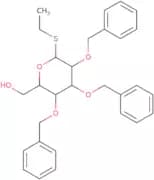

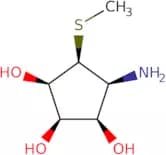
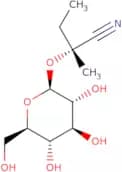

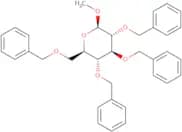
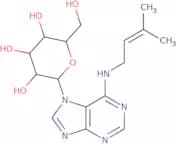
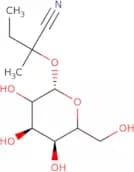
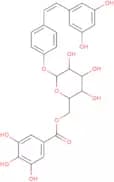
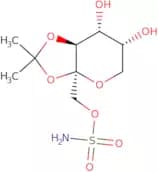
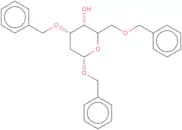
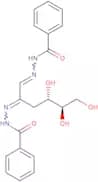
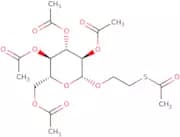
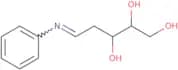
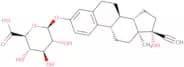
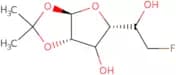
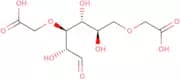
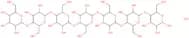
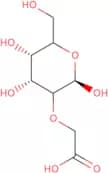
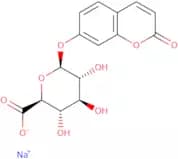

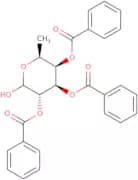
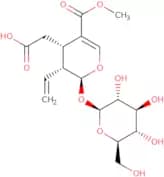
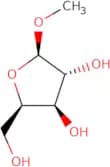
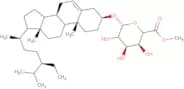
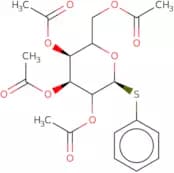
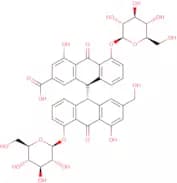
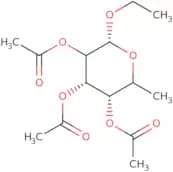
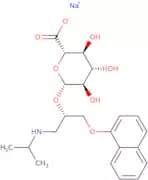
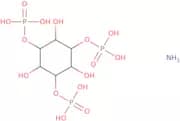

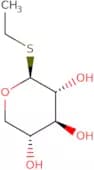

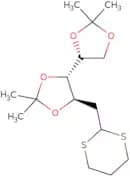
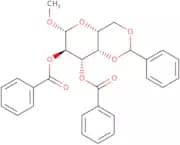
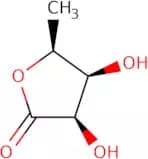
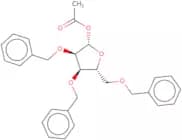
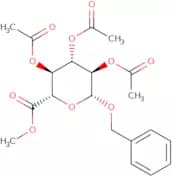
![D-[1-13C]Xylose](/_next/image/?url=https%3A%2Fstatic.cymitquimica.com%2Fproducts%2F3D%2Fthumb-webp%2FVCA84921.webp&w=3840&q=75)
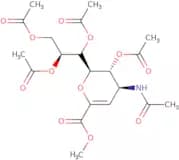
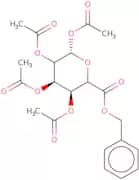
![1,2-Dideoxy-2'-pyrrolidin-1-yl-a-D-glucopyranoso-[2,1-d]-2'-thiazoline](/_next/image/?url=https%3A%2Fstatic.cymitquimica.com%2Fproducts%2F3D%2Fthumb-webp%2FMD15733.webp&w=3840&q=75)
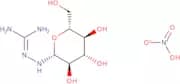

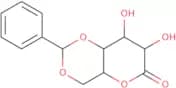
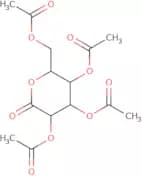

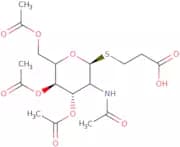
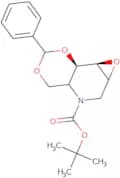
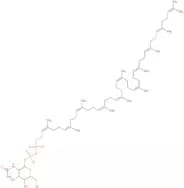


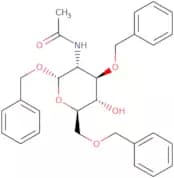
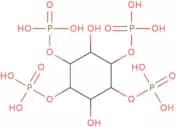
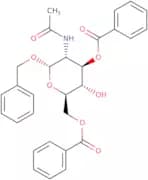

![2-[(Azidoacetyl)amino]-2-deoxy-D-galactose](/_next/image/?url=https%3A%2Fstatic.cymitquimica.com%2Fproducts%2F3D%2Fthumb-webp%2FMA32519.webp&w=3840&q=75)
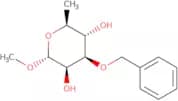

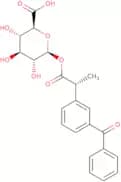
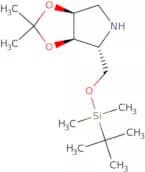
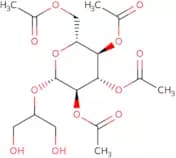

![1,6-O-[(1R,2R)-1,2-Dimethoxy-1,2-dimethyl-1,2-ethanediyl]-3,4-O-[(1S,2S)-1,2-dimethoxy-1,2-dimethy…](/_next/image/?url=https%3A%2Fstatic.cymitquimica.com%2Fproducts%2F3D%2Fthumb-webp%2FMD16693.webp&w=3840&q=75)
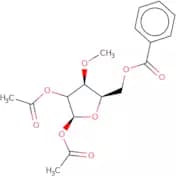

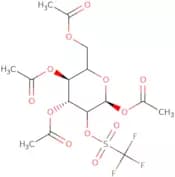


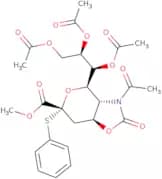
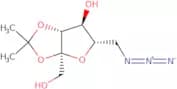
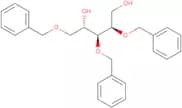

![(2R,4R)-2-[L-Xylo-tetrahydroxybut-1-yl]-1,3-thiazolidine-4-carboxylic acid](/_next/image/?url=https%3A%2Fstatic.cymitquimica.com%2Fproducts%2F3D%2Fthumb-webp%2FMX01046.webp&w=3840&q=75)

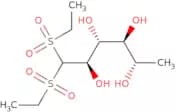

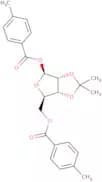
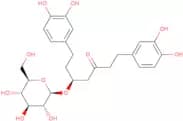
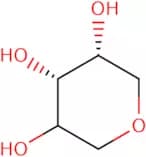
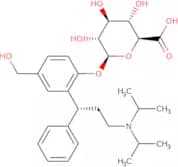
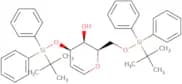
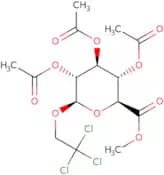
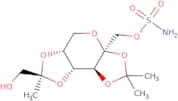
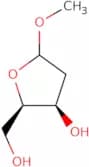
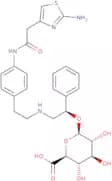
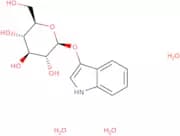
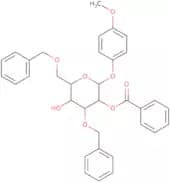
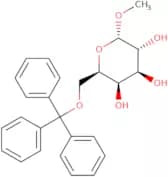
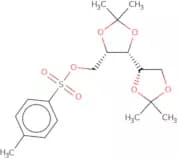
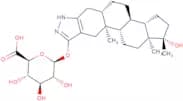

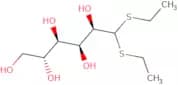

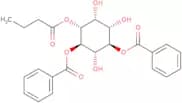
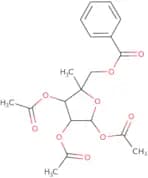
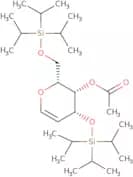
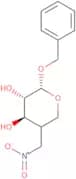
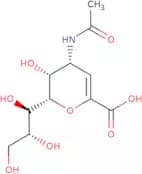

![N-{[4-(Hydroxyamino)phenyl]sulfonyl}-N-[2-(2-naphthyloxy)ethyl]-b-D-glucopyranosylamine](/_next/image/?url=https%3A%2Fstatic.cymitquimica.com%2Fproducts%2F3D%2Fthumb-webp%2FMN176336.webp&w=3840&q=75)
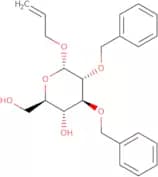
![(2S, 4S, 4'R) [4,4'-bi-1,3-dioxolane]-2-methanol-2,2'-dimethyl](/_next/image/?url=https%3A%2Fstatic.cymitquimica.com%2Fproducts%2F3D%2Fthumb-webp%2FMM44925.webp&w=3840&q=75)
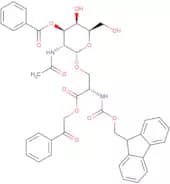
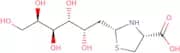
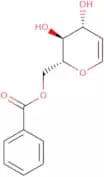
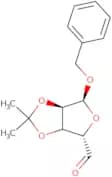
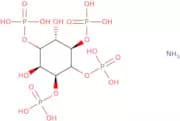
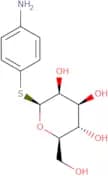
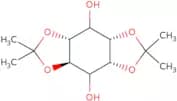
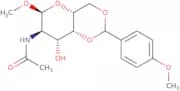
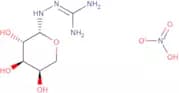
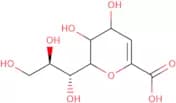

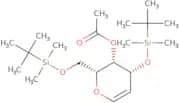
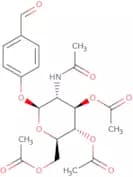
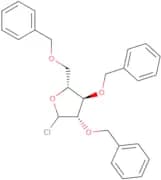
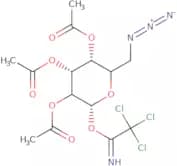

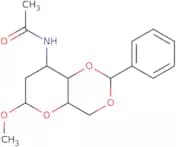
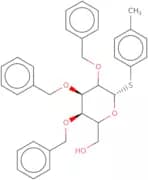
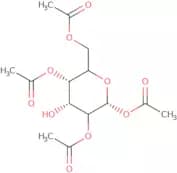
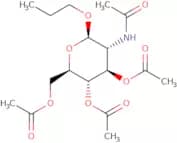
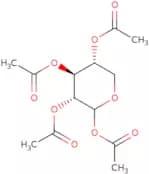
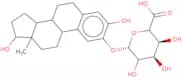
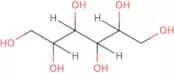
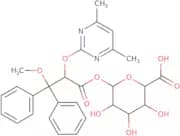
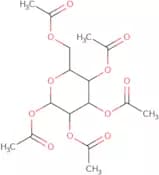

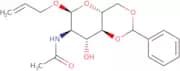
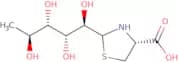
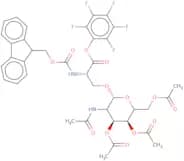
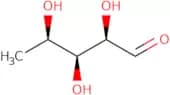
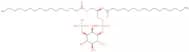
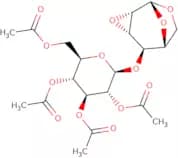
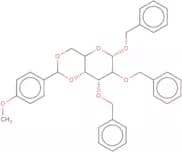
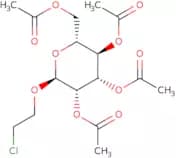
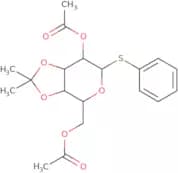


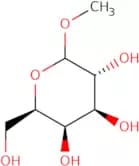
![4-Amino-7-(2-deoxy-b-D-ribofuranosyl)-1,7-dihydro-2H-pyrrolo[2,3-d]pyrimidin-2-one](/_next/image/?url=https%3A%2Fstatic.cymitquimica.com%2Fproducts%2F3D%2Fthumb-webp%2FMA145597.webp&w=3840&q=75)
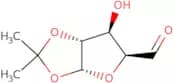
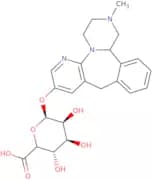
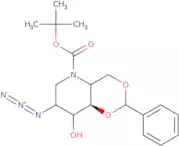
![Methyl 2,6-di-O-benzoyl-3,4-di-O-[bis(3,5-dimethylphenyl)]phosphino-a-D-glucopyranoside](/_next/image/?url=https%3A%2Fstatic.cymitquimica.com%2Fproducts%2F3D%2Fthumb-webp%2FMM166795.webp&w=3840&q=75)

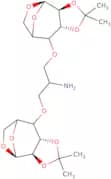
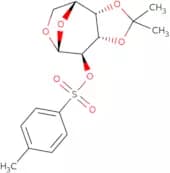
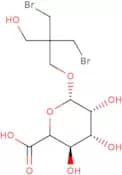
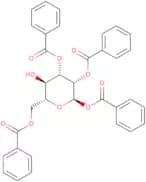
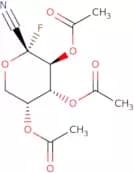
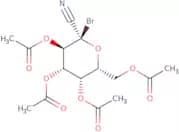
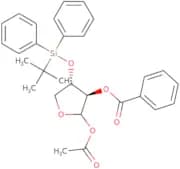

![D-[4,5,6]-Fructose-13C3](/_next/image/?url=https%3A%2Fstatic.cymitquimica.com%2Fproducts%2F3D%2Fthumb-webp%2FMF171832.webp&w=3840&q=75)