Food Industry Standards
Food industry standards are critical reference materials used to ensure the safety, quality, and consistency of food products. These standards are employed in the analysis and testing of foodstuffs, including contaminants, additives, and nutritional components. At CymitQuimica, we provide high-quality food industry standards to support compliance with food safety regulations and quality control measures.
Subcategories of "Food Industry Standards"
- Beverage Standards(7 products)
- Dairy Standards(39 products)
- Food Contact Materials(1,074 products)
- Wine Standards(47 products)
Found 7928 products of "Food Industry Standards"
Sort by
Purity (%)
0
100
|
0
|
50
|
90
|
95
|
100
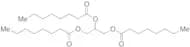
Tricaprylin(>90%)
CAS:Controlled Product<p>Applications Tricaprylin is used in biological studies for fatty acid selectivity of lipases during acidolysis reaction between oleic acid and monoacid triacylglycerols.<br>References Karabulut, I., et al.: J. Agri. Food. Chem., 57, 10466 (2009);<br></p>Formula:C27H50O6Purity:>90%Color and Shape:ColourlessMolecular weight:470.68Creatine
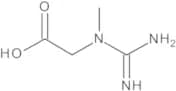
CAS:<p>Applications Creatine can be used in biological study of high fat diets with different ketogenic ratios on hippocampal accumulation of creatine.<br>References Skoczen, A., et al.: Spectrochim Acta A, 184, 13 (2017)<br></p>Formula:C4H9N3O2Color and Shape:Colourless Crystalline PowderMolecular weight:131.13Glutaric Acid
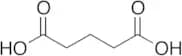
CAS:<p>Applications Glutaric Acid is an organic acid found in human urine which may be used for the detection of metabolic or other health disorders.<br>References Christou, C., et. al.: J. Chromatogr. B. Anal. Tech. Biomed. Life Sci., 964, 195 (2014)<br></p>Formula:C5H8O4Color and Shape:White PowderMolecular weight:132.11Decyl Hexyl Phthalate
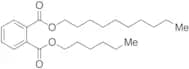
CAS:<p>Applications Decyl Hexyl Phthalate is an phthalate esters used as plasticizers and additives. Used in toxiciology studies as well as risk assessment studies of food contamination that occurs via migration of phthalates into foodstuffs from food-contact materials (FCM).<br> Not a dangerous good if item is equal to or less than 1g/ml and there is less than 100g/ml in the package<br>References Awad, N.E., et al.: Bull. Factul. Pharma., 40, 233 (2002); Harris, C.A., et al.: Environ. Health. Perspect., 105, 802 (1997);<br></p>Formula:C24H38O4Color and Shape:ColourlessMolecular weight:390.56Cantharidin
CAS:<p>Stability Hygroscopic<br>Applications Cantharidin is a well known natural compound produced by beetles of the Meloidae and Oedemeridae families. Insecticidal toxin. Apoptosis inducer in human H460 human lung cancer cells.<br> Not a dangerous good if item is equal to or less than 1g/ml and there is less than 100g/ml in the package<br>References Khan, R. et al.: GMR. Gen. Mol. Res., 12, 4393 (2013); Hsia, T. et al.: Int. J. Onc., 45, 245 (2014);<br></p>Formula:C10H12O4Color and Shape:NeatMolecular weight:196.204-Guanidinobutanoic Acid-d6
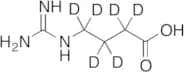
CAS:Controlled Product<p>Applications 4-Guanidinobutanoic Acid-D6 is an isotopic labeled compound of 4-Guanidinobutanoic acid (G825100). 4-Guanidinobutanoic acid is a guanidine derivative and a metabolite a found in urine, synthesized by gut microbiota.<br>References Yu, C.; et al.: Biomed. Chromatogr., 32 (2018); Lin, Z.; et al.: Scientific Reports, 8, 1 (2018).<br></p>Formula:C5D6H5N3O2Color and Shape:NeatMolecular weight:151.1974-Tolylsulfonamide
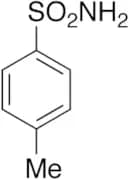
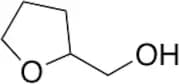
CAS:Controlled Product<p>Applications 4-Tolylsulfonamide is a carbonic anhydrase inhibitor used the synthesis of antiglaucoma and anticancer drugs.<br>References Vullo, D. et al.: Bioorg. Med. Chem. Lett., 15, 963 (2005); Vullo, D. et al.: Bioorg. Med. Chem. Lett., 15, 971 (2005);<br></p>Formula:C7H9NO2SColor and Shape:NeatMolecular weight:171.22Tetrahydrofurfuryl Alcohol
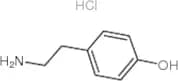
CAS:Controlled Product<p>Applications Tetrahydrofurfuryl alcohol (cas# 97-99-4) is a useful research chemical.<br></p>Formula:C5H10O2Color and Shape:NeatMolecular weight:102.1317Tyramine Hydrochloride
CAS:<p>Applications Tyramine Hydrochloride is a naturally occurring monoamine derived from tyrosine. Neurotransmitter.<br>References Roy, K., et al.: J. Mol. Liq., 230, 104-112 (2017); Roy, M. N., et al.: Chem. Phys. Lett., 655-656, 43-50 (2016)<br></p>Formula:C8H11NO·ClHColor and Shape:Off-WhiteMolecular weight:173.642-(4,6-Diphenyl-1,3,5-triazine-2-yl)-5-[(hexyl)oxy]phenol
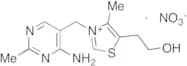
CAS:Controlled Product<p>Applications 2-(4,6-Diphenyl-1,3,5-triazine-2-yl)-5-[(hexyl)oxy]phenol is used as a light stabilizer/UV absorber for polyethylene phthalate polymers intended for use in contact with food.<br>References Food and Drug Administration, HHS: Fed. Reg., 63, 43874 (1998); Fechine, G.J.M. et al.: Polym. Degrad. Stab., 75, 153 (2002);<br></p>Formula:C27H27N3O2Color and Shape:NeatMolecular weight:425.52Thiamine Nitrate
CAS:Controlled Product<p>Stability Hygroscopic<br>Applications Thiamine Nitrate is an orally administered vitamin. Thiamine is a essential nutrient required for carbohydrate metabolism and is involved in nerve function.<br>References Leuschner, J.: Arzneimittel-Forsch., 42, 114 (1992); Kawaski, T., et al.: Methods Enzymol., 122, 15 (1986); Mascher, H., et al.: J. Pharm. Sci., 82, 56 (1993)<br></p>Formula:C12H17N4OS·NO3Color and Shape:WhiteMolecular weight:327.36Di(n-butyl-d9) 1,10-Decanedioate
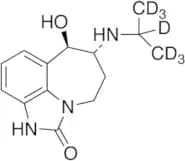
CAS:Controlled Product<p>Applications Di(n-butyl-d9) 1,10-Decanedioate is a useful isotopically labeled compound of Dibutyl Sebacate (D429525(P)). Dibutyl Sebacate (DBS) is a dibutyl ester of sebacic acid. Dibutyl Sebacate can be used for plastics in use in the food packaging industry, in plastics used for medical devices, and for pharmaceutical applications. Dibutyl Sebacate is also used as a desensitizer in Otto fuel II, a torpedo monopropellant.<br>References Eriksson, M., et al.: Plant Physiol., 132, 732 (2003), ,,Beuve, N., et al.: Plant Cell Environ., 27, 1035 (2004),<br></p>Formula:C18D18H16O4Color and Shape:ColourlessMolecular weight:332.571Zilpaterol-d7
CAS:Controlled Product<p>Applications b-Adrenergic agonist. Zipaterol, is used to promote growth. Zilpaterol is used to increase the size of cattle.<br>References Shelver, W.L., et al.: J. Agric. Food Chem., 52, 2159 (2004),<br></p>Formula:C14H12D7N3O2Color and Shape:Light BrownMolecular weight:268.36Damascenone
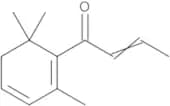
CAS:<p>Applications A terpenic ketone; odorant in fruits, vegetables, honey, wine and beer.<br>References Sen, A., et al.: J. Agric. Food Chem., 39, 757 (1991), Chevance, F., et al.: J. Agric. Food Chem., 50, 3818 (2002), Daniel, M.A., et al.: J. Agric. Food Chem., 52, 8127 (2004)<br></p>Formula:C13H18OColor and Shape:NeatMolecular weight:190.28Vinyltrimethoxysilane
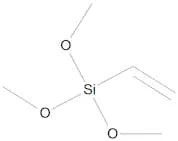
CAS:<p>Applications Vinyltrimethoxysilane (cas# 2768-02-7) is a useful research chemical.<br></p>Formula:C5H12O3SiColor and Shape:Light YellowMolecular weight:148.2325Dimethyl Phthalate
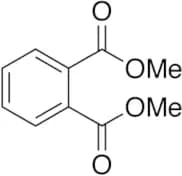
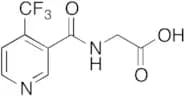
CAS:Controlled Product<p>Applications Dimethyl Phalate is the methyl ester of phthalic acid. Dimethyl phthalate is an ectoparasiticide and has many other uses, including in solid rocket propellants, plastics, and insect repellents.<br>References Iselin, B., et al.: Helv. Chim. Acta., 40, 373 (1957),<br></p>Formula:C10H10O4Color and Shape:ColourlessMolecular weight:194.184-(Trifluoromethyl)nicotinoyl Glycine
CAS:Controlled Product<p>Applications 4-(Trifluoromethyl)nicotinoyl Glycine is a metabolite of Flonicamid (F405710); a novel insecticide with rapid inhibitory effect against aphid feeding.<br>References Lee, Sung Woo., et al.: J. Chrom. A., 1218(28), 4366-4377 (2011); Hengel, Matt J., et al.: J. Agr. Food Chem., 55(20), 8033-8039 (2007); Morita, M., et al.: Pest. Manag. Sci.,63, 969 (2007); Sabatino, L., et al.: Food. Additive. Contamin., 6, 11 (2013)<br></p>Formula:C9H7F3N2O3Color and Shape:YellowMolecular weight:248.16trans-p-Coumaric Acid
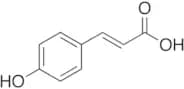
CAS:<p>Applications trans-p-Coumaric Acid is the E-isomer of p-Coumaric Acid (C755365), a hydroxy derivative of Cinnamic Acid with antioxidant properties. p-Coumaric acid is a is a major component of lignocellulose. Studies suggest that p-Coumaric Acid may reduce the risk of cancer by reducing the formation of carcinogenic nitrosamines.<br>References Kikugawa, K. et al.: J. Agric. Food Chem., 1, 780 (1983); Ferguson, L.R. et al.: Mol. Nutrit. Food Res., 585 (2005); Chung, F.L. et al.: IARC Sci. Pub., 57, 797 (1984);<br></p>Formula:C9H8O3Color and Shape:BeigeMolecular weight:164.16Bisphenol B-d8
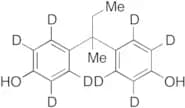
CAS:Controlled Product<p>Applications Bisphenol B-d8 is the isotope labelled analog of Bisphenol B. Bisphenol B, is the analouge of Bisphenol A (B519495), which is used to make certain plastic an epoxy resins. BPA and its analogs, are also shown to activate human pregnane X receptor (PXR), a nuclear receptor that functions as a master regulator of xenobiotic metabolism.<br>References Yipeng, S., et al.: Env Hea. Pers., 120, 399 (2012); Krishnan, A.V., et al.: Endocrinology, 132, 2279 (1993); Steinmetz, R., et al.: Trends Endocrinol. Metab., 9, 124 (1998), Petersen, H., et al.: Eur. Food Res. Technol., 216, 355 (2003);<br></p>Formula:C16H10D8O2Color and Shape:Off-WhiteMolecular weight:250.36α-Tocopherol
CAS:<p>Stability Light Sensitive<br>Applications α-Tocopherol is the most bioactive of the naturally occurring forms of Vitamin E. Richest sources are green vegetables, grains, and oils, particularly palm, safflower and sunflower oils.<br>References Bianchi, G., et al.: Eur. J. Lipid Sci. Technology, 105, 229 (2003), Sakouhi, F., et al.: Food Chem., 108, 833 (2008),<br></p>Formula:C29H50O2Color and Shape:NeatMolecular weight:430.71(+)-Gallocatechin
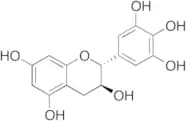
CAS:<p>Stability Hygroscopic<br>Applications (+)-Gallocatechin is antioxidant isomer of (-)-Gallocatechin (G188990), a potential cancer chemopreventive agent that inhibits the growth and adherence of P. gingivalis onto the buccal epithelial cells. An epimer of (-)-Epigallocatechin (E588940).<br>References Rychlik, J., et. al: J. Sci. Food Agr., 95, 1892 (2015); Guo, Q. et al.: Biochim. Biophys. Acta, 1427, 13 (1999); Sakanaka, S. et al.: Biosci. Biotechnol. Biochem., 60, 745 (1996)<br></p>Formula:C15H14O7Color and Shape:White To Light BrownMolecular weight:306.273,4-Dimethyl-1,2-cyclopentanedione
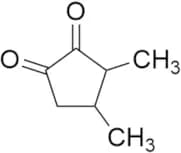
CAS:Controlled ProductFormula:C7H10O2Color and Shape:NeatMolecular weight:126.15Omeprazole Sulfone
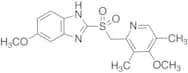
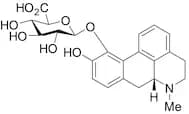
CAS:<p>Impurity USP Omeprazole Related Compound A<br>Applications A metabolite of Omeprazole.<br></p>Formula:C17H19N3O4SColor and Shape:White To Light BrownMolecular weight:361.42Apomorphine 11-Glucuronide
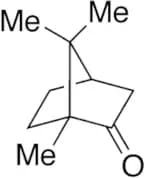
Controlled ProductFormula:C23H25NO8Color and Shape:NeatMolecular weight:447.478(R)-(+)-Camphor
CAS:<p>Applications (R)-(+)-Camphor is a terpenoid with a wide variety of use. (R)-(+)-Camphor has insecticidal activity and is also used as an antimicrobial agent. (R)-(+)-Camphor is used as a culinary flavouring agent in parts of asia.<br> Not a dangerous good if item is equal to or less than 1g/ml and there is less than 100g/ml in the package<br>References Abdelgaleil, S.A.M. Appl. Entomol. Zool., 45, 425 (2010); Tabanca, N. et al.: J. Agric. Food. Chem., 49, 4300 (2001);<br></p>Formula:C10H16OColor and Shape:NeatMolecular weight:152.234-{[4,6-Bis(octylsulfanyl)-1,3,5-triazin-2-yl]amino-2,6-di-tert-butylphenol
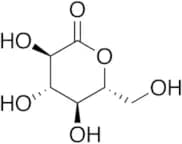
CAS:Controlled Product<p>Applications 4-{[4,6-BIS(OCTYLSULFANYL)-1,3,5-TRIAZIN-2-YL]AMINO-2,6-DI-TERT-BUTYLPHENOL (cas# 991-84-4) is a useful research chemical.<br></p>Formula:C33H56N4OS2Color and Shape:White To Off-WhiteMolecular weight:588.95D-Glucono-1,5-lactone
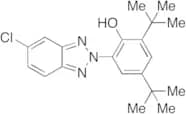
CAS:Controlled Product<p>Applications A lactone (cyclic ester) of D-gluconic acid used as a used as a sequestrant, an acidifier, or a curing, pickling, or leavening agent.<br>References Jacob, M. et al.: Food Hydrocoll., 25, 928 (2011); Li, J. et al.: J. Sci. Food Agric., 91, 38, 2011;<br></p>Formula:C6H10O6Color and Shape:NeatMolecular weight:178.142,4-Di-tert-butyl-6-(5-chloro-2H-benzotriazol-2-yl)phenol
CAS:<p>Applications 2,4-Di-tert-butyl-6-(5-chloro-2H-benzotriazol-2-yl)phenol is a UV absorber.<br>References Moisan, J.: Eur. Polymer J., 16, 979 (1980); Nakata, H., et al.: Environ. Sci. Technol.,43, 6920 (2009)<br></p>Formula:C20H24ClN3OColor and Shape:Light YellowMolecular weight:357.88L-Glutamine
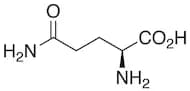
CAS:<p>Applications L-Glutamine is an essential amino acid that is a crucial component of culture media that serves as a major energy source for cells in culture. L-Glutamine is very stable as a dry powder and as a frozen solution. In liquid media or stock solutions, however, L-glutamine degrades relatively rapidly. Optimal cell performance usually requires supplementation of the media with L-glutamine prior to use.<br>References Rivett, A., et al.: J. Biol. Chem., 260, 300 (1985), Watford, M., et al.: Metabolism, 49, 141 (2000), Wilmore, D., et al.: J. Nutr., 131, 2543S (2001),<br></p>Formula:C5H10N2O3Color and Shape:Off-WhiteMolecular weight:146.14Pyridoxine Hydrochloride
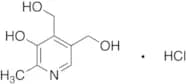
CAS:<p>Stability Hygroscopic<br>Applications Pyridoxine is one of the vitamins of the B6 complex; present in many foodstuffs (yeast, liver and cereals). Pyridoxine has a role in transporting protein Bsu1, Pyridoxine contributes to thiamine uptake; characterization of thiamine (vitamin B1) transporter Thi9 from Schizosaccharomyces pombe.<br>References Williams, R., et al.: J. Biol. Chem., 87, 581 (1930), Rodionov, D., et al.: J. Biol. Chem., 277, 48949 (2002),Nosaka, K., et al.: Mol. Microbiol., 58, 467 (2005),<br></p>Formula:C8H11NO3·ClHColor and Shape:WhiteMolecular weight:205.64Methyl Palmitoleate
CAS:<p>Applications Methyl Palmitoleate is used as a component in the preparation of a biodiesel fuels.<br>References Luo, H. et al.: Biores. Tech., 140, 337 (2013); Arias-Penaranda, M. et al.: Biores. Tech., 140, 158 (2013);<br></p>Formula:C17H32O2Color and Shape:ColourlessMolecular weight:268.43Bisphenol AP
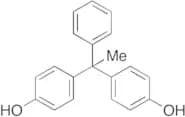
CAS:Controlled Product<p>Applications Bisphenol AP is used to prepare triphenylmethane derivatives as inhibitors of hepatitis C virus helicase. It is a derivative of Bisphenol A (B519495) which is a monomer used for policarbonate and epoxy resins.<br>References Chen, C., et al.: J. Med. Chem., 52, 2716 (2009); Krishnan, A.V., et al.: Endocrinology, 132, 2279 (1993); Steinmetz, R., et al.: Trends Endocrinol. Metab., 9, 124 (1998); Petersen, H., et al.: Eur. Food Res. Technol., 216, 355 (2003);<br></p>Formula:C20H18O2Color and Shape:NeatMolecular weight:290.36Ethylenediamine-N,N,N’,N’-tetraacetic Acid
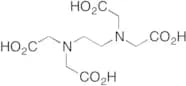
CAS:<p>Applications: Ethylenediamine-N,N,N’,N’-tetraacetic Acid (EDTA) is a powerful chelating agent; EDTA forms stable complexes with most metal ions. EDTA is used in treatment of lead and heavy metal poisoning of farm animals. This compound is a contaminant of emerging concern (CECs).<br>References Heindorff, K., et al.: Mutat. Res., 115, 149 (1983), Grier, M.T., et al.: Ann. Pharmacother., 27, 1504 (1993), Krokidis, A.A., et al.: Anal. Chim. Acta, 535, 57 (2005),<br></p>Formula:C10H16N2O8Color and Shape:ColourlessMolecular weight:292.24(2E)-Demethoxy Curcumin
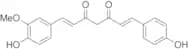
CAS:<p>Applications The demethoxy derivative of Curcumin (C838500) that regulates anti-inflammatory and anti-proliferative responses through a ROS-independent mechanism. It attenuates the Wnt/β-catenin pathway through down-regulation of the transcriptional coactivator p300.<br> Not a dangerous good if item is equal to or less than 1g/ml and there is less than 100g/ml in the package<br>References Ryu, M.J. et al.: Biochem. Biophys. Res. Comm., 377, 1304 (2008); Sandur, S.K. et al.: Carcinogenesis, 28, 1765 (2007); Huang, T. et al.: J. Agric. Food. Chem., 58, 10639 (2010);<br></p>Formula:C20H18O5Color and Shape:Pink To RedMolecular weight:338.35Benzothiazole
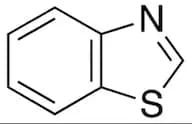
CAS:Controlled Product<p>Applications Various benzothiazole-benzamides synthesized were evaluated for their analgesic and antidepressant activities.<br>References Porsolt, R., et al.: Nature, 266, 730 (1977), Foster, J., et al.: Bioorg. Med. Chem., 7, 2415 (1999), Caliendo, G., et al.: Eur. J. Med. Chem., 36, 517 (2001), Rana, A., et al.: Eur. J. Med. Chem., 43, 1114 (2008),<br></p>Formula:C7H5NSColor and Shape:Light YellowMolecular weight:135.19Diisopentyl Phthalate
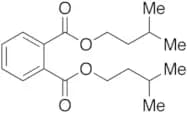
CAS:Controlled Product<p>Applications One of the several phthalate esters which showed clear fetotoxicity, embryolethality and teratogenicity.<br> Not a dangerous good if item is equal to or less than 1g/ml and there is less than 100g/ml in the package<br>References Hellwig, J., et al.: Food Chem. Toxicol., 35, 501 (1997),<br></p>Formula:C18H26O4Color and Shape:NeatMolecular weight:306.402,2,2-Trichloroethanol
CAS:<p>Applications 2,2,2-trichloroethanol (TCE) is an active metabolite of Trichloroacetaldehyde monohydrate [chloral hydrate (CH)] (T774055), a sedative/hypnotic that increases cerebral blood flow (CBF).<br>References Parelkar, N., et al.: J. Pharma. Exper. Ther., 332, 803 (2010); Merdink, J., et al.: Toxicol, 245, 130 (2008)<br></p>Formula:C2H3Cl3OColor and Shape:NeatMolecular weight:149.40Rumenic Acid (~80%)
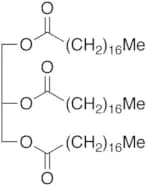
CAS:Controlled ProductFormula:C18H32O2Purity:~80%Color and Shape:Colourless LiquidMolecular weight:280.45Tristearin
CAS:Controlled Product<p>Applications Tristearin is present in animal and vegetable fats.<br></p>Formula:C57H110O6Color and Shape:WhiteMolecular weight:891.48trans-Piceatannol
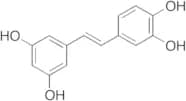
CAS:<p>Applications A human metabolite of Resveratrol (R150000). Piceatannol is strong anti-oxidant.<br>References Athar, M., et al.: Toxicol. Appl. Pharmacol., 224, 274 (2007), Bernhardt, R., et al.: J. Biotechnol., 124, 128 (2006), Fairman, D.A., et al.: Drug Metab. Dispos., 35, 2159 (2007),<br></p>Formula:C14H12O4Color and Shape:NeatMolecular weight:244.24(S)-Zearalanone
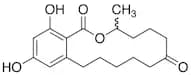
CAS:Controlled Product<p>Applications A secondary metabolite of Zearalenone (ZON). The macrocyclic lactone Zearalanone used in the synthesis of d,l-Zearalanol.<br>References Hurd, R.N., et al.: J. Med. Chem., 16(5), 543 (1973), Baughman, R., et al.: Science, 297, 787 (2002), Zinedine, A., et al.: Food Chem. Toxicol., 45, 1 (2007), Chailapakul, O., et al.: Food Chem., 109, 876 (2008),<br></p>Formula:C18H24O5Color and Shape:White To Off-WhiteMolecular weight:320.38Bisphenol A Monosulfate Sodium Salt
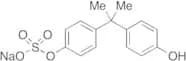
CAS:<p>Stability Unstable in Solution<br>Applications Bisphenol A Monosulfate is a derivative of Bisphenol A (B519495), a monomer used for policarbonate and epoxy resins; exhibits estrogenic activity. BPA is also used as a building block in polycarbonate bottles and in the epoxy-resin liners of metal cans.<br>References Krishnan, A.V., et al.: Endocrinology, 132, 2279 (1993), Steinmetz, R., et al.: Trends Endocrinol. Metab., 9, 124 (1998), Petersen, H., et al.: Eur. Food Res. Technol., 216, 355 (2003); Bureeva, S. et al.: Bioorg. Med. Chem. Lett., 13, 1045 (2005)<br></p>Formula:C15H15NaO5SColor and Shape:NeatMolecular weight:330.33(9Z)-9-Octadecen-1-ol, 85%
CAS:<p>Applications (9Z)-9-Octadecen-1-ol, is an unsaturated fatty alcohol, that can be used a nonionic surfactant, emulsifier, emollient and thickener in skin creams, lotions and many other cosmetic products.<br>References Linh D.D, et al.: Int. J. Gre. Eng., 8, 748 (2011);<br></p>Formula:C18H36OPurity:85%Color and Shape:Colourless LiquidMolecular weight:268.48Mono(3-hydroxybutyl)phthalate-d4
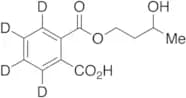
CAS:Controlled Product<p>Applications Labelled Mono(3-hydroxybutyl)phthalate (M546300). Mono(3-hydroxybutyl)phthalate is a metabolite of Dibutyl phthalate (DBP) (D429495), which is widely used in consumer products.<br>References Silva, M., et al.: Arch. Toxicol., 77, 561 (2003), Silva, M., et al.: Toxicology, 210, 123 (2005), Silva, M., et al.: J. Anal. Toxicol., 29, 819, (2005),<br></p>Formula:C12H10D4O5Color and Shape:NeatMolecular weight:242.26Sodium Perfluoro-1-decanesulfonate
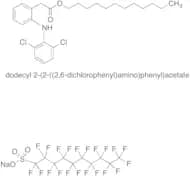
CAS:Controlled Product<p>Stability Hygroscopic<br>Applications Sodium Perfluoro-1-decanesulfonate is a standard for environmental testing and research. A substance used in the optimization and comparison of extraction methods for determination of perfluoroalkyl substances in soils and sediments using liquid chromatography-mass spectrometry.<br>References Lorenzo, M., et al.: Anal. Bioanal. Chem., 407, 5767 (2015)<br></p>Formula:C10F21O3S·NaColor and Shape:Light Yellow To Light BrownMolecular weight:622.13Stearic Acid
CAS:<p>Applications Stearic Acid is used in the synthesis of surfactants and detergents due to the fatty acid component of its structure.<br>References Dax, D. et al.: BioRes., 8, 3771 (2013); Ghumare, A. et al.: J. Surf. Deter., 26, 85 (2013);<br></p>Formula:C18H36O2Color and Shape:White To Off-WhiteMolecular weight:284.48Acepyrene
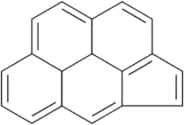
CAS:<p>Stability Light Sensitive<br>Applications Acepyrene is a novel constituent discovered that belongs to the pyrene class of the polycyclic aromatic hydrocarbons. Acepyrene occurs in a large variety of carbon black soots, in cigarette smoke and is the major representative of PAH in car engine exhaust gases.<br>References Murray, R.W., et al.: Chem. Res. Toxicol., 8, 239 (1995); Mari, M., et al.: Sci. Total. Enviro., 408, 2387 (2010); Todorov, P.D., et al.: Chem. Phys. Lett., 454, 30 (2008);<br></p>Formula:C18H10Color and Shape:Orange To Dark RedMolecular weight:226.27Calcium Propionate
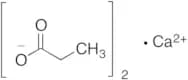
CAS:Controlled Product<p>Applications Calcium Propionate is an antifungal agent and used as a food preservative.Environmental contaminants; food contaminants.<br>References Channaiah, L. H., et al.: J Food Prot. 79, 544 (2016); Li, N., et al.: Zhongguo shipin xuebao 16, 130 (2016)<br></p>Formula:C3H5O2·CaColor and Shape:Off-WhiteMolecular weight:186.22Vinyltris(2-methoxyethoxy)silane
CAS:<p>Applications VINYLTRIS(2-METHOXYETHOXY)SILANE (cas# 1067-53-4) is a useful research chemical.<br></p>Formula:C11H24O6SiColor and Shape:ColourlessMolecular weight:280.39Di-n-octyl Phthalate
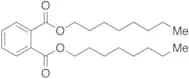
CAS:Controlled Product<p>Applications Phthalate ester used as plasticizers and additives. Used in toxicology studies as well as risk assessment studies of food contamination that occurs via migration of phthalates into foodstuffs from food-contact materials (FCM).<br>References Irvin, E.A. et al.: Chemosphere, 80, 1301 (2010); Petersen, J.H. et al.: Food Add. Contam. Part A Chem. Anal. Cont. Expos. Risk. Assess., 27, 1608 (2010); Kwack, S.J. et al.: Toxicol. Res., 26, 75 (2010);<br></p>Formula:C24H38O4Color and Shape:ColourlessMolecular weight:390.56Isovitexin
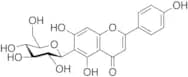
CAS:Controlled Product<p>Applications Isovitexin is known as a flavones, a class of flavonoids. Isovitexin have been studied for their antiradical activities in the process of metabolisms. Isovitexin have also been studied for beneficial effcts against atherosclerosis, osteoporosis and certain cancers.<br>References Cermak, R., et al.: Expert. Opin. Drug. Metab. Toxicol., 4, 17 (2008); Ma, X., et al.: J. Agri. Food. Chem., 60, 10844 (2012); Li, H., et al.: Food. Chem., 135, 2942, (2012);<br></p>Formula:C21H20O10Color and Shape:Light Yellow To YellowMolecular weight:432.38Bisphenol B
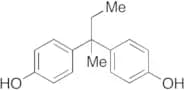
CAS:<p>Applications Bisphenol B is the analogue of Bisphenol A (B519495), which is used to make certain plastic an epoxy resins. BPA and its analogs, are also shown to activate human pregnane X receptor (PXR), a nuclear receptor that functions as a master regulator of xenobiotic metabolism.<br>References Yipeng, S., et al.: Env Hea. Pers., 120, 399 (2012); Krishnan, A.V., et al.: Endocrinology, 132, 2279 (1993); Steinmetz, R., et al.: Trends Endocrinol. Metab., 9, 124 (1998); Petersen, H., et al.: Eur. Food Res. Technol., 216, 355 (2003);<br></p>Formula:C16H18O2Color and Shape:NeatMolecular weight:242.31Andarine
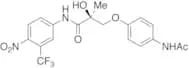
CAS:Controlled Product<p>Applications It is a potent and tissue-selective androgen receptor modulator (SARM) used as antiosteoporotic agent.<br>References Samnegard, E., et al.: Bone, 28, 414 (2001), Hanada, K., et al.: Biol. Pharm. Bull., 26, 1563 (2003), Kearbey, J., et al.: Xenobiotica, 34, 273 (2004), Kearbey, J., et al.: Xenobiotica, 34, 273 (2004), Kearbey, J., et al.: Pharm. Res., 24, 328 (2007),<br></p>Formula:C19H18F3N3O6Color and Shape:Light YellowMolecular weight:441.362-Bromoethanol
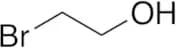
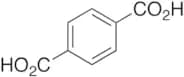
CAS:Controlled Product<p>Applications 2-Bromoethanol is an widely used intermediate in organic synthesis.<br> Not a dangerous good if item is equal to or less than 1g/ml and there is less than 100g/ml in the package<br>References Tian, Z., et al.: Int. J. Quant. Chem., 111, 631 (2011); Thayer, F.K., et al.: Org. Syntheses., 6, (1926);<br></p>Formula:C2H5BrOColor and Shape:NeatMolecular weight:124.96Terephthalic Acid
CAS:<p>Applications Terephthalic acid is a benzenepolycarboxylic acid with potential anti-hemorrhagic properties.<br>References Veronese, E., et al.: Phytomedicine, 12, 123 (2005), Panfoli, I., et al.: Toxins, 2, 417 (2010), Aung, H., et al.: Bioorg. Med. Chem., 19, 2392 (2011),<br></p>Formula:C8H6O4Color and Shape:ColourlessMolecular weight:166.13rac-cis-N-Desmethyl Sertraline Hydrochloride
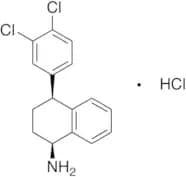
CAS:Controlled ProductFormula:C16H15Cl2N·ClHColor and Shape:WhiteMolecular weight:328.66(-)-Riboflavin
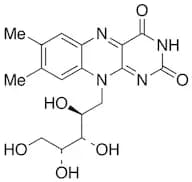
CAS:Controlled Product<p>Stability Hygroscopic<br>Applications (-)-Riboflavin is a nutritional factor found in milk, eggs, malted barley, liver, kidney, heart, leafy vegetables. Richest natural source is yeast. Minute amounts present in all plant and animal cells. Vitamin (enzyme cofactor).<br>References Unna, K., et al.: J. Pharmacol. Exp. Ther., 76, 75 (1942), Rivlin, et al.: N. Engl. J. Med., 283, 463 (1970), Al-Shammary, F.J., et al.: Anal. Profiles Drug Subs., 19, 429 (1990),<br></p>Formula:C17H20N4O6Color and Shape:NeatMolecular weight:376.36Coenzyme Q10
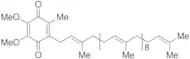
CAS:<p>Stability Light Sensitive<br>Applications Coenzyme Q10 is a cofactor that is part of the electron transport chain (3). It is also a free radical scavenger in lipid and mitochondrial membranes (3). Coenzyme Q10 has antibacterial and antioxidative properties and used to prevent and treat cancer (1,2). This compound is a neuroprotective product.<br>References (1) Trumpower, B.L.: J Bioenerg Biomembr (1981) 13,1 (2) Inatsu, S. et al.: Antimicrob. Agents Chemother. (2006) 50, 2237 (3) Matthews, R. T., et al.: Proc Natl Acad Sci U S A. (1998) 95:8892-7.<br></p>Formula:C59H90O4Color and Shape:OrangeMolecular weight:863.34Isoborneol
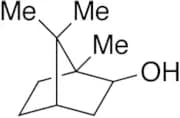
CAS:Controlled Product<p>Applications Isoborneol is a monoterpene and a component of several plant essential oils, showed dual viricidal activity against herpes simplex virus 1 (HSV-1). This compound is a contaminant of emerging concern (CECs).<br> Not a dangerous good if item is equal to or less than 1g/ml and there is less than 100g/ml in the package<br>References Armaka, M., et al.: Antiviral. Res., 43, 79 (1999); Johnson, L.P., et al.: Drug. Metab. Dispos., 6, 677 (1978); Biaske, V.U., et al.: J. Econ. Entomol., 96, 1267 (2003);<br></p>Formula:C10H18OColor and Shape:WhiteMolecular weight:154.25Phthalic Acid-d4
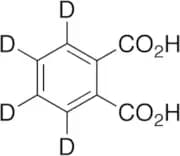
CAS:Controlled Product<p>Stability Hygroscopic<br>Applications Labelled Phthalic Acid (P384480). Organic reagent used to synthesize phthalates.<br>References Duchowicz, P.R., et al.: Bioorg. Med. Chem., 16, 7944 (2008), di Luccio, E., et al.: Biochem., 47, 4039 (2008), Lopez, Z., et al.: App. Microbiol. Biotechnol., 78, 739 (2008), Hong, Y., et al.: Toxicol. Lett., 184, 139 (2009),<br></p>Formula:C82H4H2O4Color and Shape:White To Off-WhiteMolecular weight:170.16Arachidic Acid Methyl Ester
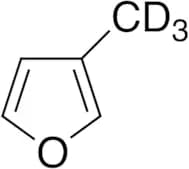
CAS:Controlled Product<p>Applications Arachidic Acid Methyl Ester is used in biological studies to evaluate the antioxidant activity and chemical compounds of Capsicum annuum acuminatum during fruit ripening. This is the methyl analog of arachidic acid, which is used for the production of detergents, photographic materials and lubricants.<br>References Conforti, F., et al.: Food Chem., 102, 1096 (2007); Kumar, S. R., et al.: J Chemtracks., 13, 277 (2011); Poyarkova, T.N., et al: J. App. Chem. 85, 1259 (2012);<br></p>Formula:C21H42O2Color and Shape:White To Off-WhiteMolecular weight:326.563-Methylfuran-d3 (1 mg/mL in Methanol)
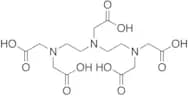
CAS:Controlled ProductFormula:C52H3H3OColor and Shape:Single SolutionMolecular weight:85.12Diethylenetriaminepentaacetic Acid
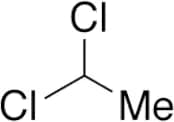
CAS:Controlled Product<p>Applications Diethylenetriaminepentaacetic Acid is a component of manganese and zinc fertilizers.<br>References Narwal, R.P., et al.: J. Geochem. Exploration., 121, 5 (2012); Munson, J.M., et al.: Sci. Translat. Med., 4, 127 (2012)<br></p>Formula:C14H23N3O10Color and Shape:NeatMolecular weight:393.351,1-Dichloroethane (Stabilized with Nitromethane, ~0.5%) (>90%)
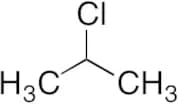
CAS:Controlled Product<p>Stability Very Volatile<br>Applications 1,1-Dichloroethane is used as a chemical solvent in the preparation of precursors of quinolizine, isoquinoline and indole alkaloids(1). Groundwater contaminant, DDT biodegredation product(2,3). Drinking water contaminant candidate list 3 (CCL 3) compound as per United States Environmental Protection Agency (EPA). Environmental contaminants; Food contaminants.<br> Not a dangerous good if item is equal to or less than 1g/ml and there is less than 100g/ml in the package<br>References 1. Butler, E. et al.: Env. Sci. Tech. 2000, 34 (3), pp 422–429.2. Ren, L. et al.: Chemosphere. 2017 Feb;168:244-253.3. Grewal, J. et al.: J. Environ. Sci. Health. B. 2016 Dec;51(12):809-816.<br></p>Formula:C2H4Cl2Purity:>90%Color and Shape:NeatMolecular weight:98.961-Bromo-3-chloropropane
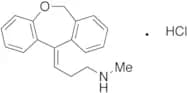
CAS:Controlled Product<p>Applications 1-Bromo-3-chloropropane can be used safer and equally efficient alternative to chloroform as a phase-separation agent in the 1-step method of RNA isolation from biological samples such as animal and plant tissue.<br>References Chomczynski, P. et al.: Anal. Biochem., 225, 163 (1995); Chey, S. et al.: Anal. Biochem., 411, 164 (2011);<br></p>Formula:C3H6BrClColor and Shape:Colourless LiquidMolecular weight:157.44Nor Doxepin Hydrochloride
CAS:<p>Applications A metabolite of Doxepin (D550000).<br> Not a dangerous good if item is equal to or less than 1g/ml and there is less than 100g/ml in the package<br>References Gupta, R., et al.: Biopharm. Drug Dispos., 1, 259 (1980), Linder, M., et al.: Clin. Chem., 44, 1073 (1998),<br></p>Formula:C18H19NO·HClColor and Shape:White To Off-WhiteMolecular weight:301.81p-Mentha-8-thiol-3-one(Mixture of cis and trans isomer)
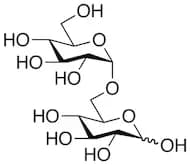
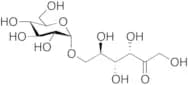
CAS:Formula:C10H18OSColor and Shape:NeatMolecular weight:186.32Isomaltose
CAS:<p>Stability Very Hygroscopic<br>Applications One of the main product of transformation of maltose into prebiotic isomaltooligosaccharides by novel α-glucosidase from Xantophyllomyces dendrorhous.<br>References Tzortzis, G., et al.: Appl. Microbiol. Biotechnol., 63, 286 (2003), Chaen, H., et al.: J. Biosci. Bioeng., 92, 177 (2001), Ferrer, M., et al.: Biochem. J., 391, 269 (2005),<br></p>Formula:C12H22O11Color and Shape:WhiteMolecular weight:342.30Ammonium Perfluoro(2-methyl-3-oxahexanoate)
CAS:Controlled Product<p>Applications AMMONIUM PERFLUORO(2-METHYL-3-OXAHEXANOATE) (cas# 62037-80-3) is a useful research chemical.<br></p>Formula:C6F11O3·H4NColor and Shape:White To Off-WhiteMolecular weight:347.086-Methyl-hepten-2-one
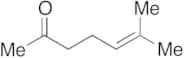
CAS:<p>Applications 6-Methyl-hepten-2-one is used in the synthesis of thyrsiferyl 23-Acetate which acts as an anti-leukemic inducer of apoptosis.<br>References Gonzalez, I. et al.: J. Am. Chem. Soc., 122, 9099 (2000);<br></p>Formula:C8H14OColor and Shape:ColourlessMolecular weight:126.19622-(4-Methylphenyl)propan-2-ol
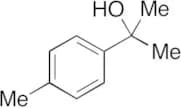
CAS:Formula:C10H14OColor and Shape:ColourlessMolecular weight:150.22cis-4-Heptenal
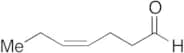
CAS:Controlled Product<p>Applications cis-4-Heptenal is an unsaturated aldehyde that possesses a fishy aroma. cis-4-Heptenal is a product of oxidative breakdown of fats in fish, and is naturally found in fish oils.<br> Not a dangerous good if item is equal to or less than 1g/ml and there is less than 100g/ml in the package<br>References Evans, C., et al.: J. Am. Oil Chem. Soc., 49, 578 (1972); Jónsdóttir, R., et al.: J. Food Sci., 70, c433 (2005); Seals, R. & Hammond, E.: J. Am. Oil Chem. Soc., 47, 278 (1970)<br></p>Formula:C7H12OColor and Shape:NeatMolecular weight:112.17Polyethylene (High Density)
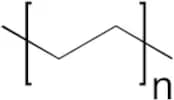
CAS:<p>Applications Polyethylene is used in the development of plastics.<br>References Yang, Bing, et al.: Suliao, 43(4), 39-42 (2014)<br></p>Formula:C2H4Color and Shape:NeatMolecular weight:28.053Isopropyl Myristate
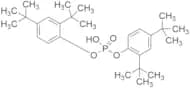
CAS:<p>Applications Isopropyl Myristate is a component of emulsion gel for topical delivery of pharmaceuticals, such as dexibuprofen or estrogen.<br>References Yousuf, M. et al.: Ind. J. Pharm. Sci., 75, 569 (2013); Peltola, S. et al.: Int. J. Pharm., 254, 99 (2003);<br></p>Formula:C17H34O2Color and Shape:NeatMolecular weight:270.45Bis(2,4-di-tert-butylphenyl) Hydrogen Phosphate
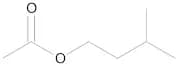
CAS:<p>Applications Bis(2,4-di-tert-butylphenyl) hydrogen phosphate (CAS# 69284-93-1) is a useful research chemical compound.<br></p>Formula:C28H43O4PColor and Shape:White To Off-WhiteMolecular weight:474.61Isoamyl Acetate
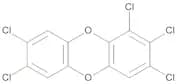
CAS:Controlled ProductFormula:C7H14O2Color and Shape:ColourlessMolecular weight:130.181,2,3,7,8-Pentachlorodibenzo-p-dioxin (>85%)
CAS:Formula:C12H3Cl5O2Purity:>85%Color and Shape:NeatMolecular weight:356.42Thidiazuron
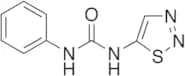
CAS:<p>Applications Thidiazuron is a non-purine containing urea derivative with cytokinin activity. Thidiazuron is used as a cotton defoliant and a plant growth regulator in tissue culture.<br> Not a dangerous good if item is equal to or less than 1g/ml and there is less than 100g/ml in the package<br>References Orlikowska, T., et al.: Plant Cell Tissue Org. Cult., 59, 95 (1999), Ray, T., et al.: Mol. Biol., 6, 35 (2005), Kanwar, J., et al.: Hort Sci., 2008, 35, 35 (2008),<br></p>Formula:C9H8N4OSColor and Shape:BeigeMolecular weight:220.254,4’-Dichlorodiphenyl Sulfone
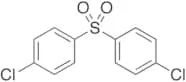
CAS:Controlled Product<p>Applications 4,4’-Dichlorodiphenyl Sulfone is an impurity of Dapson (D193250), an antibacterial used in the treatment of dermatitis herpetiformis.<br>References Carlsson, L., et al.: J. Chem. Info. Model., 49, 2551 (2009); Chan, T.S., et al.: Toxicol. App. Pharmacol., 232, 456 (2008);<br></p>Formula:C12H8Cl2O2SColor and Shape:Off-WhiteMolecular weight:287.16L-Citronellol
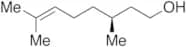
CAS:Controlled Product<p>Applications L-Citronellol as fragrance ingredient.<br>References Larsen, W., et al.: Contact Dermatitis, 44, 344 (2001), Belsito, D., et al.: Food Chem. Toxicol., 46(11S), S1 (2008),<br></p>Formula:C10H20OColor and Shape:ColourlessMolecular weight:156.27Humulene
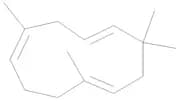
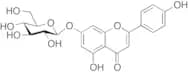
CAS:<p>Applications Humulene is a monocyclic sesquiterpene derived from farnesyl diphosphate and naturally found in clove, basil, hops, and cannabis sativa. Humulene has potential anti-inflammatory, anti-tumor, and anti-bacterial properties.<br>References Legault, J., et al.: Planta Med. 69, 402 (2003); Wei, M. C., et al.: Food Chem. 210, 172 (2016); Fernandes, E. S., et al.: Eur J Pharmacol. 569, 228 (2007)<br></p>Formula:C15H24Color and Shape:ColourlessMolecular weight:204.35Apigenin 7-Glucoside
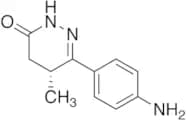
CAS:Controlled ProductFormula:C21H20O10Color and Shape:Light Yellow To YellowMolecular weight:432.38(R)-6-(4-Aminophenyl)-4,5-dihydro-5-methyl-3(2H)-pyridazinone
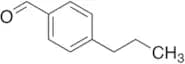
CAS:Controlled Product<p>Applications A metabolite of Levosimendan.<br>References Rubinstein, A., et al.: J. Pharmacol. Met., 19, 213 , (1988), Pollesello, P., et al.: J. Biol. Chem., 269, 28584 (1994), Yokoshiki, H., et al.: Eur. J. Pharmacol., 333, 249 (1997)<br></p>Formula:C11H13N3OColor and Shape:NeatMolecular weight:203.244-N-Propylbenzaldehyde
CAS:Controlled ProductFormula:C10H12OColor and Shape:NeatMolecular weight:148.20172-Mercaptoethanol
CAS:Controlled ProductFormula:C2H6OSColor and Shape:ColourlessMolecular weight:78.133Tetraglyme
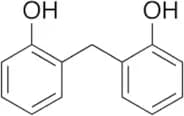
CAS:Controlled Product<p>Applications It is used as a solvent.<br></p>Formula:C10H22O5Color and Shape:NeatMolecular weight:222.282,2'-Bis(hydroxyphenyl)methane
CAS:Controlled Product<p>Applications 2,2'-Bis(hydroxyphenyl)methane is a dihydroxydiphenyl methane and the ortho analogue of Bisphenol F (B519555). 2,2'-Bis(hydroxyphenyl)methane is a contact sensitizer found in resins and products based on phenol-formaldehyde.<br>References Bruze, M. et al.: Cont. Derm., 14, 146 (1986); Bruze, M.: Derm. Ber. Umwelt, 33, 216 (1985);<br></p>Formula:C13H12O2Color and Shape:NeatMolecular weight:200.23Acrylamide
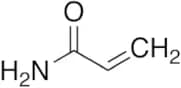
CAS:Controlled Product<p>Applications Acrylamide is a chemical intermediate in production of polyacrylamides that are use in protein electrophoresis (PAGE), synthesis of dyes and copolymers for contact lenses. It is reasonably anticipated to be a human carcinogen.<br> Not a dangerous good if item is equal to or less than 1g/ml and there is less than 100g/ml in the package<br>References (1) Mottram, D.S., et al.: Nature, 419, 448 (2002) (2) Tareke, E., et al.: J. Agric. Food Chem., 50, 4998 (2002)<br></p>Formula:C3H5NOColor and Shape:ColourlessMolecular weight:71.08Diethylene Glycol Dibenzoate
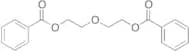
CAS:<p>Applications Diethylene Glycol Dibenzoate is used in analytical studies to investigation into the migration potential of coating materials from cookware products.<br>References Bradley, E.L., et al.: Food Addit. Contam., 24, 326 (2007)<br></p>Formula:C18H18O5Color and Shape:Colourless LiquidMolecular weight:314.33Methyl Formate
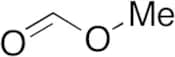
CAS:<p>Applications Methyl Formate is a reagent used in the synthesis of technetium complexes for functional imaging of MDR-P-glycoprotein. Also used in the preparation of salicylaldehydes as analogs of Salicylic Acid (S088125).<br> E3<br>References Crankshaw, C. et al.: J. Nucl. Med., 39, 77 (1986);<br></p>Formula:C2H4O2Color and Shape:NeatMolecular weight:60.05Citral
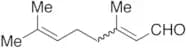
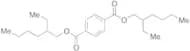
CAS:<p>Applications Citral is an anti-microbial agent found in plants with antibacterial activity against some food pathogens. It is also a fragrance compound with a distinct lemon scent.<br>References Buchbauer, G. et al.: J. Pharm. Sci., 82, 660 (1993); Kim, J. et al.: J. Agri. Food. Chem., 43, 2839 (1995); Dorman, H.J.D. et al.: J. App. Micro., 88, 308 (2000);<br></p>Formula:C10H16OColor and Shape:Colourless To Light YellowMolecular weight:152.23Dioctyl Terepthalate
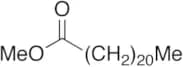
CAS:<p>Applications Dioctyl Terepthalate is used as a plasticizer in PVC items and childcare products.<br>References Krauskopf, L. et al.: J. Vinyl. Add. Tech., 5, 107 (1999); Zoller, A et al.: J. App. Polym. Sci., 121, 3314 (2011);<br></p>Formula:C24H38O4Color and Shape:NeatMolecular weight:390.56Docosanoic Acid Methyl Ester
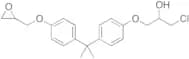
CAS:<p>Applications Docosanoic Acid Methyl Ester is a long chain fatty acid, existing as a wax and is found in sunflower seeds. It can be used in biodiesel production.<br>References Soh, L. et al.: Green Chem., 13, 1422 (2011); Kanya, T.. et al.: Food Chem., 101, 1552 (2006);<br></p>Formula:C23H46O2Color and Shape:Off White SolidMolecular weight:354.61Bisphenol A (3-Chloro-2-hydroxypropyl) Glycidyl Ether
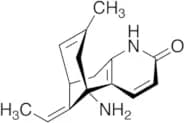
CAS:Controlled Product<p>Applications The epoxy resin Bisphenol A Diglycidyl Ether (BADGE), its hydrolysis products and a chlorohydrin of BADGE (BADGE·2HCl), have been examined for their genotoxicity in the micronucleus test and mutagenicity in the Ames Salmonella assay.<br>References Suarez, S., et al.: Mutat. Res, 470, 221-228 (2000); Sueiro, R., et al.: Mutagenesis, 16, 303-307 (2001).<br></p>Formula:C21H25ClO4Color and Shape:Off-WhiteMolecular weight:376.874(-)-Huperzine A
CAS:Controlled Product<p>Applications Reversible alkaloid inhibitor of AChE which crosses the blood-brain barrier. A potential therapeutic agent for Alzheimer’s disease. It reduces cell death induced by glutamate in primary cultures derived from forebrain, hippocampus, cortex and cerebellum of embryonic rat brain.<br> Not a dangerous good if item is equal to or less than 1g/ml and there is less than 100g/ml in the package<br>References Wang, Y.-E., et al.: Acta Pharmacol. Sin., 7, 110 (1986), Ved, H.S., et al.: Neuroreport, 8, 963 (1997)<br></p>Formula:C15H18N2OColor and Shape:NeatMolecular weight:242.32Lodenafil Carbonate
CAS:Controlled Product<p>Stability Hygroscopic<br>Applications Lodenafil carbonate is a new PDE-5 inhibitor used for oral therapy in erectile dysfunction.<br>References Rosen, R., et al.: Urology, 49, 822 (1997), Chew, K., et al.: J. Sex Med., 5, 928 (2008), Teixeira, C., et al.: Eur. J. Pharmacol., 591, 189 (2008),<br></p>Formula:C47H62N12O11S2Color and Shape:NeatMolecular weight:1035.202-Bromo-1-chloropropane
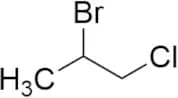
CAS:Formula:C3H6BrClPurity:>90%Color and Shape:Colourless LiquidMolecular weight:157.44Octadecanamide
CAS:Controlled Product<p>Applications Octadecanamide (cas# 124-26-5) is a useful research chemical.<br></p>Formula:C18H37NOColor and Shape:WhiteMolecular weight:283.49L-(-)-Malic Acid
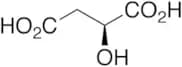
CAS:<p>Applications The naturally occuring isomer is the L-form which has been found in apples and many other fruits and plants. Selective α-amino protecting reagent for amino acid derivatives. Versatile synthon for the preparation of chiral compounds including κ-opioid receptor agonists, 1α,25-dihydroxyvitamin D3 analogue, and phoslactomycin B.<br>References Rindi, G., et al.: Biochem. J., 80, 214 (1961), Wolfgang, M., et al.: J. Biol. Chem., 281, 37265 (2006), Navarro, D., et al.: Metab. Brain Dis., 23, 115 (2008),<br></p>Formula:C4H6O5Color and Shape:WhiteMolecular weight:134.09Mesityl Oxide
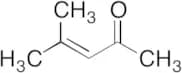
CAS:<p>Stability Light Sensitive, Polymerize easily<br>Applications Mesityl Oxide, a α,β-unsaturated ketone, and has a strong peppermint odor. It is mainly used as a solvent and in the production of methyl isobutyl ketone by hydrogenation.<br> Not a dangerous good if item is equal to or less than 1g/ml and there is less than 100g/ml in the package<br>References Conant, J. B., et al.: Org. Synth.: Coll., 1, 345 (1941); Jalali-Heravi, M., et al.: J. Chromatography A, 1218, 2569 (2011);<br></p>Formula:C6H10OColor and Shape:ColourlessMolecular weight:98.14Bisphenol F Diglycidyl Ether
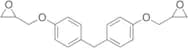
CAS:Controlled ProductFormula:C19H20O4Color and Shape:NeatMolecular weight:312.36Doxorubicinone
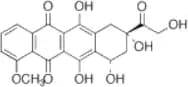
CAS:<p>Stability Light Sensitive<br>Applications A metabolite of Doxorubicin (Dx).<br>References Cummings, J., et al.: Eur. J. Cancer Clin. Oncol., 22, 451<br></p>Formula:C21H18O9Color and Shape:Red To Dark RedMolecular weight:414.36Nor Scopolamine
CAS:Controlled Product<p>Applications Scopolamine (S200000) metabolite and impurity.<br> Not a dangerous good if item is equal to or less than 1g/ml and there is less than 100g/ml in the package<br>References Wada, S. et al.; Xenobiotica 21, 1289 (1991)<br></p>Formula:C16H19NO4Color and Shape:Off-WhiteMolecular weight:289.33Temazepam b-D-Glucuronide, Mixture of Diastereomers
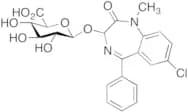
CAS:Controlled Product<p>Applications A glucuronide metabolite of Diazepam.Controlled substance (depressant). Sedative, hypnotic.<br>References Sarteschi, P., et al.: Arzneim.-Forsch., 22, 93 (1972), Schwandt, H.J., et al.: Xenobiotica, 4, 733 (1974), Curry, S.H., et al.: Br. J. Pharmacol., 57, 427 (1976), Heel, R.C., et al.: Drugs, 21, 321 (1981),<br></p>Formula:C22H21ClN2O8Color and Shape:Off-WhiteMolecular weight:476.86Choline Bitartrate
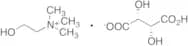
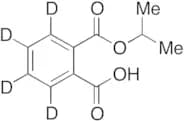
CAS:Controlled Product<p>Applications Choline Bitartrate is used as a lipotropic compound.<br>References Hartung, C., et al.: Toxicol. Appl. Pharmacol., 12, 486 (1968), Sitaram, N., et al.: Life Sci., et al.: 22, 1555 (1978),<br></p>Formula:C5H14NO·C4H5O6Color and Shape:WhiteMolecular weight:253.25Monoisopropyl Phthalate-d4
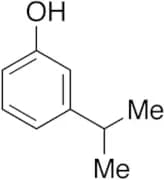
CAS:Controlled Product<p>Applications Monoisopropyl Phthalate-d4, is the labeled analogue of Monoisopropyl Phthalate (M547900), which is shown to have anti-estrogenic activities.<br>References Okubo, T., et al.: Bio. Pharmace. Bulletin, 26 (8), 1219 (2003);<br></p>Formula:C11D4H8O4Color and Shape:White To Off-WhiteMolecular weight:212.2353-Isopropylphenol
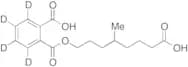
CAS:Controlled Product<p>Impurity Propofol EP Impurity F<br>Stability Light Sensitive<br>Applications 3-Isopropylphenol (Propofol EP Impurity F) is an impurity of Propofol (P829750).<br> Not a dangerous good if item is equal to or less than 1g/ml and there is less than 100g/ml in the package<br>References Bahri, M., et al.: Biophys. Chem., 129, 82 (2007), Foti, M., et al.: J. Pharm. Pharmacol., 59, 1673 (2007), Vasileiou, I., et al.: Eur. J. Pharmacol., 605, 1 (2009),<br></p>Formula:C9H12OColor and Shape:BrownMolecular weight:136.19Mono-(7-carboxy-4-methylheptyl) Phthalate-d4
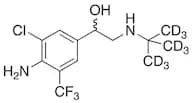
CAS:Controlled ProductFormula:C17H18D4O6Color and Shape:Off-WhiteMolecular weight:326.38Mabuterol-d9
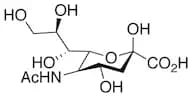
CAS:Controlled Product<p>Stability Hygroscopic<br>Applications a β2-adrenergic agonist, used as a bronchodilator/antiasthmatic<br> Not a dangerous good if item is equal to or less than 1g/ml and there is less than 100g/ml in the package<br>References Murali, S., et al.; Eur. J. Med. Chem., 42, 966 (2007), Nielen, M., et al.: Anal. Bioanal. Chem. 391, 199 (2008), Shao, B., et al.: Food Chem., 114, 1115 (2009),<br></p>Formula:C132H9H9ClF3N2OColor and Shape:Light Yellow To OrangeMolecular weight:319.80N-Acetylneuraminic Acid
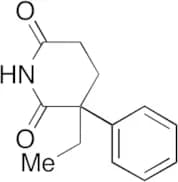
CAS:Controlled Product<p>Applications N-Acetyl-β-neuraminic Acid is a useful reagent in sequential esterification and acetylation of β-Sialyl phosphite and phosphoramidite.<br>References Methods Enzymol., 5, 391 (1962), Biochemistry, 18, 2086 (1979)<br></p>Formula:C11H19NO9Color and Shape:Off WhiteMolecular weight:309.27Glutethimide
CAS:Controlled Product<p>Applications rac-Glutethimide is a hypnotic sedative which was once used to treat insomnia. When taken with codeine, it has an intense euphoric effect on the subject due to the body’s increased ability to convert codeine to morphine.<br>References Popa, D., et al.: J. Pharmaceut. Biomed., 32, 867 (2002);<br></p>Formula:C13H15NO2Color and Shape:WhiteMolecular weight:217.261,2-Bis(4-(benzo[d]oxazol-2-yl)phenyl)ethene
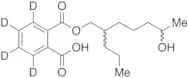
CAS:Controlled Product<p>Applications 1,2-Bis(4-(benzo[d]oxazol-2-yl)phenyl)ethene (cas# 1533-45-5) is a useful research chemical.<br></p>Formula:C28H18N2O2Color and Shape:NeatMolecular weight:414.45Monopropylheptylphthalate 6-Hydroxy-d4
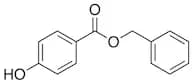
CAS:Controlled Product<p>Applications Labelled 6-OH-Monopropylheptylphthalate is a phthalate metabolite originating from a DPHP (B523500) used in plasticizers to improve chemical and physical properties.<br>References Kasper-Sonnenberg, M. et al.: Int. J. Hyg. Env. Health, 215, 373 (2012); Koch, H. et al.: Int. J. Hyg. Env. Health, 214, 188 (2011);<br></p>Formula:C18H22D4O5Color and Shape:Colourless To Light BeigeMolecular weight:326.42Benzyl 4-Hydroxybenzoate (Benzyl Paraben)
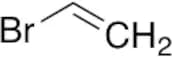
CAS:Controlled Product<p>Applications An antimicrobial agent used in cosmetic products.<br> Not a dangerous good if item is equal to or less than 1g/ml and there is less than 100g/ml in the package<br>References Gilliland, D., et al.: J. Appl. Bacteriol., 72, 258 (1992), Routledge, E., et al.: Toxicol. Appl. Pharmacol., 153, 12 (1998), Miller, C., et al.: J. Biol. Chem., 272, 32824 (1997), Nakagawa, Y., et al.: Biochem. Pharmacol., 55, 1907 (1998),<br></p>Formula:C14H12O3Color and Shape:Off-White To WhiteMolecular weight:228.24Vinyl Bromide (1.0 M in THF)
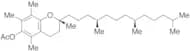
CAS:Controlled ProductFormula:C2H3BrColor and Shape:Single SolutionMolecular weight:106.95α-Tocopherol Acetate
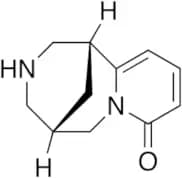
CAS:<p>Applications α-Tocopherol acetate is the most bioactive of the naturally occurring forms of Vitamin E. Richest sources are green vegetables, grains, and oils, particularly palm, safflower and sunflower oils.<br>References Bianchi, G., et al.: Eur. J. Lipid Sci. Technology, 105, 229 (2003), Sakouhi, F., et al.: Food Chem., 108, 833 (2008),<br></p>Formula:C31H52O3Color and Shape:Off-WhiteMolecular weight:472.74Cytisine
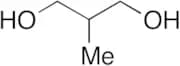
CAS:Controlled Product<p>Applications Toxic priniciple in seed of Laburnum anagyroides and other Leguminosae. A neuronal nicotinic acetylcholine agonist.<br> Not a dangerous good if item is equal to or less than 1g/ml and there is less than 100g/ml in the package<br>References Barlow, R.D., et al.: Brit. J. Pharmacol., 35, 161 (1969), Jensen, A.A., et al.: J. Med. Chem., 48, 15, 4705(2005),<br></p>Formula:C11H14N2OColor and Shape:Off-WhiteMolecular weight:190.242-Methyl-1,3-propandiol (b-Hydroxyisobutanol)
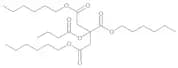
CAS:Controlled Product<p>Applications β-Hydroxyisobutanol is used as a reagent in the synthesis of pyrazolo[1,5-a]pyridinecarbonyl-substituted spirocyclic piperidine ketals as inhibitors of HCV protein NS4B and of hepatitis C viral replication and their lack of cytotoxicity in human cells.<br>References Tai, V.W.-F., et al.: Bioorg. Med. Chem. Lett., 24, 2288 (2014);<br></p>Formula:C4H10O2Color and Shape:ColourlessMolecular weight:90.121Trihexyl O-Butyrylcitrate
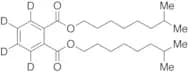
CAS:Controlled ProductFormula:C28H50O8Color and Shape:Clear ColourlessMolecular weight:514.69Diisononyl Phthalate-d4
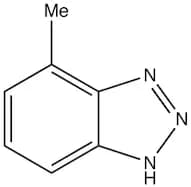
CAS:Controlled Product<p>Applications Labelled compound of a widely used chemical with potential thyroid-disrupting properties. Used in toxicology studies as well as risk assessment studies of food contamination that occurs via migration of phthalates into foodstuffs from food-contact materials (FCM).<br>References Boas, M. et al.: Env. Health Persp., 118, 1458 (2010); Petersen, J.H. et al.: Food Add. Contam. Part A Chem. Anal. Cont. Expos. Risk. Assess., 27, 1608 (2010); Kwack, S.J. et al.: Toxicol. Res., 26, 75 (2010);<br></p>Formula:C262H4H38O4Color and Shape:ColourlessMolecular weight:422.634-Methylbenzotriazole
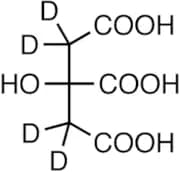
CAS:<p>Applications 4-Methylbenzotriazole is a benzotriazole derivative as corrosion inhibitor.<br>References Gruden, C., et al.: Water Environ. Res., 73, 72 ( 2001), Cancilla, D., et al.: Environ. Toxicol. Chem., 22, 134 (2003), Hart, D., et al.: Microchem. J., 77, 9 (2004), Gruenheid, S., et al.: Water Res., 39, 3219 (2005),<br></p>Formula:C7H7N3Color and Shape:Dark Orange To Dark BrownMolecular weight:133.15Citric Acid-2,2,4,4-d4
CAS:Controlled Product<p>Applications Widely distributed in plants and in animal tissues and fluids. Produced by mycological fermentation on an industrial scale using crude sugar solutions, such as molasses and strains of Aspergillus niger.<br>References Gruber, C. M., et al.: J. Pharmacol. Exp. Ther., 94, 65 (1948),<br></p>Formula:C62H4H4O7Color and Shape:WhiteMolecular weight:196.15Piperine
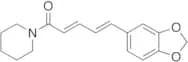
CAS:Controlled Product<p>Applications The alkaloid which gives pepper its spiciness, and has been used as an organic insecticide.<br>References Trivedi, A., et al.: J. Adv. Pharm. Technol. Res., 1, 190 (2010), Kakarala, M., et al.: J. Agric. Food Chem., 58, 6594 (2010),<br></p>Formula:C17H19NO3Color and Shape:Off-WhiteMolecular weight:285.34Hexyl Octyl Phthalate
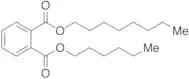
CAS:<p>Applications 1,2-Benzenedicarboxylic Acid Hexyl Octyl Ester is an phthalate esters used as plasticizers and additives. Used in toxiciology studies as well as risk assessment studies of food contamination that occurs via migration of phthalates into foodstuffs from food-contact materials (FCM).<br>References Kumar, R., et al.: Am. Lab., 31, 32 (1999);<br></p>Formula:C22H34O4Color and Shape:NeatMolecular weight:362.5Methyl Hexanoate
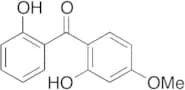
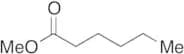
CAS:Controlled Product<p>Applications Methyl Hexanoate is a short chain flavor ester synthesised through a whole-cell lipase from Aspergillus oryzae WZ007. Also used in the preparation of carbaldehyde hydrazones.<br> Not a dangerous good if item is equal to or less than 1g/ml and there is less than 100g/ml in the package<br>References Yan, H. et al.: Cat. Comm., 45, 59 (2014); Neumann, D. et al.: Bioorg. Med. Chem., 22, 813 (2014);<br></p>Formula:C7H14O2Color and Shape:ColourlessMolecular weight:130.182-Hydroxy-4-(octyloxy)benzophenone
CAS:Controlled ProductFormula:C21H26O3Color and Shape:NeatMolecular weight:326.437-Benzoyloxindole
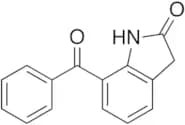
CAS:<p>Applications 7-Benzoyloxindole is an indole derivative with antiinflammatory activity. It is also a metabolite of amfenac (A576500).<br>References Walsh, D.A. et al.: J. Med. Chem., 33, 2296 (1990); Welstead, W.J.J. et al.: J. Med. Chem., 22, 1074 (1979);<br></p>Formula:C15H11NO2Color and Shape:NeatMolecular weight:237.251,4-Dichlorobenzene
CAS:Controlled Product<p>Applications 1,4-Dichlorobenzene, is a versatile building block and a small bioactive molecule, used in various organic synthesis. It is also used as disinfectant, deodorant, and pesticide.This compound is a contaminant of emerging concern (CECs).<br> Not a dangerous good if item is equal to or less than 1g/ml and there is less than 100g/ml in the package<br>References Fahey, D. R., et al.: Macromolecules, 24 (15), 4242 (1991); Rossberg, M., et al.: Ullmann's Encyclopedia of Industrial Chemistry, (2006);<br></p>Formula:C6H4Cl2Color and Shape:WhiteMolecular weight:147.00Chlorogenic Acid
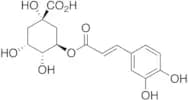
CAS:Controlled Product<p>Applications A major component of green coffee the extracts of which promote weight loss in overweight and obese people. Chlorogenic Acid is an important intermediate in lignin biosynthesis. Chlorogenic Acid is an antioxidant and an inhibitor of the tumor promoting activity of phorbol ester. It has protective effect against streptozotocin-nicotinamide generated oxidative stress induced diabetes and may also protect against cardiovascular disease.<br>References Chem. and Eng. News p. 20 April 15, 2013; Karthikesan, K. et al.: J. Func. Foods, 2, 134 (2010); Lincoln, W.M. et al.: Clin. Exp. Phamacol. Physiol., 27, 152 (2000); Gamborg, O.L. et al.: Can. J. Biochem., 45, 1451 (1967);<br></p>Formula:C16H18O9Color and Shape:NeatMolecular weight:354.311-Propanol
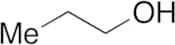
CAS:Controlled Product<p>Stability Volatile<br>Applications 1-Propanol is a low molecular weight alcohol that is currently being investigated as an alternative fuel for direct methanol/oxygen fuel cells. 1-Propanol is also used as a coupling and dispersing agent in the pharmaceutical and chemicals industries.<br> Not a dangerous good if item is equal to or less than 1g/ml and there is less than 100g/ml in the package<br>References Gupta, M., et al.: Fluid Phase Equil., 244, 26 (2006); Lamy, C., et al.: J. Appl. Electrochem., 31, 799 (2001); Wang, J., et al.: J. Electrochem. Soc., 142 (1995)<br></p>Formula:C3H8OColor and Shape:ClearMolecular weight:60.10Lactulose, >95%
CAS:Controlled Product<p>Applications Lactulose is a synthetic, non-digestible sugar used in the treatment of chronic constipation; laxative.<br>References Voskuijl, W. et al.: Gut, 53, 1590 (2004);<br></p>Formula:C12H22O11Purity:>95%Color and Shape:NeatMolecular weight:342.30(6Z)-6-Octadecenoic Acid
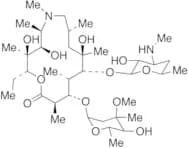
CAS:Controlled Product<p>Applications (6Z)-6-Octadecenoic Acid, is a monounsaturated fatty acid and isomer of oleic acid, that is a component of plant lipids. Arachidonic acid levels decrease, while linoleic acid levels increase, in the heart, liver, and blood of rats fed a diet containing petroselinic acid.<br></p>Formula:C18H34O2Color and Shape:NeatMolecular weight:282.46N’-Desmethyl Azithromycin
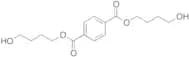
CAS:<p>Impurity Azithromycin EP Impurity I<br>Stability Hygroscopic<br>Applications N’-Desmethyl Azithromycin (Azithromycin EP Impurity I) is a metabolite of Azithromycin (A927000) as potential anti-infective, anti-proliferative, anti-inflammatory, and prokinetic agent.<br>References Bright, G., et al.: J. Antibiot., 41, 1029 (1988), Goldman, R., et al.: Antimicrob. Agents Chemother., 34, 426 (1990), Gandhi, R., et al.: J. Pharm. Biomed. Anal., 23, 1073 (2000),<br></p>Formula:C37H70N2O12Color and Shape:White To Off-WhiteMolecular weight:734.96Bis(4-hydroxybutyl) Terephthalate
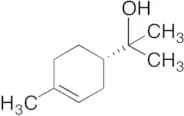
CAS:Controlled Product<p>Applications Bis(4-hydroxybutyl) Terephthalate is an intermediate formed in the synthesis of Cyclotris(1,4-butylene Terephthalate) (C988975), a cyclic trimer of poly(butylene terephthalate), a thermoplastic engineering polymer.<br>References East, G.C. et al.: Polymer, 23, 323 (1982)<br></p>Formula:C16H22O6Color and Shape:White To Off-WhiteMolecular weight:310.34(S)-α-Terpineol
CAS:Controlled Product<p>Applications (S)-α-Terpineol comes from the essential oil extracted from the leaves of Zanthoxylum ailanthoides Sieb. Et Zucc. collected from Guizhou which possesses anti-oxidant activities.<br>References Zhou, J., et al.: Shipin Kexue, 35, 137-141 (2014)<br></p>Formula:C10H18OColor and Shape:NeatMolecular weight:154.25Chrysin
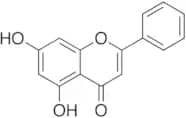
CAS:Controlled Product<p>Applications Chrysin is a flavanoid with anti-inflammatory effect and potential protective effects against cancer and cardiovascular disease. Studies show that Chrysin is central benzodiazepine receptor ligand with possible anxiolytic effects. Chrysin was initially believed to have aromatase inhibitor but recent in vivo studies have disproved that. Dyes and metabolites.<br>References O’Leary, K.A. et al.: Mutat. Res., 551, 245 (2004); Wolfman, C. et al.: Pharmacol. Biochem. Behav., 47, 1 (1994); Saarinen, N. et al.: J. Steroid Biochem. Mol. Biol., 78, 231 (2001);<br></p>Formula:C15H10O4Color and Shape:Off White PowderMolecular weight:254.24Palmitelaidic Acid
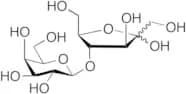
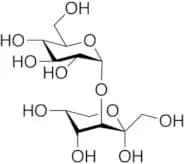
CAS:<p>Applications Palmitelaidic Acid is the 9E-isomer of Palmitoleic Acid (P144900); a polyunsaturated fatty acid which contributes to reduced protein oxidation in mammals.<br>References Mendez, L. et al.: Free Rad. Biol. Med., 55, 8 (2013)<br></p>Formula:C16H30O2Color and Shape:NeatMolecular weight:254.413-O-α-D-Glucopyranosyl-D-fructose
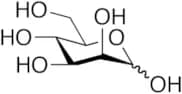
CAS:Controlled ProductFormula:C12H22O11Color and Shape:White To Off-WhiteMolecular weight:342.30D-Mannose
CAS:Controlled Product<p>Applications D-Mannose is a carbohydrate that is important in the glycosylation of molecules in a variety of cellular processes. It is involved in N and O glycosylation of bovine why protein products, used in infant formulas. It is also responsible for the O-glycosylation of the T helper cell-derived cytokine interlukin-17A, an important cell-signaling molecule.<br>References van Leeuwen, S. et al.: J. Agri. Food Chem., 60, 12553 (2012); Geoghegan, K. et al.: Prot. Express. Purif., 87, 27 (2013);<br></p>Formula:C6H12O6Color and Shape:NeatMolecular weight:180.16Roquefortine C
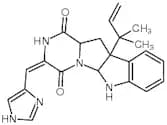
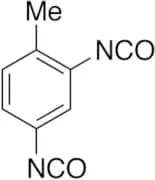
CAS:<p>Applications Roquefortine C is a potent neurotoxin produced most notably by Penicillium species.<br> Not a dangerous good if item is equal to or less than 1g/ml and there is less than 100g/ml in the package<br></p>Formula:C22H23N5O2Color and Shape:Off-WhiteMolecular weight:389.45Tolylene 2,4-Diisocyanate
CAS:<p>Stability Moisture Sensitive<br>Applications Occupational asthma is the principal cause of work-related respiratory disease in the industrial world. Toluene-2,4-diisocyanate (TDI) is one of the most common respiratory sensitizers leading to occupational asthma.<br> Not a dangerous good if item is equal to or less than 1g/ml and there is less than 100g/ml in the package<br>References Vanoirbeek, J., et al.: Toxicol. Sci., 2004, 80, 310 (2004), Crameri, R., et al.: Allergy, 60, 1227 (2005), Ku, H., et al.: Toxicol. Lett., 190, 231 (2009),<br></p>Formula:C9H6N2O2Color and Shape:Light YellowMolecular weight:174.16Gallic Acid
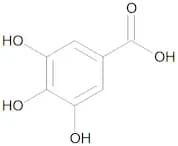
CAS:Controlled Product<p>Applications Gallic Acid exhibits a number of cellular effects including apoptosis and inhibits the growth of calf pulmonary arterial endothelial cell (CPAEC);Also, it is a polyphenol widely found in numerous fruits and vegetables that has been reported to exert anticancer effects, including apoptosis, against cancer cell lines.<br>References Park, W. H.: Mol. Med. Rep., 16, 7805-7812 (2017); Yang, C., et al.: RSC Adv., 8, 12449-12458 (2018)<br></p>Formula:C7H6O5Color and Shape:White To Light BrownMolecular weight:170.12Ethylene Terephthalate Linear Trimer
CAS:Controlled Product<p>Applications Ethylene Terephthalate Linear Trimer is a linear oligomer of polyethylene phthalate. A useful intermediate in the synthesis of polyglycol terephthalates.<br>References Zahn, H., et al.: Makromolekulare Chemie, 23, 31 (1957), Borshch, N. A., et al.: Zh. Anal. Khim., 41, 916 (1986)<br></p>Formula:C32H30O14Color and Shape:NeatMolecular weight:638.57cis-3-Hexen-1-ol
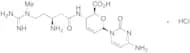
CAS:<p>Stability Light Sensitive<br>Applications cis-3-Hexen-1-ol is a naturally occuring compound that has the smell of freshly cut grass and is used to obtain a “green” taste/smell in certain flavours and fragrances.<br> Not a dangerous good if item is equal to or less than 1g/ml and there is less than 100g/ml in the package<br>References Dahill Jr., R.: J. Chem. Eng. Data, 17, 399 (1972); Serra, S., et al.: Trends Biotechnol., 23, 193 (2005)<br></p>Formula:C6H12OColor and Shape:NeatMolecular weight:100.16Blasticidin S Hydrochloride
CAS:<p>Applications Blasticidin S Hydrochloride is a fungicide and antibiotic produced by Streptomyces griseochromogenes. Potential inhibitor of protein synthesis in bacteria and eukaryotes.<br> Not a dangerous good if item is equal to or less than 1g/ml and there is less than 100g/ml in the package<br>References Svidritskiy, E. et al.: Proc. Natl. Acad. Sci. U.S.A., 110, 12283 (2013); Izumi, M. et al.: Exp. Cell. Res., 197, 229 (1991);<br></p>Formula:C17H26N8O5·ClHColor and Shape:Off-WhiteMolecular weight:458.902,4,7,9-Tetramethyl-5-decyne-4,7-diol
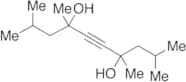
CAS:Controlled Product<p>Applications An acetylene glycol derivative used in water-based coatings and has both antifoaming and surfactant properties. It is highly toxic and have been found in acrylic adhesives used for food packaging multilayers manufacturing.<br>References Schwartz, J. et al.: J. Coat. Tecnhol., 67, 21 (1995); Chinoy, N.F. et al.: Polym. Paint Colour J., 175, 438 (1985);<br></p>Formula:C14H26O2Color and Shape:NeatMolecular weight:226.36Flutianil
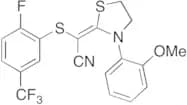
CAS:<p>Applications Flutianil is a fungicide used in the treatment and protection of crops.<br> Not a dangerous good if item is equal to or less than 1g/ml and there is less than 100g/ml in the package<br>References Dietz, J. et al.: Mod. Crop Prot. Comp., 2, 887 (2012); Cerkauskas, R. et al.: Can. J. Plant Pathol., 33, 385 (2011);<br></p>Formula:C19H14F4N2OS2Color and Shape:NeatMolecular weight:426.45γ-Cyclodextrin
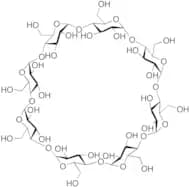
CAS:<p>Stability Hygroscopic<br>Applications γ-Cyclodextrin is used as nanomolecular encapsulation for drug delivery and pharmaceuticals. Used in the synthesis of unilamellar vesicles.<br>References Ikeda, A. et al.: Chem. Comm., 50, 1288 (2014); Gudmundsdottir, B. et al.: J. Ocular Pharm. Ther., 30, 35 (2014);<br></p>Formula:C48H80O40Color and Shape:WhiteMolecular weight:1297.12Glycitin
CAS:<p>Stability Hygroscopic<br>Applications A metabolite of isoflavone derivatives. A derivative of Glycitein. Inhibitor.<br>References Whalley, J.L., et al.: Bioorg. Med. Chem. Lett., 8, 1569 (1998), Song, T., et al.: J. Agric. Food Chem., 47, 1607 (1999),<br></p>Formula:C22H22O10Color and Shape:WhiteMolecular weight:446.403-Oxo-12a-hydroxy-5b-cholanoic Acid
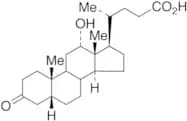
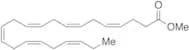
CAS:Controlled Product<p>Applications 3-Oxo-12a-hydroxy-5β-cholanoic Acid is a keto bile acid derivative.<br>References Bortolini, O. et al.: Tetra., 62, 4482 (2006); Bortolini, O. et al.: J. Org. Chem., 67, 5802 (2002);<br></p>Formula:C24H38O4Color and Shape:NeatMolecular weight:390.56cis-4,7,10,13,16,19-Docosahexaenoic Acid Methyl Ester
CAS:<p>Stability Hygroscopic<br>Applications A type of biodiesel with industrial applications. Used as a reagent in cholesterol photooxidation.<br>References Hu, P.C. et al.: J. Agri. Food Chem., 50, 3572 (2002); Yu, M.J. et al.: Kor. J. Chem. Eng., 28, 2287 (2011);<br></p>Formula:C23H34O2Color and Shape:NeatMolecular weight:342.51Bis(2-propylheptyl) Phthalate
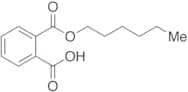
CAS:Controlled Product<p>Applications One of the main metabolite of phthalates.<br>References Gray, L., et al.: Toxicol. Sci., 58, 350 (2000), Sharpe, R., et al.: Br. Med. J., 328, 447 (2004), Stroheker, T., et al.: Toxicology, 208, 115 ( 2005),<br></p>Formula:C28H46O4Color and Shape:ColourlessMolecular weight:446.66Monohexyl Phthalate
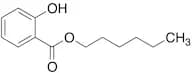
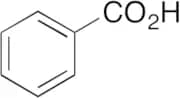
CAS:<p>Applications Monohexyl Phthalate is a phthalate ester that was used to characterize human salivary esterase in enzymatic hydrolysis.<br>References Niino, T., et al.: J. Health. Sci., 49, 76 (2003); Moss, E.J., et al.: Toxicol. Lett., 40, 77 (1988);<br></p>Formula:C14H18O4Color and Shape:Colourless To Off-WhiteMolecular weight:250.29Benzoic Acid
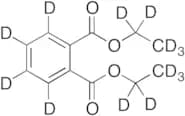
CAS:Controlled Product<p>Impurity Mefenamic Acid EP Impurity D<br>Applications Benzoic Acid is used in the synthesis of 1,3,4-oxadiazoles with pharmaceutical activity. Also used in the synthesis of selective human A3 adenosine receptor antagonists.<br>References Rouhani, M. et al.: Ultrason. Biochem., 21, 262 (2014); Squarcialupi, L. et al.: J. Medic. Chem., 56, 2256 (2013);<br></p>Formula:C7H6O2Color and Shape:WhiteMolecular weight:122.12Diethyl Phthalate-d14
CAS:Controlled Product<p>Applications Diethyl Phthalate-d14 is the isotope labelled analog of Diethyl Phthalate, which is a phthalate metabolite with genotoxic effect.<br>References Reyes, F., et al.: J. Clin. Endocrinol. Metab., 37, 74 (1973), Engel, S., et al.: Neurotoxicology, 30, 522 (2009),<br></p>Formula:C122H14O4Color and Shape:NeatMolecular weight:236.32(+)-[6]-Gingerol
CAS:Controlled Product<p>Applications (+)-[6]-Gingerol is a bioactive compound found in ginger (Zingiber officinale) with antioxidant activity, which functions as an anti-inflammatory and antitumor agent. (+)-[6]-Gingerol down regulates proinflammatory cytokine release by macrophages. (+)-[6]-Gingerol has been shown to inhibit COX-2 expression by blocking the activation of p38 MAP kinase and NF-κB in phorbol ester-stimulated mouse skin.<br> Not a dangerous good if item is equal to or less than 1g/ml and there is less than 100g/ml in the package<br>References Aeschbach, R. et al.: Food Chem. Toxicol., 32, 31 (1994); Tripathi, S. et al.: J. Surg. Res., 130, 318 (2006); Kim, S.O., et al.: Oncogene 24, 2558 (2005);<br></p>Formula:C17H26O4Color and Shape:Dark Yellow SolidMolecular weight:294.391,3-Bis[2-(4-hydroxyphenyl)-2-propyl]benzene
CAS:Controlled Product<p>Applications 1,3-Bis[2-(4-hydroxyphenyl)-2-propyl]benzene 13595-25-0 (cas# 13595-25-0) is a useful research chemical.<br> Not a dangerous good if item is equal to or less than 1g/ml and there is less than 100g/ml in the package<br></p>Formula:C24H26O2Color and Shape:NeatMolecular weight:346.46Ramiprilat-d5 (Mixture of Diastereomers)
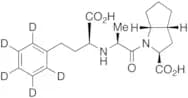
CAS:Controlled Product<p>Applications A labelled metabolite of Ramipril (R111000).<br>References Teetz, V., et al.: Arzneim.-Forsch., 34, 1399 (1984), Ruggenenti, P., et al.: Lancet, 352, (1998), Bosch, J., et al.: Br. Med. J., 324, 1 (2002),<br></p>Formula:C212H5H23N2O5Color and Shape:NeatMolecular weight:393.492-Methoxypropanol
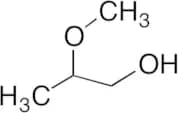
CAS:Controlled Product<p>Applications 2-Methoxypropanol is a susbtance used in the relative parameter sensitivity in prenatal toxicity studies with substances classified as developmental toxicants. Also applied in the studies for the analysis of volatile organic compounds in cigarette packaging materials by SPME-GC/MS.<br> Not a dangerous good if item is equal to or less than 1g/ml and there is less than 100g/ml in the package<br>References Rorije, E., et al.: Reprod. Toxicol., 34, 284 (2012); Hong, W, et al.: Fujian Fenxi Ceshi, 19, 24 (2010)<br></p>Formula:C4H10O2Color and Shape:ColourlessMolecular weight:90.12Luteolin
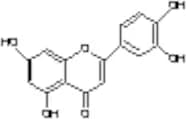
CAS:<p>Applications Hydroxylated flavone derivative with strong anti-oxidant and radical scavenging properties. Suggested to play a role in cancer prevention.<br>References Shimoi, L., et al.: Carcinogenesis, 15, 2669 (1994), Bors, W., et al.: Meth. Enzymol., 234, 420 (1994)Merck Index 12th ed. 5641<br></p>Formula:C15H10O6Color and Shape:NeatMolecular weight:286.24Diethyl Terephthalate
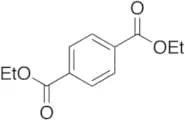
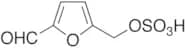
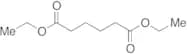
CAS:<p>Applications Diethyl Terephthalate is a diester compound formed from terephthalic acid (T112500). Diethyl Terephthalate is used in the production of polyesters.<br>References Al, A., et al.: J. Materials. Sci., 44, 2674 (2009); Veronese, E., et al.: Phytomedicine, 12, 123 (2005)<br></p>Formula:C12H14O4Color and Shape:Off-WhiteMolecular weight:222.23725-Sulfooxymethylfurfural Sodium Salt
CAS:Controlled ProductFormula:C6H5NaO6SColor and Shape:NeatMolecular weight:228.16Nervonic Acid
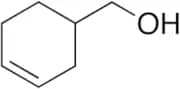
CAS:Controlled Product<p>Applications Nervonic acid is a fatty acid. It is particularly abundant in the white matter of animal brains and in peripheral nervous tissue where nervonyl sphingolipids are enriched in the myelin sheath of nerve fibers. It is one of the major fatty acids in brain sphingolipids, normally accounting for approximately 40% of the total fatty acids in sphingolipids.<br>References Sandhir, R., et al.: J. Lipid Res., 39, 2161 (1998)<br></p>Formula:C24H46O2Color and Shape:NeatMolecular weight:366.623-Cyclohexene-1-methanol
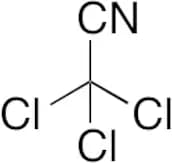
CAS:Controlled ProductFormula:C7H12OColor and Shape:NeatMolecular weight:112.17Trichloroacetonitrile
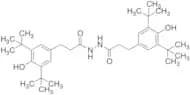
CAS:Controlled Product<p>Stability Light Sensitive, Volatile<br>Applications Trichloroacetonitrile is a by-product of the chlorine disinfection of water and is commonly used as a fumigant. It is also used as a direct alkylating agent and reacts with primary and secondary aliphatic amines to produce N-substituted trichloroacetamidines.<br> Not a dangerous good if item is equal to or less than 1g/ml and there is less than 100g/ml in the package<br>References Christ, S.: J. Toxicol. Env. Health A, 47, 233 (1996); Davies, M. & Jenkin, D.: J. Chem. Soc., No vol. given, 2374 (1954); Grivas, J. & Taurins, A.: J. Chem., 36, 771 (1958)<br></p>Formula:C2Cl3NColor and Shape:NeatMolecular weight:144.391,2-Bis(3,5-di-tert-butyl-4-hydroxyhydrocinnamoyl)hydrazine
CAS:Controlled Product<p>Applications 1,2-Bis(3,5-di-tert-butyl-4-hydroxyhydrocinnamoyl)hydrazine is used as a stabilizer for Irganox MD 1024 on thermo-oxidative stability of PP/PP-g-MA/OMMT nanocomposites.<br>References Fitaroni, L, B.; et al.: Polym. Test., 53, 165 (2016).<br></p>Formula:C34H52N2O4Color and Shape:White To Off-WhiteMolecular weight:552.7877Dulcitol
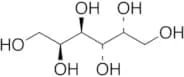
CAS:<p>Applications Dulcitol is the reduction product of Galactose. An increase in the level of Dulcitol is often a result of metabolism defect caused by a defect in galactose-1-phosphate uridylyltransferase (an autosomal recessive disorder). Dulcitol buildup can also lead to cataractogenesis.<br>References Ning, C. et al.: Pediat. Res., 48, 211 (2000); Cheng, H. et al.: Exp. Eye Res., 51, 345 (1990); Wells, W.W. et al.: Galactosemia, 227 (1969);<br></p>Formula:C6H14O6Color and Shape:NeatMolecular weight:182.17Bis(2-hydroxyethyl) Phthalate (>90%)
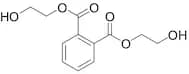
CAS:Controlled ProductFormula:C12H14O6Purity:>90%Color and Shape:Light YellowMolecular weight:254.24Rebaudioside A
CAS:Controlled Product<p>Stability Hygroscopic<br>Applications Rebaudioside A is a glycoside from the stevia plant. Rebaudioside A is used as a sweetener with sweetness about 300 times that of sugar with negligible effect on blood glucose. As a result, Rebaudioside A is known for its application in treatment of many diseases like diabetes, high blood pressure and weight loss in some places.<br>References Mishra, P. et al.: Glob. J. Biotechnol. Biochem., 5, 62 (2010); Liu, J. et al.: Ship. Gong. Keji, 30, 359 (2009); Santini, A. et al.: Prog. Nutrit., 10, 5 (2008); Heerranz-Lopez, M. et al.: Agro Food Ind. Hi-Tech, 21, 38 (2010);<br></p>Formula:C44H70O23Color and Shape:WhiteMolecular weight:967.01Cyclohexyl Butyl Phthalate
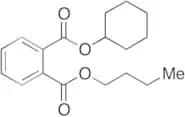
CAS:Controlled Product<p>Applications Cyclohexyl Butyl Phthalate is an phthalate ester derivative that exhibits potential estrogenic activities.<br>References Harris, C.A.,et al.: Enviro. Health. Perspect., 105, 802 (1997);<br></p>Formula:C18H24O4Color and Shape:NeatMolecular weight:304.382-(2,4-Diaminophenoxy)ethanol Dihydrochloride
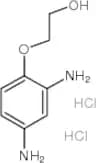
CAS:Controlled Product<p>Stability Air Sensitive<br>Applications 2-(2,4-Diaminophenoxy)ethanol Dihydrochloride<br></p>Formula:C8H12N2O2·2ClHColor and Shape:NeatMolecular weight:241.1151-Methyl-4-prop-1-en-2-ylbenzene
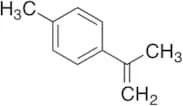
CAS:<p>Applications 1-methyl-4-prop-1-en-2-ylbenzene (cas# 1195-32-0) is a useful research chemical.<br></p>Formula:C10H12Color and Shape:NeatMolecular weight:132.20Dibromochloromethane
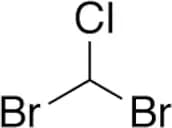
CAS:Controlled Product<p>Applications A volatile halogenated methane present in trace amounts in drinking water as a result of the water treatment process. It is useful as chain transfer agents in PVC polymerization.<br>References Stanaback, R.J.: Tech. Pap. Soc. Plast. Engin., 23, 262 (1977); Nestmann, E.R. et al.: Water Chlorin. Env. Impact Health. Eff., 4, 1151 (1983);<br></p>Formula:CHBr2ClColor and Shape:Light YellowMolecular weight:208.28Sebacic Acid
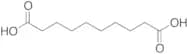
CAS:<p>Applications Sebacic Acid is a urinary metabolite that has been identified as an anti-fatigue biomarker.<br>References Ma, C. et. al.: J. Pharmaceut. Biomed. Anal. 105, 84 (2015)<br></p>Formula:C10H18O4Color and Shape:WhiteMolecular weight:202.25Cobamamide
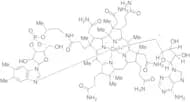
CAS:Controlled Product<p>Applications Cobamamide is an enzyme cofactor that can also regulate gene expression through RNA-base riboswitches.<br>References Ortiz-Guerrero, J.M., et. al.: P. Natl. Acad. Sci. USA, 108, 7565 (2011)<br></p>Formula:C72H100CoN18O17PColor and Shape:NeatMolecular weight:1579.58Gemfibrozil 1-O-β-Glucuronide
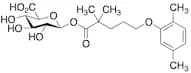
CAS:Controlled ProductFormula:C21H30O9Color and Shape:BeigeMolecular weight:426.46Erdosteine Thioacid Disodium Salt
CAS:Controlled Product<p>Stability Air Sensitive, Hygroscopic<br>Applications The active metabolite of Erdosteine (E596050).<br>References Dechant, K., et al.: Drugs, 52, 875 (1996), Braga, P., et al.: Arzneim.-Forsch., 49, 344 (1999), Braga, P., et al.: Antimicrob. Agents Chemother., 43, 1013 (1999),<br></p>Formula:C8H11NO5S2·2NaColor and Shape:Off-WhiteMolecular weight:311.29Monopentyl Phthalate-d4
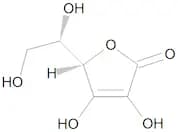
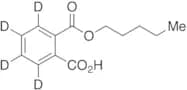
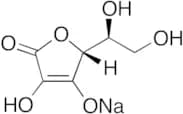
CAS:Controlled Product<p>Applications A labelled metabolite of Di-n-pentyl phthalate (DPP), used mainly as a plasticizer in nitrocellulose.<br>References Schmid, P., et al.: Xenobiotica, 1985, 15, 251 (1985), Nativelle, C., et al.: Food Chem. Toxicol., 37, 905 (1999), Howdeshell, K., et al.: Toxicol. Sci., 105, 153 (2008),<br></p>Formula:C13D4H12O4Color and Shape:White To Off-WhiteMolecular weight:240.12997D(-)-Isoascorbic Acid (Erythorbic Acid)
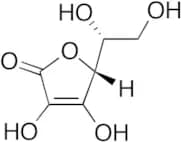
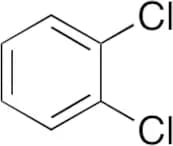
CAS:<p>Stability Moisture Sensitive<br>Applications Erythorbic Acid is used as a food additive as an antimicrobial and antioxidative agent.<br>References Sakagami, H. et al.: Anticanc. Res., 17, 221 (1997); Brahma, B. et al. J. Neurochem., 74, 1263 (2000);<br></p>Formula:C6H8O6Color and Shape:WhiteMolecular weight:176.121,2-Dichlorobenzene
CAS:Controlled Product<p>Applications 1,2-Dichlorobenzene is used as an organic solvent in a wide array of chemical reactions. Also known to cause oxidative stress and induction of apoptotic markers in lung epithelial cells. 1,2-Dichlorobenzene is a side product of the production of chlorobenzene.<br> Not a dangerous good if item is equal to or less than 1g/ml and there is less than 100g/ml in the package<br>References Peljo, P. et al.: J. Am. Chem. Soc., 134, 5974 (2012); Morbt, N. et al.: J. Proteome Res., 10, 363 (2011); Serguchev, Y.A., et al.: Theoretic. Experiment. Chem., 47, 123 (2011); Aracil, I., et al.: Environ. Sci. Technol., 44, 4169 (2010);<br></p>Formula:C6H4Cl2Color and Shape:Colourless Light YellowMolecular weight:147.00Betaine
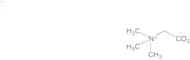
CAS:<p>Applications Betaine, is the product of the enzyme oxidation of choline. It can also be used as an organic osmolytes. Betain is a methyl donor of increasingly recognized significance in biology. It can also be used for the treatment of homocystinuria which is an inherited disorder of the metabolism of amino acid methionine.<br>References J. Biol. Chem., 234, 1171 (1959); Alex, N. et al.: Org. Chem., (1987); Rees, W. et al.: Biochem., 32, 137 (1993);<br></p>Formula:C5H11NO2Color and Shape:WhiteMolecular weight:117.15




![2-(4,6-Diphenyl-1,3,5-triazine-2-yl)-5-[(hexyl)oxy]phenol](/_next/image/?url=https%3A%2Fstatic.cymitquimica.com%2Fproducts%2FTR%2Fthumb-webp%2FD492060.webp&w=3840&q=75)


![4-{[4,6-Bis(octylsulfanyl)-1,3,5-triazin-2-yl]amino-2,6-di-tert-butylphenol](/_next/image/?url=https%3A%2Fstatic.cymitquimica.com%2Fproducts%2FTR%2Fthumb-webp%2FB591828.webp&w=3840&q=75)















![1,2-Bis(4-(benzo[d]oxazol-2-yl)phenyl)ethene](/_next/image/?url=https%3A%2Fstatic.cymitquimica.com%2Fproducts%2FTR%2Fthumb-webp%2FB410525.webp&w=3840&q=75)









![(+)-[6]-Gingerol](/_next/image/?url=https%3A%2Fstatic.cymitquimica.com%2Fproducts%2FTR%2Fthumb-webp%2FG387205.webp&w=3840&q=75)
![1,3-Bis[2-(4-hydroxyphenyl)-2-propyl]benzene](/_next/image/?url=https%3A%2Fstatic.cymitquimica.com%2Fproducts%2FTR%2Fthumb-webp%2FB447440.webp&w=3840&q=75)