APIs for research and impurities
Active Pharmaceutical Ingredients (APIs) are the substances in drugs responsible for their therapeutic effects. In this section, you will find a wide variety of APIs intended for research use. These compounds are essential for the development, testing, and validation of new pharmaceutical formulations. CymitQuimica offers high-quality APIs to support research in drug discovery and development.
Subcategories of "APIs for research and impurities"
- Aminoacids and derivatives(12,278 products)
- Anthraquinones and derivatives(405 products)
- Benzimidazole and Imidazole Derivatives(10,375 products)
- Benzodiazepine Derivatives(333 products)
- Carbohydrates and glycoconjugates(5,012 products)
- Esters and Derivatives(42,045 products)
- Fatty Acids and Lypidic Derivatives(32,245 products)
- Flavonoids and Polyphenols(17,011 products)
- Free Radicals and Oxidant/Reducing Agents(213 products)
- Ketones and derivatives(2,394 products)
- Natural and semi-synthetic antibiotics(6,363 products)
- Nitriles and Cyano Derivatives(3,045 products)
- Nitrosamines and Derivatives(55 products)
- Nucleosides and Nucleotides(3,427 products)
- Organic Phosphates and Phosphonates(1,201 products)
- Organic Sulphonates and Sulphates(10,405 products)
- Organometallics(4,401 products)
- Others(6,278 products)
- Peptides and Proteins(3,127 products)
- Polymers and Derivatives(99 products)
- Purines and Pyrimidine Derivatives(8,901 products)
- Quinazoline and Quinoline Derivatives(65,624 products)
- Quinones and Derivatives(24,235 products)
- Salts and Derivatives of Active Pharmaceutical Ingredients (API)(79,450 products)
- Steroids and Derivatives(4,962 products)
- Sulfonamides and Derivatives(2,592 products)
- Terpenoids and Derivatives(3,839 products)
- Thiazolidinediones and Thiopyrans(2,733 products)
- β-Adrenergic Compounds(230 products)
Show 21 more subcategories
Found 56771 products of "APIs for research and impurities"
Sort by
Purity (%)
0
100
|
0
|
50
|
90
|
95
|
100
5-Chloro-2-(4-chlorophenoxy)phenol 1-acetate
CAS:<p>Please enquire for more information about 5-Chloro-2-(4-chlorophenoxy)phenol 1-acetate including the price, delivery time and more detailed product information at the technical inquiry form on this page</p>Formula:C14H10Cl2O3Purity:Min. 95%Molecular weight:297.1 g/molBenidipine 5-(1-benzylpiperidin-3-yl)
CAS:<p>Benidipine 5-(1-benzylpiperidin-3-yl) is a potent calcium channel blocker that is used to treat hypertension. It contains mannitol and acts as a kinase inhibitor, which has been shown to have anticancer properties. Benidipine inhibits the growth of cancer cells by inducing apoptosis and suppressing protein synthesis. This drug has been studied extensively in Chinese medicinal research for its tumor-inhibiting effects, and it has demonstrated promising results in human urine samples. Benidipine is an analog of other medicinal inhibitors and has shown efficacy against various types of cancer cells.</p>Formula:C28H31N3O6Purity:Min. 95%Molecular weight:505.6 g/molPDdEC-NB
CAS:<p>Please enquire for more information about PDdEC-NB including the price, delivery time and more detailed product information at the technical inquiry form on this page</p>Formula:C16H16N2O5S2Purity:Min. 95%Molecular weight:380.4 g/molVarioxepine A
CAS:<p>Varioxepine A is a research and development drug that has been proven to be a high purity, pharmacopoeia grade, custom synthesis, and synthetic. It is being developed as an impurity standard for analytical purposes. Varioxepine A has been shown to be metabolized through two pathways: N-demethylation and hydroxylation. The metabolites of this compound have not been fully characterized.</p>Formula:C26H29N3O5Purity:Min. 95%Molecular weight:463.50 g/mol6-Hydroxymelatonin glucuronide
CAS:<p>6-Hydroxymelatonin glucuronide is a metabolite of melatonin. It is an impurity in melatonin and can be used as a HPLC standard. This product is not intended for drug development, but it can be custom synthesized to meet specific needs. 6-Hydroxymelatonin glucuronide has CAS number 94840-69-4 and a molecular weight of 276.<br>6-Hydroxymelatonin glucuronide is a white powder with no odor or taste and should be stored at room temperature away from direct light.</p>Formula:C19H24N2O9Purity:Min. 95%Molecular weight:424.40 g/molDecyclohexanol-ethoxycarbonyl-o-desmethyl venlafaxine
CAS:<p>Please enquire for more information about Decyclohexanol-ethoxycarbonyl-o-desmethyl venlafaxine including the price, delivery time and more detailed product information at the technical inquiry form on this page</p>Formula:C13H19NO3Purity:Min. 95%Molecular weight:237.29 g/mol2,4-Diamino-7-pteridinemethanol
CAS:<p>2,4-Diamino-7-pteridinemethanol (2,4-DPPM) is a drug product and an impurity found in the synthesis of 2,4-diamino-7-(2H)-pteridinone. 2,4-DPPM is a synthetic product that can be used as an analytical standard for the determination of aminopyrine in pharmaceuticals and other organic compounds. This compound has been used in pharmacological studies to investigate its effects on various enzymes associated with metabolism. It has also been used as an impurity standard for HPLC analysis of aminopyrine.</p>Formula:C7H8N6OPurity:Min. 95%Molecular weight:192.18 g/molN-[Ethyl-(2-pyridyl-5-ethyl) pioglitazone
CAS:<p>N-[Ethyl-(2-pyridyl-5-ethyl) pioglitazone] is a drug that belongs to the class of tetracyclic compounds. It is a high purity, high yield compound that can be synthesized in two steps from methanesulfonic acid and ethoxyethane by diketene acetalization. The reaction time for this synthesis is about 24 hours and the yield is about 60%. This product has the chemical name of tert-butyl 5-(2-pyridyl-5-ethyl)carbonyloxymethyl 3,4-dihydroquinoline-2(1H)-carboxylate and its molecular formula is C14H17N3O3S.</p>Formula:C28H31N3O3SPurity:Min. 95%Molecular weight:489.63 g/mol3,4-Dihydro-1H-cyclopenta[cd]indol-2(2aH)-one
CAS:<p>Please enquire for more information about 3,4-Dihydro-1H-cyclopenta[cd]indol-2(2aH)-one including the price, delivery time and more detailed product information at the technical inquiry form on this page</p>Formula:C10H9NOPurity:Min. 95%Molecular weight:159.18 g/molN-Desmethylpromazine hydrochloride
CAS:<p>Please enquire for more information about N-Desmethylpromazine hydrochloride including the price, delivery time and more detailed product information at the technical inquiry form on this page</p>Formula:C16H19ClN2SPurity:Min. 95%Molecular weight:306.9 g/mol(3R)-3-Amino-2,3-dihydro-1H-inden-1-one hydrochloride
CAS:<p>Please enquire for more information about (3R)-3-Amino-2,3-dihydro-1H-inden-1-one hydrochloride including the price, delivery time and more detailed product information at the technical inquiry form on this page</p>Formula:C9H10ClNOPurity:Min. 95%Molecular weight:183.63 g/mol[6-Hydroxy-2-(4-hydroxyphenyl)-benzo[b]thien-7-yl][4-[2-(1-piperidinyl)ethoxy]phenyl]methanone
CAS:<p>6-Hydroxy-2-(4-hydroxyphenyl)-benzo[b]thien-7-yl][4-[2-(1-piperidinyl)ethoxy]phenyl]methanone is a synthetic impurity standard that is used as a reference material in the analytical, natural and drug development, and metabolite studies. 6-Hydroxy-2-(4-hydroxyphenyl)-benzo[b]thien-7-yl][4-[2-(1-piperidinyl)ethoxy]phenyl]methanone has a molecular weight of 390.27 and chemical formula C26H28N2O3S. It is also referred to by its CAS number 1391054-73-1.6</p>Formula:C28H27NO4SPurity:Min. 95%Molecular weight:473.58 g/mol(R,R,S,S)-Cisatracurium dibesylate
CAS:<p>Please enquire for more information about (R,R,S,S)-Cisatracurium dibesylate including the price, delivery time and more detailed product information at the technical inquiry form on this page</p>Formula:C53H72N2O12Purity:Min. 95%Molecular weight:929.1 g/mol(E/Z)-FK-506 26,28-Allylic Ester Rearrangement Impurity
CAS:<p>The impurity is a natural product and an API impurity. The impurity is synthesized by the rearrangement of (E/Z)-FK-506 26,28-allylic ester. This impurity has been shown to be present in drug products at concentrations up to 0.0025% w/w. It is found in analytical samples at concentrations up to 0.02% w/w, which may be due to its use as a HPLC standard. The impurity has been studied for metabolism in rats and rabbits and is not metabolized by microsomal enzymes or conjugated with glucuronic acid. The compound has also been shown to have anti-inflammatory properties in mice models and has no cardiotoxic effects on Balb/c mice.</p>Formula:C44H69NO12Purity:Min. 95%Molecular weight:804.02 g/molRegorafenib metabolite M5
CAS:<p>Regorafenib metabolite M5 is a drug product that is custom synthesized by our company and has high purity. It can be used in metabolism studies, drug development, and pharmacopoeia due to its natural origin. It is also a synthetic compound that can be used as an impurity standard or research and development standard in HPLC.</p>Formula:C20H13ClF4N4O4Purity:Min. 95%Molecular weight:484.79 g/molPseudomonic acid D sodium
CAS:<p>Pseudomonic acid D sodium is a drug product that is used for the development of novel drugs. It is a natural metabolite of pseudomonic acid A, which is found in the fungus Pseudomonas sp. Pseudomonic acid D sodium is used as an analytical standard to aid in the identification of pseudomonic acid A and its metabolites. Pseudomonic acid D sodium can be synthesized by reacting 2-chloro-4-nitrobenzene with sodium bisulfate. The synthesis proceeds through a sequence of three reactions, namely nucleophilic substitution, electrophilic substitution, and hydrolysis. The structure of pseudomonic acid D sodium has been confirmed using nuclear magnetic resonance spectroscopy (NMR) and mass spectrometry (MS).</p>Formula:C26H41NaO9Purity:90%MinMolecular weight:520.59 g/mol13-Ethyl-17-hydroxy-18,19-dinor-17a-pregn-5(10)-en-20-yn-3-one - EP
CAS:Controlled Product<p>13-Ethyl-17-hydroxy-18,19-dinor-17a-pregn-5(10)-en-20-yn-3-one EP is an analytical standard and an impurity. It is used as the reference substance for HPLC drug analysis. It is also a metabolite that can be found in drugs such as metoprolol, clonidine, and propranolol. 13EP was first synthesized by a custom synthesis company to meet the needs of niche drug products. The synthetic compound has been shown to be natural and it is not chemically related to any other compounds.</p>Formula:C21H28O2Purity:Min. 95%Molecular weight:312.45 g/molHydrocortisone Impurity G
CAS:Controlled Product<p>Hydrocortisone impurity G is a hydrocortisone derivative that has been shown to be an inhibitor of the estradiol dehydrogenase, which is responsible for converting estradiol to estrone. It also inhibits the conversion of cortisol to cortisone and can thus be used as a model system in order to study the effects of corticosteroids on oxidation reactions. Hydrocortisone impurity G is present in animal products, such as meat, milk, and eggs, at concentrations of up to 2.5%. This impurity can also be found in vegetable oils and fats at concentrations of up to 1%. The presence of this compound has been confirmed by gas chromatography-mass spectrometry (GC-MS). Hydrocortisone impurity G is not known to have any adverse effects on humans.</p>Formula:C21H28O5Purity:Min. 95%Molecular weight:360.4 g/mol4-Desmethyl-4-ethylimidazolyl nilotinib
CAS:<p>4-Desmethyl-4-ethylimidazolyl nilotinib is a synthetic drug product that is custom-synthesized for research and development purposes. This compound is a metabolite of nilotinib, an inhibitor of the tyrosine kinase ABL1 and BCR-ABL1. 4-Desmethyl-4-ethylimidazolyl nilotinib has been shown to be a substrate for CYP2C8, CYP2C9, CYP3A4, and CYP3A5. It has also been found to be an impurity in API standards of nilotinib.</p>Formula:C29H24F3N7OPurity:Min. 95%Molecular weight:543.50 g/molrac-Norphenylephrine hydrochloride
CAS:Controlled Product<p>Racemic norphenylephrine hydrochloride is a sympathomimetic amine. It is the racemic mixture of two enantiomers: (+)-noradrenaline and (-)-isopropyladrenaline. Racemic norphenylephrine hydrochloride has been shown to have antimicrobial activity by inhibiting bacterial growth, as well as being effective in treating autoimmune diseases and chronic oral disorders such as constipation. Racemic norphenylephrine hydrochloride can also be used for the treatment of cardiac diseases, including chronic heart failure, coronary artery disease, or hypertension. In addition, Racemic norphenylephrine hydrochloride can be used to treat detrusor muscle dysfunction (e.g., urinary incontinence).</p>Formula:C8H12ClNO2Purity:Min. 95%Molecular weight:189.64 g/molMethocarbamol-d5 β-D-glucuronide
CAS:<p>Methocarbamol-d5 β-D-glucuronide is a synthetic drug product. It has CAS number 56305-74-9. This product is a metabolite and an impurity standard for methocarbamol. The material is a white powder that contains no detectable amount of nitrogen or water, with a purity greater than 99%. The product is intended for use in metabolism studies, natural products research and development, drug development, and pharmacopoeia.</p>Formula:C17H18D5NO11Purity:Min. 95%Molecular weight:422.4 g/mol2,6-Diisopropyl-1,4-benzoquinone
CAS:<p>2,6-Diisopropyl-1,4-benzoquinone is a diphenol that reacts with a variety of organic compounds in the presence of heat. It has been used as a mesoporous material to adsorb hydrogen gas and carbon dioxide in the water treatment process. 2,6-Diisopropyl-1,4-benzoquinone is also able to react with oxygen to form an n-oxide. This compound is most often used for the manufacture of phenolic antioxidants such as dibenzoyl peroxide and pentafluorobenzoic acid. The active site on this molecule is thought to be at the double bond between carbons 6 and 7. Impurities may include anisidine and other aromatic amines that can cause reactions with hydrogen peroxide when exposed to light or certain wavelengths of radiation.</p>Formula:C12H16O2Purity:Min. 95%Molecular weight:192.25 g/molNonanal-d18
CAS:<p>Please enquire for more information about Nonanal-d18 including the price, delivery time and more detailed product information at the technical inquiry form on this page</p>Formula:C9H18OPurity:Min. 95%Molecular weight:160.35 g/mol9-Epimitomycin B
CAS:<p>9-Epimitomycin B is a water-soluble, alkoxy-substituted amino compound that is used medicinally. It has antibacterial activity and has been shown to be effective against Gram-positive bacteria such as Staphylococcus aureus, Streptococcus pyogenes, and Enterococcus faecalis. 9-Epimitomycin B inhibits the growth of these bacteria by binding to their ribosomes and inhibiting protein synthesis. The carbon atoms in 9-epimitomycin B are linked to an alkoxy group at one end, which causes it to have a higher affinity for bacterial ribosomes than human ribosomes. 9-Epimitomycin B also binds to mitomycin C, which may be responsible for its antimetabolite properties.</p>Formula:C16H19N3O6Purity:Min. 95%Molecular weight:349.34 g/molLidocaine-d10 hydrochloride
CAS:<p>Lidocaine is a local anesthetic that inhibits the transmission of nerve impulses. Lidocaine-d10 hydrochloride is a drug product that contains lidocaine and deuterium-labeled lidocaine, which has been chemically synthesized to contain deuterium atoms in place of hydrogen atoms. Lidocaine-d10 hydrochloride is used as an analytical standard for pharmacological studies and drug development. It also serves as an impurity standard in the synthesis of other compounds. Lidocaine-d10 hydrochloride is metabolized through oxidation and reduction, forming metabolites such as 4-hydroxylidocaine, 4-dehydroxylidocaine, and 2,6-dehydroxylidocaine.<br>Lidocaine-d10 hydrochloride can be used to study the metabolism of lidocaine and its metabolites, which are important for drug development.</p>Formula:C14H13D10ClN2OPurity:Min. 95%Molecular weight:280.86 g/molMutagen X
CAS:<p>Mutagen X is an anticancer drug that works by inhibiting kinases, which are enzymes involved in cell cycle regulation and apoptosis. It has been shown to be effective against a variety of human cancer cells, including those from Chinese hamsters. Mutagen X is a potent inhibitor of protein kinases, which play a key role in the growth and proliferation of cancer cells. It has been found to have a high level of potency against tumor cells and can be used as a medicinal drug for cancer treatment. Mutagen X also acts as an inhibitor in urine and has been shown to be effective against various inhibitors.</p>Formula:C5H3Cl3O3Purity:Min. 95%Molecular weight:217.43 g/mol2-Oxo-mirabegron N-carbamoylglucuronide
CAS:<p>2-Oxo-mirabegron N-carbamoylglucuronide (2OMGC) is an impurity of mirabegron, a drug used to treat overactive bladder. 2OMGC is a metabolite of mirabegron that is created through the hydrolysis of the carbamate group on the nitrogen atom. This impurity can be detected in HPLC and GC/MS analyses and has been found in the urine of patients taking mirabegron. The detection limit for this impurity is 10 ng/mL. 2OMGC exhibits pharmacological activity similar to that of its parent compound, mirabegron, which is purported to have antispasmodic and anal sphincter relaxant properties.</p>Formula:C28H30N4O10SPurity:Min. 95%Molecular weight:614.60 g/mol2-[(Triphenylmethyl)amino]-4-thiazoleacetyl chloride
CAS:<p>Please enquire for more information about 2-[(Triphenylmethyl)amino]-4-thiazoleacetyl chloride including the price, delivery time and more detailed product information at the technical inquiry form on this page</p>Formula:C24H19ClN2OSPurity:Min. 95%Molecular weight:418.9 g/molBMS-986299
CAS:<p>BMS-986299 is a Chinese compound that acts as an inhibitor of kinases, specifically targeting cyclin-dependent kinases (CDKs). This compound has been shown to inhibit the growth of cancer cells in humans by inducing apoptosis and inhibiting tumor cell proliferation. BMS-986299 is an analog of another anticancer compound and has been found to be highly effective against various types of cancer. This inhibitor has also been shown to have a high degree of selectivity for CDKs and to be well-tolerated in clinical trials. The compound can be detected in urine samples, making it a useful biomarker for monitoring treatment efficacy. Overall, BMS-986299 shows great potential as a promising new treatment option for cancer patients.</p>Formula:C18H19N7OPurity:Min. 95%Molecular weight:349.4 g/molAtorvastatin lactam allyl ester
CAS:<p>Please enquire for more information about Atorvastatin lactam allyl ester including the price, delivery time and more detailed product information at the technical inquiry form on this page</p>Formula:C36H39FN2O6Purity:Min. 95%Molecular weight:614.7 g/mol(S,S)-IsoValganciclovir hydrochloride
CAS:<p>(S,S)-IsoValganciclovir hydrochloride is a drug product with a purity of 99.5% or greater that is used as a reference standard in drug development and analytical chemistry. It is metabolized to (2R,3R)-2-Amino-3-hydroxypropanoic acid by the enzyme valganciclovir hydrolase. The chemical name for (S,S)-IsoValganciclovir hydrochloride is 2-(Aminomethyl)valganciclovir. The CAS registry number for this compound is 1401562-13-7.</p>Formula:C14H23ClN6O5Purity:Min. 95%Molecular weight:390.82 g/molSm21 maleate
CAS:<p>Sm21 is a 5-HT1A receptor antagonist that can be used to treat symptoms of Parkinson's disease. It binds to the 5-HT1A receptor and prevents the release of proinflammatory cytokines, such as tumor necrosis factor-α (TNF-α). Sm21 has also been shown to have antinociceptive effects in animals by acting as a 5-HT1A agonist. This drug can also be used for treatment of neuropathic pain because it inhibits the release of serotonin from nerve endings. The drug may exacerbate dyskinesia and cause neuropathic pain when it is used with dopamine antagonists.</p>Formula:C22H28ClNO7Purity:Min. 95%Molecular weight:453.9 g/molN,N-Dimethylmethanamine vonoprazan
CAS:<p>Please enquire for more information about N,N-Dimethylmethanamine vonoprazan including the price, delivery time and more detailed product information at the technical inquiry form on this page</p>Formula:C18H18FN3O2SPurity:Min. 95%Molecular weight:359.4 g/molDemethylchloro citalopram hydrochloride
CAS:<p>Please enquire for more information about Demethylchloro citalopram hydrochloride including the price, delivery time and more detailed product information at the technical inquiry form on this page</p>Formula:C19H20Cl2N2OPurity:Min. 95%Molecular weight:363.3 g/mol4-Methyl trans-Doxercalciferol
CAS:<p>4-Methyl trans-Doxercalciferol is a synthetic drug product that is used as an analytical reference material for the study of metabolism. It is a natural, API impurity, and synthetic metabolite that has been prepared as an impurity standard for HPLC analysis. 4-Methyl trans-Doxercalciferol has not been evaluated in living systems, but it may be useful in research and development of drugs, such as those used to treat cardiovascular disease. 4-Methyl trans-Doxercalciferol has shown no adverse effects in pharmacological studies.</p>Formula:C28H44O2Purity:Min. 95%Molecular weight:412.65 g/mol2-(4-Bromophenyl)-8-methylimidazo[1,2-a]pyridine
CAS:<p>Please enquire for more information about 2-(4-Bromophenyl)-8-methylimidazo[1,2-a]pyridine including the price, delivery time and more detailed product information at the technical inquiry form on this page</p>Formula:C14H11BrN2Purity:Min. 95%Molecular weight:287.15 g/mol[4-(4-Amino-7-hydroxy-6-methoxy-2-quinazolinyl)-1-piperazinyl](tetrahydro-2-furanyl)-methanone
CAS:<p>3-amino-2,6-dimethoxy-4-(4-amino-7-hydroxy-6-methoxyquinazolin-2(1H)-yl)piperazine (DMQA) is a synthetic compound. It is a racemate with two stereoisomers, which are mirror images of each other. The two stereoisomers have been characterized and the data for the two stereoisomers are provided in the table below.</p>Formula:C18H23N5O4Purity:Min. 95%Molecular weight:373.41 g/molUCB-9260
CAS:<p>UCB-9260 is a potent inhibitor of kinases that has been shown to have anticancer properties. It is a medicinal compound that was originally isolated from Chinese urine and has since been synthesized as an analog for research purposes. UCB-9260 inhibits the activity of protein kinases, which play a key role in cell signaling pathways and are often dysregulated in cancer cells. This inhibition leads to apoptosis, or programmed cell death, in tumor cells. UCB-9260 has been tested on human cancer cell lines and has shown promising results as an anticancer agent. Its specificity for certain kinases makes it a valuable tool for studying the role of these enzymes in cancer development and progression.</p>Formula:C26H25N5OPurity:Min. 95%Molecular weight:423.5 g/mol(+)-Cis-phenothrin
CAS:<p>Cis-phenothrin is a carbamate insecticide that is used in agriculture, public health, and veterinary medicine. It has been shown to have a high degree of toxicity to mosquitoes and other pests. Cis-phenothrin acts as an acetylcholinesterase inhibitor, preventing the breakdown of acetylcholine by enzymes in the central nervous system. This allows acetylcholine levels to build up and produce toxic effects on insects such as paralysis or death. Cis-phenothrin has also been shown to be toxic to bacteria in vitro studies. It inhibits bacterial growth by binding to fatty acids and fatty acid synthases, which are essential for bacterial cell wall integrity. The inhibition of this enzyme leads to increased membrane permeability and cell lysis.</p>Formula:C23H26O3Purity:Min. 95%Molecular weight:350.4 g/mol(4-Chlorophenyl)[4-(1-methylethoxy)phenyl]methanone
CAS:<p>(4-Chlorophenyl)[4-(1-methylethoxy)phenyl]methanone is a drug product that is Custom synthesized to meet the requirements of pharmacopoeia, analytical, and drug development. It has been studied for its metabolism and toxicity profile in animals. This compound is a metabolite of chlorpheniramine, which is used as an antihistamine. Metabolites of this compound have also been identified in humans. The CAS Registry Number for this compound is 154356-96-4.</p>Formula:C16H15ClO2Purity:Min. 95%Molecular weight:274.74 g/mol9,10-Dihydro-4,5-dihydroxy-9,10-dioxo-2-anthracenecarboxylic acid-13C6
CAS:<p>9,10-Dihydro-4,5-dihydroxy-9,10-dioxo-2-anthracenecarboxylic acid-13C6 is a potent anticancer agent that targets various cancer cells by inhibiting kinases and blocking the action of proteins involved in cell cycle regulation. It has been shown to induce apoptosis in leukemia cells and inhibit the growth of several cancer cell lines. This compound is also used as a medicinal tool for studying protein inhibitors and their effects on cell cycle progression. 9,10-Dihydro-4,5-dihydroxy-9,10-dioxo-2-anthracenecarboxylic acid-13C6 can be detected in urine samples and may have potential as a diagnostic tool for detecting certain types of cancer. Its unique isotopic labeling with 13C6 makes it an ideal candidate for use in metabolic studies or other analytical applications that require accurate quantification.</p>Formula:C15H8O6Purity:Min. 95%Molecular weight:290.18 g/molTramazoline monohydrochloride monohydrate
CAS:<p>Tramazoline monohydrochloride monohydrate is a potent anticancer agent that has shown promising results in the treatment of leukemia. This Chinese medicinal compound induces cell cycle arrest and apoptosis in cancer cells by inhibiting cyclin-dependent kinases, which are enzymes that regulate cell division. Tramazoline monohydrochloride monohydrate also acts as a protein kinase inhibitor, preventing the activation of tumor-promoting proteins. Studies have shown that this compound has significant inhibitory effects on cancer cell growth and proliferation. It may be an effective treatment option for various types of tumors and cancers.</p>Formula:C13H20ClN3OPurity:Min. 95%Molecular weight:269.77 g/mol1,4-Bis(3-morpholinopropoxy)benzene
CAS:<p>1,4-Bis(3-morpholinopropoxy)benzene is a drug product that is custom synthesized. It is a high purity compound with analytical data available. Metabolism studies are required to determine the natural state of this compound and its metabolites. Drug development and pharmacopoeia may be applicable for this product. It is a niche product with research and development potential. This compound has been synthesized from high purity starting materials and is an impurity standard for HPLC analysis.</p>Formula:C20H32N2O4Purity:Min. 95%Molecular weight:364.48 g/molRedaporfin
CAS:<p>Redaporfin is an analog of the protein kinase inhibitor quetiapine, which has shown potential as an anticancer agent. It works by inhibiting kinases that are involved in cancer cell growth and proliferation. Redaporfin has been shown to induce apoptosis in human tumor cells, making it a promising candidate for cancer treatment. This drug has also been found to be effective against Chinese hamster ovary cells when tested in urine samples. Additionally, Redaporfin has been found to have inhibitory effects on other proteins, making it a versatile tool for researchers studying protein interactions and signaling pathways.</p>Formula:C48H38F8N8O8S4Purity:Min. 95%Molecular weight:1,135.1 g/molOxodesmosine
CAS:<p>Oxodesmosine is an analog of a protein found in Chinese urine that has shown promise as an anticancer agent. It works by inhibiting kinases, which are enzymes that play a key role in cancer cell growth and survival. Oxodesmosine has been shown to induce apoptosis, or programmed cell death, in tumor cells both in vitro and in vivo. This compound may be useful as a therapeutic agent for the treatment of various types of cancer in humans. Additionally, Oxodesmosine has been studied for its potential synergistic effects with other kinase inhibitors such as mirtazapine. Overall, Oxodesmosine represents a promising new avenue for the development of novel anticancer therapies.</p>Formula:C23H37N5O7Purity:Min. 95%Molecular weight:495.6 g/molRotigotine sulfate
CAS:<p>Rotigotine is a drug that belongs to the group of pharmaceutical formulations. It is an unlabeled drug that has been shown to be effective in the treatment of depression. Rotigotine may be administered through a transdermal patch or by iontophoresis, which is a technique used to administer drugs through the skin. The mechanism of action is not known, but it may involve the inhibition of monoamine reuptake and/or alteration of intracellular levels of catecholamines. Rotigotine sulfate has a high affinity for dopamine receptors and increases plasma concentrations of dopamine by inhibiting its reuptake into presynaptic neurons. This leads to increased concentrations of dopamine in synaptic clefts and an increase in postsynaptic receptor binding.</p>Formula:C19H25NO4S2Purity:Min. 95%Molecular weight:395.5 g/molα-[4-(2-dimethylaminoethoxy)phenyl]stilbene
CAS:<p>Alpha-[4-(2-dimethylaminoethoxy)phenyl]stilbene (DS) is a synthetic, analytical standard that is used as an impurity in the manufacture of pharmaceutical products. DS is also sold as a reference material for HPLC and GC/MS analysis.</p>Formula:C24H25NOPurity:Min. 95%Molecular weight:343.50 g/mol3’-Epi gemcitabine 3’,5’-dibenzoate
CAS:<p>Please enquire for more information about 3’-Epi gemcitabine 3’,5’-dibenzoate including the price, delivery time and more detailed product information at the technical inquiry form on this page</p>Formula:C23H19F2N3O6Purity:Min. 95%Molecular weight:471.4 g/molDigitoxigenin mono-β-D-digitoxoside
CAS:<p>Digitoxigenin mono-β-D-digitoxoside is a potent inhibitor of tumor growth and cancer cell proliferation. It is an analog of the cardiac glycoside digitoxin, which is known for its anticancer properties. Digitoxigenin mono-β-D-digitoxoside has been shown to induce apoptosis in human cancer cells by inhibiting protein kinases such as AKT and ERK1/2. This drug also has potential therapeutic applications in the treatment of ghrelin-related diseases, as it has been shown to inhibit the activity of ghrelin, a hormone that stimulates appetite and promotes weight gain. Additionally, digitoxigenin mono-β-D-digitoxoside exhibits high water solubility due to its cellulose-based structure, making it ideal for use in urine-based diagnostic tests for cancer detection.</p>Formula:C29H44O7Purity:Min. 95%Molecular weight:504.7 g/molApixaban rc G
CAS:<p>Please enquire for more information about Apixaban rc G including the price, delivery time and more detailed product information at the technical inquiry form on this page</p>Formula:C27H29BrN4O5Purity:Min. 95%Molecular weight:569.4 g/mol(R)-2,2-Diphenyl-2-(pyrrolidin-3-yl)acetonitrile hydrobromide
CAS:<p>Please enquire for more information about (R)-2,2-Diphenyl-2-(pyrrolidin-3-yl)acetonitrile hydrobromide including the price, delivery time and more detailed product information at the technical inquiry form on this page</p>Formula:C18H19BrN2Purity:Min. 95%Molecular weight:343.3 g/mol3’,4’-Di-o-methoxy 3,7-bis(benzyloxy) quercetin
CAS:<p>Please enquire for more information about 3’,4’-Di-o-methoxy 3,7-bis(benzyloxy) quercetin including the price, delivery time and more detailed product information at the technical inquiry form on this page</p>Formula:C31H26O11Purity:Min. 95%Molecular weight:574.5 g/mol(RS)-N-[(1-Ethylpyrrolidin-2-yl)methyl]-2-hydroxy-5-sulphamoylbenzamide
CAS:<p>(RS)-N-[(1-Ethylpyrrolidin-2-yl)methyl]-2-hydroxy-5-sulphamoylbenzamide is a white to off-white crystalline powder. It is soluble in methanol and ethanol, but insoluble in water. It has an assay of >98% (HPLC), and a purity of >99% (HPLC). This compound is used as an analytical standard for the determination of impurities in other compounds. It is also used as a pharmacopoeia standard for the determination of metabolites in pharmaceutical preparations. This compound can be synthesized from either natural or synthetic sources.</p>Formula:C14H21N3O4SPurity:Min. 95%Molecular weight:327.4 g/molo-Desisopropyl-o-ethyl cefpodoxime proxetil
CAS:<p>o-Desisopropyl-o-ethyl cefpodoxime proxetil is a drug product that is used in the treatment of infections caused by bacteria. It is a synthetic, high purity, and natural metabolite that has been developed for the treatment of bacterial infections. This drug product has been shown to have an analytical purity of >99.5% and a pharmacopoeia purity of >99%. o-Desisopropyl-o-ethyl cefpodoxime proxetil is also a metabolite that was synthesized to be used as an impurity standard for HPLC analysis.</p>Formula:C20H25N5O9S2Purity:Min. 95%Molecular weight:543.60 g/mol(E/Z)-It-603
CAS:<p>Please enquire for more information about (E/Z)-It-603 including the price, delivery time and more detailed product information at the technical inquiry form on this page</p>Formula:C11H9BrN2O3SPurity:Min. 95%Molecular weight:329.17 g/mol(7α,17α)- 9,17-Dihydroxy-3-oxo-pregn-4-ene-7,21-dicarboxylic acid di-γ-lactone
CAS:<p>(7Alpha,17Alpha)- 9,17-Dihydroxy-3-oxo-pregn-4-ene-7,21-dicarboxylic acid di-gamma-lactone is a synthetic analogue of progesterone. It is used as a drug product for research and development purposes. The product has been shown to be metabolized through the 3beta hydroxysteroid dehydrogenase pathway or the side chain cleavage enzyme pathways. This product has not been evaluated in humans and should not be used for any human applications. (7Alpha,17Alpha)- 9,17-Dihydroxy-3-oxo-pregn-4-ene-7,21 -dicarboxylic acid di gamma lactone is an impurity standard for HPLC analysis of progesterone in urine.</p>Formula:C23H28O5Purity:Min. 95%Molecular weight:384.50 g/mol3-Hydroxy darifenacin
CAS:<p>3-Hydroxy darifenacin is a metabolite of the drug Darifenacin. It is an impurity standard for use in the manufacture of drug products and as a research standard for pharmacopoeia, drug development, and analytical methods. 3-Hydroxy darifenacin is not a natural product.</p>Formula:C28H30N2O3Purity:Min. 95%Molecular weight:442.50 g/molClindamycin Phosphate EP Impurity I
<p>Clindamycin is a semisynthetic antibiotic that inhibits bacterial protein synthesis by binding to the 50S ribosomal subunit. Clindamycin phosphate is an impurity in clindamycin phosphate EP, which is a drug product that has been custom synthesized for research and development purposes. The impurity standard for this product is CAS No. 997-06-4 and Impurity Standard: 99.0%. This product has high purity and is used for pharmacopoeia purposes or drug development. Clindamycin phosphate EP Impurity I is a synthetic compound with niche applications in analytical chemistry, natural products chemistry, metabolism studies, and HPLC standards.</p>Purity:Min. 95%Cefpodoxime proxetil impurity D
CAS:<p>Cefpodoxime proxetil impurity D is a cephalosporin antibiotic that is an oral prodrug. It is used to treat infections of the mouth, throat, skin, and respiratory tract caused by gram-positive bacteria such as Streptococcus pyogenes (group A), Streptococcus pneumoniae (group B), or Staphylococcus aureus. Cefpodoxime proxetil impurity D can be converted into the active form cefpodoxime in the body. The oral absorption of this drug has been found to be rapid and complete in humans with streptococcal pharyngitis. This drug has been shown to have antibacterial efficacy against penicillin-resistant strains of group A streptococci and Staphylococcus aureus.</p>Formula:C21H27N5O9S2Purity:Min. 95%Molecular weight:557.6 g/mol1-[[3-Methyl-4-(2,2,2-trifluoroethoxy)-2-pyridinyl]methyl]-2-[[[3-methyl-4-(2,2,2-trifluoroethoxy)-2-pyridinyl]methyl]thio]-1H-benzi midazole
CAS:<p>1-[[3-Methyl-4-(2,2,2-trifluoroethoxy)-2-pyridinyl]methyl]-2-[[[3-methyl-4-(2,2,2-trifluoroethoxy)-2-pyridinyl]methyl]thio]-1H-benzi midazole is a high purity analytical standard that is used to calibrate HPLC. It is found as an impurity in the drug product and as a metabolite. 1-[(3-Methyl-4-(2,2,2 -trifluoroethoxy) - 2 - pyridinyl) methyl] - 2 - [[[3 - methyl (4 ( 2 , 2 , 2 - trifluoroethoxy) - 2 pyridinyl) methyl] thio] - 1 H benzimidazole is the IUPAC name for this compound. This chemical has been synthesized</p>Formula:C25H22F6N4O2SPurity:Min. 95%Molecular weight:556.52 g/molSAR131675
CAS:<p>SAR131675 is a small molecule that potently inhibits angiotensin converting enzyme (ACE) and angiotensin receptor type 1 (AT1). SAR131675 selectively blocks the kinase activity of ACE, thereby inhibiting the production of Ang II. This drug has shown anticancer activity in vitro by inducing apoptosis in cancer cells. SAR131675 also has anti-herpes simplex virus activity, which may be due to its ability to inhibit viral DNA synthesis and/or stimulate cell death.</p>Formula:C18H22N4O4Purity:Min. 95%Molecular weight:358.4 g/molBAMEA-O16B
CAS:<p>BAMEA-O16B is a human analog with potent anticancer properties. This Chinese medicinal compound has been shown to induce apoptosis in tumor cells and inhibit the growth of cancer cells. BAMEA-O16B acts as an inhibitor of protein kinases, which play a key role in cell cycle regulation and are often overexpressed in cancer cells. This compound has been found to be effective against a range of cancers, including breast, lung, and colon cancer. In addition, BAMEA-O16B has been shown to have low toxicity and is excreted primarily in urine. This makes it a promising candidate for further development as an anticancer therapy.</p>Formula:C56H111N3O6S6Purity:Min. 95%Molecular weight:1,114.9 g/molo-Methyl malathion α-monoacid
CAS:<p>Please enquire for more information about o-Methyl malathion α-monoacid including the price, delivery time and more detailed product information at the technical inquiry form on this page</p>Formula:C7H13O6PS2Purity:Min. 95%Molecular weight:288.3 g/mol13-Ethyl-3-methoxygona-2,5(10)-dien-17β-ol
CAS:Controlled Product<p>13-Ethyl-3-methoxygona-2,5(10)-dien-17β-ol is an analog of a naturally occurring hormone that has been shown to have anticancer properties. It induces apoptosis in human cancer cells and inhibits tumor growth. This compound also has the ability to inhibit hyaluronan synthesis, which is important for cancer cell proliferation and migration. Additionally, 13-Ethyl-3-methoxygona-2,5(10)-dien-17β-ol has been studied as a potential inhibitor of somatostatin kinases, which play a role in regulating cell division and growth. In Chinese hamster ovary cells, this compound was found to be a potent kinase inhibitor that could potentially be used as an anticancer agent. 13-Ethyl-3-methoxygona-2,5(10)-dien-17β-ol is excreted in urine and may have potential therapeutic</p>Formula:C20H30O2Purity:Min. 95%Molecular weight:302.5 g/mol4-Descyano-4-bromo-letrozole
CAS:<p>4-Descyano-4-bromo-letrozole is a white crystalline powder with a purity of 99.5% or greater. This product is used as an analytical reference standard in the detection of impurities in pharmaceutical products and as a research and development intermediate in the synthesis of other organic compounds. 4-Descyano-4-bromo-letrozole is a metabolite that can be produced by cytochrome P450 enzymes, such as CYP1A2, CYP3A4, and CYP3A5. The chemical name for this drug product is 4-[(2,6-dichlorophenyl)amino]-4-[(2,6-dichlorophenyl)amino]benzoic acid bromide. CAS No. 143030-54-0</p>Formula:C16H11BrN4Purity:Min. 95%Molecular weight:339.19 g/mol6-Bromo-1-hydroxypyrene
CAS:<p>6-Bromo-1-hydroxypyrene is a natural metabolite of the aromatic hydrocarbon benzo[a]pyrene. It has been used as an analytical standard for HPLC and GC analyses, and as a research and development (R&D) drug product in pharmacopoeia. 6-Bromo-1-hydroxypyrene has been shown to have anti-inflammatory activities in mouse skin. It also inhibits liver microsomal cytochrome P450 enzymes, suggesting that it may be useful in the treatment of disorders such as Alzheimer's disease.</p>Formula:C16H9BrOPurity:Min. 95%Molecular weight:297.14 g/molLeuprolide acetate ep impurity D
CAS:<p>Leuprolide acetate ep impurity D is an analytical standard that is used to calibrate HPLC. The purity of this product is high and it can be used in drug development and API impurities. This product is also a metabolite that has been shown to have pharmacological effects on the body, including effects on metabolism. Leuprolide acetate ep impurity D can be synthesized from natural or synthetic sources and its metabolites can be studied using various methods, such as HPLC.</p>Formula:C63H87F3N16O15Purity:Min. 95%Molecular weight:1,365.5 g/mol3,5-Diiodo-4’-o-methyl thyroacetic acid ethyl ester
CAS:<p>Please enquire for more information about 3,5-Diiodo-4’-o-methyl thyroacetic acid ethyl ester including the price, delivery time and more detailed product information at the technical inquiry form on this page</p>Formula:C17H16I2O4Purity:Min. 95%Molecular weight:538.11 g/molTiotropium EP Impurity I
CAS:<p>Tiotropium EP Impurity I is an impurity found in the API, Tiotropium EP. It is a natural product that is synthesized by chemical synthesis. The synthetic purity of Tiotropium EP Impurity I is high and complies with pharmacopoeia guidelines. This impurity can be used as a standard to test the quality of other products or to research the metabolism of Tiotropium EP.</p>Formula:C19H22BrNO4S2Purity:Min. 95%Molecular weight:472.40 g/mol3’-Hydroxytyrosol 3’-glucuronide
CAS:<p>3’-Hydroxytyrosol 3’-glucuronide is a metabolite of tyrosol that has been found in human urine. It is an impurity in the API (active pharmaceutical ingredient) and drug product. The analytical purity of this compound should be at least 98%. This substance can be synthesized from tyrosol and 3'-hydroxy-D-glucuronic acid, according to the following chemical equation: 3' - Hydroxytyrosol + 3'-Hydroxy-D-Glucuronic Acid → 3' - Hydroxytyrosol 3' - Glucuronide</p>Formula:C14H18O9Purity:Min. 95%Molecular weight:330.29 g/mol6-o-Desmethyl moxonidine
CAS:<p>6-O-Desmethyl moxonidine is a drug product that is a metabolite of the parent compound, moxonidine. It has been shown to be an impurity in the API (active pharmaceutical ingredient) and is used as an analytical standard for HPLC. 6-O-Desmethyl moxonidine is synthetically prepared and can be found in natural sources, such as plants or animals. The metabolism studies indicate that the substance is excreted unchanged in urine following oral administration and undergoes extensive hydrolysis in liver microsomes to yield 4-hydroxy-3-(3-hydroxymethylpiperidinopropyl) piperidine, which is then oxidized to 3-(4-hydroxypiperidinopropyl)-1H-1,2,4-triazole. This product may cause skin irritation.</p>Formula:C8H10ClN5OPurity:Min. 95%Molecular weight:227.65 g/molAzithromycin impurity J
CAS:<p>Azithromycin impurity J, also known as Azithromycin P-Toluenesulfonate, is an impurity of the drug azithromycin. It is an antibiotic that has been shown to be effective in the treatment of protozoal infections, cancer and parasites. Azithromycin impurity J has been shown to bind to DNA gyrase and topoisomerase IV enzymes, which are necessary for bacterial replication. Azithromycin impurity J is a protozoan inhibitor that acts by blocking the synthesis of RNA and DNA. This impurity binds to DNA gyrase and topoisomerase IV enzymes, which are necessary for bacterial replication. Azithromycin impurity J is a protozoan inhibitor that acts by blocking the synthesis of RNA and DNA.</p>Formula:C30H58N2O9Purity:Min. 95%Color and Shape:Off-White PowderMolecular weight:590.79 g/molLabetalol EP impurity D
CAS:<p>Labetalol EP impurity D is a metabolite of labetalol that is used as an impurity standard for HPLC. This impurity has been identified in the drug product and also in the drug development process. Labetalol EP impurity D is one of many metabolites that can be formed by cytochrome P450 enzymes. Labetalol EP impurity D is a natural metabolite of labetalol, which can be found in the urine of humans and other mammals. It is also present in various plants and fungi, including mushrooms, lichens, yeast, and barley. Synthetic labetalol EP impurity D can also be produced by various chemical reactions.</p>Formula:C9H12N2O3Purity:Min. 95%Molecular weight:196.2 g/molrac-Benzyl phenylephrone hydrochloride
CAS:Controlled Product<p>Rac-Benzyl phenylephrone hydrochloride is a synthetic compound that is not found in nature. It can be used as an analytical standard or a pharmacopoeia impurity standard. Rac-Benzyl phenylephrone hydrochloride has been shown to inhibit the activity of CYP3A4, an enzyme which metabolizes many drugs. As a result, it may be useful for drug development and research and could have applications in niche markets such as natural products.</p>Formula:C16H18ClNO2Purity:Min. 95%Molecular weight:291.77 g/molBosentan impurity C
CAS:<p>Bosentan impurity C is a stable crystalline compound that is soluble in organic solvents. It has been identified as an impurity of the drug bosentan, and has been found to be present in the drug at concentrations of up to 0.2%. Bosentan impurity C can be prepared by crystallization from an alkaline solution and can also be obtained as a salt form. The salt form is a dimer that consists of two bosentan molecules linked together by one oxygen atom. Bosentan impurity C is stable under normal conditions and does not undergo any changes when exposed to light or heat. This compound has shown no significant adverse effects on humans who have taken it, with no adverse effects on the kidney, liver, or lungs reported.</p>Formula:C52H52N10O10S2Purity:Min. 95%Molecular weight:1,041.16 g/molSalbutamol EP impurity C
CAS:<p>Salbutamol EP Impurity C is an impurity of Salbutamol EP, which is an active pharmaceutical ingredient. It is a hydrophilic interaction chromatography and reverse-phase high-performance liquid chromatography method that can be used to screen for the presence of impurities in this product. The detection method is based on the use of a diode array detector with a synchronous detection mode. The column used in this screening process is a liquid chromatography column with a particle size of 5 microns and a length of 250 mm, which has been packed with 5% phenyl-95% dimethyl polysiloxane stationary phase. This process requires acetonitrile as the mobile phase, and the detection wavelength ranges from 220 nm to 240 nm.</p>Formula:C13H21NO2Purity:Min. 95%Color and Shape:PowderMolecular weight:223.31 g/molSalbutamol EP Impurity F
CAS:<p>Salbutamol EP Impurity F is a drug impurity that is an analytical standard and pharmacopoeia reference material. It is used in the manufacture of pharmaceuticals to ensure that the product meets quality standards. Salbutamol EP Impurity F has been shown to be a metabolite of salbutamol, which is produced as a result of oxidative metabolism by cytochrome P450 enzymes such as CYP3A4. The compound has also been observed in human urine and plasma.</p>Formula:C26H40N2O5Purity:Min. 95%Molecular weight:460.61 g/molAgomelatine dimer acetamide
CAS:<p>Agomelatine dimer acetamide is an impurity of agomelatine, an antidepressant that is used in the treatment of major depressive disorder. Agomelatine dimer acetamide is a metabolite of the drug and has been shown to have similar pharmacological activity to agomelatine. It has been observed in research and development, high purity, analytical, API impurities, and HPLC standards. Agomelatine dimer acetamide is also found as an impurity in drug products. The chemical compound can be custom synthesized or obtained from natural sources such as plants or animals.</p>Formula:C28H29NO3Purity:Min. 95%Molecular weight:427.5 g/mol4-tert-Butyl-2,6-dimethyl-3-hydroxyphenylacetamide
CAS:<p>4-tert-Butyl-2,6-dimethyl-3-hydroxyphenylacetamide is a drug product that is used as an analytical standard. It can be found in the natural environment and may be synthesized for use in research and development of drugs. This substance has been used to study the metabolism of drugs and to produce high purity standards for HPLC analysis. 4-tert-Butyl-2,6-dimethyl-3-hydroxyphenylacetamide has been shown to have niche applications in pharmacopoeia.</p>Formula:C14H21NO2Purity:Min. 95%Molecular weight:235.32 g/molN,N'-Carbonylbis[L-glutamic acid]
CAS:<p>N,N'-Carbonylbis[L-glutamic acid] is a metal chelate that has been used as a fluorescent marker for diagnostic purposes. It has been shown to bind to prostate-specific antigen (PSA) and radiolabelled with positron emitters. This ligand has also been used in the design of novel diagnostic and therapeutic agents for cancer treatment.</p>Formula:C11H16N2O9Purity:Min. 95%Molecular weight:320.25 g/mol(S)-5-Chloronaproxen
CAS:<p>(S)-5-Chloronaproxen is a synthetic drug product with a purity of 99.9%. It has been synthesized from natural, custom synthesis and analytical grade raw materials. Metabolism studies have been conducted to determine the metabolic pathways of (S)-5-chloronaproxen. The metabolite profile was analyzed by HPLC, and the impurity standard was developed for use in pharmacopoeia, niche research and development, and quality control laboratories.</p>Formula:C14H13ClO3Purity:Min. 95%Molecular weight:264.7 g/molToremifene-N-oxide
CAS:<p>Toremifene-N-oxide is a drug that has been shown to have genotoxic effects in human liver cells in an incubated system. Toremifene-N-oxide is the active form of toremifene, which is a selective estrogen receptor modulator (SERM). Toremifene-N-oxide is metabolized by peroxidases and can react with reactive oxygen species (ROS) to produce DNA damage. It also binds to DNA at the site of supercoiled DNA, leading to changes in the molecule's structure. Toremifene-N-oxide has been shown to have an optimum pH of 7.4 and ionization mass of 367. This drug binds to lactoperoxidase found in human liver cells and produces reactive molecules that cause oxidative DNA damage.</p>Formula:C26H28ClNO2Purity:Min. 95%Molecular weight:421.96 g/mol4'-Acetyl simvastatin
CAS:<p>4'-Acetyl simvastatin is a synthetic statin that inhibits cholesterol synthesis by competitively inhibiting the enzyme HMG-CoA reductase. The reaction yield of 4'-acetyl simvastatin is high, and it has been shown to be effective at a lower dose than other statins. Impurities are not detected in this drug, and it has a low toxicity profile. Some impurities may be formed during the synthesis process due to reactions with acid catalysts, esterases, or expressed chloride. Other impurities such as hydroxyanisole and amination reaction products can be found in this drug due to its manufacturing process, which includes methyl alcohol and chemoenzymatic reactions.</p>Formula:C27H40O6Purity:Min. 95%Color and Shape:PowderMolecular weight:460.6 g/molDescarboxymethyl treprostinil
CAS:<p>Descarboxymethyl treprostinil is a synthetic compound that has been researched for use as a drug product. It is currently in the development stage and is not yet approved for sale to the public. Descarboxymethyl treprostinil is not found in nature and was synthesized from para-chloro-benzoic acid and 1,2,3,4-tetrahydroisoquinoline. This compound is an impurity standard with a purity greater than 98%. Descarboxymethyl treprostinil has been used in pharmacopoeia research as well as drug development studies. It has also been studied for metabolism and analytical properties.</p>Formula:C21H32O3Purity:Min. 95%Molecular weight:332.5 g/molMidostaurin Impurity 2
CAS:<p>Midostaurin Impurity 2 is a drug product that has been custom synthesized by our scientists. It is of high purity, and is used in analytical studies to understand its metabolism. This impurity also plays a role in drug development and pharmacopoeia. It can be found under CAS No. 155848-20-7, and has the molecular formula C10H16N4O2S. This compound has an analytical standard at HPLC, which can be used to make sure that it's purity meets FDA standards for research and development purposes.</p>Purity:Min. 95%4-Hydroxy mepivacaine
CAS:<p>4-Hydroxy mepivacaine is a drug product that belongs to the group of local anesthetics. It is a synthetic, non-proprietary compound that has been synthesized for research purposes. 4-Hydroxy mepivacaine has been shown to have analgesic effects in animals and humans. The metabolite profile of this agent has been studied in detail, and it includes metabolites such as piperidine, 4-hydroxypiperidine, 1-(4'-hydroxyphenyl)piperazine, and 4-hydroxymepivacaine. Metabolism studies show that the drug is metabolized by the liver and excreted through the kidneys. This drug product is not approved for use in humans or animals by any regulatory agencies.</p>Formula:C15H22N2O2Purity:Min. 95%Color and Shape:PowderMolecular weight:262.35 g/mol2'-(2,3-Epoxypropoxy)-3-phenylpropiophenone
CAS:<p>2'-(2,3-Epoxypropoxy)-3-phenylpropiophenone is a research and development impurity standard. It is used as an impurity standard for HPLC analysis of the drug product, in pharmacopoeia, and in drug development. This compound has been shown to be metabolized by cytochrome P450 enzymes into unidentified metabolites. 2'-(2,3-Epoxypropoxy)-3-phenylpropiophenone may also act as a substrate for human epoxide hydrolase or for erythrocyte esterases.</p>Formula:C18H18O3Purity:Min. 95%Color and Shape:PowderMolecular weight:282.33 g/molN-Methyltaxol C
CAS:<p>N-Methyltaxol C is an amide derivative of the taxane family. It has been shown to increase systolic pressure in animal models and acts as a cardiac depressant. N-Methyltaxol C also has arrhythmogenic properties, which may be due to its ability to inhibit the inward flow of potassium ions through the cardiac membrane. This drug is being studied for its potential use in cancer treatment, specifically for cancer that arises from breast cells. N-Methyltaxol C has been shown to inhibit the growth of human breast cancer cells in vitro and to induce apoptosis in these cells. The mechanism by which it does this is not yet known, but it is thought that it may work by interfering with cell cycle progression or DNA synthesis by inhibiting protein synthesis or DNA replication.</p>Formula:C47H59NO14Purity:Min. 95%Molecular weight:861.97 g/molVarenicline N-oxide
CAS:<p>Varenicline N-oxide is a synthetic drug product. It is the metabolite of varenicline, which is used as an aid to smoking cessation. Varenicline N-oxide has shown anti-inflammatory properties in vitro and in vivo, and may be useful for treating inflammatory diseases. Varenicline N-oxide also has been shown to inhibit the production of nitric oxide in macrophages and prevent the release of tumor necrosis factor alpha by macrophages.</p>Formula:C13H13N3OPurity:Min. 95%Molecular weight:227.26 g/molSulfamethoxypyridazine-d3
CAS:Controlled Product<p>Sulfamethoxypyridazine-d3 is a compound that has been shown to have anti-trophic and transport properties. It has been shown to be capable of binding with organic pollutants, including benzothiazoles, and has the potential to be used in screening for these compounds. Sulfamethoxypyridazine-d3 has also been shown to inhibit the growth of organisms, such as bacteria and fungi. This compound is not absorbed by humans or animals when administered orally, but can be transferred through skin contact. In vitro studies show that it is not toxic at concentrations of up to 100 μg/mL and does not cause irritation in skin or eye irritation tests.</p>Formula:C11H9D3N4O3SPurity:Min. 95%Molecular weight:283.32 g/mol8-Methyl etodolac
CAS:<p>8-Methyl etodolac is an impurity of etodolac that is used in the drug development and analytical chemistry industry. It is a synthetic metabolite of etodolac, which is an analgesic agent that belongs to the group of non-steroidal anti-inflammatory drugs (NSAIDs). 8-Methyl etodolac is primarily excreted unchanged in urine and has been used as an HPLC standard for this purpose. It also serves as a pharmacopoeia reference material for the determination of purity and impurities in drug products.</p>Formula:C16H19NO3Purity:Min. 95%Molecular weight:273.33 g/mol2-(2,3-Dichlorophenyl)-2-(guanidinoimino) acetonitrile
CAS:<p>Lamotrigine is a chemically unrelated compound, which is the active ingredient of a new class of adjuvant drugs for epilepsy. This drug has been found to be effective against seizures in patients with partial seizures and generalized seizures. Lamotrigine is an orally administered suspensoid that can be mixed with water or other liquids to form a suspension. It has been used as a flavouring agent and an adjuvant in pharmaceuticals, including tablets and capsules. The chemical structure of lamotrigine includes two 2,3-dichlorophenyl groups connected by an amino group (guanidinoimino). This structure gives lamotrigine its chemical name: 2-(2,3-dichlorophenyl)-2-(guanidinoimino) acetonitrile.</p>Formula:C9H7Cl2N5Purity:Min. 95%Molecular weight:256.09 g/molOxybutynin EP Impurity E
CAS:<p>Oxybutynin EP Impurity E is a research and development impurity standard that is used in the synthesis of Oxybutynin. It can be synthesized by reacting 2-chloro-4-nitroaniline with potassium tert-butoxide, followed by acetylation with acetic anhydride. The purity and structure of this compound have been verified by gas chromatography, mass spectrometry, and melting point analysis. This impurity standard has a CAS number of 1215677-72-7.<br>Oxybutynin EP Impurity E is used as a drug product for the treatment of overactive bladder, urinary incontinence, and painful bladder syndrome/interstitial cystitis. It also helps to reduce pain due to spinal cord injury or multiple sclerosis. <br>The pharmacopoeia name for this compound is 4-(2-Chloroethyl)-1H-imidazoleacetic acid. It has been found to be</p>Formula:C23H33NO3Purity:Min. 95%Molecular weight:371.51 g/molDes-6-methoxyethanol erlotinib
CAS:<p>Please enquire for more information about Des-6-methoxyethanol erlotinib including the price, delivery time and more detailed product information at the technical inquiry form on this page</p>Formula:C19H17N3O3Purity:Min. 95%Molecular weight:335.4 g/molOlivil 4'-o-β-D-glucopyranoside
CAS:<p>Olivil is a natural compound that belongs to the class of catechins. It is found in Eucommia, Ajugol and other plants. Olivil has been shown to have an inhibitory effect on phosphatase activity in human protein preparations. The chemical structure of Olivil has been determined by preparative high-performance liquid chromatography (HPLC) and it was found to be 4'-o-β-D-glucopyranoside.</p>Formula:C26H34O12Purity:Min. 95%Molecular weight:538.54 g/molN2-Methyl alfuzosin hydrochloride (1:x)
CAS:<p>Alfuzosin is a drug used to treat the signs and symptoms of benign prostatic hyperplasia (BPH). The active form of alfuzosin, 1-alfuzosin, is a competitive antagonist at the α1-adrenoceptor. Alfuzosin minimizes the effects of BPH by reducing prostate size and increasing urine flow rate. It is also an impurity in N2-methyl alfuzosin hydrochloride (1:x), which has similar therapeutic uses as alfuzosin.</p>Purity:Min. 95%6-Defluoro-piperazinyl 7-depiperazinyl-chloro norfloxacin hydrochloride
CAS:<p>6-Defluoro-piperazinyl 7-depiperazinyl-chloro norfloxacin hydrochloride is a drug product that is Custom synthesized and has High purity. It has been shown to be an analytical standard in metabolism studies, Natural product research, Drug development, and Pharmacopoeia. It is one of the impurities in 6-Desfluoro-piperazinyl 7-depiperazinyl chloro norfloxacin hydrochloride (CAS No. 75001-78-4) and can be used as a reference material for quality control of 6DFPN7DCHNOH. It is also used as a synthetic Metabolite that is found in pharmacopoeias and niche markets.</p>Formula:C16H18ClN3O3Purity:Min. 95%Molecular weight:335.78 g/molRosuvastatin anhydro lactone
CAS:<p>Rosuvastatin anhydro lactone is a pure chemical compound that is used as an analytical reference standard for high-performance liquid chromatography (HPLC) for the determination of purity and identification of impurities in pharmaceuticals. It is also utilized as a drug development, API impurity, and HPLC standard. Rosuvastatin anhydro lactone is a metabolite of rosuvastatin and is chemically designated as C22H29NO3. The CAS number for rosuvastatin anhydro lactone is 1246665-85-9.</p>Formula:C22H24FN3O4SPurity:Min. 95%Molecular weight:445.50 g/molGastrofensin an 5
CAS:<p>Gastrofensin an 5 is a drug product that is undergoing research and development. It is not yet approved for use in humans. Gastrofensin an 5 is used as a reference substance in analytical work, metabolism studies, and natural product analysis. The CAS No. for this compound is 89845-16-9. Gastrofensin an 5 has the following impurities: 0.1% (m/m) of 2-(6-chloroquinolin-2-yl)acetic acid; 0.1% (m/m) of 2-(6-chloroquinolin-3-yl)acetic acid; 0.1% (m/m) of 2-(6,7-dichloroquinolyl)-acetic acid; 0.1% (m/m) of 3-(6,7 dichloroquinolyl)-acetic acid; 0.1% (</p>Formula:C19H21ClN2O2Purity:Min. 95%Molecular weight:344.8 g/mol3-Chloro-2-hydroxyimipramine
CAS:<p>3-Chloro-2-hydroxyimipramine is a potent anticancer agent that has shown promising results in preclinical studies. This compound is a kinase inhibitor that targets cancer cells and induces apoptosis, leading to tumor regression. It has been found in urine samples of Chinese medicinal herb users and shows an analog structure to imipramine, an antidepressant drug. 3-Chloro-2-hydroxyimipramine inhibits kinases involved in cell proliferation and survival, making it a potential treatment option for various types of cancer in humans. Its anti-cancer properties make it an attractive candidate for further research and development as a potential therapeutic agent.</p>Formula:C19H23ClN2OPurity:Min. 95%Molecular weight:330.8 g/molCarbonic acid, methyl 1-methylene-2-oxopropyl ester
CAS:<p>Carbonic acid, methyl 1-methylene-2-oxopropyl ester is a drug product that is custom synthesized for research and development. It has high purity and analytical data. Metabolism studies are required for this drug product. This drug product is natural and synthetic. CAS No. 146897-17-8 is the impurity standard for this drug product. Research and Development (R&D) needs to be conducted on this drug product in order to develop a pharmacopoeia standard. Synthetic methods are used in the manufacture of this drug product, which also has a niche market.br></p>Formula:C6H8O4Purity:Min. 95%Molecular weight:144.12 g/molDes(oxopentyl) valsartan benzyl ester
CAS:<p>Des(oxopentyl) Valsartan Benzyl Ester is an analytical standard for the drug valsartan. It is a white to off-white, crystalline powder that is soluble in methanol and acetone. This compound can be used as an HPLC standard, or as an impurity standard in the development of valsartan drugs. Des(oxopentyl) Valsartan Benzyl Ester also has niche uses in natural product isolation and synthetic organic chemistry. It is a metabolite of des(oxopentyl)valsartan, which is a prodrug of valsartan.</p>Formula:C26H27N5O2Purity:Min. 95%Molecular weight:441.53 g/molN1.9,N1.9-Dimethyldesmopressin
<p>N1.9,N1.9-Dimethyldesmopressin is a synthetic analog of the natural hormone vasopressin. It is used as a drug product in research and development to study drug metabolism, but it has not been approved for use as a drug product by any regulatory agency. Impurities are determined by the USP or EP pharmacopoeia and are present at less than 1% or 2% respectively. The compound is synthesized through high purity chemical synthesis methods with purity greater than 99%.</p>Purity:Min. 95%5-Amino-N,N’-bis[2-hydroxy-1-(hydroxymethyl)ethyl]-2,4,6-triiodo-1,3-benzenedicarboxamide - EP
CAS:<p>5-Amino-N,N’-bis[2-hydroxy-1-(hydroxymethyl)ethyl]-2,4,6-triiodo-1,3-benzenedicarboxamide - EP is an impurity found in the synthetic process of iopamidol. It is a nonionic chemical that has been shown to be synthesized using the following methods: dichloride and synthetic. 5-Amino-N,N’-bis[2-hydroxy-1-(hydroxymethyl)ethyl]-2,4,6-triiodo-1,3-benzenedicarboxamide - EP is used as a contrast agent for magnetic resonance imaging (MRI).</p>Formula:C14H18I3N3O6Purity:Min. 95%Molecular weight:705.02 g/molMolnupiravir Impurity C
CAS:<p>Molnupiravir Impurity C is a drug product that is synthesized in-house. This chemical is a high purity, synthetic, impurity standard for Molnupiravir. It has been shown to exhibit metabolic properties similar to those of the natural metabolite of this drug. Molnupiravir Impurity C is used as an analytical reference material for HPLC and GC-MS methods.</p>Formula:C13H18N2O7Purity:Min. 95%Molecular weight:314.29 g/molAllopurinol impurity E
CAS:<p>This product is a synthetic impurity of Allopurinol. It is a cyclization reaction product of dimethylhydrazine and allopurinol in the presence of an organic solvent such as DMF.</p>Formula:C7H9N3O3Purity:Min. 95%Molecular weight:183.16 g/mol1-[[2-[(2-Aminophenyl)amino]-5-methyl-3-thienyl]carbonyl]-4-methyl-piperazine
CAS:<p>Please enquire for more information about 1-[[2-[(2-Aminophenyl)amino]-5-methyl-3-thienyl]carbonyl]-4-methyl-piperazine including the price, delivery time and more detailed product information at the technical inquiry form on this page</p>Formula:C17H22N4OSPurity:Min. 95%Molecular weight:330.45 g/mol4’-(7-Dechloroquinolinyl) piperaquine
CAS:<p>4’-(7-Dechloroquinolinyl) piperaquine is an inhibitor of tumor kinases and has shown potent anticancer activity against various cancer cells. This compound is a derivative of piperaquine, which is commonly used as an antimalarial drug. 4’-(7-Dechloroquinolinyl) piperaquine has been found to induce apoptosis in human cancer cells by inhibiting the activity of protein kinases that are essential for cell growth and division. It has also been shown to have synergistic effects with capsaicin, a natural compound found in chili peppers, in inhibiting the growth of cancer cells. Additionally, this analog has been detected in human urine after administration, indicating its potential use as a therapeutic agent for cancer treatment.</p>Formula:C20H28ClN5Purity:Min. 95%Molecular weight:373.9 g/molTalaromycesone A
CAS:<p>Talaromycesone A is a natural product derived from the fungus Talaromyces erythraeus. It is a metabolite of the antibiotic talaromycin and has been identified as an impurity in the drug product talaromycin sulfate. Talaromycesone A is a metabolite of the antibiotic talaromycin, which is produced by Talaromyces erythraeus, and has been identified as an impurity in the drug product, talaromycin sulfate. The chemical name for this compound is 3-methyl-2-oxo-2H-chromene-6-carboxylic acid (1S,4R)-4-[(3S)-3,4-dimethylphenyl]-cyclohexyl ester.<br>Talaromycesone A was originally isolated from the fungus Talaromyces erythraeus and purified to be used as a reference standard for HPLC analysis</p>Formula:C29H24O11Purity:Min. 95%Molecular weight:548.50 g/molCiprofibrate-o-β-glucuronide
CAS:<p>Ciprofibrate-o-β-glucuronide is the major metabolite of ciprofibrate in humans. It can be detected in urine by a variety of analytical methods, including magnetic resonance spectroscopy, voltammetry, and microscopy. Ciprofibrate-o-β-glucuronide is an enantiomer of ciprofibrate and has been shown to have an enzymatic hydrolysis rate of 0.07% per hour. This hydrolysis process is catalyzed by cytochrome P450 enzymes. Ciprofibrate-o-β-glucuronide is also found in pharmaceutical formulations and excreted from the body with a half life of 4 hours.</p>Formula:C19H22Cl2O9Purity:Min. 95%Molecular weight:465.3 g/molDes[2-[(2-hydroxyethyl)amino]ethyl] mitoxantrone
CAS:<p>Des[2-[(2-hydroxyethyl)amino]ethyl] mitoxantrone is a research and development impurity standard for synthesis. It is a synthetic, high purity compound with a CAS number of 89991-52-6. The chemical is not found in nature and does not have any natural metabolites. Des[2-[(2-hydroxyethyl)amino]ethyl] mitoxantrone has been shown to be metabolized by the liver into various metabolites that have been identified through analysis of urine samples. The metabolite of des[2-[(2-hydroxyethyl)amino]ethyl] mitoxantrone may be used as an analytical standard for HPLC methods.</p>Formula:C18H19N3O5Purity:Min. 95%Molecular weight:357.36 g/molAmpicillin desoxyazetidin-2-one
CAS:<p>Please enquire for more information about Ampicillin desoxyazetidin-2-one including the price, delivery time and more detailed product information at the technical inquiry form on this page</p>Formula:C15H21N3O3SPurity:Min. 95%Molecular weight:323.4 g/mol4-Methyl-N-(5-methyl-2-pyridinyl)benzamide
CAS:<p>4-Methyl-N-(5-methyl-2-pyridinyl)benzamide is a birefringent, crystalline compound that is soluble in organic solvents. This compound exhibits liquid crystal composition and can be synthesized by the reaction of 2,4-dimethylbenzoyl chloride with 5-methylpyrimidine. It has been used in the production of photolytic materials such as fluorine. 4-Methylbenzamide has been shown to have a skeleton that is composed of two fused pyridine rings and an amide group. The impurities found in this product are mainly methyl benzoate and methyl pyridine.</p>Formula:C14H14N2OPurity:Min. 95%Molecular weight:226.27 g/molPF-06843195
CAS:<p>PF-06843195 is a potent analog of a medicinal compound that has shown anticancer activity against various types of cancer cells. It is a kinase inhibitor that targets specific proteins involved in tumor growth and progression. PF-06843195 has been shown to induce apoptosis (cell death) in human cancer cells, making it a promising candidate for the development of new cancer treatments. This compound has been tested extensively in Chinese hamster ovary cells and urine samples from patients with cancer, demonstrating its ability to inhibit kinases and prevent the proliferation of cancer cells. Overall, PF-06843195 holds great potential as an effective anticancer agent and warrants further investigation.</p>Formula:C20H25F3N8O4Purity:Min. 95%Molecular weight:498.5 g/molHirsutidin chloride
CAS:<p>Hirsutidin chloride is a plant flavonol glycoside that has been found to be an effective ingredient for the treatment of skin conditions such as dryness and aging. Hirsutidin chloride is also known to have an anti-inflammatory effect. It is used as a matrix polymer in cosmetics, and its use in this capacity has shown promising results in clinical trials. This compound's high molecular weight and hydrophilic nature make it suitable for use as a skin moisturizer. Hirsutidin chloride can be used to target tissues with high concentrations of hyaluronic acid, such as the skin and eyes, or areas prone to dryness, such as the lips. Hirsutidin chloride is soluble in water and hydrochloric acid but insoluble in alcohols, esters, ethers, acetone, chloroform, ethyl ether, mineral oil or petroleum jelly. <br>Hirsutidin chloride has strong fluorescence properties under</p>Formula:C18H17O7Purity:Min. 95%Molecular weight:345.3 g/molDRI-c21045
CAS:<p>DRI-c21045 is an analog of a medicinal compound that has been shown to inhibit the activity of a specific protein kinase involved in cell cycle regulation and tumor growth. This inhibitor has been demonstrated to induce apoptosis in cancer cells, making it a promising candidate for anticancer therapy. DRI-c21045 has been tested in both Chinese and human cancer cell lines and has shown potent activity against various types of tumors. Additionally, this compound has been detected in urine samples from patients with cancer, suggesting that it may have potential as a diagnostic marker for certain types of cancer. Overall, DRI-c21045 shows great promise as a potential anticancer agent with significant therapeutic potential.</p>Formula:C32H24N2O7SPurity:Min. 95%Molecular weight:580.6 g/molN-[(2E)-6,6-Dimethyl-2-hepten-4-ynyl]-1-naphthalenemethanamine
CAS:<p>N-[(2E)-6,6-Dimethyl-2-hepten-4-ynyl]-1-naphthalenemethanamine (DHEA) is a human metabolite and an endogenous hormone. DHEA has been shown to have antifungal activity against Candida albicans in vitro. It also possesses an inhibitory effect on the growth of some fungi that are resistant to azole drugs, such as Coccidioides immitis, Cryptococcus neoformans and Blastomyces dermatitidis. DHEA has been used in the treatment of pediatric patients with chronic granulomatous disease and is currently being evaluated for use in other pediatric conditions.</p>Formula:C20H23NPurity:Min. 95%Molecular weight:277.4 g/mol3’,4’-Bis(hydroxyethyl)rutoside
CAS:<p>Please enquire for more information about 3’,4’-Bis(hydroxyethyl)rutoside including the price, delivery time and more detailed product information at the technical inquiry form on this page</p>Formula:C31H38O18Purity:Min. 95%Molecular weight:698.6 g/molDesmethyl fluvoxamine - EP
CAS:<p>Desmethyl fluvoxamine is the active metabolite of fluvoxamine, which is a drug used to treat depression. It has been shown that desmethyl fluvoxamine binds to the human liver and can be detected in the blood. A liquid chromatography method was used to measure desmethyl fluvoxamine in wastewater samples. The uptake of desmethyl fluvoxamine into human liver cells was also studied using a polymerase chain reaction technique on cell cultures. Desmethyl fluvoxamine has been shown to induce antidepressant response in people who were administered caffeine. Clinical studies have been conducted on the use of desmethyl fluvoxamine as an antidepressant treatment, with some success.</p>Formula:C14H19F3N2O2Purity:Min. 95%Molecular weight:304.31 g/mol1,1'-[(1-Methylethyl)imino]bis[3-[4-(2-methoxyethyl)phenoxy]-2-propanol
CAS:<p>1,1'-[(1-Methylethyl)imino]bis[3-[4-(2-methoxyethyl)phenoxy]-2-propanol] is a synthetic drug product that has been custom synthesized for testing purposes. It is one of the metabolites of the drug product 1,1'-[(1-Methylethyl)imino]bis[3-[4-(2-hydroxypropyl)phenoxy]-2-propanol]. The metabolite has not been found in nature and its structure is unknown. Metabolism studies have been performed on this metabolite to determine its metabolic pathway. This metabolite is an impurity standard for HPLC analysis.</p>Formula:C27H41NO6Purity:Min. 95%Molecular weight:475.62 g/mol8-Hydroxy warfarin-d5
CAS:<p>8-Hydroxy warfarin-d5 is a drug product that is an impurity standard for the metabolism of warfarin. It is an analytical standard that can be used to determine the concentration of warfarin in a sample. The CAS number for 8-Hydroxy warfarin-d5 is 94820-66-3, and it has a molecular weight of 318.83 g/mol. This compound can be synthesized from natural sources or by chemical synthesis. 8-Hydroxy warfarin-d5 may also be used as a research and development tool in pharmacology, drug development, and toxicology studies.</p>Formula:C19H11D5O5Purity:Min. 95%Molecular weight:329.36 g/molLp-PLA2-IN-3
CAS:<p>Please enquire for more information about Lp-PLA2-IN-3 including the price, delivery time and more detailed product information at the technical inquiry form on this page</p>Formula:C20H13ClF3N3O3SPurity:Min. 95%Molecular weight:467.8 g/molO-De(3-fluorobenzyl) lapatinib ditosylate
CAS:<p>O-De(3-fluorobenzyl) lapatinib ditosylate (OFLB) is a drug product that is supplied as a white to light yellow crystalline powder. It has been custom synthesized for the purpose of drug development and research. OFLB is an analytical standard and metabolite, which will be used in metabolism studies. This product is not intended for use in humans or animals.</p>Formula:C22H21ClN4O4S•(C7H8O3S)2Purity:Min. 95%Molecular weight:817.35 g/mol4-Amino-1-naphthaleneacetic acid methyl ester
CAS:<p>Please enquire for more information about 4-Amino-1-naphthaleneacetic acid methyl ester including the price, delivery time and more detailed product information at the technical inquiry form on this page</p>Formula:C13H13NO2Purity:Min. 95%Molecular weight:215.25 g/molBCL6-IN-5
CAS:<p>Please enquire for more information about BCL6-IN-5 including the price, delivery time and more detailed product information at the technical inquiry form on this page</p>Formula:C17H19Cl2N5O2Purity:Min. 95%Molecular weight:396.3 g/molAcyclovir Impurity O
<p>Acyclovir Impurity O is an impurity found in the drug Acyclovir. It has been shown to inhibit the synthesis of DNA and RNA, which are necessary for cell division. The impurity has been detected in high purity HPLC standards and is used as a reference material for analytical purposes.<br>Acyclovir Impurity O can be synthesized either naturally or synthetically. It is an impurity that is regulated by the USP, BP, and EP pharmacopeias.</p>Formula:C9H13N5O4Purity:Min. 95%Molecular weight:255.23 g/molScopine-2,2-dithienyl glycolate
CAS:<p>Scopine-2,2-dithienyl glycolate is a catalyst that belongs to the class of dithienyl glycolates. Scopine-2,2-dithienyl glycolate is used in the pharmaceutical industry as an average catalyst for reactions and can be used to recover dimethylbenzene. The method of detection for scopine-2,2-dithienyl glycolate is based on its ability to absorb light at a wavelength of 360 nm. The reaction solution must be monitored carefully during the synthetic process because it has been shown that it can react with water or air and form hydrogen sulfide gas. If this happens, the reaction solution will become cloudy or turbid. This product is a white crystalline solid that appears as tiny needles and has a melting point of 173 degrees Celsius (340 degrees Fahrenheit).</p>Formula:C18H19NO4S2Purity:Min. 95%Molecular weight:377.48 g/mol22-Hydroxycholest-4-en-3-one
CAS:Controlled Product<p>22-Hydroxycholest-4-en-3-one is an analog that has been shown to have potent anticancer activity. It works by inhibiting kinase activity, which plays a key role in the regulation of cell cycle and apoptosis. This inhibitor has been found to induce apoptosis in cancer cells, leading to tumor regression. 22-Hydroxycholest-4-en-3-one has also been shown to inhibit protein synthesis and inhibit the growth of human cancer cell lines. In Chinese medicine, it is used for its medicinal properties and is present in urine as a natural metabolite. Its potential as an anticancer agent makes it a promising candidate for further research and development of cancer therapies.</p>Formula:C27H44O2Purity:Min. 95%Molecular weight:400.6 g/molN2-Methyl alfuzosin hydrochloride (1:1)
CAS:<p>N2-Methyl alfuzosin hydrochloride (1:1) is a synthetic compound that is used as an impurity standard for the drug product Alfuzosin. It has been shown to be metabolized by the liver, and its metabolites are excreted through the bile. The N2-methyl group of this compound provides a marker for metabolism studies and it has been shown to inhibit bacterial growth in vitro.</p>Formula:C19H28ClN5O4Purity:Min. 95%Molecular weight:425.91 g/molLumiflavin 5-oxide
CAS:<p>Lumiflavin 5-oxide is a metabolite of lumiflavin. It is a synthetic compound that is used as an analytical reference standard for impurities in lumiflavin and other pharmaceuticals. Lumiflavin 5-oxide has been shown to be metabolized through the cytochrome P450 system, with oxidative metabolites being formed by CYP1A2 and CYP3A4. Lumiflavin 5-oxide has also been shown to be a competitive inhibitor of NAD+-dependent enzymes such as glycerol kinase, phosphofructokinase, lactate dehydrogenase, alcohol dehydrogenase, and glucose 6-phosphate dehydrogenase.</p>Formula:C13H12N4O3Purity:Min. 95%Molecular weight:272.26 g/mol(S)-3''-Hydroxy pravastatin sodium salt
CAS:<p>(S)-3''-Hydroxy pravastatin sodium salt is a drug product that is custom synthesized. It is the sodium salt of (S)-3''-hydroxypravastatin, which has been shown to be a natural product with high purity. The metabolite of (S)-3''-hydroxypravastatin sodium salt is 3'-hydroxypravastatin. This product can be used for analytical purposes as well as in pharmacopoeia, drug development, and research and development. It can also be used as an impurity standard for HPLC and GC analysis.</p>Formula:C23H35NaO8Purity:Min. 95%Molecular weight:462.51 g/mol3-(2-Fluorophenyl) ezetimibe
CAS:<p>3-(2-Fluorophenyl) ezetimibe is an impurity of the drug product Ezetimibe. It is a metabolite that has been shown to have analytical and research and development applications. 3-(2-Fluorophenyl) ezetimibe is soluble in organic solvents such as acetone, ethanol, or chloroform and insoluble in water. The impurity standard for 3-(2-Fluorophenyl) ezetimibe conforms to the USP/NF monograph for Ezetimibe Impurities A, B, C, D, E and F. The CAS number for this impurity is 1798008-25-9.</p>Formula:C24H21F2NO3Purity:Min. 95%Molecular weight:409.40 g/molNSC 37553
CAS:<p>Please enquire for more information about NSC 37553 including the price, delivery time and more detailed product information at the technical inquiry form on this page</p>Formula:C30H28N4O2Purity:Min. 95%Molecular weight:476.6 g/mol2-Amino-α-methylene-4-thiazoleacetic acid
CAS:<p>6-Fluoro-3-indoxyl-beta-D-galactopyranoside is an active compound used as an antituberculosis drug. It belongs to the class of rifamycins and is highly effective in treating tuberculosis infections. This drug works by inhibiting bacterial growth through its bactericidal activity. By binding to DNA-dependent RNA polymerase, it prevents transcription and replication, effectively stopping the spread of the infection. Additionally, 6-Fluoro-3-indoxyl-beta-D-galactopyranoside specifically targets Mycobacterium tuberculosis strains and inhibits their cell growth. With its various metabolic transformations and interactions with enzymes, this drug is a powerful weapon against tuberculosis.</p>Formula:C6H6N2O2SPurity:Min. 95%Molecular weight:170.19 g/mol(S)-3-((R)-5-Oxopyrrolidine-2-carbonyl)thiazolidine-4-carboxylic acid
CAS:<p>(S)-3-((R)-5-Oxopyrrolidine-2-carbonyl)thiazolidine-4-carboxylic acid is a drug product of the drug development industry. It is a metabolite of 3-(1,2,4-triazol-1-ylmethyl)thiazolidine-4-carboxylic acid and has been used as an analytical standard for HPLC methods. The compound has been shown to be naturally occurring in humans. (S)-3-(1,2,4-Triazol-1ylmethyl)thiazolidine 4 carboxylic acid is also used as the impurity standard for the API 3-(1,2,4 triazol 1ylmethyl)thiazolidine 4 carboxylic acid.</p>Formula:C9H12N2O4SPurity:Min. 95%Molecular weight:244.27 g/molN-(4-Hydroxy)benzyl o-tert-butyldimethylsilyl ractopamine
CAS:<p>Please enquire for more information about N-(4-Hydroxy)benzyl o-tert-butyldimethylsilyl ractopamine including the price, delivery time and more detailed product information at the technical inquiry form on this page</p>Formula:C31H43NO4SiPurity:Min. 95%Molecular weight:521.8 g/molTribenuron
CAS:<p>Tribenuron is a medicinal compound that has been traditionally used in Chinese medicine for its anticancer properties. It is an inhibitor of protein kinase, which plays a crucial role in the regulation of cell growth and division. Tribenuron has been shown to induce apoptosis, or programmed cell death, in cancer cells by inhibiting the activity of certain proteins involved in tumor growth. Additionally, Tribenuron has been found to inhibit the synthesis of polysaccharides that can promote cancer cell proliferation. Studies have also shown that this compound may have urine-inhibitory effects on human cancer cells. Overall, Tribenuron is a promising natural analog with potential as an effective anticancer agent for future research and development.</p>Formula:C14H15N5O6SPurity:Min. 95%Molecular weight:381.37 g/mol(3R,4R)-3-Hexyl-4-((S)-2-hydroxytridecyl)oxetan-2-one
CAS:<p>Please enquire for more information about (3R,4R)-3-Hexyl-4-((S)-2-hydroxytridecyl)oxetan-2-one including the price, delivery time and more detailed product information at the technical inquiry form on this page</p>Formula:C22H42O3Purity:Min. 95%Molecular weight:354.6 g/mol(2S, 4’S, 8’R)-α-Tocopherol
CAS:<p>(2S, 4'S, 8'R)-α-Tocopherol is a natural form of vitamin E that is commonly found in Chinese medicinal herbs. It has been shown to have potent anticancer properties and can inhibit the growth of cancer cells by inducing apoptosis. This protein analog acts as an inhibitor of tumor cell kinase activity, which is essential for cell division and proliferation. (2S, 4'S, 8'R)-α-Tocopherol has been studied extensively for its ability to prevent cancer development and progression in humans. It has been found in human urine and may be used as a biomarker for cancer risk assessment. This compound has also been used in the development of novel kinase inhibitors that target specific kinases involved in cancer cell growth and proliferation.</p>Formula:C29H50O2Purity:Min. 95%Molecular weight:430.7 g/mol(S)-2-((4-Hydroxybenzyl)amino)propanamide
CAS:<p>Please enquire for more information about (S)-2-((4-Hydroxybenzyl)amino)propanamide including the price, delivery time and more detailed product information at the technical inquiry form on this page</p>Formula:C10H14N2O2Purity:Min. 95%Molecular weight:194.23 g/molRivaroxaban
CAS:<p>Rivaroxaban is an analog of the kinase inhibitor which has been shown to have potent anticancer activity. It works by inhibiting kinases that are involved in cancer cell growth and survival. Rivaroxaban induces apoptosis in human and Chinese hamster ovary cells, leading to tumor cell death. This drug also inhibits glutathione S-transferase activity, which plays a role in the detoxification of reactive oxygen species and other electrophilic compounds. Rivaroxaban has been found to be effective against a variety of cancer types, including breast, lung, prostate, and colon cancers. It is a promising candidate for use as an anticancer therapy due to its ability to inhibit protein kinases that are overexpressed in cancer cells.</p>Formula:C19H18ClN3O5SPurity:Min. 95%Molecular weight:435.9 g/molResolvin E2
CAS:<p>Resolvin E2 is an analog of a protein found in human urine that has been shown to have anticancer properties. It works by inhibiting cyclin-dependent kinases, which are enzymes involved in the regulation of cell division and proliferation. Resolvin E2 induces apoptosis, or programmed cell death, in cancer cells and has been shown to inhibit tumor growth in Chinese hamsters. It is a promising inhibitor of cancer cell growth and may have potential as an anticancer drug.</p>Formula:C20H30O4Purity:Min. 95%Molecular weight:334.4 g/mol4’-Chloro clomiphene citrate
CAS:Controlled Product<p>4’-Chloro clomiphene citrate is a drug product that is used as an analytical standard and impurity in the pharmaceutical industry. This compound is a natural metabolite of clomiphene, and is found in urine, serum, liver, and brain tissue. 4’-Chloro clomiphene citrate has been shown to have anti-inflammatory properties.</p>Formula:C32H35Cl2NO8Purity:Min. 95%Molecular weight:632.5 g/molFlupirtine-N2-β-D-glucuronide
CAS:<p>Please enquire for more information about Flupirtine-N2-β-D-glucuronide including the price, delivery time and more detailed product information at the technical inquiry form on this page</p>Formula:C21H25FN4O8Purity:Min. 95%Molecular weight:480.4 g/molMangostin-d3
CAS:<p>Please enquire for more information about Mangostin-d3 including the price, delivery time and more detailed product information at the technical inquiry form on this page</p>Formula:C24H26O6Purity:Min. 95%Molecular weight:413.5 g/molAC-263093
CAS:<p>AC-263093 is a medicinal compound that acts as an inhibitor of apoptosis, which is the natural process of programmed cell death. It has been shown to be effective in inhibiting tumor growth by targeting specific kinases and proteins involved in the cell cycle. AC-263093 works by blocking the activity of certain kinases, which are enzymes that regulate various cellular processes. This inhibition leads to the disruption of cancer cell growth and division, ultimately resulting in cell death. This compound has demonstrated anticancer properties and has been tested on various human cancer cell lines with positive results. Its potential as an effective treatment for cancer makes it a promising candidate for further research and development.</p>Formula:C8H8Br2N4Purity:Min. 95%Molecular weight:319.98 g/molPZ-II-029
CAS:<p>PZ-II-029 is an analog of a Chinese medicinal compound that has shown promising results in the treatment of cancer. This compound has been found to induce apoptosis (programmed cell death) and arrest the cell cycle in human cancer cells. PZ-II-029 is an inhibitor of a protein kinase, which plays a critical role in the growth and proliferation of tumor cells. This potent anticancer agent has been shown to be effective against various types of tumors and may have potential for use in combination with other cancer treatments. PZ-II-029 is derived from urine and is part of a new class of kinase inhibitors that hold great promise for the future of cancer therapy.</p>Formula:C18H15N3O3Purity:Min. 95%Molecular weight:321.3 g/molDec-poc pmpa
CAS:<p>Dec-poc pmpa is an oral prodrug that exhibits potent antiviral activity against HIV. It is rapidly converted to its active form, tenofovir alafenamide hemifumarate, in the presence of hydrochloric acid. Dec-poc pmpa has excellent pharmacokinetic properties, resulting in sustained plasma levels and enhanced bioavailability compared to other pharmaceutical preparations of tenofovir. This prodrug undergoes a phase transfer reaction in the body, allowing for efficient conversion to the active antiretroviral agent. Additionally, Dec-poc pmpa has been formulated to minimize impurities and contains an acid-binding agent to reduce potential renal biomarkers associated with tenofovir administration. Its mechanism of action involves inhibiting viral replication by targeting adenine residues in viral DNA synthesis.</p>Formula:C22H32N5O14PPurity:Min. 95%Molecular weight:621.5 g/molCefmetazole diphenylmethyl ester
CAS:<p>Cefmetazole diphenylmethyl ester is an analog of the antibiotic cefmetazole that has shown promising anticancer activity. It has been found to induce apoptosis in human cancer cells and inhibit the activity of various kinases, which are involved in the regulation of cell cycle and proliferation. Cefmetazole diphenylmethyl ester acts as a potent inhibitor of protein kinases, making it a promising candidate for the development of new medicinal drugs for cancer treatment. This compound has also been found to be excreted in urine, suggesting its potential use as a diagnostic tool for detecting tumors. Overall, cefmetazole diphenylmethyl ester shows great potential as an effective inhibitor of cancer cell growth and proliferation.</p>Formula:C28H27N7O5S3Purity:Min. 95%Molecular weight:637.8 g/mol(E)-3-{6-(4-Toluoyl-2-pyridyl}-acrylic acid
CAS:<p>Please enquire for more information about (E)-3-{6-(4-Toluoyl-2-pyridyl}-acrylic acid including the price, delivery time and more detailed product information at the technical inquiry form on this page</p>Formula:C16H13NO3Purity:Min. 95%Molecular weight:267.28 g/molSuspensolide
CAS:<p>Suspensolide is a medicinal compound that has been shown to have potent anticancer properties. It is an analog of a protein found in Chinese medicine and acts as a kinase inhibitor, blocking the activity of enzymes involved in cancer cell growth and proliferation. Suspensolide induces apoptosis, or programmed cell death, in human cancer cells and has shown promising results as a potential treatment for various types of tumors. This compound can be detected in urine samples and has the potential to become an important tool in cancer therapy.</p>Formula:C12H18O2Purity:Min. 95%Molecular weight:194.27 g/mol3,3',5,5'-Tetrachlorobiphenyl
CAS:Controlled Product<p>3,3',5,5'-Tetrachlorobiphenyl is a chemical compound that has been found in human urine and is potentially carcinogenic. Studies have shown that this compound can disrupt the menstrual cycle and may play a role in the development of cancer. However, recent research also suggests that 3,3',5,5'-Tetrachlorobiphenyl may have anticancer properties. In Chinese medicinal practices, it has been used as an inhibitor of protein kinases involved in tumor growth and proliferation. This compound has also been shown to induce apoptosis (programmed cell death) in cancer cells. Further research is needed to fully understand the potential benefits and risks associated with 3,3',5,5'-Tetrachlorobiphenyl.</p>Formula:C12H6Cl4Purity:Min. 95%Molecular weight:292 g/molS-Clopidogrel N-methyl impurity
CAS:<p>S-Clopidogrel N-methyl impurity is a Chinese medicinal compound that has been shown to have potent anticancer properties. It works by inhibiting kinases, which are enzymes involved in cell signaling pathways that regulate the growth and division of cancer cells. This compound has been found to induce apoptosis (cell death) in tumor cells, making it a promising candidate for cancer treatment. S-Clopidogrel N-methyl impurity is an analog of clopidogrel, a drug used to prevent blood clots. It can be detected in urine and has potential as a protein kinase inhibitor for the development of novel cancer therapies.</p>Formula:C16H18ClNO2SPurity:Min. 95%Molecular weight:323.8 g/molGW300657X
CAS:<p>GW300657X is an indirubin analog that has been shown to act as a potent inhibitor of tumor growth in Chinese hamster ovary cells. It has also demonstrated anticancer activity in human cancer cell lines by inducing apoptosis, or programmed cell death. GW300657X targets kinases and proteins involved in the regulation of cell division and proliferation, making it a promising candidate for cancer treatment. This compound can be detected in urine after administration, indicating its potential for clinical use. As a kinase inhibitor, GW300657X shows great potential in the development of new cancer therapies.</p>Formula:C21H18N6O4SPurity:Min. 95%Molecular weight:450.5 g/molCDC25B-IN-1
CAS:<p>Please enquire for more information about CDC25B-IN-1 including the price, delivery time and more detailed product information at the technical inquiry form on this page</p>Formula:C20H19NO3Purity:Min. 95%Molecular weight:321.4 g/mol(R)-Cy-BINAP
CAS:<p>Please enquire for more information about (R)-Cy-BINAP including the price, delivery time and more detailed product information at the technical inquiry form on this page</p>Formula:C44H56P2Purity:Min. 95%Molecular weight:646.9 g/mol(S)-Cy-BINAP
CAS:<p>Please enquire for more information about (S)-Cy-BINAP including the price, delivery time and more detailed product information at the technical inquiry form on this page</p>Formula:C44H56P2Purity:Min. 95%Molecular weight:646.9 g/molUSP7-IN-3
CAS:<p>Please enquire for more information about USP7-IN-3 including the price, delivery time and more detailed product information at the technical inquiry form on this page</p>Formula:C29H31F3N6O3Purity:Min. 95%Molecular weight:568.6 g/molFluorindine
CAS:<p>Fluorindine is a medicinal compound that has shown promise in inhibiting the growth of cancer cells. It works by targeting specific kinases involved in cell cycle regulation and inducing apoptosis, or programmed cell death, in tumor cells. Fluorindine has been tested on human and Chinese hamster cells and has shown potent anticancer activity. It also acts as an inhibitor of nintedanib, a protein kinase inhibitor that is used to treat certain types of cancer. In addition, Fluorindine has been found to have potential for use as an anticancer drug due to its ability to inhibit the activity of apomorphine, a protein involved in cancer cell growth. Overall, Fluorindine has promising potential as a novel therapeutic agent for the treatment of cancer.</p>Formula:C5H4FInPurity:Min. 95%Molecular weight:197.9 g/molEurycomanol
CAS:<p>Eurycomanol is a potent anticancer compound that has been extensively studied for its medicinal properties. It is an analog of the Chinese herb Tongkat Ali, which has traditionally been used to treat a variety of ailments. Eurycomanol works by inhibiting specific kinases and proteins that are involved in cancer cell growth and proliferation. This inhibition leads to apoptosis, or programmed cell death, in tumor cells. Eurycomanol has been shown to be effective against a range of human cancers and cancer cell lines, making it a promising candidate for future cancer treatments. Additionally, eurycomanol can be detected in urine samples, making it a potential biomarker for cancer diagnosis and monitoring.</p>Formula:C20H26O9Purity:Min. 95%Molecular weight:410.4 g/molBrilacidin tetrahydrochloride
CAS:<p>Brilacidin tetrahydrochloride is an analog of a naturally occurring peptide that has been shown to have anticancer properties. It works by inhibiting the activity of kinases, which are enzymes that play a critical role in cancer cell growth and survival. Brilacidin tetrahydrochloride has been shown to induce apoptosis, or programmed cell death, in tumor cells. In addition to its anticancer effects, this compound also has potential as an inhibitor of protein kinase C (PKC), which is involved in a variety of signaling pathways. Brilacidin tetrahydrochloride has been studied in Chinese hamster ovary cells and human urine samples, and it shows promising results as a potential anticancer agent. It may also have potential therapeutic applications for other diseases such as dabigatran-induced nephropathy.</p>Formula:C40H54Cl4F6N14O6Purity:Min. 95%Molecular weight:1,082.7 g/molTrans-2'-deoxy-3'-oxa-4'-thiocytidine (apricitabine)
CAS:<p>Please enquire for more information about Trans-2'-deoxy-3'-oxa-4'-thiocytidine (apricitabine) including the price, delivery time and more detailed product information at the technical inquiry form on this page</p>Formula:C8H11N3O3SPurity:Min. 95%Molecular weight:229.26 g/molAcetylsalicylic acid sodium salt
CAS:<p>Acetylsalicylic acid sodium salt is a potent inhibitor of kinases in both human and Chinese cells. It is an analog of salicylic acid and has been shown to inhibit the growth of cancer cells in vitro. Acetylsalicylic acid sodium salt also induces apoptosis, or programmed cell death, in cancer cells. Additionally, it has been shown to inhibit heparin-induced platelet aggregation and reduce the risk of blood clots. This drug has potential anticancer properties due to its ability to inhibit chitin synthesis, which is necessary for tumor growth and survival. Acetylsalicylic acid sodium salt may be useful as a therapeutic agent for the treatment of cancer and other diseases associated with abnormal kinase activity.</p>Formula:C9H7NaO4Purity:Min. 95%Molecular weight:202.14 g/molGemcitabine diphosphate triethylamine salt
CAS:<p>Gemcitabine diphosphate triethylamine salt is an inhibitor that has been shown to be effective in the treatment of various forms of cancer. It works by inhibiting the activity of kinases, which are enzymes involved in the regulation of cell growth and division. Gemcitabine diphosphate triethylamine salt is a prodrug that is converted to its active form, gemcitabine, in vivo. This drug has been shown to inhibit the uptake of xylose by cancer cells, leading to decreased protein synthesis and induction of apoptosis. In addition, it has been found to be effective against human and Chinese medicinal tumor cells. Gemcitabine diphosphate triethylamine salt is a promising treatment option for patients with cancer who have not responded well to traditional chemotherapy or radiation therapy.</p>Formula:C9H13F2N3O10P2Purity:Min. 95%Molecular weight:423.16 g/mol16α-Methyl clobetasone butyrate
CAS:Controlled Product<p>Please enquire for more information about 16α-Methyl clobetasone butyrate including the price, delivery time and more detailed product information at the technical inquiry form on this page</p>Formula:C26H32ClFO5Purity:Min. 95%Molecular weight:479 g/mol2-[(1-Hydroxy-1-propyl)butyl]-6-methoxynaphthalene
CAS:<p>2-[(1-Hydroxy-1-propyl)butyl]-6-methoxynaphthalene is a versatile compound that has various applications in different industries. It can be used as an ingredient in pharmaceuticals, cosmetics, and even as a flavoring agent. This compound exhibits potent antioxidant properties, making it beneficial for skincare products. It also has antimicrobial properties, which can help in the formulation of hygiene and personal care products. Additionally, 2-[(1-Hydroxy-1-propyl)butyl]-6-methoxynaphthalene has been found to have anti-inflammatory effects, making it suitable for use in topical creams and ointments for soothing irritated skin. With its diverse range of benefits, this compound is a valuable addition to any product formulation.</p>Formula:C18H24O2Purity:Min. 95%Molecular weight:272.4 g/molCDK4/6-IN-2
CAS:<p>CDK4/6-IN-2 is an analog of a potent and selective CDK4/6 inhibitor that has shown promising anticancer activity. It works by inhibiting the activity of CDK4 and CDK6 kinases, which are involved in cell cycle progression and cancer cell growth. This inhibitor has been shown to induce apoptosis in human tumor cells, making it a potential candidate for cancer treatment. CDK4/6-IN-2 has been synthesized from urine samples of Chinese medicinal plants and has been extensively studied for its pharmacological properties. It is a highly specific protein kinase inhibitor that shows excellent potency against various types of cancer cells.</p>Formula:C27H32F2N8Purity:Min. 95%Molecular weight:506.6 g/molBinedaline
CAS:<p>Binedaline is a potent anticancer drug that targets human kinases, which are proteins involved in cell signaling pathways. It is an analog of a medicinal compound found in Chinese urine and has been shown to induce apoptosis (programmed cell death) in tumor cells. Binedaline works by inhibiting kinases, which play a critical role in the growth and survival of cancer cells. By blocking these kinases, Binedaline prevents the cancer cells from proliferating and induces their death. This drug is a promising candidate for the treatment of various types of cancer and has shown great potential as a kinase inhibitor.</p>Formula:C19H23N3Purity:Min. 95%Molecular weight:293.4 g/molAtorvastatinN-(3,5-dihydroxy-7-heptanoic acid)amide
CAS:<p>Atorvastatin is a synthetic drug product. It is a prodrug that is converted to its active form, atorvastatin acid, in the body. Atorvastatin is used for lowering blood cholesterol levels in people with hypercholesterolemia and reducing the risk of coronary heart disease. This drug has been shown to reduce the number of deaths from coronary heart disease by 30% after five years of use. Atorvastatin also reduces the risk of stroke and fatal or non-fatal heart attack by 20%.</p>Formula:C40H48FN3O8Purity:Min. 95%Molecular weight:717.82 g/molPregabalin impurity PD 0312236 and Pregabalin impurity PD 0312237 (mixture of tautomeric isomers)
CAS:<p>Lactose conjugate degradation product of pregabalin</p>Formula:C20H35NO11Purity:Min. 95%Molecular weight:465.49 g/mol2-Methyl-Celecoxib
CAS:<p>CAS No. 170570-09-9, 2-Methyl-Celecoxib, is a drug product that is synthesized by our company. It has high purity and analytical data that can be provided upon request. Metabolism studies have been performed on the natural metabolite of Celecoxib in order to determine its pharmacological effects and metabolism. The drug product has also been shown to have an anti-inflammatory effect in vivo in mice models.<br>2-Methyl-Celecoxib is a synthetic compound which is used as a reference standard for HPLC analysis of other compounds in research and development or for impurity standards in the pharmaceutical industry.</p>Formula:C18H16F3N3O2SPurity:Min. 95%Molecular weight:395.4 g/mol(E)-2-Furaldehyde, (2,4-dinitrophenyl)hydrazone
CAS:<p>Please enquire for more information about (E)-2-Furaldehyde, (2,4-dinitrophenyl)hydrazone including the price, delivery time and more detailed product information at the technical inquiry form on this page</p>Formula:C11H8N4O5Purity:Min. 95%Molecular weight:276.2 g/molrac 1-Hydroxy ketorolac methyl ester
CAS:<p>Rac-1-Hydroxy ketorolac methyl ester is a drug product that is a racemic mixture of 1-hydroxy ketorolac (1HKO) and its hydroxy metabolite, ketorolac. Rac-1-Hydroxy ketorolac methyl ester is used in the manufacture of HPLC standards for analytical purposes. It is also used as an impurity standard. Rac-1-Hydroxy ketorolac methyl ester has been developed to study the metabolism of racemic 1HKO. This drug product has been shown to be chemically pure and free from any significant impurities. Rac-1-Hydroxy ketorolac methyl ester can be obtained with high purity, which meets the requirements of pharmacopoeia specifications.</p>Formula:C16H15NO4Purity:Min. 95%Molecular weight:285.29 g/mol(R,S)-Equol-d4 (major)
CAS:<p>The major (R,S)-equol-d4 is a metabolite of the soy isoflavone daidzein. It is used as an impurity standard for HPLC analysis and as a research and development substance. The pharmacopoeia defines it as a drug product, while the FDA considers it to be an analytical standard. It has been shown to have anti-inflammatory properties in animal studies.</p>Formula:C15H10D4O3Purity:Min. 95%Molecular weight:246.29 g/molRaloxifene dimesylate hydrochloride
CAS:<p>Raloxifene dimesylate hydrochloride is a drug product that is a synthetic estrogen. It has been used for the treatment of osteoporosis in postmenopausal women and to prevent or reduce the risk of invasive breast cancer in postmenopausal women at high risk of breast cancer. Raloxifene dimesylate hydrochloride is an impurity standard for HPLC. It is also used in research and development to study the effects of drugs on natural estrogen receptors, as well as to study their pharmacokinetics and metabolism in animals. Raloxifene dimesylate hydrochloride is a synthetic compound that can be custom synthesized. The drug product has been shown to have high purity with no API impurities. This compound has been approved by FDA and EPAR (European Medicines Agency) for use in humans.</p>Formula:C30H32ClNO8S3Purity:Min. 95%Molecular weight:666.20 g/mol3-(Acetyloxy)octanedioic acid
CAS:<p>Please enquire for more information about 3-(Acetyloxy)octanedioic acid including the price, delivery time and more detailed product information at the technical inquiry form on this page</p>Formula:C10H16O6Purity:Min. 95%Molecular weight:232.23 g/molFingolimod phosphate d4
CAS:Controlled Product<p>Fingolimod is a drug product that belongs to the class of synthetic drugs. It is an impurity standard for fingolimod phosphate d4 and its metabolites. Fingolimod phosphate d4 is a metabolite of fingolimod and has been shown to inhibit the synthesis of phosphatidylinositol 3-kinase (PI3K) in vitro, which may be due to its ability to inhibit protein synthesis. The pharmacopoeia for fingolimod phosphate d4 is CAS No. 1794828-93-5.</p>Formula:C19H30D4NO5PPurity:Min. 95%Molecular weight:391.48 g/molN’-(4-Acetylaminophenyl)-N,N-dimethylacetamidine
CAS:<p>N’-(4-Acetylaminophenyl)-N,N-dimethylacetamidine is a drug product that is used in the development of new drugs. It has high purity, analytical grade and natural origin. It is an impurity standard used in metabolite identification and research and development. The CAS number for this compound is 1358054-66-6.</p>Formula:C12H17N3OPurity:Min. 95%Molecular weight:219.28 g/molCiprofibrate methyl ester
CAS:<p>Ciprofibrate methyl ester is an analytical standard that can be used for the detection of impurities in drug products. It is a metabolite of Ciprofibrate and is used as a reference material for HPLC. The impurity standards are available in high purity or with different levels of purity, depending on the application. In addition, it can be custom synthesized to meet specific needs. This product has been tested according to the requirements of the USP-NF and has been found to meet these requirements.</p>Formula:C14H16Cl2O3Purity:Min. 95%Molecular weight:303.2 g/mol9-b-D-Arabinofuranosyl-6-chloro-9H-purin-2-amine
CAS:<p>9-b-D-Arabinofuranosyl-6-chloro-9H-purin-2-amine is a synthetic compound that has been used as an impurity standard for the drug product. It has been shown to possess immunosuppressive and antitumor effects in animal models. 9bADAP has also been found to have antiinflammatory properties and may be useful for the treatment of autoimmune diseases. Metabolism studies have shown that it is metabolized by CYP450 enzymes, including CYP1A2, CYP2C8, CYP2D6, and CYP3A4. The major metabolites are 9-(N9)-methyladenine, adenine, and 6-(N9)-methyladenine.</p>Formula:C10H12ClN5O4Purity:Min. 95%Color and Shape:PowderMolecular weight:301.69 g/molSudan R- d3
CAS:<p>Sudan R-d3 is a medicinal compound that acts as a kinase inhibitor, targeting kinases involved in cancer cell growth and proliferation. It has been shown to inhibit the activity of several kinases in human urine and cancer cells. Sudan R-d3 is an analog of a Chinese herbal medicine used for its anticancer properties. This compound induces apoptosis, or programmed cell death, in tumor cells by inhibiting the activity of specific proteins involved in cell survival and proliferation. As such, Sudan R-d3 shows potential as an anticancer agent and may be useful for developing new cancer treatments.</p>Formula:C17H14N2O2Purity:Min. 95%Molecular weight:281.32 g/molZolmitriptan related compound D
CAS:<p>Zolmitriptan related compound D is a drug product that is an analytical impurity of the active ingredient, zolmitriptan. It is a synthetic compound and has been shown to be metabolized in vivo in humans. The chemical name for Zolmitriptan related compound D is 3-acetyl-5-(4-methoxyphenyl)-1H-indole-2,3-dione. This compound has been shown to have niche pharmacological properties that are not shared with other compounds in the same class, such as zolmitriptan.</p>Formula:C19H25N3O4Purity:Min. 95%Molecular weight:359.42 g/molAmifostine disulfide tetrahydrochloride
CAS:<p>Amifostine is a disulfide tetrahydrochloride salt that is used as an antidote to protect the bone marrow during chemotherapy and radiotherapy. Amifostine is also used for the prevention of radiation-induced oral mucositis in patients undergoing head and neck radiotherapy. This drug has been shown to inhibit the effects of radiation on the bone marrow, which may be due to its ability to scavenge radicals. Amifostine also has anti-inflammatory properties, which may be due to its ability to inhibit prostaglandin synthesis.</p>Formula:C10H30Cl4N4S2Purity:Min. 95%Molecular weight:412.3 g/molELOVL6-IN-1
CAS:<p>Please enquire for more information about ELOVL6-IN-1 including the price, delivery time and more detailed product information at the technical inquiry form on this page</p>Formula:C27H24F3N3O3Purity:Min. 95%Molecular weight:495.5 g/molN,N-Didesmethyl tamoxifen
CAS:<p>N,N-Didesmethyl tamoxifen is a metabolite of tamoxifen and belongs to the class of estrogen receptor modulators. It has been shown that this drug binds to liver cells and has a carcinogenic potential in animals. N,N-Didesmethyl tamoxifen is a substrate for cytochrome P450 2D6 (CYP2D6) and is converted to endoxifen. Endoxifen inhibits the growth of cancer cells by binding to estrogen receptors on the cell surface and preventing the natural ligand estradiol from binding with these receptors. The clinical response to tamoxifen treatment may be influenced by genetic polymorphisms in CYP2D6.</p>Formula:C24H25NOPurity:Min. 95%Molecular weight:343.5 g/molPhenobarbital impurity A
CAS:<p>Phenobarbital impurity A is a drug product that can be synthesized by Custom synthesis, and is available in high purity. It has been used for metabolic studies and as an analytical standard. Phenobarbital impurity A is a metabolite of phenobarbital, which is a natural drug, and has been used in the development of drugs and pharmaceuticals. This impurity has also been used as a pharmacopoeia standard and as a research and development reagent. CAS No. 69125-70-8</p>Formula:C12H14N4OPurity:Min. 95%Color and Shape:PowderMolecular weight:230.27 g/molFadolmidine hydrochloride
CAS:<p>Fadolmidine hydrochloride is a drug that has been shown to increase the movement of bowel contents in people with constipation. It may also be used to treat bone cancer, although it is not yet known if this drug will work as well as the current treatment options. Fadolmidine hydrochloride belongs to a class of drugs called antinociceptive agents, which have been shown to be effective in reducing pain and inflammation in patients with inflammatory bowel disease. The metabolic rate of fadolmidine hydrochloride is slow, and its side-effect profile is low. Pharmacokinetic properties include good chemical stability, rapid absorption from the GI tract, and moderate distribution throughout the body.</p>Formula:C13H15ClN2OPurity:Min. 95%Molecular weight:250.72 g/mol(-)-Neoisomenthol
CAS:<p>(-)-Neoisomenthol is a drug product that is a natural product and is found in peppermint oil. It has been shown to have anti-inflammatory and analgesic properties. (-)-Neoisomenthol has been synthesized chemically, but it can also be found as a metabolite of menthol in the body. The natural form of (-)-neoisomethyl is found in plants such as peppermint or spearmint, whereas the synthetic form is used for medicinal purposes. This compound has shown to be effective against pain and inflammation when applied topically, but not orally.</p>Formula:C10H20OPurity:Min. 95%Molecular weight:156.26 g/mol[5-[(Dimethylamino)methyl]furan-2-yl]methanol
CAS:<p>Dimethylaminoethyl methacrylate is a chemical compound that belongs to the group of dimeric monomers. It is an activated form of methacrylates, which are compounds containing the -C(O)OC-CH2-CH2-O-CO-R functional group. The activated form is prepared by the reaction of a primary amine with acetic acid and acrylic acid. Dimethylaminoethyl methacrylate has been used as a carbohydrate adduct to create glycoconjugates and it has been shown to have anti-mutagenic properties. This product can be found in high concentrations in China.</p>Formula:C8H13NO2Purity:Min. 95%Molecular weight:155.19 g/molTobramycin impurity 3
<p>Tobramycin impurity 3 is a natural product that belongs to the class of antibiotics. It is an impurity in the drug tobramycin, which is used for the treatment of respiratory tract infections. Tobramycin impurity 3 has been shown as a major metabolite of tobramycin by HPLC and GC-MS. The chemical structure is not known, but it has been identified as a metabolite based on its similarity to other metabolites. Metabolism studies are required to elucidate the metabolic pathway and identify the enzyme responsible for its formation.</p>Purity:Min. 95%Aripiprazole dimer
CAS:<p>Aripiprazole dimer is a drug product that is used for analytical purposes. It is an impurity standard for the research and development of drugs. The CAS number for this compound is 1797986-18-5. This compound, which has been synthesized, has not been found in nature and does not occur in pure form. Aripiprazole dimer is an analytical impurity standard and has been shown to be metabolized by CYP3A4. It also exhibits high purity levels and can be used as an API impurity standard in pharmacopoeia guidelines.</p>Formula:C48H56Cl4N6O4Purity:Min. 95%Molecular weight:922.81 g/molRjr 2429 dihydrochloride
CAS:<p>Rjr 2429 dihydrochloride is a tumor promoter that has been shown to induce tumor growth in tissues and in cell culture. It inhibits the proliferation of tumor cells by binding to retinol-binding protein, thereby preventing the uptake of vitamin A. Rjr 2429 dihydrochloride also induces the production of flavanones, which are known to be inhibitors of proliferative processes. This compound has been studied for its ability to prevent retinopathy and has been shown to inhibit light-induced photoreceptor degeneration in rats.</p>Formula:C12H18Cl2N2Purity:Min. 95%Molecular weight:261.19 g/molDemethylpiperazinyl sildenafil sulfonic acid
CAS:<p>Demethylpiperazinyl Sildenafil Sulfonic Acid is a prodrug of sildenafil, which is an organic compound. It is used in the treatment of erectile dysfunction and pulmonary arterial hypertension. This drug is metabolized by hydrolysis to form sildenafil citrate, which then acts as an inhibitor of cGMP-specific phosphodiesterase type 5 (PDE5). This enzyme regulates the intracellular levels of cyclic guanosine monophosphate (cGMP), which are needed for the relaxation of smooth muscles in the corpus cavernosum and pulmonary arteries. Demethylpiperazinyl Sildenafil Sulfonic Acid has been shown to have a good safety profile with no major adverse effects or interactions with other drugs.</p>Formula:C17H20N4O5SPurity:Min. 95%Color and Shape:PowderMolecular weight:392.43 g/molIferanserin
CAS:<p>Iferanserin is a medicinal analog that has shown promising anticancer activity. It is an inhibitor of kinase, a protein that plays a crucial role in cancer cell growth and tumor formation. Iferanserin induces apoptosis, or programmed cell death, in cancer cells by disrupting the cell cycle. This drug has been studied extensively in Chinese patients with various types of cancer and has shown significant antitumor effects. Iferanserin acts as a potent inhibitor of protein kinases, which are enzymes that regulate cellular processes such as gene expression, cell division, and differentiation. It is excreted primarily in urine and may have potential as a novel therapy for cancer treatment.</p>Formula:C23H28N2OPurity:Min. 95%Molecular weight:348.5 g/molFASN-IN-1
CAS:<p>Please enquire for more information about FASN-IN-1 including the price, delivery time and more detailed product information at the technical inquiry form on this page</p>Formula:C18H25N3O3S2Purity:Min. 95%Molecular weight:395.5 g/molIsopropyl (1S)-(+)-10-camphorsulfate
CAS:<p>Isopropyl (1S)-(+)-10-camphorsulfate is an analytical standard that is used in the preparation of aqueous solutions with a purity of at least 99.5%. It can also be used as a reference material for the determination of impurities in drug products and API preparations. Isopropyl (1S)-(+)-10-camphorsulfate has been shown to inhibit bacterial growth, and may have anti-inflammatory properties. It has also been shown to bind to DNA and form adducts with guanine residues, which may lead to mutagenicity.</p>Formula:C13H22O4SPurity:Min. 95%Molecular weight:274.38 g/molDi-destriazole anastrozole dimer impurity
CAS:<p>Di-destriazole anastrozole dimer impurity is a synthetic impurity that is created during the synthesis of anastrozole. It has been studied as a possible metabolite of the drug, but its role in metabolism is not well understood. Di-destriazole anastrozole dimer impurity is soluble in water and methanol and has a melting point of between 1°C to 2°C. The purity of this compound is typically at least 99% with a specific gravity of 1.043 g/mL.</p>Formula:C26H29N3Purity:Min. 95%Molecular weight:383.53 g/molSacubitril Impurity 19
CAS:<p>Sacubitril Impurity 19 is a drug product that is used as an analytical standard for the purity and concentration of sacubitril. It is also used as an impurity in API manufacture. Sacubitril Impurity 19 is a natural metabolite of sacubitril, which is synthesized from the chemical reaction between sacubitril and hydroxypropyl-beta-cyclodextrin. The impurity has been shown to be eliminated through metabolism studies in rats. Sacubitril Impurity 19 can be found at a concentration of up to 0.2% in commercial samples of sacubitril. It may be present at levels up to 10% in medicinal products containing sacubitril.</p>Purity:Min. 95%(1-(Cyanomethyl)cyclopropyl)methyl methanesulfonate
CAS:<p>(1-(Cyanomethyl)cyclopropyl)methyl methanesulfonate is a potent inhibitor of kinases, which are enzymes that play a critical role in tumor growth and replication. This compound has been shown to inhibit the activity of several cancer cell lines, including those resistant to methotrexate, by inducing apoptosis. It is an analog of astaxanthin, a natural antioxidant found in Chinese urine. This compound has potential as a cancer therapeutic due to its ability to selectively target cancer cells while sparing normal human cells. Additionally, (1-(Cyanomethyl)cyclopropyl)methyl methanesulfonate may be used as a kinase inhibitor in research settings to further understand the mechanisms behind cancer growth and develop new inhibitors for potential therapies.</p>Formula:C7H11NO3SPurity:Min. 95%Molecular weight:189.23 g/molBenzquinamide hydrochloride
CAS:Controlled Product<p>Benzquinamide hydrochloride is a cardiac diagnostic agent that is used in the diagnosis of coronary artery disease. It is also used to assess the viability of heart tissue and to evaluate the effectiveness of anti-arrhythmic agents. Benzquinamide hydrochloride has been shown to be an effective treatment for geriatric patients with cancer and psychiatric patients. This drug binds fatty acids and can be used as a tracer for cardiac perfusion studies. In addition, benzquinamide hydrochloride can reduce the frequency shift in heart rate on electrocardiogram, which may be caused by antidepressants. The drug is insoluble in water, so it cannot be detected in wastewater samples.</p>Formula:C22H33ClN2O5Purity:Min. 95%Molecular weight:441 g/mol
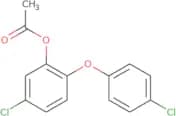

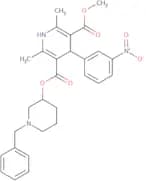
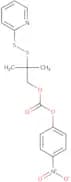
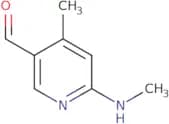
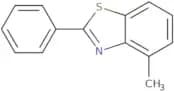
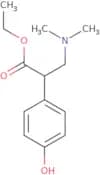
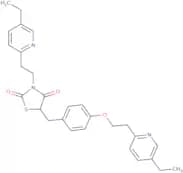
![3,4-Dihydro-1H-cyclopenta[cd]indol-2(2aH)-one](/_next/image/?url=https%3A%2Fstatic.cymitquimica.com%2Fproducts%2F3D%2Fthumb-webp%2FTEC74505.webp&w=3840&q=75)
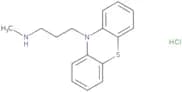
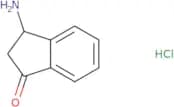
![[6-Hydroxy-2-(4-hydroxyphenyl)-benzo[b]thien-7-yl][4-[2-(1-piperidinyl)ethoxy]phenyl]methanone](/_next/image/?url=https%3A%2Fstatic.cymitquimica.com%2Fproducts%2F3D%2Fthumb-webp%2FIH45348.webp&w=3840&q=75)
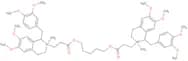
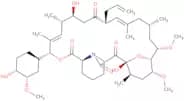


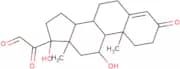
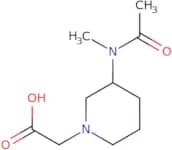
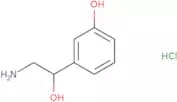
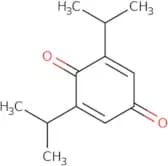


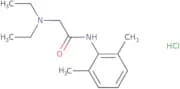
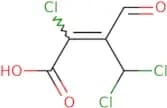
![2-[(Triphenylmethyl)amino]-4-thiazoleacetyl chloride](/_next/image/?url=https%3A%2Fstatic.cymitquimica.com%2Fproducts%2F3D%2Fthumb-webp%2FQEA38502.webp&w=3840&q=75)


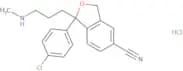
![2-(4-Bromophenyl)-8-methylimidazo[1,2-a]pyridine](/_next/image/?url=https%3A%2Fstatic.cymitquimica.com%2Fproducts%2F3D%2Fthumb-webp%2FAAA88861.webp&w=3840&q=75)
-methanone](/_next/image/?url=https%3A%2Fstatic.cymitquimica.com%2Fproducts%2F3D%2Fthumb-webp%2FIA63847.webp&w=3840&q=75)
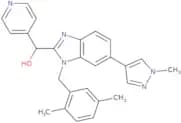
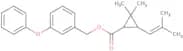
![(4-Chlorophenyl)[4-(1-methylethoxy)phenyl]methanone](/_next/image/?url=https%3A%2Fstatic.cymitquimica.com%2Fproducts%2F3D%2Fthumb-webp%2FIC20310.webp&w=3840&q=75)
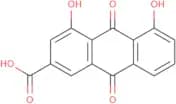
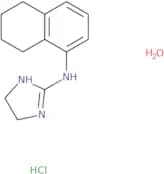
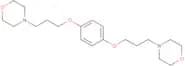
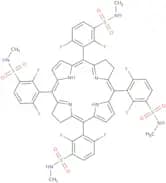
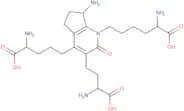
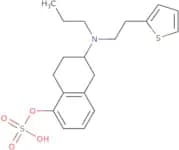
![α-[4-(2-dimethylaminoethoxy)phenyl]stilbene](/_next/image/?url=https%3A%2Fstatic.cymitquimica.com%2Fproducts%2F3D%2Fthumb-webp%2FUAA95751.webp&w=3840&q=75)
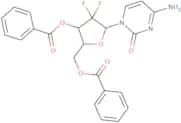

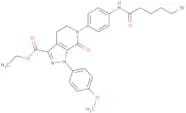
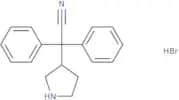
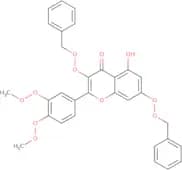
![(RS)-N-[(1-Ethylpyrrolidin-2-yl)methyl]-2-hydroxy-5-sulphamoylbenzamide](/_next/image/?url=https%3A%2Fstatic.cymitquimica.com%2Fproducts%2F3D%2Fthumb-webp%2FIE145489.webp&w=3840&q=75)
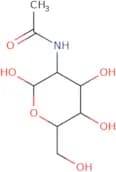
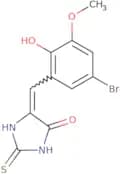
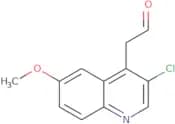
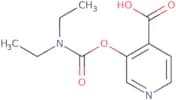
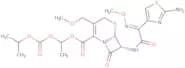
![1-[[3-Methyl-4-(2,2,2-trifluoroethoxy)-2-pyridinyl]methyl]-2-[[[3-methyl-4-(2,2,2-trifluoroethoxy)…](/_next/image/?url=https%3A%2Fstatic.cymitquimica.com%2Fproducts%2F3D%2Fthumb-webp%2FIM25690.webp&w=3840&q=75)
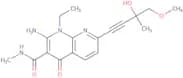

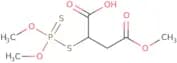

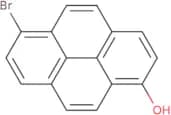
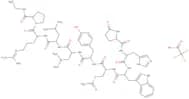
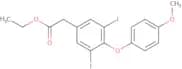
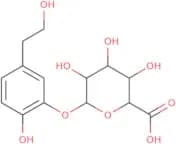


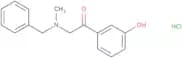
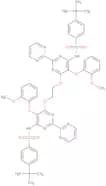
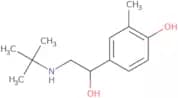


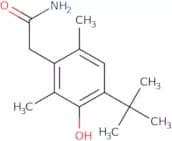
![N,N'-Carbonylbis[L-glutamic acid]](/_next/image/?url=https%3A%2Fstatic.cymitquimica.com%2Fproducts%2F3D%2Fthumb-webp%2FCMA94152.webp&w=3840&q=75)
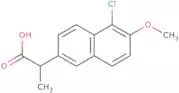
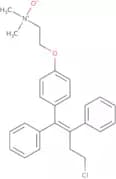
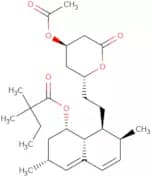
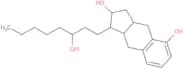
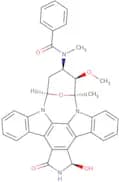
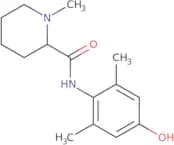
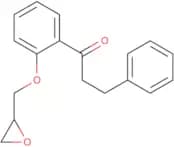
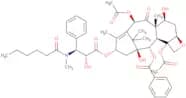
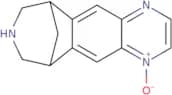
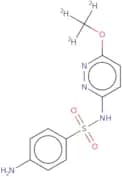
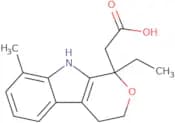
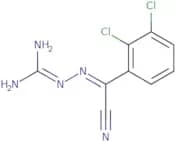
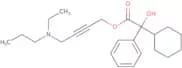
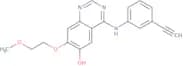


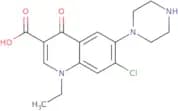

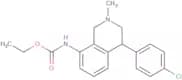
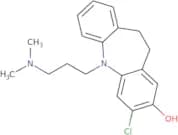
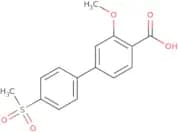
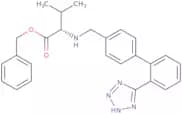
![5-Amino-N,N’-bis[2-hydroxy-1-(hydroxymethyl)ethyl]-2,4,6-triiodo-1,3-benzenedicarboxamide - EP](/_next/image/?url=https%3A%2Fstatic.cymitquimica.com%2Fproducts%2F3D%2Fthumb-webp%2FIA138685.webp&w=3840&q=75)
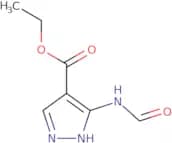
![1-[[2-[(2-Aminophenyl)amino]-5-methyl-3-thienyl]carbonyl]-4-methyl-piperazine](/_next/image/?url=https%3A%2Fstatic.cymitquimica.com%2Fproducts%2F3D%2Fthumb-webp%2FIA183184.webp&w=3840&q=75)
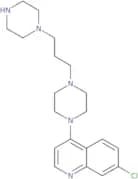
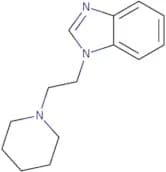
![Des[2-[(2-hydroxyethyl)amino]ethyl] mitoxantrone](/_next/image/?url=https%3A%2Fstatic.cymitquimica.com%2Fproducts%2F3D%2Fthumb-webp%2FID21105.webp&w=3840&q=75)
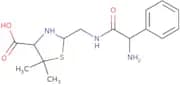
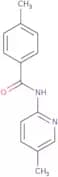

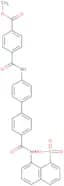
![N-[(2E)-6,6-Dimethyl-2-hepten-4-ynyl]-1-naphthalenemethanamine](/_next/image/?url=https%3A%2Fstatic.cymitquimica.com%2Fproducts%2F3D%2Fthumb-webp%2FID21330.webp&w=3840&q=75)
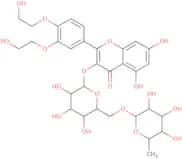
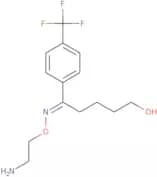
![1,1'-[(1-Methylethyl)imino]bis[3-[4-(2-methoxyethyl)phenoxy]-2-propanol](/_next/image/?url=https%3A%2Fstatic.cymitquimica.com%2Fproducts%2F3D%2Fthumb-webp%2FIM63789.webp&w=3840&q=75)
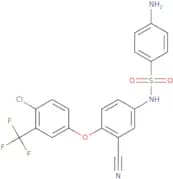
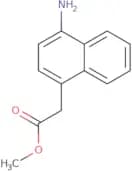
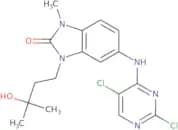
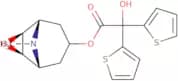
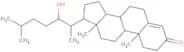

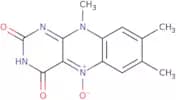
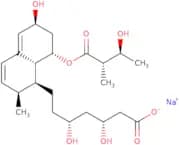
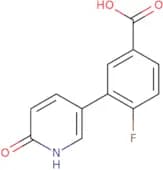
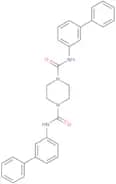

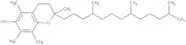

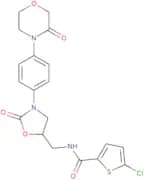
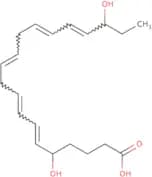
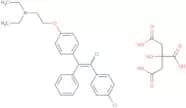
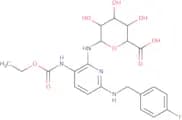
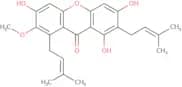
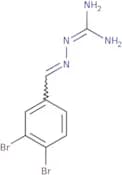
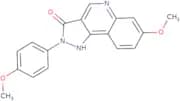
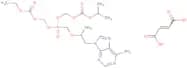
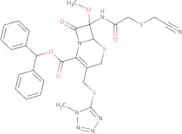
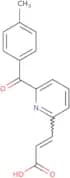
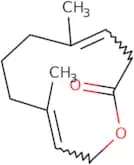
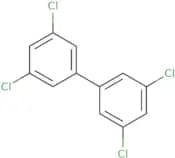

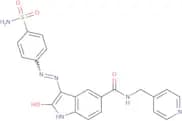
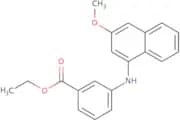
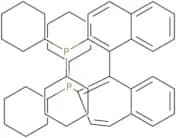
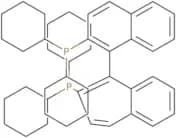

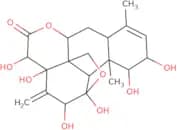
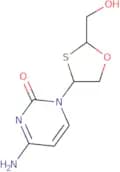
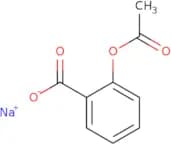
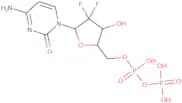
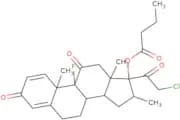
![2-[(1-Hydroxy-1-propyl)butyl]-6-methoxynaphthalene](/_next/image/?url=https%3A%2Fstatic.cymitquimica.com%2Fproducts%2F3D%2Fthumb-webp%2FYWC01482.webp&w=3840&q=75)
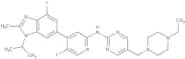
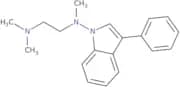
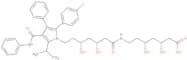
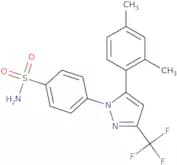


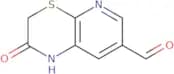
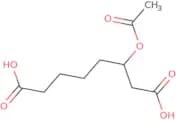
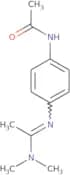
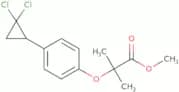
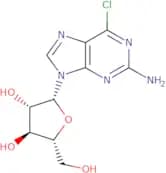
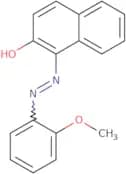


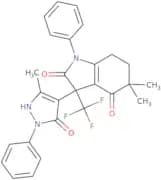
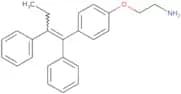
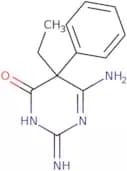
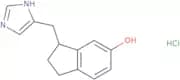
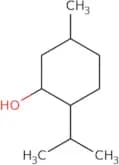
![[5-[(Dimethylamino)methyl]furan-2-yl]methanol](/_next/image/?url=https%3A%2Fstatic.cymitquimica.com%2Fproducts%2F3D%2Fthumb-webp%2FID57850.webp&w=3840&q=75)