Amino Acids (AA)
Amino acids (AAs) are the fundamental building blocks of proteins, playing a crucial role in various biological processes. These organic compounds are essential for protein synthesis, metabolic pathways, and cell signaling. In this category, you will find a comprehensive range of amino acids, including essential, non-essential, and modified forms, which are vital for research in biochemistry, molecular biology, and nutritional sciences. At CymitQuimica, we provide high-quality amino acids to support your research and development needs, ensuring accuracy and reliability in your experimental outcomes.
Subcategories of "Amino Acids (AA)"
- Amino Acid Derivatives(3,955 products)
- Amino Acid and Amino Acid Related Compounds(3,464 products)
- Amino Acids with Oxygen or Sulphur(168 products)
- Boc- Amino Acids(351 products)
- Fmoc Amino Acids(1,710 products)
Found 38247 products of "Amino Acids (AA)"
Sort by
Purity (%)
0
100
|
0
|
50
|
90
|
95
|
100
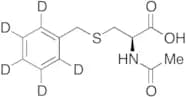
N-Acetyl-S-benzyl-d5-L-cysteine
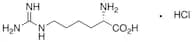
CAS:Controlled Product<p>Applications N-Acetyl-S-benzyl-d5-L-cysteine is deuterium labelled N-Acetyl-S-benzyl-L-cysteine, which is a metabolite of toluene.<br>References Gargas, M., et al.: Toxicol. Appl. Pharmacol., 98, 87 (1989), Commandeur, J., et al.: Pharmacol. Rev., 47(2), 271 (1995), Campo, P., et al.: Neurotoxicol. Teratol., 21, 427 (1999), Lohse, C., et al.: J. Agr. Food Chem., 48, 5913 (2000),<br></p>Formula:C12D5H10NO3SColor and Shape:NeatMolecular weight:258.35L-Homoarginine Hydrochloride
CAS:Controlled Product<p>Stability Moisture Sensitive<br>Applications An inhibitor of alkaline phosphatase isoenzymes. An analog of Homoarginine (H585000).<br>References Muth, W., et al.: J. Biol. Chem., 249, 7463 (1974), Hanukoglu, I., et al.: Eur. J. Biochem., 180, 479 (1989), Khaw, L., et al.: J. Bacteriol. 180, 809 (1998), Gallagher, D., et al.: J. Mol. Biol., 342, 119 (2004),<br></p>Formula:C7H16N4O2·ClHColor and Shape:NeatMolecular weight:224.692-Methoxy Propane
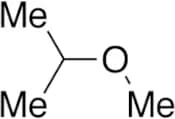
CAS:Controlled Product<p>Stability Very Volatile<br>Applications 2-Methoxy Propane is a synthetic intermediate used for the preparation of various biosynthetic molecules and pharmaceutical goods.<br> Not a dangerous good if item is equal to or less than 1g/ml and there is less than 100g/ml in the package<br>References Gharagheizi, F., et al.: Indust. Engin. Chem. Res., 51, 6265 (2012); Vandendriessche, S., et al.: Phy. Chem. Chem. Phy., 14, 1860 (2010); Moon, J.K., et al.: J. Agr. Food. Chem., 58, 5465 (2010);<br></p>Formula:C4H10OColor and Shape:NeatMolecular weight:74.123-[(1-methyl-1H-pyrazolo[3,4-d]pyrimidin-4-yl)amino]benzoic acid
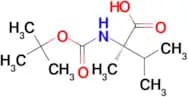
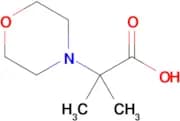
CAS:Purity:95.0%Molecular weight:269.2640075683594(R)-2-((tert-Butoxycarbonyl)amino)-2,3-dimethylbutanoic acid
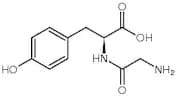
CAS:Purity:95.0%Molecular weight:231.29200744628906Glycyl-L-tyrosine
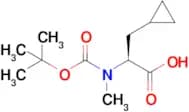
CAS:Controlled Product<p>Applications Glycyl-L-tyrosine<br></p>Formula:C11H14N2O4Color and Shape:NeatMolecular weight:238.24(S)-2-((tert-Butoxycarbonyl)(methyl)amino)-3-cyclopropylpropanoic acid
CAS:Purity:95%Molecular weight:243.302993774414068-benzyl-4-butanoyl-1-oxa-4,8-diazaspiro[4.5]decane-3-carboxylic acid
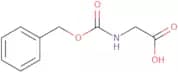
CAS:Purity:95.0%Molecular weight:346.427001953125N-Carbobenzoxyglycine
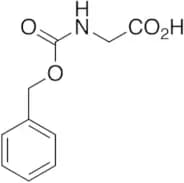
CAS:<p>Applications N-Carbobenzoxyglycine is used in the dipeptide synthesis.<br>References Hans, D., et al.: Med. Chem., 2, 627 (2006), Guzman, F., et al.: J. Biotechnol., 10, 279 (2007), Vlieghe, P., et al.: Drug Discov. Today, 15, 40 (2010),<br></p>Formula:C10H11NO4Color and Shape:NeatMolecular weight:209.25-(N-Carbamoylamino)imino-4-oxopentanenitrile
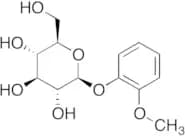
CAS:Controlled ProductFormula:C6H8N4O2Color and Shape:Dark OrangeMolecular weight:168.153Guaiacol-β-D-glucopyranoside
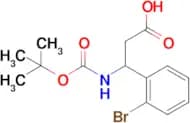
CAS:Controlled Product<p>Applications Guaiacol-beta-D-glucopyranoside, is a Guaiacol Conjugate, that has shown to present in fermentation of grapes that had been exposed to bushfire smoke and can potentially yield unpalatable, smoke-affected wine.<br>References Hayasaka, Y.m et al.: J. Arg. Food Chem., Vol. 58, Issue 4, P: 2076; 2081 (2010);<br></p>Formula:C13H18O7Color and Shape:NeatMolecular weight:286.283-(2-Bromophenyl)-3-((tert-butoxycarbonyl)amino)propanoic acid
CAS:Purity:97%Molecular weight:344.20498657226563-Chloromethyl-5-methylpyridine Hydrochloride
CAS:Controlled Product<p>Applications 3-Chloromethyl-5-methylpyridine is an intermediate in the synthesis of Rupatadine (R701650).<br>References Merlos, M., et al.: Pharmacol. Exp. Therap., 280, 114 (1997), Bell, I., et al.: J. Med. Chem., 41, 2146 (1998),<br></p>Formula:C7H8ClN·ClHColor and Shape:White To BeigeMolecular weight:178.06(6α,11β,16α,17α)-6,9-Difluoro-11-hydroxy-16-methyl-spiro[androsta-1,4-diene-17,5'-[1,3]oxathiolane]-2',3,4'-trione
CAS:<p>(6α,11β,16α,17α)-6,9-Difluoro-11-hydroxy-16-methyl-spiro[androsta-1,4-diene-17,5'-[1,3]oxathiolane]-2',3,4'-trione is a fine chemical that can be used as a building block for the synthesis of complex compounds. This compound is also useful as a reagent and specialty chemical. (6α,11β,16α,17α)-6,9-Difluoro-11-hydroxy-16-methyl spiro[androsta-1,4 diene 17.beta., 5'(1'3'oxathiolane)] 2',3',4'-trione has been shown to be an excellent intermediate for organic reactions and may be used as a scaffold in drug design.</p>Formula:C22H24F2O5SPurity:Min. 95%Molecular weight:438.49 g/molPAR-3 (1-6) (human) trifluoroacetate salt
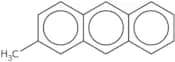
CAS:<p>Please enquire for more information about PAR-3 (1-6) (human) trifluoroacetate salt including the price, delivery time and more detailed product information at the technical inquiry form on this page</p>Formula:C29H45N9O8Purity:Min. 95%Molecular weight:647.72 g/mol2-Methylanthracene
CAS:<p>2-Methylanthracene is a diazonium salt that inhibits the growth of bacteria by binding to DNA, thereby preventing transcription and replication. 2-Methylanthracene has an inhibitory effect at pH 6.0 but no inhibitory effect at pH 8.0 due to its solubility data. The aromatic hydrocarbon is soluble in water and has a solute concentration of 1.5 g/L at pH 6.0 and 5 g/L at pH 8.0. 2-Methylanthracene binds to the DNA of bacteria in cell culture through steric interactions with the hydrophobic aromatic rings, inhibiting bacterial growth and causing cell death by interfering with protein synthesis and DNA replication.</p>Formula:C15H12Purity:Min. 95%Color and Shape:Off-White PowderMolecular weight:192.26 g/molN-t-Boc-valacyclovir
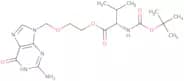
CAS:<p>Valacyclovir is a prodrug that is hydrolyzed to acyclovir in the body. Valacyclovir is an ester of valine and cyclovir. The synthesis starts with the coupling of N-t-Boc-valine to 2,4-dichlorobenzyl alcohol. The product is then subjected to hydrolysis with hydrochloric acid in refluxing isopropanol, which yields N-t-Boc-valacyclovir. Hydrolysis of this compound under basic conditions gives the desired acyclovir. Acetylation of the hydroxyl group on the side chain of valine forms a methyl ester, which can be cleaved using an acidic solution (e.g., HCl) to give valacyclovir.</p>Formula:C18H28N6O6Purity:Min. 95%Color and Shape:PowderMolecular weight:424.45 g/mol2-Methoxy-4-morpholinobenzenediazonium chloride zinc chloride double
CAS:<p>2-Methoxy-4-morpholinobenzenediazonium chloride zinc chloride double (2MBZD) is a chemical compound that has been analyzed by X-ray crystallography and nuclear magnetic resonance. This molecule consists of two parts: a diazonium salt and zinc chloride. The diazonium salt is a heterocyclic nitrogen ring with two nitrogens, which are bonded to the same carbon atom. The second part of the molecule is zinc chloride, which has one chlorine atom attached to it. The zinc chloride component stabilizes the compound, while the diazonium component provides the antibacterial activity. 2MBZD has shown activity against Staphylococcus aureus and Bacillus subtilis.</p>Formula:C11H14N3O2•(ZnCl4)0Purity:Min. 90 Area-%Color and Shape:Yellow Green PowderMolecular weight:323.85 g/molN-ε-Acetyl-L-lysine
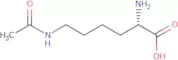
CAS:<p>N-epsilon-acetyl-L-lysine is a diagnostic agent that is used to identify cancer cells. This compound is synthesized by the enzyme polymerase chain reaction (PCR) and is a fluorescent probe that selectively binds to lysine residues in proteins of the cell membrane, including glycoproteins and proteoglycans. The presence of this compound can be detected using spectroscopy. It has been shown that higher levels of N-epsilon-acetyl-L-lysine in urine are associated with an increased body mass index and fatty acid content.</p>Formula:C8H16N2O3Purity:Min. 98 Area-%Color and Shape:White PowderMolecular weight:188.22 g/mol4--Methylacetophenone azine
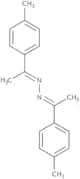
CAS:<p>4-Methylacetophenone azine is a useful chemical with a variety of applications. It is a versatile building block, which can be used as an intermediate for the synthesis of complex compounds and as a reaction component in organic synthesis. 4-Methylacetophenone azine has been shown to be effective in the production of research chemicals and speciality chemicals. This product is high quality and can be used as a reagent in organic synthesis.</p>Formula:C18H20N2Purity:Min. 95%Color and Shape:PowderMolecular weight:264.36 g/molDL-Methionine-DL-sulfoximine
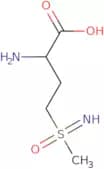
CAS:<p>DL-Methionine sulfoximine is a drug that blocks the synthesis of glutathione, an important antioxidant and detoxifying agent. DL-Methionine sulfoximine may be useful in preventing or treating eye disorders, such as age-related macular degeneration and retinitis pigmentosa. It also has been shown to have beneficial effects in animal models of epilepsy, Alzheimer’s disease, Parkinson's disease, and stroke. DL-Methionine sulfoximine has been shown to have beneficial effects in animal models of epilepsy, Alzheimer’s disease, Parkinson's disease, and stroke. This drug is being studied for its potential use in metabolic disorders such as diabetes and obesity.</p>Formula:C5H12N2O3SPurity:Min. 95%Color and Shape:White PowderMolecular weight:180.23 g/mol5-Methoxytryptamine hydrochloride
CAS:Controlled Product<p>Non-selective serotonin receptor agonist that lacks affinity for the 5-HT3 receptor.</p>Formula:C11H15ClN2OMolecular weight:226.71 g/molEthyl 2-hydroxy-5-methoxybenzoate
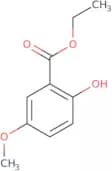
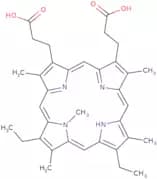
CAS:<p>Ethyl 2-hydroxy-5-methoxybenzoate (EHMB) is a phenolic compound that belongs to the group of salicylic acid. It is a natural product present in crucifers such as cabbage, broccoli, and cauliflower. EHMB has been shown to induce apoptosis in human leukemia cells through the inhibition of DNA methylation. The results showed that EHMB induces apoptosis in human leukemia cells by targeting the epigenetic regulator protein MLL1, which inhibits DNA methyltransferase 1 activity and leads to decreased levels of 5mC. EHMB also induces apoptosis in lung cancer cells by inhibiting cell proliferation and inducing cell death through the inhibition of GTPase activity, which leads to decreased levels of cyclin D1 and increased levels of p27. EHMB also regulates stem cell function by modulating gene expression; it has been shown that this compound can promote stem cell-like properties in mouse embryonic fibrobl</p>Formula:C10H12O4Purity:Min. 95%Color and Shape:Clear LiquidMolecular weight:196.2 g/molN-Methyl mesoporphyrin IX
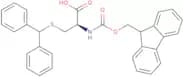
CAS:<p>N-Methyl mesoporphyrin IX is a molecule that inhibits the activity of enzymes such as carboxylesterases, proteases, and aminopeptidases. It binds to the active site of these enzymes and blocks the enzyme's activity. N-Methyl mesoporphyrin IX has been shown to inhibit cancer cells in humans and can be used as an adjunct treatment for cancer. This drug also has anti-inflammatory properties due to its ability to inhibit prostaglandins synthesis. N-Methyl mesoporphyrin IX has been shown to have an effect on plant physiology by inhibiting plant growth and photosynthesis. N-Methyl mesoporphyrin IX is also able to enhance hybridization reactions between dsDNA duplexes, which may be useful in research involving DNA sequencing or gene mapping.</p>Formula:C35H40N4O4Purity:Min. 95%Color and Shape:PowderMolecular weight:580.72 g/molFmoc-Cys(Dpm)-OH
CAS:<p>Fmoc-Cys(Dpm)-OH is a chemical that belongs to the group of reaction components. It is a high quality reagent for research and development and can be used as a building block in the synthesis of other fine chemicals. Fmoc-Cys(Dpm)-OH is also an intermediate for the synthesis of complex compounds such as peptides, proteins, and antibiotics. This compound has a broad range of applications in biomedicine, organic chemistry, and pharmaceuticals.</p>Formula:C31H27NO4SPurity:Min. 95%Color and Shape:White SolidMolecular weight:509.62 g/molN3-Phe-OH·CHA
CAS:<p>Please enquire for more information about N3-Phe-OH·CHA including the price, delivery time and more detailed product information at the technical inquiry form on this page</p>Formula:C9H9N3O2•C6H13NPurity:Min. 95%Color and Shape:PowderMolecular weight:290.36 g/molN-[6-Chloro-5-(2-methoxyphenoxy)-(2,2-bipyrimidine)4-4-yl]-(1,1-dimethylethyl)-benzenesulfonamide
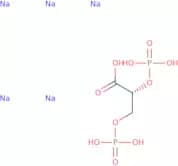
CAS:<p>N-[6-Chloro-5-(2-methoxyphenoxy)-(2,2-bipyrimidine)4-4-yl]-(1,1-dimethylethyl)-benzenesulfonamide is a reagent that can be used as a reaction component in the synthesis of complex compounds. It has high quality and is a versatile building block for the synthesis of speciality chemicals. N-[6-Chloro-5-(2-methoxyphenoxy)-(2,2-bipyrimidine)4-4-yl]-(1,1-dimethylethyl)-benzenesulfonamide is also a useful intermediate in the synthesis of fine chemicals.</p>Formula:C25H24ClN5O4SPurity:Min. 95%Color and Shape:White PowderMolecular weight:526.01 g/mol2,3-Diphospho-D-glyceric acid pentasodium salt
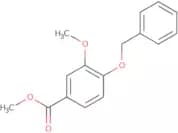
CAS:<p>2,3-Diphospho-D-glyceric acid pentasodium salt is a pyridine complex that is found in nature as a constant. It is also synthesized by humans and can be formed in the laboratory. 2,3-Diphospho-D-glyceric acid pentasodium salt is reactive and has been shown to be useful for producing radical species. This compound has been analysed in the human body at physiological concentrations and has been shown to interact with endogenous molecules such as lipids. The interaction of this compound with lipids could be due to its ability to form emulsions.</p>Formula:C3H3Na5O10P2Purity:Min. 95%Color and Shape:PowderMolecular weight:375.95 g/molMethyl 4-benzyloxy-3-methoxybenzoate
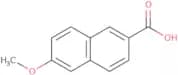
CAS:<p>Please enquire for more information about Methyl 4-benzyloxy-3-methoxybenzoate including the price, delivery time and more detailed product information at the technical inquiry form on this page</p>Formula:C16H16O4Purity:Min. 95%Molecular weight:272.3 g/mol6-Methoxy-2-naphthoic acid
CAS:<p>6-Methoxy-2-naphthoic acid (MN) is a cavity amide that has been shown to have an inhibitory effect on the growth of cancer cells. MN has been found to be more effective in inhibiting β-amyrin than caffeine, which may be due to its increased lipophilicity. It also has a higher affinity for adriamycin and enhances its anticancer effects. MN has been shown to be beneficial in treating diabetic patients, as it can reduce blood glucose levels by stimulating insulin release. The pharmacokinetic properties of MN are similar to those of other cavity amides, with rapid absorption and distribution throughout the body. This compound is metabolized in the liver by CYP2C8, CYP2C9, CYP3A4 and CYP3A5 enzymes. Molecular docking analysis of MN with β-amyrin showed that there was a strong interaction between them due to their complementary shapes and charge distributions</p>Formula:C12H10O3Purity:Min. 98 Area-%Color and Shape:PowderMolecular weight:202.21 g/molCbz-glycine
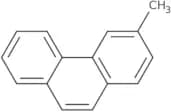
CAS:<p>Cbz-glycine is a hydrogen bond donor that can react with trifluoroacetic acid in a one-step reaction to form an ester hydrochloride. It is used in the synthesis of monoclonal antibodies and has been shown to inhibit the growth of receptor cells. Cbz-glycine reacts with protocatechuic acid, pyrazinoic acid, and ester hydrochloride to form pharmacokinetic properties. It has been shown to have pharmacokinetic properties by inhibiting prostaglandin synthesis.</p>Formula:C10H11NO4Purity:Min. 95%Molecular weight:209.2 g/mol3-Methylphenanthrene
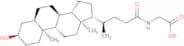
CAS:<p>3-Methylphenanthrene is a compound that inhibits the reductase activity of aromatic hydrocarbons. 3-Methylphenanthrene has been shown to inhibit both bacterial and mammalian reductases, with interactive effects on the enzyme's substrate molecule. It also shows an inhibitory effect on axonal growth, which may be due to its ability to reduce fatty acid uptake, as well as its ability to interact with the aromatic hydrocarbon uptake system. 3-Methylphenanthrene is easily detected by spectrometry analyses and can be used as a substrate molecule for bacterial enzymes.</p>Formula:C15H12Purity:Min. 98%Color and Shape:White PowderMolecular weight:192.26 g/molLithocholylglycine
CAS:<p>Lithocholylglycine is a bile acid that is conjugated with glycine, which is the first step in the synthesis of bile acids. Lithocholylglycine has been found to be useful as an analytical tool for determining serum bile acids and can be used as a biological marker for liver function. This compound also has anticancer and anti-inflammatory properties and may be useful in clinical pathology, especially in cases of hepatitis or diabetes. Lithocholylglycine has been shown to have cholinergic activity and to decrease blood glucose levels in diabetic patients.</p>Formula:C26H43NO4Purity:(%) Min. 98%Color and Shape:White PowderMolecular weight:433.62 g/molSubstance P acetate salt
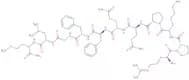
CAS:<p>The Substance P acetate salt is a white or off-white crystalline powder. It is soluble in ethanol and methanol, sparingly soluble in water, and insoluble in ether. The Substance P acetate salt has been widely used as a research chemical and building block for the synthesis of complex compounds. The CAS number for the substance is 137348-11-9.</p>Formula:C63H98N18O13S·C2H4O2Purity:Min. 95 Area-%Color and Shape:PowderMolecular weight:1,407.68 g/molBoc-O-benzyl-L-serine
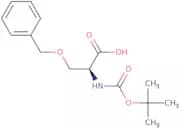
CAS:<p>Boc-O-benzyl-L-serine is a synthetic molecule that has been shown to activate fibroblast cells. It can be used as a topical analgesic, such as in the treatment of pain from arthritis, or in the treatment of wounds. Boc-O-benzyl-L-serine was first synthesized by the reaction of serine with benzyl chloroformate and bromoacetic acid. This reaction is carried out at room temperature and produces a mixture containing two diastereomers. The diastereomers were separated by column chromatography and then reacted with glycopeptide for activation. The activated product was purified by recrystallization in methanol to produce pure Boc-O-benzyl-L-serine.</p>Formula:C15H21NO5Purity:Min. 95%Color and Shape:White PowderMolecular weight:295.33 g/mol5,5-dimethyl-2-(4-(2-methylpropyl)phenyl)-1,3-thiazolidine-4-carboxylic acid
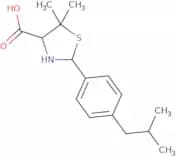
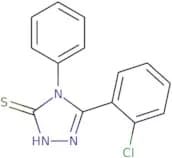
CAS:<p>Please enquire for more information about 5,5-dimethyl-2-(4-(2-methylpropyl)phenyl)-1,3-thiazolidine-4-carboxylic acid including the price, delivery time and more detailed product information at the technical inquiry form on this page</p>Purity:Min. 95%3-(2-chlorophenyl)-4-phenyl-1,2,4-triazoline-5-thione
CAS:<p>Please enquire for more information about 3-(2-chlorophenyl)-4-phenyl-1,2,4-triazoline-5-thione including the price, delivery time and more detailed product information at the technical inquiry form on this page</p>Purity:Min. 95%N-[(8-Fluoro-2,3-Dihydro-1-Methyl-5-Phenyl-1H-1,4-Benzodiazepin-2-Yl)Methyl]-3-Furancarboxamide
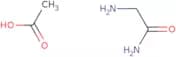
CAS:Controlled Product<p>N-[(8-Fluoro-2,3-Dihydro-1-Methyl-5-Phenyl-1H-1,4-Benzodiazepin-2-Yl)Methyl]-3-Furancarboxamide is a hydrophobic, implanting drug with an iontophoresis device. It has been shown to have therapeutic effects in cancer. The drug is a targetable molecule that can be used for diagnostic purposes and the treatment of various cancers. N-[(8-Fluoro-2,3-Dihydro-1,5 -Phenyl 1H -1,4 Benzodiazepin 2 Yl) Methyl] 3 Furancarboxamide has been shown to inhibit cell proliferation by blocking the synthesis of proteins required for DNA replication and also inhibits the activity of protein kinase C.</p>Purity:Min. 95%Glycine amide acetate
CAS:Controlled Product<p>Glycine amide acetate is a product that contains an imine group. It has been shown to have staining properties when applied to human keratin and is used in the cosmetic industry as a depigmenting agent. Glycine amide acetate has been shown to be effective in the treatment of depression, although it is not yet approved for this use. The molecule also contains an iridoid compound, which may be responsible for its effects on mood.</p>Formula:C2H6N2O•C2H4O2Purity:Min. 95%Color and Shape:PowderMolecular weight:134.13 g/mol4-[2-[[3-(4-Hydroxyphenyl)-1-methylpropyl]amino]ethyl]-1,2-benzenediol hydrochloride
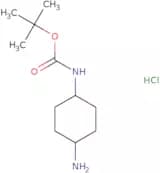
CAS:<p>Dobutamine is a beta-adrenergic agonist that causes the heart to contract and increase blood pressure. It is used for pharmacological treatment of congestive heart failure and ventricular arrhythmias, as well as during angiography of the coronary arteries. Dobutamine stimulates dopamine receptors in the heart, which increases the systolic pressure. Dobutamine has been shown to be effective in improving myocardial contractility, left ventricle function, and cardiac output in patients with chronic congestive heart failure. This drug also improves left ventricular regional wall motion, papillary muscle function, and mitral valve regurgitation. Dobutamine may cause side effects such as nausea, vomiting, headache, or chest pain.</p>Formula:C18H24ClNO3Purity:Min. 95%Color and Shape:PowderMolecular weight:337.84 g/molBoc-1,4-trans-diaminocyclohexane hydrochloride
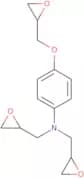
CAS:<p>Boc-1,4-trans-diaminocyclohexane hydrochloride is a versatile building block that can be used to synthesize complex compounds and research chemicals. It has been used as a reagent, specialty chemical and useful intermediate in many different reactions. Boc-1,4-trans-diaminocyclohexane hydrochloride is also a high quality building block that can be utilized to produce pharmaceuticals, agrochemicals and other speciality chemicals. This compound is also an important scaffold for the synthesis of biologically active molecules.</p>Formula:C11H22N2O2·HClPurity:Min. 95%Color and Shape:PowderMolecular weight:250.77 g/molN,N-Diglycidyl-4-glycidyloxyaniline
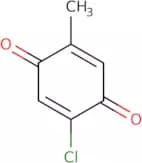
CAS:<p>N,N-Diglycidyl-4-glycidyloxyaniline is an industrial process that is used as a monomer in the synthesis of polycarbonates. It is synthesized by the cationic polymerization of fatty acids and amines. The thermal stability of N,N-diglycidyl-4-glycidyloxyaniline makes it suitable for use in high temperature processes such as carbon nanotube manufacturing. The modelling of N,N-diglycidyl-4-glycidyloxyaniline has been carried out to understand its structural properties and how these affect its behaviour. This understanding can be used to predict the behaviour of N,N-diglycidyl-4-glycidyloxyaniline under various conditions.</p>Formula:C15H19NO4Purity:Min. 90 Area-%Color and Shape:Clear LiquidMolecular weight:277.32 g/mol2-Chloro-5-methyl-1,4-benzoquinone
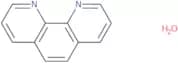
CAS:<p>2-Chloro-5-methyl-1,4-benzoquinone is a heterocyclic organic compound with the molecular formula CHClO. It is a crystalline solid that occurs in two forms, the alpha and beta forms. The alpha form consists of an asymmetric unit containing two fused rings, one with five carbon atoms and another with six. The beta form has a similar structure but the ring with six carbon atoms is replaced by a carbon atom substituted for sulfur. 2-Chloro-5-methyl-1,4-benzoquinone can be used as an emulsifying agent or to produce benzoquinone by oxidation of hydroquinone or by electrochemical reduction of methylene blue. This chemical also has been used as an electron acceptor in supramolecular chemistry studies.</p>Formula:C7H5ClO2Purity:Min. 95%Color and Shape:PowderMolecular weight:156.57 g/mol1,10-Phenanthroline monohydrate
CAS:<p>1,10-Phenanthroline monohydrate is a metal chelate that binds to DNA by hydrogen bonds. It has been shown to have an intramolecular hydrogen and a linear calibration curve with a coefficient of determination (r2) of 0.998. The rate constant for the reaction of 1,10-phenanthroline monohydrate with DNA is 5.00 x 10 M-1 s-1 at 25°C in water and pH 7.4 buffer. The coordination geometry for 1,10-phenanthroline monohydrate is octahedral with the axial ligands occupying the equatorial positions and the equatorial ligands occupying the axial positions. This compound has been shown to be active against HL-60 cells, which causes cancerous transformations in vitro. Fluorescence spectrometry data shows that 1,10-phenanthroline monohydrate can bind to DNA in vitro but not in vivo.</p>Formula:C12H10N2OPurity:Min. 95%Color and Shape:Off-White PowderMolecular weight:198.22 g/mol4-Methylthiophenol
CAS:<p>4-Methylthiophenol is a colorless liquid that is soluble in water. It has a molecular weight of 98.12 and an empirical formula of C6H7O2S. 4-Methylthiophenol is used as an analytical reagent, solvent, and chemical intermediate. It exhibits hydrogen bonding interactions with sodium carbonate and trifluoroacetic acid and forms a salt with sodium carbonate. The molecule's stability increases when it interacts with amines and the presence of nucleophiles such as water or alcohols. 4-Methylthiophenol has been shown to be effective at enhancing the fluorescence signal emitted by amines, which makes it useful for laser ablation mass spectrometry (LA-MS). 4-Methylthiophenol can also be used for kinetic energy measurements using FTIR spectroscopy because it will absorb infrared light at 1680 cm−1 from the CO2 laser beam.</p>Formula:C7H8SPurity:Min. 95%Color and Shape:White PowderMolecular weight:124.2 g/molO-Methyl-L-tyrosine
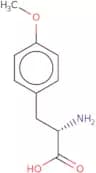
CAS:<p>O-Methyl-L-tyrosine is a non-protein amino acid that inhibits protein synthesis by preventing the formation of peptide bonds. It has been shown to be an effective inhibitor of methionyl and cysteyl synthetases, which are enzymes that synthesize proteins. O-Methyl-L-tyrosine has also been used in clinical studies to treat translation defects associated with Duchenne muscular dystrophy (DMD) and spinal muscular atrophy (SMA). This drug is a synthetic amino acid that is not found in nature. Its structure consists of two methyl groups bonded to the oxygen atom on the tyrosine side chain, making it more stable than L-tyrosine. OMT binds to the enzyme methionyl synthetase in its active site, preventing formation of peptide bonds during protein synthesis. In addition, this drug has been shown to inhibit methyltetrahydrofolate reductase, an enzyme involved</p>Formula:C10H13NO3Purity:Min. 95%Color and Shape:White PowderMolecular weight:195.22 g/mol6-Methoxy-2-naphthaleneacetic acid
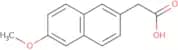
CAS:<p>6-Methoxy-2-naphthaleneacetic acid (6-MNA) is a nonsteroidal anti-inflammatory drug that is used to treat patients with chronic pain. 6-MNA has been shown to be an effective treatment for osteoarthritis, rheumatoid arthritis and other inflammatory conditions. It inhibits the production of prostaglandins and leukotrienes by inhibiting the enzyme cyclooxygenase, which is responsible for the conversion of arachidonic acid to these mediators. 6-MNA can also inhibit the activity of α1-acid glycoprotein and increase the activity of human serum albumin, which may contribute to its antiinflammatory effect. 6-MNA has several side effects including nausea, vomiting, diarrhea and abdominal pain. These adverse reactions are caused by inhibition of protein synthesis in the stomach lining, which leads to decreased production of mucus and bicarbonate ions.</p>Formula:C13H12O3Purity:Min. 95%Color and Shape:PowderMolecular weight:216.23 g/molN, N-Dimethylpyridin-4-amine 4-methylbenzenesulfonate
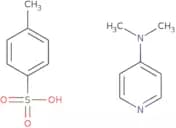
CAS:<p>N,N-Dimethylpyridin-4-amine 4-methylbenzenesulfonate is an integrating agent used in polymer chemistry. It can be used to study the effects of chromophores on both linear and nonlinear optical properties in polymers. N,N-Dimethylpyridin-4-amine 4-methylbenzenesulfonate has been shown to be a good 1,3-dipolar cycloadductor for the synthesis of polymers with polarizable hyperbranched structures.</p>Formula:C7H10N2·C7H8O3SPurity:Min. 95%Color and Shape:White PowderMolecular weight:294.37 g/mol5-Bromo-2-methoxytoluene
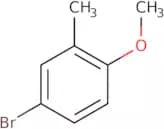
CAS:<p>5-Bromo-2-methoxytoluene is a bromoarene that reacts to form aziridines and phosphotungstic acid. It is used in the synthesis of polyaromatic compounds with steric interactions. 5-Bromo-2-methoxytoluene is also a functional group that can be used as an allosteric modulator. This compound also has stereoisomers that are chiral, meaning they have different structures despite being mirror images of each other. The carbonyl group on the 5-bromo compound is polar, which means it has a charge. The hydrogen bonds between this compound and other molecules are nonpolar, which means they do not have a charge and are more likely to form in a nonpolar solvent.</p>Formula:C8H9BrOPurity:Min. 95%Color and Shape:PowderMolecular weight:201.06 g/molPerfluoro-2-Methylbutane
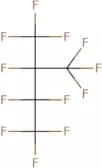
CAS:Controlled Product<p>Perfluoro-2-methylbutane is a pharmaceutical dosage form of a perfluorinated liquid. It is used in clinical practice for the treatment of chronic obstructive pulmonary disease (COPD), asthma, or other respiratory disorders. This drug is also used as an inhalation agent in the treatment of adults with acute bronchitis, emphysema, or other airway obstruction. Perfluoro-2-methylbutane has shown resistance to bacteria that are resistant to natural and synthetic polymers. The diameter of Perfluoro-2-methylbutane particles is between 2 and 10 micrometers and it has a viscosity of about 5 centipoise. It has been shown that the reaction time for this drug can be reduced by adding hexamer, which acts as a surfactant for the gas phase. The active substances in Perfluoro-2-methylbutane are unsaturated ketones such as 3-pentanone, 3-hex</p>Formula:C5F12Purity:Min. 95%Molecular weight:288.03 g/mol4-Methyl-1H-1,2,3-benzotriazole
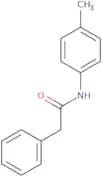
CAS:<p>4-Methyl-1H-1,2,3-benzotriazole is a corrosion inhibitor that is used in the treatment of wastewater. It has been shown to have synergic effects with other corrosion inhibitors such as benzotriazole, glycol ethers, and sodium citrate. 4-Methyl-1H-1,2,3-benzotriazole also inhibits organic matter degradation by acting as an inhibitor. This compound has been shown to adsorb on Langmuir monolayers at low concentrations and can be used as an analytical method for copper ions. The adsorption of 4-methylbenzotriazole onto metal hydroxides was found to be dependent on pH and the presence of other ions in solution.</p>Formula:C7H7N3Purity:Min. 95%Color and Shape:PowderMolecular weight:133.15 g/molN-(4-Methylphenyl)-2-phenylacetamide
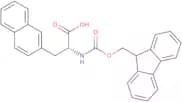
CAS:<p>2-Phenylacetamide is a solvent that can be used as a component in alkylation reactions. It is commonly used as a component of chlorinated solvents and has been shown to catalyze the reaction with benzyl chloride. 2-Phenylacetamide can be used to produce solar cells by sensitizing the surface of silicon wafers with this solvent. Researchers have also studied the alkylation reaction of phenylacetamide with methyl iodide and benzyl chloride, which can be carried out at room temperature and does not require any catalyst. This reaction was found to proceed well under gas chromatographic conditions.</p>Formula:C15H15NOPurity:Min. 95%Molecular weight:225.29 g/molFmoc-3-(2-naphthyl)-D-alanine
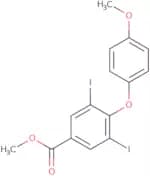
CAS:<p>Fmoc-3-(2-naphthyl)-D-alanine is a fluorescent pressor agent that can be used in supramolecular chemistry. It has an anion form and a cation form, which are both present in the filtrate. The chemical will also form micelles when mixed with water. Fmoc-3-(2-naphthyl)-D-alanine is acetylated and can be used to study the nature of agarose. Fmoc-3-(2-naphthyl)-D-alanine can be used to measure the concentration of sorbitol in chromatography. This chemical has been shown to bind to DNA under microscopy, making it useful for fluorescence microscopy studies.</p>Formula:C28H23NO4Purity:Min. 95%Color and Shape:PowderMolecular weight:437.49 g/mol3,5-Diiodo-4(4'-methoxyphenoxy)benzoic acid methyl ester
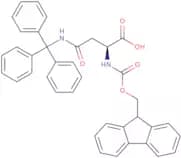
CAS:<p>3,5-Diiodo-4(4'-methoxyphenoxy)benzoic acid methyl ester (DIMBOA) is a hormone analogue that inhibits the growth of cancer cells by interfering with mitochondrial function. DIMBOA binds to the mitochondria of animal cells and prevents adenosine triphosphate (ATP) production. DIMBOA also blocks the synthesis of DNA and RNA in animal cells, which may be due to its ability to interfere with enzyme activities such as protein synthesis, cell proliferation, and apoptosis. 3,5-Diiodo-4(4'-methoxyphenoxy)benzoic acid methyl ester has been shown to inhibit cellular growth by autophagy. This drug has been shown to have no adverse effects on normal fibroblasts or antigen presenting cells in animals.</p>Formula:C15H12I2O4Purity:Min. 95%Color and Shape:PowderMolecular weight:510.06 g/molFmoc-Asn(Trt)-OH
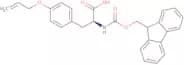
CAS:<p>Fmoc-Asn(Trt)-OH is a pegylated molecule synthesized by attaching a polyethylene glycol (PEG) to the terminal amino acids. It has been shown that Fmoc-Asn(Trt)-OH inhibits peptide synthesis by inhibiting the formation of an enzyme-substrate complex. This inhibition prevents the transfer of an amino acid from one protein chain to another, preventing the formation of a new chain and subsequent polymerization. Fmoc-Asn(Trt)-OH also has an inhibitory effect on polypeptide synthesis. The molecular weight of this compound is about 535 Daltons.</p>Formula:C38H32N2O5Purity:Min. 98 Area-%Color and Shape:White PowderMolecular weight:596.67 g/molFmoc-O-allyl-L-tyrosine
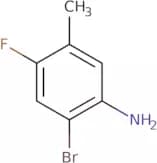
CAS:<p>Please enquire for more information about Fmoc-O-allyl-L-tyrosine including the price, delivery time and more detailed product information at the technical inquiry form on this page</p>Formula:C27H25NO5Purity:Min. 95%Color and Shape:PowderMolecular weight:443.49 g/mol2-Bromo-4-fluoro-5-methylaniline
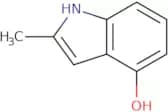
CAS:<p>2-Bromo-4-fluoro-5-methylaniline (BFM) is a reactive intermediate that is used as a building block in the synthesis of various organic compounds. It is also used in research and development for the preparation of pharmaceuticals, pesticides, herbicides, and dyes. BFM is a versatile intermediate that can be used in many different types of reactions. This chemical belongs to the group of halogenated methylanilines and has a CAS number of 1065076-39-2.</p>Formula:C7H7BrFNPurity:Min. 95%Color and Shape:PowderMolecular weight:204.04 g/mol4-Hydroxy-2-methylindole
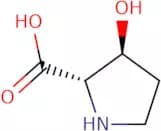
CAS:<p>4-Hydroxy-2-methylindole is an organic compound that belongs to the class of metal salts. It can be obtained as a white solid by reacting indole with alkali metal hydroxide or alkali metal carbonate in the presence of water at high temperatures. The reaction yields 4-hydroxy-2-methylindole and hydrogen chloride gas, which are removed by distillation. 4-Hydroxy-2-methylindole is used in the production of epichlorohydrin, which is a raw material for polyurethane resins and olefins.</p>Formula:C9H9NOPurity:Min. 95%Color and Shape:PowderMolecular weight:147.17 g/moltrans-3-Hydroxy-L-proline
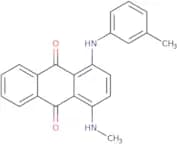
CAS:<p>Please enquire for more information about trans-3-Hydroxy-L-proline including the price, delivery time and more detailed product information at the technical inquiry form on this page</p>Formula:C5H9NO3Purity:Min. 95%Color and Shape:White PowderMolecular weight:131.13 g/molSolvent Blue 63
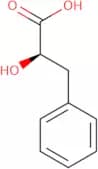
CAS:<p>1-[2,(3)-Methylanilino]-4-(methylamino)anthraquinone is a diazo dye that emits light when irradiated with UV-A or UV-B radiation. It is used as a fluorescent stain in electron microscopy to detect and identify the presence of metals and metal oxides in films. The compound is also used in polyvinyl chloride (PVC) films to increase thermal expansion and viscosity. 1-[2,(3)-Methylanilino]-4-(methylamino)anthraquinone may be used as a substrate film for the production of polyurethane foam for furniture cushions and automotive components. The compound can be acylated with fatty acids such as p-hydroxybenzoic acid to give it desirable properties such as lower viscosity, better adhesion, or improved light emission. This reaction can be catalyzed by heat or radiation.</p>Formula:C22H18N2O2Purity:Min. 95%Color and Shape:PowderMolecular weight:342.39 g/molD-(+)-Phenyllactic acid
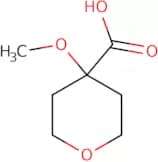
CAS:<p>D-(+)-phenyllactic acid is a pharmaceutical drug that is used to catalyze the asymmetric synthesis of chiral compounds. It is an enantiomer of L-phenyllactic acid, and it has been shown to be effective in the treatment of patients with breast cancer. D-(+)-phenyllactic acid can also be used to catalyze the formation of taxol, a clinical drug which has been shown to inhibit tumor growth. D-(+)-phenyllactic acid binds to the active site of catalase, an enzyme that breaks down hydrogen peroxide in cells. The reaction mechanism for catalysis by D-(+)-phenyllactic acid is not well understood, but it may involve monocarboxylic acids such as formic or acetic acids.</p>Formula:C9H10O3Purity:Min. 95%Color and Shape:White PowderMolecular weight:166.17 g/mol4-Methoxy-tetrahydro-2h-pyran-4-carboxylic acid
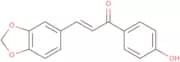
CAS:<p>4-Methoxy-tetrahydro-2h-pyran-4-carboxylic acid is a fine chemical that belongs to the group of research chemicals. It is a versatile building block and useful intermediate in organic synthesis. 4-Methoxy-tetrahydro-2h-pyran-4-carboxylic acid has been used as a reagent for the preparation of the compound 5,5'-dithiobis(4,4'-dimethylvaleronitrile) (CAS No. 1010836-49). This compound has been shown to be an effective antiviral agent against HIV.</p>Formula:C7H12O4Purity:Min. 95 Area-%Color and Shape:PowderMolecular weight:160.17 g/mol4'-Hydroxy-3,4-methylenedioxychalcone
CAS:<p>4'-Hydroxy-3,4-methylenedioxychalcone is a reaction component that belongs to the category of fine chemicals. It is a useful scaffold for the synthesis of complex compounds and can be used as a reagent for the preparation of other chemical substances. 4'-Hydroxy-3,4-methylenedioxychalcone is an intermediate in the manufacture of certain drugs such as taxol, which is used to treat breast cancer. The CAS number for this substance is 19152-39-7.</p>Formula:C16H12O4Purity:Min. 95%Color and Shape:PowderMolecular weight:268.26 g/molL-a-Phosphatidyl-L-serine
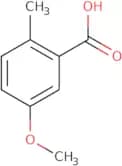
CAS:<p>L-a-Phosphatidyl-L-serine is a chelator that is commonly used in the production of dabigatran etexilate mesylate, a medication used for anticoagulation. It has the ability to bind to hydrocarbons and other reactive species, preventing them from causing harm. L-a-Phosphatidyl-L-serine is also known to interact with potassium ions, which are essential for various biological processes. This compound is often used in research chemicals and has been found to have an inhibitory effect on potassium channels. Additionally, it has been shown to enhance the activity of fluoroquinolones, a class of antibiotics. Overall, L-a-Phosphatidyl-L-serine plays a crucial role as a target molecule in various applications related to anticoagulation and potassium regulation.</p>Formula:C42H82NO10PPurity:Min. 95%Color and Shape:PowderMolecular weight:792.07 g/mol5-Methoxy-2-methylbenzoic acid
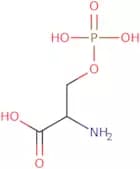
CAS:<p>5-Methoxy-2-methylbenzoic acid is an intermediate in the synthesis of vitamin D3. It can also be used to synthesize calciferol, a configurationally stable form of vitamin D3 that has been shown to be optically active. Lactonic forms are composed of a 5-methoxy group and a 2-methylbenzoic acid moiety. Enantiomers are compounds with the same chemical formula but different arrangements of their atoms in space and each enantiomer is capable of rotating plane polarized light in opposite directions.</p>Formula:C9H10O3Purity:Min. 95%Color and Shape:PowderMolecular weight:166.17 g/molO-Phospho-DL-serine
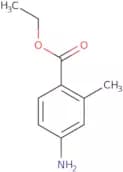
CAS:<p>O-Phospho-DL-serine is a nonprotein amino acid that is synthesized in plants and microorganisms. It is an intermediate in the metabolism of phosphoserine, which can be converted to phosphoserine by the enzyme phosphoserine phosphatase. O-Phospho-DL-serine has been shown to have anti-cancer properties, as it inhibits the growth of various human cancer cell lines by dephosphorylating and inhibiting protein kinases. O-Phospho-DL-serine also has a role in the activation of response elements and cytokines, especially in the presence of growth factors such as fibroblast growth factor β1 (FGFβ1).</p>Formula:C3H8NO6PPurity:Min. 95%Color and Shape:PowderMolecular weight:185.07 g/mol4-Amino-2-methylbenzoic acid ethyl ester
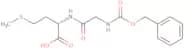
CAS:<p>4-Amino-2-methylbenzoic acid ethyl ester is a versatile building block that can be used in the synthesis of complex compounds. It has been shown to have a number of useful applications, such as in the synthesis of pharmaceuticals, research chemicals, and speciality chemicals. 4-Amino-2-methylbenzoic acid ethyl ester is also an important reagent for the production of high quality pharmaceuticals and intermediates. This chemical is also a useful scaffold for organic reactions.</p>Formula:C10H13NO2Purity:Min. 95%Molecular weight:179.22 g/molZ-Gly-Met-OH
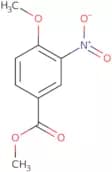
CAS:<p>Z-Gly-Met-OH is a buffer that can be used to create an acidic solution. It is often used in liquid chromatography and peptide synthesis. Z-Gly-Met-OH has been shown to have potential use as an enzyme inhibitor, specifically for proteases and peptidases. The hydrolyzed form of Z-Gly-Met-OH has been shown to bind zinc ions and could be used in the treatment of metal ion poisoning.</p>Formula:C15H20N2O5SPurity:Min. 95 Area-%Color and Shape:PowderMolecular weight:340.4 g/mol4-Methoxy-3-nitrobenzoic acid methyl ester
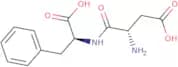
CAS:<p>4-Methoxy-3-nitrobenzoic acid methyl ester (4MNBM) is a potent antitumor agent that inhibits tumor cell proliferation by interfering with DNA replication. 4MNBM selectively binds to the nuclear magnetic resonance and has been shown to inhibit tumor growth in animal models. This drug also shows potent antitumor activity against solid tumor cells, which is due to its ability to induce conformational changes in the DNA of these cells. 4MNBM has been shown to be selective for tumor cells, which may be due to its lack of effect on the metabolism of normal tissue and its ability to bind to proteins in tumor cell nuclei.</p>Formula:C9H9NO5Purity:Min. 95%Color and Shape:Clear LiquidMolecular weight:211.17 g/molH-Asp-Phe-OH
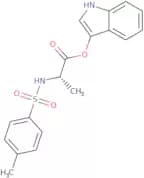
CAS:<p>H-Asp-Phe-OH is a diagnostic agent that contains the amino acid aspartame and a hydroxyl group. It is hydrolyzed in the body to form aspartic acid, phenylalanine, and methanol. The methyl ester of H-Asp-Phe-OH is hydrochloride. This compound has been used to study locomotor activity in mice and rats. Aspartame has also been shown to be an inhibitor of certain enzymes, such as fatty acid synthase, which is associated with human pathogens. The lc-ms/ms method has been used to detect H-Asp-Phe-OH metabolites in human serum samples. In addition, this compound can be used for the diagnosis of diseases such as diabetes mellitus type 2 and Alzheimer’s disease by measuring uptake into cells at enzyme activities.</p>Formula:C13H16N2O5Purity:Min. 95%Color and Shape:White PowderMolecular weight:280.28 g/molN-Tosyl-L-alanine 3-indoxyl ester
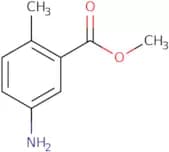
CAS:<p>N-Tosyl-L-alanine 3-indoxyl ester is applied specifically to urine samples. In the presence of leukocyte esterase, N-Tosyl-L-alanine-3-indoxyl ester will be hydrolysed to afford indoxyl. The sample is later exposed to diazonium salts that form azo dyes with the indoxyl. If sufficent indoxyl is formed, it indicates elevated numbers of white blood cells in the urine sample and this indicates that the host has contracted a urinary tract infection.</p>Formula:C18H18N2O4SPurity:Min. 98.0 Area-%Molecular weight:358.42 g/molMethyl 5-amino-2-methylbenzoate
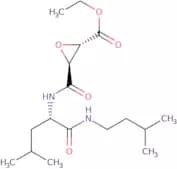
CAS:<p>Methyl 5-amino-2-methylbenzoate is a potent inhibitor of the B-Raf protein, which is involved in cell proliferation and differentiation. Methyl 5-amino-2-methylbenzoate has been shown to inhibit the growth of cancer cells in vitro and in vivo. Methyl 5-amino-2-methylbenzoate inhibits the activity of b-Raf (a protein that plays a role in cell proliferation and differentiation) by binding to its ATP site and blocking phosphorylation. This inhibition leads to decreased cellular activity, resulting in tumor regression. Methyl 5-amino-2-methylbenzoate also shows efficacy against other proteins, such as BclxL, HSP90, and NF1. It does this by inhibiting their ATP sites and preventing them from functioning properly. For these reasons, methyl 5-amino-2-methylbenzoate is considered a promising drug for fighting cancer.</p>Formula:C9H11NO2Purity:Min. 95%Color and Shape:PowderMolecular weight:165.19 g/mol(2S,3S)-trans-Epoxysuccinyl-L-leucylamido-3-methylbutane ethyl ester
CAS:<p>Inhibitor of cathepsins</p>Formula:C17H30N2O5Purity:Min. 95%Color and Shape:PowderMolecular weight:342.43 g/molN-Methyldioctylamine
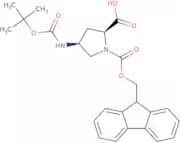
CAS:<p>N-Methyldioctylamine is a biodegradable, water soluble, and non-toxic chemical that can be used as an alternative to caustic soda for wastewater treatment. It removes organic matter from industrial effluents by breaking down long chain hydrocarbons into smaller fragments and reacts with the hydroxyl group of proteins to form hydroxylamines. N-Methyldioctylamine has been shown to inhibit protease activity in wild-type strains of bacteria, such as Escherichia coli and Pseudomonas aeruginosa. It also inhibits hematopoietic cells from developing into mature cells by disrupting the biochemical composition of their membranes. N-Methyldioctylamine is reactive with fatty acids and amines found in mammalian tissue samples. This compound can be used as a sample preparation agent or analytical reagent for caproic acid, which is used in process optimization applications.</p>Formula:C17H37NPurity:Min. 95%Color and Shape:Clear LiquidMolecular weight:255.48 g/molBoc-(2S,4S)-4-amino-1-Fmoc-pyrrolidine-2-carboxylic acid
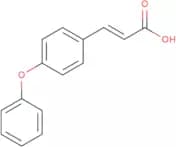
CAS:<p>Useful chiral building block</p>Formula:C25H28N2O6Purity:Min. 95%Molecular weight:452.5 g/mol4-Phenoxycinnamic acid
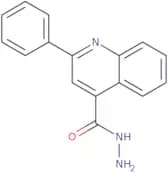
CAS:<p>4-Phenoxycinnamic acid is a useful scaffold and building block in organic chemistry. It is a versatile chemical intermediate with a CAS number of 2215-83-0, often used in the synthesis of other molecules. 4-Phenoxycinnamic acid has recently been shown to be an effective reagent for the conversion of nitrobenzene to benzyl alcohols, which are useful in the production of pharmaceuticals. This compound can also be used as a high-quality research chemical and as a speciality chemical for use in laboratory experimentation.</p>Formula:C15H12O3Purity:Min. 95%Color and Shape:PowderMolecular weight:240.25 g/mol2-Phenylquinoline-4-carbohydrazide
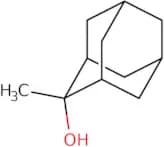
CAS:<p>2-Phenylquinoline-4-carbohydrazide is an antibacterial agent that binds to bacterial DNA gyrase and topoisomerase, which are enzymes that maintain the integrity of bacterial DNA. It also has significant anti-inflammatory activity and can be used for the treatment of skin disorders, such as acne. 2-Phenylquinoline-4-carbohydrazide has been shown to induce apoptosis in human dermal fibroblast cells. This drug has been shown to have anticancer activity in vitro and in vivo. The anticancer activity of this drug may be due to its ability to inhibit cancer cell proliferation by binding to DNA gyrase and topoisomerase, which are enzymes that maintain the integrity of bacterial DNA.</p>Formula:C16H13N3OPurity:Min. 95%Molecular weight:263.29 g/mol2-Methyl-2-adamantanol
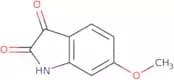
CAS:<p>2-Methyl-2-adamantanol is a chemical compound with the molecular formula CH(CH)COOH. It is a colorless liquid that boils at 109°C and freezes at -78°C. This compound has been used as an additive to gasoline, in cosmetics, as a solvent for polymers, and as a fuel. 2-Methyl-2-adamantanol is synthesized by the reaction of 1-adamantanol with hydrogen chloride gas in the presence of dimethylformamide. The product can be purified by recrystallizing it from methanol or chloroform. The structure of this compound was determined using X-ray crystallography. 2-Methyl-2-adamantanol is an alicyclic molecule that contains two methyl groups (-CH3) on adjacent carbons (C). It also has a hydrogen bond between the two methyl groups on C1 and C2. This compound has been</p>Formula:C11H18OPurity:Min. 95%Color and Shape:PowderMolecular weight:166.1 g/mol6-Methoxyindoline-2,3-dione
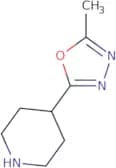
CAS:<p>6-Methoxyindoline-2,3-dione is an indole alkaloid that has been isolated from the leaves of plants in the genus Apiaceae. It is synthesized by a reaction system that involves the oxidation of 6-methoxyindole to the corresponding oxindole and subsequent reduction to the desired product. The cytotoxicity of 6-methoxyindoline-2,3-dione has been demonstrated using a fluorescent assay with cancer cells. The compound binds to and activates cb2 receptors, which are expressed on immune cells and have been shown to be involved in inflammatory processes.</p>Formula:C9H7NO3Purity:Min. 95%Color and Shape:PowderMolecular weight:177.16 g/mol4-(5-Methyl-1,3,4-oxadiazol-2-yl)piperidine dihydrochloride
CAS:<p>4-(5-Methyl-1,3,4-oxadiazol-2-yl)piperidine dihydrochloride is a fine chemical that is a useful building block for research chemicals and speciality chemicals. It is also a versatile intermediate for the synthesis of complex compounds with diverse structures. In addition, 4-(5-methyl-1,3,4-oxadiazol-2-yl)piperidine dihydrochloride can be used as a reagent in the synthesis of pharmaceuticals or other organic compounds. This compound has been assigned CAS No. 1993195-75-7 and its molecular formula is C9H12N2O2.</p>Formula:C8H13N3O·2HClPurity:Min. 95 Area-%Color and Shape:PowderMolecular weight:240.13 g/mol17α-Estradiol 17-valerate
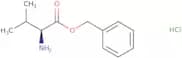
CAS:<p>Please enquire for more information about 17α-Estradiol 17-valerate including the price, delivery time and more detailed product information at the technical inquiry form on this page</p>Formula:C23H32O3Purity:Min. 95%Color and Shape:PowderMolecular weight:356.5 g/molL-Valine benzyl ester hydrochloride
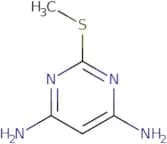
CAS:<p>L-Valine benzyl ester hydrochloride (LVEH) is a tetradecapeptide that is used as an analog of the natural peptide angiotensinogen. This synthetic compound has low molecular weight and hydrophobicity, which makes it an efficient drug for inducing hypertension in rats. LVEH has been shown to inhibit the production of angiotensin I and II, leading to a decrease in blood pressure. It also inhibits the degradation of endoplasmic reticulum protein angiotensinogen, which may be due to its inhibition of piperazine and piperidine. LVEH binds to mitochondria with high affinity, inhibiting ATP production and mitochondrial respiration.</p>Formula:C12H17NO2•HClPurity:Min. 95%Color and Shape:PowderMolecular weight:243.73 g/mol2-Methylthiopyrimidine-4,6-diamine
CAS:<p>2-Methylthiopyrimidine-4,6-diamine is a potent inhibitor of the enzyme DNA polymerase. It has shown to be effective against hepg2 cells and other cancer cells. The compound binds covalently to the active site of the enzyme, where it stabilizes the transition state and deshields the electrostatic field around the nucleophilic nitrogen atom. This interaction leads to a decreased affinity for ATP, which is required for DNA synthesis. 2-Methylthiopyrimidine-4,6-diamine also has antimalarial activity and inhibits amide bond formation in hepg2 cells.</p>Formula:C5H8N4SPurity:Min. 95%Color and Shape:PowderMolecular weight:156.21 g/mol7,8-Dihydroxy-4-phenylcoumarin
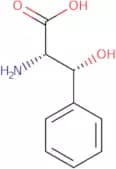
CAS:<p>7,8-Dihydroxy-4-phenylcoumarin (7,8-DPC) is a coumarin derivative that inhibits human cytochrome P450 enzymes. It binds to the heme group of the enzyme and is reversible by hydroxylation. 7,8-DPC has been shown to inhibit catalytic activity in rat liver microsomes and recombinant human cytochrome P450 enzymes. This molecule has also been shown to be an irreversible inhibitor of human cytochrome P450 2C9. The carbonyl group found on the 7,8-DPC molecule's structure is responsible for its inhibitory activities.</p>Formula:C15H10O4Purity:Min. 95%Color and Shape:PowderMolecular weight:254.24 g/molL-threo-Phenylserine
CAS:<p>L-threo-Phenylserine is a naturally occurring amino acid that is synthesized in the human body. It can be found in the brain and muscles, where it is used for protein synthesis. L-threo-phenylserine has been shown to be an effective oxygen nucleophile and can catalyze the hydrolysis of hydrogen fluoride. This compound has also been shown to have biological activity in vitro as well as structural properties that are useful for conformational analysis and structural biology research. L-threo-phenylserine may also have potential medical applications, such as its use as a treatment for mental disorders and epilepsy.</p>Formula:C9H11NO3Purity:Min. 95%Color and Shape:White To Off-White SolidMolecular weight:181.19 g/molPyr-Gln-OH
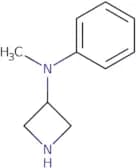
CAS:<p>Pyr-Gln-OH is an intermediate in the synthesis of didemnin, a molecule that has been shown to inhibit cancer cell growth. Pyr-Gln-OH is also involved in the production of histamine, which is a neurotransmitter that plays a role in many bodily functions. Pyr-Gln-OH may be used as a diagnostic agent for bladder cancer. Excretion of this molecule was found to be increased in patients with bladder cancer and decreased in those without the disease. Biochemical profiling revealed that Pyr-Gln-OH is elevated in patients with bladder cancer and lower levels are found in healthy individuals.</p>Formula:C10H15N3O5Purity:Min. 95%Molecular weight:257.24 g/molN-Methyl-N-phenylazetidin-3-amine hydrochloride
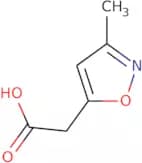
CAS:<p>N-Methyl-N-phenylazetidin-3-amine hydrochloride is a white solid with a melting point of 175°C. It is soluble in water, ethanol, and ether. N-Methyl-N-phenylazetidin-3-amine hydrochloride is an intermediate for the synthesis of chemical compounds that are used in research and development. This compound can be used as a building block to create complex compounds with biological activity. It can also be used as a scaffold to create novel chemical compounds that have not been observed before. The quality of this chemical is high, making it suitable for research purposes.</p>Formula:C10H15N2ClPurity:Min. 95%Color and Shape:Solid.Molecular weight:198.69 g/mol3-Methyl-5-isoxazoleacetic acid
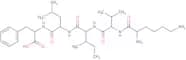
CAS:<p>Please enquire for more information about 3-Methyl-5-isoxazoleacetic acid including the price, delivery time and more detailed product information at the technical inquiry form on this page</p>Formula:C6H7NO3Purity:Min. 95%Molecular weight:141.12 g/molHead activator (7-11) acetate
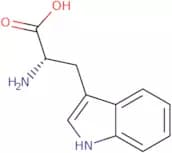
CAS:<p>Please enquire for more information about Head activator (7-11) acetate including the price, delivery time and more detailed product information at the technical inquiry form on this page</p>Formula:C32H54N6O6•(C2H4O2)xPurity:Min. 95%Molecular weight:618.81 g/molL-Tryptophan
CAS:<p>L-tryptophan is a non-essential amino acid that is used as a building block in the synthesis of proteins. It has been used in research and as a starting material for the production of other chemicals. L-tryptophan has also been shown to have antidepressant effects, although it is not approved by the FDA for this use. L-tryptophan can be found in protein-rich foods such as meat, eggs, and soybeans.</p>Formula:C11H12N2O2Purity:Min. 98.0 Area-%Molecular weight:204.23 g/molRef: 3D-T-8320
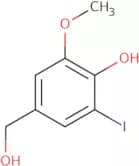
1kgTo inquire100gTo inquire250gTo inquire500gTo inquire2500gTo inquire-Unit-kgkgTo inquire4-Hydroxy-5-iodo-3-methoxybenzyl alcohol
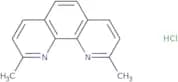
CAS:<p>4-Hydroxy-5-iodo-3-methoxybenzyl alcohol is a polymer that has been synthesized as a model compound for lignin. It is a synthetic compound, which has not been found in nature. 4-Hydroxy-5-iodo-3-methoxybenzyl alcohol is toxic to bacteria and fungi, but not to mammalian cells. The metabolic products of this compound have not yet been identified.</p>Formula:C8H9IO3Purity:Min. 95%Color and Shape:PowderMolecular weight:280.06 g/mol2,9-Dimethyl-1,10-phenanthroline hydrochloride monohydrate
CAS:<p>Chelating agent used to detect aqueous copper ions by electrochemiluminescence</p>Formula:C14H12N2·HCl·H2OColor and Shape:White PowderMolecular weight:262.73 g/mol2-Bromo-5-fluoro-6-methylpyridine
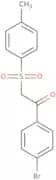
CAS:<p>2-Bromo-5-fluoro-6-methylpyridine is a versatile and useful building block that can be used to synthesize complex compounds. This compound is also a high quality chemical with a CAS number of 374633-38-2. It can be used as a reagent, which means it can be used in the laboratory for various chemical reactions, or as a speciality chemical. 2-Bromo-5-fluoro-6-methylpyridine is an intermediate in the synthesis of other chemicals and has been shown to have reactive groups on both ends of the molecule, making it useful for creating scaffolds for larger molecules.</p>Formula:C6H5BrFNPurity:Min. 95%Color and Shape:PowderMolecular weight:190.01 g/mol1-(4-bromophenyl)-2-((4-methylphenyl)sulfonyl)ethan-1-one
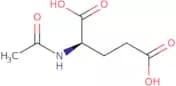
CAS:<p>Please enquire for more information about 1-(4-bromophenyl)-2-((4-methylphenyl)sulfonyl)ethan-1-one including the price, delivery time and more detailed product information at the technical inquiry form on this page</p>Purity:Min. 95%N-Acetyl-D-glutamic acid
CAS:<p>N-Acetyl-D-glutamic acid is an amino acid that is the building block for proteins in the body. It is a product of the hydrolysis of glutamic acid and is used to treat metabolic disorders such as lysinuric protein intolerance, which blocks the body's ability to break down proteins. N-Acetyl-D-glutamic acid can be found in sources such as peptone, glutamate, and d-carnitine. It has optimum temperature range of 25°C to 45°C. This amino acid can be used as an optical pH indicator due to its red color under acidic conditions and blue color under basic conditions.</p>Formula:C7H11NO5Purity:Min. 95%Color and Shape:PowderMolecular weight:189.17 g/molCopper glycine
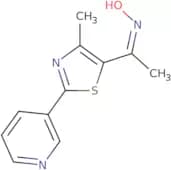
CAS:<p>Copper glycine is a complex enzyme that contains molybdenum, nitrogen and fatty acid. It is a metal chelate that binds to copper ions and prevents the oxidation of fatty acids. The complex has been shown to inhibit the activity of many different enzymes, including those from group P2 (e.g., pyruvate formate lyase) and nutrient solutions. Copper glycine has also been implicated in antimicrobial peptide synthesis.</p>Formula:C4H8N2O4CuPurity:Min. 95%Color and Shape:PowderMolecular weight:211.66 g/mol1-(Hydroxyimino)-1-(5-methyl-3-(3-pyridyl)(2,4-thiazolyl))ethane
CAS:<p>Please enquire for more information about 1-(Hydroxyimino)-1-(5-methyl-3-(3-pyridyl)(2,4-thiazolyl))ethane including the price, delivery time and more detailed product information at the technical inquiry form on this page</p>Formula:C11H11N3OSPurity:Min. 95%Color and Shape:PowderMolecular weight:233.29 g/molH-Lys-Thr-OH trifluroacetate
CAS:<p>Please enquire for more information about H-Lys-Thr-OH trifluroacetate including the price, delivery time and more detailed product information at the technical inquiry form on this page</p>Formula:C10H21N3O4•(C2HF3O2)xPurity:Min. 95%

![3-[(1-methyl-1H-pyrazolo[3,4-d]pyrimidin-4-yl)amino]benzoic acid](/_next/image/?url=https%3A%2Fstatic.cymitquimica.com%2Fproducts%2F10%2Fthumb-webp%2FF314870.webp&w=3840&q=75)

![8-benzyl-4-butanoyl-1-oxa-4,8-diazaspiro[4.5]decane-3-carboxylic acid](/_next/image/?url=https%3A%2Fstatic.cymitquimica.com%2Fproducts%2F10%2Fthumb-webp%2FF525788.webp&w=3840&q=75)


![(6α,11β,16α,17α)-6,9-Difluoro-11-hydroxy-16-methyl-spiro[androsta-1,4-diene-17,5'-[1,3]oxathiolane…](/_next/image/?url=https%3A%2Fstatic.cymitquimica.com%2Fproducts%2F3D%2Fthumb-webp%2FFD103607.webp&w=3840&q=75)



![N-[6-Chloro-5-(2-methoxyphenoxy)-(2,2-bipyrimidine)4-4-yl]-(1,1-dimethylethyl)-benzenesulfonamide](/_next/image/?url=https%3A%2Fstatic.cymitquimica.com%2Fproducts%2F3D%2Fthumb-webp%2FFC20113.webp&w=3840&q=75)
![N-[(8-Fluoro-2,3-Dihydro-1-Methyl-5-Phenyl-1H-1,4-Benzodiazepin-2-Yl)Methyl]-3-Furancarboxamide](/_next/image/?url=https%3A%2Fstatic.cymitquimica.com%2Fproducts%2F3D%2Fthumb-webp%2FFF102093.webp&w=3840&q=75)
![4-[2-[[3-(4-Hydroxyphenyl)-1-methylpropyl]amino]ethyl]-1,2-benzenediol hydrochloride](/_next/image/?url=https%3A%2Fstatic.cymitquimica.com%2Fproducts%2F3D%2Fthumb-webp%2FFH27507.webp&w=3840&q=75)