Amino Acids (AA)
Amino acids (AAs) are the fundamental building blocks of proteins, playing a crucial role in various biological processes. These organic compounds are essential for protein synthesis, metabolic pathways, and cell signaling. In this category, you will find a comprehensive range of amino acids, including essential, non-essential, and modified forms, which are vital for research in biochemistry, molecular biology, and nutritional sciences. At CymitQuimica, we provide high-quality amino acids to support your research and development needs, ensuring accuracy and reliability in your experimental outcomes.
Subcategories of "Amino Acids (AA)"
- Amino Acid Derivatives(3,955 products)
- Amino Acid and Amino Acid Related Compounds(3,466 products)
- Amino Acids with Oxygen or Sulphur(168 products)
- Boc- Amino Acids(351 products)
- Fmoc Amino Acids(1,710 products)
Found 38249 products of "Amino Acids (AA)"
Sort by
Purity (%)
0
100
|
0
|
50
|
90
|
95
|
100
2-Methyl-3-nitrophenylacetic acid
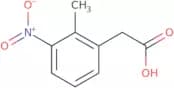
CAS:<p>2-Methyl-3-nitrophenylacetic acid is an alkali metal, which is obtained by the condensation of 2-methylphenol and nitric acid. The synthesis of this compound can be achieved through catalytic reduction of the nitro group with hydrogen in the presence of a nickel catalyst. This method has been shown to produce high yields. 2-Methyl-3-nitrophenylacetic acid is mildly toxic to humans and animals. It is a dopaminergic agent that has been used as a precursor for the production of ropinirole hydrochloride, which is used in the treatment of Parkinson's disease.</p>Formula:C9H9NO4Purity:Min. 95%Color and Shape:PowderMolecular weight:195.17 g/mol3-Methoxy-2-methylbenzoic acid
CAS:<p>3-Methoxy-2-methylbenzoic acid is a diazotization agent that is used to produce bromoethane. It is also used as an initiator in the synthesis of dimethylformamide and tetrahydrofuran. 3-Methoxy-2-methylbenzoic acid can be recycled and is used to synthesize methylbenzene, chloroanisole, and grignard reaction products such as chlorobenzene and low yield. 3-Methoxy-2-methylbenzoic acid has been shown to have a high yield for these reactions in comparison to other diazotization agents.</p>Formula:C9H10O3Purity:Min. 95%Color and Shape:White PowderMolecular weight:166.17 g/mol3-Methyl-5-Isothiazolamine
CAS:<p>3-Methyl-5-isothiazolamine is a linear molecule with a molecular weight of 122.1. 3-Methyl-5-isothiazolamine has an interaction with chloride and can be used as a reagent for the identification of disulfides. Disulfide bonds are formed by the oxidation of sulfhydryl groups in proteins, which are reduced by glutathione reductase to produce sulfhydryl groups. 3-Methyl-5-isothiazolamine has been shown to react with molecular ions that are characteristic of isothiazoles and isothiazole derivatives, as well as aromatic compounds such as 4-hydroxybenzoic acid. This product also reacts with dehydrogenase enzymes, such as alcohol dehydrogenase, which produces oxidized products from carbohydrates and other organic molecules that contain hydroxyl groups.</p>Formula:C4H6N2SPurity:Min. 95%Color and Shape:PowderMolecular weight:114.17 g/mol5-Phenylpenta-2,4-dienoic acid
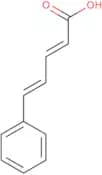
CAS:<p>5-Phenylpenta-2,4-dienoic acid is a high-potency inhibitor of tyrosine kinases. It has been shown to have an inhibitory effect on cancer cells in both squamous and non-squamous cell lines. This compound has been shown to inhibit the proliferation of cancer cells by arresting cell cycle progression at the G1 phase, which leads to the inhibition of DNA synthesis. 5-Phenylpenta-2,4-dienoic acid is also able to block the activation of transcription factors that are involved in tumorigenesis. In addition, this compound inhibits the proliferation of cancer cells by arresting cell cycle progression at the G1 phase, leading to inhibition of DNA synthesis. The molecular modeling study suggests that this compound may be able to bind with tyrosine kinase receptors on the surface of tumor cells and block their activity. The chemical structure of 5-phenylpenta-2,4-dien</p>Formula:C11H10O2Purity:Min. 95%Color and Shape:PowderMolecular weight:174.2 g/mol3-Phenylacetylamino-2,6-piperidinedione
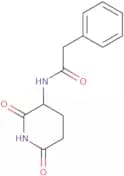
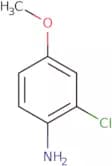
CAS:<p>3-Phenylacetylamino-2,6-piperidinedione is a trifluoroacetate analog of the amino acid phenylalanine. It has been shown to be effective against cancer cells. 3-Phenylacetylamino-2,6-piperidinedione inhibits protein synthesis in tumor cells and is used as an antiestrogen in clinical studies. The hydroxyl group on the 3rd carbon atom makes this compound more acidic than its parent compound, 2,6-piperidinedione. This analog also has a high affinity for cancer tissues and urine samples. Treatment with this drug inhibits the growth of carcinoma cell lines MCT7 and MCF7.</p>Formula:C13H14N2O3Purity:Min. 95%Color and Shape:PowderMolecular weight:246.26 g/mol2-Chloro-4-methoxyaniline
CAS:<p>2-Chloro-4-methoxyaniline is a primary amine that has been used in the synthesis of polychlorinated and chlorinated amines. It is an important precursor for the manufacture of herbicides, insecticides, and pharmaceuticals. 2-Chloro-4-methoxyaniline reacts with hydrogen chloride to form chloroacetanilide, which can be hydrolysed to aniline. This reaction proceeds at room temperature and does not require catalysts. The reactivity of this compound is due to its nucleophilic substitutions in the presence of ketocarboxylic acids or vinyl ethers. 2-Chloro-4-methoxyaniline has also been used as a dehydrating reagent in organic synthesis reactions.br>br><br>2-Chloro-4-methoxyaniline is highly reactive because it contains two primary amines (NH2) that</p>Formula:C7H8ClNOPurity:Min. 95%Molecular weight:157.6 g/mol2',6'-Dimethoxy-β-methyl-β-nitrostyrene
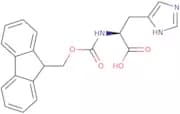
CAS:<p>2',6'-Dimethoxy-beta-methyl-beta-nitrostyrene is a chemical building block that is useful for the synthesis of complex organic molecules. It is an intermediate in the manufacture of pharmaceuticals, pesticides and dyes. 2',6'-Dimethoxy-beta-methyl-beta-nitrostyrene is an important component in the production of research chemicals and speciality chemicals. The compound has been assigned CAS number 78904-44-6.</p>Formula:C11H13NO4Purity:Min. 95%Molecular weight:223.23 g/molN-α-Fmoc-L-histidine
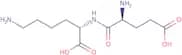
CAS:<p>N-alpha-Fmoc-L-histidine is a diagnostic agent that can be used to diagnose and treat prostate cancer. It has been shown to be an effective chemotherapeutic agent against prostate cancer, with a mechanism of action that is dependent on the microenvironment of the tumor tissue. N-alpha-Fmoc-L-histidine can be conjugated to other agents like doxorubicin, which will increase its therapeutic potential. The conjugates are taken up by prostate carcinoma cells via receptor mediated endocytosis and then released inside the cell, where they induce apoptosis. This process is independent of p53 status and does not require metabolic activation.</p>Formula:C21H19N3O4Purity:Min. 95%Molecular weight:377.39 g/molH-Glu-Lys-OH
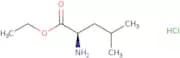
CAS:<p>H-Glu-Lys-OH is an amino acid that has been used for structural analysis and as a pharmacological tool. This compound has been shown to be an agonist at the apical membrane of intestinal cells, where it stimulates the release of growth factors. H-Glu-Lys-OH has also been shown to have potent antagonist activity against the glutamate receptor in caco-2 cells. The reaction products of this amino acid are stabilizing for dna polymerase chain reactions.</p>Formula:C11H21N3O5Purity:Min. 95 Area-%Color and Shape:PowderMolecular weight:275.3 g/molD-Leucine ethyl ester hydrochloride
CAS:<p>D-Leucine ethyl ester hydrochloride is a synthetic amino acid with the chemical formula C5H11NO3. It is an ammonium salt of leucine that has been modified by replacing the side chain carboxylic acid group with an ethyl ester. This modification prevents D-leucine from being metabolized as a source of energy and instead makes it a useful probe for studying enzyme catalysis. D-Leucine ethyl ester hydrochloride is used to study intramolecular reactions in proteins, such as peptides and tripeptides, by probing their backbone conformation.</p>Formula:C8H17NO2•HClPurity:Min. 95%Color and Shape:PowderMolecular weight:195.69 g/molBoc-4-hydroxymethyl-L-phenylalanine dicyclohexyl ammonium salt
CAS:Controlled Product<p>Boc-4-Hydroxymethyl-L-Phenylalanine Dicyclohexyl Ammonium Salt is a versatile building block and intermediate for the synthesis of complex compounds. It is a useful reagent for research chemicals, speciality chemicals, and fine chemicals. This compound can be used as a high quality and useful scaffold in the synthesis of various types of pharmaceuticals.</p>Formula:C27H44N2O5Purity:Min. 95%Color and Shape:PowderMolecular weight:476.65 g/molEthyl [2-methyl-3-(chlorosulfonyl)phenoxy]acetate
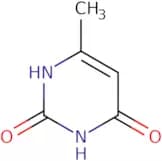
CAS:<p>Ethyl [2-methyl-3-(chlorosulfonyl)phenoxy]acetate is a fine chemical that has been used as a building block in the synthesis of other complex chemicals. It is also an intermediate for the production of pesticides and pharmaceuticals. The compound can be used to form more than one hundred different organic compounds, which makes it a versatile building block. It can be reacted with other chemicals to create new compounds, such as drugs or herbicides.</p>Formula:C11H13ClO5SPurity:Min. 95 Area-%Color and Shape:PowderMolecular weight:292.74 g/mol6-Methyluracil
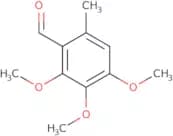
CAS:<p>6-Methyluracil is an antimetabolite that inhibits protein synthesis and is therefore used in the treatment of infectious diseases. 6-Methyluracil has two hydroxyl groups, which are located in adjacent positions on the ring. The optimum concentration for this drug is 3-10 μM, which can be achieved with a malonic acid buffer solution at pH 7.4. 6-Methyluracil reacts with sodium succinate to form an acid complex, which may have antiinflammatory activity. 6-Methyluracil has been shown to inhibit prostaglandin synthesis and exhibits a reaction with radiation to produce photoproducts that can be detected by analytical chemistry.</p>Formula:C5H6N2O2Purity:Min. 95%Color and Shape:PowderMolecular weight:126.12 g/mol2,3,4-Trimethoxy-6-methylbenzaldehyde
CAS:<p>2,3,4-Trimethoxy-6-methylbenzaldehyde is a synthetic coumarin with antibacterial activity. It is synthesized by the condensation of 3-hydroxyacetophenone and benzaldehyde. 2,3,4-Trimethoxy-6-methylbenzaldehyde has been shown to have antibacterial activity against both Gram-positive and Gram-negative bacteria. This molecule has also been shown to inhibit the growth of Gram negative bacteria in the presence of hydrogen peroxide. The crystal structure of this molecule was determined by XRD analysis and shows that it contains a dihedral angle of about 155°.</p>Formula:C11H14O4Purity:Min. 95%Molecular weight:210.23 g/mol3-Bromo-4-methoxybenzaldehyde
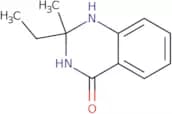
CAS:<p>3-Bromo-4-methoxybenzaldehyde is a heterocycle that contains a covalent inhibitor. It has been shown to have inhibitory activity against imines, hydroxyl groups, and human serum. 3-Bromo-4-methoxybenzaldehyde has been shown to be an efficient method for the synthesis of nitrogen containing heterocycles with potential use as pharmaceuticals. This compound has also been used in the asymmetric synthesis of diphenyl ethers, which are useful in pharmacological studies. The reaction mechanism of this compound is not well understood and needs more research before it can be applied to other areas.</p>Formula:C8H7BrO2Purity:Min. 95%Color and Shape:PowderMolecular weight:215.04 g/mol2-Ethyl-2-methyl-1,2,3-trihydroquinazolin-4-one
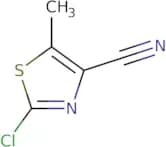
CAS:<p>Please enquire for more information about 2-Ethyl-2-methyl-1,2,3-trihydroquinazolin-4-one including the price, delivery time and more detailed product information at the technical inquiry form on this page</p>Purity:Min. 95%2-Chloro-5-methylthiazole-4-carbonitrile
CAS:<p>Please enquire for more information about 2-Chloro-5-methylthiazole-4-carbonitrile including the price, delivery time and more detailed product information at the technical inquiry form on this page</p>Formula:C5H3ClN2SPurity:Min. 95%Molecular weight:158.61 g/mol4-Methoxybenzoic acid sodium
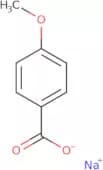
CAS:<p>4-Methoxybenzoic acid sodium is an amide that has been used as a preservative and antimicrobial agent in food products. It is also a second-order rate constant with a Ca2+ concentration of 0.1 mM for staphylococcus. The fatty acids of 4-methoxybenzoic acid sodium are hydrophobic and inhibit the growth of microorganisms by disrupting the cell membrane, which leads to leakage of cellular content. This compound also inhibits the activity of fatty acyl coenzyme A reductase and has been shown to have a microbicidal effect on gram-positive bacteria, such as Staphylococcus aureus. 4-Methoxybenzoic acid sodium has also been shown to be effective against Candida albicans, Streptococcus pyogenes, and Bacillus subtilis when combined with an antimicrobial peptide or cationic surfactant.</p>Formula:C8H7NaO3Purity:Min. 98 Area-%Color and Shape:PowderMolecular weight:174.13 g/molN6-Trifluoroacetyl-L-lysine N-carboxyanhydride
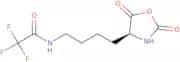
CAS:<p>Trifluoroacetyl-L-lysine N-carboxyanhydride is an N6-trifluoroacetylated lysine derivative that is used in the synthesis of peptides. It is a racemic mixture of L and D forms, which is hydrolyzed to form L-glutamic acid, NH4Cl, and CO2. Trifluoroacetyl-L-lyside N-carboxyanhydride has been shown to be useful in the formation of bonds between amino acids, such as lysine and dipeptides. The compound is also used for the protection of lysine against oxidation during peptide synthesis.</p>Formula:C9H11F3N2O4Purity:Min. 95%Color and Shape:White PowderMolecular weight:268.19 g/molDL-Norleucine
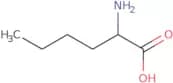
CAS:<p>DL-Norleucine is a polypeptide that is resistant to enzymes that hydrolyze the peptide bonds. It belongs to the group of fatty acids, and has two hydrophobic chains. DL-Norleucine is not metabolized by human enzymes and cannot be broken down by bacterial enzymes. This makes DL-Norleucine an ideal candidate for use as a long-acting antibiotic in humans. The surface methodology used for this compound was FTIR spectroscopy, which showed that DL-Norleucine has a ph optimum of 8.5±0.2 and can form stable crystals at -10 °C to -20 °C. Structural analysis revealed that the molecule consists of two α-helices and one β-sheet with no hydrogen bonds or ionic interactions present in its structure.</p>Formula:C6H13NO2Purity:Min. 95%Color and Shape:White PowderMolecular weight:131.17 g/mol2-(1-Methylindol-3-yl)-4-oxo-4-phenylbutanoic acid
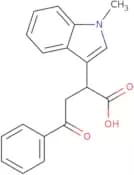
CAS:<p>Please enquire for more information about 2-(1-Methylindol-3-yl)-4-oxo-4-phenylbutanoic acid including the price, delivery time and more detailed product information at the technical inquiry form on this page</p>Purity:Min. 95%5-Fluoro D,L-tryptophan
CAS:<p>5-Fluoro D,L-tryptophan (5FDTL) is a tryptophan analog that inhibits the growth of bacteria by binding to fatty acid synthesis enzymes. 5FDTL binds to wild-type and resistant mutants of bacterial fatty acid synthases, which are proteins that catalyze the formation of long-chain fatty acids from acetyl-CoA. This binding prevents the formation of long-chain fatty acids, which are required for bacterial cell replication. 5FDTL also binds to protein data and has been shown to have an anti-infective effect on wild-type strains of Pseudomonas aeruginosa and Escherichia coli as well as Pichia pastoris. Disulfide bonds in 5FDTL stabilize its secondary structure and provide protection against proteolytic degradation by enzymes in the extracellular environment. The structural analysis of 5FDTL has revealed that it consists of a small molecule with a logarithmic growth phase</p>Formula:C11H11FN2O2Purity:Min. 95%Color and Shape:PowderMolecular weight:222.22 g/mol3-Fluoro-2-methylbenzaldehyde - 80%
CAS:<p>3-Fluoro-2-methylbenzaldehyde is a colorless liquid that has a strong odor. It is used as an intermediate in organic synthesis, especially for the production of fluorine compounds. 3-Fluoro-2-methylbenzaldehyde is also used to study the bioconversion of aldehydes and reductases in fungi. This chemical can be detected by its spectra and its ability to react with fluorine. 3-Fluoro-2-methylbenzaldehyde can also be synthesized by reacting naphthalene with anisole and hydrogen fluoride gas.</p>Formula:C8H7FOPurity:Min. 95%Color and Shape:Clear LiquidMolecular weight:138.14 g/mol6-Amino-3-methyl-4-(4-nitrophenyl)-4H-pyrano[3,2-d]pyrazole-5-carbonitrile
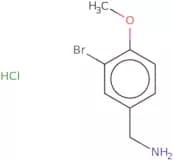
CAS:<p>6-amino-3-methyl-4-(4-nitrophenyl)-4H-pyrano[3,2-d]pyrazole-5-carbonitrile is a compound that has been shown to have correlations with energies and regression. It also has a linear regression, polarities, photophysical properties, and dipole. The fluorescence and excited state of this compound are singlet and hydrogen bonding interactions with solvents.</p>Formula:C14H11N5O3Purity:Min. 95%Color and Shape:PowderMolecular weight:297.27 g/mol3-Bromo-4-methoxybenzylamine hydrochloride
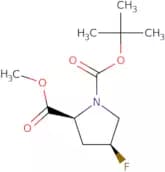
CAS:<p>3-Bromo-4-methoxybenzylamine hydrochloride is a high quality reagent that is used as an intermediate in the synthesis of complex compounds. It has been shown to be a useful scaffold for the synthesis of new chemical entities and a versatile building block for organic synthesis. 3-Bromo-4-methoxybenzylamine hydrochloride can be used as a reaction component in various chemical reactions, including Friedel-Crafts acylation, nitration, chlorination and bromination.</p>Formula:C8H11BrClNOPurity:Min. 95%Color and Shape:PowderMolecular weight:252.54 g/molN-Boc-cis-4-fluoro-L-proline methyl ester
CAS:<p>N-Boc-cis-4-fluoro-L-proline methyl ester is a fine chemical that has been used as a building block in the synthesis of various small molecules and pharmaceuticals. It is available as a white solid with a melting point of 104°C. N-Boc-cis-4-fluoro-L-proline methyl ester is soluble in organic solvents such as dichloromethane, acetone, and methanol. This product can be used to synthesize complex compounds that are useful scaffolds for drug discovery and development.</p>Formula:C11H18FNO4Purity:Min. 95%Color and Shape:Clear LiquidMolecular weight:247.26 g/mol[(3-Methylphenyl)(phenyl)methyl]amine hydrochloride
CAS:<p>[(3-Methylphenyl)(phenyl)methyl]amine hydrochloride is a useful building block in the synthesis of many organic compounds. It has been used extensively as a research chemical, and is often used as an intermediate to synthesize other chemicals. [(3-Methylphenyl)(phenyl)methyl]amine hydrochloride is also a versatile scaffold for drug design, and has shown anti-inflammatory properties.</p>Formula:C14H16ClNPurity:Min. 95 Area-%Color and Shape:PowderMolecular weight:233.74 g/molL-Norleucine
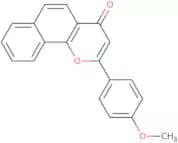
CAS:<p>L-Norleucine is a non-essential amino acid that is structurally similar to leucine. It has been shown to have an inhibitory effect on the growth of resistant mutants in the coli K-12 strain. L-Norleucine binds strongly to amyloid proteins and may be used as a therapeutic agent for Alzheimer's disease. It has also been shown to be effective against congestive heart failure in vitro, which may be due to its ability to modulate monoamine neurotransmitters and increase the availability of nitric oxide. L-Norleucine may also be useful for the treatment of Parkinson's disease because it inhibits protein aggregation at low concentrations.</p>Formula:C6H13NO2Purity:Min. 95%Color and Shape:PowderMolecular weight:131.17 g/mol4'-Methoxy-α-naphthoflavone
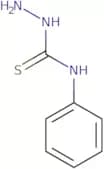
CAS:<p>4'-Methoxy-alpha-naphthoflavone is a flavonoid that has been shown to have inhibitory effects on the metabolism of 3-methylcholanthrene and other xenobiotics. The compound inhibits the oxidation of these compounds by both the cytochrome P450 and NADPH-dependent oxidases. 4'-Methoxy-alpha-naphthoflavone also inhibits the activation of these compounds by hepatic tissues, as well as the metabolism of phenobarbital by rat liver microsomes. The compound may be metabolized in vivo to 4'-hydroxy-alpha-naphthoflavone, which is more potent than 4'-methoxy-alpha-naphthoflavone.</p>Formula:C20H14O3Purity:Min. 95%Molecular weight:302.32 g/molN-Phenylhydrazinecarbothioamide
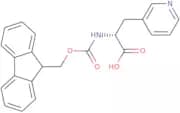
CAS:<p>N-Phenylhydrazinecarbothioamide is a chemical compound that is used in wastewater treatment. It is an organic molecule that is composed of hydrophobic and hydrophilic parts. The hydrophobic part, which contains the phenyl group, binds to the hydrophobic region of the cell membrane and causes the cell to lyse. The hydrophilic part has an affinity for water and can be used as an electrode material in electrochemical impedance spectroscopy. N-Phenylhydrazinecarbothioamide also has been shown to have antibacterial properties against human pathogens, including Mycobacterium tuberculosis, Clostridium perfringens, and Escherichia coli O157:H7. The compound has been shown to inhibit cervical cancer cells by inhibiting protein synthesis through inhibition of ribosomal activity and fragmentation assay analysis showed that N-phenylhydrazinecarbothioamide binds to copper ions at a coordination geometry of</p>Formula:C7H9N3SPurity:Min. 95%Color and Shape:SolidMolecular weight:167.23 g/molFmoc-3-(3'-pyridyl)-D-alanine
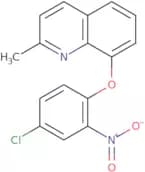
CAS:<p>Fmoc-3-(3'-pyridyl)-D-alanine is a building block for the synthesis of a wide variety of compounds. This compound has been shown to be an excellent and versatile starting material for the synthesis of complex compounds. Fmoc-3-(3'-pyridyl)-D-alanine is also a useful intermediate in organic synthesis and can be used as a reagent or in research. It has CAS number 142994-45-4.</p>Formula:C23H20N2O4Purity:Min. 95%Color and Shape:PowderMolecular weight:388.42 g/mol4-Chloro-1-(2-methyl(8-quinolyloxy))-2-nitrobenzene
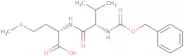
CAS:<p>Please enquire for more information about 4-Chloro-1-(2-methyl(8-quinolyloxy))-2-nitrobenzene including the price, delivery time and more detailed product information at the technical inquiry form on this page</p>Formula:C16H11ClN2O3Purity:Min. 95%Color and Shape:PowderMolecular weight:314.72 g/molZ-Val-Met-OH
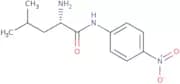
CAS:<p>Z-Val-Met-OH is a high purity synthetic compound that can be used as a research tool in cell biology, ion channels and peptides. This compound is an activator of the receptor for bradykinin and has been shown to inhibit the activity of protein kinase C. Z-Val-Met-OH is also a ligand for the acetylcholine receptor and has been shown to inhibit acetylcholinesterase, leading to an increase in acetylcholine levels. Z-Val-Met-OH binds to the receptor for insulin and can be used as an inhibitor of insulin release from pancreatic beta cells.</p>Formula:C18H26N2O5SPurity:Min. 95%Molecular weight:382.48 g/molL-Leucine 4-nitroanilide
CAS:<p>L-Leucine 4-nitroanilide serves as a substrate for the colorimetric determination of leucine aminopeptidase. The application of L-Leucine-p-nitroanilide includes its utilization as a substrate in studies assessing the intestinal leucine aminopeptidase activity of juvenile rainbow trout (Oncorhynchus mykiss). Additionally, it plays a role in insulin-regulated aminopeptidase inhibition assays and is employed to determine exopeptidase activity.</p>Formula:C12H17N3O3Purity:(Titration) 99 To 101%Color and Shape:PowderMolecular weight:251.28 g/molFmoc-Cys(Trt)-OH
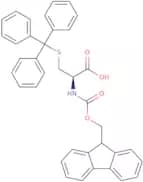
CAS:<p>Fmoc-Cys(Trt)-OH is a cyclic peptide that has potent antitumor activity. It binds to albumin and inhibits protein synthesis, leading to cell death by inhibiting the production of proteins vital for cell division. Fmoc-Cys(Trt)-OH has been shown to be effective against cancer cells in vitro and in vivo. Fmoc-Cys(Trt)-OH also binds the plasma glucose, which may be due to its ability to impede insulin release from the pancreas. This compound is synthesized by a stepwise light-induced solid-phase synthesis with trifluoroacetic acid as a solvent.</p>Formula:C37H31NO4SPurity:Min. 98 Area-%Color and Shape:White PowderMolecular weight:585.71 g/mol4-Fluoro-2-methoxybenzoic acid
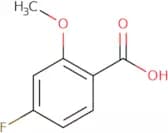
CAS:<p>4-Fluoro-2-methoxybenzoic acid is a versatile building block that is used in the synthesis of many complex compounds. It is a reagent, which means it can be used as an intermediate in the synthesis of other compounds. 4-Fluoro-2-methoxybenzoic acid is also a useful scaffold for the preparation of new chemical entities with specific pharmaceutical properties. The CAS number for this compound is 395-82-4.</p>Formula:C8H7FO3Purity:Min. 95%Color and Shape:PowderMolecular weight:170.14 g/mol2-Phenoxyphenylacetonitrile
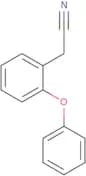
CAS:<p>2-Phenoxyphenylacetonitrile is a pyrethroid n-oxide that is chemically related to other insecticides that are used in agriculture and against insects such as mosquitoes. 2-Phenoxyphenylacetonitrile is a synthetic compound that has been shown to have an optimum pH of 5.5, which makes it difficult to dissolve in water. The compound's high stability at low pH levels means that it can be used in acidic environments. It also has been shown to have strong activity against human serum and food composition, with no detectable activity against bacteria or fungi.</p>Formula:C14H11NOPurity:Min. 95%Color and Shape:Clear LiquidMolecular weight:209.24 g/mol3-Fluoro-5-methylbenzoic acid
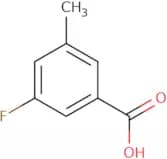
CAS:<p>3-Fluoro-5-methylbenzoic acid is a sulfilimine that has been shown to have insecticidal, functional, and biological activities. 3-Fluoro-5-methylbenzoic acid binds to the enzyme diamide reductase in insects, which prevents the production of toxic amines in insects. 3-Fluoro-5-methylbenzoic acid also inhibits the synthesis of anthranilic acid and organosulfur compounds in plants. This sulfilimine is structurally similar to other insecticides such as DDT and carbofuran. It is soluble in water but insoluble in organic solvents.</p>Formula:C8H7FO2Purity:Min. 95%Color and Shape:PowderMolecular weight:154.14 g/molMethyl 2,4-diaminobutanoate dihydrochloride
CAS:<p>Please enquire for more information about Methyl 2,4-diaminobutanoate dihydrochloride including the price, delivery time and more detailed product information at the technical inquiry form on this page</p>Formula:C5H12N2O2•(HCl)2Purity:Min. 95%Color and Shape:PowderMolecular weight:205.08 g/mol(3S,4R)-3-[(1R)-1-Hydroxyethyl]-4-[(1R)-1-methyl-3-diazo-3- (p-nitrobenzyloxycarbonyl)-2-oxopropyl]azetidin-2 -one
CAS:<p>CAS No. 137391-68-5 is a fine chemical that is used as a building block in organic chemistry research and as a reagent, speciality chemical, or intermediate. This compound has been shown to be useful in the synthesis of complex compounds and can be employed as a versatile building block for the synthesis of pharmaceuticals and other chemicals. This compound has also been shown to be an excellent reaction component, making it an ideal scaffold for the construction of larger molecules.</p>Formula:C17H18N4O7Purity:Min. 96 Area-%Color and Shape:White PowderMolecular weight:390.35 g/mol2-Methyl-3-nitroaniline
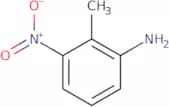
CAS:<p>2-Methyl-3-nitroaniline is a nitro compound that is used in the synthesis of diazonium salts. It is a white solid with an unpleasant odor. 2-Methyl-3-nitroaniline can be obtained by reacting picric acid with hydroxide solution and nitrous acid, or by the reaction of ammonia with amines. This compound has been shown to possess magnetic resonance spectroscopy properties and has been used for the detection of cellulose content in wheat samples.</p>Formula:C7H8N2O2Purity:Min. 95%Molecular weight:152.15 g/mol3-Methoxy-5-nitrobenzoic acid
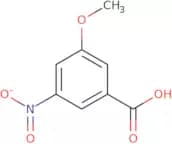
CAS:<p>3-Methoxy-5-nitrobenzoic acid is an organic compound that has mesomorphic and switchable properties. It is a chalcone derivative, with homologues such as 3-hydroxybenzoic acid. It is synthesized from the reaction of nitrous acid and 3-methoxybenzoic acid. The synthesis of this compound can be achieved by two different routes: peroxide oxidation or fluorine substitution. Both routes produce the same product, but offer different advantages. The first route involves the addition of hydrogen peroxide to 3-methoxybenzoic acid, which produces a mixture of products containing 3-methoxy-5-nitrobenzoic acid. This route is advantageous in that it can be conducted at room temperature with high yields, but the disadvantage is that this method produces a mixture of products which may contain undesired byproducts. The second route involves the use of sodium hypofluorite and potassium</p>Formula:C8H7NO5Purity:Min. 95%Color and Shape:PowderMolecular weight:197.14 g/mol4-(4-Formyl-3-methoxyphenoxy)butanoic acid
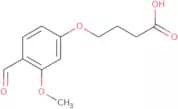
CAS:Controlled Product<p>4-(4'-Formyl-3'-methoxyphenoxy)butanoic acid is a carboxylate that can be used as a preloaded reagent for the synthesis of peptides, proteins, and other organic molecules. 4-(4'-Formyl-3'-methoxyphenoxy)butanoic acid has been shown to be an efficient linker for solid-phase peptide synthesis. 4-(4'-Formyl-3'-methoxyphenoxy)butanoic acid is labile to hydrolysis and so should be stored in an organic solvent such as dimethylsulfoxide. The carboxylate group is readily available in the form of its sodium salt, which can be synthesized by reacting sodium acetate with formaldehyde.</p>Formula:C12H14O5Purity:Min. 95%Color and Shape:PowderMolecular weight:238.24 g/molD-Thiaproline
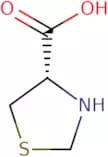
CAS:<p>D-Thiaproline is a pro-inflammatory cytokine that belongs to the group of tnf-α. It has been shown to have depressant activity on mitochondria and can be used as a sample preparation agent. D-Thiaproline has also been shown to inhibit the uptake of various neurotransmitters, such as serotonin and dopamine, in rat brain synaptosomes. This compound also has functional groups, such as hydroxyl, carboxyl, and amino acid groups, which are necessary for reactions with other molecules. D-Thiaproline is an isomer of L-thiaproline and can be differentiated from this form by its protonated amine group at pH 7.0 and by its zwitterionic nature.</p>Formula:C4H7NO2SPurity:Min. 95%Color and Shape:PowderMolecular weight:133.2 g/molL-Arginine a-ketoglutarate (1:1)
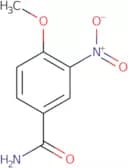
CAS:<p>L-Arginine a-ketoglutarate (1:1) is a water soluble compound that is used as a precursor for the synthesis of polyamines. It is also an intermediate in the urea cycle and can be used to synthesize glutamate, glutamine, and argininosuccinic acid. L-Arginine a-ketoglutarate (1:1) has been shown to improve myocardial function and reduce infarct size in animal models. This drug has also been shown to augment neuroprotective properties of metoprolol succinate on cerebellar Purkinje neurons in vitro. The degradation of L-arginine a-ketoglutarate (1:1) by monoamine oxidase B produces hydrogen peroxide, which may be responsible for its cardioprotective effects.</p>Formula:C6H14N4O2·C5H6O5Purity:Min. 95%Color and Shape:PowderMolecular weight:320.3 g/mol3-Nitro-4-methoxybenzamide
CAS:<p>3-Nitro-4-methoxybenzamide is a versatile building block that belongs to the group of fine chemicals. It is a reagent that is used in the synthesis of complex compounds. 3-Nitro-4-methoxybenzamide has been shown to be an effective intermediate for the synthesis of pharmaceuticals, such as antibiotics and immunosuppressants. This compound also has high quality and can be used as a scaffold for other chemical syntheses.</p>Formula:C8H8N2O4Purity:Min. 95%Color and Shape:PowderMolecular weight:196.16 g/mol4-Fluoro-3-phenoxybenzaldehyde
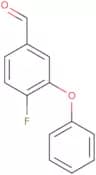
CAS:<p>4-Fluoro-3-phenoxybenzaldehyde is a chiral organic compound that has been synthesized in the laboratory. This compound has a linear response to peroxide and can be used as an environmental pollutant indicator. It is produced by the reaction of phenol with peroxide in deionized water, which is catalyzed by acid. The reaction time is dependent on the diluent used, and ultrasonic irradiation can be used to speed up the reaction. 4-Fluoro-3-phenoxybenzaldehyde's structure consists of two isomers, each containing either a fluorine atom or hydrogen atom on one of the phenyl rings. 4-Fluoro-3-phenoxybenzaldehyde can be purified using distillation or recrystallization techniques.</p>Formula:C13H9FO2Purity:Min. 95%Color and Shape:LiquidMolecular weight:216.21 g/molL-Homoleucine hydrochloride
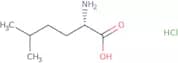
CAS:<p>L-Homoleucine hydrochloride is a fine chemical that is used as a building block in the synthesis of complex compounds and pharmaceuticals. It has been shown to be a useful reagent in organic chemistry and can be used as a speciality chemical. L-Homoleucine hydrochloride is also a versatile building block that can be used in the synthesis of several different compounds, including pharmaceuticals, agrochemicals, and research chemicals. This compound is also an intermediate for the production of other compounds with potential clinical applications. L-Homoleucine hydrochloride belongs to CAS number 1330286-49-1.</p>Formula:C7H15NO2·HClPurity:Min. 95%Color and Shape:White PowderMolecular weight:181.66 g/molFmoc-Ser(tBu)-OH
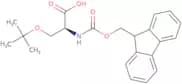
CAS:<p>Fmoc-Ser(tBu)-OH is a synthetic amino acid that is used in the synthesis of degarelix acetate, an amide ester of the vasodilator, prostaglandin F2α. Degarelix acetate binds to the fibrinogen receptor on the surface of cells and inhibits platelet aggregation. This drug has been shown to be effective in treating prostate cancer by inhibiting epidermal growth factor receptor signaling. It also has immune modulating effects by binding to monoclonal antibodies and altering antibody responses. Fmoc-Ser(tBu)-OH is synthesized from the amino acid serine and t-butyl alcohol, which are combined with trifluoroacetic acid (TFA) and hydroxyl group. The resulting product is then reacted with dansyl chloride or benzoyl chloride (BzCl), which cleaves off one carboxylic acid group from serine, forming an</p>Formula:C22H25NO5Purity:Min. 98 Area-%Color and Shape:White Off-White PowderMolecular weight:383.44 g/mol3-Hydroxy-2-hydroxymethyl-6-methylpyridine
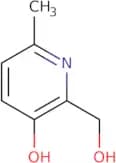
CAS:<p>3-Hydroxy-2-hydroxymethyl-6-methylpyridine is an intermediate in the synthesis of a variety of organic compounds. It can be prepared by the cross-coupling reaction of 3,4-dihydroquinoline with aniline, which is catalyzed by copper (II) chloride. This compound has a chlorine atom and a hydroxyl group that are both trisubstituted with alkyl groups and it can be oxidized to produce different oxidation products. 3-Hydroxy-2-hydroxymethyl-6-methylpyridine also reacts with halides and triflates to form enolates, which are activated for nucleophilic substitution reactions. The molecular ion [M+H]+, which corresponds to the neutral molecule, can be observed by mass spectrometry when this compound is ionized in the gas phase. The chemical formula is C8H5NClO2.</p>Formula:C7H9NO2Purity:Min. 95%Color and Shape:SolidMolecular weight:139.15 g/molO-Methyl-L-threonine
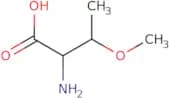
CAS:<p>O-Methyl-L-threonine is an analog of L-threonine. O-Methyl-L-threonine inhibits the production of fatty acids in resistant mutants, which are activated by the addition of a hydroxy group to their amino acid backbone. This analog has been shown to be effective at suppressing the growth of animal health bacteria and fungi, and has been used as a treatment for protein synthesis disorders in animals. O-Methyl-L-threonine is also used as a precursor for nicotinic acetylcholine synthesis. In vivo tests have shown that it has no toxic effects on mammalian cells, but does not inhibit photosynthesis in plants.</p>Formula:C5H11NO3Purity:Min. 95%Color and Shape:PowderMolecular weight:133.15 g/mol3-Amino-4-methylbenzoic acid methyl ester
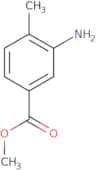
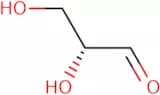
CAS:<p>3-Amino-4-methylbenzoic acid methyl ester (3AMB) is an organic compound that is used as a reagent in the synthesis of amides. It can also be used to synthesize various heterocycles by reacting with aldehydes and ketones. 3AMB has been used as a substrate in assays for amines, yielding high yields. The compound's unsymmetrical structure can be attributed to the presence of different substituents on either side of the central carbon atom. 3AMB has been shown to inhibit metal ion enzymes such as dioxygenases and nitric oxide synthases, which are involved in the metabolism of nitric oxide and oxygen respectively. In addition, 3AMB has been shown to have anti-inflammatory properties and may be a potential candidate for use as an anticoagulant or antiplatelet drug.br>br><br>br>br><br>3AMB is</p>Formula:C9H11NO2Purity:Min. 95%Color and Shape:PowderMolecular weight:165.19 g/molD-(+)-Glyceraldehyde
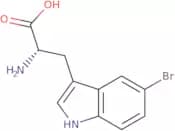
CAS:<p>D-Glyceraldehyde is sold by active weight in solution</p>Formula:C3H6O3Purity:85%MinColor and Shape:Colorless Clear Viscous LiquidMolecular weight:90.08 g/mol5-Bromo-L-tryptophan
CAS:<p>5-Bromo-L-tryptophan is a chemical compound that is an important intermediate in the biosynthesis of serotonin and melatonin. This molecule is a member of the class of compounds called indole alkaloids. 5-Bromo-L-tryptophan has been shown to be synthesized from tryptamine and secologanin by Aureol, a wild type strain of bacteria. The biosynthesis starts with the addition of two bromine atoms at the C5 position, which are then removed as volatile bromide ions. X-ray crystallography data have shown that this reaction proceeds via an asymmetric syn addition, with a reaction time on the order of milliseconds. 5-Bromo-L-tryptophan can be obtained from marine sponges such as Semenospongia sp., using x-ray data to determine its molecular structure.</p>Formula:C11H11BrN2O2Purity:Min. 97 Area-%Color and Shape:White PowderMolecular weight:283.12 g/mol5-Methyl-2,3-hexanedione
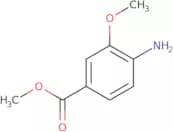
CAS:<p>5-Methyl-2,3-hexanedione is a chemical compound that has been shown to be effective against avian influenza and the influenza virus. 5-Methyl-2,3-hexanedione inhibits the growth of influenza viruses by binding to the virus particles and preventing them from attaching to cells in the respiratory tract. This chemical also prevents the release of infectious viral particles from infected cells. The rate of encapsulation was determined by measuring the amount of 5-methyl-2,3-hexanedione that was adsorbed onto tylosin particles in a plate test. The encapsulation rate is greater than 80%. 5-Methyl-2,3-hexanedione has also been shown to inhibit tylosin resistance in vitro.</p>Formula:C7H12O2Purity:Min. 95%Color and Shape:Clear LiquidMolecular weight:128.17 g/mol4-Amino-3-methoxybenzoic acid methyl ester
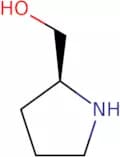
CAS:<p>4-Amino-3-methoxybenzoic acid methyl ester is a reactive molecule that has been used as a radiotracer for positron emission tomography (PET). It is also used in the synthesis of oligodeoxynucleotides and hybridization probes. 4-Amino-3-methoxybenzoic acid methyl ester is not soluble in water, but it can be dissolved in organic solvents such as acetone or methanol. This compound has shown to have anticancer activity and may be useful for treating cancers of the brain, breast, colon, lung, prostate, and stomach.</p>Formula:C9H11NO3Purity:Min. 95%Color and Shape:PowderMolecular weight:181.19 g/mol(S)-(+)-Prolinol
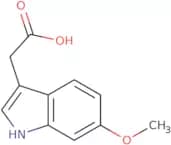
CAS:<p>(S)-(+)-Prolinol is a chiral compound that belongs to the class of polymerase chain reaction (PCR) reagents. It is used as an antibacterial agent, which inhibits bacterial growth by interfering with DNA replication and transcription. The stereoselective nature of the compound has been shown by its differential activity against two different strains of subtilis. This molecule also interacts with diazepam and other drugs, as well as with environmental pollutants such as polychlorinated biphenyls (PCBs). <br>The anti-inflammatory properties of this molecule may be due to its ability to inhibit prostaglandin synthesis through inhibition of cyclooxygenase or lipoxygenase enzymes.</p>Formula:C5H11NOPurity:Min. 95%Color and Shape:Clear LiquidMolecular weight:101.15 g/mol6-Methoxyindole-3-acetic acid
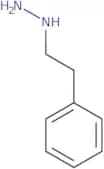
CAS:<p>Please enquire for more information about 6-Methoxyindole-3-acetic acid including the price, delivery time and more detailed product information at the technical inquiry form on this page</p>Formula:C11H11NO3Purity:Min. 95%Color and Shape:PowderMolecular weight:205.21 g/mol2-Phenylethylhydrazine
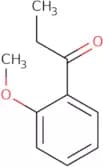
CAS:Controlled Product<p>2-Phenylethylhydrazine (2PEH) is an experimental drug that is reactive. It has been shown to have anti-inflammatory properties in a model system of inflammation in animals. 2PEH also inhibits the enzyme monoamine oxidase, which prevents the breakdown of serotonin, resulting in increased levels of this neurotransmitter. The use of 2PEH as a pharmacological treatment for atherosclerotic lesions may be due to its inhibitory properties on 5HT2 receptors and 2 adrenergic receptors. It has also been shown to induce neuronal death in animal studies.</p>Formula:C8H12N2Purity:Min. 95%Color and Shape:Clear LiquidMolecular weight:136.19 g/mol2'-Methoxypropiophenone
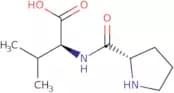
CAS:<p>2'-Methoxypropiophenone is a carbonyl compound that is used as a starting material in the synthesis of other compounds. It can be synthesized by reacting sodium hydroxide with diazirinyl chloride, which reacts with benzyl alcohol to produce the desired product. This chemical has been shown to bind to the DNA of bacteria and show antibacterial activity. 2'-Methoxypropiophenone has also been used to label acetophenone and other carbonyl-containing molecules for their identification.</p>Formula:C10H12O2Purity:Min. 95%Color and Shape:Clear LiquidMolecular weight:164.2 g/molH-Pro-Val-OH
CAS:<p>H-Pro-Val-OH is an amide that is used to treat renal disorders by inhibiting leukocyte elastase. It has been shown to be a potent inhibitor of serine proteases, including chymotrypsin and trypsin. H-Pro-Val-OH binds to the active site on serine proteases and blocks the release of peptides from the enzyme. The binding constant for H-Pro-Val-OH with chymotrypsin was found to be in the range of 3 x 10 M, which is significantly higher than that for other amides. In addition, H-Pro-Val-OH inhibits cytolysis by lysosomal enzymes and protects against liver injury caused by chronic liver disease. This drug also shows low molecular weight and high water solubility, making it effective in treating acute hepatitis.</p>Formula:C10H18N2O3Purity:Min. 95%Color and Shape:PowderMolecular weight:214.26 g/mol5-Methylcytosine hydrochloride salt
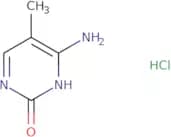
CAS:<p>5-Methylcytosine hydrochloride salt is a metabolite of cytosine that occurs naturally in the body. It is used as an inhibitor of DNA methylation to study the effect of this process on gene expression. 5-Methylcytosine hydrochloride salt has been shown to inhibit the production of growth factors, such as insulin-like growth factor 1, and radiation energy. It also causes oxidative damage to DNA and inhibits the oxidation of urea nitrogen in lettuce. The matrix effect may interfere with the analysis of 5-methylcytosine hydrochloride salt by spectrometry.</p>Formula:C5H7N3O·HClPurity:Min. 95%Color and Shape:PowderMolecular weight:161.59 g/mol2-Methyl-1,4-phenylene bis(4-(3-(acryloyloxy)propoxy)benzoate)
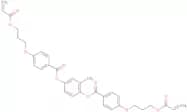
CAS:<p>2-Methyl-1,4-phenylene bis(4-(3-(acryloyloxy)propoxy)benzoate) is a polymerizable liquid crystal monomer that can be used as a polymerization initiator. It is an azobenzene with a chiral carbon atom and the chemical structure of the compound is similar to polyacrylate. This drug is resistant to radiation and can be used for diagnostic purposes. It has been shown to be effective in controlling the growth of resistant cultivars such as "Fusarium oxysporum". The synthesis process includes reacting 2-methyl-1,4-phenylene bis(4-(3-(acryloyloxy)propoxy)benzoate) with a molecular weight of 160 g/mol and benzoic acid in dichloromethane at room temperature under stirring.</p>Formula:C33H32O10Purity:Min. 95%Color and Shape:White Off-White PowderMolecular weight:588.6 g/mol5,10-Methylene-5,6,7,8-tetrahydrofolic acid - mixture of diastereomers
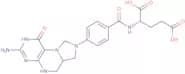
CAS:<p>5,10-Methylene-5,6,7,8-tetrahydrofolic acid is a molecule that is found in cells. It is an essential cofactor for many biological processes. The folate form of 5,10-methylene-5,6,7,8-tetrahydrofolic acid (5MTHF) can be synthesized by the enzyme methylenetetrahydrofolate reductase. This enzyme uses N5,N10-methenyltetrahydrofolate as a substrate and converts it to 5MTHF. The enzyme activity of methylenetetrahydrofolate reductase can be inhibited by methotrexate. In this case 5MTHF will not be produced and the body's supply of folate will decrease. The structural analysis of 5MTHF has been performed using titration calorimetry and x-ray crystallography.</p>Formula:C20H23N7O6Purity:80%MinColor and Shape:PowderMolecular weight:457.44 g/mol7-Methoxycoumarin-3-carboxylicacid
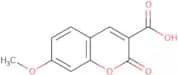
CAS:<p>7-Methoxycoumarin-3-carboxylic acid (MC) is a potent inhibitor of metalloendopeptidases and cyclic peptide receptors. MC has been shown to inhibit protein synthesis, leading to apoptotic cell death. It has also been reported to have anti-inflammatory properties, which may be due to its inhibition of prostaglandin synthesis. The fluorophore 7-methoxycoumarin is derived from the natural product coumarin and can be used as a fluorescent probe for hydrogen bonding in molecular modeling studies.</p>Formula:C11H8O5Purity:Min. 95%Color and Shape:PowderMolecular weight:220.18 g/mol3,5-Dibromo-4-methylbenzoic acid
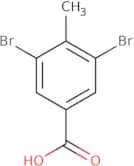
CAS:<p>3,5-Dibromo-4-methylbenzoic acid is a high quality compound that is a useful intermediate in the synthesis of complex compounds. It has been used as a reagent in various chemical reactions and as a building block for the synthesis of other compounds. This compound may also be used as a speciality chemical or research chemical. 3,5-Dibromo-4-methylbenzoic acid can be used to synthesize many different types of compounds, including those with diverse functional groups.</p>Formula:C8H6Br2O2Purity:Min. 95%Color and Shape:PowderMolecular weight:293.94 g/mol(2-Oxo-4-phenylpyrrolidin-1-yl)acetic acid
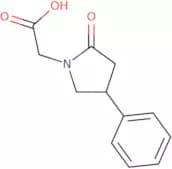
CAS:<p>Phenotropil is a nootropic drug that belongs to the group of aromatic amines. It is a high-activity, active compound with optical activity and an analyzed structure. Phenotropil has been shown to be safe and effective in the treatment of overweight patients with mild cognitive impairment (MCI). Phenotropil has also been used as an adjuvant therapy for brain trauma and cerebrovascular diseases. The most common side effects are nausea, vomiting, diarrhea, dizziness, headache, agitation, drowsiness, insomnia, depression, and hallucinations. Phenotropol can exist as two optical isomers: R-(+)-phenylpiracetam and S-(-)-phenylpiracetam. These optical isomers have different pharmacological properties.</p>Formula:C12H13NO3Purity:Min. 95%Color and Shape:PowderMolecular weight:219.24 g/molL-Valyl-L-glutamic acid
CAS:<p>L-Valyl-L-glutamic acid is a versatile building block that can be used in the synthesis of complex compounds, research chemicals, and reagents. It is a high quality, useful intermediate for the production of speciality chemicals or reaction components. L-Valyl-L-glutamic acid is also a useful scaffold for the synthesis of new drugs. The CAS number for this compound is 3062-07-5.</p>Formula:C10H18N2O5Purity:Min. 95 Area-%Color and Shape:White Off-White PowderMolecular weight:246.26 g/mol3-Hydroxy-4-methoxybenzoic acid methyl ester
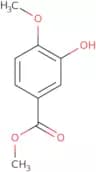
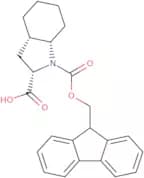
CAS:<p>3-Hydroxy-4-methoxybenzoic acid methyl ester is a phenolic acid that is a potent inhibitor of tyrosinase activity. It has been shown to inhibit the growth of cancer cells by binding to 5-HT2A receptors and inhibiting the production of epidermal growth factor, which leads to a decrease in the expression of tyrosinase. 3-Hydroxy-4-methoxybenzoic acid methyl ester has also been shown to have an inhibitory effect on the synthesis of protocatechuic acid and acetate extract from soybean. This compound was found to be more effective than kojic acid, arbutin, and ascorbic acid.</p>Formula:C9H10O4Purity:Min. 95%Color and Shape:PowderMolecular weight:182.17 g/molFmoc-L-octahydroindole-2-carboxylic acid
CAS:<p>Fmoc-L-octahydroindole-2-carboxylic acid is a synthetic amino acid that is used in the synthesis of peptides and proteins. It has been shown to be an agonistic ligand for the acetylcholine receptor and may be used as an anti-inflammatory drug. Fmoc-L-octahydroindole-2-carboxylic acid is synthesized by combining piperidine and fmoc-glycine, followed by condensation with iminoacetic acid. The synthesis of this compound can be achieved through solid phase synthesis or chemical methods. The removal of the FMOC group requires acidic conditions such as trifluoroacetic acid or hydrochloric acid.</p>Formula:C24H25NO4Purity:Min. 98 Area-%Color and Shape:White PowderMolecular weight:391.46 g/molPyr-Phe-OH
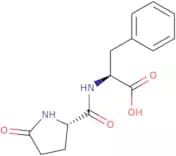
CAS:<p>Pyr-Phe-OH is a pyroglutamic acid derivative that can be used as a chromogenic reagent. Pyr-Phe-OH has been shown to have an acid sequence and is related to tryptic peptides. Pyr-Phe-OH is used in the analysis of proteins, such as haemoglobin, by means of phenacyl esters. Pyr-Phe-OH reacts with pepsin and other proteolytic enzymes, but not with phenacyl esters or thiols. This compound is also used as a crosslinker for alkylation reactions. The molecule contains an alkylate group and an amine group that are bonded by a carbon atom. Pyr-Phe-OH contains two amino acids: pyrrolysine and phenylalanine that are linked by an oxygen atom.<br>END></p>Formula:C14H16N2O4Purity:Min. 95%Color and Shape:White To Off-White SolidMolecular weight:276.29 g/molAvanafil
CAS:<p>Avanafil is a drug that can be used as a treatment for male erectile dysfunction. It works by inhibiting the production of PDE5, which is an enzyme that regulates the levels of cGMP in the penis. Avanafil has been shown to be effective when taken at a dose of 100 mg; this is because it takes about 30 minutes for avanafil to reach its peak level. Avanafil has a chemical stability that is greater than 12 hours, with an average lifespan of 24 hours. The drug also has no major drug interactions and does not inhibit any other drugs from working.</p>Formula:C23H26ClN7O3Purity:Min. 98 Area-%Color and Shape:White PowderMolecular weight:483.95 g/mol3-Chloro-7-hydroxy-4-methylcoumarin
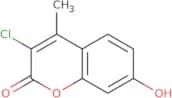
CAS:<p>3-Chloro-7-hydroxy-4-methylcoumarin is a Michaelis–Menten kinetics inhibitor that binds to the bacterial 16S ribosomal RNA and inhibits transcription and protein synthesis. This compound has been studied for wastewater treatment, where it was shown to be effective in treating sodium citrate. 3-Chloro-7-hydroxy-4-methylcoumarin is also used as an inhibitor of coumarin derivatives, which are compounds that have been shown to have antiinflammatory properties. 3CMC inhibits transcription by binding to the polymerase chain reaction (PCR) product. It has also been shown to bind to the nonpolar solvent, which prevents the formation of a complex with the enzyme DNA gyrase, leading to cell death by inhibiting protein synthesis. Fluorescence techniques have been used to study this type of inhibition in a model system.</p>Formula:C10H7ClO3Purity:Min. 95%Color and Shape:PowderMolecular weight:210.61 g/mol4-Methyl-5-hydromethylimidazole hydrochloride
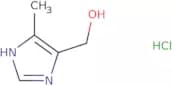
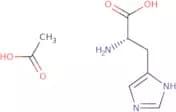
CAS:<p>4-Methyl-5-hydromethylimidazole hydrochloride is a drug that is used in the treatment of hydrochloric acid. It reacts with hydrochloric acid to form cimetidine and cysteamine, which are pharmaceuticals. 4-Methyl-5-hydromethylimidazole hydrochloride is also used as a corrosion inhibitor and may be used as an additive in animal feed.</p>Formula:C5H8N2O•HClPurity:Min. 95%Color and Shape:PowderMolecular weight:148.59 g/molL-Histidine acetate
CAS:Controlled Product<p>L-Histidine acetate is a white, crystalline powder that has a constant melting point and can be soluble in water. It has a monoclinic crystal system with a crystal form of α-l-histidine dihydrogen acetate. L-Histidine acetate is an amino acid that is necessary for the biosynthesis of proteins and the metabolism of histamine. L-Histidine acetate has been studied using x-ray diffraction and optical properties to determine its functional groups. The activation energy for this compound is found to be at 4.1 kcal/mol, which is lower than most other compounds in nature. The frequencies of light waves are measured at 3,040 cm-1 and the evaporation rate at 15°C is 0.039 cm3/s.</p>Formula:C6H9N3O2•C2H4O2Purity:Min. 95%Molecular weight:215.21 g/mol7-Amino-3-[[(2,5-dihydro-6-hydroxy-2-methyl-5-oxo- 1,2,4-triazin-3-yl)thio]methyl]cephalosporanic acid
CAS:<p>Ceftriaxone is a semisynthetic, broad-spectrum antibiotic that is used to treat bacterial infections. It is especially effective against the following microorganisms: Gram-positive cocci and rods, Gram-positive bacilli, Gram-negative cocci and rods, and anaerobic bacteria. Ceftriaxone is a crystalline solid that can be dissolved in water or an organic solvent. It has been shown to have excellent stability in acidic solutions and at high temperatures. Ceftriaxone has a residue of 3% when it is administered intravenously or intramuscularly. The use of ceftriaxone as an antibiotic can be optimized by using reverse-phase chromatography with a cyclic gradient elution method.</p>Formula:C12H13N5O5S2Purity:95%NmrColor and Shape:PowderMolecular weight:371.39 g/molH-Gly-Gly-Gly-Gly-Gly-Gly-OH
CAS:<p>H-Gly-Gly-Gly-Gly-Gly-Gly-OH is a cyclic peptide that binds to calcium ions. It has been shown to cause cell lysis in human serum and inhibit bacterial growth in the presence of fatty acids. H-Gly-Gly-Gly-Gly-gly-OH has also been shown to bind to the receptor site on the bacteria, which prevents them from binding with host cells. This peptide also inhibits the production of inflammatory cytokines, such as IL1β and TNFα, which may be due to its ability to inhibit the formation of reactive oxygen species.</p>Formula:C12H20N6O7Purity:Min. 95%Color and Shape:PowderMolecular weight:360.32 g/mol2-(4-tert-Butyl-phenoxy)acetonitrile
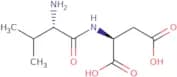
CAS:<p>2-(4-tert-Butyl-phenoxy)acetonitrile is a high quality, reagent, complex compound that is useful as a building block in the synthesis of fine chemicals and speciality chemicals. 2-(4-tert-Butyl-phenoxy)acetonitrile can be used as an intermediate in the synthesis of various pharmaceuticals and agrochemicals. It has a CAS number of 50635-24-0. This chemical is also useful for research purposes.</p>Formula:C12H15NOPurity:(%) Min. 85%Color and Shape:PowderMolecular weight:189.25 g/molH-Val-Asp-OH
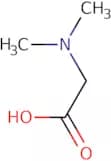
CAS:<p>H-Val-Asp-OH is a nucleotide that is an intermediate in the synthesis of tRNA. It is synthesized from H-Valine, Aspartic acid and Oxygen by the enzyme aminoacyl synthetase. The ribonucleotide H-Val-Asp-OH is used to elucidate the role of RNA polymerase in vitro transcription. It also plays a role in protein synthesis as it is an aminoacylated dipeptide with a 3’ terminal adenylate residue. This nucleotide can be incorporated into tRNA molecules by the enzyme aminoacyl tRNA synthetase.</p>Formula:C9H16N2O5Purity:(Elemental Analysis) Min. 95%Color and Shape:PowderMolecular weight:232.23 g/molN,N-Dimethylglycine
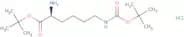
CAS:<p>N,N-Dimethylglycine (DMG) is a molecule that inhibits the activity of various enzymes. DMG has been shown to have an inhibitory effect on HIV entry into human cells and can be used in the treatment of HIV infection. DMG has also been found to have an inhibitory effect on energy metabolism and mitochondrial membrane potential, which can lead to increased oxidative stress and inflammation. This molecule is also involved in the synthesis of choline, dimethylglycine, and betaine, which are important for cell signaling and detoxification. DMG has been shown to bind to bile acids and promote bowel motility by increasing peristalsis in patients with chronic constipation. In addition, it has been shown to have anti-inflammatory properties through its inhibition of pro-inflammatory cytokines such as TNF-α and IL-6</p>Formula:C4H9NO2Purity:Min. 95%Color and Shape:Off-White PowderMolecular weight:103.12 g/molLys(Boc)-OtBu,HCl
CAS:<p>Lys(Boc)-OtBu,HCl is a versatile building block and research chemical that can be used for the synthesis of complex compounds. This compound is a useful intermediate and reaction component in organic chemistry. It is also a reagent that can be used to synthesize high-quality chemical products.</p>Formula:C15H30N2O4·HClPurity:Min. 95%Color and Shape:White PowderMolecular weight:338.87 g/molN-[3-(4,4,5,5-TetraMethyl-[1,3,2]dioxaborolan-2-yl)-phenyl]succinamic acid
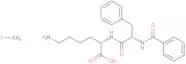
CAS:<p>N-[3-(4,4,5,5-TetraMethyl-[1,3,2]dioxaborolan-2-yl)-phenyl]succinamic acid is an intermediate in the synthesis of a variety of compounds. It is also a useful building block in the synthesis of complex compounds. In addition to its use as a research chemical and reagent, N-[3-(4,4,5,5-TetraMethyl-[1,3,2]dioxaborolan-2-yl)-phenyl]succinamic acid can be used as a speciality chemical.</p>Formula:C16H22BNO5Purity:Min. 95%Molecular weight:319.16 g/molBenzoylphenylalanyllysine fluoromethane
CAS:Controlled Product<p>Benzoylphenylalanyllysine fluoromethane is a competitive anticoagulant that inhibits the action of kallikrein, an enzyme involved in the activation of factor XII. This drug is used to prevent or treat thrombosis and embolism. It has been shown to be effective in vitro against coagulation factors II, VII, IX, X, XI, XII and XIII. Benzoylphenylalanyllysine fluoromethane is not metabolized by cysteine proteinase and does not interact with norvaline.</p>Formula:C23H30FN3O4Purity:Min. 95%Molecular weight:431.5 g/molSB-525334
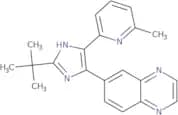
CAS:<p>SB-525334 is a synthetic compound that has been shown to be an inhibitor of the actin molecule. It has been used in cell-based assays to investigate the effects of SB-525334 on renal proximal tubule cells. The compound inhibits the growth and proliferation of carcinoma cells and virus cells, as well as the activity of various types of cell growth factors. SB-525334 is being investigated as a potential diagnostic tool for cancer and other diseases.</p>Formula:C21H21N5Purity:Min. 95%Color and Shape:PowderMolecular weight:343.43 g/mol5-(4'-Methyl-2-biphenyl)tetrazole
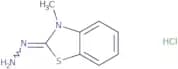
CAS:<p>5-(4'-Methyl-2-biphenyl)tetrazole is an alkali metal salt of 5-(4'-methyl-2-phenyl) tetrazole. It is a white crystalline solid that can be produced from the reaction of sodium tetrazole with 2,4-dichlorobenzophenone and potassium hydroxide in an ionic liquid. The yield of this reaction is high, at more than 98% after hydrothermal treatment. The chemical formula for 5-(4'-methyl-2-phenyl) tetrazole is C8H6N3NaO3. This compound has been used as an angiotensin receptor antagonist, with chloride and fluoride as the counterions. It also has ionic and azide groups, which are useful for introducing an azide group to other compounds to form amides or esters.</p>Formula:C14H12N4Purity:Min. 95 Area-%Color and Shape:White To Yellow SolidMolecular weight:236.27 g/mol3-Methyl-2-benzothiazolinone hydrazone HCl
CAS:<p>3-Methyl-2-benzothiazolinone hydrazone HCl is a diazonium salt that reacts with the hydroxyl group of tyrosinase to produce a reactive intermediate. This hydrolysis reaction leads to the formation of a blue product, which can be detected by mass spectrometry. 3-Methyl-2-benzothiazolinone hydrazone HCl has been used in pharmaceutical preparations as an indicator for hydrochloric acid. It is an acidic compound and has been used in kinetic studies for moxifloxacin hydrochloride. The excipients are not disclosed.</p>Formula:C8H10ClN3SPurity:Min. 95%Color and Shape:White PowderMolecular weight:215.7 g/molFmoc-Thr(tBu)-Ser-OH
<p>Fmoc-Thr(tBu)-Ser-OH is a building block that is often used in organic synthesis as a reagent or scaffold. It can be used in the synthesis of complex compounds, such as peptides and proteins. Fmoc-Thr(tBu)-Ser-OH has been shown to be useful in the preparation of high quality reagents and research chemicals. This chemical can also be used as an intermediate for the synthesis of other compounds, such as pharmaceuticals and pesticides. Fmoc-Thr(tBu)-Ser-OH is soluble in organic solvents, which makes it versatile for use in a wide variety of reactions. Fmoc-Thr(tBu)-Ser-OH has a CAS number that can be found by searching on the Chemical Abstract Services website (CAS).</p>Formula:C26H32N2O7Purity:Min. 95%Color and Shape:PowderMolecular weight:484.54 g/mol6-Fluoro-2-methylindole
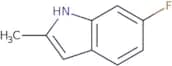
CAS:<p>6-Fluoro-2-methylindole is a member of the group of aromatic ketones. It is an organic compound that can be synthetized from 2,6-dichloroindole and methyl iodide. There are two types of photodimerization reactions for 6-fluoro-2-methylindole: one is an aerobic reaction and the other is an anaerobic reaction. The mechanistic study of 6-fluoro-2-methylindole has been investigated using bond cleavage and transformation reactions. This organic compound reacts with amines to form polycycles with high yields. It also undergoes Diastereomeric Control in chemistry.</p>Formula:C9H8FNPurity:Min. 95%Color and Shape:Brown PowderMolecular weight:149.16 g/mol(3-(2,6-dichlorophenyl)-5-methylisoxazol-4-yl)-N-benzylformamide
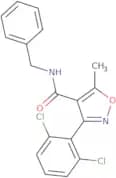
CAS:<p>Please enquire for more information about (3-(2,6-dichlorophenyl)-5-methylisoxazol-4-yl)-N-benzylformamide including the price, delivery time and more detailed product information at the technical inquiry form on this page</p>Purity:Min. 95%(5-Methylpyridin-2-yl)methanamine
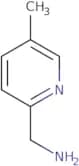
CAS:<p>5-Methylpyridin-2-yl)methanamine is a high quality reagent that is used as a building block in the synthesis of complex compounds. It can be used as an intermediate, useful for the preparation of fine chemicals and useful scaffolds. It can also be used as a speciality chemical and is often used as a reaction component in research chemicals.</p>Formula:C7H10N2Purity:Min. 98 Area-%Color and Shape:Clear LiquidMolecular weight:122.17 g/mol(5-Methyl-1,3-thiazol-2-yl)acetonitrile
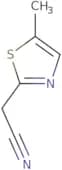
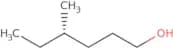
CAS:<p>5-Methyl-1,3-thiazol-2-yl)acetonitrile is a chemical that is used as a building block in organic synthesis. It has been shown to be an intermediate in the preparation of other compounds and has been used as a research chemical. This chemical has also been shown to have useful properties, such as high quality and versatility. 5-Methyl-1,3-thiazol-2-yl)acetonitrile can be used as a reaction component or a reagent for synthesizing other chemicals.</p>Formula:C6H6N2SPurity:Min. 95%Color and Shape:Clear LiquidMolecular weight:138.19 g/mol(S)-(+)-4-Methyl-1-hexanol
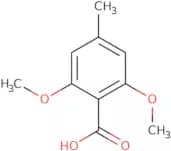
CAS:<p>(S)-(+)-4-Methyl-1-hexanol is a synthetic compound that has been shown to have antibacterial activity against Staphylococcus aureus. The (R)-enantiomer of the compound, which has been synthesized in the past, has also shown activity against S. aureus. However, this enantiomer is not commercially available. The (S)-enantiomer is soluble in organic solvents and can be used as an attractant for S. aureus monitoring purposes. In addition, it has antioxidant potential and may be useful as a medicine for short-chain fatty acid production disorders.</p>Formula:C7H16OPurity:Min. 95%Molecular weight:116.2 g/mol2,6-Dimethoxy-4-methylbenzoic acid
CAS:<p>2,6-Dimethoxy-4-methylbenzoic acid is a carboxylic acid that is used as an intermediate in the production of lithium.</p>Formula:C10H12O4Purity:Min. 95%Color and Shape:PowderMolecular weight:196.2 g/mol1-Methyl-3-propylamine hydrochloride
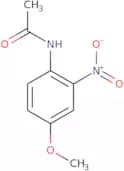
CAS:<p>1-Methyl-3-propylamine hydrochloride is a fine chemical, research chemicals, and speciality chemical. It is a versatile building block for organic synthesis and has been used as a reagent in the production of other compounds. 1-Methyl-3-propylamine hydrochloride is also used as an intermediate in reactions involving complex compounds. This product has CAS number 578-72-5 and is of high quality.</p>Formula:C4H11N•HClPurity:Min. 95%Molecular weight:109.6 g/mol4-Methoxy-2-nitroacetanilide
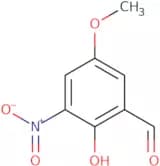
CAS:<p>4-Methoxy-2-nitroacetanilide is a byproduct of the manufacture of 4-methoxyacetanilide, which is used in the production of analgesics. It has been shown to be an environmental pollutant that is toxic to animals and plants. The toxicity of 4-methoxy-2-nitroacetanilide is due to its ability to react with amines and form nitrosamines. The rate of acetylation is determined by the kinetics of the reaction, while substituent effects on the molecule determine its reactivity as an electrophile.</p>Formula:C9H10N2O4Purity:Min. 95%Color and Shape:PowderMolecular weight:210.19 g/mol2-Hydroxy-5-methoxy-3-nitrobenzaldehyde
CAS:<p>2-Hydroxy-5-methoxy-3-nitrobenzaldehyde is a 6-membered aromatic compound that has been shown to have anti-cancer properties. It has been shown to inhibit the proliferation of cancer cells by inhibiting protein synthesis, as well as inducing apoptosis. This compound also inhibits the growth of colon cancer cells and cervical cancer cells in culture. 2-Hydroxy-5-methoxy-3-nitrobenzaldehyde has an inhibitory effect on the growth of cancer cells and may be used for treatment against tumors.</p>Formula:C8H7NO5Purity:Min. 95%Color and Shape:PowderMolecular weight:197.14 g/mol3'-Bromo-4'-fluoro-β-methyl-β-nitrostyrene
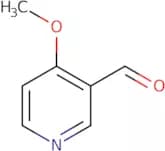
CAS:<p>3'-Bromo-4'-fluoro-beta-methyl-beta-nitrostyrene is a chemical compound with the molecular formula C9H5BrFN2O. It can be used as an intermediate in the synthesis of other chemical compounds. 3'-Bromo-4'-fluoro-beta-methyl-beta-nitrostyrene can also be used to produce research chemicals, speciality chemicals, and complex compounds. This compound has a high quality and is useful for research purposes.</p>Formula:C9H7BrFNO2Purity:Min. 95%Color and Shape:PowderMolecular weight:260.06 g/mol3-Formyl-4-methoxypyridine
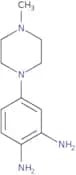
CAS:<p>3-Formyl-4-methoxypyridine is a synthetic compound that belongs to the group of pyrimidine ring compounds. It is synthesized by the reaction of triflic acid with 2,6-dichloropyridine and has been shown to have antiviral and antitumour properties. The compound has also been synthetized as a potential drug for the treatment of malaria. 3-Formyl-4-methoxypyridine is an analog of variolin, which is an alkaloid that can be found in marine organisms such as sponges and tunicates. 3-Formyl-4-methoxypyridine has been shown to inhibit protein synthesis by inhibiting the enzyme RNA polymerase II, which leads to cell death by apoptosis or necrosis.</p>Formula:C7H7NO2Purity:Min. 95%Color and Shape:PowderMolecular weight:137.14 g/mol4-(4-Methylpiperazino)-1,2-benzenediamine
CAS:<p>4-(4-Methylpiperazino)-1,2-benzenediamine (4MPBD) is a small molecule that binds to the telomerase enzyme and inhibits its activity. Telomerase is an enzyme that maintains telomeres by adding nucleotides to the end of dna strands. 4MPBD has been shown to inhibit telomerase activity in vitro and in vivo, and it has been found to induce apoptosis in cancer cells. This compound also stabilizes telomeres and causes a shift in the equilibrium between short and long telomeres. The inhibition of telomerase by 4MPBD may lead to an increased risk of cancer progression and death, as well as an increase in susceptibility to infection due to shortened dna strands.</p>Formula:C11H18N4Purity:Min. 95%Color and Shape:PowderMolecular weight:206.29 g/molMethyl 2-hydroxy-5-methoxybenzoate
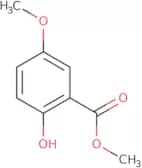
CAS:<p>Methyl 2-hydroxy-5-methoxybenzoate is a carbonyl compound that has the chemical formula CH3OOC(OH)CH2COOH. It has fluorescence properties and can be used to make other compounds by intramolecular hydrogen transfer, photophysical, and preparative methods. Methyl 2-hydroxy-5-methoxybenzoate is used in the production of salicylic acid and its derivatives. This compound is also used as a precursor for other organic compounds. Methyl 2-hydroxy-5-methoxybenzoate can be prepared by the reaction of methanol with methyl chloroacetate in diethyl ether or oxygen gas. The yields are about 80%.</p>Formula:C9H10O4Purity:Min. 90%Color and Shape:Clear LiquidMolecular weight:182.17 g/mol




![Ethyl [2-methyl-3-(chlorosulfonyl)phenoxy]acetate](/_next/image/?url=https%3A%2Fstatic.cymitquimica.com%2Fproducts%2F3D%2Fthumb-webp%2FFE22936.webp&w=3840&q=75)



![6-Amino-3-methyl-4-(4-nitrophenyl)-4H-pyrano[3,2-d]pyrazole-5-carbonitrile](/_next/image/?url=https%3A%2Fstatic.cymitquimica.com%2Fproducts%2F3D%2Fthumb-webp%2FFA169805.webp&w=3840&q=75)
![[(3-Methylphenyl)(phenyl)methyl]amine hydrochloride](/_next/image/?url=https%3A%2Fstatic.cymitquimica.com%2Fproducts%2F3D%2Fthumb-webp%2FFM134405.webp&w=3840&q=75)

![(3S,4R)-3-[(1R)-1-Hydroxyethyl]-4-[(1R)-1-methyl-3-diazo-3- (p-nitrobenzyloxycarbonyl)-2-oxopropyl…](/_next/image/?url=https%3A%2Fstatic.cymitquimica.com%2Fproducts%2F3D%2Fthumb-webp%2FFH38865.webp&w=3840&q=75)



![7-Amino-3-[[(2,5-dihydro-6-hydroxy-2-methyl-5-oxo- 1,2,4-triazin-3-yl)thio]methyl]cephalosporanic …](/_next/image/?url=https%3A%2Fstatic.cymitquimica.com%2Fproducts%2F3D%2Fthumb-webp%2FFA17508.webp&w=3840&q=75)


![N-[3-(4,4,5,5-TetraMethyl-[1,3,2]dioxaborolan-2-yl)-phenyl]succinamic acid](/_next/image/?url=https%3A%2Fstatic.cymitquimica.com%2Fproducts%2F3D%2Fthumb-webp%2FFT39771.webp&w=3840&q=75)