Amino Acids (AA)
Amino acids (AAs) are the fundamental building blocks of proteins, playing a crucial role in various biological processes. These organic compounds are essential for protein synthesis, metabolic pathways, and cell signaling. In this category, you will find a comprehensive range of amino acids, including essential, non-essential, and modified forms, which are vital for research in biochemistry, molecular biology, and nutritional sciences. At CymitQuimica, we provide high-quality amino acids to support your research and development needs, ensuring accuracy and reliability in your experimental outcomes.
Subcategories of "Amino Acids (AA)"
- Amino Acid Derivatives(3,957 products)
- Amino Acid and Amino Acid Related Compounds(3,472 products)
- Amino Acids with Oxygen or Sulphur(168 products)
- Boc- Amino Acids(351 products)
- Fmoc Amino Acids(1,710 products)
Found 38265 products of "Amino Acids (AA)"
Sort by
Purity (%)
0
100
|
0
|
50
|
90
|
95
|
100
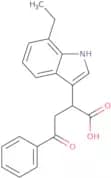
2-(7-Ethylindol-3-yl)-4-oxo-4-phenylbutanoic acid
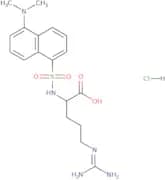
CAS:<p>Please enquire for more information about 2-(7-Ethylindol-3-yl)-4-oxo-4-phenylbutanoic acid including the price, delivery time and more detailed product information at the technical inquiry form on this page</p>Purity:Min. 95%α-Dansyl-L-arginine hydrochloride
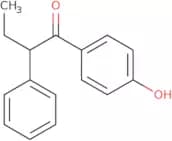
CAS:<p>a-Dansyl-L-arginine hydrochloride is a substrate that binds to albumin and is an antimicrobial peptide. It has been shown to have a fatty acid adsorption mechanism and inactivated. The molecule is an amide with a structural analysis using analytical chemistry, titration calorimetry, and hyperbolic graphs. The enhancement constant is a constant term that is used in the Arrhenius equation for kinetic studies.</p>Formula:C18H25N5O4S•HClPurity:Min. 95%Color and Shape:PowderMolecular weight:443.95 g/mol1-(4-Hydroxyphenyl)-2-phenyl-1-butanone
CAS:<p>1-(4-Hydroxyphenyl)-2-phenyl-1-butanone is a versatile building block that is used in the synthesis of many complex compounds. It has been used as a reagent or speciality chemical and can be used to synthesize a wide range of organic compounds. The compound also exhibits high quality and can be used as an intermediate in the synthesis of pharmaceuticals, herbicides, pesticides, and other research chemicals. 1-(4-Hydroxyphenyl)-2-phenyl-1-butanone is also a useful scaffold for the synthesis of natural products such as alkaloids, terpenes, and other research chemicals.</p>Formula:C16H16O2Purity:Min. 95%Color and Shape:Off-White PowderMolecular weight:240.3 g/molN-Hydroxy-2-(4-methoxyphenoxy)ethanimidamide
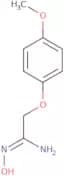
CAS:<p>Please enquire for more information about N-Hydroxy-2-(4-methoxyphenoxy)ethanimidamide including the price, delivery time and more detailed product information at the technical inquiry form on this page</p>Formula:C9H12N2O3Purity:Min. 95%Color and Shape:PowderMolecular weight:196.2 g/mol3-(Dimethylphosphono)-N-methylolpropionamide
CAS:<p>Dimethylphosphonoacetamide (DMPPA) is a phosphorus-containing compound that is used as an intermediate in the synthesis of fatty acids. DMPPA can be synthesized by the reaction of ethylene diamine and phosphorus pentoxide, which is a common reagent for preparing phosphorus compounds. The reaction mechanism has been studied using electrochemical impedance spectroscopy. This study revealed that DMPPA can be converted to a water-soluble product by treatment with water vapor or by adding cotton. In addition, the kinetic data obtained from this study showed that the reaction rate was affected by temperature and the type of solvent used. The frequency shift observed during this study indicated that nitrogen atoms are involved in the reaction mechanism.</p>Formula:C6H14NO5PPurity:(%) Min. 80%Molecular weight:211.15 g/mol(3-((hydroxyimino)ethyl)-4-methyl(2,5-thiazolyl))phenylamine
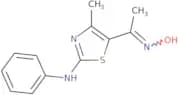
CAS:<p>Please enquire for more information about (3-((hydroxyimino)ethyl)-4-methyl(2,5-thiazolyl))phenylamine including the price, delivery time and more detailed product information at the technical inquiry form on this page</p>Formula:C12H13N3OSPurity:Min. 95%Color and Shape:Clear LiquidMolecular weight:247.32 g/mol2-Fluoro-3-methylbenzaldehyde
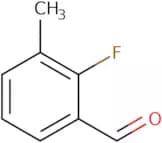
CAS:<p>2-Fluoro-3-methylbenzaldehyde is a chemical that can be used in the synthesis of other chemicals, such as pharmaceuticals. It is a versatile building block that can be used in the synthesis of complex compounds and scaffolds. The compound has been shown to react with amines to form ureas.</p>Formula:C8H7FOPurity:80%Molecular weight:138.14 g/mol2,6-Dichloro-3-methylaniline
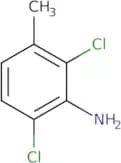
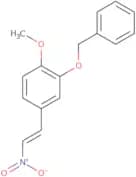
CAS:<p>2,6-Dichloro-3-methylaniline is a wastewater treatment chemical that is used to remove ammonia from wastewater. It is an allosteric modulator that can bind to different sites on the same protein and change its function. 2,6-Dichloro-3-methylaniline has been shown to inhibit the growth of bladder cancer cells in vitro and in vivo by affecting the production of dopamine. This compound may also be effective in treating other cancers such as breast cancer and prostate cancer. 2,6-Dichloro-3-methylaniline has been shown to inhibit population growth in some bacteria by binding to DNA gyrase and topoisomerase IV enzymes.</p>Formula:C7H7Cl2NPurity:Min. 95%Color and Shape:PowderMolecular weight:176.04 g/mol1-(3-Benzyloxy-4-methoxyphenyl)-2-nitroethene
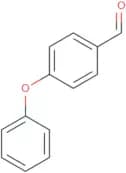
CAS:<p>1-(3-Benzyloxy-4-methoxyphenyl)-2-nitroethene (1BMN) is an ethanamine that has a skeleton of five benzene and one methoxybenzene rings. It is an analogue of lamellarin, which has been shown to have efficient synthetic and biological properties. 1BMN is biologically active as a lamellarin analog and may be useful for the treatment of diseases such as cancer, malaria, hypertension, hyperglycemia, hypercholesterolemia, and ulcerative colitis. 1BMN is synthesized from 2-nitroethanol by reacting with 3-bromobenzaldehyde in the presence of sodium hydroxide. This reaction results in the formation of 1BMN in high yield with few side reactions.</p>Formula:C16H15NO4Purity:Min. 95%Color and Shape:PowderMolecular weight:285.29 g/mol4-Phenoxybenzaldehyde
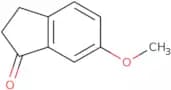
CAS:<p>4-Phenoxybenzaldehyde is a phenolic compound that has potent inhibitory activity against bacteria. It was shown to have the highest antibacterial activity among alkanoic acids, with an MIC of less than 2 µg/mL. 4-Phenoxybenzaldehyde is produced by the condensation of phenol and acetaldehyde in the presence of a solid catalyst and potassium hydroxide. This reaction produces a mixture of products, including 4-phenoxybenzaldehyde, which can be purified by recrystallization or column chromatography. The biosynthetic pathway for 4-phenoxybenzaldehyde in plants has been elucidated and includes two steps: one involving pyrazole ring formation and another involving hydroxyl group formation.</p>Formula:C13H10O2Purity:Min. 95%Molecular weight:198.22 g/mol6-Methoxy-1-indanone
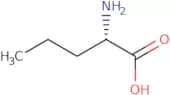
CAS:<p>6-Methoxy-1-indanone is a chemical compound that can be found in the form of two structural isomers. They both have the same pharmacokinetic properties and are potent inhibitors of 5-HT1A receptors. 6-Methoxy-1-indanone also has potent inhibitory activity on the MT2 receptors, which are present in the central nervous system. This compound has been shown to be an active methylene group with neurodegenerative disease and has carbonyl groups.</p>Formula:C10H10O2Purity:Min. 98 Area-%Color and Shape:PowderMolecular weight:162.19 g/molL-Norvaline
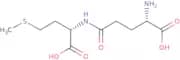
CAS:<p>L-Norvaline is a hydrophobic amino acid that is synthesized in the body from the essential amino acid valine. It is an important intermediate in the biosynthesis of other amino acids, such as L-leucine and L-isoleucine. L-Norvaline has been shown to inhibit bacterial growth and can be used as an antimicrobial agent. It also inhibits the polymerase chain reaction by binding to DNA and RNA, thereby blocking transcription. This drug has been shown to increase energy metabolism, improve renal function, and reduce metabolic disorders in animals. These effects are thought to be due to its ability to bind with carbonyl oxygens on lysine residues of proteins.</p>Formula:C5H11NO2Purity:Min. 95%Color and Shape:PowderMolecular weight:117.15 g/molH-Glu(Met-OH)-OH
CAS:<p>H-Glu(Met-OH)-OH is an enzyme that catalyzes the conversion of stachyose to sucrose. It is also a synthetase that catalyzes the formation of fatty acids. H-Glu(Met-OH)-OH has been shown to be active in cancer cells and may be used as a potential therapeutic target for cancer treatment. This enzyme is inhibited by sodium hydroxide solution, hydrochloric acid, and urea nitrogen. The activity of H-Glu(Met-OH)-OH is measured by its ability to synthesize fatty acids from glucose in the presence of ATP and NADPH. Hydroxide solution can also be used to measure the activity of H-Glu(Met-OH)-OH as it converts stachyose to sucrose in the presence of ATP, NADP+, and sodium hydroxide solution. The rate at which this reaction occurs can be measured using a spectrophotometer with a carboxylate absorb</p>Formula:C10H18N2O5SPurity:Min. 95%Color and Shape:SolidMolecular weight:278.33 g/molD-His(Bzl)-OH
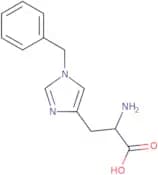
CAS:<p>D-His(Bzl)-OH is a chromatographic ligand that has been used in the preparation of recombinant proteins and vaccines. D-His(Bzl)-OH is an amphipathic molecule with a hydrophilic head group and hydrophobic tail group. It has been shown to be an effective inhibitor of papillomavirus, as well as other viruses such as HIV, herpes simplex virus, poliovirus, and vesicular stomatitis virus. D-His(Bzl)-OH has also been shown to induce antibody production in micelles when conjugated to antigens. The binding of D-His(Bzl)-OH to the viral envelope protein can be increased by increasing pH or by adding ammonium sulfate or chloride ions. Increasing the flow rate during chromatography will also increase the progressions of D-His(Bzl)-OH through the column.</p>Formula:C13H15N3O2Purity:Min. 95%Color and Shape:White PowderMolecular weight:245.28 g/molN2-Phenoxyacetyl guanine
CAS:<p>N2-Phenoxyacetyl guanine is a labile nucleoside that can be synthesized by the aminoacylation of guanosine with phenoxyacetic acid. It has been shown to have an important role in oxidative DNA damage, which may lead to mutagenesis and cancer. N2-Phenoxyacetyl guanine is stereoselective and binds preferentially to the GGC sequence, and it is also aminopropylated at its 2′ position. This nucleoside is not ionizing but can be degraded by radiation or enzymes such as deaminases.</p>Formula:C13H11N5O3Purity:Min. 95%Molecular weight:285.26 g/mol7-Methyl-2-(trifluoromethyl)[1,2,4]triazolo[1,5-a]pyrimidine-6-carboxylic acid
CAS:<p>7-Methyl-2-(trifluoromethyl)[1,2,4]triazolo[1,5-a]pyrimidine-6-carboxylic acid is a versatile building block that is useful in the synthesis of complex compounds. It is also a reagent for research and as a speciality chemical. It has been used in the synthesis of many important drugs such as methotrexate and trimethoprim. 7-Methyl-2-(trifluoromethyl)[1,2,4]triazolo[1,5-a]pyrimidine-6-carboxylic acid can also be used as an intermediate for the synthesis of other compounds and scaffolds.</p>Formula:C8H5F3N4O2Purity:Min. 95%Color and Shape:PowderMolecular weight:246.15 g/mol3-Fluoro-2-methylbenzonitrile
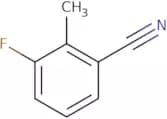
CAS:<p>3-Fluoro-2-methylbenzonitrile is a novel androgen receptor modulator that binds to the androgen receptor with high affinity and selectivity. 3-Fluoro-2-methylbenzonitrile has been shown to have agonistic activity in vivo. It has been proposed as an alternative to testosterone for the treatment of muscle wasting, osteoporosis, and other hormone deficiencies. 3-Fluoro-2-methylbenzonitrile is metabolized by CYP3A4 enzymes, which may be modified to improve its metabolic stability and thus increase its bioavailability. In addition, modifications of 3-fluoro-2-methylbenzonitrile may be made that would improve its pharmacokinetic profile (e.g., naphthalene profiles).</p>Formula:C8H6FNPurity:Min. 95%Color and Shape:PowderMolecular weight:135.14 g/mol3-Methylbiphenyl
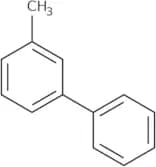
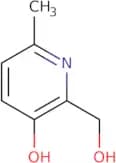
CAS:<p>3-Methylbiphenyl is a colorless liquid with a pleasant odor that is soluble in organic solvents. It is an aromatic hydrocarbon that can be used as a carbon source for the synthesis of other chemicals. 3-Methylbiphenyl has been shown to inhibit the growth of Pseudomonas strains, including P. aeruginosa, and also inhibits nitrogenase activity in rhizosphere soil samples. This compound has two different isomers: 2-methylbiphenyl and 4-methylbiphenyl. The functional theory predicts that the ethyl group on 3-methylbiphenyl will react more quickly than the methyl proton because it has one additional electron pair than the methyl proton and thus an increased electron density around it.</p>Formula:C13H12Purity:Min. 95%Color and Shape:PowderMolecular weight:168.23 g/mol3-Hydroxy-2-hydroxymethyl-6-methylpyridine
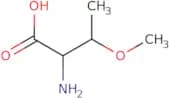
CAS:<p>3-Hydroxy-2-hydroxymethyl-6-methylpyridine is an intermediate in the synthesis of a variety of organic compounds. It can be prepared by the cross-coupling reaction of 3,4-dihydroquinoline with aniline, which is catalyzed by copper (II) chloride. This compound has a chlorine atom and a hydroxyl group that are both trisubstituted with alkyl groups and it can be oxidized to produce different oxidation products. 3-Hydroxy-2-hydroxymethyl-6-methylpyridine also reacts with halides and triflates to form enolates, which are activated for nucleophilic substitution reactions. The molecular ion [M+H]+, which corresponds to the neutral molecule, can be observed by mass spectrometry when this compound is ionized in the gas phase. The chemical formula is C8H5NClO2.</p>Formula:C7H9NO2Purity:Min. 95%Color and Shape:SolidMolecular weight:139.15 g/molO-Methyl-L-threonine
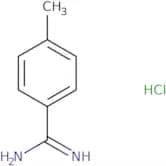
CAS:<p>O-Methyl-L-threonine is an analog of L-threonine. O-Methyl-L-threonine inhibits the production of fatty acids in resistant mutants, which are activated by the addition of a hydroxy group to their amino acid backbone. This analog has been shown to be effective at suppressing the growth of animal health bacteria and fungi, and has been used as a treatment for protein synthesis disorders in animals. O-Methyl-L-threonine is also used as a precursor for nicotinic acetylcholine synthesis. In vivo tests have shown that it has no toxic effects on mammalian cells, but does not inhibit photosynthesis in plants.</p>Formula:C5H11NO3Purity:Min. 95%Color and Shape:PowderMolecular weight:133.15 g/mol4-Methylbenzamidine hydrochloride
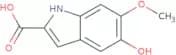
CAS:<p>4-Methylbenzamidine hydrochloride is a synthetic molecule that has been shown to have anticancer activity. It is an efficient method for the preparation of modified chromenones, which are biomolecules with anticancer activity. 4-Methylbenzamidine hydrochloride can be used as a template molecule to synthesize biologically active molecules, such as etoposide, which is a synthetic anti-cancer drug. The hydroxyl group in 4-methylbenzamidine hydrochloride is nucleophilic and can undergo dehydrogenative reactions with various reagents. 4-Methylbenzamidine hydrochloride has been shown to inhibit the growth of cancer cells in vitro and in vivo. It inhibits the synthesis of DNA, RNA, and proteins by binding to the ribosomal RNA of cancer cells and preventing protein synthesis.</p>Formula:C8H10N2·HClPurity:Min. 95%Color and Shape:PowderMolecular weight:170.64 g/mol5-Hydroxy-6-methoxyindole-carboxylic acid
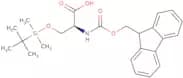
CAS:<p>5-Hydroxy-6-methoxyindole-carboxylic acid (5-HMICA) is a molecule that is found in the pericardium and urine of patients with cancer. 5-HMICA has been shown to suppress tumor growth and activate cell mediated cytotoxicity in vitro. It also induces T helper type 1 (Th1) immune responses, which are associated with the production of cytokines such as interferon gamma and tumor necrosis factor alpha.</p>Formula:C10H9NO4Color and Shape:PowderMolecular weight:207.18 g/molFmoc-O-tert-butyldimethylsilyl-L-serine
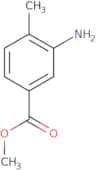
CAS:<p>Fmoc-O-tert-butyldimethylsilyl-L-serine is a monomer that can be used in the solid-phase synthesis of conjugates. It has been shown to be an efficient method for synthesizing bioconjugates, which are used in chemical biology and biotechnology. Fmoc-O-tert-butyldimethylsilyl-L-serine is also efficient for the synthesis of proteins, small organic molecules, and carbohydrates. This monomer is often used as a building block for peptide synthesis because it can be easily removed from the peptides with trifluoroacetic acid or other acid catalysts.</p>Formula:C24H31NO5SiPurity:Min. 95%Color and Shape:SolidMolecular weight:441.59 g/mol3-Amino-4-methylbenzoic acid methyl ester
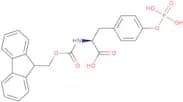
CAS:<p>3-Amino-4-methylbenzoic acid methyl ester (3AMB) is an organic compound that is used as a reagent in the synthesis of amides. It can also be used to synthesize various heterocycles by reacting with aldehydes and ketones. 3AMB has been used as a substrate in assays for amines, yielding high yields. The compound's unsymmetrical structure can be attributed to the presence of different substituents on either side of the central carbon atom. 3AMB has been shown to inhibit metal ion enzymes such as dioxygenases and nitric oxide synthases, which are involved in the metabolism of nitric oxide and oxygen respectively. In addition, 3AMB has been shown to have anti-inflammatory properties and may be a potential candidate for use as an anticoagulant or antiplatelet drug.br>br><br>br>br><br>3AMB is</p>Formula:C9H11NO2Purity:Min. 95%Color and Shape:PowderMolecular weight:165.19 g/molFmoc-O-phospho-L-tyrosine
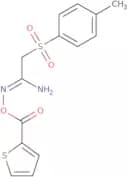
CAS:<p>Fmoc-O-phospho-L-tyrosine is a synthetic compound that belongs to the class of phosphatase inhibitors. It is a potent inhibitor of tyrosine phosphatases, which are enzymes that regulate cellular signaling. Fmoc-O-phospho-L-tyrosine has been shown to inhibit phosphorylation of the insulin receptor and may have an inhibitory effect on other tyrosine kinases. Inhibition of these enzymes results in increased levels of intracellular tyrosine, which can lead to inhibition of protein synthesis and cell proliferation. Fmoc-O-phospho-L-tyrosine has been shown to be effective against growth in cell culture, although more research is needed.</p>Formula:C24H22NO8PPurity:Min. 95%Color and Shape:White PowderMolecular weight:483.41 g/mol2-Amino-1-aza-3-((4-methylphenyl)sulfonyl)prop-1-enyl thiophene-2-carboxylate
CAS:<p>Please enquire for more information about 2-Amino-1-aza-3-((4-methylphenyl)sulfonyl)prop-1-enyl thiophene-2-carboxylate including the price, delivery time and more detailed product information at the technical inquiry form on this page</p>Formula:C14H14N2O4S2Purity:Min. 95%Color and Shape:PowderMolecular weight:338.4 g/molFmoc-O-benzyl-L-serine
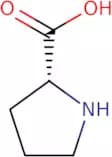
CAS:<p>Fmoc-O-benzyl-L-serine is a synthetic amino acid that is synthesized by the reaction of piperidine and L-serine. This amino acid has high specificity and is used in the synthesis of human cell lines. Fmoc-O-benzyl-L-serine may be useful for bone morphogenetic protein (BMP) activation, cancer treatment, and other therapeutic purposes. It also integrates with a linker to form peptides or proteins, which can be optimized for specific uses. The synthesis methods of this amino acid are proteolytic, solid phase synthesis, and optimization.</p>Formula:C25H23NO5Purity:(%) Min. 99%Color and Shape:White PowderMolecular weight:417.45 g/molD-Proline
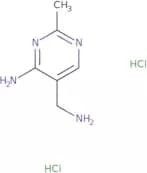
CAS:<p>D-Proline is a non-essential amino acid that can be synthesized by the body. It is a racemic mixture of the two stereoisomers, L-proline and D-proline. Research has shown that D-proline inhibits the enzyme racemase, which converts L-proline to D-proline. Racemase inhibition leads to an accumulation of L-proline, which may reduce disease activity in some cases. D-Proline also inhibits liver cells and trigeminal nerve cells, leading to decreased pain. The asymmetric synthesis of picolinic acid from D-pyridoxal 5'-phosphate catalyzed by prolinase occurs at a pH optimum around 2.8. This reaction is used as a model system for studying chemical biology and antimicrobial peptides.<br>D-Proline can be found in E coli K12 and other bacteria with analytical chemistry techniques such as gas chromatography mass spectrometry (GC</p>Formula:C5H9NO2Color and Shape:PowderMolecular weight:115.13 g/mol4-Amino-5-aminomethyl-2-methylpyrimidine dihydrochloride
CAS:<p>4-Amino-5-aminomethyl-2-methylpyrimidine dihydrochloride is a vitamin B1 derivative that is biosynthesized by marine algal cells. It is active at high concentrations, and has been shown to have an interaction with the active site residues of hydrogen chloride. This analog has been used in genomic analyses and can be detected by mass spectrometry. It also has the ability to inhibit the growth of phytoplankton, which are microscopic plants living near the surface of water. The concentration of 4-amino-5-aminomethyl-2-methylpyrimidine dihydrochloride in seawater can be determined using a constant scaling factor based on plankton biomass.</p>Formula:C6H10N4•(HCl)2Purity:Min. 95%Color and Shape:Slightly Yellow PowderMolecular weight:211.09 g/mol5-Methyl-2,3-hexanedione
CAS:<p>5-Methyl-2,3-hexanedione is a chemical compound that has been shown to be effective against avian influenza and the influenza virus. 5-Methyl-2,3-hexanedione inhibits the growth of influenza viruses by binding to the virus particles and preventing them from attaching to cells in the respiratory tract. This chemical also prevents the release of infectious viral particles from infected cells. The rate of encapsulation was determined by measuring the amount of 5-methyl-2,3-hexanedione that was adsorbed onto tylosin particles in a plate test. The encapsulation rate is greater than 80%. 5-Methyl-2,3-hexanedione has also been shown to inhibit tylosin resistance in vitro.</p>Formula:C7H12O2Purity:Min. 95%Color and Shape:Clear LiquidMolecular weight:128.17 g/mol[4-(1-Methyl-1-phenylethyl)phenoxy]acetic acid
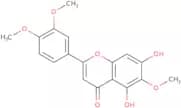
CAS:<p>4-(1-Methyl-1-phenylethyl)phenoxyacetic acid is a versatile building block that is used in the synthesis of a variety of fine chemicals and drugs. 4-(1-Methyl-1-phenylethyl)phenoxyacetic acid is an intermediate in the synthesis of a number of complex compounds, including research chemicals, reagents, and speciality chemicals. This compound can also be used as a reaction component for the synthesis of other chemical compounds or as a scaffold for larger molecules.</p>Formula:C17H18O3Purity:Min. 95%Color and Shape:PowderMolecular weight:270.32 g/molEupatilin
CAS:<p>Eupatilin is a flavonoid compound, which is derived from the Artemisia species. This plant-based source has been traditionally used in various medicinal applications across different cultures. Eupatilin’s mode of action involves inhibition of pro-inflammatory cytokines and modulation of signaling pathways associated with inflammation, such as the NF-kB pathway. Additionally, it has been found to possess antioxidant activities, which further contributes to its therapeutic potential.</p>Formula:C18H16O7Purity:Min. 95%Color and Shape:PowderMolecular weight:344.32 g/mol[5-Methyl-3-(trifluoromethyl)-1H-pyrazol-1-yl]acetic acid
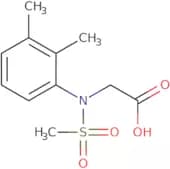
CAS:<p>[5-Methyl-3-(trifluoromethyl)-1H-pyrazol-1-yl]acetic acid is a reaction component that can be used in organic synthesis as a reagent. This chemical has been shown to have high quality, and is useful for research purposes. It is also a versatile building block and useful intermediate, which can be used in the production of complex compounds. [5-Methyl-3-(trifluoromethyl)-1H-pyrazol-1-yl]acetic acid has CAS number 345637-71-0, and is a fine chemical that is useful for chemistry research.</p>Formula:C7H7F3N2O2Purity:Min. 95%Color and Shape:PowderMolecular weight:208.14 g/molN-(2,3-Dimethylphenyl)-N-(methylsulfonyl)glycine
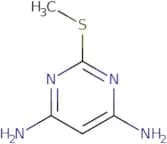
CAS:<p>N-(2,3-Dimethylphenyl)-N-(methylsulfonyl)glycine is a fine chemical that is useful as a versatile building block in the synthesis of complex compounds. It has been utilized as an intermediate in research chemicals and is also a reaction component for speciality chemicals. N-(2,3-Dimethylphenyl)-N-(methylsulfonyl)glycine is a fine chemical with high quality and can be used as a reagent.</p>Formula:C11H15NO4SPurity:Min. 95%Color and Shape:White To Off-White SolidMolecular weight:257.31 g/mol2-Methylthiopyrimidine-4,6-diamine
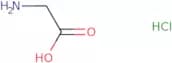
CAS:<p>2-Methylthiopyrimidine-4,6-diamine is a potent inhibitor of the enzyme DNA polymerase. It has shown to be effective against hepg2 cells and other cancer cells. The compound binds covalently to the active site of the enzyme, where it stabilizes the transition state and deshields the electrostatic field around the nucleophilic nitrogen atom. This interaction leads to a decreased affinity for ATP, which is required for DNA synthesis. 2-Methylthiopyrimidine-4,6-diamine also has antimalarial activity and inhibits amide bond formation in hepg2 cells.</p>Formula:C5H8N4SPurity:Min. 95%Color and Shape:PowderMolecular weight:156.21 g/molGlycine HCl
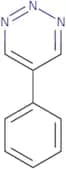
CAS:<p>Buffering agent; pH range 2.2-3.6</p>Formula:C2H5NO2HClColor and Shape:White PowderMolecular weight:111.53 g/mol5-Phenyl-1,2,3-triazine
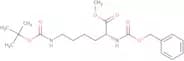
CAS:<p>5-Phenyl-1,2,3-triazine is an isomer of the 1,2,3-triazine class of heterocyclic compounds. It has been experimentally shown to exist in four conformations: two dihedral and two conformational. The dihedral isomers have a planar conformation with a plane of symmetry through the five-membered ring. The conformational isomers are nonplanar and possess a boat or chair conformation. These different conformations can lead to different optical properties. 5-Phenyl-1,2,3-triazine has a dipole moment due to its nitrogen atoms. This molecule also exhibits optical activity due to its asymmetric carbon atoms and the presence of hydroxyl groups on one side of the molecule. The relative orientation of these groups can also create anisotropy in the molecule's optical properties.</p>Formula:C9H7N3Purity:Min. 95%Color and Shape:PowderMolecular weight:157.17 g/molNα-Z-Nε-Boc-D-lysine methyl ester
CAS:<p>Please enquire for more information about Nα-Z-Nε-Boc-D-lysine methyl ester including the price, delivery time and more detailed product information at the technical inquiry form on this page</p>Formula:C20H30N2O6Purity:Min. 95%Color and Shape:PowderMolecular weight:394.46 g/mol1-Palmitoyl-2-oleoyl-rac-glycerol
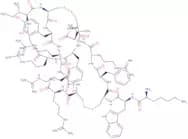
CAS:<p>1-Palmitoyl-2-oleoyl-rac-glycerol is a fatty acid that is made in the mitochondria and is an intermediate in the production of diacylglycerol. It has been shown to have a linear response with cellular protein levels, and it has been shown to be involved in the genetic mechanisms of cells. 1-Palmitoyl-2-oleoyl-rac-glycerol has been found to have a number of protein targets, including phosphatidylinositide 3 kinase, PKC, and Akt. This molecule also has been used as an analytical method for measuring fatty acids in tissue samples and has been shown to alter enzyme levels, such as those found in prostaglandin synthase 2. 1-Palmitoyl-2-oleoyl-rac-glycerol can be synthesized by laser ablation or chromatographic science methods.</p>Formula:C37H70O5Purity:Min. 95%Color and Shape:Solidified MassMolecular weight:594.95 g/molTachyplesin I trifluoroacetate
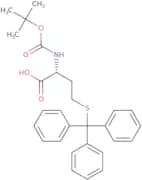
CAS:<p>Tachyplesin I trifluoroacetate is an antimicrobial peptide with action on bacterial and fungal membranes by disrupting their integrity and is used for research on antimicrobial properties and potential therapeutic applications.</p>Formula:C99H151N35O19S4•(C2HF3O2)xPurity:Min. 95%Color and Shape:PowderMolecular weight:2,263.75 g/molBoc-D-Homocys (Trt)-OH
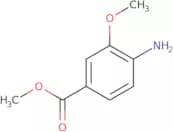
CAS:<p>Please enquire for more information about Boc-D-Homocys (Trt)-OH including the price, delivery time and more detailed product information at the technical inquiry form on this page</p>Formula:C28H31NO4SPurity:Min. 95%Molecular weight:477.62 g/mol4-Amino-3-methoxybenzoic acid methyl ester
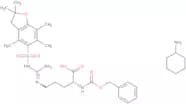
CAS:<p>4-Amino-3-methoxybenzoic acid methyl ester is a reactive molecule that has been used as a radiotracer for positron emission tomography (PET). It is also used in the synthesis of oligodeoxynucleotides and hybridization probes. 4-Amino-3-methoxybenzoic acid methyl ester is not soluble in water, but it can be dissolved in organic solvents such as acetone or methanol. This compound has shown to have anticancer activity and may be useful for treating cancers of the brain, breast, colon, lung, prostate, and stomach.</p>Formula:C9H11NO3Purity:Min. 95%Color and Shape:PowderMolecular weight:181.19 g/molZ-D-Arg(pbf)-oh cha
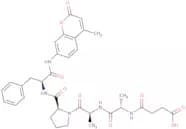
CAS:<p>Z-D-Arg(pbf)-oh cha is a versatile building block that can be used as a reagent, useful scaffold, or high quality research chemical. It has been shown to have a wide range of applications in the field of chemistry, including use as an intermediate in the synthesis of complex compounds. Z-D-Arg(pbf)-oh cha is also useful for the production of speciality chemicals and fine chemicals. This compound is also available with CAS Number 200191-00-0.</p>Formula:C27H36N4O7S·C6H13NPurity:Min. 95%Molecular weight:659.84 g/molSuc-Ala-Ala-Pro-Phe-AMC
CAS:<p>Suc-Ala-Ala-Pro-Phe-AMC is a synthetic substrate for proteolytic enzymes. This substrate has been shown to be hydrolyzed by pancreatic trypsin and soybean trypsin with similar rates. Suc-Ala-Ala-Pro-Phe-AMC is also a substrate for erythrocyte eosinophil peroxidase, which has been shown to have an optimum pH of 5.0. The reaction mechanism of this substrate is not yet fully understood, but it may involve the formation of a Schiff base between the amino group on the proline residue and the carbonyl group on the AMC moiety. Suc-Ala-Ala-Pro-Phe-AMC also reacts with surface membranes and can be used as an indicator of protease activity.</p>Formula:C34H39N5O9Purity:Min. 98 Area-%Color and Shape:PowderMolecular weight:661.7 g/mol(3-(2,6-dichlorophenyl)-5-methylisoxazol-4-yl)-N-(2,5-dimethoxyphenyl)formamide
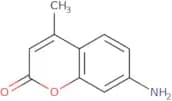
CAS:<p>Please enquire for more information about (3-(2,6-dichlorophenyl)-5-methylisoxazol-4-yl)-N-(2,5-dimethoxyphenyl)formamide including the price, delivery time and more detailed product information at the technical inquiry form on this page</p>Purity:Min. 95%7-Amino-4-methylcoumarin
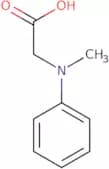
CAS:<p>Fluorescent probe for AMC-based labelling of oligosaccharides or peptides</p>Formula:C10H9NO2Purity:Min. 98 Area-%Color and Shape:Yellow PowderMolecular weight:175.18 g/molN-Methyl-N-phenylglycine hydrochloride
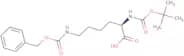
CAS:<p>N-Methyl-N-phenylglycine hydrochloride (NMPG) is a glycopeptide antibiotic and immunosuppressant that is used to treat inflammatory bowel disease. NMPG binds to the D-alanyl-D-alanine moiety of bacterial cell wall peptidoglycan, inhibiting the synthesis of bacterial cell wall and leading to bacterial death. NMPG has been shown to be active against Escherichia coli, Klebsiella pneumoniae, and Helicobacter pylori. NMPG also has antibacterial activity against Acinetobacter baumannii and Enterococcus faecalis. The asymmetric synthesis of NMPG is enhanced by the presence of acrylonitrile.</p>Formula:C9H11NO2·HClPurity:Min. 95%Color and Shape:PowderMolecular weight:201.65 g/molN-α-Boc-Nε-Z-D-lysine
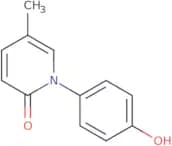
CAS:<p>N-alpha-Boc-Nepsilon-Z-D-lysine is a fusogenic peptide that has an acidic pKa. It is a potent inhibitor of survivin, which is a protein that regulates cell death. It also inhibits the uptake of l-phenylalanine to promote cancer cell death. The functional groups on this compound are epoxyketones, which have regulatory properties as well as being able to inhibit the growth of cells.</p>Formula:C19H28N2O6Purity:Min. 95%Molecular weight:380.44 g/molN-(4-Hydroxyphenyl)-5-methyl-2-1H-pyridone
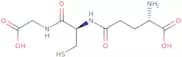
CAS:<p>N-(4-Hydroxyphenyl)-5-methyl-2-1H-pyridone is a molecule that is found in plasma samples and has been shown to inhibit the growth of cells. It is a potent inhibitor of tubulointerstitial injury, which is the most common type of kidney disease. The mechanism of this drug has been shown to involve the inhibition of primary amino acid uptake. This compound also inhibits urea synthesis and decreases plasma concentrations by increasing the rate of elimination. In addition, it has been shown to have an inhibitory effect on growth factors such as EGF, bFGF, IGF-1, and PDGF. N-(4-Hydroxyphenyl)-5-methyl-2-1H-pyridone can be synthesized by heating at high temperatures (thermally activated).</p>Formula:C12H11NO2Purity:Min. 95%Color and Shape:Off-White PowderMolecular weight:201.22 g/molL-Glutathione, reduced, tested to USP spec
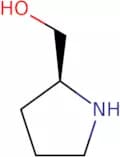
CAS:<p>Glutathione is a tripeptide cysteine-glycine-glutamic acid which exists in cells in the reduced form (this product) or oxidised form. Reduced glutathione (GSH) is an antioxidant protecting cell components from endogenous and exogeneous reactive oxygen and nitrogen species. Reduced glutathione has also been intensely used in the affinity purification of proteins with glutathione S-transferase (GST) tag. In the protein purification process, glutathione is used for the elution of GST-fused recombinant proteins from a glutathione-immobilised resins. In the elution buffers, reduced glutathione is typically used in the 10 â 40 mM concentration range.</p>Formula:C10H17N3O6SPurity:(Titration) 98.0 To 101.0%Color and Shape:White Off-White Crystalline PowderMolecular weight:307.32 g/mol(S)-(+)-Prolinol
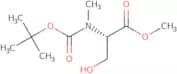
CAS:<p>(S)-(+)-Prolinol is a chiral compound that belongs to the class of polymerase chain reaction (PCR) reagents. It is used as an antibacterial agent, which inhibits bacterial growth by interfering with DNA replication and transcription. The stereoselective nature of the compound has been shown by its differential activity against two different strains of subtilis. This molecule also interacts with diazepam and other drugs, as well as with environmental pollutants such as polychlorinated biphenyls (PCBs). <br>The anti-inflammatory properties of this molecule may be due to its ability to inhibit prostaglandin synthesis through inhibition of cyclooxygenase or lipoxygenase enzymes.</p>Formula:C5H11NOPurity:Min. 95%Color and Shape:Clear LiquidMolecular weight:101.15 g/molBoc-N-Me-Ser-OMe
CAS:<p>Boc-N-Me-Ser-OMe is a fine chemical that is used as a building block for the synthesis of a wide range of organic compounds. It is also used as an intermediate in the synthesis of complex compounds and is often used as a reaction component. Boc-N-Me-Ser-OMe has been shown to be useful in the synthesis of pharmaceuticals, agrochemicals, and other chemicals. This compound has been identified by its CAS number: 122902-81-2.</p>Formula:C10H19NO5Purity:Min. 95%Color and Shape:PowderMolecular weight:233.26 g/molAc-Asp-Glu-Val-Asp-pNA
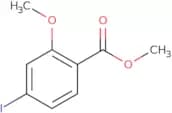
CAS:<p>Ac-Asp-Glu-Val-Asp-pNA is a peptide that is derived from the human tumor necrosis factor (TNF) precursor protein. It has been shown to inhibit the growth of tumor cells in vitro by inducing apoptosis. Ac-Asp-Glu-Val-Asp-pNA binds to and activates caspase 3, which leads to cleavage of the proapoptotic protein Bid into Bax and Bak, leading to mitochondrial membrane potential collapse and cell death. The peptide also inhibits DNA synthesis in HL60 cells and hemocytes. Ac-Asp-Glu-Val-Asp-pNA also inhibits proliferation of K562 cells through proteolytic degradation of the antiapoptotic protein Bcl2L11.</p>Formula:C26H34N6O13Purity:Min. 95%Color and Shape:PowderMolecular weight:638.58 g/mol4-Iodo-2-methoxybenzoic acid methyl ester
CAS:<p>4-Iodo-2-methoxybenzoic acid methyl ester is a high quality chemical that can be used as a versatile building block in chemical synthesis. It is a complex compound that has been shown to be an effective reagent for research, which can be used in the synthesis of new complex compounds. 4-Iodo-2-methoxybenzoic acid methyl ester is also useful as an intermediate or reaction component in organic syntheses. This chemical is available for purchase at a CAS number of 148490-97-5.</p>Formula:C9H9IO3Purity:Min. 95%Color and Shape:PowderMolecular weight:292.07 g/mol1-Boc-amino-3,6,9-trioxaundecanyl-11-ol
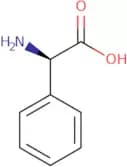
CAS:<p>1-Boc-amino-3,6,9-trioxaundecanyl-11-ol is a PEG polymer categorised as monofunctional (OH-PEG-X). Used as a linker, 1-boc-amino-3,6,9-trioxaundecanyl-11-ol is used to attached PEG to proteins, peptides, oligonucleotides, nanoparticles and small molecules via pegylation, a bioconjugation technique.</p>Formula:C13H27NO6Purity:Min. 95%Color and Shape:Clear LiquidMolecular weight:293.36 g/molD(-)-a-Phenylglycine
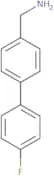
CAS:<p>D-a-Phenylglycine is a D-amino acid that is synthesized by the enzyme phenylalanine ammonia lyase from the amino acid phenylalanine. It is an intermediate in the synthesis of dopamine and norepinephrine, which are neurotransmitters involved in regulating mood, behavior, and cognition. D-a-Phenylglycine has been shown to have structural activity against dopamine receptors and response elements. It also has a high binding affinity for human serum proteins and can be used in surface methodology as well as x-ray diffraction data. In addition, it has been shown to have strong inhibitory effects on microbial metabolism due to its structural similarity to sugar molecules.</p>Formula:C8H9NO2Purity:Min. 95%Color and Shape:White PowderMolecular weight:151.16 g/mol4'-Fluoro-biphenyl-4-methanamine
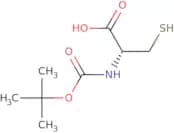
CAS:<p>4'-Fluoro-biphenyl-4-methanamine is a fine chemical that is a versatile building block, useful intermediate, and research chemical. It is used as a reaction component in the production of other chemicals. 4'-Fluoro-biphenyl-4-methanamine can be used as an additive in many commercial products. This compound is an important reagent and can be found in high quality research laboratories. CAS No. 776291-03-3</p>Formula:C13H12FNPurity:Min. 95%Color and Shape:SolidMolecular weight:201.24 g/molBoc-L-cysteine
CAS:<p>Boc-L-cysteine is a precursor of L-cysteine, which is the rate-limiting amino acid in the production of glutathione. It is obtained by incubating L-cysteine with allyl bromide and hydrochloric acid. Boc-L-cysteine can be reversibly converted to its conjugate (Boc) and back again. The conversion from Boc to Boc-L-cysteine is catalyzed by an enzyme called fatty acid synthase. The conversion from Boc to L-cysteine is catalyzed by thiolase, which converts it to cystathionine. Analysis of this product can be done using magnetic resonance spectroscopy and chromatography.</p>Formula:C8H15NO4SPurity:Min. 95 Area-%Color and Shape:White PowderMolecular weight:221.28 g/mol3-((4,5-dichloroimidazolyl)methyl)-4-bromo-2-methyl-1-phenyl-3-pyrazolin-5-one
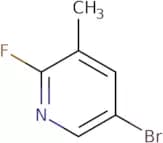
CAS:<p>Please enquire for more information about 3-((4,5-dichloroimidazolyl)methyl)-4-bromo-2-methyl-1-phenyl-3-pyrazolin-5-one including the price, delivery time and more detailed product information at the technical inquiry form on this page</p>Purity:Min. 95%5-Bromo-2-fluoro-3-methylpyridine
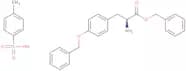
CAS:<p>5-Bromo-2-fluoro-3-methylpyridine is a fine chemical that is used as a scaffold for building more complex compounds. This chemical can be used in the synthesis of sulfonamides, thiocarbamates, and other organic compounds. 5-Bromo-2-fluoro-3-methylpyridine is also a versatile intermediate that can be used in the production of research chemicals and speciality chemicals. The purity of this compound is high and it has been shown to be a useful reagent in various reactions.</p>Formula:C6H5BrFNPurity:Min. 95%Molecular weight:190.02 g/molO-Benzyl-L-tyrosine benzyl ester 4-toluenesulfonate
CAS:<p>O-Benzyl-L-tyrosine benzyl ester 4-toluenesulfonate salt is a fine chemical that belongs to the category of useful scaffolds and versatile building blocks. It is a high quality reagent that can be used as a reaction component in the preparation of complex compounds. This compound has shown to be useful in research on various types of drugs, including analgesics, antibiotics, antihistamines, antidepressants, antipsychotics and others.</p>Formula:C23H23NO3•C7H8O3SPurity:Min. 95%Color and Shape:White solid.Molecular weight:533.64 g/mol2-(2,2-dimethylpropanoyl)-3-(3-phenoxyphenyl)prop-2-enenitrile
CAS:<p>Please enquire for more information about 2-(2,2-dimethylpropanoyl)-3-(3-phenoxyphenyl)prop-2-enenitrile including the price, delivery time and more detailed product information at the technical inquiry form on this page</p>Purity:Min. 95%Acetyl-L-4-hydroxyproline
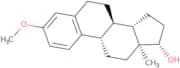
CAS:<p>Acetyl-L-4-hydroxyproline is an active analogue of L-4-hydroxyproline, a nonsteroidal anti-inflammatory drug. Acetyl-L-4-hydroxyproline has been shown to have similar pharmacological effects to L-4-hydroxyproline and is thought to be a promising treatment for infectious diseases such as AIDS, malaria, and tuberculosis. This drug binds to the polymerase chain reaction (PCR) enzyme in the bacterial cell wall and prevents DNA replication. Acetyl-L-4-hydroxyproline also inhibits the formation of water vapor by skin cells, which may be due to its ability to inhibit the activity of matrix metalloproteinases. This drug has been shown to have a protective effect on the skin model with protocatechuic acid.</p>Formula:C7H11NO4Purity:Min. 95%Color and Shape:White PowderMolecular weight:173.17 g/molβ-Estradiol 3-methyl ether
CAS:Controlled Product<p>Beta-estradiol 3-methyl ether is a synthetic estrogen that is used as an oral contraceptive. It has been shown to be effective in the treatment of secondary amenorrhea and menorrhagia, as well as in the prevention of pregnancy. Beta-estradiol 3-methyl ether has been shown to increase fibrinogen levels and may be useful in the treatment of thrombocytopenia. A bolus dose of beta-estradiol 3-methyl ether may also be used to induce abortion, resulting in a decrease in blood pressure. The active form is taken up by cells via passive diffusion and is converted into estradiol by cytochrome P450 enzymes. Beta-estradiol 3-methyl ether binds to fatty acids with two or more carbon atoms, which then enter the cell by facilitated diffusion through specific membrane protein carriers. These carriers are blocked by atropine sulfate, preventing uptake of beta-estradiol 3-methyl ether</p>Formula:C19H26O2Purity:Min. 98 Area-%Color and Shape:PowderMolecular weight:286.41 g/molD-4-tert-Butylphenylalanine
CAS:<p>D-4-tert-Butylphenylalanine is a perovskite crystal with a hydrogen bond. It can be used to boost the efficiency of organic semiconductors and has been shown to enhance the performance of encapsulated perovskites. D-4-tert-Butylphenylalanine has also been shown to have synergistic effects with other functional groups, such as carbonyl groups, which may be due to its ability to act as a zwitterion.</p>Formula:C13H19NO2Purity:Min. 95%Color and Shape:PowderMolecular weight:221.3 g/molCopper glycine
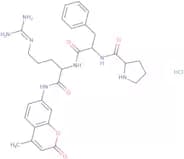
CAS:<p>Copper glycine is a complex enzyme that contains molybdenum, nitrogen and fatty acid. It is a metal chelate that binds to copper ions and prevents the oxidation of fatty acids. The complex has been shown to inhibit the activity of many different enzymes, including those from group P2 (e.g., pyruvate formate lyase) and nutrient solutions. Copper glycine has also been implicated in antimicrobial peptide synthesis.</p>Formula:C4H8N2O4CuPurity:Min. 95%Color and Shape:PowderMolecular weight:211.66 g/molH-Pro-Phe-Arg-AMC acetate salt
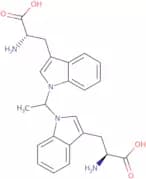
CAS:<p>Fluorogenic substrate targeting pancreatic and urinary Kallikrein</p>Formula:C30H37N7O5·C2HF3O2Purity:Min. 95%Color and Shape:White Off-White PowderMolecular weight:575.66 g/mol1,1'-Ethylidene-bis-(L-tryptophan)
CAS:<p>L-tryptophan is an essential amino acid that is used in the synthesis of proteins. It is also a precursor to serotonin, an important neurotransmitter. L-tryptophan is found in many foods, including milk, eggs, fish, meat and some beans. It can be taken as a dietary supplement or as a drug for the treatment of depression. The chemical structure of L-tryptophan consists of 1,1'-ethylidene-bis-(L-tryptophan). This molecule has been shown to be synthesized from subcutaneous tissues and can be detected by immunohistochemical staining methods. L-Tryptophan has been shown to inhibit protein synthesis in muscle tissue and subcutaneous tissue.</p>Formula:C24H26N4O4Purity:Min. 95%Color and Shape:White PowderMolecular weight:434.49 g/molGly-Asn-OH
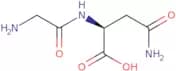
CAS:<p>Gly-Asn-OH is an amide with a constant and ternary complex. It is acidic, containing an amino acid with a hydroxy group. This compound has a metal ion and zwitterion that binds to the hydroxy group. Gly-Asn-OH inhibits the growth of bacteria in infectious diseases by binding to the cell wall, which prevents the bacteria from synthesizing DNA. Gly-Asn-OH can be prepared by solid phase synthesis using L-tartaric acid as a starting material. The thermodynamic data for this compound has been reported in literature, which shows that it is stable at higher temperatures but unstable at lower temperatures. Gly-Asn-OH is soluble in water or organic solvents such as chloroform or methanol.br>br> Glycine (Gly) + Asparagine (Asn) + Hydroxyl (-OH)</p>Formula:C6H11N3O4Purity:Min. 95%Color and Shape:PowderMolecular weight:189.17 g/mol2-Ethoxy-4-methoxybenzaldehyde
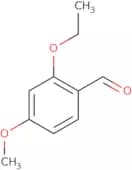
CAS:<p>2-Ethoxy-4-methoxybenzaldehyde is a volatile compound that has been shown to have medicinal properties. It is used to analyze the presence of alcohols and aldehydes in various products. The sensitivity of this compound was optimized by using an analytical method that involved solid phase microextraction (SPME) followed by gas chromatography (GC). The carcinogenicity of this compound was determined by exposing it to rats in a 2 year study, which showed no evidence of carcinogenicity. This compound can also be used as a phenolic or microextraction reagent for the headspace analysis of volatile compounds.</p>Formula:C10H12O3Purity:Min. 95%Color and Shape:PowderMolecular weight:180.2 g/mol8-Hydroxy-7-methoxy-2-oxo-2H-1-benzopyran-3-carboxylic acid
<p>8-Hydroxy-7-methoxy-2-oxo-2H-1-benzopyran-3-carboxylic acid is a versatile building block with a broad range of applications. It has been used in the synthesis of many complex compounds and research chemicals, including CAS No. 1207819-96-6. This chemical can be used as a reagent to produce important biological molecules such as antibiotics, antivirals, and antihypertensives.</p>Formula:C11H7NO8Purity:Min. 95%Color and Shape:Green SolidMolecular weight:281.18 g/mol4-Methylpyrazole
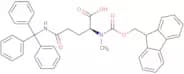
CAS:<p>4-Methylpyrazole is a competitive inhibitor of alcohol dehydrogenase, which can be used to treat methanol and ethylene glycol poisoning. It is also used to inhibit the metabolism of ethanol by blocking the conversion of ethanol to acetaldehyde. 4-Methylpyrazole is metabolized into 4-methylpyridinium ion (4MP) by alcohol dehydrogenase, which prevents the conversion of acetaldehyde to acetic acid. This results in an increase in blood levels of acetaldehyde and a decrease in blood levels of acetic acid, leading to an accumulation of toxic metabolites such as formic acid. In addition, 4-methylpyrazole inhibits the enzyme glycol dehydrogenase that breaks down glycols into their harmless components. This leads to an accumulation of toxic intermediate products that are converted back into glycols.</p>Formula:C4H6N2Purity:Min. 95%Color and Shape:Colorless PowderMolecular weight:82.1 g/molFmoc-N-Me-Gln(Trt)-OH
CAS:<p>Fmoc-N-Me-Gln(Trt)-OH is a peptide that has been synthesized to investigate the mechanisms of action of heparin. The synthetic peptide mimics the N-terminal sequence of heparin, which is hypothesized to be responsible for its anticoagulant activity. This peptide was incubated with plasma samples from rhesus monkeys and was metabolized by sequential enzymatic reactions. The c-terminal sequence was also investigated, but no activity was found.</p>Formula:C40H36N2O5Purity:Min. 95 Area-%Color and Shape:PowderMolecular weight:624.72 g/molFmoc-L-tert-leucine
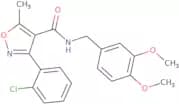
CAS:<p>Fmoc-L-tert-leucine is an amide that is used for the treatment of prostate cancer. Fmoc-L-tert-leucine has been shown to be effective in treating resistant prostate cancer cells in vivo, and it has been shown to inhibit the growth of prostate cancer cells in vitro. This drug also has a diagnostic effect on prostate cancer cells. The uptake of this drug by prostate cancer cells is dependent on the presence of caspase-9, which may be due to its ability to inhibit apoptosis.</p>Formula:C21H23NO4Purity:Min. 95%Color and Shape:White PowderMolecular weight:353.41 g/molN-((3,4-dimethoxyphenyl)methyl)(3-(2-chlorophenyl)-5-methylisoxazol-4-yl)formamide
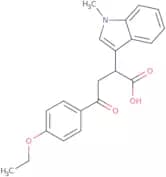
CAS:<p>Please enquire for more information about N-((3,4-dimethoxyphenyl)methyl)(3-(2-chlorophenyl)-5-methylisoxazol-4-yl)formamide including the price, delivery time and more detailed product information at the technical inquiry form on this page</p>Purity:Min. 95%4-(4-Ethoxyphenyl)-2-(1-methylindol-3-yl)-4-oxobutanoic acid
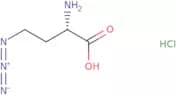
CAS:<p>Please enquire for more information about 4-(4-Ethoxyphenyl)-2-(1-methylindol-3-yl)-4-oxobutanoic acid including the price, delivery time and more detailed product information at the technical inquiry form on this page</p>Purity:Min. 95%4-Azido-L-homoalanine hydrochloride
CAS:<p>4-Azido-L-homoalanine hydrochloride is a chemical compound that belongs to the group of amino acid derivatives. It is a useful building block for the preparation of a variety of compounds. 4-Azido-L-homoalanine hydrochloride can be used as an intermediate in organic synthesis, or as a reagent in research. This chemical has been found to have high quality and is versatile, making it a useful scaffold for complex compounds.</p>Formula:C4H9ClN4O2Color and Shape:White PowderMolecular weight:180.59 g/mol2-Amino-1-(1-aza-2-(4-methylthiophenyl)vinyl)ethene-1,2-dicarbonitrile
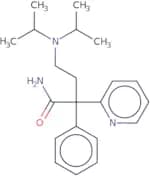
CAS:<p>Please enquire for more information about 2-Amino-1-(1-aza-2-(4-methylthiophenyl)vinyl)ethene-1,2-dicarbonitrile including the price, delivery time and more detailed product information at the technical inquiry form on this page</p>Formula:C12H10N4SPurity:Min. 95%Color and Shape:PowderMolecular weight:242.3 g/molDisopyramid
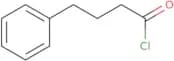
CAS:Controlled Product<p>a-[2-(Diisopropylamino)ethyl]-a-phenyl-2-pyridineacetamide is a hydrogen bond donor. It has been shown to have cytotoxicity in vitro, with parameters that can be used for accurate prediction of descriptors. These descriptors are informative and insightful, which can be used for regression analyses and linear regression methods. The pharmacokinetic properties of a-[2-(Diisopropylamino)ethyl]-a-phenyl-2-pyridineacetamide have been studied in humans and have shown linearity between dose and plasma concentration.</p>Formula:C21H29N3OColor and Shape:White PowderMolecular weight:339.47 g/mol4-Phenylbutyryl chloride
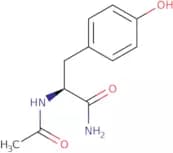
CAS:<p>4-Phenylbutyryl chloride is a chemical with a chiral center and an asymmetric carbon atom. The chemical can be synthesized by the reaction of phenylacetic acid and butyric acid chloride. This compound has been shown to have hypoglycemic effects in animal studies, which may be due to its ability to inhibit the activity of alpha-glucosidase. 4-Phenylbutyryl chloride has also been used for the synthesis of some drugs, including acarbose, miglitol, and glipizide. It has also been shown to have anti-cancer properties in prostate cancer cells. 4-Phenylbutyryl chloride is metabolized by the liver into urinary metabolites that are detectable in urine samples.</p>Formula:C10H11ClOPurity:Min. 97 Area-%Color and Shape:Brown Off-White Yellow Clear LiquidMolecular weight:182.65 g/molAcetyl-L-tyrosine amide
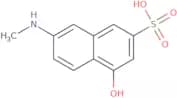
CAS:<p>Acetyl-L-tyrosine amide is an analog of L-tyrosine that is used as an active substance in the field of uv absorption. Acetyl-L-tyrosine amide reacts with sodium hydroxide to form a soluble salt, which has been shown to have binding constants that are comparable to those of human serum. This compound also has fluorescence properties and can be used for the determination of neutral pH. The reaction products formed between acetyl-L-tyrosine amide and sodium hydroxide are hydrolyzed by acids and yield a molecule with rotameric properties. These rotameric properties can be modeled using a protein model without affecting the stability or function of the protein.</p>Formula:C11H14N2O3Purity:Min. 95%Color and Shape:PowderMolecular weight:222.24 g/mol4-Hydroxy-7-methylamino-2-naphthalenesulfonicacid
CAS:<p>4-Hydroxy-7-methylamino-2-naphthalenesulfonic acid is used as a diazo dye in the textile industry. This compound is used to produce diazotization and then cyanuric chloride by the reaction of 4-hydroxy-7-methylamino-2-naphthalenesulfonic acid with sodium nitrite and hydrochloric acid. The condensate from this reaction is dissolved in an alkaline solution, which reacts with sodium bicarbonate to produce a reactive physicochemical substance that can be used for dyeing fabrics.</p>Formula:C11H11NO4SPurity:Min. 96 Area-%Color and Shape:Slightly Brown PowderMolecular weight:253.28 g/mol1-Palmitoyl-rac-glycerol
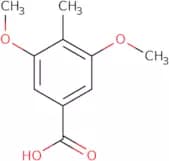
CAS:<p>1-Palmitoyl-rac-glycerol is a fatty acid that contains nitrogen atoms. It has hypoglycemic effects and is used to treat metabolic disorders. 1-Palmitoyl-rac-glycerol has been shown to have a protective effect on the liver by decreasing the levels of triglycerides in the blood and preventing lipid peroxidation. It also improves glucose metabolism and insulin sensitivity. 1-Palmitoyl-rac-glycerol is an important component of biological membranes, where it forms a hydrophobic region that helps maintain membrane structure. This compound also has hemolytic activity, which may be due to its ability to bind with phospholipids or cell membranes, leading to changes in their permeability or stability. The stability of 1-palmitoyl-rac glycerol can be tested by adding reagents such as sodium nitrite or potassium permanganate, which will cause a color change from yellow to brown if it reacts</p>Formula:C19H38O4Purity:Min. 95%Color and Shape:PowderMolecular weight:330.5 g/mol3,5-Dimethoxy-4-methylbenzoic acid
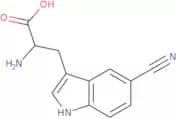
CAS:<p>3,5-Dimethoxy-4-methylbenzoic acid is an organic compound that has a carboxylate group and a long chain. It is synthesized from 3,5-dimethoxybenzoic acid through the borohydride reduction of the primary alcohols to produce a mixture of 2,3,4-trimethoxybenzoic acid and 3,5-dimethoxybenzoic acid. The nitro group on the phenolic ring can be reduced to the corresponding amine with sodium borohydride. 3,5-Dimethoxy-4-methylbenzoic acid has been found in natural products such as Cephalotaxus fortunei and Acacia confusa.</p>Formula:C10H12O4Purity:Min. 95%Color and Shape:PowderMolecular weight:196.2 g/mol5-Cyano-DL-tryptophan
CAS:<p>5-Cyano-DL-tryptophan is an antimicrobial peptide that exhibits potent antimicrobial activity against Gram-positive and Gram-negative bacteria. It also has a high affinity for the bacterial ribosome, which leads to inhibition of protein synthesis. 5-Cyano-DL-tryptophan can be synthesized by dehydration of tryptophan in a model system. The molecule is an analog of the natural amino acid tryptophan and has fluorescence properties that are sensitive to hydration levels. 5-Cyano-DL-tryptophan binds to the peptide binding site on the ribosome and induces a frequency shift in its fluorescence emission spectrum when bound. This property makes it a useful tool for studying peptide binding sites on the ribosome.</p>Formula:C12H11N3O2Purity:Min. 95%Color and Shape:Yellow PowderMolecular weight:229.23 g/mol1,2-Dimyristoyl-rac-glycerol
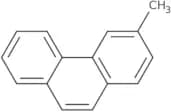
CAS:<p>1,2-Dimyristoyl-rac-glycerol (1,2-DMG) is a monomolecular fatty acid that has been found to inhibit the replication of herpes simplex virus. It binds to the surface glycoprotein and inhibits the release of diacylglycerol from the lipid membrane. 1,2-DMG also inhibits the activity of acyl chain enzymes, which are necessary for the synthesis of fatty acids in trypanosomes. This inhibition prevents the growth and proliferation of lung fibroblasts and may be beneficial in treating cancer. The ionisation mass spectrum shows that 1,2-DMG has a molecular weight of 270 Da. The binding affinity between 1,2-DMG and water is 9 x 10 M at room temperature.</p>Formula:C31H60O5Purity:Min. 90%Color and Shape:White PowderMolecular weight:512.81 g/mol3-Methylphenanthrene
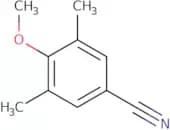
CAS:<p>3-Methylphenanthrene is a compound that inhibits the reductase activity of aromatic hydrocarbons. 3-Methylphenanthrene has been shown to inhibit both bacterial and mammalian reductases, with interactive effects on the enzyme's substrate molecule. It also shows an inhibitory effect on axonal growth, which may be due to its ability to reduce fatty acid uptake, as well as its ability to interact with the aromatic hydrocarbon uptake system. 3-Methylphenanthrene is easily detected by spectrometry analyses and can be used as a substrate molecule for bacterial enzymes.</p>Formula:C15H12Purity:Min. 98%Color and Shape:White PowderMolecular weight:192.26 g/mol3,5-Dimethyl-4-methoxybenzonitrile
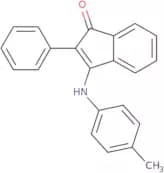
CAS:<p>3,5-Dimethyl-4-methoxybenzonitrile is a chemical that can be used as an intermediate for the synthesis of organic compounds. It is also useful for research purposes. 3,5-Dimethyl-4-methoxybenzonitrile has a CAS number of 152775-45-6 and can be found in the chemical catalog at Acros Organics. This compound is a reactive building block that can undergo many reactions to produce other chemicals. 3,5-Dimethyl-4-methoxybenzonitrile is a complex compound with high purity and quality.</p>Formula:C10H11NOPurity:Min. 95%Color and Shape:PowderMolecular weight:161.2 g/mol3-((4-methylphenyl)amino)-2-phenylinden-1-one
CAS:<p>Please enquire for more information about 3-((4-methylphenyl)amino)-2-phenylinden-1-one including the price, delivery time and more detailed product information at the technical inquiry form on this page</p>Purity:Min. 95%1-O-Hexadecyl-sn-glycero-3-phosphocholine
CAS:<p>1-O-Hexadecyl-sn-glycero-3-phosphocholine (1OHDGPC) is a compound that inhibits the uptake of oxidized LDL in neuronal cells and reduces neuronal death. 1OHDGPC also has antihypertensive activity, as it decreases systolic blood pressure. This compound is an antioxidant because it prevents the oxidation of LDL cholesterol, which is the main cause of atherosclerosis. 1OHDGPC has been shown to reduce the incidence of allergic reactions in animal studies. It also has been shown to have hydroxyl groups and fatty acid chains, which may contribute to its antioxidant properties.</p>Formula:C24H52NO6PColor and Shape:PowderMolecular weight:481.65 g/molL-Valyl-L-glutamic acid
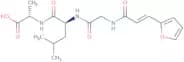
CAS:<p>L-Valyl-L-glutamic acid is a versatile building block that can be used in the synthesis of complex compounds, research chemicals, and reagents. It is a high quality, useful intermediate for the production of speciality chemicals or reaction components. L-Valyl-L-glutamic acid is also a useful scaffold for the synthesis of new drugs. The CAS number for this compound is 3062-07-5.</p>Formula:C10H18N2O5Purity:Min. 95 Area-%Color and Shape:White Off-White PowderMolecular weight:246.26 g/molFA-Gly-Leu-Ala-OH TFA
CAS:<p>FA-Gly-Leu-Ala-OH TFA is a high quality reagent that can be used for the synthesis of complex compounds. It is an intermediate for the production of fine chemicals and speciality chemicals, which are used as reaction components in the synthesis of versatile building blocks. This compound is also an excellent scaffold for research chemicals and useful as a building block in the synthesis of speciality chemicals.</p>Formula:C18H25N3O6•TFAPurity:Min. 95%Color and Shape:PowderMolecular weight:493.43 g/mol4-Nitrobenzyl (4R,5R,6S)-3-[(diphenylphosphono)oxy]-6-[(R)-1-hydroxyethyl]-4-methyl-7-oxo-1-azabicyclo[3.2.0]hept-2-ene-2-carboxylat e
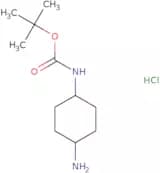
CAS:<p>4-Nitrobenzyl (4R,5R,6S)-3-[(diphenylphosphono)oxy]-6-[(R)-1-hydroxyethyl]-4-methyl-7-oxo-1-azabicyclo[3.2.0]hept-2-ene-2-carboxylat e is a synthetic compound that is used as an alkalizer and impurity scavenger in the manufacture of pesticides and other organic chemicals. It has been shown to be a stereoselective herbicide with acetonitrile as its primary degradation product. The compound has also been found to be a potent inhibitor of the enzyme carbapenemase, which may lead to increased resistance to antibiotics such as monosodium salt of ertapenem.</p>Formula:C29H27N2O10PPurity:Min. 98 Area-%Color and Shape:White PowderMolecular weight:594.51 g/molBoc-1,4-trans-diaminocyclohexane hydrochloride
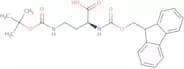
CAS:<p>Boc-1,4-trans-diaminocyclohexane hydrochloride is a versatile building block that can be used to synthesize complex compounds and research chemicals. It has been used as a reagent, specialty chemical and useful intermediate in many different reactions. Boc-1,4-trans-diaminocyclohexane hydrochloride is also a high quality building block that can be utilized to produce pharmaceuticals, agrochemicals and other speciality chemicals. This compound is also an important scaffold for the synthesis of biologically active molecules.</p>Formula:C11H22N2O2·HClPurity:Min. 95%Color and Shape:PowderMolecular weight:250.77 g/molFmoc-Dab(Boc)-OH
CAS:<p>Fmoc-Dab(Boc)-OH is a fatty acid that is conjugated to an amino acid. It has been shown to have binding activity against activated, solid-phase synthesis, and synthetic compounds. Fmoc-Dab(Boc)-OH is a cyclic lipopeptide with antimicrobial properties. It has been shown to be active against resistant microorganisms such as Enterococcus faecalis and Pseudomonas aeruginosa. This molecule has also been shown to have pro-inflammatory cytokine activity in human colon carcinoma cells, which may lead to the suppression of tumor growth.</p>Formula:C24H28N2O6Purity:Min. 95 Area-%Color and Shape:White Off-White PowderMolecular weight:440.49 g/molD-Tryptophan
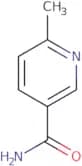
CAS:<p>D-Tryptophan is a versatile building block that has many applications in the field of fine chemicals, research chemicals, and speciality chemicals. D-Tryptophan is a useful building block for complex compounds and can be used as a reagent or reaction component. It is also a useful scaffold in organic synthesis.</p>Formula:C11H12N2O2Purity:Min. 98.0 Area-%Molecular weight:204.23 g/mol6-Methylnicotinamide
CAS:<p>6-Methylnicotinamide is a transport inhibitor that prevents the uptake of fatty acids and growth factors into cells. It has been shown to inhibit the activity of glutamate receptors by blocking the interaction between these receptors and their binding partners, which are called co-agonists. 6-Methylnicotinamide has also been shown to inhibit the synthesis of virus proteins in vitro and in vivo. There is a lack of evidence on its safety profile. 6-Methylnicotinamide may be used to treat hepatitis C and colorectal carcinoma.</p>Formula:C7H8N2OColor and Shape:White PowderMolecular weight:136.15 g/mol(2-Aminophenyl)-N-((((4-methoxyphenyl)amino)thioxomethyl)amino)formamide
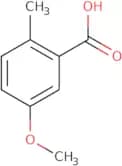
CAS:<p>Please enquire for more information about (2-Aminophenyl)-N-((((4-methoxyphenyl)amino)thioxomethyl)amino)formamide including the price, delivery time and more detailed product information at the technical inquiry form on this page</p>Formula:C15H16N4O2SPurity:Min. 95%Color and Shape:PowderMolecular weight:316.38 g/mol5-Methoxy-2-methylbenzoic acid
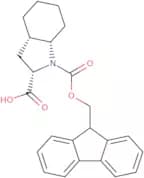
CAS:<p>5-Methoxy-2-methylbenzoic acid is an intermediate in the synthesis of vitamin D3. It can also be used to synthesize calciferol, a configurationally stable form of vitamin D3 that has been shown to be optically active. Lactonic forms are composed of a 5-methoxy group and a 2-methylbenzoic acid moiety. Enantiomers are compounds with the same chemical formula but different arrangements of their atoms in space and each enantiomer is capable of rotating plane polarized light in opposite directions.</p>Formula:C9H10O3Purity:Min. 95%Color and Shape:PowderMolecular weight:166.17 g/molFmoc-L-octahydroindole-2-carboxylic acid
CAS:<p>Fmoc-L-octahydroindole-2-carboxylic acid is a synthetic amino acid that is used in the synthesis of peptides and proteins. It has been shown to be an agonistic ligand for the acetylcholine receptor and may be used as an anti-inflammatory drug. Fmoc-L-octahydroindole-2-carboxylic acid is synthesized by combining piperidine and fmoc-glycine, followed by condensation with iminoacetic acid. The synthesis of this compound can be achieved through solid phase synthesis or chemical methods. The removal of the FMOC group requires acidic conditions such as trifluoroacetic acid or hydrochloric acid.</p>Formula:C24H25NO4Purity:Min. 98 Area-%Color and Shape:White PowderMolecular weight:391.46 g/mol



![7-Methyl-2-(trifluoromethyl)[1,2,4]triazolo[1,5-a]pyrimidine-6-carboxylic acid](/_next/image/?url=https%3A%2Fstatic.cymitquimica.com%2Fproducts%2F3D%2Fthumb-webp%2FFM100430.webp&w=3840&q=75)


![[4-(1-Methyl-1-phenylethyl)phenoxy]acetic acid](/_next/image/?url=https%3A%2Fstatic.cymitquimica.com%2Fproducts%2F3D%2Fthumb-webp%2FFM112689.webp&w=3840&q=75)
![[5-Methyl-3-(trifluoromethyl)-1H-pyrazol-1-yl]acetic acid](/_next/image/?url=https%3A%2Fstatic.cymitquimica.com%2Fproducts%2F3D%2Fthumb-webp%2FFM54360.webp&w=3840&q=75)













![4-Nitrobenzyl (4R,5R,6S)-3-[(diphenylphosphono)oxy]-6-[(R)-1-hydroxyethyl]-4-methyl-7-oxo-1-azabic…](/_next/image/?url=https%3A%2Fstatic.cymitquimica.com%2Fproducts%2F3D%2Fthumb-webp%2FFM140061.webp&w=3840&q=75)