Amino Acids (AA)
Amino acids (AAs) are the fundamental building blocks of proteins, playing a crucial role in various biological processes. These organic compounds are essential for protein synthesis, metabolic pathways, and cell signaling. In this category, you will find a comprehensive range of amino acids, including essential, non-essential, and modified forms, which are vital for research in biochemistry, molecular biology, and nutritional sciences. At CymitQuimica, we provide high-quality amino acids to support your research and development needs, ensuring accuracy and reliability in your experimental outcomes.
Subcategories of "Amino Acids (AA)"
- Amino Acid Derivatives(3,957 products)
- Amino Acid and Amino Acid Related Compounds(3,472 products)
- Amino Acids with Oxygen or Sulphur(168 products)
- Boc- Amino Acids(351 products)
- Fmoc Amino Acids(1,710 products)
Found 38265 products of "Amino Acids (AA)"
Sort by
Purity (%)
0
100
|
0
|
50
|
90
|
95
|
100
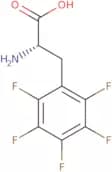
2,3,4,5,6-Pentafluoro-L-phenylalanine
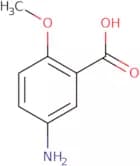
CAS:<p>2,3,4,5,6-Pentafluoro-L-phenylalanine (PFPA) is a substrate molecule that has been shown to inhibit the α1 subunit of the Na+/K+ ATPase in human heart cells. PFPA also inhibits the growth of bacteria in culture and is active against bacterial strains that have developed resistance to other antimicrobial agents. PFPA is also effective against bowel disease caused by H. pylori. PFPA has been shown to inhibit the production of an antimicrobial peptide by hl-60 cells in vitro and has been shown to be effective against a number of infectious diseases including tuberculosis and some autoimmune diseases.</p>Formula:C9H6F5NO2Purity:Min. 95%Color and Shape:PowderMolecular weight:255.14 g/mol5-Amino-2-methoxybenzoic acid
CAS:<p>5-Amino-2-methoxybenzoic acid (5AMBA) is a hydrogen bond acceptor that binds to peptides and rna. It also has enzymatic activity, which can be used in the treatment of diseases such as Alzheimer's disease. 5AMBA is a small molecule that contains two methoxy groups and one hydrogen. It has been shown to bind to an intramolecular hydrogen bond within a peptide or rna sequence and inhibit enzymatic activity. This inhibition occurs by removing the nucleophile from the enzyme's active site or by sterically hindering access to the enzyme's active site. The luminescent properties of 5AMBA make it an ideal candidate for fluorescent labeling, with applications in biomolecular research.</p>Formula:C8H9NO3Purity:Min. 95%Color and Shape:PowderMolecular weight:167.16 g/molFmoc-L-aspartic acid β-2-phenylisopropyl ester
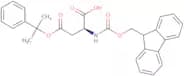
CAS:<p>Fmoc-L-aspartic acid beta-2-phenylisopropyl ester is a macrocyclic amino acid with conformational and anti-inflammatory properties. It has been shown to inhibit the proliferation of cancer cells in vitro, as well as the osteolytic, lymphoproliferative, and inflammatory activities in vivo. Fmoc-L-aspartic acid beta-2-phenylisopropyl ester also has antiarrhythmic effects on cardiac tissue that are caused by its ability to bind to chloride channels. This compound also inhibits the production of inflammatory cytokines such as tumor necrosis factor alpha (TNFα) and interleukin 6 (IL6).</p>Formula:C28H27NO6Purity:Min. 95%Color and Shape:PowderMolecular weight:473.52 g/molGlycine ethyl ester hydrochloride
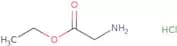
CAS:<p>Used with EDC for carboxyl-foot printing studies of proteins</p>Formula:C4H9NO2•HClPurity:Min. 95%Color and Shape:PowderMolecular weight:139.58 g/molH-Val-Ile-OH
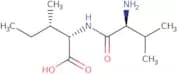
CAS:<p>The H-Val-Ile-OH is an amino acid that is hydrophobic in nature. It has a molecular weight of 120.14 g/mol and a molecular formula of C6H11NO2. The H-Val-Ile-OH is classified as a cyclic amino acid due to the presence of a pyruvic acid ring and it can be found in organisms including humans, bacteria, fungi, and plants. The H-Val-Ile-OH can be found in the active site of proteases as well as subtilisin. This amino acid has been shown to have hydrolytic cleavage properties, which makes it suitable for use as an enzyme substrate for protein sequencing studies.</p>Formula:C11H22N2O3Purity:Min. 95%Molecular weight:230.3 g/molH-γ-Carboxy-Glu-OH
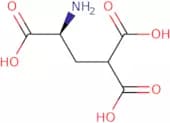
CAS:<p>H-gamma-carboxy-Glu-OH is a synthetic peptide with the amino acid sequence H-gamma-Carboxy-Glu. It is a glp-1 analogue and its function is to regulate glucose homeostasis. The protein has been shown to have antiapoptotic effects in human osteosarcoma cells. H-gamma-carboxy-Glu-OH has also been shown to regulate mitochondrial membrane potential, which is required for cell signaling pathways and calcium binding. H-gamma-carboxy-Glu-OH's receptor molecule is known as the GPCR, which plays an important role in the regulation of cell signaling pathways and calcium binding. H gamma carboxy Glu OH is a cyclic peptide that contains disulfide bonds. This compound has the basic structure of an alpha helix, which consists of many turns of amino acids bonded together by hydrogen bonds between individual amino acids</p>Formula:C6H9NO6Purity:Min. 95%Color and Shape:PowderMolecular weight:191.14 g/mol4-Phenylbenzoic acid methyl ester
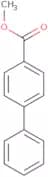
CAS:<p>4-Phenylbenzoic acid methyl ester is a bifunctional molecule that has been shown to be an effective antibacterial agent. It contains two oxadiazole moieties, which are structurally similar to sulfonamides and can form a stable amide bond with an amino group. The pharmacophore of 4-phenylbenzoic acid methyl ester is a four-member ring with two nitrogens and two carbons. This compound has been shown to have antibacterial properties by cleaving the magnesium bond in the enzyme methionine synthase, which catalyzes the formation of methionine from homocysteine and ATP. 4-Phenylbenzoic acid methyl ester is also able to cleave bonds in nonpolar solvents such as benzene, chloroform, and dichloromethane.</p>Formula:C14H12O2Purity:Min. 95%Color and Shape:PowderMolecular weight:212.24 g/molAc-Ile-Glu-Thr-Asp-AMC
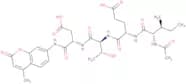
CAS:<p>Ac-Ile-Glu-Thr-Asp-AMC is a reactive, nonsteroidal anti-inflammatory drug that inhibits the activity of survivin, which is an important protein for the survival of prostate cancer cells. Ac-Ile-Glu-Thr-Asp-AMC also inhibits mitochondrial membrane potential in prostate cancer cells and normal peripheral blood mononuclear cells, leading to apoptosis. The biochemical properties of Ac-Ile-Glu-Thr-Asp-AMC are similar to those of other NSAIDs. This drug has been shown to inhibit protein synthesis in experimental models and hydrochloric acid causes mitochondrial membrane depolarization, which triggers apoptosis.</p>Formula:C31H41N5O12Purity:Min. 95 Area-%Color and Shape:PowderMolecular weight:675.68 g/molDL-Threonine
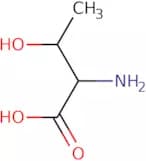
CAS:<p>DL-Threonine (or 2-amino-3-hydroxybutanoic acid), is an essential, non-protein amino acid naturally occurring in the human body and it is involved in many biological processes. DL-threonine takes part in the conversion of glycogen into the glucose pathway, supports muscle tissue maintenance and growth, and plays a key role in regulating levels of other amino acids. In addition, DL-threonine helps to provide protection against heat, reduce tiredness and lowers blood pressure. It is an important source of energy for the liver and has been shown to be effective in stimulating liver function, as well as, to have a protective effect against various diseases, including hepatitis and cirrhosis. The liver uses DL-Threonine to produce other amino acids and helping in protein synthesis, such as insulin. The human body can produce DL-threonine from serine by threonine synthase, but not enough to meet the body's needs and thus it must be obtained from food sources or supplements. DL-Threonine can be found in many foods including meat, eggs, soybeans, and dairy products. It can chelate metal cations to improve the absorption of minerals from supplements, which is used in fertilizers for agriculture.</p>Formula:C4H9NO3Purity:Min 98%Color and Shape:PowderMolecular weight:119.12 g/molD-Ornithine hydrochloride
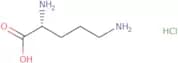
CAS:<p>D-Ornithine hydrochloride is a synthetic amino acid that is used as a precursor for the synthesis of polyamines in the body. It is also used as an additive in food and animal feed. This amino acid has been shown to inhibit gramicidin production by inhibiting the enzyme acylase. D-Ornithine hydrochloride has also been shown to stimulate the production of ornithine by increasing ATP levels and activating enzymes such as pyruvate kinase, glutamic pyruvate transaminase, and phosphoenolpyruvate carboxykinase. In addition, it has been shown to have chemoenzymatic properties that allow for its use in reactions with fatty acids as substrates. The reaction yield increases with higher substrate concentrations, which can be achieved using immobilized cells or by adding cyclic peptides such as ornithine to the reaction mixture.</p>Formula:C5H12N2O2•HClPurity:Min. 95%Color and Shape:PowderMolecular weight:168.62 g/molCyclic(glycyl-L-tyrosyl)
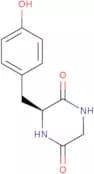
CAS:<p>Cyclic(glycyl-L-tyrosyl) is a phenolic compound and the main metabolite of the dietary supplement resveratrol. It has been shown to have interactions with cellular transport, as well as the ability to activate a number of proteins that are involved in cellular transport. Cyclic(glycyl-L-tyrosyl) also interacts with hydroxyl groups on proteins and activates them, which may lead to the uptake of these proteins by cells. This interaction between cyclic(glycyl-L-tyrosyl) and hydroxyl groups on proteins may be due to its conformation and affinity for this residue. Cyclic(glycyl-L-tyrosyl) has been reported to inhibit the binding of glucosamine to NUDIX hydrolase, as well as preventing glucosamine from activating NUDIX hydrolase.</p>Formula:C11H12N2O3Purity:Min. 98 Area-%Color and Shape:White Off-White PowderMolecular weight:220.22 g/mol2-Amino-3-[[[4-(2-methylpropyl)phenyl]methylene]amino]-2-butenedinitrile
CAS:<p>Please enquire for more information about 2-Amino-3-[[[4-(2-methylpropyl)phenyl]methylene]amino]-2-butenedinitrile including the price, delivery time and more detailed product information at the technical inquiry form on this page</p>Formula:C15H16N4Purity:Min. 95%Color and Shape:PowderMolecular weight:252.31 g/molD,L-Sulforaphane N-acetyl-L-cysteine
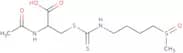
CAS:<p>Sulforaphane is a natural compound found in broccoli and other cruciferous vegetables. It has been shown to have anti-cancer properties, including inhibition of skin cancer. Sulforaphane N-acetyl-L-cysteine (SFNAC) is an analogue of sulforaphane that can be used to inhibit the epidermal growth factor response element. SFNAC also has inhibitory properties against the apoptosis pathway and can induce cellular death by inhibiting mitochondrial membrane potential. The lc-ms/ms method was used to measure SFNAC levels in bovine fetal serum and it was found that this compound was present at low doses (1 mg/kg body weight).</p>Formula:C11H20N2O4S3Purity:Min. 95%Color and Shape:PowderMolecular weight:340.49 g/mol2-Methylbenzamide
CAS:<p>2-Methylbenzamide is an amide with a carbonyl group and an intramolecular hydrogen. It has been shown to have synergic effects when combined with piperonyl butoxide in the treatment of autoimmune diseases. This synergistic effect is due to the inhibition of inflammatory mediator release, which can be achieved by blocking the enzyme cyclooxygenase-2. 2-Methylbenzamide has also been shown to inhibit deuterium isotope effect in cd-1 mice, which could make it beneficial for patients who are unable to tolerate other drugs.</p>Formula:C8H9NOPurity:Min. 95%Color and Shape:White PowderMolecular weight:135.16 g/mol3-Chloro-4-methylbenzyl alcohol - Technical grade
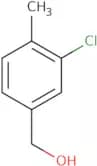
CAS:<p>3-Chloro-4-methylbenzyl alcohol is a building block chemical that is used in the synthesis of a variety of organic compounds. It is a versatile chemical that can be used as a reagent, reaction component, and intermediate. 3-Chloro-4-methylbenzyl alcohol has been found to be useful in the synthesis of complex compounds, such as 4-chloromethoxybenzoic acid and 3-(3,5-dimethoxyphenyl)acetic acid. This chemical can also be used to produce speciality chemicals, such as 3-(2-(2,4-dichlorophenoxy)ethyl)benzonitrile.</p>Formula:C8H9ClOPurity:Min. 95%Color and Shape:Colorless PowderMolecular weight:156.61 g/molAbz-Gln-Val-Val-Ala-Gly-Ala-EDDnp trifluoroacetate
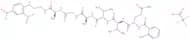
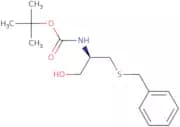
CAS:<p>Please enquire for more information about Abz-Gln-Val-Val-Ala-Gly-Ala-EDDnp trifluoroacetate including the price, delivery time and more detailed product information at the technical inquiry form on this page</p>Formula:C38H54N12O12•C2HF3O2Purity:Min. 95%Molecular weight:870.91 g/molBoc-S-benzyl-L-cysteinol
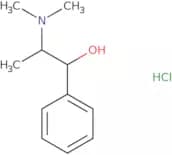
CAS:<p>Please enquire for more information about Boc-S-benzyl-L-cysteinol including the price, delivery time and more detailed product information at the technical inquiry form on this page</p>Formula:C15H23NO3SPurity:Min. 95%Color and Shape:PowderMolecular weight:297.41 g/molDL-Methylephedrine hydrochloride
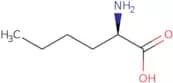
CAS:Controlled Product<p>DL-Methylephedrine HCl is an excipient that is used in pharmaceutical preparations. It is used to improve the taste of medicines and to prevent their caking. DL-Methylephedrine HCl does not have any known therapeutic use, but it has been shown to be safe for pediatric and geriatric patients. This excipient is typically used in combination with other ingredients such as malic acid, caffeine, or hydrochloric acid. DL-Methylephedrine HCl can also be found in food products as a flavoring agent or preservative.</p>Formula:C11H17NO•HClPurity:Min. 95%Color and Shape:PowderMolecular weight:215.72 g/molD-Norleucine
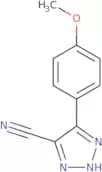
CAS:<p>D-Norleucine is a non-protein amino acid that is an important part of the synthesis of proteins. It has been shown to be a competitive inhibitor of the racemase enzyme, which converts D-alanine to L-alanine. The target cell for this reaction is unknown, but it may be related to the protein synthesis process. D-Norleucine has also been shown to inhibit the growth of Mycobacterium avium and other acid-fast bacteria by interfering with the production of ATP and incorporation into cellular structures. This inhibition is caused by its ability to form ionic bonds with functional groups in these compounds.</p>Formula:C6H13NO2Purity:Min. 95%Color and Shape:PowderMolecular weight:131.17 g/mol5-(4-methoxyphenyl)-2H-1,2,3-triazole-4-carbonitrile
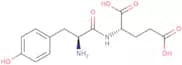
CAS:<p>Please enquire for more information about 5-(4-methoxyphenyl)-2H-1,2,3-triazole-4-carbonitrile including the price, delivery time and more detailed product information at the technical inquiry form on this page</p>Purity:Min. 95%H-Tyr-Glu-OH
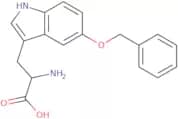
CAS:<p>H-Tyr-Glu-OH is a fluorescent dye that has been used in assays to detect the uptake of polymers in bacterial cells. It is also used to study conformational properties of porphyromonas, which are bacteria found in the oral cavity. H-Tyr-Glu-OH reacts with the sugar alcohols in porphyromonas, causing a change in its optical properties. This change can be measured using spectroscopy methods such as fluorescence and absorption, which allows for monitoring of polymer uptake and other changes related to porphyromonas activity.</p>Formula:C14H18N2O6Purity:Min. 95%Color and Shape:White To Off-White SolidMolecular weight:310.3 g/mol5-Benzyloxy-DL-tryptophan
CAS:<p>5-Benzyloxy-DL-tryptophan is a tryptophan metabolite that has been shown to have physiological effects. It is formed by the hydrolysis of l-tryptophan by hydrochloric acid, which leads to an increase in extracellular Ca2+ and the production of reaction products. 5-Benzyloxy-DL-tryptophan is also involved in the biosynthesis of serotonin, which is a neurotransmitter that affects mood and appetite. Clinical oncology studies have shown that 5-benzyloxy-DL-tryptophan can be used as adjuvant therapy to attenuate tumor growth and metastasis. 5-Benzyloxy-DL-tryptophan has been found to bind to the serotonin receptor cells in the intestine, leading to an increase in Ca2+, which promotes intestinal motility. 5BTT also acts as a precursor for serotonin synthesis when combined with amino acids such as L -</p>Formula:C18H18N2O3Color and Shape:PowderMolecular weight:310.35 g/mol1-Deoxy-1-(methylamino)-D-glucitol [3-[[(2R,3S)-2-[(1R)-1-[3,5-bis(trifluoromethyl)phenyl]ethoxy]-3-(4-fluorophenyl)-4-morpholinyl]m ethyl]-2,5-dihydro-5-oxo-1H-1,2,4-triazol-1-yl]phosphonate
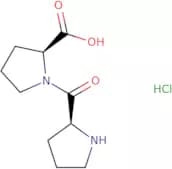
CAS:<p>Fosaprepitant is a drug that belongs to the class of drugs used for chemotherapy. It is a prodrug that is converted in vivo to aprepitant, its active form. Fosaprepitant acts as an antagonist of the neurokinin-1 receptor (NK-1R) and inhibits the binding of substance P, which leads to an anti-inflammatory effect. Fosaprepitant has been shown to inhibit the production of substance P in animal models, leading to a reduction in inflammation. In clinical trials, fosaprepitant has been shown to be safe and well tolerated when used with other drugs such as cisplatin and docetaxel in patients with cancer.</p>Formula:C23H22F7N4O6P•(C7H17NO5)2Purity:Min. 95%Color and Shape:White To Off-White SolidMolecular weight:1,004.83 g/molH-Pro-Pro-OH·HCl
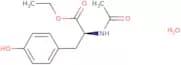
CAS:<p>H-Pro-Pro-OH·HCl is a fine chemical that is commonly used as a building block for organic synthesis. This compound is soluble in water, making it an ideal reactant for use in reactions involving peptides and proteins. H-Pro-Pro-OH·HCl is also useful as an intermediate, research chemical, or speciality chemical. It has been used as a reagent for the preparation of other chemicals and has shown high quality performance in reactions with nucleophiles.</p>Formula:C10H16N2O3·HClPurity:Min. 95%Color and Shape:White PowderMolecular weight:248.71 g/molN-Acetyl-L-tyrosine ethyl ester hydrate
CAS:<p>N-Acetyl-L-tyrosine ethyl ester hydrate is a synthetic compound that has been used in the past as a substrate for protease activity. It is a monoclonal antibody that is used to detect the presence of human serum proteins and to prepare samples for analysis by liquid chromatography. This derivative of L-tyrosine is related to proteolytic activity and redox potential, but it does not have any biological properties. N-Acetyl-L-tyrosine ethyl ester hydrate can be prepared from soybean trypsin and caproic acid.</p>Formula:C13H17NO4·H2OPurity:Min. 96.0 Area-%Color and Shape:White Off-White PowderMolecular weight:269.29 g/molH-Gly-Ala-AMC monohydrochloride
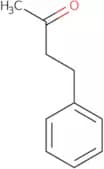
CAS:<p>H-Gly-Ala-AMC monohydrochloride is a chemical that is used as a reaction component or reagent in pharmaceutical and research laboratories. It has been shown to be a useful scaffold for the synthesis of complex compounds. This compound is also used as an intermediate in the synthesis of other fine chemicals. H-Gly-Ala-AMC monohydrochloride can be used as a building block for the production of versatile building blocks, which are useful for making speciality chemicals.</p>Formula:C15H17N3O4·HClPurity:Min. 95 Area-%Color and Shape:PowderMolecular weight:339.77 g/mol4-Phenyl-2-butanone
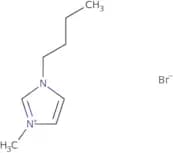
CAS:<p>4-Phenyl-2-butanone is an organic compound that is used as a solvent. It has been shown to be effective against a wide range of bacteria, including Gram positive and Gram negative bacteria. 4-Phenyl-2-butanone disrupts the cell membrane by binding to glycol ether, which is an important part of the lipid bilayer. It also inhibits the synthesis of two important molecules in bacterial cells, dinucleotide phosphate and phospholipids. This process leads to bacterial cell death. 4-Phenyl-2-butanone also has antimicrobial properties due to its ability to destroy water vapor and inhibit growth of microorganisms on skin.</p>Formula:C10H12OPurity:Min. 97.5 Area-%Color and Shape:Colorless Clear LiquidMolecular weight:148.2 g/mol1-Butyl-3-methylimidazolium bromide
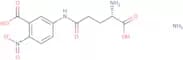
CAS:<p>1-Butyl-3-methylimidazolium bromide is an ionic liquid that has been shown to be a good solvent for cellulose. It is also biocompatible and can be used as a polymer matrix for copper chloride. 1-Butyl-3-methylimidazolium bromide has been shown to be a good model system for studying the interaction between ions and water vapor in liquids. It has been observed that 1-butyl-3-methylimidazolium bromide undergoes hydrogen bonding interactions with water molecules, which may provide the driving force for its solvation of cellulose.</p>Formula:C8H15BrN2Purity:(¹H-Nmr) Min. 95 Area-%Color and Shape:PowderMolecular weight:219.12 g/molL-Glutamic acid γ-(3-carboxy-4-nitroanilide) ammonium salt
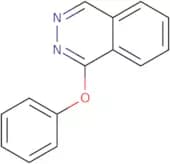
CAS:<p>L-Glutamic acid gamma-(3-carboxy-4-nitroanilide) ammonium salt has been used as a synthetic substrate for gamma-glutamyltransferase (GGT) to determine GGT activity.</p>Formula:C12H16N4O7Purity:Min. 99 Area-%Color and Shape:White PowderMolecular weight:328.28 g/mol1-Phenoxyphthalazine
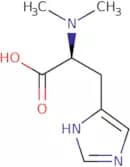
CAS:<p>1-Phenoxyphthalazine is a n-oxide with life-threatening properties. It is used as a medication for high blood pressure and as an anxiolytic. 1-Phenoxyphazin has been shown to have receptor affinity for the dopamine, serotonin, and noradrenaline receptors. It also blocks the carboxylate ion channels of the central nervous system. 1-Phenoxyphthalazine has been shown to have peroxide and chloride properties, which may contribute to its antihypertensive effects.</p>Formula:C14H10N2OPurity:Min. 95%Color and Shape:PowderMolecular weight:222.24 g/molN,N-Dimethyl-histidine
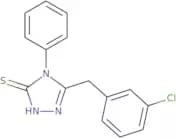
CAS:<p>N,N-Dimethyl-histidine is a zwitterion formed by the combination of two molecules of the amino acid histidine. It is a derivative of methylhistidine, which is a fungal metabolite. N,N-Dimethyl-histidine has been shown to be an injectable form of methylhistidine and can be used as a metabolic marker in animals and humans. The radioactivity level of N,N-Dimethyl-histidine can be measured using an electron spin resonance spectrometer. N,N-Dimethyl-histidine also has oxidizing properties that have been demonstrated in the oxidation of l-(3-[14C]methylaminopropyl)-3-[14C]methacryloxymethyl)benzene.</p>Formula:C8H13N3O2Purity:Min. 95%Color and Shape:White PowderMolecular weight:183.21 g/mol3-((3-chlorophenyl)methyl)-4-phenyl-1,2,4-triazoline-5-thione
CAS:<p>Please enquire for more information about 3-((3-chlorophenyl)methyl)-4-phenyl-1,2,4-triazoline-5-thione including the price, delivery time and more detailed product information at the technical inquiry form on this page</p>Purity:Min. 95%1,3-Dipalmitoyl-glycero-2-phosphoethanolamine
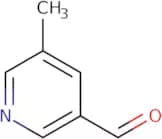
CAS:<p>Please enquire for more information about 1,3-Dipalmitoyl-glycero-2-phosphoethanolamine including the price, delivery time and more detailed product information at the technical inquiry form on this page</p>Formula:C37H74NO8PPurity:ReportedColor and Shape:White/Off-White SolidMolecular weight:691.96 g/mol5-Methylnicotinaldehyde
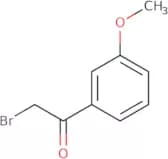
CAS:<p>5-Methylnicotinaldehyde is a chemical compound that belongs to the group of tetrahydropyridines. It is a reagent for producing triphosgene and dimethylformamide. 5-Methylnicotinaldehyde has been shown to inhibit muscarinic acetylcholine receptors, leading to an increase in acetylcholine release from nerve endings. This may be due to its ability to bind with the receptor affinity site at the base of the nicotinic acetylcholine receptor. 5-Methylnicotinaldehyde also has anti-inflammatory properties and can be used as a pesticide.</p>Formula:C7H7NOPurity:Min. 95%Color and Shape:PowderMolecular weight:121.14 g/mol2-Bromo-3'-methoxyacetophenone
CAS:<p>2-Bromo-3'-methoxyacetophenone is a reactive compound that has been used as an antiplatelet drug. It is a prodrug of vicagrel, which inhibits the platelet aggregation by blocking the conversion of ADP to ATP. It also has been shown to inhibit the growth of cryptococcus neoformans. This compound binds to matrix proteins and disrupts their structure, leading to a decrease in platelet adhesion. 2-Bromo-3'-methoxyacetophenone has been shown to be metabolized through a number of metabolic transformations, including hydrolysis by esterases or glucuronidases, oxidation by cytochrome P450 enzymes, reduction by glutathione reductase, or conjugation with glucuronic acid. The biological properties of this drug are complex and depend on its concentration and duration of exposure. Its effect on platelet aggregation is due to its ability to inhibit the activity of protein kin</p>Formula:C9H9BrO2Purity:Min. 95%Molecular weight:229.07 g/mol3-Methyl-1,2,4-oxadiazole-5-carbohydrazide
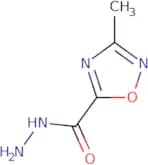
CAS:<p>3-Methyl-1,2,4-oxadiazole-5-carbohydrazide is a versatile building block that can be used to synthesize complex compounds. It is a high quality reagent and has been shown to be useful as a reaction component in the synthesis of pharmaceuticals and other research chemicals. 3-Methyl-1,2,4-oxadiazole-5-carbohydrazide is also an intermediate in the synthesis of 1-(3,4-methylenedioxyphenyl)-2-(1H)-pyridinone. CAS No.: 40019-29-2</p>Formula:C4H6N4O2Purity:Min. 95 Area-%Color and Shape:White Off-White PowderMolecular weight:142.12 g/molPiperacillin
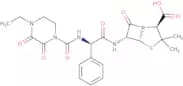
CAS:<p>Piperacillin is a β-lactam antibiotic that inhibits the synthesis of bacterial cell walls by binding to penicillin-binding proteins. It is used for the treatment of serious infections caused by gram-negative organisms such as Aerogenes, Enterobacter, and Klebsiella. Piperacillin has a high MIC90 value against Staphylococcus and other gram-positive bacteria, but it is not active against β-lactamase producing strains of bacteria such as E. coli or Klebsiella pneumoniae. The MIC90 values are determined through an analytical method on different strains of bacteria and validated with a sample preparation before use in clinical trials.</p>Formula:C23H27N5O7SPurity:Min. 95 Area-%Color and Shape:White PowderMolecular weight:517.56 g/mol4-Methylmorpholine N-oxide
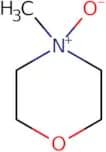
CAS:<p>Intermediate for organic synthesis</p>Formula:C5H11NO2Purity:Min 97%Color and Shape:White PowderMolecular weight:117.15 g/molH-Ser-His-OH acetate
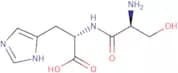
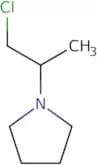
CAS:<p>H-Ser-His-OH acetate salt is an amide that has been shown to have a neutral pH and to be soluble in organic solvents such as chloroform. It has a biological function of being a serine protease inhibitor. H-Ser-His-OH acetate salt binds to the amino acid histidine and inhibits the activity of serine proteases. This product has been used in fluorescence techniques, immunofluorescence analyses, and molecular biology.</p>Formula:C9H14N4O4·xC2H4O2Purity:Min. 95%Color and Shape:PowderMolecular weight:242.24 g/mol1-(2-Chloro-1-methylethyl)pyrrolidine hydrochloride
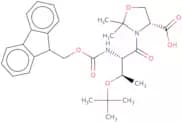
CAS:<p>1-(2-Chloro-1-methylethyl)pyrrolidine hydrochloride is a versatile building block that can be used in the synthesis of fine chemicals, complex compounds, research chemicals, reagents and specialty chemicals. This compound is also useful as a building block for the synthesis of pharmaceuticals and chemical products. 1-(2-Chloro-1-methylethyl)pyrrolidine hydrochloride is a high quality chemical that can be used as a reaction component or scaffold for the synthesis of new chemical entities.</p>Formula:C7H15Cl2NPurity:Min. 95%Color and Shape:PowderMolecular weight:184.1 g/molFmoc-Thr(tBu)-D-Ser(Psi(Me,Me)pro)-OH
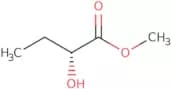
<p>Fmoc-Thr(tBu)-D-Ser(Psi(Me,Me)pro)-OH is a speciality chemical that is used as a reagent for peptide synthesis. It is also useful in the synthesis of complex compounds and scaffolds. This compound has high quality with a CAS number of 56610-81-8. Fmoc-Thr(tBu)-D-Ser(Psi(Me,Me)pro)-OH is a versatile building block that can be used in reactions involving amines and carboxylic acids. Fmoc-Thr(tBu)-D-Ser(Psi(Me,Me)pro)-OH is an intermediate that can be used in the synthesis of many different compounds.</p>Formula:C29H36N2O7Purity:Min. 95%Color and Shape:PowderMolecular weight:524.61 g/mol(R)-Methyl 2-hydroxybutanoate
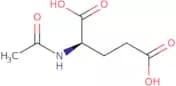
CAS:<p>(R)-Methyl 2-hydroxybutanoate is a synthetic chemical that is used in the esterification reaction to produce methyl esters and as an industrial solvent. This chemical can be synthesized by the reaction of (R)-methyl acetoacetate and hydrochloric acid. The technique for this chemical is a two-step process, which includes hydroxylation followed by hydrogenolysis. The yield rate for this chemical is about 98%.</p>Formula:C5H10O3Purity:Min. 95%Color and Shape:Clear LiquidMolecular weight:118.13 g/molN-Acetyl-D-glutamic acid
CAS:<p>N-Acetyl-D-glutamic acid is an amino acid that is the building block for proteins in the body. It is a product of the hydrolysis of glutamic acid and is used to treat metabolic disorders such as lysinuric protein intolerance, which blocks the body's ability to break down proteins. N-Acetyl-D-glutamic acid can be found in sources such as peptone, glutamate, and d-carnitine. It has optimum temperature range of 25°C to 45°C. This amino acid can be used as an optical pH indicator due to its red color under acidic conditions and blue color under basic conditions.</p>Formula:C7H11NO5Purity:Min. 95%Color and Shape:PowderMolecular weight:189.17 g/mol(+)-N-[1-(S)-Ethoxycarbonxyl-3-phenylpropyl]-L-alanine
CAS:<p>(+)-N-[1-(S)-Ethoxycarbonxyl-3-phenylpropyl]-L-alanine is an impurity of enalaprilat, which is a pharmaceutical drug used in the treatment of hypertension. Enalaprilat is manufactured by reacting 1-(S)-ethoxycarbonxyl-3-phenylpropane with L-alanine and triphosgene. This impurity has been shown to be a potent inhibitor of the enzyme angiotensin converting enzyme (ACE) and may cause adverse effects such as hypotension, cough, and dizziness. The chemical structure of (+)-N-[1-(S)-Ethoxycarbonxyl-3-phenylpropyl]-L-alanine consists of an aliphatic hydrocarbon chain with a maleate group at one end and a benzyl group at the other end. It also contains two amines, one on each side of the molecule.</p>Formula:C15H21NO4Purity:Min. 95%Color and Shape:PowderMolecular weight:279.33 g/molH-Asp-Asp-OH
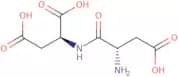
CAS:<p>H-Asp-Asp-OH is a basic protein that is found in all organisms. It has been shown to have a role in the regulation of the immune system and in the development of cancer. H-Asp-Asp-OH has been studied for its use as an antigen for the production of monoclonal antibodies and as a potential therapeutic agent against infectious diseases and autoimmune diseases. The molecule consists of two amino acids, Aspartic acid and Asparagine, linked by an amide bond. The molecular weight is 212 daltons, which is too small to be filtered by size exclusion chromatography.</p>Formula:C8H12N2O7Purity:Min. 95 Area-%Color and Shape:White PowderMolecular weight:248.19 g/mol(R)-(+)-2-Methoxypropionic acid
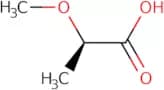
CAS:<p>(R)-(+)-2-Methoxypropionic acid is a derivatization agent that is used to label branched-chain amino acids. It has been shown to react with l-rhamnose, which is found in glycoproteins and polysaccharides.</p>Formula:C4H8O3Purity:Min. 95%Color and Shape:Clear Colourless To Pale Yellow LiquidMolecular weight:104.1 g/mol4.6-Dihydroxy-2-methylpyrimidine
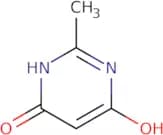
CAS:<p>4,6-Dihydroxy-2-methylpyrimidine is a monomer that is used in the synthesis of polyurethanes. It is an intermediate in the reaction between hydrochloric acid and nitrous acid, which produces 4,6-dichloro-2-methylpyrimidine. The reaction mechanism involves transfer of a methyl group from an organic molecule to hydrochloric acid. This reaction can be carried out at either low or high pH values. The addition of magnesium salt increases the rate of the reaction by increasing the solubility of chloroformate in water. When ethyl esters are used as starting materials, a constant conversion rate can be obtained with a large excess of magnesium salt.</p>Formula:C5H6N2O2Purity:Min 99%Color and Shape:PowderMolecular weight:126.11 g/molEflornithine HCl monohydrate
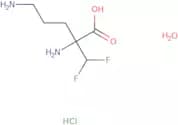
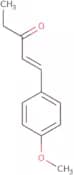
CAS:<p>Inhibitor of ornithine decarboxylase</p>Formula:C6H12F2N2O2·HCl·H2OPurity:(Hplc) Min. 98%Color and Shape:White Off-White PowderMolecular weight:236.64 g/molα-Methylanisalacetone
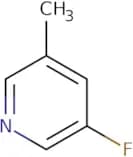
CAS:<p>Alpha-Methylanisalacetone is a chemical substance that is used as a reagent in the production of other chemicals. It is also an allergen and a sensitizer, which may cause health risks. Alpha-Methylanisalacetone can react with trifluoroacetic acid to form alpha-methylbenzeneacetic acid, which can be detected by an ionization detector. This reaction takes about 1 hour. The fluid extract from alpha-methylanisalacetone contains histidine, which reacts with the reagent 2,4-dinitrophenylhydrazine hydrochloride and produces dinitrophenylhydrazine. The analytical method for alpha-methylanisalacetone involves measuring the turbidity of the solution at 660 nm using a spectrophotometer.</p>Formula:C12H14O2Purity:Min. 95%Color and Shape:White PowderMolecular weight:190.24 g/mol3-Fluoro-5-methylpyridine
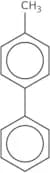
CAS:<p>3-Fluoro-5-methylpyridine is a fine chemical, useful building block and research chemical. It is a versatile building block that can be used as a reaction component or as an intermediate in the synthesis of various other organic compounds. 3-Fluoro-5-methylpyridine is also a reagent for the preparation of pharmaceuticals and agrochemicals. This compound can be used in the synthesis of complex compounds with high quality and purity, such as inorganic salts, metal complexes and organometallic compounds. 3-Fluoro-5-methylpyridine has CAS No. 407-21-6 and has been assigned to category 1B by the European Union's classification system (EU CLP).</p>Formula:C6H6FNPurity:Min. 95%Molecular weight:111.12 g/mol4-Methylbiphenyl
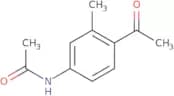
CAS:<p>4-Methylbiphenyl is a chemical compound that belongs to the group of biphenyls. It can be synthesized by reacting methanol with trifluoroacetic acid in the presence of hydrogen fluoride, or it can be extracted from coal tar. The reaction mechanism for this synthesis is similar to the reaction between benzene and nitric acid, which produces nitrobenzene and nitrous oxide as reaction products. 4-Methylbiphenyl has a high selectivity for diazonium salt formation and reacts with diphenyl ether to produce diphenyldiazonium chloride. This compound is soluble in solvents such as carbon disulfide, chloroform, benzene, acetone, ethanol, ethylene dichloride, ethylene glycol monomethylether acetate (EGMEA), dimethoxyethane (DME) and diethylether. 4-Methylbiphenyl</p>Formula:C13H12Purity:Min. 95%Color and Shape:White PowderMolecular weight:168.23 g/mol4'-Acetamido-2'-methylacetophenone
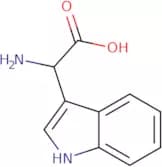
CAS:<p>4'-Acetamido-2'-methylacetophenone is a chemical compound that has been found to be useful in the synthesis of other compounds. It is an intermediate for the production of aniline and phenacetin, which are both reactive compounds. This product can also be used as a reagent for the synthesis of other chemicals and pharmaceuticals. CAS No. 34956-31-5</p>Formula:C11H13NO2Purity:Min. 95%Color and Shape:PowderMolecular weight:191.23 g/molD,L-3-Indolylglycine
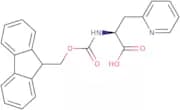
CAS:<p>D,L-3-Indolylglycine is a fine chemical that is a versatile building block in organic synthesis. It is used as a reagent and reaction component in the manufacture of pharmaceuticals and other useful compounds. D,L-3-Indolylglycine has been shown to be useful for the synthesis of beta-carbolines, indole alkaloids and cyclic peptides. This compound has also been found to have anti-inflammatory properties.</p>Formula:C10H10N2O2Purity:Min. 95%Color and Shape:PowderMolecular weight:190.2 g/molFmoc-3-(2'-pyridyl)-L-alanine
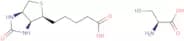
CAS:<p>Fmoc-3-(2'-pyridyl)-L-alanine is an acid molecule that has been shown to have anti-cancer properties. It is a polysaccharide polymer used in the preparation of polyvinyl alcohol and polyvinyl acetate. The phosphatase activity of Fmoc-3-(2'-pyridyl)-L-alanine was first observed in the 1970s, when it was found to be an effective inhibitor of acid phosphatase. This structural study has also revealed the effects of Fmoc-3-(2'-pyridyl)-L-alanine on cancer cells, which may be due to its ability to prevent cell division and genetic control. Fmoc-3-(2'-pyridyl)-L-alanine is also known as a monoclonal antibody that can bind to specific structures on cancer cells, such as antigens and receptors, which may be responsible for these effects.</p>Formula:C23H20N2O4Purity:Min. 95%Color and Shape:SolidMolecular weight:388.42 g/molN-Biotinyl-L-cysteine
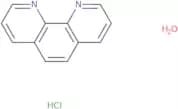
CAS:<p>N-Biotinyl-L-cysteine is a biotinylated derivative of the amino acid L-cysteine. It is used in chemical ligation reactions to enhance the reactivity of the glyceraldehyde-3-phosphate dehydrogenase (GAPDH) enzyme, which is important for glycolysis. N-Biotinyl-L-cysteine is also used to target GAPDH to cardiac cells and other cells that express this enzyme. This targeting allows for selective delivery of drugs to cardiac cells and other heart tissues. N-Biotinyl-L-cysteine has been shown to be reactive with cellular components such as DNA, RNA, and proteins. This reactive nature can be beneficial in biomolecular studies such as those involving disulfide bonds.</p>Formula:C13H21N3O4S2Purity:Min. 95%Color and Shape:White PowderMolecular weight:347.46 g/molo-Phenanthroline monohydrochloride monohydrate
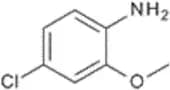
CAS:<p>o-Phenanthroline monohydrochloride monohydrate is a ligand that is used in crystallography to study the crystal structure of metal ions. It has been shown to be an efficient catalyst for the ring-opening of chloroformates, and can also be used as an analytical reagent that is capable of detecting chlorine in organic compounds. The hydrate form of o-phenanthroline monohydrochloride has a molecular formula of C12H14ClN3O4·2H2O and a molecular weight of 392.7 g/mol.</p>Formula:C12H8N2·HCl·H2OColor and Shape:PowderMolecular weight:234.68 g/mol4-Chloro-2-methoxyaniline
CAS:<p>4-Chloro-2-methoxyaniline is an organic compound with the chemical formula CHClNO. It is a colorless liquid that smells like benzene. 4-Chloro-2-methoxyaniline reacts with diazonium salt to produce a red-orange dye and is used to create other azo compounds. It also reacts with anionic substances and can be used in fibre production. 4-Chloro-2-methoxyaniline has been shown to have fungicidal properties, which may be due to its ability to oxidize the fungal cell membrane.</p>Formula:C7H8ClNOPurity:Min. 98 Area-%Molecular weight:157.6 g/mol2-Amino-N-[2-(5-methoxy-1H-indol-3-yl)ethyl]acetamide hydrochloride
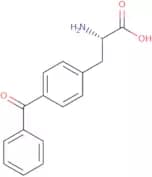
CAS:<p>2-Amino-N-[2-(5-methoxy-1H-indol-3-yl)ethyl]acetamide hydrochloride is a magnetic compound that has been shown to be an effective cancer antigen. It is a derivative of the amino acid sequence of α,β-unsaturated fatty acids and can be used as a dietary supplement. 2-Amino-N-[2-(5-methoxy-1H-indol-3-yl)ethyl]acetamide hydrochloride has been shown to bind to fatty acid receptors on the surface of antigen presenting cells (APCs). It also activates the immune system by activating APCs, which leads to the production of cytokines and chemokines. This compound has also been shown to stimulate T cells in culture, leading to activation and proliferation of tumor cells.</p>Formula:C13H17N3O2·HClPurity:Min. 95%Color and Shape:PowderMolecular weight:283.75 g/mol4-Benzoyl-L-phenylalanine
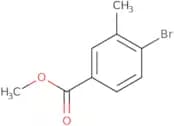
CAS:<p>4-Benzoyl-L-phenylalanine is a protein that has been shown to interact with the following domains: 4-helical bundle, alpha/beta hydrolase fold, and beta sheet. It interacts with residues: Arg128, Tyr129, Asp130, Gly131, Ser132, Ser133, Arg134 and Trp135. The enzyme activities of 4-benzoyl-L-phenylalanine are inhibited by interactions with 3t3-l1 preadipocytes and neurokinin receptor 1 (NK1). This protein also targets enzymes such as acetylcholinesterase (AChE) and phosphodiesterase (PDE). The peptide sequence for 4-benzoyl-L-phenylalanine is KGKPVPAKDYIKTG.</p>Formula:C16H15NO3Purity:Min. 98 Area-%Color and Shape:White Yellow PowderMolecular weight:269.3 g/molMethyl 4-bromo-3-methylbenzoate
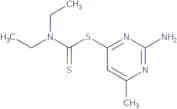
CAS:<p>Methyl 4-bromo-3-methylbenzoate is an aryl boronic acid that has been used in the study of lactams. It has been shown to interact with acidic substances and crystal x-ray diffraction has revealed it to be a carbonyl reductant. Functional theory suggests that this compound is capable of reducing an ester or carboxylic acid using hydrogen gas, forming an alcohol and a carboxylic acid. Methyl 4-bromo-3-methylbenzoate also reacts with maleic anhydride, unsymmetrical dihydroxyacetone, photochromism, and constant light. X-ray crystal structures have revealed the molecule's molecular structure. The methyl group is attached to the 3rd carbon atom on the benzene ring, while the bromine atom is located at the 4th carbon atom on the benzene ring. The carbon atoms are connected through single bonds and there are two</p>Formula:C9H9BrO2Purity:Min. 95%Molecular weight:229.07 g/mol(2-Amino-6-methylpyrimidin-4-ylthio)(diethylamino)methane-1-thione
CAS:<p>Please enquire for more information about (2-Amino-6-methylpyrimidin-4-ylthio)(diethylamino)methane-1-thione including the price, delivery time and more detailed product information at the technical inquiry form on this page</p>Formula:C10H16N4S2Purity:Min. 95%Color and Shape:PowderMolecular weight:256.39 g/molCopper glycine
CAS:<p>Copper glycine is a complex enzyme that contains molybdenum, nitrogen and fatty acid. It is a metal chelate that binds to copper ions and prevents the oxidation of fatty acids. The complex has been shown to inhibit the activity of many different enzymes, including those from group P2 (e.g., pyruvate formate lyase) and nutrient solutions. Copper glycine has also been implicated in antimicrobial peptide synthesis.</p>Formula:C4H8N2O4CuPurity:Min. 95%Color and Shape:PowderMolecular weight:211.66 g/molDL-Asparagine monohydrate
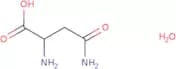
CAS:<p>DL-Asparagine monohydrate is a low potency amino acid that can be used as a biomarker for wastewater treatment. It has been shown to inhibit the activity of enzymes such as guanine nucleotide-binding proteins, toll-like receptors, and response elements. Asparagine also has inhibitory properties against tumour cells in solid tumours.</p>Formula:C4H10N2O4Color and Shape:PowderMolecular weight:150.14 g/molHexanoyl glycine
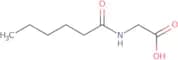
CAS:<p>Hexanoyl glycine is a fatty acid that is used in the treatment of metabolic disorders, particularly those involving energy metabolism. Hexanoyl glycine inhibits the activity of 3-hydroxyacyl-CoA dehydrogenase and 3-ketoacyl-coenzyme A thiolase, two enzymes involved in the oxidation of fatty acids. It also has been shown to inhibit the synthesis and release of ethylmalonic acid from cells, which can be used as a diagnostic for bowel disease. Hexanoyl glycine has been shown to have inhibitory properties against tumor cells but does not affect healthy cells. This property may be due to its ability to bind with DNA and prevent transcription and replication.</p>Formula:C8H15NO3Purity:Min. 95%Color and Shape:PowderMolecular weight:173.21 g/mol5-Methoxyindole-3-acetonitrile
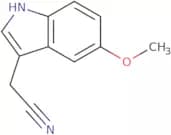
CAS:<p>5-Methoxyindole-3-acetonitrile is a synthetic compound used as a reference for the synthesis of melatonin. It is produced by the addition of magnesium to 5-methoxyindole, followed by reaction with cyanide and nitrile. The synthesis of this compound was first published in 1938 and has since been used as a reference for many other studies. It has been shown that 5-methoxyindole-3-acetonitrile has high performance liquid chromatography properties, with a linear range from 0.5 to 50 mg/mL and an ultraviolet spectrum that falls within the region between 220 nm and 400 nm. A molecular modeling study was conducted on this compound, which showed that it conforms with 4-hydroxy indole ring systems found in natural products such as tryptophan and serotonin. This product also has fluorescent properties, which are caused by its electron withdrawing group (cyano).</p>Formula:C11H10N2OPurity:Min. 95%Color and Shape:PowderMolecular weight:186.21 g/molBis[(5-ethyl-2-methyl-1,3,2-dioxaphosphorinan-5-yl)methyl] methyl phosphonate P,P'-dioxide
CAS:Controlled Product<p>Bis[(5-ethyl-2-methyl-1,3,2-dioxaphosphorinan-5-yl)methyl] methyl phosphonate P,P'-dioxide (BEMPD) is a brominated organophosphorus chemical that is used as a pesticide. It is an effective flame retardant and can be used in the production of polyurethane foams. The main application of BEMPD is in the preparation of particulate matter for weather modification. This chemical has been shown to be an effective phase extraction agent for polychlorinated biphenyls (PCBs) and polybrominated diphenylethers (PBDEs). Florisil column chromatography has been validated as a clean, economical, and sensitive method for the analysis of BEMPD residues. The sampler must be carefully selected to avoid interference with the analytical results.</p>Formula:C15H31O9P3Purity:Min. 95%Color and Shape:PowderMolecular weight:448.32 g/mol6-Amino-2-methylthio-4(3H)pyrimidinone
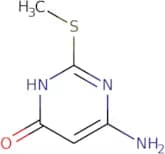
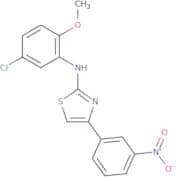
CAS:<p>6-Amino-2-methylthio-4(3H)pyrimidinone is a potential antitumor drug with a radical mechanism of action. It inhibits the activity of the NS5B polymerase, an enzyme in the virus's RNA replication complex. The drug has been shown to inhibit proliferation of cancer cells in vitro and to have antiviral effects against a number of viruses, including influenza A and B. 6-Amino-2-methylthio-4(3H)pyrimidinone inhibits tyrosine kinases and also inhibits erythrocyte progenitors from differentiating into megakaryocytes. This drug is not metabolized by cytochrome P450 enzymes and does not bind to plasma proteins.</p>Formula:C5H7N3OSPurity:Min. 95%Color and Shape:White PowderMolecular weight:157.19 g/mol(5-Chloro-2-methoxyphenyl)(4-(3-nitrophenyl)(2,5-thiazolyl))amine
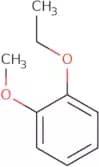
CAS:<p>Please enquire for more information about (5-Chloro-2-methoxyphenyl)(4-(3-nitrophenyl)(2,5-thiazolyl))amine including the price, delivery time and more detailed product information at the technical inquiry form on this page</p>Purity:Min. 95%1-Ethoxy-2-methoxybenzene
CAS:<p>1-Ethoxy-2-methoxybenzene is an organic compound that belongs to the class of phenols. It has been used as a solvent for pharmaceutical formulations, as an extractant for human serum, and as a demethylating agent in analytical chemistry. 1-Ethoxy-2-methoxybenzene is used in the presence of hydrochloric acid and morpholine to produce dibutyl ether from diethyl ether. This reaction is catalyzed by chloride ions, which are present at high concentrations in the solution. The linear response of this analytical method can be attributed to its acidic properties. The use of microwaves during this reaction allows for increased chemical yields and decreased time needed for the reaction to occur.</p>Formula:C9H12O2Purity:Min. 95%Color and Shape:Clear LiquidMolecular weight:152.19 g/molTertiapin
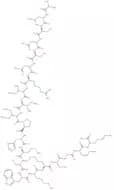
CAS:<p>Tertiapin is a synthetic bee venom peptide (Honey Bee, Apis mellifera) containing disulfide bonds between Cys3-Cys14 and Cys5-Cys18. It is an inward rectifier K+ channel blocker and also blocks the activity of calcium activated large conductance potassium channels. The pain and inflammation symptoms experienced after a bee sting is caused by this peptide even though bee venom also has the potential to treat pain and inflammation in conditions such as rheumatoid arthritis and multiple sclerosis.</p>Formula:C106H180N34O23S5Purity:Min. 95%Molecular weight:2,459.11 g/mol2-(4-tert-Butylphenoxy)-2-methylpropanoic acid
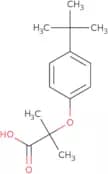
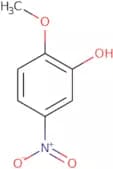
CAS:<p>2-(4-tert-Butylphenoxy)-2-methylpropanoic acid is a versatile building block and reagent for the synthesis of complex compounds. It has been used in research as a possible treatment for inflammatory diseases, including asthma and rheumatoid arthritis. This product is also a useful scaffold for the development of new drugs. 2-(4-tert-Butylphenoxy)-2-methylpropanoic acid has been shown to have antiviral properties against human immunodeficiency virus (HIV) and hepatitis C virus (HCV).</p>Formula:C14H20O3Purity:Min. 95%Color and Shape:PowderMolecular weight:236.31 g/mol2-Methoxy-5-nitrophenol
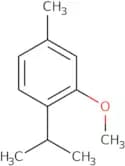
CAS:<p>2-Methoxy-5-nitrophenol (2MNOP) is a compound that has been shown to inhibit the growth of bacteria in nutrient solutions by reducing the activity of glutamate pyruvate transaminase and pyridoxine hydrochloride. 2MNOP is a potent inhibitor of bacterial enzyme activities, such as neutral ph, hydrochloric acid, nitro, and toxicity studies. It is not active against eukaryotic cells or plants. The uptake of 2MNOP is enhanced by the presence of diamine tetraacetic acid and ethylene diamine. 2MNOP has also been shown to be effective against multi-walled carbon nanotubes.</p>Formula:C7H7NO4Purity:Min. 95%Color and Shape:PowderMolecular weight:169.13 g/mol2-Isopropyl-5-methylanisole
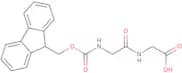
CAS:<p>2-Isopropyl-5-methylanisole is a natural compound that has been shown to have potent antimicrobial activity in a model system. It has been shown to inhibit the growth of bacteria by binding to the active site of bacterial DNA gyrase and topoisomerase IV, which are enzymes that maintain the integrity of bacterial DNA. 2-Isopropyl-5-methylanisole has also been shown to be nontoxic in toxicity studies on various model organisms. 2-Isopropyl-5-methylanisole is absorbed through the skin when applied topically or taken orally, and can be used as an antibacterial agent for topical application or in foods.</p>Formula:C11H16OPurity:Min. 95%Color and Shape:Clear LiquidMolecular weight:164.24 g/molFmoc-Gly-Gly-OH
CAS:<p>Fmoc-Gly-Gly-OH is an Fmoc protected glycine derivative used in proteomics studies and in solid phase peptide synthesis. In the synthesis of antibody-drug conjugates (ADC), Fmoc-Gly-Gly-OH acts as a cleavable ADC linker. The protected head of Fmoc-Gly-Gly-OH allows expanding the chain of the peptide to produce polypeptides.</p>Formula:C19H18N2O5Purity:Min. 97 Area-%Color and Shape:PowderMolecular weight:354.36 g/molEthyl 3-((4-chlorophenyl)amino)-5-methyl-2,4-thiazolecarboxylate
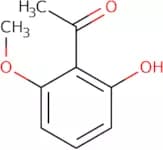
CAS:<p>Please enquire for more information about Ethyl 3-((4-chlorophenyl)amino)-5-methyl-2,4-thiazolecarboxylate including the price, delivery time and more detailed product information at the technical inquiry form on this page</p>Purity:Min. 90%2-Hydroxy-6-methoxyacetophenone
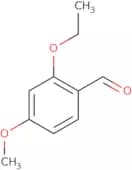
CAS:<p>2-Hydroxy-6-methoxyacetophenone is a chalcone that belongs to the group of flavonoids. It has been shown to have anticancer properties, inhibiting the growth of colorectal carcinoma cells in a dose-dependent manner. The mechanism of action for 2-hydroxy-6-methoxyacetophenone is not fully understood, but it may be due to its ability to inhibit the enzyme demethylase and induce apoptosis. This compound also has been shown to inhibit the growth of Escherichia coli and Salmonella typhimurium when used at high concentrations. 2-Hydroxy-6-methoxyacetophenone can be synthesized by reacting ethyl acetoacetate with two equivalents of methylamine in the presence of a base such as sodium methoxide or potassium hydroxide.<br>2-Hydroxy-6-methoxyacetophenone has also been shown to inhibit</p>Formula:C9H10O3Purity:Min. 95%Color and Shape:PowderMolecular weight:166.17 g/mol2-Ethoxy-4-methoxybenzaldehyde
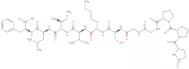
CAS:<p>2-Ethoxy-4-methoxybenzaldehyde is a volatile compound that has been shown to have medicinal properties. It is used to analyze the presence of alcohols and aldehydes in various products. The sensitivity of this compound was optimized by using an analytical method that involved solid phase microextraction (SPME) followed by gas chromatography (GC). The carcinogenicity of this compound was determined by exposing it to rats in a 2 year study, which showed no evidence of carcinogenicity. This compound can also be used as a phenolic or microextraction reagent for the headspace analysis of volatile compounds.</p>Formula:C10H12O3Purity:Min. 95%Color and Shape:PowderMolecular weight:180.2 g/molHead Activator
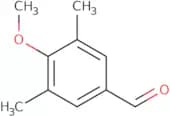
CAS:<p>Head activator Pyr-Pro-Pro-Gly-Gly-Ser-Lys-Val-Ile-Leu-Phe-OH is a synthetic peptide, which is modeled after bioactive peptides found in certain biological systems. It is derived from the head activator peptides naturally occurring in organisms like hydra and is believed to play a role in neurochemical signaling pathways.The mode of action of this peptide involves the modulation of neuronal activity and proliferation through specific interactions with cellular receptors, influencing processes such as cell growth and differentiation. These interactions may contribute to neuroprotection and support neural regeneration, making it a subject of interest in neurobiological research.Given its role in cellular signaling, Head activator Pyr-Pro-Pro-Gly-Gly-Ser-Lys-Val-Ile-Leu-Phe-OH is primarily used in research contexts, especially in studies focusing on neurobiology, regenerative medicine, and the molecular mechanisms underlying neural development. Its ability to mimic certain endogenous signaling processes allows scientists to explore the regulation of neural cell behavior and the potential therapeutic applications for neurodegenerative conditions.</p>Formula:C54H84N12O14Purity:Min. 95%Molecular weight:1,125.32 g/mol3,5-Dimethyl-4-methoxybenzaldehyde
CAS:<p>3,5-Dimethyl-4-methoxybenzaldehyde is a high quality, versatile chemical that can be used as an intermediate to synthesize other fine chemicals. The compound can be reacted with various reagents to produce complex compounds. 3,5-Dimethyl-4-methoxybenzaldehyde can also be used as a building block to synthesize other useful compounds. This chemical has been shown to be a useful scaffold for the production of new compounds and has been used as a reaction component in research and development.</p>Formula:C10H12O2Purity:Min. 95%Color and Shape:PowderMolecular weight:164.2 g/molH-Pro-Ile-OH
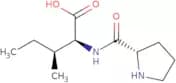
CAS:<p>H-Pro-Ile-OH is an amino acid that is found in the mitochondria of cells. It is a prodrug that binds to angiotensin and blocks its conversion to angiotensin II, which has been shown to have blood pressure lowering effects. H-Pro-Ile-OH has been shown to be a competitive inhibitor of oligopeptidase, with a half maximal inhibitory concentration (IC50) of 0.5 mM, and has also been shown to have antihypertensive properties.</p>Formula:C11H20N2O3Purity:Min. 95%Color and Shape:PowderMolecular weight:228.29 g/mol4-Methoxybenzhydrol
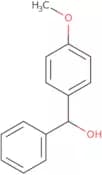
CAS:<p>4-Methoxybenzhydrol is a chemical compound that has an activation energy of 69.3 kJ/mol. It has been shown to be acidic, with a pH of 2.5 in water, and can react with allyl alcohols to form 4-methoxybenzaldehyde. The addition of metal ions enhances the reaction rate. Kinetic studies have been carried out at room temperature, and the reaction mechanism is proposed to be via solvolysis of hypophosphorous acid followed by decarboxylation. Impurities may arise from side reactions such as the formation of peroxides or photocatalytic activity, which may lead to functional groups on the molecule.</p>Formula:C14H14O2Purity:Min. 95%Color and Shape:PowderMolecular weight:214.26 g/molFmoc-di-n-butylglycine
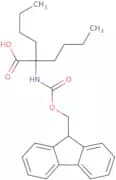
CAS:<p>Fmoc-di-n-butylglycine is a c1-8 alkyl that has been shown to have an antiinflammatory effect. It inhibits the phosphodiesterase enzyme, which is responsible for the degradation of cyclic adenosine monophosphate (cAMP), which increases levels of this molecule. This leads to increased activation of protein kinase A and protein kinase C, which are important in inflammatory pathways. Fmoc-di-n-butylglycine binds to the sodium channel, preventing it from opening and closing, thus inhibiting transmission of electrical signals. This drug has also been shown to inhibit potassium channels and hydrogen sulfate production by bacteria. Fmoc-di-n-butylglycine can be used as a model for the study of other drugs that act on sodium channels.</p>Formula:C25H31NO4Purity:Min. 95%Color and Shape:SolidMolecular weight:409.52 g/mol4-(4-Aminophenyl)-3-methyl-4-oxobutanoic acid
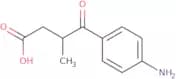
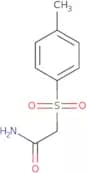
CAS:<p>4-(4-Aminophenyl)-3-methyl-4-oxobutanoicacid is a chemical substance that has been shown to be effective in treating insects. It is also used as an insecticide and herbicide. 4-(4-Aminophenyl)-3-methyl-4-oxobutanoicacid has been shown to have a high toxicity against insects, with a LD50 value of 5.6 mg/kg. This compound has been tested for its effects against the weevil species Rhinotia haemoptera, which is a pest that damages crops in Australia. 4-(4-Aminophenyl)-3-methyl-4-oxobutanoicacid was found to be highly toxic to this species of insect with an LC50 value of 0.1%.</p>Formula:C11H13NO3Purity:Min. 95%Color and Shape:SolidMolecular weight:207.23 g/mol2-((4-Methylphenyl)sulfonyl)ethanamide
CAS:<p>2-((4-Methylphenyl)sulfonyl)ethanamide is an amide that has been shown to have antibacterial activity. It binds to the DNA of bacteria, inhibiting its replication and transcription. This drug also inhibits the growth of influenza virus in cell culture. 2-((4-Methylphenyl)sulfonyl)ethanamide is a sensor for chloride ions, which may be used as treatments for bacterial infections. This drug is also able to inhibit the replication of bacteria that are resistant to other antibiotics, such as penicillin. The unsaturated alkyl group on this molecule allows it to be activated by radiation treatment, which may be useful in the treatment of cancer cells or viral infections.</p>Formula:C9H11NO3SPurity:Min. 95%Color and Shape:PowderMolecular weight:213.25 g/molFmoc-L-tert-leucine
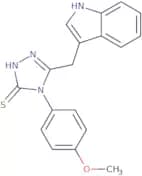
CAS:<p>Fmoc-L-tert-leucine is an amide that is used for the treatment of prostate cancer. Fmoc-L-tert-leucine has been shown to be effective in treating resistant prostate cancer cells in vivo, and it has been shown to inhibit the growth of prostate cancer cells in vitro. This drug also has a diagnostic effect on prostate cancer cells. The uptake of this drug by prostate cancer cells is dependent on the presence of caspase-9, which may be due to its ability to inhibit apoptosis.</p>Formula:C21H23NO4Purity:Min. 95%Color and Shape:White PowderMolecular weight:353.41 g/mol5-(Indol-3-ylmethyl)-4-(4-methoxyphenyl)-1,2,4-triazole-3-thiol
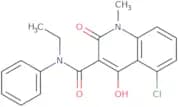
CAS:<p>Please enquire for more information about 5-(Indol-3-ylmethyl)-4-(4-methoxyphenyl)-1,2,4-triazole-3-thiol including the price, delivery time and more detailed product information at the technical inquiry form on this page</p>Formula:C18H16N4OSPurity:Min. 95%Color and Shape:PowderMolecular weight:336.41 g/mol5-Chloro-4-hydroxy-1-methyl-2-oxo-1,2-dihydro-quinoline-3-carboxylic acid ethyl-phenyl-amide
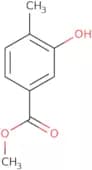
CAS:<p>Laquinimod is an immunomodulator drug that inhibits the activity of the immune system. It binds to toll-like receptor 7, which is a protein on the surface of certain cells that responds to infection and inflammation. Laquinimod has been shown to inhibit neurodegeneration in vitro, which may be due to its ability to bind with neuronal death receptors and block the inflammatory response. Laquinimod also inhibits bowel disease by reducing inflammation and controlling immunity in the intestinal tract. Laquinimod has been shown to have long-term efficacy when administered at physiological levels. This drug is chemically stable, even after exposure to light.</p>Formula:C19H17ClN2O3Purity:Min. 95%Color and Shape:White PowderMolecular weight:356.8 g/molMethyl 3-hydroxy-4-methylbenzoate
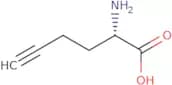
CAS:<p>Methyl 3-hydroxy-4-methylbenzoate (HMBA) is a metabolite of the anti-cancer drug methotrexate. HMBA has shown an inhibitory effect on acid phosphatase and on the growth of cancer cells. It also has an anti-inflammatory effect, which may be due to its ability to inhibit enzyme extracts from inflammatory diseases such as arthritis or asthma. HMBA has been shown to have a pharmacokinetic profile in vivo, which has been demonstrated by using SW620 cells. This compound is also able to cross the blood brain barrier and accumulate in cancerous tumors.</p>Formula:C9H10O3Purity:Min. 95%Color and Shape:PowderMolecular weight:166.17 g/molL-Homopropargylglycine
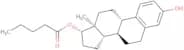
CAS:<p>L-Homopropargylglycine is a small molecule that inhibits the activity of enzymes involved in fatty acid synthesis. It has been shown to inhibit the activity of enzymes involved in mitochondrial membrane potential and reactive oxygen species production, as well as collagen degradation. L-Homopropargylglycine is used to study the molecular mechanisms of lipid metabolism and mitochondrial function, as well as for wastewater treatment. L-Homopropargylglycine has also been studied as a potential drug for the treatment of metabolic syndrome, diabetes, and cancer.</p>Formula:C6H9NO2Purity:Min. 95%Color and Shape:PowderMolecular weight:127.14 g/molEstradiol 17-valerate
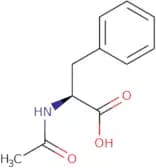
CAS:<p>Estradiol is a form of the hormone estrogen that has been modified to be more lipophilic. It is used in combination with other drugs to treat menopausal symptoms and as an adjuvant for the treatment of breast cancer in women. Estradiol 17-valerate is also used in the treatment of schizophrenia, although not as often as estradiol valerate, because it has a shorter duration of action. The mechanism of action is thought to be due to its ability to increase the concentration of dopamine at nerve terminals by blocking reuptake or inhibiting its metabolism. This may result in relief from distal tubule dysfunction and an improvement in urinary tract symptoms associated with benign prostatic hypertrophy. There are many other possible mechanisms of action including the prevention of bone loss, increased bone age, and increased NMDA receptor binding potentials.</p>Formula:C23H32O3Purity:Min. 95%Color and Shape:PowderMolecular weight:356.5 g/molN-Acetyl-L-Phenylalanine
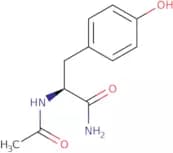
CAS:<p>N-Acetyl-L-Phenylalanine is a reactive compound that is involved in the metabolism of amino acids. It has been shown to inhibit liver cell growth and induce apoptosis. The reaction mechanism of N-acetyl-L-phenylalanine has been extensively studied, with studies showing it to react with carbonyl oxygens, hydrogen bond, and intramolecular hydrogen. N-Acetyl-L-phenylalanine has also been shown to have an optimum pH of 6.5 and its chemical formula is C10H11NO2.</p>Formula:C11H13NO3Purity:Min. 95%Color and Shape:PowderMolecular weight:207.23 g/molAcetyl-L-tyrosine amide
CAS:<p>Acetyl-L-tyrosine amide is an analog of L-tyrosine that is used as an active substance in the field of uv absorption. Acetyl-L-tyrosine amide reacts with sodium hydroxide to form a soluble salt, which has been shown to have binding constants that are comparable to those of human serum. This compound also has fluorescence properties and can be used for the determination of neutral pH. The reaction products formed between acetyl-L-tyrosine amide and sodium hydroxide are hydrolyzed by acids and yield a molecule with rotameric properties. These rotameric properties can be modeled using a protein model without affecting the stability or function of the protein.</p>Formula:C11H14N2O3Purity:Min. 95%Color and Shape:PowderMolecular weight:222.24 g/molDL-Leucine amide hydrochloride
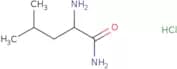
CAS:<p>DL-Leucine amide hydrochloride is a fine chemical that can be used as a building block for research chemicals, as a reagent for the preparation of other compounds, and as a speciality chemical. DL-Leucine amide hydrochloride has been shown to be effective in the synthesis of complex compounds. The compound is also versatile and can be used as an intermediate or scaffold in the synthesis of other compounds. DL-Leucine amide hydrochloride is useful in reactions such as condensation, substitution, elimination, and Grignard reactions. It is also used in peptide synthesis and polymerization reactions.</p>Formula:C6H14N2O·HClPurity:Min. 95%Molecular weight:166.65 g/mol[4-(2-Methyl-1,3-oxazol-5-yl)phenyl]amine
CAS:<p>4-(2-Methyl-1,3-oxazol-5-yl)phenyl]amine is a versatile building block that is widely used in the research and development of complex compounds. This compound can be used as a reagent, speciality chemical, or useful intermediate as it has high reactivity and good solubility. 4-(2-Methyl-1,3-oxazol-5-yl)phenyl]amine is also a useful scaffold for producing other compounds.</p>Formula:C10H10N2OPurity:Min. 95 Area-%Color and Shape:PowderMolecular weight:174.2 g/mol4'-Methylpropiophenone
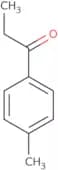
CAS:Controlled Product<p>4'-Methylpropiophenone is a molecule that is used in pharmaceutical preparations. It has been shown to have a high affinity for the extracellular site of NMDA receptors and is an effective inhibitor of the ion channel. 4'-Methylpropiophenone also inhibits the activity of the enzyme acetylcholinesterase, which leads to increased levels of acetylcholine in the synaptic cleft. This results in increased neurotransmission and has been shown to be effective in vitro. The reaction solution can be prepared by reacting piperidine hydrochloride with propiophenone.</p>Formula:C10H12OPurity:Min. 95%Color and Shape:Colorless Clear LiquidMolecular weight:148.2 g/mol3β,5-Dihydroxy-15β,16β-methylene-5β-androst-6-en-17-one
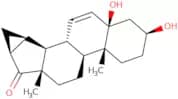
CAS:Controlled Product<p>3b,5-Dihydroxy-15b,16b-methylene-5b-androst-6-en-17-one is a steroid hormone that has been shown to have antihypertensive properties. It has been shown to reduce the production of angiotensin II by inhibiting the enzyme angiotensin converting enzyme (ACE). 3b,5-Dihydroxy-15b,16b-methylene-5b-androst-6-en 17 one has also been shown to be a potent inhibitor of the enzyme 3beta hydroxysteroid dehydrogenase type 1 (3betaHSD1) and 5alpha reductase type 2 (5alphaRD2), which are enzymes that convert cortisone to cortisol and dihydrotestosterone to testosterone respectively. These effects on steroidogenesis may account for its observed antihypertensive activity.</p>Formula:C20H28O3Purity:Min. 95%Color and Shape:PowderMolecular weight:316.43 g/molCyclo(-Gly-L-Glu)
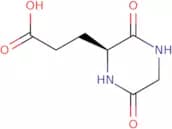
CAS:<p>Cyclo(-Gly-L-Glu) is a cyclic dipeptide that has been analyzed using LC-MS/MS. It is a bioactive compound that can be found in the bioscience and biochemistry fields. Cyclo(-Gly-L-Glu) is used as an analytical method for determining the presence of dipeptides, which are small molecules composed of two amino acids linked together by a peptide bond. The cyclic form of the molecule allows it to bind to proteins and other molecules in order to stabilize them. Cyclo(-Gly-L-Glu) has also been shown to have potential as a therapeutic agent for cancer treatments, based on its ability to inhibit the activity of protein kinases involved in cell proliferation and apoptosis.</p>Formula:C7H10N2O4Purity:Min. 98 Area-%Color and Shape:PowderMolecular weight:186.17 g/mol4-Methyl-2H-1,4-benzoxazin-3(4H)-one
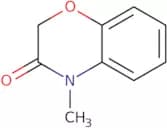
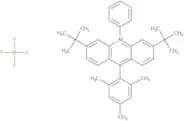
CAS:<p>4-Methyl-2H-1,4-benzoxazin-3(4H)-one is an organic compound that is a hydrogen chloride salt. It is used in the isolation and identification of catechols. The compound has been shown to form condensation products with cellulose, which are detected using analytical techniques such as chromatography and spectrophotometry. 4-Methyl-2H-1,4-benzoxazin-3(4H)-one has a trifluoride ion as its chromophore, which can be detected using analytical techniques.</p>Formula:C9H9NO2Purity:Min. 95%Color and Shape:PowderMolecular weight:163.17 g/mol3,6-Bis(1,1-dimethylethyl)-10-phenyl-9-(2,4,6-trimethylphenyl)-acridinium tetrafluoroborate
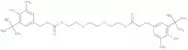
CAS:<p>3,6-Bis(1,1-dimethylethyl)-10-phenyl-9-(2,4,6-trimethylphenyl)-acridinium tetrafluoroborate is a high quality reagent that is used as an intermediate in the synthesis of other compounds. It has CAS No. 1810004-87-5 and a molecular weight of 345.7 g/mol. This compound is useful for the synthesis of complex compounds and can be used in fine chemicals. 3,6-Bis(1,1-dimethylethyl)-10-phenyl-9-(2,4,6-trimethylphenyl)-acridinium tetrafluoroborate is also useful for research purposes and can be used as a scaffold for drug discovery. It is also a versatile building block that can be used in reactions to produce speciality chemicals and reaction components such as esters or amides.</p>Formula:C36H40BF4NPurity:Min 95%Color and Shape:PowderMolecular weight:573.51 g/molTriethylene glycol bis(3-tert-butyl-4-hydroxy-5-methylphenyl)propionate
CAS:<p>Triethylene glycol bis(3-tert-butyl-4-hydroxy-5-methylphenyl)propionate is a water soluble, nonvolatile, and reactive chemical that is used as a sealant and antioxidant in polyvinyl chloride production. Triethylene glycol bis(3-tert-butyl-4-hydroxy-5-methylphenyl)propionate is also used as a synergistic interaction agent for water permeability in fatty acid esters. It has been shown to have an effect on the metabolic rate of rats, which may be due to its ability to react with free radicals.</p>Formula:C34H50O8Purity:Min. 95%Color and Shape:White Off-White PowderMolecular weight:586.76 g/mol

![2-Amino-3-[[[4-(2-methylpropyl)phenyl]methylene]amino]-2-butenedinitrile](/_next/image/?url=https%3A%2Fstatic.cymitquimica.com%2Fproducts%2F3D%2Fthumb-webp%2FFA168997.webp&w=3840&q=75)

![1-Deoxy-1-(methylamino)-D-glucitol [3-[[(2R,3S)-2-[(1R)-1-[3,5-bis(trifluoromethyl)phenyl]ethoxy]-…](/_next/image/?url=https%3A%2Fstatic.cymitquimica.com%2Fproducts%2F3D%2Fthumb-webp%2FFD46503.webp&w=3840&q=75)


![(+)-N-[1-(S)-Ethoxycarbonxyl-3-phenylpropyl]-L-alanine](/_next/image/?url=https%3A%2Fstatic.cymitquimica.com%2Fproducts%2F3D%2Fthumb-webp%2FFE22880.webp&w=3840&q=75)
![2-Amino-N-[2-(5-methoxy-1H-indol-3-yl)ethyl]acetamide hydrochloride](/_next/image/?url=https%3A%2Fstatic.cymitquimica.com%2Fproducts%2F3D%2Fthumb-webp%2FFA116384.webp&w=3840&q=75)

![Bis[(5-ethyl-2-methyl-1,3,2-dioxaphosphorinan-5-yl)methyl] methyl phosphonate P,P'-dioxide](/_next/image/?url=https%3A%2Fstatic.cymitquimica.com%2Fproducts%2F3D%2Fthumb-webp%2FFB170942.webp&w=3840&q=75)

![[4-(2-Methyl-1,3-oxazol-5-yl)phenyl]amine](/_next/image/?url=https%3A%2Fstatic.cymitquimica.com%2Fproducts%2F3D%2Fthumb-webp%2FFM131648.webp&w=3840&q=75)