Amino Acids (AA)
Amino acids (AAs) are the fundamental building blocks of proteins, playing a crucial role in various biological processes. These organic compounds are essential for protein synthesis, metabolic pathways, and cell signaling. In this category, you will find a comprehensive range of amino acids, including essential, non-essential, and modified forms, which are vital for research in biochemistry, molecular biology, and nutritional sciences. At CymitQuimica, we provide high-quality amino acids to support your research and development needs, ensuring accuracy and reliability in your experimental outcomes.
Subcategories of "Amino Acids (AA)"
- Amino Acid Derivatives(3,969 products)
- Amino Acid and Amino Acid Related Compounds(3,474 products)
- Amino Acids with Oxygen or Sulphur(168 products)
- Boc- Amino Acids(351 products)
- Fmoc Amino Acids(1,710 products)
Found 38282 products of "Amino Acids (AA)"
Sort by
Purity (%)
0
100
|
0
|
50
|
90
|
95
|
100
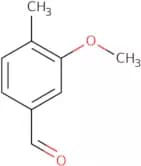
3-Methoxy-4-methylbenzaldehyde
CAS:<p>3-Methoxy-4-methylbenzaldehyde is a chemical compound that belongs to the class of phenylpropanoids. It has been shown to have a variety of uses, including as a drug substance and in natural products. 3-Methoxy-4-methylbenzaldehyde can be used for labeling, mass spectrometric detection, physicochemical techniques, and chromatographic science. The compound can be detected using electron ionization, mass spectrometric detection, or chromatographic science. Isomers of this compound are often difficult to identify due to the presence of other similar compounds.</p>Formula:C9H10O2Purity:Min. 95%Color and Shape:PowderMolecular weight:150.17 g/molL-Ornithine hydrochloride
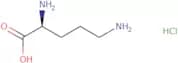
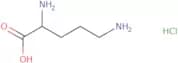
CAS:<p>Ornithine is an amino acid that is a precursor for the synthesis of arginine, creatine, and polyamines. It can be found in a variety of protein-rich foods or can be synthesized from glutamate by the enzyme ornithine transcarbamylase. Ornithine HCl is used as an additive to animal feed to promote growth and improve feed conversion rates. This compound has been shown to increase nitrogen retention and utilization in cattle, which may be due to its ability to inhibit GABA degradation or its ability to stimulate endogenous arginine production. Ornithine HCl also enhances the activity of dietary fatty acids, which may be due to its ability to increase intracellular levels of citric acid cycle intermediates such as succinic acid.</p>Formula:C5H12N2O2•HClPurity:Min. 95%Color and Shape:PowderMolecular weight:168.62 g/molMagnesium L-threonate monohydrate
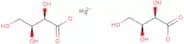
CAS:<p>Magnesium L-threonate monohydrate is a complex chemical that is a versatile building block. The CAS No. for this compound is 500304-76-7. Magnesium L-threonate monohydrate can be used as a research chemical, reagent or speciality chemical in the laboratory. It is also useful as a building block for complex chemical reactions and as an intermediate for the synthesis of other compounds. Magnesium L-threonate monohydrate has been shown to be useful in the synthesis of pharmaceuticals, agrochemicals and materials science products.</p>Formula:C8H14MgO10·H2OPurity:Min. 95%Color and Shape:White PowderMolecular weight:312.51 g/mol(2S)-N-Boc-2-amino-4-azido-butanoic acid methyl ester
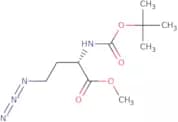
CAS:<p>(2S)-N-Boc-2-amino-4-azido-butanoic acid methyl ester is a high quality, reagent, complex compound, useful intermediate, fine chemical that is used as a building block in the synthesis of speciality chemicals.</p>Formula:C10H18N4O4Purity:Min. 95%Color and Shape:PowderMolecular weight:258.27 g/mol3-Methyladenine
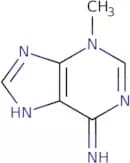
CAS:<p>3-Methyladenine is a glycosylase that cleaves the glycosidic bond between the 3rd and 4th carbon of the ribose ring of the nucleotide 3-methyladenine. It also has synergistic effects with other agents that induce autophagy, such as rapamycin, and increases the expression of a response element in mouse monoclonal antibody. 3-Methyladenine inhibits growth factor-β1 and neuronal death by inducing apoptosis in cells overexpressing nuclear DNA polymerase. This drug is also used to study apoptosis by using a model system.</p>Formula:C6H7N5Purity:Min. 90 Area-%Color and Shape:PowderMolecular weight:149.15 g/mol2-Chloro-5-methoxybenzonitrile
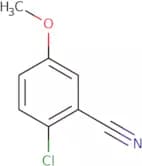
CAS:<p>2-Chloro-5-methoxybenzonitrile is an organic compound that has a chlorinated methoxy group and a cyano group. It is synthesized by the reaction of 2-chloro-5-hydroxybenzonitrile with sulfuryl chloride in the presence of potassium carbonate. The yield of this reaction can be increased by adding a chlorinated solvent such as dichloromethane or chloroform. 2-Chloro-5-methoxybenzonitrile is used in the synthesis of various drugs and other organic compounds, such as amides and benzene ring compounds.</p>Formula:C8H6ClNOColor and Shape:PowderMolecular weight:167.59 g/mol2-Hydroxy-2-(3-phenoxyphenyl)acetonitrile
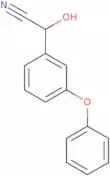
CAS:<p>2-Hydroxy-2-(3-phenoxyphenyl)acetonitrile is an organic compound that is synthesized by the reaction of 3-phenoxybenzaldehyde with nitrous acid in aqueous solution. This compound can be racemized by the enzyme lipase and esterified to form an ester linkage. 2-Hydroxy-2-(3-phenoxyphenyl)acetonitrile has been shown to exhibit insecticidal activity against various strains of bacteria, including Bacillus subtilis, Staphylococcus aureus, and Escherichia coli. 2HPA is a pyrethroid insecticide that has been shown to inhibit lipid synthesis by binding to phospholipids in the bacterial cell membrane. This inhibits the production of fatty acids and glycerol phosphate, inhibiting the growth of the bacteria.</p>Formula:C14H11NO2Purity:Min. 95%Color and Shape:Clear LiquidMolecular weight:225.24 g/mol2-Hydroxy-4-methoxyacetophenone
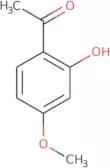
CAS:<p>2-Hydroxy-4-methoxyacetophenone is a compound that has been shown to have a minimal toxicity profile and a wide range of pharmacological activities. It inhibits the activity of NF-κB, which is an inflammatory signaling protein, and also has antioxidant properties. 2-Hydroxy-4-methoxyacetophenone has been shown to reduce the severity of cardiovascular disease by inhibiting oxidative injury in the mitochondria and reducing oxidative stress. This drug also reduces atherosclerotic lesions and prevents hypoglycemia by increasing glucose uptake in tissues. Moreover, it can be used to treat leukemia inhibitory factor in patients with chronic myeloid leukemia (CML).</p>Formula:C9H10O3Purity:Min. 95%Color and Shape:PowderMolecular weight:166.17 g/molDL-5-Hydroxytryptophan
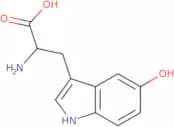
CAS:<p>DL-5-Hydroxytryptophan (5-HTP) is a naturally occurring amino acid that is converted to serotonin in the brain. It is used to treat depression and anxiety, as well as other psychological disorders. 5-HTP has been shown to stimulate the production of serotonin, which may be due to its ability to activate 5-HT2 receptors. 5-HTP has also been shown to increase the activity of various enzymes, such as esterase and aminopeptidase, in human serum. 5-HTP has been shown to have no effects on carcinoid syndrome or 5-ht concentrations in blood plasma. However, it does have biochemical properties that are different from those of other amino acids and can be used as a fluorescent probe for biological research.</p>Formula:C11H12N2O3Purity:Min. 95%Color and Shape:White PowderMolecular weight:220.22 g/mol(5-Bromo-4-methoxyphenyl)acetone
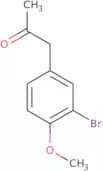
CAS:<p>5-Bromo-4-methoxyphenyl)acetone (BMA) is a versatile building block that is used in the production of fine chemicals, research chemicals, and reagents. It has been shown to be a useful scaffold for the synthesis of complex compounds. BMA is also an intermediate for the production of other chemicals. This chemical has been shown to have high quality with a wide range of uses as a reaction component or useful scaffold.</p>Formula:C10H11BrO2Purity:Min. 95%Molecular weight:243.1 g/molH-Tyr-Glu-OH
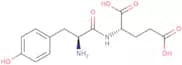
CAS:<p>H-Tyr-Glu-OH is a fluorescent dye that has been used in assays to detect the uptake of polymers in bacterial cells. It is also used to study conformational properties of porphyromonas, which are bacteria found in the oral cavity. H-Tyr-Glu-OH reacts with the sugar alcohols in porphyromonas, causing a change in its optical properties. This change can be measured using spectroscopy methods such as fluorescence and absorption, which allows for monitoring of polymer uptake and other changes related to porphyromonas activity.</p>Formula:C14H18N2O6Purity:Min. 95%Color and Shape:White To Off-White SolidMolecular weight:310.3 g/molFmoc-D-Leu-OH
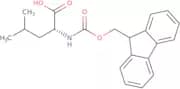
CAS:<p>Fmoc-D-Leu-OH is a disulfide bond containing molecule with an intracellular Ca2+ chelating activity. It has been shown to have cytoprotective effects against oxidative stress and cell death, and has also been found to have antiinflammatory properties. Fmoc-D-Leu-OH can inhibit the activities of various enzymes such as cyclooxygenase, lipoxygenase, phospholipases, and diamine oxidase. This molecule also exhibits cytotoxic activity against bladder cancer cells in vitro. The pharmacokinetic properties of Fmoc-D-Leu-OH are similar to other molecules that are used as antibiotics.<br>Fmoc-D-Leu-OH is a cyclic peptide with antimicrobial peptide (AMP) activity that inhibits bacterial growth by disrupting their cell membranes or inhibiting protein synthesis. It binds to bacterial 16S ribosomal RNA and inhibits protein synthesis, leading</p>Formula:C21H23NO4Purity:Min. 98 Area-%Color and Shape:White PowderMolecular weight:353.41 g/mol2,4-Dimethoxy-3-methylbenzyl alcohol
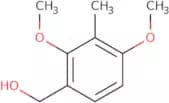
CAS:<p>2,4-Dimethoxy-3-methylbenzyl alcohol is a syntheses and deuterium analogue of orsellinic acid. It has been shown to inhibit bacterial growth in the presence of an oxygen atmosphere.</p>Formula:C10H14O3Purity:Min. 95%Molecular weight:182.22 g/molPhenylephrine hydrochloride
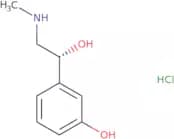
CAS:<p>(R)-Phenylephrine hydrochloride is a non selective alpha adrenergic agonist that can be used as a bronchodilator or vasopressor. Some research studies in rat liver microsomes has shown that (R)-phenylephrine can be converted to phenylephrine by alcohol dehydrogenase at a rate constant of around 1.8x10³ M-1s-1 at 37°C. The biological effects of this compound are due to its ability to cause relaxation of smooth muscle and increase blood pressure by stimulating alpha-adrenergic receptors in the body. This drug is also used in chromatography for control analysis and detection of adulteration with other compounds, such as norepinephrine, with the help of benzalkonium chloride.In ophthalmology, phenylephrine hydrochloride formulations are used for the treatment of eye disorders such as myopia, hypermetropia and astigmatism. It increases the outflow of aqueous humour from the eye by acting on alpha receptors in the ciliary body, and seems to be effective in controlling symptoms of allergic rhinitis and chronic urticaria.</p>Formula:C9H14NO2ClPurity:Min. 98 Area-%Color and Shape:PowderMolecular weight:203.67 g/molFmoc-ApH(Cbm)-OH
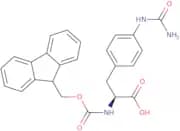
CAS:<p>Fmoc-ApH(Cbm)-OH is a high quality and versatile building block. It is also a useful scaffold for the synthesis of complex compounds. Fmoc-ApH(Cbm)-OH can be used as a reagent in research chemical and speciality chemical reactions, and it has been shown to be an intermediate for the synthesis of other molecules. Fmoc-ApH(Cbm)-OH belongs to the category of fine chemicals, which are often used in the manufacturing of pharmaceuticals and agricultural chemicals. CAS No.: 324017-23-4</p>Formula:C25H23N3O5Purity:Min. 97 Area-%Color and Shape:PowderMolecular weight:445.47 g/mol2-Methoxyhydroquinone
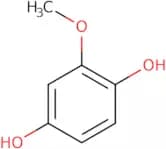
CAS:<p>2-Methoxyhydroquinone is a reactive phenolic compound that is used as an antioxidant in nutrient solutions. The compound reacts with a hydroxyl group to form 2,2-bis(4-hydroxyphenyl)propane through the addition of hydrogen bonds. It is also used for wastewater treatment and in radiation-induced polymerization reactions. 2-Methoxyhydroquinone can react with alcohol residues on proteins to form p-hydroxybenzoic acid esters. In addition, this compound has been shown to be an excellent enzyme substrate, which may result from its ability to undergo hydrogen bonding interactions with the enzyme active site.</p>Formula:C7H8O3Color and Shape:PowderMolecular weight:140.14 g/molFmoc-D-Trp(Boc)-OH
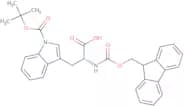
CAS:Fmoc-D-Trp(Boc)-OH is a β-amino acid that has potent antitumor activity. It is a cyclic peptide that has been synthesized by solid-phase chemistry and molecular modelling. Fmoc-D-Trp(Boc)-OH inhibits the histone deacetylase (HDAC) enzyme, which controls gene expression and cell proliferation, and is a potential anticancer drug. This molecule also inhibits the uptake of kynurenine by cancer cells, leading to cell death. Fmoc-D-Trp(Boc)-OH has been shown to inhibit the growth of human breast cancer cells in culture with an IC50 of 10 μM and to induce apoptosis in these cells with an IC50 of 2 μM.Formula:C31H30N2O6Purity:Min. 95%Color and Shape:PowderMolecular weight:526.58 g/mol4-(4-Ethoxyphenyl)-2-(3-methyl-5-oxo-1-phenyl(2-pyrazolin-4-yl))-4-oxobutanoic acid
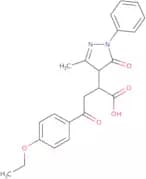
CAS:<p>Please enquire for more information about 4-(4-Ethoxyphenyl)-2-(3-methyl-5-oxo-1-phenyl(2-pyrazolin-4-yl))-4-oxobutanoic acid including the price, delivery time and more detailed product information at the technical inquiry form on this page</p>Purity:Min. 95%Boc-L-Phg-OH
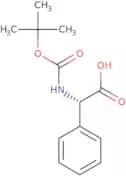
CAS:Boc-L-Phg-OH is a synthetic molecule that binds to the receptor for spasticity and inhibits spasticity. It has been shown to have potent inhibition of t-cell leukemia and virus replication. Boc-L-Phg-OH is a fluorescent compound that can be used as a molecular probe for studies of protein dynamics in living cells. The pharmacokinetic properties of this compound have also been studied, suggesting that it could be an effective treatment for tuberculosis.Formula:C13H17NO4Purity:Min. 95%Color and Shape:White PowderMolecular weight:251.28 g/mol3-ethyl-5-((2-hydroxy-3-methoxyphenyl)methylene)-2-thioxo-1,3-thiazolidin-4-one
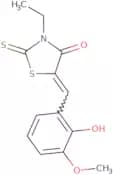
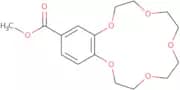
CAS:<p>Please enquire for more information about 3-ethyl-5-((2-hydroxy-3-methoxyphenyl)methylene)-2-thioxo-1,3-thiazolidin-4-one including the price, delivery time and more detailed product information at the technical inquiry form on this page</p>Purity:Min. 95%4'-Methoxycarbonylbenzo-15-crown 5-ether
CAS:<p>4'-Methoxycarbonylbenzo-15-crown 5-ether (4MBC) is a gestational, microstructural, extracellular and thermodynamic teratogen that has been shown to have a high level of resistance to hyaluronidase. 4MBC binds to hyaluronic acid, which is a component of the synovial fluid in the joints. The binding of 4MBC to hyaluronic acid results in inhibition of cartilage growth, which leads to joint degradation. This drug also has been shown to cause fetal bovine serum proteins to precipitate. 4MBC is associated with an increased risk for body mass index (BMI) greater than 30 kg/m2 and an increased risk of radiofrequency ablation (RFA) for benign uterine masses.</p>Formula:C16H22O7Purity:Min. 95%Color and Shape:White PowderMolecular weight:326.34 g/molL-Cysteine hydrochloride monohydrate
CAS:<p>L-Cysteine is a nonessential amino acid that has the ability to disrupt bacterial cell membranes. It can be produced by hydrolysis of human hair, feathers, and animal hides. L-Cysteine is used as a food additive and flavouring agent in human food and animal feed. It is also used as an additive in the manufacture of plastics, adhesives, and rubber products. L-Cysteine hydrochloride monohydrate (L-Cys HCl) is a white crystalline powder that dissolves readily in water. L-Cys HCl has been shown to have anti-inflammatory properties due to its ability to inhibit the production of prostaglandins.</p>Formula:C3H7NO2S·HCl·H2OPurity:Min. 95%Color and Shape:White Off-White PowderMolecular weight:175.64 g/molS-(Carboxymethyl)-L-cysteine
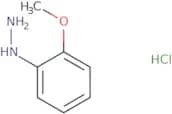
CAS:<p>S-(Carboxymethyl)-L-cysteine (CMC) is a thiol containing compound that is used as a dietary supplement. It has been shown to have beneficial effects on chronic cough and asthma symptoms in two-way crossover studies with human subjects. CMC has also been shown to reduce the production of proinflammatory mediators by inhibiting toll-like receptor 4 (TLR4) activation, which is important for the development of respiratory problems. CMC has also been shown to inhibit mitochondrial functions in cells and produce side effects such as light sensitivity and stomach upset when taken at high doses.</p>Formula:C5H9NO4SPurity:Min. 95%Color and Shape:PowderMolecular weight:179.2 g/mol2-Methoxyphenylhydrazine hydrochloride
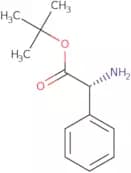
CAS:<p>2-Methoxyphenylhydrazine hydrochloride is a chemical that is used as a research scaffold, building block, or intermediate. It can be used in the synthesis of complex compounds with high quality and purity. This product is soluble in water and alcohols. 2-Methoxyphenylhydrazine hydrochloride has CAS No. 6971-45-5 and a molecular weight of 183.2 g/mol.</p>Formula:C7H10N2O·HClPurity:Min. 95%Color and Shape:PowderMolecular weight:174.63 g/molD-Phenylglycine tert-butyl ester hydrochloride
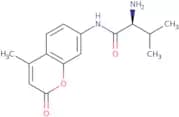
CAS:<p>D-Phenylglycine tert-butyl ester hydrochloride is a fine chemical that has versatile uses in research as a building block, intermediate, or reagent. It can be used to make complex compounds and useful scaffolds for organic chemistry. D-Phenylglycine tert-butyl ester hydrochloride is also a useful reaction component and can be used to make high-quality products.</p>Formula:C12H17NO2·HClPurity:Min. 95%Color and Shape:PowderMolecular weight:243.73 g/molH-Val-AMC
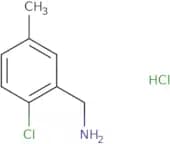
CAS:H-Val-AMC is a scleral depressant that has been shown to lower intraocular pressure (IOP) in humans and animals. It is a non-penetrating agent that has been show to be well tolerated in humans with no significant side effects. H-Val-AMC can be used as an alternative to medications such as timolol, which are not well tolerated by many patients. The effectiveness of H-Val-AMC is statistically significant when compared to timolol and other agents, but it does not produce a substantial reduction in IOP. This drug should be administered in conjunction with other glaucoma treatment methods including positioning, suturing, perimetry, pachymetry and sclerectomy.Formula:C15H18N2O3Purity:Min. 95%Color and Shape:PowderMolecular weight:274.32 g/mol2-Chloro-5-methylbenzylamine hydrochloride
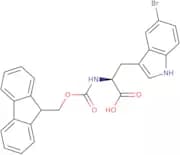
CAS:<p>2-Chloro-5-methylbenzylamine hydrochloride is a chemical that is used as a versatile building block in the synthesis of complex compounds. It has a wide range of uses, including as a research chemical, reagent, and speciality chemical. 2-Chloro-5-methylbenzylamine hydrochloride is also used as an intermediate in the synthesis of other chemicals and can be used as an organic building block, reaction component, and scaffold. This product can be used to produce high-quality products, such as pharmaceuticals and agrochemicals.</p>Formula:C8H10ClN•HClPurity:Min. 95%Molecular weight:192.09 g/molFmoc-Trp(5-Br)-OH
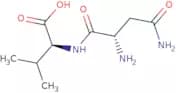
CAS:<p>Please enquire for more information about Fmoc-Trp(5-Br)-OH including the price, delivery time and more detailed product information at the technical inquiry form on this page</p>Formula:C26H21BrN2O4Purity:Min. 95%Color and Shape:PowderMolecular weight:505.36 g/molH-Asn-Val-OH
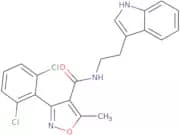
CAS:<p>H-Asn-Val-OH is a dipeptide and a useful peptide building block</p>Formula:C9H17N3O4Purity:Min. 95%Molecular weight:231.25 g/mol(3-(2,6-dichlorophenyl)-5-methylisoxazol-4-yl)-N-(2-indol-3-ylethyl)formamide
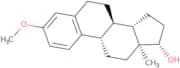
CAS:<p>Please enquire for more information about (3-(2,6-dichlorophenyl)-5-methylisoxazol-4-yl)-N-(2-indol-3-ylethyl)formamide including the price, delivery time and more detailed product information at the technical inquiry form on this page</p>Purity:Min. 95%beta-Estradiol 3-methyl ether
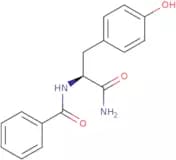
CAS:Controlled Product<p>Beta-estradiol 3-methyl ether is a synthetic estrogen that is used as an oral contraceptive. It has been shown to be effective in the treatment of secondary amenorrhea and menorrhagia, as well as in the prevention of pregnancy. Beta-estradiol 3-methyl ether has been shown to increase fibrinogen levels and may be useful in the treatment of thrombocytopenia. A bolus dose of beta-estradiol 3-methyl ether may also be used to induce abortion, resulting in a decrease in blood pressure. The active form is taken up by cells via passive diffusion and is converted into estradiol by cytochrome P450 enzymes. Beta-estradiol 3-methyl ether binds to fatty acids with two or more carbon atoms, which then enter the cell by facilitated diffusion through specific membrane protein carriers. These carriers are blocked by atropine sulfate, preventing uptake of beta-estradiol 3-methyl ether</p>Formula:C19H26O2Purity:Min. 98 Area-%Color and Shape:PowderMolecular weight:286.41 g/molBenzoyl-L-tyrosine amide
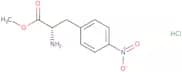
CAS:<p>Benzoyl-L-tyrosine amide is a reaction intermediate that is a competitive inhibitor of serine proteases. It binds to the active site of the enzyme and inhibits the breakdown of proteins by blocking the access of other reactants. Benzoyl-L-tyrosine amide has been shown to inhibit proteolytic activity in subtilis, an enzyme isolated from Bacillus licheniformis. The amino acid composition and binding properties are similar to those found in natural substrates. Benzoyl-L-tyrosine amide has been synthesized and its binding affinity towards histidine residues has been determined by titration calorimetry and fluorophosphate assay.</p>Formula:C16H16N2O3Purity:Min. 95%Color and Shape:PowderMolecular weight:284.31 g/mol4-Nitro-L-phenylalanine methyl ester hydrochloride
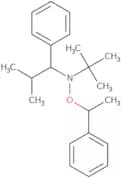
CAS:<p>4-Nitro-L-phenylalanine methyl ester hydrochloride is a 4-nitrophenyl derivative of L-phenylalanine. It is a useful building block, reagent, or scaffold in organic synthesis. This compound finds use as a precursor to other derivatives and it has been used in the preparation of complex compounds. 4-Nitro-L-phenylalanine methyl ester hydrochloride is also used as a reaction component for the synthesis of different organic compounds and as a useful intermediate.</p>Formula:C10H13N2O4ClPurity:Min. 98 Area-%Color and Shape:White PowderMolecular weight:260.67 g/molN-tert-Butyl-N-(2-methyl-1-phenylpropyl)-O-(1-phenylethyl)hydroxylamine
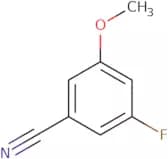
CAS:N-tert-Butyl-N-(2-methyl-1-phenylpropyl)-O-(1-phenylethyl)hydroxylamine is a telechelic metathesis polymer that is soluble in organic solvents. This product has been shown to copolymerize with styrene, which can be used as a monomer. Copolymers of this product are resistant to chemical reactions and metal ion. The reaction time and temperature for this product depends on the nature of the monomers and initiator used. This substance is also able to undergo metathesis reactions, such as those involving silicon.Formula:C22H31NOPurity:Min. 95%Color and Shape:PowderMolecular weight:325.49 g/mol3-Fluoro-5-methoxybenzonitrile
CAS:<p>3-Fluoro-5-methoxybenzonitrile is a useful chemical intermediate that can be used in organic synthesis. It is a versatile building block with a high quality and it is easy to use in the synthesis of complex compounds. 3-Fluoro-5-methoxybenzonitrile has been shown to react as a nucleophile, and it has been used as a reagent for the production of other compounds. This compound also has potential applications in research, such as being an intermediate for the production of pharmaceuticals and agrochemicals. 3-Fluoro-5-methoxybenzonitrile is not classified as hazardous and does not pose any significant risk to human health or the environment.</p>Formula:C8H6FNOPurity:Min. 95%Color and Shape:PowderMolecular weight:151.14 g/mol2-(2,2-dimethylpropanoyl)-3-(3-phenoxyphenyl)prop-2-enenitrile
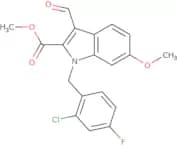
CAS:<p>Please enquire for more information about 2-(2,2-dimethylpropanoyl)-3-(3-phenoxyphenyl)prop-2-enenitrile including the price, delivery time and more detailed product information at the technical inquiry form on this page</p>Purity:Min. 95%Methyl 1-(2-chloro-4-fluorobenzyl)-3-formyl-6-methoxy-1H-indole-2-carboxylate
CAS:Controlled Product<p>Please enquire for more information about Methyl 1-(2-chloro-4-fluorobenzyl)-3-formyl-6-methoxy-1H-indole-2-carboxylate including the price, delivery time and more detailed product information at the technical inquiry form on this page</p>Formula:C19H15ClFNO4Purity:Min. 95%Molecular weight:375.78 g/mol2-[2-(2-t-Boc-aminoethoxy)ethoxy]ethanol
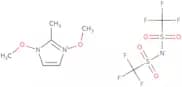
CAS:<p>2-[2-(2-t-Boc-aminoethoxy)ethoxy]ethanol is a versatile chemical building block that can be used to synthesize a variety of compounds. It has been shown to be useful as a reaction component in the synthesis of pharmaceuticals and agrochemicals. The compound is also used as an intermediate for the preparation of other compounds. 2-[2-(2-t-Boc-aminoethoxy)ethoxy]ethanol is soluble in organic solvents, such as chloroform, ethanol, or acetone. It has a CAS number of 139115-92-7 and is relatively easy to purify by recrystallization from methanol.</p>Formula:C11H23NO5Purity:Min. 95%Color and Shape:Clear LiquidMolecular weight:249.3 g/mol1,3-Dimethoxy-2-methylimidazoliumbis(trifluoromethylsulfonyl)imide
CAS:<p>Please enquire for more information about 1,3-Dimethoxy-2-methylimidazoliumbis(trifluoromethylsulfonyl)imide including the price, delivery time and more detailed product information at the technical inquiry form on this page</p>Formula:C8H11F6N3O6S2Purity:Min. 95%Color and Shape:PowderMolecular weight:423.31 g/mol3'-Fluoro-4'-methoxyacetophenone
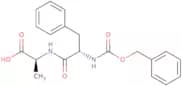
CAS:<p>3'-Fluoro-4'-methoxyacetophenone is a chalcone that has been shown to have vibrational frequencies of 3.1, 3.2, and 3.3 cm-1. The conformation of this molecule is in the cis form with a 2,6-diisopropylphenyl group on the cyclohexane ring. This molecule has two functional groups: a hydroxyl and a methoxy group. These molecules are soluble in organic solvents such as benzene and chloroform, but not in water or ethanol due to their high polarity. The crystal structure of this molecule was determined by x-ray diffraction experiments at room temperature and found to be monoclinic with space group C2/c with lattice constants a = 5.853 Å, b = 12.638 Å, c = 6.225 Å and β = 120° ± 10° at 25 °C</p>Formula:C9H9FO2Purity:Min. 95%Color and Shape:PowderMolecular weight:168.16 g/molZ-Phe-Ala-OH
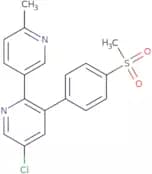
CAS:<p>Z-Phe-Ala-OH is a synthetic amino acid with the chemical formula of C10H13NO3. This compound is a racemic mixture of L-Z-Phe and D-Z-Phe. Z-Phe-Ala-OH has been shown to inhibit protein synthesis by acting as an enzyme inhibitor, which leads to neuronal death. It also has reactive properties that can lead to cell death, which may be due to its ability to react with methyl ketones. Z-Phe-Ala-OH's acidic nature makes it a toxic compound for cells and can cause apoptotic effects. The reactive properties of this compound make it a potential candidate for use in cancer therapy and other treatments that target glutamate receptors and their signaling pathways, such as excitotoxic or glutamate antagonists.</p>Formula:C20H22N2O5Purity:Min. 95%Color and Shape:White To Off-White SolidMolecular weight:370.4 g/mol5-Chloro-2-(6-methylpyridin-3-yl)-3-(4-methylsulfonylphenyl)pyridine
CAS:Controlled Product<p>Etoricoxib is a cyclooxygenase-2 (COX-2) inhibitor, which is a type of nonsteroidal anti-inflammatory drug (NSAID). It works by blocking the enzyme COX-2 that is involved in the production of certain hormones called prostaglandins. These hormones are involved in the inflammation (swelling and heat) associated with conditions such as arthritis. By blocking the action of the COX-2 enzyme, etoricoxib reduces the production of prostaglandins and thus, reduces the inflammation and pain. It has been observed that Etoricoxib shows a higher selectivity for COX-2 over COX-1 in diverse studies, with a COX-1/COX-2 IC50 ratio of 344 for in vitro assays, and it is involved in the modulation of NF-ΚB/COX-2/PGE2 signaling.</p>Formula:C18H15ClN2O2SPurity:Min. 95%Color and Shape:PowderMolecular weight:358.84 g/mol(+/-)-6-Chloro-7,8-dihydroxy-3-allyl-1-phenyl-2,3,4,5-tetrahydro-1H-3-benzazepine HBr
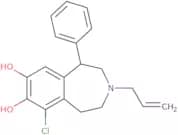
CAS:<p>(+/-)-6-Chloro-7,8-dihydroxy-3-allyl-1-phenyl-2,3,4,5-tetrahydro-1H-3-benzazepine HBr is a model system for Parkinson's disease that has been shown to have similar effects on locomotor activity as the dopamine antagonist haloperidol. The drug enhances dopaminergic and cholinergic transmission in the brain by binding to kappa opioid receptors. This leads to an increased release of dopamine and acetylcholine that can be blocked by drugs such as naloxone and atropine respectively. (+/-)-6-Chloro-7,8-dihydroxy 3-(allyl)-1-(phenyl) 2,3,4,5 tetrahydro 1H 3 benzazepine HBr has been shown to decrease camp levels in the caudate putamen region of rats</p>Formula:C19H20ClNO2·HBrPurity:Min. 95%Color and Shape:PowderMolecular weight:410.73 g/mol7-Methoxycoumarin-4-acetic acid N-succinimidyl ester
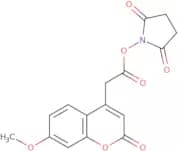
CAS:<p>7-Methoxycoumarin-4-acetic acid N-succinimidyl ester is a fluorescent probe for the detection of metalloproteinases. It has been used in assays to measure matrix metalloproteinase activity and to study the kinetics of these enzymes. This compound can be used as a fluorescence focus for the study of extracellular matrix regulation. 7-Methoxycoumarin-4-acetic acid N-succinimidyl ester inhibits matrix metalloproteinases by binding to their active site and blocking access to substrates, preventing the breakdown of extracellular matrix proteins.</p>Formula:C16H13NO7Purity:Min. 97 Area-%Color and Shape:Off-White PowderMolecular weight:331.28 g/molFmoc-L-valine N-hydroxysuccinimide ester
CAS:<p>Fmoc-L-valine N-hydroxysuccinimide ester is a pegylated, cytotoxic drug that is used in the treatment of cancer. It is delivered to cells by an organic solvent, which causes uptake into the cell and intracellular delivery. Fmoc-L-valine N-hydroxysuccinimide ester forms particles that are excreted from the body through the kidneys. This drug has been shown to be effective against a number of different types of cancer cells, including breast cancer, lung cancer, and colon cancer cells. Fmoc-L-valine N-hydroxysuccinimide ester has been shown to be cytotoxic in vivo and in vitro against tumor tissue and MFC-7 cells with no effect on normal tissue or healthy cells.<br>Fmoc-L-valine N-hydroxysuccinimide ester can also be used as a</p>Formula:C24H24N2O6Purity:Min. 98 Area-%Color and Shape:White PowderMolecular weight:436.46 g/molL-Alanine 4-nitroanilide hydrochloride
CAS:<p>L-alanine 4-nitroanilide hydrochloride (H-Ala-pNAHCl) functions as a substrate for L-alanine aminopeptidase, an enzyme found in bacterial cell walls that catalyzes the cleavage of L-alanine from peptides. Notably, significant activity of L-alanine aminopeptidase is specific to gram-negative microbes. Thus, the utilization of H-Ala-pNAHCl can provide evidence for distinguishing between gram-positive and gram-negative organisms. When acted upon by L-alanine aminopeptide, it undergoes cleavage into L-alanine and 4-nitroanine, with the latter compound causing bacterial suspensions to exhibit a yellow coloration.</p>Formula:C9H11N3O3•HClPurity:Min. 95%Color and Shape:PowderMolecular weight:245.66 g/molDL-Ornithine hydrochloride
CAS:<p>Ornithine hydrochloride (OHCl) is a food additive that functions as a cross-linking agent in polyvinyl chloride. OHCl is used to modify the properties of polyvinyl chloride, such as thermal expansion and viscosity. It also functions as an effective dose for preventing radiation and is often used in sample preparation of histidine. OHCl reacts with hydrochloric acid to form the solute ornithine hydrochloride, which can be used to study the optical properties of this compound. Ornithine hydrochloride has been shown to have anti-inflammatory effects when administered intravenously due to its ability to inhibit cyclooxygenase enzymes.</p>Formula:C5H12N2O2•HClPurity:One SpotColor and Shape:PowderMolecular weight:168.62 g/molL-a-Glycerophosphorylcholine
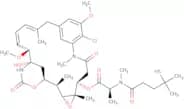
CAS:<p>Precursor of neurotransmitter acetylcholine</p>Formula:C8H20NO6PPurity:(%) Min. 95%Color and Shape:White PowderMolecular weight:257.22 g/molMaytansinoid DM 4
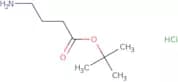
CAS:<p>N2'-Deacetyl-N2'-(4-mercapto-4-methyl-1-oxopentyl)-maytansine (DMAP) is a structural analogue of maytansinoids that has potent antitumor activity against renal cell cancer. DMAP binds to the active site of wild type enzyme, and inhibits its activity. DMAP also inhibits the activities of other enzymes that are involved in the synthesis of proteins and other cellular components. The inhibition of these enzymes by DMAP leads to tumor cell death. This drug was found to be more cytotoxic at higher doses than the parent compound, maytansinol, which indicates that DMAP has a higher affinity for its target enzyme. The cytotoxicity of this drug is not affected by platinum resistance in ovarian cancer cells or by P-glycoprotein (Pgp) inhibitors such as verapamil and cyclosporin A.</p>Formula:C38H54ClN3O10SPurity:Min. 95%Color and Shape:Off-White PowderMolecular weight:780.37 g/molgamma-Aminobutyric acid tert-butyl ester HCl
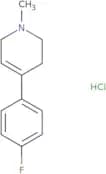
CAS:<p>GABA is a neurotransmitter that is found in the brain and spinal cord. It is an analog of the amino acid gamma-aminobutyric acid and can be synthesized from glutamic acid. GABA has been shown to have anti-inflammatory properties by inhibiting prostaglandin synthesis, which may be due to its ability to decrease the proliferation of T cells and macrophages. GABA also has been shown to promote growth of hybridomas, which are immune cells that produce antibodies.</p>Formula:C8H17NO2·HClPurity:Min. 95%Color and Shape:White PowderMolecular weight:195.69 g/mol4-(4-Fluorophenyl)-1,2,3,6-tetrahydro-1-methylpyridine hydrochloride (1:1)
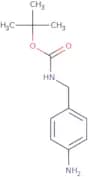
CAS:<p>4-(4-Fluorophenyl)-1,2,3,6-tetrahydro-1-methylpyridine hydrochloride (1:1) is a neuroleptic drug that has analgesic and antihistaminic effects. It is an alkylthio compound that inhibits serotonin release from the pre-synaptic neuron. 4-(4-Fluorophenyl)-1,2,3,6-tetrahydro-1-methylpyridine hydrochloride (1:1) also blocks the uptake of dopamine by nerve cells in the brain and prevents its conversion to norepinephrine. This medicine acts as an antagonist for both alpha and beta receptors because it binds to the benzene ring of these neurotransmitters. The alpha receptor antagonist properties of this drug are due to its ability to prevent norepinephrine from binding with alpha receptors on muscle cells. The beta receptor antagonist properties are due to its ability</p>Formula:C12H14FN•HClPurity:Min. 95%Color and Shape:PowderMolecular weight:227.71 g/mol4-(N-Boc-aminomethyl)aniline
CAS:<p>4-(N-Boc-aminomethyl)aniline is a cavity-preventing agent that has been demonstrated to be neuroprotective in vitro. The drug also inhibits the growth of bacteria, fungi, and viruses in cell culture and animal models. 4-(N-Boc-aminomethyl)aniline is an innovative compound class that has shown potential for treating infectious diseases such as HIV, tuberculosis, and malaria. It has been shown to act by interfering with viral replication and inhibiting the production of inflammatory cytokines (e.g., tumor necrosis factor). Furthermore, 4-(N-Boc-aminomethyl)aniline can be used as a matrix effector or nucleophile to form hydrogen bonds with other molecules. It can also have an impact on nanomaterials when it is incorporated into their surface.</p>Formula:C12H18N2O2Purity:Min. 97 Area-%Color and Shape:Yellow PowderMolecular weight:222.28 g/molL-Propargylglycine
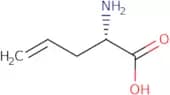
CAS:<p>L-Propargylglycine is a novel, synthetic compound that has been shown to inhibit bacterial growth. It is a strong inhibitor of the polymerase chain reaction (PCR) and nuclear DNA replication. L-Propargylglycine has also been shown to inhibit mitochondrial membrane potential and human serum which may lead to its anti-inflammatory properties. L-Propargylglycine has antioxidative properties, antimicrobial peptide activity, and ATP channel inhibition. This drug also has a number of other pharmacological effects including modulation of intestinal inflammation in models of inflammatory bowel disease and improvement of atherosclerotic lesions in animal models.</p>Formula:C5H7NO2Purity:(%) Min. 98%Color and Shape:PowderMolecular weight:113.11 g/mol3-((4-Acetylphenyl)amino)-2-phenylinden-1-one
CAS:<p>Please enquire for more information about 3-((4-Acetylphenyl)amino)-2-phenylinden-1-one including the price, delivery time and more detailed product information at the technical inquiry form on this page</p>Formula:C23H17NO2Purity:Min. 95%Color and Shape:PowderMolecular weight:339.39 g/molFmoc-Lys(Boc)-Wang resin
<p>Fmoc-Lys(Boc)-Wang resin is a synthetic peptide resin that is used in solid-phase peptide synthesis. It is a resin for the synthesis of short, unprotected peptides and has been used to synthesize sequences found in human insulin and other peptide hormones. Fmoc-Lys(Boc)-Wang resin is also used to synthesize peptides with amino acid sequences that are not found in nature, such as those found on the surface of cancer cells. This resin can be used to create antibodies by linking an antigen with the amino acid sequence of interest.</p>Color and Shape:Yellow PowderN,N'-Dibenzoyl-L-cystine
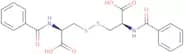
CAS:<p>N,N'-Dibenzoyl-L-cystine is a chiral molecule that was synthesized by the asymmetric synthesis of a racemic mixture of N,N'-dibenzoyl-D-cysteine. The supramolecular structure of this compound is due to the hydrogen bonding interactions between the amines and peroxides. This molecule has been studied for use as a drug in the treatment of cancer and other diseases. It also has potential applications in the field of biotechnology and chemical engineering.</p>Formula:C20H20N2O6S2Purity:Min. 95%Color and Shape:PowderMolecular weight:448.51 g/mol(Des-Gly10,D-Tyr5,D-Trp6,Pro-NHEt 9)-LHRH trifluoroacetate salt
CAS:<p>Please enquire for more information about (Des-Gly10,D-Tyr5,D-Trp6,Pro-NHEt 9)-LHRH trifluoroacetate salt including the price, delivery time and more detailed product information at the technical inquiry form on this page</p>Formula:C64H83N17O12Purity:Min. 95%Color and Shape:PowderMolecular weight:1,282.45 g/mol4-Methyl hippuric acid
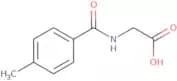
CAS:<p>4-Methyl hippuric acid is a metabolite of benzoic acid, and is excreted in the urine as an end product of phenylalanine metabolism. The matrix effect is a phenomenon that is observed when chromatographic analysis occurs in the presence of impurities or other substances. It can be minimized by using an optimum concentration of hydrochloric acid to extract the analyte from the sample matrix. 4-Methyl hippuric acid can be detected in urine samples by using a chromatographic method and then quantified by measuring its s-phenylmercapturic acid content. This compound has been used as a marker for determining blood pressure and has also been shown to have antihypertensive effects.</p>Formula:C10H11NO3Purity:Min. 95%Color and Shape:PowderMolecular weight:193.2 g/molL-Phenylalanine
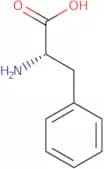
CAS:<p>L-phenylalanine is an amino acid that is naturally present in the human body. It is an essential amino acid, meaning it cannot be synthesized by the body and must be obtained through diet or supplementation. L-Phenylalanine has been shown to inhibit oxidative injury by scavenging reactive oxygen species (ROS) and reducing lipid peroxidation. It also has a protective effect on the intestinal tract by increasing the activity of bowel enzymes and preventing intestinal ulcers. L-Phenylalanine is used in biochemical studies to measure the activities of various enzymes, such as chymotrypsin, aminopeptidase, and carboxypeptidase. L-Phenylalanine can be converted into dopamine and norepinephrine, which are neurotransmitters in the brain that are important for memory, learning, mood regulation, sleep cycles, and other brain functions. L-Phenylalanine toxicity can lead to liver failure</p>Formula:C9H11NO2Color and Shape:White PowderMolecular weight:165.19 g/mol2-Methyl-L-tryptophan
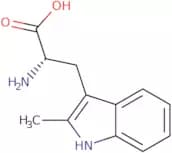
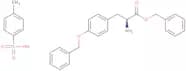
CAS:<p>2-Methyl-L-tryptophan is a natural amino acid that is an intermediate in the biosynthesis of tryptophan. It has been used to study protein synthesis and as a potential antibiotic. 2-Methyl-L-tryptophan has been shown to be stereoselective with respect to the enzyme catalysis of its hydroxylation. This active form is converted into the antibiotic thiostrepton by enzymatic reactions.</p>Formula:C12H14N2O2Purity:Min. 95%Color and Shape:PowderMolecular weight:218.25 g/molO-Benzyl-L-tyrosine benzyl ester 4-toluenesulfonate
CAS:<p>O-Benzyl-L-tyrosine benzyl ester 4-toluenesulfonate salt is a fine chemical that belongs to the category of useful scaffolds and versatile building blocks. It is a high quality reagent that can be used as a reaction component in the preparation of complex compounds. This compound has shown to be useful in research on various types of drugs, including analgesics, antibiotics, antihistamines, antidepressants, antipsychotics and others.</p>Formula:C23H23NO3•C7H8O3SPurity:Min. 95%Color and Shape:White solid.Molecular weight:533.64 g/molD-tert-Leucine methyl ester hydrochloride
CAS:<p>Ab-fubinaca is a synthetic cannabinoid that is a potent agonist of the CB2 receptor and a weak agonist at the CB1 receptor. It has been shown to be an effective analgesic in animal models of pain, similarly to other synthetic cannabinoids. Ab-fubinaca has also been shown to have anti-inflammatory effects in mice by inhibiting the production of cytokines such as tumor necrosis factor alpha (TNF-α) and interleukin 1 beta (IL-1β). Ab-fubinaca is structurally similar to D-tert-leucine methyl ester hydrochloride, which is an amino acid derivative that acts as a pharmacological chaperone.</p>Formula:C7H16ClNO2Purity:Min 96%Color and Shape:White PowderMolecular weight:181.66 g/mol2-[4-(2,2-Dichlorocyclopropyl)phenoxy]-2-methylpropanoic acid
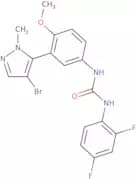
CAS:<p>2-[4-(2,2-Dichlorocyclopropyl)phenoxy]-2-methylpropanoic acid (CGP) is a drug that blocks the nuclear receptor PPARγ. It has been shown to reduce cholesterol levels by inhibiting the synthesis of cholesterol, as well as reducing liver lesions in vivo. CGP also inhibits the growth of cancer cells through its ability to bind to DNA and regulate transcriptional activity. The response element for this compound is found in the promoter region of the gene encoding the growth factor-β1 (GF-β1), which is an important regulator of cell proliferation, differentiation, and apoptosis. CGP also inhibits peroxisome proliferator activator receptor α (PPARα) and γ (PPARγ). This inhibition leads to decreased expression of genes involved in lipid metabolism, such as acyl CoA synthase and fatty acid synthetase. CGP has also been shown to be carcinogenic in vivo</p>Formula:C13H14Cl2O3Purity:Min. 98 Area-%Color and Shape:PowderMolecular weight:289.15 g/molNelotanserin
CAS:<p>1-[3-(4-Bromo-1-methyl-1H-pyrazol-5-yl)-4-methoxyphenyl]-3-(2,4-difluorophenyl)urea is the active ingredient in a drug that is used to treat chronic schizophrenia. It has been shown to have both antipsychotic and antidepressant properties. The drug works by blocking the 5HT2A receptor, which inhibits the effects of serotonin on heterocyclic amines at the postsynaptic membrane. This causes hyperpolarization of the membrane, which blocks neurotransmitter release and prevents further transmission of signals. It also blocks the H1 receptor, which decreases histamine release and reduces inflammation in the brain.</p>Formula:C18H15BrF2N4O2Purity:Min. 95%Color and Shape:PowderMolecular weight:437.24 g/mol(1-Methylpiperidin-2-yl)methanol
CAS:<p>(1-Methylpiperidin-2-yl)methanol is a gaseous organic acid that belongs to the piperazine class of compounds. It is used as an intermediate in the synthesis of various pharmaceuticals, including antipsychotics and antidepressants. (1-Methylpiperidin-2-yl)methanol has been shown to be an agonist of ganglion cells and can be used for the treatment of glaucoma. This compound also has shown to have anti-inflammatory properties, which may be due to its ability to inhibit nitric oxide production. Furthermore, (1-methylpiperidin-2-yl)methanol has been shown to inhibit 13c nuclear magnetic resonance spectroscopy with epoxides and hydroxyl groups. The reaction product is a crystalline solid with a molecular formula of C6H14O3N2, which corresponds to the molecular formula of 2-(dimethylam</p>Formula:C7H15NOPurity:Min. 95%Color and Shape:Clear LiquidMolecular weight:129.2 g/molL-Methionine-S-methyl sulfonium chloride
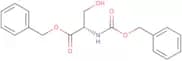
CAS:<p>Methionine-S-methyl sulfonium chloride is a methionine analog that is used as a dietary supplement. It has been shown to inhibit the synthesis of prostaglandins in animals, which may be due to its inhibition of arachidonic acid release. Methionine-S-methyl sulfonium chloride also inhibits UVB-induced erythema and uvb-induced reactions in animals. This drug is metabolized by the enzyme methionine adenosyltransferase, which converts it into S-adenosylmethionine (SAM). SAM is a methyl donor for DNA methylation and other methylation reactions. Methionine-S-methyl sulfonium chloride may have a physiological effect on plants through its effects on their metabolism, especially with respect to their growth rate and nutrient uptake.</p>Formula:C6H14ClNO2SPurity:Min. 95 Area-%Color and Shape:White PowderMolecular weight:199.7 g/molZ-L-Serine benzyl ester
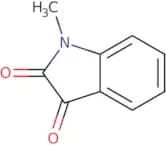
CAS:<p>Z-L-serine benzyl ester is a synthetic, water soluble compound that can be used as an intermediate in the preparation of conjugates. It has been shown to stimulate epidermal growth and promote wound healing. Z-L-serine benzyl ester is a precursor for the synthesis of d-xylose, which is used in biological function. The chloride ion binds to the molecule and forms a trisaccharide, which can be analyzed with microscopic studies. This substance has also been shown to have phosphatidylcholine lipase activity, which can be measured using techniques such as electron microscopy.</p>Formula:C18H19NO5Purity:Min. 95%Color and Shape:White PowderMolecular weight:329.35 g/mol1-Methyl-1H-indole-2,3-dione
CAS:<p>1-Methyl-1H-indole-2,3-dione is a chemical compound that belongs to the class of indole derivatives. It can be synthesized by reacting 2,3-dihydroxybenzaldehyde with 2,2'-azobis(2-amidinopropane) dihydrochloride and methyl iodide in the presence of copper (II) acetate. This reaction mechanism is similar to that of other reactions involving an intramolecular hydrogen transfer. The binding constants for 1-methyl-1H-indole-2,3-dione are very high and this compound has been shown to inhibit herpes simplex virus replication in vitro. 1MIDD binds to the active site of tryptophan fluorescence and synchronous fluorescence proteins. 1MIDD also binds to copper ions in a coordination geometry that is similar to that found for other compounds containing a carbonyl group.</p>Formula:C9H7NO2Purity:Min. 95%Color and Shape:PowderMolecular weight:161.16 g/mol4-Methylphenyl hydrazine hydrochloride
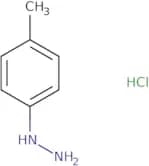
CAS:<p>4-Methylphenyl hydrazine hydrochloride is a chemical compound that has been shown to be an effective treatment for lung tumors. It has been shown to inhibit tumorigenesis in animal models by the inhibition of angiogenesis and tumor growth. This drug is administered as a subcutaneous injection and can cause hemorrhaging, inflammation, and necrosis at the injection site. 4-Methylphenyl hydrazine hydrochloride has also been postulated to have anti-tumorigenic properties in animals.<br>4-Methylphenyl hydrazine hydrochloride inhibits the production of adenomas and adenocarcinomas in rats when given orally or intragastrically, but not when given intravenously.</p>Formula:C7H10N2·HClPurity:Min 98%Molecular weight:158.63 g/molN,N-Diglycidyl-4-glycidyloxyaniline
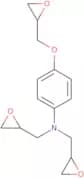
CAS:<p>N,N-Diglycidyl-4-glycidyloxyaniline is an industrial process that is used as a monomer in the synthesis of polycarbonates. It is synthesized by the cationic polymerization of fatty acids and amines. The thermal stability of N,N-diglycidyl-4-glycidyloxyaniline makes it suitable for use in high temperature processes such as carbon nanotube manufacturing. The modelling of N,N-diglycidyl-4-glycidyloxyaniline has been carried out to understand its structural properties and how these affect its behaviour. This understanding can be used to predict the behaviour of N,N-diglycidyl-4-glycidyloxyaniline under various conditions.</p>Formula:C15H19NO4Purity:Min. 90 Area-%Color and Shape:Clear LiquidMolecular weight:277.32 g/molGlycine ethyl ester hydrochloride
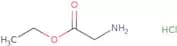
CAS:<p>Used with EDC for carboxyl-foot printing studies of proteins</p>Formula:C4H9NO2•HClPurity:Min. 95%Color and Shape:PowderMolecular weight:139.58 g/mol2-Phenylbenzamide
CAS:<p>2-Phenylbenzamide (2PB) is a drug that belongs to the class of anthelmintics. It binds to the nicotinic acetylcholine receptor and inhibits the release of acetylcholine at neuromuscular junctions, leading to paralysis and death of the parasite. 2PB also has been shown to have anti-inflammatory properties in mice with colitis, which may be due to its ability to inhibit prostaglandin synthesis. The molecular docking analysis showed that 2PB binds covalently with nitro-containing molecules, such as nitrosamines, which are found in cigarette smoke and are known carcinogens. This binding may contribute to the development of cancer through inhibition of DNA repair mechanisms.</p>Formula:C13H11NOPurity:Min. 95%Color and Shape:PowderMolecular weight:197.23 g/molH-Glu-Thr-OH
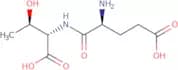
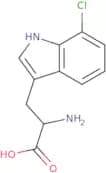
CAS:<p>H-Glu-Thr-OH is a molecule that belongs to the group of aminoglycosides. It is a broad spectrum antibiotic that inhibits bacterial protein synthesis by binding to the 30S ribosomal subunit. H-Glu-Thr-OH has been shown to be effective against various bacteria, including those that are resistant to other antibiotics such as penicillin and erythromycin. This drug has also been shown to be effective against cancer cells in vitro. H-Glu-Thr-OH is a potent inhibitor of inflammatory bowel disease, which may be due to its ability to inhibit the production of proinflammatory cytokines such as tumor necrosis factor alpha (TNFα). The drug also has an insulin sensitizing effect in type 2 diabetes mellitus patients, which may be due to its ability to enhance glucose uptake into skeletal muscle cells and adipocytes.</p>Formula:C9H16N2O6Purity:Min. 98 Area-%Color and Shape:PowderMolecular weight:248.23 g/mol7-Chlorotryptophan
CAS:<p>Tryptophan is an amino acid that is an essential building block for proteins, neurotransmitters, and hormones. It is also a precursor for the synthesis of vitamin B3. 7-Chlorotryptophan has been shown to inhibit the growth of bacteria by inhibiting their ability to synthesize proteins by interfering with the covalent enzyme that controls the reaction mechanism in plants. Tryptophan may also have anti-inflammatory properties due to its inhibition of prostaglandin synthesis. The chlorinating and chloride groups on 7-chlorotryptophan are responsible for its bactericidal activity against Gram-positive bacteria.</p>Formula:C11H11ClN2O2Purity:Min. 95%Color and Shape:SolidMolecular weight:238.67 g/molPigment Red 38;Diethyl 4,4'-[(3,3'-dichlOrO[1,1'-biphenyl]-4,4'-diyl)bis(azO)]bis[4,5-dihydrO-5-OxO-1-phenyl-1H-pyrazOle-3-carbOxyla te]
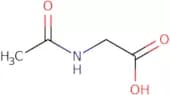
CAS:<p>Pigment Red 38 is a red dye that is used in the production of magnetic particles, cross-linking agents, and fluorescent dyes. Pigment Red 38 has a hydroxyl group at the 4 position and a methyl ethyl group at the 2 position. It can be synthesized from diethyl 4,4'-(3,3'-dichlorobiphenyl)-4,4'-diylbisazolate. Pigment Red 38 is thermoreversible because it can be converted to its anhydrous form when heated or dissolved in water and then reconverted back to its original form when cooled or dried. The pigment was named for its ability to produce light emission when exposed to ultraviolet radiation. Pigment Red 38 has a diameter of 6 nm and reacts with coordination complexes to form particle clusters with diameters ranging from 10-200 nm.</p>Purity:Min. 95%N-Acetylglycine
CAS:<p>N-Acetylglycine is an amide, which is a molecule with both a carboxylate and hydroxyl group. It belongs to the class of antimicrobial agents and has been shown to inhibit the growth of bacteria by inhibiting synthesis of folic acid and other metabolites. N-Acetylglycine also inhibits the formation of terminal residues from amino acids. The analytical method for this compound is based on the reaction between n-acetylglycine and hydrogen chloride in methanol. This produces picolinic acid, which can be detected using ultraviolet spectroscopy at a wavelength of 325 nm.</p>Formula:C4H7NO3Purity:Min. 95%Color and Shape:White PowderMolecular weight:117.1 g/molPigment YellOw 5;2-[(2-NitrOphenyl)azO]-3-OxO-N-phenylbutanamide
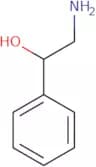
CAS:<p>Please enquire for more information about Pigment YellOw 5;2-[(2-NitrOphenyl)azO]-3-OxO-N-phenylbutanamide including the price, delivery time and more detailed product information at the technical inquiry form on this page</p>Purity:Min. 95%DL-Phenylethanolamine
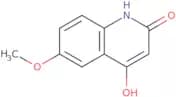
CAS:<p>DL-Phenylethanolamine is a hydroxy amine that is used in the synthesis of other chemicals. It is obtained by reacting phenylacetic acid with hydroxylamine. DL-Phenylethanolamine is an intermediate in the synthesis of the anti-inflammatory drug Indomethacin. This molecule contains a asymmetric carbon atom, which can be distinguished using infrared spectroscopy. The uptake of DL-phenylethanolamine into cells can be measured by detecting the release of amines from lysosomes and mitochondria. In addition, this molecule has conformational properties that can be detected by NMR spectroscopy, making it useful for detection sensitivity and identification purposes.</p>Formula:C8H11NOPurity:(%) Min. 90%Color and Shape:PowderMolecular weight:137.18 g/mol2,4-Dihydroxy-6-methoxyquinoline
CAS:<p>2,4-Dihydroxy-6-methoxyquinoline is a compound that exhibits antifungal properties. It has been shown to have activity against Aspergillus flavus, Aspergillus fumigatus, Candida albicans and other fungi. 2,4-Dihydroxy-6-methoxyquinoline also inhibits the growth of E. coli and A. aureus in vitro. Elemental analysis showed that this compound possesses antibacterial properties and can inhibit the growth of Staphylococcus aureus.</p>Formula:C10H9NO3Purity:Min. 95%Color and Shape:PowderMolecular weight:191.18 g/mol6-Methyl-DL-tryptophan
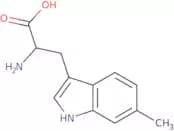
CAS:6-Methyl-DL-tryptophan is a naturally occurring amino acid that is used as a precursor in the synthesis of the neurotransmitter serotonin. 6-Methyl-DL-tryptophan is synthesized from the amino acid L-tryptophan by the enzyme tryptophan synthase. It is also found in dietary sources such as nuts and seeds, but not in significant quantities. 6-Methyl-DL-tryptophan has been shown to inhibit cancer cells in vitro and has been shown to be effective against prostate cancer cells. The inhibition mechanism for this drug has not yet been elucidated, but it may be due to frameshifting and/or inhibition of protein synthesis.Formula:C12H14N2O2Purity:Min. 95%Color and Shape:White PowderMolecular weight:218.25 g/molFmoc-(4-tert-butyloxycarbonyl)-L-phenylalanine
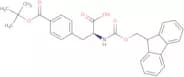
CAS:<p>Fmoc-(4-tert-butyloxycarbonyl)-L-phenylalanine is a chemical compound that is used as a building block in organic synthesis. This chemical has been shown to be useful as a reagent in the synthesis of natural products and pharmaceuticals, such as immunosuppressants and anticancer agents. Fmoc-(4-tert-butyloxycarbonyl)-L-phenylalanine is also used as an intermediate for the production of other chemicals, including pharmaceuticals, pesticides, and fragrance chemicals. The CAS number for this compound is 183070-44-2.</p>Formula:C29H29NO6Purity:Min. 95%Color and Shape:White PowderMolecular weight:487.54 g/molFmoc-L-Asn-OH
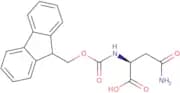
CAS:<p>Fmoc-L-Asn-OH is an organic compound that belongs to the group of amides. It reacts with a reactive site in the molecule and is able to form an amide bond. Fmoc-L-Asn-OH has been shown to be effective in the treatment of Alzheimer's disease by inhibiting the formation of beta-amyloid plaques. This compound has also been shown to have a role in cancer prevention, as it can inhibit tumor growth and reduce tumor size. Fmoc-L-Asn-OH can be used as a potential antiinflammatory agent because its mechanism studies have revealed that it inhibits prostaglandin synthesis.</p>Formula:C19H18N2O5Purity:Min. 95%Color and Shape:PowderMolecular weight:354.36 g/mol5-Methoxyindole-3-carboxaldehyde
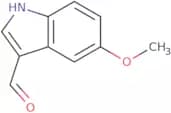
CAS:<p>5-Methoxyindole-3-carboxaldehyde is a molecule that belongs to the genus of indolequinones. It has been shown to have potent inhibitory activity against prostate cancer cells, and also has anti-cancer properties. 5-Methoxyindole-3-carboxaldehyde inhibits the proliferation of cancer cells by inducing apoptosis in prostate cancer cells. 5-Methoxyindole-3-carboxaldehyde also suppresses the growth of cervical cancer cells and breast cancer cells. This molecule binds to the hydrogen bond sites on DNA, which may be one reason for its anti-cancer properties. The molecule is fluorescent and can be used as a marker for detecting cancers or other diseases in living tissue.</p>Formula:C10H9NO2Purity:Min. 95%Color and Shape:PowderMolecular weight:175.18 g/molL-Allylglycine
CAS:<p>L-Allylglycine is an antimicrobial agent that inhibits the growth of bacteria by binding to the glutamate receptor. L-Allylglycine has been shown to inhibit the locomotor activity in rats, which may be due to its ability to bind with the serotonergic system and dopamine receptors. L-Allylglycine also binds to Toll-like receptor 4, a protein found on macrophages and microglia in the brain, which may contribute to its neuroprotective effects. It has been shown that L-allylglycine can inhibit a glutamate receptor in mitochondria, which is responsible for the production of ATP. This inhibition prevents DNA replication and cell division, leading to cell death. The asymmetric synthesis of this molecule allows it to have a greater affinity for bacterial cells than mammalian cells.</p>Formula:C5H9NO2Purity:Min. 95%Color and Shape:White PowderMolecular weight:115.13 g/molD-Alanine amide hydrochloride
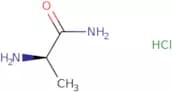
CAS:<p>D-Alanine amide hydrochloride is a molecule that belongs to the class of organic solvents. It is a chiral compound with high specificity for d-alanine. D-Alanine amide hydrochloride has been shown to block bacterial strains such as Acinetobacter, Ochrobactrum and Stenotrophomonas maltophilia. This drug also inhibits the growth of bacteria by binding to the active site of enzymes, preventing them from catalyzing reactions. The stereoselectivity of this drug is due to its pharmacophore that mimics the three amino acids found in d-alanine: an amide, an aliphatic chain, and a hydroxyl group.</p>Formula:C3H8N2O·HClColor and Shape:White Off-White PowderMolecular weight:124.57 g/molN-Phospho-L-arginine lithium salt hydrate
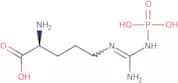
CAS:<p>N-Phospho-L-arginine lithium salt hydrate is an arginine derivative that has a complex life cycle. It is used as a substrate for ATP synthesis, and also participates in the formation of disulfide bonds during protein folding. N-Phospho-L-arginine lithium salt hydrate is an important component of many enzymes, which are vital to the body's metabolic processes. This compound can be used to study biochemical properties of enzymes in biological samples and infectious diseases, which could lead to new treatments for these diseases.</p>Formula:C6H15N4O5P·xLi·yH2OPurity:Min. 95%Color and Shape:PowderMolecular weight:254.18 g/mol5-Bromo-2-fluoro-3-methylpyridine
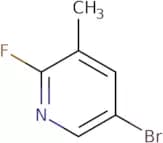
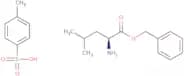
CAS:<p>5-Bromo-2-fluoro-3-methylpyridine is a fine chemical that is used as a scaffold for building more complex compounds. This chemical can be used in the synthesis of sulfonamides, thiocarbamates, and other organic compounds. 5-Bromo-2-fluoro-3-methylpyridine is also a versatile intermediate that can be used in the production of research chemicals and speciality chemicals. The purity of this compound is high and it has been shown to be a useful reagent in various reactions.</p>Formula:C6H5BrFNPurity:Min. 95%Molecular weight:190.02 g/molL-Leucine benzyl ester 4-toluenesulfonate salt
CAS:<p>Ubenimex is a synthetic bile acid analog that inhibits the synthesis of bile acids by inhibiting the enzyme HMG-CoA reductase. Ubenimex has been shown to be effective against certain types of tumor cells and may have potential as an anticancer drug. It also has been shown to inhibit the growth of aziridines, which are intermediates in the synthesis of bile acid derivatives. Ubenimex may induce apoptosis by activating pro-apoptotic protein Bax, thus causing cell death. This compound also can form conjugates with glutathione, which may protect ubenimex from degradation by cytochrome P450 enzymes in the liver.</p>Formula:C13H19NO2·C7H8O3SPurity:Min. 97 Area-%Color and Shape:PowderMolecular weight:393.5 g/molBoc-Gly-Gly-OH
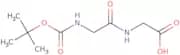
CAS:<p>Boc-Gly-Gly-OH is a synthetic molecule with inhibitory properties. It has been shown to prevent the polymerization of tubulin into microtubules by binding to the hydroxyl group on lysine residues in the monomeric form. Boc-Gly-Gly-OH can be used as a reagent in organic solution, and can be seen under an electron microscope as nanodots.</p>Formula:C9H16N2O5Purity:Min. 95%Color and Shape:PowderMolecular weight:232.23 g/mol3,4-Dehydro-L-proline methyl ester hydrochloride
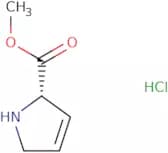
CAS:<p>3,4-Dehydro-L-proline methyl ester hydrochloride is a reagent that is used in the synthesis of complex compounds. It is a versatile building block for the synthesis of fine chemicals and can be used as a research chemical or as a speciality chemical. 3,4-Dehydro-L-proline methyl ester hydrochloride has CAS No. 186145-08-4 and can be used as an intermediate in reactions to create high quality reaction components.</p>Formula:C6H9NO2•HClPurity:Min. 95%Color and Shape:SolidMolecular weight:163.6 g/mol3-Methylbiphenyl
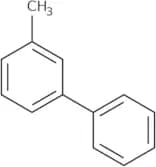
CAS:<p>3-Methylbiphenyl is a colorless liquid with a pleasant odor that is soluble in organic solvents. It is an aromatic hydrocarbon that can be used as a carbon source for the synthesis of other chemicals. 3-Methylbiphenyl has been shown to inhibit the growth of Pseudomonas strains, including P. aeruginosa, and also inhibits nitrogenase activity in rhizosphere soil samples. This compound has two different isomers: 2-methylbiphenyl and 4-methylbiphenyl. The functional theory predicts that the ethyl group on 3-methylbiphenyl will react more quickly than the methyl proton because it has one additional electron pair than the methyl proton and thus an increased electron density around it.</p>Formula:C13H12Purity:Min. 95%Color and Shape:PowderMolecular weight:168.23 g/mol2-Methoxy-1-[(4-methylphenyl)sulphinyl]benzene
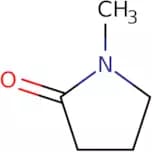
CAS:<p>2-Methoxy-1-[(4-methylphenyl)sulphinyl]benzene is a reagent and useful intermediate that is used in the synthesis of complex compounds. This chemical has been shown to be a useful scaffold for the synthesis of natural products. It can also be used as a building block in the synthesis of speciality chemicals and research chemicals, as well as versatile building blocks in reactions.</p>Formula:C14H14O2SPurity:Min. 95%Molecular weight:246.33 g/molN-Methyl-2-pyrrolidone
CAS:<p>N-Methyl-2-pyrrolidone is a solvent that is used in the production of polymers, paints, and other products. It has been shown to be a potent inducer of cardiac arrhythmias in rats. N-Methyl-2-pyrrolidone also has been shown to have a linear calibration curve for electrochemical impedance spectroscopy (EIS) data from 0.1 M to 5 M. This property makes it useful for determining reaction mechanisms and surface methodology. NMP has been shown to have constant pressure experimental solubility data, which can be used for thermodynamic data and high resistance values. NMP is not toxic to humans or animals at concentrations up to 2000 mg/kg body weight, but it does cause congestive heart failure in rats at doses of 500 mg/kg body weight or higher.</p>Formula:C5H9NOPurity:Min. 98 Area-%Color and Shape:Colorless Clear LiquidMolecular weight:99.13 g/molFmoc-L-propargylglycine
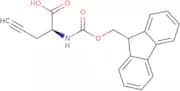
CAS:<p>Fmoc-L-propargylglycine is a cyclic peptide that is synthesized by chemical ligation. It has antiviral, anti-tumor, and anti-inflammatory activities. Fmoc-L-propargylglycine inhibits the growth of cancer cells in vitro. The mechanism of action is not fully understood, but it may involve the inhibition of cellular proliferation and the induction of apoptosis. This compound also inhibits epidermal growth factor (EGF) induced cell proliferation in caco-2 cells.</p>Formula:C20H17NO4Purity:Min. 98 Area-%Color and Shape:White PowderMolecular weight:335.35 g/mol2-Chloro-N-(3-chloro-4-methylphenyl)propanamide
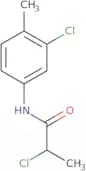
CAS:<p>Please enquire for more information about 2-Chloro-N-(3-chloro-4-methylphenyl)propanamide including the price, delivery time and more detailed product information at the technical inquiry form on this page</p>Formula:C10H11Cl2NOPurity:Min. 95%Molecular weight:232.11 g/molN-α-[2,4-Dinitro-5-fluorophenyl]-L-valine amide
CAS:<p>N-alpha-[2,4-Dinitro-5-fluorophenyl]-L-valine amide is an acidic amino acid that is used as a reagent in organic synthesis. It has been shown to have amide and hydrogen bond properties. This compound has been shown to be involved in the biosynthesis of carboxylic acids and primary amino acids. It also absorbs UV light at 265 nm and can be used for determination of uv absorption using high performance liquid chromatography (HPLC).</p>Formula:C11H13N4O5FPurity:Min. 95%Color and Shape:Yellow PowderMolecular weight:300.24 g/mol9-Methylxanthine
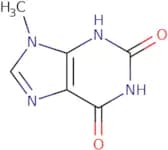
CAS:Controlled Product<p>9-Methylxanthine is a purine alkaloid that is structurally related to caffeine. It is used as a bronchodilator and to treat cardiac arrhythmias. 9-Methylxanthine has been shown to have an effect on the rate of DNA replication by binding to the enzyme xanthosine phosphorylase, which converts xanthosine monophosphate (XMP) to xanthosine diphosphate (XDP). The drug's effect on other nucleobases, such as adenosine monophosphate (AMP), cannot be ruled out. 9-Methylxanthine also has a strong affinity for macrochelates, which are compounds that contain chelating agents with a large number of ethylenediaminetetraacetic acid (EDTA) groups. This property is due to the high number of nitrogen atoms in the molecule and its ability to form hydrogen bonds between water molecules</p>Formula:C6H6N4O2Purity:Min. 95%Color and Shape:PowderMolecular weight:166.14 g/mol6-Methoxycoumarin
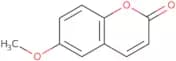
CAS:<p>6-Methoxycoumarin is a potent inhibitor drug that inhibits the activity of monoamine oxidase (MAO). It has been shown to have anti-feedant properties in laboratory experiments and is used as an antifeedant. 6-Methoxycoumarin also fluoresces under ultraviolet light, which can be used to identify its presence in a solution. 6-Methoxycoumarin is a derivative of coumarin and has the same skeleton with two methoxy groups attached. The compound can be identified by its chemical structure and predictable fluorescence properties. 6-Methoxycoumarin has been shown to bind to amines, which are organic compounds containing nitrogen, on the chromatographic column, allowing for easy detection.</p>Formula:C10H8O3Purity:Min. 95%Color and Shape:PowderMolecular weight:176.17 g/mol1-Benzoyloxy-2-methoxybenzene
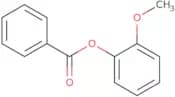
CAS:<p>1-Benzoyloxy-2-methoxybenzene is a diphenyl ether that has been shown to have analgesic, anti-inflammatory and antipyretic properties. It inhibits the secretion of pancreatic enzymes, which may be due to its interaction with the hydroxyl group on the cavity of the enzyme. 1-Benzoyloxy-2-methoxybenzene also inhibits intestinal fluid production in rats with ulcerative colitis, which may be due to its ability to inhibit bond cleavage in lysosomes by interacting with the hydroxy group on the cavity of lysosomal enzymes. When applied topically, 1-Benzoyloxy-2-methoxybenzene has been shown to be effective in alleviating pain from abrasions or other wounds in rats and humans. This drug also has a stereoselective effect on benzoate, inhibiting its action at high concentrations.</p>Formula:C14H12O3Purity:Min. 95%Color and Shape:PowderMolecular weight:228.24 g/mol5-(4-methoxyphenyl)-2H-1,2,3-triazole-4-carbonitrile
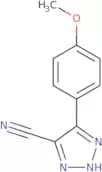
CAS:Please enquire for more information about 5-(4-methoxyphenyl)-2H-1,2,3-triazole-4-carbonitrile including the price, delivery time and more detailed product information at the technical inquiry form on this pagePurity:Min. 95%




![2-[2-(2-t-Boc-aminoethoxy)ethoxy]ethanol](/_next/image/?url=https%3A%2Fstatic.cymitquimica.com%2Fproducts%2F3D%2Fthumb-webp%2FFB18924.webp&w=3840&q=75)








![2-[4-(2,2-Dichlorocyclopropyl)phenoxy]-2-methylpropanoic acid](/_next/image/?url=https%3A%2Fstatic.cymitquimica.com%2Fproducts%2F3D%2Fthumb-webp%2FFD11320.webp&w=3840&q=75)



![Pigment Red 38;Diethyl 4,4'-[(3,3'-dichlOrO[1,1'-biphenyl]-4,4'-diyl)bis(azO)]bis[4,5-dihydrO-5-Ox…](/_next/image/?url=https%3A%2Fstatic.cymitquimica.com%2Fproducts%2F3D%2Fthumb-webp%2FFP43985.webp&w=3840&q=75)
![Pigment YellOw 5;2-[(2-NitrOphenyl)azO]-3-OxO-N-phenylbutanamide](/_next/image/?url=https%3A%2Fstatic.cymitquimica.com%2Fproducts%2F3D%2Fthumb-webp%2FFP40385.webp&w=3840&q=75)
![2-Methoxy-1-[(4-methylphenyl)sulphinyl]benzene](/_next/image/?url=https%3A%2Fstatic.cymitquimica.com%2Fproducts%2F3D%2Fthumb-webp%2FFM66194.webp&w=3840&q=75)
![N-α-[2,4-Dinitro-5-fluorophenyl]-L-valine amide](/_next/image/?url=https%3A%2Fstatic.cymitquimica.com%2Fproducts%2F3D%2Fthumb-webp%2FFD48428.webp&w=3840&q=75)