Amino Acids (AA)
Amino acids (AAs) are the fundamental building blocks of proteins, playing a crucial role in various biological processes. These organic compounds are essential for protein synthesis, metabolic pathways, and cell signaling. In this category, you will find a comprehensive range of amino acids, including essential, non-essential, and modified forms, which are vital for research in biochemistry, molecular biology, and nutritional sciences. At CymitQuimica, we provide high-quality amino acids to support your research and development needs, ensuring accuracy and reliability in your experimental outcomes.
Subcategories of "Amino Acids (AA)"
- Amino Acid Derivatives(3,955 products)
- Amino Acid and Amino Acid Related Compounds(3,466 products)
- Amino Acids with Oxygen or Sulphur(168 products)
- Boc- Amino Acids(351 products)
- Fmoc Amino Acids(1,710 products)
Found 38249 products of "Amino Acids (AA)"
Sort by
Purity (%)
0
100
|
0
|
50
|
90
|
95
|
100
1-O-Octadecyl-2-O-benzyl-sn-glycerol
CAS:<p>1-O-Octadecyl-2-O-benzyl-sn-glycerol (ODBG) is a novel antiviral drug that is being developed for the treatment of HIV. ODBG inhibits HIV by binding to the virus and preventing it from entering cells, which prevents the virus from replicating. ODBG has been shown to be effective against other viruses as well, such as herpes simplex virus and respiratory syncytial virus. ODBG is a lipid molecule that can cross cell membranes and has been shown to have low toxicity in animal studies. This drug also has potential to be used as an oral medication for patients with HIV.</p>Formula:C28H50O3Purity:Min. 95%Molecular weight:434.69 g/mol2-Methylacetophenone
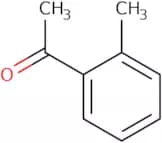
CAS:<p>2-Methylacetophenone is an organic compound that has a molecular weight of 100.12 g/mol, and a chemical formula of C10H14O2. The compound is a colorless liquid at room temperature and pressure, with a sweet odor. It is soluble in nonpolar solvents such as hexane, ether, benzene, and toluene. 2-Methylacetophenone has been used as a solvent for the chemical study of benzyl groups, hydroxyl group activation energies, hydrogen bond, carbonyl group proton and intramolecular hydrogen bonding. It has also been used to study the reaction mechanism of fatty acid with benzyl groups in cryogenic conditions.</p>Formula:C9H10OPurity:Min. 95%Color and Shape:Colorless Clear LiquidMolecular weight:134.18 g/mol3,5-Diiodo-L-tyrosine
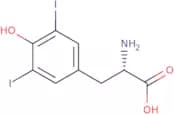
CAS:<p>3,5-Diiodo-L-tyrosine (3DILT) is an iodinated amino acid that can be used as a marker for human immunodeficiency virus (HIV) infection. It is synthesized by the reaction of 3,5-diiodotyrosine with L-tyrosine in the presence of a metal chelate and dinucleotide phosphate. This reaction proceeds via nucleophilic substitution on the aromatic ring with an iodide ion. The product is then purified to remove unreacted 3,5-diiodotyrosine and the metal chelate. 3DILT reacts with antibodies in a luminescence immunoassay to produce light that can be detected. The detection limit of this assay is 10 pg/mL.</p>Formula:C9H9I2NO3Purity:Min. 95%Molecular weight:432.98 g/molH-Val-Leu-Ser-Glu-Gly-OH
CAS:<p>H-Val-Leu-Ser-Glu-Gly-OH is a polypeptide that is hydrophobic and has carboxypeptidase activity. It hydrolyzes anions, such as the penicillin G, which has been shown to have a high affinity for this enzyme. H-Val-Leu-Ser-Glu-Gly-OH has also been shown to interact with other proteins through hydrophobic interactions. When used in high concentrations, it can be used to filter out substances that are hydrophobic. It can also be used to hydrolyze anions and divalent ions, such as copper and zinc.</p>Formula:C21H37N5O9Purity:Min. 95%Molecular weight:503.55 g/molMacrophage Inhibitory Peptide
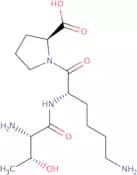
CAS:<p>Macrophage inhibitory peptide H-Thr-Lys-Pro-OH is a human immunoglobulin that has been shown to have antimicrobial activity against a wide range of microbes. It is asymmetric and the side chain at position Thr is protonated, while the corresponding Lys side chain is not. Macrophage inhibitory peptide H-Thr-Lys-Pro-OH binds to the acidic corneal endothelial cells, which are important for maintaining a healthy eye surface. This peptide also activates human macrophages and basic fibroblast cells and inhibits HIV infection in monoclonal antibody mice.</p>Formula:C15H28N4O5Purity:Min. 95%Molecular weight:344.41 g/molBiotinyl-(Gln1)-LHRH trifluoroacetate salt Biotinyl-Gln-His-Trp-Ser-Tyr-Gly-Leu-Arg-Pro-Gly-NH2 trifluoroacetate salt
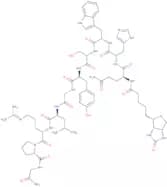
CAS:<p>Please enquire for more information about Biotinyl-(Gln1)-LHRH trifluoroacetate salt Biotinyl-Gln-His-Trp-Ser-Tyr-Gly-Leu-Arg-Pro-Gly-NH2 trifluoroacetate salt including the price, delivery time and more detailed product information at the technical inquiry form on this page</p>Formula:C65H92N20O15SPurity:Min. 95%Molecular weight:1,425.62 g/molPlatelet Factor 4 (58-70) (human)
CAS:<p>Please enquire for more information about Platelet Factor 4 (58-70) (human) including the price, delivery time and more detailed product information at the technical inquiry form on this page</p>Formula:C76H133N17O18Purity:Min. 95%Molecular weight:1,572.97 g/molBoc-Thionoser(Bzl)-1-(6-nitro)benzotriazolide
CAS:<p>Please enquire for more information about Boc-Thionoser(Bzl)-1-(6-nitro)benzotriazolide including the price, delivery time and more detailed product information at the technical inquiry form on this page</p>Formula:C21H23N5O5SPurity:Min. 95%Molecular weight:457.5 g/mol(D-Trp6)-LHRH (1-6) amide
CAS:<p>Please enquire for more information about (D-Trp6)-LHRH (1-6) amide including the price, delivery time and more detailed product information at the technical inquiry form on this page</p>Formula:C45H49N11O9Purity:Min. 95%Molecular weight:887.94 g/molFluorescein-6-carbonyl-Asp(OMe)-Glu(OMe)-Val-DL-Asp(OMe)-fluoromethylketone
CAS:<p>Please enquire for more information about Fluorescein-6-carbonyl-Asp(OMe)-Glu(OMe)-Val-DL-Asp(OMe)-fluoromethylketone including the price, delivery time and more detailed product information at the technical inquiry form on this page</p>Formula:C43H45FN4O16Purity:Min. 95%Molecular weight:892.83 g/molH-Tyr-Leu-OH
CAS:<p>H-Tyr-Leu-OH is a peptide that has been shown to have regulatory effects on the synthesis of dopamine and 5-hydroxytryptamine (5HT), which is responsible for mood, appetite, and sleep. H-Tyr-Leu-OH is an orally active compound that has antidepressant-like activity in animals. It has also been shown to have antiobesity effects by regulating the secretion of proctolin from the pancreas. H-Tyr-Leu-OH has a pH optimum of 7, which is neutral. This compound can be used in cell culture experiments to study the effect of pH on enzyme preparations.</p>Formula:C15H22N2O4Purity:Min. 95%Molecular weight:294.35 g/molFmoc-D-thiazolidine-4-carboxylic acid
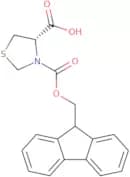
CAS:<p>Please enquire for more information about Fmoc-D-thiazolidine-4-carboxylic acid including the price, delivery time and more detailed product information at the technical inquiry form on this page</p>Formula:C19H17NO4SPurity:Min. 95%Molecular weight:355.41 g/molBoc-Pen (NPys)-OH
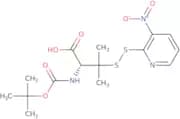
CAS:<p>Please enquire for more information about Boc-Pen (NPys)-OH including the price, delivery time and more detailed product information at the technical inquiry form on this page</p>Formula:C15H21N3O6S2Purity:Min. 95%Molecular weight:403.48 g/molH-Gly-His-Arg-Pro-NH2 acetate salt
CAS:<p>Please enquire for more information about H-Gly-His-Arg-Pro-NH2 acetate salt including the price, delivery time and more detailed product information at the technical inquiry form on this page</p>Formula:C19H32N10O4Purity:Min. 95%Molecular weight:464.52 g/molN-(Hydroxymethyl)-phenylacetamide
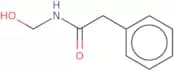
CAS:<p>N-(Hydroxymethyl)-phenylacetamide is an organic solvent that is used in the synthesis of certain antibiotics. It is a synthetic compound and can be obtained by reacting toluene with benzene, using a strong acid catalyst such as sulfuric acid. N-(Hydroxymethyl)-phenylacetamide has been used in the synthesis of isoquinolones, which are also antibiotics. This organic solvent can also be used for recrystallization, which is a process that helps purify solids from liquids or liquids from solids. The yield of this reaction is high, making it an efficient way to synthesize these compounds.</p>Formula:C9H11NO2Purity:Min. 95%Molecular weight:165.19 g/molZ-Gln(Mtt)-OH
CAS:<p>Please enquire for more information about Z-Gln(Mtt)-OH including the price, delivery time and more detailed product information at the technical inquiry form on this page</p>Formula:C33H32N2O5Purity:Min. 95%Molecular weight:536.62 g/mol3-Methylsalicylic acid
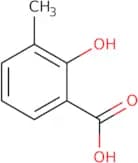
CAS:<p>3-Methylsalicylic acid is a naturally occurring carboxylate that has been shown to be an inhibitor of the hydrogenation of polyunsaturated fatty acids. 3-Methylsalicylic acid inhibits the binding of benzyl groups to intramolecular hydrogen and hydroxyl groups, which are required for the formation of a covalent bond. The antiproliferative effect of 3-methylsalicylic acid on cancer cells is due to its ability to inhibit protein synthesis by blocking the enzyme carboxylase. 3-Methylsalicylic acid also has anti-inflammatory properties and can be used as an antiseptic and analgesic.</p>Formula:C8H8O3Purity:Min. 95%Color and Shape:White PowderMolecular weight:152.15 g/mol(Gln22,Asn23)-Amyloid b-Protein (1-40) trifluoroacetate salt
CAS:<p>Please enquire for more information about (Gln22,Asn23)-Amyloid b-Protein (1-40) trifluoroacetate salt including the price, delivery time and more detailed product information at the technical inquiry form on this page</p>Formula:C194H297N55O56SPurity:Min. 95%Molecular weight:4,327.84 g/molH-Gly-D-Tyr-OH
CAS:<p>Please enquire for more information about H-Gly-D-Tyr-OH including the price, delivery time and more detailed product information at the technical inquiry form on this page</p>Formula:C11H14N2O4Purity:Min. 95%Molecular weight:238.24 g/molHIV (gp120) Antigenic Peptide trifluoroacetate salt
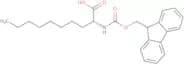
CAS:<p>Please enquire for more information about HIV (gp120) Antigenic Peptide trifluoroacetate salt including the price, delivery time and more detailed product information at the technical inquiry form on this page</p>Formula:C117H211N41O31SPurity:Min. 95%Molecular weight:2,720.25 g/molFmoc-octyl-D-Gly-OH
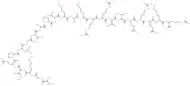
CAS:<p>Fmoc-octyl-D-Gly-OH is a supramolecular polymer with a wide range of applications, including oil recovery and as a nanomaterial. Fmoc-octyl-D-Gly-OH is synthesized by the ring opening polymerization of octylglycol with D,L lactic acid. It has been shown to be an effective emulsifier in water, which may be due to its synergistic effect with other molecules. Fmoc-octyl-D-Gly-OH also has the ability to self assemble into a variety of morphologies such as nanoribbons, nanowires, and gel networks. This polymer can also be used as a hydrogenation catalyst for organic synthesis reactions that require high pressures and temperatures. Fmoc-octyl-D-Gly-OH has also been used in the production of ultrasonication devices for use in medicine.</p>Formula:C25H31NO4Purity:Min. 95%Molecular weight:409.52 g/molNeuropeptide VF (56-92) (human) trifluoroacetate salt
<p>Please enquire for more information about Neuropeptide VF (56-92) (human) trifluoroacetate salt including the price, delivery time and more detailed product information at the technical inquiry form on this page</p>Formula:C195H304N52O51S2Purity:Min. 95%Molecular weight:4,256.95 g/molH-D-Arg(Me)-OH acetate salt
CAS:Controlled Product<p>H-D-Arg(Me)-OH is a peptide that has been shown to inhibit the proliferation of cancer cells in culture. It inhibits the growth of tumor cells by blocking the activity of the oxytocin receptor, which regulates cell adhesion and migration. The H-D-Arg(Me)-OH acetate salt has also been shown to promote the differentiation of basophilic leukemia cells into normal myeloid cells. This peptide is used as a control for incubated cell cultures, such as liver cells, and can be used to study protein synthesis.</p>Formula:C7H16N4O2Purity:Min. 95%Molecular weight:188.23 g/molMCH (salmon) trifluoroacetate salt
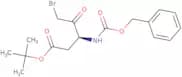
CAS:<p>Trifluoroacetate salt</p>Formula:C89H139N27O24S4Purity:Min. 95%Molecular weight:2,099.49 g/molZ-Asp(OtBu)-bromomethylketone
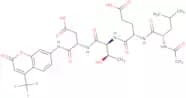
CAS:<p>Please enquire for more information about Z-Asp(OtBu)-bromomethylketone including the price, delivery time and more detailed product information at the technical inquiry form on this page</p>Formula:C17H22BrNO5Purity:Min. 95%Molecular weight:400.26 g/molAc-Leu-Glu-Thr-Asp-AFC
CAS:<p>Please enquire for more information about Ac-Leu-Glu-Thr-Asp-AFC including the price, delivery time and more detailed product information at the technical inquiry form on this page</p>Formula:C31H38F3N5O12Purity:Min. 95%Molecular weight:729.66 g/molH-Asn(Trt)-2-chlorotrityl resin (200-400 mesh) (Low Substitution)
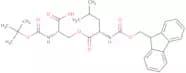
<p>Please enquire for more information about H-Asn(Trt)-2-chlorotrityl resin (200-400 mesh) (Low Substitution) including the price, delivery time and more detailed product information at the technical inquiry form on this page</p>Purity:Min. 95%Boc-Ser(Leu-Fmoc)-OH
CAS:<p>Boc-Ser(Leu-Fmoc)-OH is a peptide that has been synthesized using the Fmoc strategy. The peptide has been synthesized in an efficient manner and it is an epimer of Boc-Ser(Leu-OH).</p>Formula:C29H36N2O8Purity:Min. 95%Molecular weight:540.6 g/molH-Gly-Cys-OH
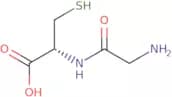
CAS:<p>H-Gly-Cys-OH is an amide that is structurally related to the nonapeptide, Gly-Pro-Cys. H-Gly-Cys-OH has been shown to be an efficient method for preparation of 3-mercaptopropionic acid. The nucleophilic attack of the thiol group on the carbonyl carbon atom in the amide bond leads to cleavage and formation of a disulfide bond. This reaction occurs spontaneously at room temperature with high efficiency and can be used for synthesis of 3-mercaptopropionic acid. H-Gly-Cys-OH has low bioavailability, which may be due to its primary amino group, which is not well absorbed by the intestinal epithelium.</p>Formula:C5H10N2O3SPurity:Min. 95%Molecular weight:178.21 g/mol(H-Cys-pNA)2 (Disulfide bond)
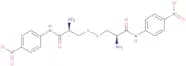
CAS:<p>H-Cys-pNA is a labile molecule that has been used as a substrate for aminopeptidase activity. It is a competitive inhibitor of aminopeptidase and binds to the active site of the enzyme, preventing it from cleaving peptides from their amino acids. H-Cys-pNA has been shown to inhibit oxytocin release by binding to the oxytocin receptor in rat brain tissue. This molecule also inhibits the growth of dysgerminoma cells in vitro and blocks cell division. H-Cys-pNA is susceptible to proteolytic degradation and may be degraded by polyacrylamide gel electrophoresis, which can be used for its analysis on polyacrylamide gels.</p>Formula:C18H20N6O6S2Purity:Min. 95%Molecular weight:480.52 g/molH-Ile-Glu-OH
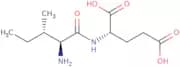
CAS:<p>Please enquire for more information about H-Ile-Glu-OH including the price, delivery time and more detailed product information at the technical inquiry form on this page</p>Formula:C11H20N2O5Purity:Min. 95 Area-%Color and Shape:PowderMolecular weight:260.29 g/molGlycoprotein IIb Fragment (300-312)
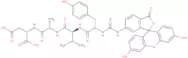
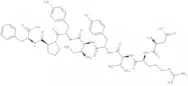
CAS:<p>Glycoprotein IIb fragment (300-312) is a fragment of the glycoprotein IIb that is a potent inhibitor of the binding of fibrinogen to platelets. It has been used in immunoassays to detect and quantify glycoprotein IIb or its fragments in human serum, plasma, or urine. This fragment contains amino acids 300-312 and has an affinity for fibrinogen with a Kd value of 2.4 x 10^-6 M. The sequence of this fragment is H-Gly-Asp-Gly-Arg-His-Asp-Leu-Leu-Val-Gly-Ala-Pro.</p>Formula:C57H94N18O18Purity:Min. 95%Molecular weight:1,319.47 g/molFITC-Tyr-Val-Ala-Asp-OH (Contains FITC isomer I)
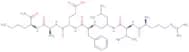
CAS:<p>FITC-Tyr-Val-Ala-Asp-OH (Contains FITC isomer I) is a bioactive molecule that has been shown to inhibit the growth of filamentous fungi. This compound binds to the tyrosine kinase, which is an enzyme involved in the regulation of cell division and differentiation. It also inhibits neutrophil recruitment by dectin-1, a protein that recognizes fungal cell walls on neutrophils. The FITC isomer I has been shown to impair macrophages and fungus aspergillus fumigatus infiltration in tissues with impaired immune function.<br>FITC-Tyr-Val-Ala-Asp-OH (Contains FITC isomer I) has also been shown to decrease the production of caspase 1, which activates inflammatory responses and stimulates phagocytic cells.</p>Formula:C42H39N5O12SPurity:Min. 95%Molecular weight:837.85 g/molH-Arg-Val-Leu-psi(CH2NH)Phe-Glu-Ala-Nle-NH2
CAS:<p>H-Arg-Val-Leu-psi(CH2NH)Phe-Glu-Ala-Nle-NH2 is a compound which is structurally related to the amino acid histidine. It has been used as an indicator for Xanthochromia, a diagnostic for copper. H-Arg-Val-Leu-psi(CH2NH)Phe-Glu-Ala-Nle-NH2 has also been used in polyester production and as a monitoring agent for modifications of polylactic acid thermally.</p>Formula:C40H69N11O8Purity:Min. 95%Molecular weight:832.05 g/molAllatotropin
CAS:<p>Allatotropin is a diagnostic agent that belongs to the class of antimicrobial peptides. It has been shown to have strong activity against Gram-positive and Gram-negative bacteria. Allatotropin inhibits the growth of bacteria by binding to the external membrane, disrupting its integrity. Allatotropin also has been shown to increase gamma-aminobutyric acid levels in brain tissue and galleria mellonella larvae when injected subcutaneously. This may be due to its ability to activate GABA receptors. Allatotropin can be synthesized in vitro by combining β-amino acids with fatty acids and terminal residues, such as lysine, arginine, and glutamine, under conditions that mimic those found in living cells. This synthetic process yields a mixture of allatotropins with varying chain lengths and amino acid sequences.</p>Formula:C65H103N19O17S2Purity:Min. 95%Molecular weight:1,486.76 g/mol(Sar 1,Ile8)-Angiotensin II
CAS:<p>Angiotensin II is a peptide hormone. It is a potent vasoconstrictor that also stimulates the release of aldosterone from the adrenal gland, leading to an increase in blood pressure. Angiotensin II can be produced either by proteolytic cleavage of angiotensinogen (a zymogen) or by post-translational modification of angiotensin I (a decapeptide). Angiotensin II is a potent agonist of the thrombin receptor and binds to one of four subtypes of angiotensin receptors (AT1). The AT1 receptor antagonist is a drug that blocks the biological activity of angiotensin II and has been used clinically for treatment of hypertension.</p>Formula:C46H73N13O10Purity:Min. 95%Molecular weight:968.15 g/molACTH (22-39)
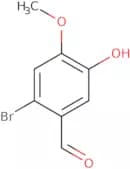
CAS:<p>ACTH (22-39) H-Val-Tyr-Pro-Asn-Gly-Ala-Glu-Asp-Glu-Ser-Ala-Glu is a modified form of ACTH (22-39) that is used for the treatment of diabetes mellitus. It is a synthetic peptide and has been shown to reduce body mass index, adipose tissue, and plasma glucose levels in diabetic patients. This drug also increases plasma cortisol concentrations and inhibits insulin production in pancreatic β cells.</p>Formula:C90H125N19O32Purity:Min. 95%Molecular weight:1,985.06 g/mol2-Bromo-5-hydroxy-4-methoxybenzaldehyde
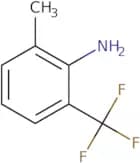
CAS:<p>2-Bromo-5-hydroxy-4-methoxybenzaldehyde is a death pathway inhibitor that has been shown to have radiosensitizing effects in vitro. It has also been found to inhibit the expression of matrix metalloproteinase (MMP) in human glioma cells and in a rat model of cerebral ischemia. This compound may be used as a potential chemotherapeutic agent for the treatment of cancer. 2-Bromo-5-hydroxy-4-methoxybenzaldehyde inhibits cell proliferation by inducing apoptosis, or programmed cell death, which may be due to its ability to suppress MMP activity.</p>Formula:C8H7BrO3Purity:Min. 95%Color and Shape:PowderMolecular weight:231.04 g/mol2-methyl-6-(trifluoromethyl)aniline
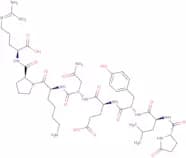
CAS:<p>2-Methyl-6-(trifluoromethyl)aniline is a colorless, oily liquid with a sulfurous odor. It is soluble in water and alcohol. The reaction rate of 2-methyl-6-(trifluoromethyl)aniline with sulfoxides is faster than that of benzyl anilines, but slower than that of anilino derivatives. The addition of hydrophobic groups to the 2-methyl-6-(trifluoromethyl)aniline molecule increases the reaction rate. 2-Methyl-6-(trifluoromethyl)aniline can be used as an anesthetic agent because it is a potent inhibitor of nerve conduction in sciatic nerves. It also has been shown to be effective in desulfurizing propylene, which is important for the production of polypropylene plastics and synthetic rubber. 2-Methyl-6-(triflu</p>Formula:C8H8F3NPurity:Min. 95%Molecular weight:175.15 g/molNeurotensin (1-8) Pyr-Leu-Tyr-Glu-Asn-Lys-Pro-Arg-OH
CAS:<p>Neurotensin (NT) is a peptide that has been implicated in the regulation of feeding behavior, cardiovascular function, and pain perception. The neurotensin receptor is a G-protein coupled receptor with seven transmembrane domains. Neurotensin binds to the receptor and activates it by inducing intracellular calcium mobilization and neurotransmitter release. This activation can be dose-dependent, as seen in experiments using rat brain slices incubated with different concentrations of NT. Neurotensin also induces maximal activation at low concentrations, which may be due to its ability to bind to both extracellular and intracellular receptors. NT binds selectively to ventral tegmental area neurons from rats, leading to increased spontaneous firing rates. Cancer cells have been shown to express high levels of neurotensin receptors on their surface membrane, which may contribute to tumorigenesis and metastasis. Neurodegenerative diseases such as Alzheimer’s disease are thought to involve alterations in the expression or</p>Formula:C46H71N13O14Purity:Min. 95%Molecular weight:1,030.14 g/molZ-Leu-Tyr-chloromethylketone
CAS:<p>Z-Leu-Tyr-chloromethylketone is a peptide that binds to the reticulum and prevents the release of calcium ions. It is a chloromethyl ketone, which inhibits the L-type calcium channels in cells. Z-Leu-Tyr-chloromethylketone has been shown to block the influx of calcium ions into cytosolic compartments. This process leads to inhibition of protein synthesis and cell death by apoptosis.</p>Formula:C24H29ClN2O5Purity:Min. 95%Molecular weight:460.95 g/molBig Endothelin-1 (human)
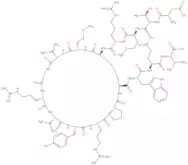
CAS:<p>Please enquire for more information about Big Endothelin-1 (human) including the price, delivery time and more detailed product information at the technical inquiry form on this page</p>Formula:C189H282N48O56S5Purity:Min. 95%Molecular weight:4,282.88 g/molHirudin (54-65) (sulfated)
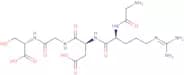
CAS:<p>Hirudin is a protein that functions as an anticoagulant by binding to the active site of thrombin, preventing it from converting fibrinogen into fibrin. It has a high affinity for the thrombin receptor and can be modified in various ways. Hirudin's most common modification is sulfation, which enhances its anticoagulant activity. Hirudin is a proteolytic enzyme that can be synthesized using solid-phase chemistry. Its biological function is to inhibit blood coagulation by inhibiting the conversion of fibrinogen to fibrin. Hirudin binds to thrombin, preventing it from converting fibrinogen into fibrin and thus inhibits coagulation. It also prevents clot formation by inhibiting platelet aggregation, which may result from interactions with other proteins such as prothrombin and factor VIII.</p>Formula:C66H93N13O28SPurity:Min. 95%Molecular weight:1,548.58 g/molH-Gly-Arg-Asp-Gly-Ser-OH
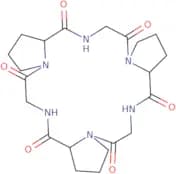
CAS:<p>A monoclonal antibody is a type of antibody produced by a single clone of B cells. Monoclonal antibodies are created by injecting mice with a protein, and then harvesting the antibody-producing cells from the mouse's spleen or lymph nodes. These cells are then fused with cancer cells to form hybridoma cells that produce the desired antibodies. Monoclonal antibodies are used in vitro assays to detect certain molecules, such as matrix molecules, growth factors and polysialic acid. They can also be used for in vivo diagnostic purposes, such as detecting urothelial carcinoma in mammals or human lymphocytes on the surface of lymphocytes.</p>Formula:C17H30N8O9Purity:Min. 95%Molecular weight:490.47 g/molCyclo(-Pro-Gly)3
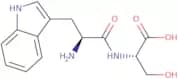
CAS:<p>Please enquire for more information about Cyclo(-Pro-Gly)3 including the price, delivery time and more detailed product information at the technical inquiry form on this page</p>Formula:C21H30N6O6Purity:Min. 95%Molecular weight:462.5 g/molH-Trp-Ser-OH
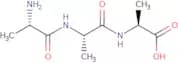
CAS:<p>H-Trp-Ser-OH is a synthetic fatty acid that has been shown to inhibit the growth of tumor cells. It was found to have an effect on insulin sensitivity in mice, suggesting it may have potential for treatment of diabetes. H-Trp-Ser-OH also inhibits the production of IL-6 and TNF-α in cultured human monocytes, which may be due to its ability to induce apoptosis. The effects of this compound on cancer are not yet known.</p>Formula:C14H17N3O4Purity:Min. 95%Molecular weight:291.3 g/molH-Ala-Ala-Ala-OH
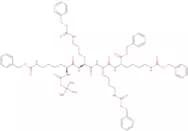
CAS:<p>H-Ala-Ala-Ala-OH is a synthetic peptide that has been shown to inhibit protease activity and is being investigated as a potential treatment for chronic arthritis. This peptide has been shown to be effective in the removal of nitrogen from wastewater. The conformational properties of H-Ala-Ala-Ala-OH are similar to those of the human serum amide, which is thought to have an antiarthritic effect and may also act as a model system for other peptides. H-Ala-Ala-Ala-OH has also been shown to have enzyme activities, including dihedral and structural analysis.</p>Formula:C9H17N3O4Purity:Min. 95%Molecular weight:231.25 g/molBoc-Lys(Z)-Lys(Z)-Lys(Z)-Lys(Z)-OBzl
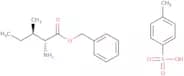
CAS:<p>Please enquire for more information about Boc-Lys(Z)-Lys(Z)-Lys(Z)-Lys(Z)-OBzl including the price, delivery time and more detailed product information at the technical inquiry form on this page</p>Formula:C68H88N8O15Purity:Min. 95%Molecular weight:1,257.47 g/molH-D-Ile-OBzl·p-tosylate
CAS:<p>H-D-Ile-OBzl·p-tosylate is a synthetic compound that has been found to have an excitatory effect on the bitter taste receptor. The leaves of plants are mutant and agglutination tests for this compound show that it is a hexapeptide. H-D-Ile-OBzl·p-tosylate can be synthesized from erythritol and p-toluenesulfonyl chloride. The chemical data for this compound indicates that it has a molecular weight of 442.3 Da and the observed spectra indicate that it is a white solid with no charge.</p>Formula:C13H19NO2·C7H8O3SPurity:Min. 95%Molecular weight:393.5 g/molBoc-Pro-Leu-Val-OMe
CAS:<p>Boc-Pro-Leu-Val-OMe is a peptide analog of Dolastatin 10 which has been shown to inhibit the production of ATP in mitochondria. The compound binds to the active site of bacterial topoisomerase IV, and this binding prevents the enzyme from cleaving DNA. Boc-Pro-Leu-Val-OMe is a small molecule that has an intramolecular structure, and it interacts with DNA to form a stable complex.</p>Formula:C22H39N3O6Purity:Min. 95%Molecular weight:441.56 g/mol(Tyr65,Phe67)-C5a (65-74) (human)
CAS:<p>Please enquire for more information about (Tyr65,Phe67)-C5a (65-74) (human) including the price, delivery time and more detailed product information at the technical inquiry form on this page</p>Formula:C55H85N15O16SPurity:Min. 95%Molecular weight:1,244.42 g/mol(p-Amino-Phe6)-Angiotensin II
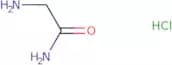
CAS:<p>Please enquire for more information about (p-Amino-Phe6)-Angiotensin II including the price, delivery time and more detailed product information at the technical inquiry form on this page</p>Formula:C53H74N12O12Purity:Min. 95%Molecular weight:1,071.23 g/molGlycinamide hydrochloride
CAS:<p>Glycinamide hydrochloride is an inhibitor that binds to the glycine-binding site of the protein synthetase and inhibits the formation of glycinamide ribonucleotide. It has been shown to inhibit human glycinamide ribonucleotide synthetase in vitro. Glycinamide hydrochloride is also a glycinamide amide, which was synthesized by linking two molecules of glycine with an amide bond. This molecule is cross-linked with a macrogel, forming a hydrogel. The hydrogel can be used in biomedical applications, such as tissue engineering and drug delivery systems.</p>Formula:C2H7ClN2OColor and Shape:White PowderMolecular weight:110.54 g/mol(D-Arg0, Hyp 3,D-Phe7)-Bradykinin trifluoroacetate salt
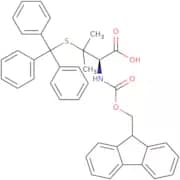
CAS:<p>Bradykinin is a peptide hormone that has been found to act through the bradykinin receptor. It has also been found to be an antagonist of the receptor, as it inhibits the growth of cells that are stimulated by bradykinin. This drug can be used for the treatment of asthma and other inflammatory diseases. The sequence of this drug is D-Arg0, Hyp 3,D-Phe7)-Bradykinin trifluoroacetate salt H-D-Arg-Arg-Pro-Hyp-Gly-Phe-Ser-D-Phe-Phe-Arg-OH trifluoroacetate salt.</p>Formula:C60H87N19O13Purity:Min. 95%Molecular weight:1,282.45 g/molFmoc-S-trityl-L-penicillamine
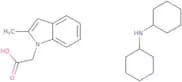
CAS:<p>Fmoc-S-trityl-L-penicillamine is a coordination compound that contains a thiolate and amide group. It has been used as a model system for studying the interaction between proteins and metal ions, with the cyclic structure mimicking the active site of enzymes. The coordination of Fmoc-S-trityl-L-penicillamine to proteins is affected by trypsin, an enzyme that cleaves peptides at carboxyl side chains. Trypsin can also lead to dehydration of Fmoc-S-trityl-L-penicillamine, forming an eliminations product. This compound also reacts with lysine residues in proteins, resulting in an alkene byproduct that can be removed by hydrogenation.</p>Formula:C39H35NO4SPurity:Min. 95%Color and Shape:PowderMolecular weight:613.77 g/mol(2-Methylindol-1-yl)acetic acid·DCHA
CAS:Controlled Product<p>Please enquire for more information about (2-Methylindol-1-yl)acetic acid·DCHA including the price, delivery time and more detailed product information at the technical inquiry form on this page</p>Formula:C11H11NO2·C12H23NPurity:Min. 95%Molecular weight:370.53 g/molZ-Leu-Met-OH
CAS:<p>Please enquire for more information about Z-Leu-Met-OH including the price, delivery time and more detailed product information at the technical inquiry form on this page</p>Formula:C19H28N2O5SPurity:Min. 95%Molecular weight:396.5 g/molZ-His(Z)-OH ethanol solvate
<p>Please enquire for more information about Z-His(Z)-OH ethanol solvate including the price, delivery time and more detailed product information at the technical inquiry form on this page</p>Formula:C22H21N3O6Purity:Min. 95%Molecular weight:423.42 g/molH-Cys(Trt)-2-chlorotrityl resin (200-400 mesh) (Low Substitution)
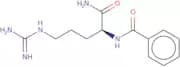
<p>Please enquire for more information about H-Cys(Trt)-2-chlorotrityl resin (200-400 mesh) (Low Substitution) including the price, delivery time and more detailed product information at the technical inquiry form on this page</p>Purity:Min. 95%N-α-Benzoyl-L-argininamide
CAS:<p>N-alpha-Benzoyl-L-argininamide is a synthetic compound that is used as an enzyme inhibitor. It binds to the active site of proteases, thereby inhibiting their activity. This drug has been shown to inhibit the activities of phosphodiesterase and phosphatase enzymes in vitro. N-alpha-Benzoyl-L-argininamide also inhibits the proteolytic degradation of hippuric acid and casein in vitro. The binding affinity for this drug is due to its structural similarity with substrates such as glutamate and rhizosphere exudates.</p>Formula:C13H19N5O2Purity:Min 98%Color and Shape:White PowderMolecular weight:277.32 g/mol(Des-Gly10,tBu-D-Gly6,Pro-NHEt 9)-LHRH trifluoroacetate
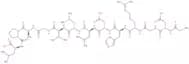
CAS:<p>(Des-Gly10, tBu-D-Gly6,Pro-NHEt 9)-LHRH trifluoroacetate salt Pyr-His-Trp-Ser-Tyr-tBu-D-Gly-Leu-Arg-Pro-NHEt trifluoroacetate salt is a synthetic hormone that is the active form of luteinizing hormone releasing hormone (LHRH), a gonadotropin releasing hormone (GnRH). It has been used in the diagnosis and treatment of prostate cancer. The drug is also used to treat endometriosis and other conditions. It can be administered by injection or as an intranasal spray. The drug inhibits follicular growth and fertility by downregulating estradiol benzoate production.</p>Formula:C59H84N16O12•(C2HF3O2)xPurity:Min. 95%Color and Shape:PowderMolecular weight:1,209.4 g/molAc-Pro-Leu-Gly-[(S)-2-mercapto-4-methyl-pentanoyl]-Leu-Gly-OEt
CAS:<p>Please enquire for more information about Ac-Pro-Leu-Gly-[(S)-2-mercapto-4-methyl-pentanoyl]-Leu-Gly-OEt including the price, delivery time and more detailed product information at the technical inquiry form on this page</p>Formula:C31H53N5O8SPurity:Min. 95%Molecular weight:655.85 g/mol(Sar 9,Met(O2)11)-Substance P
CAS:<p>Substance P is a neuropeptide that is found in the brain and throughout the peripheral nervous system. It has been found to be involved in numerous physiological processes, including pain transmission, vasodilation, and inflammation. Substance P binds to neurokinin-1 receptor (NK-1R) with high affinity. NK-1R has been shown to be localized on cells of the submandibular gland and salivary gland. Techniques such as binding experiments have shown that substance P binds to NK-1R with high affinity and is therefore likely involved in salivation and other functions of these glands.</p>Formula:C64H100N18O15SPurity:Min. 95%Molecular weight:1,393.66 g/molH-Asp-β-Ala-OH
CAS:<p>Please enquire for more information about H-Asp-beta-Ala-OH including the price, delivery time and more detailed product information at the technical inquiry form on this page</p>Formula:C7H12N2O5Purity:Min. 90 Area-%Color and Shape:PowderMolecular weight:204.18 g/molFmoc-Ile-Gly-OH
CAS:<p>Please enquire for more information about Fmoc-Ile-Gly-OH including the price, delivery time and more detailed product information at the technical inquiry form on this page</p>Formula:C23H26N2O5Purity:Min. 95%Molecular weight:410.46 g/molBoc-Glu(OBzl)-PAM resin (200-400 mesh)
<p>Please enquire for more information about Boc-Glu(OBzl)-PAM resin (200-400 mesh) including the price, delivery time and more detailed product information at the technical inquiry form on this page</p>Purity:Min. 95%2-Amino-5-methoxypyridine
CAS:<p>2-Amino-5-methoxypyridine (2AM5MP) is a synthetic compound that is used to study the nicotinic acetylcholine receptor. It has been shown that 2AM5MP can be used as an agonist for the nicotinic acetylcholine receptor, which may be due to its ability to act as a substrate for amine oxidase. This compound has been shown to have anti-cancer properties and fluoresce when exposed to positron emission tomography (PET) scans. The anti-cancer effects of 2AM5MP are thought to be due to its ability to inhibit cancer cell proliferation and induce cancer cell apoptosis.</p>Formula:C6H8N2OPurity:Min. 95%Molecular weight:124.14 g/molH-Glu-His-bNA
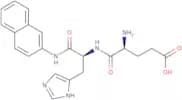
CAS:<p>Please enquire for more information about H-Glu-His-bNA including the price, delivery time and more detailed product information at the technical inquiry form on this page</p>Formula:C21H23N5O4Purity:Min. 95%Molecular weight:409.44 g/mol(D-Arg1,D-Pro2,D-Trp7·9,Leu11)-Substance P
CAS:<p>Substance P is a tachykinin that is released from the nerve endings of the parasympathetic nervous system. It binds to receptors in the plasma membrane of cells and causes them to release acetylcholine, which is an inhibitory neurotransmitter. Substance P also has been shown to interact with muscle cells and cause contractions. The incubation of Substance P with muscle cells inhibits the release of calcium ions, which reduces the membrane potential and decreases the contractility of these cells.</p>Formula:C75H108N20O13Purity:Min. 95%Molecular weight:1,497.79 g/molH-D-Pro-Pro-Glu-NH2 trifluoroacetate salt
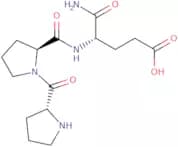
CAS:<p>Please enquire for more information about H-D-Pro-Pro-Glu-NH2 trifluoroacetate salt including the price, delivery time and more detailed product information at the technical inquiry form on this page</p>Formula:C15H24N4O5Purity:Min. 95%Molecular weight:340.38 g/molH-Gly-Phe-Leu-OH
CAS:<p>H-Gly-Phe-Leu-OH is a hydrophobic amino acid and homologue of the natural amino acid histidine. It is an organic compound that is used in the synthesis of peptides and proteins. This compound can be synthesized by reacting ethyl esters with glycine, phenylalanine, and leucine. H-Gly-Phe-Leu-OH has been shown to be active against organisms such as Staphylococcus aureus, Escherichia coli, and Bacillus subtilis. The effectiveness of this compound may be due to its ability to bind to various sites on the organism's cell wall. It also has been shown to have antiplatelet activity similar to aspirin.</p>Formula:C17H25N3O4Purity:Min. 95%Molecular weight:335.4 g/molAcetyl-(Cys(Acm)33·42)-EGF (33-42) amide (mouse)
CAS:<p>Please enquire for more information about Acetyl-(Cys(Acm)33·42)-EGF (33-42) amide (mouse) including the price, delivery time and more detailed product information at the technical inquiry form on this page</p>Formula:C51H82N16O17S2Purity:Min. 95%Molecular weight:1,255.43 g/molFmoc-Arg(Pbf)-Wang resin (100-200 mesh)
<p>Please enquire for more information about Fmoc-Arg(Pbf)-Wang resin (100-200 mesh) including the price, delivery time and more detailed product information at the technical inquiry form on this page</p>Purity:Min. 95%Aloc-Ser-OMe
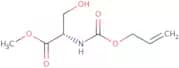
CAS:<p>Aloc-Ser-OMe is an enzyme that catalyzes the cleavage of 1,4-linked alpha-D-galactosides. It has been shown to be a useful reagent for the synthesis of alkyl glycosides. Aloc-Ser-OMe can be used in enzymatic synthesis or chemoenzymatic synthesis. This enzyme has excellent stereospecificity and is quantitatively active at pH 4.5 to 5.0 and at temperatures ranging from 20°C to 40°C. The enzyme can also catalyze transglycosylation reactions with beta-glucosidase, producing galactoarabinan oligosaccharides with various degrees of polymerization.</p>Formula:C8H13NO5Purity:Min. 95%Molecular weight:203.19 g/mol(Gly22)-Amyloid b-Protein (1-40) trifluoroacetate salt
CAS:<p>Please enquire for more information about (Gly22)-Amyloid b-Protein (1-40) trifluoroacetate salt including the price, delivery time and more detailed product information at the technical inquiry form on this page</p>Formula:C191H291N53O56SPurity:Min. 95%Molecular weight:4,257.74 g/molN,N'-Methylenediacrylamide
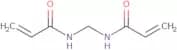
CAS:<p>N,N'-Methylenediacrylamide is a water-soluble compound that has been used as a fluorescent probe for hydrogen bonding. It has been shown to have different phase transition temperatures in different solvents and can be used as an experimental model for studying the effects of temperature on the behavior of water molecules. N,N'-Methylenediacrylamide reacts with hydrochloric acid to form the fatty acid N,N'-methylenebis(3-chloroacrylic acid) under acidic conditions. This reaction is reversible, and the reverse process can be catalyzed by sodium citrate or human serum. When exposed to radiation or surface methodology, it emits light at a wavelength of 350 nm.</p>Formula:C7H10N2O2Purity:Min. 95%Color and Shape:White Clear LiquidMolecular weight:154.17 g/molL-Threonine derivative-1
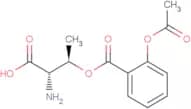
CAS:<p>L-Threonine derivative-1 is acetylsalicylic acid-L-threonine ester with potential analgesic activity.</p>Formula:C13H15NO6Purity:97.03% - 98.91%Color and Shape:SolidMolecular weight:281.26Boc-Thr(Gly-Fmoc)-OH
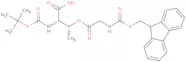
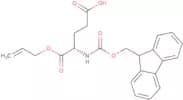
CAS:<p>Please enquire for more information about Boc-Thr(Gly-Fmoc)-OH including the price, delivery time and more detailed product information at the technical inquiry form on this page</p>Formula:C26H30N2O8Purity:Min. 95%Molecular weight:498.53 g/molFmoc-glu-OAll
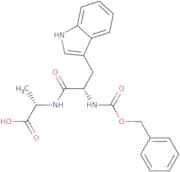
CAS:<p>Fmoc-glu-OAll is a cyclic peptide that is synthesized using solid-phase synthesis. It has been shown to have minimal inhibitory concentration (MIC) values of 0.5 µg/mL against mouse tumor cells and human serum, as well as high affinity for integrin receptors. This peptide also binds to the human serum albumin and blood clotting factor Xa, which are proteins involved in cancer therapy.</p>Formula:C23H23NO6Purity:Min. 95%Molecular weight:409.43 g/molZ-Trp-Ala-OH
CAS:<p>Z-Trp-Ala-OH is an imidazolide that is used as a potassium supplement. It has the potential to be used in the treatment of epilepsy, but more research is needed to determine its safety and efficacy.</p>Formula:C22H23N3O5Purity:Min. 95%Molecular weight:409.44 g/molH-Leu-2-chlorotrityl resin (200-400 mesh)
<p>Please enquire for more information about H-Leu-2-chlorotrityl resin (200-400 mesh) including the price, delivery time and more detailed product information at the technical inquiry form on this page</p>Purity:Min. 95%Neurotensin (1-6) trifluoroacetate salt Pyr-Leu-Tyr-Glu-Asn-Lys-OH trifluoroacetate salt
CAS:<p>Please enquire for more information about Neurotensin (1-6) trifluoroacetate salt Pyr-Leu-Tyr-Glu-Asn-Lys-OH trifluoroacetate salt including the price, delivery time and more detailed product information at the technical inquiry form on this page</p>Formula:C35H52N8O12Purity:Min. 95%Molecular weight:776.83 g/molLymnaDFamide-1
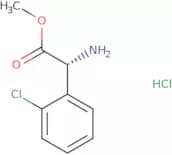
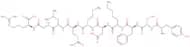
CAS:<p>LymnaDFamide-1 is a neuropeptide that belongs to the family of c-terminal peptides. It is a dipeptide with a sequence of L-Pro-Tyr-Asp-Arg-Ile-Ser-Asn-Ser-Ala-Phe. This peptide was found in the nervous system of invertebrates, where it is believed to play an important role in the regulation of neurotransmitter release. In mammals, LymnaDFamide has been detected in the brain and in the gallbladder. It may be involved in regulating feeding behavior and gastric motility.</p>Formula:C68H96N18O22Purity:Min. 95%Molecular weight:1,517.6 g/molD-(-)-2-Chlorophenylglycine methyl ester hydrochloride
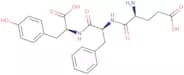
CAS:<p>Please enquire for more information about D-(-)-2-Chlorophenylglycine methyl ester hydrochloride including the price, delivery time and more detailed product information at the technical inquiry form on this page</p>Formula:C9H10ClNO2•HClPurity:Min. 95%Molecular weight:236.1 g/molH-Glu-Phe-Tyr-OH
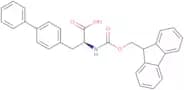
CAS:<p>H-Glu-Phe-Tyr-OH is a peptide transporter that is located on the apical surface of intestinal cells. It is a monovalent cation/H+ symporter that transports H+ and peptides in an electroneutral manner. The uptake rate of this peptide transporter is influenced by the concentration gradient of the substrate, with higher concentrations increasing the uptake rate. It has been shown to transport lidocaine, which suggests it may be used to treat patients who are resistant to other drugs. H-Glu-Phe-Tyr-OH also has a high affinity for peptides, making it possible to use this drug as a means of delivering therapeutic proteins orally.</p>Formula:C23H27N3O7Purity:Min. 95%Molecular weight:457.48 g/molFmoc-p-phenyl-L-phenylalanine
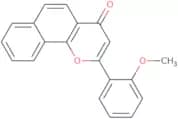
CAS:<p>Fmoc-p-phenyl-L-phenylalanine (FMPP) is a fluorescent probe that can be used to detect and diagnose damage in tissues. It is a small molecule that has been shown to bind to myocytes and cardiac tissues, specifically targeting skeletal and cardiac muscle. FMPP binds to the amino acid phenylalanine, which is found in high concentrations in cardiac tissue. This binding causes an increase in fluorescence, which can be detected by light microscopy or flow cytometry. FMPP has been used to detect damage in heart muscles of mice with dilated cardiomyopathy and also as a probe for myocardial infarctions in humans.</p>Formula:C30H25NO4Purity:Min. 98 Area-%Color and Shape:PowderMolecular weight:463.52 g/mol2'-Methoxy-α-naphthoflavone
CAS:<p>2'-Methoxy-alpha-naphthoflavone is a fine chemical that can be synthesized from naphthalene, benzaldehyde, and methoxyacetic acid. It is a versatile building block for research chemicals and has been shown to have high quality. 2'-Methoxy-alpha-naphthoflavone has been used as a reaction component in the synthesis of complex compounds with interesting biological activities.</p>Formula:C20H14O3Purity:Min. 95%Molecular weight:302.32 g/molHCV Core Protein (19-25)
CAS:<p>Please enquire for more information about HCV Core Protein (19-25) including the price, delivery time and more detailed product information at the technical inquiry form on this page</p>Formula:C39H59N9O11Purity:Min. 95%Molecular weight:829.94 g/mol(3,5-Diiodo-Tyr2,Arg8)-Vasopressin
CAS:<p>Please enquire for more information about (3,5-Diiodo-Tyr2,Arg8)-Vasopressin including the price, delivery time and more detailed product information at the technical inquiry form on this page</p>Formula:C46H63I2N15O12S2Purity:Min. 95%Molecular weight:1,336.03 g/molH-β-Ala-Ala-OH
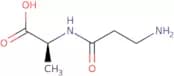
CAS:<p>Please enquire for more information about H-beta-Ala-Ala-OH including the price, delivery time and more detailed product information at the technical inquiry form on this page</p>Formula:C6H12N2O3Purity:Min. 95%Molecular weight:160.17 g/molH-D-Met-Met-OH
CAS:<p>H-D-Met-Met-OH is a synthetic compound, which is an optical isomer of DL-methionine. It has been shown to have the same biochemical and dietary concentrations as DL-methionine. H-D-Met-Met-OH has also been shown to have a linear response in bioassays, assays and other biochemical pathways. The thermodynamic properties of this compound are also similar to those of DL-methionine, although it is not as stable. This compound can be used as a substitute for DL-methionine because it has an identical chemical structure and can be converted into L -methionine by the enzyme methioninase.</p>Formula:C10H20N2O3S2Purity:Min. 95%Molecular weight:280.41 g/molp-Hydroxyhippuryl-His-Leu-OH
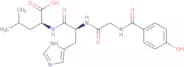
CAS:<p>P-hydroxyhippuryl-His-Leu-OH is a natriuretic that has been shown to have beneficial effects on diabetic patients. It can be used to prevent and treat proliferative diabetic retinopathy, which is a complication of diabetes. P-hydroxyhippuryl-His-Leu-OH increases the glomerular filtration rate and decreases the ventricular mass index, which may be due to its ability to inhibit angiotensin II receptors in the brain. P-hydroxyhippuryl-His-Leu-OH also inhibits angiotensin converting enzyme, an enzyme that converts angiotensin I into angiotensin II. This inhibition leads to an increase in levels of atrial natriuretic peptide (ANP), brain natriuretic peptide (BNP), and the downstream effectors of these peptides, namely nitric oxide synthase and cyclooxygenase</p>Formula:C21H27N5O6Purity:Min. 95%Molecular weight:445.47 g/molEndomorphin-2 trifluoroacetate salt
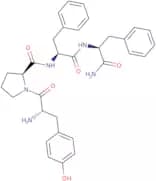
CAS:<p>Endomorphin-2 is a cyclic peptide that is the endogenous ligand for the neurokinin-1 receptor and kappa-opioid receptors. It has been shown to have analgesic, anti-inflammatory, and antidiarrheal properties. Endomorphin-2 also has been shown to inhibit platelet aggregation and vasoconstriction in vivo. The biological activities of endomorphin-2 are similar to those of endomorphin-1, but it differs structurally in that it contains a single intramolecular hydrogen bond between the amide nitrogen of Tyr and Pro. This intramolecular hydrogen bond may be responsible for the high potency of endomorphin-2, as well as its conformational stability.</p>Formula:C32H37N5O5Purity:Min. 95%Molecular weight:571.67 g/molPreangiotensinogen (11-14) (human) acetate salt
CAS:<p>Please enquire for more information about Preangiotensinogen (11-14) (human) acetate salt including the price, delivery time and more detailed product information at the technical inquiry form on this page</p>Formula:C21H35N7O6Purity:Min. 95%Molecular weight:481.55 g/molKALA Amphipathic Peptide
CAS:<p>Please enquire for more information about KALA Amphipathic Peptide including the price, delivery time and more detailed product information at the technical inquiry form on this page</p>Formula:C144H248N40O35SPurity:Min. 95%Molecular weight:3,131.82 g/molBiotinyl-ε-aminocaproyl-Tyr(PO3H2)-Glu-Glu-Ile-OH
CAS:<p>Please enquire for more information about Biotinyl-epsilon-aminocaproyl-Tyr(PO3H2)-Glu-Glu-Ile-OH including the price, delivery time and more detailed product information at the technical inquiry form on this page</p>Formula:C41H62N7O16PSPurity:Min. 95%Molecular weight:972.01 g/molFmoc-L-aspartic acid β-allyl ester
CAS:<p>Fmoc-L-aspartic acid beta-allyl ester is a specific interaction between an amide and an enzyme target. It has been shown to have anti-inflammatory properties by inhibiting the activity of COX-2, which inhibits the production of prostaglandins. Fmoc-L-aspartic acid beta-allyl ester is a cyclic peptide with a lactam ring system that has been synthesized in a stepwise manner on a solid phase. This molecule interacts with cell line A549 and blocks the proliferation of cancer cells. Fmoc-L-aspartic acid beta-allyl ester also contains a disulfide bond that stabilizes its structure.</p>Formula:C22H21NO6Purity:Min. 95%Molecular weight:395.41 g/mol(R)-N-Glycidylphthalimide
CAS:<p>R-N-Glycidylphthalimide is an enantioselective chiral reagent that is used to produce optically pure alcohols. It has been shown to have antibacterial activity in a number of carboxylic acid derivatives. R-N-Glycidylphthalimide was shown to be a good solvating agent, with the ability to form hydrogen bonds with water molecules and hydroxyl groups on proteins. R-N-Glycidylphthalimide is also useful for the synthesis of chiral amines, including ethylamine and amino acids, which are important in the pharmaceutical industry.</p>Formula:C11H9NO3Purity:Min. 95%Color and Shape:White/Off-White SolidMolecular weight:203.19 g/molH-Arg-ε-aminocaproyl-Arg-ε-aminocaproyl-Arg-ε-aminocaproyl-Arg-ε-aminocaproyl-Arg-ε-aminocaproyl-Arg-e psilon-aminocaproyl-Arg-OH trifluoroacetate salt
CAS:<p>Please enquire for more information about H-Arg-epsilon-aminocaproyl-Arg-epsilon-aminocaproyl-Arg-epsilon-aminocaproyl-Arg-epsilon-aminocaproyl-Arg-epsilon-aminocaproyl-Arg-e psilon-aminocaproyl-Arg-OH trifluoroacetate salt including the price, delivery time and more detailed product information at the technical inquiry form on this page</p>Formula:C78H152N34O14Purity:Min. 95%Molecular weight:1,790.26 g/mol
















![Ac-Pro-Leu-Gly-[(S)-2-mercapto-4-methyl-pentanoyl]-Leu-Gly-OEt](/_next/image/?url=https%3A%2Fstatic.cymitquimica.com%2Fproducts%2F3D%2Fthumb-webp%2FFA110006.webp&w=3840&q=75)