Amino Acids (AA)
Subcategories of "Amino Acids (AA)"
- Amino Acid Derivatives(4,014 products)
- Amino Acid and Amino Acid Related Compounds(3,490 products)
- Amino Acids with Oxygen or Sulphur(168 products)
- Boc- Amino Acids(351 products)
- Fmoc Amino Acids(1,710 products)
Found 38368 products of "Amino Acids (AA)"
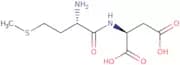
H-Met-Asp-OH
CAS:H-Met-Asp-OH is a synthetic formyl peptide that was designed to be hydrolyzed by proteolytic enzymes. It has been shown to be able to inhibit the formation of β-amyloid, which is associated with Alzheimer's disease. H-Met-Asp-OH also has been shown to have physicochemical properties similar to aspirin, and can be used as an antiplatelet agent. In addition, it has been shown to act as a catalase inhibitor in vitro and may have some therapeutic potential for the treatment of diabetes mellitus type 2.
Formula:C9H16N2O5SPurity:Min. 95%Color and Shape:White PowderMolecular weight:264.3 g/molRef: 3D-FM108122
Discontinued product2-Oxo-3-methylbutanoic acid
CAS:2-Oxo-3-methylbutanoic acid is a metabolite that belongs to the group of pantothenic acids. It is synthesized from pantothenate by enzymes in mitochondria, and also occurs as a metabolic intermediate in the body. 2-Oxo-3-methylbutanoic acid has been shown to have potential as a biomarker for congestive heart failure and obesity. The biochemical properties of this metabolite are not yet well understood. However, it has been shown to be an active component in vivo that may play an important role in energy metabolism. Structural analysis on this metabolite has revealed that it can bind calcium ions and form calcium pantothenate, which may be involved in the synthesis of ATP. X-ray diffraction data collected on this metabolite has shown that it has structural similarities with α subunit (ATP synthase). Dehydrogenase activity and calorimetric titration experiments have demonstrated that 2-ox
Formula:C5H8O3Purity:Min. 95%Color and Shape:Clear Liquid Solidified MassMolecular weight:116.12 g/molRef: 3D-FO153267
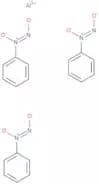
Discontinued productN-Nitroso-N-phenylhydroxylamine aluminium
CAS:N-Nitroso-N-phenylhydroxylamine aluminium (NNPA) is a nitrated organic compound that belongs to the thioxanthone family. It is a colorless, oily liquid that has a strong odor of hydrochloric acid. NNPA is used in the production of polyester resins and coatings, as well as in the manufacture of methacrylate polymers. The reaction system for this compound consists of aluminum chloride and calcium carbonate. This substance can be prepared by reacting trimethylolpropane with methacrylates and magnesium in an organic solvent such as isopropyl alcohol or acetone. NNPA can also be synthesized by reacting zinc powder with ammonium bicarbonate, followed by carbamoylation with an organic amine such as isopropylcarbamate.
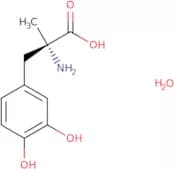
Formula:C18H15AlN6O6Purity:Min. 95%Color and Shape:White PowderMolecular weight:438.33 g/mol(S)-2-Amino-3-(3,4-dihydroxyphenyl)-2-methylpropionic acid sesquihydrate
CAS:(S)-2-Amino-3-(3,4-dihydroxyphenyl)-2-methylpropionic acid sesquihydrate is a synthetic drug that is used for the treatment of metabolic disorders such as diabetes mellitus. It has been shown in animal studies to increase locomotor activity and decrease bowel disease. It also has an effect on α7 nicotinic acetylcholine receptors and 2 adrenergic receptors.
Formula:C10H13NO4•(H2O)1Purity:Min 98%Color and Shape:PowderMolecular weight:238.24 g/molRef: 3D-FA33494
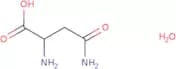
Discontinued productDL-Asparagine monohydrate
CAS:DL-Asparagine monohydrate is a white crystalline powder that is soluble in water. It has been used as a building block for the synthesis of various compounds and as a reaction component in chemical research.
Formula:C4H10N2O4Molecular weight:150.14 g/molRef: 3D-A-9020
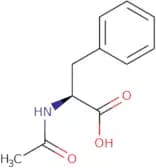
Discontinued productN-Acetyl-L-Phenylalanine
CAS:N-Acetyl-L-Phenylalanine is a reactive compound that is involved in the metabolism of amino acids. It has been shown to inhibit liver cell growth and induce apoptosis. The reaction mechanism of N-acetyl-L-phenylalanine has been extensively studied, with studies showing it to react with carbonyl oxygens, hydrogen bond, and intramolecular hydrogen. N-Acetyl-L-phenylalanine has also been shown to have an optimum pH of 6.5 and its chemical formula is C10H11NO2.
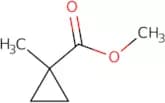
Formula:C11H13NO3Purity:Min. 95%Color and Shape:PowderMolecular weight:207.23 g/molMethyl 1-methylcyclopropane-1-carboxylate
CAS:Please enquire for more information about Methyl 1-methylcyclopropane-1-carboxylate including the price, delivery time and more detailed product information at the technical inquiry form on this page
Formula:C6H10O2Purity:Min. 95%Molecular weight:114.14 g/molRef: 3D-FM75913
Discontinued productH-Glu-Val-OH
CAS:H-Glu-Val-OH is a coordination complex that contains the metal scandium. It is used as a ligand to form complexes with other metals and organic molecules. This compound is also used in peptide synthesis and has been shown to have a strong interaction with nitrate, serine, and formiate. H-Glu-Val-OH is soluble in solutions such as water or formiate. The tripeptide Ser-Gly-Val can be formed from this compound by hydrolysis of the hydroxo group.
Formula:C10H18N2O5Purity:Min. 95 Area-%Color and Shape:PowderMolecular weight:246.26 g/molRef: 3D-FG108043
Discontinued productD-Valine
CAS:D-Valine is a non-essential amino acid that is synthesized from 2-oxoglutarate and glutamine. D-Valine has been shown to be an intermediate in microbial metabolism, where it is converted to L-valine by the enzyme d-amino acid oxidase. It has also been shown to have antihypertensive properties in rat models of hypertension. The synthesis of D-valine from glucose can occur through two different pathways: one involves the conversion of L-glutamic acid to L-alanine then to pyruvic acid, which is then converted to L-lactate and then d-malic acid; the other pathway involves the conversion of L-glutamate to citric acid, which can then be converted into succinic acid and eventually d-malic acid. Structural analysis has revealed that D-valine contains a hydrogen bond between its carboxyl group and nitrogen atom in a neighboring molecule. This hydrogen
Formula:C5H11NO2Purity:Min. 95%Color and Shape:White PowderMolecular weight:117.15 g/mol1-((2,5-dichlorophenyl)sulfonyl)-5-methylthio-1,2,4-triazole-3-ylamine
CAS:Please enquire for more information about 1-((2,5-dichlorophenyl)sulfonyl)-5-methylthio-1,2,4-triazole-3-ylamine including the price, delivery time and more detailed product information at the technical inquiry form on this pagePurity:Min. 95%Ref: 3D-FD169994
Discontinued productH-Val-Gly-Ser-Glu-OH
CAS:H-Val-Gly-Ser-Glu-OH is a model system for the study of uptake and distribution of fluorescently labeled peptides. It is made up of four amino acids that are found in various proteins, and also have been shown to be potent inducers of inflammation. H-Val-Gly-Ser-Glu-OH has an acidic side chain and can be cleaved by proteases, which may account for its ability to enhance cell proliferation. H-Val-Gly-Ser-Glu-OH is localized to the epidermal growth factor receptor (EGFR) on the surface membrane of cells and shows chemotactic activity towards hl60 cells, which are human promyelocytic leukemia cells. This peptide also increases light emission from hl60 cells when cultured with monoclonal antibodies against EGFR.
Formula:C15H26N4O8Purity:Min. 95%Color and Shape:PowderMolecular weight:390.39 g/molRef: 3D-FV108801
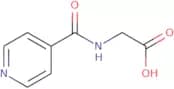
Discontinued product2-(Pyridin-4-ylformamido)acetic acid
CAS:2-(Pyridin-4-ylformamido)acetic acid is a chemical intermediate that is used in the synthesis of other compounds. It is a chemical building block, useful for the production of fine chemicals and speciality chemicals. 2-(Pyridin-4-ylformamido)acetic acid can be used as a reaction component or reagent in organic synthesis. It has been shown to have high purity and quality for research purposes. CAS No. 2015-20-5.br>
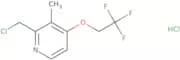
2-(Pyridin-4-ylformamido)acetic acid can be used to synthesize a variety of compounds with different properties, such as antihistamines, antibiotics, antihypertensives, and antipsychotics.Formula:C8H8N2O3Purity:Min. 95 Area-%Color and Shape:PowderMolecular weight:180.16 g/mol2-Chloromethyl-3-methyl-4-(2,2,2-trifluoroethoxy)pyridine, hydrochloride
CAS:Please enquire for more information about 2-Chloromethyl-3-methyl-4-(2,2,2-trifluoroethoxy)pyridine, hydrochloride including the price, delivery time and more detailed product information at the technical inquiry form on this page
Formula:C9H10Cl2F3NOPurity:Min. 95%Molecular weight:276.08 g/molRef: 3D-FC20275
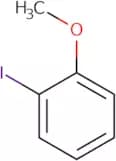
Discontinued product1-Iodo-2-methoxybenzene
CAS:1-Iodo-2-methoxybenzene is a compound that has shown to have anti-cancer properties. It is an effective inhibitor of protein tyrosine kinases, which are involved in the activation of inflammatory diseases and cancer. The hydroxyl group on the benzenoid ring activates the molecule by hydrogen bonding with the protein target, thereby inhibiting its activity. 1-Iodo-2-methoxybenzene may also be used as a contrast agent for magnetic resonance imaging (MRI) due to its light emission properties.
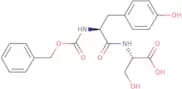
Formula:C7H7IOPurity:Min. 95%Color and Shape:Clear LiquidMolecular weight:234.03 g/molZ-Tyr-Ser-OH
CAS:Z-Tyr-Ser-OH is a fine chemical that is used as a versatile building block in the synthesis of complex compounds. It is also a useful intermediate for the production of many other chemicals, including pharmaceuticals, agrochemicals and research chemicals. The CAS number for Z-Tyr-Ser-OH is 20448-71-9. This compound has been shown to be a high quality reagent with many applications in research and commercial manufacturing.
Formula:C20H22N2O7Purity:Min. 95%Color and Shape:PowderMolecular weight:402.4 g/molRef: 3D-FT111524
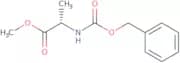
Discontinued productZ-L-alanine methyl ester
CAS:Z-L-alanine methyl ester is a short-chain organic solvent that can be used in enzymatic reactions. It has a high solubility in water, which means it can be used as a reaction solution for enzymatic reactions. Z-L-alanine methyl ester is also an efficient method for the conjugation of acetonitrile to proteins, which leads to higher yields of product. This enzyme specificity and solubility make z-l-alanine methyl ester a good candidate for immobilization on solid support materials, such as polymer beads or porous glass frits, where the rate of enzymatic reaction is increased by orders of magnitude.
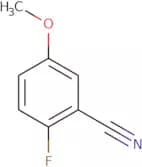
Formula:C12H15NO4Purity:Min. 95%Molecular weight:237.25 g/mol2-Fluoro-5-methoxybenzonitrile
CAS:2-Fluoro-5-methoxybenzonitrile is a metal catalyst that has been shown to be effective in the synthesis of various organic compounds. The use of ultrasound can increase the yields of reactions involving 2-fluoro-5-methoxybenzonitrile. 2-Fluoro-5-methoxybenzonitrile has also been demonstrated as a pharmacological agent with a number of potential applications. It inhibits the activity of phosphodiesterase 4, which may lead to an improved therapeutic profile for conditions such as asthma and erectile dysfunction. 2-Fluoro-5-methoxybenzonitrile is also used in photochemical reactions, where it acts as an inhibitor to prevent the formation of undesired products.
Formula:C8H6FNOPurity:Min. 95%Color and Shape:PowderMolecular weight:151.14 g/molRef: 3D-FF64148
Discontinued productN-Acetyl-S-methyl-L-cysteine
CAS:N-Acetyl-S-methyl-L-cysteine (NAC) is an acetylated form of L-cysteine that has been shown to prevent oxidative damage and promote protein homeostasis. It is a methylating agent for the synthesis of methionine and glutathione, which are important for the maintenance of cellular function. NAC has been shown to be a matrix effect modifier in liquid chromatography with mass spectrometry (LC-MS/MS) analysis. This chemical can be found in urine samples as a normal metabolite, but it also has health effects such as the prevention of carcinogenic potential in animals. NAC can also be used as an antioxidant, anti-inflammatory, or anticarcinogenic drug.
Formula:C6H11NO3SPurity:Min. 95%Color and Shape:PowderMolecular weight:177.22 g/molRef: 3D-FA09422
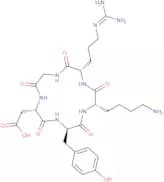
Discontinued productCyclo(-Arg-Gly-Asp-D-Tyr-Lys) trifluoroacetate salt
CAS:Cyclo(-Arg-Gly-Asp-D-Tyr-Lys) trifluoroacetate salt is a reagent that is used in organic synthesis as a building block to create complex compounds. It is also useful for research purposes, as it can be used to produce high quality products. Cyclo(-Arg-Gly-Asp-D-Tyr-Lys) trifluoroacetate salt is a chemical with CAS No. 217099-14-4 and has the chemical formula C17H21N3O2F3.Formula:C27H41N9O8Purity:Min. 95%Color and Shape:White SolidMolecular weight:619.67 g/molRef: 3D-FC110223
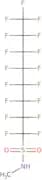
Discontinued product1,1,2,2,3,3,4,4,5,5,6,6,7,7,8,8,8-Heptadecafluoro-N-methyloctane-1-sulfonamide
CAS:Controlled Product1,1,2,2,3,3,4,4,5,5,6,6,7,7,8,8-heptadecafluoro-N-methyloctane-1-sulfonamide is a perfluorinated sulfonate that is used as a surfactant in wastewater treatment and to package food. This compound is not water soluble and requires an organic solvent to dissolve it. It has been shown that the use of 1HFAFMS can reduce the amount of phosphates in packaging materials by up to 50%. 1HFAFMS also has been found to be safe for humans and does not accumulate in the environment. It does not bioaccumulate and is rapidly excreted through urine.
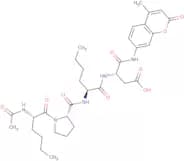
Formula:C9H4F17NO2SPurity:Min. 95%Color and Shape:PowderMolecular weight:513.17 g/molAc-Nle-Pro-Nle-Asp-AMC
CAS:Ac-Nle-Pro-Nle-Asp-AMC is a reactive molecule that has been shown to be neuroprotective and to inhibit insulin resistance in mammalian cells. Ac-Nle-Pro-Nle-Asp-AMC is able to stop neuronal death by binding to the proteolytic enzymes, such as ubiquitin ligases, and inhibiting their activity. This drug also inhibits the activity of c2c12 myotubes, which are muscle cells that have been used in research studies. Ac-Nle-Pro-Nle-Asp AMC binds to ubiquitin and prevents it from being degraded by the proteasome system, which is a cellular protein degradation pathway. Ac-Nle-Pro-Nle -Asp AMC also inhibits the release of inflammatory factors from c2c12 myotubes, which may be due to its ability to block ubiquitin ligases.
Formula:C33H45N5O9Purity:Min. 97 Area-%Color and Shape:PowderMolecular weight:655.74 g/molRef: 3D-FA110588
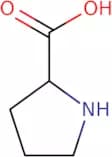
Discontinued productDL-Proline
CAS:DL-Proline is a biological molecule that has been shown to bind to the DNA binding domains of proteins. This binding can be seen with the crystal structures of DL-proline and protein. The reaction mechanism for DL-proline is as follows:
DL-Proline + Protein → Proline + Protein
The equilibrium constant for this reaction is 1.0 at 298 K. The pKa value for the amide group in DL-proline is 4.8, which means that it will react with water and form an amine group at physiological pH levels. DL-Proline has been shown to have metabolic disorders.Formula:C5H9NO2Purity:Min. 95%Color and Shape:PowderMolecular weight:115.13 g/molRef: 3D-FP15447
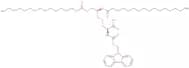
Discontinued productFmoc-S-[2,3-bis(palmitoyloxy)propyl]-L-cysteine
CAS:Fmoc-S-[2,3-bis(palmitoyloxy)propyl]-L-cysteine is a fine chemical that is used as a building block in the synthesis of complex natural products and pharmaceuticals. It has versatile applications in both research and industry. Fmoc-S-[2,3-bis(palmitoyloxy)propyl]-L-cysteine is an intermediate or scaffold for the synthesis of many types of compounds, including antibiotics, anti-cancer agents, hormones, and anti-inflammatory drugs. This compound is soluble in organic solvents such as DMSO and DMF.
Formula:C53H83NO8SPurity:Min. 95 Area-%Color and Shape:White Off-White PowderMolecular weight:894.29 g/molRef: 3D-FF47755
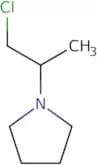
Discontinued product1-(2-Chloro-1-methylethyl)pyrrolidine hydrochloride
CAS:1-(2-Chloro-1-methylethyl)pyrrolidine hydrochloride is a versatile building block that can be used in the synthesis of fine chemicals, complex compounds, research chemicals, reagents and specialty chemicals. This compound is also useful as a building block for the synthesis of pharmaceuticals and chemical products. 1-(2-Chloro-1-methylethyl)pyrrolidine hydrochloride is a high quality chemical that can be used as a reaction component or scaffold for the synthesis of new chemical entities.Formula:C7H15Cl2NPurity:Min. 95%Color and Shape:PowderMolecular weight:184.1 g/molRef: 3D-FC116878
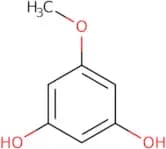
Discontinued product5-Methoxyresorcinol
CAS:5-Methoxyresorcinol is a plant product that has been shown to inhibit protein synthesis. It was found to have a second-order rate constant of 0.079 M-1s-1 at pH 7, which is much lower than the first order rate constant for urea hydrolysis (0.71 M-1s-1). 5-Methoxyresorcinol has also been shown to demethylate methyl glycosides and synthesize cell cultures. This product inhibits the replication of herpes simplex virus by inhibiting the synthesis of viral proteins in infected cells and blocking the maturation of progeny virus particles.
Formula:C7H8O3Purity:Min. 95%Color and Shape:Slightly Yellow PowderMolecular weight:140.14 g/molRef: 3D-FM61771
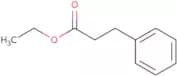
Discontinued productEthyl 3-phenylpropionate
CAS:Ethyl 3-phenylpropionate is a clear, colorless liquid with a fruity odor. It has been used in the production of perfumes and as a solvent. The compound is also known to be used in the synthesis of other organic compounds and can be found in dry weight. Palladium complexes are formed when ethyl 3-phenylpropionate is mixed with palladium chloride or palladium acetate. Ethyl 3-phenylpropionate is an intermediate in the conversion of ethyl decanoate to methyl anthranilate by diethyl succinate and p. pastoris. This conversion takes place at room temperature and below the phase transition temperature (T). The compound has been shown to have low lp-pla2 activity, which may be due to its lack of hydroxyl group.
Formula:C11H14O2Purity:Min. 95%Color and Shape:Colorless PowderMolecular weight:178.23 g/molRef: 3D-FE39043
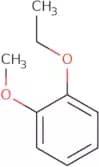
Discontinued product1-Ethoxy-2-methoxybenzene
CAS:1-Ethoxy-2-methoxybenzene is an organic compound that belongs to the class of phenols. It has been used as a solvent for pharmaceutical formulations, as an extractant for human serum, and as a demethylating agent in analytical chemistry. 1-Ethoxy-2-methoxybenzene is used in the presence of hydrochloric acid and morpholine to produce dibutyl ether from diethyl ether. This reaction is catalyzed by chloride ions, which are present at high concentrations in the solution. The linear response of this analytical method can be attributed to its acidic properties. The use of microwaves during this reaction allows for increased chemical yields and decreased time needed for the reaction to occur.
Formula:C9H12O2Purity:Min. 95%Color and Shape:Clear LiquidMolecular weight:152.19 g/molRef: 3D-FE70943
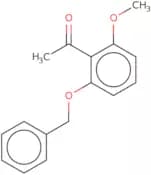
Discontinued product2-Benzyloxy-6-methoxyacetophenone
CAS:2-Benzyloxy-6-methoxyacetophenone is a high quality and versatile chemical that can be used as a reagent or building block in organic synthesis. It is an important intermediate in the synthesis of fine chemicals, pharmaceuticals, and other complex compounds. 2-Benzyloxy-6-methoxyacetophenone has been shown to be useful as a scaffold for the synthesis of novel complex molecules, such as speciality chemicals. The compound also has potential applications in research and development of new drugs.
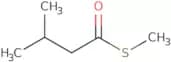
Formula:C16H16O3Purity:Min. 95%Color and Shape:PowderMolecular weight:256.3 g/molS-Methylisovalerate
CAS:S-Methylisovalerate is a branched fatty acid that is an intermediate in the biosynthesis of valine. It has been isolated from Corynebacterium glutamicum and Brevibacterium sp. S-Methylisovalerate has been identified by gas chromatography/mass spectrometry (GC/MS) as a major component of the volatile organic compounds produced by strains of Corynebacterium glutamicum and Brevibacterium sp. The GC/MS profile of these strains consists mainly of ester compounds, such as methyl ethyl acetate and butyric acid.
Formula:C6H12OSPurity:Min. 95%Color and Shape:Colorless Clear LiquidMolecular weight:132.22 g/molRef: 3D-FM35694
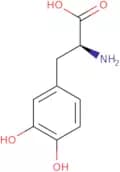
Discontinued product3,4-Dihydroxy-L-phenylalanine
CAS:Controlled ProductPrecursor of catecholamine neurotransmitters; anti-parkinsonian therapy
Formula:C9H11NO4Purity:Min. 98 Area-%Color and Shape:White PowderMolecular weight:197.19 g/mol5-Fluoro D,L-tryptophan
CAS:5-Fluoro D,L-tryptophan (5FDTL) is a tryptophan analog that inhibits the growth of bacteria by binding to fatty acid synthesis enzymes. 5FDTL binds to wild-type and resistant mutants of bacterial fatty acid synthases, which are proteins that catalyze the formation of long-chain fatty acids from acetyl-CoA. This binding prevents the formation of long-chain fatty acids, which are required for bacterial cell replication. 5FDTL also binds to protein data and has been shown to have an anti-infective effect on wild-type strains of Pseudomonas aeruginosa and Escherichia coli as well as Pichia pastoris. Disulfide bonds in 5FDTL stabilize its secondary structure and provide protection against proteolytic degradation by enzymes in the extracellular environment. The structural analysis of 5FDTL has revealed that it consists of a small molecule with a logarithmic growth phase
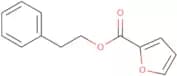
Formula:C11H11FN2O2Purity:Min. 95%Color and Shape:PowderMolecular weight:222.22 g/mol2-Phenylethyl furoate
CAS:2-Phenylethyl furoate is a laboratory odorant that has been shown to be toxic when ingested and sensitize when applied externally. It is an odorant that is used in the laboratory to demystify odors, and has been used in testing on animals. 2-Phenylethyl furoate is also an insect repellent that has been tested for its effectiveness against various species of insects, including cockroaches, ants, and termites. The effects of 2-phenylethyl furoate on these insects is not well studied.
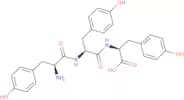
Formula:C13H12O3Purity:Min. 95%Color and Shape:Colorless Clear LiquidMolecular weight:216.23 g/molH-Tyr-Tyr-Tyr-OH
CAS:H-Tyr-Tyr-Tyr-OH is a synthetic compound that has been used to study the mechanism of lactoperoxidase. Lactoperoxidase is an enzyme that catalyzes the oxidation of thiocyanate to form hypothiocyanite, hydrogen peroxide, and a hydroxy group. The hydroxy group is formed by the reaction of two molecules of hydrogen peroxide with a molecule of thiocyanate. This reaction produces an oxygen atom, which then reacts with water to produce an acid. H-Tyr-Tyr-Tyr-OH has been shown to be a substrate for lactoperoxidase in horse serum and bovine serum. It has also been found to react with oxygen at neutral pH levels, forming a product that absorbs ultraviolet light at 280 nm.
Formula:C27H29N3O7Purity:Min. 95%Color and Shape:PowderMolecular weight:507.54 g/molRef: 3D-FT109471
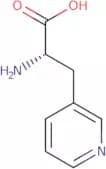
Discontinued product3-(3-Pyridyl)-L-alanine
CAS:3-(3-Pyridyl)-L-alanine is a cytotoxic compound that inhibits the biosynthesis of peptide hormones and has been shown to be effective against prostate cancer cells. It acts by inhibiting the functioned of the synthase gene, which encodes for a synthetase enzyme necessary for peptidyl chain formation. 3-(3-Pyridyl)-L-alanine also binds to receptors on cells such as cyclodepsipeptide analogs and antibiotics. This drug has been shown to inhibit the growth of bacteria in vivo through its ability to bind to ribosomal enzymes.
Formula:C8H10N2O2·HClPurity:Min. 95 Area-%Color and Shape:PowderMolecular weight:202.64 g/molRef: 3D-FP37187
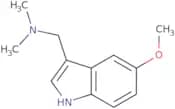
Discontinued product5-Methoxygramine
CAS:Controlled Product5-Methoxygramine is a metabolic intermediate which is an analog of 5-hydroxytryptamine (5-HT). It has been shown to increase blood pressure and reduce the activity of the 5-HT2C receptor. This drug also has been found to inhibit the growth of some cancer cells in vitro, but it does not affect normal cells. It can be used as a tool for identifying compounds that may have similar effects. The binding affinity of 5-methoxygramine for the 5-HT2C receptor was measured by displacement experiments with 3H-spiperone. The effect of this compound on dopamine release from rat striatal slices was studied by measuring electrical activity in isolated heart preparations. The effect of this compound on leishmania infection was studied using infected mice and isolated heart preparations.
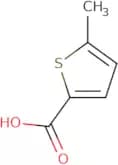
Formula:C12H16N2OPurity:Min. 95%Color and Shape:PowderMolecular weight:204.27 g/mol5-Methyl-2-thiophenecarboxylic acid
CAS:5-Methyl-2-thiophenecarboxylic acid is an organic compound with the molecular formula CH3COOH. It has a carboxyl group at one end and a methyl group at the other, hence its name. 5-Methyl-2-thiophenecarboxylic acid is used in the synthesis of esters that are useful as intermediates in the production of pharmaceuticals, pesticides, and other chemicals. The asymmetric synthesis of 5-Methyl-2-thiophenecarboxylic acid was accomplished by reacting it with sodium hydroxide in methanol. The compound is also found to have anticarcinogenic properties. A study conducted on mice showed that 5-Methyl-2-thiophenecarboxylic acid inhibited skin cancer by inducing apoptosis in melanoma cells and inhibiting cell proliferation. 5-Methyl-2-thiophenecarboxylic acid has been shown to
Formula:C6H6O2SPurity:Min. 95%Color and Shape:PowderMolecular weight:142.18 g/molRef: 3D-FM29285
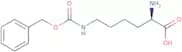
Discontinued productNe-Z-D-lysine
CAS:Please enquire for more information about Ne-Z-D-lysine including the price, delivery time and more detailed product information at the technical inquiry form on this page
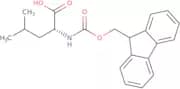
Formula:C14H20N2O4Purity:Min. 95%Color and Shape:PowderMolecular weight:280.32 g/molFmoc-D-Leu-OH
CAS:Fmoc-D-Leu-OH is a disulfide bond containing molecule with an intracellular Ca2+ chelating activity. It has been shown to have cytoprotective effects against oxidative stress and cell death, and has also been found to have antiinflammatory properties. Fmoc-D-Leu-OH can inhibit the activities of various enzymes such as cyclooxygenase, lipoxygenase, phospholipases, and diamine oxidase. This molecule also exhibits cytotoxic activity against bladder cancer cells in vitro. The pharmacokinetic properties of Fmoc-D-Leu-OH are similar to other molecules that are used as antibiotics.
Fmoc-D-Leu-OH is a cyclic peptide with antimicrobial peptide (AMP) activity that inhibits bacterial growth by disrupting their cell membranes or inhibiting protein synthesis. It binds to bacterial 16S ribosomal RNA and inhibits protein synthesis, leadingFormula:C21H23NO4Purity:Min. 98 Area-%Color and Shape:White PowderMolecular weight:353.41 g/molRef: 3D-FF39046
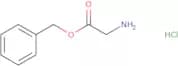
Discontinued productBenzyl glycinate hydrochloride
CAS:Benzyl glycinate hydrochloride is a piperidinecarboxylic acid ester that is bound to a benzyl group. It is chemically stable and has biological properties that are similar to those of oxytocin. This drug may be used as an antiviral agent or in the treatment of infectious diseases, such as hepatitis. The binding of benzyl glycinate hydrochloride to the ns3 protease prevents the conversion of amide-containing prodrugs into active form. The ester hydrochloride moiety in this molecule may act as a competitive inhibitor against carboxylesterases found in erythrocytes, which are responsible for the hydrolysis of oxytocin. Benzyl glycinate hydrochloride also binds to the oxytocin receptor and may be used as an oxytocin mimetic.
Formula:C9H11NO2•HClPurity:Min. 97 Area-%Color and Shape:PowderMolecular weight:201.65 g/molFmoc-Cys((R)-2,3-di(palmitoyloxy)-propyl)-OH
CAS:Fmoc-Cys((R)-2,3-di(palmitoyloxy)-propyl)-OH is a versatile building block that is useful for the synthesis of complex compounds. This compound has been shown to be a useful intermediate in the synthesis of pharmaceuticals, organic dyes and research chemicals. Fmoc-Cys((R)-2,3-di(palmitoyloxy)-propyl)-OH is a fine chemical that is used as a reagent in organic synthesis. It has CAS No. 139573-77-6 and can be used as a speciality chemical or reaction component.
Formula:C53H83NO8SPurity:Min. 95 Area-%Color and Shape:White PowderMolecular weight:894.29 g/molRef: 3D-FF111417
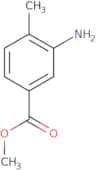
Discontinued product3-Amino-4-methylbenzoic acid methyl ester
CAS:3-Amino-4-methylbenzoic acid methyl ester (3AMB) is an organic compound that is used as a reagent in the synthesis of amides. It can also be used to synthesize various heterocycles by reacting with aldehydes and ketones. 3AMB has been used as a substrate in assays for amines, yielding high yields. The compound's unsymmetrical structure can be attributed to the presence of different substituents on either side of the central carbon atom. 3AMB has been shown to inhibit metal ion enzymes such as dioxygenases and nitric oxide synthases, which are involved in the metabolism of nitric oxide and oxygen respectively. In addition, 3AMB has been shown to have anti-inflammatory properties and may be a potential candidate for use as an anticoagulant or antiplatelet drug.br>br>
br>br>
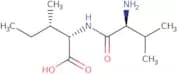
3AMB isFormula:C9H11NO2Purity:Min. 95%Color and Shape:PowderMolecular weight:165.19 g/molH-Val-Ile-OH
CAS:The H-Val-Ile-OH is an amino acid that is hydrophobic in nature. It has a molecular weight of 120.14 g/mol and a molecular formula of C6H11NO2. The H-Val-Ile-OH is classified as a cyclic amino acid due to the presence of a pyruvic acid ring and it can be found in organisms including humans, bacteria, fungi, and plants. The H-Val-Ile-OH can be found in the active site of proteases as well as subtilisin. This amino acid has been shown to have hydrolytic cleavage properties, which makes it suitable for use as an enzyme substrate for protein sequencing studies.
Formula:C11H22N2O3Purity:Min. 95%Molecular weight:230.3 g/molRef: 3D-FV108227
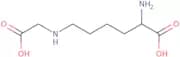
Discontinued productN-ε-(1-Carboxymethyl)-L-lysine
CAS:N-ε-(1-Carboxymethyl)-L-lysine (NEM) is a versatile building block that is used in the synthesis of complex compounds. It is a reagent and speciality chemical that can be used as an intermediate to produce other useful chemicals or as a reaction component. It has been shown to be useful in the synthesis of peptides, oligonucleotides, and organic molecules. NEM has also been shown to have high quality and purity, making it a useful scaffold for further research into new compounds.
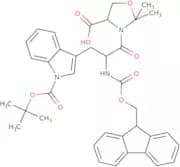
Formula:C8H16N2O4Purity:Min. 97%Color and Shape:White PowderMolecular weight:204.22 g/molFmoc-Trp(Boc)-Ser(Psi(Me,Me)pro)-OH
CAS:Fmoc-Trp(Boc)-Ser(Psi(Me,Me)pro)-OH is a versatile building block that can be used in the synthesis of complex compounds. Fmoc-Trp(Boc)-Ser(Psi(Me,Me)pro)-OH is a high quality compound with a CAS No. 908601-15-0. This compound is useful as an intermediate or research chemical and can be used as a useful scaffold for making new compounds.
Formula:C37H39N3O8Purity:Min. 95%Color and Shape:PowderMolecular weight:653.72 g/molRef: 3D-FF111413
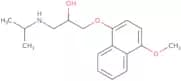
Discontinued product4-Methoxy propranolol
CAS:4-Methoxy propranolol is an intermediate in the synthesis of propranolol, a beta blocker.
Formula:C17H23NO3Purity:Min. 95%Molecular weight:289.37 g/molRef: 3D-FM25187
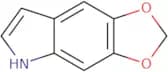
Discontinued product5,6-Methylenedioxyindole
CAS:5,6-Methylenedioxyindole (MDI) is a compound that is often used in the synthesis of other bioactive molecules. It has been shown to bind to the pyridinium moiety of receptor sites and form a stable complex, which can then be displaced by an agonist or antagonist. The binding experiments were performed using radioactive MDI and zoxazolamine as the ligand. Radiolabelled MDI was synthesized from 5-methyl-2-pyridinone with the use of a linker, methylenetriphenylphosphorane (MTPP). The molecular electrostatic potentials of the two compounds were calculated in order to investigate the possible binding interactions between them. Ellipticines are also synthesised using MDI as a precursor molecule, which is alkylated with dimethyl sulfate and then reacted with phenylhydrazine. This reaction produces a mixture containing both ellipticines and
Formula:C9H7NO2Purity:Min. 95%Molecular weight:161.16 g/molRef: 3D-FM137841
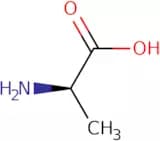
Discontinued productD-Alanine
CAS:D-Alanine is a small-molecule drug that inhibits the hepatitis B virus. It has been shown to decrease the levels of HBV-DNA in chronic hepatitis patients. D-Alanine may be effective for reducing hepatic steatosis and improving liver function, which may be due to its ability to reduce the expression of δ receptors. D-Alanine can inhibit viral replication by interfering with the polymerase chain reaction and inhibiting human serum albumin from binding to HBV-DNA. D-alanine also has an antioxidant effect and can scavenge anion radicals.
Formula:C3H7NO2Purity:Min. 98 Area-%Color and Shape:White PowderMolecular weight:89.09 g/molRef: 3D-FA00678
Discontinued product(3-(2,6-dichlorophenyl)-5-methylisoxazol-4-yl)-N-(2,5-dimethoxyphenyl)formamide
CAS:Please enquire for more information about (3-(2,6-dichlorophenyl)-5-methylisoxazol-4-yl)-N-(2,5-dimethoxyphenyl)formamide including the price, delivery time and more detailed product information at the technical inquiry form on this page
Purity:Min. 95%Ref: 3D-FD169572
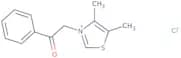
Discontinued product4,5-Dimethyl-3-(2-oxo-2-phenylethyl)thiazol-3-ium chloride
CAS:4,5-Dimethyl-3-(2-oxo-2-phenylethyl)thiazol-3-ium chloride (CGP42112A) is a cytosolic calcium antagonist and a biocompatible polymer that has been shown to be effective in the treatment of diabetes. The drug binds to the endothelin A receptor, which causes the release of intracellular calcium ions from the endoplasmic reticulum. CGP42112A has been shown to demonstrate side effects profiles that are similar to those seen with other pharmacological agents, such as mitochondrial functions and glycation. It also inhibits growth factor β1, which is involved in cell proliferation and differentiation. CGP42112A has been shown to be effective in combination therapy for patients with diabetic nephropathy, tubulointerstitial injury, and neuronal death.Formula:C13H14ClNOSPurity:Min. 95%Color and Shape:SolidMolecular weight:267.78 g/molRef: 3D-FD140267
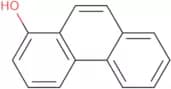
Discontinued product1-Phenanthrol
CAS:1-Phenanthrol is a naturally occurring phenanthrene derivative that is used in the treatment of cervical cancer. It has been shown to be effective in the chemiluminescence method using urine samples, which indicates that it may have an effect on the body's metabolism. 1-Phenanthrol has also been shown to inhibit the production of s-phenylmercapturic acid, which is a metabolite of aromatic amines. This inhibition may be due to its receptor binding properties as it binds to and activates the peroxisome proliferator-activated receptor alpha (PPARα) and PPARγ. 1-Phenanthrol also inhibits angiotensin II type 1 receptors and can cause vasorelaxation by reducing blood pressure.
Formula:C14H10OPurity:Min. 95%Color and Shape:Off-White PowderMolecular weight:194.23 g/molRef: 3D-FP26864
Discontinued productDL-Asparagine monohydrate
CAS:DL-Asparagine monohydrate is a low potency amino acid that can be used as a biomarker for wastewater treatment. It has been shown to inhibit the activity of enzymes such as guanine nucleotide-binding proteins, toll-like receptors, and response elements. Asparagine also has inhibitory properties against tumour cells in solid tumours.
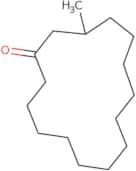
Formula:C4H10N2O4Color and Shape:PowderMolecular weight:150.14 g/mol3-Methyl-1-cyclopentadecanone
CAS:3-Methyl-1-cyclopentadecanone is a chemical compound with the molecular formula C10H18O. It has an optimum concentration of 0.08% and phase transition temperature of -83 degrees Celsius. The pro-apoptotic protein, Bax, is activated by 3-methyl-1-cyclopentadecanone in mammalian cells, inducing apoptosis. This compound also inhibits the activity of enzymes such as lipoxygenase and cyclooxygenase, which are involved in inflammation. 3-Methyl-1-cyclopentadecanone has been shown to be effective against cancer tissues and neuronal death in rats. 3MCTD has been shown to inhibit polymerase chain reaction (PCR) amplification of DNA from rhizoma gastrodiae, a traditional Chinese herbal medicine for the treatment of myocardial infarcts.
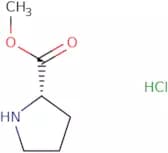
Formula:C16H30OPurity:Min. 95%Color and Shape:Clear LiquidMolecular weight:238.41 g/molL-Proline methyl ester hydrochloride
CAS:L-Proline methyl ester hydrochloride is an organic compound that is classified as a trifluoroacetic acid ester. It has significant antiproliferative activity and induces apoptotic cell death in colorectal carcinoma cells. L-Proline methyl ester hydrochloride also inhibits the proliferation of lymphocytes by inhibiting protein synthesis, which may be due to its conformational properties. L-Proline methyl ester hydrochloride is synthesized by reacting L-proline with trifluoroacetic acid and subsequently hydrolyzing the resulting ester with hydrochloric acid. The synthesis can be carried out in two steps: first, a chloride ion is added to the protonated form of the amine; second, the protonated form of the amine reacts with hydrophobic compounds such as dodecyl amines or ethyl acetate to form an alkyl group. This reaction can also be carried out using
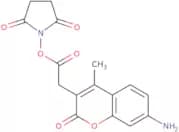
Formula:C6H12ClNO2Color and Shape:White PowderMolecular weight:165.62 g/mol7-Amino-4-methyl-3-coumarinacetic acid N-succinimidyl ester
CAS:7-Amino-4-methyl-3-coumarinacetic acid N-succinimidyl ester is a synthetic amino acid with a reactive carboxylic acid group. It is used as a crosslinker in biochemistry and has been shown to have biological properties in plants. 7-Amino-4-methyl-3-coumarinacetic acid N-succinimidyl ester reacts with the acidic groups of proteins, DNA, or RNA, and is an important component of some second order rate constants. This chemical is also used for the neutralization of histological stains such as haematoxylin.
Formula:C16H14N2O6Purity:Min. 90 Area-%Color and Shape:PowderMolecular weight:330.29 g/molRef: 3D-FA170610
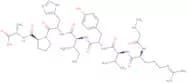
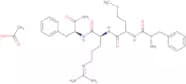
Discontinued productH-Phe-Met-Arg-Phe-NH2 acetate
CAS:Controlled ProductH-Phe-Met-Arg-Phe-NH2 acetate is a high quality reagent that is useful in the synthesis of complex compounds. It can be used as an intermediate for the production of fine chemicals and speciality chemicals, as well as being a versatile building block in the synthesis of organic compounds. H-Phe-Met-Arg-Phe-NH2 acetate can also be used to make research chemicals or reaction components.
Formula:C29H42N8O4S•(C2H4O2)xPurity:Min. 95%Color and Shape:PowderMolecular weight:598.76 g/molRef: 3D-FP108832
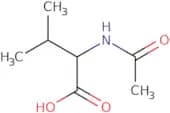
Discontinued productN-Acetyl-DL-valine
CAS:N-Acetyl-DL-valine is an amide that is used as a model system for studying enzyme reactions. It was found to have copper complex, which is a potent inhibitor of fatty acid synthase and proton receptors. It has been shown to be effective in the treatment of cancer due to its ability to inhibit the growth of tumor cells. In addition, this compound has been shown to be specific for cancer cells as it does not affect healthy cells. N-Acetyl-DL-valine also has the ability to inhibit the activity of enzymes that are involved in fatty acid synthesis, such as acetoacetate decarboxylase and beta-ketoacyl synthase.
Formula:C7H13NO3Purity:Min. 95%Color and Shape:PowderMolecular weight:159.18 g/molRef: 3D-FA67919
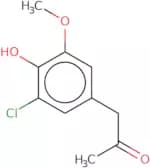
Discontinued product(5-Chloro-4-hydroxy-3-methoxyphenyl)acetone
CAS:(5-Chloro-4-hydroxy-3-methoxyphenyl)acetone is a high quality reagent that is useful as an intermediate in the synthesis of complex compounds. It can be used to synthesize a wide range of fine chemicals, such as pharmaceuticals, pesticides, and fragrances. (5-Chloro-4-hydroxy-3-methoxyphenyl)acetone is also a versatile building block for the synthesis of speciality chemicals. This compound has been shown to react with other compounds to form reaction components for research purposes.
Formula:C10H11ClO3Purity:Min. 95%Molecular weight:214.65 g/molRef: 3D-FC66870
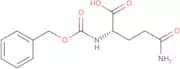
Discontinued productCbz-L-glutamine
CAS:Cbz-L-glutamine is a water soluble compound that is used in the synthesis of pomalidomide. It is synthesized through a stepwise amide formation from methylamine and ethylene diamine. Cbz-L-glutamine has been shown to have an inhibitory effect on cancer cells, which may be due to its ability to break down hydroxamic acids. This chemical reaction causes the release of hydrogen ions, which leads to the disruption of various cellular processes, such as DNA replication and protein synthesis. The uptake of Cbz-L-glutamine by cancer cells has been shown in tissue culture experiments.
Formula:C13H16N2O5Purity:Min. 95%Color and Shape:PowderMolecular weight:280.28 g/molRef: 3D-FC39401
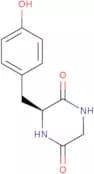
Discontinued productCyclic(glycyl-L-tyrosyl)
CAS:Cyclic(glycyl-L-tyrosyl) is a phenolic compound and the main metabolite of the dietary supplement resveratrol. It has been shown to have interactions with cellular transport, as well as the ability to activate a number of proteins that are involved in cellular transport. Cyclic(glycyl-L-tyrosyl) also interacts with hydroxyl groups on proteins and activates them, which may lead to the uptake of these proteins by cells. This interaction between cyclic(glycyl-L-tyrosyl) and hydroxyl groups on proteins may be due to its conformation and affinity for this residue. Cyclic(glycyl-L-tyrosyl) has been reported to inhibit the binding of glucosamine to NUDIX hydrolase, as well as preventing glucosamine from activating NUDIX hydrolase.
Formula:C11H12N2O3Purity:Min. 98 Area-%Color and Shape:White Off-White PowderMolecular weight:220.22 g/molRef: 3D-FC46820
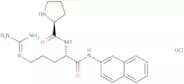
Discontinued productH-Pro-Arg-bNA·HCl
CAS:H-Pro-Arg-bNA·HCl is a reagent, complex compound and useful intermediate with the CAS number 201998-83-6. It is a fine chemical that is used as a useful scaffold or building block for the synthesis of other chemicals. This product can be used in research and as a versatile building block for reactions.
Formula:C21H28N6O2·HClPurity:Min. 95%Color and Shape:PowderMolecular weight:432.95 g/molRef: 3D-FP110680
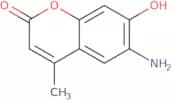
Discontinued product6-Amino-7-hydroxy-4-methylcoumarin
CAS:6-Amino-7-hydroxy-4-methylcoumarin is an antibacterial agent that has been shown to be effective against a range of Gram-positive and Gram-negative bacteria. It is synthesized from coumarins in nature, but also can be synthesized in the laboratory. This compound has been shown to inhibit bacterial growth by forming a covalent bond with the bacterial enzyme DNA gyrase, preventing the synthesis of DNA. 6-Amino-7-hydroxy-4-methylcoumarin has also been shown to have anti cancer properties.
Formula:C10H9NO3Purity:Min. 95%Color and Shape:Yellow solid.Molecular weight:191.18 g/molRef: 3D-FA45295
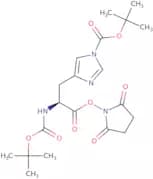
Discontinued productN-alpha,Nim-Bis-Boc-L-histidine N-hydroxysuccinimide ester
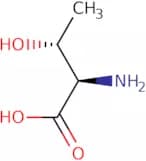
CAS:N-alpha,Nim-Bis-Boc-L-histidine N-hydroxysuccinimide ester is a reagent that is used in organic chemistry for the synthesis of complex compounds. It is a versatile building block that can be used as a reaction component or intermediate in chemical reactions. This compound has been registered under CAS number 25616-02-8.Formula:C20H28N4O8Purity:Min. 95%Color and Shape:PowderMolecular weight:452.46 g/molD(-)-allo-Threonine
CAS:D(-)-allo-Threonine is an amino acid with a hydroxyl group. It has been synthesized in an asymmetric synthesis and its biological properties have been studied in the context of monoclonal antibodies. D(-)-allo-Threonine has shown to be an inhibitor of enzymes involved in fatty acid biosynthesis, including 3-hydroxyacyl coenzyme A synthase, acetoacetyl-CoA reductase, and 3-ketoacyl CoA thiolase. This amino acid also inhibits the polymerase chain reaction (PCR) and has been found to be a competitive inhibitor of the enzyme ribonucleotide reductase. D(-)-allo-Threonine is also a constituent of proteins that play a role in plant physiology and structural biology.
Formula:C4H9NO3Purity:Min. 95%Color and Shape:White PowderMolecular weight:119.12 g/molRef: 3D-FA38931
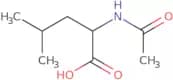
Discontinued productN-Acetyl-DL-leucine
CAS:N-Acetyl-DL-leucine is a non-protein amino acid that has been shown to have a variety of pharmacological effects. It has been found to reduce neuronal death and protect against cerebellar damage. N-Acetyl-DL-leucine acts by binding to the alpha subunit of the glutamate receptor, which increases its affinity for glutamate. This leads to an increased response in neuronal cells, and the prevention of neurotoxicity. N-acetyl-l-leucine has also been shown to be effective as a treatment for vestibular disorders. However, it is only soluble at high concentrations in water, so it cannot be taken orally without first being dissolved in alcohol or another solvent.
Formula:C8H15NO3Purity:Min. 95%Color and Shape:PowderMolecular weight:173.21 g/molRef: 3D-FA48956
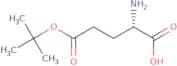
Discontinued productL-Glutamic acid 5-tert-butyl ester
CAS:L-glutamic acid 5-tert-butyl ester (L-GTE) is an amino acid that is classified as a heterocyclic amide. It can be synthesized by the condensation of L-glutamic acid and N-(2-aminoethyl)-N'-(2-propenyl)carbodimide with the tert-butylester of dihydrobenzoin. The protonation of L-GTE with sodium hydroxide produces the corresponding salt, L-glutamic acid 5-(N,N'-dimethylamino)propyl ester. This compound can be used for the synthesis of various amines by reacting it with primary amines in different sequences. L-GTE has also been shown to have antioxidant properties, which may be due to its ability to scavenge hydrogen sulfate radicals.
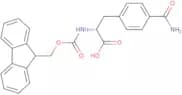
Formula:C9H17NO4Purity:Min. 98 Area-%Color and Shape:White PowderMolecular weight:203.24 g/molFmoc-D-4-carbamoylphenylalanine
CAS:Please enquire for more information about Fmoc-D-4-carbamoylphenylalanine including the price, delivery time and more detailed product information at the technical inquiry form on this page
Formula:C25H22N2O5Purity:Min. 95%Color and Shape:PowderMolecular weight:430.45 g/molRef: 3D-FF50647
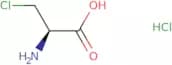
Discontinued productb-Chloro-L-alanine hydrochloride
CAS:b-Chloro-L-alanine hydrochloride (BCA) is a synthetic compound that has been shown to have anticarcinogenic and antioxidant effects. It can be produced by the hydrogen peroxide-dependent oxidation of b-chloroalanine. BCA's effect on cancer cells is attributed to its ability to inhibit the synthesis of sulfoxides, which are needed for the biosynthesis of pyrimidine nucleotides. BCA also inhibits oxidative stress by scavenging free radicals and reactive oxygen species. This product has been shown to be effective in treating Aeropyrum pernix infections, which are caused by a type of anaerobic bacteria with a metabolic pathway that includes sulfide oxidation.
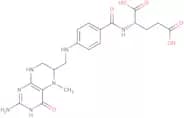
Formula:C3H6NO2Cl·HClPurity:Min. 95%Color and Shape:White PowderMolecular weight:160 g/molN-Methyltetrahydrofolic acid
CAS:N-Methyltetrahydrofolic acid is a form of folic acid, which is an important vitamin for the production of red blood cells and the prevention of neural tube defects. It can be found in food such as leafy vegetables, whole grains, and citrus fruits. N-Methyltetrahydrofolic acid is important for DNA synthesis and energy metabolism. It also has been shown to exert antioxidant effects in human serum.
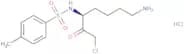
Formula:C20H25N7O6Purity:Min. 97.5 Area-%Color and Shape:White PowderMolecular weight:459.46 g/molN-alpha-Tosyl-L-lysine chloromethyl ketone HCl
CAS:N-alpha-Tosyl-L-lysine chloromethyl ketone HCl is a chemical compound that binds to DNA. It has been shown to induce neuronal death and caspase-independent cell death in HL60 cells. The compound can also be used as a biochemical probe to study the apoptosis pathway. N-alpha-Tosyl-L-lysine chloromethyl ketone HCl is currently being investigated as an antiinflammatory agent for chronic coughs due to its ability to inhibit proteases.Formula:C14H21ClN2O3S·HClPurity:Min. 95%Color and Shape:PowderMolecular weight:369.31 g/molRef: 3D-FT28926
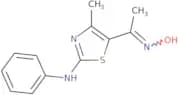
Discontinued product(3-((hydroxyimino)ethyl)-4-methyl(2,5-thiazolyl))phenylamine
CAS:Please enquire for more information about (3-((hydroxyimino)ethyl)-4-methyl(2,5-thiazolyl))phenylamine including the price, delivery time and more detailed product information at the technical inquiry form on this page
Formula:C12H13N3OSPurity:Min. 95%Color and Shape:Clear LiquidMolecular weight:247.32 g/molRef: 3D-FH169665
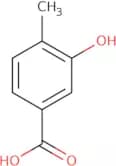
Discontinued product3-Hydroxy-4-methylbenzoic acid
CAS:3-Hydroxy-4-methylbenzoic acid is a cardiotonic glycoside that has been used in the treatment of cardiac arrhythmia. It has been shown to inhibit the enzyme persulfate, which is involved in the activation of hydrogen peroxide and may be responsible for the therapeutic effect of 3-hydroxy-4-methylbenzoic acid. The inhibition of persulfate by 3-hydroxy-4-methylbenzoic acid may be due to an intramolecular hydrogen bond that is formed between the sulfonate group on 3-hydroxy-4 methyl benzoic acid and the hydroxyl group on 4-tert butylbenzoic acid. Animal studies have shown that this drug inhibits sodium urate crystal formation and excretion in urine samples. This drug also inhibits renal ammoniagenesis, which is a metabolic pathway where ammonia is converted to urea, thereby lowering blood levels of ammonia. The metabolism of
Formula:C8H8O3Purity:Min. 95%Color and Shape:PowderMolecular weight:152.15 g/molRef: 3D-FH14549
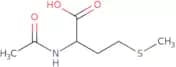
Discontinued productN-Acetyl-DL-methionine
CAS:N-Acetyl-DL-methionine is an amide of the amino acid methionine and acetyl coenzyme A. It has a number of biological properties including being a precursor to protein synthesis, a regulator of fatty acid metabolism, and an inhibitor of glutamate pyruvate transaminase. It can be found in bacterial strains as well as in human serum. N-Acetyl-DL-methionine is synthesized by the reaction of methylamine with acetyl coenzyme A in the presence of ammonia or other nitrogenous bases. The chemical structure of this compound consists of two nitrogen atoms and an acetyl group bonded to a carbon atom that is attached to a methyl group and another carbon atom that forms part of an amide bond with the amino acid methionine. This molecule has been observed using nmr spectroscopic data to form hydrogen bonds with proteins.
Formula:C7H13NO3SPurity:Min. 95%Color and Shape:PowderMolecular weight:191.25 g/molRef: 3D-FA10863
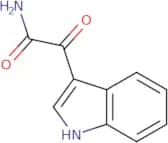
Discontinued productIndole-3-glyoxylamide
CAS:Indole-3-glyoxylamide is a synthetic compound that was originally developed as a potential anti-cancer drug. It has been shown to inhibit glycogen synthase kinase 3 (GSK-3) and thereby reduce the production of proinflammatory cytokines in bowel disease. Indole-3-glyoxylamide also inhibits inflammatory bowel disease by inhibiting secretory phospholipase A2, which prevents the release of arachidonic acid from phospholipids. This synthesis is required for the production of prostaglandins and leukotrienes, which are involved in the inflammatory process. The compound has been shown to have immunomodulatory effects in chronic bronchitis, with an inhibitory effect on neutrophil chemotaxis, macrophage activity, and cytokine production. Indole-3-glyoxylamide has also been shown to be effective against cancer cells in vitro and in vivo animal models. It is metabolized through
Formula:C10H8N2O2Purity:Min. 95%Color and Shape:PowderMolecular weight:188.18 g/molRef: 3D-FI30472
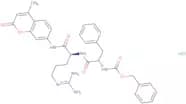
Discontinued productZ-Phe-Arg-AMC·HCl
CAS:Z-Phe-Arg-AMC·HCl is a fluorescent substrate for proteolytic enzymes. It has been shown to be a potent inhibitor of human immunoglobulin (Ig) secretion and protein synthesis in proximal tubules of the kidney, but this inhibition is not seen in the presence of other proteases. Z-Phe-Arg-AMC·HCl also inhibits the activity of soybean trypsin and hemolytic activity. This compound also has an optimum pH of 7.5 and is characterized by intermolecular hydrogen bonding as well as hydroxyl group interactions with enzyme active sites.
Formula:C33H36N6O6·HClPurity:Min. 95%Molecular weight:649.14 g/molRef: 3D-FP47305
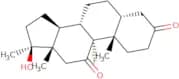
Discontinued product9-Fluoro-17β-Hydroxy-17-Methyl-5β-Androstane-3,11-Dione
CAS:Controlled Product9-Fluoro-17beta-Hydroxy-17-Methyl-5β-Androstane-3,11-Dione is a chemical compound that has oxidizing properties. It is a white or light yellow crystalline powder that can be prepared from potassium and 9-fluoroandrostenedione. The compound is insoluble in water, but soluble in organic solvents. It has a melting point of about 138°C, and does not react with alkali metals or bases. 9FAD has been shown to have thermal treatment applications for the fields of pulverulent materials and input introduction. Thermally applied, it can be used to increase the surface area of input materials such as coal and ore, as well as being able to convert them into more reactive forms.
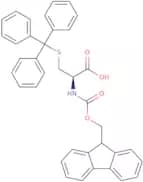
Formula:C20H29FO3Purity:Min. 95%Molecular weight:336.44 g/molFmoc-Cys(Trt)-OH
CAS:Fmoc-Cys(Trt)-OH is a cyclic peptide that has potent antitumor activity. It binds to albumin and inhibits protein synthesis, leading to cell death by inhibiting the production of proteins vital for cell division. Fmoc-Cys(Trt)-OH has been shown to be effective against cancer cells in vitro and in vivo. Fmoc-Cys(Trt)-OH also binds the plasma glucose, which may be due to its ability to impede insulin release from the pancreas. This compound is synthesized by a stepwise light-induced solid-phase synthesis with trifluoroacetic acid as a solvent.
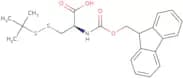
Formula:C37H31NO4SPurity:Min. 98 Area-%Color and Shape:White PowderMolecular weight:585.71 g/molFmoc-L-Cys(StBu)-OH
CAS:Fmoc-L-Cys(StBu)-OH is a synthetic molecule that is used in pharmaceutical formulations. It can be synthesized from Fmoc-L-Cys and L-serine methyl ester by the chemical ligation of the two molecules. The chloride group at the end of this molecule provides a functional group for conjugation with other biomolecules, such as fatty acids. This molecule has been shown to have high purity with an isolated yield of about 98%.
Formula:C22H25NO4S2Purity:Min. 98 Area-%Color and Shape:PowderMolecular weight:431.57 g/molRef: 3D-FF41067
Discontinued product7-[5-(Fluoro-methyl-phosphoryl)oxypentyl]-4-nitro-2,1,3-benzoxadiazole
CAS:Controlled Product7-[5-(Fluoro-methyl-phosphoryl)oxypentyl]-4-nitro-2,1,3-benzoxadiazole is a reactivator of the central nervous system. It is a noncompetitive antagonist at muscarinic receptors and blocks postsynaptic acetylcholine release from cholinergic neurons. It has been shown to have no effect on blood pressure but does cause an increase in locomotor activity in animals. This drug binds to the hippocampal formation and the ventral hippocampus, which are areas of the brain that are involved in memory and spatial navigation. The distribution of this drug postulated to be due to its ability to penetrate micron sized openings in cell membranes.
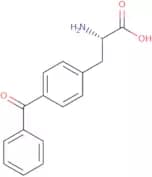
Formula:C12H15FN3O5PPurity:Min. 95%Molecular weight:331.24 g/mol4-Benzoyl-L-phenylalanine
CAS:4-Benzoyl-L-phenylalanine is a protein that has been shown to interact with the following domains: 4-helical bundle, alpha/beta hydrolase fold, and beta sheet. It interacts with residues: Arg128, Tyr129, Asp130, Gly131, Ser132, Ser133, Arg134 and Trp135. The enzyme activities of 4-benzoyl-L-phenylalanine are inhibited by interactions with 3t3-l1 preadipocytes and neurokinin receptor 1 (NK1). This protein also targets enzymes such as acetylcholinesterase (AChE) and phosphodiesterase (PDE). The peptide sequence for 4-benzoyl-L-phenylalanine is KGKPVPAKDYIKTG.
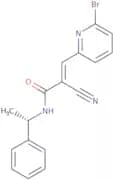
Formula:C16H15NO3Purity:Min. 98 Area-%Color and Shape:White Yellow PowderMolecular weight:269.3 g/mol(S,E)-3-(6-Bromopyridin-2-yl)-2-cyano-N-(1-phenylethyl)acrylamide
CAS:(S,E)-3-(6-Bromopyridin-2-yl)-2-cyano-N-(1-phenylethyl)acrylamide (MBI-23) is a potential antineoplastic agent that has been shown to induce regression of bladder cancer in mice. MBI-23 induces apoptosis by inhibiting the proliferation of cancer cells and inducing differentiation of cancer stem cells. It is also shown to inhibit tumor growth and progression in glioma and prostate cancer models. MBI-23 binds to the KDR receptor subtype, which is activated by organic acids and inhibited by inorganic compounds. This binding leads to constitutive activation of the KDR receptor, thereby inducing apoptosis. The tautomers and stereoisomers of MBI-23 have not been fully elucidated yet.Formula:C17H14ON3BrPurity:Min. 98 Area-%Color and Shape:White PowderMolecular weight:356.22 g/molRef: 3D-FB34118
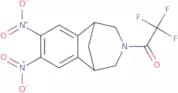
Discontinued product2,3,4,5-Tetrahydro-7,8-dinitro-3-(trifluoroacetyl)-1,5-methano-1H-3-benzazepine
CAS:2,3,4,5-Tetrahydro-7,8-dinitro-3-(trifluoroacetyl)-1,5-methano-1H-3-benzazepine is a supplement that may be used to treat depression. It has been shown to have a receptor activity on the acetylcholine receptors. 2,3,4,5-Tetrahydro-7,8-dinitro-3-(trifluoroacetyl)-1,5-methano-1H-3-benzazepine has also been shown to increase the activity of the endothelial function by increasing the production of nitric oxide. This drug has also been shown to be an effective treatment for reducing appetite in cases of anorexia nervosa and for treating Alzheimer's disease. The drug works by activating nicotinic acetylcholine receptors in the brain.Formula:C13H10F3N3O5Purity:Min. 98 Area-%Color and Shape:PowderMolecular weight:345.23 g/molRef: 3D-FT11984
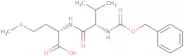
Discontinued productZ-Val-Met-OH
CAS:Z-Val-Met-OH is a high purity synthetic compound that can be used as a research tool in cell biology, ion channels and peptides. This compound is an activator of the receptor for bradykinin and has been shown to inhibit the activity of protein kinase C. Z-Val-Met-OH is also a ligand for the acetylcholine receptor and has been shown to inhibit acetylcholinesterase, leading to an increase in acetylcholine levels. Z-Val-Met-OH binds to the receptor for insulin and can be used as an inhibitor of insulin release from pancreatic beta cells.
Formula:C18H26N2O5SPurity:Min. 95%Molecular weight:382.48 g/molRef: 3D-FV111531
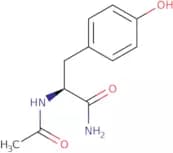
Discontinued productAcetyl-L-tyrosine amide
CAS:Acetyl-L-tyrosine amide is an analog of L-tyrosine that is used as an active substance in the field of uv absorption. Acetyl-L-tyrosine amide reacts with sodium hydroxide to form a soluble salt, which has been shown to have binding constants that are comparable to those of human serum. This compound also has fluorescence properties and can be used for the determination of neutral pH. The reaction products formed between acetyl-L-tyrosine amide and sodium hydroxide are hydrolyzed by acids and yield a molecule with rotameric properties. These rotameric properties can be modeled using a protein model without affecting the stability or function of the protein.
Formula:C11H14N2O3Purity:Min. 95%Color and Shape:PowderMolecular weight:222.24 g/molRef: 3D-FA47448
Discontinued productH-Gly-Pro-Hyp-OH
CAS:H-Gly-Pro-Hyp-OH is a collagen gel that is extracted from bovine skin. Collagen gel is a dietary supplement that can be applied to wounds and burns to promote healing. Collagen gel contains the amino acids glycine, proline, hydroxyproline, and hypochlorous acid. It also has an anti-inflammatory cytokine called IL-10. Hydrogen bonds form between the amino acids in collagen gel to give it its strength and stability. The LC-MS/MS method was used to identify the sequences of this peptide in order to confirm its identity. Collagen gel is neutral at pH 7 and has no effect on cellular function at this pH. The carboxy terminal of collagen gel is trifluoroacetic acid which can cause liver cells to die when ingested orally or intravenously due to its toxicity.
Formula:C12H19N3O5Purity:Min. 98 Area-%Color and Shape:White PowderMolecular weight:285.3 g/molRef: 3D-FG109052
Discontinued productAc-Phe-Arg-AMC hydrochloride
CAS:Ac-Phe-Arg-AMC hydrochloride is a versatile building block that is used in the synthesis of complex compounds and research chemicals.
It is a fine chemical with CAS No. 177028-04-5. Ac-Phe-Arg-AMC hydrochloride is soluble in water, ethanol, and acetone, and insoluble in ether. This compound can be used as an intermediate for the synthesis of research chemicals with high quality or as a reagent. Ac-Phe-Arg-AMC hydrochloride can be used to produce a variety of useful scaffolds for medicinal chemistry or organic chemistry applications.Formula:C27H32N6O5·HClPurity:Min. 95 Area-%Color and Shape:PowderMolecular weight:557.04 g/molRef: 3D-FA110473
Discontinued product3-((4,5-dichloroimidazolyl)methyl)-4-bromo-2-methyl-1-phenyl-3-pyrazolin-5-one
CAS:Please enquire for more information about 3-((4,5-dichloroimidazolyl)methyl)-4-bromo-2-methyl-1-phenyl-3-pyrazolin-5-one including the price, delivery time and more detailed product information at the technical inquiry form on this page
Purity:Min. 95%Ref: 3D-FD169753
Discontinued product2-[4-(4-Chloro-a-phenylbenzyl)-1-piperazinyl]-ethoxyacetic acid hydrochloride
CAS:2-[4-(4-Chloro-a-phenylbenzyl)-1-piperazinyl]-ethoxyacetic acid hydrochloride is a chemical compound that has been used to investigate the possible neuroprotective effects of cetirizine, an antihistamine. This drug was developed as a prodrug of cetirizine, which is converted in vivo to its active form. The main mechanism of action for this drug is inhibition of histamine release from mast cells and basophils by blocking H1 receptors. 2-[4-(4-Chloro-a-phenylbenzyl)-1-piperazinyl]-ethoxyacetic acid hydrochloride has also been shown to have beneficial effects on allergic symptoms and bowel disease in experimental models and clinical properties.Formula:C21H25ClN2O3·HClPurity:Min. 95%Color and Shape:PowderMolecular weight:425.35 g/molRef: 3D-FC33467
Discontinued product(2R)-4-Methyl-2-[2-oxo-2-[(phenylmethoxy)amino]ethyl]pentanoic acid
CAS:Please enquire for more information about (2R)-4-Methyl-2-[2-oxo-2-[(phenylmethoxy)amino]ethyl]pentanoic acid including the price, delivery time and more detailed product information at the technical inquiry form on this page
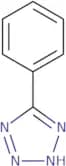
Formula:C15H21NO4Molecular weight:279.33 g/mol5-Phenyl-1H-tetrazole
CAS:5-Phenyl-1H-tetrazole is a heterocyclic compound that has been shown to have hydrogen bonding interactions with biological molecules. 5-Phenyl-1H-tetrazole is also able to react with glycol ethers to form a glycol ether derivative, which has the ability to inhibit the activity of choroidal neovascularization. 5-Phenyl-1H-tetrazole is used in electrochemical impedance spectroscopy (EIS) as a tracer molecule, and in structural analysis of solid materials such as polymers and metals. It has been shown that 5-phenyl tetrazole can bind to receptors on cell membranes and can be used as a ligand in coordination geometry.
Formula:C7H6N4Purity:Min. 95%Color and Shape:PowderMolecular weight:146.15 g/molRef: 3D-FP34444
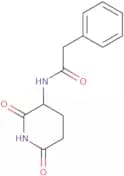
Discontinued product3-Phenylacetylamino-2,6-piperidinedione
CAS:3-Phenylacetylamino-2,6-piperidinedione is a trifluoroacetate analog of the amino acid phenylalanine. It has been shown to be effective against cancer cells. 3-Phenylacetylamino-2,6-piperidinedione inhibits protein synthesis in tumor cells and is used as an antiestrogen in clinical studies. The hydroxyl group on the 3rd carbon atom makes this compound more acidic than its parent compound, 2,6-piperidinedione. This analog also has a high affinity for cancer tissues and urine samples. Treatment with this drug inhibits the growth of carcinoma cell lines MCT7 and MCF7.
Formula:C13H14N2O3Purity:Min. 95%Color and Shape:PowderMolecular weight:246.26 g/molRef: 3D-FP148021
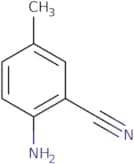
Discontinued product2-Amino-5-methylbenzonitrile
CAS:2-Amino-5-methylbenzonitrile (2AMB) is a molecule that has two nitrile groups. It has been shown to be effective in the treatment of cancer cells, and it also inhibits thymidylate synthase (TS), an enzyme involved in DNA synthesis. The crystallographic structure of this compound has been determined by x-ray diffraction studies, and 2AMB was synthesized and assayed for its anticancer activity on human lung cancer cells in culture. 2AMB is an intercalator that binds to DNA by inserting itself between base pairs, which then blocks the progression of DNA synthesis during replication. This type of inhibition causes cell death because the cell cannot divide or make new proteins. Naphthalene and pyrrole are two chemicals found in 2AMB that have been shown to have antibacterial properties.
Formula:C8H8N2Purity:Min. 95%Color and Shape:PowderMolecular weight:132.16 g/molRef: 3D-FA33035
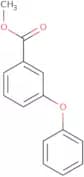
Discontinued productMethyl 3-phenoxybenzoate
CAS:Methyl 3-phenoxybenzoate is a fatty acid that is used in the production of insecticides. It is also used as a solvent, fuel additive, and plasticizer. Methyl 3-phenoxybenzoate has shown to have an effect on insects by inhibiting the uptake of pyrethroid insecticides into the insect's body. In addition, it was found to be resistant to rats and unaffected by metabolic pathways in rat brain tissue.
Formula:C14H12O3Purity:Min. 95%Molecular weight:228.24 g/molRef: 3D-FM70581
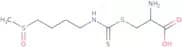
Discontinued productD,L-Sulforaphane-L-cysteine
CAS:Sulforaphane is a natural compound found in cruciferous vegetables, such as broccoli, cabbage and cauliflower. It has been shown to inhibit the growth of cancer cells and induce apoptosis in prostate cancer cells. Sulforaphane also induces molecular responses that can be measured in assays, including a decrease in protein expression of cyclin-dependent kinase 2 (CDK2) and an increase in the expression of p21. Sulforaphane has been shown to inhibit cell proliferation by blocking the phosphorylation of retinoblastoma protein (pRB) and reducing the levels of cyclins A2/B1. The optimum concentration for sulforaphane is not yet known, but it has been shown to be more effective at lower concentrations. Sulforaphane has also been shown to reduce tumor size and number in bovine fetuses exposed to carcinogens during gestation. In addition, sulforaphane decreased the incidence of tumors when administered before
Formula:C9H18N2O3S3Purity:Min. 95%Color and Shape:PowderMolecular weight:298.45 g/molRef: 3D-FS27963
Discontinued product[4-(1-Methyl-1-phenylethyl)phenoxy]acetic acid
CAS:4-(1-Methyl-1-phenylethyl)phenoxyacetic acid is a versatile building block that is used in the synthesis of a variety of fine chemicals and drugs. 4-(1-Methyl-1-phenylethyl)phenoxyacetic acid is an intermediate in the synthesis of a number of complex compounds, including research chemicals, reagents, and speciality chemicals. This compound can also be used as a reaction component for the synthesis of other chemical compounds or as a scaffold for larger molecules.
Formula:C17H18O3Purity:Min. 95%Color and Shape:PowderMolecular weight:270.32 g/molRef: 3D-FM112689
Discontinued product(Sar 1,Ala8)-Angiotensin II
CAS:Angiotensin II is a peptide hormone that is involved in the regulation of blood pressure and fluid and electrolyte balance. It also acts as a vasoconstrictor by binding to angiotensin receptors on vascular smooth muscle cells. Angiotensin II is produced from angiotensin I by the action of renin. The high-resolution linear reformulating (HRLR) technique is used to estimate the spectrum and parameters of this molecule. This technique uses iterative methods for estimating the frequency response function and parameters for each frequency, including nonlinear ones. HRLR has been shown to be an accurate estimator with a frequency range from 0 to 10 kHz, which has not been achieved with other techniques.
Formula:C43H67N13O10Purity:Min. 95 Area-%Color and Shape:PowderMolecular weight:926.07 g/molRef: 3D-FS108518
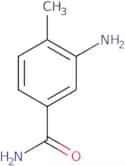
Discontinued product3-Amino-4-methylbenzamide
CAS:3-Amino-4-methylbenzamide is an interchemical that can be utilized to synthesize naphthol. 3-Amino-4-methylbenzamide is an amide that has been shown to have a molecular modeling structure of a conformation. The interaction of 3-amino-4-methylbenzamide with the P38 kinase enzyme has been shown to inhibit the activity of this enzyme, which may lead to its use as a drug for the treatment of inflammation.
Formula:C8H10N2OPurity:Min. 95%Color and Shape:PowderMolecular weight:150.18 g/molRef: 3D-FA71046
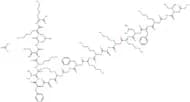
Discontinued productPexiganan acetate
CAS:Controlled ProductPexiganan acetate is the acetate salt form of a polymyxin B derivative that has potent antimicrobial activity against both Gram-positive and Gram-negative bacteria. It has been shown to be effective in the treatment of tissue infections, especially those caused by human pathogens such as Staphylococcus aureus, Pseudomonas aeruginosa, and Escherichia coli. Pexiganan also has significant activity against Mycobacterium tuberculosis and other mycobacteria. The mechanism of action for pexiganan is not fully understood but it may involve the inhibition of bacterial cell wall synthesis, or the disruption of bacterial membranes. Pexiganan was originally isolated from a marine sponge off the coast of Australia in 1961. It had been classified as an antimicrobial peptide (AMP) because of its chemical structure, which includes a polymyxin B moiety. Pexiganan’s AMP classification was later challenged when researchers found that it did
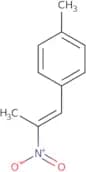
Formula:C122H210N32O22•(C2H4O2)xPurity:Min. 95%Color and Shape:PowderMolecular weight:2,477.18 g/mol4-Methylphenylnitropropene
CAS:4-Methylphenylnitropropene is a psychostimulant drug that has been shown to have a high binding affinity for dopamine transporters. It is also known to increase the level of dopamine in the synaptic cleft and can be used as a research tool for understanding the function of dopamine in neuronal synapses. 4-Methylphenylnitropropene has been shown to cause an increase in locomotor activity and is able to induce euphoria when administered to rats. This drug is not thought to cause any physical dependence, although it may lead to psychological dependence.
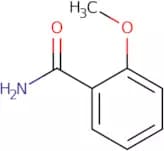
Formula:C10H11NO2Purity:Min. 95%Color and Shape:PowderMolecular weight:177.2 g/mol2-Methoxybenzamide
CAS:2-Methoxybenzamide is an amide with a p-hydroxybenzoic acid moiety. It has been shown to be an effective inhibitor of the enzyme histone deacetylase, which is involved in the regulation of gene expression. 2-Methoxybenzamide also has antiinflammatory activity and has minimal toxicity. This drug is used as a research tool for studying the immune system and its effects on hyperproliferative diseases such as cancer and autoimmune diseases. 2-Methoxybenzamide can also be used to treat metabolic disorders and physiological effects. The drug binds to intracellular targets through intermolecular hydrogen bonds that are mainly found in protein structures, including cytochrome P450s, protein kinases, DNA polymerases, transcription factors, and proteases.
Formula:C8H9NO2Purity:Min. 95%Color and Shape:PowderMolecular weight:151.16 g/molRef: 3D-FM70638
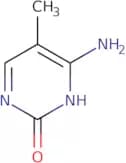
Discontinued product5-Methylcytosine
CAS:5-Methylcytosine is a nucleic acid that is found in the DNA and RNA of the cell. It is an important component of methylation, which is the process by which a methyl group is added to a molecule. This process can lead to cellular transformation, a process that can cause cancer. 5-Methylcytosine has also been shown as a molecular pathogenesis factor in infectious diseases such as HIV and herpes simplex virus type 1. The presence of 5-methylcytosine in nuclear DNA has been detected by analytical techniques such as gas chromatography/mass spectrometry (GC/MS). There are many analytical methods, including GC/MS, that can be used to detect 5-methylcytosine in cellular nuclei.
Formula:C5H7N3OPurity:Min. 95%Color and Shape:PowderMolecular weight:125.13 g/molRef: 3D-FM63889
Discontinued product





![Fmoc-S-[2,3-bis(palmitoyloxy)propyl]-L-cysteine](/_next/image/?url=https%3A%2Fstatic.cymitquimica.com%2Fproducts%2F3D%2Fthumb-webp%2FFF47755.webp&w=3840&q=75)


![7-[5-(Fluoro-methyl-phosphoryl)oxypentyl]-4-nitro-2,1,3-benzoxadiazole](/_next/image/?url=https%3A%2Fstatic.cymitquimica.com%2Fproducts%2F3D%2Fthumb-webp%2FFF98971.webp&w=3840&q=75)


![2-[4-(4-Chloro-a-phenylbenzyl)-1-piperazinyl]-ethoxyacetic acid hydrochloride](/_next/image/?url=https%3A%2Fstatic.cymitquimica.com%2Fproducts%2F3D%2Fthumb-webp%2FFC33467.webp&w=3840&q=75)
![(2R)-4-Methyl-2-[2-oxo-2-[(phenylmethoxy)amino]ethyl]pentanoic acid](/_next/image/?url=https%3A%2Fstatic.cymitquimica.com%2Fproducts%2F3D%2Fthumb-webp%2FB-9970.webp&w=3840&q=75)
![[4-(1-Methyl-1-phenylethyl)phenoxy]acetic acid](/_next/image/?url=https%3A%2Fstatic.cymitquimica.com%2Fproducts%2F3D%2Fthumb-webp%2FFM112689.webp&w=3840&q=75)