Amino Acids (AA)
Amino acids (AAs) are the fundamental building blocks of proteins, playing a crucial role in various biological processes. These organic compounds are essential for protein synthesis, metabolic pathways, and cell signaling. In this category, you will find a comprehensive range of amino acids, including essential, non-essential, and modified forms, which are vital for research in biochemistry, molecular biology, and nutritional sciences. At CymitQuimica, we provide high-quality amino acids to support your research and development needs, ensuring accuracy and reliability in your experimental outcomes.
Subcategories of "Amino Acids (AA)"
- Amino Acid Derivatives(3,955 products)
- Amino Acid and Amino Acid Related Compounds(3,471 products)
- Amino Acids with Oxygen or Sulphur(168 products)
- Boc- Amino Acids(351 products)
- Fmoc Amino Acids(1,710 products)
Found 38262 products of "Amino Acids (AA)"
Sort by
Purity (%)
0
100
|
0
|
50
|
90
|
95
|
100
R-2-Methylaziridine
CAS:Controlled Product<p>R-2-Methylaziridine is a diastereomer of R-Methylaziridine. The diastereomers are chiral and have different chemical properties. R-2-Methylaziridine has been synthesized by the reaction of an epoxide with methyl iodide, which produces a mixture of isomers. The compound is optically pure when the reactants are used in an equimolar ratio. <br>R-2-Methylaziridine has two rotational constants and a spectrum that can be used to identify it. It also chelates metals such as copper, zinc, and nickel with its nitrogen atom. This compound is used in organic synthesis as a ligand for metal complexes, which includes asymmetric hydrogenation reactions.</p>Formula:C3H7NPurity:Min. 95%Molecular weight:57.09 g/mol(R)-1,2,3,4-Tetrahydro-5-methoxy-N-propyl-2-naphthalenamine hydrochloride
CAS:Controlled Product<p>Please enquire for more information about (R)-1,2,3,4-Tetrahydro-5-methoxy-N-propyl-2-naphthalenamine hydrochloride including the price, delivery time and more detailed product information at the technical inquiry form on this page</p>Formula:C14H22ClNOPurity:Min. 95%Molecular weight:255.78 g/mol5-Methyl-L-norleucine
CAS:<p>5-Methyl-L-norleucine is an amide that is a natriuretic and has been shown to have physiological activities. It has been shown to have restenosis and tumor treatment properties, as well as antimicrobial resistance. 5-Methyl-L-norleucine also acts as a cyclic peptide, which may be due to its disulfide bond. This compound is not only effective in treating microbial infections, but it also has anti-inflammatory properties. 5-Methyl-L-norleucine is found in the genus of plants called "Acorus," so it can be used for plant physiology research.</p>Formula:C7H15NO2Purity:Min. 95%Color and Shape:White PowderMolecular weight:145.2 g/mol(1R,2S)-2-[N-Benzyl-N-(mesitylenesulfonyl)amino]-1-phenyl-1-propanol
CAS:Controlled Product<p>Please enquire for more information about (1R,2S)-2-[N-Benzyl-N-(mesitylenesulfonyl)amino]-1-phenyl-1-propanol including the price, delivery time and more detailed product information at the technical inquiry form on this page</p>Formula:C25H29NO3SPurity:Min. 95%Molecular weight:423.57 g/mol2-Valeryl-17'-estradiol 17-valerate
CAS:Controlled Product<p>Please enquire for more information about 2-Valeryl-17'-estradiol 17-valerate including the price, delivery time and more detailed product information at the technical inquiry form on this page</p>Formula:CHOPurity:Min. 95%2-(N-Boc-aminomethyl)azetidine
CAS:<p>Please enquire for more information about 2-(N-Boc-aminomethyl)azetidine including the price, delivery time and more detailed product information at the technical inquiry form on this page</p>Formula:C9H18N2O2Purity:Min. 95%Molecular weight:186.25 g/molO-Benzyl-L-tyrosine methyl ester hydrochloride
CAS:<p>Please enquire for more information about O-Benzyl-L-tyrosine methyl ester hydrochloride including the price, delivery time and more detailed product information at the technical inquiry form on this page</p>Formula:C17H19NO3·HClPurity:Min. 95%Color and Shape:PowderMolecular weight:321.8 g/mol1-Methylimidazole-2-sulfonyl chloride
CAS:<p>1-Methylimidazole-2-sulfonyl chloride is a synthetic estrogen that is used for the treatment of estrogen deficiency in women. It has been shown to increase plasma estradiol levels and reduce plasma testosterone levels. This drug is not active at physiological levels, but was found to have biological relevance when administered at higher doses. 1-Methylimidazole-2-sulfonyl chloride has been found to be effective in the treatment of cancer in humans, with a specific effect on breast cancer cells.</p>Formula:C4H5ClN2O2SPurity:Min. 95%Molecular weight:180.61 g/molSodium L-glutamate monohydrate
CAS:<p>L-glutamic acid is a nonessential amino acid that is used as a food additive. L-glutamic acid is found in the form of sodium salt, called monosodium glutamate (MSG), and is used to enhance the flavor of foods. L-glutamic acid has been shown to be essential for the growth of certain bacteria, such as corynebacteria. The l-glutamic acid gene can be found in corynebacteria and corynebacterium glutamicum. It has been shown that l-glutamic acid can be synthesized by these organisms under conditions of low magnesium concentration, high pH, and high temperature.</p>Formula:C5H8NNaO4·H2OPurity:Min. 95%Color and Shape:PowderMolecular weight:187.13 g/mol2-Methoxypyrimidine-5-boronic acid
CAS:<p>Please enquire for more information about 2-Methoxypyrimidine-5-boronic acid including the price, delivery time and more detailed product information at the technical inquiry form on this page</p>Formula:C5H7BN2O3Purity:Min. 95%Molecular weight:153.93 g/molN-(p-Hydroxyphenethyl)-N-(3-hydroxy-4-methoxybenzyl)formamide
CAS:Controlled Product<p>Please enquire for more information about N-(p-Hydroxyphenethyl)-N-(3-hydroxy-4-methoxybenzyl)formamide including the price, delivery time and more detailed product information at the technical inquiry form on this page</p>Formula:C17H19NO4Purity:Min. 95%Molecular weight:301.34 g/molD-(+)-2-ChlorophenylglycIne
CAS:<p>D-(+)-2-Chlorophenylglycine is a synthetic, chiral aldehyde that serves as an industrial solvent. It is used to produce other organic compounds and has been shown to cause environmental pollution. D-(+)-2-Chlorophenylglycine is also used in the synthesis of thiourea and organocatalysts. This compound is synthesized from quinidine and enantiomeric (D or L) thionyl chloride, which are both manufactured on an industrial scale. The stereoselective process for D-(+)-2-chlorophenylglycine involves the use of a chiral catalyst.</p>Purity:Min. 95%(S)-5,6,6a,7-Tetrahydro-6-methyl- 4H-dibenzo[de,g]quinoline-10,11-diol hydrochloride
CAS:Controlled Product<p>Please enquire for more information about (S)-5,6,6a,7-Tetrahydro-6-methyl- 4H-dibenzo[de,g]quinoline-10,11-diol hydrochloride including the price, delivery time and more detailed product information at the technical inquiry form on this page</p>Formula:C17H17NO2·HClPurity:Min. 95%Color and Shape:SolidMolecular weight:303.78 g/molBoc-1-amino-1-cyclobutane carboxylic acid
CAS:<p>Boc-1-amino-1-cyclobutane carboxylic acid is a synthetic and potent agonist of the androgen receptor. It is an analog of apalutamide, which is a selective antagonist of the androgen receptor. Boc-1-amino-1-cyclobutane carboxylic acid has been shown to have high oral bioavailability, which makes it suitable for oral administration. Boc-1-amino-1-cyclobutane carboxylic acid has been shown to have increased functional activity in cancer cells, which may be due to its ability to inhibit the growth of tumor cells by binding to their androgen receptors. Boc-1-amino-1-cyclobutane carboxylic acid has also been found to have good affinity for the androgen receptor when tested on cultured cells.</p>Formula:C10H17NO4Purity:Min. 95%Color and Shape:White/Off-White SolidMolecular weight:215.25 g/molDiphenylprolinol
CAS:Controlled Product<p>Diphenylprolinol is a synthetic cannabinoid that is used as an agonist of the CB1 and CB2 receptors in the brain. It has been shown to have high affinity for both the CB1 and CB2 receptors, with Ki values of 0.07 and 0.05 nM respectively. Diphenylprolinol is a full agonist of the CB1 receptor, but only a partial agonist of the CB2 receptor. Diphenylprolinol binds to these receptors in a manner that resembles endocannabinoids, which are endogenous cannabinoids produced by animals. This drug has shown antipsychotic effects through its binding to serotonin reuptake inhibitors and its ability to block dopamine release in the prefrontal cortex. Diphenylprolinol also acts as a potent growth factor by stimulating cell proliferation via activation of protein kinase C (PKC). PKC activation leads to increased levels of intracellular calcium ions (Ca2+) and stimulates growth factor production such as</p>Purity:Min. 95%4-Phenylphenol
CAS:<p>4-Phenylphenol is a phenolic compound that is used in the synthesis of other compounds. 4-Phenylphenol was found to react with rat liver microsomes and showed a hydroxyl group as its reactive site. 4-Phenylphenol also inhibited the activities of enzymes such as diazonium salt, sodium carbonate, monoclonal antibodies, analytical methods, light emission and p-hydroxybenzoic acid. The reaction mechanism of 4-Phenylphenol involves hydrogen bonding with human serum biphenyl.</p>Formula:C12H10OPurity:Min. 95%Color and Shape:PowderMolecular weight:170.21 g/mol9-Methyl-b-carboline
CAS:<p>9-Methyl-b-carboline is a phytochemical that belongs to the class of protonated carbon disulphide. It has been shown to inhibit monoamine oxidase and is used in some medications. 9-Methyl-b-carboline has been shown to have physiological function, including growth factor activity and epidermal growth properties. It also inhibits hydroxylase, which is an enzyme that catalyzes the stepwise oxidation of tyrosine and phenylalanine. This compound can be found in plants belonging to the families of Fabaceae, Lamiaceae, and Solanaceae. The compound has been found to act as a secondary messenger in mitochondria by transferring electrons from NADH to coenzyme Q10.</p>Formula:C12H10N2Purity:Min. 98%Color and Shape:Off-White PowderMolecular weight:182.22 g/mol2-(Chloromethyl)-3-(3-methylphenyl)quinazolin-4(3H)-one
CAS:Controlled Product<p>Please enquire for more information about 2-(Chloromethyl)-3-(3-methylphenyl)quinazolin-4(3H)-one including the price, delivery time and more detailed product information at the technical inquiry form on this page</p>Formula:C16H13ClN2OPurity:Min. 95%Molecular weight:284.74 g/mol3-(4'-Methoxy-3'-sulfonamidophenyl)-2-propylamine, hydrochloride
CAS:Controlled Product<p>Please enquire for more information about 3-(4'-Methoxy-3'-sulfonamidophenyl)-2-propylamine, hydrochloride including the price, delivery time and more detailed product information at the technical inquiry form on this page</p>Formula:C10H16N2O3S•HClPurity:Min. 95%Color and Shape:PowderMolecular weight:280.77 g/mol7-Chloro-5-(2-fluorophenyl)-2-methylamino-3H-1,4-benzodiazepine
CAS:Controlled Product<p>Please enquire for more information about 7-Chloro-5-(2-fluorophenyl)-2-methylamino-3H-1,4-benzodiazepine including the price, delivery time and more detailed product information at the technical inquiry form on this page</p>Formula:C16H13ClFN3Purity:Min. 95%Molecular weight:301.75 g/mol2-Chloro-1-(5-methoxy-1,2-dimethyl-1H-indol-3-yl)ethanone
CAS:Controlled Product<p>Please enquire for more information about 2-Chloro-1-(5-methoxy-1,2-dimethyl-1H-indol-3-yl)ethanone including the price, delivery time and more detailed product information at the technical inquiry form on this page</p>Formula:C13H14ClNO2Purity:Min. 95%Molecular weight:251.71 g/mol4'-Methyl aminorex
CAS:Controlled Product<p>Please enquire for more information about 4'-Methyl aminorex including the price, delivery time and more detailed product information at the technical inquiry form on this page</p>Formula:C10H12N2OPurity:Min. 95%Molecular weight:176.22 g/molN-Acetylglycine
CAS:<p>N-Acetylglycine is a versatile building block for the synthesis of complex organic compounds. It is used as a reagent in research, as an intermediate in chemical reactions, or as a speciality chemical. N-Acetylglycine has been found to be useful as a building block in organic synthesis and can be reacted with other chemicals to form new compounds. N-Acetylglycine has also been shown to have anti-inflammatory properties and is used as an analgesic for pain relief.</p>Formula:C4H7NO3Molecular weight:117.11 g/molNω-Methyl-5-hydroxytryptamine oxalate salt
CAS:Controlled Product<p>Nomega-Methyl-5-hydroxytryptamine oxalate salt is a drug that belongs to the group of serotonergic drugs. It is used as an antidepressant, and is also used for the treatment of Parkinson's disease. Nomega-Methyl-5-hydroxytryptamine oxalate salt acts by inhibiting the synthesis of serotonin in the brain. This drug can be taken in tablet form or orally dissolved under the tongue (sublingually). The therapeutic effects are observed after 1–2 weeks. Nomega-Methyl-5-hydroxytryptamine oxalate salt has been prospectively evaluated in clinical trials with various populations and shown to be effective in treating depression and Parkinson's disease.</p>Formula:C13H16N2O5Purity:Min. 95%Molecular weight:280.28 g/molD-2-Cyanophenylalanine
CAS:<p>Please enquire for more information about D-2-Cyanophenylalanine including the price, delivery time and more detailed product information at the technical inquiry form on this page</p>Formula:C10H10N2O2Purity:Min. 95%Molecular weight:190.2 g/mol1-Boc-2,6-Dimethyl-4-oxopiperidine
CAS:<p>Please enquire for more information about 1-Boc-2,6-Dimethyl-4-oxopiperidine including the price, delivery time and more detailed product information at the technical inquiry form on this page</p>Formula:C12H21NO3Purity:Min. 95%Molecular weight:227.3 g/mol4-Methoxybenzene-1,3-diamine sulfate
CAS:Controlled Product<p>4-Methoxybenzene-1,3-diamine sulfate (4MBD) is a chemical substance that inhibits the activity of cytochrome P450 enzymes. It has been shown to inhibit the activity of rat liver microsomal p-450 enzymes, and is used in studies on the effects of chemicals on protein synthesis. When 4MBD is administered to rats at dietary concentrations, it causes an increase in thyroid hormone levels and a decrease in renal function. The enzyme inhibition caused by 4MBD may be due to its ability to acylate amines, which are located near the active site of the enzyme. Linear regression analysis showed that there was a strong correlation between dietary concentrations and the inhibition of protein synthesis caused by 4MBD.</p>Formula:C7H12N2O5SPurity:Min. 95%Molecular weight:236.25 g/mol4-Bromo-7-methoxy-1H-pyrrolo[2,3-c]pyridine
CAS:<p>Please enquire for more information about 4-Bromo-7-methoxy-1H-pyrrolo[2,3-c]pyridine including the price, delivery time and more detailed product information at the technical inquiry form on this page</p>Purity:Min. 95%4-Phenylbenzoyl chloride
CAS:<p>4-Phenylbenzoyl chloride is a primary amino compound that has been studied extensively in the context of biological studies and as an electroluminescent device. It is also used to study the effects of alkylation on biological systems. 4-Phenylbenzoyl chloride has been shown to be cytotoxic against monocytic cell lines, with a mechanism of action that involves its ability to react with DNA, forming adducts that interfere with DNA replication. In addition, it also reacts with amines in human tissue samples, which may lead to carcinogenic effects. This compound is also effective against protozoan parasites and Leishmania species, although not thiosemicarbazide.</p>Formula:C13H9ClOPurity:Min. 95%Color and Shape:PowderMolecular weight:216.66 g/mol1,3-Dipropyl-7-methylxanthine
CAS:Controlled Product<p>1,3-Dipropyl-7-methylxanthine is a xanthine compound that is structurally related to caffeine. It has been shown to have an inhibitory effect on the production of reactive oxygen species and cytosolic calcium levels in primary cells, as well as a nonselective adenosine receptor antagonist activity. It has also been shown to antagonize the effects of adenosine receptors, p2 receptors, and p2y receptors. This drug is used for the treatment of basophilic leukemia.</p>Formula:C12H18N4O2Purity:Min. 95%Molecular weight:250.3 g/molMethyl4-aminomethyl-1-boc-piperidine-4-carboxylate
CAS:<p>Please enquire for more information about Methyl4-aminomethyl-1-boc-piperidine-4-carboxylate including the price, delivery time and more detailed product information at the technical inquiry form on this page</p>Formula:C13H24N2O4Purity:Min. 95%Molecular weight:272.34 g/mol1-Allyl-3,7-dimethyl-8-phenylxanthine
CAS:Controlled Product<p>Please enquire for more information about 1-Allyl-3,7-dimethyl-8-phenylxanthine including the price, delivery time and more detailed product information at the technical inquiry form on this page</p>Formula:C16H16N4O2Purity:Min. 95%Molecular weight:296.32 g/molBenzyl-O-benzyl-serine
CAS:<p>Please enquire for more information about Benzyl-O-benzyl-serine including the price, delivery time and more detailed product information at the technical inquiry form on this page</p>Formula:C17H19NO3Purity:95%NmrMolecular weight:285.34 g/mol[2-(1-Ethyl-1H-indol-3-yl)-1-methylethyl]amine hydrochloride
CAS:Controlled Product<p>Please enquire for more information about [2-(1-Ethyl-1H-indol-3-yl)-1-methylethyl]amine hydrochloride including the price, delivery time and more detailed product information at the technical inquiry form on this page</p>Formula:C13H18N2Purity:Min. 95%Molecular weight:202.3 g/mol2,4-Dibromo-1-methyl-1H-imidazole
CAS:<p>Please enquire for more information about 2,4-Dibromo-1-methyl-1H-imidazole including the price, delivery time and more detailed product information at the technical inquiry form on this page</p>Formula:C4H4Br2N2Purity:Min. 95%Molecular weight:239.9 g/mol5-Bromo-2-methoxyphenethylamine hydrobromide
CAS:Controlled Product<p>Please enquire for more information about 5-Bromo-2-methoxyphenethylamine hydrobromide including the price, delivery time and more detailed product information at the technical inquiry form on this page</p>Formula:C9H13Br2NOPurity:Min. 95%Molecular weight:311.01 g/mol2-Hydroxy-3-methylbutanenitrile
CAS:<p>2-Hydroxy-3-methylbutanenitrile is a carbonyl group and an amide, with the chemical formula CH2OHCN. It can be synthesized from isobutyraldehyde and cyanogen chloride. The reaction solution of this compound reacts with a hydroxy group to form cyanate, which can be used as a medicine. 2-Hydroxy-3-methylbutanenitrile is also used in organic solvents, such as chloroform and acetone. The reaction selectivity of this compound is determined by chromatographic analysis and spectrometry.</p>Formula:C5H9NOPurity:Min. 95%Molecular weight:99.13 g/mol(S)-(-)-1-Boc-3-aminopyrrolidine
CAS:<p>(S)-(-)-1-Boc-3-aminopyrrolidine is an inhibitor that inhibits the activity of phosphoinositide 3-kinase (PI3K) by binding to the ATP binding site and inhibiting PI3K. It has been shown to inhibit the activation of PI3Kδ, which plays a key role in tumorigenesis and metastasis. The drug also has metabolic stability and selectivity for PI3Kδ over other kinases, as well as high affinity for this enzyme. The drug was found to have low toxicity in vitro, but its effects on humans are unknown.</p>Formula:C9H18N2O2Purity:Min. 95%Color and Shape:Clear LiquidMolecular weight:186.25 g/mol(S)-(-)-1-Phenylethylamine
CAS:Controlled Product<p>(S)-(-)-1-Phenylethylamine is an amide that is synthesized by reacting an acid chloride with a primary amine. (S)-(-)-1-Phenylethylamine is a white solid that has a molecular weight of 110.11 g/mol and the chemical formula CH3CH2CH2NHCOCl. The compound has been isolated in yields of up to 60% from diethyl ketone and ethyl acetate, which is dependent on the solvent used. The compound can be purified by recrystallization from diethyl ether or ethyl acetate/petroleum ether mixtures. (S)-(-)-1-Phenylethylamine exhibits hydrogen bonding interactions with water, which is why it has a pH optimum around 7.5. This compound also reacts with ester hydrochlorides to form amides and carbonyl groups as well as undergoes reactions with amines to form urea derivatives</p>Formula:C8H11NPurity:Min. 95%Color and Shape:Colorless Clear LiquidMolecular weight:121.18 g/mol4-(3-Methyl-5-oxo-2-pyrazolin-1-yl)benzoic acid
CAS:<p>4-(3-Methyl-5-oxo-2-pyrazolin-1-yl)benzoic acid (PMBA) is a chromatographic and spectroscopic reagent that is used in the analysis of glycosidic bonds. PMBA has been shown to be effective in preventing the formation of advanced glycation end products, which are substances that can cause diabetes. PMBA has also been found to have a protective effect on the kidneys and liver and may prevent damage to cells in these organs. This drug has been tested for pharmacological effects and toxicity in healthy subjects, type 2 diabetic patients, and diabetic patients.</p>Formula:C11H10N2O3Purity:Min. 95%Molecular weight:218.21 g/molDL-6-Hydroxy norleucine
CAS:<p>DL-6-Hydroxy norleucine is a non-essential amino acid that is synthesized by the hydroxylation of leucine. It has been found to be an inhibitor of inflammation, as it can inhibit the production of inflammatory cytokines and prostaglandins. DL-6-Hydroxy norleucine can also activate collagenase, which breaks down connective tissue, and inhibit the formation of lipoprotein particles. This amino acid may be used in the treatment of cancer due to its ability to inhibit cell growth. DL-6-Hydroxy norleucine is toxic when taken orally because it inhibits cytochrome P450 in the liver and increases serum levels of uric acid.</p>Formula:C6H13NO3Purity:Min. 95%Molecular weight:147.17 g/mol4-Hydroxy-N-isopropyl-N-methyltryptamine
CAS:Controlled Product<p>4-Hydroxy-N-isopropyl-N-methyltryptamine (4OHMIT) is an analytical chemical that has been shown to bind to various receptors in the rat brain. 4OHMIT has also been found to inhibit the binding of serotonin, dopamine and norepinephrine. This drug is a synthetic compound that has been detected in human urine samples.br>br>4OHMIT is a psychedelic substance that can be used for the acute treatment of depressive disorders and anxiety. It also has pharmacological treatments, such as analytical chemistry, which can be used to detect this drug in biological samples.</p>Formula:C14H20N2OPurity:Min. 95%Molecular weight:232.32 g/molN-(Ethoxycarbonylphenyl)-N'-methyl-N'-phenylformamidine
CAS:<p>Please enquire for more information about N-(Ethoxycarbonylphenyl)-N'-methyl-N'-phenylformamidine including the price, delivery time and more detailed product information at the technical inquiry form on this page</p>Formula:C15H14N2O2Purity:Min. 95%Molecular weight:254.28 g/mol2-Methyl-5-Benzothiazolol
CAS:<p>2-Methyl-5-benzothiazolol is a compound that has photophysical properties. It is soluble in organic solvents and can be used in techniques such as photochemical, fluorescence, crystallography, and MALDI-TOF. 2-Methyl-5-benzothiazolol has been shown to inhibit the formation of amyloid fibrils in the brain microvasculature endothelium of mice. This drug also inhibits the production of cyclotriphosphazene from bacteria. 2-Methyl-5-benzothiazolol can be synthesized from cyclotriphosphazene with benzaldehyde and methylamine. 2-Methyl-5-benzothiazolol has been shown to have anti cancer activity by inhibiting cell proliferation through apoptosis induction. It can also inhibit viral replication by interfering with viral protein synthesis at concentrations below those needed for inhibition of host cell</p>Formula:C8H7NSOPurity:Min. 95%Molecular weight:165.21 g/molN-α-Boc-Nω,ω''-bis-Z-D-arginine
CAS:<p>Please enquire for more information about N-alpha-Boc-Nomega,omega''-bis-Z-D-arginine including the price, delivery time and more detailed product information at the technical inquiry form on this page</p>Formula:C27H34N4O8Purity:Min. 95%Molecular weight:542.58 g/mol1-(Fmoc-amino)-4,9-dioxa-12-dodecanamine·HCl
CAS:Controlled Product<p>Please enquire for more information about 1-(Fmoc-amino)-4,9-dioxa-12-dodecanamine·HCl including the price, delivery time and more detailed product information at the technical inquiry form on this page</p>Formula:C25H34N2O4·HClPurity:Min. 95%Molecular weight:463.01 g/mol3-Methoxybenzene-1,2-diamine
CAS:<p>3-Methoxybenzene-1,2-diamine is a chloride surfactant that is cationic at low concentrations. It is most commonly used as a cross-linking agent in polymers and also has anti-inflammation properties. 3-Methoxybenzene-1,2-diamine is an osmotic agent that binds to water molecules, which prevents the loss of water from cells and increases cell volume. This chemical also has been shown to be an antagonist of 5Ht4 receptors and can be used for the treatment of inflammatory diseases such as asthma. 3-Methoxybenzene-1,2-diamine has been shown to have low toxicity in rats when consumed in dietary concentrations.</p>Purity:Min. 95%1,2,3,4,5,6-Hexahydro-1,5-methano-pyrido-[1,2-a][1,5]diazocin-8-one
CAS:<p>1,2,3,4,5,6-Hexahydro-1,5-methano-pyrido-[1,2-a][1,5]diazocin-8-one is a cholinergic drug that is used as a research tool in vitro. It has been shown to increase the concentration of acetylcholine in the synapse. It is also known as cytisine and varenicline. 1,2,3,4,5,6-Hexahydro-1,5-methano-pyrido-[1,2-a][1,5]diazocin-8-one binds to nicotinic receptors and stimulates them. This increased activity of nicotinic receptors leads to the release of acetylcholine (ACh), which is an important neurotransmitter in the brain. 1,2,3,4 5 6 hexahydro - 1 5</p>Formula:C11H14N2OPurity:Min. 95%Molecular weight:190.24 g/mol1-Cyclopropyl-7-(2,8-diazabicyclo[4.3.0]non-8-yl)-6-fluoro-8-methoxy-4-oxoquinoline-3-carboxylic acid
CAS:<p>This is a broad-spectrum antibacterial agent that inhibits bacterial DNA gyrase. It is active against atypical bacterial species, such as Chlamydia and Mycoplasma, and has been shown to be effective against certain strains of the methicillin-resistant Staphylococcus aureus (MRSA) bacteria. This drug also inhibits the growth of other bacteria by binding to their DNA. The drug is used in combination with other antibiotics to treat infections caused by Clostridium difficile, Helicobacter pylori, Borrelia burgdorferi, and Salmonella enterica. However, this drug does not work against Pseudomonas aeruginosa or Enterobacteriaceae infections.</p>Formula:C21H24FN3O4Purity:Min. 95%Color and Shape:PowderMolecular weight:401.43 g/mol1-Benzyl-4-phenylpiperazine
CAS:Controlled Product<p>1-Benzyl-4-phenylpiperazine is a type of phenylpiperazine that has hydroxy, phenyl ring, alkylthio, naphthyl and dopamine. It is an agonist for the D2 receptor and a specific ligand for the serotonin 5HT1A receptor. 1-Benzyl-4-phenylpiperazine has been shown to be effective in treating depression and psychotic depression. This drug can also be used as a substance in research on the neuropsychology of depression.</p>Formula:C17H20N2Purity:Min. 95%Color and Shape:Clear LiquidMolecular weight:252.35 g/mol4'-[[1,4'-Dimethyl-2'-propyl(2,6'-bi-1H-benzimidazol)-1'-yl]-methyl]-1,1'-biphenyl-2-carboxylicacid 1,1-dimethylethylester
CAS:<p>4'-[[1,4'-Dimethyl-2'-propyl(2,6'-bi-1H-benzimidazol)-1'-yl]-methyl]-1,1'-biphenyl-2-carboxylic acid 1,1-dimethylethyl ester (DMBPC) is a drug substance that is used in the manufacture of solid oral dosage forms. It has been shown to be present at low levels as an impurity in other drug substances. The presence of this impurity has been shown to cause problems with the chromatographic and hplc methods used for its quantification. The following are some important aspects of DMBPC: A. Impurities: The purity of DMBPC is 98%. The impurity profile includes 6% 2-propylbenzimidazole (2PB), 3% 4'-[[2-(6' -methoxycarbony</p>Formula:C37H38N4O2Purity:Min. 95%Molecular weight:570.72 g/mol3-(2-Pyridyl)-D-alanine
CAS:<p>3-(2-Pyridyl)-D-alanine is an amino acid that is a precursor to the peptide antibiotic, pyrithione. It can be prepared from 2-pyridylacetic acid and D-alanine. 3-(2-Pyridyl)-D-alanine is a chiral molecule with two stereogenic centres, which means it has four different optical isomers: L-, D-, S-, and R-. The L form of 3-(2-pyridyl)-D-alanine was found in Streptomyces sp. strain NRRL 8057. This amino acid is synthesized by a peptide synthetase enzyme. The sequence of this biosynthetic gene has not been determined yet.</p>Formula:C8H10N2O2Purity:Min. 95%Molecular weight:166.18 g/mol1-Boc-amino-3,6,9-trioxaundecanyl-11-bromide
CAS:<p>Please enquire for more information about 1-Boc-amino-3,6,9-trioxaundecanyl-11-bromide including the price, delivery time and more detailed product information at the technical inquiry form on this page</p>Formula:C13H26BrNO5Purity:Min. 95%Molecular weight:356.25 g/molBoc-(4-pyridyl)-L-β-homoalanine
CAS:<p>Please enquire for more information about Boc-(4-pyridyl)-L-beta-homoalanine including the price, delivery time and more detailed product information at the technical inquiry form on this page</p>Formula:C14H20N2O4Purity:Min. 95%Molecular weight:280.32 g/mol1-(3,4-Dimethoxyphenyl)-2-(2-methoxyphenoxy)propane-1,3-diol
CAS:<p>1,3-Dimethoxy-2-(2-methoxyphenoxy)propane-1,3-diol (DMMP) is a natural product with antioxidant properties. It has been shown to be a potent inhibitor of the epidermal growth factor receptor (EGFR), and also inhibits the activity of the response elements for EGFR. DMMP is also a potent inhibitor of proliferation in human cancer cells and can inhibit the growth of tumour cells that are resistant to methotrexate. DMMP is a precursor to protocatechuic acid, which has been shown to have anti-herpes virus effects. DMMP has been shown to decrease the rate of second order reactions through its ability to react with carbonyl groups on proteins. This reaction leads to an increase in stability and decreases the rate of protein degradation by proteases. A mutant strain was found that can produce this compound without any external stimulus, making it ideal for use as an antibiotic against bacterial</p>Formula:C18H22O6Purity:Min. 95 Area-%Color and Shape:PowderMolecular weight:334.36 g/molDemeton-S-methyl
CAS:<p>Demeton-S-methyl is a chemical pesticide that belongs to the group of organophosphates. It inhibits acetylcholinesterase activity and is used for the control of insects. Demeton-S-methyl is an anticholinesterase agent that binds reversibly to the active site of acetylcholinesterase, inhibiting the enzyme's activity. This inhibition leads to accumulation of acetylcholine in nerve tissue and increased transmission at cholinergic synapses. Demeton-S-methyl has been shown to be acutely toxic in rats, mice, and dogs by inhalation or ingestion. Acute toxicities are more severe with higher dosages as well as with repeated exposures.</p>Formula:C6H15O3PS2Purity:Min. 95%Color and Shape:Clear LiquidMolecular weight:230.29 g/molN-Methoxy-N-methylacetamide
CAS:<p>N-Methoxy-N-methylacetamide is a nucleophilic amide that can be synthesized by the reaction of acetamide with methylmagnesium chloride. It has been used to synthesize an enantiopure derivative of 2-aminopropanol, which is used in the synthesis of potent antitumor agents. N-Methoxy-N-methylacetamide has shown potent anticancer activity in mice and rats. This molecule exhibits a carbonyl group that can act as an enolate, which is a reactive intermediate within chemical reactions. The nucleophilic attack on this carbonyl group leads to intramolecular hydrogen transfer, producing a more stable product.</p>Formula:C4H9NO2Purity:Min. 95%Molecular weight:103.12 g/molN2-Lauroyl-L-glutamine
CAS:<p>N2-Lauroyl-L-glutamine is a surfactant that is used in skin care products. It is an amphiphilic molecule that has a hydrophilic head and lipophilic tail, which allows it to form micelles. This surfactant can be found as either the L or D isomer, which are mirror images of each other. The L form is more soluble and less hygroscopic than the D form. N2-Lauroyl-L-glutamine also contains fatty acids, polycarboxylic acid, and monomers. In addition to being used in skin care products, this surfactant can be found in cosmetics such as sunscreens and moisturizers. It also has a polymerization initiator function for silicone polymers and polyurethanes.</p>Formula:C17H32N2O4Purity:Min. 95%Color and Shape:White/Off-White SolidMolecular weight:328.45 g/mol5-Bromo-N1-methylbenzene-1,2-diamine
CAS:<p>Please enquire for more information about 5-Bromo-N1-methylbenzene-1,2-diamine including the price, delivery time and more detailed product information at the technical inquiry form on this page</p>Formula:C7H9BrN2Purity:Min. 95%Molecular weight:201.06 g/molFmoc-D-Dap(Alloc)-OH
CAS:<p>Fmoc-D-Dap(Alloc)-OH is a synthetic compound that inhibits bacterial growth. It binds to the lipase active site and prevents hydrolysis of substrates such as c1-6 alkyl, phenoxy, and coumarin derivatives. Fmoc-D-Dap(Alloc)-OH is also an analog of Daptomycin. Fmoc-D-Dap(Alloc)-OH has been shown to inhibit the growth of human cancer cells by inhibiting the activity of cytotoxic heterocyclic amines, which are a class of chemicals that can cause DNA damage. The compound has also been shown to inhibit oxytocin receptor function in vitro, which may be due to its ability to bind with this receptor on the cell surface.</p>Formula:C22H22N2O6Purity:Min. 95%Color and Shape:PowderMolecular weight:410.42 g/molFmoc-β-azidoalanine
CAS:<p>Fmoc-β-azidoalanine is a cyclic peptide that is synthesized by the Fmoc solid phase peptide synthesis method. It is used as a model for serine proteases, and its ability to bind to other molecules has been shown using molecular modelling and validation. Fmoc-β-azidoalanine has an acidic side chain that can form a disulfide bond with cysteine residues on proteins. This property allows it to be used in crystallography and chemical biology studies. The molecule can also be used in the study of human serum biomolecules.</p>Formula:C18H16N4O4Purity:Min. 98 Area-%Color and Shape:PowderMolecular weight:352.34 g/mol3,7,4'-Trihydroxy-5-methoxy-8-prenylflavanone, (2R,3S)-
<p>3,7,4'-Trihydroxy-5-methoxy-8-prenylflavanone, (2R,3S)- is a naturally occurring prenylated flavanone, which is primarily sourced from various plant species. This compound is part of the larger flavonoid family and is often found in certain medicinal plants known for their wide range of therapeutic properties. Its structure comprises a flavanone backbone, modified by hydroxyl, methoxy, and prenyl groups that contribute to its distinctive chemical profile.</p>Purity:Min. 95%N6-(1-Iminoethyl)-L-lysine hydrochloride
CAS:<p>N6-(1-Iminoethyl)-L-lysine hydrochloride is an experimental drug that inhibits bacterial translocation, a process which occurs when bacteria from the gastrointestinal tract invade organs and tissues in the body that are not protected by a mucous barrier. It has been shown to be effective in reducing chronic pulmonary inflammation and fibrosis, as well as inhibiting emphysema-like lesions, in mice. N6-(1-Iminoethyl)-L-lysine hydrochloride also has anti-inflammatory effects on the skin and reduces the production of proinflammatory cytokines such as PGE2.</p>Formula:C8H18ClN3O2Purity:Min. 95%Molecular weight:223.7 g/molZ-D-Alanine
CAS:<p>Z-D-Alanine is an amino acid that is synthesized from D-alanine by the enzyme serine protease. It has been shown to inhibit leukemia cells and kidney bean extract, which may be due to its ability to inhibit serine proteases. Z-D-Alanine also shows stereoselective effects in determining the enantiomeric form of its products. This amino acid can hydrogen bond with other molecules and has been shown to have intermolecular hydrogen bonds. Intramolecular hydrogen bonding has also been observed in this molecule.</p>Formula:C11H13NO4Purity:Min. 95%Molecular weight:223.23 g/mol3,4-Dehydro-DL-proline
CAS:<p>3,4-Dehydro-DL-proline is a monoclonal antibody that is known for its ability to bind to the amino acid proline. It has been shown to be effective in the treatment of resistant mutants in plant science, tissue culture, and biological studies. 3,4-Dehydro-DL-proline binds to collagen, amide and proline analogs and hydrogen bonds with them. 3,4-Dehydro-DL-proline also has conformational properties that are important for its function as an anti-inflammatory agent.</p>Formula:C5H7NO2Purity:Min. 95%Molecular weight:113.11 g/mol2-Phenylphenol
CAS:<p>2-Phenylphenol is a ferrocenecarboxylic acid with an anhydrous sodium salt. It reacts with water vapor to produce ferric hydroxide and 2-phenylphenolsodium. 2-Phenylphenol is used as a long-term toxicity test for enzyme activities in liver cells, and has shown to cause liver lesions in rats. The hydrophobic effect of 2-Phenylphenol has been shown to be its inhibition of the binding of inhibitors to enzymes. This chemical is also used in analytical methods for determining the concentration of phenols in water samples.</p>Formula:C12H1OPurity:Min. 95%Molecular weight:161.14 g/molFmoc-1-amino-4,7,10-trioxa-13-tridecanamine succinimic acid
CAS:<p>Fmoc-1-amino-4,7,10-trioxa-13-tridecanamine succinimic acid is a synthetic amide that is used as an intermediate in the synthesis of peptides. It has a conformational structure and can be labeled with dyes to study the structures of proteins or peptides. Fmoc-1-amino-4,7,10-trioxa-13-tridecanamine succinimic acid has been used as an immunogen in the preparation of monoclonal antibodies. It also can be conjugated to drugs or other compounds for use as bioconjugates. This compound has been shown to have enzymatic activity and can be used as a substrate for enzyme linked immunosorbent assays (ELISA). Trifluoroacetic acid is commonly used in the synthesis of this compound.</p>Formula:C29H38N2O8Purity:Min. 98 Area-%Molecular weight:542.62 g/mol1-Methyl-1,3-dihydro-2H-imidazol-2-one
CAS:<p>1-Methyl-1,3-dihydro-2H-imidazol-2-one is a chemical compound with the formula CHN. It has been used as a precursor to other compounds and can be prepared by reaction of methanol with chlorine or chloramine. 1,3-Dihydroimidazole reacts with UV light to generate photoproducts that contain pyrimidine or pyridinium rings. It is also reactive with chloride ion and can be used as a raw material for organic synthesis. 1,3-Dihydroimidazole can also be synthesized from chlorinated methanesulfonate esters.</p>Formula:C4H6N2OPurity:Min. 95%Molecular weight:98.1 g/mol(4-Benzylpiperazin-1-yl)piperidin-4-yl-methanone dihydrochloride
CAS:Controlled Product<p>Please enquire for more information about (4-Benzylpiperazin-1-yl)piperidin-4-yl-methanone dihydrochloride including the price, delivery time and more detailed product information at the technical inquiry form on this page</p>Formula:C17H27Cl2N3OPurity:Min. 95%Molecular weight:360.32 g/mol4-Hydroxy-7-methoxyquinoline
CAS:<p>4-Hydroxy-7-methoxyquinoline is an anti-malarial drug that belongs to the class of trimethyl, trifluoromethyl group. It is a cyclic compound and its synthesis starts with cyclization of the methyl derivative, which forms a ring. This product is used in clinical practice as an inhibitor of malarial protozoa and has been shown to have mechanistic effects on the cytochrome bc1 complex containing red blood cells. 4-Hydroxy-7-methoxyquinoline also inhibits the growth of bacteria by binding to the enzyme methionine synthase, which is involved in the biosynthesis of methionine from homocysteine. The product also has an inhibitory effect on DNA synthesis and protein synthesis.</p>Formula:C10H9NO2Purity:Min. 95%Molecular weight:175.18 g/mol3-Hydroxy-1-methylpyridinium iodide
CAS:<p>3-Hydroxy-1-methylpyridinium iodide is a solute that has a molecular weight of 183.12 and the chemical formula CHNO. It is synthesized by the reaction of hydrogen peroxide with pyridinium dichromate in the presence of vitamin B6. 3-Hydroxy-1-methylpyridinium iodide has been shown to be an effective probe for 13C NMR spectroscopy and can be used as a boronic ester with an electron withdrawing group. The synthesis of 3-hydroxy-1-methylpyridinium iodide may also include halides such as bromo or chloro compounds, which are added to increase the solubility of the product.</p>Formula:C6H8NOPurity:Min. 95%Molecular weight:110.13 g/molN-Methyl-L-proline
CAS:<p>N-Methyl-L-proline is a choline analog that is used to prepare cell culture media and as a nutrient for microorganisms. It has been shown to have an inhibitory effect on the growth of the bacteria Pseudomonas aeruginosa and Salmonella enterica. N-Methyl-L-proline has also been shown to be taken up by the bacteria and to decrease their bioavailability in low salinity environments.</p>Formula:C6H11NO2Purity:Min. 95%Molecular weight:129.16 g/molAcetyl-D-valine
CAS:<p>Acetyl-D-valine is an amino acid that is naturally produced by the human body. Acetyl-D-valine has been shown to inhibit bacterial enzyme activities, such as racemase and sephadex g-100. Acetyl-D-valine may be used in the treatment of bacterial infections caused by Stenotrophomonas maltophilia. It has also been shown to have a high detection sensitivity which can be used to detect other bacteria that are not sensitive to antibiotics. The linear regression analysis showed that acetyl-D-valine inhibited microbial growth in a dose dependent manner with an IC50 value of 2 mM.</p>Formula:C7H13NO3Purity:Min. 95%Molecular weight:159.18 g/mol1-(4-Chlorophenyl)-3-(4-methylphenyl)-1H-pyrazole-5-carboxylic acid
CAS:Controlled Product<p>Please enquire for more information about 1-(4-Chlorophenyl)-3-(4-methylphenyl)-1H-pyrazole-5-carboxylic acid including the price, delivery time and more detailed product information at the technical inquiry form on this page</p>Formula:C17H13ClN2O2Purity:Min. 95%Molecular weight:312.75 g/molZ-NH-PEG6-CH2CH2COOH
<p>Z-NH-PEG6-CH2CH2COOH is a PEG compound with two different functional groups (also known as heterobifunctional). Unlike homobifunctional PEG compounds (same functional group on both ends), this type of compounds are more versatile as have two different anchor points. Z-NH-PEG6-CH2CH2COOH is used as a linker and spacer to add a PEG moiety, via pegylation (a bioconjugation technique) to proteins, peptides, oligonucleotides, small molecules and nanoparticles.</p>Formula:C23H37NO10Purity:Min. 95%Molecular weight:487.54 g/molBoc-L-Met-MBHA Resin
<p>Please enquire for more information about Boc-L-Met-MBHA Resin including the price, delivery time and more detailed product information at the technical inquiry form on this page</p>Purity:Min. 95%Boc-D-b-HoPhe(2-F)-OH
CAS:<p>Please enquire for more information about Boc-D-b-HoPhe(2-F)-OH including the price, delivery time and more detailed product information at the technical inquiry form on this page</p>Formula:C15H20FNO4Purity:Min. 95%Molecular weight:297.32 g/mol4-Ethoxy-3-methoxybenzoic acid
CAS:<p>4-Ethoxy-3-methoxybenzoic acid is a white crystalline solid that belongs to the class of isomers. This compound has been used in biological studies to study the functional theory of bond cleavage, hydroxyl group, and cleavage products. 4-Ethoxy-3-methoxybenzoic acid has also been shown to be a substrate for radical chain reactions, which are initiated by electron transfer from an organic molecule and may produce hydroperoxides or peroxides. The fatty acids found in this chemical react with trichloroacetic acid to form esters and conjugates. These esters are more water soluble than the original fatty acids, making them useful as solvents for organic reactions. 4-Ethoxy-3-methoxybenzoic acid is a precursor for coriolus pigment, which provides coloration for coniferous trees such as pine and spruce.</p>Formula:C10H12O4Purity:Min. 95%Molecular weight:196.2 g/molH-Cys-Glu-OH
<p>Please enquire for more information about H-Cys-Glu-OH including the price, delivery time and more detailed product information at the technical inquiry form on this page</p>Purity:Min. 95%3-Benzyl-phenol
CAS:<p>3-Benzyl-phenol is a formaldehyde and aliphatic compound that is used as a chemical intermediate. It can be synthesized from 3-phenylglycine, which is an amino acid with the formula CH(CH)CONH. The hydroxyl group of 3-benzyl-phenol can be converted to a sulphonic or salicylic acid by hydrolysis with hydrochloric acid or salicylic acid respectively. 3-Benzyl phenol also catalyzes the reaction between paraformaldehyde and hexamine in the presence of water, yielding acetaldehyde and hydrogen gas.</p>Purity:Min. 95%Ne-(trimethyl)-L-lysine chloride
CAS:<p>Please enquire for more information about Ne-(trimethyl)-L-lysine chloride including the price, delivery time and more detailed product information at the technical inquiry form on this page</p>Formula:C9H21ClN2O2Purity:Min. 95%Molecular weight:224.73 g/molDL-2-Aminoadipic acid
CAS:<p>DL-2-Aminoadipic acid is a metabolite of the amino acid lysine, which is found in many protein-containing foods. It is also synthesized from glutamate, which is an excitatory neurotransmitter and a major regulator of neuronal function. This compound has been shown to have potential as a biomarker for metabolic disorders. DL-2-Aminoadipic acid has been shown to bind to penicillin-binding proteins (PBPs) in the bacterial cell wall and disrupt its formation, leading to the inhibition of peptidoglycan synthesis. DL-2-Aminoadipic acid may also be involved in regulating gamma-aminobutyric acid (GABA), an inhibitory neurotransmitter that inhibits the release of excitatory neurotransmitters. DL-2-Aminoadipic acid has also been shown to inhibit HIV infection by binding to lysine residues on the virus envelope protein gp120.</p>Formula:C6H11NO4Purity:Min. 95%Color and Shape:White PowderMolecular weight:161.16 g/mol2-Hydroxy-4-methylpyrimidine
CAS:<p>2-Hydroxy-4-methylpyrimidine is a heterocyclic compound that is used in the synthesis of other heterocycles. It is prepared by the reaction of methylbenzene and nitrous acid, followed by hydrolysis to form an imine. This compound has been synthesized with various substituents at different positions on the ring and also as a series of homologues. The 2-hydroxy-4-methylpyrimidine molecule has four nitroso groups, which are substituted with methyl groups. X-ray crystallography studies have shown that the molecule can exist in two different forms: one with the methyl groups pointing "homotopically" towards each other and the other with them directed "heterotopically."</p>Formula:C5H6N2OPurity:Min. 95%Molecular weight:110.11 g/molSinapic acid acyl-β-D-glucoside
CAS:<p>a functionalised glucoside</p>Formula:C17H22O10Purity:Min. 95%Molecular weight:386.35 g/mol2-Methoxyethanamine
CAS:<p>2-Methoxyethanamine is a metabolite of the drug 2-methoxyethanol. It is an amine that can be found in urine samples. Its structure consists of a hydroxyl group, sodium carbonate, and an intramolecular hydrogen. 2-Methoxyethanamine inhibits the production of angiotensin II, which reduces blood pressure. This molecule has antihypertensive activity because it prevents the conversion of angiotensin I to angiotensin II in the kidneys. 2-Methoxyethanamine also has a stepwise mechanism for its synthesis from ethylene diamine and nitrogen atoms. It can be oxidized by hydrochloric acid or reduced by hydrogen bond or amines. The redox potential of this molecule is -0.06 V, which makes it a nucleophilic compound with an amide bond as its conjugate base.</p>Formula:C3H9NOPurity:Min. 95%Color and Shape:Colourless To Yellow Clear LiquidMolecular weight:75.11 g/mol17a-Methyl-4-[(phenylthio)methyl]testosterone
CAS:Controlled Product<p>Please enquire for more information about 17a-Methyl-4-[(phenylthio)methyl]testosterone including the price, delivery time and more detailed product information at the technical inquiry form on this page</p>Formula:C27H36O2SPurity:Min. 95%Molecular weight:424.64 g/mol1-tert-Butyl 3-methyl 1H-indole-1,3-dicarboxylate
CAS:Controlled Product<p>Please enquire for more information about 1-tert-Butyl 3-methyl 1H-indole-1,3-dicarboxylate including the price, delivery time and more detailed product information at the technical inquiry form on this page</p>Formula:C15H17NO4Purity:Min. 95%Molecular weight:275.3 g/mol2-(Chloromethyl)-3-(4-methylphenyl)quinazolin-4(3H)-one
CAS:Controlled Product<p>Please enquire for more information about 2-(Chloromethyl)-3-(4-methylphenyl)quinazolin-4(3H)-one including the price, delivery time and more detailed product information at the technical inquiry form on this page</p>Formula:C16H13ClN2OPurity:Min. 95%Molecular weight:284.74 g/mol6-Amino-3-methylquinazolin-4(3H)-one hydrochloride
CAS:Controlled Product<p>Please enquire for more information about 6-Amino-3-methylquinazolin-4(3H)-one hydrochloride including the price, delivery time and more detailed product information at the technical inquiry form on this page</p>Formula:C9H9N3OPurity:Min. 95%Molecular weight:175.19 g/mol2-Phenylisobutyric acid
CAS:<p>2-Phenylisobutyric acid is a colorless to white crystalline solid with a molecular weight of 218.29 g/mol and a melting point of 120-122 °C. It is soluble in water, but not in alcohol or ether. 2-Phenylisobutyric acid is used as an intermediate for pharmaceutical preparations and as a reagent for organic synthesis. It is also used to produce thiomorpholine, which has been shown to have anti-inflammatory properties and can be used in the treatment of bowel disease. Thiomorpholine reacts with acylation agents such as phosphorus pentachloride to form esters that are useful pharmaceuticals, including corticosteroids. 2-Phenylisobutyric acid has been shown to inhibit insulin resistance by reacting with reactive sites on the insulin receptor, thus preventing the binding of insulin molecules to their receptors on cells.</p>Formula:C10H12O2Purity:Min. 95%Color and Shape:White to off-white solid.Molecular weight:164.2 g/mol1-Methylhexylamine
CAS:Controlled Product<p>1-Methylhexylamine is a chemical compound that has been shown to be an effective treatment for inflammatory bowel disease. It works by activating the H1 receptor, which blocks the production of proinflammatory cytokines and reduces inflammation. 1-Methylhexylamine also has anti-inflammatory effects and can inhibit the growth of bacteria in vitro. This compound can be used as an analog for histamine in sample preparation, where it is used to reduce hydrochloric acid from acidic samples. The uptake of 1-methylhexylamine into cells is pH dependent and can be enhanced by adding sodium citrate or redox potential. 1-Methylhexylamine has been shown to cause symptoms such as headache, nausea, vomiting, dizziness, and depression when it is injected or ingested at high doses. Toxicity studies have shown that this drug may cause liver damage and kidney failure at high doses.</p>Formula:C7H17NPurity:Min. 95%Molecular weight:115.22 g/mol{2-[(4-Phenylpiperazin-1-yl)carbonyl]phenyl}amine
CAS:Controlled Product<p>Please enquire for more information about {2-[(4-Phenylpiperazin-1-yl)carbonyl]phenyl}amine including the price, delivery time and more detailed product information at the technical inquiry form on this page</p>Formula:C17H19N3OPurity:Min. 95%Molecular weight:281.35 g/molEthyl 7-Methoxy-1H-Indazole-3-Carboxylate
CAS:Controlled Product<p>Please enquire for more information about Ethyl 7-Methoxy-1H-Indazole-3-Carboxylate including the price, delivery time and more detailed product information at the technical inquiry form on this page</p>Formula:C11H12N2O3Purity:Min. 95%Molecular weight:220.22 g/mol(R)-5-(2-Aminopropyl)-2-methoxybenzenesulfonamide
CAS:Controlled Product<p>(R)-5-(2-Aminopropyl)-2-methoxybenzenesulfonamide is an amide. It is a hydrochloric acid salt that can regulate the reaction system and introduce filtration, which can be used to separate the components of the reaction system. The kinetic and chiral properties of this compound are derived from Friedel-Crafts reactions with phosphites and Friedel-Crafts reactions with d-alanine. (R)-5-(2-Aminopropyl)-2-methoxybenzenesulfonamide can also catalyze ammonolysis and catalysis with phenoxy.</p>Formula:C10H16N2O3SPurity:Min. 95%Color and Shape:PowderMolecular weight:244.31 g/mol4-(4-Phenoxybutoxy)-7H-furo[3,2-g]chromen-7-one
CAS:Controlled Product<p>4-(4-Phenoxybutoxy)-7H-furo[3,2-g]chromen-7-one is a chromene derivative. It has been shown to suppress the production of inflammatory cytokines such as tumor necrosis factor and interleukin 4 in vitro. 4-(4-Phenoxybutoxy)-7H-furo[3,2-g]chromen-7-one also inhibits the activity of protein phosphatase 1 (PP1) and PP2B, which are enzymes that regulate the activity of other proteins by dephosphorylating them. The compound also suppresses the production of cytokines in wild type mice by inhibiting macrophages from releasing proinflammatory cytokines. Microglia cells are also suppressed from producing inflammatory mediators. These properties make 4-(4-Phenoxybutoxy)-7H-furo[3,2-g]chromen-7-one an attractive</p>Purity:Min. 95%(1R,2R)-Boc-aminocyclopentane carboxylic acid
CAS:<p>(1R,2R)-Boc-aminocyclopentane carboxylic acid (BCPC) is a high quality, reagent, and useful intermediate. It is a versatile building block that can be used as a speciality chemical or research chemical. BCPC has been shown to react with amines to form ureas, with nitriles to form oxazolidines, and with epoxides to form aziridinones.</p>Formula:C11H19NO4Purity:Min. 95%Color and Shape:White PowderMolecular weight:229.27 g/molN-Pyrazinylcarbonyl-L-phenylalanine methyl ester
CAS:<p>Please enquire for more information about N-Pyrazinylcarbonyl-L-phenylalanine methyl ester including the price, delivery time and more detailed product information at the technical inquiry form on this page</p>Formula:C15H15N3O3Purity:Min. 95%Molecular weight:285.3 g/mol2-Phenyl-1-propene - stabilized with TBC
CAS:<p>2-Phenyl-1-propene stabilized with TBC is a monomer that is used in the production of cationic polymers. This polymer undergoes a free radical polymerization process, which requires a catalyst to initiate the reaction. The most commonly used catalyst for this process is an organometallic compound, such as titanium tetrachloride (TTC) or zirconium tetrachloride (ZTC). The kinetic data of this reaction show that the monomer reacts with two equivalents of TTC or ZTC. The reaction mechanism involves an initial addition reaction between TTC/ZTC and the hydroxyl group on 2-phenyl-1-propene, followed by a subsequent insertion reaction between the methyl ethyl group on 2-phenyl-1-propene and the nitrogen atom on TTC/ZTC. This process produces a stable cationic polymer that can be used in clinical pathology and carcinogenesis studies.</p>Formula:C9H10Purity:Min. 95%Molecular weight:118.18 g/molN-Methyl naltrexone bromide
CAS:Controlled Product<p>N-Methyl naltrexone bromide is an opioid antagonist that binds to opioid receptors, preventing the binding of other opioid agonists. It has been shown to be effective in long-term treatment of chronic pain and may be used in combination with opioids for patients with hepatic impairment. The efficacy of N-methyl naltrexone bromide in treating constipation has not been established. This drug should not be used in patients with HIV infection because it may reduce the effectiveness of antiretroviral therapy. The pharmacokinetics and safety profile of this drug have been studied extensively, which showed no serious adverse effects. Histological analysis revealed that N-methyl naltrexone bromide did not affect epithelial mesenchymal cells or the intestinal villi.</p>Formula:C21H26BrNO4Purity:Min. 95%Molecular weight:436.34 g/mol4-Chloro-2-phenylquinazoline
CAS:<p>4-Chloro-2-phenylquinazoline is a ligand that inhibits the growth of bacteria by binding to their DNA. It has a molecular weight of 242.6 g/mol, and can be synthesized in two steps from 2-phenylaniline and o-chloroacetophenone. The pharmacokinetic properties of this compound have been studied using magnetic nanoparticles. 4-Chloro-2-phenylquinazoline has been shown to inhibit cancer cells and also has anti-inflammatory properties, which may be due to its ability to inhibit prostaglandin synthesis. This ligand binds to the nitrogen nucleophiles on the bacterial cell wall (e.g., trichophyton mentagrophytes) and prevents them from reacting with chlorine atoms in the environment, thus inhibiting bacterial growth.</p>Formula:C14H9ClN2Purity:Min. 95%Color and Shape:White PowderMolecular weight:240.69 g/mol3-Methyl-1-butanethiol
CAS:<p>3-Methyl-1-butanethiol is a chemical compound that belongs to the class of sulfonic acids. It has been shown to be an effective inhibitor of the formation of sulfonated compounds in urine samples. 3-Methyl-1-butanethiol also possesses a hydroxyl group and chlorine atom, which are responsible for its inhibitory effects on the polymerization initiator. The hydroxyl group is involved in the synthesis of 3-methyl-1-butanol and 3,3′,5′-trimethylhexane by reacting with methanol and ethylene oxide respectively. The chlorine atom acts as a nucleophile in the reaction with sodium chloride to form chloroacetic acid. This chemical compound also contains a divalent magnesium ion that can act as a cocatalyst for polymerization reactions.</p>Formula:C5H12SPurity:Min. 95%Molecular weight:104.21 g/molZ-D-Lys(Boc)-OH
CAS:<p>Z-D-Lys(Boc)-OH is a synthetic peptidomimetic that has been shown to selectively kill cancer cells. Z-D-Lys(Boc)-OH binds to the lysine residue on the target cell surface, which is not present in normal cells. This binding inhibits serine protease activity and disrupts the synthesis of peptides, which are essential for cellular function. The electron microscopic images show that this compound causes an enhancement of biological function in human pathogenic chlamydia.</p>Formula:C19H28N2O6Purity:Min. 95%Molecular weight:380.44 g/molrac-prolinol
CAS:<p>Rac-prolinol is a picolinic acid derivative that has been shown to inhibit the production of pyrrolidinecarboxylic acid in the form of l-tartaric acid. This inhibition is due to the formation of a hydrogen bond with the hydroxyl group on the substrate molecule, which prevents its conversion into pyrrolidinecarboxylic acid. Rac-prolinol has also been shown to inhibit collagen production in cells. Rac-prolinol binds to receptors that are involved in regulating cell proliferation and differentiation, including transforming growth factor beta receptor and epidermal growth factor receptor. It inhibits collagen synthesis by acting as a competitive inhibitor of proline hydroxylase, an enzyme responsible for catalyzing proline into hydroxyproline. The molecule also inhibits DNA synthesis by binding to the erythrocyte membrane skeleton and blocking ATP synthesis.</p>Formula:C5H11NOPurity:Min. 95%Molecular weight:101.15 g/mol4-Chloro-2-methylbenzenesulfonyl chloride
CAS:<p>Please enquire for more information about 4-Chloro-2-methylbenzenesulfonyl chloride including the price, delivery time and more detailed product information at the technical inquiry form on this page</p>Formula:C7H6Cl2O2SPurity:Min. 95%Molecular weight:225.09 g/mol3-Amino-5-methoxybenzoic acid
CAS:<p>3-Amino-5-methoxybenzoic acid is a macrocyclist, which means that it can switch between two different forms. When the temperature is below 27 degrees Celsius, it exists as a mesomorphic phase and when the temperature increases above 27 degrees Celsius, it exists as an isotropic phase. 3-Amino-5-methoxybenzoic acid also has homologues that are also mesomorphic or isotropic depending on their temperatures. The chemoenzymatic parameters of the two phases are different and so are their lamellar morphologies. The fluorine atom in 3-amino-5-methoxybenzoic acid makes it act like a Lewis acid, decreasing its melting point and increasing its vapor pressure. There are two isomers of 3-amino-5-methoxybenzoic acid: dodecyl and octadecyl 3--amino--5--methoxyben</p>Formula:C8H9NO3Purity:Min. 95%Color and Shape:White To Yellow To Light Brown SolidMolecular weight:167.16 g/mol(-)-N-[1-(R)-Ethoxycarbonxyl-3-phenylpropyl]-L-alanine
CAS:<p>Please enquire for more information about (-)-N-[1-(R)-Ethoxycarbonxyl-3-phenylpropyl]-L-alanine including the price, delivery time and more detailed product information at the technical inquiry form on this page</p>Formula:C15H21NO4Purity:Min. 95%Molecular weight:279.33 g/molN-Formyl-L-leucine [S-(E)]-1-(2-nonenyl)dodecyl ester
CAS:<p>Please enquire for more information about N-Formyl-L-leucine [S-(E)]-1-(2-nonenyl)dodecyl ester including the price, delivery time and more detailed product information at the technical inquiry form on this page</p>Formula:C28H53NO3Purity:Min. 95%Molecular weight:451.73 g/molMethyl 3-(aminomethyl)-5-methylhexanoate hydrochloride
CAS:Controlled Product<p>Please enquire for more information about Methyl 3-(aminomethyl)-5-methylhexanoate hydrochloride including the price, delivery time and more detailed product information at the technical inquiry form on this page</p>Purity:Min. 95%L-Valine ethyl ester HCl
CAS:<p>L-Valine ethyl ester HCl is a synthetic cannabinoid that has been shown to bind to the CB2 receptor and inhibit microbial infection. It also blocks the enzyme amine oxidase and nitrite ion, which may have implications for treating metabolic disorders. L-Valine ethyl ester HCl is synthesized by reacting L-valine with ethylene diamine, followed by hydrochloride formation. The compound has been shown to exhibit higher activity than other amino acid esters of hydrochloride (e.g., L-leucine, L-isoleucine).</p>Formula:C7H15NO2·HClPurity:Min. 95%Color and Shape:PowderMolecular weight:181.66 g/mol2-Chloro-5-methylpyrazine
CAS:<p>Please enquire for more information about 2-Chloro-5-methylpyrazine including the price, delivery time and more detailed product information at the technical inquiry form on this page</p>Formula:C5H5ClN2Purity:Min. 95%Molecular weight:128.56 g/mol(S)-α-Ethyl-2-oxo-1-pyrrolidineacetic acid(R)-α-methylbenzenemethanaminesalt
CAS:Controlled Product<p>Please enquire for more information about (S)-alpha-Ethyl-2-oxo-1-pyrrolidineacetic acid(R)-alpha-methylbenzenemethanaminesalt including the price, delivery time and more detailed product information at the technical inquiry form on this page</p>Formula:C16H24N2O3Purity:Min. 95%Molecular weight:292.37 g/molMethyl 6-methyl-2-oxo-4-phenyl-1,2,3,4-tetrahydropyrimidine-5-carboxylate
CAS:<p>Please enquire for more information about Methyl 6-methyl-2-oxo-4-phenyl-1,2,3,4-tetrahydropyrimidine-5-carboxylate including the price, delivery time and more detailed product information at the technical inquiry form on this page</p>Formula:C13H14N2O3Purity:Min. 95%Molecular weight:246.26 g/molS-Aminoethyl-L-cysteine hydrochloride
CAS:<p>S-Aminoethyl-L-cysteine hydrochloride is an amino acid that is used in the diagnosis of metabolic disorders. It has been found to have a high concentration in plasma and can be used to measure the activity of bowel disease. S-Aminoethyl-L-cysteine hydrochloride is also used as a diagnostic marker for inflammatory diseases. It is extensively metabolized by acidic hydrolysis, which results in the release of chloride ions and amines.</p>Formula:C5H12N2O2S·HClPurity:Min. 95%Color and Shape:White PowderMolecular weight:200.69 g/molN-Methyl-5H-dibenzo[a,d]cycloheptene-5-propylamine hydrochloride
CAS:Controlled Product<p>N-Methyl-5H-dibenzo[a,d]cycloheptene-5-propylamine hydrochloride (NMBPD) is a drug with anti-inflammatory properties that belongs to the class of tricyclic antidepressants. It has been shown to have synergistic effects with synthetic matrix in vitro. This drug also has receptor activity and can be used to treat infectious diseases such as HIV and tuberculosis. NMBPD is excreted in the urine, which can lead to kidney fibrosis. The drug is metabolized by α1-acid glycoprotein, which may be related to its potential adverse effects on the liver and kidneys. The analytical method for quantification of NMBPD includes gas chromatography with mass spectrometry detection (GC/MS).</p>Formula:C19H22ClNPurity:Min. 95%Color and Shape:PowderMolecular weight:299.84 g/molL-Alaninol
CAS:<p>L-Alaninol is a chemical compound that is used as a building block in organic synthesis.</p>Formula:C3H9NOMolecular weight:75.11 g/mol6-Amino-1-methyl-5-nitrosouracil
CAS:<p>6-Amino-1-methyl-5-nitrosouracil is a neutral form of the molecule that has both protonated and unprotonated forms. It is a bidentate ligand that can bind to a metal ion. The nitrogen atom in the molecule is an important part of its structure, as it contains two nitro groups and one amino group. 6-Amino-1-methyl-5-nitrosouracil has been used in techniques such as spectroscopies and dinitroso analysis. The neutral form of the molecule can be converted into its ionic form by adding either chlorine or nitrate ions to it, which causes the nitrogen atoms to be more electronegative. This conversion changes the nature of the compound, making it more acidic. Dehydration also occurs when water molecules are removed from 6-amino 1 methyl 5 nitrosourea, which causes a change in shape and shifts its properties to</p>Formula:C5H6N4O3Purity:Min. 95%Molecular weight:170.13 g/mol(±)-N-Methyl-p-methoxyamphetamine
CAS:Controlled Product<p>(±)-N-Methyl-p-methoxyamphetamine (MEM) is a synthetic cannabinoid that is used as an ingredient in the manufacture of designer drugs. MEM can be detected by gas chromatography and mass spectrometry, although it is not possible to distinguish MEM from other synthetic cannabinoids by these methods. MEM produces no significant adverse effects on human liver, but may have serious adverse effects on the heart and blood vessels. The drug can be found in urine samples with a chemical ionization detector or electrochemical detector. <br>The analytical method for MEM detection is based on liquid chromatography-tandem mass spectrometry (LC/MS/MS). The LC/MS/MS technique separates and identifies compounds by creating ions through the use of an electric field. This method has been shown to accurately detect MEM, while also eliminating false positives due to its specificity.</p>Formula:C11H17NOPurity:Min. 95%Molecular weight:179.26 g/molβ-Asp-Phe methyl ester
CAS:<p>The beta-Asp-Phe methyl ester is a sweetener that is used in many different food and drink products. It is a mixture of the amino acid phenylalanine, methylester and chrysanthemum petal extract. The beta-Asp-Phe methyl ester is used as a buffer to achieve the desired pH for the product. Beta-Asp-Phe methyl ester is also used as an anti-tumour agent, which has been shown to be effective against breast cancer cells. This compound can be synthesized using ammonium formate and chromatography to isolate the desired product.</p>Formula:C14H18N2O5Purity:Min. 95%Molecular weight:294.3 g/molN-Methyl-L-valine hydrochloride
CAS:<p>N-Methyl-L-valine hydrochloride is a synthetic molecule that binds to the CB2 receptor. It has been shown to have anti-inflammatory effects in mice by reducing the production of inflammatory mediators such as prostaglandins and cytokines. N-Methyl-L-valine hydrochloride has also been shown to reduce inflammation in several mouse models of autoimmune diseases, such as type 1 diabetes, multiple sclerosis, and rheumatoid arthritis. This drug was found to be effective in animal models for these diseases by inhibiting inflammatory mediator release from immune cells.</p>Formula:C6H13NO2·HClPurity:Min. 95%Color and Shape:PowderMolecular weight:167.63 g/molN-MethylethylamineHydrochloride
CAS:<p>N-Methylethylamine hydrochloride (MEA) is a cytotoxic agent that inhibits the growth of tumor cells by inhibiting protein synthesis. It is classified as an acyl halide and can be methylated in the liver to form methylamine. MEA has been shown to inhibit the growth of rat liver microsomes when combined with 3-bromopropylamine hydrobromide, hydroxide solution, aminoguanidine, alkylsulfonyl, nitrogen atoms, and carbon source. MEA is also known to inhibit HIV infection in vitro by inhibiting deoxynucleotide triphosphate (dNTP) binding to reverse transcriptase.</p>Formula:C3H9N•HClPurity:Min. 95%Molecular weight:95.57 g/molFormyl-DL-Trp-OH
CAS:<p>Formyl-DL-Trp-OH is a hydrophobic, noncompetitive inhibitor of n-acetyl-dl-tryptophan synthase. It has been shown to bind to human albumin and erythrocyte membranes. Formyl-DL-Trp-OH is also an inhibitor of the enzyme amide hydrolysis in the metabolism of tryptophan. This drug can be used as a substrate in clinical chemistry for measuring amide hydrolysis. The binding constants of this compound have been determined using ultraviolet absorption and hydrogen bond measurements. This drug can be used in chromatographic methods to separate n-acetyl-dl-tryptophan from other related compounds in urine samples.</p>Formula:C12H12N2O3Purity:Min. 95%Molecular weight:232.24 g/molN-Phenylmethyl-7-methyluric acid
CAS:Controlled Product<p>Please enquire for more information about N-Phenylmethyl-7-methyluric acid including the price, delivery time and more detailed product information at the technical inquiry form on this page</p>Formula:C13H12N4O3Purity:Min. 95%Molecular weight:272.26 g/molZ-Lys-SBzl·HCl
CAS:<p>Z-Lys-SBzl·HCl is a compound that has been shown to have inhibitory activity against genetic diseases. It also has a radical scavenging activity and can be used as a nutraceutical. This compound may be used for the diagnosis of various genetic diseases, such as angioedema and deficiency, by measuring the parameters of flavonoids. Z-Lys-SBzl·HCl is not active against trypsin or incubated with flavonoids, but it does show inhibition of the subgroup of parameters in the assay.</p>Formula:C21H26N2O3S·HClPurity:Min. 95%Color and Shape:SolidMolecular weight:422.97 g/mol2,4-Dichloro-6-methyl-Benzenesulfonylchloride
CAS:<p>Please enquire for more information about 2,4-Dichloro-6-methyl-Benzenesulfonylchloride including the price, delivery time and more detailed product information at the technical inquiry form on this page</p>Formula:C7H5Cl3O2SPurity:Min. 95%Molecular weight:259.54 g/molS-Methyl thiohexanoate
CAS:<p>S-Methyl thiohexanoate is a fatty acid that is the product of the serine protease activity of the potato tuber. It has been shown to have a transcriptional regulatory effect on carbon source utilization and natural compounds production, which may be due to its ability to alter the phospholipid composition in plant cells. S-Methyl thiohexanoate can inhibit or induce natural compounds production depending on the concentration used. The effects of this compound are mediated by its ability to form hydrogen bonds with hydroxyl groups in phospholipids, altering their configuration and consequently disrupting membrane integrity. S-Methyl thiohexanoate also has been shown to act as an electron donor for covalent polymerization reactions catalyzed by DNA polymerases and reverse transcriptases. This may be due to its ability to form hydrogen bonds with phosphate groups in nucleic acids, altering their configuration and consequently disrupting DNA or RNA synthesis.</p>Formula:C7H14OSPurity:Min. 95%Color and Shape:Clear LiquidMolecular weight:146.25 g/mol2-(2-Methoxyphenoxy)ethylamine base
CAS:<p>2-(2-Methoxyphenoxy)ethylamine base is an inorganic base with a hydroxyl group. It is soluble in organic solvents and has been used as a coumarin derivative. 2-(2-Methoxyphenoxy)ethylamine base has shown potential use as an antifungal agent, which may be due to its ability to cause lysis in fungi cells. This compound has also shown in vitro activity against bacteria and viruses, including herpes simplex virus type 1 and HIV-1. The 2-(2-methoxyphenoxy)ethylamine base can be sulfonated or acid catalyzed to produce other derivatives that have potential use as anti-inflammatory or analgesic agents.</p>Formula:C9H13NO2Purity:Min. 95%Molecular weight:167.21 g/mol3-O-Methyl carbidopa
CAS:Controlled Product<p>3-O-Methyl carbidopa is a metabolite of L-3,4-dihydroxyphenylalanine that is used as a drug in the treatment of Parkinson's disease. 3-O-Methyl carbidopa is a racemic mixture of two stereoisomers that have different chemical properties. The (+) form is more active and has been shown to be more potent than the (-) form. Analysis of this compound by magnetic resonance spectroscopy (NMR) at different magnetic fields showed that it has six distinct resonances: three from the protonated molecule and three from the deprotonated molecule. The proton nmr spectrum showed peaks at 2.02 ppm (D1), 2.81 ppm (D2), 3.84 ppm (D3), 4.07 ppm (D4), 4.28 ppm (D5), and 4.53 ppm (D6). These peaks correspond to resonances for protons</p>Formula:C11H16N2O4Purity:Min. 95%Color and Shape:PowderMolecular weight:240.26 g/mol5-Bromo-1-methyl-1H-indole-3-carboxylic acid
CAS:Controlled Product<p>Please enquire for more information about 5-Bromo-1-methyl-1H-indole-3-carboxylic acid including the price, delivery time and more detailed product information at the technical inquiry form on this page</p>Formula:C10H8BrNO2Purity:Min. 95%Molecular weight:254.08 g/molDL-threo-methylphenidate hydrochloride
CAS:Controlled Product<p>D-threo-methylphenidate hydrochloride (DL-threo-MPH) is an inorganic acid that has been shown to be effective in the treatment of symptoms associated with attention deficit hyperactivity disorder (ADHD) and narcolepsy. It has long-term efficacy, which means it can be taken for a long time without causing adverse effects. DL-threo-MPH is also used to treat alopecia areata, which is an autoimmune disease that causes hair loss. This drug works by increasing dopamine levels in the brain and blocking the reuptake of dopamine. DL-threo-MPH has been tested on mice and found to have pharmacokinetic properties that are similar to those of dextromethorphan, but is more potent and selective.</p>Formula:C14H20ClNO2Purity:Min. 95%Molecular weight:269.77 g/molEthyl 3-methyl-3-phenylglycidate
CAS:Controlled Product<p>Ethyl 3-methyl-3-phenylglycidate is a fatty acid ester with a melting point of 119°C. It has a boiling point of 168°C and is soluble in organic solvents. The chemical formula for this compound is C10H14O2. Ethyl 3-methyl-3-phenylglycidate has been shown to have anti-oxidant effects due to its ability to inhibit lipid peroxidation, as well as long term toxicity. However, the compound may be toxic because it contains caproic acid and 3-hydroxy-3-methylhexanoic acid.</p>Formula:C12H14O3Purity:Min. 95%Color and Shape:Clear LiquidMolecular weight:206.24 g/mol5-Bromo-6-methylpyrimidine-2,4(1H,3H)-dione
CAS:<p>5-Bromo-6-methylpyrimidine-2,4(1H,3H)-dione is an immunosuppressive drug that belongs to the class of hydantoins. It can be used to treat a variety of diseases associated with immunodeficiency including AIDS. 5-Bromo-6-methylpyrimidine-2,4(1H,3H)-dione inhibits viral replication by alkylating nucleotides and DNA synthesis at the GTPase level. The amide group in the molecule is responsible for this property. Kinetics studies have shown that the rate of hydrolysis of 5-bromo-6-methylpyrimidine-2,4(1H,3H)-dione depends on the pH and temperature of solution.</p>Formula:C5H5BrN2O2Purity:Min. 95%Molecular weight:205.01 g/molZ-dehydroalanine
CAS:<p>Dehydroalanine, also known as Z-dehydroalanine, is an intermediate in the synthesis of a variety of compounds. It has been shown to be an effective catalyst for asymmetric hydrogenation reactions. Dehydroalanine is used in the synthesis of phenyl phosphine, which can be used to catalyze asymmetric hydrogenation reactions. The formation and reactivity of dehydroalanine have been studied using NMR techniques.</p>Formula:C11H11NO4Purity:Min. 95%Molecular weight:221.21 g/molrac-4'-Methyl ketoprofen
CAS:<p>Please enquire for more information about rac-4'-Methyl ketoprofen including the price, delivery time and more detailed product information at the technical inquiry form on this page</p>Formula:C17H16O3Purity:Min. 95%Color and Shape:PowderMolecular weight:268.31 g/mol1,4-Phenylenebis[tributylstannane]
CAS:Controlled Product<p>The tributylstannane group is a hypervalent group that contains three bonds and two lone pairs. 1,4-Phenylenebis[tributylstannane] belongs to the class of inorganic compounds that are semiconducting. It has been synthesized by cross-coupling with hydroxyl groups and trifluoromethanesulfonic acid. The synthesis of this compound is rather challenging due to its high reactivity, but it has been studied extensively for its potential use in organic electronics.</p>Formula:C30H58Sn2Purity:Min. 95%Molecular weight:656.2 g/molH-Asp-Val-OH
CAS:<p>Please enquire for more information about H-Asp-Val-OH including the price, delivery time and more detailed product information at the technical inquiry form on this page</p>Formula:C9H16N2O5Purity:Min. 95 Area-%Color and Shape:PowderMolecular weight:232.23 g/molN-Methyl-N-[(1-methyl-1H-benzimidazol-2-yl)methyl]amine hydrochloride
CAS:Controlled Product<p>Please enquire for more information about N-Methyl-N-[(1-methyl-1H-benzimidazol-2-yl)methyl]amine hydrochloride including the price, delivery time and more detailed product information at the technical inquiry form on this page</p>Formula:C10H13N3Purity:Min. 95%Molecular weight:175.23 g/molS-(+)-α-Methoxy-α-(trifluoromethyl)phenylacetic acid chloride
CAS:<p>S-(+)-alpha-Methoxy-alpha-(trifluoromethyl)phenylacetic acid chloride is an optical, amide, and epoxidation derivatizing agent that is used to chiralify amines. It is a liquid at room temperature with a molecular weight of 123.87 g/mol. This chemical reacts with alcohols to form esters, which can be identified by their different retention times in chromatography. It also reacts with hydroxyl groups to form ethers and esters, as well as hydroxyls on other molecules such as amino acids, peptides, and proteins. S-(+)-alpha-Methoxy-alpha-(trifluoromethyl)phenylacetic acid chloride has been used for the synthesis of bisoprolol from metoprolol and triethylphosphite.</p>Formula:C10H8ClF3O2Purity:Min. 95%Molecular weight:252.62 g/molN6-(1-Deoxy-D-fructos-1-yl)-N2-[(phenylmethoxy)carbonyl]-L-lysine
CAS:<p>Please enquire for more information about N6-(1-Deoxy-D-fructos-1-yl)-N2-[(phenylmethoxy)carbonyl]-L-lysine including the price, delivery time and more detailed product information at the technical inquiry form on this page</p>Formula:C20H30N2O9Purity:Min. 95%Molecular weight:442.46 g/moltert-Butyl 4-(aminomethyl)-4-methylpiperidine-1-carboxylate
CAS:<p>Please enquire for more information about tert-Butyl 4-(aminomethyl)-4-methylpiperidine-1-carboxylate including the price, delivery time and more detailed product information at the technical inquiry form on this page</p>Formula:C12H24N2O2Purity:Min. 95%Molecular weight:228.33 g/molBoc-D-β-homophenylalanine
CAS:<p>Please enquire for more information about Boc-D-beta-homophenylalanine including the price, delivery time and more detailed product information at the technical inquiry form on this page</p>Formula:C15H21NO4Purity:Min. 95%Molecular weight:279.33 g/mol2-Amino-5-bromo-N-cyclohexyl-N-methylbenzylamine dihydrochloride
CAS:<p>Please enquire for more information about 2-Amino-5-bromo-N-cyclohexyl-N-methylbenzylamine dihydrochloride including the price, delivery time and more detailed product information at the technical inquiry form on this page</p>Formula:C14H23BrCl2N2Purity:Min. 95%Color and Shape:PowderMolecular weight:370.16 g/molN-Phenylpropanamide
CAS:<p>N-Phenylpropanamide is a chemical inhibitor that has been shown to have a protective effect against the light-induced degradation of drugs in urine samples. The compound also inhibits the hydrolysis of amides by hydrochloric acid and hydrogen bonds with the receptor binding site on human liver cells. N-Phenylpropanamide has been shown to affect cardiac function, as well as growth factor production.</p>Formula:C9H11NOPurity:Min. 95%Molecular weight:149.19 g/mol1-(4-Methoxyphenyl)-7-oxo-6-(4-(2-oxopiperidin-1-yl)phenyl)-4,5,6,7-tetrahydro-1H-pyrazolo[3,4-c]pyridine-3-carboxylic acid
CAS:<p>Apixaban is a novel, orally active, and selective factor Xa inhibitor. It is the first oral anticoagulant that has been developed to inhibit both free and clot-bound thrombin. Apixaban binds reversibly to the active site of factor Xa and inhibits factor Xa-mediated conversion of prothrombin to thrombin, resulting in an increased concentration of prothrombin in blood. Apixaban also inhibits the activity of thrombin-activated protein C (APC) that degrades fibrin clots by proteolytic cleavage of fibrinogen. This drug has a crystalline form with a particle size between 10 and 100 μm.</p>Formula:C25H24N4O5Purity:Min. 95%Molecular weight:460.48 g/mol[2-(4-methoxyphenyl)ethyl]methylamine
CAS:Controlled Product<p>2-(4-methoxyphenyl)ethyl]methylamine is a pharmacological agent that inhibits protein synthesis. It has been shown to have an optimum concentration of 1 μM, with maximal inhibition at 10 μM. 2-(4-methoxyphenyl)ethyl]methylamine binds to the basic amino acid residues of proteins and inhibits the activity of eosinophil cationic protein, which is responsible for histamine release. 2-(4-Methoxyphenyl)ethyl]methylamine has also been shown to reduce the activity of epidermal growth factor, which is responsible for cell proliferation and differentiation. The drug has been demonstrated to be an effective inhibitor of activated eosinophils, but not normal cells. 2-(4-Methoxyphenyl)ethyl]methylamine may be used as a treatment for chronic asthma patients who suffer from eosinophilic inflammation in their</p>Formula:C10H15NOPurity:Min. 95%Molecular weight:165.23 g/molN-[2-[4-(Aminosulfonyl)-phenyl]-ethyl]-5-methyl-2-pyrazinecarboxamide
CAS:<p>Fluoxetine is a potent inhibitor of the enzyme cytochrome P450 (CYP) 2C19. The inhibition of CYP2C19 by fluoxetine may lead to an increase in the plasma concentration of other drugs that are metabolized by this enzyme, such as glipizide and hydroxycyclohexyl. Fluoxetine inhibits human uric acid secretion and increases plasma concentrations of uric acid. This drug also inhibits human erythrocyte dihydropyrimidine dehydrogenase, leading to increased blood levels of pyrimidines, especially cytotoxic ones like 6-fluoro-3-indoxyl-beta-D-galactopyranoside. Fluoxetine has been shown to have a protective effect against acetaminophen toxicity in rats because it enhances the conversion of acetaminophen to its less toxic metabolite N-acetylcysteine.</p>Formula:C14H16N4O3SPurity:Min. 95%Color and Shape:White To Off-White SolidMolecular weight:320.37 g/molZ-NH-PEG12-CH2CH2COOH
<p>Z-NH-PEG12-CH2CH2COOH is a PEG compound with two different functional groups (also known as heterobifunctional). Unlike homobifunctional PEG compounds (same functional group on both ends), this type of compounds are more versatile as have two different anchor points. Z-NH-PEG12-CH2CH2COOH is used as a linker and spacer to add a PEG moiety, via pegylation (a bioconjugation technique) to proteins, peptides, oligonucleotides, small molecules and nanoparticles.</p>Formula:C35H61NO16Purity:Min. 95%Molecular weight:751.86 g/molN-α-Boc-L-tryptophan N-α-carboxy anhydride
CAS:<p>The N-alpha-Boc-L-tryptophan N-alpha-carboxy anhydride is a postulated intermediate in the ring opening of the ester of tryptophan. The kinetics of this reaction, which is influenced by the basicity and acidity of the environment, have been studied using techniques such as crystal violet, formamide and radiolabeling.</p>Formula:C17H18N2O5Purity:Min. 95%Molecular weight:330.34 g/molBOC-D-Ser-OH
CAS:<p>BOC-D-Ser-OH is a synthetic amino acid with an acetylated serine side chain. It is used in the synthesis of glycosidic bonds. BOC-D-Ser-OH reacts with sodium hydrogen carbonate to form the sodium salt of D-serine, which can be used to produce glycoconjugates or as a model protein. The reaction yield is low and can be improved by adding acetyl groups to the substrate, such as galactose. Glycosidic bonds are formed by transfer reactions between nucleophilic hydroxyl groups on sugar molecules and electrophilic amino groups on proteins. The glycoconjugates produced by this reaction have been shown to have anticancer activity in animal models.</p>Formula:C8H15NO5Purity:Min. 95%Molecular weight:205.21 g/mol(Des-Gly77,Des-His78)-Myelin Basic Protein (68-84) (guinea pig)
CAS:<p>Please enquire for more information about (Des-Gly77,Des-His78)-Myelin Basic Protein (68-84) (guinea pig) including the price, delivery time and more detailed product information at the technical inquiry form on this page</p>Formula:C71H113N23O28Purity:Min. 95%Molecular weight:1,736.8 g/mol3-(Chloromethyl)-4-methoxybenzaldehyde
CAS:<p>3-(Chloromethyl)-4-methoxybenzaldehyde is a natural product that can be extracted from the rhizomes of the plant. It has been shown to have antibacterial activity in laboratory experiments and has been used in traditional medicine for the treatment of fungus infections. 3-(Chloromethyl)-4-methoxybenzaldehyde is an imidazolylmethyl derivative with a hexane structure. It reacts with hydrochloric acid to form a molecule called chloromethylation, which is also known as an esterification reaction. Piperazine acts as a catalyst in this reaction, increasing its scalability and making it suitable for large-scale production. The compound exhibits radical scavenging activity, which may be due to its ability to donate electrons or hydrogen atoms to free radicals.</p>Formula:C9H9CIO2Purity:Min. 95%Molecular weight:288.08 g/mol1-(1,1-Dimethylethyl) hydrogen N-[20-(1,1-dimethylethoxy)-1,20-dioxoeicosyl]-L-glutamate
CAS:<p>Please enquire for more information about 1-(1,1-Dimethylethyl) hydrogen N-[20-(1,1-dimethylethoxy)-1,20-dioxoeicosyl]-L-glutamate including the price, delivery time and more detailed product information at the technical inquiry form on this page</p>Formula:C33H61NO7Purity:Min. 95%Molecular weight:583.84 g/mol3-Methoxy methamphetamine hydrochloride
CAS:Controlled Product<p>Please enquire for more information about 3-Methoxy methamphetamine hydrochloride including the price, delivery time and more detailed product information at the technical inquiry form on this page</p>Formula:C11H18ClNOPurity:Min. 95%Molecular weight:215.72 g/molN-Cbz-L-serine
CAS:<p>N-Cbz-L-serine is a synthetic amino acid that has been shown to have antimicrobial effects. It has been found to inhibit the growth of bacteria, fungi, and protozoa by inhibiting their cell membranes. This amino acid also inhibits the synthesis of phospholipids in bacterial cell walls and may be used as an antimicrobial agent for industrial applications. N-Cbz-L-serine contains both a hydroxy group and a hydroxyl group, which are essential for its antibacterial activity. The fatty acids present in this compound can be either saturated or unsaturated. Multigram quantities of N-Cbz-L-serine have been produced with high purity using asymmetric synthesis methods.</p>Formula:C11H13NO5Purity:Min. 95%Color and Shape:White/Off-White SolidMolecular weight:239.22 g/molN1-Boc-diethylenetriamine
CAS:<p>N1-Boc-diethylenetriamine is a triamine that can be used as a linker in the synthesis of nucleotides and nucleobases. It has been used to synthesize adenosine triphosphate (ATP) and other nucleotides. A study on the fluorescence intensity of N1-Boc-diethylenetriamine revealed that it has resonance energy transfer interactions with naphthalimide, hydrogen bonding interactions with adenosine, and fluorescence emission from the naphthalimide group.</p>Formula:C9H21N3O2Purity:Min. 95%Color and Shape:Clear LiquidMolecular weight:203.28 g/mol1-(3-Chloro-2-methylphenyl)-5-oxopyrrolidine-3-carboxylic acid
CAS:<p>Please enquire for more information about 1-(3-Chloro-2-methylphenyl)-5-oxopyrrolidine-3-carboxylic acid including the price, delivery time and more detailed product information at the technical inquiry form on this page</p>Formula:C12H12ClNO3Purity:Min. 95%Molecular weight:253.68 g/mol3-(Bromomethyl)-1-methyl-1H-indazole
CAS:Controlled Product<p>Please enquire for more information about 3-(Bromomethyl)-1-methyl-1H-indazole including the price, delivery time and more detailed product information at the technical inquiry form on this page</p>Formula:C9H9BrN2Purity:Min. 95%Molecular weight:225.09 g/molN-Methylpiperidinyl-2-methyl benzilate
CAS:Controlled Product<p>Please enquire for more information about N-Methylpiperidinyl-2-methyl benzilate including the price, delivery time and more detailed product information at the technical inquiry form on this page</p>Formula:C21H25NO3Purity:Min. 95%Molecular weight:339.43 g/mol5-Chloro-2-hydroxy-2-methoxycarbonyl-1-indanone
CAS:<p>Please enquire for more information about 5-Chloro-2-hydroxy-2-methoxycarbonyl-1-indanone including the price, delivery time and more detailed product information at the technical inquiry form on this page</p>Formula:C11H9ClO4Purity:Min. 95%Molecular weight:240.64 g/mol(S)-1-Z-2-tert-butyl-3-methyl-4-imidazolidinone
CAS:<p>Please enquire for more information about (S)-1-Z-2-tert-butyl-3-methyl-4-imidazolidinone including the price, delivery time and more detailed product information at the technical inquiry form on this page</p>Formula:C16H22N2O3Purity:Min. 95%Molecular weight:290.36 g/molMART-1 (26-35) (human) trifluoroacetate salt
CAS:<p>Native Melan-A (26-35) decapeptide derives from the melanocyte lineage-specific protein Melan-A/MART-1, which is expressed in almost 75-100% of primary and metastatic melanomas.<br>The region 26-35 of Melan-A protein acts as an antigenic peptide that is recognized by CD8+ tumor-reactive cytolytic T lymphocytes (CTLs) for designing antigen-specific cancer vaccines1. It has been shown that CD8+ Melan-A-specific CTLs isolated from melanoma patients efficiently lyse the Melan-A-expressing HLA-A*0201+ melanoma cell line. However, CTLs preferentially recognize the Melan-A (26-35) peptide as compared with the Melan-A (27-35) peptide. Moreover, the Melan-A (26-35) A27L analog (ELAGIGILTV) has a higher binding affinity to HLA-A*0201 than the native Melan-A (26-35) peptide (EAAGIGILTV), and consequently displays more potent antigenicity and immunogenicity.<br>It has been reported that the concentration of Melan-A (26-35) A27L analog required to obtain 50% of maximal antigenic activity (EC50) is 0.01nM, whereas that of the native Melan-A (26-35) peptide is 0.25nM1. Therefore, the relative activity of Melan-A (26-35) A27L analog is 25 fold higher than that of the native Melan-A (26-35) peptide.<br>Furthermore, functional competition assay has shown that the concentration of Melan-A (26-35) A27L analog required to achieve 50% inhibition (IC50) of tumor lysis is 2nM, which is 10 fold lower than that of the native Melan-A (26-35) peptide. Regarding peptide stability in human serum, the half-lifes (t1/2) of the native Melan-A (26-35) peptide and the A27L analog are quite similar (45 and 40min, respectively) as measured by HPLC-ESI-MS, but much higher than that of the Melan-A (27-35) nonapeptide (5min).</p>Formula:C42H74N10O14Purity:Min. 95%Molecular weight:943.1 g/molBz-Gly-Gly-OH
CAS:<p>Bz-Gly-Gly-OH is a peptide that is used in biochemical analyses. It has been shown to bind to amides, fatty acids, and collagen. Bz-Gly-Gly-OH also has the ability to activate human serum and fibroblast proliferation. This peptide can be synthesized by chemical ligation of hippuric acid, malic acid, and carbapenem.</p>Formula:C11H12N2O4Purity:Min. 95%Molecular weight:236.22 g/molClobetasol Propionate - Impurity C
CAS:Controlled Product<p>21-Chloro-9-fluoro-11beta,17-dihydroxy-16alpha-methylpregna-1,4-diene-3,20-dione 17-propionate is an ester of ketoconazole and the propionic acid. It is used as a pharmaceutical formulation and has been shown to be stable in an HPLC method. This compound also has an optical isomer that was validated by a stability test. This product has been shown to have antiinflammatory properties and may be used as a topical treatment for skin disorders such as clobetasol propionate.</p>Formula:C25H32ClFO5Purity:Min. 95%Molecular weight:466.97 g/molN-Methyl-2,4-dinitroaniline
CAS:<p>N-Methyl-2,4-dinitroaniline is an organic compound that is used as a chemical intermediate. It is produced by the oxidation of N-methyl-2,4-dinitrophenylhydrazine with trifluoroacetic acid in the presence of amines and acetonitrile. It can be analyzed by gas chromatography for its oxidation products such as aldehydes and acetaldehyde. The sensitivity of this compound is insensitive to temperature and humidity, making it suitable for use in analytical chemistry.</p>Formula:C7H7N3O4Purity:Min. 95%Molecular weight:197.15 g/mol1,1-Bis(1,1-dimethylethyl) (3R)-3-[[(9H-fluoren-9-ylmethoxy)carbonyl]amino]-1,1,3-propanetricarboxylate
CAS:<p>Please enquire for more information about 1,1-Bis(1,1-dimethylethyl) (3R)-3-[[(9H-fluoren-9-ylmethoxy)carbonyl]amino]-1,1,3-propanetricarboxylate including the price, delivery time and more detailed product information at the technical inquiry form on this page</p>Formula:C29H35NO8Purity:Min. 95%Molecular weight:525.59 g/mol1-BOC-2,3-Dihydropyrrole-4-boronic acid, pinacol ester
CAS:<p>Please enquire for more information about 1-BOC-2,3-Dihydropyrrole-4-boronic acid, pinacol ester including the price, delivery time and more detailed product information at the technical inquiry form on this page</p>Formula:C15H26BNO4Purity:Min. 95%Molecular weight:295.18 g/mol4-(Butoxymethyl)-2-methoxyphenol
CAS:<p>4-(Butoxymethyl)-2-methoxyphenol is an antimicrobial agent that has been shown to be effective against Candida glabrata. It is a non-ionic surfactant with a C8 alkyl chain, which is derived from the reaction of butyl alcohol and phenol. 4-(Butoxymethyl)-2-methoxyphenol can be used in oral care products such as toothpaste or mouthwash. This product also has a control analysis for sodium citrate and root powder, which may be due to its fatty acid and magnesium salt content.</p>Formula:C12H18O3Purity:Min. 95%Molecular weight:210.27 g/mol1,2-O-Dioctadecyl-sn-glycerol
CAS:<p>1,2-O-Dioctadecyl-sn-glycerol is a hydrogenated glycerol that can be used as an advance in synthetic chemistry. It can be hydrogenolyzed to produce choline and cyclic phosphatidylglycerols. The catalytic properties of 1,2-O-dioctadecyl-sn-glycerol are due to its ability to react with chloride or cadmium chloride to form dialkyl glycerols. This product is also used in the synthesis of cadmium.</p>Formula:C39H80O3Purity:Min. 95%Molecular weight:597.05 g/mol1-Naphthalenylsulfonyl-Ile-Trp-aldehyde
CAS:<p>1-Naphthalenylsulfonyl-Ile-Trp-aldehyde is a recombinant protein that has protease activity. It is a serine protease that cleaves proteins at the amino acid sequence Ser-Xaa-Gly or Ser-Xaa. The recombinant protein has been shown to have proteolytic activity and can be used in assays to measure the amount of β-catenin, collagen, and growth factor in cells. 1-Naphthalenylsulfonyl-Ile-Trp-aldehyde also binds to monoclonal antibodies and can be used as a neutralizing agent for these proteins. This recombinant protein also has been shown to inhibit the growth of lung fibroblasts.</p>Formula:C27H29N3O4SPurity:Min. 95%Color and Shape:PowderMolecular weight:491.6 g/mol4-Amino-2-methylphenylboronic acid, pinacol ester
CAS:<p>Please enquire for more information about 4-Amino-2-methylphenylboronic acid, pinacol ester including the price, delivery time and more detailed product information at the technical inquiry form on this page</p>Formula:C13H20BNO2Purity:Min. 95%Molecular weight:233.11 g/molN-(3-Bromo-4-hydroxyphenethyl)-N-(2-bromo-5-hydroxy-4-methoxybenzyl)formamide
CAS:Controlled Product<p>Please enquire for more information about N-(3-Bromo-4-hydroxyphenethyl)-N-(2-bromo-5-hydroxy-4-methoxybenzyl)formamide including the price, delivery time and more detailed product information at the technical inquiry form on this page</p>Formula:C17H17Br2NO4Purity:Min. 95%Molecular weight:459.13 g/mol(1S,3S)-Methyl 3-aminocyclobutane carboxylate hydrochloride
CAS:<p>Please enquire for more information about (1S,3S)-Methyl 3-aminocyclobutane carboxylate hydrochloride including the price, delivery time and more detailed product information at the technical inquiry form on this page</p>Formula:C6H12ClNO2Purity:Min. 95%Molecular weight:165.62 g/mol2-[(4-Phenylpiperazin-1-yl)carbonyl]phenol
CAS:Controlled Product<p>Please enquire for more information about 2-[(4-Phenylpiperazin-1-yl)carbonyl]phenol including the price, delivery time and more detailed product information at the technical inquiry form on this page</p>Formula:C17H18N2O2Purity:Min. 95%Molecular weight:282.34 g/molD-2,4-Dichlorophenylalanine
CAS:<p>Please enquire for more information about D-2,4-Dichlorophenylalanine including the price, delivery time and more detailed product information at the technical inquiry form on this page</p>Formula:C9H9NO2Cl2Purity:95%NmrMolecular weight:234.08 g/molN10-Methyl pteroic acid
CAS:<p>N10-Methyl pteroic acid is a novel immunosuppressant that inhibits T-cell proliferation and promotes regression of inflammatory bowel disease. It has been shown to be effective in treating cancer patients, with the terminal half-life being approximately 20 hours. N10-Methyl pteroic acid is a potent inhibitor of human acute lymphoblastic leukemia cells. It can also be used as an immunosuppressant for organ transplantation, with desorption from gels using matrix-assisted laser desorption/ionization time-of-flight mass spectrometry (MALDI TOF MS) and bioanalytical methods such as high performance liquid chromatography (HPLC).</p>Formula:C15H14N6O3Purity:Min. 95%Molecular weight:326.31 g/mol12-Methyltridecanal
CAS:<p>12-Methyltridecanal is a lipid oxidation product that is found in animal tissues. It is produced by the oxidation of unsaturated fatty acids, such as linoleic acid, by reactive oxygen species (ROS). Lipid peroxidation can be induced by ROS generated from mitochondria, xanthine oxidase, or the activation of phospholipase A2. 12-Methyltridecanal is used to measure oxidative stress in animals and has been shown to be an important marker for leukemia cells. This compound has also been shown to be expressed in human leukemia cells.</p>Formula:C14H28OPurity:Min. 95%Molecular weight:212.37 g/molCyclo(-Gly-L-Phe)
CAS:<p>Cyclo(-Gly-L-Phe) is a cyclic peptide with hydroxyl group at the C-terminal. It has been shown to have high uptake and cytotoxicity in intestinal cells. The uptake of Cyclo(-Gly-L-Phe) was found to be reversed phase high performance liquid chromatography (RP-HPLC). Cyclo(-Gly-L-Phe) is also cytotoxic to coryneform, caco2, and HeLa cells and inhibits cellular protein synthesis through inhibition of ribosome function.</p>Formula:C11H12N2O2Purity:Min. 95%Color and Shape:PowderMolecular weight:204.23 g/molBoc-Gln-Arg-Arg-AMC acetate salt
CAS:<p>Please enquire for more information about Boc-Gln-Arg-Arg-AMC acetate salt including the price, delivery time and more detailed product information at the technical inquiry form on this page</p>Formula:C32H49N11O8Purity:Min. 95%Molecular weight:715.8 g/mol(R)-(-)-2-[Hydroxy(diphenyl)methyl]-1-methylpyrrolidine
CAS:Controlled Product<p>Please enquire for more information about (R)-(-)-2-[Hydroxy(diphenyl)methyl]-1-methylpyrrolidine including the price, delivery time and more detailed product information at the technical inquiry form on this page</p>Formula:C18H21NOPurity:Min. 95%Molecular weight:267.37 g/mol3-[2-(Ethoxycarbonyl)-1-methyl-1H-indol-3-yl]propanoic acid
CAS:Controlled Product<p>Please enquire for more information about 3-[2-(Ethoxycarbonyl)-1-methyl-1H-indol-3-yl]propanoic acid including the price, delivery time and more detailed product information at the technical inquiry form on this page</p>Formula:C15H17NO4Purity:Min. 95%Molecular weight:275.3 g/mol1-Methyl-1H-benzimidazole-2-carboxylic acid
CAS:Controlled Product<p>1-Methyl-1H-benzimidazole-2-carboxylic acid is a synthetic compound that can be used as an antiprotozoal. It has been shown to have good activity against intestinalis, vaginalis, and intestinalis species. 1-Methyl-1H-benzimidazole-2-carboxylic acid binds to the acetyl groups of the parasite's cell membrane and inhibits the formation of the cytoplasmic membrane. This prevents the parasite from synthesizing ATP, which causes them to die. 1-Methyl-1H-benzimidazole-2-carboxylic acid also has strong activity against Giardia lamblia, which is caused by its ability to inhibit protein synthesis in this organism.</p>Formula:C9H8N2O2Purity:Min. 95%Color and Shape:PowderMolecular weight:176.17 g/molH-Ile-Asn-OH trifluroacetate
CAS:<p>Please enquire for more information about H-Ile-Asn-OH trifluroacetate including the price, delivery time and more detailed product information at the technical inquiry form on this page</p>Formula:C10H19N3O4•(C2HF3O2)xPurity:Min. 95%1-(5-Methyl-1,2,4-oxadiazol-3-yl)cyclohexanamine hydrochloride
CAS:Controlled Product<p>Please enquire for more information about 1-(5-Methyl-1,2,4-oxadiazol-3-yl)cyclohexanamine hydrochloride including the price, delivery time and more detailed product information at the technical inquiry form on this page</p>Formula:C9H16N3OClPurity:Min. 95%Molecular weight:217.7 g/mol3-(2-Aminoethyl)-N-methyl-1H-indole-5-methanesulfonamide
CAS:<p>3-(2-Aminoethyl)-N-methyl-1H-indole-5-methanesulfonamide (AMIS) is an intermediate in the preparation of medicaments. It is a stable process and can be used as an intermediate for other compounds. AMIS is prepared by reacting methanesulfonic acid with methanol and ammonium carbonate, which produces methanesulfonamide, succinic acid and ammonium hydroxide. The reaction liquid is then heated to produce a crystalline solid. The crystals are then recrystallized to yield AMIS as a white solid.</p>Formula:C12H17N3O2SPurity:Min. 95%Color and Shape:Off-White To Beige To Light Brown SolidMolecular weight:267.35 g/molrac-N-ethyl-4-methyl cathinone hydrochloride
CAS:Controlled Product<p>Please enquire for more information about rac-N-ethyl-4-methyl cathinone hydrochloride including the price, delivery time and more detailed product information at the technical inquiry form on this page</p>Formula:C12H18ClNOPurity:Min. 95%Molecular weight:227.73 g/mol3-(4-Methyl-1,4-diazepan-1-yl)propanoic acid
CAS:<p>Please enquire for more information about 3-(4-Methyl-1,4-diazepan-1-yl)propanoic acid including the price, delivery time and more detailed product information at the technical inquiry form on this page</p>Formula:C9H18N2O2Purity:Min. 95%Molecular weight:186.25 g/mol3-Methylbenzonitrile
CAS:<p>3-Methylbenzonitrile is an aromatic hydrocarbon with the molecular formula of C6H5CH2CN. It is a colorless liquid that has a boiling point of 203°C and density of 1.07 g/mL at 20°C. 3-Methylbenzonitrile has a molecular weight of 112.14 g/mol and consists of two isomers, cis-3-methylbenzonitrile and trans-3-methylbenzonitrile. The compound is soluble in water, ethanol, acetone, ether, chloroform, benzene, and carbon tetrachloride but not in hexane or petroleum ether. It can be oxidized to benzoic acid by hydrogen chloride or electron reduction. The compound also reacts with malonic acid to form the ester methylmalonic acid. 3-Methylbenzonitrile has been shown to have antiviral properties against covid-19 pandemic influenza A virus in</p>Formula:C8H7NPurity:Min. 95%Molecular weight:117.15 g/mol8-Ethyl-1,3,4,9-tetrahydro-1-(1-methylethyl)pyrano[3,4-b]indole-1-acetic acid
CAS:<p>Please enquire for more information about 8-Ethyl-1,3,4,9-tetrahydro-1-(1-methylethyl)pyrano[3,4-b]indole-1-acetic acid including the price, delivery time and more detailed product information at the technical inquiry form on this page</p>Formula:C18H23NO3Purity:Min. 95%Color and Shape:SolidMolecular weight:301.38 g/mol1-tert-Butyl 2-methyl 2-methylpyrrolidine-1,2-dicarboxylate
CAS:<p>Please enquire for more information about 1-tert-Butyl 2-methyl 2-methylpyrrolidine-1,2-dicarboxylate including the price, delivery time and more detailed product information at the technical inquiry form on this page</p>Formula:C12H21NO4Purity:Min. 95%Color and Shape:SolidMolecular weight:243.3 g/mol1-Methyl-3-(4,4,5,5-tetramethyl-1,3,2-dioxaborolan-2-yl)-1h-pyrazole
CAS:<p>1-Methyl-3-(4,4,5,5-tetramethyl-1,3,2-dioxaborolan-2-yl)-1h-pyrazole is a reagent in organic synthesis. It is an intermediate in the synthesis of pinacol esters and isomers thereof. 1-Methyl-3-(4,4,5,5-tetramethyl-1,3,2-dioxaborolan-2-yl)-1h pyrazole can be prepared by diazotization with sodium nitrite and hydrochloric acid followed by heating in an alcoholic solution of pinacol. The synthetic method for this compound has been described.br>br> The target product of this chemical reaction is pinacol ester. Pinacol esters are used as intermediates for the synthesis of many other compounds including pharmaceuticals and fragrances. Diazotization with sodium nitrite and hydrochlor</p>Formula:C10H17BN2O2Purity:Min. 95%Molecular weight:208.07 g/molEthyl 2-(4-methylbenzyl)-3-oxobutanoate
CAS:<p>Please enquire for more information about Ethyl 2-(4-methylbenzyl)-3-oxobutanoate including the price, delivery time and more detailed product information at the technical inquiry form on this page</p>Formula:C14H18O3Purity:Min. 95%Molecular weight:234.29 g/mol1-Methylcyclopropane-1-carboxylic acid
CAS:<p>1-Methylcyclopropane-1-carboxylic acid is a reactive, stereoisomeric amide with an alkaline metal. It can be prepared by the reaction of methoxide and nitrobenzene in the presence of a base such as potassium hydroxide. 1-Methylcyclopropane-1-carboxylic acid has been shown to have potent antitumor activity against solid tumors in vivo. This compound was also shown to inhibit the growth of human prostate cancer cells in vitro. Additionally, 1-methylcyclopropane-1-carboxylic acid has been shown to inhibit the generation of reactive oxygen species (ROS) from xylene and other aromatic hydrocarbons, which may be due to its ability to nitrosylate these compounds and prevent them from reacting with oxygen.</p>Formula:C5H8O2Purity:Min. 95%Molecular weight:100.12 g/molD-Selenocystine
CAS:<p>Selenocystine is a non-protein amino acid that belongs to the group of selenoamino acids. Selenocystine is found in plants and microorganisms, where it plays a role in bacterial metabolism. Selenocystine can be synthesized by bacteria from D-glutamate, cysteine, and hydrogen sulfide. It has been shown to have synergistic effects with other compounds such as carbon sources, hydroxyl ions, and subunits. Selenocystine has been shown to inhibit the growth of certain strains of bacteria that are resistant to antibiotics such as penicillin or erythromycin. These effects are mediated through the mitochondrial membrane potential and may also be due to its ability to inhibit microbial respiration.</p>Formula:C6H12N2O4Se2Purity:Min. 95%Color and Shape:PowderMolecular weight:334.09 g/mol-β-Cyclopentyl-DL-alanine
CAS:<p>-beta-Cyclopentyl-DL-alanine is a potent antagonist of the alpha-1A adrenergic receptor. It has been shown to inhibit the proliferation of prostate cancer cells and t47d cells in an experimental model. -beta-Cyclopentyl-DL-alanine also possesses antiangiogenic properties and inhibits bone cancer growth. This compound has chemical stability, which makes it suitable for use in biological studies or as a pharmaceutical agent.</p>Formula:C8H15NO2Purity:Min. 95%Molecular weight:157.21 g/mol2-Amino-3,4-dihydro-7-methoxy-2H-1-naphthalenone, hydrochloride
CAS:Controlled Product<p>Please enquire for more information about 2-Amino-3,4-dihydro-7-methoxy-2H-1-naphthalenone, hydrochloride including the price, delivery time and more detailed product information at the technical inquiry form on this page</p>Formula:C11H14ClNO2Purity:Min. 95%Molecular weight:227.69 g/mol4-Methyl-2-piperidin-4-yl-1,3-benzoxazole
CAS:<p>Please enquire for more information about 4-Methyl-2-piperidin-4-yl-1,3-benzoxazole including the price, delivery time and more detailed product information at the technical inquiry form on this page</p>Formula:C13H16N2OPurity:Min. 95%Color and Shape:PowderMolecular weight:216.28 g/mol1-(5-Chloro-2-methoxybenzyl)piperazine
CAS:Controlled Product<p>Please enquire for more information about 1-(5-Chloro-2-methoxybenzyl)piperazine including the price, delivery time and more detailed product information at the technical inquiry form on this page</p>Formula:C12H17ClN2OPurity:Min. 95%Molecular weight:240.73 g/mol3-Phenyl-1,2,4-oxadiazol-5-ol
CAS:<p>3-Phenyl-1,2,4-oxadiazol-5-ol is a thione that has been shown to be conjugated with DNA and RNA. It is also able to form complexes with metal ions. This compound is spectroscopically active and can be used for the evaluation of biomolecules in vitro. 3-Phenyl-1,2,4-oxadiazol-5-ol can be used as an alternative to ethidium bromide for the detection of nucleic acids in agarose gel electrophoresis. It has been shown to inhibit protein synthesis in bacteria by binding to ribosomes and inhibiting protein synthesis.</p>Formula:C8H6N2O2Purity:Min. 95%Molecular weight:162.15 g/molMAGE-3 Antigen (271-279) (human) trifluoroacetate salt
CAS:<p>ALPHA FACTOR SIGNALING PEPTIDE</p>Formula:C53H79N13O10Purity:Min. 95%Molecular weight:1,058.28 g/mol2-Phenoxyacetaldehyde
CAS:<p>2-Phenoxyacetaldehyde is a reactive molecule that has been shown to inhibit the growth of hematopoietic cells. It also inhibits the production of active enzymes, such as amylase, by interfering with the nucleophilic attack and oxidation of 2-phenoxyacetaldehyde. The synthesis methods for 2-phenoxyacetaldehyde include homogeneous catalysts and chemical reactions. This molecule has been used in detergent compositions, but it is not suitable for use in food contact materials because of its toxicity.</p>Formula:C8H8O2Purity:Min. 95%Molecular weight:136.15 g/mol4-Methylcatechol
CAS:<p>4-Methylcatechol is a plant compound that has been shown to have neurotrophic and anticarcinogenic properties. It is a natural product that can be found in the bark of the cinchona tree, and it has been used as an additive in skin care products for its antioxidant properties. 4-Methylcatechol has been shown to have anti-inflammatory effects and inhibit the growth of cancer cells in vitro. It also shows potential for the treatment of diabetic neuropathy, due to its ability to inhibit acetylcholine esterase activity. 4-Methylcatechol is a neurotrophic factor that affects cell nuclei and protein synthesis. This compound acts by binding with DNA, preventing DNA polymerase from adding new bases during replication. This effect inhibits RNA synthesis, which leads to cell death after prolonged exposure. In addition, 4-methylcatechol may be carcinogenic when administered orally or topically on skin cells in vivo or when applied ex</p>Formula:C7H8O2Purity:Min. 95%Molecular weight:124.14 g/mol


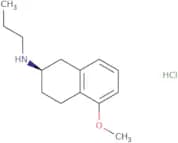

![(1R,2S)-2-[N-Benzyl-N-(mesitylenesulfonyl)amino]-1-phenyl-1-propanol](/_next/image/?url=https%3A%2Fstatic.cymitquimica.com%2Fproducts%2F3D%2Fthumb-webp%2FFB59938.webp&w=3840&q=75)
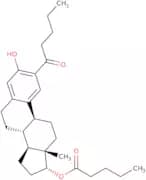
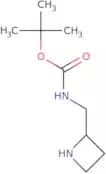
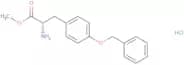
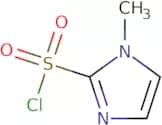
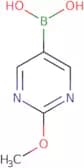
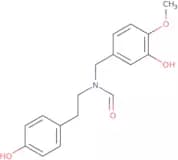
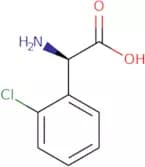
![(S)-5,6,6a,7-Tetrahydro-6-methyl- 4H-dibenzo[de,g]quinoline-10,11-diol hydrochloride](/_next/image/?url=https%3A%2Fstatic.cymitquimica.com%2Fproducts%2F3D%2Fthumb-webp%2FFT46165.webp&w=3840&q=75)
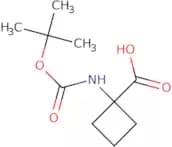
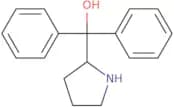
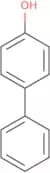
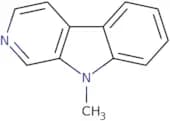
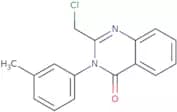
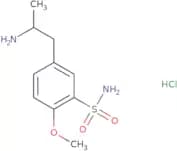
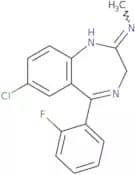


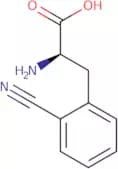
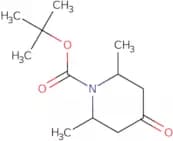

![4-Bromo-7-methoxy-1H-pyrrolo[2,3-c]pyridine](/_next/image/?url=https%3A%2Fstatic.cymitquimica.com%2Fproducts%2F3D%2Fthumb-webp%2FFB141995.webp&w=3840&q=75)
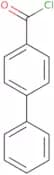

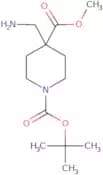
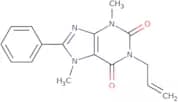
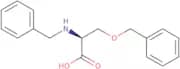
![[2-(1-Ethyl-1H-indol-3-yl)-1-methylethyl]amine hydrochloride](/_next/image/?url=https%3A%2Fstatic.cymitquimica.com%2Fproducts%2F3D%2Fthumb-webp%2FFE123632.webp&w=3840&q=75)
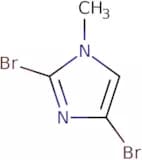
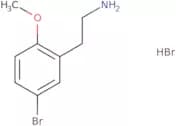


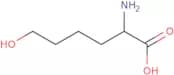
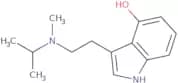
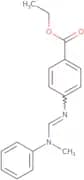
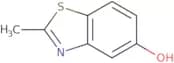
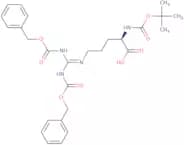
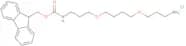

![1,2,3,4,5,6-Hexahydro-1,5-methano-pyrido-[1,2-a][1,5]diazocin-8-one](/_next/image/?url=https%3A%2Fstatic.cymitquimica.com%2Fproducts%2F3D%2Fthumb-webp%2FFD117142.webp&w=3840&q=75)
![1-Cyclopropyl-7-(2,8-diazabicyclo[4.3.0]non-8-yl)-6-fluoro-8-methoxy-4-oxoquinoline-3-carboxylic a…](/_next/image/?url=https%3A%2Fstatic.cymitquimica.com%2Fproducts%2F3D%2Fthumb-webp%2FFC102529.webp&w=3840&q=75)
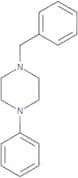
![4'-[[1,4'-Dimethyl-2'-propyl(2,6'-bi-1H-benzimidazol)-1'-yl]-methyl]-1,1'-biphenyl-2-carboxylicaci…](/_next/image/?url=https%3A%2Fstatic.cymitquimica.com%2Fproducts%2F3D%2Fthumb-webp%2FFD148340.webp&w=3840&q=75)
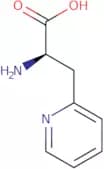

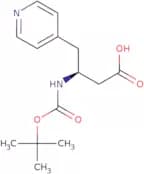
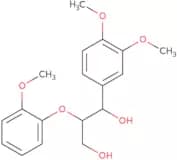
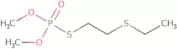
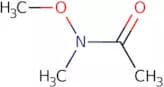
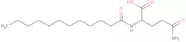
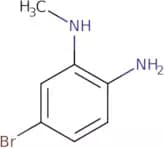
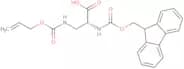


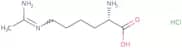
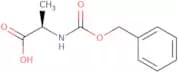

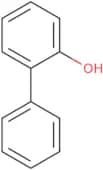
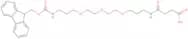

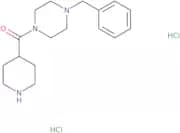

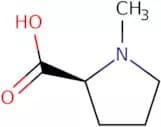
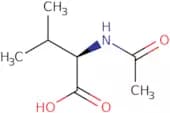
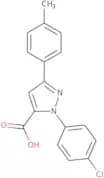
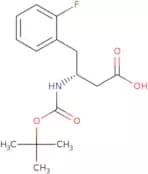
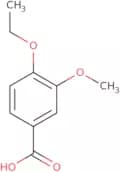
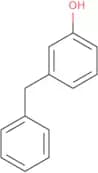
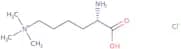
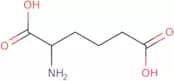
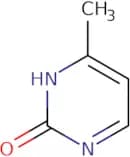
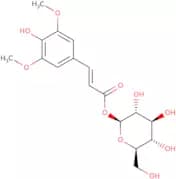
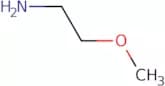
![17a-Methyl-4-[(phenylthio)methyl]testosterone](/_next/image/?url=https%3A%2Fstatic.cymitquimica.com%2Fproducts%2F3D%2Fthumb-webp%2FFM25693.webp&w=3840&q=75)

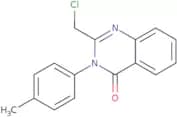
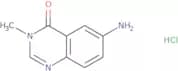
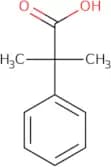
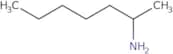
![{2-[(4-Phenylpiperazin-1-yl)carbonyl]phenyl}amine](/_next/image/?url=https%3A%2Fstatic.cymitquimica.com%2Fproducts%2F3D%2Fthumb-webp%2FFP122463.webp&w=3840&q=75)
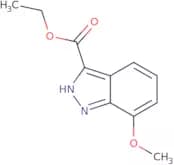
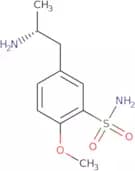
![4-(4-Phenoxybutoxy)-7H-furo[3,2-g]chromen-7-one](/_next/image/?url=https%3A%2Fstatic.cymitquimica.com%2Fproducts%2F3D%2Fthumb-webp%2FFP142327.webp&w=3840&q=75)


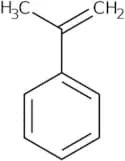
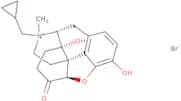
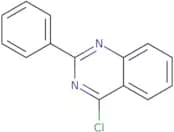
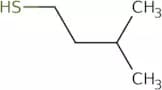
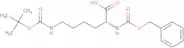
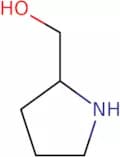
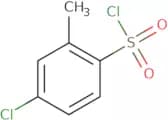

![(-)-N-[1-(R)-Ethoxycarbonxyl-3-phenylpropyl]-L-alanine](/_next/image/?url=https%3A%2Fstatic.cymitquimica.com%2Fproducts%2F3D%2Fthumb-webp%2FFE22879.webp&w=3840&q=75)
![N-Formyl-L-leucine [S-(E)]-1-(2-nonenyl)dodecyl ester](/_next/image/?url=https%3A%2Fstatic.cymitquimica.com%2Fproducts%2F3D%2Fthumb-webp%2FFF23584.webp&w=3840&q=75)
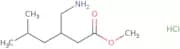

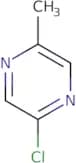
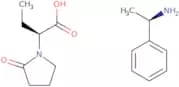

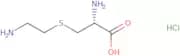
![N-Methyl-5H-dibenzo[a,d]cycloheptene-5-propylamine hydrochloride](/_next/image/?url=https%3A%2Fstatic.cymitquimica.com%2Fproducts%2F3D%2Fthumb-webp%2FFN76683.webp&w=3840&q=75)

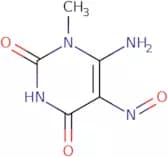

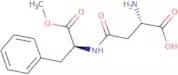
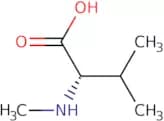

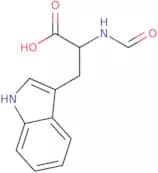

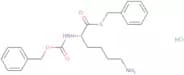
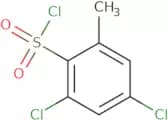
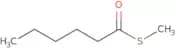
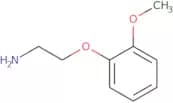
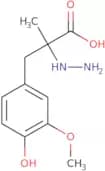

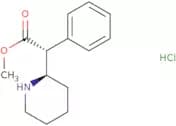

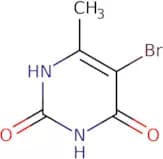
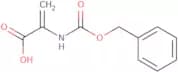
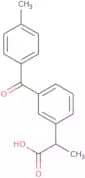
![1,4-Phenylenebis[tributylstannane]](/_next/image/?url=https%3A%2Fstatic.cymitquimica.com%2Fproducts%2F3D%2Fthumb-webp%2FFB43960.webp&w=3840&q=75)
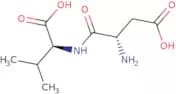
![N-Methyl-N-[(1-methyl-1H-benzimidazol-2-yl)methyl]amine hydrochloride](/_next/image/?url=https%3A%2Fstatic.cymitquimica.com%2Fproducts%2F3D%2Fthumb-webp%2FFM117084.webp&w=3840&q=75)
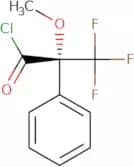
![N6-(1-Deoxy-D-fructos-1-yl)-N2-[(phenylmethoxy)carbonyl]-L-lysine](/_next/image/?url=https%3A%2Fstatic.cymitquimica.com%2Fproducts%2F3D%2Fthumb-webp%2FFD184014.webp&w=3840&q=75)
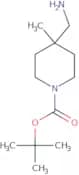
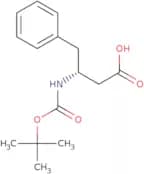
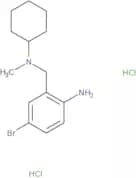
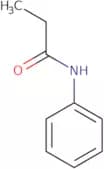
![1-(4-Methoxyphenyl)-7-oxo-6-(4-(2-oxopiperidin-1-yl)phenyl)-4,5,6,7-tetrahydro-1H-pyrazolo[3,4-c]p…](/_next/image/?url=https%3A%2Fstatic.cymitquimica.com%2Fproducts%2F3D%2Fthumb-webp%2FFM155764.webp&w=3840&q=75)
![[2-(4-methoxyphenyl)ethyl]methylamine](/_next/image/?url=https%3A%2Fstatic.cymitquimica.com%2Fproducts%2F3D%2Fthumb-webp%2FFM51362.webp&w=3840&q=75)
![N-[2-[4-(Aminosulfonyl)-phenyl]-ethyl]-5-methyl-2-pyrazinecarboxamide](/_next/image/?url=https%3A%2Fstatic.cymitquimica.com%2Fproducts%2F3D%2Fthumb-webp%2FFA150607.webp&w=3840&q=75)

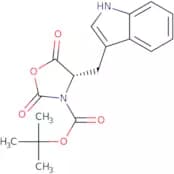
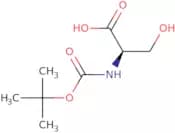

![1-(1,1-Dimethylethyl) hydrogen N-[20-(1,1-dimethylethoxy)-1,20-dioxoeicosyl]-L-glutamate](/_next/image/?url=https%3A%2Fstatic.cymitquimica.com%2Fproducts%2F3D%2Fthumb-webp%2FFD184008.webp&w=3840&q=75)

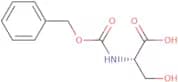
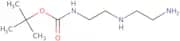
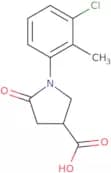
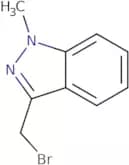
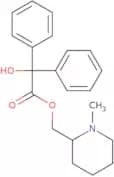
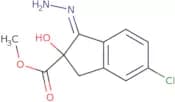
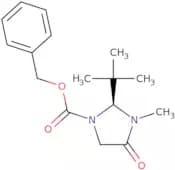
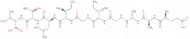
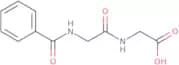
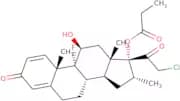

![1,1-Bis(1,1-dimethylethyl) (3R)-3-[[(9H-fluoren-9-ylmethoxy)carbonyl]amino]-1,1,3-propanetricarbox…](/_next/image/?url=https%3A%2Fstatic.cymitquimica.com%2Fproducts%2F3D%2Fthumb-webp%2FFF47880.webp&w=3840&q=75)
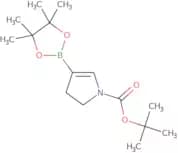
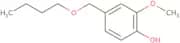

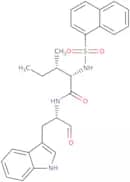
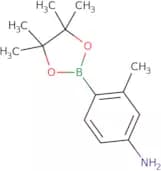
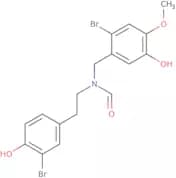
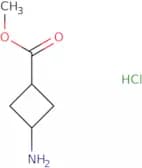
![2-[(4-Phenylpiperazin-1-yl)carbonyl]phenol](/_next/image/?url=https%3A%2Fstatic.cymitquimica.com%2Fproducts%2F3D%2Fthumb-webp%2FFP131062.webp&w=3840&q=75)
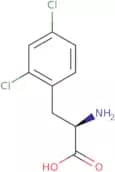
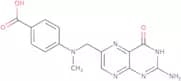

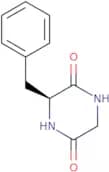

![(R)-(-)-2-[Hydroxy(diphenyl)methyl]-1-methylpyrrolidine](/_next/image/?url=https%3A%2Fstatic.cymitquimica.com%2Fproducts%2F3D%2Fthumb-webp%2FFH59893.webp&w=3840&q=75)
![3-[2-(Ethoxycarbonyl)-1-methyl-1H-indol-3-yl]propanoic acid](/_next/image/?url=https%3A%2Fstatic.cymitquimica.com%2Fproducts%2F3D%2Fthumb-webp%2FFE127998.webp&w=3840&q=75)
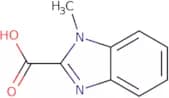

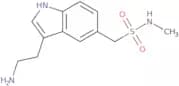
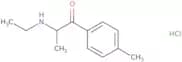
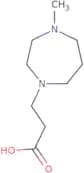
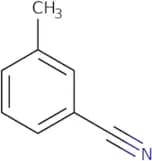
![8-Ethyl-1,3,4,9-tetrahydro-1-(1-methylethyl)pyrano[3,4-b]indole-1-acetic acid](/_next/image/?url=https%3A%2Fstatic.cymitquimica.com%2Fproducts%2F3D%2Fthumb-webp%2FFE160504.webp&w=3840&q=75)