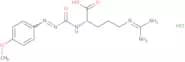
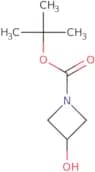
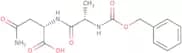
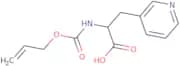
Amino Acids (AA)
Amino acids (AAs) are the fundamental building blocks of proteins, playing a crucial role in various biological processes. These organic compounds are essential for protein synthesis, metabolic pathways, and cell signaling. In this category, you will find a comprehensive range of amino acids, including essential, non-essential, and modified forms, which are vital for research in biochemistry, molecular biology, and nutritional sciences. At CymitQuimica, we provide high-quality amino acids to support your research and development needs, ensuring accuracy and reliability in your experimental outcomes.
Subcategories of "Amino Acids (AA)"
- Amino Acid Derivatives(3,969 products)
- Amino Acid and Amino Acid Related Compounds(3,474 products)
- Amino Acids with Oxygen or Sulphur(168 products)
- Boc- Amino Acids(351 products)
- Fmoc Amino Acids(1,710 products)
Found 38282 products of "Amino Acids (AA)"
Sort by
Purity (%)
0
100
|
0
|
50
|
90
|
95
|
100
1-Boc-amino-3,6,9-trioxaundecanyl-11-bromide
CAS:<p>Please enquire for more information about 1-Boc-amino-3,6,9-trioxaundecanyl-11-bromide including the price, delivery time and more detailed product information at the technical inquiry form on this page</p>Formula:C13H26BrNO5Purity:Min. 95%Molecular weight:356.25 g/molBoc-D-glutamic acid-gamma-tert-butyl ester
CAS:<p>Please enquire for more information about Boc-D-glutamic acid-gamma-tert-butyl ester including the price, delivery time and more detailed product information at the technical inquiry form on this page</p>Formula:C14H25NO6Purity:Min. 95%Molecular weight:303.35 g/mol7-Methyluric acid
CAS:Controlled Product<p>7-Methyluric acid is a purine derivative that is excreted in the urine. This compound can be used to measure the metabolic rate of an individual. 7-Methyluric acid reacts with caffeine to produce methylxanthines and uric acid, which are then measured by chromatographic methods. In order to measure the metabolic rate, a known amount of caffeine is given orally to Sprague-Dawley rats for a period of time, followed by measurement of 7-methyluric acid in their urine samples. The results show that the metabolic rate increases linearly with time.</p>Formula:C6H6N4O3Purity:Min. 95%Color and Shape:PowderMolecular weight:182.14 g/mol2-(5-chloro-2-methyl-1H-indol-3-yl)ethanamine
CAS:Controlled Product<p>Please enquire for more information about 2-(5-chloro-2-methyl-1H-indol-3-yl)ethanamine including the price, delivery time and more detailed product information at the technical inquiry form on this page</p>Formula:C11H13ClN2Purity:Min. 95%Molecular weight:208.69 g/molN-alpha-Fmoc-Ndelta-allyloxycarbonyl-D-ornithine
CAS:<p>Please enquire for more information about N-alpha-Fmoc-Ndelta-allyloxycarbonyl-D-ornithine including the price, delivery time and more detailed product information at the technical inquiry form on this page</p>Formula:C24H26N2O6Purity:Min. 95%Molecular weight:438.47 g/mol5-(Bromomethyl)-3-phenylisoxazole
CAS:<p>5-(Bromomethyl)-3-phenylisoxazole is a methoxy-bromo analog of fluoroquinolones. It has the same mode of action as fluoroquinolones, binding to DNA and inhibiting bacterial topoisomerases (DNA gyrase and topoisomerase IV). The affinity of 5-(Bromomethyl)-3-phenylisoxazole for these enzymes is greater than that of the parent compound, which may account for its increased potency. 5-(Bromomethyl)-3-phenylisoxazole is synthesized by reacting biphenyl with a mixture of bromoethane and methyl iodide in an organic solvent.</p>Formula:C10H8BrNOPurity:Min. 95%Molecular weight:238.08 g/molAcetyl-L-isoleucine
CAS:<p>Acetyl-L-isoleucine is a molecule that has been shown to inhibit the dehydrogenase enzyme. It can be synthesized from acetyl chloride and isomers of L-isoleucine in the presence of a metal catalyst, such as trifluoromethanesulfonic acid. Acetyl-L-isoleucine can also be used in protein synthesis and hydrolysis reactions. The ability of this molecule to bind to metal ions may also account for its antioxidant properties.</p>Formula:C8H15NO3Purity:Min. 95%Molecular weight:173.21 g/mol(R)-(-)-α-Methoxy-α-(trifluoromethyl)phenylacetyl chloride
CAS:<p>(R)-(-)-alpha-Methoxy-alpha-trifluoromethyl-phenylacetyl chloride is an enantiomer that has a chiral center. It is used in the synthesis of metoprolol and bisoprolol, which are drugs that are prescribed to treat hypertension and angina pectoris. The racemate is used in the separation of amines by high performance liquid chromatography (Hplc). This compound also has a hydroxyl group and two fatty acids, which can be identified using a chromatographic method. The compound contains a chloride as well as a transfer group.</p>Formula:C10H8ClF3O2Purity:Min. 95%Color and Shape:Clear LiquidMolecular weight:252.62 g/mol1-Methylimidazole-2-sulfonyl chloride
CAS:<p>1-Methylimidazole-2-sulfonyl chloride is a synthetic estrogen that is used for the treatment of estrogen deficiency in women. It has been shown to increase plasma estradiol levels and reduce plasma testosterone levels. This drug is not active at physiological levels, but was found to have biological relevance when administered at higher doses. 1-Methylimidazole-2-sulfonyl chloride has been found to be effective in the treatment of cancer in humans, with a specific effect on breast cancer cells.</p>Formula:C4H5ClN2O2SPurity:Min. 95%Molecular weight:180.61 g/molN-α-Z-L-lysine 4-nitrophenyl ester hydrochloride
CAS:<p>N-alpha-Z-L-lysine 4-nitrophenyl ester hydrochloride is a protease that belongs to the family of serine proteases. It is produced by the biotechnological process of enzymatic extraction from the natural polysaccharide carrageenan. This product has been used in the production of high yield and purified enzymes for industrial applications. The enzyme has been shown to have cysteine and hydrolytic activity, as well as being able to break peptidic bonds in peptides. N-alpha-Z-L-lysine 4-nitrophenyl ester hydrochloride also has a high specificity for proteolytic cleavage of proteins at their carboxy terminal end.</p>Formula:C20H23N3O6•HClPurity:Min. 95%Molecular weight:437.87 g/mol2-Aminomethyl-4-boc-morpholine
CAS:<p>Please enquire for more information about 2-Aminomethyl-4-boc-morpholine including the price, delivery time and more detailed product information at the technical inquiry form on this page</p>Formula:C10H20N2O3Purity:Min. 95%Color and Shape:PowderMolecular weight:216.28 g/moltert-Butyl-n-(6-methoxy-3-pyridyl)carbamate
CAS:<p>Please enquire for more information about tert-Butyl-n-(6-methoxy-3-pyridyl)carbamate including the price, delivery time and more detailed product information at the technical inquiry form on this page</p>Formula:C11H16N2O3Purity:Min. 95%Molecular weight:224.26 g/mol3-Amino-5-methoxybenzoic acid
CAS:<p>3-Amino-5-methoxybenzoic acid is a macrocyclist, which means that it can switch between two different forms. When the temperature is below 27 degrees Celsius, it exists as a mesomorphic phase and when the temperature increases above 27 degrees Celsius, it exists as an isotropic phase. 3-Amino-5-methoxybenzoic acid also has homologues that are also mesomorphic or isotropic depending on their temperatures. The chemoenzymatic parameters of the two phases are different and so are their lamellar morphologies. The fluorine atom in 3-amino-5-methoxybenzoic acid makes it act like a Lewis acid, decreasing its melting point and increasing its vapor pressure. There are two isomers of 3-amino-5-methoxybenzoic acid: dodecyl and octadecyl 3--amino--5--methoxyben</p>Formula:C8H9NO3Purity:Min. 95%Color and Shape:White To Yellow To Light Brown SolidMolecular weight:167.16 g/mol3-(6-Chloro-1-methyl-1H-benzimidazol-2-yl)propanoic acid
CAS:Controlled Product<p>Please enquire for more information about 3-(6-Chloro-1-methyl-1H-benzimidazol-2-yl)propanoic acid including the price, delivery time and more detailed product information at the technical inquiry form on this page</p>Formula:C11H11ClN2O2Purity:Min. 95%Molecular weight:238.67 g/mol3-Fluoro-4-methylaniline
CAS:<p>3-Fluoro-4-methylaniline is a synthesized compound that is used to produce anti-cancer agents. It is an amide and has anti-cancer properties. 3-Fluoro-4-methylaniline also binds to DNA and inhibits the synthesis of proteins in cancer cells. The binding constants for ligands are found to be high. 3-Fluoro-4-methylaniline can also bind with DNA through intercalation or hybridization, which prevents transcription of RNA from DNA, thereby inhibiting protein synthesis. This results in cell death by apoptosis.</p>Formula:C7H8FNPurity:Min. 95%Color and Shape:Clear LiquidMolecular weight:125.14 g/mol5-Bromo-3-methoxybenzaldehyde
CAS:<p>5-Bromo-3-methoxybenzaldehyde is a type of growth factor that is synthesized by cancer cells. It has been shown to have anticancer activity when used in conjunction with other drugs. 5-Bromo-3-methoxybenzaldehyde has been shown to inhibit tumor growth in mice, which may be due to its ability to prevent the activation of PD-L1. This compound interacts with a tetranuclear ligand and can be activated by light.</p>Formula:C8H7BrO2Purity:Min. 95%Color and Shape:PowderMolecular weight:215.04 g/mol4-N-Boc-aminocyclohexanone
CAS:<p>4-N-Boc-aminocyclohexanone is a chemical that inhibits the proliferation of cancer cells in vitro. It also has an antiproliferative effect on fibroblast cells, which may be due to its ability to inhibit protein synthesis and induce cell death by apoptosis. 4-N-Boc-aminocyclohexanone can also be used for the preparation of photoresponsive polymers that are used in drug delivery systems. This compound can be prepared by reacting 4-aminocyclohexanol with formaldehyde in the presence of base. This reaction forms a five-membered ring via an amide bond. The amide group is then hydrolyzed to form the corresponding carboxylic acid. The colorimetric method is used to determine the degree of hydrolysis, which is determined by measuring the absorbance at 590 nm. In addition, this compound can be used as a reactive intermediate for other compounds like</p>Formula:C11H19NO3Purity:Min. 95%Color and Shape:White To Light (Or Pale) Yellow SolidMolecular weight:213.27 g/mol(S)-(-)-3-tert-Butoxycarbonyl-4-methoxycarbonyl-2,2-dimethyl-1,3-oxazolidine
CAS:<p>Please enquire for more information about (S)-(-)-3-tert-Butoxycarbonyl-4-methoxycarbonyl-2,2-dimethyl-1,3-oxazolidine including the price, delivery time and more detailed product information at the technical inquiry form on this page</p>Formula:C12H21NO5Purity:Min. 95%Molecular weight:259.3 g/mol3-Methyl-2-phenylmorpholine hydrochloride
CAS:Controlled Product<p>3-Methyl-2-phenylmorpholine hydrochloride (3MPH) is a phenmetrazine derivative that has been used in animal studies to study the effects of plant metabolism on sensor and analytical methods. 3MPH has shown toxicity in rats, as well as some physiological effects such as increased heart rate, ataxia, and sedation. This compound is also a pharmacological agent that can be used for chromatographic analysis. 3MPH is metabolized by the liver into dopamine which can cause renal cell cancer in mice. A biological sample is required for this compound.</p>Formula:C11H15NOPurity:Min. 95%Molecular weight:177.24 g/mol4-Methyl-2-hexanamine hydrochloride
CAS:Controlled Product<p>4-Methyl-2-hexanamine hydrochloride is a synthetic amide that is used as a solvent in laboratories. It is a psychoactive substance and has been found to be an inhibitor of serotonin uptake, which may be related to its ability to inhibit the function of the serotonin transporter. The amount of 4-methyl-2-hexanamine hydrochloride absorbed by the body varies depending on how it is taken. When taken orally, 4-methyl-2-hexanamine hydrochloride enters through the digestive tract and reaches high levels in the blood stream. When taken intravenously, it enters the bloodstream directly and can reach higher concentrations in the blood. When inhaled, 4-methyl-2-hexanamine hydrochloride can enter into the lungs at high concentrations and then is absorbed into the bloodstream. 4-Methyl-2-hexanamine hydrochloride also degrades quickly in natural environments due to its biodegradable properties.</p>Formula:C7H18ClNPurity:Min. 95%Color and Shape:PowderMolecular weight:151.68 g/molMiraculin (1-20)
CAS:<p>N-terminal sequence of the taste-modifying 191 amino acid-containing protein miraculin.Supplied as the TFA salt</p>Formula:C88H146N26O34Purity:Min. 95%Molecular weight:2,112.26 g/molN-alpha-Nim-Bis-Z-L-histidine
CAS:<p>Please enquire for more information about N-alpha-Nim-Bis-Z-L-histidine including the price, delivery time and more detailed product information at the technical inquiry form on this page</p>Formula:C22H21N3O6Purity:Min. 95%Molecular weight:423.42 g/molEthyl 6-methyl-2-thioxo-4-(3,4,5-trimethoxyphenyl)-1,2,3,4-tetrahydropyrimidine-5-carboxylate
CAS:<p>Please enquire for more information about Ethyl 6-methyl-2-thioxo-4-(3,4,5-trimethoxyphenyl)-1,2,3,4-tetrahydropyrimidine-5-carboxylate including the price, delivery time and more detailed product information at the technical inquiry form on this page</p>Formula:C17H22N2O5SPurity:90%MinMolecular weight:366.43 g/mol5-Methyl-1H-pyrrole-3-carboxylic acid
CAS:<p>Please enquire for more information about 5-Methyl-1H-pyrrole-3-carboxylic acid including the price, delivery time and more detailed product information at the technical inquiry form on this page</p>Formula:C6H7NO2Purity:Min. 95%Molecular weight:125.13 g/mol4-Methoxy-N-methylbenzylamine hydrochloride
CAS:<p>Please enquire for more information about 4-Methoxy-N-methylbenzylamine hydrochloride including the price, delivery time and more detailed product information at the technical inquiry form on this page</p>Formula:C9H14NOClPurity:Min. 95%Molecular weight:187.67 g/molrac-prolinol
CAS:<p>Rac-prolinol is a picolinic acid derivative that has been shown to inhibit the production of pyrrolidinecarboxylic acid in the form of l-tartaric acid. This inhibition is due to the formation of a hydrogen bond with the hydroxyl group on the substrate molecule, which prevents its conversion into pyrrolidinecarboxylic acid. Rac-prolinol has also been shown to inhibit collagen production in cells. Rac-prolinol binds to receptors that are involved in regulating cell proliferation and differentiation, including transforming growth factor beta receptor and epidermal growth factor receptor. It inhibits collagen synthesis by acting as a competitive inhibitor of proline hydroxylase, an enzyme responsible for catalyzing proline into hydroxyproline. The molecule also inhibits DNA synthesis by binding to the erythrocyte membrane skeleton and blocking ATP synthesis.</p>Formula:C5H11NOPurity:Min. 95%Molecular weight:101.15 g/mol[(5-Methyl-1,3-thiazol-2-yl)methyl]amine dihydrochloride
CAS:<p>Please enquire for more information about [(5-Methyl-1,3-thiazol-2-yl)methyl]amine dihydrochloride including the price, delivery time and more detailed product information at the technical inquiry form on this page</p>Formula:C5H8N2SPurity:Min. 95%Molecular weight:128.2 g/molN-[2-(4-Benzylpiperazin-1-yl)-2-oxoethyl]-N-methylamine
CAS:Controlled Product<p>Please enquire for more information about N-[2-(4-Benzylpiperazin-1-yl)-2-oxoethyl]-N-methylamine including the price, delivery time and more detailed product information at the technical inquiry form on this page</p>Formula:C14H21N3OPurity:Min. 95%Molecular weight:247.34 g/mol1-O-Hexadecyl-2-O-acetyl-sn-glycero-3-phosphocholine
CAS:<p>1-O-Hexadecyl-2-O-acetyl-sn-glycero-3-phosphocholine is a phospholipid that is synthesized in the liver and has been shown to be a pressor agent. This drug has shown hypotensive effects in animal models, likely due to its ability to inhibit platelet aggregation and activate platelets. The mechanism of action of 1-O-hexadecyl 2-O-acetyl sn glycero 3 phosphate choline may be through inhibition of lipoxygenase and acetylcholine release, as well as an increase in tissue plasminogen activator (tPA) and plasminogen activator inhibitor (PAI).</p>Formula:C26H54NO7PPurity:Min. 95%Molecular weight:523.68 g/molFormyl-DL-Trp-OH
CAS:<p>Formyl-DL-Trp-OH is a hydrophobic, noncompetitive inhibitor of n-acetyl-dl-tryptophan synthase. It has been shown to bind to human albumin and erythrocyte membranes. Formyl-DL-Trp-OH is also an inhibitor of the enzyme amide hydrolysis in the metabolism of tryptophan. This drug can be used as a substrate in clinical chemistry for measuring amide hydrolysis. The binding constants of this compound have been determined using ultraviolet absorption and hydrogen bond measurements. This drug can be used in chromatographic methods to separate n-acetyl-dl-tryptophan from other related compounds in urine samples.</p>Formula:C12H12N2O3Purity:Min. 95%Molecular weight:232.24 g/mol3-Methylisonicotinonitrile
CAS:<p>3-Methylisonicotinonitrile (3MI) is a gaseous functional theory that is synthesized by the reaction of methyl groups and ammonia in the presence of an acid catalyst. 3MI has been shown to have anti-inflammatory properties, including inhibiting prostaglandin synthesis and reducing serum levels of tumor necrosis factor-α (TNF-α). The inflammatory response may be mediated by receptor subtypes such as PPARγ, which regulates lipid metabolism. 3MI also inhibits the production of proinflammatory cytokines from macrophages and neutrophils. This drug has been shown to inhibit acute inflammation in animal models.</p>Formula:C7H6N2Purity:Min. 95%Molecular weight:118.14 g/molFmoc-S-trityl-D-penicillamine
CAS:<p>Please enquire for more information about Fmoc-S-trityl-D-penicillamine including the price, delivery time and more detailed product information at the technical inquiry form on this page</p>Formula:C39H35NO4SPurity:Min. 95%Molecular weight:613.77 g/mol4-Methylquinoline
CAS:<p>4-Methylquinoline is a natural compound that is structurally related to coumarin. It serves as an enzyme substrate for various types of enzymes, and has been shown to inhibit the activity of enzymes such as N-acetyltransferase, indoleamine 2,3-dioxygenase, and tryptophan 2,3-dioxygenase. 4-Methylquinoline has also been shown to be effective against infectious diseases such as toxoplasmosis and leishmaniasis. Furthermore, 4-methylquinoline has been shown to have anti-inflammatory properties in autoimmune diseases such as multiple sclerosis. The mechanism of action of 4-methylquinoline is not fully understood but it may interfere with the production of nitric oxide by inhibiting the enzyme nitric oxide synthase.</p>Formula:C10H9NPurity:Min. 95%Molecular weight:143.19 g/molBoc-trans-1,2-aminocyclohex-4-ene carboxylic acid
CAS:<p>Please enquire for more information about Boc-trans-1,2-aminocyclohex-4-ene carboxylic acid including the price, delivery time and more detailed product information at the technical inquiry form on this page</p>Formula:C12H19NO4Purity:Min. 95%Molecular weight:241.28 g/molBoc-glu-OMe
CAS:<p>Boc-glu-OMe is a potent inhibitor of the enzyme α-glucosidase, an enzyme that breaks down complex sugars in the insect gut. Boc-glu-OMe is used as an analytical reagent to measure the presence and activity of α-glucosidase in biological samples. It has been shown to be synergistic with insecticides such as chlorpyrifos. This product also has insecticidal properties when applied to plants, and can be used for the control of lepidoptera, invertebrates, and other insects. Acute toxicity studies have shown that Boc-glu-OMe does not affect mammals or birds at concentrations up to 100 mg/kg body weight.</p>Formula:C11H19NO6Purity:Min. 98 Area-%Color and Shape:PowderMolecular weight:261.27 g/molH-Ile-Asn-OH trifluroacetate
CAS:<p>Please enquire for more information about H-Ile-Asn-OH trifluroacetate including the price, delivery time and more detailed product information at the technical inquiry form on this page</p>Formula:C10H19N3O4•(C2HF3O2)xPurity:Min. 95%Fmoc-homocyclohexyl-L-alanine
CAS:<p>Please enquire for more information about Fmoc-homocyclohexyl-L-alanine including the price, delivery time and more detailed product information at the technical inquiry form on this page</p>Formula:C25H29NO4Purity:Min. 95%Color and Shape:White PowderMolecular weight:407.5 g/molcis-4-Methylcyclohexylamine
CAS:<p>Cis-4-Methylcyclohexylamine is a cyclic amine that is found in the form of its decarboxylated derivative, 4-methylcyclohexanamine, which is used as an inhibitor for various enzymes. The methyl group on the cyclohexane ring is responsible for the compound's activity. Magnetic resonance spectroscopy has shown that cis-4-Methylcyclohexylamine binds to the active site of carbonyl reductase and inhibits its enzymatic activity, thereby blocking a step in the citric acid cycle. Cis-4-Methylcyclohexylamine has also been shown to have anti-inflammatory effects by inhibiting protein kinase C (PKC) and NFkB activation.</p>Formula:C7H15NPurity:Min. 95%Molecular weight:113.2 g/mol1,2-Dilauroyl-sn-glycero-3-phosphocholine
CAS:<p>The liposome is a spherical lipid bilayer that encloses an aqueous interior. It is used in the treatment of hyperproliferative diseases, such as cancer, and infectious diseases. The lipid bilayer membrane of the liposomes are made up of phospholipids, mostly phosphatidylcholine, with cholesterol or other molecules added to increase stability. The liposome is composed of two layers: the external layer which includes the phosphate head groups and hydrophilic polymers, and the internal layer which includes the hydrophobic fatty acid tails. Liposomes can be manipulated to target specific cells by adding proteins to either side of the membrane. These proteins are called targeting factors and they usually bind to receptors on the surface of cells that have particular features (e.g., CD4+ T-cells). This drug is toxic because it causes significant cytotoxicity when exposed to various types of cells at a concentration greater than 1 mM. There is significant</p>Formula:C32H64NO8PPurity:Min. 95%Molecular weight:621.83 g/mol2,4-Dihydroxy-6-methylbenzaldehyde
CAS:<p>2,4-Dihydroxy-6-methylbenzaldehyde is a chemical that is found naturally in a variety of plants. It has been shown to have immunomodulatory and anti-inflammatory effects in vitro and in vivo. 2,4-Dihydroxy-6-methylbenzaldehyde has been shown to reduce the production of inflammatory molecules such as tumor necrosis factor alpha (TNFα) and interleukin 12 (IL-12) by inhibiting the activation of microglia cells. This compound also inhibits LPS induced inflammatory response in human carcinoma cells. 2,4-Dihydroxy-6 methylbenzaldehyde is currently undergoing clinical trials for its potential use in regenerative medicine.</p>Formula:C8H8O3Purity:Min. 95%Molecular weight:152.15 g/molCyclo(-Arg-Gly-Asp-D-Phe-Cys) acetate salt
CAS:<p>Cyclo(-Arg-Gly-Asp-D-Phe-Cys) acetate salt is a peptide that has been modified to be an active targeting agent. It is an amphipathic molecule that can be used to deliver therapeutic agents specifically to cancer cells. Cyclo(-Arg-Gly-Asp-D-Phe-Cys) acetate salt is conjugated to a drug and is taken up by cells through the process of endocytosis. Once inside the cell, the drug is released and binds with the cell membrane, which leads to cell death. The uptake of this peptide has been shown to be pH dependent; it is taken up more readily in acidic environments than in neutral or alkaline environments. This peptide has also been shown to have cytotoxic effects on both MFC7 cells and rat liver cells.</p>Formula:C24H34N8O7SPurity:Min. 95%Molecular weight:578.64 g/mol(S)-(-)-1-Boc-3-aminopyrrolidine
CAS:<p>(S)-(-)-1-Boc-3-aminopyrrolidine is an inhibitor that inhibits the activity of phosphoinositide 3-kinase (PI3K) by binding to the ATP binding site and inhibiting PI3K. It has been shown to inhibit the activation of PI3Kδ, which plays a key role in tumorigenesis and metastasis. The drug also has metabolic stability and selectivity for PI3Kδ over other kinases, as well as high affinity for this enzyme. The drug was found to have low toxicity in vitro, but its effects on humans are unknown.</p>Formula:C9H18N2O2Purity:Min. 95%Color and Shape:Clear LiquidMolecular weight:186.25 g/mol(S)-N-Fmoc-2-(3'-butenyl)glycine
CAS:<p>Please enquire for more information about (S)-N-Fmoc-2-(3'-butenyl)glycine including the price, delivery time and more detailed product information at the technical inquiry form on this page</p>Formula:C21H21NO4Purity:Min. 95%Color and Shape:White PowderMolecular weight:351.4 g/mol5-(4-Methoxyphenyl)isoxazole-3-carboxaldehyde
CAS:<p>5-(4-Methoxyphenyl)isoxazole-3-carboxaldehyde (5MI) is a broad-spectrum antimicrobial agent that exhibits activity against bacteria and fungi. It has been shown to be active against gram-positive bacteria, including Staphylococcus aureus, as well as Candida albicans and other pathogenic fungi. 5MI is active in the presence of ethanol, but not in the absence of alcohol. In vitro studies show that 5MI inhibits the growth of gram-negative bacteria such as Escherichia coli and Salmonella enterica serovar Typhimurium. 5MI also exhibits antifungal activity against Aspergillus niger and Saccharomyces cerevisiae.</p>Formula:C11H9NO3Purity:Min. 95%Molecular weight:203.19 g/mol4-(Butoxymethyl)-2-methoxyphenol
CAS:<p>4-(Butoxymethyl)-2-methoxyphenol is an antimicrobial agent that has been shown to be effective against Candida glabrata. It is a non-ionic surfactant with a C8 alkyl chain, which is derived from the reaction of butyl alcohol and phenol. 4-(Butoxymethyl)-2-methoxyphenol can be used in oral care products such as toothpaste or mouthwash. This product also has a control analysis for sodium citrate and root powder, which may be due to its fatty acid and magnesium salt content.</p>Formula:C12H18O3Purity:Min. 95%Molecular weight:210.27 g/molN-Phenylpropanamide
CAS:<p>N-Phenylpropanamide is a chemical inhibitor that has been shown to have a protective effect against the light-induced degradation of drugs in urine samples. The compound also inhibits the hydrolysis of amides by hydrochloric acid and hydrogen bonds with the receptor binding site on human liver cells. N-Phenylpropanamide has been shown to affect cardiac function, as well as growth factor production.</p>Formula:C9H11NOPurity:Min. 95%Molecular weight:149.19 g/molH-Arg-Pro-OH sulfate salt
CAS:H-Arg-Pro-OH sulfate salt is a synthetic peptide that binds to the receptor for filtrates. It is used to treat skin conditions such as dermatitis, eczema, and psoriasis. H-Arg-Pro-OH sulfate salt has been shown to be effective in inhibiting clostridium from producing proteins. This drug also inhibits the uptake of these proteins by blocking the binding of phosphorylated lysine residues to their receptors on the cell membrane. It has been shown to hydrolyze amide bonds and can be used as a catalyst for bond cleavage reactions.Formula:C11H21N5O3Purity:Min. 95%Color and Shape:PowderMolecular weight:271.32 g/molO-Benzyl-L-tyrosine methyl ester hydrochloride
CAS:<p>Please enquire for more information about O-Benzyl-L-tyrosine methyl ester hydrochloride including the price, delivery time and more detailed product information at the technical inquiry form on this page</p>Formula:C17H19NO3·HClPurity:Min. 95%Color and Shape:PowderMolecular weight:321.8 g/mol1-Boc-2,6-Dimethyl-4-oxopiperidine
CAS:Please enquire for more information about 1-Boc-2,6-Dimethyl-4-oxopiperidine including the price, delivery time and more detailed product information at the technical inquiry form on this pageFormula:C12H21NO3Purity:Min. 95%Molecular weight:227.3 g/mol(-)-N-[1-(R)-Ethoxycarbonxyl-3-phenylpropyl]-L-alanine
CAS:<p>Please enquire for more information about (-)-N-[1-(R)-Ethoxycarbonxyl-3-phenylpropyl]-L-alanine including the price, delivery time and more detailed product information at the technical inquiry form on this page</p>Formula:C15H21NO4Purity:Min. 95%Molecular weight:279.33 g/mol4-Hydroxy-7-methoxyquinoline
CAS:<p>4-Hydroxy-7-methoxyquinoline is an anti-malarial drug that belongs to the class of trimethyl, trifluoromethyl group. It is a cyclic compound and its synthesis starts with cyclization of the methyl derivative, which forms a ring. This product is used in clinical practice as an inhibitor of malarial protozoa and has been shown to have mechanistic effects on the cytochrome bc1 complex containing red blood cells. 4-Hydroxy-7-methoxyquinoline also inhibits the growth of bacteria by binding to the enzyme methionine synthase, which is involved in the biosynthesis of methionine from homocysteine. The product also has an inhibitory effect on DNA synthesis and protein synthesis.</p>Formula:C10H9NO2Purity:Min. 95%Molecular weight:175.18 g/molEthyl 2-(3-cyano-4-isobutoxyphenyl)-4-methyl-5-thiazolecarboxylate
CAS:<p>Ethyl 2-(3-cyano-4-isobutoxyphenyl)-4-methyl-5-thiazolecarboxylate (ECIT) is a derivative of formyl that has been used as a solvent for industrial and laboratory purposes. ECIT is an amorphous substance with the chemical formula CH3COC6H2CH2COCH=N(C=O)C6H4CN. The compound has been quantified in various solvents, such as n-butyl alcohol and acetonitrile. ECIT is a colorless liquid that boils at 140° C. It has a formyl group and an alkynyl group, which are both reactive groups that can be used to synthesize other compounds. ECIT also contains two stereoisomers: the erythro isomer and the threo isomer. The erythro isomer has the structural formula of CH3COC6H2CH</p>Purity:Min. 95%N-Formyl-L-leucine [S-(E)]-1-(2-nonenyl)dodecyl ester
CAS:<p>Please enquire for more information about N-Formyl-L-leucine [S-(E)]-1-(2-nonenyl)dodecyl ester including the price, delivery time and more detailed product information at the technical inquiry form on this page</p>Formula:C28H53NO3Purity:Min. 95%Molecular weight:451.73 g/mol3,4-Methylenedioxyphenyl butyl ketone
CAS:Controlled Product3,4-Methylenedioxyphenyl butyl ketone (MBK) is a synthetic drug that is structurally related to the amphetamines. MBK has been shown to induce locomotor hyperactivity in mice and exhibits pharmacokinetic properties similar to other amphetamine-type stimulants. MBK has a high affinity for the glutamate transporter, leading to an increase in extracellular concentrations of this neurotransmitter. This may lead to neurotoxicity with repeated use. MBK also interacts with the glutamate receptor and affects glutamate homeostasis. The administration of ceftriaxone, a cephalosporin antibiotic, has been found to attenuate the effects of MBK on dopamine levels and motor activity in rats.Formula:C12H14O3Purity:Min. 95%Molecular weight:206.24 g/molBoc-Arg(Boc)2-OH
CAS:<p>Boc-Arg(Boc)2-OH is a protected derivative of the amino acid arginine. The Boc (tert-butyloxycarbonyl) groups shield both the amino group and the side chain's guanidine functionality. This protection scheme allows for its selective incorporation during peptide synthesis while offering stability under various reaction conditions. Boc-Arg(Boc)2-OH has been also used in the synthesis of amino acid prodrugs of cytotoxic anthraquinones, demonstrating its potential utility in developing targeted cancer therapies.</p>Formula:C21H38N4O8Purity:Min. 95%Color and Shape:PowderMolecular weight:474.55 g/molL-Alaninol
CAS:<p>L-Alaninol is a chemical compound that is used as a building block in organic synthesis.</p>Formula:C3H9NOMolecular weight:75.11 g/mol3-Phenylpropanal
CAS:<p>3-Phenylpropanal is a chemical compound that is synthesized from trifluoroacetic acid, activated chitosan polymer, and fatty acids. 3-Phenylpropanal has been shown to have a bioactive phytochemical, which has been identified as allylation. This reaction is catalyzed by the addition of an allylating agent such as propargyl bromide or propargyl chloride. The rate of this reaction is dependent on the concentration of the reactant and kinetic energy (heat). The hydroxyl group on the reactant reacts with hydrogen gas in the presence of a catalyst such as sodium carbonate or zinc oxide to form a hydroxyethyl group. This process can be monitored using kinetic data such as conversion and yield.</p>Formula:C9H10OPurity:Min. 95%Color and Shape:Colourless To Pale Yellow LiquidMolecular weight:134.18 g/mol1,2,3,4-Tetrahydro-4,6-dihydroxy-2-methyl-isoquinoline
CAS:<p>1,2,3,4-Tetrahydro-4,6-dihydroxy-2-methyl-isoquinoline is a useful building block in the synthesis of various compounds such as pharmaceuticals and pesticides. It is an intermediate for the preparation of other valuable chemicals such as the antihistamine diphenhydramine, which is used to treat allergies. Tetrahydroisoquinoline can also be used as a reagent to synthesize other chemical compounds. This compound has been used in research as well as commercial applications. Tetrahydroisoquinoline is also a versatile scaffold that can be modified to produce different derivatives with different properties.</p>Formula:C10H13NO2Purity:Min. 95%Color and Shape:White PowderMolecular weight:179.22 g/molIsovaleryl-Phe-Nle-Sta-Ala-Sta-OH
CAS:<p>Isovaleryl-Phe-Nle-Sta-Ala-Sta-OH (IVAS) is a small molecule that has been shown to be an angiotensin system inhibitor. IVAS blocks the binding site of the angiotensin receptor and prevents the activation of this system. This effect is dose dependent and can be used to treat high blood pressure in humans. IVAS is a long-acting drug and has been shown to be effective in primates as well as humans. The drug is rapidly absorbed from the gastrointestinal tract and eliminated by metabolism, mainly through hydrolysis by esterases or glucuronidases, oxidation by cytochrome P450 enzymes, reduction by glutathione reductase, or conjugation with glucuronic acid. IVAS also specifically binds to markers expressed at high levels in Mycobacterium tuberculosis strains (e.g., ESX-1 secretion system protein) and inhibits cell growth in culture.</p>Formula:C39H65N5O9Purity:Min. 95%Molecular weight:747.96 g/mol1-[2-(5-Methoxy-1H-indol-3-yl)ethyl]-5-oxopyrrolidine-3-carboxylic acid
CAS:Controlled Product<p>Please enquire for more information about 1-[2-(5-Methoxy-1H-indol-3-yl)ethyl]-5-oxopyrrolidine-3-carboxylic acid including the price, delivery time and more detailed product information at the technical inquiry form on this page</p>Formula:C16H18N2O4Purity:Min. 95%Molecular weight:302.33 g/mol6-Bromo-3-phenylquinazoline-2,4(1H,3H)-dione
CAS:Controlled ProductPlease enquire for more information about 6-Bromo-3-phenylquinazoline-2,4(1H,3H)-dione including the price, delivery time and more detailed product information at the technical inquiry form on this pageFormula:C14H9BrN2O2Purity:Min. 95%Molecular weight:317.14 g/moltert-Butyl (1-methyl-1H-imidazol-5-yl)carbamate
CAS:<p>Please enquire for more information about tert-Butyl (1-methyl-1H-imidazol-5-yl)carbamate including the price, delivery time and more detailed product information at the technical inquiry form on this page</p>Formula:C9H15N3O2Purity:Min. 95%Molecular weight:197.23 g/molbeta-Alanine tert-butyl ester hydrochloride
CAS:<p>Beta-alanine tert-butyl ester hydrochloride is a hydrogenated beta-amino acid ester that is used as a peptidomimetic. It has been shown to be absorbed by the intestine and it can be used to focus on chloride channels in the intestinal cells. Beta-alanine tert-butyl ester hydrochloride is an organic solvent and can also be used as an excipient for drug formulations. The molecule has a benzyl group and a chloride group, which are both substituted with hydrogen atoms.</p>Formula:C7H15NO2·HClPurity:Min. 95%Color and Shape:White PowderMolecular weight:181.66 g/mol3-(4-Methoxyphenyl)-1,2-oxazol-5-amine
CAS:<p>Please enquire for more information about 3-(4-Methoxyphenyl)-1,2-oxazol-5-amine including the price, delivery time and more detailed product information at the technical inquiry form on this page</p>Formula:C10H10N2O2Purity:Min. 95%Molecular weight:190.2 g/mol4-Amino-1-Boc-piperidine-4-carboxamide
CAS:<p>Please enquire for more information about 4-Amino-1-Boc-piperidine-4-carboxamide including the price, delivery time and more detailed product information at the technical inquiry form on this page</p>Formula:C11H21N3O3Purity:Min. 95%Molecular weight:243.3 g/molAc-Arg-pNA·HCl
CAS:<p>Ac-Arg-pNA·HCl is a substrate that is activated by hydrogen fluoride to form a nitro group. This compound can be used in the synthesis of nitrobenzene and other aromatic compounds. Ac-Arg-pNA·HCl also has enzymic activity, which is catalyzed by an enzyme called benzyloxycarbonyl (Boc).</p>Formula:C14H20N6O4·HClPurity:Min. 95%Color and Shape:PowderMolecular weight:372.81 g/molL-Methionine-methyl-13C,methyl-D3
CAS:Controlled Product<p>Please enquire for more information about L-Methionine-methyl-13C,methyl-D3 including the price, delivery time and more detailed product information at the technical inquiry form on this page</p>Formula:C5H8D3NO2SPurity:Min. 95%Molecular weight:152.23 g/mol3-(4-Chlorophenyl)-1-phenyl-1H-pyrazole-5-carboxylic acid
CAS:Controlled Product<p>Please enquire for more information about 3-(4-Chlorophenyl)-1-phenyl-1H-pyrazole-5-carboxylic acid including the price, delivery time and more detailed product information at the technical inquiry form on this page</p>Formula:C16H11ClN2O2Purity:Min. 95%Molecular weight:298.72 g/molBoc-1-amino-1-cyclobutane carboxylic acid
CAS:<p>Boc-1-amino-1-cyclobutane carboxylic acid is a synthetic and potent agonist of the androgen receptor. It is an analog of apalutamide, which is a selective antagonist of the androgen receptor. Boc-1-amino-1-cyclobutane carboxylic acid has been shown to have high oral bioavailability, which makes it suitable for oral administration. Boc-1-amino-1-cyclobutane carboxylic acid has been shown to have increased functional activity in cancer cells, which may be due to its ability to inhibit the growth of tumor cells by binding to their androgen receptors. Boc-1-amino-1-cyclobutane carboxylic acid has also been found to have good affinity for the androgen receptor when tested on cultured cells.</p>Formula:C10H17NO4Purity:Min. 95%Color and Shape:White/Off-White SolidMolecular weight:215.25 g/molBoc-Leu-Arg-Arg-AMC dihydrochloride
CAS:<p>Boc-Leu-Arg-Arg-AMC·2 HCl is a soybean trypsin inhibitor that has been used in the study of basic protein synthesis and cellular physiology. This inhibitor binds to the active site of soybean trypsin, preventing it from cleaving peptide bonds. The kinetic of this reaction was studied using Boc-Leu-Arg-Arg-AMC·2 HCl as a substrate and its inhibition by various concentrations of inhibitors. The inhibitory effect on the enzyme activity was measured by following the release of AMC fluorogenic substrate in vitro. Boc-Leu-Arg-Arg-AMC·2 HCl was found to be an effective inhibitor of melanoma antigen formation in vivo when injected into mice with melanoma xenografts. It also decreased tumor growth and increased survival rates in leukemic mice treated with platinum chemotherapy drugs or other pharmacological agents.</p>Formula:C33H52N10O7·2HClPurity:Min. 95%Molecular weight:773.75 g/mol3-(2-Pyridyl)-D-alanine
CAS:<p>3-(2-Pyridyl)-D-alanine is an amino acid that is a precursor to the peptide antibiotic, pyrithione. It can be prepared from 2-pyridylacetic acid and D-alanine. 3-(2-Pyridyl)-D-alanine is a chiral molecule with two stereogenic centres, which means it has four different optical isomers: L-, D-, S-, and R-. The L form of 3-(2-pyridyl)-D-alanine was found in Streptomyces sp. strain NRRL 8057. This amino acid is synthesized by a peptide synthetase enzyme. The sequence of this biosynthetic gene has not been determined yet.</p>Formula:C8H10N2O2Purity:Min. 95%Molecular weight:166.18 g/molN-Fmoc-N'-trityl-D-glutamine
CAS:<p>N-Fmoc-N'-trityl-D-glutamine is a synthetic molecule that has been shown to have antibacterial activity. It inhibits the influenza virus by binding to the hemagglutinin protein and blocking the ability of the virus to infect cells. This compound also inhibits bacterial growth by binding to the cell wall, preventing cell division. N-Fmoc-N'-trityl-D-glutamine is stable at room temperature and can be stored for up to three years if stored in a dry environment.</p>Formula:C39H34N2O5Purity:Min. 95%Color and Shape:PowderMolecular weight:610.7 g/mol1-(3-Phenylpropyl)piperazine
CAS:Controlled Product<p>1-(3-Phenylpropyl)piperazine (1PP) is a piperazine derivative that can be synthesized by the condensation of 3-phenylpropylamine and formaldehyde. 1PP has been shown to have neuroprotective effects in animal models of amyotrophic lateral sclerosis (ALS), brain injury, spinal cord injury, and traumatic brain injury. It has also been shown to act as a ligand for various receptors with therapeutic potential for cancer therapy. 1PP may be able to protect neurons from oxidative damage by scavenging reactive oxygen species. This drug has also been observed to inhibit the growth of cancer cells in vitro and in vivo.</p>Formula:C13H20N2Purity:Min. 95%Molecular weight:204.31 g/molCyclo(-Gly-L-Phe)
CAS:<p>Cyclo(-Gly-L-Phe) is a cyclic peptide with hydroxyl group at the C-terminal. It has been shown to have high uptake and cytotoxicity in intestinal cells. The uptake of Cyclo(-Gly-L-Phe) was found to be reversed phase high performance liquid chromatography (RP-HPLC). Cyclo(-Gly-L-Phe) is also cytotoxic to coryneform, caco2, and HeLa cells and inhibits cellular protein synthesis through inhibition of ribosome function.</p>Formula:C11H12N2O2Purity:Min. 95%Color and Shape:PowderMolecular weight:204.23 g/mol2-Oxo-3-hydroxy-N-methyl-N-propyl D-lysergamide
CAS:Controlled Product<p>2-Oxo-3-hydroxy-N-methyl-N-propyl D-lysergamide (2OMD) is a metabolite of the drug lysergic acid diethylamide (LSD). It can be detected in urine, blood, and saliva. The detection time in urine is approximately 3 hours after ingestion. 2OMD can be found by chromatography techniques, such as thin layer chromatography or high performance liquid chromatography. It can also be detected using mass spectrometric techniques, such as gas chromatography/mass spectrometry or liquid chromatography/mass spectrometry. 2OMD can also be detected in urine samples by calibrations with standards of known concentration and by the use of analytical methods such as gas chromatography/mass spectroscopy.</p>Formula:C20H25N3O3Purity:Min. 95%Molecular weight:355.43 g/molBoc-L-Gly-MBHA Resin
<p>Please enquire for more information about Boc-L-Gly-MBHA Resin including the price, delivery time and more detailed product information at the technical inquiry form on this page</p>Purity:Min. 95%5[(R)-(2-Aminopropyl)]-2-methoxybenzenesulfonamide hydrochloride
CAS:Controlled Product<p>Please enquire for more information about 5[(R)-(2-Aminopropyl)]-2-methoxybenzenesulfonamide hydrochloride including the price, delivery time and more detailed product information at the technical inquiry form on this page</p>Formula:C10H17ClN2O3SPurity:Min. 95%Molecular weight:280.77 g/molFmoc-isothiocyanate
CAS:<p>Fmoc-isothiocyanate is an inhibitor of the enzyme glycogen synthase kinase-3 (GSK-3) and has been shown to be a potential therapeutic agent for inflammatory diseases such as rheumatoid arthritis. Fmoc-isothiocyanate has also been shown to inhibit the production of melanocortin, a growth factor that is associated with cancer cells, and it can be used as an antiviral agent. This compound also inhibits the production of certain inflammatory cytokines and growth factors, which are involved in autoimmune diseases such as hepatitis and trifluoroacetic acid. Fmoc-isothiocyanate inhibits the activity of antifungal agents by inhibiting their ability to bind to fungal cell walls. It is synthesized on a solid support using trifluoroacetic acid as a reagent.</p>Formula:C16H11NO2SPurity:Min. 95%Color and Shape:White To Light (Or Pale) Yellow SolidMolecular weight:281.33 g/molN-Acetyl-S-(1,2-dichloroethenyl)-L-cysteine
CAS:<p>N-Acetyl-S-(1,2-dichloroethenyl)-L-cysteine is a reactive compound that is formed from the metabolism of acetaminophen. It has been shown to cause oxidative injury in the mitochondria of proximal tubule cells. N-Acetyl-S-(1,2-dichloroethenyl)-L-cysteine disrupts mitochondrial membrane potential and causes ATP depletion. It also causes mitochondrial dysfunction by inhibiting respiratory chain activity and lowering cytosolic calcium levels. N-Acetyl-S-(1,2-dichloroethenyl)-L-cysteine has been shown to be toxic in animals and humans. The main analytical method used to detect this compound is the tetrazolium dye assay.</p>Formula:C7H9Cl2NO3SPurity:Min. 95%Molecular weight:258.12 g/mol4,5-Dihydro-5a-methoxy D-(-)-norgestrel
CAS:<p>Please enquire for more information about 4,5-Dihydro-5a-methoxy D-(-)-norgestrel including the price, delivery time and more detailed product information at the technical inquiry form on this page</p>Formula:C22H32O3Purity:Min. 95%Molecular weight:344.49 g/mol2-Hydroxy-4-methylquinoline
CAS:<p>2-Hydroxy-4-methylquinoline is an organic compound that has a chelate ring. It is soluble in deionized water and reacts with metal ions to form a fluorescent product. The molecule also has antibacterial activity, which may be due to its ability to inhibit the growth of bacteria by acting as a metal ion chelator. 2-Hydroxy-4-methylquinoline can react with halides and ammonium persulfate to form isomeric products, such as 4,5-dihydroxyquinoline, which have been shown to have antimicrobial properties. 2-Hydroxy-4-methylquinoline can also react with phosphorus oxychloride and alkylating agents such as chloroethane or chloroform to form substituted derivatives.</p>Formula:C10H9NOPurity:Min. 95%Color and Shape:PowderMolecular weight:159.18 g/molD-Alanine
CAS:<p>D-Alanine is a versatile building block that can be used as a reagent or speciality chemical in research. It is also an important intermediate for the production of other chemicals and useful scaffold for drug design. D-Alanine (CAS No. 338-69-2) is a high quality, fine chemical that can be used as a reaction component to synthesize many complex compounds. D-Alanine is also an important intermediate for the production of other chemicals and useful scaffold for drug design.</p>Formula:C3H7NO2Purity:Min. 98 Area-%Molecular weight:89.09 g/molRef: 3D-A-4200
1kgTo inquire5kgTo inquire10kgTo inquire500gTo inquire2500gTo inquire-Unit-ggTo inquireN-Boc-1,6-diaminohexane hydrochloride
CAS:<p>Please enquire for more information about N-Boc-1,6-diaminohexane hydrochloride including the price, delivery time and more detailed product information at the technical inquiry form on this page</p>Formula:C11H24N2O2•HClPurity:Min. 95%Molecular weight:252.78 g/mol2-Acetyl-5-methylthiophene
CAS:<p>2-Acetyl-5-methylthiophene is a heteroatomic compound that can be used in cancer therapy. It has been shown to inhibit the growth of human cell lines and to have anticancer activity. This compound is also known for its potential interaction with fatty acids, which may be due to the molecular electrostatic potential. The molecule's structure contains a β-unsaturated ketone, which is an active site for many reactions and may interact with other compounds such as thiosemicarbazide. 2-Acetyl-5-methylthiophene has two isomers, namely 5-methylthiophen-2-yl acetate and 5-(acetyloxy)methylthiophen-2-yl acetate. These two molecules differ in the arrangement of their carbons and hydrogens on the central carbon atom and are not considered to be identical substances.</p>Formula:C7H8OSPurity:Min. 95%Color and Shape:PowderMolecular weight:140.2 g/mol2-Amino-3,4-dihydro-7-methoxy-2H-1-naphthalenone, hydrochloride
CAS:Controlled Product<p>Please enquire for more information about 2-Amino-3,4-dihydro-7-methoxy-2H-1-naphthalenone, hydrochloride including the price, delivery time and more detailed product information at the technical inquiry form on this page</p>Formula:C11H14ClNO2Purity:Min. 95%Molecular weight:227.69 g/mol2-(2-Nitroanilino)-5-methylthiophene-3-carbonitrile
CAS:<p>2-(2-Nitroanilino)-5-methylthiophene-3-carbonitrile is a crystalline compound that belongs to the group of small molecules. It has a molecular weight of 153.2 g/mol and a melting point of 281 °C. The compound has three different crystalline forms, including a monoclinic form, which is thermodynamically stable at room temperature. 2-(2-Nitroanilino)-5-methylthiophene-3-carbonitrile can be used as a model system for studying influenza virus and as an inhibitor of influenza virus replication. 2-(2-Nitroanilino)-5-methylthiophene-3-carbonitrile also inhibits the activity of carbamazepine, which is an anti epileptic drug, by binding to its active site on the molecule.</p>Formula:C12H9N3O2SPurity:Min. 95%Color and Shape:PowderMolecular weight:259.29 g/mol1-(5-Methyl-1,2,4-oxadiazol-3-yl)cyclohexanamine hydrochloride
CAS:Controlled Product<p>Please enquire for more information about 1-(5-Methyl-1,2,4-oxadiazol-3-yl)cyclohexanamine hydrochloride including the price, delivery time and more detailed product information at the technical inquiry form on this page</p>Formula:C9H16N3OClPurity:Min. 95%Molecular weight:217.7 g/molLeu-Ala-OH
CAS:<p>Leu-Ala-OH is a conjugated amino acid that is a substrate for the enzyme ubiquitin ligases. It is involved in protein synthesis and may be used to treat hypertension. Leu-Ala-OH has been shown to inhibit the production of amines, which are precursors to nitrosamines and other harmful compounds. Leu-Ala-OH also has antihypertensive activity that may be due to its ability to react with the enzyme cytochrome P450 2D6 (CYP2D6). This reaction leads to an increased production of catecholamines, which have been shown to lower blood pressure in hypertensive animals.</p>Formula:C9H18N2O3Purity:Min. 95%Molecular weight:202.25 g/molGly-Pro-Ala-OH
CAS:<p>Gly-Pro-Ala-OH is a tripeptide that can be obtained from the hydrolysis of collagen. It has been shown to have an intestinal uptake and to inhibit the activity of collagenase, which is a proteolytic enzyme that breaks down collagen. Gly-Pro-Ala-OH is also a potential immunoadsorbent. Polyacrylamide gel electrophoresis (PAGE) revealed that it contains three peptides with molecular weights of 2 kDa, 3 kDa, and 4 kDa. The 2 and 4 kDa peptides are glycyl-l-leucine (GLA) and glycyl-l-leucine - proline - alanine (GPA), respectively. The 3 kDa peptide sequence has not yet been determined. Treatment with trypsin resulted in the release of GLA and GPA without any change in their relative proportions.</p>Formula:C10H17N3O4Purity:Min. 95%Molecular weight:243.26 g/mol1-Methyl-2-imidazolecarboxaldehyde
CAS:<p>1-Methyl-2-imidazolecarboxaldehyde is a compound that has been studied for its redox potential, which is the measure of the tendency of a molecule to gain or lose electrons. 1-Methyl-2-imidazolecarboxaldehyde has shown to be an excellent candidate as an electrochemical probe. The molecule has also been shown to bind chloride ions in water, forming a tetradentate chelate ring. This type of chelate ring is formed between two nitrogen atoms and four oxygen atoms from the water molecule. The compound forms hydrogen bonds with other molecules in its vicinity, including hepg2 cells and chloride ions.</p>Formula:C5H6N2OPurity:Min. 95%Color and Shape:White To Yellow To Orange Solid Or Liquid (May Vary)Molecular weight:110.11 g/molMethyl 3-formyl-4,6-dimethoxy-1-methyl-1H-indole-2-carboxylate
CAS:Controlled Product<p>Please enquire for more information about Methyl 3-formyl-4,6-dimethoxy-1-methyl-1H-indole-2-carboxylate including the price, delivery time and more detailed product information at the technical inquiry form on this page</p>Formula:C14H15NO5Purity:Min. 95%Molecular weight:277.27 g/mol2,5-Dimethoxy-4-methylamphetamine hydrochloride
CAS:Controlled Product<p>2,5-Dimethoxy-4-methylamphetamine hydrochloride is a molecule that belongs to the class of phenethylamines. It has a serotonergic activity and can be used in the treatment of depression. This drug also affects the dopaminergic system and 5-HT2 receptors. 2,5-Dimethoxy-4-methylamphetamine hydrochloride is an agonist for 5HT1A receptors and an antagonist for 5HT2A and 5HT2C receptors. It has been shown to have a significant effect on locomotor activity in humans. The effects of this drug are dose dependent, with high doses leading to hallucinogenic effects.</p>Formula:C12H20ClNO2Purity:Min. 95%Molecular weight:245.75 g/mol3-(2-Pyridyl)-L-alanine
CAS:<p>3-(2-Pyridyl)-L-alanine is a metabolite of the amino acid L-phenylalanine. It is formed by the intramolecular addition of hydrogen to the aminomutases, and then converted to 3-(2-pyridyl)alanine by an aminomutase. The analogs of 3-(2-pyridyl)-L-alanine have been detected in various natural products, such as siderophores, antibiotics, and pigments. 3-(2-Pyridyl)-L-alanine can be synthesized using chromophore and hydrogen bond chemistry. This chemical is a substrate for chemoenzymatic synthesis.</p>Formula:C8H10N2O2Purity:Min. 95%Molecular weight:166.18 g/molSuc-Ala-Ala-Pro-Leu-pNA
CAS:<p>The substrate Suc-Ala-Ala-Pro-Leu-pNA is commonly used in enzyme research to study various proteases. It has been utilized to determine the kinetic parameters of a proteinase from Cucurbita ficifolia seeds . Additionally, this substrate has been employed in the investigation of a thermostable signal peptide peptidase from Thermoplasma volcanium . Furthermore, it has been used in the characterization of a T lymphocyte endopeptidase activity and in chymotrypsin-like protease assays related to amidolytic and fibrinolytic activities of proteases in spleen and leukocytes of mammals .</p>Formula:C27H38N6O9Purity:Min. 95%Molecular weight:590.63 g/mol4(5)-Methyl-1H-imidazole-2-carbaldehyde
CAS:<p>Please enquire for more information about 4(5)-Methyl-1H-imidazole-2-carbaldehyde including the price, delivery time and more detailed product information at the technical inquiry form on this page</p>Formula:C5H6N2OPurity:95%NmrMolecular weight:110.11 g/molEthyl 4,5-bis(2-methoxyethoxy)-2-nitrobenzoate
CAS:<p>Please enquire for more information about Ethyl 4,5-bis(2-methoxyethoxy)-2-nitrobenzoate including the price, delivery time and more detailed product information at the technical inquiry form on this page</p>Formula:C15H21NO8Purity:Min. 95%Molecular weight:343.33 g/mol(-)-3-Methoxy butorphanol
CAS:Controlled Product<p>Please enquire for more information about (-)-3-Methoxy butorphanol including the price, delivery time and more detailed product information at the technical inquiry form on this page</p>Formula:C22H31NO2Purity:Min. 95%Molecular weight:341.49 g/molDL-threo-methylphenidate hydrochloride
CAS:Controlled Product<p>D-threo-methylphenidate hydrochloride (DL-threo-MPH) is an inorganic acid that has been shown to be effective in the treatment of symptoms associated with attention deficit hyperactivity disorder (ADHD) and narcolepsy. It has long-term efficacy, which means it can be taken for a long time without causing adverse effects. DL-threo-MPH is also used to treat alopecia areata, which is an autoimmune disease that causes hair loss. This drug works by increasing dopamine levels in the brain and blocking the reuptake of dopamine. DL-threo-MPH has been tested on mice and found to have pharmacokinetic properties that are similar to those of dextromethorphan, but is more potent and selective.</p>Formula:C14H20ClNO2Purity:Min. 95%Molecular weight:269.77 g/molDiethyl 2-methylenemalonate
CAS:<p>Diethyl 2-methylenemalonate is an ester compound that is used in the production of film-forming polymers. The polymer can be activated by exposing it to a reactive substance, such as hydrogen chloride or water. This reaction produces a film-forming polymer with properties that can be tailored for specific applications. Diethyl 2-methylenemalonate has been shown to react efficiently with ethyl ethoxymethylenecyanoacetate and diethyl ketomalonate to produce the desired product in an efficient manner.</p>Formula:C8H12O4Purity:Min. 95%Color and Shape:Yellow PowderMolecular weight:172.18 g/mol3-Amino-2-methylquinazolin-4(3H)-one
CAS:Controlled Product<p>3-Amino-2-methylquinazolin-4(3H)-one is a bidentate ligand that has been shown to have antibacterial and anticancer activity. The functional theory of the compound is based on its ability to form an imine nitrogen with metal ions such as Fe(II) or Cu(II). 3-Amino-2-methylquinazolin-4(3H)-one is not active against Staphylococcus aureus, but inhibits the growth of other bacteria by binding to their ribosomes and inhibiting protein synthesis. 3-Amino-2-methylquinazolin-4(3H)-one also has in vitro anticancer activity, which may be due to its ability to inhibit DNA synthesis and cell division.</p>Formula:C9H9N3OPurity:Min. 95%Molecular weight:175.19 g/mol3-Methoxy-7a-methyl-estra-2,5(10)-dien-17-one
CAS:Controlled Product<p>Please enquire for more information about 3-Methoxy-7a-methyl-estra-2,5(10)-dien-17-one including the price, delivery time and more detailed product information at the technical inquiry form on this page</p>Formula:C20H28O2Purity:Min. 95%Molecular weight:300.44 g/mol1,1-Bis(1,1-dimethylethyl) (3R)-3-[[(9H-fluoren-9-ylmethoxy)carbonyl]amino]-1,1,3-propanetricarboxylate
CAS:<p>Please enquire for more information about 1,1-Bis(1,1-dimethylethyl) (3R)-3-[[(9H-fluoren-9-ylmethoxy)carbonyl]amino]-1,1,3-propanetricarboxylate including the price, delivery time and more detailed product information at the technical inquiry form on this page</p>Formula:C29H35NO8Purity:Min. 95%Molecular weight:525.59 g/mol4-Ethoxy-3-methoxybenzoic acid
CAS:<p>4-Ethoxy-3-methoxybenzoic acid is a white crystalline solid that belongs to the class of isomers. This compound has been used in biological studies to study the functional theory of bond cleavage, hydroxyl group, and cleavage products. 4-Ethoxy-3-methoxybenzoic acid has also been shown to be a substrate for radical chain reactions, which are initiated by electron transfer from an organic molecule and may produce hydroperoxides or peroxides. The fatty acids found in this chemical react with trichloroacetic acid to form esters and conjugates. These esters are more water soluble than the original fatty acids, making them useful as solvents for organic reactions. 4-Ethoxy-3-methoxybenzoic acid is a precursor for coriolus pigment, which provides coloration for coniferous trees such as pine and spruce.</p>Formula:C10H12O4Purity:Min. 95%Molecular weight:196.2 g/mol1-(5-Chloro-2-methoxybenzyl)piperazine
CAS:Controlled Product<p>Please enquire for more information about 1-(5-Chloro-2-methoxybenzyl)piperazine including the price, delivery time and more detailed product information at the technical inquiry form on this page</p>Formula:C12H17ClN2OPurity:Min. 95%Molecular weight:240.73 g/mol1,1'-Methylene bis[theobromine]
CAS:Controlled Product<p>Please enquire for more information about 1,1'-Methylene bis[theobromine] including the price, delivery time and more detailed product information at the technical inquiry form on this page</p>Formula:C15H16N8O4Purity:Min. 95%Molecular weight:372.34 g/molN-Benzyloxycarbonyl-D-valine
CAS:<p>N-Benzyloxycarbonyl-D-valine is a hydrazone compound that is used as a plasminogen activator. It has been shown to induce cancer in animals, and has been found to be effective for the treatment of malignant tumors. The asymmetric synthesis of N-benzyloxycarbonyl-D-valine is achieved by using an oxidant, such as potassium permanganate, which selectively reacts with the methyl ester group, yielding the corresponding symmetric ketone. This molecule can also be synthesized by reacting benzyl alcohol with hydroxylamine and D-valine in the presence of a base catalyst.</p>Formula:C13H17NO4Purity:Min. 95%Molecular weight:251.28 g/mol2-Bromo-5-methyl-1,3-thiazole
CAS:<p>2-Bromo-5-methyl-1,3-thiazole (2BMT) is a heterocyclic compound that is used as a chemical intermediate for the synthesis of drugs and other organic compounds. 2BMT is synthesized by a two step process from 2-methylbenzothiazole. This compound has been shown to inhibit the enzyme acetylcholinesterase, which produces acetylcholine at nerve endings and in the brain. The monoclonal antibody binding affinity of 2BMT has also been shown to be greater than that of neonicotinoid pesticides.</p>Formula:C4H4BrNSPurity:Min. 95%Molecular weight:178.05 g/molN-[2-[4-(Aminosulfonyl)-phenyl]-ethyl]-5-methyl-2-pyrazinecarboxamide
CAS:<p>Fluoxetine is a potent inhibitor of the enzyme cytochrome P450 (CYP) 2C19. The inhibition of CYP2C19 by fluoxetine may lead to an increase in the plasma concentration of other drugs that are metabolized by this enzyme, such as glipizide and hydroxycyclohexyl. Fluoxetine inhibits human uric acid secretion and increases plasma concentrations of uric acid. This drug also inhibits human erythrocyte dihydropyrimidine dehydrogenase, leading to increased blood levels of pyrimidines, especially cytotoxic ones like 6-fluoro-3-indoxyl-beta-D-galactopyranoside. Fluoxetine has been shown to have a protective effect against acetaminophen toxicity in rats because it enhances the conversion of acetaminophen to its less toxic metabolite N-acetylcysteine.</p>Formula:C14H16N4O3SPurity:Min. 95%Color and Shape:White To Off-White SolidMolecular weight:320.37 g/molDL-Lysine-2-15N dihydrochloride
CAS:<p>Please enquire for more information about DL-Lysine-2-15N dihydrochloride including the price, delivery time and more detailed product information at the technical inquiry form on this page</p>Formula:C6H14NNO2•(HCl)2Purity:Min. 95%Molecular weight:220.1 g/mol(+/-)-BOC-a-phosphonoglycine tri-methyl ester
CAS:Reagent in the chemical synthesisFormula:C10H20NO7PPurity:Min. 95%Color and Shape:White PowderMolecular weight:297.24 g/mol3,4-Methylenedioxy amphetamine hydrochloride
CAS:Controlled Product<p>3,4-Methylenedioxy amphetamine hydrochloride is an enantiomer of methylenedioxyamphetamine. It is a synthetic molecule that has been used as a drug and chemical intermediate. 3,4-MDA has not been detected in any natural products. 3,4-MDA is not soluble in water but is soluble in most organic solvents and oils. 3,4-MDA can be made into a non-polymeric form by adding acid to the molecule. The impurities are typically related to the solvent used during synthesis and include unreacted starting materials, side products from chemical reactions, and traces of other chemicals such as acetyl derivatives or polymers. 3,4-MDA can be assayed using high performance liquid chromatography (HPLC) with fluorescent detection; however, due to the impurities present in this substance it may be difficult to obtain a reliable result. There are two polymorphs for 3,4-MDA:</p>Formula:C10H14ClNO2Purity:Min. 95%Color and Shape:PowderMolecular weight:215.68 g/mol3-Bromo-7-hydroxy-4-methylchromen-2-one
CAS:<p>3-Bromo-7-hydroxy-4-methylchromen-2-one is an organic compound with the molecular formula CHBrNO. It is a colorless solid that is soluble in organic solvents. 3-Bromo-7-hydroxy-4-methylchromen-2-one has shown antiviral activity against the pandemic Covid 19 virus, as well as activity against influenza A and B viruses. This compound also has been shown to be active against methicillin resistant Staphylococcus aureus (MRSA) and Clostridium perfringens. 3BRMCHM2O binds to DNA by covalent binding and inhibits the synthesis of RNA, causing cell death in bacteria. The compound can be accessed through two routes: one involving phenylhydrazine and hydrazines, and another involving ionic liquids and ionic reagents. The reaction time for this reaction is very short (10 minutes</p>Formula:C10H7BrO3Purity:Min. 95%Molecular weight:255.06 g/mol1-Isothiocyanato-3-methylbutane
CAS:<p>1-Isothiocyanato-3-methylbutane is a plant growth factor that belongs to the class of glucosinolates. It has been shown to inhibit bacterial growth by binding to the section of glucosinolates, thereby preventing the formation of toxic metabolites. 1-Isothiocyanato-3-methylbutane has a minimal inhibitory concentration (MIC) between 0.1 and 0.5 micrograms/mL against many strains of bacteria and is biodegradable in soil. This compound is synthetic and can be used as an antibacterial agent for topical application on skin or wounds for its ability to kill bacteria on contact.</p>Formula:C6H11NSPurity:Min. 95%Molecular weight:129.22 g/molEthyl 7-Methoxy-1H-Indazole-3-Carboxylate
CAS:Controlled Product<p>Please enquire for more information about Ethyl 7-Methoxy-1H-Indazole-3-Carboxylate including the price, delivery time and more detailed product information at the technical inquiry form on this page</p>Formula:C11H12N2O3Purity:Min. 95%Molecular weight:220.22 g/mol2-(Chloromethyl)-3-(4-methylphenyl)quinazolin-4(3H)-one
CAS:Controlled Product<p>Please enquire for more information about 2-(Chloromethyl)-3-(4-methylphenyl)quinazolin-4(3H)-one including the price, delivery time and more detailed product information at the technical inquiry form on this page</p>Formula:C16H13ClN2OPurity:Min. 95%Molecular weight:284.74 g/mol4-Methyl-1-piperazinecarbonyl chloride hydrochloride
CAS:<p>4-Methyl-1-piperazinecarbonyl chloride hydrochloride is a pyridine derivative that can be used to synthesize various alkyl esters. It is also used as a reagent in organic synthesis. 4-Methyl-1-piperazinecarbonyl chloride hydrochloride is soluble in organic solvents and has a low melting point. This compound can be used for the recrystallization of dibenzoyl, which is an important parameter for this reaction. 4-Methyl-1-piperazinecarbonyl chloride hydrochloride is an anhydrous compound, so it must be stored in a dry place to prevent water from forming crystals. Nonbenzodiazepine drugs are also made with 4-methyl-1-piperazinecarbonyl chloride hydrochloride. The enantiomers (mirror images) of this molecule may have different effects on the body, and this difference can be</p>Formula:C6H11ClN2O•HClPurity:Min. 95%Color and Shape:PowderMolecular weight:199.08 g/molL-b-Homotyrosine hydrochloride
CAS:<p>Please enquire for more information about L-b-Homotyrosine hydrochloride including the price, delivery time and more detailed product information at the technical inquiry form on this page</p>Formula:C10H13NO3·HClPurity:Min. 95%Molecular weight:231.68 g/mol3-(Bromomethyl)-1-methyl-1H-indazole
CAS:Controlled ProductPlease enquire for more information about 3-(Bromomethyl)-1-methyl-1H-indazole including the price, delivery time and more detailed product information at the technical inquiry form on this pageFormula:C9H9BrN2Purity:Min. 95%Molecular weight:225.09 g/molHalosulfuron-methyl
CAS:<p>Halosulfuron-methyl is a herbicide with a basic structure that inhibits the activity of protein synthesis by binding to the active site of the enzyme. Halosulfuron-methyl has been shown to have synergistic effects when used in combination with glyphosate, which may be due to its ability to inhibit renal bean protein synthesis at lower concentrations. Halosulfuron-methyl has also been shown to have antiangiogenic properties, which are thought to be caused by inhibition of choroidal neovascularization and pyrazole ring formation. The fluorescein angiography technique can be used for analytical purposes on both animals and humans. Halosulfuron-methyl is used as an analytical method for the determination of kidney bean concentrations in physiological levels. The sample preparation involves extraction using acetonitrile, followed by purification using high performance liquid chromatography (HPLC).</p>Formula:C13H15ClN6O7SPurity:Min. 95%Color and Shape:White To Yellow SolidMolecular weight:434.81 g/mol5-Methyl-L-norleucine
CAS:<p>5-Methyl-L-norleucine is an amide that is a natriuretic and has been shown to have physiological activities. It has been shown to have restenosis and tumor treatment properties, as well as antimicrobial resistance. 5-Methyl-L-norleucine also acts as a cyclic peptide, which may be due to its disulfide bond. This compound is not only effective in treating microbial infections, but it also has anti-inflammatory properties. 5-Methyl-L-norleucine is found in the genus of plants called "Acorus," so it can be used for plant physiology research.</p>Formula:C7H15NO2Purity:Min. 95%Color and Shape:White PowderMolecular weight:145.2 g/molBoc-L-Lys(Me)2-OH
CAS:<p>Please enquire for more information about Boc-L-Lys(Me)2-OH including the price, delivery time and more detailed product information at the technical inquiry form on this page</p>Formula:C13H26N2O4Purity:Min. 95%Molecular weight:274.36 g/molBoc-L-trans-4-hydroxyproline tert-butyl ester
CAS:<p>Please enquire for more information about Boc-L-trans-4-hydroxyproline tert-butyl ester including the price, delivery time and more detailed product information at the technical inquiry form on this page</p>Formula:C14H25NO5Purity:Min. 95%Molecular weight:287.35 g/molN-Methylphenethylamine
CAS:Controlled Product<p>N-Methylphenethylamine (NMPEA) is a chemical substance that is found in many natural compounds. It can be synthesized by reacting phenethylamine with trifluoroacetic acid and reacts with ionization sources to produce ions detectable in mass spectrometry. NMPEA has been detected in human urine samples and has been shown to have significant interactions with the hepg2 cell line. The uptake of NMPEA into cells is facilitated by amines, which are abundant in heart tissue.</p>Formula:C9H13NPurity:Min. 95%Molecular weight:135.21 g/mol2-Phenyl-2-(p-toluenesulfonyloxy)acetophenone
CAS:<p>2-Phenyl-2-(p-toluenesulfonyloxy)acetophenone is a diphenyl ether that is used in the production of polymers as an antireflection agent and an acid catalyst. It can be used to modify polymer properties such as optical properties or cross-linking. The compound has been shown to have a particle size of 2 to 10 nm in diameter, which can be adjusted by changing the reaction conditions.</p>Formula:C21H18O4SPurity:Min. 95%Color and Shape:PowderMolecular weight:366.43 g/molL-Alaninol-2-chlorotrityl resin
<p>Please enquire for more information about L-Alaninol-2-chlorotrityl resin including the price, delivery time and more detailed product information at the technical inquiry form on this page</p>Purity:Min. 95%D-(+)-2-ChlorophenylglycIne
CAS:<p>D-(+)-2-Chlorophenylglycine is a synthetic, chiral aldehyde that serves as an industrial solvent. It is used to produce other organic compounds and has been shown to cause environmental pollution. D-(+)-2-Chlorophenylglycine is also used in the synthesis of thiourea and organocatalysts. This compound is synthesized from quinidine and enantiomeric (D or L) thionyl chloride, which are both manufactured on an industrial scale. The stereoselective process for D-(+)-2-chlorophenylglycine involves the use of a chiral catalyst.</p>Purity:Min. 95%3-Methylcyclopentanone
CAS:<p>3-Methylcyclopentanone is a chiral compound that can be prepared by the asymmetric synthesis of 3-methylpentan-2-one. The chemical analyses of 3-methylcyclopentanone have been found to have a dry weight of 136.19 g/mol, with a molecular formula of C5H7O2. 3-Methylcyclopentanone can be identified by its hydrogen bonding interactions and hydroxyl group (-OH). The photoelectron spectrum shows the presence of an intramolecular hydrogen bond between the -OH group and one of the methyl groups. This intramolecular hydrogen bond is responsible for the high boiling point and low reactivity. This molecule has an a-type configuration, which gives it a higher mass analyzer peak at m/z = 166 than for other configurations, such as b or c. This product description is not complete, please help us improve it by filling in missing details!</p>Formula:C6H10OPurity:Min. 95%Color and Shape:Clear LiquidMolecular weight:98.14 g/molZ-Glu(OtBu)-OH
CAS:<p>Please enquire for more information about Z-Glu(OtBu)-OH including the price, delivery time and more detailed product information at the technical inquiry form on this page</p>Formula:C17H23NO6Purity:Min. 95%Molecular weight:337.37 g/mol1-Butyl-3-methylimidazolium terafluoroborate
CAS:<p>1-Butyl-3-methylimidazolium terafluoroborate is an ionic liquid that has been used in a number of research applications.</p>Formula:C8H15N2·BF4Purity:Min. 95%Color and Shape:Colorless PowderMolecular weight:226.02 g/mol2-(Chloromethyl)-3-(3-methylphenyl)quinazolin-4(3H)-one
CAS:Controlled ProductPlease enquire for more information about 2-(Chloromethyl)-3-(3-methylphenyl)quinazolin-4(3H)-one including the price, delivery time and more detailed product information at the technical inquiry form on this pageFormula:C16H13ClN2OPurity:Min. 95%Molecular weight:284.74 g/molN-Methyl-N-hydroxyethyl-4-aminobenzaldehyde
CAS:<p>N-Methyl-N-hydroxyethyl-4-aminobenzaldehyde (NHABA) is a bathochromic molecule that absorbs light at wavelengths of 400 to 500 nm. It is reactive and reacts with metal cations to form chromophores. NHABA has been shown to be a fluorescent probe for the detection of tyrosinase and autophagy in human serum. It also has inhibitory properties against tyrosinase, which may be due to its ability to inhibit the formation of melanin. NHABA is used as an analytical chemistry reagent for the determination of ammonia, nitrite, and nitrate ions in water samples. This molecule can also be used as a chemosensor for the detection of phenolic compounds in water samples.</p>Formula:C10H13NO2Purity:Min. 95%Molecular weight:179.22 g/molHemokinin 1 (mouse, rat) trifluoroacetate salt
CAS:<p>Hemokinin 1 is a protein that is encoded by the NK1R gene. It has been shown to be associated with insulin resistance, inflammatory diseases, and pain control. Hemokinin 1 is also a potential treatment for viral infections such as HIV and hepatitis C. Hemokinin 1 interacts with nicotinic acetylcholine receptors (nAChRs) in the brain and blood vessels, which leads to an increase in blood pressure. This protein also interacts with hematopoietic cells, which may be responsible for its function as an antinociceptive agent. Hemokinin 1 has been implicated in autoimmune diseases such as arthritis and atrial fibrillation. This protein is expressed mainly in the brain, liver, heart, kidneys and spleen.</p>Formula:C61H100N22O15SPurity:Min. 95%Molecular weight:1,413.65 g/molL-Methionine sulfoxide
CAS:<p>Methionine sulfoxide is a methionine that has been oxidized to methionine sulfoxide. Methionine sulfoxides are produced through protein oxidation, which is the chemical process of reacting with oxygen in the air or other compounds to form an organic peroxide and superoxide radical. Methionine sulfoxides are found in proteins and are formed as a result of oxidative stress on cells and tissues. The rate constant for the conversion of methionine to methionine sulfoxide is 0.01983 min-1 at pH 7, 25°C. There are two methods of detection: chemiluminescence method and chromatographic analysis. In addition, methionine sulfoxides have natural antioxidant properties that can be used to treat diseases such as Alzheimer's disease and Parkinson's disease, as well as cancer treatments. Methionine sulfoxides have been shown to have a significant effect on wild-type strains of bacteria, reducing their growth rates</p>Formula:C5H11NO3SPurity:Min. 98 Area-%Color and Shape:White PowderMolecular weight:165.21 g/mol3-Methyl-1-butanethiol
CAS:<p>3-Methyl-1-butanethiol is a chemical compound that belongs to the class of sulfonic acids. It has been shown to be an effective inhibitor of the formation of sulfonated compounds in urine samples. 3-Methyl-1-butanethiol also possesses a hydroxyl group and chlorine atom, which are responsible for its inhibitory effects on the polymerization initiator. The hydroxyl group is involved in the synthesis of 3-methyl-1-butanol and 3,3′,5′-trimethylhexane by reacting with methanol and ethylene oxide respectively. The chlorine atom acts as a nucleophile in the reaction with sodium chloride to form chloroacetic acid. This chemical compound also contains a divalent magnesium ion that can act as a cocatalyst for polymerization reactions.</p>Formula:C5H12SPurity:Min. 95%Molecular weight:104.21 g/mol4-Chloro-2-methylbenzenesulfonyl chloride
CAS:<p>Please enquire for more information about 4-Chloro-2-methylbenzenesulfonyl chloride including the price, delivery time and more detailed product information at the technical inquiry form on this page</p>Formula:C7H6Cl2O2SPurity:Min. 95%Molecular weight:225.09 g/mol(±)-N-Methyl-p-methoxyamphetamine
CAS:Controlled Product<p>(±)-N-Methyl-p-methoxyamphetamine (MEM) is a synthetic cannabinoid that is used as an ingredient in the manufacture of designer drugs. MEM can be detected by gas chromatography and mass spectrometry, although it is not possible to distinguish MEM from other synthetic cannabinoids by these methods. MEM produces no significant adverse effects on human liver, but may have serious adverse effects on the heart and blood vessels. The drug can be found in urine samples with a chemical ionization detector or electrochemical detector. <br>The analytical method for MEM detection is based on liquid chromatography-tandem mass spectrometry (LC/MS/MS). The LC/MS/MS technique separates and identifies compounds by creating ions through the use of an electric field. This method has been shown to accurately detect MEM, while also eliminating false positives due to its specificity.</p>Formula:C11H17NOPurity:Min. 95%Molecular weight:179.26 g/molL-Tryptophanamide hydrochloride
CAS:<p>L-Tryptophanamide hydrochloride is a fluorescent compound that belongs to the amides. It has been shown to have invertase activity and be hydrated in both isooctane and water. L-Tryptophanamide hydrochloride also has an anxiolytic effect on mice, which may be due to its ability to inhibit the production of serotonin at synapses by blocking the enzyme tryptophan hydroxylase. The drug is used for the treatment of anxiety disorders, including generalized anxiety disorder (GAD) and posttraumatic stress disorder (PTSD). This drug has a molecular profile that can be detected by fluorescence spectrometry, with an enhancement factor of 1.5-2.5.</p>Formula:C11H14ClN3OPurity:Min. 95%Molecular weight:239.7 g/mol1,1,1-Trichloro-3-(1-methyl-1H-benzimidazol-2-yl)propan-2-ol
CAS:Controlled Product<p>Please enquire for more information about 1,1,1-Trichloro-3-(1-methyl-1H-benzimidazol-2-yl)propan-2-ol including the price, delivery time and more detailed product information at the technical inquiry form on this page</p>Formula:C11H11Cl3N2OPurity:Min. 95%Molecular weight:293.58 g/mol4,7-Dihydroxy-1,10-phenanthroline
CAS:<p>4,7-Dihydroxy-1,10-phenanthroline is an organometallic compound that has been shown to inhibit the growth of tumour cells. It is a protonated molecule and can be classified as a reactive intermediate. The reaction mechanism for this intermediate is nucleophilic attack by the hydroxy group on the carbon atom adjacent to the aromatic ring. This results in the formation of a cationic intermediate, which undergoes protonation to form the final product. 4,7-Dihydroxy-1,10-phenanthroline has been found to have anti-tumor effects against l1210 murine leukemia cell lines.</p>Formula:C12H8N2O2Purity:Min. 95%Molecular weight:212.2 g/mol4-Iodo-2-methoxypyridine-3-carboxaldehyde
CAS:<p>4-Iodo-2-methoxypyridine-3-carboxaldehyde is a disubstituted compound that has insulin-like properties. It inhibits the activity of the insulin receptor, which may contribute to its insulin-like growth factor effects. This inhibitor also targets the protein kinase, which is responsible for the response of cells to insulin. 4-Iodo-2-methoxypyridine 3 carboxaldehyde has been shown to inhibit IGF1R and malonate ion, and it may have potential as an oral treatment for diabetes.</p>Formula:C7H6INO2Purity:Min. 95%Molecular weight:263.03 g/molN-alpha-Benzoyl-L-lysine
CAS:<p>N-alpha-Benzoyl-L-lysine is a lysine analogue that has been shown to have anaphylactic effects in pigs. This compound is synthesized by reacting the benzoyl chloride with L-lysine. The reaction scheme for this synthesis can be found in Figure 1 below. In order to produce this product, it is necessary to first dissolve the reactants in a solvent such as dichloromethane or chloroform. The solvents are then removed by evaporation and the residue obtained is purified by recrystallization or chromatography. N-alpha-Benzoyl-L-lysine has also been shown to be able to elicit formyl amides from plant cells, which may lead to new insights into how plants respond to environmental cues.</p>Formula:C13H18N2O3Purity:Min. 95%Molecular weight:250.29 g/mol4-(3-Methyl-5-oxo-2-pyrazolin-1-yl)benzoic acid
CAS:<p>4-(3-Methyl-5-oxo-2-pyrazolin-1-yl)benzoic acid (PMBA) is a chromatographic and spectroscopic reagent that is used in the analysis of glycosidic bonds. PMBA has been shown to be effective in preventing the formation of advanced glycation end products, which are substances that can cause diabetes. PMBA has also been found to have a protective effect on the kidneys and liver and may prevent damage to cells in these organs. This drug has been tested for pharmacological effects and toxicity in healthy subjects, type 2 diabetic patients, and diabetic patients.</p>Formula:C11H10N2O3Purity:Min. 95%Molecular weight:218.21 g/molPentachlorophenyl N-[(benzyloxy)carbonyl]glycinate
CAS:Controlled Product<p>Please enquire for more information about Pentachlorophenyl N-[(benzyloxy)carbonyl]glycinate including the price, delivery time and more detailed product information at the technical inquiry form on this page</p>Formula:C16H10Cl5NO4Purity:Min. 95%Molecular weight:457.52 g/molFmoc-(4-aminomethyl) benzoic acid
CAS:<p>Please enquire for more information about Fmoc-(4-aminomethyl) benzoic acid including the price, delivery time and more detailed product information at the technical inquiry form on this page</p>Formula:C23H19NO4Purity:Min. 95%Molecular weight:373.4 g/mol(R)-(-)-Glycidyl nosylate
CAS:<p>(R)-(-)-Glycidyl nosylate is an epoxide that is used in the synthesis of pharmaceuticals. It has shown mutagenic activity and can be used to produce chiral glycidyl compounds. (R)-(-)-Glycidyl nosylate has been evaluated as a potential drug for the treatment of cancer, but was found to have limited pharmacological activity. This compound binds to protein kinases and may inhibit their activity. (R)-(-)-Glycidyl nosylate also possesses aliphatic properties and is an enantiopure molecule. The stereoisomers of glycidyl nosylate are also available, with the most common being (+)glycidylether.</p>Formula:C9H9NO6SPurity:Min. 95%Color and Shape:White PowderMolecular weight:259.24 g/mol2-(Chloromethyl)-1-(2-phenylethyl)-1H-benzimidazole
CAS:Controlled Product<p>Please enquire for more information about 2-(Chloromethyl)-1-(2-phenylethyl)-1H-benzimidazole including the price, delivery time and more detailed product information at the technical inquiry form on this page</p>Formula:C16H15ClN2Purity:Min. 95%Molecular weight:270.76 g/molMSPG
CAS:mGlu receptor antagonistFormula:C9H11NO5SPurity:98%Color and Shape:SolidMolecular weight:245.25γ-Methylleucine
CAS:Gamma-Methylleucine (2-Amino-3-tert-butylpropionic acid) is an auxiliary for copper-catalyzed asymmetric Michael reactions.Formula:C7H15NO2Purity:≥98%Color and Shape:SolidMolecular weight:145.2N-Monoacetylcystine
CAS:N-Monoacetylcystine is a paracetamol poisoning antidote. It is used in the treatment of influenza A virus pandemic.Formula:C8H14N2O5S2Purity:98%Color and Shape:SolidMolecular weight:282.34SAHO2
CAS:SAHO2, a sulfone methyl donor, is cleaved by NosL/NosN into 5'-deoxyadenosine and sulfinic acid.Formula:C14H20N6O7SColor and Shape:SolidMolecular weight:416.41Allylglycine
CAS:<p>Allylglycine is a glutamate decarboxylase inhibitor and a GAMMA-AMINOBUTYRIC ACID antagonist. It is used to induce convulsions in experimental animals.</p>Formula:C5H9NO2Purity:98%Color and Shape:SolidMolecular weight:115.13Boc-Glu(OBzl)-OSu
CAS:<p>Boc-Glu(OBzl)-OSu can be used for the synthesis of solid phase peptides containing benzyl glutamate residues.</p>Formula:C21H26N2O8Color and Shape:SolidMolecular weight:434.44Indoleacetyl phenylalanine
CAS:<p>Indoleacetyl phenylalanine is an indole-acetyl-amino acid involved in regulating auxin activity.</p>Formula:C19H18N2O3Purity:98%Color and Shape:SolidMolecular weight:322.36L-5-BromoTryptophan
CAS:<p>L-5-BromoTryptophan (5-BrW) is an analog of the tryptophan (Trp) effector and inhibits the gelation of hemoglobin S.</p>Formula:C11H11BrN2O2Purity:99.86%Color and Shape:SolidMolecular weight:283.12A 924
CAS:A 924 is an amino acid derivative with antineoplastic activity.Formula:C30H57N7O11Color and Shape:SolidMolecular weight:691.81Fmoc-Phe-Phe-OH
CAS:<p>Fmoc-Phe-Phe-OH is a supramolecular compound that has been synthesized and characterized. It is a carboxylic acid with an amino group at the end of the side chain. Fmoc-Phe-Phe-OH has been shown to be an effective antioxidant, which is due to its ability to regenerate other antioxidants in the body. It also has regenerative properties, as it can be used for cell culture, skin cells, and optical properties. Fmoc-Phe-Phe-OH also has antidiabetic effects, as it can inhibit glucose production by pancreatic beta cells.</p>Formula:C33H30N2O5Purity:Min. 95%Color and Shape:PowderMolecular weight:534.6 g/molN-Acetylserine
CAS:N-Acetylserine (N-Acetyl-L-serine) serves as the physiological inducer of cysteine biosynthesis by binding to the CysB apoprotein and stimulating cysJIHFormula:C5H9NO4Purity:99.28%Color and Shape:SolidMolecular weight:147.13N-(α-Linolenoyl) Tyrosine
CAS:<p>Certain chronic neurologic disorders, such as Parkinson's disease, are caused by an insufficiency of the neurotransmitter dopamine secondary to the degeneration</p>Formula:C27H39NO4Color and Shape:SolidMolecular weight:441.6Lombricine
CAS:Lombricine, as a phosphodiester of 2-guanidinoethanol and D-serine in structure, is a phosphagen that is unique to earthworms.Formula:C6H15N4O6PColor and Shape:SolidMolecular weight:270.188-Chloro-1-methyl-6-phenyl-4H-Imidazo[1,5-a][1,4]benzodiazepine
CAS:Controlled Product<p>Please enquire for more information about 8-Chloro-1-methyl-6-phenyl-4H-Imidazo[1,5-a][1,4]benzodiazepine including the price, delivery time and more detailed product information at the technical inquiry form on this page</p>Formula:C18H14ClN3Purity:Min. 95%Molecular weight:307.78 g/molStatine
CAS:Statine is a protease inhibitor that is active against pepsin and other acid proteases.Formula:C8H17NO3Purity:98%Color and Shape:SolidMolecular weight:175.23Deoxyhypusine
CAS:Deoxyhypusine is a enzyme.Formula:C10H23N3O2Color and Shape:SolidMolecular weight:217.31Alitame
CAS:Alitame is a high-intensity sweetener and sugar substitute widely used in biochemical experiments and drug synthesis research.Formula:C14H25N3O4SPurity:98%Color and Shape:SolidMolecular weight:331.43N-Oleoyl Leucine
CAS:N-Oleoyl Leucine (Oleoyl-L-leucine) is an N-fatty acyl amino acid present in plasma.Formula:C24H45NO3Purity:98.25%Color and Shape:SolidMolecular weight:395.62N-α-Tosyl-L-lysine chloromethyl ketone hydrochloride
CAS:<p>N-alpha-Tosyl-L-lysine chloromethyl ketone hydrochloride inhibits trypsin-like proteases and IFN-γ activities.</p>Formula:C14H22Cl2N2O3SPurity:97.44%Color and Shape:PowderMolecular weight:369.31L-4FPG
CAS:L-4FPG is a Glycine derivative, inhibits the neutral amino acid transporters ASCT1 and ASCT2.Formula:C8H8FNO2Purity:99.26%Color and Shape:SolidMolecular weight:169.15Thialysine HCl
CAS:<p>Thialysine HCl is a cytotoxic cysteine derivative that inhibits Escherichia coli, acting as a protein synthesis inhibitor and metabolite.</p>Formula:C5H13ClN2O2SColor and Shape:SolidMolecular weight:200.69Fmoc-5-aminopentanoic acid
CAS:Fmoc-5-aminopentanoic acid: alkane, Fmoc-protected amine, carboxyl group, PROTAC linker, deprotects to free amine, forms amides with activators.Formula:C20H21NO4Color and Shape:SolidMolecular weight:339.39H-Lys-Lys-bNA acetate salt
CAS:<p>Please enquire for more information about H-Lys-Lys-bNA acetate salt including the price, delivery time and more detailed product information at the technical inquiry form on this page</p>Formula:C22H33N5O2Purity:Min. 95%Molecular weight:399.53 g/molNeuromedin N trifluoroacetate salt
CAS:<p>Neuromedin N trifluoroacetate salt is a neurotrophin that regulates the growth and differentiation of nerve cells. It has been shown to increase locomotor activity in rats and to activate the receptor for neurotrophins. Neuromedin N trifluoroacetate salt also binds to response elements in DNA and can also modulate camp levels, cytosolic calcium, and protein kinase C levels in cells. This molecule has been shown to have antinociceptive properties by inhibiting the pain-causing action of substance P on sensory neurons. It is possible that this drug may be used as a growth factor or as a messenger RNA (mRNA) in fatty acid synthesis.</p>Formula:C38H63N7O8Purity:Min. 95%Molecular weight:745.95 g/molLHRH (1-2) (free acid) acetate salt
CAS:<p>LHRH (1-2) (free acid) acetate salt Pyr-His-OH acetate salt is an analog of the natural hormone LHRH. It is a member of the amide category and has been shown to have a constant level in human serum. LHRH (1-2) (free acid) acetate salt Pyr-His-OH acetate salt is resistant to renal proximal tubule uptake and has an acidic pH optimum, which inhibits its uptake into cells. This drug also has an inhibitory effect on the reaction products of hydrogen chloride and proximal tubules.</p>Formula:C11H14N4O4Purity:Min. 95%Molecular weight:266.25 g/mol(D-Phe12)-Bombesin
CAS:<p>Please enquire for more information about (D-Phe12)-Bombesin including the price, delivery time and more detailed product information at the technical inquiry form on this page</p>Formula:C74H112N22O18SPurity:Min. 95%Molecular weight:1,629.88 g/mol4-Amino-N-(4-methylpyrimidin-2-yl)benzenesulfonamide
CAS:4-Amino-N-(4-methylpyrimidin-2-yl)benzenesulfonamide (AMBPS) is a sulfonamide antimicrobial agent that belongs to the group of sulfa drugs. It is a potent inhibitor of tetracycline resistance in bacterial cells, and has been shown to be effective against infectious diseases such as tuberculosis, leprosy and pneumonia. AMBPS has also been used in wastewater treatment and biological studies with high values. This drug binds to sulfamerazine, which inhibits bacterial growth by inhibiting RNA synthesis. The hydrogen bonding interactions between AMBPS and sulfadiazine are thought to be responsible for the effects on congestive heart failure.Formula:C11H12N4O2SPurity:Min. 95%Molecular weight:264.3 g/molFmoc-p-nitro-Phe-Wang resin (200-400 mesh)
<p>Please enquire for more information about Fmoc-p-nitro-Phe-Wang resin (200-400 mesh) including the price, delivery time and more detailed product information at the technical inquiry form on this page</p>Purity:Min. 95%H-Met-Phe-OH
CAS:<p>H-Met-Phe-OH is a synthetic polymerase chain that has been shown to be effective in treatment trials for various diseases such as ventricular dysfunction, cancer, inflammatory diseases, and virus. H-Met-Phe-OH binds to the DNA template strand and initiates the synthesis of RNA from nucleotide triphosphates. This molecule also has chemotactic activity and can be used as a diagnostic tool for inflammation or cancer. H-Met-Phe-OH can also be used in biological samples to detect viruses or hepatitis B.</p>Formula:C14H20N2O3SPurity:Min. 95%Molecular weight:296.39 g/mol1-O-(cis-9-Octadecenyl)-2-O-acetyl-sn-glycero-3-phosphocholine
CAS:<p>1-O-(cis-9-Octadecenyl)-2-O-acetyl-sn-glycero-3-phosphocholine (Biotinylated BSA) is a categorized lipid that contains both carbohydrates and lipids. It is used to inseminate dairy cattle, but also has potential as a biomarker for fertility and metabolic diseases. Biotinylated BSA contains conjugates of fatty acids, which are important compounds in metabolism. The metabolome of biotinylated BSA includes nucleotides, carboxylic acids, and purines.</p>Formula:C28H56NO7PPurity:Min. 95%Molecular weight:549.72 g/molH-Trp-Asn-OH
CAS:<p>H-Trp-Asn-OH is a synthetic amino acid with the chemical formula H-Trp-Asn-OH. It has been shown to act as a competitive antagonist of the 5HT3 receptor and can be used in the treatment of diseases such as irritable bowel syndrome, depression, and anxiety. The crystal structure of H-Trp-Asn-OH shows that it is an L type polymerase that contains a carboxy group. The docking studies show that this compound binds to the receptor proteins of the subunits and inhibits fission by triphosphatases, which are enzymes involved in cellular processes such as transcription and protein synthesis.</p>Formula:C15H18N4O4Purity:Min. 95%Molecular weight:318.33 g/mol6-Methyl-2-(p-tolyl)imidazo[1,2-a]pyridine
CAS:<p>Formamidine is an organic compound that is used as a formylation reagent. It is a byproduct of the chlorination of formaldehyde and dimethylamine. Formamidine is produced by the reaction of chloride with formamide in the presence of dimethylamine, which leads to a high yield. Formamidine reacts with various imidazopyridines to produce a range of substituted imidazopyridines. The type and amount of substituent dictate the selectivity and reactivity of this reaction. The reagents are phosphorous pentachloride, oxalyl chloride, and N-methylformamide.</p>Formula:C15H14N2Purity:Min. 95%Molecular weight:222.29 g/molAc-His-His-Gly-His-OH
CAS:<p>Ac-His-His-Gly-His-OH is a lysine ligand with an acetyl group and two histidine residues. Acetylation of the hydroxyl group on the lysine residue is necessary for binding to metal ions, such as protonation. This molecule has been shown to have five different protonation states at neutral pH. The protonated form has been found to be more soluble in water than the deprotonated form. Acetylation of both lysines in the molecule leads to hydrolytic cleavage of the amide bond, which causes it to become insoluble in water. Acetylation also alters chemical properties, such as changes in color; for example, this molecule exhibits dichroism when viewed under polarized light.</p>Formula:C22H28N10O6Purity:Min. 95%Molecular weight:528.52 g/mol1-Methyl-L-tryptophan
CAS:Controlled Product<p>1-Methyl-L-tryptophan is an activated form of the amino acid tryptophan. It has been shown to have immunomodulatory effects that are mediated by its ability to inhibit IDO1, which is an enzyme that regulates the production of inflammatory cytokines. 1-Methyl-L-tryptophan has been shown to reduce the severity of abdominal surgery in mice and exhibits anticancer activity against a variety of cancer cells. 1-Methyl-L-tryptophan also has antiemetic properties, as it has been shown to block the activation of 5HT3 receptors in the brainstem. This drug also activates polymerase chain reaction (PCR) and inhibits DNA synthesis by binding directly to DNA polymerase.</p>Formula:C12H14N2O2Purity:Min. 95%Color and Shape:PowderMolecular weight:218.25 g/molH-His-Glu-OH
CAS:<p>H-His-Glu-OH is a compound that has been identified in bacterial cells. It is an amino acid with a high concentration of histidine, glutamic acid, and l-glutamic acid. This compound is found in the virus of influenza and may be the active ingredient that induces fever and inflammation. H-His-Glu-OH can be detected by chromatographic methods or clinical chemistry tests. It also has antiviral properties against influenza A (H1N1) virus.</p>Formula:C11H16N4O5Purity:Min. 95%Molecular weight:284.27 g/molIndole-3-acetic-L-alanine
CAS:<p>Indole-3-acetic-L-alanine is a plant hormone that regulates root formation and transport. It is found in all plants, but the concentration varies depending on the plant, tissue type, and growth conditions. It has been shown to regulate root formation in triticum aestivum by inhibiting auxin transport to the roots. Indole-3-acetic acid also inhibits auxin transport to the shoot apex, leading to increased branching in triticum aestivum. This compound is hydrolyzed by root cell enzymes into indole-3-acetate and L-alanine. Genetic mechanisms underlying this phenomenon are not well understood at this time.</p>Formula:C13H14N2O3Purity:Min. 95%Color and Shape:PowderMolecular weight:246.26 g/molH-Tyr-Phe-OH
CAS:<p>H-Tyr-Phe-OH is a peptide that is derived from the amino acid sequence of human epidermal growth factor and has been shown to inhibit HIV infection in vitro. H-Tyr-Phe-OH binds to the dna binding site on the protein gp120, which is essential for viral binding to cells and subsequent infection. The peptide has also been shown to bind to serum aminotransferase levels and produce an antibody response in humans. This peptide has biological properties that may be useful for treatment of many infectious diseases, such as hepatitis and HIV infection.</p>Formula:C18H20N2O4Purity:Min. 95%Molecular weight:328.36 g/molH-D-Arg(Pbf)-2-chlorotrityl resin (200-400 mesh)
<p>Please enquire for more information about H-D-Arg(Pbf)-2-chlorotrityl resin (200-400 mesh) including the price, delivery time and more detailed product information at the technical inquiry form on this page</p>Purity:Min. 95%Pmc-S-methylisothiourea
CAS:<p>Pmc-S-methylisothiourea is a synthetic compound that is used as a cross-coupling agent in organic synthesis. It has been shown to be an efficient and selective catalyst for Suzuki reactions. Pmc-S-methylisothiourea can be used to synthesize isoforms of macrolides, which are compounds with a skeleton similar to penicillin. Pmc-S-methylisothiourea can also be modified by adding ligands, such as thyronine, which can bind to hormone receptors and regulate transcription.</p>Formula:C16H24N2O3S2Purity:Min. 95%Color and Shape:PowderMolecular weight:356.51 g/mol1-Methyl-1-cyclohexanecarboxylic acid
CAS:<p>1-Methyl-1-cyclohexanecarboxylic acid is a fatty acid that is present in the conjugates of natural and synthetic oils. It is an unsaturated fatty acid with a cycloalkane ring structure. The synthesis of 1-methyl-1-cyclohexanecarboxylic acid has been shown to be catalyzed by a carboxylase, which converts acetyl CoA into malonyl CoA. This reaction is irreversible and can be used as the first step in the biosynthesis of fatty acids. 1-Methyl-1-cyclohexanecarboxylic acid has been shown to cause cell death in leukemia cells, as well as inhibit epileptic seizures in rats.</p>Formula:C8H14O2Purity:Min. 95%Molecular weight:142.2 g/molFmoc-D-Val-Wang resin (200-400 mesh)
<p>Please enquire for more information about Fmoc-D-Val-Wang resin (200-400 mesh) including the price, delivery time and more detailed product information at the technical inquiry form on this page</p>Purity:Min. 95%H-Glu(Gly-OH)-OH
CAS:<p>H-Glu(Gly-OH)-OH is a glutamic acid amide. It is used as a diagnostic reagent for the detection of spontaneous activity in cell cultures. H-Glu(Gly-OH)-OH is synthesized by reaction of glutamic acid with glycine and hydrochloric acid, followed by neutralization with sodium hydroxide. The compound can be analyzed using gel permeation chromatography and mass spectrometry methods. The stability of H-Glu(Gly-OH)-OH in solution has been validated by comparing it to other compounds that have similar properties, such as glutamate and glutamine. This compound has been found to be stable in urine samples at concentrations up to 10 mM for 24 hours at room temperature and pH 7.0.</p>Formula:C7H12N2O5Purity:Min. 95%Molecular weight:204.18 g/molN-(4-Methoxyphenylazoformyl)-Arg-OH·HCl
CAS:<p>Please enquire for more information about N-(4-Methoxyphenylazoformyl)-Arg-OH·HCl including the price, delivery time and more detailed product information at the technical inquiry form on this page</p>Formula:C14H20N6O4·HClPurity:Min. 95%Color and Shape:Orange Red SolidMolecular weight:372.81 g/molN-Boc-3-Azetidinol
CAS:This linker is chemically stable and not cleavable under standard intracellular or extracellular conditions. N-Boc-3-Azetidinol is also a versatile organic intermediate used primarily in the pharmaceutical industry for synthesizing a wide range of drugs, including antibacterials, immunosuppressants, and cancer therapies.Formula:C8H15NO3Purity:Min. 95%Molecular weight:173.21 g/molZ-Ala-Asn-OH
CAS:<p>Z-Ala-Asn-OH is a hydrophobic amino acid that is used in industrial applications, such as paints and coatings. It can be synthesized from L-alanine and D-asparagine by the enzyme carboxypeptidase Y. Z-Ala-Asn-OH has been shown to have relevance for biochemically screening hyperthermophilic microorganisms, such as E. coli or other bacteria from the family Enterobacteriaceae. This amino acid has also been shown to be an essential component of a consortium of gram negative bacteria that produce an enzyme called xylanase and are used in the production of xylitol.</p>Formula:C15H19N3O6Purity:Min. 95%Molecular weight:337.33 g/molAloc-beta-(3-pyridyl)-DL-Ala-OH
CAS:<p>Please enquire for more information about Aloc-beta-(3-pyridyl)-DL-Ala-OH including the price, delivery time and more detailed product information at the technical inquiry form on this page</p>Formula:C12H14N2O4Purity:Min. 95%Molecular weight:250.25 g/molBoc-Thr-OBzl
CAS:<p>Please enquire for more information about Boc-Thr-OBzl including the price, delivery time and more detailed product information at the technical inquiry form on this page</p>Formula:C16H23NO5Purity:Min. 95%Molecular weight:309.36 g/molH-Phe-Gly-His-p-nitro-Phe-Phe-Ala-Phe-OMe
CAS:<p>H-Phe-Gly-His-p-nitro-Phe-Phe-Ala-Phe-OMe is a protonated amino acid. It has been shown to have a high affinity for the histidine subsite of human thrombin. This compound has been found to have a kinetic rate of hydrolysis that is competitive with that of aspartic acid, but slower than that of valine. H-Phe-Gly-His-p-nitro-Phe--Phe--Ala--Phe--OMe also functions as an anticoagulant and inhibits clotting by inhibiting the conversion of fibrinogen to fibrin.</p>Formula:C48H54N10O10Purity:Min. 95%Molecular weight:931 g/mol(D-Thr6,D-Trp8·9,L-alaninol15)-Galanin (1-15)
CAS:<p>Please enquire for more information about (D-Thr6,D-Trp8·9,L-alaninol15)-Galanin (1-15) including the price, delivery time and more detailed product information at the technical inquiry form on this page</p>Formula:C84H117N21O18Purity:Min. 95%Molecular weight:1,708.96 g/molH-Leu-NHOH·TFA
CAS:<p>H-Leu-NHOH·TFA is a histidine analogue that is used as a catalyst. It has been shown to be an effective inhibitor of corynebacteria, and can be used in the synthesis of fatty acids, which are important for cell membrane production. H-Leu-NHOH·TFA also binds to the enzyme synthetase and inhibits its activity, which blocks the conversion of ammonia and amino acids into polypeptides. This inhibition prevents bacterial growth. H-Leu-NHOH·TFA is active at acidic pH levels, with a maximum activity at pH 4.0. The optimum temperature for this compound is 50°C, but it will still work at temperatures up to 60°C.</p>Formula:C6H14N2O2·C2HF3O2Purity:Min. 95%Color and Shape:PowderMolecular weight:260.21 g/molSomatostatin-14 (7-14) trifluoroacetate salt
CAS:<p>Please enquire for more information about Somatostatin-14 (7-14) trifluoroacetate salt including the price, delivery time and more detailed product information at the technical inquiry form on this page</p>Formula:C49H66N10O12SPurity:Min. 95%Molecular weight:1,019.17 g/mol(Nle 35)-Amyloid b-Protein (1-42) ammonium salt
CAS:<p>Please enquire for more information about (Nle 35)-Amyloid b-Protein (1-42) ammonium salt including the price, delivery time and more detailed product information at the technical inquiry form on this page</p>Formula:C204H313N55O60Purity:Min. 95%Molecular weight:4,496 g/molAnnexin A1 (1-11) (dephosphorylated) (human, bovine, chicken, porcine) trifluoroacetate salt
CAS:<p>Annexin A1 (1-11) is a peptide that is part of the annexin family. It is involved in the degranulation of cells and inhibits inflammation by inhibiting the production of pro-inflammatory cytokines. Annexin A1 (1-11) has been shown to be an anti-inflammatory compound as it binds to phospholipids on the surface of neutrophils, leading to inhibition of their chemotaxis and phagocytosis. This peptide also interacts with other annexins and prevents apoptosis by blocking caspase activity. Finally, it has been found that annexin A1 (1-11) can promote the healing of wounds in mice by accelerating reepithelialization and reducing scar formation. The concentration required for these effects are nanomolar concentrations.</p>Formula:C63H94N14O17SPurity:Min. 95%Molecular weight:1,351.57 g/mol(D-Tyr27·36,D-Thr32)-Neuropeptide Y (27-36) trifluoroacetate salt
CAS:<p>Please enquire for more information about (D-Tyr27·36,D-Thr32)-Neuropeptide Y (27-36) trifluoroacetate salt including the price, delivery time and more detailed product information at the technical inquiry form on this page</p>Formula:C61H99N19O15Purity:Min. 95%Molecular weight:1,338.56 g/mol


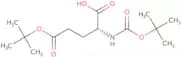
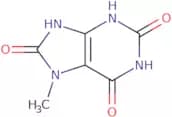
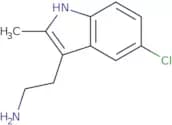
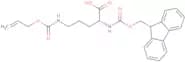
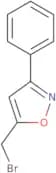
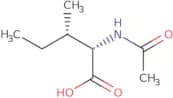
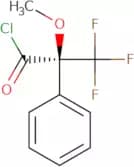
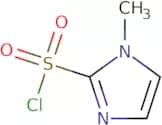
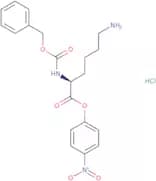
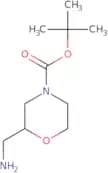
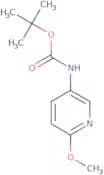


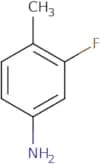
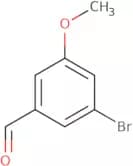

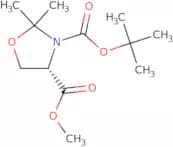

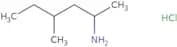
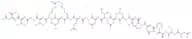

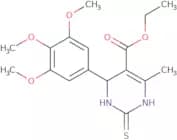

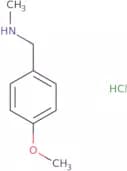
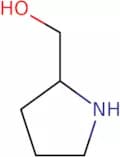
![[(5-Methyl-1,3-thiazol-2-yl)methyl]amine dihydrochloride](/_next/image/?url=https%3A%2Fstatic.cymitquimica.com%2Fproducts%2F3D%2Fthumb-webp%2FFM124184.webp&w=3840&q=75)
![N-[2-(4-Benzylpiperazin-1-yl)-2-oxoethyl]-N-methylamine](/_next/image/?url=https%3A%2Fstatic.cymitquimica.com%2Fproducts%2F3D%2Fthumb-webp%2FFB117802.webp&w=3840&q=75)

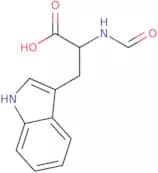
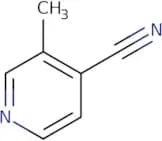


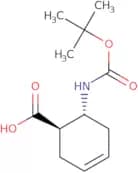
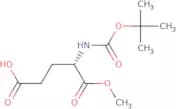
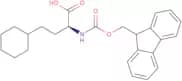

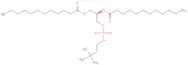
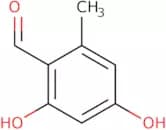
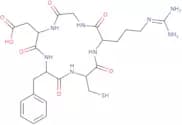

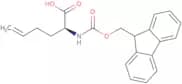
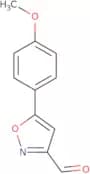
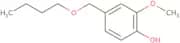
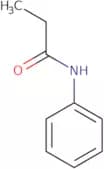

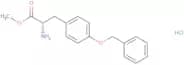
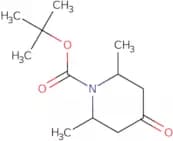
![(-)-N-[1-(R)-Ethoxycarbonxyl-3-phenylpropyl]-L-alanine](/_next/image/?url=https%3A%2Fstatic.cymitquimica.com%2Fproducts%2F3D%2Fthumb-webp%2FFE22879.webp&w=3840&q=75)

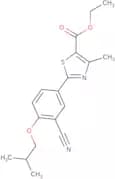
![N-Formyl-L-leucine [S-(E)]-1-(2-nonenyl)dodecyl ester](/_next/image/?url=https%3A%2Fstatic.cymitquimica.com%2Fproducts%2F3D%2Fthumb-webp%2FFF23584.webp&w=3840&q=75)
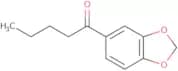
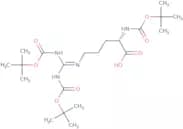

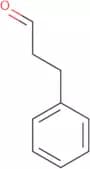
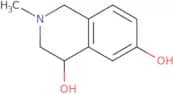
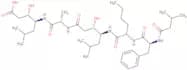
![1-[2-(5-Methoxy-1H-indol-3-yl)ethyl]-5-oxopyrrolidine-3-carboxylic acid](/_next/image/?url=https%3A%2Fstatic.cymitquimica.com%2Fproducts%2F3D%2Fthumb-webp%2FFM119445.webp&w=3840&q=75)
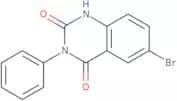
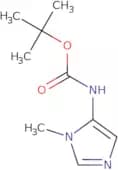
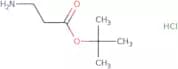
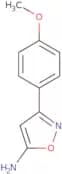
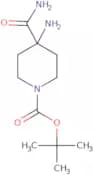
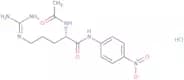
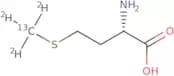
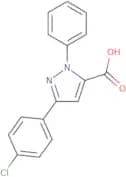
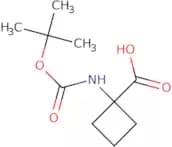
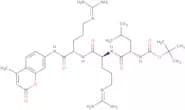
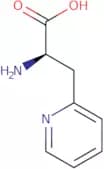


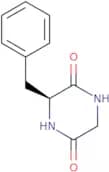
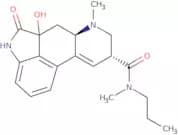
![5[(R)-(2-Aminopropyl)]-2-methoxybenzenesulfonamide hydrochloride](/_next/image/?url=https%3A%2Fstatic.cymitquimica.com%2Fproducts%2F3D%2Fthumb-webp%2FFA17834.webp&w=3840&q=75)
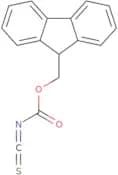
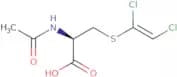
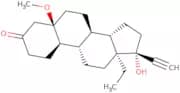
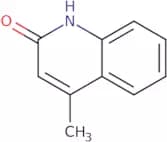



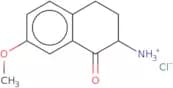


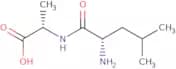
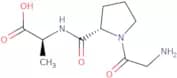
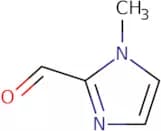


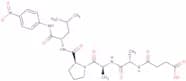
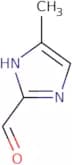
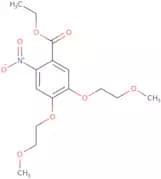
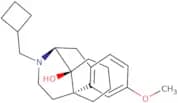
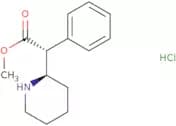
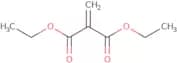
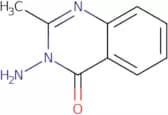
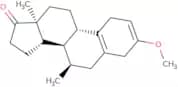
![1,1-Bis(1,1-dimethylethyl) (3R)-3-[[(9H-fluoren-9-ylmethoxy)carbonyl]amino]-1,1,3-propanetricarbox…](/_next/image/?url=https%3A%2Fstatic.cymitquimica.com%2Fproducts%2F3D%2Fthumb-webp%2FFF47880.webp&w=3840&q=75)
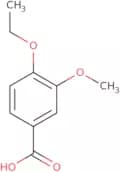
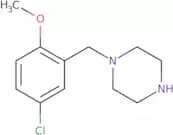
![1,1'-Methylene bis[theobromine]](/_next/image/?url=https%3A%2Fstatic.cymitquimica.com%2Fproducts%2F3D%2Fthumb-webp%2FFM25819.webp&w=3840&q=75)
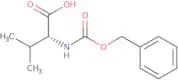
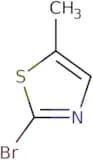
![N-[2-[4-(Aminosulfonyl)-phenyl]-ethyl]-5-methyl-2-pyrazinecarboxamide](/_next/image/?url=https%3A%2Fstatic.cymitquimica.com%2Fproducts%2F3D%2Fthumb-webp%2FFA150607.webp&w=3840&q=75)
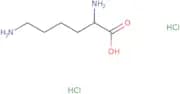

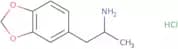
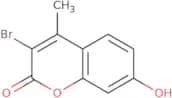
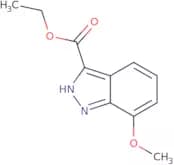
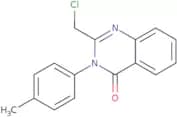
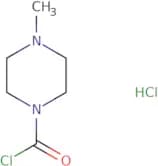
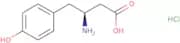
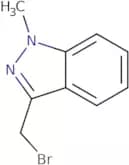
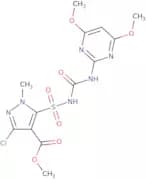

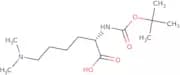
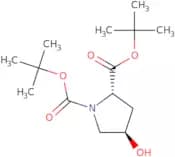


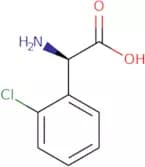
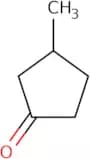
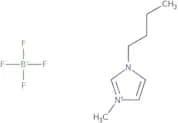
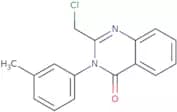
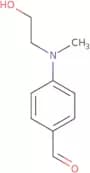
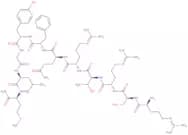
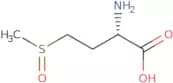
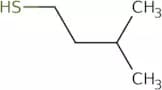
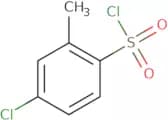


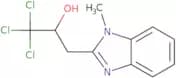
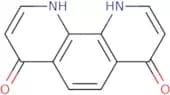
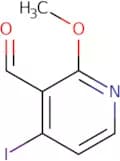
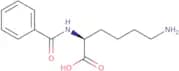

![Pentachlorophenyl N-[(benzyloxy)carbonyl]glycinate](/_next/image/?url=https%3A%2Fstatic.cymitquimica.com%2Fproducts%2F3D%2Fthumb-webp%2FFP123081.webp&w=3840&q=75)
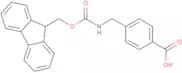
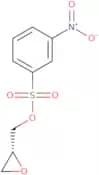


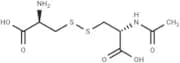
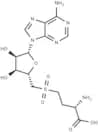

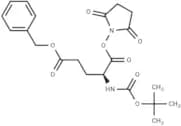

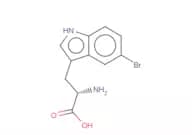
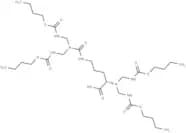
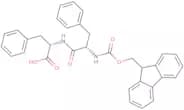

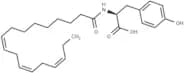
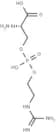
![8-Chloro-1-methyl-6-phenyl-4H-Imidazo[1,5-a][1,4]benzodiazepine](/_next/image/?url=https%3A%2Fstatic.cymitquimica.com%2Fproducts%2F3D%2Fthumb-webp%2FFC159452.webp&w=3840&q=75)

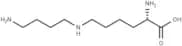
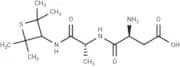


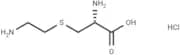

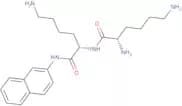

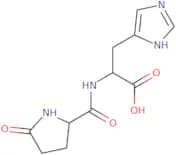


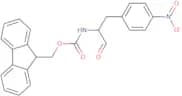
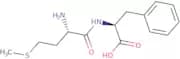
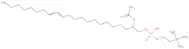

![6-Methyl-2-(p-tolyl)imidazo[1,2-a]pyridine](/_next/image/?url=https%3A%2Fstatic.cymitquimica.com%2Fproducts%2F3D%2Fthumb-webp%2FFM140064.webp&w=3840&q=75)