Amino Acids (AA)
Amino acids (AAs) are the fundamental building blocks of proteins, playing a crucial role in various biological processes. These organic compounds are essential for protein synthesis, metabolic pathways, and cell signaling. In this category, you will find a comprehensive range of amino acids, including essential, non-essential, and modified forms, which are vital for research in biochemistry, molecular biology, and nutritional sciences. At CymitQuimica, we provide high-quality amino acids to support your research and development needs, ensuring accuracy and reliability in your experimental outcomes.
Subcategories of "Amino Acids (AA)"
- Amino Acid Derivatives(3,957 products)
- Amino Acid and Amino Acid Related Compounds(3,472 products)
- Amino Acids with Oxygen or Sulphur(168 products)
- Boc- Amino Acids(351 products)
- Fmoc Amino Acids(1,710 products)
Found 38265 products of "Amino Acids (AA)"
Sort by
Purity (%)
0
100
|
0
|
50
|
90
|
95
|
100
Boc-Met-PAM resin (200-400 mesh)
<p>Please enquire for more information about Boc-Met-PAM resin (200-400 mesh) including the price, delivery time and more detailed product information at the technical inquiry form on this page</p>Purity:Min. 95%3'-methoxy apiin;Chrysoeiol-7-(2-O-apiosylglucoside)
CAS:<p>Please enquire for more information about 3'-methoxy apiin;Chrysoeiol-7-(2-O-apiosylglucoside) including the price, delivery time and more detailed product information at the technical inquiry form on this page</p>Purity:Min. 95%Fmoc-N-Me-Homocys (Trt)-OH
CAS:<p>Please enquire for more information about Fmoc-N-Me-Homocys (Trt)-OH including the price, delivery time and more detailed product information at the technical inquiry form on this page</p>Formula:C39H35NO4SPurity:Min. 95%Molecular weight:613.77 g/molH-2,6-Difluoro-Phe-OH·HCl
CAS:<p>Please enquire for more information about H-2,6-Difluoro-Phe-OH·HCl including the price, delivery time and more detailed product information at the technical inquiry form on this page</p>Formula:C9H9F2NO2·HClPurity:Min. 95%Molecular weight:237.63 g/mol(Cys(Bzl)84)-CD4 (81-92)
CAS:<p>The CD4 molecule is a major component of the human immune system. It interacts with other cells, such as T-cells, and plays an important role in the immune response. The CD4 molecule is a glycoprotein that consists of two subunits, (Cys(Bzl)84)-CD4 and (81-92) H-Thr-Tyr-Ile-Cys(Bzl)-Glu-Val-Glu-Asp-Gln-Lys-Glu-. The sequence of this molecule is important for its function, as it has been shown to be essential for binding to HIV particles. This protein may also play a role in regulating the growth of T cells. It was found that the amino acid sequence of CD4 is not conserved among different species. The amino acid sequence specificity in the CD4 molecule is due to the cysteine residues. These residues are able to form disulfide bridges with other cyste</p>Formula:C69H102N14O26SPurity:Min. 95%Molecular weight:1,575.69 g/molSperm Peptide P10G trifluoroacetate salt
CAS:<p>Please enquire for more information about Sperm Peptide P10G trifluoroacetate salt including the price, delivery time and more detailed product information at the technical inquiry form on this page</p>Formula:C36H58N10O13Purity:Min. 95%Molecular weight:838.91 g/molDynorphin A (1-9)
CAS:<p>Dynorphin A (1-9) H-Tyr-Gly-Gly-Phe-Leu-Arg-Arg-Ile-Arg-OH is a substrate binding inhibitor that blocks potassium channels. Dynorphin A (1-9) H-Tyr-Gly-Gly-Phe-Leu Arg Arg Ile Arg OH binds to the d -alanine site of the potassium channel and inhibits glutamate release from presynaptic terminals. Dynorphin A (1 9) H Tyr Gly Gly Phe Leu Arg Arg Ile Arg OH has been shown to be a potent inhibitor of aminopeptidase activity in vitro, which may be due to its affinity for the substrate binding site on the enzyme. Its inhibition of aminopeptidase activity may lead to an increase in opioid peptides such as dynorphins and enkephalins. Dynorphin A (1 9) H Tyr Gly Gly Phe</p>Formula:C52H84N18O11Purity:Min. 95%Molecular weight:1,137.34 g/molH-Arg-Gly-Tyr-Ala-Leu-Gly-OH
CAS:<p>H-Arg-Gly-Tyr-Ala-Leu-Gly-OH is a synthetic, competitive inhibitor of the aminopeptidase that cleaves the amino acid Arg from peptide chains. This compound has been shown to inhibit kinases in vitro and block viral replication in cell culture. H-Arg-Gly-Tyr-Ala-Leu-Gly-OH is reversibly inhibited by endogenous aminopeptidases, which have been shown to be involved in the regulation of cell proliferation and apoptosis.</p>Formula:C28H45N9O8Purity:Min. 95%Molecular weight:635.71 g/molZ-Tyr-Tyr-OH
CAS:<p>Please enquire for more information about Z-Tyr-Tyr-OH including the price, delivery time and more detailed product information at the technical inquiry form on this page</p>Formula:C26H26N2O7Purity:Min. 95%Molecular weight:478.49 g/mol2-Methylacetophenone
CAS:<p>2-Methylacetophenone is an organic compound that has a molecular weight of 100.12 g/mol, and a chemical formula of C10H14O2. The compound is a colorless liquid at room temperature and pressure, with a sweet odor. It is soluble in nonpolar solvents such as hexane, ether, benzene, and toluene. 2-Methylacetophenone has been used as a solvent for the chemical study of benzyl groups, hydroxyl group activation energies, hydrogen bond, carbonyl group proton and intramolecular hydrogen bonding. It has also been used to study the reaction mechanism of fatty acid with benzyl groups in cryogenic conditions.</p>Formula:C9H10OPurity:Min. 95%Color and Shape:Colorless Clear LiquidMolecular weight:134.18 g/molPhylloseptin-L2 trifluoroacetate salt
CAS:<p>Please enquire for more information about Phylloseptin-L2 trifluoroacetate salt including the price, delivery time and more detailed product information at the technical inquiry form on this page</p>Formula:C76H126N18O19Purity:Min. 95%Molecular weight:1,595.92 g/molH-Ala-Leu-Ala-OH
CAS:<p>H-Ala-Leu-Ala-OH is a synthetic peptide that has been shown to be an effective inhibitor of the human aminopeptidase. It is synthesized on a solid phase and then purified from the resin. The H-Ala-Leu-Ala-OH peptide was found to have a ph optimum of 7 and can be used for the treatment of skin infections caused by fungi such as Metarhizium anisopliae, which are resistant to conventional treatments. This peptide inhibits the synthesis of proteins in fungal cells and prevents the growth of the fungus.</p>Formula:C12H23N3O4Purity:Min. 95%Molecular weight:273.33 g/molH-Leu-Gly-bNA
CAS:<p>H-Leu-Gly-bNA is a chromogenic, dipeptide, which has been shown to react with 2-naphthylamine in the presence of condensation agents and carboxylic acid to form a carboxy group. The amino group on the terminal Leu residue reacts with the carboxy group to form an amide bond. This reaction is used as a method for detecting bNA.</p>Formula:C18H23N3O2Purity:Min. 95%Molecular weight:313.39 g/molFmoc-Pro-Pro-Pro-Pro-Pro-OH
CAS:<p>Please enquire for more information about Fmoc-Pro-Pro-Pro-Pro-Pro-OH including the price, delivery time and more detailed product information at the technical inquiry form on this page</p>Formula:C40H47N5O8Purity:Min. 95%Molecular weight:725.83 g/molFmoc-Met-Wang resin (100-200 mesh)
<p>Please enquire for more information about Fmoc-Met-Wang resin (100-200 mesh) including the price, delivery time and more detailed product information at the technical inquiry form on this page</p>Purity:Min. 95%Fluorescein-6-carbonyl-Tyr-Val-Ala-DL-Asp(OMe)-fluoromethylketone
CAS:<p>Please enquire for more information about Fluorescein-6-carbonyl-Tyr-Val-Ala-DL-Asp(OMe)-fluoromethylketone including the price, delivery time and more detailed product information at the technical inquiry form on this page</p>Formula:C45H50FN5O15Purity:Min. 95%Molecular weight:919.9 g/molFmoc-Arg(Mtr)-Wang resin (200-400 mesh)
<p>Please enquire for more information about Fmoc-Arg(Mtr)-Wang resin (200-400 mesh) including the price, delivery time and more detailed product information at the technical inquiry form on this page</p>Purity:Min. 95%FITC-Tyr-Val-Ala-Asp-OH (Contains FITC isomer I)
CAS:<p>FITC-Tyr-Val-Ala-Asp-OH (Contains FITC isomer I) is a bioactive molecule that has been shown to inhibit the growth of filamentous fungi. This compound binds to the tyrosine kinase, which is an enzyme involved in the regulation of cell division and differentiation. It also inhibits neutrophil recruitment by dectin-1, a protein that recognizes fungal cell walls on neutrophils. The FITC isomer I has been shown to impair macrophages and fungus aspergillus fumigatus infiltration in tissues with impaired immune function.<br>FITC-Tyr-Val-Ala-Asp-OH (Contains FITC isomer I) has also been shown to decrease the production of caspase 1, which activates inflammatory responses and stimulates phagocytic cells.</p>Formula:C42H39N5O12SPurity:Min. 95%Molecular weight:837.85 g/molFmoc-4-(7-hydroxy-4-coumarinyl)-Abu-OH
CAS:<p>Please enquire for more information about Fmoc-4-(7-hydroxy-4-coumarinyl)-Abu-OH including the price, delivery time and more detailed product information at the technical inquiry form on this page</p>Formula:C28H23NO7Purity:Min. 95%Molecular weight:485.48 g/molKemptide trifluoroacetate salt
CAS:<p>Kemptide is a substrate molecule that has been shown to inhibit the enzyme activity of some protein kinases. Kemptide is a 3-amino acid peptide that contains the amino acids L-leucine, L-arginine, and L-arginine. It was originally isolated from an extract of human brain tissue and has been shown to inhibit the activity of protein kinase C (PKC), phosphorylase kinase, and glycogen synthase kinase 3β in vitro assays. Kemptide also inhibits the expression of genes encoding PKCα1, PKCα2, PKCδ, PKCε, PKCγ1, PKCγ2, PKCζ in t84 cells. The inhibition of these genes suggests that kemptide may be useful as a drug candidate for inhibiting protein kinases in vivo.</p>Formula:C32H61N13O9·xC2HF3O2Purity:Min. 95%Molecular weight:771.91 g/mol(2R,3S)-3-Amino-2-hydroxy-3-phenylpropanoic acid hydrochloride
CAS:<p>(2R,3S)-3-Amino-2-hydroxy-3-phenylpropanoic acid hydrochloride is an organic compound that is used in the manufacture of taxol, an anticancer drug. It is synthesized by reacting chloroacetic acid with a metal hydroxide, such as sodium hydroxide or potassium hydroxide. The reaction proceeds spontaneously to form the enantiomerically pure (2R,3S) form and unreacted (2S,3R) form. The (2R,3S) enantiomer has been found to be more reactive than the (2S,3R) form. Quaternary ammonium salts are formed when the (2R,3S) enantiomer reacts with quaternary ammonium compounds such as benzyltrimethylammonium chloride. This compound can also be used in catalytic reactions to produce drugs such as carbapenems and pen</p>Formula:C9H12ClNO3Purity:Min. 95%Molecular weight:217.65 g/molBoc-Lys(Z)-Lys(Z)-Lys(Z)-Lys(Z)-OBzl
CAS:Please enquire for more information about Boc-Lys(Z)-Lys(Z)-Lys(Z)-Lys(Z)-OBzl including the price, delivery time and more detailed product information at the technical inquiry form on this pageFormula:C68H88N8O15Purity:Min. 95%Molecular weight:1,257.47 g/molFmoc-Trp(Boc)-Thr(Psi(Me,Me)pro)-OH
CAS:<p>Please enquire for more information about Fmoc-Trp(Boc)-Thr(Psi(Me,Me)pro)-OH including the price, delivery time and more detailed product information at the technical inquiry form on this page</p>Formula:C38H41N3O8Purity:Min. 95%Molecular weight:667.75 g/mol(Cys(Acm)2·7)-a-CGRP (human) trifluoroacetate salt
CAS:<p>Please enquire for more information about (Cys(Acm)2·7)-a-CGRP (human) trifluoroacetate salt including the price, delivery time and more detailed product information at the technical inquiry form on this page</p>Formula:C169H279N53O51S2Purity:Min. 95%Molecular weight:3,933.48 g/mol2-methyl-6-(trifluoromethyl)aniline
CAS:<p>2-Methyl-6-(trifluoromethyl)aniline is a colorless, oily liquid with a sulfurous odor. It is soluble in water and alcohol. The reaction rate of 2-methyl-6-(trifluoromethyl)aniline with sulfoxides is faster than that of benzyl anilines, but slower than that of anilino derivatives. The addition of hydrophobic groups to the 2-methyl-6-(trifluoromethyl)aniline molecule increases the reaction rate. 2-Methyl-6-(trifluoromethyl)aniline can be used as an anesthetic agent because it is a potent inhibitor of nerve conduction in sciatic nerves. It also has been shown to be effective in desulfurizing propylene, which is important for the production of polypropylene plastics and synthetic rubber. 2-Methyl-6-(triflu</p>Formula:C8H8F3NPurity:Min. 95%Molecular weight:175.15 g/molBoc-Glu(OBzl)-PAM resin (200-400 mesh)
<p>Please enquire for more information about Boc-Glu(OBzl)-PAM resin (200-400 mesh) including the price, delivery time and more detailed product information at the technical inquiry form on this page</p>Purity:Min. 95%2-Amino-5-methoxypyridine
CAS:<p>2-Amino-5-methoxypyridine (2AM5MP) is a synthetic compound that is used to study the nicotinic acetylcholine receptor. It has been shown that 2AM5MP can be used as an agonist for the nicotinic acetylcholine receptor, which may be due to its ability to act as a substrate for amine oxidase. This compound has been shown to have anti-cancer properties and fluoresce when exposed to positron emission tomography (PET) scans. The anti-cancer effects of 2AM5MP are thought to be due to its ability to inhibit cancer cell proliferation and induce cancer cell apoptosis.</p>Formula:C6H8N2OPurity:Min. 95%Molecular weight:124.14 g/molH-Glu-His-bNA
CAS:<p>Please enquire for more information about H-Glu-His-bNA including the price, delivery time and more detailed product information at the technical inquiry form on this page</p>Formula:C21H23N5O4Purity:Min. 95%Molecular weight:409.44 g/molH-Asp-Trp-OH
CAS:<p>H-Asp-Trp-OH is a peptide that has been shown to have antioxidative activity and neuroprotective effects. It has also been shown to be a reactive compound that can interact with other molecules, such as thiobarbituric acid. H-Asp-Trp-OH has been shown to increase the number of neurons in the brain and may be helpful in reducing neuronal damage by apoptotic cell death. This peptide also has potential use in treating neurodegenerative diseases, such as Alzheimer's disease.</p>Formula:C15H17N3O5Purity:Min. 95%Molecular weight:319.31 g/molH-Met-Arg-Phe-Ala-OH
CAS:<p>H-Met-Arg-Phe-Ala-OH is a synthetic peptide that has been shown to be an effective inhibitor of protein synthesis in mammalian cells. It binds to the active site of protein translation machinery, thereby inhibiting the production of proteins vital for cell division. H-Met-Arg-Phe-Ala-OH is stable in aqueous solution and resistant to proteolytic degradation. It also has a high detection sensitivity and can be detected by FTIR spectroscopy, which makes it suitable for use in a variety of applications. H-Met-Arg-Phe-Ala-OH can be used as a tool for studying protein synthesis inhibition or as an antiobiotic agent against cancer cells.</p>Formula:C23H37N7O5SPurity:Min. 95%Molecular weight:523.65 g/molAcetyl-(Cys(Acm)33·42)-EGF (33-42) amide (mouse)
CAS:<p>Please enquire for more information about Acetyl-(Cys(Acm)33·42)-EGF (33-42) amide (mouse) including the price, delivery time and more detailed product information at the technical inquiry form on this page</p>Formula:C51H82N16O17S2Purity:Min. 95%Molecular weight:1,255.43 g/mol(3,5-Dibromo-Tyr1)-Leu-Enkephalin
CAS:<p>Please enquire for more information about (3,5-Dibromo-Tyr1)-Leu-Enkephalin including the price, delivery time and more detailed product information at the technical inquiry form on this page</p>Formula:C28H35Br2N5O7Purity:Min. 95%Molecular weight:713.42 g/mol(R)-(+)-2-Methyl-CBS-oxazaborolidine
CAS:<p>(R)-(+)-2-Methyl-CBS-oxazaborolidine is a dpp-iv inhibitor that is a β-unsaturated ketone. It has been shown to inhibit the enzyme histone lysine demethylase, which may be involved in the regulation of bone mass. This compound also has a pharmacokinetic profile that is characterized by high oral bioavailability, low plasma protein binding, and rapid metabolism by liver enzymes. The reaction mechanism for this compound is based on the formation of an enolate carbanion. (R)-(+)-2-Methyl-CBS-oxazaborolidine can be synthesized with high stereoselectivity and yields from reactions with simple starting materials. This synthetic route also has a number of advantages over other methods: it does not require any protecting groups, it does not use toxic solvents such as dichloromethane or chloroform, and it can be performed in anhydrous conditions</p>Formula:C18H20BNOPurity:Min. 95%Color and Shape:SolidMolecular weight:277.17 g/mol(Cys39)-Tissue Factor (33-53)
CAS:<p>Please enquire for more information about (Cys39)-Tissue Factor (33-53) including the price, delivery time and more detailed product information at the technical inquiry form on this page</p>Formula:C111H166N26O33S2Purity:Min. 95%Molecular weight:2,456.79 g/molAc-Pro-Leu-Gly-OH
CAS:<p>Ac-Pro-Leu-Gly-OH is a synthetic peptide that has been shown to be an effective crosslinker for thiols. Ac-Pro-Leu-Gly-OH is a water soluble, acidic peptide and can be used in biological systems as a crosslinker.</p>Formula:C15H25N3O5Purity:Min. 95%Molecular weight:327.38 g/mol(Leu13-psi(CH2NH)Leu14)-Bombesin
CAS:<p>Please enquire for more information about (Leu13-psi(CH2NH)Leu14)-Bombesin including the price, delivery time and more detailed product information at the technical inquiry form on this page</p>Formula:C72H114N24O17Purity:Min. 95%Molecular weight:1,587.83 g/molH-Ala-Phe-NH2·HCl
CAS:<p>Please enquire for more information about H-Ala-Phe-NH2·HCl including the price, delivery time and more detailed product information at the technical inquiry form on this page</p>Formula:C12H17N3O2·HClPurity:Min. 95%Molecular weight:271.74 g/molBoc-D-His(3-Bom)-OH
CAS:Please enquire for more information about Boc-D-His(3-Bom)-OH including the price, delivery time and more detailed product information at the technical inquiry form on this pageFormula:C19H25N3O5Purity:Min. 95%Molecular weight:375.42 g/molSuc-Ala-Ala-Pro-Phe-SBzl
CAS:<p>Suc-Ala-Ala-Pro-Phe-SBzl is a synthetic peptide with a sequence similar to the signal peptide of procarboxypeptidase B2. It has been shown that Suc-Ala-Ala-Pro-Phe-SBzl can be used as a diagnostic tool for pancreatic cancer, because it is found in higher concentrations in the blood of patients with pancreatic cancer. This peptide also has an affinity for metal ions, which allows it to be used as a probe to detect the presence of these ions in solution. Suc-Ala-Ala-Pro-Phe-SBzl binds to human immunoglobulin G (IgG) and can be used in analytical methods that use x ray diffraction data.</p>Formula:C31H38N4O7SPurity:Min. 95%Molecular weight:610.72 g/molMast Cell Degranulating (MCD) Peptide HR-1
CAS:<p>Please enquire for more information about Mast Cell Degranulating (MCD) Peptide HR-1 including the price, delivery time and more detailed product information at the technical inquiry form on this page</p>Formula:C71H133N19O15Purity:Min. 95%Molecular weight:1,492.93 g/mol(Nle 8·21,Tyr34)-pTH (1-34) amide (rat)
CAS:<p>Please enquire for more information about (Nle 8·21,Tyr34)-pTH (1-34) amide (rat) including the price, delivery time and more detailed product information at the technical inquiry form on this page</p>Formula:C182H296N56O48Purity:Min. 95%Molecular weight:4,036.65 g/molNps-Val-OH·DCHA
CAS:Controlled Product<p>Please enquire for more information about Nps-Val-OH·DCHA including the price, delivery time and more detailed product information at the technical inquiry form on this page</p>Formula:C11H14N2O4S·C12H23NPurity:Min. 95%Molecular weight:451.62 g/mol(Arg17)-Amyloid b-Protein (1-42) trifluoroacetate salt
CAS:<p>Please enquire for more information about (Arg17)-Amyloid b-Protein (1-42) trifluoroacetate salt including the price, delivery time and more detailed product information at the technical inquiry form on this page</p>Formula:C203H312N58O60SPurity:Min. 95%Molecular weight:4,557.07 g/mol(Tyr0)-C-Peptide (human)
CAS:<p>Please enquire for more information about (Tyr0)-C-Peptide (human) including the price, delivery time and more detailed product information at the technical inquiry form on this page</p>Formula:C138H220N36O50Purity:Min. 95%Molecular weight:3,183.44 g/molZ-Val-Arg-Pro-DL-Arg-fluoromethylketone trifluoroacetate salt
CAS:<p>Please enquire for more information about Z-Val-Arg-Pro-DL-Arg-fluoromethylketone trifluoroacetate salt including the price, delivery time and more detailed product information at the technical inquiry form on this page</p>Formula:C31H49FN10O6Purity:Min. 95%Molecular weight:676.78 g/molBoc-β-cyclohexyl-L-alanine
CAS:<p>Boc-beta-cyclohexyl-L-alanine is a synthetic peptide that has been shown to bind to the thrombin receptor and inhibit the activity of this enzyme. It blocks the interaction between thrombin and its receptor, thereby inhibiting thrombin’s ability to convert fibrinogen into fibrin. This inhibition prevents the formation of a blood clot, which is essential for hemostasis. Boc-beta-cyclohexyl-L-alanine has also been shown to be an anticoagulant with antiplatelet properties. It binds to chloride ions in the blood and prevents platelets from binding together, thus preventing aggregation and adhesion.</p>Formula:C14H25NO4Purity:Min. 95 Area-%Color and Shape:PowderMolecular weight:271.35 g/molAzilsartan medoxomil
CAS:<p>Azilsartan medoxomil is an antihypertensive drug, which is a prodrug of the angiotensin II receptor blocker azilsartan. It is synthesized through a chemical process involving the modification of the medoxomil ester, converting it into its active form upon absorption in the gastrointestinal tract. The primary mode of action of azilsartan medoxomil involves selective antagonism of the angiotensin II type 1 (AT1) receptor. By blocking the effects of angiotensin II—a potent vasoconstrictor—azilsartan medoxomil effectively reduces vascular resistance, leading to decreased blood pressure.</p>Formula:C30H24N4O8Purity:Min. 95%Color and Shape:White PowderMolecular weight:568.53 g/molH-β-Ala-Val-OH
CAS:<p>H-beta-Ala-Val-OH is a synthetic amino acid that has been positioned in the beta helix of a crystallographic protein. It has a helical structure with an alpha carbon backbone. The dipeptide is water soluble and dipeptides are found in helices, which are hydrogen bonded to other helices. H-beta-Ala-Val-OH also has supramolecular properties, which means it can form structures on its own that are not dependent on other molecules.</p>Formula:C8H16N2O3Purity:Min. 95%Molecular weight:188.22 g/mol17-α,21-Dihydroxy-16-a-methylpregna-1,4,9(11)-triene-3,20-dione 21-acetate
CAS:Controlled Product<p>Please enquire for more information about 17-alpha,21-Dihydroxy-16-a-methylpregna-1,4,9(11)-triene-3,20-dione 21-acetate including the price, delivery time and more detailed product information at the technical inquiry form on this page</p>Formula:C24H30O5Purity:Min. 95%Molecular weight:398.49 g/molApelin-36 (human)
CAS:<p>Apelin-36 is a human apelin protein. It is involved in the regulation of appetite and energy expenditure. Apelin-36 has been shown to be an independent predictor of body mass index and insulin resistance in women with polycystic ovary syndrome. Apelin-36 is also an indicator of the risk for cardiovascular disease, stroke, and type 2 diabetes mellitus. This molecule can be measured using a Western blot assay method on ovary homogenates. The level of apelin-36 can be used as a diagnostic tool for determining insulin resistance and overweight status.</p>Formula:C184H297N69O43SPurity:Min. 95%Molecular weight:4,195.83 g/mol(Cys26)-Amyloid b-Protein (1-40) trifluoroacetate salt
CAS:<p>Please enquire for more information about (Cys26)-Amyloid b-Protein (1-40) trifluoroacetate salt including the price, delivery time and more detailed product information at the technical inquiry form on this page</p>Formula:C194H295N53O57S2Purity:Min. 95%Molecular weight:4,345.87 g/molZ-D-Arg(Z)2-OSu
CAS:<p>Please enquire for more information about Z-D-Arg(Z)2-OSu including the price, delivery time and more detailed product information at the technical inquiry form on this page</p>Formula:C34H35N5O10Purity:Min. 95%Molecular weight:673.67 g/molH-Pro-Asp-Val-Asp-His-Val-Phe-Leu-Arg-Phe-NH2
CAS:<p>H-Pro-Asp-Val-Asp-His-Val-Phe-Leu-Arg-Phe is a peptide that is synthesized from proctolin. It has been shown to have gland cell receptor activity and physiological effects in animals. HPAVH has been shown to inhibit the binding of specific antibody to its antigen and can be used as a receptor for various applications, such as a cation channel. This peptide has also been shown to inhibit the binding of carboxy terminal of the alpha subunit of the acetylcholine receptor and can be used for research in animals.</p>Formula:C59H86N16O14Purity:Min. 95%Molecular weight:1,243.41 g/molH-Val-Tyr-Ser-betaNA hydrochloride salt
CAS:<p>Please enquire for more information about H-Val-Tyr-Ser-betaNA hydrochloride salt including the price, delivery time and more detailed product information at the technical inquiry form on this page</p>Formula:C27H32N4O5Purity:Min. 95%Molecular weight:492.57 g/mol(Pyr 5,N-Me-Phe8, Sar 9)-Substance P (5-11)
CAS:<p>Senktide is a substance P analog that has been shown to produce tail-flick responses in animals. The maximum response of the tail-flick test can be enhanced by the administration of either dopamine or serotonin. Inhibition of metabolism is likely to be responsible for these effects, as demonstrated by experiments in Sprague-Dawley rats. Senktide is an experimental model for studying the role of substance P in the regulation of blood pressure and locomotor activity. This compound also has pressor properties that are similar to those of dopamine and serotonin, which may be due to its ability to stimulate alpha-adrenergic receptors and inhibit dopaminergic neurons via a presynaptic mechanism.</p>Formula:C43H61N9O9SPurity:Min. 95%Molecular weight:880.07 g/molZ-Gly-Ser-OH
CAS:<p>Z-Gly-Ser-OH is a peptidase that hydrolyzes glycoproteins. It is found in a number of microorganisms and has been isolated from the bacterium, Bacillus subtilis. Z-Gly-Ser-OH hydrolyzes β-galactosidase substrates with the most common acceptor being lactose. This enzyme also has an o-glycosylation activity with a preference for n-substituted glycans. Z-Gly-Ser-OH is able to cleave lactose as well as other sugars, such as maltose, cellobiose, and sucrose.</p>Formula:C13H16N2O6Purity:Min. 95%Molecular weight:296.28 g/molAc-muramyl-Thr-D-Glu-NH2
CAS:<p>Muramyl dipeptide (MDP) is a cell-wall constituent of Mycobacterium tuberculosis, which induces an antibody response. Muramyl tripeptide (MTP) is a modified form of MDP that has been used as a vaccine adjuvant. Ac-muramyl-Thr-D-Glu-NH2 is a specific antibody to MDP, which can be reconstituted by mixing with water and sodium chloride. It binds to the influenza virus, enhancing the immune response. The flu virus contains an antigen that stimulates the production of antibodies against influenza virus, and it also contains amphipathic molecules that are responsible for receptor binding and fusion with cells in the respiratory system. Ac-muramyl-Thr-D-Glu-NH2 binds to these molecules and enhances their function by increasing the efficiency of antibody binding. This leads to increased viral clearance from the body and reduced symptoms associated with infection with influenza</p>Formula:C20H34N4O12Purity:Min. 95%Molecular weight:522.5 g/mol(Asp371)-Tyrosinase (369-377) (human) trifluoroacetate salt
CAS:<p>Trifluoroacetate salt</p>Formula:C42H66N10O16S2Purity:Min. 95%Molecular weight:1,031.16 g/molDL-Phenylalaninol
CAS:<p>DL-Phenylalaninol is a chemical compound with the molecular formula CHNO. It is a white to pale yellow solid that is soluble in water and methanol, but not in diethyl ether. DL-Phenylalaninol has been synthesized by reacting cycloleucine with l-phenylalaninol. The reaction solution was heated at a temperature of 140°C for six hours, which yielded DL-Phenylalaninol as a hydroxy methyl compound. The synthesis of DL-Phenylalaninol was achieved through an asymmetric synthesis with sodium dodecyl sulfate surfactant. A detection sensitivity of 1 ppm and an enhancement at 260 nm were observed when analyzing the product by high performance liquid chromatography (HPLC).</p>Formula:C9H13NOPurity:Min. 95%Molecular weight:151.21 g/molFmoc-Arg(Pmc)-Wang resin (200-400 mesh)
<p>Please enquire for more information about Fmoc-Arg(Pmc)-Wang resin (200-400 mesh) including the price, delivery time and more detailed product information at the technical inquiry form on this page</p>Purity:Min. 95%1-Phenyl-4,5-dihydro-1H-pyrazol-3-amine
CAS:<p>1-Phenyl-4,5-dihydro-1H-pyrazol-3-amine is an organic compound that is used as a reagent in the synthesis of other compounds. It is a dimeric compound that can be synthesized by electrolysis. It has been shown to have kinetic and potential properties, which are determined by its anilines and pyridines. 1-Phenyl-4,5-dihydro-1H-pyrazol-3-amine can also be synthesized from ethanolamine and copper (II) salts. This technique involves the electrochemical oxidation of copper, followed by reduction with acetonitrile. The resulting 1-(aminomethyl)-4,5 dihydro pyrazole 3 amine can then be used for further reactions.</p>Formula:C9H11N3Purity:Min. 95%Molecular weight:161.2 g/mol(1S, 2R)-1-Phenyl-2-(1-pyrrolidinyl)-1-propanol
CAS:Controlled Product<p>Please enquire for more information about (1S, 2R)-1-Phenyl-2-(1-pyrrolidinyl)-1-propanol including the price, delivery time and more detailed product information at the technical inquiry form on this page</p>Formula:C13H19NOPurity:Min. 95%Color and Shape:PowderMolecular weight:205.3 g/molH-D-His(1-Me)-OH hydrochloride salt
CAS:<p>Please enquire for more information about H-D-His(1-Me)-OH hydrochloride salt including the price, delivery time and more detailed product information at the technical inquiry form on this page</p>Formula:C7H11N3O2Purity:Min. 95%Molecular weight:169.18 g/molProcollagen Type I (212-216) H-Lys-Thr-Thr-Lys-Ser-OH
CAS:<p>Procollagen type I (212-216) H-Lys-Thr-Thr-Lys-Ser-OH is a tetrapeptide that is the most abundant component of human skin. It has been shown to have biological properties and can be synthesized in vitro. Procollagen type I (212-216) H-Lys-Thr-Thr-Lys-Ser-OH has an absorption maximum at 265 nm, which makes it suitable for use in uv protection creams. It also has a high chemical stability and can be stored for up to two years without degradation. Procollagen type I (212-216) H-Lys-Thr-Thr-Lys-Ser-OH is used as a substrate in cell culture to study protein synthesis and transcription, or polymerase chain reaction, technique. This peptide also inhibits the activity of proteases such as trypsin and chymotrypsin, making</p>Formula:C23H45N7O9Purity:Min. 95%Color and Shape:White Off-White PowderMolecular weight:563.65 g/molDABCYL-Arg-Gly-Val-Val-Asn-Ala-OH
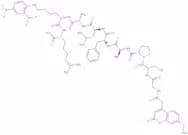
CAS:<p>Please enquire for more information about DABCYL-Arg-Gly-Val-Val-Asn-Ala-OH including the price, delivery time and more detailed product information at the technical inquiry form on this page</p>Formula:C40H59N13O9Purity:Min. 95%Molecular weight:865.98 g/molH-Arg(NO2)-pNA·HBr
CAS:<p>Please enquire for more information about H-Arg(NO2)-pNA·HBr including the price, delivery time and more detailed product information at the technical inquiry form on this page</p>Formula:C12H17N7O5·HBrPurity:Min. 95%Molecular weight:420.22 g/molOrcokinin
CAS:<p>Orcokinin H-Asn-Phe-Asp-Glu-Ile-Asp-Arg-Ser-Gly-Phe-Gly-Phe is a peptide that was synthesized in the laboratory. It has been shown to have receptor activity and to stimulate locomotor activity in experimental models. Orcokinin H is a member of the family of peptide hormones that are present in mammals. The peptide sequence contains six amino acids, four of which are hydrophobic and two polar, with a single hydroxyl group. These features make this molecule an excellent candidate for use as a model system for studying amyloid protein aggregation and its physiological function.</p>Formula:C67H92N18O23Purity:Min. 95%Molecular weight:1,517.55 g/mol(Des-Pyr 1,D-Ser(tBu)6,Azagly10)-LHRH acetate salt
CAS:Controlled Product<p>Please enquire for more information about (Des-Pyr 1,D-Ser(tBu)6,Azagly10)-LHRH acetate salt including the price, delivery time and more detailed product information at the technical inquiry form on this page</p>Formula:C54H79N17O12Purity:Min. 95%Molecular weight:1,158.31 g/mol1,3-Bis(methoxycarbonyl)-2-methyl-2-thiopseudourea
CAS:<p>1,3-Bis(methoxycarbonyl)-2-methyl-2-thiopseudourea (BMTC) is a novel anticancer agent that has been synthesized to be water soluble and also has significant cytotoxicity. BMTC is believed to exert its anticancer activity by binding to the colchicine binding site on tubulin which is involved in microtubule dynamics. The antitubulin effect of BMTC results in inhibition of cell division and growth. BMTC also inhibits cancer cell proliferation and migration. It has shown significant cytotoxicity against human prostate cancer cells and ovarian cancer cells, as well as inhibiting tumor xenografts in mice.</p>Formula:C6H10N2O4SPurity:Min. 95%Color and Shape:White PowderMolecular weight:206.22 g/molFor-Nle-Leu-Phe-OH
CAS:<p>Nle-Leu-Phe-OH is a potent colony-stimulating factor that binds to the receptor on the surface of cells and stimulates the production of white blood cells. Nle-Leu-Phe-OH has been shown to induce actin filament formation, which is necessary for cell movement. It also induces cytosolic calcium release and enhances protein synthesis. Nle-Leu-Phe-OH also binds to phosphatase and inhibits its activity, which may be due to a conformational change in the enzyme. This process is necessary for the synthesis of DNA and other proteins from amino acids. Nle-Leu-Phe-OH also causes an increase in the uptake of Ca2+ ions by cells.</p>Formula:C22H33N3O5Purity:Min. 95%Molecular weight:419.51 g/molPAR-2 (1-6) (mouse, rat) trifluoroacetate salt
CAS:<p>Please enquire for more information about PAR-2 (1-6) (mouse, rat) trifluoroacetate salt including the price, delivery time and more detailed product information at the technical inquiry form on this page</p>Formula:C29H55N9O8Purity:Min. 95%Molecular weight:657.8 g/molH-Arg-Lys-Gly-Asp-Ile-Lys-Ser-Tyr-pNA
CAS:Please enquire for more information about H-Arg-Lys-Gly-Asp-Ile-Lys-Ser-Tyr-pNA including the price, delivery time and more detailed product information at the technical inquiry form on this pageFormula:C48H75N15O14Purity:Min. 95%Molecular weight:1,086.2 g/mol(D-Pro7)-Angiotensin I/II (1-7) trifluoroacetate salt
CAS:<p>Please enquire for more information about (D-Pro7)-Angiotensin I/II (1-7) trifluoroacetate salt including the price, delivery time and more detailed product information at the technical inquiry form on this page</p>Formula:C41H62N12O11Purity:Min. 95%Molecular weight:899.01 g/molCopeptin (rat) trifluoroacetate salt
CAS:<p>Copeptin (rat) trifluoroacetate salt is a peptide that belongs to the group of protein inhibitors. It can inhibit the activity of the acetylcholine receptor, which leads to an increase in muscle tone and rigidity. Copeptin is also used as a research tool for studying protein interactions, antibody-antigen reactions, cell biology, ligand-receptor binding, pharmacology and life sciences. Copeptin has been shown to inhibit ion channels such as nicotinic receptors and potassium channels. The CAS number for copeptin (rat) trifluoroacetate salt is 86280-64-0.</p>Formula:C183H307N57O61Purity:Min. 95%Molecular weight:4,281.74 g/mol(S,S)-2,2'-Isopropylidenebis(4-phenyl-2-oxazoline)
CAS:<p>(S,S)-2,2'-Isopropylidenebis(4-phenyl-2-oxazoline) is an asymmetric ligand that is chiral and has been shown to be useful in the preparation of enantiopure alcohols. The compound has been used as a catalyst to prepare aldehydes and ketones. It also has been used in reactions involving dehydration or alkylation. (S,S)-2,2'-Isopropylidenebis(4-phenyl-2-oxazoline) can be synthesized by reacting molybdenum with an alcohol and adding a base. This reaction produces the desired product with high selectivity, which is due to its chirality.</p>Formula:C21H22N2O2Purity:Min. 95%Color and Shape:Colourless Or White To Yellow Solid Or Liquid (May Vary)Molecular weight:334.41 g/mol(5-Bromo-2-methoxyphenyl)acetic acid
CAS:<p>5-Bromo-2-methoxyphenyl)acetic acid (BMPEA) is a hydroxylated derivative of aspartic acid. It has been shown to induce apoptotic cell death in various cell lines, including human lung cells and rat hippocampal cells. BMPEA is synthesized by the solid-phase method and is characterized by a constant structure. It can be used to treat degenerative diseases and other conditions where apoptosis is desirable, such as Alzheimer's disease, Parkinson's disease, amyotrophic lateral sclerosis, retinitis pigmentosa, and Duchenne muscular dystrophy.</p>Formula:C9H9BrO3Purity:Min. 95%Color and Shape:PowderMolecular weight:245.07 g/molC3a (72-77) (human)
CAS:<p>Please enquire for more information about C3a (72-77) (human) including the price, delivery time and more detailed product information at the technical inquiry form on this page</p>Formula:C29H51N11O7Purity:Min. 95%Molecular weight:665.79 g/molH-Leu-Ser-Ala-Leu-OH
CAS:<p>H-Leu-Ser-Ala-Leu-OH is a chemical compound that has been shown to bind to 5-HT1B receptors. This receptor belongs to the 5HT1 family of serotonin receptors, which are G protein coupled receptors. The 5HT1B receptor has been shown to have a role in locomotor activity and dopamine release. HLSALLOH is also a specific antibody that reacts with the 5HT1B receptor in rats. The location of this receptor is on the dorsal raphe nucleus and other parts of the brainstem. HLSALLOH has a pH optimum of 6.0 and can be used as an immunogen for polyclonal antibodies against 5HT1B receptors.</p>Formula:C18H34N4O6Purity:Min. 95%Molecular weight:402.49 g/molLysozyme C (46-61) (chicken) trifluoroacetate salt
CAS:<p>Lysozyme C (46-61) (chicken) trifluoroacetate salt is a conjugated synthetic peptide that binds to the antigen. It is a reactive molecule with solubilized properties that has been shown to bind to the peptide in binding experiments. This synthetic peptide has been found to be efficacious in transfected murine bone cells and antigen-presenting cells. The binding of Lysozyme C (46-61) (chicken) trifluoroacetate salt to phospholipid membranes may be due to its reactivity with the membrane's hydrophobic surface.</p>Formula:C72H116N22O29Purity:Min. 95%Molecular weight:1,753.82 g/molFmoc-Lys(Boc)-Wang resin (200-400 mesh)
CAS:<p>Please enquire for more information about Fmoc-Lys(Boc)-Wang resin (200-400 mesh) including the price, delivery time and more detailed product information at the technical inquiry form on this page</p>Purity:Min. 95%Peptide WE-14
CAS:<p>Peptide WE-14 H-Trp-Ser-Lys-Met-Asp-Gln-Leu-Ala-Lys-Glu-Leu-Thr-Ala-Glu is a tetradecapeptide that is a candidate for the diagnosis of pancreatic cancer. It has been shown to localize to the pancreas and other tissues in immunohistochemical studies. This peptide was found to be present in chromaffin cells and ileal tissue, which are associated with pancreatic cancer. Peptide WE14 H Trp Ser Lys Met Asp Gln Leu Ala Lys Glu Leu Thr Ala Glu also binds to markers expressed at high levels in pancreatic cancers such as insulinoma, endocrine tumor, and neuroendocrine tumor.</p>Formula:C72H116N18O24SPurity:Min. 95%Molecular weight:1,649.86 g/molBoc-4-Abz-OSu
CAS:<p>Please enquire for more information about Boc-4-Abz-OSu including the price, delivery time and more detailed product information at the technical inquiry form on this page</p>Formula:C16H18N2O6Purity:Min. 95%Molecular weight:334.32 g/molHIV (gp120) Fragment (318-327)
CAS:<p>Please enquire for more information about HIV (gp120) Fragment (318-327) including the price, delivery time and more detailed product information at the technical inquiry form on this page</p>Formula:C48H80N16O12Purity:Min. 95%Molecular weight:1,073.25 g/mol(D-Ala2)-Dynorphin A (1-9)
CAS:<p>Please enquire for more information about (D-Ala2)-Dynorphin A (1-9) including the price, delivery time and more detailed product information at the technical inquiry form on this page</p>Formula:C53H86N18O11Purity:Min. 95%Molecular weight:1,151.36 g/molSuc-Phe-pNA
CAS:<p>Suc-Phe-pNA is a synthetic substrate that has been shown to be a proteolytic enzyme. It is used for the study of proteolytic enzymes and in pharmaceutical research because it can inhibit the activity of pancreatic enzymes such as trypsin or chymotrypsin. Suc-Phe-pNA has also been shown to have antiviral properties, which may be due to its ability to inhibit viral proteases. Suc-Phe-pNA is an inhibitor of serine protease, which is an enzyme that catalyzes reactions involving peptide bonds. The pH optimum for Suc-Phe-pNA is 8 and it has been shown to have a low inhibitory effect on trypsin activity at all pH levels.</p>Formula:C19H19N3O6Purity:Min. 95%Molecular weight:385.37 g/molAc-D-Phe-Tyr-OH
CAS:<p>Please enquire for more information about Ac-D-Phe-Tyr-OH including the price, delivery time and more detailed product information at the technical inquiry form on this page</p>Formula:C20H22N2O5Purity:Min. 95%Molecular weight:370.4 g/molLysine(succinyl)-OH
CAS:<p>Lysine(succinyl)-OH, also known as N6-(3-carboxypropanoyl)-L-lysine, is a research chemical that falls under the category of amino acids. It is a derivative of lysine and has been widely used in various research studies. Lysine(succinyl)-OH is commonly used as a substrate for dehydrogenase enzymes and has been found to play a role in metabolic pathways. In addition to its research applications, Lysine(succinyl)-OH has also shown potential benefits for external use. It has been found to have moisturizing properties that can help improve the appearance of dry or damaged cuticles. Its succinyl group enhances its ability to penetrate the skin, providing deep hydration and nourishment. Lysine(succinyl)-OH is encoded by specific genes and expressed in various organisms. Its presence in different biological systems suggests its significance in cellular processes. In addition to its use as a</p>Formula:C10H18N2O5Purity:Min. 95%Color and Shape:PowderMolecular weight:246.26 g/molACV trifluoroacetate salt
CAS:<p>ACV trifluoroacetate salt H-Aad (Cys-D-Val-OH)-OH trifluoroacetate salt is a nonheme iron that has been shown to be an oxidizing agent. It is used in the synthesis of antibiotics and other organic compounds. ACV trifluoroacetate salt H-Aad (Cys-D-Val-OH)-OH trifluoroacetate salt also has synthetase activity, which catalyzes the formation of a thiolate ligand from two molecules of acetyl coenzyme A (ACCOA) and one molecule of propionyl coenzyme A (PCCOA). This ligand binds to metal ions such as Fe2+, which are then reduced to Fe3+ by the metal cluster. The water ligands on the coordination sphere may be replaced by other ligands, such as lysine.</p>Formula:C14H25N3O6SPurity:Min. 95%Molecular weight:363.43 g/mol((Cys31, Nva 34)-Neuropeptide Y (27-36))2
CAS:<p>Please enquire for more information about ((Cys31, Nva 34)-Neuropeptide Y (27-36))2 including the price, delivery time and more detailed product information at the technical inquiry form on this page</p>Formula:C116H186N36O28S2Purity:Min. 95%Molecular weight:2,597.08 g/mol5-Amino-2-methoxy-4-methylpyridine
CAS:<p>5-Amino-2-methoxy-4-methylpyridine is a small molecule that inhibits bromodomains. Bromodomains are protein domains that bind to acetylated lysine residues on histones. 5-Amino-2-methoxy-4-methylpyridine binds to the bromodomain, preventing the acetylated lysine residues from binding with other proteins and inhibiting transcription. This drug has been shown to be effective in treating prostate cancer by interacting with the androgen receptor. 5-Amino-2-methoxy-4-methylpyridine also interacts with ATPase, which may lead to increased levels of ATP production, and has been shown to have antitumor effects in vitro.</p>Formula:C7H10N2OPurity:Min. 95%Molecular weight:138.17 g/molFmoc-Pen (Trt)-Wang resin (200-400 mesh)
<p>Please enquire for more information about Fmoc-Pen (Trt)-Wang resin (200-400 mesh) including the price, delivery time and more detailed product information at the technical inquiry form on this page</p>Purity:Min. 95%H-Val-AMC trifluoroacetate salt
CAS:<p>Please enquire for more information about H-Val-AMC trifluoroacetate salt including the price, delivery time and more detailed product information at the technical inquiry form on this page</p>Formula:C15H18N2O3Purity:Min. 95%Molecular weight:274.32 g/mol(Nle 35)-Amyloid b-Protein (1-40) ammonium salt
CAS:<p>Please enquire for more information about (Nle 35)-Amyloid b-Protein (1-40) ammonium salt including the price, delivery time and more detailed product information at the technical inquiry form on this page</p>Formula:C195H297N53O58Purity:Min. 95%Molecular weight:4,311.77 g/molH-Leu-Arg-Leu-OH hydrochloride salt
CAS:<p>H-Leu-Arg-Leu-OH is a synthetic, basic tripeptide with the sequence H-Leu-Arg-Leu. It has been shown to have physiological properties in an electrophoresis experiment, as well as being synthesized in a laboratory.</p>Formula:C18H36N6O4Purity:Min. 95%Molecular weight:400.52 g/mol(R)-2-Methylmorpholine hydrochloride
CAS:<p>Please enquire for more information about (R)-2-Methylmorpholine hydrochloride including the price, delivery time and more detailed product information at the technical inquiry form on this page</p>Formula:C5H12ClNOPurity:Min. 95%Molecular weight:137.61 g/molGAP 26 trifluoroacetate salt
CAS:<p>13-mer connexin mimetic peptide, composed of residue numbers 63-75 of the first extracellular loop of connexin 43 (gap junction blocker), containing the SHVR amino acid motif.</p>Formula:C70H107N19O19SPurity:Min. 95%Molecular weight:1,550.78 g/mol(Des-Gly10,D-His2,D-Ser(tBu)6,Pro-NHEt 9)-LHRH acetate salt
<p>Please enquire for more information about (Des-Gly10,D-His2,D-Ser(tBu)6,Pro-NHEt 9)-LHRH acetate salt including the price, delivery time and more detailed product information at the technical inquiry form on this page</p>Formula:C60H86N16O13Purity:Min. 95%Molecular weight:1,239.42 g/molZ-Leu-Gly-OH
CAS:<p>Z-Leu-Gly-OH is a peptide inhibitor of serine proteases. This peptide is a potential inhibitor of trypanosome proteinases, which are enzymes that cleave proteins into smaller pieces. Z-Leu-Gly-OH is a reversible inhibitor of mammalian proteinase and nitrile protease with a high affinity for the target enzyme.</p>Formula:C16H22N2O5Purity:Min. 95%Molecular weight:322.36 g/molCholecystokinin Octapeptide (1-5) (desulfated)
CAS:<p>Cholecystokinin octapeptide (CCK-8) is a peptide hormone that belongs to the enkephalinase inhibitor family. It is a desulfated molecule with an amidated C-terminus and has been shown to inhibit the activity of aminopeptidases, which are enzymes that break down peptides. Cholecystokinin octapeptide (CCK-8) is found in the brain where it acts as a neurotransmitter and has been shown to have anti-inflammatory effects. This molecule has also been found to be effective in the treatment of cerebral disorders such as Parkinson's disease, Alzheimer's disease, and Huntington's disease by inhibiting glutamate release from nerve cells.</p>Formula:C31H38N6O9SPurity:Min. 95%Molecular weight:670.73 g/molBoc-Pro-Leu-Val-OMe
CAS:<p>Boc-Pro-Leu-Val-OMe is a peptide analog of Dolastatin 10 which has been shown to inhibit the production of ATP in mitochondria. The compound binds to the active site of bacterial topoisomerase IV, and this binding prevents the enzyme from cleaving DNA. Boc-Pro-Leu-Val-OMe is a small molecule that has an intramolecular structure, and it interacts with DNA to form a stable complex.</p>Formula:C22H39N3O6Purity:Min. 95%Molecular weight:441.56 g/molH-Gly-Arg-Gly-Leu-Ser-Leu-Ser-Arg-OH
CAS:<p>Please enquire for more information about H-Gly-Arg-Gly-Leu-Ser-Leu-Ser-Arg-OH including the price, delivery time and more detailed product information at the technical inquiry form on this page</p>Formula:C34H64N14O11Purity:Min. 95%Molecular weight:844.96 g/mol(Nle 8·18,Tyr34)-pTH (1-34) amide (bovine) trifluoroacetate salt
CAS:<p>Please enquire for more information about (Nle 8·18,Tyr34)-pTH (1-34) amide (bovine) trifluoroacetate salt including the price, delivery time and more detailed product information at the technical inquiry form on this page</p>Formula:C185H293N55O50Purity:Min. 95%Molecular weight:4,087.65 g/molSuccinyl-(Pro58,D-Glu65)-Hirudin (56-65) (sulfated)
CAS:<p>Please enquire for more information about Succinyl-(Pro58,D-Glu65)-Hirudin (56-65) (sulfated) including the price, delivery time and more detailed product information at the technical inquiry form on this page</p>Formula:C64H88N10O26SPurity:Min. 95%Molecular weight:1,445.5 g/molAc-Tyr-Val-Lys(biotinyl)-Asp-2,6-dimethylbenzoyloxymethylketone
CAS:<p>Ac-Tyr-Val-Lys(biotinyl)-Asp-2,6-dimethylbenzoyloxymethylketone belongs to a group of active compounds and is a cleavage product of the caspase family. It has been shown to induce apoptosis in kidney cells by cleaving the polymeric form of the protein caspase 3, which is induced by viral infection or bacterial infection. This compound is used for coinfection with HIV and HCV. Ac-Tyr-Val-Lys(biotinyl)-Asp-2,6-dimethylbenzoyloxymethylketone can also be used for detecting apoptosis in other types of cells such as erythrocytes and neutrophils.</p>Formula:C46H63N7O12SPurity:Min. 95%Molecular weight:938.1 g/molH-Gly-DL-Abu-OH
CAS:<p>Please enquire for more information about H-Gly-DL-Abu-OH including the price, delivery time and more detailed product information at the technical inquiry form on this page</p>Formula:C6H12N2O3Purity:Min. 95%Molecular weight:160.17 g/molH-Tyr-Ser-NH2·HCl
CAS:<p>Please enquire for more information about H-Tyr-Ser-NH2·HCl including the price, delivery time and more detailed product information at the technical inquiry form on this page</p>Formula:C12H17N3O4·HClPurity:Min. 95%Molecular weight:303.74 g/mol(D-Ala2)-GRF (1-29) amide (human)
CAS:<p>Please enquire for more information about (D-Ala2)-GRF (1-29) amide (human) including the price, delivery time and more detailed product information at the technical inquiry form on this page</p>Formula:C149H246N44O42SPurity:Min. 95%Molecular weight:3,357.88 g/molH-Ala-Phe-Pro-OH
CAS:<p>Please enquire for more information about H-Ala-Phe-Pro-OH including the price, delivery time and more detailed product information at the technical inquiry form on this page</p>Formula:C17H23N3O4Purity:Min. 95%Molecular weight:333.38 g/molBiotinyl-pTH (44-68) (human) trifluoroacetate salt
CAS:<p>Please enquire for more information about Biotinyl-pTH (44-68) (human) trifluoroacetate salt including the price, delivery time and more detailed product information at the technical inquiry form on this page</p>Formula:C127H213N43O43SPurity:Min. 95%Molecular weight:3,062.38 g/molOsteoblast-Adhesive Peptide
CAS:<p>Please enquire for more information about Osteoblast-Adhesive Peptide including the price, delivery time and more detailed product information at the technical inquiry form on this page</p>Formula:C21H43N11O6Purity:Min. 95%Molecular weight:545.64 g/molIsopropyl 4-methylbenzenesulfonate
CAS:<p>Isopropyl 4-methylbenzenesulfonate is a chemical that is used in the preparation of pharmaceuticals. It is used as an intermediate in the production of sorafenib, an anticancer drug, and has been shown to be genotoxic. Isopropyl 4-methylbenzenesulfonate reacts with nucleophiles by nucleophilic attack. The compound has been found to be a competitive inhibitor of growth factor receptors and can inhibit uv absorption in skin cells. Isopropyl 4-methylbenzenesulfonate is typically analyzed using ionization techniques such as gas chromatography or liquid chromatography with mass spectrometry. This chemical can react with fatty acids, leading to the formation of carbonyl groups. Chemical ionization may also be used for sample preparation.</p>Formula:C10H14O3SPurity:Min. 95%Molecular weight:214.28 g/molD-(-)-2-Chlorophenylglycine methyl ester hydrochloride
CAS:<p>Please enquire for more information about D-(-)-2-Chlorophenylglycine methyl ester hydrochloride including the price, delivery time and more detailed product information at the technical inquiry form on this page</p>Formula:C9H10ClNO2•HClPurity:Min. 95%Molecular weight:236.1 g/molFA-Phe-Ala-OH
CAS:<p>F-Phe-Ala-OH is a peptidyl amide that is ionizable at physiological pH. It has a constant and kinetic residue, as well as a hydrophobic, uncharged, and carboxypeptidase activity. F-Phe-Ala-OH catalyzes transpeptidation reactions between the amino acid residues of proteins. This reaction involves the elimination of one water molecule from the peptide bond to form an amine and an imine, which are then hydrolyzed to form the new peptide bond. The optimum pH for this catalysis is acidic.</p>Formula:C19H20N2O5Purity:Min. 95%Molecular weight:356.37 g/molSuc-Ala-His-Pro-Phe-pNA
CAS:<p>Suc-Ala-His-Pro-Phe-pNA is an amide that binds to the casein kinase II, phosphatase, and inhibits cellular growth. The biochemical and cell specific activity of this drug target has been shown using biochemical and cellular assays. Suc-Ala-His-Pro-Phe-pNA has potent inhibitory activity against the enzyme phosphatase, which is a drug target for many diseases such as cancer. This compound also inhibits fk506 binding to endoplasmic reticulum protein FKBP12, which is a drug target for immunosuppressive therapy in organ transplantation. Suc-Ala-His-Pro-Phe-pNA has been shown to have high protease activity towards peptidyl substrates.</p>Formula:C33H38N8O9Purity:Min. 95%Molecular weight:690.7 g/molPoly(D,L-lactide-co-glycolide) - lactide: glycolide (75:25), average MW 50000 to 75000
CAS:<p>Poly (D,L-lactide-co-glycolide) is a synthetic polymer that consists of 75% lactide and 25% glycolide. It has been used in the treatment of incisional hernia, which is a type of hernia that occurs when an organ protrudes through an incision made in the abdominal wall. Poly (D,L-lactide-co-glycolide) has also been used to prevent neuronal death in experimental animals. Histological analysis of the subcutaneous tissue showed significantly less neuronal death with poly (D,L-lactide-co-glycolide). This polymer has also been shown to be effective for women with rectocele and was found to be safe for use in this population. Poly (D,L-lactide-co-glycolide) is a synthetic polymer consisting primarily of 75% lactides and 25% glycolides. This polymer has been used as an</p>Formula:C3H4O2xC2H2O2yPurity:Min. 95%Color and Shape:White PowderThrombospondin-1 (1016-1021) (human, bovine, mouse)
CAS:<p>Please enquire for more information about Thrombospondin-1 (1016-1021) (human, bovine, mouse) including the price, delivery time and more detailed product information at the technical inquiry form on this page</p>Formula:C39H59N9O8SPurity:Min. 95%Molecular weight:814.01 g/molLeucokinin II
CAS:<p>Leucokinin II is a fatty acid. It is a diagnostic agent that can be used to identify bacteria, such as Stenotrophomonas maltophilia, which produce β-amino acids. Leucokinin II can also be used for the diagnosis of cancer and inflammatory diseases. Its analogs are being studied for their potential use in diagnosing infectious diseases. Leucokinin II binds to the receptor and activates it, resulting in the production of biochemical or electrochemical signals that can be detected by a detector.</p>Formula:C39H50N10O12Purity:Min. 95%Molecular weight:850.87 g/molFmoc-Glu(OtBu)-Wang resin (100-200 mesh)
<p>Please enquire for more information about Fmoc-Glu(OtBu)-Wang resin (100-200 mesh) including the price, delivery time and more detailed product information at the technical inquiry form on this page</p>Purity:Min. 95%H-Met-Ala-OH formiate salt
CAS:<p>Please enquire for more information about H-Met-Ala-OH formiate salt including the price, delivery time and more detailed product information at the technical inquiry form on this page</p>Formula:C8H16N2O3SPurity:Min. 95%Molecular weight:220.29 g/mol(Pro34)-Neuropeptide Y (porcine) trifluoroacetate salt
CAS:<p>Please enquire for more information about (Pro34)-Neuropeptide Y (porcine) trifluoroacetate salt including the price, delivery time and more detailed product information at the technical inquiry form on this page</p>Formula:C190H286N54O56Purity:Min. 95%Molecular weight:4,222.63 g/molBoc-Phe-Leu-Phe-Leu-Phe-OH
CAS:<p>Boc-Phe-Leu-Phe-Leu-Phe-OH is a cyclase inhibitor that binds to the receptor molecule, which is part of the signaling pathway of chemotactic activity. It has been shown in vitro to inhibit the proliferation of diabetic retinopathy cells and to have chemotactic activity for polymorphonuclear leucocytes. Boc-Phe-Leu-Phe-Leu-Phe-OH is also an antagonist of chelerythrine, which is a potent activator of hl60 cells and a potent inhibitor of microbial infections.</p>Formula:C44H59N5O8Purity:Min. 95%Molecular weight:785.97 g/molBiotinyl-Tyr-Val-Ala-Asp-chloromethylketone
CAS:Please enquire for more information about Biotinyl-Tyr-Val-Ala-Asp-chloromethylketone including the price, delivery time and more detailed product information at the technical inquiry form on this pageFormula:C32H45ClN6O9SPurity:Min. 95%Molecular weight:725.25 g/mol2-[(4-Chloro-2-nitrophenyl)azo]-N-(2-methoxyphenyl)-3-oxobutanamide
CAS:2-[(4-Chloro-2-nitrophenyl)azo]-N-(2-methoxyphenyl)-3-oxobutanamide is a chelating agent that has been used as a control agent in the manufacture of dyes, plastics, and rubber. It is also used as an additive in paints, textiles, and paper. 2-[(4-Chloro-2-nitrophenyl)azo]-N-(2-methoxyphenyl)-3-oxobutanamide is nonvolatile, nonflammable, and does not produce toxic byproducts when heated. This compound has low molecular weight with a molecular formula of C12H13NO5Cl. The structure of this compound includes two hydroxy groups (OH), one aliphatic hydrocarbon group (CH3), one carboxylic acid group (COOH), and three chlorine atoms (Cl). This product is soluble in waterFormula:C17H15ClN4O5Color and Shape:Yellow Clear LiquidMolecular weight:390.78 g/molZ-Ala-Ile-OH
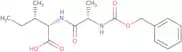
CAS:<p>Z-Ala-Ile-OH is a hydroxamic acid that is used in peptide synthesis. It is a monomer that is hydrophobic and has an affinity for peptidyl acceptors. The synthetic method for Z-Ala-Ile-OH involves the use of aspartic acid and aspartate semialdehyde, which are used to synthesize the hydroxamic acid via an amidation reaction. The nomenclature of Z-Ala-Ile-OH is based on its structure and the order of amino acids found in it. Aspartic acid and asparagine are both amino acids found in Z-Ala-Ile-OH, with the -NH2 group being replaced by -OH in this particular molecule. This substitution results in a more hydrophobic compound than aspartate semialdehyde.</p>Formula:C17H24N2O5Purity:Min. 95%Molecular weight:336.38 g/molH-Gly-His-OH·HCl
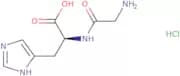
CAS:<p>H-Gly-His-OH·HCl is a methyl ester of histidine. It has an axial orientation, and the optical rotation is +25.4° (c=1 in methanol). H-Gly-His-OH·HCl is synthesized from glutamic acid, glutamate, and imidazole by using a method based on the catalytic properties of copper. H-Gly-His-OH·HCl can be used as a ligand for the enzyme peroxidase, which catalyzes oxidation reactions with hydrogen peroxide or organic peroxides to form water and oxidized products. The efficiency of this reaction increases with increasing concentrations of H-Gly-His-OH·HCl.<br>!--END--></p>Formula:C8H12N4O3·HClPurity:Min. 95%Molecular weight:248.67 g/molBrain-Binding Peptide
CAS:<p>Please enquire for more information about Brain-Binding Peptide including the price, delivery time and more detailed product information at the technical inquiry form on this page</p>Formula:C37H64N12O14S2Purity:Min. 95%Molecular weight:965.11 g/molH-Phe-Ala-Arg-Lys-Gly-Ala-Leu-Arg-Gln-OH
CAS:<p>Please enquire for more information about H-Phe-Ala-Arg-Lys-Gly-Ala-Leu-Arg-Gln-OH including the price, delivery time and more detailed product information at the technical inquiry form on this page</p>Formula:C46H79N17O11Purity:Min. 95%Molecular weight:1,046.23 g/molLeu-Enkephalin amide acetate salt
CAS:<p>Leu-Enkephalin amide acetate salt H-Tyr-Gly-Gly-Phe-Leu-NH2 acetate salt is a peptide that is used as an analgesic and antipyretic drug. It is a synthetic form of endogenous enkephalins, which are natural pain relievers. The chemical stability of Leu-Enkephalin amide acetate salt H-Tyr-Gly-Gly-Phe-Leu-NH2 acetate salt makes it an effective drug for chronic use, and it has been shown to have a low side effect profile. This compound also has been shown to block the synthesis of histamine in vivo, but its bioavailability in vivo is not high due to its rapid degradation by proteases.</p>Formula:C28H38N6O6Purity:Min. 95%Color and Shape:PowderMolecular weight:554.64 g/molLHRH II trifluoroacetate salt
CAS:<p>LHRH II trifluoroacetate salt is a peptide hormone that is used to treat prostate cancer, breast cancer, and endometriosis. It binds to the ryanodine receptor in the cell membrane and induces the release of calcium from intracellular stores. LHRH II trifluoroacetate salt also promotes polymerase chain reactions which are important for DNA replication. This drug has been shown to increase epidermal growth factor (EGF) levels in carcinoma cell lines and has transcriptional regulatory activity in a model system. LHRH II trifluoroacetate salt can be used as an experimental model for clinical relevance because it can be used to study how hormones affect cellular processes such as transcriptional regulation.</p>Formula:C60H69N17O13Purity:Min. 95%Molecular weight:1,236.3 g/molMca-Leu-Glu-Val-Asp-Gly-Trp-Lys(Dnp)-NH2
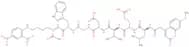
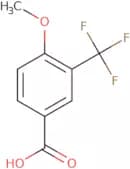
CAS:<p>Please enquire for more information about Mca-Leu-Glu-Val-Asp-Gly-Trp-Lys(Dnp)-NH2 including the price, delivery time and more detailed product information at the technical inquiry form on this page</p>Formula:C57H70N12O19Purity:Min. 95%Molecular weight:1,227.24 g/mol4-Methoxy-3-(trifluoromethyl)benzoic acid
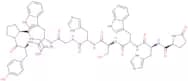
CAS:<p>4-Methoxy-3-(trifluoromethyl)benzoic acid is a useful scaffold that can be used as a building block for the synthesis of complex compounds. It has been shown to react with various reagents and is a versatile building block that can be used in organic synthesis. 4-Methoxy-3-(trifluoromethyl)benzoic acid is a high quality chemical and has been classified as speciality chemicals. This product is also known by the CAS number 213598-09-5.</p>Formula:C9H7F3O3Purity:Min. 98 Area-%Color and Shape:PowderMolecular weight:220.15 g/molpTH (1-38) (human)
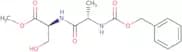
CAS:<p>Please enquire for more information about pTH (1-38) (human) including the price, delivery time and more detailed product information at the technical inquiry form on this page</p>Formula:C197H319N59O55S2Purity:Min. 95%Molecular weight:4,458.14 g/molZ-Ala-Ser-OMe
CAS:<p>Z-Ala-Ser-OMe is a peptide that is produced by catalyzed amide bond formation between the carboxylic acid group of Z-Ala and the amino group of Ser. This peptide has been shown to have a molecular weight of 564.2 and a melting point of 139°C. The peptides are coupled by d-amino acid residues to form chains, which are then esterified with acyl groups to yield Z-Ala-Ser-OMe.</p>Formula:C15H20N2O6Purity:Min. 95%Molecular weight:324.33 g/molFmoc-a-Me-D-Asp(OtBu)-OH
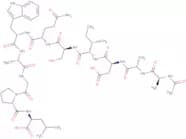
CAS:<p>Please enquire for more information about Fmoc-a-Me-D-Asp(OtBu)-OH including the price, delivery time and more detailed product information at the technical inquiry form on this page</p>Formula:C24H27NO6Purity:Min. 95%Molecular weight:425.47 g/molHippocampal Cholinergic Neurostimulating Peptide
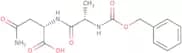
CAS:<p>Hippocampal Cholinergic Neurostimulating Peptide Ac-Ala-Ala-Asp-Ile-Ser-Gln-Trp-Ala-Gly-Pro-Leu is a peptide hormone that has been found in the hippocampus. It is a cholinergic neurotransmitter that is synthesized and secreted by neurons in the brain. It has been shown to have an effect on bowel disease, locomotor activity, and hippocampal formation. Hippocampal Cholinergic Neurostimulating Peptide Ac-Ala-Ala-Asp-Ile-Ser-Gln-Trp was first identified through biochemical analysis of rat brain tissue.</p>Formula:C53H79N13O17Purity:Min. 95%Molecular weight:1,170.27 g/molZ-Ala-Asn-OH
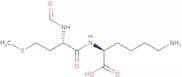
CAS:<p>Z-Ala-Asn-OH is a hydrophobic amino acid that is used in industrial applications, such as paints and coatings. It can be synthesized from L-alanine and D-asparagine by the enzyme carboxypeptidase Y. Z-Ala-Asn-OH has been shown to have relevance for biochemically screening hyperthermophilic microorganisms, such as E. coli or other bacteria from the family Enterobacteriaceae. This amino acid has also been shown to be an essential component of a consortium of gram negative bacteria that produce an enzyme called xylanase and are used in the production of xylitol.</p>Formula:C15H19N3O6Purity:Min. 95%Molecular weight:337.33 g/molFor-Met-Lys-OH
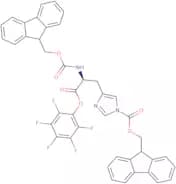
CAS:<p>Please enquire for more information about For-Met-Lys-OH including the price, delivery time and more detailed product information at the technical inquiry form on this page</p>Formula:C12H23N3O4SPurity:Min. 95%Molecular weight:305.39 g/molFmoc-His(Fmoc)-OPfp
CAS:<p>Please enquire for more information about Fmoc-His(Fmoc)-OPfp including the price, delivery time and more detailed product information at the technical inquiry form on this page</p>Formula:C42H28N3O6F5Purity:Min. 95%Molecular weight:765.68 g/molVEGFR-KDR/Flk-1 Antagonist Peptide trifluoroacetate salt
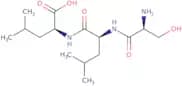
CAS:<p>Please enquire for more information about VEGFR-KDR/Flk-1 Antagonist Peptide trifluoroacetate salt including the price, delivery time and more detailed product information at the technical inquiry form on this page</p>Formula:C77H99N23O18SPurity:Min. 95%Molecular weight:1,666.82 g/molH-Ser-Leu-Leu-OH
CAS:<p>Please enquire for more information about H-Ser-Leu-Leu-OH including the price, delivery time and more detailed product information at the technical inquiry form on this page</p>Formula:C15H29N3O5Purity:Min. 95%Molecular weight:331.41 g/molBoc-Met-Enkephalin
CAS:<p>Boc-Met-Enkephalin is a hexapeptide that is derived from the amino acid Met. It is related to the opioid peptide Met-enkephalin, which has been shown to be involved in pain modulation and emotional responses such as fear and pleasure. Boc-Met-Enkephalin was synthesized by coupling two different fragments through an amide bond. The sequential order of these fragments was determined by high-resolution NMR spectroscopy. The carbonyl groups on the peptides were identified by using heteronuclear 2D correlation experiments. This sequence of carbons was demonstrated with 13C and 15N spectroscopy, in which it was found that there are three molecules of methylene carbon per molecule of Boc-Met-Enkephalin.</p>Formula:C32H43N5O9SPurity:Min. 95%Molecular weight:673.78 g/molCyclo(-Ala-Gln)
CAS:<p>Cyclo(-Ala-Gln) is a cyclic dipeptide that is used in the bioscience industry for analytical purposes. It can be analyzed using liquid chromatography mass spectrometry. Cyclo(-Ala-Gln) is a bioactive molecule that has been shown to inhibit the growth of bacteria, such as Staphylococcus aureus and E. coli. It also has an effect on cancer cells and has been shown to have anti-inflammatory properties.</p>Formula:C8H13N3O3Purity:Min. 95%Molecular weight:199.21 g/molAc-Tyr-Val-Lys-Asp-aldehyde (pseudo acid)
CAS:<p>Ac-Tyr-Val-Lys-Asp-aldehyde is a synthetic compound that can be used to study the apoptotic process. It is an aldehyde and has been found to activate caspases, aspartyl proteases, at high concentrations. This pseudo acid also has a significant activation of n-terminal protein kinase (SB203580) when irradiated with UV light. Ac-Tyr-Val-Lys-Asp-aldehyde can be used as a marker for the apoptotic process because it is synthesized by cells during this process. In addition, it has been shown to produce a red color during staining and can be detected using immunohistochemical techniques.</p>Formula:C26H39N5O8Purity:Min. 95%Molecular weight:549.62 g/mol(Des-Gly10,D-Arg6,Pro-NHEt 9)-LHRH II (chicken)
CAS:<p>Please enquire for more information about (Des-Gly10,D-Arg6,Pro-NHEt 9)-LHRH II (chicken) including the price, delivery time and more detailed product information at the technical inquiry form on this page</p>Formula:C64H79N19O12Purity:Min. 95%Molecular weight:1,306.43 g/molGalanin Message Associated Peptide (44-59) amide
CAS:<p>Please enquire for more information about Galanin Message Associated Peptide (44-59) amide including the price, delivery time and more detailed product information at the technical inquiry form on this page</p>Formula:C61H100N18O25Purity:Min. 95%Molecular weight:1,485.55 g/molAc-Val-Asp-Val-Ala-Asp-aldehyde (pseudo acid)
CAS:<p>Ac-Val-Asp-Val-Ala-Asp-aldehyde is a pseudo acid that is used in molecular modeling and kinetic studies. Ac-Val-Asp-Val-Ala-Asp-aldehyde has been shown to be a potent inhibitor of caspase activity and has been shown to inhibit the activity of various other enzymes as well, including cyclohexane ring hydroxylases and nitroreductases. Ac-Val-Asp-Val-Ala-Asp--aldehyde analogs are being studied for their ability to bind to specific proteins or inhibit enzyme activities. Ac-- Val-- Asp-- Val-- Ala-- Asp-- aldehyde binds to the active site of caspase 3 and prevents it from cleaving its target protein, which leads to cell death.</p>Formula:C23H37N5O10Purity:Min. 95%Molecular weight:543.57 g/mol(Trp3,Arg5)-Ghrelin (1-5) trifluoroacetate salt
CAS:<p>Please enquire for more information about (Trp3,Arg5)-Ghrelin (1-5) trifluoroacetate salt including the price, delivery time and more detailed product information at the technical inquiry form on this page</p>Formula:C31H41N9O7Purity:Min. 95%Molecular weight:651.71 g/mol2-(N-Phenyl-N-benzyl-aminomethyl)-imidazol
CAS:<p>Please enquire for more information about 2-(N-Phenyl-N-benzyl-aminomethyl)-imidazol including the price, delivery time and more detailed product information at the technical inquiry form on this page</p>Formula:C17H17N3Purity:Min. 95%Molecular weight:263.34 g/molFmoc-Gln(Mtt)-OPfp
CAS:<p>Please enquire for more information about Fmoc-Gln(Mtt)-OPfp including the price, delivery time and more detailed product information at the technical inquiry form on this page</p>Formula:C46H35F5N2O5Purity:Min. 95%Molecular weight:790.77 g/molBig Endothelin-1 (porcine)
CAS:<p>Please enquire for more information about Big Endothelin-1 (porcine) including the price, delivery time and more detailed product information at the technical inquiry form on this page</p>Formula:C193H289N49O58S5Purity:Min. 95%Molecular weight:4,383.99 g/molAbz-Ala-Phe-Ala-Phe-Asp-Val-Phe-3-nitro-Tyr-Asp-OH trifluoroacetate salt
CAS:<p>Please enquire for more information about Abz-Ala-Phe-Ala-Phe-Asp-Val-Phe-3-nitro-Tyr-Asp-OH trifluoroacetate salt including the price, delivery time and more detailed product information at the technical inquiry form on this page</p>Formula:C62H71N11O18Purity:Min. 95%Molecular weight:1,258.29 g/molBoc-Ala-Ala-Gly-pNA
CAS:<p>Boc-Ala-Ala-Gly-pNA is a peptide that has been synthesized using the Fmoc/tBu strategy. It has an acidic pH, and its proteolytic activity can be enhanced by the addition of chromogenic or fluorogenic substrates. Boc-Ala-Ala-Gly-pNA is used as a substrate in fingerprint analysis and can be used to identify bacteria such as Proteus mirabilis, Pseudomonas aeruginosa, and Bacillus cereus. This peptide can also be used to identify strains of Escherichia coli, Enterococci, Staphylococci, Streptococci, and Haemophilus influenzae.</p>Formula:C19H27N5O7Purity:Min. 95%Color and Shape:PowderMolecular weight:437.45 g/molBQ-123 Cyclo(-D-Trp-D-Asp-Pro-D-Val-Leu)
CAS:<p>BQ-123 is a cyclic peptide that has been shown to have a binding affinity for the serotonin receptor. The binding of BQ-123 to the receptor leads to a reduction in intracellular calcium concentration, which may be due to the inhibition of serine protease activity. This agent also inhibits the production of tumour necrosis factor-α (TNF-α) and has an inhibitory effect on cardiac contractility.</p>Formula:C31H42N6O7Purity:Min. 95%Molecular weight:610.7 g/molBoc-D-Cys(NPys)-OH
CAS:<p>Please enquire for more information about Boc-D-Cys(NPys)-OH including the price, delivery time and more detailed product information at the technical inquiry form on this page</p>Formula:C13H17N3O6S2Purity:Min. 95%Molecular weight:375.42 g/molH-Gly-Pro-Leu-bNA·HCl
CAS:<p>Please enquire for more information about H-Gly-Pro-Leu-bNA·HCl including the price, delivery time and more detailed product information at the technical inquiry form on this page</p>Formula:C23H30N4O3·HClPurity:Min. 95%Molecular weight:446.97 g/molAmylin (20-29) (human)
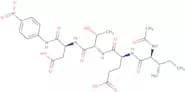
CAS:<p>Amylin is a peptide hormone that belongs to the group of hormones that include insulin and glucagon. Amylin has been shown to have an anti-diabetic effect in diabetic patients by stimulating insulin secretion and improving insulin sensitivity. Amylin inhibits protein aggregation, which may be due to its ability to form hydrogen bonds with other amyloid protein molecules. The structural biology of amylin has been studied using NMR spectroscopy and silver ions. This molecule has a sequence of H-Ser-Asn-Asn-Phe-Gly-Ala-Ile-Leu-Ser-Ser, with a molecular weight of 3,726 Da.</p>Formula:C43H68N12O16Purity:Min. 95%Molecular weight:1,009.07 g/molAc-Ile-Glu-Thr-Asp-pNA
CAS:<p>Ac-Ile-Glu-Thr-Asp-PNA is a synthetic peptide that mimics the amino acid sequence of a region in the protein p67phox, which is a component of the mitochondrial membrane. Ac-Ile-Glu-Thr-Asp-PNA induces apoptosis by activating caspases and inhibiting ATP production. In vitro studies have shown this peptide to be active against hl60 cells, an inflammatory bowel disease cell line, as well as carcinoma cell lines derived from squamous cell carcinoma and carcinoma of the cervix. Ac-Ile-Glu-Thr-Asp-PNA also inhibits inflammatory cytokines such as IL1β, TNFα and IL6, which are associated with chronic inflammation.</p>Formula:C27H38N6O12Purity:Min. 95%Molecular weight:638.62 g/molMca-Gly-Ser-Pro-Ala-Phe-Leu-Ala-Lys(Dnp)-D-Arg-NH2 trifluoroacetate salt
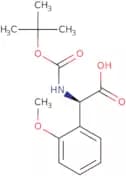
CAS:<p>Please enquire for more information about Mca-Gly-Ser-Pro-Ala-Phe-Leu-Ala-Lys(Dnp)-D-Arg-NH2 trifluoroacetate salt including the price, delivery time and more detailed product information at the technical inquiry form on this page</p>Formula:C61H82N16O18Purity:Min. 95%Molecular weight:1,327.4 g/molBoc-(R)-2-methoxyphenylglycine
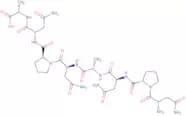
CAS:<p>Please enquire for more information about Boc-(R)-2-methoxyphenylglycine including the price, delivery time and more detailed product information at the technical inquiry form on this page</p>Formula:C14H19NO5Purity:Min. 95%Molecular weight:281.3 g/molH(-Asn-Pro-Asn-Ala)2-OH
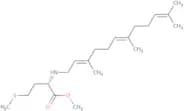
CAS:<p>Please enquire for more information about H(-Asn-Pro-Asn-Ala)2-OH including the price, delivery time and more detailed product information at the technical inquiry form on this page</p>Formula:C32H50N12O13Purity:Min. 95%Molecular weight:810.81 g/molFarnesyl-Met-OMe
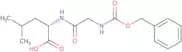
CAS:<p>Please enquire for more information about Farnesyl-Met-OMe including the price, delivery time and more detailed product information at the technical inquiry form on this page</p>Formula:C21H37NO2SPurity:Min. 95%Molecular weight:367.59 g/molZ-Gly-Leu-OH
CAS:<p>Z-Gly-Leu-OH is a synthetic peptide that is used as a substrate for proteases. It contains the amino acid sequence Gly-Leu-OH and has been shown to inhibit serine proteases with irreversible inhibition. Z-Gly-Leu-OH inhibits protease activity by binding to the enzyme's active site, which prevents it from catalyzing reactions and stabilizing the product of the reaction. The substrate can be cleaved by a protease in two ways: (1) hydrolysis of the amide bond between Gly and Leu or (2) protonation of the amide bond between Gly and Leu followed by elimination of water. These reactions are reversible because they are dependent on pH. In order to measure enzyme activity using this substrate, it must be conjugated with a fluorescent dye so that fluorescence can be detected following cleavage.</p>Formula:C16H22N2O5Purity:Min. 95%Molecular weight:322.36 g/molAbz-Ala-Phe-Arg-Phe-Ser-Gln-EDDnp trifluoroacetate salt
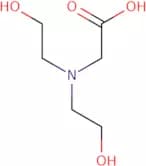
CAS:<p>Please enquire for more information about Abz-Ala-Phe-Arg-Phe-Ser-Gln-EDDnp trifluoroacetate salt including the price, delivery time and more detailed product information at the technical inquiry form on this page</p>Formula:C50H63N15O13Purity:Min. 95%Molecular weight:1,082.13 g/molBicine
CAS:<p>Bicine, also known as N,N-Bis(2-hydroxyethyl)glycine, is a Bis(2-hydroxyethyl) amine buffer with an optimal pH range of 7.6-9.0 and a pKa of 8.26. This buffering agent forms metal complexes and is used in crystallization and enzymatic studies.</p>Formula:C6H13NO4Purity:Min. 95%Color and Shape:White SolidMolecular weight:163.17 g/molH-Gly-Gly-OBzl·p-tosylate
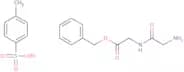
CAS:<p>The product is a neutral amino acid with an aliphatic side-chain. The product has been shown to be stable when diluted, and is not subject to hydrolysis. It can be used as a reagent for peptide synthesis because it does not interfere with the reaction or alter the yield of desired products. The product has been shown to be reliable and produce polypeptides that are chemically identical to those obtained by other methods. It has been found that the product is additive in peptide synthesis reactions, so that it can be substituted for any one of the components without altering the yield of desired products.</p>Formula:C11H14N2O3·C7H8O3SPurity:Min. 95%Molecular weight:394.44 g/molH-Gly-Arg-Gly-Glu-Ser-OH trifluoroacetate salt
CAS:<p>Please enquire for more information about H-Gly-Arg-Gly-Glu-Ser-OH trifluoroacetate salt including the price, delivery time and more detailed product information at the technical inquiry form on this page</p>Formula:C18H32N8O9Purity:Min. 95%Molecular weight:504.5 g/molH-Ala-Tyr-OEt·HCl
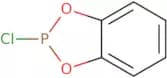
CAS:<p>Please enquire for more information about H-Ala-Tyr-OEt·HCl including the price, delivery time and more detailed product information at the technical inquiry form on this page</p>Formula:C14H20N2O4·HClPurity:Min. 95%Molecular weight:316.78 g/mol1,2-Phenylene phosphorochloridite
CAS:<p>1,2-Phenylene phosphorochloridite is a chemical that is an intermediate for the synthesis of perfluorinated compounds. It has been used as a precursor for the synthesis of biodiesel. The proton NMR spectrum shows three resonances: one at δ 3.8 ppm (J = 6 Hz) corresponding to the protons on the aromatic ring, one at δ 4.7 ppm (J = 6 Hz) corresponding to the protons on the chloro group, and one at δ 7.6 ppm (J = 2 Hz) corresponding to the protons on the methylene chain. This chemical can be prepared by reacting trifluoroacetic acid with phenol in a preparative method with nucleophilic substitution or by dehydrating fatty alcohols with halides in a dehydration reaction.</p>Formula:C6H4ClO2PPurity:Min. 95%Color and Shape:PowderMolecular weight:174.52 g/molH-Leu-Leu-Leu-NH2
CAS:<p>Please enquire for more information about H-Leu-Leu-Leu-NH2 including the price, delivery time and more detailed product information at the technical inquiry form on this page</p>Formula:C18H36N4O3Purity:Min. 95%Molecular weight:356.5 g/molGAP 27 acetate salt
CAS:<p>GAP 27 is a connexin that is expressed in the cardiac and skin cells. GAP 27 acetate salt H-Ser-Arg-Pro-Thr-Glu-Lys-Thr-Ile-Phe-Ile-Ile-OH acetate salt is made up of a number of amino acids, including serine, arginine, proline, glutamic acid, lysine, threonine and isoleucine. It has been shown to have biological function in vivo models and in vitro assays. GAP 27 acetate salt H-Ser-Arg-Pro-Thr-Glu-Lys-Thr--Ile--Phe--Ile--Ile--OH acetate salt has been shown to be non toxic to the heart and skin cells. This protein also shows growth factor activity when it interacts with toll like receptor 4 (TLR4) on human skin cells.</p>Formula:C60H101N15O17Purity:Min. 95%Molecular weight:1,304.53 g/molH-Gln(Trt)-2-chlorotrityl resin (200-400 mesh) (Low Substitution)
<p>Please enquire for more information about H-Gln(Trt)-2-chlorotrityl resin (200-400 mesh) (Low Substitution) including the price, delivery time and more detailed product information at the technical inquiry form on this page</p>Purity:Min. 95%H-Met-Leu-Gly-OH
CAS:<p>H-Met-Leu-Gly-OH is a tetrapeptide that has shown to have neuroprotective effects. It has been shown to be effective in the treatment of catalysis and inflammatory diseases. The peptidase activity of H-Met-Leu-Gly-OH is inhibited by the presence of lysine, arginine, and tryptophan. This inhibitory effect can be reversed by the presence of an acceptor such as histidine or cysteine. H-Met-Leu-Gly-OH also inhibits the production of nitric oxide in microglial cells and lung cells.</p>Formula:C13H25N3O4SPurity:Min. 95%Molecular weight:319.42 g/molZ-Gly-Val-OH
CAS:<p>Z-Gly-Val-OH is an inhibitor that can be used for the synthesis of peptides. It is a c-terminal amino acid with an optically active, cyclic structure. Z-Gly-Val-OH can be coupled to azide and spheric amino acids, and it undergoes racemization in solvents containing additives. This reagent can also be used for the synthesis of peptides with epimerization or chlorine.</p>Formula:C15H20N2O5Purity:Min. 95%Color and Shape:PowderMolecular weight:308.33 g/molH-Met-AMC acetate salt
CAS:<p>Please enquire for more information about H-Met-AMC acetate salt including the price, delivery time and more detailed product information at the technical inquiry form on this page</p>Formula:C15H18N2O3SPurity:Min. 95%Molecular weight:306.38 g/molOrexin A (17-33) trifluoroacetate salt
CAS:<p>Orexin A (17-33) trifluoroacetate salt H-Tyr-Glu-Leu-Leu-His-Gly-Ala-Gly-Asn-His-Ala-Ala-Gly-Ile-Leu-Thr-Leu is a peptide fragment that belongs to the orexin family. It is a potent antagonist of the G protein coupled receptors, which are responsible for mediating the effects of endogenous and exogenous ligands. Orexin A (17-33) trifluoroacetate salt H has been shown to have cytosolic interactions with calcium ions, regulating their concentration in the cytosol. It also affects choline levels and increases intracellular calcium concentrations. The peptide also potentiates responses to cocaine and other drugs that target GPCRs. This drug has been shown to be active against xestospongin, an antibiotic that inhibits protein synthesis</p>Formula:C79H125N23O22Purity:Min. 95%Molecular weight:1,748.98 g/molOsteocalcin (45-49) (human)
CAS:<p>Please enquire for more information about Osteocalcin (45-49) (human) including the price, delivery time and more detailed product information at the technical inquiry form on this page</p>Formula:C30H39N5O7Purity:Min. 95%Molecular weight:581.66 g/mol4-Fluoro-2-methoxyphenol
CAS:<p>4-Fluoro-2-methoxyphenol is a fluorinating agent that is used in the manufacture of pharmaceuticals, plastics and pesticides. It has been shown to induce apoptosis in cultured cells by upregulating reactive oxygen species (ROS) and increasing mitochondrial membrane permeability, as well as inhibiting cellular physiology. 4-Fluoro-2-methoxyphenol also inhibits the production of ATP and may be toxic to cells by interfering with dinucleotide phosphate.</p>Formula:C7H7FO2Purity:Min. 95%Color and Shape:Clear LiquidMolecular weight:142.13 g/mol2-Amino-1-phenylpropan-1-one hydrochloride
CAS:Controlled Product<p>2-Amino-1-phenylpropan-1-one hydrochloride is a chemical compound that can be used as an intermediate in the synthesis of ethyl formate. It is also a pharmaceutical intermediate, which is used to prepare triazine and alicyclic compounds. It has been shown to have potential use in the treatment of prostatic hypertrophy and heterocycle disorders. 2-Amino-1-phenylpropan-1-one hydrochloride has been found to be active in animals and humans and is not toxic to women or animals. This drug has shown no adverse effects on human health at doses up to 10 g/kg body weight.</p>Formula:C9H11NO•HClPurity:Min. 95%Color and Shape:PowderMolecular weight:185.65 g/molH-Gly-Gly-Pro-Ala-OH
CAS:<p>Glycosaminoglycans are polysaccharides that are made of repeating disaccharide units composed of a sugar and a uronic acid. Glycosaminoglycans serve as structural components in the extracellular matrix, where they provide tensile strength and elasticity to tissues. They also function as enzymes, providing energy for cellular processes. This glycosaminoglycan is found in human tissue, specifically the cervix and blood group antigens. It has been shown to have an effect on creatine kinase activity, which can be used as a screening tool for women who have had hysterectomies or biopsies done.</p>Formula:C12H20N4O5Purity:Min. 95%Molecular weight:300.31 g/molMca-Gly-Ala-Lys-Arg-His-Arg-Lys-Val-NH2 trifluoroacetate salt
<p>Please enquire for more information about Mca-Gly-Ala-Lys-Arg-His-Arg-Lys-Val-NH2 trifluoroacetate salt including the price, delivery time and more detailed product information at the technical inquiry form on this page</p>Formula:C52H83N19O12Purity:Min. 95%Molecular weight:1,166.34 g/molH-Pro-Pro-Pro-OH
CAS:<p>H-Pro-Pro-Pro-OH is a synthetic peptide that inhibits the production of reactive oxygen species (ROS) by acting as an antioxidant. It has been shown to have a protective effect on cells, preventing cell death and promoting cell survival. H-Pro-Pro-Pro-OH also has a significant inhibitory effect on superoxide radical production in nanotubes and photoreceptors. It can be used to prevent the oxidation of α-tocopherol, which is a lipid soluble vitamin found in vegetable oils. The three amino acids in the sequence are hydrolysed to proline, which is an essential amino acid for human metabolism, and two dipeptides with chemical structures similar to those found in natural peptides. The peptide was synthesized from proline, histidine and arginine. This molecule can be detected using polyacrylamide gel electrophoresis and fluorescence microscopy with enhanced optical properties as a chromophore.</p>Formula:C15H23N3O4Purity:Min. 95%Molecular weight:309.36 g/molFmoc-D-Arg(Pmc)-Wang resin (200-400 mesh)
<p>Please enquire for more information about Fmoc-D-Arg(Pmc)-Wang resin (200-400 mesh) including the price, delivery time and more detailed product information at the technical inquiry form on this page</p>Purity:Min. 95%Lys-Lys-IRS-1 (891-902) (dephosphorylated) (human) trifluoroacetate salt
CAS:<p>Please enquire for more information about Lys-Lys-IRS-1 (891-902) (dephosphorylated) (human) trifluoroacetate salt including the price, delivery time and more detailed product information at the technical inquiry form on this page</p>Formula:C73H114N18O22Purity:Min. 95%Molecular weight:1,595.79 g/molTRAP-5 trifluoroacetate salt
CAS:<p>TRAP-5 is a peptide consisting of the amino acid sequence H-Ser-Phe-Leu-Leu-Arg. This peptide has been shown to have antiviral, anti-inflammatory, and anticancer properties. It has also been found to inhibit platelet activation in vitro and to reduce atherosclerotic lesions in mice. TRAP-5 has been shown to have therapeutic potential for diseases such as heart disease and lung diseases, although its efficacy has not yet been tested in humans.</p>Formula:C30H50N8O7Purity:Min. 95%Molecular weight:634.77 g/molZ-Homoarg (Pbf)-OH
CAS:<p>Please enquire for more information about Z-Homoarg (Pbf)-OH including the price, delivery time and more detailed product information at the technical inquiry form on this page</p>Formula:C28H38N4O7SPurity:Min. 95%Molecular weight:574.69 g/molFmoc-Leu-Pro-OH
CAS:<p>Fmoc-Leu-Pro-OH is a benzyl ester that can be used in peptide synthesis. It can be used to remove the benzyl protecting group from the amino acids leucine, proline, and hydroxyproline. Fmoc-Leu-Pro-OH is also capable of cleaving dipeptides and octapeptides. The benzyl ester can be deprotected using anisole and accelerates the reaction. This reagent is irreversible, so it cannot be reused.</p>Formula:C26H30N2O5Purity:Min. 95%Molecular weight:450.53 g/molN-α-Trityl-Nε-Fmoc-L-lysine
CAS:<p>N-alpha-Trityl-Nepsilon-Fmoc-L-lysine is a pentapeptide that is used in peptides. It has been shown to have cytotoxicity and permeability, as well as being biologically active. N-alpha-Trityl-Nepsilon-Fmoc-L-lysine has also been used in solid phase synthesis of peptides. This pentapeptide can be synthesized using the Miyaura cross coupling reaction with an ether or Suzuki cross coupling reaction. N-alpha-Trityl-Nepsilon-Fmoc-L-lysine is a bicyclic molecule that can be synthesized on a solid phase.</p>Formula:C40H38N2O4Purity:Min. 95%Molecular weight:610.74 g/mol4-Methylvaleryl chloride
CAS:<p>4-Methylvaleryl chloride (4MVC) is a thionyl chloride that reacts with 2-pentenoic acid to produce 4-methylvaleric acid. It has been used as a pharmaceutical intermediate and as a potent inhibitor of side-chain cleavage reactions. The reaction time required for the formation of 4MVC depends on the reaction temperature. At room temperature, it takes approximately one hour to form; at 60 degrees Celsius, it takes approximately five minutes to form.</p>Formula:C6H11ClOPurity:Min. 95%Color and Shape:Colorless Clear LiquidMolecular weight:134.6 g/molZ-Gly-Gly-Ala-OH
CAS:<p>Please enquire for more information about Z-Gly-Gly-Ala-OH including the price, delivery time and more detailed product information at the technical inquiry form on this page</p>Formula:C15H19N3O6Purity:Min. 95%Molecular weight:337.33 g/molFmoc-Arg(Z)2-OH
CAS:<p>Please enquire for more information about Fmoc-Arg(Z)2-OH including the price, delivery time and more detailed product information at the technical inquiry form on this page</p>Formula:C37H36N4O8Purity:Min. 95%Molecular weight:664.7 g/molDnp-Arg-Pro-Leu-Ala-Leu-Trp-Arg-Ser-OH trifluoroacetate salt
CAS:<p>Dnp-Arg-Pro-Leu-Ala-Leu-Trp-Arg-Ser-OH trifluoroacetate salt is a potent, competitive inhibitor of matrix metalloproteinase (MMP) 3 and MMP9. It binds to the catalytic zinc ion in the active site of these enzymes. Dnp-Arg-Pro-Leu-Ala-Leu-Trp-Arg-Ser-OH trifluoroacetate salt has been shown to inhibit tumor growth and promote neuronal death in vitro. This drug also blocks the release of matrix metalloproteins from cells, which are involved in extracellular processes such as cell migration and cell adhesion.</p>Formula:C52H77N17O14Purity:Min. 95%Molecular weight:1,164.27 g/molGRF (1-29) amide (human) acetate salt
CAS:<p>Growth hormone-releasing factor (GRF) is a peptide fragment of amino acids 1–2 from GHRH (growth hormone-releasing hormone). This 1-29 region is the shortest fully functional fragment of GHRH. GRF is also known as sermorelin. Sermorelin binds to the growth hormone-releasing hormone receptor (GHRH-R), and acts as a surrogate for GHRH, causing growth hormone secretion.human: H-YADAIFTNSYRKVLGQLSARKLLQDIMSR-NH2rat: H-HADAIFTSSYRR I LGQLYARKLLHEIMNR-NH2</p>Formula:C149H246N44O42SPurity:Min. 95%Molecular weight:3,357.88 g/molH-His-Lys-OH·HBr
CAS:<p>Please enquire for more information about H-His-Lys-OH·HBr including the price, delivery time and more detailed product information at the technical inquiry form on this page</p>Formula:C12H21N5O3·HBrPurity:Min. 95%Molecular weight:364.24 g/mol(Thr6)-Bradykinin
CAS:<p>Bradykinin is a peptide hormone that functions as a neurotransmitter, neuromodulator, and vasodilator. Bradykinin is released from the cell in response to tissue injury or inflammation. Bradykinin binds to the bradykinin receptors B2 and B1 on the surface of cells and stimulates them, which causes pain relief and vasodilation. Bradykinin is synthesized as an inactive pro-peptide (Tyr6) that undergoes proteolytic cleavage by proteases such as thrombin, trypsin, chymotrypsin, and elastase. The amino acid sequence of the active form of bradykinin is Thr6-Bradykinin H-Arg-Pro-Pro-Gly-Phe-Thr-Pro-Phe-Arg-OH.</p>Formula:C51H75N15O11Purity:Min. 95%Molecular weight:1,074.24 g/molGlutaryl-Phe-pNA
CAS:<p>Glutaryl-Phe-pNA is commonly used as a substrate to measure the activity of proteases, which are enzymes that cleave peptide bonds. The cleavage of the Glutaryl-Phe-pNA substrate by proteases releases a colored 4-nitroaniline product, which can be detected and quantified spectrophotometrically to measure protease activity.</p>Formula:C20H21N3O6Purity:Min. 95%Molecular weight:399.4 g/mol(D-Arg2)-Dermorphin (1-4) amide trifluoroacetate salt
CAS:<p>Please enquire for more information about (D-Arg2)-Dermorphin (1-4) amide trifluoroacetate salt including the price, delivery time and more detailed product information at the technical inquiry form on this page</p>Formula:C26H36N8O5Purity:Min. 95%Molecular weight:540.61 g/molGlucagon (19-29) (human, rat, porcine) trifluoroacetate salt
CAS:<p>Glucagon is a peptide hormone that belongs to the group of vasoactive intestinal peptides. It is produced by the alpha cells of the pancreas and stimulates gluconeogenesis in the liver, thereby increasing blood glucose levels. Glucagon has also been shown to cause membrane hyperpolarization and cell death in cancer cells. Glucagon is a homologous protein that has been shown to have physiological effects similar to those of insulin, such as increased levels of cytosolic Ca2+ ions and camp levels. Glucagon binds to its receptor on the plasma membrane with high affinity, activating adenylate cyclase and phospholipase C, which leads to an increase in intracellular camp levels. This results in activation of protein kinase A (PKA), which phosphorylates proteins involved in glycogenolysis, glycolysis, and lipolysis. Glucagon also activates mitogen-activated protein kinases (MAPK</p>Formula:C61H89N15O18SPurity:Min. 95%Molecular weight:1,352.52 g/molAc-Ser-Asp-Lys-Pro-OH
CAS:<p>Ac-Ser-Asp-Lys-Pro-OH is a tetrapeptide that has been shown to stimulate the growth of cells in vitro. It has been found to inhibit the production of interleukin-1β and tumor necrosis factor α, which are cytokines that are involved in inflammation. Ac-Ser-Asp-Lys-Pro-OH stimulates the production of growth factor β1 and collagen, which may be due to its ability to bind to toll like receptor 4 (TLR4). Acetylserotonin has been shown to have antiinflammatory and antifibrotic properties in animal models. Acetylserotonin also inhibits cancer cell growth and reduces drug resistance.</p>Formula:C20H33N5O9Purity:Min. 95%Molecular weight:487.5 g/mol(4S,5R)-4-Methyl-5-phenyloxazolidin-2-one
CAS:<p>(4S,5R)-4-Methyl-5-phenyloxazolidin-2-one is an amide that is prepared by the reaction of piperidine and benzyl chloride. It is a chiral compound with (4S,5R) configuration and has a basic hydrolysis. The compound was optimized for its synthesis by using different solvents. This amide has been used in the transfer of methyl groups to different substrates. It also has been used in asymmetric synthesis as a chiral auxiliary for the preparation of enantiopure sulfinyl compounds.</p>Formula:C10H11NO2Purity:Min. 95%Molecular weight:177.2 g/molFA-Gly-Leu-OH
CAS:<p>FA-Gly-Leu-OH is a peptidase that catalyzes the hydrolysis of an amide bond in a peptide or protein. It has been shown to be active with acid sequences, as well as transpeptidation, which involves the transfer of a terminal amino acid from one peptide chain to another. FA-Gly-Leu-OH is also involved in the synthesis of proteins and peptides. This enzyme has high hydrolase activity and can hydrolyze most substrates at neutral pH values.</p>Formula:C15H20N2O5Purity:Min. 95%Molecular weight:308.33 g/mol
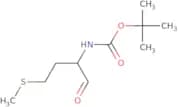


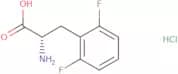

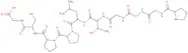
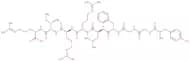
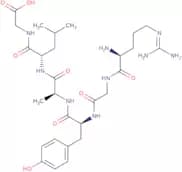
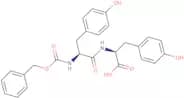
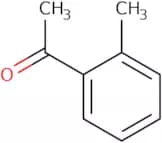
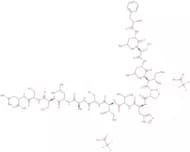
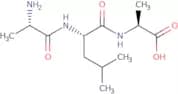

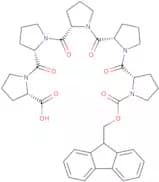


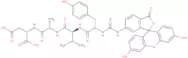

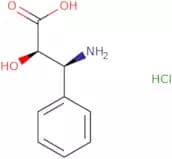
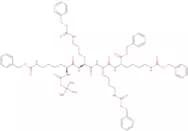


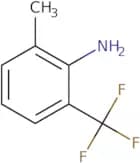
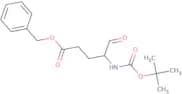
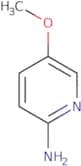
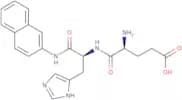
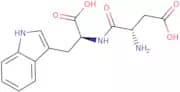
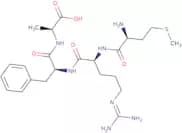

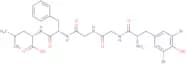
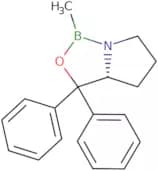
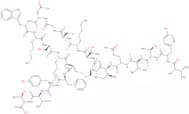
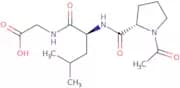

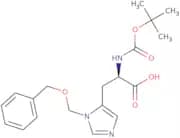
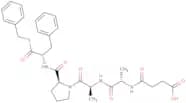
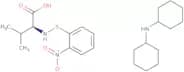

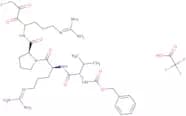
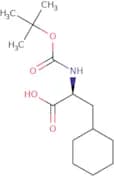
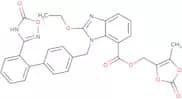

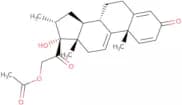
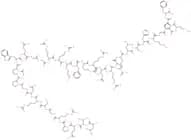

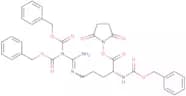
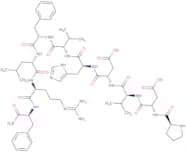

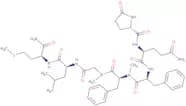
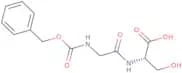
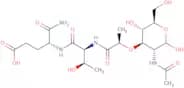
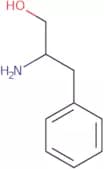

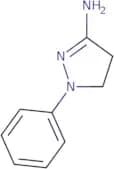
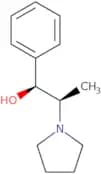
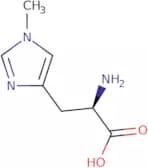
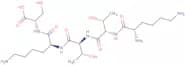
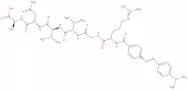
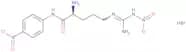

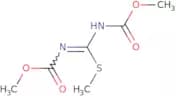
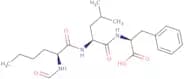
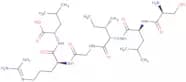
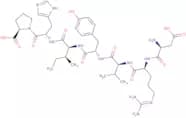
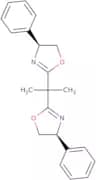
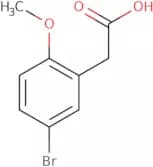
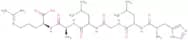
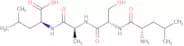
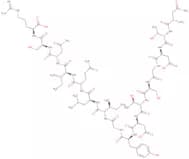

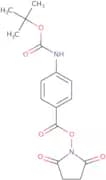
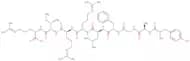
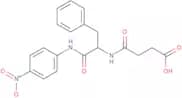
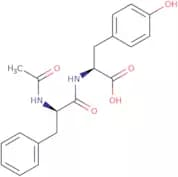

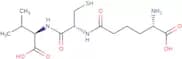

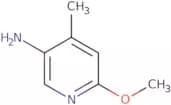
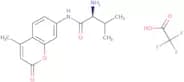


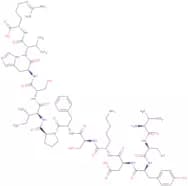
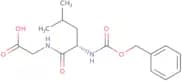


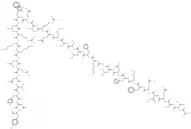
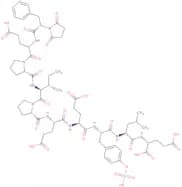
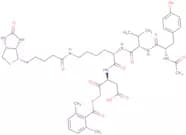





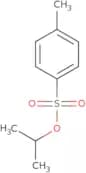
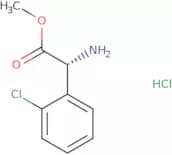
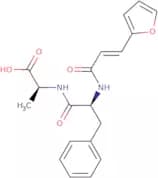
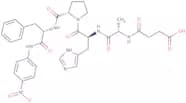
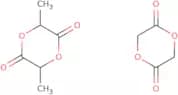
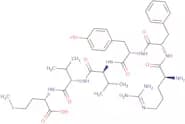

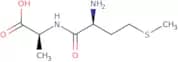

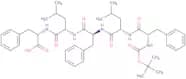
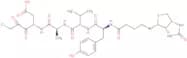
![2-[(4-Chloro-2-nitrophenyl)azo]-N-(2-methoxyphenyl)-3-oxobutanamide](/_next/image/?url=https%3A%2Fstatic.cymitquimica.com%2Fproducts%2F3D%2Fthumb-webp%2FFC149929.webp&w=3840&q=75)