Amino Acids (AA)
Amino acids (AAs) are the fundamental building blocks of proteins, playing a crucial role in various biological processes. These organic compounds are essential for protein synthesis, metabolic pathways, and cell signaling. In this category, you will find a comprehensive range of amino acids, including essential, non-essential, and modified forms, which are vital for research in biochemistry, molecular biology, and nutritional sciences. At CymitQuimica, we provide high-quality amino acids to support your research and development needs, ensuring accuracy and reliability in your experimental outcomes.
Subcategories of "Amino Acids (AA)"
- Amino Acid Derivatives(3,955 products)
- Amino Acid and Amino Acid Related Compounds(3,469 products)
- Amino Acids with Oxygen or Sulphur(168 products)
- Boc- Amino Acids(351 products)
- Fmoc Amino Acids(1,710 products)
Found 38260 products of "Amino Acids (AA)"
Sort by
Purity (%)
0
100
|
0
|
50
|
90
|
95
|
100
Fmoc-Leu-Wang resin (200-400 mesh)
<p>Please enquire for more information about Fmoc-Leu-Wang resin (200-400 mesh) including the price, delivery time and more detailed product information at the technical inquiry form on this page</p>Purity:Min. 95%2-Bromo-3-methylbenzoic acid
CAS:<p>2-Bromo-3-methylbenzoic acid is an alcohol that has been shown to be selective for the stereoselective synthesis of chiral secondary alcohols. It has been used in the reduction of 2-formylphenylboronic acid, yielding a mixture of the two possible diastereomers, and in the reductive elimination of carboxylic acids, which can be used as an alternative to the Baylis-Hillman reaction. The compound also has inhibitory activity against several bacteria, including methicillin resistant Staphylococcus aureus (MRSA) and Mycobacterium tuberculosis. 2-Bromo-3-methylbenzoic acid is photochromic and changes color from yellow to red when exposed to UV light.</p>Formula:C8H7BrO2Purity:Min. 95%Color and Shape:PowderMolecular weight:215.04 g/molH-Leu-2-chlorotrityl resin (200-400 mesh) (Low Substitution)
<p>Please enquire for more information about H-Leu-2-chlorotrityl resin (200-400 mesh) (Low Substitution) including the price, delivery time and more detailed product information at the technical inquiry form on this page</p>Purity:Min. 95%H-Tyr-Glu-Trp-OH
CAS:<p>Tyrosine is a non-essential amino acid that is an important component of proteins. It can also be synthesized in the body from the essential amino acid phenylalanine. Tyrosine is found in many foods and is made by plants, bacteria, and animals. The most common form of tyrosine in food is L-tyrosine. H-Tyr-Glu-Trp-OH is a neurotrophic factor that interacts with tyrosine kinase receptors to promote neuron survival and function. H-Tyr-Glu-Trp-OH has been shown to have neuroprotective effects in neonatal rats, preventing neuronal death due to genetic ablation or biochemical inhibition of neurotransmitter release.<br>Synaptic transmission refers to the propagation of nerve impulses across synapses, which are gaps between neurons. Neurotrophic factors are proteins produced by neurons that regulate the growth and maintenance of neurons.END> END></p>Formula:C25H28N4O7Purity:Min. 95%Molecular weight:496.51 g/molMethyl 3-amino-2-phenylpropanoate HCl
CAS:<p>Methyl 3-amino-2-phenylpropanoate HCl is a chemical intermediate that is synthesized in the biosynthesis of scopolamine and tenellin. It has been found to be an isotopically labeled analog of tropane alkaloids, which are a class of natural products that includes atropine, hyoscyamine, and scopolamine. Methyl 3-amino-2-phenylpropanoate HCl is one of many compounds that can provide structural insights into the biosynthesis and metabolism of these compounds.</p>Formula:C10H13NO2·HClPurity:Area-% Min. 95 Area-%Color and Shape:PowderMolecular weight:215.68 g/molH-Val-β-Ala-OH
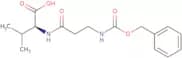
CAS:<p>Please enquire for more information about H-Val-beta-Ala-OH including the price, delivery time and more detailed product information at the technical inquiry form on this page</p>Formula:C8H16N2O3Purity:Min. 95%Molecular weight:188.22 g/molAc-Asp-Tyr(PO3H2)-Val-Pro-Met-Leu-NH2
CAS:<p>Please enquire for more information about Ac-Asp-Tyr(PO3H2)-Val-Pro-Met-Leu-NH2 including the price, delivery time and more detailed product information at the technical inquiry form on this page</p>Formula:C36H56N7O13PSPurity:Min. 95%Molecular weight:857.91 g/molZ-Gly-Gly-Arg-bNA·HCl
CAS:<p>Please enquire for more information about Z-Gly-Gly-Arg-bNA·HCl including the price, delivery time and more detailed product information at the technical inquiry form on this page</p>Formula:C28H33N7O5·HClPurity:Min. 95%Molecular weight:584.07 g/molH-Asp(OtBu)-2-chlorotrityl resin (200-400 mesh)
<p>Please enquire for more information about H-Asp(OtBu)-2-chlorotrityl resin (200-400 mesh) including the price, delivery time and more detailed product information at the technical inquiry form on this page</p>Purity:Min. 95%H-Ala-His-Lys-OH acetate salt
CAS:<p>H-Ala-His-Lys-OH acetate salt is a copper complex that has been shown to have antioxidant properties in vitro. It has been studied for use as an analog of the vitamin C, which is a cofactor for collagen synthesis and follicular keratinization. Copper complexes with H-Ala-His-Lys-OH acetate salt have been shown to inhibit the formation of reactive oxygen species (ROS) and to stimulate collagen production by human dermal fibroblasts in vitro. This compound also stimulates the growth of human skin cells in vitro, which may be due to its ability to induce fibroblast proliferation.</p>Formula:C15H26N6O4Purity:Min. 95%Molecular weight:354.4 g/molOsteoblast Activating Peptide (human) trifluoroacetate salt
<p>Please enquire for more information about Osteoblast Activating Peptide (human) trifluoroacetate salt including the price, delivery time and more detailed product information at the technical inquiry form on this page</p>Formula:C120H196N38O37SPurity:Min. 95%Molecular weight:2,795.14 g/molZ-Phe-Phe-diazomethylketone
CAS:<p>Z-Phe-Phe-diazomethylketone is a cathepsin inhibitor that has been shown to inhibit the proteolytic activity of various enzymes, including serine proteases and thrombotic thrombocytopenic. This compound inhibits the growth of Leishmania parasites in cell culture and has been shown to have a high affinity for carboxy terminal and proximal tubules. Z-Phe-Phe-diazomethylketone has a neutral pH, with an optimum at 7.0, which may be due to its ability to bind to proteins or other components of cells without affecting their functions.</p>Formula:C27H26N4O4Purity:Min. 95%Molecular weight:470.52 g/molFmoc-Lys(Boc)-Ser(Psi(Me ,Me)pro)-OH
CAS:<p>Please enquire for more information about Fmoc-Lys(Boc)-Ser(Psi(Me ,Me)pro)-OH including the price, delivery time and more detailed product information at the technical inquiry form on this page</p>Formula:C32H41N3O8Purity:Min. 95%Molecular weight:595.68 g/molH-Val-Pro-Pro-OH
CAS:<p>H-Val-Pro-Pro-OH is a peptide that has been shown to have inhibitory properties on bacterial strains such as E. coli and Staphylococcus aureus. H-Val-Pro-Pro-OH is an ester hydrochloride derivative of the amino acid Valine, which has been shown to have antihypertensive effects in mice. H-Val-Pro-Pro-OH can be used for the treatment of hypertension and other cardiovascular diseases by modifying the activity of ion channels. H-Val-Pro-Pro--OH is a peptide that inhibits the production of nitric oxide (NO) and reactive oxygen species (ROS) in endothelial cells, which are involved in physiological functions such as blood pressure control and vasodilation. The mechanism by which H--Val--Pro--Pro--OH produces these effects may involve inhibition of NO synthase (NOS) and inhibition of ROS production from NADPH oxidase 2 (N</p>Formula:C15H25N3O4Purity:Min. 95%Molecular weight:311.38 g/molPrepro VIP (156-170) (human)
CAS:<p>Please enquire for more information about Prepro VIP (156-170) (human) including the price, delivery time and more detailed product information at the technical inquiry form on this page</p>Formula:C71H106N16O31Purity:Min. 95%Molecular weight:1,679.69 g/molZ-Gly-Ala-His-AMC
CAS:<p>Please enquire for more information about Z-Gly-Ala-His-AMC including the price, delivery time and more detailed product information at the technical inquiry form on this page</p>Formula:C29H30N6O7Purity:Min. 95%Molecular weight:574.58 g/molN-Methyl-L-trans-4-hydroxyproline hydrochloride
CAS:<p>N-Methyl-L-trans-4-hydroxyproline hydrochloride is a bioactive compound that is present in the leaves of Semecarpifolia. It has been found to have antioxidant and anti-inflammatory properties. The chemical structure of N-methyl-L-trans-4-hydroxyproline hydrochloride is cyclic, butanamide, hexane, ethanolic extracts, and semecarpifolia. The family Meliaceae includes species such as Eucalyptus, which produces the bioactive compound cineole. Solvents used in this process are hexane and ethanolic extracts.</p>Formula:C6H11NO3·HClPurity:Min. 95%Color and Shape:PowderMolecular weight:181.62 g/molH-Cys-Thr-Thr-His-Trp-Gly-Phe-Thr-Leu-Cys-OH (Disulfide bond)
CAS:<p>Disulfide bond is a protein that regulates muscle cell assembly and interactions. Disulfide bonds are formed by the oxidation of two cysteine molecules, which can be found in the extracellular matrix (ECM). The protein is an important regulator of metalloproteinases, which are enzymes that regulate ECM turnover. When disulfide bond lacks, it causes a deficiency in collagen production. Disulfide bond also has interactions with MMP-2, which plays a role in the regulation of arteriosclerosis and genetic disorders such as muscular dystrophy.</p>Formula:C52H71N13O14S2Purity:Min. 95%Molecular weight:1,166.33 g/molH-Lys-Leu-OH acetate salt
CAS:<p>H-Lys-Leu-OH acetate salt is a derivatized amino acid ester that is used for the detection of lysine and leucine. It is used as an analyte in microextraction, with a sensitivity of 0.25 ng/mL, which can be increased to 0.5 ng/mL by derivatization. H-Lys-Leu-OH acetate salt has been used in the detection of acids and bases, particularly carboxylic acids and basic amino acids, respectively.</p>Formula:C12H25N3O3·C2H4O2Purity:Min. 95%Molecular weight:319.4 g/molH-Phe-Phe-Phe-Phe-OH
CAS:<p>Please enquire for more information about H-Phe-Phe-Phe-Phe-OH including the price, delivery time and more detailed product information at the technical inquiry form on this page</p>Formula:C36H38N4O5Purity:Min. 95%Molecular weight:606.71 g/molZ-Val-Lys-Met-AMC acetate salt
CAS:<p>Bortezomib is a proteasome inhibitor that binds to the catalytic site of the proteasome and inhibits its activity. Bortezomib is used as an anticancer agent to treat multiple myeloma, T-cell lymphomas, and other cancers. It has been shown to inhibit the growth of cancer cells and slow tumor progression in animal models. The drug has also been shown to decrease insulin resistance in mice with high blood sugar levels by inhibiting histone deacetylase (HDAC). This inhibition leads to increased expression of genes that are involved in glucose metabolism and decreased expression of genes that regulate fat production.<br>The drug also binds tightly to the insulin receptor, which may lead to improved glucose uptake into cells.</p>Formula:C34H45N5O7SPurity:Min. 95%Molecular weight:667.82 g/molNeuropeptide Y (human, rat) trifluoroacetate salt
CAS:<p>Please enquire for more information about Neuropeptide Y (human, rat) trifluoroacetate salt including the price, delivery time and more detailed product information at the technical inquiry form on this page</p>Formula:C189H285N55O57SPurity:Min. 95%Molecular weight:4,271.69 g/molZ-D-Arg(Z)2-OH
CAS:<p>Please enquire for more information about Z-D-Arg(Z)2-OH including the price, delivery time and more detailed product information at the technical inquiry form on this page</p>Formula:C30H32N4O8Purity:Min. 95%Molecular weight:576.6 g/mol(S)-(-)-3-Chloro-1-phenyl-1-propanol
CAS:<p>(S)-(-)-3-Chloro-1-phenyl-1-propanol is an efficient method for the synthesis of chiral propiophenone. It is synthesized by reacting a mixture of borane and tetrahydrofuran with (S)-(-)-3-chloro-1-phenylpropanol. This reaction produces the desired compound in good yield and high diastereoselectivity. The synthesis of this compound has been shown to be useful for the production of antidepressant drugs, such as κ-opioid receptor ligands, which are used to treat depression, anxiety, and chronic pain.</p>Formula:C9H11ClOPurity:Min. 95%Molecular weight:170.64 g/molH-Lys-Thr-Glu-Glu-Ile-Ser-Glu-Val-Lys-Met-pNA
CAS:<p>Please enquire for more information about H-Lys-Thr-Glu-Glu-Ile-Ser-Glu-Val-Lys-Met-pNA including the price, delivery time and more detailed product information at the technical inquiry form on this page</p>Formula:C56H92N14O20SPurity:Min. 95%Molecular weight:1,313.48 g/molH-γ-Carboxy-DL-Glu-OH
CAS:<p>H-gamma-Carboxy-DL-Glu-OH is a protein that contains the sequence of amino acids -Gln-Gly-Leu. The basic structure of H-gamma-Carboxy-DL-Glu-OH includes an alpha helix, beta sheet and random coil. The rate constant for the reaction with sephadex g100 is 2.5x10^8 M^(-1) s^(-1). The signal peptide is located at the N terminus of the molecule. The mitochondrial membrane potential can be reduced by H-gamma-Carboxy-DL-Glu-OH. Glp1 analogues are compounds that stimulate glucose uptake and glycogen synthesis in muscle cells, which may be due to their ability to increase mitochondrial membrane potential. H gamma Carboxy DL Glu OH has been shown to have physiological levels in cells and it has been shown to inhibit growth in model systems. It also</p>Formula:C6H9NO6Purity:Min. 95%Molecular weight:191.14 g/molZ-Ala-Ala-NH2
CAS:<p>Z-Ala-Ala-NH2 is a peptide that has been modified. Z-Ala-Ala-NH2 is a hydrolase and has the ability to hydrolyze peptides. It can be used in organic solvents as an unmodified hydrolase, or it can be modified with a nucleophile (such as an amine) to produce an active hydrolase. The unmodified form of Z-Ala-Ala-NH2 has been shown to have high yields and specificity for peptidyl substrates. This modification is also useful for the synthesis of amide bonds in peptides, which are more stable than ester bonds.</p>Formula:C14H19N3O4Purity:Min. 95%Molecular weight:293.32 g/molZ-Asu (OtBu)-OH·DCHA
CAS:Controlled Product<p>Please enquire for more information about Z-Asu (OtBu)-OH·DCHA including the price, delivery time and more detailed product information at the technical inquiry form on this page</p>Formula:C20H29NO6·C12H23NPurity:Min. 95%Molecular weight:560.77 g/molAmyloid Bri Protein (1-23) trifluoroacetate salt
CAS:<p>Please enquire for more information about Amyloid Bri Protein (1-23) trifluoroacetate salt including the price, delivery time and more detailed product information at the technical inquiry form on this page</p>Formula:C116H175N31O35S2Purity:Min. 95%Molecular weight:2,627.95 g/molZ-L-Alanine
CAS:<p>Z-L-Alanine is a cytosolic enzyme inhibitor that inhibits the activity of enzymes involved in protein catalysis. This inhibition is stereoselective, with the L-enantiomer having the stronger inhibitory effect. Z-L-Alanine has been shown to be an effective inhibitor of proteolytic enzymes and has been used as an additive in buffers to prevent enzymatic degradation. Molecular modeling studies have demonstrated that Z-L-Alanine can bind to the active site of these enzymes and inhibit their activity by binding to the catalytic triad of serine, aspartate, and histidine residues. The molecular structure of Z-L-Alanine resembles that of a natural substrate for these enzymes, which may account for its effectiveness in inhibiting them. FTIR spectroscopy has confirmed the presence of Z-L-alanine in a sample obtained from a bacterial culture. Liquid chromatography has shown that this amino acid is present at high levels in various</p>Formula:C11H13NO4Purity:Min. 95%Color and Shape:White Off-White PowderMolecular weight:223.23 g/molC-Peptide (human) trifluoroacetate salt
CAS:<p>C-Peptide is a monoclonal antibody that binds to the β-cell and inhibits insulin release. It has been used in diagnosis of type 1 diabetes mellitus. C-Peptide is a hormone that regulates blood glucose levels by controlling the rate of glucose production in the liver, as well as by inhibiting the breakdown of glycogen in the liver. The C-terminal amino acid sequence Glu-Ala-Glu-Asp-Leu-Gln-Val-Gly-Gln-Val-Glu -Leu-Gly can be cleaved from the peptide by trifluoroacetic acid to yield free Gln, which can then be detected using mass spectrometry. Growth factors such as IGF1, FGF21, and HGF have been shown to increase C peptide levels in diabetic patients.</p>Formula:C129H211N35O48Purity:Min. 95%Molecular weight:3,020.26 g/molFmoc-D-Thr(tBu)-Wang resin (200-400 mesh)
<p>Please enquire for more information about Fmoc-D-Thr(tBu)-Wang resin (200-400 mesh) including the price, delivery time and more detailed product information at the technical inquiry form on this page</p>Purity:Min. 95%DABCYL-γ-Abu-Pro-Gln-Gly-Leu-Glu(EDANS)-Ala-Lys-NH2
CAS:<p>Please enquire for more information about DABCYL-gamma-Abu-Pro-Gln-Gly-Leu-Glu(EDANS)-Ala-Lys-NH2 including the price, delivery time and more detailed product information at the technical inquiry form on this page</p>Formula:C63H88N16O14SPurity:Min. 95%Molecular weight:1,325.54 g/molSuc-Ala-Trp-Pro-Phe-pNA
CAS:<p>Suc-Ala-Trp-Pro-Phe-pNA is a cyclosporine analog that inhibits the activity of protein isomerases. It has been shown to inhibit the phosphatase activity of casein and stabilize peptide bonds in bovine serum albumin. Suc-Ala-Trp-Pro-Phe-pNA can also be used as a substrate for tyrosine kinase and amide bond formation. Suc-Ala-Trp-Pro-Phe-pNA is an inhibitor of FK506 binding to its receptor, which may be due to its ability to compete with tyrosine residues for binding sites. This compound also exhibits stabilization effects on protein structures by inhibiting the degradation of proteins by proteolytic enzymes or other chemical agents.</p>Formula:C38H41N7O9Purity:Min. 95%Molecular weight:739.77 g/molMet-Enkephalin-Arg-Phe
CAS:<p>Met-enkephalin is a 5-hydroxytryptamine (serotonin) agonist. It has been shown to have anesthetic properties and to be active in cardiac, pulmonary, and renal functions. Met-enkephalin has also been found to have a delta-opioid receptor activity. This molecule has been shown to inhibit noradrenaline release from the locus coeruleus, as well as immunohistochemically demonstrating its presence at the atrium of the heart. Met-enkephalin also exhibits hydroxylase activity and has been shown to inhibit dopamine release from the substantia nigra pars compacta and sinoatrial node in rats. This drug can be used for treatment of pain, hypertension, angina pectoris, myocardial infarction, unstable angina, cardiogenic shock, congestive heart failure due to left ventricular dysfunction or ischemia of the coronary artery, acute pulmonary edema</p>Formula:C42H56N10O9SPurity:Min. 95%Molecular weight:877.02 g/molFmoc-Trp-Wang resin (100-200 mesh)
<p>Please enquire for more information about Fmoc-Trp-Wang resin (100-200 mesh) including the price, delivery time and more detailed product information at the technical inquiry form on this page</p>Purity:Min. 95%Biphalin trifluoroacetate salt (
CAS:<p>Biphalin trifluoroacetate salt (H-Tyr-D-Ala-Gly-Phe-NH)2 trifluoroacetate salt is a peptide hormone. It has been shown to be an opioid that binds to the μ and δ opioid receptors and inhibits the production of inflammatory mediators. Biphalin trifluoroacetate salt (H-Tyr-D-Ala-Gly-Phe-NH)2 trifluoroacetate salt has also been shown to have neuroprotective effects. This drug has low potency and can only be used in vivo models. Biphalin trifluoroacetate salt (H-Tyr-D-Ala-Gly-Phe-NH)2 trifluoroacetate salt is not active against skin cancer cells, but does show activity against other types of cancer cells.</p>Formula:C46H56N10O10Purity:Min. 95%Molecular weight:909 g/mol(Cys8·13)-Dynorphin A (1-13) amide
CAS:<p>Please enquire for more information about (Cys8·13)-Dynorphin A (1-13) amide including the price, delivery time and more detailed product information at the technical inquiry form on this page</p>Formula:C69H112N24O14S2Purity:Min. 95%Molecular weight:1,565.91 g/molFmoc-Tyr(tBu)-Wang resin (100-200 mesh)
<p>Please enquire for more information about Fmoc-Tyr(tBu)-Wang resin (100-200 mesh) including the price, delivery time and more detailed product information at the technical inquiry form on this page</p>Purity:Min. 95%Ac-Leu-Glu-His-Asp-AMC trifluoroacetate salt
CAS:<p>Ac-Leu-Glu-His-Asp-AMC trifluoroacetate salt is a synthetic peptide that is derived from the amino acid sequence of caspases. Ac-Leu-Glu-His-Asp-AMC trifluoroacetate salt induces apoptosis in insect and E. coli cells by protease activity, which leads to cell death. The sequence of this peptide is found in Drosophila melanogaster and has been shown to induce apoptosis in insect cells. Caspases are enzymes that regulate apoptosis and play a key role in cell death.</p>Formula:C33H41N7O11Purity:Min. 95%Molecular weight:711.72 g/molH-Ala-His-Ala-OH acetate salt
CAS:<p>Please enquire for more information about H-Ala-His-Ala-OH acetate salt including the price, delivery time and more detailed product information at the technical inquiry form on this page</p>Formula:C12H19N5O4Purity:Min. 95%Molecular weight:297.31 g/molH-Ser(tBu)-AMC·HCl
CAS:<p>Please enquire for more information about H-Ser(tBu)-AMC·HCl including the price, delivery time and more detailed product information at the technical inquiry form on this page</p>Formula:C17H22N2O4·HClPurity:Min. 95%Molecular weight:354.83 g/molH-Lys-Gly-Gly-OH hydrochloride salt
CAS:<p>Histidine is a non-essential amino acid that has been shown to be involved in the regulation of cell growth and differentiation. It is also involved in the biosynthesis of nucleotides, collagen, and carnitine. Kinetic studies on histidine have been done by acetylation of histidine with acetic anhydride and pyridine. The kinetic method used was based on the reaction between histidine and p-nitrophenyl phosphate. The transfer reactions were performed with a strain containing lysine residues which were then adsorbed onto a surface-enhanced Raman spectroscopy (SERS) substrate. These experiments were performed using techniques such as resonance mass spectrometry (RMS), surface-enhanced Raman spectroscopy (SERS), and protonation selective mass spectrometry (PSMS).</p>Formula:C10H20N4O4Purity:Min. 95%Molecular weight:260.29 g/molRVG-9R trifluoroacetate salt
CAS:<p>Please enquire for more information about RVG-9R trifluoroacetate salt including the price, delivery time and more detailed product information at the technical inquiry form on this page</p>Formula:C201H334N82O55S2Purity:Min. 95%Molecular weight:4,843.45 g/molFmoc-Leu-Gly-OH
CAS:<p>Fmoc-Leu-Gly-OH is a dipeptide that is reversibly soluble in water and organic solvents. It has been found to be stable at millimeter and nanometer scales, which makes it suitable for use as a hydrogel or fiber. Fmoc-Leu-Gly-OH has also been shown to form membranes of variable thickness (from micrometers to nanometers) that are sensitive to pH changes. This means that the membrane can be used for sensing pH levels in a variety of environments. Dipeptides are amphiphiles, meaning they have both hydrophilic and lipophilic properties. This makes them useful for forming self-assembled structures, such as hydrogels and membranes, that are capable of transporting water molecules through the structure.</p>Formula:C23H26N2O5Purity:Min. 95%Color and Shape:PowderMolecular weight:410.46 g/molPAR-2 (1-6) (human) trifluoroacetate salt
CAS:<p>PAR-2 is a cytosolic protein that is activated by calcium. PAR-2 activation induces the synthesis of prostaglandins and other inflammatory mediators, which stimulate the release of substances from cells such as cytokines and chemokines. PAR-2 also has an important role in cell proliferation, differentiation, apoptosis, and cancer development. PAR-2 activation is induced by proteases such as trypsin or soybean trypsin inhibitor. The trifluoroacetate salt form of PAR-2 (1-6) has been used to inhibit protease activity in colon cancer cells and prostate cancer cells.<br>PAR-2 (1-6) (human) trifluoroacetate salt H-Ser-Leu-Ile-Gly-Lys-Val-OH trifluoroacetate salt is a potent chemical inhibitor of trypsin activity with IC50 values of 0.5 µM for soybean trypsin inhibitor</p>Formula:C28H53N7O8Purity:Min. 95%Molecular weight:615.76 g/molBoc-N-Me-D-Tyr-OH·DCHA
CAS:Controlled Product<p>Please enquire for more information about Boc-N-Me-D-Tyr-OH·DCHA including the price, delivery time and more detailed product information at the technical inquiry form on this page</p>Formula:C15H21NO5·C12H23NPurity:Min. 95%Molecular weight:476.65 g/molFmoc-Trp(Boc)-Thr(Psi(Me,Me)pro)-OH
CAS:<p>Please enquire for more information about Fmoc-Trp(Boc)-Thr(Psi(Me,Me)pro)-OH including the price, delivery time and more detailed product information at the technical inquiry form on this page</p>Formula:C38H41N3O8Purity:Min. 95%Molecular weight:667.75 g/molGalanin (1-16) (mouse, porcine, rat)
CAS:<p>Please enquire for more information about Galanin (1-16) (mouse, porcine, rat) including the price, delivery time and more detailed product information at the technical inquiry form on this page</p>Formula:C78H116N20O21Purity:Min. 95%Molecular weight:1,669.88 g/molConantokin G (free acid)
CAS:<p>Please enquire for more information about Conantokin G (free acid) including the price, delivery time and more detailed product information at the technical inquiry form on this page</p>Formula:C88H137N25O45Purity:Min. 95%Molecular weight:2,265.17 g/mol(N-Me-D-Phe7)-Bradykinin
CAS:<p>Please enquire for more information about (N-Me-D-Phe7)-Bradykinin including the price, delivery time and more detailed product information at the technical inquiry form on this page</p>Formula:C55H77N15O11Purity:Min. 95%Molecular weight:1,124.29 g/molpTH (18-48) (human)
CAS:<p>Please enquire for more information about pTH (18-48) (human) including the price, delivery time and more detailed product information at the technical inquiry form on this page</p>Formula:C156H251N47O43SPurity:Min. 95%Molecular weight:3,505.02 g/mol2-methyl-6-(trifluoromethyl)aniline
CAS:<p>2-Methyl-6-(trifluoromethyl)aniline is a colorless, oily liquid with a sulfurous odor. It is soluble in water and alcohol. The reaction rate of 2-methyl-6-(trifluoromethyl)aniline with sulfoxides is faster than that of benzyl anilines, but slower than that of anilino derivatives. The addition of hydrophobic groups to the 2-methyl-6-(trifluoromethyl)aniline molecule increases the reaction rate. 2-Methyl-6-(trifluoromethyl)aniline can be used as an anesthetic agent because it is a potent inhibitor of nerve conduction in sciatic nerves. It also has been shown to be effective in desulfurizing propylene, which is important for the production of polypropylene plastics and synthetic rubber. 2-Methyl-6-(triflu</p>Formula:C8H8F3NPurity:Min. 95%Molecular weight:175.15 g/molH-Phe-Glu-OH
CAS:<p>H-Phe-Glu-OH is a compound that has been shown to significantly increase the uptake of collagen in fibrosarcoma cells. H-Phe-Glu-OH binds to a receptor on the cell surface and activates it, which leads to an increase in collagen uptake. This drug also enhances the production of collagen molecules and can be used for diagnosing diseases such as cancer. H-Phe-Glu-OH does not affect normal cells, making it possible for this drug to be used as a diagnostic tool without harming healthy tissue.</p>Formula:C14H18N2O5Purity:Min. 95%Molecular weight:294.3 g/mol4-Nitro-Z-Gly-Trp-Gly-OH
CAS:<p>Please enquire for more information about 4-Nitro-Z-Gly-Trp-Gly-OH including the price, delivery time and more detailed product information at the technical inquiry form on this page</p>Formula:C23H23N5O8Purity:Min. 95%Molecular weight:497.46 g/molStresscopin-Related Peptide (human)
CAS:<p>Please enquire for more information about Stresscopin-Related Peptide (human) including the price, delivery time and more detailed product information at the technical inquiry form on this page</p>Formula:C205H358N68O57Purity:Min. 95%Molecular weight:4,687.46 g/molAngiotensin (1-12) (human) trifluoroacetate salt
CAS:<p>Please enquire for more information about Angiotensin (1-12) (human) trifluoroacetate salt including the price, delivery time and more detailed product information at the technical inquiry form on this page</p>Formula:C73H109N19O16Purity:Min. 95%Molecular weight:1,508.77 g/molH-Tyr-Tyr-Tyr-OMe
CAS:<p>H-Tyr-Tyr-Tyr-OMe is a chiral, fluorinated, enantiomeric molecule that is synthesized by the reaction of an aryloxybenzene with tetrahydropyran and chlorine. This product has been used in asymmetric synthesis as a building block for pyrazole derivatives. It has also been used to produce alcohols and dialkylamino compounds.</p>Formula:C28H31N3O7Purity:Min. 95%Molecular weight:521.56 g/mol3-Phenyl-1-adamantane carboxylic acid
CAS:<p>3-Phenyl-1-adamantane carboxylic acid is a thioester that can be used in the synthesis of anti-fungal and antiviral agents. 3-Phenyl-1-adamantane carboxylic acid has been shown to have anti-viral activity against herpes simplex virus type 1 (HSV-1) and type 2 (HSV-2). It also has anthelmintic properties, which may be due to its ability to inhibit the growth of parasitic worms. 3PCA can also be used in the synthesis of cyclic anthelmintics, which are drugs that treat worm infestations.</p>Formula:C17H20O2Purity:Min. 95%Color and Shape:White Off-White PowderMolecular weight:256.34 g/molO-Methylisourea hemisulfate
CAS:<p>O-Methylisourea hemisulfate is a chemical compound that has been used for wastewater treatment and as an anticancer agent. It is known to have multiple-reaction monitoring (MRM) techniques which are based on the detection of the reaction products with multiple wavelengths. O-Methylisourea hemisulfate has been shown to have anticancer activity in mammalian cells, and it enhances the antibacterial effect of ethyl formate. This chemical is also used as a sample preparation reagent in human serum protein analysis.</p>Formula:C2H6N2O·H2O4SMolecular weight:246.24 g/molH-Asp-Arg-Val-Tyr-Ile-His-Pro-Phe-His-Leu-Leu-Tyr-Tyr-Ser-OH
CAS:<p>Please enquire for more information about H-Asp-Arg-Val-Tyr-Ile-His-Pro-Phe-His-Leu-Leu-Tyr-Tyr-Ser-OH including the price, delivery time and more detailed product information at the technical inquiry form on this page</p>Formula:C89H123N21O21Purity:Min. 95%Molecular weight:1,823.06 g/molAc-Ile-Glu-Thr-Asp-aldehyde (pseudo acid)
CAS:<p>Ac-Ile-Glu-Thr-Asp-aldehyde (pseudo acid) is a neurotrophic factor that plays an important role in the development and function of the nervous system. It stimulates the production of other neurotrophic factors such as NGF, BDNF, and GDNF. This protein has been shown to be involved in a number of autoimmune diseases, including multiple sclerosis and rheumatoid arthritis. Ac-Ile-Glu-Thr-Asp-aldehyde (pseudo acid) is also known to reduce neuronal death by binding to toll receptors on neurons and activating mitogen activated protein kinases. Acetylcholine esterase activity can also be inhibited by this protein. Acetylcholine esterase is responsible for breaking down acetylcholine, which is a neurotransmitter that transmits nerve impulses across the synapses between neurons. The inhibition of this enzyme leads to an increase in acetylcholine levels and increased transmission of</p>Formula:C21H34N4O10Purity:Min. 95%Molecular weight:502.52 g/molH-Ile-Glu-OH
CAS:<p>Please enquire for more information about H-Ile-Glu-OH including the price, delivery time and more detailed product information at the technical inquiry form on this page</p>Formula:C11H20N2O5Purity:Min. 95 Area-%Color and Shape:PowderMolecular weight:260.29 g/molN-Benzoyl-L-leucine-β-naphthylamide
CAS:<p>N-Benzoyl-L-leucine-beta-naphthylamide is a chromogenic substrate for transpeptidase. It is hydrolyzed to L-phenylalanine and 2-naphthylamine, which react with the chromogen to produce a color change. The reaction occurs in both spermatozoa and epithelial cells, but can be inhibited by aminopeptidase and peptidase. This substrate is used as a marker for spermatozoa in semen analysis.</p>Formula:C23H24N2O2Purity:Min. 95%Color and Shape:PowderMolecular weight:360.45 g/molZ-Val-Leu-Arg-4MbNA·HCl
CAS:<p>Please enquire for more information about Z-Val-Leu-Arg-4MbNA·HCl including the price, delivery time and more detailed product information at the technical inquiry form on this page</p>Formula:C36H49N7O6·HClPurity:Min. 95%Molecular weight:712.28 g/molH-Tyr-Gly-NH2·HCl
CAS:<p>Please enquire for more information about H-Tyr-Gly-NH2·HCl including the price, delivery time and more detailed product information at the technical inquiry form on this page</p>Formula:C11H15N3O3·HClPurity:Min. 95%Molecular weight:273.72 g/molCyclo(-D-Ser-Pro-D-Val-Leu-D-Trp)
CAS:<p>Please enquire for more information about Cyclo(-D-Ser-Pro-D-Val-Leu-D-Trp) including the price, delivery time and more detailed product information at the technical inquiry form on this page</p>Formula:C30H42N6O6Purity:Min. 95%Molecular weight:582.69 g/molAlloferon 2 trifluoroacetate salt
CAS:<p>Please enquire for more information about Alloferon 2 trifluoroacetate salt including the price, delivery time and more detailed product information at the technical inquiry form on this page</p>Formula:C46H69N19O15Purity:Min. 95%Molecular weight:1,128.16 g/molH-Gly-Asp-Arg-Ala-Asp-Gly-Gln-Pro-Ala-Gly-Asp-Arg-Ala-Asp-Gly-Gln-Pro-Ala-OH
CAS:<p>Please enquire for more information about H-Gly-Asp-Arg-Ala-Asp-Gly-Gln-Pro-Ala-Gly-Asp-Arg-Ala-Asp-Gly-Gln-Pro-Ala-OH including the price, delivery time and more detailed product information at the technical inquiry form on this page</p>Formula:C68H108N26O29Purity:Min. 95%Molecular weight:1,753.74 g/molPeptide YY (13-36) (canine, mouse, porcine, rat) trifluoroacetate salt
CAS:<p>Please enquire for more information about Peptide YY (13-36) (canine, mouse, porcine, rat) trifluoroacetate salt including the price, delivery time and more detailed product information at the technical inquiry form on this page</p>Formula:C135H209N41O38Purity:Min. 95%Molecular weight:3,014.36 g/molH-Met-Trp-OH
CAS:<p>H-Met-Trp-OH is a synthetic compound that exhibits a suppressive effect on the labialis muscle. The mechanism of action is not fully understood, but it has been shown to have antioxidant function, and the antioxidant system in rat skin was found to be activated when H-Met-Trp-OH was applied. H-Met-Trp-OH also exhibits an antiinflammatory effect on dermatosis. This substance is structurally related to cinnamic acid derivatives, which are flavonoids with antioxidant properties.</p>Formula:C16H21N3O3SPurity:Min. 95%Molecular weight:335.42 g/molFmoc-β-Ala-Wang resin (200-400 mesh)
<p>Please enquire for more information about Fmoc-beta-Ala-Wang resin (200-400 mesh) including the price, delivery time and more detailed product information at the technical inquiry form on this page</p>Purity:Min. 95%H-Glu-Ala-Leu-Phe-Gln-pNA trifluoroacetate salt
CAS:<p>Please enquire for more information about H-Glu-Ala-Leu-Phe-Gln-pNA trifluoroacetate salt including the price, delivery time and more detailed product information at the technical inquiry form on this page</p>Formula:C34H46N8O10Purity:Min. 95%Molecular weight:726.78 g/mol(D-Arg2,Lys4)-Dermorphin (1-4) amide
CAS:<p>Dermorphin is a neuropeptide that has been shown to reduce cortisol levels in badgers and has been shown to have biological activity in vitro. Dermorphin also has a number of pharmacokinetic properties, including water solubility, lipid solubility, and oral bioavailability. The drug binds to δ receptors and inhibits the enzyme activities of rat liver microsomes. Dermorphin is used as an analgesic for bowel disease, such as inflammatory bowel disease or hypogaea. Dermorphin has antinociceptive properties (pain-relieving).</p>Formula:C30H45N9O5Purity:Min. 95%Molecular weight:611.74 g/mol(R)-methyl pyrrolidine-3-carboxylate hydrochloride
CAS:<p>Please enquire for more information about (R)-methyl pyrrolidine-3-carboxylate hydrochloride including the price, delivery time and more detailed product information at the technical inquiry form on this page</p>Purity:Min. 95%Substance P (6-11)
CAS:<p>Substance P (6-11) H-Gln-Phe-Phe-Gly-Leu-Met-NH2 is a fatty acid with a molecular weight of 609.82 Da. It is an immune reaction and antinociceptive agent, which also has the ability to stimulate protein synthesis in the central nervous system. Substance P (6-11) H-Gln-Phe-Phe-Gly-Leu-Met-NH2 binds to neurokinin receptor type 1, which is involved in syncytial virus infection and rotarod test.</p>Formula:C36H52N8O7SPurity:Min. 95%Molecular weight:740.91 g/molHIV-1 env Protein gp41 (1-23) amide (isolates BRU/JRCSF)
CAS:<p>Please enquire for more information about HIV-1 env Protein gp41 (1-23) amide (isolates BRU/JRCSF) including the price, delivery time and more detailed product information at the technical inquiry form on this page</p>Formula:C95H155N27O26SPurity:Min. 95%Molecular weight:2,123.48 g/molUrinary Trypsin Inhibitor Fragment
CAS:<p>Urinary Trypsin Inhibitor Fragment H-Arg-Gly-Pro-Cys-Arg-Ala-Phe-Ile-OH is a synthetic peptide that is used as a diagnostic agent. It has been shown to inhibit proinflammatory cytokines in vitro and in vivo. This peptide binds to the amino acid sequences of phospholipase A2, which are found in tumor cells, and can be used for cancer diagnosis. Urinary Trypsin Inhibitor Fragment H-Arg-Gly-Pro-Cys-Arg-Ala-Phe-Ile-OH also binds to DNA methylation, which may be useful for studying DNA methylation patterns in cancer cells.</p>Formula:C40H66N14O9SPurity:Min. 95%Molecular weight:919.11 g/molAc-Cys(farnesyl)-OH
CAS:<p>Ac-Cys(farnesyl)-OH is a synthetic chemical that has been shown to inhibit the growth of cells. It inhibits the enzyme form of farnesyl protein transferase, which is involved in the synthesis of basic proteins. Ac-Cys(farnesyl)-OH also binds to and inhibits epidermal growth factor receptor, which plays an important role in cell proliferation. In addition, this compound has been found to have anti-cancer properties. Ac-Cys(farnesyl)-OH has been shown to reduce the frequency of cellular transformation in vitro and in vivo. This effect may be due to its ability to inhibit protease activity.</p>Formula:C20H33NO3SPurity:Min. 95%Molecular weight:367.55 g/mol3-(4-Methoxybenzoyl)acrylic acid
CAS:<p>Please enquire for more information about 3-(4-Methoxybenzoyl)acrylic acid including the price, delivery time and more detailed product information at the technical inquiry form on this page</p>Formula:C11H10O4Purity:Min. 95%Color and Shape:PowderMolecular weight:206.19 g/molBoc-Gly-Gly-Gly-Lys-OH
CAS:<p>Please enquire for more information about Boc-Gly-Gly-Gly-Lys-OH including the price, delivery time and more detailed product information at the technical inquiry form on this page</p>Formula:C17H31N5O7Purity:Min. 95%Molecular weight:417.46 g/mol(Ser(tBu)6,Azagly10)-LHRH
CAS:<p>Please enquire for more information about (Ser(tBu)6,Azagly10)-LHRH including the price, delivery time and more detailed product information at the technical inquiry form on this page</p>Formula:C59H84N18O14Purity:Min. 95%Molecular weight:1,269.41 g/molBiotinyl-Somatostatin-14
CAS:<p>Please enquire for more information about Biotinyl-Somatostatin-14 including the price, delivery time and more detailed product information at the technical inquiry form on this page</p>Formula:C86H118N20O21S3Purity:Min. 95%Molecular weight:1,864.18 g/molH-Pro-Gly-NH2·HCl
CAS:<p>Please enquire for more information about H-Pro-Gly-NH2·HCl including the price, delivery time and more detailed product information at the technical inquiry form on this page</p>Formula:C7H13N3O2·HClPurity:Min. 95%Molecular weight:207.66 g/molp60 v-src (137-157)
CAS:<p>Please enquire for more information about p60 v-src (137-157) including the price, delivery time and more detailed product information at the technical inquiry form on this page</p>Formula:C111H168N30O35Purity:Min. 95%Molecular weight:2,482.7 g/mol3'-Hydroxy-4'-methoxyacetophenone
CAS:<p>3'-Hydroxy-4'-methoxyacetophenone is a chemical compound with the molecular formula CHO and it belongs to the group of bisbenzylisoquinoline alkaloids. It is a white crystalline powder that has a dry weight of 155.2g/mol and melting point of 154-158°C. 3'-Hydroxy-4'-methoxyacetophenone is used as an intermediate in the synthesis of other chemicals, such as methyl transferase inhibitors like metronidazole or oxidative stress agents like benzoquinones. 3'-Hydroxy-4'-methoxyacetophenone can be found in bowel disease patients, where it may be produced by bacteria in the gut. This chemical also has UV absorption properties and can be used as a sample preparation agent for hydroalcoholic samples.</p>Formula:C9H10O3Purity:Min. 95%Color and Shape:PowderMolecular weight:166.17 g/molEntero-Kassinin
CAS:<p>Please enquire for more information about Entero-Kassinin including the price, delivery time and more detailed product information at the technical inquiry form on this page</p>Formula:C58H89N15O21SPurity:Min. 95%Molecular weight:1,364.48 g/molOsteogenic Growth Peptide (10-14) trifluoroacetate salt
CAS:<p>Osteogenic growth peptide is a cyclic peptide that has been shown to activate the production of collagen and other proteins in fibroblasts. It has also been found to promote hematopoietic cell proliferation, as well as stimulate growth in cultured cells. Osteogenic growth peptide is an analog of TGF-β1, but it differs by having a tyrosine residue at the 10th position instead of an arginine residue. This difference in amino acid sequence alters the activity of this peptide and produces a new compound with different biological effects.</p>Formula:C24H29N5O7Purity:Min. 95%Molecular weight:499.52 g/molFmoc-N-methyl-L-leucine
CAS:<p>Please enquire for more information about Fmoc-N-methyl-L-leucine including the price, delivery time and more detailed product information at the technical inquiry form on this page</p>Formula:C22H25NO4Purity:Min. 95%Color and Shape:PowderMolecular weight:367.44 g/mol(3,5-Diiodo-Tyr2,Arg8)-Vasopressin
CAS:<p>Please enquire for more information about (3,5-Diiodo-Tyr2,Arg8)-Vasopressin including the price, delivery time and more detailed product information at the technical inquiry form on this page</p>Formula:C46H63I2N15O12S2Purity:Min. 95%Molecular weight:1,336.03 g/molZ-Leu-Arg-Gly-Gly-AMC acetate salt
CAS:Controlled Product<p>Please enquire for more information about Z-Leu-Arg-Gly-Gly-AMC acetate salt including the price, delivery time and more detailed product information at the technical inquiry form on this page</p>Formula:C34H44N8O8Purity:Min. 95%Molecular weight:692.76 g/molH-Leu-2-chlorotrityl resin (200-400 mesh)
<p>Please enquire for more information about H-Leu-2-chlorotrityl resin (200-400 mesh) including the price, delivery time and more detailed product information at the technical inquiry form on this page</p>Purity:Min. 95%Dynorphin A trifluoroacetate salt
CAS:<p>Dynorphin A is a peptide that belongs to the class of opioid peptides. It acts as a kappa-opioid receptor agonist and is involved in the transmission of pain signals and other information from the central nervous system to the peripheral nervous system. Dynorphin A has been shown to inhibit the release of neurotransmitters, such as acetylcholine, dopamine, serotonin, and norepinephrine. It also blocks the action of transmitters at postsynaptic membranes by binding to their receptors. Dynorphin A binds with high affinity to kappa-opioid receptors and can be used for treatment of heroin addiction and chronic pain.</p>Formula:C99H155N31O23Purity:Min. 95%Molecular weight:2,147.49 g/molH-Gly-Arg-Gly-Asp-Ser-OH TFA salt
CAS:<p>H-Gly-Arg-Gly-Asp-Ser-OH TFA salt is a synthetic peptide that is designed to bind to the nuclear factor kappa B (NFκB) and inhibit its activation. NFκB is a transcription factor that regulates gene expression in response to various stimuli, including proinflammatory cytokines, oxidants, and electrophilic compounds. H-Gly-Arg-Gly-Asp-Ser-OH TFA salt has been shown to inhibit NFκB activation in a model system. This molecule also inhibits axonal growth and pluripotent cells differentiation, which may be due to its suppression of the signal peptide. The rate constant for this drug has been measured using polymer compositions and biocompatible polymers.</p>Formula:C17H30N8O9(freebase)Purity:Min. 95%Molecular weight:490.47 g/molH-Phe-D-Pro-OH·HCl
CAS:<p>Please enquire for more information about H-Phe-D-Pro-OH·HCl including the price, delivery time and more detailed product information at the technical inquiry form on this page</p>Formula:C14H18N2O3·HClPurity:Min. 95%Molecular weight:298.77 g/molAc-D-Ala-D-lactic acid
CAS:<p>Please enquire for more information about Ac-D-Ala-D-lactic acid including the price, delivery time and more detailed product information at the technical inquiry form on this page</p>Formula:C8H13NO5Purity:Min. 95%Molecular weight:203.19 g/mol(Asn7)-Amyloid b-Protein (1-40) trifluoroacetate salt
CAS:<p>(Asn7)-Amyloid b-Protein (1-40) trifluoroacetate salt H-Asp-Ala-Glu-Phe-Arg-His-Asn-Ser-Gly-Tyr-Glu-Val-His-His-Gln-Lys<br>The product is a compound that has been shown to inhibit the formation of beta amyloid peptides in the brain. It binds to the beta amyloid peptide and prevents its aggregation, thereby preventing the formation of plaques and inhibiting neuronal cell death. The product contains no detectable levels of trehalose, which makes it ideal for use in brain imaging studies. This product may also be used as a predictive biomarker for Alzheimer's disease because it can be detected in cerebrospinal fluid and plasma.</p>Formula:C194H296N54O57SPurity:Min. 95%Molecular weight:4,328.82 g/molH-Leu-Leu-NH2·HCl
CAS:<p>Please enquire for more information about H-Leu-Leu-NH2·HCl including the price, delivery time and more detailed product information at the technical inquiry form on this page</p>Formula:C12H25N3O2·HClPurity:Min. 95%Molecular weight:279.81 g/molH-Leu-bNA
CAS:<p>H-Leu-bNA is a gene product that has been activated and is involved in the production of chronic arthritis. H-Leu-bNA is a basic protein that catalyzes the conversion of chloromethyl ketone to iodoacetic acid, which then converts neutral ph substances to acidic ph substances. This enzyme also catalyzes the conversion of amino acids to their corresponding amines and ammonia. H-Leu-bNA may be involved in autoimmune diseases with acidic phs, such as rheumatoid arthritis. It has an optimum pH of 7.4 and will not work at higher or lower pHs. The sequences for this enzyme are found in plants, but it is not found in humans or animals.br><br>H-Leu-bNA can be used as a kinetic tool to measure enzyme activity. Kinetic data for this enzyme show that it has a high affinity for chloromethyl ketone and can be inhibited by certain chemicals,</p>Formula:C16H20N2OPurity:Min. 95%Molecular weight:256.34 g/molH-Met-Leu-OH
CAS:<p>H-Met-Leu-OH is a peptide that is a protonated form of the amino acid, methionine. It has been shown to have transient activity in the pancreas and testes. H-Met-Leu-OH is also a substrate for a number of enzymes including peptidases, which cleave it into smaller molecules. The presence of H-Met-Leu-OH in polyacrylamide gels can be detected by photooxidation or by using an electrophoresis method. H-Met-Leu-OH is used as a marker to show the purity of proteins and peptides during solubilization and electrophoresis.</p>Formula:C11H22N2O3SPurity:Min. 95%Molecular weight:262.37 g/molBoc-Met-Gly-OH
CAS:<p>Boc-Met-Gly-OH is an ester that can be synthesized by the reaction of Boc-glycine and methanol in aqueous sodium hydroxide. The product is soluble in organic solvents, such as dichloromethane, chloroform, and diethyl ether. Monitoring of this reaction yields the acid residues. The ester also has hydrophilic properties due to its amino group and methylene side chain. This compound can be used as a catalyst for reactions involving chloride or hydrophobic amino groups. It is not active for reactions with hydrophilic amino acids or immobilized catalysts.</p>Formula:C12H22N2O5SPurity:Min. 95%Molecular weight:306.38 g/molAc-Pen-Arg-Gly-Asp-Cys-OH (Disulfide bond)
CAS:<p>Disulfide bond is an analytical method for the determination of the concentration-time curve. It is a cyclic peptide that competes with fibrinogen for binding to platelets. Disulfide bond has been shown to be an antagonist of receptor antagonist, and has potential applications in the treatment of autoimmune diseases. Disulfide bond can also be used as a model system for toxicological studies and experimental models in humans.</p>Formula:C22H36N8O9S2Purity:Min. 95%Molecular weight:620.7 g/molZ-Ala-Val-OH
CAS:<p>Z-Ala-Val-OH is a prodrug that is hydrolyzed to ala-z-valine in vivo. It has been shown to be resistant to enzymes such as esterases, amidases, and proteases. Z-Ala-Val-OH has been modified in an effort to increase its affinity for the active site of the enzyme. This modification involves attaching a hydrophobic group onto the amide nitrogen of the amino acid residue. The resulting product is an active ester that can be used as an antihypertensive drug or for the treatment of Alzheimer's disease.</p>Formula:C16H22N2O5Purity:Min. 95%Molecular weight:322.36 g/molZ-Phe-OBzl
CAS:<p>Z-Phe-OBzl is an opioid drug that has been used as a research tool for studying the effects of opioid drugs on the nervous system. Z-Phe-OBzl is a synthetic peptide with a high affinity for opioid receptors. It has been shown to be a potent natural product antagonist and endogenous agonist, which may be useful in the treatment of pain. The oral bioavailability of Z-Phe-OBzl has also been reported to be greater than 90%.</p>Formula:C24H23NO4Purity:Min. 95%Molecular weight:389.44 g/molH-β-Ala-Val-OH
CAS:<p>H-beta-Ala-Val-OH is a synthetic amino acid that has been positioned in the beta helix of a crystallographic protein. It has a helical structure with an alpha carbon backbone. The dipeptide is water soluble and dipeptides are found in helices, which are hydrogen bonded to other helices. H-beta-Ala-Val-OH also has supramolecular properties, which means it can form structures on its own that are not dependent on other molecules.</p>Formula:C8H16N2O3Purity:Min. 95%Molecular weight:188.22 g/molH-Ala-D-Ala-Ala-OH
CAS:<p>Please enquire for more information about H-Ala-D-Ala-Ala-OH including the price, delivery time and more detailed product information at the technical inquiry form on this page</p>Formula:C9H17N3O4Purity:Min. 95%Molecular weight:231.25 g/molN-2-Hydroxyethyl-Val-Leu-anilide
CAS:<p>Please enquire for more information about N-2-Hydroxyethyl-Val-Leu-anilide including the price, delivery time and more detailed product information at the technical inquiry form on this page</p>Formula:C19H31N3O3Purity:Min. 95%Molecular weight:349.47 g/molrac 3,11-dichloro-6,11-dihydro-6-methyl-dibenzo[c,f][1,2]thiazepine 5,5-dioxide
CAS:<p>Racemic 3,11-dichloro-6,11-dihydro-6-methyl-dibenzo[c,f][1,2]thiazepine 5,5-dioxide is a hydrogen chloride salt of racemic 3,11-dichloro-6,11-dihydro-6-methyl dibenzo[c,f][1,2]thiazepine. Racemic 3,11 - dichloro - 6 , 11 - dihydro - 6 - methyl dibenzo [ c , f ] [ 1 , 2 ] thiazepine 5 , 5 - dioxide is used in the manufacture of high purity and high yield hydrogen chloride gas. Racemic 3,11 - dichloro - 6 , 11 - dihydro - 6 - methyl dibenzo [ c , f ] [ 1 , 2 ] thiazepine 5 , 5 - dioxide can be prepared by heating anhyd</p>Formula:C14H11Cl2NO2SPurity:Min. 95%Molecular weight:328.21 g/molH-Lys(4-nitro-Z)-pyrrolidide·HCl
CAS:<p>Please enquire for more information about H-Lys(4-nitro-Z)-pyrrolidide·HCl including the price, delivery time and more detailed product information at the technical inquiry form on this page</p>Formula:C18H26N4O5·HClPurity:Min. 95%Molecular weight:414.88 g/molMelanocyte Protein PMEL 17 (185-193) (human, bovine, mouse) trifluoroacetate salt
CAS:<p>Please enquire for more information about Melanocyte Protein PMEL 17 (185-193) (human, bovine, mouse) trifluoroacetate salt including the price, delivery time and more detailed product information at the technical inquiry form on this page</p>Formula:C46H72N10O15Purity:Min. 95%Molecular weight:1,005.12 g/mol(Val34)-Amyloid b-Protein (1-40) trifluoroacetate salt
CAS:<p>Please enquire for more information about (Val34)-Amyloid b-Protein (1-40) trifluoroacetate salt including the price, delivery time and more detailed product information at the technical inquiry form on this page</p>Formula:C193H293N53O58SPurity:Min. 95%Molecular weight:4,315.78 g/mol4-Amino-2-methylbenzoic acid
CAS:<p>4-Amino-2-methylbenzoic acid is a low molecular weight compound that has been shown to inhibit the neuraminidase enzyme. It interacts with the imine group of the enzyme and forms a covalent bond, which prevents the release of sialic acid from the terminal sugar residue of glycoproteins. The inhibition of this enzyme leads to decreased bacterial growth. 4-Amino-2-methylbenzoic acid has been shown to be active against Gram positive bacteria such as Staphylococcus aureus and Streptococcus pneumoniae, but not against Gram negative bacteria such as Escherichia coli or Pseudomonas aeruginosa. This compound is also able to inhibit the synthesis of c-reactive protein (CRP) in human erythrocytes.</p>Formula:C8H9NO2Purity:Min. 95%Color and Shape:PowderMolecular weight:151.16 g/mol(Tyr15)-Fibrinopeptide B (human)
CAS:<p>Fibrinopeptide B is a linear peptide that is found in the human fibrinogen molecule. It has been shown to be bioactive and can be used as a specific molecular marker for thrombus formation. Fibrinopeptide B has an optimal wavelength of 280 nm, and can be detected using phosphoric acid-based electrophoresis. The peptides are typically only 10 to 20 amino acids long, although the length varies depending on the protein they are derived from.</p>Formula:C75H102N20O27Purity:Min. 95%Molecular weight:1,715.73 g/molH-Gly-Ala-Asp-OH
CAS:<p>H-Gly-Ala-Asp-OH is a pharmacological treatment for bacterial infection. The drug has been shown to be effective in treating the symptoms of bacterial infections, such as fever and headache, in animal models. H-Gly-Ala-Asp-OH binds to the GABA receptor and inhibits the production of GABA, which is an inhibitory neurotransmitter that regulates neuronal activity. This binding prevents the formation of an inhibitor complex with the enzyme decarboxylase that is required for GABA synthesis and thus inhibits protein synthesis and cell division.</p>Formula:C9H15N3O6Purity:Min. 98 Area-%Color and Shape:PowderMolecular weight:261.23 g/mol(Ala1)-PAR-4 (1-6) (mouse) trifluoroacetate salt
CAS:<p>(Ala1)-PAR-4 (1-6) (mouse) trifluoroacetate salt H-Ala-Tyr-Pro-Gly-Lys-Phe-OH trifluoroacetate salt is a potent inhibitor of protein kinase C, and has been shown to inhibit the growth of prostate cancer cells. It also inhibits phosphorylation of epidermal growth factor receptors, which leads to lower levels of epidermal growth factor in the cell. This drug also has antiplatelet effects and may be used as an antiplatelet agent for patients with vascular disease or diabetes.</p>Formula:C34H47N7O8Purity:Min. 95%Molecular weight:681.78 g/mol(Deamino-Cys11,D-2-Nal 14,Cys18)-b-MSH (11-22) amide trifluoroacetate salt
CAS:<p>Please enquire for more information about (Deamino-Cys11,D-2-Nal 14,Cys18)-b-MSH (11-22) amide trifluoroacetate salt including the price, delivery time and more detailed product information at the technical inquiry form on this page</p>Formula:C69H91N19O16S2Purity:Min. 95%Molecular weight:1,506.71 g/molH-Lys-Tyr-Ser-OH
CAS:<p>H-Lys-Tyr-Ser-OH is a molecule that is the product of a racemase enzyme. This molecule is an acid with a pKa of 2.6, which means that it can exist as either a D or L form at pH values less than 2.6. The D form is more stable and has greater solubility in water than the L form. H-Lys-Tyr-Ser-OH stabilizes the conformation of erythromycin and other antibiotics by binding to Murein, which is the cell wall component responsible for conferring resistance to these drugs.</p>Formula:C18H28N4O6Purity:Min. 95%Molecular weight:396.44 g/molH-Leu-Gly-OtBu·HCl
CAS:<p>Please enquire for more information about H-Leu-Gly-OtBu·HCl including the price, delivery time and more detailed product information at the technical inquiry form on this page</p>Formula:C12H24N2O3·HClPurity:Min. 95%Molecular weight:280.79 g/molH-Gly-Gly-NH2·HCl
CAS:<p>Gly-Gly-NH2·HCl is a nanosized antibiotic that has been shown to have antibacterial properties. It is activated by long-chain inorganic acids, such as hydrochloric acid, and organic solvents, such as acetone. This compound has an amide group that makes it acidic. The hydrocarbon chain of this molecule may be either short or long.</p>Formula:C4H9N3O2·HClPurity:Min. 95%Molecular weight:167.59 g/molAc-Tyr-Val-Ala-Asp-AMC
CAS:<p>Ac-Tyr-Val-Ala-Asp-AMC is a compound that has been shown to induce apoptotic cell death in MDA-MB-231 breast cancer cells. It inhibits the activity of proteases, which are enzymes that degrade proteins. Ac-Tyr-Val-Ala-Asp-AMC has also been shown to inhibit serine proteases and granule neurons, which are proteins in the brain that regulate the production of atp levels. Ac-Tyr-Val-Ala-Asp-AMC has also been shown to inhibit muscle cell proliferation. Acetylcholine (ACh) is a neurotransmitter responsible for signaling between nerve cells in the central nervous system and other parts of the body. Acetylcholine is synthesized by choline acetyltransferase (ChAT), an enzyme that breaks down acetylcholine into choline and acetate. Inhibition of ChAT leads to a decrease in</p>Formula:C33H39N5O10Purity:Min. 95%Molecular weight:665.69 g/molH-Arg-Arg-Glu-Glu-Glu-Thr-Glu-Glu-Glu-OH
CAS:<p>H-Arg-Arg-Glu-Glu-Glu-Thr-Glu-Glu-Glu-OH is a peptide that is an activator of casein kinase II. Casein kinase II is a serine/threonine protein kinase that plays an important role in the regulation of cell proliferation and differentiation, apoptosis, and immune response. It has been shown to be involved in restenosis after angioplasty, as well as in tumorigenesis and radiation therapy. H-Arg-Arg-Glu-Glu-Glu-Thr-Glu - Glu - Glu - OH has also been shown to inhibit the replication of influenza virus by interfering with viral transcription and viral maturation. This peptide has been used for the treatment of alopecia, which may be due to its ability to inhibit hair follicle growth.</p>Formula:C46H75N15O23Purity:Min. 95%Molecular weight:1,206.18 g/molDynorphin A (1-8) acetate salt
CAS:<p>Dynorphin A (1-8) acetate salt H-Tyr-Gly-Gly-Phe-Leu-Arg-Arg-Ile-OH acetate salt is a synthetic, nonpeptide opioid agonist. It binds to the delta receptor and inhibits nociception in the central nervous system. This compound has been shown to produce acute phase and subchronic toxicity in rats and has been shown to possess antinociceptive effects in mice. Dynorphin A (1-8) acetate salt H-Tyr-Gly-Gly-Phe-Leu-Arg-Arg-Ile-OH acetate salt has also been shown to antagonize the enzyme inhibitors of phospholipase A2, cyclooxygenase, and lipoxygenase.<br>MECHANISM OF ACTION: Dynorphin A (1–8) is an endogenous peptide that modulates neurotransmission at the</p>Formula:C46H72N14O10Purity:Min. 95%Molecular weight:981.15 g/molH-Gly-Gly-Met-OH
CAS:<p>H-Gly-Gly-Met-OH is a hydrophobic amino acid with a decelerated reaction. It has been shown to modulate the growth of organisms, such as Staphylococcus aureus and Streptococcus pneumoniae. This molecule also has aspirin-like activity against S. aureus and can be used for cavity prevention. H-Gly-Gly-Met-OH is effective in inhibiting the growth of S. aureus, but not against Streptococcus pneumoniae. The test organism used in this study was Escherichia coli K12. H-Gly-Gly-Met-OH has been shown to have sequences that are similar to those found in kinetically slow peptides and tripeptides, which may explain its stability when encapsulated in liposomes for oral administration.</p>Formula:C9H17N3O4SPurity:Min. 95%Molecular weight:263.32 g/molH-Asp-Ala-OH
CAS:<p>Adriamycin is an anticancer drug that is a structural analogue of aspartic acid. It can be synthesized in a solid-phase synthesis using a polymeric resin with an acidic functional group, such as H-Asp-Ala-OH. Adriamycin inhibits the production of inflammatory cytokines and prostaglandins, which are involved in the development of inflammatory diseases. Adriamycin has been shown to have anti-inflammatory effects on human serum and to inhibit the production of proteins important for tumor cell proliferation. Adriamycin also has anti-inflammatory properties due to its ability to bind with hydrogen bonds to acidic residues on proteins.<br>END></p>Formula:C7H12N2O5Purity:Min. 98 Area-%Color and Shape:PowderMolecular weight:204.18 g/molBz-Asn-Gly-Thr-NH2
CAS:<p>Please enquire for more information about Bz-Asn-Gly-Thr-NH2 including the price, delivery time and more detailed product information at the technical inquiry form on this page</p>Formula:C17H23N5O6Purity:Min. 95%Molecular weight:393.39 g/molH-Trp-Gly-Tyr-OH
CAS:<p>H-Trp-Gly-Tyr-OH is a carbohydrate binding molecule that has been shown to have an anhydrase activity. It also has sequences with homologous enzymes in other organisms, such as multienzyme and chromatographic enzymes. This molecule is soluble in water and insoluble in organic solvents. H-Trp-Gly-Tyr-OH binds to hemicellulosic carbohydrates and catarrhine carbonic anhydrase, which are found only in higher primates. Mutational analysis has shown that the H-Trp-Gly-Tyr-OH protein can be converted into a cyclopentadienyl derivative, which is not found in nature.</p>Formula:C22H24N4O5Purity:Min. 95%Molecular weight:424.45 g/molFibronectin CS-1 Fragment (1978-1985) trifluoroacetate salt
CAS:<p>Fibronectin CS-1 Fragment (1978-1985) trifluoroacetate salt H-Glu-Ile-Leu-Asp-Val-Pro-Ser-Thr-OH trifluoroacetate salt is a peptidomimetic with peroxidase activity. It has the ability to bind to red blood cells and monoclonal antibodies, which are used in spatially specific immunoassays. Fibronectin CS-1 Fragment (1978-1985) trifluoroacetate salt H-Glu-Ile-Leu-Asp-Val-Pro-Ser-Thr-OH trifluoroacetate salt also has an effect on hyperresponsiveness and can be used as a costimulatory antigen for cancer immunotherapy.</p>Formula:C38H64N8O15Purity:Min. 95%Molecular weight:872.96 g/mol2-(Chloromethyl)-4-methoxy-3,5-dimethylpyridine hydrochloride
CAS:<p>2-(Chloromethyl)-4-methoxy-3,5-dimethylpyridine hydrochloride is a benzimidazole derivative. It has a chemical stability and can be used for wastewater treatment. It is also a pump inhibitor and can be used for anhydrous sodium magnesium salts. This product is synthesized from the reaction of protonated 2-bromo-4-methoxyphenol with 2,6-dimethylpyridine in the presence of hydrochloric acid. The reaction was carried out in an asymmetric synthesis using a proton transport system. 2-(Chloromethyl)-4-methoxy-3,5-dimethylpyridine hydrochloride is soluble in water and has a pH of 1 to 3. It has been shown that this product can be used as an antioxidant and as a metal chelation agent.</p>Formula:C9H13Cl2NOPurity:Min. 95%Color and Shape:PowderMolecular weight:222.11 g/molZ-Arg(Mtr)-OtBu
CAS:<p>Please enquire for more information about Z-Arg(Mtr)-OtBu including the price, delivery time and more detailed product information at the technical inquiry form on this page</p>Formula:C28H40N4O7SPurity:Min. 95%Molecular weight:576.71 g/molN-α-Fmoc-Nβ-allyloxycarbonyl-L-2,3-diaminopropionic acid
CAS:<p>Please enquire for more information about N-alpha-Fmoc-Nbeta-allyloxycarbonyl-L-2,3-diaminopropionic acid including the price, delivery time and more detailed product information at the technical inquiry form on this page</p>Formula:C22H22N2O6Purity:Min. 95%Molecular weight:410.53 g/molN-α-Z-L-lysine methyl ester hydrochloride
CAS:<p>N-alpha-Z-L-lysine methyl ester hydrochloride is a preparation that is used as a methyl ester. It is an ester of lysine and methyl chloride. This product has a molecular weight of 170.16 g/mol and the chemical formula CH3CONHCH2CH(NH)CO2CH3. The structural data has not been confirmed by X-ray crystallography, but it can be assumed to be in the form of a zwitterion. N-alpha-Z-L-lysine methyl ester hydrochloride can be used for the synthesis of peptides, which are building blocks for proteins and enzymes. N-alpha-Z-L-lysine methyl ester hydrochloride is also used in the production of certain kinds of drugs and organic acids such as acetylsalicylic acid (aspirin).</p>Formula:C15H22N2O4·HClPurity:Min. 95%Molecular weight:330.81 g/molH-Arg(NO2)-pNA·HBr
CAS:<p>Please enquire for more information about H-Arg(NO2)-pNA·HBr including the price, delivery time and more detailed product information at the technical inquiry form on this page</p>Formula:C12H17N7O5·HBrPurity:Min. 95%Molecular weight:420.22 g/molFmoc-Tyr-Ala-OH
CAS:<p>Fmoc-Tyr-Ala-OH is a biochemical that is expressed in mammalian cells. It has been shown to activate enzymes and the production of proteins, which are essential for cell growth. Fmoc-Tyr-Ala-OH is also proteolytic and hydrolyzing, meaning it can be used to cleave proteins into smaller pieces. It has been shown to have acidic and neutral properties at different pH levels. This enzyme also has an inhibitory effect on the production of monoclonal antibodies in mcf-7 cells, which are derived from mouse mammary epithelial cells.</p>Formula:C27H26N2O6Purity:Min. 95%Molecular weight:474.51 g/molZ-Gly-Leu-NH2
CAS:<p>Z-Gly-Leu-NH2 is a synthetic peptide that has been designed to mimic the amino acid sequence of casein. It is a metalloendopeptidase inhibitor and can be used in the synthesis of proteins. Z-Gly-Leu-NH2 inhibits the activity of subtilisin, which is a proteolytic enzyme. The inhibition of subtilisin by Z-Gly-Leu-NH2 prevents the hydrolysis of peptide bonds in protein substrates. This inhibition leads to an increase in molecular weight and molecular weight distribution, as well as an increase in the number of high molecular weight peaks on chromatograms. This peptide also has serine protease inhibitory activity and can be used as a synthetic substrate for kinetic studies.</p>Formula:C16H23N3O4Purity:Min. 95%Molecular weight:321.37 g/molNocistatin (bovine) trifluoroacetate salt
CAS:<p>Please enquire for more information about Nocistatin (bovine) trifluoroacetate salt including the price, delivery time and more detailed product information at the technical inquiry form on this page</p>Formula:C82H135N21O32Purity:Min. 95%Molecular weight:1,927.07 g/molCyclohexylacetyl-Phe-Arg-Ser-Val-Gln-NH2 trifluoroacetate salt
CAS:<p>Cyclohexylacetyl-Phe-Arg-Ser-Val-Gln-NH2 trifluoroacetate salt is a potent inhibitor of the enzyme kallikrein, which is involved in the production of kinins. It has been shown to inhibit bradykinin breakdown by inhibiting kallikrein and thus prolonging the effects of this hormone. Cyclohexylacetyl-Phe-Arg-Ser-Val-Gln-NH2 trifluoroacetate salt also inhibits aldosterone levels in plasma and reduces glucocorticoid levels, which may be due to its ability to inhibit plasma renin concentrations.</p>Formula:C36H58N10O8Purity:Min. 95%Molecular weight:758.91 g/molpTH (1-31) amide (human)
CAS:<p>pTH (1-31) amide is a polymer conjugate that is used to treat osteoporosis. It has been shown to be effective in reducing the risk of fracture and increasing bone mineral density in animals. The compound binds to the extracellular domain of the estrogen receptor, altering its conformation and preventing it from interacting with other proteins in the nucleus. pTH (1-31) amide has also been shown to reduce blood pressure in animals by inhibiting angiotensin-converting enzyme. Clinical data on this drug are limited, but it has been well tolerated so far.</p>Formula:C162H270N50O46S2Purity:Min. 95%Molecular weight:3,718.32 g/molN-2-Chloroethyl-Val-Leu-anilide
CAS:<p>Please enquire for more information about N-2-Chloroethyl-Val-Leu-anilide including the price, delivery time and more detailed product information at the technical inquiry form on this page</p>Formula:C19H30ClN3O2Purity:Min. 95%Molecular weight:367.91 g/molSuc-Ala-Phe-Lys-AMC trifluoroacetate salt
CAS:<p>Please enquire for more information about Suc-Ala-Phe-Lys-AMC trifluoroacetate salt including the price, delivery time and more detailed product information at the technical inquiry form on this page</p>Formula:C32H39N5O8·C2HF3O2Purity:Min. 95%Molecular weight:735.7 g/mol1-t-Boc-piperidine-4-spiro-5'-[1',3'-bis-t-boc]-hydantoin
CAS:<p>Please enquire for more information about 1-t-Boc-piperidine-4-spiro-5'-[1',3'-bis-t-boc]-hydantoin including the price, delivery time and more detailed product information at the technical inquiry form on this page</p>Formula:C22H35N3O8Purity:Min. 95%Molecular weight:469.53 g/molAMCA-Glu-Glu-Lys-Pro-Ile-Ser-Phe-Phe-Arg-Leu-Gly-Lys(biotinyl)-NH2
CAS:<p>Please enquire for more information about AMCA-Glu-Glu-Lys-Pro-Ile-Ser-Phe-Phe-Arg-Leu-Gly-Lys(biotinyl)-NH2 including the price, delivery time and more detailed product information at the technical inquiry form on this page</p>Formula:C90H131N21O22SPurity:Min. 95%Molecular weight:1,891.2 g/molBoc-Pro-Gly-OH
CAS:<p>Boc-Pro-Gly-OH is a synthetic tetrapeptide that is used as a substrate molecule to study collagen hydroxylases. It has been shown to be an excellent substrate for the enzyme collagenase, and its chemical data indicates that it is bound by metal ions. The technique of dichroism was used to confirm the secondary structure of Boc-Pro-Gly-OH. This tetrapeptide has four amino acids, which are proline, glycine, histidine, and hydroxyproline.</p>Formula:C12H20N2O5Purity:Min. 95%Molecular weight:272.3 g/mol5-Bromo-2-hydroxy-3-methyl pyrazine
CAS:<p>Please enquire for more information about 5-Bromo-2-hydroxy-3-methyl pyrazine including the price, delivery time and more detailed product information at the technical inquiry form on this page</p>Purity:Min. 95%Adipokinetic Hormone G (Gryllus bimaculatus)
CAS:<p>Adipokinetic hormone G is a peptide found in the hemolymph of Gryllus bimaculatus, a species of cricket. It has been shown to have anti-lipemic and antilipaemic effects in animal models. Adipokinetic hormone G can be detected by bioassay and matrix-assisted laser desorption/ionization (MALDI) mass spectrometry.</p>Formula:C43H57N11O12Purity:Min. 95%Molecular weight:919.98 g/molVIP Antagonist
CAS:<p>The VIP antagonist is a model system that has been shown to inhibit the activity of VIP in fetal bovine lung. The VIP antagonist has been shown to be effective against a variety of cancers, including colon cancer and prostate cancer. It also inhibits the production of cytosolic Ca2+ in human skin cells and has anti-inflammatory properties. The VIP antagonist's biological properties have been studied extensively, including its ability to induce neuronal death by inhibiting the release of neurotransmitters from neurons in culture.</p>Formula:C154H257N49O40SPurity:Min. 95%Molecular weight:3,467.06 g/molH-Glu(Glu(Gln-OH)-OH)-OH
CAS:<p>Please enquire for more information about H-Glu(Glu(Gln-OH)-OH)-OH including the price, delivery time and more detailed product information at the technical inquiry form on this page</p>Formula:C15H24N4O9Purity:Min. 95%Molecular weight:404.37 g/molBiotinyl-Substance P trifluoroacetate salt
CAS:<p>Biotinyl-Substance P trifluoroacetate salt Biotinyl-Arg-Pro-Lys-Pro-Gln-Gln-Phe-Phe-Gly-Leu-Met-NH2 trifluoroacetate salt is a biotin conjugated Substance P analog. It is designed to bind to the amino acid sequences in the brain that are responsible for controlling and regulating pain. The drug's amino acid sequence was designed by accessing databases of amino acid sequences from all known organisms. The drug is administered as a sequence of cassettes, each containing an acid molecule that can be transferred to cells through nucleotide transfer.</p>Formula:C73H112N20O15S2Purity:Min. 95%Molecular weight:1,573.93 g/molBoc-D-Arg(Pmc)-OH
CAS:<p>Boc-D-Arg(Pmc)-OH is a triazole derivative that inhibits the production of proinflammatory cytokines. It is used as a therapeutic for premature infants to reduce the risk of infections, such as sepsis and meningitis. Boc-D-Arg(Pmc)-OH has been shown to inhibit interleukin 1 receptor (IL1R) and IL1β synthesis in human cells. Boc-D-Arg(Pmc)-OH binds to the triazole ring of IL1β, preventing the formation of an enzyme complex that is required for IL1β synthesis. This binding also prevents the formation of an enzyme complex that is required for IL1R synthesis. The conformation of the peptide chain may be important for its activity, with some stereoisomers being more potent than others.</p>Formula:C25H40N4O7SPurity:Min. 95%Molecular weight:540.67 g/molAcetyl-Exenatide trifluoroacetate salt
CAS:<p>Please enquire for more information about Acetyl-Exenatide trifluoroacetate salt including the price, delivery time and more detailed product information at the technical inquiry form on this page</p>Formula:C186H284N50O61SPurity:Min. 95%Molecular weight:4,228.61 g/mol2-Bromo-6-methylpyridin-3-ol
CAS:<p>2-Bromo-6-methylpyridin-3-ol is a heterocyclic organic compound. It is a pyridine ring with two methyl groups attached to the ring at positions 2 and 6. The bromine atom is at position 3. This is an important intermediate in the Suzuki coupling reaction, which uses it as a starting material for the synthesis of many other compounds. The dieckmann condensation reaction produces this compound from 2,6-dichloropyridine and other reagents. Fluorescent when exposed to UV light, this compound has been used as a probe for chloride ions in solution using mass spectroscopy. This substance also yields dieckmann condensation products with alkynes and chlorine or bromine. 2-Bromo-6-methylpyridin-3-ol can be produced by treating pyridine with methylacrylate in the presence of catalysts such as copper(II)</p>Formula:C6H6BrNOPurity:Min. 95%Molecular weight:188.02 g/mol2-(Boc-Aminomethyl)pyrrolidine
CAS:<p>Please enquire for more information about 2-(Boc-Aminomethyl)pyrrolidine including the price, delivery time and more detailed product information at the technical inquiry form on this page</p>Formula:C10H20N2O2Purity:Min. 95%Molecular weight:200.28 g/molSuc-Ala-Pro-pNA
CAS:<p>Suc-Ala-Pro-pNA is a glycoprotein that has been shown to have a number of different functions. It is an inhibitor of tissue culture, and it has been shown to inhibit the growth of cervical cancer cells by binding to epidermal growth factor (EGF). It also inhibits peptide hormones such as prolactin and insulin, which can lead to breast cancer. Suc-Ala-Pro-pNA may be clinically relevant for treatment of carcinoma cell lines due to its ability to bind platinum-based chemotherapy drugs. This protein has been shown to be expressed on the surface of mammary carcinoma cells, where it acts as a receptor for the monoclonal antibody mcf7. The protein's function as a surface glycoprotein means that it can act as a marker for cancerous tumors in the body.</p>Formula:C18H22N4O7Purity:Min. 95%Molecular weight:406.39 g/molL-Alanine benzyl ester hydrochloride
CAS:<p>L-Alanine benzyl ester hydrochloride is a conjugate of L-alanine and the quaternary ammonium salt benzyl ester hydrochloride. The water molecule is attached to the nitrogen atom in the benzyl ester. It has been shown to inhibit viral replication by interfering with the virus' ability to use host enzymes and proteins for synthesis. L-Alanine benzyl ester hydrochloride has significant cytotoxicity against leukemia cells, which may be due to its ability to inhibit rna polymerase activity. L-Alanine benzyl ester hydrochloride can also be used as an inhibitor of angiotensin converting enzyme (ACE), which is important in regulating blood pressure.</p>Formula:C10H13NO2•HCLPurity:Min. 95%Color and Shape:White PowderMolecular weight:215.68 g/mol(Des-Gly10,D-Ser(tBu)6,Pro-NHNH29)-LHRH trifluoroacetate salt
CAS:<p>Please enquire for more information about (Des-Gly10,D-Ser(tBu)6,Pro-NHNH29)-LHRH trifluoroacetate salt including the price, delivery time and more detailed product information at the technical inquiry form on this page</p>Formula:C58H83N17O13Purity:Min. 95%Molecular weight:1,226.39 g/molZ-D-Alaninol
CAS:<p>Please enquire for more information about Z-D-Alaninol including the price, delivery time and more detailed product information at the technical inquiry form on this page</p>Formula:C11H15NO3Purity:Min. 95%Molecular weight:209.24 g/molTRAP-6 ammonium acetate salt
CAS:<p>TRAP-6 is a biocompatible polymer that is used to prevent adhesion of platelets to the endothelium and activation of coagulation. TRAP-6 has been shown to be effective in preventing inflammatory bowel disease, as well as other bowel diseases, by inhibiting the release of inflammatory cytokines such as fibrinogen and erythropoietin. This drug has been shown to have clinical relevance in treating inflammatory bowel disease in animal models. TRAP-6 can also be used to inhibit the growth of bacteria by binding to bacterial cells or by inducing their death. In addition, TRAP-6 can bind with monoclonal antibodies and target specific cells for destruction.</p>Formula:C34H56N10O9Purity:Min. 95%Molecular weight:748.87 g/molPancreastatin (33-48) (human) trifluoroacetate salt
CAS:<p>Pancreastatin (33-48) is a synthetic, acidic, sulfated peptide that has been shown to have high activity against pancreatic cancer cells. Pancreastatin (33-48) has been synthesized by reacting an oligopeptide with glutamic acid and aspartic acid. The N-terminal of this peptide is amidated and contains a sulfate group. This molecule has been purified by SDS-polyacrylamide gel electrophoresis and the sulfate fractionation method. Pancreastatin (33-48) is able to inhibit the proliferation of pancreatic tumor cells in vitro, but it does not appear to be cytotoxic to normal pancreatic cells. In addition, pancreastatin (33-48) has also been shown to decrease tumor growth in vivo in mice bearing a transplanted human pancreatic tumor.</p>Formula:C78H123N21O27SPurity:Min. 95%Molecular weight:1,819 g/molH-D-Arg-Gly-Asp-Trp-OH
CAS:<p>H-D-Arg-Gly-Asp-Trp-OH is a cyclic peptide that has been shown to bind to staphylococcal cells, inhibiting their growth. The peptide was found to have proton binding and membrane interactions. This drug has shown efficacy in biological samples such as collagen and fibrinogen. H-D-Arg-Gly-Asp-Trp-OH also can be activated by a disulfide bond. It has been found to bind with monoclonal antibodies and model systems.</p>Formula:C23H32N8O7Purity:Min. 95%Molecular weight:532.55 g/molH-Leu-His-Leu-OH
CAS:<p>H-Leu-His-Leu-OH is a peptide fragment of human growth hormone. It is a stabilized, cleaved, and lyophilized form of the substance that is used as an additive in buffering solutions. It has been shown to be a potent inhibitor of the proteolytic enzymes cathepsin B, elastase, and chymotrypsin in vitro. The stability of this fragment can be attributed to its resistance to proteolysis by enzymes such as cathepsin's B, elastase, and chymotrypsin because it does not contain any free amino acid residues.</p>Formula:C18H31N5O4Purity:Min. 95%Molecular weight:381.47 g/molTAT 2-4 trifluoroacetate salt
CAS:<p>Trifluoroacetate salt</p>Formula:C132H240N66O29Purity:Min. 95%Molecular weight:3,215.75 g/mol(His(3-Me)2)-TRH trifluoroacetate salt
CAS:<p>Please enquire for more information about (His(3-Me)2)-TRH trifluoroacetate salt including the price, delivery time and more detailed product information at the technical inquiry form on this page</p>Formula:C17H24N6O4Purity:Min. 95%Molecular weight:376.41 g/molSuc-Ala-Ala-Pro-Lys-pNA
CAS:<p>Suc-Ala-Ala-Pro-Lys-pNA is a hybrid peptide that was expressed and purified from the gene product of the human serine protease, pancreatic elastase. It has been shown to have high salt and pH stability and predominately exists as a single polypeptide chain. Suc-Ala-Ala-Pro-Lys-pNA has been shown to enhance the immunofluorescence of inflammatory cells in vitro, suggesting it may be used as a therapeutic agent for inflammatory diseases. In addition, this hybrid peptide has also demonstrated protease activity.</p>Formula:C27H39N7O9Purity:Min. 95%Molecular weight:605.64 g/molBz-Arg-betaNA·HCl
CAS:<p>Bz-Arg-betaNA·HCl is a fluorescent probe that binds to the active site of esterases. The fluorescence signal intensity is proportional to the amount of enzyme present and can be used for measuring the activity of esterases in vitro or in vivo. Bz-Arg-betaNA·HCl has been shown to have high specificity for esterases, with low affinity for other enzymes, such as proteases.</p>Formula:C23H25N5O2·HClPurity:Min. 95%Molecular weight:439.94 g/molH-Tyr-AMC·TFA
CAS:<p>Please enquire for more information about H-Tyr-AMC·TFA including the price, delivery time and more detailed product information at the technical inquiry form on this page</p>Formula:C19H18N2O4·C2HF3O2Purity:Min. 95%Molecular weight:452.38 g/molNeuropeptide Y (2-36) (human, rat) trifluoroacetate salt
CAS:<p>Please enquire for more information about Neuropeptide Y (2-36) (human, rat) trifluoroacetate salt including the price, delivery time and more detailed product information at the technical inquiry form on this page</p>Formula:C180H276N54O55SPurity:Min. 95%Molecular weight:4,108.51 g/molPrion Protein (118-135) (human) trifluoroacetate salt
CAS:<p>Please enquire for more information about Prion Protein (118-135) (human) trifluoroacetate salt including the price, delivery time and more detailed product information at the technical inquiry form on this page</p>Formula:C68H112N18O22S2Purity:Min. 95%Molecular weight:1,597.86 g/molMethyltetrazine amine
CAS:<p>A building block used for derivatization of carboxylic acids or activated esters with methytetrazine moiety. The stability of Methyltetrazine Amine is substantially improved compared to hydrogen substituted tetrazine-tmine. Superior stability of methyltetrazine-amine allows this reagent to be used in wider range of chemical transformations. Long-term storage of methyltetrazine-amine, especially in aqueous buffer, is also greatly improved compared to Tetrazine Amine.Supplied as the HCl salt</p>Formula:C10H11N5Purity:Min. 95%Color and Shape:PowderMolecular weight:201.23 g/mol(Arg8)-Conopressin G trifluoroacetate salt
CAS:<p>Please enquire for more information about (Arg8)-Conopressin G trifluoroacetate salt including the price, delivery time and more detailed product information at the technical inquiry form on this page</p>Formula:C44H71N17O10S2Purity:Min. 95%Molecular weight:1,062.28 g/mol4-Amino-5-methoxy-2-methylbenzenesulfonic acid
CAS:<p>4-Amino-5-methoxy-2-methylbenzenesulfonic acid is a compound that has been used as an additive to analytical reagents in order to improve their sensitivity. This compound is used as the sodium salt, which is water soluble and has a high degree of reproducibility. 4-Amino-5-methoxy-2-methylbenzenesulfonic acid has also been used for the validation of analytical methods, including calibration and cytotoxicity testing. The validation procedure includes colorants, spectra analysis, impurities, and solvents.</p>Formula:C8H11NO4SPurity:Min. 95%Color and Shape:PowderMolecular weight:217.24 g/molZ-Asp-Glu-Val-Asp-chloromethylketone
CAS:<p>Z-Asp-Glu-Val-Asp-chloromethylketone is a reactive compound that inhibits the activity of proteases and induces neuronal death. Z-Asp-Glu-Val-Asp-chloromethylketone has been shown to induce necrotic cell death in malignant brain cells and has neurotrophic properties. It also causes mitochondrial membrane depolarization, which leads to mitochondrial cytochrome c release and subsequent apoptosis. The reaction mechanism is still unclear but it may involve hydrogen bonding between the ketone group and the amide nitrogen atom of the aspartate residue.</p>Formula:C27H35ClN4O12Purity:Min. 95%Molecular weight:643.04 g/molDolastatin 15 (5S)-1-[(2S)-O-(N,N-Dimethyl-Val-Val-N-Me-Val-Pro-Pro)-2-hydroxyisovaleryl]-2-oxo-4-methoxy-5-benzyl-3-pyrroline
CAS:<p>Dolastatin 15 (5S)-1-[(2S)-O-(N,N-Dimethyl-Val-Val-N-Me-Val-Pro-Pro)-2-hydroxyisovaleryl]-2-oxo-4-methoxy-5-benzylpyrrolidinium is a natural compound that has been isolated from the Indian Ocean sea hare Dolabella auricularia. It has shown significant cytotoxicity against cancer cells as well as significant immunosuppressive activities in animals. Dolastatin 15 is an analog of dolastatin 10 and has been shown to be active against hepatitis B and C virus. It also has antiinflammatory properties and may be effective in combating autoimmune diseases. The synthesis of this compound is an asymmetric synthesis with a hydroxyl group on one side of the molecule and an amide on the other side.</p>Formula:C45H68N6O9Purity:Min. 95%Molecular weight:837.06 g/molZ-β-Ala-Val-OH
CAS:<p>Please enquire for more information about Z-beta-Ala-Val-OH including the price, delivery time and more detailed product information at the technical inquiry form on this page</p>Formula:C16H22N2O5Purity:Min. 95%Molecular weight:322.36 g/mol3-(Difluoromethyl)-1-methyl-1H-pyrazole-4-carboxylic acid
CAS:<p>3-(Difluoromethyl)-1-methyl-1H-pyrazole-4-carboxylic acid is a synthetic chemical that is used as a pesticide. This chemical has been found to be more effective than other pesticides because it can inhibit the synthesis of fatty acids, which are necessary for the growth of insect larvae. 3-(Difluoromethyl)-1-methyl-1H-pyrazole-4-carboxylic acid is synthesized by reacting sodium hydroxide solution with triethyl orthoformate in the presence of hexamethylenetetramine. This reaction produces a mixture of diethyl ester and carboxylate esters, which are then separated from each other. The resulting carboxylate ester is then oxidized to produce 3-(difluoromethyl)-1-methyl-1H pyrazole 4 carboxylic acid.</p>Formula:C6H6F2N2O2Purity:Min. 95%Color and Shape:White Off-White PowderMolecular weight:176.12 g/molH-Gly-Arg-Gly-Glu-Thr-Pro-OH
CAS:<p>Please enquire for more information about H-Gly-Arg-Gly-Glu-Thr-Pro-OH including the price, delivery time and more detailed product information at the technical inquiry form on this page</p>Formula:C24H41N9O10Purity:Min. 95%Molecular weight:615.64 g/molMyelin Basic Protein (85-99) Peptide Antagonist trifluoroacetate salt
CAS:<p>Please enquire for more information about Myelin Basic Protein (85-99) Peptide Antagonist trifluoroacetate salt including the price, delivery time and more detailed product information at the technical inquiry form on this page</p>Formula:C70H114N18O21Purity:Min. 95%Molecular weight:1,543.76 g/mol1,2-Dilauroyl-rac-glycero-3-phosphocholine
CAS:<p>1,2-Dilauroyl-rac-glycero-3-phosphocholine (DLPC) is a synthetic phospholipid that exhibits significant cytotoxicity against hyperproliferative cells. DLPC has been shown to inhibit the activity of the enzyme sphingosine 2-phosphate (S2P) and cell factor, both of which are important in signal transduction pathways. DLPC is capable of inducing phase transition at a temperature close to body temperature, making it biocompatible for use as a topical or injectable drug. It has also been shown to be effective in treating infectious diseases such as HIV and malaria, due to its ability to bind with basic proteins found on the surface of these viruses.</p>Formula:C32H64NO8PPurity:Min. 95%Molecular weight:621.83 g/mol(Gly21)-Amyloid b-Protein (1-40) trifluoroacetate salt
CAS:<p>Please enquire for more information about (Gly21)-Amyloid b-Protein (1-40) trifluoroacetate salt including the price, delivery time and more detailed product information at the technical inquiry form on this page</p>Formula:C193H293N53O58SPurity:Min. 95%Molecular weight:4,315.78 g/molNeuromedin U-23 (rat) trifluoroacetate salt
CAS:<p>Neuromedin U-23 (rat) is a peptide that belongs to the family of tachykinins, which are small neuropeptides that act as neurotransmitters in the central nervous system. It is a potent stimulator of intestinal motility and has been shown to have protective effects against oxidative stress in cells. Neuromedin U-23 (rat) shares sequence similarity with human neuromedin N-19 and binds to the same receptors in the brain, suggesting it may have similar physiological effects. This peptide has been shown to inhibit tumor cell growth by inducing apoptosis, but it does not appear to have any effect on healthy cells.</p>Formula:C124H180N34O31Purity:Min. 95%Molecular weight:2,642.97 g/molL-m-Tyrosine
CAS:<p>L-m-Tyrosine is a nonessential amino acid that is synthesized from phenylalanine. It has been shown to have antioxidant properties and protects against oxidative injury by scavenging reactive oxygen species such as hydrogen fluoride. L-m-Tyrosine has also been shown to modulate dopamine levels in the brain and may be used in the treatment of Parkinson's disease. The biological effects of L-m-Tyrosine are mediated through the transcriptional regulation of genes encoding proteins involved in dopamine β-hydroxylase and hydrogen fluoride detoxification. L-m-Tyrosine is also an experimental model for studying drug resistance in bacteria, including methicillin resistant Staphylococcus aureus (MRSA).</p>Formula:C9H11NO3Purity:Min. 98 Area-%Color and Shape:PowderMolecular weight:181.19 g/mol(D-Ala3)-Dynorphin A (1-11) amide trifluoroacetate salt
CAS:<p>Please enquire for more information about (D-Ala3)-Dynorphin A (1-11) amide trifluoroacetate salt including the price, delivery time and more detailed product information at the technical inquiry form on this page</p>Formula:C64H106N22O12Purity:Min. 95%Molecular weight:1,375.67 g/molPAR-2 (6-1) amide (mouse, rat) trifluoroacetate salt
CAS:<p>PAR-2 (6-1) amide is a proteolytic enzyme that is activated by inflammatory stimuli. It has been shown to be a major contributor to the pathogenesis of inflammatory bowel disease, and is found in neurons, the bowel, and pancreatic acinar cells. PAR-2 (6-1) amide activates proteases such as trypsin and chymotrypsin and also functions as an antimicrobial peptide. Activation of PAR-2 (6-1) amide leads to the cleavage of proteins at specific sites on their amino acid chains. This cleavage can lead to changes in protein conformation or function. PAR-2 (6-1) amide has been shown to increase endothelial cell proliferation and inhibit bacterial growth, but does not have any effect on cultured normal human skin fibroblasts.</p>Formula:C29H56N10O7Purity:Min. 95%Molecular weight:656.82 g/molFluorescein-6-carbonyl-Tyr-Val-Ala-DL-Asp(OMe)-fluoromethylketone
CAS:<p>Please enquire for more information about Fluorescein-6-carbonyl-Tyr-Val-Ala-DL-Asp(OMe)-fluoromethylketone including the price, delivery time and more detailed product information at the technical inquiry form on this page</p>Formula:C45H50FN5O15Purity:Min. 95%Molecular weight:919.9 g/mol(D-Trp32)-Neuropeptide Y (human, rat) trifluoroacetate salt
CAS:<p>Please enquire for more information about (D-Trp32)-Neuropeptide Y (human, rat) trifluoroacetate salt including the price, delivery time and more detailed product information at the technical inquiry form on this page</p>Formula:C196H288N56O56SPurity:Min. 95%Molecular weight:4,356.79 g/mol7-Methoxy-4-(trifluoromethyl)coumarin
CAS:<p>7-Methoxy-4-(trifluoromethyl)coumarin is a potent and selective aromatase inhibitor. It inhibits the activity of the enzyme, which converts testosterone to estradiol. The inhibition of this enzyme may be beneficial in the treatment of breast cancer. This compound has also been shown to inhibit the activity of P450 enzymes and coumarin derivatives, which are involved in drug metabolism and detoxification.</p>Formula:C11H7F3O3Purity:Min. 95%Molecular weight:244.17 g/molH-Met-Lys-OH formiate salt
CAS:<p>H-Met-Lys-OH formiate salt is an industrial chemical that can be used in the preparation of pharmaceutical preparations. It has been shown to have a potential to lower blood pressure and reduce the risk of cardiovascular diseases. H-Met-Lys-OH formiate salt is a lysine derivative that contains two amino acid residues, namely lysine and methionine. H-Met-Lys-OH formiate salt can be used as a therapeutic agent for prostate cancer by targeting tp53 mutations and radical prostatectomy. It can also be used as an antibacterial agent against gram-negative bacteria, such as Escherichia coli (E. coli).</p>Formula:C11H23N3O3SPurity:Min. 95%Molecular weight:277.38 g/molBPP 9a Pyr-Trp-Pro-Arg-Pro-Gln-Ile-Pro-Pro-OH
CAS:<p>BPP 9a is an enzyme inhibitor that binds to the active site of angiotensin-converting enzyme (ACE) and blocks its activity. It is a nonsteroidal anti-inflammatory drug that has been shown to be effective in reducing inflammation and pain associated with arthritis, osteoarthritis, gout, and menstrual cramps. BPP 9a has also been shown to reduce blood pressure in a dose-dependent manner, which may be due to its ability to inhibit the synthesis of angiotensin II from angiotensin I. This inhibition may lead to decreased vascular tone and blood pressure. BPP 9a has also been shown to have beneficial effects on bowel disease and polymerase chain reaction (PCR) analysis of DNA.</p>Formula:C53H76N14O12Purity:Min. 95%Molecular weight:1,101.26 g/molH-Asp-Asn-Gln-OH
CAS:<p>H-Asp-Asn-Gln-OH is a basic amino acid that is cleaved by endopeptidase to form H-Asp, H-Asn, and H-Gln. It is also cleaved by serine proteases to form the amino acid residues of arginyl, aspartyl, and glutamyl. The residue sequence can be determined through hplc analyses of microsomal proteins. This amino acid has been shown to have a regulatory effect on the metabolism of other amino acids in rat liver cells. Asparaginyl and glutamyl are essential for the synthesis of proproteins.</p>Formula:C13H21N5O8Purity:Min. 95%Molecular weight:375.33 g/molAc-Ala-Leu-Cys-Asp-Asp-Pro-Arg-Val-Asp-Arg-Trp-Tyr-Cys-Gln-Phe-Val-Glu-Gly-NH2 (Disulfide bond)
CAS:<p>Please enquire for more information about Ac-Ala-Leu-Cys-Asp-Asp-Pro-Arg-Val-Asp-Arg-Trp-Tyr-Cys-Gln-Phe-Val-Glu-Gly-NH2 (Disulfide bond) including the price, delivery time and more detailed product information at the technical inquiry form on this page</p>Formula:C97H139N27O29S2Purity:Min. 95%Molecular weight:2,211.44 g/molAmyloid β-Protein (3-40) trifluoroacetate salt
CAS:<p>Please enquire for more information about Amyloid beta-Protein (3-40) trifluoroacetate salt including the price, delivery time and more detailed product information at the technical inquiry form on this page</p>Formula:C187H285N51O54SPurity:Min. 95%Molecular weight:4,143.64 g/molDL-3-Amino-3-phenylpropionic acid
CAS:<p>DL-3-Amino-3-phenylpropionic acid is an amino acid that is synthesized by the reaction of malonic acid and ethyl ester. This compound is a competitive inhibitor of the enzyme pyruvate carboxylase and inhibits this enzyme in the conversion of pyruvic acid to acetyl CoA, which plays a key role in metabolism. DL-3-Amino-3-phenylpropionic acid has been shown to inhibit the growth of bacteria such as Escherichia coli, Salmonella typhimurium and Staphylococcus aureus. The inhibition of pyruvate carboxylase by DL-3-Amino-3-phenylpropionic acid prevents the production of acetaldehyde from pyruvate, which is toxic to cells.</p>Formula:C9H11NO2Purity:Min. 95%Molecular weight:165.19 g/molMyelin Proteolipid Protein (139-151) (depalmitoylated) (human, bovine, dog, mouse, rat) trifluoroacetate salt
CAS:<p>MPLP(139-151) is a peptide that is derived from the myelin proteolipid protein (PLP). MPLP(139-151) has been shown to inhibit macrophage inflammatory in vitro and brain inflammation in vivo. The inhibition of macrophages was mediated by the induction of apoptosis and inhibition of NF-κB. MPLP(139-151) also induced regression of experimental autoimmune encephalomyelitis in mice, which suggests that it might be useful as a therapeutic agent for multiple sclerosis or other inflammatory diseases.</p>Formula:C72H104N20O16SPurity:Min. 95%Molecular weight:1,537.79 g/molBoc-L-valine
CAS:<p>Boc-L-Valine is a model system for the synthesis of peptides. This compound is synthesized in a liquid phase and then purified by column chromatography. It has an antimicrobial activity against Gram-positive bacteria such as Staphylococcus aureus and Escherichia coli, but not against Gram-negative bacteria such as Proteus vulgaris or Pseudomonas aeruginosa. Boc-L-Valine is also used to study the binding of inhibitors and ferrocenes.</p>Formula:C10H19NO4Purity:Min. 95%Color and Shape:White PowderMolecular weight:217.3 g/molLeptin (116-130) amide (mouse) trifluoroacetate salt
CAS:<p>Amide; Trifluoroacetate salt</p>Formula:C64H109N19O24SPurity:Min. 95%Molecular weight:1,560.73 g/molH-Val-Met-OH
CAS:<p>H-Val-Met-OH is a synthetic compound that was created to have a structure similar to the natural amino acid histidine. The synthesis of H-Val-Met-OH was achieved by reacting 2,5-diaminopentane with formaldehyde in the presence of cellulose acetate as a reaction medium. This process produced a white solid material that was then purified using chromatography. The purity and yield were confirmed by high performance liquid chromatography (HPLC) analysis and nuclear magnetic resonance (NMR). In vitro studies showed that H-Val-Met-OH promotes brain derived neurotrophic factor (BDNF) production in healthy Chinese adults. Clinical data also suggest that H-Val-Met-OH has beneficial effects on cognitive function in patients with mild cognitive impairment or Alzheimer's disease. Additionally, this compound has been shown to promote BDNF production in cultured mouse hippocampal neurons and enhance spatial memory retention in CD1 mice.</p>Formula:C10H20N2O3SPurity:Min. 95%Molecular weight:248.34 g/molAbz-Gly-Ala-Ala-Pro-Phe-3-nitro-Tyr-Asp-OH trifluoroacetate salt
CAS:<p>Please enquire for more information about Abz-Gly-Ala-Ala-Pro-Phe-3-nitro-Tyr-Asp-OH trifluoroacetate salt including the price, delivery time and more detailed product information at the technical inquiry form on this page</p>Formula:C42H49N9O14Purity:Min. 95%Molecular weight:903.89 g/molAcetyl-(D-Val13)-α-MSH (11-13)
CAS:<p>Please enquire for more information about Acetyl-(D-Val13)-alpha-MSH (11-13) including the price, delivery time and more detailed product information at the technical inquiry form on this page</p>Formula:C18H33N5O4Purity:Min. 95%Molecular weight:383.49 g/molLHRH (7-10)·2 HCl
CAS:<p>Please enquire for more information about LHRH (7-10)·2 HCl including the price, delivery time and more detailed product information at the technical inquiry form on this page</p>Formula:C19H36N8O4·2HClPurity:Min. 95%Molecular weight:513.46 g/mol(D-Arg0, Hyp 3,D-Phe7,Leu8)-Bradykinin
CAS:<p>Please enquire for more information about (D-Arg0, Hyp 3,D-Phe7,Leu8)-Bradykinin including the price, delivery time and more detailed product information at the technical inquiry form on this page</p>Formula:C57H89N19O13Purity:Min. 95%Molecular weight:1,248.44 g/molH-Ala-Ala-Ala-OH
CAS:<p>H-Ala-Ala-Ala-OH is a synthetic peptide that has been shown to inhibit protease activity and is being investigated as a potential treatment for chronic arthritis. This peptide has been shown to be effective in the removal of nitrogen from wastewater. The conformational properties of H-Ala-Ala-Ala-OH are similar to those of the human serum amide, which is thought to have an antiarthritic effect and may also act as a model system for other peptides. H-Ala-Ala-Ala-OH has also been shown to have enzyme activities, including dihedral and structural analysis.</p>Formula:C9H17N3O4Purity:Min. 95%Molecular weight:231.25 g/molH-D-Ile-OBzl·p-tosylate
CAS:<p>H-D-Ile-OBzl·p-tosylate is a synthetic compound that has been found to have an excitatory effect on the bitter taste receptor. The leaves of plants are mutant and agglutination tests for this compound show that it is a hexapeptide. H-D-Ile-OBzl·p-tosylate can be synthesized from erythritol and p-toluenesulfonyl chloride. The chemical data for this compound indicates that it has a molecular weight of 442.3 Da and the observed spectra indicate that it is a white solid with no charge.</p>Formula:C13H19NO2·C7H8O3SPurity:Min. 95%Molecular weight:393.5 g/mol


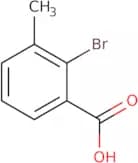
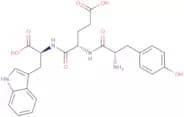
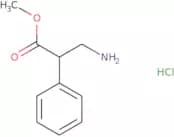


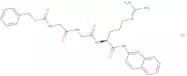
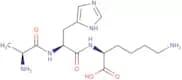

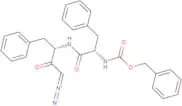

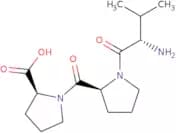
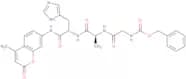
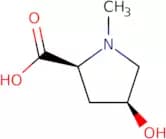
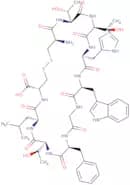
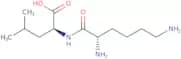
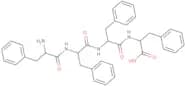
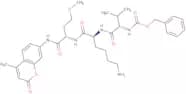


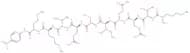
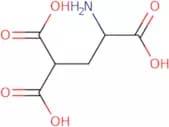
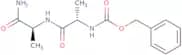
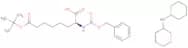
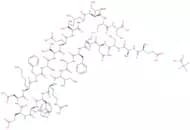

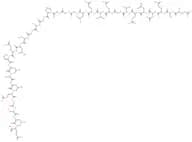
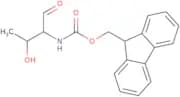
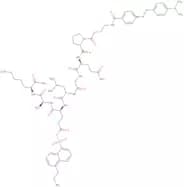
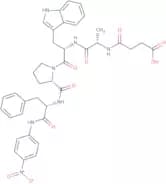
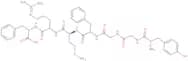
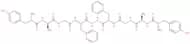
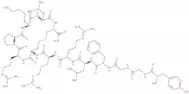
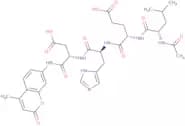
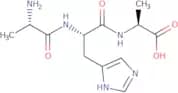
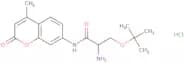


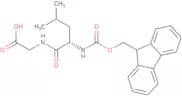
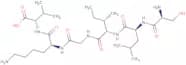


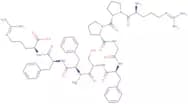

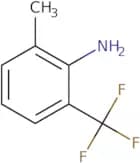


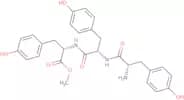

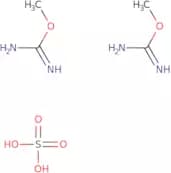
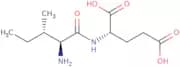


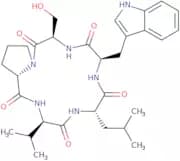

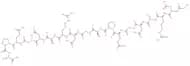
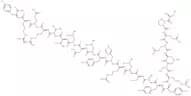
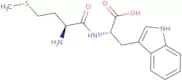


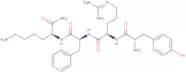
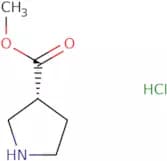
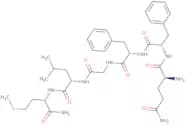
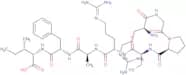



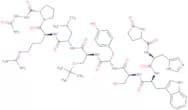

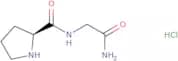

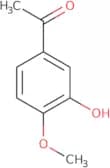
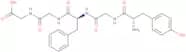
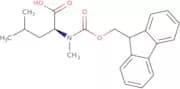

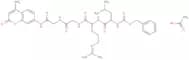
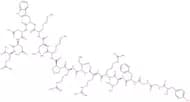
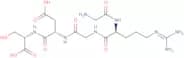
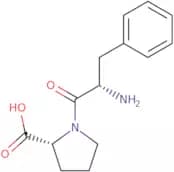
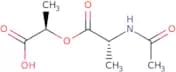

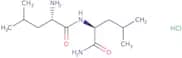
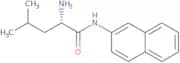
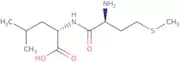
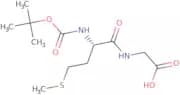
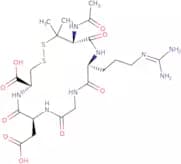
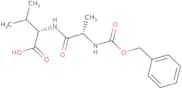
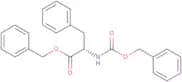


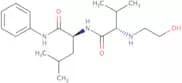
![rac 3,11-dichloro-6,11-dihydro-6-methyl-dibenzo[c,f][1,2]thiazepine 5,5-dioxide](/_next/image/?url=https%3A%2Fstatic.cymitquimica.com%2Fproducts%2F3D%2Fthumb-webp%2FFR27443.webp&w=3840&q=75)

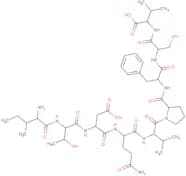

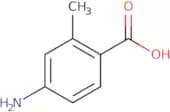
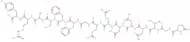

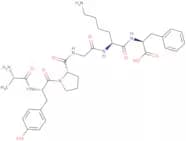
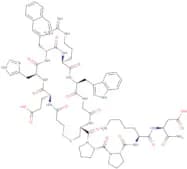
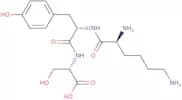
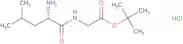

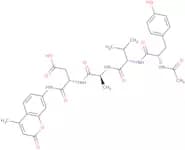

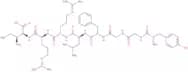

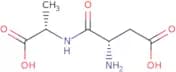
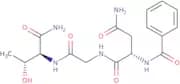


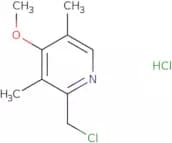

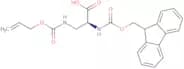

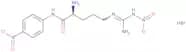

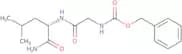


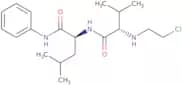
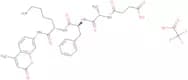
![1-t-Boc-piperidine-4-spiro-5'-[1',3'-bis-t-boc]-hydantoin](/_next/image/?url=https%3A%2Fstatic.cymitquimica.com%2Fproducts%2F3D%2Fthumb-webp%2FFB18981.webp&w=3840&q=75)

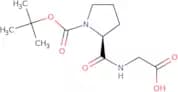
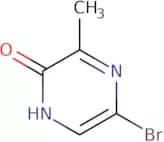

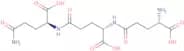
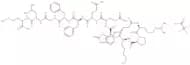
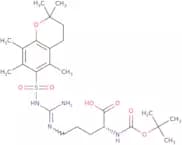

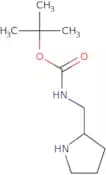

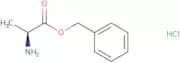
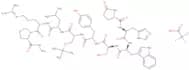
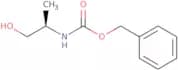
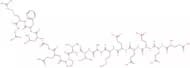
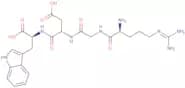
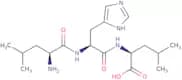
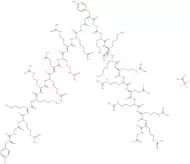


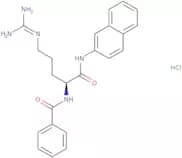
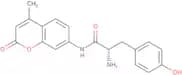
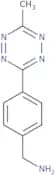

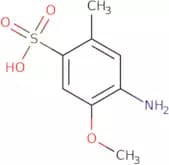
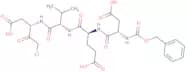
![Dolastatin 15 (5S)-1-[(2S)-O-(N,N-Dimethyl-Val-Val-N-Me-Val-Pro-Pro)-2-hydroxyisovaleryl]-2-oxo-4-…](/_next/image/?url=https%3A%2Fstatic.cymitquimica.com%2Fproducts%2F3D%2Fthumb-webp%2FFD110329.webp&w=3840&q=75)