Amino Acids (AA)
Amino acids (AAs) are the fundamental building blocks of proteins, playing a crucial role in various biological processes. These organic compounds are essential for protein synthesis, metabolic pathways, and cell signaling. In this category, you will find a comprehensive range of amino acids, including essential, non-essential, and modified forms, which are vital for research in biochemistry, molecular biology, and nutritional sciences. At CymitQuimica, we provide high-quality amino acids to support your research and development needs, ensuring accuracy and reliability in your experimental outcomes.
Subcategories of "Amino Acids (AA)"
- Amino Acid Derivatives(3,957 products)
- Amino Acid and Amino Acid Related Compounds(3,472 products)
- Amino Acids with Oxygen or Sulphur(168 products)
- Boc- Amino Acids(351 products)
- Fmoc Amino Acids(1,710 products)
Found 38265 products of "Amino Acids (AA)"
Sort by
Purity (%)
0
100
|
0
|
50
|
90
|
95
|
100
Necrostatin-1 5-(1
CAS:<p>Necrostatin-1 is a small molecule inhibitor that blocks the NF-κB signaling pathway. Necrostatin-1 is a potent inducer of apoptosis and has been shown to inhibit necroptosis in cell culture. It also blocks the Toll-like receptor 4 (TLR4), which is an important death receptor that causes inflammation. Necrostatin-1 has been found to be effective in reducing injury and death in low doses, but has not been tested for long periods of time or at high doses.</p>Formula:C13H13N3OSPurity:Min. 95%Molecular weight:259.33 g/molOsteogenic Growth Peptide (10-14) trifluoroacetate salt
CAS:<p>Osteogenic growth peptide is a cyclic peptide that has been shown to activate the production of collagen and other proteins in fibroblasts. It has also been found to promote hematopoietic cell proliferation, as well as stimulate growth in cultured cells. Osteogenic growth peptide is an analog of TGF-β1, but it differs by having a tyrosine residue at the 10th position instead of an arginine residue. This difference in amino acid sequence alters the activity of this peptide and produces a new compound with different biological effects.</p>Formula:C24H29N5O7Purity:Min. 95%Molecular weight:499.52 g/molAc-Asp-Glu-Val-Asp-aldehyde (pseudo acid)
CAS:<p>Ac-Asp-Glu-Val-Asp-aldehyde (pseudo acid) is a pro-apoptotic protein that belongs to the group of pseudo acids. It is able to induce apoptosis. Ac-Asp-Glu-Val-Asp-aldehyde (pseudo acid) can induce neuronal death by activating caspases and apoptosis pathway, which are involved in the process of programmed cell death. This protein also has anti-inflammatory properties, which may be due to its ability to inhibit cyclase activity. Ac-Asp-Glu-Val-Asp (pseudo acid) has been shown to be present at physiological levels in the brain and heart, where it may play an important role in maintaining cell viability.</p>Formula:C20H30N4O11Purity:Min. 95%Molecular weight:502.47 g/mol(Arg8)-Vasopressin (free acid) trifluoroacetate salt
CAS:<p>Please enquire for more information about (Arg8)-Vasopressin (free acid) trifluoroacetate salt including the price, delivery time and more detailed product information at the technical inquiry form on this page</p>Formula:C46H64N14O13S2Purity:Min. 95%Molecular weight:1,085.22 g/molEndothelin-1 (11-21) trifluoroacetate salt
CAS:<p>Endothelin-1 (11-21) trifluoroacetate salt H-Cys-Val-Tyr-Phe-Cys-His-Leu-Asp-Ile-Ile-Trp is a peptide that is derived from endothelin. It has been shown to have an inhibitory effect on insulin stimulated glucose uptake in Sprague Dawley rats. This peptide has also been shown to bind to the endothelin receptor and act as a nonselective agonist. Endothelin 1 (11–21) trifluoroacetate salt H-Cys Val Tyr Phe Cys His Leu Asp Ile Ile Trp, when incubated with cells, had a maximal response at micron concentrations.</p>Formula:C68H92N14O15S2Purity:Min. 95%Molecular weight:1,409.68 g/molH-Ala-Gly-OH
CAS:<p>H-Ala-Gly-OH is a synthetic amino acid that is used to produce the peptide hormone luteinizing hormone (LH). It has been shown that H-Ala-Gly-OH is an antigen specific antibody response and has a hydrogen bond. The functional groups of H-Ala-Gly-OH include amine, carboxyl, and hydroxyl. Structural analysis of this compound was completed using a kinetic method. The conformational properties of H-Ala-Gly-OH were determined by nmr spectra and titration method. This synthetic amino acid may inhibit protein synthesis in vivo through treatment with carbohydrate.</p>Formula:C5H10N2O3Purity:Min. 95%Molecular weight:146.14 g/molZ-Gly-Gly-NH2
CAS:<p>Z-Gly-Gly-NH2 is a synthetic peptide that has been shown to inhibit the activity of phosphatases, which are enzymes that hydrolyze phosphate groups from phosphorylated substrates. It is a hydrophobic and metal chelator, which makes it suitable for use in chromaffin cells and dorsal root ganglia. Z-Gly-Gly-NH2 has been shown to be specific for inhibition of synaptic phosphatase (PP1). This compound also inhibits the enzyme inhibitor subtilisin, which is found in bacteria such as Streptomyces or Bacillus subtilis. Z-Gly-Gly-NH2 has been shown to have a high affinity for receptors.</p>Formula:C12H15N3O4Purity:Min. 95%Molecular weight:265.27 g/molOsteostatin (1-5) amide (human, bovine, dog, horse, mouse, rabbit, rat) trifluoroacetate salt
CAS:<p>Please enquire for more information about Osteostatin (1-5) amide (human, bovine, dog, horse, mouse, rabbit, rat) trifluoroacetate salt including the price, delivery time and more detailed product information at the technical inquiry form on this page</p>Formula:C27H42N10O7Purity:Min. 95%Molecular weight:618.69 g/molBiotinyl-(Leu8,D-Trp22,Tyr25)-Somatostatin-28 trifluoroacetate salt
CAS:<p>Please enquire for more information about Biotinyl-(Leu8,D-Trp22,Tyr25)-Somatostatin-28 trifluoroacetate salt including the price, delivery time and more detailed product information at the technical inquiry form on this page</p>Formula:C148H223N43O42S3Purity:Min. 95%Molecular weight:3,372.82 g/molH-Pro-Thr-His-Ile-Lys-Trp-Gly-Asp-OH
CAS:<p>H-Pro-Thr-His-Ile-Lys-Trp-Gly-Asp-OH is a potent inhibitor of platelet activation, which is induced by nitroprusside. In vitro studies have shown that this peptide inhibits the expression of growth factors, such as platelet derived growth factor (PDGF), and inhibits PDGF activity. This peptide also has an inhibitory effect on nitroprusside, which may be due to its ability to inhibit PDGF expression. The inhibition of PDGF by this peptide may result in the potentiation of the effects of nitroprusside on blood pressure.</p>Formula:C44H64N12O12Purity:Min. 95%Molecular weight:953.05 g/molFmoc-Lys(Nde)-OH
CAS:<p>Please enquire for more information about Fmoc-Lys(Nde)-OH including the price, delivery time and more detailed product information at the technical inquiry form on this page</p>Formula:C32H29N3O8Purity:Min. 95%Molecular weight:583.59 g/molGalanin (1-13)-Neuropeptide Y (25-36) amide
CAS:<p>Please enquire for more information about Galanin (1-13)-Neuropeptide Y (25-36) amide including the price, delivery time and more detailed product information at the technical inquiry form on this page</p>Formula:C136H209N41O34Purity:Min. 95%Molecular weight:2,962.37 g/molDibenzoyl-(-)-p-methoxy-L-tartaric acid
CAS:<p>Dibenzoyl-(-)-p-methoxy-L-tartaric acid is a chiral compound that has been extracted from plants and synthesized. It has a bitter taste and can be used as an enantiomer to treat schistosomiasis, a disease caused by parasitic flatworms. Dibenzoyl-(-)-p-methoxy-L-tartaric acid can be used as an enantiomer to treat schistosomiasis, which is caused by parasitic flatworms. The chemical is an anionic β-cyclodextrin derivative that binds to the parasites in the host's body and prevents them from releasing eggs into the water supply. This chemical also has pharmacological properties, such as antiinflammatory activities.</p>Formula:C20H18O10Purity:Min. 95%Color and Shape:White PowderMolecular weight:418.35 g/molp-Methoxybenzylmercaptan
CAS:<p>P-Methoxybenzylmercaptan is an inhibitor of protein synthesis. It binds to the active site of the enzyme ribonuclease A, which is involved in the processing of messenger RNA. P-Methoxybenzylmercaptan also inhibits other enzymes such as alkaline phosphatase and esterases. It has been shown to be effective against HIV infection. This compound can be used for chemical ligation reactions and as a cell culture medium additive, as it protects cells from oxidation and provides a more acidic environment. P-Methoxybenzylmercaptan has been shown to bind to amines and is being investigated for its use in drug development.</p>Formula:C8H10OSPurity:Min. 95%Color and Shape:Clear LiquidMolecular weight:154.23 g/molH-Pro-Pro-Pro-Gly-Met-Arg-Pro-Pro-OH trifluoroacetate salt
CAS:<p>Please enquire for more information about H-Pro-Pro-Pro-Gly-Met-Arg-Pro-Pro-OH trifluoroacetate salt including the price, delivery time and more detailed product information at the technical inquiry form on this page</p>Formula:C38H61N11O9SPurity:Min. 95%Molecular weight:848.03 g/molFmoc-D-Arg(Pmc)-OPfp
CAS:<p>Please enquire for more information about Fmoc-D-Arg(Pmc)-OPfp including the price, delivery time and more detailed product information at the technical inquiry form on this page</p>Formula:C41H41F5N4O7SPurity:Min. 95%Molecular weight:828.85 g/molH-Val-Val-OH
CAS:<p>H-Val-Val-OH is a compound that has been shown to inhibit uptake of proton from the environment. It was found to be an effective inhibitor of both protein and lipid uptake in cell culture studies. These effects may be due to its ability to form hydrogen bonds with water molecules, which are required for transport across the membrane. FTIR spectroscopy data show that H-Val-Val-OH forms intermolecular hydrogen bonding with other molecules. Linear regression analysis of FTIR spectroscopic data on H-Val-Val-OH has revealed the presence of nitrogen atoms, which may play a role in its function as an inhibitor.</p>Formula:C10H20N2O3Purity:Min. 95%Molecular weight:216.28 g/molBAM-12P (7-12)
CAS:<p>Please enquire for more information about BAM-12P (7-12) including the price, delivery time and more detailed product information at the technical inquiry form on this page</p>Formula:C29H52N12O9Purity:Min. 95%Molecular weight:712.8 g/molSerpinin (mouse, rat) trifluoroacetate salt
CAS:<p>Please enquire for more information about Serpinin (mouse, rat) trifluoroacetate salt including the price, delivery time and more detailed product information at the technical inquiry form on this page</p>Formula:C123H202N32O46Purity:Min. 95%Molecular weight:2,865.11 g/molH-D-Ser(SO3H)-OH
CAS:<p>Please enquire for more information about H-D-Ser(SO3H)-OH including the price, delivery time and more detailed product information at the technical inquiry form on this page</p>Formula:C3H7NO6SPurity:Min. 95%Molecular weight:185.16 g/molBoc-Ala-D-Glu-NH2
CAS:<p>Please enquire for more information about Boc-Ala-D-Glu-NH2 including the price, delivery time and more detailed product information at the technical inquiry form on this page</p>Formula:C13H23N3O6Purity:Min. 95%Molecular weight:317.34 g/molFibronectin Fragment (1377-1388)
CAS:<p>Please enquire for more information about Fibronectin Fragment (1377-1388) including the price, delivery time and more detailed product information at the technical inquiry form on this page</p>Formula:C56H97N19O20Purity:Min. 95%Molecular weight:1,356.49 g/molH-Glu-Ser-Leu-Phe-OH
CAS:<p>Please enquire for more information about H-Glu-Ser-Leu-Phe-OH including the price, delivery time and more detailed product information at the technical inquiry form on this page</p>Formula:C23H34N4O8Purity:Min. 95%Molecular weight:494.54 g/mol4-Methylsalicylamide
CAS:<p>4-Methylsalicylamide is a chemical compound that belongs to the class of isonicotinic amides. It is a potent anti-inflammatory agent with minimal inhibitory concentration (MIC) values of 4 µg/mL for gram-positive bacteria and 8 µg/mL for gram-negative bacteria. This compound has been shown to be effective against methicillin-resistant Staphylococcus aureus (MRSA) and Clostridium perfringens, although is not active against acid-fast bacteria such as Mycobacterium tuberculosis or Mycobacterium avium complex. 4-Methylsalicylamide has been shown to have an inhibitory effect on ring-opening, which may be due to its ability to acetylate mitochondrial membranes, altering the membrane potential. The molecular modeling studies also showed that 4MSAM binds at the same site as antibiotics such as penicillin and erythromycin in bacterial ribos</p>Formula:C8H9NO2Purity:Min. 95%Color and Shape:PowderMolecular weight:151.16 g/mol(S,S)-2,2'-Isopropylidenebis(4-phenyl-2-oxazoline)
CAS:<p>(S,S)-2,2'-Isopropylidenebis(4-phenyl-2-oxazoline) is an asymmetric ligand that is chiral and has been shown to be useful in the preparation of enantiopure alcohols. The compound has been used as a catalyst to prepare aldehydes and ketones. It also has been used in reactions involving dehydration or alkylation. (S,S)-2,2'-Isopropylidenebis(4-phenyl-2-oxazoline) can be synthesized by reacting molybdenum with an alcohol and adding a base. This reaction produces the desired product with high selectivity, which is due to its chirality.</p>Formula:C21H22N2O2Purity:Min. 95%Color and Shape:Colourless Or White To Yellow Solid Or Liquid (May Vary)Molecular weight:334.41 g/molFA-Phe-Val-NH2
CAS:<p>Please enquire for more information about FA-Phe-Val-NH2 including the price, delivery time and more detailed product information at the technical inquiry form on this page</p>Formula:C21H25N3O4Purity:Min. 95%Molecular weight:383.44 g/molProcathepsin B (26-50) (rat)
CAS:<p>Please enquire for more information about Procathepsin B (26-50) (rat) including the price, delivery time and more detailed product information at the technical inquiry form on this page</p>Formula:C123H198N34O33SPurity:Min. 95%Molecular weight:2,713.16 g/mol(5-Bromo-2-methoxyphenyl)acetic acid
CAS:<p>5-Bromo-2-methoxyphenyl)acetic acid (BMPEA) is a hydroxylated derivative of aspartic acid. It has been shown to induce apoptotic cell death in various cell lines, including human lung cells and rat hippocampal cells. BMPEA is synthesized by the solid-phase method and is characterized by a constant structure. It can be used to treat degenerative diseases and other conditions where apoptosis is desirable, such as Alzheimer's disease, Parkinson's disease, amyotrophic lateral sclerosis, retinitis pigmentosa, and Duchenne muscular dystrophy.</p>Formula:C9H9BrO3Purity:Min. 95%Color and Shape:PowderMolecular weight:245.07 g/molH-Leu-Ser-Ala-Leu-OH
CAS:<p>H-Leu-Ser-Ala-Leu-OH is a chemical compound that has been shown to bind to 5-HT1B receptors. This receptor belongs to the 5HT1 family of serotonin receptors, which are G protein coupled receptors. The 5HT1B receptor has been shown to have a role in locomotor activity and dopamine release. HLSALLOH is also a specific antibody that reacts with the 5HT1B receptor in rats. The location of this receptor is on the dorsal raphe nucleus and other parts of the brainstem. HLSALLOH has a pH optimum of 6.0 and can be used as an immunogen for polyclonal antibodies against 5HT1B receptors.</p>Formula:C18H34N4O6Purity:Min. 95%Molecular weight:402.49 g/mol(Des-Gly10,D-Pyr 1,D-Leu6,Pro-NHEt 9)-LHRH trifluoroacetate salt
<p>Please enquire for more information about (Des-Gly10,D-Pyr 1,D-Leu6,Pro-NHEt 9)-LHRH trifluoroacetate salt including the price, delivery time and more detailed product information at the technical inquiry form on this page</p>Formula:C59H84N16O12Purity:Min. 95%Molecular weight:1,209.4 g/mol4-Nitro-Z-Gly-Cys(7-nitro-benzo[2,1,3]oxadiazol-4-yl)-Gly-OH
CAS:<p>Please enquire for more information about 4-Nitro-Z-Gly-Cys(7-nitro-benzo[2,1,3]oxadiazol-4-yl)-Gly-OH including the price, delivery time and more detailed product information at the technical inquiry form on this page</p>Formula:C21H19N7O11SPurity:Min. 95%Molecular weight:577.48 g/molZ-Gly-Gly-Leu-OH
CAS:<p>Glycylglycine is a hydrophobic amino acid that is found in collagen and other proteins. It has been shown to inhibit the activity of proteinases such as chymotrypsin, trypsin, and elastase, which are enzymes that break down proteins. Glycylglycine is a fluorescent molecule that can be detected by fluorescence microscopy and has been used in the study of protein-protein interactions. Glycylglycine is an acidic amino acid with an amino acid composition that consists of about 20% glycine, 40% hydroxyphenylalanine, 30% serine and 10% threonine. The spatial specificity of this compound has been studied using sephacryl electrophoresis, which showed it was localized to the extracellular matrix and in cell culture supernatants. Aminocoumarins are glycylglycines with an attached aminocoumarin group. Hydrolysis of gly</p>Formula:C18H25N3O6Purity:Min. 95%Molecular weight:379.41 g/molNeuropeptide Y (13-36) (porcine) trifluoroacetate salt
CAS:<p>Please enquire for more information about Neuropeptide Y (13-36) (porcine) trifluoroacetate salt including the price, delivery time and more detailed product information at the technical inquiry form on this page</p>Formula:C135H209N41O36Purity:Min. 95%Molecular weight:2,982.36 g/molH-Tyr-betaNA
CAS:<p>H-Tyr-betaNA is a synthetic substrate that has been used to study the binding activities of natural and synthetic opioid compounds. H-Tyr-betaNA binds to δ opioid receptors and inhibits the release of neurotransmitters such as acetylcholine, histamine, and serotonin. It also binds to δ-opioid receptors, which are involved in mediating pain responses. This compound has been shown to be an inhibitor of antinociceptive responses in rats, but it is not yet known whether it can cross the blood brain barrier. The pharmacokinetic properties of H-Tyr-betaNA have not been fully elucidated; however, it has been shown to be stable at neutral ph.</p>Formula:C19H18N2O2Purity:Min. 95%Molecular weight:306.36 g/mol(Deamino-Cys1,D-Orn 8)-Vasopressin
CAS:<p>Please enquire for more information about (Deamino-Cys1,D-Orn 8)-Vasopressin including the price, delivery time and more detailed product information at the technical inquiry form on this page</p>Formula:C45H62N12O12S2Purity:Min. 95%Molecular weight:1,027.18 g/mol3-Methylpentyl chloroformate
CAS:<p>Please enquire for more information about 3-Methylpentyl chloroformate including the price, delivery time and more detailed product information at the technical inquiry form on this page</p>Formula:C7H13ClO2Purity:Min. 95%Molecular weight:164.63 g/mol(D-His2,D-Ser(tBu)6,Azagly10)-LHRH
CAS:<p>Please enquire for more information about (D-His2,D-Ser(tBu)6,Azagly10)-LHRH including the price, delivery time and more detailed product information at the technical inquiry form on this page</p>Formula:C59H84N18O14Purity:Min. 95%Molecular weight:1,269.41 g/molSuc-Phe-pNA
CAS:<p>Suc-Phe-pNA is a synthetic substrate that has been shown to be a proteolytic enzyme. It is used for the study of proteolytic enzymes and in pharmaceutical research because it can inhibit the activity of pancreatic enzymes such as trypsin or chymotrypsin. Suc-Phe-pNA has also been shown to have antiviral properties, which may be due to its ability to inhibit viral proteases. Suc-Phe-pNA is an inhibitor of serine protease, which is an enzyme that catalyzes reactions involving peptide bonds. The pH optimum for Suc-Phe-pNA is 8 and it has been shown to have a low inhibitory effect on trypsin activity at all pH levels.</p>Formula:C19H19N3O6Purity:Min. 95%Molecular weight:385.37 g/molAcetyl-Angiotensin I Ac-Asp-Arg-Val-Tyr-Ile-His-Pro-Phe-His-Leu-OH
CAS:<p>Please enquire for more information about Acetyl-Angiotensin I Ac-Asp-Arg-Val-Tyr-Ile-His-Pro-Phe-His-Leu-OH including the price, delivery time and more detailed product information at the technical inquiry form on this page</p>Formula:C64H91N17O15Purity:Min. 95%Molecular weight:1,338.51 g/molSubstance P (2-11)
CAS:<p>Substance P (2-11) H-Pro-Lys-Pro-Gln-Gln-Phe-Phe-Gly-Leu-Met-NH2 is a peptide that is the product of proteolytic cleavage of substance P. It binds to the neurokinin receptor and induces degranulation in mast cells and sensory neurons. It has been used as a diagnostic tool for mast cell degranulation. Substance P (2-11) H-Pro-Lys-Pro-Gln-Gln-Phe has also been used to assess lung function in anesthetized animals, circulations in muscle, and changes in perfusion during surgical procedures.</p>Formula:C57H86N14O12SPurity:Min. 95%Molecular weight:1,191.45 g/molSuc-Ala-Ala-Val-Ala-pNA
CAS:<p>Suc-Ala-Ala-Val-Ala-pNA is a synthetic peptide that is structurally similar to the natural peptide Vasoactive Intestinal Peptide. The amino acid sequence of this peptide is identical to that of the natural peptide with the exception of two additional amino acids, Ala and Val. Suc-Ala-Ala-Val-Ala-pNA has been shown to have vasoactive properties and it can be used for the treatment of inflammatory diseases such as Crohn's disease. This peptide has also been shown to inhibit protease activity by binding to the reactive site on serine proteases, which are involved in the degradation of extracellular proteins.</p>Formula:C24H34N6O9Purity:Min. 95%Molecular weight:550.56 g/molNeurokinin A trifluoroacetate salt
CAS:<p>Neurokinin A trifluoroacetate salt H-His-Lys-Thr-Asp-Ser-Phe-Val-Gly-Leu-Met-NH2 trifluoroacetate salt is a potent inducer of the basic protein. It has been shown to have cytotoxic effects on pluripotent cells in vitro. Neurokinin A is also a potent inducer of substance P, which is a neurotransmitter that mediates inflammatory lesions and cardiac effects. Neurokinin A has also been shown to have an effect on locomotor activity and polymerase chain reaction (PCR) amplification in vitro.</p>Formula:C50H80N14O14SPurity:Min. 95%Molecular weight:1,133.32 g/molCalcium-Like Peptide
CAS:<p>Please enquire for more information about Calcium-Like Peptide including the price, delivery time and more detailed product information at the technical inquiry form on this page</p>Formula:C40H75N9O10Purity:Min. 95%Molecular weight:842.08 g/molType A Allatostatin III
CAS:<p>Please enquire for more information about Type A Allatostatin III including the price, delivery time and more detailed product information at the technical inquiry form on this page</p>Formula:C42H62N10O12Purity:Min. 95%Molecular weight:899 g/molH-Ala-Ala-Pro-pNA·HCl
CAS:<p>Please enquire for more information about H-Ala-Ala-Pro-pNA·HCl including the price, delivery time and more detailed product information at the technical inquiry form on this page</p>Formula:C17H23N5O5·HClPurity:Min. 95%Molecular weight:413.86 g/molBoc-Tyr(tBu)-OH
CAS:<p>Boc-Tyr(tBu)-OH is a chemical compound that is part of the class of lactams. It has been shown to have antitumor activity in vitro and in vivo, but it has not yet been tested for its cytotoxicity. This compound is synthesized by solid-phase synthesis and contains a disulfide bond, which may contribute to its cytotoxicity. Boc-Tyr(tBu)-OH has also been shown to have high affinity for the alpha 2A adrenergic receptor subtype and other receptors with an isosteric carbonyl group.</p>Formula:C18H27NO5Purity:Min. 95%Color and Shape:PowderMolecular weight:337.41 g/molACV trifluoroacetate salt
CAS:<p>ACV trifluoroacetate salt H-Aad (Cys-D-Val-OH)-OH trifluoroacetate salt is a nonheme iron that has been shown to be an oxidizing agent. It is used in the synthesis of antibiotics and other organic compounds. ACV trifluoroacetate salt H-Aad (Cys-D-Val-OH)-OH trifluoroacetate salt also has synthetase activity, which catalyzes the formation of a thiolate ligand from two molecules of acetyl coenzyme A (ACCOA) and one molecule of propionyl coenzyme A (PCCOA). This ligand binds to metal ions such as Fe2+, which are then reduced to Fe3+ by the metal cluster. The water ligands on the coordination sphere may be replaced by other ligands, such as lysine.</p>Formula:C14H25N3O6SPurity:Min. 95%Molecular weight:363.43 g/molKemptamide trifluoroacetate salt
CAS:<p>Kemptamide is a peptide that has been shown to have cytotoxic and anti-proliferative effects on renal cancer cells. It is a synthetic analogue of an endogenous peptide, Lys-Lys-Arg-Pro-Gln-Arg-Ala-Thr-Ser-Asn-Val-Phe, that is found in porcine kidney. Kemptamide’s cytotoxic activity may be due to its ability to inhibit the activity of phosphatases. Kemptamide also has regulatory properties and can modulate the expression of genes that are involved in cell growth and apoptosis. This peptide has been shown to be reactive with kidney cells, which may lead to its therapeutic effect on renal cancer.</p>Formula:C65H112N24O18Purity:Min. 95%Molecular weight:1,517.74 g/molCyclo(-Gly-Arg-Gly-Asp-Ser-Pro-Ala)
CAS:Cyclo(-Gly-Arg-Gly-Asp-Ser-Pro-Ala) is a cyclic peptide that has a conformational interaction with fibrinogen. Cyclo(-Gly-Arg-Gly-Asp-Ser-Pro-Ala) binds to the FGA binding site on fibrinogen, preventing the formation of the fibrin clot. Cyclo(-Gly-Arg-Gly-Asp-Ser-Pro-Ala) has been shown to activate platelets, which may be due to its ability to increase levels of cAMP and activate protein kinase A. Cyclo(-Gly-Arg-Gly-Asp-) also has an affinity for monoclonal antibodies, which may be due to its high molecular electrostatic potential or its synthetic nature.Formula:C25H40N10O10Purity:Min. 95%Molecular weight:640.65 g/molLauroyl lysine
CAS:<p>Lauroyl lysine (N6-Lauroyl-L-lysine) functions as skin and hair conditioning agents and as surfactants-cleansing agents in personal care products.</p>Formula:C18H36N2O3Purity:99.18%Color and Shape:White To Off-White Solid With Characteristic Faint OdorMolecular weight:328.49Fmoc-3-(2-naphthyl)-L-alanine
CAS:<p>Fmoc-3-(2-naphthyl)-L-alanine is a supramolecular compound that functions as an inhibitor of prostate cancer cells. It inhibits the uptake of metal chelates by prostate cancer cells and stabilizes them, which may lead to a diagnostic and therapeutic agent for prostate cancer. Fmoc-3-(2-naphthyl)-L-alanine has also been shown to inhibit the growth of human serum prostate cancer cells in vitro and in vivo models. This molecule is a bifunctional compound that can be used as both an antigen and a surrogate for cytosolic prostate specific antigen (PSA) levels. Fmoc-3-(2-naphthyl)-L-alanine has been shown to bind to the PSA protein, which is normally found on the surface of prostate epithelial cells. This binding prevents it from being released into the blood circulation, where it would otherwise be measured by a PSA test</p>Formula:C28H23NO4Purity:Min. 95%Color and Shape:PowderMolecular weight:437.49 g/molH-Tyr-L-1,2,3,4-tetrahydroisoquinoline-3-carboxamide·HCl
CAS:<p>H-Tyr-L-1,2,3,4-tetrahydroisoquinoline-3-carboxamide·HCl is a monoclinic crystalline compound. It has a molecular weight of 607.14 and contains the dipeptide Tyr-Lys in its structure. H-Tyr-L-1,2,3,4-tetrahydroisoquinoline-3-carboxamide·HCl crystallizes in the P21/c space group and has an asymmetric unit cell with dimensions a=8.851 Å, b=7.965 Å and c=5.98 Å. This compound has been shown to have antibacterial properties against methicillin resistant Staphylococcus aureus (MRSA) isolates and Clostridium perfringens strains by inhibiting bacterial protein synthesis through inhibition of peptidyl transferase activity.</p>Formula:C19H21N3O3·HClPurity:Min. 95%Molecular weight:375.85 g/molNeurotensin (1-6) trifluoroacetate salt Pyr-Leu-Tyr-Glu-Asn-Lys-OH trifluoroacetate salt
CAS:<p>Please enquire for more information about Neurotensin (1-6) trifluoroacetate salt Pyr-Leu-Tyr-Glu-Asn-Lys-OH trifluoroacetate salt including the price, delivery time and more detailed product information at the technical inquiry form on this page</p>Formula:C35H52N8O12Purity:Min. 95%Molecular weight:776.83 g/molFmoc-glu-OAll
CAS:<p>Fmoc-glu-OAll is a cyclic peptide that is synthesized using solid-phase synthesis. It has been shown to have minimal inhibitory concentration (MIC) values of 0.5 µg/mL against mouse tumor cells and human serum, as well as high affinity for integrin receptors. This peptide also binds to the human serum albumin and blood clotting factor Xa, which are proteins involved in cancer therapy.</p>Formula:C23H23NO6Purity:Min. 95%Molecular weight:409.43 g/molBoc-Thr(Gly-Fmoc)-OH
CAS:<p>Please enquire for more information about Boc-Thr(Gly-Fmoc)-OH including the price, delivery time and more detailed product information at the technical inquiry form on this page</p>Formula:C26H30N2O8Purity:Min. 95%Molecular weight:498.53 g/molSuc-Arg-Pro-Phe-His-Leu-Leu-Val-Tyr-AMC trifluoroacetate salt
CAS:<p>Please enquire for more information about Suc-Arg-Pro-Phe-His-Leu-Leu-Val-Tyr-AMC trifluoroacetate salt including the price, delivery time and more detailed product information at the technical inquiry form on this page</p>Formula:C66H88N14O14Purity:Min. 95%Molecular weight:1,301.49 g/molH-Lys-Ala-AMC hydrochloride salt
CAS:<p>Please enquire for more information about H-Lys-Ala-AMC hydrochloride salt including the price, delivery time and more detailed product information at the technical inquiry form on this page</p>Formula:C19H26N4O4Purity:Min. 95%Molecular weight:374.43 g/molH-Trp-Trp-OH
CAS:<p>H-Trp-Trp-OH is a reaction product of the amino acid tryptophan and various electron donors. The radical form of H-Trp-Trp-OH has been studied using 2D nuclear magnetic resonance (NMR) spectroscopy to determine its structure. In addition, H-Trp-Trp-OH has been used to study the mechanism of protein phosphorylation reactions. This chemical can be prepared from a solution of tryptophan in water and an oxidizing agent such as hydrogen peroxide or sodium hypochlorite. The frequency shift observed for H-Trp-Trp-OH was attributed to the presence of a constant that was found to be 10 Hz/M, indicating that this substance is a radical form. The sample preparation technique used in this experiment consisted of adding an equal volume of acetic acid to an unknown sample and then centrifuging it at 5000 rpm for five minutes before measuring its fluorescence emission.</p>Formula:C22H22N4O3Purity:Min. 95%Molecular weight:390.44 g/molZ-Ala-Pro-Tyr-OH
CAS:<p>Please enquire for more information about Z-Ala-Pro-Tyr-OH including the price, delivery time and more detailed product information at the technical inquiry form on this page</p>Formula:C25H29N3O7Purity:Min. 95%Molecular weight:483.51 g/molTyr-Lys-Gly-(Cyclo(Glu26-Lys29),Pro34)-Neuropeptide Y (25-36) trifluoroacetate salt
CAS:<p>Please enquire for more information about Tyr-Lys-Gly-(Cyclo(Glu26-Lys29),Pro34)-Neuropeptide Y (25-36) trifluoroacetate salt including the price, delivery time and more detailed product information at the technical inquiry form on this page</p>Formula:C91H145N27O20Purity:Min. 95%Molecular weight:1,937.29 g/molBoc-Asp(OcHex)-PAM resin (200-400 mesh)
<p>Please enquire for more information about Boc-Asp(OcHex)-PAM resin (200-400 mesh) including the price, delivery time and more detailed product information at the technical inquiry form on this page</p>Purity:Min. 95%Cholecystokinin Octapeptide (1-6) (desulfated)
CAS:<p>Please enquire for more information about Cholecystokinin Octapeptide (1-6) (desulfated) including the price, delivery time and more detailed product information at the technical inquiry form on this page</p>Formula:C36H47N7O10S2Purity:Min. 95%Molecular weight:801.93 g/molH-Lys-Lys-Lys-Lys-OH acetate salt
CAS:<p>H-Lys-Lys-Lys-Lys-OH acetate salt is a fatty acid that has been shown to form stable complexes with DNA and act as an intercalator. It also provides a repair mechanism for DNA, which may be due to its ability to bind to stem cell factor (SCF) and increase the proliferation of stem cells. H-Lys-Lys-Lys-Lys-OH acetate salt has significant cytotoxicity against viruses, such as human immunodeficiency virus type 1 (HIV1) and human papilloma virus type 16. This drug can also be used as an adjuvant in monoclonal antibody production by stimulating the production of antibodies from mouse spleen cells. H-Lys-Lys-Lys-Lys-OH acetate salt has been shown to inhibit the growth of E. coli K12 and Bacteria Corynebacterium diphtheriae, both of</p>Formula:C24H50N8O5Purity:Min. 95%Molecular weight:530.7 g/molH-Lys-Lys-Glu-Asp-Val-Val-Abu-Cys-Ser-Abu-Ser-Tyr-Lys-Lys-NH2
CAS:<p>Please enquire for more information about H-Lys-Lys-Glu-Asp-Val-Val-Abu-Cys-Ser-Abu-Ser-Tyr-Lys-Lys-NH2 including the price, delivery time and more detailed product information at the technical inquiry form on this page</p>Formula:C69H119N19O21SPurity:Min. 95%Molecular weight:1,582.86 g/molZ-D-Ala-D-Ala-OMe
CAS:<p>Please enquire for more information about Z-D-Ala-D-Ala-OMe including the price, delivery time and more detailed product information at the technical inquiry form on this page</p>Formula:C15H20N2O5Purity:Min. 95%Molecular weight:308.33 g/molH-Ala-Pro-Tyr-Ala-OH
CAS:<p>Acetylation is the process of reacting an organic compound with acetic acid to produce an ester and water. Acetylation is one of the most common reactions in organic chemistry. Acetylating agents, such as acetic anhydride or acetyl chloride, are often used in chemical synthesis because they react selectively with primary and secondary alcohols to form esters. The acetylation reaction can be used to modify proteins by attaching an acetyl group to the amine group of a lysine residue. This modification prevents the protein from binding to other proteins and can alter its function. Acetylation also has been implicated in several diseases, such as hepatitis and inflammatory bowel disease.</p>Formula:C20H28N4O6Purity:Min. 95%Molecular weight:420.46 g/molZ-Arg-Arg-pNA·2 HCl
CAS:<p>Please enquire for more information about Z-Arg-Arg-pNA·2 HCl including the price, delivery time and more detailed product information at the technical inquiry form on this page</p>Formula:C26H36N10O6·2HClPurity:Min. 95%Molecular weight:657.55 g/mol(Phenylac 1,D-Tyr(Me)2,Arg6·8,Lys-NH29)-Vasopressin
CAS:<p>Please enquire for more information about (Phenylac 1,D-Tyr(Me)2,Arg6·8,Lys-NH29)-Vasopressin including the price, delivery time and more detailed product information at the technical inquiry form on this page</p>Formula:C59H86N18O12Purity:Min. 95%Molecular weight:1,239.43 g/molN-α-Fmoc-Nβ-allyloxycarbonyl-L-2,3-diaminopropionic acid
CAS:<p>Please enquire for more information about N-alpha-Fmoc-Nbeta-allyloxycarbonyl-L-2,3-diaminopropionic acid including the price, delivery time and more detailed product information at the technical inquiry form on this page</p>Formula:C22H22N2O6Purity:Min. 95%Molecular weight:410.53 g/molAcetyl-Hirudin (55-65) (desulfated) Ac-Asp-Phe-Glu-Glu-Ile-Pro-Glu-Glu-Tyr-Leu-Gln-OH
CAS:<p>Please enquire for more information about Acetyl-Hirudin (55-65) (desulfated) Ac-Asp-Phe-Glu-Glu-Ile-Pro-Glu-Glu-Tyr-Leu-Gln-OH including the price, delivery time and more detailed product information at the technical inquiry form on this page</p>Formula:C66H92N12O25Purity:Min. 95%Molecular weight:1,453.5 g/molZ-Trp-Leu-OH
CAS:<p>Please enquire for more information about Z-Trp-Leu-OH including the price, delivery time and more detailed product information at the technical inquiry form on this page</p>Formula:C25H29N3O5Purity:Min. 95%Molecular weight:451.51 g/molBoc-Cys(Mbzl)-PAM resin (200-400 mesh)
<p>Please enquire for more information about Boc-Cys(Mbzl)-PAM resin (200-400 mesh) including the price, delivery time and more detailed product information at the technical inquiry form on this page</p>Purity:Min. 95%Atrial Natriuretic Factor (1-24) (frog)
CAS:<p>Please enquire for more information about Atrial Natriuretic Factor (1-24) (frog) including the price, delivery time and more detailed product information at the technical inquiry form on this page</p>Formula:C103H165N37O34S3Purity:Min. 95%Molecular weight:2,561.84 g/molAtrial Natriuretic Factor (1-29) (chicken)
CAS:<p>Please enquire for more information about Atrial Natriuretic Factor (1-29) (chicken) including the price, delivery time and more detailed product information at the technical inquiry form on this page</p>Formula:C124H211N47O40S5Purity:Min. 95%Molecular weight:3,160.62 g/mol(Trp7,β-Ala8)-Neurokinin A (4-10)
CAS:<p>Please enquire for more information about (Trp7,beta-Ala8)-Neurokinin A (4-10) including the price, delivery time and more detailed product information at the technical inquiry form on this page</p>Formula:C41H57N9O10SPurity:Min. 95%Molecular weight:868.01 g/molSplenopentin acetate salt
CAS:<p>Splenopentin acetate salt H-Arg-Lys-Glu-Val-Tyr-OH acetate salt is an experimental drug that belongs to the group of peptide hormones. It has been shown to have beneficial effects on bowel disease in animal models and also has anti-inflammatory properties. Splenopentin acetate salt H-Arg-Lys-Glu-Val-Tyr-OH acetate salt activates the T cell receptor and stimulates cytokine production, thereby reducing inflammation and relieving symptoms of autoimmune diseases. Splenopentin acetate salt H-Arg-Lys-Glu-Val-Tyr-OH acetate salt also stimulates colonies of cells called macrophages, which then produce inflammatory mediators such as IL1, IL2, IL4, and IL6. This agent is biocompatible with human cells in vitro (in a test tube).</p>Formula:C31H51N9O9Purity:Min. 95%Molecular weight:693.79 g/molBoc-D-His(3-Bom)-OH
CAS:Please enquire for more information about Boc-D-His(3-Bom)-OH including the price, delivery time and more detailed product information at the technical inquiry form on this pageFormula:C19H25N3O5Purity:Min. 95%Molecular weight:375.42 g/mol1-(2,4-Dihydroxy-5-methoxyphenyl)-2-(4-hydroxyphenyl)-3,3-dimethoxy-1-propanone
CAS:<p>Please enquire for more information about 1-(2,4-Dihydroxy-5-methoxyphenyl)-2-(4-hydroxyphenyl)-3,3-dimethoxy-1-propanone including the price, delivery time and more detailed product information at the technical inquiry form on this page</p>Formula:C18H20O7Purity:Min. 95%Molecular weight:348.35 g/molIsopropyl 4-methylbenzenesulfonate
CAS:<p>Isopropyl 4-methylbenzenesulfonate is a chemical that is used in the preparation of pharmaceuticals. It is used as an intermediate in the production of sorafenib, an anticancer drug, and has been shown to be genotoxic. Isopropyl 4-methylbenzenesulfonate reacts with nucleophiles by nucleophilic attack. The compound has been found to be a competitive inhibitor of growth factor receptors and can inhibit uv absorption in skin cells. Isopropyl 4-methylbenzenesulfonate is typically analyzed using ionization techniques such as gas chromatography or liquid chromatography with mass spectrometry. This chemical can react with fatty acids, leading to the formation of carbonyl groups. Chemical ionization may also be used for sample preparation.</p>Formula:C10H14O3SPurity:Min. 95%Molecular weight:214.28 g/moluPAR (84-95) (human) trifluoroacetate salt
CAS:<p>Please enquire for more information about uPAR (84-95) (human) trifluoroacetate salt including the price, delivery time and more detailed product information at the technical inquiry form on this page</p>Formula:C62H98N18O20SPurity:Min. 95%Molecular weight:1,447.62 g/mol1,3,5-Tri(1-phenyl-1H-benzo[d]imidazol-2-yl)phenyl
CAS:<p>1,3,5-Tri(1-phenyl-1H-benzo[d]imidazol-2-yl)phenyl is a diphenyl ether derivative that has been synthesized from the reaction of methanol with a solution of benzimidazole. The compound is soluble in organic solvents such as chloroform and dichloromethane. The molecule absorbs UV light and emits visible light, which can be detected by photomultiplier tubes. It has chemical structures similar to other benzimidazole derivatives.</p>Formula:C45H30N6Purity:Min. 95%Molecular weight:654.76 g/molAdrenomedullin (11-50) (rat)
CAS:<p>Please enquire for more information about Adrenomedullin (11-50) (rat) including the price, delivery time and more detailed product information at the technical inquiry form on this page</p>Formula:C194H304N58O59S4Purity:Min. 95%Molecular weight:4,521.11 g/molAc-Ala-Ala-Ala-OMe
CAS:<p>Ac-Ala-Ala-Ala-OMe is a protease inhibitor. It is a serine protease that cleaves peptide bonds with an amino acid at the P1 position. Ac-Ala-Ala-Ala-OMe has been shown to inhibit the growth of thermophilic bacteria, such as Thermus aquaticus, by blocking the activity of dehydrogenases and hydrophobic bonds. Ac-Ala-Ala-Ala-OMe has also been shown to inhibit the growth of yeast cells in vitro by inhibiting their ability to synthesize proteins.</p>Formula:C12H21N3O5Purity:Min. 95%Molecular weight:287.31 g/molH-Asn-Arg-Cys-Ser-Gln-Gly-Ser-Cys-Trp-Asn-OH (Disulfide bond)
CAS:<p>Please enquire for more information about H-Asn-Arg-Cys-Ser-Gln-Gly-Ser-Cys-Trp-Asn-OH (Disulfide bond) including the price, delivery time and more detailed product information at the technical inquiry form on this page</p>Formula:C44H65N17O16S2Purity:Min. 95%Molecular weight:1,152.22 g/molH-Glu(Glu(Gln-OH)-OH)-OH
CAS:<p>Please enquire for more information about H-Glu(Glu(Gln-OH)-OH)-OH including the price, delivery time and more detailed product information at the technical inquiry form on this page</p>Formula:C15H24N4O9Purity:Min. 95%Molecular weight:404.37 g/molH-Asp-Gly-OH
CAS:<p>H-Asp-Gly-OH is a peptide hormone that belongs to the group of hydroxylated aspartic acid. This peptide hormone has been shown to be a lymphocyte transformation factor in vitro and stimulates the production of collagen and other proteins. It has also been shown to have anticarcinogenic effects on bone cancer cells, which may be due to its ability to induce apoptosis. H-Asp-Gly-OH has a neutral pH and forms stable complexes with metal ions, such as copper and zinc, which are important for a variety of biological functions.</p>Formula:C6H10N2O5Purity:Min. 95 Area-%Color and Shape:PowderMolecular weight:190.15 g/molBiotinyl-Neuromedin S (human) trifluoroacetate salt
CAS:<p>Please enquire for more information about Biotinyl-Neuromedin S (human) trifluoroacetate salt including the price, delivery time and more detailed product information at the technical inquiry form on this page</p>Formula:C183H279N55O46SPurity:Min. 95%Molecular weight:4,017.58 g/molSuc-Tyr-Val-Ala-Asp-pNA
CAS:<p>Please enquire for more information about Suc-Tyr-Val-Ala-Asp-pNA including the price, delivery time and more detailed product information at the technical inquiry form on this page</p>Formula:C31H38N6O12Purity:Min. 95%Molecular weight:686.67 g/molH-Ala-D-Ala-Ala-OH
CAS:<p>Please enquire for more information about H-Ala-D-Ala-Ala-OH including the price, delivery time and more detailed product information at the technical inquiry form on this page</p>Formula:C9H17N3O4Purity:Min. 95%Molecular weight:231.25 g/molpTH-Related Protein (1-16) (human, mouse, rat)
CAS:<p>Please enquire for more information about pTH-Related Protein (1-16) (human, mouse, rat) including the price, delivery time and more detailed product information at the technical inquiry form on this page</p>Formula:C77H128N24O25Purity:Min. 95%Molecular weight:1,789.99 g/molFmoc-D-Ala-OH
CAS:<p>Fmoc-D-Ala-OH is a synthetic cyclic peptide that has been shown to have anticancer properties. This compound was synthesized by solid-phase chemistry and exhibits an inhibitory effect on cancer cells. Fmoc-D-Ala-OH blocks the synthesis of proteins in cancer cells, leading to cell death. It also inhibits the activity of serine proteases such as degarelix acetate, which are important for cancer cell growth and metastasis.</p>Formula:C18H17NO4Purity:Min. 95%Color and Shape:PowderMolecular weight:311.33 g/molH-Ala-Phe-Pro-bNA·HCl
CAS:<p>Please enquire for more information about H-Ala-Phe-Pro-bNA·HCl including the price, delivery time and more detailed product information at the technical inquiry form on this page</p>Formula:C27H30N4O3·HClPurity:Min. 95%Molecular weight:495.01 g/molFmoc-D-Cys(Mob)-OH
CAS:<p>Please enquire for more information about Fmoc-D-Cys(Mob)-OH including the price, delivery time and more detailed product information at the technical inquiry form on this page</p>Formula:C26H25NO5SPurity:Min. 95%Molecular weight:463.55 g/molLHRH (1-2) (free acid) acetate salt
CAS:<p>LHRH (1-2) (free acid) acetate salt Pyr-His-OH acetate salt is an analog of the natural hormone LHRH. It is a member of the amide category and has been shown to have a constant level in human serum. LHRH (1-2) (free acid) acetate salt Pyr-His-OH acetate salt is resistant to renal proximal tubule uptake and has an acidic pH optimum, which inhibits its uptake into cells. This drug also has an inhibitory effect on the reaction products of hydrogen chloride and proximal tubules.</p>Formula:C11H14N4O4Purity:Min. 95%Molecular weight:266.25 g/mol(3-Methyl-2-nitro-3H-imidazol-4-yl)methanol
CAS:<p>3-Methyl-2-nitro-3H-imidazol-4-yl)methanol is a fluorescent probe that can be used to detect hypoxic tumor cells. It has been shown to selectively react with the methylethyl group in Trichomonas vaginalis. 3-Methyl-2-nitro-3H-imidazol-4-yl)methanol is bioreductive and can be activated by nitro groups in proteins, which are found in the active site of enzymes such as bacterial dna gyrase. This probe has been shown to bind to the sn38 position of bacterial DNA, but not mammalian DNA.</p>Formula:C5H7N3O3Purity:Min. 95%Molecular weight:157.13 g/molH-Ala-Pro-Ala-OH
CAS:<p>H-Ala-Pro-Ala-OH is a fluorescent amino acid residue that can be used to study the structures of proteins. This amino acid is derived from histidine, and its fluorescence intensity increases when it binds to tryptophan residues near the active site of an enzyme. H-Ala-Pro-Ala-OH has been used for the structural analysis of mutant enzymes that have been engineered to show differences in substrate binding sites. This molecule also has a fluorogenic substrate, which can be used as a replacement for traditional substrates in order to highlight specific regions of a protein or enzyme. The quantum theory was used to calculate the x-ray diffraction data, which were then analyzed using software programs such as MOLMOL and XPLOR. These datasets were then used to create molecular models of H-Ala-Pro-Ala-OH.</p>Formula:C11H19N3O4Purity:Min. 95%Molecular weight:257.29 g/molH-2,6-Difluoro-Phe-OH·HCl
CAS:<p>Please enquire for more information about H-2,6-Difluoro-Phe-OH·HCl including the price, delivery time and more detailed product information at the technical inquiry form on this page</p>Formula:C9H9F2NO2·HClPurity:Min. 95%Molecular weight:237.63 g/mol(Des-Gly10,D-Pyr 1,D-Ser(tBu)6,Pro-NHEt 9)-LHRH acetate salt
Controlled Product<p>Please enquire for more information about (Des-Gly10,D-Pyr 1,D-Ser(tBu)6,Pro-NHEt 9)-LHRH acetate salt including the price, delivery time and more detailed product information at the technical inquiry form on this page</p>Formula:C60H86N16O13Purity:Min. 95%Molecular weight:1,239.42 g/molBoc-Ala-Merrifield resin (200-400 mesh)
<p>Please enquire for more information about Boc-Ala-Merrifield resin (200-400 mesh) including the price, delivery time and more detailed product information at the technical inquiry form on this page</p>Purity:Min. 95%4-Amino-N-(4-methylpyrimidin-2-yl)benzenesulfonamide
CAS:<p>4-Amino-N-(4-methylpyrimidin-2-yl)benzenesulfonamide (AMBPS) is a sulfonamide antimicrobial agent that belongs to the group of sulfa drugs. It is a potent inhibitor of tetracycline resistance in bacterial cells, and has been shown to be effective against infectious diseases such as tuberculosis, leprosy and pneumonia. AMBPS has also been used in wastewater treatment and biological studies with high values. This drug binds to sulfamerazine, which inhibits bacterial growth by inhibiting RNA synthesis. The hydrogen bonding interactions between AMBPS and sulfadiazine are thought to be responsible for the effects on congestive heart failure.</p>Formula:C11H12N4O2SPurity:Min. 95%Molecular weight:264.3 g/mol(Des-Ala3)-GHRP-2
CAS:<p>Please enquire for more information about (Des-Ala3)-GHRP-2 including the price, delivery time and more detailed product information at the technical inquiry form on this page</p>Formula:C42H50N8O5Purity:Min. 95%Molecular weight:746.9 g/molDynorphin A (1-9)
CAS:<p>Dynorphin A (1-9) H-Tyr-Gly-Gly-Phe-Leu-Arg-Arg-Ile-Arg-OH is a substrate binding inhibitor that blocks potassium channels. Dynorphin A (1-9) H-Tyr-Gly-Gly-Phe-Leu Arg Arg Ile Arg OH binds to the d -alanine site of the potassium channel and inhibits glutamate release from presynaptic terminals. Dynorphin A (1 9) H Tyr Gly Gly Phe Leu Arg Arg Ile Arg OH has been shown to be a potent inhibitor of aminopeptidase activity in vitro, which may be due to its affinity for the substrate binding site on the enzyme. Its inhibition of aminopeptidase activity may lead to an increase in opioid peptides such as dynorphins and enkephalins. Dynorphin A (1 9) H Tyr Gly Gly Phe</p>Formula:C52H84N18O11Purity:Min. 95%Molecular weight:1,137.34 g/molBz-Arg-Gly-Phe-Phe-Pro-4MbetaNA·HCl
CAS:<p>Please enquire for more information about Bz-Arg-Gly-Phe-Phe-Pro-4MbetaNA·HCl including the price, delivery time and more detailed product information at the technical inquiry form on this page</p>Formula:C49H55N9O7·HClPurity:Min. 95%Molecular weight:918.48 g/molH-Lys-Phe-Gly-Lys-OH acetate salt
CAS:<p>Please enquire for more information about H-Lys-Phe-Gly-Lys-OH acetate salt including the price, delivery time and more detailed product information at the technical inquiry form on this page</p>Formula:C23H38N6O5Purity:Min. 95%Molecular weight:478.59 g/molZ-Ala-Ala-pNA
CAS:<p>Z-Ala-Ala-pNA is a bifunctional endopeptidase that has regulatory and subtilisin activity. It is used to regulate the production of nitrate in microorganisms such as bacteria and fungi, which can be an important factor in the production of food products. Z-Ala-Ala-pNA is a recombinant enzyme that was developed from a strain of Bacillus subtilis. This enzyme has binding sites for both serine proteinases and sodium nitrate. It degrades proteins by cleaving them at their serine residues, releasing amino acids and peptides from the N-terminus of the protein. The regulatory function of this enzyme is due to its ability to bind to nitrate ions, thereby regulating their concentration in cells.</p>Formula:C20H22N4O6Purity:Min. 95%Molecular weight:414.41 g/molPAR-4 (1-6) amide (mouse) trifluoroacetate salt
CAS:<p>PAR-4 (1-6) amide (mouse) trifluoroacetate salt H-Gly-Tyr-Pro-Gly-Lys-Phe-NH2 trifluoroacetate salt is a guanine nucleotide binding protein that belongs to the PAR family of proteins. It is expressed in wild type mice and binds to the cytosolic calcium, which regulates polymerase chain reaction. PAR-4 (1-6) amide (mouse) trifluoroacetate salt H-Gly-Tyr-Pro-Gly-Lys-Phe NH2 trifluoroacetate salt can be used as a potential drug target for epidermal growth factor. It has been shown to activate transcription polymerase chain and transcriptase polymerase chain during transcriptional regulation of messenger RNA.</p>Formula:C33H46N8O7Purity:Min. 95%Molecular weight:666.77 g/molH-D-Arg(Pbf)-2-chlorotrityl resin (200-400 mesh)
<p>Please enquire for more information about H-D-Arg(Pbf)-2-chlorotrityl resin (200-400 mesh) including the price, delivery time and more detailed product information at the technical inquiry form on this page</p>Purity:Min. 95%1-Methyl-1-cyclohexanecarboxylic acid
CAS:<p>1-Methyl-1-cyclohexanecarboxylic acid is a fatty acid that is present in the conjugates of natural and synthetic oils. It is an unsaturated fatty acid with a cycloalkane ring structure. The synthesis of 1-methyl-1-cyclohexanecarboxylic acid has been shown to be catalyzed by a carboxylase, which converts acetyl CoA into malonyl CoA. This reaction is irreversible and can be used as the first step in the biosynthesis of fatty acids. 1-Methyl-1-cyclohexanecarboxylic acid has been shown to cause cell death in leukemia cells, as well as inhibit epileptic seizures in rats.</p>Formula:C8H14O2Purity:Min. 95%Molecular weight:142.2 g/molBoc-D-His(Boc)-OH benzene solvate
CAS:<p>Please enquire for more information about Boc-D-His(Boc)-OH benzene solvate including the price, delivery time and more detailed product information at the technical inquiry form on this page</p>Formula:C16H25N3O6Purity:Min. 95%Color and Shape:SolidMolecular weight:355.39 g/molH-Ser-Gln-OH
CAS:<p>H-Ser-Gln-OH is an analog of the amino acid serine. It is a programmed protein that is responsible for DNA damage and is incrementally produced during radiation therapy. This protein phosphorylates at the end of a homologous sequence, which damages the DNA strand. H-Ser-Gln-OH can also phosphorylate other proteins, leading to cell death by apoptosis or necrosis. The rate of H-Ser-Gln-OH production may be increased in plants by photorespiration and endoreduplication, as well as by reactive oxygen species (ROS). The production of H-Ser-Gln-OH can be inhibited by hydrogen peroxide scavengers such as catalase or superoxide dismutase.</p>Formula:C8H15N3O5Purity:Min. 95%Molecular weight:233.22 g/molCys-Gly-Lys-Lys-Gly-Amyloid b-Protein (35-40) trifluoroacetate salt
CAS:<p>Please enquire for more information about Cys-Gly-Lys-Lys-Gly-Amyloid b-Protein (35-40) trifluoroacetate salt including the price, delivery time and more detailed product information at the technical inquiry form on this page</p>Formula:C43H79N13O12S2Purity:Min. 95%Molecular weight:1,034.3 g/molTau-fluvalinate
CAS:<p>Tau-fluvalinate is a pesticide that is used to control ectoparasites. It has been shown to be effective against fleas, ticks, and mites. Tau-fluvalinate binds to the active site of the enzyme protein kinase C (PKC). This binding prevents the production of phosphatidylinositol 3,4,5-trisphosphate (PIP3), which is required for cell signaling pathways and protein synthesis. Tau-fluvalinate also inhibits detoxification enzymes such as glutathione S-transferase (GST) and cytochrome P450 reductase. Tau-fluvalinate has been shown to have no sublethal effects on insects in vitro or in vivo at doses below its LD50. Tau-fluvalinate can also be used as an analytical standard for detecting polycyclic aromatic hydrocarbons in water samples with chemical ionization gas chromatography.</p>Formula:C26H22ClF3N2O3Purity:Min. 95%Color and Shape:Clear LiquidMolecular weight:502.91 g/molH-Ser-Ile-Lys-Val-Ala-Val-OH
CAS:<p>H-Ser-Ile-Lys-Val-Ala-Val-OH is a peptide that is synthesized from the amino acid sequence of the human skin cells. It has been shown to be effective in inhibiting bacterial growth and inducing death in bacteria. This peptide binds to the bacterial cell wall and inhibits its growth. The polymer film can be used for the delivery of H-Ser-Ile-Lys-Val-Ala-Val-OH in the form of lamellar, galacturonic acid, collagen, or lipid nanoparticles. The lamellar phase can be prepared by using water as solvent and lipids as surfactant. The lipid nanoparticle formulation consists of a core material (e.g., cholesterol) surrounded by a lipid bilayer composed of phospholipids or glycolipids with H Ser Ile Lys Val Ala Val OH incorporated into it. This peptide has also been shown to have skin care properties when</p>Formula:C28H53N7O8Purity:Min. 95%Molecular weight:615.76 g/mol2-Bromo-6-methylpyridine-3-carboxaldehyde
CAS:<p>2-Bromo-6-methylpyridine-3-carboxaldehyde (BMPCA) is a pharmacological agent that belongs to the group of antagonists. It has been shown to be a potent antagonist at the NMDA receptor and may be used for treating neuropathic pain. BMPCA also has been shown to have competitive inhibition at the naphthyridine receptor, which may allow it to act as an antagonist or an agonist depending on its binding site. The regioisomeric analogs of BMPCA are 2-(2,5-dichloropyridyl)-6-methylpyridine-3-carboxaldehyde and 2-(2,5-dimethylpyridyl)-6-methylpyridine-3-carboxaldehyde. These analogs have been shown to inhibit the growth of tumor cells in vitro and in vivo.</p>Formula:C7H6BrNOPurity:Min. 95%Molecular weight:200.03 g/molZ-D-Phe-Phe-Gly-OH
CAS:<p>Z-D-Phe-Phe-Gly-OH is a lysosomal carboxypeptidase that hydrolyzes peptides at the C terminus of proteins. It has a wide substrate specificity and can hydrolyze Z-D-Phe-Phe-Gly, Z-Arg-Lys, and L-Arg. This enzyme has been shown to have ion exchange chromatography activity. The elution profile for this enzyme on a sephadex G-100 column was found to have an optimum pH of 7.5 and elutes at a salt concentration of 0.5M NaCl. Carboxypeptidases are enzymes that cleave at the C terminus of proteins to produce smaller peptides or amino acids. They are involved in digestion, blood clotting, and cell signaling processes.</p>Formula:C28H29N3O6Purity:Min. 95%Color and Shape:White Off-White PowderMolecular weight:503.55 g/molpTH-Related Protein (1-34) (human, mouse, rat)
CAS:<p>PTH-Related Protein (1-34) is a potent antagonist of the PTH/PTHrP receptor, which belongs to the family of peptide hormones. It can be used for the treatment of osteoporosis and certain types of cancer. It inhibits bone resorption by binding to the receptor in bone cells and blocking PTH/PTHrP-induced activation of phosphaturic acid phosphatase. This drug also inhibits the production of insulin-like growth factor I (IGF-I) and its receptors, which may lead to an anti-cancer effect. PTH-Related Protein (1-34) has been shown to have a high specificity for the PTH/PTHrP receptor, with moderate affinity for other receptors such as glucagon and somatostatin. The peptide is amphipathic, meaning it has both hydrophilic and hydrophobic regions. This characteristic allows it to penetrate cell membranes more easily than other</p>Formula:C180H287N57O48Purity:Min. 95%Molecular weight:4,017.56 g/molpTH (1-38) (human)
CAS:<p>Please enquire for more information about pTH (1-38) (human) including the price, delivery time and more detailed product information at the technical inquiry form on this page</p>Formula:C197H319N59O55S2Purity:Min. 95%Molecular weight:4,458.14 g/molBoc-Ala-D-Glu(OBzl)-NH2
CAS:<p>Please enquire for more information about Boc-Ala-D-Glu(OBzl)-NH2 including the price, delivery time and more detailed product information at the technical inquiry form on this page</p>Formula:C20H29N3O6Purity:Min. 95%Molecular weight:407.46 g/molH-Lys(Boc)-2-chlorotrityl resin (200-400 mesh) (Low Substitution)
<p>Please enquire for more information about H-Lys(Boc)-2-chlorotrityl resin (200-400 mesh) (Low Substitution) including the price, delivery time and more detailed product information at the technical inquiry form on this page</p>Purity:Min. 95%H-Val-Arg-Lys-Arg-Thr-Leu-Arg-Arg-Leu-OH
CAS:<p>H-Val-Arg-Lys-Arg-Thr-Leu-Arg-Arg-Leu (HVLAHR) is a synthetic peptide that has been shown to have antiinflammatory properties. The peptide binds to the epidermal growth factor receptor (EGFR) and inhibits the production of proinflammatory cytokines and chemokines, such as IL1α, IL6, IL8, and TNFα. HVLAHR also binds to calmodulin and inhibits protein kinase C (PKC) activity. It has been shown that this peptide has neuroprotective effects in vitro by binding to neurogranin and inhibiting protein phosphorylation. HVLAHR can be used as a model organism in vitro to study protein kinase activity.</p>Formula:C51H100N22O11Purity:Min. 95%Molecular weight:1,197.48 g/mol(D-2-Nal 5,Cys6·11,Tyr7,D-Trp8,Val10, 2-Nal 12)-Somatostatin-14 (5-12) amide trifluoroacetate salt
CAS:<p>Please enquire for more information about (D-2-Nal 5,Cys6·11,Tyr7,D-Trp8,Val10, 2-Nal 12)-Somatostatin-14 (5-12) amide trifluoroacetate salt including the price, delivery time and more detailed product information at the technical inquiry form on this page</p>Formula:C63H73N11O9S2Purity:Min. 95%Molecular weight:1,192.45 g/molZ-Ala-Ser-OMe
CAS:<p>Z-Ala-Ser-OMe is a peptide that is produced by catalyzed amide bond formation between the carboxylic acid group of Z-Ala and the amino group of Ser. This peptide has been shown to have a molecular weight of 564.2 and a melting point of 139°C. The peptides are coupled by d-amino acid residues to form chains, which are then esterified with acyl groups to yield Z-Ala-Ser-OMe.</p>Formula:C15H20N2O6Purity:Min. 95%Molecular weight:324.33 g/mol(Gln22,Asn23)-Amyloid b-Protein (1-40) trifluoroacetate salt
CAS:<p>Please enquire for more information about (Gln22,Asn23)-Amyloid b-Protein (1-40) trifluoroacetate salt including the price, delivery time and more detailed product information at the technical inquiry form on this page</p>Formula:C194H297N55O56SPurity:Min. 95%Molecular weight:4,327.84 g/molH-Ala-Pro-pNA hydrochloride salt
CAS:<p>H-Ala-Pro-pNA hydrochloride salt is a protease inhibitor that is used as a therapeutic agent for the treatment of hepatitis C. It has been shown to inhibit the activity of serine proteases, such as trypsin and chymotrypsin, by binding to their active site. H-Ala-Pro-pNA hydrochloride salt also inhibits the activity of DPPIV (dipeptidyl peptidase IV), which is an enzyme that cleaves the third amino acid from peptides in some blood cells. H-Ala-Pro-pNA hydrochloride salt has been shown to be effective in preventing diabetic nephropathy in animal models by inhibiting DPPIV activity.<br>H-Ala-Pro-pNA hydrochloride salt can be used to treat chronic hepatitis B and C infections. It binds to virus particles and prevents them from attaching themselves to host cells, thus preventing viral replication.</p>Formula:C14H18N4O4Purity:Min. 95%Molecular weight:306.32 g/molFmoc-Gln(Trt)-Thr(Psi(Me ,Me)pro)-OH
CAS:<p>Please enquire for more information about Fmoc-Gln(Trt)-Thr(Psi(Me ,Me)pro)-OH including the price, delivery time and more detailed product information at the technical inquiry form on this page</p>Formula:C46H45N3O7Purity:Min. 95%Molecular weight:751.87 g/molZ-N-Me-Thr(tBu)-OH·CHA
CAS:<p>Please enquire for more information about Z-N-Me-Thr(tBu)-OH·CHA including the price, delivery time and more detailed product information at the technical inquiry form on this page</p>Formula:C17H25NO5·C6H13NPurity:Min. 95%Molecular weight:422.56 g/molN-Acetyl-DL-leucine
CAS:<p>N-Acetyl-DL-leucine is a non-protein amino acid that has been shown to have a variety of pharmacological effects. It has been found to reduce neuronal death and protect against cerebellar damage. N-Acetyl-DL-leucine acts by binding to the alpha subunit of the glutamate receptor, which increases its affinity for glutamate. This leads to an increased response in neuronal cells, and the prevention of neurotoxicity. N-acetyl-l-leucine has also been shown to be effective as a treatment for vestibular disorders. However, it is only soluble at high concentrations in water, so it cannot be taken orally without first being dissolved in alcohol or another solvent.</p>Formula:C8H15NO3Purity:Min. 95%Color and Shape:PowderMolecular weight:173.21 g/molIsoprenaline sulphate dihydrate
CAS:<p>4-[1-Hydroxy-2-[(1-methylethyl)amino]ethyl]-1,2-benzenediol sulfate dihydrate (benserazide) is a cholinergic agent that has been shown to increase the release of acetylcholine by acting as an agonist at nicotinic receptors. It increases the amount of acetylcholine released in the brain and can be used for the treatment of Alzheimer's disease. Benserazide has also been shown to have a depressant effect on the respiratory system, which can be beneficial for lung diseases. This drug also has anti-inflammatory properties and can inhibit growth factor synthesis.</p>Formula:C22H34N2O6·H2SO4·2H2OPurity:Min. 95%Color and Shape:PowderMolecular weight:520.59 g/molAc-Lys-D-Ala-D-lactic acid·acetate
CAS:Controlled Product<p>Please enquire for more information about Ac-Lys-D-Ala-D-lactic acid·acetate including the price, delivery time and more detailed product information at the technical inquiry form on this page</p>Formula:C14H25N3O6·C2H4O2Purity:Min. 95%Molecular weight:391.42 g/molH-Glu-Gly-Arg-pNA acetate salt
CAS:Controlled Product<p>Please enquire for more information about H-Glu-Gly-Arg-pNA acetate salt including the price, delivery time and more detailed product information at the technical inquiry form on this page</p>Formula:C19H28N8O7Purity:Min. 95%Molecular weight:480.48 g/molH-Gln-Glu-Lys-Gln-Asn-Thr-Val-Ala-Thr-Ala-His-Ala-Gly-Phe-Phe-Leu-Arg-Glu-Asn-Glu-Gly-OH
CAS:<p>Please enquire for more information about H-Gln-Glu-Lys-Gln-Asn-Thr-Val-Ala-Thr-Ala-His-Ala-Gly-Phe-Phe-Leu-Arg-Glu-Asn-Glu-Gly-OH including the price, delivery time and more detailed product information at the technical inquiry form on this page</p>Formula:C101H155N31O34Purity:Min. 95%Molecular weight:2,347.5 g/molFmoc-D-Asn(Trt)-Wang resin (200-400 mesh)
<p>Please enquire for more information about Fmoc-D-Asn(Trt)-Wang resin (200-400 mesh) including the price, delivery time and more detailed product information at the technical inquiry form on this page</p>Purity:Min. 95%2-Phenyl-5-benzimidazolesulfonic acid
CAS:<p>2-Phenyl-5-benzimidazolesulfonic acid is a chemical compound that has been shown to have stability in vitro. It was used as a skin cancer treatment in the past, but is now mainly used as an analytical reagent. It has been shown to be effective against coumarin derivatives and enzyme activities. 2-Phenyl-5-benzimidazolesulfonic acid can be used as a chelating agent for metals and also binds to zirconium oxide, which is one of the materials used in radiation shielding. The compound can also be used for wastewater treatment and polymerase chain reaction (PCR) analysis. This compound can be synthesized using sodium salts, solid phase microextraction (SPME), and sodium citrate in order to form the benzene ring. The synthesis can then be completed by adding two phenyl groups onto the benzene ring with various reactions such as transfer reactions or radiation. Finally,</p>Formula:C13H10N2O3SPurity:Min. 95%Molecular weight:274.3 g/molN-Boc-3-Azetidinol
CAS:<p>This linker is chemically stable and not cleavable under standard intracellular or extracellular conditions. N-Boc-3-Azetidinol is also a versatile organic intermediate used primarily in the pharmaceutical industry for synthesizing a wide range of drugs, including antibacterials, immunosuppressants, and cancer therapies.</p>Formula:C8H15NO3Purity:Min. 95%Molecular weight:173.21 g/molZ-Ala-Asn-OH
CAS:<p>Z-Ala-Asn-OH is a hydrophobic amino acid that is used in industrial applications, such as paints and coatings. It can be synthesized from L-alanine and D-asparagine by the enzyme carboxypeptidase Y. Z-Ala-Asn-OH has been shown to have relevance for biochemically screening hyperthermophilic microorganisms, such as E. coli or other bacteria from the family Enterobacteriaceae. This amino acid has also been shown to be an essential component of a consortium of gram negative bacteria that produce an enzyme called xylanase and are used in the production of xylitol.</p>Formula:C15H19N3O6Purity:Min. 95%Molecular weight:337.33 g/molAloc-β-(3-pyridyl)-DL-Ala-OH
CAS:<p>Please enquire for more information about Aloc-beta-(3-pyridyl)-DL-Ala-OH including the price, delivery time and more detailed product information at the technical inquiry form on this page</p>Formula:C12H14N2O4Purity:Min. 95%Molecular weight:250.25 g/molApelin-36 (1-16) amide (human) trifluoroacetate salt
CAS:<p>Please enquire for more information about Apelin-36 (1-16) amide (human) trifluoroacetate salt including the price, delivery time and more detailed product information at the technical inquiry form on this page</p>Formula:C74H117N27O20Purity:Min. 95%Molecular weight:1,704.89 g/molBoc-Thr-OBzl
CAS:<p>Please enquire for more information about Boc-Thr-OBzl including the price, delivery time and more detailed product information at the technical inquiry form on this page</p>Formula:C16H23NO5Purity:Min. 95%Molecular weight:309.36 g/molH-His-His-OH trifluoroacetate salt
CAS:<p>H-His-His-OH trifluoroacetate salt is a compound that has been extensively studied for its potential use in antimicrobial peptides. It is a small molecule that inhibits the activity of enzymes by binding to a specific region on the enzyme's surface, thereby preventing the progression of an essential chemical reaction. H-His-His-OH trifluoroacetate salt has been shown to inhibit protein synthesis in bacteria and yeast cells, as well as in model systems. The inhibition of protein synthesis may be due to hydrogen bonding between the hydroxyl group on His and the amino groups on His. H-His-His-OH trifluoroacetate salt also has an inhibitory effect on enzymes catalysis and can enhance their activity when used with another substrate.</p>Formula:C12H16N6O3Purity:Min. 95%Molecular weight:292.29 g/molZ-Lys(Ac)-NH2
CAS:<p>Please enquire for more information about Z-Lys(Ac)-NH2 including the price, delivery time and more detailed product information at the technical inquiry form on this page</p>Formula:C16H23N3O4Purity:Min. 95%Molecular weight:321.37 g/molLysozyme C (46-61) (chicken) trifluoroacetate salt
CAS:<p>Lysozyme C (46-61) (chicken) trifluoroacetate salt is a conjugated synthetic peptide that binds to the antigen. It is a reactive molecule with solubilized properties that has been shown to bind to the peptide in binding experiments. This synthetic peptide has been found to be efficacious in transfected murine bone cells and antigen-presenting cells. The binding of Lysozyme C (46-61) (chicken) trifluoroacetate salt to phospholipid membranes may be due to its reactivity with the membrane's hydrophobic surface.</p>Formula:C72H116N22O29Purity:Min. 95%Molecular weight:1,753.82 g/molAutocamtide-2-Related Inhibitory Peptide
CAS:<p>Please enquire for more information about Autocamtide-2-Related Inhibitory Peptide including the price, delivery time and more detailed product information at the technical inquiry form on this page</p>Formula:C64H116N22O19Purity:Min. 95%Molecular weight:1,497.74 g/molH-Glu-Glu-Glu-OH
CAS:<p>H-Glu-Glu-Glu-OH is an amino acid sequence that has been shown to have low toxicity and a high therapeutic index. It is a carboxyl group containing oligopeptide, which can be used as a treatment agent for various conditions. H-Glu-Glu-Glu-OH has an amino group and acidic side chain at the COOH terminus, which is responsible for its protonated form. This protonated form of H-Glu-Glu-Glu-OH binds to the follicle cells in the ovaries, inhibiting them from releasing eggs. The carboxyl terminus of H-Glu-Glu-Glgol OH is deprotonated, which allows it to bind to the cell membrane surface of cancer cells and inhibit their growth by interfering with protein synthesis.</p>Formula:C15H23N3O10Purity:Min. 95%Molecular weight:405.36 g/molZ-Ile-Met-OH
CAS:<p>Z-Ile-Met-OH is a synthetic protease that has been used in the immobilization of κ-carrageenan. The endopeptidase activity of this protease was proved to be higher than that of trypsin and chymotrypsin. It can also be used as an immobilized enzyme for the hydrolysis of polyacrylamide.</p>Formula:C19H28N2O5SPurity:Min. 95%Molecular weight:396.5 g/molFmoc-His-OMe
CAS:<p>Please enquire for more information about Fmoc-His-OMe including the price, delivery time and more detailed product information at the technical inquiry form on this page</p>Formula:C22H21N3O4Purity:Min. 95%Molecular weight:391.42 g/molZ-Gly-Ile-OH
CAS:<p>Please enquire for more information about Z-Gly-Ile-OH including the price, delivery time and more detailed product information at the technical inquiry form on this page</p>Formula:C16H22N2O5Purity:Min. 95%Molecular weight:322.36 g/molH-Glu-Ala-Gly-Asp-Asp-Ile-Val-Pro-Cys-Ser-Met-Ser-Tyr-Thr-Trp-Thr-Gly-Ala-OH
CAS:<p>H-Glu-Ala-Gly-Asp-Asp-Ile-Val-Pro-Cys-Ser-Met-Ser-Tyr-Thr-Trp-Thr-Gly-Ala is a peptide that is synthesized and expressed in the laboratory. It has been shown to have a constant amino acid sequence, which can be used as a control for protein studies. This peptide is unreactive with surrounding environments and does not undergo photochemical reactions. HAGGS has also been shown to be thermostable, yielding high yields of protein from it. The reactive nature of this peptide makes it unsuitable for use in solvents other than water or buffers containing water. HAGGS has been shown to have proteolytic activity against the hepatitis virus, HIV, and influenza virus. This peptide's fluorescence emission maxima is at 270 nm, which allows it to be observed under UV light.</p>Formula:C81H119N19O30S2Purity:Min. 95%Molecular weight:1,903.05 g/molAc-Gly-Arg-Gly-NH2
CAS:<p>Please enquire for more information about Ac-Gly-Arg-Gly-NH2 including the price, delivery time and more detailed product information at the technical inquiry form on this page</p>Formula:C12H23N7O4Purity:Min. 95%Molecular weight:329.36 g/molH-Gly-His-Arg-Pro-NH2 acetate salt
CAS:<p>Please enquire for more information about H-Gly-His-Arg-Pro-NH2 acetate salt including the price, delivery time and more detailed product information at the technical inquiry form on this page</p>Formula:C19H32N10O4Purity:Min. 95%Molecular weight:464.52 g/molAc-Trp-Glu-His-Asp-AMC
CAS:<p>Ac-Trp-Glu-His-Asp-AMC is a monomer that is expressed by baculoviruses. Cryo-electron microscopy has shown that Ac-Trp-Glu-His-Asp-AMC oligomerizes in the presence of caspase inhibitors. This polypeptide also activates caspase 1, which is involved in the inflammatory response. The activation of this enzyme is dependent on the proteolytic activity of the polypeptide and its stereoisomers. Acetylcholine receptor antagonists, such as coumarin derivatives, inhibit the activity of Ac-Trp-Glu-His-Asp AMC and suppress inflammation.</p>Formula:C38H40N8O11Purity:Min. 95%Molecular weight:784.77 g/mol(Tyr1)-pTH (1-34) (human) trifluoroacetate salt
CAS:<p>Please enquire for more information about (Tyr1)-pTH (1-34) (human) trifluoroacetate salt including the price, delivery time and more detailed product information at the technical inquiry form on this page</p>Formula:C189H295N55O51S2Purity:Min. 95%Molecular weight:4,217.84 g/molH-Phe-Gly-Gly-Phe-OH
CAS:<p>H-Phe-Gly-Gly-Phe-OH is a tetrapeptide that is synthesized by the enzyme pepsin in a high concentration. Pepsin cleaves proline from the sequence (H-Phe-Gly) and replaces it with hydroxylated phenylalanine. The peptide is soluble in 0.1 M sodium acetate, pH 5.0, but precipitates at pH 4.0 or below. It binds to sephadex G100 but not to Sepharose CL4B or Sephadex G25M, and can be denatured by heating to 100°C for 10 minutes or by exposure to metal ions such as copper(II) sulfate. H-Phe-Gly-Gly-Phe-OH has been used as an analog for the amino acid sequence Gly-Leu in order to study its effects on receptor affinity and protein stability.br>br</p>Formula:C22H26N4O5Purity:Min. 95%Molecular weight:426.47 g/mol(R)-1-Boc-3-Aminopyrrolidine
CAS:<p>(R)-1-Boc-3-Aminopyrrolidine is a small molecule that inhibits 3-kinase. It has been shown to bind to the ATP binding site of PI3Kδ and inhibit its activity. This results in the inhibition of phosphoinositide production, which leads to decreased cell proliferation and survival. (R)-1-Boc-3-Aminopyrrolidine has also been shown to have selectivity for isoform α over β, γ, and δ. The drug binds specifically to the ATP binding site on PI3Kδ, but does not disrupt other interactions such as hydrogen bonding or pi stacking interactions with residues in the vicinity of the ATP binding site. The IC50 values for (R)-1-Boc-3-Aminopyrrolidine were determined using siRNA knockdown experiments against human isoform α PI3Kδ.</p>Formula:C9H18N2O2Purity:Min. 95%Molecular weight:186.25 g/molAc-Arg-Cys-Met-5-aminopentanoyl-Arg-Val-Tyr-5-aminopentanoyl-Cys-NH2 trifluoroacetate salt (Disulfide bond)
CAS:<p>Please enquire for more information about Ac-Arg-Cys-Met-5-aminopentanoyl-Arg-Val-Tyr-5-aminopentanoyl-Cys-NH2 trifluoroacetate salt (Disulfide bond) including the price, delivery time and more detailed product information at the technical inquiry form on this page</p>Formula:C49H82N16O11S3Purity:Min. 95%Molecular weight:1,167.47 g/molH-Gly-Arg-Gly-Asp-Ser-Cys-OH trifluoroacetate salt
CAS:<p>H-Gly-Arg-Gly-Asp-Ser-Cys-OH trifluoroacetate salt is a photoelectron that binds to the integrin receptor. It has been shown that H-Gly-Arg-Gly-Asp-Ser-Cys-OH trifluoroacetate salt can inhibit protein synthesis in mesenchymal stromal cells. H Gly Arg Gly Asp Ser Cys OH trifluoroacetate salt can also be used as a reagent to determine the presence of amide bonds and to identify proteins. This compound may have biotechnological applications due to its biochemical properties.</p>Formula:C20H35N9O10SPurity:Min. 95%Molecular weight:593.61 g/molMet-Lys-Bradykinin
CAS:<p>Met-Lys-Bradykinin is a synthetic peptide with the amino acid sequence Met-Lys-Arg-Pro-Gly-Phe-Ser-Pro-Phe-Arg. It has been shown to have cytosolic Ca2+ release activity, protease activity, and vasodilator activities. The peptide also has binding affinity for human immunoglobulin G (IgG) and is able to form complexes with soybean trypsin.</p>Formula:C61H94N18O13SPurity:Min. 95%Molecular weight:1,319.58 g/molMbs-D-Arg-OH
CAS:<p>Please enquire for more information about Mbs-D-Arg-OH including the price, delivery time and more detailed product information at the technical inquiry form on this page</p>Formula:C13H20N4O5SPurity:Min. 95%Molecular weight:344.39 g/molAbz-Ala-Phe-Arg-Phe-Ser-Gln-EDDnp trifluoroacetate salt
CAS:<p>Please enquire for more information about Abz-Ala-Phe-Arg-Phe-Ser-Gln-EDDnp trifluoroacetate salt including the price, delivery time and more detailed product information at the technical inquiry form on this page</p>Formula:C50H63N15O13Purity:Min. 95%Molecular weight:1,082.13 g/molHe-LWamide II
CAS:<p>He-LWamide II is a neuropeptide that is found in the hydrozoa, cnidarians, and anthozoa. It is an endogenous hormone that is produced by the planula stage of development. He-LWamide II inhibits muscle contractions and can be used as a model system for studying the effects of neuropeptides on invertebrate development. The developmental effects of this peptide have been studied in animals and humans, including its role in regulating the maturation of eggs and spermatozoa. He-LWamide II also has inhibitory effects on the nervous system and muscles.</p>Formula:C35H53N9O6Purity:Min. 95%Molecular weight:695.85 g/molGly-Amyloid b-Protein (15-25)-Gly-ε-aminocaproyl(-Lys)6
CAS:<p>Please enquire for more information about Gly-Amyloid b-Protein (15-25)-Gly-epsilon-aminocaproyl(-Lys)6 including the price, delivery time and more detailed product information at the technical inquiry form on this page</p>Formula:C105H178N28O26Purity:Min. 95%Molecular weight:2,248.71 g/molBoc-Arg-Val-Arg-Arg-AMC acetate salt
CAS:Controlled Product<p>Boc-Arg-Val-Arg-Arg-AMC acetate salt is a protease inhibitor that belongs to the group of basic proteins. It inhibits the action of serine proteases, which are enzymes that break down proteins in cells. Boc-Arg-Val-Arg-Arg-AMC acetate salt has been shown to inhibit leishmania and tumor cell growth. It also inhibits cancer cell proliferation and metastasis. The inhibition of these cancer cell lines by Boc-Arg-Val-Arg-Arg-AMC acetate salt may be due to its ability to inhibit protein synthesis, which is vital for tumor cell growth. Boc Arg Val Arg Arg AMC acetate salt also induces apoptosis (cell death) in some cancer cells through the activation of caspase 3, a cysteine protease that plays an important role in apoptosis signaling pathways.</p>Formula:C38H62N14O8Purity:Min. 95%Molecular weight:842.99 g/molH-Asn-Arg-Val-Tyr-Val-His-Pro-Phe-OH
CAS:<p>H-Asn-Arg-Val-Tyr-Val-His-Pro-Phe (HAV) is a small molecule that is a member of the ubiquitin ligase family. This drug has been shown to have a variety of biological effects, including cardiac and bowel disease, as well as hypertension. HAV has also been shown to reduce the risk of heart failure in people with chronic kidney disease. HAV binds to the protein PCSK9 and inhibits its function by binding to the epsilon site on PCSK9. This leads to an increase in low density lipoprotein cholesterol and a decrease in high density lipoprotein cholesterol levels. HAV also has an amide group that allows it to inhibit angiotensin II and act as a pressor agent.</p>Formula:C49H70N14O11Purity:Min. 95%Molecular weight:1,031.17 g/molZ-Glu-Leu-OH·DCHA
CAS:Controlled Product<p>Please enquire for more information about Z-Glu-Leu-OH·DCHA including the price, delivery time and more detailed product information at the technical inquiry form on this page</p>Formula:C19H26N2O7·C12H23NPurity:Min. 95%Molecular weight:575.74 g/mol4-Methyl-5-formylthiazole
CAS:<p>4-Methyl-5-formylthiazole is a synthetic molecule with in vitro antifungal activity. It has been shown to inhibit the growth of Candida albicans and Aspergillus niger, two species of fungi that are responsible for the majority of opportunistic infections in immunocompromised patients. 4-Methyl-5-formylthiazole is a nucleophilic molecule that undergoes electrophilic substitution reactions, which makes it an efficient method for generating antifungal agents. The synthesis of this compound can be achieved through the condensation of methyl formate and thiourea, followed by treatment with chloride ion to produce the desired product. 4-Methyl-5-formylthiazole is also fluorescent and has electron deficient properties, which makes it useful for diagnosis and molecular modelling.</p>Formula:C5H5NOSPurity:Min. 95%Molecular weight:127.17 g/molBrain Injury Derived Neurotrophic Peptide
CAS:<p>Brain Injury Derived Neurotrophic Peptide H-Glu-Ala-Leu-Glu-Leu-Ala-Arg-Gly-Ala-Ile-Phe-Gln-Ala-NH2 is a growth factor that has been shown to have antiinflammatory and immunosuppressive effects in autoimmune diseases. It also has the ability to bind to peptides, proteins, and particle surfaces. This peptide has been shown to be effective against cancer cells by inhibiting tumor growth and increasing the effectiveness of radiation therapy. Brain Injury Derived Neurotrophic Peptide H-Glu-Ala-Leu-Glu-Leu-Ala Arg Gly Ala Ile Phe Gln Ala NH2 is also an immunosuppressant that can reduce inflammation caused by infectious diseases such as HIV/AIDS.</p>Formula:C62H102N18O18Purity:Min. 95%Molecular weight:1,387.58 g/molH-β-Ala-Leu-OH
CAS:<p>Please enquire for more information about H-beta-Ala-Leu-OH including the price, delivery time and more detailed product information at the technical inquiry form on this page</p>Formula:C9H18N2O3Purity:Min. 95%Molecular weight:202.25 g/molH-Met-Ser-OH
CAS:<p>H-Met-Ser-OH is a dihedral molecule that has an amino acid composition of H, Met, Ser, and OH. It is acidic and has efficiencies in polarizability and acceptor. The dipole moment of the molecule is hydrogen bonding interactions with sequences. The vibrational frequencies are computationally predicted by computational methods. The sulfate fractionation was used to determine the percent of H-Met-Ser-OH in human liver tissue.</p>Formula:C8H16N2O4SPurity:Min. 95%Molecular weight:236.29 g/molZ-Gly-Gly-Leu-AMC
CAS:<p>Z-Gly-Gly-Leu-AMC is a small molecule that inhibits the activity of certain enzymes, such as poly (ADP-ribose) polymerase (PARP), which are involved in DNA repair and DNA replication. It has been shown to be effective against cancer cells and is used for the treatment of various cancers, including breast cancer. Z-Gly-Gly-Leu-AMC has also been shown to have anti-inflammatory properties and may be useful for the treatment of autoimmune diseases. The drug binds to PARP, inhibiting its ability to interact with other proteins, thereby preventing activation of proapoptotic protein.</p>Formula:C28H32N4O7Purity:Min. 95%Molecular weight:536.58 g/molH-Asp(His-OH)-OH
CAS:<p>Please enquire for more information about H-Asp(His-OH)-OH including the price, delivery time and more detailed product information at the technical inquiry form on this page</p>Formula:C10H14N4O5Purity:Min. 95%Color and Shape:SolidMolecular weight:270.24 g/molFmoc-S-trityl-D-cysteine
CAS:<p>Fmoc-S-trityl-D-cysteine (Fmoc-SC) is a modified amino acid that is used in the synthesis of biomolecules. It can be synthesized using a stepwise process, starting with the reaction between cysteine and trityl chloride. Fmoc-SC has been shown to inhibit mitochondrial membrane potential and cell growth in cancer cells. Additionally, it has pharmacokinetic properties that make it suitable for intravenous administration. Fmoc-SC can also be used to modify proteins by reacting with hydroxyl groups on lysine residues and other nucleophiles, as well as to inhibit histone deacetylases (HDACs), which are enzymes that regulate transcriptional activity.</p>Formula:C37H31NO4SPurity:Min. 95%Color and Shape:PowderMolecular weight:585.71 g/molAc-Trp-Glu-His-Asp-AFC trifluoroacetate salt
CAS:<p>Please enquire for more information about Ac-Trp-Glu-His-Asp-AFC trifluoroacetate salt including the price, delivery time and more detailed product information at the technical inquiry form on this page</p>Formula:C38H37F3N8O11Purity:Min. 95%Molecular weight:838.74 g/molBz-D-Thr-OMe
CAS:<p>Bz-D-Thr-OMe is a synthetic peptide with an amino acid sequence of Bz-D-Thr-OH. It has the chemical formula C14H24N2O4S and a molecular weight of 288.4 g/mol. This peptide reacts selectively with the n-terminal amino and carboxylic acids in peptides, cleaving the peptide bonds between these residues to produce free amino acids.</p>Formula:C12H15NO4Purity:Min. 95%Molecular weight:237.25 g/molFA-Gly-Nva-NH2
CAS:<p>Please enquire for more information about FA-Gly-Nva-NH2 including the price, delivery time and more detailed product information at the technical inquiry form on this page</p>Formula:C14H19N3O4Purity:Min. 95%Molecular weight:293.32 g/molH-Ser-Leu-OH
CAS:<p>H-Ser-Leu-OH is a methylvaleric acid that is found in biological tissue and has been studied for its potential use as a pharmacological treatment. It has been shown to have anti-inflammatory effects, which may be due to its inhibition of prostaglandin synthesis. H-Ser-Leu-OH also inhibits the activity of divalent metal ions, such as magnesium and zinc, by binding to their chelating groups. This binding prevents the formation of an enzyme cell wall synthesis complex with the enzyme that is required for cell wall biosynthesis, inhibiting protein synthesis and cell division. H-Ser-Leu-OH has also shown potential as an analytical method for cancer detection. It can be used to detect carcinogenesis by detecting changes in DNA methylation patterns at the promoter region of tumor suppressor genes (e.g., RASSF1A).</p>Formula:C9H18N2O4Purity:Min. 95%Molecular weight:218.25 g/mol2-Cyclohexyl-2-hydroxy-phenylacetic acid
CAS:<p>2-Cyclohexyl-2-hydroxy-phenylacetic acid is a potent inhibitor of the cholinergic muscarinic receptors. It has been used as an anticholinergic drug and in pharmaceutical preparations for the treatment of inflammatory diseases. 2-Cyclohexyl-2-hydroxy-phenylacetic acid is used to treat urinary incontinence, although it can also cause constipation. Side effects of 2-cyclohexyl-2-hydroxy phenylacetic acid include headache, drowsiness, dry mouth, and blurred vision. 2 CPHPA is an inorganic acid that reacts with phosphorus pentachloride to form an organic phosphate ester called pentachlorophosphoric acid (PCPA). This reaction can be reversed by adding hydrochloric acid. The PCPA salt of 2 CPHPA is called diethylamine salt.</p>Formula:C14H18O3Purity:Min. 95%Molecular weight:234.29 g/molAc-Leu-Glu-His-Asp-chloromethylketone
CAS:<p>Ac-Leu-Glu-His-Asp-chloromethylketone is a creatine kinase inhibitor that prevents the conversion of ATP to ADP. It inhibits mitochondrial pathways, leading to apoptotic and proapoptotic effects. Ac-Leu-Glu-His-Asp-chloromethylketone also has a kinetic effect on cells, where it causes necrotic cell death. This compound can cause proteolytic activity, which leads to the activation of caspase 9 and matrix metalloproteinases. Ac-Leu-Glu-His-Asp chloromethylketone has been shown to have antiinflammatory properties in cellular assays, as well as an ability to inhibit the synthesis of cellular proteins.</p>Formula:C24H35ClN6O9Purity:Min. 95%Molecular weight:587.02 g/molFmoc-Phe-Pro-OH
CAS:<p>Fmoc-Phe-Pro-OH is a sensor molecule that has been used in supramolecular, nanostructured, and biological applications. It is a supramolecular self-assembly process that can be applied to sensors, devices, and modules. Fmoc-Phe-Pro-OH can be used as a biological source for sensing bacteria or other molecules of interest. The structural properties of Fmoc-Phe-Pro-OH have been studied extensively and it has been found to have favorable properties for use in humans. Advances in this field are ongoing with the hope of improving the understanding of biological systems and human health.</p>Formula:C29H28N2O5Purity:Min. 95%Molecular weight:484.54 g/mol3-(2,6-Dichlorophenyl)-5-methylisoxazole-4-carbonyl chloride
CAS:<p>3-(2,6-Dichlorophenyl)-5-methylisoxazole-4-carbonyl chloride is a chlorinated, thermosetting emulsifier that is used in the production of pressure sensitive adhesives. This compound has a high viscosity and is used as a retardant and an emulsifier. It is also used as a trichloride to produce vinyl chloride monomer. 3-(2,6-Dichlorophenyl)-5-methylisoxazole-4-carbonyl chloride inhibits the growth of bacteria by acting as an antimicrobial agent. The mechanism of action for this compound is not fully understood but it has been shown to inhibit protein synthesis in bacteria.</p>Formula:C11H6Cl3NO2Purity:Min. 95%Molecular weight:290.53 g/molH-Phe-2-chlorotrityl resin (200-400 mesh) (Low Substitution)
<p>Please enquire for more information about H-Phe-2-chlorotrityl resin (200-400 mesh) (Low Substitution) including the price, delivery time and more detailed product information at the technical inquiry form on this page</p>Purity:Min. 95%([ring-D5]Phe3)-Octreotide acetate salt
CAS:Controlled Product<p>Please enquire for more information about ([ring-D5]Phe3)-Octreotide acetate salt including the price, delivery time and more detailed product information at the technical inquiry form on this page</p>Formula:C49H61D5N10O10S2Purity:Min. 95%Molecular weight:1,024.27 g/molH-Glu-Thr-Tyr-OH
CAS:<p>Please enquire for more information about H-Glu-Thr-Tyr-OH including the price, delivery time and more detailed product information at the technical inquiry form on this page</p>Formula:C18H25N3O8Purity:Min. 95%Molecular weight:411.41 g/molH-Pro-Lys-OH acetate salt
CAS:<p>H-Pro-Lys-OH acetate salt is a synthetic compound that is specific for histidine residues. It catalyzes the hydrolysis of fibrinogen to form fibrin, which can be used in the formation of blood clots. This molecule has been shown to have a number of sequences and acid analysis. H-Pro-Lys-OH acetate salt can be used as an additive in food products. The incubation process should be done at pH 4.5 and the reaction should be stopped by adding tripeptides followed by using ion-exchange chromatography or SDS polyacrylamide gel electrophoresis to analyze the amino acids present in the product.</p>Formula:C11H21N3O3Purity:Min. 95%Molecular weight:243.3 g/molFmoc-Ala-Wang resin (200-400 mesh)
<p>Wang resins are the standard supports for the synthesis of peptide acids by solid phase synthesis (SPS) using the Fmoc strategy.Fmoc protected amino acids are linked to Polystyrene-PHB - which is Wang resin consisting of 1% crosslinked polystyrene functionalized with the TFA labile p-benzyloxybenzyl alcohol linker.</p>Purity:Min. 95%Ac-Lys-(Me)Leu-Val-(Me)Phe-Phe-NH2
CAS:<p>Ac-Lys-(Me)Leu-Val-(Me)Phe-Phe-NH2 is a synthetic chemokine that is a member of the CXC subfamily. Chemokines are small proteins that have a hydrophobic region, which allows them to insert into membranes. This chemokine has been shown to be capable of forming dimers in the presence of other chemokines and exhibits a high degree of homology with congener chemokines. The Ac-Lys-(Me)Leu-Val-(Me)Phe-Phe-NH2 sequence has been shown to denature at pH 8 and has water solubility; however, it does not dissolve in lipid bilayers such as phospholipid bilayers or monolayers. The Ac-Lys-(Me)Leu-Val-(Me)Phe-Phe-NH2 sequence is also stable in an Alzheimer's disease mouse model.</p>Formula:C39H59N7O6Purity:Min. 95%Molecular weight:721.93 g/molMyelin Basic Protein (87-99) (human, bovine, rat)
CAS:<p>Please enquire for more information about Myelin Basic Protein (87-99) (human, bovine, rat) including the price, delivery time and more detailed product information at the technical inquiry form on this page</p>Formula:C74H114N20O17Purity:Min. 95%Molecular weight:1,555.82 g/molZ-Arg-p-nitrobenzyl ester mixture of hydrochloride and hydrobromide salt
CAS:<p>Please enquire for more information about Z-Arg-p-nitrobenzyl ester mixture of hydrochloride and hydrobromide salt including the price, delivery time and more detailed product information at the technical inquiry form on this page</p>Formula:C21H25N5O6Purity:Min. 95%Molecular weight:443.45 g/molH-Leu-Met-NH2 hydrochloride salt
CAS:<p>H-Leu-Met-NH2 is a catecholamine that is found in the central nervous system and functions as a neurotransmitter. It has been shown to induce contractile response when injected into the carotid artery, with a maximal effect at doses of 0.5-5 mg/kg. The effect of H-Leu-Met-NH2 on cardiovascular function has not been studied. Catecholamines are also involved in other physiological processes, including regulation of blood pressure and respiration. This compound was originally isolated from adrenal glands and is found in plants such as beans and peas. The structure of this compound can be described as an h-leu-[met]-amide with a hydrochloride salt at the c-terminus.</p>Formula:C11H23N3O2SPurity:Min. 95%Molecular weight:261.39 g/molH-Ser-Gln-Asn-Tyr-Pro-Ile-Val-OH
CAS:<p>Please enquire for more information about H-Ser-Gln-Asn-Tyr-Pro-Ile-Val-OH including the price, delivery time and more detailed product information at the technical inquiry form on this page</p>Formula:C37H57N9O12Purity:Min. 95%Molecular weight:819.9 g/molH-Val-2-chlorotrityl resin (200-400 mesh)
<p>Please enquire for more information about H-Val-2-chlorotrityl resin (200-400 mesh) including the price, delivery time and more detailed product information at the technical inquiry form on this page</p>Purity:Min. 95%(Arg13)-Amyloid b-Protein (1-40) trifluoroacetate salt
CAS:<p>Please enquire for more information about (Arg13)-Amyloid b-Protein (1-40) trifluoroacetate salt including the price, delivery time and more detailed product information at the technical inquiry form on this page</p>Formula:C194H300N54O58SPurity:Min. 95%Molecular weight:4,348.85 g/molZ-Ala-Arg-Arg-4MbetaNA acetate salt
CAS:<p>Please enquire for more information about Z-Ala-Arg-Arg-4MbetaNA acetate salt including the price, delivery time and more detailed product information at the technical inquiry form on this page</p>Formula:C34H46N10O6Purity:Min. 95%Molecular weight:690.79 g/mol(D-Trp6)-LHRH (free acid) trifluoroacetate salt
CAS:<p>Please enquire for more information about (D-Trp6)-LHRH (free acid) trifluoroacetate salt including the price, delivery time and more detailed product information at the technical inquiry form on this page</p>Formula:C64H81N17O14Purity:Min. 95%Molecular weight:1,312.43 g/molFmoc-[D4]Ala-OH
CAS:Controlled Product<p>Please enquire for more information about Fmoc-[D4]Ala-OH including the price, delivery time and more detailed product information at the technical inquiry form on this page</p>Formula:C18H13D4NO4Purity:Min. 95%Color and Shape:PowderMolecular weight:315.35 g/molH-Gly-Gly-Glu-Ala-OH
CAS:<p>H-Gly-Gly-Glu-Ala-OH is a carboxylate. It has been shown to be an ionizable molecule with a proton that can exist in either the hydrated or dehydrated form. The proton of the carboxylate group can move between the two forms and the ionization state depends on pH and temperature. H-Gly-Gly-Glu-Ala-OH is a linear peptide, which means it has an amide group and a residue at each end of the chain. Each of these residues has specific conformations, which are impacted by intramolecular hydrogen bonds. These conformations play a role in determining its pharmacological properties, as well as its function in structural biology and magnetic resonance techniques. H-Gly-Gly-Glu-Ala-OH also has population distribution studies that have been used for diffraction analyses, as well as for titration experiments.</p>Formula:C12H20N4O7Purity:Min. 95%Molecular weight:332.31 g/molFmoc-D-Cys(Bzl)-OH
CAS:<p>The compound Fmoc-D-Cys(Bzl)-OH is a chiral homologue of the protonated amino acid D-Cys. The configuration of the proton in this molecule has been determined by proton nmr experiments. This compound is synthesized from the racemic mixture by reductive amination and deprotonation with sodium borohydride. The reagents are an organophosphate and an ester, which react in order to form a new carbon-carbon bond. The postulated enantiomers are screened for their activity against phospholipase A2, which cleaves ester bonds on phospholipids. One enantiomer has been shown to have more potent activity than its counterpart, suggesting that it is the desired product.</p>Formula:C25H23NO4SPurity:Min. 95%Molecular weight:433.52 g/molAc-Asp(Glu-OH)-OH
CAS:<p>Ac-Asp(Glu-OH)-OH is a low potency, but potentiating compound that binds to the cell cytoplasm. It inhibits the uptake of glutamate into the synaptic cleft by binding to acidic granules. This compound may be neuroprotective and inhibit prostate carcinoma growth. Ac-Asp(Glu-OH)-OH has also been shown to inhibit postsynaptic potentials and decrease glutamate release in cerebellar granule cells.</p>Formula:C11H16N2O8Purity:Min. 95%Molecular weight:304.25 g/molOxyntomodulin (bovine, dog, porcine) trifluoroacetate salt
CAS:<p>Please enquire for more information about Oxyntomodulin (bovine, dog, porcine) trifluoroacetate salt including the price, delivery time and more detailed product information at the technical inquiry form on this page</p>Formula:C192H295N59O60SPurity:Min. 95%Molecular weight:4,421.82 g/molCys-Gly-Lys-Arg-Amyloid b-Protein (1-42)
CAS:<p>Please enquire for more information about Cys-Gly-Lys-Arg-Amyloid b-Protein (1-42) including the price, delivery time and more detailed product information at the technical inquiry form on this page</p>Formula:C220H343N63O64S2Purity:Min. 95%Molecular weight:4,958.6 g/mol2-Hydroxy-6-methyl-4H-pyran-4-one
CAS:<p>2-Hydroxy-6-methyl-4H-pyran-4-one is a molecule that belongs to the class of acid lactones. It has been shown to have physiological effects in wild type strains of bacteria and fungi. This compound binds to nitrogen atoms and can inhibit enzyme activities, such as the diazonium salt. 2-Hydroxy-6-methyl-4H-pyran-4-one also has antimicrobial activity against Gram positive and Gram negative bacteria, along with some fungi. The antimicrobial activity is due to the hydroxy group on the compound's structure, which is a fatty acid with a hydroxyl group that gives it an acidic property. 2HMPA can be used in combination with other antimicrobial agents like triacetic acid or sodium chloride for greater effectivity against microorganisms.</p>Formula:C6H6O3Purity:Min. 95%Molecular weight:126.11 g/mol


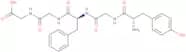
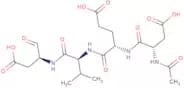

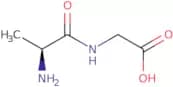
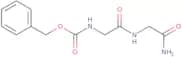
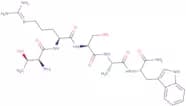
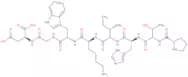



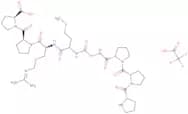
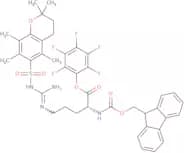
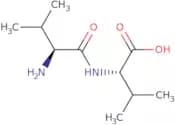
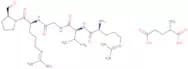

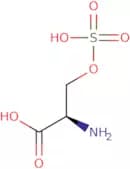
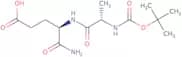

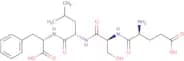
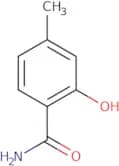
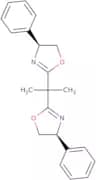
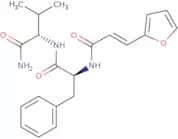
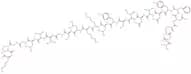
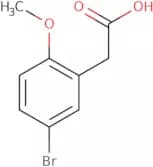
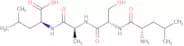
![4-Nitro-Z-Gly-Cys(7-nitro-benzo[2,1,3]oxadiazol-4-yl)-Gly-OH](/_next/image/?url=https%3A%2Fstatic.cymitquimica.com%2Fproducts%2F3D%2Fthumb-webp%2FFN110874.webp&w=3840&q=75)
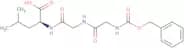
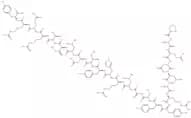

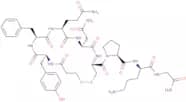
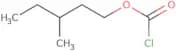

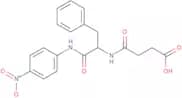
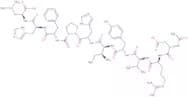


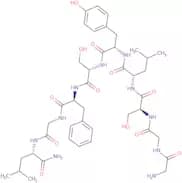
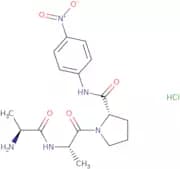

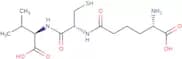
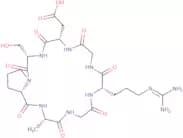


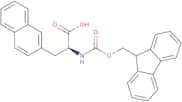
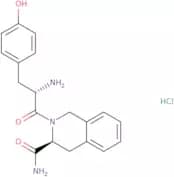

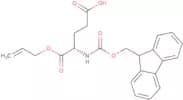
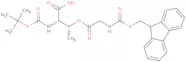
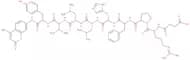
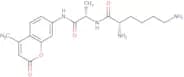

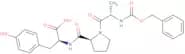
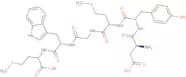
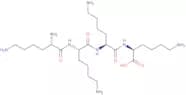

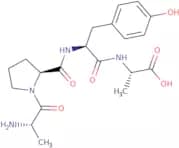
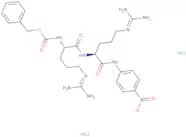
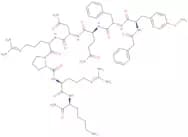
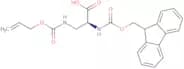
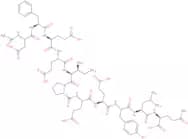
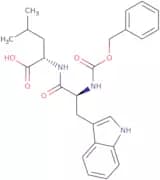
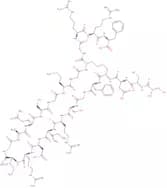
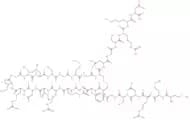
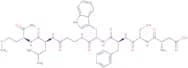

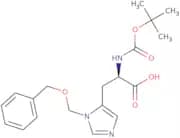
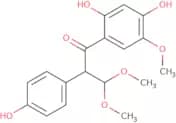
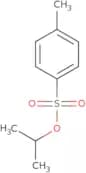
![1,3,5-Tri(1-phenyl-1H-benzo[d]imidazol-2-yl)phenyl](/_next/image/?url=https%3A%2Fstatic.cymitquimica.com%2Fproducts%2F3D%2Fthumb-webp%2FFT37776.webp&w=3840&q=75)
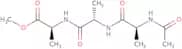

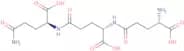

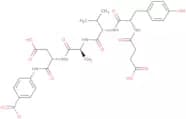

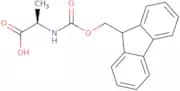
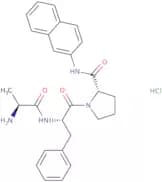
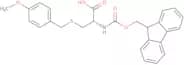
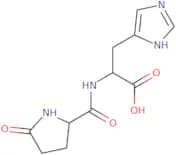
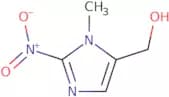
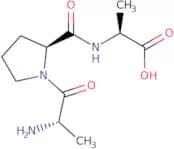
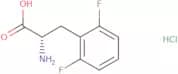
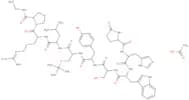


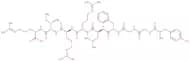
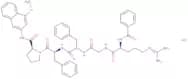


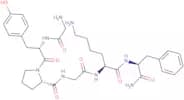


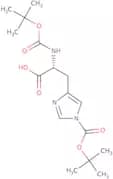
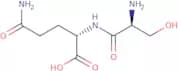

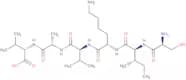
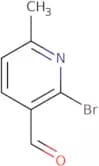
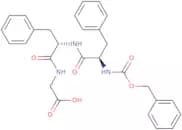

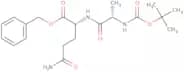

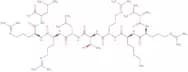
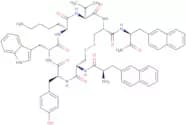
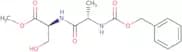


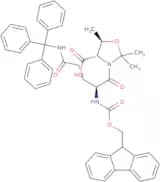

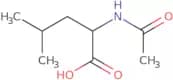
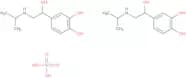
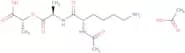


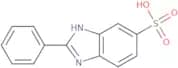
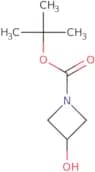
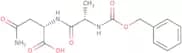
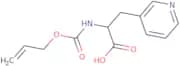
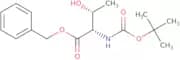
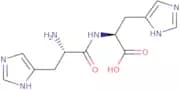
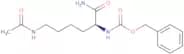

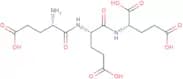


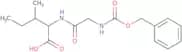
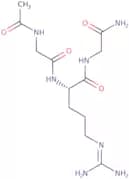

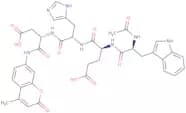
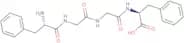
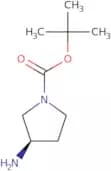
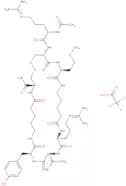
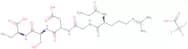
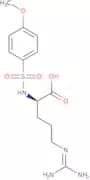
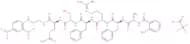
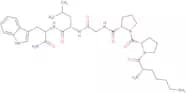
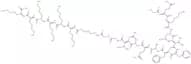
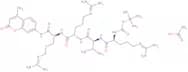

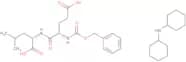
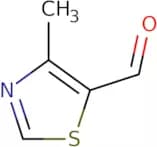
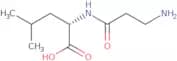
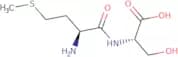
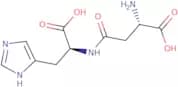
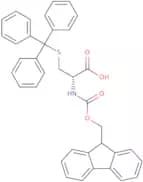
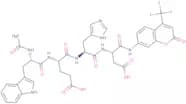

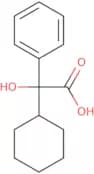


![([ring-D5]Phe3)-Octreotide acetate salt](/_next/image/?url=https%3A%2Fstatic.cymitquimica.com%2Fproducts%2F3D%2Fthumb-webp%2FFR110015.webp&w=3840&q=75)
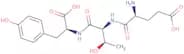


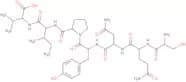


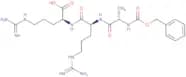

![Fmoc-[D4]Ala-OH](/_next/image/?url=https%3A%2Fstatic.cymitquimica.com%2Fproducts%2F3D%2Fthumb-webp%2FFF111394.webp&w=3840&q=75)