Amino Acids (AA)
Amino acids (AAs) are the fundamental building blocks of proteins, playing a crucial role in various biological processes. These organic compounds are essential for protein synthesis, metabolic pathways, and cell signaling. In this category, you will find a comprehensive range of amino acids, including essential, non-essential, and modified forms, which are vital for research in biochemistry, molecular biology, and nutritional sciences. At CymitQuimica, we provide high-quality amino acids to support your research and development needs, ensuring accuracy and reliability in your experimental outcomes.
Subcategories of "Amino Acids (AA)"
- Amino Acid Derivatives(3,955 products)
- Amino Acid and Amino Acid Related Compounds(3,465 products)
- Amino Acids with Oxygen or Sulphur(168 products)
- Boc- Amino Acids(351 products)
- Fmoc Amino Acids(1,710 products)
Found 38248 products of "Amino Acids (AA)"
Sort by
Purity (%)
0
100
|
0
|
50
|
90
|
95
|
100
Boc-Homoarg-OH·HCl
CAS:<p>Please enquire for more information about Boc-Homoarg-OH·HCl including the price, delivery time and more detailed product information at the technical inquiry form on this page</p>Formula:C12H24N4O4·HClPurity:Min. 95%Molecular weight:324.8 g/mol1-Boc-4-Iodomethyl-Piperidine
CAS:<p>Please enquire for more information about 1-Boc-4-Iodomethyl-Piperidine including the price, delivery time and more detailed product information at the technical inquiry form on this page</p>Formula:C11H20INO2Color and Shape:PowderMolecular weight:325.19 g/molEglin c (60-63)-methyl ester acetate salt
CAS:<p>Eglin C (60-63)-methyl ester acetate salt H-Thr-Asn-Val-Val-OMe acetate salt is a novel, potent cathepsin inhibitor that has inhibitory effects on leukocyte elastase. It is a hydrophobic and highly lipophilic molecule with a high degree of solubility in organic solvents. The amino acid residues are the key functional group responsible for the inhibitory effects of Eglin C.</p>Formula:C19H35N5O7Purity:Min. 95%Molecular weight:445.51 g/molZ-Ala-Gly-Gly-OH
CAS:<p>Z-Ala-Gly-Gly-OH is a hydrophobic amino acid that can be used in the treatment of cancers. It has been shown to interact with residues on lysine and aspartic acid, which may be due to its acidic properties. This compound is also able to bind metal ions such as copper and zinc, which may contribute to its anticancer potential. Z-Ala-Gly-Gly-OH also acts as a ligand for anticancer drugs such as carbonyl group or hydroxyl radicals.</p>Formula:C15H19N3O6Purity:Min. 95%Molecular weight:337.33 g/molNociceptin (1-13) amide trifluoroacetate salt
CAS:<p>Please enquire for more information about Nociceptin (1-13) amide trifluoroacetate salt including the price, delivery time and more detailed product information at the technical inquiry form on this page</p>Formula:C61H100N22O15Purity:Min. 95%Molecular weight:1,381.59 g/molFmoc-Asp(OtBu)-Ser(Psi(Me,Me)pro)-OH
CAS:<p>Please enquire for more information about Fmoc-Asp(OtBu)-Ser(Psi(Me,Me)pro)-OH including the price, delivery time and more detailed product information at the technical inquiry form on this page</p>Formula:C29H34N2O8Purity:Min. 95%Molecular weight:538.59 g/molN-Boc-1,2-phenyldiamine
CAS:<p>N-Boc-1,2-phenyldiamine is a histone acetyltransferase (HAT) inhibitor. It is an acetylated molecule that contains two phenyl rings, one of which is substituted with an amine group. This compound was designed to inhibit the activity of HATs, which are enzymes involved in the chemical modification of histones and other proteins. N-Boc-1,2-phenyldiamine inhibits the activities of these enzymes and prevents the acetylation of lysines on histones or other proteins. It has been shown to be efficient in inducing apoptosis in human cancer cells and may also have some antitumor effects.</p>Formula:C11H16N2O2Purity:Min. 95%Color and Shape:PowderMolecular weight:208.26 g/molMca-(Asn670,Leu671)-Amyloid β/A4 Protein Precursor770 (669-674)-Lys(Dnp)
CAS:<p>Please enquire for more information about Mca-(Asn670,Leu671)-Amyloid beta/A4 Protein Precursor770 (669-674)-Lys(Dnp) including the price, delivery time and more detailed product information at the technical inquiry form on this page</p>Formula:C51H67N11O21Purity:Min. 95%Molecular weight:1,170.14 g/molProadrenomedullin (1-20) (rat) trifluoroacetate salt
CAS:<p>Please enquire for more information about Proadrenomedullin (1-20) (rat) trifluoroacetate salt including the price, delivery time and more detailed product information at the technical inquiry form on this page</p>Formula:C111H177N37O28Purity:Min. 95%Molecular weight:2,477.83 g/molpp60 c-src (521-533) (phosphorylated) trifluoroacetate salt
CAS:<p>Please enquire for more information about pp60 c-src (521-533) (phosphorylated) trifluoroacetate salt including the price, delivery time and more detailed product information at the technical inquiry form on this page</p>Formula:C62H95N16O28PPurity:Min. 95%Molecular weight:1,543.48 g/mol(Des-Glu5)-ACTH (1-24) (human, bovine, rat) trifluoroacetate salt
CAS:<p>Please enquire for more information about (Des-Glu5)-ACTH (1-24) (human, bovine, rat) trifluoroacetate salt including the price, delivery time and more detailed product information at the technical inquiry form on this page</p>Formula:C131H203N39O28SPurity:Min. 95%Molecular weight:2,804.33 g/molOsteocalcin (45-49) (human)
CAS:<p>Please enquire for more information about Osteocalcin (45-49) (human) including the price, delivery time and more detailed product information at the technical inquiry form on this page</p>Formula:C30H39N5O7Purity:Min. 95%Molecular weight:581.66 g/molPhenylacetyl-(D-Arg2·28,p-chloro-Phe6,Arg9, Abu 15, Nle 27, Homoarg 29)-GRF (1-29) amide (human)
CAS:<p>Please enquire for more information about Phenylacetyl-(D-Arg2·28,p-chloro-Phe6,Arg9, Abu 15, Nle 27, Homoarg 29)-GRF (1-29) amide (human) including the price, delivery time and more detailed product information at the technical inquiry form on this page</p>Formula:C170H280ClN53O41Purity:Min. 95%Molecular weight:3,757.83 g/mol7-Diethylamino-4-methylcoumarin
CAS:<p>7-Diethylamino-4-methylcoumarin is a fluorescence probe that can be used in applications such as the study of hydrogen bonding interactions. It is excited by laser light and emits a red-shifted fluorescent light. 7-Diethylamino-4-methylcoumarin is a hydroxyl group analogue of coumarin, which has been shown to have physiological effects on the liver cells. The absorption spectrum of 7-Diethylamino-4-methylcoumarin is sensitive to changes in pH and chemical stability. A decrease in pH increases the intensity of the emission while an increase in pH decreases the intensity of the emission. This compound can also be used to label nucleic acids during polymerase chain reactions (PCR) or for sample preparation before analysis using nuclear magnetic resonance spectroscopy (NMR).</p>Formula:C14H17NO2Purity:Min. 98 Area-%Color and Shape:PowderMolecular weight:231.29 g/molHCV NS4A Protein (22-33) (FDA strain) trifluoroacetate salt
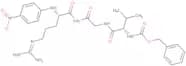
CAS:<p>Please enquire for more information about HCV NS4A Protein (22-33) (FDA strain) trifluoroacetate salt including the price, delivery time and more detailed product information at the technical inquiry form on this page</p>Formula:C54H99N15O14SPurity:Min. 95%Molecular weight:1,214.52 g/molZ-Pro-Leu-Gly-NHOH
CAS:<p>Z-Pro-Leu-Gly-NHOH is a proteolytic enzyme that hydrolyzes collagen, an extracellular matrix protein. It is used in the workstation to extract proteins from biological samples such as mesenteric tissue or holothuria. The immobilized enzyme is prepared and stored on the workstation. The sample is then extracted by adding hydroxamic acids in a liquified state and separating the mixture using size exclusion chromatography. The proteolytic activity of Z-Pro-Leu-Gly-NHOH can be measured by its ability to hydrolyze collagen under alkaline conditions.</p>Formula:C21H30N4O6Purity:Min. 95%Molecular weight:434.49 g/molH-D-Asp(OtBu)-allyl ester·HCl
CAS:<p>Please enquire for more information about H-D-Asp(OtBu)-allyl ester·HCl including the price, delivery time and more detailed product information at the technical inquiry form on this page</p>Formula:C11H19NO4·HClPurity:Min. 95%Molecular weight:265.73 g/mol8-Boc-3,8-diaza-bicyclo[3.2.1]octane
CAS:<p>8-Boc-3,8-diaza-bicyclo[3.2.1]octane is a functional group that can be used in the preparation of pharmaceutical preparations. It is insoluble in water and soluble in organic solvents. This compound has been shown to be effective in the treatment of neurodegenerative diseases such as Alzheimer's disease and Parkinson's disease. 8-Boc-3,8-diaza-bicyclo[3.2.1]octane has also been shown to have protective effects against sae-cd induced cytotoxicity by upregulating the expression of antiapoptotic proteins Bcl2 and Bclxl, which are important for neuronal cell survival.</p>Formula:C11H20N2O2Purity:Min. 95%Molecular weight:212.29 g/molBoc-Ala-Gly-Sar-OH
CAS:<p>Please enquire for more information about Boc-Ala-Gly-Sar-OH including the price, delivery time and more detailed product information at the technical inquiry form on this page</p>Formula:C13H23N3O6Purity:Min. 95%Molecular weight:317.34 g/molH-Glu(Glu(Glu-OH)-OH)-OH trifluoroacetate salt
CAS:<p>H-Glu(Glu(Glu-OH)-OH)-OH trifluoroacetate salt is a casein that is used as a model system for pancreatic β-cells. It has been shown to induce cell apoptosis in malignant cells and sequences that are associated with the development of pancreatic cancer. H-Glu(Glu(Glu-OH)-OH)-OH trifluoroacetate salt also induces endothelial cell proliferation and decreases cell function, which may be due to its ability to promote uptake of this compound.</p>Formula:C15H23N3O10Purity:Min. 95%Molecular weight:405.36 g/mol6-Diazo-5-oxo-L-norleucine
CAS:<p>Inhibitor of hexosamine biosynthetic pathway</p>Formula:C6H9N3O3Purity:Min. 95%Color and Shape:Slightly Yellow PowderMolecular weight:171.15 g/mol(d(CH2)51,D-Ile2,Ile4,Arg8)-Vasopressin b-Mercapto-b,b-cyclopentamethylene-propionyl-D-Ile-Phe-Ile-Asn-Cys-Pro-Arg-Gly-NH2 (Disulfid e bond)
CAS:<p>Please enquire for more information about (d(CH2)51,D-Ile2,Ile4,Arg8)-Vasopressin b-Mercapto-b,b-cyclopentamethylene-propionyl-D-Ile-Phe-Ile-Asn-Cys-Pro-Arg-Gly-NH2 (Disulfid e bond) including the price, delivery time and more detailed product information at the technical inquiry form on this page</p>Formula:C49H77N13O10S2Purity:Min. 95%Molecular weight:1,072.35 g/molH-Gly-Arg-Ala-Asp-Ser-Pro-Lys-OH acetate salt
CAS:<p>Glycine-arginine-aspartate (GAA) is a mimic of the endothelium-derived vasoactive peptide, nitric oxide (NO). It has been shown to attenuate the inflammatory response by decreasing leukocyte adhesion and migration. GAA is also a potent inhibitor of vascular permeability and can attenuate edema in animal models. Studies have shown that GAA prevents microvascular damage following brain infarction. The mechanism of action for GAA is not fully understood, but it may be due to its ability to inhibit fibronectin breakdown, which leads to cerebral edema. GAA's activity on the endothelium may be due to its ability to mimic NO or inhibit sulfate synthesis.</p>Formula:C29H51N11O11Purity:Min. 95%Molecular weight:729.78 g/mol(Phenylac 1,D-Tyr(Me)2,Arg6·8,Lys-NH29)-Vasopressin
CAS:<p>Please enquire for more information about (Phenylac 1,D-Tyr(Me)2,Arg6·8,Lys-NH29)-Vasopressin including the price, delivery time and more detailed product information at the technical inquiry form on this page</p>Formula:C59H86N18O12Purity:Min. 95%Molecular weight:1,239.43 g/molNeuropeptide Y (18-36) trifluoroacetate salt
CAS:<p>Neuropeptide Y (18-36) trifluoroacetate salt H-Ala-Arg-Tyr-Tyr-Ser-Ala-Leu-Arg-His-Tyr-Ile-Asn-Leu-Ile-Thr-Arg -Gln is a peptide belonging to the family of neuropeptides. It has been shown to have potent vasoconstricting activity in rat and guinea pig hearts, as well as contractile activity in rat aortic rings. Neuropeptide Y (18 - 36) trifluoroacetate salt H -Ala -Arg Tyr Tyr Ser Ala Leu Arg His Tyr Ile Asn Leu Ile Thr Arg Gln Arg Tyr NH2 trifl uoroacetate salt also inhibits the cyclase activity of adenylate cyclase, which is responsible for generating the second messenger cAMP. This compound may be used to treat congest</p>Formula:C112H174N36O27Purity:Min. 95%Molecular weight:2,456.81 g/molH-Ala-Pro-Tyr-Ala-OH
CAS:<p>Acetylation is the process of reacting an organic compound with acetic acid to produce an ester and water. Acetylation is one of the most common reactions in organic chemistry. Acetylating agents, such as acetic anhydride or acetyl chloride, are often used in chemical synthesis because they react selectively with primary and secondary alcohols to form esters. The acetylation reaction can be used to modify proteins by attaching an acetyl group to the amine group of a lysine residue. This modification prevents the protein from binding to other proteins and can alter its function. Acetylation also has been implicated in several diseases, such as hepatitis and inflammatory bowel disease.</p>Formula:C20H28N4O6Purity:Min. 95%Molecular weight:420.46 g/molH-Lys-Lys-Lys-Lys-OH acetate salt
CAS:<p>H-Lys-Lys-Lys-Lys-OH acetate salt is a fatty acid that has been shown to form stable complexes with DNA and act as an intercalator. It also provides a repair mechanism for DNA, which may be due to its ability to bind to stem cell factor (SCF) and increase the proliferation of stem cells. H-Lys-Lys-Lys-Lys-OH acetate salt has significant cytotoxicity against viruses, such as human immunodeficiency virus type 1 (HIV1) and human papilloma virus type 16. This drug can also be used as an adjuvant in monoclonal antibody production by stimulating the production of antibodies from mouse spleen cells. H-Lys-Lys-Lys-Lys-OH acetate salt has been shown to inhibit the growth of E. coli K12 and Bacteria Corynebacterium diphtheriae, both of</p>Formula:C24H50N8O5Purity:Min. 95%Molecular weight:530.7 g/mol(Pyr 16)-VIP (16-28) (human, mouse, rat)
CAS:<p>Please enquire for more information about (Pyr 16)-VIP (16-28) (human, mouse, rat) including the price, delivery time and more detailed product information at the technical inquiry form on this page</p>Formula:C68H114N18O18SPurity:Min. 95%Molecular weight:1,503.81 g/molAc-Ser-Gly-OH
CAS:<p>Ac-Ser-Gly-OH is a tripeptide, meaning it has three amino acids. It is a hydrophobic molecule that contains the sequence of amino acid residues Ac-Ser-Gly. The residue of Ac-Ser-Gly-OH is an acetylated serine and glycolic acid. This tripeptide can be modified through techniques such as incubation or tryptic digestion. The postsynthetic modification technique of biosynthesis is used to create Ac-Ser-Gly-OH from its precursor, polyisoprenoid, which can also be sequenced to determine its nature with the help of techniques such as mass spectrometry.</p>Formula:C7H12N2O5Purity:Min. 95%Molecular weight:204.18 g/molBoc-Arg-SBzl·HCl
CAS:<p>Please enquire for more information about Boc-Arg-SBzl·HCl including the price, delivery time and more detailed product information at the technical inquiry form on this page</p>Formula:C18H28N4O3S·HClPurity:Min. 95%Molecular weight:416.97 g/molRetrocyclin-1 trifluoroacetate salt
CAS:<p>Retrocyclin-1 trifluoroacetate salt is a synthetic antimicrobial peptide, which is derived from humanized sequences based on the theta-defensin family, originally found in certain primates. Retrocyclin-1 is particularly notable for its circular structure which contributes to its stability and biological activity. The peptide is produced through a process of solid-phase peptide synthesis, designed to mimic the native cyclic conformation of natural theta-defensins.</p>Formula:C74H128N30O18S6Purity:Min. 95%Molecular weight:1,918.4 g/molFmoc-4-(neopentyloxysulfonyl)-Abu-OH (S)-2-(Fmoc-amino)-4-neopentyloxysulfonyl-butyric acid
CAS:<p>Please enquire for more information about Fmoc-4-(neopentyloxysulfonyl)-Abu-OH (S)-2-(Fmoc-amino)-4-neopentyloxysulfonyl-butyric acid including the price, delivery time and more detailed product information at the technical inquiry form on this page</p>Formula:C24H29NO7SPurity:Min. 95%Molecular weight:475.56 g/molH-Thr-Tyr-Ser-OH
CAS:<p>H-Thr-Tyr-Ser-OH is a fluorescent peptide with conjugates that has been shown to be sequestered in atherosclerotic lesions. The fluorescence of this peptide is increased when bound to lipofuscin, which accumulates in atherosclerotic lesions. Immunohistochemical staining has revealed that H-Thr-Tyr-Ser-OH is a marker for the identification of atheromas and can be used to identify areas of lipid accumulation. H-Thr-Tyr-Ser-OH binds to peroxidases and enzyme linked immunosorbent assay (ELISA) antibodies, making it useful as an indicator for the presence of these enzymes. This peptide also stains positively for markers such as CD11b, CD68, and lysozyme.</p>Formula:C16H23N3O7Purity:Min. 95%Molecular weight:369.37 g/molBoc-Ser(Ala-Fmoc)-OH
CAS:<p>Boc-Ser(Ala-Fmoc)-OH is a synthetic amino acid that is used in peptide synthesis. It is typically prepared by the condensation of Serine with diethyl Fmoc-amino acid and hydrochloric acid. This molecule has an efficient epimerization process, which allows for the synthesis of the other enantiomer, L-Ser(Ala-Fmoc)-OH. The synthetic method for Boc-Ser(Ala-Fmoc)-OH can be used to synthesize peptides from amino acids.</p>Formula:C26H30N2O8Purity:Min. 95%Molecular weight:498.53 g/molHirudin (54-65) (sulfated)
CAS:<p>Hirudin is a protein that functions as an anticoagulant by binding to the active site of thrombin, preventing it from converting fibrinogen into fibrin. It has a high affinity for the thrombin receptor and can be modified in various ways. Hirudin's most common modification is sulfation, which enhances its anticoagulant activity. Hirudin is a proteolytic enzyme that can be synthesized using solid-phase chemistry. Its biological function is to inhibit blood coagulation by inhibiting the conversion of fibrinogen to fibrin. Hirudin binds to thrombin, preventing it from converting fibrinogen into fibrin and thus inhibits coagulation. It also prevents clot formation by inhibiting platelet aggregation, which may result from interactions with other proteins such as prothrombin and factor VIII.</p>Formula:C66H93N13O28SPurity:Min. 95%Molecular weight:1,548.58 g/molH-Gly-Arg-Asp-Gly-Ser-OH
CAS:<p>A monoclonal antibody is a type of antibody produced by a single clone of B cells. Monoclonal antibodies are created by injecting mice with a protein, and then harvesting the antibody-producing cells from the mouse's spleen or lymph nodes. These cells are then fused with cancer cells to form hybridoma cells that produce the desired antibodies. Monoclonal antibodies are used in vitro assays to detect certain molecules, such as matrix molecules, growth factors and polysialic acid. They can also be used for in vivo diagnostic purposes, such as detecting urothelial carcinoma in mammals or human lymphocytes on the surface of lymphocytes.</p>Formula:C17H30N8O9Purity:Min. 95%Molecular weight:490.47 g/molCyclo(-Pro-Gly)3
CAS:<p>Please enquire for more information about Cyclo(-Pro-Gly)3 including the price, delivery time and more detailed product information at the technical inquiry form on this page</p>Formula:C21H30N6O6Purity:Min. 95%Molecular weight:462.5 g/molH-Lys-Gly-Gly-OH hydrochloride salt
CAS:<p>Histidine is a non-essential amino acid that has been shown to be involved in the regulation of cell growth and differentiation. It is also involved in the biosynthesis of nucleotides, collagen, and carnitine. Kinetic studies on histidine have been done by acetylation of histidine with acetic anhydride and pyridine. The kinetic method used was based on the reaction between histidine and p-nitrophenyl phosphate. The transfer reactions were performed with a strain containing lysine residues which were then adsorbed onto a surface-enhanced Raman spectroscopy (SERS) substrate. These experiments were performed using techniques such as resonance mass spectrometry (RMS), surface-enhanced Raman spectroscopy (SERS), and protonation selective mass spectrometry (PSMS).</p>Formula:C10H20N4O4Purity:Min. 95%Molecular weight:260.29 g/molH-Val-Met-OH
CAS:<p>H-Val-Met-OH is a synthetic compound that was created to have a structure similar to the natural amino acid histidine. The synthesis of H-Val-Met-OH was achieved by reacting 2,5-diaminopentane with formaldehyde in the presence of cellulose acetate as a reaction medium. This process produced a white solid material that was then purified using chromatography. The purity and yield were confirmed by high performance liquid chromatography (HPLC) analysis and nuclear magnetic resonance (NMR). In vitro studies showed that H-Val-Met-OH promotes brain derived neurotrophic factor (BDNF) production in healthy Chinese adults. Clinical data also suggest that H-Val-Met-OH has beneficial effects on cognitive function in patients with mild cognitive impairment or Alzheimer's disease. Additionally, this compound has been shown to promote BDNF production in cultured mouse hippocampal neurons and enhance spatial memory retention in CD1 mice.</p>Formula:C10H20N2O3SPurity:Min. 95%Molecular weight:248.34 g/mol(Sar 9,Met(O2)11)-Substance P
CAS:<p>Substance P is a neuropeptide that is found in the brain and throughout the peripheral nervous system. It has been found to be involved in numerous physiological processes, including pain transmission, vasodilation, and inflammation. Substance P binds to neurokinin-1 receptor (NK-1R) with high affinity. NK-1R has been shown to be localized on cells of the submandibular gland and salivary gland. Techniques such as binding experiments have shown that substance P binds to NK-1R with high affinity and is therefore likely involved in salivation and other functions of these glands.</p>Formula:C64H100N18O15SPurity:Min. 95%Molecular weight:1,393.66 g/mol(Gly22)-Amyloid b-Protein (1-40) trifluoroacetate salt
CAS:<p>Please enquire for more information about (Gly22)-Amyloid b-Protein (1-40) trifluoroacetate salt including the price, delivery time and more detailed product information at the technical inquiry form on this page</p>Formula:C191H291N53O56SPurity:Min. 95%Molecular weight:4,257.74 g/molL-Threonine derivative-1
CAS:<p>L-Threonine derivative-1 is acetylsalicylic acid-L-threonine ester with potential analgesic activity.</p>Formula:C13H15NO6Purity:97.03% - 98.91%Color and Shape:SolidMolecular weight:281.26Antho-RPamide III·HCl Pyr-Val-Lys-Leu-Tyr-Arg-Pro-NH2·HCl
CAS:<p>Please enquire for more information about Antho-RPamide III·HCl Pyr-Val-Lys-Leu-Tyr-Arg-Pro-NH2·HCl including the price, delivery time and more detailed product information at the technical inquiry form on this page</p>Formula:C42H68N12O9·HClPurity:Min. 95%Molecular weight:921.53 g/mol2'-Methoxy-α-naphthoflavone
CAS:<p>2'-Methoxy-alpha-naphthoflavone is a fine chemical that can be synthesized from naphthalene, benzaldehyde, and methoxyacetic acid. It is a versatile building block for research chemicals and has been shown to have high quality. 2'-Methoxy-alpha-naphthoflavone has been used as a reaction component in the synthesis of complex compounds with interesting biological activities.</p>Formula:C20H14O3Purity:Min. 95%Molecular weight:302.32 g/molH-Leu-Ala-Leu-Ala-OEt·HCl
CAS:<p>Please enquire for more information about H-Leu-Ala-Leu-Ala-OEt·HCl including the price, delivery time and more detailed product information at the technical inquiry form on this page</p>Formula:C20H38N4O5·HClPurity:Min. 95%Molecular weight:451 g/molN1-Glutathionyl-spermidine disulfide [
CAS:<p>N1-Glutathionyl-spermidine disulfide (N1-GS) is a molecule that has been shown to have clinical use in the treatment of chronic hepatitis C infection. The N1-GS molecule is composed of a glutathione (GSH) scaffold with two sulfhydryl groups and an amino acid side chain. N1-GS has a hydrophobic nature, which allows it to penetrate the cellular membrane and enter cells. It is also able to form hydrogen bonds and act as a catalyst for reactions. Fluorescence analysis revealed that this molecule is selective for disulfides over thiols, amines, or alcohols. Disulfides are very important in biological systems since they can be found in enzymes, proteins, and cellular membranes. The insolubility of the N1-GS molecule makes it difficult to analyze its structure using traditional methods such as gas chromatography or nuclear magnetic resonance spectroscopy. However, fluorescence</p>Formula:C34H66N12O10S2Purity:Min. 95%Molecular weight:867.09 g/molH-Gly-b-Ala-b-Ala-OH
CAS:<p>Please enquire for more information about H-Gly-b-Ala-b-Ala-OH including the price, delivery time and more detailed product information at the technical inquiry form on this page</p>Formula:C8H15N3O4Purity:Min. 95%Molecular weight:217.22 g/mol2-Boc-2,9-Diazaspiro[5.5]undecane hydrochloride
CAS:<p>Please enquire for more information about 2-Boc-2,9-Diazaspiro[5.5]undecane hydrochloride including the price, delivery time and more detailed product information at the technical inquiry form on this page</p>Formula:C14H27ClN2O2Purity:Min. 95%Molecular weight:290.83 g/molBoc-Phe-Phe-OH
CAS:<p>Boc-Phe-Phe-OH is a linker that is used to create homologues. It has been shown to be able to form supramolecular structures and encapsulate biomolecules, such as amino acids. The ester linkage of Boc-Phe-Phe-OH can be modified by the addition of a carboxylic acid, which can lead to changes in its fluorescence and magnetic properties. Boc-Phe-Phe-OH is primarily used as an intermediate for fluorescent probes or other molecules.</p>Formula:C23H28N2O5Purity:Min. 95%Molecular weight:412.48 g/molH-Gly-Gly-His-OH
CAS:<p>H-Gly-Gly-His-OH is a molecule that is found in human serum. It is a ligand with coordination properties and has been shown to bind to copper. H-Gly-Gly-His-OH has been studied spectroscopically in the presence of human serum albumin, and it has been observed that the protonation state and interaction of this molecule are dependent on the speciation and concentration of copper.</p>Formula:C10H15N5O4Purity:Min. 95%Molecular weight:269.26 g/molFmoc-Ser(tBu)-Ser(Psi(Me,Me)pro)-OH
CAS:<p>Please enquire for more information about Fmoc-Ser(tBu)-Ser(Psi(Me,Me)pro)-OH including the price, delivery time and more detailed product information at the technical inquiry form on this page</p>Formula:C28H34N2O7Purity:Min. 95%Molecular weight:510.58 g/molAtrial Natriuretic Factor (1-28) (human) hydrochloride salt
CAS:Controlled Product<p>Please enquire for more information about Atrial Natriuretic Factor (1-28) (human) hydrochloride salt including the price, delivery time and more detailed product information at the technical inquiry form on this page</p>Formula:C127H203N45O39S3Purity:Min. 95%Molecular weight:3,080.45 g/mol4-(Fmoc-hydrazino)-benzoylaminomethyl resin (200-400 mesh)
<p>Please enquire for more information about 4-(Fmoc-hydrazino)-benzoylaminomethyl resin (200-400 mesh) including the price, delivery time and more detailed product information at the technical inquiry form on this page</p>Purity:Min. 95%Fmoc-D-Cys(Bzl)-OH
CAS:<p>The compound Fmoc-D-Cys(Bzl)-OH is a chiral homologue of the protonated amino acid D-Cys. The configuration of the proton in this molecule has been determined by proton nmr experiments. This compound is synthesized from the racemic mixture by reductive amination and deprotonation with sodium borohydride. The reagents are an organophosphate and an ester, which react in order to form a new carbon-carbon bond. The postulated enantiomers are screened for their activity against phospholipase A2, which cleaves ester bonds on phospholipids. One enantiomer has been shown to have more potent activity than its counterpart, suggesting that it is the desired product.</p>Formula:C25H23NO4SPurity:Min. 95%Molecular weight:433.52 g/molSubstance P (2-11)
CAS:<p>Substance P (2-11) H-Pro-Lys-Pro-Gln-Gln-Phe-Phe-Gly-Leu-Met-NH2 is a peptide that is the product of proteolytic cleavage of substance P. It binds to the neurokinin receptor and induces degranulation in mast cells and sensory neurons. It has been used as a diagnostic tool for mast cell degranulation. Substance P (2-11) H-Pro-Lys-Pro-Gln-Gln-Phe has also been used to assess lung function in anesthetized animals, circulations in muscle, and changes in perfusion during surgical procedures.</p>Formula:C57H86N14O12SPurity:Min. 95%Molecular weight:1,191.45 g/molH-Gly-Gly-b-Ala-Gly-OH
CAS:<p>Please enquire for more information about H-Gly-Gly-b-Ala-Gly-OH including the price, delivery time and more detailed product information at the technical inquiry form on this page</p>Formula:C9H16N4O5Purity:Min. 95%Molecular weight:260.25 g/molH-Tyr-betaNA
CAS:<p>H-Tyr-betaNA is a synthetic substrate that has been used to study the binding activities of natural and synthetic opioid compounds. H-Tyr-betaNA binds to δ opioid receptors and inhibits the release of neurotransmitters such as acetylcholine, histamine, and serotonin. It also binds to δ-opioid receptors, which are involved in mediating pain responses. This compound has been shown to be an inhibitor of antinociceptive responses in rats, but it is not yet known whether it can cross the blood brain barrier. The pharmacokinetic properties of H-Tyr-betaNA have not been fully elucidated; however, it has been shown to be stable at neutral ph.</p>Formula:C19H18N2O2Purity:Min. 95%Molecular weight:306.36 g/molAc-Leu-Glu-His-Asp-chloromethylketone
CAS:<p>Ac-Leu-Glu-His-Asp-chloromethylketone is a creatine kinase inhibitor that prevents the conversion of ATP to ADP. It inhibits mitochondrial pathways, leading to apoptotic and proapoptotic effects. Ac-Leu-Glu-His-Asp-chloromethylketone also has a kinetic effect on cells, where it causes necrotic cell death. This compound can cause proteolytic activity, which leads to the activation of caspase 9 and matrix metalloproteinases. Ac-Leu-Glu-His-Asp chloromethylketone has been shown to have antiinflammatory properties in cellular assays, as well as an ability to inhibit the synthesis of cellular proteins.</p>Formula:C24H35ClN6O9Purity:Min. 95%Molecular weight:587.02 g/molH-Ser-Leu-OH
CAS:<p>H-Ser-Leu-OH is a methylvaleric acid that is found in biological tissue and has been studied for its potential use as a pharmacological treatment. It has been shown to have anti-inflammatory effects, which may be due to its inhibition of prostaglandin synthesis. H-Ser-Leu-OH also inhibits the activity of divalent metal ions, such as magnesium and zinc, by binding to their chelating groups. This binding prevents the formation of an enzyme cell wall synthesis complex with the enzyme that is required for cell wall biosynthesis, inhibiting protein synthesis and cell division. H-Ser-Leu-OH has also shown potential as an analytical method for cancer detection. It can be used to detect carcinogenesis by detecting changes in DNA methylation patterns at the promoter region of tumor suppressor genes (e.g., RASSF1A).</p>Formula:C9H18N2O4Purity:Min. 95%Molecular weight:218.25 g/molFA-Gly-Nva-NH2
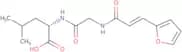
CAS:<p>Please enquire for more information about FA-Gly-Nva-NH2 including the price, delivery time and more detailed product information at the technical inquiry form on this page</p>Formula:C14H19N3O4Purity:Min. 95%Molecular weight:293.32 g/molZ-Trp-Val-OH trifluoroacetic acid
CAS:<p>Please enquire for more information about Z-Trp-Val-OH trifluoroacetic acid including the price, delivery time and more detailed product information at the technical inquiry form on this page</p>Formula:C24H27N3O5•CF3CO2HPurity:Min. 95%Molecular weight:437.49 g/molC-Peptide 2 (rat) trifluoroacetate salt
CAS:<p>Please enquire for more information about C-Peptide 2 (rat) trifluoroacetate salt including the price, delivery time and more detailed product information at the technical inquiry form on this page</p>Formula:C135H222N38O49Purity:Min. 95%Molecular weight:3,161.43 g/molH-Gly-Gly-Glu-OH
CAS:<p>H-Gly-Gly-Glu-OH is a hydrolysate of the proteasome peptide. It has reversed-phase and liquid chromatography properties, which make it a useful biochemical tool for the analysis of proteins. The carboxylate group at the end of H-Gly-Gly-Glu-OH can be used as an isopeptide to determine the sequence of peptides that are synthesized by a prokaryotic or eukaryotic cell. H-Gly-Gly-Glu-OH can also be used to cleave ligation products in order to analyse them.</p>Formula:C9H15N3O6Purity:Min. 95%Molecular weight:261.23 g/molVIP Receptor-Binding Inhibitor L-8-K trifluoroacetate salt
CAS:<p>Please enquire for more information about VIP Receptor-Binding Inhibitor L-8-K trifluoroacetate salt including the price, delivery time and more detailed product information at the technical inquiry form on this page</p>Formula:C50H77N9O12SPurity:Min. 95%Molecular weight:1,028.27 g/molH-Val-Pro-OtBu·HCl
CAS:<p>Please enquire for more information about H-Val-Pro-OtBu·HCl including the price, delivery time and more detailed product information at the technical inquiry form on this page</p>Formula:C14H26N2O3·HClPurity:Min. 95%Molecular weight:306.83 g/molH-Ala-Tyr-Ala-OH
CAS:<p>H-Ala-Tyr-Ala-OH is a peptidomimetic that has shown promising anti-inflammatory and anticancer properties. It has been found to inhibit the proliferation of human cancer cells and to suppress the growth of human tumor xenografts in mice. It also has shown an ability to cross the blood brain barrier, which may be due to its high lipophilicity. H-Ala-Tyr-Ala-OH inhibits the production of inflammatory cytokines, such as TNFα, IL1β, IL6, and IL8, by inhibiting NFκB activation in immune cells. This inhibition leads to decreased inflammation and fibrosis in various tissues. H-Ala-Tyr-Ala-OH is also active against bacteria and viruses, which may be due to its low molecular weight.</p>Formula:C15H21N3O5Purity:Min. 95%Molecular weight:323.34 g/molH-Gly-Phe-Ser-OH
CAS:<p>H-Gly-Phe-Ser-OH is a substrate for thermolysin, an enzyme that catalyzes the hydrolysis of peptides to amino acids. It is modified by glycerol, which influences its affinity and nature. The residue can be either modified or unmodified with a specific chain length. The modifications of the residue are important in determining the specificity of the enzyme. H-Gly-Phe-Ser-OH has a high degree of hydrophobicity, which influences the catalytic reaction. This substrate can be used to determine enzyme specificity because it is not cleaved by enzymes such as trypsin and chymotrypsin.</p>Formula:C14H19N3O5Purity:Min. 95%Molecular weight:309.32 g/molAQEE-30 (mouse, rat) trifluoroacetate salt
CAS:<p>Please enquire for more information about AQEE-30 (mouse, rat) trifluoroacetate salt including the price, delivery time and more detailed product information at the technical inquiry form on this page</p>Formula:C156H245N47O56Purity:Min. 95%Molecular weight:3,674.9 g/molFluorescein-6-carbonyl-Leu-Glu(OMe)-Thr-DL-Asp(OMe)-fluoromethylketone
CAS:<p>Please enquire for more information about Fluorescein-6-carbonyl-Leu-Glu(OMe)-Thr-DL-Asp(OMe)-fluoromethylketone including the price, delivery time and more detailed product information at the technical inquiry form on this page</p>Formula:C43H47FN4O15Purity:Min. 95%Molecular weight:878.85 g/molEpinecidin-1 trifluoroacetate salt
CAS:<p>Please enquire for more information about Epinecidin-1 trifluoroacetate salt including the price, delivery time and more detailed product information at the technical inquiry form on this page</p>Formula:C114H176N30O21SPurity:Min. 95%Molecular weight:2,334.87 g/mol(Deamino-Cys1,b-(3-pyridyl)-D-Ala2,Arg8)-Vasopressin trifluoroacetate salt
CAS:<p>DDAVP is an analogue of vasopressin, which belongs to the class of inositol phosphates. It is a potent agonist for the V1 receptor and has a higher affinity for this receptor than vasopressin. DDAVP also has antagonist properties at the V2 receptor. The biological activity of DDAVP is mediated by its ability to increase phospholipase A2 activity and cause the release of arachidonic acid from membrane phospholipids. This activation causes an increase in prostaglandin synthesis, leading to increased vascular permeability and hypotension. DDAVP may also have antidiuretic effects due to its antagonism of oxytocin receptors.</p>Formula:C45H63N15O11S2Purity:Min. 95%Molecular weight:1,054.21 g/molDnp-Pro-Leu-Gly-Leu-Trp-Ala-D-Arg-NH2 trifluoroacetate salt
CAS:<p>Please enquire for more information about Dnp-Pro-Leu-Gly-Leu-Trp-Ala-D-Arg-NH2 trifluoroacetate salt including the price, delivery time and more detailed product information at the technical inquiry form on this page</p>Formula:C45H64N14O11Purity:Min. 95%Molecular weight:977.08 g/molH-Ala-Thr-OH
CAS:<p>H-Ala-Thr-OH is a dipeptide that is used as a stabilizer for the active form of methionine in some nutritional supplements. H-Ala-Thr-OH is synthesized by the hydroxylation of DL-methionine, which is then converted to H-Ala-Thr-OH by an aminopeptidase. The amino acid sequence of H-Ala-Thr-OH resembles that of l-threonine, but lacks an α carbon atom and an amino group on the carboxylic acid end. This dipeptide has been shown to be auxotrophic for both lysine and threonine when expressed in Escherichia coli.</p>Formula:C7H14N2O4Purity:Min. 95%Molecular weight:190.2 g/mol(H-Cys-betaNA)2·2 HCl (Disulfide bond)
CAS:<p>Please enquire for more information about (H-Cys-betaNA)2·2 HCl (Disulfide bond) including the price, delivery time and more detailed product information at the technical inquiry form on this page</p>Formula:C26H26N4O2S2·2HClPurity:Min. 95%Molecular weight:563.56 g/molBoc-Pressinoic acid Boc-Cys-Tyr-Phe-Gln-Asn-Cys-OH (Disulfide bond)
CAS:<p>Please enquire for more information about Boc-Pressinoic acid Boc-Cys-Tyr-Phe-Gln-Asn-Cys-OH (Disulfide bond) including the price, delivery time and more detailed product information at the technical inquiry form on this page</p>Formula:C38H50N8O12S2Purity:Min. 95%Molecular weight:874.98 g/mol(Ala1)-PAR-4 (1-6) (mouse) trifluoroacetate salt
CAS:<p>(Ala1)-PAR-4 (1-6) (mouse) trifluoroacetate salt H-Ala-Tyr-Pro-Gly-Lys-Phe-OH trifluoroacetate salt is a potent inhibitor of protein kinase C, and has been shown to inhibit the growth of prostate cancer cells. It also inhibits phosphorylation of epidermal growth factor receptors, which leads to lower levels of epidermal growth factor in the cell. This drug also has antiplatelet effects and may be used as an antiplatelet agent for patients with vascular disease or diabetes.</p>Formula:C34H47N7O8Purity:Min. 95%Molecular weight:681.78 g/molAmyloid β-Protein (1-40) trifluoroacetate salt
CAS:<p>Amyloid beta-protein (Aβ) is a protein that is involved in the metabolic processes that are thought to be associated with Alzheimer's disease. Aβ is a peptide of 39-43 residues and is found in amyloid plaques, which are aggregates of Aβ. The amino acid sequence of human Aβ has been determined by sequencing the cDNA and gene for this protein. The structure of the protein has been studied using molecular modeling, kinetic data, and predictive biomarker studies. Cleavage products have been identified from the protein, including beta-amyloid peptide (1-40), which can be used as a diagnostic marker for Alzheimer's disease. Structural analysis has also shown lysine residues that may serve as pharmaceutical targets for therapeutic intervention.</p>Formula:C194H295N53O58SPurity:Min. 95%Molecular weight:4,329.81 g/mol(1-Methyl-1H-pyrazol-4-yl)boronic acid
CAS:<p>(1-Methyl-1H-pyrazol-4-yl)boronic acid is a boronic acid that has been used for the synthesis of a number of heterocyclic compounds. Boronic acids are commonly used to synthesize phosphine ligands, which are reactive and can be used in cross-coupling reactions with organic halides, triflates, and tosylates. The efficiency of the reaction depends on the functional group present on the boron atom. (1-Methyl-1H-pyrazol-4-yl)boronic acid can inhibit the activity of many types of enzymes, including those involved in bacterial DNA synthesis and protein synthesis. (1-Methyl-1H-pyrazol-4-yl)boronic acid has been shown to have pharmacokinetic properties that depend on its ionization state.</p>Formula:C4H7BN2O2Purity:Min. 95%Molecular weight:125.92 g/molH-Ser-Tyr-betaNA
CAS:<p>Please enquire for more information about H-Ser-Tyr-betaNA including the price, delivery time and more detailed product information at the technical inquiry form on this page</p>Formula:C22H23N3O4Purity:Min. 95%Molecular weight:393.44 g/molAc-Cys-Nle-Arg-His-D-2-Nal-Arg-Trp-Gly-Cys-NH2
CAS:<p>Please enquire for more information about Ac-Cys-Nle-Arg-His-D-2-Nal-Arg-Trp-Gly-Cys-NH2 including the price, delivery time and more detailed product information at the technical inquiry form on this page</p>Formula:C58H79N19O10S2Purity:Min. 95%Molecular weight:1,266.5 g/molH-Pro-Val-Asp-OH
CAS:<p>Please enquire for more information about H-Pro-Val-Asp-OH including the price, delivery time and more detailed product information at the technical inquiry form on this page</p>Formula:C14H23N3O6Purity:Min. 95%Molecular weight:329.35 g/molMeOSuc-Ala-Ala-Pro-Val-AMC
CAS:<p>MeOSuc-Ala-Ala-Pro-Val-AMC is a serine protease inhibitor that has been shown to inhibit neutrophil elastase and human trypsin. It has been shown to be effective in the treatment of inflammatory diseases such as hepatitis, colitis, and Crohn's disease. MeOSuc-Ala-Ala-Pro-Val-AMC also inhibits coagulation and can be used as an anticoagulant. This drug is one of the few drugs that have been shown to inhibit both trypsin and elastase with equal potency.</p>Formula:C31H41N5O9Purity:Min. 95%Molecular weight:627.69 g/molZ-Homocit-OH
CAS:<p>Please enquire for more information about Z-Homocit-OH including the price, delivery time and more detailed product information at the technical inquiry form on this page</p>Formula:C15H21N3O5Purity:Min. 95%Molecular weight:323.34 g/molTRAP-5 trifluoroacetate salt
CAS:<p>TRAP-5 is a peptide consisting of the amino acid sequence H-Ser-Phe-Leu-Leu-Arg. This peptide has been shown to have antiviral, anti-inflammatory, and anticancer properties. It has also been found to inhibit platelet activation in vitro and to reduce atherosclerotic lesions in mice. TRAP-5 has been shown to have therapeutic potential for diseases such as heart disease and lung diseases, although its efficacy has not yet been tested in humans.</p>Formula:C30H50N8O7Purity:Min. 95%Molecular weight:634.77 g/molMca-Arg-Pro-Lys-Pro-Gln-OH
CAS:<p>Please enquire for more information about Mca-Arg-Pro-Lys-Pro-Gln-OH including the price, delivery time and more detailed product information at the technical inquiry form on this page</p>Formula:C39H56N10O11Purity:Min. 95%Molecular weight:840.92 g/mol(Tyr15)-Fibrinopeptide B (human)
CAS:<p>Fibrinopeptide B is a linear peptide that is found in the human fibrinogen molecule. It has been shown to be bioactive and can be used as a specific molecular marker for thrombus formation. Fibrinopeptide B has an optimal wavelength of 280 nm, and can be detected using phosphoric acid-based electrophoresis. The peptides are typically only 10 to 20 amino acids long, although the length varies depending on the protein they are derived from.</p>Formula:C75H102N20O27Purity:Min. 95%Molecular weight:1,715.73 g/molGastrin Tetrapeptide
CAS:<p>Gastrin tetrapeptide is a pharmacological treatment for clinical relevance. It has been shown to be an irreversible inhibitor of the histamine H2-receptor. Activated gastrin tetrapeptide has been shown to inhibit the activity of 5-hydroxytryptamine (5-HT) receptors and κ-opioid receptors in vitro, and studies have shown that it decreases glutamate release from nerve cells, which may contribute to its antiemetic properties. Gastrin tetrapeptide has also been shown to have a physiological effect on humans, with decreased 5-HT concentrations and increased gastric pH levels being observed. This peptide is used in the treatment of infectious diseases such as malaria, which causes vomiting and diarrhea.</p>Formula:C29H36N6O6SPurity:Min. 95%Molecular weight:596.7 g/mol(D-Ala2)-Leu-Enkephalin-Arg acetate salt
CAS:<p>Please enquire for more information about (D-Ala2)-Leu-Enkephalin-Arg acetate salt including the price, delivery time and more detailed product information at the technical inquiry form on this page</p>Formula:C35H51N9O8·xC2H4O2Purity:Min. 95%Molecular weight:725.84 g/mol4-Hydroxymethyl-5-methyl-2-phenylimidazole
CAS:<p>4-Hydroxymethyl-5-methyl-2-phenylimidazole is an impurity of phenoxy. It has a high resistance to acids and bases, and can be used in devices that require high purity. 4-Hydroxymethyl-5-methyl-2-phenylimidazole has a particle diameter of about 1 micron. This impurity is metastable, or stable only under certain conditions such as temperature and pressure. The high viscosity of this compound makes it useful for devices that require a high degree of stability at elevated temperatures. Immediate decomposition occurs when exposed to air due to the presence of naphthalene, phosphine, and silicon.</p>Formula:C11H12N2OPurity:Min. 95%Molecular weight:188.23 g/molH-Ile-Gln-OH
CAS:<p>H-Ile-Gln-OH is an amide that is a major metabolite of the hormone prolactin. It is generated by deamination, which converts the amino acid histidine to H-Ile-Gln-OH. H-Ile-Gln-OH has been shown to have an antiinflammatory effect on colitis and cardiac reperfusion injury. Its mechanism of action may be due to its ability to inhibit proinflammatory cytokines such as IL1β and TNFα.</p>Formula:C11H21N3O4Purity:Min. 95%Molecular weight:259.3 g/molFmoc-rink amide resin
CAS:<p>Fmoc-rink amide resin is a synthetic, radionuclide, and constant polymer. It is used in chemical ligation to produce peptides from amines and growth factors. Fmoc-rink amide resin also has antimicrobial properties due to its ability to inhibit the growth of bacteria and fungi by binding to their cell membranes. This polymer can be conjugated with growth factor or antimicrobial peptides for use as a therapeutic agent or used in the production of antibodies against a particular protein. Fmoc-rink amide resin has been shown to increase epidermal growth factor (EGF) uptake into cells by targeting EGF receptors on the cell surface.</p>Purity:Min. 95%Fmoc-Asp(OtBu)-Wang resin (200-400 mesh)
<p>Please enquire for more information about Fmoc-Asp(OtBu)-Wang resin (200-400 mesh) including the price, delivery time and more detailed product information at the technical inquiry form on this page</p>Purity:Min. 95%Z-Ile-Glu(OMe)-Thr-DL-Asp(OMe)-fluoromethylketone
CAS:<p>Z-Ile-Glu(OMe)-Thr-DL-Asp(OMe)-fluoromethylketone is an apoptosis inducer that belongs to the category of small molecules. It has been shown to induce apoptosis in cells by binding to DNA and inhibiting transcription, leading to DNA fragmentation and the activation of caspase-8. Z-Ile-Glu(OMe)-Thr-DL-Asp(OMe)-fluoromethylketone has also been shown to have a synergistic effect on cells when combined with other potent inducers of apoptosis. This drug binds to toll receptors (TLR) and IL2 receptors, which are important for cell signaling pathways.</p>Formula:C30H43FN4O11Purity:Min. 95%Molecular weight:654.68 g/molFmoc-Nle-Wang resin (200-400 mesh)
<p>Please enquire for more information about Fmoc-Nle-Wang resin (200-400 mesh) including the price, delivery time and more detailed product information at the technical inquiry form on this page</p>Purity:Min. 95%Z-Lys(Aloc)-OH·DCHA
CAS:<p>Please enquire for more information about Z-Lys(Aloc)-OH·DCHA including the price, delivery time and more detailed product information at the technical inquiry form on this page</p>Formula:C18H24N2O6·C12H23NPurity:Min. 95%Molecular weight:545.71 g/molCecropin A (1-8)-Melittin (1-18) amide
CAS:<p>Please enquire for more information about Cecropin A (1-8)-Melittin (1-18) amide including the price, delivery time and more detailed product information at the technical inquiry form on this page</p>Formula:C136H233N33O29Purity:Min. 95%Molecular weight:2,794.51 g/molLeu-Leu-Leu-OH
CAS:<p>Leu-Leu-Leu-OH is a pentapeptide that is used in cancer treatment to inhibit the growth of cancer cells. It prevents the production of proteins and, as a result, cell division. Leu-Leu-Leu-OH has been shown to be effective against tumor cells with an antibody that binds to the surface of cells. The monoclonal antibody is taken up by the cancer cells through receptor mediated endocytosis, which leads to inhibition of protein synthesis and cell death.</p>Formula:C18H35N3O4Purity:Min. 95%Color and Shape:White PowderMolecular weight:357.49 g/molH-D-Met-Met-Met-OH
CAS:<p>Please enquire for more information about H-D-Met-Met-Met-OH including the price, delivery time and more detailed product information at the technical inquiry form on this page</p>Formula:C15H29N3O4S3Purity:Min. 95%Molecular weight:411.61 g/molH-Gly-Arg-bNA hydrochloride salt
CAS:<p>Please enquire for more information about H-Gly-Arg-bNA hydrochloride salt including the price, delivery time and more detailed product information at the technical inquiry form on this page</p>Formula:C18H24N6O2Purity:Min. 95%Molecular weight:356.42 g/molAc-D-Lys-OH
CAS:<p>Nicotinamide is a form of vitamin B3 that has been shown to inhibit the growth of Giardia lamblia trophozoites. Nicotinamide also inhibits the sirtuins and has been shown to inhibit cell cycle control in microorganisms. It inhibits transcriptional activity by competing with nicotinamide adenine dinucleotide for binding sites on DNA and prevents the formation of nicotinamide-adenine dinucleotide complexes, which are needed for DNA synthesis. Nicotinamide also binds to metronidazole, causing it to be inactive as an antimicrobial agent. The mechanism of action of nicotinamide may be due to its ability to bind and inactivate metronidazole, thereby preventing it from functioning as an anti-microbial agent.</p>Formula:C8H16N2O3Purity:Min. 95%Molecular weight:188.22 g/molFmoc-Lys(Dabsyl)-OH
CAS:<p>Please enquire for more information about Fmoc-Lys(Dabsyl)-OH including the price, delivery time and more detailed product information at the technical inquiry form on this page</p>Formula:C35H37N5O6SPurity:Min. 95%Molecular weight:655.76 g/molCholecystokinin Octapeptide (2-8) (desulfated)
CAS:<p>Please enquire for more information about Cholecystokinin Octapeptide (2-8) (desulfated) including the price, delivery time and more detailed product information at the technical inquiry form on this page</p>Formula:C45H57N9O10S2Purity:Min. 95%Molecular weight:948.12 g/molHel 13-5 trifluoroacetate salt
CAS:Controlled Product<p>Hel 13-5 trifluoroacetate salt H-Lys-Leu-Leu-Lys-Leu-Leu-Leu-Lys-Leu-Trp-Leu-Lys-Leu-Leu-Lys-Leu-Leu<br>Hel 13 is a ternary anionic surfactant consisting of a helix and three head groups. The head groups are Lys, Leu, and Leu. Each of these three head groups have a hydrophilic polar group and two lipophilic chains. It is typically used as a surfactant in the pulmonary system to help maintain lung function. When Hel 13 is used in the pulmonary system, it helps to keep the alveoli open so that air can be exchanged with blood. Hel 13 also has been shown to reduce surface tension at high pressures and temperatures, which could potentially be used for industrial purposes such as oil drilling or nuclear power plants.</p>Formula:C113H204N24O19Purity:Min. 95%Molecular weight:2,202.98 g/molN-((RS)-2-Hydroxy-1-phenyl-ethyl)-Val-Leu-anilide
CAS:<p>Please enquire for more information about N-((RS)-2-Hydroxy-1-phenyl-ethyl)-Val-Leu-anilide including the price, delivery time and more detailed product information at the technical inquiry form on this page</p>Formula:C25H35N3O3Purity:Min. 95%Molecular weight:425.56 g/mol(Lys22)-Amyloid b-Protein (1-40) trifluoroacetate salt
CAS:<p>Please enquire for more information about (Lys22)-Amyloid b-Protein (1-40) trifluoroacetate salt including the price, delivery time and more detailed product information at the technical inquiry form on this page</p>Formula:C195H300N54O56SPurity:Min. 95%Molecular weight:4,328.86 g/molH-Gly-Tyr-Ala-OH
CAS:<p>H-Gly-Tyr-Ala-OH is a hydrophobic, reactive molecule that has been shown to be unstable in the presence of light and air. This compound is synthesized by the sequence: Gly-Tyr-Ala. It has been found to be an exciplex with the photooxidation product, 2-aminoacetophenone. The molecular weight of H-Gly-Tyr-Ala-OH is constant and can be determined by electrospray mass spectrometry. This molecule has shown to have a strong interaction with ovary tissue and can also produce carboxylate ions in solution.</p>Formula:C14H19N3O5Purity:Min. 95%Molecular weight:309.32 g/mol(p-Chloro-D-Phe6,Leu17)-VIP (human, mouse, rat) trifluoroacetate salt
CAS:<p>VIP is a potent vasoactive neuropeptide that is found in the heart, brain, and gut. It has been shown to be a potent inhibitor of guanethidine-induced contractions in the femoral vein, as well as atrial contractions. VIP also inhibits spontaneous contractions in the fundic region of the stomach and intestinal motility. VIP has been shown to inhibit vasoactive intestinal polypeptide-induced contractions in isolated rat ileum. VIP is expressed primarily in the enteric nervous system and throughout the gastrointestinal tract.</p>Formula:C148H239ClN44O42Purity:Min. 95%Molecular weight:3,342.21 g/mol(Nle 27)-GRF (1-29) amide (human)
CAS:<p>Please enquire for more information about (Nle 27)-GRF (1-29) amide (human) including the price, delivery time and more detailed product information at the technical inquiry form on this page</p>Formula:C150H248N44O42Purity:Min. 95%Molecular weight:3,339.85 g/molFmoc-Lys(Nde)-OH
CAS:<p>Please enquire for more information about Fmoc-Lys(Nde)-OH including the price, delivery time and more detailed product information at the technical inquiry form on this page</p>Formula:C32H29N3O8Purity:Min. 95%Molecular weight:583.59 g/molH-D-Phe-Cys-Tyr-D-Trp-Orn-Thr-Pen-Thr-NH2 (Disulfide bond between Cys2 and Pen7)
CAS:<p>H-D-Phe-Cys-Tyr-D-Trp-Orn-Thr-Pen-Thr-NH2 is a neuropeptide that was found in the brain of an amphibian and has been shown to have antinociceptive properties. The peptide has been shown to bind to kappa opioid receptors and δ opioid receptors, which are both involved in pain regulation. H-D-Phe-Cys-Tyr-D-Trp-Orn (HDFYDT) has been shown to be effective in vivo, which may be due to its ability to increase striatal dopamine levels and decrease locomotor activity. HDFYDT also increases gamma aminobutyric acid levels in the brain, which may result in reduced anxiety. HDFYDT is synthesized from two amino acids: histidine and glutamine. This peptide is sensitive to proteolytic enzymes and can be degraded into smaller fragments such</p>Formula:C50H67N11O11S2Purity:Min. 95%Molecular weight:1,062.27 g/molFMoc-L-4-BroMophenylalanine
CAS:<p>FMoc-L-4-BroMophenylalanine is a cell culture substrate that is used to study the interaction between peptides and hydrogels. It can be used as a fluorescent probe in peptide binding assays as well as for studies of protein folding. This product has been shown to be efficient at inducing gelation with other amino acids, such as aspartic acid, glycine, and arginine. FMoc-L-4-BroMophenylalanine also has potential applications for use in classifying peptides based on their charge and size.</p>Formula:C24H20BrNO4Purity:Min. 95%Molecular weight:466.32 g/molH-Asp-AMC
CAS:<p>Please enquire for more information about H-Asp-AMC including the price, delivery time and more detailed product information at the technical inquiry form on this page</p>Formula:C14H14N2O5Purity:Min. 95%Color and Shape:PowderMolecular weight:290.27 g/molExendin-4 (3-39)
CAS:<p>Please enquire for more information about Exendin-4 (3-39) including the price, delivery time and more detailed product information at the technical inquiry form on this page</p>Formula:C176H272N46O58SPurity:Min. 95%Color and Shape:PowderMolecular weight:3,992.38 g/molPAR-2 (1-6) amide (human) trifluoroacetate salt
CAS:<p>PAR-2 (1-6) amide (human) trifluoroacetate salt H-Ser-Leu-Ile-Gly-Lys-Val-NH2 trifluoroacetate salt is a protease inhibitor that inhibits the activity of PAR2, a protein receptor. PAR2 is implicated in cancer and inflammation. It has been shown to inhibit growth factor signaling, as well as activate toll-like receptor 4 and other inflammatory pathways. PAR2 inhibition has also been studied in vivo and found to be effective in treating wild type mice with melanoma cells. In vitro studies have shown that PAR2 inhibition by PAR 2 (1-6) amide (human) trifluoroacetate salt H-Ser-Leu-Ile-Gly-Lys-Val NH2 trifluoroacetate salt blocks the production of tumour necrosis factor alpha and interleukin 6.</p>Formula:C28H54N8O7Purity:Min. 95%Molecular weight:614.78 g/molZ-Arg-AMC hydrochloride salt
CAS:<p>Z-Arg-AMC hydrochloride salt is a proteolytic agent that inhibits serine proteases. It can be used to study the biological function of proteases and as a tool in the kinetic analysis of protease activity. Z-Arg-AMC hydrochloride salt has been shown to inhibit trypsin, chymotrypsin, and elastase enzymes at nanomolar concentrations. This compound also inhibits human pathogens such as enterovirus 71 and herpes simplex virus type 1, which are associated with severe disease symptoms. The structural analysis of Z-Arg-AMC hydrochloride salt has shown it to be a racemic mixture of L-Arginine and D-Arginine with an average molecular weight of 313.5 Da.</p>Formula:C24H27N5O5Purity:Min. 95%Molecular weight:465.5 g/molBoc-β-cyclopropyl-Ala-OH·DCHA
CAS:Controlled Product<p>Please enquire for more information about Boc-beta-cyclopropyl-Ala-OH·DCHA including the price, delivery time and more detailed product information at the technical inquiry form on this page</p>Formula:C11H19NO4·C12H23NPurity:Min. 95%Molecular weight:410.59 g/molFA-Gly-Leu-NH2
CAS:<p>FA-Gly-Leu-NH2 is an amide that inhibits the activity of metalloproteases by binding to the zinc ion in the active site. It was shown to inhibit protease activity and protein synthesis in armillaria. This compound also showed irreversible inhibition of thermolysin, a serine protease, and protein synthesis in yeast. The biological properties of FA-Gly-Leu-NH2 were studied using a synthetic substrate for thermolysin, which led to the conclusion that this inhibitor has potential as a therapeutic agent for inflammatory diseases.</p>Formula:C15H21N3O4Purity:Min. 95%Molecular weight:307.35 g/molAngiotensin I-Converting Enzyme (ACE) Inactivator Cyanoac-Phe-Phe-OH
CAS:<p>Cyanoac-Phe-Phe-OH is a hydrolytic enzyme that irreversibly inactivates the ACE enzyme. It acts as an inhibitor of angiotensin-converting enzyme and inhibits the conversion of angiotensin I to angiotensin II, which is involved in blood pressure regulation. Cyanoac-Phe-Phe-OH has been shown to be more potent than captopril, another ACE inhibitor. It also has a longer half life and greater selectivity for ACE over other serine proteases.</p>Formula:C21H21N3O4Purity:Min. 95%Molecular weight:379.41 g/molNeurotensin (9-13)
CAS:<p>Neurotensin (NT) is a peptide hormone that belongs to the family of amides and is found in the stomach, small intestine, and central nervous system. NT is an agonist of the neurotensin receptor and binds to allosteric binding sites on the receptor. Neurotensin (NT) is modified by proteolysis, which may be due to its acidic residue at position 9. This modification leads to increased affinity for the neurotensin receptor binding site. The pharmacokinetic properties of NT are not well-understood as it has been shown to have both high lipophilicity and low plasma protein binding rates. Neurotensin (NT) receptors have been shown to be G protein coupled receptors with different subtypes, such as NT1, NT2A, NT2B, and NT3.</p>Formula:C32H52N8O7Purity:Min. 95%Molecular weight:660.81 g/mol2-Phenylacetamide
CAS:Controlled Product<p>2-Phenylacetamide is a nitro, acetate extract that has been shown to have antimicrobial activity. It can inhibit HIV infection and has been investigated as an antiviral drug. 2-Phenylacetamide binds to the 2-adrenergic receptor, which is found in high concentrations in the brain and inhibits the release of neurotransmitters. It also binds to κ-opioid receptors and sodium carbonate, which are found on cells throughout the body. The biological properties of this substance have not been fully elucidated but some studies suggest that it may be able to inhibit microbial metabolism or stimulate monoamine neurotransmitters.</p>Formula:C8H9NOPurity:Min. 95%Color and Shape:White PowderMolecular weight:135.16 g/molH-Leu-Asn-OH
CAS:<p>H-Leu-Asn-OH is a water-soluble drug that belongs to the group of serotonin reuptake inhibitors. It is a radical prostatectomy drug that has been shown to have disease-modifying effects in patients with benign prostatic hyperplasia. H-Leu-Asn-OH has also been shown to be effective in treating HIV infection and cancer, as well as inhibiting the growth of cancer cells in cell culture. This compound is chemically stable and can be transported across the blood brain barrier. Clinical studies on H-Leu-Asn-OH have found it to be safe for use in humans.</p>Formula:C10H19N3O4Purity:Min. 95%Molecular weight:245.28 g/molpTH-Related Protein Splice Isoform 3 (140-173) (human) trifluoroacetate salt
CAS:<p>Please enquire for more information about pTH-Related Protein Splice Isoform 3 (140-173) (human) trifluoroacetate salt including the price, delivery time and more detailed product information at the technical inquiry form on this page</p>Formula:C186H313N53O44S2Purity:Min. 95%Molecular weight:4,059.94 g/molAc-Ala-Ala-Pro-Phe-pNA
CAS:<p>Ac-Ala-Ala-Pro-Phe-pNA is a serine protease inhibitor that has been shown to inhibit chymotrypsin, elastase, and other serine proteases. It is benzoylated to protect it from proteolytic degradation in the gastrointestinal tract and can be used as a therapeutic treatment for inflammatory bowel disease, pancreatitis, or other chronic diseases. Ac-Ala-Ala-Pro-Phe-pNA can be inactivated by thermal treatment (e.g., boiling) or by chemical reduction (e.g., sodium borohydride).</p>Formula:C28H34N6O7Purity:Min. 95%Molecular weight:566.61 g/molNeuronostatin-13 (mouse, rat) trifluoroacetate salt
<p>Please enquire for more information about Neuronostatin-13 (mouse, rat) trifluoroacetate salt including the price, delivery time and more detailed product information at the technical inquiry form on this page</p>Formula:C65H112N20O17Purity:Min. 95%Molecular weight:1,445.71 g/molBoc-Thr(Val-Fmoc)-OH
CAS:<p>Please enquire for more information about Boc-Thr(Val-Fmoc)-OH including the price, delivery time and more detailed product information at the technical inquiry form on this page</p>Formula:C29H36N2O8Purity:Min. 95%Molecular weight:540.6 g/molBoc-S-tert-butylthio-L-cysteine
CAS:<p>Boc-S-tert-butylthio-L-cysteine is a di-sulfide linked cysteine</p>Formula:C12H23NO4S2Purity:Min. 95%Molecular weight:309.45 g/molTRAP-14 trifluoroacetate salt
CAS:<p>TRAP-14 is a conformationally restricted peptide that binds to the thrombin receptor. TRAP-14 also has a biocompatible polymer backbone that can be used in vivo as an implant. The TRAP-14 peptide has been shown to inhibit thrombin activity and inhibit the expression of basic fibroblast growth factor. In addition, this drug showed an ability to suppress autoimmune diseases in vivo by blocking Ca2+ release from the cytosol. This drug also showed inhibition of polymerase chain reaction (PCR) amplification and increased the specificity of PCR for DNA sequences containing polyvinyl disulfide bonds.</p>Formula:C81H118N20O23Purity:Min. 95%Molecular weight:1,739.92 g/molD-Tryptophan methyl ester hydrochloride
CAS:<p>D-Tryptophan is an amino acid that is naturally produced by the human body and is also found in certain foods such as bananas, oats, and turkey. D-Tryptophan methyl ester hydrochloride is a synthetic form of this amino acid. It has been shown to inhibit cell growth and may have other physiological effects such as regulating mood or sleep patterns. This drug binds to the cavity of enzymes involved in the synthesis of proteins and nucleic acids, which prevents them from carrying out their normal functions. The binding constants for D-tryptophan methyl ester hydrochloride with these enzymes are stronger than those for natural d-tryptophan. The reaction solution was studied using UV absorption spectroscopy and showed that glycol ethers were more effective solvents than piperonal, which allowed for asymmetric synthesis. Molecular docking analysis has shown that D-tryptophan methyl ester hydrochloride binds to the enzyme cavity more tightly than</p>Formula:C12H14N2O2•HClPurity:Min. 95%Color and Shape:PowderMolecular weight:254.71 g/molN-Acetyl-[Cys4,10, D-Phe7]-α-Melanocyte Stimulating Hormone Fragment 4-13
CAS:<p>Please enquire for more information about N-Acetyl-[Cys4,10, D-Phe7]-alpha-Melanocyte Stimulating Hormone Fragment 4-13 including the price, delivery time and more detailed product information at the technical inquiry form on this page</p>Formula:C61H86N18O13S2Purity:Min. 95%Molecular weight:1,343.58 g/molNecrostatin-1 5-(1
CAS:<p>Necrostatin-1 is a small molecule inhibitor that blocks the NF-κB signaling pathway. Necrostatin-1 is a potent inducer of apoptosis and has been shown to inhibit necroptosis in cell culture. It also blocks the Toll-like receptor 4 (TLR4), which is an important death receptor that causes inflammation. Necrostatin-1 has been found to be effective in reducing injury and death in low doses, but has not been tested for long periods of time or at high doses.</p>Formula:C13H13N3OSPurity:Min. 95%Molecular weight:259.33 g/molH-Leu-Ser-Lys-Leu-NH2 trifluoroacetate salt
CAS:<p>L-Leu-Ser-Lys-Leu-NH2 is a cyclic peptide with the amino acid sequence H-Leu-Ser-Lys-Leu. It has been shown to have receptor activity and can be used as an experimental model of growth factors. L-Leu-Ser-Lys-Leu was found to stimulate collagen synthesis in a collagen gel, which may be due to its ability to inhibit the release of growth factor β1. L-Leu-Ser Lys Leu also has anti cancer effects by inhibiting the proliferation of malignant brain cells, as well as tubulointerstitial injury and renal cell carcinoma. This compound may also have some use in treating subarachnoid hemorrhage and fetal bovine serum (FBS) for tissue culture.</p>Formula:C21H42N6O5Purity:Min. 95%Molecular weight:458.6 g/molZ-Ile-Leu-aldehyde
CAS:<p>Please enquire for more information about Z-Ile-Leu-aldehyde including the price, delivery time and more detailed product information at the technical inquiry form on this page</p>Formula:C20H30N2O4Purity:Min. 95%Molecular weight:362.46 g/molH-Cit-AMC trifluoroacetate salt
CAS:<p>Please enquire for more information about H-Cit-AMC trifluoroacetate salt including the price, delivery time and more detailed product information at the technical inquiry form on this page</p>Formula:C16H20N4O4Purity:Min. 95%Molecular weight:332.35 g/molAc-Tyr-Val-Ala-Asp-2,6-dimethylbenzoyloxymethylketone
CAS:<p>Ac-Tyr-Val-Ala-Asp-2,6-dimethylbenzoyloxymethylketone is a potent transcriptional regulator that can be used to treat breast cancer. Ac-Tyr-Val-Ala-Asp-2,6-dimethylbenzoyloxymethylketone binds to estrogen receptor and prevents the binding of estrogen to its receptor. This leads to the death of cancer cells by inhibiting the function of bcl family proteins. Acetylation of this compound at C8, C10, and C17 positions increases its potency in vivo. In addition, Acetylated TAVADM can inhibit pancreatic cancer cell growth by activating signal transducer and activator of transcription 3 (STAT3) and inhibiting the activity of bcl family proteins such as BCL2 and BCLXL. Acetylated TAVADM has also been shown to have antiapoptotic</p>Formula:C33H42N4O10Purity:Min. 95%Molecular weight:654.71 g/molH-Gly-Pro-Gly-NH2·HCl
CAS:<p>Please enquire for more information about H-Gly-Pro-Gly-NH2·HCl including the price, delivery time and more detailed product information at the technical inquiry form on this page</p>Formula:C9H16N4O3·HClPurity:Min. 95%Molecular weight:264.71 g/molBoc-D-Asn-ONp
CAS:<p>Please enquire for more information about Boc-D-Asn-ONp including the price, delivery time and more detailed product information at the technical inquiry form on this page</p>Formula:C15H19N3O7Purity:Min. 95%Molecular weight:353.33 g/mol([ring-D5]Phe6)-Somatostatin-14
<p>Please enquire for more information about ([ring-D5]Phe6)-Somatostatin-14 including the price, delivery time and more detailed product information at the technical inquiry form on this page</p>Formula:C76H99D5N18O19S2Purity:Min. 95%Molecular weight:1,642.91 g/molBoc-Arg(Tos)-Merrifield resin (200-400 mesh)
<p>Please enquire for more information about Boc-Arg(Tos)-Merrifield resin (200-400 mesh) including the price, delivery time and more detailed product information at the technical inquiry form on this page</p>Purity:Min. 95%cis-4-Hydroxy-D-proline
CAS:<p>Cis-4-Hydroxy-D-proline is a metabolite of the amino acid proline. It has been shown to have beneficial effects on heart function in vitro and in vivo, as well as on collagen synthesis. Cis-4-Hydroxy-D-proline was also shown to inhibit herpes simplex virus replication and to induce apoptosis in hepatocyte-like cells. The affinity constants for cis-4-Hydroxy-D-proline were determined by ph assays, kinetic data, and structural analysis. The optimum pH for cis-4-Hydroxy D proline is 8.0 and the hydroxyl group makes this molecule more soluble in water than other molecules with a similar chemical structure.</p>Formula:C5H9NO3Purity:Min. 95%Color and Shape:White PowderMolecular weight:131.13 g/molH-Gly-Ala-NH2·HCl
CAS:<p>Please enquire for more information about H-Gly-Ala-NH2·HCl including the price, delivery time and more detailed product information at the technical inquiry form on this page</p>Formula:C5H11N3O2·HClPurity:Min. 95%Molecular weight:181.62 g/molH-Ser-Leu-Ser-Leu-Ser-Pro-Gly-OH trifluoroacetate salt
CAS:<p>Please enquire for more information about H-Ser-Leu-Ser-Leu-Ser-Pro-Gly-OH trifluoroacetate salt including the price, delivery time and more detailed product information at the technical inquiry form on this page</p>Formula:C28H49N7O11Purity:Min. 95%Molecular weight:659.73 g/mol(H-Cys-4MbNA)2 acetate salt (Disulfide bond)
CAS:<p>Please enquire for more information about (H-Cys-4MbNA)2 acetate salt (Disulfide bond) including the price, delivery time and more detailed product information at the technical inquiry form on this page</p>Formula:C28H30N4O4S2Purity:Min. 95%Molecular weight:550.69 g/molFmoc-D-Trp(Me)-OH
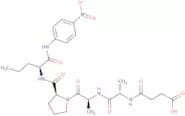
CAS:Controlled Product<p>Please enquire for more information about Fmoc-D-Trp(Me)-OH including the price, delivery time and more detailed product information at the technical inquiry form on this page</p>Formula:C27H24N2O4Purity:Min. 95%Molecular weight:440.49 g/molSuc-Ala-Glu-Pro-Phe-AMC
CAS:<p>Please enquire for more information about Suc-Ala-Glu-Pro-Phe-AMC including the price, delivery time and more detailed product information at the technical inquiry form on this page</p>Formula:C36H41N5O11Purity:Min. 95%Molecular weight:719.74 g/molTrypsin-Modulating Oostatic Factor (Neobelliera bullata)
CAS:<p>Proctolin is a peptide hormone that regulates the growth of the ovary. Proctolin has been found to be a proteolytic molecule that specifically cleaves at the carboxy-terminal end of the protein substrate. It also has inhibitory effects on the activity of carboxypeptidase, an enzyme involved in the digestion and absorption of proteins. Proctolin has been shown to modulate biological studies, such as nitrogen atoms and sequences, which may be due to its ability to regulate and stimulate biosynthesis.</p>Formula:C29H46N10O10Purity:Min. 95%Molecular weight:694.74 g/mol2-Methoxy-5-[[(phenylmethyl)sulfonyl]methyl]benzenamine
CAS:<p>3-Amino-4-methoxybenzyl sulphone is a high quality, versatile building block that is used in the synthesis of complex compounds. It is a reagent that can be used for reactions such as the coupling of amines and carboxylic acids. 3-Amino-4-methoxybenzyl sulphone is also useful in the synthesis of pharmaceuticals and speciality chemicals. The compound has been shown to react with other substances, such as thiols and alcohols, to form new materials with interesting properties.</p>Formula:C15H17NO3SPurity:Min. 95%Color and Shape:PowderMolecular weight:291.37 g/molH-Thr-Leu-OH
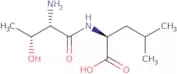
CAS:<p>L-threonine is an amino acid that can be found in proteins. It is a dipeptide of the essential amino acid l-threonine and the nonessential amino acid l-serine. L-Threonine can be metabolized to generate adenosylhomocysteine, which can serve as a substrate for S-adenosylmethionine synthetase. This enzyme converts S-adenosylmethionine to 5'-methylthioadenosine, which is then converted to HMTPA by methyltransferase. HMTPA is subsequently converted to homocysteine through the action of cystathionase or serine hydroxymethyltransferase. Homocysteine may then be converted back into methionin by methylenetetrahydrofolate reductase (MTHFR).</p>Formula:C10H20N2O4Purity:Min. 95%Molecular weight:232.28 g/molDynorphin A (porcine 1-13) - acetate salt
CAS:<p>Dynorphin A (1-13) H-Tyr-Gly-Gly-Phe-Leu-Arg-Arg-Ile-Arg-Pro-Lys-Leu-Lys is a peptide that is found in the brain and spinal cord. It is an agonist of opioid receptors, which are involved in pain relief, as well as motor control. Dynorphin A (1-13) H has been shown to inhibit acetylcholine release, which may be due to its ability to bind to kappa opioid receptors. Dynorphin A (1-13) H is also known to bind to κ opioid receptors, where it inhibits locomotor activity and induces analgesia.</p>Formula:C75H126N24O15Purity:Min. 95%Color and Shape:PowderMolecular weight:1,603.96 g/molH-Gly-Gly-Gly-Gly-Gly-NH2·HBr
CAS:<p>Please enquire for more information about H-Gly-Gly-Gly-Gly-Gly-NH2·HBr including the price, delivery time and more detailed product information at the technical inquiry form on this page</p>Formula:C10H18N6O5·HBrPurity:Min. 95%Molecular weight:383.2 g/molFmoc-Pra-Wang resin (200-400 mesh)
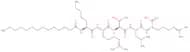
<p>Please enquire for more information about Fmoc-Pra-Wang resin (200-400 mesh) including the price, delivery time and more detailed product information at the technical inquiry form on this page</p>Purity:Min. 95%Myristoyl-(Lys12·27·28)-VIP-Gly-Gly-Thr (free acid) trifluoroacetate salt
CAS:<p>Please enquire for more information about Myristoyl-(Lys12·27·28)-VIP-Gly-Gly-Thr (free acid) trifluoroacetate salt including the price, delivery time and more detailed product information at the technical inquiry form on this page</p>Formula:C171H283N45O47SPurity:Min. 95%Molecular weight:3,753.42 g/molH-DL-Leu-DL-Ala-OH
CAS:<p>Please enquire for more information about H-DL-Leu-DL-Ala-OH including the price, delivery time and more detailed product information at the technical inquiry form on this page</p>Formula:C9H18N2O3Purity:Min. 95%Molecular weight:202.25 g/mol4-Fluoro-3-methoxyphenylacetone
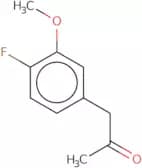
CAS:<p>4-Fluoro-3-methoxyphenylacetone is a high quality reagent that can be used as an intermediate in the synthesis of complex compounds. This compound is also useful for creating fine chemicals and speciality chemicals, for research purposes. 4-Fluoro-3-methoxyphenylacetone has been shown to be a versatile building block in organic synthesis, with many possible applications. It can react with other compounds to create new compounds or react with itself to form new molecules. CAS No. 320338-98-5</p>Formula:C10H11FO2Purity:Min. 95%Molecular weight:182.19 g/molH-Met-AMC acetate salt
CAS:<p>Please enquire for more information about H-Met-AMC acetate salt including the price, delivery time and more detailed product information at the technical inquiry form on this page</p>Formula:C15H18N2O3SPurity:Min. 95%Molecular weight:306.38 g/mol4-Fluoro-2-methoxyphenol
CAS:<p>4-Fluoro-2-methoxyphenol is a fluorinating agent that is used in the manufacture of pharmaceuticals, plastics and pesticides. It has been shown to induce apoptosis in cultured cells by upregulating reactive oxygen species (ROS) and increasing mitochondrial membrane permeability, as well as inhibiting cellular physiology. 4-Fluoro-2-methoxyphenol also inhibits the production of ATP and may be toxic to cells by interfering with dinucleotide phosphate.</p>Formula:C7H7FO2Purity:Min. 95%Color and Shape:Clear LiquidMolecular weight:142.13 g/molSuc-Ala-Ala-Pro-Nva-pNA
CAS:<p>Suc-Ala-Ala-Pro-Nva-pNA is a tetrapeptide. It is one of the most potent trypsin inhibitors that has been identified to date and it has been shown to inhibit pancreatic trypsin with a potency similar to that of the synthetic inhibitor benzamidine. Suc-Ala-Ala-Pro-Nva-pNA binds to the active site of trypsin, preventing proteolysis of peptides. This inhibition is reversible because it does not bind covalently to any other sites on the enzyme. Suc-Ala-Ala-Pro-Nva-pNA inhibits proteases by binding to their active site and blocking access by the substrate. The binding occurs through noncovalent hydrophobic interactions with amino acids in the active site, including valine, leucine, phenylalanine, and methionine.</p>Formula:C26H36N6O9Purity:Min. 95%Molecular weight:576.6 g/molFA-Gly-Leu-OH
CAS:<p>FA-Gly-Leu-OH is a peptidase that catalyzes the hydrolysis of an amide bond in a peptide or protein. It has been shown to be active with acid sequences, as well as transpeptidation, which involves the transfer of a terminal amino acid from one peptide chain to another. FA-Gly-Leu-OH is also involved in the synthesis of proteins and peptides. This enzyme has high hydrolase activity and can hydrolyze most substrates at neutral pH values.</p>Formula:C15H20N2O5Purity:Min. 95%Molecular weight:308.33 g/molH-Phe-2-chlorotrityl resin (200-400 mesh)
<p>Please enquire for more information about H-Phe-2-chlorotrityl resin (200-400 mesh) including the price, delivery time and more detailed product information at the technical inquiry form on this page</p>Purity:Min. 95%Z-Gly-Glu-OH
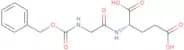
CAS:<p>Please enquire for more information about Z-Gly-Glu-OH including the price, delivery time and more detailed product information at the technical inquiry form on this page</p>Formula:C15H18N2O7Purity:Min. 95%Molecular weight:338.31 g/molAc-Pen-Arg-Gly-Asp-Cys-OH (Disulfide bond)
CAS:<p>Disulfide bond is an analytical method for the determination of the concentration-time curve. It is a cyclic peptide that competes with fibrinogen for binding to platelets. Disulfide bond has been shown to be an antagonist of receptor antagonist, and has potential applications in the treatment of autoimmune diseases. Disulfide bond can also be used as a model system for toxicological studies and experimental models in humans.</p>Formula:C22H36N8O9S2Purity:Min. 95%Molecular weight:620.7 g/molAc-Val-Arg-Pro-Arg-AMC trifluoroacetate salt
CAS:<p>Please enquire for more information about Ac-Val-Arg-Pro-Arg-AMC trifluoroacetate salt including the price, delivery time and more detailed product information at the technical inquiry form on this page</p>Formula:C34H51N11O7•C2HF3O2Purity:Min. 98 Area-%Color and Shape:PowderMolecular weight:839.86 g/molBz-Ala-Arg-OH
CAS:<p>Bz-Ala-Arg-OH (BAR) is a peptidase that hydrolyzes peptide bonds in proteins. BAR has been shown to have an intravascular function, which means it is found in the blood and vascular endothelium. BAR has also been shown to be an effective agent for inhibiting the release of hydrogen peroxide (H2O2) induced by dimethylthiourea in isolated rat lungs. BAR was isolated from the rat hypothalamus and shows a high degree of similarity to other peptidases such as aminopeptidase N, carboxypeptidase A, and carboxypeptidase B. These enzymes are involved in the catabolism of hormones such as angiotensin II, adrenocorticotropic hormone, and vasopressin.</p>Formula:C16H23N5O4Purity:Min. 95%Molecular weight:349.39 g/mol(Tyr4,D-Phe12)-Bombesin
CAS:<p>Please enquire for more information about (Tyr4,D-Phe12)-Bombesin including the price, delivery time and more detailed product information at the technical inquiry form on this page</p>Formula:C77H110N22O19SPurity:Min. 95%Molecular weight:1,679.9 g/molH-Trp(Boc)-2-chlorotrityl resin (100-200 mesh)
<p>Please enquire for more information about H-Trp(Boc)-2-chlorotrityl resin (100-200 mesh) including the price, delivery time and more detailed product information at the technical inquiry form on this page</p>Purity:Min. 95%Anxiety Peptide acetate salt
CAS:<p>Anxiety Peptide acetate salt H-Gln-Ala-Thr-Val-Gly-Asp-Val-Asn-Thr-Asp-Arg-Pro-Gly-Leu-Leu-Asp-Leu Lys is a peptide that has been shown to have neurotrophic activity and the ability to modulate locomotor activity in mice. This compound has also been shown to inhibit dpp iv, a protein that is involved in the regulation of neuronal death. Anxiety Peptide acetate salt H Gln Ala Thr Val Gly Asp Val Asn Thr Arg Pro Gly Leu Leu Asp Leu Lys OH acetate salt also inhibits the polymerase chain reaction, which is an enzyme that synthesizes DNA from RNA templates. Anxiety Peptide acetate salt H Gln Ala Thr Val Gly Asp Val Asn Thr Arg Pro Gly Leu Leu Asp Leu Lys OH acetate salt has been shown</p>Formula:C81H138N24O29Purity:Min. 95%Molecular weight:1,912.11 g/molAcetyl-Cholecystokinin Octapeptide (2-8) (sulfated)
CAS:<p>Please enquire for more information about Acetyl-Cholecystokinin Octapeptide (2-8) (sulfated) including the price, delivery time and more detailed product information at the technical inquiry form on this page</p>Formula:C47H59N9O14S3Purity:Min. 95%Molecular weight:1,070.22 g/molEGF Receptor (988-993) (phosphorylated) (human)
CAS:<p>Please enquire for more information about EGF Receptor (988-993) (phosphorylated) (human) including the price, delivery time and more detailed product information at the technical inquiry form on this page</p>Formula:C31H46N7O16PPurity:Min. 95%Molecular weight:803.71 g/molBoc-Val-Leu-Lys-AMC acetate salt
CAS:<p>Boc-Val-Leu-Lys-AMC acetate salt is a protease inhibitor that binds to the active site of trypsin and inhibits its proteolytic activity. It has been shown to protect neuronal cells from death caused by amyloid beta (Aβ) peptide. Boc-Val-Leu-Lys-AMC acetate salt also inhibits the secretion of proinflammatory cytokines and reduces the permeability of mitochondrial membranes in human neutrophils. This drug is stable in acidic environments, with a pH optimum of 2.0, but is sensitive to alkaline conditions with a pH optimum of 8.5. Boc-Val-Leu-Lys-AMC acetate salt has been shown to bind to casein, which may result in high values on sephadex g100 chromatography.</p>Formula:C32H49N5O7•C2H4O2Purity:Min. 98 Area-%Color and Shape:PowderMolecular weight:675.81 g/mol2-Bromo-3-methylbenzoic acid
CAS:<p>2-Bromo-3-methylbenzoic acid is an alcohol that has been shown to be selective for the stereoselective synthesis of chiral secondary alcohols. It has been used in the reduction of 2-formylphenylboronic acid, yielding a mixture of the two possible diastereomers, and in the reductive elimination of carboxylic acids, which can be used as an alternative to the Baylis-Hillman reaction. The compound also has inhibitory activity against several bacteria, including methicillin resistant Staphylococcus aureus (MRSA) and Mycobacterium tuberculosis. 2-Bromo-3-methylbenzoic acid is photochromic and changes color from yellow to red when exposed to UV light.</p>Formula:C8H7BrO2Purity:Min. 95%Color and Shape:PowderMolecular weight:215.04 g/molZ-Val-Gly-Arg-pNA acetate salt
CAS:<p>Please enquire for more information about Z-Val-Gly-Arg-pNA acetate salt including the price, delivery time and more detailed product information at the technical inquiry form on this page</p>Formula:C27H36N8O7Purity:Min. 95%Molecular weight:584.62 g/molMyristoyl-Lys-Arg-Thr-Leu-Arg-OH
CAS:<p>Myristoyl-Lys-Arg-Thr-Leu-Arg-OH is a synthetic compound that interacts with tyrosine kinase substrate proteins. It inhibits the activation of these proteins and prevents the phosphorylation of tyrosine residues in other substrate proteins. Myristoyl-Lys-Arg-Thr-Leu-Arg-OH has been shown to have potent inhibitory activity against IL2 receptor and adriamycin, which are protein kinases that play important roles in the death pathway.</p>Formula:C42H82N12O8Purity:Min. 95%Molecular weight:883.18 g/molpTH (1-44) (human)
CAS:<p>Please enquire for more information about pTH (1-44) (human) including the price, delivery time and more detailed product information at the technical inquiry form on this page</p>Formula:C225H366N68O61S2Purity:Min. 95%Molecular weight:5,063.87 g/molMeOSuc-Ala-Ala-Pro-Val-chloromethylketone
CAS:<p>MeOSuc-Ala-Ala-Pro-Val-chloromethylketone is a serine protease inhibitor that has been shown to be effective against influenza virus and HIV. It was found to be active against a number of serine proteases, such as trypsin, chymotrypsin, and elastase. MeOSuc-Ala-Ala-Pro-Val-chloromethylketone also has chemotactic activity in thp1 cells and lung fibroblasts. It is activated by the addition of water and has been shown to inhibit the growth of soybean trypsin. However, it does not have any effect on human trypsin.</p>Formula:C22H35ClN4O7Purity:Min. 95%Molecular weight:502.99 g/molEthyl 4-methoxyphenylacetate
CAS:<p>Ethyl 4-methoxyphenylacetate is a fatty acid that is synthesized by the condensation of aniline and pyrrole. It has been shown to inhibit the growth of bacteria, such as Salmonella typhi and Staphylococcus aureus, in vitro. The inhibition of bacterial growth is thought to be due to its ability to react with hydrogen fluoride, which results in the formation of reactive oxygen species and nitrogen radicals. This compound also inhibits the production of tyrosinase in human skin cells, which may be beneficial for individuals with acne. Ethyl 4-methoxyphenylacetate has been shown to be safe for use in clinical trials.</p>Formula:C11H14O3Purity:Min. 95%Color and Shape:Clear LiquidMolecular weight:194.23 g/molH-Gly-Arg-Gly-Asp-Ser-Pro-OH
CAS:<p>H-Gly-Arg-Gly-Asp-Ser-Pro-OH is a cyclic peptide that contains five amino acids. It was synthesized by the reaction of L-glycine and D-alanine with D,L-aspartic acid and L,D,L-serine. HAGGS has been shown to stimulate the proliferation of fibroblast cells in vitro. The presence of HAGGS on the surface of human breast cancer cells (MDA MB 231) promotes the proliferation of these cells and stimulates the production of growth factor β1. HAGGS also activates integrin receptors on these cells, which are proteins that bind to collagen or fibronectin. This may be due to its ability to form disulfide bonds with neighboring proteins, such as fibronectin and integrin.</p>Formula:C22H37N9O10Purity:Min. 95%Molecular weight:587.58 g/mol(D-Ala2,D-Leu5)-Enkephalin
CAS:<p>Enkephalin is a peptide belonging to the group of opioid drugs. It is a neurotransmitter that binds to kappa-opioid receptors and μ-opioid receptors. Enkephalin has been shown to inhibit voltage-dependent calcium channels and mitochondrial membrane potential in neurons, which leads to neuronal death. This drug also inhibits the production of cyclic guanine monophosphate (cGMP) by inhibiting guanine nucleotide-binding proteins at the plasma membrane, leading to a decrease in the synthesis of proteins and DNA. The dextran sulfate test can be used to measure enkephalin activity by precipitating it from solution with sodium sulfate. Additionally, this drug can be used as a p-gp inhibitor for the treatment of cancer cells.</p>Formula:C29H39N5O7Purity:Min. 95%Molecular weight:569.65 g/molBoc-Ser(Bzl)-PAM resin (200-400 mesh)
<p>Please enquire for more information about Boc-Ser(Bzl)-PAM resin (200-400 mesh) including the price, delivery time and more detailed product information at the technical inquiry form on this page</p>Purity:Min. 95%(D-Trp8)-γ2-MSH trifluoroacetate salt
CAS:<p>Please enquire for more information about (D-Trp8)-gamma2-MSH trifluoroacetate salt including the price, delivery time and more detailed product information at the technical inquiry form on this page</p>Formula:C74H99N21O16SPurity:Min. 95%Molecular weight:1,570.78 g/molZ-Thr(Bzl)-OH·DCHA
CAS:Controlled Product<p>Please enquire for more information about Z-Thr(Bzl)-OH·DCHA including the price, delivery time and more detailed product information at the technical inquiry form on this page</p>Formula:C19H21NO5·C12H23NPurity:Min. 95%Molecular weight:524.69 g/molMinigastrin I tifluoroacetic acid
CAS:<p>Please enquire for more information about Minigastrin I tifluoroacetic acid including the price, delivery time and more detailed product information at the technical inquiry form on this page</p>Formula:C74H99N15O26S•(CF3CO2H)xPurity:Min. 95%Molecular weight:1,646.73 g/molVIP (3-28) (human, mouse, rat) trifluoroacetate salt
CAS:<p>Please enquire for more information about VIP (3-28) (human, mouse, rat) trifluoroacetate salt including the price, delivery time and more detailed product information at the technical inquiry form on this page</p>Formula:C138H226N40O39SPurity:Min. 95%Molecular weight:3,101.58 g/molH-Val-Ala-Ala-Phe-OH
CAS:<p>H-Val-Ala-Ala-Phe-OH is a polypeptide that has been synthesized to study the effects of metal surface on mass spectrometry. The peptide has been found to be labile and nonvolatile, which means it can easily evaporate and desorb from the metal surface. The research also shows that this polypeptide is more efficient in mass spectrometers with higher resolution.</p>Formula:C20H30N4O5Purity:Min. 95%Molecular weight:406.48 g/molPHM-27 (human) trifluoroacetate salt
CAS:<p>PHM-27 is a human protein that contains a c-terminal histidine and n-terminal lysine. It contains an amino acid composition of histidine, valine, alanine, aspartic acid, glycine, serine, threonine, arginine, and methionine. PHM-27 is present in the cardiovascular system, nervous system, gastrointestinal system, and respiratory system. It has been shown to be involved in the synthesis of peptides important for blood clotting.</p>Formula:C135H214N34O40SPurity:Min. 95%Molecular weight:2,985.41 g/molPrepro VIP (156-170) (human)
CAS:<p>Please enquire for more information about Prepro VIP (156-170) (human) including the price, delivery time and more detailed product information at the technical inquiry form on this page</p>Formula:C71H106N16O31Purity:Min. 95%Molecular weight:1,679.69 g/molH-Met-Arg-OH acetate salt
CAS:<p>H-Met-Arg-OH acetate salt is a metabolite of the amino acid L-methionine. It is also a dipeptide, which consists of two amino acids that are linked by an amide bond. The linkage between the amino acids in this compound is clockwise instead of the usual left to right orientation. This means that H-Met-Arg-OH acetate salt is not an essential amino acid and can be synthesized by the body. Salmonella typhimurium uses H-Met-Arg-OH acetate salt as a precursor for its synthesis of L-arginine and L-methionine, which are essential to bacterial growth and survival. Residues have been found in foods such as milk and eggs, and it has been shown that cotransduction can lead to resistance against antibiotics such as streptomycin and tetracycline.</p>Formula:C11H23N5O3SPurity:Min. 95%Molecular weight:305.4 g/molAc-Phe-pNA
CAS:<p>Ac-Phe-pNA is a synthetic substrate that can be used to study the role of serine proteases in collagenolysis. It has been shown to have a high affinity for collagen, which makes it an excellent candidate for use as a probe for studying the interaction of proteases with collagen. This substrate binds to the enzyme and is cleaved by the serine protease at neutral pH. The reaction mixture turns yellow and fluoresces under UV light. Ac-Phe-pNA is reactive to epimastigotes and displays a ph optimum of 7.5.</p>Formula:C17H17N3O4Purity:Min. 95%Molecular weight:327.33 g/molH-Arg-Val-OH acetate salt
CAS:<p>H-Arg-Val-OH acetate salt is a recombinant humanized monoclonal antibody that binds to the serine protease, which is an enzyme that cleaves proteins at specific sites. The antibody inhibits the activity of this enzyme and prevents the release of proteins from cells. It has been shown to be clinically relevant in treating heart failure, chronic pulmonary disease, and congenital heart disease. In addition, H-Arg-Val-OH acetate salt inhibits the release of inflammatory molecules like interleukin 6 (IL6) and tumor necrosis factor alpha (TNFα), which are involved in a variety of diseases.</p>Formula:C11H23N5O3Purity:Min. 95%Molecular weight:273.33 g/molH-Gly-Arg-Gly-Asp-D-Ser-Pro-OH trifluoroacetate salt
CAS:<p>H-Gly-Arg-Gly-Asp-D-Ser-Pro-OH trifluoroacetate salt (HGGDS) is a collagen gel that is used in the treatment of autoimmune diseases, such as arthritis and lupus. HGGDS inhibits the production of fibrinogen, which is a protein involved in blood clotting, by binding to its receptor on human fibroblasts. It also inhibits the production of basic proteins needed for the generation of collagen and activation of integrin receptors, which are involved in cell adhesion and migration. HGGDS also blocks transcription polymerase chain reactions (PCRs), which are necessary for the synthesis of DNA. This can lead to a decrease in cell proliferation and an increase in apoptosis.</p>Formula:C22H37N9O10Purity:Min. 95%Molecular weight:587.58 g/molBoc-N-Methyl-γ-aMinobutyric acid
CAS:<p>Please enquire for more information about Boc-N-Methyl-gaMMa-aMinobutyric acid including the price, delivery time and more detailed product information at the technical inquiry form on this page</p>Formula:C10H19NO4Purity:Min. 95%Molecular weight:217.26 g/mol4,6-Dichloro-2-methylnicotinic acid
CAS:<p>Please enquire for more information about 4,6-Dichloro-2-methylnicotinic acid including the price, delivery time and more detailed product information at the technical inquiry form on this page</p>Purity:Min. 95%5-Iodo-2-methoxybenzyl alcohol
CAS:<p>5-Iodo-2-methoxybenzyl alcohol (5IMB) is a conjugate that inhibits tubulin polymerization and mitochondrial membrane integrity. It has significant inhibitory effects on colchicine-induced apoptosis in colon cancer cells, inducing apoptotic cell death by the activation of caspase 3 and annexin. 5IMB also has an inhibitory effect on mitochondria, leading to mitochondrial membrane depolarization and apoptotic cell death. This conjugate also induces the death of human cancer cells, specifically mcf-7, which are involved in tumour growth and metastasis. The mechanism of action for 5IMB is through its ability to induce mitochondrial membrane depolarization, leading to apoptotic cell death.</p>Formula:C8H9O2IPurity:Min. 95%Molecular weight:264.06 g/molC-Peptide (human) trifluoroacetate salt
CAS:<p>C-Peptide is a monoclonal antibody that binds to the β-cell and inhibits insulin release. It has been used in diagnosis of type 1 diabetes mellitus. C-Peptide is a hormone that regulates blood glucose levels by controlling the rate of glucose production in the liver, as well as by inhibiting the breakdown of glycogen in the liver. The C-terminal amino acid sequence Glu-Ala-Glu-Asp-Leu-Gln-Val-Gly-Gln-Val-Glu -Leu-Gly can be cleaved from the peptide by trifluoroacetic acid to yield free Gln, which can then be detected using mass spectrometry. Growth factors such as IGF1, FGF21, and HGF have been shown to increase C peptide levels in diabetic patients.</p>Formula:C129H211N35O48Purity:Min. 95%Molecular weight:3,020.26 g/molCyclo(-Gly-Asn-Trp-His-Gly-Thr-Ala-Pro-Asp)-Trp-Val-Tyr-Phe-Ala-His-Leu-Asp-Ile-Ile-Trp-OH
CAS:<p>Please enquire for more information about Cyclo(-Gly-Asn-Trp-His-Gly-Thr-Ala-Pro-Asp)-Trp-Val-Tyr-Phe-Ala-His-Leu-Asp-Ile-Ile-Trp-OH including the price, delivery time and more detailed product information at the technical inquiry form on this page</p>Formula:C117H150N28O27Purity:Min. 95%Molecular weight:2,380.62 g/molH-Arg-Arg-Arg-OH acetate salt
CAS:<p>H-Arg-Arg-Arg-OH acetate salt is a polycarboxylic acid that is found in human immunoglobulins. It has been used as a synthetic substrate for the study of radiation enhancement. H-Arg-Arg-Arg-OH acetate salt is also an allergen and can cause allergic reactions, such as itching and swelling. This compound can be used to study the neutral pH, chemical reactions, protein synthesis, and the hydroxyl group.</p>Formula:C18H38N12O4Purity:Min. 95%Molecular weight:486.57 g/mol(Cys0)-Amyloid b-Protein (1-40) trifluoroacetate salt
CAS:<p>Please enquire for more information about (Cys0)-Amyloid b-Protein (1-40) trifluoroacetate salt including the price, delivery time and more detailed product information at the technical inquiry form on this page</p>Formula:C197H300N54O59S2Purity:Min. 95%Molecular weight:4,432.95 g/mol2-(4-Methyl-2-phenyl-1-piperazinyl)-3-pyridinemethanol
CAS:<p>2-(4-Methyl-2-phenyl-1-piperazinyl)-3-pyridinemethanol is an impurity in hexane that is generated during the reaction of pyridine with acetonitrile. The impurity is removed by crystallizing it from methanol. 2-(4-Methyl-2-phenyl-1-piperazinyl)-3-pyridinemethanol has a high efficiency, and can be used to synthesize hexamethyldisiloxane. This product can be used as a metal catalyst for reactions involving alkali metals or metal halides. It can also be used as an alcohol solvent, but not hydrogenated.</p>Formula:C17H21N3OPurity:Min. 95%Color and Shape:White to off white powderMolecular weight:283.37 g/molBiotinyl-5-aminopentanoyl-Antennapedia Homeobox (43-58) amide trifluoroacetate salt
CAS:<p>Please enquire for more information about Biotinyl-5-aminopentanoyl-Antennapedia Homeobox (43-58) amide trifluoroacetate salt including the price, delivery time and more detailed product information at the technical inquiry form on this page</p>Formula:C119H192N38O22S2Purity:Min. 95%Molecular weight:2,571.17 g/mol2-Hydroxy-6-methyl-4H-pyran-4-one
CAS:<p>2-Hydroxy-6-methyl-4H-pyran-4-one is a molecule that belongs to the class of acid lactones. It has been shown to have physiological effects in wild type strains of bacteria and fungi. This compound binds to nitrogen atoms and can inhibit enzyme activities, such as the diazonium salt. 2-Hydroxy-6-methyl-4H-pyran-4-one also has antimicrobial activity against Gram positive and Gram negative bacteria, along with some fungi. The antimicrobial activity is due to the hydroxy group on the compound's structure, which is a fatty acid with a hydroxyl group that gives it an acidic property. 2HMPA can be used in combination with other antimicrobial agents like triacetic acid or sodium chloride for greater effectivity against microorganisms.</p>Formula:C6H6O3Purity:Min. 95%Molecular weight:126.11 g/molCys-Gly-Lys-Arg-Amyloid b-Protein (1-42)
CAS:<p>Please enquire for more information about Cys-Gly-Lys-Arg-Amyloid b-Protein (1-42) including the price, delivery time and more detailed product information at the technical inquiry form on this page</p>Formula:C220H343N63O64S2Purity:Min. 95%Molecular weight:4,958.6 g/mol3-Hydroxy-3-methylglutaric acid
CAS:<p>3-Hydroxy-3-methylglutaric acid is an organic acid that is a valuable intermediate in the chemical production of epidermal growth factor. 3-Hydroxy-3-methylglutaric acid also has been shown to be useful as a reagent for the detection of bacterial strains, including E. coli, Salmonella enterica, and Pseudomonas aeruginosa. The enzyme activities of 3-hydroxy-3-methylglutaric acid are not well understood, but it has been shown to have effects on congestive heart failure and bowel disease. 3-Hydroxy-3-methylglutaric acid may be used in the treatment of inflammatory bowel disease due to its ability to inhibit certain enzymes responsible for inflammation and pain. The long term toxicity and symptoms associated with 3-hydroxy-3-methylglutaric acid have not yet been studied, but it has been shown to have no effect on cardiac function</p>Formula:C6H10O5Purity:Min. 95%Molecular weight:162.14 g/mol
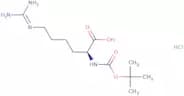

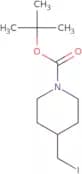
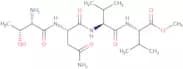
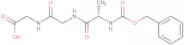
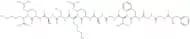
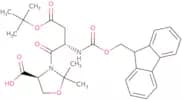
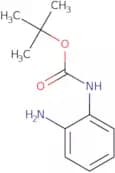


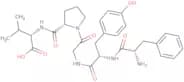
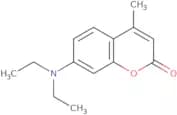
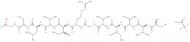
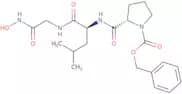
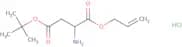
![8-Boc-3,8-diaza-bicyclo[3.2.1]octane](/_next/image/?url=https%3A%2Fstatic.cymitquimica.com%2Fproducts%2F3D%2Fthumb-webp%2FFB29382.webp&w=3840&q=75)
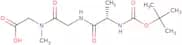
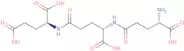


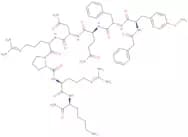
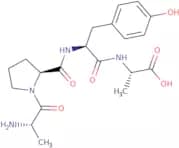
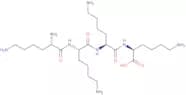
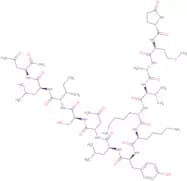
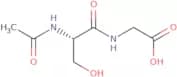

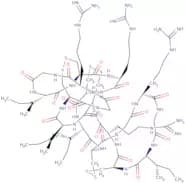

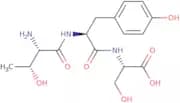
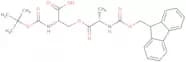

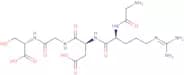
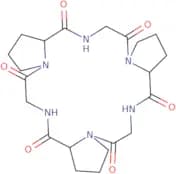

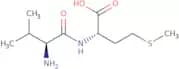
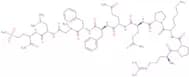

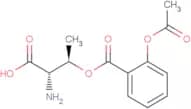


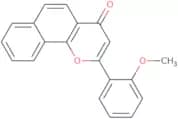

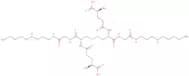
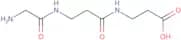
![2-Boc-2,9-Diazaspiro[5.5]undecane hydrochloride](/_next/image/?url=https%3A%2Fstatic.cymitquimica.com%2Fproducts%2F3D%2Fthumb-webp%2FFB154133.webp&w=3840&q=75)
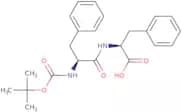
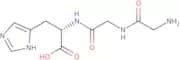
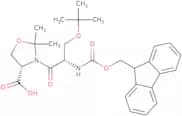

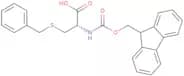

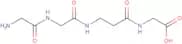

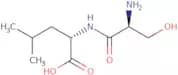
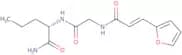

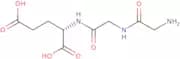
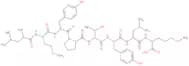
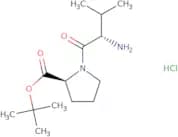
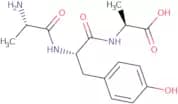


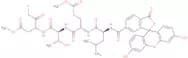

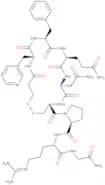

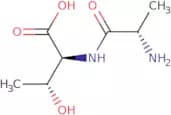


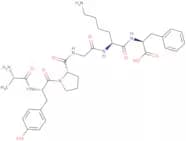

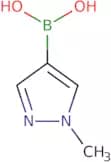
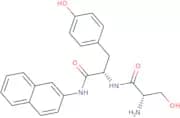
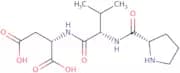


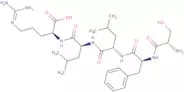
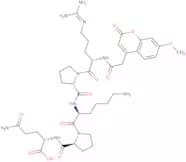
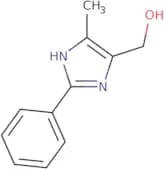
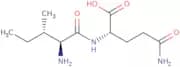


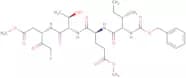
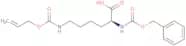
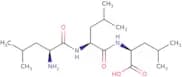
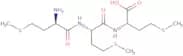

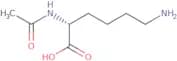


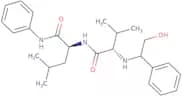
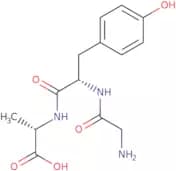



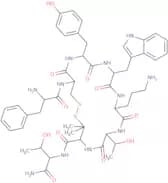
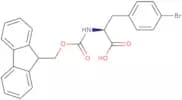


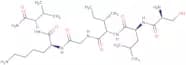

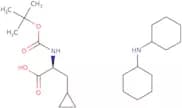
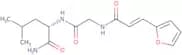

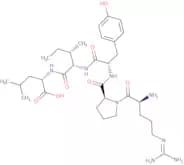
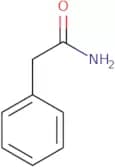
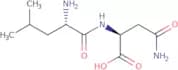
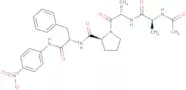
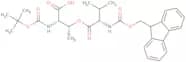
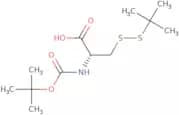
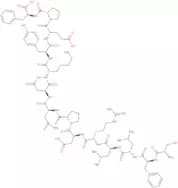

![N-Acetyl-[Cys4,10, D-Phe7]-α-Melanocyte Stimulating Hormone Fragment 4-13](/_next/image/?url=https%3A%2Fstatic.cymitquimica.com%2Fproducts%2F3D%2Fthumb-webp%2FFA110402.webp&w=3840&q=75)

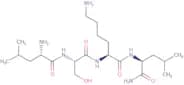
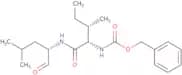

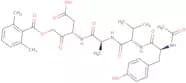
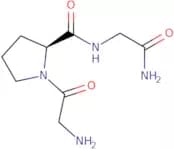
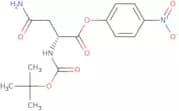
![([ring-D5]Phe6)-Somatostatin-14](/_next/image/?url=https%3A%2Fstatic.cymitquimica.com%2Fproducts%2F3D%2Fthumb-webp%2FFR110019.webp&w=3840&q=75)

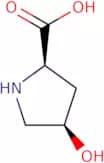
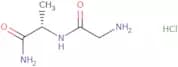


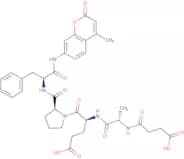
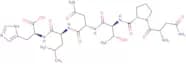
![2-Methoxy-5-[[(phenylmethyl)sulfonyl]methyl]benzenamine](/_next/image/?url=https%3A%2Fstatic.cymitquimica.com%2Fproducts%2F3D%2Fthumb-webp%2FFA70820.webp&w=3840&q=75)