Amino Acids (AA)
Amino acids (AAs) are the fundamental building blocks of proteins, playing a crucial role in various biological processes. These organic compounds are essential for protein synthesis, metabolic pathways, and cell signaling. In this category, you will find a comprehensive range of amino acids, including essential, non-essential, and modified forms, which are vital for research in biochemistry, molecular biology, and nutritional sciences. At CymitQuimica, we provide high-quality amino acids to support your research and development needs, ensuring accuracy and reliability in your experimental outcomes.
Subcategories of "Amino Acids (AA)"
- Amino Acid Derivatives(3,955 products)
- Amino Acid and Amino Acid Related Compounds(3,465 products)
- Amino Acids with Oxygen or Sulphur(168 products)
- Boc- Amino Acids(351 products)
- Fmoc Amino Acids(1,710 products)
Found 38248 products of "Amino Acids (AA)"
Sort by
Purity (%)
0
100
|
0
|
50
|
90
|
95
|
100
Ranamargarin
CAS:<p>Ranamargarin H-Asp-Asp-Ala-Ser-Asp-Arg-Ala-Lys-Lys-Phe-Tyr-Gly-Leu-Met-NH2 is a compound that has been shown to bind to the dopamine receptor in rats. It has been shown to have low potency and is not active in clinical trials. Ranamargarin H-Asp-Asp-Ala-Ser--Asp--Arg--Ala--Lys--Lys--Phe--Tyr--Gly--Leu---Met---NH2 has also been shown to inhibit the production of dopamine in animals and humans, with a maximal response at concentrations of 10 nM. The biological properties of this compound are still being researched, but it appears that it can be used as a lead for developing new drugs for treating Parkinson's disease.</p>Formula:C70H110N20O22SPurity:Min. 95%Molecular weight:1,615.81 g/molC-Peptide 2 (rat) trifluoroacetate salt
CAS:<p>Please enquire for more information about C-Peptide 2 (rat) trifluoroacetate salt including the price, delivery time and more detailed product information at the technical inquiry form on this page</p>Formula:C135H222N38O49Purity:Min. 95%Molecular weight:3,161.43 g/mol1,2-Distearoyl-sn-glycero-3-phosphatidic acid·disodium salt
CAS:<p>Please enquire for more information about 1,2-Distearoyl-sn-glycero-3-phosphatidic acid·disodium salt including the price, delivery time and more detailed product information at the technical inquiry form on this page</p>Formula:C39H75Na2O8PPurity:Min. 95%Molecular weight:748.96 g/molH-Asn-Glu-OH
CAS:<p>H-Asn-Glu-OH is a reversed-phase high-performance liquid chromatography (RP-HPLC) stationary phase that has been used for the analysis of glutamic acid. It has been shown to be resistant to hydrogen fluoride and other organic solvents, and does not contain any detectable impurities. H-Asn-Glu-OH is made up of amino acids, such as glutamic acid, which can be detected by reverse phase HPLC.</p>Formula:C9H15N3O6Purity:Min. 95%Molecular weight:261.23 g/mol(4-((2-Methylphenyl)aminocarbonyl)-aminophenyl)acetyl-Fibronectin CS-1 Fragment (1980-1983)
CAS:<p>Please enquire for more information about (4-((2-Methylphenyl)aminocarbonyl)-aminophenyl)acetyl-Fibronectin CS-1 Fragment (1980-1983) including the price, delivery time and more detailed product information at the technical inquiry form on this page</p>Formula:C36H48N6O9Purity:Min. 95%Molecular weight:708.8 g/molmPEG9-OH
CAS:<p>mPEG9-OH is a PEG polymer categorised as monofunctional (OH-PEG-X). Used as a linker, mPEG9-OH is used to attached PEG to proteins, peptides, oligonucleotides, nanoparticles and small molecules via pegylation, a bioconjugation technique.</p>Formula:C19H40O10Purity:Min. 95%Molecular weight:428.51 g/molH-Ala-His-Lys-OH acetate salt
CAS:<p>H-Ala-His-Lys-OH acetate salt is a copper complex that has been shown to have antioxidant properties in vitro. It has been studied for use as an analog of the vitamin C, which is a cofactor for collagen synthesis and follicular keratinization. Copper complexes with H-Ala-His-Lys-OH acetate salt have been shown to inhibit the formation of reactive oxygen species (ROS) and to stimulate collagen production by human dermal fibroblasts in vitro. This compound also stimulates the growth of human skin cells in vitro, which may be due to its ability to induce fibroblast proliferation.</p>Formula:C15H26N6O4Purity:Min. 95%Molecular weight:354.4 g/molHIV-1 tat Protein (1-9)
CAS:<p>Tat is a protein from the human immunodeficiency virus type 1 (HIV-1) that is responsible for the regulation of viral gene expression. Tat binds to a cellular receptor, CD4, and enters the cell. The Tat protein forms a ternary complex with transcription factors and RNA polymerase II. This complex then binds to promoter regions of HIV genes and initiates transcription. Tat has been postulated to modulate immune functions such as chemokine production, T-cell activation, and macrophage activation. The HIV-1 tat Protein (1-9) H-Met-Asp-Pro-Val-Asp-Pro-Asn-Ile-Glu-OH has been shown to have an effect on the immune system by affecting chemokines and other immune functions.</p>Formula:C43H68N10O17SPurity:Min. 95%Molecular weight:1,029.12 g/molH-Val-Arg-Lys-Arg-Thr-Leu-Arg-Arg-Leu-OH
CAS:<p>H-Val-Arg-Lys-Arg-Thr-Leu-Arg-Arg-Leu (HVLAHR) is a synthetic peptide that has been shown to have antiinflammatory properties. The peptide binds to the epidermal growth factor receptor (EGFR) and inhibits the production of proinflammatory cytokines and chemokines, such as IL1α, IL6, IL8, and TNFα. HVLAHR also binds to calmodulin and inhibits protein kinase C (PKC) activity. It has been shown that this peptide has neuroprotective effects in vitro by binding to neurogranin and inhibiting protein phosphorylation. HVLAHR can be used as a model organism in vitro to study protein kinase activity.</p>Formula:C51H100N22O11Purity:Min. 95%Molecular weight:1,197.48 g/molZ-D-Phe-Phe-Gly-OH
CAS:<p>Z-D-Phe-Phe-Gly-OH is a lysosomal carboxypeptidase that hydrolyzes peptides at the C terminus of proteins. It has a wide substrate specificity and can hydrolyze Z-D-Phe-Phe-Gly, Z-Arg-Lys, and L-Arg. This enzyme has been shown to have ion exchange chromatography activity. The elution profile for this enzyme on a sephadex G-100 column was found to have an optimum pH of 7.5 and elutes at a salt concentration of 0.5M NaCl. Carboxypeptidases are enzymes that cleave at the C terminus of proteins to produce smaller peptides or amino acids. They are involved in digestion, blood clotting, and cell signaling processes.</p>Formula:C28H29N3O6Purity:Min. 95%Color and Shape:White Off-White PowderMolecular weight:503.55 g/mol(D-Ala6)-LHRH acetate salt Pyr-His-Trp-Ser-Tyr-D-Ala-Leu-Arg-Pro-Gly-NH2 acetate salt
CAS:<p>Please enquire for more information about (D-Ala6)-LHRH acetate salt Pyr-His-Trp-Ser-Tyr-D-Ala-Leu-Arg-Pro-Gly-NH2 acetate salt including the price, delivery time and more detailed product information at the technical inquiry form on this page</p>Formula:C56H77N17O13Purity:Min. 95%Molecular weight:1,196.32 g/molH-Leu-Ala-Pro-OH
CAS:<p>Please enquire for more information about H-Leu-Ala-Pro-OH including the price, delivery time and more detailed product information at the technical inquiry form on this page</p>Formula:C14H25N3O4Purity:Min. 95%Molecular weight:299.37 g/molH-Ala-Phe-Pro-pNA
CAS:<p>Please enquire for more information about H-Ala-Phe-Pro-pNA including the price, delivery time and more detailed product information at the technical inquiry form on this page</p>Formula:C23H27N5O5Purity:Min. 95%Molecular weight:453.49 g/molH-Arg-Gly-Asp-Ser-Pro-Ala-Ser-Ser-Lys-Pro-OH
CAS:<p>H-Arg-Gly-Asp-Ser-Pro-Ala-Ser-Ser-Lys-Pro-OH is a peptide that is derived from the sequence of fibronectin. It has been shown to be taken up by urchin cells, which are spherical and have a toroidal shape. This peptide also has modular properties and forms a particle with a pegylated molecule. The amino acid sequence of this peptide is unmodified. H-Arg-Gly-Asp-Ser-Pro-Ala-Ser-Ser-Lys Pro -OH is a synthetic ligand that can be used in the ligation of mesenchyme cells.</p>Formula:C40H68N14O16Purity:Min. 95%Molecular weight:1,001.05 g/molH-Gly-Phe-Arg-Gly-Asp-Gly-Gln-OH
CAS:<p>Arg-gly-asp is a synthetic peptide that has been shown to have biological activity in vitro. This peptide is an agonist of the receptor for extracellular matrix proteins, such as fibronectin and vitronectin. It has been shown to reversibly inhibit the binding of fibronectin and vitronectin to immobilized antibody in vitro and also to inhibit endometrial cell proliferation in vivo. Arg-gly-asp was found to be dose-dependent with a maximal effect at 1 microgram/mL.</p>Formula:C30H45N11O11Purity:Min. 95%Molecular weight:735.75 g/mol(Des-Ala3)-GHRP-2
CAS:<p>Please enquire for more information about (Des-Ala3)-GHRP-2 including the price, delivery time and more detailed product information at the technical inquiry form on this page</p>Formula:C42H50N8O5Purity:Min. 95%Molecular weight:746.9 g/molH-Glu-Thr-Tyr-Ser-Lys-OH·2 TFA
CAS:<p>Please enquire for more information about H-Glu-Thr-Tyr-Ser-Lys-OH·2 TFA including the price, delivery time and more detailed product information at the technical inquiry form on this page</p>Formula:C27H42N6O11·2C2HF3O2Purity:Min. 95%Molecular weight:854.7 g/molH-Gly-Pro-Arg-Pro-NH2 acetate salt
CAS:<p>H-Gly-Pro-Arg-Pro-NH2 acetate salt is a peptide with antiplatelet activity. It has been shown to inhibit the interaction between fibrinogen and platelets, which leads to the inhibition of thrombin formation and subsequent clotting. The amide bond in this peptide is susceptible to hydrolysis by enzymes such as phospholipase A2, which means that it can be broken down into smaller fragments that have different biological activities. H-Gly-Pro-Arg-Pro-NH2 acetate salt has been shown to inhibit the growth of babesia microti, a causative agent of babesiosis in cattle, through lysis of infected erythrocytes. This drug also inhibits the growth of hemagglutinating virus type 3 (HV3) and filovirus, two viruses that are not yet fully understood.</p>Formula:C18H32N8O4Purity:Min. 95%Molecular weight:424.5 g/molAdrenomedullin (26-52) (human)
CAS:<p>Please enquire for more information about Adrenomedullin (26-52) (human) including the price, delivery time and more detailed product information at the technical inquiry form on this page</p>Formula:C139H216N40O42Purity:Min. 95%Molecular weight:3,119.45 g/molSuc-Ala-Ile-Pro-Phe-pNA
CAS:<p>Cyclosporine is a cyclic peptide that is used as an immunosuppressive drug. It binds to the cytosolic protein phosphatase, preventing its activation. Cyclosporine also binds to other proteins in the cell, such as casein kinase II and cyclophilin, leading to changes in cellular function. It has been shown to inhibit the production of cytokines and other inflammatory mediators by inhibiting tyrosine kinase activity. Cyclosporine is metabolized into FK506, which has a similar structure but greater potency than cyclosporine. The mechanism of action for FK506 is not fully understood but it appears to be related to its ability to bind to tyrosine kinases and inhibit their activity.</p>Formula:C33H42N6O9Purity:Min. 95%Molecular weight:666.72 g/molZ-Trp-Ala-OH
CAS:<p>Z-Trp-Ala-OH is an imidazolide that is used as a potassium supplement. It has the potential to be used in the treatment of epilepsy, but more research is needed to determine its safety and efficacy.</p>Formula:C22H23N3O5Purity:Min. 95%Molecular weight:409.44 g/molH-Gly-DL-Thr-OH
CAS:<p>H-Gly-DL-Thr-OH is an organic compound that is a component of natural phenolic compounds. This compound is generated by the pyrolysis of biomass, and it has been shown to have selective properties for GC-MS analysis. H-Gly-DL-Thr-OH can be used as a sustainable chemical component in the production of biofuels and other chemicals. The optimal conditions for this synthesis are potassium hydroxide, temperature, pressure, and irradiation time. The separation parameters for H-Gly-DL-Thr-OH are based on its GC retention time and mass spectra.</p>Formula:C6H12N2O4Purity:Min. 95%Molecular weight:176.17 g/mol4-Bromophenylalanine
CAS:<p>4-Bromophenylalanine is a chemical compound that can be used as a spectroscopic probe to study the dynamics of protein synthesis. It is derived from 4-bromobenzaldehyde, which is oxidized by hydrogen peroxide in the presence of cytochrome P450 reductase and NADPH, yielding 4-bromophenylalanine. This compound has been shown to inhibit protein synthesis by binding reversibly to the synthetase during its synthetic cycle. The binding of 4-bromophenylalanine inhibits the synthesis of peptides with a C-terminal amide group. This inhibition leads to a decrease in the amount of functional groups present in proteins and an increase in the amount of buffers. These effects have been demonstrated through modelling studies using both model organisms and buffer solutions.</p>Formula:C9H10BrNO2Purity:Min. 95%Color and Shape:White PowderMolecular weight:244.09 g/molZ-Leu-Leu-Tyr-a-keto aldehyde
CAS:<p>Please enquire for more information about Z-Leu-Leu-Tyr-a-keto aldehyde including the price, delivery time and more detailed product information at the technical inquiry form on this page</p>Formula:C30H39N3O7Purity:Min. 95%Molecular weight:553.65 g/molBoc-Pro-Gly-OH
CAS:<p>Boc-Pro-Gly-OH is a synthetic tetrapeptide that is used as a substrate molecule to study collagen hydroxylases. It has been shown to be an excellent substrate for the enzyme collagenase, and its chemical data indicates that it is bound by metal ions. The technique of dichroism was used to confirm the secondary structure of Boc-Pro-Gly-OH. This tetrapeptide has four amino acids, which are proline, glycine, histidine, and hydroxyproline.</p>Formula:C12H20N2O5Purity:Min. 95%Molecular weight:272.3 g/molPAR-2 (1-6) amide (human) trifluoroacetate salt
CAS:<p>PAR-2 (1-6) amide (human) trifluoroacetate salt H-Ser-Leu-Ile-Gly-Lys-Val-NH2 trifluoroacetate salt is a protease inhibitor that inhibits the activity of PAR2, a protein receptor. PAR2 is implicated in cancer and inflammation. It has been shown to inhibit growth factor signaling, as well as activate toll-like receptor 4 and other inflammatory pathways. PAR2 inhibition has also been studied in vivo and found to be effective in treating wild type mice with melanoma cells. In vitro studies have shown that PAR2 inhibition by PAR 2 (1-6) amide (human) trifluoroacetate salt H-Ser-Leu-Ile-Gly-Lys-Val NH2 trifluoroacetate salt blocks the production of tumour necrosis factor alpha and interleukin 6.</p>Formula:C28H54N8O7Purity:Min. 95%Molecular weight:614.78 g/molH-Gly-Arg-Gly-OH
CAS:<p>Glucagon-like peptide-1 (GLP-1) is a hormone that is released by the L cells of the ileum and colon in response to food intake. It stimulates insulin release from pancreatic β cells, delays gastric emptying, and suppresses appetite. GLP-1 also reduces blood glucose concentrations by increasing hepatic glycogen synthesis and decreasing gluconeogenesis. GLP-1 has been shown to have a protective effect on liver function during periods of high fat diet consumption.</p>Formula:C10H20N6O4Purity:Min. 95%Molecular weight:288.3 g/molZ-Phe-OBzl
CAS:<p>Z-Phe-OBzl is an opioid drug that has been used as a research tool for studying the effects of opioid drugs on the nervous system. Z-Phe-OBzl is a synthetic peptide with a high affinity for opioid receptors. It has been shown to be a potent natural product antagonist and endogenous agonist, which may be useful in the treatment of pain. The oral bioavailability of Z-Phe-OBzl has also been reported to be greater than 90%.</p>Formula:C24H23NO4Purity:Min. 95%Molecular weight:389.44 g/mol(2-{Ethyl-[4-(4-nitro-phenylazo)-phenyl]-amino}-ethoxy)-acetic acid-4-nitro-phenyl ester
CAS:<p>Please enquire for more information about (2-{Ethyl-[4-(4-nitro-phenylazo)-phenyl]-amino}-ethoxy)-acetic acid-4-nitro-phenyl ester including the price, delivery time and more detailed product information at the technical inquiry form on this page</p>Formula:C24H23N5O7Purity:Min. 95%Molecular weight:493.47 g/molN-α,ε-bis-Z-L-Lysine N-hydroxysuccinimide ester
CAS:<p>N-alpha,epsilon-bis-Z-L-Lysine N-hydroxysuccinimide ester is a methyl ester of the amino acid Lysine. This drug has been shown to have antinociceptive effects in animal models and may be useful for the treatment of inflammatory pain. The active conformation of this drug is dependent on the presence of hydroxybenzimidazole (HOBt). In the absence of HOBt, the compound does not have any activity. Acetylation or amidation may also affect its activity. The reaction with nitric acid yields a nitro derivative, which can be reduced back to the original compound by catalytic hydrogenation using palladium on carbon. A carboxylic acid group at the amino terminus can be converted to an amide or amido group by treatment with an appropriate reagent such as acetonitrile. This drug binds to a catalytic site on</p>Formula:C26H29N3O8Purity:Min. 95%Color and Shape:White Off-White PowderMolecular weight:511.52 g/molPseudin-2 trifluoroacetate salt
CAS:<p>Please enquire for more information about Pseudin-2 trifluoroacetate salt including the price, delivery time and more detailed product information at the technical inquiry form on this page</p>Formula:C122H202N36O32Purity:Min. 95%Molecular weight:2,685.13 g/molFmoc-Leu-Wang resin (100-200 mesh)
<p>Please enquire for more information about Fmoc-Leu-Wang resin (100-200 mesh) including the price, delivery time and more detailed product information at the technical inquiry form on this page</p>Purity:Min. 95%Cyclo(-Asp(OMe)-Asp(OMe))
CAS:<p>Please enquire for more information about Cyclo(-Asp(OMe)-Asp(OMe)) including the price, delivery time and more detailed product information at the technical inquiry form on this page</p>Formula:C10H14N2O6Purity:Min. 95%Molecular weight:258.23 g/molH-Val-Pro-OtBu·HCl
CAS:<p>Please enquire for more information about H-Val-Pro-OtBu·HCl including the price, delivery time and more detailed product information at the technical inquiry form on this page</p>Formula:C14H26N2O3·HClPurity:Min. 95%Molecular weight:306.83 g/molFmoc-D-Asp(OtBu)-(Hmb)Gly-OH
CAS:<p>Please enquire for more information about Fmoc-D-Asp(OtBu)-(Hmb)Gly-OH including the price, delivery time and more detailed product information at the technical inquiry form on this page</p>Formula:C33H36N2O9Purity:Min. 95%Molecular weight:604.65 g/molH-Ala-Tyr-Ala-OH
CAS:<p>H-Ala-Tyr-Ala-OH is a peptidomimetic that has shown promising anti-inflammatory and anticancer properties. It has been found to inhibit the proliferation of human cancer cells and to suppress the growth of human tumor xenografts in mice. It also has shown an ability to cross the blood brain barrier, which may be due to its high lipophilicity. H-Ala-Tyr-Ala-OH inhibits the production of inflammatory cytokines, such as TNFα, IL1β, IL6, and IL8, by inhibiting NFκB activation in immune cells. This inhibition leads to decreased inflammation and fibrosis in various tissues. H-Ala-Tyr-Ala-OH is also active against bacteria and viruses, which may be due to its low molecular weight.</p>Formula:C15H21N3O5Purity:Min. 95%Molecular weight:323.34 g/molH-D-Met(O2)-OH
CAS:<p>H-D-Met(O2)-OH is an amino acid that is naturally occurring in the human body. It can be found in dietary sources such as milk, eggs, and meat. This amino acid is a building block for proteins and also has a number of metabolic pathways. H-D-Met(O2)-OH isomerizes to form D-Met(O2)-OH and L-Met(O2)-OH through enzymatic reactions. These isomers have different biological effects, with L-Met(O2)-OH being more potent than D-Met(O2)-OH. The enzyme that catalyzes this reaction is called synthetase. H-D-Met(O2)-OH can be used as a supplement to increase muscle mass or as a treatment for gluconeogenesis disorders such as diabetes mellitus type 2.</p>Formula:C5H11NO4SPurity:Min. 95%Molecular weight:181.21 g/molAc-Asp-Tyr(PO3H2)-Val-Pro-Met-Leu-NH2
CAS:<p>Please enquire for more information about Ac-Asp-Tyr(PO3H2)-Val-Pro-Met-Leu-NH2 including the price, delivery time and more detailed product information at the technical inquiry form on this page</p>Formula:C36H56N7O13PSPurity:Min. 95%Molecular weight:857.91 g/molH-Gly-Glu-pNA
CAS:<p>H-Gly-Glu-pNA is a reactive atypical synthetic peptide. It is a serine protease inhibitor that has been shown to inhibit the activity of chymotrypsin, trypsin and elastase. H-Gly-Glu-pNA binds to the active site of these enzymes and inactivates them by binding to their catalytic residue. The maximal inhibition of H-Gly-Glu-pNA occurs at neutral pH and its activity can be inhibited by carboxylic acids such as lactic acid, which have a high affinity for the hydroxyl group on the pNA side chain.</p>Formula:C13H16N4O6Purity:Min. 95%Molecular weight:324.29 g/mol(Des-Gly10,D-Pyr 1,D-Ser(tBu)6,Pro-NHEt 9)-LHRH acetate salt
Controlled Product<p>Please enquire for more information about (Des-Gly10,D-Pyr 1,D-Ser(tBu)6,Pro-NHEt 9)-LHRH acetate salt including the price, delivery time and more detailed product information at the technical inquiry form on this page</p>Formula:C60H86N16O13Purity:Min. 95%Molecular weight:1,239.42 g/molAc-Val-Tyr-Leu-Lys-Ala-SBzl
CAS:<p>Please enquire for more information about Ac-Val-Tyr-Leu-Lys-Ala-SBzl including the price, delivery time and more detailed product information at the technical inquiry form on this page</p>Formula:C38H56N6O7SPurity:Min. 95%Molecular weight:740.95 g/molLHRH (1-2) (free acid) acetate salt
CAS:<p>LHRH (1-2) (free acid) acetate salt Pyr-His-OH acetate salt is an analog of the natural hormone LHRH. It is a member of the amide category and has been shown to have a constant level in human serum. LHRH (1-2) (free acid) acetate salt Pyr-His-OH acetate salt is resistant to renal proximal tubule uptake and has an acidic pH optimum, which inhibits its uptake into cells. This drug also has an inhibitory effect on the reaction products of hydrogen chloride and proximal tubules.</p>Formula:C11H14N4O4Purity:Min. 95%Molecular weight:266.25 g/mol3-Hydroxy-5-methylpyridine
CAS:<p>3-Hydroxy-5-methylpyridine (3HMP) is a chemical substance that has been classified as an amine. It is a product of the metabolism of purines, which are nitrogenous bases found in DNA and RNA. 3HMP is produced by aerogenic bacteria (such as Enterobacter), and can be used to estimate the number of these bacteria present in water samples. 3HMP has been shown to have antiviral properties against influenza virus, and can be used as a biomarker for the presence of other viruses in animals. 3HMP also has mineralization properties, which have been studied extensively, particularly with regards to pancreatic disease.</p>Formula:C6H7NOPurity:Min. 95%Color and Shape:PowderMolecular weight:109.13 g/molH-D-Ser(SO3H)-OH
CAS:<p>Please enquire for more information about H-D-Ser(SO3H)-OH including the price, delivery time and more detailed product information at the technical inquiry form on this page</p>Formula:C3H7NO6SPurity:Min. 95%Molecular weight:185.16 g/molBoc-(R)-3-Amino-4-(2,4,5-trifluorophenyl)butanoic acid
CAS:<p>Intermediate in the synthesis of sitagliptin</p>Formula:C15H18F3NO4Purity:Min. 95%Molecular weight:333.3 g/molH-Phe-Leu-Glu-Glu-Val-OH
CAS:<p>H-Phe-Leu-Glu-Glu-Val-OH is a synthetic amino acid molecule that is used as a substrate for protein synthesis. The solubilized and biochemically active H-Phe-Leu-Glu-Glu-Val-OH can be prepared by the reaction of glutamic acid with phenylalanine, leucine, and glycine. This product is an irreversible enzyme that has been conjugated to a linker to form a reversible linkage. A spectrometer can be used to analyze the chemical structure of this compound. It is soluble in water and has a molecular weight of 310. It contains two carboxyl groups and one amino group that are linked by amide bonds.</p>Formula:C30H45N5O10Purity:Min. 95%Molecular weight:635.71 g/molH-Lys-Phe-OH·HCl
CAS:<p>Please enquire for more information about H-Lys-Phe-OH·HCl including the price, delivery time and more detailed product information at the technical inquiry form on this page</p>Formula:C15H23N3O3·HClPurity:Min. 95%Molecular weight:329.82 g/molH-Ser-Gln-Asn-Phe-psi(CH2NH)Pro-Ile-Val-Gln-OH
CAS:<p>Please enquire for more information about H-Ser-Gln-Asn-Phe-psi(CH2NH)Pro-Ile-Val-Gln-OH including the price, delivery time and more detailed product information at the technical inquiry form on this page</p>Formula:C42H67N11O12Purity:Min. 95%Molecular weight:918.05 g/molDABCYL-(Asn670,Leu671)-Amyloid b/A4 Protein Precursor770 (661-675)-EDANS ammonium salt
CAS:<p>Please enquire for more information about DABCYL-(Asn670,Leu671)-Amyloid b/A4 Protein Precursor770 (661-675)-EDANS ammonium salt including the price, delivery time and more detailed product information at the technical inquiry form on this page</p>Formula:C103H146N22O32SPurity:Min. 95%Molecular weight:2,236.46 g/mol(Leu31,Pro34)-Neuropeptide Y (13-36) (human, rat)
CAS:<p>Please enquire for more information about (Leu31,Pro34)-Neuropeptide Y (13-36) (human, rat) including the price, delivery time and more detailed product information at the technical inquiry form on this page</p>Formula:C134H206N39O35SPurity:Min. 95%Molecular weight:2,955.38 g/molH-Ala-Phe-Ala-OH
CAS:<p>H-Ala-Phe-Ala-OH is a peptidomimetic that has been shown to have hydrogen bonding interactions with caco-2 cells. It also has the ability to form micelles and x-ray diffraction data show that the molecule has a right handed helical conformation. This compound was synthesized by reacting H-Ala-Phe with H-Gly-Gly in an amino acid condensation reaction, followed by hydrolysis of the amide bonds. The bioisosteres for this compound are tripeptides, which are amino acids linked by peptide bonds. The interaction of this compound with caco-2 cells is thought to be due to the hydrogen bonding interactions between this molecule and the hydroxyl groups on the cell surface.</p>Formula:C15H21N3O4Purity:Min. 95%Molecular weight:307.35 g/molFmoc-Cys(NPys)-OH
CAS:<p>Fmoc-Cys(NPys)-OH is a disulfide with a cyclic structure that can be used in the synthesis of peptides. It reacts efficiently with thiols to form stable, covalent bonds and can be used as an efficient ligation reagent for cyclic peptides. Fmoc-Cys(NPys)-OH is also useful for the synthesis of biomolecules because it has a systematic nature and does not react with other reactive groups on the molecule. It has been shown to have high reactivity towards oxytocin, which is important for its function in triggering labor contractions.</p>Formula:C23H19N3O6S2Purity:Min. 95%Color and Shape:White SolidMolecular weight:497.55 g/molCecropin A
CAS:<p>Cecropin A is an antimicrobial peptide, which is derived from the immune systems of insects, specifically moths. It displays potent antimicrobial properties through its ability to disrupt bacterial cell membranes, leading to cell lysis and death. This peptide primarily targets Gram-negative bacteria but is also effective against some Gram-positive strains. Cecropin A has garnered significant scientific interest due to its potential applications in developing new antimicrobial agents, particularly in the face of increasing antibiotic resistance. By integrating Cecropin A into therapeutic strategies, researchers aim to broaden the spectrum of antimicrobial options available for use in both clinical and agricultural settings, offering a promising avenue for future drug development.</p>Formula:C184H313N53O46Purity:Min. 95%Molecular weight:4,003.78 g/molFmoc-L-Lys(Alloc)-OH
CAS:<p>Fmoc-L-Lys(Alloc)-OH is a peptide that consists of an amino acid sequence that is a variant of the human insulin molecule. The peptide has been modified to incorporate a pegyl group, which increases the serum stability of this drug and prevents enzymatic degradation. This compound has been tested in vitro by binding to nuclear DNA and inhibiting receptor binding. Fmoc-L-Lys(Alloc)-OH has also shown anticancer effects in vivo with tumor xenografts and apoptosis protein expression in human serum, as well as an increase in serine protease activity.</p>Formula:C25H28N2O6Purity:Min. 98 Area-%Color and Shape:PowderMolecular weight:452.5 g/molH-Gly-D-Tyr-OH
CAS:<p>Please enquire for more information about H-Gly-D-Tyr-OH including the price, delivery time and more detailed product information at the technical inquiry form on this page</p>Formula:C11H14N2O4Purity:Min. 95%Molecular weight:238.24 g/molHIV (gp120) Antigenic Peptide trifluoroacetate salt
CAS:<p>Please enquire for more information about HIV (gp120) Antigenic Peptide trifluoroacetate salt including the price, delivery time and more detailed product information at the technical inquiry form on this page</p>Formula:C117H211N41O31SPurity:Min. 95%Molecular weight:2,720.25 g/molH-Pro-His-Phe-OH
CAS:<p>H-Pro-His-Phe-OH is a proteolytic enzyme that belongs to the group of serine proteases. It is a member of the subtilisin family and has been used in research for its ability to cleave proteins at random. H-Pro-His-Phe-OH has been shown to hydrolyze lactococcal proteinase and other serine proteases, such as trypsin, chymotrypsin, and elastase.</p>Formula:C20H25N5O4Purity:Min. 95%Molecular weight:399.44 g/mol(Des-Gly10,D-His(Bzl)6,D-Leu7,Pro-NHEt 9)-LHRH acetate salt
CAS:Controlled Product<p>Please enquire for more information about (Des-Gly10,D-His(Bzl)6,D-Leu7,Pro-NHEt 9)-LHRH acetate salt including the price, delivery time and more detailed product information at the technical inquiry form on this page</p>Formula:C66H86N18O12Purity:Min. 95%Molecular weight:1,323.5 g/mol4-Abz-Gly-Pro-D-Leu-D-Ala-NHOH trifluoroacetate salt
CAS:<p>4-Abz-Gly-Pro-D-Leu-D-Ala-NHOH trifluoroacetate salt is a synthetic, hydroxamic acid that inhibits the activity of collagenase, gelatinase and stromelysin. It also has inhibitory activities against metalloproteinases, such as matrix metalloproteinases and serine proteinases. 4-Abz-Gly-Pro-D-Leu-D-Ala-NHOH trifluoroacetate salt has been shown to inhibit the production of proinflammatory cytokines in human skin fibroblasts. This agent also induces the production of granulocytes in vitro.</p>Formula:C23H34N6O6Purity:Min. 95%Molecular weight:490.55 g/mol(Sar 1,Gly8)-Angiotensin II
CAS:<p>Please enquire for more information about (Sar 1,Gly8)-Angiotensin II including the price, delivery time and more detailed product information at the technical inquiry form on this page</p>Formula:C42H65N13O10Purity:Min. 95%Molecular weight:912.05 g/molAQEE-30 (mouse, rat) trifluoroacetate salt
CAS:<p>Please enquire for more information about AQEE-30 (mouse, rat) trifluoroacetate salt including the price, delivery time and more detailed product information at the technical inquiry form on this page</p>Formula:C156H245N47O56Purity:Min. 95%Molecular weight:3,674.9 g/molEpinecidin-1 trifluoroacetate salt
CAS:<p>Please enquire for more information about Epinecidin-1 trifluoroacetate salt including the price, delivery time and more detailed product information at the technical inquiry form on this page</p>Formula:C114H176N30O21SPurity:Min. 95%Molecular weight:2,334.87 g/molH-Glu(Trp-OH)-OH
CAS:<p>H-Glu(Trp-OH)-OH is a synthetic immunomodulator that is used in vitro to study the immune system. H-Glu(Trp-OH)-OH has been shown to stimulate the production of antibodies by polyclonal antibodies, which inhibits the growth of bacteria. H-Glu(Trp-OH)-OH has also been shown to have anti-inflammatory properties and can inhibit lung damage caused by radiation. H-Glu(Trp-OH)-OH is not active against tuberculosis or other infectious diseases in animals because it does not cause an increase in phagocytic cells or leukocytes.</p>Formula:C16H19N3O5Purity:Min. 95%Molecular weight:333.34 g/molDnp-Pro-Leu-Gly-Leu-Trp-Ala-D-Arg-NH2 trifluoroacetate salt
CAS:<p>Please enquire for more information about Dnp-Pro-Leu-Gly-Leu-Trp-Ala-D-Arg-NH2 trifluoroacetate salt including the price, delivery time and more detailed product information at the technical inquiry form on this page</p>Formula:C45H64N14O11Purity:Min. 95%Molecular weight:977.08 g/molZ-Val-Gly-Arg-pNA acetate salt
CAS:<p>Please enquire for more information about Z-Val-Gly-Arg-pNA acetate salt including the price, delivery time and more detailed product information at the technical inquiry form on this page</p>Formula:C27H36N8O7Purity:Min. 95%Molecular weight:584.62 g/molH-Ala-Phe-Gly-OH
CAS:<p>Please enquire for more information about H-Ala-Phe-Gly-OH including the price, delivery time and more detailed product information at the technical inquiry form on this page</p>Formula:C14H19N3O4Purity:Min. 95%Molecular weight:293.32 g/molH-Ser(tBu)-AMC·HCl
CAS:<p>Please enquire for more information about H-Ser(tBu)-AMC·HCl including the price, delivery time and more detailed product information at the technical inquiry form on this page</p>Formula:C17H22N2O4·HClPurity:Min. 95%Molecular weight:354.83 g/molO-Hippuryl-L-b-phenyllactic acid sodium salt
CAS:<p>Please enquire for more information about O-Hippuryl-L-b-phenyllactic acid sodium salt including the price, delivery time and more detailed product information at the technical inquiry form on this page</p>Formula:C18H16NNaO5Purity:Min. 95%Molecular weight:349.31 g/molPAR-2 (1-6) amide (mouse, rat) trifluoroacetate salt
CAS:<p>PAR-2 agonist is a synthetic peptide that activates PAR-2. It binds to PAR-2 receptors, which are present in the mesenteric vasculature and in various other tissues. Activation of PAR-2 leads to an increase in intracellular calcium concentration, activation of protein kinase C, cytosolic calcium ion release, phosphorylation of myosin light chain, muscle cell proliferation, transcription and translation initiation, and increased production of vasoactive intestinal peptide. This drug also has anti-inflammatory effects and stimulates epidermal growth factor (EGF) and thrombin receptor expression as well as growth factor production.</p>Formula:C29H56N10O7Purity:Min. 95%Molecular weight:656.82 g/mol(Ser(tBu)6,Azagly10)-LHRH
CAS:<p>Please enquire for more information about (Ser(tBu)6,Azagly10)-LHRH including the price, delivery time and more detailed product information at the technical inquiry form on this page</p>Formula:C59H84N18O14Purity:Min. 95%Molecular weight:1,269.41 g/molFibronectin Receptor Peptide (124-131)
CAS:<p>Please enquire for more information about Fibronectin Receptor Peptide (124-131) including the price, delivery time and more detailed product information at the technical inquiry form on this page</p>Formula:C49H72N8O15SPurity:Min. 95%Molecular weight:1,045.21 g/molSuc-Ala-Gln-Pro-Phe-pNA
CAS:<p>Suc-Ala-Gln-Pro-Phe-pNA is a peptide that is composed of 18 amino acids. This peptide has a molecular weight of 2,812. It has been shown to have biochemical activity in vitro and in vivo. Suc-Ala-Gln-Pro-Phe-pNA is an erythropoietin receptor agonist that has shown homologous sequences with tyrosine kinase receptors and collagen. This protein was expressed in the endoplasmic reticulum, cytosol, and mitochondria of cells. The enzyme phosphatase hydrolyzed the peptide during incubation with calf thymus DNA.</p>Formula:C32H39N7O10Purity:Min. 95%Molecular weight:681.69 g/molThrombin B-Chain (147-158) (human)
CAS:<p>Please enquire for more information about Thrombin B-Chain (147-158) (human) including the price, delivery time and more detailed product information at the technical inquiry form on this page</p>Formula:C54H84N16O18Purity:Min. 95%Molecular weight:1,245.34 g/molH-Lys-Ala-Pro-OH hydrochloride salt
<p>Please enquire for more information about H-Lys-Ala-Pro-OH hydrochloride salt including the price, delivery time and more detailed product information at the technical inquiry form on this page</p>Formula:C14H26N4O4Purity:Min. 95%Molecular weight:314.38 g/molFmoc-Ile-Thr(Psi(Me ,Me)pro)-OH
CAS:<p>Please enquire for more information about Fmoc-Ile-Thr(Psi(Me ,Me)pro)-OH including the price, delivery time and more detailed product information at the technical inquiry form on this page</p>Formula:C28H34N2O6Purity:Min. 95%Molecular weight:494.58 g/molFA-Gly-Val-NH2
CAS:<p>Please enquire for more information about FA-Gly-Val-NH2 including the price, delivery time and more detailed product information at the technical inquiry form on this page</p>Formula:C14H19N3O4Purity:Min. 95%Molecular weight:293.32 g/molZ-Ala-Glu-OH
CAS:<p>Z-Ala-Glu-OH is an amino acid with a glutamate residue. It is a synthetic amino acid that has been shown to have excitotoxic effects in the brain. The mechanism of action is thought to involve the activation of ionotropic glutamate receptors and the inhibition of voltage-gated potassium channels, leading to neuronal cell death. This compound has been found to be a sweetener in biochemical reactions. Z-Ala-Glu-OH was shown to undergo proteolytic degradation, which may be due to aminopeptidases present in the gut or enzyme preparations used during digestion. This amino acid was also shown to have neurodegenerative properties when given orally to mealworms, as well as profiles that are similar to those found in humans with neurodegenerative diseases such as Alzheimer's disease and amyotrophic lateral sclerosis.</p>Formula:C16H20N2O7Purity:Min. 95%Color and Shape:PowderMolecular weight:352.34 g/molH-β-Ala-Phe-OH
CAS:<p>H-beta-Ala-Phe-OH is a synthetic dipeptide that is positioned at the C terminus of the l-phenylalanine residue. It has two residues, H and beta-Ala, which are connected by a peptide bond between the carboxyl group of beta-Ala and the amino group of phenylalanine. The crystallographic structure of this molecule shows that it adopts a helical conformation with hydrogen bonds between adjacent helices. This water-soluble molecule has been shown to have antihypertensive properties in animal studies.</p>Formula:C12H16N2O3Purity:Min. 95%Color and Shape:PowderMolecular weight:236.27 g/molMonocyte Chemotactic Protein-1 (65-76) (human) trifluoroacetate salt
CAS:<p>Please enquire for more information about Monocyte Chemotactic Protein-1 (65-76) (human) trifluoroacetate salt including the price, delivery time and more detailed product information at the technical inquiry form on this page</p>Formula:C59H98N18O22Purity:Min. 95%Molecular weight:1,411.52 g/mol(Des-Pyr 1,Des-Gly10,D-Leu6,Pro-NHEt 9)-LHRH trifluoroacetate salt
CAS:<p>Please enquire for more information about (Des-Pyr 1,Des-Gly10,D-Leu6,Pro-NHEt 9)-LHRH trifluoroacetate salt including the price, delivery time and more detailed product information at the technical inquiry form on this page</p>Formula:C54H79N15O10Purity:Min. 95%Molecular weight:1,098.3 g/mol(D-Thr6,D-Trp8·9,L-alaninol15)-Galanin (1-15)
CAS:<p>Please enquire for more information about (D-Thr6,D-Trp8·9,L-alaninol15)-Galanin (1-15) including the price, delivery time and more detailed product information at the technical inquiry form on this page</p>Formula:C84H117N21O18Purity:Min. 95%Molecular weight:1,708.96 g/molpTH (1-34) (rat)
CAS:<p>Please enquire for more information about pTH (1-34) (rat) including the price, delivery time and more detailed product information at the technical inquiry form on this page</p>Formula:C180H291N55O48S2Purity:Min. 95%Molecular weight:4,057.71 g/molACTH (11-24)
CAS:<p>ACTH is a hormone that belongs to the class of endogenous peptides. It is synthesized and secreted by the anterior pituitary gland in response to adrenocorticotropic hormone (ACTH) from the hypothalamus. ACTH has a high affinity for cells with receptors for ACTH and has been shown to stimulate cyclase activity, leading to increased production of cAMP. ACTH also binds to membranes and micelles, which are lipid bilayers with hydrophobic regions. The binding of ACTH at these sites alters the physical properties of these structures by increasing their permeability or solubility. This leads to changes in their functions, including modulation of membrane-bound enzymes such as adenylate cyclase activity.</p>Formula:C77H134N24O16Purity:Min. 95%Molecular weight:1,652.04 g/molN-(4-Methoxyphenylazoformyl)-Arg-OH·HCl
CAS:<p>Please enquire for more information about N-(4-Methoxyphenylazoformyl)-Arg-OH·HCl including the price, delivery time and more detailed product information at the technical inquiry form on this page</p>Formula:C14H20N6O4·HClPurity:Min. 95%Color and Shape:Orange Red SolidMolecular weight:372.81 g/molH-Ser-Glu-Gly-OH
CAS:<p>H-Ser-Glu-Gly-OH is an atypical compound that has shown anti-cancer activity in vitro. It is a member of the family of compounds known as glycine receptor antagonists. H-Ser-Glu-Gly-OH has been shown to inhibit the proliferation of A549 lung cancer cells and to induce cell cycle arrest and apoptosis. The compound also inhibits the activation of signal regulated kinase (ERK) in A549 lung cancer cells, which may be due to its ability to inhibit the production of cytokines such as IL6, IL8, and TNFα. H-Ser-Glu-Gly-OH also has mitogenic and antiproliferative activities for a variety of nonmalignant cell lines including human umbilical vein endothelial cells (HUVEC), human embryonic kidney cells (HEK293), and mouse erythroleukemia cells (MEL).</p>Formula:C10H17N3O7Purity:Min. 95%Molecular weight:291.26 g/molFmoc-D-Val-Wang resin (200-400 mesh)
<p>Please enquire for more information about Fmoc-D-Val-Wang resin (200-400 mesh) including the price, delivery time and more detailed product information at the technical inquiry form on this page</p>Purity:Min. 95%(Glu8·9)-Helodermin
CAS:<p>Please enquire for more information about (Glu8·9)-Helodermin including the price, delivery time and more detailed product information at the technical inquiry form on this page</p>Formula:C176H283N45O51Purity:Min. 95%Molecular weight:3,845.4 g/molAc-Val-Glu-Ile-Asp-aldehyde (pseudo acid)
CAS:<p>Ac-Val-Glu-Ile-Asp-aldehyde is a pseudo acid that has been shown to induce apoptotic cell death in cultured cells. It is localized in the cerebellar granule and mitochondria of HL-60 cells and HK-2 cells. Ac-Val-Glu-Ile-Asp-aldehyde induces necrotic cell death when it binds to the serine protease zymogen, which is localized in the mitochondrial membrane. It also induces apoptosis by disrupting the mitochondrial membrane potential, leading to a release of cytochrome c into the cytosol. Ac-Val-Glu-Ile-Asp-aldehyde can bind to annexin and tubule cells, which are important for β cell function.</p>Formula:C22H36N4O9Purity:Min. 95%Molecular weight:500.54 g/molH-His-Glu-OH
CAS:<p>H-His-Glu-OH is a compound that has been identified in bacterial cells. It is an amino acid with a high concentration of histidine, glutamic acid, and l-glutamic acid. This compound is found in the virus of influenza and may be the active ingredient that induces fever and inflammation. H-His-Glu-OH can be detected by chromatographic methods or clinical chemistry tests. It also has antiviral properties against influenza A (H1N1) virus.</p>Formula:C11H16N4O5Purity:Min. 95%Molecular weight:284.27 g/molZ-Lys(Ac)-NH2
CAS:<p>Please enquire for more information about Z-Lys(Ac)-NH2 including the price, delivery time and more detailed product information at the technical inquiry form on this page</p>Formula:C16H23N3O4Purity:Min. 95%Molecular weight:321.37 g/molH-Asn-Pro-Glu-Tyr(PO3H2)-OH
CAS:<p>Please enquire for more information about H-Asn-Pro-Glu-Tyr(PO3H2)-OH including the price, delivery time and more detailed product information at the technical inquiry form on this page</p>Formula:C23H32N5O12PPurity:Min. 95%Molecular weight:601.5 g/molH-Trp-Phe-Tyr-Ser(PO3H2)-Pro-Arg-AMC trifluoroacetate salt
CAS:<p>Please enquire for more information about H-Trp-Phe-Tyr-Ser(PO3H2)-Pro-Arg-AMC trifluoroacetate salt including the price, delivery time and more detailed product information at the technical inquiry form on this page</p>Formula:C53H62N11O13PPurity:Min. 95%Molecular weight:1,092.1 g/mol(3,4-Dehydro-Pro3)-Tuftsin
CAS:<p>Please enquire for more information about (3,4-Dehydro-Pro3)-Tuftsin including the price, delivery time and more detailed product information at the technical inquiry form on this page</p>Formula:C21H38N8O6Purity:Min. 95%Molecular weight:498.58 g/molBoc-Ser(Val-Fmoc)-OH
CAS:<p>Boc-Ser(Val-Fmoc)-OH is a biomolecule that is used for the synthesis of peptides. It has been shown to be an efficient synthetic method for the synthesis of peptides and isopeptides. The use of this biomolecule in peptide synthesis allows for the production of large quantities of peptides without racemization or epimerization that can occur with other methods. This synthetic method provides a means to produce both amino acid and dipeptide sequences, as well as the incorporation of non-natural amino acids.</p>Formula:C28H34N2O8Purity:Min. 95%Molecular weight:526.58 g/molApelin-36 (human)
CAS:<p>Apelin-36 is a human apelin protein. It is involved in the regulation of appetite and energy expenditure. Apelin-36 has been shown to be an independent predictor of body mass index and insulin resistance in women with polycystic ovary syndrome. Apelin-36 is also an indicator of the risk for cardiovascular disease, stroke, and type 2 diabetes mellitus. This molecule can be measured using a Western blot assay method on ovary homogenates. The level of apelin-36 can be used as a diagnostic tool for determining insulin resistance and overweight status.</p>Formula:C184H297N69O43SPurity:Min. 95%Molecular weight:4,195.83 g/mol3-Bromo-2-methyl-5-nitropyridine
CAS:<p>Please enquire for more information about 3-Bromo-2-methyl-5-nitropyridine including the price, delivery time and more detailed product information at the technical inquiry form on this page</p>Formula:C6H5BrN2O2Purity:Min. 95%Molecular weight:217.02 g/mol1-Methyl-L-tryptophan
CAS:Controlled Product<p>1-Methyl-L-tryptophan is an activated form of the amino acid tryptophan. It has been shown to have immunomodulatory effects that are mediated by its ability to inhibit IDO1, which is an enzyme that regulates the production of inflammatory cytokines. 1-Methyl-L-tryptophan has been shown to reduce the severity of abdominal surgery in mice and exhibits anticancer activity against a variety of cancer cells. 1-Methyl-L-tryptophan also has antiemetic properties, as it has been shown to block the activation of 5HT3 receptors in the brainstem. This drug also activates polymerase chain reaction (PCR) and inhibits DNA synthesis by binding directly to DNA polymerase.</p>Formula:C12H14N2O2Purity:Min. 95%Color and Shape:PowderMolecular weight:218.25 g/molH-Lys-Gln-Ala-Gly-Asp-Val-OH
CAS:<p>H-Lys-Gln-Ala-Gly-Asp-Val-OH is a synthetic peptide that is used as a research tool. It is synthesized by recombinant e. coli cells and has been shown to have strong affinity for the specific ligand, fluorescence and microbial assays. This synthetic peptide is hydrophilic and can be detected using confocal microscopy. It also exhibits biodegradability in an e. coli environment, which may be due to its lysine residue.</p>Formula:C25H44N8O10Purity:Min. 95%Molecular weight:616.66 g/molH-Gly-Lys-OH·HCl
CAS:<p>Please enquire for more information about H-Gly-Lys-OH·HCl including the price, delivery time and more detailed product information at the technical inquiry form on this page</p>Formula:C8H17N3O3·HClPurity:Min. 95%Molecular weight:239.7 g/molFmoc-D-Asn(Trt)-Wang resin (200-400 mesh)
<p>Please enquire for more information about Fmoc-D-Asn(Trt)-Wang resin (200-400 mesh) including the price, delivery time and more detailed product information at the technical inquiry form on this page</p>Purity:Min. 95%Neuromedin U-25 (porcine) trifluoroacetate salt
CAS:<p>Please enquire for more information about Neuromedin U-25 (porcine) trifluoroacetate salt including the price, delivery time and more detailed product information at the technical inquiry form on this page</p>Formula:C144H217N43O37Purity:Min. 95%Molecular weight:3,142.53 g/molH-Ile-Trp-OH
CAS:<p>H-Ile-Trp-OH is an acetylcholine esterase inhibitor that has been shown to have potent inhibitory activity against lorazepam. It binds to the active site of the enzyme, preventing it from breaking down acetylcholine and other neurotransmitters in the brain. H-Ile-Trp-OH is also a potent inhibitor of stenotrophomonas maltophilia, which is a bacterium found in chronic bronchitis patients. The drug has been tested in clinical studies for use as an immunomodulatory agent but has not yet been approved for this purpose.</p>Formula:C17H23N3O3Purity:Min. 95%Molecular weight:317.38 g/molH-Trp-Asn-OH
CAS:<p>H-Trp-Asn-OH is a synthetic amino acid with the chemical formula H-Trp-Asn-OH. It has been shown to act as a competitive antagonist of the 5HT3 receptor and can be used in the treatment of diseases such as irritable bowel syndrome, depression, and anxiety. The crystal structure of H-Trp-Asn-OH shows that it is an L type polymerase that contains a carboxy group. The docking studies show that this compound binds to the receptor proteins of the subunits and inhibits fission by triphosphatases, which are enzymes involved in cellular processes such as transcription and protein synthesis.</p>Formula:C15H18N4O4Purity:Min. 95%Molecular weight:318.33 g/molBzl-Nle-OH
CAS:<p>Please enquire for more information about Bzl-Nle-OH including the price, delivery time and more detailed product information at the technical inquiry form on this page</p>Formula:C13H19NO2Purity:Min. 95%Molecular weight:221.3 g/molCaloxin 2A1 trifluoroacetate salt
CAS:<p>Please enquire for more information about Caloxin 2A1 trifluoroacetate salt including the price, delivery time and more detailed product information at the technical inquiry form on this page</p>Formula:C64H91N19O22Purity:Min. 95%Molecular weight:1,478.52 g/molFmoc-Ala-Pro-OH
CAS:<p>Fmoc-Ala-Pro-OH is a peroxide that can be used as a radical initiator for the synthesis of polymers, such as polypropylene. It has been shown to catalyze the oxidation of hydrogen peroxide by a phenoxy group to form radicals. The rate of formation of these radicals is highly dependent on the number and location of proline residues in the molecule. Fmoc-Ala-Pro-OH is chemically stable and does not react with oxygen or light.</p>Formula:C23H24N2O5Purity:Min. 95%Molecular weight:408.45 g/mol(Cys2)-Neuropeptide Y (1-4)-8-aminooctanoyl-(D-Cys27)-Neuropeptide Y (25-32) trifluoroacetate salt
CAS:<p>Please enquire for more information about (Cys2)-Neuropeptide Y (1-4)-8-aminooctanoyl-(D-Cys27)-Neuropeptide Y (25-32) trifluoroacetate salt including the price, delivery time and more detailed product information at the technical inquiry form on this page</p>Formula:C96H158N32O23S2Purity:Min. 95%Molecular weight:2,192.62 g/molSaposin C (15-32) (rat)
CAS:<p>Please enquire for more information about Saposin C (15-32) (rat) including the price, delivery time and more detailed product information at the technical inquiry form on this page</p>Formula:C89H155N21O29Purity:Min. 95%Molecular weight:1,983.31 g/mol(Phenylac 1,D-Tyr(Et)2,Lys6,Arg8,des-Gly9)-Vasopressin trifluoroacetate salt
CAS:<p>Please enquire for more information about (Phenylac 1,D-Tyr(Et)2,Lys6,Arg8,des-Gly9)-Vasopressin trifluoroacetate salt including the price, delivery time and more detailed product information at the technical inquiry form on this page</p>Formula:C54H76N14O11Purity:Min. 95%Molecular weight:1,097.27 g/molZ-L-Thr-OH
CAS:<p>Z-L-Thr-OH is a synthetic peptide that contains the amino acid sequence of l-threonine. It is an amide with a carbamic acid and chloride functional group. The monomers are linked by ring-opening reactions, which are sequences of reactions in which the bond between two adjacent carbon atoms is broken and then immediately formed again with the addition of another molecule. Z-L-Thr-OH has been shown to hydrolyze leukocytes and inhibit bacterial growth in vitro. In vivo studies have also shown that Z-L-Thr-OH inhibits neutrophil recruitment, degranulation, and oxidative burst in response to chemoattractants or bacteria. This peptide has also been shown to be effective against methicillin resistant Staphylococcus aureus (MRSA) and other clinically significant pathogens.</p>Formula:C12H15NO5Purity:Min. 95%Color and Shape:PowderMolecular weight:253.25 g/mol1,3,5-Tri(1-phenyl-1H-benzo[d]imidazol-2-yl)phenyl
CAS:<p>1,3,5-Tri(1-phenyl-1H-benzo[d]imidazol-2-yl)phenyl is a diphenyl ether derivative that has been synthesized from the reaction of methanol with a solution of benzimidazole. The compound is soluble in organic solvents such as chloroform and dichloromethane. The molecule absorbs UV light and emits visible light, which can be detected by photomultiplier tubes. It has chemical structures similar to other benzimidazole derivatives.</p>Formula:C45H30N6Purity:Min. 95%Molecular weight:654.76 g/molAc-Lys-Gln-Leu-Arg-AFC trifluoroacetate salt
CAS:<p>Please enquire for more information about Ac-Lys-Gln-Leu-Arg-AFC trifluoroacetate salt including the price, delivery time and more detailed product information at the technical inquiry form on this page</p>Formula:C35H51F3N10O8Purity:Min. 95%Molecular weight:796.84 g/molH-Asp-Arg-Val-Tyr-Ile-His-Pro-Phe-His-Leu-Leu-Val-Tyr-Ser-OH
CAS:<p>H-Asp-Arg-Val-Tyr-Ile-His-Pro-Phe-His-Leu-Leu-Val-Tyr-Ser-OH is a synthetic peptide that has been shown to inhibit the production of angiotensin and angiotensinogen by interfering with the binding of its receptor. It has also been shown to inhibit the production of proinflammatory cytokines, such as tumor necrosis factor alpha (TNFα), interleukin 1beta (IL1β), and IL6, in human macrophages. HAVY can also inhibit toll like receptor 4 mediated inflammatory responses in vivo. HAVY is an inhibitor of angiotensin II type 1 receptor activity, which may be useful in treating cardiovascular diseases such as atherosclerotic lesions, hypertension, and bowel disease.</p>Formula:C85H123N21O20Purity:Min. 95%Molecular weight:1,759.02 g/mol5-Bromo-2-hydroxy-3-methyl pyrazine
CAS:<p>Please enquire for more information about 5-Bromo-2-hydroxy-3-methyl pyrazine including the price, delivery time and more detailed product information at the technical inquiry form on this page</p>Purity:Min. 95%Boc-epi-statine (3R,4S)-4-(Boc-amino)-3-hydroxy-6-methyl-heptanoic acid
CAS:<p>Please enquire for more information about Boc-epi-statine (3R,4S)-4-(Boc-amino)-3-hydroxy-6-methyl-heptanoic acid including the price, delivery time and more detailed product information at the technical inquiry form on this page</p>Formula:C13H25NO5Purity:Min. 95%Molecular weight:275.34 g/mol([ring-D5]Phe3)-Octreotide acetate salt
CAS:Controlled Product<p>Please enquire for more information about ([ring-D5]Phe3)-Octreotide acetate salt including the price, delivery time and more detailed product information at the technical inquiry form on this page</p>Formula:C49H61D5N10O10S2Purity:Min. 95%Molecular weight:1,024.27 g/molSomatostatin-25
CAS:<p>Somatostatin-25 H-Ser-Asn-Pro-Ala-Met-Ala-Pro-Arg-Glu-Arg-Lys-Ala-Gly-Cys-Lys-(disulfide bond) is a synthetic somatostatin analog that is conjugated to a linker that allows it to be administered intravenously. Somatostatin inhibits the release of growth hormone and insulin from the anterior pituitary gland, and also inhibits the release of other hormones such as glucagon and thyrotropin. Somatostatin has been shown to be effective in treating kidney disease, a condition characterized by increased levels of creatinine and blood urea nitrogen. This drug has been shown to be reversible with the removal of its linker. Somatostatin binds to receptors on pancreatic cells, inhibiting the secretion of digestive enzymes into the gastrointestinal tract. It also blocks insulin release from pancreatic beta cells, which may</p>Formula:C127H191N37O34S3Purity:Min. 95%Molecular weight:2,876.3 g/molZ-Arg-p-nitrobenzyl ester mixture of hydrochloride and hydrobromide salt
CAS:<p>Please enquire for more information about Z-Arg-p-nitrobenzyl ester mixture of hydrochloride and hydrobromide salt including the price, delivery time and more detailed product information at the technical inquiry form on this page</p>Formula:C21H25N5O6Purity:Min. 95%Molecular weight:443.45 g/mol2-Amino-5-methylpyridine
CAS:<p>2-Amino-5-methylpyridine is a chemical compound that belongs to the group of methyl ketones. It has a nitrogen atom and an oxygen atom in its structure, which allows it to form hydrogen bonds with other molecules. 2-Amino-5-methylpyridine can be obtained by reacting hydrochloric acid and xanthone in the presence of a base. The compound is highly reactive and has been shown to have antiinflammatory properties. This can be attributed to its ability to inhibit prostaglandin synthesis. 2-Amino-5-methylpyridine also has fluorescence properties that are sensitive to pH changes and can be used as a probe for metal ions.<br>2-Amino-5-methylpyridine is an organic compound that contains a methyl group, two nitrogen atoms, and one oxygen atom in its chemical structure. This molecule can form hydrogen bonds with other molecules due to its nitrogen atoms and oxygen atom,</p>Formula:C6H8N2Purity:Min. 95%Color and Shape:PowderMolecular weight:108.14 g/molMet-Enkephalin-Arg-Phe
CAS:<p>Met-enkephalin is a 5-hydroxytryptamine (serotonin) agonist. It has been shown to have anesthetic properties and to be active in cardiac, pulmonary, and renal functions. Met-enkephalin has also been found to have a delta-opioid receptor activity. This molecule has been shown to inhibit noradrenaline release from the locus coeruleus, as well as immunohistochemically demonstrating its presence at the atrium of the heart. Met-enkephalin also exhibits hydroxylase activity and has been shown to inhibit dopamine release from the substantia nigra pars compacta and sinoatrial node in rats. This drug can be used for treatment of pain, hypertension, angina pectoris, myocardial infarction, unstable angina, cardiogenic shock, congestive heart failure due to left ventricular dysfunction or ischemia of the coronary artery, acute pulmonary edema</p>Formula:C42H56N10O9SPurity:Min. 95%Molecular weight:877.02 g/molBoc-trans-4-aminocyclohexane acetic acid
CAS:<p>Please enquire for more information about Boc-trans-4-aminocyclohexane acetic acid including the price, delivery time and more detailed product information at the technical inquiry form on this page</p>Formula:C13H23NO4Molecular weight:257.33 g/molH-Arg-Arg-Arg-Arg-OH trifluoroacetate salt
CAS:<p>Trifluoroacetate salt</p>Formula:C24H50N16O5Purity:Min. 95%Molecular weight:642.76 g/molAtrial Natriuretic Factor (1-24) (frog)
CAS:<p>Please enquire for more information about Atrial Natriuretic Factor (1-24) (frog) including the price, delivery time and more detailed product information at the technical inquiry form on this page</p>Formula:C103H165N37O34S3Purity:Min. 95%Molecular weight:2,561.84 g/mol3-Methylbenzofuran-2-carboxylic acid
CAS:<p>3-Methylbenzofuran-2-carboxylic acid is a dianion that binds to the cell membrane and inhibits bacterial growth. This compound has been shown to be active against bacteria at low concentrations. 3-Methylbenzofuran-2-carboxylic acid has been used as an antibacterial agent for the treatment of gram-negative bacteria such as Escherichia coli and Proteus mirabilis. It also inhibits the growth of gram-positive bacteria including Staphylococcus aureus, Streptococcus pneumoniae, and Enterococcus faecalis. The reaction temperature required for the synthesis of this compound is high, but it can be prepared at lower temperatures by using anhydrous acetonitrile in place of hydrochloric acid.</p>Formula:C10H8O3Purity:Min. 95%Color and Shape:White PowderMolecular weight:176.17 g/molH-Ala-Asn-OH
CAS:<p>H-Ala-Asn-OH is a bioassay that was developed to determine the amount of ryegrass in perennial ryegrass. This compound is synthesized by hydrolysis of cellulose acetate, which is used as a substrate. H-Ala-Asn-OH has been shown to inhibit the growth of E. coli and S. aureus and has been shown to have hematological, high performance liquid chromatography, and reversed phase high performance liquid chromatography properties. The gene product for this compound is expressed by perennial ryegrass.</p>Formula:C7H13N3O4Purity:Min. 95%Molecular weight:203.2 g/mol(D-Tyr5,D-Trp6)-LHRH trifluoroacetate salt
CAS:<p>Please enquire for more information about (D-Tyr5,D-Trp6)-LHRH trifluoroacetate salt including the price, delivery time and more detailed product information at the technical inquiry form on this page</p>Formula:C64H82N18O13Purity:Min. 95%Molecular weight:1,311.45 g/molH-Ile-Pro-OH
CAS:<p>H-Ile-Pro-OH is an amino acid that is a constituent of sphingolipids, which are important for the metabolism of lipids and other biological substances. H-Ile-Pro-OH can be found in casein as well as oxidation products of casein. It has been used in diagnostic tests to measure levels of hippuric acid in plasma samples. The dietary intake of H-Ile-Pro-OH can be determined by measuring the concentration of this amino acid in plasma samples. Synthetic H-Ile-Pro-OH can also be used for studies on the metabolism of tryptophan. This amino acid has been shown to inhibit chloride ion transport across the cell membrane and fatty acid synthesis, as well as proteolysis and protein degradation by pancreatic enzymes.</p>Formula:C11H20N2O3Purity:Min. 95%Molecular weight:228.29 g/molPz-Pro-Leu-OH
CAS:<p>Pz-Pro-Leu-OH is a proteolytic enzyme that cleaves proteins by hydrolysis at the peptide bond. It has been shown to be active against Clostridium and has been used in colorimetric methods for the measurement of this bacterium. Pz-Pro-Leu-OH is produced by subtilisin, which is expressed in Escherichia coli. The amount of this enzyme can be monitored and optimized by cloning. Thermolysin, another protease, also cleaves proteins at the peptide bond and has been used to measure the activity of Pz-Pro-Leu-OH.</p>Formula:C25H30N4O5Purity:Min. 95%Molecular weight:466.53 g/molSuc-Ala-Ala-Val-pNA
CAS:<p>Suc-Ala-Ala-Val-pNA (Suc-AAV-pNA) is a specific substrate for human and rat neutrophil elastases.</p>Formula:C21H29N5O8Purity:Min. 95%Molecular weight:479.48 g/moltrans-4-Hydroxy-D-proline hydrochloride
CAS:<p>Please enquire for more information about trans-4-Hydroxy-D-proline hydrochloride including the price, delivery time and more detailed product information at the technical inquiry form on this page</p>Formula:C5H10ClNO3Purity:Min. 95%Molecular weight:167.59 g/molCathelicidin LL 37
CAS:<p>LL-37 is a potent antimicrobial peptide that has been shown to be effective against cancer cells and is currently being investigated as a potential antineoplastic agent. LL-37 binds to the leukocyte receptor, which leads to chemotaxis, increased expression of p53 and apoptosis. LL-37 also induces apoptotic cell death in epithelial tissues, both in vitro and in vivo. This peptide has been shown to induce death in cancer cells, as well as cell death in other types of cells.</p>Formula:C205H340N60O53Purity:Min. 95%Molecular weight:4,493.27 g/molPAR-2 (1-6) amide (human) (scrambled) trifluoroacetate salt
CAS:<p>Please enquire for more information about PAR-2 (1-6) amide (human) (scrambled) trifluoroacetate salt including the price, delivery time and more detailed product information at the technical inquiry form on this page</p>Formula:C28H54N8O7Purity:Min. 95%Molecular weight:614.78 g/molFmoc-Pro-Phe-OH
CAS:<p>Please enquire for more information about Fmoc-Pro-Phe-OH including the price, delivery time and more detailed product information at the technical inquiry form on this page</p>Formula:C29H28N2O5Purity:Min. 95%Molecular weight:484.54 g/molAc-Phe-Trp-OH
CAS:<p>Please enquire for more information about Ac-Phe-Trp-OH including the price, delivery time and more detailed product information at the technical inquiry form on this page</p>Formula:C22H23N3O4Purity:Min. 95%Molecular weight:393.44 g/molH-Arg-Ser-OH acetate salt
CAS:Controlled Product<p>Please enquire for more information about H-Arg-Ser-OH acetate salt including the price, delivery time and more detailed product information at the technical inquiry form on this page</p>Formula:C9H19N5O4Purity:Min. 95%Molecular weight:261.28 g/mol2-Methoxy estrone
CAS:Controlled Product<p>2-Methoxy estrone is a metabolite of estrone and is produced by the enzyme 2-hydroxylase. This compound has minimal toxicity and can be used as a marker for biological processes, such as cellular transformation. 2-Methoxy estrone has been shown to inhibit the activity of acetylcholinesterase, an enzyme that breaks down acetylcholine, which is essential for neurotransmission. It has also been implicated in the regulation of angiogenic processes in vitro and in vivo. The role of 2-methoxy estrone in cancer cells is not fully understood but it may have potential as a biomarker for prostate cancer and breast cancer.</p>Formula:C19H24O3Purity:(%) Min. 95%Color and Shape:PowderMolecular weight:300.39 g/molN-Methyl-4-oxo-4,5-dihydropyridine-3-carboxamide
CAS:<p>N-Methyl-4-oxo-4,5-dihydropyridine-3-carboxamide is a fine chemical that can be used as a reagent or intermediate. It is a versatile building block that can be used in the production of useful scaffolds or useful intermediates. This compound has been shown to react with many different types of chemicals, including alcohols and amines. N-Methyl-4-oxo-4,5-dihydropyridine-3-carboxamide can also be used as a reaction component in the synthesis of diverse compounds.</p>Formula:C7H8N2O2Purity:Min. 95%Color and Shape:White to grey solid.Molecular weight:152.15 g/molFA-OSu
CAS:<p>FA-OSu is a nucleophile that is used in peptide synthesis. It has an affinity for amides, which can be used as a synthetic intermediate. FA-OSu is also a synergistic compound with perimeter, and has been shown to hydrolyse the amide bond of tetrapeptides. This product is insoluble in water and has been shown to be effective against P. aeruginosa by transpeptidation and hydrolysis. FA-OSu can be synthesized from commercially available chemicals or enzymatically from the amino acid phenylalanine.</p>Formula:C11H9NO5Purity:Min. 95%Molecular weight:235.19 g/mol([D8]Val7·10)-C-Peptide (human)
CAS:Controlled Product<p>Please enquire for more information about ([D8]Val7·10)-C-Peptide (human) including the price, delivery time and more detailed product information at the technical inquiry form on this page</p>Formula:C129H195D16N35O48Purity:Min. 95%Molecular weight:3,036.35 g/molZ-Tyr-Val-Ala-Asp-chloromethylketone
CAS:<p>Z-Tyr-Val-Ala-Asp-chloromethylketone is a fluorescent probe that can be used for the detection of phosphatidic acid. It is also an apoptosis inducer, which means that it promotes cell death. Z-Tyr-Val-Ala-Asp-chloromethylketone induces apoptosis by binding to the kinases and causing their activation, leading to phosphatidic acid production. This process is activated by the presence of ethylene, which binds to Z-Tyr-Val-Ala-Asp chloromethylketone and stabilizes its structure.</p>Formula:C30H37ClN4O9Purity:Min. 95%Molecular weight:633.09 g/mol(D-Ala3)-Dynorphin A (1-11) amide trifluoroacetate salt
CAS:<p>Please enquire for more information about (D-Ala3)-Dynorphin A (1-11) amide trifluoroacetate salt including the price, delivery time and more detailed product information at the technical inquiry form on this page</p>Formula:C64H106N22O12Purity:Min. 95%Molecular weight:1,375.67 g/molTyr-PDGF A-Chain (194-211)
CAS:<p>Please enquire for more information about Tyr-PDGF A-Chain (194-211) including the price, delivery time and more detailed product information at the technical inquiry form on this page</p>Formula:C101H181N39O25Purity:Min. 95%Molecular weight:2,341.77 g/molpTH (2-38) (human) acetate salt
CAS:<p>Please enquire for more information about pTH (2-38) (human) acetate salt including the price, delivery time and more detailed product information at the technical inquiry form on this page</p>Formula:C194H314N58O53S2Purity:Min. 95%Molecular weight:4,371.06 g/molH-Met-Ile-OH
CAS:<p>H-Met-Ile-OH is an atypical antipsychotic drug that has been shown to have the ability to block dopamine receptors. This compound has been shown to be a secretagogue, which means it can stimulate the secretion of other hormones or peptides. H-Met-Ile-OH may also regulate the activity of regulatory subunit proteins and affect the regulation of other genes. It has been shown to have diagnostic utility in the diagnosis of atypical mutations in women. The frequency and spectrum of H-Met-Ile-OH attacks are determined by genotype and nucleotide polymorphisms.</p>Formula:C11H22N2O3SPurity:Min. 95%Molecular weight:262.37 g/mol(Ala92)-Peptide 6
CAS:<p>Please enquire for more information about (Ala92)-Peptide 6 including the price, delivery time and more detailed product information at the technical inquiry form on this page</p>Formula:C93H155N31O26Purity:Min. 95%Molecular weight:2,123.42 g/molH-Phe-Pro-Ala-pNA
CAS:<p>Please enquire for more information about H-Phe-Pro-Ala-pNA including the price, delivery time and more detailed product information at the technical inquiry form on this page</p>Formula:C23H27N5O5Purity:Min. 95%Molecular weight:453.49 g/molBiotinyl-Substance P trifluoroacetate salt
CAS:<p>Biotinyl-Substance P trifluoroacetate salt Biotinyl-Arg-Pro-Lys-Pro-Gln-Gln-Phe-Phe-Gly-Leu-Met-NH2 trifluoroacetate salt is a biotin conjugated Substance P analog. It is designed to bind to the amino acid sequences in the brain that are responsible for controlling and regulating pain. The drug's amino acid sequence was designed by accessing databases of amino acid sequences from all known organisms. The drug is administered as a sequence of cassettes, each containing an acid molecule that can be transferred to cells through nucleotide transfer.</p>Formula:C73H112N20O15S2Purity:Min. 95%Molecular weight:1,573.93 g/molMCH-Gene-Overprinted-Polypeptide-27 (rat)
CAS:<p>Please enquire for more information about MCH-Gene-Overprinted-Polypeptide-27 (rat) including the price, delivery time and more detailed product information at the technical inquiry form on this page</p>Formula:C145H227N39O40S4Purity:Min. 95%Molecular weight:3,284.86 g/mol2-Fluoro-6-methoxybenzonitrile
CAS:<p>2-Fluoro-6-methoxybenzonitrile (2FMN) is a compound that is used as a starting material for the synthesis of other pharmaceuticals. It has been shown to bind to the acetylcholine receptor by using vibrational spectroscopy and functional theory. It also has been shown to be an effective chemokine inhibitor. Computational methods were used to optimize 2FMN's binding affinity for the acetylcholine receptor, and it was found that 2FMN binds with a dipole orientation in order to increase its binding affinity.</p>Formula:C8H6FNOPurity:Min. 95%Color and Shape:PowderMolecular weight:151.14 g/molAdipokinetic Hormone G (Gryllus bimaculatus)
CAS:<p>Adipokinetic hormone G is a peptide found in the hemolymph of Gryllus bimaculatus, a species of cricket. It has been shown to have anti-lipemic and antilipaemic effects in animal models. Adipokinetic hormone G can be detected by bioassay and matrix-assisted laser desorption/ionization (MALDI) mass spectrometry.</p>Formula:C43H57N11O12Purity:Min. 95%Molecular weight:919.98 g/mol(R)-2-Methylmorpholine hydrochloride
CAS:<p>Please enquire for more information about (R)-2-Methylmorpholine hydrochloride including the price, delivery time and more detailed product information at the technical inquiry form on this page</p>Formula:C5H12ClNOPurity:Min. 95%Molecular weight:137.61 g/mol4-Fluoro-2-methoxyphenol
CAS:<p>4-Fluoro-2-methoxyphenol is a fluorinating agent that is used in the manufacture of pharmaceuticals, plastics and pesticides. It has been shown to induce apoptosis in cultured cells by upregulating reactive oxygen species (ROS) and increasing mitochondrial membrane permeability, as well as inhibiting cellular physiology. 4-Fluoro-2-methoxyphenol also inhibits the production of ATP and may be toxic to cells by interfering with dinucleotide phosphate.</p>Formula:C7H7FO2Purity:Min. 95%Color and Shape:Clear LiquidMolecular weight:142.13 g/mol(3-Methyl-2-nitro-3H-imidazol-4-yl)methanol
CAS:<p>3-Methyl-2-nitro-3H-imidazol-4-yl)methanol is a fluorescent probe that can be used to detect hypoxic tumor cells. It has been shown to selectively react with the methylethyl group in Trichomonas vaginalis. 3-Methyl-2-nitro-3H-imidazol-4-yl)methanol is bioreductive and can be activated by nitro groups in proteins, which are found in the active site of enzymes such as bacterial dna gyrase. This probe has been shown to bind to the sn38 position of bacterial DNA, but not mammalian DNA.</p>Formula:C5H7N3O3Purity:Min. 95%Molecular weight:157.13 g/molH-Met-AMC acetate salt
CAS:<p>Please enquire for more information about H-Met-AMC acetate salt including the price, delivery time and more detailed product information at the technical inquiry form on this page</p>Formula:C15H18N2O3SPurity:Min. 95%Molecular weight:306.38 g/molFmoc-D-Ala-OH
CAS:<p>Fmoc-D-Ala-OH is a synthetic cyclic peptide that has been shown to have anticancer properties. This compound was synthesized by solid-phase chemistry and exhibits an inhibitory effect on cancer cells. Fmoc-D-Ala-OH blocks the synthesis of proteins in cancer cells, leading to cell death. It also inhibits the activity of serine proteases such as degarelix acetate, which are important for cancer cell growth and metastasis.</p>Formula:C18H17NO4Purity:Min. 95%Color and Shape:PowderMolecular weight:311.33 g/molH-Lys-Tyr-Ser-OH
CAS:<p>H-Lys-Tyr-Ser-OH is a molecule that is the product of a racemase enzyme. This molecule is an acid with a pKa of 2.6, which means that it can exist as either a D or L form at pH values less than 2.6. The D form is more stable and has greater solubility in water than the L form. H-Lys-Tyr-Ser-OH stabilizes the conformation of erythromycin and other antibiotics by binding to Murein, which is the cell wall component responsible for conferring resistance to these drugs.</p>Formula:C18H28N4O6Purity:Min. 95%Molecular weight:396.44 g/mol3-(2R,3S)-Phenylisoserine
CAS:<p>3-(2R,3S)-Phenylisoserine is a chiral enantiomer that can be used in organic synthesis. It is a reactive compound and has the ability to form amide bonds with other compounds. 3-(2R,3S)-Phenylisoserine is also able to react with nitro groups and form an oxime. It is not soluble in water but it is soluble in organic solvents like acetone or methanol. 3-(2R,3S)-Phenylisoserine can be synthesized by the enzymatic methods of benzyloxymethyl hydrazine and hydrochloric acid.</p>Formula:C9H11NO3Purity:Min. 95%Color and Shape:PowderMolecular weight:181.19 g/molCaspase-3/7 Inhibitor II Ac-Asp-Asn-Leu-Asp-aldehyde (pseudo acid)
CAS:<p>Caspase-3/7 Inhibitor II Ac-Asp-Asn-Leu-Asp-aldehyde (pseudo acid) is a peptide inhibitor of caspases. It blocks the activation of these proteases and their subsequent cleavage of substrates in the apoptotic pathway. This drug has potent inhibitory activity against caspases 3, 7, 8, 9, and 10. Caspase-3/7 Inhibitor II Ac-Asp-Asn-Leu-Asp-aldehyde (pseudo acid) specifically interacts with the active site and inhibits the enzyme by binding to an aspartic acid residue at position D197 in human caspase 3. Caspase 3/7 Inhibitor II Ac-Asp-Asn-Leu-Asp-aldehyde (pseudo acid) is localized to mitochondria and binds to acetyldeviceine (acDEV), a substrate for caspases</p>Formula:C20H31N5O10Purity:Min. 95%Molecular weight:501.49 g/molBiotinyl-Neuromedin S (human) trifluoroacetate salt
CAS:<p>Please enquire for more information about Biotinyl-Neuromedin S (human) trifluoroacetate salt including the price, delivery time and more detailed product information at the technical inquiry form on this page</p>Formula:C183H279N55O46SPurity:Min. 95%Molecular weight:4,017.58 g/molH-Gly-Glu-Gly-OH trifluoroacetic acid
CAS:<p>H-Gly-Glu-Gly-OH trifluoroacetic acid is a dilute buffer solution of amino acids. It has been used to study the thermodynamic stability of polypeptides and their sensitivity to acidic conditions. Experiments have shown that H-Gly-Glu-Gly-OH trifluoroacetic acid is more stable than glycine, glutamic acid, histidine, aspartic acid, or aspartyl. This compound is an amino acid with a high concentration of glutamic acid.</p>Formula:C9H15N3O6•(CF3CO2H)xPurity:Min. 95%Molecular weight:261.23 g/molHydrin 1
CAS:<p>Hydrin 1 is a fatty acid that is expressed in the apical membrane of bladder cells, which are the cells that line the urinary tract. It is also found in the blood vessels and heart. Hydrin 1 has been shown to have biological properties such as being taken up by water, interacting with other molecules, and forming reaction products. The ventral part of the cell membrane is where Hydrin 1 is mostly expressed, but it can also be found in other parts of the organism. Hydrin 1 binds to messenger RNA and has been used as a model system for studying protein-lipid interactions. The effective dose for Hydrin 1 is not known. This drug can be conjugated with bile salts to form an active metabolite called hydroxylinoleic acid (HOLA). HOLA binds to receptors on vascular smooth muscle cells and lowers blood pressure by decreasing peripheral resistance and vascular tone.</p>Formula:C57H93N21O16S2Purity:Min. 95%Molecular weight:1,392.61 g/molACV trifluoroacetate salt
CAS:<p>ACV trifluoroacetate salt H-Aad (Cys-D-Val-OH)-OH trifluoroacetate salt is a nonheme iron that has been shown to be an oxidizing agent. It is used in the synthesis of antibiotics and other organic compounds. ACV trifluoroacetate salt H-Aad (Cys-D-Val-OH)-OH trifluoroacetate salt also has synthetase activity, which catalyzes the formation of a thiolate ligand from two molecules of acetyl coenzyme A (ACCOA) and one molecule of propionyl coenzyme A (PCCOA). This ligand binds to metal ions such as Fe2+, which are then reduced to Fe3+ by the metal cluster. The water ligands on the coordination sphere may be replaced by other ligands, such as lysine.</p>Formula:C14H25N3O6SPurity:Min. 95%Molecular weight:363.43 g/mol(D-Pen 2,p-chloro-Phe4,D-Pen 5)-Enkephalin
CAS:<p>D-Pen 2,p-chloro-Phe4,D-Pen 5)-Enkephalin H-Tyr-D-Pen-Gly-p-chloro-Phe-D-Pen (Disulfide bond) is a peptide that belongs to the family of opioid drugs. It has low potency and is used in pharmacological studies as a nonselective antagonist of δ-, μ-, and κ-(kappa) receptors. This drug blocks pain by binding to the same receptor sites that are activated by endogenous opioids and has been shown to be effective against both inflammatory and neuropathic pain. DPDPE has also been shown to have a high safety profile with minimal side effects.</p>Formula:C30H38ClN5O7S2Purity:Min. 95%Molecular weight:680.24 g/molZ-Ala-Gly-Gly-OH
CAS:<p>Z-Ala-Gly-Gly-OH is a hydrophobic amino acid that can be used in the treatment of cancers. It has been shown to interact with residues on lysine and aspartic acid, which may be due to its acidic properties. This compound is also able to bind metal ions such as copper and zinc, which may contribute to its anticancer potential. Z-Ala-Gly-Gly-OH also acts as a ligand for anticancer drugs such as carbonyl group or hydroxyl radicals.</p>Formula:C15H19N3O6Purity:Min. 95%Molecular weight:337.33 g/molAzilsartan medoxomil
CAS:<p>Azilsartan medoxomil is an antihypertensive drug, which is a prodrug of the angiotensin II receptor blocker azilsartan. It is synthesized through a chemical process involving the modification of the medoxomil ester, converting it into its active form upon absorption in the gastrointestinal tract. The primary mode of action of azilsartan medoxomil involves selective antagonism of the angiotensin II type 1 (AT1) receptor. By blocking the effects of angiotensin II—a potent vasoconstrictor—azilsartan medoxomil effectively reduces vascular resistance, leading to decreased blood pressure.</p>Formula:C30H24N4O8Purity:Min. 95%Color and Shape:White PowderMolecular weight:568.53 g/mol3-Hydroxy-3-methylglutaric acid
CAS:<p>3-Hydroxy-3-methylglutaric acid is an organic acid that is a valuable intermediate in the chemical production of epidermal growth factor. 3-Hydroxy-3-methylglutaric acid also has been shown to be useful as a reagent for the detection of bacterial strains, including E. coli, Salmonella enterica, and Pseudomonas aeruginosa. The enzyme activities of 3-hydroxy-3-methylglutaric acid are not well understood, but it has been shown to have effects on congestive heart failure and bowel disease. 3-Hydroxy-3-methylglutaric acid may be used in the treatment of inflammatory bowel disease due to its ability to inhibit certain enzymes responsible for inflammation and pain. The long term toxicity and symptoms associated with 3-hydroxy-3-methylglutaric acid have not yet been studied, but it has been shown to have no effect on cardiac function</p>Formula:C6H10O5Purity:Min. 95%Molecular weight:162.14 g/molNocistatin (bovine) trifluoroacetate salt
CAS:<p>Please enquire for more information about Nocistatin (bovine) trifluoroacetate salt including the price, delivery time and more detailed product information at the technical inquiry form on this page</p>Formula:C82H135N21O32Purity:Min. 95%Molecular weight:1,927.07 g/molLysine(succinyl)-OH
CAS:<p>Lysine(succinyl)-OH, also known as N6-(3-carboxypropanoyl)-L-lysine, is a research chemical that falls under the category of amino acids. It is a derivative of lysine and has been widely used in various research studies. Lysine(succinyl)-OH is commonly used as a substrate for dehydrogenase enzymes and has been found to play a role in metabolic pathways. In addition to its research applications, Lysine(succinyl)-OH has also shown potential benefits for external use. It has been found to have moisturizing properties that can help improve the appearance of dry or damaged cuticles. Its succinyl group enhances its ability to penetrate the skin, providing deep hydration and nourishment. Lysine(succinyl)-OH is encoded by specific genes and expressed in various organisms. Its presence in different biological systems suggests its significance in cellular processes. In addition to its use as a</p>Formula:C10H18N2O5Purity:Min. 95%Color and Shape:PowderMolecular weight:246.26 g/molH-Arg-Arg-Glu-Glu-Glu-Thr-Glu-Glu-Glu-OH
CAS:<p>H-Arg-Arg-Glu-Glu-Glu-Thr-Glu-Glu-Glu-OH is a peptide that is an activator of casein kinase II. Casein kinase II is a serine/threonine protein kinase that plays an important role in the regulation of cell proliferation and differentiation, apoptosis, and immune response. It has been shown to be involved in restenosis after angioplasty, as well as in tumorigenesis and radiation therapy. H-Arg-Arg-Glu-Glu-Glu-Thr-Glu - Glu - Glu - OH has also been shown to inhibit the replication of influenza virus by interfering with viral transcription and viral maturation. This peptide has been used for the treatment of alopecia, which may be due to its ability to inhibit hair follicle growth.</p>Formula:C46H75N15O23Purity:Min. 95%Molecular weight:1,206.18 g/molD-Tryptophan methyl ester hydrochloride
CAS:<p>D-Tryptophan is an amino acid that is naturally produced by the human body and is also found in certain foods such as bananas, oats, and turkey. D-Tryptophan methyl ester hydrochloride is a synthetic form of this amino acid. It has been shown to inhibit cell growth and may have other physiological effects such as regulating mood or sleep patterns. This drug binds to the cavity of enzymes involved in the synthesis of proteins and nucleic acids, which prevents them from carrying out their normal functions. The binding constants for D-tryptophan methyl ester hydrochloride with these enzymes are stronger than those for natural d-tryptophan. The reaction solution was studied using UV absorption spectroscopy and showed that glycol ethers were more effective solvents than piperonal, which allowed for asymmetric synthesis. Molecular docking analysis has shown that D-tryptophan methyl ester hydrochloride binds to the enzyme cavity more tightly than</p>Formula:C12H14N2O2•HClPurity:Min. 95%Color and Shape:PowderMolecular weight:254.71 g/molMyristoyl-(Lys12·27·28)-VIP-Gly-Gly-Thr (free acid) trifluoroacetate salt
CAS:<p>Please enquire for more information about Myristoyl-(Lys12·27·28)-VIP-Gly-Gly-Thr (free acid) trifluoroacetate salt including the price, delivery time and more detailed product information at the technical inquiry form on this page</p>Formula:C171H283N45O47SPurity:Min. 95%Molecular weight:3,753.42 g/molMethyl 6-methylnicotinate
CAS:<p>Methyl 6-methylnicotinate is a synthetic compound that has been shown to have cholinergic properties. It is an oxidation catalyst that can be used in the synthesis of methyl nicotinate, which is a drug for the treatment of influenza virus. Methyl 6-methylnicotinate also has been shown to inhibit the replication of influenza virus in vitro and in vivo. Methyl 6-methylnicotinate inhibits viral growth by binding to the antigenic site on hemagglutinin, preventing it from attaching to host cells. This compound also has been shown to inhibit the release of chloride ions in animal models and inhibits neuromuscular transmission. The molecular modeling studies revealed that methyl 6-methylnicotinate binds with high affinity to the active site of acetylcholinesterase enzyme and is able to form a covalent bond with its serine residue, thereby inhibiting its activity.</p>Formula:C8H9NO2Purity:Min. 95%Color and Shape:Colorless PowderMolecular weight:151.16 g/molBoc-δ-azido-Nva-OH·DCHA
CAS:<p>Please enquire for more information about Boc-delta-azido-Nva-OH·DCHA including the price, delivery time and more detailed product information at the technical inquiry form on this page</p>Formula:C10H18N4O4·C12H23NPurity:Min. 95%Molecular weight:439.59 g/molBz-Asn-Gly-Thr-NH2
CAS:<p>Please enquire for more information about Bz-Asn-Gly-Thr-NH2 including the price, delivery time and more detailed product information at the technical inquiry form on this page</p>Formula:C17H23N5O6Purity:Min. 95%Molecular weight:393.39 g/molPalmitoyl-Cys((RS)-2,3-di(palmitoyloxy)-propyl)-Ala-Gly-OH
CAS:<p>Palmitoyl-Cys((RS)-2,3-di(palmitoyloxy)-propyl)-Ala-Gly-OH is a molecule that can be used to generate an antigen against tumor necrosis factor alpha (TNFα). It has been shown to be able to bind TNFα and prevent it from binding to its receptors. This leads to a decrease in the production of cytokines, as well as a decrease in the activation of cytosolic guanylate cyclase. Palmitoyl-Cys((RS)-2,3-di(palmitoyloxy)-propyl)-Ala-Gly-OH has also been shown to inhibit the proliferation of cancer cells by inhibiting extracellular Ca2+ influx and cytosolic Ca2+ ion concentrations.</p>Formula:C59H111N3O9SPurity:Min. 95%Molecular weight:1,038.59 g/molH-Met-Gly-Gly-OH
CAS:<p>H-Met-Gly-Gly-OH is a tripeptide that has been synthesized and is used in microassays to measure the activity of methionine aminopeptidase. This enzyme hydrolyzes peptides with N-terminal amino acids such as methionine, which are derived from proteins. The activity of methionine aminopeptidase can be determined by measuring the release of H2O2, which is proportional to the concentration of peptides in the sample. The assay measures the change in absorbance at 340 nm on a spectrophotometer as a result of H2O2 production.</p>Formula:C9H17N3O4SPurity:Min. 95%Molecular weight:263.32 g/moluPAR (84-95) (human) trifluoroacetate salt
CAS:<p>Please enquire for more information about uPAR (84-95) (human) trifluoroacetate salt including the price, delivery time and more detailed product information at the technical inquiry form on this page</p>Formula:C62H98N18O20SPurity:Min. 95%Molecular weight:1,447.62 g/molH-Val-Val-Val-Val-OH
CAS:<p>Please enquire for more information about H-Val-Val-Val-Val-OH including the price, delivery time and more detailed product information at the technical inquiry form on this page</p>Formula:C20H38N4O5Purity:Min. 95%Molecular weight:414.54 g/molBoc-4-carboxymethyl-piperidine
CAS:<p>Boc-4-carboxymethyl-piperidine is a novel drug that has been shown to have significant correlations with the inhibition of fibrinogen and cellulose. It also has the ability to inhibit arsenite, which may be due to its dithiocarbamate group. Boc-4-carboxymethyl-piperidine has been shown to have significant biological activity in vitro. This molecule has been synthesized and crystallized, and x-ray data have been collected. The molecular structure of this molecule is shown below:</p>Formula:C12H21NO4Purity:Min. 95%Color and Shape:White PowderMolecular weight:243.3 g/molAloc-Ala-OH·DCHA
CAS:<p>Aloc-Ala-OH·DCHA is a linker that can be utilized in nucleotide synthesis. It is synthesized by reacting the amine group of alanine with the acid chloride of DCHA. The product of this reaction, Aloc-Ala-OH·DCHA, is an amide bond with a free hydroxyl group on one end and a free amino group on the other end. The C-terminal carboxylic acid function of this compound reacts with phosphoramidite to yield the desired n-terminal threonine residue. This linker can also be used to conjugate other compounds such as nucleosides or phosphodiester bonds.</p>Formula:C7H11NO4·C12H23NPurity:Min. 95%Color and Shape:SolidMolecular weight:354.48 g/molH-Tyr-Trp-OH
CAS:<p>H-Tyr-Trp-OH is a synthetic, constant ligand for nuclear receptors. It has been shown to be active in the cerebral cortex, with a brain concentration of about 1 µM at steady state. This compound has been shown to be an agonist of the transcription factor nuclear receptor peroxisome proliferator-activated receptor alpha (PPARα) and can be used as a potential therapeutic agent for Alzheimer's disease. H-Tyr-Trp-OH has also been shown to enhance phosphorylation of the microtubule protein tau in cultured cortical neurons, which may have implications for the treatment of Parkinson's disease.</p>Formula:C20H21N3O4Purity:Min. 95%Molecular weight:367.4 g/molPyr-Trp-OH
CAS:<p>Pyr-Trp-OH is a derivative of tryptophan. It has been found to be active in the brain and its metabolites have been shown to inhibit superoxide production by inhibiting the activity of hydroxylase and dismutase. Pyr-Trp-OH also inhibits serotonin synthesis, which may contribute to its antidepressant properties. Pyr-Trp-OH is an inhibitor of indoleamine 2,3 dioxygenase, an enzyme that converts tryptophan into kynurenine. This process generates hydrogen peroxide, which can lead to cell death. The conversion of tryptophan into serotonin also produces hydrogen peroxide, so it is possible that Pyr-Trp-OH may have antioxidant effects as well as antidepressant effects.</p>Formula:C16H17N3O4Purity:Min. 95%Molecular weight:315.32 g/molH-Gly-D-Val-OH
CAS:<p>H-Gly-D-Val-OH is a nonpolar amino acid that belongs to the group of amino acids. It is one of the 20 standard amino acids used by living cells and is found in proteins. The nitrogen atoms are located at the corners of a rectangle and are involved in hydrogen bonding. H-Gly-D-Val-OH is a component of fatty acids, which are molecules that form an important part of the human diet. Fatty acids are taken up by cells through endocytosis and metabolized within the cell cytoplasm by catabolism or anabolism. H-Gly-D-Val-OH has been shown to have kinetic properties in vitro and can be used as a ternary complex forming agent with glycine and D,L-valine when mixed with water. H Gly D Val OH also acts as a cyclic peptide, which can be synthesized from H Gly D Val OH with the help of</p>Formula:C7H14N2O3Purity:Min. 95%Molecular weight:174.2 g/molH-Lys-Thr-Glu-Glu-Ile-Ser-Glu-Val-Lys-Met-pNA
CAS:<p>Please enquire for more information about H-Lys-Thr-Glu-Glu-Ile-Ser-Glu-Val-Lys-Met-pNA including the price, delivery time and more detailed product information at the technical inquiry form on this page</p>Formula:C56H92N14O20SPurity:Min. 95%Molecular weight:1,313.48 g/mol(D-Ser6,Azagly10)-LHRH acetate salt
CAS:<p>Please enquire for more information about (D-Ser6,Azagly10)-LHRH acetate salt including the price, delivery time and more detailed product information at the technical inquiry form on this page</p>Formula:C55H76N18O14Purity:Min. 95%Molecular weight:1,213.3 g/mol(Tyr0)-C-Peptide (human)
CAS:<p>Please enquire for more information about (Tyr0)-C-Peptide (human) including the price, delivery time and more detailed product information at the technical inquiry form on this page</p>Formula:C138H220N36O50Purity:Min. 95%Molecular weight:3,183.44 g/molNeuropeptide VF (56-92) (human) trifluoroacetate salt
<p>Please enquire for more information about Neuropeptide VF (56-92) (human) trifluoroacetate salt including the price, delivery time and more detailed product information at the technical inquiry form on this page</p>Formula:C195H304N52O51S2Purity:Min. 95%Molecular weight:4,256.95 g/molH-Leu-Gly-OtBu·HCl
CAS:<p>Please enquire for more information about H-Leu-Gly-OtBu·HCl including the price, delivery time and more detailed product information at the technical inquiry form on this page</p>Formula:C12H24N2O3·HClPurity:Min. 95%Molecular weight:280.79 g/molFmoc-Leu-Wang resin (200-400 mesh)
<p>Please enquire for more information about Fmoc-Leu-Wang resin (200-400 mesh) including the price, delivery time and more detailed product information at the technical inquiry form on this page</p>Purity:Min. 95%Boc-Ser(Leu-Fmoc)-OH
CAS:<p>Boc-Ser(Leu-Fmoc)-OH is a peptide that has been synthesized using the Fmoc strategy. The peptide has been synthesized in an efficient manner and it is an epimer of Boc-Ser(Leu-OH).</p>Formula:C29H36N2O8Purity:Min. 95%Molecular weight:540.6 g/mol(Gln22)-Amyloid b-Protein (1-40) trifluoroacetate salt
CAS:Controlled Product<p>Please enquire for more information about (Gln22)-Amyloid b-Protein (1-40) trifluoroacetate salt including the price, delivery time and more detailed product information at the technical inquiry form on this page</p>Formula:C194H296N54O57SPurity:Min. 95%Molecular weight:4,328.82 g/mol4-{[4-(4-Methyloxyphenyl)-piperazin-1-yl]-phenyl}-2,4-dihydro-[1,2,4]-triazol-3-one
CAS:<p>Please enquire for more information about 4-{[4-(4-Methyloxyphenyl)-piperazin-1-yl]-phenyl}-2,4-dihydro-[1,2,4]-triazol-3-one including the price, delivery time and more detailed product information at the technical inquiry form on this page</p>Formula:C19H21N5O2Purity:Min. 95%Molecular weight:351.4 g/molH-Leu-Ser-Ala-Leu-OH
CAS:<p>H-Leu-Ser-Ala-Leu-OH is a chemical compound that has been shown to bind to 5-HT1B receptors. This receptor belongs to the 5HT1 family of serotonin receptors, which are G protein coupled receptors. The 5HT1B receptor has been shown to have a role in locomotor activity and dopamine release. HLSALLOH is also a specific antibody that reacts with the 5HT1B receptor in rats. The location of this receptor is on the dorsal raphe nucleus and other parts of the brainstem. HLSALLOH has a pH optimum of 6.0 and can be used as an immunogen for polyclonal antibodies against 5HT1B receptors.</p>Formula:C18H34N4O6Purity:Min. 95%Molecular weight:402.49 g/molH-D-Asp(OtBu)-allyl ester·HCl
CAS:<p>Please enquire for more information about H-D-Asp(OtBu)-allyl ester·HCl including the price, delivery time and more detailed product information at the technical inquiry form on this page</p>Formula:C11H19NO4·HClPurity:Min. 95%Molecular weight:265.73 g/mol8-Boc-3,8-diaza-bicyclo[3.2.1]octane
CAS:<p>8-Boc-3,8-diaza-bicyclo[3.2.1]octane is a functional group that can be used in the preparation of pharmaceutical preparations. It is insoluble in water and soluble in organic solvents. This compound has been shown to be effective in the treatment of neurodegenerative diseases such as Alzheimer's disease and Parkinson's disease. 8-Boc-3,8-diaza-bicyclo[3.2.1]octane has also been shown to have protective effects against sae-cd induced cytotoxicity by upregulating the expression of antiapoptotic proteins Bcl2 and Bclxl, which are important for neuronal cell survival.</p>Formula:C11H20N2O2Purity:Min. 95%Molecular weight:212.29 g/molGLP-2 (1-34) (human) trifluoroacetate salt
CAS:<p>Structure/Function: human; Trifluoroacetate salt</p>Formula:C171H266N48O56SPurity:Min. 95%Molecular weight:3,922.3 g/molCopeptin (rat) trifluoroacetate salt
CAS:<p>Copeptin (rat) trifluoroacetate salt is a peptide that belongs to the group of protein inhibitors. It can inhibit the activity of the acetylcholine receptor, which leads to an increase in muscle tone and rigidity. Copeptin is also used as a research tool for studying protein interactions, antibody-antigen reactions, cell biology, ligand-receptor binding, pharmacology and life sciences. Copeptin has been shown to inhibit ion channels such as nicotinic receptors and potassium channels. The CAS number for copeptin (rat) trifluoroacetate salt is 86280-64-0.</p>Formula:C183H307N57O61Purity:Min. 95%Molecular weight:4,281.74 g/molZ-Arg-Arg-pNA·2 HCl
CAS:<p>Please enquire for more information about Z-Arg-Arg-pNA·2 HCl including the price, delivery time and more detailed product information at the technical inquiry form on this page</p>Formula:C26H36N10O6·2HClPurity:Min. 95%Molecular weight:657.55 g/molFluorescein-6-carbonyl-Ile-Glu(OMe)-Thr-DL-Asp(OMe)-fluoromethylketone
CAS:<p>Please enquire for more information about Fluorescein-6-carbonyl-Ile-Glu(OMe)-Thr-DL-Asp(OMe)-fluoromethylketone including the price, delivery time and more detailed product information at the technical inquiry form on this page</p>Formula:C43H47FN4O15Purity:Min. 95%Molecular weight:878.85 g/molAngiotensin A trifluoroacetate salt
CAS:<p>Angiotensin A trifluoroacetate salt H-Ala-Arg-Val-Tyr-Ile-His-Pro-Phe-OH is a drug that has been shown to be effective in treating chronic kidney disease and heart failure. It is a synthetic peptide that mimics the activity of angiotensin II, an important regulator of blood pressure. Angiotensin A trifluoroacetate salt H-Ala-Arg-Val-Tyr-Ile-His-Pro-Phe-OH binds to the angiotensin receptor, which causes vasoconstriction and increases the release of soluble guanylate cyclase. This drug also inhibits the production of matrix metalloproteinases, which break down collagen and other extracellular proteins.</p>Formula:C49H71N13O10Purity:Min. 95%Molecular weight:1,002.17 g/mol
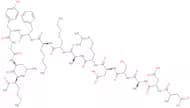


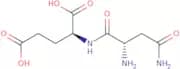
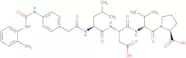

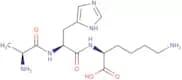
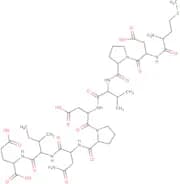
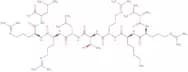
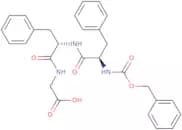
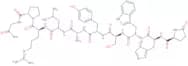
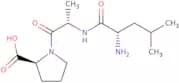
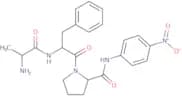
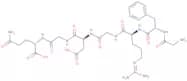

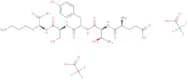

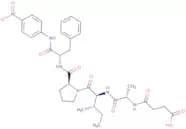
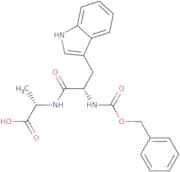

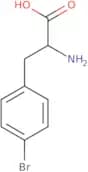

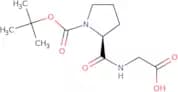
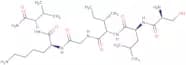
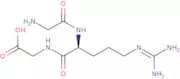
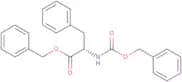
![(2-{Ethyl-[4-(4-nitro-phenylazo)-phenyl]-amino}-ethoxy)-acetic acid-4-nitro-phenyl ester](/_next/image/?url=https%3A%2Fstatic.cymitquimica.com%2Fproducts%2F3D%2Fthumb-webp%2FFE111186.webp&w=3840&q=75)


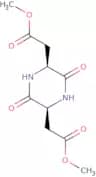
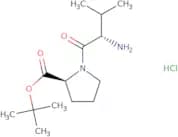
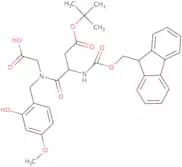
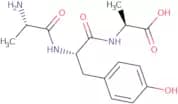
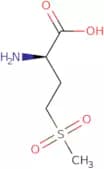


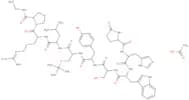
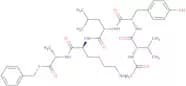
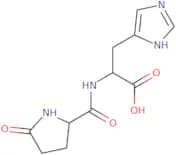

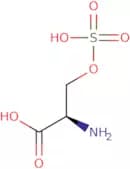
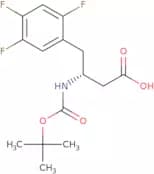

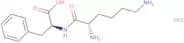

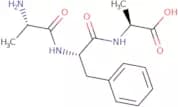
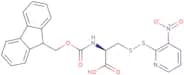


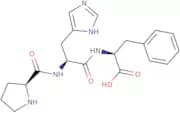
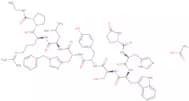
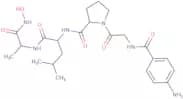


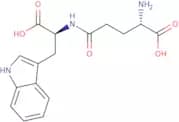

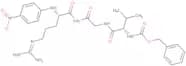
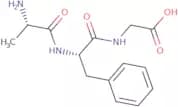
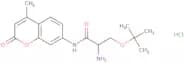
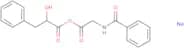
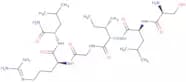
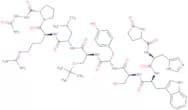
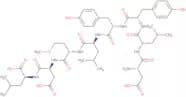
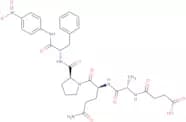
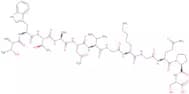

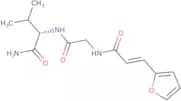
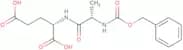




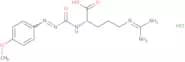
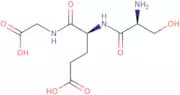

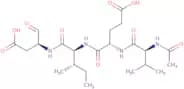
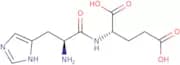
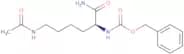
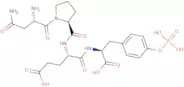
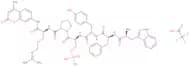

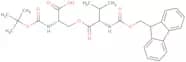
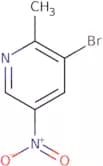
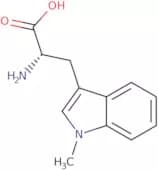
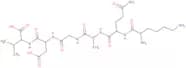
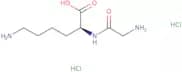



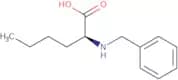

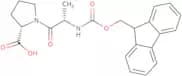

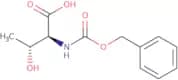
![1,3,5-Tri(1-phenyl-1H-benzo[d]imidazol-2-yl)phenyl](/_next/image/?url=https%3A%2Fstatic.cymitquimica.com%2Fproducts%2F3D%2Fthumb-webp%2FFT37776.webp&w=3840&q=75)
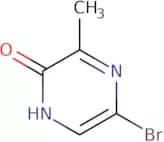
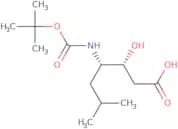
![([ring-D5]Phe3)-Octreotide acetate salt](/_next/image/?url=https%3A%2Fstatic.cymitquimica.com%2Fproducts%2F3D%2Fthumb-webp%2FFR110015.webp&w=3840&q=75)

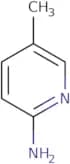
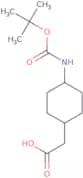
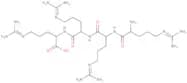
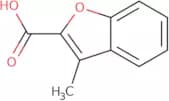


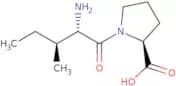


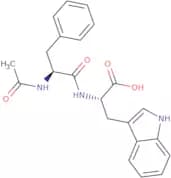
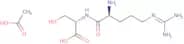
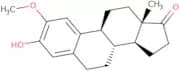
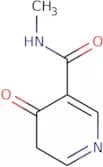
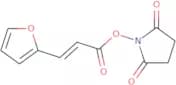
![([D8]Val7·10)-C-Peptide (human)](/_next/image/?url=https%3A%2Fstatic.cymitquimica.com%2Fproducts%2F3D%2Fthumb-webp%2FFV109221.webp&w=3840&q=75)
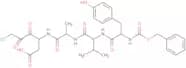

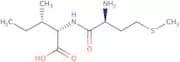
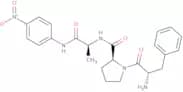


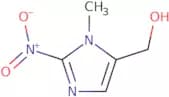

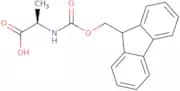
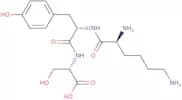
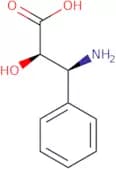
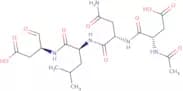


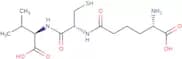
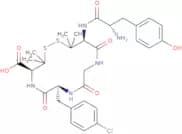
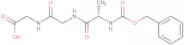



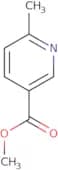

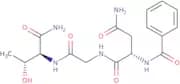
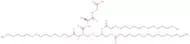

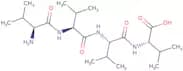


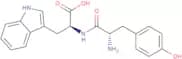
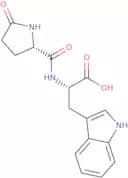
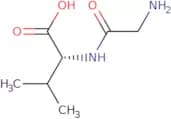
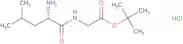

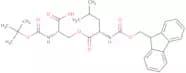
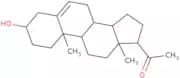
![4-{[4-(4-Methyloxyphenyl)-piperazin-1-yl]-phenyl}-2,4-dihydro-[1,2,4]-triazol-3-one](/_next/image/?url=https%3A%2Fstatic.cymitquimica.com%2Fproducts%2F3D%2Fthumb-webp%2FFM25920.webp&w=3840&q=75)
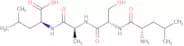
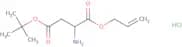
![8-Boc-3,8-diaza-bicyclo[3.2.1]octane](/_next/image/?url=https%3A%2Fstatic.cymitquimica.com%2Fproducts%2F3D%2Fthumb-webp%2FFB29382.webp&w=3840&q=75)