Amino Acids (AA)
Subcategories of "Amino Acids (AA)"
- Amino Acid Derivatives(4,015 products)
- Amino Acid and Amino Acid Related Compounds(3,490 products)
- Amino Acids with Oxygen or Sulphur(168 products)
- Boc- Amino Acids(351 products)
- Fmoc Amino Acids(1,710 products)
Found 38368 products of "Amino Acids (AA)"
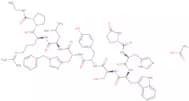
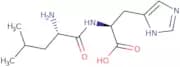
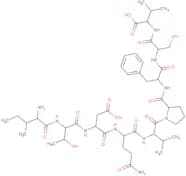
H-Leu-His-OH
CAS:H-Leu-His-OH is a peptide that has been shown to have ovarian activity. It binds to the epidermal growth factor receptor and inhibits the function of this receptor, thereby inhibiting cellular proliferation. H-Leu-His-OH has also been shown to inhibit follicular growth in mice, which may be due to its ability to inhibit follicle stimulating hormone (FSH) production. This peptide also has a potential use for cancer treatment when administered with estradiol benzoate. In addition, it has been shown that H-Leu-His-OH can be used as an antigen in animals and humans for the development of an anti-idiotypic vaccine against autoimmune diseases such as Graves' disease. H-Leu-His-OH is active at physiological levels and clinical relevance has not yet been determined.Formula:C12H20N4O3Purity:Min. 95%Molecular weight:268.31 g/molEnterostatin (human, mouse, rat) acetate salt
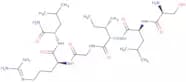
CAS:Enterostatin is a peptide hormone that inhibits the release of insulin, gastric acid and pancreatic juices. Enterostatin has been shown to have a number of biological properties, including an anti-obesity effect in humans. In mice, enterostatin has been shown to decrease food intake, increase energy expenditure and weight loss. Enterostatin also decreases the levels of serum cholesterol and triglycerides in rats. This drug has a number of pharmacological activities including inhibition of platelet aggregation and vasodilation. Enterostatin is related to peptide hormones such as ghrelin, which stimulates appetite, and cholecystokinin (CCK), which reduces appetite. It may be used as an alternative treatment for obesity or metabolic disorders like diabetes mellitus type 2 or hyperlipidaemia.Formula:C21H36N8O6Purity:Min. 95%Molecular weight:496.56 g/mol4-(2',4'-Dimethoxyphenyl-Fmoc-aminomethyl)-phenoxymethyl-polystyrene resin (200-400 mesh)
Please enquire for more information about 4-(2',4'-Dimethoxyphenyl-Fmoc-aminomethyl)-phenoxymethyl-polystyrene resin (200-400 mesh) including the price, delivery time and more detailed product information at the technical inquiry form on this pagePurity:Min. 95%Pseudin-2 trifluoroacetate salt
CAS:Please enquire for more information about Pseudin-2 trifluoroacetate salt including the price, delivery time and more detailed product information at the technical inquiry form on this pageFormula:C122H202N36O32Purity:Min. 95%Molecular weight:2,685.13 g/molHIV Protease Substrate IV
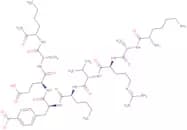
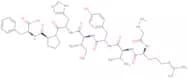
CAS:Please enquire for more information about HIV Protease Substrate IV including the price, delivery time and more detailed product information at the technical inquiry form on this pageFormula:C49H83N15O13Purity:Min. 95%Molecular weight:1,090.28 g/mol(D-Leu6)-LHRH (1-8) (free acid) trifluoroacetate salt
CAS:Please enquire for more information about (D-Leu6)-LHRH (1-8) (free acid) trifluoroacetate salt including the price, delivery time and more detailed product information at the technical inquiry form on this pageFormula:C52H72N14O12Purity:Min. 95%Molecular weight:1,085.22 g/molFor-Met-Leu-pNA
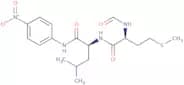
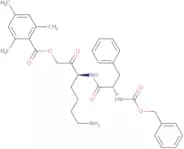
CAS:Please enquire for more information about For-Met-Leu-pNA including the price, delivery time and more detailed product information at the technical inquiry form on this pageFormula:C18H26N4O5SPurity:Min. 95%Molecular weight:410.49 g/molZ-Phe-Lys-2,4,6-trimethylbenzoyloxy-methylketone trifluoroacetate salt
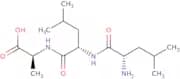
CAS:Z-Phe-Lys-2,4,6-trimethylbenzoyloxy-methylketone trifluoroacetate salt is a proteolytic enzyme that has been shown to have bone resorption and tissue destructive properties. It is active against porphyromonas and bactericidal against fibrinogen. Z-Phe-Lys-2,4,6-trimethylbenzoyloxy-methylketone trifluoroacetate salt also inhibits the formation of osteoclasts by inhibiting the uptake and protease activity of extracellular matrix proteins such as fibrinogen. This drug is currently being researched for possible use in the treatment of Alzheimer's Disease.Formula:C34H41N3O6Purity:Min. 95%Molecular weight:587.71 g/molH-Leu-Leu-Ala-OH
CAS:Please enquire for more information about H-Leu-Leu-Ala-OH including the price, delivery time and more detailed product information at the technical inquiry form on this pageFormula:C15H29N3O4Purity:Min. 95%Molecular weight:315.41 g/molMeOSuc-Ala-Ala-Pro-Val-OH
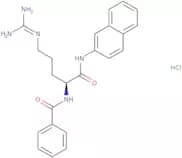
CAS:Please enquire for more information about MeOSuc-Ala-Ala-Pro-Val-OH including the price, delivery time and more detailed product information at the technical inquiry form on this pageFormula:C21H34N4O8Purity:Min. 95%Molecular weight:470.52 g/molBz-Arg-betaNA·HCl
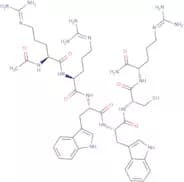
CAS:Bz-Arg-betaNA·HCl is a fluorescent probe that binds to the active site of esterases. The fluorescence signal intensity is proportional to the amount of enzyme present and can be used for measuring the activity of esterases in vitro or in vivo. Bz-Arg-betaNA·HCl has been shown to have high specificity for esterases, with low affinity for other enzymes, such as proteases.Formula:C23H25N5O2·HClPurity:Min. 95%Molecular weight:439.94 g/molIL-8 Inhibitor
CAS:IL-8 Inhibitor Ac-Arg-Arg-Trp-Trp-Cys-Arg-NH2 is a molecule that blocks the receptor for IL-8, a c-c chemokine. This leads to reduced inflammation and decreased activation of cells in the inflammatory process. IL-8 Inhibitor Ac-Arg-Arg-Trp-Trp-Cys--Arg--NH2 has been shown to be effective in reducing chronic bronchitis and pancreatitis in animal models. The effective dose for IL 8 inhibitor is not yet known.Formula:C45H66N18O7SPurity:Min. 95%Molecular weight:1,003.19 g/molH-Gly-His-Gly-OH
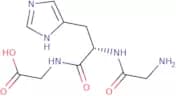
CAS:H-Gly-His-Gly-OH is an amino acid that belongs to the class of peptide science. It is a protonated molecule with a histidine side chain, which has been shown to have enzyme inhibition properties. This amino acid has been used in model studies to determine the effect of acidic and basic ternary mixtures on the stability of proteins. H-Gly-His-Gly-OH has also been found to be effective as a chelate ring, which is a ring that binds metals such as iron and copper. Enzymes can form when this amino acid is present in solution with metal ions.Formula:C10H15N5O4Purity:Min. 95%Molecular weight:269.26 g/molFmoc-Lys(Boc)-Ser(Psi(Me ,Me)pro)-OH
CAS:Please enquire for more information about Fmoc-Lys(Boc)-Ser(Psi(Me ,Me)pro)-OH including the price, delivery time and more detailed product information at the technical inquiry form on this pageFormula:C32H41N3O8Purity:Min. 95%Molecular weight:595.68 g/molH-Gly-Cys-Gly-OH
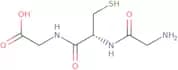
CAS:H-Gly-Cys-Gly-OH is an amino acid sequence that has been evaluated for its interactions with other amino acids and proteins. It is a tripeptide heterocycle and can be found in the tissues of many organisms, including humans. H-Gly-Cys-Gly-OH can be found in bovine serum and has been shown to have reversed phase high performance liquid chromatography activity. This molecule also interacts with reversed phase high performance liquid chromatography, ion exchange, and tripeptides.Formula:C7H13N3O4SPurity:Min. 95%Molecular weight:235.26 g/mol(D-His2)-LHRH trifluoroacetate salt
CAS:Please enquire for more information about (D-His2)-LHRH trifluoroacetate salt including the price, delivery time and more detailed product information at the technical inquiry form on this pageFormula:C55H75N17O13Purity:Min. 95%Molecular weight:1,182.29 g/mol(Val5)-Angiotensin I trifluoroacetate salt
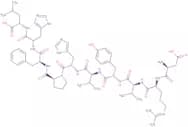
CAS:Angiotensin I is a peptide that belongs to the class of substances called angiotensins. This substance is found in many tissues and organs, including the brain, adrenal gland, and lung. Angiotensin I has been shown to be a pressor agent and also has biochemical effects on amino acid composition. The c-terminal sequence of this substance has been determined by incubating the molecule with pepsin at different pH values. The molecular weight of this substance is 938 Da and it has an amino acid composition of Asp-Arg-Val-Tyr-Val-His-Pro-Phe-His-Leu.Formula:C61H87N17O14Purity:Min. 95%Molecular weight:1,282.45 g/molH-Cys(Acm)-2-chlorotrityl resin (200-400 mesh) (Low Substitution)
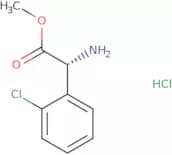
Please enquire for more information about H-Cys(Acm)-2-chlorotrityl resin (200-400 mesh) (Low Substitution) including the price, delivery time and more detailed product information at the technical inquiry form on this pagePurity:Min. 95%D-(-)-2-Chlorophenylglycine methyl ester hydrochloride
CAS:Please enquire for more information about D-(-)-2-Chlorophenylglycine methyl ester hydrochloride including the price, delivery time and more detailed product information at the technical inquiry form on this pageFormula:C9H10ClNO2•HClPurity:Min. 95%Molecular weight:236.1 g/mol(Sar 1)-Angiotensin II
CAS:Please enquire for more information about (Sar 1)-Angiotensin II including the price, delivery time and more detailed product information at the technical inquiry form on this pageFormula:C49H71N13O10Purity:Min. 95%Molecular weight:1,002.17 g/molFGF basic (1-24) (human, bovine)
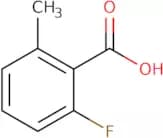
CAS:Please enquire for more information about FGF basic (1-24) (human, bovine) including the price, delivery time and more detailed product information at the technical inquiry form on this pageFormula:C118H173N31O33Purity:Min. 95%Molecular weight:2,553.83 g/mol2-Fluoro-6-methylbenzoic acid
CAS:Please enquire for more information about 2-Fluoro-6-methylbenzoic acid including the price, delivery time and more detailed product information at the technical inquiry form on this page
Formula:C8H7FO2Purity:Min. 98 Area-%Color and Shape:White PowderMolecular weight:154.14 g/molH-Gly-Leu-Phe-OH
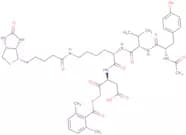
CAS:H-Gly-Leu-Phe-OH is a peptide that has been isolated from human macrophages. The peptide is homologous to the amino acid sequence of casein and has shown anti-inflammatory properties in the inhibition of the enzymatic reaction between casein and sodium citrate. When incubated with polymorphonuclear leukocytes, H-Gly-Leu-Phe-OH showed an inhibitory effect on their growth. This peptide also inhibited the enzymatic reaction between casein and sodium citrate, which may be due to its reversed phase high performance liquid chromatography (RP HPLC) method.Formula:C17H25N3O4Purity:Min. 95%Molecular weight:335.4 g/molAc-Tyr-Val-Lys(biotinyl)-Asp-2,6-dimethylbenzoyloxymethylketone
CAS:Ac-Tyr-Val-Lys(biotinyl)-Asp-2,6-dimethylbenzoyloxymethylketone belongs to a group of active compounds and is a cleavage product of the caspase family. It has been shown to induce apoptosis in kidney cells by cleaving the polymeric form of the protein caspase 3, which is induced by viral infection or bacterial infection. This compound is used for coinfection with HIV and HCV. Ac-Tyr-Val-Lys(biotinyl)-Asp-2,6-dimethylbenzoyloxymethylketone can also be used for detecting apoptosis in other types of cells such as erythrocytes and neutrophils.Formula:C46H63N7O12SPurity:Min. 95%Molecular weight:938.1 g/mol(Nle 8·18,Tyr34)-pTH (1-34) amide (bovine) trifluoroacetate salt
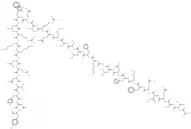
CAS:Please enquire for more information about (Nle 8·18,Tyr34)-pTH (1-34) amide (bovine) trifluoroacetate salt including the price, delivery time and more detailed product information at the technical inquiry form on this pageFormula:C185H293N55O50Purity:Min. 95%Molecular weight:4,087.65 g/molH-Gly-Arg-Gly-Leu-Ser-Leu-Ser-Arg-OH
CAS:Please enquire for more information about H-Gly-Arg-Gly-Leu-Ser-Leu-Ser-Arg-OH including the price, delivery time and more detailed product information at the technical inquiry form on this pageFormula:C34H64N14O11Purity:Min. 95%Molecular weight:844.96 g/mol(Des-Gly10,D-His2,D-Leu6,Pro-NHEt 9)-LHRH
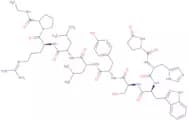
CAS:Please enquire for more information about (Des-Gly10,D-His2,D-Leu6,Pro-NHEt 9)-LHRH including the price, delivery time and more detailed product information at the technical inquiry form on this pageFormula:C59H84N16O12Purity:Min. 95%Molecular weight:1,209.4 g/molAc-Arg-Phe-Met-Trp-Met-Arg-NH2
CAS:Ac-Arg-Phe-Met-Trp-Met-Arg-NH2 is a synthetic peptide that binds to the opioid receptors, which are found in many areas of the body, including the brain and peripheral nervous system. Ac-Arg-Phe-Met-Trp-Met-Arg-NH2 has been shown to bind to the mu receptor with an affinity of ˜1 nM. It has also been shown to have antiinflammatory and anticancer properties. Ac-Arg-Phe-Met-Trp-Met -Arg NH2 has also been found in some cases to be effective against neurodegenerative diseases such as Alzheimer's disease. Ac Arg Phe Met Trp Met Arg NH2 is often used as a diluent for peptides and proteins because it does not cause aggregation.
Formula:C44H66N14O7S2Purity:Min. 95%Molecular weight:967.22 g/molFmoc-Leu-Cys(Psi(Dmp,H)pro)-OH
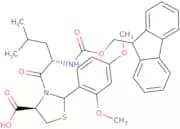
CAS:Please enquire for more information about Fmoc-Leu-Cys(Psi(Dmp,H)pro)-OH including the price, delivery time and more detailed product information at the technical inquiry form on this pageFormula:C33H36N2O7SPurity:Min. 95%Molecular weight:604.71 g/molBoc-Pro-Leu-Val-OMe
CAS:Boc-Pro-Leu-Val-OMe is a peptide analog of Dolastatin 10 which has been shown to inhibit the production of ATP in mitochondria. The compound binds to the active site of bacterial topoisomerase IV, and this binding prevents the enzyme from cleaving DNA. Boc-Pro-Leu-Val-OMe is a small molecule that has an intramolecular structure, and it interacts with DNA to form a stable complex.Formula:C22H39N3O6Purity:Min. 95%Molecular weight:441.56 g/mol3-Methylsalicylic acid
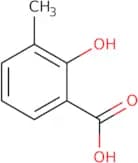
CAS:3-Methylsalicylic acid is a naturally occurring carboxylate that has been shown to be an inhibitor of the hydrogenation of polyunsaturated fatty acids. 3-Methylsalicylic acid inhibits the binding of benzyl groups to intramolecular hydrogen and hydroxyl groups, which are required for the formation of a covalent bond. The antiproliferative effect of 3-methylsalicylic acid on cancer cells is due to its ability to inhibit protein synthesis by blocking the enzyme carboxylase. 3-Methylsalicylic acid also has anti-inflammatory properties and can be used as an antiseptic and analgesic.Formula:C8H8O3Purity:Min. 95%Color and Shape:White PowderMolecular weight:152.15 g/molIGF-I (1-3)
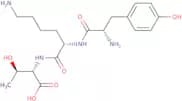
CAS:IGF-I (1-3) H-Gly-Pro-Glu-OH is a synthetic peptide that has been shown to be effective in treating neuronal death caused by glutamate. It binds to calcium ions and inhibits the activity of gamma-aminobutyric acid, which is an inhibitory neurotransmitter. IGF-I (1-3) H-Gly-Pro-Glu-OH also blocks fatty acid synthesis, leading to necrotic cell death. In vitro assays have shown that this drug can protect against blood group O erythrocytes from pyridoxal phosphate oxidation and protocatechuic acid binding. This drug has also been shown to increase locomotor activity in mice, as well as improve motor function in rats with experimental stroke. IGF-I (1-3) H-Gly-Pro-Glu-OH is synthesized using a polymerase chain reaction technique and consists of amino acids 1 through 3 ofFormula:C12H19N3O6Purity:Min. 95%Molecular weight:301.3 g/molH-Tyr-Lys-Thr-OH
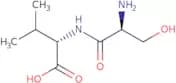
CAS:Please enquire for more information about H-Tyr-Lys-Thr-OH including the price, delivery time and more detailed product information at the technical inquiry form on this pageFormula:C19H30N4O6Purity:Min. 95%Molecular weight:410.46 g/molH-Ser-Val-OH
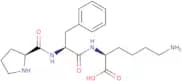
CAS:H-Ser-Val-OH is a peptide that acts as a serotonin reuptake inhibitor. It has been shown to have antiangiogenic properties, which may be due to its ability to bind with the 5HT2A receptor and inhibit angiogenesis. H-Ser-Val-OH has also been shown to inhibit the growth of tumor cells in culture by binding to the peptide binding site on the growth factor receptor. H-Ser-Val-OH can be used for cancer therapy by increasing radiation sensitivity and inhibiting tumor perfusion.Formula:C8H16N2O4Purity:Min. 95%Molecular weight:204.22 g/molH-Pro-Phe-Lys-OH acetate salt
CAS:Please enquire for more information about H-Pro-Phe-Lys-OH acetate salt including the price, delivery time and more detailed product information at the technical inquiry form on this page
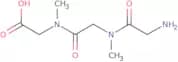
Formula:C20H30N4O4Purity:Min. 95%Molecular weight:390.48 g/molH-Gly-Sar-Sar-OH
CAS:H-Gly-Sar-Sar-OH is an amide that is a prodrug for the antibiotic Glycylcycline. This drug has been shown to inhibit peptidases and transport in caco-2 cells, as well as to have affinity for intestinal peptidases. H-Gly-Sar-Sar-OH has also been shown to be able to penetrate the cell membrane and inhibit peptidase activity in extracellular space. The bond cleavage of this drug has been rationalized by comparing it with other bioisosteres.Formula:C8H15N3O4Purity:Min. 95%Molecular weight:217.22 g/molPAR-2 (1-6) amide (mouse, rat) trifluoroacetate salt
CAS:PAR-2 agonist is a synthetic peptide that activates PAR-2. It binds to PAR-2 receptors, which are present in the mesenteric vasculature and in various other tissues. Activation of PAR-2 leads to an increase in intracellular calcium concentration, activation of protein kinase C, cytosolic calcium ion release, phosphorylation of myosin light chain, muscle cell proliferation, transcription and translation initiation, and increased production of vasoactive intestinal peptide. This drug also has anti-inflammatory effects and stimulates epidermal growth factor (EGF) and thrombin receptor expression as well as growth factor production.Formula:C29H56N10O7Purity:Min. 95%Molecular weight:656.82 g/molH-Gly-His-Arg-Pro-OH acetate salt
CAS:H-Gly-His-Arg-Pro-OH acetate salt is a synthetic monoclonal antibody that binds to fibrinogen. It has been used in the production of a model protein and as an anticoagulant. H-Gly-His-Arg-Pro-OH acetate salt has been shown to inhibit the growth of tissue plasminogen activator, which is a growth factor for cells involved in blood clotting. This drug also inhibits the release of acetylcholine from nerve cells, which may be due to its ability to bind to plasma proteins.Formula:C19H31N9O5Purity:Min. 95%Molecular weight:465.51 g/molH-D-Leu-pNA
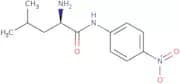
CAS:Please enquire for more information about H-D-Leu-pNA including the price, delivery time and more detailed product information at the technical inquiry form on this page
Formula:C12H17N3O3Purity:Min. 95%Molecular weight:251.28 g/molO-Hippuryl-L-b-phenyllactic acid sodium salt
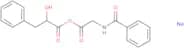
CAS:Please enquire for more information about O-Hippuryl-L-b-phenyllactic acid sodium salt including the price, delivery time and more detailed product information at the technical inquiry form on this pageFormula:C18H16NNaO5Purity:Min. 95%Molecular weight:349.31 g/molHomo-L-tyrosine hydrobromide
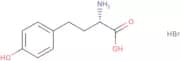
CAS:Homo-L-tyrosine hydrobromide (HLTB) is a prodrug that is converted to L-3,4-dihydroxyphenylalanine (L-dopa) in vivo. It is used as an immunomodulator by stimulating the immune system and reducing inflammation. HLTB has been shown to have anti-inflammatory effects on the production of cytokines and chemokines, which are important for tumor growth and metastasis. HLTB is also known to inhibit tyrosine kinase, which plays a role in the development of some cancers.Formula:C10H14BrNO3Purity:Min. 95%Molecular weight:276.13 g/mol4-Iodo-1-methylpyrazole
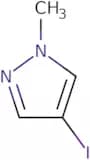
CAS:4-Iodo-1-methylpyrazole is a reductive agent that is used in organic synthesis. It can be used as a reducing agent for the conversion of aldehydes and ketones to alcohols. 4-Iodo-1-methylpyrazole can be crystallized from diethyl etherate and blood. The product yield from this reaction is high, but it requires an oxidant such as trifluoride or plavix to react with the diacetates. 4-Iodo-1-methylpyrazole can also be synthesized by reacting allylsilanes with iodine gas in the presence of a base. This synthesis method produces 4-iodo-1-methylpyrazole in good yield and with little difficulty.Formula:C4H5IN2Purity:Min. 95%Color and Shape:White To Light (Or Pale) Yellow To Tan SolidMolecular weight:208 g/mol(D-Thr6,D-Trp8·9,L-alaninol15)-Galanin (1-15)
CAS:Please enquire for more information about (D-Thr6,D-Trp8·9,L-alaninol15)-Galanin (1-15) including the price, delivery time and more detailed product information at the technical inquiry form on this pageFormula:C84H117N21O18Purity:Min. 95%Molecular weight:1,708.96 g/molN-(4-Methoxyphenylazoformyl)-Arg-OH·HCl
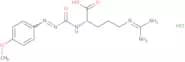
CAS:Please enquire for more information about N-(4-Methoxyphenylazoformyl)-Arg-OH·HCl including the price, delivery time and more detailed product information at the technical inquiry form on this pageFormula:C14H20N6O4·HClPurity:Min. 95%Color and Shape:Orange Red SolidMolecular weight:372.81 g/molIQB-782
CAS:IQB-782 is a mucolytic agent with mucolytic expectorant activity for the study of obstructive lung disease.Formula:C4H9N3O2SPurity:>99.99%Color and Shape:SolidMolecular weight:163.2Fmoc-D-Val-Wang resin (200-400 mesh)
Please enquire for more information about Fmoc-D-Val-Wang resin (200-400 mesh) including the price, delivery time and more detailed product information at the technical inquiry form on this pagePurity:Min. 95%5-Amino-2-methoxybenzonitrile
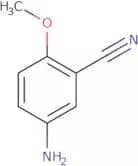
CAS:Please enquire for more information about 5-Amino-2-methoxybenzonitrile including the price, delivery time and more detailed product information at the technical inquiry form on this pageFormula:C8H8N2OPurity:Min. 95%Molecular weight:148.16 g/molH-His-Glu-OH
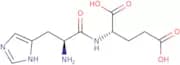
CAS:H-His-Glu-OH is a compound that has been identified in bacterial cells. It is an amino acid with a high concentration of histidine, glutamic acid, and l-glutamic acid. This compound is found in the virus of influenza and may be the active ingredient that induces fever and inflammation. H-His-Glu-OH can be detected by chromatographic methods or clinical chemistry tests. It also has antiviral properties against influenza A (H1N1) virus.Formula:C11H16N4O5Purity:Min. 95%Molecular weight:284.27 g/molPeptide 810
CAS:Peptide 810 is a growth factor that binds to the insulin receptor on the surface of cells. It has been shown to inhibit apoptosis in beta cells by binding to the insulin receptor and inhibiting phosphorylation of the insulin receptor at tyrosine residue 1135, thereby preventing apoptosis. This peptide also binds to other receptors, such as kinase and factor receptors, which are involved in regulating cell proliferation. Peptide 810 is secreted by recombinant proteins, and genetic analyses have shown that it is active against P. aeruginosa. It has also been used as a diagnostic tool for infectious diseases and has been used in assays for kinase receptors and factor receptors. The gene product of this peptide has been expressed in staphylococcus aureus cells, which have been tested as a vaccine against cancer.Formula:C59H91N13O17SPurity:Min. 95%Molecular weight:1,286.5 g/molZ-Ala-Arg-OH
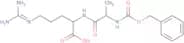
CAS:Z-Ala-Arg-OH is a low molecular weight carboxylate that has an acidic, hydrophobic side chain. The chemical formula for Z-Ala-Arg-OH is C11H18N4O6. The chemical structure of Z-Ala-Arg-OH can be found in the figure below:
Z-Ala-Arg-OH is an ionizable, acidic compound with a pKa of 3.5. The functional groups on Z-Ala-Arg-OH are shown in the figure below:
The carboxylate group and the amine group are present in this molecule.
Z-Ala-Arg-OH is a transpeptidase, which catalyses the posttranslational modification of proteins by transferring amino acids from one protein to another during translation or after translation. Transpeptidases are important enzymes in bacterial cell wall synthesis because they catalyze peptide bond formation between two amino acidFormula:C17H25N5O5Purity:Min. 95%Molecular weight:379.41 g/molBiotinyl-Obestatin (rat) trifluoroacetate salt
CAS:Please enquire for more information about Biotinyl-Obestatin (rat) trifluoroacetate salt including the price, delivery time and more detailed product information at the technical inquiry form on this pageFormula:C124H188N36O33SPurity:Min. 95%Molecular weight:2,743.11 g/mol1-O-Hexadecyl-sn-glycerol
CAS:1-O-Hexadecyl-sn-glycerol is a glycol ether that is used as a surfactant and emulsifier in cosmetic products. It has been shown to have minimal toxicity, and to not be carcinogenic or teratogenic. 1-O-Hexadecyl-sn-glycerol has been shown to increase the stability of proteins in rat liver microsomes, and it also prevents the hydrolysis of carbohydrates. The surface glycoprotein adsorbed by 1-O-Hexadecyl-sn-glycerol may play an important role in the binding of monoclonal antibodies. This compound affects cellular calcium levels, with high concentrations resulting in increased cytosolic calcium concentrations. Zirconium oxide can replace calcium ions in 1-O-Hexadecyl-sn-glycerol for this purpose, although this substitution reduces enzyme activity.Formula:C19H40O3Purity:Min. 95%Molecular weight:316.52 g/molH-Leu-His-Leu-OH
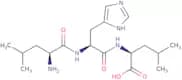
CAS:H-Leu-His-Leu-OH is a peptide fragment of human growth hormone. It is a stabilized, cleaved, and lyophilized form of the substance that is used as an additive in buffering solutions. It has been shown to be a potent inhibitor of the proteolytic enzymes cathepsin B, elastase, and chymotrypsin in vitro. The stability of this fragment can be attributed to its resistance to proteolysis by enzymes such as cathepsin's B, elastase, and chymotrypsin because it does not contain any free amino acid residues.Formula:C18H31N5O4Purity:Min. 95%Molecular weight:381.47 g/mol8-Methylnonanal
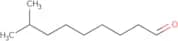
CAS:8-Methylnonanal is a fatty acid that has been hydrogenated and sulfonated. It is an unsaturated, straight chain, alpha-methylene-containing molecule with the chemical formula CH3(CH2)4CH=CH(CH2)3COOH. 8-Methylnonanal can be used as an additive in polyolefin production to improve processability. 8-Methylnonanal is used as a reaction system for the synthesis of monomers and polymers. In addition, it reacts with sulfuric acid to produce sulfuric acid esters and alkyl sulfonic acids. This chemical also reacts with fatty acids to form various products such as fatty acid methyl esters (FAMEs).Formula:C10H20OPurity:Min. 95%Molecular weight:156.27 g/molMelanocyte Protein PMEL 17 (185-193) (human, bovine, mouse) trifluoroacetate salt
CAS:Please enquire for more information about Melanocyte Protein PMEL 17 (185-193) (human, bovine, mouse) trifluoroacetate salt including the price, delivery time and more detailed product information at the technical inquiry form on this pageFormula:C46H72N10O15Purity:Min. 95%Molecular weight:1,005.12 g/molSubstance P (4-11)
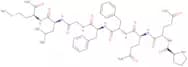
CAS:Substance P (4-11) H-Pro-Gln-Gln-Phe-Phe-Gly-Leu-Met-NH2 is a fluorescent peptide that binds to calcium and chloride ions. It has been shown to have an affinity for both peptide and calmodulin binding. This peptide has also been shown to be highly heat stable and can be used in a wide range of temperatures. The substance P (4-11) sequence is found in porcine, rat, bovine, and human proteins. The amino acid sequence is composed of 4 amino acids: proline, glutamine, phenylalanine, and leucine. This peptide's optimum pH is 7.5 with a temperature range of 35°C to 45°C. It has been shown that the activity of this peptide decreases as the concentration increases. It has also been shown to be susceptible to aminopeptidases at high concentrations or whenFormula:C46H67N11O10SPurity:Min. 95%Molecular weight:966.16 g/molZ-Ala-Phe-OMe
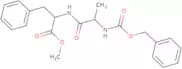
CAS:Z-Ala-Phe-OMe is a model amide that has been used to study the serine protease catalysed hydrolysis of peptides. This compound is a water molecule analogue that is immobilized on an ion exchange resin, which can be used as a support for experiments in catalysis and thermodynamics. Z-Ala-Phe-OMe has shown to be more efficient than other substrates and can be used to study kinetic data and thermodynamic properties.Formula:C21H24N2O5Purity:Min. 95%Molecular weight:384.43 g/molH-Met-Thr-OH
CAS:Met-Thr-OH is a peptide binding inhibitor that is used as a research tool for determining the role of metalloproteins in vivo. Methionine aminopeptidase (MetAP) is an enzyme that cleaves methionine from protein and peptides and has been shown to play a vital role in cancer progression. MetAP has been shown to be inhibited by Met-Thr-OH, which binds to the enzyme's active site and blocks its activity. The inhibition of MetAP limits the production of proteins involved in cell growth and proliferation, leading to reductions in tumor size. This inhibition may also be due to the inhibition of other functional groups such as phosphorylation, dephosphorylation, or nitrosylation.
Formula:C9H18N2O4SPurity:Min. 95%Molecular weight:250.32 g/molAngiotensin A trifluoroacetate salt
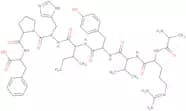
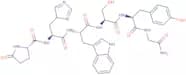
CAS:Angiotensin A trifluoroacetate salt H-Ala-Arg-Val-Tyr-Ile-His-Pro-Phe-OH is a drug that has been shown to be effective in treating chronic kidney disease and heart failure. It is a synthetic peptide that mimics the activity of angiotensin II, an important regulator of blood pressure. Angiotensin A trifluoroacetate salt H-Ala-Arg-Val-Tyr-Ile-His-Pro-Phe-OH binds to the angiotensin receptor, which causes vasoconstriction and increases the release of soluble guanylate cyclase. This drug also inhibits the production of matrix metalloproteinases, which break down collagen and other extracellular proteins.Formula:C49H71N13O10Purity:Min. 95%Molecular weight:1,002.17 g/molLHRH (1-6) amide Pyr-His-Trp-Ser-Tyr-Gly-NH2
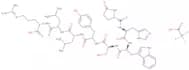
CAS:Please enquire for more information about LHRH (1-6) amide Pyr-His-Trp-Ser-Tyr-Gly-NH2 including the price, delivery time and more detailed product information at the technical inquiry form on this pageFormula:C36H42N10O9Purity:Min. 95%Molecular weight:758.78 g/molMca-Pro-b-cyclohexyl-Ala-Gly-Nva-His-Ala-Dap (Dnp)-NH2 trifluoroacetate salt
CAS:Please enquire for more information about Mca-Pro-b-cyclohexyl-Ala-Gly-Nva-His-Ala-Dap (Dnp)-NH2 trifluoroacetate salt including the price, delivery time and more detailed product information at the technical inquiry form on this page
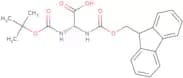
Formula:C51H65N13O15Purity:Min. 95%Molecular weight:1,100.14 g/molFmoc-α-amino-D-Gly(Boc)-OH
CAS:Please enquire for more information about Fmoc-α-amino-D-Gly(Boc)-OH including the price, delivery time and more detailed product information at the technical inquiry form on this pageFormula:C22H24N2O6Purity:Min. 95%Molecular weight:412.44 g/mol(R,S)-α-Amino-3-hydroxy-5-methyl-4-isoxazolepropionic acid hydrobromide
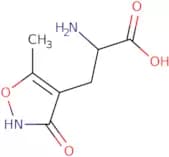
CAS:(R,S)-AMPA is a synthetic analog of the excitatory neurotransmitter glutamate, specifically designed to activate AMPA receptors, a subtype of ionotropic glutamate receptors. These receptors are pivotal in mediating fast synaptic transmission in the central nervous system. (R,S)-AMPA serves as a prototypical agonist for AMPA receptors, facilitating the study of receptor function and synaptic plasticity.Formula:C7H10N2O4•HBrPurity:Min. 95%Molecular weight:267.08 g/molFibronectin Fragment (1376-1380) trifluoroacetate salt
CAS:Please enquire for more information about Fibronectin Fragment (1376-1380) trifluoroacetate salt including the price, delivery time and more detailed product information at the technical inquiry form on this page
Formula:C24H39N11O8Purity:Min. 95%Molecular weight:609.64 g/molH-D-Phe-His-Leu-Leu-Arg-Glu-Val-Leu-Glu-Nle-Ala-Arg-A la-Glu-Gln-Leu-Ala-Gln-Gln-Ala-His-Ser-Asn-Arg-Lys-a-Me-Leu-Nle-Glu-Ile-Ile-NH 2 trifluoroacetate salt
CAS:Please enquire for more information about H-D-Phe-His-Leu-Leu-Arg-Glu-Val-Leu-Glu-Nle-Ala-Arg-A la-Glu-Gln-Leu-Ala-Gln-Gln-Ala-His-Ser-Asn-Arg-Lys-a-Me-Leu-Nle-Glu-Ile-Ile-NH 2 trifluoroacetate salt including the price, delivery time and more detailed product information at the technical inquiry form on this pageFormula:C159H267N49O43Purity:Min. 95%Molecular weight:3,553.13 g/molDABCYL-gamma-Abu-Ile-His-Pro-Phe-His-Leu-Val-Ile-His-Thr-EDANS trifluoroacetate salt
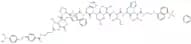
CAS:Controlled ProductDABCYL-gamma-Abu-Ile-His-Pro-Phe-His-Leu-Val-Ile-His-Thr (DABCYL) is a fluorescent substrate that has been used to study the kinetics of peptide hydrolysis by proteases. It is an amino acid sequence that is present in angiotensinogen, which is a blood protein involved in regulating blood pressure. The DABCYL group on the terminal amino acid of the peptide provides a highly fluorescent molecule that can be excited at wavelengths longer than 400 nm. This fluorophore can also be used as a donor for fluorescence resonance energy transfer (FRET) with other fluorophores, such as EDANS, which has been shown to have high affinity for DABCYL. DABCYL can be used to measure enzyme activity or inhibition and has been found to be sensitive enough to detect changes due to dilutions at concentrations as low as 10 nM.Formula:C90H120N22O16SPurity:Min. 95%Molecular weight:1,798.12 g/molH-Gly-Trp-Gly-Gly-OH
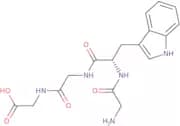
CAS:Please enquire for more information about H-Gly-Trp-Gly-Gly-OH including the price, delivery time and more detailed product information at the technical inquiry form on this pageFormula:C17H21N5O5Purity:Min. 95%Molecular weight:375.38 g/molN-(Fmoc-5-amino-3-oxa-pentyl)succinamic acid
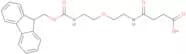
CAS:N-(Fmoc-5-amino-3-oxa-pentyl)succinamic acid is a high quality chemical that is used as an intermediate in the production of pharmaceuticals and other fine chemicals. It is also a reagent for use in peptide synthesis. N-(Fmoc-5-amino-3-oxa-pentyl)succinamic acid has a CAS No. 669073-62-5 and can be used as a useful scaffold for the production of complex compounds. This compound is also useful for research purposes, due to its versatility as a building block with speciality chemical applications.
Formula:C23H26N2O6Purity:Min. 95%Molecular weight:426.46 g/molOctreotide trifluoroacetate salt (Dimer, Antiparallel) (
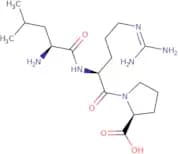
Please enquire for more information about Octreotide trifluoroacetate salt (Dimer, Antiparallel) ( including the price, delivery time and more detailed product information at the technical inquiry form on this pageFormula:C98H132N20O20S4Purity:Min. 95%Molecular weight:2,038.48 g/molH-Leu-Arg-Pro-OH
CAS:Please enquire for more information about H-Leu-Arg-Pro-OH including the price, delivery time and more detailed product information at the technical inquiry form on this pageFormula:C17H32N6O4Purity:Min. 95%Molecular weight:384.47 g/molH-Ala-Thr-OH
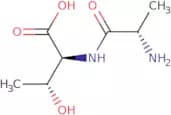
CAS:H-Ala-Thr-OH is a dipeptide that is used as a stabilizer for the active form of methionine in some nutritional supplements. H-Ala-Thr-OH is synthesized by the hydroxylation of DL-methionine, which is then converted to H-Ala-Thr-OH by an aminopeptidase. The amino acid sequence of H-Ala-Thr-OH resembles that of l-threonine, but lacks an α carbon atom and an amino group on the carboxylic acid end. This dipeptide has been shown to be auxotrophic for both lysine and threonine when expressed in Escherichia coli.Formula:C7H14N2O4Purity:Min. 95%Molecular weight:190.2 g/mol2-Hydroxy-5-methoxybenzimidazole
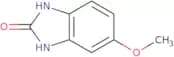
CAS:Please enquire for more information about 2-Hydroxy-5-methoxybenzimidazole including the price, delivery time and more detailed product information at the technical inquiry form on this pageFormula:C8H8N2O2Purity:Min. 95%Molecular weight:164.16 g/molCyclo(-D-Ser-Pro-D-Val-Leu-D-Trp)
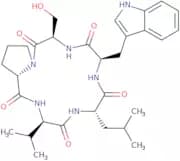
CAS:Please enquire for more information about Cyclo(-D-Ser-Pro-D-Val-Leu-D-Trp) including the price, delivery time and more detailed product information at the technical inquiry form on this page
Formula:C30H42N6O6Purity:Min. 95%Molecular weight:582.69 g/mol(Glu1)-Fibrinopeptide B (human)
CAS:Fibrinopeptide B (FPB) is a protein fragment of the blood clotting process. It is a member of the group of fibrinopeptides, which are formed by proteolytic cleavage of the precursor prothrombin. FPB is a low molecular weight peptide with an amino acid sequence that contains tryptophan and arginine residues, which are susceptible to oxidation by radiation. The presence of FPB in plasma can be used as an indicator for exposure to ionizing radiation. Matrix-assisted laser desorption/ionization (MALDI) mass spectrometry has been used to identify and quantify FPB in human plasma samples. This technique has also been applied to monitor the proteomic profile of activated platelets with high sensitivity using matrix molecules such as glycerol, ethylene glycol, and formamide as matrices for MALDI analysis.Formula:C66H95N19O26Purity:Min. 95%Molecular weight:1,570.57 g/molNeuropeptide W-23 (rat) trifluoroacetate salt
CAS:Please enquire for more information about Neuropeptide W-23 (rat) trifluoroacetate salt including the price, delivery time and more detailed product information at the technical inquiry form on this pageFormula:C119H183N35O29SPurity:Min. 95%Molecular weight:2,600.01 g/molH-Asp-Arg-Val-Tyr-Ile-His-Pro-Phe-His-Leu-Leu-Tyr-Tyr-Ser-OH
CAS:Please enquire for more information about H-Asp-Arg-Val-Tyr-Ile-His-Pro-Phe-His-Leu-Leu-Tyr-Tyr-Ser-OH including the price, delivery time and more detailed product information at the technical inquiry form on this pageFormula:C89H123N21O21Purity:Min. 95%Molecular weight:1,823.06 g/molTRAP-6 amide trifluoroacetate salt
CAS:Protease-activated receptor 1 (PAR-1) selective activating peptide, TFA salt. 98%.Formula:C34H57N11O8Purity:Min. 95%Color and Shape:PowderMolecular weight:747.89 g/mol(Tyr36)-pTH-Related Protein (1-36) amide (chicken)
CAS:Please enquire for more information about (Tyr36)-pTH-Related Protein (1-36) amide (chicken) including the price, delivery time and more detailed product information at the technical inquiry form on this pageFormula:C184H301N57O55Purity:Min. 95%Molecular weight:4,191.71 g/mol(Des-Bromo)-Neuropeptide B (1-23) (human) trifluoroacetate salt
CAS:Please enquire for more information about (Des-Bromo)-Neuropeptide B (1-23) (human) trifluoroacetate salt including the price, delivery time and more detailed product information at the technical inquiry form on this pageFormula:C107H162N30O30Purity:Min. 95%Molecular weight:2,348.62 g/molH-Phe-Glu-OH
CAS:H-Phe-Glu-OH is a compound that has been shown to significantly increase the uptake of collagen in fibrosarcoma cells. H-Phe-Glu-OH binds to a receptor on the cell surface and activates it, which leads to an increase in collagen uptake. This drug also enhances the production of collagen molecules and can be used for diagnosing diseases such as cancer. H-Phe-Glu-OH does not affect normal cells, making it possible for this drug to be used as a diagnostic tool without harming healthy tissue.Formula:C14H18N2O5Purity:Min. 95%Molecular weight:294.3 g/molLQEQ-19 (human) trifluoroacetate salt
Please enquire for more information about LQEQ-19 (human) trifluoroacetate salt including the price, delivery time and more detailed product information at the technical inquiry form on this pageFormula:C106H170N30O34Purity:Min. 95%Molecular weight:2,408.67 g/mol(Lys3)-Bombesin
CAS:Lys3-Bombesin is a bifunctional peptide that binds to the bombesin receptor and is used in cancer therapy. It is a radiotracer, which can be used for diagnostic imaging and diagnosis of tumors. Lys3-Bombesin has a high affinity for the bombesin receptor subtype B, which is expressed by prostate cancer cells. The peptide can be conjugated to a small molecule, such as a radioactive isotope, and used to deliver it specifically to the tumor site. This compound has been shown to inhibit the growth of human prostate cancer cells in vitro.Formula:C71H110N22O18SPurity:Min. 95%Molecular weight:1,591.84 g/molEpinecidin-1 trifluoroacetate salt
CAS:Please enquire for more information about Epinecidin-1 trifluoroacetate salt including the price, delivery time and more detailed product information at the technical inquiry form on this pageFormula:C114H176N30O21SPurity:Min. 95%Molecular weight:2,334.87 g/mol(1,10-Phenanthroline)tris[4,4,4-trifluoro-1-(2-thienyl)-1,3-butanedionato]europium(III)
CAS:(1,10-Phenanthroline)tris[4,4,4-trifluoro-1-(2-thienyl)-1,3-butanedionato]europium(III) is a luminescent europium complex that is used in the development of microcapsules for fluorescence microscopy. The (1,10-phenanthroline) ligand is a chelate molecule that can be exchanged with other ligands to change the optical properties of the complex. The fluorescence microscope detects the emitted light at 488 nm and 514 nm wavelengths. The luminescent europium complex emits light when it binds to an organic molecule such as vinyl alcohol or water vapor. Ternary complexes are formed between the europium ion and two different ligands. Optical properties depend on the type of ligands present in these ternary complexes. This product has been shown to have chemical structures that are similar to thosePurity:Min. 95%3-Methylbutanoic acid
CAS:3-Methylbutanoic acid is an antimicrobial agent that belongs to the group of isovaleric acids. It is a product of β-oxidation and has been shown to inhibit the growth of bacteria by reacting with their surface. 3-Methylbutanoic acid inhibits bacterial growth by binding to the pyrazole ring in DNA and altering its conformation, preventing DNA replication. This reaction occurs at a rate comparable to that of other fluoroquinolones, such as ciprofloxacin, levofloxacin, and norfloxacin. 3-Methylbutanoic acid has been shown to have antibacterial activity against both Gram-positive and Gram-negative bacteria, particularly those that are resistant to erythromycin or lincomycin.Formula:C5H10O2Purity:Min. 95%Color and Shape:PowderMolecular weight:102.13 g/mol(Des-Gly10,D-His(Bzl)6,D-Leu7,Pro-NHEt 9)-LHRH acetate salt
CAS:Controlled ProductPlease enquire for more information about (Des-Gly10,D-His(Bzl)6,D-Leu7,Pro-NHEt 9)-LHRH acetate salt including the price, delivery time and more detailed product information at the technical inquiry form on this page
Formula:C66H86N18O12Purity:Min. 95%Molecular weight:1,323.5 g/molL-Glutamic acid alpha-amide
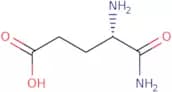
CAS:L-Glutamic acid alpha-amide is an ester hydrochloride that is a tissue culture amide. It is a cyclic peptide analog and a hydroxyl group. L-glutamic acid alpha-amide has been shown to inhibit the inflammatory response in the bowel disease, Crohn's disease, by blocking the toll-like receptor 4 and 5. This drug also inhibits protein synthesis, which may be due to its ability to bind to fatty acids, thereby inhibiting the production of proteins vital for cell division.Formula:C5H10N2O3Purity:Min. 95%Color and Shape:White PowderMolecular weight:146.14 g/molH-Asn-Gln-Glu-Gln-Glu(EDANS)-Arg-OH trifluoroacetate salt
Please enquire for more information about H-Asn-Gln-Glu-Gln-Glu(EDANS)-Arg-OH trifluoroacetate salt including the price, delivery time and more detailed product information at the technical inquiry form on this page
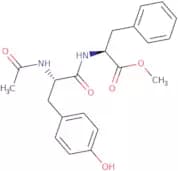
Formula:C42H62N14O16SPurity:Min. 95%Molecular weight:1,051.09 g/molAc-Tyr-Phe-OMe
CAS:Please enquire for more information about Ac-Tyr-Phe-OMe including the price, delivery time and more detailed product information at the technical inquiry form on this page
Formula:C21H24N2O5Purity:Min. 95%Molecular weight:384.43 g/mol(Thr28, Nle 31)-Cholecystokinin-33 (25-33) (sulfated)
CAS:Please enquire for more information about (Thr28, Nle 31)-Cholecystokinin-33 (25-33) (sulfated) including the price, delivery time and more detailed product information at the technical inquiry form on this pageFormula:C55H74N14O18SPurity:Min. 95%Molecular weight:1,251.33 g/molH-Lys-Gly-Gly-OH hydrochloride salt
CAS:Histidine is a non-essential amino acid that has been shown to be involved in the regulation of cell growth and differentiation. It is also involved in the biosynthesis of nucleotides, collagen, and carnitine. Kinetic studies on histidine have been done by acetylation of histidine with acetic anhydride and pyridine. The kinetic method used was based on the reaction between histidine and p-nitrophenyl phosphate. The transfer reactions were performed with a strain containing lysine residues which were then adsorbed onto a surface-enhanced Raman spectroscopy (SERS) substrate. These experiments were performed using techniques such as resonance mass spectrometry (RMS), surface-enhanced Raman spectroscopy (SERS), and protonation selective mass spectrometry (PSMS).Formula:C10H20N4O4Purity:Min. 95%Molecular weight:260.29 g/molMyelin Basic Protein (85-99) Peptide Antagonist trifluoroacetate salt
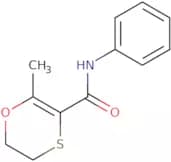
CAS:Please enquire for more information about Myelin Basic Protein (85-99) Peptide Antagonist trifluoroacetate salt including the price, delivery time and more detailed product information at the technical inquiry form on this pageFormula:C70H114N18O21Purity:Min. 95%Molecular weight:1,543.76 g/mol2-Methyl-N-phenyl-5,6-dihydro-1,4-oxathiine-3-carboxamide
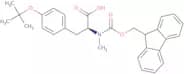
CAS:2-Methyl-N-phenyl-5,6-dihydro-1,4-oxathiine-3-carboxamide is a signal molecule that has antimicrobial activity. It inhibits the proliferation of cells and is used as an antifungal agent. 2,5,6-Trimethyloxathiinium ion has been shown to induce apoptosis in human leukemia cells and inhibit the growth of erythrocytes infected with Plasmodium falciparum. This compound also inhibits wild type strains of bacteria and fungi and can be used as a natural fungicide. 2,5,6-Trimethyloxathiinium ion has been found to be effective in treating autoimmune diseases such as diabetes mellitus type II, which may be due to its ability to regulate glucose metabolism and suppress inflammatory responses.Formula:C12H13NO2SPurity:Min. 95%Molecular weight:235.3 g/molFmoc-N-methyl-O-tert-butyl-L-tyrosine
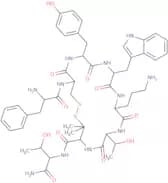
CAS:Fmoc-N-methyl-O-tert-butyl-L-tyrosine is a peptide that mimics the natural substrate serine protease. It has been used to study protein-protein interactions in proteases and their cleavage specificity. This peptide was designed as a peptidomimetic, which is an analog of a protein or peptide. The systematic synthesis of this molecule has been studied extensively and it has been shown that the maximum number of modifications occurs at the N terminus and the minimal number at the C terminus. The residue of this molecule is modified by proteolytic modification, which is a chemical modification that changes the amino acid sequence. Fmoc-N-methyl-O-tert-butyl-L-tyrosine has minimal quantified stability, which means that it can be quantified but not stable for long periods of time.Formula:C29H31NO5Purity:Min. 95%Molecular weight:473.56 g/molH-D-Phe-Cys-Tyr-D-Trp-Orn-Thr-Pen-Thr-NH2 (Disulfide bond between Cys2 and Pen7)
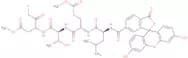
CAS:H-D-Phe-Cys-Tyr-D-Trp-Orn-Thr-Pen-Thr-NH2 is a neuropeptide that was found in the brain of an amphibian and has been shown to have antinociceptive properties. The peptide has been shown to bind to kappa opioid receptors and δ opioid receptors, which are both involved in pain regulation. H-D-Phe-Cys-Tyr-D-Trp-Orn (HDFYDT) has been shown to be effective in vivo, which may be due to its ability to increase striatal dopamine levels and decrease locomotor activity. HDFYDT also increases gamma aminobutyric acid levels in the brain, which may result in reduced anxiety. HDFYDT is synthesized from two amino acids: histidine and glutamine. This peptide is sensitive to proteolytic enzymes and can be degraded into smaller fragments suchFormula:C50H67N11O11S2Purity:Min. 95%Molecular weight:1,062.27 g/molFluorescein-6-carbonyl-Leu-Glu(OMe)-Thr-DL-Asp(OMe)-fluoromethylketone
CAS:Please enquire for more information about Fluorescein-6-carbonyl-Leu-Glu(OMe)-Thr-DL-Asp(OMe)-fluoromethylketone including the price, delivery time and more detailed product information at the technical inquiry form on this page
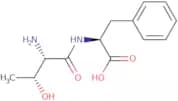
Formula:C43H47FN4O15Purity:Min. 95%Molecular weight:878.85 g/molH-Thr-Phe-OH
CAS:H-Thr-Phe-OH is a fatty acid which is the substrate for tumor cells. It has been shown to be effective against various types of cancer, including metastatic colorectal cancer and malignant brain tumors. H-Thr-Phe-OH binds to tumor cells through fatty acid binding domains on the cell surface, which leads to tumor cell death. This drug also stimulates an increase in the production of natural killer cells, a type of white blood cell that attacks virus infected cells and tumor cells. The activity index for this drug was measured at 3.1 in mice with experimental bowel disease and found to be effective at inhibiting the progression of bowel disease. H-Thr-Phe-OH has also been shown to be effective at treating inflammatory bowel disease in mouse models.Formula:C13H18N2O4Purity:Min. 95%Color and Shape:PowderMolecular weight:266.29 g/molNeurotensin (9-13)
CAS:Neurotensin (NT) is a peptide hormone that belongs to the family of amides and is found in the stomach, small intestine, and central nervous system. NT is an agonist of the neurotensin receptor and binds to allosteric binding sites on the receptor. Neurotensin (NT) is modified by proteolysis, which may be due to its acidic residue at position 9. This modification leads to increased affinity for the neurotensin receptor binding site. The pharmacokinetic properties of NT are not well-understood as it has been shown to have both high lipophilicity and low plasma protein binding rates. Neurotensin (NT) receptors have been shown to be G protein coupled receptors with different subtypes, such as NT1, NT2A, NT2B, and NT3.Formula:C32H52N8O7Purity:Min. 95%Molecular weight:660.81 g/molH-His(1-Trt)-2-chlorotrityl resin (200-400 mesh) (Low Substitution)
Please enquire for more information about H-His(1-Trt)-2-chlorotrityl resin (200-400 mesh) (Low Substitution) including the price, delivery time and more detailed product information at the technical inquiry form on this pagePurity:Min. 95%Suc-Ala-Phe-Lys-AMC acetate
CAS:Suc-Ala-Phe-Lys-AMC acetate salt is a fatty acid that is metabolized by the enzyme plasminogen activator inhibitor 1 (PAI-1) to form AMC. It is used as a marker for PAI-1 activity in plasma, as well as in other extracellular fluids. Suc-Ala-Phe-Lys-AMC acetate salt has been shown to be effective in treating diseases caused by low blood sugar levels, such as diabetes mellitus type 2. Studies have also shown that it can be used to monitor the progress of metabolic disorders such as obesity and type 2 diabetes mellitus.Formula:C32H39N5O8•C2H4O2Purity:Min. 95%Color and Shape:PowderMolecular weight:681.73 g/mol

























![(1,10-Phenanthroline)tris[4,4,4-trifluoro-1-(2-thienyl)-1,3-butanedionato]europium(III)](/_next/image/?url=https%3A%2Fstatic.cymitquimica.com%2Fproducts%2F3D%2Fthumb-webp%2FFP62129.webp&w=3840&q=75)