Organometallic Ligands
Subcategories of "Organometallic Ligands"
- Buchwald Ligands(22 products)
- DPEN(4 products)
- DPHEN(4 products)
- JOSIPHOS(4 products)
- Phosphine(497 products)
- Porphirines(75 products)
Found 2889 products of "Organometallic Ligands"
Nilutamide - Bio-X ™
CAS:Nilutamide is an antineoplastic agent that is used to treat prostate cancer. This drug is an androgen receptor antagonist and binds with androgen receptors thus blocking its action and resulting in growth arrest.
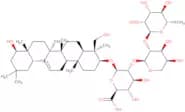
Formula:C12H10F3N3O4Purity:Min. 95%Color and Shape:PowderMolecular weight:317.22 g/molSoyasaponin II
CAS:Soyasaponin II is a naturally occurring triterpenoid saponin that is primarily extracted from soybeans, a rich source of biologically active phytochemicals. Its mode of action involves the modulation of cellular pathways and the alteration of membrane dynamics, which can affect various signaling cascades. This compound is particularly noted for its potential anti-inflammatory, antioxidant, and anticancer properties, making it a subject of extensive research in pharmacological contexts.Formula:C47H76O17Purity:Min. 98 Area-%Color and Shape:PowderMolecular weight:913.1 g/molFluvastatin sodium
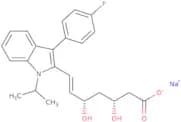
CAS:Fluvastatin is a statin that lowers blood cholesterol and triglycerides by inhibiting HMG-CoA reductase, an enzyme that plays a critical role in the synthesis of cholesterol. Fluvastatin has also been shown to reduce the incidence of myocardial infarction, and to reduce atherosclerotic lesions in animal models, reducing the incidence of cardiovascular disease. Fluvastatin also has been shown to inhibit the activation of toll-like receptor 4 (TLR4) by lipopolysaccharide (LPS), which may be related to its anti-inflammatory effects. Furthermore, through lowering blood cholesterol, Fluvastatin also inhibits tubulointerstitial injury and prevents renal damage caused by high concentrations of the lipid.
Formula:C24H25FNNaO4Purity:Min. 98%Color and Shape:Off-White PowderMolecular weight:433.45 g/molPLX 4032
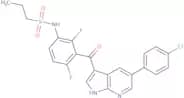
CAS:BRAF kinase inhibitor; antineoplasticFormula:C23H18ClF2N3O3SPurity:Min. 95%Color and Shape:PowderMolecular weight:489.92 g/molApixaban - Bio-X ™
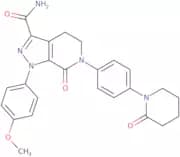
CAS:Apixaban is an anticoagulant agent used for the prophylaxis of stroke and deep vein thrombosis leading to pulmonary embolism. This drug is an inhibitor of factor Xa and prothrominase. As a result, this prevents the formation of a thrombus.Formula:C25H25N5O4Purity:Min. 95%Color and Shape:PowderMolecular weight:459.5 g/molAclidinium bromide
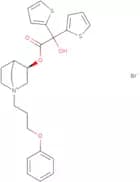
CAS:Muscarinic antagonist; bronchodilatorFormula:C26H30NO4S2·BrPurity:Min. 95 Area-%Color and Shape:Purple PowderMolecular weight:564.56 g/molRosuvastatin calcium - Bio-X ™
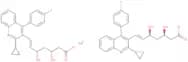
CAS:Rosuvastatin is a drug that belongs to the group of statins. It is used for the treatment of high cholesterol and as an adjunct therapy for patients with coronary heart disease. Rosuvastatin reduces serum cholesterol by inhibiting HMG-CoA reductase, which is the rate-limiting enzyme in the production of cholesterol. Furthermore, this drug has been shown to have anti-inflammatory properties, which may be due to its ability to inhibit prostaglandin synthesis.Formula:C22H27FN3O6SCaPurity:(%) Min. 95%Color and Shape:PowderMolecular weight:500.57 g/molGC376 sodium
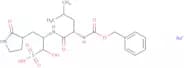
CAS:GC 376 is an inhibitor of the main protease Mpro (3CLpro) in coronaviruses as well as picornaviruses. This broad-spectrum antiviral compound has been used as investigational veterinary drug for treatment of feline infectious peritonitis virus (FIPV) infections. Recent studies also showed that GC 376 inhibits the main protease Mpro (3CLpro) from SARS-CoV-2 with IC50 of 0.03 μM and EC50 of 3.37 μM.
Formula:C21H30N3NaO8SPurity:Min. 95 Area-%Color and Shape:White PowderMolecular weight:507.53 g/molPolmacoxib
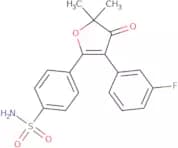
CAS:Polmacoxib is a non-steroidal anti-inflammatory drug (NSAID), which is derived through synthetic chemical processes. It functions as a selective cyclooxygenase-2 (COX-2) inhibitor. By selectively inhibiting the COX-2 enzyme, polmacoxib reduces the conversion of arachidonic acid to prostaglandins that mediate inflammation and pain, while sparing the COX-1 enzyme that protects gastric mucosa and maintains platelet function.
Formula:C18H16FNO4SPurity:Min. 95%Color and Shape:Light (Or Pale) Yellow To Yellow SolidMolecular weight:361.07841Kifunensine - Bio-X ™
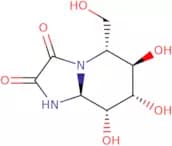
CAS:Kifunensine is a small molecule inhibitor that was designed and synthesized to inhibit plant and animal α-mannosidase I. It is a potent and specific inhibitor with IC50 in nanomolar range. It inhibits the enzyme isoforms in Golgi apparatus (GMI) and endoplasmatic reticulum (ERMI). The compound prevents mannose trimming on glycoproteins and shifts the glycoform content from complex to oligomannose type. Used for the production of recombinant therapeutic glycoproteins with mannose rich N-linked glycans.Formula:C8H12N2O6Purity:Min. 95%Color and Shape:White PowderMolecular weight:232.19 g/mol7-Desacetoxy-6,7-dehydrogedunin
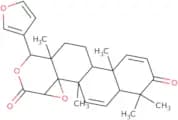
CAS:7-Desacetoxy-6,7-dehydrogedunin is a bioactive compound, which is a naturally occurring limonoid derived from the neem tree (Azadirachta indica) or related species. This compound is of particular interest due to its structural modification, which involves the removal of an acetoxy group and the introduction of a double bond in its molecular framework, enhancing its biological activity.Formula:C26H30O5Purity:Min. 95%Color and Shape:PowderMolecular weight:422.5 g/molS-Timolol maleate - Bio-X ™
CAS:Controlled ProductTimolol is an ophthalmic beta-adrenergic blocker that is used to lower the intraocular pressure in patients with glaucoma. It is also used to treat hypertension, as well as other conditions, such as arrhythmias, thyrotoxicosis and angina pectoris. The drug acts by blocking β1-receptors on the surface of heart muscle cells and blood vessels, thereby reducing the workload on the heart and lowering blood pressure.Formula:C13H24N4O3S•C4H4O4Purity:Min. 95%Color and Shape:PowderMolecular weight:432.49 g/mol6-O-Feruloylglucose
CAS:6-O-Feruloylglucose is a bioactive compound, which is a glycosylated derivative of ferulic acid. It is derived from plant sources, particularly being prevalent in the cell walls of cereals and other plant materials. The compound's mode of action is associated with its ability to act as an antioxidant, neutralizing free radicals by donating hydrogen atoms or quenching reactive oxygen species. This makes it a significant molecule in the potential prevention of oxidative stress-related conditions.Formula:C16H20O9Purity:Min. 95%Color and Shape:White PowderMolecular weight:356.32 g/molNicaraven
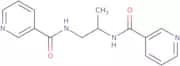
CAS:Hydroxyl radical scavenger; anti-vasospasticFormula:C15H16N4O2Purity:Min. 95%Molecular weight:284.31 g/molBDP 37
CAS:BDP 37 is a type of boron-dipyrromethene (BODIPY) dye, which is a class of fluorescent compounds known for their stability and brightness. These dyes are synthetic, designed for optimal photophysical properties, and are synthesized through the condensation of pyrrole derivatives with boron difluoride. BDP 37 operates by absorbing light and emitting fluorescence, a process facilitated by its delocalized electron system, which results in a high quantum yield and exceptional photostability. This makes it particularly well-suited for applications requiring long exposure to light.Formula:C13H13NO4Purity:Min. 95%Color and Shape:PowderMolecular weight:247.08446MDL 100907
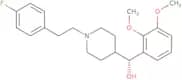
CAS:Selective antagonist of the serotonin receptors 5-HT2A with subnanomolar affinity. The compound has clozapine-like anti-psychotic properties and more favourable CNS safety profile than traditional anti-psychotics. MDL 100907 has been used in studies on antisocial behaviour in mice and shown that the blockage of 5-HT2A receptors leads to decreased post-traumatic aggression and bradycardia.
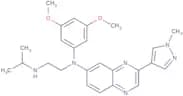
Formula:C22H28FNO3Purity:Min. 95%Color and Shape:White SolidMolecular weight:373.46 g/molErdafitinib
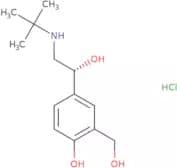
CAS:Fibroblast growth factor receptor inhibitorFormula:C25H30N6O2Purity:Min. 95%Color and Shape:White PowderMolecular weight:446.54 g/mol(R)-Albuterol hydrochloride
CAS:Controlled Product?2-adrenergic receptor agonist; bronchodilatorFormula:C13H22ClNO3Purity:Min. 95%Color and Shape:PowderMolecular weight:275.77 g/molPitolisant
CAS:Pitolisant is a selective histamine H3 receptor inverse agonist, originating from chemical research into histaminergic pathways. It works by binding to histamine H3 receptors in the brain, functioning primarily as an antagonist/inverse agonist. This action leads to increased release of neurotransmitters such as histamine, acetylcholine, and norepinephrine, which play crucial roles in wakefulness and attention.
Formula:C17H26ClNOPurity:Min. 95%Color and Shape:PowderMolecular weight:295.85 g/molVerapamil HCl - Bio-X ™
CAS:Verapamil is drug that belongs to the class of drugs known as calcium channel blockers. It is used to treat high blood pressure, angina and other cardiovascular disorders. It works by relaxing the blood vessels so that blood can flow more easily. It does this by inhibiting the calcium ion influx through slow channels into conductile, contractile myocardial cells and vascular smooth muscle cells.Formula:C27H38N2O4•HClPurity:Min. 95%Color and Shape:PowderMolecular weight:491.06 g/molMitomycin C - Bio-X ™
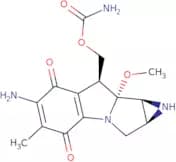
CAS:Mitomycin C is a cytotoxic agent that belongs to the class of mitomycins. It has been used for the treatment of a range of cancers and for ocular surface diseases, such as the glaucoma surgery trabeculectomy. In this case it is administered to reduce post-operative scarring which could otherwise lead to failure of the procedure. Mitomycin C is an alkylating antibiotic that inhibits DNA synthesis by cross-linking the DNA double helix. Mitomycin C also stimulates the production of transforming growth factor β1 (TGF-β1) and basic fibroblast growth factor (bFGF). Clinically, mitomycin can be used both intravenously and topically, and has been studied in a range of wound healing models.Formula:C15H18N4O5Purity:Min. 95%Color and Shape:PowderMolecular weight:334.33 g/mol7-Prenyloxycoumarin
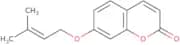
CAS:7-Prenyloxycoumarin is a naturally occurring compound, often categorized as a phytochemical, which is primarily isolated from various plant sources including the Rutaceae family. This compound exhibits intriguing biochemical properties due to its unique molecular structure, primarily the presence of a prenyloxy group attached to the coumarin core. The mode of action of 7-Prenyloxycoumarin primarily involves its ability to interact with biological membranes and proteins, leading to modulation of enzymatic activity and disruption of pathogen cell walls.Formula:C14H14O3Purity:Min. 98 Area-%Color and Shape:PowderMolecular weight:230.26 g/molTiclopidine HCl - Bio-X ™
CAS:Ticlopidine is a platelet aggregation inhibitor that is used in the prevention of conditions associated with thrombi such as stroke and ischemic attacks. This drug blocks the ADP receptor that is involved in GPIIb/IIIa receptor activation leading to platelet aggregation. By reducing platelet aggregation, ticlopidine helps prevent the formation of harmful blood clots that could block blood flow in arteries.Formula:C14H14ClNS•HClPurity:Min. 95%Color and Shape:PowderMolecular weight:300.25 g/molSarpogrelate HCl - Bio-X ™
CAS:Sarpogrelate is a serotonin antagonist drug that is used for the treatment of various diseases such as diabetes, coronary artery disease and atherosclerosis. This drug inhibits serotonin-induced platelet aggregation.Formula:C24H31NO6•HClPurity:Min. 95%Color and Shape:PowderMolecular weight:465.97 g/molVH 298
CAS:A selective VHL inhibitor that stabilizes the hydroxylated form of HIF-α, resulting in upregulation of downstream target genes and proteins. Provides a tool for studying hypoxic signaling pathway.Formula:C27H33N5O4SPurity:Min. 95%Color and Shape:PowderMolecular weight:523.65 g/molSR 4835
CAS:SR 4835 is a synthetic compound, which is an advanced molecular entity derived from extensive medicinal chemistry efforts. This compound exhibits a novel mechanism of action, targeting specific cellular pathways implicated in disease processes. SR 4835 functions by modulating enzyme activity, thus influencing intracellular signaling cascades that play a critical role in pathophysiological conditions.
Formula:C21H20Cl2N10OPurity:Min. 98 Area-%Color and Shape:PowderMolecular weight:499.36 g/molLercanidipine HCl - Bio-X ™
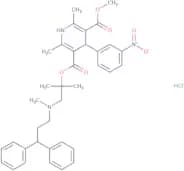
CAS:Lercanidipine is a calcium channel blocker that is used for the treatment of hypertension. This drug inhibits ion channels and interferes with the release of calcium from the sarcoplasmic reticulum. As a result, coronary and systemic arteries are dilated, allowing for an increased supply of oxygen to myocardial tissue. .Formula:C36H41N3O6•HClPurity:Min. 95%Color and Shape:PowderMolecular weight:648.19 g/molFlunarizine dihydrochloride - Bio-X ™
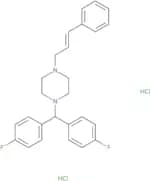
CAS:Flunarizine is calcium channel blocker that helps to reduce muscle spasms. It shows antimigraine and anticonvulsive activity. This occurs by inhibiting the influx of extracellular calcium through myocardial and vascular membrane pores by physically inhibiting the voltage-dependent calcium channels. Additionally, this drug is a D2 dopamine receptor antagonist.Formula:C26H26F2N2•(HCl)2Purity:Min. 95%Color and Shape:PowderMolecular weight:477.42 g/molDutasteride - Bio-X ™
CAS:Dutasteride is an androgenic compound and a 5α-reductase inhibitor that is used to treat benign prostatic hyperplasia (BPH) and male pattern baldness. Dutasteride reduces prostate volume and improves symptoms of BPH by inhibiting the enzyme 5α-reductase, which converts testosterone to dihydrotestosterone.Formula:C27H30F6N2O2Purity:(%) Min. 99%Color and Shape:PowderMolecular weight:528.53 g/molBRD 6989
CAS:A small molecule inhibitor with high selectivity for CDK8 over CDK19. Increases IL-10 production in stimulated human and murine macrophages and dendritic cells. Modulatory action on inflammatory responses has therapeutic potential.Formula:C16H16N4Purity:Min. 95%Color and Shape:SolidMolecular weight:264.33 g/molTizanidine HCl - Bio-X ™
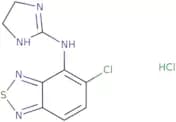
CAS:Tizanidine is an alpha-2 adrenergic agonist drug that is used in the treatment of muscle spasticity. This drug binds to alpha-2 adrenergic receptors and causes presynaptic inhibition of motor neurons. Additionally, it leads to a reduction in the release of amino acids such as glutamate and aspartate which have an excitatory effect.Formula:C9H9Cl2N5SPurity:Min. 95%Color and Shape:PowderMolecular weight:290.17 g/molDiclofenac sodium salt - Bio-X ™
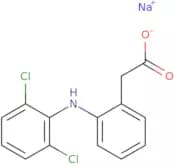
CAS:Diclofenac is a non-steroidal anti-inflammatory drug that is used to treat the signs and symptoms of arthritis and osteoarthritis. This drug inhibits COX-1 and COX-2 enzymes. As a result, it reduces pain and inflammation in joints. Diclofenac is usually used as a first line therapy for acute and chronic pain.Formula:C14H11NO2Cl2•NaPurity:Min. 95%Color and Shape:PowderMolecular weight:319.14 g/molDacomitinib
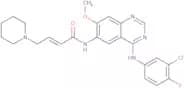
CAS:Pan-EGFR inhibitor (HER1, HER2 and HER4); antineoplasticFormula:C24H25ClFN5O2Purity:Min. 98 Area-%Color and Shape:PowderMolecular weight:469.95 g/molProcarbazine HCl - Bio-X ™
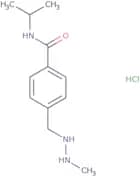
CAS:Procarbazine is an alkylating agent used in chemotherapy to treat brain cancer and Hodgkin's lymphoma. It methylates guanine in DNA which causes the strands to become prone to breakage, thus inhibiting both DNA and RNA synthesis. The drug has been shown to be effective in vitro against a variety of human carcinoma cell lines.Formula:C12H20ClN3OPurity:Min. 95%Color and Shape:PowderMolecular weight:257.76 g/molPonalrestat
CAS:Ponalrestat is an aldose reductase inhibitor, which is a synthetic compound developed for pharmacological purposes. It originates from chemical synthesis designed to target and inhibit the enzyme aldose reductase effectively. The mode of action involves the competitive inhibition of aldose reductase, an enzyme involved in the polyol pathway of glucose metabolism. By preventing the reduction of glucose to sorbitol, it reduces sorbitol accumulation associated with diabetic complications.Formula:C17H12BrFN2O3Purity:Min. 98 Area-%Color and Shape:PowderMolecular weight:391.19 g/molPitolisant hydrochloride
CAS:Pitolisant is an inverse agonist and antagonist of the histamine (H3) receptor. It acts as an allosteric modulator of the H3 receptor to increase the activity of histamine at the M1 receptor. Pitolisant has been used in the treatment of narcolepsy, schizophrenia and Alzheimer's disease. Its mechanism of action involves binding to the amide group on histamine, which increases its affinity for the H3 receptor and enhances its activity at this site. Pitolisant has been shown to improve cognitive ability and reduce fatigue in patients with Alzheimer's disease.
Formula:C17H26ClNO·HClPurity:Min. 95%Color and Shape:White Off-White PowderMolecular weight:332.31 g/molI-RW
The peptide IRW, characterised from egg protein, exhibits inhibitory properties against the angiotensin converting enzyme (ACE2) and could be used to prevent cardiovascular disease with further research. Treatment of hypertensive mice with IRW induced endothelium-dependent vasorelaxation and reduced vascular inflammation. The IRW tripeptide acts as anti-hypertensive by upregulating ACE2 activity via the Mas receptor (MasR) and upregulating Akt/eNOS signalling in the aorta. IRW also induces superoxide dismutase (SOD), catalase (CAT), and glutathione peroxidase (GPx) activity. These may play a factor in IRW's role as an anti-inflammatory. IRW shows promise as a nutraceutical for inflammatory conditions and a tool for drug development in cardiovascular disease.Purity:Min. 95%Molecular weight:1,830.9 g/molSDZ 220-581 hydrochloride
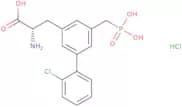
CAS:NMDA receptor antagonistFormula:C16H17ClNO5P•HClPurity:Min. 95%Molecular weight:406.2 g/molAMARA peptide
CAS:AMARA peptide is a fragment containing the phosphorylation site for AMP activated protein kinase (AMPK) and is a substrate for all AMPK subfamily kinases. As such it is used to measure AMPK related kinase activity.Purity:Min. 95%Color and Shape:PowderMolecular weight:1,541.9 g/molAxltide Peptide substrate
Axltide-is a substrate peptide for use in kinase assays and is based on the mouse insulin receptor substrate 1 (IRS1) (amino acid 979-989).IRS1 is a membrane-proximal adaptor protein, which binds to, and is phosphorylated by, the insulin receptor (IR) at its tyrosine residue. IRS1 transmits the extracellular signal for insulin to serine/threonine kinases, such as Akt which then deliver the signal into the cell to mediate the various actions of insulin.Purity:Min. 95%Color and Shape:PowderMolecular weight:1,513.7 g/molNitric oxide synthase, endothelial (492-507)
Peptide derived from the endothelial nitric oxide synthase which synthesises nitric oxide in order to protect endothelial cells from vascular diseases, atherosclerosis and thrombosis.Purity:Min. 95%Color and Shape:PowderMolecular weight:1,788.1 g/molMethotrexate sodium
CAS:Inhibitor of folate synthesis; folic acid analogueFormula:C20H22N8O5•NaxPurity:Min. 95%Molecular weight:476.42 g/molPARP1 (487-496) peptide
Amino acids 487-496 of Poly(ADP-ribose) polymerase 1 (PARP1). PARP1 is a nuclear DNA repair enzyme that binds to DNA when damage is detected. PARP1 coordinates double and single strand break repair by first cleaving NAD+ into nicotinamide and ADP-ribose, and then synthesising poly-(ADP-ribose) (PAR) chains from ADP-ribose on target proteins (PARylation). PARylation of histone proteins mediates relaxation of the chromatin and recruitment of DNA-break repair enzymes.PARP1 can also act as a transcriptional co-activator, modulating the expression of itself and many other genes by direct binding to or PARylation of enhancers and promoters. PARP1 is also involved in maintaining mtDNA.PARP1 belongs to the PARP family which has 7 known and 10 putative members. PARP1 accounts for >85% of the PARP activity in cellular systems.Purity:Min. 95%Color and Shape:PowderMolecular weight:1,106.6 g/molGSK3 (3-13)/crosstide-[S]
A glycogen synthase kinase 3β- (GSK3β-) / crosstide fragment representing the phosphorylation site on GSK3β-. GSK3β- is a serine/threonine kinase which regulates glycogen synthase activity and is a key mediator of vertebrate development, tumourigenesis and cell differentiation. GSK3β- is phosphorylated by activated AKT/protein kinase B on serine 9- promoting its inactivation.Purity:Min. 95%Color and Shape:PowderMolecular weight:1,193.6 g/molAcid alpha-glucosidase (83-99), human
Acid α-glucosidase (83-99) (human) is derived from the exogenous enzyme which degrades glycogen, maltose and isomaltose through targeting alpha -1,4 and alpha -1,6 linkages. Once synthesised in its precursor form, within the Golgi it is glycosylated and acquires mannose 6-phosphate residues. This allows it to be transported to the Lysosome in a multistep process.Pompe disease, also known as glycogen storage disease type II, can be diagnosed through the absence of acid α-glucosidase activity within patients. Therefore glycogen degradation in the lysosome is inhibited by this autosomal recessive disorder. This results in the accumulation of glycogen and tissue destruction, hence contributing to the pathologies of muscle weakness and respiratory failure, associated with infantile onset and adult onset Pompe disease.Purity:Min. 95%Molecular weight:1,844.9 g/molepsilon - PKC Inhibitor
eV1-2 is a selective εPKC inhibitor peptide which interferes with protein-protein interactions between the ϵPKC isozyme and its anchoring protein (ϵRACK). ϵPKC and ϵRACK regulate the contraction rate of heart muscle cells and provide protection from ischemia induced cell death. ϵV1-2 is derived from the C2 domain of ϵPKC, a region important for protein-protein interactions and thus acts as a competitive inhibitor of these interactions. The C2 region is well conserved between species, but different enough from other PKC isozymes to allow for targeted inhibition (ϵV1-2 is 88% identical between sea slugs and rat ϵPKC, yet only 36% identical between rat ϵPKC and rat θ´PKC). This peptide contains a C-terminal cysteine residue for conjugation to a carrier protein.Purity:Min. 95%Color and Shape:PowderMolecular weight:946.5 g/molL 838417
CAS:Selective partial GABAA receptor antagonist of subtypes α1, α2, α3, α5 subunits. Non-sedative anxiolytic effects demonstrated in vivo, without compromising motor activity. Anti-nociceptive and anti-inflammatory activities also demonstrated in vivo.Formula:C19H19F2N7OPurity:Min. 95%Color and Shape:White/Off-White SolidMolecular weight:399.4 g/molH-Ile-Pro-Pro-OH
CAS:Ile-Pro-Pro (IPP) has the ability to inhibit angiotensin-converting enzyme and stimulate the production of nitric oxide. It could be used to improve hypertension thus reducing the risk of cardiovascular diseases.Formula:C16H27N3O4Purity:Min. 95%Molecular weight:325.4 g/molNilotinib HCl monohydrate - Bio-X ™
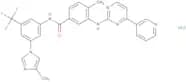
CAS:Nilotinib is a kinase inhibitor that is used for the treatment of Chronic Myeloid Leukemia (CML). This drug is also used for the treatment of CML that is resistant to imatinib. Nilotinib inhibits the tyrosine kinase activity of the BCR-ABL protein. It also inhibits PDGFR and c-kit.
Formula:C28H22F3N7O•HCl•H2OPurity:Min. 95%Color and Shape:PowderMolecular weight:583.99 g/molMBMT (136-147) human
MGMT, known as O6-methylguanine-DNA methyltransferase, is a DNA repair enzyme that plays an important role in chemoresistance to alkylating agents. MGMT repairs the toxic DNA O6-Methylguanine lesion caused by Temozolomide (TMZ), an oral alkylating agent used for the treatment of glioblastoma. MGMT repairs damaged guanine nucleotides by transferring the methyl at O6 site of guanine to its cysteine residues, thus avoiding gene mutation, cell death and tumorigenesis. The expression of MGMT gene is mainly regulated by epigenetic modification. Loss of MGMT expression is due to methylation of the CpG island of MGMT promoter.Purity:Min. 95%Molecular weight:1,314.7 g/molPARP1 (487-496)
Amino acids 487-496 of Poly(ADP-ribose) polymerase 1 (PARP1). PARP1 is a nuclear DNA repair enzyme that binds to DNA when damage is detected. PARP1 coordinates double and single strand break repair by first cleaving NAD+ into nicotinamide and ADP-ribose, and then synthesising poly-(ADP-ribose) (PAR) chains from ADP-ribose on target proteins (PARylation). PARylation of histone proteins mediates relaxation of the chromatin and recruitment of DNA-break repair enzymes.PARP1 can also act as a transcriptional co-activator, modulating the expression of itself and many other genes by direct binding to or PARylation of enhancers and promoters. PARP1 is also involved in maintaining mtDNA.PARP1 belongs to the PARP family which has 7 known and 10 putative members. PARP1 accounts for >85% of the PARP activity in cellular systems.Purity:Min. 95%Molecular weight:1,065.6 g/molSR 16832
CAS:Inhibits binding of endogenous ligands to peroxisome proliferator-activated receptor gamma (PPARγ), blocking its activation and transcription. Unlike orthosteric antagonists GW 9662 and T 0070907, SR 16832 blocks both allosteric and orthosteric activation of PPARγ.Formula:C17H12ClN3O4Purity:Min. 95%Color and Shape:SolidMolecular weight:357.75 g/molLRRKtide amide
LRRKtide (also called moesin) is a peptide substrate for leucine-rich repeat kinase 2 (LRRK2). The sequence of LRRKtide has been derived from the ERM proteins: Ezrin (amino acids 561-573), radixin (amino acids 558-570) and moesin (amino acids 539-553). These proteins influence cytoskeletal dynamics by anchoring the cytoskeleton to the plasma membrane. LRRK2 phosphorylates LRRKtide at its Thr558 site.LRRK2 is a large, ubiquitous protein of unknown function. LRRK2 has GTPase and kinase activity, and is located in multiple areas of the cell where it is found associated with intracellular membranes and vesicular structures. Its multiple cellular locations suggest that LRRK2 may be involved in several cellular pathways. LRRK2 is also found in most organs and mutations in LRRK2 have been identified in Parkinson's disease.This peptides has an amidated C-terminal end.Purity:Min. 95%Molecular weight:1,929.1 g/molPhosphorylated LRRKtide
LRRKtide (also called moesin) is a peptide substrate for leucine-rich repeat kinase 2 (LRRK2). The sequence of LRRKtide has been derived from the ERM proteins: Ezrin (amino acids 561-573), radixin (amino acids 558-570) and moesin (amino acids 539-553). These proteins influence cytoskeletal dynamics by anchoring the cytoskeleton to the plasma membrane. LRRK2 phosphorylates LRRKtide at its Thr558 site. This peptide contains the phosphorylated threonine residue.LRRK2 is a large, ubiquitous protein of unknown function. LRRK2 has GTPase and kinase activity, and is located in multiple areas of the cell, associated with intracellular membranes and vesicular structures- suggesting LRRK2 may be involved in several cellular pathways. LRRK2 is also found in most organs and mutations in LRRK2 have been identified in Parkinson's disease.The threonine residue at position 9 of this peptide has been phosphorylated.Purity:Min. 95%Color and Shape:PowderMolecular weight:2,009.1 g/mol[G]-JAK1 peptide (1015-1027)
This peptide is phosphorylated by Janus kinase 1 (JAK1) and is an ideal substrate for use in kinase assays. The JAK family of kinases is essential for the signalling of a host of immune modulators in tumour, stromal, and immune cells where they are highly expressed. JAK family proteins mediate the signalling of the interferon (IFN), IL-6, and IL-2 families of cytokines.JAK kinases are associated with cytokine receptors. Cytokine binding to these receptors results in activation of JAK kinases and receptor phosphorylation. Phosphorylated cytokine receptors recruit STAT proteins, which are then phosphorylated by the activated JAK kinases. Phosphorylated STAT proteins form homo- and hetero-dimers that translocate into the nucleus and function as transcription factors.This JAK1 substrate peptide contains an N-terminal glycine-residue.Purity:Min. 95%Color and Shape:PowderMolecular weight:1,630.8 g/molPTP1B Substrate
Substrate peptide for protein tyrosine phosphatase 1B (PTP1B)- an ubiquitously expressed non-receptor tyrosine phosphatase. PTP1B negatively regulates signalling pathways controlling metabolic homeostasis, cell proliferation and immunity (such as leptin and insulin receptor signalling), making PTP1B an interesting target for type 2 diabetes mellitus (T2DM) and obesity treatment. PTP1B also has important leptin-independent metabolic effects, playing a critical role in the regulation of inflammation, cell proliferation, differentiation and invasion. Therefore PTP1B is also interesting as a therapeutic target for inflammatory and autoimmune diseases and cancer.-For application data please see: Figure 2 supplement 1C.Purity:Min. 95%Molecular weight:1,327.5 g/molLevetiracetam - Bio-X ™
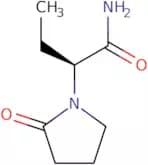
CAS:Controlled ProductLevetiracetam is a modulates the activity of the synaptic vesicle protein 2A (SV2A) in the brain and is used to treat epilepsy.It is not clear exactly how Levetiracetam affects the activity of SV2A and if this is through inhibiting the release of neurotransmitters. However, it is thought to work by binding to a specific site on SV2A, which interferes with its normal function and ultimately leads to changes in exocytosis. One of the postulated mechanisms of action is that this modulates glutamate release. Levetiracetam is used to treat certain types of seizures in people with epilepsy.
Levetiracetam is part of our Bio-X ™ Range. These products are aimed at life science researchers who need high quality ready-to-use products for assay development, screening or other R&D work. With a solubility datasheet and convenient vials, all of our Bio-X ™ products are in stock across our global warehouses for rapid delivery and ease of use.Formula:C8H14N2O2Purity:Min. 95%Color and Shape:PowderMolecular weight:170.21 g/molCDK7/9 tide Substrate
Cyclin-dependent kinases (CDKs) are a family of kinases that regulate the cell cycle and gene transcription. Cyclin-dependent kinase 7 (CDK7) forms a trimeric complex with cyclin H and MAT1, which functions as a Cdk-activating kinase (CAK) and promotes cell cycle progression. CDK7 is an essential component of the transcription factor TFIIH, involved in DNA repair. CDK7 is also implicated in mRNA processing, transcription activation, pause induction, and pause release.CDK8 associates with the mediator complex and regulates transcription via several mechanisms, including influencing binding of RNA polymerase II to the mediator complex. CDK8 phosphorylates the Notch intracellular domain, SREBP, and STAT1. Its regulatory subunit is cyclin C. CDK9 is a component of the TAK/P-TEFb complex, which phosphorylates the part of RNA polymerase II. Its regulatory subunit is cyclin T or cyclin K. CDK9 interacts with HIV-1 Tat protein and TRAF2, and is involved in the differentiation of skeletal muscle.CDKs are often over expressed in cancers and may correlate with poor prognosis. This peptide is based on the C-terminal of RNA polymerase II and is used in kinase assays.Purity:Min. 95%Color and Shape:PowderMolecular weight:2,688.3 g/molAbltide
Abltide represents the optimal substrate peptide of Abl (or c-Abl), a non-receptor tyrosine kinase (NRTK) and the oncogenic Bcr-Abl tyrosine kinase (TK) (formed via a fusion between the Abelson (Abl) TK gene and the break point cluster region protein Brc). Abl was discovered as the gene from which the Abelson leukaemia virus derived its Gag-v-Abl oncogene.TKs are critical enzymes involved in multiple signalling pathways. However, Tks can promote cancer progression when deregulated, for example deregulated TK, Bcr-Abl gives rise to chronic myeloid leukaemia (CML) and Philadelphia chromosome-positive acute lymphocytic leukaemia (Ph+ ALL).Abl is activated by various signals including: growth factors, cytokines, cell adhesion, DNA damage and oxidative stress and results in the stimulation of both pro- and anti-apoptotic roles, cell proliferation or differentiation, retraction, or migration. Abl phosphorylates a large number of functionally diverse substrates, in part due to its ability to shuttle between the cytosol and the nucleus and bind both DNA and actin&mdash-two biopolymers with fundamental roles in almost all biological processes.Purity:Min. 95%Color and Shape:PowderMolecular weight:1,263.7 g/molRNase A (8-13)
H-FERQHM-OH peptide, corresponding to RNase A 8-13 (Chain A of bovine pancreatic ribonuclease) is a non-amyloidogenic peptide, that can be used as a negative control in amyloid formation experiments together with CRB1001320.
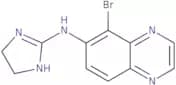
Purity:Min. 95%Molecular weight:846.4 g/molBrimonidine
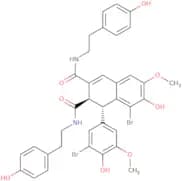
CAS:Alpha-2-adrenoceptor agonist; reduces intraocular pressureFormula:C11H10BrN5Purity:Min. 95%Color and Shape:PowderMolecular weight:292.13 g/molrel-(1R,2S)-8-Bromo-1-(3-bromo-4-hydroxy-5-methoxyphenyl)-1,2-dihydro-7-hydroxy-N2,N3-bis[2-(4-hydroxyphenyl)ethyl]-6-methoxy-2,3-na phthalenedicarboxamide
CAS:rel-(1R,2S)-8-Bromo-1-(3-bromo-4-hydroxy-5-methoxyphenyl)-1,2-dihydro-7-hydroxy-N2,N3-bis[2-(4-hydroxyphenyl)ethyl]-6-methoxy-2,3-naphthalenedicarboxamide is a synthetic chemical compound, which is derived through targeted organic synthesis and structural optimization efforts. Its source lies in advanced laboratory methodologies designed to enhance specific pharmacological properties. The mode of action is expected to involve selective interaction with particular molecular targets, potentially modulating distinct pathways related to cellular function or signaling processes.Formula:C36H34Br2N2O8Purity:Min. 95%Color and Shape:PowderMolecular weight:782.47 g/molCandesartan - Bio-X ™
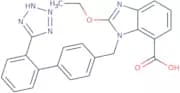
CAS:Candesartan is a drug that belongs to the class of angiotensin II receptor antagonists and is used to treat hypertension. It is used in combination therapy with other drugs, such as hydrochlorothiazide and amlodipine, to lower blood pressure. Candesartan inhibits the formation of angiotensin II, the receptor which causes vasoconstriction and increased blood pressure.
Formula:C24H20N6O3Purity:Min. 95%Color and Shape:PowderMolecular weight:440.45 g/molNrf2 (69-84)
Nuclear Factor Erythroid 2-Related Factor 2 (Nrf2) and its negative regulator Kelch-Like ECH-Associated Protein 1 (Keap1) provide vital protection in maintaining cellular redox. In parallel, Nrf2 also aids the resolution of inflammation and also tissue repair. In homeostatic conditions, the transcription factor Nrf2 is controlled in a cytoplasmic complex with Keap1 with ubiquitination and protein degradation. Nrf2 has been linked to numerous cancers due to mutations affecting the binding region of Nrf2 to Keap1, resulting in Nrf2 dissociating from the complex. Nrf2 constitutively accumulates in the nucleus and activation of prosurvival genes that promote cancer cell proliferation.The Neh2 region of Nrf2 interacts with Keap1, as shown by nuclear magnetic resonance spectroscopy. The 16 amino acid peptide (AFFAQLQLDEETGEFL) (69-84) flanks the conserved ETGE motif and can replicate the binding to keap1.Therapeutics targeting the Nrf2 signalling pathway and activation of Nrf2 is a keen area of research, with many cancers being linked to Nrf2, particularly pancreatic cancer. Additionally, activation of Nrf2 has become a possible target as a treatment for COVID. Nrf2 (69-84) replicating full-length Nrf2 binding has been helpful in all cases.Purity:Min. 95%Color and Shape:PowderMolecular weight:1,856.9 g/molNL 1
CAS:Inhibits the mitochondrial outer mebrane protein mitoNEET, anti-leukaemicFormula:C18H25NO3SPurity:Min. 95%Color and Shape:SolidMolecular weight:335.46 g/molNGI1
CAS:A cell permeable inhibitor of oligosaccharyltransferase that interferes with the transfer of mature glycan precursors to recipient proteins. Causes reduced proliferation, G1 arrest and senescence in EGFR- and FGFR-dependent non-small-cell lung carcinoma (NSCLC) cells.Formula:C17H22N4O3S2Purity:Min. 99 Area-%Molecular weight:394.51 g/molTocainide HCl - Bio-X ™
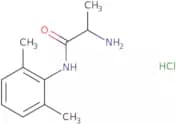
CAS:Tocainide is a class 1b antiarrhythmic agent that is used in the treatment of ventricular arrhythmias. This drug acts on sodium channels to decrease the excitability of myocardial cells. This drug also prevents the depolarization of cardiac muscle cells and prolongs their refractory period.Formula:C11H17ClN2OPurity:Min. 95%Color and Shape:PowderMolecular weight:228.72 g/molStreptavidin
CAS:Biotin-binding protein.Biotin binding capacity - min 16U/mgPurity:Min. 95%Color and Shape:White Slightly Yellow PowderRS 127445 hydrochloride
CAS:A selective antagonist of serotonin 5-HT2B receptors, inhibiting inositol phosphate formation and calcium release. Blocks 5-HT-induced contraction in rat stomach fundus. Reduces fecal output in vivo, upon inhibition of 5-HT2B by RS 127445, demonstrating a potential role for this receptor in colonic motility. Inhibits visceral hypersensitivity induced by restraint stress or colonic inflammation.Formula:C17H16FN3·HClPurity:Min. 95%Color and Shape:White To Yellow SolidMolecular weight:317.79 g/molHalofuginone hydrobromide
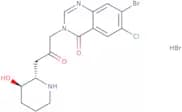
CAS:Halogenated derivative of febrifugine; coccidiostatFormula:C16H18Br2ClN3O3Purity:Min. 95%Color and Shape:White PowderMolecular weight:495.59 g/molEbrotidine
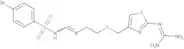
CAS:H2 receptor antagonist; gastroprotectiveFormula:C14H17BrN6O2S3Purity:Min. 95%Color and Shape:PowderMolecular weight:477.43 g/molYPSPV (EYGF-33)
During extraction of lecithin from egg yolk, peptide by-products can be isolated and purified by gel filtration. Within the by-products this has led to the discovery of biologically active value-added products. The egg yolk gel filtration (EFGF) fractions were analysed for their antioxidant and angiotensin converting enzyme (ACE) inhibitory activities. EYGF-33 predominantly contained 3 peptides - KLSDW, YPSPV, and MPVHTDAD). YPSPV in EYGF-33 was found to have minimal antioxidant activity. However, YPSPV showed notably high angiotensin converting enzyme (ACE) inhibitory activity, it exceeded the positive control captopril.Purity:Min. 95%Molecular weight:560.3 g/molTolterodine tartrate - Bio-X ™
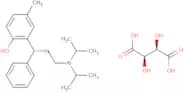
CAS:Tolterodine is a muscarinic antagonist drug that is used for the treatment of an overactive bladder and its conditions associated with that such as urine urgency and incontinence. This drug act as an antagonist at muscarinic receptors which results in inhibition of bladder contraction, decrease in detrusor pressure, and an incomplete emptying of the bladder.Formula:C22H31NO·C4H6O6Purity:Min. 95%Color and Shape:PowderMolecular weight:475.57 g/molGDC 0032
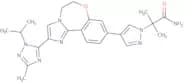
CAS:Inhibitor of PI3K kinase isoforms α, δ, and γFormula:C24H28N8O2Purity:Min. 95%Molecular weight:460.53 g/molPitavastatin calcium
CAS:Inhibitor of HMG-CoA reductase
Formula:C50H46F2N2O8CaPurity:Min. 95%Color and Shape:White Off-White PowderMolecular weight:880.98 g/molPep2-8
Proprotein convertase subtilisin/kexin type 9 (PCSK9) is negative regulator of hepatic low-density lipoprotein (LDL) receptors by promoting their degradation. This leads to an increase in plasma levels of cholesterol-LDL (LDL-c). PCSK9 binds to the LDL receptor at the epidermal growth factor precursor homology domain A (EGF-A) which leads the receptor to be targeted for degradation. Natural loss of function mutations in PCSK9 have been linked to improved coronary health and lower cholesterol levels with reduced risk of coronary heart disease. This has led to further study to find inhibitors of PCSK9 with the hope that they may be clinically relevant in the future.As discussed, PCSK9 binds to EGF-A on the LDL receptor. A peptide named pep 2-8 is a mimic of EGF-A and binds PCSK9 in the same manner observed with the LDL receptor. Pep 2-8 is a potent selective competitive inhibitor of PCSK9. Pep 2-8 restores LDL receptor function and LDL uptake of PCSK9-treated HepG2 cells. This is still an active area of research to optimise inhibition of PCSK9 for cholesterol regulation.Pep 2-8 has also been utilised as an anchor peptide in phage-display experiments to bind an extension peptide library to the groove site.Peptide Ac-TVFTSWEEYLDWV-NH2 is a Research Peptide with significant interest within the field academic and medical research. This peptide is available for purchase at Cymit Quimica in multiple sizes and with a specification of your choice.
Purity:Min. 95%Molecular weight:1,714.8 g/molPYK2 peptide substrate
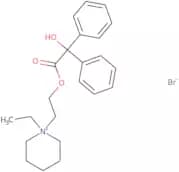
Substrate for proline-rich tyrosine kinase 2 (Pyk2)- can be used for substrate phosphorylation assays. Pyk2 is a member of the focal adhesion kinase (FAK) subfamily of cytoplasmic tyrosine kinases. Pyk2 is also known as: calcium-dependent tyrosine kinase (CADTK)- cellular adhesion kinase β- related adhesion focal tyrosine kinase (RAFTK)- or FAK2.Pyk2 functions as a scaffold protein, and it interacts with cytoplasmic proteins at focal adhesion sites to integrate different environmental signals. Pyk2 is activated by several stimuli, including elevated intracellular calcium levels, protein kinase C activation, and exposure to stress factors. Recently, Pyk2 has become a potentially important new therapeutic target or prognostic marker because overexpression of Pyk2 has been found in many human tumours.Purity:Min. 95%Molecular weight:1,938.9 g/molPipethanate ethobromide
CAS:Prostaglandin E2 (EP2) receptor antagonistFormula:C23H30NO3•BrPurity:Min. 95%Color and Shape:White PowderMolecular weight:448.39 g/molTazarotene - Bio-X ™
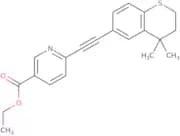
CAS:Tazarotene is an acetylenic retinoid that is used for the treatment of wrinkles, pigmentation of the skin and acne. Although, the mechanism of action for this drug is not yet fully understood, it is thought to bind to all three members of the retinoic acid receptor family. Studies have shown that this drug is associated with increased collagen production.Formula:C21H21NO2SPurity:Min. 95%Color and Shape:PowderMolecular weight:351.46 g/molRosuvastatin lactone
CAS:HMG-CoA reductase inhibitorFormula:C22H26FN3O5SPurity:Min. 98%Color and Shape:PowderMolecular weight:463.52 g/molPiracetam - Bio-X ™
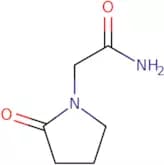
CAS:Controlled ProductPiracetam is a nootropic drug that is used for the treatment of sickle cell disease, alcohol dependence and as a cognitive enhancer. This drug is a cyclic derivative of GABA and has neuroprotective and anticonvulsant properties. Piracetam has been said to improve neuronal plasticity.Formula:C6H10N2O2Purity:Min. 95%Color and Shape:PowderMolecular weight:142.16 g/molLypressin
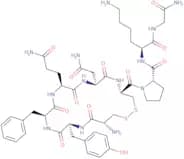
CAS:Lypressin is a synthetic nonapeptide that functions as an analog of the natural hormone vasopressin, which is endogenously produced in the posterior pituitary gland. Its primary mode of action involves binding to vasopressin receptors in the renal collecting ducts, where it promotes water reabsorption, thereby exhibiting antidiuretic effects. Additionally, Lypressin has some vasopressor activity, though it is less potent in this regard compared to natural vasopressin.Formula:C46H65N13O12S2Purity:Min. 95%Color and Shape:PowderMolecular weight:1,056.22 g/molTenatoprazole
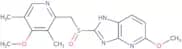
CAS:H+/K+ ATPase inhibitorFormula:C16H18N4O3SPurity:Min. 95%Color and Shape:PowderMolecular weight:346.41 g/molRiluzole - Bio-X ™
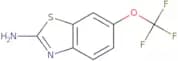
CAS:Riluzole is a glutamate antagonist that is used for the treatment of amyotrophic lateral sclerosis. This drug is also used as an anticonvulsant. Although a complete mechanism of action is unknown, it has an inhibitory effect on glutamate release and it inactivates voltage dependent sodium channels.
Formula:C8H5F3N2OSPurity:Min. 95%Color and Shape:PowderMolecular weight:234.2 g/molAutocamtide-2 Related Inhibitory Peptide
Autocamtide-2-related inhibitory peptide is a calmodulin-dependent protein kinase II (CaMKII) inhibitor.CAMK represents a class of Ca2+/calmodulin-dependent protein kinase enzymes. CAMKs are activated by increases in the concentration of intracellular calcium ions (Ca2+) and transfers phosphates from ATP to defined serine or threonine residues in other proteins. Activated CAMK is involved in the phosphorylation of transcription factors and therefore, in the regulation of expression of responding genes.Purity:Min. 95%Color and Shape:PowderMolecular weight:1,707.1 g/molERKtide amide
ERKtide Substrate Peptide.Purity:Min. 95%Color and Shape:PowderMolecular weight:1,674.9 g/molVinpocetin - Bio-X ™
CAS:Vinpocetin or Vinpocetine is a synthetic derivative of a vinca alkaloid that is used to treat symptoms of cerebrovascular diseases such as stroke and dementia. It blocks sodium channels, reduces cellular calcium influx and has shown to have antioxidant activity. Studies have also suggested that vinpocetin can inhibit phosphodiesterase- 1 (PDE-1) in isolated rabbit aorta.
Formula:C22H26N2O2Purity:Min. 95%Color and Shape:PowderMolecular weight:350.45 g/mol[CGG]-GSK3B (Human 359-409)
Amino acids 359-409 of human glycogen synthase kinase 3 β (GSKβ), a multifunctional serine/threonine kinase widely expressed in most mammalian cells. GSKβ is highly active under basal conditions and acts downstream of phosphoinositide 3-kinase (PI3K) signalling. PI3K activation results in Akt phosphorylation and the subsequent phosphorylation of GSKβ at serine-9 and its inactivation. GSKβ in turn activates the production of pro-inflammatory cytokines including IL-1β, IL-6, IL-12, IL-17, TNFalpha and IFNγ, and supresses the production of IL-10, IL-1Ra, and IFNβ by immune cells. Under resting conditions, GSKβ is constitutively active due to tyrosine-216 phosphorylation, and it phosphorylates and inhibits a diverse group of pro-oncogenic substrates, such as: β-catenin- cyclin D1- c-Jun- c-Myc and CREB. GSKβ is also involved in Wnt signalling pathways.Aberrant expression of GSKβ has been shown to promote cell growth in some cancers and to suppress it in others. GSKβ inhibition leads to the accumulation of β-catenin in the nucleus, enhancing the progression of many cancers. However the inhibition of GSKβ also induces apoptosis in various types of cancers, such as pancreatic, colorectal and bladder cancer. Inhibition of GSKβ can also have neuroprotective effects on dopaminergic neurons such as in Parkinson's disease.Purity:Min. 95%Color and Shape:PowderMolecular weight:1,658.8 g/molPNU 159682
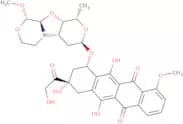
CAS:DNA alkylating agent; highly potent metabolite of nemorubicinFormula:C32H35NO13Purity:Min. 90 Area-%Color and Shape:Red PowderMolecular weight:641.62 g/molPAC 1
CAS:PAC 1 is a small-molecule apoptosis inducer, derived from synthetic sources, with a unique mode of action targeting the apoptotic pathways in cancer cells. PAC 1 functions by selectively activating procaspase-3, an inactive precursor of the caspase enzymes, which play a crucial role in the execution phase of cell apoptosis. By facilitating the conversion of procaspase-3 to its active form, PAC 1 enhances the apoptotic response in cancer cells, promoting cell death and offering potential therapeutic advantages.Formula:C23H28N4O2Purity:Min. 98 Area-%Color and Shape:White PowderMolecular weight:392.49 g/molGNE 371
CAS:A chemical probe for the dual bromodomains of human transcription-initiation-factor TFIID subunit 1 (TAF1). GNE 371 binds TAF1 with an IC50 of 10 nM and is selective over other bromodomain family members. Exerts anti-proliferative effects in synergy with BET inhibitor JQ1.
Formula:C24H25N5O3Purity:(Hplc-Ms) Min. 98 Area-%Molecular weight:431.49 g/molSEA 0400
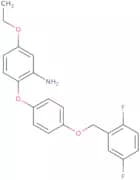
CAS:Inhibitor of Na+/Ca2+ exchanger 1Formula:C21H19F2NO3Purity:Min. 95%Color and Shape:White/Off-White SolidMolecular weight:371.38 g/molPentoxifylline
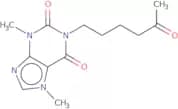
CAS:Controlled ProductPhosphodiesterase inhibitorFormula:C13H18N4O3Purity:Min. 95%Color and Shape:White PowderMolecular weight:278.31 g/molPF 06409577
CAS:Potent agonist of a1β1γ1 5′-adenosine monophosphate-activated protein kinase (AMPK). It binds to the allosteric drug and metabolite (ADaM) site at the α- and β- subunit interface of AMPK. It has potential for the treatment of diabetic nephropathy. PF 06409577 reduces infections caused by flaviviruses, mediated by changes in the metabolism of lipids in host cells.
Formula:C19H16ClNO3Purity:Min. 95%Color and Shape:White/Off-White SolidMolecular weight:341.79 g/molIQVPL (EYGF-56)
During extraction of lecithin from egg yolk, peptide by-products can be isolated and purified by gel filtration. Within the by-products this has led to the discovery of biologically active value-added products. The egg yolk gel filtration (EFGF) fractions were analysed for their antioxidant and angiotensin converting enzyme (ACE) inhibitory activities. EYGF-56 predominantly contained 3 peptides - SDNRNQGY, IQVPL, and KGLWE. IQVPL in EYGF-56 was found to have minimal antioxidant activity. YPSPV showed some angiotensin converting enzyme (ACE) inhibitory activity.Purity:Min. 95%Molecular weight:567.4 g/molKLSDW (EYGF-33)
During extraction of lecithin from egg yolk, peptide by-products can be isolated and purified by gel filtration. Within the by-products this has led to the discovery of biologically active value-added products. The egg yolk gel filtration (EFGF) fractions were analysed for their antioxidant and angiotensin converting enzyme (ACE) inhibitory activities. EYGF-33 predominantly contained 3 peptides - KLSDW, YPSPV, and MPVHTDAD). KLSDW in EYGF-33 was found to have strong antioxidant activity linked to the presence of the tryptophan residue. KLSDW had nearly comparable activity to the synthetic antioxidant BHA. KLSDW did not show any notable angiotensin converting enzyme (ACE) inhibitory activity.Purity:Min. 95%Molecular weight:646.3 g/molDAPKtide Substrate Peptide
DARKtide is a substrate peptide for death-associated protein kinase (DAPK) for use in kinases assays. DAPK is involved in several cellular pathways including: apoptosis, tumour suppression, stress response, anti-viral immunity and IL-1-associated inflammatory diseases. In C. elegans DAPK-1 regulates epidermal morphogenesis, innate immunity and wound repair.Purity:Min. 95%Color and Shape:PowderMolecular weight:1,577.9 g/molRapamycin
CAS:Rapamycin is a macrolide antibiotic that has been studied as a potential anticancer agent. It binds to FK506 binding proteins (FKBPs) to form a complex that inhibits mammalian targets of rapamycin (mTOR). Rapamycin also blocks p70 S6 kinase activation by interleukin-2 and thereby inhibits proliferation of T cells. It induces differentiation of human pluripotent stem cells (hPSCs) to mesendoderm and blood progenitor cells.Formula:C51H79NO13Purity:Min. 95 Area-%Color and Shape:White PowderMolecular weight:914.17 g/mol









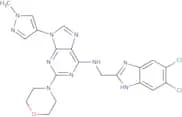

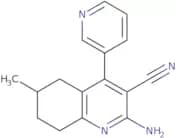



![GSK3 (3-13)/crosstide-[S]](/_next/image/?url=https%3A%2Fstatic.cymitquimica.com%2Fproducts%2F3D%2Fthumb-webp%2FCRB1000548.webp&w=3840&q=75)

![[G]-JAK1 peptide (1015-1027)](/_next/image/?url=https%3A%2Fstatic.cymitquimica.com%2Fproducts%2F3D%2Fthumb-webp%2FCRB1000479.webp&w=3840&q=75)









![[CGG]-GSK3B (Human 359-409)](/_next/image/?url=https%3A%2Fstatic.cymitquimica.com%2Fproducts%2F3D%2Fthumb-webp%2FCRB1000551.webp&w=3840&q=75)