


Organic Halides
Subcategories of "Organic Halides"
Found 20442 products of "Organic Halides"
Cyclopentyl Chloride
CAS:Controlled ProductApplications Cyclopentyl chloride (cas# 930-28-9) is a useful research chemical.
Not a dangerous good if item is equal to or less than 1g/ml and there is less than 100g/ml in the packageFormula:C5H9ClColor and Shape:NeatMolecular weight:104.58trans-1,3-Dichloropropene
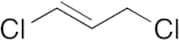
CAS:Stability Light Sensitive
Applications trans-1,3-Dichloropropene is used in a biological study to evaluate the fumigant emission and distribution in relation to soil moisture and texture.
Not a dangerous good if item is equal to or less than 1g/ml and there is less than 100g/ml in the package
References Qin, R., et al.: Chemosphere, 90, 866 (2013)Formula:C3H4Cl2Color and Shape:Clear ColourlessMolecular weight:110.97Prop-2-en-1-amine Hydrochloride
CAS:Applications PROP-2-EN-1-AMINE HCL (cas# 10017-11-5) is a useful research chemical.
Formula:C3H7N•HClColor and Shape:White to Off-White SolidMolecular weight:93.562-Iminothiolane Hydrochloride
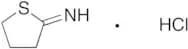
CAS:Controlled ProductApplications A valuable tool in studies of cellular organelles and oligomeric enzymes, using the techniques of protein-protein cross-linking. It may also be used to introduce reactive sulfhydryl groups into proteins for subsequent reaction with alkylating agents or heavy metal compounds.
References Perham, R.N. & Thomas, J.O.: J. Mol. Biol., 62, 415 (1971), Jue, R., et al: Biochemistry, 17, 5399 (1978)Formula:C4H7NS·ClHColor and Shape:NeatMolecular weight:137.633,4,5-Trichlorocatechol
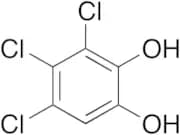
CAS:Controlled ProductApplications 3,4,5-Trichlorocatechol has found to be toxic to marine algal.
References Ertuerk, M.D., et. al.: J. Mol. Graph. Model., 38, 90 (2012)Formula:C6H3Cl3O2Color and Shape:Off-WhiteMolecular weight:213.451,2-Dichlorotrifluoroethyl Trifluoromethyl Ether
CAS:Controlled ProductStability Volatile
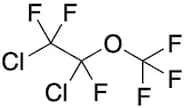
Applications 1,2-Dichlorotrifluoroethyl trifluoromethyl ether (cas# 2356-53-8) is a useful research chemical.
Not a dangerous good if item is equal to or less than 1g/ml and there is less than 100g/ml in the packageFormula:C3OF6Cl2Color and Shape:ColourlessMolecular weight:236.93Hexyl Chloroformate
CAS:Controlled ProductApplications Hexyl chloroformate is used as a derivatizing agent in organic synthesis, and is also used as a reagent to synthesize Dabigatran (D100090), an oral thrombin inhibitor used to prevent venous thromboembolism.
Not a dangerous good if item is equal to or less than 1g/ml and there is less than 100g/ml in the package
References Eerenberg, E., et al.: Circulation, 124, 1573 (2011); Eriksson, B., et al.: Lancet, 370, 949 (2007); Maurino, V., et al.: J. Am. Soc. Mass Spec., 10, 1328 (1999); Simpson, J., et al.: J. Am. Soc. Mass Spec., 6, 525 (1995); van Ryn, J., et al.: Thromb. & Haemo., 103, 1116 (2010)Formula:C7H13ClO2Color and Shape:NeatMolecular weight:164.63Tetrabromophthalic Anhydride
CAS:Controlled ProductApplications Tetrabromophthalic Anhydride is a brominated flame retardant used as additives in plastics to decrease the rate of combustion of these materials, leading to greater consumer safety.
References El-Fouly, M., et al.: Environ. Toxicol. Chem., 13, 1581 (1994), Fowles, J., et al.: Toxicology , 86, 49 (1994),Formula:C8Br4O3Color and Shape:NeatMolecular weight:463.69981-Cyclopropyl-2-(2-fluorophenyl)-2-hydroxy-ethanone
CAS:Controlled ProductApplications 1-Cyclopropyl-2-(2-fluorophenyl)-2-hydroxy-ethanone is a useful synthetic intermediate in the synthesis of Prasugrel (P701150, HCl); an antiplatelet agent.
References Wiviott, S.D., et al.: Circulation, 116, 2923 (2007); Xu, X., et al. Faming Zhuanli Shenqing. CN 102718642 A 20121010. Oct 10, 2012; Wang, G., et al. Faming Zhuanli Shenqing. CN 101402556 A 20090408. Apr 8, 2009Formula:C11H11FO2Color and Shape:NeatMolecular weight:194.2023-Chloro-2-hydroxypropyltrimethyl Ammonium Chloride (60% in Water)
CAS:Controlled ProductApplications 3-Chloro-2-hydroxypropyltrimethyl ammonium chloride is used in the preparation of multifunctional cationized cotton fabric based on TiO2 nanomaterials.
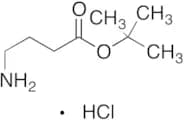
References Farouk, A., et la.: Int. J. Biol. Macromolecules, 61, 230 (2013);Formula:C6H15Cl2NOColor and Shape:Single SolutionMolecular weight:188.1tert-Butyl 4-Aminobutanoate Hydrochloride
CAS:Controlled ProductApplications Tert-butyl 4-Aminobutanoate Hydrochloride is used as a substance in the prevention of drug-induced memory impairement by immunopharmacotherapy.
References Treweek, J. B., et al.: J. Med. Chem., 51, 6866 (2008)Formula:C8H17NO2·HCiColor and Shape:NeatMolecular weight:195.69Fluoranthene
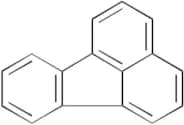
CAS:Controlled ProductApplications Fluoranthene is a commonly occurring environmental pollutant and can be classified as either a tumour initiator or a cocarcinogen in humans. Fluoranthene is widely used as an intermediate to synthesize fluorescent dyes. This compound is a contaminant of emerging concern (CECs).
Not a dangerous good if item is equal to or less than 1g/ml and there is less than 100g/ml in the package
References Hecht, S., et al.: Carcinogenesis, 16, 1433 (1995); Storer, J., et al.: Arch. Dermatol., 120, 874 (1984); Ma, X., et al.: Dyes Pigments, 82, 353 (2009)Formula:C16H10Color and Shape:NeatMolecular weight:202.252,7-Dibromo-9H-fluorene
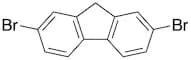
CAS:Controlled ProductApplications 2,7-Dibromo-9H-fluorene is a useful building block for organic synthesis.
Formula:C13H8Br2Color and Shape:NeatMolecular weight:324.01Dihexadecyl(dimethyl)azanium Bromide
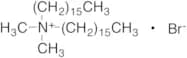
CAS:Controlled ProductApplications Dihexadecyl(dimethyl)azanium bromide is an ionic olefin derivative used in the preparation of metal-containing ionic liquids for use in particle synthesis and materials with magnetic or thermochromic properties.
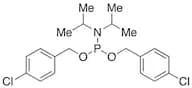
References Zabel, A.; et al.: Int. J. Mol. Sci., 17, 596/1 (2016).Formula:C34H72BrNColor and Shape:Off-WhiteMolecular weight:574.85Di-p-chlorobenzyl N,N-Diisopropylphosphoramidite
CAS:Controlled ProductStability Moisture Sensitive
Applications A versatile phosphitylating agent for the phosphorylation of hydroxy amino acids and the preparation of protected phosphopeptides.
Not a dangerous good if item is equal to or less than 1g/ml and there is less than 100g/ml in the package
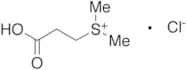
References Liskamp, R.M.J., et al.: Recl. Trav. Chim. Pays-Bas, 109, 27 (1990)Formula:C20H26Cl2NO2PColor and Shape:NeatMolecular weight:414.31(2-Carboxyethyl)dimethylsulfonium Chloride
CAS:Controlled ProductApplications (2-Carboxyethyl)dimethylsulfonium Chloride is the hydrochloride salt of Dimethylsulfoniopropionate (D479360), a metabolite produced primarily by marine phytoplankton and is the main precursor to the climatically important gas dimethylsulfide (DMS).
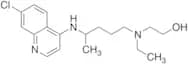
References Reisch, C.R. et al.: Front. Microb. Physiol. Metab., 1, 172 (2011); Groene, T. et al.: J. Plant Physiol., 138, 85 (1991); Tocher, C.S. et al.: Can. J. Biochem. Physiol., 44, 519 (1966);Formula:C5H11O2S·ClColor and Shape:NeatMolecular weight:170.66Hydroxychloroquine
CAS:Controlled ProductApplications An antimalarial; antirheumatic; lupus erythematosus suppressant. It is a COVID19-related research product.
References Yarden, Y., et al.: Nature, 323, 226 (1986), Seifert, R., et al.: J. Biol. Chem., 264, 8771 (1989), Gahl, W., et al.: Mol. Genet. Metab., 76, 234 (2002), Card, J., et al.: Toxicol. Sci., 75, 169 (2003),Formula:C18H26ClN3OColor and Shape:NeatMolecular weight:335.872,3,4,5,6-Pentabromophenol
CAS:Controlled ProductApplications 2,3,4,5,6-Pentabromophenol is used in the synthesis of alkyltrichlorosilane surface modifiers for biomedical applications. Also used in the synthesis of flame retardant polymers.
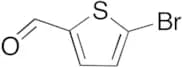
References Blaszykowski, C. et al.: Langmuir, 28, 2318 (2012); Alam, S. et al.: Ann. Tech. Conf. Soc. Plas. Engineers., 3, 2400 (2011);Formula:C6HBr5OColor and Shape:White To BrownMolecular weight:488.595-Bromo-2-thiophenecarboxaldehyde
CAS:Controlled ProductApplications 5-Bromo-2-thiophenecarboxaldehyde is used in biological studies as anti-inflammatory and anti-tumor activity of the marine mangrove Rhizophora apiculata.
References Prabhu, V.V., et al.: J. Immunotoxicol., 9, 341 (2012);Formula:C5H3BrOSColor and Shape:NeatMolecular weight:191.05Triethylamine Trihydrofluoride
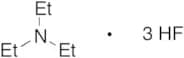
CAS:Applications Triethylamine Trihydrofluoride is used in the synthesis of modified siRNA’s in vivo used to inhibit hepatitis B replication (1). Used in RNA synthesis in the removal of t-butyldimethylsilyl protection (2). Drinking water contaminant candidate list 3 (CCL 3) compound as per United States Environmental Protection Agency (EPA). Environmental contaminants; Food contaminants.
Not a dangerous good if item is equal to or less than 1g/ml and there is less than 100g/ml in the package
References 1. Marimani M. et al.: Bioorg Med Chem. 2013 Oct 15;21(20):6145-55. 2. Westman, E. et al.: Nucleic Acids Res. 1994 Jun 25;22(12):2430-1Formula:C6H18F3NColor and Shape:Colourless To BeigeMolecular weight:161.213,3-Dimethylacryloyl Chloride
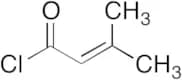
CAS:Controlled ProductApplications 3,3-Dimethylacryloyl Chloride is a reactant in the synthesis of novel 4-substituted coumarin derivative, which exhibits significant antiproliferative activity toward tumor cells.
Not a dangerous good if item is equal to or less than 1g/ml and there is less than 100g/ml in the package
References Cao, Dong., et al.: J. Med. Chem., 59, 5721-5739 (2016)Formula:C5H7ClOColor and Shape:NeatMolecular weight:118.562-Butanoylsulfanylethyl(trimethyl)azanium Chloride
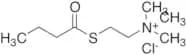
CAS:Controlled ProductApplications 2-Butanoylsulfanylethyl(trimethyl)azanium Chloride is a metabolite analyzed from the bark of Weinmannia trichosperma Cav. (Cunoniaceae), which has been used to treat chronic diarrhea, inflammation, and wounds.
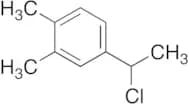
References Barrientos, R., et al.: Front. Pharmacol., 11, 780 (2020)Formula:C9H20ClNOSColor and Shape:WhiteMolecular weight:225.783,4-Dimethyl-1-(1-chloroethyl)benzene (>85%)
CAS:Controlled ProductApplications 3,4-Dimethyl-1-(1-chloroethyl)benzene is an organic reagent used in pharmaceutical synthesis requiring phenylethyl derivatives.
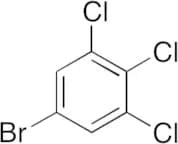
References McLennan, D. et al.: Can. J. Chem., 64, 1201 (1986);Formula:C10H13ClPurity:>85%Color and Shape:NeatMolecular weight:168.665-Bromo-1,2,3-trichlorobenzene
CAS:Controlled ProductApplications 5-Bromo-1,2,3-trichlorobenzene is a useful intermediate in the preparation of isoxazole derivatives for controlling parasites, such as Rhipicephalus sanguineous nymphs.
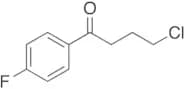
References Gauvry, Noelle., et al.: PCT Int. Appl., WO 2012120135 A1 20120913. (2012);Formula:C6H2BrCl3Color and Shape:NeatMolecular weight:260.344-Chloro-4'-fluorobutyrophenone
CAS:Controlled ProductApplications 4-Chloro-4'-fluorobutyrophenone (cas# 3874-54-2) is a compound useful in organic synthesis.
Formula:C10H10ClFOColor and Shape:NeatMolecular weight:200.64Bis(2-bromoethyl) ether
CAS:Bis(2-bromoethyl) ether is a nitrogen containing chemical that has been shown to have potential for use in the treatment of malaria. It is an enantiomer and it inhibits acetylcholinesterase, which is an enzyme that breaks down acetylcholine. Bis(2-bromoethyl) ether can be used as a reactivator in deionized water. The reactivation process is based on the nucleophilic properties of bis(2-bromoethyl) ether and its ability to form hydrogen bonds with water molecules. Bis(2-bromoethyl) ether also shows kinetic stability, which means that it does not decompose under normal conditions, even at high temperatures. In addition, bis(2-bromoethyl) ether has minimal inhibitory concentration (MIC) values against bacteria and has been shown to have anti-inflammatory properties.
Formula:C4H8Br2OPurity:Min. 98%Color and Shape:Yellow Clear LiquidMolecular weight:231.91 g/mol8-Chloro-3α,4-dihydro-6-(2-fluorophenyl)-1-methyl-3H-imidazo[1,5-α][1,4]benzo-diazepine
CAS:Controlled ProductPlease enquire for more information about 8-Chloro-3α,4-dihydro-6-(2-fluorophenyl)-1-methyl-3H-imidazo[1,5-α][1,4]benzo-diazepine including the price, delivery time and more detailed product information at the technical inquiry form on this page
Formula:C18H15ClFN3Purity:Min. 90%Color and Shape:PowderMolecular weight:327.78 g/molRivastigmine hydrochloride
CAS:Controlled ProductAcetylcholinesterase and butyrylcholinesterase inhibitor
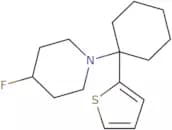
Purity:Min. 95%4-Fluoro-1-(1-(2-Thienyl)Cyclohexyl)Piperidine
CAS:Controlled ProductFluoxetine is a selective serotonin reuptake inhibitor that has been used clinically to treat depression. This drug inhibits the reuptake of serotonin, which leads to an increase in the concentration of serotonin in the synaptic cleft and an enhancement of serotonergic neurotransmission. Fluoxetine has been shown to be effective at treating insulin resistance and obesity in clinical studies. The linear calibration curve for fluoxetine was found using confocal microscopy and sequence analysis on human adipose tissue. Fluoxetine treatment increased insulin sensitivity and decreased food intake in rats with metabolic syndrome. Logistic regression was used to establish statistical significance between fluoxetine treatment and weight loss as well as insulin sensitivity. Fluoxetine was also found to increase the mitochondrial membrane potential through regulation of voltage-dependent anion channels, leading to antidepressant activity.
Formula:C15H22FNSPurity:Min. 95%Molecular weight:267.41 g/mol5-Bromothiophene-2-carboxylic acid methyl ester
CAS:5-Bromothiophene-2-carboxylic acid methyl ester is an alkene that is used in the synthesis of molybdenum trioxide and other polyhalogenated compounds. It can be prepared by alkylation of 5-bromothiophene with ethyl bromoacetate in the presence of carbon tetrachloride and a halide, such as bromine. The use of photophysical optimization has been shown to significantly improve the yield of this reaction. The reactive nature of 5-bromothiophene-2-carboxylic acid methyl ester makes it suitable for use in organic synthesis. This compound has been shown to have a positive effect on bone mass, which may be due to its ability to inhibit osteoclasts, reducing the activity of these cells that break down bone tissue.Formula:C6H5BrO2SPurity:Min. 95%Color and Shape:PowderMolecular weight:221.07 g/molEthyl 2-(4-((5-chloro-2-methoxyphenyl)amino)-3,5-thiazolyl)acetate
CAS:Please enquire for more information about Ethyl 2-(4-((5-chloro-2-methoxyphenyl)amino)-3,5-thiazolyl)acetate including the price, delivery time and more detailed product information at the technical inquiry form on this pagePurity:Min. 95%2,3-Dichlorobenzaldehyde oxime
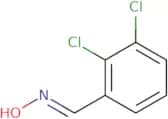
CAS:2,3-Dichlorobenzaldehyde oxime is a versatile building block and reagent in the synthesis of complex compounds. It is mainly used as a research chemical and speciality chemical. 2,3-Dichlorobenzaldehyde oxime has been widely used for the preparation of fine chemicals, pharmaceuticals, agrochemicals, and other organic compounds. This compound can be reacted with various reagents to produce useful scaffolds or reaction components.
Formula:C7H5Cl2NOPurity:Min. 95%Color and Shape:PowderMolecular weight:190.03 g/molHeptafluorobutyric acid
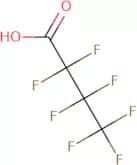
CAS:Heptafluorobutyric acid is an organic compound that belongs to the group of sodium salts. It is a colorless liquid with a boiling point of -19°C. Heptafluorobutyric acid has been shown to inhibit the growth of bacteria by reacting with hydrogen fluoride and forming fluoroheptafluoropropane, which may have toxicological effects on humans. Heptafluorobutyric acid is also used as an analytical method for determining plasma mass spectrometry in human serum samples and wastewater treatment. The toxicity of heptafluorobutyric acid has been studied in rats and mice, where it was found to cause locomotor activity depression and neurotoxic effects at high doses.Formula:C4HF7O2Color and Shape:Clear LiquidMolecular weight:214.04 g/mol2-Chloronicotinic acid
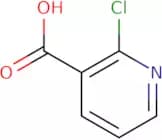
CAS:2-Chloronicotinic acid is a chemical compound that belongs to the group of phosphorus compounds. It is a colorless liquid that is soluble in water and has a pungent odor. 2-Chloronicotinic acid can be found in wastewater treatment, as it binds strongly to phosphorus compounds. It also participates in the Suzuki coupling reaction with various organometallic catalysts, such as palladium and nickel, to produce amides and n-oxides. 2-Chloronicotinic acid inhibits the growth of Pseudomonas aeruginosa and other bacteria by binding to the bacterial ribosome and inhibiting protein synthesis. 2-Chloronicotinic acid has been shown to inhibit prostaglandin synthesis, which may be due to its ability to bind nonsteroidal anti-inflammatory drugs (NSAIDs) by hydrogen bonding at their active site.Formula:C6H4ClNO2Purity:Min. 95%Color and Shape:PowderMolecular weight:157.55 g/mol4-Chlororesorcinol
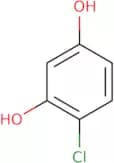
CAS:4-Chlororesorcinol is a chemical compound that has been shown to have antimicrobial properties. It inhibits the growth of bacteria by reacting with tyrosinase and other enzymes that are important for the synthesis of melanin, the pigment responsible for skin, hair, and eye color. 4-Chlororesorcinol also reacts with protocatechuic acid to form chlorprotocatecholic acid and other products. This reaction is optimal at pH 3.4 and occurs at an increased rate in the presence of calcium ions. 4-Chlororesorcinol has been shown to inhibit root formation in plants, as well as inhibiting the growth of certain fungi such as Phytophthora infestans and Rhizoctonia solani.Formula:C6H5ClO2Purity:Min. 95%Color and Shape:PowderMolecular weight:144.56 g/mol4-Bromotriphenylamine
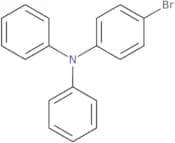
CAS:4-Bromotriphenylamine is a molecule that has two acceptor groups and one donor group. It reacts with methylamine to form the product 4,4′-dibromobutyric acid. The reaction rate of this chemical is increased by the presence of an electron withdrawing substituent on the aromatic ring such as bromine. This compound is stable at higher temperatures, but not at lower ones. When heated, it undergoes thermal expansion and molecules are forced apart from each other. The butyric acid formed in this reaction may be used to synthesize butyrate esters for use in cancer therapy or light emission systems. Light emission from this compound is due to its fluorescence properties, which depend on the chemical structure of the molecule and its environment. The efficiency of light emission is related to the number of electron-hole pairs created during excitation, which depends on the energy of incident photons and their wavelength.Formula:C18H14BrNPurity:Min. 95%Color and Shape:PowderMolecular weight:324.21 g/mol2,6-Difluorotoluene
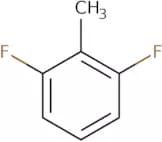
CAS:2,6-Difluorotoluene is a colorless liquid with a pleasant odor and is used as an intermediate in the production of other chemicals. It reacts with anhydrous sodium to produce 2,6-difluoroaniline at a rate that is enhanced by metal ions or chloride. The reaction system can be analyzed by vibrational spectroscopy and dihedral angles. The infrared spectrum for 2,6-difluorotoluene shows amide bonding, which has been shown to be low energy. This compound reacts rapidly with chlorine gas to form hydrogen chloride and difluorotoluene. Reaction time can be slowed by adding dipole-inhibiting groups at the ortho position on the phenyl ring.Formula:C7H6F2Purity:Min. 95%Color and Shape:Clear LiquidMolecular weight:128.12 g/molEltoprazine hydrochloride
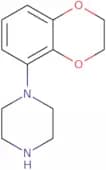
CAS:Controlled ProductEltoprazine hydrochloride is a 5-HT agonist that is used to treat chronic oral, locomotor activity disorders. It stimulates the release of dopamine and inhibits the reuptake of serotonin and norepinephrine. Eltoprazine hydrochloride binds to 5-HT1A receptors at higher doses, but has little affinity for 5-HT2 receptors. The drug also binds to gamma-aminobutyric acid (GABA) receptors, which may contribute to its effects on locomotion. Eltoprazine hydrochloride also has shown an ability to bind to the 5-HT1 receptor in vitro and has been shown to inhibit locomotor activity in CD-1 mice.Formula:C12H17ClN2O2Purity:Min. 95%Color and Shape:White To Yellow SolidMolecular weight:256.73 g/mol1-[4-(Pyridin-3-yloxy)phenyl]methanamine dihydrochloride
CAS:1-[4-(Pyridin-3-yloxy)phenyl]methanamine dihydrochloride (1-PPM) is a fine chemical, versatile building block and complex compound with research chemical applications. 1-PPM is a reagent, speciality chemical and useful building block for the synthesis of high quality organic compounds. The CAS number for 1-PPM is 1185300-26-8. 1-PPM has been used as a reaction component in the synthesis of substituted piperazines and substituted pyrrolidines, which are useful scaffolds for further modifications.Formula:C12H12N2O·2HClPurity:Min. 95%Color and Shape:PowderMolecular weight:273.16 g/molLomerizine dihydrochloride
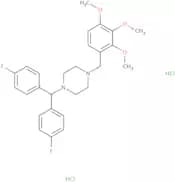
CAS:Lomerizine dihydrochloride is a basic compound that is used as an anti-arrhythmic drug. It has been shown to be effective in the treatment of congestive heart failure, while also having the effect of inhibiting neuronal death. Lomerizine dihydrochloride has been shown to inhibit the activity of various enzymes, such as 5-HT2 receptors and mitochondrial ATPase, which are involved in energy metabolism. This drug also induces autophagy by increasing cytoplasmic calcium ion concentration and inhibiting protein synthesis. Lomerizine dihydrochloride has been shown to have inhibitory properties against human serum proteins and is a substrate for phospholipase C, which leads to increased intracellular free Ca2+, preventing platelet aggregation.Formula:C27H30F2N2O3·2HClPurity:Min. 95%Color and Shape:White PowderMolecular weight:541.46 g/molIpratropium bromide
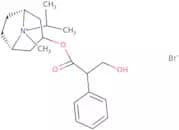
CAS:Muscarinic antagonistFormula:C20H30BrNO3Purity:Min. 95%Color and Shape:PowderMolecular weight:412.36 g/molMaprotiline hydrochloride
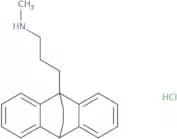
CAS:Controlled ProductNoradrenaline reuptake inhibitor; tetracyclic antidepressantFormula:C20H24ClNPurity:Min. 95%Color and Shape:PowderMolecular weight:313.86 g/molConivaptan hydrochloride
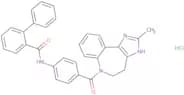
CAS:Controlled ProductConivaptan hydrochloride is a selective, orally active vasopressin receptor antagonist that has been shown to be effective in the treatment of congestive heart failure. Conivaptan hydrochloride is used in experimental models to study its efficacy and safety. The long-term efficacy of conivaptan hydrochloride was demonstrated in a chronic oral study with rats. Optimum concentrations for conivaptan hydrochloride are between 0.5 and 2 mg/kg body weight, which should be administered three times daily. In patients with hepatic impairment, the concentration–time curve of conivaptan hydrochloride may be affected so that higher doses are required to achieve the desired effect. This drug also interacts with drugs such as warfarin, beta blockers, or calcium channel blockers. Patients with high body mass index or systolic pressure should not use this medication because it can lead to serious side effects.Formula:C32H27ClN4O2Purity:Min. 95%Color and Shape:White PowderMolecular weight:535.04 g/molN-Methyl-N-phenylazetidin-3-amine hydrochloride
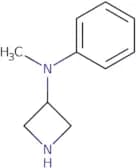
CAS:N-Methyl-N-phenylazetidin-3-amine hydrochloride is a white solid with a melting point of 175°C. It is soluble in water, ethanol, and ether. N-Methyl-N-phenylazetidin-3-amine hydrochloride is an intermediate for the synthesis of chemical compounds that are used in research and development. This compound can be used as a building block to create complex compounds with biological activity. It can also be used as a scaffold to create novel chemical compounds that have not been observed before. The quality of this chemical is high, making it suitable for research purposes.Formula:C10H15N2ClPurity:Min. 95%Color and Shape:Solid.Molecular weight:198.69 g/mol5-Bromo-2-cyano-3-nitropyridine
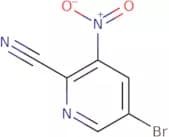
CAS:5-Bromo-2-cyano-3-nitropyridine is a medication that has been shown to be an effective inhibitor of the RET tyrosine kinase. It has been used in clinical studies to treat chronic kidney disease and has been shown to inhibit the growth of cancer cells. The molecular electrostatic potential (MEP) simulations have shown that 5-bromo-2-cyano-3-nitropyridine interacts with the reactive site of RET, inhibiting its function by binding to the nucleophilic substitutions. 5-Bromo-2-cyano-3-nitropyridine is synthesized from 2,5 dibromopyridine and 3 nitrobenzene at high yield. The molecule is chromatographically separated from impurities such as 4 bromo pyridine.Formula:C6H2BrN3O2Purity:Min. 95%Color and Shape:PowderMolecular weight:228 g/mol3-(4-Chlorophenyl)propionic acid
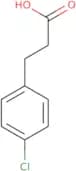
CAS:3-(4-Chlorophenyl)propionic acid is a chemical compound that is used in the preparation of gabapentin. It is an organic solvent that can be used for the calibration and sample preparation of clinical toxicology tests, as well as analytical toxicology tests. 3-(4-Chlorophenyl)propionic acid is often used as an eluant in analytical chemistry to separate organic compounds from solutions. It is also used to extract γ-aminobutyric acid (GABA).
Formula:C9H9ClO2Purity:Min. 95%Color and Shape:PowderMolecular weight:184.62 g/mol4-Fluorobenzaldehyde
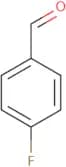
CAS:4-Fluorobenzaldehyde is an organic compound that is used in the synthesis of other chemicals. 4-Fluorobenzaldehyde has been shown to have hemolytic activity and to be a copper complex that reacts with hydrochloric acid. The reaction mechanism of 4-fluorobenzaldehyde with copper chloride is thought to involve the formation of a copper complex, which then undergoes nucleophilic attack by the trifluoroacetic acid, forming a positronium ion. This positronium ion then reacts with hydroxide ions from water, forming hydrogen peroxide and a pyrimidine compound.
Formula:C7H5FOPurity:Min. 98 Area-%Color and Shape:Colourless To Yellow LiquidMolecular weight:124.11 g/molN-Benzyl-2,4,6-triphenyl pyridinium tetrafluoroborate
CAS:N-Benzyl-2,4,6-triphenyl pyridinium tetrafluoroborate is a molecule that regulates transcriptional activity. It can be used to isolate regulatory genes from different organisms and identify the specific genes that regulate the expression of other genes. The algorithm for this process is a stepwise, stereoselective, aerobic search. This process starts with an algorithm that identifies the best possible match between the gene sequence and the database sequences. The algorithm then transfers to another stepwise and stereoselective search of the database until it finds a match. The process ends when there are no more matches in the database or when all possible combinations have been searched. N-Benzyl-2,4,6-triphenyl pyridinium tetrafluoroborate has been shown to activate Staphylococcus aureus at very low concentrations but does not cause activation of mammalian cells at these concentrations.Formula:C30H24N•BF4Purity:Min. 95%Molecular weight:485.32 g/molL-17-Hydroxylupanine perchlorate
L-17-Hydroxylupanine perchlorate is a chemical compound that can be used as a reaction component, reagent, or useful scaffold in organic synthesis. It is an intermediate for the production of complex compounds such as L-DOPA, which is used to treat Parkinson's disease. L-17-Hydroxylupanine perchlorate has been shown to be useful as a building block for the production of various fine chemicals including pharmaceuticals and pesticides.
Formula:C15H25ClN2O6Purity:Min. 95%Color and Shape:SolidMolecular weight:364.82 g/molLofexidine hydrochloride
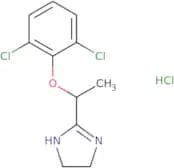
CAS:α2-adrenergic receptor agonist; used for the treatment of opiate withdrawalFormula:C11H13Cl3N2OPurity:Min. 95%Color and Shape:White PowderMolecular weight:295.59 g/mol2-Chloro-2',6'-dimethylacetanilide
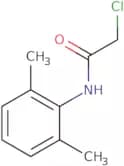
CAS:2-Chloro-2',6'-dimethylacetanilide is a synthetic drug that is used as an intermediate for the manufacture of diazepam. It has been shown to be effective in reducing the severity of symptoms and mortality rate of patients with severe influenza, also known as "pandemic flu". This compound has been shown to be effective in protecting animals from the effects of carbon monoxide poisoning. It has also been used in medicines such as covid-19, which is used for the treatment of Parkinson's disease. 2-Chloro-2',6'-dimethylacetanilide can be found in a number of other pharmaceuticals, such as antidepressants and antibiotics.Formula:C10H12ClNOPurity:Min. 95%Color and Shape:White PowderMolecular weight:197.66 g/mol3-(1,1,2,2-Tetrafluoroethoxy)aniline
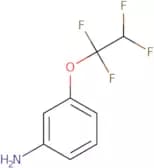
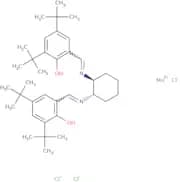
CAS:3-(1,1,2,2-Tetrafluoroethoxy)aniline is a reagent that belongs to the group of complex compounds. It has CAS No. 831-75-4 and is used as an intermediate in the synthesis of fine chemicals, useful scaffolds and building blocks. This versatile chemical can be used as a reaction component for the production of speciality chemicals and research chemicals. 3-(1,1,2,2-Tetrafluoroethoxy)aniline can be used as a starting material for the production of other reagents such as fluoroalkylating agents and fluorinating agents.Formula:C8H7F4NOPurity:Min. 95%Color and Shape:Colorless Clear LiquidMolecular weight:209.14 g/mol(S,S)-(+)-N,N'-Bis(3,5-di-tert-butylsalicylidene)-1,2-cyclohexanediaminomanganese(III) chloride
CAS:The preparation of racemic N,N'-Bis(3,5-di-tert-butylsalicylidene)-1,2-cyclohexanediaminomanganese(III) chloride (S,S)-(+)-N,N'-Bis(3,5-di-tert-butylsalicylidene)-1,2-cyclohexanediaminomanganese(III) chloride is carried out by the reaction of salicyaldehyde with manganese dioxide in acetonitrile. The mixture is heated to reflux for 3 hours. The product is purified by recrystallization from hot acetonitrile and then purified again by preparative thin layer chromatography using a chiral stationary phase. The product is obtained as a white powder in an overall yield of 52%.
The synthesis of (R)-(-)-N-(3,5-Di-tert-butylsalicylFormula:C36H52ClMnN2O2Color and Shape:PowderMolecular weight:635.2 g/mol1-(2-Chloropropanoyl)-4-(2-fluorophenyl)piperazine
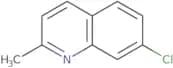
CAS:Controlled ProductPlease enquire for more information about 1-(2-Chloropropanoyl)-4-(2-fluorophenyl)piperazine including the price, delivery time and more detailed product information at the technical inquiry form on this pageFormula:C13H16ClFN2OPurity:Min. 95%Molecular weight:270.73 g/mol7-Chloroquinaldine
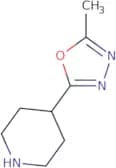
CAS:7-Chloroquinaldine is a redox potential that is used in the industrial production of quinoline. It is also used as an intermediate for the synthesis of other organic compounds, such as 7-chloroquinoline and chloroquine. The reaction generally starts with sodium hydroxide solution (NaOH) and pyridine (C5H5N), which react to form sodium pyridinium chloride (NaC5H4N+Cl−). This compound reacts with chloroform (CHCl3) to form 7-chloroquinoline and hydrochloric acid (HCl). The reaction product can be purified by crystallization or by washing with water. A Friedel-Crafts reaction is then conducted using aluminum chloride, which reacts with the 7-chloroquinolone to produce 3,4-dichloropyridine. Finally, this compound reacts with hydrogen peroxide and potassium hydroxide to produce hydrogen chlorideFormula:C10H8ClNPurity:Min. 95%Color and Shape:PowderMolecular weight:177.63 g/mol4-(5-Methyl-1,3,4-oxadiazol-2-yl)piperidine dihydrochloride
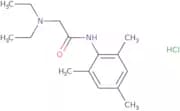
CAS:4-(5-Methyl-1,3,4-oxadiazol-2-yl)piperidine dihydrochloride is a fine chemical that is a useful building block for research chemicals and speciality chemicals. It is also a versatile intermediate for the synthesis of complex compounds with diverse structures. In addition, 4-(5-methyl-1,3,4-oxadiazol-2-yl)piperidine dihydrochloride can be used as a reagent in the synthesis of pharmaceuticals or other organic compounds. This compound has been assigned CAS No. 1993195-75-7 and its molecular formula is C9H12N2O2.Formula:C8H13N3O·2HClPurity:Min. 95 Area-%Color and Shape:PowderMolecular weight:240.13 g/molTrimecaine hydrochloride
CAS:Trimecaine hydrochloride is a local anaesthetic that can be used in the treatment of pain. It is a non-narcotic, anti-inflammatory drug that is also useful as an antipruritic and as a topical agent for the relief of itching. Trimecaine hydrochloride blocks nerve conduction by inhibiting sodium ion influx across the neuronal membrane. This prevents activation of voltage-gated sodium channels and subsequent depolarization, which leads to decreased nerve conduction. Trimecaine hydrochloride is not absorbed through intact skin and does not cause systemic toxicity or respiratory depression.
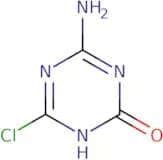
Formula:C15H24N2O•HClPurity:Min. 95%Color and Shape:PowderMolecular weight:284.82 g/mol2-Amino-4-hydroxy-6-chloro-s-triazine
CAS:2-Amino-4-hydroxy-6-chloro-s-triazine is a type strain of a chemical compound with clinical pharmacology. It is an active substance that can be used to treat cancer. 2-Amino-4-hydroxy-6-chloro-s-triazine has been shown to inhibit the growth of prostate cancer cells and phosphatase in hematopoietic cells. This drug also inhibits kinase receptor, which leads to the inhibition of protein synthesis and cell division. The reaction mechanism for 2-amino 4 hydroxy 6 chloros triazine is nucleophilic substitution.
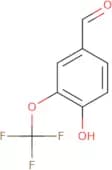
Formula:C3H3ClN4OPurity:Min. 95%Color and Shape:White PowderMolecular weight:146.53 g/mol4-Hydroxy-3-(trifluoromethoxy)benzaldehyde
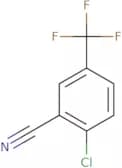
CAS:4-Hydroxy-3-(trifluoromethoxy)benzaldehyde is a chemical that modulates the toxicity of cells. It has been shown to reduce amyloid plaques in animals and humans with Alzheimer's disease, and to inhibit the formation of plaques in transgenic mice. In addition, 4-hydroxy-3-(trifluoromethoxy)benzaldehyde has been found to be a pyrimidine compound, which can be used as a potential treatment for alzheimer's disease. This substance also has an insoluble nature and is not soluble in water. Curcumin is one of the substances that may be used to dissolve this substance.Formula:C8H5F3O3Purity:Min. 95%Molecular weight:206.12 g/mol2-Chloro-5-(trifluoromethyl)benzonitrile
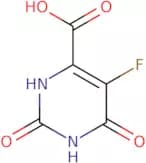
CAS:2-Chloro-5-(trifluoromethyl)benzonitrile is an organic molecule that has a molecular weight of 154.14 g/mol and a chemical formula of C6H3ClF3N. The connectivity index, or the number of bonds formed by each atom in the molecule, is 1.74. The molecular descriptors for this molecule are:Formula:C8H3ClF3NPurity:Min. 95%Molecular weight:205.56 g/mol5-Fluoroorotic acid hydrate
CAS:Selection reagent for orotidine 5'-phosphate decarboxylase mutants
Formula:C5H3FN2O4·xH2OPurity:(%) Min. 97%Color and Shape:Off-White Yellow PowderMolecular weight:174.09 g/molUlifloxacin
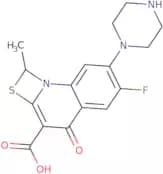
CAS:Extensive research has been conducted on the antimicrobial activity of 6-fluoro-1-methyl-4-oxo-7-(1-piperazinyl)-4H-(1,3)thiazeto(3,2a)quinoline-3-carboxylic acid (FPMT). FPMT is a levorotatory compound that is rapidly metabolized by esterases to 6FMT, which is also active against bacteria. FPMT inhibits bacterial growth, but does not inhibit mammalian cell growth. The main mechanism of action for FPMT is probably through its ability to inhibit the synthesis of bacterial DNA and RNA. This drug has been shown to be effective against sinusitis caused by bacterial rhinosinusitis and urinary tract infections caused by Escherichia coli and Pseudomonas aeruginosa. FPMT can be used as an alternative to prulifloxacin for the treatment of these types of infectionsFormula:C16H16FN3O3SPurity:Min. 98 Area-%Molecular weight:349.38 g/mol2-Bromobenzene sulfonyl chloride
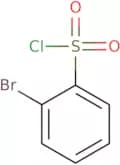
CAS:2-Bromobenzene sulfonyl chloride is a halide that reacts with electron-deficient molecules to form electrophilic bromonium ions. These electrophiles react with nucleophiles in biological systems to form covalent adducts. The reaction can be carried out in the presence of oxygen or in an inert atmosphere, and the product can be isolated by extraction or distillation. 2-Bromobenzene sulfonyl chloride has been found to be an efficient method for the synthesis of biomolecules, such as proteins and peptides, using arylation reactions. This agent also has cell-specific properties and is toxic to BV2 microglial cells but not PC3 cells.Formula:C6H4BrClO2SPurity:Min. 95%Color and Shape:White PowderMolecular weight:255.52 g/mol2,3,4,6-Tetrachloroanisole
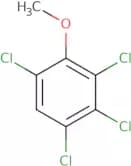
CAS:2,3,4,6-Tetrachloroanisole is a chlorinated aromatic compound that has been used as a chemical intermediate and as an additive to rubber products. It is also used as a precursor to other chemicals. 2,3,4,6-Tetrachloroanisole is found in the environment as contaminants in soil and water and may be present in foodstuffs. This chemical can be detected by gas chromatography with mass spectrometry detection or by liquid chromatography with ultraviolet detection. The matrix effect of samples needs to be considered when using these analytical methods because it can significantly affect the results. Samples need to be prepared carefully before analysis because they are often contaminated with geosmin (a natural organic compound) and carbon tetrachloride (an organic solvent). Solid phase microextraction is a technique for extracting analytes from solid matrices that does not require sample preparation prior to extraction.Formula:C7H4Cl4OPurity:Min. 95 Area-%Color and Shape:White PowderMolecular weight:245.92 g/molPhenoprolamine hydrochloride
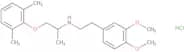
CAS:Phenoprolamine hydrochloride is a synthetic polymerase chain reaction (PCR) enhancer that enhances the efficiency of DNA replication. It can be used as an alternative to dithiothreitol and is not subject to the same limitations, such as toxicity and interference with other enzymes. Phenoprolamine hydrochloride has been shown to increase cardiac contractility in rats, although it may cause a decrease in heart rate. This agent also has been shown to improve prognosis for colorectal adenocarcinoma patients, as well as inhibit the growth of several carcinoma cell lines. This drug binds to enzymes involved in the synthesis of ester linkages, which are necessary for nucleic acid synthesis.Formula:C21H29NO3•HClPurity:Min. 95%Color and Shape:White To Off-White SolidMolecular weight:379.92 g/mol3,5-Dimethylphenylhydrazine hydrochloride
CAS:3,5-Dimethylphenylhydrazine hydrochloride is a chemical compound that is used as a reagent in biochemistry and molecular biology. It reacts with proteins to form stable covalent bonds. This reaction can be used to modify the active site of an enzyme or to create affinity labels for protein purification. 3,5-Dimethylphenylhydrazine hydrochloride can also react with a pyrrole group on the side chain of phenylalanine residues to form an affinity label that allows it to bind specifically to myoglobin. The modification of myoglobin alters its structure and its ability to bind oxygen, which results in a shift in the wavelength at which it absorbs light.
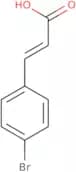
Formula:C8H12N2·HClPurity:Min. 95%Color and Shape:PowderMolecular weight:172.66 g/mol4-Bromocinnamic acid
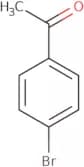
CAS:4-Bromocinnamic acid is a plant metabolite that is found in the leaves of plants belonging to the family Capparaceae. It can be extracted from these leaves using methanol as a solvent and then purified by column chromatography. 4-Bromocinnamic acid has been shown to have antitumor properties and has been studied in a model system for prostate cancer cells. This molecule also has the ability to hydrogen bond with other molecules, including dopamine, which is important for its anti-cancer activity.Formula:C9H7BrO2Purity:Min. 95%Color and Shape:PowderMolecular weight:227.05 g/mol1-(4-Bromophenyl)ethanone
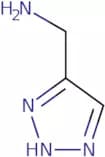
CAS:4'-Bromoacetophenone is an organic molecule with the chemical formula C6H4BrO. It can be synthesized by a variety of methods, including the reaction of benzene and trifluoroacetic acid in the presence of palladium catalysts, or by coupling acetophenone with phosphorus pentachloride. This compound has a high melting point (87-88 °C) and boiling point (280 °F). 4'-Bromoacetophenone has been shown to react with hydrogen fluoride to produce 4-bromoaniline. The molecular structure of this compound consists of a phenyl ring attached to two carbon atoms and one bromine atom. The molecular formula for 4'-bromoacetophenone is C6H3BrO. The nmr spectrum shows that this molecule contains three different types of protons: methyl, methoxy, and hydroxyl groups.Formula:C8H7BrOPurity:Min. 95%Color and Shape:PowderMolecular weight:199.04 g/mol(1H-1,2,3-Triazol-4-yl)methanamine hydrochloride
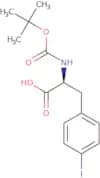
CAS:(1H-1,2,3-Triazol-4-yl)methanamine hydrochloride is a fine chemical that is used as a building block in the synthesis of other chemicals. It is soluble in water and has a solubility of 9.6g/100ml. This compound can be used to synthesize many different types of chemicals with high quality and purity. It also has a versatile scaffold with many different reactive functionalities for use in synthesis. (1H-1,2,3-Triazol-4-yl)methanamine hydrochloride has been shown to react with alcohols to produce esters and many other reactions including alkylation, nitration, and acylation.Formula:C3H6N4·HClPurity:Min. 95%Color and Shape:PowderMolecular weight:134.57 g/molBoc-4-iodo-L-phenylalanine
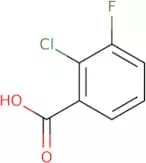
CAS:Boc-4-iodo-L-phenylalanine is a chemical compound belonging to the category of amino acid derivatives. It is widely used in research for various applications, including peptide synthesis and drug discovery. The L-phenylalanine derivative, has a Boc protecting group (tert-butoxycarbonyl) on the amino group and an iodine atom at the 4-position of the phenyl ring. The Boc group protects the amino group from unwanted reactions during peptide synthesis, while the iodine atom serves as a useful group for further modifications.Formula:C14H18IHO4Purity:Min. 95%Color and Shape:PowderMolecular weight:378.2 g/mol2-Chloro-3-fluorobenzoic acid
CAS:2-Chloro-3-fluorobenzoic acid is a common intermediate used in organic synthesis. It can be synthesized by the halogenation of 2,4-dichlorophenol with
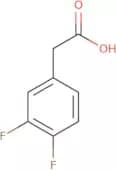
chlorine or bromine followed by nitration and reduction. This compound is an important reagent for generating various heterocycles. It is characterized by a coefficient of 0.5 (palladium), which makes it useful for analytical methods that require a high level of purity, such as spectroscopic analysis. The chemical diversity descriptor demonstrates the variety of chemical reactions that this compound has undergone during its synthesis.Formula:C7H4ClFO2Purity:Min. 95%Color and Shape:PowderMolecular weight:174.56 g/mol3,4-Difluorophenylacetic acid
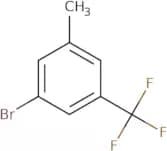
CAS:3,4-Difluorophenylacetic acid is an organic compound that is a colorless liquid with a boiling point of 173°C. It is used in the synthesis of pharmaceuticals and other organic compounds. 3,4-Difluorophenylacetic acid belongs to the group of stereoisomers and has two forms, levo and dextro. The dextro form can be separated from the levo form by chromatographic techniques. This technique involves eluting the compound with a constant solvent gradient with selectivities for different chemical properties like choline uptake or high-performance liquid chromatography. 3,4-Difluorophenylacetic acid is also found in some additives such as cerebral modifiers or supercritical modifiers.Formula:C8H6F2O2Purity:Min. 95%Color and Shape:PowderMolecular weight:172.13 g/mol3-Bromo-5-(trifluoromethyl)toluene
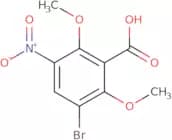
CAS:3-Bromo-5-(trifluoromethyl)toluene is a hydrolase enzyme that can hydrolyze the ester bonds in 3-bromo-5-(trifluoromethyl)toluene and other compounds. The enzyme has been shown to be active against gram-negative bacteria, including Klebsiella pneumoniae. It is not active against gram-positive bacteria such as Staphylococcus aureus or Streptococcus pneumoniae. This enzyme is classified as an antibiotic resistance framework because it can modify certain antibiotics, such as piperazine and analogs, by converting them into ligands for the active site of the enzyme. 3BFT also has biosynthesis activity in which it converts pyrophosphate to ATP and PPi.Formula:C8H6BrF3Purity:Min. 95%Color and Shape:Clear LiquidMolecular weight:239.03 g/mol3-Bromo-2,6-dimethoxy-5-nitrobenzoic acid
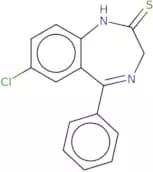
CAS:3-Bromo-2,6-dimethoxy-5-nitrobenzoic acid is a chemical component that can be used as a reagent or building block for the synthesis of other compounds. It is also an intermediate in the synthesis of pesticides and pharmaceuticals. 3-Bromo-2,6-dimethoxy-5-nitrobenzoic acid is a versatile compound with many applications in organic chemistry. This chemical has been shown to have high purity and can be used as a reaction component or reagent in research and development laboratories.Formula:C9H8BrNO6Purity:Min. 95%Color and Shape:PowderMolecular weight:306.07 g/mol7-Chloro-1,3-dihydro-5-phenyl-2H-1,4-benzodiazepine-2-thione
CAS:Controlled Product7-Chloro-1,3-dihydro-5-phenyl-2H-1,4-benzodiazepine-2-thione is a reagent that is used as a starting material for the synthesis of various organic compounds. It can be used in the production of pharmaceuticals, pesticides and other chemicals. 7CBDT has been found to be a useful scaffold for complex compounds and as a building block for fine chemicals.
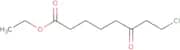
Formula:C15H11ClN2SPurity:Min. 95%Color and Shape:Yellow PowderMolecular weight:286.78 g/mol8-Chloro-6-oxo-octanoic acid ethyl ester
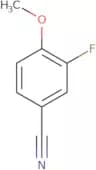
CAS:8-Chloro-6-oxo-octanoic acid ethyl ester is a chiral, thermostable and oxidizing agent that is used as an intermediate in organic synthesis. It is used to produce 8-chloro-6-oxo-octanoic acid ethyl ester, a reactive carbonyl reagent that can be used in the synthesis of amines and amides. This compound has been shown to be effective against wild type strains of E. coli as well as recombinant strains of E. coli. It also has been found to have fungicidal activity against Candida parapsilosis and Paracoccidioides brasiliensis at concentrations of 0.1 mg/mL or less.Formula:C10H17ClO3Purity:Min. 95%Color and Shape:PowderMolecular weight:220.69 g/mol3-Fluoro-4-methoxybenzonitrile
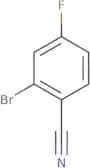
CAS:3-Fluoro-4-methoxybenzonitrile is a ferroelectric liquid crystal chiral molecule. It can be synthesized industrially by the reaction of 3-fluoro-4-methoxybenzoyl chloride with sodium methoxide. The synthesis is scalable and leads to high yields. 3-Fluoro-4-methoxybenzonitrile has been used in the synthesis of other ferroelectric liquid crystals, such as 4-(3′,5′-diiodophenyl)pentaerythritol triacrylate and 3,5′-(1H,1′H) -dibenzothiophene. This compound also displays nematic phase behavior at room temperature when in contact with a nematic director. Polarization data for this substance are available from experiments on thin films.Formula:C8H6FNOPurity:Min. 95%Color and Shape:PowderMolecular weight:151.14 g/mol2-Bromo-4-fluorobenzonitrile
CAS:2-Bromo-4-fluorobenzonitrile is a chemical compound that has the molecular formula C6H5BrF2. It is a competitive inhibitor of chaperones. This molecule also has structural isomers, including 2-bromo-4-fluoroaniline and 2,4-dichlorobenzonitrile. The clinical development of this drug for cancer treatment has been halted due to toxic effects on the heart. However, it was shown in animal studies that 2-bromo-4-fluorobenzonitrile can inhibit the growth of tumour cells in a dose dependent manner with nanomolar concentrations. It is believed that these properties are due to its ability to bind to type 1 receptors and inhibit surfactant sodium dodecyl (SDS) fluorescence.
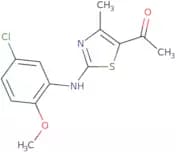
Formula:C7H3BrFNPurity:Min. 95%Molecular weight:200.01 g/mol1-(3-((5-Chloro-2-methoxyphenyl)amino)-5-methyl-2,4-thiazolyl)ethan-1-one
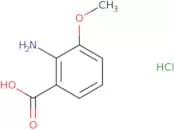
CAS:Please enquire for more information about 1-(3-((5-Chloro-2-methoxyphenyl)amino)-5-methyl-2,4-thiazolyl)ethan-1-one including the price, delivery time and more detailed product information at the technical inquiry form on this pageFormula:C13H13ClN2O2SPurity:Min. 95%Molecular weight:296.77 g/mol3-Methoxyanthranilic acid hydrochloride
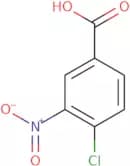
CAS:3-Methoxyanthranilic acid hydrochloride is a synthetic, monosubstituted, hydrochloric acid salt of 3-methoxyanthranilic acid and the hydrochloride. It is a colorless crystalline solid that melts at 166 degrees Celsius. 3-Methoxyanthranilic acid hydrochloride is used as an intermediate in the synthesis of caprolactam, which is then used to produce polyamide fibers. The melting point of 3-Methoxyanthranilic acid hydrochloride can be used to identify other compounds with similar structures. This compound has been shown to have antihistamine effects and may be useful for treating allergies or asthma.Formula:C8H9NO3•HClPurity:Min. 95%Color and Shape:PowderMolecular weight:203.62 g/mol4-Chloro-3-nitrobenzoic acid
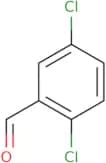
CAS:4-Chloro-3-nitrobenzoic acid is a solute that reacts with sodium hydroxide to form 4-chloro-3-nitrophenolate. It also reacts with hydrogen chloride to form 4-chloro-3-nitrobenzoyl chloride. The solubility of the compound in different solvents can be determined by experimental solubility data and structural analysis. 4-Chloro-3-nitrobenzoic acid has been shown to inhibit protein synthesis in liver cells, which may be due to its ability to bind copper ions and form a complex that inhibits the activity of copper enzymes. This compound may also react with sodium salts in the presence of heat or light, leading to the formation of an insoluble precipitate. When heated with strong acids such as hydrogen chloride, 4-chloro-3 nitrobenzoic acid reacts with benzene and forms 3,4 dinitrobenezeneFormula:C7H4ClNO4Purity:Min. 95%Color and Shape:PowderMolecular weight:201.56 g/mol2,5-Dichlorobenzaldehyde
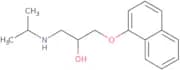
CAS:2,5-Dichlorobenzaldehyde is a molecule that is used as a building block for the synthesis of etoposide. Etoposide is an anticancer drug that has been shown to be effective against many types of cancer cells. 2,5-Dichlorobenzaldehyde has been proposed as an optical probe for detecting methyltransferase activity in vivo and in vitro. It has also been shown to inhibit the proliferation of cancer cells by binding to survivin, which plays a role in regulating apoptosis. 2,5-Dichlorobenzaldehyde can be synthesized from commercially available chemicals with asymmetric synthesis methods. The molecule can also be used for functional studies on metal ions and dipole interactions.Formula:C7H4Cl2OPurity:Min. 95%Molecular weight:175.01 g/molrac-Propranolol hydrochloride
CAS:Controlled ProductPropranolol is a beta-adrenergic receptor antagonist that is used to treat high blood pressure, chest pain and heart failure. It also has been shown to be effective in the treatment of inflammatory bowel disease (IBD). Propranolol blocks the binding of proprotein convertase subtilisin/kexin type 9 (PCSK9) to its receptors, which inhibits the production of LDL cholesterol. In humans, propranolol is metabolized through hydrolysis by esterases or glucuronidases, oxidation by cytochrome P450 enzymes, reduction by glutathione reductase, or conjugation with glucuronic acid. The drug also has a synergic effect with other drugs such as erythromycin and phenobarbital. Propranolol binds to proteins in red blood cells and decreases diastolic pressure.
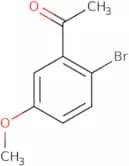
Formula:C16H22ClNO2Purity:Min. 98%Color and Shape:White PowderMolecular weight:295.8 g/mol2'-Bromo-5'-methoxyacetophenone
CAS:2'-Bromo-5'-methoxyacetophenone is a perchloric acid catalyst that can be used in the synthesis of ketones, methyl ketones, and other organic compounds. Bromination reactions are catalyzed by hypobromous acid (HOBr), which is generated from bromine and HOCl. The reaction is typically initiated with an acid catalyst such as 2'-bromo-5'-methoxyacetophenone.
Formula:C9H9BrO2Purity:Min. 95%Color and Shape:Clear LiquidMolecular weight:229.07 g/molN-(2-Indol-3-ylethyl)(4-(trifluoromethoxy)phenyl)formamide
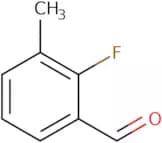
CAS:Please enquire for more information about N-(2-Indol-3-ylethyl)(4-(trifluoromethoxy)phenyl)formamide including the price, delivery time and more detailed product information at the technical inquiry form on this pageFormula:C18H15F3N2O2Purity:Min. 95%Color and Shape:PowderMolecular weight:348.32 g/mol2-Fluoro-3-methylbenzaldehyde
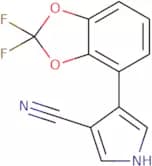
CAS:2-Fluoro-3-methylbenzaldehyde is a chemical that can be used in the synthesis of other chemicals, such as pharmaceuticals. It is a versatile building block that can be used in the synthesis of complex compounds and scaffolds. The compound has been shown to react with amines to form ureas.Formula:C8H7FOPurity:80%Molecular weight:138.14 g/mol4-(2,2-Difluoro-1,3-benzodioxol-4-yl)-1H-pyrrole-3-carbonitrile
CAS:4-(2,2-Difluoro-1,3-benzodioxol-4-yl)-1H-pyrrole-3-carbonitrile is a fungicide that inhibits the growth of fungi. It has been shown to be effective against postharvest fungal infections and synergizes with zirconium oxide. 4-(2,2-Difluoro-1,3-benzodioxol-4-yl)-1H-pyrrole-3-carbonitrile binds to copper ions and prevents ATP binding to ATP binding cassette transporter protein (ABC) transporters in fungi cells. This leads to apoptosis of these cells by inhibiting the mitochondrial electron transport chain.
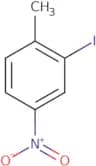
Formula:C12H6F2N2O2Purity:Min. 98 Area-%Color and Shape:PowderMolecular weight:248.19 g/mol2-Iodo-4-nitrotoluene
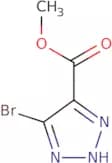
CAS:2-Iodo-4-nitrotoluene is an analytical reagent that is used in chromatographic methods for the separation of copper complexes. It reacts with copper to form a copper complex, which can be detected by UV spectroscopy. 2-Iodo-4-nitrotoluene has been used as a reagent for the detection of antimalarial activity and also as a reagent for determining the presence of amines. The technique involves reacting 2-iodo-4-nitrotoluene with ammonia or an amine, forming a nitrosoamine that can be detected by nmr spectra. This chemical is reusable and yields high purity products, making it an ideal choice for techniques involving solvents.Formula:C7H6INO2Purity:Min. 95%Color and Shape:PowderMolecular weight:263.03 g/molMethyl 5-bromo-1H-1,2,3-triazole-4-carboxylate
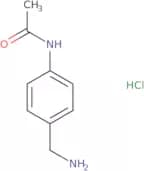
CAS:Methyl 5-bromo-1H-1,2,3-triazole-4-carboxylate is a versatile building block and research chemical that is used in the synthesis of complex compounds. It can be used as an intermediate in the synthesis of pharmaceuticals and other chemicals. Methyl 5-bromo-1H-1,2,3-triazole-4-carboxylate is a high quality reagent and scaffold for organic chemistry. This compound reacts with alcohols to form boronic esters or boronates. It also reacts with amines to form nitrile derivatives.Formula:C4H4BrN3O2Purity:Min. 95%Color and Shape:White PowderMolecular weight:206 g/mol4-Acetamidobenzylamine hydrochloride
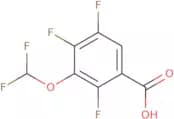
CAS:4-Acetamidobenzylamine hydrochloride is a chemical intermediate that belongs to the group of complex compounds. It is used as a reactant in the synthesis of other chemicals and can be used as a building block for the preparation of fine chemicals or research chemicals. 4-Acetamidobenzylamine hydrochloride has versatile uses due to its ability to react with many other chemical substances. This reagent also has high purity and can be used as a research tool in organic chemistry.Formula:C9H12N2O•HClPurity:Min. 95%Color and Shape:Off-White To Yellow SolidMolecular weight:200.67 g/mol3-(Difluoromethoxy)-2,4,5-trifluorobenzoic acid
CAS:3-(Difluoromethoxy)-2,4,5-trifluorobenzoic acid is an antibacterial drug that belongs to the class of fluoroquinolones. It inhibits bacterial growth by binding to DNA gyrase and topoisomerase IV enzymes in bacteria. 3-(Difluoromethoxy)-2,4,5-trifluorobenzoic acid has been shown to be active against a wide variety of bacteria and is used as a treatment for urinary tract infections and skin infections. 3-(Difluoromethoxy)-2,4,5-trifluorobenzoic acid can also be used in combination with other antibiotics such as tetrabutyl ammonium chloride to enhance their effects.Formula:C8H3F5O3Purity:Min. 95%Color and Shape:SolidMolecular weight:242.1 g/molArotinolol hydrochloride
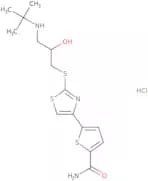
CAS:Arotinolol hydrochloride is a beta-blocker that, in contrast to propranolol, has a higher selectivity for the β1 receptor. It is used to treat hypertension and angina pectoris. Arotinolol hydrochloride lowers blood pressure by inhibiting the activity of α-adrenergic receptors, which are found in the heart and vascular smooth muscle. This inhibition reduces the release of norepinephrine and causes vasodilation. Arotinolol hydrochloride also has a positive effect on cardiac function as it decreases myocardial oxygen demand and increases coronary flow. Arotinolol hydrochloride has been shown to lower systolic pressure in anesthetized dogs with an intravenous dose of sodium citrate. The drug also lowers diastolic pressure in conscious dogs at doses of 0.5 mg/kg (0.2 mg/lb) or greater when given intravenously or subcutaneously.
Formula:C15H22ClN3O2S3Purity:Min. 98%Color and Shape:PowderMolecular weight:408 g/mol2,3-Dichlorocinnamic acid
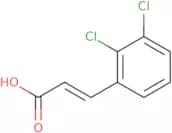
CAS:2,3-Dichlorocinnamic acid is an organic compound that can be synthesized in a multistep process involving the reaction of pyridine with sulfuryl chloride. This reaction forms 2,3-dichloropropiophenone and 2,3-dichloroacetophenone. The latter compound is converted to the desired product by reacting it with thionyl chloride. The final step involves hydrolysis of the ester group to form 2,3-dichlorocinnamic acid. 2,3-Dichlorocinnamic acid can also be synthesized from phenylpropiolic acid and chlorosulfuric acid or from methyl propiolate and chlorosulfuric acid. 2,3-Dichlorocinnamic acid is a white crystalline solid that melts at 155°C and boils at 287°C. It is soluble in water and has a low yield due toFormula:C9H6Cl2O2Purity:Min. 95%Molecular weight:217.05 g/mol3,5-Diiodothyroacetic acid
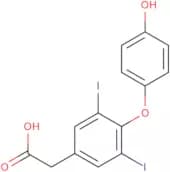
CAS:3,5-Diiodothyroacetic acid is a diphenyl ether that has been shown to have calorigenic activity in rats. This compound inhibits the conversion of thyroxine (T4) to triiodothyronine (T3) by binding to the thyroid hormone receptor and inhibiting the enzyme 3,5-diiodothyroacetic acid deiodinase. It also inhibits the conversion of T4 to reverse T3 by binding to thyroid hormone receptors and competing with thyroxine for nuclear receptors. 3,5-Diiodothyroacetic acid has been shown to be present in human serum and is thought to originate from dietary sources such as soybean products.Formula:C14H10I2O4Purity:Min. 95%Color and Shape:Off-White PowderMolecular weight:496.04 g/mol2-Amino-5-chloro-2'-fluorobenzophenone
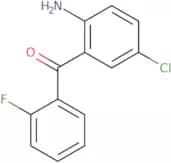
CAS:2-Amino-5-chloro-2'-fluorobenzophenone is a phenoxazine that has been used as an analytical reagent. It is also a fluorescent compound and an anxiolytic drug. 2-Amino-5-chloro-2'-fluorobenzophenone can be found in urine samples, where it may be the result of biotransformation by bacteria in the intestine or chemical reactions with nicotine or hydrochloric acid. The molecular electrostatic potentials for 2-amino-5-chloro-2'-fluorobenzophenone are calculated from vibrational spectra and the crystal x-ray diffraction pattern of its crystals. The chromatographic conditions for 2-amino-5-chloro-2'-fluorobenzophenone are determined by clinical chemistry and biodegradability, which is assessed using nmr spectra.
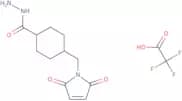
Formula:C13H9ClFNOPurity:Min. 95%Color and Shape:PowderMolecular weight:249.67 g/mol4-(Maleimidomethyl)cyclohexane-1-carboxyl-hydrazide trifluoroacetic acid
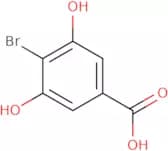
CAS:4-(Maleimidomethyl)cyclohexane-1-carboxyl-hydrazide trifluoroacetic acid is a versatile building block that is useful as a reagent and scaffold in many chemical reactions. It is used in the synthesis of complex compounds, research chemicals, and speciality chemicals. 4-(Maleimidomethyl)cyclohexane-1-carboxyl-hydrazide trifluoroacetic acid has been shown to be a high quality compound with uses as a reaction component and useful scaffold.Formula:C12H17N3O3·CF3CO2HPurity:Min. 95%Color and Shape:White PowderMolecular weight:365.31 g/mol4-Bromo-3,5-dihydroxybenzoic acid
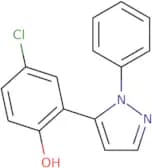
CAS:4-Bromo-3,5-dihydroxybenzoic acid (4BDHB) is a cyclopentyl hydroxyl group that is found in the brain. It is a metabolite of 4-hydroxybiphenyl and has been shown to bind to the CB2 receptor. 4BDHB has been shown to have antiinflammatory effects by inhibiting microglia activation. The structural analysis of this compound shows that it has functionalities such as hydrogen bond donor, hydrogen bond acceptor, and amide. 4BDHB also has a biphenyl backbone with two diazonium salt moieties on either side. This molecule can be synthesized using an intramolecular hydrogen shift reaction between phenol and nitrosobenzene.Formula:C7H5BrO4Purity:Min. 98.0%Color and Shape:PowderMolecular weight:233.02 g/mol5-(5-Chloro-2-hydroxyphenyl)-1-phenylpyrazole
CAS:5-(5-Chloro-2-hydroxyphenyl)-1-phenylpyrazole is a useful intermediate for the synthesis of complex compounds. It is also used as a reagent and a speciality chemical in research. 5-(5-Chloro-2-hydroxyphenyl)-1-phenylpyrazole has a CAS number of 36124-03-5. This chemical is soluble in organic solvents such as benzene, chloroform, dichloromethane, tetrahydrofuran, and toluene.Formula:C15H11ClN2OPurity:Min. 95%Color and Shape:PowderMolecular weight:270.71 g/mol7-[4-[4-(4-Fluorobenzoyl)Piperidin-1-Yl]Butyl]-1,3-Dimethylpurine-2,6-Dione
CAS:Controlled Product7-[4-[4-(4-Fluorobenzoyl)Piperidin-1-Yl]Butyl]-1,3-Dimethylpurine-2,6-Dione is a drug that belongs to the group of adenosine receptor antagonists. It has been shown to inhibit phosphodiesterase activity and is used as a pharmaceutical dosage. 7-[4-[4-(4-Fluorobenzoyl)Piperidin-1-Yl]Butyl]-1,3-Dimethylpurine-2,6-Dione has been shown to bind to the 5HT2C receptor in vitro. This drug may have therapeutic potential for obesity and type 2 diabetes mellitus treatment.Formula:C23H28FN5O3Purity:Min. 95%Molecular weight:441.5 g/mol









![8-Chloro-3α,4-dihydro-6-(2-fluorophenyl)-1-methyl-3H-imidazo[1,5-α][1,4]benzo-diazepine](/_next/image/?url=https%3A%2Fstatic.cymitquimica.com%2Fproducts%2F3D%2Fthumb-webp%2FFC36926.webp&w=3840&q=75)


![1-[4-(Pyridin-3-yloxy)phenyl]methanamine dihydrochloride](/_next/image/?url=https%3A%2Fstatic.cymitquimica.com%2Fproducts%2F3D%2Fthumb-webp%2FFP116871.webp&w=3840&q=75)




![7-[4-[4-(4-Fluorobenzoyl)Piperidin-1-Yl]Butyl]-1,3-Dimethylpurine-2,6-Dione](/_next/image/?url=https%3A%2Fstatic.cymitquimica.com%2Fproducts%2F3D%2Fthumb-webp%2FFF99814.webp&w=3840&q=75)