Organic Halides
Subcategories of "Organic Halides"
Found 20442 products of "Organic Halides"
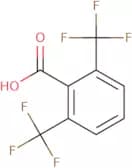
2,6-Bistrifluoromethyl benzoic acid
CAS:2,6-Bistrifluoromethyl benzoic acid is a chiral compound that can be detected in urine samples at high concentrations. The compound can be detected by high-performance liquid chromatography (HPLC) after being derivatized with methyl ester. It has been shown to have a dihedral angle of about 180° and an enantiomeric purity of 99%. The efficient method for the synthesis of 2,6-Bistrifluoromethyl benzoic acid is also described. This method involves the use of a template molecule, which is prepared from 1-phenylethyl alcohol and 4-bromobutyraldehyde. The reaction proceeds smoothly using a solvent such as benzene or toluene in the presence of sodium borohydride. After purification, 2,6-Bistrifluoromethyl benzoic acid is obtained in excellent yield and enantiomerically pureFormula:C9H4F6O2Purity:Min. 95%Color and Shape:White To Light (Or Pale) Yellow SolidMolecular weight:258.12 g/mol3-Bromo-2-methylpyridine
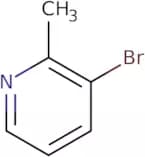
CAS:3-Bromo-2-methylpyridine is a synthetic compound that has been shown to be an effective inhibitor of the cannabinoid receptor. It is used as a postprocessing agent in hydrogenation reduction reactions and can be used for the synthesis of pharmaceuticals. 3-Bromo-2-methylpyridine has been shown to bind to the cannabinoid type 1 receptor with high affinity, but it has not been determined whether this binding leads to inhibition. The chemical structure of 3-bromo-2-methylpyridine is similar to that of other cannabinoid type 1 receptor antagonists, such as SR141716A and AM251.
Formula:C6H6BrNPurity:Min. 96 Area-%Color and Shape:PowderMolecular weight:172.02 g/mol4-(Trifluoromethyl)benzyl bromide
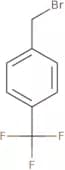
CAS:4-Trifluoromethylbenzyl bromide is a choline derivative that acts as an anticancer agent. It is structurally similar to the anticancer drug doxorubicin, which has been shown to be effective against breast cancer and leukemia. 4-Trifluoromethylbenzyl bromide interacts with cellular proteins, including choline kinase, and inhibits the mitochondrial pathway. This leads to cell death through apoptosis. The molecule also interacts with nucleotide bases such as thymine and cytosine in DNA, inhibiting transcription and replication. 4-Trifluoromethylbenzyl bromide binds strongly to the hydroxyl group of cholesterol by an electrophilic substitution mechanism to form a covalent bond with its hydroxy group. The molecule can also bind to chloride ions by an ionic bond.
Formula:C8H6BrF3Purity:Min. 95%Color and Shape:White PowderMolecular weight:239.03 g/mol2-[(4-Chlorophenyl)-2-pyridinylmethoxy]-N,N-dimethylethanamine maleate salt
CAS:Controlled Product2-[(4-Chlorophenyl)-2-pyridinylmethoxy]-N,N-dimethylethanamine maleate salt (DCLM) is a controlled-release preparation of an antihistamine that is used for the relief of allergic symptoms. It is a prodrug that is hydrolyzed to 2-[(4-chlorophenyl)-2-pyridinylmethoxy]ethanol (DCPEM) in vivo. DCLM has been shown to be effective against viruses and has been found to have receptor activity in human serum. The drug can be administered either orally or by injection. DCLM has also been shown to suppress allergic symptoms in vitro with LC-MS/MS analysis.
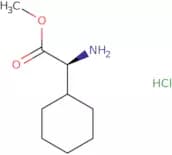
Formula:C20H23ClN2O5Purity:Min. 95%Color and Shape:White To Off-White SolidMolecular weight:406.86 g/molH-Chg-OMe hydrochloride
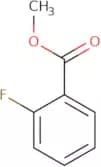
CAS:H-Chg-OMe hydrochloride is a fine chemical and reagent that is used in the synthesis of complex organic compounds and pharmaceuticals. This compound can be used as a versatile building block for a variety of reactions, such as reductive amination, reductive amination, reductive amination, and reductive amination. H-Chg-OMe hydrochloride has been shown to react with primary amines to form secondary amines. It has also been shown to react with alcohols to form ethers. CAS No. 14328-63-3Formula:C9H18ClNO2Purity:Min. 95%Color and Shape:White/Off-White SolidMolecular weight:207.7 g/mol2-Fluorobenzoic acid methyl ester
CAS:2-Fluorobenzoic acid methyl ester is a chemical compound that belongs to the group of borohydride reduction. It is a colorless liquid that can be used as a solvent for chemical reactions. 2-Fluorobenzoic acid methyl ester is used in synthetic methods, such as the reduction of benzoate to benzyl alcohol. The borohydride reduction produces a mixture of regioisomers, which can be separated by fractional distillation. 2-Fluorobenzoic acid methyl ester is also used in the synthesis of hydrogen peroxide, which is produced by the reaction of sodium borohydride with hydrogen peroxide. Hydrogen peroxide can then react with 2-fluoro benzoic acid methyl ester to produce 2-fluoro benzaldehyde and water.
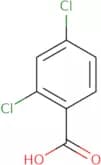
Formula:C8H7FO2Purity:Min. 95%Color and Shape:Clear LiquidMolecular weight:154.14 g/mol2,4-Dichlorobenzoic acid
CAS:2,4-Dichlorobenzoic acid is a chemical compound that is commonly used for sample preparation for analytical methods. It is also used as a nutrient in group P2 bacteria. 2,4-Dichlorobenzoic acid has coordination geometry of octahedral with the central atom being surrounded by six ligands. This chemical has hydrogen bonding interactions that are most likely due to the electronegative chlorine atoms.
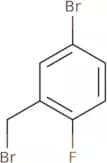
Formula:C7H4Cl2O2Purity:Min. 95%Color and Shape:PowderMolecular weight:191.01 g/mol5-Bromo-2-fluorobenzyl bromide
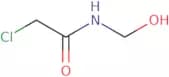
CAS:5-Bromo-2-fluorobenzyl bromide is a fine chemical that is used as an intermediate in research and development of pharmaceuticals. It can also be used as a reagent for the synthesis of pharmaceuticals, agrochemicals, and other organic compounds. 5-Bromo-2-fluorobenzyl bromide has been shown to be a versatile building block for the preparation of high quality products. CAS No. 99725-12-9Formula:C7H5Br2FPurity:Min. 95%Color and Shape:Yellow PowderMolecular weight:267.92 g/mol2-Chloro-N-(hydroxymethyl)acetamide
CAS:2-Chloro-N-(hydroxymethyl)acetamide (2CHAA) is an inhibitor that has been shown to be effective against a number of infectious diseases. 2CHAA inhibits the growth of bacteria by inhibiting the synthesis of proteins from RNA. This drug is also active against viruses, including herpes simplex virus and human immunodeficiency virus type 1, as well as fungi, such as Aspergillus niger. 2CHAA has no genotoxic effects in humans, but it does have carcinogenic potential and can cause allergic reactions. It also reacts with strong acids to form toxic compounds.
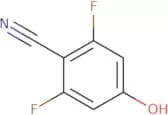
Formula:C3H6ClNO2Purity:Min. 95%Color and Shape:White PowderMolecular weight:123.54 g/mol4-Cyano-3,5-difluorophenol
CAS:4-Cyano-3,5-difluorophenol (4CF) is a mesomorphic compound that has a number of reactions with chloride. 4CF is synthesized from 3,5-difluoroaniline and the reaction product is then heated with chlorine to produce 4CF. The optimal reaction temperature is between 100°C and 120°C. When exposed to light, 4CF will react with chloride ions in the presence of heat to form a hydrophobic chlorinated product. This product reacts with proton donors such as NaOH or KOH to produce hydrogen gas. At room temperature, 4CF can be used as a gas sensor.Formula:C7H3F2NOPurity:Min. 95 Area-%Molecular weight:155.1 g/molEthyl 4,4,4-Trichloroacetoacetate
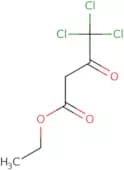
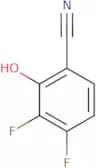
CAS:Ethyl 4,4,4-trichloroacetoacetate is a chloroalkyl compound that belongs to the class of activated esters. It is synthesized by the reaction of ethyl alcohol with chloride and potassium hydroxide in the presence of a base. The synthetic method for this compound was first developed in the mid-1930s by German chemists. This compound also has been used in the synthesis of coumarin derivatives as well as a catalyst in organic reactions. Ethyl 4,4,4-trichloroacetoacetate has been shown to be effective in treating neurodegenerative diseases such as Alzheimer's disease and Parkinson's disease.Formula:C6H7Cl3O3Purity:Min. 95%Color and Shape:Colourless To Pale Yellow LiquidMolecular weight:233.48 g/mol3,4-Difluoro-2-hydroxybenzonitrile
CAS:3,4-Difluoro-2-hydroxybenzonitrile is a fine chemical with a versatile building block. It is a useful intermediate for research chemicals and a reaction component for the synthesis of complex compounds. 3,4-Difluoro-2-hydroxybenzonitrile has been used as a reagent in the synthesis of high quality products such as antihistamines, antibiotics and cosmetics.Formula:C7H3F2NOPurity:Min. 95%Color and Shape:PowderMolecular weight:155.1 g/molTrt-cysteamine hydrochloride
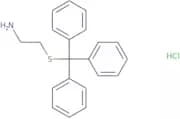
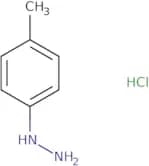
CAS:Trt-cysteamine hydrochloride is a prodrug that is metabolized to cysteamine in vivo. Cysteamine inhibits the production of tumor necrosis factor (TNF) by binding to its receptor and blocking NF-κB signaling pathways. In vitro models have shown that trt-cysteamine hydrochloride has minimal effects on cells, but when used in vivo, it can inhibit oxidative stress and induce cell death. Trt-cysteamine hydrochloride also binds to molecular targets with disulfide bonds, which may be potential therapeutic targets for cancer treatment.Formula:C21H21NS·HClPurity:Min. 95%Color and Shape:White Off-White PowderMolecular weight:355.92 g/mol4-Methylphenyl hydrazine hydrochloride
CAS:4-Methylphenyl hydrazine hydrochloride is a chemical compound that has been shown to be an effective treatment for lung tumors. It has been shown to inhibit tumorigenesis in animal models by the inhibition of angiogenesis and tumor growth. This drug is administered as a subcutaneous injection and can cause hemorrhaging, inflammation, and necrosis at the injection site. 4-Methylphenyl hydrazine hydrochloride has also been postulated to have anti-tumorigenic properties in animals.
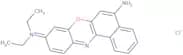
4-Methylphenyl hydrazine hydrochloride inhibits the production of adenomas and adenocarcinomas in rats when given orally or intragastrically, but not when given intravenously.Formula:C7H10N2·HClPurity:Min 98%Molecular weight:158.63 g/molNile blue chloride
CAS:Nile blue chloride is a dye used in wastewater treatment. It can be used to measure the dry weight of a sample of material. Nile blue chloride has been shown to be a reliable fluorescent probe for bacterial detection in cell culture and tissue culture, as well as for the detection of infectious diseases. This compound has also been shown to have an effect on the oxygen transport in living cells, which may be due to its high affinity for fatty acids.
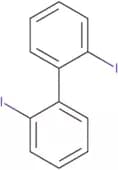
Formula:C20H20N3OClPurity:Min. 95%Color and Shape:PowderMolecular weight:353.85 g/mol2,2'-Diiodobiphenyl
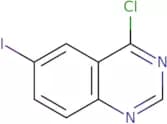
CAS:2,2'-Diiodobiphenyl is a preparative reagent that can be used to prepare diazonium salts. It is prepared by reacting an alkynyl group with an activatable probe. The product of this reaction has the same reactivity as the parent compound, but with a different spatial orientation and chemical properties. The 2,2'-diiodophenyl can be used for the preparation of carbazoles and transfer reactions. The following are some examples of 2,2'-diiodophenyl compounds: -Ethane-1,1'-dibromo-2,2'-diiodobiphenyl -Carbazole-4-carboxaldehyde -Naphthalene-1,5-dicarboxaldehydeFormula:C12H8I2Purity:Min. 95%Color and Shape:PowderMolecular weight:406 g/mol4-Chloro-6-iodoquinazoline
CAS:4-Chloro-6-iodoquinazoline is a synthetic molecule that binds to the tyrosine kinase domain of trifluoroacetic acid polymerase chain (TFPPC) and inhibits its activity. 4-Chloro-6-iodoquinazoline has been shown to have antifilarial and anti-cancer properties. In addition, it has been shown to be an effective inhibitor of epidermal growth factor (EGF), which is a potent mitogen for cells in culture. In clinical studies, 4-chloro-6-iodoquinazoline has been shown to be safe for use in humans.Formula:C8H4ClIN2Purity:Min. 95%Molecular weight:290.49 g/mol2-Bromobiphenyl
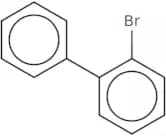
CAS:2-Bromobiphenyl is a halogenated aromatic hydrocarbon that is used in the synthesis of phenanthrene. It can be synthesized by the reaction of sodium carbonate with biphenyl and bromine. This reaction produces 2-bromobiphenyl, sodium chloride, and hydrogen bromide. The synthesis of 2-bromobiphenyl can also be achieved by the Suzuki coupling reaction of n-dimethyl formamide and boron trichloride. 2-Bromobiphenyl has a high melting point (269 degrees Celsius) and is a solid at room temperature (25 degrees Celsius). Due to its hydrophobic properties, it is insoluble in water but soluble in organic solvents such as ethylene dichloride or chloroform. 2-Bromobiphenyl is used as an analytical method for determining fatty acids in lipids, which are present in many industrial chemicals such asFormula:C12H9BrPurity:Min. 95%Color and Shape:Colourless To Yellow SolidMolecular weight:233.1 g/mol2-(Chlorophenyl)methanimine
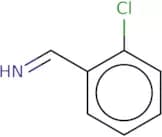
CAS:2-(Chlorophenyl)methanimine is a fine chemical with CAS No. 91589-24-1 that is used in the synthesis of other research chemicals and speciality chemicals. This compound has a high quality, complex structure, and can be used as an intermediate or scaffold for a variety of reactions. 2-(Chlorophenyl)methanimine is also versatile, as it can be used as a building block or reagent in many different reactions.Formula:C7H6ClNPurity:Min. 95%Color and Shape:PowderMolecular weight:139.58 g/molPhenylthiophosphonic Dichloride
CAS:Formula:C6H5Cl2PSPurity:>98.0%(GC)(T)Color and Shape:Colorless to Light orange to Yellow clear liquidMolecular weight:211.043,4-Difluorophenylacetonitrile
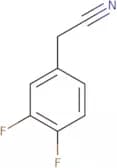
CAS:3,4-Difluorophenylacetonitrile is a fine chemical that is used as a reagent for the synthesis of complex compounds. It can be used as a useful intermediate for the production of fine chemicals and speciality chemicals. 3,4-Difluorophenylacetonitrile has been shown to be useful in the synthesis of versatile building blocks, which are reaction components that can be used in many different reactions. This compound has also been shown to be an excellent scaffold for the development of new drugs that target cancer cells.Formula:C8H5F2NPurity:Min. 95%Color and Shape:Clear LiquidMolecular weight:153.13 g/molL-2,4,5-Trifluorophenylalanine
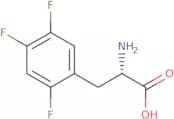
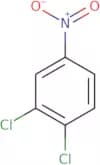
CAS:L-2,4,5-Trifluorophenylalanine is a fluorinated amino acid that can be used as a diagnostic probe for the detection of magnetic resonance imaging. L-2,4,5-Trifluorophenylalanine has been shown to have an orientation sensitive fluorescence emission in the presence of an external magnetic field. This compound can also be used as a ligand for site-specific labeling and has been studied by multidimensional spectroscopic methods. The conformational study of L-2,4,5-Trifluorophenylalanine has revealed that it has a site for binding fluorotryptophan.Formula:C9H8F3NO2Purity:Min. 95%Color and Shape:White Off-White PowderMolecular weight:219.050713,4-Dichloronitrobenzene
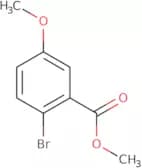
CAS:3,4-Dichloronitrobenzene (3,4-DNBP) is a chemical pesticide that inhibits the activity of glutathione s-transferase. Glutathione is an important antioxidant in the liver, which helps to remove toxic substances from the body. This pesticide also inhibits glutathione S-transferase enzyme activities and transcription polymerase chain reactions. 3,4-DNBP has high resistance to degradation by plant metabolism and has shown biological properties such as fluorescence detection and disulfide bond formation in vitro. The detoxification enzymes are not able to break down 3,4-DNBP completely because it reacts with acids to form nitrosobenzenesulfonic acid (NBS).Formula:C6H3Cl2NO2Purity:Min. 95%Color and Shape:PowderMolecular weight:192 g/mol2-Bromo-5-methoxybenzoic acid methyl ester
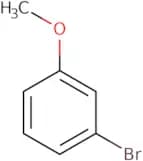
CAS:2-Bromo-5-methoxybenzoic acid methyl ester is an antibiotic with a broad spectrum of activity against bacteria, including Staphylococcus aureus and Pseudomonas aeruginosa. 2-Bromo-5-methoxybenzoic acid methyl ester is an inhibitor of the enzyme benzohydrazide, which is involved in the production of prostaglandins. This drug also has antioxidant activity and can inhibit the growth of Escherichia coli and Cereus. 2-Bromo-5-methoxybenzoic acid methyl ester has analgesic properties and was shown to have analgesic activities in animal tests.Formula:C9H9BrO3Purity:Min. 95%Color and Shape:Clear LiquidMolecular weight:245.07 g/mol3-Bromoanisole
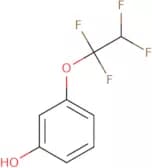
CAS:3-Bromoanisole is a chemical compound that is used as a solvent for organic reactions. It is typically used in Suzuki coupling reactions, which are employed to form carbon-carbon bonds between two organic molecules. 3-Bromoanisole has been shown to be more reactive than 2-bromoanisole and reacts with hydrogen chloride in hydrochloric acid to form the corresponding bromoalkane. 3-Bromoanisole also participates in molecular interactions by forming steric interactions with other molecules or atoms. This can be seen through molecular modeling studies, where it was observed that 3-bromoanisole interacts with the methoxy group of an adjacent molecule. The sterics of this interaction are illustrated by the increased distance between the two molecules when compared with those without bromoalkanes present.Formula:C7H7BrOPurity:Min. 95%Color and Shape:PowderMolecular weight:187.03 g/mol3-(1,1,2,2-Tetrafluoroethoxy)phenol
CAS:3-(1,1,2,2-Tetrafluoroethoxy)phenol is a versatile building block that can be used in the synthesis of complex compounds. It is also a reagent and speciality chemical and has CAS No. 53997-99-2. 3-(1,1,2,2-Tetrafluoroethoxy)phenol is a useful building block for organic synthesis and has been used as a reaction component or scaffold.
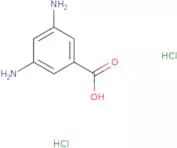
Formula:C8H6F4O2Purity:Min. 95%Molecular weight:210.13 g/mol3,5-Diaminobenzoic acid dihydrochloride
CAS:3,5-Diaminobenzoic acid dihydrochloride (DABA) is a potent inhibitor of peroxidase and has been shown to inhibit the activity of hydrogen peroxide. It has been used in medicine as an antiseptic and disinfectant. 3,5-Diaminobenzoic acid dihydrochloride also inhibits uncatalysed and catalysed reactions. The inhibition of these reactions is due to the reaction with hydrogen peroxide, which causes the formation of potent inhibitory species that are capable of reacting with other molecules. These reactions lead to a decrease in the rate of reaction. This product also exhibits potent inhibitory activity towards peroxidase and can be used for the treatment of infections caused by bacteria, such as Mycobacterium tuberculosis or Mycobacterium avium complex.Formula:C7H8N2O2·2HClMolecular weight:225.07 g/mol3-Methyl-6-nitro-2,4,5-trifluorobenzoic acid
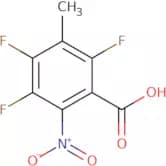
CAS:3-Methyl-6-nitrobenzoic acid is a chemical intermediate in the production of nitrobenzene, which is used as a precursor to other chemicals. It can be used for the synthesis of 3-methyl-6-nitrobenzoic acid (used in the synthesis of pesticides) and 3,5-dimethyl-2,4,6-trinitrobenzoic acid (used in the synthesis of dyes). This chemical has been recrystallized and contains less than 1% impurities such as halogens or methylbenzoic acid.Formula:C8H4F3NO4Purity:Min. 95%Molecular weight:235.12 g/mol3-(2,2-Dichlorovinyl)-2,2-dimethylcyclopropanecarboxylic acid
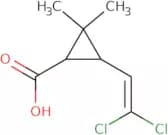
CAS:3-(2,2-Dichlorovinyl)-2,2-dimethylcyclopropanecarboxylic acid is a metabolite of the drug dextran sulfate. It is also an industrial chemical that has been used as a cross-linking agent in the manufacture of polymers and plastics. 3-(2,2-Dichlorovinyl)-2,2-dimethylcyclopropanecarboxylic acid binds to chloride ions in the blood and increases blood pressure by blocking the production of renin. This compound can be found in urine samples as a result of its excretion from the body. 3-(2,2-Dichlorovinyl)-2,2-dimethylcyclopropanecarboxylic acid has been shown to increase the levels of coagulation factors VIII and IX in human serum. It also has been shown to react with other chemicals in order to form ion pairs that can be detected using chemical ionFormula:C8H10Cl2O2Purity:Min. 95%Color and Shape:PowderMolecular weight:209.07 g/mol2-Naphthyl-3-(2-iodophenyl)propanone
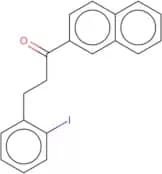
CAS:2-Naphthyl-3-(2-iodophenyl)propanone (IPA) is a chemical intermediate that can be used in the synthesis of pharmaceuticals, agrochemicals, and other organic chemicals. IPA is soluble in common solvents such as water, ethanol, ether, and acetone. It is also stable to air and light. IPA has been shown to react with aniline under basic conditions to form 2-naphthylacetanilide. This reaction component can be used in the synthesis of complex compounds such as carboxylic acid derivatives and amides.Formula:C19H15IOPurity:Min. 95%Molecular weight:386.23 g/molNesfatin-1 (human) trifluoroacetate salt
CAS:Please enquire for more information about Nesfatin-1 (human) trifluoroacetate salt including the price, delivery time and more detailed product information at the technical inquiry form on this pageFormula:C427H691N113O134Purity:Min. 95%Molecular weight:9,551.74 g/mol3-Phenylpropionyl chloride
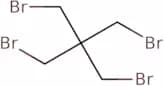
CAS:3-Phenylpropionyl chloride is an acylating agent with antimicrobial properties. It is used as a precursor in the synthesis of many pharmaceuticals, such as amines and cyclohexane derivatives. 3-Phenylpropionyl chloride is a reactive compound that can undergo an acylation reaction with nucleophilic compounds to form an n-oxide. This reaction can be catalyzed by metal ions or bases. 3-Phenylpropionyl chloride has inhibitory properties against enzymes, such as aminoglycoside acetyltransferase and carbonyl reductase. It also has shown antitumor activity in cancer cells and metabolic disorders in the liver due to its ability to inhibit glycosidic bond formation.Formula:C9H9ClOPurity:Min. 95%Color and Shape:LiquidMolecular weight:168.62 g/molTetrakis(bromomethyl)methane - 94%
CAS:Tetrakis(bromomethyl)methane is a chemical compound that contains an aromatic hydrocarbon and a hydroxyl group. It can be synthesized by reacting an aliphatic hydrocarbon with bromine in the presence of a base such as sodium carbonate. The reaction solution is acidic and can be neutralized with a base, such as sodium carbonate. Tetrakis(bromomethyl)methane has been used to crosslink polymers, such as polystyrene, for use in cell culture experiments. FT-IR spectroscopy has shown that this compound contains both nitrogen atoms and aliphatic hydrocarbons.
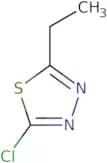
Formula:C5H8Br4Purity:(%) Min. 94%Color and Shape:Clear LiquidMolecular weight:387.73 g/mol2-Chloro-5-ethyl-1,3,4-thiadiazole
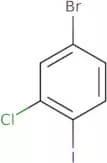
CAS:2-Chloro-5-ethyl-1,3,4-thiadiazole is a volatile organic compound that can be found in the headspace of crops and soils. It is also a metabolite produced by various fungi and bacteria. 2-Chloro-5-ethyl-1,3,4-thiadiazole has been shown to inhibit the growth of Erysiphe cichoracearum and Fusarium oxysporum f. sp. lycopersici. It has also been shown to have antiinflammatory properties in mice due to its ability to suppress the production of prostaglandins.Formula:C4H5ClN2SPurity:Min. 95%Color and Shape:Yellow PowderMolecular weight:148.61 g/mol4-Bromo-2-chloroiodobenzene
CAS:4-Bromo-2-chloroiodobenzene is a catalytic agent that is used in the synthesis of aryl halides. It is also used as a reagent for the functionalization of esters and amides. 4-Bromo-2-chloroiodobenzene has been shown to be an effective catalyst for coupling reactions between aromatic compounds and copper, as well as for cross-coupling reactions with aryl halides. This compound may be used in palladium chemistry, where it acts as a chemoselective catalyst.Formula:C6H3BrClIPurity:Min. 95%Color and Shape:PowderMolecular weight:317.35 g/molFumaryl Chloride
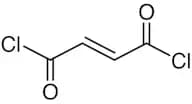
CAS:Formula:C4H2Cl2O2Purity:>95.0%(GC)(T)Color and Shape:Colorless to Light orange to Yellow clear liquidMolecular weight:152.962-Chloro-7-methoxyquinazoline
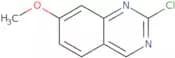
CAS:2-Chloro-7-methoxyquinazoline is a useful chemical that is used in the production of other compounds. It can be used as a building block for the synthesis of various organic compounds, such as pharmaceuticals and pesticides. This compound has been shown to have useful properties, such as high purity and low cost.Formula:C9H7ClN2OPurity:Min. 95%Color and Shape:Yellow PowderMolecular weight:194.62 g/molPerfluoro-3,6,9-trioxatridecanoic acid
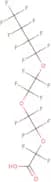
CAS:Perfluoro-3,6,9-trioxatridecanoic acid (PFOA) is a fluorinated chemical that is used in the production of zirconium oxide and other metal halides. It is processable, luminescent, and has a constant ligand. PFOA can be toxic to humans and animals through oral exposure or inhalation. PFOA may be bioaccumulated in humans and animals due to its hydrophobicity. It also has been shown to cause adverse effects on the liver and thyroid gland in rats. This chemical may have carcinogenic properties as it was found to induce tumor formation in mice following subcutaneous injection. PFOA has been shown to have toxic effects on cells grown in culture at concentrations greater than 10 μM.Formula:C10HF19O5Purity:Min. 95%Color and Shape:LiquidMolecular weight:562.08 g/mol(1R,4R)-tert-Butyl 2,5-diazabicyclo[2.2.1]heptane-2-carboxylate hydrochloride
CAS:Tert-Butyl 2,5-diazabicyclo[2.2.1]heptane-2-carboxylate hydrochloride (TBDAHC) is a fine chemical that is an intermediate for the synthesis of other compounds. TBDAHC is a versatile building block that can be used in research chemicals, reaction components, and specialty chemicals. It is also a useful scaffold for making complex compounds and useful building blocks. The compound has high quality and can be used as a reagent in organic chemistry.
Formula:C10H18N2O2·HClPurity:Min. 95%Color and Shape:White PowderMolecular weight:234.72 g/mol2-Chloro-3,4-dimethoxybenzylamine HCl
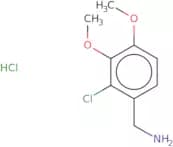
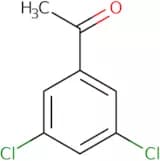
CAS:2-Chloro-3,4-dimethoxybenzylamine HCl is a fine chemical that can be used as a building block to synthesize new compounds. It is also a useful intermediate in the production of pharmaceuticals and other organic chemicals. 2-Chloro-3,4-dimethoxybenzylamine HCl has been used as a reaction component for the synthesis of various complex compounds. This compound has been shown to have high purity and quality.Formula:C9H12ClNO2·HClPurity:Min. 95%Molecular weight:238.11 g/mol3',5'-Dichloroacetophenone
CAS:3',5'-Dichloroacetophenone is a synthetic pyrazoline that is a colorless liquid with an aromatic odor. It is soluble in ethyl acetate, chloroform, benzene, and other organic solvents. 3',5'-Dichloroacetophenone has significant effects on the protonation of amines, which are compounds containing nitrogen and hydrogen. This chemical has been shown to be able to react with anions like chloride or sulfide to form hypophosphorous acid. The symmetric structure of 3',5'-dichloroacetophenone is also susceptible to halide attack and can be synthesized from phenylhydrazine and piperidine.Formula:C8H6Cl2OPurity:Min. 95%Color and Shape:LiquidMolecular weight:189.04 g/mol2-Chloro-4-methyl-6-methylsulfanylpyrimidine
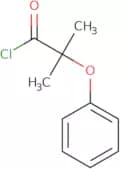
CAS:2-Chloro-4-methyl-6-methylsulfanylpyrimidine is a high quality chemical that is an intermediate for organic synthesis. It is a reagent and useful intermediate in the production of complex compounds. 2-Chloro-4-methyl-6-methylsulfanylpyrimidine has been shown to be a building block for use in synthesizing fine chemicals, pharmaceuticals, and pesticides. This compound can also be used as a reaction component for the synthesis of other chemicals, making it an important research chemical. 2-Chloro-4-methyl-6-methylsulfanylpyrimidine is soluble in water and insoluble in ethanol or ether. It has CAS No. 89466-59-1 and a molecular weight of 238.2 g/mol.br>br> 2CMSMP can be used to produce various compounds such as:Formula:C6H7ClN2SPurity:Min. 95%Color and Shape:PowderMolecular weight:174.65 g/mol2-Methyl-2-phenoxypropanoyl chloride
CAS:2-Methyl-2-phenoxypropanoyl chloride is a fine chemical that is a versatile building block used in the synthesis of research chemicals and speciality chemicals. This compound reacts with nucleophiles to form esters, amides, and nitriles, which are useful in organic syntheses. 2-Methyl-2-phenoxypropanoyl chloride is also used as an intermediate for the synthesis of other compounds, including pharmaceuticals and pesticides. The high quality of this compound makes it a desirable reagent for use in research.Formula:C10H11ClO2Purity:Min. 95%Color and Shape:PowderMolecular weight:198.65 g/mol7-Amino-3-chloro cephalosporanic acid
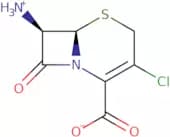
CAS:7-Amino-3-chloro cephalosporanic acid is a molecule that can be used to synthesize the drug cefaclor. It is a synthetic compound that has been shown to have anticancer activity and antibacterial activity. This molecule is an ester hydrochloride and has a bulk density of 1.2 g/cm³. 7-Amino-3-chloro cephalosporanic acid is activated by hydrochloric acid in the presence of an organic solvent, such as ethyl acetate, at room temperature. The molecule is also bioactive and its expression can be induced by adding an activator, such as sodium butyrate or benzyl alcohol, to the medium.br>br>
7-Amino-3-chloro cephalosporanic acid exhibits antibacterial activity against Gram positive bacteria, such as Bacillus subtilis and Staphylococcus epidermidFormula:C7H7ClN2O3SPurity:Min. 95%Color and Shape:PowderMolecular weight:234.66 g/mol6-Bromoisatin
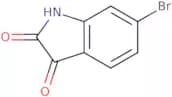
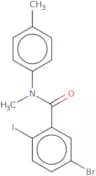
CAS:6-Bromoisatin is an antimicrobial agent that belongs to the group of ethylene diamines. It has been shown to be a potent inhibitor of cancer cell viability in vivo and can be used as a potential chemotherapy agent. 6-Bromoisatin is active against human pathogens, such as Staphylococcus aureus and Streptococcus pyogenes. This compound has also been shown to inhibit the growth of LPS-stimulated RAW264.7 macrophages, which are used in vitro for studying innate immunity. The mechanism of action involves inhibition of cyclic AMP production, which leads to cell death in cancer cells. 6-Bromoisatin also inhibits the proliferation and viability of granulosa cells and carcinoma cells, with IC50 values in the range of 0.5 - 2 µM.END>>Formula:C8H4BrNO2Purity:Min. 95%Color and Shape:Yellow PowderMolecular weight:226.03 g/mol2-Iodo-N-methyl-N-p-tolylbenzamide
CAS:2-Iodo-N-methyl-N-p-tolylbenzamide is a fine chemical that has the CAS No. 1387529-49-8 and is a versatile building block with a wide range of applications, including research chemicals, reaction components and speciality chemicals. 2-Iodo-N-methyl-N-p-tolylbenzamide is soluble in organic solvents such as ethers, chloroform and benzene, while insoluble in water. It has been shown to be a useful intermediate for the synthesis of complex compounds and can be used as a reagent to prepare other compounds. 2Iodo-Nmethyl--Np--tolylbenzamide has been shown to have high quality and is an excellent building block for synthesizing pharmaceuticals.
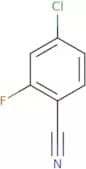
Formula:C15H13BrINOPurity:Min. 95%Molecular weight:430.08 g/mol4-Chloro-2-fluorobenzonitrile
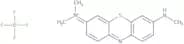
CAS:4-Chloro-2-fluorobenzonitrile is a chemical compound with the molecular formula CHClFNO. It is an organic chemical that belongs to the category of nitrogen-containing compounds. 4-Chloro-2-fluorobenzonitrile is used in the synthesis of ethyl cyanoacetate, which is a chemical intermediate for the production of pharmaceuticals and other organic compounds. This product can be combined with potassium carbonate and ethyl cyanoacetate to create a reagent that can be used as a precursor in organic synthesis.Formula:C7H3ClFNPurity:Min. 95%Color and Shape:PowderMolecular weight:155.56 g/molAzure B Tetrafluoroborate
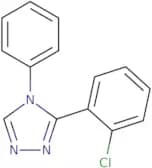
CAS:Azure B Tetrafluoroborate is a potentiator for antibiotics. It is used to enhance the antibacterial efficacy of antibiotics by increasing their ability to penetrate tissues and bacterial biofilms. Azure B Tetrafluoroborate is an organic solvent that can be applied with a handpiece or cavity instrument. It has been shown to increase the in vitro activity of various antibiotics against gram-negative organisms and can be used as a polymeric matrix for coating medical devices such as catheters, endoscopes, and implants. The mechanism of action involves activation of the chemical species within the antibiotic molecule, which then reacts with diode-pumped solid state laser radiation to produce luminescence reactions.Formula:C15H16N3S·BF4Purity:Min. 95%Molecular weight:357.18 g/mol5-(2-Chlorophenyl)-1-phenyl-1,3,4-triazole
CAS:5-(2-Chlorophenyl)-1-phenyl-1,3,4-triazole is a useful reagent and building block for the synthesis of various chemical compounds. It has been used as a reaction component in organic synthesis as well as a useful scaffold for new chemical compounds. 5-(2-Chlorophenyl)-1-phenyl-1,3,4-triazole is an intermediate in the production of pharmaceuticals and pesticides. It is also used as a speciality chemical for research purposes. Additionally, this compound can be used to make fine chemicals such as dyes and perfumes.Formula:C14H10N3ClPurity:Min. 95%Color and Shape:PowderMolecular weight:255.7 g/molHoechst 33342
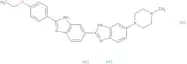
CAS:2'-(4-Ethoxyphenyl)-5-(4-methyl-1-piperazinyl)-2,5'-bi-1H-benzimidazole trihydrochloride (EPMB) is a DNA binding agent that is used in tumor detection and research into apoptosis. It has been shown to inhibit the activity of p-glycoprotein, which is an efflux pump protein, and Bcl-2 protein. EPMB has also been shown to cause apoptosis in human squamous cell carcinoma cells in a concentration dependent manner. This compound has shown potential as a treatment for cancer because it inhibits the ability of cancer cells to proliferate by binding to the NMDA receptor.
Formula:C27H28N6O·3HCl·xH2OPurity:Min. 95%Color and Shape:Yellow PowderMolecular weight:561.93 g/mol1,4-Dibromo-2,5-dimethylbenzene
CAS:1,4-Dibromo-2,5-dimethylbenzene is a functional group that exhibits red fluorescence. This compound is synthesized in the laboratory through a Suzuki coupling reaction with phenyl groups and stannous octoate. The 1,4-dibromo-2,5-dimethylbenzene has an allosteric modulator effect on aromatic hydrocarbons. This chemical is soluble in trifluoroacetic acid and vinylene.
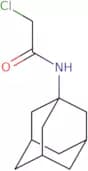
Formula:C8H8Br2Purity:Min. 95%Color and Shape:PowderMolecular weight:263.96 g/molN-1-Adamantyl-2-chloroacetamide
CAS:Adamantyl-2-chloroacetamide is an analog of adamantyl acetamide and has been shown to be a potent inhibitor of Mycobacterium tuberculosis. Adamantyl-2-chloroacetamide inhibits the growth of Mycobacterium tuberculosis by inhibiting the synthesis of DNA, RNA, and protein. This compound also shows selectivity for Mycobacterium tuberculosis over other bacteria such as Escherichia coli. Adamantyl-2-chloroacetamide may have a role in the treatment of tuberculosis because it can inhibit the synthesis of DNA, RNA, and protein in Mycobacterium tuberculosis while leaving these functions intact in other bacteria.
Formula:C12H18ClNOPurity:Min. 95%Color and Shape:PowderMolecular weight:227.73 g/mol4-Fluoro-3-methoxybenzonitrile
CAS:4-Fluoro-3-methoxybenzonitrile (4FM) is an orally active dihydrobenzofuran derivative that has been optimized for oral bioavailability. The drug is a potent inhibitor of efflux and can be used to lower the oral bioavailability of drugs that are substrates for efflux. 4FM also inhibits heterocycle metabolism, which can be used as a strategy to evolve drugs with improved physicochemical properties. 4FM has shown preclinical efficacy in lowering heterocycle levels, including lowering of methadone levels in humans. The drug is a competitive inhibitor of the enzyme P450 2D6, which is responsible for the metabolism of many drugs. This inhibition may have adverse effects on these drugs and should be monitored closely during treatment with 4FM.
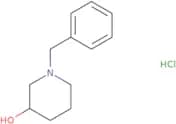
Formula:C8H6FNOPurity:Min. 95%Color and Shape:PowderMolecular weight:151.14 g/mol1-Benzyl-3-hydroxypiperidine hydrochloride
CAS:1-Benzyl-3-hydroxypiperidine hydrochloride is a versatile building block that can be used as a research chemical, reagent, speciality chemical or useful building block. It is a high quality compound with many potential uses as a reaction component or scaffold.Formula:C12H17NO·HClPurity:Min. 95%Color and Shape:PowderMolecular weight:227.73 g/mol2-Amino-5-bromophenol
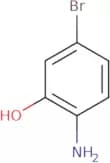
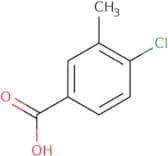
CAS:2-Amino-5-bromophenol is a chemical that is used as a substrate in the study of intracellular Ca2+ levels. 2-Amino-5-bromophenol can also be used to study the activity of microperoxidases, enzymes that are involved in the metabolism of hydrogen peroxide and organic hydroperoxides. 2-Amino-5-bromophenol has been shown to have anticancer activity against MCF7 cells, an estrogen receptor positive cell line. The anticancer activity may be due to the inhibition of protein synthesis by 2-amino-5-bromophenol binding to DNA. This binding prevents transcription and translation of genes that code for proteins involved in cancer cell proliferation and survival.Formula:C6H6BrNOPurity:Min. 95%Color and Shape:Off-White To Brown SolidMolecular weight:188.02 g/mol4-Chloro-3-methylbenzoic acid
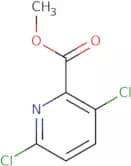
CAS:4-Chloro-3-methylbenzoic acid is a white crystalline solid that is soluble in water and alcohol. It has a melting point of 247°C and a boiling point of 305°C. This compound is used as an intermediate for the production of dyes and pharmaceuticals, such as anti-inflammatory drugs. 4-Chloro-3-methylbenzoic acid has been shown to be an inhibitor of DNA synthesis, RNA synthesis, and protein synthesis in bacteria. In addition, this compound inhibits the growth of Mycobacterium tuberculosis by inhibiting the metabolic pathways necessary for cell proliferation. 4-Chloro-3-methylbenzoic acid also has been shown to inhibit the growth of other bacteria such as Staphylococcus aureus, Escherichia coli, Streptococcus pyogenes, and Pseudomonas aeruginosa.Formula:C8H7ClO2Purity:Min. 95%Color and Shape:PowderMolecular weight:170.59 g/molMethyl 3,6-dichloropyridine-2-carboxylate
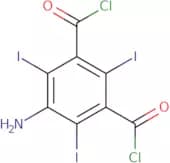
CAS:Methyl 3,6-dichloropyridine-2-carboxylate is a nitro compound that is used as a transport inhibitor. It has been shown to inhibit the transport of some organic compounds in h9c2 cells by binding to the active site of ATP synthase, which is required for energy production. Methyl 3,6-dichloropyridine-2-carboxylate has also been shown to modulate physiological effects in mice, such as modulating the activity of enzymes involved in fatty acid synthesis. This compound is synthetically derived from anthranilic acid and dichlorprop with oxadiazole as a starting material.Formula:C7H5Cl2NO2Purity:Min. 95%Color and Shape:PowderMolecular weight:206.03 g/mol5-Amino-2,4,6,-triiodoisophthaloyl dichloride
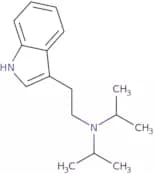
CAS:5-Amino-2,4,6,-triiodoisophthaloyl dichloride is a triiodinated compound that has been shown to bind to the receptor for asialoglycoprotein. It is used in the diagnosis of liver and kidney diseases. 5-Amino-2,4,6,-triiodoisophthaloyl dichloride is taken up by tissues and organs and causes damage to these tissues. The chloride ion binds to the molecule, making it more water soluble. The lactobionic acid residue is then cleaved off by an enzyme in the cell called beta-galactosidase. This leaves a molecule containing iodine which can be detected with a diagnostic technique such as X-ray crystallography or nuclear magnetic resonance spectroscopy.Formula:C8H2Cl2I3NO2Purity:Min. 95%Color and Shape:Slightly Yellow PowderMolecular weight:595.73 g/mol3-(2-Diisopropylaminoethyl)indole hydrochloride
CAS:Controlled Product3-(2-Diisopropylaminoethyl)indole hydrochloride is an inhibitor of the enzyme monoamine oxidase (MAO). MAO is responsible for the degradation of monoamines such as serotonin, dopamine, and norepinephrine. 3-(2-Diisopropylaminoethyl)indole hydrochloride inhibits these enzymes in order to increase the levels of these neurotransmitters in the brain. These effects are observed with a sectional study on the host plant species. 3-(2-Diisopropylaminoethyl)indole hydrochloride has been shown to have low potency for inhibiting 5-HT1A and 5-HT2A receptors in rat studies, but it is not active against 5-HT2C receptors. This drug was used to measure urinary serotonin and dopamine levels in human urine samples.
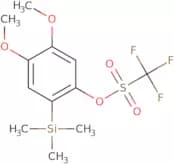
Formula:C16H25ClN2Purity:Min. 95%Molecular weight:280.84 g/mol4,5-Dimethoxy-2-(trimethylsilyl)phenyl trifluoromethanesulfonate
CAS:4,5-Dimethoxy-2-(trimethylsilyl)phenyl trifluoromethanesulfonate is a reagent for the synthesis of propiolates. It is prepared by reacting methyl propiolate with tetrachloride, hexachloroethane, or tetrabromide in acetonitrile. The reactants are heated to reflux under argon and then cooled to room temperature. This product is an ionic liquid that can be used as a solvent. 4,5-Dimethoxy-2-(trimethylsilyl)phenyl trifluoromethanesulfonate is a zwitterion and reacts with amines to form quaternary ammonium salts. It can also be used for the synthesis of unactivated transition metal complexes by reacting it with palladium and amines.
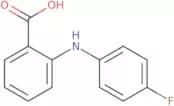
Formula:C12H17F3O5SSiPurity:Min. 95%Color and Shape:Colorless PowderMolecular weight:358.41 g/molN-(4-Fluorophenyl)Anthranilic Acid
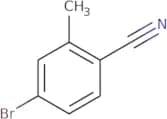
CAS:N-(4-Fluorophenyl)Anthranilic Acid is a fine chemical that is used as a scaffold for research chemicals, reaction components, and speciality chemicals. It can be used as a building block for complex compounds and useful building blocks. This compound has been shown to have high quality and can be used as an intermediate in the synthesis of other chemicals. N-(4-Fluorophenyl)Anthranilic Acid is a versatile building block that can be used in the synthesis of many different types of compounds. It also has been shown to be useful in the production of pharmaceuticals, dyes, pesticides, and herbicides.Formula:C13H10FNO2Purity:Min. 95%Color and Shape:Green PowderMolecular weight:231.22 g/mol4-Bromo-2-methylbenzonitrile
CAS:4-Bromo-2-methylbenzonitrile (4BMB) is a biphenyl derivative that inhibits the activity of tyrosine kinase enzymes. It has been shown to be a virulence factor for Streptococcus, which causes lysis of red blood cells. 4BMB has also been shown to inhibit the growth of Escherichia coli and other bacteria, including Streptococcus pneumoniae, by inducing cell lysis. The mechanism of action for this drug is through binding to an anion in the active site, causing reversible inhibition of ATP synthase. This causes an increase in intracellular pH and leads to cell death. 4BMB is fluorescent under UV light and can be used as a molecular probe for studying hydrogen bond formation and interactions with anions.Formula:C8H6BrNPurity:Min. 95%Color and Shape:PowderMolecular weight:196.04 g/mol5-Chloro-8-iodoimidazo[1,2-a]pyridine HBr
CAS:5-Chloro-8-iodoimidazo[1,2-a]pyridine HBr is a fine chemical that can be used as a versatile building block in the synthesis of complex compounds. This chemical is also useful as a reagent or speciality chemical for research purposes. This product has been shown to have high quality and is an efficient reaction component for organic synthesis. 5-Chloro-8-iodoimidazo[1,2-a]pyridine HBr has CAS No. 1031289-77-6 and is a useful scaffold for the preparation of other compounds.
Formula:C7H4ClIN2·HBrPurity:Min. 95%Color and Shape:Pale yellow solid.Molecular weight:359.39 g/mol[(1,2-Dimethyl-1H-benzimidazol-5-yl)methyl]amine dihydrochloride
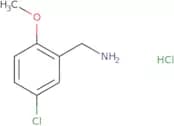
CAS:[(1,2-Dimethyl-1H-benzimidazol-5-yl)methyl]amine dihydrochloride is a reagent that is used as a reaction component in the synthesis of organic and inorganic compounds. It is used as a high quality research chemical for use in the production of fine chemicals and pharmaceuticals. This compound has many uses as a versatile building block, useful intermediate, or useful building block in the synthesis of complex compounds. It can also be used to make various speciality chemicals. [(1,2-Dimethyl-1H-benzimidazol-5-yl)methyl]amine dihydrochloride is stable at room temperature and can be stored under ambient conditions indefinitely.Formula:C10H13N3·2HClPurity:Min. 95%Color and Shape:White PowderMolecular weight:248.15 g/mol5-Chloro-2-methoxybenzylamine hydrochloride
CAS:5-Chloro-2-methoxybenzylamine hydrochloride is a chemical substance that is used as an intermediate in the synthesis of pharmaceuticals and other chemicals. It can be used as a building block to create complex compounds, or it can be used in reactions to produce speciality chemicals. 5-Chloro-2-methoxybenzylamine hydrochloride is a high quality reagent that can be used as a reaction component in research and development. A fine chemical, 5-Chloro-2-methoxybenzylamine hydrochloride has many uses as a versatile building block for organic synthesis. It is also useful for generating research chemicals and complex compounds for use in medicines and other products.Formula:C8H10ClNO·(HCl)Purity:Min. 95%Color and Shape:PowderMolecular weight:208.08 g/mol1-Bromo-2-(4-bromophenyl)ethylene
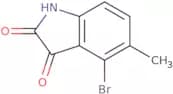
CAS:The 1-Bromo-2-(4-bromophenyl)ethylene (1-BPEE) is a highly reactive anion radical that can be generated from the reaction of chlorine with various organic compounds. The 1-BPEE is often used as an analytical method for the determination of the concentration of bromine in environmental samples. It has been shown to have antiviral and antimicrobial properties, and has been found to inhibit hepatitis B virus and human immunodeficiency virus type 1. The 1-BPEE is also a potential candidate for use in removing chlorinated organics from wastewater effluent.Formula:C8H6Br2Purity:Min. 95%Color and Shape:Off-White To Light (Or Pale) Yellow SolidMolecular weight:261.94 g/mol4-Bromo-5-methyl-1H-indole-2,3-dione
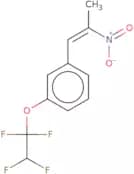
CAS:4-Bromo-5-methyl-1H-indole-2,3-dione is a synthetic molecule that has been shown to have neuroprotective effects. It inhibits the production of proinflammatory cytokines, such as tnf-α and il-6, by binding to survivin. 4Bromo-5 methyl 1Hindole 2,3 dione also binds to the viral capsid protein and blocks virus infection. This compound has been shown to inhibit viral replication in vitro as well as provide protection against alphavirus infection in mice.Formula:C9H6BrNO2Purity:Min. 95%Molecular weight:240.05 g/mol3'-(Tetrafluoroethoxy)-beta-methyl-beta-nitrostyrene
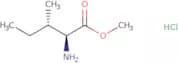
CAS:3'-(Tetrafluoroethoxy)-beta-methyl-beta-nitrostyrene is a versatile building block that can be used as a reaction component for the synthesis of more complex compounds. This compound is also known to have speciality chemical and research chemical properties. 3'-(Tetrafluoroethoxy)-beta-methyl-beta-nitrostyrene has been shown to be an effective reagent for the synthesis of high quality complex compounds.Formula:C11H9F4NO3Purity:Min. 95%Molecular weight:279.19 g/molL-Isoleucine methyl ester hydrochloride
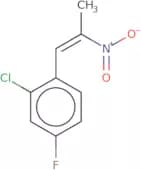
CAS:L-Isoleucine methyl ester hydrochloride (LIME) is a chemical pesticide that inhibits the synthesis of prostaglandins. It is used to treat inflammatory bowel disease and cancer, as well as other inflammatory diseases. LIME is metabolized by an enzyme called synthase to produce L-methionine methyl ester hydrochloride, which is a substrate for another enzyme called nitric oxide synthase. Nitrous acid and butyric acid are two metabolites of LIME that have been shown to inhibit the production of beta-amyloid peptides. One study has also shown that LIME can reduce the levels of vitamin D3 in rats with colitis.Formula:C7H16ClNO2Purity:Min. 95%Color and Shape:PowderMolecular weight:181.66 g/mol1-(2-Chloro-4-fluorophenyl)-2-nitropropene
CAS:1-(2-Chloro-4-fluorophenyl)-2-nitropropene is a versatile building block that can be used to produce a variety of compounds with various properties. It is a high quality, reagent grade chemical that is useful for research and development purposes. This compound has been shown to be an effective intermediate in the synthesis of complex compounds, such as pharmaceuticals and pesticides.
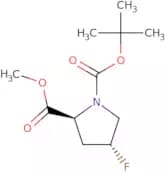
Formula:C9H7ClFNO2Purity:Min. 95%Molecular weight:215.61 g/molBoc-trans-4-fluoro-L-proline methyl ester
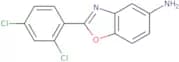
CAS:Boc-trans-4-fluoro-L-proline methyl ester is a high quality, reagent, complex compound that can be used as a useful intermediate or fine chemical. It is also a useful scaffold for the synthesis of new compounds and a versatile building block for the synthesis of various types of compounds. Boc-trans-4-fluoro-L-proline methyl ester has been used in research to study the mechanism of protein phosphorylation.Formula:C11H18FNO4Purity:Min. 95%Color and Shape:Colourless To Yellow Solid Or Liquid (May Vary)Molecular weight:247.26 g/mol2-(2,4-Dichlorophenyl)-1,3-benzoxazol-5-amine
CAS:2-(2,4-Dichlorophenyl)-1,3-benzoxazol-5-amine is a versatile building block that can be used in a wide range of chemical reactions. The compound is a reagent and speciality chemical with CAS No. 293737-83-4. It is an intermediate in the synthesis of pharmaceuticals and pesticides, as well as a useful scaffold for the synthesis of other compounds. 2-(2,4-Dichlorophenyl)-1,3-benzoxazol-5-amine has been shown to have high quality and can be used as a reaction component or building block in research labs.
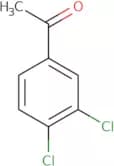
Formula:C13H8Cl2N2OPurity:Min. 95%Color and Shape:PowderMolecular weight:279.12 g/mol3',4'-Dichloroacetophenone
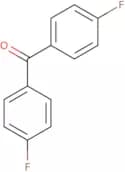
CAS:3',4'-Dichloroacetophenone is a tetranuclear compound that is used in the synthesis of chromatographic assays. It has been shown to inhibit the growth of infectious diseases, cancer, and bacteria. 3',4'-Dichloroacetophenone inhibits trichomonas vaginalis and chlamydia by binding to imine nitrogen, which prevents the formation of an enzyme (NAD-dependent), which is required for bacterial DNA synthesis. 3',4'-Dichloroacetophenone also inhibits p. aeruginosa by binding with phosphane groups on this organism's cell wall, preventing bacterial cell division.Formula:C8H6Cl2OPurity:Min. 95%Color and Shape:Off-White PowderMolecular weight:189.04 g/mol4,4'-Difluorobenzophenone
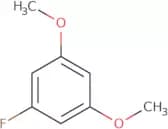
CAS:4,4'-Difluorobenzophenone is a nucleophile that can be synthesized by the borane-tetrahydrofuran complex reaction and the Suzuki coupling reaction. It has been shown to react with diazonium salt in a Friedel-Crafts reaction and with acylation agents. This compound is also used as a model system for studying light emission reactions. 4,4'-Difluorobenzophenone reacts with hydrogen fluoride or sodium carbonate to form diphenyl ether, which is also a light emitter. Phase liquid chromatography is an effective technique for separating compounds. This compound can be detected using UV light at wavelengths of 284 nm or 254 nm.Formula:C13H8F2OPurity:Min. 95%Color and Shape:PowderMolecular weight:218.2 g/mol1-Fluoro-3,5-dimethoxybenzene
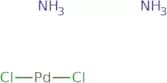
CAS:1-Fluoro-3,5-dimethoxybenzene has been shown to be a ferroelectric material with a dielectric constant of approximately 3000. It is soluble in organic solvents and can be isolated as an oil or solid. The crystalline form of 1-fluoro-3,5-dimethoxybenzene is obtained by sublimation at −20 °C. The compound has a molecular weight of 204.17 and melting point of 155 °C. This compound is used as a starting material for the synthesis of fluorotriphenylmethane analogs that are potential CB2 receptor agonists and other organic compounds, including tetrahydrocannabinol (THC) and its analogues. 1-Fluoro-3,5-dimethoxybenzene also reacts with chloride to form difluorobenzene (DFB). DFB's ability to bind aluminium ions allows it to catalyFormula:C8H9FO2Purity:Min. 98 Area-%Color and Shape:Clear LiquidMolecular weight:156.15 g/molTrans-diamminedichloropalladium(II)
CAS:Trans-Diamminedichloropalladium is a particle with an average size of 0.5 microns. It is a metal carbonyl complex that belongs to the group of analytical methods. Trans-Diamminedichloropalladium can be used for the treatment of wastewater and oxidation catalysts. The electrochemical impedance spectroscopy (EIS) of the particles has been shown to be sensitive to changes in morphology, which may be due to the hydroxyl group on the surface or due to a change in oxidation state. Trans-Diamminedichloropalladium can also act as an oxidizing agent that converts hydrochloric acid into chlorine gas, which has been shown by solid catalyst experiments.
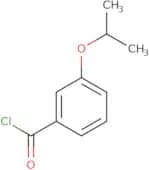
Formula:Pd(NH3)2Cl2Purity:Min. 95%Color and Shape:Yellow Clear LiquidMolecular weight:211.39 g/mol3-Isopropoxybenzoyl chloride
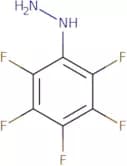
CAS:3-Isopropoxybenzoyl chloride is an organic compound that is used as a reactant, reagent, or building block in organic chemistry. 3-Isopropoxybenzoyl chloride is a versatile building block with a wide range of chemical properties. It has been shown to be useful as an intermediate and building block in the synthesis of complex compounds. 3-Isopropoxybenzoyl chloride can be used for research purposes and as a speciality chemical. This compound has been assigned the CAS number 214847-64-0.Formula:C10H11ClO2Purity:Min. 95%Color and Shape:PowderMolecular weight:198.65 g/molPentafluorophenyl hydrazine
CAS:Pentafluorophenyl hydrazine is an organic compound with the formula CHC(F)NH. It is a reactive species that participates in chemical reactions involving free radicals, such as oxidative DNA damage. Pentafluorophenyl hydrazine reacts with fatty acids to form trifluoroacetyl esters and pentafluorophenyl esters, which can be analyzed by gas chromatography-mass spectrometry. Pentafluorophenyl hydrazine is also used for the preparation of hydrochloric acid and carbonyl group derivatives. This compound can be prepared by reacting trifluoroacetic acid with phenol or phenol ethers under acidic conditions.Formula:C6F5NHNH2Purity:Min. 95%Color and Shape:White PowderMolecular weight:198.09 g/mol1-Biotinylamino-3,6,9-trioxaundecane-11-bromide
CAS:1-Biotinylamino-3,6,9-trioxaundecane-11-bromide is a high quality reagent that is used in research and development. It has a CAS number of 1041766-91-9. 1-Biotinylamino-3,6,9-trioxaundecane-11-bromide is a versatile building block that can be used as an intermediate or scaffold in chemical reactions. It is also a useful reaction component for the synthesis of fine chemicals.Formula:C18H32BrN3O5SPurity:Min. 95%Color and Shape:PowderMolecular weight:482.43 g/molGlycine t-butyl ester hydrochloride
CAS:Glycine t-butyl ester hydrochloride is a glycine prodrug that is converted to the neurotransmitter, cinchonidine, by carboxylesterase. It has been shown to be effective in resistant cancer cells and has good bioavailability in humans. Glycine t-butyl ester hydrochloride is synthesized from glycine and butyric acid with sodium carbonate as a catalyst and then reacted with anhydrous hydrogen chloride to form the final product. This synthesis requires an asymmetric reaction solution, which can be achieved by using a chiral reactant such as potassium carbonate or magnesium chloride. The dehydration of the ester group can be performed by heating in vacuum at 120°C for 2 hours.
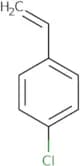
Formula:C6H14ClNO2Purity:Min. 95%Color and Shape:White PowderMolecular weight:167.63 g/mol4-Chlorostyrene - stabilised with 4-tert-butylcatechol
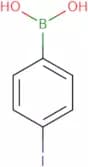
CAS:4-Chlorostyrene is a chlorinated organic compound. This chemical has been shown to bind to the hydroxyl group of polyhydroxy compounds, such as poly(vinyl alcohol), with a frequency shift of 1.0 cm-1 in the infrared spectrum. The ph optimum for this reaction is between 4 and 5. When exposed to cationic polymerization, chlorine atoms are incorporated into the polymer chain and the resultant product is a cationic polymer that has an isolated yield of 82%. In order for this reaction to be successful, both 4-chlorostyrene and 4-tert-butylcatechol must be present. The reaction mechanism is believed to involve diazonium salt formation followed by activation energies of 20 kcal/mol and 25 kcal/mol.Formula:C8H7ClPurity:Min. 95%Color and Shape:Colorless Clear LiquidMolecular weight:138.59 g/mol4-Iodophenylboronic acid
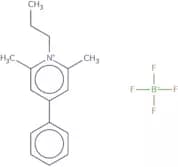
CAS:4-Iodophenylboronic acid is a chemical compound that has been shown to bind to disaccharides and form hydrogen bonding interactions. It has also been shown to enhance the chemiluminescence of ethylene diamine in a light emission assay, which is due to its ability to bind to fatty acids. 4-Iodophenylboronic acid has been used in studies on tumor xenografts and optical properties. 4-Iodophenylboronic acid has also been shown to have vibrational and nmr spectra that differ from other boronic acids. This compound is unique because it binds with water molecules more strongly than any other boronic acid.Formula:C6H6BIO2Purity:Min. 95%Color and Shape:PowderMolecular weight:247.83 g/mol2,6-Diethyl-4-phenyl-1-propylpyridinium tetrafluoroborate
CAS:2,6-Diethyl-4-phenyl-1-propylpyridinium tetrafluoroborate is a building block and a versatile intermediate in organic synthesis. It can be used as a reactant in the preparation of fine chemicals and pharmaceuticals. 2,6-Diethyl-4-phenyl-1-propylpyridinium tetrafluoroborate has been shown to produce high quality reaction products with good yield.Formula:C16H20N·BF4Purity:Min. 95%Molecular weight:313.14 g/mol3-[(2,4-Difluorophenyl)methyl]azetidine
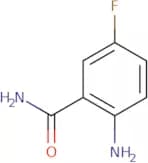
CAS:Please enquire for more information about 3-[(2,4-Difluorophenyl)methyl]azetidine including the price, delivery time and more detailed product information at the technical inquiry form on this pageFormula:C10H11F2NPurity:Min. 95%Molecular weight:183.2 g/mol2-Amino-5-fluorobenzamide
CAS:2-Amino-5-fluorobenzamide (2AFB) is a compound that has been shown to have neurotoxic properties. 2AFB is a ring-opening agent, which means it can open the six-membered ring of aromatic compounds such as benzene or pyridine. 2AFB also has affinity for metal ions and therefore can be used in magnetic separations. The reaction system of 2AFB includes an enzyme, pentylenetetrazole (PTZ), that catalyzes the reaction between 2AFB and its substrate, 4-nitrophenol (4NP). This reaction produces free radicals that react with oxygen to produce peroxides. These peroxides are then detected by a chemiluminescence assay. In this way, the amount of 2AFB and 4NP can be measured quantitatively.
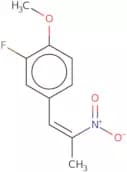
2AFB also has antioxidant properties, which may be due to its ability to scavenge free radicals fromFormula:C7H7FN2OPurity:Min. 95%Color and Shape:PowderMolecular weight:154.14 g/mol1-(3-Fluoro-4-methoxyphenyl)-2-nitropropene
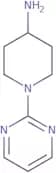
CAS:1-(3-Fluoro-4-methoxyphenyl)-2-nitropropene is a chemical compound with the molecular formula CHNO. It is a high quality reagent that is useful for preparing complex compounds, scaffolds and building blocks for use in research and development. 1-(3-Fluoro-4-methoxyphenyl)-2-nitropropene is a fine chemical that can be used as a versatile building block in reactions.Formula:C10H10FNO3Purity:Min. 95%Molecular weight:211.19 g/mol1-Pyrimidin-2-ylpiperidin-4-amine dihydrochloride
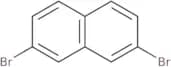
CAS:1-Pyrimidin-2-ylpiperidin-4-amine dihydrochloride is a high quality, crystalline compound with a CAS number of 1179369-48-2. It is an intermediate in the synthesis of various fine chemicals, including pharmaceuticals and pesticides. 1-Pyrimidin-2-ylpiperidin-4-amine dihydrochloride also has applications as a versatile building block for the synthesis of other compounds and is used as a reaction component in organic chemistry. This reagent can be used to synthesize many different compounds for use in research or medical purposes.Formula:C9H14N4·2HClPurity:Min. 95%Color and Shape:PowderMolecular weight:251.16 g/mol2,7-Dibromonaphthalene
CAS:2,7-Dibromonaphthalene is a chemosensor that is used to sense the presence of halides in water. It reacts with anion radicals in the atmosphere to produce a fluorescent compound with a long wavelength emission. This reaction can be observed using ultraviolet spectroscopy and amination reactions. 2,7-Dibromonaphthalene has been shown to react with copper oxide to form a blue-green compound. This property has been used as an indicator of copper contamination in water and soil samples. 2,7-Dibromonaphthalene also reacts with metal ions to form metal cations, which can be detected using cyclen or other organic compounds.Formula:C10H6Br2Purity:Min. 95%Color and Shape:PowderMolecular weight:285.96 g/mol4-Amino-6-chloro-2-(methylthio) pyrimidine
CAS:4-Amino-6-chloro-2-(methylthio) pyrimidine is a reactive chemical that is used in medicine as an antioxidant. It has been shown to have beneficial effects on atherosclerosis, colitis and cancer. 4-Amino-6-chloro-2-(methylthio) pyrimidine has also been shown to inhibit the production of reactive oxygen species (ROS). ROS are generated by lipoxygenase enzymes in soybean oil and cause damage to cells. 4-Amino-6-chloro-2-(methylthio) pyrimidine binds to the enzyme's heme group, preventing it from forming ROS.Formula:C5H6ClN3SPurity:Min. 95%Molecular weight:175.64 g/mol5-Methyl 4-fluoroglutamate
CAS:5-Methyl 4-fluoroglutamate is a reaction component that is used as a reagent in organic synthesis. It is a high quality and versatile building block for the production of fine chemicals. 5-Methyl 4-fluoroglutamate is also used as an intermediate to synthesize complex compounds, such as pharmaceuticals, agrochemicals, dyes, and other useful substances.
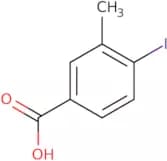
Formula:C6H10FNO4Purity:Min. 95%Molecular weight:179.15 g/mol4-Iodo-3-methylbenzoic acid
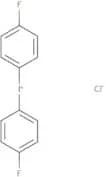
CAS:4-Iodo-3-methylbenzoic acid is a bifunctional phosphine that can be activated by phosphine gas. This compound has been shown to react with diethyl ethers and form a lanthanide phosphine complex. 4-Iodo-3-methylbenzoic acid also reacts with azides to form triazinylphosphines, which are used in fluorescence techniques. 4-Iodo-3-methylbenzoic acid has luminescent properties, which may be due to its ability to produce singlet oxygen when irradiated with visible light.Formula:C8H7IO2Purity:Min. 80%Color and Shape:PowderMolecular weight:262.04 g/mol4,4'-Difluorodiphenyliodonium chloride
CAS:4,4'-Difluorodiphenyliodonium chloride is a hydrolyzed derivative of 4,4'-difluorodiphenyliodonium bromide that has been optimized for use in the rumen. It is used to reduce the population of ruminal microbes and to increase the digestibility of fiber in cattle rations. 4,4'-Difluorodiphenyliodonium chloride is also capable of reducing bacterial populations in plant cell cultures by inhibiting microbial growth. This compound is able to inhibit the production of fatty acids from dietary protein and may be useful as an anti-obesity agent.Formula:C12H8ClF2IPurity:Min. 98 Area-%Color and Shape:PowderMolecular weight:352.55 g/mol2-Bromoquinoline
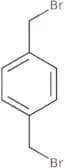
CAS:2-Bromoquinoline is an antimicrobial agent that binds to bacterial receptors. It is a bifunctional molecule with two reactive groups: a hydroxyl group and a nitrogen atom. 2-Bromoquinoline has been shown to inhibit the growth of various bacteria, including Mycobacterium tuberculosis, Staphylococcus epidermidis and Streptococcus pyogenes, by preventing the formation of a proton gradient across the bacterial membrane. 2-Bromoquinoline also inhibits hyperproliferative diseases such as amyloidosis in mice by binding to amyloid fibrils. This drug has been shown to cause DNA damage in mammalian cells, which may be due to its ability to form hydrogen bonds with methyl ethyl groups on DNA bases.Formula:C9H6BrNPurity:Min. 95%Color and Shape:White To Yellow To Pink SolidMolecular weight:208.05 g/mol1,4-Bis(bromomethyl)benzene
CAS:1,4-Bis(bromomethyl)benzene is a molecule that has a variety of uses. It is used as an adsorbent for the purification of aromatic hydrocarbons and can also be used in synthesizing coumarin derivatives. It is also a component in x-ray crystal structures, ether linkages, chemical structures, and other organic compounds. 1,4-Bis(bromomethyl)benzene reacts with nucleophiles such as chloride to form diphenyl ethers. The synthesis of 1,4-bis(bromomethyl)benzene begins with the reaction of pyridinedicarboxylic acid and bromine in the presence of an organic solvent. This process creates a mixture containing diphenyl ethers and other halogenated aromatic compounds that can then be purified by crystallization or distillation.
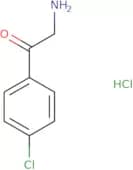
Formula:C8H8Br2Purity:Min. 95%Color and Shape:White Clear LiquidMolecular weight:263.96 g/mol2-Amino-4'-chloroacetophenone hydrochloride
CAS:Controlled Product2-Amino-4'-chloroacetophenone hydrochloride is a cytotoxic compound that inhibits the polymerization of tubulin. It has been shown to have cytotoxic effects and inhibit the growth of cancer cells in vitro at low micromolar concentrations. 2-Amino-4'-chloroacetophenone hydrochloride is a member of the cytotoxic class of compounds and can be used to slow or stop cell division by inhibiting the production of proteins vital for cell division, such as tubulin. This effect is due to its ability to bind to the beta subunit of tubulin, which disrupts its structure and prevents polymerization from occurring.
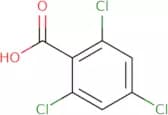
Formula:C8H8ClNO•HClPurity:Min. 95%Color and Shape:PowderMolecular weight:206.07 g/mol2,4,6-Trichlorobenzoic acid
CAS:2,4,6-Trichlorobenzoic acid is a trifluoroacetic acid that has been used as a solvent in vitro assays and as a carbon source for kinetic studies. It has also been shown to be an effective inhibitor of bacterial growth when tested with dextrans. 2,4,6-Trichlorobenzoic acid is toxic to cells in culture and can inhibit fatty acid synthesis by inhibiting the activity of fatty acid synthase.
2,4,6-Trichlorobenzoic acid has also been found to have anti-inflammatory properties and may be useful for the treatment of asthma.Formula:C7H3Cl3O2Purity:Min. 95%Color and Shape:PowderMolecular weight:225.46 g/mol(2,3,4,5,6-Pentafluorophenyl)cetone
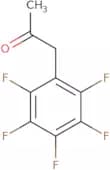
CAS:(2,3,4,5,6-Pentafluorophenyl)cetone is a specialty chemical that is used as a reagent in organic synthesis. It has been used as a building block for the synthesis of other fine chemicals and research chemicals. CAS No. 19225-86-6
Formula:C9H5F5OPurity:Min. 95%Molecular weight:224.13 g/molN-Methyl-3,4-methylenedioxyphenylpropane hydrochloride
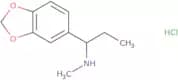
CAS:Controlled ProductN-Methyl-3,4-methylenedioxyphenylpropane hydrochloride is a high quality reagent that is a useful intermediate in the synthesis of complex compounds. It is used as a fine chemical and research chemicals in the manufacture of speciality chemicals. N-Methyl-3,4-methylenedioxyphenylpropane hydrochloride has been shown to be an excellent scaffold for the synthesis of many different compounds with high versatility. It can also be used as a building block or reaction component.Formula:C11H15NO2·HClColor and Shape:PowderMolecular weight:229.7 g/mol2-Fluoro-3-nitrotoluene
CAS:2-Fluoro-3-nitrotoluene is a synthetic compound that is used as a drug substance to produce other drugs. It has been shown to inhibit cardiac contractility and can be used in the treatment of cardiogenic shock. This drug also has a low degree of toxicity and can be administered in an outpatient setting. 2-Fluoro-3-nitrotoluene is not symmetrical, which means it has two different shapes or configurations. One of these configurations is more stable than the other one. 2-Fluoro-3-nitrotoluene has two possible isomers that are mirror images of each other, called enantiomers. These two isomers have opposite effects on cardiac contractility and the effect depends on the type of heart disease being treated.Formula:C7H6FNO2Purity:Min. 95%Color and Shape:Yellow Clear LiquidMolecular weight:155.13 g/mol2-Methoxyethyl Chloroformate
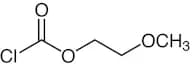
CAS:Formula:C4H7ClO3Purity:>93.0%(GC)(T)Color and Shape:Colorless to Light yellow clear liquidMolecular weight:138.55

![2-[(4-Chlorophenyl)-2-pyridinylmethoxy]-N,N-dimethylethanamine maleate salt](/_next/image/?url=https%3A%2Fstatic.cymitquimica.com%2Fproducts%2F3D%2Fthumb-webp%2FFC19699.webp&w=3840&q=75)



![(1R,4R)-tert-Butyl 2,5-diazabicyclo[2.2.1]heptane-2-carboxylate hydrochloride](/_next/image/?url=https%3A%2Fstatic.cymitquimica.com%2Fproducts%2F3D%2Fthumb-webp%2FFB15223.webp&w=3840&q=75)



![5-Chloro-8-iodoimidazo[1,2-a]pyridine HBr](/_next/image/?url=https%3A%2Fstatic.cymitquimica.com%2Fproducts%2F3D%2Fthumb-webp%2FFC07295.webp&w=3840&q=75)
![[(1,2-Dimethyl-1H-benzimidazol-5-yl)methyl]amine dihydrochloride](/_next/image/?url=https%3A%2Fstatic.cymitquimica.com%2Fproducts%2F3D%2Fthumb-webp%2FFD135142.webp&w=3840&q=75)



![3-[(2,4-Difluorophenyl)methyl]azetidine](/_next/image/?url=https%3A%2Fstatic.cymitquimica.com%2Fproducts%2F3D%2Fthumb-webp%2FFD21887.webp&w=3840&q=75)