Organic Halides
Subcategories of "Organic Halides"
Found 20442 products of "Organic Halides"
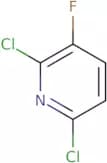
2,6-Dichloro-3-fluoropyridine
CAS:2,6-Dichloro-3-fluoropyridine is a synthetic organic chemical that can be used as a diazo compound in the synthesis of heterocycles. It is used in industrial applications for the production of nitrobenzene, an intermediate for the synthesis of pharmaceuticals. The reaction time and yield are high, and the selectivity is good. 2,6-Dichloro-3-fluoropyridine can be synthesized by reacting sodium nitrite with piperidine and acidifying with hydrochloric acid. This chemical is mainly used as an industrial intermediate to produce nitrobenzene.
Formula:C5H2Cl2FNPurity:(%) Min. 95%Color and Shape:PowderMolecular weight:165.98 g/molRef: 3D-FD104766
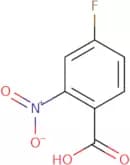
Discontinued product4-Fluoro-2-nitrobenzoic acid
CAS:4-Fluoro-2-nitrobenzoic acid is a dianion that is used to synthesize organic compounds. It can be prepared in two steps from nitrobenzene and hydrochloric acid. 4-Fluoro-2-nitrobenzoic acid has been shown to have excellent yields in the synthesis of various carboxylic acids, such as thiabendazole, and it also enhances the transfer of proton. The electron configuration for 4-fluoro-2-nitrobenzoic acid is [Ne]3s23p4, which is an important factor in its reactivity. This chemical compound has been shown to have acidic properties that are catalyzed by protonation.
Formula:C7H4FNO4Purity:Min. 95%Color and Shape:White PowderMolecular weight:185.11 g/molRef: 3D-FF70787
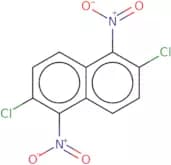
Discontinued product2,6-Dichloro-1,5-dinitronaphthalene
CAS:2,6-Dichloro-1,5-dinitronaphthalene is an organic compound that is used as a reagent for the synthesis of other compounds. It can also be used in research for the synthesis of 2,6-dichloro-1,5-dinitronaphthalene derivatives. The CAS number for this compound is 320600-07-5. This compound is a versatile building block and has many uses as a fine chemical.
Formula:C10H4Cl2N2O4Purity:Min. 95%Color and Shape:PowderMolecular weight:287.06 g/molPazufloxacin hydrochloride
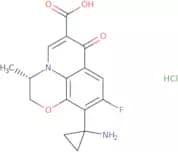
CAS:Pazufloxacin hydrochloride is a synthetic antibacterial agent, which is derived from the fluoroquinolone class of antibiotics with a broad-spectrum activity against various bacterial pathogens. This compound, sourced through chemical synthesis, functions primarily by inhibiting bacterial DNA gyrase and topoisomerase IV, which are critical enzymes for DNA replication, transcription, repair, and recombination. The inhibition of these enzymes leads to the disruption of bacterial DNA processes, ultimately resulting in bacterial cell death.
Formula:C16H15FN2O4•HClPurity:Min. 95%Molecular weight:354.76 g/mol20-Fluoromibolerone
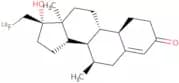
CAS:Controlled Product20-Fluoromibolerone is a fluorinated analogue of the natural hormone mibolerone. It has been shown to have affinity for prostate tissue and to be selective for cancer cells in vivo, when injected into rats. The uptake of 20-fluoromibolerone into tissues is very high, with preferential accumulation in the liver, kidney and prostate. This drug is metabolized by sulfation and excreted in the urine as sulfate and positron. 20-Fluoromibolerone also has been shown to have a strong affinity for bone, which may be due to its ability to accumulate in bone tissue.
Formula:C20H29FO2Purity:Min. 95%Molecular weight:320.44 g/mol3,5,3',5'-Tetraiodothyroacetic acid
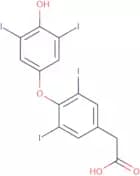
CAS:3,5,3',5'-Tetraiodothyroacetic acid (T4) is a thyroid hormone that can be found in the blood and has been shown to have angiogenic properties. T4 has been shown to bind to integrin receptors on endothelial cells and stimulate the proliferation of these cells. This hormone also has pro-apoptotic activity, inducing programmed cell death in cancer cells. T4 is used as a model system for studying the molecular pathogenesis of thyroid cancer. T4 is also able to inhibit DNA polymerase activity, which may be responsible for its ability to inhibit tumor growth.
Formula:C14H8I4O4Purity:Min. 95%Color and Shape:White PowderMolecular weight:747.83 g/mol1,5-Dichloroanthraquinone
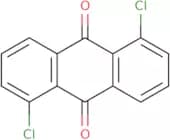
CAS:1,5-Dichloroanthraquinone is a chlorine atom with a carbonyl group that is a reactive synthetic intermediate. It is used in the synthesis of palladium complexes. 1,5-Dichloroanthraquinone has been shown to react with hydrochloric acid to form an anhydrous sodium salt and calcium carbonate. The fluorescence properties of this compound have also been studied. 1,5-Dichloroanthraquinone has been found to be cytotoxic in vitro and the reaction mechanism has been determined by vibrational spectroscopy and x-ray crystal structures.
Formula:C14H6Cl2O2Purity:Min. 95%Color and Shape:PowderMolecular weight:277.1 g/molRef: 3D-FD34628
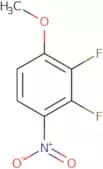
Discontinued product2,3-Difluoro-4-nitroanisole
CAS:2,3-Difluoro-4-nitroanisole is a chemical compound with CAS No. 66684-59-1. It is a useful intermediate that can be used to synthesize other chemicals and compounds. 2,3-Difluoro-4-nitroanisole can be used for the synthesis of research chemicals and speciality chemicals. This compound has been found to be a versatile building block that can be used in many reactions as a reagent. 2,3-Difluoro-4-nitroanisole has high quality and is a fine chemical with many uses.
Formula:C7H5F2NO3Purity:Min. 95%Molecular weight:189.12 g/molRef: 3D-FD70068
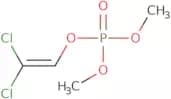
Discontinued productDichlorvos - 70%
CAS:Dichlorvos is a pesticide that has been used to control insects since the 1950s. It also has genotoxic activity and can induce oxidative injury in biological samples. Dichlorvos is an octyl phenol with a molecular weight of 228.3 g/mol, which is classified as a non-volatile solid. The insecticide has been shown to cause neuronal death and squamous cell carcinoma in mice. Dichlorvos may have some natural compound origins and it can be found in water vapor and chromatographic analysis. This chemical reacts with oxygen to form oxides, chloroform, carbon dioxide and hydrogen chloride gas. Dichlorvos is not stable at high temperatures or under ultraviolet light, so it must be stored in dark containers at low temperatures.
Formula:C4H7Cl2O4PPurity:Min. 95%Color and Shape:Clear LiquidMolecular weight:220.98 g/molRef: 3D-FD21706
Discontinued product2,4,6-Tribromo-3-methoxyphenol
CAS:2,4,6-Tribromo-3-methoxyphenol is a high quality reagent that is used as an intermediate in the production of many fine chemicals. It is also a useful building block for the synthesis of speciality chemicals and research chemicals. This chemical can be used as a versatile building block for reactions with other compounds. 2,4,6-Tribromo-3-methoxyphenol has CAS number 24967-79-1 and can be found at Chemical & Laboratory Equipment.
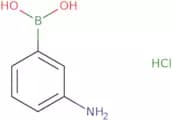
Formula:C7H5Br3O2Purity:Min. 95%Molecular weight:360.83 g/mol(3-Aminophenyl)boronic acid hydrochloride
CAS:3-Aminophenylboronic acid hydrochloride is a chemical compound that is used for analytical chemistry, bioconjugate chemistry, and clinical diagnostics. The compound binds to model proteins with high affinity and specificity. 3-Aminophenylboronic acid hydrochloride has been shown to have low binding constants with polyols, which make it ideal for use in cell culture. 3-Aminophenylboronic acid hydrochloride has a pK of 2.7 at pH 7.4, making it acidic at this pH. The compound also has a pK of 9.3 at pH 4.5, making it neutral at this pH. 3-Aminophenylboronic acid hydrochloride is an electrochemically active molecule and can be used as an electrode material in electrochemical impedance spectroscopy experiments.
Formula:C6H9BClNO2Purity:Min. 95%Color and Shape:PowderMolecular weight:173.4 g/molRef: 3D-FA139811
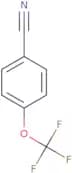
Discontinued productp-(Trifluoromethoxy)benzonitrile
CAS:p-(Trifluoromethoxy)benzonitrile is an organic compound that reacts with electron-rich molecules to form a covalent bond. It has been shown to be reactive in abiotic conditions and can be used as a probe for electron transfer reactions. p-Trifluoromethoxybenzonitrile undergoes a reaction mechanism in which the carbonyl group first reacts with an electron donor, such as acetonitrile, to form an unstable intermediate. This intermediate then reacts with a second electron-rich molecule to form the product. p-Trifluoromethoxybenzonitrile also has been shown to react efficiently with benzonitrile and produce the desired product in one step.
Formula:C8H4F3NOPurity:Min. 95%Color and Shape:Clear LiquidMolecular weight:187.12 g/mol4-tert-Butylbenzoyl chloride
CAS:4-tert-Butylbenzoyl chloride is a chemical used in the production of polymers. It is a reactive compound that has been shown to cause metabolic disorders in light-exposed primary cells and polymerase chain reactions, inhibiting the transcription of DNA to RNA and protein synthesis. The process by which 4-tert-Butylbenzoyl chloride causes these effects is still unknown. This chemical also alters the body mass index of mice by increasing the fat content of their livers, as well as reducing their levels of epidermal growth factor (EGF). 4-tert-Butylbenzoyl chloride has also been shown to inhibit the synthesis of proteins by binding to nuclear DNA, preventing transcription from occurring. Although it was hypothesized that 4-tert-Butylbenzoyl chloride inhibits cellular proliferation due to its ability to bind with DNA, this has not been proven conclusively.
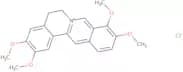
Formula:C11H13ClOPurity:Min. 95%Molecular weight:196.67 g/molPalmatine chloride
CAS:Palmatine chloride is an alkaloid that has been isolated from the roots of Corydalis yanhusuo. Palmatine chloride inhibits the activity of toll-like receptor 4, which is a key molecule in inflammation and autoimmunity. This compound also inhibits the synthesis of proinflammatory cytokines such as IL-1β, IL-6, and TNF-α. Palmatine chloride has also been shown to inhibit the production of inflammatory mediators such as nitric oxide (NO) and prostaglandin E2 (PGE2). Furthermore, palmatine chloride has been found to have anti-cancer properties through its inhibition of squamous cell carcinoma cells.
Formula:C21H22NO4ClPurity:Min. 98 Area-%Color and Shape:PowderMolecular weight:387.86 g/molRef: 3D-FP73849
Discontinued productClorgyline Hydrochloride
CAS:Clorgyline hydrochloride is a monoamine neurotransmitter inhibitor that blocks the enzyme monoamine oxidase (MAO). It is used to treat Parkinson's disease and depression. Clorgyline hydrochloride also has been shown to decrease locomotor activity in rats and cause neuronal death in the hippocampal formation. This drug has been shown to inhibit the enzyme activities of MAO-A, MAO-B and tyrosine hydroxylase at chronic doses. In addition, clorgyline hydrochloride increases the number of 5-HT2 receptors on rat brain membranes. The inhibition of MAO-A by clorgyline hydrochloride results in irreversible inhibition of all three types of MAO enzymes. Clorgyline hydrochloride also inhibits protein synthesis by decreasing levels of tyrosine hydroxylase, an enzyme that is necessary for the production of dopamine and norepinephrine.
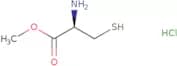
Formula:C13H15Cl2NO·HClPurity:Min. 98 Area-%Color and Shape:White Off-White PowderMolecular weight:308.63 g/molMecysteine hydrochloride
CAS:Mecysteine hydrochloride is a stable complex of mecysteine and hydrochloric acid. It is an ester that is formed from the reaction of methionine and hydrochloric acid in the presence of sodium citrate. This drug has been used as a skin treatment for ichthyosis, atopic dermatitis, and other skin disorders. Mecysteine hydrochloride has also been shown to be effective against symptoms caused by oxidative stress, such as swelling, redness, pain, or itching. Mecysteine hydrochloride may act by reducing the production of reactive oxygen species (ROS) and increasing antioxidant enzymes in human serum.
Formula:C4H9NO2S•HClPurity:Min. 98 Area-%Color and Shape:PowderMolecular weight:171.65 g/molRef: 3D-FM25033
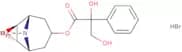
Discontinued productAnisodine hydrobromide
CAS:Anisodine hydrobromide is a compound that modulates transcriptional regulation. It has been shown to inhibit the proliferation of cultured human renal proximal cells and to reduce the development of kidney fibrosis in rats. Anisodine also inhibits locomotor activity and improves sample preparation in a statistically significant way. Anisodine hydrobromide has not been found to be toxic at doses up to 2000 mg/kg, which is its highest dose studied so far. The study used an experimental model of neurotrophic factors, soybean extract and fluorescein angiography with LC-MS/MS method as the analytical technique.
Formula:C17H22BrNO5Purity:Min. 98%Color and Shape:PowderMolecular weight:400.26 g/molTiotropium bromide monohydrate
CAS:Muscarinic antagonist; bronchodilator
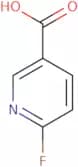
Formula:C19H22NO4S2•Br•H2OPurity:Min. 95%Color and Shape:PowderMolecular weight:490.43 g/mol6-Fluoronicotinic acid
CAS:6-Fluoronicotinic acid is a compound class that is biosynthesized from picolinic acid. It has been found to have biological properties such as the ability to form positrons and spiroindolines. 6-Fluoronicotinic acid can be synthesized by solid-phase synthesis and analyzed using vibrational spectroscopy. This compound class is also a radionuclide, which means it can be used in positron emission tomography (PET) scans of the human body. 6-Fluoronicotinic acid has been shown to bind to cardiac tissue and cancer cells, making it an effective drug for treating these diseases.
Formula:C6H4FNO2Purity:Min. 95%Color and Shape:PowderMolecular weight:141.1 g/mol2-Fluorophenylhydrazine HCl
CAS:2-Fluorophenylhydrazine HCl is a synthetic compound that belongs to the group of hydrazines. It is used as a cross-coupling agent in organic synthesis. The reaction solution can be impure, which may cause the formation of byproducts. 2-Fluorophenylhydrazine HCl reacts with formamide and hydrochloric acid to produce formaldehyde, ammonia, and hydrogen chloride gas. This reaction occurs at room temperature, but requires a long reaction time (several hours). 2-Fluorophenylhydrazine HCl has antioxidant effects and has been shown to inhibit the activity of metabotropic glutamate receptors. 2-Fluorophenylhydrazine HCl is structurally similar to curcumin analogues and has been shown to have antibacterial properties against Andrographis paniculata.
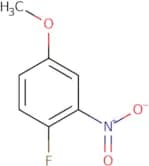
Formula:C6H7FN2Purity:Min. 95%Molecular weight:126.13 g/mol4-Fluoro-3-nitroanisole
CAS:4-Fluoro-3-nitroanisole is a useful chemical intermediate and building block. It is a versatile compound that can be used in research as well as commercial applications. 4-Fluoro-3-nitroanisole has the CAS number 61324-93-4. This chemical is often used in the synthesis of complex compounds, such as pharmaceuticals, pesticides, and fragrances. The high quality of this product makes it a good reagent for laboratory experiments.
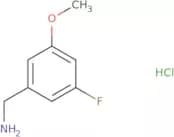
Formula:C7H6FNO3Purity:Min. 95%Color and Shape:Slightly Yellow PowderMolecular weight:171.13 g/mol3-Fluoro-5-methoxybenzylamine hydrochloride
CAS:3-Fluoro-5-methoxybenzylamine hydrochloride is a chemical building block that can be used in organic synthesis. It is a versatile building block and can be used to synthesize complex compounds. 3-Fluoro-5-methoxybenzylamine hydrochloride is used as a reaction component and reagent for the production of pharmaceuticals, agricultural chemicals, and other organic compounds. It has CAS number 1158269-22-7 and can be found in the Chemical Abstract Services database.
Formula:C8H10FNO•HClPurity:Min. 95%Color and Shape:Clear LiquidMolecular weight:191.63 g/molRef: 3D-FF67172
Discontinued product1-(5-Trifluoromethyl-[1,3,4]thiadiazol-2-yl)-piperazine
CAS:1-(5-Trifluoromethyl-[1,3,4]thiadiazol-2-yl)-piperazine is a high quality and versatile building block for the synthesis of various chemical compounds. It is an intermediate for the synthesis of other organic substances and can be used in reactions involving nucleophilic substitution, elimination, or addition reactions. 1-(5-Trifluoromethyl-[1,3,4]thiadiazol-2-yl)-piperazine is a reagent that can be used as a complex compound to create fine chemicals. This compound is also useful as a reaction component in research chemicals and speciality chemicals.Formula:C7H9F3N4SPurity:(Hplc-Ms) Min. 95 Area-%Color and Shape:PowderMolecular weight:238.23 g/mol(R)-2-(2,5-Difluorophenyl)pyrrolidine hydrochloride
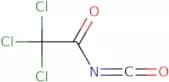
CAS:(R)-2-(2,5-Difluorophenyl)pyrrolidine hydrochloride is a fine chemical that is useful as a building block in the synthesis of complex compounds. It can be used as a reagent or intermediate for the synthesis of other chemical compounds. (R)-2-(2,5-Difluorophenyl)pyrrolidine hydrochloride is also a versatile building block in organic chemistry due to its ability to react with many different functional groups. As a speciality chemical, it is listed on the Chemical Abstracts Service Registry Number 1218935-60-4.Formula:C10H12ClF2NPurity:Min. 95%Color and Shape:PowderMolecular weight:219.66 g/mol2,2,2,-Trichloroacetyl isocyanate
CAS:2,2,2-Trichloroacetyl isocyanate is a fluorescent derivative of acetone that can be used to probe the biochemical properties of cells. This compound has been shown to react with methanol in solution and form hydrogen bonds. The reaction mechanism of 2,2,2-trichloroacetyl isocyanate with methyl glycosides was studied using an LC-MS/MS method. The hydroxyl group on the 2 position reacts with the ester linkages on the 3 position to form a new carbon-carbon bond in the product. 2,2,2-Trichloroacetyl isocyanate has been shown to be effective against pandemic influenza viruses and Mycobacterium tuberculosis. Pharmacokinetic studies have been conducted in rats and dogs for different doses of 2,2,2-trichloroacetyl isocyanate over a 24 hour period.
Formula:C3Cl3NO2Purity:Min. 95%Color and Shape:PowderMolecular weight:188.4 g/molRef: 3D-FT00298
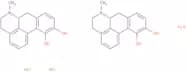
Discontinued product(R)-Apomorphine hydrochloride hemihydrate
CAS:Apomorphine hydrochloride is the salt form of apomorphine, a morphine derivative D2 dopamine agonist. The high selectivity for D2, D3, D4 and D5 receptors makes apomorphine hydrochloride a possible drug candidate and it is in clinical trials for diagnosis and treatment of Parkinsons disease. Moreover, apomorphine and apomorphine hydrochloride have been investigated in diverse studies for treating movement disorders.
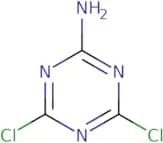
Formula:C17H17NO2•HCl•(H2O)0Purity:Min. 95%Color and Shape:White PowderMolecular weight:312.79 g/mol2-Amino-4,6-dichloro-s-triazine
CAS:2-Amino-4,6-dichloro-s-triazine is a chemical compound that is used as an antimicrobial agent in wastewater treatment. It inhibits the growth of bacteria by binding to cell walls and disrupting the formation of crosslinks between peptidoglycan strands, thereby inhibiting the synthesis of proteins necessary for bacterial growth and reproduction. 2-Amino-4,6-dichloro-s-triazine has been shown to be effective against group p2 bacteria in cell culture experiments. This drug also displays antiinflammatory properties and has been shown to inhibit HIV infection in vitro.
Formula:C3H2Cl2N4Purity:Min. 95%Color and Shape:White To Light (Or Pale) Yellow SolidMolecular weight:163.96565Ref: 3D-FA17553
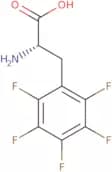
Discontinued product2,3,4,5,6-Pentafluoro-L-phenylalanine
CAS:2,3,4,5,6-Pentafluoro-L-phenylalanine (PFPA) is a substrate molecule that has been shown to inhibit the α1 subunit of the Na+/K+ ATPase in human heart cells. PFPA also inhibits the growth of bacteria in culture and is active against bacterial strains that have developed resistance to other antimicrobial agents. PFPA is also effective against bowel disease caused by H. pylori. PFPA has been shown to inhibit the production of an antimicrobial peptide by hl-60 cells in vitro and has been shown to be effective against a number of infectious diseases including tuberculosis and some autoimmune diseases.
Formula:C9H6F5NO2Purity:Min. 95%Color and Shape:PowderMolecular weight:255.14 g/molRef: 3D-FP99622
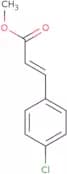
Discontinued productMethyl 4-chlorocinnamate
CAS:Methyl 4-chlorocinnamate is an aryl chloride that is synthesized by the reaction of methoxyethyl chloride with cinnamic acid derivatives. It has bacteriostatic activity against a variety of bacteria species, including staphylococcus and candida glabrata. Methyl 4-chlorocinnamate reacts with amine groups in proteins to form amides, which are strong inhibitors of protein synthesis. This compound also inhibits the growth of Candida glabrata by inhibiting phosphonates, which are essential for cell division.
Formula:C10H9ClO2Purity:Min. 95%Molecular weight:196.63 g/molRef: 3D-FM71222
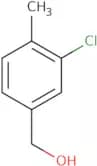
Discontinued product3-Chloro-4-methylbenzyl alcohol - Technical grade
CAS:3-Chloro-4-methylbenzyl alcohol is a building block chemical that is used in the synthesis of a variety of organic compounds. It is a versatile chemical that can be used as a reagent, reaction component, and intermediate. 3-Chloro-4-methylbenzyl alcohol has been found to be useful in the synthesis of complex compounds, such as 4-chloromethoxybenzoic acid and 3-(3,5-dimethoxyphenyl)acetic acid. This chemical can also be used to produce speciality chemicals, such as 3-(2-(2,4-dichlorophenoxy)ethyl)benzonitrile.
Formula:C8H9ClOPurity:Min. 95%Color and Shape:Colorless PowderMolecular weight:156.61 g/molRef: 3D-FC70227
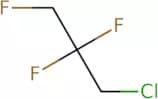
Discontinued product1-Chloro-2,2,3-Trifluoropropane
CAS:Controlled Product1-Chloro-2,2,3-trifluoropropane is a chemical compound that belongs to the group of chlorinating agents. It is a preparative agent for chlorine and hydrochloric acid. 1-Chloro-2,2,3-trifluoropropane has been used in thermoelectric applications as an intermediate in the production of hydrogen fluoride. It has also been used as a reagent for producing fluorine gas or hydrofluoric acid. This chemical is also used in preparative methods to produce diode lasers or monofluorides.
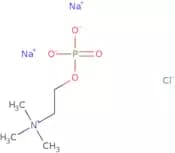
Formula:C3H4ClF3Purity:Min. 95%Molecular weight:132.51 g/molPhosphocholine chloride sodium salt hydrate
CAS:Phosphocholine chloride sodium salt hydrate is an organic compound that is used as a cross-linking agent in the production of polymers. It is also used as a reactant in ring-opening reactions and as an intermediate in the synthesis of pyridinium salts. This product has been shown to be metabolized by human serum to form fatty acids, which may play a role in metabolic disorders such as obesity and diabetes. The reagent can also be used for the chromatographic determination of cholesterol and other lipids.
Formula:C5H13ClNNa2O4P·xH2OPurity:Min. 95%Color and Shape:White PowderMolecular weight:263.58 g/molRef: 3D-FP75522
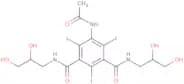
Discontinued product5-(Acetylamino)-N,N'-bis(2,3-dihydroxypropyl)-2,4,6-triiodo-1,3-benzenedicarboxamide
CAS:5-(Acetylamino)-N,N'-bis(2,3-dihydroxypropyl)-2,4,6-triiodo-1,3-benzenedicarboxamide is a reactive iodinated contrast agent that is used in the diagnostic imaging of body cavities and blood vessels. It can be prepared by the acetylation of 5-(acetylamino)naphthalene-2,3-diol with 2,4,6-triiodobenzene dicarboxylic acid using an alkali metal as a base. The yields for this reaction are dependent on the type of solvent used. This chemical has two functional groups: an amide and an acetate group. It reacts with iohexol to form a radiocontrast product that contains both iodine and propanediol. This process is industrially carried out by mixing 5-(acetylamino)naphthalene-2,
Formula:C16H20I3N3O7Purity:Min. 95%Color and Shape:White PowderMolecular weight:747.06 g/molRef: 3D-FA17102
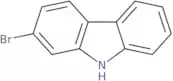
Discontinued product2-Bromocarbazole
CAS:2-Bromocarbazole is an organic compound that binds to the mineralocorticoid receptor. It has been shown to be a potent inhibitor of sodium transport in both anhydrous and hydrated conditions. 2-Bromocarbazole is also a cationic polymerization agent, which can be used in photophysical studies. This compound has been shown to have fluorescence properties, as well as receptor α binding capabilities. 2-Bromocarbazole was also able to inhibit the enzyme picolinic acid carboxylase, which catalyzes the conversion of picolinic acid into nicotinamide adenine dinucleotide phosphate (NADP) and CO2. The molecular docking analysis of 2-bromocarbazole with human recombinant MRAPα confirms this inhibition.
Formula:C12H8BrNPurity:Min. 98 Area-%Color and Shape:PowderMolecular weight:246.1 g/molRef: 3D-FB33244
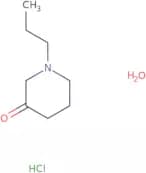
Discontinued product1-Propyl-3-piperidone hydrochloride hydrate
CAS:1-Propyl-3-piperidone hydrochloride hydrate is a high quality chemical that can be used as a reagent in organic synthesis. It is an intermediate for the production of pharmaceuticals, agrochemicals, and other chemicals. 1-Propyl-3-piperidone hydrochloride hydrate is also a versatile building block with many uses as a reaction component. This compound has been shown to have antiulcer properties and may also have potential as an analgesic.Formula:C8H15NO·HCl·H2OPurity:Min. 95%Color and Shape:PowderMolecular weight:195.69 g/molRef: 3D-FP67040
Discontinued product5-Bromopentan-1-ol
CAS:5-Bromopentan-1-ol is a chemical that is used in the synthesis of other organic compounds. It has been found to be a good solvent for many organic substances, and it is also used as an intermediate in organic synthesis. 5-Bromopentan-1-ol can be acetylated with acetic anhydride, which leads to the formation of 1,5-diacetoxybutane. The reaction between 5-bromopentan-1-ol and copper oxide in chlorine gas leads to the formation of 1,5 dibromohexane. This reaction product can then be hydrolyzed to produce malonic acid.
The structural formula for 5-bromopentan-1-ol consists of two carbon atoms connected by a single bond and three hydrogen atoms bonded to one carbon atom. The other carbon atom is bonded to two oxygen atoms (one by a double bond) and one hydrogen atom. TheFormula:C5H11BrOPurity:Min. 95%Color and Shape:Clear LiquidMolecular weight:167.04 g/molRef: 3D-FB44839
Discontinued productSibutramine hydrochloride monohydrate
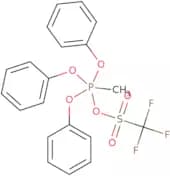
CAS:Controlled ProductSerotonin receptor 5-HT antagonist; noradrenaline reuptake inhibitorFormula:C17H29Cl2NOPurity:Min. 95%Color and Shape:PowderMolecular weight:334.32 g/molMethyltriphenoxyphosphonium Trifluoromethanesulfonate
CAS:Controlled ProductMethyltriphenoxyphosphonium Trifluoromethanesulfonate is a reagent for the synthesis of alkenes, ethers, nitriles, esters and alkanes. It is also used to synthesize heterocycles. Methyltriphenoxyphosphonium Trifluoromethanesulfonate can be used to synthesise a wide variety of organic compounds. It reacts with electrophiles such as alcohols, amines and carboxylic acids to produce the corresponding ethers, nitriles, esters or alkanes. This reagent can also be used in many different cross-coupling reactions such as Suzuki-Miyaura reaction or Sonogashira reaction.
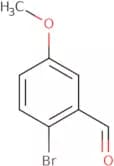
Formula:C20H18F3O6PSPurity:Min. 95%Molecular weight:474.39 g/mol2-Bromo-5-methoxybenzaldehyde
CAS:2-Bromo-5-methoxybenzaldehyde is an organic compound that is used as a synthetic intermediate. It has been shown to be a substrate for the acid transporter SLC26A2, which transports it into cells. This compound has also been found in low levels in human tissues and fluids, where it may play a role in the development of cancer. 2-Bromo-5-methoxybenzaldehyde has been shown to inhibit the growth of cancer cells by uv absorption and terminal alkynes. The anticancer activity of this compound is due to its ability to react with functional groups such as benzyl groups and other alkyl groups.
Formula:C8H7BrO2Purity:Min. 95%Color and Shape:PowderMolecular weight:215.04 g/molRef: 3D-FB33768
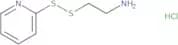
Discontinued product(S)-2-Pyridylthio cysteamine hydrochloride
CAS:(S)-2-Pyridylthio cysteamine hydrochloride is a cell-permeant, basic, thiol-containing compound that is currently being investigated as an anticancer agent. It has been shown to inhibit the growth of tumor cells in vitro and in vivo. This drug binds to the disulfide bonds of proteins, which leads to the formation of a stable covalent bond between two protein molecules. (S)-2-Pyridylthio cysteamine hydrochloride also inhibits cell proliferation by interfering with the production of epidermal growth factor. This drug can be used for cancer treatment by binding to the mitochondria and inhibiting ATP synthesis, leading to apoptosis. The uptake of this drug is dependent on its interaction with basic proteins in the plasma membrane, which may be due to its ability to induce epidermal growth factor (EGF) production in cultured cells.Formula:C7H11ClN2S2Purity:Min. 97 Area-%Color and Shape:White PowderMolecular weight:222.76 g/mol2-Chlorobenzoic acid
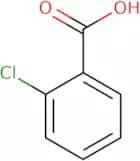
CAS:Please enquire for more information about 2-Chlorobenzoic acid including the price, delivery time and more detailed product information at the technical inquiry form on this page
Formula:C7H5ClO2Purity:Min. 95%Color and Shape:White PowderMolecular weight:156.57 g/molIsopropyl ethylphosphonochloridate
CAS:Controlled ProductPlease enquire for more information about Isopropyl ethylphosphonochloridate including the price, delivery time and more detailed product information at the technical inquiry form on this page
Formula:C5H12FO2PPurity:Min. 95%2-Aza-7-bromocycloheptanone
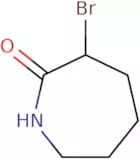
CAS:2-Aza-7-bromocycloheptanone is a heterocyclic system that can be synthesized from the condensation of ethyl 2-bromocaproate and triethyloxonium chloride. This compound has been shown to have lactam ring opening activity, as well as the ability to form azepine rings with amines. The synthesis of this compound is limited by its instability, which may be due to the presence of an azepine group. The ethylation of this heterocycle leads to a more stable product with increased lactam ring opening activity.
Formula:C6H10BrNOPurity:Min. 80 Area-%Color and Shape:PowderMolecular weight:192.05 g/mol4-(Trifluoromethylthio)benzonitrile
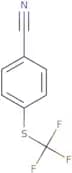
CAS:4-(Trifluoromethylthio)benzonitrile is a chemical that is used as a scaffold in the synthesis of other chemicals. It can be used as a building block for complex compounds and as a starting material for research chemicals. This chemical has been reported to have high purity and quality, and it has been found to be useful as an intermediate. 4-(Trifluoromethylthio)benzonitrile is also versatile and can be used as an intermediate for organic synthesis or as a reagent in chemical reactions. It has CAS number 332-26-3.
Formula:C8H4F3NSPurity:Min. 95%Color and Shape:Off-White PowderMolecular weight:203.19 g/molRef: 3D-FT70606
Discontinued productSolriamfetol
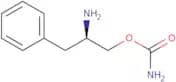
CAS:Controlled ProductSolriamfetol is a drug that belongs to the class of psychostimulants. It is used as an adjunct in the treatment of major depressive disorder, and has been shown to be clinically relevant in patients with major depression. Solriamfetol has been shown to have long-term efficacy and stable doses, which may be due to its chemical stability. It also has dose-dependent effects on dopamine release in the striatum, which can lead to increased symptoms of depression. The drug has also been shown to increase cardiac rate, even at stable doses and does not affect renal function. This may be because solriamfetol does not undergo oxidative injury or cause decreased glomerular filtration rate (GFR).
Formula:C10H14N2O2Purity:Min. 95%Color and Shape:PowderMolecular weight:194.23 g/molRef: 3D-FY143183
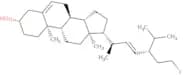
Discontinued product(3β,22E)-29-Fluorostigmasta-5,22-dien-3-ol
CAS:Controlled Product3β,22E)-29-Fluorostigmasta-5,22-dien-3-ol is a plant growth regulator that belongs to the group of fatty alcohols. It is found in the horticultural and tissue culture industries and is used as an additive in bioassays. 3β,22E)-29-Fluorostigmasta-5,22-dien-3-ol enhances the growth rate of nematodes and has been shown to be a potent inhibitor of benzoate degradation. This compound also has hormone effects that are similar to those of furostanols or steroids.
Formula:C29H47FOPurity:Min. 95%Molecular weight:430.68 g/mol5-Iodo-2,3-dimethoxybenzoic acid
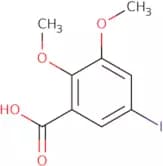
CAS:5-Iodo-2,3-dimethoxybenzoic acid (5IMB) is a synthetic chemical that is used as a radiolabeled substrate for the synthesis of dopamine. The 5IMB is a substrate for the enzyme monoamine oxidase, which converts it to 5-hydroxyindoleacetic acid (5HIAA). The intensity of the signal emitted by 5IMB increases with the increase in concentration of dopamine. It can be used as a positron emission tomography (PET) tracer for dopamine receptors in the brain. The kinetic and uptake properties of 5IMB are different in various regions of the brain, such as striatum and caudate putamen. This difference can be measured using high-performance liquid chromatography (HPLC) and flow rate.
5IMB has been shown to have anti-oxidant properties due to its ability to scavenge peroxide radicals.Formula:C9H9IO4Purity:Min. 98 Area-%Color and Shape:PowderMolecular weight:308.07 g/mol1-((2,5-dichlorophenyl)sulfonyl)-5-methylthio-1,2,4-triazole-3-ylamine
CAS:Please enquire for more information about 1-((2,5-dichlorophenyl)sulfonyl)-5-methylthio-1,2,4-triazole-3-ylamine including the price, delivery time and more detailed product information at the technical inquiry form on this pagePurity:Min. 95%Ref: 3D-FD169994
Discontinued product5-Amino-4,6-dichloropyrimidine
CAS:5-Amino-4,6-dichloropyrimidine is a fluorescent probe that can be used in the detection of nucleophiles. It has been shown to inhibit the growth of cells infected with herpes simplex virus and hl-60 cells. This compound has also been shown to have nicotinic acetylcholine receptor activity and can be used as an analog for purines. The nitrogen atoms in this molecule are responsible for its anti-cancer properties. 5-Amino-4,6-dichloropyrimidine binds to epidermal growth factor (EGF) and blocks its binding site on the cell surface, reducing cancer cell proliferation. Benzyl groups on either end of this molecule act as a protective group against acid hydrolysis, making it stable in acidic environments such as stomach acid. This drug also contains chlorine atoms that make it easy to synthesize and purify by reacting with trifluoroacetic acid.
Formula:C4H3Cl2N3Purity:Min. 95%Color and Shape:PowderMolecular weight:163.99 g/molRef: 3D-FA11123
Discontinued product6-Aminoindoline dihydrochloride
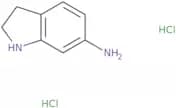
CAS:Please enquire for more information about 6-Aminoindoline dihydrochloride including the price, delivery time and more detailed product information at the technical inquiry form on this page
Formula:C8H10N2•(HCl)2Purity:Min. 95%Molecular weight:207.1 g/molRef: 3D-FA52349
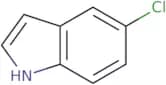
Discontinued product5-Chloroindole
CAS:5-Chloroindole is a molecule that can bind to the CB2 cannabinoid receptor. It has been shown in experiments to be an allosteric modulator of this receptor. 5-Chloroindole has been found to have an inhibitory effect on degenerative diseases, such as Huntington's disease and Alzheimer's disease, and may have therapeutic potential for these disorders. 5-Chloroindole binds to a metal surface by forming hydrogen bonds with the oxygen atom of its carboxyl group and the metal surface. The nucleophilic nature of 5-chloroindole allows it to react with chloride ions present in solution. 5-Chloroindole reacts with the carbon source in tissue culture, which leads to receptor activity and inhibition of cell proliferation.
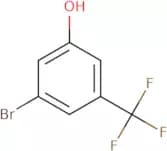
Formula:C8H6ClNColor and Shape:White PowderMolecular weight:151.59 g/mol3-Bromo-5-(trifluoromethyl)phenol
CAS:3-Bromo-5-(trifluoromethyl)phenol is a versatile building block that is used as a scaffold for synthesis of complex compounds. It can be used as a reaction component in the synthesis of valuable chemical products, such as fine chemicals and research chemicals. 3-Bromo-5-(trifluoromethyl)phenol is also useful for the production of speciality chemicals. This chemical has been shown to have high quality and can be used as a reagent in organic synthesis.
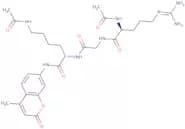
Formula:C7H4BrF3OPurity:Min. 95%Color and Shape:Colorless Clear LiquidMolecular weight:241.01 g/molAc-Arg-Gly-Lys(Ac)-AMC trifluoroacetate salt
CAS:Ac-Arg-Gly-Lys(Ac)-AMC is a potent apoptotic agent that induces the apoptosis of cancer cells by binding to the caspase-9, which is an enzyme that initiates the process of apoptosis. Ac-Arg-Gly-Lys(Ac)-AMC has been shown to inhibit the growth of cancer cells in cell culture and also shows potent antitumor activity against MDA-MB-231 breast cancer cells. This drug can be used as a potential therapeutic agent for cancers such as colorectal, prostate, and pancreatic cancer. Ac-Arg-Gly-Lys(Ac)-AMC is also able to induce apoptosis in human leukemia cells and may have a potential role in therapy for acute myelogenous leukemia (AML).
Formula:C28H40N8O7•C2HF3O2Purity:Min. 98 Area-%Color and Shape:PowderMolecular weight:714.69 g/molRef: 3D-FA110598
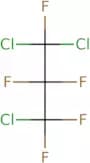
Discontinued productα-Chloro-ω-(2,2-Dichloro-1,1,2-Trifluoroethyl)-Poly(Difluoromethylene)
CAS:Controlled ProductAlpha-Chloro-Omega-(2,2-Dichloro-1,1,2-Trifluoroethyl)-Poly(Difluoromethylene) is a fluorinated polymer that has been shown to be effective in removing chlorine atoms from the atmosphere. The production of this polymer requires an irradiation process with a magnetic field. Alpha-Chloro-Omega-(2,2-Dichloro-1,1,2-Trifluoroethyl)-Poly(Difluoromethylene) is produced by the reaction of alpha chlorohydrin and trifluoroethylene. This polymer is insoluble in water and is not flammable or explosive. It can be used as a chemical precursor for other fluoropolymers or as an additive for polyurethane. Alpha Chloro Omega - ( 2 , 2 - Dichloro - 1 , 1 , 2 - Trifluoroethyl )
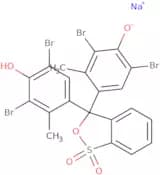
Formula:C3Cl3F5Purity:Min. 95%Molecular weight:237.38 g/molBromocresol green, sodium salt
CAS:Bromocresol green is a dye that is used in biological assays to measure the kinetics of fluorescence. It is a type of tryptophan-releasing compound that releases a yellowish-green light when it absorbs light at wavelengths between 350 and 450 nm. Bromocresol green has been quantified by measuring the intensity of the fluorescence emission as a function of time. This can be done visually or using an instrument called a fluorometer, which detects changes in light intensity over time. Bromocresol green can be used to detect the presence of amino acid residues in proteins through protonation reactions with their tryptophan residues and subsequent quenching with acetonitrile. The bromocresol green dye is also used in lithographic printing, where it serves as an acceptor for electrons from an arene (aromatic hydrocarbon). This process generates energy for lithography and also provides contrast between regions with different electron densities.
Formula:C21H14Br4O5SNaColor and Shape:PowderMolecular weight:721 g/molRef: 3D-FB01465
Discontinued productD-tert-Leucine methyl ester hydrochloride
CAS:Ab-fubinaca is a synthetic cannabinoid that is a potent agonist of the CB2 receptor and a weak agonist at the CB1 receptor. It has been shown to be an effective analgesic in animal models of pain, similarly to other synthetic cannabinoids. Ab-fubinaca has also been shown to have anti-inflammatory effects in mice by inhibiting the production of cytokines such as tumor necrosis factor alpha (TNF-α) and interleukin 1 beta (IL-1β). Ab-fubinaca is structurally similar to D-tert-leucine methyl ester hydrochloride, which is an amino acid derivative that acts as a pharmacological chaperone.
Formula:C7H16ClNO2Purity:Min 96%Color and Shape:White PowderMolecular weight:181.66 g/molRef: 3D-FD30967
Discontinued product1-Bromo-4-chloro-2-fluorobenzene
CAS:1-Bromo-4-chloro-2-fluorobenzene is an antifungal agent that has been shown to be active against staphylococci, gram-negative bacteria, and fungi. The combination of 1-bromo-4-chloro-2-fluorobenzene with formaldehyde yields a synergistic effect. The inhibitory concentration for the growth of cereus and carbonation is 0.5% and 0.1%, respectively. It also shows antibacterial properties towards Gram positive bacteria, including Staphylococcus aureus and Enterococcus faecalis. 1–Bromo-4–chloro–2–fluorobenzene inhibits bacterial growth by binding to DNA gyrase, which prevents transcription and replication. The high frequency of human activity has been shown using a patch clamp technique on human erythrocytes. This active form is metabolized through a number of metabolic transformations,
Formula:C6H3BrClFPurity:Min. 95%Color and Shape:Clear LiquidMolecular weight:209.44 g/molRef: 3D-FB19144
Discontinued product5-Fluoro D,L-tryptophan
CAS:5-Fluoro D,L-tryptophan (5FDTL) is a tryptophan analog that inhibits the growth of bacteria by binding to fatty acid synthesis enzymes. 5FDTL binds to wild-type and resistant mutants of bacterial fatty acid synthases, which are proteins that catalyze the formation of long-chain fatty acids from acetyl-CoA. This binding prevents the formation of long-chain fatty acids, which are required for bacterial cell replication. 5FDTL also binds to protein data and has been shown to have an anti-infective effect on wild-type strains of Pseudomonas aeruginosa and Escherichia coli as well as Pichia pastoris. Disulfide bonds in 5FDTL stabilize its secondary structure and provide protection against proteolytic degradation by enzymes in the extracellular environment. The structural analysis of 5FDTL has revealed that it consists of a small molecule with a logarithmic growth phase
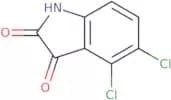
Formula:C11H11FN2O2Purity:Min. 95%Color and Shape:PowderMolecular weight:222.22 g/mol4,5-Dichloroisatin
CAS:4,5-Dichloroisatin is a versatile building block that can be used as a reagent for research and as a speciality chemical. It is also useful in the synthesis of complex compounds. 4,5-Dichloroisatin is a high quality compound with a CAS number of 1677-47-0. This compound is not intended for use in humans or animals.
Formula:C8H3Cl2NO2Purity:Min. 95%Color and Shape:Yellow PowderMolecular weight:216.02 g/molRef: 3D-FD70415
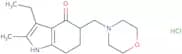
Discontinued productMolindone hydrochloride
CAS:Molindone is a neuroleptic agent that has been shown to be effective in the treatment of schizophrenia. It also has antipsychotic properties and may treat other mental disorders. Molindone is a potent dopamine antagonist, which is thought to explain its therapeutic effects in these conditions. The drug is well absorbed orally and crosses the blood-brain barrier easily, making it suitable for oral administration. Molindone has been shown to have toxic effects in animal studies, including a decrease in serum prolactin levels, an increase in liver weights, and an increase in the number of animals that died during toxicity studies. These side-effect profiles are similar to those seen with haloperidol (a phenothiazine antipsychotic), which suggests that molindone may be used as an alternative to haloperidol when treating psychosis or other mental disorders.
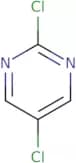
Formula:C16H24N2O2•HClPurity:Min. 95%Color and Shape:White To Light (Or Pale) Yellow To Light (Or Pale) Red SolidMolecular weight:312.83 g/mol2,5-Dichloropyrimidine
CAS:2,5-Dichloropyrimidine is a cytotoxic drug that is activated by acetonitrile to form an intermediate, which is then converted to the active form. This drug has been shown to be neuroprotective in animal models of neurodegenerative diseases. 2,5-Dichloropyrimidine also blocks the production of nitric oxide by binding to the factor receptor and prevents activation of the growth factor. The drug has been shown to inhibit the growth of cancer cells in vitro and in vivo.
Formula:C4H2Cl2N2Purity:Min. 95%Color and Shape:PowderMolecular weight:148.98 g/molRef: 3D-FD11548
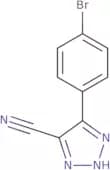
Discontinued product4-(4-Bromophenyl)-1H-1,2,3-triazole-5-carbonitrile
CAS:4-(4-Bromophenyl)-1H-1,2,3-triazole-5-carbonitrile (1) is an organic compound with a molecular formula of C8H6BrN3 and a molar mass of 218.9 g/mol. It has been shown to be a useful scaffold for the synthesis of complex compounds with interesting biological properties, such as antibiotic activity, antiviral activity and cytotoxicity. This compound can be used as a building block in the synthesis of other chemical compounds or as an intermediate in pharmaceutical research. 1 is also used as a reagent in organic synthesis and as a reactant for the production of fine chemicals.Formula:C9H5BrN4Purity:Min. 97 Area-%Color and Shape:PowderMolecular weight:249.07 g/mol2-chloro-n-(4-chlorophenyl)acetamide
CAS:2-Chloro-N-(4-chlorophenyl)acetamide (2CPA) is an antimycobacterial agent that inhibits the growth of Mycobacterium tuberculosis. The antimycobacterial activity of 2CPA has been demonstrated in a dilution method, where it reduced the number of viable cells in cultures of M. tuberculosis and Mycobacterium smegmatis. The antimicrobial activity of 2CPA was confirmed using a fluorescence assay, which showed that this compound is active against M. tuberculosis H37Rv and M. smegmatis at concentrations above 0.1 mM. 2CPA also has a potent bactericidal effect on Staphylococcus aureus with an MIC value of 0.06 mg/mL at 30 minutes and is active against Enterococcus faecalis with an MIC value of 4 mg/mL at 30 minutes.
Formula:C8H7Cl2NOPurity:Min. 95%Molecular weight:204.05 g/molRef: 3D-FC59259
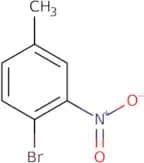
Discontinued product4-Bromo-3-nitrotoluene
CAS:4-Bromo-3-nitrotoluene is a carbazole that has been found to have insecticidal activity. The compound reacts with serotonin to form the reactive intermediate 4-bromo-3-nitrosobenzaldehyde, which is then oxidized to the final product 4-bromo-3-nitrobenzoic acid. The insecticidal activity of 4-Bromo-3-nitrotoluene was found to be due in part to its ability to inhibit serotonin uptake and metabolism by blocking serotonin transporters. It also induces dihedral angles in positron emission tomography (PET) imaging of human brain tissue, suggesting it may be useful for brain imaging studies.
Formula:C7H6BrNO2Purity:Min. 95%Color and Shape:Clear LiquidMolecular weight:216.03 g/molRef: 3D-FB00493
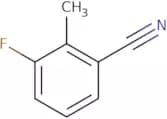
Discontinued product3-Fluoro-2-methylbenzonitrile
CAS:3-Fluoro-2-methylbenzonitrile is a novel androgen receptor modulator that binds to the androgen receptor with high affinity and selectivity. 3-Fluoro-2-methylbenzonitrile has been shown to have agonistic activity in vivo. It has been proposed as an alternative to testosterone for the treatment of muscle wasting, osteoporosis, and other hormone deficiencies. 3-Fluoro-2-methylbenzonitrile is metabolized by CYP3A4 enzymes, which may be modified to improve its metabolic stability and thus increase its bioavailability. In addition, modifications of 3-fluoro-2-methylbenzonitrile may be made that would improve its pharmacokinetic profile (e.g., naphthalene profiles).
Formula:C8H6FNPurity:Min. 95%Color and Shape:PowderMolecular weight:135.14 g/molRef: 3D-FF33625
Discontinued product(-)-Scopolamine N-butyl bromide
CAS:(-)-Scopolamine N-butyl bromide is an anti-cholinergic drug that is used for the diagnosis and treatment of bowel diseases. It has been shown to be effective in two different animal models of bowel disease, one of which was induced by dextran sulfate sodium. (-)-Scopolamine N-butyl bromide has been shown to decrease motility and increase tone in the colon, as well as reduce the severity of diarrhea in animals with experimental colitis. It also has a sedative effect on the gastrointestinal tract that may be due to its ability to bind to acetylcholine receptors.
Formula:C21H30NO4BrPurity:Min. 98 Area-%Color and Shape:White PowderMolecular weight:440.37 g/molRef: 3D-FS10191
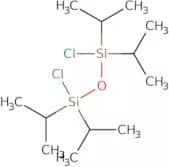
Discontinued product1,3-Dichloro-1,1,3,3-tetraisopropyldisiloxane
CAS:1,3-Dichloro-1,1,3,3-tetraisopropyldisiloxane is a chromatographic stationary phase that has been used for the analysis of oligosaccharides and hydrogen bonds. 1,3-Dichloro-1,1,3,3-tetraisopropyldisiloxane has been shown to be useful in the separation of uridine from other nucleotides. It also has been shown to be useful as a titration calorimetry standard. This stationary phase can be used with fluorescence spectrometry and tryptophan fluorescence for structural analysis of pyrimidine compounds. Molecular modeling studies have also demonstrated that this stationary phase is stereoselective with regards to hydroxyl group emissions. The 1,3-Dichloro-1,1,3,3-tetraisopropyldisiloxane stationary phase is
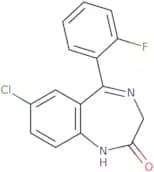
Formula:C12H28Cl2OSi2Purity:Min. 95%Color and Shape:Colorless Slightly Yellow Clear LiquidMolecular weight:315.43 g/mol7-Chloro-5-(2-fluorophenyl)-1,3-dihydro-2H-1,4-benzodiazepin-2-one
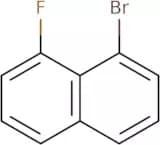
CAS:Controlled Product7-Chloro-5-(2-fluorophenyl)-1,3-dihydro-2H-1,4-benzodiazepin-2-one is a GABA receptor antagonist that is used in the treatment of anxiety. It is an analogue of cinolazepam, which has been shown to inhibit the binding of gamma aminobutyric acid (GABA) to its receptors in human serum and urine samples. Cinolazepam was found to be more potent than 7-chloro-5-(2-fluorophenyl)-1,3-dihydro-2H-1,4 benzodiazepin 2 one in blocking the binding of GABA to its receptor. This drug has also been tested on geriatric patients with high levels of anxiety and found to be well tolerated.Formula:C15H10ClFN2OPurity:Min. 98 Area-%Color and Shape:White PowderMolecular weight:288.7 g/mol1-Bromo-8-fluoronaphthalene
CAS:1-Bromo-8-fluoronaphthalene is a versatile compound that has various applications in the field of research and medicine. It is commonly used as a building block for the synthesis of different compounds, including misoprostol, a medication used to prevent stomach ulcers. Additionally, 1-Bromo-8-fluoronaphthalene has been found to enhance the growth factor effect of allopregnanolone, a neurosteroid with potential therapeutic benefits.
Formula:C10H6BrFPurity:Min. 95%Color and Shape:Clear LiquidMolecular weight:225.06 g/molRef: 3D-FB78506
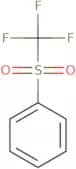
Discontinued productPhenyl trifluoromethylsulfone
CAS:Phenyl trifluoromethylsulfone is a sulfone with a hydroxy group. It is an extractant, used for the extraction of radionuclides such as strontium-90 and cesium-137. Phenyl trifluoromethylsulfone can be used to treat skin cancer, due to its ability to inhibit the growth of cells in the epidermis. The reaction starts with the formation of a phenol intermediate that reacts with a nucleophilic reagent (such as water) to form an acidic product and a phosphoric acid ester. The exothermic reaction causes heat production, which can lead to spontaneous combustion if there is insufficient ventilation. Phenyl trifluoromethylsulfone has been shown to be resistant to carbonyl compounds such as benzaldehyde, acetaldehyde and cyclohexanone.
Formula:C7H5F3O2SPurity:Min. 95%Color and Shape:Colorless Clear LiquidMolecular weight:210.17 g/molRef: 3D-FP11234
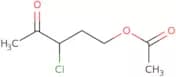
Discontinued product5-Acetoxy-3-chloro-2-pentanone
CAS:5-Acetoxy-3-chloro-2-pentanone is a thioformamide that is used as an intermediate in the synthesis of vitamin B1. It is also a precursor to formic acid and formaldehyde, which are used in the production of dyes and other chemical products. 5-Acetoxy-3-chloro-2-pentanone is synthesized by reacting hydroxylamine with acetyl chloride. The reaction proceeds via a nucleophilic substitution reaction. This product has a high yield and can be produced with various alkyl groups, such as 1-4C, 2C, 3C, 4C, 5C, 6C, 7C, 8C or 9C. 5-Acetoxy-3-chloro-2-pentanone can be used to produce formic acid or formaldehyde by reacting it with sodium hydroxide or potassium hydroxide respectively.
Formula:C7H11ClO3Purity:Min. 95%Molecular weight:178.61 g/molRef: 3D-FA16981
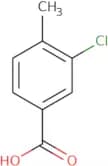
Discontinued product3-Chloro-4-toluic acid
CAS:3-Chloro-4-toluic acid is a quinone, which is derived from 3,4-dichlorotoluene. It has been shown to bind to nuclear receptors and act as a retinoic acid linker. This compound is also used in the synthesis of organic compounds by desorption in an acidic environment, followed by methyl esterification with an alcohol. 3-Chloro-4-toluic acid can be converted into zirconium chloride or hydrotalcite through chlorination or hydrochlorination. The resulting product can be used for dispersive solid-phase extraction methods.
Formula:C8H7ClO2Purity:Min. 95%Color and Shape:PowderMolecular weight:170.59 g/mol2-[4-(4-Chloro-a-phenylbenzyl)-1-piperazinyl]-ethoxyacetic acid hydrochloride
CAS:2-[4-(4-Chloro-a-phenylbenzyl)-1-piperazinyl]-ethoxyacetic acid hydrochloride is a chemical compound that has been used to investigate the possible neuroprotective effects of cetirizine, an antihistamine. This drug was developed as a prodrug of cetirizine, which is converted in vivo to its active form. The main mechanism of action for this drug is inhibition of histamine release from mast cells and basophils by blocking H1 receptors. 2-[4-(4-Chloro-a-phenylbenzyl)-1-piperazinyl]-ethoxyacetic acid hydrochloride has also been shown to have beneficial effects on allergic symptoms and bowel disease in experimental models and clinical properties.Formula:C21H25ClN2O3·HClPurity:Min. 95%Color and Shape:PowderMolecular weight:425.35 g/molRef: 3D-FC33467
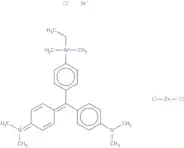
Discontinued productMethyl green, zinc chloride
CAS:Methyl green zinc chloride is a reagent that is used as a building block for research chemicals, speciality chemicals, and fine chemicals. It is also an intermediate in the synthesis of many biologically active compounds. Methyl green zinc chloride can be used as a versatile building block in the preparation of complex compounds. It is soluble in water and has CAS number 7114-03-6.
Formula:C27H35BrClN3•ZnCl2Purity:Min. 95%Color and Shape:PowderMolecular weight:653.23 g/molRef: 3D-FM40148
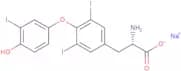
Discontinued product3,3',5-Triiodo-L-thyronine sodium salt
CAS:Synthetic thyroid hormone (T3) analog; promotes adipogenic differentiation
Formula:C15H11I3NNaO4Purity:Min. 95 Area-%Color and Shape:Slightly Yellow PowderMolecular weight:672.96 g/molRef: 3D-FT28507
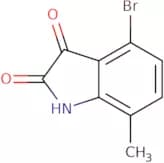
Discontinued product4-Bromo-7-methylisatin
CAS:4-Bromo-7-methylisatin is a chemical compound that is used as a reagent, reaction component, and building block in organic chemistry. 4-Bromo-7-methylisatin is an important intermediate for the synthesis of other compounds and has been shown to have versatile applications in the synthesis of complex compounds. It has also been used as a speciality chemical in research applications and as a fine chemical.
Formula:C9H6BrNO2Purity:Min. 95%Color and Shape:PowderMolecular weight:240.05 g/molRef: 3D-FB70026
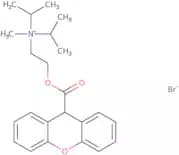
Discontinued productPropantheline bromide
CAS:Propantheline bromide is a drug that belongs to the group of chemical stabilizers. It is an anti-inflammatory agent that is used for the treatment of bowel disease, especially in elderly patients. Propantheline bromide has been shown to have long-term efficacy with good tolerability in the treatment of overactive bladder syndrome and other urinary disorders. This drug can be administered orally or intravenously and has little effect on the body's water balance or blood pressure. Propantheline bromide works by blocking nerve signals from the gastrointestinal tract to the detrusor muscle, which is responsible for contraction and relaxation of the bladder.
Formula:C23H30BrNO3Purity:Min. 95%Color and Shape:PowderMolecular weight:448.39 g/molRef: 3D-FP27192
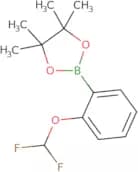
Discontinued product2-Difluoromethoxyphenylboronic acid pinacol ester
CAS:2-Difluoromethoxyphenylboronic acid pinacol ester is a high quality reagent that can be used as a useful intermediate, fine chemical, or speciality chemical in reactions. This compound is an important building block for synthesizing other chemicals and can also be used to make novel compounds with pharmaceutical properties. 2-Difluoromethoxyphenylboronic acid pinacol ester is versatile and can be used in many different reactions. It has been reported to react with various other molecules to form new scaffolds and building blocks for use in organic synthesis.
Formula:C13H17BF2O3Purity:Min. 95%Color and Shape:PowderMolecular weight:270.08 g/molRef: 3D-FD103354
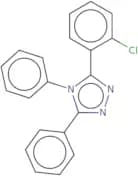
Discontinued product5-(2-Chlorophenyl)-1,2-diphenyl-1,3,4-triazole
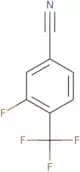
CAS:5-(2-Chlorophenyl)-1,2-diphenyl-1,3,4-triazole is a research chemical that can be used as a building block for the synthesis of more complex molecules. This compound has been shown to have a high yield and is useful for the synthesis of various reaction components including pharmaceuticals and pesticides. It also has an excellent quality and is available in bulk quantities.Formula:C20H14ClN3Purity:Min. 95%Molecular weight:331.8 g/mol3-Fluoro-4-(trifluoromethyl)benzonitrile
CAS:3-Fluoro-4-(trifluoromethyl)benzonitrile is a chemical compound with biological activity. It is structurally related to anthelmintics, and has been shown to be nematocidal in laboratory experiments. 3-Fluoro-4-(trifluoromethyl)benzonitrile has not been evaluated for safety or efficacy in humans.
!--END-->Formula:C8H3F4NPurity:Min. 95%Color and Shape:PowderMolecular weight:189.11 g/molRef: 3D-FF67968
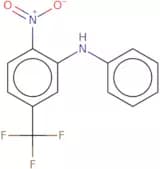
Discontinued productN-Phenyl-2-nitro-4-trifluoromethyl-phenylamine
CAS:N-Phenyl-2-nitro-4-trifluoromethylphenylamine is a versatile building block. It is a fine chemical that is used in research and as a reagent, speciality chemical, or useful scaffold for the synthesis of complex compounds. This compound has CAS No. 5108-04-3 and can be used as an intermediate in reactions. It is also useful in the synthesis of various types of building blocks. N-Phenyl-2-nitro-4-trifluoromethylphenylamine has been shown to be a high quality product that can be used in various ways.Formula:C13H9F3N2O2Purity:Min. 95%Molecular weight:282.22 g/molRef: 3D-FP66187
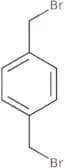
Discontinued product1,4-Bis(bromomethyl)benzene
CAS:1,4-Bis(bromomethyl)benzene is a molecule that has a variety of uses. It is used as an adsorbent for the purification of aromatic hydrocarbons and can also be used in synthesizing coumarin derivatives. It is also a component in x-ray crystal structures, ether linkages, chemical structures, and other organic compounds. 1,4-Bis(bromomethyl)benzene reacts with nucleophiles such as chloride to form diphenyl ethers. The synthesis of 1,4-bis(bromomethyl)benzene begins with the reaction of pyridinedicarboxylic acid and bromine in the presence of an organic solvent. This process creates a mixture containing diphenyl ethers and other halogenated aromatic compounds that can then be purified by crystallization or distillation.
Formula:C8H8Br2Purity:Min. 95%Color and Shape:White Clear LiquidMolecular weight:263.96 g/molRef: 3D-FB00219
Discontinued product2-[2-[4-[Bis(4-fluorophenyl)methyl]piperazin-1-yl]ethoxy]acetic acid HCl
CAS:2-[2-[4-[Bis(4-fluorophenyl)methyl]piperazin-1-yl]ethoxy]acetic acid HCl (BAY-85788) is a drug which acts as a histamine receptor antagonist. It has been shown to be effective in the treatment of idiopathic urticaria. BAY-85788 has also been found to have less potential for drug interactions than other histamine receptor antagonists, and does not cause an increase in blood pressure, unlike other compounds with this activity. This compound is metabolized by cytochrome P450 enzymes and does not contain nitrogen atoms or heterocyclic rings. Experimental studies have shown that orally administered BAY-85788 is absorbed from the GI tract and eliminated unchanged in urine. Studies have also shown that BAY-85788 is active against inflammatory diseases such as atopic dermatitis, asthma, and chronic obstructive pulmonary disease (COPDFormula:C21H24F2N2O3·xHClPurity:Min. 95%Color and Shape:PowderMolecular weight:390.42 g/molRef: 3D-FB98570
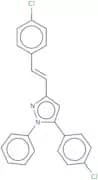
Discontinued product1-Phenyl-3-(4-chlorostyrene)pyrazole
CAS:1-Phenyl-3-(4-chlorostyrene)pyrazole is a high quality reagent that can be used as an intermediate in the production of complex compounds. It is also used as a building block in the synthesis of speciality chemicals, research chemicals, and versatile building blocks. 1-Phenyl-3-(4-chlorostyrene)pyrazole has been shown to be useful as a reaction component in the synthesis of fine chemicals and useful scaffolds.
Formula:C23H16Cl2N2Purity:Min. 95%Molecular weight:391.29 g/molRef: 3D-FP66012
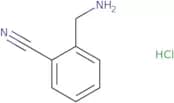
Discontinued product2-Cyanobenzylamine hydrochloride
CAS:2-Cyanobenzylamine hydrochloride is a chemical building block and intermediate that can be used in the synthesis of many different compounds. It is also a useful reagent for reactions involving nitro compounds. 2-Cyanobenzylamine hydrochloride is a fine chemical that is registered with the Chemical Abstract Service (CAS No. 1134529-25-1). It has been identified as a versatile building block and useful intermediate in the synthesis of pharmaceuticals, agrochemicals, and other organic chemicals.
Formula:C8H8N2·HClPurity:Min. 95%Color and Shape:White/Off-White SolidMolecular weight:168.62 g/molGlycine t-butyl ester hydrochloride
CAS:Glycine t-butyl ester hydrochloride is a glycine prodrug that is converted to the neurotransmitter, cinchonidine, by carboxylesterase. It has been shown to be effective in resistant cancer cells and has good bioavailability in humans. Glycine t-butyl ester hydrochloride is synthesized from glycine and butyric acid with sodium carbonate as a catalyst and then reacted with anhydrous hydrogen chloride to form the final product. This synthesis requires an asymmetric reaction solution, which can be achieved by using a chiral reactant such as potassium carbonate or magnesium chloride. The dehydration of the ester group can be performed by heating in vacuum at 120°C for 2 hours.
Formula:C6H14ClNO2Purity:Min. 95%Color and Shape:White PowderMolecular weight:167.63 g/molMethyl 3,5-dibromo-2-methoxybenzoate
CAS:Methyl 3,5-dibromo-2-methoxybenzoate is a fine chemical that is useful as a scaffold for the preparation of a variety of compounds. It is also used as an intermediate in the synthesis of pharmaceuticals and research chemicals. Methyl 3,5-dibromo-2-methoxybenzoate can be used as a reaction component to generate complex compounds with high purity and quality. This compound has been classified as a speciality chemical and may be reclassified due to its usefulness in research.
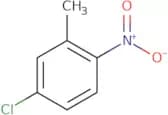
Formula:C9H8Br2O3Purity:Min. 95%Molecular weight:323.97 g/mol5-Chloro-2-nitrotoluene
CAS:5-Chloro-2-nitrotoluene is an anti-cancer drug that has been shown to be effective against a variety of cancer cell lines, including carcinoma and pancreatic cancer cell lines. 5-Chloro-2-nitrotoluene inhibits the growth of cancer cells by binding to sulfhydryl groups in cellular membranes, which prevents the release of essential building blocks for the synthesis of proteins, nucleic acids, and lipids. This compound also inhibits the activity of enzymes that are involved in the synthesis of these compounds. It has been shown to have chemopreventive effects in animal studies.
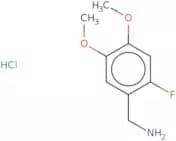
Formula:C7H6ClNO2Purity:Min. 95%Molecular weight:171.58 g/mol4,5-Dimethoxy-2-fluorobenzylamine hydrochloride
CAS:4,5-Dimethoxy-2-fluorobenzylamine hydrochloride is a fine chemical that is the building block for a variety of other compounds. It has been used as an intermediate in organic synthesis and as a research chemical. 4,5-Dimethoxy-2-fluorobenzylamine hydrochloride has also been used as a reaction component in the preparation of complex compounds with interesting physical and chemical properties. This compound is also used as a reagent in the production of high quality products.Formula:C9H12FNO2·HClPurity:Min. 95%Molecular weight:221.66 g/mol2-Amino-4'-chloroacetophenone hydrochloride
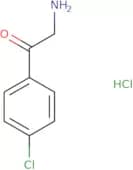
CAS:Controlled Product2-Amino-4'-chloroacetophenone hydrochloride is a cytotoxic compound that inhibits the polymerization of tubulin. It has been shown to have cytotoxic effects and inhibit the growth of cancer cells in vitro at low micromolar concentrations. 2-Amino-4'-chloroacetophenone hydrochloride is a member of the cytotoxic class of compounds and can be used to slow or stop cell division by inhibiting the production of proteins vital for cell division, such as tubulin. This effect is due to its ability to bind to the beta subunit of tubulin, which disrupts its structure and prevents polymerization from occurring.
Formula:C8H8ClNO•HClPurity:Min. 95%Color and Shape:PowderMolecular weight:206.07 g/molRef: 3D-FA55395
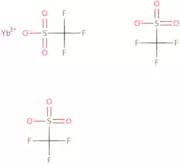
Discontinued productYtterbium(III) trifluoromethanesulfonate
CAS:Ytterbium (III) trifluoromethanesulfonate is a cationic polymerization catalyst that is used for the allylation and methyl ketones, amines, receptor activity, kinetic and epoxides reactions. It is also used as a reagent in structural analysis of polymers. Ytterbium (III) trifluoromethanesulfonate can be synthesized by reacting ytterbium oxide with hydrogen fluoride and chloroform in methanol. The resulting product is purified by sublimation under vacuum. Ytterbium (III) trifluoromethanesulfonate is soluble in organic solvents such as benzene, toluene, ethers and acetone. This compound has been shown to inhibit the growth of cells in culture by acting on surface receptors that are involved in cell proliferation and migration. Ytterbium (III) trifluorFormula:C3F9O9S3YbPurity:Min. 95%Color and Shape:White/Off-White SolidMolecular weight:620.26 g/molRef: 3D-FY57481
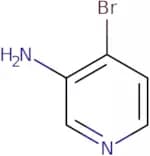
Discontinued product3-Amino-4-bromopyridine
CAS:3-Amino-4-bromopyridine is a receptor binding ligand that belongs to the group of synthetic, active natural products. It has been shown to stabilize nicotinic acetylcholine receptors and inhibit the release of acetylcholine. 3-Amino-4-bromopyridine has been shown to be a potent antagonist at nicotinic acetylcholine receptors and can be used in the treatment of disorders such as Parkinson's disease, Alzheimer's disease, and schizophrenia. 3-Amino-4-bromopyridine binds to pyridiniums in an inorganic acid environment and stabilizes them, which prevents their interaction with carbolines that are important for the modulation of neuronal activity.
Formula:C5H5BrN2Purity:Min. 95%Color and Shape:Off-White PowderMolecular weight:173.01 g/molRef: 3D-FA51548
Discontinued product1-(2-Chlorophenyl)-5-phenyl-1-H-pyrazole-3-carboxylic acid
CAS:Controlled Product1-(2-Chlorophenyl)-5-phenyl-1H-pyrazole-3-carboxylic acid is a high quality, reagent, complex compound that has been shown to be useful as an intermediate in the synthesis of a number of different compounds. It has been shown to be useful as a speciality chemical and research chemicals with versatile building blocks that can be used for the synthesis of other compounds. The CAS number for 1-(2-chlorophenyl)-5-phenyl-1H-pyrazole-3-carboxylic acid is 116572-69-1.
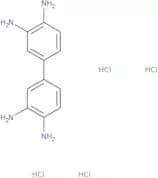
Formula:C16H11ClN2O2Purity:Min. 95%Molecular weight:298.72 g/mol3,3'-Diaminobenzidine tetrahydrochloride
CAS:3,3'-Diaminobenzidine tetrahydrochloride or DAB hydrochloride is the hydrochloride salt of biphenyl tetra-aniline. DAB hydrochloride is a water-soluble formulation of DAB and is used in immunohistochemical staining of nucleic acids and proteins. DAB hydrochloride is used in Alzheimer's disease research, Aβ protein amyloid plaques are targeted by a primary antibody, and subsequently by a secondary antibody, which is conjugated with a peroxidase enzyme. This will bind DAB as a substrate and oxidize causing a colour change. 3,3’-Diaminobenzidine tetrahydrochloride is also available as the tetrahydrochloride hydrate and as the free base.
Formula:C12H14N4•4HClPurity:Min. 95%Color and Shape:Off-White PowderMolecular weight:360.12 g/molRef: 3D-FD11034
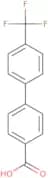
Discontinued product4'-Trifluoromethyl-biphenyl-4-carboxylic acid
CAS:4'-Trifluoromethyl-biphenyl-4-carboxylic acid is a versatile building block that is used in the synthesis of complex compounds. It is also a useful reagent, intermediate, and scaffold for organic reactions. The chemical's CAS number is 195457-71-7. This product has a high quality and can be used as a research chemical or speciality chemical.
Formula:C14H9F3O2Purity:Min. 95%Color and Shape:PowderMolecular weight:266.22 g/molRef: 3D-FT33145
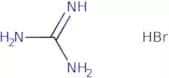
Discontinued productGuanidine hydrobromide
CAS:Guanidine hydrobromide is a chemical compound that is used in wastewater treatment. It has been shown to interact with human serum and form hydrogen bonding interactions. Guanidine hydrobromide has also been shown to react with metal hydroxides to form guanidinium ions. The guanidinium ions have been shown to be able to bind to the mucin gene, which is an important gene for epithelial cells. This binding can lead to cell death and toxicity in humans. Guanidine hydrobromide has also been shown to react with nitrate and produce toxic products such as cyanogen bromide. The reaction mechanism of guanidine hydrobromide is currently being studied by titration calorimetry, a technique that measures heat released during chemical reactions by observing changes in temperature.
Formula:CH6BrN3Purity:Min. 95%Color and Shape:White PowderMolecular weight:139.98 g/molRef: 3D-FG23708
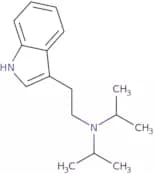
Discontinued product3-(2-Diisopropylaminoethyl)indole hydrochloride
CAS:Controlled Product3-(2-Diisopropylaminoethyl)indole hydrochloride is an inhibitor of the enzyme monoamine oxidase (MAO). MAO is responsible for the degradation of monoamines such as serotonin, dopamine, and norepinephrine. 3-(2-Diisopropylaminoethyl)indole hydrochloride inhibits these enzymes in order to increase the levels of these neurotransmitters in the brain. These effects are observed with a sectional study on the host plant species. 3-(2-Diisopropylaminoethyl)indole hydrochloride has been shown to have low potency for inhibiting 5-HT1A and 5-HT2A receptors in rat studies, but it is not active against 5-HT2C receptors. This drug was used to measure urinary serotonin and dopamine levels in human urine samples.
Formula:C16H25ClN2Purity:Min. 95%Molecular weight:280.84 g/mol[2-(3-Methyl-1,2,4-oxadiazol-5-yl)ethyl]amine hydrochloride
CAS:2-(3-Methyl-1,2,4-oxadiazol-5-yl)ethyl]amine hydrochloride is a high quality chemical reagent that can be used as a complex intermediate in organic synthesis. It is also a useful scaffold for the synthesis of other complex compounds. 2-(3-Methyl-1,2,4-oxadiazol-5-yl)ethyl]amine hydrochloride is an excellent building block for the synthesis of various fine chemicals and research chemicals. This compound has many uses as a versatile building block in chemical reactions due to its reactivity.
Formula:C5H9N3O·HClPurity:Min. 95%Color and Shape:White PowderMolecular weight:163.61 g/molRef: 3D-FM120047
Discontinued product2-Anilino-6-dibutylamino-3-methylfluoran
CAS:2-Anilino-6-dibutylamino-3-methylfluoran is a switchable fluorescent dye that has been used to detect and measure biochemically active substances in living cells. The dye is introduced into the cell, where it binds to specific proteins or nucleic acids, causing a change in fluorescence. This change can then be detected using a microscope with an ultraviolet light source. 2-Anilino-6-dibutylamino-3-methylfluoran has also been used to detect bacteria in wastewater samples. An experiment was conducted to determine the effects of temperature on the reaction time of 2AADMF and metal ion concentration. Increasing the temperature resulted in an increase in reaction time, while increasing the concentration of metal ions had no effect on reaction time. 2AADMF also reacts differently depending on whether it is inside microcapsules or not. Microcapsules with 2AADMF reacted faster than those without it when
Formula:C35H36N2O3Purity:Min. 95%Color and Shape:White PowderMolecular weight:532.67 g/molRef: 3D-FA161411
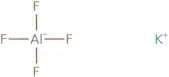
Discontinued productPotassium fluoroaluminate
CAS:Potassium fluoroaluminate (KAlF) is a reactive chemical compound that is used as a reducing agent in metallurgical processes. KAlF is not an aluminothermic reaction product, but it can be produced as a by-product of the reaction between aluminum and hydrogen fluoride. It is produced when potassium reacts with hydrogen fluoride in the presence of sodium carbonate or boron nitride. KAlF does not produce stable complexes with zinc or magnesium, but it does stabilize zirconium oxide to some extent. The human serum contains antibodies against KAlF particles, which may cause allergic reactions following inhalation or skin contact.
Formula:AlF4•KColor and Shape:PowderMolecular weight:142.07 g/mol






![1-(5-Trifluoromethyl-[1,3,4]thiadiazol-2-yl)-piperazine](/_next/image/?url=https%3A%2Fstatic.cymitquimica.com%2Fproducts%2F3D%2Fthumb-webp%2FFT50922.webp&w=3840&q=75)









![2-[4-(4-Chloro-a-phenylbenzyl)-1-piperazinyl]-ethoxyacetic acid hydrochloride](/_next/image/?url=https%3A%2Fstatic.cymitquimica.com%2Fproducts%2F3D%2Fthumb-webp%2FFC33467.webp&w=3840&q=75)
![2-[2-[4-[Bis(4-fluorophenyl)methyl]piperazin-1-yl]ethoxy]acetic acid HCl](/_next/image/?url=https%3A%2Fstatic.cymitquimica.com%2Fproducts%2F3D%2Fthumb-webp%2FFB98570.webp&w=3840&q=75)



![[2-(3-Methyl-1,2,4-oxadiazol-5-yl)ethyl]amine hydrochloride](/_next/image/?url=https%3A%2Fstatic.cymitquimica.com%2Fproducts%2F3D%2Fthumb-webp%2FFM120047.webp&w=3840&q=75)