Organic Halides
In this category, you can find organic molecules containing one or more halogen atoms in their structure. These organic halides include brominated, iodinated, chlorinated, and cyclic halide compounds. Organic halides are widely used in organic synthesis, pharmaceuticals, agrochemicals, and materials science due to their reactivity and ability to undergo a variety of chemical transformations. At CymitQuimica, we offer a comprehensive selection of high-quality organic halides to support your research and industrial applications, ensuring reliable and effective performance in your synthetic and analytical projects.
Subcategories of "Organic Halides"
Found 20440 products of "Organic Halides"
Sort by
Purity (%)
0
100
|
0
|
50
|
90
|
95
|
100
2-Bromo-5-nitroaniline
CAS:2-Bromo-5-nitroaniline is an aminobenzothiazole that is synthesized in an amination reaction with acetonitrile. It is an acidic chemical and can be introduced as a pharmacokinetic probe for studying the uptake of drugs by cells. The properties of 2-bromo-5-nitroaniline have been studied in mice and rats, where it has been shown to be metabolized by nitroreductases. 2-Bromo-5-nitroaniline can also be used as a chemokine receptor antagonist, which could lead to the optimization of other chemokines.Formula:C6H5BrN2O2Purity:Min. 95%Color and Shape:PowderMolecular weight:217.02 g/mol3-Fluoro-2-methylbenzonitrile
CAS:<p>3-Fluoro-2-methylbenzonitrile is a novel androgen receptor modulator that binds to the androgen receptor with high affinity and selectivity. 3-Fluoro-2-methylbenzonitrile has been shown to have agonistic activity in vivo. It has been proposed as an alternative to testosterone for the treatment of muscle wasting, osteoporosis, and other hormone deficiencies. 3-Fluoro-2-methylbenzonitrile is metabolized by CYP3A4 enzymes, which may be modified to improve its metabolic stability and thus increase its bioavailability. In addition, modifications of 3-fluoro-2-methylbenzonitrile may be made that would improve its pharmacokinetic profile (e.g., naphthalene profiles).</p>Formula:C8H6FNPurity:Min. 95%Color and Shape:PowderMolecular weight:135.14 g/mol2,6-Dimethyl-4-iodophenol
CAS:<p>2,6-Dimethyl-4-iodophenol is a small organic molecule that has been shown to be an inhibitor of the virus SARS coronavirus. 2,6-Dimethyl-4-iodophenol inhibits the virus in a specific test for inhibition activity against SARS coronavirus. The compound binds to the viral membrane and blocks a hydrogen bonding interaction with the viral envelope protein. This binding prevents the formation of an active complex with the enzyme RNA polymerase, which is required for transcription of viral RNA. 2,6-Dimethyl-4-iodophenol has also been shown to inhibit other viruses in addition to SARS coronavirus, such as influenza A virus and poliovirus.</p>Formula:C8H9IOPurity:Min. 95%Color and Shape:PowderMolecular weight:248.06 g/mol6-Fluoroserotonin
CAS:Controlled ProductThe 6-Fluoroserotonin is a selective serotonin uptake inhibitor that has been used to study the serotonin transporter. It has been shown to inhibit the uptake of 5-hydroxyindoleacetic acid and 5-hydroxytryptamine, which is mediated by the serotonin transporter. The 6-Fluoroserotonin is also able to bind to clomipramine and zimelidine with high affinity. Analysis of the chromatographic profile of this compound revealed two peaks, one at 3.2 minutes and another at 4.7 minutes, corresponding to the two diastereoisomers of 6-fluoroserotonin.Formula:C10H11FN2OPurity:Min. 95%Molecular weight:194.21 g/mol6-Bromo-naphthalen-2-ylamine
CAS:<p>6-Bromo-naphthalen-2-ylamine is a chromophore that has been used for the development of novel imaging techniques. This compound has been shown to have synaptic properties and can be used in the study of neurodegenerative diseases. It has also been shown to be an anticancer drug, with staining properties that are useful for the identification of motoneurons. 6-Bromo-naphthalen-2-ylamine is also useful as a fluorescent probe for studies of mechanisms of reaction yield and optical properties.</p>Formula:C10H8BrNPurity:Min. 98%Color and Shape:PowderMolecular weight:222.08 g/mol2-Bromo-5-chloronitrobenzene
CAS:<p>2-Bromo-5-chloronitrobenzene is a synthetic drug that has been shown to inhibit the growth of cancer cells. It is a potent antagonist at the tyrosine kinase receptor, which may be involved in the development of some cancers. The drug was first synthesized in 1887 by German chemists for use as an antipsychotic drug, but it was not until 1962 that researchers discovered its therapeutic value in treating schizophrenia. Clozapine also blocks the activity of other receptors including factor receptors and growth factors, which may account for its antitumor effects. Clozapine has also been used to treat resistant breast cancer cases with imatinib therapy.</p>Formula:C6H3BrClNO2Purity:Min. 95%Color and Shape:PowderMolecular weight:236.45 g/mol1-Methyl-3-[3-methyl-4-[4-[(trifluoromethyl)sulfonyl]phenoxy]phenyl]-1,3,5-triazine-2,4,6(1H,3H,5H)-trione
CAS:Ponazuril is a veterinary drug that belongs to the group of chemotherapeutics. It is used in the treatment of endoparasites, such as nematodes and cestodes, which are parasites that live inside the human body. Ponazuril is administered orally or by injection and has been shown to have minimal toxicity in CD-1 mice. Ponazuril binds to DNA polymerase, inhibiting RNA synthesis and protein synthesis. This leads to cell death by apoptosis and necrosis. The drug also inhibits DNA replication in the parasite and blocks parasite growth.Formula:C18H14F3N3O6SPurity:Min. 95%Color and Shape:PowderMolecular weight:457.38 g/mol4-Chloro-3-nitrobenzoic acid methyl ester
CAS:4-Chloro-3-nitrobenzoic acid methyl ester is a chemical compound that inhibits the synthesis of nucleic acids. It binds to the functional groups of DNA, preventing replication and transcription. 4-Chloro-3-nitrobenzoic acid methyl ester also inhibits protein synthesis by inhibiting ribosomal RNA which is required for translation. This agent has been shown to induce apoptotic cell death in leukemia cells, HL60 cells, and other types of cancer cells in vitro. 4-Chloro-3-nitrobenzoic acid methyl ester has a potent inhibitory activity against replicons in vitro and is a synthetic molecule with two sulfoxide functional groups.Formula:C8H6ClNO4Purity:Min. 95%Color and Shape:PowderMolecular weight:215.59 g/mol2-Ethoxy-5-fluoro-1H-pyrimidin-4-one
CAS:<p>2-Ethoxy-5-fluoro-1H-pyrimidin-4-one is a chemical compound that can be synthesized in ethanol, ether, and ethyl formate. It is a white crystalline solid with a melting point of 164°C. The impurities are filtered out using filtration. This compound reacts with substance to produce crystallization. 2-Ethoxy-5-fluoro-1H-pyrimidin-4-one can also be synthesized by reacting trimethylamine and isourea.</p>Formula:C6H7FN2O2Purity:Min. 95%Color and Shape:PowderMolecular weight:158.13 g/mol3,6-Dibromothieno[3,2-b]thiophene
CAS:<p>3,6-Dibromothieno[3,2-b]thiophene is a semiconducting material that has been shown to have electron mobility of 1.5 cm2/Vs and an enhancement factor of ~5 in pyridine as the acceptor molecule. The compound is processed into thin films using chemical vapor deposition and shows potential for use in transistors. 3,6-Dibromothieno[3,2-b]thiophene is also a natural gas sensor that can be used to detect methane concentrations in the range of 0.1% - 10% by volume.</p>Formula:C6H2Br2S2Purity:Min. 95%Color and Shape:PowderMolecular weight:298.02 g/mol3,5-Diiodo-4(4'-methoxyphenoxy)benzoic acid
CAS:<p>3,5-Diiodo-4-(4'-methoxyphenoxy)benzoic acid is a chemical intermediate that has been used in the synthesis of pharmaceuticals and agricultural chemicals. It is a versatile building block that can be used to produce pharmaceuticals, such as diazepam and bromazepam, and other useful compounds. 3,5-Diiodo-4-(4'-methoxyphenoxy)benzoic acid is a fine chemical with high quality and speciality chemical. It has been extensively researched for its usefulness as a reagent for organic synthesis reactions.</p>Formula:C14H10I2O4Purity:Min. 95%Color and Shape:PowderMolecular weight:496.04 g/mol(4-Bromophenyl)acetic acid
CAS:4-Bromophenylacetic acid is a monocarboxylic acid that has been identified as an inhibitor of phosphatase. It also has an inhibitory effect on microbial infection and can be used for the synthesis of amides and cationic surfactants. 4-Bromophenylacetic acid has shown to have a high affinity for humans, which may be due to its glucuronide conjugate, isolated yield, and plant physiology. This molecule is able to undergo electrochemical studies due to its electrophilic nature.Formula:C8H7BrO2Purity:Min. 95%Color and Shape:PowderMolecular weight:215.04 g/molTrifluoperazine dihydrochloride
CAS:Controlled ProductTrifluoperazine is a drug that belongs to the class of selective p-glycoprotein (p-gp) inhibitors. It has been shown to decrease cytosolic calcium levels and glucose-dependent insulinotropic peptide (glp-1) levels in rats. Trifluoperazine has also been shown to have constant pressure and physiological effects on energy metabolism in rat adipocytes at an optimum concentration of 1 μM. In addition, trifluoperazine inhibits the activity of target enzymes such as neuronal death and intracellular calcium levels. The optimal concentration for trifluoperazine is 1 μM, which can be determined by electrochemical impedance spectroscopy. Trifluoperazine also binds to fluorescence probes, which may be used for imaging purposes.Formula:C21H26Cl2F3N3SPurity:(Titration) Min. 98.0%Color and Shape:PowderMolecular weight:480.42 g/mol4-Fluoro-2-hydroxybenzoic acid methyl ester
CAS:4-Fluoro-2-hydroxybenzoic acid methyl ester is a chemical compound that is used as a synthetic intermediate in the synthesis of drugs. 4-Fluoro-2-hydroxybenzoic acid methyl ester can be prepared by reductive amination of an acyl chloride with an amine, followed by reaction with methanol. This chemical intermediate is used in the synthesis of the BCL-2 inhibitor venetoclax, which inhibits cell growth and induces apoptosis in lymphoma cells. 4-Fluoro-2-hydroxybenzoic acid methyl ester also has been shown to inhibit the activity of amidating enzymes and transferases, suggesting it may have potential as an anti-inflammatory drug.Formula:C8H7FO3Purity:Min. 95%Color and Shape:PowderMolecular weight:170.14 g/mol2-Amino-3-chloro-5-nitrobenzonitrile
CAS:<p>2-Amino-3-chloro-5-nitrobenzonitrile is a hydroxyalkyl compound. It is sensitive to light, sulfamic acid and heat. The compound has been expressed in E. coli, but it is not possible to crystallize it due to its sensitivity to ph changes and organic solvents. The substance can be used as a dyestuff or dye intermediate. Due to its stability in crystal form, this substance can also be used as a raw material for the production of nitrite.</p>Formula:C7H4ClN3O2Purity:Min. 95%Color and Shape:PowderMolecular weight:197.58 g/mol1-[(2,6-Difluorophenyl)Methyl]-4-Methyl-2-Propan-2-Ylbenzimidazole
CAS:Controlled Product<p>1-[(2,6-Difluorophenyl)Methyl]-4-Methyl-2-Propan-2-Ylbenzimidazole is a broad spectrum HIV drug that inhibits the HIV transcriptase. It binds to the active site of the enzyme and blocks the binding of nucleotides, preventing RNA synthesis. 1-[(2,6-Difluorophenyl)Methyl]-4-Methyl-2-Propan-2-Ylbenzimidazole has been shown to be effective against HIV in vitro and in vivo. This inhibitor has been shown to inhibit both wild type and mutant forms of HIV transcriptase by binding to the same region of the enzyme. The molecule also shows good activity against other types of viruses, including influenza virus, vesicular stomatitis virus and poliovirus.</p>Formula:C18H18F2N2Purity:Min. 95%Molecular weight:300.35 g/mol1,1,1-Trichlorotrifluoroethane
CAS:<p>1,1,1-Trichlorotrifluoroethane is a chemical that belongs to the group of trifluoroacetic acid. It has been shown to react with hydrogen fluoride in the presence of uv light to form hydrogen chloride and trifluoroacetic acid. 1,1,1-Trichlorotrifluoroethane can be used as an alternative solvent for nitromethane and hexane. It is also used as a medium for cell culture because it does not react with most biological tissue and it does not cause skin irritation. The reaction mechanism for 1,1,1-trichlorotrifluoroethane is nucleophilic attack by the hydrogen chloride molecule on the carbon atom of the ethyl group. This reaction produces a product that contains chlorine atoms that are capable of spontaneously reacting with another molecule of 1,1,1-trichlorotrifluoroethane to form hydrogen chloride</p>Formula:C2Cl3F3Purity:Min. 95%Color and Shape:Colorless PowderMolecular weight:187.37 g/mol4'-Fluoroacetophenone
CAS:4'-Fluoroacetophenone is an organic molecule that is used for wastewater treatment. It reacts with amine groups to form a covalent bond. 4'-Fluoroacetophenone can be used to activate AMP-activated protein kinase (AMPK) and increase the rate of cellular respiration, which may help treat cancer. The chemical structure of 4'-fluoroacetophenone includes hydrogen bonds, nucleophilic substitutions, and acylation reactions. The Langmuir adsorption isotherm for this molecule has been determined to be linear.Formula:C8H7FOPurity:Min. 95%Color and Shape:Clear LiquidMolecular weight:138.14 g/mol2,4-Dichloro-β-methyl-β-nitrostyrene
CAS:2,4-Dichloro-beta-methyl-beta-nitrostyrene is a versatile building block that can be used as a reaction component or reagent for the synthesis of other fine chemicals. It is also a useful intermediate for the production of complex compounds. 2,4-Dichloro-beta-methyl-beta-nitrostyrene has been widely used in research and development due to its high quality and versatility. This compound is also available from Sigma Aldrich at competitive prices.Formula:C9H7Cl2NO2Purity:Min. 95%Molecular weight:232.06 g/mol1-Bromo-3,4-dihydroxy-5-methoxybenzene monohydrate
CAS:<p>1-Bromo-3,4-dihydroxy-5-methoxybenzene monohydrate is a versatile building block for the creation of complex compounds. It is a useful intermediate and can be used as a reagent in organic synthesis. This chemical is also used as an additive in plastics and rubber production. 1-Bromo-3,4-dihydroxy-5-methoxybenzene monohydrate is synthesized from 3,4,5-trimethoxyphenol and bromine. It has been assigned the CAS number 205748-04-5.</p>Formula:C7H7BrO3·H2OPurity:Min. 95%Color and Shape:PowderMolecular weight:237.05 g/molMethyl 3,5-dichlorobenzoate
CAS:Methyl 3,5-dichlorobenzoate is an organic compound that belongs to the class of dihalo benzoates. It is a colorless solid with a melting point of -28 °C. The molecule consists of three asymmetric carbon atoms, two of which are in the terminal positions and one in the middle. This molecule has acidic properties due to its carboxylic acid group. Methyl 3,5-dichlorobenzoate has been shown to have antibacterial activity against bacteria such as Staphylococcus and Mycobacterium tuberculosis. Methyl 3,5-dichlorobenzoate is typically used for formylation reactions and analytical methods such as covid-19 pandemic testing.Formula:C8H6Cl2O2Purity:Min. 95%Molecular weight:205.04 g/mol5-Fluoro-2-methylbenzaldehyde
CAS:<p>5-Fluoro-2-methylbenzaldehyde is a fine chemical that is used as an intermediate in the synthesis of pharmaceuticals, agrochemicals, and other organic molecules. It is also useful in the preparation of synthetic resins, dyes, and flavors. 5-Fluoro-2-methylbenzaldehyde has been shown to be a versatile building block with many potential applications. This molecule can be used as a reaction component or as a speciality chemical to produce high quality reagents.</p>Formula:C8H7FOPurity:90%Color and Shape:Clear LiquidMolecular weight:138.14 g/mol3’,5’-Di-O-benzoyl-2’-deoxy-2’-fluoro-5-trifluoromethyl-arabinouridine
CAS:Please enquire for more information about 3’,5’-Di-O-benzoyl-2’-deoxy-2’-fluoro-5-trifluoromethyl-arabinouridine including the price, delivery time and more detailed product information at the technical inquiry form on this pagePurity:Min. 95%4'-Fluoro-biphenyl-4-methanamine
CAS:4'-Fluoro-biphenyl-4-methanamine is a fine chemical that is a versatile building block, useful intermediate, and research chemical. It is used as a reaction component in the production of other chemicals. 4'-Fluoro-biphenyl-4-methanamine can be used as an additive in many commercial products. This compound is an important reagent and can be found in high quality research laboratories. CAS No. 776291-03-3Formula:C13H12FNPurity:Min. 95%Color and Shape:SolidMolecular weight:201.24 g/mol2-Bromo-4-fluorobenzonitrile
CAS:<p>2-Bromo-4-fluorobenzonitrile is a chemical compound that has the molecular formula C6H5BrF2. It is a competitive inhibitor of chaperones. This molecule also has structural isomers, including 2-bromo-4-fluoroaniline and 2,4-dichlorobenzonitrile. The clinical development of this drug for cancer treatment has been halted due to toxic effects on the heart. However, it was shown in animal studies that 2-bromo-4-fluorobenzonitrile can inhibit the growth of tumour cells in a dose dependent manner with nanomolar concentrations. It is believed that these properties are due to its ability to bind to type 1 receptors and inhibit surfactant sodium dodecyl (SDS) fluorescence.</p>Formula:C7H3BrFNPurity:Min. 95%Molecular weight:200.01 g/mol4-Chloromandelic acid
CAS:<p>4-Chloromandelic acid is an organic compound that is an important intermediate in the synthesis of pharmaceuticals and other organic compounds. It can be used as a ligand to form complexes with transition metals, such as Mo(VI), which are used to catalyze hydrogenation reactions. 4-Chloromandelic acid binds to the substrate binding site on the enzyme through hydrogen bonding interactions. This binding causes a conformational change in the enzyme that inhibits its activity. The kinetic data for 4-chloromandelic acid was determined using trifluoroacetic acid as the solvent and supercritical carbon dioxide as the antisolvent. The enantiomer of 4-chloromandelic acid was identified by analytical methods, including gas chromatography and mass spectroscopy.</p>Formula:C8H7ClO3Purity:Min. 95%Color and Shape:PowderMolecular weight:186.59 g/molSodium Hexafluoroacetylacetonate
CAS:Sodium hexafluoroacetylacetonate is a reactive chemical that can be used as a catalyst in organic synthesis. It is produced by the reaction of hexane and anhydrous hydrogen fluoride. The product has been shown to contain impurities and traces of non-polar solvents, such as chlorinated hydrocarbons and chloroform.Formula:C5HF6NaO2Purity:Min. 95%Color and Shape:PowderMolecular weight:230.04 g/mol2-Fluoro-2-methyl-1-propanol
CAS:<p>Please enquire for more information about 2-Fluoro-2-methyl-1-propanol including the price, delivery time and more detailed product information at the technical inquiry form on this page</p>Formula:C4H9FOPurity:Min. 95%Color and Shape:Colorless PowderMolecular weight:92.11 g/molLGD-4033
CAS:Controlled Product4-[(2R)-2-[(1R)-2,2,2-Trifluoro-1-hydroxyethyl]-1-pyrrolidinyl]-2-(trifluoromethyl)benzonitrile is a potent estrogen receptor modulator (SERM) that binds to the estrogen receptor with high affinity. It has been shown to inhibit the growth of cancer cells in vitro and in vivo. The binding of 4-[(2R)-2-[(1R)-2,2,2-Trifluoro-1-hydroxyethyl]-1-pyrrolidinyl]-2-(trifluoromethyl)benzonitrile to the estrogen receptor is competitive and it can be displaced by estradiol. The drug has a long detection time in urine samples due to its stability and low molecular weight.Formula:C14H12F6N2OPurity:Min. 95%Color and Shape:White Beige PowderMolecular weight:338.25 g/mol(5-Bromo-2-methoxyphenyl)acetonitrile
CAS:<p>5-Bromo-2-methoxyphenyl)acetonitrile is a chemical building block that can be used in the synthesis of complex compounds. It is a versatile intermediate that can be used as a reagent in organic reactions. This compound has been shown to be useful as a reaction component and is a high quality product. 5-Bromo-2-methoxyphenyl)acetonitrile has CAS number 7062-40-0 and is listed on the Chemical Abstracts Service (CAS).</p>Formula:C9H8BrNOPurity:Min. 95%Molecular weight:226.07 g/molN-[(2Z)-Piperazin-2-ylidene]-2,2,2-trifluoroacetohydrazide
CAS:N-[(2Z)-Piperazin-2-ylidene]-2,2,2-trifluoroacetohydrazide (NPI) is a hydrazine derivative with cyclization and chlorination. It is an oxychloride of N-(2-chloroethyl)hydrazinecarbothioamide. Hydrazine derivatives are mainly used as synthetic intermediates for the production of pharmaceuticals and agrochemicals. Trifluoroacetate is a chemical compound that has been shown to be active against the growth of Mycobacterium tuberculosis and Mycobacterium avium complex. Trifluoroacetate inhibits the biosynthesis of mycolic acids, which are essential components of the cell wall in these bacteria. The mechanism of action of trifluoroacetate involves inhibition of the enzyme mycolic acid synthase through covalent modification by forming an adduct with its active site cysteine residue.Formula:C6H9F3N4OPurity:Min. 95%Color and Shape:PowderMolecular weight:210.16 g/mol1-Fluorocyclopropane-1-carboxylic acid
CAS:<p>1-Fluorocyclopropane-1-carboxylic acid is a fluorinated carboxylic acid that is an intermediate in the synthesis of the drug Covid-19, which has antiviral activity against pandemic influenza. The compound has a unique conformational property, which allows it to bind to the e3 ubiquitin ligase. This binding activates the ligase and leads to ubiquitin conjugation of proteins. 1-Fluorocyclopropane-1-carboxylic acid is also used as a reagent for chemical studies. It can be used as an acceptor or hydrogen donor in intramolecular reactions, and it can form strong dipole interactions with phenoxy groups. 1-Fluorocyclopropane-1-carboxylic acid is also bifunctional; it binds to two different molecules at once and has strong hydrogen bonding properties with fluorine atoms.</p>Formula:C4H5FO2Purity:Min. 95%Color and Shape:PowderMolecular weight:104.08 g/molAmmonium tetrachloropalladate(II) - 94%
CAS:<p>Ammonium tetrachloropalladate(II) is a chemical compound that acts as an oxidation catalyst, which is used in the production of polyvinyl chloride. Ammonium tetrachloropalladate(II) is also used as a catalyst in organic reactions such as the sodium citrate-catalyzed oxidation of alcohols to form esters and acyl chlorides. This compound is stable at high temperatures and has been shown to be genotoxic in vitro. Ammonium tetrachloropalladate(II) can be synthesized by reacting palladium with zirconium oxide in a plasma mass spectrometry process.</p>Formula:(NH4)2PdCl4Purity:Min. 95%Color and Shape:PowderMolecular weight:284.31 g/mol2,4-Dichlorophenylacetic acid
CAS:<p>2,4-Dichlorophenylacetic acid is a metabolite of 2,4-dichlorophenoxyacetic acid. It has been used as an analytical marker for the latter compound in urine samples. The metabolic rate of 2,4-DPA is related to the concentration of pyridoxine hydrochloride in plant tissue. This chemical reacts with light to form 2,4-dichlorobenzoic acid and undergoes photochemical reactions.</p>Formula:C8H6Cl2O2Purity:Min. 95%Color and Shape:PowderMolecular weight:205.04 g/mol(1R,2R,3S,5R)-Pinanediol pyrrolidine-2S-boronate hydrochloride
CAS:(1R,2R,3S,5R)-Pinanediol pyrrolidine-2S-boronate hydrochloride is a reagent that can be used in the synthesis of complex compounds. It is a fine chemical with CAS No. 149716-73-4. (1R,2R,3S,5R)-Pinanediol pyrrolidine-2S-boronate hydrochloride has a number of uses including as an intermediate for the preparation of speciality chemicals and as a building block for reactions in research. This compound is also useful as a versatile building block for many reactions.Formula:C14H25BClNO2Purity:Min. 95%Color and Shape:PowderMolecular weight:285.62 g/molBlasticidine S hydrochloride
CAS:Blasticidin is efficient against prokaryotes including mycobacteria, several gram-positive and gram-negative bacteria, but also against eukaryotic cells; it is used as an agricultural fungicide. Blasticidin resistance genes, bsd and bsr are mostly used for eukaryotic cells such as yeasts like P. pastoris, mammalian HEK293 or HeLa cells, or algae such as Chlamydomonas reinhardtii.Formula:C17H26N8O5·HClPurity:Min. 95%Color and Shape:White PowderMolecular weight:458.9 g/mol4-Bromomethyl-2(1H)-quinolinone
CAS:4-Bromomethyl-2(1H)-Quinolinone is a chemical compound that is used in the calibration of an HPLC system. It has been shown to be linear over a wide range of concentrations. The detection wavelength is at 230 nm, and the flow rate is 1 mL/min. The average response for 4-bromomethyl-2(1H)-quinolinone was found to be approximately 0.7 AUFS with a standard deviation of 0.3 AUFS.Formula:C10H8BrNOPurity:Min. 95%Molecular weight:238.08 g/molAnhydrotetracycline hydrochloride
CAS:Anhydrotetracycline hydrochloride is a synthetic tetracycline antibiotic that has been shown to be active against methicillin-resistant strains of Staphylococcus aureus and Enterobacteriaceae. It is also effective against Gram-positive bacteria such as Streptococcus pneumoniae, Enterococcus faecalis, and Listeria monocytogenes. Anhydrotetracycline hydrochloride functions by inhibiting protein synthesis, which prevents the production of proteins vital for cell division. This antibiotic inhibits translation by interfering with the binding of aminoacyl-tRNA to ribosomes through an unknown mechanism. Anhydrotetracycline hydrochloride has also been shown to enhance bacterial growth in the presence of carbon sources such as butanol or sugar alcohols.Formula:C22H23ClN2O7Purity:Min. 95 Area-%Color and Shape:Yellow PowderMolecular weight:462.88 g/mol4-Fluoroestradiol
CAS:Controlled Product4-Fluoroestradiol is an estrogen with a molecular weight of 270.4 g/mol that has been shown to be carcinogenic in animal models. 4-Fluoroestradiol binds to the estrogen receptor and activates the gene product, which stimulates cell growth and proliferation. This drug has been shown to induce cancer in tissues such as the liver, biliary tract, and mammary glands when administered at doses higher than 0.3 mg/kg/day. 4-Fluoroestradiol also interacts with hydrogen bonds in enzymes such as retinol dehydrogenase, all-trans-retinoic acid (ATRA), and specific agents such as retinoic acid (RA). This interaction may inhibit the catalytic rate of these enzymes or alter their substrate specificity.Formula:C18H23FO2Purity:Min. 95%Color and Shape:PowderMolecular weight:290.37 g/mol4,4'-Dibromostilbene
CAS:<p>4,4'-Dibromostilbene is a phthaloyl derivative of trans-stilbene. It has optical properties that are similar to those of the parent compound. 4,4'-Dibromostilbene is an acceptor for electron transfer with a redox potential of 1.8 V and can be used as a peroxide decomposition catalyst. The compound has been shown to be resistant to chlorides, peroxides and organocatalysts at temperatures up to 200°C. In addition, 4,4'-dibromostilbene has been found to have high efficiency in light emission at room temperature with quantum yields ranging from 0.1% - 2%.</p>Formula:C14H10Br2Purity:Min. 95%Color and Shape:PowderMolecular weight:338.04 g/mol2-Amino-4-(trifluoromethyl)thiazole-5-carboxylic acid
CAS:Please enquire for more information about 2-Amino-4-(trifluoromethyl)thiazole-5-carboxylic acid including the price, delivery time and more detailed product information at the technical inquiry form on this pageFormula:C5H3F3N2O2SPurity:Min. 95%Molecular weight:212.15 g/mol2-Iodo-5,6-dimethoxybenzoic acid
CAS:2-Iodo-5,6-dimethoxybenzoic acid is a reagent that is used in the synthesis of complex compounds and fine chemicals. It has a high quality and is useful as an intermediate or building block for the synthesis of versatile compounds. This chemical can be used in research to create new compounds with special properties. 2-Iodo-5,6-dimethoxybenzoic acid can be used in various reactions to make diverse building blocks or scaffolds that are useful in organic chemistry.Formula:C9H9IO4Purity:Min. 95%Molecular weight:308.07 g/molCetirizine dihydrochloride
CAS:Histamine (H1) receptor antagonist; non-sedating anti-histamineFormula:C21H27Cl3N2O3Purity:Min. 98 Area-%Color and Shape:PowderMolecular weight:461.81 g/mol2-Iodomesitylene
CAS:2-Iodomesitylene is a chloride that reacts with an alkyl halide to form a C-C cross-coupling reaction. It is used as a polymerization initiator in cationic polymerization reactions, which are efficient and reactive. 2-Iodomesitylene is soluble in organic solvents such as trifluoroacetic acid and is therefore suitable for the synthesis of polymers containing aromatic hydrocarbons or divalent hydrocarbons. 2-Iodomesitylene has been shown to react with nucleophiles such as nitrogen or carbon nucleophiles, forming useful products such as vinyl ethers.Formula:C9H11IPurity:Min. 95%Color and Shape:PowderMolecular weight:246.09 g/mol5-Chloro-7-iodo-8-hydroxyquinoline
CAS:5-Chloro-7-iodo-8-hydroxyquinoline is a metal chelate that has been shown to have pharmacological effects in experimental animals. It has antioxidative properties and can protect against oxidative injury. 5-Chloro-7-iodo-8-hydroxyquinoline was found to be toxic in various animal models, including the neuronal death and mitochondrial membrane potential. This toxicity may be due to its ability to inhibit the activity of DNA polymerase and protein synthesis. The compound also showed significant cytotoxicity at low concentrations, but had no significant cytotoxicity at higher concentrations. 5-Chloro-7-iodo-8-hydroxyquinoline is similar in structure to clioquinol, which has been shown to have neurotoxic effects in humans.Formula:C9H5ClINOPurity:Min. 95 Area-%Color and Shape:PowderMolecular weight:305.5 g/molMethyl trifluoromethanesulfonate
CAS:<p>Methyl trifluoromethanesulfonate is a chemical compound that has been used in the synthesis of fluorescence probes and pharmaceuticals. It has an electron-withdrawing effect on the nitrogen atom, which enables it to react with amines. Methyl trifluoromethanesulfonate is a potent inhibitor of esterases, which are enzymes that hydrolyze esters. Methyl trifluoromethanesulfonate inhibits HIV infection by binding to gp120 and preventing receptor binding. This reaction also leads to conformational changes in gp120 and causes gp41 to insert into the membrane, disrupting fusion of viral and cellular membranes and inhibiting viral replication.</p>Formula:C2H3F3O3SPurity:Min. 95%Color and Shape:Clear LiquidMolecular weight:164.1 g/molN-Ethylheptadecafluoro-N-[3-(Trimethoxysilyl)Propyl]Octanesulphonamide
CAS:Controlled ProductN-Ethylheptadecafluoro-N-[3-(Trimethoxysilyl)Propyl]Octanesulphonamide is a membrane filtration technology that is used to remove all organic and inorganic pollutants from water. It is effective for the removal of oils, pesticides, herbicides, detergents, antibiotics, and heavy metals. N-Ethylheptadecafluoro-N-[3-(Trimethoxysilyl)Propyl]Octanesulphonamide is also used to treat wastewater and surface water. This process can be used on large quantities of water with high efficiency. The use of this process can be beneficial for the health of humans, animals, and the environment.Formula:C16H20F17NO5SSiPurity:Min. 95%Molecular weight:689.46 g/mol3,5-Dibromo-4-anisic acid
CAS:3,5-Dibromo-4-anisic acid (3,5-DA) is a brominated alkaloid that has been isolated from the Madagascan sponge Psammaplysilla. 3,5-DA is amphimedonine with an additional bromine atom. It has been highlighted in spectroscopy as a possible metabolite of psammaplysene due to its similar chemical structure. 3,5-DA is present in the marine environment and has been found to be a minor component of the sponge Psammaplysilla.Formula:C8H6Br2O3Purity:Min. 95%Color and Shape:PowderMolecular weight:309.94 g/molPhenyl trifluoromethylsulfone
CAS:<p>Phenyl trifluoromethylsulfone is a sulfone with a hydroxy group. It is an extractant, used for the extraction of radionuclides such as strontium-90 and cesium-137. Phenyl trifluoromethylsulfone can be used to treat skin cancer, due to its ability to inhibit the growth of cells in the epidermis. The reaction starts with the formation of a phenol intermediate that reacts with a nucleophilic reagent (such as water) to form an acidic product and a phosphoric acid ester. The exothermic reaction causes heat production, which can lead to spontaneous combustion if there is insufficient ventilation. Phenyl trifluoromethylsulfone has been shown to be resistant to carbonyl compounds such as benzaldehyde, acetaldehyde and cyclohexanone.</p>Formula:C7H5F3O2SPurity:Min. 95%Color and Shape:Colorless Clear LiquidMolecular weight:210.17 g/mol4-Iodo-2-methylanisole
CAS:<p>4-Iodo-2-methylanisole (4IM) is a naphthalene that is regiospecifically eliminated after activation by nitrate in an acidic medium. The hydrochloride salt of 4IM, koenigicine, has been shown to produce estrogen levels in the female rat similar to those produced by 17β-estradiol. The synthesis of 4IM involves the nitration of 2-methylanisole followed by iodine oxidation. This reaction produces a mixture of mono-, di-, and tri-iodonapthalenes. The product obtained from this reaction is purified with column chromatography or recrystallization.<br>Theory predicts that 4IM will be oxidized to 4-iodo-2,6-dimethylanisole by terpene oxidants such as acetonitrile or ozone.</p>Formula:C8H9IOPurity:Min. 95%Color and Shape:PowderMolecular weight:248.06 g/mol(L)-2-Bromo-3-phenylpropionic acid
CAS:<p>L-2-Bromo-3-phenylpropionic acid is a synthetic amino acid that is structurally similar to L-phenylalanine. It can be prepared by the reaction of triphosgene with l-(+)-phenylglycine, followed by hydrolysis of the resulting 2-(bromophenyl)acetic acid. L-2-Bromo-3-phenylpropionic acid has been used in peptidomimetics, which are synthesized using strategies derived from the structures and properties of proteins. One of these strategies is based on the conformational change of an amide bond. This synthetic amino acid has been shown to have affinity for certain chiral conformations and may be used as a chiral ligand in asymmetric synthesis.</p>Formula:C9H9BrO2Purity:Min. 95%Color and Shape:Slightly Yellow PowderMolecular weight:229.07 g/mol2-Chloro-1-methylpyridinium iodide
CAS:<p>2-Chloro-1-methylpyridinium iodide (2CMPI) is a water-soluble, colorless, and odorless substance that is used as an analytical reagent. 2CMPI reacts with amines and pyridines to form chloromethylpyridine and hydroxymethylpyridine respectively, which can be analyzed by FTIR spectroscopy. The sensitivity of this reaction is affected by the matrix, but can be increased by adding dibutyltin oxide or amide. 2CMPI has been shown to have physiological activities in some animal models of metabolic disorders such as diabetes mellitus.</p>Formula:C6H7ClINPurity:Min. 97 Area-%Color and Shape:Yellow PowderMolecular weight:255.48 g/mol2,3-Dichlorobenzaldehyde oxime
CAS:<p>2,3-Dichlorobenzaldehyde oxime is a versatile building block and reagent in the synthesis of complex compounds. It is mainly used as a research chemical and speciality chemical. 2,3-Dichlorobenzaldehyde oxime has been widely used for the preparation of fine chemicals, pharmaceuticals, agrochemicals, and other organic compounds. This compound can be reacted with various reagents to produce useful scaffolds or reaction components.</p>Formula:C7H5Cl2NOPurity:Min. 95%Color and Shape:PowderMolecular weight:190.03 g/molDrotaverine hydrochloride
CAS:<p>Phosphodiesterase 4 inhibitor; anti-spasmodic agent</p>Formula:C24H32ClNO4Purity:Min. 95%Color and Shape:PowderMolecular weight:433.97 g/molMethyl 3,4-dichlorobenzoate
CAS:Methyl 3,4-dichlorobenzoate is a prenyl amide that is used as an organic chemical in the synthesis of other compounds. It can be prepared by reacting diethyl ether with peroxide in the presence of water. The yield of this reaction is approximately 30%. Methyl 3,4-dichlorobenzoate can also be synthesized from 3,4-dichlorobenzoic acid and methyl ester or from dichloromethane and prenyl chloride. This compound has been analysed for its electrophilicity, solvents and yields.Formula:C8H6Cl2O2Purity:Min. 95%Color and Shape:PowderMolecular weight:205.04 g/mol3-(3-Piperidinopropoxy)-1-[3-(Trifluoromethyl)Phenyl]-1H-Indazole
CAS:Controlled Product3-(3-Piperidinopropoxy)-1-[3-(Trifluoromethyl)Phenyl]-1H-Indazole is a compound that functions as an actuator. It can be used to implement force, such as controlling a change in the position of a control or actuation, and it can also be used to shift control. 3-(3-Piperidinopropoxy)-1-[3-(Trifluoromethyl)Phenyl]-1H-Indazole is an actuation method that can be controlled by implementing force.Formula:C22H24F3N3OPurity:Min. 95%Molecular weight:403.44 g/mol4-Bromothioanisole
CAS:<p>4-Bromothioanisole is a sulfoxide that inhibits the activity of Cox-2, which is the inflammatory enzyme that causes pain. It is also a potent inhibitor of the enzyme thioesterase, which breaks down fatty acids and sulfoxides. 4-Bromothioanisole has been shown to inhibit pro-inflammatory cytokines and chemokines in macrophages. This compound is covalently immobilized at an ester linkage to polyethylene glycols, which prevents its decomposition by reducing agents. The molecular modeling study suggests that 4-bromothioanisole binds to the active site of Cox-2 with high affinity and selectivity.</p>Formula:C7H7BrSPurity:Min. 98 Area-%Color and Shape:White PowderMolecular weight:203.1 g/molDefluoro atorvastatin acetonide tert-butyl ester
CAS:Please enquire for more information about Defluoro atorvastatin acetonide tert-butyl ester including the price, delivery time and more detailed product information at the technical inquiry form on this pageFormula:C40H48N2O5Purity:Min. 95%Color and Shape:PowderMolecular weight:636.82 g/mol2-(4-Bromophenyl)-5-phenyl-1,3,4-oxadiazole
CAS:<p>2-(4-Bromophenyl)-5-phenyl-1,3,4-oxadiazole is a fluorescent and x-ray active molecule. It is a cross-coupled compound that can be used in devices for photophysical applications such as fluorescence and x-ray detection. This compound has been shown to have efficiencies of up to 90% for the detection of excitation light at 295 nm. 2-(4-Bromophenyl)-5-phenyl-1,3,4-oxadiazole has also been used in the preparation of high performance liquid phase extraction columns with good results. The reaction time and irradiation are important factors when considering this molecule for use in photophysical applications.</p>Formula:C14H9BrN2OPurity:Min. 95%Color and Shape:PowderMolecular weight:301.14 g/molNorbornylmethylpentafluorocinnamate
<p>Norbornylmethylpentafluorocinnamate is a versatile building block in organic synthesis. It is used as a reagent for the production of amines and other organic compounds, as well as for the synthesis of novel heterocycles. Norbornylmethylpentafluorocinnamate is also used as an intermediate in chemical reactions. This compound has been shown to react with ethylene glycol to form ethylene carbonate and pentafluoroethane, which may be useful for the production of polyurethane foam. Norbornylmethylpentafluorocinnamate can be used as a scaffold for synthesizing new drug candidates or to produce novel pharmaceuticals.</p>Formula:C17H15F5O2Purity:Min. 95%Molecular weight:346.29 g/mol3-(4'-Bromo[1,1'-biphenyl]-4-yl)-1,2,3,4-tetrahydro-1-naphthalenol
CAS:3-(4'-Bromo[1,1'-biphenyl]-4-yl)-1,2,3,4-tetrahydro-1-naphthalenol is a chemical compound that belongs to the group of bromonaphthalenes. It has been used as a reaction component in organic synthesis and as a reagent for detection of DNA binding. 3-(4'-Bromo[1,1'-biphenyl]-4-yl)-1,2,3,4-tetrahydro-1-naphthalenol can be used as a building block for complex compounds with speciality applications. The compound is an intermediate in the production of pharmaceuticals such as selective estrogen receptor modulators.Formula:C22H19BrOPurity:Min. 95%Color and Shape:PowderMolecular weight:379.29 g/mol3-Fluoro-5-methoxybenzonitrile
CAS:<p>3-Fluoro-5-methoxybenzonitrile is a useful chemical intermediate that can be used in organic synthesis. It is a versatile building block with a high quality and it is easy to use in the synthesis of complex compounds. 3-Fluoro-5-methoxybenzonitrile has been shown to react as a nucleophile, and it has been used as a reagent for the production of other compounds. This compound also has potential applications in research, such as being an intermediate for the production of pharmaceuticals and agrochemicals. 3-Fluoro-5-methoxybenzonitrile is not classified as hazardous and does not pose any significant risk to human health or the environment.</p>Formula:C8H6FNOPurity:Min. 95%Color and Shape:PowderMolecular weight:151.14 g/mol2-Chlorothioxanthone
CAS:<p>2-Chlorothioxanthone is a chlorinated derivative of the thioxanthone family. It is used as a coating for metal surfaces, and is also used to control corrosion and prevent environmental pollution due to its activity as an inhibitor of fatty acid synthesis. 2-Chlorothioxanthone has been shown to bind with fatty acids in the mitochondrial membrane, which leads to inhibition of ATP production and mitochondrial membrane potential. This compound is not active against cancer cells, but it does exhibit low toxicity and low energy. The drug has a pharmacokinetic profile that includes a long half-life, high solubility in water, and rapid absorption from the gastrointestinal tract.</p>Formula:C13H7ClOSPurity:Min. 95%Molecular weight:246.71 g/mol4-Bromo-2-(trifluoromethyl)benzylamine hydrochloride
CAS:<p>4-Bromo-2-(trifluoromethyl)benzylamine hydrochloride is a versatile building block useful for the synthesis of complex compounds. It is also a research chemical, which is used as a reaction component and a speciality chemical. 4-Bromo-2-(trifluoromethyl)benzylamine hydrochloride has high purity and can be used as a reagent in the synthesis of new pharmaceuticals or fine chemicals.</p>Formula:C8H7BrF3N•HClPurity:Min. 95%Color and Shape:PowderMolecular weight:290.51 g/mol1-Chloro-3,5-dimethoxybenzene
CAS:1-Chloro-3,5-dimethoxybenzene is an organic chemical compound that is used for the synthesis of other chemicals. It is a cross-coupling agent and a ligand in coordination chemistry. 1-Chloro-3,5-dimethoxybenzene has been shown to be unreactive in reactions with thionyl chloride or sulfuric acid. The chloro group on the benzoic acid derivative can be replaced by bromine or iodine to give 1,4-dibromobenzene and 3,5-diiodobenzene respectively. 1-Chloro-3,5-dimethoxybenzene can also be used as an analogously reactive but less toxic replacement for 1,2,4,5,-tetrachlorobenzene. This chemical has been isolated in yields of up to 97% when reacted with boronic acids or sulfinyle compounds.Formula:C8H9ClO2Purity:Min. 95%Color and Shape:PowderMolecular weight:172.61 g/mol2-tert-Butyl-5-chloro-1,3,4-thiadiazole
CAS:2-tert-Butyl-5-chloro-1,3,4-thiadiazole is a white crystalline solid that is soluble in organic solvents. It has an antioxidant effect and can be used as a reaction system catalyst. 2-tert-Butyl-5-chloro-1,3,4-thiadiazole reacts with copper to form a red solution. The sensor of the reaction system changes color from blue to red when there is no more copper. This product also has the ability to catalyze reactions for the production of pharmaceuticals and other chemicals.Formula:C6H9ClN2SPurity:Min. 95%Color and Shape:Yellow PowderMolecular weight:176.67 g/mol4-Benzyloxy-3-chlorobenzaldehyde
CAS:4-Benzyloxy-3-chlorobenzaldehyde is a chemical intermediate that can be used for the production of a variety of compounds. It is an aromatic compound, with a benzene ring and two oxy groups at each end. The CAS number for 4-benzyloxy-3-chlorobenzaldehyde is 66422-84-2. It is also known as 1,4-dichloroacetophenone. This chemical is useful in the production of speciality chemicals and research chemicals, and it can act as a versatile building block in organic synthesis.Formula:C14H11ClO2Purity:Min. 95%Molecular weight:246.69 g/mol2-Amino-3-chlorobenzonitrile
CAS:<p>2-Amino-3-chlorobenzonitrile is a linker in the synthesis of serotonin, an endogenous neurotransmitter that is involved in many physiological and psychological processes. The x-ray crystallographic studies of this molecule revealed that it has a similar structure to the analogs used for anticancer activity and bioassays. This molecule has shown anticancer activity against tumor cell lines with high levels of serotonin production, such as colon cancer cells. It also shows anti-cancer effects by binding to cryptochrome and stabilizing its structure. 2-Amino-3-chlorobenzonitrile interacts with hydrogen bonding interactions.</p>Formula:C7H5ClN2Purity:Min. 95%Color and Shape:PowderMolecular weight:152.58 g/mol3,3-Dibromopiperidin-2-one
CAS:<p>3,3-Dibromopiperidin-2-one is a synthetic reaction product that is used to synthesize diisobutylaluminum. This compound can be found in the sources methylester chloride, pentachloride, thionyl, phosphorus pentachloride, coniferyl alcohol and ferulic acid. It is also an alkaloid compound that has been reported as a palladium catalyst for coupling reactions. 3,3-Dibromopiperidin-2-one is used to synthesize diisobutylaluminum. This compound can be found in the sources methylester chloride, pentachloride, thionyl, phosphorus pentachloride, coniferyl alcohol and ferulic acid. It is also an alkaloid compound that has been reported as a palladium catalyst for coupling reactions.</p>Formula:C5H7Br2NOPurity:Min. 95%Color and Shape:PowderMolecular weight:256.92 g/mol1-(4,5-dichloroimidazolyl)-2-(hydroxyimino)-3,3-dimethylbutane
CAS:Please enquire for more information about 1-(4,5-dichloroimidazolyl)-2-(hydroxyimino)-3,3-dimethylbutane including the price, delivery time and more detailed product information at the technical inquiry form on this pagePurity:Min. 95%2-Chlorobenzaldehyde oxime
CAS:<p>2-Chlorobenzaldehyde oxime is a compound that inhibits the growth of mycobacterium tuberculosis. It reacts with chloride in the environment to form 2-chlorobenzaldehyde, which reacts with an isoxazole to produce a quinone. Quinones are toxic to mammals and are thought to be responsible for the antimycobacterial activity of this compound. The reaction mechanism of 2-chlorobenzaldehyde oxime has been studied using various techniques and its toxicity has been evaluated in both culture and animal studies. This compound has shown no significant effects on mice at up to 100 mg/kg body weight, but it was found to cause death in rats at doses as low as 0.1 mg/kg body weight.<br>2-Chlorobenzaldehyde oxime was synthesised by reacting 2-chlorobenzaldehyde with oxalyl chloride under conditions suitable for safety, and the product was purified by recrystallisation from acetone. The synthesis</p>Formula:C7H6ClNOPurity:Min. 95%Color and Shape:PowderMolecular weight:155.58 g/mol5-Chloroindole
CAS:<p>5-Chloroindole is a molecule that can bind to the CB2 cannabinoid receptor. It has been shown in experiments to be an allosteric modulator of this receptor. 5-Chloroindole has been found to have an inhibitory effect on degenerative diseases, such as Huntington's disease and Alzheimer's disease, and may have therapeutic potential for these disorders. 5-Chloroindole binds to a metal surface by forming hydrogen bonds with the oxygen atom of its carboxyl group and the metal surface. The nucleophilic nature of 5-chloroindole allows it to react with chloride ions present in solution. 5-Chloroindole reacts with the carbon source in tissue culture, which leads to receptor activity and inhibition of cell proliferation.</p>Formula:C8H6ClNColor and Shape:White PowderMolecular weight:151.59 g/mol5(6)-Carboxyfluorescein - mixture
CAS:6-Carboxyfluorescein is a fluorescent dye widely used in PCR methodologies, it is used to label the 5' end of oligonucleotides as a reporter in the presence of a quencher at the 3' end (dual labelled probe). During the amplification process, the dye is cleaved, and the fluorescence increases proportionally with the amount of the specific sequence amplified during the PCR process. The development of the fluorescence signal is therefore specifically related to the amplification of the target sequence. It is used to tag DNA and RNA for in vivo and in vitro applications, as well as for structural studies and RNA-protein interactions.Formula:C21H12O7Purity:Min. 95%Color and Shape:PowderMolecular weight:376.32 g/mol4-Iodo-3-nitrophenol
CAS:4-Iodo-3-nitrophenol is a chemical compound that is used in the synthesis of decanoic acid, an ester. It also has pharmacological properties and can be used as a cataleptic or neuroleptic agent. 4-Iodo-3-nitrophenol has been shown to have stimulant effects on the central nervous system, which may be due to its ability to inhibit the metabolism of acetylcholine by blocking cholinesterase enzymes. 4-Iodo-3-nitrophenol is also used in the preparation of analogues and it has been tested for use as a treatment for Parkinson's disease.Formula:C6H4INO3Purity:90%Color and Shape:Brown Yellow PowderMolecular weight:265.01 g/mol5-Bromo-2-methoxycinnamic acid
CAS:5-Bromo-2-methoxycinnamic acid is a fine chemical that is used as a scaffold, versatile building block, and useful intermediate. It has been shown to be a useful reaction component in the preparation of complex compounds. 5-Bromo-2-methoxycinnamic acid can also be used as a speciality chemical or reagent. This compound has high quality and is an important research chemical.Formula:C10H9BrO3Purity:Min. 95%Color and Shape:PowderMolecular weight:257.08 g/mol5-Bromo-2-ethoxybenzoic acid
CAS:<p>5-Bromo-2-ethoxybenzoic acid is a versatile building block that can be used as a reagent, speciality chemical, or a useful scaffold. It is used in the synthesis of complex compounds that include pharmaceuticals, agrochemicals, and research chemicals. 5-Bromo-2-ethoxybenzoic acid is also a useful intermediate and reaction component in organic synthesis. This compound has high quality and is listed on the Chemical Abstract Service (CAS) registry number 60783-90-6.</p>Formula:C9H9BrO3Purity:Min. 95%Color and Shape:SolidMolecular weight:245.07 g/mol2-Bromo-5-chloroanisole
CAS:<p>2-Bromo-5-chloroanisole is a high quality chemical that is used as an intermediate in the synthesis of other chemicals, such as ethyl bromoacetate. It is also a useful building block for the synthesis of complex compounds. 2-Bromo-5-chloroanisole has been used as a reagent to study the effect of electron density on the reactivity of nitrobenzene and its derivatives. This chemical has also been found to be a useful scaffold for drug discovery research. 2-Bromo-5-chloroanisole can be used as a speciality chemical in research and development, or it can be used as a reaction component for other chemical reactions.</p>Formula:C7H6BrClOPurity:Min. 95%Molecular weight:221.48 g/mol2-fluoro-4-(trifluoromethyl)benzaldehyde
CAS:2-fluoro-4-(trifluoromethyl)benzaldehyde is a chemical compound that can be synthesized by the reaction of peroxide with fluorine. It is used as a solvent in coatings and in the production of organic chemicals. 2-fluoro-4-(trifluoromethyl)benzaldehyde has been shown to be toxic to cancer cells at high concentrations, but not normal cells. The waveguide effect can be observed at temperatures below -60°C and it has three functional groups that are hydrolyzed by HCl.Formula:C8H4F4OPurity:Min. 95%Color and Shape:Clear LiquidMolecular weight:192.11 g/mol4-Chlorodiphenylcarbinol
CAS:<p>The asymmetric synthesis of 4-chlorodiphenylcarbinol is an efficient method that uses a simple, inexpensive, and environmentally friendly reagent. The reaction proceeds in the presence of hydrochloric acid and sodium hydroxide solution. The reaction mechanism is the same as for the preparation of other chiral alcohols. The stereoselective preparation method is based on the use of glycol esters or trifluoroacetic acid to produce enantiomerically pure 4-chlorodiphenylcarbinol, which can be used as a precursor for pharmaceuticals, pesticides, and dyes.</p>Formula:C13H11ClOPurity:Min. 95%Color and Shape:PowderMolecular weight:218.68 g/mol2-[4-(2,2-Dichlorocyclopropyl)phenoxy]-2-methylpropanoic acid
CAS:<p>2-[4-(2,2-Dichlorocyclopropyl)phenoxy]-2-methylpropanoic acid (CGP) is a drug that blocks the nuclear receptor PPARγ. It has been shown to reduce cholesterol levels by inhibiting the synthesis of cholesterol, as well as reducing liver lesions in vivo. CGP also inhibits the growth of cancer cells through its ability to bind to DNA and regulate transcriptional activity. The response element for this compound is found in the promoter region of the gene encoding the growth factor-β1 (GF-β1), which is an important regulator of cell proliferation, differentiation, and apoptosis. CGP also inhibits peroxisome proliferator activator receptor α (PPARα) and γ (PPARγ). This inhibition leads to decreased expression of genes involved in lipid metabolism, such as acyl CoA synthase and fatty acid synthetase. CGP has also been shown to be carcinogenic in vivo</p>Formula:C13H14Cl2O3Purity:Min. 98 Area-%Color and Shape:PowderMolecular weight:289.15 g/molBenanserin hydrochloride
CAS:Controlled Product<p>Benanserin hydrochloride is a potassium-competitive antagonist of the muscarinic acetylcholine receptor. It has been shown to reduce the glomerular filtration rate in animals, but not in humans. Benanserin hydrochloride has also been shown to be more effective at inhibiting protease activity in vitro than other known cholinesterase inhibitors, such as physostigmine and neostigmine. It binds to the active site of the enzyme and prevents it from breaking down other substances. Benanserin hydrochloride is used for the treatment of chronic kidney disease and high blood pressure, and is an ingredient in some weight loss supplements.</p>Formula:C19H23ClN2OPurity:Min. 95%Molecular weight:330.85 g/molN-Demethyl ivabradine hydrochloride
CAS:Please enquire for more information about N-Demethyl ivabradine hydrochloride including the price, delivery time and more detailed product information at the technical inquiry form on this pageFormula:C26H35ClN2O5Purity:Min. 95%Color and Shape:PowderMolecular weight:491.02 g/mol2-Fluoro-4-methylbenzoic acid ethyl ester
CAS:<p>2-Fluoro-4-methylbenzoic acid ethyl ester is a versatile building block that is used in the synthesis of complex compounds with a wide variety of biological and chemical properties. This compound has been used as a reagent for research, as well as in the production of pharmaceuticals and other speciality chemicals. It has also been found to be useful in the synthesis of compounds with high quality. 2-Fluoro-4-methylbenzoic acid ethyl ester can be used as an intermediate in reactions, or as a scaffold for further synthesis. The CAS number for this compound is 500579-61-3.</p>Formula:C10H11FO2Purity:Min. 95%Color and Shape:Colourless LiquidMolecular weight:182.19 g/mol3-(4-Fluorobenzoyl)-6-Methoxy-2-Methyl-1H-Indole-1-Acetic Acid
CAS:Controlled Product3-(4-Fluorobenzoyl)-6-Methoxy-2-Methyl-1H-Indole-1-Acetic Acid is a prodrug that is metabolized to 6-fluoro-3,4 dioxo tamoxifen in the liver. It has been shown to have anticholinergic, cytosolic calcium and c1-4 alkyl properties. 3-(4-Fluorobenzoyl)-6-Methoxy-2-Methylindole Acetic Acid also has a basic group, cyclopentane ring, and pyridine ring.Formula:C19H16FNO4Purity:Min. 95%Molecular weight:341.33 g/mol3,6-Dichloropyrazine-2-carbonitrile
CAS:<p>3,6-Dichloropyrazine-2-carbonitrile is a synthetic nucleophilic compound that can be used to produce antiviral drugs. This chemical belongs to the class of chlorination compounds and reacts with nucleophiles in a nucleophilic substitution reaction. 3,6-Dichloropyrazine-2-carbonitrile has been optimized for synthesis by recrystallization and solvents. The reactants are heated and then mixed, where it undergoes an acid catalyzed hydrolysis followed by a dehydration reaction. 3,6-Dichloropyrazine-2-carbonitrile is synthesized by reacting a nitrile with phosgene to form the chloroformate ester which is reacted with ammonia or amines. The final product is purified using recrystallization or solvent extraction.</p>Formula:C5HCl2N3Purity:Min. 97 Area-%Color and Shape:PowderMolecular weight:173.99 g/mol[5-Methyl-3-(trifluoromethyl)-1H-pyrazol-1-yl]acetic acid
CAS:[5-Methyl-3-(trifluoromethyl)-1H-pyrazol-1-yl]acetic acid is a reaction component that can be used in organic synthesis as a reagent. This chemical has been shown to have high quality, and is useful for research purposes. It is also a versatile building block and useful intermediate, which can be used in the production of complex compounds. [5-Methyl-3-(trifluoromethyl)-1H-pyrazol-1-yl]acetic acid has CAS number 345637-71-0, and is a fine chemical that is useful for chemistry research.Formula:C7H7F3N2O2Purity:Min. 95%Color and Shape:PowderMolecular weight:208.14 g/mol7-Chlorotryptophan
CAS:<p>Tryptophan is an amino acid that is an essential building block for proteins, neurotransmitters, and hormones. It is also a precursor for the synthesis of vitamin B3. 7-Chlorotryptophan has been shown to inhibit the growth of bacteria by inhibiting their ability to synthesize proteins by interfering with the covalent enzyme that controls the reaction mechanism in plants. Tryptophan may also have anti-inflammatory properties due to its inhibition of prostaglandin synthesis. The chlorinating and chloride groups on 7-chlorotryptophan are responsible for its bactericidal activity against Gram-positive bacteria.</p>Formula:C11H11ClN2O2Purity:Min. 95%Color and Shape:SolidMolecular weight:238.67 g/moltrans-4-Fluorocinnamaldehyde
CAS:Trans-4-fluorocinnaMaldehyde is a molecule that was synthesized as part of an asymmetric synthesis. It has been shown to inhibit serotonin reuptake in vitro (in human lung) and have light emission properties. Trans-4-fluorocinnaMaldehyde is chemically stable and has active substances with optical properties. Furthermore, it can be used for the production of nanowires.Formula:C9H7FOPurity:(%) Min. 90%Color and Shape:PowderMolecular weight:150.15 g/mol2-(Perfluorododecyl)ethyl acrylate
CAS:2-(Perfluorododecyl)ethyl acrylate (FDAE) is a reactive monomer that belongs to the group of methacrylates. It is a colorless, dry powder with a low viscosity. FDAE has hydrophobic properties and a low molecular weight, which makes it suitable for use in coatings and adhesives. This product may be used in the production of polymers, plastics, elastomers, fibers, and rubber products. FDAE can be used as an additive to improve the surface properties of polymers and plastics or as a coating to prevent corrosion. It can also be used as a plasticizer for thermoplastics such as PVC. FDAE reacts with fluorine or chloride ions in the environment, forming highly crosslinkable compounds that are resistant to degradation by sunlight or weathering.Formula:C17H7F25O2Purity:Min. 95%Color and Shape:PowderMolecular weight:718.2 g/mol2,6-Dimethyl-4-fluorobenzaldehyde
CAS:2,6-Dimethyl-4-fluorobenzaldehyde is a fine chemical that is used as a building block in the synthesis of other chemicals. It can be used as a reagent and as a speciality chemical. This product has high purity and quality and is versatile in its use as both an intermediate or scaffold molecule. It can be used in reactions to create complex compounds with useful properties.Formula:C9H9FOPurity:Min. 95%Color and Shape:PowderMolecular weight:152.17 g/molPoly(vinyl chloride)
CAS:Polyvinyl chloride (PVC) is a polymer consisting of vinyl and chlorine. It is widely used in the manufacture of plastics, especially for pipes, cables, and wall coverings. PVC has been found to have genotoxic effects, which may be due to its ability to cause DNA strand breaks. Polyvinyl chloride has also been shown to be toxic to the liver and can cause liver lesions in rats. The toxicity of polyvinyl chloride is increased when it reacts with other chemicals such as methyl ethyl ketone (MEK) or diphenyl ether.Formula:(C2H3Cl)nPurity:Min. 95%Color and Shape:PowderMolecular weight:62.50 g/mol3-Bromo-4-hydroxybenzonitrile
CAS:3-Bromo-4-hydroxybenzonitrile is an acidic compound with a basic structure. It has been shown to inhibit the activity of thrombin, which is an enzyme that plays a key role in blood clotting. 3-Bromo-4-hydroxybenzonitrile also inhibits bacterial growth by binding to DNA and interfering with transcription. This compound can be synthesized from bromine and nitrite under acidic conditions or from chlorobenzene and hydroxylamine under basic conditions. 3-Bromo-4-hydroxybenzonitrile can be phototransformed into the corresponding phenol by UV irradiation, which may have potential health effects on humans and animals if it is absorbed through the skin or if ingested. The coating industry uses this compound to produce coatings for metal surfaces that are resistant to corrosion, because it prevents oxidation of metal surfaces.Formula:C7H4BrNOPurity:Min. 95%Color and Shape:PowderMolecular weight:198.02 g/mol2,5-Dichloropyridine
CAS:2,5-Dichloropyridine is a reactive substance that belongs to the group of halogenated substances. It can be found as a white crystalline solid or as a yellow gas. 2,5-Dichloropyridine reacts with water vapor in the air to form hydrochloric acid and chloride. This substance also has photocatalytic activity and is used as an affinity ligand for separation of organic compounds from soil microorganisms. 2,5-Dichloropyridine is used in the production of dimethylformamide and can be synthesized by reacting aryl chlorides with water vapor in the presence of sodium hydroxide.Formula:C5H3CI2NPurity:Min. 95%Color and Shape:PowderMolecular weight:147.99 g/mol(S)-2-Pyridylthio cysteamine hydrochloride
CAS:(S)-2-Pyridylthio cysteamine hydrochloride is a cell-permeant, basic, thiol-containing compound that is currently being investigated as an anticancer agent. It has been shown to inhibit the growth of tumor cells in vitro and in vivo. This drug binds to the disulfide bonds of proteins, which leads to the formation of a stable covalent bond between two protein molecules. (S)-2-Pyridylthio cysteamine hydrochloride also inhibits cell proliferation by interfering with the production of epidermal growth factor. This drug can be used for cancer treatment by binding to the mitochondria and inhibiting ATP synthesis, leading to apoptosis. The uptake of this drug is dependent on its interaction with basic proteins in the plasma membrane, which may be due to its ability to induce epidermal growth factor (EGF) production in cultured cells.Formula:C7H11ClN2S2Purity:Min. 97 Area-%Color and Shape:White PowderMolecular weight:222.76 g/molTris[N-Ethyl-1,1,2,2,3,3,4,4,5,5,6,6,7,7,8,8,8-heptadecafluoro-N-(2-hydroxyethyl)-1-Octanesulfonamide] phosphate
CAS:Controlled ProductTris[N-ethyl-1,1,2,2,3,3,4,4,5,5,6,6,7,7,8,8-heptadecafluoro-N-(2-hydroxyethyl)-1-octanesulfonamide] phosphate is a sulfonate that has been mixed with other chemicals. It is used as a chemical substance for the production of other substances. Tris[N-ethyl-1,1,2,2,3]3,[4],4,[5],5,[6],6-[7],7,[8],8-[heptadecafluoro-N-(2-hydroxyethyl)-1-octanesulfonamide] phosphate has not been classified by the International Agency for Research on Cancer (IARC).Formula:C36H27F51N3O10PS3Purity:Min. 95%Molecular weight:1,757.7 g/molClorsulon
CAS:Clorsulon is an anthelmintic drug that belongs to the group of benzimidazoles. It is used in veterinary medicine to treat nematode and cestode infections, as well as tapeworm infections. Clorsulon is a dispersive solid-phase extraction (DSPE) extractant that can be used for the separation of drugs and their metabolites from biological fluids. The chemical stability of clorsulon was assessed by exposing it to various solvents and pHs. Clorsulon was found to be stable in acetate, benzene, chloroform, ethyl acetate, ethanol, methanol, and water at pH 1-14 and a variety of temperatures ranging from -20 ˚C to 50 ˚C. No significant loss or degradation occurred after exposure to these conditions for up to 24 hours.Formula:C8H8Cl3N3O4S2Purity:(Hplc) Min. 98.0%Color and Shape:PowderMolecular weight:380.66 g/mol4-Cyano-2-fluorobenzyl alcohol
CAS:4-Cyano-2-fluorobenzyl alcohol is a reagent that is used to produce chlorine and hydrochloric acid. It is also used industrially in the production of potassium chloride, a compound that is used in fertilizers, animal feed supplements, and water treatment. 4-Cyano-2-fluorobenzyl alcohol reacts with chloride ions to form hypochlorous acid (HOCl), which then reacts with water to form hydrogen chloride gas. The reaction with fluoride ions leads to the formation of hydrofluoric acid (HF).Formula:C8H6FNOPurity:Min. 95%Color and Shape:White To Beige SolidMolecular weight:151.14 g/molDiacylglycerol kinase inhibitor II
CAS:<p>Diacylglycerol kinase inhibitor II is a transcriptional regulator that inhibits diacylglycerol kinase. This inhibitor blocks the signaling pathways for growth factor-β1 by inhibiting the enzyme phosphatidic acid phosphatase, which plays an important role in cellular proliferation and migration. Diacylglycerol Kinase Inhibitor II has also been shown to inhibit cation channels and calcium release from intracellular stores. Diacylglycerol Kinase Inhibitor II binds to both cytosolic and nuclear proteins. It has been shown to inhibit cell proliferation and induce apoptosis in breast cancer cells.</p>Formula:C28H25F2N3OSPurity:Min. 97 Area-%Color and Shape:PowderMolecular weight:489.58 g/mol4-Amino-3-bromobenzonitrile
CAS:<p>4-Amino-3-bromobenzonitrile is a chemical compound that is synthesized by the reaction of 4-amino-2-bromobenzonitrile and NaBH4. It can be used as a ligand for copper, nickel, and cobalt ions. The crystalline form of 4-amino-3-bromobenzonitrile has been studied using x-ray diffraction and ultraviolet irradiation. The absorption spectra of the compound are in agreement with its nature as an azobenzene derivative.</p>Formula:C7H5BrN2Purity:Min. 95%Color and Shape:PowderMolecular weight:197.03 g/mol1-(2-Chloro-1-methylethyl)pyrrolidine hydrochloride
CAS:<p>1-(2-Chloro-1-methylethyl)pyrrolidine hydrochloride is a versatile building block that can be used in the synthesis of fine chemicals, complex compounds, research chemicals, reagents and specialty chemicals. This compound is also useful as a building block for the synthesis of pharmaceuticals and chemical products. 1-(2-Chloro-1-methylethyl)pyrrolidine hydrochloride is a high quality chemical that can be used as a reaction component or scaffold for the synthesis of new chemical entities.</p>Formula:C7H15Cl2NPurity:Min. 95%Color and Shape:PowderMolecular weight:184.1 g/mol2-Bromo-3'-methoxyacetophenone
CAS:2-Bromo-3'-methoxyacetophenone is a reactive compound that has been used as an antiplatelet drug. It is a prodrug of vicagrel, which inhibits the platelet aggregation by blocking the conversion of ADP to ATP. It also has been shown to inhibit the growth of cryptococcus neoformans. This compound binds to matrix proteins and disrupts their structure, leading to a decrease in platelet adhesion. 2-Bromo-3'-methoxyacetophenone has been shown to be metabolized through a number of metabolic transformations, including hydrolysis by esterases or glucuronidases, oxidation by cytochrome P450 enzymes, reduction by glutathione reductase, or conjugation with glucuronic acid. The biological properties of this drug are complex and depend on its concentration and duration of exposure. Its effect on platelet aggregation is due to its ability to inhibit the activity of protein kinFormula:C9H9BrO2Purity:Min. 95%Molecular weight:229.07 g/mol1-Butyl-3-methylimidazolium bromide
CAS:<p>1-Butyl-3-methylimidazolium bromide is an ionic liquid that has been shown to be a good solvent for cellulose. It is also biocompatible and can be used as a polymer matrix for copper chloride. 1-Butyl-3-methylimidazolium bromide has been shown to be a good model system for studying the interaction between ions and water vapor in liquids. It has been observed that 1-butyl-3-methylimidazolium bromide undergoes hydrogen bonding interactions with water molecules, which may provide the driving force for its solvation of cellulose.</p>Formula:C8H15BrN2Purity:(¹H-Nmr) Min. 95 Area-%Color and Shape:PowderMolecular weight:219.12 g/molDodecyltrimethylammonium chloride
CAS:Dodecyltrimethylammonium chloride is a surfactant that belongs to the group of cationic surfactants. It has been shown to be effective as an adsorbent for phosphate ions in micelles. Dodecyltrimethylammonium chloride has also been shown to act as a detergent in solutions, and can be used as a cleaning agent. It is commonly used as a surfactant in various industrial processes, such as the production of glycol ethers. The chemical structure of dodecyltrimethylammonium chloride consists of dodecanol and trimethylamine (CH3(CH2)12N(CH3)(OH)3).Formula:C15H34NClPurity:Min. 95%Color and Shape:PowderMolecular weight:263.89 g/mol5-Amino-N,N'-bis(2,3-dihydroxypropyl)-2,4,6-triiodo-1,3-benzenedicarboxamide
CAS:<p>5-Amino-N,N'-bis(2,3-dihydroxypropyl)-2,4,6-triiodo-1,3-benzenedicarboxamide is an experimental compound that is used in the industrial preparation of pharmaceuticals and agricultural chemicals. It has a molecular weight of 191.14 g/mol. The crystallization process involves the use of ethanol to create supersaturation and then cooling to induce crystallization. This compound can be synthesized by an iodination reaction with x-ray irradiation at low temperatures.</p>Formula:C14H18I3N3O6Purity:Min. 95%Color and Shape:White PowderMolecular weight:705.02 g/mol9-[Bromo(phenyl)methylene]-9H-fluorene
CAS:<p>9-[Bromo(phenyl)methylene]-9H-fluorene is a fine chemical and research chemical that can be used as a building block in the synthesis of complex compounds. It has been shown to be potentially useful as an intermediate in the synthesis of important chemical substances, such as pharmaceuticals, pesticides, herbicides, and more. 9-[Bromo(phenyl)methylene]-9H-fluorene has also been studied for its potential use as a scaffold for peptide and protein drug development. As it is a versatile building block with many applications in organic synthesis, it is a high quality reagent with speciality chemical properties.</p>Formula:C20H13BrPurity:Min. 95%Color and Shape:PowderMolecular weight:333.22 g/mol2,5-Difluoro-4-hydroxybenzaldehyde
CAS:2,5-Difluoro-4-hydroxybenzaldehyde is a chemical compound that belongs to the class of pyrazoles. It has been shown to inhibit the activity of multinuclear enzymes, such as tautomerase and hydrolases. This inhibition is due to the conformational changes in these enzymes induced by 2,5-difluoro-4-hydroxybenzaldehyde. 2,5-Difluoro-4-hydroxybenzaldehyde also displays biological activity against various types of cancer cells. This can be attributed to its ability to inhibit protein synthesis through inhibition of RNA transcription and translation.Formula:C7H4F2O2Purity:Min. 95%Color and Shape:SolidMolecular weight:158.1 g/molChlorin e6
CAS:<p>Chlorin e6 is a photosensitizer, which is derived from chlorophyll, specifically the breakdown products of chlorophyll a extracted from plants and algae. It has a significant absorption in the red and near-infrared region of the electromagnetic spectrum, facilitating its use in photodynamic therapy (PDT). Upon activation by light, chlorin e6 produces reactive oxygen species, including singlet oxygen, which can induce cell death. This photochemical mechanism allows for the targeted destruction of cancer cells when used in oncological settings.</p>Formula:C34H36N4O6Purity:90%MinColor and Shape:Dark Blue-Green Or Dark Purple SolidMolecular weight:596.67 g/mol4-Chloro-2-(methylthio)pyrimidine-5-carbonitrile
CAS:<p>4-Chloro-2-(methylthio)pyrimidine-5-carbonitrile (MTPC) is a cardiac drug that has been shown to be effective in preventing autoimmune myocarditis and heart transplant rejection. It inhibits the activity of protein kinase, which is an enzyme involved in the development of autoimmune diseases. MTPC was found to be selective for rat heart isozymes and does not inhibit other isozymes, such as those found in brain, kidney, or liver tissues. MTPC also has high selectivity for allografts over autoantigens.</p>Formula:C6H4ClN3SPurity:Min. 95%Color and Shape:PowderMolecular weight:185.63 g/mol1,1,2,2,3,3,4,4,5,5,6,6,7,7,8,8,8-Heptadecafluoro-N-methyloctane-1-sulfonamide
CAS:Controlled Product<p>1,1,2,2,3,3,4,4,5,5,6,6,7,7,8,8-heptadecafluoro-N-methyloctane-1-sulfonamide is a perfluorinated sulfonate that is used as a surfactant in wastewater treatment and to package food. This compound is not water soluble and requires an organic solvent to dissolve it. It has been shown that the use of 1HFAFMS can reduce the amount of phosphates in packaging materials by up to 50%. 1HFAFMS also has been found to be safe for humans and does not accumulate in the environment. It does not bioaccumulate and is rapidly excreted through urine.</p>Formula:C9H4F17NO2SPurity:Min. 95%Color and Shape:PowderMolecular weight:513.17 g/mol2-Chloromethyl-3-methyl-4-(2,2,2-trifluoroethoxy)pyridine, hydrochloride
CAS:<p>Please enquire for more information about 2-Chloromethyl-3-methyl-4-(2,2,2-trifluoroethoxy)pyridine, hydrochloride including the price, delivery time and more detailed product information at the technical inquiry form on this page</p>Formula:C9H10Cl2F3NOPurity:Min. 95%Molecular weight:276.08 g/mol5-Fluoro-2-nitrobenzotrifluoride
CAS:<p>5-Fluoro-2-nitrobenzotrifluoride is a triamine that stabilizes complex molecules. It has been used in the synthesis of fluorinated compounds and as a nucleophile in organic reactions. The amido group, which is present on 5-fluoro-2-nitrobenzotrifluoride, reacts with electrophilic carbon atoms to form new bonds. This type of reaction is known as an amido substitution. 5-Fluoro-2-nitrobenzotrifluoride is also able to react with sodium nitrate to form a nitro group, which can be used for the synthesis of nitro compounds. As a result, this chemical has been used as a waveguide material in the fabrication of microns and operational amplifiers.</p>Formula:C7H3F4NO2Purity:Min. 95%Color and Shape:Clear LiquidMolecular weight:209.1 g/mol4-Chlorocinnamide
CAS:4-Chlorocinnamide is an organochlorine compound that has been found to have antibacterial properties. It inhibits the shikimate pathway in bacteria, which is essential for bacterial growth. This molecule has been shown to bind with the cation channel of the nerve cells in the trigeminal nerve and inhibit their function. The inhibition of this channel leads to reduced sensitivity to pain. 4-Chlorocinnamide is also a precursor in the synthesis of stilbene derivatives, which are used as anticancer drugs.Formula:C9H8ClNOPurity:Min. 95%Color and Shape:PowderMolecular weight:181.62 g/mol6-Bromo-2H-pyrido[3,2-b][1,4]oxazin-3(4H)-one
CAS:6-Bromo-2H-pyrido[3,2-b][1,4]oxazin-3(4H)-one is a versatile building block that can be used in a variety of chemical reactions as an intermediate. It is also useful in the synthesis of a variety of compounds, such as pharmaceuticals and research chemicals. 6-Bromo-2H-pyrido[3,2-b][1,4]oxazin-3(4H)-one is an organic compound with a molecular formula of C8H5BrN4O. It has an mp of 152°C and decomposes to form nitrogen gas and carbon monoxide at higher temperatures.Formula:C7H5BrN2O2Purity:Min. 95%Color and Shape:SolidMolecular weight:229.03 g/molEthyl 3-hydroxy-2,4,5-trifluorobenzoate
CAS:<p>Ethyl 3-hydroxy-2,4,5-trifluorobenzoate is a versatile building block that has been used as a reagent in organic synthesis and research. It is a fine chemical and speciality chemical that can be used for the production of complex compounds. This compound has been shown to be useful in reactions involving nucleophilic substitution, acylation, and reductive amination. Ethyl 3-hydroxy-2,4,5-trifluorobenzoate is also an intermediate for the synthesis of high quality chemicals with valuable applications such as pharmaceuticals and agrochemicals.</p>Formula:C9H7F3O3Purity:Min. 95%Color and Shape:SolidMolecular weight:220.15 g/mol(S)-2-((((9H-Fluoren-9-yl)methoxy)carbonyl)amino)-3-(1H-pyrrolo[2,3-b]pyridin-3-yl)propanoic acid
CAS:<p>Please enquire for more information about (S)-2-((((9H-Fluoren-9-yl)methoxy)carbonyl)amino)-3-(1H-pyrrolo[2,3-b]pyridin-3-yl)propanoic acid including the price, delivery time and more detailed product information at the technical inquiry form on this page</p>Formula:C25H21N3O4Purity:Min. 95%Molecular weight:427.45 g/mol3,4-Dichlorobenzamide
CAS:<p>3,4-Dichlorobenzamide is a synthetic opioid analgesic that binds to the μ-opioid receptor. It has a side-effect profile that is similar to other opioids, with an addiction risk and potential for abuse. 3,4-Dichlorobenzamide has been used in the synthesis of new drugs, such as phenazepam (a benzodiazepine) and etizolam (a thienodiazepine). This drug is chiral and can be synthesized in two stereoisomeric forms: 3-(+)-chloro-N-(2-chlorophenyl)benzamide and 3-(−)-chloro-N-(2-chlorophenyl)benzamide. The former form is marketed under the trade name Analgin, while the latter form is marketed under the trade name Etilex. The (+) form of this drug has a higher affinity for μ receptors than the (−) form.</p>Formula:C7H5Cl2NOPurity:Min. 95%Molecular weight:190.03 g/mol7-Amino-2-bromo-9-fluorenone
CAS:7-Amino-2-bromo-9-fluorenone is a dye that can be used to label or visualize β-amyloid plaques in the brain. It has high binding affinity for β-amyloid, and can be used to identify the presence of this protein in the brain. 7-Amino-2-bromo-9-fluorenone is also useful for monitoring β-amyloid plaques in transgenic mice. This dye was injected into the brains of transgenic mice, and then stained with a fluorescent dye. Autoradiography was then used to identify where 7-Amino-2-bromo-9-fluorenone binds to β amyloid plaques. 7 - Amino - 2 - bromo - 9 - fluorenoneFormula:C13H8BrNOPurity:Min. 95%Molecular weight:274.11 g/mol(2-indol-3-ylethyl)((2-(trifluoromethyl)phenyl)sulfonyl)amine
CAS:Please enquire for more information about (2-indol-3-ylethyl)((2-(trifluoromethyl)phenyl)sulfonyl)amine including the price, delivery time and more detailed product information at the technical inquiry form on this pageFormula:C17H15F3N2O2SPurity:Min. 95%Color and Shape:PowderMolecular weight:368.38 g/mol1,2-Diamino-3,4-ethylenedioxybenzene dihydrochloride
CAS:1,2-Diamino-3,4-ethylenedioxybenzene dihydrochloride is a chemical compound that is used as a reference in chromatographic methods for the separation of fatty acids. It can also be used as a fluorescent derivative and has been shown to bind to chloroplasts, which are organelles that capture and store light energy. 1,2-Diamino-3,4-ethylenedioxybenzene dihydrochloride has been found in water vapor and was found to have splicing activity when bound to nucleic acid sequences. This chemical compound is an amino acid derivative with hydroxy groups and an acidic catalyst.Formula:C8H10N2O2·2HClPurity:Min. 95%Color and Shape:PowderMolecular weight:239.1 g/mol2-Chloro-3-nitrobenzoic acid ethyl ester
CAS:2-Chloro-3-nitrobenzoic acid ethyl ester is a reactive chemical intermediate that can be used as a building block in organic synthesis. It is a versatile reagent that can be used in many reactions, such as condensation, cyclization, amination, and oxidation. The compound has been shown to be useful in the synthesis of polymers, pharmaceuticals, and natural products. 2-Chloro-3-nitrobenzoic acid ethyl ester is an environmentally friendly compound with a low toxicity profile. It has been classified as a high quality fine chemical with CAS number 3979-45-1.Formula:C9H8ClNO4Purity:Min. 95%Color and Shape:PowderMolecular weight:229.62 g/mol(3-Aminophenyl)boronic acid hydrochloride
CAS:<p>3-Aminophenylboronic acid hydrochloride is a chemical compound that is used for analytical chemistry, bioconjugate chemistry, and clinical diagnostics. The compound binds to model proteins with high affinity and specificity. 3-Aminophenylboronic acid hydrochloride has been shown to have low binding constants with polyols, which make it ideal for use in cell culture. 3-Aminophenylboronic acid hydrochloride has a pK of 2.7 at pH 7.4, making it acidic at this pH. The compound also has a pK of 9.3 at pH 4.5, making it neutral at this pH. 3-Aminophenylboronic acid hydrochloride is an electrochemically active molecule and can be used as an electrode material in electrochemical impedance spectroscopy experiments.</p>Formula:C6H9BClNO2Purity:Min. 95%Color and Shape:PowderMolecular weight:173.4 g/molN-(2,5-dimethylphenyl)(3-chlorobenzo[b]thiophen-2-yl)formamide
CAS:Please enquire for more information about N-(2,5-dimethylphenyl)(3-chlorobenzo[b]thiophen-2-yl)formamide including the price, delivery time and more detailed product information at the technical inquiry form on this pagePurity:Min. 95%1,1,3,3-Tetrachloro-1-Fluoropropane
CAS:Controlled Product1,1,3,3-Tetrachloro-1-fluoropropane is an efficient fluorinating agent with azeotropic properties. It is an intermediate in the production of fluorine compounds such as hydrogen fluoride and 1,1,2-trichloroethane. 1,1,3,3-Tetrachloro-1-fluoropropane can be used to efficiently fluorinate other compounds.Formula:C3H3Cl4FPurity:Min. 95%Molecular weight:199.87 g/molPazufloxacin hydrochloride
CAS:<p>Pazufloxacin hydrochloride is a synthetic antibacterial agent, which is derived from the fluoroquinolone class of antibiotics with a broad-spectrum activity against various bacterial pathogens. This compound, sourced through chemical synthesis, functions primarily by inhibiting bacterial DNA gyrase and topoisomerase IV, which are critical enzymes for DNA replication, transcription, repair, and recombination. The inhibition of these enzymes leads to the disruption of bacterial DNA processes, ultimately resulting in bacterial cell death.</p>Formula:C16H15FN2O4•HClPurity:Min. 95%Molecular weight:354.76 g/mol2,6-Dichlorocinnamic acid
CAS:<p>2,6-Dichlorocinnamic acid is an organic compound that is used as a reagent in the synthesis of other chemicals. 2,6-Dichlorocinnamic acid has been used as a component in the synthesis of various kinds of fine chemicals and useful building blocks. This chemical is also used as a speciality chemical and research chemical. 2,6-Dichlorocinnamic acid can be used as a versatile building block for the preparation of various compounds. It can be synthesized by heating cinnamic acid with chlorine gas and then reacting it with sodium hydroxide.</p>Formula:C9H6Cl2O2Purity:Min. 95%Color and Shape:PowderMolecular weight:217.05 g/molDL-alanine-β-naphthylamide hydrochloride
CAS:DL-Alanine-beta-naphthylamide hydrochloride is a fine chemical that is used as a building block for other compounds. It can be used in the synthesis of complex compounds and as a reagent to synthesize speciality chemicals and research chemicals. DL-Alanine-beta-naphthylamide hydrochloride is also a versatile building block that can be used as an intermediate in organic reactions or as a reaction component. This compound has CAS No. 74144-49-3 and is soluble in water.Formula:C13H15ClN2OPurity:Min. 95%Color and Shape:PowderMolecular weight:250.72 g/molN-[2-Chloro-4-(trifluoromethyl)phenyl]-D-Valine
CAS:<p>N-[2-Chloro-4-(trifluoromethyl)phenyl]-D-Valine is a chemical compound that has been used as a useful scaffold for the synthesis of a variety of compounds. It can be used as an intermediate or research chemical, or as a reaction component in the synthesis of other compounds. This compound is often used for the preparation of complex compounds and has been shown to produce high quality reagents.</p>Formula:C12H12ClF3NO2Purity:Min. 95%Color and Shape:PowderMolecular weight:294.68 g/molN-Methoxy-N-methylcarbamoyl chloride
CAS:N-Methoxy-N-methylcarbamoyl chloride is a synthetic compound that can be used to synthesize organic compounds. N-Methoxy-N-methylcarbamoyl chloride can be produced using cross coupling reactions. It is also used in agrochemical synthesis, such as the production of isobutyl clopidogrel, and in the synthesis of boronic acids.Formula:C3H6ClNO2Purity:Min. 95%Color and Shape:PowderMolecular weight:123.54 g/molEthyl 4-Fluoro-3-nitrobenzoate
CAS:Ethyl 4-fluoro-3-nitrobenzoate is a molecule that has been shown to have significant cytotoxicity and antiproliferative activities against cancer cells. It has been shown to inhibit the replication of RNA in replicon cells, which is an assay used to measure the ability of a drug to inhibit viral replication. The molecule also has significant anticholinesterase activity, which may be due to its hydrogen bond interactions with choline esters.Formula:C9H8FNO4Purity:Min. 95%Color and Shape:PowderMolecular weight:213.16 g/mol3-Bromo-4-fluorobenzaldehyde
CAS:<p>3-Bromo-4-fluorobenzaldehyde is a drug substance that is used in the synthesis of pharmaceuticals. It is also a potential anticancer agent. 3-Bromo-4-fluorobenzaldehyde inhibits bacterial growth by binding to DNA, preventing transcription and replication. The high frequency of human activity has been shown using a patch clamp technique on human erythrocytes. This active form is metabolized through a number of metabolic transformations, including hydrolysis by esterases or glucuronidases, oxidation by cytochrome P450 enzymes, reduction by glutathione reductase, or conjugation with glucuronic acid. 3-Bromo-4-fluorobenzaldehyde also specifically binds to markers expressed at high levels in Mycobacterium tuberculosis strains (e.g., ESX-1 secretion system protein) and inhibits cell growth in culture.</p>Formula:C7H4BrFOPurity:Min. 95%Color and Shape:PowderMolecular weight:203.01 g/mol3-Fluoro-4-methylanisole
CAS:3-Fluoro-4-methylanisole is a nucleophilic, ring substituted electron acceptor that can be activated by electron donors. The nitro group and the electron donating substituents on the ring are important for this reactivity. 3-Fluoro-4-methylanisole can form substitution products with methyl or formyl groups in the presence of a strong base such as palladium, 3-fluoro-4-methylphenol, or nitro groups. This reactivity is regiospecific, meaning that the substitution will only occur at one of two possible sites on the ring. 3-Fluoro-4-methylanisole's chemical properties give it both activating and deactivating properties in organic reactions.Formula:C8H9FOPurity:Min. 95%Color and Shape:Clear LiquidMolecular weight:140.15 g/mol1,2-Epoxy-1H,1H,2H,3H,3H-heptadecafluoroundecane
CAS:Controlled Product<p>Epoxy resins are polymers that are made from the reaction of epoxides with a compound containing a reactive hydrogen. The epoxy group is highly reactive and can form adducts with many other compounds, such as amines, alcohols, phenols, carboxylic acids, and sulfonic acids. Epoxy resins have excellent resistance to water, heat, acids, and bases. They are also resistant to ultraviolet light. Epoxy resins are used for coatings in the pharmaceutical industry because they offer good chemical resistance and high gloss. These coatings can be used on metals or plastics to protect them from corrosion. They can also be used as a base material for paints or varnishes. Epoxy resins are also used in construction materials such as flooring and roofing membranes.<br>1,2-Epoxy-1H,1H,2H,3H-heptadecafluoroundecane is an ether that has hyd</p>Formula:C11H5F17OPurity:Min. 95%Color and Shape:Clear LiquidMolecular weight:476.13 g/mol3-(Boc-amino)propyl bromide
CAS:3-(Boc-amino)propyl bromide is an antimicrobial agent that has been shown to be a potent inhibitor of cancer cell growth in vitro. The mechanism of action of 3-(Boc-amino)propyl bromide is not yet known, but it may be due to its ability to inhibit the uptake of radiotracers by mda-mb-231 cells. 3-(Boc-amino)propyl bromide has also been shown to have a high affinity for proteins and is able to hydrogen bond with them. This property may explain the high salt requirement for its solubility, as well as its toxicity towards bacteria and other microorganisms.Formula:C8H16BrNO2Purity:Min. 95 Area-%Color and Shape:Colorless PowderMolecular weight:238.12 g/mol3,4,5-Tribromobenzoic acid methyl ester
CAS:<p>3,4,5-Tribromobenzoic acid methyl ester is a versatile building block for organic synthesis. It is a boron compound with the chemical formula C6H3Br3O2. It has been shown to be useful as a reagent, reaction component, and intermediate in organic synthesis. 3,4,5-Tribromobenzoic acid methyl ester is a complex compound that can be used as a speciality chemical or fine chemical.</p>Formula:C8H5Br3O2Purity:Min. 95%Color and Shape:PowderMolecular weight:372.84 g/mol4-Acetamidobenzylamine hydrochloride
CAS:4-Acetamidobenzylamine hydrochloride is a chemical intermediate that belongs to the group of complex compounds. It is used as a reactant in the synthesis of other chemicals and can be used as a building block for the preparation of fine chemicals or research chemicals. 4-Acetamidobenzylamine hydrochloride has versatile uses due to its ability to react with many other chemical substances. This reagent also has high purity and can be used as a research tool in organic chemistry.Formula:C9H12N2O•HClPurity:Min. 95%Color and Shape:Off-White To Yellow SolidMolecular weight:200.67 g/mol2-Bromo-4-methylbenzylamine hydrochloride
CAS:<p>2-Bromo-4-methylbenzylamine hydrochloride is a fine chemical that is used as a building block for other chemicals or as a reagent in research. It has CAS No. 1293323-97-3 and can be used in reactions where an amine is needed. This product is high quality, versatile, and useful for many different types of reactions.</p>Formula:C8H10BrN·HClPurity:Min. 95%Color and Shape:PowderMolecular weight:236.54 g/mol3-Bromo-4-methoxycinnamic acid
CAS:<p>3-Bromo-4-methoxycinnamic acid is an organic compound that is used as a reagent, a useful scaffold, and a useful intermediate. It has been shown to be an excellent building block for the synthesis of complex compounds. 3-Bromo-4-methoxycinnamic acid can be used in the production of fine chemicals.</p>Formula:C10H9BrO3Purity:Min. 95%Color and Shape:PowderMolecular weight:257.08 g/molGhrelin trifluoroacetate
CAS:Ghrelin is a peptide hormone that regulates appetite and has been shown to have potent anti-cachectic effects in animal models. It is thought to be an important regulator of body weight, insulin resistance, and metabolism. Ghrelin is synthesized in the stomach and released into the bloodstream when the stomach is empty. Ghrelin binds to ghrelin receptors in the hypothalamus, which stimulate growth hormone release from the pituitary gland. This hormone also binds to other cells in the hypothalamus, such as neurons that produce orexin, which may account for its effects on sleep patterns. Ghrelin has been shown to inhibit tumor growth by suppressing angiogenesis and inducing apoptosis. The molecular weight of ghrelin is 3497 Da. The sequence of ghrelin consists of 28 amino acids: Gly-Ser-Ser(octanoyl)-Phe-Leu-Ser-Pro-Glu-His-Gln-Lys-AlaFormula:C147H245N45O42•(C2HO2F3)xPurity:Min. 95 Area-%Color and Shape:PowderMolecular weight:3,314.8 g/molDimethylammonium tetrafluoroborate
CAS:Controlled ProductDimethylammonium tetrafluoroborate is a reagent that is used in organic chemistry. It is a solid with a melting point of -56°C and can be synthesized by the reaction of ethyl amine and hexafluoro-2-butyne. This reagent has been used to synthesize quaternary ammonium salts, anions, and aliphatic hydrocarbons. Dimethylammonium tetrafluoroborate is also employed as a solvent for some devices due to its physicochemical properties, including its low boiling point and high dielectric constant.Formula:C2H8BF4NPurity:Min. 95%Molecular weight:132.9 g/mol2,5-Dimethoxy-4-methylphenethylamine hydrochloride
CAS:Controlled ProductPlease enquire for more information about 2,5-Dimethoxy-4-methylphenethylamine hydrochloride including the price, delivery time and more detailed product information at the technical inquiry form on this pageFormula:C11H18ClNO2Purity:Min. 98 Area-%Molecular weight:231.72 g/mol4-Bromo-L-phenylalanine
CAS:<p>4-Bromo-L-phenylalanine is a potent inhibitor of the enzyme dehydrogenase. It is used in the synthesis of β-amino acids, which are precursors for peptides and proteins. 4-Bromo-L-phenylalanine has been shown to be an acceptor for the enzyme diacetate and it inhibits tryptic activity at low concentrations. 4-Bromo-L-phenylalanine has also been shown to be a potent antagonist of acid dehydrogenase from endophytic fungus. This compound has also been found to inhibit biosynthesis of proteins in thermodynamic studies. In validation studies, this compound was found to have low energy barriers.</p>Formula:C9H10BrNO2Purity:Min. 95%Color and Shape:PowderMolecular weight:244.09 g/molAzane; 2-(Ethyl-(1,1,2,2,3,3,4,4,5,5,6,6,7,7,8,8,8-Heptadecafluorooctylsulfonyl)Amino)Ethyl Dihydrogen Phosphate
CAS:Controlled ProductAzane is a tyrosinase inhibitor that is used in the treatment of dental plaque, expressed as Streptococcus mutans. Azane is also an anti-inflammatory agent and has been shown to inhibit the growth of spirochetes and viscosa. This drug has been sequenced and the sequences have been submitted to GenBank. Azane inhibits the activity of Streptococcus mutans by binding to its enzyme, tyrosinase, which catalyzes the conversion of tyrosine to L-DOPA, an important precursor for melanin synthesis. Azane inhibits microflora by binding to bacterial 16S ribosomal RNA and inhibiting protein synthesis, leading to cell death by inhibiting the production of proteins vital for cell division. It has also shown anti-inflammatory properties.Formula:C12H11F17NO6PSPurity:Min. 95%Molecular weight:651.23 g/molDefluoro prasugrel hydrochloride
CAS:Defluoro prasugrel hydrochloride is a chemical compound that is used as a research chemical, a speciality chemical, or an intermediate for the synthesis of other chemicals. Defluoro prasugrel hydrochloride is a versatile building block that can be used in the synthesis of complex compounds. This product has been assigned CAS No. 1391053-53-4 and is soluble in water.Formula:C20H22ClNO3SPurity:Min. 95 Area-%Color and Shape:PowderMolecular weight:391.91 g/molPentaerythrityl tetrabromide
CAS:<p>Pentaerythrityl tetrabromide is a brominated derivative of pentaerythritol. It can be used as a radiation-absorbing coating, and has been shown to have good hydrophobic properties. The FTIR spectrum of pentaerythrityl tetrabromide shows features at 3,000-3,600 cm-1 that are attributed to the NH and OH groups in the molecule. This compound has been shown to have good water permeability in cell culture experiments, which may be due to its acidic nature. Pentaerythrityl tetrabromide reacts with hydrochloric acid and sodium carbonate to produce chloride ions, which may be responsible for its acidic nature.</p>Formula:C5H8Br4Purity:Min. 95%Color and Shape:White Clear LiquidMolecular weight:387.73 g/mol2-Bromo-6-nitrophenol
CAS:<p>2-Bromo-6-nitrophenol is a synthetic chemical that is used as an intermediate in the synthesis of other chemicals. It can be prepared by reacting ammonium formate with hydroxyl group of 2-bromo-6-nitropyridine. The reaction yield can be improved by activating the hydroxyl group and removing impurities through a dehydration reaction. The time required for the reaction to occur can be shortened by using acetonitrile as a solvent instead of water. This chemical is also synthesized by coupling metal salts with nitro groups or amines, which are called Suzuki coupling reactions.</p>Formula:C6H4BrNO3Color and Shape:PowderMolecular weight:218 g/molPropantheline bromide
CAS:<p>Propantheline bromide is a drug that belongs to the group of chemical stabilizers. It is an anti-inflammatory agent that is used for the treatment of bowel disease, especially in elderly patients. Propantheline bromide has been shown to have long-term efficacy with good tolerability in the treatment of overactive bladder syndrome and other urinary disorders. This drug can be administered orally or intravenously and has little effect on the body's water balance or blood pressure. Propantheline bromide works by blocking nerve signals from the gastrointestinal tract to the detrusor muscle, which is responsible for contraction and relaxation of the bladder.</p>Formula:C23H30BrNO3Purity:Min. 95%Color and Shape:PowderMolecular weight:448.39 g/mol3,4-Dichlorobenzonitrile
CAS:<p>3,4-Dichlorobenzonitrile is a chemical compound that is synthesized by reacting hydrochloric acid and hydrogen chloride in the presence of 3,4-dichlorophenylacetic acid. The uptake of this chemical has been shown to be increased in prostate cancer cells that are exposed to methanol concentrations at or above 10%. This chemical also has phytotoxic properties and can cause plant damage. Impurities from the synthesis process can include lead, mercury, cadmium, arsenic, or chromium. 3,4-Dichlorobenzonitrile is used as an intermediate for industrial preparations such as pesticides and pharmaceuticals. This chemical may have coordination geometry around its central atom that can vary from octahedral to tetrahedral.</p>Formula:C7H3Cl2NPurity:Min. 95%Color and Shape:PowderMolecular weight:172.01 g/mol3-Bromo-4-chlorophenol
CAS:<p>3-Bromo-4-chlorophenol (3BCP) is a halogenated phenolic compound that is used as a preservative in the food industry. It is also used in the chemical and pharmaceutical industries for polymerization reactions and to produce other chemicals such as chlorinated hydrocarbons. 3BCP has been shown to inhibit the growth of organisms by binding to their receptors, which can be deformed and thus not function properly. The affinity of 3BCP for these receptors can be rationalized by its chemical nature, which includes chlorine atoms that are nucleophilic and can form hydrogen bonds with other molecules. 3BCP has two isomers: 3-bromo-4-chlorophenol and 4-bromo-3-chlorophenol, each with different effects on organisms.</p>Formula:C6H4BrClOPurity:Min. 95%Color and Shape:PowderMolecular weight:207.45 g/molL-DOPA methyl ester hydrochloride
CAS:Controlled Product<p>L-DOPA methyl ester hydrochloride is a form of L-dopa that is used to treat Parkinson's disease. It is a prodrug of L-dopa, which has been shown to have a pharmacokinetic profile similar to that of levodopa. L-DOPA methyl ester hydrochloride is administered orally and is released slowly into the blood stream over time. This drug has been shown to interact with other drugs, such as antidepressants and antipsychotics, through its effects on neurotransmitters. In addition, this drug may cause locomotor activity in animals and can cause an increase in levels of dehydroascorbic acid in patients with chronic oral administration.</p>Formula:C10H13NO4•HClPurity:Min. 96 Area-%Color and Shape:PowderMolecular weight:247.68 g/mol3-Chloro-4-hydroxybenzaldehyde
CAS:<p>3-Chloro-4-hydroxybenzaldehyde is a molecule that belongs to the class of aldehydes. It is a monocarboxylic acid and an important precursor in the production of coumarin derivatives. 3-Chloro-4-hydroxybenzaldehyde has been shown to have pharmacokinetic properties, such as vibrational, chemical, and optical properties. It is also a fluorophore with strong fluorescence emission. The hydroxymethyl group can be programmed by adding an amine or thiol group at the 4 position on the ring of 3-chloro-4-hydroxybenzaldehyde. The addition of these groups will change the optical properties of 3-chloro-4-hydroxybenzaldehyde to make it more useful for biotechnology applications.</p>Formula:C7H5ClO2Purity:Min. 95%Color and Shape:PowderMolecular weight:156.57 g/mol3-(Trifluoromethoxy)hydrocinnamic acid
CAS:<p>3-(Trifluoromethoxy)hydrocinnamic acid is a useful building block that is used in the synthesis of many organic compounds. It has been used as a reagent and as a speciality chemical, and is also a versatile building block for the synthesis of complex compounds. 3-(Trifluoromethoxy)hydrocinnamic acid can be synthesized from cinnamic acid, which is available commercially and can be obtained by reacting benzaldehyde with nitric acid. 3-(Trifluoromethoxy)hydrocinnamic acid has CAS No. 168833-77-0 and can be found under the name 2,4-dichloro-3-(trifluoromethoxy)benzene.</p>Formula:C10H9F3O3Purity:Min. 98 Area-%Color and Shape:Clear LiquidMolecular weight:234.17 g/mol3-Bromo-4-hydroxybenzoic acid
CAS:<p>3-Bromo-4-hydroxybenzoic acid (3BBA) is a hydroxylated benzoic acid that is used as an intermediate in the production of dyes, pharmaceuticals, and other chemicals. 3BBA also has been shown to have anti-inflammatory effects and may be useful for the treatment of heart disease patients. The antimicrobial activity of 3BBA is due to its ability to inhibit bacterial growth by inhibiting the enzyme acetate extract, which is involved in the biosynthesis of fatty acids. This substance also inhibits bacterial growth by binding to particle and p. aeruginosa. 3BBA can be synthesized using ethylene diamine and p-hydroxybenzoic acid in basic dye reactions at pH optimum 7.5.</p>Formula:C7H5BrO3Purity:Min. 95%Color and Shape:SolidMolecular weight:217.02 g/mol2,6-Dichlorophenolindophenol
CAS:<p>2,6-Dichlorophenolindophenol is a redox indicator that can be used as an optical sensor for the measurement of hydrogen peroxide and other reactive oxygen species. It has been shown to inhibit caspase-independent cell death in carcinoma cells and is active against the opportunistic fungus Candida glabrata. The optimum concentration for this compound has been determined to be 1 mM.</p>Formula:C12H7Cl2NO2Purity:Min. 95%Color and Shape:Black Green PowderMolecular weight:268.09 g/mol2-(2-Fluorophenyl)piperidine hydrochloride
CAS:Please enquire for more information about 2-(2-Fluorophenyl)piperidine hydrochloride including the price, delivery time and more detailed product information at the technical inquiry form on this pageFormula:C11H15ClFNPurity:Min. 95%Color and Shape:PowderMolecular weight:215.69 g/mol4-Chloro-3-methoxybenzoic acid methyl ester
CAS:4-Chloro-3-methoxybenzoic acid methyl ester is a chemical compound that is used as a reagent in organic synthesis. It can be used to produce high quality research chemicals, speciality chemicals, and fine chemicals. This compound has a wide variety of uses because it is versatile and can be used as a reaction component or building block. Its CAS number is 116022-18-5.Formula:C9H9ClO3Purity:Min. 95%Color and Shape:SolidMolecular weight:200.62 g/molTributyl(trifluoroethenyl)stannane
CAS:Controlled Product<p>Tributyl(trifluoroethynyl)stannane is a drug that has immunosuppressive activity. It is used to treat certain cancers, including chronic lymphocytic leukemia and rheumatoid arthritis. Tributyl(trifluoroethynyl)stannane has been shown to inhibit the production of cytokines and other inflammatory mediators by macrophages, which may be due to its ability to inhibit DNA synthesis.</p>Formula:C14H27F3SnPurity:Min. 95%Molecular weight:371.07 g/mol2,4-Dichloro-5-fluorobenzaldehyde
CAS:<p>2,4-Dichloro-5-fluorobenzaldehyde (2,4-DFCA) is a functional group that can be found in inorganic, fatty acids, and fatty acid. 2,4-DFCA has been shown to increase insulin-like growth factor I (IGF-I) levels in vitro and in vivo. 2,4-DFCA also increases the expression of IGF-I gene polymorphisms. This compound is used to induce insulin resistance by increasing serum level of IGF-I. 2,4-DFCA also inhibits the activity of a protein called impeller that is required for cardiac contractility. This compound can be found on the surface of untreated control cells.</p>Formula:C7H3Cl2FOPurity:Min. 95%Color and Shape:PowderMolecular weight:193 g/mol(Des-Gly10,D-His2,D-Trp6,Pro-NHEt 9)-LHRH trifluoroacetate
CAS:Please enquire for more information about (Des-Gly10,D-His2,D-Trp6,Pro-NHEt 9)-LHRH trifluoroacetate including the price, delivery time and more detailed product information at the technical inquiry form on this pageFormula:C64H83N17O12•(C2HF3O2)xPurity:Min. 95%Molecular weight:1,282.45 g/mol4-Cyanobenzyl bromide
CAS:<p>4-Cyanobenzyl bromide is a chemical compound that is stable in the presence of hydrogen bonds and with a palladium-catalyzed coupling reaction. It has been shown to react with amines to form an azobenzene, which is a fluorescent compound. 4-Cyanobenzyl bromide reacts with x-ray diffraction data and molecular modeling to form halides and hydroxy groups. The mechanism of this reaction is not yet known, but it appears that the initial step involves the formation of a hydrogen bond between the 4-cyanobenzyl group and the amine. Magnetic resonance spectroscopy has confirmed that hippuric acid can be formed from this reaction as well.</p>Formula:C8H6BrNPurity:Min. 95%Color and Shape:PowderMolecular weight:196.04 g/mol5-Bromo-6-chloro-1H-indole-2-carboxylic acid
CAS:Please enquire for more information about 5-Bromo-6-chloro-1H-indole-2-carboxylic acid including the price, delivery time and more detailed product information at the technical inquiry form on this pageFormula:C9H5BrClNO2Purity:Min. 95%Molecular weight:274.5 g/mol3-[[(2S,4S)-4-[4-(3-Methyl-1-phenyl-1H-pyrazol-5-yl)-1-piperazinyl]-2-pyrrolidinyl]carbonyl]-thiazolidine hydrobromide
CAS:Canagliflozin is a pharmaceutical drug that is used to treat type 2 diabetes. It is an oral medication that works by blocking the absorption of glucose in the intestine, which lowers blood sugar levels and improves insulin sensitivity. Canagliflozin has been shown to have a number of effects on metabolism, including increased bile acid production and decreased fat absorption. This drug also has a number of side effects, including diarrhea, nausea, and vomiting. Canagliflozin is used in combination with metformin or insulin for the treatment of type 2 diabetes. The drug's most common side effect is diarrhea, which can be managed by eating more fiber-rich foods and drinking plenty of fluids.Formula:(C22H30N6OS)2•(HBr)5Purity:Min. 95%Color and Shape:White/Off-White SolidMolecular weight:1,257.72 g/mol2-Amino-7-chloro-9H-thioxanthen-9-one
CAS:Please enquire for more information about 2-Amino-7-chloro-9H-thioxanthen-9-one including the price, delivery time and more detailed product information at the technical inquiry form on this pageFormula:C13H8ClNOSPurity:Min. 95%Molecular weight:261.73 g/molN,N-Diethyl-2-[4-[(Z)-1-(4-Fluorophenyl)-2-Phenylethenyl]Phenoxy]Ethanamine
CAS:Controlled ProductDiethylstilbestrol (DES) is a synthetic, nonsteroidal estrogen that is used to treat breast cancer and other estrogen-dependent conditions. DES binds to the estrogen receptor and acts as an agonist. It has minimal liver toxicity and is not metabolized by the body because it is rapidly excreted in urine. DES can be synthesized from benzyl chloride and diethylstolbesterol. This process requires two steps: first, benzyl chloride reacts with diethylstilbesterol to form a triazene intermediate; second, treatment of the triazene intermediate with hydrogen chloride yields DES.Formula:C26H28FNOPurity:Min. 95%Molecular weight:389.51 g/mol4-Bromo-3-cyanotoluene
CAS:4-Bromo-3-cyanotoluene is a quinazolinone that can be synthesized by reacting 2-bromotoluene with nitric acid. It is a substrate for the synthesis of other quinazolinones.Formula:C8H6BrNPurity:Min. 95%Molecular weight:196.04 g/mol1,1,1,3,3,3-Hexafluoroisopropyl methacrylate - Stabilized with 100-200 ppm MEHQ
CAS:1,1,1,3,3,3-Hexafluoroisopropyl methacrylate is a carbonyl group with an unsaturated alkyl. It has low energy and hydrogen fluoride resistance and is a conditioning agent that can be used to reduce the permeability of water in polymer films. This compound has optical properties that are determined by the chemical structure. It is also an effective cross-linking agent for metal surfaces. 1,1,1,3,3,3-Hexafluoroisopropyl methacrylate reacts with fluorine compounds to produce polymer films with high stability.Formula:C7H6F6O2Purity:Min. 98 Area-%Color and Shape:Colorless Clear LiquidMolecular weight:236.11 g/mol2-(4-Chloro-3-nitrobenzoyl)benzoic acid
CAS:<p>2-(4-Chloro-3-nitrobenzoyl)benzoic acid is a high quality, reagent, and complex compound that is useful as an intermediate. It has the CAS number of 85-54-1 and is classified as a fine chemical. This compound can be used as a building block for speciality chemicals or research chemicals. It is also a versatile building block for reactions and has many applications in synthetic chemistry.</p>Formula:C14H8ClNO5Purity:Min. 95%Color and Shape:PowderMolecular weight:305.67 g/mol3-Chloro-4-fluorobenzyl cyanide
CAS:3-Chloro-4-fluorobenzyl cyanide (3CFC) is a high quality, reagent that can be used as a building block and scaffold in the synthesis of complex compounds. It is an excellent intermediate for the preparation of fine chemicals and research chemicals. 3CFC is also a versatile building block and reaction component for the synthesis of diverse chemical compounds.Formula:C8H5ClFNPurity:Min. 95%Color and Shape:Clear LiquidMolecular weight:169.58 g/mol1-Acetyl-1,2,3,4-tetrahydroquinolin-7-amine hydrochloride
CAS:<p>1-Acetyl-1,2,3,4-tetrahydroquinolin-7-amine hydrochloride is a versatile building block that can be used in the synthesis of complex compounds with high quality and as a speciality chemical. This compound is useful as a reagent and reaction component in organic synthesis. It has been shown to be useful in the synthesis of new scaffolds for drug discovery.</p>Formula:C11H14N2O·HClPurity:Min. 95%Color and Shape:Off-White PowderMolecular weight:226.7 g/mol4-Iodoisatin
CAS:<p>4-Iodoisatin is a heterocyclic compound that can be synthesized by cross-coupling reactions. It has been shown to inhibit the production of prostaglandin E2, COX-2 protein, and tumor necrosis factor in mouse macrophages. 4-Iodoisatin also inhibits the production of protein kinase C (PKC) in these cells. 4-Iodoisatin can be modified into a dimer form with many different substitutions on the ring structure and this modification increases its potency as an inhibitor of PKC. Irradiation can decompose the compound into a single isomer that is more potent than either of the two isomers. This drug may have therapeutic potential for treatment of cancer, arthritis, and other inflammatory disorders.</p>Formula:C8H4INO2Purity:Min. 95%Color and Shape:PowderMolecular weight:273.03 g/mol4-Chloro-3,5-dinitrobenzoic acid
CAS:4-Chloro-3,5-dinitrobenzoic acid is a redox potential chemical that has been shown to be reactive in the presence of nucleophiles. The toxicological studies on this chemical have focused on its hemolytic activity and conformational properties. 4-Chloro-3,5-dinitrobenzoic acid is a molecule with neutral ph and can react with lysine residues in proteins, which may lead to the release of caproic acid and nitrite ions. This chemical also has protease activity and can undergo transfer reactions with other molecules.Formula:C7H3ClN2O6Purity:Min. 90%Color and Shape:PowderMolecular weight:246.56 g/mol4-Chloro-4'-methoxychalcone
CAS:4-Chloro-4'-methoxychalcone (4MC) is a chalcone with an antibacterial activity. It is synthesized from 4,4'-dimethoxychalcone by substitution of one or two methoxy groups on the aromatic ring with chlorine atoms. 4MC has shown to be active against a number of different bacterial strains, including Staphylococcus aureus and Pseudomonas aeruginosa. The dilution method is used for the determination of the minimal inhibitory concentrations (MICs). This method involves serial dilutions in which bacteria are grown in liquid media containing increasing concentrations of the test compound. The lowest concentration of the test compound that inhibits bacterial growth is determined and recorded as MIC. Plutella xylostella larvae were found to be resistant to 4MC because they lack esterase enzymes that hydrolyze 4MC. Irradiation can be used to produce esters that are more reactive towardsFormula:C16H13ClO2Purity:Min. 95%Color and Shape:PowderMolecular weight:272.73 g/mol8-Methyl-3,8-diazabicyclo[3.2.1]octane dihydrochloride
CAS:8-Methyl-3,8-diazabicyclo[3.2.1]octane dihydrochloride is a high quality reagent that is used as an intermediate in the synthesis of complex compounds. This compound has been shown to be useful as a scaffold for the synthesis of new compounds and is also a versatile building block for reactions in organic chemistry. 8-Methyl-3,8-diazabicyclo[3.2.1]octane dihydrochloride is also used as a speciality chemical and research chemical in various fields such as pharmaceuticals, agrochemicals, and other industries.Formula:C7H16Cl2N2Purity:Min. 95 Area-%Color and Shape:PowderMolecular weight:199.12 g/mol3'-Fluoro-2'-hydroxy-β-methyl-β-nitrostyrene
CAS:<p>3'-Fluoro-2'-hydroxy-beta-methyl-beta-nitrostyrene is a fine chemical with a CAS No. 1017060-19-3. It is an intermediate that can be used in the synthesis of complex compounds and research chemicals. This product also has high purity and quality, making it a versatile building block for speciality chemicals. 3'-Fluoro-2'-hydroxy-beta-methyl-beta-nitrostyrene is useful as a reaction component in the synthesis of many other chemical compounds.</p>Formula:C9H8FNO3Purity:Min. 95%Color and Shape:PowderMolecular weight:197.16 g/molcis-1,2-Dichloroethene
CAS:<p>cis-1,2-Dichloroethene is a chlorinated aliphatic hydrocarbon that has a high affinity for hydrogen fluoride. The rate of the reaction is dependent on pH and temperature. cis-1,2-Dichloroethene is reactive with fatty acids, p-hydroxybenzoic acid, and other compounds containing chlorine atoms. Cis-1,2-Dichloroethene has been shown to be biologically degraded by microorganisms. It has also been shown to be stable in complex with diphenyl ethers and polymers. cis-1,2-Dichloroethene can be dechlorinated by rat liver microsomes in vitro.</p>Formula:C2H2Cl2Purity:Min. 96 Area-%Color and Shape:Clear LiquidMolecular weight:96.94 g/mol4-Bromo-3-fluoroiodobenzene
CAS:<p>4-Bromo-3-fluoroiodobenzene is a pyrrole with a carbazole ring system. It is synthesized by the reaction of iodobenzene and chloroform, followed by the addition of ammonium chloride. 4-Bromo-3-fluoroiodobenzene can be used in the synthesis of amides and strategies for advances in mesomorphic ferroelectric materials.</p>Formula:C6H3BrFIPurity:Min. 95%Color and Shape:PowderMolecular weight:300.89 g/molCCT 241533
CAS:<p>CCT 241533 is a Chinese herb that has been shown to have anti-cancer properties. It has been demonstrated to inhibit the growth of HL-60 cells and induce apoptosis in these cells. CCT 241533 also inhibits the proliferation of epidermal growth factor (EGF) and induces cell death in response to radiation. This drug also binds to toll-like receptors, which are proteins on the surface of cells that detect pathogens and initiate an immune response. CCT 241533 has been shown to inhibit polymerase chain reactions by competitive inhibition or by binding to DNA, preventing transcription or replication. CCT 241533 may be useful for the treatment of infectious diseases, such as tuberculosis, because it can bind to bacterial 16S ribosomal RNA and inhibit protein synthesis, leading to cell death by inhibiting the production of proteins vital for cell division.<br>CCT 241533 has been shown in animal studies to be effective against cervical cancer due to its ability to bind</p>Formula:C23H27FN4O4Purity:Min. 95%Molecular weight:442.48 g/mol1-(3-Fluorophenyl)propan-2-amine
CAS:Controlled Product3-Fluorophenylpropan-2-amine (3FPPA) is a synthetic, nonselective dopamine and serotonin reuptake inhibitor. 3FPPA has been shown to inhibit the growth of cancer cells in vitro, and enhances the release of growth factors from nerve endings in rat brain slices. 3FPPA can be used as a test compound for investigating the effects of psychostimulants on neural cell division. 3FPPA binds to fatty acids and can be used as a medication to treat obesity or cancer. 3FPPA is not selective for either dopamine or serotonin, but is an analog of both amines.Formula:C9H12FNPurity:Min. 95%Molecular weight:153.2 g/mol3,4,5,6-Tetrafluorophthalic acid
CAS:<p>3,4,5,6-Tetrafluorophthalic acid is a crystalline solid that is used in the synthesis of polycarboxylic acids. It is also an antimicrobial agent that can be used to fight cancer cell lines. 3,4,5,6-Tetrafluorophthalic acid has been shown to inhibit the growth of carcinoma cells and other microorganisms by binding to their DNA and interfering with the production of proteins essential for cell division. 3DCTKP binds to bacterial 16S ribosomal RNA and inhibits protein synthesis. This drug has hydrogen bonding interactions with chlorine atoms and fluorescence properties due to its carbonyl group. The kinetic data for this compound was determined using liquid chromatography method.</p>Formula:C8H2F4O4Purity:Min. 95%Color and Shape:PowderMolecular weight:238.09 g/mol1-Butyl-4-methylpyridinium chloride
CAS:1-Butyl-4-methylpyridinium chloride is a pyridine salt that is used for the treatment of osteoporosis. It has been shown to increase the rate of mineralization and reduce the viscosity of beta-amyloid peptide solutions. The biological activity of 1-butyl-4-methylpyridinium chloride has been demonstrated in animal studies, where it was shown to have a significant effect on calcium assays, hydrophilic interaction chromatography, and beta amyloid peptide. This drug also has pharmacokinetic properties that are similar to those of other pyridinium salts. Molecular modeling studies show that 1-butyl-4-methylpyridinium chloride binds well to calcium ions, which may be due to functional groups such as chlorides. This drug also has photocatalytic activity and can be used as a homogeneous catalyst in chromatographic science.Formula:C10H16ClNPurity:Area-% Min. 95 Area-%Color and Shape:PowderMolecular weight:185.69 g/mol(2,4-Dichlorophenoxy)acetic acid methyl ester
CAS:<p>2,4-Dichlorophenoxyacetic acid methyl ester is a herbicide that inhibits the growth of plants by inhibiting photosynthesis. It is an organic compound with a molecular weight of 168.2 g/mol. This product has been shown to biodegrade in soil and water, as well as be non-persistent in the environment. 2,4-Dichlorophenoxyacetic acid methyl ester is also a pesticide that kills plants by blocking the synthesis of chlorophyll and other plant pigments. This product can be used on trees and shrubs for control of broadleaf weeds and grasses.</p>Formula:C9H8Cl2O3Purity:Min. 95%Color and Shape:PowderMolecular weight:235.06 g/mol3-Chloropropionic acid
CAS:<p>3-Chloropropionic acid is a non-toxic organic compound that exhibits significant cytotoxicity against many bacterial strains. It is a white solid, which is soluble in water and has no odor. 3-Chloropropionic acid can be synthesized by the reaction of malonic acid with ethylene diamine or by the reaction of bromoacetic acid with sodium salts. The optimum pH for this reaction is 6.5 to 7.5 and the optimum temperature is 25°C to 30°C. This compound has been shown to inhibit the synthesis of fatty acids in bacteria, which may be due to its hydroxyl group. 3-Chloropropionic acid reacts with trifluoroacetic acid, giving an ester product, which can then be hydrolyzed back to 3-chloropropionic acid. This chemical also has a physiological function as an intermediate in the synthesis of other chemicals such as biotin and pantothen</p>Formula:C3H5ClO2Purity:Min. 95%Color and Shape:PowderMolecular weight:108.52 g/molChlorfluazuron
CAS:<p>Chlorfluazuron is a pesticide that inhibits the activity of an enzyme, amino transferase, which is involved in nitrogen metabolism. Chlorfluazuron has been shown to be effective against a wide range of insects and weeds. It is used for the control of pests on crops such as cotton, soybean, corn, sorghum, wheat, rice and vegetables. Chlorfluazuron also has a synergistic effect with other pesticides such as carbaryl and pyrethroid.</p>Formula:C20H9Cl3F5N3O3Purity:Min. 95%Color and Shape:PowderMolecular weight:540.65 g/mol1,1,2,2,3,3,4,4-Octafluoro-1,4-Bis[(1,1,1,2,3,3,3-Heptafluoro-2-Propanyl)Oxy]Butane
CAS:Controlled Product<p>1,1,2,2,3,3,4,4-Octafluoro-1,4-Bis[(1,1,1,2,3,3-Heptafluoro-2-propanyl)oxy]butane is a signal that has been used for demographic and population modelling. Gravity modelling is one of the techniques that has been used to analyse this signal. Regression techniques have also been used to analyse this data set. This signal has shown disparities between different parameters in test results.</p>Formula:C10F22O2Purity:Min. 95%Molecular weight:570.07 g/molN,N'-4,4'-Bis(benzyl-2-boronic acid)-bipyridinium dibromide
CAS:N,N'-4,4'-Bis(benzyl-2-boronic acid)-bipyridinium dibromide is a high quality reagent that can be used as an intermediate for the synthesis of complex organic compounds. It is a complex compound that contains boronic acid and bipyridinium moieties. N,N'-4,4'-Bis(benzyl-2-boronic acid)-bipyridinium dibromide is useful in the synthesis of fine chemicals and speciality chemicals. It has versatile building block properties and can be used as a reaction component in many chemical reactions.Formula:C24H24B2N2O4Br2Purity:Min. 95%Color and Shape:PowderMolecular weight:585.89 g/mol4-Amino-2-chlorophenol
CAS:4-Amino-2-chlorophenol is an aminophenol that is used in the production of acetate, which is used in the manufacture of acetic acid. It is also used as a building block for organic synthesis. 4-Amino-2-chlorophenol reacts with acetyl chloride to form chloracetyl chloride, which can then be reacted with piperonyl butoxide to form 2-(4'-aminophenyl)-4,6-dichloropyridine. This reaction is catalyzed by hydrogen chloride and hydrogen bond formation with urea nitrogen. 4-Amino-2-chlorophenol has been shown to have long-term toxicity in animal studies and may be toxic when inhaled or ingested.Formula:C6H6ClNOPurity:Min. 95%Color and Shape:PowderMolecular weight:143.57 g/molOspemifene
CAS:Controlled Product2-[4-[(1Z)-4-Chloro-1,2-diphenyl-1-buten-1-yl]phenoxy]ethanol is a selective estrogen receptor modulator that has been shown to inhibit the growth of breast cancer cells in mice. It binds to the estrogen receptor (ER) and inhibits its transcriptional activity by competing with estradiol for binding. 2-[4-[(1Z)-4-Chloro-1,2-diphenyl-1-buten-1-yl]phenoxy]ethanol can be used as a postmenopausal hormonal therapy in women who are at an increased risk for breast cancer. This drug has been shown to have genotoxic activity and may cause dyspareunia and carcinogenic potential.Formula:C24H23ClO2Purity:Min. 95%Color and Shape:PowderMolecular weight:378.89 g/molPerfluoro-2,5-dimethyl-3,6-dioxanonanoic acid
CAS:Perfluoro-2,5-dimethyl-3,6-dioxanonanoic acid (PFDA) is an activated perfluoroalkyl substance that has been shown to be toxic in animal studies. PFDA is a fluorinated organic compound that does not contain chlorine. It belongs to the group of polyfluoroalkyl substances and is used as a solvent in the manufacture of semiconductors and other electronic devices. PFDA can enter the environment through wastewater treatment plants or by atmospheric deposition. PFDA is found in drinking water, food, and human blood samples at low levels. PFDA has been shown to have health effects on laboratory animals and humans such as changes in thyroid hormone levels, decreased fertility rates, increased cholesterol levels, liver damage, and developmental toxicity.Formula:C9HF17O4Purity:Min. 95%Color and Shape:Clear LiquidMolecular weight:496.07 g/mol1,1,1-Trifluoro-2-propanol
CAS:<p>1,1,1-Trifluoro-2-propanol (TFHP) is a molecule that contains three hydrogen atoms and two fluorine atoms. It has a frequency shift of 0.00116 cm−1 in the infrared spectrum due to the conformational properties of its hydroxyl group, which causes the OH stretching vibration to be shifted. TFHP is a weak acid that reacts with sodium trifluoroacetate to form trifluoroacetic acid and hydroxyl ions. TFHP has been shown to have biological properties in bacteria, such as inhibiting bacterial growth and suppressing protein synthesis. The molecular structure of TFHP is made up of a hydrogen atom on each nitrogen atom, which is then bonded to an intramolecular hydrogen bond and an intermolecular hydrogen bond with other TFHP molecules. The deuterium isotope can also be found in this compound, which will cause a shift in IR frequency from 0.00116 cm</p>Formula:C3H5F3OPurity:Min. 95%Color and Shape:Clear LiquidMolecular weight:114.07 g/molFluorescent Brightener 191
CAS:<p>Fluorescent Brightener 191 is a monomer that can be used in the textile industry to increase brightness and fluorescence of textiles. It is water soluble, non-toxic, and stable. The impurities of this product are monitored by testing for chloride ion content. Fluorescent Brightener 191 is also used for effervescent and osmosis control in water treatment plants, as well as clarification of wastewater effluent. Its fluorescence properties make it an ideal choice for monitoring the presence of substances, such as chloride ions, in solution by measuring the intensity of light emitted from a sample. Fluorescent Brightener 191 is also known to have a high solubility in organic solvents such as chloroform or acetone, which makes it suitable for labeling purposes.</p>Purity:Min. 95%Ethyl 5-chloropyrazolo[1,5-a]pyrimidine-3-carboxylate
CAS:Please enquire for more information about Ethyl 5-chloropyrazolo[1,5-a]pyrimidine-3-carboxylate including the price, delivery time and more detailed product information at the technical inquiry form on this pageFormula:C9H8ClN3O2Purity:Min. 95%Color and Shape:PowderMolecular weight:225.63 g/mol3-Chloro-N-methyl-5-(trifluoromethyl)-2-pyridinamine
CAS:<p>3-Chloro-N-methyl-5-(trifluoromethyl)-2-pyridinamine is a fine chemical that is used as a versatile building block for the synthesis of other chemical compounds. 3-Chloro-N-methyl-5-(trifluoromethyl)-2-pyridinamine is also useful as an intermediate in research and development, and can be used to produce speciality chemicals. This compound has shown to be a useful reagent and is of high quality.</p>Formula:C7H6ClF3N2Purity:Min. 95%Molecular weight:210.58 g/mol2-Chloro-1,3-Difluoropropane
CAS:Controlled Product2-Chloro-1,3-difluoropropane (DFC) is a fluorocarbon that is used as an adsorbent for the removal of chlorocarbons. It has a linear structure and is often used in chromatographic analysis. DFC is insoluble in water, but soluble in more polar solvents such as acetone and ether. It also has excellent retention properties for chlorocarbons, which allows it to be used for the separation of halocarbons from fluids.Formula:C3H5ClF2Purity:Min. 95%Molecular weight:114.52 g/molN-(Methyl)nonafluorobutanesulfonamide
CAS:Nonafluorobutanesulfonamide (NFBS) is a volatile organic solvent that is used in the manufacture of coatings and other organic chemicals. It has been shown to have a high vapor pressure, which makes it useful for drying solvents. NFBS is also used as an intermediate in the production of fluorinated acrylates and methacrylates. NFBS reacts with styrene monomers to form ionic forms, and can be converted to its neutral form by reaction with acrylonitrile or acrylates. Nonafluorobutanesulfonamide has been shown to cause liver cancer in rats, but this effect has not been observed in humans.Formula:C5H4F9NO2SPurity:Min. 95%Color and Shape:PowderMolecular weight:313.14 g/mol4-Bromo-3-cyanopyridine
CAS:4-Bromo-3-cyanopyridine is a reactive chemical that can be used as a building block in organic synthesis. It is often used as a starting material for the synthesis of heterocycles and other complex compounds. 4-Bromo-3-cyanopyridine is a versatile reagent with high quality and can be used in research, pharmaceuticals, agrochemicals, or industrial chemicals. CAS No. 154237-70-4.Formula:C6H3BrN2Purity:Min. 95%Color and Shape:PowderMolecular weight:183.01 g/mol3,5-Dibromo-4-hydroxyphenoxyacetic acid
CAS:<p>3,5-Dibromo-4-hydroxyphenoxyacetic acid is a versatile building block that can be used as a reagent in the synthesis of various complex compounds. It is also useful for research and development of new drugs. This chemical has been shown to be an effective precursor for the synthesis of pharmaceuticals, such as HTS-1 and HTS-2.</p>Formula:C8H6Br2O4Purity:Min. 95%Color and Shape:PowderMolecular weight:325.94 g/mol2-Bromo-6-fluorobenzoic acid methyl ester
CAS:2-Bromo-6-fluorobenzoic acid methyl ester is a fine chemical that belongs to the family of brominated compounds. It is a useful building block in the synthesis of diverse organic molecules, as well as a reagent for research and speciality chemicals. 2-Bromo-6-fluorobenzoic acid methyl ester is used as a versatile building block in the synthesis of complex compounds, as well as an intermediate or scaffold in organic chemistry. This product can be used to synthesize many diverse products while maintaining high quality and purity.Formula:C8H6BrFO2Purity:Min. 95%Color and Shape:PowderMolecular weight:233.03 g/molMethyl quinuclidine-3-carboxylate hydrochloride
CAS:Methyl quinuclidine-3-carboxylate hydrochloride is a versatile building block that can be used to synthesize a variety of compounds. It is an intermediate in the production of high quality research chemicals and reagents. This compound has been shown to be useful as a scaffold for reactions that produce complex compounds with interesting biological activity. Methyl quinuclidine-3-carboxylate hydrochloride is a fine chemical that can be used as a reaction component or for other purposes.Formula:C9H15NO2·HClPurity:Min. 95%Molecular weight:205.68 g/mol3-Fluoro-L-tyrosine
CAS:3-Fluoro-L-tyrosine is a hydroxylated amino acid that is used as a pharmacological agent. 3-Fluoro-L-tyrosine has been shown to be a substrate for the enzyme tyrosinase, which catalyzes the conversion of L-tyrosine into 3,4 dihydroxyphenylalanine (DOPA). 3-Fluoro-L-tyrosine also reacts with bacterial enzymes and may have antibacterial properties.Formula:C9H10FNO3Purity:Min. 95%Color and Shape:PowderMolecular weight:199.18 g/mol2-(2-(2-Aminoethylamino)ethylamino)ethanol trihydrochloride
CAS:<p>2-(2-(2-Aminoethylamino)ethylamino)ethanol trihydrochloride is a chemical compound that is used as a reaction component and as a reagent in the synthesis of other chemicals. 2-(2-(2-Aminoethylamino)ethylamino)ethanol trihydrochloride is an intermediate for many organic compounds, including pharmaceuticals and pesticides. It has also been used to synthesize drugs for treating bacterial infections. 2-(2-(2-Aminoethylamino)ethylamino)ethanol trihydrochloride can be used in research or as a specialty chemical.</p>Formula:C6H17N3O·3HClPurity:Min. 95%Color and Shape:PowderMolecular weight:256.6 g/molMethyl 3-bromopropiolate
CAS:Methyl 3-bromopropiolate is an acetylcholine esterase inhibitor. It is a broad spectrum, reversible inhibitor of acetylcholine esterase and has been shown to have biological properties that are similar to those of curare. Methyl 3-bromopropiolate is used as a control agent in experiments on the effects of acetylcholine and other neurotransmitters. It also has antimicrobial activity against gram-positive bacteria such as Staphylococcus aureus and Enterococcus faecalis. In addition, methyl 3-bromopropiolate reacts with halides to form reactive intermediates that can cross-link DNA strands, which may be important for its efficient asymmetric synthesis. Methyl 3-bromopropiolate is synthesized by reacting an amide with methyl bromoacetate. This reaction generates an asymmetric product in high yield due to the use of a chiralFormula:C4H3BrO2Purity:Min. 95%Color and Shape:Colourless To Pale Yellow LiquidMolecular weight:162.97 g/mol


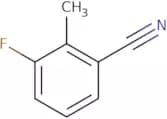
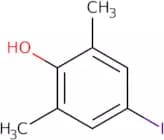
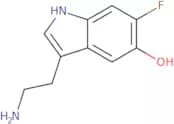

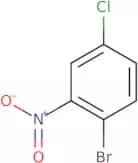
![1-Methyl-3-[3-methyl-4-[4-[(trifluoromethyl)sulfonyl]phenoxy]phenyl]-1,3,5-triazine-2,4,6(1H,3H,5H…](/_next/image/?url=https%3A%2Fstatic.cymitquimica.com%2Fproducts%2F3D%2Fthumb-webp%2FFM27105.webp&w=3840&q=75)
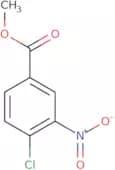
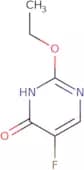
![3,6-Dibromothieno[3,2-b]thiophene](/_next/image/?url=https%3A%2Fstatic.cymitquimica.com%2Fproducts%2F3D%2Fthumb-webp%2FFD62226.webp&w=3840&q=75)

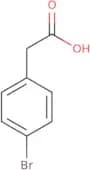
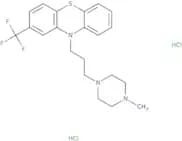
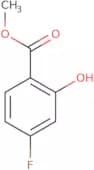

![1-[(2,6-Difluorophenyl)Methyl]-4-Methyl-2-Propan-2-Ylbenzimidazole](/_next/image/?url=https%3A%2Fstatic.cymitquimica.com%2Fproducts%2F3D%2Fthumb-webp%2FFD98108.webp&w=3840&q=75)
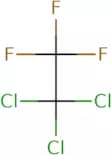
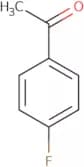


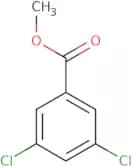
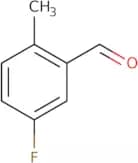
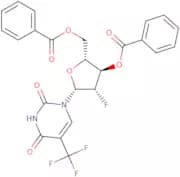
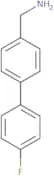
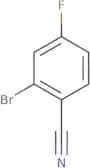
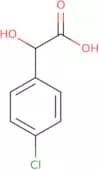
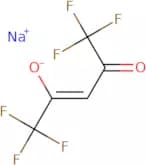
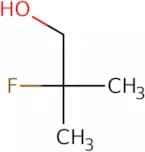
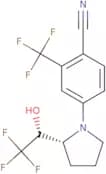
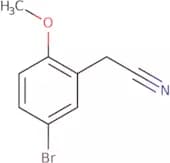
![N-[(2Z)-Piperazin-2-ylidene]-2,2,2-trifluoroacetohydrazide](/_next/image/?url=https%3A%2Fstatic.cymitquimica.com%2Fproducts%2F3D%2Fthumb-webp%2FFP95705.webp&w=3840&q=75)
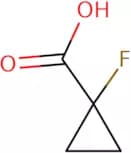
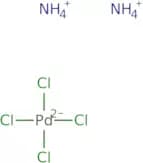
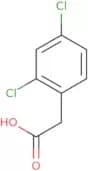

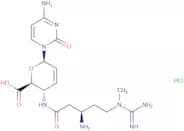
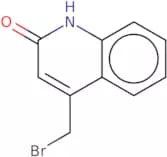

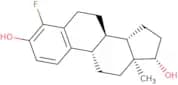

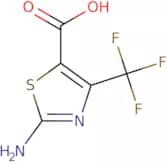
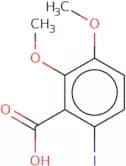
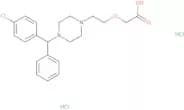
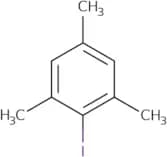
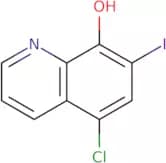
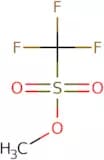
![N-Ethylheptadecafluoro-N-[3-(Trimethoxysilyl)Propyl]Octanesulphonamide](/_next/image/?url=https%3A%2Fstatic.cymitquimica.com%2Fproducts%2F3D%2Fthumb-webp%2FFE98932.webp&w=3840&q=75)
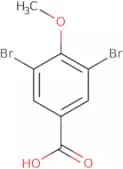
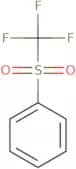
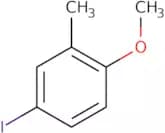
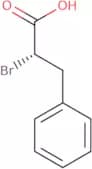
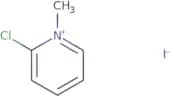
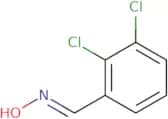
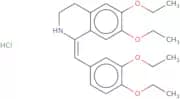
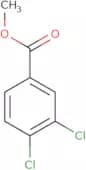
![3-(3-Piperidinopropoxy)-1-[3-(Trifluoromethyl)Phenyl]-1H-Indazole](/_next/image/?url=https%3A%2Fstatic.cymitquimica.com%2Fproducts%2F3D%2Fthumb-webp%2FFP97740.webp&w=3840&q=75)
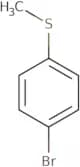
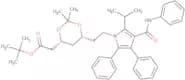
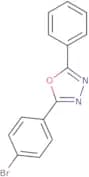
![3-(4'-Bromo[1,1'-biphenyl]-4-yl)-1,2,3,4-tetrahydro-1-naphthalenol](/_next/image/?url=https%3A%2Fstatic.cymitquimica.com%2Fproducts%2F3D%2Fthumb-webp%2FFB164965.webp&w=3840&q=75)
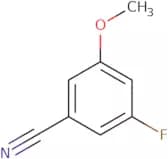
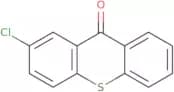

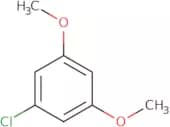
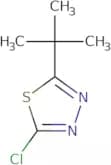
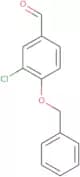
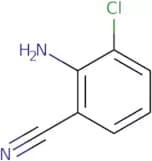
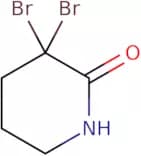

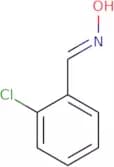
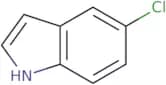

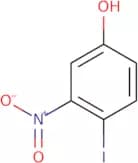

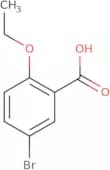
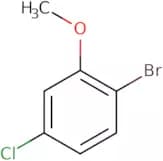

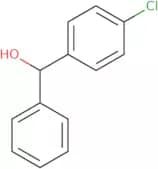
![2-[4-(2,2-Dichlorocyclopropyl)phenoxy]-2-methylpropanoic acid](/_next/image/?url=https%3A%2Fstatic.cymitquimica.com%2Fproducts%2F3D%2Fthumb-webp%2FFD11320.webp&w=3840&q=75)

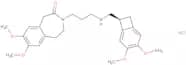
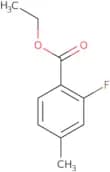
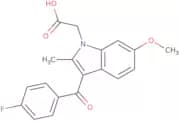
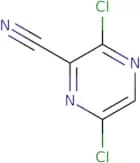
![[5-Methyl-3-(trifluoromethyl)-1H-pyrazol-1-yl]acetic acid](/_next/image/?url=https%3A%2Fstatic.cymitquimica.com%2Fproducts%2F3D%2Fthumb-webp%2FFM54360.webp&w=3840&q=75)
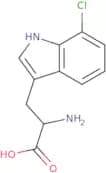
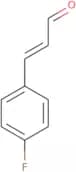
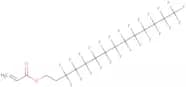
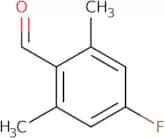
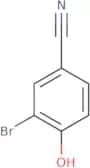
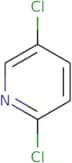
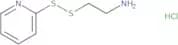
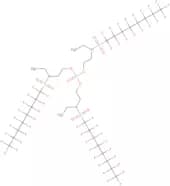
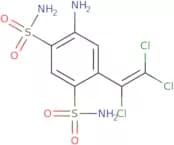
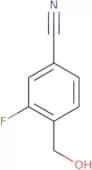

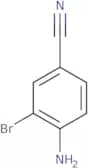
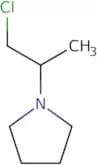
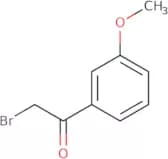
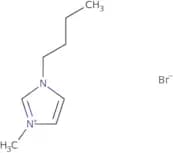


![9-[Bromo(phenyl)methylene]-9H-fluorene](/_next/image/?url=https%3A%2Fstatic.cymitquimica.com%2Fproducts%2F3D%2Fthumb-webp%2FFB135155.webp&w=3840&q=75)
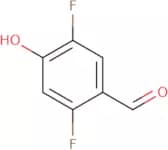
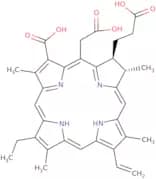
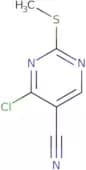
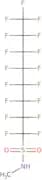
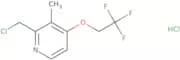
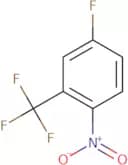
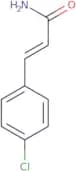
![6-Bromo-2H-pyrido[3,2-b][1,4]oxazin-3(4H)-one](/_next/image/?url=https%3A%2Fstatic.cymitquimica.com%2Fproducts%2F3D%2Fthumb-webp%2FFB144104.webp&w=3840&q=75)
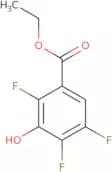
![(S)-2-((((9H-Fluoren-9-yl)methoxy)carbonyl)amino)-3-(1H-pyrrolo[2,3-b]pyridin-3-yl)propanoic acid](/_next/image/?url=https%3A%2Fstatic.cymitquimica.com%2Fproducts%2F3D%2Fthumb-webp%2FFF154979.webp&w=3840&q=75)
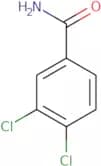
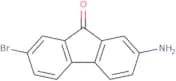

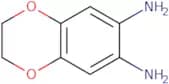
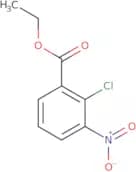
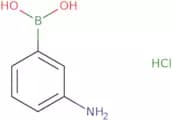
![N-(2,5-dimethylphenyl)(3-chlorobenzo[b]thiophen-2-yl)formamide](/_next/image/?url=https%3A%2Fstatic.cymitquimica.com%2Fproducts%2F3D%2Fthumb-webp%2FFD169538.webp&w=3840&q=75)
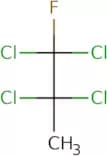
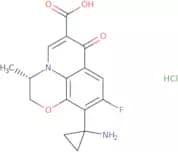
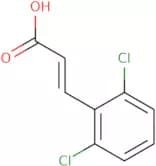

![N-[2-Chloro-4-(trifluoromethyl)phenyl]-D-Valine](/_next/image/?url=https%3A%2Fstatic.cymitquimica.com%2Fproducts%2F3D%2Fthumb-webp%2FFC90388.webp&w=3840&q=75)
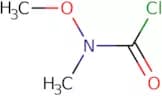
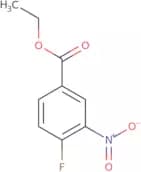

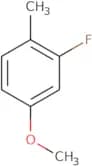
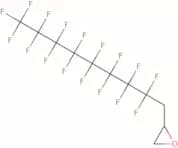
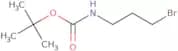
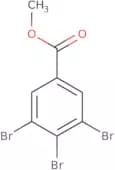
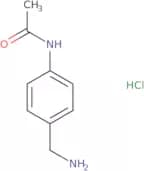
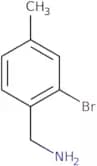
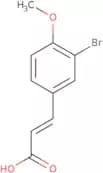
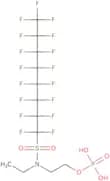
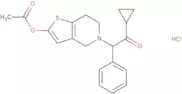
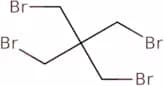
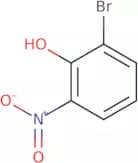
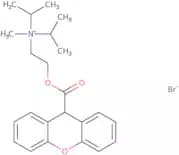
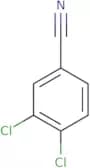
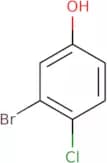
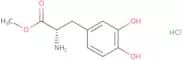
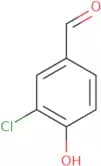
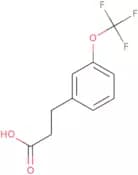
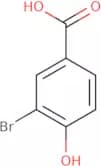
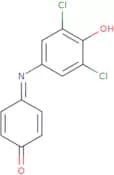
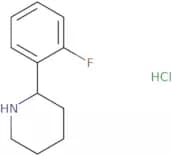
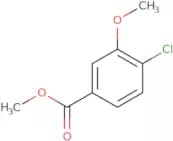
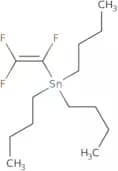
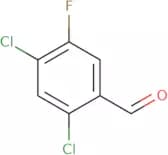
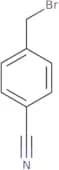
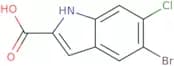
![3-[[(2S,4S)-4-[4-(3-Methyl-1-phenyl-1H-pyrazol-5-yl)-1-piperazinyl]-2-pyrrolidinyl]carbonyl]-thiaz…](/_next/image/?url=https%3A%2Fstatic.cymitquimica.com%2Fproducts%2F3D%2Fthumb-webp%2FFM61598.webp&w=3840&q=75)
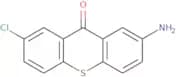
![N,N-Diethyl-2-[4-[(Z)-1-(4-Fluorophenyl)-2-Phenylethenyl]Phenoxy]Ethanamine](/_next/image/?url=https%3A%2Fstatic.cymitquimica.com%2Fproducts%2F3D%2Fthumb-webp%2FFD99813.webp&w=3840&q=75)
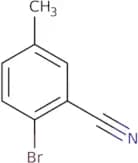
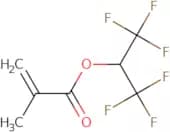
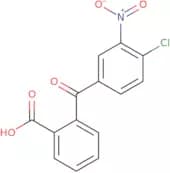
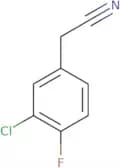
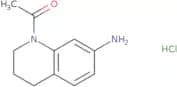
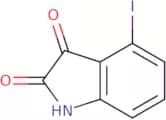
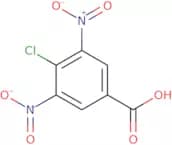
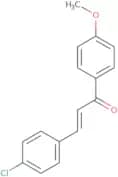
![8-Methyl-3,8-diazabicyclo[3.2.1]octane dihydrochloride](/_next/image/?url=https%3A%2Fstatic.cymitquimica.com%2Fproducts%2F3D%2Fthumb-webp%2FFM140960.webp&w=3840&q=75)
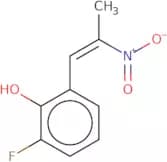

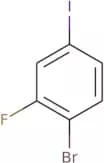

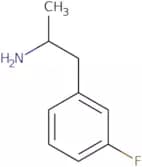
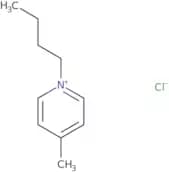
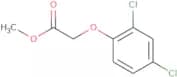
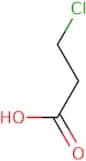
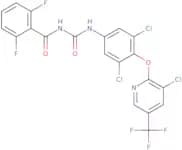
![1,1,2,2,3,3,4,4-Octafluoro-1,4-Bis[(1,1,1,2,3,3,3-Heptafluoro-2-Propanyl)Oxy]Butane](/_next/image/?url=https%3A%2Fstatic.cymitquimica.com%2Fproducts%2F3D%2Fthumb-webp%2FFO100941.webp&w=3840&q=75)
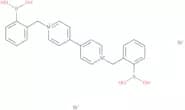

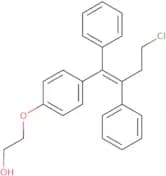
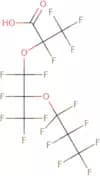
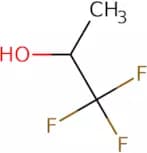
![Ethyl 5-chloropyrazolo[1,5-a]pyrimidine-3-carboxylate](/_next/image/?url=https%3A%2Fstatic.cymitquimica.com%2Fproducts%2F3D%2Fthumb-webp%2FFE44325.webp&w=3840&q=75)