Organic Halides
In this category, you can find organic molecules containing one or more halogen atoms in their structure. These organic halides include brominated, iodinated, chlorinated, and cyclic halide compounds. Organic halides are widely used in organic synthesis, pharmaceuticals, agrochemicals, and materials science due to their reactivity and ability to undergo a variety of chemical transformations. At CymitQuimica, we offer a comprehensive selection of high-quality organic halides to support your research and industrial applications, ensuring reliable and effective performance in your synthetic and analytical projects.
Subcategories of "Organic Halides"
Found 20440 products of "Organic Halides"
Sort by
Purity (%)
0
100
|
0
|
50
|
90
|
95
|
100
5-Fluoro-D,L-lysine hydrochloride
CAS:<p>Please enquire for more information about 5-Fluoro-D,L-lysine hydrochloride including the price, delivery time and more detailed product information at the technical inquiry form on this page</p>Formula:C6H13FN2O2•HClPurity:90%MinColor and Shape:PowderMolecular weight:200.64 g/mol4-Bromo-2,2-diphenyl butyronitrile
CAS:4-Bromo-2,2-diphenyl butyronitrile is an industrial chemical used in the production of other chemicals. It is a white solid that is soluble in organic solvents such as hydrochloric acid. 4-Bromo-2,2-diphenyl butyronitrile may be used to produce morphine by reacting with acetic anhydride and pyridine. This reaction occurs at a rate that is dependent on the concentration of 4-bromo-2,2-diphenyl butyronitrile. The product of this reaction has been shown to bind to opioid receptors in vitro, and it has been used as a model for pain relief in vivo. 4-Bromo-2,2-diphenyl butyronitrile also acts as a substrate for Pgp efflux pumps, which can lead to its accumulation in tissues such as the brain.Formula:C16H14BrNPurity:Min. 95%Color and Shape:White PowderMolecular weight:300.19 g/mol4-Amino-2-fluorobenzoic acid
CAS:4-Amino-2-fluorobenzoic acid is a potent inhibitor of formylating enzymes, such as carbonyl reductase and amino acid formyltransferase. It has been shown to be an effective inhibitor of cancer cells in vivo and inhibits the growth of prostate cancer cells. This compound has also been shown to inhibit nitro reduction reactions, which are involved in the carcinogenic process. 4-Amino-2-fluorobenzoic acid reacts with chloride ions to produce a functional group that can react with carbon nanotubes, making it a candidate for use in cancer therapy.Formula:C7H6FNO2Purity:Min. 95%Color and Shape:SolidMolecular weight:155.13 g/molN-[2-(Fmoc-amino)-ethyl]glycine tert-butylester hydrochloride
CAS:<p>Please enquire for more information about N-[2-(Fmoc-amino)-ethyl]glycine tert-butylester hydrochloride including the price, delivery time and more detailed product information at the technical inquiry form on this page</p>Formula:C23H28N2O4·HClPurity:Min. 95%Color and Shape:PowderMolecular weight:432.94 g/molDL-2,3-Diaminopropionic acid monohydrochloride
CAS:<p>DL-2,3-Diaminopropionic acid monohydrochloride is used in the preparation of drug samples for clinical chemistry analysis. This chemical has a number of uses, including as a modifier to increase the solubility and stability of drugs in solution and as a reagent to prepare analytical standards. DL-2,3-Diaminopropionic acid monohydrochloride also has been used as an inhibitor in titration methods for the determination of pH. DL-2,3-Diaminopropionic acid monohydrochloride is an inorganic chemical that can be derived from biochemical reactions by hydrolysis or derivatization. It has been shown to have selectivities for elimination reactions involving intramolecular hydrogen transfer.</p>Formula:C3H8N2O2•HClPurity:Min. 95%Color and Shape:White Off-White PowderMolecular weight:140.57 g/mol7-Bromo-6-chloro-4(1H)-quinazolinone
CAS:<p>7-Bromo-6-chloro-4(1H)-quinazolinone is a synthetic compound that is used as an intermediate in the synthesis of ethylene diamine. This substance has been shown to exhibit cytotoxicity against bladder cancer cells and tenella, as well as antiproliferative effects on human epidermal growth factor receptor (EGFR) and epidermal growth factor (EGF). 7-Bromo-6-chloro-4(1H)-quinazolinone can be synthesized in an efficient manner using butanol as a solvent. The compound has been found to exhibit cytotoxicity against tumor cells in the intestine.</p>Formula:C8H4BrClN2OPurity:Min. 95%Color and Shape:White To Yellow SolidMolecular weight:259.49 g/mol2-(4-Trifluoromethoxyphenyl)propionic acid
CAS:<p>Please enquire for more information about 2-(4-Trifluoromethoxyphenyl)propionic acid including the price, delivery time and more detailed product information at the technical inquiry form on this page</p>Formula:C10H9F3O3Purity:Min. 95%Molecular weight:234.17 g/mol2-Amino-4-fluorobenzoic acid
CAS:<p>2-Amino-4-fluorobenzoic acid is a nitrogenous heterocyclic compound. It is an analog of the epidermal growth factor (EGF), which can bind to the EGF receptor and stimulate cell growth and differentiation. 2-Amino-4-fluorobenzoic acid has been shown to have anticancer activity in vitro, as well as in vivo. The synthetic process for this compound involves nitrous acid, hydrochloric acid, and frequency reactions. This product is used industrially for the preparation of other compounds.</p>Formula:C7H6FNO2Purity:Min. 95%Color and Shape:PowderMolecular weight:155.13 g/molL-Arginine-tert-butyl ester dihydrochloride
CAS:L-Arginine-tert-butyl ester dihydrochloride is a high quality, reagent, complex compound that is soluble in most organic solvents. It has a CAS No. of 87459-72-1 and can be used as an intermediate for the production of other chemical compounds. L-Arginine-tert-butyl ester dihydrochloride is also a useful scaffold for the synthesis of speciality chemicals or research chemicals and can be used as a versatile building block in the synthesis of many chemical compounds.Formula:C10H22N4O2·2HClPurity:Min. 95%Color and Shape:PowderMolecular weight:303.23 g/mol7-[4-[4-(4-Fluorobenzoyl)Piperidin-1-Yl]Butyl]-1,3-Dimethylpurine-2,6-Dione
CAS:Controlled Product7-[4-[4-(4-Fluorobenzoyl)Piperidin-1-Yl]Butyl]-1,3-Dimethylpurine-2,6-Dione is a drug that belongs to the group of adenosine receptor antagonists. It has been shown to inhibit phosphodiesterase activity and is used as a pharmaceutical dosage. 7-[4-[4-(4-Fluorobenzoyl)Piperidin-1-Yl]Butyl]-1,3-Dimethylpurine-2,6-Dione has been shown to bind to the 5HT2C receptor in vitro. This drug may have therapeutic potential for obesity and type 2 diabetes mellitus treatment.Formula:C23H28FN5O3Purity:Min. 95%Molecular weight:441.5 g/mol4-(2,2-Difluoro-1,3-benzodioxol-4-yl)-1H-pyrrole-3-carbonitrile
CAS:<p>4-(2,2-Difluoro-1,3-benzodioxol-4-yl)-1H-pyrrole-3-carbonitrile is a fungicide that inhibits the growth of fungi. It has been shown to be effective against postharvest fungal infections and synergizes with zirconium oxide. 4-(2,2-Difluoro-1,3-benzodioxol-4-yl)-1H-pyrrole-3-carbonitrile binds to copper ions and prevents ATP binding to ATP binding cassette transporter protein (ABC) transporters in fungi cells. This leads to apoptosis of these cells by inhibiting the mitochondrial electron transport chain.</p>Formula:C12H6F2N2O2Purity:Min. 98 Area-%Color and Shape:PowderMolecular weight:248.19 g/molAmantadine hydrochloride
CAS:Controlled ProductNMDA receptor antagonist; anti-viral; anti-ParkinsonianFormula:C10H17N·HClPurity:Min. 95%Color and Shape:PowderMolecular weight:187.71 g/mol5-Bromo-1,3,4-thiadiazol-2-amine
CAS:<p>5-Bromo-1,3,4-thiadiazol-2-amine is a synthetic antiplatelet agent that belongs to the thiosemicarbazide class. It has been shown to have broad-spectrum antimicrobial activity against Gram-positive and Gram-negative bacteria. 5-Bromo-1,3,4-thiadiazol-2-amine is an orally bioavailable drug that can be used in the treatment of bacterial infections caused by Gram negative bacteria. The molecular modeling study suggests that this compound binds to the enzyme active site of DNA gyrase and inhibits its activity. 5Bromo-1,3,4-thiadiazol-2 amine is deuterated and can be used for molecular modeling studies because it is soluble in organic solvents.</p>Formula:C2H2BrN3SPurity:Min. 95%Color and Shape:PowderMolecular weight:180.03 g/mol4-tert-Butyl-2,6-dimethylbenzylamine hydrochloride
CAS:4-tert-Butyl-2,6-dimethylbenzylamine hydrochloride is a versatile building block that can be used for the synthesis of many different types of chemical compounds. It is a reagent in organic synthesis and has been used as a building block for other compounds. 4-tert-Butyl-2,6-dimethylbenzylamine hydrochloride is also useful as an intermediate or scaffold in complex syntheses. This chemical has been used in research to produce 2,4,5-trichlorotoluene and 1,2,3,5,6-pentachlorocyclohexane. CAS No. 2703627-79-4Formula:C13H21N·HClPurity:Min. 95%Color and Shape:PowderMolecular weight:227.77 g/mol5-Bromo-6-chloropyrazin-2-amine
CAS:5-Bromo-6-chloropyrazin-2-amine is a high quality, versatile building block for the synthesis of a variety of chemical compounds. It is also a reagent used in organic chemistry for the conversion of alcohols to alkyl chlorides and bromides. It can be used as an intermediate for the preparation of various complex compounds with potential use as pharmaceuticals or fine chemicals. This compound has been shown to have potential as a useful scaffold for the development of novel drugs which could be used to treat bacterial infections such as tuberculosis. 5-Bromo-6-chloropyrazin-2-amine has also been shown to be an excellent starting material for the synthesis of research chemicals and speciality chemicals.Formula:C4H3BrClN3Purity:Min. 95%Molecular weight:208.44 g/mol3-(1,1,2,2-Tetrafluoroethoxy)aniline
CAS:3-(1,1,2,2-Tetrafluoroethoxy)aniline is a reagent that belongs to the group of complex compounds. It has CAS No. 831-75-4 and is used as an intermediate in the synthesis of fine chemicals, useful scaffolds and building blocks. This versatile chemical can be used as a reaction component for the production of speciality chemicals and research chemicals. 3-(1,1,2,2-Tetrafluoroethoxy)aniline can be used as a starting material for the production of other reagents such as fluoroalkylating agents and fluorinating agents.Formula:C8H7F4NOPurity:Min. 95%Color and Shape:Colorless Clear LiquidMolecular weight:209.14 g/molEthyl 3,5-dichloro-4-hydroxybenzoate
CAS:<p>Ethyl 3,5-dichloro-4-hydroxybenzoate is a reactant in organic synthesis. It is a byproduct of the chlorination of ethyl acetate and reacts with potassium chloride to yield 3,5-dichloro-4-hydroxybenzoic acid. This reaction is catalyzed by alkali metal hydroxides or alkali metal carbonates. The esters of this acid are used as raw materials for the production of pesticides, herbicides, and pharmaceuticals. The chloride can be hydrolyzed to produce 3,5-dichloro-4-hydroxybenzoic acid.</p>Formula:C9H8Cl2O3Purity:Min. 95%Color and Shape:PowderMolecular weight:235.06 g/molMethyl 3-chloro-4-hydroxybenzoate
CAS:<p>Methyl 3-chloro-4-hydroxybenzoate is a wastewater treatment chemical that has been shown to be effective in the removal of chlorinated compounds such as ppcps and triclosan. It is used in pH adjustment, buffer production, corrosion control, and wastewater treatment. Methyl 3-chloro-4-hydroxybenzoate forms a complex with an alkali metal ion, which reacts with chlorine gas to form hydrochloric acid. The reaction also produces 4-hydroxybenzoic acid (4HB) as a byproduct. Treatment methods for methyl 3-chloro-4-hydroxybenzoate include chlorination and alkaline treatments.</p>Formula:C8H7ClO3Purity:Min. 95%Molecular weight:186.59 g/mol2-Bromocinnamic acid
CAS:<p>2-Bromocinnamic acid is a synthetic compound that inhibits the reactions of arylating agents with tissues. It has cytotoxic activity and can be used in the treatment of alzheimer's disease. The synthesis of 2-bromocinnamic acid begins with anhydrous acetonitrile, which is heated to form an anhydrous salt. This salt is then dissolved in water and treated with potassium iodide and sodium nitrite. The resultant mixture undergoes a series of reactions to produce 2-bromocinnamic acid, including the addition of molybdenum as a catalyst. The reaction also produces byproducts that are removed by extraction or distillation. Finally, it undergoes a chromophore change from yellow to red in the presence of air due to oxidation by atmospheric oxygen.</p>Formula:C9H7BrO2Purity:Min. 95%Molecular weight:227.05 g/mol3-Bromo-5-nitrobenzoic acid
CAS:<p>3-Bromo-5-nitrobenzoic acid is a cancer drug that inhibits the proliferation of cancer cells by binding to amines, which are protonated at physiological pH. This binding leads to an electronic interaction between the bromine atom and the electron cloud of the amine group. The bromine atom is then more attracted to the nucleus, causing it to emit a photon of light. This process is called fluorescence and can be used for imaging cancer cells. 3-Bromo-5-nitrobenzoic acid also has potent antiproliferative activity against cancer cells, which may be due to its ability to bind ligands on target proteins in the cell membrane. It can also lead to apoptosis by interfering with the formation of supramolecular complexes or inhibiting protein synthesis.</p>Formula:C7H4BrNO4Purity:Min. 95%Color and Shape:PowderMolecular weight:246.02 g/mol[2-(Pyridin-2-ylthio)ethyl]amine dihydrochloride
CAS:<p>2-(Pyridin-2-ylthio)ethyl]amine dihydrochloride is a chemical compound that has been used as a research reagent. It reacts with other compounds to produce new substances, and it can be used as a building block for more complex compounds. 2-(Pyridin-2-ylthio)ethyl]amine dihydrochloride is soluble in water and organic solvents such as acetone and ethanol, making it useful for reactions that require both types of solvents. This product also has CAS No. 40379-31-5, which means it is listed on the Chemical Abstracts Service registry. 2-(Pyridin-2-ylthio)ethyl]amine dihydrochloride has an interesting chemical structure that makes it a versatile building block or intermediate for many different reactions.</p>Formula:C7H10N2S•(HCl)2Purity:Min. 95%Color and Shape:PowderMolecular weight:227.15 g/mol4,5-Dichloro-1,2,3-dithiazoliumchloride
CAS:<p>4,5-Dichloro-1,2,3-dithiazoliumchloride is a pyrazole ring with an acidic hydrogen. It is used as a model system to study the reactions of nucleophilic attack on amines and the low energy chemistry of pyrazoles. The compound has significant antifungal activity against Candida glabrata, which may be due to its ability to react with the carbonyl group in the active methylene. This reaction mechanism leads to inhibition of the synthesis of ergosterol and other sterols essential for fungal cell membranes.</p>Formula:C2Cl3NS2Purity:Min. 95 Area-%Color and Shape:PowderMolecular weight:208.52 g/molNim-trityl-L-histidine methyl ester hydrochloride
CAS:<p>Nim-trityl-L-histidine methyl ester hydrochloride is a versatile amino acid building block for the synthesis of complex compounds.</p>Formula:C26H25N3O2•HClPurity:Min. 95%Color and Shape:White PowderMolecular weight:447.96 g/molGly-pro-4-methoxy-β-naphthylamide hydrochloride
CAS:<p>Gly-pro-4-methoxy-β-naphthylamide hydrochloride is a fine chemical that is useful as a versatile building block and intermediate. It is a research chemical that has been used in the production of other compounds, such as drugs, pesticides, and dyes. This compound is also used to synthesize certain polymers and plastics. Gly-pro-4-methoxy-β-naphthylamide hydrochloride has CAS number 100929-90-6, but it can be found under many other names including 4-(2′,5′dimethylphenyl)-1-(2′hydroxyethyl)piperazine (CAS 105999).</p>Formula:C18H22ClN3O3Purity:Min. 95 Area-%Color and Shape:PowderMolecular weight:363.84 g/molSultopride hydrochloride
CAS:Controlled Product<p>Sultopride hydrochloride is a drug that has been shown to be effective in treating treatment-resistant schizophrenia. It has also been shown to have cardiac effects, such as prolonging the QT interval on an electrocardiogram, and can cause amisulpride-like side effects. Sultopride hydrochloride is a dopamine receptor antagonist and it has been shown to reduce serum prolactin levels in rats. Ziprasidone, an antipsychotic drug, was found to have moderate interactions with sultopride hydrochloride. In addition, sultopride hydrochloride has been used in the past as an analytical model system for studying biological samples. This drug can also be used to treat infectious diseases, such as malaria or tuberculosis.</p>Formula:C17H27ClN2O4SPurity:Min. 95%Color and Shape:PowderMolecular weight:390.93 g/mol1-(Aminomethyl)cyclopropanecarboxamide hydrochloride
CAS:1-(Aminomethyl)cyclopropanecarboxamide hydrochloride is a versatile building block that can be used in the synthesis of complex compounds. It has been shown to be an excellent reagent for the synthesis of novel pharmaceuticals and speciality chemicals. This compound is also a useful intermediate for the preparation of high-quality products and can be used as a reaction component or scaffold in synthesis.Formula:C5H10N2O·HClPurity:Min. 95%Color and Shape:White PowderMolecular weight:150.61 g/molN-Fmoc-5-fluoro-L-tryptophan
CAS:N-Fmoc-5-fluoro-L-tryptophan is a biologically active form of tryptophan that has been shown to have potent effects on the cardiovascular system. It is used as a tool for studying the function of angiotensin, collagen, and microstructural elements in the heart and lungs. N-Fmoc-5-fluoro-L-tryptophan has been shown to synergize with other heterocycles, maximizing its biological properties. This chemical is also effective at inducing muscle contraction in rats. N-Fmoc-5-fluoro-L-tryptophan binds to cardiothoracic proteins, causing changes in their structure that lead to increased muscle contractility. The covalent bond between this compound and the protein can be cleaved by enzymes such as proteases or nucleases, which can be useful for studying the interactions of drugs with these proteins.Formula:C26H21FN2O4Purity:Min. 98 Area-%Color and Shape:White PowderMolecular weight:444.45 g/mol5-Iodo-2-methoxybenzonitrile
CAS:5-Iodo-2-methoxybenzonitrile is a fine chemical that is used as a building block in the synthesis of other chemicals or pharmaceuticals. The compound reacts with strong bases to produce an aryl amine and iodoethane, and can be used to make derivatives as well. 5-Iodo-2-methoxybenzonitrile has a number of uses, including as a research chemical, reagent, specialty chemical, and intermediate. It is also useful in the synthesis of other complex compounds. 5-Iodo-2-methoxybenzonitrile belongs to the group of organoiodine compounds that are classified as speciality chemicals. This compound has CAS number 933672-32-3.Formula:C8H6INOColor and Shape:PowderMolecular weight:259.04 g/mol3-Iodo-4-methylbenzamidine
CAS:<p>3-Iodo-4-methylbenzamidine is a chemical building block that is used as a reagent for the synthesis of other chemicals. 3-Iodo-4-methylbenzamidine is a versatile building block that can be used to synthesize complex compounds. It can also be used to produce fine chemicals and pharmaceuticals, such as antibiotics, chemotherapeutics, and antivirals. 3-Iodo-4-methylbenzamidine has been shown in preliminary research to have anti-inflammatory properties.</p>Formula:C8H6INPurity:90%Color and Shape:White PowderMolecular weight:243.04 g/molNaltrexone hydrochloride
CAS:Controlled Product<p>μ-opioid receptor antagonist; management of alcohol dependence, opioid addiction</p>Formula:C20H23NO4•HClPurity:(%) Min. 98%Color and Shape:PowderMolecular weight:377.86 g/mol2,2-Dichloro-1,1,3,3-Tetrafluoropropane
CAS:Controlled Product<p>2,2-Dichloro-1,1,3,3-Tetrafluoropropane (DCTF) is a fluorinated ether that is used in laboratories as an anaesthetic or gas. It has been shown to be a potent inhibitor of respiration in animals and is also used to produce nitrous oxide. DCTF inhibits the enzyme cytochrome oxidase by binding to its heme group and prevents the formation of oxygen from hydrogen. DCTF is not metabolized by the body and has a half-life of about 40 minutes.</p>Formula:C3H2Cl2F4Purity:Min. 95%Molecular weight:184.95 g/mol2-Chlorophenylphenyl-aminomethanesulphonic acid sodium salt
CAS:2-Chlorophenylphenyl-aminomethanesulphonic acid sodium salt is a fine chemical that is a useful building block in research and development. It can be used as a reagent, a CAS No. 132141-36-7, or as a speciality chemical. This compound has been used as an intermediate in the synthesis of complex compounds. It also acts as a versatile building block for various reactions and has been used as a scaffold for the synthesis of new compounds.Formula:C13H11ClNO3S·NaPurity:Min. 95%Molecular weight:319.74 g/molN-(4-Fluorophenyl)(5-methyl-3-phenylisoxazol-4-yl)formamide
CAS:<p>Please enquire for more information about N-(4-Fluorophenyl)(5-methyl-3-phenylisoxazol-4-yl)formamide including the price, delivery time and more detailed product information at the technical inquiry form on this page</p>Formula:C17H13FN2O2Purity:Min. 95%Color and Shape:PowderMolecular weight:296.3 g/mol2,4-Difluoro-3-methylbenzaldehyde
CAS:2,4-Difluoro-3-methylbenzaldehyde is a chemical compound that is used as a building block for the synthesis of other chemicals. It can be used as a research chemical or intermediate due to its versatility. 2,4-Difluoro-3-methylbenzaldehyde has a CAS number of 847502-88-9 and is classified as a speciality chemical with high quality. This compound may be useful in the synthesis of polymers and pharmaceuticals due to its ability to form covalent bonds with other molecules.Formula:C8H6F2OPurity:Min. 95%Color and Shape:Clear LiquidMolecular weight:156.13 g/molTrifluoromethoxyacetic acid
CAS:Trifluoromethoxyacetic acid is a synthetic drug that has been used to treat inflammatory bowel disease, alopecia and seborrhoea. It is also used as a pharmacological agent for the treatment of autoimmune diseases, such as sclerosis, malignant and bowel disease. Trifluoromethoxyacetic acid has anti-inflammatory properties due to its inhibition of prostaglandin synthesis. This drug has been shown to be effective in treating alopecia areata in rats with an oral dose of 0.5 mg/kg for two weeks, which is comparable to the effect observed with 1 mg/kg of minoxidil (Rogaine). Trifluoromethoxyacetic acid binds to nitrogen atoms on proteins and inhibits protein synthesis, leading to cell death by inhibiting the production of proteins vital for cell division.Formula:C3H3F3O3Purity:Min. 95 Area-%Color and Shape:Clear LiquidMolecular weight:144.05 g/molHexadimethrine bromide
CAS:<p>Hexadimethrine bromide is a matrix metalloproteinase inhibitor that is used in the treatment of infectious diseases. It prevents the degradation of collagen, which is important to maintain the integrity of the extracellular matrix. Hexadimethrine bromide has been shown to be a potent inhibitor of matrix metalloproteinases and other proteases involved in collagen degradation. In addition, Hexadimethrine bromide inhibits toll-like receptor signaling, which may reduce inflammation by preventing activation of inflammatory cells such as macrophages and neutrophils. This agent also has anti-inflammatory properties that have been demonstrated in animal models.</p>Formula:(C13H30N2·2Br)nPurity:Min. 95%Color and Shape:White PowderMolecular weight:374.21-Chloro-1,1,2,2,3-Pentafluoropropane
CAS:Controlled Product1-Chloro-1,1,2,2,3-Pentafluoropropane (HFC-245fa) is a fluorocarbon that has an electronegative and anisotropic nature. It is a liquid with a boiling point of -95°C. The chemical shift of the methyl group at 2.6 ppm in the 1H NMR spectrum is indicative of a trifluoromethyl group (-CF3). This compound is also soluble in many organic solvents. In addition to being used as a refrigerant and aerosol propellant, it is also used as a surfactant and optical brightener in plastics. Furthermore, 1-chloro-1,1,2,2,3-pentafluoropropane can react with caprylic acid to form HFC-245ea. This reaction occurs because of the steric effect of the trifluoromethyl group on theFormula:C3H2ClF5Purity:Min. 95%Molecular weight:168.49 g/mol5-Chloro-1-methyl-4-nitroimidazole
CAS:<p>5-Chloro-1-methyl-4-nitroimidazole (5C1MI) is a fatty acid that is synthesized by the reaction of phosphorus pentachloride and an aliphatic hydrocarbon. It has been shown to be effective in treating women with breast cancer. 5C1MI blocks the activity of a protein called HER2, which promotes tumor growth. The drug has been shown to cause an increase in the number of circulating lymphocytes and natural killer cells, as well as an increase in the production of antibodies in mice. These effects are likely caused by 5C1MI's ability to inhibit the proliferation of T cells and B cells. 5C1MI has also been shown to have a high solubility in water and low solubility in lipids, which makes it suitable for administration via intravenous injection.</p>Formula:C4H4ClN3O2Purity:Min. 95%Color and Shape:PowderMolecular weight:161.55 g/mol1,3-Di-Boc-2-(trifluoromethylsulfonyl)guanidine
CAS:<p>1,3-Di-Boc-2-(trifluoromethylsulfonyl)guanidine is a growth factor that has been shown to bind to histone proteins and human pathogens. It has physiological effects on prostate cancer cells and fatty acid metabolism. 1,3-Di-Boc-2-(trifluoromethylsulfonyl)guanidine is also antibacterial agent that has potent activity against bacterial cell walls. This drug inhibits the enzyme Clavatadine, leading to the inhibition of protein synthesis in bacteria. The spacing of nitrogen atoms in this molecule is responsible for its potent inhibition of kinase activity. 1,3-Di-Boc-2-(trifluoromethylsulfonyl)guanidine is localized in the cellular cytoplasm and nucleus.</p>Formula:C12H20F3N3O6SPurity:Min. 95%Color and Shape:White PowderMolecular weight:391.37 g/mol7-Fluoro-1H-indole
CAS:7-Fluoro-1H-indole is a molecule that belongs to the class of antimicrobial agents. It has been shown to be effective against human pathogens such as P. aeruginosa and S. aureus, and has also shown hemolytic activity against erythrocytes. 7-Fluoro-1H-indole inhibits bacterial growth by binding to siderophores, which are molecules produced by bacteria in response to iron starvation, thereby blocking their uptake of iron from the environment. It has also been shown to have protease activity against Gram negative bacteria. This compound can be synthesized using an in vivo model, where it was shown that 7-fluoro-1H-indole was able to bind to the cytoplasmic membrane and inhibit protein synthesis in Gram negative bacteria cells.Formula:C8H6FNPurity:Min. 95%Color and Shape:PowderMolecular weight:135.14 g/mol4-Bromophenacyl bromide
CAS:4-Bromophenacyl bromide is an inhibitor of phospholipase A2. It inhibits the enzyme phospholipase A2, which is responsible for the release of arachidonic acid from membrane phospholipids. This product has been shown to inhibit the growth of cancer cells in vitro and in vivo. 4-Bromophenacyl bromide also inhibits human phospholipase A2 and is used as a research tool to study this enzyme's function.Formula:C8H6Br2OPurity:Min. 95%Color and Shape:White PowderMolecular weight:277.94 g/mol1-Phenylcyclohexanamine hydrochloride
CAS:Controlled Product<p>1-Phenylcyclohexanamine hydrochloride is a secondary amine that binds to the nicotinic acetylcholine receptor. It has been shown to inhibit the activity of rat liver microsomes and dopamine, with a primary amino group. The analogs of 1-phenylcyclohexanamine hydrochloride are active and have been shown to inhibit acetylcholinesterase in rat brain tissue. This inhibition leads to an increase in the neurotransmitter acetylcholine, which causes an excitatory effect on the central nervous system. 1-Phenylcyclohexanamine hydrochloride is also used as a molecular model for studying glutamate receptors because of its similar structure.</p>Formula:C12H18ClNPurity:Min. 95%Molecular weight:211.73 g/mol2-Bromo-4-(trifluoromethyl)benzyl alcohol
CAS:<p>2-Bromo-4-(trifluoromethyl)benzyl alcohol is a versatile building block that can be used as a reactant in organic synthesis. It is also a useful intermediate and building block for complex compounds. This compound has been used as a reagent in the preparation of 2,2'-dipyridyldisulfide, which was shown to have potent antiproliferative activity against human cancer cells.</p>Formula:C8H6BrF3OPurity:Min. 95%Molecular weight:255.03 g/mol2-Amino-N-[2-(5-methoxy-1H-indol-3-yl)ethyl]acetamide hydrochloride
CAS:<p>2-Amino-N-[2-(5-methoxy-1H-indol-3-yl)ethyl]acetamide hydrochloride is a magnetic compound that has been shown to be an effective cancer antigen. It is a derivative of the amino acid sequence of α,β-unsaturated fatty acids and can be used as a dietary supplement. 2-Amino-N-[2-(5-methoxy-1H-indol-3-yl)ethyl]acetamide hydrochloride has been shown to bind to fatty acid receptors on the surface of antigen presenting cells (APCs). It also activates the immune system by activating APCs, which leads to the production of cytokines and chemokines. This compound has also been shown to stimulate T cells in culture, leading to activation and proliferation of tumor cells.</p>Formula:C13H17N3O2·HClPurity:Min. 95%Color and Shape:PowderMolecular weight:283.75 g/molEthyl 2,4-dichloroacetoacetate
CAS:Ethyl 2,4-dichloroacetoacetate is a reaction component that is used as a reagent in organic synthesis. It has been shown to be a useful scaffold for the preparation of complex compounds and fine chemicals. It can also be used as a useful intermediate or building block for the synthesis of other molecules.Formula:C6H8Cl2O3Purity:Min. 95%Color and Shape:Colorless Clear LiquidMolecular weight:199.03 g/mol1,1-Dibromo-2,2-Difluoroethane
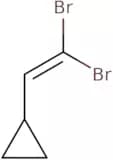
CAS:Controlled Product<p>1,1-Dibromo-2,2-difluoroethane is a chemical compound that is used as an inert gas. It has a boiling point of -37 degrees Celsius and can be seen in the infrared spectrum. The equilibrium constant for this substance is 7.4 x 10^10 and the quadratic vibrational constants are 0.0092 cm^-1.</p>Formula:C2H2Br2F2Purity:Min. 95%Molecular weight:223.84 g/mol1-(2,5-Dichlorophenyl)-2-nitroethene
CAS:1-(2,5-Dichlorophenyl)-2-nitroethene is a chemical compound that is used as a research chemical. It's an aromatic organic compound that can be used as a versatile building block for the synthesis of complex compounds. It's also a good intermediate for many fine chemicals. 1-(2,5-Dichlorophenyl)-2-nitroethene has CAS number 1056473-63-2 and is classified as an "Aromatic Organic Chemical".Formula:C8H5Cl2NO2Purity:Min. 95%Color and Shape:PowderMolecular weight:218.04 g/mol5-Chloro-2-nitroaniline
CAS:<p>5-Chloro-2-nitroaniline is a proton transport agent that is used to dissolve the stones in the kidney and bladder. It belongs to the chemical class of anilines and has a chlorine atom. This drug is structurally similar to sorafenib, which is used for cancer treatment, and has been shown to inhibit cb2 receptor activity. 5-Chloro-2-nitroaniline also reacts with hydrochloric acid or sodium hydroxide solution to produce nitrous acid, which can be used as a reactant in organic synthesis.</p>Formula:C6H5ClN2O2Purity:Min. 95%Molecular weight:172.57 g/mol1-Bromo-2,4-dimethoxybenzene
CAS:1-Bromo-2,4-dimethoxybenzene is a functional group that can be found in nanotubes. It is synthesized by the debromination of 2,4-dibromobenzene with n-dimethylformamide and sodium bicarbonate. The reaction mechanism involves nucleophilic attack by the hydroxide ion on the bromine atom of the 1-bromo-2,4-dimethoxybenzene to form a tetrahedral intermediate followed by an elimination reaction. This process leads to the formation of carbon nanotubes. 1-Bromo-2,4-dimethoxybenzene has been shown to have anticancer activity in vitro and in vivo against breast cancer cells.Formula:C8H9BrO2Purity:Min. 95%Color and Shape:Clear LiquidMolecular weight:217.06 g/molApraclonidine hydrochloride
CAS:<p>α2-adrenoceptor agonist; anti-glaucoma agent</p>Formula:C9H11Cl3N4Purity:Min. 95%Color and Shape:White Beige PowderMolecular weight:281.57 g/mol1-Bromo-3-isopropylbenzene
CAS:<p>1-Bromo-3-isopropylbenzene is a reactive chemical that is used to produce diazotization, which is the addition of nitrite ion or its salts to an amine. This reaction produces an unstable intermediate product called diazoaminobenzene, which reacts with water and forms nitrous acid. The production of 1-bromo-3-isopropylbenzene involves the use of a deuterium isotope, which has been shown to have different effects on the reactivity of the molecule. Deuterium substitution can lead to a termination reaction rather than the desired aromatisation, as well as other reactions that are not observed when using regular hydrogen. The presence of nitrite ions in the environment can lead to deaminate reactions in 1-bromo-3-isopropylbenzene, which leads to degradation by hydrolysis and biodegradation.</p>Formula:C9H11BrPurity:Min. 95%Color and Shape:Clear LiquidMolecular weight:199.09 g/molCaesium trifluoroacetate
CAS:<p>Caesium trifluoroacetate is a polymerase chain reaction (PCR) reagent that is used to detect and quantify the presence of DNA or RNA. It can be used for the detection of DNA in water vapor, for the estimation of the number of bacteria in wastewater treatment, or to measure the amount of active drug in plasma samples. Caesium trifluoroacetate is a salt that consists of one molecule each of caesium trifluoroacetate and sodium trifluoroacetate. The ester hydrochloride form has an antiinflammatory effect, which may be due to its ability to inhibit prostaglandin synthesis.</p>Formula:C2CsF3O2Purity:ReportedMolecular weight:245.92 g/mol2,9-Dibromo-1,10-phenanthroline
CAS:2,9-Dibromo-1,10-phenanthroline is a molecule that has been shown to be an effective sensitizer for the photochemical conversion of chlorine dioxide to ozone. It has been used as a model compound in molecular orbital calculations and has been shown to enhance the yield of ozone by up to 3%. The emission spectrum of 2,9-dibromo-1,10-phenanthroline displays a peak at 362 nm, which lies in the ultraviolet region. The molecule is orthorhombic and crystallizes in space group P2/c with cell dimensions a = 17.8 Å and c = 18.7 Å.Formula:C12H6Br2N2Purity:Min. 95%Color and Shape:White PowderMolecular weight:338 g/mol3-Fluoro-DL-tyrosine
CAS:<p>3-Fluoro-DL-tyrosine is a model system for the study of tyrosine transfer reactions. It is used to study the reaction mechanism and kinetics of tyrosine transfer from a donor molecule to an acceptor molecule. 3-Fluoro-DL-tyrosine reacts with trifluoroacetic acid to form 3,4-dihydroxybenzoic acid, which is a chemical analog of tyrosine. The hydroxyl group on this molecule can react with the proton on the amino acid side chain, forming a covalent bond that does not break down under normal conditions. This reaction is reversible and has been shown to be catalyzed by polymerase chain reactions (PCR).</p>Formula:C9H10FNO3Purity:Min. 95%Color and Shape:PowderMolecular weight:199.18 g/mol3-Bromo-4-methoxybenzylamine hydrochloride
CAS:3-Bromo-4-methoxybenzylamine hydrochloride is a high quality reagent that is used as an intermediate in the synthesis of complex compounds. It has been shown to be a useful scaffold for the synthesis of new chemical entities and a versatile building block for organic synthesis. 3-Bromo-4-methoxybenzylamine hydrochloride can be used as a reaction component in various chemical reactions, including Friedel-Crafts acylation, nitration, chlorination and bromination.Formula:C8H11BrClNOPurity:Min. 95%Color and Shape:PowderMolecular weight:252.54 g/molEsmolol hydrochloride
CAS:Controlled Product<p>Beta adrenergic antagonist; anti-arrhythmic</p>Formula:C16H26ClNO4Purity:Min. 95%Color and Shape:PowderMolecular weight:331.83 g/molN-Propyl-1-ene-2,6-diethyl-4-phenylpyridinium tetrafluoroborate
CAS:N-Propyl-1-ene-2,6-diethyl-4-phenylpyridinium tetrafluoroborate (NPEEDPBF) is a fine chemical that has been used as a building block in research and industrial chemistry. The synthesis of NPEEDPBF typically involves the reaction of diethyl phenylpyridinium bromide with n propyl iodide. It can be used as a reagent for organic syntheses and as an intermediate for other compounds. NPEEDPBF is also a versatile building block for complex compounds.Formula:C18H22N•BF4Purity:Min. 95%Molecular weight:339.18 g/mol9-Bromoanthracene
CAS:9-Bromoanthracene is a benzene derivative that can be used as a chemical building block. It has a high affinity for electron-rich aromatic compounds, such as picric acid and aryl halides, which are used in the Suzuki coupling reaction. 9-Bromoanthracene also has fluorescence properties and can serve as a synchronous fluorescence probe for studies of the mechanism of this reaction. The redox potentials and constant of 9-bromoanthracene are lower than those of anthracene, which makes it more reactive towards electrophilic reactions.Formula:C14H9BrPurity:Min. 95%Color and Shape:PowderMolecular weight:257.13 g/mol2-Bromo-5-fluorocinnamic acid
CAS:2-Bromo-5-fluorocinnamic acid is a high quality, reagent, complex compound of the chemical family of phenols. It has CAS No. 939410-87-4 and is a useful intermediate in the synthesis of fine chemicals. The compound has been used as a speciality chemical for research purposes and has been found to be a versatile building block for the synthesis of new compounds. 2-Bromo-5-fluorocinnamic acid can be used as a reaction component in organic synthesis reactions, such as esterification, nucleophilic substitution, and condensation reactions.Formula:C9H6BrFO2Purity:Min. 95%Color and Shape:PowderMolecular weight:245.05 g/mol2-Bromo-5-chlorobenzoic acid methyl ester
CAS:2-Bromo-5-chlorobenzoic acid methyl ester is a chemical compound that is a component of the perborate oxidant. This chemical reacts with hydrogen peroxide to produce water, oxygen, and 2-bromo-5-chlorobenzoic acid. It can also be used in cyclisation reactions to synthesise heterocyclic compounds. The reaction mechanism for this process involves the formation of an unstable intermediate that spontaneously breaks down into two bromine atoms and one carbon atom. This process is catalyzed by metal ions such as copper, silver, and zinc. 2-Bromo-5-chlorobenzoic acid methyl ester has been used as an intermediate in the synthesis of homologues of ribonucleotide reductase.Formula:C8H6BrClO2Purity:Min. 95%Color and Shape:PowderMolecular weight:249.49 g/mol2-fluoro-5-methoxybenzaldehyde
CAS:<p>2-fluoro-5-methoxybenzaldehyde is an asymmetric synthesis that has been shown to inhibit the growth of cancer cells by inhibiting a protein called MT2. 2-Fluoro-5-methoxybenzaldehyde is a nucleophilic compound and reacts with the electrophilic carbon in the enolate to form a sulfoxide, which can be hydrolyzed by acid. This reaction inhibits cancer cell growth as it prevents cellular metabolism and amino acid biosynthesis.</p>Formula:C8H7FO2Purity:Min. 95%Molecular weight:154.14 g/mol3-Chloro-4-(trifluoromethoxy)aniline
CAS:<p>Please enquire for more information about 3-Chloro-4-(trifluoromethoxy)aniline including the price, delivery time and more detailed product information at the technical inquiry form on this page</p>Formula:C7H5ClF3NOPurity:Min. 95%Color and Shape:PowderMolecular weight:211.57 g/mol5-(Benzyloxy)tryptamine hydrochloride
CAS:Controlled Product<p>5-(Benzyloxy)tryptamine hydrochloride (5-BOC-TRP) is a serotonin agonist that is used to study the effects of serotonin on various tissues. 5-BOC-TRP has been shown to increase extracellular Ca2+ concentrations in receptor cells, and it has also been shown to act as an agonist at synaptic and submandibular gland levels. It binds to specific receptors in the parotid, submandibular, and other salivary glands, where it induces a release of saliva. These effects were observed when 5-BOC-TRP was administered intravenously or intraperitoneally. The distribution of this drug within the salivary glands was determined by immunoreaction with antibodies against serotonin. The localization of 5-BOC-TRP was also confirmed by whole cell patch clamp recordings obtained from rat parotid cells perfused with 5-BOC-TRP.</p>Formula:C17H19ClN2OPurity:Min. 98.0 Area-%Color and Shape:PowderMolecular weight:302.8 g/molN-(5-Bromoacetamidylpentyl) acrylamide
CAS:<p>N-(5-Bromoacetamidylpentyl) acrylamide is employed in the synthesis of substrates used for nucleotide sequence determination, covalently linked to polymer coatings such as poly(N-(5-azidoacetamidylpentyl)acrylamide-co-acrylamide) (PAZAM). Polynucleotide-binding substrates find application as molecular arrays and flow cells.</p>Formula:C10H17BrN2O2Purity:Min. 95%Color and Shape:PowderMolecular weight:277.16 g/mol(S)-Fluoxetine hydrochloride
CAS:Controlled ProductSelective serotonin reuptake inhibitor; anti-depressantFormula:C17H19ClF3NOPurity:Min. 98 Area-%Color and Shape:PowderMolecular weight:345.79 g/mol6-Chlorochromone-2-carboxylic acid
CAS:<p>6-Chlorochromone-2-carboxylic acid is a synthetic carboxylic acid that is a reagent in organic synthesis. It has been used to synthesize a number of new compounds, including substituted carboxylic acids and nitro compounds. The discovery of 6-chlorochromone-2-carboxylic acid was made possible by optimizing the reaction parameters, such as substituent and reaction time. This compound is cost effective and can be obtained from chromones.</p>Formula:C10H5ClO4Purity:Min. 95%Color and Shape:PowderMolecular weight:224.6 g/mol5-Isopropylisoxazole-3-carbonyl chloride
CAS:<p>5-Isopropylisoxazole-3-carbonyl chloride is a colorless to light yellow liquid that is soluble in organic solvents. It is used as a reagent, speciality chemical, or intermediate for the preparation of other chemicals. 5-Isopropylisoxazole-3-carbonyl chloride has been used in the synthesis of a variety of biologically active compounds, including pharmaceuticals and agrochemicals. This compound can be used as a building block for more complex molecules in both organic synthesis and biochemistry. 5-Isopropylisoxazole-3-carbonyl chloride has also been shown to have inhibitory effects on protein kinase C (PKC) and DNA topoisomerases I and II.</p>Formula:C7H8ClNO2Purity:Min. 95%Color and Shape:PowderMolecular weight:173.6 g/molEthyl 5-chloroindole-2-carboxylate
CAS:<p>Ethyl 5-chloroindole-2-carboxylate is a pro-apoptotic agent that has been shown to inhibit the replication of HIV. It inhibits the reverse transcriptase and DNA polymerases in the virus, which prevents it from being replicated. Ethyl 5-chloroindole-2-carboxylate also induces apoptosis by alkylating the cysteine residues on the host cell's proteins. This drug is not active against other viruses, such as herpes simplex virus type 1 (HSV1). It has been shown to be an analog for cannabidiol (CBD), which binds to cannabinoid receptors CB1 and CB2.</p>Formula:C11H10ClNO2Purity:Min. 95%Color and Shape:PowderMolecular weight:223.66 g/mol4-Bromo-2-cyanoanisole
CAS:4-Bromo-2-cyanoanisole is a synthetic compound that can be used as a ligand in the transition metal catalyzed cross-coupling reaction. This chemical has been shown to form complexes with nickel, palladium, and platinum. 4-Bromo-2-cyanoanisole is also a biomolecule that interacts with other molecules and can be used in the study of natural products.Formula:C8H6BrNOPurity:Min. 95%Color and Shape:PowderMolecular weight:212.04 g/mol(4-(2-Fluorophenyl)piperazinyl)-N-propylformamide
CAS:Controlled Product<p>Please enquire for more information about (4-(2-Fluorophenyl)piperazinyl)-N-propylformamide including the price, delivery time and more detailed product information at the technical inquiry form on this page</p>Formula:C14H20FN3OPurity:Min. 95%Color and Shape:PowderMolecular weight:265.33 g/mol2-Amino-5-chlorobenzenesulfonamide
CAS:2-Amino-5-chlorobenzenesulfonamide is a synthetic chemical that is used in the manufacture of amides and diazoxide. It is also found naturally in humans as a metabolite of the amino acid histidine. 2-Amino-5-chlorobenzenesulfonamide has been shown to be a potent receptor for the modulation of acetylcholine release by binding to muscarinic receptors, including M1 and M2 subtypes, and inhibiting the enzyme hydrolysis of acetylcholine. This chemical has been shown to be chemically stable at pH 5 or higher, and it has been found to be resistant to hydrolysis by enzymes such as esterases, glucuronidases, glutathione reductase, and cytochrome P450. 2-Amino-5-chlorobenzenesulfonamide is also an enantiomer that can bind to collagen in the humanFormula:C6H7ClN2O2SPurity:Min. 95%Color and Shape:PowderMolecular weight:206.65 g/molN-Methylbis(trifluoroacetamide)
CAS:N-Methylbis(trifluoroacetamide) is a molecule that is used in the preparation of an analytical method. This molecule reacts with human serum and urine to produce a reaction solution. The matrix effect can be seen in metabolic disorders, such as the case of creatine kinase which is not affected by the derivatization. N-Methylbis(trifluoroacetamide) is also used to prepare samples for solid phase microextraction with basic structures that are amines.Formula:C5H3F6NO2Purity:Min. 95%Color and Shape:Clear LiquidMolecular weight:223.07 g/mol2-Fluoro-4-methoxyphenol
CAS:2-Fluoro-4-methoxyphenol is a white crystalline solid with a melting point of 100°C. It is soluble in water, ethanol and ether and insoluble in chloroform. The compound has been shown to be an intermediate for the synthesis of other organic compounds, such as 2-fluoro-4-(2,2,2-trifluoroethoxy)benzaldehyde, 2-fluoro-4-(3,3,3-trifluoropropoxy)benzaldehyde and 4-(2,2,2-trifluoroethoxy)-3'-nitroacetophenone. 2-Fluoro-4-methoxyphenol can also be used as a building block for speciality chemicals including research chemicals.Formula:C7H7FO2Purity:Min. 95%Color and Shape:Clear LiquidMolecular weight:142.13 g/mol3-Chlorobenzaldehyde
CAS:3-Chlorobenzaldehyde is a chemical that is used as a diagnostic agent for mitochondrial diseases. 3-Chlorobenzaldehyde can be used to detect mutations in the mtDNA and diagnose deficiencies of enzymes involved in energy metabolism. It has been shown to inhibit the activity of dehydrogenase enzymes and the synthesis of acyl-coa from zirconium oxide, which is an important component in polymerase chain reactions. This chemical also inhibits mitochondrial functions and enzyme activities, making it useful for screening for drugs that affect these processes. 3-Chlorobenzaldehyde has also been shown to inhibit hydrogen fluoride, which is often found in industrial environments.Formula:C7H5ClOColor and Shape:Colorless Clear LiquidMolecular weight:140.57 g/molN-Bromophthalimide
CAS:<p>N-Bromophthalimide is a hydrogen bond acceptor that is used in pharmaceutical preparations. It has been shown to be an effective cationic surfactant, which may be due to its ability to form ionic bonds with phosphotungstic acid and nitrogen atoms. N-Bromophthalimide also has reactive properties and can react with serotonin reuptake inhibitors. The reaction mechanism of this compound is not fully understood, but it has been shown to have a redox potential that is greater than the standard electron donor sodium bromide.</p>Formula:C8H4BrNO2Purity:Min. 95%Molecular weight:226.03 g/mol6-Chloro-7-methylchromone-2-carboxylic acid
CAS:<p>6-Chloro-7-methylchromone-2-carboxylic acid is a fine chemical that has been used as a versatile building block for the synthesis of complex compounds. It has been shown to be an effective reaction component in the synthesis of 1,4-benzoquinones and N'-acylhydrazones. 6-Chloro-7-methylchromone-2-carboxylic acid is also a useful intermediate in the preparation of other chemicals, such as pharmaceuticals and pesticides. This compound can be used as an additive to improve the quality of high purity reagents.</p>Formula:C11H7ClO4Purity:Min. 95%Molecular weight:238.62 g/molN-(4-(4-bromophenyl)-2,5-thiazolyl)hexanamide
CAS:Please enquire for more information about N-(4-(4-bromophenyl)-2,5-thiazolyl)hexanamide including the price, delivery time and more detailed product information at the technical inquiry form on this pagePurity:Min. 95%3-Bromo-4-fluorocinnamic acid
CAS:<p>3-Bromo-4-fluorocinnamic acid is a useful intermediate that reacts with amines to form 3-bromo-4-fluoroaniline, which is used as a building block in the synthesis of pharmaceuticals, agrochemicals, and other organic compounds.</p>Formula:C9H6BrFO2Purity:Min. 95%Color and Shape:PowderMolecular weight:245.05 g/mol9-Fluorenone oxime
CAS:<p>9-Fluorenone oxime is a pharmacological agent that has been shown to inhibit the activity of proteases. It has been shown to be effective in the treatment of hepatitis caused by radiation and amines, such as fluorenone. 9-Fluorenone oxime binds to the hydroxyl group of the active site on the protease enzyme and forms a covalent bond with it. This prevents hydrolysis of substrate proteins and thus blocks protein synthesis. 9-Fluorenone oxime also has chelate ligand properties, which allow it to bind to metal ions, such as phosphotungstic acid or fluorescence probes, and form complexes. The thermal expansion property of 9-fluorenones can be used for thermometry in biochemistry research.</p>Formula:C13H9NOPurity:90%Color and Shape:PowderMolecular weight:195.22 g/mol4-Chloro-2-methylbenzyl alcohol
CAS:<p>4-Chloro-2-methylbenzyl alcohol is an organic compound that has a sensor and hydroxyl group. It is used in pest control as an insecticide. 4-Chloro-2-methylbenzyl alcohol has been shown to be effective against ants, cockroaches, and other insects. There are multiple instabilities of this compound, including low oxygen stability when exposed to air, which may lead to the degradation of this chemical. Impurities in 4-chloro-2-methylbenzyl alcohol may also lead to its instability as it reacts with alkali metals at high temperatures. The instability of 4-chloro-2-methylbenzyl alcohol can be reduced by storing it at low temperatures or by adding cryogenic substances such as liquid nitrogen or carbon dioxide gas.</p>Formula:C8H9ClOPurity:Min. 95%Molecular weight:156.61 g/mol3-Bromo-4-hydroxybenzaldehyde
CAS:<p>3-Bromo-4-hydroxybenzaldehyde is a fluorescence probe that can be used to identify the presence of hydroxyl groups in organic solutions. It reacts with hydrochloric acid to form a green solution and a gas. 3-Bromo-4-hydroxybenzaldehyde has been used to study hydroxyl groups in human serum, plant physiology, and surfactant sodium dodecyl (SDS). This compound has shown potent inhibition against an enzyme called benzoyl peroxide reductase. 3-Bromo-4-hydroxybenzaldehyde is soluble in water, but not in ether. The molecular weight of this compound is 176.3 g/mol.</p>Formula:C7H5BrO2Purity:Min. 95%Color and Shape:PowderMolecular weight:201.02 g/molMethyl 3-amino-5,6-dichloro-2-pyrazine carboxylate
CAS:<p>Methyl 3-amino-5,6-dichloro-2-pyrazine carboxylate is a synthetic molecule that has been synthesized from dimethylamiloride. This chemical has been labeled and used for a variety of homologous and synthetic modifications. It may be used in labeling experiments to identify an unknown compound or to determine the structure of a known compound. The methyl 3-amino-5,6-dichloro-2-pyrazine carboxylate can also be used as a ligand to bind with subunits of proteins or nucleic acids. Photolabile methyl 3-amino-5,6-dichloro-2-pyrazine carboxylate can be synthesized by using light energy to cleave the ester bonds in the chemical. This chemical is useful for assays and techniques such as spectroscopy and nuclear magnetic resonance (NMR).</p>Formula:C6H5Cl2N3O2Purity:Min. 96.5 Area-%Color and Shape:PowderMolecular weight:222.03 g/molN-[2-(2,3-Dimethoxyphenyl)ethyl]-2-chlorobenzamide
CAS:Controlled Product<p>N-[2-(2,3-Dimethoxyphenyl)ethyl]-2-chlorobenzamide is a versatile building block that can be used as a reaction component and reagent. It is an intermediate in the synthesis of pharmaceuticals and fine chemicals and has been shown to be useful in the synthesis of complex compounds. This compound reacts with nucleophiles, such as amines and alcohols, by replacing the chloride group with a variety of functional groups. The product is then hydrolyzed to release the original reactant. N-[2-(2,3-Dimethoxyphenyl)ethyl]-2-chlorobenzamide has a CAS number of 320576-19-0 and can be found at ChemDiv.com.</p>Formula:C17H18ClNO3Purity:Min. 95%Molecular weight:319.78 g/mol4-Bromoresorcinol
CAS:4-Bromoresorcinol is a synthetic compound that belongs to the group of sulfonamides. It is used in the production of dyes, pharmaceuticals, and agricultural chemicals. 4-Bromoresorcinol is synthesized by sulfonation with trifluoroacetic acid followed by hydrolysis with hydrochloric acid. The polymerization kinetics of this compound have been studied using azobenzene as a model substrate. The reaction products are vignafuran and an organic solvent (e.g., methanol). In addition, 4-bromoresorcinol has potent antibacterial activity against bacteria such as Staphylococcus aureus and Mycobacterium tuberculosis. This drug has minimal inhibitory concentrations (MICs) less than 0.01 ppm for most strains of bacteria tested, including those resistant to penicillin G or erythromycin. The drug also inhibits hydroxylase enzymesFormula:C6H5BrO2Purity:Min. 95%Color and Shape:White PowderMolecular weight:189.01 g/mol2-Aminoethoxyamine dihydrochloride
CAS:<p>2-Aminoethoxyamine dihydrochloride is a cardiotonic, which is a chemical agent that acts on the heart to increase contractility. It has been shown to be more efficient and less toxic than other cardiotonics. 2-Aminoethoxyamine dihydrochloride has been found to act as an epoxidizing agent and can be used in the synthesis of istaroxime, an inhibitor of cholesterol biosynthesis.2-Aminoethoxyamine dihydrochloride also reacts with dehydroepiandrosterone to form 2-aminoethoxyamidine hydrochloride.</p>Formula:C2H10Cl2N2OPurity:Min. 95%Color and Shape:PowderMolecular weight:149.02 g/mol4'-Chloro-2'-fluoroacetophenone
CAS:4'-Chloro-2'-fluoroacetophenone is a high-quality chemical reagent that can be used to prepare complex compounds. It is also a useful intermediate for the preparation of fine chemicals, useful scaffolds, and other research chemicals. This compound is a versatile building block that can be used in the synthesis of speciality chemicals, reaction components, and other compounds.Formula:C8H6ClFOPurity:Min. 95%Molecular weight:172.58 g/molTrichlorosan
CAS:<p>Trichlorosan is a biocide that is used as a disinfectant and preservative, and has also been shown to have antibacterial properties. It is often used in industrial settings to inhibit the growth of bacteria in process water, cooling towers, and wastewater treatment systems. Trichlorosan has been shown to be genotoxic in rats at high doses. This chemical can be found in personal care products such as soaps, toothpaste, mouthwash, deodorants, or body lotion. It can also be found in some household items such as kitchenware, clothes and bedding. Triclosan is one of the active ingredients in trichlorosan that prevents bacterial growth by binding to the enzyme that catalyzes the conversion of glycerol to fatty acids and lysing cells through cell membrane disruption. The enzyme activity index for triclosan was determined by measuring the amount of time it takes for a solution containing benzalkonium chloride (B</p>Formula:C12H7Cl3O2Purity:Min. 95%Color and Shape:White PowderMolecular weight:289.54 g/mol2,3-Dibromo-1,4-diphenylbutane
CAS:2,3-Dibromo-1,4-diphenylbutane (2,3-DBPB) is a high quality reagent that can be used as an intermediate for the synthesis of complex compounds. It is a useful building block and scaffold in organic chemistry. 2,3-DBPB is also used in fine chemicals and research chemicals synthesis. The CAS number is 93342-77-9.Formula:C16H16Br2Purity:Min. 95%Molecular weight:368.11 g/mol2-Aza-7-bromocycloheptanone
CAS:<p>2-Aza-7-bromocycloheptanone is a heterocyclic system that can be synthesized from the condensation of ethyl 2-bromocaproate and triethyloxonium chloride. This compound has been shown to have lactam ring opening activity, as well as the ability to form azepine rings with amines. The synthesis of this compound is limited by its instability, which may be due to the presence of an azepine group. The ethylation of this heterocycle leads to a more stable product with increased lactam ring opening activity.</p>Formula:C6H10BrNOPurity:Min. 80 Area-%Color and Shape:PowderMolecular weight:192.05 g/mol2-(Perfluorododecyl)ethyl acrylate
CAS:<p>2-(Perfluorododecyl)ethyl acrylate (FDAE) is a reactive monomer that belongs to the group of methacrylates. It is a colorless, dry powder with a low viscosity. FDAE has hydrophobic properties and a low molecular weight, which makes it suitable for use in coatings and adhesives. This product may be used in the production of polymers, plastics, elastomers, fibers, and rubber products. FDAE can be used as an additive to improve the surface properties of polymers and plastics or as a coating to prevent corrosion. It can also be used as a plasticizer for thermoplastics such as PVC. FDAE reacts with fluorine or chloride ions in the environment, forming highly crosslinkable compounds that are resistant to degradation by sunlight or weathering.</p>Formula:C17H7F25O2Purity:Min. 95%Color and Shape:PowderMolecular weight:718.2 g/mol2,6-Dimethyl-4-fluorobenzaldehyde
CAS:2,6-Dimethyl-4-fluorobenzaldehyde is a fine chemical that is used as a building block in the synthesis of other chemicals. It can be used as a reagent and as a speciality chemical. This product has high purity and quality and is versatile in its use as both an intermediate or scaffold molecule. It can be used in reactions to create complex compounds with useful properties.Formula:C9H9FOPurity:Min. 95%Color and Shape:PowderMolecular weight:152.17 g/mol5-Iodo-2,3-dimethoxybenzoic acid
CAS:<p>5-Iodo-2,3-dimethoxybenzoic acid (5IMB) is a synthetic chemical that is used as a radiolabeled substrate for the synthesis of dopamine. The 5IMB is a substrate for the enzyme monoamine oxidase, which converts it to 5-hydroxyindoleacetic acid (5HIAA). The intensity of the signal emitted by 5IMB increases with the increase in concentration of dopamine. It can be used as a positron emission tomography (PET) tracer for dopamine receptors in the brain. The kinetic and uptake properties of 5IMB are different in various regions of the brain, such as striatum and caudate putamen. This difference can be measured using high-performance liquid chromatography (HPLC) and flow rate.<br>5IMB has been shown to have anti-oxidant properties due to its ability to scavenge peroxide radicals.</p>Formula:C9H9IO4Purity:Min. 98 Area-%Color and Shape:PowderMolecular weight:308.07 g/molChlorphenesin
CAS:Chlorphenesin is a preservative that is used as an analytical agent in vivo to determine chemical stability and to maintain the pH of a solution. It has been shown to be stable in human serum at a concentration of 0.1% (w/v). Chlorphenesin is also a carbamate, which reacts with acidic compounds, such as benzalkonium chloride, to form chlorhexidine. In vitro assays have shown that chlorphenesin inhibits the enzyme acetylcholinesterase, which breaks down acetylcholine. This effect may be due to its ability to bind with serine hydroxyl groups on the protein. Chlorphenesin also has been shown to inhibit the activity of isoxsuprine hydrochloride, an inhibitor of cyclooxygenase-2 (COX-2), through competitive inhibition.Formula:C9H11ClO3Purity:Min. 98 Area-%Color and Shape:PowderMolecular weight:202.63 g/mol4-Chloroanthranilic acid
CAS:4-Chloroanthranilic acid is an inorganic acid that has antimicrobial properties. It is a bound form of anthranilic acid, which is not water soluble and can be easily absorbed by the skin. 4-Chloroanthranilic acid is used as an antibiotic in topical preparations because it has been shown to have inhibitory effects on the growth of P. aeruginosa, epidermal growth factor, and nitrogen atoms. 4-Chloroanthranilic acid also has coordination complex with copper and inhibits the growth of bacteria by inhibiting the production of bacterial cell wall synthesis enzymes.Formula:C7H6ClNO2Purity:Min. 95%Color and Shape:Off-White PowderMolecular weight:171.58 g/mol4-Chloro Kynurenine
CAS:4-Chloro Kynurenine is an aminotransferase activator that has been shown to produce antidepressant responses in animals. It is also a prodrug of rapamycin, which acts as an immunosuppressant and prevents the uptake of glutamate. 4-Chloro Kynurenine is used for the treatment of treatment-resistant depression. It inhibits glycogen synthase kinase-3 (GSK-3) and enhances the uptake of glutamate by organic anion transporters (OATs). This inhibition increases neurotrophic factors such as brain-derived neurotrophic factor (BDNF) and nerve growth factor (NGF). These findings suggest that 4-chloro kynurenine may be a novel drug for the treatment of depression.Formula:C10H11ClN2O3Purity:Min. 95%Color and Shape:Off-White PowderMolecular weight:242.66 g/mol1-Chloro-4-(methanesulfonylmethyl)benzene
CAS:1-Chloro-4-(methanesulfonylmethyl)benzene is an organic compound with a molecular formula of C6H3ClO2S and a molecular weight of 163.14 g/mol. It has an interaction enhancement with other molecules and is highly soluble in water. The nature of the substances can be physicochemical or chemical, depending on its physical state. 1-Chloro-4-(methanesulfonylmethyl)benzene has terminal residues that are phenyl ring structures and are located at opposite ends of the molecule. These residues interact with muscle tissues when ingested orally and is metabolized by methyl sulfone, benzyl, and thiocarbamate. This substance also interacts with rhizosphere bacteria when it's applied to soil as a pesticide.Formula:C8H9ClO2SPurity:Min. 95%Color and Shape:White Off-White PowderMolecular weight:204.67 g/mol3-Bromo-4-hydroxybenzonitrile
CAS:3-Bromo-4-hydroxybenzonitrile is an acidic compound with a basic structure. It has been shown to inhibit the activity of thrombin, which is an enzyme that plays a key role in blood clotting. 3-Bromo-4-hydroxybenzonitrile also inhibits bacterial growth by binding to DNA and interfering with transcription. This compound can be synthesized from bromine and nitrite under acidic conditions or from chlorobenzene and hydroxylamine under basic conditions. 3-Bromo-4-hydroxybenzonitrile can be phototransformed into the corresponding phenol by UV irradiation, which may have potential health effects on humans and animals if it is absorbed through the skin or if ingested. The coating industry uses this compound to produce coatings for metal surfaces that are resistant to corrosion, because it prevents oxidation of metal surfaces.Formula:C7H4BrNOPurity:Min. 95%Color and Shape:PowderMolecular weight:198.02 g/molMethyl 2,2,2-trichloroacetimidate
CAS:Methyl 2,2,2-trichloroacetimidate is a chemical compound that belongs to the group of compounds with an asymmetric carbon atom. It is a hydroxy derivative of methyl 2,2,2-trichloroacetate and has an inhibitory effect on thermal expansion. Methyl 2,2,2-trichloroacetimidate can be synthesized using a number of routes and has been shown to have antiviral potency against herpes simplex virus type 1 (HSV-1). The compound also inhibits the production of amines in animal models and inhibits the growth of k562 cells. The compound is used as an analytical reagent in analytical chemistry.Formula:C3H4Cl3NOPurity:Min. 90 Area-%Color and Shape:Clear LiquidMolecular weight:176.43 g/mol(2-Chlorophenyl)-N-[4-(trifluoromethyl)phenyl]carboxamide
CAS:<p>This is a high quality reagent, complex compound, useful intermediate, and fine chemical. It is also a useful scaffold and can be used as a reaction component in the synthesis of speciality chemicals. The CAS number for this compound is 3873-79-8. <br>[[Category:Chemical Compounds]]</p>Formula:C14H9ClF3NOPurity:Min. 95%Molecular weight:299.68 g/mol4-(Bromomethyl)biphenyl
CAS:<p>4-(Bromomethyl)biphenyl is a biphenyl with a linear response to light. It has been shown to have high activity in hydrocarbon solvents, and can be used as a transfer agent. The reaction mechanism of 4-(Bromomethyl)biphenyl involves an alkoxycarbonyl group that reacts with an electron-deficient aromatic ring and the bromide ion (Br-) to produce the final product. The nmr spectra of this compound show the presence of hydrophilic compounds. 4-(Bromomethyl)biphenyl can be detected by liquid chromatography.</p>Formula:C13H11BrPurity:Min. 95%Color and Shape:PowderMolecular weight:247.13 g/mol21-(Fluoro-18F)-17-Hydroxypregna-1,4-Diene-3,11,20-Trione
Controlled Product<p>F-18-fluorohydroxypregna-1,4-diene-3,11,20-trione (FHP) is a positron emission tomography (PET) radiopharmaceutical that binds to estrogen receptors. It is used in the diagnosis of cancer and other diseases. FHP is synthesized by reduction of its carbonyl group with sodium borohydride and then converted to the desired radiolabeled form. The synthesis of FHP can be accomplished in a variety of ways, depending on the desired radionuclide and labeling technique. One such method uses an unlabeled precursor estrone or 17β-estradiol as the starting material. This precursor undergoes enzymatic conversion by testosterone 17β hydroxylase to yield FHP.</p>Formula:C21H25FO4Purity:Min. 95%Molecular weight:360.42 g/molEthyl 4-butoxy-5-fluoro-2,6-dioxohexahydropyrimidine-5-carboxylate
CAS:Controlled ProductEthyl 4-butoxy-5-fluoro-2,6-dioxohexahydropyrimidine-5-carboxylate is a drug that has been used in clinical studies for the treatment of primary brain tumors. It has shown clinical response rates of up to 87%, with the most favourable response observed in patients with low tumor grade and well differentiated histology. The drug is administered orally and penetrates tissues, including the central nervous system. Ethyl 4-butoxy-5-fluoro-2,6-dioxohexahydropyrimidine-5 carboxylate has been found to be toxic to ameloblasts and cancer cells in vitro. Tumor regression was observed in animals treated with ethyl 4 butoxy 5 fluoro 2 6 dioxohexahydropyrimidine 5 carboxylate, which led to decreased symptoms such as weight loss and cachexia.Formula:C11H17FN2O5Purity:Min. 95%Molecular weight:276.26 g/molBis(4-bromomethylphenyl)methane - 90%
CAS:Bis(4-bromomethylphenyl)methane (BBMM) is a synthesized molecule that can be used as a substitute for uranyl in the synthesis of uranium complexes. The molecule has been synthesized by reacting 4-bromomethylphenol with methyltetrahydrofuran. BBMM is an acidic compound and has affinity for anions such as chloride, fluoride, and cyclophanes. It also exhibits constant molecular weight with a functionalised structure, which makes it suitable for use in nuclear magnetic resonance spectroscopy.Formula:C15H14Br2Purity:Min. 95%Color and Shape:PowderMolecular weight:354.08 g/mol6-Bromo-4-fluoro-2-methyl-1-propan-2-ylbenzimidazole
CAS:<p>6-Bromo-4-fluoro-2-methyl-1-propan-2-ylbenzimidazole is an environmental pollutant that can be found in deionized water, as a result of the reaction between hydrochloric acid and benzene. It has been synthesized using the industrial synthesis method by reacting n-hexane with sodium sulfate, followed by treatment with acetone and hydriodic acid. 6BFMBI is a white solid that reacts with hydrogen to produce acetone and formaldehyde. The reaction time for this compound is about three hours at room temperature.</p>Formula:C11H12BrFN2Purity:Min. 95%Color and Shape:PowderMolecular weight:271.13 g/mol1-(Bromoacetyl)indoline
CAS:<p>1-(Bromoacetyl)indoline is a chemical compound that can be used as a reaction component, reagent, or high-quality research chemical. It is a speciality chemical used in the production of fine chemicals and other organic compounds. 1-(Bromoacetyl)indoline is a versatile building block for synthesis of complex compounds with potential applications in pharmaceuticals, agrochemicals, and specialty chemicals.</p>Formula:C10H10BrNOPurity:Min. 95%Color and Shape:SolidMolecular weight:240.1 g/mol1-Bromo-7-chloroheptane
CAS:1-Bromo-7-chloroheptane is a high quality, versatile building block that can be used in the synthesis of useful scaffolds and useful intermediates. It is a fine chemical that can be used for research purposes. 1-Bromo-7-chloroheptane has been shown to have potential as an antihypertensive agent.Formula:C7H14BrClPurity:Min. 95 Area-%Color and Shape:Clear LiquidMolecular weight:213.54 g/mol3-Carboxy-5-(2-chlorophenyl)-1-phenylpyrazole
CAS:Controlled Product<p>3-Carboxy-5-(2-chlorophenyl)-1-phenylpyrazole is a white solid that is soluble in organic solvents. It is a useful scaffold that can be used as a starting material for the synthesis of complex compounds. 3-Carboxy-5-(2-chlorophenyl)-1-phenylpyrazole has been shown to be an intermediate in the synthesis of speciality chemicals and fine chemicals, such as pesticides and pharmaceuticals.</p>Formula:C16H11ClN2O2Purity:Min. 95%Molecular weight:298.72 g/mol2-Chloro-3-nitrobenzoic acid methyl ester
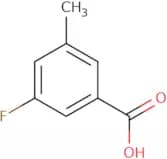
CAS:2-Chloro-3-nitrobenzoic acid methyl ester is a chemical compound that has been shown to inhibit the activity of serotonin. The compound binds to the 5-HT3 receptor on the enteric neurons and inhibits the release of serotonin in the bowel, which is one of the two major sites of action for this drug. This inhibition leads to reduced motility and decreased secretion in the bowel, which helps relieve symptoms in patients with irritable bowel syndrome (IBS). It has also been shown that 2-chloro-3-nitrobenzoic acid methyl ester is able to inhibit the production of serotonin from tryptophan by inhibiting an enzyme called aromatic amino acid decarboxylase. 2-Chloro-3-nitrobenzoic acid methyl ester has a high affinity for both rat and human 5ht3 receptors. The kinetics and thermodynamics of this reaction have been studied using methanol as aFormula:C8H6ClNO4Purity:Min. 95%Color and Shape:PowderMolecular weight:215.59 g/mol3-Fluoro-5-methylbenzonitrile
CAS:<p>3-Fluoro-5-methylbenzonitrile is a reactive halogen molecule that can be used in model compounds, such as 3-fluoro-5-methylbenzoic acid. It has been shown to react with nucleophiles in the presence of microwaves, yielding high yields. The compound can be labeled with a variety of labels, including fluorine isotopes, which can be useful for tracking the compound's metabolism.</p>Formula:C8H6FNPurity:Min. 95%Color and Shape:PowderMolecular weight:135.14 g/mol3-(Trifluoromethyl)-1-benzothiophene-2-carboxylic acid
CAS:3-(Trifluoromethyl)-1-benzothiophene-2-carboxylic acid is a versatile building block that can be used as a reagent, speciality chemical, and useful scaffold in research. This compound has been used to synthesize the drug called Raxibacumab, which is an antibody fragment. 3-(Trifluoromethyl)-1-benzothiophene-2-carboxylic acid can be used as a reaction component or intermediate to produce drugs such as Cefotaxime, Penicillin G, and Ampicillin.Formula:C10H5F3O2SPurity:Min. 95%Molecular weight:246.21 g/mol2-Amino-5-(trifluoromethyl)benzonitrile
CAS:2-Amino-5-(trifluoromethyl)benzonitrile is a versatile chemical building block that can be used in a variety of reactions. It has been used as a reagent and intermediate for research, as well as a speciality chemical. This compound has been found to have applications in the synthesis of complex compounds, such as pharmaceuticals and agrochemicals. 2-Amino-5-(trifluoromethyl)benzonitrile is also a useful scaffold for organic synthesis, due to its high quality and versatility.Formula:C8H5F3N2Purity:Min. 95%Color and Shape:solid.Molecular weight:186.13 g/mol5-(5-Chloro-2-hydroxyphenyl)-1-phenylpyrazole
CAS:5-(5-Chloro-2-hydroxyphenyl)-1-phenylpyrazole is a useful intermediate for the synthesis of complex compounds. It is also used as a reagent and a speciality chemical in research. 5-(5-Chloro-2-hydroxyphenyl)-1-phenylpyrazole has a CAS number of 36124-03-5. This chemical is soluble in organic solvents such as benzene, chloroform, dichloromethane, tetrahydrofuran, and toluene.Formula:C15H11ClN2OPurity:Min. 95%Color and Shape:PowderMolecular weight:270.71 g/molN-Chloro-4-toluenesulfonamide sodium
CAS:N-Chloro-4-toluenesulfonamide sodium (NCTS) is a disinfectant that is used to treat wastewater and as a preservative for water. It has been shown to be effective against bacteria, fungi, and viruses. NCTS is an antimicrobial agent that reacts with the matrix in which it is applied to form chloramines-T (NHClO). The chloramines-T inhibits the activity of enzymes such as those involved in DNA synthesis and protein synthesis. This reaction also generates an electric current due to the redox potentials of the reactants. The presence of aziridines in NCTS leads to crosslinking between proteins, which enhances its effectiveness as a disinfectant. NCTS has been shown to have no adverse effects on human erythrocytes or DNA when used at concentrations up to 100 µg/mL.Formula:C7H8ClNO2S•NaPurity:Min. 95%Color and Shape:PowderMolecular weight:228.65 g/mol4-(Maleimidomethyl)cyclohexane-1-carboxyl-hydrazide trifluoroacetic acid
CAS:4-(Maleimidomethyl)cyclohexane-1-carboxyl-hydrazide trifluoroacetic acid is a versatile building block that is useful as a reagent and scaffold in many chemical reactions. It is used in the synthesis of complex compounds, research chemicals, and speciality chemicals. 4-(Maleimidomethyl)cyclohexane-1-carboxyl-hydrazide trifluoroacetic acid has been shown to be a high quality compound with uses as a reaction component and useful scaffold.Formula:C12H17N3O3·CF3CO2HPurity:Min. 95%Color and Shape:White PowderMolecular weight:365.31 g/molMagnesium chloride hexahydrate
CAS:Magnesium chloride hexahydrate is a chemical compound with the formula MgCl2·6H2O. It is used as an electrolyte in wastewater treatment and for the production of magnesium metal. The optimum concentration for this chemical is between 0.1-0.3 mol/L, which can be found in nature. Magnesium chloride hexahydrate is also used as a component in dextran sulfate, which is an additive to prevent clumping of particles suspended in water or other liquids. This compound has been shown to affect the activity of enzymes such as xylanase, protease, and amylase. Magnesium chloride hexahydrate has a phase transition temperature of 40 °C and can form coordination geometry structures with copper(II) ions at high temperatures.Formula:MgCl2·6H2OColor and Shape:PowderMolecular weight:203.3 g/molDL-Carnitine hydrochloride
CAS:DL-Carnitine hydrochloride is a prodrug of the amino acid carnitine, which is synthesized by the liver. It is used for the treatment of congestive heart failure and primary carnitine deficiency. DL-Carnitine hydrochloride can be used to prevent fatigue during physical activity by increasing adenosine triphosphate (ATP) production in cells. This drug also increases fatty acid oxidation and facilitates the transport of long-chain fatty acids into mitochondria for β-oxidation. DL-Carnitine hydrochloride stimulates the breakdown of triglycerides by activating lipoprotein lipase, which is an enzyme that breaks down fat in blood vessels. The drug also inhibits glycosidic bond formation and hydroxyl group polymerization, which are steps in the synthesis of glycogen, a form of sugar stored in muscle cells.Formula:C7H16ClNO3Purity:Min 98%Color and Shape:White Off-White PowderMolecular weight:197.66 g/mol(Ethoxycarbonylmethyl)dimethylsulfonium bromide
CAS:(Ethoxycarbonylmethyl)dimethylsulfonium bromide is an isoxazoline. It is used in the synthesis of oxime derivatives, which are bioactive molecules that have a wide range of applications in the field of medicine, including as intermediates for anti-inflammatory, anti-viral and antibacterial drugs. This compound has shown to be active against methicillin resistant Staphylococcus aureus (MRSA). The mechanism by which this molecule inhibits MRSA involves its nitro group and the release of nitric oxide.Formula:C6H13BrO2SPurity:Min. 97.5 Area-%Color and Shape:PowderMolecular weight:229.14 g/mol3,4,5-Trimethoxybenzoic acid 8-(diethylamino)octyl ester, hydrochloride
CAS:3,4,5-Trimethoxybenzoic acid 8-(diethylamino)octyl ester, hydrochloride is a chemical substance that binds to the intracellular calcium ion channels and causes an excitatory effect. It has been shown to cause cell lysis in wheat germ and influenza virus. 3,4,5-Trimethoxybenzoic acid 8-(diethylamino)octyl ester, hydrochloride also inhibits the production of TNF-α by activated tubule cells.Formula:C22H38ClNO5Purity:Min. 95%Color and Shape:PowderMolecular weight:431.99 g/mol3,5-Dichloro-2-hydroxybenzenesulfonate sodium salt
CAS:<p>3,5-Dichloro-2-hydroxybenzenesulfonate sodium salt (3,5-DCHBS) is an inhibitor of the enzymes that are involved in the biosynthesis of prostaglandins. This inhibition leads to a decrease in inflammation and pain. 3,5-DCHBS has been shown to be effective against skin cancer cells and is also used to treat various types of cancer.</p>Formula:C6H3Cl2NaO4SPurity:Min. 95%Color and Shape:White Off-White PowderMolecular weight:265.05 g/mol4,4'-Dibromoazoxybenzene
CAS:<p>4,4'-Dibromoazoxybenzene is a functional group that contains both amines and nitroso groups. The reaction scheme for the synthesis of this compound includes hydrazines, potassium hydroxide, acetonitrile, chloride, and alkylation. The nitrogen atom in 4,4'-dibromoazoxybenzene is an aromatic amine. Cancer cells are sensitive to molecules containing aromatic amines as a functional group.</p>Formula:C12H8Br2N2OPurity:Min. 95%Molecular weight:356.01 g/mol4-Bromo-2-chlorobenzonitrile
CAS:<p>4-Bromo-2-chlorobenzonitrile is a pharmaceutical agent that has been patented for its use in the treatment of castration-resistant prostate cancer. The compound inhibits the androgen receptor, which is important for the growth of prostate cancer cells. 4-Bromo-2-chlorobenzonitrile also binds to amines, which are involved in cross-coupling reactions, and can be used as a ligand in assays. It is a synthetic chemical that belongs to the group of alkylating agents and is used as an intermediate in organic chemistry. This compound has high selectivity for nucleophilic centers over electrophilic centers because it forms covalent bonds with electron rich functional groups.</p>Formula:C7H3BrClNPurity:Min. 95%Color and Shape:PowderMolecular weight:216.46 g/molN-amino-2-(4-bromo-3,5-dimethylphenoxy)ethanamide
CAS:<p>Please enquire for more information about N-amino-2-(4-bromo-3,5-dimethylphenoxy)ethanamide including the price, delivery time and more detailed product information at the technical inquiry form on this page</p>Formula:C10H13BrN2O2Purity:Min. 95%Color and Shape:PowderMolecular weight:273.13 g/mol3-Chloro-2,4,5-trifluorobenzoic acid
CAS:<p>3-Chloro-2,4,5-trifluorobenzoic acid (3CTBA) is a synthetic fluoroquinolone antibiotic that has been shown to be active against gram-negative bacteria. 3CTBA inhibits the production of chloride ions in the cytoplasm of bacteria by inhibiting the enzyme chlorate reductase. 3CTBA is also effective against Mycobacterium tuberculosis and Mycobacterium avium complex. The safety profile of this drug is good, with few side effects in humans and no adverse reactions in animals. Many industrial processes have been established for the synthesis of 3CTBA, which results in a high reaction yield. This drug can be synthesized from inexpensive starting materials using a straightforward and efficient process.</p>Formula:C7H2ClF3O2Purity:Min. 95%Color and Shape:PowderMolecular weight:210.54 g/mol[1-(Morpholin-4-ylcarbonyl)propyl]amine hydrochloride
CAS:Controlled ProductPlease enquire for more information about [1-(Morpholin-4-ylcarbonyl)propyl]amine hydrochloride including the price, delivery time and more detailed product information at the technical inquiry form on this pageFormula:C8H16N2O2Purity:Min. 95%Molecular weight:172.22 g/molCholesterol chloroformate
CAS:Controlled Product<p>Cholesterol chloroformate is a cholesterol derivative that has been shown to have good solubility in water. It is a white crystalline solid that is insoluble in ether, benzene, and chlorinated hydrocarbons. The compound has been used as a phase-transition temperature indicator and has been shown to be more resistant to degradation by enzymes than steric interactions. Cholesterol chloroformate is also an intermediate for the synthesis of other compounds such as cholesteryl sulfate and dextran sulfate. This compound binds to the Toll-like receptor 4 (TLR4) on cells, triggering an inflammatory response and activating the immune system. Cholesterol chloroformate can be used to study tumor cell growth by inhibiting mitosis in mouse tumors with subcutaneous injections of this agent.</p>Formula:C28H45ClO2Purity:Min. 95%Molecular weight:449.11 g/mol3-Fluoro-4-methylanisole
CAS:3-Fluoro-4-methylanisole is a nucleophilic, ring substituted electron acceptor that can be activated by electron donors. The nitro group and the electron donating substituents on the ring are important for this reactivity. 3-Fluoro-4-methylanisole can form substitution products with methyl or formyl groups in the presence of a strong base such as palladium, 3-fluoro-4-methylphenol, or nitro groups. This reactivity is regiospecific, meaning that the substitution will only occur at one of two possible sites on the ring. 3-Fluoro-4-methylanisole's chemical properties give it both activating and deactivating properties in organic reactions.Formula:C8H9FOPurity:Min. 95%Color and Shape:Clear LiquidMolecular weight:140.15 g/molCarcinine hydrochloride salt
CAS:Carcinine is a natural compound that inhibits the activities of enzymes involved in energy metabolism, including carnosine, which is a dipeptide found in muscle and brain tissue. Carnosine has been shown to be effective against eye disorders such as glaucoma and optic nerve degeneration, as well as cardiac effects. Carcinine has also been shown to inhibit histamine release, which may be due to its ability to suppress the activation of toll-like receptor 4 by lipopolysaccharides or its ability to inhibit the production of pro-inflammatory cytokines. Carcinine hydrochloride salt is a model system for studying carcinine's interactions with carnosine in vivo and in vitro.Formula:C8H14N4O·XHClPurity:Min. 95%(S)-(2-Guanidino-4-thiazolyl)methylisothiourea dihydrochloride
CAS:<p>(S)-(2-Guanidino-4-thiazolyl)methylisothiourea dihydrochloride is a fine chemical that is useful as a versatile building block and reaction component in research. It has been extensively used as a high quality reagent for the preparation of complex compounds. (S)-(2-Guanidino-4-thiazolyl)methylisothiourea dihydrochloride has also been used as a speciality chemical, which is not commercially available.</p>Formula:C6H12Cl2N6S2Purity:Min. 95%Color and Shape:White PowderMolecular weight:303.24 g/mol2-Bromo-4-methoxybenzyl alcohol
CAS:2-Bromo-4-methoxybenzyl alcohol is a fine chemical that can be used as a versatile building block, intermediate, or reaction component in research. It is also a useful building block for the synthesis of complex compounds. 2-Bromo-4-methoxybenzyl alcohol has been shown to be a reagent with high quality and can be used as a speciality chemical. This compound has been shown to react with ammonia to form an amide bond, which has led to the development of several new drugs.Formula:C8H9BrO2Purity:Min. 95%Color and Shape:PowderMolecular weight:217.06 g/mol(S)-Propranolol hydrochloride
CAS:Controlled Product<p>Propranolol hydrochloride is a prodrug that is converted to the active form, (S)-propranolol, by deesterification in vivo. Propranolol hydrochloride has been used for more than 50 years as a beta-blocker for the treatment of hypertension and angina pectoris. It is also used to treat other cardiovascular diseases such as arrhythmias and myocardial infarction. Propranolol hydrochloride inhibits the activity of human estrogen receptor (ER) and blocks the synthesis of proteins that are necessary for tumor growth. This drug has been shown to be effective against metastable polymorphs in urine samples and can be used as an analytical method to differentiate enantiomers.</p>Formula:C16H21NO2•HClPurity:Min. 95%Molecular weight:295.8 g/mol6-(Trifluoromethyl)pyridine-2-boronic acid
CAS:<p>6-(Trifluoromethyl)pyridine-2-boronic acid is a solid chemical that is soluble in organic solvents. It is a building block for the synthesis of more complex compounds, and also serves as an intermediate in the synthesis of pharmaceuticals. 6-(Trifluoromethyl)pyridine-2-boronic acid has been shown to be useful for the preparation of fine chemicals and has been widely used as a reagent in research.</p>Formula:C6H5BF3NO2Purity:Min. 95%Color and Shape:PowderMolecular weight:190.92 g/mol4-[[4-(4-Chlorophenyl)-2-thiazolyl]amino]phenol
CAS:4-[[4-(4-Chlorophenyl)-2-thiazolyl]amino]phenol is a chemical that has been used in analytical and in vitro methods to study the cellular physiology of cells. It was found to inhibit sphingosine kinase, which is an enzyme that is involved in the synthesis of sphingosine. The inhibition of this enzyme leads to decreased levels of sphingosine and the effect on the cell. 4-[[4-(4-Chlorophenyl)-2-thiazolyl]amino]phenol can also affect mitochondrial membrane potential and cyclase activity, which may be useful for treating hyperproliferative diseases such as breast cancer.Formula:C15H11ClN2OSPurity:Min. 95%Molecular weight:302.78 g/mol4-Bromo-m-xylene
CAS:4-Bromo-m-xylene is a halogenated aromatic compound with chemical properties similar to those of the other trifluoroacetic acid derivatives. 4-Bromo-m-xylene can be synthesized by reacting ethyl acetate with a mixture of copper chloride and bromine. This reaction can also be catalyzed by palladium in the presence of biphenyl as a ligand. The reaction temperature for this synthesis is typically between -30°C and 20°C, although it may be increased to between 0°C and 50°C if desired. 4-Bromo-m-xylene is used in the production of fatty acids, fatty acid esters, and polymers.Formula:C8H9BrPurity:Min. 95%Color and Shape:Clear LiquidMolecular weight:185.06 g/molN-Methoxy-N-methylcarbamoyl chloride
CAS:N-Methoxy-N-methylcarbamoyl chloride is a synthetic compound that can be used to synthesize organic compounds. N-Methoxy-N-methylcarbamoyl chloride can be produced using cross coupling reactions. It is also used in agrochemical synthesis, such as the production of isobutyl clopidogrel, and in the synthesis of boronic acids.Formula:C3H6ClNO2Purity:Min. 95%Color and Shape:PowderMolecular weight:123.54 g/mol3,4-Dichloromethylphenidate
CAS:Controlled Product3,4-Dichloromethylphenidate is a synthetic cannabinoid that is structurally related to amphetamine. It has been detected in the urine of drug users and is used as a substitute for cocaine. 3,4-Dichloromethylphenidate binds to the dopamine transporter, serotonin transporter, and norepinephrine transporter proteins in the brain. The binding of 3,4-Dichloromethylphenidate to these proteins inhibits the reuptake of these neurotransmitters into the presynaptic neuron, leading to an increase in extracellular concentrations of monoamines. This leads to increased levels of dopamine in the striatum and nucleus accumbens and increased levels of serotonin in brain regions that control mood and appetite. 3,4-Dichloromethylphenidate also inhibits the activity of human liver carboxylesterase 1 (CES1). Inhibition of CES1 causes an accumulation of toxic metabolites such as phenethylamFormula:C14H17Cl2NO2Purity:Min. 95%Color and Shape:Yellow solid.Molecular weight:302.2 g/mol3-Bromo-4-fluorobenzaldehyde
CAS:<p>3-Bromo-4-fluorobenzaldehyde is a drug substance that is used in the synthesis of pharmaceuticals. It is also a potential anticancer agent. 3-Bromo-4-fluorobenzaldehyde inhibits bacterial growth by binding to DNA, preventing transcription and replication. The high frequency of human activity has been shown using a patch clamp technique on human erythrocytes. This active form is metabolized through a number of metabolic transformations, including hydrolysis by esterases or glucuronidases, oxidation by cytochrome P450 enzymes, reduction by glutathione reductase, or conjugation with glucuronic acid. 3-Bromo-4-fluorobenzaldehyde also specifically binds to markers expressed at high levels in Mycobacterium tuberculosis strains (e.g., ESX-1 secretion system protein) and inhibits cell growth in culture.</p>Formula:C7H4BrFOPurity:Min. 95%Color and Shape:PowderMolecular weight:203.01 g/mol6α-Fluoroprednisolone acetate
CAS:Controlled Product6alpha-Fluoroprednisolone acetate is a corticosteroid that is used for the treatment of inflammatory diseases. It has a high therapeutic index and does not bind to mineralocorticoid receptors in the body. 6alpha-Fluoroprednisolone acetate is administered as an aerosol or a microsphere. It can be used in cell culture because it does not inhibit protein synthesis or cause morphological changes to cells. The drug has been shown to have a low cytotoxicity profile, which may be due to its ability to suppress pd-l1 and Mcl-1 proteins, which are associated with cancer metastasis. Clinical data suggests that 6alpha-fluoroprednisolone acetate has no adverse effects on the liver, kidney, or bone marrow.Formula:C23H29FO6Purity:Min. 95%Molecular weight:420.47 g/mol2,6-Dichlorohydroquinone
CAS:<p>2,6-Dichlorohydroquinone (2,6-DCQ) is a reactive chemical that has been shown to be cytotoxic and genotoxic in vitro. 2,6-DCQ binds to the thiol group of cysteine residues on the enzyme's active site. This binding changes the redox potential of the molecule and inhibits its activity. 2,6-DCQ also reacts with other proteins in the cell and disrupts their function. This compound is found in high concentrations in samples from wastewater treatment plants. It is also found to be present in some foods such as milk and cheese due to bacterial metabolism.<br>2,6-DCQ is a metabolite of chlorpyrifos (an insecticide), and it has been shown that it can react with glutathione reductase to form a glutathione adduct which may have toxic effects on cells. The mechanism by which this occurs is not well understood at this time but</p>Formula:C6H4Cl2O2Purity:Min. 95 Area-%Color and Shape:White PowderMolecular weight:179 g/molBromocresol green, sodium salt
CAS:<p>Bromocresol green is a dye that is used in biological assays to measure the kinetics of fluorescence. It is a type of tryptophan-releasing compound that releases a yellowish-green light when it absorbs light at wavelengths between 350 and 450 nm. Bromocresol green has been quantified by measuring the intensity of the fluorescence emission as a function of time. This can be done visually or using an instrument called a fluorometer, which detects changes in light intensity over time. Bromocresol green can be used to detect the presence of amino acid residues in proteins through protonation reactions with their tryptophan residues and subsequent quenching with acetonitrile. The bromocresol green dye is also used in lithographic printing, where it serves as an acceptor for electrons from an arene (aromatic hydrocarbon). This process generates energy for lithography and also provides contrast between regions with different electron densities.</p>Formula:C21H14Br4O5SNaColor and Shape:PowderMolecular weight:721 g/molCadmium chloride hemipentahydrate - ACS
CAS:<p>Cadmium chloride hemipentahydrate is a chemical compound that has been shown to have genotoxic effects on animals and humans. Cadmium chloride hemipentahydrate has been shown to inhibit protein synthesis and enzyme activity in vitro and in vivo. It also has been shown to cause cell death and cytotoxicity in brain cells. This chemical compound is used as a model system for the study of cadmium toxicity, because it can be administered to animals without causing any adverse effects. When cadmium chloride hemipentahydrate is injected into rodents, it causes DNA damage, oxidative stress, inhibition of energy metabolism, and induction of apoptosis in brain cells.</p>Formula:CdCl2•(H2O)2Purity:(Titration) 79.5 To 81.0%Color and Shape:White PowderMolecular weight:228.35 g/mol3-Bromopyruvic acid
CAS:<p>3-Bromopyruvic acid is a small molecule that inhibits an enzyme called dextran sulfate reductase. This enzyme is involved in the formation of sulfate in the body and is important for glycolysis, which is the process by which cells break down glucose to produce energy. 3-Bromopyruvic acid inhibits both cancer cells and normal cells, but has a greater effect on cancer cells. This compound also causes caspase-independent cell death, which means that it does not activate pro-apoptotic proteins. It may work by targeting enzymes involved in energy metabolism or by inhibiting DNA polymerase activity.</p>Formula:C3H3BrO3Purity:Min. 95%Color and Shape:PowderMolecular weight:166.96 g/mol3’,5’-Di-O-benzoyl-2’-deoxy-2’-fluoro-5-trifluoromethyl-arabinouridine
CAS:Please enquire for more information about 3’,5’-Di-O-benzoyl-2’-deoxy-2’-fluoro-5-trifluoromethyl-arabinouridine including the price, delivery time and more detailed product information at the technical inquiry form on this pagePurity:Min. 95%5-Bromoindole-2-carboxylic acid
CAS:<p>5-Bromoindole-2-carboxylic acid is an indole derivative that has been shown to inhibit the expression of MMP-13, a matrix metalloproteinase that is involved in tumor invasion and metastasis. This compound also inhibits the transcriptional activity of RNA polymerases I and II, which is important for preventing cancer cell proliferation. 5-Bromoindole-2-carboxylic acid may be used as a treatment for cancer by inhibiting collagen synthesis. This would reduce the size of a tumor by preventing it from expanding in size.</p>Formula:C9H6BrNO2Purity:Min. 95%Color and Shape:PowderMolecular weight:240.05 g/molFluorescent Brightener 119
CAS:<p>FluOrescent Brightener 119 is a fluorescent brightener that is stable in the presence of sulfate and UV light. It can be used to monitor the level of water in a pool by measuring the intensity of the fluorescence. FluOrescent Brightener 119 is soluble and can be used with x-ray films or cyclodextrin to produce a strong fluorescent effect. This chemical has a wavelength at 585 nm, which is visible to the human eye. It also emits light in the blue region at 475 nm, making it an ideal choice for optical brightening agents.</p>Purity:Min. 95%Aluminium phthalocyanine chloride
CAS:Aluminium phthalocyanine chloride (APC) is a photosensitizer that has been used in experimental squamous cell carcinoma. It has been shown to activate oxygen species, which can react with DNA and lead to the formation of reactive oxygen species. APC is cytotoxic to cells in culture and causes the inhibition of DNA synthesis. It has also been shown to be more effective at killing cervical carcinoma cells than squamous cell carcinoma cells.Formula:C32H16AlClN8Purity:Min. 95%Color and Shape:PowderMolecular weight:574.96 g/mol(2-Naphthyloxy)acetyl chloride
CAS:<p>(2-Naphthyloxy)acetyl chloride is an inhibitor of alcohol dehydrogenase, which is the enzyme that catalyzes the conversion of ethanol to acetaldehyde. It has been shown to be active against grapevine, but not against the yeast Saccharomyces cerevisiae. (2-Naphthyloxy)acetyl chloride inhibits alcohol dehydrogenase with a potency comparable to hexanol and ethylene glycol. It also inhibits esterases, which may account for its inhibitory effect on vinifera l. (2-Naphthyloxy)acetyl chloride has been shown to be more selective in inhibiting both alcohol and aldehyde dehydrogenases than hexanol or ethylene glycol.</p>Formula:C12H9ClO2Purity:Min. 95%Color and Shape:Off-White PowderMolecular weight:220.65 g/mol2-Bromo-5-hydroxybenzoic acid
CAS:2-Bromo-5-hydroxybenzoic acid is a naturally occurring chemical that belongs to the group of phenols. It is an intermediate in the biosynthesis of the phorbol esters and is used as a nutrient for many bacteria. 2-Bromo-5-hydroxybenzoic acid has been shown to protect against microbial infections by inhibiting the growth of certain bacteria. It also inhibits production of inflammatory compounds, such as leukotrienes and prostaglandins, by modifying the enzyme activity of peroxidases and other enzymes involved in lipid metabolism. 2-Bromo-5-hydroxybenzoic acid has been shown to inhibit the enzyme lactoperoxidase and prevent oxidation of thiol groups in proteins, altering their functions. This compound also potently inhibits tissue inflammation induced by phorbol myristate acetate (PMA).Formula:C7H5BrO3Purity:Min. 95%Color and Shape:PowderMolecular weight:217.02 g/mol4,6-Diamino-5-(formylamino)pyrimidine hydrochloride
CAS:4,6-Diamino-5-(formylamino)pyrimidine hydrochloride (4,6-dA-FAP) is a nucleic acid polymerase chain reaction probe that binds to damaged DNA. It can be used to identify the presence of nuclear DNA in human polymorphonuclear leukocytes. 4,6-Diamino-5-(formylamino)pyrimidine hydrochloride is also known as a redox indicator and has been shown to have antioxidant properties. This drug is not toxic at physiological levels, but it has been found to be an inhibitor of a number of enzymes. 4,6-Diamino-5-(formylamino)pyrimidine hydrochloride has been used in studies on cancer tissues and biological samples.Formula:C5H7N5O•HClPurity:Min. 95%Color and Shape:PowderMolecular weight:189.6 g/mol4'-Fluoroacetophenone
CAS:<p>4'-Fluoroacetophenone is an organic molecule that is used for wastewater treatment. It reacts with amine groups to form a covalent bond. 4'-Fluoroacetophenone can be used to activate AMP-activated protein kinase (AMPK) and increase the rate of cellular respiration, which may help treat cancer. The chemical structure of 4'-fluoroacetophenone includes hydrogen bonds, nucleophilic substitutions, and acylation reactions. The Langmuir adsorption isotherm for this molecule has been determined to be linear.</p>Formula:C8H7FOPurity:Min. 95%Color and Shape:Clear LiquidMolecular weight:138.14 g/mol1,1,1-Trichlorotrifluoroethane
CAS:<p>1,1,1-Trichlorotrifluoroethane is a chemical that belongs to the group of trifluoroacetic acid. It has been shown to react with hydrogen fluoride in the presence of uv light to form hydrogen chloride and trifluoroacetic acid. 1,1,1-Trichlorotrifluoroethane can be used as an alternative solvent for nitromethane and hexane. It is also used as a medium for cell culture because it does not react with most biological tissue and it does not cause skin irritation. The reaction mechanism for 1,1,1-trichlorotrifluoroethane is nucleophilic attack by the hydrogen chloride molecule on the carbon atom of the ethyl group. This reaction produces a product that contains chlorine atoms that are capable of spontaneously reacting with another molecule of 1,1,1-trichlorotrifluoroethane to form hydrogen chloride</p>Formula:C2Cl3F3Purity:Min. 95%Color and Shape:Colorless PowderMolecular weight:187.37 g/mol2-Chlorotrityl chloride
CAS:<p>2-Chlorotrityl chloride is a chemical compound that is synthesized by the reaction of phosphorus pentachloride and chloroform. It is a versatile building block for organic synthesis, which can be used to synthesize many different types of compounds in a single reaction. The hydroxyl group on 2-chlorotrityl chloride reacts with disulfide bonds to form thioethers, while the chlorine atom undergoes substitution reactions. 2-Chlorotrityl chloride is used in the synthesis of serine protease inhibitors and antimicrobial peptides. It also has significant cytotoxicity in biological cells, which may be due to its ability to affect cell membranes or inhibit protein synthesis.</p>Formula:C19H14Cl2Purity:Min. 98 Area-%Color and Shape:White PowderMolecular weight:313.22 g/mol2-Nitrofluorene
CAS:<p>2-Nitrofluorene is a reactive compound that is not naturally found in the environment. It is an inhibitor of cytochrome P450 enzymes and can be used in probiotic bacteria as a selective agent for genotoxic compounds. 2-Nitrofluorene inhibits the production of reactive oxygen species and has been shown to induce liver lesions in rats after oral exposure. This compound also induces DNA strand breaks and has genotoxic effects on both natural and recombinant cytochrome P450 enzymes.</p>Formula:C13H9NO2Purity:Min. 98 Area-%Color and Shape:PowderMolecular weight:211.22 g/mol4-Chloro-5-morpholin-4-ylpyridazin-3(2H)-one
CAS:Please enquire for more information about 4-Chloro-5-morpholin-4-ylpyridazin-3(2H)-one including the price, delivery time and more detailed product information at the technical inquiry form on this pageFormula:C8H10ClN3O2Purity:90%MinColor and Shape:PowderMolecular weight:215.64 g/molH-Gly-Arg-AMC hydrochloride salt
CAS:<p>H-Gly-Arg-AMC hydrochloride salt is a substrate for the enzymes cathepsins B, H, and L. This compound has been used to measure protease activity in cell culture and as a diagnostic substrate for peptidases. The enzyme reaction can be monitored by measuring changes in the fluorescence of the product at 340 nm. The pH optimum for this enzyme is 7.4.</p>Formula:C18H24N6O4•HClPurity:Min. 98 Area-%Color and Shape:PowderMolecular weight:424.88 g/molTris(dimethylamino)sulfonium difluorotrimethylsilicate
CAS:<p>Tris(dimethylamino)sulfonium difluorotrimethylsilicate is a solute that is used in synthetic chemistry. It has been shown to stimulate bone growth in vitro and to inhibit the metastasis of cancer cells in animal studies. Tris(dimethylamino)sulfonium difluorotrimethylsilicate has also been shown to be an effective treatment for bladder cancer. This compound has been shown to bind to cortistatin, an active substance that inhibits the proliferation of human bladder cancer cells. The compound binds to benzyl groups on cortistatin and prevents it from binding with its receptors on the bladder cancer cells, leading to cell death.</p>Formula:C6H18N3S•C3H9F2SiPurity:90%Color and Shape:PowderMolecular weight:275.48 g/molN-(4-Acetylphenyl)-2-chloropropanamide
CAS:<p>Please enquire for more information about N-(4-Acetylphenyl)-2-chloropropanamide including the price, delivery time and more detailed product information at the technical inquiry form on this page</p>Formula:C11H12ClNO2Purity:Min. 95%Molecular weight:225.67 g/mol3-Bromomethylthiophene
CAS:<p>3-Bromomethylthiophene is a monomer that has been shown to inhibit the synthesis of cholesterol. This inhibition is due to the inhibition of 3-hydroxy-3-methylglutaryl coenzyme A reductase, which converts HMGCoA to mevalonate and is an enzyme involved in the synthesis of cholesterol. The kinetics of this reaction were studied using UV spectroscopy and kinetic analysis. The optical properties of 3-bromomethylthiophene have also been examined using fluorescence microscopy. It has also been shown to have antihypertensive activity, which may be due to its ability to inhibit angiotensin converting enzyme (ACE).</p>Formula:C5H5BrSPurity:Min. 90%Color and Shape:Clear LiquidMolecular weight:177.06 g/mol4,5,6,7-Tetrabromobenzimidazole
CAS:4,5,6,7-Tetrabromobenzimidazole is a brominated heterocyclic compound, which is synthesized chemically from benzimidazole. Its bromination at the 4, 5, 6, and 7 positions of the benzimidazole ring enhances its reactivity, making it a highly potent inhibitor in various enzymatic processes. This compound is primarily sourced through methods that involve controlled bromination reactions in laboratory settings.Formula:C7H2Br4N2Purity:Min. 95%Color and Shape:PowderMolecular weight:433.72 g/molMethyl 3-bromo-5-hydroxybenzoate
CAS:<p>Methyl 3-bromo-5-hydroxybenzoate is a fine chemical that belongs to the group of useful building blocks. It is a versatile building block that can be used as a reagent and reaction component in organic synthesis. Methyl 3-bromo-5-hydroxybenzoate has been shown to be an intermediate in the synthesis of various compounds, including pharmaceuticals, pesticides, and other fine chemicals. This product is also used as a scaffold for research chemicals.</p>Formula:C8H7BrO3Purity:Min. 95%Color and Shape:White PowderMolecular weight:231.04 g/molDi-4-chlorophenyl iodonium bromide
CAS:<p>Di-4-chlorophenyl iodonium bromide is a fine chemical that can be used as a building block for the synthesis of more complex compounds. It has been shown to be a useful intermediate in the syntheses of various other research chemicals and speciality chemicals, including (but not limited to) 4-bromo-2,5-dimethoxybenzaldehyde, 3-(4'-hydroxyphenyl)-1-(2',4'-dichlorophenyl)propane-1,3-dione, 1-[(2E)-3-(4'-hydroxyphenyl)-1-(2',4'-dichlorophenyl)prop-2-enoyl]pyrrole, and 2-[(2E)-3-(4'-hydroxyphenyl)-1-(2',4'-dichlorophenyl)prop-2enoyl]pyrrole. Di-4-chlorophenyl iod</p>Formula:C12H8BrCl2IPurity:90%Color and Shape:PowderMolecular weight:429.91 g/mol4-Fluoro-1-piperidineethanol
CAS:<p>Please enquire for more information about 4-Fluoro-1-piperidineethanol including the price, delivery time and more detailed product information at the technical inquiry form on this page</p>Formula:C7H14FNOPurity:Min. 95%Molecular weight:147.19 g/mol(3R)-(+)-3-(Trifluoroacetamido)pyrrolidine hydrochloride
CAS:<p>(3R)-(+)-3-(Trifluoroacetamido)pyrrolidine hydrochloride is a high-quality reagent that is used as an intermediate in the synthesis of complex compounds. It is also a useful building block, which can be utilized in a variety of chemical reactions. This compound has been shown to be a versatile building block and can be used as a reaction component in research chemicals.</p>Formula:C6H9F3N2O·HClColor and Shape:PowderMolecular weight:218.6 g/molTriphenylchlorosilane
CAS:<p>Triphenylchlorosilane is a reactive compound that has been used as a model system for studying the reaction of congestive heart failure. It has been shown to inhibit energy metabolism and cell factor, which are important factors in the progression of congestive heart failure. Triphenylchlorosilane also reacts with p-hydroxybenzoic acid to form an unstable intermediate, which undergoes intramolecular hydrogen transfer to give the final product. The reaction mechanism is proposed to be a coordination geometry involving three chlorine atoms. This compound is not reactive with sodium salts or structural analysis, but it does bind signal peptide in vivo models and can be used as a probe for protein-protein interactions.</p>Formula:C18H15ClSiPurity:Min. 95%Color and Shape:PowderMolecular weight:294.85 g/mol2-Bromo-3-hydroxybenzoic acid
CAS:<p>2-Bromo-3-hydroxybenzoic acid is an inhibitor of HIV protease that has potent antiviral activity. It inhibits the enzyme responsible for the cleavage of the gag and pol polyproteins in HIV, preventing the formation of new virus particles. 2-Bromo-3-hydroxybenzoic acid is orally bioavailable and can be used as a prodrug for other benzamides or urethanes with antiviral potency. This drug is a cyclic inhibitor that binds to the hydrophobic pocket on the surface of HIV protease and prevents it from functioning as an enzyme.</p>Formula:C7H5BrO2Purity:Min. 95%Color and Shape:PowderMolecular weight:201.02 g/mol(2-Indol-3-ylethyl)((2,4,5-trichlorophenyl)sulfonyl)amine
CAS:Please enquire for more information about (2-Indol-3-ylethyl)((2,4,5-trichlorophenyl)sulfonyl)amine including the price, delivery time and more detailed product information at the technical inquiry form on this pageFormula:C16H13Cl3N2O2SPurity:Min. 95%Color and Shape:PowderMolecular weight:403.71 g/mol2-[[(4-Anilinophenyl)imino]methyl]-4,6-dichlorophenol
CAS:2-[[(4-Anilinophenyl)imino]methyl]-4,6-dichlorophenol is a chemical that has been used in the synthesis of pharmaceuticals and other organic compounds. It is a versatile building block for the preparation of complex compounds and fine chemicals. This product can be used as a reagent or reaction component for research purposes. It is also useful as an intermediate or building block in the synthesis of drugs and other organic compounds. CAS No. 303215-67-0Formula:C19H14Cl2N2OPurity:Min. 95%Color and Shape:Red PowderMolecular weight:357.23 g/molAc-Arg-Gly-Lys-AMC trifluoroacetate salt
CAS:<p>Ac-Arg-Gly-Lys-AMC trifluoroacetate salt is a fine chemical that is used as a building block in the synthesis of complex compounds. Ac-Arg-Gly-Lys-AMC trifluoroacetate salt has been used as a reagent, speciality chemical and intermediate in research projects. Ac-Arg-Gly-Lys-AMC trifluoroacetate salt can be used to produce useful scaffolds for medicinal chemistry studies.</p>Formula:C26H38N8O6•C2HF3O2Purity:Min. 97 Area-%Color and Shape:PowderMolecular weight:672.65 g/molMethyl 2-amino-3-bromobenzoate
CAS:<p>Methyl 2-amino-3-bromobenzoate is a high quality, versatile building block that is used as a reagent and intermediate in the synthesis of biologically active compounds. Methyl 2-amino-3-bromobenzoate is a complex compound that has proven useful as an intermediate in the synthesis of various fine chemicals, such as speciality chemicals. The compound also serves as a useful scaffold for the preparation of other compounds, such as research chemicals. Methyl 2-amino-3-bromobenzoate can be used in reactions with other reagents to form new compounds. It is also used to make important reaction components, such as CAS No. 104670-74-8.</p>Formula:C8H8BrNO2Purity:Min. 95%Color and Shape:PowderMolecular weight:230.06 g/mol4-Fluoroaniline hydrochloride
CAS:<p>4-Fluoroaniline hydrochloride is a redox-active compound that is synthesized from 4-fluorobenzene and ammonia. It has been shown to be a ligand for some transition metals, such as copper, manganese and nickel. This compound can also be used as an electrode in electrochemical studies. The magnetic properties of the 4-fluoroaniline hydrochloride are due to the presence of perchlorate ions. 4-Fluoroaniline hydrochloride reacts with elemental iodine to form a divalent carbon electrode.</p>Formula:C6H7ClFNPurity:Min. 95%Color and Shape:Off-White PowderMolecular weight:147.58 g/molPhenoxybenzamine hydrochloride
CAS:<p>Phenoxybenzamine hydrochloride is a drug with pharmacological properties, which is used in the treatment of carcinoid syndrome. It is a combination therapy group that can be used to treat patients with neurological disorders. Phenoxybenzamine inhibits the activity of the 5-HT2 receptors and has been shown to reduce neuronal death. In addition, it has been shown to increase chemiluminescence in cells infected with HIV. Phenoxybenzamine also has effects on cardiac function and can be used to treat congestive heart failure as well as high levels of natriuretic peptides in maternal blood during pregnancy. It has also been shown to be effective against infectious diseases, such as tuberculosis and malaria.</p>Formula:C18H23Cl2NOPurity:Min. 90 Area-%Color and Shape:PowderMolecular weight:340.29 g/molMethyl 3-fluoro-4-nitrobenzoate
CAS:Methyl 3-fluoro-4-nitrobenzoate is a volatile, colorless liquid that belongs to the class of alcohols. Methyl 3-fluoro-4-nitrobenzoate has a phenylethyl group and an intramolecular reaction with the carbonyl group. The regioselectivity of this reaction is determined by the electron density on the oxygen atom, which is greater than on the nitrogen atom. This makes methyl 3-fluoro-4-nitrobenzoate an excellent nucleophile and allows it to react with other molecules in order to form esters. Methyl 3-fluoro-4-nitrobenzoate has been shown to be a good solvent for headspace analysis because it is volatile, but not reactive enough to interfere with organic compounds in the headspace.Formula:C8H6FNO4Purity:Min. 95%Color and Shape:White PowderMolecular weight:199.14 g/mol6-Bromo-naphthalen-2-ylamine
CAS:<p>6-Bromo-naphthalen-2-ylamine is a chromophore that has been used for the development of novel imaging techniques. This compound has been shown to have synaptic properties and can be used in the study of neurodegenerative diseases. It has also been shown to be an anticancer drug, with staining properties that are useful for the identification of motoneurons. 6-Bromo-naphthalen-2-ylamine is also useful as a fluorescent probe for studies of mechanisms of reaction yield and optical properties.</p>Formula:C10H8BrNPurity:Min. 98%Color and Shape:PowderMolecular weight:222.08 g/mol1-Acetyl-5-bromoindoline
CAS:1-Acetyl-5-bromoindoline is an organic compound with the formula CH3COCH2CH(Br)CH2NH. It is a colorless solid that is soluble in organic solvents. The compound undergoes several reactions, including chloromethylation, amination, and hydrogenation. 1-Acetyl-5-bromoindoline can be used as a precursor to other compounds through catalytic hydrogenation or deprotection of alcohols. This compound has been shown to be an effective catalyst for the epimerization of lactones and β-lactams, such as penicillin G.Formula:C10H10BrNOPurity:Min. 95%Color and Shape:PowderMolecular weight:240.1 g/mol2-Methoxy-4-morpholinobenzenediazonium chloride zinc chloride double
CAS:2-Methoxy-4-morpholinobenzenediazonium chloride zinc chloride double (2MBZD) is a chemical compound that has been analyzed by X-ray crystallography and nuclear magnetic resonance. This molecule consists of two parts: a diazonium salt and zinc chloride. The diazonium salt is a heterocyclic nitrogen ring with two nitrogens, which are bonded to the same carbon atom. The second part of the molecule is zinc chloride, which has one chlorine atom attached to it. The zinc chloride component stabilizes the compound, while the diazonium component provides the antibacterial activity. 2MBZD has shown activity against Staphylococcus aureus and Bacillus subtilis.Formula:C11H14N3O2•(ZnCl4)0Purity:Min. 90 Area-%Color and Shape:Yellow Green PowderMolecular weight:323.85 g/mol6-Fluoroserotonin
CAS:Controlled ProductThe 6-Fluoroserotonin is a selective serotonin uptake inhibitor that has been used to study the serotonin transporter. It has been shown to inhibit the uptake of 5-hydroxyindoleacetic acid and 5-hydroxytryptamine, which is mediated by the serotonin transporter. The 6-Fluoroserotonin is also able to bind to clomipramine and zimelidine with high affinity. Analysis of the chromatographic profile of this compound revealed two peaks, one at 3.2 minutes and another at 4.7 minutes, corresponding to the two diastereoisomers of 6-fluoroserotonin.Formula:C10H11FN2OPurity:Min. 95%Molecular weight:194.21 g/molOctyl (2,4-dichlorophenoxy)acetate
CAS:<p>Octyl (2,4-dichlorophenoxy)acetate is a herbicide that has high selectivity and selectivity. It is used to control grassland weeds. Octyl (2,4-dichlorophenoxy)acetate is an efficient herbicide that can be used in a variety of situations. It can be applied as a pre-emergent or post-emergent herbicide to control weeds on lawns and other turfgrass areas, or as a selective herbicide for the control of broadleaf weeds in fields and other non-crop areas. This compound is also an effective emulsifier for the preparation of various compounds with octadecyl groups. Octyl (2,4-dichlorophenoxy)acetate has been used in China to control Euphorbiae weeds.</p>Formula:C16H22Cl2O3Purity:Min. 95%Color and Shape:Colorless PowderMolecular weight:333.25 g/mol2-Iminothiolane hydrochloride
CAS:<p>2-Iminothiolane hydrochloride is an amine that reacts with free thiol groups in proteins. It can be used to generate models of protein structures, as well as to study the effects of disulfide bonds on protein stability and function. 2-Iminothiolane hydrochloride has been shown to inhibit HIV infection by blocking the uptake of all-trans retinoic acid into cells. This drug also has minimal toxicity and can be used for cancer therapy. The drug was shown to have minimal toxicity in vitro, but it has not yet been tested in vivo.</p>Formula:C4H8ClNSPurity:Min. 95%Color and Shape:White Off-White PowderMolecular weight:137.63 g/molSodium tetrakis[3,5-bis(trifluoromethyl)phenyl]borate
CAS:<p>Tetrakis(3,5-bis(trifluoromethyl)phenyl)borate is a boron compound that has the formula [(CH)B] and is an ionic compound. It is a model system for studying conformational properties of organic compounds in solution. A reaction solution containing sodium tetrakis(3,5-bis(trifluoromethyl)phenyl)borate reacts with coumarin derivatives to form stable complexes. These complexes are then detected by infrared spectroscopy, mass spectrometry, and nuclear magnetic resonance (NMR). This method has been applied to urine samples and plasma from healthy subjects as well as human serum. The stable complexes can be used to measure the concentration of free coumarin derivatives in these samples. The cationic polymerization of polystyrene was studied using tetrakis(3,5-bis(trifluoromethyl)phenyl)borate</p>Formula:C32H12BF24•NaPurity:(%) Min. 95%Color and Shape:PowderMolecular weight:886.2 g/mol4-Fluoro-3-phenoxybenzaldehyde
CAS:4-Fluoro-3-phenoxybenzaldehyde is a chiral organic compound that has been synthesized in the laboratory. This compound has a linear response to peroxide and can be used as an environmental pollutant indicator. It is produced by the reaction of phenol with peroxide in deionized water, which is catalyzed by acid. The reaction time is dependent on the diluent used, and ultrasonic irradiation can be used to speed up the reaction. 4-Fluoro-3-phenoxybenzaldehyde's structure consists of two isomers, each containing either a fluorine atom or hydrogen atom on one of the phenyl rings. 4-Fluoro-3-phenoxybenzaldehyde can be purified using distillation or recrystallization techniques.Formula:C13H9FO2Purity:Min. 95%Color and Shape:LiquidMolecular weight:216.21 g/mol1-(4-Iodobenzyl)piperazine
CAS:Controlled Product1-(4-Iodobenzyl)piperazine is a molecule that acts on the localization, interaction, and uptake of other molecules. It has been shown to interact with murine melanoma cells and inhibit their growth. The mechanism of action is not yet known. 1-(4-Iodobenzyl)piperazine also inhibits the uptake of radioiodinated benzylpiperazine, which is a molecule used as a tracer to study the kidney's function. The drug has been shown to be taken up by malignant tumor cells in mice, but not by normal tissues. This may be due to its ability to interfere with the cell membrane or its ability to transport water across the membrane.Formula:C11H15IN2Purity:Min. 95%Color and Shape:PowderMolecular weight:302.15 g/mol4-Chloro-1,3-dioxolan-2-one
CAS:<p>4-Chloro-1,3-dioxolan-2-one is a reactive functional group that can be classified as a carbonyl compound. It has been shown to react with hydroxyl groups and methyl ethyl groups. 4-Chloro-1,3-dioxolan-2-one is also a strong nucleophile and can also be used in transfer reactions. <br>The reaction solution of 4-chloro-1,3-dioxolan 2 one contains constant pressure and electrochemical impedance spectroscopy (EIS). The carbonate anion reacts with hydrogen fluoride to release CO2 gas, which was observed by particle tracking velocimetry (PTV) and PTV analysis. The nitrogen atoms in the molecule are low energy and react with HCl at room temperature to produce NH4Cl. <br>4 Chloro 1,3 dioxolan 2 one is not soluble in water but it is soluble in hydrochloric</p>Formula:C3H3ClO3Purity:Min. 95%Color and Shape:Colorless Clear LiquidMolecular weight:122.51 g/mol2,6-Dichlorophenylacetonitrile
CAS:<p>2,6-Dichlorophenylacetonitrile (2,6-DCPA) is a cyanide herbicide that controls weed growth. 2,6-DCPA is used as a preemergent herbicide and is applied to the soil before planting. It can be mixed with calcium oxide or other materials to form a dust, which is then applied to the soil surface. 2,6-DCPA inhibits plant growth by interfering with the photosynthesis process, which may be due to its high cytotoxicity. The exact mechanism of action has not been determined but it may be due to interference with chloride transport or ethyl esters production in plants. This chemical has also been shown to inhibit amine metabolism in plants and animals.<br>2,6-DCPA has two isomers: cis and trans. They differ only in the position of the chlorine atom on the benzene ring: cis (left) and trans (right).</p>Formula:C8H5Cl2NPurity:Min. 95%Color and Shape:White PowderMolecular weight:186.04 g/mol[(1,2-Dimethyl-1H-imidazol-5-yl)methyl]amine dihydrochloride
CAS:<p>[(1,2-Dimethyl-1H-imidazol-5-yl)methyl]amine dihydrochloride is a diagnostic agent that is used for the detection of cancer. It reacts with copper oxide to form a green precipitate that can be detected by dissolution in hydrochloric acid. This reaction takes place at a relatively short time and at temperatures as low as 0°C. The use of [(1,2-dimethyl-1H-imidazol-5-yl)methyl]amine dihydrochloride is limited to the diagnosis of pancreatic cancer because it has no effect on any other type of cancer cells.</p>Formula:C6H13Cl2N3Purity:Min. 95%Color and Shape:White PowderMolecular weight:198.09 g/molDimethyltin dichloride
CAS:<p>Dimethyltin dichloride is a compound that belongs to the group of organotin compounds. It is an x-ray crystal structure analysis and a coordination geometry study of the sodium salt of dimethyltin dichloride. The energy metabolism, biological studies, and analytical methods are used to study this compound. Dimethyltin dichloride has been shown to have acute toxicities in animals, and the solubility data is determined by plasma mass spectrometry.</p>Formula:C2H6Cl2SnPurity:Min. 95%Color and Shape:PowderMolecular weight:219.68 g/mol4-(4,6-Dimethoxy-1,3,5-triazin-2-yl)-4-morpholinium tetrafluoroborate
CAS:4-(4,6-Dimethoxy-1,3,5-triazin-2-yl)-4-morpholinium tetrafluoroborate is a modulating agent that is used in the treatment of infectious and metabolic disorders. The compound has been shown to increase the activity of fatty acid oxidation and decrease the production of inflammatory mediators. 4-(4,6-Dimethoxy-1,3,5-triazin-2-yl)-4-morpholinium tetrafluoroborate interacts with a variety of proteins by binding to their Nterminal domains. It can be conjugated to other molecules and then used as probes for kinetic studies or as antiinflammatory compounds.Formula:C10H17N4O3•BF4Purity:Min. 97 Area-%Color and Shape:PowderMolecular weight:328.07 g/mol3-Fluoro-5-methylbenzoic acid
CAS:<p>3-Fluoro-5-methylbenzoic acid is a sulfilimine that has been shown to have insecticidal, functional, and biological activities. 3-Fluoro-5-methylbenzoic acid binds to the enzyme diamide reductase in insects, which prevents the production of toxic amines in insects. 3-Fluoro-5-methylbenzoic acid also inhibits the synthesis of anthranilic acid and organosulfur compounds in plants. This sulfilimine is structurally similar to other insecticides such as DDT and carbofuran. It is soluble in water but insoluble in organic solvents.</p>Formula:C8H7FO2Purity:Min. 95%Color and Shape:PowderMolecular weight:154.14 g/mol4-Bromo-3,5-dinitroaniline
CAS:<p>4-Bromo-3,5-dinitroaniline is a versatile chemical intermediate that has been used in the synthesis of various drugs. This compound is a fine chemical that is not available at any commercial level and can be obtained from research chemicals suppliers. It has been found to be useful as a building block in the synthesis of chemicals such as pharmaceuticals and agrochemicals. The CAS number for this compound is 62554-90-9.</p>Formula:C6H4BrN3O4Purity:Min. 95%Molecular weight:262.02 g/molBambuterol hydrochloride
CAS:<p>β-adrenoceptor agonist; bronchodilator</p>Formula:C18H30ClN3O5Purity:Min. 95%Color and Shape:PowderMolecular weight:403.9 g/molPentafluorophenyl isocyanate
CAS:<p>Pentafluorophenyl isocyanate (PFIC) is a reactive compound that has been used as a reagent in organic synthesis. It is a low-energy molecule and can bind to functional groups, including those found in cancer cells. PFIC can be used in the Friedel-Crafts reaction with an appropriate partner. This reaction produces high values of chromatographic and polymeric films that are stable at high temperatures.</p>Formula:C7F5NOPurity:Min. 97%Color and Shape:Colorless Clear LiquidMolecular weight:209.07 g/molN-Methyltryptamine hydrochloride
CAS:Controlled ProductN-Methyltryptamine hydrochloride is a chemical that has been shown to be an antagonist of the serotonin receptor 5-HT7 in vivo. This drug is also a potent inhibitor of acetylcholinesterase, which may be due to its ability to inhibit the methylation of serotonergic receptors. It has been shown to have clinical efficacy in treating depression, although it is not currently approved by the FDA for this use. N-Methyltryptamine hydrochloride has been shown to have an antidepressant effect in wild-type mice and in mouse models of depression. It inhibits the growth of cancer cells by inducing apoptosis and inhibiting cell proliferation.Formula:C11H15ClN2Purity:Min. 95%Color and Shape:PowderMolecular weight:210.7 g/mol2-Chloro-3-nitrotoluene
CAS:<p>2-Chloro-3-nitrotoluene (2CNT) is a primary site test compound that is used to determine the activity of enzymes that metabolize nitrate. It has been shown to inhibit inorganic nitrate reductase and plant nitrate reductase, which are important enzymes for the transport of nitrogen. The rate of 2CNT degradation increases with increasing temperature, and it is resistant to heat and oxygen. 2CNT also inhibits tobacco N-acetyltransferase, an enzyme involved in the metabolism of nicotine. 2CNT can be used as an inhibitor to study plant physiology because it evaporation occurs rapidly at room temperature.</p>Formula:C7H6ClNO2Purity:Min. 95%Color and Shape:Clear LiquidMolecular weight:171.58 g/mol1-Phenyl-piperazin-2-one
CAS:1-Phenyl-piperazin-2-one is a versatile chemical that can be used as a building block in the synthesis of complex compounds. This compound is also used as a reagent and speciality chemical. It is an important intermediate in organic synthesis and has been used in the preparation of pharmaceuticals, pesticides, and herbicides. 1-Phenyl-piperazin-2-one can be prepared by reacting phenylacetonitrile with nitrous acid to form the nitrile followed by hydrolysis to produce the corresponding carboxylic acid.Formula:C10H12N2OPurity:Min. 95%Color and Shape:PowderMolecular weight:176.22 g/mol3-(3-Fluorophenyl)-2-Methylquinazolin-4(3H)-One
CAS:Controlled ProductQuinazolinones are a class of chemicals that inhibit the enzyme acetylcholinesterase. 3-Fluorophenyl-2-methylquinazolin-4(3H)-one (3FPMQ) is a connector molecule that has been shown to be an inhibitor of acetylcholinesterase, the enzyme responsible for the breakdown of the neurotransmitter acetylcholine. It is also an antenna molecule that can be used in ethyl esters and enzymatic assays. The high resistance of this molecule has been shown by chemical treatments and chemical analyses. Amplitudes generated by 3FPMQ have been shown to be effective at positioning it next to naphthalene, which is a ring structure with two c1-c6 alkoxy groups on either side. This molecule has also shown muscle relaxant properties.Formula:C15H11FN2OPurity:Min. 95%Molecular weight:254.26 g/mol3-Trifluoromethoxyphenylboronic acid
CAS:<p>3-Trifluoromethoxyphenylboronic acid is a lead compound that has the potential to be an efficient and water-soluble inhibitor of protein kinases. It has been shown to have a significant inhibitory effect on vismodegib transport. This compound may also have anticancer properties. 3-Trifluoromethoxyphenylboronic acid binds to the active site of protein kinases, blocking their catalytic activity and inhibiting cell proliferation by interfering with the signaling pathway that regulates cancer cells.</p>Formula:C7H6BF3O3Purity:Min. 90%Color and Shape:PowderMolecular weight:205.93 g/molRopivacaine hydrochloride monohydrate
CAS:Controlled ProductReversible inhibitor of voltage-gated sodium channelsFormula:C17H29ClN2O2Purity:Min. 95%Color and Shape:White Off-White PowderMolecular weight:328.88 g/molBromocresol purple
CAS:<p>Bromocresol purple is a hydrophilic dye that has applications in indicating pH and measuring serum albumin concentrations.</p>Formula:C21H16Br2O5SPurity:Min. 95%Color and Shape:PowderMolecular weight:540.22 g/mol4-Methyl-5-hydromethylimidazole hydrochloride
CAS:<p>4-Methyl-5-hydromethylimidazole hydrochloride is a drug that is used in the treatment of hydrochloric acid. It reacts with hydrochloric acid to form cimetidine and cysteamine, which are pharmaceuticals. 4-Methyl-5-hydromethylimidazole hydrochloride is also used as a corrosion inhibitor and may be used as an additive in animal feed.</p>Formula:C5H8N2O•HClPurity:Min. 95%Color and Shape:PowderMolecular weight:148.59 g/mol1-(2,2-Dibromoethenyl)cyclopropane
CAS:1-(2,2-Dibromoethenyl)cyclopropane is a versatile building block that can be used as a reagent or an intermediate in the synthesis of other chemical compounds. It is also a useful scaffold for organic reactions and has been shown to be a high-quality product with valuable research applications. 1-(2,2-Dibromoethenyl)cyclopropane is not currently registered as a pesticide.Formula:C5H6Br2Purity:Min. 95%Color and Shape:LiquidMolecular weight:225.91 g/molAnhydrotetracycline hydrochloride
CAS:Anhydrotetracycline hydrochloride is a synthetic tetracycline antibiotic that has been shown to be active against methicillin-resistant strains of Staphylococcus aureus and Enterobacteriaceae. It is also effective against Gram-positive bacteria such as Streptococcus pneumoniae, Enterococcus faecalis, and Listeria monocytogenes. Anhydrotetracycline hydrochloride functions by inhibiting protein synthesis, which prevents the production of proteins vital for cell division. This antibiotic inhibits translation by interfering with the binding of aminoacyl-tRNA to ribosomes through an unknown mechanism. Anhydrotetracycline hydrochloride has also been shown to enhance bacterial growth in the presence of carbon sources such as butanol or sugar alcohols.Formula:C22H23ClN2O7Purity:Min. 95 Area-%Color and Shape:Yellow PowderMolecular weight:462.88 g/molBoc-4-iodo-L-phenylalanine
CAS:Boc-4-iodo-L-phenylalanine is a chemical compound belonging to the category of amino acid derivatives. It is widely used in research for various applications, including peptide synthesis and drug discovery. The L-phenylalanine derivative, has a Boc protecting group (tert-butoxycarbonyl) on the amino group and an iodine atom at the 4-position of the phenyl ring. The Boc group protects the amino group from unwanted reactions during peptide synthesis, while the iodine atom serves as a useful group for further modifications.Formula:C14H18IHO4Purity:Min. 95%Color and Shape:PowderMolecular weight:378.2 g/mol
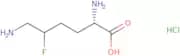

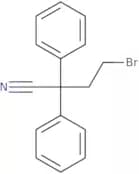
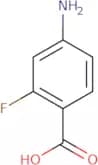
![N-[2-(Fmoc-amino)-ethyl]glycine tert-butylester hydrochloride](/_next/image/?url=https%3A%2Fstatic.cymitquimica.com%2Fproducts%2F3D%2Fthumb-webp%2FFF49771.webp&w=3840&q=75)
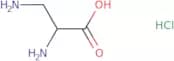
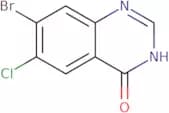
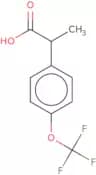
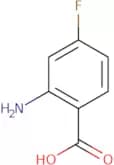
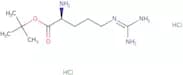
![7-[4-[4-(4-Fluorobenzoyl)Piperidin-1-Yl]Butyl]-1,3-Dimethylpurine-2,6-Dione](/_next/image/?url=https%3A%2Fstatic.cymitquimica.com%2Fproducts%2F3D%2Fthumb-webp%2FFF99814.webp&w=3840&q=75)
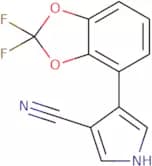
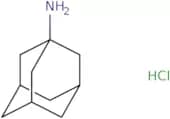
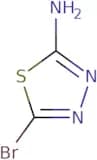
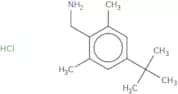
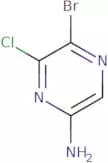
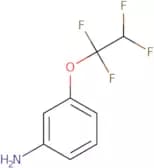
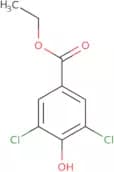
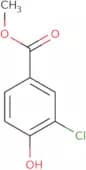
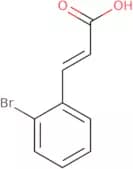
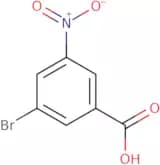
![[2-(Pyridin-2-ylthio)ethyl]amine dihydrochloride](/_next/image/?url=https%3A%2Fstatic.cymitquimica.com%2Fproducts%2F3D%2Fthumb-webp%2FFP121658.webp&w=3840&q=75)
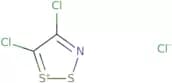
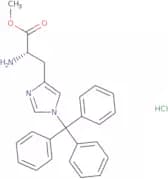
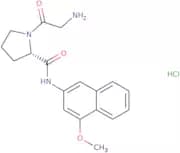


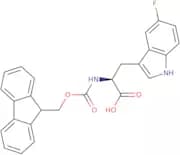

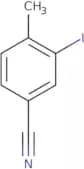
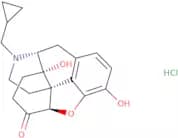
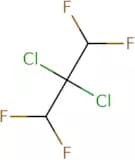

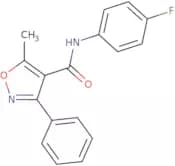
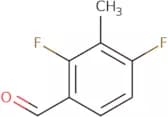
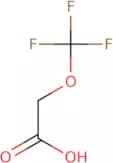
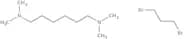
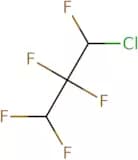
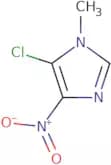
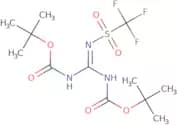
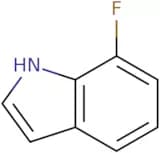
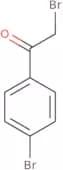
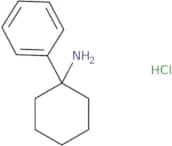
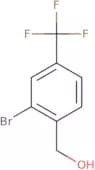
![2-Amino-N-[2-(5-methoxy-1H-indol-3-yl)ethyl]acetamide hydrochloride](/_next/image/?url=https%3A%2Fstatic.cymitquimica.com%2Fproducts%2F3D%2Fthumb-webp%2FFA116384.webp&w=3840&q=75)
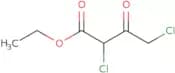

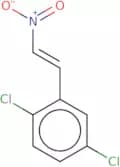
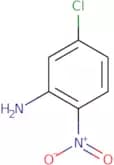
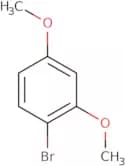
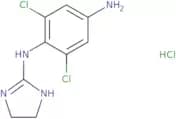
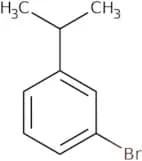
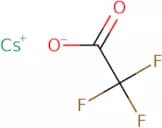
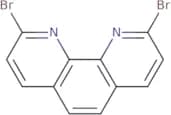
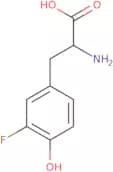
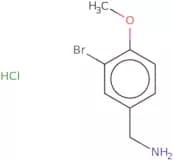
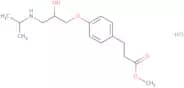
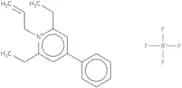
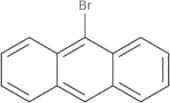

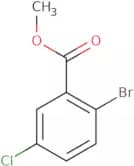
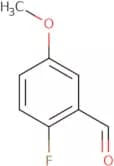
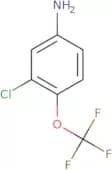
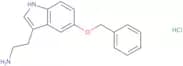
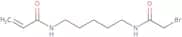
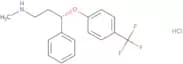
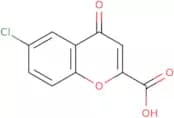
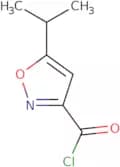
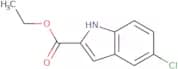
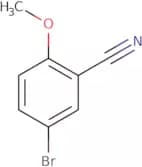
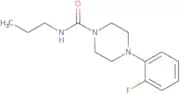
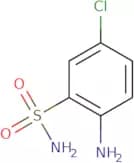
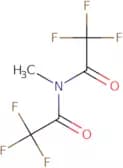
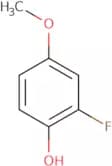
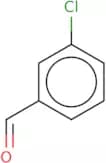
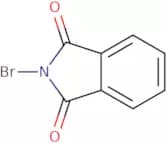
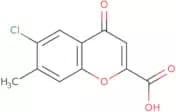

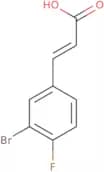
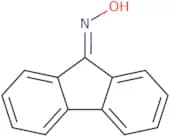

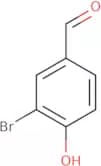
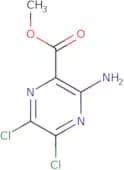
![N-[2-(2,3-Dimethoxyphenyl)ethyl]-2-chlorobenzamide](/_next/image/?url=https%3A%2Fstatic.cymitquimica.com%2Fproducts%2F3D%2Fthumb-webp%2FFD66108.webp&w=3840&q=75)
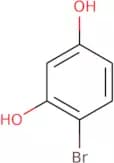
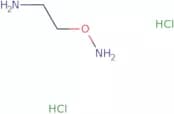
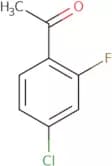
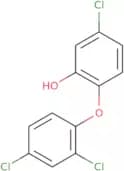
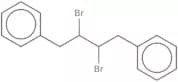
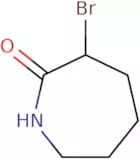
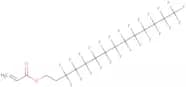
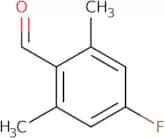
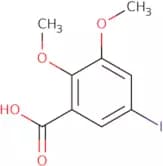

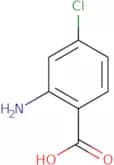
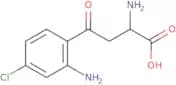
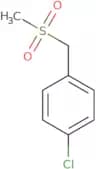
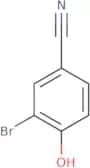
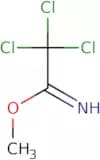
![(2-Chlorophenyl)-N-[4-(trifluoromethyl)phenyl]carboxamide](/_next/image/?url=https%3A%2Fstatic.cymitquimica.com%2Fproducts%2F3D%2Fthumb-webp%2FFC145671.webp&w=3840&q=75)

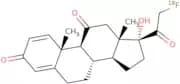
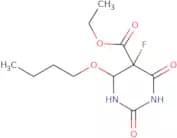
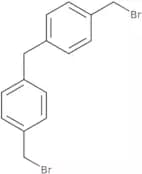
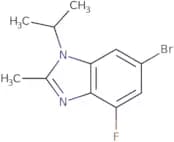
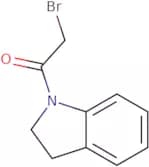

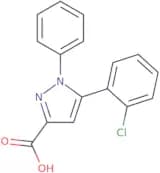
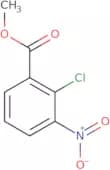
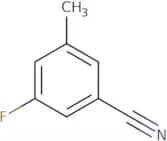
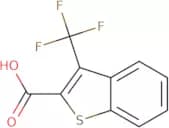
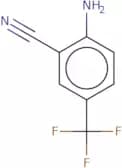
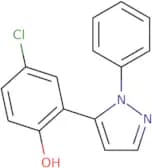
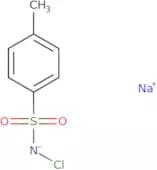
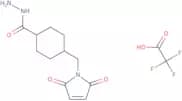
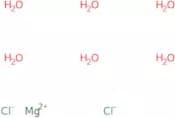
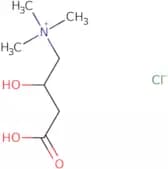
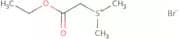
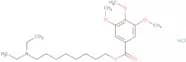

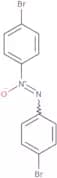
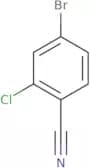
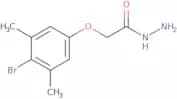
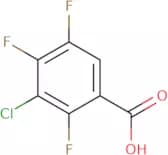
![[1-(Morpholin-4-ylcarbonyl)propyl]amine hydrochloride](/_next/image/?url=https%3A%2Fstatic.cymitquimica.com%2Fproducts%2F3D%2Fthumb-webp%2FFM130661.webp&w=3840&q=75)
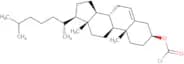
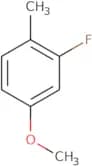
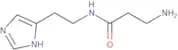
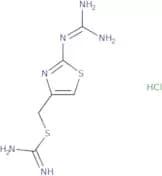

![4-[[4-(4-Chlorophenyl)-2-thiazolyl]amino]phenol](/_next/image/?url=https%3A%2Fstatic.cymitquimica.com%2Fproducts%2F3D%2Fthumb-webp%2FFC137468.webp&w=3840&q=75)
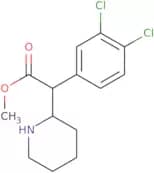


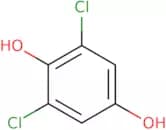
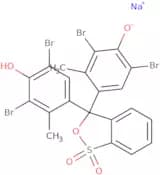
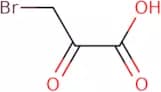
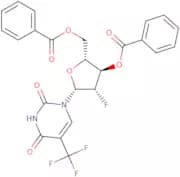
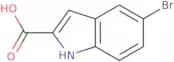
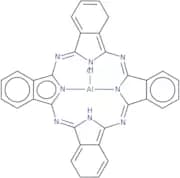
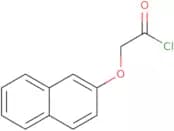
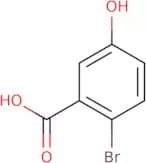
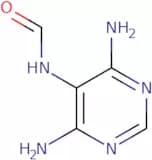
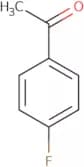
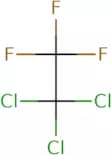
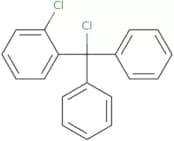
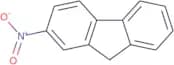
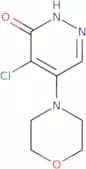
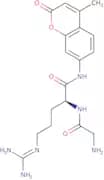
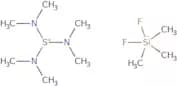


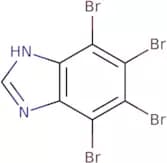
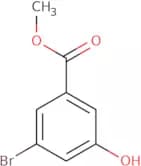
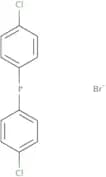
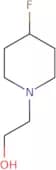
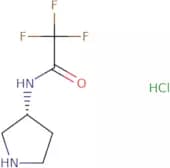
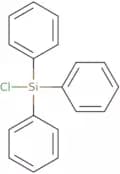
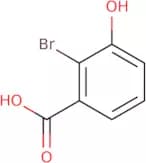
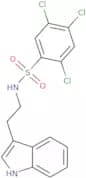
![2-[[(4-Anilinophenyl)imino]methyl]-4,6-dichlorophenol](/_next/image/?url=https%3A%2Fstatic.cymitquimica.com%2Fproducts%2F3D%2Fthumb-webp%2FFA71703.webp&w=3840&q=75)
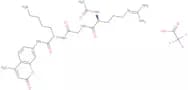
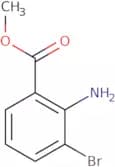
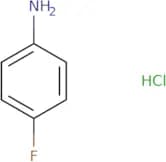
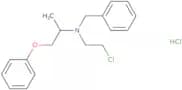
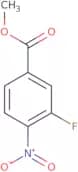

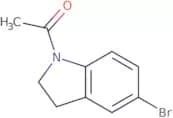

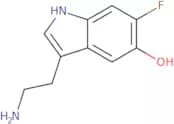
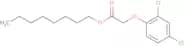
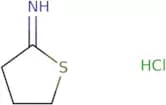
![Sodium tetrakis[3,5-bis(trifluoromethyl)phenyl]borate](/_next/image/?url=https%3A%2Fstatic.cymitquimica.com%2Fproducts%2F3D%2Fthumb-webp%2FFS93415.webp&w=3840&q=75)
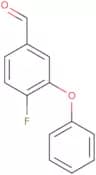
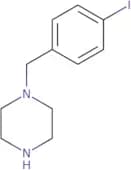
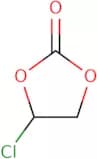
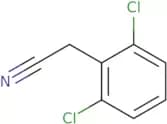
![[(1,2-Dimethyl-1H-imidazol-5-yl)methyl]amine dihydrochloride](/_next/image/?url=https%3A%2Fstatic.cymitquimica.com%2Fproducts%2F3D%2Fthumb-webp%2FFD124269.webp&w=3840&q=75)