Organic Halides
In this category, you can find organic molecules containing one or more halogen atoms in their structure. These organic halides include brominated, iodinated, chlorinated, and cyclic halide compounds. Organic halides are widely used in organic synthesis, pharmaceuticals, agrochemicals, and materials science due to their reactivity and ability to undergo a variety of chemical transformations. At CymitQuimica, we offer a comprehensive selection of high-quality organic halides to support your research and industrial applications, ensuring reliable and effective performance in your synthetic and analytical projects.
Subcategories of "Organic Halides"
Found 20437 products of "Organic Halides"
Sort by
Purity (%)
0
100
|
0
|
50
|
90
|
95
|
100
4-(4-Bromophenyl)piperazine-1-carboxylic acid tert-butyl ester
CAS:Controlled Product<p>Please enquire for more information about 4-(4-Bromophenyl)piperazine-1-carboxylic acid tert-butyl ester including the price, delivery time and more detailed product information at the technical inquiry form on this page</p>Formula:C15H21BrN2O2Purity:Min. 95%Molecular weight:341.24 g/mol2-Chlorophenyl cyclopentyl ketone
CAS:Controlled Product<p>2-Chlorophenyl cyclopentyl ketone (2CCPK) is a synthetic, green, and scalable process for the preparation of cyclopentyl compounds. It has been used in analytical and preparative HPLC methods. 2CCPK is an acidic compound that can be analyzed by HPLC techniques. Preparative HPLC is used to isolate the product from impurities. The flow rate of 2CCPK can be determined using analytical HPLC techniques.</p>Formula:C12H13ClOPurity:Min. 95%Color and Shape:Clear LiquidMolecular weight:208.68 g/mol4-Chlorophenyl 2-aminobenzoate
CAS:Controlled Product<p>Please enquire for more information about 4-Chlorophenyl 2-aminobenzoate including the price, delivery time and more detailed product information at the technical inquiry form on this page</p>Formula:C13H10ClNO2Purity:Min. 95%Molecular weight:247.68 g/mol(4-Fluorophenyl)acetone
CAS:Controlled Product<p>4-Fluorophenylacetone is a phenylacetic acid derivative that inhibits the 5-HT2 receptors. It has been shown to have inhibitory activities against dopamine and serotonin by acting as an agonist at the receptor. 4-Fluorophenylacetone also binds to nucleophilic sites on proteins, which may lead to inhibition of protein synthesis. This product has been used in molecular modeling studies and has been shown to be an amine with a phosphate group that can form a stable bond with other molecules. Brevibacterium sp. strain P7 was used as a model system for this study and it was found that 4-fluorophenylacetone inhibited the growth of this bacterium by binding to the enzyme RNA polymerase, preventing transcription and replication.</p>Formula:C9H9FOPurity:Min. 95%Molecular weight:152.17 g/mol4-Benzyl-piperazine-1-carbonylchloride
CAS:Controlled Product<p>Please enquire for more information about 4-Benzyl-piperazine-1-carbonylchloride including the price, delivery time and more detailed product information at the technical inquiry form on this page</p>Formula:C12H15ClN2OPurity:Min. 95%Molecular weight:238.71 g/molChloromethyl ethyl ether
CAS:<p>Chloromethyl ethyl ether is a trifluoroacetic acid derivative that is used as a solvent. It reacts with radiation and forms the highly reactive hydroxyl radical. Chloromethyl ethyl ether can be used to destroy brain infarction from radiation treatment, although it has no use in clinical medicine. Chloromethyl ethyl ether also has high values for transport properties and is resistant to hydrolysis by acids. This compound is synthesized by reacting chloroethanol with methyl chloroformate in the presence of hydrochloric acid. The biological properties of chloromethyl ethyl ether are not well understood; however, it has been shown to bind with receptors on cells and inhibit protein synthesis.</p>Formula:C3H7ClOPurity:Min. 95%Molecular weight:94.54 g/mol5-Chloro-2-hydroxy-2-methoxycarbonyl-1-indanone
CAS:<p>Please enquire for more information about 5-Chloro-2-hydroxy-2-methoxycarbonyl-1-indanone including the price, delivery time and more detailed product information at the technical inquiry form on this page</p>Formula:C11H9ClO4Purity:Min. 95%Molecular weight:240.64 g/mol4-(4-Chlorobenzoyl)piperidine
CAS:<p>Please enquire for more information about 4-(4-Chlorobenzoyl)piperidine including the price, delivery time and more detailed product information at the technical inquiry form on this page</p>Purity:Min. 95%6-Bromo-3-phenylquinazoline-2,4(1H,3H)-dione
CAS:Controlled Product<p>Please enquire for more information about 6-Bromo-3-phenylquinazoline-2,4(1H,3H)-dione including the price, delivery time and more detailed product information at the technical inquiry form on this page</p>Formula:C14H9BrN2O2Purity:Min. 95%Molecular weight:317.14 g/mol1-(5-Methyl-1,2,4-oxadiazol-3-yl)cyclohexanamine hydrochloride
CAS:Controlled Product<p>Please enquire for more information about 1-(5-Methyl-1,2,4-oxadiazol-3-yl)cyclohexanamine hydrochloride including the price, delivery time and more detailed product information at the technical inquiry form on this page</p>Formula:C9H16N3OClPurity:Min. 95%Molecular weight:217.7 g/molN-Ethyl-N-[(heptadecafluorooctyl)sulphonyl]glycine
CAS:Controlled Product<p>N-Ethyl-N-[(Heptadecafluorooctyl)sulphonyl]glycine is a high-concentration environmental pollutant that has been detected in the environment and human blood plasma. This chemical is a member of the class of polyfluoroalkyl substances (PFASs), which are used as surfactants in many industrial processes, including the manufacture of paper, textiles, and paints. PFASs are also present in foods such as meat, butter, and eggs. N-Ethyl-N-[(Heptadecafluorooctyl)sulphonyl]glycine has been shown to have trophic effects on invertebrates and can be measured using a triple-quadrupole mass spectrometer with reaction monitoring. This chemical is not suspected to be carcinogenic or toxic to humans because it does not react with DNA or proteins. The health effects of this substance are still</p>Formula:C12H8F17NO4SPurity:Min. 95%Color and Shape:PowderMolecular weight:585.24 g/molEthyl (R)-(+)-4-chloro-3-hydroxybutyrate
CAS:<p>Ethyl (R)-(+)-4-chloro-3-hydroxybutyrate is a chiral compound with two stereoisomers, one of which is the natural form. It can be synthesized by asymmetric synthesis from ethylene diamine and acetaldehyde. This reaction is catalysed by enzymes such as dehydrogenase, which are used in the biosynthesis of other compounds. The enzyme catalysis results in a high activation energy. Ethyl (R)-(+)-4-chloro-3-hydroxybutyrate also has an organic solvent that is required for its synthesis, d-xylose. The enzyme expression plasmid that is used to express this compound requires recombinant cells.</p>Formula:C6H11ClO3Purity:Min. 95%Color and Shape:Clear LiquidMolecular weight:166.6 g/molBromoacetic acid-13C2
CAS:<p>Please enquire for more information about Bromoacetic acid-13C2 including the price, delivery time and more detailed product information at the technical inquiry form on this page</p>Formula:C2H3BrO2Purity:Min. 95%Color and Shape:PowderMolecular weight:140.95 g/mol(7-bromo-2H-1,3-benzodioxol-5-yl)methanol
CAS:Controlled Product<p>Please enquire for more information about (7-bromo-2H-1,3-benzodioxol-5-yl)methanol including the price, delivery time and more detailed product information at the technical inquiry form on this page</p>Purity:Min. 95%Molecular weight:231.045Phenyl trifluoromethylsulfide
CAS:<p>Phenyl trifluoromethylsulfide is a diazonium salt that reacts with serine proteases to form reactive functional groups, resulting in the formation of reaction products. The chlorine atom in phenyl trifluoromethylsulfide reacts with hydroxide ions, forming a chloroformate anion. This anion then reacts with nucleophilic amino acids such as lysine and arginine in the protease. This nucleophilic attack induces inflammation in inflammatory diseases such as asthma and arthritis. Phenyl trifluoromethylsulfide has been shown to be effective against ns3 protease found in plasma mass spectrometry samples of patients with chronic respiratory disease (COPD).</p>Formula:C7H5F3SPurity:Min. 95%Color and Shape:Clear LiquidMolecular weight:178.18 g/mol1-Butylpyridinium Chloride
CAS:<p>1-Butylpyridinium Chloride is an ionic liquid that is a colorless, water-soluble liquid. It has been reported to have detergent compositions and can be used as a solvent or cleaning agent. 1-Butylpyridinium chloride has been shown to have strong hydrogen bonding interactions with other molecules. It also exhibits electrochemical impedance spectroscopy, ft-ir spectroscopy, and thermal expansion properties.</p>Formula:C9H14ClNPurity:Min. 95%Molecular weight:171.67 g/mol2-Amino-1-tetralone hydrochloride
CAS:Controlled Product<p>Please enquire for more information about 2-Amino-1-tetralone hydrochloride including the price, delivery time and more detailed product information at the technical inquiry form on this page</p>Formula:C10H11NO·HClPurity:Min. 95%Color and Shape:PowderMolecular weight:196.65 g/mol3-Fluoro-4-methylaniline
CAS:<p>3-Fluoro-4-methylaniline is a synthesized compound that is used to produce anti-cancer agents. It is an amide and has anti-cancer properties. 3-Fluoro-4-methylaniline also binds to DNA and inhibits the synthesis of proteins in cancer cells. The binding constants for ligands are found to be high. 3-Fluoro-4-methylaniline can also bind with DNA through intercalation or hybridization, which prevents transcription of RNA from DNA, thereby inhibiting protein synthesis. This results in cell death by apoptosis.</p>Formula:C7H8FNPurity:Min. 95%Color and Shape:Clear LiquidMolecular weight:125.14 g/molN,N,N-Tributyl-1-butanaminium 1,1,2,2,3,3,4,4,5,5,6,6,7,7,8,8,8-heptadecafluoro-1-octanesulfonate
CAS:Controlled Product<p>N,N,N-Tributyl-1-Butanaminium 1,1,2,2,3,3,4,4,5,5,6,6,7,7,8,8,8-heptadecafluoro-1-octanesulfonate is an organic solvent that belongs to the group of surfactants. It is used as a crosslinking agent and ionizing agent in uncured coatings. This chemical has shown proton conductivity and the ability to generate hydroxyl ions when exposed to radiation such as ultraviolet light or gamma rays. NBDBS has been shown to be an effective antigen for use in immunological assays.</p>Formula:C24H36F17NO3SPurity:Min. 95%Color and Shape:Clear LiquidMolecular weight:741.59 g/mol1-(4-Fluorobenzyl)piperazine
CAS:Controlled Product<p>1-(4-Fluorobenzyl)piperazine is a potent tyrosinase inhibitor and has been shown to inhibit the proliferation of human cancer cells. It has been found to have inhibitory activity against the amine oxidase enzyme, which is involved in the biosynthesis of pro-inflammatory cytokines. The biochemical properties of 1-(4-fluorobenzyl)piperazine have been studied by liquid chromatography and mass spectrometry and it has been found to be synthesized from piperazine and an amine. There are no other studies available on this drug at this time.</p>Formula:C11H15FN2Purity:Min. 95%Molecular weight:194.25 g/molPhenyl chloroformate
CAS:<p>Phenyl chloroformate is a phenyl compound that is used as a reagent for cationic polymerization. This chemical reacts with amines to form an N-substituted amide in the presence of hydrogen chloride. The mechanism of this reaction is based on nucleophilic substitutions by the hydroxyl group of the phenyl group. Phenyl chloroformate has been used in the synthesis of fatty acids, which are important components of metabolic disorders such as diabetes mellitus type 2.</p>Formula:C7H5ClO2Purity:Min. 95%Color and Shape:PowderMolecular weight:156.57 g/mol6-Fluoro-3-oxo-3,4-dihydro-2-pyrazinecarbonitrile
CAS:<p>Dibenzylamine is a tertiary amine with the chemical formula C6H12N2. Dibenzylamine is a colorless liquid that boils at 110°C and freezes at -50°C. It has a density of 0.859 g/mL and a refractive index of 1.539. When heated, it decomposes to form dipropylamine, dibutylamine, and dicyclohexylamine. It also reacts with nitric acid to form an explosive compound called nitrobenzene or dinitrobenzene. Dipropylamine is a colorless volatile liquid that has the chemical formula C6H12N2 and boils at 130°C. When heated, it decomposes to form dibutylamine and dicyclohexylamine. Dibutylamine is a colorless volatile liquid that has the chemical formula C6</p>Formula:C5H2FN3OPurity:Min. 95%Molecular weight:139.09 g/molL-Serine amide hydrochloride
CAS:<p>L-Serine amide hydrochloride is a synthetic, anti-HIV drug that is used as an antiviral agent. It inhibits the viral life cycle by inhibiting the activity of acyclic nucleoside phosphonates, which are vital to viral DNA synthesis. L-Serine amide hydrochloride binds to the cyclopentane ring of guanosine and prevents its interaction with the enzyme ribonucleotide reductase. This binding prevents the conversion of guanosine into GTP, thereby preventing HIV from using this molecule in their life cycle. L-Serine amide hydrochloride is not active against cellular proteins or prostaglandins.</p>Formula:C3H8N2O2·HClPurity:Min. 95%Molecular weight:140.57 g/mol5-Chloro-1H-imidazo[4,5-b]pyridin-2(3H)-one
CAS:<p>5-Chloro-1H-imidazo[4,5-b]pyridin-2(3H)-one is a chemical compound that is used in analytical chemistry as an insecticide. It has been shown to cause genotoxic activity in weevils exposed to light. The compound has also been shown to have long term efficacy in plants and toxicity studies on animals. 5-Chloro-1H-imidazo[4,5-b]pyridin-2(3H)-one is metabolized by detoxification enzymes and excreted through the urine.</p>Purity:Min. 95%Phenylpropylmethylamine hydrochloride
CAS:Controlled Product<p>Phenylpropylmethylamine hydrochloride is a chemical compound with the molecular formula CHClN. It is soluble in water and organic solvents. Phenylpropylmethylamine hydrochloride can be prepared by reacting chloropropane with hydrogen chloride, or by reacting phenylpropanolamine with hydrochloric acid in the presence of dodecyl mercaptan and sodium hydroxide solution. The impurities present in this product include chloropropane, chloride gas, and hydroxide ions. The reactions involved are exothermic reactions that require cooling to prevent overheating. Impurities may also form if this product is not reacted under an inert atmosphere of nitrogen gas.<br>The following are some common uses for Phenylpropylmethylamine hydrochloride:<br>-as a solvent in the production of certain types of plastics<br>-in the manufacture of dyes, drugs, rubber products, and soaps<br>-in research</p>Formula:C10H16ClNPurity:Min. 95%Color and Shape:PowderMolecular weight:185.69 g/molPerfluorooctanesulphonyl Chloride
CAS:Controlled Product<p>Perfluorooctanesulphonyl Chloride (PFOS) is a chemical that belongs to the class of perfluoroalkyl substances. It is used in the synthesis of tetraethylammonium, peroxide, yields, telomeric, phosphine, cyclic ketone, phosphonium salt, chlorides and olefinic compounds. PFOS also has a number of commercial applications such as in fire-fighting foams and in the manufacture of fluoropolymers. PFOS is harmful to human health when it enters the body because it accumulates in the blood and remains there for years. It may cause low birth weight in newborns and thyroid hormone disruption. It can also cause liver damage in laboratory animals.</p>Formula:C8ClF17O2SPurity:Min. 95%Molecular weight:518.58 g/mol3-Aminophenylsulphur pentafluoride
CAS:<p>3-Aminophenylsulphur pentafluoride is a synthetic chemical compound. It is a ligand with an electron-withdrawing group and has been shown to be a strong oxidizing agent. 3-Aminophenylsulphur pentafluoride reacts with phosphine oxides, yielding phosphines. This reaction can be used for the synthesis of heterocycles that contain phosphorus in their ring system. 3-Aminophenylsulphur pentafluoride also reacts with alkyl halides to produce heterocycles containing sulphur, such as pyridines or thiophenes. The reaction time between 3-aminophenylsulphur pentafluoride and alkyl halides is dependent on the oxidation potential of the alkyl halides, which can be determined by measuring the absorption spectra of the resulting heterocycles. 3-Aminophenylsulf</p>Formula:C6H6F5NSPurity:Min. 95%Molecular weight:219.18 g/molBromoferrocene
CAS:<p>Bromoferrocene is a ligand that binds to the ferrocenecarboxylic acid skeleton. It is an aromatic hydrocarbon that has been shown to be a potent inhibitor of cervical cancer proliferation. Bromoferrocene was synthesized by a Friedel-Crafts reaction between styrene and hydrobromic acid. The bromine atom in this compound is electron-withdrawing and therefore has radical character, which makes it a reactive molecule with potential for biological activity. Bromoferrocene is chiral and thus can exist as two enantiomers - one with R configuration, the other L.</p>Formula:C10H9BrFePurity:90%NmrMolecular weight:264.93 g/mol1-(2,6-Dichlorobenzyl)piperazine
CAS:Controlled Product<p>1-(2,6-Dichlorobenzyl)piperazine is a benzylpiperazine that emits light in the visible region. It is an acidic reagent that can be used as an electron donating agent in organic synthesis. 1-(2,6-Dichlorobenzyl)piperazine reacts with amines to form substituted phenylpiperazines. This reaction is widely used to investigate the structure and reactivity of amines. 1-(2,6-Dichlorobenzyl)piperazine reacts with phenols to form piperazines. It also reacts with aliphatic compounds to form a trifluoromethyl group.</p>Formula:C11H14Cl2N2Purity:Min. 95%Molecular weight:245.15 g/mol7-Chloro-1,2,3,4-tetrahydrobenzo[b]azepin-5-one
CAS:<p>7-Chloro-1,2,3,4-tetrahydrobenzo[b]azepin-5-one (7CTB) is a synthetic vasopressin analogue that is used as a vasopressin receptor antagonist. It is a competitive inhibitor of the vasopressin V2 receptor and has been shown to be effective in the treatment of diabetes insipidus. 7CTB has also been shown to bind to and inhibit the binding of arginine, an acid binding agent, preventing hydrolysis reactions with other compounds. 7CTB has been shown to be an effective agent for the treatment of congestive heart failure and chronic kidney disease in animal models. The synthesis process involves sulfonylation followed by dieckmann condensation and organic solvent extraction.</p>Formula:C10H10ClNOPurity:Min. 95%Molecular weight:195.65 g/mol1-Bromo-2,4,5-trifluorobenzene
CAS:<p>1-Bromo-2,4,5-trifluorobenzene is a liquid crystal that can be used to synthesize amides in an asymmetric synthesis. It has been shown to react with nucleophiles such as β-amino acids or chloride ions to form an amide. This compound is also thermally stable and can be stored at room temperature. The structural formula of 1-bromo-2,4,5-trifluorobenzene is C6H3BrF3. Functional groups present on this molecule include a bromine atom (Br), three hydrogen atoms (H) and two fluorine atoms (F).</p>Formula:C6H2BrF3Purity:Min. 95%Molecular weight:210.98 g/mol1-Benzyl-3-carbethoxy-4-piperidone hydrochloride
CAS:<p>1-Benzyl-3-carbethoxy-4-piperidone hydrochloride is a carboxylic acid that is used as a waterproofing agent in cyclohexane. It is absorbed by the skin and other tissues, which may lead to adverse effects on the body. Exposure to this compound has been shown to result in irritation of the skin, eyes, and respiratory tract, as well as changes in heart rate and blood pressure.</p>Formula:C15H19NO3•HClPurity:Min. 95%Molecular weight:297.78 g/mol3,3,3-Trifluoro-1-propanol
CAS:<p>3,3,3-Trifluoro-1-propanol is a chemical that is used in pharmaceutical dosage formulations. It has a relatively low toxicity and is not readily absorbed through the skin. 3,3,3-Trifluoro-1-propanol has been shown to be an effective inhibitor of fatty acid oxidation and protein synthesis. The structure of this compound consists of three carbon atoms connected by single bonds to one hydrogen atom each and one fluorine atom. This molecule also contains a hydroxyl group at one end and two nitrogen atoms at the other end. These nitrogen atoms are stabilized by intramolecular hydrogen bonds with the hydrogen atoms on the hydroxyl group. 3,3,3-Trifluoro-1-propanol can be used as a cationic polymerization catalyst for perfluoroalkyls and aromatic hydrocarbons.</p>Formula:C3H5F3OPurity:Min. 95%Molecular weight:114.07 g/mol2-Fluoro-3-(trifluoromethyl)benzoic acid
CAS:<p>2-Fluoro-3-(trifluoromethyl)benzoic acid is an amide that has been shown to inhibit the growth of Huh-7 human hepatoma cells, which express ABCA1. This compound has been shown to bind to and inhibit the activity of the enzyme acid hydrazide. It has also been shown to be active against methoxy functional assays and macrophage cell lines.</p>Formula:C8H4F4O2Purity:Min. 95%Molecular weight:208.11 g/mol2-Fluoro-4-(tributylstannyl)pyridine
CAS:Controlled Product<p>Please enquire for more information about 2-Fluoro-4-(tributylstannyl)pyridine including the price, delivery time and more detailed product information at the technical inquiry form on this page</p>Formula:C17H30FNSnPurity:Min. 95%Molecular weight:386.14 g/mol2-Cyclopentyl-4-chlorophenol
CAS:<p>2-Cyclopentyl-4-chlorophenol is a synthetic fatty acid that is used as an antiviral agent. It inhibits the synthesis of fatty acids by inhibiting the conversion of 2,4-dienoyl CoA to 3-hydroxyacyl CoA. 2-Cyclopentyl-4-chlorophenol has been shown to be effective against a number of test organisms, including bacteria such as staphylococcus and virus such as herpes simplex virus. 2-Cyclopentyl-4-chlorophenol inhibits viral protein synthesis by blocking the action of host enzymes required for this process. The target cell for this drug is the host cell infected with a virus. This drug also has antihelminthic properties and can be used to treat parasitic infections caused by schistosoma haematobium and clonorchis sinensis worms. 2CPCP's structural formula is shown below:</p>Formula:C11H13ClOPurity:Min. 95%Molecular weight:196.67 g/molN-Methyl-5H-dibenzo[a,d]cycloheptene-5-propylamine hydrochloride
CAS:Controlled Product<p>N-Methyl-5H-dibenzo[a,d]cycloheptene-5-propylamine hydrochloride (NMBPD) is a drug with anti-inflammatory properties that belongs to the class of tricyclic antidepressants. It has been shown to have synergistic effects with synthetic matrix in vitro. This drug also has receptor activity and can be used to treat infectious diseases such as HIV and tuberculosis. NMBPD is excreted in the urine, which can lead to kidney fibrosis. The drug is metabolized by α1-acid glycoprotein, which may be related to its potential adverse effects on the liver and kidneys. The analytical method for quantification of NMBPD includes gas chromatography with mass spectrometry detection (GC/MS).</p>Formula:C19H22ClNPurity:Min. 95%Color and Shape:PowderMolecular weight:299.84 g/molProperidine hydrochloride
CAS:Controlled Product<p>Please enquire for more information about Properidine hydrochloride including the price, delivery time and more detailed product information at the technical inquiry form on this page</p>Formula:C16H24ClNO2Purity:Min. 95%Molecular weight:297.82 g/moltert-Butyl 4-chloro-5,6-dihydropyrido[3,4-d]pyrimidine-7(8H)-carboxylate
CAS:<p>Please enquire for more information about tert-Butyl 4-chloro-5,6-dihydropyrido[3,4-d]pyrimidine-7(8H)-carboxylate including the price, delivery time and more detailed product information at the technical inquiry form on this page</p>Formula:C12H16ClN3O2Purity:Min. 95%Molecular weight:269.73 g/mol7-[(3R)-3-[(N-Acetyl)amino]-1-oxo-4-(2,4,5-trifluorophenyl)butyl]-5,6,7,8-tetrahydro-3-(trifluoromethyl)-1,2,4-triazolo[4,3-a]pyrazi ne
CAS:<p>Please enquire for more information about 7-[(3R)-3-[(N-Acetyl)amino]-1-oxo-4-(2,4,5-trifluorophenyl)butyl]-5,6,7,8-tetrahydro-3-(trifluoromethyl)-1,2,4-triazolo[4,3-a]pyrazi ne including the price, delivery time and more detailed product information at the technical inquiry form on this page</p>Formula:C18H17F6N5O2Purity:Min. 95%Molecular weight:449.35 g/molBetacetylmethadol hydrochloride
CAS:Controlled Product<p>Betacetylmethadol hydrochloride is a pharmaceutical that belongs to the group of opioid analgesics. It is an active form of the prodrug, betacetylmethadol. Betacetylmethadol hydrochloride has a high addictive potential and can lead to overdose. The active agent in betacetylmethadol hydrochloride is oxycodone, which has been shown to have physiological activity. Oxycodone is metabolized by the liver into oxymorphone, which has similar effects as morphine. Oxymorphone binds to opioid receptors in the gastrointestinal tract and brain, decreasing pain and producing feelings of euphoria or pleasure. Betacetylmethadol hydrochloride also acts on other opioid receptors in the body such as those found in the central nervous system, spinal cord, and peripheral nervous system.</p>Formula:C23H32ClNO2Purity:Min. 95%Molecular weight:389.96 g/molFluorobenzene
CAS:<p>Fluorobenzene is a chemical compound that has the chemical formula CHF. It is a colorless liquid with a sweet odor. Fluorobenzene is an organic compound that is used in the synthesis of epidermal growth factor and other drugs. It also has shown anti-inflammatory activity and can be used to synthesize other organic compounds, such as amides, which are used in the production of pharmaceuticals. The reaction mechanism for this process has not been identified, but it may involve hydrogen bonding between the hydroxyl group of fluorobenzene and an electron-pair acceptor, such as oxygen or nitrogen.</p>Formula:C6H5FPurity:Min. 95%Molecular weight:96.1 g/molMethyl bromopyruvate
CAS:<p>Methyl bromopyruvate is a medication with various functions. It can be used to treat viral infections such as hepatitis and AIDS, as well as to treat psychosis and depression. Methyl bromopyruvate has been shown to be an effective antiviral agent that inhibits the synthesis of viral proteins by methylating their amino acids. Methyl bromopyruvate also inhibits the production of fatty acids by blocking the enzyme enolase, which catalyzes the conversion of 2-phosphoglycerate into phosphoenolpyruvate. This drug is metabolized in the liver through conjugation with glutathione or glucuronide or by oxidation to a reactive carbon-centered species.<br>Methyl bromopyruvate is also used for treatment of insulin resistance in patients with type II diabetes mellitus.</p>Formula:C4H5BrO3Purity:Min. 95%Color and Shape:Colourless To Yellow LiquidMolecular weight:180.98 g/mol1-Bromoicosane
CAS:<p>1-Bromoicosane is a viscous, hydrophobic organic solvent with a high boiling point. It has been used as an additive in the production of polyurethanes and as a cross-linking agent in rubber and plastics. The viscosity of 1-bromoicosane can be increased by adding it to other solvents, such as xylene. 1-Bromoicosane is also used as an additive in paints and varnishes, where it increases the glossiness of the final product. This compound is also used to prevent corrosion on metal surfaces when mixed with zinc chloride or phosphonium salt. 1-Bromoicosane has been shown to have antioxidative activities against lipid peroxidation, hydrogen peroxide oxidation, and nitric oxide induced hemoglobin oxidation.</p>Formula:C20H41BrPurity:Min. 95%Color and Shape:White PowderMolecular weight:361.44 g/mol6-Bromo-4-methoxy-1H-indazole
CAS:<p>Please enquire for more information about 6-Bromo-4-methoxy-1H-indazole including the price, delivery time and more detailed product information at the technical inquiry form on this page</p>Formula:C8H7BrN2OPurity:Min. 95%Molecular weight:227.06 g/mol2,6-Dibromo-3-nitropyridine
CAS:<p>2,6-Dibromo-3-nitropyridine is a chemical compound that has been shown to inhibit serine protease activity. The compound was shown to be an inhibitor of the enzyme trypsin, and showed some activity against a number of other proteases. 2,6-Dibromo-3-nitropyridine has also been shown to inhibit nucleophilic alkylation of DNA bases by 2,6-dichloroquinoxaline. 2,6-Dibromo-3-nitropyridine is a targeted inhibitor that binds to the active site of the enzyme and prevents the formation of an enzyme-substrate complex. This inhibition leads to a decrease in the production of proteins essential for cell division.</p>Formula:C5H2Br2N2O2Purity:Min. 95%Molecular weight:281.89 g/mol1-(2-chloro-6-fluorophenyl)ethanone
CAS:<p>Please enquire for more information about 1-(2-chloro-6-fluorophenyl)ethanone including the price, delivery time and more detailed product information at the technical inquiry form on this page</p>Formula:C8H6ClFOPurity:Min. 95%Molecular weight:172.58 g/mol2-Chloropyridine-3,5-dicarbonitrile
CAS:<p>2-Chloropyridine-3,5-dicarbonitrile is a potential drug that can be used as an anionic linker in the synthesis of donepezil. Donepezil is a pharmacological agent that inhibits the enzyme acetylcholinesterase and may be effective in treating Alzheimer's disease. 2-Chloropyridine-3,5-dicarbonitrile has been shown to have good profile against cholinesterase inhibitors. It binds to the active site of acetylcholinesterase and inhibits its activity. This inhibition prevents the breakdown of acetylcholine, which is required for memory and cognitive function. 2-Chloropyridine-3,5-dicarbonitrile also has molecular modeling properties and has been studied at the μm range.</p>Formula:C7H2ClN3Purity:Min. 95%Molecular weight:163.56 g/mol5-Bromo-3-methyl-1H-indazole
CAS:<p>5-Bromo-3-methyl-1H-indazole is an organic compound that is synthesized from lithium diisopropylamide and lithium. 5-Bromo-3-methyl-1H-indazole is a white solid with a melting point of 151°C. It reacts with anhydrous hydrogen bromide to form 5,5'-dibromoindazole. The molecular weight of this compound is 202.2 g/mol.</p>Formula:C8H7BrN2Purity:Min. 95%Molecular weight:211.06 g/molBarium chloride anhydrous
CAS:<p>Barium chloride anhydrous is a chemical compound with the formula BaCl2. It is soluble in water and has been used for wastewater treatment. The solubility of this compound increases as temperature decreases. Barium chloride anhydrous can also be used to measure the levels of calcium ions in cells and tissues, by measuring the fluorescence intensity produced when the compound reacts with Ca2+. This property has been utilized to study neuronal death and Ca2+ overload. Barium chloride anhydrous also exhibits biological properties, such as enzyme activity or the ability to bind coumarin derivatives. X-ray diffraction data have shown that BaCl2 consists of a cubic crystalline structure, with each barium ion coordinated by six chloride ions. In solution, BaCl2 dissociates into Ba2+ and Cl-. Water vapor may cause the formation of anhydrous sodium carbonate on surfaces of objects exposed to it. The structural analysis of this compound has been modeled using particle methods.</p>Formula:BaCl2Purity:Min. 95%Molecular weight:208.23 g/mol[2-(Methylsulfinyl)ethyl]amine hydrobromide
CAS:<p>Please enquire for more information about [2-(Methylsulfinyl)ethyl]amine hydrobromide including the price, delivery time and more detailed product information at the technical inquiry form on this page</p>Formula:C3H9NOSPurity:90%MinMolecular weight:107.18 g/molEthyl 3-(difluoromethyl)-1H-pyrazole-5-carboxylate
CAS:<p>Please enquire for more information about Ethyl 3-(difluoromethyl)-1H-pyrazole-5-carboxylate including the price, delivery time and more detailed product information at the technical inquiry form on this page</p>Formula:C7H8F2N2O2Purity:Min. 95%Color and Shape:PowderMolecular weight:190.15 g/mol2,4,6-Trichloro-5-nitropyrimidine
CAS:<p>2,4,6-Trichloro-5-nitropyrimidine is a purine derivative that inhibits the cell proliferation of cancer cells. It has been shown to inhibit the activity of kinases and to induce apoptosis in human cancer cells in vitro. This drug also has antiproliferative potential against erythrocytes and is being investigated as a treatment for renal disease. 2,4,6-Trichloro-5-nitropyrimidine shows inhibitory effects on the phosphorylation of roscovitine by ATP and may be used to treat patients with glomerulonephritis. 2,4,6-Trichloro-5-nitropyrimidine can be synthesized from 2,4,6-trichloropyrimidinethiol and nitric acid according to the following equation: CClNO + HNO → CClNOH + NO 2 Cl + 3 HNO</p>Formula:C4Cl3N3O2Purity:Min. 97 Area-%Molecular weight:228.42 g/mol2,5-Bis(2,2,2-trifluoroethoxy)benzoic acid
CAS:<p>Please enquire for more information about 2,5-Bis(2,2,2-trifluoroethoxy)benzoic acid including the price, delivery time and more detailed product information at the technical inquiry form on this page</p>Formula:C11H8F6O4Purity:Min. 95%Color and Shape:PowderMolecular weight:318.17 g/molN'-Cyanobenzenecarboximidamide hydrochloride
CAS:<p>N-Cyanobenzenecarboximidamide hydrochloride (NCBCH) is an intermediate for the synthesis of azomethine dyes. It can be used to produce azo dyes with a methoxy group at the 3 position and a hydrogen atom at the 4 position. NCBCH is also an excellent substrate for chemical reactions involving fragmentation, extraction, or elimination. NCBCH can be synthesized from methyl ether and benzonitrile in the presence of benzamidine. The product is then treated with methanol to give a tautomeric mixture of benzyl and methyl ether.</p>Formula:C8H7N3Purity:Min. 95%Molecular weight:145.16 g/molIsomethadone hydrochloride
CAS:Controlled Product<p>Isomethadone hydrochloride is the drug substance in a solid oral dosage form. It is an active substance that can be used to treat inflammatory diseases and target tissue. Isomethadone hydrochloride is a type of natural polymer with a metal ion as its active ingredient. The absorption mechanism for this drug is not known, but it appears to work by causing dysfunction in the membranes of cells. Isomethadone hydrochloride has been shown to cause addiction in animals and humans, and may have potential toxic effects on liver function. Symptoms of Isomethadone hydrochloride overdose include: <br>-Nausea and vomiting<br>-Constipation<br>-Loss of appetite<br>-Headache<br>-Drowsiness <br>-Confusion <br>-Muscle spasms <br>-Tremors and seizures</p>Formula:C21H28ClNOPurity:Min. 95%Molecular weight:345.91 g/mol(R)-(-)-1-[(4-Chlorophenyl)phenylmethyl]piperazine
CAS:Controlled Product<p>(R)-(-)-1-[(4-Chlorophenyl)phenylmethyl]piperazine is a chemical compound that belongs to the group of c1-4 alkyl, high yield. It has a chemical formula of C12H17ClN2O and an organic base. This compound is hydrolyzed in vivo to levocetirizine, its active form. (R)-(-)-1-[(4-Chlorophenyl)phenylmethyl]piperazine is an antihistamine that binds to H1 receptors in the central nervous system, which results in decreased production of histamine and other proinflammatory substances. It also has optical activity, with (+) being the active form.</p>Formula:C17H19ClN2Purity:Min. 95%Molecular weight:286.8 g/mol3-(Trifluoromethyl)benzaldehyde
CAS:<p>3-(Trifluoromethyl)benzaldehyde is an organic compound that has the chemical formula C8H7FO. It is a trifunctional molecule with three phenolic hydroxyl groups, which makes it a good candidate for drug design. 3-(Trifluoromethyl)benzaldehyde can be synthesized by reacting an imine with a chiral acid chloride in the presence of a base and a catalytic amount of DMAP. The reaction yield is low, but this synthetic method is efficient. 3-(Trifluoromethyl)benzaldehyde has been shown to inhibit the growth of Mycobacterium avium, but not Mycobacterium tuberculosis or other bacteria such as Listeria monocytogenes and Escherichia coli. This might be due to its ability to inhibit protein synthesis by binding to ribosomes. This compound also possesses anti-inflammatory properties and inhibits leukemia Hl-</p>Formula:C8H5F3OPurity:Min. 95%Color and Shape:Clear LiquidMolecular weight:174.12 g/mol2-(Bromomethyl)acrylic acid
CAS:<p>2-(Bromomethyl)acrylic acid is a monomer that has been synthesized from bromoacetic acid and acrylic acid. It is an efficient method for the synthesis of 2-bromoethyl acrylate, which can be used as a precursor for polyurethanes and other polymers. The 2-bromoethyl acrylate can be obtained through allylation with ethylene glycol, followed by hydrolysis to produce acrylic acid. This monomer reacts with free hydroxyl groups to form esters and ethers. It also reacts with nitrogen atoms to form amides or nitriles. Cell culture studies have shown that this compound has no toxic effects on human erythrocytes or hepatocytes.</p>Formula:C4H5BrO2Purity:Min. 95%Color and Shape:PowderMolecular weight:164.99 g/mol1,1-Dichlorodimethyl ether
CAS:<p>1,1-Dichlorodimethyl ether is a chemical compound that is used as an intermediate in the synthesis of trifluoroacetic acid from hydrochloric acid and methanol. This chemical has also been shown to inhibit inflammation by inhibiting the release of inflammatory cytokines, including epidermal growth factor (EGF) and interleukin-8 (IL-8). It may be used to treat chronic cough and chronic bronchitis. 1,1-Dichlorodimethyl ether inhibits the production of EGF by blocking the binding of EGF to its receptor on the surface of cells. The molecule also has an inhibitory effect on IL-8 production via inhibition of protein kinase C. The 1,1-dichlorodimethyl group is a reactive oxygen species that can react with other molecules such as DNA or proteins, leading to damage or even cell death.</p>Formula:C2H4Cl2OPurity:Min. 95%Molecular weight:114.96 g/molCotarnine chloride
CAS:<p>Cotarnine chloride is an isoquinoline alkaloid, which is a derivative of the opium alkaloid narcotine. It is synthesized through the oxidation and chlorination of narcotine extracted from opium. The mode of action of cotarnine chloride primarily involves its vasoconstrictive properties, which help in reducing blood flow by contracting smooth muscle fibers in blood vessels. This action aids in achieving hemostasis, thereby preventing or controlling hemorrhage.</p>Formula:C12H14ClNO3Purity:Min. 95%Color and Shape:Off-White To Yellow SolidMolecular weight:255.7 g/molrac-N-ethyl amphetamine hydrochloride
CAS:Controlled Product<p>Racemic amphetamine is a psychoactive substance that has been extensively used in the past as a stimulant, for example in the treatment of ADHD and narcolepsy. Racemic amphetamine is typically used to monitor drug use or to identify adulterants in urine samples. It is also used in the analysis of psychoactive substances and for the detection of phenylpropanolamine (PPA) and formic acid. Racemic amphetamine is a controlled substance that can be found in various forms, including methanolic solution, dilution, analyze, and reaction monitoring. Its use has been shown to be linear and it can be quantified by high-performance liquid chromatography.</p>Formula:C11H18ClNPurity:Min. 95%Molecular weight:199.72 g/mol2,5-Difluoropyridine
CAS:<p>2,5-Difluoropyridine is a ligand that is used in the synthesis of pharmaceuticals and other organic compounds. 2,5-Difluoropyridine is typically activated by a metal ion (e.g., palladium) to form an organometallic complex. The orientation of substituents on the difluoropyridine ring can affect its reactivity and selectivity. For example, chlorine atoms interact with the electrophilic carbon atom in the ring and orientations with electron withdrawing groups are more reactive than those with electron donating groups. 2,5-Difluoropyridine can be used as a cross-coupling reagent for Grignard reactions and nucleophilic substitution reactions. It also has been shown to inhibit human erythrocyte pyruvate kinase activity in vitro and may be useful for the treatment of diabetic complications such as neuropathy or retinopathy.</p>Formula:C5H3F2NPurity:Min. 95%Color and Shape:Clear LiquidMolecular weight:115.08 g/mol1-Chloro-2-(chloromethoxy)ethane
CAS:<p>1-Chloro-2-(chloromethoxy)ethane is an acyclic nucleoside phosphonate that is used as a HIV integrase inhibitor. It binds to the HIV RNA genome and prevents the integration of viral DNA into the host cell's genome, which blocks the replication of HIV. 1-Chloro-2-(chloromethoxy)ethane has been shown to be more potent than other acyclic nucleoside phosphonates in vitro and in vivo. This drug also inhibits herpes simplex virus type 1 (HSV1) thymidine kinase activity, which is essential for viral DNA synthesis. This drug has potential antitumor activities against certain tumor cells due to its ability to inhibit cell proliferation and induce apoptosis through inhibiting rna synthesis.</p>Formula:C3H6Cl2OPurity:Min. 95%Color and Shape:Clear LiquidMolecular weight:128.98 g/molPalmitoyl chloride
CAS:<p>Palmitoyl chloride is a chemical compound that has the chemical formula CH3(CH2)16COCl. It is an ester of palmitic acid and chloroform. Palmitoyl chloride has a phase transition temperature of 39°C, giving it high resistance to heat. It can be used as a model system for studying the interactions between hydroxyl groups and chloride ions in water. This compound also has high water permeability and water vapor permeability, making it useful in the treatment of infectious diseases such as malaria. Palmitoyl chloride can be synthesized by reacting sodium carbonate with trifluoroacetic acid, which generates sodium trifluoroacetate. The sodium trifluoroacetate can react with 4-chlorobutyl alcohol to form 4-chlorobutylchloroformate, which reacts with palmitic acid to form palmitoyl chloride.</p>Formula:C16H31ClOPurity:Min. 95%Molecular weight:274.87 g/mol4-Bromocrotonic acid - min 98%
CAS:<p>4-Bromocrotonic acid is a 3-mercaptopropionic acid (3-MPA) derivative. It inhibits the enzyme carnitine acyltransferase, which is involved in the uptake of fatty acids into mitochondria and their subsequent β-oxidation. This leads to an accumulation of fatty acids in the cytosol, which can inhibit insulin-stimulated glucose uptake and protein synthesis. 4-Bromocrotonic acid also inhibits glut1, an amp-activated protein kinase enzyme that plays a key role in cellular metabolism, leading to irreversible inhibition. 4-Bromocrotonic acid is used for analytical purposes as it is a good substrate for mitochondrial enzymes.</p>Formula:C4H5BrO2Purity:Min. 98 Area-%Color and Shape:White PowderMolecular weight:164.99 g/mol3-Chloro-N-methylpropan-1-amine HCl
CAS:<p>Please enquire for more information about 3-Chloro-N-methylpropan-1-amine HCl including the price, delivery time and more detailed product information at the technical inquiry form on this page</p>Formula:C4H11Cl2NPurity:Min. 95%Molecular weight:144.04 g/mol4-Iodobenzyl bromide
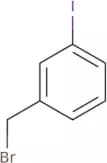
CAS:<p>4-Iodobenzyl bromide is an aromatic hydrocarbon that inhibits the activity of aromatic hydroxylase, an enzyme responsible for the metabolism of aromatic compounds. It is a synthetic compound that has been used in research to study the metabolism of aromatic amino acids. 4-Iodobenzyl bromide has been shown to be effective in inhibiting the synthesis of diphenyl sulfoxide and chloride by human kidney cells in vitro. The inhibition of this reaction leads to a decrease in the concentration of these substances in urine samples. It also inhibits silver trifluoromethanesulfonate, which may be due to its ability to react with chloride ions. This product is soluble in organic solvents such as chloroformate and can be used as a functional group.</p>Formula:C7H6BrIPurity:Min. 95%Color and Shape:PowderMolecular weight:296.93 g/mol3-Chloro-7-nitro-1H-indole
CAS:<p>3-Chloro-7-nitro-1H-indole is a chemical compound that has been shown to have antitumor activity in clinical trials. It is catalysed by the addition of chloride ions to the nitro group, yielding an aminocarbonyl intermediate. This intermediate reacts with hydrogen chloride to form a chlorinating agent that can react with DNA and protein bases. The chlorinating agent has been shown to be efficient in screening for anticancer drugs. 3-Chloro-7-nitro-1H-indole is currently being tested for efficacy against colon carcinoma cells and human colon carcinoma xenografts.</p>Formula:C8H5ClN2O2Purity:Min. 95%Molecular weight:196.59 g/molMethyl 5-bromo-2-iodobenzoate
CAS:<p>Methyl 5-bromo-2-iodobenzoate (MIB) is a thiourea that inhibits the enzyme activity of thioredoxin reductase. It has been shown to inhibit the proliferation of cancer cells in vitro and in vivo, as well as induce apoptosis. MIB has also been shown to have a potent antiproliferative effect on various cancer cell lines and other natural compounds. MIB is an efficient anticancer agent with a high quantum efficiency, which may be due to its ability to scavenge free radicals. MIB can also be used to increase the yields of other natural compounds.</p>Formula:C8H6BrIO2Purity:Min. 95%Molecular weight:340.94 g/molCesium bromide
CAS:<p>Cesium bromide is a chemical compound that has a high melting point. It is used as an ionic liquid and as a salt in analytical chemistry. Cesium bromide can be used to measure the thermal expansion of materials or to measure the hydrogen bond strength between two molecules. Cesium bromide is also used in membrane systems for water purification, and it can be used for radiation treatment of cancer cells. Cesium bromide can be found in wastewater treatment plants where it helps to remove halides and other contaminants from water vapor, providing kinetic energy to do so. Cesium bromide is also used as an analytical method for measuring hydrochloric acid, uv absorption, or chelate rings.</p>Formula:CsBrPurity:Min. 95%Molecular weight:212.81 g/mol4-Chloro-3-(trifluoromethyl)phenyl isocyanate
CAS:<p>4-Chloro-3-(trifluoromethyl)phenyl isocyanate (4CTFPI) is a phenoxy that has significant antiproliferative activity and can be used to treat cancer. It can inhibit the growth of tumor cells by suppressing the production of growth factors and binding to the receptor for these factors, which leads to inhibition of cell division. 4CTFPI also inhibits tumor growth through its ability to induce apoptosis in cancer cells. 4CTFPI has been shown to have antitumor effects on sarcoma cells in vitro and in vivo with a low toxicity profile. This compound is not active against bacterial infections or fungi, but it does not show any carcinogenic effects.</p>Formula:C8H3ClF3NOPurity:Min. 95%Color and Shape:PowderMolecular weight:221.56 g/molEthyl 5-bromo-2-methylnicotinate
CAS:<p>Ethyl 5-bromo-2-methylnicotinate is a crystalline compound that is extracted from the industrial process of synthetic organic solvents. The extraction of this compound can be done using an acetylation reaction with ammonium acetate. This chemical is then recrystallized to produce a large amount of pure product. The average yield for this chemical is around 60%.</p>Purity:Min. 95%Fluorescein-sp-biotin
CAS:<p>Fluorescein-sp-biotin is a biotinylated derivative of fluorescein. The conjugate is used to measure the amount of free d-biotin in samples. Fluorescein-sp-biotin binds to streptavidin, which has a high affinity for biotin, and then emits light at an excitation wavelength of 488 nm when excited with a laser. The intensity of the emitted light is proportional to the concentration of free d-biotin in the sample. The following product descriptions have been generated from this information: Rifapentine Rifapentine is an anti-tuberculosis drug that belongs to the class of rifamycins. It is the most active of the rifamycins for the treatment of tuberculosis. Rifapentine inhibits bacterial growth by binding to DNA-dependent RNA polymerase, thereby preventing transcription and replication.</p>Formula:C42H50N6O8S2Purity:Min. 95%Molecular weight:831.01 g/moltrans-Chlordan
CAS:Controlled Product<p>Trans-Chlordan is a sodium salt that has been used for analytical purposes in wastewater treatment. It has also been found to have anti-inflammatory properties when given orally, inhibiting the production of cytokine IL-10 in rats. Trans-Chlordan has shown inhibitory properties against enzyme activities, such as lipoxygenase, cyclooxygenase, and 5-lipoxygenase. This compound also displays long-term toxicity and an antibody response in rats. Trans-Chlordan is structurally related to other compounds such as chlordane and lindane by way of its chemical backbone. Trans-Chlordan's effects on liver cells are very similar to those of other chemicals that are known to cause chronic oral toxicity or chemical pesticide poisoning.</p>Formula:C10H6Cl8Purity:Min. 95%Color and Shape:PowderMolecular weight:409.78 g/molNorpseudoephedrine hydrochloride
CAS:Controlled Product<p>Norpseudoephedrine hydrochloride is a natural drug that has been used for many years as a decongestant. It is an active metabolite of ephedrine, which is found in the natural drug ephedra. Norpseudoephedrine hydrochloride is used to treat nasal and sinus congestion, but also has a number of other uses. The matrix effect of this drug has been shown with locomotor activity in mice. The enzyme activities have been shown using an analytical method on human urine samples. This drug can cause dopamine to be released into the synapse and may increase the release of other monoamine neurotransmitters such as serotonin and norepinephrine if taken in high doses. Norpseudoephedrine hydrochloride can also have negative effects on fetal development when taken by pregnant women, so should be avoided during pregnancy or breastfeeding.</p>Formula:C9H13NO•HClPurity:Min. 95%Molecular weight:187.67 g/molHeptafluorobutyric anhydride
CAS:<p>Heptafluorobutyric anhydride (HFBA) is a chemical compound that can be used as a reagent in analytical methods. It is used to prepare derivatives of amines, such as ethyl heptafluorobutyric acid, which are used in plant physiology studies. HFBA has been found to be useful for the detection of gamma-aminobutyric acid (GABA) and amines in wastewater samples by plasma mass spectrometry. The derivative of the molecule, 3-heptafluoropropionic acid, can be used as an antimicrobial agent against bacteria and fungi. The hydroxyl group on the molecule allows it to penetrate fatty acids and water molecules with high permeability. HFBA is also used as a reagent for preparing monoclonal antibodies by conjugating it with bovine serum albumin.</p>Formula:C8F14O3Color and Shape:Clear LiquidMolecular weight:410.06 g/molα,α-Difluorophenylacetic acid
CAS:<p>Please enquire for more information about alpha,alpha-Difluorophenylacetic acid including the price, delivery time and more detailed product information at the technical inquiry form on this page</p>Formula:C8H6F2O2Purity:Min. 95%Molecular weight:172.13 g/mol(2-{2-[2-(2-Aminoethyl)-4,5-dimethoxybenzyl]-4,5-dimethoxyphenyl}ethyl)amine dihydrochloride
CAS:Controlled Product<p>Please enquire for more information about (2-{2-[2-(2-Aminoethyl)-4,5-dimethoxybenzyl]-4,5-dimethoxyphenyl}ethyl)amine dihydrochloride including the price, delivery time and more detailed product information at the technical inquiry form on this page</p>Formula:C21H30N2O4Purity:Min. 95%Molecular weight:374.47 g/mol3-Chlorothiophene-2-carbonylchloride
CAS:<p>3-Chlorothiophene-2-carbonylchloride (3C2CC) is a heterobicyclic compound that is a ligand for the amine receptor. It is also used as an intermediate in the synthesis of other heterocycles. 3C2CC has been shown to interact with amines to form a nitrene, which can be detected by luminescence or x-ray diffraction techniques. 3C2CC interacts with chloride ions to form a crystal that has a different x-ray diffraction pattern from the one obtained from chloride alone. The crystal structure of this complex was determined using x-ray crystallography.</p>Formula:C5H2Cl2OSPurity:Min. 95%Color and Shape:PowderMolecular weight:181.04 g/mol(+)-B-Chlorodiisopinocampheylborane - 60-65% in Hexane
CAS:<p>(+)-B-Chlorodiisopinocampheylborane is a chiral organoboron reagent that can be used for the enantioselective synthesis of amines. It is prepared from the reaction of chlorodiphenyl borane with (+)-diaminobenzene in hexane. The product can be purified by column chromatography or recrystallization. (+)-B-Chlorodiisopinocampheylborane can also be used in the synthesis of other compounds, such as pyrroles and pantolactones. It is an excellent catalyst for the dehydration of primary amines to give unsymmetrical ketones. This reagent has been shown to be effective in asymmetric hydrogenation reactions, such as the reduction of chiral secondary alcohols, and is also capable of catalyzing aldol reactions.</p>Formula:C20H34BClPurity:Min. 95%Color and Shape:Clear LiquidMolecular weight:320.75 g/mol1-[(2b,3a,5a,16b,17b)-17-Acetyloxy-3-hydroxy-2-(1-piperidinyl)androstan-16-yl]-1-methylpiperidinium bromide
CAS:<p>1-[(2b,3a,5a,16b,17b)-17-Acetyloxy-3-hydroxy-2-(1-piperidinyl)androstan-16-yl]-1-methylpiperidinium bromide is a drug that has been shown to have an inhibitory effect on the neuromuscular system. It is used in clinical doses as a muscle relaxant and anesthetic. The drug binds to the acetylcholine receptor at the neuromuscular junction and blocks nerve impulses by inhibiting acetylcholine release. 1-[(2b,3a,5a,16b,17b)-17-Acetyloxy-3-hydroxy-2-(1-piperidinyl)androstan-16-yl]-1-methylpiperidinium bromide has a long half life and accumulates in the body with repeated administration. This accumulation can lead to</p>Formula:C32H55BrN2O3Purity:Min. 95%Molecular weight:595.69 g/mol5-(2-Chlorophenyl)-2-oxo-2,3-dihydro-1H-1,4-benzodiazepine
CAS:Controlled Product<p>Phenazepam is a benzodiazepine with hypnotic and anxiolytic properties. It is used in the treatment of anxiety disorders, insomnia, and muscle spasms. Phenazepam has a higher potency than other benzodiazepines, but it has a shorter half-life and duration of action. The synthesis of phenazepam involves the reaction of 5-(2-chlorophenyl)-1,3-dihydro-2H-1,4-benzodiazepin-2-one with 4-(aminosulfonyl)piperidine. This substance is a crystalline solid that has an anxiolytic effect by increasing the activity of GABA receptors in the brain.</p>Formula:C15H11ClN2OPurity:Min. 95%Molecular weight:270.71 g/molAdrenalone hydrochloride
CAS:Controlled Product<p>Adrenalone hydrochloride is a synthetic form of epinephrine, which is an endogenous catecholamine. Adrenalone hydrochloride has been used to treat autoimmune diseases and bowel disease. Adrenalone hydrochloride binds to the alpha and beta receptors on the surface of cells, which stimulates the production of other hormones and neurotransmitters. It has also been shown to have antimicrobial properties against bacteria, fungi, and viruses. Adrenalone hydrochloride has a chemical stability that is greater than that of dopamine or adrenaline.</p>Formula:C9H11NO3·HClPurity:Min. 95%Molecular weight:217.65 g/molPyridine-3-sulfonyl chloride
CAS:<p>Pyridine-3-sulfonyl chloride is a chemical compound that binds to the active site of cytochrome P450 enzymes. It can be used to study the effects of matrix effect on reaction solution. Pyridine-3-sulfonyl chloride has been shown to have an UV absorption spectrum with a maximum at 280 nm and a p450 activity that is proportional to the concentration of human serum. This compound has been shown to inhibit kinase domain in vitro assays, which may have clinical relevance in the treatment of obesity.</p>Formula:C5H4ClNO2SPurity:Min. 95%Color and Shape:PowderMolecular weight:177.61 g/mol7-Chloro-5-(2-fluorophenyl)-2-methylamino-3H-1,4-benzodiazepine
CAS:Controlled Product<p>Please enquire for more information about 7-Chloro-5-(2-fluorophenyl)-2-methylamino-3H-1,4-benzodiazepine including the price, delivery time and more detailed product information at the technical inquiry form on this page</p>Formula:C16H13ClFN3Purity:Min. 95%Molecular weight:301.75 g/molOctafluoroadipoyl difluoride
CAS:<p>Octafluoroadipoyl difluoride is an aliphatic hydrocarbon that is a surfactant and can be used as a coagulant. It contains the functional groups of chloride, aromatic acid, and triazine. Octafluoroadipoyl difluoride has been shown to have coagulation properties in addition to being a fluorinated compound with semipermeable membranes.</p>Formula:C6F10O2Purity:Min. 95%Color and Shape:Clear LiquidMolecular weight:294.05 g/molEthyl 2-[bis(2,2,2-trifluoroethyl)phosphono]propionate
CAS:<p>Please enquire for more information about Ethyl 2-[bis(2,2,2-trifluoroethyl)phosphono]propionate including the price, delivery time and more detailed product information at the technical inquiry form on this page</p>Formula:C9H13F6O5PPurity:Min. 95%Molecular weight:346.16 g/mol3-Chloro-6-isopropylpyridazine
CAS:<p>Please enquire for more information about 3-Chloro-6-isopropylpyridazine including the price, delivery time and more detailed product information at the technical inquiry form on this page</p>Formula:C7H9ClN2Purity:Min. 95%Molecular weight:156.61 g/molWAY 316606
CAS:<p>WAY 316606 is a potent, orally administered small molecule that inhibits the Wnt signaling pathway by blocking the action of β-catenin. It has been shown to have potential for treating eye disorders, including age-related macular degeneration. This drug also has potential for treatment of cell and nervous system diseases such as Alzheimer's disease and Huntington's disease. WAY 316606 inhibits the transcriptional activity of the β-catenin/Tcf4 complex by binding to it and preventing its translocation into the nucleus. In addition, WAY 316606 prevents downstream activation of genes regulated by β-catenin signaling, including c-myc and cyclin D1. This drug also blocks growth factor receptor tyrosine kinases and monoclonal antibodies that activate these receptors.</p>Formula:C18H19F3N2O4S2Purity:Min. 95%Molecular weight:448.48 g/mol3-(Bromomethyl)-1-methyl-1H-indazole
CAS:Controlled Product<p>Please enquire for more information about 3-(Bromomethyl)-1-methyl-1H-indazole including the price, delivery time and more detailed product information at the technical inquiry form on this page</p>Formula:C9H9BrN2Purity:Min. 95%Molecular weight:225.09 g/molN-Methyl naltrexone bromide
CAS:Controlled Product<p>N-Methyl naltrexone bromide is an opioid antagonist that binds to opioid receptors, preventing the binding of other opioid agonists. It has been shown to be effective in long-term treatment of chronic pain and may be used in combination with opioids for patients with hepatic impairment. The efficacy of N-methyl naltrexone bromide in treating constipation has not been established. This drug should not be used in patients with HIV infection because it may reduce the effectiveness of antiretroviral therapy. The pharmacokinetics and safety profile of this drug have been studied extensively, which showed no serious adverse effects. Histological analysis revealed that N-methyl naltrexone bromide did not affect epithelial mesenchymal cells or the intestinal villi.</p>Formula:C21H26BrNO4Purity:Min. 95%Molecular weight:436.34 g/mol5-Chloropentanol
CAS:<p>5-Chloropentanol is a reactive compound that can be used as an epidermal growth factor. It has been shown to have potentiating effects on the production of epidermal growth factor in a biological sample. 5-Chloropentanol has also been shown to increase the rate of cell proliferation, which could be due to its ability to generate reactive chloroform in cells. It is not known whether 5-Chloropentanol has any carcinogenic properties.</p>Purity:Min. 95%3-Bromo-2-nitrophenol
CAS:<p>3-Bromo-2-nitrophenol (3-BNP) is a brominating agent that can be used in the synthesis of a variety of compounds. It is prepared by the refluxing of 3-bromo-2-nitrobenzene with lithium chloride, followed by treatment with trifluoromethanesulfonic anhydride to yield 3-bromo-2-(trifluoromethyl)phenoxyacetic acid. The product can also be obtained from 2,4,6-trinitrophenol and NBS. 3-BNP has shown chemoselectivity for chlorides relative to iodides or fluorides. The yields are higher when it is used in coupling reactions and permutations with lithium or magnesium.</p>Formula:C6H4BrNO3Purity:Min. 95%Molecular weight:218 g/molN-(3-Bromo-4-hydroxyphenethyl)-N-(2-bromo-5-hydroxy-4-methoxybenzyl)formamide
CAS:Controlled Product<p>Please enquire for more information about N-(3-Bromo-4-hydroxyphenethyl)-N-(2-bromo-5-hydroxy-4-methoxybenzyl)formamide including the price, delivery time and more detailed product information at the technical inquiry form on this page</p>Formula:C17H17Br2NO4Purity:Min. 95%Molecular weight:459.13 g/mol2,3,4-Trifluorophenol
CAS:<p>2,3,4-Trifluorophenol is a chemical control agent that is used as an intermediate in the synthesis of organic compounds. It reacts with hydroxyl groups to form 2,3,4-trifluoroacetophenone from a proton. The compound has low light and x-ray absorption properties and is typically used in liquid crystal compositions. Chemical ionization experiments have shown that 2,3,4-trifluorophenol binds to copper oxide and forms copper trifluoride. This compound also has been found to be conjugated with neutral ph phenols and chlorinated with chlorine atom.</p>Formula:C6H3F3OPurity:Min. 95%Color and Shape:PowderMolecular weight:148.08 g/molPentachlorophenyl N-[(benzyloxy)carbonyl]glycinate
CAS:Controlled Product<p>Please enquire for more information about Pentachlorophenyl N-[(benzyloxy)carbonyl]glycinate including the price, delivery time and more detailed product information at the technical inquiry form on this page</p>Formula:C16H10Cl5NO4Purity:Min. 95%Molecular weight:457.52 g/mol2-Bromo-2',4'-dichloroacetophenone
CAS:<p>2-Bromo-2',4'-dichloroacetophenone (2BDCA) is a drug that belongs to the class of active substances. 2BDCA has potent inhibitory activity against erythrocytes and is used in the treatment of leukaemia. 2BDCA is also an optical probe, which can be used to detect phosphate groups and dihedral angles in biological systems. It can be used as a fluorescent probe for biological systems, such as cells or proteins, and has been shown to be effective on red blood cells. 2BDCA binds to these molecules by hydrogen bonding and exhibits optical properties through fluorescence resonance energy transfer.</p>Formula:C8H5BrCl2OPurity:Min. 95%Color and Shape:Clear LiquidMolecular weight:267.93 g/mol2-Cyano-5-fluoropyridine
CAS:<p>2-Cyano-5-fluoropyridine is a potential antitubercular agent that has shown penetrability in the central nervous system and activity against Mycobacterium tuberculosis. It is orally active at low doses, and has been shown to be an effective inhibitor of mycobacterial growth and lipid synthesis. In addition, this compound also has antimycobacterial activity against M. avium complex and M. ulcerans, and is a potent inhibitor of β-amyloid aggregation.</p>Formula:C6H3FN2Purity:Min. 95%Molecular weight:122.1 g/molMethylbenzenethonium chloride
CAS:<p>Methylbenzenethonium chloride is an antimicrobial agent that has been shown to inhibit the growth of leishmania and other parasitic protozoa. It has a high affinity for acidic surfaces, such as those found in the human body. Methylbenzenethonium chloride adsorbs strongly to the surface of bacteria, thereby inhibiting the attachment of these organisms to mucosal surfaces and preventing their adhesion to host cells. This compound also inhibits bacterial surface-associated enzymes, including DNA gyrase and DNA topoisomerase IV. Methylbenzenethonium chloride has been shown to be active against both gram-positive and gram-negative bacteria and is considered safe for use in humans with acute toxicities below 1%.</p>Formula:C28H44CINO2Purity:Min. 95%Molecular weight:565.57 g/mol4-(Diphenylmethoxy)piperidinium chloride
CAS:<p>Please enquire for more information about 4-(Diphenylmethoxy)piperidinium chloride including the price, delivery time and more detailed product information at the technical inquiry form on this page</p>Purity:Min. 95%Timapiprant
CAS:Controlled Product<p>Timapiprant is an amide that acts as a selective inhibitor of the prostanoid receptor CRTH2, which is involved in regulating the inflammatory response. Timapiprant inhibits skin eosinophilia, which is associated with inflammatory skin diseases such as atopic dermatitis and psoriasis. It has been shown to be safe in clinical trials and has a good safety profile. The drug's mechanism of action may be due to its ability to inhibit the production of IL-4 and IL-13 by Th2 cells and its ability to inhibit lung function. Timapiprant has shown efficacy in treating allergic rhinitis, asthma, chronic obstructive pulmonary disease, erythema multiforme, pyoderma gangrenosum, and other types of inflammatory skin diseases.</p>Formula:C21H17FN2O2Purity:Min. 95%Molecular weight:348.37 g/mol4-Ethylbenzyl chloride
CAS:<p>4-Ethylbenzyl chloride is a fluorophore that absorbs light at 378 nm and emits light at 460 nm. When excited, 4-ethylbenzyl chloride has a half-life of about 2 hours. It can be used for the calibration of pressor or measuring water vapor in the atmosphere. It is also used as an activator for viologen or hydrogen chloride, which are reactive substances. 4-Ethylbenzyl chloride is insoluble in water and reacts with primary alcohols to form esters. The reaction time depends on the type of alcohol and ranges from 24 hours to 3 days. 4-Ethylbenzyl chloride is active in the cytoplasm of cells and can be attached to bioactive molecules to produce new compounds with a variety of properties.</p>Formula:C9H11ClPurity:Min. 95%Molecular weight:154.64 g/mol4-Methoxy-N-methylbenzylamine hydrochloride
CAS:<p>Please enquire for more information about 4-Methoxy-N-methylbenzylamine hydrochloride including the price, delivery time and more detailed product information at the technical inquiry form on this page</p>Formula:C9H14NOClPurity:Min. 95%Molecular weight:187.67 g/mol3,5-Difluoromandelic acid
CAS:<p>3,5-Difluoromandelic acid is a biomolecule that is synthesized in the laboratory. It has been shown to have anti-cancer properties by inhibiting the formation of amyloid plaques and inhibiting γ-secretase, which are substances involved in the development of Alzheimer's disease. 3,5-Difluoromandelic acid has been shown to be more potent than other ligands in its class with respect to inhibition of γ-secretase activity. This molecule also shows stereospecificity for the L- and D-isomers of lactam substrates. 3,5-Difluoromandelic acid may be used as a potential lead for development of new drugs for treatment of Alzheimer's disease.</p>Formula:C8H6F2O3Purity:Min. 95%Color and Shape:White PowderMolecular weight:188.13 g/moltert-Butyl 2-(2-chloroethoxy)acetate
CAS:<p>Please enquire for more information about tert-Butyl 2-(2-chloroethoxy)acetate including the price, delivery time and more detailed product information at the technical inquiry form on this page</p>Formula:C8H15ClO3Purity:Min. 95%Color and Shape:Clear, colourless liquid.Molecular weight:194.66 g/mol(1S,2R)-2-(2-Benzylamino-1-hydroxyethyl)-6-fluorochromane
CAS:<p>Please enquire for more information about (1S,2R)-2-(2-Benzylamino-1-hydroxyethyl)-6-fluorochromane including the price, delivery time and more detailed product information at the technical inquiry form on this page</p>Formula:C18H20FNO2Purity:Min. 95%Molecular weight:301.36 g/mol1,3-Bis(2,6-diisopropylphenyl)imidazolium chloride
CAS:<p>1,3-Bis(2,6-diisopropylphenyl)imidazolium chloride is an organic compound that is used as a solvent. It was originally synthesized by reacting triethyl orthoformate with 2,6-diisopropylaniline. This reaction formed the corresponding imidazolium salt. The synthesis of this compound was later improved by using ring-opening polymerization of glycolide and furfural. 1,3-Bis(2,6-diisopropylphenyl)imidazolium chloride is mainly used to extract estradiol from urine samples in clinical laboratories.</p>Formula:C27H37ClN2Purity:Min. 95%Color and Shape:White PowderMolecular weight:425.05 g/molPhenadoxone hydrochloride
CAS:Controlled Product<p>Phenadoxone hydrochloride is a synthetic opioid drug with excitatory effects that is structurally related to meperidine. It has been used as an analgesic and antitussive, but is now rarely prescribed due to the high risk of addiction. Phenadoxone hydrochloride is a haloalkyl drug, which means it contains one or more halogen atoms in its chemical structure. These compounds are known to cause physical dependence and withdrawal symptoms when discontinued after prolonged use. Side effects may include nausea, vomiting, dizziness, headache, blurred vision, constipation, dry mouth and urinary retention. The most efficient method of synthesis involves the reaction of dimethylformamide with phenol and formaldehyde in a ring-opening reaction to form dipipanone. Dipipanone is then converted into phenadoxone hydrochloride by reacting with nitroethane and sodium hydroxide in the presence of hydrogen chloride gas.</p>Formula:C23H30ClNO2Purity:Min. 95%Molecular weight:387.94 g/mol2-(Chloromethyl)-3-(3-methylphenyl)quinazolin-4(3H)-one
CAS:Controlled Product<p>Please enquire for more information about 2-(Chloromethyl)-3-(3-methylphenyl)quinazolin-4(3H)-one including the price, delivery time and more detailed product information at the technical inquiry form on this page</p>Formula:C16H13ClN2OPurity:Min. 95%Molecular weight:284.74 g/mol1-Fluoro-5a-androst-2-en-17b-ol acetate
CAS:Controlled Product<p>Please enquire for more information about 1-Fluoro-5a-androst-2-en-17b-ol acetate including the price, delivery time and more detailed product information at the technical inquiry form on this page</p>Formula:C20H28FO2Purity:Min. 95%Molecular weight:319.43 g/molN-Trifluoroacetyl (R)-amphetamine
CAS:Controlled Product<p>Please enquire for more information about N-Trifluoroacetyl (R)-amphetamine including the price, delivery time and more detailed product information at the technical inquiry form on this page</p>Formula:C11H12F3NOPurity:Min. 95%Molecular weight:231.21 g/molDidecyl dimethyl ammonium chloride - 80% aqueous solution
CAS:<p>Didecyl dimethyl ammonium chloride is a quaternary ammonium compound that has been shown to have a broad-spectrum antimicrobial activity. It has been used in disinfectants and as an active ingredient in pharmaceuticals, cosmetics, and foods. The compound is not toxic to humans or animals at concentrations up to 50%. Didecyl dimethyl ammonium chloride has been shown to be effective against infectious diseases caused by bacteria, viruses, fungi, and protozoa. This compound also has an effect on the epithelial-mesenchymal transition (EMT) process. Didecyl dimethyl ammonium chloride can be prepared by titration calorimetry or analytical method. The preparation of didecyl dimethyl ammonium chloride can be done using chloroform and benzalkonium chloride or glycol ether.</p>Formula:C22H48ClNColor and Shape:Clear LiquidMolecular weight:362.08 g/mol1,1,1-Trifluoro-3-iodopropane
CAS:<p>1,1,1-Trifluoro-3-iodopropane is a coordination compound that is used as an additive in the production of polymers. It has been shown to be an effective γ-secretase inhibitor in vitro and in vivo. This drug prevents the formation of β-amyloid protein by blocking proteolytic cleavage of amyloid precursor protein (APP). 1,1,1-Trifluoro-3-iodopropane has also shown potential as a therapeutic agent for Alzheimer’s disease. The toxicity of this drug has been studied using a variety of methods. These studies have shown that this drug is not toxic to cells in culture and does not cause DNA damage or mutagenicity. 1,1,1-Trifluoro-3-iodopropane inhibits the enzyme triazolo metathesis reactions in alkene synthesis and alkylation reactions with pentene.</p>Formula:C3H4F3IPurity:Min. 95%Color and Shape:Colourless To Pink Clear LiquidMolecular weight:223.96 g/molEthylmethylthiambutene hydrochloride
CAS:Controlled Product<p>Please enquire for more information about Ethylmethylthiambutene hydrochloride including the price, delivery time and more detailed product information at the technical inquiry form on this page</p>Formula:C15H20ClNS2Purity:Min. 95%Molecular weight:313.91 g/mol6-Bromohexanoic acid
CAS:<p>6-Bromohexanoic acid is a fatty acid that has been shown to be an effective agent for the treatment of cancer. It is used in gene therapy to inhibit the growth of cancer cells by binding to and then activating transcription factors. 6-Bromohexanoic acid can also be used as a chemotherapeutic agent and has been shown to cause apoptosis in monoclonal antibody-treated cells. 6-Bromohexanoic acid has pharmacokinetic properties that are similar to those of other fatty acids. The reaction solution was found to have high chemical stability, which may be due to the presence of nitrogen atoms. This reaction solution was found to adsorb onto the surface of monoclonal antibodies and cell culture, altering their properties.</p>Formula:C6H11BrO2Purity:Min. 97.0%Color and Shape:PowderMolecular weight:195.05 g/mol3-(Trifluoromethyl)benzyl chloride
CAS:<p>3-(Trifluoromethyl)benzyl chloride is a chloromethylating agent that reacts with magnesium to form a magnesium chloride solution. 3-(Trifluoromethyl)benzyl chloride is also used in the synthesis of pharmaceuticals, pesticides, and dyes. The reaction produces small amounts of chlorinated byproducts such as chloride, which can be found in wastewater. This chemical has been shown to have adverse effects on the environment through its release into waterways or the atmosphere.</p>Formula:C8H6ClF3Purity:Min. 95%Color and Shape:Clear LiquidMolecular weight:194.58 g/mol1-Chloro-2-(ethylthio)ethane
CAS:Controlled Product<p>1-Chloro-2-(ethylthio)ethane (1,2-ETE) is a reactive oxygen species that inhibits the electron transport chain in mitochondria. 1,2-ETE decreases the mitochondrial membrane potential and causes oxidative damage to proteins, such as recombinant cytochrome P450. 1,2-ETE has been shown to decrease photosynthetic activity by inhibiting the light reactions of photosynthesis. It also inhibits the electron transport chain in mitochondria and causes damage to cells by reacting with sulfide to form sulfhydryl compounds. The toxic effects of 1,2-ETE are due to its ability to cause injury by reacting with other molecules.</p>Formula:C4H9ClSPurity:Min. 95%Color and Shape:Clear Colourless To Pale Yellow LiquidMolecular weight:124.63 g/mol2-Bromo-4-methyl-1,3-thiazole
CAS:<p>2-Bromo-4-methyl-1,3-thiazole is a diazotization agent that reacts with nitrogen and forms a terminal nitro group. This reaction system is used in the formation of diazo compounds and the synthesis of dyes. 2-Bromo-4-methyl-1,3-thiazole can be used to generate nitrogen oxide, which is a precursor for the manufacture of various types of nitro compounds. It also reacts with metal oxides to produce metal nitrates.</p>Purity:Min. 95%Fluorescent Brightener 135
CAS:<p>Fluorescent Brightener 135 is a reactive dye that is used in coatings, plastics, paper, and textiles. It is often added to products in order to make them more visible under ultraviolet light. The matrix effect of the product can affect the photostability of Fluorescent Brightener 135. This dye has been shown to be reactive with drugs such as phenytoin, carbamazepine, and felbamate; however, this reactivity is not sufficient to cause a significant change in drug efficacy. Preparation of samples for analysis with Fluorescent Brightener 135 should be done by methods that are compatible with the fluorescent properties of this compound. Multiple-reaction monitoring (MRM) techniques are often used for the analysis of this compound because they offer high sensitivity and specificity. The average particle diameter of Fluorescent Brightener 135 is about 100 nm and its optical properties can be affected by the presence of fatty acids such as oleic acid.</p>Formula:C18H14N2O2Purity:Min. 95%Molecular weight:290.32 g/molPiperidin-3-one hydrochloride
CAS:<p>Piperidin-3-one hydrochloride is an organic solvent that belongs to the group of benzyl compounds. It is a reagent for the synthesis of sulfides, which are used in the production of dyes, pharmaceuticals, and other products. Piperidin-3-one hydrochloride can be used as a constant in calculating the shift of tetrafluoroborate ions. This compound has been shown to be assembled into planar structures with six atoms per side. The resonance frequencies of this compound depend on the solvents and its aliphatic nature. Piperidin-3-one hydrochloride can be used to generate dimethyl sulfide by reacting with methanol or methyl chloride.</p>Formula:C5H10NOClPurity:Min. 95%Color and Shape:White PowderMolecular weight:135.59 g/molMethyl 2,6-difluoronicotinate
CAS:<p>Methyl 2,6-difluoronicotinate is a regioselective dopamine receptor antagonist. It is a carboxylic acid that reacts with esters to form a nucleophilic anion. Methyl 2,6-difluoronicotinate has been shown to be an effective dopamine D2 receptor antagonist in rats and monkeys. This drug was also able to inhibit the binding of dopamine to the D3 receptor in rat striatal synaptosomes. The regioselectivity of this drug allows for preferential binding at the D2 receptor over other sites such as the D1 or D4 receptors.</p>Formula:C7H5F2NO2Purity:Min. 95%Molecular weight:173.12 g/molHexadecafluoro(1,3-dimethylcyclohexane)
CAS:Controlled Product<p>Ternary mixtures of hexadecafluoro(1,3-dimethylcyclohexane) with fluorine and hydrogen fluoride are stable compounds. The proton is a constant, which is the only variable in the equation. The analytical method for determining the amount of hexadecafluoro(1,3-dimethylcyclohexane) in a mixture can be found in reference 1. This reference also discusses the matrix effect on this compound's stability and optical properties. Reference 2 discusses transfer reactions that are present when hexadecafluoro(1,3-dimethylcyclohexane) is heated to temperatures of 400°C or above. Reference 3 discusses how polymer films can be formed by heating hexadecafluoro(1,3-dimethylcyclohexane) with a solvent such as pentane. Reference 4 discusses how covid-19 pandemic has been shown to be effective against the H2 strain of subt</p>Formula:C8F16Purity:Min. 95%Molecular weight:400.06 g/molDichloro(methyl)octadecylsilane
CAS:<p>Dichloro(methyl)octadecylsilane is a liquid that is used to coat the inside of tubes in chromatographic columns. The coating ensures that the stationary phase (the material on which the analyte travels) remains stationary and is not carried away with the mobile phase. It has been shown to be effective at removing hydrogen chloride from water and can be used as a fabricating agent for coatings. Dichloro(methyl)octadecylsilane is used in analytical chemistry, where it has been shown to have a number of uses including being able to remove hydroxy groups from molecules and electron microscopy, where it can be used as a coating for nonpolar solvents.</p>Purity:Min. 95%10-Chloro-9-anthraldehyde
CAS:<p>10-Chloro-9-anthraldehyde is an antibacterial agent that exhibits activity against a wide variety of bacteria. It is the product of the photomodification of anthracene, which is activated by ultraviolet light to produce 10-chloro-9-anthraldehyde. The preliminary functional studies of this compound indicate that it may be used in coatings for polymers and textiles as well as in innovative applications such as fluorescence labeling and immunoassays. 10-Chloro-9-anthraldehyde also has a protonation site at the 9 position, making it useful for conjugation with biomolecules.</p>Formula:C15H9ClOPurity:Min. 95%Molecular weight:240.68 g/mol1-Piperidinecarbonylchloride
CAS:<p>1-Piperidinecarbonylchloride is a molecule that has been shown to have anti-inflammatory and anti-cancer properties. It is an aliphatic hydrocarbon with a prenyl group that has been shown to bind to the chloride channel, which leads to increased chloride secretion in the small intestine and decreased chloride secretion in the colon. This may contribute to its therapeutic effects on inflammatory bowel disease. 1-Piperidinecarbonylchloride also inhibits fatty acid synthesis, which may be responsible for its therapeutic effects on metabolic disorders such as diabetes and obesity.</p>Formula:C6H10ClNOPurity:Min. 95%Color and Shape:Clear LiquidMolecular weight:147.6 g/mol2,2'-Dichlorodiethyl ether
CAS:Controlled Product<p>2,2'-Dichlorodiethyl ether (2,2-DDE) is a cationic surfactant that is used in the production of fluorocarbons and other chemicals. It is also used in wastewater treatment as an oxidizing agent. 2,2'-DDE is toxic to humans, with a blood group toxicity profile similar to that of ethylene glycol and diethylene glycol. 2,2'-DDE can be found in the environment due to its use as a component in products and its presence in wastewaters. 2,2'-DDE has been shown to be reactive with hydrogen fluoride and oxidation catalyst, which may cause interactive effects when it is present at high concentrations. This chemical has been shown to induce cell death through histological analysis on cell cultures. Reaction mechanism for this chemical is not known.</p>Formula:C4H8Cl2OPurity:Min. 95%Color and Shape:Clear LiquidMolecular weight:143.01 g/molTridecafluoro-N-(2-Hydroxyethyl)-N-Methylhexanesulphonamide
CAS:<p>Please enquire for more information about Tridecafluoro-N-(2-Hydroxyethyl)-N-Methylhexanesulphonamide including the price, delivery time and more detailed product information at the technical inquiry form on this page</p>Formula:C9H8F13NO3SPurity:Min. 95%Molecular weight:457.21 g/mol4-Chloro-6-methylnicotinic acid
CAS:<p>4-Chloro-6-methylnicotinic acid (4C6MNA) is a chemical substance that is used in the study of plant leaves and their permeability. This substance has been found to be an excellent indicator of chlorophyll content, as it stains leaf cells with a green color. 4C6MNA is taken up by healthy plant cells and mitochondria, where it binds to the chromophore molecule in the mitochondria. The binding of 4C6MNA to the chromophore molecule leads to the production of fluorescence, which can be detected via microscopy. This substance has been used for laser microbeam studies on natural leaves and tobacco plants.</p>Formula:C7H6CINO2Purity:Min. 95%Molecular weight:275.04 g/mol2-Chloro-3-hydroxytoluene
CAS:<p>2-Chloro-3-hydroxytoluene is a binder that is used in the treatment of filamentous fungi. It binds to the surface of the filamentous cell and prevents it from growing. 2-Chloro-3-hydroxytoluene has been shown to bind to muscle cells, which may be due to its acidic nature. This chemical also has a disinfectant effect on reticulum cells and muscle fibers.</p>Formula:C7H7ClOPurity:Min. 95%Molecular weight:142.58 g/molRuthenium(III) chloride trihydrate
CAS:<p>Ruthenium(III) chloride trihydrate is a ruthenium carbonyl that is used as an oxidation catalyst. It has been used to prepare diagnostic agents for the detection of hydrochloric acid, sodium carbonate, or pharmaceutical preparations. The mechanism of the reaction was studied using potassium dichromate as an oxidant and the transfer reactions were determined by high-resolution electron microscopy. Ruthenium(III) chloride trihydrate is also a matrix effect reagent that has been used in conjunction with water vapor.</p>Formula:RuCl3·3H2OPurity:Min. 95%Color and Shape:PowderMolecular weight:261.47 g/mol1-(Pyridin-3-ylmethyl)piperazineHydrochloride
CAS:Controlled Product<p>Please enquire for more information about 1-(Pyridin-3-ylmethyl)piperazineHydrochloride including the price, delivery time and more detailed product information at the technical inquiry form on this page</p>Formula:C10H16ClN3Purity:Min. 95%Molecular weight:213.71 g/molClobetasol Propionate - Impurity C
CAS:Controlled Product<p>21-Chloro-9-fluoro-11beta,17-dihydroxy-16alpha-methylpregna-1,4-diene-3,20-dione 17-propionate is an ester of ketoconazole and the propionic acid. It is used as a pharmaceutical formulation and has been shown to be stable in an HPLC method. This compound also has an optical isomer that was validated by a stability test. This product has been shown to have antiinflammatory properties and may be used as a topical treatment for skin disorders such as clobetasol propionate.</p>Formula:C25H32ClFO5Purity:Min. 95%Molecular weight:466.97 g/mol5-Chloro-2-methyl-3-isothiazolone - Active Ingredient >14%, CMI/MI 2.5 - 4.0
CAS:<p>5-Chloro-2-methyl-3-isothiazolone (CMIT) is a highly water-soluble apoptotic agent and preservative with numerous applications. It is used in anti-microbial coatings, latex formulations, hydraulic fracturing fluids, pesticides and cosmetics. CMIT in conjunction with 2-methyl-4-isothiazolin-3-one (MIT) is marketed as Kathon. CMIT is also an allergen. CMIT is active against gram-positive and gram-negative bacteria, yeasts and fungi. CMIT is believed to form mixed disulfides with protein thiol groups which then undergo thiol-disulfide exchange reactions to give mixed protein thiol disulfides leading to cell apoptosis and necrosis.</p>Formula:C4H4ClNOSColor and Shape:Yellow Clear LiquidMolecular weight:149.6 g/molManganese chloride tetrahydrate
CAS:<p>Manganese chloride tetrahydrate is a salt of manganese and hydrochloric acid. It can be used as a catalyst in the reaction of fatty acids to form esters. Manganese chloride tetrahydrate can be used as a diagnostic agent for liver lesions, by reacting with the liver cells in an acidic solution. The product is a dark blue or greenish-blue powder that dissolves in water, methanol, or other solvents.</p>Formula:MnCl2·4H2OPurity:Min. 95%Color and Shape:PowderMolecular weight:197.9 g/mol(R,S)-1,3,4,5-Tetrahydro-5-phenyl-2H-1,4-benzodiazepin-2-one hydrochloride
CAS:Controlled Product<p>Please enquire for more information about (R,S)-1,3,4,5-Tetrahydro-5-phenyl-2H-1,4-benzodiazepin-2-one hydrochloride including the price, delivery time and more detailed product information at the technical inquiry form on this page</p>Formula:C15H14N2O·HClPurity:Min. 95%Molecular weight:274.75 g/mol[3-(1-Piperidin-1-ylcyclohexyl)phenyl]amine hydrochloride
CAS:Controlled Product<p>3-(1-Piperidin-1-ylcyclohexyl)phenyl]amine hydrochloride is a ligand that binds to the acetylcholine receptor. 3-(1-Piperidin-1-ylcyclohexyl)phenyl]amine hydrochloride is an active analogue and has a high binding affinity for the cholinergic receptor. It has been shown to have a kinetic effect on the excitatory system, enhancing excitatory effects of acetylcholine without affecting inhibitory effects. 3-(1-Piperidin-1-ylcyclohexyl)phenyl]amine hydrochloride also has an antagonistic effect on modifiers of acetylcholine activity such as amantadine, but enhances the effects of other drugs, such as clonidine.</p>Formula:C17H26N2Purity:Min. 95%Molecular weight:258.4 g/mol3-Cyano-1-azetidinesulfonyl chloride
CAS:<p>Please enquire for more information about 3-Cyano-1-azetidinesulfonyl chloride including the price, delivery time and more detailed product information at the technical inquiry form on this page</p>Formula:C4H5ClN2O2SPurity:Min. 95%Molecular weight:180.61 g/mol17b-Acetoxy 6b-hydroxy Trichloropyridyltentagel
Controlled Product<p>Please enquire for more information about 17b-Acetoxy 6b-hydroxy Trichloropyridyltentagel including the price, delivery time and more detailed product information at the technical inquiry form on this page</p>Purity:Min. 95%1-(2-Chloropropanoyl)azepane
CAS:<p>Please enquire for more information about 1-(2-Chloropropanoyl)azepane including the price, delivery time and more detailed product information at the technical inquiry form on this page</p>Formula:C9H16ClNOPurity:Min. 95%Molecular weight:189.68 g/molSalbutamon hydrochloride
CAS:Controlled Product<p>Please enquire for more information about Salbutamon hydrochloride including the price, delivery time and more detailed product information at the technical inquiry form on this page</p>Formula:C13H20ClNO3Purity:Min. 95%Molecular weight:273.76 g/mol2,5-Bis(4-bromophenyl)-1,1-dimethyl-3,4-diphenylsilole
CAS:<p>Please enquire for more information about 2,5-Bis(4-bromophenyl)-1,1-dimethyl-3,4-diphenylsilole including the price, delivery time and more detailed product information at the technical inquiry form on this page</p>Formula:C30H24Br2SiPurity:Min. 95%Molecular weight:572.41 g/mol1-(3-Methoxyphenyl)piperazine dihydrochloride
CAS:Controlled Product<p>Please enquire for more information about 1-(3-Methoxyphenyl)piperazine dihydrochloride including the price, delivery time and more detailed product information at the technical inquiry form on this page</p>Formula:C11H18Cl2N2OPurity:Min. 95%Color and Shape:PowderMolecular weight:265.18 g/mol2,3-Dichlorothiophene
CAS:<p>2,3-Dichlorothiophene is a heterocyclic compound that can be used as an intermediate in organic synthesis. The compound has two isomers, 2,2-dichlorothiophene and 2,3-dichlorothiophene. The first isomer reacts with water to form a protonated species and the second isomer reacts with chlorine to form a protonated species. The thermodynamic parameters for the reaction of 2,3-dichlorothiophene with chlorine are more favorable than those for the reaction of 2,2-dichlorothiophene with chlorine. This means that the equilibrium lies to the right when 2,3-chlorothiophene is reacted with chlorine (to form 2,3-dichloroethane), but not when 2,2-chlorothiophene is reacted with chlorine (to form chloroform).</p>Formula:C4H2Cl2SPurity:Min. 95%Color and Shape:Clear LiquidMolecular weight:153.03 g/molBenzhexol hydrochloride
CAS:Controlled Product<p>Benzhexol hydrochloride is an ophthalmic, which is used to treat symptoms of eye diseases. It inhibits the immune system and has been shown to be effective in treating autoimmune diseases such as multiple sclerosis. Benzhexol hydrochloride blocks nerve impulses and can cause drooling and hallucinations. This drug can be used in combination with other drugs for the treatment of neurological disorders, including Parkinson's disease. Benzhexol hydrochloride is also used as a diagnostic agent for various conditions, including infectious diseases and geriatric patients with dementia. A linear calibration curve has been observed using a chemiluminescent reaction that is dependent on the concentration-time curve of benzhexol.</p>Formula:C20H32ClNOPurity:Min. 95%Color and Shape:PowderMolecular weight:337.93 g/mol4-Iodobenzonitrile
CAS:<p>4-Iodobenzonitrile is an organic compound with the formula CH(CN)I. It is a colorless liquid that is soluble in water and acetone. 4-Iodobenzonitrile can be prepared by transfer of nitrile to iodide. The product has been used as a synthetic intermediate for pharmaceuticals, including the antibiotic erythromycin. It also has been used in the synthesis of other compounds, such as phenylacetic acid and its derivatives, and aromatic amines.</p>Formula:C7H4INPurity:Min. 95%Color and Shape:PowderMolecular weight:229.02 g/mol2-Amino-4-bromopyrimidine
CAS:<p>Please enquire for more information about 2-Amino-4-bromopyrimidine including the price, delivery time and more detailed product information at the technical inquiry form on this page</p>Formula:C4H4BrN3Purity:Min. 95%Color and Shape:White PowderMolecular weight:174 g/mol17b-Acetoxy-2a-bromo-5a-androstanone
CAS:Controlled Product<p>17b-Acetoxy-2a-bromo-5a-androstanone is a chemical that belongs to the class of hydroxysteroids. It is a potent aromatization agent and has been shown to increase the production of estradiol in human placental tissue. 17b-Acetoxy-2a-bromo-5a-androstanone also has been shown to be a potent inhibitor of bacterial growth, with an MIC90 of 0.1 micrograms per milliliter.</p>Formula:C21H31BrO3Purity:Min. 95%Molecular weight:411.37 g/mol4-[(4-Methyl-1H-pyrazol-1-yl)methyl]piperidine dihydrochloride
CAS:Controlled Product<p>Please enquire for more information about 4-[(4-Methyl-1H-pyrazol-1-yl)methyl]piperidine dihydrochloride including the price, delivery time and more detailed product information at the technical inquiry form on this page</p>Formula:C10H17N3Purity:Min. 95%Molecular weight:179.26 g/molN-Allyl-1-phenylcyclohexanamine hydrochloride
CAS:Controlled Product<p>Please enquire for more information about N-Allyl-1-phenylcyclohexanamine hydrochloride including the price, delivery time and more detailed product information at the technical inquiry form on this page</p>Formula:C15H21NPurity:Min. 95%Molecular weight:215.33 g/mol1-Methyl-2-(piperazin-1-ylcarbonyl)-1H-indole hydrochloride
CAS:Controlled Product<p>Please enquire for more information about 1-Methyl-2-(piperazin-1-ylcarbonyl)-1H-indole hydrochloride including the price, delivery time and more detailed product information at the technical inquiry form on this page</p>Formula:C14H17N3OPurity:Min. 95%Molecular weight:243.3 g/molTrichlorooctadecylsilane
CAS:<p>Trichlorooctadecylsilane is a model system that consists of a monolayer of octadecyltrichlorosilane particles. The dispersive solid-phase extraction technique can be used to extract analytes from the surface of this particle. This technique involves removing the solvent from a sample by passing it through an adsorbent. The hydrophobic effect, which is the phenomenon that a nonpolar substance is dissolved in a nonpolar solvent, will cause analytes to bind to the hydrophobic surface of octadecyltrichlorosilane particles because they are hydrophobic.</p>Purity:Min. 95%1-(3-Chlorobenzyl)piperazine
CAS:Controlled Product<p>1-(3-Chlorobenzyl)piperazine (1CBPZ) is a selective and reversible inhibitor of ns3 protease, which plays an important role in plant resistance. 1CBPZ was found to be effective in controlling the growth of certain bacteria. It also has been shown to be useful for the prevention of liver lesions caused by casein in rats. 1CBPZ has optical properties that are sensitive to boron nitride and can be used as a control analysis for experiments involving this material. This chemical has been shown to inhibit the reaction mechanism of ns3 protease and is being used as an experimental model for studying this enzyme. The detection time for 1CBPZ is 3 hours, which makes it more energy efficient than other compounds.</p>Formula:C11H15ClN2Purity:Min. 95%Molecular weight:210.7 g/mol3-Fluoro-4-(tributylstannyl)pyridine
CAS:Controlled Product<p>3-Fluoro-4-(tributylstannyl)pyridine is a high affinity, selective, and membrane permeable ligand of the A2B adenosine receptor. It has been shown to be a potent antagonist of A2B receptors in vitro. This compound has also been shown to have a lower affinity for A1, A3, and A4 receptors. 3-Fluoro-4-(tributylstannyl)pyridine has been shown to have high brain uptake in vivo studies. 3-Fluoro-4-(tributylstannyl)pyridine binds to the x-ray structure of the adenosine receptor with high affinity and penetrability. The binding site is proposed to be located on the extracellular side of the receptor near the interface with the second transmembrane domain. In vivo studies have shown that 3-fluoro-4-(tributylstannyl)p</p>Formula:C17H30FNSnPurity:Min. 95%Molecular weight:386.14 g/mol5-Chloro-2-(ethylsulfonyl)pyrimidine-4-carboxylic acid
CAS:<p>Please enquire for more information about 5-Chloro-2-(ethylsulfonyl)pyrimidine-4-carboxylic acid including the price, delivery time and more detailed product information at the technical inquiry form on this page</p>Formula:C7H7ClN2O4SPurity:Min. 95%Molecular weight:250.66 g/mol1-(2-Aminoethyl)-3-Phenylurea Hydrochloride
CAS:<p>Please enquire for more information about 1-(2-Aminoethyl)-3-Phenylurea Hydrochloride including the price, delivery time and more detailed product information at the technical inquiry form on this page</p>Formula:C9H13N3O·HClPurity:Min. 95%Molecular weight:215.68 g/mol4'-Chloroacetophenone
CAS:<p>4'-Chloroacetophenone is a chemical substance that is used in the synthesis of other substances. It has been shown to be an effective tool for cell-specific reactions, such as methyl ketones and benzaldehyde. 4'-Chloroacetophenone reacts with hydrochloric acid and palladium complexes to produce electron reduction, which leads to the activation of methyl ketones. This reaction provides a method for synthesizing molecules with a carbonyl group. The isolated yield of this reaction is dependent on the reaction solution temperature and concentration. The mechanism of this reaction appears to be Suzuki coupling reaction.</p>Formula:C8H7ClOPurity:Min. 95%Color and Shape:Clear Colourless To Pale Yellow LiquidMolecular weight:154.59 g/mol2-Bromo-4-methoxybenzaldehyde
CAS:<p>2-Bromo-4-methoxybenzaldehyde is a cyclic, stereoselectively eliminable, acrylate that can be used in the asymmetric synthesis of sulfamidate and lactam. It can also be used to synthesize quinoline derivatives with aluminium chloride. This product has been shown to yield good yields when reacted with functional groups such as halides and nature. 2-Bromo-4-methoxybenzaldehyde is found in biomolecular reactions.</p>Formula:C8H7BrO2Color and Shape:PowderMolecular weight:215.04 g/mola,a-Diphenyl-2-pyridinemethanol hydrochloride
CAS:Controlled Product<p>Please enquire for more information about a,a-Diphenyl-2-pyridinemethanol hydrochloride including the price, delivery time and more detailed product information at the technical inquiry form on this page</p>Formula:C18H16ClNOPurity:Min. 95%Molecular weight:297.78 g/molDiethyl chlorophosphite
CAS:Controlled Product<p>Building block; reagent for conversion of alcohols to diethylphosphate esters</p>Formula:C4H10ClO2PPurity:Min. 95.0 Area-%Color and Shape:Colorless Clear LiquidMolecular weight:156.55 g/mol2-Bromobenzo[d]thiazol-6-ol
CAS:<p>2-Bromobenzo[d]thiazol-6-ol is a diagnostic agent that is used in positron emission tomography (PET) scans to detect Alzheimer's disease. 2-Bromobenzo[d]thiazol-6-ol binds to amyloid plaques and deposits of beta amyloid peptide, the hallmark of Alzheimer's disease. It can be synthesized by cross coupling nitro compounds with aminoacids or by alkylation of nitro compounds with alkenes. Other methods for its synthesis include the microwave irradiation of bromobenzene and thiourea in a nitric acid medium. This compound undergoes metabolism via cytochrome P450 enzymes to form benzo[d]thiazole-2,6(3H)-diol, which is then oxidized by NADPH to form benzo[e]thiazole-2,6(3H)-quinone.</p>Formula:C7H4BrNOSPurity:Min. 95%Molecular weight:230.08 g/molrac-3,4-dimethyl methcathinone hydrochloride
CAS:Controlled Product<p>Please enquire for more information about rac-3,4-dimethyl methcathinone hydrochloride including the price, delivery time and more detailed product information at the technical inquiry form on this page</p>Formula:C12H18ClNOPurity:Min. 95%Color and Shape:PowderMolecular weight:227.73 g/molFluorometholone acetate
CAS:Controlled Product<p>Fluorometholone acetate is a fluorinated corticosteroid that is used in ophthalmology to treat eye disorders. It has been shown to reduce intraocular pressure in patients with glaucoma and other eye diseases. Fluorometholone acetate inhibits the activity of the glucocorticoid receptor, which prevents it from binding to DNA and altering gene expression. This leads to a decrease in inflammatory responses by decreasing the production of cytokines and chemokines that are involved in inflammation. Fluorometholone acetate also binds to other receptors, such as the mineralocorticoid receptor, which may lead to its use as a potential biomarker for infectious diseases.</p>Formula:C24H31FO5Purity:Min. 95%Molecular weight:418.5 g/molTetrabutylammonium difluorotriphenylsilicate
CAS:<p>Tetrabutylammonium difluorotriphenylsilicate is a model system for studying the mechanism of nucleophilic substitution at an unsymmetrical carbon center. It is used in analytical chemistry to prepare samples for analysis. Tetrabutylammonium difluorotriphenylsilicate has been shown to be an effective and selective reagent for the synthesis of picolinic acid, which can be used as a precursor for the synthesis of nicotinamide riboside, a vitamin B3 derivative. The reaction proceeds via an SN2 mechanism, where hydrogen fluoride (HF) acts as a nucleophile that attacks the electrophilic carbon center of allyl chloride (CH2=CH-CH2Cl) to form an intermediate with two alkyl groups on opposite sides. The reaction product is then hydrolyzed to release tetrabutylammonium chloride (tBuNH4Cl).</p>Formula:C34H51F2NSiPurity:Min. 95%Color and Shape:White PowderMolecular weight:539.86 g/mol3-Bromo-5-fluoropyridine
CAS:<p>3-Bromo-5-fluoropyridine is a synthetic dyestuff that is used in the production of dyes and pigments. It has an analogous structure to 3-amino-5-bromopyridine, which is used as a medicine for treating epilepsy. 3-Bromo-5-fluoropyridine reacts with acetoacetate or ethyl acetoacetate to form methylated products, such as 3-(4'-hydroxyphenyl)propionate. This compound can be synthesized by halogenation with bromine or chlorination followed by hydrolysis. The synthesis of 3-bromo-5-fluoropyridine from 3-amino-5-bromopyridine involves a series of reactions, including diazonium salt formation, followed by bromination and reduction to produce the desired product.</p>Formula:C5H3BrFNPurity:Min. 95%Color and Shape:PowderMolecular weight:175.9 g/mol8-Chloro-6-(2-fluorophenyl)-1-methyl-4H-imidazo[1,5-a][1,4]benzodiazepine 2,5-dioxidemidazolam 2,5-dioxide
CAS:Controlled Product<p>Please enquire for more information about 8-Chloro-6-(2-fluorophenyl)-1-methyl-4H-imidazo[1,5-a][1,4]benzodiazepine 2,5-dioxidemidazolam 2,5-dioxide including the price, delivery time and more detailed product information at the technical inquiry form on this page</p>Formula:C18H13ClFN3O2Purity:Min. 95%Molecular weight:357.77 g/mol7-Hydroxy granisetron hydrochloride
CAS:Controlled Product<p>Please enquire for more information about 7-Hydroxy granisetron hydrochloride including the price, delivery time and more detailed product information at the technical inquiry form on this page</p>Formula:C18H25ClN4O2Purity:Min. 95%Molecular weight:364.87 g/molCarbonylbis(triphenylphosphine)rhodium(I) Chloride
CAS:Controlled Product<p>Carbonylbis(triphenylphosphine)rhodium(I) Chloride is a carbonyl compound that is prepared by reacting alcohols with diethyl ether in the presence of rhodium chloride. It is used as a reagent for alkylation, recrystallization, and purification of organic compounds. Carbonylbis(triphenylphosphine)rhodium(I) Chloride has been used to synthesize formaldehyde from ethylene glycol and formaldehyde-based resins. It also has been used as a catalyst in the conversion of aliphatic hydrocarbons to alcohols. This compound is insoluble in water and crystallizes yellow when dried.</p>Formula:C37H30ClOP2RhPurity:Min. 95%Molecular weight:690.94 g/mol8-Bromotheophylline
CAS:Controlled Product<p>8-Bromotheophylline is a drug that binds to adenosine receptors and prevents the reuptake of adenosine, which leads to an increase in the concentration of adenosine at the receptor. It has been shown to inhibit the enzyme phosphodiesterase and potassium ion channels, leading to increased concentrations of serotonin in the brain. 8-Bromotheophylline is used for treating psychotic disorders such as schizophrenia and depression. 8-Bromotheophylline also has been shown to be effective against infectious diseases, including tuberculosis and infections caused by bacteria that are resistant to penicillin and erythromycin.</p>Formula:C7H7BrN4O2Purity:Min. 95%Molecular weight:259.06 g/molMethyl (2S)-2-methylpyrrolidine-2-carboxylate hydrochloride
CAS:<p>Please enquire for more information about Methyl (2S)-2-methylpyrrolidine-2-carboxylate hydrochloride including the price, delivery time and more detailed product information at the technical inquiry form on this page</p>Formula:C7H13NO2•HClPurity:Min. 95%Molecular weight:179.64 g/molN-Acetyl-S-(1,2-dichloroethenyl)-L-cysteine
CAS:<p>N-Acetyl-S-(1,2-dichloroethenyl)-L-cysteine is a reactive compound that is formed from the metabolism of acetaminophen. It has been shown to cause oxidative injury in the mitochondria of proximal tubule cells. N-Acetyl-S-(1,2-dichloroethenyl)-L-cysteine disrupts mitochondrial membrane potential and causes ATP depletion. It also causes mitochondrial dysfunction by inhibiting respiratory chain activity and lowering cytosolic calcium levels. N-Acetyl-S-(1,2-dichloroethenyl)-L-cysteine has been shown to be toxic in animals and humans. The main analytical method used to detect this compound is the tetrazolium dye assay.</p>Formula:C7H9Cl2NO3SPurity:Min. 95%Molecular weight:258.12 g/mol[(6-Chloro-1-isopropyl-1H-benzimidazol-2-yl)methyl]amine dihydrochloride
CAS:Controlled Product<p>Please enquire for more information about [(6-Chloro-1-isopropyl-1H-benzimidazol-2-yl)methyl]amine dihydrochloride including the price, delivery time and more detailed product information at the technical inquiry form on this page</p>Formula:C11H14ClN3Purity:Min. 95%Molecular weight:223.7 g/mol[2-(5-Chloro-1-methyl-1H-benzimidazol-2-yl)ethyl]amine dihydrochloride
CAS:Controlled Product<p>Please enquire for more information about [2-(5-Chloro-1-methyl-1H-benzimidazol-2-yl)ethyl]amine dihydrochloride including the price, delivery time and more detailed product information at the technical inquiry form on this page</p>Formula:C10H12ClN3Purity:Min. 95%Molecular weight:209.68 g/molMethyl 3-(2,2-dichlorovinyl)-2,2-dimethylcyclopropanecarboxylate
CAS:<p>Methyl 3-(2,2-dichlorovinyl)-2,2-dimethylcyclopropanecarboxylate is a pyrethroid insecticide. It is formulated as an emulsifiable concentrate and applied to the soil surface or injected into the root zone of plants. This insecticide is also used in combination with other pesticides to provide broad spectrum control of insect pests. Methyl 3-(2,2-dichlorovinyl)-2,2-dimethylcyclopropanecarboxylate is chemically synthesized from 2,3-dihydro-1,3-benzodioxole and chloroacetic acid. The mechanism of action for this pesticide is not well understood but may be due to its ability to inhibit hydrolase enzymes. This product also has a low toxicity on mammals and birds that are exposed orally or through inhalation at high concentrations.</p>Formula:C9H12Cl2O2Purity:Min. 95%Color and Shape:LiquidMolecular weight:223.1 g/mol6-Fluoro-3-(4-piperidinyl)-1,2-benzisoxazole
CAS:<p>6-Fluoro-3-(4-piperidinyl)-1,2-benzisoxazole is a drug candidate that belongs to a new class of atypical antipsychotics. It has been synthesized using an efficient method and was found to bind to the m1 receptor with high affinity. 6-Fluoro-3-(4-piperidinyl)-1,2-benzisoxazole has shown efficacy in vitro studies against 5HT1a receptors and in vivo studies against fibroblast cells. This drug is also effective against serotonin levels, which may be due to its ability to inhibit the reuptake of serotonin by blocking the serotonin transporter.</p>Formula:C12H13FN2OPurity:Min. 95%Color and Shape:PowderMolecular weight:220.24 g/mol[2-(1-Ethyl-1H-indol-3-yl)-1-methylethyl]amine hydrochloride
CAS:Controlled Product<p>Please enquire for more information about [2-(1-Ethyl-1H-indol-3-yl)-1-methylethyl]amine hydrochloride including the price, delivery time and more detailed product information at the technical inquiry form on this page</p>Formula:C13H18N2Purity:Min. 95%Molecular weight:202.3 g/mol[1,2-Bis(diphenylphosphino)ethane]nickel(II) Dichloride
CAS:<p>Bis-diphenylphosphinoethane nickel dichloride is a compound that is used for the preparation of other compounds, such as phosphine ligands. Bis-diphenylphosphinoethane nickel dichloride is a solid form of nickel chloride with two crystalline polymorphs, one with a monoclinic crystal structure and the other with a tetragonal crystal structure. In order to obtain the desired product, it must be prepared in an orientational process and synthesised at low temperatures. Bis-diphenylphosphinoethane nickel dichloride has been shown to have anti-cancer properties.br>br> Bis-diphenylphosphinoethane nickel dichloride has also been used to prepare other compounds by cross coupling reactions. This method is effective for preparing compounds that are difficult to make using conventional methods, such as organometallic complexes.br>br> Bis-d</p>Formula:C26H24Cl2NiP2Purity:Min. 95%Molecular weight:528.02 g/mol(S)-1,2,3,4-Tetrahydro-5-methoxy-N-propyl-2-naphthalenamine hydrochloride
CAS:Controlled Product<p>Please enquire for more information about (S)-1,2,3,4-Tetrahydro-5-methoxy-N-propyl-2-naphthalenamine hydrochloride including the price, delivery time and more detailed product information at the technical inquiry form on this page</p>Formula:C14H22ClNOPurity:Min. 95%Molecular weight:255.78 g/mol2-(4-Fluorophenyl)-5-[(5-iodo-2-methylphenyl)methyl]thiophene
CAS:<p>Intermediate in the synthesis of canagliflozin</p>Formula:C18H14FISPurity:Min. 95%Molecular weight:408.27 g/molIodobenzene
CAS:<p>Iodobenzene is a reactive chemical that can be used as a starting material for the synthesis of other chemicals. Iodobenzene reacts with sodium carbonate to produce trifluoroacetic acid and sodium iodide. Iodobenzene can also react with hydroxyl groups in the presence of palladium-catalyzed coupling reactions to form a reactive intermediate, which is then oxidized by hydrogen peroxide to form iodine. This reaction mechanism is important in the production of pharmaceuticals, dyes, and pesticides. Iodobenzene also has antiinflammatory activity that may be due to its ability to inhibit leukocyte migration into inflamed tissue by altering the expression of inflammatory cytokines and chemokines.</p>Formula:C6H5IPurity:Min. 95%Molecular weight:204.01 g/mol3-(4'-Methoxy-3'-sulfonamidophenyl)-2-propylamine, hydrochloride
CAS:Controlled Product<p>Please enquire for more information about 3-(4'-Methoxy-3'-sulfonamidophenyl)-2-propylamine, hydrochloride including the price, delivery time and more detailed product information at the technical inquiry form on this page</p>Formula:C10H16N2O3S•HClPurity:Min. 95%Color and Shape:PowderMolecular weight:280.77 g/mol(5-Fluoro-2-methyl-1H-inden-3-yl)acetic acid
CAS:<p>(5-Fluoro-2-methyl-1H-inden-3-yl)acetic acid (FMIAA) is a phase transfer catalyst that catalyses the condensation of alkyl esters. It can be used in the condensation of aromatic and aliphatic aldehydes in liquid phase with potassium as a reagent and organic solvent. The FMIAA is then removed by dehydrating the product, leaving it in solid form. FMIAA has been shown to be effective for the synthesis of a wide range of compounds, including pharmaceuticals such as cyclopentanone, aminomethylpiperidine, and 4-aminoquinoline.</p>Formula:C12H11FO2Purity:Min. 95%Molecular weight:206.21 g/moln-Butyl bromide
CAS:<p>n-Butyl bromide (n-BuBr) is a chemical that has been used in the laboratory for analytical purposes. It is also used as a solvent for sodium salts, nitrogen atoms, and other chemicals. n-Butyl bromide has been shown to cause bowel disease with hyoscine, glycol ethers, and antibodies. This effect may be due to the intramolecular hydrogen transfer reaction between the carboxylic acid group of butyl bromide and carboxylate groups in proteins. The clinical relevance of this interaction is not yet known. n-Butyl bromide also has inflammatory effects on the bowel that have been seen in animal models of inflammatory bowel disease.</p>Formula:C4H9BrPurity:Min. 95%Color and Shape:Clear Colourless To Pale Yellow LiquidMolecular weight:137.02 g/mol3-Bromo-5-phenyl-1,2,4-oxadiazole
CAS:<p>3-Bromo-5-phenyl-1,2,4-oxadiazole (3BrO) is an organic compound that can be synthesized by coupling a benzoyl chloride with a cyanide salt. 3BrO is also produced in the pyrolysis of benzophenone and 1,2,4-triazole. The fragmentation of 3BrO produces catechol and phenylhydrazine. The deoxygenative coupling reaction of 3BrO with sodium azide produces the explosive compound 2,4,6-trinitrobenzamide. This chemical has been used as the starting material for the synthesis of many other explosives such as RDX and TNT.</p>Formula:C8H5BrN2OPurity:Min. 95%Molecular weight:225.04 g/mol5-Methyl-4H-1,2,4-triazole-3-sulfonyl chloride
CAS:<p>Please enquire for more information about 5-Methyl-4H-1,2,4-triazole-3-sulfonyl chloride including the price, delivery time and more detailed product information at the technical inquiry form on this page</p>Formula:C3H4ClN3O2SPurity:Min. 95%Color and Shape:White PowderMolecular weight:181.6 g/mol4-Fluoro bupropion
CAS:Controlled Product<p>Please enquire for more information about 4-Fluoro bupropion including the price, delivery time and more detailed product information at the technical inquiry form on this page</p>Formula:C13H18FNOPurity:Min. 95%Molecular weight:223.29 g/molDimethylcarbamoyl chloride
CAS:<p>Dimethylcarbamoyl chloride is a chemical that is used as an ionization reagent in analytical chemistry. It is a colorless liquid with a neutral pH, boiling point of 73 °C, and density of 1.01 g/mL. Dimethylcarbamoyl chloride can be used to synthesize acylated amines and carbonyls for use in pharmaceuticals, polymers, dyes and other chemicals. The chlorine atom can also be substituted with other halogens. The compound has been shown to be chemically stable and resistant to oxidation by catalysts such as oxygen or hydrogen peroxide. Dimethylcarbamoyl chloride is mainly used as an analytical tool for the detection of carbonyl groups in molecules using chemical ionization (CI). Dimethylcarbamoyl chloride has also been shown to have anti-cancer properties due to its effects on choroidal neovascularization (a condition associated with eye diseases) by inhibiting vascular endothelial growth</p>Formula:C3H6ClNOPurity:Min. 95%Color and Shape:Colourless To Pale Yellow LiquidMolecular weight:107.54 g/mol2-Amino-2',5-dichlorobenzophenone
CAS:<p>2-Amino-2',5-dichlorobenzophenone (2,5-DCP) is a molecule with a chromatographic retention time of 23.8 minutes. 2,5-DCP has been detected in human urine samples using the chemical ionization technique as well as the Nova-Pak C18 column and an acetic acid/methanol mobile phase. This compound has been used as a standard for the detection of benzodiazepine drugs such as diazepam and flunitrazepam in urine samples by gas chromatography. 2,5-DCP has also been used in analytical toxicology to detect lormetazepam and lorazepam metabolites in human urine samples.</p>Formula:C13H9Cl2NOPurity:Min. 95%Color and Shape:Off-White PowderMolecular weight:266.12 g/molMyristoyl chloride
CAS:<p>Myristoyl chloride is an antimicrobial agent that belongs to the group of cationic surfactants. It has been shown to be active against bacteria and fungi, but not against viruses. Myristyl chloride has been used in a number of industries, including food production and processing, for its ability to inhibit microbial growth in acidic environments. This chemical also has anti-inflammatory properties and can be used as a topical treatment for inflammatory diseases such as psoriasis or atopic dermatitis.</p>Formula:C14H27ClOPurity:Min. 95%Color and Shape:Colourless To Pale Yellow LiquidMolecular weight:246.82 g/molBenzo[k]fluoranthene
CAS:Controlled Product<p>Benzo[k]fluoranthene is a polycyclic aromatic hydrocarbon that is used as an optical sensor for transcriptional regulation. It has been shown to activate the transcription factor NF-κB, which induces expression of inflammatory genes in cells. Benzo[k]fluoranthene can be used to measure changes in gene expression and protein levels. The antibody response to benzo[k]fluoranthene was studied using a kinetic data analysis method. Benzo[k]fluoranthene has also been shown to induce genotoxic effects in liver cells and human hepatoma cell line HepG2. This compound also causes light emission when it is excited with light, which can be measured with synchronous fluorescence.</p>Formula:C20H12Purity:Min. 95%Color and Shape:SolidMolecular weight:252.31 g/molDibenzylfluorescein
CAS:<p>Dibenzylfluorescein is a fluorescent probe that can be used for the detection of CYP3A4 enzyme activity. Dibenzylfluorescein has significant cytotoxicity and causes genotoxic effects in human cells, which may be due to its ability to inhibit drug-metabolizing enzymes such as cytochrome P450 (CYP) enzymes. The fluorescence intensity of dibenzylfluorescein is proportional to the amount of CYP3A4 present in the sample. The fluorescence intensity can be quantified using a spectrofluorometer, and the results can be analyzed by high-performance liquid chromatography-mass spectrometry (LC-MS/MS). Dibenzylfluorescein has been used as a marker for CYP3A4 activity in human hepatocyte-like cells and has been shown to have an inhibitory effect on enzyme activities. It also inhibits the</p>Formula:C34H24O5Purity:Min. 95%Molecular weight:512.55 g/mol1-(5-Chloro-2-methoxybenzyl)piperazine
CAS:Controlled Product<p>Please enquire for more information about 1-(5-Chloro-2-methoxybenzyl)piperazine including the price, delivery time and more detailed product information at the technical inquiry form on this page</p>Formula:C12H17ClN2OPurity:Min. 95%Molecular weight:240.73 g/molCyclopropanecarboxylic acid chloride
CAS:<p>Cyclopropanecarboxylic acid chloride is an organic compound with a molecular formula of C3H6Cl2O. It belongs to the group of carboxylic acids and has a pyrazole ring, which is a potential drug target. Cyclopropanecarboxylic acid chloride has been found to be active against infectious diseases such as herpes, influenza, and Ebola. The mechanism of action for this compound is not yet fully understood but it has been shown to have an effect on growth factors and kinetic data.</p>Formula:C4H5ClOPurity:Min. 95%Molecular weight:104.53 g/mol4-Chloronitrobenzene
CAS:<p>4-Chloronitrobenzene is a type strain of the bacterium Nitrosomonas europaea. It has been shown to be toxic to cells in both aerobic and anaerobic culture. 4-Chloronitrobenzene inhibits the activity of hydrogenase enzymes, which are required for the reduction of molecular oxygen to water. The toxicity of 4-chloronitrobenzene is due to its ability to inhibit enzyme activity, leading to cell death. This bacterium also has the ability to use chlorinated hydrocarbons as a carbon source and cause chlorination of other biological molecules. In addition, it can reduce metal hydroxides and form metal complexes with palladium and platinum metals. 4-Chloronitrobenzene is found in soil samples that have high concentrations of chloride ions or neutral pH values. Its phase equilibrium diagram shows that this compound exists mainly in liquid form when it is at low temperature, but becomes more</p>Formula:C6H4ClNO2Purity:Min. 95%Color and Shape:SolidMolecular weight:157.55 g/mol2-Bromo-4-ethylbenzonitrile
CAS:<p>Please enquire for more information about 2-Bromo-4-ethylbenzonitrile including the price, delivery time and more detailed product information at the technical inquiry form on this page</p>Formula:C9H8BrNPurity:Min. 95%Molecular weight:210.07 g/mol3-Bromo-4-pyridinecarboxylic acid
CAS:<p>3-Bromo-4-pyridinecarboxylic acid is a naphthyridine derivative that is used in drug development. It is a crystalline solid that can be dissolved in organic solvents. 3-Bromo-4-pyridinecarboxylic acid has been shown to have antiinflammatory properties and can be used as an oxidant. 3-Bromo-4-pyridinecarboxylic acid is being investigated as a receptor subtype for inflammatory diseases, and it has also been used to study the mechanism of chronic inflammatory diseases.</p>Formula:C6H4BrNO2Purity:Min. 95%Molecular weight:202.01 g/mol1,5-Bis(4-allyldimethylammoniumphenyl)pentan-3-one, dibromide
CAS:<p>1,5-Bis(4-allyldimethylammoniumphenyl)pentan-3-one, dibromide is a reversible inhibitor of acetylcholinesterase. It has been shown to inhibit the enzyme activity in vitro and in vivo. 1,5-Bis(4-allyldimethylammoniumphenyl)pentan-3-one, dibromide has been shown to be an effective inhibitor of nicotinic acetylcholine receptors in model organisms such as Xenopus oocytes and Acetylcholine esterase activated rat pheochromocytoma cells. The molecule also inhibits the phosphorylation of pnitrophenyl phosphate by choline kinase. This inhibiting effect on choline kinase leads to a decrease in the concentration of choline available for neurotransmitter synthesis. Monoclonal antibodies against acetylcholinesterase are used to detect this</p>Formula:C27H38Br2N2OPurity:Min. 95%Molecular weight:566.41 g/molTetrafluoro-1,4-benzoquinone
CAS:<p>Tetrafluoro-1,4-benzoquinone is a second-order rate constant in the reaction of oxygen nucleophiles. It is a nonpolar solvent that can be used to oxidize hydrogen fluoride and trifluoromethanesulfonic acid. Tetrafluoro-1,4-benzoquinone is also an electron donor for fluorine atoms and has a redox potential of 1.72 V. Tetrafluoro-1,4-benzoquinone has been shown to have fluorescence properties and light emission in the ultraviolet range. It also reacts with hydroxyl groups to form tetrafluoroethylene oxide and carbonyl groups to form tetrafluoroethylene ketones. The binding constants for these reactions are 1.8 x 10 M -2 s and 6 x 10 M -2 s respectively. Tetrafluoro-1,4-benzoquinone has been shown to react with anil</p>Formula:C6F4O2Purity:(19F-Nmr) Min. 95 Area-%Color and Shape:PowderMolecular weight:180.06 g/mol2-Chloro-N-(3-cyano-4,5-dimethylthien-2-yl)acetamide
CAS:<p>Please enquire for more information about 2-Chloro-N-(3-cyano-4,5-dimethylthien-2-yl)acetamide including the price, delivery time and more detailed product information at the technical inquiry form on this page</p>Formula:C9H9ClN2OSPurity:Min. 95%Molecular weight:228.7 g/mol3-Iodobenzyl bromide
CAS:<p>3-Iodobenzyl bromide is a potent, selective antagonist of the adenosine A3 receptor. It has been shown to be effective in treating cervical cancer and cancer by inhibiting the growth of cancer cells. 3-Iodobenzyl bromide binds to the adenosine A3 receptor and blocks the binding of adenosine, thereby inhibiting its effects on other tissues. This drug has been shown to have little effect on other cellular receptors, making it a promising candidate for treating cancer without many side effects.</p>Formula:C7H6BrIPurity:Min. 95%Color and Shape:PowderMolecular weight:296.93 g/mol
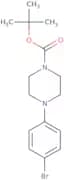

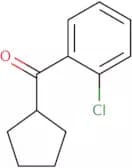
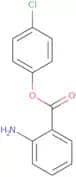

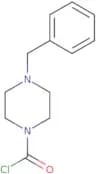
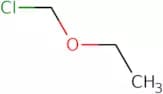
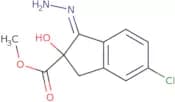
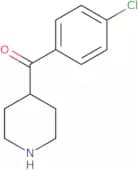
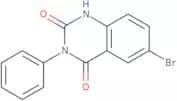

![N-Ethyl-N-[(heptadecafluorooctyl)sulphonyl]glycine](/_next/image/?url=https%3A%2Fstatic.cymitquimica.com%2Fproducts%2F3D%2Fthumb-webp%2FFE91897.webp&w=3840&q=75)
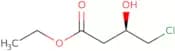

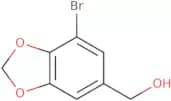
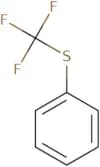

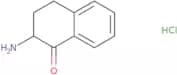
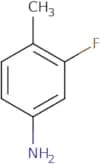
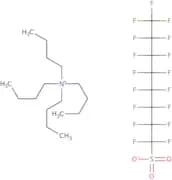
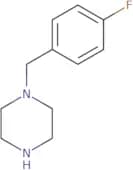
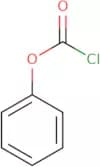

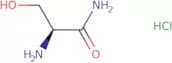
![5-Chloro-1H-imidazo[4,5-b]pyridin-2(3H)-one](/_next/image/?url=https%3A%2Fstatic.cymitquimica.com%2Fproducts%2F3D%2Fthumb-webp%2FFC142316.webp&w=3840&q=75)

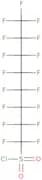
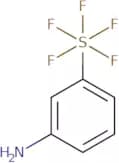
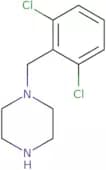
![7-Chloro-1,2,3,4-tetrahydrobenzo[b]azepin-5-one](/_next/image/?url=https%3A%2Fstatic.cymitquimica.com%2Fproducts%2F3D%2Fthumb-webp%2FFC51283.webp&w=3840&q=75)
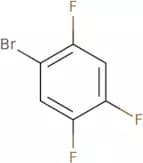
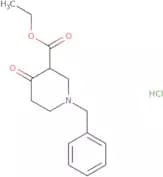
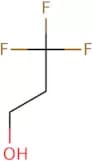
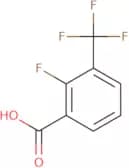
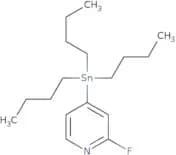
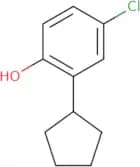
![N-Methyl-5H-dibenzo[a,d]cycloheptene-5-propylamine hydrochloride](/_next/image/?url=https%3A%2Fstatic.cymitquimica.com%2Fproducts%2F3D%2Fthumb-webp%2FFN76683.webp&w=3840&q=75)
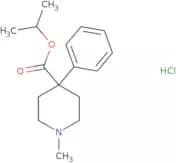
![tert-Butyl 4-chloro-5,6-dihydropyrido[3,4-d]pyrimidine-7(8H)-carboxylate](/_next/image/?url=https%3A%2Fstatic.cymitquimica.com%2Fproducts%2F3D%2Fthumb-webp%2FFB144255.webp&w=3840&q=75)
![7-[(3R)-3-[(N-Acetyl)amino]-1-oxo-4-(2,4,5-trifluorophenyl)butyl]-5,6,7,8-tetrahydro-3-(trifluorom…](/_next/image/?url=https%3A%2Fstatic.cymitquimica.com%2Fproducts%2F3D%2Fthumb-webp%2FFA104169.webp&w=3840&q=75)
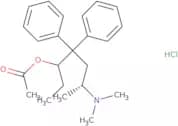
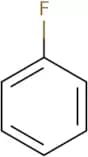
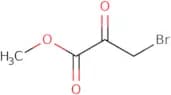

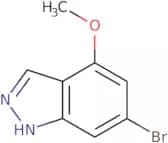


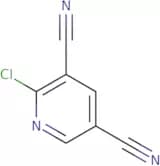
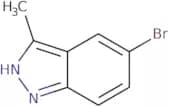

![[2-(Methylsulfinyl)ethyl]amine hydrobromide](/_next/image/?url=https%3A%2Fstatic.cymitquimica.com%2Fproducts%2F3D%2Fthumb-webp%2FFM121339.webp&w=3840&q=75)
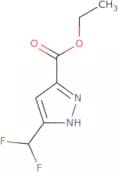
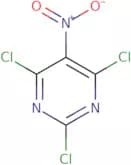
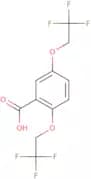
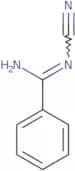

![(R)-(-)-1-[(4-Chlorophenyl)phenylmethyl]piperazine](/_next/image/?url=https%3A%2Fstatic.cymitquimica.com%2Fproducts%2F3D%2Fthumb-webp%2FFC53712.webp&w=3840&q=75)
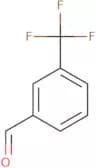
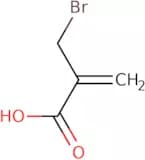
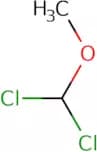
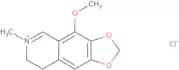



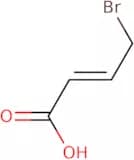

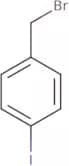
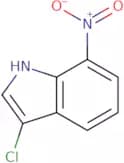
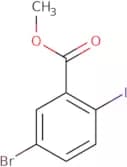

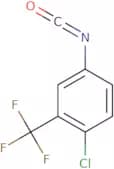
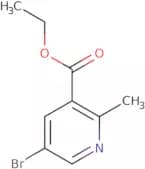
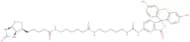
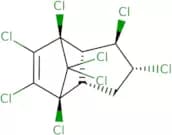
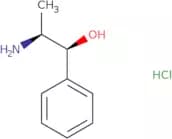
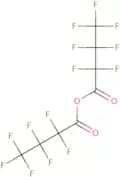
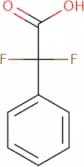
![(2-{2-[2-(2-Aminoethyl)-4,5-dimethoxybenzyl]-4,5-dimethoxyphenyl}ethyl)amine dihydrochloride](/_next/image/?url=https%3A%2Fstatic.cymitquimica.com%2Fproducts%2F3D%2Fthumb-webp%2FFA135464.webp&w=3840&q=75)

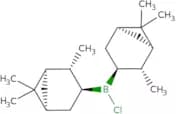
![1-[(2b,3a,5a,16b,17b)-17-Acetyloxy-3-hydroxy-2-(1-piperidinyl)androstan-16-yl]-1-methylpiperidiniu…](/_next/image/?url=https%3A%2Fstatic.cymitquimica.com%2Fproducts%2F3D%2Fthumb-webp%2FFA21131.webp&w=3840&q=75)
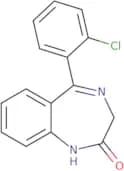

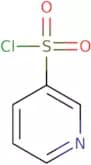
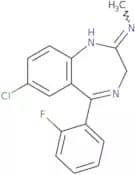
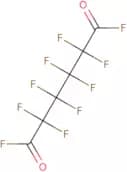
![Ethyl 2-[bis(2,2,2-trifluoroethyl)phosphono]propionate](/_next/image/?url=https%3A%2Fstatic.cymitquimica.com%2Fproducts%2F3D%2Fthumb-webp%2FFE22959.webp&w=3840&q=75)
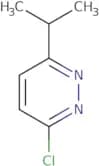

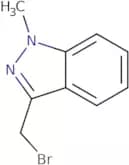
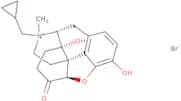

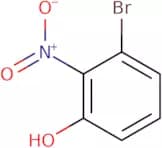
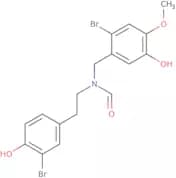
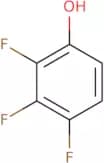
![Pentachlorophenyl N-[(benzyloxy)carbonyl]glycinate](/_next/image/?url=https%3A%2Fstatic.cymitquimica.com%2Fproducts%2F3D%2Fthumb-webp%2FFP123081.webp&w=3840&q=75)
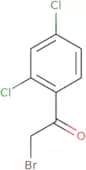
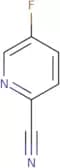
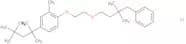
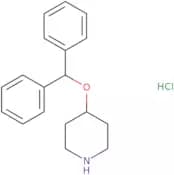
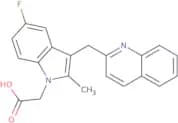

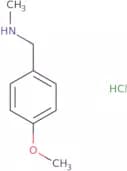
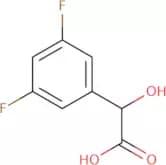
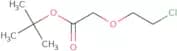
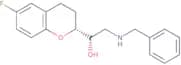
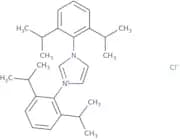
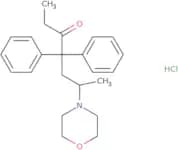
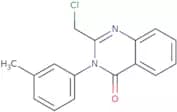
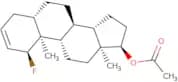
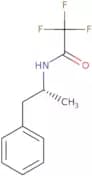

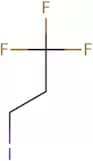
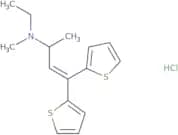
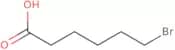
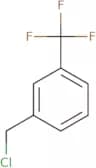

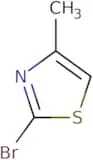
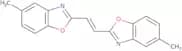
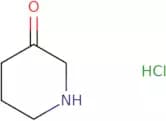
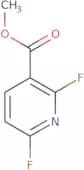
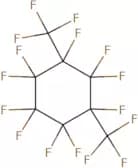

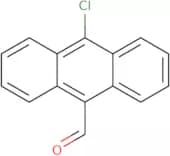


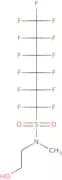
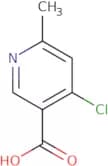
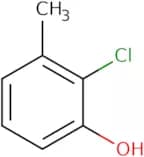
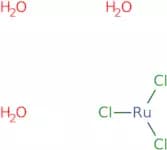
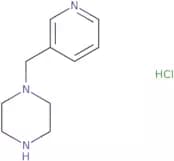
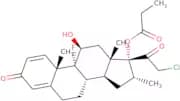
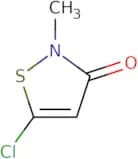
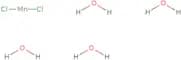
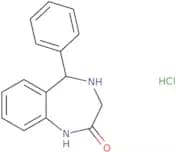
![[3-(1-Piperidin-1-ylcyclohexyl)phenyl]amine hydrochloride](/_next/image/?url=https%3A%2Fstatic.cymitquimica.com%2Fproducts%2F3D%2Fthumb-webp%2FFP120158.webp&w=3840&q=75)
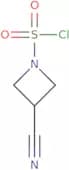
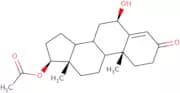
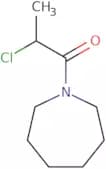
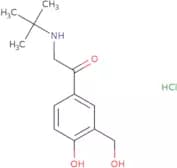
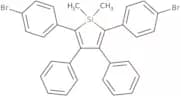
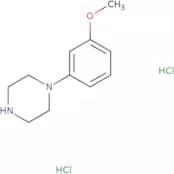
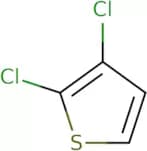
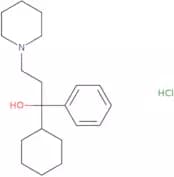
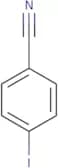
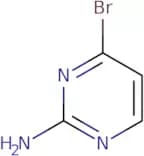
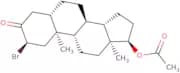
![4-[(4-Methyl-1H-pyrazol-1-yl)methyl]piperidine dihydrochloride](/_next/image/?url=https%3A%2Fstatic.cymitquimica.com%2Fproducts%2F3D%2Fthumb-webp%2FFM122832.webp&w=3840&q=75)
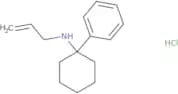

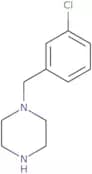


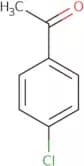
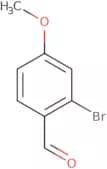
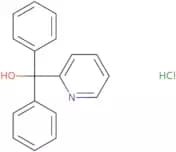
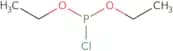
![2-Bromobenzo[d]thiazol-6-ol](/_next/image/?url=https%3A%2Fstatic.cymitquimica.com%2Fproducts%2F3D%2Fthumb-webp%2FFB144121.webp&w=3840&q=75)
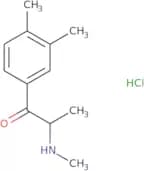

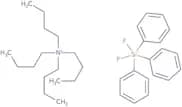
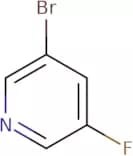
![8-Chloro-6-(2-fluorophenyl)-1-methyl-4H-imidazo[1,5-a][1,4]benzodiazepine 2,5-dioxidemidazolam 2,5…](/_next/image/?url=https%3A%2Fstatic.cymitquimica.com%2Fproducts%2F3D%2Fthumb-webp%2FFC20137.webp&w=3840&q=75)
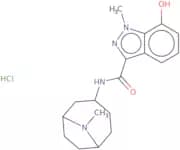
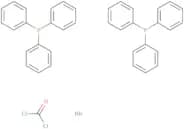
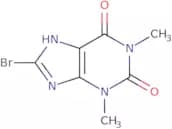
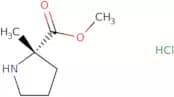
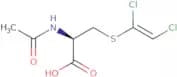
![[(6-Chloro-1-isopropyl-1H-benzimidazol-2-yl)methyl]amine dihydrochloride](/_next/image/?url=https%3A%2Fstatic.cymitquimica.com%2Fproducts%2F3D%2Fthumb-webp%2FFC135800.webp&w=3840&q=75)
![[2-(5-Chloro-1-methyl-1H-benzimidazol-2-yl)ethyl]amine dihydrochloride](/_next/image/?url=https%3A%2Fstatic.cymitquimica.com%2Fproducts%2F3D%2Fthumb-webp%2FFC135802.webp&w=3840&q=75)
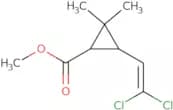
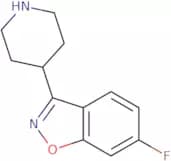
![[2-(1-Ethyl-1H-indol-3-yl)-1-methylethyl]amine hydrochloride](/_next/image/?url=https%3A%2Fstatic.cymitquimica.com%2Fproducts%2F3D%2Fthumb-webp%2FFE123632.webp&w=3840&q=75)
![[1,2-Bis(diphenylphosphino)ethane]nickel(II) Dichloride](/_next/image/?url=https%3A%2Fstatic.cymitquimica.com%2Fproducts%2F3D%2Fthumb-webp%2FFB60935.webp&w=3840&q=75)
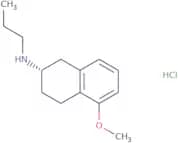
![2-(4-Fluorophenyl)-5-[(5-iodo-2-methylphenyl)methyl]thiophene](/_next/image/?url=https%3A%2Fstatic.cymitquimica.com%2Fproducts%2F3D%2Fthumb-webp%2FFF34928.webp&w=3840&q=75)
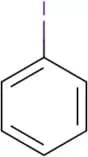
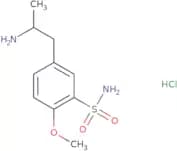
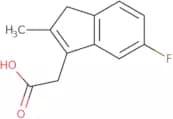
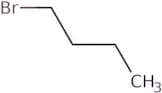
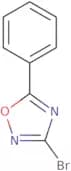
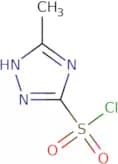
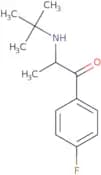
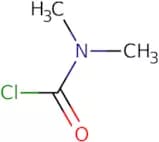
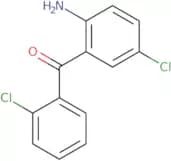

![Benzo[k]fluoranthene](/_next/image/?url=https%3A%2Fstatic.cymitquimica.com%2Fproducts%2F3D%2Fthumb-webp%2FFB157375.webp&w=3840&q=75)