Organic Halides
Subcategories of "Organic Halides"
Found 20442 products of "Organic Halides"
DABCYL-gamma-Abu-Ser-Gln-Asn-Tyr-Pro-Ile-Val-Gln-EDANS trifluoroacetate salt
CAS:Please enquire for more information about DABCYL-gamma-Abu-Ser-Gln-Asn-Tyr-Pro-Ile-Val-Gln-EDANS trifluoroacetate salt including the price, delivery time and more detailed product information at the technical inquiry form on this pageFormula:C73H97N17O18SPurity:Min. 95%Molecular weight:1,532.72 g/mol(Asp28)-Exenatide trifluoroacetate salt
CAS:Please enquire for more information about (Asp28)-Exenatide trifluoroacetate salt including the price, delivery time and more detailed product information at the technical inquiry form on this pageFormula:C184H281N49O61SPurity:Min. 95%Molecular weight:4,187.56 g/mol4-Fluoroisoindoline HCl
CAS:4-Fluoroisoindoline HCl is a versatile building block that can be used in the synthesis of complex compounds, research chemicals, and reagents. It is a high quality compound with a wide range of applications. 4-Fluoroisoindoline HCl is also useful as an intermediate for the synthesis of other compounds, or as a reaction component for organic chemistry reactions. This compound has been shown to have potential medical uses in the treatment of Parkinson's disease and cancer.
Formula:C8H8FN·HClPurity:Min. 95%Color and Shape:White to brown solid.Molecular weight:173.61 g/molAlpha-Conotoxin MI trifluoroacetate salt
CAS:Controlled ProductA component of Conus venom; antagonist of nicotinic acetylcholine receptorsFormula:C58H88N22O17S4Purity:Min. 95%Molecular weight:1,493.72 g/molDesmethyl cyclobenzaprine hydrochloride
CAS:Desmethyl cyclobenzaprine hydrochloride is a metabolite of cyclobenzaprine, a drug used for the treatment of muscle spasms. Desmethyl cyclobenzaprine hydrochloride has been shown to have an increased potency for the termination of nerve impulses. These results were determined by in vivo studies using an assay on rat sciatic nerve and a study on human adrenergic receptors. This metabolite also shows potentiation effects with other drugs such as clonidine and prazosin, which are used to treat hypertension and anxiety, respectively. However, clinical relevance is still unknown due to the lack of data on desmethyl cyclobenzaprine hydrochloride's uptake and enhancement in humans.
Formula:C19H20ClNPurity:Min. 95%Color and Shape:White To Off-White SolidMolecular weight:297.82 g/molAdropin (34-76) (human, mouse, rat) trifluoroacetate salt
CAS:Please enquire for more information about Adropin (34-76) (human, mouse, rat) trifluoroacetate salt including the price, delivery time and more detailed product information at the technical inquiry form on this pageFormula:C190H293N55O68S2Purity:Min. 95%Molecular weight:4,499.82 g/molL-Alanine benzyl ester hydrochloride
CAS:L-Alanine benzyl ester hydrochloride is a conjugate of L-alanine and the quaternary ammonium salt benzyl ester hydrochloride. The water molecule is attached to the nitrogen atom in the benzyl ester. It has been shown to inhibit viral replication by interfering with the virus' ability to use host enzymes and proteins for synthesis. L-Alanine benzyl ester hydrochloride has significant cytotoxicity against leukemia cells, which may be due to its ability to inhibit rna polymerase activity. L-Alanine benzyl ester hydrochloride can also be used as an inhibitor of angiotensin converting enzyme (ACE), which is important in regulating blood pressure.Formula:C10H13NO2•HCLPurity:Min. 95%Color and Shape:White PowderMolecular weight:215.68 g/molH-Lys-Gly-Asp-Ser-OH trifluoroacetate salt
CAS:Please enquire for more information about H-Lys-Gly-Asp-Ser-OH trifluoroacetate salt including the price, delivery time and more detailed product information at the technical inquiry form on this page
Formula:C15H27N5O8Purity:Min. 95%Molecular weight:405.4 g/mol(2R,3S)-2-[(1R)-1-[3,5-Bis(trifluoromethyl)phenyl]ethoxy]-3-(4-fluorophenyl)morpholine hydrochloride
CAS:Please enquire for more information about (2R,3S)-2-[(1R)-1-[3,5-Bis(trifluoromethyl)phenyl]ethoxy]-3-(4-fluorophenyl)morpholine hydrochloride including the price, delivery time and more detailed product information at the technical inquiry form on this pageFormula:C20H18F7NO2•HClPurity:Min. 95%Molecular weight:473.81 g/molH-Pro-Pro-Gln-OH trifluoroacetate salt
CAS:Please enquire for more information about H-Pro-Pro-Gln-OH trifluoroacetate salt including the price, delivery time and more detailed product information at the technical inquiry form on this pageFormula:C15H24N4O5Purity:Min. 95%Molecular weight:340.38 g/mol2-(Chloromethyl)-4-methoxy-3,5-dimethylpyridine hydrochloride
CAS:2-(Chloromethyl)-4-methoxy-3,5-dimethylpyridine hydrochloride is a benzimidazole derivative. It has a chemical stability and can be used for wastewater treatment. It is also a pump inhibitor and can be used for anhydrous sodium magnesium salts. This product is synthesized from the reaction of protonated 2-bromo-4-methoxyphenol with 2,6-dimethylpyridine in the presence of hydrochloric acid. The reaction was carried out in an asymmetric synthesis using a proton transport system. 2-(Chloromethyl)-4-methoxy-3,5-dimethylpyridine hydrochloride is soluble in water and has a pH of 1 to 3. It has been shown that this product can be used as an antioxidant and as a metal chelation agent.
Formula:C9H13Cl2NOPurity:Min. 95%Color and Shape:PowderMolecular weight:222.11 g/molAmyloid beta/A4 Protein Precursor770 (740-770) trifluoroacetate salt
CAS:Please enquire for more information about Amyloid beta/A4 Protein Precursor770 (740-770) trifluoroacetate salt including the price, delivery time and more detailed product information at the technical inquiry form on this page
Formula:C162H243N45O52S2Purity:Min. 95%Molecular weight:3,717.07 g/molSorbin (147-153) amide (porcine) trifluoroacetate salt
CAS:Please enquire for more information about Sorbin (147-153) amide (porcine) trifluoroacetate salt including the price, delivery time and more detailed product information at the technical inquiry form on this pageFormula:C33H58N10O9Purity:Min. 95%Molecular weight:738.88 g/mol4,6-Dichloro-1H-pyrazolo[4,3-c]pyridine
CAS:4,6-Dichloro-1H-pyrazolo[4,3-c]pyridine is a reagent that has been used as a building block for the synthesis of other compounds. It is also used in the preparation of a variety of organic compounds. 4,6-Dichloro-1H-pyrazolo[4,3-c]pyridine is soluble in organic solvents such as chloroform and ethanol, and can be stored at room temperature. This compound reacts with acids to produce an acid chloride that are useful for the formation of amides and esters. This product has been shown to have a high quality and is suitable for use in research or development.Formula:C6H3Cl2N3Purity:Min. 95%Color and Shape:Yellow to beige solid.Molecular weight:188.01 g/mol3-Methylpentyl chloroformate
CAS:Please enquire for more information about 3-Methylpentyl chloroformate including the price, delivery time and more detailed product information at the technical inquiry form on this pageFormula:C7H13ClO2Purity:Min. 95%Molecular weight:164.63 g/molCys-CD36 (139-155) trifluoroacetate salt
CAS:Please enquire for more information about Cys-CD36 (139-155) trifluoroacetate salt including the price, delivery time and more detailed product information at the technical inquiry form on this pageFormula:C87H133N25O26SPurity:Min. 95%Molecular weight:1,977.21 g/molAmyloid β-Protein (1-38) trifluoroacetate salt
CAS:Please enquire for more information about Amyloid beta-Protein (1-38) trifluoroacetate salt including the price, delivery time and more detailed product information at the technical inquiry form on this pageFormula:C184H277N51O56SPurity:Min. 95%Molecular weight:4,131.54 g/mol4-Abz-Gly-Pro-D-Leu-D-Ala-NHOH trifluoroacetate salt
CAS:4-Abz-Gly-Pro-D-Leu-D-Ala-NHOH trifluoroacetate salt is a synthetic, hydroxamic acid that inhibits the activity of collagenase, gelatinase and stromelysin. It also has inhibitory activities against metalloproteinases, such as matrix metalloproteinases and serine proteinases. 4-Abz-Gly-Pro-D-Leu-D-Ala-NHOH trifluoroacetate salt has been shown to inhibit the production of proinflammatory cytokines in human skin fibroblasts. This agent also induces the production of granulocytes in vitro.Formula:C23H34N6O6Purity:Min. 95%Molecular weight:490.55 g/molAc-Arg-Ser-Leu-Lys-AMC trifluoroacetate salt
CAS:Please enquire for more information about Ac-Arg-Ser-Leu-Lys-AMC trifluoroacetate salt including the price, delivery time and more detailed product information at the technical inquiry form on this page
Formula:C33H51N9O8•C2HF3O2Purity:Min. 95 Area-%Color and Shape:PowderMolecular weight:815.83 g/molAmylin (mouse, rat) trifluoroacetate
CAS:Amylin (mouse, rat) trifluoroacetate is a synthetic peptide, which is a derivative of the islet amyloid polypeptide (IAPP) found in rodent species. It is sourced from the pancreatic beta cells of mice and rats, where it is co-secreted with insulin. The mode of action involves regulation of glucose metabolism through its effects on gastric emptying, glucagon secretion, and satiety. These actions are crucial in managing postprandial blood glucose levels and provide insights into the pathophysiology of diabetes.Amylin (mouse, rat) trifluoroacetate is primarily used in research applications to study the mechanisms of amylin aggregation and its implications in type 2 diabetes. It also serves as a model for understanding the differences in amyloid fibril formation between human and rodent amylin, making it invaluable for the development of therapeutic strategies aimed at mitigating amyloid-related cellular toxicity. Researchers utilize this peptide to explore the potential compensatory roles of amylin analogs in diabetic models, advancing our understanding of diabetes progression and treatment options.Formula:C167H272N52O53S2•(C2HF3O2)xPurity:Min. 95%Molecular weight:3,920.4 g/mol1-Methylpiperidine-4-carboxylic acid hydrochloride
CAS:1-Methylpiperidine-4-carboxylic acid hydrochloride is a betaine. Betaines are intermediates in the biosynthesis of phosphocholine, which is an important component of all cell membranes. 1-Methylpiperidine-4-carboxylic acid hydrochloride has been analyzed and quantified in fruits and plants such as beets, bananas, oranges, and tomatoes. It can be found in the roots of plants and has been shown to inhibit abiotic stress. This compound is also present in the human body as a result of its ingestion from food sources. 1-Methylpiperidine-4-carboxylic acid hydrochloride inhibits proline synthesis by competing with glycine for the enzyme choline acetyltransferase. It also inhibits synthesis of pipecolic acid (a precursor for histamine) by competing with glycine for the enzyme choline acetyltransferase.Formula:C7H14NO2ClPurity:Min. 95%Molecular weight:179.64 g/molC3a (70-77)
CAS:C3a is a molecule that is part of the complement system. It was first discovered in leukocytes and has since been detected in other populations. C3a is a chemotactic factor for neutrophils and eosinophils, which are types of white blood cells. C3a binds to the surface of cells by means of protein-antibody interactions, and it can also act as an anaphylatoxin by binding to mast cell receptors.
Formula:C35H61N13O10Purity:Min. 95%Molecular weight:823.94 g/molMca-Arg-Pro-Lys-Pro-Val-Glu-Nva-Trp-Arg-Lys(Dnp)-NH2 trifluoroacetate salt
CAS:Please enquire for more information about Mca-Arg-Pro-Lys-Pro-Val-Glu-Nva-Trp-Arg-Lys(Dnp)-NH2 trifluoroacetate salt including the price, delivery time and more detailed product information at the technical inquiry form on this pageFormula:C78H110N22O20Purity:Min. 95%Molecular weight:1,675.84 g/mol3-Chloro-2-nitrobenzyl alcohol
CAS:3-Chloro-2-nitrobenzyl alcohol is a chemical compound that has a molecular formula of C6H5ClNO2. This substance was synthesized by the reaction of 3-chloro-2-nitrobenzyl chloride with sodium hydroxide in methanol. The optimized geometry and vibrational frequencies were calculated using density functional theory (DFT) and theory of Raman scattering. The IR spectra were measured with Fourier transform infrared (FTIR) spectroscopy, which showed that the compound has a strong absorption in the region from 2,600 to 2,800 cm−1.Formula:C7H6ClNO3Purity:Min. 95%Color and Shape:PowderMolecular weight:187.58 g/molMethyl 2-bromo-5-nitrobenzoate
CAS:Methyl 2-bromo-5-nitrobenzoate is a potent inhibitor of aspartyl proteases, which are enzymes that are involved in the breakdown of fibrinogen. It has been shown to inhibit the growth of Staphylococcus aureus and other bacteria. Methyl 2-bromo-5-nitrobenzoate is also a potent inhibitor of lactamase, an enzyme that catalyzes the hydrolysis of lactams. This compound has been shown to have biological properties such as antioxidant and anticancer activity. A heterocycle with two nitro groups on the methylene bridge, it is reactive.
Formula:C8H6BrNO4Purity:Min. 95%Molecular weight:260.04 g/mol(Lys7)-Phalloidin trifluoroacetate
CAS:Please enquire for more information about (Lys7)-Phalloidin trifluoroacetate including the price, delivery time and more detailed product information at the technical inquiry form on this pageFormula:C35H49N9O9S•(C2HF3O2)xPurity:Min. 95%Molecular weight:771.88 g/mol2,4,6-Trifluorobenzoic acid
CAS:2,4,6-Trifluorobenzoic acid is a chemical compound that is an intermediate in the synthesis of stilbazole. It is prepared by chlorinating the 2,4,6-trichlorobenzoic acid with hydrogen peroxide and hydrochloric acid. The 2,4,6-trifluorobenzoic acid is then reduced to the desired product with sodium borohydride. This chemical has been detected in nature as a racemic mixture and can be used as a precursor in analytical methods for detecting other compounds. It is also used in dechlorination reactions to remove chlorine from organic molecules. This process can be monitored using UV detectors.Formula:C7H3F3O2Purity:Min. 95%Molecular weight:176.09 g/mol(d(CH2)51,Tyr(Me)2,Arg8)-Vasopressin trifluoroacetate salt
CAS:The monoclonal antibody (mAb) is a recombinant protein that binds to the extracellular region of the vasopressin receptor. It is used in pharmacological research to study the physiological function and pharmacological effects of vasopressin. The mAb has been shown to be minimally toxic, with an LD50 value of greater than 10 mg/kg in mice. It has also been shown to inhibit viruses and inhibit drug-sensitive enzymes. This antibody can be used as a diagnostic tool for congestive heart disease, as well as in experimental models for studying the minimal toxicity and tumor treatment properties of various drugs.Formula:C52H74N14O12S2Purity:Min. 95%Molecular weight:1,151.36 g/molpTH-Related Protein Splice Isoform 3 (140-173) (human) trifluoroacetate salt
CAS:Please enquire for more information about pTH-Related Protein Splice Isoform 3 (140-173) (human) trifluoroacetate salt including the price, delivery time and more detailed product information at the technical inquiry form on this pageFormula:C186H313N53O44S2Purity:Min. 95%Molecular weight:4,059.94 g/mol3-Bromo-5-(trifluoromethyl)aniline
CAS:3-Bromo-5-(trifluoromethyl)aniline is a synthetically useful compound that can be used for the synthesis of other organic compounds. It has been shown to react with nilotinib, an anticancer drug, to produce a reaction yield of 83%. This reaction was carried out in an impure environment and produced some impurities. The reaction was conducted using acetonitrile as the solvent and the desired product was obtained by using a high-performance liquid chromatography (HPLC) method. The resulting product was deuterated with deuterium gas. 3-Bromo-5-(trifluoromethyl)aniline is insoluble in water and soluble in organic solvents such as benzene, chloroform, dichloromethane, acetonitrile, and ether. The chemical formula for this substance is C8H4BrF3NO2.Formula:C7H5BrF3NPurity:Min. 95%Molecular weight:240.02 g/mol2-[3-(S)-[3-(2-(7-Chloro-2-quinolinyl)ethenyl)phenyl]-3-hydroxypropyl]benzoic acid methyl ester
CAS:2-[3-(S)-[3-(2-(7-Chloro-2-quinolinyl)ethenyl)phenyl]-3-hydroxypropyl]benzoic acid methyl ester is a synthetic compound that can be used as a reagent in the synthesis of polynucleotides and polypeptides. It can also be used as an inhibitor of ketoreductase, which is an enzyme involved in the synthesis of fatty acids and ketones. 2-[3-(S)-[3-(2-(7-Chloro-2-quinolinyl)ethenyl)phenyl]-3-hydroxypropyl]benzoic acid methyl ester has been shown to inhibit the growth of wild type and mutant strains of E. coli. The molecular weight of this compound is 439.Formula:C28H24ClNO3Purity:Min. 95%Molecular weight:457.95 g/molNeuronostatin-19 (mouse, rat) trifluoroacetate salt
Please enquire for more information about Neuronostatin-19 (mouse, rat) trifluoroacetate salt including the price, delivery time and more detailed product information at the technical inquiry form on this pageFormula:C91H153N29O26Purity:Min. 95%Molecular weight:2,069.37 g/molRVG-9R trifluoroacetate salt
CAS:Please enquire for more information about RVG-9R trifluoroacetate salt including the price, delivery time and more detailed product information at the technical inquiry form on this pageFormula:C201H334N82O55S2Purity:Min. 95%Molecular weight:4,843.45 g/mol3-Chloropyridazine-4-carbonitrile
CAS:3-Chloropyridazine-4-carbonitrile is an acridone that has been shown to be an effective antibacterial agent. It was synthesized by the intramolecular Diels-Alder reaction of pyridine and 1,3-butadiene, followed by a sequence of reactions involving thioxanthones. 3-Chloropyridazine-4-carbonitrile binds to the bacterial enzyme 50S ribosomal subunit by competitive inhibition and prevents the formation of an antibiotic inhibitor complex with the enzyme cell wall synthesis that is required for cell wall biosynthesis, inhibiting protein synthesis and cell division. 3-Chloropyridazine-4-carbonitrile also has shown activity against methicillin resistant Staphylococcus aureus strains.Formula:C5H2ClN3Purity:Min. 95%Molecular weight:139.54 g/molFuraltadone hydrochloride
CAS:Furaltadone hydrochloride is a drug that belongs to the class of quinolones. It is used as an antibiotic for the treatment of microbial infections and may be used in combination with other antibiotics. Furaltadone hydrochloride binds to bacterial DNA, inhibiting protein synthesis, leading to cell death. The mechanism of action has not been fully elucidated, but it is thought that furaltadone hydrochloride binds to the sodium ion in the hydroxyl group of DNA. This binding prevents the formation of an antibiotic-inhibitor complex with the enzyme cell wall synthesis that is required for cell wall biosynthesis, inhibiting protein synthesis and cell division. Furaltadone hydrochloride has been shown to have a low systemic effect and high adsorption rate in animals; therefore it may be used as an oral antibiotic or as an injectable drug.Formula:C13H17ClN4O6Purity:Min. 95%Color and Shape:Yellow SolidMolecular weight:360.75 g/molH-Asn-Gln-Glu-Gln-Glu(EDANS)-Arg-OH trifluoroacetate salt
Please enquire for more information about H-Asn-Gln-Glu-Gln-Glu(EDANS)-Arg-OH trifluoroacetate salt including the price, delivery time and more detailed product information at the technical inquiry form on this page
Formula:C42H62N14O16SPurity:Min. 95%Molecular weight:1,051.09 g/molBoc-Lys(2-chloro-Z)-Merrifield resin (200-400 mesh)
Please enquire for more information about Boc-Lys(2-chloro-Z)-Merrifield resin (200-400 mesh) including the price, delivery time and more detailed product information at the technical inquiry form on this pagePurity:Min. 95%3-Fluoro-4-nitrobenzoic acid
CAS:3-Fluoro-4-nitrobenzoic acid is an organic solvent that is used as a reagent in the synthesis of peptidomimetics. 3-Fluoro-4-nitrobenzoic acid has been shown to be a nucleophilic addition agent, which can react with serine proteases in the presence of benzamidine. This reaction results in the formation of an amide bond between the amino group and carboxylic acid moiety of the serine protease, thereby inhibiting its activity. 3-Fluoro-4-nitrobenzoic acid is also used as a synthetic intermediate for peptides and other organic compounds.Formula:C7H4FNO4Purity:Min. 95%Color and Shape:PowderMolecular weight:185.11 g/molKemptide trifluoroacetate salt
CAS:Kemptide is a substrate molecule that has been shown to inhibit the enzyme activity of some protein kinases. Kemptide is a 3-amino acid peptide that contains the amino acids L-leucine, L-arginine, and L-arginine. It was originally isolated from an extract of human brain tissue and has been shown to inhibit the activity of protein kinase C (PKC), phosphorylase kinase, and glycogen synthase kinase 3β in vitro assays. Kemptide also inhibits the expression of genes encoding PKCα1, PKCα2, PKCδ, PKCε, PKCγ1, PKCγ2, PKCζ in t84 cells. The inhibition of these genes suggests that kemptide may be useful as a drug candidate for inhibiting protein kinases in vivo.Formula:C32H61N13O9·xC2HF3O2Purity:Min. 95%Molecular weight:771.91 g/mol4-Fluoro-3-nitrobenzyl alcohol
CAS:4-Fluoro-3-nitrobenzyl alcohol (4FNA) is a potent, orally bioavailable, and selective inhibitor of the tyrosine kinase AXL. 4FNA binds to the ATP binding site on AXL and blocks phosphorylation of its tyrosine kinase domain. This binding leads to a conformational change in the AXL protein that prevents it from interacting with downstream signaling molecules, inhibiting T cell activation.Formula:C7H6FNO3Purity:Min. 95%Molecular weight:171.13 g/molBiotinyl-(Leu8,D-Trp22,Tyr25)-Somatostatin-28 trifluoroacetate salt
CAS:Please enquire for more information about Biotinyl-(Leu8,D-Trp22,Tyr25)-Somatostatin-28 trifluoroacetate salt including the price, delivery time and more detailed product information at the technical inquiry form on this pageFormula:C148H223N43O42S3Purity:Min. 95%Molecular weight:3,372.82 g/mol6-(7-Nitro-benzo[2,1,3]oxadiazol-4-ylamino)-hexanoyl-Arg-Pro-Lys-Pro-Leu-Ala-Nva-Trp-Lys((7-dimethylaminocoumarin-4-yl)-acetyl)-NH2 trifluoroacetate salt
CAS:Please enquire for more information about 6-(7-Nitro-benzo[2,1,3]oxadiazol-4-ylamino)-hexanoyl-Arg-Pro-Lys-Pro-Leu-Ala-Nva-Trp-Lys((7-dimethylaminocoumarin-4-yl)-acetyl)-NH2 trifluoroacetate salt including the price, delivery time and more detailed product information at the technical inquiry form on this pageFormula:C78H111N21O16Purity:Min. 95%Molecular weight:1,598.85 g/molH-Tyr-Tyr-Tyr-Tyr-Tyr-Tyr-OH trifluoroacetate salt
CAS:The compound H-Tyr-Tyr-Tyr-Tyr-Tyr-Tyr-OH trifluoroacetate salt is a synthetic antigen for use in the production of immunoadsorbent conjugates. It is a postulated fluorescence molecule that interacts with specific antibodies to form an antigen. This antigen can be used as a probe for detecting antibodies in biological fluids and tissues by fluorescence microscopy and has been shown to have no antigenicity in skin reactions.Formula:C54H56N6O13Purity:Min. 95%Molecular weight:997.06 g/molPancreatic Polypeptide (1-17)-(Ala31, Aib 32)-Neuropeptide Y (18-36) (human) trifluoroacetate salt
CAS:Please enquire for more information about Pancreatic Polypeptide (1-17)-(Ala31, Aib 32)-Neuropeptide Y (18-36) (human) trifluoroacetate salt including the price, delivery time and more detailed product information at the technical inquiry form on this pageFormula:C189H287N55O53SPurity:Min. 95%Molecular weight:4,209.71 g/molOsteostatin (1-5) amide (human, bovine, dog, horse, mouse, rabbit, rat) trifluoroacetate salt
CAS:Please enquire for more information about Osteostatin (1-5) amide (human, bovine, dog, horse, mouse, rabbit, rat) trifluoroacetate salt including the price, delivery time and more detailed product information at the technical inquiry form on this pageFormula:C27H42N10O7Purity:Min. 95%Molecular weight:618.69 g/molH-D-Val-2-chlorotrityl resin (200-400 mesh)
Please enquire for more information about H-D-Val-2-chlorotrityl resin (200-400 mesh) including the price, delivery time and more detailed product information at the technical inquiry form on this pagePurity:Min. 95%H-Leu-Ser-Lys-Leu-OH trifluoroacetate salt
CAS:Please enquire for more information about H-Leu-Ser-Lys-Leu-OH trifluoroacetate salt including the price, delivery time and more detailed product information at the technical inquiry form on this pageFormula:C21H41N5O6Purity:Min. 95%Molecular weight:459.58 g/molCys-Gly-Lys-Lys-Gly-Amyloid b-Protein (33-40) trifluoroacetate salt
CAS:Please enquire for more information about Cys-Gly-Lys-Lys-Gly-Amyloid b-Protein (33-40) trifluoroacetate salt including the price, delivery time and more detailed product information at the technical inquiry form on this pageFormula:C51H93N15O14S2Purity:Min. 95%Molecular weight:1,204.51 g/molAmyloid beta/A4 Protein Precursor770 (586-595) (human, mouse, rat) trifluoroacetate salt
CAS:Please enquire for more information about Amyloid beta/A4 Protein Precursor770 (586-595) (human, mouse, rat) trifluoroacetate salt including the price, delivery time and more detailed product information at the technical inquiry form on this pageFormula:C47H73N11O16SPurity:Min. 95%Molecular weight:1,080.21 g/mol(R)-3-Amino-4-(2,4,5-trifluorophenyl)butyric acid
CAS:(R)-3-Amino-4-(2,4,5-trifluorophenyl)butyric acid is an antibacterial agent that inhibits the enzyme acetylcholine esterase. This inhibition prevents the breakdown of acetylcholine, leading to increased levels of this neurotransmitter in the brain and an enhancement of cholinergic transmission. (R)-3-Amino-4-(2,4,5-trifluorophenyl)butyric acid has been shown to be effective against bacterial strains resistant to β-lactam antibiotics. The synthesis of taxol as well as other β-amino acids has been demonstrated using a variety of enzymatic methods. A reaction scheme for the synthesis of nicotinic acetylcholine has also been proposed. (R)-3-Amino-4-(2,4,5-trifluorophenyl)butyric acid is a dipeptFormula:C10H10F3NO2Purity:Min. 95%Color and Shape:PowderMolecular weight:233.19 g/mol(His(1-Me)2)-LHRH trifluoroacetate salt
CAS:Please enquire for more information about (His(1-Me)2)-LHRH trifluoroacetate salt including the price, delivery time and more detailed product information at the technical inquiry form on this pageFormula:C56H77N17O13Purity:Min. 95%Molecular weight:1,196.32 g/molAtrial Natriuretic Factor (5-27) (human) trifluoroacetate salt
CAS:Please enquire for more information about Atrial Natriuretic Factor (5-27) (human) trifluoroacetate salt including the price, delivery time and more detailed product information at the technical inquiry form on this pageFormula:C97H154N34O32S3Purity:Min. 95%Molecular weight:2,404.67 g/mol4-Chlorophenylboronic acid
CAS:4-Chlorophenylboronic acid is a chemical compound that is used in the industrial preparation of biphenyl. It is produced by the Friedel-Crafts reaction between chlorine and 4-methoxyphenylboronic acid. This reaction can be carried out using a variety of solvents, such as chloroform or carbon tetrachloride. The optimal reaction conditions are acidic pH values, which are achieved by adding sodium carbonate to the solution. The product can be purified by distillation or crystallization. 4-Chlorophenylboronic acid can also be used for the synthesis of organic compounds through cross-coupling reactions with organometallic reagents, such as palladium chloride and triphenylphosphine, or through asymmetric synthesis with chiral ligands like (S)-proline and 2-(diphenylphosphino)ferrocene.Formula:C6H6BClO2Purity:Min. 95%Color and Shape:PowderMolecular weight:156.37 g/molN,4-Dimethyl-1-(phenylmethyl)-3-piperidinamine hydrochloride (1:2)
CAS:Intermediate in the synthesis of tofacitinib
Formula:C14H24N2Cl2Purity:Min. 95%Molecular weight:291.26 g/molH-Met-2-chlorotrityl resin (200-400 mesh) (Low Substitution)
Please enquire for more information about H-Met-2-chlorotrityl resin (200-400 mesh) (Low Substitution) including the price, delivery time and more detailed product information at the technical inquiry form on this pagePurity:Min. 95%Ac-Ala-Ala-Val-Ala-Leu-Leu-Pro-Ala-Val-Leu-Leu-Ala-Leu-Leu-Ala-Pro-Ile-Glu-Thr-Asp-aldehyde trifluoroacetate salt
CAS:Please enquire for more information about Ac-Ala-Ala-Val-Ala-Leu-Leu-Pro-Ala-Val-Leu-Leu-Ala-Leu-Leu-Ala-Pro-Ile-Glu-Thr-Asp-aldehyde trifluoroacetate salt including the price, delivery time and more detailed product information at the technical inquiry form on this pageFormula:C95H162N20O26Purity:Min. 95%Molecular weight:2,000.42 g/molEthyl 2-(2-chloroethoxy)acetate
CAS:Please enquire for more information about Ethyl 2-(2-chloroethoxy)acetate including the price, delivery time and more detailed product information at the technical inquiry form on this pageFormula:C6H11ClO3Purity:Min. 95%Molecular weight:166.6 g/molH-Asn(Trt)-2-chlorotrityl resin (200-400 mesh) (Low Substitution)
Please enquire for more information about H-Asn(Trt)-2-chlorotrityl resin (200-400 mesh) (Low Substitution) including the price, delivery time and more detailed product information at the technical inquiry form on this pagePurity:Min. 95%3,5-Dichloropyrazine-2-carboxylicacid
CAS:Please enquire for more information about 3,5-Dichloropyrazine-2-carboxylicacid including the price, delivery time and more detailed product information at the technical inquiry form on this page
Formula:C5H2Cl2N2O2Purity:Min. 95%Molecular weight:192.99 g/molH-Arg(Pbf)-2-chlorotrityl resin (200-400 mesh) (Low Substitution)
Please enquire for more information about H-Arg(Pbf)-2-chlorotrityl resin (200-400 mesh) (Low Substitution) including the price, delivery time and more detailed product information at the technical inquiry form on this pagePurity:Min. 95%Ac-Val-Arg-Pro-Arg-AMC trifluoroacetate salt
CAS:Please enquire for more information about Ac-Val-Arg-Pro-Arg-AMC trifluoroacetate salt including the price, delivery time and more detailed product information at the technical inquiry form on this pageFormula:C34H51N11O7•C2HF3O2Purity:Min. 98 Area-%Color and Shape:PowderMolecular weight:839.86 g/molCyclobutanesulfonyl chloride
CAS:Cyclobutanesulfonyl chloride is a reagent that is used for the synthesis of 1-6-alkylcyclobutanes. It can be used to synthesize heterocyclic compounds, including those with high optical purity. Cyclobutanesulfonyl chloride has been shown to have antiviral and antiproliferative properties. It has also been shown to exhibit anticancer activity in vitro and in vivo. The mechanism of action for this compound is unclear, but it may inhibit protein synthesis by attacking the amino acid methionine in proteins or by inhibiting DNA replication.Formula:C4H7ClO2SPurity:Min. 95%Color and Shape:Clear LiquidMolecular weight:154.62 g/mol3,4,5-Trichlorobenzoic acid
CAS:Trichlorobenzoic acid is a chemical compound that is found in plants, such as Trifolium pratense L. and other legumes. It has been shown to inhibit the growth of bacteria by competitive inhibition of the enzyme ribonucleotide reductase, which catalyzes the conversion of ribonucleotides to deoxyribonucleotides. This prevents the production of RNA, which is necessary for protein synthesis and cell division. Inhibition of this enzyme can be achieved by either conjugating trichlorobenzoic acid with a sugar or using ion-exchange resins to remove it from water. The concentration required for this type of inhibition varies depending on the type of organism, but generally ranges between 5-10 ppm.END>
Purity:Min. 95%3-Bromo-2-methyl-5-nitropyridine
CAS:Please enquire for more information about 3-Bromo-2-methyl-5-nitropyridine including the price, delivery time and more detailed product information at the technical inquiry form on this pageFormula:C6H5BrN2O2Purity:Min. 95%Molecular weight:217.02 g/mol1-Fluoro-3-phenylpropan-2-amine
CAS:Controlled ProductPlease enquire for more information about 1-Fluoro-3-phenylpropan-2-amine including the price, delivery time and more detailed product information at the technical inquiry form on this pageFormula:C9H12FNPurity:Min. 95%Color and Shape:Clear LiquidMolecular weight:153.2 g/mol7-Chloro-4-piperazinylquinoline
CAS:7-Chloro-4-piperazinylquinoline is a quinoline derivative that belongs to the group of organic solvents. It has anticancer activity and is used as a medicine. 7-Chloro-4-piperazinylquinoline is used as an intermediate in the preparation of sorafenib, which is a potent inhibitor of the protein tyrosine kinase. Sorafenib inhibits cancer cell proliferation and tumor growth by blocking the activity of tyrosine kinases, which are necessary for cellular proliferation and survival. It also inhibits phospholipase A2, which leads to cell death by apoptosis.Formula:C13H14ClN3Purity:Min. 95%Molecular weight:247.72 g/mol4-Bromo-3-nitrobenzoicacid
CAS:4-Bromo-3-nitrobenzoicacid is a fluorogenic substrate for the labeling of d-serine. It reacts with picric acid to form a fluorescent product, which can be detected by fluorescence spectroscopy. 4BnBA has been used in immobilized enzyme studies to determine the catalysis of chloride and the fluorescence response of chloride. The hydrolysis of 4BnBA by esterases produces 3-nitroaniline, which has been shown to be an intermediate for the synthesis of flavin mononucleotide (FMN). FMN is an essential cofactor for catalytic reactions involving ribonucleotides and ATP. The subunits of FMN are flavin adenine dinucleotide (FAD) and nicotinamide adenine dinucleotide (NAD). 4BnBA has also been analysed using synthetic techniques and functional theory to determine its role in biomolecular processes.
Formula:C7H4BrNO4Purity:Min. 95%Color and Shape:PowderMolecular weight:246.02 g/mol4-Fluoropyrazole
CAS:4-Fluoropyrazole is a synthetic chemical that can be prepared by the transfer of fluorine from chloroformate to an isoxazole. It has been shown that 4-fluoropyrazole can be synthesized in high yields and with good functional groups, as well as being stable to air and moisture. The reaction takes place spontaneously at low temperatures, which makes it an attractive candidate for industrial production. The chemical crystallizes in the form of a trimerization product. The proton functioned group was not observed due to its instability. This compound has a chlorine atom attached to a pyrazole ring.
Formula:C3H3FN2Purity:Min. 95%Molecular weight:86.07 g/mol(5-Bromo-2-hydroxyphenyl)acetone
CAS:5-Bromo-2-hydroxyphenyl)acetone is a chemical that is used as a building block in the synthesis of other compounds. It can be used as a reagent to produce 5-bromo-2,4-dihydroxyphenylacetic acid, which has been shown to have antiinflammatory and analgesic effects. 5-Bromo-2-hydroxyphenyl)acetone is also useful for the synthesis of polymers with applications in electronics and as an intermediate for the production of pharmaceuticals.Formula:C9H9BrO2Purity:Min. 95%Color and Shape:PowderMolecular weight:229.07 g/mol(D-Trp6)-LHRH (free acid) trifluoroacetate salt
CAS:Please enquire for more information about (D-Trp6)-LHRH (free acid) trifluoroacetate salt including the price, delivery time and more detailed product information at the technical inquiry form on this pageFormula:C64H81N17O14Purity:Min. 95%Molecular weight:1,312.43 g/mol1-Methyl-4-nitro-2-(trichloroacetyl)-1H-pyrrole
CAS:1-Methyl-4-nitro-2-(trichloroacetyl)-1H-pyrrole is an organic compound that is used in the synthesis of carboxylic acid derivatives. It is a synthetic intermediate, which can be converted to other compounds by intramolecular hydrogen bonding. The efficiency of this method has been shown through a number of experiments. In nature, 1-methyl-4-nitro-2-(trichloroacetyl)-1H-pyrrole may be found as a hydrogen bond donor.Formula:C7H5Cl3N2O3Purity:Min. 95%Molecular weight:271.48 g/molTGF alpha (1-50) (rat) trifluoroacetate salt
CAS:Please enquire for more information about TGF alpha (1-50) (rat) trifluoroacetate salt including the price, delivery time and more detailed product information at the technical inquiry form on this pageFormula:C244H361N71O71S6Purity:Min. 95%Molecular weight:5,617.31 g/molFibronectin Fragment (1954-1959) trifluoroacetate salt
CAS:Please enquire for more information about Fibronectin Fragment (1954-1959) trifluoroacetate salt including the price, delivery time and more detailed product information at the technical inquiry form on this pageFormula:C32H63N11O7Purity:Min. 95%Molecular weight:713.91 g/molAminoguanidine hydrochloride
CAS:Aminoguanidine hydrochloride is a basic compound that can be used as an anti-inflammatory drug. It has been shown to have a hypoglycemic effect, which may be due to its ability to increase the activity of glutathione peroxidase and glutathione reductase in experimental models. Aminoguanidine hydrochloride also inhibits the production of inflammatory cytokines such as TNF-α, IL-1β and IL-6. Experiments with transfected cells have shown that aminoguanidine hydrochloride induces neuronal death, which may be due to its ability to inhibit protein synthesis by interfering with ribosomal function.Formula:CH6N4·HClPurity:Min. 95%Color and Shape:White PowderMolecular weight:110.55 g/molZ-Leu-Glu(OMe)-Thr-DL-Asp(OMe)-fluoromethylketone
CAS:Please enquire for more information about Z-Leu-Glu(OMe)-Thr-DL-Asp(OMe)-fluoromethylketone including the price, delivery time and more detailed product information at the technical inquiry form on this pageFormula:C30H43FN4O11Purity:Min. 95%Molecular weight:654.68 g/molN-[2-[(2-Bromo-4,6-dinitrophenyl)azo]-5-(diethylamino)phenyl]acetamide
CAS:N-2-[(2-bromo-4,6-dinitrophenyl)azo]-5-(diethylamino)phenyl]acetamide (NBDPA) is a yellowish solid that is soluble in water. It has a molecular weight of 308.3 and chemical formula C14H21BrN2O4. NBDPA is used as an analytical reagent for the kinetic data of liver cells and in wastewater treatment. This compound has been shown to exhibit carcinogenic potential in rats, causing genetic damage to the DNA of liver cells and kidney tissue. NBDPA has also been shown to be toxic to fish embryos and larvae, with significant effects on the development of larvae at high concentrations.Formula:C18H19BrN6O5Purity:90%MinMolecular weight:479.28 g/mol(Cys2)-Neuropeptide Y (1-4)-8-aminooctanoyl-(D-Cys27)-Neuropeptide Y (25-32) trifluoroacetate salt
CAS:Please enquire for more information about (Cys2)-Neuropeptide Y (1-4)-8-aminooctanoyl-(D-Cys27)-Neuropeptide Y (25-32) trifluoroacetate salt including the price, delivery time and more detailed product information at the technical inquiry form on this pageFormula:C96H158N32O23S2Purity:Min. 95%Molecular weight:2,192.62 g/molH-Cys-psi(CH2NH)Val-psi(CH2NH)Phe-Met-OH trifluoroacetate salt
CAS:FTI-277 is a peptidomimetic compound that inhibits HIV-1 protease. FTI-277 is an orally active, potent, and selective inhibitor of HIV-1 protease. The drug has been shown to be effective in the treatment of HIV infection in various clinical trials. FTI-277 inhibited HIV replication in activated cells and disrupted virion production by binding to the target enzyme. FTI-277 also has potential for use as a diagnostic tool for detecting the presence of HIV in body fluids.Formula:C22H38N4O3S2Purity:Min. 95%Molecular weight:470.69 g/mol(Val671)-Amyloid b/A4 Protein Precursor770 (667-676) trifluoroacetate salt
CAS:Please enquire for more information about (Val671)-Amyloid b/A4 Protein Precursor770 (667-676) trifluoroacetate salt including the price, delivery time and more detailed product information at the technical inquiry form on this pageFormula:C51H82N14O18Purity:Min. 95%Molecular weight:1,179.28 g/molMca-Pro-Leu-Gly-Leu-Glu-Glu-Ala-Dap (Dnp)-NH2 trifluoroacetate salt
CAS:Please enquire for more information about Mca-Pro-Leu-Gly-Leu-Glu-Glu-Ala-Dap (Dnp)-NH2 trifluoroacetate salt including the price, delivery time and more detailed product information at the technical inquiry form on this pageFormula:C53H70N12O20Purity:Min. 95%Molecular weight:1,195.19 g/mol2-Chlorothiazole
CAS:2-Chlorothiazole is a solvent that is used in the chlorinating of acetylcholine. It has been shown to be carcinogenic in animals, but there is no evidence that it causes cancer in humans. 2-Chlorothiazole binds to the nicotinic acetylcholine receptor and blocks the neurotransmitter acetylcholine, which results in paralysis and death of insects. It has also been shown to have neonicotinoid properties. 2-Chlorothiazole is soluble in methanol and can be quantified using kinetic data or an analytical method involving human urine as a sample matrix. The reactivity of 2-chlorothiazole with hydrogen chloride yields chloromethyl ketone and chloride ions, which can be analyzed by gas chromatography/mass spectrometry (GC/MS). The chemical structure of 2-chlorothiazole consists of two chlorine atoms bonded to an amide group at one end and a single carbon atFormula:C3H2ClNSPurity:Min. 95%Molecular weight:119.57 g/molEthyl malonyl chloride
CAS:Ethyl malonyl chloride is a compound that belongs to the class of acylating agents. It reacts with the carbonyl group of an organic acid, such as malonic acid, to form an ester. This reaction is catalyzed by a nucleophile such as water or alcohols. Ethyl malonyl chloride has been shown to have anticancer activity and can inhibit protein synthesis in muscle cells by blocking receptor activity and growth factor signaling pathways.Formula:C5H7ClO3Purity:90%MinMolecular weight:150.56 g/mol4-Iodo-1-methylpyrazole
CAS:4-Iodo-1-methylpyrazole is a reductive agent that is used in organic synthesis. It can be used as a reducing agent for the conversion of aldehydes and ketones to alcohols. 4-Iodo-1-methylpyrazole can be crystallized from diethyl etherate and blood. The product yield from this reaction is high, but it requires an oxidant such as trifluoride or plavix to react with the diacetates. 4-Iodo-1-methylpyrazole can also be synthesized by reacting allylsilanes with iodine gas in the presence of a base. This synthesis method produces 4-iodo-1-methylpyrazole in good yield and with little difficulty.Formula:C4H5IN2Purity:Min. 95%Color and Shape:White To Light (Or Pale) Yellow To Tan SolidMolecular weight:208 g/molBNP-26 (porcine) trifluoroacetate salt
CAS:Please enquire for more information about BNP-26 (porcine) trifluoroacetate salt including the price, delivery time and more detailed product information at the technical inquiry form on this pageFormula:C120H198N42O36S2Purity:Min. 95%Molecular weight:2,869.25 g/mol(Met(O)35)-Amyloid b-Protein (25-35) trifluoroacetate salt
CAS:Please enquire for more information about (Met(O)35)-Amyloid b-Protein (25-35) trifluoroacetate salt including the price, delivery time and more detailed product information at the technical inquiry form on this pageFormula:C45H81N13O15SPurity:Min. 95%Molecular weight:1,076.27 g/molPAR-2 (1-6) amide (mouse, rat) trifluoroacetate salt
CAS:PAR-2 agonist is a synthetic peptide that activates PAR-2. It binds to PAR-2 receptors, which are present in the mesenteric vasculature and in various other tissues. Activation of PAR-2 leads to an increase in intracellular calcium concentration, activation of protein kinase C, cytosolic calcium ion release, phosphorylation of myosin light chain, muscle cell proliferation, transcription and translation initiation, and increased production of vasoactive intestinal peptide. This drug also has anti-inflammatory effects and stimulates epidermal growth factor (EGF) and thrombin receptor expression as well as growth factor production.Formula:C29H56N10O7Purity:Min. 95%Molecular weight:656.82 g/molEpinecidin-1 trifluoroacetate salt
CAS:Please enquire for more information about Epinecidin-1 trifluoroacetate salt including the price, delivery time and more detailed product information at the technical inquiry form on this pageFormula:C114H176N30O21SPurity:Min. 95%Molecular weight:2,334.87 g/molpTH-Related Protein (1-34) amide (human, mouse, rat) trifluoroacetate salt
CAS:Parathyroid hormone-related protein (PTHrP) is a peptide hormone produced by the parathyroid gland that functions as a phosphatase, inhibiting alkaline phosphatase. It also has an inhibitory effect on osteoclastic bone resorption and stimulates osteoblastic bone formation. PTHrP has been shown to be useful in treating osteoporosis and Paget's disease. It also has been used in conjunction with dexamethasone to treat patients with malignancies of the head and neck. PTHrP is an inhibitor of protein kinase A and phosphodiesterases, which are enzymes that regulate cellular processes such as proliferation and differentiation.Formula:C180H288N58O47Purity:Min. 95%Molecular weight:4,016.58 g/molCell-permeable Caspase-1 Inhibitor I trifluoroacetate salt
CAS:Please enquire for more information about Cell-permeable Caspase-1 Inhibitor I trifluoroacetate salt including the price, delivery time and more detailed product information at the technical inquiry form on this pageFormula:C97H160N20O24Purity:Min. 95%Molecular weight:1,990.43 g/mol4-Chloro-6,7-dimethoxyquinoline
CAS:4-Chloro-6,7-dimethoxyquinoline (4C6DMQ) is a potent inhibitor of the growth of prostate cancer cells. 4C6DMQ is an analog of chloropropyl chloride, which inhibits the growth of epidermal growth factor receptor (EGFR). The binding site for 4C6DMQ on EGFR is the same as that for chloropropyl chloride. 4C6DMQ inhibits EGFR by preventing the activation of downstream signaling cascades, leading to a decrease in cell proliferation and tumor size. The IC50 values for 4C6DMQ are approximately 10 times higher than those for chloropropyl chloride. This drug has been shown to be more potent than other inhibitors of EGFR such as erlotinib and gefitinib.Formula:C11H10ClNO2Purity:Min. 95%Color and Shape:White PowderMolecular weight:223.66 g/molImidazo[1,2-a]pyridin-7-amine hydrobromide
CAS:Please enquire for more information about Imidazo[1,2-a]pyridin-7-amine hydrobromide including the price, delivery time and more detailed product information at the technical inquiry form on this pageFormula:C7H8BrN3Purity:Min. 95%Molecular weight:214.06 g/molAc-Lys-Gln-Leu-Arg-AFC trifluoroacetate salt
CAS:Please enquire for more information about Ac-Lys-Gln-Leu-Arg-AFC trifluoroacetate salt including the price, delivery time and more detailed product information at the technical inquiry form on this pageFormula:C35H51F3N10O8Purity:Min. 95%Molecular weight:796.84 g/molMethyl 3,5-dichloro-4-methoxybenzoate
CAS:Methyl 3,5-dichloro-4-methoxybenzoate is a fine chemical and useful building block for research chemicals. It belongs to the class of speciality chemicals and can be used as a reagent in organic synthesis. Methyl 3,5-dichloro-4-methoxybenzoate is a versatile building block that has been reported in the synthesis of many complex compounds. This compound can also be used as an intermediate or scaffold for medicinal chemistry applications.Formula:C9H8Cl2O3Purity:Min. 95%Molecular weight:235.06 g/mol(Pyr 3)-Amyloid b-Protein (3-40) trifluoroacetate salt
CAS:Please enquire for more information about (Pyr 3)-Amyloid b-Protein (3-40) trifluoroacetate salt including the price, delivery time and more detailed product information at the technical inquiry form on this pageFormula:C187H283N51O53SPurity:Min. 95%Molecular weight:4,125.63 g/molDynorphin A trifluoroacetate salt
CAS:Dynorphin A is a peptide that belongs to the class of opioid peptides. It acts as a kappa-opioid receptor agonist and is involved in the transmission of pain signals and other information from the central nervous system to the peripheral nervous system. Dynorphin A has been shown to inhibit the release of neurotransmitters, such as acetylcholine, dopamine, serotonin, and norepinephrine. It also blocks the action of transmitters at postsynaptic membranes by binding to their receptors. Dynorphin A binds with high affinity to kappa-opioid receptors and can be used for treatment of heroin addiction and chronic pain.Formula:C99H155N31O23Purity:Min. 95%Molecular weight:2,147.49 g/mol3-Trifluoromethyl phenylhydrazine hydrochloride
CAS:3-Trifluoromethyl phenylhydrazine HCl is a fine chemical that can be used as a versatile building block in the synthesis of complex compounds. It has been shown to be a useful intermediate for the preparation of research chemicals, reaction components and speciality chemicals. 3-Trifluoromethyl phenylhydrazine HCl belongs to CAS No. 3107-33-3 and can be used as a reagent in organic synthesis. The compound is high quality with a purity of over 99%.Formula:C7H8ClF3N2Purity:Min. 95%Color and Shape:PowderMolecular weight:212.6 g/mol1-Bromo-3,5,7-trimethyladamantane
CAS:1-Bromo-3,5,7-trimethyladamantane is a hydroxy adamantane. It is the simplest member of the class of compounds known as adamantanes. Adamantanes are electrophilic and react with nucleophiles to form adducts. 1-Bromo-3,5,7-trimethyladamantane has a bridgehead methyl group that reacts with nucleophiles such as hydroxide ion, forming an ether adduct of the type (CH)O-(CH)Br (1). The carboxylic acid group can be deprotonated by strong bases to form the corresponding anion (CH)O-(CH)COH (2), which reacts with nucleophiles such as amines to give salts of the type (CH)N+(CH)COH (3).Formula:C13H21BrPurity:Min. 95%Molecular weight:257.21 g/mol3-Fluorobenzophenone
CAS:3-Fluorobenzophenone is a functionalized organic compound that can be synthesized by the reaction of potassium t-butoxide with 3-fluorobenzaldehyde. This chemical has been shown to have vibrational bands in the infrared region of the electromagnetic spectrum. The protonation and acidic properties of 3-fluorobenzophenone were confirmed by control experiments involving hydrogenation reactions with carboxylic acids and nucleophilic acetonitrile, respectively. 3-Fluorobenzophenone is soluble in water and alcohols, but insoluble in ethers; it is stable under normal conditions, but decomposes when heated or exposed to UV light.Formula:C13H9FOPurity:Min. 95%Molecular weight:200.21 g/molAc-Leu-Glu-His-Asp-chloromethylketone
CAS:Ac-Leu-Glu-His-Asp-chloromethylketone is a creatine kinase inhibitor that prevents the conversion of ATP to ADP. It inhibits mitochondrial pathways, leading to apoptotic and proapoptotic effects. Ac-Leu-Glu-His-Asp-chloromethylketone also has a kinetic effect on cells, where it causes necrotic cell death. This compound can cause proteolytic activity, which leads to the activation of caspase 9 and matrix metalloproteinases. Ac-Leu-Glu-His-Asp chloromethylketone has been shown to have antiinflammatory properties in cellular assays, as well as an ability to inhibit the synthesis of cellular proteins.Formula:C24H35ClN6O9Purity:Min. 95%Molecular weight:587.02 g/mol2-Chloro-4-Hydroxybenzyl alcohol
CAS:2-Chloro-4-hydroxybenzyl alcohol is an organic compound that has been shown to be soluble in aqueous alkali metal solutions, but insoluble in water. It is also insoluble in polymer solvents such as acetone and ethyl ether. 2-Chloro-4-hydroxybenzyl alcohol is a sugar alcohol with 3 hydroxyl groups. The molecule has a molecular weight of 150.17 g/mol, melting point of -123°C (-198°F), boiling point of 179°C (354°F), and refractive index of 1.5774 at 20°C (68°F). This chemical can be used in the synthesis of polyhydric alcohols such as glycerol or hexanol. 2-Chloro-4-hydroxybenzyl alcohol is not soluble in hydrochloric acid, benzene or chloroform, and does not react to form any esFormula:C7H7ClO2Purity:Min. 95%Molecular weight:158.58 g/molAmyloid beta-Protein (1-42) hydrochloride salt
CAS:Key subunit of extracellular plaques found in the brains of patients with Alzheimer's disease; Hydrochloride saltFormula:C203H311N55O60SPurity:Min. 95%Molecular weight:4,514.04 g/mol3-Bromo-4-fluorophenol
CAS:3-Bromo-4-fluorophenol is a synthetic, water soluble, and stable compound with a variety of applications. It yields white crystals that are soluble in water, acetone, ethanol, ether, benzene, chloroform, and carbon tetrachloride. 3-Bromo-4-fluorophenol has been shown to have a number of structural modifications that may be advantageous for therapeutic purposes. The most prominent modification is the methylation of the phenolic hydroxyl group (functionalisation). This modification prevents the drug from reacting with nucleophilic sites on proteins and other biological molecules. 3-Bromo-4-fluorophenol interacts with methyltransferase enzymes in cancer cells to inhibit their activity. These methyltransferase enzymes are involved in cellular proliferation and proliferation signalling pathways that may lead to cancer cell death.Formula:C6H4BrFOPurity:Min. 95%Color and Shape:PowderMolecular weight:191 g/molH-Ser(tBu)-2-chlorotrityl resin (200-400 mesh) (Low Substitution)
Please enquire for more information about H-Ser(tBu)-2-chlorotrityl resin (200-400 mesh) (Low Substitution) including the price, delivery time and more detailed product information at the technical inquiry form on this pagePurity:Min. 95%(R)-(+)-3-Chloro-1-phenyl-1-propanol
CAS:(R)-(+)-3-Chloro-1-phenyl-1-propanol is a substrate for the lactamase of bacteria. The immobilized lipase catalyzes the hydrolysis reaction in which the lactam ring is broken, yielding a propiophenone intermediate. This intermediate can be converted to (S)-(+)-3-chloro-1-phenylpropanol by treatment with an alcohol oxidase or by hydrolysis with hydrogen peroxide. The product has been shown to have antidepressant activity and may modulate the dry weight of bacteria. In vivo studies show that this compound has a high concentration in rats and mice, but it is not active in humans.Formula:C9H11ClOPurity:Min. 95%Color and Shape:White To Yellow SolidMolecular weight:170.64 g/molLuteinizing Hormone-Releasing Hormone Antagonist trifluoroacetate salt
CAS:Luteinizing Hormone-Releasing Hormone Antagonist trifluoroacetate salt is a potent antagonist of the luteinizing hormone-releasing hormone (LHRH) receptor. It is used specifically to treat platinum-resistant ovarian cancer, where it has been shown to be effective in reducing tumor size and volume. This drug has minimal toxicity and can be administered by injection or as a microcapsule. LHRH Antagonist trifluoroacetate salt is an analog of LHRH that has been modified so that it cannot cross the blood-brain barrier. It also binds to epidermal growth factor receptors, which are involved in cell proliferation, differentiation, and survival. Symptoms of overdose may include nausea, vomiting, headache, dizziness, seizures, and coma.Formula:C48H59ClN12O8Purity:Min. 95%Molecular weight:967.51 g/mol4-Bromo-2-chloropyridine
CAS:4-Bromo-2-chloropyridine is a piperazine derivative that has potent inhibitory activity against 5-HT2C receptors. This compound is an amide and has been shown to have the ability to cross-couple with various other compounds, such as fatty acids. It is also used in clinical development for the treatment of obesity, depression, and Parkinson's disease. The purity of 4-bromo-2-chloropyridine can be determined by liquid chromatography methods.Formula:C5H3BrCINPurity:90%Color and Shape:Clear LiquidMolecular weight:192.44 g/mol(Tyr(Me)21)-Neuropeptide Y (human, rat) trifluoroacetate salt
CAS:Please enquire for more information about (Tyr(Me)21)-Neuropeptide Y (human, rat) trifluoroacetate salt including the price, delivery time and more detailed product information at the technical inquiry form on this pageFormula:C190H287N55O57SPurity:Min. 95%Molecular weight:4,285.71 g/mol3’’’-Epi-Empagliflozin
CAS:Please enquire for more information about 3’’’-Epi-Empagliflozin including the price, delivery time and more detailed product information at the technical inquiry form on this pageFormula:C23H27ClO7Purity:95% MinColor and Shape:PowderMolecular weight:450.91 g/mol4-Amino-2-chloro-3-fluorobenzonitrile
CAS:Please enquire for more information about 4-Amino-2-chloro-3-fluorobenzonitrile including the price, delivery time and more detailed product information at the technical inquiry form on this pageFormula:C7H4ClFN2Purity:Min. 95%Molecular weight:170.57 g/mol2-Bromo-5-hydroxy-4-methoxybenzaldehyde
CAS:2-Bromo-5-hydroxy-4-methoxybenzaldehyde is a death pathway inhibitor that has been shown to have radiosensitizing effects in vitro. It has also been found to inhibit the expression of matrix metalloproteinase (MMP) in human glioma cells and in a rat model of cerebral ischemia. This compound may be used as a potential chemotherapeutic agent for the treatment of cancer. 2-Bromo-5-hydroxy-4-methoxybenzaldehyde inhibits cell proliferation by inducing apoptosis, or programmed cell death, which may be due to its ability to suppress MMP activity.Formula:C8H7BrO3Purity:Min. 95%Color and Shape:PowderMolecular weight:231.04 g/molAngiotensin (1-12) (mouse, rat) trifluoroacetate salt
CAS:Please enquire for more information about Angiotensin (1-12) (mouse, rat) trifluoroacetate salt including the price, delivery time and more detailed product information at the technical inquiry form on this pageFormula:C77H109N19O17Purity:Min. 95%Molecular weight:1,572.81 g/molH-Leu-2-chlorotrityl resin (200-400 mesh)
Please enquire for more information about H-Leu-2-chlorotrityl resin (200-400 mesh) including the price, delivery time and more detailed product information at the technical inquiry form on this pagePurity:Min. 95%Beta-Bag Cell Peptide (Aplysia californica) trifluoroacetate salt
CAS:Aplysia californica is a species of sea slug that produces a peptide, beta-Bag Cell Peptide (BACP), which has been shown to have depolarizing effects on neurons. BACP can be synthesized from the amino acid sequence of the Aplysia californica cell membrane protein, and this synthetic peptide has been shown to have maximal depolarizing effects at high concentrations. The depolarizing effect of BACP can be seen in populations of neurons as well as individual neurons. This peptide also desensitizes autoreceptors for acetylcholine and serotonin, which may play a role in its electrophysiological effects.Formula:C33H53N13O6Purity:Min. 95%Molecular weight:727.86 g/molpTH-Related Protein (1-40) (human, mouse, rat) trifluoroacetate salt
CAS:Please enquire for more information about pTH-Related Protein (1-40) (human, mouse, rat) trifluoroacetate salt including the price, delivery time and more detailed product information at the technical inquiry form on this page
Formula:C207H334N66O58Purity:Min. 95%Molecular weight:4,675.28 g/mol(Met(O)35)-Amyloid b-Protein (1-40) trifluoroacetate salt
CAS:Please enquire for more information about (Met(O)35)-Amyloid b-Protein (1-40) trifluoroacetate salt including the price, delivery time and more detailed product information at the technical inquiry form on this pageFormula:C194H295N53O59SPurity:Min. 95%Molecular weight:4,345.81 g/molAngiotensin II trifluoroacetate salt
CAS:Angiotensin II is a peptide hormone that may act as a neurotransmitter or neuromodulator. It is one of the most important vasoconstrictor and aldosterone-secreting hormones produced by the renin-angiotensin system in mammals. Angiotensin II has been shown to stimulate cardiac contractility, increase vascular resistance, and regulate blood pressure. The effect of Angiotensin II on cardiac contractility is mediated through its binding to a response element in the promoter region of genes encoding for Ca2+ channels. This binding leads to increased Ca2+ influx into cardiac cells and increased myofibrillar Ca2+ sensitivity. Angiotensin II also activates reactive oxygen species (ROS) production, which causes injury to the renal tubular epithelium and induces tubulointerstitial injury in rats with diabetes. It also stimulates squamous cell carcinoma growth by inducing reactive oxygen species (ROS) production and activating signal trans
Formula:C50H71N13O12·xC2HF3O2Purity:Min. 95%Molecular weight:1,046.18 g/molUrotensin II-Related Peptide (human, mouse, rat) trifluoroacetate salt
CAS:Urotensin II is a peptide that is expressed in the brain and has hypotensive effects. It is an endogenous ligand for the urotensin II receptor, which is found in various tissues including the heart, vascular system, and lungs. Urotensin II-Related Peptide (URP) was identified from cDNA sequences of human, mouse, and rat tissues. The URP consists of a sequence of amino acids with a molecular weight of 1219. This peptide has been shown to have diagnostic use in tissues and animals as well as being immunoreactive in monoclonal antibodies. The gene encoding URP has been cloned and its protein product has been characterized by mass spectroscopy.Formula:C49H64N10O10S2Purity:Min. 95%Molecular weight:1,017.23 g/molDiphenyliodonium chloride
CAS:Diphenyliodonium chloride is a synthetic chemical that binds to DNA and inhibits the synthesis of proteins. It also has been shown to inhibit the growth of Gram-positive bacteria, including Methicillin-resistant Staphylococcus aureus (MRSA) and Streptococcus pneumoniae, but not Gram-negative bacteria such as Escherichia coli or Pseudomonas aeruginosa. Diphenyliodonium chloride is used in a variety of ways, including as an antimicrobial agent for the prevention of microbial contamination in pharmaceuticals and cosmetics.Formula:C12H10ClIPurity:Min. 95%Color and Shape:White PowderMolecular weight:316.56 g/mol(D-Tyr5,D-Trp6)-LHRH trifluoroacetate salt
CAS:Please enquire for more information about (D-Tyr5,D-Trp6)-LHRH trifluoroacetate salt including the price, delivery time and more detailed product information at the technical inquiry form on this pageFormula:C64H82N18O13Purity:Min. 95%Molecular weight:1,311.45 g/molMethyl 6-chloronicotinate
CAS:Methyl 6-chloronicotinate is a quinoline derivative that has been shown to have cytotoxic effects. This compound inhibits the DNA repair protein O6-alkylguanine-DNA alkyltransferase (O6-AGAT) and induces apoptosis by binding to the cation channel and inhibiting the influx of calcium ions, which leads to an increase in intracellular calcium levels. Methyl 6-chloronicotinate also inhibits cancer cell proliferation through its interaction with the voltage-gated sodium channels and potassium channels, which leads to cell death. The molecular modeling study revealed that methyl 6-chloronicotinate binds to a deep hydrophobic pocket on the surface of hct116 cells, indicating that this drug may be a potential anticancer agent.Formula:C7H6ClNO2Purity:Min. 98 Area-%Color and Shape:PowderMolecular weight:171.58 g/molNeuropeptide Y (human, rat) trifluoroacetate salt
CAS:Please enquire for more information about Neuropeptide Y (human, rat) trifluoroacetate salt including the price, delivery time and more detailed product information at the technical inquiry form on this pageFormula:C189H285N55O57SPurity:Min. 95%Molecular weight:4,271.69 g/mol2-Chloromethyl-3,5-dimethylpyridin-4-ol
CAS:Please enquire for more information about 2-Chloromethyl-3,5-dimethylpyridin-4-ol including the price, delivery time and more detailed product information at the technical inquiry form on this pageFormula:C8H10ClNOPurity:Min. 95%Molecular weight:171.62 g/mol5-Iodo-2-methoxybenzyl alcohol
CAS:5-Iodo-2-methoxybenzyl alcohol (5IMB) is a conjugate that inhibits tubulin polymerization and mitochondrial membrane integrity. It has significant inhibitory effects on colchicine-induced apoptosis in colon cancer cells, inducing apoptotic cell death by the activation of caspase 3 and annexin. 5IMB also has an inhibitory effect on mitochondria, leading to mitochondrial membrane depolarization and apoptotic cell death. This conjugate also induces the death of human cancer cells, specifically mcf-7, which are involved in tumour growth and metastasis. The mechanism of action for 5IMB is through its ability to induce mitochondrial membrane depolarization, leading to apoptotic cell death.Formula:C8H9O2IPurity:Min. 95%Molecular weight:264.06 g/molNeuropeptide F trifluoroacetate salt
CAS:Please enquire for more information about Neuropeptide F trifluoroacetate salt including the price, delivery time and more detailed product information at the technical inquiry form on this pageFormula:C210H328N58O58Purity:Min. 95%Molecular weight:4,593.21 g/molPACAP-38 (6-38) (human, chicken, mouse, ovine, porcine, rat) trifluoroacetate salt
CAS:Please enquire for more information about PACAP-38 (6-38) (human, chicken, mouse, ovine, porcine, rat) trifluoroacetate salt including the price, delivery time and more detailed product information at the technical inquiry form on this page
Formula:C182H300N56O45SPurity:Min. 95%Molecular weight:4,024.75 g/molBoc-Homoarg (Et)2-OH (symmetrical) hydrochloride salt
CAS:Please enquire for more information about Boc-Homoarg (Et)2-OH (symmetrical) hydrochloride salt including the price, delivery time and more detailed product information at the technical inquiry form on this pageFormula:C16H32N4O4Purity:Min. 95%Molecular weight:344.45 g/mol(D-2-Nal 5,Cys6·11,Tyr7,D-Trp8,Val10, 2-Nal 12)-Somatostatin-14 (5-12) amide trifluoroacetate salt
CAS:Please enquire for more information about (D-2-Nal 5,Cys6·11,Tyr7,D-Trp8,Val10, 2-Nal 12)-Somatostatin-14 (5-12) amide trifluoroacetate salt including the price, delivery time and more detailed product information at the technical inquiry form on this pageFormula:C63H73N11O9S2Purity:Min. 95%Molecular weight:1,192.45 g/molH-Lys(Boc)-2-chlorotrityl resin (200-400 mesh) (Low Substitution)
Please enquire for more information about H-Lys(Boc)-2-chlorotrityl resin (200-400 mesh) (Low Substitution) including the price, delivery time and more detailed product information at the technical inquiry form on this pagePurity:Min. 95%Methyl 3-chloro-4-fluorobenzoate
CAS:Methyl 3-chloro-4-fluorobenzoate is a white crystalline solid with a melting point of 61°C. It is soluble in ethyl acetate, ether, and chloroform. Methyl 3-chloro-4-fluorobenzoate is used as a reagent in the synthesis of polymers, pharmaceuticals, and pesticides. It has been shown to be useful as a building block for the synthesis of complex compounds such as heterocycles and polymers. Methyl 3-chloro-4-fluorobenzoate is also used as an intermediate in the production of other chemicals such as pharmaceuticals, catalysts, and herbicides.Formula:C8H6ClFO2Purity:Min. 95%Molecular weight:188.58 g/molZ-Val-Lys-Lys-Arg-4MbNA hydrochloride salt
CAS:Z-Val-Lys-Lys-Arg-4MbNA is a synthetic peptide that is used for staining of fixed cells. It binds to lysosomal membrane proteins and stains with a red color when reacted with a chromogen. This product is used as an intermediate in the production of monoclonal antibodies. Z-Val-Lys-Lys-Arg-4MbNA is also used to detect lysosomes in unfixed cells by histochemically staining the reaction product with a solution of buffers and biochemical, following incubation at 37°C for 24 hours. This product has been shown to bind to cellular morphology, fibroblasts, and stained tissue sections.Formula:C42H62N10O7Purity:Min. 95%Molecular weight:819 g/molDipivefrin hydrochloride
CAS:Dipivefrin hydrochloride is a drug that belongs to the class of prostaglandin analogues. It is used as a topical ophthalmic solution for the treatment of glaucoma and other intraocular disorders. Dipivefrin hydrochloride is not active against microbial infection or choroidal neovascularization, but has been shown to be effective in the pharmacological treatment of metabolic disorders. This drug interacts with the prostaglandin receptors in the eye, which can lead to increased production of cyclic GMP (cGMP), a second messenger that causes relaxation of smooth muscles in blood vessels and leads to decreased intraocular pressure. Dipivefrin hydrochloride also has antimicrobial properties due to its ability to inhibit bacterial growth through binding with microbial cell membranes, thereby inhibiting protein synthesis.Formula:C19H30ClNO5Purity:Min. 95%Molecular weight:387.9 g/mol1-(5-Chloro-2-hydoxyphenyl)ethanone
CAS:1-(5-Chloro-2-hydoxyphenyl)ethanone is a potent inhibitor of the antiapoptotic protein survivin. It binds to the carbonyl group of the molecule, which is located on the intramolecular hydrogen bond surface. This leads to conformational changes in the molecule and ternary complex formation, which eventually leads to apoptosis protein aggregation and activation. 1-(5-Chloro-2-hydoxyphenyl)ethanone has been shown to inhibit prostate cancer cells and has also been studied in clinical trials for its anticancer properties.Formula:C8H7ClO2Purity:Min. 95%Color and Shape:White PowderMolecular weight:170.59 g/molGRPP (human) trifluoroacetate salt
CAS:Please enquire for more information about GRPP (human) trifluoroacetate salt including the price, delivery time and more detailed product information at the technical inquiry form on this pageFormula:C136H215N41O58SPurity:Min. 95%Molecular weight:3,384.47 g/mol3-Bromo-5-chlorobenzaldehyde
CAS:3-Bromo-5-chlorobenzaldehyde is a fine chemical that is used as a building block in the synthesis of other chemicals. It is also a reagent and speciality chemical with high quality and versatility. 3-Bromo-5-chlorobenzaldehyde has been shown to be useful in the preparation of complex compounds, such as heterocyclic aromatic compounds, which are versatile scaffolds for drug discovery. 3-Bromo-5-chlorobenzaldehyde has a CAS No. 188813-05-0.Formula:C7H4BrClOPurity:Min. 95%Color and Shape:PowderMolecular weight:219.46 g/mol5,7-Dichloro-8-hydroxyquinaldine
CAS:5,7-Dichloro-8-hydroxyquinaldine is an antimicrobial agent that can be used to treat infections caused by Gram-negative bacteria. It has been shown to have a broad spectrum of activity against both aerobic and anaerobic bacteria. 5,7-Dichloro-8-hydroxyquinaldine is active against methicillin resistant Staphylococcus aureus (MRSA) and Enterococci species. The drug has been shown to be effective in treating tissue infections in women with menstrual blood flow due to its anti-inflammatory properties. This drug is not absorbed well into the body via oral administration and is not widely available outside of China.Formula:C10H7Cl2NOPurity:Min. 95%Color and Shape:PowderMolecular weight:228.07 g/mol4,6-Dichloro-2-methylnicotinic acid
CAS:Please enquire for more information about 4,6-Dichloro-2-methylnicotinic acid including the price, delivery time and more detailed product information at the technical inquiry form on this pagePurity:Min. 95%Salusin-alpha (human) trifluoroacetate salt
CAS:Please enquire for more information about Salusin-alpha (human) trifluoroacetate salt including the price, delivery time and more detailed product information at the technical inquiry form on this page
Formula:C114H192N40O30Purity:Min. 95%Molecular weight:2,603 g/mol2-Chloro-N-[2-(diethylamino)ethyl]-4-quinolinecarboxamide
CAS:2-Chloro-N-[2-(diethylamino)ethyl]-4-quinolinecarboxamide is a carboxamide analog of dibucaine. It is synthesized from chloroacetyl chloride and isatin in the presence of sodium hydroxide. The synthesis has been scaled to an industrial level. 2-Chloro-N-[2-(diethylamino)ethyl]-4-quinolinecarboxamide has been shown to have analgesic properties, similar to those of dibucaine. Radiolysis of this compound gives a carboxylic acid and a heterocyclic ring product.Formula:C16H20ClN3OPurity:95%MinColor and Shape:PowderMolecular weight:305.8 g/molDL-Alanine ethyl ester hydrochloride
CAS:DL-Alanine ethyl ester hydrochloride is a byproduct of the reaction between ethylene and amines. It can be produced through the addition of l-phenylalanine to acetonitrile. This compound is an organic ester that has been shown to have a variety of reactions with metal ions, such as aluminium, l-glutamic acid, and primary amines. The product can be used in thermodynamic data for reaction systems involving DL-alanine ethyl ester hydrochloride.
Formula:C5H11NO2·HClPurity:Min. 95%Color and Shape:White To Off-White SolidMolecular weight:153.61 g/molTyr-Amyloid P Component (27-38) amide trifluoroacetate salt
CAS:Please enquire for more information about Tyr-Amyloid P Component (27-38) amide trifluoroacetate salt including the price, delivery time and more detailed product information at the technical inquiry form on this pageFormula:C77H116N20O19SPurity:Min. 95%Molecular weight:1,657.93 g/molSPLUNC1 (22-39) trifluoroacetate salt
CAS:Please enquire for more information about SPLUNC1 (22-39) trifluoroacetate salt including the price, delivery time and more detailed product information at the technical inquiry form on this pageFormula:C82H135N21O25Purity:Min. 95%Molecular weight:1,815.08 g/molH-Gln(Trt)-2-chlorotrityl resin (200-400 mesh) (Low Substitution)
Please enquire for more information about H-Gln(Trt)-2-chlorotrityl resin (200-400 mesh) (Low Substitution) including the price, delivery time and more detailed product information at the technical inquiry form on this pagePurity:Min. 95%H-D-His(1-Me)-OH hydrochloride salt
CAS:Please enquire for more information about H-D-His(1-Me)-OH hydrochloride salt including the price, delivery time and more detailed product information at the technical inquiry form on this pageFormula:C7H11N3O2Purity:Min. 95%Molecular weight:169.18 g/molAc-Arg-Leu-Arg-AMC trifluoroacetate salt
CAS:Ac-Arg-Leu-Arg-AMC trifluoroacetate salt is a mitochondrial biogenesis activator that has been shown to increase the levels of proteins in the mitochondria. These proteins are required for mitochondrial membrane potential, ATP production, and protein homeostasis. Ac-Arg-Leu-Arg-AMC trifluoroacetate salt has been shown to increase the number of pluripotency markers in human liver cells and to reduce insulin resistance in animals. The drug also increases the expression of ubiquitin ligases and proteasomes, which are enzymes that degrade damaged proteins. Ac-Arg-Leu-Arg-AMC trifluoroacetate salt may be used for treating liver diseases or disorders as well as obesity.Formula:C30H46N10O6•C2HF3O2Purity:Min. 96 Area-%Color and Shape:PowderMolecular weight:756.77 g/mol(Gln22,Asn23)-Amyloid b-Protein (1-40) trifluoroacetate salt
CAS:Please enquire for more information about (Gln22,Asn23)-Amyloid b-Protein (1-40) trifluoroacetate salt including the price, delivery time and more detailed product information at the technical inquiry form on this pageFormula:C194H297N55O56SPurity:Min. 95%Molecular weight:4,327.84 g/molAmyloid beta/A4 Protein Precursor770 (394-410) trifluoroacetate salt
CAS:Please enquire for more information about Amyloid beta/A4 Protein Precursor770 (394-410) trifluoroacetate salt including the price, delivery time and more detailed product information at the technical inquiry form on this page
Formula:C86H151N31O26S2Purity:Min. 95%Molecular weight:2,099.44 g/mol9,9-Dioctyl-7-dibromofluorene
CAS:9,9-Dioctyl-7-dibromofluorene is a linear polymer with an ethylene diamine backbone. It is a synthetic material that can be used for devices such as solar cells. 9,9-Dioctyl-7-dibromofluorene has been shown to have efficient light emission properties and high optical absorption in the visible region of the electromagnetic spectrum. The device efficiency of this material has been shown to be improved by substituent effects and reaction time.Formula:C29H40Br2Purity:Min. 95%Molecular weight:548.44 g/molMethyl 2,2-difluoro-2-(fluorosulfonyl)acetate
CAS:Methyl 2,2-difluoro-2-(fluorosulfonyl)acetate is a chemical that belongs to the group of halides. It has a redox potential of -0.274 V (vs SCE). The methyl group in this chemical is substituted with a fluoro group and a sulfonyl group. The methyl 2,2-difluoro-2-(fluorosulfonyl)acetate has been shown to have receptor activity with dopamine as its agonist. This chemical also has an aromatic hydrocarbon ring and an oxygen atom. Methyl 2,2-difluoro-2-(fluorosulfonyl)acetate has been shown to be effective against cancer cells and may have metabolic disorders such as diabetes mellitus type II and Alzheimer's disease.Formula:C3H3F3O4SPurity:Min. 95%Color and Shape:Clear LiquidMolecular weight:192.11 g/molH-Lys-Cys-Thr-Cys-Cys-Ala-OH trifluoroacetate salt
CAS:H-Lys-Cys-Thr-Cys-Cys-Ala-OH trifluoroacetate salt (KCTA) is a peptide that belongs to the group of thioneins and is characterized by a high content of lysine, cysteine and histidine residues. This peptide has been shown to be effective in treating subcutaneous tumors in mice. KCTA binds to metallothionein and gamma amino butyric acid (GABA), which are proteins that regulate energy metabolism in cells. KCTA has also been shown to have antimicrobial effects against human serum, which may be due to its ability to bind with thionein.
Formula:C22H41N7O8S3Purity:Min. 95%Molecular weight:627.8 g/molExendin-4 (1-8) trifluoroacetate salt
CAS:Please enquire for more information about Exendin-4 (1-8) trifluoroacetate salt including the price, delivery time and more detailed product information at the technical inquiry form on this pageFormula:C35H51N11O13Purity:Min. 95%Molecular weight:833.85 g/molMyristoyl-(Lys12·27·28)-VIP-Gly-Gly-Thr (free acid) trifluoroacetate salt
CAS:Please enquire for more information about Myristoyl-(Lys12·27·28)-VIP-Gly-Gly-Thr (free acid) trifluoroacetate salt including the price, delivery time and more detailed product information at the technical inquiry form on this pageFormula:C171H283N45O47SPurity:Min. 95%Molecular weight:3,753.42 g/molH-Ile-2-chlorotrityl resin (200-400 mesh) (Low Substitution)
Please enquire for more information about H-Ile-2-chlorotrityl resin (200-400 mesh) (Low Substitution) including the price, delivery time and more detailed product information at the technical inquiry form on this pagePurity:Min. 95%2-(3,4-Dichlorophenyl)ethanol
CAS:2-(3,4-Dichlorophenyl)ethanol is a high quality reagent for the synthesis of complex compounds, useful as an intermediate in organic synthesis and as a building block for speciality chemicals. This chemical is also used as a research chemical in the synthesis of versatile building blocks. It can be used as a reaction component in various reactions such as Suzuki coupling, Negishi coupling, Heck reaction, and Sonogashira coupling.Formula:C8H8Cl2OPurity:Min. 95%Molecular weight:191.05 g/mol2-methyl-6-(trifluoromethyl)aniline
CAS:2-Methyl-6-(trifluoromethyl)aniline is a colorless, oily liquid with a sulfurous odor. It is soluble in water and alcohol. The reaction rate of 2-methyl-6-(trifluoromethyl)aniline with sulfoxides is faster than that of benzyl anilines, but slower than that of anilino derivatives. The addition of hydrophobic groups to the 2-methyl-6-(trifluoromethyl)aniline molecule increases the reaction rate. 2-Methyl-6-(trifluoromethyl)aniline can be used as an anesthetic agent because it is a potent inhibitor of nerve conduction in sciatic nerves. It also has been shown to be effective in desulfurizing propylene, which is important for the production of polypropylene plastics and synthetic rubber. 2-Methyl-6-(trifluFormula:C8H8F3NPurity:Min. 95%Molecular weight:175.15 g/mol1-(2,4-Dichlorobenzoyl)-2-(1-naphthoyl)hydrazine
CAS:Please enquire for more information about 1-(2,4-Dichlorobenzoyl)-2-(1-naphthoyl)hydrazine including the price, delivery time and more detailed product information at the technical inquiry form on this pageFormula:C18H12Cl2N2O2Purity:Min. 95%Molecular weight:359.21 g/molPhylloseptin-L2 trifluoroacetate salt
CAS:Please enquire for more information about Phylloseptin-L2 trifluoroacetate salt including the price, delivery time and more detailed product information at the technical inquiry form on this page
Formula:C76H126N18O19Purity:Min. 95%Molecular weight:1,595.92 g/molBz-Val-Gly-Arg-AMC trifluoroacetate salt
CAS:Bz-Val-Gly-Arg-AMC is a growth factor that activates the extracellular signal-regulated protein kinase (ERK) pathway. The activation of this pathway results in an increase in cellular proliferation and inhibition of tumor growth. Bz-Val-Gly-Arg-AMC has been shown to activate ERK by interacting with VSMCs, which are cells that act as a structural component of blood vessels and play a role in regulating blood flow. This compound also induces phosphorylation of glycogen synthase kinase 3β and inhibits its activity, leading to increased protein synthesis through glycolysis. Bz-Val-Gly-Arg-AMC can be used as an inhibitor to bortezomib, a proteolytic enzyme that is used to treat cancer.Formula:C30H37N7O6Purity:Min. 95%Molecular weight:591.66 g/molH-Ser-AMC hydrochloride salt
CAS:Please enquire for more information about H-Ser-AMC hydrochloride salt including the price, delivery time and more detailed product information at the technical inquiry form on this pageFormula:C13H14N2O4Purity:Min. 95%Molecular weight:262.26 g/molFITC-epsilonAhx-Antennapedia Homeobox (43-58) amide trifluoroacetate salt
CAS:Please enquire for more information about FITC-epsilonAhx-Antennapedia Homeobox (43-58) amide trifluoroacetate salt including the price, delivery time and more detailed product information at the technical inquiry form on this pageFormula:C131H191N37O25S2Purity:Min. 95%Molecular weight:2,748.28 g/molH-Ala-Ala-pNA hydrochloride salt
CAS:Please enquire for more information about H-Ala-Ala-pNA hydrochloride salt including the price, delivery time and more detailed product information at the technical inquiry form on this page
Formula:C12H16N4O4Purity:Min. 95%Molecular weight:280.28 g/mol4-Amino-6-chloro-1,3-benzenedisulfonamide
CAS:4-Amino-6-chloro-1,3-benzenedisulfonamide is a natural substance that has been used in Chinese medicine preparations for the treatment of cardiac problems. It belongs to the class of organic compounds called benzenedisulfonamides. 4-Amino-6-chloro-1,3-benzenedisulfonamide is produced by the bacterial enzyme aminase from amino acid and benzoic acid. The adsorption mechanism of 4-Amino-6-chloro-1,3-benzenedisulfonamide is not fully understood, but it is believed that the benzyl groups are key players in this process. The high affinity of 4-Amino-6-chloro1,3 benzenedisulfonamide to proteins may be due to its ability to form hydrogen bonds with protein side chains, such as serine or threonine residues. 4 AminoFormula:C6H8ClN3O4S2Purity:Min. 95%Color and Shape:White To Light Brown SolidMolecular weight:285.73 g/mol(Phe1,Ser2)-TRAP-6 trifluoroacetate salt
CAS:Please enquire for more information about (Phe1,Ser2)-TRAP-6 trifluoroacetate salt including the price, delivery time and more detailed product information at the technical inquiry form on this pageFormula:C34H56N10O9Purity:Min. 95%Molecular weight:748.87 g/molBis-ACV trifluoroacetate salt
CAS:Bis-ACV trifluoroacetate salt is a regulatory compound that belongs to the class of bis-acids. It is a cytosolic calcium ionophore that binds to the cytosolic calcium ion channel and regulates its activity. Bis-ACV trifluoroacetate salt also has nucleophilic attack on phosphate groups, which are essential for biosynthesis. The enzyme activity of this compound has been studied in various strains of bacteria such as E. coli and S. cerevisiae, and it was found to be involved in the synthesis of oligosaccharides and polysaccharides. This compound can be solubilized by the addition of sodium bicarbonate or urea, which facilitates its use in synthetic reactions. The synthase gene for this compound has been identified from various strains of bacteria such as E. coli and S. cerevisiae, but not from mammalian cells or plants.
Formula:C28H48N6O12S2Purity:Min. 95%Molecular weight:724.85 g/moltrans-4-Hydroxy-D-proline hydrochloride
CAS:Please enquire for more information about trans-4-Hydroxy-D-proline hydrochloride including the price, delivery time and more detailed product information at the technical inquiry form on this page
Formula:C5H10ClNO3Purity:Min. 95%Molecular weight:167.59 g/molPyridine hydrochloride
CAS:Pyridine hydrochloride is a white crystalline solid. It has high values for affinity to the CB2 receptor and can be used for the treatment of metabolic disorders, such as diabetes. Pyridine hydrochloride can be synthesized in two ways: by hydrogenation of pyridine with hydrochloric acid or by reacting pyridine with hydrogen fluoride. This compound also has an effect on locomotor activity and increases glutamate levels in the brain, which may contribute to its therapeutic effects. Pyridine hydrochloride is also used as a fluorescent derivative in analytical methods that measure nucleotide levels, such as the phosphorimager technique.
Formula:C5H5N·HClPurity:Min. 95%Color and Shape:White To Yellow To Light Brown SolidMolecular weight:115.56 g/mol(Des-Gly10,D-Leu6, Orn 8,Pro-NHEt 9)-LHRH trifluoroacetate salt
CAS:Please enquire for more information about (Des-Gly10,D-Leu6, Orn 8,Pro-NHEt 9)-LHRH trifluoroacetate salt including the price, delivery time and more detailed product information at the technical inquiry form on this pageFormula:C58H82N14O12Purity:Min. 95%Molecular weight:1,167.36 g/molHeat Shock Protein (hsp) Fragment trifluoroacetate salt
CAS:Please enquire for more information about Heat Shock Protein (hsp) Fragment trifluoroacetate salt including the price, delivery time and more detailed product information at the technical inquiry form on this pageFormula:C63H113N22O25PSPurity:Min. 95%Molecular weight:1,641.74 g/mol(D-Phe12, Nle 21·38)-CRF (12-41) (human, rat) trifluoroacetate salt
CAS:Please enquire for more information about (D-Phe12, Nle 21·38)-CRF (12-41) (human, rat) trifluoroacetate salt including the price, delivery time and more detailed product information at the technical inquiry form on this pageFormula:C158H265N49O43Purity:Min. 95%Molecular weight:3,539.1 g/mol(Arg3)-Amyloid b-Protein (1-40) trifluoroacetate salt
CAS:Please enquire for more information about (Arg3)-Amyloid b-Protein (1-40) trifluoroacetate salt including the price, delivery time and more detailed product information at the technical inquiry form on this pageFormula:C195H300N56O56SPurity:Min. 95%Molecular weight:4,356.88 g/molMca-Arg-Pro-Lys-Pro-Tyr-Ala-Nva-Trp-Met-Lys(Dnp)-NH2 trifluoroacetate salt
CAS:Please enquire for more information about Mca-Arg-Pro-Lys-Pro-Tyr-Ala-Nva-Trp-Met-Lys(Dnp)-NH2 trifluoroacetate salt including the price, delivery time and more detailed product information at the technical inquiry form on this pageFormula:C79H105N19O19SPurity:Min. 95%Molecular weight:1,656.86 g/molBiotinyl-MCH (salmon) trifluoroacetate salt
CAS:Please enquire for more information about Biotinyl-MCH (salmon) trifluoroacetate salt including the price, delivery time and more detailed product information at the technical inquiry form on this pageFormula:C99H153N29O26S5Purity:Min. 95%Molecular weight:2,325.78 g/molPAR-4 (1-6) (mouse) trifluoroacetate salt
CAS:Please enquire for more information about PAR-4 (1-6) (mouse) trifluoroacetate salt including the price, delivery time and more detailed product information at the technical inquiry form on this pageFormula:C33H45N7O8Purity:Min. 95%Molecular weight:667.75 g/mol(Met186)-Melanocyte Protein PMEL 17 (185-193) (human, bovine, mouse) trifluoroacetate salt
CAS:Please enquire for more information about (Met186)-Melanocyte Protein PMEL 17 (185-193) (human, bovine, mouse) trifluoroacetate salt including the price, delivery time and more detailed product information at the technical inquiry form on this pageFormula:C47H74N10O14SPurity:Min. 95%Molecular weight:1,035.22 g/mol4-Bromophenylalanine
CAS:4-Bromophenylalanine is a chemical compound that can be used as a spectroscopic probe to study the dynamics of protein synthesis. It is derived from 4-bromobenzaldehyde, which is oxidized by hydrogen peroxide in the presence of cytochrome P450 reductase and NADPH, yielding 4-bromophenylalanine. This compound has been shown to inhibit protein synthesis by binding reversibly to the synthetase during its synthetic cycle. The binding of 4-bromophenylalanine inhibits the synthesis of peptides with a C-terminal amide group. This inhibition leads to a decrease in the amount of functional groups present in proteins and an increase in the amount of buffers. These effects have been demonstrated through modelling studies using both model organisms and buffer solutions.Formula:C9H10BrNO2Purity:Min. 95%Color and Shape:White PowderMolecular weight:244.09 g/mol5-(5'-Chloro-2'-hydroxyphenyl)-isoxazole
CAS:5-(5'-Chloro-2'-hydroxyphenyl)-isoxazole is a fine chemical that can be used as a versatile building block in organic synthesis. It is also a useful intermediate and research chemical. 5-(5'-Chloro-2'-hydroxyphenyl)-isoxazole has been shown to react with various reagents and has been used as an intermediate for the synthesis of other compounds. This compound can be used as a speciality chemical or as a reagent in laboratory reactions.Formula:C9H6ClNO2Purity:Min. 95%Color and Shape:SolidMolecular weight:195.6 g/mol3-Chloro-2,4-pentanedione
CAS:3-Chloro-2,4-pentanedione is a model system that has been used to study the reaction mechanism of the intramolecular hydrogen transfer. This molecule was found to be more reactive in the presence of sodium carbonate and anhydrous sodium, which is due to protonation of the hydroxyl group on the ethylene diamine. 3-Chloro-2,4-pentanedione reacts with carbon disulphide and ethylene diamine to form 2,5-dimethylhexane-1,6-diol. 3D molecular docking analysis has shown that this compound binds to the ryanodine receptor and may be a potential therapeutic agent for patients with carcinoma cell lines.
Formula:C5H7ClO2Purity:Min. 95%Color and Shape:Clear LiquidMolecular weight:134.56 g/mol4-((5-Bromopyridin-2-yl)amino)-4-oxobutanoic acid
CAS:4-((5-Bromopyridin-2-yl)amino)-4-oxobutanoic acid (BABA) is a potent photosynthetic inhibitor that inhibits light-driven electron transport in chloroplasts. This inhibition of electron transport leads to the accumulation of reactive oxygen species and cellular dysfunction. BABA is used to induce dormancy in plants and is also used as a chemical inhibitor for arabidopsis thaliana, a type of plant commonly used in molecular biology research. Studies have shown that BABA inhibits the growth of fat cells, which may be due to its ability to inhibit protein synthesis, leading to decreased fat deposition. In addition, this drug has been shown to reduce eye disorders such as retinal degeneration and cataracts by inhibiting the production of reactive oxygen species, which causes oxidative stress.Formula:C9H9BrN2O3Purity:(Elemental Analysis) Min. 97%Color and Shape:PowderMolecular weight:273.08 g/mol(Ala31, Aib 32)-Neuropeptide Y (porcine) trifluoroacetate salt
CAS:Please enquire for more information about (Ala31, Aib 32)-Neuropeptide Y (porcine) trifluoroacetate salt including the price, delivery time and more detailed product information at the technical inquiry form on this page
Formula:C187H281N55O56Purity:Min. 95%Molecular weight:4,195.57 g/molTRAP-5 amide trifluoroacetate salt
CAS:Please enquire for more information about TRAP-5 amide trifluoroacetate salt including the price, delivery time and more detailed product information at the technical inquiry form on this pageFormula:C30H51N9O6Purity:Min. 95%Molecular weight:633.78 g/molAc-Ala-Ala-Ser(PO3H2)-Pro-Arg-pNA trifluoroacetate salt
CAS:Please enquire for more information about Ac-Ala-Ala-Ser(PO3H2)-Pro-Arg-pNA trifluoroacetate salt including the price, delivery time and more detailed product information at the technical inquiry form on this pageFormula:C28H43N10O12PPurity:Min. 95%Molecular weight:742.67 g/molAnti-Kentsin trifluoroacetate salt
CAS:Please enquire for more information about Anti-Kentsin trifluoroacetate salt including the price, delivery time and more detailed product information at the technical inquiry form on this pageFormula:C22H45N11O6Purity:Min. 95%Molecular weight:559.66 g/mol2-Chlorooxazole-4-carboxylicacid
CAS:2-Chlorooxazole-4-carboxylic acid is a synthetic compound belonging to the group of long-chain aliphatic carboxylic acids. It is an ester that can be synthesized by the reaction of toluene with 2,4-dichlorooxazole. The stereochemical configuration of this molecule is unknown. The synthesis of this compound has been reported in marine invertebrates and plants, including Mycalolide from the marine sponge Mycale sp.Formula:C4H2ClNO3Purity:Min. 95%Molecular weight:147.52 g/mol3-Chloro-4-(3-fluorobenzyloxy)aniline
CAS:3-Chloro-4-(3-fluorobenzyloxy)aniline is a potent inhibitor of the epidermal growth factor receptor (EGFR), which is a tyrosine kinase that plays an important role in the initiation and progression of cancer. The compound has been shown to inhibit the proliferation of human cancer cell lines, such as breast cancer and prostate cancer, by blocking EGFR signaling. 3-Chloro-4-(3-fluorobenzyloxy)aniline also inhibits the activity of other kinases, such as lapatinib and 2-amino-4-fluorobenzoic acid. This inhibition may be due to its ability to bind to the ATP binding site on these enzymes.Formula:C13H11ClFNOPurity:Min. 95%Color and Shape:PowderMolecular weight:251.68 g/mol2-[(3,5,6-Trichloro-2-pyridinyl)oxy]acetic acid
CAS:Carbaryl is a broad-spectrum insecticide that has been used to control pests in homes, gardens, and agricultural fields. It can be found in many products for use around the home, including flea collars and ant traps. Carbaryl is absorbed by plants through their leaves and roots and can affect photosynthetic activity. Carbaryl also affects plant metabolism by inhibiting proximal tubule function, which leads to an increase in urea nitrogen and urine production. Carbaryl can be toxic to humans when ingested or inhaled. The toxicity of carbaryl depends on its route of exposure (oral, inhalation, or skin). Carbaryl is metabolized through a number of metabolic reactions that include oxidation by cytochrome P450 enzymes, reduction by glutathione reductase, or conjugation with glucuronic acid.Formula:C7H4Cl3NO3Purity:Min. 95%Color and Shape:PowderMolecular weight:256.47 g/mol1-Acetyl-5-bromo-7-nitro-2,3-dihydro-1H-indole
CAS:The 1-Acetyl-5-bromo-7-nitro-2,3-dihydro-1H-indole is a water soluble molecule. It has a molecular weight of 230.3 and a chemical formula of C8H6N2O2Br. The 1A5B7N1 is an aromatic heterocyclic compound that contains a ring with five carbon atoms, three nitrogens, and one oxygen. The 1A5B7N1 is also known as the 5 Bromo 7 Nitro 2,3 Dihydro 1 H Indole or the 5 Bromo 7 Nitro 2,3 Dihydroindole. This molecule has been seen to have bioactive properties in many different ways including photolysis efficiency and molecular orbital.Formula:C10H9BrN2O3Purity:Min. 95%Molecular weight:285.09 g/molc4-Ethyl-2,3-dioxo-piperazine carbonyl chloride
CAS:c4-Ethyl-2,3-dioxo-piperazine carbonyl chloride is a chloroformate that is used in the synthesis of carbamates. It is used in the production of triphosgene, which is an intermediate for the production of herbicides and pesticides. The impurities found in this substance are n-hexane, flow rate, chloride, chloroformate and solvents. This product can be synthesized by reacting c4-ethyl-2,3-dioxopiperazine with carbon tetrachloride. The reaction time required to produce this product is 2 hours at a temperature between 100°C and 150°C. The optimum pH range for the reaction is 8 - 10.Formula:C7H9ClN2O3Purity:Min. 95%Color and Shape:PowderMolecular weight:204.61 g/mol(Phenylac 1,D-Tyr(Me)2,Arg6·8,Tyr-NH29)-Vasopressin trifluoroacetate salt Phenylac-D-Tyr(Me)-Phe-Gln-Asn-Arg-Pro-Arg-Tyr-NH2 tri
CAS:Please enquire for more information about (Phenylac 1,D-Tyr(Me)2,Arg6·8,Tyr-NH29)-Vasopressin trifluoroacetate salt Phenylac-D-Tyr(Me)-Phe-Gln-Asn-Arg-Pro-Arg-Tyr-NH2 tri including the price, delivery time and more detailed product information at the technical inquiry form on this pageFormula:C62H83N17O13Purity:Min. 95%Color and Shape:PowderMolecular weight:1,274.43 g/molTyr-alpha-CGRP (human) trifluoroacetate salt
CAS:Please enquire for more information about Tyr-alpha-CGRP (human) trifluoroacetate salt including the price, delivery time and more detailed product information at the technical inquiry form on this pageFormula:C172H276N52O51S2Purity:Min. 95%Molecular weight:3,952.48 g/molMet(O)14-Exenatide trifluoroacetate salt
CAS:Please enquire for more information about Met(O)14-Exenatide trifluoroacetate salt including the price, delivery time and more detailed product information at the technical inquiry form on this pageFormula:C184H282N50O61SPurity:Min. 95%Molecular weight:4,202.57 g/molH-Glu-Ala-Leu-Phe-Gln-pNA trifluoroacetate salt
CAS:Please enquire for more information about H-Glu-Ala-Leu-Phe-Gln-pNA trifluoroacetate salt including the price, delivery time and more detailed product information at the technical inquiry form on this pageFormula:C34H46N8O10Purity:Min. 95%Molecular weight:726.78 g/mol(Asp56)-pTH (1-84) (rat) trifluoroacetate salt
CAS:Please enquire for more information about (Asp56)-pTH (1-84) (rat) trifluoroacetate salt including the price, delivery time and more detailed product information at the technical inquiry form on this pageFormula:C405H668N122O126S3Purity:Min. 95%Molecular weight:9,358.58 g/mol1,1,2,3,3,3-Hexafluoro-1-propene oxidized polymd.
CAS:1,1,2,3,3,3-Hexafluoro-1-propene oxidized polymd. is a cosmetically active organic solvent that is used as an ingredient in cosmetic products. It is also used as a raw material for the production of polymer films. 1,1,2,3,3,3-Hexafluoro-1-propene oxidized polymd. has been shown to be effective in preventing calcium carbonate from agglomerating and provides a constant viscosity in water. This product can also be used as a film-forming polymer with anti-fogging properties. The product also has nutritional supplement properties and can be found in dietary supplements such as fish oil capsules or vitamin E pills.Purity:Min. 95%Color and Shape:Clear Liquid(Lys1015·1024)-Thrombospondin-1 (1015-1024) (human, bovine, mouse) trifluoroacetate salt
CAS:Please enquire for more information about (Lys1015·1024)-Thrombospondin-1 (1015-1024) (human, bovine, mouse) trifluoroacetate salt including the price, delivery time and more detailed product information at the technical inquiry form on this page
Formula:C68H105N17O12SPurity:Min. 95%Molecular weight:1,384.73 g/molTRAP-6 amide trifluoroacetate salt
CAS:Protease-activated receptor 1 (PAR-1) selective activating peptide, TFA salt. 98%.Formula:C34H57N11O8Purity:Min. 95%Color and Shape:PowderMolecular weight:747.89 g/mol(2R,4S)-4-Fluoropyrrolidine-2-carboxylic acid
CAS:Please enquire for more information about (2R,4S)-4-Fluoropyrrolidine-2-carboxylic acid including the price, delivery time and more detailed product information at the technical inquiry form on this pageFormula:C5H8FNO2Purity:Min. 95%Molecular weight:133.12 g/molAmyloid beta-Protein (25-35) trifluoroacetate salt
CAS:Amyloid beta-protein (Aβ) is a protein that is a major component of amyloid plaques in the brains of people with Alzheimer's disease. Aβ-Protein (25-35) trifluoroacetate salt, also known as Aβ(25-35), is an amyloid beta protein fragment that has been shown to inhibit neuronal death and increase antioxidative properties in human serum. It has been shown to have anti-apoptotic effects by inhibiting the activation of caspases and the release of cytochrome C from mitochondria. This drug may have physiological effects on the central nervous system due to its ability to induce apoptosis through mitochondrial membrane depolarization and cytosolic calcium levels. It has been shown to be active against Chinese herb Pueraria lobata and cell lysis, as well as granule neurons in culture. It may also stimulate phosphorylation of p38mapk and induce logarithmic growth
Formula:C45H81N13O14SPurity:Min. 95%Color and Shape:PowderMolecular weight:1,060.27 g/molH-Lys(2-chloro-Z)-OBzl·HCl
CAS:Please enquire for more information about H-Lys(2-chloro-Z)-OBzl·HCl including the price, delivery time and more detailed product information at the technical inquiry form on this pageFormula:C21H25ClN2O4·HClPurity:Min. 95%Molecular weight:441.35 g/mol3-Bromophenol
CAS:3-Bromophenol is an organic compound that is a bromophenol. It is used as a fluorometric probe in wastewater treatment and as a tracer for metabolic pathways in the proximal tubules of the kidney. 3-Bromophenol has a molecular weight of 184.16 g/mol and has been shown to be metabolized by bacteria into 2,4-dihydroxyphenylacetic acid (2,4-DPA). 3-Bromophenol can also be synthesized from 2,4-dihydroxyphenylacetic acid using sodium hydroxide solution and carbon source in a synthetic process. This synthetic process can be carried out at room temperature and atmospheric pressure.Formula:C6H5BrOPurity:Min. 98 Area-%Color and Shape:Clear LiquidMolecular weight:173.01 g/molPrion Protein (118-135) (human) trifluoroacetate salt
CAS:Please enquire for more information about Prion Protein (118-135) (human) trifluoroacetate salt including the price, delivery time and more detailed product information at the technical inquiry form on this pageFormula:C68H112N18O22S2Purity:Min. 95%Molecular weight:1,597.86 g/molErythropoietin Mimetic Peptide Sequence 20 trifluoroacetate salt
CAS:Please enquire for more information about Erythropoietin Mimetic Peptide Sequence 20 trifluoroacetate salt including the price, delivery time and more detailed product information at the technical inquiry form on this pageFormula:C72H99N17O17S2Purity:Min. 95%Molecular weight:1,538.79 g/mol
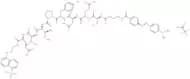


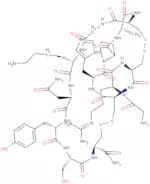

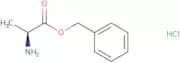
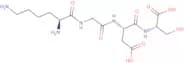
![(2R,3S)-2-[(1R)-1-[3,5-Bis(trifluoromethyl)phenyl]ethoxy]-3-(4-fluorophenyl)morpholine hydrochlori…](/_next/image/?url=https%3A%2Fstatic.cymitquimica.com%2Fproducts%2F3D%2Fthumb-webp%2FFB102459.webp&w=3840&q=75)

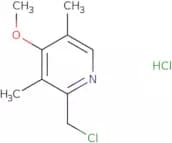

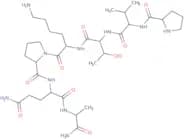
![4,6-Dichloro-1H-pyrazolo[4,3-c]pyridine](/_next/image/?url=https%3A%2Fstatic.cymitquimica.com%2Fproducts%2F3D%2Fthumb-webp%2FFD35292.webp&w=3840&q=75)
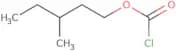
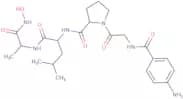
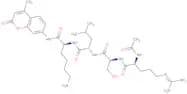
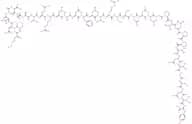
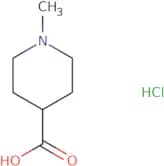
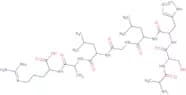
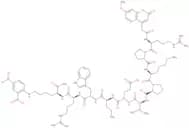
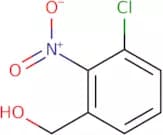
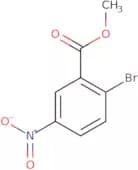
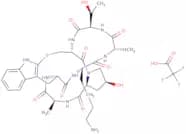

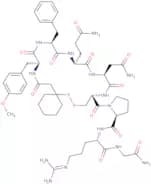
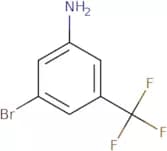
![2-[3-(S)-[3-(2-(7-Chloro-2-quinolinyl)ethenyl)phenyl]-3-hydroxypropyl]benzoic acid methyl ester](/_next/image/?url=https%3A%2Fstatic.cymitquimica.com%2Fproducts%2F3D%2Fthumb-webp%2FFC20038.webp&w=3840&q=75)

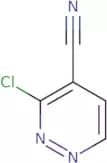
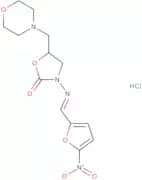



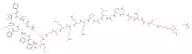
![6-(7-Nitro-benzo[2,1,3]oxadiazol-4-ylamino)-hexanoyl-Arg-Pro-Lys-Pro-Leu-Ala-Nva-Trp-Lys((7-dimeth…](/_next/image/?url=https%3A%2Fstatic.cymitquimica.com%2Fproducts%2F3D%2Fthumb-webp%2FFN110943.webp&w=3840&q=75)
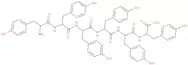

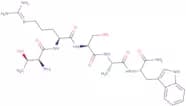
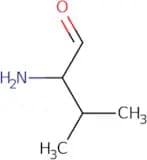

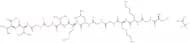
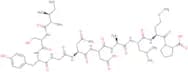
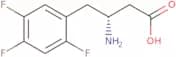


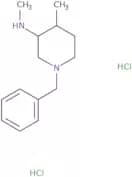
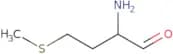
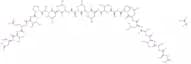
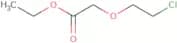



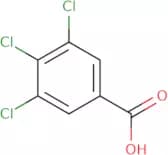
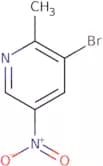
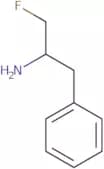
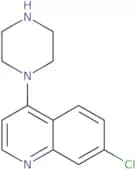
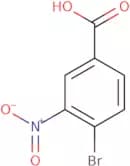
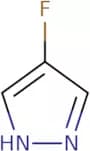
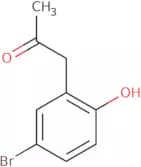

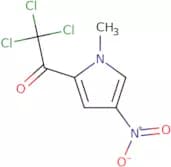
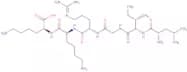
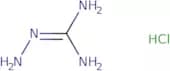
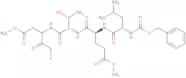
![N-[2-[(2-Bromo-4,6-dinitrophenyl)azo]-5-(diethylamino)phenyl]acetamide](/_next/image/?url=https%3A%2Fstatic.cymitquimica.com%2Fproducts%2F3D%2Fthumb-webp%2FFB151321.webp&w=3840&q=75)
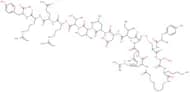


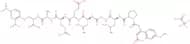
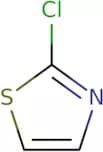

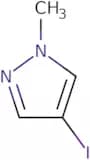
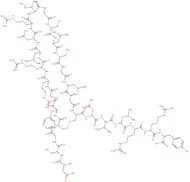
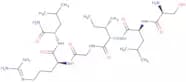



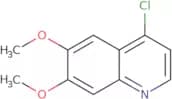
![Imidazo[1,2-a]pyridin-7-amine hydrobromide](/_next/image/?url=https%3A%2Fstatic.cymitquimica.com%2Fproducts%2F3D%2Fthumb-webp%2FFI111192.webp&w=3840&q=75)
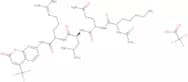
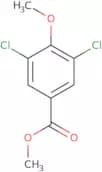
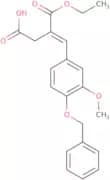
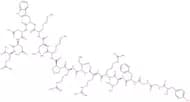
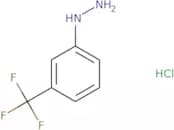


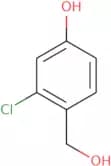


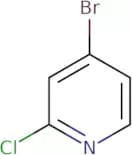
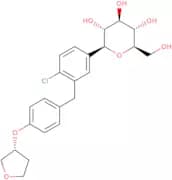
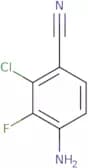
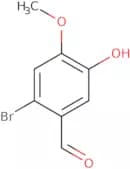
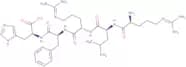


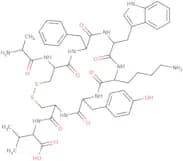
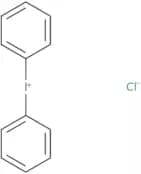


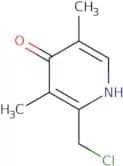
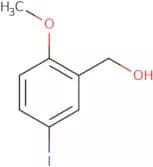

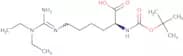
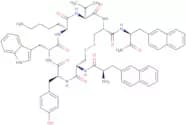

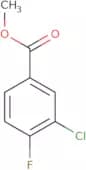
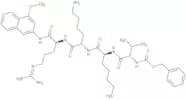
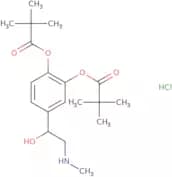
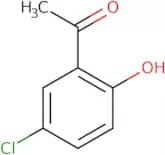


![2-Chloro-N-[2-(diethylamino)ethyl]-4-quinolinecarboxamide](/_next/image/?url=https%3A%2Fstatic.cymitquimica.com%2Fproducts%2F3D%2Fthumb-webp%2FFC20289.webp&w=3840&q=75)
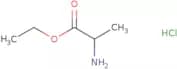

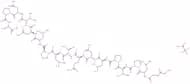
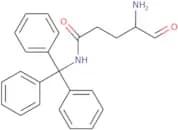
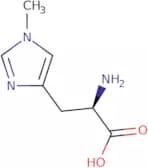



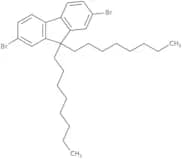


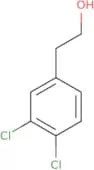
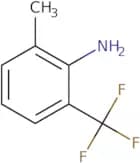
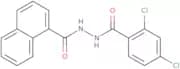
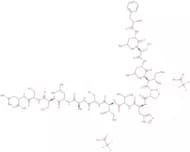

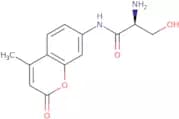


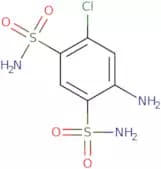
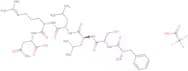
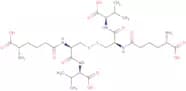
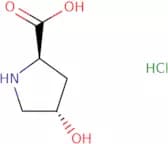
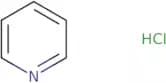
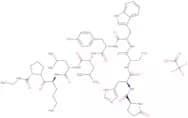

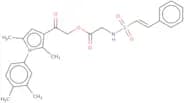
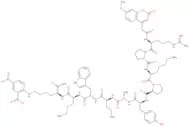
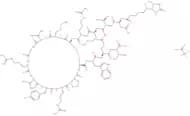
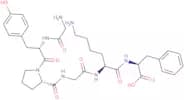
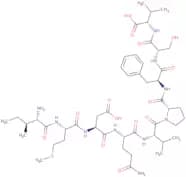
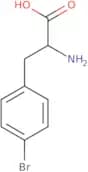
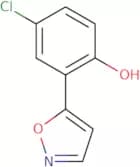
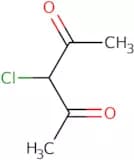
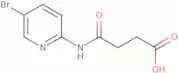
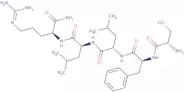
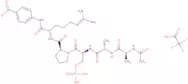
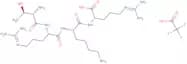
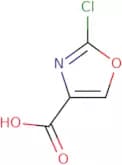

![2-[(3,5,6-Trichloro-2-pyridinyl)oxy]acetic acid](/_next/image/?url=https%3A%2Fstatic.cymitquimica.com%2Fproducts%2F3D%2Fthumb-webp%2FFT28420.webp&w=3840&q=75)