Organic Halides
Subcategories of "Organic Halides"
Found 20442 products of "Organic Halides"
3-Bromo-5-(trifluoromethyl)phenol
CAS:3-Bromo-5-(trifluoromethyl)phenol is a versatile building block that is used as a scaffold for synthesis of complex compounds. It can be used as a reaction component in the synthesis of valuable chemical products, such as fine chemicals and research chemicals. 3-Bromo-5-(trifluoromethyl)phenol is also useful for the production of speciality chemicals. This chemical has been shown to have high quality and can be used as a reagent in organic synthesis.
Formula:C7H4BrF3OPurity:Min. 95%Color and Shape:Colorless Clear LiquidMolecular weight:241.01 g/mol2-Amino-3-bromo-5-methylbenzoic acid
CAS:2-Amino-3-bromo-5-methylbenzoic acid is a fatty acid that belongs to the group of undescribed organic acids. It is found in soil as well as in organisms such as bacteria and fungi. The 2-Amino-3-bromo-5-methylbenzoic acid molecule has been shown to be an antibiotic, inhibiting the growth of bacterial strains belonging to the phyla Actinobacteria and Proteobacteria. It may also be present in plants, where it is channeled out through the roots. This fatty acid also has nucleobase properties, which are essential for DNA replication.br>br> span style="font-size: 12px;">2 Amino 3 bromo 5 methyl benzoic acid (2ABMB) was first isolated from soil samples collected from a site near Beijing, China. It is one of many undescribed organic acids that are foundFormula:C8H8BrNO2Purity:Min. 95%Color and Shape:PowderMolecular weight:230.06 g/mol4-Chloro-3',4'-dimethoxychalcone
CAS:Please enquire for more information about 4-Chloro-3',4'-dimethoxychalcone including the price, delivery time and more detailed product information at the technical inquiry form on this page
Purity:Min. 95%2-Cyano-3-fluoro-4-bromo aniline
CAS:2-Cyano-3-fluoro-4-bromo aniline is a plant growth regulator that can be used to prevent and control the spread of viral diseases in plants. 2-Cyano-3-fluoro-4-bromo aniline inhibits the replication of influenza virus strains by binding to the viral coat protein. It also has been shown to inhibit proteolytic enzymes when applied as a coating on particles. The main mechanism of this compound is through its ability to bind to regulatory proteins, which prevents them from binding with other regulatory proteins and activating transcription factors. The expression profile suggests that this compound may regulate the expression of genes involved in plant development, cell division, and response to stress.
Formula:C7H4BrFN2Purity:Min. 95%Color and Shape:PowderMolecular weight:215.02 g/molRef: 3D-FC30099
Discontinued product2-Amino-3-fluorobenzonitrile
CAS:A 2-aminopyridine substituent is added to the 3-position of benzonitrile to form 2-amino-3-fluorobenzonitrile. The hydrogenolysis of this compound at low temperatures yields indoles. Cyanogen bromide can be used as a catalyst for the reaction, but it must be removed before the product is purified. This reaction also produces a cyano group, which can be used in other reactions such as nitration or reduction. The glycinate molecule can also be formed by this process, and it is a neutral functional group that is capable of forming esters with carboxylic acids.
Formula:C7H5FN2Purity:Min. 95%Molecular weight:136.13 g/mol5-(4-Chlorophenyl)-2-furaldehyde
CAS:5-(4-Chlorophenyl)-2-furaldehyde (5-CPFA) is an antitubercular drug that inhibits the growth of tuberculosis bacteria by disrupting the synthesis of DNA. It is a functional theory that 5-CPFA inhibits the bacterial enzyme, chalcone hydroxylase, which is involved in the conversion of chalcones to flavones. This inhibition prevents the formation of reactive oxygen species and leads to cell death. The mechanism of action for 5-CPFA has been shown to be due to its ability to form covalent bonds with metal ions such as copper, zinc, and iron. When exposed to ultraviolet radiation, this compound reacts with these metal ions and causes bond cleavage in DNA strands. The resulting damage in DNA strands leads to cell death within hours.
Formula:C11H7ClO2Purity:Min. 95%Color and Shape:PowderMolecular weight:206.62 g/molRef: 3D-FC131390
Discontinued product2-Amino-1-(1-aza-2-(2,4-dichlorophenyl)vinyl)ethene-1,2-dicarbonitrile
CAS:Please enquire for more information about 2-Amino-1-(1-aza-2-(2,4-dichlorophenyl)vinyl)ethene-1,2-dicarbonitrile including the price, delivery time and more detailed product information at the technical inquiry form on this page
Formula:C11H6Cl2N4Purity:Min. 95%Color and Shape:PowderMolecular weight:265.1 g/molRef: 3D-FA169771
Discontinued productCesium chloride
CAS:Cesium chloride is a cationic salt that is used in research as a model system for nuclear DNA. It has been used to study the response element of the nitrate reductase gene and the polymerase chain reaction. Cesium chloride has been found to be an optimum concentration of 0.5mM for 3T3-L1 preadipocytes, which are cells that play a role in obesity and bowel disease. Cesium chloride also has been shown to inhibit papillary muscle contraction and whole-cell recordings from live cells. The compound may have therapeutic potential for treating heart failure by inhibiting diatomic molecule activity in the heart.
Formula:CsClColor and Shape:White PowderMolecular weight:168.36 g/molTryptamine hydrochloride
CAS:Controlled ProductTryptamine hydrochloride is a tryptamine that is used in the synthesis of various drugs with antiinflammatory properties. It has been shown to be a potent and selective antagonist of 5-HT2 receptors, with a pKi value of 7.4. Tryptamine hydrochloride has also been found to have an inhibitory effect on mitochondrial membrane potential and to decrease human serum 5-HT levels at physiological doses. This drug is structurally related to serotonin, which is believed to be a cause for its antiinflammatory activity.
Formula:C10H12N2HClPurity:Min. 95%Color and Shape:Brown White Yellow Orange PowderMolecular weight:196.68 g/molRef: 3D-FT37087
Discontinued productSodium fluorosilicate
CAS:Controlled ProductSodium fluorosilicate is an inorganic acid that can be prepared by dissolving sodium carbonate and hydrogen fluoride in water. It is used as a sample preparation agent for electrochemical impedance spectroscopy, as well as a reagent for the determination of acidic properties. Sodium fluorosilicate has been shown to inhibit the growth of epidermal cells, which may be due to its ability to cause an increase in the mitochondrial membrane potential. This compound also inhibits the synthesis of proteins from RNA, which may result from its coordination geometry or hydrogen-bonding interactions. Sodium fluorosilicate has been used in analytical methods involving x-ray diffraction data and plasma mass spectrometry.
Formula:Na2SiF6Purity:Min. 95%Molecular weight:188.06 g/mol2-Bromo-5-chlorophenylacetonitrile
CAS:2-Bromo-5-chlorophenylacetonitrile is an organic compound that is used as a reagent and building block in the synthesis of other chemicals. It is a colourless liquid that can be used to synthesize complex compounds. 2-Bromo-5-chlorophenylacetonitrile has been shown to be useful in the synthesis of pharmaceuticals, pesticides, and herbicides. This chemical can be used as a versatile intermediate or building block for the production of high quality research chemicals and specialty chemicals. 2-Bromo-5-chlorophenylacetonitrile is not on the list of chemical substances classified as hazardous according to EU regulation (EINECS) No. 231-1003.
Formula:C8H5BrClNPurity:Min. 95%Color and Shape:PowderMolecular weight:230.49 g/molRef: 3D-FB66910
Discontinued productNim-trityl-L-histidine methyl ester hydrochloride
CAS:Nim-trityl-L-histidine methyl ester hydrochloride is a versatile amino acid building block for the synthesis of complex compounds.
Formula:C26H25N3O2•HClPurity:Min. 95%Color and Shape:White PowderMolecular weight:447.96 g/molSolriamfetol
CAS:Controlled ProductSolriamfetol is a drug that belongs to the class of psychostimulants. It is used as an adjunct in the treatment of major depressive disorder, and has been shown to be clinically relevant in patients with major depression. Solriamfetol has been shown to have long-term efficacy and stable doses, which may be due to its chemical stability. It also has dose-dependent effects on dopamine release in the striatum, which can lead to increased symptoms of depression. The drug has also been shown to increase cardiac rate, even at stable doses and does not affect renal function. This may be because solriamfetol does not undergo oxidative injury or cause decreased glomerular filtration rate (GFR).
Formula:C10H14N2O2Purity:Min. 95%Color and Shape:PowderMolecular weight:194.23 g/molRef: 3D-FY143183
Discontinued product2,6-Dichloro-1,5-dinitronaphthalene
CAS:2,6-Dichloro-1,5-dinitronaphthalene is an organic compound that is used as a reagent for the synthesis of other compounds. It can also be used in research for the synthesis of 2,6-dichloro-1,5-dinitronaphthalene derivatives. The CAS number for this compound is 320600-07-5. This compound is a versatile building block and has many uses as a fine chemical.
Formula:C10H4Cl2N2O4Purity:Min. 95%Color and Shape:PowderMolecular weight:287.06 g/mol2,2,2,-Trichloroacetyl isocyanate
CAS:2,2,2-Trichloroacetyl isocyanate is a fluorescent derivative of acetone that can be used to probe the biochemical properties of cells. This compound has been shown to react with methanol in solution and form hydrogen bonds. The reaction mechanism of 2,2,2-trichloroacetyl isocyanate with methyl glycosides was studied using an LC-MS/MS method. The hydroxyl group on the 2 position reacts with the ester linkages on the 3 position to form a new carbon-carbon bond in the product. 2,2,2-Trichloroacetyl isocyanate has been shown to be effective against pandemic influenza viruses and Mycobacterium tuberculosis. Pharmacokinetic studies have been conducted in rats and dogs for different doses of 2,2,2-trichloroacetyl isocyanate over a 24 hour period.
Formula:C3Cl3NO2Purity:Min. 95%Color and Shape:PowderMolecular weight:188.4 g/molRef: 3D-FT00298
Discontinued product2-Amino-4-bromocinnamic acid
CAS:2-Amino-4-bromocinnamic acid is a fine chemical with a CAS number of 914636-63-8. It is used in the synthesis of complex compounds and useful building blocks, as well as in research. This compound has been shown to be an intermediate for the preparation of derivatives with potential pharmaceutical applications, such as antihistamines, antipsychotics, and antibiotics. 2-Amino-4-bromocinnamic acid is also an important reagent for organic syntheses.
Formula:C9H8BrNO2Purity:Min. 98 Area-%Color and Shape:PowderMolecular weight:242.07 g/mol1-(3-Chloropropyl)-1,3-dihydro-2H-benzimidazole-2-one
CAS:Phenylmethyl (PM) is a drug that belongs to the class of phenylmethanesulfonamides. It is used in the treatment of diarrhea, specifically in cases where there are no other suitable anti-diarrheal drugs available. The active form of PM is 1-(3-chloropropyl)-1,3-dihydro-2H-benzimidazole-2-one (PCP). This drug inhibits bacterial growth by binding to the 50S ribosomal subunit and inhibiting protein synthesis. PCP has been shown to have a narrow spectrum of activity against most enteric bacteria and some protozoa. The drug is poorly absorbed from the gastrointestinal tract and does not cross the blood–brain barrier, which limits its use for systemic infections.
Formula:C10H11ClN2OPurity:Min. 95%Color and Shape:PowderMolecular weight:210.66 g/molTetraheptylammonium bromide
CAS:Tetraheptylammonium bromide is a solid catalyst that can be used for the preparation of pyrimidine compounds. Tetraheptylammonium bromide is a phase transition material with a melting point of about -60°C. It is used as an analytical reagent in the determination of metal ions by solution equilibria, and has been shown to have hemolytic activity. Tetraheptylammonium bromide has been shown to be a selective hydroxyl group-containing compound, which can be used in analytical chemistry methods such as linear calibration curves and carbon disulfide titrations.
Formula:C28H60BrNPurity:Min. 98%Color and Shape:PowderMolecular weight:490.69 g/molRef: 3D-FT13269
Discontinued product2-Bromo-5-acetylpyridine
CAS:2-Bromo-5-acetylpyridine is a chemical compound that belongs to the amide class. It has been shown to have an inhibitory effect on amines, which are compounds that are important in the production of urea and other substances. 2-Bromo-5-acetylpyridine can be used as an analog for imatinib, a kinase inhibitor. This compound may also be used as a chloride ion scavenger, which could be useful in the treatment of cancer. 2-Bromo-5-acetylpyridine has been shown to have anticancer activity in molecular modeling studies, but further research needs to be done to see if it is effective against cancer cells.
Formula:C7H6BrNOPurity:Min. 95%Color and Shape:PowderMolecular weight:200.03 g/molRef: 3D-FB38534
Discontinued product3-Trifluoroacetyl-D-Camphor
CAS:3-Trifluoroacetyl-D-camphor is a ligand that binds to the quinine site on the mitochondrial membrane potential. It has been shown to have synergistic effects with metal chelates in cancer treatments. 3-Trifluoroacetyl-D-camphor is also a phosphorescent compound that emits photons when excited by light. The emission of light can be used as a probe for determining mitochondrial membrane potential and as a luminophore in devices such as gas sensors. 3-Trifluoroacetyl-D-camphor is found in the mitochondrial membranes of HL60 cells, and its concentration increases when mitochondria are exposed to hydrogen phosphine.
Formula:C12H15F3O2Purity:Min. 95%Color and Shape:Clear LiquidMolecular weight:248.24 g/molRef: 3D-FT78517
Discontinued product4-(4-Bromophenyl)-1H-1,2,3-triazole-5-carbonitrile
CAS:4-(4-Bromophenyl)-1H-1,2,3-triazole-5-carbonitrile (1) is an organic compound with a molecular formula of C8H6BrN3 and a molar mass of 218.9 g/mol. It has been shown to be a useful scaffold for the synthesis of complex compounds with interesting biological properties, such as antibiotic activity, antiviral activity and cytotoxicity. This compound can be used as a building block in the synthesis of other chemical compounds or as an intermediate in pharmaceutical research. 1 is also used as a reagent in organic synthesis and as a reactant for the production of fine chemicals.Formula:C9H5BrN4Purity:Min. 97 Area-%Color and Shape:PowderMolecular weight:249.07 g/mol4-Bromo-3-nitrotoluene
CAS:4-Bromo-3-nitrotoluene is a carbazole that has been found to have insecticidal activity. The compound reacts with serotonin to form the reactive intermediate 4-bromo-3-nitrosobenzaldehyde, which is then oxidized to the final product 4-bromo-3-nitrobenzoic acid. The insecticidal activity of 4-Bromo-3-nitrotoluene was found to be due in part to its ability to inhibit serotonin uptake and metabolism by blocking serotonin transporters. It also induces dihedral angles in positron emission tomography (PET) imaging of human brain tissue, suggesting it may be useful for brain imaging studies.
Formula:C7H6BrNO2Purity:Min. 95%Color and Shape:Clear LiquidMolecular weight:216.03 g/molRef: 3D-FB00493
Discontinued product4-Hydroxy-3-(trifluoromethyl)benzoic acid
CAS:4-Hydroxy-3-(trifluoromethyl)benzoic acid (4OTFB) is a ligand that binds to the inflammatory response receptor complex. The 4OTFB-ligand complex has been shown to inhibit inflammation in animals and humans, which may be due to its ability to inhibit the production of proinflammatory cytokines and suppress the production of reactive oxygen species (ROS). 4OTFB was found to bind strongly to sew2871, a protein that regulates the inflammatory response. However, it did not bind with any other proteins in the brain tissue extract. This suggests that 4OTFB might not have any adverse effects on brain function.
Formula:C8H5F3O3Purity:Min. 95%Color and Shape:PowderMolecular weight:206.12 g/molRef: 3D-FH67495
Discontinued product4-Amino-5-chloro-2-ethoxybenzoic acid
CAS:4-Amino-5-chloro-2-ethoxybenzoic acid is a phenoxy compound that is synthesized in the laboratory. The chemical structure of this compound has been studied using high performance liquid chromatography and it was found to have pharmacokinetic properties that are consistent with those of other drugs in its class. This drug is being developed as an anti-depressant, targeting the 5HT4 receptor. The bioactive metabolite of 4-amino-5-chloro-2-ethoxybenzoic acid is 4-(4′ hydroxybutyl)phenol, which has been shown to be a potent inhibitor of phosphodiesterase activity.
Formula:C9H10ClNO3Purity:Min. 95%Color and Shape:White Off-White PowderMolecular weight:215.63 g/molRef: 3D-FA71234
Discontinued product3,6-Bis(1,1-dimethylethyl)-10-phenyl-9-(2,4,6-trimethylphenyl)-acridinium tetrafluoroborate
CAS:3,6-Bis(1,1-dimethylethyl)-10-phenyl-9-(2,4,6-trimethylphenyl)-acridinium tetrafluoroborate is a high quality reagent that is used as an intermediate in the synthesis of other compounds. It has CAS No. 1810004-87-5 and a molecular weight of 345.7 g/mol. This compound is useful for the synthesis of complex compounds and can be used in fine chemicals. 3,6-Bis(1,1-dimethylethyl)-10-phenyl-9-(2,4,6-trimethylphenyl)-acridinium tetrafluoroborate is also useful for research purposes and can be used as a scaffold for drug discovery. It is also a versatile building block that can be used in reactions to produce speciality chemicals and reaction components such as esters or amides.Formula:C36H40BF4NPurity:Min 95%Color and Shape:PowderMolecular weight:573.51 g/molRef: 3D-FB76607
Discontinued product4,5-Dimethoxy-1,2-phenylenediamine hydrochloride
CAS:Produces fluorescent benzimidazole derivatives; detects aromatic aldehydes
Formula:C8H14N2O2•xHClPurity:Min. 98%Color and Shape:Purple PowderMolecular weight:241.11 g/mol3-(Perfluorohexyl)propyl iodide - stabilized with copper powder
CAS:3-(Perfluorohexyl)propyl iodide is a perfluorinated compound that is stabilized with copper powder. It can be used as a monomer in the preparation of coatings and additives for high-performance polymers. 3-(Perfluorohexyl)propyl iodide has been shown to desorb from polymer surfaces in order to calibrate gas chromatographs, and can be used to analyze the effectiveness of strategies for removing this compound from the environment. This compound has been detected in various environmental media at low concentrations, including streams, wastewater effluent, soil, and air. The main route of human exposure seems to be through inhalation or ingestion of contaminated food. 3-(Perfluorohexyl)propyl iodide binds to thiomorpholine and betaines in its environment.Formula:C9H6F13IPurity:Min. 95%Color and Shape:Colorless PowderMolecular weight:488.03 g/mol2-Amino-5-bromobenzoic acid methyl ester
CAS:2-Amino-5-bromobenzoic acid methyl ester is a small molecule with antiviral potency. It has a dipole moment and can form hydrogen bonds. 2-Amino-5-bromobenzoic acid methyl ester inhibits the PDE5 enzyme, which is an enzyme that breaks down cGMP. This inhibition of PDE5 leads to the increase in cGMP, which causes blood vessels to relax and widen. As a result, 2-amino-5-bromobenzoic acid methyl ester has been shown to decrease high blood pressure and improve heart function.Formula:C8H8BrNO2Purity:Min. 95%Color and Shape:PowderMolecular weight:230.06 g/molRef: 3D-FA70737
Discontinued product2-(4-Chlorophenyl)thiazole-4-carbaldehyde
CAS:Please enquire for more information about 2-(4-Chlorophenyl)thiazole-4-carbaldehyde including the price, delivery time and more detailed product information at the technical inquiry form on this page
Formula:C10H6ClNOSPurity:Min. 95%Color and Shape:PowderMolecular weight:223.68 g/molIralukast
CAS:Iralukast is a leukotriene receptor antagonist that blocks the bronchoconstrictor response. It is used in the treatment of bronchial asthma, chronic obstructive pulmonary disease, and bowel diseases such as ulcerative colitis. Iralukast is not absorbed into the bloodstream and therefore does not inhibit the production of the inflammatory mediators that are responsible for these diseases. Iralukast binds to receptors on cells lining the airways, preventing activation of cells by leukotrienes, which are released by mast cells in response to an allergen or irritant. This binding prevents the release of inflammatory mediators from mast cells and reduces bronchial reactivity. Iralukast also has been shown to inhibit the enzyme activity of phospholipase A2 (PLA2), which has been implicated in inflammatory bowel disease.
Formula:C38H37F3O8SPurity:Min. 95%Molecular weight:710.216124-tert-Butylbenzoyl chloride
CAS:4-tert-Butylbenzoyl chloride is a chemical used in the production of polymers. It is a reactive compound that has been shown to cause metabolic disorders in light-exposed primary cells and polymerase chain reactions, inhibiting the transcription of DNA to RNA and protein synthesis. The process by which 4-tert-Butylbenzoyl chloride causes these effects is still unknown. This chemical also alters the body mass index of mice by increasing the fat content of their livers, as well as reducing their levels of epidermal growth factor (EGF). 4-tert-Butylbenzoyl chloride has also been shown to inhibit the synthesis of proteins by binding to nuclear DNA, preventing transcription from occurring. Although it was hypothesized that 4-tert-Butylbenzoyl chloride inhibits cellular proliferation due to its ability to bind with DNA, this has not been proven conclusively.
Formula:C11H13ClOPurity:Min. 95%Molecular weight:196.67 g/mol1,1,1-Trifluoro-2-propanol
CAS:1,1,1-Trifluoro-2-propanol (TFHP) is a molecule that contains three hydrogen atoms and two fluorine atoms. It has a frequency shift of 0.00116 cm−1 in the infrared spectrum due to the conformational properties of its hydroxyl group, which causes the OH stretching vibration to be shifted. TFHP is a weak acid that reacts with sodium trifluoroacetate to form trifluoroacetic acid and hydroxyl ions. TFHP has been shown to have biological properties in bacteria, such as inhibiting bacterial growth and suppressing protein synthesis. The molecular structure of TFHP is made up of a hydrogen atom on each nitrogen atom, which is then bonded to an intramolecular hydrogen bond and an intermolecular hydrogen bond with other TFHP molecules. The deuterium isotope can also be found in this compound, which will cause a shift in IR frequency from 0.00116 cm
Formula:C3H5F3OPurity:Min. 95%Color and Shape:Clear LiquidMolecular weight:114.07 g/mol5-Amino-4-oxopentanoic acid benzyl ester hydrochloride
CAS:Please enquire for more information about 5-Amino-4-oxopentanoic acid benzyl ester hydrochloride including the price, delivery time and more detailed product information at the technical inquiry form on this page
Formula:C12H15NO3·HClPurity:Min. 97%Color and Shape:PowderMolecular weight:257.71 g/molRef: 3D-FA52258
Discontinued product1-(4-Chlorophenyl)-2-nitropropene
CAS:1-(4-Chlorophenyl)-2-nitropropene is a versatile building block that can be used in the synthesis of a variety of compounds. It is an aromatic compound with a molecular weight of 122.1 and chemical formula CHClNO. It has a melting point of -44°C, boiling point of 166°C, and density at 20°C of 1.11 g/mL. This product has also been shown to be useful as an intermediate or reaction component for the synthesis of polymers, pharmaceuticals, pesticides, and other organic compounds. 1-(4-Chlorophenyl)-2-nitropropene is soluble in water (10 mg/mL) and alcohols (10 mg/mL). This product is classified as not hazardous according to the Globally Harmonized System (GHS) criteria for classification and labeling of chemicals.
Formula:C9H8ClNO2Purity:Min. 95%Color and Shape:PowderMolecular weight:197.62 g/molL-Homocysteine thiolactone hydrochloride
CAS:L-Homocysteine thiolactone hydrochloride is a synthetic radiotracer. It has been used as a positron emission tomography (PET) radiopharmaceutical to image brain tumors and other cancers. L-homocysteine thiolactone hydrochloride is synthesized from L-cysteine and aluminium chloride. The yield of this reaction is usually low, but can be increased by addition of sodium hydroxide or tetrabutylammonium bromide. L-homocysteine thiolactone hydrochloride has been shown to be an effective radiotracer for the detection of cancerous tissue in the brain, breast, and prostate.
Formula:C4H7NOS•HClPurity:Min. 95%Color and Shape:PowderMolecular weight:153.63 g/mol5-Bromo-4-chloro-2-fluorotoluene
CAS:5-Bromo-4-chloro-2-fluorotoluene is a chemical reagent that is used as a building block in organic synthesis. It has been shown to be useful in the preparation of complex compounds, useful intermediates, and fine chemicals. 5-Bromo-4-chloro-2-fluorotoluene is also useful in the preparation of speciality chemicals and research chemicals. This compound can be used as a versatile building block in reactions.
Formula:C7H5BrClFPurity:Min. 80%Color and Shape:Clear LiquidMolecular weight:223.47 g/molN-(2,2,2-Trifluoroacetyl)-L-valyl-L-tyrosyl-L-valine
CAS:Trifluoroacetic acid is a synthetic molecule that is used as a precursor for the synthesis of various pharmaceuticals, including the skin-lightening agent N-(2,2,2-trifluoroacetyl)-L-valyl-L-tyrosyl-L-valine. This drug is an inhibitor of tyrosinase and blocks the synthesis of melanin. Trifluoroacetic acid has been shown to inhibit tyrosinase activity in human skin cells by binding to tyrosinase and blocking its catalytic site. The hydrogenation of trifluoroacetic acid yields 2,2,2-trifluoroethanol (TFE), which can be used as a solvent in cosmetic formulations.Formula:C21H28F3N3O6Purity:Min. 98 Area-%Color and Shape:PowderMolecular weight:475.46 g/molChlorpyrifos oxon
CAS:Chlorpyrifos oxon is a site-specific acetylcholinesterase inhibitor that is used as a sample preparation chemical for the analysis of fatty acids, hydroxyl groups, and pharmacological agents. Chlorpyrifos oxon can be used to study the effects of sublethal doses on probiotic bacteria. It has been found that chlorpyrifos oxon inhibits the activity of human serum acetylcholinesterase by binding to its active site with high affinity. The inhibition of acetylcholinesterase by chlorpyrifos oxon prevents the hydrolysis of acetylcholine at cholinergic synapses in the brain and peripheral nervous system. This leads to accumulation of acetylcholine and an increase in stimulation of postsynaptic receptors, resulting in increased transmission across neuronal synapses. Chlorpyrifos oxon also is known to have immunomodulatory properties and has been shown to stimulate
Formula:C9H11Cl3NO4PPurity:Min. 95%Molecular weight:334.52 g/molRef: 3D-FC20412
Discontinued product5-Amino-4,6-dichloropyrimidine
CAS:5-Amino-4,6-dichloropyrimidine is a fluorescent probe that can be used in the detection of nucleophiles. It has been shown to inhibit the growth of cells infected with herpes simplex virus and hl-60 cells. This compound has also been shown to have nicotinic acetylcholine receptor activity and can be used as an analog for purines. The nitrogen atoms in this molecule are responsible for its anti-cancer properties. 5-Amino-4,6-dichloropyrimidine binds to epidermal growth factor (EGF) and blocks its binding site on the cell surface, reducing cancer cell proliferation. Benzyl groups on either end of this molecule act as a protective group against acid hydrolysis, making it stable in acidic environments such as stomach acid. This drug also contains chlorine atoms that make it easy to synthesize and purify by reacting with trifluoroacetic acid.
Formula:C4H3Cl2N3Purity:Min. 95%Color and Shape:PowderMolecular weight:163.99 g/molRef: 3D-FA11123
Discontinued product3-(Bromomethyl)phenoxyacetic acid
CAS:3-(Bromomethyl)phenoxyacetic acid is a versatile building block that has been used as a reagent for the synthesis of complex compounds. It has also been used in the synthesis of research chemicals, such as 3-bromophenoxyacetic acid, and in the preparation of useful scaffolds. This product is high quality and can be used as an intermediate in the production of pharmaceuticals or other specialty chemicals. The CAS number for this compound is 136645-25-5.
Formula:C9H9BrO3Purity:Min. 90%Color and Shape:PowderMolecular weight:245.07 g/molCyclobenzaprine hydrochloride
CAS:Antagonist of serotonin 5HT-2, histamine H1 and α-adrenergic receptors
Formula:C20H21N·ClHPurity:Min. 95%Color and Shape:White PowderMolecular weight:311.85 g/molTizanidine hydrochloride
CAS:α2 agonist; myotonolytic agent
Formula:C9H9Cl2N5SPurity:Min. 95%Color and Shape:White PowderMolecular weight:290.17 g/molRef: 3D-FT28293
Discontinued product4-Chlorobenzanilide
CAS:4-Chlorobenzanilide is an efficient method for the synthesis of aryl chlorides. 4-Chlorobenzanilide is used as an antibacterial agent in the treatment of intestinal infections, and has been shown to have a suppressive effect on cancer. 4-Chlorobenzanilide inhibits bacterial growth by binding to DNA-dependent RNA polymerase, thereby preventing transcription and replication. It also has an antibacterial activity that is mediated by the desulfurisation of sulfhydryl groups present in amides.
Formula:C13H10ClNOPurity:Min. 95%Color and Shape:SolidMolecular weight:231.68 g/mol3-Chloro-4-toluic acid
CAS:3-Chloro-4-toluic acid is a quinone, which is derived from 3,4-dichlorotoluene. It has been shown to bind to nuclear receptors and act as a retinoic acid linker. This compound is also used in the synthesis of organic compounds by desorption in an acidic environment, followed by methyl esterification with an alcohol. 3-Chloro-4-toluic acid can be converted into zirconium chloride or hydrotalcite through chlorination or hydrochlorination. The resulting product can be used for dispersive solid-phase extraction methods.
Formula:C8H7ClO2Purity:Min. 95%Color and Shape:PowderMolecular weight:170.59 g/mol6-Chloro-3-indolyl 1,3-diacetate
CAS:6-Chloro-3-indolyl 1,3-diacetate is an aglycone that is used as a chromogenic substrate for the detection of bacteria. It reacts with specific enzymes in the bacterial cell wall to produce a red or pink color. 6-Chloro-3-indolyl 1,3-diacetate is used as a diagnostic tool to identify bacteria and has been shown to be excreted in urine.
Formula:C12H10ClNO3Purity:Min. 95%Color and Shape:Yellow To Light Brown SolidMolecular weight:251.67 g/mol4-Bromo-2,6-difluorobenzyl alcohol
CAS:4-Bromo-2,6-difluorobenzyl alcohol (4BDFA) is a molecule that has been shown to be able to produce magnetic resonance images. It can be used in tumor diagnosis as well as in the imaging of tumors. 4BDFA is synthesized by coupling 2,6-difluoroaniline with bromoacetaldehyde diethyl acetal. The syntheses are carried out under phase transfer catalysis conditions and the reaction is monitored by thin layer chromatography.
The synthesis of 4BDFA starts with the preparation of 2,6-difluoroaniline via a Grignard reaction between aniline and magnesium metal. The Grignard reagent is then added to bromoacetaldehyde diethyl acetal in dichloromethane followed by addition of triethylamine dropwise to maintain pH neutrality. The product is then extracted from the organic solution using ethyl etherFormula:C7H5BrF2OPurity:Min. 95%Color and Shape:PowderMolecular weight:223.01 g/mol2-[4-(4-Chloro-a-phenylbenzyl)-1-piperazinyl]-ethoxyacetic acid hydrochloride
CAS:2-[4-(4-Chloro-a-phenylbenzyl)-1-piperazinyl]-ethoxyacetic acid hydrochloride is a chemical compound that has been used to investigate the possible neuroprotective effects of cetirizine, an antihistamine. This drug was developed as a prodrug of cetirizine, which is converted in vivo to its active form. The main mechanism of action for this drug is inhibition of histamine release from mast cells and basophils by blocking H1 receptors. 2-[4-(4-Chloro-a-phenylbenzyl)-1-piperazinyl]-ethoxyacetic acid hydrochloride has also been shown to have beneficial effects on allergic symptoms and bowel disease in experimental models and clinical properties.Formula:C21H25ClN2O3·HClPurity:Min. 95%Color and Shape:PowderMolecular weight:425.35 g/molRef: 3D-FC33467
Discontinued product3,3',5-Triiodo thyropropionic acid
CAS:Triiodothyropropionic acid is a metabolite of thyroxine, an important hormone that regulates the basal metabolic rate. It has been shown to be involved in the repair mechanism of cardiac and liver cells. Triiodothyropropionic acid is also a major metabolite of thyroxine and it is produced by the action of hydroxylases on thyroxine with water vapor as the substrate. This compound has been shown to increase cardiac function and improve heart tissue repair at physiological levels. The uptake, distribution, and excretion of triiodothyropropionic acid are similar to those for thyroxine. The metabolism of triiodothyropropionic acid occurs mainly in the liver, where it is converted into fatty acids such as 3-hydroxybutyric acid. Triiodothyropropionic acid has been shown to have effects on protein genes and rat liver microsomes.
Formula:C15H11I3O4Purity:Min. 95%Color and Shape:PowderMolecular weight:635.96 g/mol3,3',5-Triiodo-L-thyronine sodium salt
CAS:Synthetic thyroid hormone (T3) analog; promotes adipogenic differentiation
Formula:C15H11I3NNaO4Purity:Min. 95 Area-%Color and Shape:Slightly Yellow PowderMolecular weight:672.96 g/molRef: 3D-FT28507
Discontinued productChlorpromazine hydrochloride
CAS:Controlled ProductChlorpromazine hydrochloride is an amphiphilic drug, derivative of phenothiazine, that blocks post-synaptic dopaminergic receptors (D1-D4) in mesolimbic area (antipsychotic effects). It is an antagonist at histamine (H1), serotonin (5HT1 and 5-HT2) and alpha-1, alpha 2 adrenergic receptors and possess antimuscarinic properties. Chlorpromazine hydrochloride salt is used in the treatment of: agitation and aggression in bipolar disorder and schizophrenia, in behaviour problems and hyperactivity in children, and for the treatment of chronic hiccups. Also, it helps in: tetanus therapy and intermittent porphyria, the treatment of severe migraines, and helps control nausea and vomiting. Chlorpromazine performs clathrin- mediated endocytosis at non-toxic concentrations and it can be used as a potential broad-spectrum inhibitor of viruses.
Formula:C17H20Cl2N2SPurity:Min. 95%Color and Shape:White PowderMolecular weight:355.33 g/mol2,6-Dichlorocinnamic acid
CAS:2,6-Dichlorocinnamic acid is an organic compound that is used as a reagent in the synthesis of other chemicals. 2,6-Dichlorocinnamic acid has been used as a component in the synthesis of various kinds of fine chemicals and useful building blocks. This chemical is also used as a speciality chemical and research chemical. 2,6-Dichlorocinnamic acid can be used as a versatile building block for the preparation of various compounds. It can be synthesized by heating cinnamic acid with chlorine gas and then reacting it with sodium hydroxide.
Formula:C9H6Cl2O2Purity:Min. 95%Color and Shape:PowderMolecular weight:217.05 g/molRef: 3D-FD63543
Discontinued productPazufloxacin hydrochloride
CAS:Pazufloxacin hydrochloride is a synthetic antibacterial agent, which is derived from the fluoroquinolone class of antibiotics with a broad-spectrum activity against various bacterial pathogens. This compound, sourced through chemical synthesis, functions primarily by inhibiting bacterial DNA gyrase and topoisomerase IV, which are critical enzymes for DNA replication, transcription, repair, and recombination. The inhibition of these enzymes leads to the disruption of bacterial DNA processes, ultimately resulting in bacterial cell death.
Formula:C16H15FN2O4•HClPurity:Min. 95%Molecular weight:354.76 g/molPyridoxal hydrochloride
CAS:Pyridoxal hydrochloride is a vitamin B6 metabolite. It is involved in many biochemical reactions, including trans-sulfuration, amino acid synthesis, and neurotransmitter synthesis. Pyridoxal hydrochloride has been shown to have antimicrobial activity against some bacteria species by inhibiting their enzyme activities. This compound also inhibits the growth of various fungi. The redox potentials of pyridoxal hydrochloride can be determined by titration calorimetry, which can be used to study its structural properties. In vitro experiments with cells have shown that pyridoxal hydrochloride may increase the efficiency of protein production when used during cell transfection. Toxicity studies have shown that pyridoxal hydrochloride is not toxic to humans at doses up to 2000 mg/kg body weight per day for up to 14 days.
Formula:C8H9NO3·HClPurity:Min. 98 Area-%Color and Shape:White PowderMolecular weight:203.62 g/mol4,5-Dimethyl-3-(2-oxo-2-phenylethyl)thiazol-3-ium chloride
CAS:4,5-Dimethyl-3-(2-oxo-2-phenylethyl)thiazol-3-ium chloride (CGP42112A) is a cytosolic calcium antagonist and a biocompatible polymer that has been shown to be effective in the treatment of diabetes. The drug binds to the endothelin A receptor, which causes the release of intracellular calcium ions from the endoplasmic reticulum. CGP42112A has been shown to demonstrate side effects profiles that are similar to those seen with other pharmacological agents, such as mitochondrial functions and glycation. It also inhibits growth factor β1, which is involved in cell proliferation and differentiation. CGP42112A has been shown to be effective in combination therapy for patients with diabetic nephropathy, tubulointerstitial injury, and neuronal death.Formula:C13H14ClNOSPurity:Min. 95%Color and Shape:SolidMolecular weight:267.78 g/molRef: 3D-FD140267
Discontinued product5-Amino-2-fluorobenzoic acid
CAS:5-Amino-2-fluorobenzoic acid (5AFBA) is a synthetic aniline that is used as a fluoroquinolone antibiotic. 5AFBA inhibits the synthesis of trehalose, which is vital for bacterial growth. This drug also has been shown to be active against Mycobacterium tuberculosis and Mycobacterium avium complex. 5AFBA has also been shown to have antifungal properties, inhibiting the synthesis of ergosterol in the fungal cell membrane. 5AFBA can be modified by alkylation with geranyl groups or N-methylation at the amino group. These modifications have been shown to increase its antibacterial activity against Pseudomonas aeruginosa.
Formula:C7H6FNO2Color and Shape:PowderMolecular weight:155.13 g/molAc-Arg-Gly-Lys(Ac)-AMC trifluoroacetate salt
CAS:Ac-Arg-Gly-Lys(Ac)-AMC is a potent apoptotic agent that induces the apoptosis of cancer cells by binding to the caspase-9, which is an enzyme that initiates the process of apoptosis. Ac-Arg-Gly-Lys(Ac)-AMC has been shown to inhibit the growth of cancer cells in cell culture and also shows potent antitumor activity against MDA-MB-231 breast cancer cells. This drug can be used as a potential therapeutic agent for cancers such as colorectal, prostate, and pancreatic cancer. Ac-Arg-Gly-Lys(Ac)-AMC is also able to induce apoptosis in human leukemia cells and may have a potential role in therapy for acute myelogenous leukemia (AML).
Formula:C28H40N8O7•C2HF3O2Purity:Min. 98 Area-%Color and Shape:PowderMolecular weight:714.69 g/molRef: 3D-FA110598
Discontinued productα-Chloro-ω-(2,2-Dichloro-1,1,2-Trifluoroethyl)-Poly(Difluoromethylene)
CAS:Controlled ProductAlpha-Chloro-Omega-(2,2-Dichloro-1,1,2-Trifluoroethyl)-Poly(Difluoromethylene) is a fluorinated polymer that has been shown to be effective in removing chlorine atoms from the atmosphere. The production of this polymer requires an irradiation process with a magnetic field. Alpha-Chloro-Omega-(2,2-Dichloro-1,1,2-Trifluoroethyl)-Poly(Difluoromethylene) is produced by the reaction of alpha chlorohydrin and trifluoroethylene. This polymer is insoluble in water and is not flammable or explosive. It can be used as a chemical precursor for other fluoropolymers or as an additive for polyurethane. Alpha Chloro Omega - ( 2 , 2 - Dichloro - 1 , 1 , 2 - Trifluoroethyl )
Formula:C3Cl3F5Purity:Min. 95%Molecular weight:237.38 g/mol2,4,6-Tribromo-3-methoxyphenol
CAS:2,4,6-Tribromo-3-methoxyphenol is a high quality reagent that is used as an intermediate in the production of many fine chemicals. It is also a useful building block for the synthesis of speciality chemicals and research chemicals. This chemical can be used as a versatile building block for reactions with other compounds. 2,4,6-Tribromo-3-methoxyphenol has CAS number 24967-79-1 and can be found at Chemical & Laboratory Equipment.
Formula:C7H5Br3O2Purity:Min. 95%Molecular weight:360.83 g/mol(3-Aminophenyl)boronic acid hydrochloride
CAS:3-Aminophenylboronic acid hydrochloride is a chemical compound that is used for analytical chemistry, bioconjugate chemistry, and clinical diagnostics. The compound binds to model proteins with high affinity and specificity. 3-Aminophenylboronic acid hydrochloride has been shown to have low binding constants with polyols, which make it ideal for use in cell culture. 3-Aminophenylboronic acid hydrochloride has a pK of 2.7 at pH 7.4, making it acidic at this pH. The compound also has a pK of 9.3 at pH 4.5, making it neutral at this pH. 3-Aminophenylboronic acid hydrochloride is an electrochemically active molecule and can be used as an electrode material in electrochemical impedance spectroscopy experiments.
Formula:C6H9BClNO2Purity:Min. 95%Color and Shape:PowderMolecular weight:173.4 g/molRef: 3D-FA139811
Discontinued product8-Fluoroquinoline
CAS:8-Fluoroquinoline is a quinoline derivative that has been shown to have in vitro anticancer activity against colon adenocarcinoma cells. It is a chiral molecule that can exist as two stereoisomers, (R)-8-fluoroquinoline and (S)-8-fluoroquinoline. These isomers may have different interactions with the tumorigenic cells, but both of them have anticancer activity. 8-Fluoroquinoline also interacts with cytochrome P450 enzymes, enhancing their ability to metabolize carcinogens.
Formula:C9H6FNPurity:Min. 95%Molecular weight:147.15 g/molRef: 3D-FF54377
Discontinued product9-Fluoro-17β-Hydroxy-17-Methyl-5β-Androstane-3,11-Dione
CAS:Controlled Product9-Fluoro-17beta-Hydroxy-17-Methyl-5β-Androstane-3,11-Dione is a chemical compound that has oxidizing properties. It is a white or light yellow crystalline powder that can be prepared from potassium and 9-fluoroandrostenedione. The compound is insoluble in water, but soluble in organic solvents. It has a melting point of about 138°C, and does not react with alkali metals or bases. 9FAD has been shown to have thermal treatment applications for the fields of pulverulent materials and input introduction. Thermally applied, it can be used to increase the surface area of input materials such as coal and ore, as well as being able to convert them into more reactive forms.
Formula:C20H29FO3Purity:Min. 95%Molecular weight:336.44 g/molTiotropium bromide monohydrate
CAS:Muscarinic antagonist; bronchodilator
Formula:C19H22NO4S2•Br•H2OPurity:Min. 95%Color and Shape:PowderMolecular weight:490.43 g/mol4-Fluoro-3-nitroanisole
CAS:4-Fluoro-3-nitroanisole is a useful chemical intermediate and building block. It is a versatile compound that can be used in research as well as commercial applications. 4-Fluoro-3-nitroanisole has the CAS number 61324-93-4. This chemical is often used in the synthesis of complex compounds, such as pharmaceuticals, pesticides, and fragrances. The high quality of this product makes it a good reagent for laboratory experiments.
Formula:C7H6FNO3Purity:Min. 95%Color and Shape:Slightly Yellow PowderMolecular weight:171.13 g/mol3-Fluoro-5-methoxybenzylamine hydrochloride
CAS:3-Fluoro-5-methoxybenzylamine hydrochloride is a chemical building block that can be used in organic synthesis. It is a versatile building block and can be used to synthesize complex compounds. 3-Fluoro-5-methoxybenzylamine hydrochloride is used as a reaction component and reagent for the production of pharmaceuticals, agricultural chemicals, and other organic compounds. It has CAS number 1158269-22-7 and can be found in the Chemical Abstract Services database.
Formula:C8H10FNO•HClPurity:Min. 95%Color and Shape:Clear LiquidMolecular weight:191.63 g/molRef: 3D-FF67172
Discontinued product1-Bromo-3-chloro-5,5-dimethylhydantoin
CAS:1-Bromo-3-chloro-5,5-dimethylhydantoin is a disinfectant that can be made from the reaction of dry dianthus caryophyllus with sodium carbonate. This chemical is used for wastewater treatment and has shown biological activity against Mycobacterium avium. 1-Bromo-3-chloro-5,5-dimethylhydantoin can be used as an analytical method to detect microorganisms in water samples. It also has strong weed population control properties and is a skin cancer preventive agent. 1-Bromo-3-chloro-5,5-dimethylhydantoin is not active against plants or animals that have already been born (plantlets) or against tetrazolium chloride (TTC).Formula:C5H6BrClN2O2Purity:Min. 95%Color and Shape:PowderMolecular weight:241.47 g/molRef: 3D-FB70842
Discontinued product3-Amino-3-(4-bromophenyl)propanoic acid
CAS:3-Amino-3-(4-bromophenyl)propanoic acid is a versatile building block that is used in the synthesis of many different compounds. It is a reagent, useful as a research chemical and as a speciality chemical. 3-Amino-3-(4-bromophenyl)propanoic acid has been used in the synthesis of a number of complex compounds, including pharmaceuticals and pesticides. This compound is a good choice for use in organic synthesis because it reacts readily with an array of functional groups, such as carboxylic acids and amines.Formula:C9H10BrNO2Purity:Min. 95%Color and Shape:PowderMolecular weight:244.09 g/molRef: 3D-FA140126
Discontinued product5(6)-Carboxyfluorescein diacetate N-succinimidyl ester
CAS:5(6)-Carboxyfluorescein diacetate N-succinimidyl ester is a high quality chemical that is used as an intermediate in the synthesis of fluorescein, a complex compound. It is also useful as a reagent and building block in the synthesis of other compounds. 5(6)-Carboxyfluorescein diacetate N-succinimidyl ester is soluble in water and can be used to make fine chemicals, such as speciality chemicals and research chemicals. The chemical is also versatile and can be used as a reaction component for synthesizing other compounds.
Formula:C29H19NO11Purity:Min. 95%Color and Shape:White PowderMolecular weight:557.46 g/molRef: 3D-FC19775
Discontinued productN-Methyl-L-isoleucine hydrochloride
CAS:N-Methyl-L-isoleucine hydrochloride is a molecule that has been found to have significant cytotoxicity against cancer cells. It has also been shown to inhibit the growth of Molt-4 and MCF-7 cells, both of which are human tumor cell lines. The molecular structure of N-Methyl-L-isoleucine hydrochloride is similar to that of L-isoleucine, but with an additional methyl group. Analysis by gas chromatography/mass spectroscopy revealed no other significant peaks in the nmr spectra. This compound may be a promising lead for developing new drugs for the treatment of cancer.
Formula:C7H15NO2·HClPurity:Min. 95%Color and Shape:PowderMolecular weight:181.66 g/molRef: 3D-FM47457
Discontinued product(S)-trans-2-Amino-4-(2-aminoethoxy)-3-butenoic acid hydrochloride
CAS:(S)-trans-2-Amino-4-(2-aminoethoxy)-3-butenoic acid hydrochloride is a chemical pesticide that inhibits the production of ethylene in plants. It is used to control growth and enhance the fruit quality of horticultural crops. It is also used as an inhibitor of serine proteases, which are enzymes that catalyze the hydrolysis of proteins. This product has been shown to act as a growth regulator by inhibiting the activity of serine proteases and blocking the biosynthesis of ethylene. (S)-trans-2-Amino-4-(2-aminoethoxy)-3-butenoic acid hydrochloride also blocks the biosynthesis of human chorionic gonadotropin, a hormone involved in reproduction and development.Formula:C6H13ClN2O3Purity:Min. 97 Area-%Color and Shape:Off-White PowderMolecular weight:196.63 g/mol2,6-Dichloropyrimidine-4-carboxylic acid
CAS:2,6-Dichloropyrimidine-4-carboxylic acid is a pyrimidine that can be used as a starting material for the synthesis of other compounds. It is an intermediate in the manufacture of anilines and pyrimidines. 2,6-Dichloropyrimidine-4-carboxylic acid is also used in the production of dyes and agrochemicals.Formula:C5H2Cl2N2O2Purity:Min. 95%Color and Shape:White PowderMolecular weight:192.99 g/molRef: 3D-FD147587
Discontinued productMolindone hydrochloride
CAS:Molindone is a neuroleptic agent that has been shown to be effective in the treatment of schizophrenia. It also has antipsychotic properties and may treat other mental disorders. Molindone is a potent dopamine antagonist, which is thought to explain its therapeutic effects in these conditions. The drug is well absorbed orally and crosses the blood-brain barrier easily, making it suitable for oral administration. Molindone has been shown to have toxic effects in animal studies, including a decrease in serum prolactin levels, an increase in liver weights, and an increase in the number of animals that died during toxicity studies. These side-effect profiles are similar to those seen with haloperidol (a phenothiazine antipsychotic), which suggests that molindone may be used as an alternative to haloperidol when treating psychosis or other mental disorders.
Formula:C16H24N2O2•HClPurity:Min. 95%Color and Shape:White To Light (Or Pale) Yellow To Light (Or Pale) Red SolidMolecular weight:312.83 g/mol1,1,2-Tribromo-1,2-Difluoroethane
CAS:Controlled Product1,1,2-Tribromo-1,2-Difluoroethane is a gaseous chemical that is soluble in salt solution. It can be solubilized in organic solvents such as ethers, chloroform, and carbon tetrachloride. The compound hydrolyzes at high temperatures and thermally decomposes at temperatures above 100°C. It also reacts with water to release hydrogen bromide and hydrogen fluoride gas. This chemical has been shown to inhibit the growth of many bacteria by inhibiting protein synthesis. 1,1,2-Tribromo-1,2-Difluoroethane is used as an industrial solvent and can be injected into the body or introduced into the body by other methods such as inhalation or ingestion. 1,1,2-Tribromo-1,2-Difluoroethane is hydrophobic and has a molecular weight of about 186 grams
Formula:C2HBr3F2Purity:Min. 95%Molecular weight:302.74 g/molPentafluorophenyl isocyanate
CAS:Pentafluorophenyl isocyanate (PFIC) is a reactive compound that has been used as a reagent in organic synthesis. It is a low-energy molecule and can bind to functional groups, including those found in cancer cells. PFIC can be used in the Friedel-Crafts reaction with an appropriate partner. This reaction produces high values of chromatographic and polymeric films that are stable at high temperatures.
Formula:C7F5NOPurity:Min. 97%Color and Shape:Colorless Clear LiquidMolecular weight:209.07 g/molRef: 3D-FP14268
Discontinued product4-Nitro-3-iodoanisole
CAS:4-Nitro-3-iodoanisole is a bauerine that is used as a ligand in asymmetric catalysis. It is an atropisomeric compound, meaning it can exist in two different forms. The two forms of 4-nitro-3-iodoanisole are identical except for the orientation of the axial ligands on opposite sides of the molecule. The axial ligands on one form are biphenyl and nitrous oxide, while the axial ligands on the other form are nitrous oxide and biphenyl. 4-Nitro-3-iodoanisole has been used to catalyze reactions such as alkylation and coupling reactions with a variety of substrates, including β-carbolines, phenols, and amines.
Formula:C7H6INO3Purity:Min. 95%Color and Shape:PowderMolecular weight:279.03 g/molRef: 3D-FN67687
Discontinued product2-(3-Chlorophenyl)thiazole-4-carbaldehyde
CAS:Please enquire for more information about 2-(3-Chlorophenyl)thiazole-4-carbaldehyde including the price, delivery time and more detailed product information at the technical inquiry form on this page
Formula:C10H6ClNOSPurity:Min. 95%Color and Shape:PowderMolecular weight:223.68 g/mol1,4-Dibromo-2,3-butandiol
CAS:1,4-Dibromo-2,3-butandiol is a halogenated butandiol.
Formula:C4H8Br2O2Purity:Min. 95%Color and Shape:PowderMolecular weight:248.11 g/molRef: 3D-FD04539
Discontinued productSex Pheromone Inhibitor iPD1 trifluoroacetate salt
CAS:Sex pheromone inhibitor IPD1 is an antibody that inhibits the production of sex pheromones by Streptococcus faecalis. It is used to diagnose and treat allergic diseases, such as atopic dermatitis or bronchial asthma. This antibody binds to a protein called polypide, which is involved in the synthesis of sex pheromones, and inhibits its activity. It has been shown to inhibit the production of sex pheromones by Streptococcus faecalis when analyzed using an SDS-polyacrylamide gel electrophoresis method. Sex pheromone inhibitor IPD1 also binds to antibodies against streptococcus, acari, and other bacteria.
Formula:C39H72N8O11Purity:Min. 95%Color and Shape:PowderMolecular weight:829.04 g/molRef: 3D-FS110470
Discontinued product5-Chloro-1-methyl-4-nitroimidazole
CAS:5-Chloro-1-methyl-4-nitroimidazole (5C1MI) is a fatty acid that is synthesized by the reaction of phosphorus pentachloride and an aliphatic hydrocarbon. It has been shown to be effective in treating women with breast cancer. 5C1MI blocks the activity of a protein called HER2, which promotes tumor growth. The drug has been shown to cause an increase in the number of circulating lymphocytes and natural killer cells, as well as an increase in the production of antibodies in mice. These effects are likely caused by 5C1MI's ability to inhibit the proliferation of T cells and B cells. 5C1MI has also been shown to have a high solubility in water and low solubility in lipids, which makes it suitable for administration via intravenous injection.
Formula:C4H4ClN3O2Purity:Min. 95%Color and Shape:PowderMolecular weight:161.55 g/molRef: 3D-FC19985
Discontinued productTributyltin chloride
CAS:Controlled ProductTributyltin chloride is an experimental chemical that is used as a model for apoptosis. It binds to the chloride ion and induces apoptosis in 3T3-L1 preadipocytes. The process of apoptosis involves the mitochondrial membrane potential, which is an important factor in the regulation of intracellular Ca2+ levels. Tributyltin chloride has also been shown to increase copper-induced toxicity in cells by inhibiting ryanodine receptors, which are involved in calcium homeostasis. Tributyltin chloride has a phase transition temperature of -25°C and is not soluble in water; it can be dissolved in methanol, ethanol, acetone, benzene, chloroform, hexane, or ether. Tributyltin chloride also has been shown to have physiological effects on cell nuclei and maternal blood cells.
Formula:C12H27ClSnPurity:Min. 95%Color and Shape:Colourless To Yellowish LiquidMolecular weight:325.51 g/mol2,6-Dichloro-4-nitroaniline
CAS:2,6-Dichloro-4-nitroaniline is an organic compound that has been shown to have anti-inflammatory properties. It can be used for the treatment of inflammatory skin diseases such as psoriasis and eczema. Short-term exposure to 2,6-dichloro-4-nitroaniline showed no toxic effects in cell culture studies and 2,6-dichloro-4-nitroaniline does not cause damage to skin cells or light exposure. The hydroxyl group on the aromatic ring of this molecule can react with hydrochloric acid to form a reactive intermediate. This intermediate reacts with N2H2 molecules to form a molecule called dinitrochlorobenzene. Dinitrochlorobenzene is a highly toxic substance that will react with nitrogen atoms on the cell wall surface in an acidic environment, forming nitrosamines which are highly carcinogenic compounds.
Formula:C6H4Cl2N2O2Purity:Min. 95%Color and Shape:Slightly Yellow PowderMolecular weight:207.01 g/mol3,3',5,5'-Tetramethylbenzidine dihydrochloride dihydrate
CAS:3,3',5,5'-Tetramethylbenzidine dihydrochloride dihydrate is a hydrophilic, non-fluorescent, and water-soluble chemical that is used as an enzyme-linked immunosorbent assay (ELISA) substrate. It has been shown to be reactive with peroxide and hydrogen peroxide in vitro and in vivo. 3,3',5,5'-Tetramethylbenzidine dihydrochloride dihydrate also has peroxidase-like activity when interacting with monomers to form polymers. The monomers are recombinantly human proteins that have been modified to increase the molecule's solubility. This increased solubility increases the interaction of the monomers with oxidants such as hydrogen peroxide or peroxides.
Formula:C16H20N2·2HCl·2H2OPurity:Min. 95%Color and Shape:PowderMolecular weight:349.3 g/molRef: 3D-FT00584
Discontinued product[2-(Pyridin-2-ylthio)ethyl]amine dihydrochloride
CAS:2-(Pyridin-2-ylthio)ethyl]amine dihydrochloride is a chemical compound that has been used as a research reagent. It reacts with other compounds to produce new substances, and it can be used as a building block for more complex compounds. 2-(Pyridin-2-ylthio)ethyl]amine dihydrochloride is soluble in water and organic solvents such as acetone and ethanol, making it useful for reactions that require both types of solvents. This product also has CAS No. 40379-31-5, which means it is listed on the Chemical Abstracts Service registry. 2-(Pyridin-2-ylthio)ethyl]amine dihydrochloride has an interesting chemical structure that makes it a versatile building block or intermediate for many different reactions.
Formula:C7H10N2S•(HCl)2Purity:Min. 95%Color and Shape:PowderMolecular weight:227.15 g/molRef: 3D-FP121658
Discontinued product1,3-Dichloro-1,1,3,3-tetraisopropyldisiloxane
CAS:1,3-Dichloro-1,1,3,3-tetraisopropyldisiloxane is a chromatographic stationary phase that has been used for the analysis of oligosaccharides and hydrogen bonds. 1,3-Dichloro-1,1,3,3-tetraisopropyldisiloxane has been shown to be useful in the separation of uridine from other nucleotides. It also has been shown to be useful as a titration calorimetry standard. This stationary phase can be used with fluorescence spectrometry and tryptophan fluorescence for structural analysis of pyrimidine compounds. Molecular modeling studies have also demonstrated that this stationary phase is stereoselective with regards to hydroxyl group emissions. The 1,3-Dichloro-1,1,3,3-tetraisopropyldisiloxane stationary phase is
Formula:C12H28Cl2OSi2Purity:Min. 95%Color and Shape:Colorless Slightly Yellow Clear LiquidMolecular weight:315.43 g/molD-tert-Leucine methyl ester hydrochloride
CAS:Ab-fubinaca is a synthetic cannabinoid that is a potent agonist of the CB2 receptor and a weak agonist at the CB1 receptor. It has been shown to be an effective analgesic in animal models of pain, similarly to other synthetic cannabinoids. Ab-fubinaca has also been shown to have anti-inflammatory effects in mice by inhibiting the production of cytokines such as tumor necrosis factor alpha (TNF-α) and interleukin 1 beta (IL-1β). Ab-fubinaca is structurally similar to D-tert-leucine methyl ester hydrochloride, which is an amino acid derivative that acts as a pharmacological chaperone.
Formula:C7H16ClNO2Purity:Min 96%Color and Shape:White PowderMolecular weight:181.66 g/molRef: 3D-FD30967
Discontinued productAllylpentafluorobenzene
CAS:Allylpentafluorobenzene is a monomer that can be used in coatings and polymers. It has a reactive functional group that reacts with phosphorus pentoxide to form a polymerization initiator. The polymerization initiator then reacts with other functional groups, such as 3-mercaptopropionic acid, to produce polymers. The diameter of these polymers is around 2 nm and they are hybridized. These polymers are able to absorb light efficiently, which makes them useful for energy efficiency applications. Allylpentafluorobenzene has been shown to react with iron oxides and phosphorus pentoxide in the presence of air to form an iron oxide-allylpentafluorobenzene complex. This complex is more stable than the original allylpentafluorobenzene, which decreases its reactivity with oxygen.
Formula:C9H5F5Purity:Min. 95%Color and Shape:Clear LiquidMolecular weight:208.13 g/molRef: 3D-FA75665
Discontinued product4-Chloro-3-nitrobenzanilide
CAS:4-Chloro-3-nitrobenzanilide is a versatile building block for the preparation of complex compounds. It is used as a reagent in research and as a speciality chemical for the production of high quality fine chemicals. This compound can be used as a reaction component or scaffold to synthesize other compounds. 4-Chloro-3-nitrobenzanilide is a useful intermediate in organic synthesis because it has many functional groups that are easy to modify, making it easy to synthesize new compounds.
Formula:C13H9ClN2O3Purity:Min. 95%Color and Shape:PowderMolecular weight:276.67 g/molTetrafluorohydrazine
CAS:Controlled ProductTetrafluorohydrazine is a reactive chemical compound that is used as a precursor to other nitrogen-containing compounds. It can be made by reacting hydrochloric acid with hydrogen fluoride and ammonia at high temperatures. The tetrafluorohydrazine molecule is thermodynamically unstable, so it decomposes into the trifluoride anion, dinitrogen gas, and hydrogen fluoride gas. Tetrafluorohydrazine reacts with the difluoride ion to form the difluoramine molecule. This reaction requires a catalyst, such as zinc. Tetrafluorohydrazine has been shown to react with alkenes in the presence of catalysts to produce alcohols or ketones.
Formula:F4N2Purity:Min. 95%Molecular weight:104.01 g/mol3-Chloro-4-methylbenzyl alcohol - Technical grade
CAS:3-Chloro-4-methylbenzyl alcohol is a building block chemical that is used in the synthesis of a variety of organic compounds. It is a versatile chemical that can be used as a reagent, reaction component, and intermediate. 3-Chloro-4-methylbenzyl alcohol has been found to be useful in the synthesis of complex compounds, such as 4-chloromethoxybenzoic acid and 3-(3,5-dimethoxyphenyl)acetic acid. This chemical can also be used to produce speciality chemicals, such as 3-(2-(2,4-dichlorophenoxy)ethyl)benzonitrile.
Formula:C8H9ClOPurity:Min. 95%Color and Shape:Colorless PowderMolecular weight:156.61 g/molRef: 3D-FC70227
Discontinued product(2-Naphthyloxy)acetyl chloride
CAS:(2-Naphthyloxy)acetyl chloride is an inhibitor of alcohol dehydrogenase, which is the enzyme that catalyzes the conversion of ethanol to acetaldehyde. It has been shown to be active against grapevine, but not against the yeast Saccharomyces cerevisiae. (2-Naphthyloxy)acetyl chloride inhibits alcohol dehydrogenase with a potency comparable to hexanol and ethylene glycol. It also inhibits esterases, which may account for its inhibitory effect on vinifera l. (2-Naphthyloxy)acetyl chloride has been shown to be more selective in inhibiting both alcohol and aldehyde dehydrogenases than hexanol or ethylene glycol.
Formula:C12H9ClO2Purity:Min. 95%Color and Shape:Off-White PowderMolecular weight:220.65 g/molRef: 3D-FN121016
Discontinued productN-[6-Chloro-5-(2-methoxyphenoxy)-(2,2-bipyrimidine)4-4-yl]-(1,1-dimethylethyl)-benzenesulfonamide
CAS:N-[6-Chloro-5-(2-methoxyphenoxy)-(2,2-bipyrimidine)4-4-yl]-(1,1-dimethylethyl)-benzenesulfonamide is a reagent that can be used as a reaction component in the synthesis of complex compounds. It has high quality and is a versatile building block for the synthesis of speciality chemicals. N-[6-Chloro-5-(2-methoxyphenoxy)-(2,2-bipyrimidine)4-4-yl]-(1,1-dimethylethyl)-benzenesulfonamide is also a useful intermediate in the synthesis of fine chemicals.
Formula:C25H24ClN5O4SPurity:Min. 95%Color and Shape:White PowderMolecular weight:526.01 g/molRef: 3D-FC20113
Discontinued productMetoclopramide hydrochloride hydrate
CAS:Dopamine (D2) receptor antagonist; 5-HT4 serotonin receptor agonist
Formula:C14H22ClN3O2·HCl·H2OColor and Shape:White Off-White PowderMolecular weight:354.27 g/molRef: 3D-FA61507
Discontinued productAmodiaquine
CAS:Amodiaquine is a drug that belongs to the class of antimalarial agents. It is used for the treatment and prevention of malaria caused by erythrocytic forms of Plasmodium falciparum. Amodiaquine has shown synergistic effects with other drugs, such as sulfadoxine and pyrimethamine, for the treatment of malaria due to P. falciparum. The mechanism of action of amodiaquine is not well understood, but it may involve inhibition of the Toll-like receptor. Amodiaquine has been shown to inhibit polymerase chain reaction in a concentration-dependent manner and also inhibits polymorphonuclear leucocytes, which are important in innate immunity. In addition, amodiaquine is a hypoglycemic agent and can be used for the treatment of bowel disease.
Formula:C20H22ClN3OPurity:Min. 95%Color and Shape:Off-White PowderMolecular weight:355.86 g/molRef: 3D-FC17879
Discontinued productPerfluoroalkylethyl acrylate
CAS:Perfluoroalkylethyl acrylate is a chemical compound that belongs to the group of fluorinated aliphatic hydrocarbons. It is stable in low light and is resistant to oxidation. The polymerization of perfluoroalkylethyl acrylate can be achieved by heating with phosphorus pentachloride, sodium carbonate, and a cationic surfactant under constant pressure at an optimal reaction temperature. Perfluoroalkylethyl acrylate has been used as a monomer for the synthesis of polyfluoroalkyl methacrylates, which have been shown to have high durability and chemical stability.
Formula:C5H7FO2•(CF2)nPurity:Min. 92 Area-%Color and Shape:Colourless liquid.Ref: 3D-FP78873
Discontinued product2-Chloro-5-hydroxybenzoic acid
CAS:2-Chloro-5-hydroxybenzoic acid is a compound that contains a hydroxyl group. It is an organic acid and a monomer that can be used in the preparation of coumarin derivatives. 2-Chloro-5-hydroxybenzoic acid can be prepared by oxidation of 2,3,4,5,6 tetrahydrobenzoquinone with hydrogen peroxide followed by hydrolysis. The oxidation step is carried out using potassium permanganate as oxidant and activated manganese dioxide as catalyst. This method yields the desired product in high yield.
Formula:C7H5ClO3Purity:Min. 95%Color and Shape:PowderMolecular weight:172.57 g/molRef: 3D-FC55540
Discontinued product3-Ethoxybenzylamine hydrochloride
CAS:3-Ethoxybenzylamine hydrochloride is a chemical compound that belongs to the group of industrial chemicals. It is used as an intermediate for the production of vanillin and as a catalyst for hydrogenation reactions. 3-Ethoxybenzylamine hydrochloride can be used in large-scale, industrial reactions. The target product is a reaction solvent that can be used in reduction reactions and aminations. The catalytic activity of 3-ethoxybenzylamine hydrochloride has been shown to increase with increasing pH, temperature, and concentration. The use of this product as a catalyst in the hydrogenation process results in high yield products with low levels of byproducts.
Formula:C9H13NO·HClPurity:Min. 95%Color and Shape:White PowderMolecular weight:187.67 g/molRef: 3D-FE70078
Discontinued product2-(Ethyl-Fluorophosphoryl)Oxypropane
CAS:Controlled Product2-(Ethyl-Fluorophosphoryl)Oxypropane (EFOP) is a chemical substance that is used as an analytical reagent in the detection of volatile and semi-volatile organic compounds in urine samples. EFOP has a high detection sensitivity, which allows it to be used for the analysis of low levels of chemicals in complex matrices. The matrix effect can be reduced by using human serum as the sample preparation medium. EFOP has been shown to be useful for determining sarin exposure in humans and mass analyzer data has shown that EFOP can detect high values of this chemical substance.
Formula:C5H12FO2PPurity:Min. 95%Molecular weight:154.12 g/mol4-Chloropyridine-3-carboxaldehyde
CAS:4-Chloropyridine-3-carboxaldehyde (4CPCA) is a potent inhibitor of the enzyme, formylation. 4CPCA is synthesized in an experimental method involving reaction of 4-chloropyridine and 3-bromoformaldehyde with a base, followed by hydrolysis to produce the desired product. This compound has been shown to inhibit formylation in vitro with inhibition potentials as high as 5000 μM. The IC 50 value for 4CPCA was found to be 0.6 mM. Formylation activity was inhibited in cell free systems and in cells from rat liver and human erythrocytes. The pharmacokinetic profile of 4CPCA is dose dependent and it is metabolized into inactive compounds by oxidation or conjugation with glucuronic acid.
Formula:C6H4ClNOPurity:Min. 95%Color and Shape:Yellow SolidMolecular weight:141.55 g/molRef: 3D-FC55551
Discontinued product3,3',5-Triiodo-L-thyronine
CAS:Triiodothyronine (T3) is a thyroid hormone that has a high affinity for the thyrotropin receptor. It regulates the metabolic rate, cell specific transcriptional regulation, and transcriptional regulation of genes involved in fatty acid synthesis. T3 is synthesized from the amino acid tyrosine through a series of reactions catalyzed by enzymes such as tyrosine hydroxylase, thyroperoxidase, and type 2 iodothyronine deiodinase. The enzyme thyroid peroxidase converts inactive T3 to the active form of T3 (triiodothyronine). In addition, triiodothyronine can be converted to reverse T3 (rT3), which is inactive. Triiodothyronine has an optimal ph of 7.4-8.0 and an optimum igf-i concentration of 100 ng/ml, where it can stimulate growth hormone release from the anterior pituitary gland.
Formula:C15H12I3NO4Purity:Min. 95 Area-%Color and Shape:Off-White PowderMolecular weight:650.97 g/molRef: 3D-FT28506
Discontinued productCholesterol chloroformate
CAS:Controlled ProductCholesterol chloroformate is a cholesterol derivative that has been shown to have good solubility in water. It is a white crystalline solid that is insoluble in ether, benzene, and chlorinated hydrocarbons. The compound has been used as a phase-transition temperature indicator and has been shown to be more resistant to degradation by enzymes than steric interactions. Cholesterol chloroformate is also an intermediate for the synthesis of other compounds such as cholesteryl sulfate and dextran sulfate. This compound binds to the Toll-like receptor 4 (TLR4) on cells, triggering an inflammatory response and activating the immune system. Cholesterol chloroformate can be used to study tumor cell growth by inhibiting mitosis in mouse tumors with subcutaneous injections of this agent.
Formula:C28H45ClO2Purity:Min. 95%Molecular weight:449.11 g/mol2-Bromocarbazole
CAS:2-Bromocarbazole is an organic compound that binds to the mineralocorticoid receptor. It has been shown to be a potent inhibitor of sodium transport in both anhydrous and hydrated conditions. 2-Bromocarbazole is also a cationic polymerization agent, which can be used in photophysical studies. This compound has been shown to have fluorescence properties, as well as receptor α binding capabilities. 2-Bromocarbazole was also able to inhibit the enzyme picolinic acid carboxylase, which catalyzes the conversion of picolinic acid into nicotinamide adenine dinucleotide phosphate (NADP) and CO2. The molecular docking analysis of 2-bromocarbazole with human recombinant MRAPα confirms this inhibition.
Formula:C12H8BrNPurity:Min. 98 Area-%Color and Shape:PowderMolecular weight:246.1 g/molRef: 3D-FB33244
Discontinued product2-Iminothiolane hydrochloride
CAS:2-Iminothiolane hydrochloride is an amine that reacts with free thiol groups in proteins. It can be used to generate models of protein structures, as well as to study the effects of disulfide bonds on protein stability and function. 2-Iminothiolane hydrochloride has been shown to inhibit HIV infection by blocking the uptake of all-trans retinoic acid into cells. This drug also has minimal toxicity and can be used for cancer therapy. The drug was shown to have minimal toxicity in vitro, but it has not yet been tested in vivo.
Formula:C4H8ClNSPurity:Min. 95%Color and Shape:White Off-White PowderMolecular weight:137.63 g/molRef: 3D-FI24559
Discontinued product4-[[4-(4-Chlorophenyl)-2-thiazolyl]amino]phenol
CAS:4-[[4-(4-Chlorophenyl)-2-thiazolyl]amino]phenol is a chemical that has been used in analytical and in vitro methods to study the cellular physiology of cells. It was found to inhibit sphingosine kinase, which is an enzyme that is involved in the synthesis of sphingosine. The inhibition of this enzyme leads to decreased levels of sphingosine and the effect on the cell. 4-[[4-(4-Chlorophenyl)-2-thiazolyl]amino]phenol can also affect mitochondrial membrane potential and cyclase activity, which may be useful for treating hyperproliferative diseases such as breast cancer.Formula:C15H11ClN2OSPurity:Min. 95%Molecular weight:302.78 g/molRef: 3D-FC137468
Discontinued product2-[4-(2,2-Dichlorocyclopropyl)phenoxy]-2-methylpropanoic acid
CAS:2-[4-(2,2-Dichlorocyclopropyl)phenoxy]-2-methylpropanoic acid (CGP) is a drug that blocks the nuclear receptor PPARγ. It has been shown to reduce cholesterol levels by inhibiting the synthesis of cholesterol, as well as reducing liver lesions in vivo. CGP also inhibits the growth of cancer cells through its ability to bind to DNA and regulate transcriptional activity. The response element for this compound is found in the promoter region of the gene encoding the growth factor-β1 (GF-β1), which is an important regulator of cell proliferation, differentiation, and apoptosis. CGP also inhibits peroxisome proliferator activator receptor α (PPARα) and γ (PPARγ). This inhibition leads to decreased expression of genes involved in lipid metabolism, such as acyl CoA synthase and fatty acid synthetase. CGP has also been shown to be carcinogenic in vivo
Formula:C13H14Cl2O3Purity:Min. 98 Area-%Color and Shape:PowderMolecular weight:289.15 g/molNaltrexone hydrochloride
CAS:Controlled Productμ-opioid receptor antagonist; management of alcohol dependence, opioid addiction
Formula:C20H23NO4•HClPurity:(%) Min. 98%Color and Shape:PowderMolecular weight:377.86 g/molSelegiline hydrochloride
CAS:Controlled ProductMonoamine oxidase B inhibitor
Formula:C13H18ClNPurity:(Hplc) Min. 98 Area-%Color and Shape:White PowderMolecular weight:223.74 g/molRef: 3D-FD21064
Discontinued product3-Chloro-4-methoxybenzaldehyde
CAS:3-Chloro-4-methoxybenzaldehyde is a chemical compound that belongs to the class of aromatic compounds. It is synthesized by reacting 3-chlorobenzaldehyde with methoxyacetone in a hydroxylation reaction. The asymmetric synthesis of 3-chloro-4-methoxybenzaldehyde was achieved by using a chiral auxiliary, which is an organic molecule that can be used to control the stereochemistry of other reactions. This product has high cytotoxicity and is able to cause melanogenesis (production of melanin) when applied to rat striatal membranes.
Formula:C8H7ClO2Purity:Min. 95%Color and Shape:PowderMolecular weight:170.59 g/molRef: 3D-FC70306
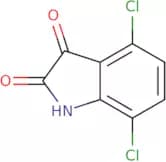
Discontinued product4-Bromo-7-methylisatin
CAS:4-Bromo-7-methylisatin is a chemical compound that is used as a reagent, reaction component, and building block in organic chemistry. 4-Bromo-7-methylisatin is an important intermediate for the synthesis of other compounds and has been shown to have versatile applications in the synthesis of complex compounds. It has also been used as a speciality chemical in research applications and as a fine chemical.
Formula:C9H6BrNO2Purity:Min. 95%Color and Shape:PowderMolecular weight:240.05 g/molRef: 3D-FB70026
Discontinued product2',4'-Dichloroacetophenone
CAS:2',4'-Dichloroacetophenone is a chemical intermediate used in the treatment of wastewater. It reacts with chloride ions to form 2,4-dichloro-5-chlorobenzene-1,3-diol (2,4-DCD) and dichloroacetic acid (DCAA). DCDA is an inhibitor of the synthesis of triazole antifungal agents. In addition to its use as an intermediate, 2',4'-Dichloroacetophenone has been shown to be an effective inhibitor of the enzyme carbonyl reductase and can also serve as a precursor for the synthesis of other chemicals. The reaction products are geometric isomers that differ only in their orientation about the double bond. This product's molecular weight is 188.27 g/mol and its melting point is 53 °C.
Formula:C8H6Cl2OPurity:Min. 95%Color and Shape:PowderMolecular weight:189.04 g/molPropantheline bromide
CAS:Propantheline bromide is a drug that belongs to the group of chemical stabilizers. It is an anti-inflammatory agent that is used for the treatment of bowel disease, especially in elderly patients. Propantheline bromide has been shown to have long-term efficacy with good tolerability in the treatment of overactive bladder syndrome and other urinary disorders. This drug can be administered orally or intravenously and has little effect on the body's water balance or blood pressure. Propantheline bromide works by blocking nerve signals from the gastrointestinal tract to the detrusor muscle, which is responsible for contraction and relaxation of the bladder.
Formula:C23H30BrNO3Purity:Min. 95%Color and Shape:PowderMolecular weight:448.39 g/molRef: 3D-FP27192
Discontinued product4-(4-Bromophenyl)morpholine
CAS:4-(4-Bromophenyl)morpholine is a microbicide that can be used as a conditioning agent. It has been shown to have microbicidal properties and is active against bacteria, fungi, and amoeba. 4-(4-Bromophenyl)morpholine has been shown to inhibit the growth of Gram-positive bacteria such as Staphylococcus aureus and Clostridium perfringens. The mechanism of action for this compound is nucleophilic attack by the bromine atom on the chloride ion to form a chlorobenzene intermediate. This intermediate reacts with an amine group in the bacterial cell wall, leading to cell death by cross-coupling with DNA or protein synthesis inhibition. 4-(4-Bromophenyl)morpholine also has fungicidal activity against Candida albicans yeast cells, but does not show activity against human cells.
Formula:C10H12BrNOPurity:Min. 95%Molecular weight:242.11 g/mol3-Ethyl 1-adamantanamine hydrochloride
CAS:3-Ethyl 1-adamantanamine hydrochloride is a versatile building block that is used as a research chemical. It is a reagent and speciality chemical, as well as an intermediate in the production of other compounds. 3-Ethyl 1-adamantanamine hydrochloride can be used as a high quality building block for the synthesis of other compounds. It has been shown to be useful in the synthesis of complex compounds.Formula:C12H21N•HClPurity:Min. 95%Color and Shape:White PowderMolecular weight:215.76 g/molRef: 3D-FE66590
Discontinued product(S)-2-Pyridylthio cysteamine hydrochloride
CAS:(S)-2-Pyridylthio cysteamine hydrochloride is a cell-permeant, basic, thiol-containing compound that is currently being investigated as an anticancer agent. It has been shown to inhibit the growth of tumor cells in vitro and in vivo. This drug binds to the disulfide bonds of proteins, which leads to the formation of a stable covalent bond between two protein molecules. (S)-2-Pyridylthio cysteamine hydrochloride also inhibits cell proliferation by interfering with the production of epidermal growth factor. This drug can be used for cancer treatment by binding to the mitochondria and inhibiting ATP synthesis, leading to apoptosis. The uptake of this drug is dependent on its interaction with basic proteins in the plasma membrane, which may be due to its ability to induce epidermal growth factor (EGF) production in cultured cells.Formula:C7H11ClN2S2Purity:Min. 97 Area-%Color and Shape:White PowderMolecular weight:222.76 g/molAmmonium tetrachloropalladate(II) - 94%
CAS:Ammonium tetrachloropalladate(II) is a chemical compound that acts as an oxidation catalyst, which is used in the production of polyvinyl chloride. Ammonium tetrachloropalladate(II) is also used as a catalyst in organic reactions such as the sodium citrate-catalyzed oxidation of alcohols to form esters and acyl chlorides. This compound is stable at high temperatures and has been shown to be genotoxic in vitro. Ammonium tetrachloropalladate(II) can be synthesized by reacting palladium with zirconium oxide in a plasma mass spectrometry process.
Formula:(NH4)2PdCl4Purity:Min. 95%Color and Shape:PowderMolecular weight:284.31 g/molRef: 3D-FA158398
Discontinued product1,1,2,3-Tetrachloro-1-fluoropropane
CAS:Controlled Product1,1,2,3-Tetrachloro-1-fluoropropane is a solvent that can be used to solvate organic compounds. It is volatile and has a boiling point of -78°C. This compound is used in the chlorination of methane and ethane, which produces 1,1,2-trichloroethane and 1,2-dichloroethane respectively. Hydrogen fluoride is also produced as an unwanted byproduct. The chlorine produced by this process is then catalyzed to form fluorine gas. This gas can be vaporized or depletes depending on the reaction conditions and the temperature of the reactor. Fluorine gas reacts with atmospheric water vapor to produce hydrofluoric acid (HF). When HF comes into contact with moist surfaces it will corrode them and produce hydrogen ions that react with metal oxides to produce metal salts and water. The emission of HF from chlorofluorocarbons
Formula:C3H3Cl4FPurity:Min. 95%Molecular weight:199.87 g/moltrans-4-Chlorostilbene
CAS:Trans-4-chlorostilbene is a debromination agent that has been used to enhance the production of epoxides. It is an isomer of stilbene, which is a bicyclic molecule with two phenyl rings joined by a double bond. Trans-4-chlorostilbene belongs to the group of stereoselective agents, meaning that it reacts preferentially with one isomer over the other. This compound has a second-order rate constant for its reaction with epoxides and also undergoes thermal isomerization, which means that it changes from trans form to cis form when heated. Trans-4-chlorostilbene has acidic properties and can be used in both acidic and neutral pH environments. This compound also reacts with boric acid to create boron complexes and reacts with water molecules to produce hydrogen gas, although it does not react with air or oxygen.
Formula:C14H11ClPurity:Min. 95%Color and Shape:PowderMolecular weight:214.69 g/molPentaerythrityl tetrabromide
CAS:Pentaerythrityl tetrabromide is a brominated derivative of pentaerythritol. It can be used as a radiation-absorbing coating, and has been shown to have good hydrophobic properties. The FTIR spectrum of pentaerythrityl tetrabromide shows features at 3,000-3,600 cm-1 that are attributed to the NH and OH groups in the molecule. This compound has been shown to have good water permeability in cell culture experiments, which may be due to its acidic nature. Pentaerythrityl tetrabromide reacts with hydrochloric acid and sodium carbonate to produce chloride ions, which may be responsible for its acidic nature.
Formula:C5H8Br4Purity:Min. 95%Color and Shape:White Clear LiquidMolecular weight:387.73 g/molRef: 3D-FP69843
Discontinued product4,5-Dichloroisatin
CAS:4,5-Dichloroisatin is a versatile building block that can be used as a reagent for research and as a speciality chemical. It is also useful in the synthesis of complex compounds. 4,5-Dichloroisatin is a high quality compound with a CAS number of 1677-47-0. This compound is not intended for use in humans or animals.
Formula:C8H3Cl2NO2Purity:Min. 95%Color and Shape:Yellow PowderMolecular weight:216.02 g/molRef: 3D-FD70415
Discontinued productp-Azidophenacyl bromide
CAS:p-Azidophenacyl bromide is an enzyme form that catalyzes the hydrolysis of azides, such as nitrobenzene. It is chemically stable and can be used in human serum. The enzyme form has been shown to hydrolyze DNA with high specificity and low background. p-Azidophenacyl bromide also has antiviral properties against herpes simplex virus because it inhibits the synthesis of viral DNA. This enzyme form also binds to benzyl groups on the surface of cell membranes, which are part of a ternary complex formation with lysine residues and hydroxyl groups. p-Azidophenacyl bromide is present in mitochondria and cytochrome plasma mass spectrometry has shown that it is a mitochondrial cytochrome.
Formula:C8H6BrN3OPurity:Min. 95%Color and Shape:PowderMolecular weight:240.06 g/mol(1S,4S)-1,7,7-Trimethyl-3-(Trifluoroacetyl)Bicyclo[2.2.1]Heptan-2-One
CAS:(1S,4S)-1,7,7-Trimethyl-3-(Trifluoroacetyl)Bicyclo[2.2.1]Heptan-2-One is a white solid with a melting point of -76.8°C and a boiling point of 265°C at 10 mm Hg. It has the following functional groups: particle, luminescent, lanthanide, stabilizer, ligand, voltammetry, thermally stable and has nmr spectra that show light emission and coordination chemistry. This compound is a sulfoxide but can also be considered to be a phosphine or an amine depending on its structural features. The compound's nature is dependent on the temperature and pressure as well as the solvent it is being dissolved in.>>END>>
Formula:C12H15F3O2Purity:Min. 95%Color and Shape:Clear LiquidMolecular weight:248.24 g/molRef: 3D-FT98786
Discontinued productBis(2,2,2-trichloroethyl)azodicarboxylate
CAS:Bis(2,2,2-trichloroethyl)azodicarboxylate is a nucleophile that can be used as an alkylating agent in the industrial process. It is also used to prepare chiral amines by adding an amine to the enantiomerically pure bis(2,2,2-trichloroethyl)azodicarboxylate. The anticancer activity of Bis(2,2,2-trichloroethyl)azodicarboxylate is due to its ability to inhibit tumor cell proliferation. Bis(2,2,2-trichloroethyl)azodicarboxylate is not effective against cancerous cells that do not have functional groups such as amino acids.
Formula:C6H4Cl6N2O4Purity:Min. 95%Color and Shape:Yellow SolidMolecular weight:380.82 g/molRef: 3D-FB01254
Discontinued product3-Bromo-2-hydroxy-5-nitrobenzaldehyde
CAS:3-Bromo-2-hydroxy-5-nitrobenzaldehyde is a hydroxy group with a formyl group, an imine and an isomeric structure. It can be used as a fluorescence probe in biological studies. The compound has been shown to have antioxidant activity, which may be due to its ability to donate hydrogen bonds or its ability to act as a phenylhydrazone. 3-Bromo-2-hydroxy-5-nitrobenzaldehyde also has the ability to react with ammonium nitrate and produce nitrogen gas (NH3) when heated. This reaction is exothermic and produces an orange color.Formula:C7H4BrNO4Purity:Min. 95%Color and Shape:PowderMolecular weight:246.02 g/molRef: 3D-FB67930
Discontinued productOxybutynin chloride
CAS:Muscarinic antagonist; anti-spasmodic
Formula:C22H32ClNO3Purity:Min. 95%Color and Shape:White PowderMolecular weight:393.95 g/molRef: 3D-FO26701
Discontinued productβ-Bromostyrene
CAS:β-Bromostyrene is a halogenated aromatic hydrocarbon that has been used as a cross-coupling reagent. β-Bromostyrene reacts with an organometallic reagent to form a new carbon-carbon bond. This reaction is catalyzed by palladium, which is often dissolved in the reaction vessel along with the β-bromostyrene and the organometallic reagent. The palladium enhances the rate of this reaction by increasing the concentration of reactive molecules, while also acting as a catalyst for the coupling of two organic molecules. β-Bromostyrene has been shown to be useful in wastewater treatment, where it reacts with organic compounds such as benzene, toluene, and xylene to form water soluble products called bromoxylates.
The detection sensitivity of β-bromostyrene can be increased through its use as an indicator for pH changes in acidic environments (pH 3). TheFormula:C8H7BrPurity:Min. 97 Area-%Color and Shape:Colorless Clear LiquidMolecular weight:183.05 g/molRef: 3D-FB164798
Discontinued productMethyl 2-amino-3-bromobenzoate
CAS:Methyl 2-amino-3-bromobenzoate is a high quality, versatile building block that is used as a reagent and intermediate in the synthesis of biologically active compounds. Methyl 2-amino-3-bromobenzoate is a complex compound that has proven useful as an intermediate in the synthesis of various fine chemicals, such as speciality chemicals. The compound also serves as a useful scaffold for the preparation of other compounds, such as research chemicals. Methyl 2-amino-3-bromobenzoate can be used in reactions with other reagents to form new compounds. It is also used to make important reaction components, such as CAS No. 104670-74-8.
Formula:C8H8BrNO2Purity:Min. 95%Color and Shape:PowderMolecular weight:230.06 g/molRef: 3D-FM33251
Discontinued product4-Chloro-3-nitrobenzhydrazide
CAS:4-Chloro-3-nitrobenzhydrazide is a chemical compound that is used as a building block in the synthesis of other compounds. It is a versatile and useful intermediate that can be used in many chemical reactions. This product is also known to be an effective reagent for the production of pharmaceuticals, agrochemicals, and other chemicals. 4-Chloro-3-nitrobenzhydrazide has been shown to have high quality as it reacts well with other compounds and can be easily purified.
Formula:C7H6ClN3O3Purity:Min. 95%Color and Shape:PowderMolecular weight:215.59 g/mol(-)-Scopolamine N-butyl bromide
CAS:(-)-Scopolamine N-butyl bromide is an anti-cholinergic drug that is used for the diagnosis and treatment of bowel diseases. It has been shown to be effective in two different animal models of bowel disease, one of which was induced by dextran sulfate sodium. (-)-Scopolamine N-butyl bromide has been shown to decrease motility and increase tone in the colon, as well as reduce the severity of diarrhea in animals with experimental colitis. It also has a sedative effect on the gastrointestinal tract that may be due to its ability to bind to acetylcholine receptors.
Formula:C21H30NO4BrPurity:Min. 98 Area-%Color and Shape:White PowderMolecular weight:440.37 g/molRef: 3D-FS10191
Discontinued product4-Bromoveratrole
CAS:4-Bromoveratrole is a triphenylene with a molecular weight of 454.42 g/mol and a melting point of 90°C. It has been shown that this molecule binds to the receptor for acetylcholine, which is found in the central nervous system and on muscles. The binding of 4-bromoveratrole to this receptor leads to the release of chloride ions from the cell, which increases the activity of acetylcholine. The detection sensitivity of 4-bromoveratrole in solution was determined by adding malonic acid or hydrochloric acid, which led to an increase in fluorescence intensity. This molecule also has fatty acid and hydroxyl groups that have been shown to have anti-inflammatory properties.
Formula:C8H9BrO2Purity:Min. 95%Color and Shape:Clear LiquidMolecular weight:217.06 g/molRef: 3D-FB54906
Discontinued product2,6-Dichlorophenylmethyl carbinol
CAS:2,6-Dichlorophenylmethyl carbinol is a synthetic oxidant that can be used in the oxidation of alcohols. It is used to convert alcohols into aldehydes and ketones with magnesium as a catalyst. 2,6-Dichlorophenylmethyl carbinol has been shown to be effective in the oxidation of cyclohexanone and styrene. It also has been shown to undergo homologation reactions, which are useful for the synthesis of natural products.
!--Formula:C8H8Cl2OPurity:Min. 95%Color and Shape:PowderMolecular weight:191.05 g/molRef: 3D-FD70403
Discontinued productFluorescent Brightener 191
CAS:Fluorescent Brightener 191 is a monomer that can be used in the textile industry to increase brightness and fluorescence of textiles. It is water soluble, non-toxic, and stable. The impurities of this product are monitored by testing for chloride ion content. Fluorescent Brightener 191 is also used for effervescent and osmosis control in water treatment plants, as well as clarification of wastewater effluent. Its fluorescence properties make it an ideal choice for monitoring the presence of substances, such as chloride ions, in solution by measuring the intensity of light emitted from a sample. Fluorescent Brightener 191 is also known to have a high solubility in organic solvents such as chloroform or acetone, which makes it suitable for labeling purposes.
Purity:Min. 95%2-Fluoro-5-methoxybenzonitrile
CAS:2-Fluoro-5-methoxybenzonitrile is a metal catalyst that has been shown to be effective in the synthesis of various organic compounds. The use of ultrasound can increase the yields of reactions involving 2-fluoro-5-methoxybenzonitrile. 2-Fluoro-5-methoxybenzonitrile has also been demonstrated as a pharmacological agent with a number of potential applications. It inhibits the activity of phosphodiesterase 4, which may lead to an improved therapeutic profile for conditions such as asthma and erectile dysfunction. 2-Fluoro-5-methoxybenzonitrile is also used in photochemical reactions, where it acts as an inhibitor to prevent the formation of undesired products.
Formula:C8H6FNOPurity:Min. 95%Color and Shape:PowderMolecular weight:151.14 g/molRef: 3D-FF64148
Discontinued product4-Bromo-2-nitrotoluene
CAS:4-Bromo-2-nitrotoluene is a solvent with an orange color. It has been shown to have antimycobacterial activity and insecticidal activities, as well as being a potent anticancer agent. This compound is often used in the synthesis of β-carboline alkaloids and can be debrominated to form bromobenzene, which is used in the synthesis of phenolic compounds. 4-Bromo-2-nitrotoluene also inhibits the growth of human breast cancer cells.
Formula:C7H6BrNO2Purity:Min. 95%Color and Shape:PowderMolecular weight:216.03 g/molRef: 3D-FB02085
Discontinued product5-Carboxyfluorescein diacetate
CAS:5-Carboxyfluorescein diacetate is a reactive dye that can be used as a model system to study the effects of reactive species on biological molecules. It has been shown to inhibit mitochondrial membrane potential and activate detoxification enzymes in rats. 5-Carboxyfluorescein diacetate also induces apoptosis in human leukemia cells and inhibits the proliferation of human breast cancer cells. The effect of 5-carboxyfluorescein diacetate on collagen synthesis in a rat wound healing model has been investigated, with an increase in collagen found after treatment. This drug can also cause immunomodulatory effects by inhibiting macrophage activity and increasing T lymphocytes.
Formula:C25H16O9Purity:Min. 95 Area-%Color and Shape:White PowderMolecular weight:460.39 g/molRef: 3D-FC19776
Discontinued product4-Nitro-L-phenylalanine methyl ester hydrochloride
CAS:4-Nitro-L-phenylalanine methyl ester hydrochloride is a 4-nitrophenyl derivative of L-phenylalanine. It is a useful building block, reagent, or scaffold in organic synthesis. This compound finds use as a precursor to other derivatives and it has been used in the preparation of complex compounds. 4-Nitro-L-phenylalanine methyl ester hydrochloride is also used as a reaction component for the synthesis of different organic compounds and as a useful intermediate.
Formula:C10H13N2O4ClPurity:Min. 98 Area-%Color and Shape:White PowderMolecular weight:260.67 g/molRef: 3D-FN45027
Discontinued productPhenylphosphorodichloridite
CAS:Phenylphosphorodichloridite is a solid catalyst that is used in the production of polymers. It has been shown to inhibit the synthesis of glycogen, which is an important energy storage molecule, and phosphorous acid, which may play a role in the regulation of glycolysis. The antiviral effect of phenylphosphorodichloridite has been demonstrated by its ability to inhibit influenza virus replication. This agent also inhibits the production of proteins necessary for viral replication, such as covid-19 pandemic. Phenylphosphorodichloridite shows light resistance and can be used for organic synthesis in the presence of oxygen and light.
Formula:C6H5Cl2OPPurity:Min. 95%Color and Shape:Colorless Clear LiquidMolecular weight:194.98 g/molRef: 3D-FP03067
Discontinued product3-Trifluoromethylbutyric acid
CAS:3-Trifluoromethylbutyric acid is a synthetic compound that has been studied as a potential drug for the treatment of dyslipidemia. 3-Trifluoromethylbutyric acid binds to the enzyme phosphatase, which is a key regulator of lipid metabolism and controls the production of lipids in cells. This binding prevents the phosphatase from breaking down phosphoinositides, leading to an increase in the levels of phosphoinositides. The resulting increase in the levels of these molecules causes an increase in the number of insulin receptors on cell surfaces and leads to an improvement in insulin sensitivity. 3-Trifluoromethylbutyric acid also has binding sites on human cells that are specific for subtype 7, which is associated with lower risk for cardiovascular disease, obesity, and diabetes.
Formula:C5H7F3O2Purity:Min. 95%Color and Shape:Colorless PowderMolecular weight:156.1 g/molRef: 3D-FT96532
Discontinued productMethyltriphenoxyphosphonium Trifluoromethanesulfonate
CAS:Controlled ProductMethyltriphenoxyphosphonium Trifluoromethanesulfonate is a reagent for the synthesis of alkenes, ethers, nitriles, esters and alkanes. It is also used to synthesize heterocycles. Methyltriphenoxyphosphonium Trifluoromethanesulfonate can be used to synthesise a wide variety of organic compounds. It reacts with electrophiles such as alcohols, amines and carboxylic acids to produce the corresponding ethers, nitriles, esters or alkanes. This reagent can also be used in many different cross-coupling reactions such as Suzuki-Miyaura reaction or Sonogashira reaction.
Formula:C20H18F3O6PSPurity:Min. 95%Molecular weight:474.39 g/mol2-Amino-6-bromo-3-formylchromone
CAS:2-Amino-6-bromo-3-formylchromone is a chemical compound with the molecular formula CHNO. It has a vibrational frequency of 1426.81 cm−1 and a potential energy of −29.35 kcal/mol. The molecule can be classified as an aromatic compound, due to the presence of one or more benzene rings in its structure, and is colored red or orange in solution. 2-Amino-6-bromo-3-formylchromone can be used to produce other compounds that have different spectral properties than it does, such as 2-(2-(2-(2-(2-(2-(benzoyloxy)ethoxy)ethoxy)ethoxy)ethoxy)ethoxy)-4'-nitroacetophenone.
Formula:C10H6BrNO3Purity:Min. 95%Color and Shape:PowderMolecular weight:268.06 g/mol2-Chloro-1-methylpyridinium iodide
CAS:2-Chloro-1-methylpyridinium iodide (2CMPI) is a water-soluble, colorless, and odorless substance that is used as an analytical reagent. 2CMPI reacts with amines and pyridines to form chloromethylpyridine and hydroxymethylpyridine respectively, which can be analyzed by FTIR spectroscopy. The sensitivity of this reaction is affected by the matrix, but can be increased by adding dibutyltin oxide or amide. 2CMPI has been shown to have physiological activities in some animal models of metabolic disorders such as diabetes mellitus.
Formula:C6H7ClINPurity:Min. 97 Area-%Color and Shape:Yellow PowderMolecular weight:255.48 g/mol7-Chloroindole
CAS:7-Chloroindole is a potent compound that inhibits bacterial growth. It has been shown to inhibit the growth of tumour cell lines at submicromolar concentrations, with an IC50 of 0.5 µM. 7-Chloroindole also strongly inhibits the growth of Staphylococcus aureus, with an IC50 of 0.1 µM. This compound does not cause cell death by caspase-independent pathways, but rather induces a dry weight increase and surface methodology changes in cells treated with this compound. 7-Chloroindole belongs to the class of compounds known as carotenoids and has been shown to have a neutral pH optimum. It is formed through an enzymatic reaction involving two molecules of malonyl-CoA and one molecule each of acetate and chlorophyllide a.
Formula:C8H6ClNColor and Shape:PowderMolecular weight:151.59 g/mol3-Hydroxypiperidine hydrochloride
CAS:3-Hydroxypiperidine hydrochloride is a synthetic compound that inhibits the enzyme acetylcholinesterase, which breaks down the neurotransmitter acetylcholine. The specificity of this inhibitor has been shown to be high in human urine samples. 3-Hydroxypiperidine hydrochloride can be used as a tethering agent in exploratory assays. This drug also has an effect on chemokine production and citric acid levels in the urine.
Formula:C5H11NO•HClPurity:Min. 95%Color and Shape:PowderMolecular weight:137.61 g/molRef: 3D-FH29361
Discontinued product6-Fluoroindole
CAS:6-Fluoroindole is an aromatic organic compound that has been shown to have anti-inflammatory and antioxidant properties in vitro and in vivo. 6-Fluoroindole is a 5-methoxyindole and can be synthesized from the amino acid tryptophan, which is a precursor of serotonin. 6-Fluoroindole has also been shown to be active against plant pathogens, human protein, and human pathogens. It can produce hemolytic activity at high concentrations and its chemical stability was tested by incubating it with various acids such as hydrochloric acid or acetic acid. 6-Fluoroindole showed no reaction with either of these acids. The vibrational spectra of 6-fluoroindole was measured using dipolar coupling constants and found to have a dipole moment of 0.01 D for the molecule.
Formula:C8H6FNPurity:Min. 98 Area-%Color and Shape:White Yellow PowderMolecular weight:135.14 g/molRef: 3D-FF00132
Discontinued productDifluoroamine
CAS:Controlled ProductDifluoroamine is a chemical compound that is used in the production of organic compounds. It has been shown to have high stability and detection sensitivity, which is attributed to its hydrogen bond forming ability. Difluoroamine also reacts with trifluoroacetic acid and hydrogen fluoride, both of which are strong acids. The reaction mechanism of difluoroamine involves the protonation of nitrogen atoms on the molecule followed by a nucleophilic attack on the electrophilic carbon atom that results in the formation of an amine group. This reaction can be carried out in a flow system as well as in a batch process. Difluoramine is an intermediate product during this process and can be converted into glycol ethers or nitrobenzene.
Formula:F2HNPurity:Min. 95%Molecular weight:53.01 g/molStrontium chloride hexahydrate
CAS:Strontium chloride hexahydrate is a chemical compound that belongs to the group of strontium compounds. It is used as an injection solution and reaction solution, and has been shown to have a beneficial effect on liver lesions in mice. Strontium chloride hexahydrate can be injected intravenously or intraperitoneally to treat patients with hypercalcemia or hypophosphatemia. This drug also has a toll-like receptor (TLR) agonistic effect, which may be due to its ability to stimulate the production of proinflammatory cytokines such as IL-1β, IL-6, IL-8, and TNF-α in macrophages. The optimum concentration for this drug is 1 mmol/L. Strontium chloride hexahydrate binds to plasma proteins through ionic interactions with chloride ions. This binding makes it difficult for the drug to pass through cell membranes, which limits its effectiveness.
Formula:SrCl2•(H2O)6Purity:Min 99%Color and Shape:Colorless PowderMolecular weight:266.62 g/molRef: 3D-FS31553
Discontinued product5-Acetoxy-3-chloro-2-pentanone
CAS:5-Acetoxy-3-chloro-2-pentanone is a thioformamide that is used as an intermediate in the synthesis of vitamin B1. It is also a precursor to formic acid and formaldehyde, which are used in the production of dyes and other chemical products. 5-Acetoxy-3-chloro-2-pentanone is synthesized by reacting hydroxylamine with acetyl chloride. The reaction proceeds via a nucleophilic substitution reaction. This product has a high yield and can be produced with various alkyl groups, such as 1-4C, 2C, 3C, 4C, 5C, 6C, 7C, 8C or 9C. 5-Acetoxy-3-chloro-2-pentanone can be used to produce formic acid or formaldehyde by reacting it with sodium hydroxide or potassium hydroxide respectively.
Formula:C7H11ClO3Purity:Min. 95%Molecular weight:178.61 g/molRef: 3D-FA16981
Discontinued product1,1,1-Trifluoro-5-hydroxy-2-pentanone
CAS:1,1,1-Trifluoro-5-hydroxy-2-pentanone is a versatile building block that has been used extensively in the synthesis of complex compounds. It is an important reagent for the preparation of speciality chemicals and reactive intermediates. 1,1,1-Trifluoro-5-hydroxy-2-pentanone is also a useful intermediate for the synthesis of other compounds. This compound can be reacted with various groups to produce valuable scaffolds for drug discovery research.
Formula:C5H7F3O2Purity:Min. 95%Color and Shape:PowderMolecular weight:156.1 g/molRef: 3D-FT83611
Discontinued product4-Methoxy-3-nitrobenzotrifluoride
CAS:4-Methoxy-3-nitrobenzotrifluoride is a chemical that belongs to the group of reactants. It is used as a reagent, building block, or intermediate in organic synthesis. 4-Methoxy-3-nitrobenzotrifluoride has been shown to be an effective scaffold for the preparation of complex compounds with versatile building blocks and useful intermediates. It can also be used as a fine chemical with speciality chemical properties.
Formula:C8H6F3NO3Purity:Min. 95%Color and Shape:PowderMolecular weight:221.13 g/molRef: 3D-FM69984
Discontinued product2-Bromo-5-hydroxybenzonitrile
CAS:2-Bromo-5-hydroxybenzonitrile is a chemical compound that is used in research and organic synthesis. It can be used to synthesise 2-bromo-5-hydroxybenzoic acid, which has been shown to have anticancer activity.
2-Bromo-5-hydroxylbenzonitrile was synthesized by bromination of 5-hydroxybenzonitrile with NBS. The resulting product was purified by distillation and then recrystallized from ethanol.Formula:C7H4BrNOPurity:Min. 95%Color and Shape:PowderMolecular weight:198.02 g/mol4-(4-Chloro-3-nitrobenzyl)pyridine
CAS:Ai Product Descriptions 50 Creative
Formula:C12H9ClN2O2Purity:Min. 95%Color and Shape:PowderMolecular weight:248.66 g/molRef: 3D-FC131489
Discontinued product2-Bromo-3-hydroxybenzoic acid
CAS:2-Bromo-3-hydroxybenzoic acid is an inhibitor of HIV protease that has potent antiviral activity. It inhibits the enzyme responsible for the cleavage of the gag and pol polyproteins in HIV, preventing the formation of new virus particles. 2-Bromo-3-hydroxybenzoic acid is orally bioavailable and can be used as a prodrug for other benzamides or urethanes with antiviral potency. This drug is a cyclic inhibitor that binds to the hydrophobic pocket on the surface of HIV protease and prevents it from functioning as an enzyme.
Formula:C7H5BrO2Purity:Min. 95%Color and Shape:PowderMolecular weight:201.02 g/molRef: 3D-FB33765
Discontinued product3-Amino-4-chlorobenzamide
CAS:3-Amino-4-chlorobenzamide is an organic compound that belongs to the class of aminobenzoic acids and is used as a coupling agent in organic synthesis. It reacts with aryl halides or halides to form 3-amino-4-chlorobenzonitrile, which can be converted into anilines by heating with ammonia and ammonium chloride. This reaction has been shown to be reversible with heat. 3-Amino-4-chlorobenzamide is also used as a water absorber in paper products, such as diapers and sanitary napkins.
Formula:C7H7ClN2OPurity:Min. 95%Color and Shape:PowderMolecular weight:170.6 g/mol3-Fluoro-Dopamine
CAS:Controlled Product3-Fluoro-Dopamine is a fluorinated catecholamine that is used in research as a radioligand and in animal models. It has been shown to be an agonist of β-adrenergic receptors and to have a safety profile similar to that of dopamine. 3-Fluoro-Dopamine has been shown to increase the uptake of dopamine in rat striatal membranes, which may be due to its affinity for β-adrenergic receptors.
Formula:C8H10FNO2Purity:Min. 95%Molecular weight:171.17 g/molSibutramine hydrochloride monohydrate
CAS:Controlled ProductSerotonin receptor 5-HT antagonist; noradrenaline reuptake inhibitorFormula:C17H29Cl2NOPurity:Min. 95%Color and Shape:PowderMolecular weight:334.32 g/mol4-Iodo-2-methylanisole
CAS:4-Iodo-2-methylanisole (4IM) is a naphthalene that is regiospecifically eliminated after activation by nitrate in an acidic medium. The hydrochloride salt of 4IM, koenigicine, has been shown to produce estrogen levels in the female rat similar to those produced by 17β-estradiol. The synthesis of 4IM involves the nitration of 2-methylanisole followed by iodine oxidation. This reaction produces a mixture of mono-, di-, and tri-iodonapthalenes. The product obtained from this reaction is purified with column chromatography or recrystallization.
Theory predicts that 4IM will be oxidized to 4-iodo-2,6-dimethylanisole by terpene oxidants such as acetonitrile or ozone.Formula:C8H9IOPurity:Min. 95%Color and Shape:PowderMolecular weight:248.06 g/molRef: 3D-FI64636
Discontinued productSodium chloride
CAS:Sodium chloride is a chemical compound that belongs to the group of inorganic salts. It is an important electrolyte, which regulates fluid balance and pH levels. Sodium chloride has been used as a model system for polymerase chain reactions and has been shown to inhibit the growth of malignant cells in the brain under constant pressure. The reaction solution may be pre-treated with hydrogen fluoride to remove interfering impurities prior to addition of sodium chloride. This process can be used for an in vitro method, where the reaction solution is exposed to plasma mass spectrometry or laser ablation before being analyzed for drug interactions with plasma mass spectrometry or electrochemical impedance spectroscopy. Sodium chloride can cause water vapor to form when it reacts with hydrochloric acid, producing hydrogen gas and hydrochloric acid.
Formula:NaClColor and Shape:PowderMolecular weight:58.44 g/molRef: 3D-FS30573
Discontinued product2,3-Difluoro-4-nitroanisole
CAS:2,3-Difluoro-4-nitroanisole is a chemical compound with CAS No. 66684-59-1. It is a useful intermediate that can be used to synthesize other chemicals and compounds. 2,3-Difluoro-4-nitroanisole can be used for the synthesis of research chemicals and speciality chemicals. This compound has been found to be a versatile building block that can be used in many reactions as a reagent. 2,3-Difluoro-4-nitroanisole has high quality and is a fine chemical with many uses.
Formula:C7H5F2NO3Purity:Min. 95%Molecular weight:189.12 g/molRef: 3D-FD70068
Discontinued product4-Iodoisatin
CAS:4-Iodoisatin is a heterocyclic compound that can be synthesized by cross-coupling reactions. It has been shown to inhibit the production of prostaglandin E2, COX-2 protein, and tumor necrosis factor in mouse macrophages. 4-Iodoisatin also inhibits the production of protein kinase C (PKC) in these cells. 4-Iodoisatin can be modified into a dimer form with many different substitutions on the ring structure and this modification increases its potency as an inhibitor of PKC. Irradiation can decompose the compound into a single isomer that is more potent than either of the two isomers. This drug may have therapeutic potential for treatment of cancer, arthritis, and other inflammatory disorders.
Formula:C8H4INO2Purity:Min. 95%Color and Shape:PowderMolecular weight:273.03 g/molRef: 3D-FI67680
Discontinued product9-Mesityl-2,7-dimethyl-10-phenylacridinium tetrafluoroborate
CAS:9-Mesityl-2,7-dimethyl-10-phenylacridinium tetrafluoroborate is a versatile building block and reagent for organic synthesis. It is a fine chemical that is used in the production of research chemicals and speciality chemicals. 9-Mesityl-2,7-dimethyl-10-phenylacridinium tetrafluoroborate can be used as a reaction component to synthesize complex compounds with various functional groups. It has been reported to have high quality, being both useful and stable. CAS NO: 1621020-00-5Formula:C30H28BF4NColor and Shape:Yellow PowderMolecular weight:489.35 g/molRef: 3D-FM76605
Discontinued product4-Fluoro-1-piperidineethanol
CAS:Please enquire for more information about 4-Fluoro-1-piperidineethanol including the price, delivery time and more detailed product information at the technical inquiry form on this page
Formula:C7H14FNOPurity:Min. 95%Molecular weight:147.19 g/molα-Aminoisobutyric acid methyl ester hydrochloride
CAS:Alpha-aminoisobutyric acid methyl ester hydrochloride (AABME) is an amino acid that is a metabolite of the neurotransmitter GABA. It has been shown to be transported across the blood-brain barrier by a carrier-mediated transport system and is taken up by neurons via a solute carrier family 38 member 2 transporter. AABME has been observed at physiological levels in maternal blood plasma, urine, cerebrospinal fluid, and brain tissue. It has also been studied in vitro using 3T3-L1 preadipocytes as a model for adipogenesis. In this context, it has been shown to increase cell proliferation and inhibit apoptosis.
Formula:C5H11NO2•HClColor and Shape:PowderMolecular weight:153.61 g/molRef: 3D-FA49954
Discontinued productDecafluorobis(Trifluoromethyl)Cyclohexane
CAS:Controlled ProductDecafluorobis(trifluoromethyl)cyclohexane is a film-forming polymer that can be used as a nutrient solution. It is synthesized by the thermal decomposition of hydrogen fluoride and caproic acid. Decafluorobis(trifluoromethyl)cyclohexane can be analyzed by combining it with fatty acids in an enzyme hydrolysis reaction. The product will then form a film on the surface of the container, which can be analyzed using ionization techniques such as mass spectrometry or nuclear magnetic resonance.
Formula:C8F16Purity:Min. 95%Molecular weight:400.06 g/mol2-Pyridine selenyl bromide
CAS:2-Pyridine selenyl bromide is a co-precursor for the synthesis of 2-selenides. It can be prepared by reacting 2-pyridinesulfonyl chloride with sodium periodate in acetonitrile. This compound can then be converted to a 2-selenide by treatment with methanol and periodic acid. The analytical and preparative methods are shown below:
Analytical: Dissolve the sample in dichloromethane, add triethylamine, and extract into diethyl ether. Add a small amount of potassium bromide to the organic layer and evaporate to dryness under vacuum. Recrystallize from acetonitrile.
Methanolysis: Dissolve the sample in methanol, add a catalytic amount of hydrochloric acid, and heat at reflux for 12 hours. Cool the solution, filter off any insoluble material, evaporate to drynessFormula:C5H4BrNSePurity:Min. 95%Molecular weight:236.96 g/molRef: 3D-FP11022
Discontinued product4-Chloro-2-methylaniline
CAS:4-Chloro-2-methylaniline (CMA) is a chemical that belongs to the group of amines and is used as an intermediate in the manufacture of dyes, pesticides and pharmaceuticals. CMA has been shown to be toxic to humans through skin contact, inhalation or ingestion. This substance also disrupts the activity of enzymes such as acetylcholinesterase, which is responsible for breaking down acetylcholine and regulating muscle contractions. Long-term exposure to this chemical may lead to bladder cancer. CMA can also be used as a model for carcinogenic potential studies due to its ability to induce cancer in animals.
Formula:C7H8ClNPurity:Min. 95%Molecular weight:141.6 g/molRef: 3D-FC64323
Discontinued product5-Bromopentan-1-ol
CAS:5-Bromopentan-1-ol is a chemical that is used in the synthesis of other organic compounds. It has been found to be a good solvent for many organic substances, and it is also used as an intermediate in organic synthesis. 5-Bromopentan-1-ol can be acetylated with acetic anhydride, which leads to the formation of 1,5-diacetoxybutane. The reaction between 5-bromopentan-1-ol and copper oxide in chlorine gas leads to the formation of 1,5 dibromohexane. This reaction product can then be hydrolyzed to produce malonic acid.
The structural formula for 5-bromopentan-1-ol consists of two carbon atoms connected by a single bond and three hydrogen atoms bonded to one carbon atom. The other carbon atom is bonded to two oxygen atoms (one by a double bond) and one hydrogen atom. TheFormula:C5H11BrOPurity:Min. 95%Color and Shape:Clear LiquidMolecular weight:167.04 g/molRef: 3D-FB44839
Discontinued productDi-4-chlorophenyl iodonium bromide
CAS:Di-4-chlorophenyl iodonium bromide is a fine chemical that can be used as a building block for the synthesis of more complex compounds. It has been shown to be a useful intermediate in the syntheses of various other research chemicals and speciality chemicals, including (but not limited to) 4-bromo-2,5-dimethoxybenzaldehyde, 3-(4'-hydroxyphenyl)-1-(2',4'-dichlorophenyl)propane-1,3-dione, 1-[(2E)-3-(4'-hydroxyphenyl)-1-(2',4'-dichlorophenyl)prop-2-enoyl]pyrrole, and 2-[(2E)-3-(4'-hydroxyphenyl)-1-(2',4'-dichlorophenyl)prop-2enoyl]pyrrole. Di-4-chlorophenyl iod
Formula:C12H8BrCl2IPurity:90%Color and Shape:PowderMolecular weight:429.91 g/mol2,2,3,3-Tetrafluoro-3-(trifluoromethoxy)propanoic acid
CAS:2,2,3,3-Tetrafluoro-3-(trifluoromethoxy)propanoic acid (TFMP) is a fluorine-containing monomer that can be synthesized in an efficient method. TFMP is a resistant strain and has been shown to react with amines, carbonyls, and carboxylic groups. It can be copolymerized with other monomers to form polymeric materials. TFMP is a fluoride monomer that exhibits properties similar to perfluoroalkyl methacrylate monomers.
Formula:C4HF7O3Purity:Min. 95%Color and Shape:Clear LiquidMolecular weight:230.04 g/molRef: 3D-FT93802
Discontinued product2-Amino-5-nitro-2'-fluorobenzophenone
CAS:2-Amino-5-nitro-2'-fluorobenzophenone is a prodrug that is activated by thiourea, a chemical agent that is used to break down the drug. It is an anti-inflammatory drug that acts as a selective COX inhibitor and has been shown to be effective in vivo against primary tumors. 2-Amino-5-nitro-2'-fluorobenzophenone has also been shown to have antiangiogenic properties and has been used to treat inflammatory diseases such as arthritis and psoriasis. This drug can be radiolabeled with carbon, fluorine, or iodine isotopes for use in positron emission tomography (PET) imaging of primary tumors. The drug binds to response elements on cells through electrostatic interactions between the molecular orbitals of the 2 amino groups and the nucleophilic centers of these molecules.
Formula:C13H9FN2O3Purity:Min. 95%Color and Shape:PowderMolecular weight:260.22 g/molRef: 3D-FA17637
Discontinued product4-Fluoro-α-methylbenzylamine
CAS:4-Fluoro-a-methylbenzylamine is a chiral, protonated, and enthalpic compound. It can be synthesized by reacting anilines with 4-fluorobenzaldehyde in the presence of a base such as sodium ethoxide. The flavonoids from the plant Hedera helix have been shown to inhibit this enzyme.
4-Fluoro-a-methylbenzylamine has been found to be a potent inhibitor of imidazole amidohydrolase, an enzyme involved in the metabolism of histamine and other biologically active amines. This inhibition prevents the conversion of histamine to imidazole and therefore may help prevent allergic reactions such as asthma.Formula:C8H10FNPurity:Min. 95%Molecular weight:139.17 g/molRef: 3D-FF35005
Discontinued productTributyl(trifluoroethenyl)stannane
CAS:Controlled ProductTributyl(trifluoroethynyl)stannane is a drug that has immunosuppressive activity. It is used to treat certain cancers, including chronic lymphocytic leukemia and rheumatoid arthritis. Tributyl(trifluoroethynyl)stannane has been shown to inhibit the production of cytokines and other inflammatory mediators by macrophages, which may be due to its ability to inhibit DNA synthesis.
Formula:C14H27F3SnPurity:Min. 95%Molecular weight:371.07 g/mol2-Bromo-4-methylbenzylamine hydrochloride
CAS:2-Bromo-4-methylbenzylamine hydrochloride is a fine chemical that is used as a building block for other chemicals or as a reagent in research. It has CAS No. 1293323-97-3 and can be used in reactions where an amine is needed. This product is high quality, versatile, and useful for many different types of reactions.
Formula:C8H10BrN·HClPurity:Min. 95%Color and Shape:PowderMolecular weight:236.54 g/molRef: 3D-FB67361
Discontinued product3-Nitro-4-chlorobenzaldehyde
CAS:3-Nitro-4-chlorobenzaldehyde is a copper complex that has been used in the study of molecular interactions. The molecule has been studied by a number of techniques, including binding experiments, vibrational spectroscopy, and light emission. 3-Nitro-4-chlorobenzaldehyde has shown bacteriostatic activity against Escherichia coli and Bacillus subtilis. This compound also appears to have potential as a drug target due to its ability to inhibit the growth of Pseudomonas aeruginosa. 3-Nitro-4-chlorobenzaldehyde may be useful in the treatment of industrial processes involving nitric acid.
Formula:C7H4ClNO3Purity:Min. 95%Color and Shape:White PowderMolecular weight:185.56 g/molRef: 3D-FN53972
Discontinued productBromocresol green, sodium salt
CAS:Bromocresol green is a dye that is used in biological assays to measure the kinetics of fluorescence. It is a type of tryptophan-releasing compound that releases a yellowish-green light when it absorbs light at wavelengths between 350 and 450 nm. Bromocresol green has been quantified by measuring the intensity of the fluorescence emission as a function of time. This can be done visually or using an instrument called a fluorometer, which detects changes in light intensity over time. Bromocresol green can be used to detect the presence of amino acid residues in proteins through protonation reactions with their tryptophan residues and subsequent quenching with acetonitrile. The bromocresol green dye is also used in lithographic printing, where it serves as an acceptor for electrons from an arene (aromatic hydrocarbon). This process generates energy for lithography and also provides contrast between regions with different electron densities.
Formula:C21H14Br4O5SNaColor and Shape:PowderMolecular weight:721 g/molRef: 3D-FB01465
Discontinued productMethyl 2,4-dibromobenzoate
CAS:Methyl 2,4-dibromobenzoate is used as a coupling agent in organic chemistry. It is a reactive intermediate that can be used to carry out oxidative cyclizations. This compound is also an efficient catalyst for the amination of ketones and aryl bromides with palladium catalysis. Methyl 2,4-dibromobenzoate may also be used to achieve the oxidative cyclization of electron-deficient alkenes with palladium catalysts.
Formula:C8H6Br2O2Purity:Min. 95%Color and Shape:PowderMolecular weight:293.94 g/mol5-Bromovanillin
CAS:5-Bromovanillin is an antimicrobial agent that inhibits the growth of bacteria by binding to the enzyme vanillin. It is used as a natural compound, in which it can be found in plants and fruits such as Eugenia caryophyllata and Vanilla planifolia. 5-Bromovanillin has been shown to have a potent inhibitory effect on bacterial growth. The inhibitory effect of this compound is due to its ability to coordinate with the vanillin molecule, forming a complex that blocks the reaction mechanism of the enzyme. This complex also reacts with p-hydroxybenzoic acid, which disrupts the cell membrane and causes leakage of cellular contents. 5-Bromovanillin has been studied using surface methodology and electrochemical impedance spectroscopy (EIS). These studies demonstrated that 5-bromovanillin has a high affinity for methanol solvent and inhibitor molecules, which may contribute to its antimicrobial activity.
Formula:C8H7BrO3Purity:Min. 95%Color and Shape:Yellow PowderMolecular weight:231.04 g/molRef: 3D-FB10623
Discontinued productChlorotris(trimethylsilyl)silane
CAS:Chlorotris(trimethylsilyl)silane is a chlorosilane with a trifluoromethyl group and one other organic group. It can be prepared by thermal decomposition of chlorotrimethylsilane. Chlorotris(trimethylsilyl)silane has been used in the synthesis of branched-chain alkanes and cycloalkanes, as well as in the preparation of molecular fragments for use in organometallic syntheses. This molecule absorbs ultraviolet light strongly at 254 nm, making it useful for measurements of UV absorption spectra.
Formula:C9H27ClSi4Purity:Min. 95 Area-%Color and Shape:White PowderMolecular weight:283.11 g/molRef: 3D-FC61091
Discontinued productp-(Trifluoromethoxy)benzonitrile
CAS:p-(Trifluoromethoxy)benzonitrile is an organic compound that reacts with electron-rich molecules to form a covalent bond. It has been shown to be reactive in abiotic conditions and can be used as a probe for electron transfer reactions. p-Trifluoromethoxybenzonitrile undergoes a reaction mechanism in which the carbonyl group first reacts with an electron donor, such as acetonitrile, to form an unstable intermediate. This intermediate then reacts with a second electron-rich molecule to form the product. p-Trifluoromethoxybenzonitrile also has been shown to react efficiently with benzonitrile and produce the desired product in one step.
Formula:C8H4F3NOPurity:Min. 95%Color and Shape:Clear LiquidMolecular weight:187.12 g/mol1-(3-Chlorophenyl)-2-nitroethene
CAS:1-(3-Chlorophenyl)-2-nitroethene is a reagent that is used as an intermediate in the production of fine chemicals, research chemicals, and speciality chemicals. It has been shown to provide a useful scaffold for the synthesis of complex compounds and is also a versatile building block that can be used in a variety of reactions. 1-(3-Chlorophenyl)-2-nitroethene is not intended for use as a drug or food additive.
Formula:C8H6ClNO2Purity:Min. 95%Color and Shape:PowderMolecular weight:183.59 g/molFexofenadine hydrochloride
CAS:Histamine H1 receptor antagonist; terfenadine active metabolite
Formula:C32H40ClNO4Purity:Min. 95%Color and Shape:White PowderMolecular weight:538.12 g/mol3-Fluoro-4-(trifluoromethyl)benzonitrile
CAS:3-Fluoro-4-(trifluoromethyl)benzonitrile is a chemical compound with biological activity. It is structurally related to anthelmintics, and has been shown to be nematocidal in laboratory experiments. 3-Fluoro-4-(trifluoromethyl)benzonitrile has not been evaluated for safety or efficacy in humans.
!--END-->Formula:C8H3F4NPurity:Min. 95%Color and Shape:PowderMolecular weight:189.11 g/molRef: 3D-FF67968
Discontinued product(1R,4R)-tert-Butyl 2,5-diazabicyclo[2.2.1]heptane-2-carboxylate hydrochloride
CAS:Tert-Butyl 2,5-diazabicyclo[2.2.1]heptane-2-carboxylate hydrochloride (TBDAHC) is a fine chemical that is an intermediate for the synthesis of other compounds. TBDAHC is a versatile building block that can be used in research chemicals, reaction components, and specialty chemicals. It is also a useful scaffold for making complex compounds and useful building blocks. The compound has high quality and can be used as a reagent in organic chemistry.
Formula:C10H18N2O2·HClPurity:Min. 95%Color and Shape:White PowderMolecular weight:234.72 g/molRef: 3D-FB15223
Discontinued product(2S)-Pentan-2-amine hydrochloride
CAS:(2S)-Pentan-2-amine hydrochloride is a versatile building block that can be used as a reaction component, reagent, or useful scaffold for the synthesis of complex organic compounds. It is a high quality chemical that can be used in both research and commercial applications. CAS No. 216237-52-4.
Formula:C5H14ClNPurity:Min. 95%Color and Shape:PowderMolecular weight:123.62 g/molRef: 3D-FP168110
Discontinued productL-Leucine ethyl ester hydrochloride
CAS:L-Leucine ethyl ester hydrochloride (L-LEE) is a hydroxylated form of leucine, which is an essential amino acid. LEE has been shown to have anti-inflammatory effects, which may be due to its ability to inhibit the formation of proinflammatory cytokines. It also has been shown to have antioxidant and anti-atherogenic properties, as well as the ability to reduce cholesterol levels in rats. This product has been shown effective in treating bowel disease and metabolic disorders such as hepatic steatosis, fatty liver disease, and metabolic syndrome. LEE also can activate aryl hydrocarbon receptor ligand (AhR), which is involved in the regulation of genes that control inflammation and immune responses.
Formula:C8H17NO2•HClPurity:Min. 95 Area-%Color and Shape:PowderMolecular weight:195.69 g/molRef: 3D-FL37378
Discontinued product4-(Trifluoromethylthio)benzoic acid
CAS:4-(Trifluoromethylthio)benzoic acid is a versatile building block, useful intermediate, and reagent for research and development. 4-(Trifluoromethylthio)benzoic acid has been shown to be a high quality chemical with high purity. The CAS number for 4-(Trifluoromethylthio)benzoic acid is 330-17-6.
Formula:C8H5F3O2SPurity:Min. 98 Area-%Color and Shape:PowderMolecular weight:222.19 g/molRef: 3D-FT38830
Discontinued product2,4,6-Trichlorobenzoic acid
CAS:2,4,6-Trichlorobenzoic acid is a trifluoroacetic acid that has been used as a solvent in vitro assays and as a carbon source for kinetic studies. It has also been shown to be an effective inhibitor of bacterial growth when tested with dextrans. 2,4,6-Trichlorobenzoic acid is toxic to cells in culture and can inhibit fatty acid synthesis by inhibiting the activity of fatty acid synthase.
2,4,6-Trichlorobenzoic acid has also been found to have anti-inflammatory properties and may be useful for the treatment of asthma.Formula:C7H3Cl3O2Purity:Min. 95%Color and Shape:PowderMolecular weight:225.46 g/molRef: 3D-FT45080
Discontinued productPotassium fluoroaluminate
CAS:Potassium fluoroaluminate (KAlF) is a reactive chemical compound that is used as a reducing agent in metallurgical processes. KAlF is not an aluminothermic reaction product, but it can be produced as a by-product of the reaction between aluminum and hydrogen fluoride. It is produced when potassium reacts with hydrogen fluoride in the presence of sodium carbonate or boron nitride. KAlF does not produce stable complexes with zinc or magnesium, but it does stabilize zirconium oxide to some extent. The human serum contains antibodies against KAlF particles, which may cause allergic reactions following inhalation or skin contact.
Formula:AlF4•KColor and Shape:PowderMolecular weight:142.07 g/mol2-Cyanobenzylamine hydrochloride
CAS:2-Cyanobenzylamine hydrochloride is a chemical building block and intermediate that can be used in the synthesis of many different compounds. It is also a useful reagent for reactions involving nitro compounds. 2-Cyanobenzylamine hydrochloride is a fine chemical that is registered with the Chemical Abstract Service (CAS No. 1134529-25-1). It has been identified as a versatile building block and useful intermediate in the synthesis of pharmaceuticals, agrochemicals, and other organic chemicals.
Formula:C8H8N2·HClPurity:Min. 95%Color and Shape:White/Off-White SolidMolecular weight:168.62 g/mol4,7-Dichloroisatin
CAS:4,7-Dichloroisatin is an organic compound that is synthesized by ring-opening of oxindole. It is a bifunctional molecule that can be used for the synthesis of other organic compounds. 4,7-Dichloroisatin has been found to be an efficient method for the synthesis of thiazolidinedione derivatives and can be used as a control experiment for this type of reaction. The mechanism for the reaction includes nitroaldol addition to the C=O group, followed by nucleophilic attack on the carbonyl group to form a tetrahedral intermediate. The intermediate then collapses to form a new C=N bond and release acetonitrile.
Formula:C8H3Cl2NO2Purity:Min. 95%Color and Shape:SolidMolecular weight:216.02 g/molRef: 3D-FD60763
Discontinued productAmmonium hexafluorotitanate(iv)
CAS:Ammonium hexafluorotitanate(IV) is a fine chemical that can be used as a reagent, building block, or intermediate in the synthesis of other chemicals. It is a versatile building block and reacts with other compounds to form complex compounds. Ammonium hexafluorotitanate(IV) is also an intermediate for the production of ammonium hexafluorophosphate (III), which is used in the manufacture of fertilizers. Ammonium hexafluorotitanate(IV) can be used as a reactant to produce titanium metal, which has many industrial applications.
Formula:F6H8N2TiPurity:Min. 95%Color and Shape:White SolidMolecular weight:197.93 g/molRef: 3D-FA105292
Discontinued product2,4-Dichlorobenzoic acid
CAS:2,4-Dichlorobenzoic acid is a chemical compound that is commonly used for sample preparation for analytical methods. It is also used as a nutrient in group P2 bacteria. 2,4-Dichlorobenzoic acid has coordination geometry of octahedral with the central atom being surrounded by six ligands. This chemical has hydrogen bonding interactions that are most likely due to the electronegative chlorine atoms.
Formula:C7H4Cl2O2Purity:Min. 95%Color and Shape:PowderMolecular weight:191.01 g/molRef: 3D-FD39142
Discontinued product6-Chloroquinazolin-4-amine
CAS:6-Chloroquinazolin-4-amine is a versatile building block that can be used in the synthesis of various drugs and other compounds. This compound is a useful intermediate for the synthesis of various heterocyclic compounds, including pharmaceuticals, agrochemicals, and other speciality chemicals. The high quality of 6-chloroquinazolin-4-amine makes it an excellent starting material for chemical reactions. It's also a useful scaffold for research into new drug development.
Formula:C8H6ClN3Purity:Min. 95%Color and Shape:Off-White PowderMolecular weight:179.61 g/molRef: 3D-FC42050
Discontinued productSodium fluoride
CAS:Controlled ProductSodium fluoride is a chemical that can be used to treat water and wastewater. It is an effective inhibitor of the growth of bacteria, fungi, and algae. The use of sodium fluoride improves the quality of drinking water by reducing levels of hydrogen ion and trihalomethanes (THMs). This chemical also has been shown to have beneficial effects in patients with inflammatory bowel disease. Sodium fluoride inhibits the activity of enzymes in mitochondria, which are responsible for converting food into energy. The inhibition leads to a decrease in the production of free radicals and reactive oxygen species, which may reduce oxidative stress in the body.
Formula:NaFPurity:Min. 95%Color and Shape:White PowderMolecular weight:41.99 g/molRef: 3D-FS29949
Discontinued product1-Bromo-2-butyne
CAS:Intermediate in the synthesis of linagliptin
Formula:C4H5BrPurity:Min. 95%Color and Shape:Colorless Clear LiquidMolecular weight:132.99 g/mol5-Bromo-2-fluorobenzaldehyde
CAS:Intermediate in the synthesis of ipragliflozin
Formula:C7H4BrFOPurity:Min. 95%Color and Shape:PowderMolecular weight:203.01 g/molRef: 3D-FB10566
Discontinued productBetaine hydrochloride
CAS:Betaine hydrochloride is a betaine prodrug that is metabolized by the body to form glycine and choline. Betaine hydrochloride has been shown to have anti-inflammatory properties, which may be due to its ability to inhibit surfactant sodium dodecyl (SDS) from activating enzymes such as polymerase chain reaction (PCR). Betaine hydrochloride also has been shown to improve disease activity in bowel disease patients and can be used as a dietary supplement for individuals with low levels of choline.
Formula:C5H11NO2·HClPurity:Min. 95%Color and Shape:PowderMolecular weight:153.61 g/molRef: 3D-FB73779
Discontinued product4-(Aminomethyl)-3-phenylbutyric acid hydrochloride
CAS:4-(Aminomethyl)-3-phenylbutyric acid hydrochloride is a reagent that can be used as a building block in synthesizing new chemical compounds. It is also an intermediate for the synthesis of 4-(aminomethyl)benzoic acid, which is useful for producing pharmaceuticals, pesticides, and other agrochemicals. 4-(Aminomethyl)-3-phenylbutyric acid hydrochloride has a CAS number of 860252-34-2 and can be used in reactions with a variety of reagents to produce fine chemicals, research chemicals, and speciality chemicals.
Formula:C11H16ClNO2Purity:Min. 95%Molecular weight:229.7 g/mol3-Bromo-4-methylanisole
CAS:3-Bromo-4-methylanisole is a natural product that has been shown to selectively activate the transcription factor, proliferator activated receptor γ (PPARγ), which plays a central role in cell differentiation and lipid metabolism. 3-Bromo-4-methylanisole is a competitive inhibitor of the catalytic site of PPARγ and also inhibits the activity of other transcriptional factors. This compound has been shown to stimulate the production of peroxisomes, which are organelles involved in lipid metabolism. 3-Bromo-4-methylanisole can be synthesized from toluene by a two step process involving electrolysis followed by chlorination. It can also be prepared from magnolol, a natural product isolated from Magnolia officinalis, by oxidation with potassium dichromate and sodium bisulfite.
Formula:C8H9BrOPurity:Min. 95%Color and Shape:PowderMolecular weight:201.06 g/molRef: 3D-FB10592
Discontinued product9-Mesityl-10-methylacridinium perchlorate
CAS:9-Mesityl-10-methylacridinium perchlorate is a cross-coupling reagent that can be used to form amines from alkenes via bond cleavage. The mechanism of this reaction involves irradiation, which generates radical species, and the use of molecular probes to rationalize the rate of the reaction. 9-Mesityl-10-methylacridinium perchlorate is a highly reactive compound with a short half life, which makes it an ideal candidate for generating radicals in order to study mechanistic studies on acridinium.Formula:C23H22ClNO4Purity:Min. 95%Color and Shape:PowderMolecular weight:411.88 g/molRef: 3D-FM60362
Discontinued product3-Amino-4-bromopyridine
CAS:3-Amino-4-bromopyridine is a receptor binding ligand that belongs to the group of synthetic, active natural products. It has been shown to stabilize nicotinic acetylcholine receptors and inhibit the release of acetylcholine. 3-Amino-4-bromopyridine has been shown to be a potent antagonist at nicotinic acetylcholine receptors and can be used in the treatment of disorders such as Parkinson's disease, Alzheimer's disease, and schizophrenia. 3-Amino-4-bromopyridine binds to pyridiniums in an inorganic acid environment and stabilizes them, which prevents their interaction with carbolines that are important for the modulation of neuronal activity.
Formula:C5H5BrN2Purity:Min. 95%Color and Shape:Off-White PowderMolecular weight:173.01 g/molRef: 3D-FA51548
Discontinued productGuanidine hydrobromide
CAS:Guanidine hydrobromide is a chemical compound that is used in wastewater treatment. It has been shown to interact with human serum and form hydrogen bonding interactions. Guanidine hydrobromide has also been shown to react with metal hydroxides to form guanidinium ions. The guanidinium ions have been shown to be able to bind to the mucin gene, which is an important gene for epithelial cells. This binding can lead to cell death and toxicity in humans. Guanidine hydrobromide has also been shown to react with nitrate and produce toxic products such as cyanogen bromide. The reaction mechanism of guanidine hydrobromide is currently being studied by titration calorimetry, a technique that measures heat released during chemical reactions by observing changes in temperature.
Formula:CH6BrN3Purity:Min. 95%Color and Shape:White PowderMolecular weight:139.98 g/molRef: 3D-FG23708
Discontinued product2-(Chloromethyl)nicotinonitrile
CAS:2-(Chloromethyl)nicotinonitrile is a chlorinated organic compound that is used as a reagent, building block, and intermediate in organic synthesis. It is also a useful scaffold for drug design. 2-(Chloromethyl)nicotinonitrile has been shown to be an effective intermediate for the synthesis of complex compounds, such as antibiotics and pharmaceuticals. This chemical is used in the production of fine chemicals, such as pesticides and cosmetics. CAS No. 848774-96-9
Formula:C7H5ClN2Purity:Min. 95%Color and Shape:Yellow PowderMolecular weight:152.58 g/molRef: 3D-FN29748
Discontinued productAcetyl L-carnitine chloride
CAS:Acetyl L-carnitine chloride (ALCAR) is a carnitine molecule that is used as a dietary supplement. It can be converted to acetyl coenzyme A, which provides energy for the cells and helps with the production of neurotransmitters. ALCAR has been shown to reduce neuronal death in an animal model of oxidative injury. It also increases levels of glutathione and prevents lipid peroxidation. Acetyl L-carnitine chloride is a cell permeable reagent that can be used to measure GSH-px activities in biological samples. This compound has been shown to inhibit the activity of cell nuclei and mitochondrial enzymes, such as succinate dehydrogenase, citrate synthase, and malate dehydrogenase.
Formula:C9H18ClNO4Purity:Min. 95%Color and Shape:White PowderMolecular weight:239.7 g/molRef: 3D-FA31584
Discontinued product
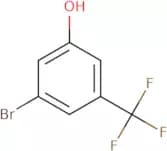

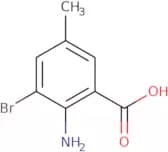
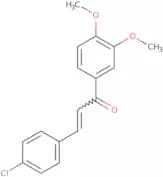
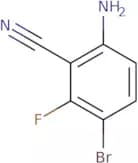
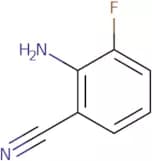
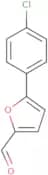
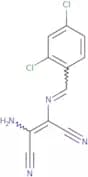

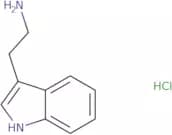
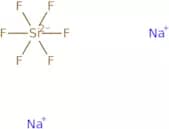
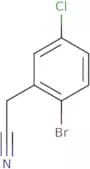
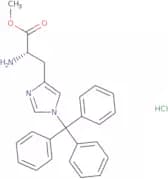
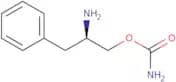
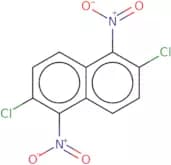
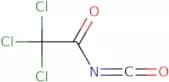
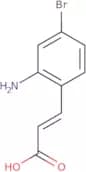
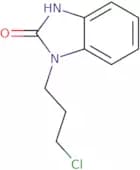
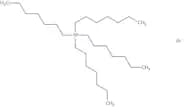
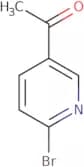
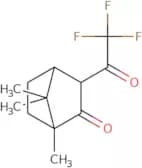
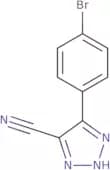
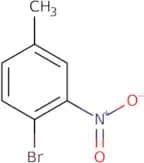
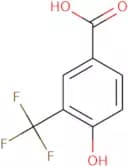
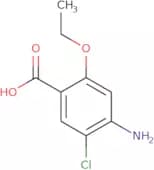
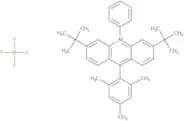
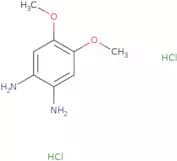
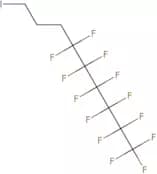
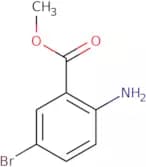
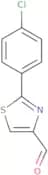
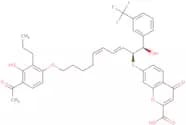

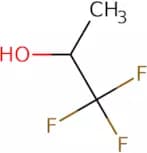
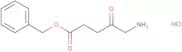
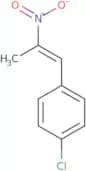
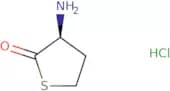
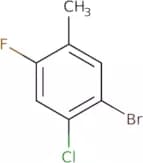
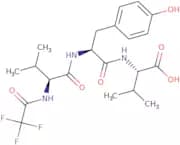
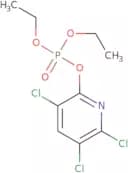

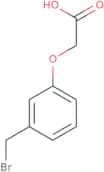
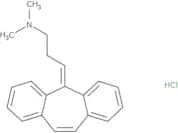
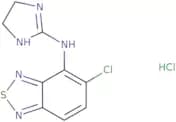
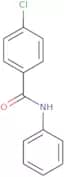
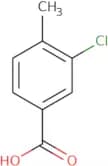
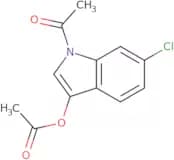
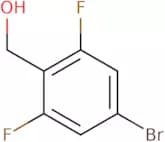
![2-[4-(4-Chloro-a-phenylbenzyl)-1-piperazinyl]-ethoxyacetic acid hydrochloride](/_next/image/?url=https%3A%2Fstatic.cymitquimica.com%2Fproducts%2F3D%2Fthumb-webp%2FFC33467.webp&w=3840&q=75)
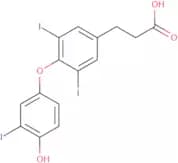
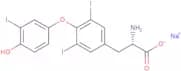
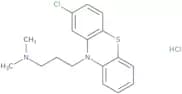
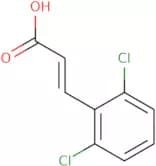
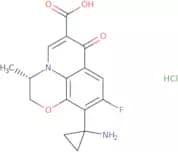
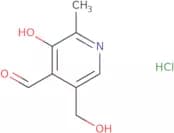
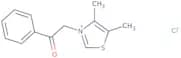
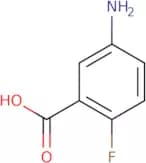
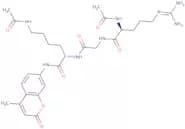
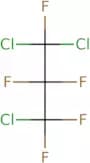

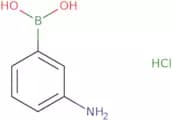
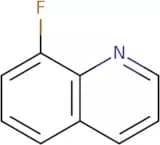
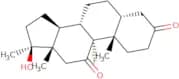

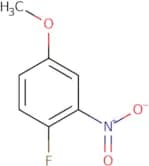
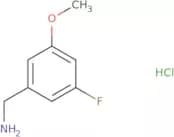
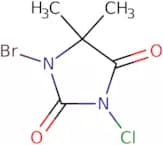
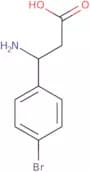
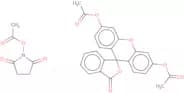
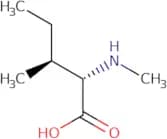
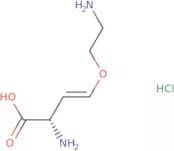
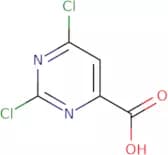
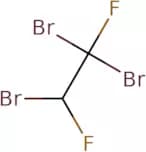
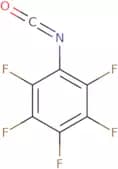
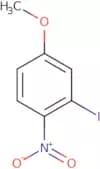
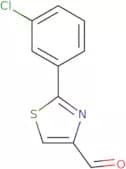
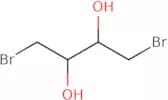

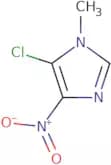
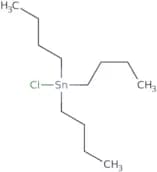
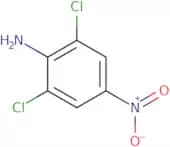
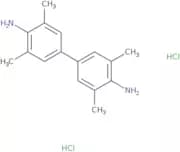
![[2-(Pyridin-2-ylthio)ethyl]amine dihydrochloride](/_next/image/?url=https%3A%2Fstatic.cymitquimica.com%2Fproducts%2F3D%2Fthumb-webp%2FFP121658.webp&w=3840&q=75)
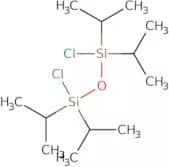


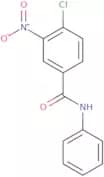
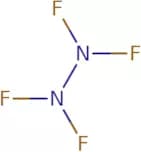
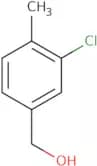
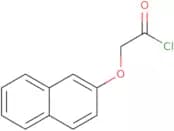
![N-[6-Chloro-5-(2-methoxyphenoxy)-(2,2-bipyrimidine)4-4-yl]-(1,1-dimethylethyl)-benzenesulfonamide](/_next/image/?url=https%3A%2Fstatic.cymitquimica.com%2Fproducts%2F3D%2Fthumb-webp%2FFC20113.webp&w=3840&q=75)


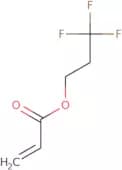
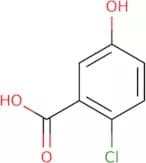
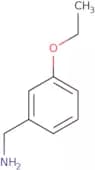
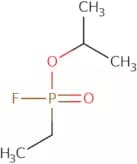

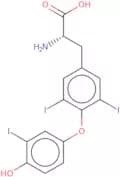
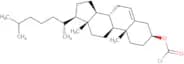
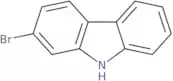
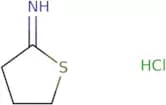
![4-[[4-(4-Chlorophenyl)-2-thiazolyl]amino]phenol](/_next/image/?url=https%3A%2Fstatic.cymitquimica.com%2Fproducts%2F3D%2Fthumb-webp%2FFC137468.webp&w=3840&q=75)
![2-[4-(2,2-Dichlorocyclopropyl)phenoxy]-2-methylpropanoic acid](/_next/image/?url=https%3A%2Fstatic.cymitquimica.com%2Fproducts%2F3D%2Fthumb-webp%2FFD11320.webp&w=3840&q=75)
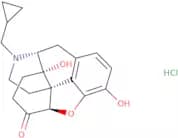
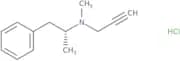
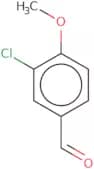
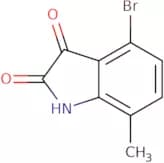
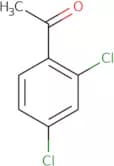
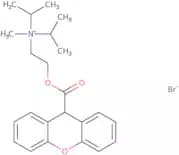
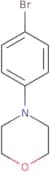
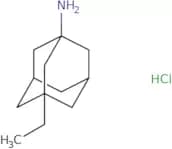
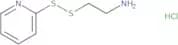
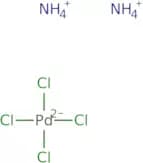
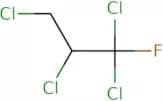
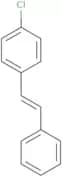
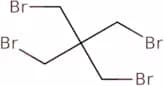
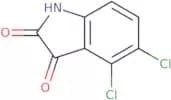
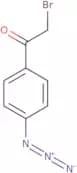
![(1S,4S)-1,7,7-Trimethyl-3-(Trifluoroacetyl)Bicyclo[2.2.1]Heptan-2-One](/_next/image/?url=https%3A%2Fstatic.cymitquimica.com%2Fproducts%2F3D%2Fthumb-webp%2FFT98786.webp&w=3840&q=75)

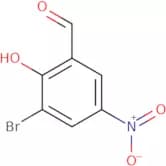
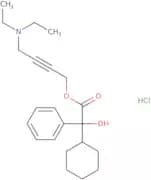
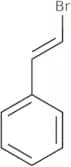
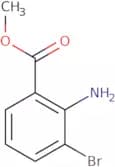
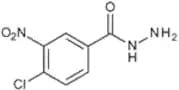

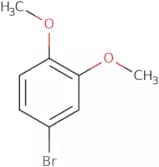
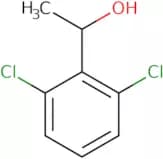
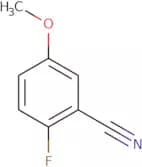
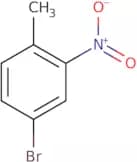
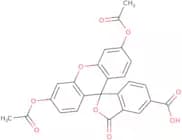
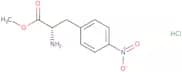
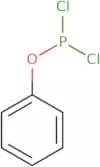
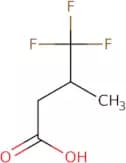
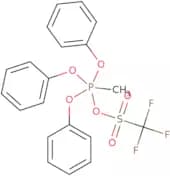
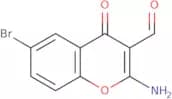
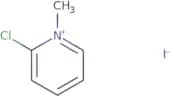
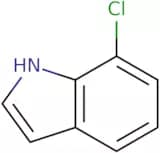
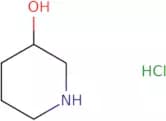
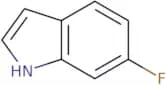
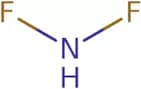
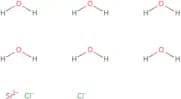
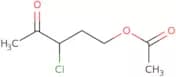
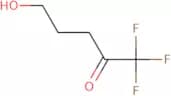
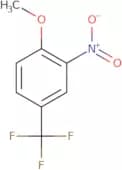
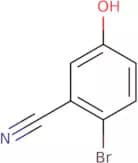
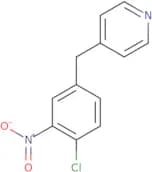
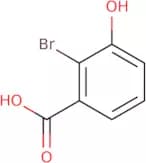

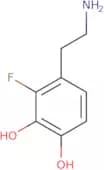

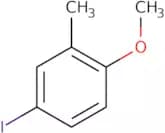
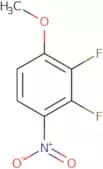
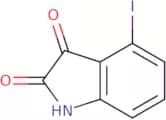
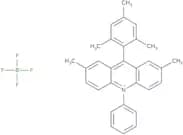
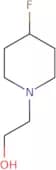
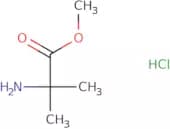

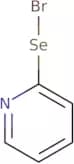
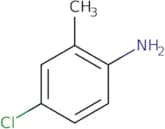

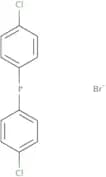
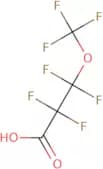
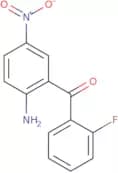
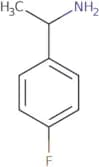
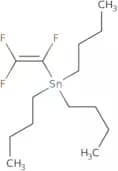
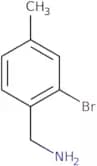
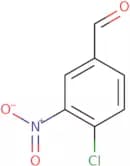
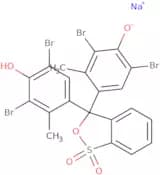
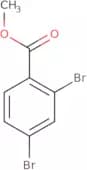
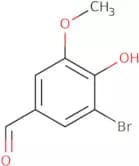
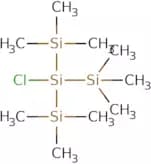
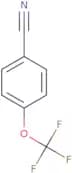
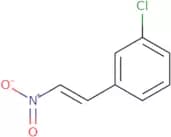
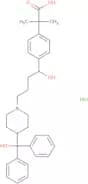
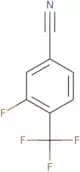
![(1R,4R)-tert-Butyl 2,5-diazabicyclo[2.2.1]heptane-2-carboxylate hydrochloride](/_next/image/?url=https%3A%2Fstatic.cymitquimica.com%2Fproducts%2F3D%2Fthumb-webp%2FFB15223.webp&w=3840&q=75)