Building Blocks
This section contains fundamental products for the synthesis of organic and biological compounds. Building blocks are the essential starting materials used to construct complex molecules through various chemical reactions. They play a critical role in drug discovery, material science, and chemical research. At CymitQuimica, we offer a diverse range of high-quality building blocks to support your innovative research and industrial projects, ensuring you have the essential components for successful synthesis.
Subcategories of "Building Blocks"
- Boronic Acids & Boronic Acid Derivatives(5,756 products)
- Chiral Building Blocks(1,242 products)
- Hydrocarbon Building Blocks(6,093 products)
- Organic Building Blocks(60,525 products)
Found 195536 products of "Building Blocks"
Sort by
Purity (%)
0
100
|
0
|
50
|
90
|
95
|
100
N,N'-Bis(1-phenylethyl)propanediamide
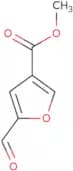
CAS:<p>Versatile small molecule scaffold</p>Formula:C19H22N2O2Purity:Min. 95%Molecular weight:310.4 g/molMethyl 5-formylfuran-3-carboxylate
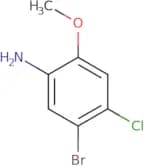
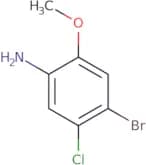
CAS:<p>Methyl 5-formylfuran-3-carboxylate is a synthetic t-cell leukemia agent that has been shown to have cytotoxic effects on carcinoma cells. This compound is an isomer of methyl 5-formylhydroquinone and has been shown to inhibit the growth of staphylococcus, faecalis, and other bacteria. Methyl 5-formylfuran-3-carboxylate also inhibits the growth of various cancer cells in vitro and in vivo. The mechanism of action for this compound relies on its ability to inhibit cellular respiration by inhibiting mitochondrial ATP synthase. Methyl 5-formylfuran-3-carboxylate can be used as a cytotoxic agent against a number of cancers including those that are resistant to other chemotherapeutic agents.</p>Formula:C7H6O4Purity:Min. 95%Molecular weight:154.12 g/mol5-Bromo-4-chloro-2-methoxyaniline
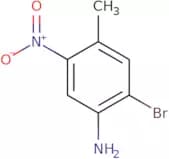
CAS:<p>Versatile small molecule scaffold</p>Formula:C7H7BrClNOPurity:Min. 95%Molecular weight:236.5 g/mol2-Bromo-4-methyl-5-nitroaniline
CAS:<p>2-Bromo-4-methyl-5-nitroaniline is a chemical intermediate that is used in the production of various 2,4,5-trichlorophenol derivatives. It can be synthesized by the reaction of methylbenzene with nitrous acid and sodium nitrite. The product has a melting point of 170°C and is stable in water solution. 2-Bromo-4-methyl-5-nitroaniline can be used as a catalyst to produce target products in an industrialized environment.<br>!-- END --></p>Formula:C7H7BrN2O2Purity:Min. 95%Molecular weight:231.05 g/mol7-Methyl-[1,2,4]triazolo[1,5-a]pyrimidine-6-carboxylic acid
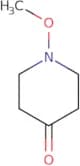
CAS:<p>Versatile small molecule scaffold</p>Formula:C7H6N4O2Purity:Min. 95%Molecular weight:178.15 g/mol1-Methoxypiperidin-4-one
CAS:<p>1-Methoxypiperidin-4-one is a dione that is used as a fungicide. It inhibits the development of resistance in organisms and can be used to control diseases caused by fungi. 1-Methoxypiperidin-4-one has been shown to be effective against crop plants, such as cucumbers and melons, but not against pollinators such as bees. It is also effective against organisms that are resistant to other fungicides, such as neonicotinoids. This compound is produced through a phenylalanine pathway and has a fatty acid profile that consists mainly of unsaturated fatty acids with an odd number of carbon atoms.</p>Formula:C6H11NO2Purity:Min. 95%Molecular weight:129.15 g/mol5-Methyl-[1,2,4]triazolo[1,5-a]pyrimidine-6-carboxylic acid
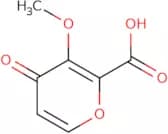
CAS:<p>Versatile small molecule scaffold</p>Formula:C7H6N4O2Purity:Min. 95%Molecular weight:178.1 g/mol3-Methoxy-4-oxo-4H-pyran-2-carboxylic acid
CAS:<p>3-Methoxy-4-oxo-4H-pyran-2-carboxylic acid is an inhibitor of HIV integrase (IN), which is an enzyme that catalyzes the integration of HIV DNA into human chromosome. 3-Methoxy-4-oxo-4H-pyran-2-carboxylic acid has been shown to be active against HIV in vitro and showed potent inhibition of virus replication in cell culture. It also has a long half life, making it suitable for chronic therapy. 3-Methoxy 4 oxo 4H pyran 2 carboxylic acid is a member of the spirocyclic class of compounds, which are active against HIV and have high potency and low toxicity.</p>Formula:C7H6O5Purity:Min. 95%Molecular weight:170.12 g/mol4-Bromo-5-chloro-2-methoxyaniline
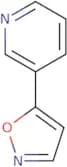
CAS:<p>Versatile small molecule scaffold</p>Formula:C7H7BrClNOPurity:Min. 95%Molecular weight:236.49 g/mol3-(1,2-Oxazol-5-yl)pyridine
CAS:<p>Versatile small molecule scaffold</p>Formula:C8H6N2OPurity:Min. 95%Molecular weight:146.15 g/mol4-(Pyrimidin-2-yloxy)phenol
CAS:<p>Versatile small molecule scaffold</p>Formula:C10H8N2O2Purity:Min. 95%Molecular weight:188.2 g/mol[4-(2-Methoxyethoxy)phenyl]methanamine
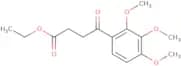
CAS:<p>Versatile small molecule scaffold</p>Formula:C10H15NO2Purity:Min. 95%Molecular weight:181.23 g/molEthyl 4-oxo-4-(2,3,4-trimethoxyphenyl)butanoate
CAS:<p>Versatile small molecule scaffold</p>Formula:C15H20O6Purity:Min. 95%Molecular weight:296.31 g/mol[2-Ethenyl-1-(hydroxymethyl)cyclopropyl]methanol
CAS:<p>2-Ethenyl-1-(hydroxylmethyl)cyclopropane is a cyclopropane ring that has been opened by a ring-opening reaction. It is a member of the class of compounds known as olefinic alcohols. These compounds are hydrolyzed to form an ester and an alkene, which can be used in polymerizations. The 2-ethynyl group is a weak hydrogen bond acceptor, meaning that it can react with polar molecules such as water and alcohols. This group also has low energies, which allow for polymerization reactions. This compound is soluble in organic solvents but not in water because of its hydroxyl group, which allows it to form hydrogen bonds with other compounds.</p>Formula:C7H12O2Purity:Min. 95%Molecular weight:128.17 g/mol2H-Pyrido[4,3-b][1,4]oxazin-3(4h)-one
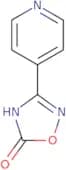
CAS:<p>Versatile small molecule scaffold</p>Formula:C7H6N2O2Purity:Min. 95%Molecular weight:150.14 g/mol3-(Pyridin-4-yl)-4,5-dihydro-1,2,4-oxadiazol-5-one
CAS:<p>Versatile small molecule scaffold</p>Formula:C7H5N3O2Purity:Min. 95%Molecular weight:163.13 g/mol2-tert-Butyldimethylsilyloxyethanol
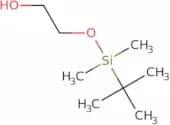
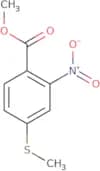
CAS:<p>2-tert-Butyldimethylsilyloxyethanol is a molecule that is used as an antimicrobial agent. It inhibits the efflux pump in gram-negative bacteria, which prevents them from removing antibiotics and other toxic substances from their cells. This results in a high level of antibiotic accumulation within the bacterial cell, which leads to cell death. 2-tert-Butyldimethylsilyloxyethanol has been shown to be effective against Staphylococcus aureus and Escherichia coli (E. coli) but not against Enterobacter aerogenes or Serratia marcescens. 2-tert-Butyldimethylsilyloxyethanol also has antiplasmid activity, inhibiting replication of plasmids in Escherichia coli and Salmonella typhimurium by blocking DNA synthesis at the initiation stage of replication.</p>Formula:C8H20O2SiPurity:Min. 95%Molecular weight:176.33 g/molMethyl 4-(methylsulfanyl)-2-nitrobenzoate
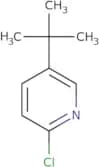
CAS:<p>Versatile small molecule scaffold</p>Formula:C9H9NO4SPurity:Min. 95%Molecular weight:227.24 g/mol5-tert-Butyl-2-chloropyridine
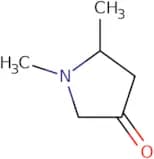
CAS:<p>Versatile small molecule scaffold</p>Formula:C9H12ClNPurity:Min. 95%Molecular weight:169.65 g/mol1,5-Dimethylpyrrolidin-3-one
CAS:<p>Versatile small molecule scaffold</p>Formula:C6H11NOPurity:Min. 95%Molecular weight:113.16 g/mol[2-(4-Chlorophenyl)ethyl](methyl)amine hydrochloride
CAS:Controlled Product<p>Versatile small molecule scaffold</p>Formula:C9H13Cl2NPurity:Min. 95%Molecular weight:206.11 g/mol3-[(4-Methoxyphenyl)sulfanyl]propanenitrile
CAS:<p>Versatile small molecule scaffold</p>Formula:C10H11NOSPurity:Min. 95%Molecular weight:193.27 g/mol4-{[Methyl(phenyl)amino]methyl}benzoic acid
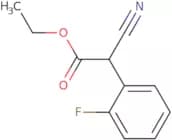
CAS:<p>Versatile small molecule scaffold</p>Formula:C15H15NO2Purity:Min. 95%Molecular weight:241.28 g/molEthyl 2-cyano-2-(2-fluorophenyl)acetate
CAS:<p>Versatile small molecule scaffold</p>Formula:C11H10FNO2Purity:Min. 95%Molecular weight:207.2 g/molEthyl 2-[benzyl(methyl)amino]propanoate
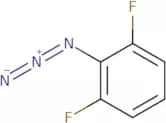
CAS:<p>Versatile small molecule scaffold</p>Formula:C13H19NO2Purity:Min. 95%Molecular weight:221.29 g/mol2-Azido-1,3-difluorobenzene, 2-methoxy-2-methylpropane
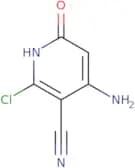
CAS:<p>2-Azido-1,3-difluorobenzene is a photoactive compound that can be used to form an azide. It has been shown to undergo photochemical reactions to form the triplet state and then isomerize to the singlet state. This reaction can be initiated by a laser beam or other light source, such as sunlight. The triplet state of 2-azido-1,3-difluorobenzene has been shown to react with organic molecules containing electron withdrawing groups on their molecules, such as 2-methoxy-2-methylpropane. When these two substances are mixed together, they react to form an isomerized product that has a carbonyl group in its structure. This reaction could be helpful for developing new synthetic methods for producing pharmaceuticals and other compounds with important functions in chemistry and physics.</p>Formula:C6H3F2N3Purity:Min. 95%Molecular weight:155.1 g/mol4-Amino-2-chloro-6-oxo-1,6-dihydropyridine-3-carbonitrile
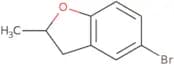
CAS:<p>Versatile small molecule scaffold</p>Formula:C6H4ClN3OPurity:Min. 95%Molecular weight:169.57 g/mol5-Bromo-2-methyl-2,3-dihydro-1-benzofuran
CAS:<p>Versatile small molecule scaffold</p>Formula:C9H9OBrPurity:Min. 95%Molecular weight:213.07 g/mol1-(4-Iodobenzoyl)-4-methylpiperazine
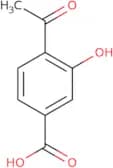
CAS:<p>Versatile small molecule scaffold</p>Formula:C12H15IN2OPurity:Min. 95%Molecular weight:330.16 g/mol4-Acetyl-3-hydroxybenzoic acid
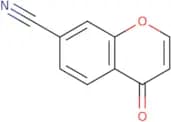
CAS:<p>Versatile small molecule scaffold</p>Formula:C9H8O4Purity:Min. 95%Molecular weight:180.15 g/mol4-Oxo-4H-chromene-7-carbonitrile
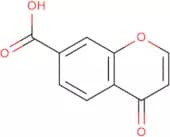
CAS:<p>Versatile small molecule scaffold</p>Formula:C10H5NO2Purity:Min. 95%Molecular weight:171.15 g/mol4-Oxo-4H-chromene-7-carboxylic acid
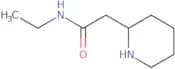
CAS:<p>Versatile small molecule scaffold</p>Formula:C10H6O4Purity:Min. 95%Molecular weight:190.15 g/molN-Ethyl-2-(piperidin-2-yl)acetamide
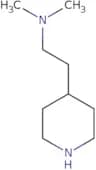
CAS:<p>Versatile small molecule scaffold</p>Formula:C9H18N2OPurity:Min. 95%Molecular weight:170.25 g/molDimethyl-(2-piperidin-4-yl-ethyl)-amine
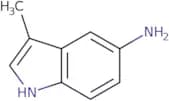
CAS:<p>Versatile small molecule scaffold</p>Formula:C9H20N2Purity:Min. 95%Molecular weight:156.27 g/mol3-Methyl-1H-indol-5-amine
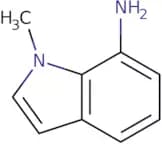
CAS:<p>Versatile small molecule scaffold</p>Formula:C9H10N2Purity:Min. 95%Molecular weight:146.19 g/mol1-Methyl-1H-indol-7-amine
CAS:<p>Versatile small molecule scaffold</p>Formula:C9H10N2Purity:Min. 95%Molecular weight:146.19 g/molN,8-Dimethyl-8-azabicyclo[3.2.1]octan-3-amine
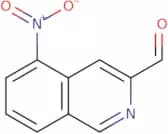
CAS:<p>Versatile small molecule scaffold</p>Formula:C9H18N2Purity:Min. 95%Molecular weight:154.25 g/mol5-Nitroisoquinoline-3-carbaldehyde
CAS:<p>Versatile small molecule scaffold</p>Formula:C10H6N2O3Purity:Min. 95%Molecular weight:202.17 g/mol2-Amino-2-(4-chlorophenyl)acetamide
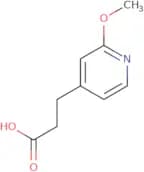
CAS:<p>Versatile small molecule scaffold</p>Formula:C8H9ClN2OPurity:Min. 95%Molecular weight:184.62 g/mol3-(2-Methoxypyridin-4-yl)propanoic acid
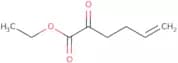
CAS:<p>Versatile small molecule scaffold</p>Formula:C9H11NO3Purity:Min. 95%Molecular weight:181.19 g/molEthyl 2-oxohex-5-enoate
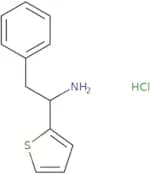
CAS:<p>Versatile small molecule scaffold</p>Formula:C8H12O3Purity:Min. 95%Molecular weight:156.18 g/mol2-Phenyl-1-(thiophen-2-yl)ethan-1-amine hydrochloride
CAS:<p>Versatile small molecule scaffold</p>Formula:C12H14ClNSPurity:Min. 95%Molecular weight:239.76 g/mol5-Carboxyoxindole
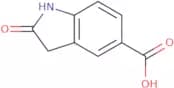
CAS:<p>5-Carboxyoxindole is a synthetic compound that has been shown to be cytotoxic in vitro and in vivo. It has been found to bind to the DNA of cancer cells, preventing DNA synthesis and replication, resulting in cell death. The mechanism of 5-carboxyoxindole is not completely understood but it has been suggested that it inhibits the production of ATP, leading to cell death. Techniques used to synthesize this compound include multistep reactions with yields up to 69%. These reactions are typically carried out at room temperature, although they can also be performed under reflux or microwave conditions.</p>Formula:C9H7NO3Purity:Min. 95%Molecular weight:177.16 g/molEthyl 3-(ethylamino)benzoate
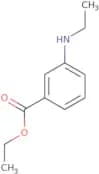
CAS:<p>Versatile small molecule scaffold</p>Formula:C11H15NO2Purity:Min. 95%Molecular weight:193.24 g/mol(3,3-Dimethylcyclohexyl)methanol
CAS:<p>Versatile small molecule scaffold</p>Formula:C9H18OPurity:Min. 95%Molecular weight:142.24 g/molN-(4-Butylphenyl)-5,6-dihydro-4H-1,3-thiazin-2-amine
CAS:<p>Versatile small molecule scaffold</p>Formula:C14H20N2SPurity:Min. 95%Molecular weight:248.39 g/molN-[2-(Propan-2-yl)phenyl]-5,6-dihydro-4H-1,3-thiazin-2-amine
CAS:<p>Versatile small molecule scaffold</p>Formula:C13H18N2SPurity:Min. 95%Molecular weight:234.36 g/mol1-(4-Fluoro-2-methoxyphenyl)piperazine
CAS:Controlled Product<p>Versatile small molecule scaffold</p>Formula:C11H15FN2OPurity:Min. 95%Molecular weight:210.25 g/mol6-(Trifluoromethyl)-2H-pyran-2-one
CAS:<p>Versatile small molecule scaffold</p>Formula:C6H3F3O2Purity:Min. 95%Molecular weight:164.08 g/mol2,6-Dimethylimidazo[2,1-b][1,3]thiazole-5-carbaldehyde
CAS:<p>Versatile small molecule scaffold</p>Formula:C8H8N2OSPurity:Min. 95%Molecular weight:180.23 g/molMethyl 2-(aminooxy)-4-methylpentanoate hydrochloride
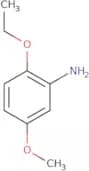
CAS:<p>Versatile small molecule scaffold</p>Formula:C7H16ClNO3Purity:Min. 95%Molecular weight:197.7 g/mol2-Ethoxy-5-methoxyaniline
CAS:<p>Versatile small molecule scaffold</p>Formula:C9H13NO2Purity:Min. 95%Molecular weight:167.2 g/mol5-[(Propylsulfanyl)methyl]furan-2-carboxylic acid
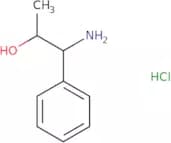
CAS:<p>Versatile small molecule scaffold</p>Formula:C9H12O3SPurity:Min. 95%Molecular weight:200.26 g/mol1-Amino-1-phenylpropan-2-ol hydrochloride
CAS:<p>1-Amino-1-phenylpropan-2-ol hydrochloride is an enantioselective, chiral amino alcohol that is synthesized by the reaction of aldehydes or ketones with phenylmagnesium bromide. This reaction yields the corresponding amino alcohols in high yields and with excellent enantioselectivity. 1-Amino-1-phenylpropan-2-ol hydrochloride can be used to synthesize various functional groups such as halides, oxazoline, diselenides, sulfonamides and alkenes. It can also be used for catalytic transformations involving other functional groups such as alcohols and alkyl halides.</p>Formula:C9H14ClNOPurity:Min. 95%Molecular weight:187.66 g/mol2-Methyl-1-(pyridin-2-yl)propan-1-ol
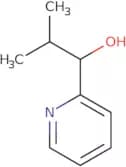
CAS:<p>Versatile small molecule scaffold</p>Formula:C9H13NOPurity:Min. 95%Molecular weight:151.21 g/mol3-Methoxy-2,5-dimethylaniline
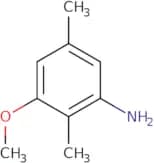
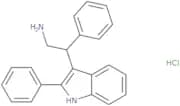
CAS:<p>Versatile small molecule scaffold</p>Formula:C9H13NOPurity:Min. 95%Molecular weight:151.21 g/mol2-Phenyl-2-(2-phenyl-1H-indol-3-yl)ethan-1-amine
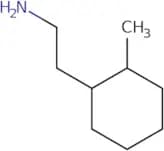
CAS:<p>Versatile small molecule scaffold</p>Formula:C22H21ClN2Purity:Min. 95%Molecular weight:348.9 g/mol2-(2-Methylcyclohexyl)ethan-1-amine
CAS:<p>Versatile small molecule scaffold</p>Formula:C9H19NPurity:Min. 95%Molecular weight:141.25 g/mol2-(4-Methylcyclohexyl)ethan-1-amine hydrochloride
CAS:<p>Versatile small molecule scaffold</p>Formula:C9H20ClNPurity:Min. 95%Molecular weight:177.7 g/mol[(1-Ethylpiperidin-3-yl)methyl]amine
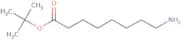
CAS:<p>Versatile small molecule scaffold</p>Formula:C8H18N2Purity:Min. 95%Molecular weight:142.24 g/moltert-butyl 8-aminooctanoate
CAS:<p>Versatile small molecule scaffold</p>Formula:C12H25NO2Purity:Min. 95%Molecular weight:215.3 g/mol4-Bromo-3-methyl-2,3-dihydro-1H-inden-1-one
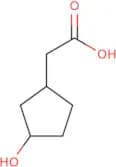
CAS:<p>Versatile small molecule scaffold</p>Formula:C10H9BrOPurity:Min. 95%Molecular weight:225.08 g/mol2-(3-Hydroxycyclopentyl)acetic acid
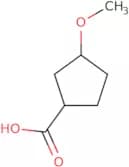
CAS:<p>Versatile small molecule scaffold</p>Formula:C7H12O3Purity:Min. 95%Molecular weight:144.17 g/mol3-Methoxycyclopentane-1-carboxylic acid
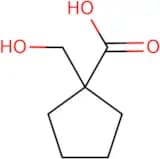
CAS:<p>Versatile small molecule scaffold</p>Formula:C7H12O3Purity:Min. 95%Molecular weight:144.17 g/mol1-(Hydroxymethyl)cyclopentane-1-carboxylic acid
CAS:<p>Versatile small molecule scaffold</p>Formula:C7H12O3Purity:Min. 95%Molecular weight:144.17 g/mol3,9-diazabicyclo[4.2.1]nonane, 9-methyl-
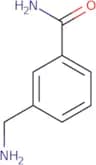
CAS:<p>3,9-diazabicyclo[4.2.1]nonane, 9-methyl (DZB) is a spasmolytic drug that belongs to the group of aliphatic, aromatic acids, lactams and amides. It has been shown to have spasmolytic activity in animal experiments and has been used as an analgesic in humans. DZB is an analogue of 3,9-diazabicyclo[4.2.1]nonane (DZN) and is synthesized by reacting the corresponding sulfonyl chloride with a primary amine under acidic conditions followed by reduction with sodium borohydride or lithium aluminum hydride to yield the corresponding N-sulfonyl amide. This reaction can also be carried out using chlorosulfonic acid in place of sulfuric acid and an excess of primary amine over sulfonyl chloride.</p>Formula:C8H16N2Purity:Min. 95%Molecular weight:140.23 g/mol3-(Aminomethyl)benzamide
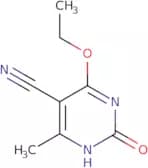
CAS:<p>Versatile small molecule scaffold</p>Formula:C8H10N2OPurity:Min. 95%Molecular weight:150.18 g/mol4-Ethoxy-6-methyl-2-oxo-1,2-dihydropyrimidine-5-carbonitrile
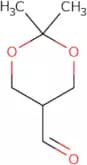
CAS:<p>Versatile small molecule scaffold</p>Formula:C8H9N3O2Purity:Min. 95%Molecular weight:179.18 g/mol2,2-Dimethyl-1,3-dioxane-5-carbaldehyde
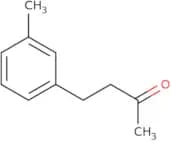
CAS:<p>Versatile small molecule scaffold</p>Formula:C7H12O3Purity:Min. 95%Molecular weight:144.17 g/mol4-(3-Methylphenyl)butan-2-one
CAS:<p>Versatile small molecule scaffold</p>Formula:C11H14OPurity:Min. 95%Molecular weight:162.23 g/mol1-Amino-1H-benzo[D]imidazol-2(3H)-one
CAS:<p>1-Amino-1H-benzo[D]imidazol-2(3H)-one is a heterocyclic compound that belongs to the group of 4-azaindole, chromic acid, substituents, oxidized. It has been shown to be an effective inhibitor of thiosemicarbazones and pyrrole in vitro. Additionally, this compound inhibits bacterial growth by binding to DNA gyrase and topoisomerase IV enzymes. This drug is also being studied as a potential treatment for cancer.</p>Formula:C7H7N3OPurity:Min. 95%Molecular weight:149.15 g/mol{2-Oxabicyclo[4.1.0]heptan-7-yl}methanols
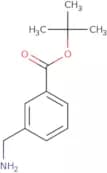
CAS:<p>Versatile small molecule scaffold</p>Formula:C7H12O2Purity:Min. 95%Molecular weight:128.2 g/moltert-butyl 3-(aminomethyl)benzoate
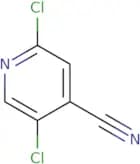
CAS:<p>Versatile small molecule scaffold</p>Formula:C12H17NO2Purity:Min. 95%Molecular weight:207.3 g/mol2,5-Dichloroisonicotinonitrile
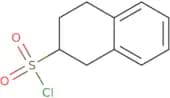
CAS:<p>2,5-Dichloroisonicotinonitrile is a tyrosine kinase inhibitor that is used to treat autoimmune diseases. The compound inhibits the function of the enzyme tyrosine kinase by binding to its ATP binding site. 2,5-Dichloroisonicotinonitrile is also a potent antibacterial agent with activity against both Gram-positive and Gram-negative bacteria. It has been shown to be active against Mycobacterium tuberculosis, methicillin-resistant Staphylococcus aureus (MRSA), and Clostridium perfringens. The drug can cause adverse effects such as pulmonary fibrosis and thyroiditis in animal studies.</p>Formula:C6H2Cl2N2Purity:Min. 95%Molecular weight:173 g/mol1,2,3,4-Tetrahydronaphthalene-2-sulfonyl chloride
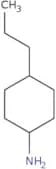
CAS:<p>Versatile small molecule scaffold</p>Formula:C10H11ClO2SPurity:Min. 95%Molecular weight:230.71 g/mol4-Propylcyclohexylamine (cis- and trans- mixture)
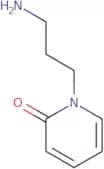
CAS:<p>4-Propylcyclohexylamine is a versatile compound that finds applications in various industries. It is commonly used as a building block in the synthesis of copolymers, catalysts, and triazine derivatives. This compound exhibits excellent reactivity in organometallic reactions and can act as a pyridinium scavenger. With its high isolated yield and particulate nature, it is ideal for research purposes and as a reagent for the activation of cellulose.</p>Formula:C9H19NPurity:Min. 95%Molecular weight:141.26 g/mol1-(3-Aminopropyl)-1,2-dihydropyridin-2-one
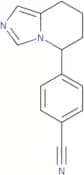
CAS:<p>Versatile small molecule scaffold</p>Formula:C8H12N2OPurity:Min. 95%Molecular weight:152.19 g/molFadrozole
CAS:<p>Fadrozole is an inhibitor of the enzyme aromatase, which converts androgens to estrogens. It is used in combination with other drugs to treat breast cancer in postmenopausal women and prostate cancer in men. The molecular basis for the inhibitory properties of fadrozole is its ability to bind to the dinucleotide phosphate-binding site of aromatase, thereby inhibiting its activity. Fadrozole inhibits the production of estrogens by competitively binding to the enzyme's active site. The inhibitory effect of fadrozole on aromatase activity has been demonstrated in experimental models and provides a possible explanation for its use in combination with other drugs for breast and prostate cancer treatment.</p>Formula:C14H13N3Purity:Min. 95%Molecular weight:223.27 g/molMethyl 4-[(1S)-1-hydroxyethyl]benzoate
CAS:<p>Versatile small molecule scaffold</p>Formula:C10H12O3Purity:Min. 95%Molecular weight:180.2 g/mol(3R)-3,6-Bis({[(tert-butoxy)carbonyl]amino})hexanoic acid
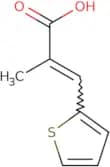
CAS:<p>Versatile small molecule scaffold</p>Formula:C16H30N2O6Purity:Min. 95%Molecular weight:346.4 g/mol(2E)-2-Methyl-3-(thiophen-2-yl)prop-2-enoic acid
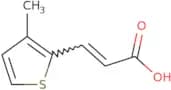
CAS:<p>Versatile small molecule scaffold</p>Formula:C8H8O2SPurity:Min. 95%Molecular weight:168.21 g/mol(2E)-3-(3-Methylthiophen-2-yl)prop-2-enoic acid
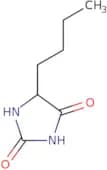
CAS:<p>(2E)-3-(3-Methylthiophen-2-yl)prop-2-enoic acid is a naturally occurring compound with two stereoisomers, the cis and trans isomers. The cis isomer has been found to have the same physiological properties as pyrantel, while the trans isomer has been shown to be resistant to alkaline hydrolysis. (2E)-3-(3-Methylthiophen-2-yl)prop-2-enoic acid can be isolated from plants by using chromatographic techniques that separate it from other compounds with similar structures. This compound also has a homolog, (4R)-4-(3,5,-dimethylphenyl)butanoic acid, which can be synthesized in the laboratory.</p>Formula:C8H8O2SPurity:Min. 95%Molecular weight:168.21 g/mol5-Butylimidazolidine-2,4-dione
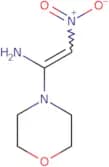
CAS:<p>Versatile small molecule scaffold</p>Formula:C7H12N2O2Purity:Min. 95%Molecular weight:156.18 g/mol1-(Morpholin-4-yl)-2-nitroethen-1-amine
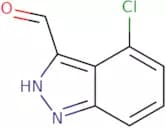
CAS:<p>Versatile small molecule scaffold</p>Formula:C6H11N3O3Purity:Min. 95%Molecular weight:173.17 g/mol4-Chloro-3-(1H)indazole carboxaldehyde
CAS:<p>Versatile small molecule scaffold</p>Formula:C8H5ClN2OPurity:Min. 95%Molecular weight:180.59 g/mol(1S,2S)-2-Phenylcyclopentan-1-amine hydrochloride
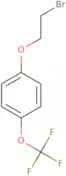
CAS:<p>Versatile small molecule scaffold</p>Formula:C11H16ClNPurity:Min. 95%Molecular weight:197.7 g/mol1-(2-Bromoethoxy)-4-(trifluoromethoxy)benzene
CAS:<p>Versatile small molecule scaffold</p>Formula:C9H8BrF3O2Purity:Min. 95%Molecular weight:285.06 g/molDispiro[3.0.3{5}.2{4}]decan-9-one
CAS:<p>Versatile small molecule scaffold</p>Formula:C10H14OPurity:Min. 95%Molecular weight:150.2 g/mol3-Methyl-3,4-dihydro-2H-pyrrol-5-amine hydrochloride
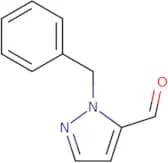
CAS:<p>Versatile small molecule scaffold</p>Formula:C5H11ClN2Purity:Min. 95%Molecular weight:134.6 g/mol1-Benzyl-1H-pyrazole-5-carbaldehyde
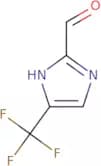
CAS:<p>Versatile small molecule scaffold</p>Formula:C11H10N2OPurity:Min. 95%Molecular weight:186.21 g/mol-5(Trifluoromethyl)-1H-Imidazole-2-Carbaldehyde
CAS:<p>Versatile small molecule scaffold</p>Formula:C5H3F3N2OPurity:Min. 95%Molecular weight:164.09 g/molN-Benzyl-2-carbamothioylacetamide
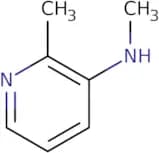
CAS:<p>Versatile small molecule scaffold</p>Formula:C10H12N2OSPurity:Min. 95%Molecular weight:208.28 g/molMethyl-(2-methyl-pyridin-3-yl)-amine
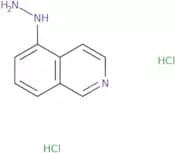
CAS:<p>Versatile small molecule scaffold</p>Formula:C7H10N2Purity:Min. 95%Molecular weight:122.17 g/mol5-Hydrazinylisoquinoline diHCl
CAS:<p>Versatile small molecule scaffold</p>Formula:C9H11Cl2N3Purity:Min. 95%Molecular weight:232.11 g/mol2-(1H-Indazol-3-yl)ethanamine dihydrochloride
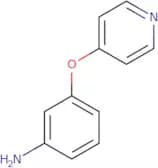
CAS:<p>Versatile small molecule scaffold</p>Formula:C9H13Cl2N3Purity:Min. 95%Molecular weight:234.12 g/mol3-(Pyridin-4-yloxy)aniline
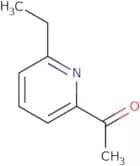
CAS:<p>Versatile small molecule scaffold</p>Formula:C11H10N2OPurity:Min. 95%Molecular weight:186.21 g/mol1-(6-Ethylpyridin-2-yl)ethan-1-one
CAS:<p>Versatile small molecule scaffold</p>Formula:C9H11NOPurity:Min. 95%Molecular weight:149.19 g/mol5-Methylnaphthalen-1-amine
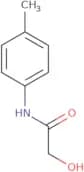
CAS:<p>5-Methylnaphthalen-1-amine is a member of the naphthalene family. The compound is permeable to phospholipid membranes and can be used as a model for membrane penetration by drugs. It has been shown to form reactive carbocations with electron-deficient compounds, such as methoxy groups and nucleophilic compounds, which are useful in synthesizing new molecules. This molecule also has high thermal stability, making it an excellent candidate for techniques that require elevated temperatures, such as microwave-assisted synthesis.</p>Formula:C11H11NPurity:Min. 95%Molecular weight:157.21 g/mol2-Hydroxy-N-(4-methylphenyl)acetamide
CAS:<p>Versatile small molecule scaffold</p>Formula:C9H11NO2Purity:Min. 95%Molecular weight:165.19 g/mol2-Phenylpropane-1-sulfonyl chloride
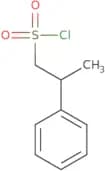
CAS:<p>Versatile small molecule scaffold</p>Formula:C9H11ClO2SPurity:Min. 95%Molecular weight:218.7 g/mol1,2,3,4-Tetrahydroisoquinolin-5-ol hydrochloride
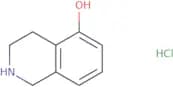
CAS:<p>Versatile small molecule scaffold</p>Formula:C9H12ClNOPurity:Min. 95%Molecular weight:185.65 g/mol2-(Aminoethyl)-benzoic acid hydrochloride
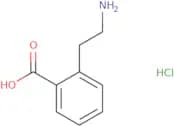
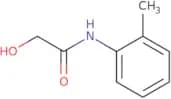
CAS:<p>Versatile small molecule scaffold</p>Formula:C9H12ClNO2Purity:Min. 95%Molecular weight:201.65 g/mol2-Hydroxy-N-(2-methylphenyl)acetamide
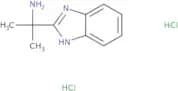
CAS:<p>Versatile small molecule scaffold</p>Formula:C9H11NO2Purity:Min. 95%Molecular weight:165.19 g/mol2-(1H-1,3-Benzodiazol-2-yl)propan-2-amine dihydrochloride
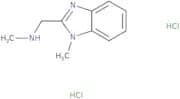
CAS:<p>Versatile small molecule scaffold</p>Formula:C10H15Cl2N3Purity:Min. 95%Molecular weight:248.15 g/molN-Methyl-1-(1-methyl-1H-benzimidazol-2-yl)methanamine dihydrochloride
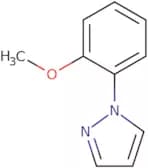
CAS:Controlled Product<p>Versatile small molecule scaffold</p>Formula:C10H15Cl2N3Purity:Min. 95%Molecular weight:248.15 g/mol1-(2-Methoxyphenyl)-1H-pyrazole
CAS:<p>Versatile small molecule scaffold</p>Formula:C10H10N2OPurity:Min. 95%Molecular weight:174.2 g/mol[4-(Butan-2-yl)phenyl]methanol
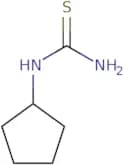
CAS:<p>Versatile small molecule scaffold</p>Formula:C11H16OPurity:Min. 95%Molecular weight:164.24 g/molN-Cyclopentylthiourea
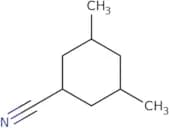
CAS:<p>N-Cyclopentylthiourea is an inhibitor of the NS3 protease that is involved in hepatitis C virus (HCV) replication. It has been shown to inhibit the activity of NS3 protease in vitro and in cell-based assays. N-Cyclopentylthiourea inhibits the enzyme by binding to its active site and blocking access to the substrate. It has also been shown to be effective against hepatitis B virus (HBV) replication, although it is not active against HIV or influenza A. This drug also has anti-inflammatory properties, which may be due to its inhibition of cyclooxygenase and nitric oxide synthase enzymes.</p>Formula:C6H12N2SPurity:Min. 95%Molecular weight:144.24 g/mol3,5-Dimethylcyclohexane-1-carbonitrile
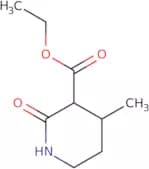
CAS:<p>Versatile small molecule scaffold</p>Formula:C9H15NPurity:Min. 95%Molecular weight:137.22 g/molEthyl 4-methyl-2-oxopiperidine-3-carboxylate
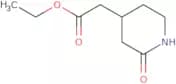
CAS:<p>Versatile small molecule scaffold</p>Formula:C9H15NO3Purity:Min. 95%Molecular weight:185.22 g/molEthyl 2-(2-oxopiperidin-4-yl)acetate
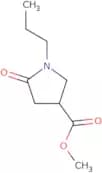
CAS:<p>Versatile small molecule scaffold</p>Formula:C9H15NO3Purity:Min. 95%Molecular weight:185.22 g/molMethyl 5-oxo-1-propylpyrrolidine-3-carboxylate
CAS:<p>Versatile small molecule scaffold</p>Formula:C9H15NO3Purity:Min. 95%Molecular weight:185.22 g/mol2-Bromo-1-(3-chloro-4-methoxyphenyl)propan-1-one
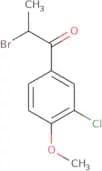
CAS:<p>Versatile small molecule scaffold</p>Formula:C10H10BrClO2Purity:Min. 95%Molecular weight:277.54 g/mol5-Amino-1-(2,4-difluorophenyl)-1H-pyrazole-4-carbonitrile
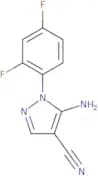
CAS:<p>Versatile small molecule scaffold</p>Formula:C10H6N4F2Purity:Min. 95%Molecular weight:220.18 g/mol2-Bromo-6-(chloromethyl)pyridine
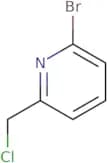
CAS:<p>2-Bromo-6-(chloromethyl)pyridine is a ligand that binds to transition metal ions. It has been shown to have a high affinity for thionyl, which is an endogenous substrate. The ligand has also been used in the immobilization of biomolecules, such as proteins and DNA. The ligand has been synthesized by reacting cyanuric chloride with 2-bromopyridine. This method is different from the traditional synthetic pathway, which typically involves reacting chloroform with methyl bromide in the presence of a base or acid. The synthesis of this ligand can be done using two methods: (1) reaction of histidine with hydroxylamine hydrochloride and methyl bromide; or (2) reaction of methylamine with ethyl chlorocarbonate and 1,4-diazabicyclo[2.2.2]octane.</p>Formula:C6H5BrClNPurity:Min. 95%Molecular weight:206.47 g/mol2-[2-(2-Chlorophenoxy)ethyl]-2,3-dihydro-1H-isoindole-1,3-dione
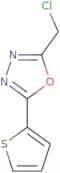
CAS:<p>Versatile small molecule scaffold</p>Formula:C16H12ClNO3Purity:Min. 95%Molecular weight:301.72 g/mol2-(Chloromethyl)-5-thien-2-yl-1,3,4-oxadiazole
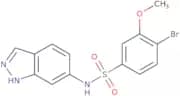
CAS:<p>Versatile small molecule scaffold</p>Formula:C7H5ClN2OSPurity:Min. 95%Molecular weight:200.65 g/mol4-Bromo-N-(2H-indazol-6-yl)-3-methoxybenzene-1-sulfonamide
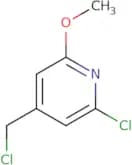
CAS:<p>Versatile small molecule scaffold</p>Formula:C14H12BrN3O3SPurity:Min. 95%Molecular weight:382.23 g/mol2-Chloro-4-(chloromethyl)-6-methoxypyridine
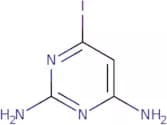
CAS:<p>Versatile small molecule scaffold</p>Formula:C7H7NOCl2Purity:Min. 95%Molecular weight:192.05 g/mol6-Iodopyrimidine-2,4-diamine
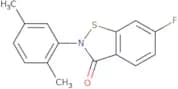
CAS:<p>6-Iodopyrimidine-2,4-diamine is an alkynyl compound that can be synthesized efficiently via a cross-coupling reaction. It has cytostatic activity and can be used in the treatment of cancer cells. 6-Iodopyrimidine-2,4-diamine inhibits the growth of cells by binding to DNA and preventing synthesis of proteins. This chemical also reacts with DNA to form covalent bonds, which prevents the replication of cells.</p>Formula:C4H5IN4Purity:Min. 95%Molecular weight:236.01 g/mol2-(2,5-Dimethylphenyl)-6-fluoro-2,3-dihydro-1,2-benzothiazol-3-one
CAS:<p>2-(2,5-Dimethylphenyl)-6-fluoro-2,3-dihydro-1,2-benzothiazol-3-one is an industrial and biochemical compound that has a wide range of applications. It is commonly used as an inhibitor in various assays and experiments. This compound has been found to have genotoxic properties, meaning it can cause damage to DNA. Additionally, it has been identified as a phytoalexin, a substance produced by plants as a defense mechanism against pathogens.</p>Formula:C15H12FNOSPurity:Min. 95%Molecular weight:273.3 g/mol4-(([4-(3-Methylphenoxy)phenyl]sulfonyl)amino)benzoic acid
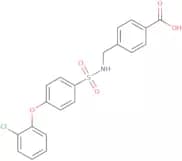
CAS:<p>Versatile small molecule scaffold</p>Formula:C20H17NO5SPurity:Min. 95%Molecular weight:383.4 g/mol4-(((4-(2-Chlorophenoxy)phenyl)sulfonamido)methyl)benzoic Acid
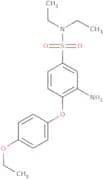
CAS:<p>Versatile small molecule scaffold</p>Formula:C20H16NO5SClPurity:Min. 95%Molecular weight:417.86 g/mol3-Amino-4-(4-ethoxyphenoxy)-N,N-diethylbenzene-1-sulfonamide
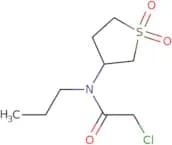
CAS:<p>Versatile small molecule scaffold</p>Formula:C18H24N2O4SPurity:Min. 95%Molecular weight:364.5 g/molN-(1,1-Dioxothiolan-3-yl)-2-chloro-N-propylacetamide
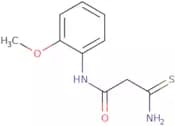
CAS:<p>Versatile small molecule scaffold</p>Formula:C9H16ClNO3SPurity:Min. 95%Molecular weight:253.75 g/mol2-Carbamothioyl-N-(2-methoxyphenyl)acetamide
CAS:<p>Versatile small molecule scaffold</p>Formula:C10H12N2O2SPurity:Min. 95%Molecular weight:224.28 g/molN-[4-(4-Bromophenyl)-1,3-thiazol-2-yl]-2-chloro-N-(3,5-dimethylphenyl)acetamide
CAS:<p>Versatile small molecule scaffold</p>Formula:C19H16BrClN2OSPurity:Min. 95%Molecular weight:435.8 g/mol5-(4-Chlorophenoxymethyl)-4-(furan-2-ylmethyl)-4H-1,2,4-triazole-3-thiol
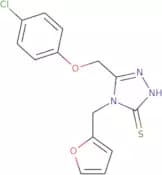
CAS:<p>Versatile small molecule scaffold</p>Formula:C14H12ClN3O2SPurity:Min. 95%Molecular weight:321.8 g/mol11-Pentyl-10-sulfanyl-7-thia-9,11-diazatricyclo[6.4.0.0,2,6]dodeca-1(8),2(6),9-trien-12-one
CAS:<p>Versatile small molecule scaffold</p>Formula:C14H18N2OS2Purity:Min. 95%Molecular weight:294.4 g/molN-[3-(4-Fluorobenzenesulfonamido)-4-methoxyphenyl]-4-phenylbenzamide
CAS:<p>Versatile small molecule scaffold</p>Formula:C26H21FN2O4SPurity:Min. 95%Molecular weight:476.5 g/mol2-Chloro-N-(1,1-dioxo-tetrahydro-1λ*6*-thiophen-3-yl)-N-isobutyl-acetamide
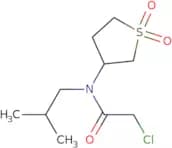
CAS:<p>Versatile small molecule scaffold</p>Formula:C10H18ClNO3SPurity:Min. 95%Molecular weight:267.78 g/mol5-(4-tert-Butylphenyl)-4-(4-methylphenyl)-4H-1,2,4-triazole-3-thiol
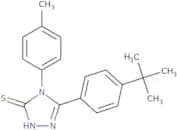
CAS:<p>Versatile small molecule scaffold</p>Formula:C19H21N3SPurity:Min. 95%Molecular weight:323.5 g/mol2-Sulfanyl-3-[2-(trifluoromethyl)phenyl]-3,4-dihydroquinazolin-4-one
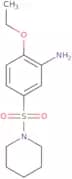
CAS:<p>Versatile small molecule scaffold</p>Formula:C15H9F3N2OSPurity:Min. 95%Molecular weight:322.31 g/mol2-Ethoxy-5-(piperidine-1-sulfonyl)aniline
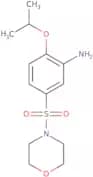
CAS:<p>Versatile small molecule scaffold</p>Formula:C13H20N2O3SPurity:Min. 95%Molecular weight:284.38 g/mol5-(Morpholine-4-sulfonyl)-2-(propan-2-yloxy)aniline
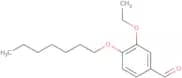
CAS:<p>Versatile small molecule scaffold</p>Formula:C13H20N2O4SPurity:Min. 95%Molecular weight:300.38 g/mol3-Ethoxy-4-(heptyloxy)benzaldehyde
CAS:<p>Versatile small molecule scaffold</p>Formula:C16H24O3Purity:Min. 95%Molecular weight:264.36 g/mol3-[4-(5-Chloro-2-methylphenyl)piperazin-1-yl]-3-oxopropanenitrile
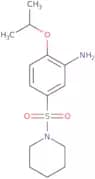
CAS:<p>Versatile small molecule scaffold</p>Formula:C14H16ClN3OPurity:Min. 95%Molecular weight:277.75 g/mol5-(Piperidine-1-sulfonyl)-2-(propan-2-yloxy)aniline
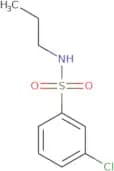
CAS:<p>Versatile small molecule scaffold</p>Formula:C14H22N2O3SPurity:Min. 95%Molecular weight:298.4 g/mol3-Chloro-N-propylbenzene-1-sulfonamide
CAS:<p>Versatile small molecule scaffold</p>Formula:C9H12ClNO2SPurity:Min. 95%Molecular weight:233.72 g/mol1-[2-(Trifluoromethyl)benzenesulfonyl]piperidine-4-carboxylic acid
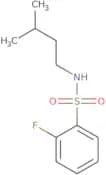
CAS:<p>Versatile small molecule scaffold</p>Formula:C13H14F3NO4SPurity:Min. 95%Molecular weight:337.32 g/mol2-Fluoro-N-(3-methylbutyl)benzene-1-sulfonamide
CAS:<p>Versatile small molecule scaffold</p>Formula:C11H16FNO2SPurity:Min. 95%Molecular weight:245.32 g/mol2-{[4-(4-Chlorophenyl)-5-phenyl-4H-1,2,4-triazol-3-yl]sulfanyl}acetic acid
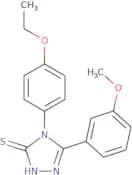
CAS:Controlled Product<p>2-[(4-Chlorophenyl)-5-phenyl-4H-1,2,4-triazol-3-yl]sulfanylacetic acid is a ligand that binds to the peptide hormone receptors. It has been used as an inhibitor of angiotensin II and vasopressin in vitro. This product is for research use only and not for drug, diagnostic, or other therapeutic uses.</p>Formula:C16H12ClN3O2SPurity:Min. 95%Molecular weight:345.8 g/mol4-(4-Ethoxyphenyl)-5-(3-methoxyphenyl)-4H-1,2,4-triazole-3-thiol
CAS:<p>Versatile small molecule scaffold</p>Formula:C17H17N3O2SPurity:Min. 95%Molecular weight:327.4 g/mol1-(2,5-Dibromobenzenesulfonyl)piperidine-4-carboxylic acid
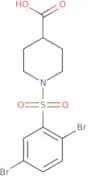
CAS:<p>Versatile small molecule scaffold</p>Formula:C12H13Br2NO4SPurity:Min. 95%Molecular weight:427.11 g/molN-[2-Bromo-4-(cyanosulfanyl)phenyl]-2-chloroacetamide
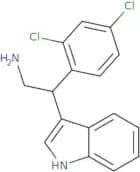
CAS:<p>Versatile small molecule scaffold</p>Formula:C9H6BrClN2OSPurity:Min. 95%Molecular weight:305.58 g/mol2-(2,4-Dichlorophenyl)-2-(1H-indol-3-yl)ethan-1-amine
CAS:<p>Versatile small molecule scaffold</p>Formula:C16H14Cl2N2Purity:Min. 95%Molecular weight:305.2 g/mol1-[4-(Aminomethyl)piperidin-1-yl]-2-phenylethan-1-one
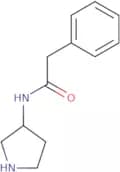
CAS:<p>Versatile small molecule scaffold</p>Formula:C14H20N2OPurity:Min. 95%Molecular weight:232.32 g/mol1-(3-Aminopyrrolidin-1-yl)-2-phenylethan-1-one
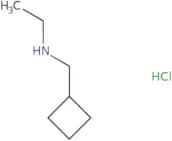
CAS:<p>Versatile small molecule scaffold</p>Formula:C12H16N2OPurity:Min. 95%Molecular weight:204.27 g/mol(Cyclobutylmethyl)(ethyl)amine hydrochloride
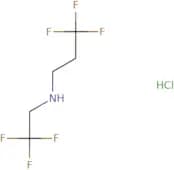
CAS:<p>Versatile small molecule scaffold</p>Formula:C7H16ClNPurity:Min. 95%Molecular weight:149.66 g/mol(2,2,2-Trifluoroethyl)(3,3,3-trifluoropropyl)amine hydrochloride
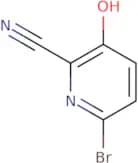
CAS:<p>Versatile small molecule scaffold</p>Formula:C5H8ClF6NPurity:Min. 95%Molecular weight:231.57 g/mol6-Bromo-3-hydroxypyridine-2-carbonitrile
CAS:<p>Versatile small molecule scaffold</p>Formula:C6H3BrN2OPurity:Min. 95%Molecular weight:199 g/mol3,3-Dimethyl-1-phenylbutan-1-amine
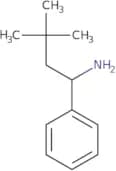
CAS:<p>Versatile small molecule scaffold</p>Formula:C12H19NPurity:Min. 95%Molecular weight:177.29 g/mol1-(4-Fluorophenyl)-1H-pyrazol-5-amine
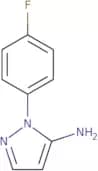
CAS:<p>Versatile small molecule scaffold</p>Formula:C9H8FN3Purity:Min. 95%Molecular weight:177.18 g/mol2-(4-Fluorophenyl)-6-methylimidazo[1,2-a]pyridine-3-carbaldehyde
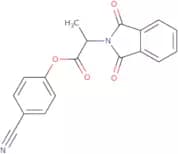
CAS:<p>2-(4-Fluorophenyl)-6-methylimidazo[1,2-a]pyridine-3-carbaldehyde (FMP) is a compound that inhibits the synthesis of proteins in the human body. It has been shown to have an inhibitory effect on degenerative diseases such as Alzheimer's disease and Parkinson's disease. FMP is synthesized from 2-(4-fluorophenyl)imidazo[1,2-a]pyridinium ion (FPI) by reacting it with methylene malononitrile in the presence of a base. This reaction occurs by a nucleophilic attack from the hydroxy group of FPI on the methylene carbon atom of methylene malononitrile, giving rise to an imine nitrogen and hydroxyl group in FMP. The molecular weight of FMP is 184.17 g/mol and its chemical formula is C 10 H 8 FN 3 O</p>Formula:C15H11FN2OPurity:Min. 95%Molecular weight:254.26 g/mol4-Cyanophenyl 2-(1,3-dioxo-2,3-dihydro-1H-isoindol-2-yl)propanoate
CAS:<p>Versatile small molecule scaffold</p>Formula:C18H12N2O4Purity:Min. 95%Molecular weight:320.3 g/mol2-Methoxyethyl 5-methyl-4-oxo-2-(pyridin-3-yl)-3H,4H-thieno[2,3-d]pyrimidine-6-carboxylate
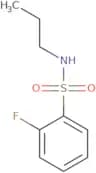
CAS:<p>Versatile small molecule scaffold</p>Formula:C16H15N3O4SPurity:Min. 95%Molecular weight:345.4 g/mol2-Fluoro-N-propylbenzene-1-sulfonamide
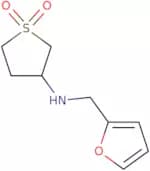
CAS:<p>Versatile small molecule scaffold</p>Formula:C9H12FNO2SPurity:Min. 95%Molecular weight:217.26 g/molN-(Tetrahydro-1,1-dioxido-3-thienyl)-2-furanmethanamine
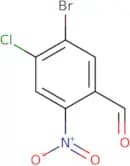
CAS:<p>Versatile small molecule scaffold</p>Formula:C9H13NO3SPurity:Min. 95%Molecular weight:215.27 g/mol5-bromo-4-chloro-2-nitrobenzaldehyde
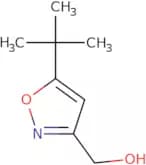
CAS:<p>Versatile small molecule scaffold</p>Formula:C7H3BrClNO3Purity:Min. 95%Molecular weight:264.5 g/mol(5-tert-Butyl-1,2-oxazol-3-yl)methanol
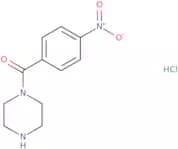
CAS:<p>Versatile small molecule scaffold</p>Formula:C8H13NO2Purity:Min. 95%Molecular weight:155.19 g/mol1-(4-Nitrobenzoyl)piperazine hydrochloride
CAS:<p>Versatile small molecule scaffold</p>Formula:C11H14ClN3O3Purity:Min. 95%Molecular weight:271.7 g/mol3-Amino-N-benzylpropanamide hydrochloride
CAS:<p>Versatile small molecule scaffold</p>Formula:C10H15ClN2OPurity:Min. 95%Molecular weight:214.69 g/mol5-[4-(Trifluoromethyl)phenyl]-1,3,4-oxadiazol-2-amine
CAS:<p>Versatile small molecule scaffold</p>Formula:C9H6F3N3OPurity:Min. 95%Molecular weight:229.16 g/mol5-Bromo-2-fluorobenzylamine hydrochloride
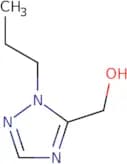
CAS:<p>Versatile small molecule scaffold</p>Formula:C7H8ClBrFNPurity:Min. 95%Molecular weight:240.5 g/mol(1-Propyl-1H-1,2,4-triazol-5-yl)methanol
CAS:<p>Versatile small molecule scaffold</p>Formula:C6H11N3OPurity:Min. 95%Molecular weight:141.17 g/mol2-Amino-3-[benzyl(methyl)amino]propanoic acid
CAS:<p>Versatile small molecule scaffold</p>Formula:C11H16N2O2Purity:Min. 95%Molecular weight:208.26 g/molN'-[(tert-Butoxy)carbonyl]-N-methyl(tert-butoxy)carbohydrazide
CAS:<p>Versatile small molecule scaffold</p>Formula:C11H22N2O4Purity:Min. 95%Molecular weight:246.3 g/mol4-Chloro-3-fluorobenzylamine hydrochloride
CAS:<p>Versatile small molecule scaffold</p>Formula:C7H8Cl2FNPurity:Min. 95%Molecular weight:196.05 g/mol1,5-Dibromo-3-fluoro-2-iodobenzene
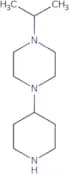
CAS:<p>Versatile small molecule scaffold</p>Formula:C6H2Br2FIPurity:Min. 95%Molecular weight:379.79 g/mol1-(Piperidin-4-yl)-4-(propan-2-yl)piperazine
CAS:<p>Versatile small molecule scaffold</p>Formula:C12H25N3Purity:Min. 95%Molecular weight:211.35 g/mol2-[(4-Methylpiperazin-1-yl)methyl]morpholine
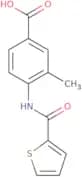
CAS:<p>Versatile small molecule scaffold</p>Formula:C10H21N3OPurity:Min. 95%Molecular weight:199.29 g/mol3-Methyl-4-(thiophene-2-amido)benzoic acid
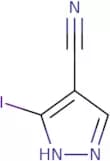
CAS:<p>Versatile small molecule scaffold</p>Formula:C13H11NO3SPurity:Min. 95%Molecular weight:261.3 g/mol3-Iodo-1H-pyrazole-4-carbonitrile
CAS:<p>Versatile small molecule scaffold</p>Formula:C4H2IN3Purity:Min. 95%Molecular weight:218.99 g/mol[(3,4-Dichlorophenyl)methyl][2-(pyrrolidin-1-yl)ethyl]amine
CAS:<p>Versatile small molecule scaffold</p>Formula:C13H18Cl2N2Purity:Min. 95%Molecular weight:273.2 g/mol[2-(Dimethylamino)ethyl][(3-methoxyphenyl)methyl]amine
CAS:<p>Versatile small molecule scaffold</p>Formula:C12H20N2OPurity:Min. 95%Molecular weight:208.3 g/mol2-[(Cyclopentylamino)methyl]phenol
CAS:<p>Versatile small molecule scaffold</p>Formula:C12H17NOPurity:Min. 95%Molecular weight:191.27 g/molN-[(2-Chlorophenyl)methyl]cyclopentanamine
CAS:<p>Versatile small molecule scaffold</p>Formula:C12H16ClNPurity:Min. 95%Molecular weight:209.71 g/mol2-Hexahydropyrrolo[1,2-a]pyrazin-2(1H)-ylacetohydrazide
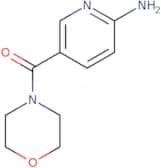
CAS:<p>Versatile small molecule scaffold</p>Formula:C9H18N4OPurity:Min. 95%Molecular weight:198.27 g/mol(6-Aminopyridin-3-yl)(morpholino)methanone
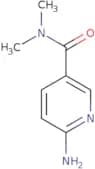
CAS:<p>Versatile small molecule scaffold</p>Formula:C10H13N3O2Purity:Min. 95%Molecular weight:207.23 g/mol6-Amino-N,N-dimethylpyridine-3-carboxamide
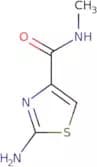
CAS:<p>Versatile small molecule scaffold</p>Formula:C8H11N3OPurity:Min. 95%Molecular weight:165.19 g/mol2-Amino-N-methyl-1,3-thiazole-4-carboxamide
CAS:<p>Versatile small molecule scaffold</p>Formula:C5H7N3OSPurity:Min. 95%Molecular weight:157.2 g/mol5-Cyclopropyl-7-(trifluoromethyl)-4,5,6,7-tetrahydropyrazolo[1,5-a]pyrimidine
CAS:<p>Versatile small molecule scaffold</p>Formula:C10H12F3N3Purity:Min. 95%Molecular weight:231.22 g/mol5-(Furan-2-yl)-7-(trifluoromethyl)-4,5,6,7-tetrahydropyrazolo[1,5-a]pyrimidine
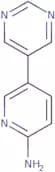
CAS:<p>Versatile small molecule scaffold</p>Formula:C11H10F3N3OPurity:Min. 95%Molecular weight:257.21 g/mol5-(Pyrimidin-5-yl)pyridin-2-amine
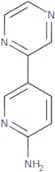
CAS:<p>Versatile small molecule scaffold</p>Formula:C9H8N4Purity:Min. 95%Molecular weight:172.19 g/mol5-(Pyrazin-2-yl)pyridin-2-amine
CAS:<p>Versatile small molecule scaffold</p>Formula:C9H8N4Purity:Min. 95%Molecular weight:172.19 g/mol5-Cyclopropyl-7-trifluoromethyl-4,5,6,7-tetrahydro-pyrazolo[1,5- a ]pyrimidine-3-carboxylic acid ethyl ester
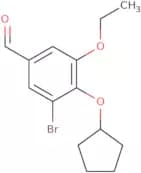
CAS:<p>Versatile small molecule scaffold</p>Formula:C13H16F3N3O2Purity:Min. 95%Molecular weight:303.29 g/mol3-Bromo-4-(cyclopentyloxy)-5-ethoxybenzaldehyde
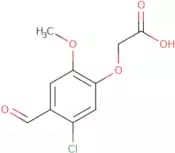
CAS:<p>Versatile small molecule scaffold</p>Formula:C14H17BrO3Purity:Min. 95%Molecular weight:313.19 g/mol2-(5-Chloro-4-formyl-2-methoxyphenoxy)acetic acid
CAS:<p>Versatile small molecule scaffold</p>Formula:C10H9ClO5Purity:Min. 95%Molecular weight:244.63 g/molMethyl (5-bromo-2-ethoxy-4-formylphenoxy)acetate
CAS:<p>Versatile small molecule scaffold</p>Formula:C12H13BrO5Purity:Min. 95%Molecular weight:317.13 g/mol1-(Anilinocarbonyl)pyrrolidine-2-carboxylic acid
CAS:<p>Versatile small molecule scaffold</p>Formula:C12H14N2O3Purity:Min. 95%Molecular weight:234.25 g/mol6-(4-Bromophenyl)-4-chlorothieno[3,2-d]pyrimidine
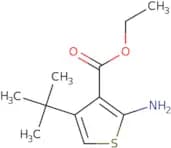
CAS:<p>Versatile small molecule scaffold</p>Formula:C12H6BrClN2SPurity:Min. 95%Molecular weight:325.61 g/molEthyl 2-amino-4-tert-butylthiophene-3-carboxylate
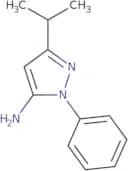
CAS:<p>Versatile small molecule scaffold</p>Formula:C11H17NO2SPurity:Min. 95%Molecular weight:227.33 g/mol3-Isopropyl-1-phenyl-1H-pyrazol-5-amine
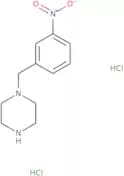
CAS:<p>Versatile small molecule scaffold</p>Formula:C12H15N3Purity:Min. 95%Molecular weight:201.27 g/mol1-(3-Nitrobenzyl)piperazine dihydrochloride
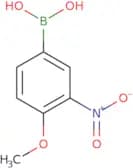
CAS:<p>Versatile small molecule scaffold</p>Formula:C11H17Cl2N3O2Purity:Min. 95%Molecular weight:294.17 g/mol4-Methoxy-3-nitrobenzeneboronic acid
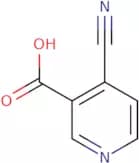
CAS:<p>Versatile small molecule scaffold</p>Formula:C7H8BNO5Purity:Min. 95%Molecular weight:196.95 g/mol4-Cyanopyridine-3-carboxylic acid
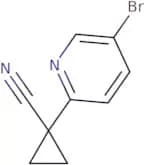
CAS:<p>4-Cyanopyridine-3-carboxylic acid is a vanadium compound that has been shown to be an effective catalyst for the oxidation of alcohols to carboxylic acids. It has been used in the synthesis of esters and amides from alcohols and ammonia. 4-Cyanopyridine-3-carboxylic acid is more reactive than other catalysts, such as iron or copper, due to its high nucleophilicity and low gas solubility. This makes it a good candidate for use in the gaseous phase or gas phase. The metal center of 4-cyanopyridine-3-carboxylic acid is protonated by water molecules, which then act as electron acceptors. This mechanism leads to the formation of H+ ions, which act as an acid catalyst. One proposed mechanism for this reaction is the addition of hydroxide ion (OH-) to form a carbanion intermediate</p>Formula:C7H4N2O2Purity:Min. 95%Molecular weight:148.12 g/mol1-(5-Bromopyridin-2-yl)cyclopropanecarbonitrile
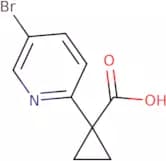
CAS:<p>Versatile small molecule scaffold</p>Formula:C9H7BrN2Purity:Min. 95%Molecular weight:223.07 g/mol1-(5-Bromopyridin-2-yl)cyclopropane-1-carboxylic acid
CAS:<p>Versatile small molecule scaffold</p>Formula:C9H8BrNO2Purity:Min. 95%Molecular weight:242.07 g/mol5-Amino-3,4-dimethylthieno[2,3-c]pyridazine-6-carboxylic acid
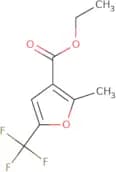
CAS:<p>Versatile small molecule scaffold</p>Formula:C9H9N3O2SPurity:Min. 95%Molecular weight:223.25 g/molEthyl 2-methyl-5-(trifluoromethyl)furan-3-carboxylate
CAS:<p>Versatile small molecule scaffold</p>Formula:C9H9F3O3Purity:Min. 95%Molecular weight:222.16 g/mol


![7-Methyl-[1,2,4]triazolo[1,5-a]pyrimidine-6-carboxylic acid](/_next/image/?url=https%3A%2Fstatic.cymitquimica.com%2Fproducts%2F3D%2Fthumb-webp%2FCEA17006.webp&w=3840&q=75)
![5-Methyl-[1,2,4]triazolo[1,5-a]pyrimidine-6-carboxylic acid](/_next/image/?url=https%3A%2Fstatic.cymitquimica.com%2Fproducts%2F3D%2Fthumb-webp%2FCEA17048.webp&w=3840&q=75)
![[4-(2-Methoxyethoxy)phenyl]methanamine](/_next/image/?url=https%3A%2Fstatic.cymitquimica.com%2Fproducts%2F3D%2Fthumb-webp%2FCEA19620.webp&w=3840&q=75)
![[2-Ethenyl-1-(hydroxymethyl)cyclopropyl]methanol](/_next/image/?url=https%3A%2Fstatic.cymitquimica.com%2Fproducts%2F3D%2Fthumb-webp%2FCEA22594.webp&w=3840&q=75)
![2H-Pyrido[4,3-b][1,4]oxazin-3(4h)-one](/_next/image/?url=https%3A%2Fstatic.cymitquimica.com%2Fproducts%2F3D%2Fthumb-webp%2FCEA22640.webp&w=3840&q=75)
amine hydrochloride](/_next/image/?url=https%3A%2Fstatic.cymitquimica.com%2Fproducts%2F3D%2Fthumb-webp%2FCEA23657.webp&w=3840&q=75)
![3-[(4-Methoxyphenyl)sulfanyl]propanenitrile](/_next/image/?url=https%3A%2Fstatic.cymitquimica.com%2Fproducts%2F3D%2Fthumb-webp%2FCEA23672.webp&w=3840&q=75)
![4-{[Methyl(phenyl)amino]methyl}benzoic acid](/_next/image/?url=https%3A%2Fstatic.cymitquimica.com%2Fproducts%2F3D%2Fthumb-webp%2FCEA24439.webp&w=3840&q=75)
![Ethyl 2-[benzyl(methyl)amino]propanoate](/_next/image/?url=https%3A%2Fstatic.cymitquimica.com%2Fproducts%2F3D%2Fthumb-webp%2FCEA28135.webp&w=3840&q=75)

![N,8-Dimethyl-8-azabicyclo[3.2.1]octan-3-amine](/_next/image/?url=https%3A%2Fstatic.cymitquimica.com%2Fproducts%2F3D%2Fthumb-webp%2FCEA31228.webp&w=3840&q=75)


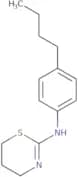
![N-[2-(Propan-2-yl)phenyl]-5,6-dihydro-4H-1,3-thiazin-2-amine](/_next/image/?url=https%3A%2Fstatic.cymitquimica.com%2Fproducts%2F3D%2Fthumb-webp%2FCEA38918.webp&w=3840&q=75)
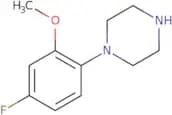
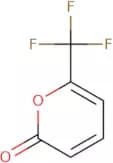
![2,6-Dimethylimidazo[2,1-b][1,3]thiazole-5-carbaldehyde](/_next/image/?url=https%3A%2Fstatic.cymitquimica.com%2Fproducts%2F3D%2Fthumb-webp%2FCEA41025.webp&w=3840&q=75)
![5-[(Propylsulfanyl)methyl]furan-2-carboxylic acid](/_next/image/?url=https%3A%2Fstatic.cymitquimica.com%2Fproducts%2F3D%2Fthumb-webp%2FCEA43945.webp&w=3840&q=75)
![[(1-Ethylpiperidin-3-yl)methyl]amine](/_next/image/?url=https%3A%2Fstatic.cymitquimica.com%2Fproducts%2F3D%2Fthumb-webp%2FCEA45902.webp&w=3840&q=75)

![3,9-diazabicyclo[4.2.1]nonane, 9-methyl-](/_next/image/?url=https%3A%2Fstatic.cymitquimica.com%2Fproducts%2F3D%2Fthumb-webp%2FCEA54784.webp&w=3840&q=75)
![1-Amino-1H-benzo[D]imidazol-2(3H)-one](/_next/image/?url=https%3A%2Fstatic.cymitquimica.com%2Fproducts%2F3D%2Fthumb-webp%2FCEA61691.webp&w=3840&q=75)
![{2-Oxabicyclo[4.1.0]heptan-7-yl}methanols](/_next/image/?url=https%3A%2Fstatic.cymitquimica.com%2Fproducts%2F3D%2Fthumb-webp%2FCEA62895.webp&w=3840&q=75)
![Methyl 4-[(1S)-1-hydroxyethyl]benzoate](/_next/image/?url=https%3A%2Fstatic.cymitquimica.com%2Fproducts%2F3D%2Fthumb-webp%2FCEA68171.webp&w=3840&q=75)
![(3R)-3,6-Bis({[(tert-butoxy)carbonyl]amino})hexanoic acid](/_next/image/?url=https%3A%2Fstatic.cymitquimica.com%2Fproducts%2F3D%2Fthumb-webp%2FCEA68648.webp&w=3840&q=75)
![Dispiro[3.0.3{5}.2{4}]decan-9-one](/_next/image/?url=https%3A%2Fstatic.cymitquimica.com%2Fproducts%2F3D%2Fthumb-webp%2FCEA79487.webp&w=3840&q=75)


![[4-(Butan-2-yl)phenyl]methanol](/_next/image/?url=https%3A%2Fstatic.cymitquimica.com%2Fproducts%2F3D%2Fthumb-webp%2FCEA93460.webp&w=3840&q=75)
![2-[2-(2-Chlorophenoxy)ethyl]-2,3-dihydro-1H-isoindole-1,3-dione](/_next/image/?url=https%3A%2Fstatic.cymitquimica.com%2Fproducts%2F3D%2Fthumb-webp%2FCEB36876.webp&w=3840&q=75)
![4-(([4-(3-Methylphenoxy)phenyl]sulfonyl)amino)benzoic acid](/_next/image/?url=https%3A%2Fstatic.cymitquimica.com%2Fproducts%2F3D%2Fthumb-webp%2FCEB68953.webp&w=3840&q=75)
![N-[4-(4-Bromophenyl)-1,3-thiazol-2-yl]-2-chloro-N-(3,5-dimethylphenyl)acetamide](/_next/image/?url=https%3A%2Fstatic.cymitquimica.com%2Fproducts%2F3D%2Fthumb-webp%2FCEB69608.webp&w=3840&q=75)
![11-Pentyl-10-sulfanyl-7-thia-9,11-diazatricyclo[6.4.0.0,2,6]dodeca-1(8),2(6),9-trien-12-one](/_next/image/?url=https%3A%2Fstatic.cymitquimica.com%2Fproducts%2F3D%2Fthumb-webp%2FCEB69613.webp&w=3840&q=75)
![N-[3-(4-Fluorobenzenesulfonamido)-4-methoxyphenyl]-4-phenylbenzamide](/_next/image/?url=https%3A%2Fstatic.cymitquimica.com%2Fproducts%2F3D%2Fthumb-webp%2FCEB69984.webp&w=3840&q=75)
![2-Sulfanyl-3-[2-(trifluoromethyl)phenyl]-3,4-dihydroquinazolin-4-one](/_next/image/?url=https%3A%2Fstatic.cymitquimica.com%2Fproducts%2F3D%2Fthumb-webp%2FCEB70463.webp&w=3840&q=75)
![3-[4-(5-Chloro-2-methylphenyl)piperazin-1-yl]-3-oxopropanenitrile](/_next/image/?url=https%3A%2Fstatic.cymitquimica.com%2Fproducts%2F3D%2Fthumb-webp%2FCEB70477.webp&w=3840&q=75)
![1-[2-(Trifluoromethyl)benzenesulfonyl]piperidine-4-carboxylic acid](/_next/image/?url=https%3A%2Fstatic.cymitquimica.com%2Fproducts%2F3D%2Fthumb-webp%2FCEB71769.webp&w=3840&q=75)
![2-{[4-(4-Chlorophenyl)-5-phenyl-4H-1,2,4-triazol-3-yl]sulfanyl}acetic acid](/_next/image/?url=https%3A%2Fstatic.cymitquimica.com%2Fproducts%2F3D%2Fthumb-webp%2FCEB71772.webp&w=3840&q=75)
![N-[2-Bromo-4-(cyanosulfanyl)phenyl]-2-chloroacetamide](/_next/image/?url=https%3A%2Fstatic.cymitquimica.com%2Fproducts%2F3D%2Fthumb-webp%2FCEB71813.webp&w=3840&q=75)
![1-[4-(Aminomethyl)piperidin-1-yl]-2-phenylethan-1-one](/_next/image/?url=https%3A%2Fstatic.cymitquimica.com%2Fproducts%2F3D%2Fthumb-webp%2FCEB71996.webp&w=3840&q=75)
![2-(4-Fluorophenyl)-6-methylimidazo[1,2-a]pyridine-3-carbaldehyde](/_next/image/?url=https%3A%2Fstatic.cymitquimica.com%2Fproducts%2F3D%2Fthumb-webp%2FCEB97584.webp&w=3840&q=75)
![2-Methoxyethyl 5-methyl-4-oxo-2-(pyridin-3-yl)-3H,4H-thieno[2,3-d]pyrimidine-6-carboxylate](/_next/image/?url=https%3A%2Fstatic.cymitquimica.com%2Fproducts%2F3D%2Fthumb-webp%2FCEB98266.webp&w=3840&q=75)

![5-[4-(Trifluoromethyl)phenyl]-1,3,4-oxadiazol-2-amine](/_next/image/?url=https%3A%2Fstatic.cymitquimica.com%2Fproducts%2F3D%2Fthumb-webp%2FCIA82323.webp&w=3840&q=75)

![2-Amino-3-[benzyl(methyl)amino]propanoic acid](/_next/image/?url=https%3A%2Fstatic.cymitquimica.com%2Fproducts%2F3D%2Fthumb-webp%2FCIA97987.webp&w=3840&q=75)
![N'-[(tert-Butoxy)carbonyl]-N-methyl(tert-butoxy)carbohydrazide](/_next/image/?url=https%3A%2Fstatic.cymitquimica.com%2Fproducts%2F3D%2Fthumb-webp%2FCIA98096.webp&w=3840&q=75)


![2-[(4-Methylpiperazin-1-yl)methyl]morpholine](/_next/image/?url=https%3A%2Fstatic.cymitquimica.com%2Fproducts%2F3D%2Fthumb-webp%2FCIA99196.webp&w=3840&q=75)
![[(3,4-Dichlorophenyl)methyl][2-(pyrrolidin-1-yl)ethyl]amine](/_next/image/?url=https%3A%2Fstatic.cymitquimica.com%2Fproducts%2F3D%2Fthumb-webp%2FCIB32663.webp&w=3840&q=75)
![[2-(Dimethylamino)ethyl][(3-methoxyphenyl)methyl]amine](/_next/image/?url=https%3A%2Fstatic.cymitquimica.com%2Fproducts%2F3D%2Fthumb-webp%2FCIB32829.webp&w=3840&q=75)
![2-[(Cyclopentylamino)methyl]phenol](/_next/image/?url=https%3A%2Fstatic.cymitquimica.com%2Fproducts%2F3D%2Fthumb-webp%2FCIB32886.webp&w=3840&q=75)
![N-[(2-Chlorophenyl)methyl]cyclopentanamine](/_next/image/?url=https%3A%2Fstatic.cymitquimica.com%2Fproducts%2F3D%2Fthumb-webp%2FCIB32906.webp&w=3840&q=75)
![2-Hexahydropyrrolo[1,2-a]pyrazin-2(1H)-ylacetohydrazide](/_next/image/?url=https%3A%2Fstatic.cymitquimica.com%2Fproducts%2F3D%2Fthumb-webp%2FCIB58560.webp&w=3840&q=75)
![5-Cyclopropyl-7-(trifluoromethyl)-4,5,6,7-tetrahydropyrazolo[1,5-a]pyrimidine](/_next/image/?url=https%3A%2Fstatic.cymitquimica.com%2Fproducts%2F3D%2Fthumb-webp%2FCIB58857.webp&w=3840&q=75)
![5-(Furan-2-yl)-7-(trifluoromethyl)-4,5,6,7-tetrahydropyrazolo[1,5-a]pyrimidine](/_next/image/?url=https%3A%2Fstatic.cymitquimica.com%2Fproducts%2F3D%2Fthumb-webp%2FCIB58861.webp&w=3840&q=75)
![5-Cyclopropyl-7-trifluoromethyl-4,5,6,7-tetrahydro-pyrazolo[1,5- a ]pyrimidine-3-carboxylic acid e…](/_next/image/?url=https%3A%2Fstatic.cymitquimica.com%2Fproducts%2F3D%2Fthumb-webp%2FCIB59157.webp&w=3840&q=75)

![6-(4-Bromophenyl)-4-chlorothieno[3,2-d]pyrimidine](/_next/image/?url=https%3A%2Fstatic.cymitquimica.com%2Fproducts%2F3D%2Fthumb-webp%2FCIB61425.webp&w=3840&q=75)
![5-Amino-3,4-dimethylthieno[2,3-c]pyridazine-6-carboxylic acid](/_next/image/?url=https%3A%2Fstatic.cymitquimica.com%2Fproducts%2F3D%2Fthumb-webp%2FCIC22614.webp&w=3840&q=75)