Building Blocks
This section contains fundamental products for the synthesis of organic and biological compounds. Building blocks are the essential starting materials used to construct complex molecules through various chemical reactions. They play a critical role in drug discovery, material science, and chemical research. At CymitQuimica, we offer a diverse range of high-quality building blocks to support your innovative research and industrial projects, ensuring you have the essential components for successful synthesis.
Subcategories of "Building Blocks"
- Boronic Acids & Boronic Acid Derivatives(5,756 products)
- Chiral Building Blocks(1,242 products)
- Hydrocarbon Building Blocks(6,095 products)
- Organic Building Blocks(61,051 products)
Found 199813 products of "Building Blocks"
Sort by
Purity (%)
0
100
|
0
|
50
|
90
|
95
|
100
1,3-Diazaspiro[4.11]hexadecane-2,4-dione
CAS:<p>Versatile small molecule scaffold</p>Formula:C14H24N2O2Purity:Min. 95%Molecular weight:252.35 g/mol4-[1-(4-Aminophenyl)-1-methylethyl]-phenol
CAS:<p>4-[1-(4-Aminophenyl)-1-methylethyl]-phenol is a processable organic solvent that can be used in temperatures between -20°C and 100°C. It has a transition temperature of -10°C and exhibits an unsymmetrical boiling point distribution. 4-[1-(4-Aminophenyl)-1-methylethyl]-phenol has high viscosity and is catalytic, showing nucleophilic properties with techniques such as catalytic reduction or catalytic hydrogenation. The solvents are also soluble in many other solvents, which makes it useful for diffraction techniques. 4-[1-(4-Aminophenyl)-1-methylethyl]-phenol is soluble in many solvents including water, acetone, and tetrahydrofuran (THF).</p>Formula:C15H17NOPurity:Min. 95%Molecular weight:227.3 g/mol5-Methyl-1-(4-methylphenyl)-1H-pyrazole-3-carboxylic acid
CAS:<p>Versatile small molecule scaffold</p>Formula:C12H12N2O2Purity:Min. 95%Molecular weight:216.24 g/mol2-[(4-Chloronaphthalen-1-yl)oxy]acetic acid
CAS:<p>Versatile small molecule scaffold</p>Formula:C12H9ClO3Purity:Min. 95%Molecular weight:236.65 g/mol4-(Ethoxycarbonyl)bicyclo-[2.2.2]octane-1-carboxylic acid
CAS:<p>Versatile small molecule scaffold</p>Formula:C12H18O4Purity:Min. 95%Molecular weight:226.27 g/mol(2,4-Dioxo-1,3-diaza-spiro[4.5]dec-3-yl)-acetic acid
CAS:<p>Versatile small molecule scaffold</p>Formula:C10H14N2O4Purity:Min. 95%Molecular weight:226.23 g/mol4-Aminostilbene
CAS:<p>4-Aminostilbene is a fluorescent stilbene derivative that is used as a synthetic estrogen. It has been shown to possess anti-inflammatory properties and inhibit the production of reactive oxygen species in target tissues. 4-Aminostilbene also possesses anti-cancer properties and has been shown to be effective against Pseudomonas aeruginosa. The mechanism of action for this compound is thought to be via its ability to react with amines, forming diazonium salts in an organic solution.</p>Formula:C14H13NPurity:Min. 95%Molecular weight:195.27 g/mol3-(Pentafluorosulfanyl)benzoic acid
CAS:<p>3-(Pentafluorosulfanyl)benzoic acid (3PFSA) is a quinoline derivative used as an agrochemical. It is a research chemical that has not been tested for neurotoxicity, but it is suspected to be neurotoxic due to its structural similarity to other neurotoxic substances. 3PFSA has the potential to be an analog of the synthetic drug pentafluorobenzoic acid (5FBBA). The structure of 3PFSA includes a trifluoromethyl group, which is a functional group that can make compounds more permeable in the brain and could contribute to neurotoxicity.</p>Formula:C7H5F5O2SPurity:Min. 95%Molecular weight:248.17 g/mol5-(4-Methylphenyl)-5-oxopentanoic acid
CAS:<p>Versatile small molecule scaffold</p>Formula:C12H14O3Purity:Min. 95%Molecular weight:206.24 g/mol5-(4-Nitro-phenyl)-[1,3,4]thiadiazol-2-ylamine
CAS:<p>Versatile small molecule scaffold</p>Formula:C8H6N4O2SPurity:Min. 95%Molecular weight:222.23 g/mol3-Hydrazinylidene-1-(prop-2-en-1-yl)-2,3-dihydro-1H-indol-2-one
CAS:<p>Versatile small molecule scaffold</p>Formula:C11H11N3OPurity:Min. 95%Molecular weight:201.22 g/mol4-(Pentafluorosulfanyl)benzoic acid
CAS:<p>4-(Pentafluorosulfanyl)benzoic acid is a benzoic acid derivative that has been synthesized by oxidation of the corresponding aniline. It is used as a starting material for the synthesis of other benzoic acid derivatives, such as 4-fluorobenzoic acid and 4-fluorobenzenesulfonic acid. The compound crystallizes with two molecules in the asymmetric unit, each with one fluorine atom. The molecule has a trigonal planar geometry and contains two sulfonyl groups on the para position of the phenyl ring. The compound has been characterized by X-ray diffraction analysis.</p>Formula:C7H5F5O2SPurity:Min. 95%Molecular weight:248.17 g/molEthyl 2-(2-oxoazepan-3-yl)acetate
CAS:<p>Versatile small molecule scaffold</p>Formula:C10H17NO3Purity:Min. 95%Molecular weight:199.25 g/mol2-(4-Nitrophenyl)-1,3-thiazolidine
CAS:<p>Versatile small molecule scaffold</p>Formula:C9H10N2O2SPurity:Min. 95%Molecular weight:210.26 g/mol5-Phenyl-1H-1,2,3-triazole-4-carboxylic acid
CAS:<p>Versatile small molecule scaffold</p>Formula:C9H7N3O2Purity:Min. 95%Molecular weight:189.17 g/mol3-(2-bromo-4-methylphenyl)propanoic acid
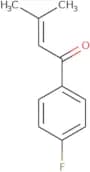
CAS:Versatile small molecule scaffoldFormula:C10H11BrO2Purity:Min. 95%Molecular weight:243.1 g/mol1-(4-Fluorophenyl)-3-methylbutan-1-one
CAS:<p>Versatile small molecule scaffold</p>Formula:C11H13FOPurity:Min. 95%Molecular weight:180.22 g/mol5-Methoxy-2,3-dimethyl-1H-indole
CAS:<p>5-Methoxy-2,3-dimethyl-1H-indole is an indole that is used as a drug. It has anti-inflammatory activity and belongs to the class of intermolecular drugs. It works by inhibiting cyclooxygenase (COX) enzymes, which are involved in the synthesis of prostaglandins. 5-Methoxy-2,3-dimethyl-1H-indole can be found as crystals and has a crystal structure that contains a five membered ring with one double bond and one methyl group on each side of the ring.</p>Formula:C11H13NOPurity:Min. 95%Molecular weight:175.23 g/mol5-(2-Chloro-phenyl)-[1,3,4]thiadiazol-2-ylamine
CAS:<p>5-(2-Chloro-phenyl)-[1,3,4]thiadiazol-2-ylamine is a chemical compound that is a member of the heterocyclic family of compounds. It has been shown to be an excellent catalyst for the condensation reaction between amines and aldehydes or ketones. 5-(2-Chloro-phenyl)-[1,3,4]thiadiazol-2-ylamine has also been found to be an efficient catalyst for the hydrogenation of carboxylic acids. The elemental analysis of this product shows that it is composed of carbon (C), chlorine (Cl), hydrogen (H), and nitrogen (N).</p>Formula:C8H6ClN3SPurity:Min. 95%Molecular weight:211.67 g/mol2-Methyl-2-phenylpentan-3-one
CAS:<p>Versatile small molecule scaffold</p>Formula:C12H16OPurity:Min. 95%Molecular weight:176.25 g/mol4-Methyl-2-phenylimidazole
CAS:<p>4-Methyl-2-phenylimidazole is a molecule that has a functional theory. It is used as an inhibitor of corrosion and has been shown to inhibit the activity of magnesium oxide in photoelectron spectroscopy. The molecule has two tautomeric forms, which are the keto form and the enol form. When the molecule is irradiated with light, it absorbs photons and changes into its keto form. Its vibrational modes are also observed in infrared spectroscopy. 4-Methyl-2-phenylimidazole has an activation energy of 6.8 eV and can be classified as stable because it does not decompose at room temperature.</p>Formula:C10H10N2Purity:Min. 95%Molecular weight:158.2 g/mol2-(dimethylamino)-2-phenyl-acetonitrile
CAS:<p>2-(dimethylamino)-2-phenyl-acetonitrile is a chiral, electron-rich reagent that can be used for the synthesis of chiral anions. It is a basic reagent and can react with halides to form alkylating agents. The electron-transfer property of this compound makes it useful in organic synthesis as an intermediate in the alkylation of alcohols and phenols with electrophilic reagents.</p>Formula:C10H12N2Purity:Min. 95%Molecular weight:160.22 g/mol2-Bromo-4-methyl-6-nitroaniline
CAS:<p>Versatile small molecule scaffold</p>Formula:C7H7BrN2O2Purity:Min. 95%Molecular weight:231.05 g/mol2,4-Dibromo-6-nitroaniline
CAS:<p>2,4-Dibromo-6-nitroaniline is a nitro compound that has been used in the production of dyes. It is also used as a component in the synthesis of other organic compounds. 2,4-Dibromo-6-nitroaniline can be produced by electrolysis of an acid solution containing radical cations and benzene. The radical cations are formed by proton transfer from the acid to the benzene, followed by electron transfer from benzene to the electrode. This process results in the formation of nitro groups on the benzene ring, which undergoes oxidation to form 2,4-dibromo-6-nitroaniline. The cyclic voltammetry shows that this process occurs via two pathways: one with a fast rate and one with a slow rate. The mechanism for this reaction is not yet known.</p>Formula:C6H4Br2N2O2Purity:Min. 95%Molecular weight:295.92 g/molBicyclo[2.2.2]octane-2-sulfonyl fluoride
CAS:<p>Versatile small molecule scaffold</p>Formula:C8H13FO2SPurity:Min. 95%Molecular weight:192.25 g/molTrimethyl-1,3,5-triazinane-2,4,6-trione
CAS:<p>Trimethyl-1,3,5-triazinane-2,4,6-trione is a molecule that belongs to the class of aliphatic hydrocarbons. It is an ester compound that has reactive properties and can be used as a crosslinking agent. Trimethyl-1,3,5-triazinane-2,4,6-trione reacts with calcium carbonate to form trimethylcalcium carbonate. The reactive properties of this molecule are due to the presence of nitrogen atoms and divalent hydrocarbon groups. Trimethyl-1,3,5-triazinane-2,4,6-trione also reacts with fatty acids to produce monocarboxylic acid and fatty acid molecules. Molecular modelling studies have shown that trimethyl-1,3,5-triazinane-2,4,6-trione forms linear molecules. Linear regression analysis has been used to determine</p>Formula:C6H9N3O3Purity:Min. 95%Molecular weight:171.15 g/mol2-Methyl-3,4-dihydro-2H-1-benzothiopyran-4-one
CAS:2-Methyl-3,4-dihydro-2H-1-benzothiopyran-4-one is a synthetic compound that is used in the synthesis of thioflavones. It can be prepared by cyclodehydration of acetophenone with chlorides and sulfur. This reagent has been shown to react selectively with nucleophiles such as lithium diisopropylamide and triflic acid at the 2 position of the aromatic ring to form an intramolecular cyclic compound. Cyclodehydration of 2-methylbenzothiophene can also produce this compound.Formula:C10H10OSPurity:Min. 95%Molecular weight:178.25 g/mol5-Methyl-4-phenyl-1H-imidazole
CAS:<p>5-Methyl-4-phenyl-1H-imidazole is an epoxy that is used as a medicine. It is a hardener in the form of ammonium salt and has vasodilating properties. It is used to treat cerebral and vascular diseases, such as hypertension and atherosclerosis. 5-Methyl-4-phenyl-1H-imidazole is toxic for the liver and kidneys when administered orally. This compound also has a high affinity for absorbing certain gases, such as dichlorobenzaldehyde, which may be due to its ability to bind with oxygen molecules.</p>Formula:C10H10N2Purity:Min. 95%Molecular weight:158.2 g/mol1-Benzosuberone
CAS:<p>1-Benzosuberone is an organic compound that is reactive. It has been shown to have inhibitory properties in pharmaceutical preparations. The 1-benzosuberone molecule binds to the active site of the enzyme methyl ketones, which catalyzes the oxidation of methyl ketones to form mcf-7. The binding of 1-benzosuberone inhibits this reaction, reducing the production of mcf-7. This reactive form may also be responsible for significant cytotoxicity and asymmetric synthesis in amines. 1-Benzosuberone has been shown to have receptor activity against cervical cancer cells and antimicrobial agents such as dimethyl fumarate and hydroxyl group.</p>Formula:C11H12OPurity:Min. 95%Molecular weight:160.21 g/mol1-Amino-2-methyl-1-phenylpropan-2-ol
CAS:<p>Versatile small molecule scaffold</p>Formula:C10H15NOPurity:Min. 95%Molecular weight:165.23 g/mol2-Methyl-2-phenylpropanamide
CAS:<p>2-Methyl-2-phenylpropanamide (2MPPA) is a δ-opioid receptor agonist that has been shown to have anorectic and antinociceptive properties. It also interacts with other protein targets, such as the proton pump, in addition to its interactions with the δ opioid receptor. 2MPPA was also found to be safe when tested on mice, although studies are needed to identify its mechanism of action. A functional theory suggests that 2MPPA may act by binding to the δ opioid receptor, which would lead to a decrease in the release of neurotransmitters such as dopamine and serotonin. This would result in an anti-depressant effect and decreased appetite.</p>Formula:C10H13NOPurity:Min. 95%Molecular weight:163.22 g/molBicyclo[2.2.2]octane-1,4-diyldimethanol
CAS:<p>Bicyclo[2.2.2]octane-1,4-diyldimethanol is a new macrocyclic compound that has been shown to have hypotensive effects in animal models. This molecule binds to G protein coupled receptors and activates the ganglionic system. The molecular modelling of this compound has shown that it interacts with the binding site of the receptor, which leads to inhibition of the G protein coupled receptor signaling pathway and activation of the ganglionic system.</p>Formula:C10H18O2Purity:Min. 95%Molecular weight:170.25 g/mol4-Chloro-N-(propan-2-yl)aniline hydrochloride
CAS:Versatile small molecule scaffoldFormula:C9H13Cl2NPurity:Min. 95%Molecular weight:206.11 g/molrac-(1R,3R)-Cyclopentane-1,3-dicarboxylic acid
CAS:<p>Versatile small molecule scaffold</p>Formula:C7H10O4Purity:Min. 95%Molecular weight:158.15 g/mol2-{Bicyclo[2.2.1]hept-5-en-2-yl}acetic acid
CAS:<p>2-{Bicyclo[2.2.1]hept-5-en-2-yl}acetic acid is a monomer that is able to be encapsulated. This monomer has been shown to have selective functionalities in the polymerization of ethylene and other reactive monomers. It has also been shown to react with chlorine, leading to increased stability in the presence of light and heat, as well as being able to act as a catalyst for polymerization reactions. It can also be used as a fluorescent probe because fluorescence intensity increases upon interaction with biomolecules. 2-{Bicyclo[2.2.1]hept-5-en-2-yl}acetic acid may be effective against cancer cells due to its ability to prevent adipose tissue from accumulating in mice by inhibiting lipogenesis and stimulating lipolysis, or breakdown of fat cells, respectively. It also has been shown to stimulate reconstructive tissue formation by</p>Formula:C9H12O2Purity:Min. 95%Molecular weight:152.19 g/mol5-Fluoro-2-methylindoline
CAS:<p>Versatile small molecule scaffold</p>Formula:C9H10FNPurity:Min. 95%Molecular weight:151.18 g/mol2-Phenyl-1,3,4-oxadiazole
CAS:<p>2-Phenyl-1,3,4-oxadiazole is a 2-phenyloxazole with an oxygen atom at the 1 position. It is a white crystalline solid that is soluble in water and has antibacterial properties. This chemical can be used as a catalyst for the synthesis of organic compounds. 2-Phenyl-1,3,4-oxadiazole reacts with nitro groups to form oxime derivatives and has been shown to inhibit the growth of fungi such as Candida albicans and Aspergillus niger. 2-Phenyl-1,3,4-oxadiazole can also be used as an antifungal agent against Trichophyton rubrum.<br>2-Phenyl-1,3,4-oxadiazole may be synthesized by reacting phenol with acetone in the presence of nitric acid or sulfuric acid. The structural formula for this compound is</p>Formula:C8H6N2OPurity:Min. 95%Molecular weight:146.15 g/mol(Cyclopent-1-en-1-yl)benzene
CAS:<p>Cyclopent-1-en-1-yl)benzene is an aliphatic hydrocarbon that is a cyclopentyl molecule. It is acidic and reacts with water vapor in the atmosphere to produce an ion-exchange reaction. Cyclopent-1-en-1-yl)benzene has been shown to react with aziridine, which may form ring opening products. This chemical has optical properties that are similar to those of benzene, which can be used as a reference for identification. Cyclopent-1-en-1-yl)benzene is an alicyclic aromatic hydrocarbon and it is an acid catalyst for chemical reactions like esterification and saponification. Cyclopent-1-en-1-yl)benzene also has enantiomer, which means that the molecules have different shapes when they rotate around their axis.</p>Formula:C11H12Purity:Min. 95%Molecular weight:144.21 g/molDecahydro-2-naphthol (mixture of isomers)
CAS:<p>Decahydro-2-naphthol is an organic compound that belongs to the group of aromatic compounds. It has two isomers, known as 2,6-decahydronaphthalene and 2,7-decahydronaphthalene. Decahydro-2-naphthol can be obtained by the oxidation of decahydronaphthalene with an oxidation catalyst, such as platinum dioxide. The risk group for this substance is unknown. Decahydro-2-naphthol has anticancer activity as it binds to the carbonyl group on DNA and inhibits nucleic acid synthesis by inhibiting the enzyme ribonucleotide reductase. This substance also has been shown to have a rate enhancement effect on chemical reactions such as substrate binding when mixed with other substances in a ternary complex.</p>Formula:C10H18OPurity:Min. 95%Molecular weight:154.25 g/mol1-Benzothiophene 1,1-dioxide
CAS:<p>1-Benzothiophene 1,1-dioxide is a potential drug target for the treatment of cryptococcus neoformans. It inhibits bacterial growth by inhibiting the transport properties of the bacteria, which in turn leads to cell death. This compound has been shown to have potent antitumor activity and may be activated through x-ray diffraction data analysis. The compound also has fluorescence properties and hydrogen bond formation, which may aid in its chemical structure.</p>Formula:C8H6O2SPurity:Min. 95%Molecular weight:166.2 g/mol2-(2,6-Dimethylpiperidin-1-yl)acetonitrile
CAS:<p>Versatile small molecule scaffold</p>Formula:C9H16N2Purity:Min. 95%Molecular weight:152.24 g/mol2-Cyclopentylidenecyclopentan-1-one
CAS:<p>Cyclopentylidenecyclopentan-1-one is a synthetic chemical with bioactive properties. It is a predictable and reliable reagent for the synthesis of Grignard reagents and x-ray structures. It can be used as a starting material to synthesize unsaturated ketones through thermal isomerization, which leads to reaction time and transfer reactions.</p>Formula:C10H14OPurity:Min. 95%Molecular weight:150.22 g/mol2-Methylbicyclo[2.2.1]hept-5-ene-2-carboxylic acid
CAS:<p>Versatile small molecule scaffold</p>Formula:C9H12O2Purity:Min. 95%Molecular weight:152.19 g/mol1-(2-Hydrazinylethyl)piperidine dihydrochloride
CAS:<p>Versatile small molecule scaffold</p>Formula:C7H19Cl2N3Purity:Min. 95%Molecular weight:216.15 g/mol2-Methyl-2,3-dihydro-1H-indene
CAS:<p>2-Methyl-2,3-dihydro-1H-indene is a synthetic compound that has been shown to have hypolipidemic effects in animal models. It has been found to stimulate the activity of phosphatase and increase the levels of isoeugenol in plasma. 2-Methyl-2,3-dihydro-1H-indene also has hepatotoxic effects and can cause nausea, vomiting, and diarrhea when consumed by humans. The chemical is activated by spin resonance and can be used as an insecticide.</p>Formula:C10H12Purity:Min. 95%Molecular weight:132.2 g/mol(2-Bromo-4-methylphenyl)methanol
CAS:<p>Versatile small molecule scaffold</p>Formula:C8H9BrOPurity:Min. 95%Molecular weight:201.06 g/mol2-Nitrophenol Sodium Salt
CAS:<p>2-Nitrophenol sodium salt is a polymer film that is used for wastewater treatment. It prevents the growth of bacteria by interacting with active substances in the polymer matrix. 2-Nitrophenol sodium salt can also be used as a nutrient solution for plants, such as solanum tuberosum, which is a potato species. The polymer film has been shown to have a pH of 3 and 4, which makes it acidic. When mixed with hydroxide solution, it becomes basic, with a pH of 10 or 11. The interaction between 2-nitrophenol sodium salt and the hydroxide solution creates hydrogen bonding interactions that are necessary to maintain its acidity or basicity.</p>Formula:C6H4NNaO3Purity:Min. 95%Molecular weight:161.09 g/mol4H,5H-Thieno[2,3-d]pyridazin-4-one
CAS:<p>Versatile small molecule scaffold</p>Formula:C6H4N2OSPurity:Min. 95%Molecular weight:152.18 g/mol5-Chloro-2-hydrazinopyrimidine
CAS:<p>Versatile small molecule scaffold</p>Formula:C4H5ClN4Purity:Min. 95%Molecular weight:144.56 g/mol1-Cyclohexylethanone
CAS:<p>1-Cyclohexylethanone is an oxidation catalyst for organic substrates. It has been shown to be a potent inhibitor of the synthesis of fatty acids, as well as an effective agent against Mycobacterium tuberculosis and other bacteria. 1-Cyclohexylethanone has been shown to have a high affinity for the lipid bilayer in membranes, where it forms a reversible covalent bond with the hydroxyl group on the fatty acid chain. It also has receptor activity with ferroelectric materials that may make it useful in biological sensors and drug delivery systems.</p>Formula:C8H14OPurity:Min. 95%Molecular weight:126.2 g/mol2-Bromo-5-nitrofuran
CAS:<p>2-Bromo-5-nitrofuran is a labile, reactive chemical that can be used in a number of different reactions. This chemical has been shown to be an effective antibacterial agent against Gram-positive and Gram-negative bacteria. The mechanism of action for this drug is not well understood, but it may act as a competitive inhibitor of the enzyme protein synthesis by binding to the amine group of amino acids. 2-Bromo-5-nitrofuran has been used in analytical HPLC and is useful in the determination of carbonyl groups.</p>Formula:C4H2BrNO3Purity:Min. 95%Molecular weight:191.97 g/molDichloro-1,2,4-triazin-5-amine
CAS:<p>Versatile small molecule scaffold</p>Formula:C3H2Cl2N4Purity:Min. 95%Molecular weight:164.98 g/mol2,4-Dimethylcyclohexan-1-one
CAS:<p>Versatile small molecule scaffold</p>Formula:C8H14OPurity:Min. 95%Molecular weight:126.2 g/mol3-(prop-2-yn-1-yl)oxazolidin-2-one
CAS:<p>3-(prop-2-yn-1-yl)oxazolidin-2-one is a synthetic compound that is used as a pharmacological tool. The chemical structure of this compound closely resembles that of nucleobases and it has been shown to be a potent antiproliferative agent in cancer cell lines. 3-(prop-2-yn-1-yl)oxazolidin-2-one induces apoptosis through the activation of caspase 3 and 9, which cleaves poly(ADP ribose) polymerase (PARP). This compound also activates the DNA damage response pathway and induces G1 arrest. 3-(prop-2-yn-1-yl)oxazolidin-2-one has shown promising results in preclinical studies on animal models of breast cancer.</p>Formula:C6H7NO2Purity:Min. 95%Molecular weight:125.13 g/mol2-Methylthiopyrimidine
CAS:<p>2-Methylthiopyrimidine is a pyrimido compound that has been shown to inhibit the growth of herpes simplex virus type-1. The synthesis of this molecule is based on an anthranilic acid derivative, which can be reacted with amines to form 2-methylthiopyrimidine and its isomers. This drug has been shown to react with chloride ions and carbon disulphide in metathesis reactions. 2-Methylthiopyrimidine has a pharmacophore that resembles the structure of nucleosides, which are found in many viruses. The chlorine atoms in the 2-methylthiopyrimidine molecule are positioned in such a way that they can bind to the phosphate groups on the surface of the virus, thereby blocking its ability to replicate.</p>Formula:C5H6N2SPurity:Min. 95%Molecular weight:126.18 g/mol2-Propyl-1,3-thiazolidine hydrochloride
CAS:<p>Versatile small molecule scaffold</p>Formula:C6H14ClNSPurity:Min. 95%Molecular weight:167.7 g/mol2-Pyridinol-1-oxide
CAS:<p>Versatile small molecule scaffold</p>Formula:C5H5NO2Purity:Min. 95%Molecular weight:111.1 g/molCyclohex-2-en-1-ol
CAS:<p>Cyclohex-2-en-1-ol is a chiral compound with a molecular formula of C8H12O. It has an empirical mass of 114.19 g/mol and a molecular weight of 114.2120 g/mol. Cyclohex-2-en-1-ol is manufactured by the reaction between lactic acid and cyclohexanol in the presence of tartaric acid as a catalyst, which leads to the formation of an amide bond. This chemical reaction can be described by the following equation:</p>Formula:C6H10OPurity:Min. 95%Molecular weight:98.14 g/molOct-7-ynal
CAS:<p>Versatile small molecule scaffold</p>Formula:C8H12OPurity:Min. 95%Molecular weight:124.18 g/mol1-Chloro-2-[(trifluoromethyl)sulfanyl]ethane
CAS:Versatile small molecule scaffoldFormula:C3H4ClF3SPurity:Min. 95%Molecular weight:164.58 g/molMethyl 4-methoxypentanoate
CAS:<p>Methyl 4-methoxypentanoate is an ester with a chemical formula of CH3O(CH2)4CO2. It can be used as a building block for the synthesis of other chemicals. Methyl 4-methoxypentanoate is insoluble in water, and has been shown to form zeolite crystals. This product has been analysed using advances in carbonate chemistry, which provides new knowledge on the catalytic properties of this compound. It has also been synthesized from gamma-valerolactone by catalytic hydrogenation, and is a potential biofuel candidate due to its high carbon content.</p>Formula:C7H14O3Purity:Min. 95%Molecular weight:146.18 g/mol4-Methoxypentanoic acid
CAS:<p>Versatile small molecule scaffold</p>Formula:C6H12O3Purity:Min. 95%Molecular weight:132.16 g/mol4-Pentenoic acid methyl ester
CAS:<p>Versatile small molecule scaffold</p>Formula:C6H10O2Purity:Min. 95%Molecular weight:114.14 g/molDiethyl Glutarate
CAS:<p>Diethyl glutarate is a hydroxyl-containing antimicrobial agent that has been shown to be a strong inhibitor of bacterial growth. It also exhibits strong bactericidal activity against Gram-positive and Gram-negative bacteria. Diethyl glutarate is used in the treatment of microbial infections and was found to be effective against organisms resistant to other antibiotics. It inhibits bacterial growth by reacting with metal ions, forming an insoluble film around the cells that prevents the passage of nutrients into the cell. This process can also lead to the formation of ethylmalonic acid, which is a substrate for mammalian tissue. The use of diethyl glutarate as an antimicrobial agent has potential application in food preservation, especially in meat products such as bacon and ham.</p>Formula:C9H16O4Purity:Min. 95%Molecular weight:188.22 g/mol8-Pentadecanone
CAS:<p>8-Pentadecanone is a light-sensitive, film-forming polymer that undergoes a phase transition from solid to liquid at 26.1°C. The melting point of 8-pentadecanone is 36–38°C and it has a diameter of 0.5 nm. It has been shown to be effective as a light-sensitive coating for the prevention of malonic acid formation in rat liver microsomes and glycol ether degradation in carbonyl group containing compounds such as methyl ethyl acetate and methyl pentanoate. 8-Pentadecanone also has receptor activity, which can be used to detect or quantify other molecules or ions in the sample.</p>Formula:C15H30OPurity:Min. 95%Molecular weight:226.4 g/mol4-Methylheptan-1-ol
CAS:<p>4-Methylheptan-1-ol is an alcohol that is a volatile and monohydric. It is found in the pheromones of insects, such as the triatomine bug, which transmit Chagas disease and also in the volatiles of plants such as cottonseed oil. This chemical has been shown to be an effective insecticide against reduviidae, a group of insects that includes mosquitoes and ticks. 4-Methylheptan-1-ol is also used as a nutritional additive for livestock feed to prevent losses due to insects. This chemical may serve as a chiral building block for the synthesis of other compounds with beneficial properties.</p>Formula:C8H18OPurity:Min. 95%Molecular weight:130.23 g/mol1-Bromopentan-2-one
CAS:<p>1-Bromopentan-2-one is a chemical compound that has been shown to have significant activity in the prevention of bone loss. It has also been shown to inhibit the cross-linking of collagen, which may be due to its ability to act as an amine scavenger. 1-Bromopentan-2-one is a fluorescent chemical that can be used for research purposes. It has been demonstrated to inhibit the production of lysine and lysine residues when incubated with lysines and amines, which may be due to its ability to act as an amine scavenger. This compound has been shown in model studies to inhibit biochemical reactions such as dicarbonyl formation and protein cross linking.</p>Formula:C5H9BrOPurity:Min. 95%Molecular weight:165.03 g/molEthyl 2-fluoro-3-hydroxy-3-methylbutanoate
CAS:<p>Versatile small molecule scaffold</p>Formula:C7H13FO3Purity:Min. 95%Molecular weight:164.17 g/molDodecanal
CAS:<p>Dodecanal is an odorant that can be used as a trifluoroacetic acid (TFA) fluorescence probe. It has been shown to inhibit the growth of human pathogens and human serum, and it also has antimicrobial properties. Dodecanal binds to the hydroxyl group of TFA and forms a covalent bond with the cysteine residues in proteins, inhibiting their function. The optimum concentration for dodecanal is 0.1 mM in human serum. Dodecanal will bind to caproic acid at concentrations of 2 mM or greater, which may affect its fluorescence properties. Dodecanal also binds to CD-1 mice when exposed to concentrations of 1 mM or greater, which may cause some interference with its fluorescence properties.</p>Formula:C12H24OPurity:Min. 95%Molecular weight:184.32 g/mol1-Undecanol
CAS:<p>1-Undecanol is a colorless liquid that is insoluble in water and soluble in organic solvents. It has been shown to be an effective absorption enhancer for the analysis of p-hydroxybenzoic acid with zirconium oxide as a solid phase extraction material. 1-Undecanol has been used as a reaction solution for the polymerase chain reaction (PCR) technique and has been shown to be an effective extractant for fatty acids and hydroxyl groups. It also functions as an antimicrobial agent, cationic surfactant, and polymerase chain reaction enhancer.</p>Formula:C11H24OPurity:Min. 95%Molecular weight:172.31 g/mol1-Decanol
CAS:<p>1-Decanol is a fatty acid that is soluble in water and has a hydroxyl group. It is used as a raw material for the production of surfactants and other products. 1-Decanol has significant interactions with hydrogen bond, hydrochloric acid, cationic surfactants, biological products, water vapor, and surfaces. The surface methodology for 1-decanol includes surface tension measurements, contact angle measurements, and surface morphology characterization. The hydroxyl group on 1-decanol can react with oxygen or other molecules to form peroxides or other reactive intermediates. Kinetic data for 1-decanol include the rate of reaction with chlorine at various concentrations of hydrogen chloride in an inert atmosphere. Stability data for 1-decanol include thermal expansion coefficients at different temperatures from −10°C to 100°C. Caproic acid is an impurity found in 1-decanol that can form during its production or by degradation during storage.</p>Formula:C10H22OPurity:Min. 95%Molecular weight:158.29 g/molMethyl 2-Octynoate
CAS:<p>Methyl 2-octynoate is a chemical that has been shown to bind to the nicotinic acetylcholine receptor. Methyl 2-octynoate has been shown to have antitumor activity in various types of cancer cells, including breast, prostate, and lung cancer cells. This chemical is not known to be chemically stable or film-forming. It also disrupts mitochondrial membrane potential and reduces the endpoints of oxidative phosphorylation. Methyl 2-octynoate was found to have low potency against cancer cells in vitro and in vivo.</p>Formula:C9H14O2Purity:Min. 95%Molecular weight:154.21 g/molDiisobutylamine
CAS:<p>Diisobutylamine is an antimicrobial agent that is used in the treatment of infectious diseases. It is a reactive chemical that reacts with inorganic acids to form soluble salts. Diisobutylamine inhibits the production of amines and enzymes, which may lead to the development of autoimmune diseases. Diisobutylamine also has a hydroxyl group and nitrogen atoms, which are essential for its antimicrobial properties. This drug is insoluble in water and polymerizes when heated or exposed to light.</p>Formula:C8H19NPurity:Min. 95%Molecular weight:129.25 g/mol3-Isopropoxy-1-propanol
CAS:<p>3-Isopropoxy-1-propanol is a molecule that consists of a hydroxyl group, three isopropoxy groups, and a carboxylic acid. It has two functionalities: the hydroxyl group can act as an alcohol, while the carboxylic acid can act as an acid. 3-Isopropoxy-1-propanol can be used in the synthesis of malonic acid with copper (II) chloride. It also has a role in purification of glycol ethers and fatty acids by radiation. This molecule is used as a crosslinking agent for polymeric matrices and it reacts with hydrogen fluoride to form intramolecular hydrogen bonds. 3-Isopropoxy-1-propanol reacts with carbonyl groups to form ketones or esters.</p>Formula:C8H16N2OPurity:Min. 95%Molecular weight:156.23 g/molButyl butyrate
CAS:<p>Butyl butyrate is a colorless liquid that has a pleasant odor. It is used in the production of biofuels and as an organic solvent, as well as a flavorant and fragrance. The compound can be found in many fruits such as apples and oranges, where it is responsible for their distinctive smell. Butyl butyrate has been shown to have binding properties with odorants. It reacts with hydrogen fluoride (HF) in the presence of sodium hydroxide (NaOH) to form sodium butyrate, which is used in the manufacture of polyester polymers. Butyl butyrate also participates in the process optimization of polymerase chain reactions by enhancing the efficiency of DNA amplification.</p>Formula:C8H16O2Purity:Min. 95%Color and Shape:Clear LiquidMolecular weight:144.21 g/mol2-[(1-Hydroxypropan-2-yl)oxy]propan-1-ol
CAS:<p>2-[(1-Hydroxypropan-2-yl)oxy]propan-1-ol is a chiral compound that has two enantiomers. The racemic mixture of this molecule is homochiral, meaning that the two enantiomers are not present in equal amounts. The synthetic route to this compound includes the preparation of aminopropanol by reaction with hydrochloric acid followed by addition of ethylene oxide to produce an acetate ester. This synthesis can be accomplished using a preparative scale or on a laboratory scale. The product is then reacted with chlorine gas to produce 2-[(1-hydroxypropan-2-yl)oxy]propan-1-ol as a single diacetate ester, which can be purified by chromatography and finally recrystallized from methanol. This process generates the desired product in high yield and purity.</p>Formula:C6H14O3Purity:Min. 95%Molecular weight:134.17 g/mol1,3-DIVINYLBENZENE
CAS:<p>1,3-divinylbenzene is a monomer that belongs to the group of divinylbenzenes. It is an important polymerization initiator in the production of polyvinyl chloride (PVC). Divinylbenzene is used as a crosslinking agent for vinyl polymers, and can be copolymerized with other monomers such as styrene. This compound has been shown to increase renal blood flow by inhibiting angiotensin II synthesis in rats. 1,3-Divinylbenzene can also be used as a chromatographic stationary phase or as a gelation stabilizer.</p>Formula:C10H10Purity:Min. 95%Molecular weight:130.19 g/mol4-Methoxy-4-methyl-2-pentanone
CAS:<p>4-Methoxy-4-methyl-2-pentanone is a colorless liquid that is soluble in water. The molecule has a boiling point of 177 °C and a density of 0.895 g/mL. This compound has strong UV absorption at 260 nm, which can be used to identify it. 4-Methoxy-4-methyl-2-pentanone is an organic solvent that can be used for pest control as well as for the production of iron oxides and silicon. It also has functional groups such as phenoxy, surfactant, fatty acid, and radiation. 4-Methoxy-4-methyl-2-pentanone can be synthesized by reacting methyl vinyl ketone with methylamine hydrochloride in the presence of iron oxide catalyst.</p>Formula:C7H14O2Purity:Min. 95%Molecular weight:130.18 g/mol2,2,2-Trichloroethyl carbamate
CAS:<p>Trichloroethanol is a chemical compound with the molecular formula CHClCHOH. It is an organic solvent that has been used in the manufacture of lacquers and varnishes, as well as in pharmaceuticals to dissolve resins before making tablets. Trichloroethanol also has been used for therapeutic purposes for the treatment of autoimmune diseases, bowel disease, cancer and metabolic disorders. Trichloroethanol is metabolized by cytochrome P450 enzymes to produce its active form trichloroacetic acid. The metabolites may then bind to DNA, inhibiting RNA synthesis and protein synthesis. This process leads to cell death by apoptosis. Trichloroethanol is also metabolized by glycosidic bond hydrolysis that leads to the formation of a bicyclic heterocycle intermediate which reacts with fatty acids to produce acrolein and other reactive aldehydes that are cytotoxic and can cause oxidative stress in cells.</p>Formula:C3H4Cl3NO2Purity:Min. 95%Color and Shape:PowderMolecular weight:192.42 g/mol4,4-Dioxo-1,4-oxathiane
CAS:4,4-Dioxo-1,4-oxathiane is the oxidation product of 1,2,3-trioxane. It has been shown to have a linear range from 0.5 to 5.0 µg/mL with an ionization detector and hydrogen peroxide as the reagent. 4,4-Dioxo-1,4-oxathiane is also capable of detecting sulfide with its photometric assay. A sample containing sodium sulfide will turn the solution yellow due to a reaction between sodium sulfide and hydrogen peroxide in the presence of light. The presence of hyaluronate will cause a decrease in the intensity of coloration at 490 nm due to an increased absorbance at this wavelength. The addition of NaOH will result in a blue color due to a reaction with thioacetals. Agilent offers 4,4-dioxo-1,4-oxathiane as part of their catalog for MS analysisFormula:C4H8O3SPurity:Min. 95%Molecular weight:136.17 g/molMethyl Hexanoate
CAS:<p>Methyl hexanoate is a fatty acid that is found in natural oils and fats, such as olive oil. It has a chemical structure of C6H12O2. Methyl hexanoate is used as a model system to study the reactions of organic compounds with hydroxyl groups. The kinetic data obtained from receptor cells show that methyl hexanoate reacts with acyl chains to form methyl myristate, which is an alkane with the molecular formula CH3(CH2)4CO2H. The reaction mechanism for this process includes the following steps: 1) deprotonation of methyl hexanoate by an acid catalyst; 2) elimination of water from the deprotonated molecule; 3) reaction of the resulting carboxylic acid with an acyl chain to produce an ester product; 4) elimination of water from the ester product to form a fatty acid.</p>Formula:C7H14O2Purity:Min. 95%Molecular weight:130.19 g/mol2,5-Dimethylmorpholine
CAS:<p>2,5-Dimethylmorpholine is an isomeric mixture of two compounds that are related to the morpholine class of chemical compounds. It has been shown to be a good acceptor for styrene and long-chain alkanes. 2,5-Dimethylmorpholine can be used as a mechanistic probe for styrene polymerization reactions, because it yields mechanistic information about the reaction selectivity. It has also been shown to have catalytic properties in amine synthesis and isomers with dodecyl chains.<br>2,5-Dimethylmorpholine is a colorless liquid with a boiling point of 69°C and an odor threshold of 1 ppm.</p>Formula:C6H14ClNOPurity:Min. 95%Molecular weight:151.63 g/molEthyl Laurate(Ethyl Dodecanoate)
CAS:Ethyl Laurate (Ethyl Dodecanoate) is a glycol ether that is used as a solvent for petroleum products and other organic solvents. It is also used in the manufacturing of polymers and pharmaceuticals. Ethyl Laurate has been shown to inhibit the activity of the receptor in gland cells, which may be due to its ability to form complexes with enzymes or proteins. This compound also inhibits intramolecular hydrogen transfer reactions. The LC-MS/MS method has been used to identify the protein MCL-1 as an ethyl laurate target.Formula:C14H28O2Purity:Min. 95%Molecular weight:228.37 g/mol3,7-Dimethyl-1-octanol
CAS:<p>3,7-Dimethyl-1-octanol is a natural compound that is used as a model organism to study the effects of cationic surfactants and detergent compositions on bacteria. It can be found in the odorant binding protein (OBP) of Streptomyces lavendulae where it binds to chlorine atoms. 3,7-Dimethyl-1-octanol has been shown to inhibit bacterial growth by binding to hydroxyl groups and fatty acid chains in proteins. <br>This compound is also used as an ingredient in detergent compositions and glycol ethers. 3,7-Dimethyl-1-octanol has been reported to have a phenolic odor that is likely due to its ability to bind with tryptophan residues at high pH.</p>Formula:C10H22OPurity:Min. 95%Molecular weight:158.29 g/molDi(2-ethylhexyl)amine
CAS:<p>Di(2-ethylhexyl)amine is an aliphatic amine that has a high viscosity. It is used as a reactive agent in chemical reactions, a corrosion inhibitor in industry, and as a transport agent in the petroleum industry. Di(2-ethylhexyl)amine reacts with hydroxyl groups to form ester compounds. Di(2-ethylhexyl)amine is also used to extract ethylene diamine from coal tar oils.</p>Formula:C16H35NPurity:Min. 95%Molecular weight:241.46 g/molMethyl 3-[(3-methoxy-3-oxopropyl)(methyl)amino]propanoate
CAS:<p>Versatile small molecule scaffold</p>Formula:C9H17NO4Purity:Min. 95%Molecular weight:203.24 g/mol2-Hydroxypropane-1,3-diyl diacetate
CAS:<p>2-Hydroxypropane-1,3-diyl diacetate is a compound that has been studied for use as an antiviral drug. It is a glycol ether and a glycol with the chemical formula CH2OHC(O)CH2CO2H. This compound is an ester of hydroxypropane-1,3-diyl diacetate and zinc powder. The molecular weight of this compound is 254.21 g/mol and its melting point is -7°C to -8°C. It also has a boiling point of 107°C at 760 mm Hg pressure. 2-Hydroxypropane-1,3-diyl diacetate has been shown to inhibit the growth of viruses such as penciclovir and famciclovir in the laboratory, but more research on its effectiveness in humans needs to be done before it can be approved for use in people.</p>Formula:C7H12O5Purity:Min. 95%Molecular weight:176.17 g/molIsopropyl Chloroacetate
CAS:<p>Isopropyl chloroacetate is a reactive carboxylic acid that can be prepared in high yield by the activation of isopropyl alcohol with sodium carbonate. It is an important reagent for organic synthesis, as it reacts with a wide range of functional groups. Isopropyl chloroacetate has been shown to be effective in treating metabolic disorders such as congestive heart failure, as well as being a useful reagent in surface methodology.</p>Formula:C5H9ClO2Purity:Min. 95%Color and Shape:Clear LiquidMolecular weight:136.58 g/mol3-Methylpentanoic-d11 acid
CAS:<p>3-Methylpentanoic-d11 acid is an organic compound. It is a fatty acid that is produced by the fermentation of yeast. 3-Methylpentanoic-d11 acid can be used as a carbon source for protein synthesis and has been shown to have antifungal activity in vitro against Candida albicans, Saccharomyces cerevisiae, and Aspergillus niger. 3-Methylpentanoic-d11 acid also has radical scavenging activities, which inhibit lipid peroxide formation. This compound does not have any known metabolites or reactions.</p>Formula:C6HD11O2Purity:Min. 95%Molecular weight:127.23 g/mol2-Cyclopentenyl-1-acetone
CAS:<p>Versatile small molecule scaffold</p>Formula:C8H12OPurity:Min. 95%Molecular weight:124.18 g/mol1-Cyclopentylpropan-2-amine
CAS:<p>Versatile small molecule scaffold</p>Formula:C8H17NPurity:Min. 95%Molecular weight:127.23 g/mol5-Ethyl-2-pipecoline
CAS:<p>5-Ethyl-2-pipecoline is a sulphanilic compound that is used as a monomer in the production of polystyrene. It is also used in the production of styrene-based plastics and rubber products. This chemical is also used as an intermediate in the synthesis of piperidine and sodamide, which are precursors to pharmaceuticals. 5-Ethyl-2-pipecoline can be polymerized with styrene for use in the manufacture of polystyrene, acrylonitrile, and chloroprene. This chemical has been shown to be a catalyst for the polymerization of ethylene and diphenylmethane.</p>Formula:C8H17NPurity:Min. 95%Molecular weight:127.23 g/molN,N-Diethyl-1,3-diaminopropane
CAS:<p>N,N-Diethyl-1,3-diaminopropane (DEET) is a compound that has been used as an insect repellent. It is a low molecular weight aliphatic amine, with two amino groups and two ethylene diamine groups. The transport properties of DEET are due to its high solubility in aromatic solvents and its lack of reactivity. It is highly soluble in water and glycol ethers. DEET's reaction mechanism begins with the nucleophilic attack of the amine on the carbonyl carbon atom in trifluoroacetic acid, forming an intermediate tautomeric form. The nucleophilic attack by the amine on the carbonyl carbon atom in trifluoroacetic acid leads to a tetrahedral intermediate which undergoes a second nucleophilic attack by hydroxide ion from hydrochloric acid, forming an intermediate tautomeric form. This</p>Formula:C7H18N2Purity:Min. 95%Molecular weight:130.24 g/mol3-Chloro-N,N-diethylpropan-1-amine
CAS:<p>3-Chloro-N,N-diethylpropan-1-amine is a reactive molecule that binds to the active site of tuberculostatic activity and is used in chemotherapy. It has been shown to have inhibitory properties against human placental alkaline phosphatase, an enzyme present in large quantities in the placenta. The 3-chloro-N,N-diethylpropan-1-amine is a synthetic compound with antineoplastic properties. It can be used as a chemotherapeutic agent for cancer and gastrocnemius muscle cancer. The molecular structure of 3-chloro-N,N-diethylpropan-1-amine contains oxindole and hydroxyl group.</p>Formula:C7H16ClNPurity:Min. 95%Molecular weight:149.66 g/molN-Ethyl-4-methoxy-benzenamine HCl
CAS:<p>Versatile small molecule scaffold</p>Formula:C9H14ClNOPurity:Min. 95%Molecular weight:187.67 g/mol(4-Methylphenyl)acetaldehyde
CAS:<p>(4-Methylphenyl)acetaldehyde is an organic chemical compound that is found in many natural products, including pine oil. This chemical has been shown to be a potent antibacterial agent when it reacts with xylene and amines. (4-Methylphenyl)acetaldehyde has been also shown to react with azides and form carbonyl groups. These reactions are believed to be the key steps in the synthesis of chrysanthenone, a synthetic chemical that has tranquilizing properties. The structure of this compound was first determined by solvents such as benzene, chloroform, and ether.</p>Formula:C9H10OPurity:Min. 95%Molecular weight:134.18 g/mol4-(2-Aminopropyl)phenol
CAS:Controlled Product<p>4-(2-Aminopropyl)phenol is a chemical that is used as a diagnostic and pharmacological agent. It is also known to be a potent inhibitor of dopamine uptake in the brain, and has been shown to affect locomotor activity in a clinical study. 4-(2-Aminopropyl)phenol may be an experimental model for infectious diseases such as malaria, which causes high levels of dopamine release from the central nervous system. It inhibits the oxidation of dopamine by reactive oxygen species (ROS), which prevents the formation of toxic products and protects against oxidative stress.<br>4-(2-Aminopropyl)phenol has been shown to cause death in liver cells by binding with nitrogen atoms, inhibiting cellular respiration through inhibition of cytochrome P450 enzymes.</p>Formula:C9H13NOPurity:Min. 95%Molecular weight:151.21 g/mol2-Ethoxy-3,4-dihydro-2H-pyran
CAS:<p>2-Ethoxy-3,4-dihydro-2H-pyran is a chemical solvent that is used in the manufacture of polymers. It can be used to produce high molecular weight polymers by cationic polymerization. 2-Ethoxy-3,4-dihydro-2H-pyran has been shown to cause cancer in animals and may also be carcinogenic for humans. It has been found to cause chorioallantoic membrane tumors in chickens and bifunctional tumors in rats. Chloride ions are required for the initiation of the polymerization process. The synthetic route to 2-ethoxy-3,4-dihydro-2H pyran involves the reaction of lysine with chloromethyl methyl ether followed by hydrolysis of the ester group. This method is not efficient as it requires an acid catalyst and a metal such as magnesium or calcium or zinc chloride or zinc</p>Formula:C7H12O2Purity:Min. 95%Molecular weight:128.17 g/molN²-Benzyl-N,N-dimethylethylenediamine
CAS:<p>N²-Benzyl-N,N-dimethylethylenediamine is a chelating agent that binds metal ions to form a stable complex. It also has the ability to bind to acrylamide and hydrolyze it. This drug is used as an anti-inflammatory, anti-allergic, and anti-diabetic medication. N²-Benzyl-N,N-dimethylethylenediamine has been shown to be safe in humans when used at doses of up to 600 mg/day for 3 months.</p>Formula:C11H18N2Purity:Min. 95%Molecular weight:178.27 g/mol1-Phenylsemicarbazide
CAS:<p>1-Phenylsemicarbazide is a triazole antifungal that inhibits the enzyme cytochrome P450, which is required for the synthesis of ergosterol, an essential component of fungal cell membranes. Treatment with 1-phenylsemicarbazide has been shown to increase blood pressure and inhibit the activity of other enzymes in rats. The drug also binds metal ions such as zinc and copper, which may be related to its anti-inflammatory properties. 1-Phenylsemicarbazide binds to receptors in the kidney that are involved in the regulation of salt and water balance, leading to a decrease in urine production. This compound has been shown to inhibit the growth of yeast cells from "Saccharomyces cerevisiae" and "Candida albicans" at concentrations up to 20 mM.</p>Formula:C7H9N3OPurity:Min. 95%Molecular weight:151.17 g/mol1-(Cyclohexylamino)propan-2-ol
CAS:<p>1-(Cyclohexylamino)propan-2-ol is a cleavage product of acetone and pyridine. This compound has been synthesized in Japan by the ring cleavage of 1,2-dichloroethane with sodium azide. The chloride ion reacts with the tosylate group and forms an acylation product. 1-(Cyclohexylamino)propan-2-ol is also a cleavage product of 1,3-cyclohexanedione with sodium azide.</p>Formula:C9H19NOPurity:Min. 95%Molecular weight:157.25 g/mol(2Z)-3-Phenylprop-2-enoic acid
CAS:<p>Cinnamic acid is a phenylpropene carboxylic acid and is the parent compound of a group of compounds called cinnamates. It is found in small amounts in many plants, such as cinnamon, and has been used medicinally since ancient times. Cinnamic acid can be synthesized from benzoic acid by means of the Knoevenagel condensation reaction. Cinnamic acid has been shown to have potential anticancer activity, and it also inhibits the enzyme activities of influenza virus neuraminidase and HIV-1 protease. In addition, cinnamic acids are major contributors to the aroma of coffee beans.</p>Formula:C9H8O2Purity:Min. 95%Molecular weight:148.16 g/mol3-Phenylpropionamide
CAS:<p>3-Phenylpropionamide is a reactive compound that has been shown to have amine and amide functional groups. It is an inhibitor of the enzyme phospholipase A2, which is responsible for the release of arachidonic acid from membrane phospholipids. 3-Phenylpropionamide also blocks the interaction of κ subtype opioid receptors with their ligands and inhibits choroidal neovascularization in animal models. This drug has been shown to be toxic in animals, with adverse effects on metabolic disorders such as gamma-aminobutyric acid (GABA) levels.</p>Formula:C9H11NOPurity:Min. 95%Molecular weight:149.19 g/mol3-(Dibutylamino)propylamine
CAS:<p>3-(Dibutylamino)propylamine is a nitrogen-containing compound that can be used for the treatment of tumors. It has been shown to inhibit the growth of tumor cells in vitro and in vivo by binding to matrix metalloproteinase, a type of enzyme that plays a role in tumor invasion and metastasis. 3-(Dibutylamino)propylamine inhibits tumor cell proliferation by cationic polymerization, which leads to crosslinking between proteins, DNA, and other cellular components. The resulting irreversible damage causes cell death.</p>Formula:C11H26N2Purity:Min. 95%Molecular weight:186.34 g/mol2-(Dibutylamino)ethanol
CAS:<p>2-(Dibutylamino)ethanol is a chemical compound that is used as an analytical reagent for the determination of the magnetic properties of magnetic particles. It can also be used to determine fatty acids in polyethylene glycols and glycol ethers. 2-(Dibutylamino)ethanol has been shown to have anticancer effects in vitro and in vivo, as well as anti-inflammatory properties. It is also used in the synthesis of other pharmaceuticals.</p>Formula:C10H23NOPurity:Min. 95%Molecular weight:173.3 g/molTripropylamine
CAS:<p>Tripropylamine is an organic compound that belongs to the group of alkylamines. It has a phase transition temperature at -37 °C and can be used as a reagent in chemical synthesis, as well as an intermediate for the production of other compounds. Tripropylamine can be detected by electrochemical impedance spectroscopy (EIS) with a detection sensitivity of 0.5 ppm. Kinetic data for tripropylamine was obtained using methyl ethyl ketone and hydrogen fluoride, which yielded k(M) = 1.2 x 10^-3 and k(S) = 2.4 x 10^-2 M-1s-1 respectively. The reaction mechanism for tripropylamine involves the formation of picolinic acid from 3-hydroxypropionic acid and ammonia, followed by decarboxylation to form picolinic acid.</p>Formula:C9H21NPurity:Min. 95%Molecular weight:143.27 g/mol1,2-Diacetin-d5
CAS:<p>1,2-Diacetin-d5 is a glycerol derivative that is used as a substrate in the study of mitochondrial and cytosolic calcium levels. It is also used to produce acetate extract, which has been shown to have anti-inflammatory effects in vitro. Acetate extract contains 1,2-diacetin-d5 and other substances that inhibit the activity of epidermal growth factor (EGF). EGF is an important protein for cellular proliferation and migration. 1,2-Diacetin-d5 can be used as a surface methodology for the analysis of proteins on surfaces.</p>Formula:C7H7D5O5Purity:Min. 95%Molecular weight:181.2 g/mol1,3,5-Triethylbenzene
CAS:<p>1,3,5-Triethylbenzene is a glycogen synthase inhibitor that has been shown to inhibit the synthesis of glycogen by binding to the anomeric carbon on the type I glycans. A study showed that 1,3,5-triethylbenzene is an efficient method for inhibiting glycogen synthesis in liver cells. The compound binds to mannose residues on the type I glycan and prevents the formation of a glycosidic linkage between two glucose molecules. The binding constants for 1,3,5-triethylbenzene are high and it reacts with active oxygen to form reactive products. This product also forms supramolecular complexes with acid and coordination geometry.</p>Formula:C12H18Purity:Min. 95%Molecular weight:162.28 g/molN-Benzyl-N,N'-dimethylethylenediamine
CAS:<p>N-Benzyl-N,N'-dimethylethylenediamine is a catalytic agent that is used in the synthesis of organic compounds. It has been shown to have proton and electron densities and to be electron-rich. NBDME has also been shown to react with trichloroacetic acid or trifluoroacetic acid in the presence of riboflavin and oxygen atoms, forming flavoproteins such as isoalloxazine.</p>Formula:C11H18N2Purity:Min. 95%Molecular weight:178.28 g/molN,N-Dibenzylethanolamine
CAS:<p>Dibenzylethanolamine is a molecule with the molecular formula C17H26O2. It is a dibasic amine, meaning it has two hydroxyl groups. Dibenzylethanolamine has a specific chemical structure that consists of an alcohol group and two amine groups. The hydrogen atoms on the oxygen atoms in the hydroxyl group are replaced by methyl groups. This component is also used as a solvent for organic solutions, such as paints and varnishes.</p>Formula:C16H19NOPurity:Min. 95%Molecular weight:241.34 g/molTriphenyl Phosphite
CAS:<p>Triphenyl phosphite is a colorless, oily liquid that is insoluble in water. It is a member of the group P2 and has three phenyl groups bonded to one phosphorus atom. Triphenyl Phosphite reacts with trifluoroacetic acid to form hydrogen bonds. The reaction of triphenyl phosphite with hydrochloric acid produces methyl ethyl chloride and hydroxide, which are both gases. The conversion of triphenyl phosphite to a fatty acid is accomplished by heating it under high pressure, followed by treatment with a base such as sodium methoxide. Triphenyl phosphite is used for the production of zirconium oxide and thermal expansion measurements.</p>Formula:C18H15O3PPurity:Min. 95%Molecular weight:310.28 g/molPotassium Phenoxide
CAS:<p>Potassium phenoxide is a synthetic compound that has antiviral properties. It is an ester of p-hydroxybenzoic acid and diphenyl ether, which is synthesized from fatty acids. The synthesis of potassium phenoxide involves the reaction of sodium phenoxide with potassium hydroxide in a nonpolar solvent. This reaction yields the desired product and diphenyl ether as reaction products. The rate at which potassium phenoxide is formed in this reaction depends on the concentration of reactants, temperature, and pH. Potassium phenoxide has been shown to have antifungal and antiseptic properties, but its activity against bacteria has not been studied.</p>Formula:C6H5KOPurity:Min. 95%Molecular weight:132.2 g/molN-Methylcyclohexanamine
CAS:<p>Versatile small molecule scaffold</p>Formula:C7H15NPurity:Min. 95%Molecular weight:113.2 g/mol1,4-Diisopropylbenzene
CAS:<p>1,4-Diisopropylbenzene is an aromatic hydrocarbon that can be used in the production of nylon. It is a reactive compound that reacts with hydrogen chloride to form 1,4-dichlorobenzene. It undergoes nucleophilic attack by the addition of hydrogen fluoride to produce a dihydrochloride salt. The reaction of 1,4-diisopropylbenzene with hydrochloric acid yields 1,2-dichlorobenzene and hydrogen chloride gas. The reaction mechanism for this chemical reaction is shown below:</p>Formula:C12H18Purity:Min. 95%Molecular weight:162.27 g/mol4-Ethylnitrobenzene
CAS:<p>4-Ethylnitrobenzene is an organic compound that has resonance mass at 289.14 g/mol. It is a colorless liquid with a boiling point of 213°C and a melting point of -7°C. The molecule has two geometric isomers, which are distinguished by the position of the methyl group on the benzene ring. 4-Ethylnitrobenzene can be produced by treating nitric acid with an alcohol in a hydrochloric acid solution or by heating sodium hydroxide and nitrobenzene in an organic solvent. The reaction rate for this reaction is controlled by the activation energy for hydrogen abstraction from the hydroxide ion to produce water and a positively charged nitronium ion (NO+) as well as the concentration of reactants. The reaction rate also depends on the type of metalloporphyrin used as catalyst and the pressure applied to it.</p>Formula:C8H9NO2Purity:Min. 95%Molecular weight:151.17 g/mol2-(4-Methylphenyl)propanal
CAS:<p>2-(4-Methylphenyl)propanal is an organic compound that is used as a solvent and is homogeneous. It is a benzoate with alkylation activity, which can be used in kinetic and catalysis applications. 2-(4-Methylphenyl)propanal has also been shown to be effective in the synthesis of ethylbenzene derivatives, such as esters and acetonitrile. The reactions are carried out under pressure and at high temperatures. This chemical has been tested for its ability to catalyze reactions of glycols and solvents.</p>Formula:C10H12OPurity:Min. 95%Molecular weight:148.2 g/mol4-sec-Butylphenol
CAS:<p>4-sec-Butylphenol is a nonsteroidal anti-inflammatory drug that binds to the estrogen receptor. It has been shown to inhibit aromatase activity and its affinity constants are low. 4-sec-Butylphenol has been shown to inhibit mitochondrial membrane potential, which can lead to cell death. The molecule can be used as a chemical intermediate for the synthesis of other drugs such as 17β-estradiol, which is used in birth control pills. 4-sec-Butylphenol also has a redox potential and interacts with iron oxides, which may have an impact on biological function.</p>Formula:C10H14OPurity:Min. 95%Molecular weight:150.22 g/molValproic acid related compound A
CAS:<p>Valproic acid related compound A is a polycarboxylic acid that can be polymerized to form polyolefins. Polyolefins are homogeneous catalysts for the production of various ester compounds, and are used in the industrial production of plasticizers, lubricants, and surfactants. Valproic acid related compound A is also a peroxide that can be used as a polymerization initiator in the polymerization of polycarboxylic acids. This chemical is also a functional group with an -OH group on one side and a formyl group on the other.</p>Formula:C8H12O2Purity:Min. 95%Color and Shape:Clear LiquidMolecular weight:140.18 g/molIsophthaloyl chloride
CAS:<p>Isophthaloyl chloride is a reactive and toxic chemical that is used in the production of polymers. It has a high resistance to water vapor, but is readily soluble in water. Isophthaloyl chloride is not stable at high temperatures and decomposes at about 150°C. Isophthaloyl chloride can be used as a model system for studying the transport properties of trifluoroacetic acid because it has similar chemical and physical properties.</p>Formula:C8H4Cl2O2Purity:Min. 95%Molecular weight:203.02 g/mol3-Ethylbenzene-1-sulfonamide
CAS:<p>Versatile small molecule scaffold</p>Formula:C8H11NO2SPurity:Min. 95%Molecular weight:185.25 g/molTricarballylic acid
CAS:<p>Tricarballylic acid (TCA) is a carboxylate with a hydroxyl group on one side and an x-ray crystal structure. It is the most common carboxylate in the citric acid cycle. TCA has been shown to bind to the monoclonal antibody C3, which inhibits the production of various cytokines. This binding also inhibits T cell proliferation, leading to immunosuppression. TCA has been used as a structural probe for studying fatty acids and liver cells. In addition, it has been shown that TCA can be synthesized from protocatechuic acid, which is found in many plants such as grapes, strawberries, apples and pears. Tricarballylic acid also forms a disulfide bond with glutathione reductase in the cytochrome P450 system of mammals.</p>Formula:C6H8O6Purity:Min. 95%Molecular weight:176.12 g/molN-(5-Sulfamoyl-1,3,4-thiadiazol-2-yl)propanamide
CAS:<p>N-(5-Sulfamoyl-1,3,4-thiadiazol-2-yl)propanamide (NST) is an analog of the drug binding to the cavity of a protein. NST was shown to be active against Gram-positive and Gram-negative bacteria, as well as fungi. It has been shown that NST is a potent inhibitor of fatty acid biosynthesis in bacteria. The biological properties of NST have also been studied by reconstituting it with fatty alcohols, which are used as excipients in pharmaceutical preparations. Chromatographic methods were used to analyze the binding between NST and its analogues with proteins. These methods can also be used for other purposes such as radiation sterilization or determining pharmaceutical dosage.</p>Formula:C5H8N4O3S2Purity:Min. 95%Molecular weight:236.3 g/molNitarsone
CAS:<p>Nitarsone is a compound that belongs to the group of antimicrobial agents. It is a white, odorless crystalline powder with a melting point of 235°C. Nitarsone has been shown to inhibit the growth of Histomonas and other protozoa by inactivating their enzymes. The compound is also an animal feed supplement that helps prevent liver lesions in pigs. Nitarsone has shown antimicrobial activity against a number of bacterial strains, including Staphylococcus aureus, Streptococcus faecalis, Streptococcus pneumoniae, Pseudomonas aeruginosa, Escherichia coli, and Salmonella typhimurium. Nitarsone binds reversibly to the enzyme pyridoxal 5'-phosphate-dependent aminotransferase (PAD), which catalyzes the conversion of pyridoxal 5'-phosphate (PLP) to pyridoxamine 5'-</p>Formula:C6H6AsNO5Purity:Min. 95%Molecular weight:247.04 g/mol4-Amino-3-methylbenzenesulfonic acid
CAS:<p>4-Amino-3-methylbenzenesulfonic acid is a sulfonation agent that is used to prepare sulfonic acids from amines. It is also used in the analysis of chlorinated aromatic compounds, such as 2-chloro-6-methylaniline, and can be used as an analytical reagent for determining functional groups. The reaction is carried out with hydrochloric acid and water vapor. 4-Amino-3-methylbenzenesulfonic acid can be prepared by diazotization of 2,4-dinitrochlorobenzene with sodium nitrite followed by hydrolysis with sodium hydroxide. 4-Amino-3-methylbenzenesulfonic acid reacts selectively with chloride ions and nitro compounds to form corresponding salts.</p>Formula:C7H9NO3SPurity:Min. 95%Molecular weight:187.22 g/mol4-tert-Butyl-2-chlorophenol (Technical Grade)
CAS:4-tert-Butyl-2-chlorophenol (TBPC) is a reactive chemical that has been used as a biocide, a coproduct in the manufacture of phenolic resins, and an intermediate for insecticides. It has also been shown to be effective against human urine bacteria. TBPC reacts with zirconium to form a precipitate. The iodine and sulfate ions react with TBPC to form iodides and sulfates. Dialkyl phosphates and chlorinations are also formed in this reaction. The chlorination reaction is monitored by the presence of chlorine gas. Carbamate formation is monitored by the disappearance of the carbamate peak in the IR spectrum. Recoveries are determined by comparing the mass balance of each step in the process to determine how much material was actually recovered from each step in the process.Formula:C10H13ClOPurity:Min. 95%Molecular weight:184.66 g/mol2-Ethylbutyraldehyde
CAS:2-Ethylbutyraldehyde is a reactive, proximal tubule-acting agent that inhibits the growth of influenza virus. It is an aliphatic hydrocarbon that has been used as a cross-linking agent to protect urea nitrogen in the form of 2-ethylbutyraldehyde adducts and can be found in reaction products with miconazole nitrate. This molecule has a carbonyl group (C=O) and a methyl ethyl group (CH3CO). It also contains a hydroxyl group (OH) and a hydrogen atom attached to an organic chemist. 2-Ethylbutyraldehyde reacts with metathesis reactions, which are organic reactions between two molecules.Formula:C6H12OPurity:Min. 95%Molecular weight:100.16 g/mol2,4-Diethoxyaniline
CAS:<p>Versatile small molecule scaffold</p>Formula:C10H15NO2Purity:Min. 95%Molecular weight:181.23 g/molDiethyl benzoylaminomalonate
CAS:<p>Diethyl benzoylaminomalonate is a hypoglycemic agent that was found to reduce the levels of low density lipoproteins (LDL) and increase the levels of high density lipoproteins (HDL). It also has an anti-atherogenic effect. Diethyl benzoylaminomalonate has been shown to be effective in lowering LDL cholesterol and increasing HDL cholesterol, which helps to prevent atherosclerosis. In addition, this drug is used as a disinfectant and medicine. This active compound reacts with phosphorus pentoxide, forming a white precipitate that can be filtered out. Diethyl benzoylaminomalonate can also react with sodium carbonate to form cyanuric acid chloride, which can then react with chlorine gas to form carboxylic acid chloride, or it can react with hydrochloric acid to form chloride ions.</p>Formula:C14H17NO5Purity:Min. 95%Molecular weight:279.29 g/mol4-Chloro-3-nitro-N-(propan-2-yl)benzene-1-sulfonamide
CAS:<p>Versatile small molecule scaffold</p>Formula:C9H11ClN2O4SPurity:Min. 95%Molecular weight:278.71 g/mol1,3-Dibromo-2-propanol (stabilized with Copper chip)
CAS:<p>1,3-Dibromo-2-propanol (stabilized with Copper chip) is an organic compound that belongs to the group of diacids. It is a colorless liquid with a pungent odor. 1,3-Dibromo-2-propanol has been synthetically prepared from hexane and allyl bromide. The product can be used agriculturally as a halogenated hydrocarbon solvent or as an intermediate in the synthesis of other chemicals. 1,3-Dibromo-2-propanol reacts with nucleophiles such as halides and carboxylates to produce unsymmetrical aldehydes. This reaction is catalyzed by hypobromous acid (HOBr). The product also reacts with carboxylic acid chlorides to form nucleophilic carboxylates. 1,3-Dibromo-2-propanol contains chiral centers and</p>Formula:C3H6Br2OPurity:Min. 95%Molecular weight:217.89 g/mol1,2,3-Trichloropropene
CAS:<p>1,2,3-Trichloropropene is an organic compound that is used as a chemical intermediate in the production of other chemicals. It has been shown to inhibit the activity of certain enzymes and may be useful in the treatment of influenza virus infection. The chemical has also been detected at high levels in Covid-19 pandemic samples. 1,2,3-Trichloropropene is a hydrated molecule that consists of three chlorine atoms bonded to one carbon atom. This compound does not react with itself or with other molecules at room temperature. At higher temperatures (over 100 degrees Celsius), it reacts with nucleophiles such as water or alcohols to form chlorohydrins. It can also react with silver ions to form chloride complexes that are soluble in water and can be removed by washing.<br>1,2,3-Trichloropropene has two isomers: cis and trans. The cis isomer is more reactive than the trans isomer</p>Formula:C3H3Cl3Purity:Min. 95%Molecular weight:145.41 g/mol2-Isopropylcyclohexan-1-ol
CAS:<p>2-Isopropylcyclohexan-1-ol is a nonpolar organic compound with a high boiling point. It is used in the industrial production of β-lactam antibiotics, such as cephalosporins and carbapenems. The synthesis of 2-isopropylcyclohexanol involves an asymmetric process that produces two enantiomers. One enantiomer can be converted to an α-hydroxy acid (2-isopropylmalic acid) and the other to a β hydroxy acid (2-isobutyric acid). 2-Isopropylcyclohexan-1-ol is also used in chromatographic science as a solute for column chromatography. It has been shown that magnesium sulfate can be used to increase the separation efficiency of 2-isopropylcyclohexanol, which may be because it increases the adsorption of this solute on silica</p>Formula:C9H18OPurity:Min. 95%Molecular weight:142.24 g/mol1,2,4,5-Tetrachlorobenzene
CAS:<p>1,2,4,5-Tetrachlorobenzene is a chlorinated aromatic compound that is used as an industrial chemical and in wastewater treatment. It has been detected in the atmosphere at low levels and is present in small quantities in some food products. The toxicity of 1,2,4,5-tetrachlorobenzene to animals has been studied by observing the effects on aminotransferase activity after oral exposure. Acute toxicity studies have shown that 1,2,4,5-tetrachlorobenzene causes dose-dependent inhibition of enzyme activity following administration. It has also been found to be toxic to plants with a half-maximal inhibitory concentration (IC50) of 0.32 mg/L.</p>Formula:C6H2Cl4Purity:Min. 95%Molecular weight:215.89 g/mol(Benzofuran-2-yl)acetonitrile
CAS:<p>Versatile small molecule scaffold</p>Formula:C10H7NOPurity:Min. 95%Molecular weight:157.17 g/mol(2,4-Dimethylphenyl)methanamine
CAS:<p>Versatile small molecule scaffold</p>Formula:C9H13NPurity:Min. 95%Molecular weight:135.21 g/mol3-(2-Methylpiperidin-1-yl)propan-1-ol
CAS:<p>Versatile small molecule scaffold</p>Formula:C9H19NOPurity:Min. 95%Molecular weight:157.25 g/mol2,4-DB
CAS:Controlled Product<p>2,4-DB is a chemical compound used as a herbicide. It inhibits the growth of phytophthora megasperma and other plant pathogens by inhibiting the synthesis of fatty acids. 2,4-DB also has been shown to have carcinogenic potential in rats and mice. Humans exposed to this compound show an immune reaction that is characterized by the production of antibodies against 2,4-DB in their serum. This chemical can be used as a matrix for producing monoclonal antibodies that are specific to bacterial strains or tumour cells. The affinity constants for 2,4-DB are 3×10 M with polymeric matrix and 6×10 M with solanum tuberosum. The sublethal doses for 2,4-DB are 5 mg/kg bw with phenoxy and 10 mg/kg bw without phenoxy.</p>Formula:C10H10Cl2O3Purity:Min. 95%Molecular weight:249.09 g/molN-Ethyl-o-toluidine(N-Ethyl-2-methyl-benzenamine)
CAS:N-Ethyl-o-toluidine is a chemical compound that is used as an agrochemical. It can be synthesized by the reaction of crotonic acid with amines and hydrogen chloride. N-Ethyl-o-toluidine has been shown to have various properties, such as being able to react with nitric oxide and form a nitro group. This reaction is also coupled with its uptake in plants. The ketone group in the molecule reacts with diisopropylamine to form an amide and crotonic acid. N-Ethyl-o-toluidine can be synthesized by reacting diisopropylamine with amines and hydrogen chloride, which leads to the formation of crotonic acid and a dipole. The dipole can then react with nitric oxide to form a nitro group.Formula:C9H13NPurity:Min. 95%Molecular weight:135.21 g/mol2-Allylcyclohexanone
CAS:<p>2-Allylcyclohexanone is an unsaturated ketone that is synthesized by the ring-opening of allyl cyclohexane carboxylate with sodium hydroxide. It can be used as a chemical intermediate for the synthesis of other compounds. 2-Allylcyclohexanone can also be used to react with hydroxide solution to produce a salt and an alcohol. The hydroxide solution can act as a base, reducing the carbonyl group in the presence of an acid to form the corresponding alcohol. This reaction is stereoselective because it only occurs when there are two different groups on adjacent carbons.<br>2-Allylcyclohexanone has been shown to inhibit non-nucleoside reverse transcriptase inhibitors (NNRTIs) such as nevirapine, efavirenz, and delavirdine. In addition, it has been found to have functional groups that are capable of reacting</p>Formula:C9H14OPurity:Min. 95%Molecular weight:138.21 g/mol2-Propylcyclohexanone
CAS:<p>2-Propylcyclohexanone is a competitive inhibitor of the binding of choline to acetylcholine receptors in rat brain membranes. It has a significant inhibitory effect on the binding of acetylcholine to its receptor, with an inhibition constant (Ki) of 0.2 mM. 2-Propylcyclohexanone also inhibits bacterial growth by interacting with the active site of enzymes that catalyze the synthesis or breakdown of biomolecules. 2-Propylcyclohexanone has shown antibacterial activity against both Gram-positive and Gram-negative bacteria, including Staphylococcus aureus, Pseudomonas aeruginosa, and Escherichia coli. The mechanism is not known for this drug's anti-bacterial activity, but it may be due to its ability to bind to substrates in the active site of enzymes that catalyze the synthesis or breakdown of biomolecules or inhibit adsorption equilibrium by acting</p>Formula:C9H16OPurity:Min. 95%Molecular weight:140.23 g/molN-(2-Chlorobenzyl)-n-methylamine
CAS:<p>2-Chlorobenzyl-N-methylamine is a benzoxazole that has been shown to have antihypertensive activity. It is an oxidant and also has the ability to inhibit the oxidation of amines, which may be due to its efficient electron transfer. 2-Chlorobenzyl-N-methylamine can be used as an additive for animal feed, or as a chemical intermediate in the synthesis of benzylamine derivatives. In vitro studies show that it reduces blood pressure by inhibiting angiotensin II production and increasing vasodilation. This drug also inhibits phosphodiesterase activity, leading to increased levels of cAMP and suppression of the renin–angiotensin system.</p>Formula:C8H10ClNPurity:Min. 95%Molecular weight:155.62 g/molDimethyl Cyclohexane-1,4-dicarboxylate(1,4-Cyclohexanedicarboxylic Dimethyl Ester)
CAS:<p>Dimethyl cyclohexane-1,4-dicarboxylate is an aliphatic hydrocarbon with a molecular formula of C8H14O2. It is found in the environment as a natural product and can be synthesized by hydrogenation of cyclohexane. Dimethyl cyclohexane-1,4-dicarboxylate has been shown to bind to certain receptors and has been used in studies to determine receptor binding. It also has a reactive functional group that reacts with hydroxyl groups, producing reaction products. Dimethyl cyclohexane-1,4-dicarboxylate is toxic when ingested and may cause irritation on contact with skin or eyes. It can be used as a catalyst in the production of polycarboxylic acid from fatty acids.</p>Formula:C10H16O4Purity:Min. 95%Molecular weight:200.23 g/mol4-[(2-Cyanoethyl)methylamino]benzaldehyde
CAS:<p>Versatile small molecule scaffold</p>Formula:C11H12N2OPurity:Min. 95%Molecular weight:188.23 g/mol4-Amino-N-(5-ethyl-[1,3,4]thiadiazol-2-yl)-benzenesulfonamide
CAS:<p>4-Amino-N-(5-ethyl-[1,3,4]thiadiazol-2-yl)-benzenesulfonamide (ATBS) is an antimicrobial agent that inhibits the growth of bacteria by binding to metal hydroxides in their cell walls. This binding prevents the formation of an antibiotic-inhibitor complex with the enzyme cell wall synthesis that is required for cell wall biosynthesis, inhibiting protein synthesis and cell division. ATBS has been shown to be effective against infectious diseases such as bowel disease and infectious diarrhea. ATBS also has hypoglycemic effects and can be used to treat diabetes mellitus type 2. It may also have a role in treating autoimmune diseases such as rheumatoid arthritis, systemic lupus erythematosus, or Crohn's disease. ATBS is not very soluble in water but is soluble in liquid paraffin and lipids. ATBS is metabolized by p-hyd</p>Formula:C10H12N4O2S2Purity:Min. 95%Molecular weight:284.36 g/molMethyl-(2-phenyl-propyl)-amine
CAS:Controlled Product<p>Methyl-(2-phenyl-propyl)-amine is an amine that is used as a dietary supplement or pharmaceutical dosage. It has been shown to increase blood pressure and locomotor activity in rats, but does not have any effect on the rate of urine production. Methyl-(2-phenyl-propyl)-amine may be used as an analytical method to determine the amount of nitrogen atoms in urine samples. This can be done by preparing the sample with a matrix and then performing liquid chromatography.</p>Formula:C10H15NPurity:Min. 95%Molecular weight:149.23 g/mol2-chloro-N,N-bis(prop-2-en-1-yl)acetamide
CAS:<p>2-Chloro-N,N-bis(prop-2-en-1-yl)acetamide is a synthetic compound that has been shown to inhibit growth of the bacteria responsible for bowel diseases. It also inhibits the GSH-Px enzyme activity and picolinic acid production in vitro. 2-Chloro-N,N-bis(prop-2-en-1-yl)acetamide has been shown to be effective against infectious diseases such as tuberculosis and leprosy by inhibiting their growth. 2CBA is an inhibitor of the toll like receptor TLR4 and can cause apoptosis when combined with growth factor β1. The synthesis of this drug can be performed using a variety of methods, including an analytical method that uses cyclase inhibition.</p>Formula:C8H12ClNOPurity:Min. 95%Molecular weight:173.64 g/mol2-Amino-4-chlorodiphenyl Ether
CAS:2-Amino-4-chlorodiphenyl Ether (2-ACPD) is a synthetic, polymerized amide that is used as an intermediate for the production of polymers with amine and carboxylic acid groups. It is also used in the synthesis of chlorinated hydrocarbons, such as trichloroethylene. 2-ACPD has been synthesised by reacting magnesium with 2-chlorobenzaldehyde, followed by reaction with ammonia chloride to form the corresponding amide. This process can be carried out on a laboratory scale using techniques such as chlorination, polymerization or gel permeation chromatography.Formula:C12H10ClNOPurity:Min. 95%Molecular weight:219.67 g/mol1-Phenyl-1-propanol
CAS:<p>1-Phenyl-1-propanol is a synthetic antimicrobial agent that inhibits the growth of bacteria by disrupting their cell membranes. It is a competitive inhibitor of the enzyme enoyl coenzyme A (CoA) reductase, which is essential for the metabolism of fatty acids. 1-Phenyl-1-propanol has been shown to be effective against gram-positive and gram-negative bacteria. This compound has been used as an alternative to trifluoroacetic acid in low doses and has been shown to be safe for analytical chemistry purposes.</p>Formula:C9H12OPurity:Min. 95%Molecular weight:136.19 g/molN-(2-Methoxyphenyl)acetamide
CAS:<p>N-(2-Methoxyphenyl)acetamide is a dietary supplement that is used to treat nasal congestion and high blood pressure. It is an amide with a hydrogen bond that reacts with water in the presence of oxygen to form an acylation reaction with nitrogen atoms. This reaction has been shown to be selective, as it does not react with other types of amides. N-(2-Methoxyphenyl)acetamide can also be used to diagnose edrophonium chloride and oxindole reactions.</p>Formula:CH3CONHC6H4OCH3Purity:Min. 95%Molecular weight:165.19 g/mol2-(Chloromethyl)-1-methoxy-4-nitrobenzene
CAS:<p>Versatile small molecule scaffold</p>Formula:C8H8ClNO3Purity:Min. 95%Molecular weight:201.61 g/mol2-[4-Amino(ethyl)anilino]-1-ethanol
CAS:<p>Versatile small molecule scaffold</p>Formula:C10H16N2OPurity:Min. 95%Molecular weight:180.25 g/molN-Ethyl-N-benzylaniline
CAS:<p>N-Ethyl-N-benzylaniline is a detergent that is used in the production of soap. It has been shown to be effective in reducing human serum albumin and fatty acids, which are thought to be important factors in cancer and inflammatory diseases. The detergent also inhibits toll-like receptor 4 (TLR4) activation, which may be involved in the development of infectious diseases. In addition, this chemical is an inhibitor of triticum aestivum and can be used for the treatment of inflammatory diseases or infectious diseases. N-Ethyl-N-benzylaniline has also been shown to have a number of chromatographic properties, including ion exchange, adsorption, partitioning, and gel permeation chromatography.</p>Formula:C15H17NPurity:Min. 95%Molecular weight:211.31 g/mol2-(N-Ethylanilino)ethanol
CAS:<p>2-(N-Ethylanilino)ethanol (2EAE) is a reactive functional group that is used in the synthesis of polymeric materials. It can be used to encapsulate other molecules, such as hydrogen and chlorine gas, in order to protect them from environmental conditions. 2EAE has methoxy groups that are capable of forming hydrogen bonds with other molecules, which makes it an efficient method for synthesizing polymers. 2EAE reacts with nitrous acid to form azobenzene, an acceptor molecule that is used in organic reactions. The nitro and hydroxyl groups on 2EAE allow it to react easily with nitric acid, making it an effective reagent for synthesizing nitro compounds.</p>Formula:C10H15NOPurity:Min. 95%Molecular weight:165.23 g/mol2-Chloro-4-phenylphenol
CAS:<p>2-Chloro-4-phenylphenol is a biphenyl compound that inhibits the growth of bacteria. It has an inhibitory effect on bacteria, and it also inhibits the production of bacterial enzymes. 2-Chloro-4-phenylphenol has been shown to have antimicrobial properties in vitro assays with subtilis. This compound is also used in polymer films for the prevention of microbial invasion. It has been shown to be effective against gram positive and gram negative bacteria such as Staphylococcus aureus, Escherichia coli, Klebsiella pneumoniae, and Pseudomonas aeruginosa. 2-Chloro-4-phenylphenol can be used as a preservative agent because it binds to hydroxyl groups or intramolecular hydrogen bonds on polymers and other substances and prevents them from forming bonds with microbes.</p>Formula:C12H9ClOPurity:Min. 95%Molecular weight:204.65 g/mol3-Bromo[1,1'-biphenyl]-4-ol
CAS:<p>3-Bromo[1,1'-biphenyl]-4-ol is a betaine metabolite that is formed by the oxidation of choline or trimethylamine. It can be detected by microscopy in a variety of biological samples. 3-Bromo[1,1'-biphenyl]-4-ol has been used as an immunosensor for environmental monitoring and identification of typhimurium in food. This metabolite can be used as an amplifier to increase the sensitivity of electrochemical detection and is also amenable to linear range detection. 3-Bromo[1,1'-biphenyl]-4-ol has been shown to be catalysed by arenes such as naphthalene or anthracene.</p>Formula:C12H9BrOPurity:Min. 95%Molecular weight:249.11 g/mol1-[4-Hydroxy-3-(morpholin-4-ylmethyl)phenyl]ethan-1-one
CAS:<p>Versatile small molecule scaffold</p>Formula:C13H18ClNO3Purity:Min. 95%Molecular weight:271.74 g/mol4-Butyl-5-(4-methoxyphenyl)-4H-1,2,4-triazole-3-thiol
CAS:Versatile small molecule scaffoldFormula:C13H17N3OSPurity:Min. 95%Molecular weight:263.36 g/mol5-(5-Bromothiophen-2-yl)-5-methylimidazolidine-2,4-dione
CAS:<p>Versatile small molecule scaffold</p>Formula:C8H7BrN2O2SPurity:Min. 95%Molecular weight:275.12 g/mol2-[(4-Fluorophenyl)formamido]-3-methylbutanoic acid
CAS:<p>Versatile small molecule scaffold</p>Formula:C12H14FNO3Purity:Min. 95%Molecular weight:239.24 g/mol3-(Thien-2-yl)aniline
CAS:<p>3-(Thien-2-yl)aniline is a compound that can be used as an electron transport material in electrochemical studies. It has been shown to be capable of occluding and transferring electrons, which may be due to its ability to form thin films with a thickness of about 10 nm. 3-(Thien-2-yl)aniline is also magnetic and can undergo optical transitions when exposed to light, giving it the potential for use in photopolymerization and photoelectrochemistry. The nature of this compound is unknown, but it has been shown to inhibit fluorine on a thin film surface.<br>3-(Thien-2-yl)aniline may also be used as an electrode material in optical devices such as photocurrent generators or light emitting diodes (LEDs).</p>Formula:C10H9NSPurity:Min. 95%Molecular weight:175.25 g/mol2-(3-Nitrophenyl)-1,3-thiazole-4-carbaldehyde
CAS:<p>Versatile small molecule scaffold</p>Formula:C10H6N2O3SPurity:Min. 95%Molecular weight:234.23 g/mol2-(3-Nitrophenyl)-1,3-thiazole-4-carboxylic acid
CAS:<p>Versatile small molecule scaffold</p>Formula:C10H6N2O4SPurity:Min. 95%Molecular weight:250.23 g/mol2-Bromo-N-(4-hydroxyphenyl)benzamide
CAS:<p>Versatile small molecule scaffold</p>Formula:C13H10BrNO2Purity:Min. 95%Molecular weight:292.13 g/molMethyl[1-(oxolan-2-yl)ethyl]amine
CAS:<p>Versatile small molecule scaffold</p>Formula:C7H15NOPurity:Min. 95%Molecular weight:129.2 g/mol4-Phenylpyrimidine-5-carboxylic acid
CAS:<p>Versatile small molecule scaffold</p>Formula:C11H8N2O2Purity:Min. 95%Molecular weight:200.19 g/mol1-Methyl-3-(4-nitrophenyl)imidazolidine-2,4-dione
CAS:<p>Versatile small molecule scaffold</p>Formula:C10H9N3O4Purity:Min. 95%Molecular weight:235.2 g/mol1-[5-(Hydroxymethyl)-1,2-oxazol-3-yl]ethan-1-one
CAS:Versatile small molecule scaffoldFormula:C6H7NO3Purity:Min. 95%Molecular weight:141.12 g/mol2-Chloro-N-{2-[4-(propan-2-yloxy)phenyl]ethyl}acetamide
CAS:<p>Versatile small molecule scaffold</p>Formula:C13H18ClNO2Purity:Min. 95%Molecular weight:255.74 g/mol1-Ethyl-2-methyl-1H-benzoimidazole-5-carboxylicacid ethyl ester
CAS:<p>1-Ethyl-2-methyl-1H-benzoimidazole-5-carboxylicacid ethyl ester is a heterocyclic compound that is used in the synthesis of other organic compounds and pharmaceuticals. The absorption of light at wavelengths from 400 nm to 700 nm leads to the formation of an excited state, which can undergo electron transfer reactions with other molecules. This process is called photochemistry.</p>Formula:C13H16N2O2Purity:Min. 95%Molecular weight:232.28 g/mol3-Nitro-4-(hexamethyleneimin-1-yl)benzoic acid
CAS:<p>Versatile small molecule scaffold</p>Formula:C13H16N2O4Purity:Min. 95%Molecular weight:264.28 g/mol4-Phenyl-5-(piperidin-1-yl)-4H-1,2,4-triazole-3-thiol
CAS:<p>Versatile small molecule scaffold</p>Formula:C13H16N4SPurity:Min. 95%Molecular weight:260.36 g/molButyl(1-phenylpropyl)amine
CAS:<p>Versatile small molecule scaffold</p>Formula:C13H21NPurity:Min. 95%Molecular weight:191.31 g/mol2-Carbamoylcyclobutane-1-carboxylic acid
CAS:<p>Versatile small molecule scaffold</p>Formula:C6H9NO3Purity:Min. 95%Molecular weight:143.14 g/mol4-Phenyl-2,5-dihydro-1H-pyrrol-2-one
CAS:<p>4-Phenyl-2,5-dihydro-1H-pyrrol-2-one is an aralkyl that has vasodilatory effects. It is used in medicine to treat angina and other cardiovascular conditions. The cyclic alkyl group of this molecule inhibits the formation of new blood vessels, which can be helpful in cancer treatment. In cancer cells, 4-phenyl-2,5-dihydro-1H-pyrrol-2-one causes a decrease in metalloproteinase activity by binding to the active site on these enzymes. The decreased metalloproteinase activity prevents the degradation of tissue matrix proteins, leading to an increased rate of tumor growth inhibition.</p>Formula:C10H9NOPurity:Min. 95%Molecular weight:159.18 g/mol6-Phenyl-2-sulfanylpyridine-3-carbonitrile
CAS:<p>6-Phenyl-2-sulfanylpyridine-3-carbonitrile is a molecule that has been studied experimentally and computationally. It is found to be anisotropic, with the highest dipole moment perpendicular to the plane of the molecule. The molecular geometry of this compound is planar and its electron density shows a strong preference for bonding with other atoms in one direction. This compound is also polarizable and has an electronegativity of 1.61, which means it can form covalent bonds with polar molecules such as water. 6-Phenyl-2-sulfanylpyridine-3-carbonitrile has optical properties, which can be seen when it absorbs light at wavelengths between 300 and 400 nm.</p>Formula:C12H8N2SPurity:Min. 95%Molecular weight:212.27 g/mol1-(Cyclohex-1-en-1-yl)propan-2-amine hydrochloride
CAS:<p>Versatile small molecule scaffold</p>Formula:C9H18ClNPurity:Min. 95%Molecular weight:175.7 g/mol3-(Benzyloxy)cyclobutan-1-amine hydrochloride
CAS:<p>Versatile small molecule scaffold</p>Formula:C11H16ClNOPurity:Min. 95%Molecular weight:213.7 g/moltert-Butyl 3-aminobenzoate
CAS:<p>Tert-Butyl 3-aminobenzoate is an n-terminal synthetic pseudopeptide that has been shown to have potent inhibitory properties against proteases. This molecule is a transition state analogue and mimics the peptide bond in the active site of the protease enzyme, which leads to inhibition of the catalytic activity. Tert-Butyl 3-aminobenzoate has shown excellent inhibitory properties against a broad range of proteases and isosteres, with potency comparable to that of benzamidine and bestatin. This molecule also has hydrogen bonding interactions with an aspartic acid residue in the active site of the enzyme, which may be responsible for its inhibitory properties. Tert-Butyl 3-aminobenzoate is synthesized by reacting tert-butyl alcohol with 2-(3-hydroxyphenoxy)ethylamine in a two step process. The first step involves conversion to tert-butyl</p>Formula:C11H15NO2Purity:Min. 95%Molecular weight:193.24 g/mol1-(4-Methylphenyl)-1H-1,3-benzodiazole-2-thiol
CAS:<p>Versatile small molecule scaffold</p>Formula:C14H12N2SPurity:Min. 95%Molecular weight:240.33 g/mol9H-Fluorene-3-carboxylic acid
CAS:<p>Versatile small molecule scaffold</p>Formula:C14H10O2Purity:Min. 95%Molecular weight:210.23 g/mol2-(3,4-Dimethoxyphenyl)-3-methylbutanoic acid
CAS:<p>Versatile small molecule scaffold</p>Formula:C13H18O4Purity:Min. 95%Molecular weight:238.28 g/mol4-(4-Chlorophenyl)-4-methyl-2,6-dioxopiperidine-3,5-dicarbonitrile
CAS:<p>Versatile small molecule scaffold</p>Formula:C14H10ClN3O2Purity:Min. 95%Molecular weight:287.7 g/mol2-Chloro-6-methoxyquinoline-3-methanol
CAS:<p>2-Chloro-6-methoxyquinoline-3-methanol is a supramolecular compound that is made up of a quinoline derivative and an alcohol. It has two isomers, which can be distinguished by observing their reaction time. The synthesis of 2-chloro-6-methoxyquinoline-3-methanol begins with the reaction of synthons and zinc oxide nanoparticles. This reaction produces a helical structure, which is then heated to produce acrylonitrile. The final step in the synthesis of 2CQM is the dehydration of the acrylonitrile using hydrogen bond interactions and heat to give 2CQM. Crystal x-ray diffraction studies have shown that 2CQM has a conformational skeletal structure with a ZnO core surrounded by four chloride ions and six methoxy groups on each side.</p>Formula:C11H10ClNO2Purity:Min. 95%Molecular weight:223.66 g/molMethyl[1-(oxolan-2-yl)-2-phenylethyl]amine hydrochloride
CAS:<p>Versatile small molecule scaffold</p>Formula:C13H20ClNOPurity:Min. 95%Molecular weight:241.8 g/molEthyl 2-(ethylamino)-3-phenylpropanoate hydrochloride
CAS:Versatile small molecule scaffoldFormula:C13H20ClNO2Purity:Min. 95%Molecular weight:257.75 g/mol7-Phenyl-2,3-dihydro-1H-indole hydrochloride
CAS:<p>Versatile small molecule scaffold</p>Formula:C14H14ClNPurity:Min. 95%Molecular weight:231.72 g/mol2-Hydroxy-5-[(4-methoxyphenyl)sulfamoyl]benzoic acid
CAS:<p>Versatile small molecule scaffold</p>Formula:C14H13NO6SPurity:Min. 95%Molecular weight:323.32 g/mol3-Methyl-1,3-dihydro-2,1-benzoxaborol-1-ol
CAS:<p>Versatile small molecule scaffold</p>Formula:C8H9BO2Purity:Min. 95%Molecular weight:147.97 g/mol1-(2-Methoxy-5-nitrophenyl)methanamine hydrochloride
CAS:<p>Versatile small molecule scaffold</p>Formula:C8H11ClN2O3Purity:Min. 95%Molecular weight:218.64 g/molEthyl 2,2-difluoro-2-(1-hydroxycyclohexyl)acetate
CAS:<p>Versatile small molecule scaffold</p>Formula:C10H16F2O3Purity:Min. 95%Molecular weight:222.23 g/mol1-(Prop-2-en-1-yl)cyclopentane-1-carbaldehyde
CAS:<p>Versatile small molecule scaffold</p>Formula:C9H14OPurity:Min. 95%Molecular weight:138.21 g/molN-(1-Phenylethyl)cyclopropanamine hydrochloride
CAS:<p>Versatile small molecule scaffold</p>Formula:C11H16ClNPurity:Min. 95%Molecular weight:197.7 g/mol4H,5H-[1,2,4]Triazolo[4,3-a]quinazolin-5-one
CAS:<p>4H,5H-[1,2,4]Triazolo[4,3-a]quinazolin-5-one is a quinazolinone drug that inhibits bacterial growth by binding to the DNA gyrase enzyme. It is active against Gram-positive and Gram-negative bacteria. 4H,5H-[1,2,4]Triazolo[4,3-a]quinazolin-5-one has been shown to have broad antimicrobial activity against both aerobic and anaerobic organisms. This compound also has a low toxicity to mammalian cells in culture. The mechanism of action of this drug is not fully understood but may be related to its ability to inhibit cell growth by interfering with protein synthesis or cell division.</p>Formula:C9H6N4OPurity:Min. 95%Molecular weight:186.17 g/molTert-Butyl Oxirane-2-Carboxylate
CAS:<p>Versatile small molecule scaffold</p>Formula:C7H12O3Purity:Min. 95%Molecular weight:144.17 g/molEthyl 3-bromo-2-hydroxypropanoate
CAS:<p>Versatile small molecule scaffold</p>Formula:C5H9BrO3Purity:Min. 95%Molecular weight:197.03 g/mol(S)-tert-Butyl (2-oxopyrrolidin-3-yl)carbamate
CAS:<p>Versatile small molecule scaffold</p>Formula:C9H16N2O3Purity:Min. 95%Molecular weight:200.23 g/mol1-(4-Fluorophenyl)-3-methylbut-2-en-1-one
CAS:<p>1-(4-Fluorophenyl)-3-methylbut-2-en-1-one is a conformationally constrained analogue of diethyl malonate. It is an analog of diethyl malonate that has been stabilized by the addition of a fluorine atom in the para position. This molecule has three chiral centers, and its crystal structure has been determined using X-ray crystallography. The molecule has a planar surface with one hydroxyl group and one methyl group on each side of the plane. The molecule can be used as a fingerprinting probe and as an intermediate for organic synthesis.</p>Formula:C11H11FOPurity:Min. 95%Molecular weight:178.2 g/mol4-Cyclopropyl-6-methoxy-1,3,5-triazin-2-amine
CAS:<p>Versatile small molecule scaffold</p>Formula:C7H10N4OPurity:Min. 95%Molecular weight:166.18 g/mol4-Cyclopropyl-6-methylpyrimidin-2-amine
CAS:<p>4-Cyclopropyl-6-methylpyrimidin-2-amine is a nitrogenous compound that can be taken up by plants through their roots and transported to other parts of the plant. It is used as a fungicide and is labelled for use on anaerobic soils, which are not suitable for many agricultural purposes. The uptake of 4-cyclopropyl-6-methylpyrimidin-2-amine has been shown to be initially high in the presence of oxygen, but decreases with time. It is also radioactive, emitting γ rays at a rate of 0.0003% per hour. 4-Cyclopropyl-6-methylpyrimidin-2-amine reacts with cyprodinil to form a pyrimidine intermediate, which then reacts with oxygen to form a final product that can be detected by radioactivity. In addition, this molecule has been found to have antiinflammatory effects in mice.</p>Formula:C8H11N3Purity:Min. 95%Molecular weight:149.19 g/mol3-Methoxy-4-nitrobenzamide
CAS:3-Methoxy-4-nitrobenzamide is an intermediate in the synthesis of drugs, dyes, and other organic chemicals. It is produced by the reaction of methoxyacetic acid with nitric acid. This compound is used as a starting material for the production of many pharmaceuticals, such as 3-methoxy-4-(2-chlorophenyl)benzamide, 3-methoxy-4-(2,6-dichlorophenyl)benzamide, and 3-methoxy-4-(3,4,5-trimethoxyphenyl)benzamide. 3MMB can also be used to synthesize acrylonitrile.Formula:C8H8N2O4Purity:Min. 95%Molecular weight:196.16 g/mol
![1,3-Diazaspiro[4.11]hexadecane-2,4-dione](/_next/image/?url=https%3A%2Fstatic.cymitquimica.com%2Fproducts%2F3D%2Fthumb-webp%2FAAA83932.webp&w=3840&q=75)

![4-[1-(4-Aminophenyl)-1-methylethyl]-phenol](/_next/image/?url=https%3A%2Fstatic.cymitquimica.com%2Fproducts%2F3D%2Fthumb-webp%2FAAA83711.webp&w=3840&q=75)
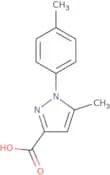
![2-[(4-Chloronaphthalen-1-yl)oxy]acetic acid](/_next/image/?url=https%3A%2Fstatic.cymitquimica.com%2Fproducts%2F3D%2Fthumb-webp%2FAAA83508.webp&w=3840&q=75)
![4-(Ethoxycarbonyl)bicyclo-[2.2.2]octane-1-carboxylic acid](/_next/image/?url=https%3A%2Fstatic.cymitquimica.com%2Fproducts%2F3D%2Fthumb-webp%2FAAA83450.webp&w=3840&q=75)
![(2,4-Dioxo-1,3-diaza-spiro[4.5]dec-3-yl)-acetic acid](/_next/image/?url=https%3A%2Fstatic.cymitquimica.com%2Fproducts%2F3D%2Fthumb-webp%2FAAA83445.webp&w=3840&q=75)
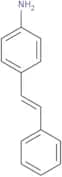
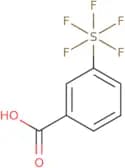
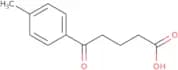
![5-(4-Nitro-phenyl)-[1,3,4]thiadiazol-2-ylamine](/_next/image/?url=https%3A%2Fstatic.cymitquimica.com%2Fproducts%2F3D%2Fthumb-webp%2FAAA83363.webp&w=3840&q=75)
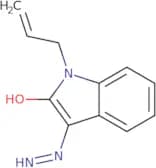
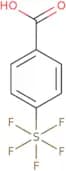
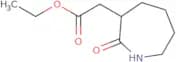
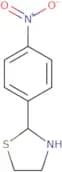
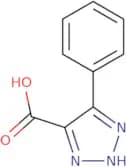
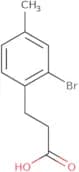
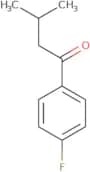
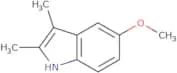
![5-(2-Chloro-phenyl)-[1,3,4]thiadiazol-2-ylamine](/_next/image/?url=https%3A%2Fstatic.cymitquimica.com%2Fproducts%2F3D%2Fthumb-webp%2FAAA82881.webp&w=3840&q=75)
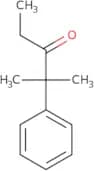
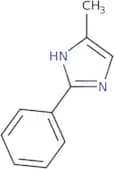
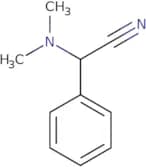
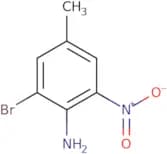
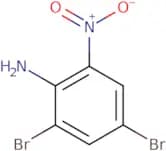
![Bicyclo[2.2.2]octane-2-sulfonyl fluoride](/_next/image/?url=https%3A%2Fstatic.cymitquimica.com%2Fproducts%2F3D%2Fthumb-webp%2FAAA82718.webp&w=3840&q=75)
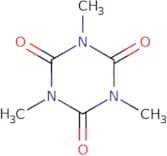
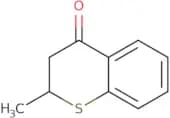
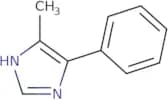
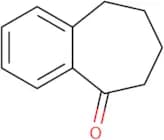
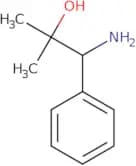
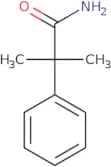
![Bicyclo[2.2.2]octane-1,4-diyldimethanol](/_next/image/?url=https%3A%2Fstatic.cymitquimica.com%2Fproducts%2F3D%2Fthumb-webp%2FAAA82645.webp&w=3840&q=75)
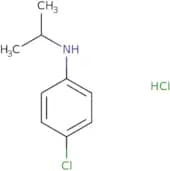
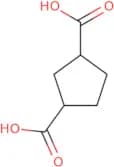
![2-{Bicyclo[2.2.1]hept-5-en-2-yl}acetic acid](/_next/image/?url=https%3A%2Fstatic.cymitquimica.com%2Fproducts%2F3D%2Fthumb-webp%2FAAA82571.webp&w=3840&q=75)
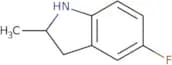
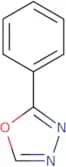
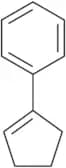
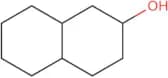
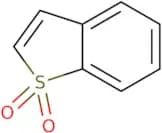
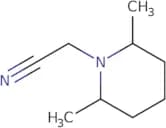
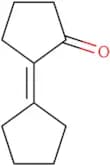
![2-Methylbicyclo[2.2.1]hept-5-ene-2-carboxylic acid](/_next/image/?url=https%3A%2Fstatic.cymitquimica.com%2Fproducts%2F3D%2Fthumb-webp%2FAAA82503.webp&w=3840&q=75)
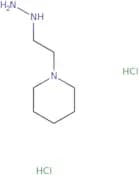
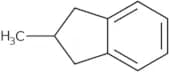
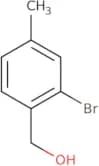
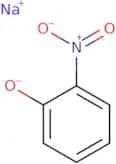
![4H,5H-Thieno[2,3-d]pyridazin-4-one](/_next/image/?url=https%3A%2Fstatic.cymitquimica.com%2Fproducts%2F3D%2Fthumb-webp%2FAAA82423.webp&w=3840&q=75)
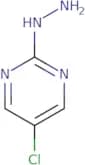
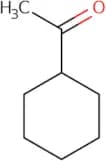
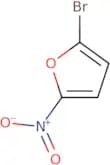
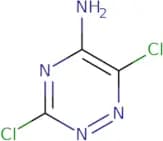
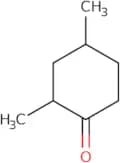
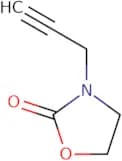
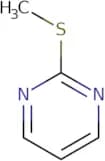
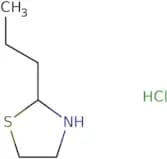
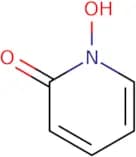
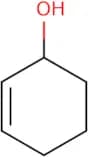

![1-Chloro-2-[(trifluoromethyl)sulfanyl]ethane](/_next/image/?url=https%3A%2Fstatic.cymitquimica.com%2Fproducts%2F3D%2Fthumb-webp%2FAAA81955.webp&w=3840&q=75)
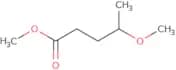
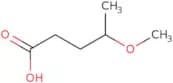
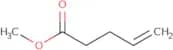


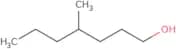
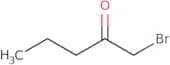
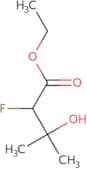




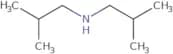
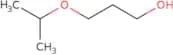

![2-[(1-Hydroxypropan-2-yl)oxy]propan-1-ol](/_next/image/?url=https%3A%2Fstatic.cymitquimica.com%2Fproducts%2F3D%2Fthumb-webp%2FAAA10861.webp&w=3840&q=75)
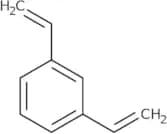
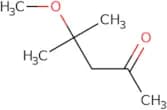
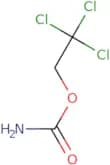
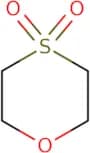
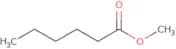
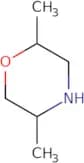

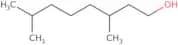

![Methyl 3-[(3-methoxy-3-oxopropyl)(methyl)amino]propanoate](/_next/image/?url=https%3A%2Fstatic.cymitquimica.com%2Fproducts%2F3D%2Fthumb-webp%2FAAA10571.webp&w=3840&q=75)
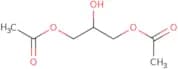
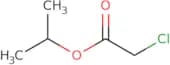

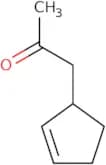
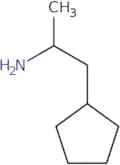
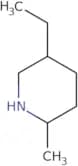
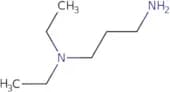

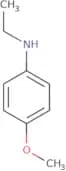
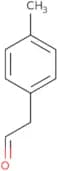
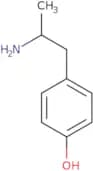

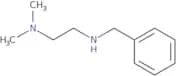
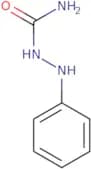
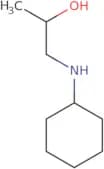
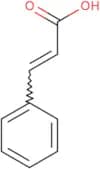
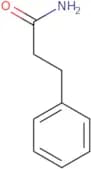
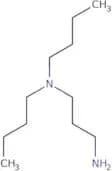
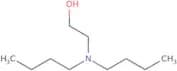
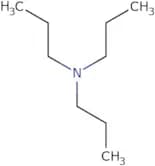
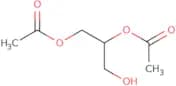
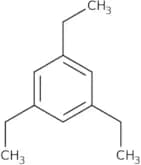

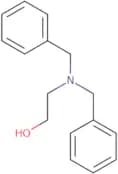
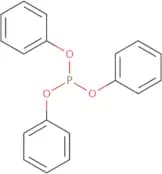
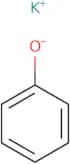
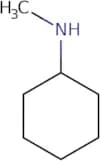
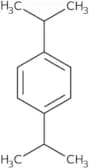
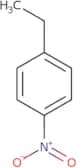
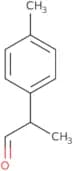
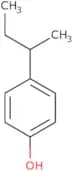
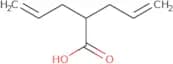
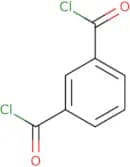
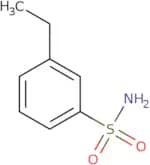
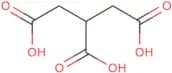


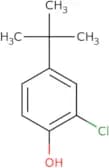
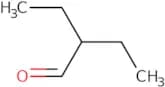
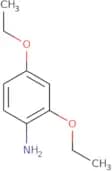
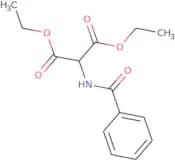
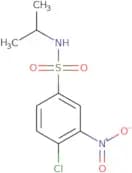
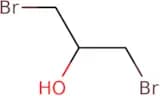

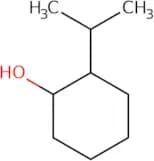
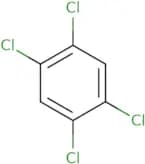
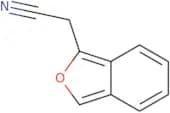
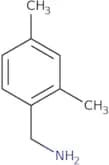
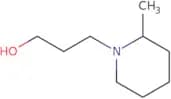
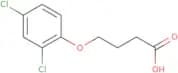
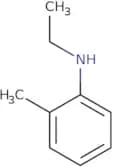
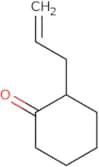
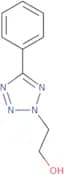
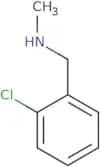
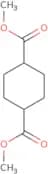
![4-[(2-Cyanoethyl)methylamino]benzaldehyde](/_next/image/?url=https%3A%2Fstatic.cymitquimica.com%2Fproducts%2F3D%2Fthumb-webp%2FAAA09421.webp&w=3840&q=75)
![4-Amino-N-(5-ethyl-[1,3,4]thiadiazol-2-yl)-benzenesulfonamide](/_next/image/?url=https%3A%2Fstatic.cymitquimica.com%2Fproducts%2F3D%2Fthumb-webp%2FAAA09419.webp&w=3840&q=75)
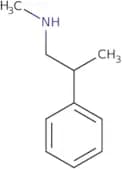
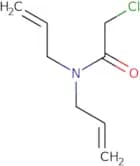
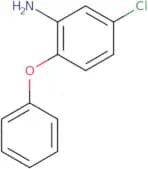
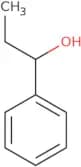
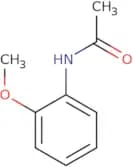
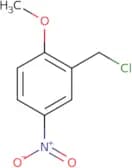
![2-[4-Amino(ethyl)anilino]-1-ethanol](/_next/image/?url=https%3A%2Fstatic.cymitquimica.com%2Fproducts%2F3D%2Fthumb-webp%2FAAA09265.webp&w=3840&q=75)
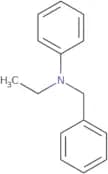
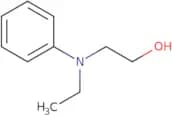
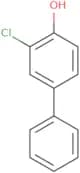
![3-Bromo[1,1'-biphenyl]-4-ol](/_next/image/?url=https%3A%2Fstatic.cymitquimica.com%2Fproducts%2F3D%2Fthumb-webp%2FAAA09203.webp&w=3840&q=75)
![1-[4-Hydroxy-3-(morpholin-4-ylmethyl)phenyl]ethan-1-one](/_next/image/?url=https%3A%2Fstatic.cymitquimica.com%2Fproducts%2F3D%2Fthumb-webp%2FSDA04143.webp&w=3840&q=75)
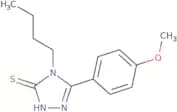
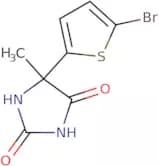
![2-[(4-Fluorophenyl)formamido]-3-methylbutanoic acid](/_next/image/?url=https%3A%2Fstatic.cymitquimica.com%2Fproducts%2F3D%2Fthumb-webp%2FSDA05421.webp&w=3840&q=75)
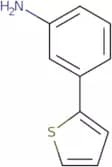
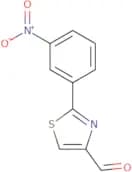
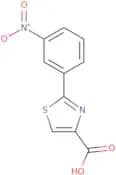
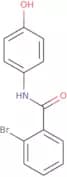
![Methyl[1-(oxolan-2-yl)ethyl]amine](/_next/image/?url=https%3A%2Fstatic.cymitquimica.com%2Fproducts%2F3D%2Fthumb-webp%2FSDA07156.webp&w=3840&q=75)
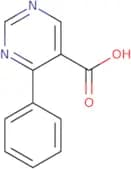
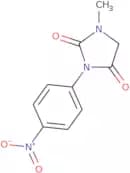
![1-[5-(Hydroxymethyl)-1,2-oxazol-3-yl]ethan-1-one](/_next/image/?url=https%3A%2Fstatic.cymitquimica.com%2Fproducts%2F3D%2Fthumb-webp%2FSDA09606.webp&w=3840&q=75)
![2-Chloro-N-{2-[4-(propan-2-yloxy)phenyl]ethyl}acetamide](/_next/image/?url=https%3A%2Fstatic.cymitquimica.com%2Fproducts%2F3D%2Fthumb-webp%2FSDA10553.webp&w=3840&q=75)
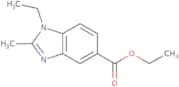
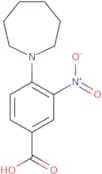
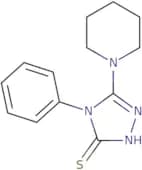
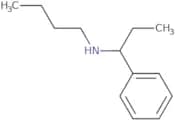
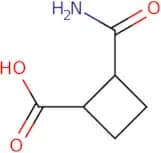
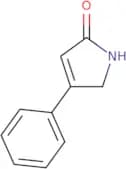
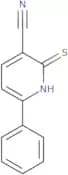
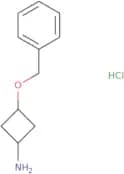
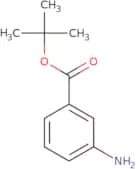
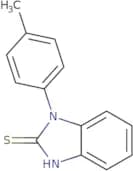
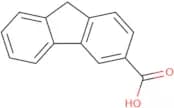
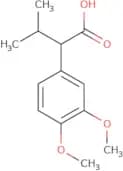
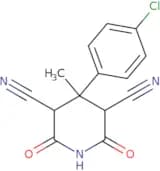
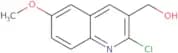
![Methyl[1-(oxolan-2-yl)-2-phenylethyl]amine hydrochloride](/_next/image/?url=https%3A%2Fstatic.cymitquimica.com%2Fproducts%2F3D%2Fthumb-webp%2FSDA19603.webp&w=3840&q=75)
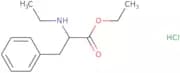
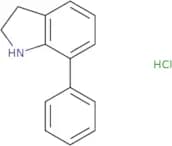
![2-Hydroxy-5-[(4-methoxyphenyl)sulfamoyl]benzoic acid](/_next/image/?url=https%3A%2Fstatic.cymitquimica.com%2Fproducts%2F3D%2Fthumb-webp%2FSDA20076.webp&w=3840&q=75)
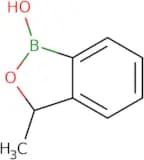
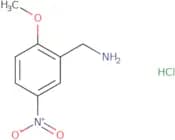
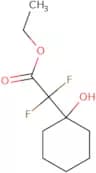
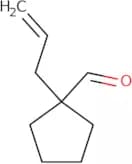
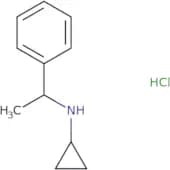
![4H,5H-[1,2,4]Triazolo[4,3-a]quinazolin-5-one](/_next/image/?url=https%3A%2Fstatic.cymitquimica.com%2Fproducts%2F3D%2Fthumb-webp%2FSDA22189.webp&w=3840&q=75)