Building Blocks
This section contains fundamental products for the synthesis of organic and biological compounds. Building blocks are the essential starting materials used to construct complex molecules through various chemical reactions. They play a critical role in drug discovery, material science, and chemical research. At CymitQuimica, we offer a diverse range of high-quality building blocks to support your innovative research and industrial projects, ensuring you have the essential components for successful synthesis.
Subcategories of "Building Blocks"
- Boronic Acids & Boronic Acid Derivatives(5,756 products)
- Chiral Building Blocks(1,242 products)
- Hydrocarbon Building Blocks(6,095 products)
- Organic Building Blocks(61,051 products)
Found 199813 products of "Building Blocks"
Sort by
Purity (%)
0
100
|
0
|
50
|
90
|
95
|
100
4-Methylenepiperidine hydrochloride
CAS:<p>4-Methylenepiperidine hydrochloride is a synthetic, ethylene oxide derivative that is used as an antifungal drug. It is also used in the synthesis of other compounds and as a reagent in organic chemistry. 4-Methylenepiperidine hydrochloride can be synthesized by reacting ethylene with an alkoxide, followed by adding a metal halide such as organolithium reagents to form the desired product. The yield rate of this reaction is high and it is easy to perform on a large scale.</p>Formula:C6H11N·HClPurity:Min. 95%Color and Shape:White PowderMolecular weight:133.62 g/molSodium ethanethiolate
CAS:<p>Sodium ethanethiolate is a detergent composition that is used in the manufacturing of other detergents. It has a receptor binding mechanism and binds to the fatty acid component of the lipid bilayer. The hydroxyl group on the ethanethiolate molecule reacts with the hydrophobic region of the lipid bilayer, leading to disruption of membrane function. Sodium-dependent glucose transport is inhibited by sodium ethanethiolate, which also has metabolic disorders as a side effect. It is a bicyclic heterocycle and can be synthesized from p-hydroxybenzoic acid and trifluoroacetic acid. The chemical stability of this compound is high, making it useful for industrial applications.</p>Formula:C2H5NaSPurity:(¹H-Nmr) Min. 90 Area-%Color and Shape:White PowderMolecular weight:84.12 g/mol(S)-3-Aminohexanoic acid hydrochloride ee
CAS:<p>Versatile small molecule scaffold</p>Formula:C6H14ClNO2Purity:Min. 95%Molecular weight:167.63 g/mol4-Chloro-N-methoxy-N-methylbutanamide
CAS:<p>Versatile small molecule scaffold</p>Formula:C6H12ClNO2Purity:Min. 95%Molecular weight:165.62 g/mol3-Bromofuran-2-carbaldehyde
CAS:<p>3-Bromofuran-2-carbaldehyde is a chemical compound that belongs to the group of carbonyl compounds. It is an acetylated form of 3-bromofuran and its molecular formula is C6H5BrO. This chemical contains a carbonyl group, which reacts with the hydroxyl group in epidermal growth factor (EGF) to produce epidermal growth. 3-Bromofuran-2-carbaldehyde has been shown to be an adrenergic receptor agonist and can be used as a structural formula blocker or hydrochloric acid. The chemical can also be synthesized in acidic conditions using methods such as fluorination, chlorination, and acetylation.</p>Formula:C5H3BrO2Purity:Min. 95%Molecular weight:174.98 g/moltert-Butyl N-(4-methylphenyl)carbamate
CAS:<p>Tert-butyl N-(4-methylphenyl)carbamate is a reusable, efficient method for the synthesis of tert-butyl carbamates from amines and carbon dioxide. This reaction is an example of a C–H bond activation that proceeds through an anion intermediate. The reaction time can be reduced by irradiation to increase the efficiency. Electrons are unpaired during this process, which is modeled with quantum mechanics software. Chloride is used as a catalyst to activate the electron and generate a reactive intermediate. Amine functionalities are added to the molecule in order to give it desired properties. The chloride group can be replaced with other anions such as bromide or iodide, which will also introduce different reactivity patterns.</p>Formula:C12H17NO2Purity:Min. 95%Molecular weight:207.27 g/mol7-Bromo-3,4-dihydro-1H-quinolin-2-one
CAS:<p>Versatile small molecule scaffold</p>Formula:C9H8BrNOPurity:Min. 95%Molecular weight:226.07 g/molMethyl 6-oxospiro[3.3]heptane-2-carboxylate
CAS:<p>Versatile small molecule scaffold</p>Formula:C9H12O3Purity:Min. 95%Molecular weight:168.19 g/mol4-[1-(tert-Butoxy)-2-methyl-1-oxopropan-2-yl]benzoic acid
CAS:<p>Versatile small molecule scaffold</p>Formula:C15H20O4Purity:Min. 95%Molecular weight:264.32 g/molSHR 0302
CAS:<p>Please enquire for more information about SHR 0302 including the price, delivery time and more detailed product information at the technical inquiry form on this page</p>Formula:C18H22N8O2SPurity:Min. 95%Molecular weight:414.49 g/molSugammadex sulfoxide diastereomer-2
CAS:<p>Please enquire for more information about Sugammadex sulfoxide diastereomer-2 including the price, delivery time and more detailed product information at the technical inquiry form on this page</p>Formula:C72H112O49S8Purity:85%Color and Shape:PowderMolecular weight:2,018.12 g/mol1,5,6,7-Tetrahydro-2H-cyclopenta[b]pyridin-2-one
CAS:<p>Versatile small molecule scaffold</p>Formula:C8H9NOPurity:Min. 95%Molecular weight:135.17 g/molSugammadex diastereomer 1 sulfoxide
CAS:<p>Please enquire for more information about Sugammadex diastereomer 1 sulfoxide including the price, delivery time and more detailed product information at the technical inquiry form on this page</p>Formula:C72H112O49S8Purity:90%Color and Shape:PowderMolecular weight:2,018.16 g/molMethyl trans-4-bromo-2-butenoate
CAS:<p>Methyl trans-4-bromo-2-butenoate is a synthetic compound that contains a hydroxyl group and two bromine atoms. It is synthesized by the reaction of diethyl succinate, hydrogen, and piperazine in an aqueous solution. Methyl trans-4-bromo-2-butenoate has been shown to have antineoplastic activity in combination with epidermal growth factor (EGF) and carbohydrate conjugates. It also binds to cell surface receptors on the epidermal cells, inhibiting their growth. The structural formula of methyl trans-4-bromo-2-butenoate can be seen below: [[File:Methyltrans4bromobutanoate.png|thumb|300px|left|The structural formula of methyl trans-[4] -[bromo]-[2] -butenoate.]]</p>Formula:C5H7BrO2Purity:Min. 95%Color and Shape:Clear LiquidMolecular weight:179.01 g/mol1-(4-Nitrophenyl)butane-1,3-dione
CAS:<p>1-(4-Nitrophenyl)butane-1,3-dione is a tautomer of 1,4-naphthoquinone. This compound has been reported to have an optical rotation of [alpha]D=+14.2° (C=1 in methanol). The triflate and carbonyl groups are involved in hydrogen bonding with each other. The hydrogen bond is a weak interaction that only occurs between polar molecules. This compound also has an x-ray crystal structure, which can be determined by diffraction studies. It is possible to synthesize this molecule from 1,4-naphthoquinone and butane-1,3-dione or by photolysis of 1-(4-nitrophenyl)-2,5-dioxopentanoic acid. In addition to its optical properties, the intramolecular hydrogen bonds give this molecule interesting optical properties.</p>Formula:C10H9NO4Purity:Min. 95%Molecular weight:207.18 g/mol4-Bromo-5-chloropyridin-2-amine
CAS:<p>Versatile small molecule scaffold</p>Formula:C5H4BrClN2Purity:Min. 95%Molecular weight:207.46 g/molMethyl 3-chloropropionate
CAS:<p>Methyl 3-chloropropionate is an alkyl ether that has been used in clinical studies as a liquid phase ion-pair extraction solvent. It was developed to replace the use of hexane, which is not environmentally friendly and can also cause irritation. Methyl 3-chloropropionate has been shown to have a higher viscosity than hexane at room temperature and is less likely to evaporate than hexane. Methyl 3-chloropropionate has also been used as a synthetic process solvent, with the reaction time being shorter than that of hexane. This compound can be used for chromatography without any effect on the solute or the stationary phase. Methyl 3-chloropropionate has also been shown to be effective in lipase and agarose gel assays, as well as chloride ion extraction from water samples.</p>Formula:C4H7ClO2Purity:Min. 95%Color and Shape:Clear LiquidMolecular weight:122.55 g/mol4-bromo-1H-pyrazole-5-carbaldehyde
CAS:<p>Versatile small molecule scaffold</p>Formula:C4H3BrN2OPurity:Min. 95%Molecular weight:175 g/mol4-Iodo-1-methyl-1h-pyrazole-5-carbonitrile
CAS:<p>4-Iodo-1-methyl-1H-pyrazole-5-carbonitrile is a tetrazole molecule that has been shown to have potent and selective inhibitory activity against human PCSK9. This compound binds to the catalytic site of PCSK9 and prevents the formation of an active enzyme, therefore inhibiting the production of LDL cholesterol. 4-Iodo-1-methyl-1H-pyrazole-5-carbonitrile is a prodrug that is metabolized by acetaldehyde dehydrogenase to form an active inhibitor. The reaction proceeds in a chiral and enantioselective manner, which allows for the synthesis of racemic mixtures of this drug.</p>Formula:C5H4IN3Purity:Min. 95%Molecular weight:233.01 g/moltert-Butyl 3,9-diazaspiro[5.5]undecane-3-carboxylate hydrochloride
CAS:<p>Versatile small molecule scaffold</p>Formula:C14H27ClN2O2Purity:Min. 95%Molecular weight:290.83 g/molMethyl 4-(2-Bromoethyl)benzoate
CAS:<p>Methyl 4-(2-bromoethyl)benzoate is a potent HDAC6 inhibitor. It has been shown to inhibit cancer cell growth and induce apoptosis in vitro and in vivo. Methyl 4-(2-Bromoethyl)benzoate is also an anti-cancer agent that inhibits the histone deacetylase enzyme, which then prevents the transcription of genes involved in cancer development. In addition, this agent inhibits the production of prostaglandin E2, which may contribute to its anti-cancer activity. The most common side effects are nausea and vomiting.</p>Formula:C10H11BrO2Purity:Min. 95%Molecular weight:243.1 g/moltert-Butyl 3-bromo-1,4,6,7-tetrahydro-5H-pyrazolo[4,3-c]pyridine-5-carboxylate
CAS:<p>Versatile small molecule scaffold</p>Formula:C11H16BrN3O2Purity:Min. 95%Molecular weight:302.17 g/mol4-Bromo-2-chloro-6-fluorobenzaldehyde
CAS:<p>Versatile small molecule scaffold</p>Formula:C7H3BrClFOPurity:Min. 95%Molecular weight:237.45 g/mol4-bromo-1H-imidazole-2-carbaldehyde
CAS:<p>Versatile small molecule scaffold</p>Formula:C4H3BrN2OPurity:Min. 95%Molecular weight:175 g/mol1H-[1,2,3]Triazolo[4,5-d]pyrimidin-5-amine
CAS:<p>1H-[1,2,3]Triazolo[4,5-d]pyrimidin-5-amine is a nitro compound that binds to the receptor binding sites of certain inflammatory bowel disease and cancer cells. It also inhibits the production of adenosine in these cells. 1H-[1,2,3]Triazolo[4,5-d]pyrimidin-5-amine has been shown to be effective against bowel disease and cancer by inhibiting cyclic AMP (cAMP) degradation. This drug has also been shown to be an irreversible inhibitor of ischemia reperfusion injury in animal models. 1H-[1,2,3]Triazolo[4,5-d]pyrimidin-5-amine is a nitro compound that binds to the receptor binding sites of certain inflammatory bowel disease and cancer cells. It also inhibits the production of adenosine in these cells. 1H</p>Formula:C4H4N6Purity:Min. 95%Molecular weight:136.12 g/mol2-Ethynyl-3-methoxypyridine
CAS:2-Ethynyl-3-methoxypyridine is a chiral, alkynyl compound that can be synthesized from the reaction of acetone and ethyne. This compound is axially chiral and has two rotational isomers, which are optically active. The synthesis of this compound was first reported in 1952 by cyclizing 2-ethynylpyridine with methoxyacetophenone in the presence of acetic acid. The photochemical reactions of this compound have been studied extensively and it has shown to be a useful substrate for pyridines.Formula:C8H7NOPurity:Min. 95%Molecular weight:133.14 g/mol[(Trimethylsilyl)ethynyl]boronic acid, pinacol ester
CAS:<p>Versatile small molecule scaffold</p>Formula:C11H21BO2SiPurity:Min. 95%Molecular weight:224.2 g/molMethyl 3-chloro-5-hydroxypyridine-2-carboxylate
CAS:<p>Versatile small molecule scaffold</p>Formula:C7H6NO3ClPurity:Min. 95%Molecular weight:187.58 g/mol1,3,5,7-Tetrabromoadamantane
CAS:<p>1,3,5,7-Tetrabromoadamantane is a molecule that has been synthesized and introduced as a mediator to introduce oxidants. The introduction of the oxidant is mediated by 1,3,5,7-tetrabromoadamantane. This molecule has been shown to be synthesized in two steps from hexamethylenetetramine (HMT) and iodomethane. The synthesis of this molecule can also be achieved by reacting synthons such as tetraphenylmethane with hydrochloric acid. 1,3,5,7-Tetrabromoadamantane is an equivalence mediator because it can mediate a redox reaction in which the oxidizing agent is reduced and the reducing agent is oxidized.</p>Formula:C10H12Br4Purity:Min. 95%Molecular weight:451.82 g/molMethyl 4-fluorothiophene-2-carboxylate
CAS:<p>Methyl 4-fluorothiophene-2-carboxylate is a fluorinated organic compound that is used as a model compound in polymer chemistry. It has been used to synthesize polymers with stepwise fluorination and diketopyrrolopyrrole moieties. This molecule also has optoelectronic properties and can be converted to a conjugated, monofluorinated, or difluorinated form by the addition of electron-withdrawing groups such as nitro or cyano groups. Methyl 4-fluorothiophene-2-carboxylate is an acceptor for electron transfer reactions.</p>Formula:C6H5FO2SPurity:Min. 95%Molecular weight:160.16 g/mol2,4-Diamino-5-nitropyrimidine
CAS:<p>2,4-Diamino-5-nitropyrimidine is a synthetic molecule that belongs to the class of heterocyclic amines. It has been shown to be a potent antiproliferative agent and has been found to inhibit hepg2 cell growth in vitro. This compound was also found to inhibit cancer cells, including mcf-7. 2,4-Diamino-5-nitropyrimidine binds nucleophilic sites on proteins and inhibits enzymes involved in DNA synthesis. The inhibition of these enzymes leads to cell death by preventing the production of new proteins needed for cell division.</p>Formula:C4H5N5O2Purity:Min. 95%Color and Shape:Off-White To Yellow SolidMolecular weight:155.12 g/mol2,5-Dibromo-3-aminopyrazine
CAS:<p>2,5-Dibromo-3-aminopyrazine is an experimental drug with anticancer activity. It has been shown to have a high affinity for DNA and inhibit the growth of tumor cells in vivo. 2,5-Dibromo-3-aminopyrazine has undergone stability tests in vivo and in vitro and also completed clinical trials. This drug binds to DNA and inhibits the enzyme protein kinase C, leading to suppression of cellular proliferation. The pharmacokinetics of this drug were evaluated by measuring the concentration of 2,5-dibromo-3-aminopyrazine in plasma after oral administration to mice. This study found that the maximum concentration was achieved at 1 hour post dose and that there was a decrease in concentration over time. The drug has been shown to bind to the dimethoxybenzene metabolic pathway, which is involved in regulating cell proliferation.<br>2,5-Dibromo-3-aminopyrazine</p>Formula:C4H3Br2N3Purity:Min. 95%Color and Shape:PowderMolecular weight:252.89 g/molN-[2-[(2S)-2-Cyano-4,4-difluoro-1-pyrrolidinyl]-2-oxoethyl]-6-[methyl[3-(1-piperazinyl)propyl]amino]-4-quinolinecarboxamide trifluor oacetate
CAS:<p>Please enquire for more information about N-[2-[(2S)-2-Cyano-4,4-difluoro-1-pyrrolidinyl]-2-oxoethyl]-6-[methyl[3-(1-piperazinyl)propyl]amino]-4-quinolinecarboxamide trifluor oacetate including the price, delivery time and more detailed product information at the technical inquiry form on this page</p>Formula:C25H31F2N7O2•(C2HF3O2)xPurity:Min. 95%Molecular weight:499.56 g/mol3,5-Diiodo-L-tyrosine
CAS:<p>3,5-Diiodo-L-tyrosine (3DILT) is an iodinated amino acid that can be used as a marker for human immunodeficiency virus (HIV) infection. It is synthesized by the reaction of 3,5-diiodotyrosine with L-tyrosine in the presence of a metal chelate and dinucleotide phosphate. This reaction proceeds via nucleophilic substitution on the aromatic ring with an iodide ion. The product is then purified to remove unreacted 3,5-diiodotyrosine and the metal chelate. 3DILT reacts with antibodies in a luminescence immunoassay to produce light that can be detected. The detection limit of this assay is 10 pg/mL.</p>Formula:C9H9I2NO3Purity:Min. 95%Molecular weight:432.98 g/mol3,5-Dihydroxybenzaldehyde
CAS:<p>3,5-Dihydroxybenzaldehyde (DHBA) is a plant metabolite that is classified as a phenolic compound. It is found in many plants and has important biological functions such as the production of carotenoids or the cleavage of carotenoid to form other compounds. DHBA can be extracted from plant tissue with hydrochloric acid or carbon sources. It has been shown that DHBA inhibits the growth of soil bacteria by binding to amines and thus preventing them from reacting with substrates. This may be due to its ability to act as an electron donor, which could also explain its inhibitory activity on carotenoid cleavage.</p>Formula:C7H6O3Purity:Min. 98 Area-%Color and Shape:Off-White To Beige To Brown SolidMolecular weight:138.12 g/mol3,5-Dihydroxy-4-methylbenzoic acid
CAS:<p>3,5-Dihydroxy-4-methylbenzoic acid is an efficient synthesis of the natural product lucidin. It is a quinone that is found in citrifolia and morindone, compounds which are used as analgesics and antipyretics. This compound has been shown to inhibit the growth of fungi by inhibition of protein synthesis. 3,5-Dihydroxy-4-methylbenzoic acid also inhibits the production of citric acid cycle intermediates such as succinic acid and fumaric acid.</p>Formula:C8H8O4Purity:Min. 80%Color and Shape:PowderMolecular weight:168.15 g/mol3,4-Diaminobenzophenone
CAS:<p>3,4-Diaminobenzophenone is an unsymmetrical compound and a derivative of benzophenone. It is used in the synthesis of other organic compounds, such as pharmaceuticals. 3,4-Diaminobenzophenone is also used as a solubilizing agent for drugs that are insoluble in water. The molecular weight of 3,4-Diaminobenzophenone can be determined by gravimetric analysis or FTIR methods. 3,4-Diaminobenzophenone has been shown to have antioxidative properties. This molecule can bind to hydroxyl groups on biomolecules and protect them from oxidation by reactive oxygen species (ROS).</p>Formula:C13H12N2OPurity:Min 98.5%Color and Shape:PowderMolecular weight:212.25 g/mol2,6-Dichloro-4-methoxyaniline
CAS:<p>2,6-Dichloro-4-methoxyaniline is a chemical that belongs to the group of methyl derivatives. It is used as an industrial chemical and as a precursor to other chemicals in the production of pesticides, herbicides, and other products. 2,6-Dichloro-4-methoxyaniline can be found in brominated flame retardants and phenolic resins. It is also present in pentachlorophenol (PCP) and hydroxylated congeners. 2,6-Dichloro-4-methoxyaniline has been detected in humans at levels ranging from 10 to 100 parts per billion. The chemical structure of 2,6-dichloro-4-methoxyaniline is similar to that of triclosan, which has been shown to have antimicrobial activity against bacteria such as Staphylococcus aureus and Escherich</p>Formula:C7H7Cl2NOPurity:Min. 95%Molecular weight:192.04 g/mol3-(Difluoromethyl)-1-methyl-1H-pyrazole-4-carboxylic acid
CAS:<p>3-(Difluoromethyl)-1-methyl-1H-pyrazole-4-carboxylic acid is a synthetic chemical that is used as a pesticide. This chemical has been found to be more effective than other pesticides because it can inhibit the synthesis of fatty acids, which are necessary for the growth of insect larvae. 3-(Difluoromethyl)-1-methyl-1H-pyrazole-4-carboxylic acid is synthesized by reacting sodium hydroxide solution with triethyl orthoformate in the presence of hexamethylenetetramine. This reaction produces a mixture of diethyl ester and carboxylate esters, which are then separated from each other. The resulting carboxylate ester is then oxidized to produce 3-(difluoromethyl)-1-methyl-1H pyrazole 4 carboxylic acid.</p>Formula:C6H6F2N2O2Purity:Min. 95%Color and Shape:White Off-White PowderMolecular weight:176.12 g/mol2,4-Dibromothiazole
CAS:<p>2,4-Dibromothiazole is a nicotinic acetylcholine receptor (nAChR) antagonist which selectively blocks the binding of acetylcholine to nAChRs. It has been shown to be effective in treating inflammatory bowel disease by inhibiting the production of inflammatory mediators. This drug also has anti-inflammatory effects and can be used for the treatment of autoimmune diseases such as Crohn's disease. 2,4-Dibromothiazole also has low energy properties and is used in palladium complexes for cross-coupling reactions. It can also be used as a cancer chemotherapeutic agent and as a cardiac drug.</p>Formula:C3HBr2NSPurity:Min. 95%Color and Shape:White PowderMolecular weight:242.92 g/mol4,6-Dichloro-5-nitropyrimidine
CAS:<p>4,6-Dichloro-5-nitropyrimidine is an intermediate in the synthesis of Tenofovir, a nucleophilic drug that inhibits HIV. It is produced by the reaction of chloride with amines and nitro compounds in the presence of ammonium chloride. 4,6-Dichloro-5-nitropyrimidine has been shown to have anticancer activity against human lymphocytes and other cancer cells. It can also be used for the treatment of AIDS. The biological properties of this compound are dose dependent and are dependent on the size of chlorine atoms attached to nitrogen atoms.</p>Formula:C4HCl2N3O2Purity:Min. 95%Color and Shape:Yellow PowderMolecular weight:193.98 g/mol4,4'-Diamino-2,2'-bipyridine
CAS:<p>4,4'-Diamino-2,2'-bipyridine (DABP) is a redox-active compound that is synthesized to be used as a single-stranded DNA probe. It has been shown to have high affinity for nucleic acids and can be used in many applications including the detection of mutations in human ovarian carcinoma cells. DABP can also be used as a model protein for studying interactions with other biomolecules. The immobilization of DABP on an electrode surface allows for the study of its electrochemical properties. This includes the correlation between the redox potential and luminescence intensity and the dependence on pH or ionic strength. DABP can also be used to detect oxygen concentration or ATP levels in mitochondria through its ability to absorb light at wavelengths from 400 nm to 800 nm which is then converted into light at lower wavelengths by uv irradiation.</p>Formula:C10H10N4Purity:Min. 97 Area-%Color and Shape:White PowderMolecular weight:186.21 g/mol3-Chloro-5-iodobenzoic acid methyl ester
CAS:<p>3-Chloro-5-iodobenzoic acid methyl ester is a versatile building block that can be used to make many complex compounds, including research chemicals and reagents. 3-Chloro-5-iodobenzoic acid methyl ester is used as an intermediate for the production of speciality chemicals and has many uses in chemical reactions. This compound was previously sold under the CAS number 289039-85-6.</p>Formula:C8H6ClIO2Purity:Min. 95%Color and Shape:PowderMolecular weight:296.49 g/mol3,3,5-Trimethylcyclohexanone
CAS:<p>3,3,5-Trimethylcyclohexanone is an intermediate in the synthesis of polymers and polyesters. This compound is a reactive hydrogenation product which can be used to produce polymers with desired properties. The unsaturated side chain of 3,3,5-trimethylcyclohexanone reacts with borohydride to form a ketal. After being converted to the corresponding acid chloride, the 3,3,5-trimethylcyclohexanone can be used for the synthesis of polyesters. This compound has also been shown to be an effective catalyst for producing β-unsaturated ketones from aldehydes and dienes.</p>Formula:C9H16OPurity:Min. 95%Color and Shape:Clear LiquidMolecular weight:140.23 g/mol(S)-2-(N-Boc-aminomethyl)morpholine
CAS:<p>Versatile small molecule scaffold</p>Formula:C10H20N2O3Purity:Min. 95%Molecular weight:216.27 g/mol3-Methoxy-1-methyl-1H-pyrazole-4-carbaldehyde
CAS:Versatile small molecule scaffoldFormula:C6H8N2O2Purity:Min. 95%Color and Shape:PowderMolecular weight:140.14 g/moltert-Butyl 4-hydroxy-4-(trifluoromethyl)piperidine-1-carboxylate
CAS:Versatile small molecule scaffoldFormula:C11H18F3NO3Purity:Min. 95%Molecular weight:269.26 g/mol1,3-Dibenzylurea
CAS:<p>1,3-Dibenzylurea is an organic molecule that has been used as a model system for the study of chemical reactions. This compound has been shown to have inhibitory properties against pain in animal studies and has been used to treat bowel disease. 1,3-Dibenzylurea can inhibit the inflammatory response by preventing the oxidative carbonylation of proteins. It also inhibits the production of inflammatory cytokines and chemokines in vitro. Nucleophilic attack by amines on the carbonyl group is a possible reaction pathway for this molecule.</p>Formula:C15H16N2OPurity:Min. 95%Molecular weight:240.3 g/mol1-[4-(Propan-2-yl)phenyl]ethan-1-ol
CAS:<p>Versatile small molecule scaffold</p>Formula:C11H16OPurity:Min. 95%Molecular weight:164.24 g/molMonomethyl Glutarate
CAS:<p>Monomethyl glutarate is a monomer for the synthesis of polymers. It has been used in the past as a precursor for the production of polyacrylic acid and its copolymers. Monomethyl glutarate is synthesized by the reaction of hydrochloric acid, high salt, and an expression plasmid containing glutarate dehydrogenase. This compound is also used as a reagent in kinetic studies of fatty acids and glutaric acid. Monomethyl glutarate is an acidic compound with a pKa value of 3.5 at 25°C. It is rapidly hydrolyzed in water to form monomethyl glutarate acid, which has a pKa value of 2.4 at 25°C. Monomethyl glutarate can be ingested orally or applied topically due to its low energy requirements for hydrolysis in water.</p>Formula:C6H10O4Purity:Min. 95%Molecular weight:146.14 g/moltert-Butyl 3-(piperidin-3-yl)azetidine-1-carboxylate
CAS:<p>Versatile small molecule scaffold</p>Formula:C13H24N2O2Purity:Min. 95%Molecular weight:240.35 g/mol(4-Nitrophenyl)methanethiol
CAS:<p>4-Nitrophenylmethanethiol is a reactive molecule that reacts with dopamine D3, an important cytosolic protein, to form a stable covalent bond. This reaction was shown to be pH-dependent and the products were identified by x-ray diffraction data. The disulfide bond formed by this reaction is then reduced to the corresponding sulfhydryl group with sodium borohydride or hydroxide solution. 4-Nitrophenylmethanethiol also reacts with inorganic acid and sodium carbonate to form a molecule containing carbapenem, which is a model protein used in research on chemical reactions. 4-Nitrophenylmethanethiol reacts with chloride ions and phenyl groups to yield hydrochloric acid as the final product of the chemical reaction.</p>Formula:C7H7NO2SPurity:Min. 95%Molecular weight:169.2 g/mol4-hydroxy-5-methoxy-2-nitrobenzaldehyde
CAS:<p>4-Hydroxy-5-methoxy-2-nitrobenzaldehyde (4HMN) is a proton donor that can be used as a crosslinking agent. It is an acidic compound that binds to the substrate, usually via hydrogen bonds. 4HMN has been shown to have good binding affinity for tumour cell lines and can be used as a crosslinking agent in bioconjugation reactions. It is also a reversible chemical reaction, which means it can be hydrolyzed under certain conditions. 4HMN has been shown to be capable of enhancing the rate of enzymatic reactions by acting as a cofactor or coenzyme, such as degradable enzymes and enzymes with low turnover rates. The kinetic process of these reactions are measured by fluorescence techniques and gel permeation chromatography.</p>Formula:C8H7NO5Purity:Min. 95%Color and Shape:PowderMolecular weight:197.1 g/mol6-Iodo-1-hexyne
CAS:<p>Versatile small molecule scaffold</p>Formula:C6H9IPurity:Min. 95%Molecular weight:208.04 g/mol2-Oxohexanoic acid
CAS:<p>2-Oxohexanoic acid (2-OHBA) is a fatty acid that is synthesized from the amino acids lysine and methionine. It is involved in mitochondrial metabolism and has been found to be necessary for spermatozoa motility. 2-OHBA has been shown to inhibit the activity of glutamate dehydrogenase, an enzyme that catalyzes the conversion of glutamate to α-ketoglutarate, which is required for energy production. This inhibition leads to a decrease in ATP levels, which may cause a variety of symptoms, including fatigue and weight loss. Furthermore, 2-OHBA inhibits protein synthesis by blocking the incorporation of amino acids into proteins. The inhibition of this process can lead to high ammonia levels in the blood and accumulation of other nitrogenous wastes in tissues such as liver or muscle tissue. Analysis of urine samples has shown that 2-OHBA is excreted unchanged in urine.</p>Formula:C6H10O3Purity:Min. 95%Molecular weight:130.14 g/molMethyl 5-amino-1,3,4-thiadiazole-2-carboxylate
CAS:<p>Versatile small molecule scaffold</p>Formula:C4H5N3O2SPurity:Min. 95%Molecular weight:159.17 g/mol5-Bromopyridine-3-thiol
CAS:<p>Versatile small molecule scaffold</p>Formula:C5H4BrNSPurity:Min. 95%Molecular weight:190.06 g/mol2-Hydroxyethyl benzoate
CAS:<p>2-Hydroxyethyl benzoate is a model system that has been used to study the mechanism of hydrolysis of an ester with a hydroxyl group. The reaction products are a metal hydroxide and a chloride ion. 2-Hydroxyethyl benzoate is an antimicrobial agent that has shown activity against bacteria, fungi, and protozoa. It is thought to work by reacting with fatty acids in the cell membrane, leading to disruption of the membrane and leakage of cellular contents. It also reacts with chloride ions to form hydroxybenzoic acid and water molecules. The activation energy for this reaction was found to be around 19 kJ mol−1.</p>Formula:C9H10O3Purity:Min. 95%Molecular weight:166.17 g/mol3-bromo-2,4-dimethylphenol
CAS:Versatile small molecule scaffoldFormula:C8H9BrOPurity:Min. 95%Molecular weight:201.06 g/mol2-(Oxan-4-yloxy)ethan-1-ol
CAS:<p>Versatile small molecule scaffold</p>Formula:C7H14O3Purity:Min. 95%Molecular weight:146.18 g/moltert-Butyl 3-(2-aminoethyl)azetidine-1-carboxylate
CAS:Versatile small molecule scaffoldFormula:C10H20N2O2Purity:Min. 95%Molecular weight:200.28 g/mol4-chloropyrimidine-2-carbonitrile
CAS:<p>4-Chloropyrimidine-2-carbonitrile is an industrial chemical that belongs to the class of heterocycles. It is commonly used in the synthesis of amines, phenoxy compounds, and halides. This compound is widely used in research laboratories as a building block for the synthesis of various organic compounds. 4-Chloropyrimidine-2-carbonitrile is available in enantiopure form, making it suitable for chiral chemistry applications. It contains cyano and ethoxycarbonyl functional groups, which make it versatile for further derivatization. This compound exhibits solid catalyst properties and can be used as a methyl ether or amide precursor. Its emission properties make it useful in fluorescence-based assays and imaging techniques.</p>Formula:C5H2ClN3Purity:Min. 95%Molecular weight:139.5 g/molFG-2216
CAS:FG-2216 is a peptide that activates the G protein-coupled receptor, leading to increased intracellular calcium. FG-2216 is a potent agonist of the GPRC6A receptor and has been shown to inhibit pain perception in animal models. FG-2216 has been shown to have no effect on ion channels and does not affect cellular proliferation or migration. FG-2216 may be useful as a research tool for studying the function of the GPRC6A receptor in animal models.Formula:C12H9ClN2O4Purity:Min. 95%Molecular weight:280.66 g/mol2-(2-Ethoxyphenoxy)acetic acid
CAS:<p>Versatile small molecule scaffold</p>Formula:C10H12O4Purity:Min. 95%Molecular weight:196.2 g/mol3-Dimethylamino-1-pyridin-3-yl-propenone
CAS:<p>Versatile small molecule scaffold</p>Formula:C10H12N2OPurity:Min. 95%Molecular weight:176.22 g/molThiodiglycolic Anhydride
CAS:<p>Thiodiglycolic anhydride is a synthetic reagent that is used in the synthesis of erdosteine. It also has been used in the synthesis of other products, such as magnetic particles for imaging and therapeutic uses. Thiodiglycolic anhydride can be used to synthesize erdosteine, which is a substrate for the enzyme hydroxylase and contains a hydroxy group in its structure. The hydroxyl group on erdosteine reacts with thiodiglycolic anhydride to form acrylonitrile, which then reacts with benzyl groups to form benzylthio-esters. These benzylthio-esters are then converted into acid transporters.</p>Formula:C4H4O3SPurity:Min. 95%Molecular weight:132.14 g/mol(S)-(-)-1-Phenylpropylamine
CAS:<p>(S)-(-)-1-Phenylpropylamine is a compound that can be synthesized by the asymmetric synthesis of 1-phenylethylamine. It is an amine that is used in the production of other compounds and has been shown to be reactive with a number of different compounds. The chemical profile of (S)-(-)-1-Phenylpropylamine consists mainly of aldehydes, amides, amines, and alkylating agents. This chiral molecule can be used for the production of drugs or as a precursor for other chemicals.</p>Formula:C9H13NPurity:Min. 95%Molecular weight:135.21 g/mol(3-Aminobenzyl)carbamic acid tert-butyl ester
CAS:<p>Versatile small molecule scaffold</p>Formula:C12H18N2O2Purity:Min. 95%Molecular weight:222.28 g/mol7-bromo-3-iodoimidazo[1,2-a]pyridine
CAS:<p>Versatile small molecule scaffold</p>Formula:C7H4BrIN2Purity:Min. 95%Molecular weight:322.9 g/moltert-Butyl 3-bromobenzylcarbamate
CAS:<p>Versatile small molecule scaffold</p>Formula:C12H16BrNO2Purity:Min. 95%Molecular weight:286.16 g/mol4-Bromo-2-(hydroxymethyl)benzyl alcohol
CAS:<p>Versatile small molecule scaffold</p>Formula:C8H9BrO2Purity:Min. 95%Molecular weight:217.06 g/mol2-Bromocyclopentanone
CAS:<p>2-Bromocyclopentanone is an organic molecule that is used in the synthesis of epoxides. It is also a potential precursor for the synthesis of polymers, dyes, and pharmaceuticals. 2-Bromocyclopentanone has been shown to undergo photolysis when irradiated with ultraviolet light or through chemical reaction with acetonitrile. This product has two conformers with different rotational barriers and corresponding spectral properties. The two conformers can be distinguished by their ultraviolet spectra. The synthetic methods for 2-bromocyclopentanone involve halogenation followed by hydrolysis to yield bromoacetic acid, which is then converted to the desired product by acylation or alkylation.</p>Formula:C5H7BrOPurity:Min. 95%Molecular weight:163.01 g/molPiperidine-3-sulfonamide hydrochloride
CAS:<p>Versatile small molecule scaffold</p>Formula:C5H13ClN2O2SPurity:Min. 95%Molecular weight:200.69 g/molN-(2,6-Dimethylphenyl)-2-({[(2,6-dimethylphenyl)carbamoyl]methyl}amino)acetamide
CAS:<p>2,6-Dimethylphenylacetic acid is a hydrogen phosphate that is soluble in solvents such as acetonitrile. It has been used in the synthesis of lidocaine with high sensitivity and specificity. It can be used to detect phosphoric compounds, which are often present in pharmaceuticals and food supplements. This compound has also been shown to have a solvent effect on the conditions of the reaction, making it a useful additive for optimizing processes. The main impurities of this compound are 2-methylbenzoic acid and benzoic acid.</p>Formula:C20H25N3O2Purity:Min. 95%Molecular weight:339.4 g/mol5-Bromo-3,3-dimethyl-2,3-dihydro-1H-indol-2-one
CAS:Versatile small molecule scaffoldFormula:C10H10NOBrPurity:Min. 95%Molecular weight:240.09 g/mol2-Bromothieno[3,2-c]pyridin-4(5H)-one
CAS:Versatile small molecule scaffoldFormula:C7H4BrNOSPurity:Min. 95%Molecular weight:230.08 g/mol6-Amino-2-propylhexanoic acid hydrochloride
CAS:<p>Versatile small molecule scaffold</p>Formula:C9H19NO2•HClPurity:Min. 95%Molecular weight:209.71 g/mol4-(2,6-Difluorophenyl)piperidin-4-ol hydrochloride
CAS:<p>Versatile small molecule scaffold</p>Formula:C11H14ClF2NOPurity:Min. 95%Molecular weight:249.68 g/mol5-Bromo-1-methyl-1H-pyrazole-4-carboxylic acid
CAS:<p>Versatile small molecule scaffold</p>Formula:C5H5BrN2O2Purity:Min. 95%Molecular weight:205.01 g/mol3-Bromo-5-cyanobenzaldehyde
CAS:<p>Versatile small molecule scaffold</p>Formula:C8H4BrNOPurity:Min. 95%Molecular weight:210.04 g/mol(5-methylbenzofuran-2-yl)boronic acid
CAS:<p>Versatile small molecule scaffold</p>Formula:C9H9BO3Purity:Min. 95%Molecular weight:175.98 g/mol5-Bromo-7-methylquinoxaline
CAS:<p>Versatile small molecule scaffold</p>Formula:C9H7BrN2Purity:Min. 95%Molecular weight:223.07 g/mol2-Chloro-4-(tert-pentyl)phenol
CAS:<p>2-Chloro-4-(tert-pentyl)phenol is an aromatic compound. It has a cyclic, unsaturated alkyl group with a biphenyl and 6-membered heterocycle. This compound also has a haloalkyl group that can be substituted by nitro or benzoxazine groups. 2-Chloro-4-(tert-pentyl)phenol is used as an intermediate in the production of pharmaceuticals, dyes, and pesticides.</p>Formula:C11H15ClOPurity:Min. 95%Molecular weight:198.69 g/molJMJD2 Inhibitor, 5-carboxy-8HQ
CAS:<p>JMJD2 is an enzyme that catalyzes the methylation of histone H3 at lysine 27. JMJD2 inhibitors are compounds that inhibit JMJD2 activity, which may be used to treat cancer. This class of drugs inhibits the activity of JMJD2 by binding to the active site and blocking the substrate from entering. The most potent compound in this class, 5-carboxy-8HQ, has been shown to have antibacterial efficacy in a squamous cell carcinoma model system and up-regulated expression in wild-type cells. Additionally, this compound has been shown to significantly inhibit tumor growth in a mouse model of atherosclerotic lesion.</p>Formula:C10H7NO3Purity:Min. 95%Molecular weight:189.17 g/mol2-boc-5-oxo-2-azabicyclo[2.2.2]octane
CAS:<p>Versatile small molecule scaffold</p>Formula:C12H19NO3Purity:Min. 95%Molecular weight:225.29 g/mol(R)-2-[(9H-Fluoren-9-ylmethoxycarbonylamino)-methyl]-butyric acid
CAS:<p>Versatile small molecule scaffold</p>Formula:C20H21NO4Purity:Min. 95%Color and Shape:PowderMolecular weight:339.4 g/mol1-(6-Methylpyridin-3-yl)ethanamine
CAS:Versatile small molecule scaffoldFormula:C8H12N2Purity:Min. 95%Molecular weight:136.19 g/mol1,3-Dioxo-2,3-dihydro-1H-isoindol-2-yl acetate
CAS:<p>1,3-Dioxo-2,3-dihydro-1H-isoindol-2-yl acetate is a reactive intermediate that can be used as a starting material for the synthesis of other organic compounds. It is synthesized by the reaction of an acid with an aldehyde or ketone in the presence of a base. The rate of this reaction depends on the functional groups present in both reactants and their relative concentrations. This intermediate can be converted to another chemical compound through various reactions, including hydroxymethylation, decarboxylation and oxidation. This chemical has been used as a cocatalyst for the production of 5-hydroxymethylfurfural (HMF).</p>Formula:C10H7NO4Purity:Min. 95%Molecular weight:205.17 g/mol6-Chloro-2-methyl-4-pyrimidinol
CAS:<p>6-Chloro-2-methyl-4-pyrimidinol is an aldehyde that reacts with hydrazine to form a monoxide, which reacts with carbon monoxide to form a hydrazide.</p>Formula:C5H5ClN2OPurity:Min. 95%Molecular weight:144.56 g/mol5-{2-Ethoxy-5-[(4-methylpiperazin-1-yl)sulfonyl]phenyl}-1-methyl-3-(2-methylpropyl)-1H,6H,7H-pyrazolo[4,3-d]pyrimidin-7-one
CAS:<p>Tadalafil is a synthetic drug that is used as a treatment for erectile dysfunction. It works by inhibiting the PDE5 enzyme, which is responsible for breaking down cGMP. Tadalafil has been shown to be effective in the treatment of male erectile dysfunction and pulmonary hypertension, with few side effects. This drug is taken orally, with a meal or without one, and can be administered with or without food. To improve absorption, tadalafil should be taken at least 30 minutes before sexual activity. The dosage of tadalafil ranges from 2.5 to 20 mg, and it should not exceed 40 mg per day.</p>Formula:C23H32N6O4SPurity:Min. 95%Molecular weight:488.6 g/mol2,3-Dihydro-1H-pyrrolo[3,2-c]pyridine hydrochloride
CAS:Versatile small molecule scaffoldFormula:C7H8N2·HClPurity:Min. 95%Molecular weight:156.62 g/mol6,6-difluoro-1,4-oxazepane hydrochloride
CAS:<p>Versatile small molecule scaffold</p>Formula:C5H10ClF2NOPurity:Min. 95%Molecular weight:173.6 g/mol5-(3-Hydroxyphenyl)-1H-pyrazole-3-carboxylic acid
CAS:<p>Versatile small molecule scaffold</p>Formula:C10H8N2O3Purity:Min. 95%Molecular weight:204.18 g/mol5-Chloro-2-methoxycarbonyl pyrazine
CAS:<p>5-Chloro-2-methoxycarbonyl pyrazine is a linker that is used to connect two pharmacophores. β-Lactamase, which is an enzyme that degrades β-lactams antibiotics, was inhibited by 5-chloro-2-methoxycarbonyl pyrazine in vitro and in vivo. The inhibitory potency of 5-chloro-2-methoxycarbonyl pyrazine was increased when it was combined with other molecules. This molecule has shown antibacterial activity against Enterobacter cloacae, methicillin resistant Staphylococcus aureus (MRSA), and Mycobacterium tuberculosis.</p>Formula:C6H5ClN2O2Purity:Min. 95%Color and Shape:PowderMolecular weight:172.57 g/molDSP-4 hydrochloride
CAS:<p>DSP-4 hydrochloride is a neurotoxin that inhibits the synthesis of norepinephrine. It binds to neurons and prevents the uptake of dopamine, which can lead to neuronal death. DSP-4 hydrochloride affects brain functions by decreasing the concentration of serotonin in the cortex and increasing the concentrations of norepinephrine in the coeruleus. DSP-4 hydrochloride also has estrogenic effects by binding to estrogen receptors and increasing estradiol benzoate concentrations.</p>Formula:C11H16BrCl2NPurity:Min. 95%Molecular weight:313.06 g/mol(-)-Corey lactone 4-phenylbenzoate
CAS:<p>Corey lactone 4-phenylbenzoate is an efficient, large-scale preparation of (-)-Corey lactone. It is synthesized in two steps from 4-phenylbenzoic acid and ethyl acetoacetate. Corey lactone 4-phenylbenzoate has been used for the synthesis of a variety of natural products. This compound is also a precursor to the synthesis of other compounds, such as 3-amino-4-(2'-hydroxyethoxy)benzaldehyde.</p>Formula:C21H20O5Purity:Min. 95%Molecular weight:352.38 g/moltert-Butyl 2,9-diazaspiro[5.5]undecane-2-carboxylate
CAS:<p>Versatile small molecule scaffold</p>Formula:C14H26N2O2Purity:Min. 95%Molecular weight:254.38 g/molMethyl Pyridin-3-ylacetate
CAS:<p>Methyl Pyridin-3-ylacetate is an organic compound that is the methyl ester of pyridine-3-carboxylic acid. It has a melting point of 197°C, with an ionization potential of 1.78 eV and a lactam. Methyl Pyridin-3-ylacetate has been shown to react with hydrochloric acid to form picric acid and methyl 3-(hydroxymethyl)pyridine-2,5-dicarboxylate. Methyl Pyridin-3-ylacetate can be used in the preparation of picrates, which are used in the synthesis of dyes and explosives such as picric acid and TNT. Methyl Pyridin-3-ylacetate can also be demethylated by heating with sodium methoxide to give methyl pyridine carboxylate.</p>Formula:C8H9NO2Purity:Min. 95%Molecular weight:151.16 g/mol2,4-Dimethylphenyl isothiocyanate
CAS:<p>2,4-Dimethylphenyl isothiocyanate (DMIT) is a dipole molecule that has been used as a preservative and antimicrobial agent. DMIT has been shown to be an effective anti-microbial agent against Gram-positive bacteria such as Staphylococcus aureus, Enterococcus faecalis, and Streptococcus pyogenes. It also inhibits the growth of Gram-negative bacteria such as Escherichia coli, Pseudomonas aeruginosa, and Klebsiella pneumoniae. DMIT has been shown to be non-toxic to animals at high concentrations. It is also safe for use in food products because it does not react with polyunsaturated compounds.</p>Formula:C9H9NSPurity:Min. 95%Molecular weight:163.24 g/mol5-amino-2-chloropyridin-4-ol
CAS:<p>Versatile small molecule scaffold</p>Formula:C5H5ClN2OPurity:Min. 95%Molecular weight:144.56 g/mol(1R,8S,9s)-Bicyclo[6.1.0]non-4-yn-9-ylmethanol
CAS:<p>(1R,8S,9s)-Bicyclo[6.1.0]non-4-yn-9-ylmethanol is a congener that belongs to the class of monoclonal antibodies. It is a degradable and photophysical agent that enhances ionotropic gelation and proton exchange in an acidic environment. This agent has been shown to react with nucleophilic groups, such as amines and thiols, and has fluorescence properties that are sensitive to pH changes. The reactive nature of this compound makes it useful for the localization of model proteins in analytical chemistry experiments.</p>Formula:C10H14OPurity:Min. 95%Molecular weight:150.22 g/mol4-Amino-2,6-dimethoxypyrimidine
CAS:<p>4-Amino-2,6-dimethoxypyrimidine is an organic compound that has been shown to be a methylating agent. It reacts with the hydrogen chloride present in seawater to form methyl chloride and hydrochloric acid. 4-Amino-2,6-dimethoxypyrimidine also interacts with hydrogen bonds and forms hydrogen bonds with other molecules. The molecular modeling study revealed that this compound is soluble in mineral acids such as sulfuric acid and hydrochloric acid. The solubility data also showed that 4-amino-2,6-dimethoxypyrimidine is soluble in water but not in chlorinated water. This drug has shown significant antifungal activity against Cryptococcus neoformans and Gram-negative organisms such as Escherichia coli, Salmonella typhi, Pseudomonas aeruginosa, Klebsiella pneumoniae, Proteus mirabilis, Enterobacter</p>Formula:C6H9N3O2Purity:Min. 95%Molecular weight:155.15 g/molCyclobutanesulfonyl chloride
CAS:<p>Cyclobutanesulfonyl chloride is a reagent that is used for the synthesis of 1-6-alkylcyclobutanes. It can be used to synthesize heterocyclic compounds, including those with high optical purity. Cyclobutanesulfonyl chloride has been shown to have antiviral and antiproliferative properties. It has also been shown to exhibit anticancer activity in vitro and in vivo. The mechanism of action for this compound is unclear, but it may inhibit protein synthesis by attacking the amino acid methionine in proteins or by inhibiting DNA replication.</p>Formula:C4H7ClO2SPurity:Min. 95%Color and Shape:Clear LiquidMolecular weight:154.62 g/molN-(4-Aminophenyl)-N-methyl-2-(4-methylpiperazin-1-yl)acetamide
CAS:N-(4-Aminophenyl)-N-methyl-2-(4-methylpiperazin-1-yl)acetamide is an environmental and industrial chemical that is used as a formate, benzoate, and methyl benzoate intermediate. It reacts with nitric acid to form N-(4-aminophenyl)-N-methyl-2-(4-nitrophenoxy)acetamide (NPA). NPA has been shown to have antiangiogenic properties. NPA inhibits the proliferation of endothelial cells by interfering with the cell cycle and inducing apoptosis.Formula:C14H22N4OPurity:Min. 95%Molecular weight:262.35 g/mol4-(Oxazol-2-yl)aniline
CAS:<p>Versatile small molecule scaffold</p>Formula:C9H8N2OPurity:Min. 95%Molecular weight:160.17 g/mol2-Ethyl-4-methyl-1-pentanol
CAS:<p>2-Ethyl-4-methyl-1-pentanol is a solvent that has been used in industrial applications such as wastewater treatment and chemical compositions. It is also a structural isomer of 2-ethylhexanol. 2-Ethyl-4-methyl-1-pentanol is soluble in water and has been shown to have toxic effects on test animals at high doses. However, it does not cause any acute toxicities in rats at lower doses. The use of this solvent may be limited by its potential carcinogenicity and toxicity to the liver and kidneys.</p>Formula:C8H18OPurity:Min. 95%Color and Shape:Clear LiquidMolecular weight:130.23 g/mol2,2-Difluorobenzo[d][1,3]dioxol-5-ol
CAS:<p>Versatile small molecule scaffold</p>Formula:C7H4F2O3Purity:Min. 95%Molecular weight:174.1 g/mol2-Bromo-6-fluoro-3-methylpyridine
CAS:<p>Versatile small molecule scaffold</p>Formula:C6H5BrFNPurity:Min. 95%Molecular weight:190.02 g/mol4-Bromo-2-cyclopropylpyridine
CAS:<p>Versatile small molecule scaffold</p>Formula:C8H8NBrPurity:Min. 95%Molecular weight:198.05 g/molTert-Butyl 2-(Trifluoromethyl)Piperazine-1-Carboxylate
CAS:<p>Versatile small molecule scaffold</p>Formula:C10H17N2O2F3Purity:Min. 95%Molecular weight:254.24 g/moltert-Butyl 3-(trifluoromethyl)piperazine-1-carboxylate
CAS:<p>Versatile small molecule scaffold</p>Formula:C10H17F3N2O2Purity:Min. 95%Molecular weight:254.25 g/molMethyl 4-chloropyrimidine-2-carboxylate
CAS:<p>Versatile small molecule scaffold</p>Formula:C6H5ClN2O2Purity:Min. 95%Molecular weight:172.57 g/mol2-Cyano-5-fluorophenol
CAS:<p>2-Cyano-5-fluorophenol is an organic compound that is used as a precursor to medicines and other chemicals. It reacts with calcium hydroxide in water to form 2-cyano-5-hydroxyfluorobenzene, which can be hydrolyzed to form 2-cyano-5-chlorofluorobenzene. This compound can also react with sodium hydroxide to produce sodium cyanate, which can be hydrolyzed to form sodium chloride and hydrogen cyanide gas. The alkali metal ions are needed for this reaction, which is why the product should not be exposed to water or moisture. 2-Cyano-5-fluorophenol has been shown to have liquid crystal properties and is used in the production of certain types of polymers. 2Cyano-5Fluorophenol crystals are also used in some medicines such as acetaminophen (paracetamol).</p>Formula:C7H4FNOPurity:Min. 95%Molecular weight:137.11 g/molEthyl 4-(hydroxymethyl)-1H-pyrazole-3-carboxylate
CAS:<p>Versatile small molecule scaffold</p>Formula:C7H10N2O3Purity:Min. 95%Molecular weight:170.17 g/mol2-(Bromomethyl)-6-fluorobenzonitrile
CAS:<p>Versatile small molecule scaffold</p>Formula:C8H5BrFNPurity:Min. 95%Molecular weight:214.04 g/mol3-chloro-4-cyanobenzoic acid
CAS:<p>Versatile small molecule scaffold</p>Formula:C8H4ClNO2Purity:Min. 95%Molecular weight:181.58 g/mol(3S)-3- [4- [(2-Chlorophenyl) methyl] phenoxy] tetrahydrofuran
CAS:<p>Please enquire for more information about (3S)-3- [4- [(2-Chlorophenyl) methyl] phenoxy] tetrahydrofuran including the price, delivery time and more detailed product information at the technical inquiry form on this page</p>Purity:Min. 95%(3R)-3-Methylpyrrolidine hydrochloride
CAS:<p>Versatile small molecule scaffold</p>Formula:C5H11N•HClPurity:Min. 95%Molecular weight:121.5 g/mol3,5-Bis(trifluoromethyl)-1H-pyrazole-4-carboxylic acid
CAS:<p>3,5-Bis(trifluoromethyl)-1H-pyrazole-4-carboxylic acid is a chiral compound that has been shown to be an active building block for coordination frameworks. It is prepared from the reaction of 3,5-bis(trifluoromethyl)-1H-pyrazole with a carboxylic acid and can be used in the synthesis of metalloporphyrins. 3,5-Bis(trifluoromethyl)-1H-pyrazole-4-carboxylic acid has been shown to form stable coordination complexes with ligands such as bidentate or tridentate phosphoramidites and dimethylammonium chloride. This compound undergoes thermal treatment during the preparation process and reacts with various solvents and reagents.</p>Formula:C6H2F6N2O2Purity:Min. 95%Molecular weight:248.08 g/mol1-(4-Chloro-2,6-dimethylphenyl)ethanone
CAS:<p>Versatile small molecule scaffold</p>Formula:C10H11ClOPurity:Min. 95%Molecular weight:182.64 g/molBMS-986165
CAS:Controlled ProductBMS-986165 is a P-glycoprotein (P-gp) inhibitor that has been shown to reduce the absorption of ciclosporin, tacrolimus, and everolimus in vitro. BMS-986165 has an activity index of 100% and inhibits the inflammatory response by inhibiting the production of cytokines. It has been found to be effective for treating bowel diseases, such as ulcerative colitis and Crohn's disease. The drug also may be used for the treatment of autoimmune diseases, such as psoriasis or rheumatoid arthritis. BMS-986165 is administered orally and is rapidly absorbed. It is metabolized by CYP3A4 and excreted in urine as metabolites. END>> END>>Formula:C20H19D3N8O3Purity:Min. 95%Molecular weight:425.46 g/molChlorpheniramine N-oxide
CAS:<p>Please enquire for more information about Chlorpheniramine N-oxide including the price, delivery time and more detailed product information at the technical inquiry form on this page</p>Formula:C16H19ClN2OPurity:Min. 95%Molecular weight:290.79 g/mol6-(Chloromethyl)pteridine-2,4-diamine monohydrochloride
CAS:<p>Please enquire for more information about 6-(Chloromethyl)pteridine-2,4-diamine monohydrochloride including the price, delivery time and more detailed product information at the technical inquiry form on this page</p>Formula:C7H7ClN6•HClPurity:Min. 95%Molecular weight:247.08 g/mol7-(Difluoromethyl)-1,2,3,4-tetrahydroquinoline
CAS:<p>Versatile small molecule scaffold</p>Formula:C10H11F2NPurity:Min. 95%Molecular weight:183.2 g/molmethyl 4-bromo-3-formylbenzoate
CAS:<p>Versatile small molecule scaffold</p>Formula:C9H7BrO3Purity:Min. 95%Molecular weight:243.1 g/molCyanidin 3-O-rutinoside
CAS:<p>Please enquire for more information about Cyanidin 3-O-rutinoside including the price, delivery time and more detailed product information at the technical inquiry form on this page</p>Formula:C27H31O15Purity:Min. 95%Molecular weight:595.53 g/molIR-780 iodide
CAS:<p>IR-780 iodide is a water-soluble drug that has been shown to have significant cytotoxicity against prostate cancer cells. It binds to the mitochondrial membrane potential, which is involved in energy production and the regulation of the cell cycle. IR-780 iodide is taken up by tumor cells, where it inhibits adriamycin uptake and induces apoptosis. In vitro assays have shown that IR-780 iodide can be used as a diagnostic tool for detecting bladder cancer by binding to the mitochondria of cells from patients with bladder cancer. In vivo studies have been done in mice to determine the effectiveness of IR-780 iodide in treating cervical cancer. These studies showed that IR-780 iodide was not significantly effective in vivo, due to its low bioavailability and lack of specificity for cervical cancer cells. Histological analysis showed that IR-780 iodide did not inhibit tumor growth or induce apoptosis in vivo.</p>Formula:C36H44ClIN2Purity:Min. 95%Molecular weight:667.11 g/mol5,6-Dibromopyridin-2-ol
CAS:<p>Versatile small molecule scaffold</p>Formula:C5H3Br2NOPurity:Min. 95%Molecular weight:252.89 g/molCoproporphyrin III
CAS:<p>Please enquire for more information about Coproporphyrin III including the price, delivery time and more detailed product information at the technical inquiry form on this page</p>Formula:C36H38N4O8Purity:Min. 95%Molecular weight:654.71 g/moltert-Butyl 4-[(piperazin-1-yl)methyl]piperidine-1-carboxylate
CAS:<p>Versatile small molecule scaffold</p>Formula:C15H29N3O2Purity:Min. 95%Molecular weight:283.41 g/molN-(4-Bromophenyl)-N-phenylacrylamide
CAS:<p>Versatile small molecule scaffold</p>Formula:C15H12BrNOPurity:Min. 95%Color and Shape:PowderMolecular weight:302.16 g/molFerrocenylmethyl methacrylate
CAS:<p>Ferrocenylmethyl methacrylate is a reactive, irreversible oxidation agent. It is used in the synthesis of hydroxylated polymers and redox-active biological sensors. Ferrocenylmethyl methacrylate has been used as a component in polymerization reactions to produce polymers with recording potential. It has also been used for the detection of cancer cells and for the diagnosis of prostate cancer.</p>Formula:C15H16FeO2Purity:Min. 95%Molecular weight:284.13 g/mol4-Bromo-2,5-dimethoxybenzaldehyde
CAS:<p>4-Bromo-2,5-dimethoxybenzaldehyde is a nucleophilic compound that can act as an iminium. It is used in the synthesis of chalcones, which are aromatic compounds that have been found to have anticancer properties. 4-Bromo-2,5-dimethoxybenzaldehyde has two isomers: 2,4-dimethoxybenzaldehyde and 2,5-dimethoxybenzaldehyde. The separation of these compounds can be achieved using chromatography with a silica gel column. This process can be done on both the mixture of the two isomers or on one specific isomer. The synthetic pathway for this product begins with benzylpiperazine and piperazine. These two molecules react to form 3,4-dichlorobenzylpiperazine, which reacts with dimethoxybenzyl chloride to form 4-bromo-2,5-dim</p>Formula:C9H9BrO3Purity:Min. 95%Molecular weight:245.07 g/molSodium 4-hydroxybenzenesulfonate dihydrate
CAS:<p>Sodium 4-hydroxybenzenesulfonate dihydrate is a hydrogenated compound with reactive properties. It is used in the production of optical materials and is used to produce hydrogen peroxide, which is a strong oxidizing agent. Sodium 4-hydroxybenzenesulfonate dihydrate has been shown to react with calcium ions to form calcium sulfinates. The luminescence property of this compound can be enhanced by mixing it with other compounds such as x-ray diffraction study, functional groups, or hydrogen peroxide. The reaction time for the formation of sodium 4-hydroxybenzenesulfonate dihydrate can be shortened by adding anions such as sulfamic acid.</p>Formula:C6H5NaO4S·2H2OPurity:Min. 95%Color and Shape:White To Off-White SolidMolecular weight:232.19 g/mol2-Ethyl-4-methylpentanoic acid
CAS:<p>2-Ethyl-4-methylpentanoic acid is an organic compound that can be found in vivo. It is a postoperative amide, which is used to reduce pain and inflammation. It has been shown to have anti-inflammatory effects in mice with allergic conjunctivitis. 2-Ethyl-4-methylpentanoic acid has also been shown to inhibit the proliferation of endothelial cells and increase ulceration in mice fed a high-fat diet. The compound binds to the CB2 receptor, inhibiting the production of matrix metalloproteinases, which are enzymes that break down collagen and cartilage. This drug also inhibits the production of nitric oxide and prostaglandin E2 by binding to the COX2 enzyme, which leads to reduced nasal congestion.br>br></p>Formula:C8H16O2Purity:Min. 95%Molecular weight:144.21 g/mol(R)-1-Propylpiperidin-3-amine
CAS:Please enquire for more information about (R)-1-Propylpiperidin-3-amine including the price, delivery time and more detailed product information at the technical inquiry form on this pageFormula:C8H18N2Purity:Min. 95%Molecular weight:142.24 g/molPolycarbosilane
CAS:<p>Polycarbosilane is a cross-linking agent that can be used to modify the surface properties of polymers. It reacts with the hydroxyl groups on the polymer to form carbosilane bonds, which lead to a change in the viscosity and other physical properties of the material. Polycarbosilane is insoluble in water and has an absorption peak at 350 nm. When reacted with argon gas, polycarbosilane reacts with oxygen or nitrogen to produce carbonyls or amines, respectively. Polycarbosilane can react with x-rays or magnetic resonance spectroscopy to produce elemental analysis data for a variety of elements. This chemical also has optical properties that make it useful as an organic solution for optical devices such as lenses and mirrors. Polycarbosilane is stable under most conditions and can be used as an efficient method for environmental pollution control by removing heavy metals from wastewater streams.</p>Formula:(C2H6Si)nPurity:Min. 95%Color and Shape:PowderPyrazin-2-ylboronic acid
CAS:<p>Pyrazin-2-ylboronic acid is a white crystalline solid that is soluble in water. It is an efficient and economical selenium source for use in the synthesis of selenides and other selenium compounds. Pyrazin-2-ylboronic acid can be produced by the reaction of aniline with borohydride, or by the reaction of pyrazine with borane. This synthetic process also provides a convenient way to produce diaryl compounds.</p>Formula:C4H5BN2O2Purity:Min. 95%Molecular weight:123.91 g/molPyridoxal-5-phosphate monohydrate
CAS:Bioavailable form of vitamin B6; coenzyme; food supplementFormula:C8H10NO6P·H2OPurity:Min. 98.5 Area-%Color and Shape:Off-White Slightly Yellow PowderMolecular weight:265.16 g/mol2,2-Paracyclophane
CAS:<p>2,2-Paracyclophane is a high-sensitivity c-reactive protein (hsCRP) that has been isolated from the fungus Cryptococcus neoformans. This compound has shown to have anti-cancer properties in animal studies. 2,2-Paracyclophane binds to fatty acids and is soluble in water, which may be due to its hydrogen bonding with the hydroxyl group at C1. The crystal structure of this compound reveals that it has a cyclohexane ring and two fatty acids. The thermal expansion coefficient of this molecule is also high, which suggests that it may be suitable for use as a solid lubricant.</p>Formula:C16H16Purity:Min. 98.5 Area-%Color and Shape:White PowderMolecular weight:208.3 g/molPyridine-2-aldehyde
CAS:<p>Pyridine-2-aldehyde is a stable complex that can be synthesized using the asymmetric synthesis of ethylene diamine and picolinic acid. The solid catalyst is the copper chloride, which coordinates to two nitrogen atoms in the pyridine ring. The coordination geometry is octahedral. Pyridine-2-aldehyde has been shown to react with copper complexes to form stable complexes, as well as undergoing kinetic reactions with metal carbonyls. Pyridine-2-aldehyde has also demonstrated analytical chemistry properties by reacting with picolinic acid to form a picolinic acid derivative.</p>Purity:Min. 95%Pyridine-2-aldoxime
CAS:<p>Pyridine-2-aldoxime is a chemical compound that is used as a pesticide. It is an inhibitor of acetylcholinesterase, and it can be toxic at low doses. Pyridine-2-aldoxime binds to the active site of acetylcholinesterase and prevents the breakdown of acetylcholine by this enzyme, leading to paralysis of the respiratory muscles. Pyridine-2-aldoxime has been shown to be effective against chronic oral exposure to sarin gas, with lethal dose (LD) values ranging from 0.5–1 mg/kg in rats.</p>Formula:C6H6N2OPurity:Min. 95%Color and Shape:White PowderMolecular weight:122.12 g/mol(Oc-6-21)-(4-Bromophenyl)Pentafluoro-Sulfur
CAS:<p>(Oc-6-21)-(4-Bromophenyl)Pentafluoro-Sulfur is the chemical compound with the formula BrSbF5. It is a yellow solid that is soluble in organic solvents. The molecule consists of a pentafluorothiophenium cation and a bromine anion. It has two regioisomers, one with the sulfur atom in the 4 position and one with it in the 6 position. The compound has been studied as a precursor to polythiophene, which can be synthesized by heating BrSbF5 with sulfur dichloride.</p>Formula:C6H4BrF5SPurity:Min. 95%Molecular weight:283.06 g/mol(S)-1-N-Boc-2-methylpiperazine
CAS:<p>(S)-1-N-Boc-2-methylpiperazine is a quinolone synthon that has been shown to have antibacterial activity against bacteria. The synthesis of this compound is done through the condensation of piperazine with an N-Boc protected 2,6-dichloroquinoline. This reaction proceeds in good yield and enantioselectivity. The antibacterial properties of (S)-1-N-Boc-2-methylpiperazine are not yet known.</p>Formula:C10H20N2O2Purity:Min. 95%Color and Shape:White PowderMolecular weight:200.28 g/mol4-Chloro-N-[2-(1,2-dihydro-2-oxo-4-quinolinyl)ethyl]benzamide
CAS:<p>Please enquire for more information about 4-Chloro-N-[2-(1,2-dihydro-2-oxo-4-quinolinyl)ethyl]benzamide including the price, delivery time and more detailed product information at the technical inquiry form on this page</p>Formula:C18H15ClN2O2Purity:Min. 95%Molecular weight:326.78 g/mol2-Mercapto-N-methylbenzamide
CAS:<p>2-Mercapto-N-methylbenzamide is a synthetic compound that has been shown to have inhibitory activities against activated brain cells and cell lines. This drug has been used in the synthesis of axitinib, a cancer drug that inhibits cellular growth. 2-Mercapto-N-methylbenzamide is also used as a preservative in cosmetics and can be found in carbonated drinks and foods. It has been shown to inhibit the production of serotonin in microbicidal reactions by inhibiting the enzyme hydroxymethyl transferase, which catalyzes the conversion of 5-hydroxytryptophan to serotonin. It also prevents the reaction products from being formed by reacting with hypoxanthine, xanthine, and phosphoribosyl pyrophosphate (PRPP). 2-Mercapto-N-methylbenzamide also reacts with plasma samples to form ethylmercaptoacetate, which is then oxidized to merc</p>Formula:C8H9NOSPurity:Min. 95%Color and Shape:White PowderMolecular weight:167.23 g/mol2-Mercaptopyridine
CAS:<p>2-Mercaptopyridine is a quinone that has been used as an inhibitor of the HIV reverse transcriptase enzyme. It binds to the active site of the enzyme and inhibits its activity by forming a stable covalent bond with two cysteine residues in the enzyme. The molecule is stabilized by two adjacent sulfide bonds, which form a six-membered ring with three nitrogen atoms and one oxygen atom. This ring coordinates to the zinc ion in the active site of the enzyme. 2-Mercaptopyridine has also been found to be effective against methicillin-resistant Staphylococcus aureus (MRSA) and Mycobacterium tuberculosis. 2-Mercaptopyridine binds to DNA at positions where it is complementary to guanine or adenine nucleotides, thus preventing RNA synthesis and replication.</p>Formula:C5H5NSPurity:Min. 95%Color and Shape:PowderMolecular weight:111.17 g/molLeu-Leu-Leu-OH
CAS:<p>Leu-Leu-Leu-OH is a pentapeptide that is used in cancer treatment to inhibit the growth of cancer cells. It prevents the production of proteins and, as a result, cell division. Leu-Leu-Leu-OH has been shown to be effective against tumor cells with an antibody that binds to the surface of cells. The monoclonal antibody is taken up by the cancer cells through receptor mediated endocytosis, which leads to inhibition of protein synthesis and cell death.</p>Formula:C18H35N3O4Purity:Min. 95%Color and Shape:White PowderMolecular weight:357.49 g/molN-alpha-Z-L-lysine methyl ester hydrochloride
CAS:<p>N-alpha-Z-L-lysine methyl ester hydrochloride is a preparation that is used as a methyl ester. It is an ester of lysine and methyl chloride. This product has a molecular weight of 170.16 g/mol and the chemical formula CH3CONHCH2CH(NH)CO2CH3. The structural data has not been confirmed by X-ray crystallography, but it can be assumed to be in the form of a zwitterion. N-alpha-Z-L-lysine methyl ester hydrochloride can be used for the synthesis of peptides, which are building blocks for proteins and enzymes. N-alpha-Z-L-lysine methyl ester hydrochloride is also used in the production of certain kinds of drugs and organic acids such as acetylsalicylic acid (aspirin).</p>Formula:C15H22N2O4·HClPurity:Min. 95%Molecular weight:330.81 g/mol3-Amino-2,2-difluoropropan-1-ol
CAS:<p>Versatile small molecule scaffold</p>Formula:C3H7F2NOPurity:Min. 95%Molecular weight:111.09 g/molFmoc-Lys-OH·HCl
CAS:<p>Fmoc-Lys-OH·HCl is an acidic pyrylium that has been shown to be a potent inhibitor of tumor vasculature. It binds to the human serum albumin and inhibits the binding of ligands to the receptor tyrosine kinases, which are involved in brain tumor proliferation. Fmoc-Lys-OH·HCl has also been shown to inhibit the growth of cancer cells by binding to cell membrane receptors and inhibiting protein synthesis. This compound is also isomeric, meaning it can exist in different forms with different properties.</p>Formula:C21H24N2O4·HClPurity:Min. 95 Area-%Color and Shape:White PowderMolecular weight:404.89 g/molFmoc-α-Me-Lys(Boc)-OH
CAS:<p>Fmoc-a-Me-Lys(Boc)-OH is a versatile building block that can be used in the synthesis of complex compounds. It is a reagent and speciality chemical, which are substances used in research laboratories. Fmoc-a-Me-Lys(Boc)-OH has been used as an intermediate in the synthesis of drugs such as antihypertensive agents, anticonvulsants, and antibiotics. It has also been used as a reaction component in organic syntheses to produce peptides, polymers, and other compounds with biologically active properties.</p>Formula:C27H34N2O6Purity:Min. 95%Color and Shape:White PowderMolecular weight:482.57 g/mol5-Boc-4H,5H,6H,7H,8H-pyrazolo[1,5-a][1,4]diazepine-2-carboxylic acid
CAS:<p>Versatile small molecule scaffold</p>Formula:C13H19N3O4Purity:Min. 95%Molecular weight:281.31 g/molEthyl 4-bromoacetoacetate
CAS:<p>Ethyl 4-bromoacetoacetate is a chemical compound that is used in the synthesis of quinoline derivatives. It also has antiinflammatory properties and can be used to treat inflammatory diseases such as arthritis. The thermal expansion of this compound is greater than that of water, which can be useful in treating respiratory problems by providing increased oxygen transport. Ethyl 4-bromoacetoacetate is a reactive chemical that reacts with hydrochloric acid to produce hydrogen gas and ethyl bromide gas. It also undergoes nucleophilic substitutions at the carbon atom adjacent to the acetoacetate group. This reaction solution can be analyzed using magnetic resonance spectroscopy, which produces data on the sequences of this compound's atoms and its antiinflammatory activity.</p>Formula:C6H9BrO3Purity:90%NmrMolecular weight:209.04 g/mol2-(2-(3-Aminopropoxy)ethoxy)ethan-1-ol
CAS:<p>Versatile small molecule scaffold</p>Formula:C7H17NO3Purity:Min. 95%Molecular weight:163.21 g/mol(αR)-α-(2-Chlorophenyl)-2H-tetrazole-2-ethanol
CAS:<p>Please enquire for more information about (αR)-α-(2-Chlorophenyl)-2H-tetrazole-2-ethanol including the price, delivery time and more detailed product information at the technical inquiry form on this page</p>Formula:C9H9ClN4OPurity:Min. 95%Molecular weight:224.65 g/molD-Carnosine trifluoroacetate
CAS:<p>Please enquire for more information about D-Carnosine trifluoroacetate including the price, delivery time and more detailed product information at the technical inquiry form on this page</p>Formula:C9H14N4O3•(C2HF3O2)xPurity:Min. 95%2,4-Dichloro-3-nitropyridine
CAS:<p>2,4-Dichloro-3-nitropyridine is a halogenated pyridinium salt that has been shown to inhibit the influenza virus in vitro. This compound is also reactive with nucleophilic groups such as amines, alcohols, and thiols. 2,4-Dichloro-3-nitropyridine has been used for the synthesis of quinoline derivatives that have potential applications in autoimmune diseases or cancer. 2,4-Dichloro-3-nitropyridine has also been found to be an inhibitor of tumor necrosis factor alpha (TNFα) production by LPS stimulated human monocytes.</p>Formula:C5H2Cl2N2O2Purity:Min. 95%Color and Shape:White PowderMolecular weight:192.99 g/mol2,4-Dinitrophenylacetic acid
CAS:<p>2,4-Dinitrophenylacetic acid is a chemical substance with the potential to inhibit acetylation. It can be used as an antigen and has been detected in environmental chemistry. 2,4-Dinitrophenylacetic acid is produced by the reaction of chemicals that are found in the environment and it can be detected at low concentrations. This compound is able to react with proteins in cells, leading to high cytotoxicity. 2,4-Dinitrophenylacetic acid can also stabilize optical systems.</p>Formula:C8H6N2O6Purity:Min. 95%Color and Shape:PowderMolecular weight:226.14 g/moln-Butyl methanesulfonate
CAS:N-butyl methanesulfonate is a genotoxic agent that inhibits the growth of bacteria by binding to the DNA. N-butyl methanesulfonate is effective against typhimurium and has shown carcinogenic effects in hamster cells. N-butyl methanesulfonate is also capable of inhibiting quinoline derivatives, which are carcinogens that are found in tobacco smoke. This chemical can be used as a natural compound for the treatment of diabetic neuropathy and cryptococcus neoformans. It may also be used as an antiviral agent for the treatment of influenza virus.Formula:C5H12O3SPurity:Min. 95%Molecular weight:152.21 g/mol4,4'-Dimethyl-2,2'-bipyridine
CAS:<p>4,4'-Dimethyl-2,2'-bipyridine is a molecule that belongs to the group of p2 metal complexes. It has been shown to have synergistic effects with ruthenium complexes in analytical chemistry and electrochemical studies. Theoretical calculations have been performed for 4,4'-dimethyl-2,2'-bipyridine and its derivatives. These calculations show that the molecule is planar and that it can be considered as a diazonium salt. The photochemical properties of 4,4'-dimethyl-2,2'-bipyridine have also been studied in detail. This substance emits light when excited by ultraviolet light or visible light, which makes it an excellent candidate for use as a luminescent material in optical displays.</p>Formula:C12H12N2Purity:Min. 98%Color and Shape:Slightly Yellow PowderMolecular weight:184.24 g/molCASIN
CAS:<p>CASIN is a lysine-derived antimicrobial agent that inhibits the growth of bacteria by binding to the peptide chains of collagen, which are found in skin and mucous membranes. CASIN has been shown to inhibit the growth of many bacterial species, including those that are resistant to other antibiotics. CASIN can be used for the treatment of infectious diseases caused by bacteria, such as bacterial vaginosis or chlamydia. CASIN has also been shown to reduce body mass index in animal models. The mechanism of action is not known but may involve interference with an enzyme that controls the biosynthesis of fatty acids. The use of CASIN in humans is limited due to its toxicity on human cells and potential safety concerns.</p>Formula:C20H22N2OPurity:Min. 95%Molecular weight:306.4 g/mol4-Chloro-1H-pyrazolo[3,4-b]pyridine-3-carboxylic acid
CAS:<p>Versatile small molecule scaffold</p>Formula:C7H4ClN3O2Purity:Min. 95%Molecular weight:197.58 g/mol1-Boc-4-(5-Aminopyridin-2-yl)piperazine
CAS:<p>Versatile small molecule scaffold</p>Formula:C14H22N4O2Purity:Min. 95%Molecular weight:278.35 g/mol2-Amino-3-methoxypropanoic acid hydrochloride
CAS:<p>2-Amino-3-methoxypropanoic acid hydrochloride is a mitochondrial enzyme inhibitor that is used as a research tool to study protein synthesis. It binds to the cytochrome b2 subunit of the mitochondrial respiratory chain, inhibiting the oxidation of pyruvate and affecting the production of ATP. 2-Amino-3-methoxypropanoic acid hydrochloride has been shown to induce apoptosis in human liver cells by triggering caspase 3, which is an important enzyme in the apoptotic pathway. 2-Amino-3-methoxypropanoic acid hydrochloride also has a number of chemical properties that make it useful for analytical chemistry. For example, 2-amino-3-methoxypropanoic acid hydrochloride can be used to measure carboxylic acids, acetylation reactions, hydrogen bonds and hydroxyl groups. It can also be used as a nucle</p>Formula:C4H10ClNO3Purity:Min. 95%Molecular weight:155.58 g/mol6-Amino-4H,5H,6H,7H,8H-thieno[3,2-b]azepin-5-one hydrochloride
CAS:<p>Versatile small molecule scaffold</p>Formula:C8H11ClN2OSPurity:Min. 95%Molecular weight:218.7 g/mol8-Methylnonan-1-ol
CAS:<p>Please enquire for more information about 8-Methylnonan-1-ol including the price, delivery time and more detailed product information at the technical inquiry form on this page</p>Formula:C10H22OPurity:Min. 95%Molecular weight:158.28 g/mol1-tert-butyl 2-methyl (2R,4S)-4-aminopyrrolidine-1,2-dicarboxylate hydrochloride
CAS:<p>Versatile small molecule scaffold</p>Formula:C11H21ClN2O4Purity:Min. 95%Molecular weight:280.7 g/mol5-Chloro-1H-pyrrolo[2,3-c]pyridine-3-carboxylic acid
CAS:<p>Versatile small molecule scaffold</p>Formula:C8H5ClN2O2Purity:Min. 95%Molecular weight:196.59 g/molImidazo[1,2-a]pyrazine-2-carbaldehyde
CAS:<p>Versatile small molecule scaffold</p>Formula:C7H5N3OPurity:Min. 95%Molecular weight:147.14 g/mol3-Bromo-5-fluoro-2-iodotoluene
CAS:<p>Versatile small molecule scaffold</p>Formula:C7H5BrFIPurity:Min. 95%Molecular weight:314.92 g/molMethyl 4-(hydroxymethyl)pyridine-2-carboxylate
CAS:<p>Versatile small molecule scaffold</p>Formula:C8H9NO3Purity:Min. 95%Molecular weight:167.16 g/mol2-(Chloromethyl)-4H,6H,7H-pyrano[4,3-d][1,3]thiazole
CAS:<p>Versatile small molecule scaffold</p>Formula:C7H8ClNOSPurity:Min. 95%Molecular weight:189.66 g/mol2-Methyl-2-(4-nitrophenyl)propanoic acid
CAS:<p>Versatile small molecule scaffold</p>Formula:C10H11NO4Purity:Min. 95%Molecular weight:209.2 g/molMethyl 3-((tert-butoxycarbonyl)amino)propanoate
CAS:<p>Versatile small molecule scaffold</p>Formula:C9H17NO4Purity:Min. 95%Molecular weight:203.24 g/mol3,4-Dichloro-5-fluorobromobenzene
CAS:<p>Versatile small molecule scaffold</p>Formula:C6H2BrCl2FPurity:Min. 95%Molecular weight:243.88 g/mol4-(Isopropylamino)butanol
CAS:4-(Isopropylamino)butanol is a colorless liquid with an alkaline reaction. It reacts easily with acids and is soluble in water. The boiling point of this substance is 242°C. In the presence of ammonium chloride, the solution becomes acidic. 4-(Isopropylamino)butanol is used as a solvent for paints, varnishes, and lacquers.Formula:C7H17NOPurity:Min. 95%Molecular weight:131.22 g/mol8-Bromo-1-chloroisoquinoline
CAS:<p>Versatile small molecule scaffold</p>Formula:C9H5BrClNPurity:Min. 95%Molecular weight:242.5 g/mol1-(Difluoromethyl)-1H-pyrazole-4-carbaldehyde
CAS:<p>Versatile small molecule scaffold</p>Formula:C5H4F2N2OPurity:Min. 95%Molecular weight:146.09 g/mol2,4-Dichloropyrido [2,3-D] pyrimidine
CAS:<p>2,4-Dichloropyrido [2,3-D] pyrimidine is a regioselective chlorination agent that can be used for the synthesis of various organic compounds. It is often used in cross-coupling reactions to form carbon-carbon bonds. 2,4-Dichloropyrido [2,3-D] pyrimidine has been shown to give high yields and is selective for disubstituted or monosubstituted substrates. This compound is also useful for the functionalization of C-H bonds via palladium-catalyzed coupling reactions.</p>Formula:C7H3Cl2N3Purity:Min. 95%Color and Shape:White PowderMolecular weight:200.02 g/molMethyl 2-(2-chloropyrimidin-4-yl)acetate
CAS:<p>Versatile small molecule scaffold</p>Formula:C7H7ClN2O2Purity:Min. 95%Molecular weight:186.59 g/mol5-Chloro-1-methyl-1H-pyrazol-3-amine
CAS:<p>Versatile small molecule scaffold</p>Formula:C4H6N3ClPurity:Min. 95%Molecular weight:131.56 g/molMethyl 2-(2-amino-5-ethyl-1,3-thiazol-4-yl)acetate
CAS:<p>Versatile small molecule scaffold</p>Formula:C8H12N2O2SPurity:Min. 95%Molecular weight:200.26 g/molMethyl 3-bromopyrrole-2-carboxylate
CAS:<p>Versatile small molecule scaffold</p>Formula:C6H6BrNO2Purity:Min. 95%Molecular weight:204.02 g/mol4-(1H-Pyrazol-4-yl)-7-((2-(trimethylsilyl)ethoxy)methyl)-7H-pyrrolo[2,3-d]pyrimidine
CAS:<p>4-(1H-Pyrazol-4-yl)-7-((2-(trimethylsilyl)ethoxy)methyl)-7H-pyrrolo[2,3-d]pyrimidine is a synthetic compound that can be used to discriminate between the left and right hands of the body. It has been shown to have a high affinity for the enzyme kinases with an IC50 of 0.5 μM. 4-(1H-Pyrazol-4-yl)-7-((2-(trimethylsilyl)ethoxy)methyl)-7H-pyrrolo[2,3-d]pyrimidine has been used as a tool in elucidating the mechanism of action of these enzymes by measuring their kinase activity and identifying their substrate specificity. It also has applications in inflammatory diseases as it shifts immune cells from a proinflammatory state to an antiinflammatory state.</p>Formula:C15H21N5OSiPurity:Min. 95%Molecular weight:315.45 g/mol4-Bromo-4-methyltetrahydropyran
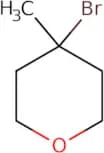
CAS:<p>Versatile small molecule scaffold</p>Formula:C6H11BrOPurity:Min. 95%Molecular weight:179.06 g/mol5-bromo-3-methoxy-1h-pyrazole
CAS:<p>Versatile small molecule scaffold</p>Formula:C4H5BrN2OPurity:Min. 95%Molecular weight:177 g/mol(1S,3R,4R)-3-(Boc-amino)-4-hydroxy-cyclohexanecarboxylic acid ethyl ester
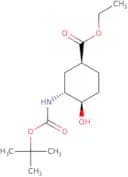
CAS:<p>Versatile small molecule scaffold</p>Formula:C14H25NO5Purity:Min. 95%Molecular weight:287.35 g/molN-Carbethoxy-4-hydroxypiperidine
CAS:<p>N-Carbethoxy-4-hydroxypiperidine is a drug substance that is a h1 receptor antagonist. It is used as an antihistamine to treat the symptoms of hay fever and other allergic reactions. N-Carbethoxy-4-hydroxypiperidine is available in two enantiomers, or mirror images, which are labelled S and R. The R enantiomer is more potent than the S enantiomer for inhibiting histamine h1 receptors. This drug has been shown to inhibit the growth of tuberculosis bacteria in cell culture and animal models, but not against Mycobacterium avium complex. N-Carbethoxy-4-hydroxypiperidine has also been shown to have significant antibacterial activity against Clostridium perfringens with minimal toxicity in mice.</p>Formula:C8H15NO3Purity:Min. 95%Molecular weight:173.21 g/mol(Chloromethyl)cyclohexane
CAS:<p>(Chloromethyl)cyclohexane is a synthase gene that is responsible for synthesizing the enzyme chloromethyl cyclohexane, which is used as a solid catalyst. The synthesis of (chloromethyl)cyclohexane from phenyl groups and liquid crystal composition has been demonstrated using expression plasmids and active oxygen. The compound inhibits inflammatory diseases by preventing the production of arachidonic acid, which is an inflammatory agent. This compound also inhibits the production of prostaglandins, which are involved in the release of histamine from mast cells. Pharmaceutical preparations that contain this compound are primarily used to treat rheumatoid arthritis and other inflammatory diseases.</p>Formula:C7H13ClPurity:Min. 95%Molecular weight:132.63 g/mol2-(2,4-dimethoxyphenyl)ethan-1-amine
CAS:Controlled Product<p>Versatile small molecule scaffold</p>Formula:C10H15NO2Purity:Min. 95%Molecular weight:181.24 g/mol5-Chloro-2-ethoxy-phenylamine
CAS:<p>5-Chloro-2-ethoxy-phenylamine is an enzyme inhibitor that binds to the active site of glucocerebrosidase, the enzyme that catalyzes the hydrolysis of glucocerebroside to glucose and ceramide. This compound has been shown to be a selective inhibitor against this enzyme and not affect other hydrolases or chaperones. It was also found that 5-chloro-2-ethoxy-phenylamine can act as a chemical chaperone by stabilizing protein folding in vitro. 5-Chloro-2-ethoxy phenylamine is a new analogue of 3-(3,4,-dichlorophenyl)-1-[(1R,2S)-2-(5,6,-dichloropyridin-3 yl)ethenyl]-1H-pyrazole. It is an inhibitor of Gaucher disease caused by glu</p>Formula:C8H10ClNOPurity:Min. 95%Molecular weight:171.63 g/molPotassium (1-(tert-butoxycarbonyl)piperidin-4-yl)trifluoroborate
CAS:<p>Versatile small molecule scaffold</p>Formula:C10H18BF3KNO2Purity:Min. 95%Molecular weight:291.16 g/molMethyl 4-chlorobenzenesulfonate
CAS:<p>Versatile small molecule scaffold</p>Formula:C7H7ClO3SPurity:Min. 95%Molecular weight:206.65 g/mol4,6-Dimethoxysalicylaldehyde
CAS:<p>4,6-Dimethoxysalicylaldehyde is a protonated molecule with a cyclohexane ring and 4 hydroxyl groups. Its chemical formula is C6H8O3. The compound has low bioavailability due to the presence of an intramolecular hydrogen bond that causes high redox potential. There are two amines on the aromatic ring which can coordinate with metal ions to form a complex. This compound's structural analysis has been conducted using X-ray crystallography, NMR spectroscopy, and IR spectroscopy. The structure of 4,6-dimethoxysalicylaldehyde is unsymmetrical due to the presence of two asymmetric carbon atoms in the molecule. It forms hydrogen bonds with other molecules due to its hydroxyl group and intramolecular hydrogen bond. Hydrogen bonding interactions occur between this compound and other molecules including water, alcohols, ammonia, amines, and carboxylic acids.</p>Formula:C9H10O4Purity:Min. 95%Color and Shape:Off-White PowderMolecular weight:182.17 g/mol1-(But-3-yn-1-yl)piperidine
CAS:<p>1-(But-3-yn-1-yl)piperidine is a chiral compound that inhibits the reuptake of serotonin. It has been shown to be an effective inhibitor of the serotonin transporter and to cause an increase in extracellular serotonin levels. 1-(But-3-yn-1-yl)piperidine also has affinity for the dopamine transporter, which may account for its antidepressant effects.</p>Formula:C9H15NPurity:Min. 95%Molecular weight:137.22 g/mol3-Phenylisothiazol-5-amine
CAS:<p>Versatile small molecule scaffold</p>Formula:C9H8N2SPurity:Min. 95%Molecular weight:176.24 g/mol1-(1-Benzyl-1H-pyrazol-4-yl)-ethanone
CAS:<p>Versatile small molecule scaffold</p>Formula:C12H12N2OPurity:Min. 95%Molecular weight:200.23 g/mol2-(4-Carboxy-phenyl)-pyrrolidine-1-carboxylic acid tert-butyl ester
CAS:<p>Versatile small molecule scaffold</p>Formula:C16H21NO4Purity:Min. 95%Molecular weight:291.34 g/mol
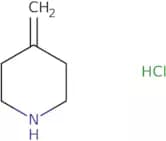


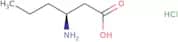
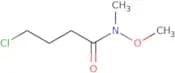
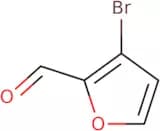


![Methyl 6-oxospiro[3.3]heptane-2-carboxylate](/_next/image/?url=https%3A%2Fstatic.cymitquimica.com%2Fproducts%2F3D%2Fthumb-webp%2FNVB48098.webp&w=3840&q=75)
![4-[1-(tert-Butoxy)-2-methyl-1-oxopropan-2-yl]benzoic acid](/_next/image/?url=https%3A%2Fstatic.cymitquimica.com%2Fproducts%2F3D%2Fthumb-webp%2FNKD15780.webp&w=3840&q=75)
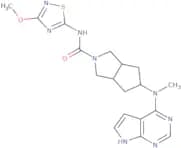
![1,5,6,7-Tetrahydro-2H-cyclopenta[b]pyridin-2-one](/_next/image/?url=https%3A%2Fstatic.cymitquimica.com%2Fproducts%2F3D%2Fthumb-webp%2FNDA49985.webp&w=3840&q=75)

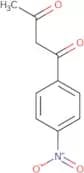
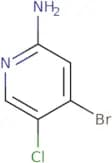

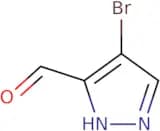

![tert-Butyl 3,9-diazaspiro[5.5]undecane-3-carboxylate hydrochloride](/_next/image/?url=https%3A%2Fstatic.cymitquimica.com%2Fproducts%2F3D%2Fthumb-webp%2FLJA40647.webp&w=3840&q=75)

![tert-Butyl 3-bromo-1,4,6,7-tetrahydro-5H-pyrazolo[4,3-c]pyridine-5-carboxylate](/_next/image/?url=https%3A%2Fstatic.cymitquimica.com%2Fproducts%2F3D%2Fthumb-webp%2FLCD42906.webp&w=3840&q=75)


![1H-[1,2,3]Triazolo[4,5-d]pyrimidin-5-amine](/_next/image/?url=https%3A%2Fstatic.cymitquimica.com%2Fproducts%2F3D%2Fthumb-webp%2FKAA17984.webp&w=3840&q=75)
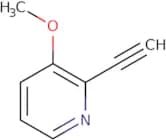
![[(Trimethylsilyl)ethynyl]boronic acid, pinacol ester](/_next/image/?url=https%3A%2Fstatic.cymitquimica.com%2Fproducts%2F3D%2Fthumb-webp%2FJGA08746.webp&w=3840&q=75)
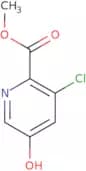
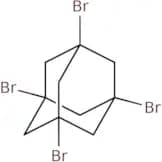
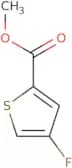
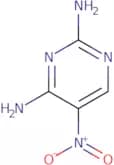
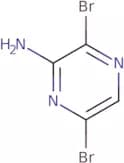
![N-[2-[(2S)-2-Cyano-4,4-difluoro-1-pyrrolidinyl]-2-oxoethyl]-6-[methyl[3-(1-piperazinyl)propyl]amin…](/_next/image/?url=https%3A%2Fstatic.cymitquimica.com%2Fproducts%2F3D%2Fthumb-webp%2FFC184139.webp&w=3840&q=75)
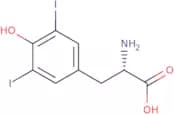
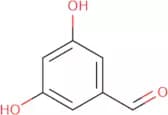
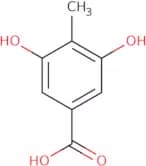
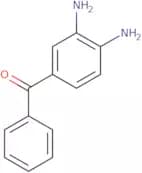


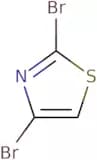
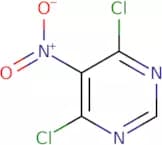
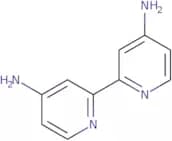
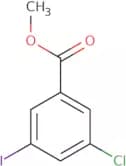


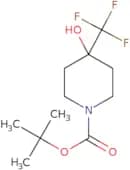
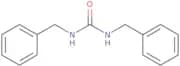
![1-[4-(Propan-2-yl)phenyl]ethan-1-ol](/_next/image/?url=https%3A%2Fstatic.cymitquimica.com%2Fproducts%2F3D%2Fthumb-webp%2FBAA47510.webp&w=3840&q=75)
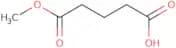

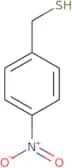
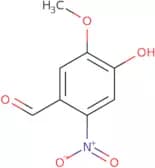
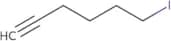


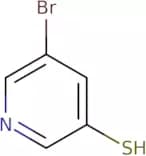
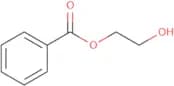
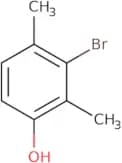
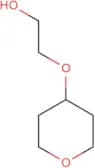
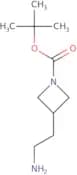
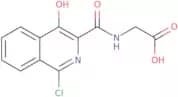


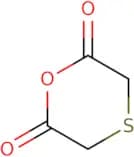
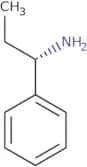
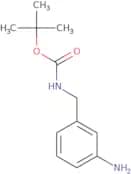
![7-bromo-3-iodoimidazo[1,2-a]pyridine](/_next/image/?url=https%3A%2Fstatic.cymitquimica.com%2Fproducts%2F3D%2Fthumb-webp%2FWZB18455.webp&w=3840&q=75)


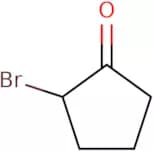

![N-(2,6-Dimethylphenyl)-2-({[(2,6-dimethylphenyl)carbamoyl]methyl}amino)acetamide](/_next/image/?url=https%3A%2Fstatic.cymitquimica.com%2Fproducts%2F3D%2Fthumb-webp%2FVEB79807.webp&w=3840&q=75)
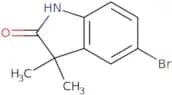
![2-Bromothieno[3,2-c]pyridin-4(5H)-one](/_next/image/?url=https%3A%2Fstatic.cymitquimica.com%2Fproducts%2F3D%2Fthumb-webp%2FDBA94860.webp&w=3840&q=75)


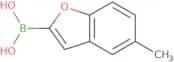
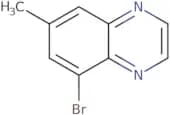
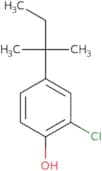
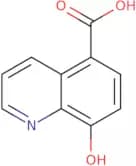
![2-boc-5-oxo-2-azabicyclo[2.2.2]octane](/_next/image/?url=https%3A%2Fstatic.cymitquimica.com%2Fproducts%2F3D%2Fthumb-webp%2FSZA71422.webp&w=3840&q=75)
![(R)-2-[(9H-Fluoren-9-ylmethoxycarbonylamino)-methyl]-butyric acid](/_next/image/?url=https%3A%2Fstatic.cymitquimica.com%2Fproducts%2F3D%2Fthumb-webp%2FSYB71157.webp&w=3840&q=75)
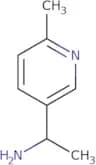
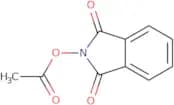

![5-{2-Ethoxy-5-[(4-methylpiperazin-1-yl)sulfonyl]phenyl}-1-methyl-3-(2-methylpropyl)-1H,6H,7H-pyraz…](/_next/image/?url=https%3A%2Fstatic.cymitquimica.com%2Fproducts%2F3D%2Fthumb-webp%2FRFC05395.webp&w=3840&q=75)
![2,3-Dihydro-1H-pyrrolo[3,2-c]pyridine hydrochloride](/_next/image/?url=https%3A%2Fstatic.cymitquimica.com%2Fproducts%2F3D%2Fthumb-webp%2FFAA91219.webp&w=3840&q=75)
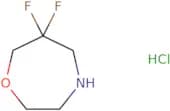
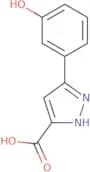
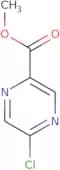

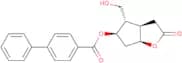
![tert-Butyl 2,9-diazaspiro[5.5]undecane-2-carboxylate](/_next/image/?url=https%3A%2Fstatic.cymitquimica.com%2Fproducts%2F3D%2Fthumb-webp%2FPHA33303.webp&w=3840&q=75)

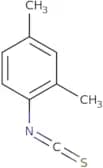

![(1R,8S,9s)-Bicyclo[6.1.0]non-4-yn-9-ylmethanol](/_next/image/?url=https%3A%2Fstatic.cymitquimica.com%2Fproducts%2F3D%2Fthumb-webp%2FNAC16690.webp&w=3840&q=75)
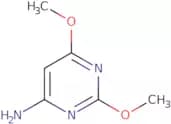


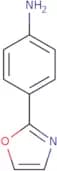

![2,2-Difluorobenzo[d][1,3]dioxol-5-ol](/_next/image/?url=https%3A%2Fstatic.cymitquimica.com%2Fproducts%2F3D%2Fthumb-webp%2FLYB53982.webp&w=3840&q=75)


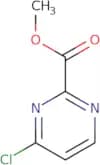

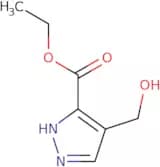


![(3S)-3- [4- [(2-Chlorophenyl) methyl] phenoxy] tetrahydrofuran](/_next/image/?url=https%3A%2Fstatic.cymitquimica.com%2Fproducts%2F3D%2Fthumb-webp%2FFC181171.webp&w=3840&q=75)

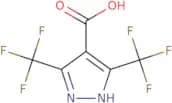


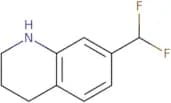


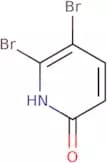

![tert-Butyl 4-[(piperazin-1-yl)methyl]piperidine-1-carboxylate](/_next/image/?url=https%3A%2Fstatic.cymitquimica.com%2Fproducts%2F3D%2Fthumb-webp%2FGQA72248.webp&w=3840&q=75)

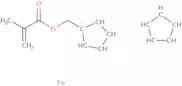
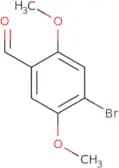



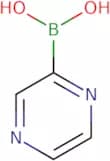
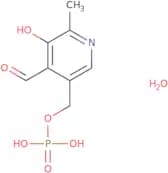
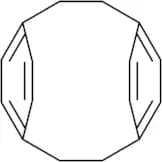

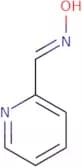

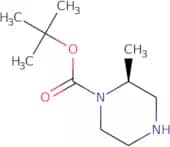
![4-Chloro-N-[2-(1,2-dihydro-2-oxo-4-quinolinyl)ethyl]benzamide](/_next/image/?url=https%3A%2Fstatic.cymitquimica.com%2Fproducts%2F3D%2Fthumb-webp%2FFC184071.webp&w=3840&q=75)
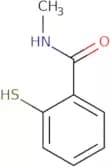
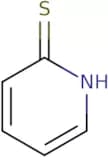
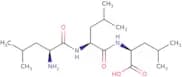


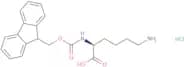
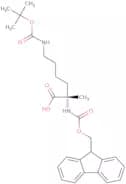
![5-Boc-4H,5H,6H,7H,8H-pyrazolo[1,5-a][1,4]diazepine-2-carboxylic acid](/_next/image/?url=https%3A%2Fstatic.cymitquimica.com%2Fproducts%2F3D%2Fthumb-webp%2FFEC17097.webp&w=3840&q=75)
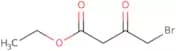


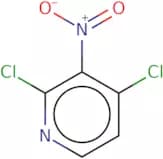
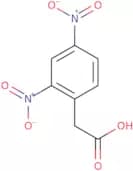

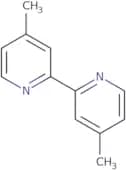
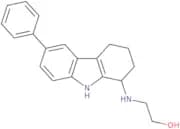
![4-Chloro-1H-pyrazolo[3,4-b]pyridine-3-carboxylic acid](/_next/image/?url=https%3A%2Fstatic.cymitquimica.com%2Fproducts%2F3D%2Fthumb-webp%2FULD13261.webp&w=3840&q=75)
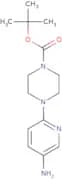
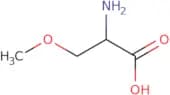
![6-Amino-4H,5H,6H,7H,8H-thieno[3,2-b]azepin-5-one hydrochloride](/_next/image/?url=https%3A%2Fstatic.cymitquimica.com%2Fproducts%2F3D%2Fthumb-webp%2FTHC97972.webp&w=3840&q=75)
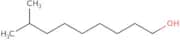

![5-Chloro-1H-pyrrolo[2,3-c]pyridine-3-carboxylic acid](/_next/image/?url=https%3A%2Fstatic.cymitquimica.com%2Fproducts%2F3D%2Fthumb-webp%2FSSB19336.webp&w=3840&q=75)
![Imidazo[1,2-a]pyrazine-2-carbaldehyde](/_next/image/?url=https%3A%2Fstatic.cymitquimica.com%2Fproducts%2F3D%2Fthumb-webp%2FSQB78215.webp&w=3840&q=75)
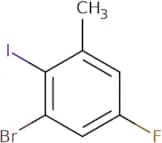
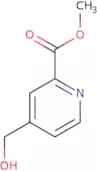
![2-(Chloromethyl)-4H,6H,7H-pyrano[4,3-d][1,3]thiazole](/_next/image/?url=https%3A%2Fstatic.cymitquimica.com%2Fproducts%2F3D%2Fthumb-webp%2FSDC46081.webp&w=3840&q=75)
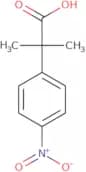
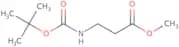
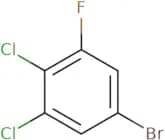
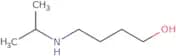
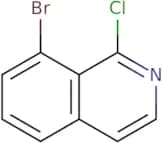
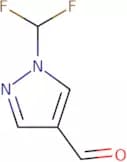
![2,4-Dichloropyrido [2,3-D] pyrimidine](/_next/image/?url=https%3A%2Fstatic.cymitquimica.com%2Fproducts%2F3D%2Fthumb-webp%2FFD31600.webp&w=3840&q=75)
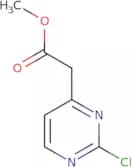
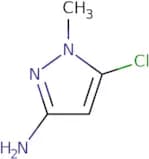


![4-(1H-Pyrazol-4-yl)-7-((2-(trimethylsilyl)ethoxy)methyl)-7H-pyrrolo[2,3-d]pyrimidine](/_next/image/?url=https%3A%2Fstatic.cymitquimica.com%2Fproducts%2F3D%2Fthumb-webp%2FRMB68527.webp&w=3840&q=75)