Alcohols
Subcategories of "Alcohols"
Found 5817 products of "Alcohols"
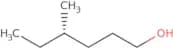
(S)-(+)-4-Methyl-1-hexanol
CAS:(S)-(+)-4-Methyl-1-hexanol is a synthetic compound that has been shown to have antibacterial activity against Staphylococcus aureus. The (R)-enantiomer of the compound, which has been synthesized in the past, has also shown activity against S. aureus. However, this enantiomer is not commercially available. The (S)-enantiomer is soluble in organic solvents and can be used as an attractant for S. aureus monitoring purposes. In addition, it has antioxidant potential and may be useful as a medicine for short-chain fatty acid production disorders.Formula:C7H16OPurity:Min. 95%Molecular weight:116.2 g/mol(1R,4aS,7S,7aR)-Hexahydro-4,7-dimethylcyclopenta[c]pyran-1-ol
CAS:(1R,4aS,7S,7aR)-Hexahydro-4,7-dimethylcyclopenta[c]pyran-1-ol is a chemical compound that belongs to the group of speciality chemicals. It is an intermediate for a number of different reactions in the synthesis of complex molecules and can be used as a building block for new compounds. This compound has a number of industrial applications and can be used in research as well as in the production of pharmaceuticals. The CAS number for this compound is 109215-55-6.
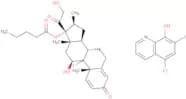
Formula:C10H16O2Purity:Min. 95%Color and Shape:Colorless PowderMolecular weight:168.23 g/mol(11β,16β)-9-Fluoro-11,21-dihydroxy-16-methyl-17-((1-oxopentyl)oxy)-Pregna-1,4-diene-3,20-dione mixt. with 5-chloro-7-iodo-8-qu inolinol
CAS:Controlled ProductClioquinol is a topical corticosteroid that is used to treat skin disorders such as pemphigoid, psoriasis, and eczema. It is also used to treat the inflammation associated with acne. Clioquinol has been shown to be effective in treating bacterial infections of the skin by inhibiting the growth of bacteria. This drug also has anti-inflammatory properties and can be used for the treatment of various inflammatory skin conditions. Clioquinol is not absorbed through the skin and does not affect the blood's ability to clot.
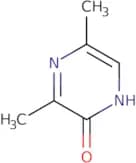
Formula:C36H42ClFINO7Purity:Min. 95%Molecular weight:782.08 g/mol3,5-Dimethylpyrazin-2-ol
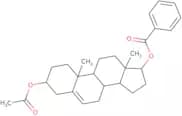
CAS:3,5-Dimethylpyrazin-2-ol is a specific ligand that binds to the disulfide bond in the antimicrobial peptide. The 3,5-dimethylpyrazin-2-ol binds to an allosteric site on the protein, which is a region of the protein that is different from the active site. This binding causes an alteration in protein conformation and changes its activity. The 3,5-dimethylpyrazin-2-ol has been shown to bind to dna binding domains and transcriptional regulation architectures. It has also been shown to have biological function and a paradigm shift effect on cellular function and analytical methods.Formula:C6H8N2OPurity:Min. 95%Color and Shape:PowderMolecular weight:124.14 g/molAndrostenediol-3-acetate-17-benzoate
CAS:Controlled ProductAndrostenediol-3-acetate-17-benzoate is a chemical building block that has been used in the synthesis of various pharmaceuticals and other organic compounds. It is a versatile intermediate for the synthesis of complex natural products such as corticosteroids, sex hormone analogs, and other drugs. Androstenediol-3-acetate-17-benzoate has also been found to be an effective treatment for bronchitis.
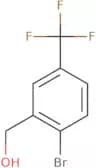
Formula:C28H36O4Purity:Min. 95%Color and Shape:PowderMolecular weight:436.58 g/mol2-Bromo-5-(trifluoromethyl)benzyl alcohol
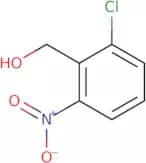
CAS:2-Bromo-5-(trifluoromethyl)benzyl alcohol is a fine chemical that is used as an intermediate in the synthesis of other chemicals. It can be used to synthesize novel organic compounds, such as pharmaceuticals and pesticides. This chemical has been shown to react with various other organic compounds, including amines, thiols, and carboxylic acids. 2-Bromo-5-(trifluoromethyl)benzyl alcohol is also known for its ability to form complexes with metals.Formula:C8H6BrF3OPurity:Min. 95%Molecular weight:255.03 g/mol2-Chloro-6-nitrobenzyl alcohol
CAS:2-Chloro-6-nitrobenzyl alcohol is a versatile building block that is used as a reactant in chemical synthesis. It is used to synthesize other compounds, such as pharmaceuticals and pesticides. This compound can also be used as an intermediate or scaffold in the synthesis of more complex compounds. 2-Chloro-6-nitrobenzyl alcohol has been shown to have a high quality and is useful for research purposes. It can be used in the production of fine chemicals, useful building blocks, and reagents.
Formula:C7H6ClNO3Purity:Min. 95%Color and Shape:PowderMolecular weight:187.58 g/mol3-Chloro-4-(trifluoromethyl)benzyl alcohol
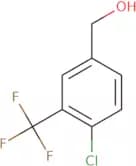
CAS:3-Chloro-4-(trifluoromethyl)benzyl alcohol is a versatile building block for synthesis of various chemical compounds. It is used as a reagent, reaction component, or building block in organic synthesis. It is also useful as a speciality chemical or research chemical. CAS No. 65735-71-9Formula:C8H6ClF3OPurity:Min. 95%Color and Shape:PowderMolecular weight:210.58 g/mol2-Bromo-6-nitrophenol
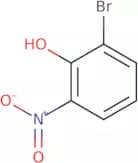
CAS:2-Bromo-6-nitrophenol is a synthetic chemical that is used as an intermediate in the synthesis of other chemicals. It can be prepared by reacting ammonium formate with hydroxyl group of 2-bromo-6-nitropyridine. The reaction yield can be improved by activating the hydroxyl group and removing impurities through a dehydration reaction. The time required for the reaction to occur can be shortened by using acetonitrile as a solvent instead of water. This chemical is also synthesized by coupling metal salts with nitro groups or amines, which are called Suzuki coupling reactions.Formula:C6H4BrNO3Color and Shape:PowderMolecular weight:218 g/molPabulenol
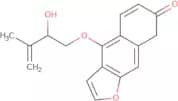
CAS:Pabulenol is an innovative biopolymer, which is synthesized from renewable plant-based resources through advanced biotechnological methods involving enzymatic polymerization. With its unique molecular structure, Pabulenol exhibits specific mode of action by facilitating biodegradation under ambient conditions, catalyzed by naturally occurring microbes. The polymer’s intrinsic ability to break down into non-toxic byproducts makes it an exceptional choice for sustainable environmental applications.Purity:Min. 95%Estradiolbenzoate
CAS:Estradiol benzoate is a mixture of estradiol and benzoate that is used in veterinary medicine. It has been used to treat bowel disease in animals, as well as to induce estrus in animals. Estradiol benzoate has been shown to be effective at preventing ovariectomy-induced bone loss, but it is not clear if this effect is due to its estrogenic or progestational activity. The estrogenic and progestational effects of estradiol benzoate are thought to be due to its ability to bind with high affinity to the estrogen receptor, which prevents binding of other ligands such as estradiol and progesterone. Estradiol benzoate can also bind with high affinity to the progesterone receptor, leading to a decrease in serum prolactin levels and an increase in ovarian activity.Formula:C25H28O3Purity:Min. 97 Area-%Color and Shape:White Off-White PowderMolecular weight:376.49 g/molDL-Homocysteine thiolactone hydrochloride
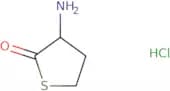
CAS:DL-Homocysteine thiolactone hydrochloride is a compound that has been found in human serum and urine. It is used to measure the concentration of homocysteine in the blood, which may be an indicator of coronary heart disease. DL-Homocysteine thiolactone hydrochloride is used to synthesize the amino acid cysteine, which is vital for cell growth and protein synthesis. DL-Homocysteine thiolactone hydrochloride also has optical properties that make it suitable as a photochromic material. The compound has been shown to be a hydrogen bond donor, which makes it useful for stabilizing proteins in mammalian cells.Formula:C4H8ClNOSPurity:Min. 95%Color and Shape:White PowderMolecular weight:153.63 g/molBis-(1,3-diethylthiobarbituric acid)trimethine oxonol
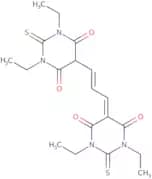
CAS:Bis-(1,3-diethylthiobarbituric acid)trimethine oxonol (BTTMO) is a compound class of drugs that inhibit the ATP-binding cassette transporter and block the transport of cellular metabolites across the mitochondrial membrane. This inhibition leads to a decrease in cellular ATP levels and an increase in cytosolic calcium. BTTMO has shown promising results in animal models for treatment of cervical cancer, which may be due to its ability to stimulate epidermal growth factor receptor signaling. BTTMO also inhibits energy metabolism by inhibiting mitochondrial membrane potential and blocking atp-sensitive potassium channels. It also induces gamma-aminobutyric acid release from neurons, leading to hyperpolarization of the cell membrane.Formula:C19H24N4O4S2Purity:Min. 95%Color and Shape:Dark Purple SolidMolecular weight:436.55 g/molFmoc-L-threoninol
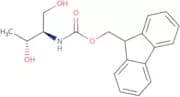
CAS:Fmoc-L-threoninol is a conjugate of L-threoninol with a protecting group, Fmoc. It is synthesized by the solid-phase method on an activated resin and then cleaved from the resin to give the desired product. The linker used in this synthesis is succinic acid diacetate. This compound has been shown to have anti-inflammatory effects in human serum, which may be due to its ability to inhibit prostaglandin synthesis.Formula:C19H21NO4Purity:Min. 95%Color and Shape:PowderMolecular weight:327.37 g/mol4-Methylresorcinol
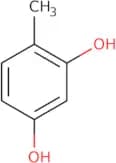
CAS:4-Methylresorcinol is a phenolic compound that has been shown to have a broad spectrum of antimicrobial activity. It is an inhibitor of 3-hydroxybenzoic acid, a key metabolic intermediate in the biosynthesis of aromatic amino acids and lignin. 4-Methylresorcinol inhibits the enzyme tyrosine ammonia lyase, which converts tyrosine to 3-hydroxybenzoic acid. The synthetic nature of 4-methylresorcinol makes it an attractive candidate for use as an antifungal agent, since it does not produce any byproducts in the human body. 4-Methylresorcinol also has antifungal activity against other organisms such as Candida albicans, Aspergillus niger, and Trichoderma viride.Formula:C7H8O2Purity:Area-% Min. 90 Area-%Color and Shape:White PowderMolecular weight:124.14 g/mol4-Aminopyrimidin-5-ol
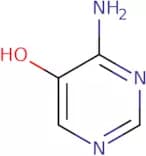
CAS:4-Aminopyrimidin-5-ol (4AP) is a small molecule that has been shown to mitigate populations of bacteria that are resistant to antibiotics. 4AP is a thiol compound that can be synthesized in high quantities using scalable, scalable synthesis. It has been shown to inhibit the protein synthesis of sensitive populations of bacteria by targeting their ribosomes and inhibiting the activity of bacterial DNA gyrase and topoisomerase IV. 4AP inhibits bacterial growth at low concentrations, with no effect on mammalian cells. This drug also shows potential as an antibiotic adjuvant because it utilizes trigonometric calculations, multigram scales, and chromatographic techniques for purification. 4AP is stable under a variety of temperatures, making it suitable for use in many environments.Formula:C4H5N3OPurity:Min. 95%Color and Shape:SolidMolecular weight:111.1 g/mol3-Methyl-2-nitrophenol
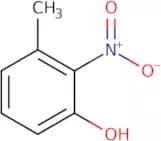
CAS:3-Methyl-2-nitrophenol is a hydroxy group that contains a reactive methylene group. It has been shown to be formed by the reaction of nitric acid with alcohols or amines. The rate of formation is influenced by the steric interactions and intramolecular hydrogen bonds present in the reactants. 3-Methyl-2-nitrophenol can react with other molecules to form various reaction products, such as 2-methylphenol, nitrobenzene, and picric acid. 3-Methyl-2-nitrophenol also has phytotoxic properties, which may be due to its ability to inhibit root growth and chlorophyll production in plants.Formula:C7H7NO3Purity:Min. 95%Molecular weight:153.14 g/mol2-(4-Methylphenyl)ethanol
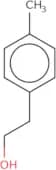
CAS:2-(4-Methylphenyl)ethanol is a chemical compound that is used as a solvent. It is also used in the synthesis of 2-hydroxyphenylacetic acid, an intermediate in the synthesis of 4-methylbenzoic acid and 4-methylphenol. The toxicologic properties of 2-(4-methylphenyl)ethanol are not well known. However, it has been shown to inhibit tyrosinase activity and stimulate melanogenesis in rats. The chemical structure of 2-(4-methylphenyl)ethanol consists of two functional groups: a phenyl group with a methyl substitution and an alcohol group. The molecular formula for this compound is C9H12O2, which indicates that it contains one carbon atom, nine hydrogen atoms, one oxygen atom, and two hydrogens. This compound has been studied by nuclear magnetic resonance spectroscopy (NMR).Formula:C9H12OPurity:Min. 95%Color and Shape:Clear LiquidMolecular weight:136.19 g/mol5β-Pregnane-3α,20α-diol
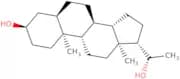
CAS:Controlled Product5β-Pregnane-3α,20α-diol is a human metabolite of estradiol that has been found to be an active inhibitor of the enzyme activity of GABA transaminase. It has been shown to have therapeutic potential in the prevention and treatment of cervical cancer, as well as other cancers. 5β-Pregnane-3α,20α-diol has also been found to inhibit ovarian activity. The diagnostic method for this metabolite is based on monoclonal antibody (MAb) reactivity with immunosorbent assay (ELISA) and gas chromatography/mass spectrometry (GC/MS). Women who have high values for this metabolite may be at risk for uterine cancer or breast cancer.Formula:C21H36O2Purity:Min. 98 Area-%Color and Shape:White PowderMolecular weight:320.51 g/mol(2S)-5-Hexen-2-ol
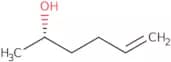
CAS:5-Hexen-2-ol is a constituent of various natural products such as the racemosum and macrocyclic lactones. It has been found to have a broad spectrum of biological activities, including antibacterial, antifungal, antiparasitic and antimalarial activity. 5-Hexen-2-ol has also been used in the synthesis of various macrocyclic lactones and macrolactones. This compound has been found to inhibit penicillium growth by competitive inhibition of ergosterol biosynthesis.
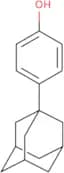
Formula:C6H12OPurity:Min. 95%Color and Shape:Clear LiquidMolecular weight:100.16 g/mol4-(1-Adamantyl) phenol
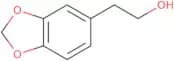
CAS:4-(1-Adamantyl) phenol is a natural compound that is found in the essential oil of nutmeg and mace. 4-(1-Adamantyl) phenol binds to the receptor for 1-adamantanol, which is a neurotransmitter in animals and humans. This binding inhibits the response pathway of this neurotransmitter, which can lead to an inhibitory effect on pain transmission. The structure of 4-(1-Adamantyl) phenol has been determined by X-ray crystallography and molecular docking analysis. It also has been shown that this compound reacts with trifluoroacetic acid under Friedel-Crafts conditions to form 3-(2'-hydroxyethyl)-4-(1'-adamantyl)-phenol. These compounds have been shown to have an inhibitory effect on animal health.Formula:C16H20OPurity:Min. 95%Color and Shape:PowderMolecular weight:228.33 g/mol3,4-Methylenedioxyphenethyl alcohol
CAS:Controlled Product3,4-Methylenedioxyphenethyl alcohol (MDPA) is a model compound that is used to study the mechanism of action and synthesis of aniracetam. It has been shown to be an antagonist of pentylenetetrazole, a convulsant drug. MDPA was also found to have anticonvulsant properties in mice. It was found that this compound had no effect on the inhibition of movement when administered at doses up to 100 mg/kg. This compound is an analog of liriodenine, which has been shown to have anti-inflammatory properties. 3,4-Methylenedioxyphenethyl alcohol is not active in the central nervous system due to its stereoselectivity; this means it can only bind to one stereoisomer within the brain and does not cross the blood-brain barrier.Formula:C9H10O3Purity:Min. 95%Color and Shape:Clear LiquidMolecular weight:166.17 g/mol9-Fluoro-3-methyl-7-oxo-10-(1-piperazinyl)-2,3-dihydro-7H-[1,4]oxazino[2,3,4-Ij]quinoline-6-carboxylic acid
CAS:9-Fluoro-3-methyl-7-oxo-10-(1-piperazinyl)-2,3-dihydro-7H-[1,4]oxazino[2,3,4-Ij]quinoline (FQ) is a fluoroquinolone antibiotic. It inhibits the DNA gyrase and topoisomerase IV enzymes that maintain the integrity of bacterial DNA. FQ has been used to treat urinary tract infections in humans and other animals. This drug is also effective against methicillin resistant Staphylococcus aureus (MRSA) and Clostridium perfringens. FQ binds to bacterial 16S ribosomal RNA and inhibits protein synthesis leading to cell death by inhibiting the production of proteins vital for cell division. The 9 position on the quinoline ring can be detected using UV detection at 260 nm. FQ can be analyzed using mass spectrometry with fluorFormula:C17H18FN3O4Purity:Min. 95 Area-%Color and Shape:White PowderMolecular weight:347.34 g/mol17a-Estradiol
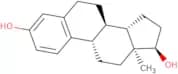
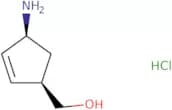
CAS:Controlled Product17a-Estradiol is a steroid hormone that belongs to the group of estrogens. It is a natural hormone produced by the ovaries and also found in plants, animals, and humans. 17a-Estradiol has been shown to have physiological effects on blood pressure, pro-apoptotic protein expression, allergic symptoms, and intracellular Ca2+ levels. 17a-Estradiol can be used to treat estrogen deficiency or as an adjunct treatment for breast cancer.Formula:C18H24O2Purity:Min. 98 Area-%Color and Shape:White PowderMolecular weight:272.38 g/mol(1R,4S)-4-Amino-2-cyclopentene-1-methanol hydrochloride
CAS:(1R,4S)-4-Amino-2-cyclopentene-1-methanol hydrochloride is a chemical compound that is used as a building block in the synthesis of other compounds. It is also known to be a speciality chemical and a research chemical. (1R,4S)-4-Amino-2-cyclopentene-1-methanol hydrochloride can be used as an intermediate in the production of fine chemicals, pharmaceuticals and agrochemicals. The compound has been found to have high quality and good purity by the manufacturer.Formula:C6H11NO•HClPurity:Min. 95%Color and Shape:Brown SolidMolecular weight:149.62 g/molUlifloxacin
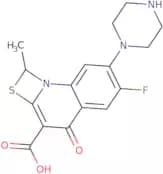
CAS:Extensive research has been conducted on the antimicrobial activity of 6-fluoro-1-methyl-4-oxo-7-(1-piperazinyl)-4H-(1,3)thiazeto(3,2a)quinoline-3-carboxylic acid (FPMT). FPMT is a levorotatory compound that is rapidly metabolized by esterases to 6FMT, which is also active against bacteria. FPMT inhibits bacterial growth, but does not inhibit mammalian cell growth. The main mechanism of action for FPMT is probably through its ability to inhibit the synthesis of bacterial DNA and RNA. This drug has been shown to be effective against sinusitis caused by bacterial rhinosinusitis and urinary tract infections caused by Escherichia coli and Pseudomonas aeruginosa. FPMT can be used as an alternative to prulifloxacin for the treatment of these types of infectionsFormula:C16H16FN3O3SPurity:Min. 98 Area-%Molecular weight:349.38 g/mol6-Fluoro-2-iodobenzyl alcohol
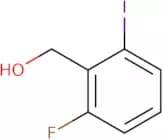
CAS:6-Fluoro-2-iodobenzyl Alcohol is a versatile building block for the synthesis of complex compounds. It is used in research and as a reagent for the synthesis of pharmaceuticals, pesticides and other organic compounds. 6-Fluoro-2-iodobenzyl alcohol has been shown to be useful in the formation of high quality and useful intermediates, reaction components, and scaffolds. The CAS number for this chemical is 911825-94-0.Formula:C7H6FIOPurity:Min. 95%Molecular weight:252.02 g/mol1-Octacosanol, 90%
CAS:Octacosanol is a mixture of eight fatty alcohols that can be found in wheat germ oil. It has been shown to have hypoglycemic effects and may be useful for the treatment of bowel disease. Octacosanol has been shown to have anti-inflammatory properties, which may be due to its ability to prevent the release of prostaglandin E2 from macrophages, thereby inhibiting the production of inflammatory mediators. It also binds to 2-adrenergic receptors and is thought to regulate energy metabolism by increasing levels of ATP in cells. Octacosanol is commonly used for elderly patients with metabolic disorders such as type II diabetes or hyperlipidemia.
Formula:C28H58OPurity:Min. 90%Color and Shape:PowderMolecular weight:410.76 g/mol2-Methylresorcinol, technical
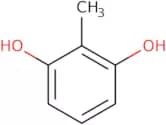
CAS:2-Methylresorcinol, technical is the sodium salt of 2-methylresorcinol. It has been shown to be chemically stable at high temperatures and can be used in magnetic resonance spectroscopy. The nmr spectra of 2-methylresorcinol are different from those of other compounds. It is a molecule with a carbonyl group and one methyl group that reacts with hydrochloric acid to produce a reaction product with a chlorine atom, which reacts with trifluoroacetic acid or trifluoromethanesulfonic acid to produce an activated intermediate that can react with a second molecule to form another reaction product. This mechanism may be useful in the synthesis of anti-tuberculosis drugs.Formula:C7H8O2Purity:Min. 95%Color and Shape:PowderMolecular weight:124.14 g/mol4-Chlororesorcinol
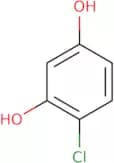
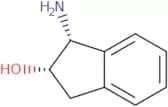
CAS:4-Chlororesorcinol is a chemical compound that has been shown to have antimicrobial properties. It inhibits the growth of bacteria by reacting with tyrosinase and other enzymes that are important for the synthesis of melanin, the pigment responsible for skin, hair, and eye color. 4-Chlororesorcinol also reacts with protocatechuic acid to form chlorprotocatecholic acid and other products. This reaction is optimal at pH 3.4 and occurs at an increased rate in the presence of calcium ions. 4-Chlororesorcinol has been shown to inhibit root formation in plants, as well as inhibiting the growth of certain fungi such as Phytophthora infestans and Rhizoctonia solani.Formula:C6H5ClO2Purity:Min. 95%Color and Shape:PowderMolecular weight:144.56 g/mol(1R,2S)-1-Amino-2-indanol
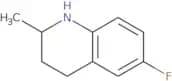
CAS:(1R,2S)-1-Amino-2-indanol is a potential drug candidate that can be used in asymmetric synthesis. It has been shown to inhibit the flow of hydrogen bond and to form an enantiomer. The enantiomer is more active than the racemic mixture, which may be due to the higher binding affinity for the enzyme. This compound has also been shown to inhibit herpes simplex virus and HIV in vitro with a high potency. (1R,2S)-1-Amino-2-indanol is modeled using molecular dynamics simulations and quantum mechanical calculations.Purity:Min. 95%Color and Shape:PowderMolecular weight:149.19 g/mol6-Fluoro-1,2,3,4-tetrahydro-2-methylquinoline
CAS:6-Fluoro-1,2,3,4-tetrahydro-2-methylquinoline is an organocatalytic fluorine compound that has been investigated as a fluoroquinolone antibiotic. It is an enantiopure compound and has been shown to be effective in the treatment of bacterial infections. 6-Fluoro-1,2,3,4-tetrahydro-2-methylquinoline inhibits bacterial growth by binding to DNA gyrase and topoisomerase IV. 6FLMQ is a chiral molecule with two possible configurations (R or S), which can be determined from x-ray crystallography. The S configuration is more potent than the R configuration. 6FLMQ also binds with chloride ions to form a cationic complex that can be used for antibacterial activity against Gram negative bacteria such as Escherichia coli and Pseudomonas aeruginosa. 6FLMQ hasFormula:C10H12FNPurity:Min. 95%Color and Shape:PowderMolecular weight:165.21 g/mol(1S,2R)-(-)-cis-1-Amino-2-indanol
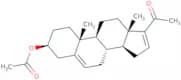
CAS:Precusor for preparation of indinavir; a chiral ligand for asymmetric synthesisFormula:C9H11NOPurity:Min. 95%Color and Shape:White PowderMolecular weight:149.19 g/mol16-Dehydropregnenolone acetate
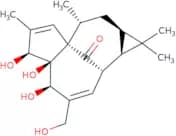
CAS:Controlled Product16-Dehydropregnenolone acetate is a synthetic compound that can be used in wastewater treatment. It reacts with phosphorus pentoxide to form an insoluble solid product. 16-Dehydropregnenolone acetate has been shown to inhibit the growth of human prostate cancer cells and breast cancer cells in vitro and in vivo. 16-Dehydropregnenolone acetate is also a specific agonist for the progesterone receptor, which may be due to its ability to bind to the stereospecific (S) binding site on this receptor. The optimum concentration for 16-dehydropregnanediol is 10 mM and it requires the presence of phosphotungstic acid for maximum activity. This substance has biological properties that are similar to those of natural progesterones, but it does not have any estrogenic properties.Formula:C23H32O3Purity:Min. 95%Color and Shape:PowderMolecular weight:356.5 g/molIngenol
CAS:Ingenol is a natural product, which belongs to the group of ingenol esters. It has been shown to have significant cytotoxic effects on solid tumours in vitro and in vivo. Ingenol is metabolized by esterases and glucuronidases, or hydrolyzed by esterases or glucuronidases, leading to the release of methyl ethyl erythritol tetranitrate (MEETN). The MEETN molecule is then converted into a nitrate radical that causes cell death. Ingenol is also effective against skin cancers. Studies have shown that it inhibits the growth of skin cancer cells through mitochondrial membrane potential and cytosolic calcium levels. This drug has a chemical stability of less than one week at room temperature.Formula:C20H28O5Purity:Min. 95%Color and Shape:SolidMolecular weight:348.43 g/molTriolein
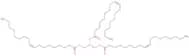
CAS:Triolein is a triacylglycerol that is present in fats and oils. It has been used as an experimental model for studying enzyme activities, model systems, cellular physiology, biochemical composition, and reaction mechanisms. Triolein has also been used as a model for studying water vapor absorption and wastewater treatment. The reaction mechanism of triolein is not well understood but it may involve the transfer of hydrogen atoms from the glycerol molecule to the fatty acid chains or the formation of esters from glycerol and fatty acids. Caproic acid can be found in triolein samples with high levels of unsaturation.Formula:C57H104O6Purity:Min. 80 Area-%Color and Shape:Clear LiquidMolecular weight:885.43 g/mol1,4-Cyclohexanedimethanol diglycidyl ether
CAS:1,4-Cyclohexanedimethanol diglycidyl ether is a symmetrical molecule with cyclohexyl core and 2 terminal epoxide groups on ether linkers. 1,4-Cyclohexanedimethanol diglycidyl ether is an epoxy resin used with phenol or amine hardeners.Formula:C14H24O4Color and Shape:Clear LiquidMolecular weight:256.34 g/mol2,2,2-Tribromoethanol
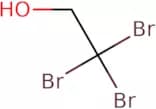
CAS:Controlled Product2,2,2-tribromoethanol or TBE derives from ethanol, where the hydrogen atoms from one carbon are substituted by bromine. 2,2,2-tribromoethanol is frequently used as initiator for synthesising functionalised polymers with end hydroxyl groups. In addition, 2,2,2-tribromoethanol is also often used in a labroatory setting to anaethetise mice.
Formula:C2H3Br3OPurity:Min. 98 Area-%Color and Shape:PowderMolecular weight:282.76 g/mol2,3-Difluoro-4-bromo phenol
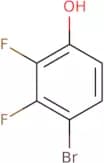
CAS:2,3-Difluoro-4-bromophenol (2,3-DFBP) is a phenolic compound that has been synthesized by a multistep process. It has been shown to have low birefringence, high optical anisotropy, and high yield of synthesis. 2,3-DFBP has also been shown to have mesomorphic properties and can be used in the development of devices such as microscopy.Formula:C6H3BrF2OPurity:Min. 95%Molecular weight:208.99 g/mol4-Bromo-3,5-dimethoxybenzyl alcohol
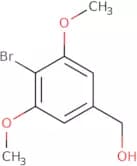
CAS:4-Bromo-3,5-dimethoxybenzyl alcohol is a bromoarene that can be used as a ligand in coupling reactions. It has been shown to be an efficient coupling partner for the synthesis of triphylla, featuring a skeleton of chelating 4-bromo-3,5-dimethoxybenzyl alcohol.Formula:C9H11BrO3Purity:Min. 95%Color and Shape:PowderMolecular weight:247.09 g/mol2-(3-Hydroxyphenyl)ethyl alcohol
CAS:2-(3-Hydroxyphenyl)ethyl alcohol is a reactive compound that can form an adduct with the tyrosinase enzyme, which catalyzes the conversion of tyrosine to dopa and dopaquinone. 2-(3-Hydroxyphenyl)ethyl alcohol also has been shown to inhibit tyrosinase activity in vitro. This compound has been found in natural compounds such as catechins and flavones.Formula:C8H10O2Purity:Min. 95%Color and Shape:Clear LiquidMolecular weight:138.16 g/mol9-Fluoro-10,13,17-Trimethyl-2,3,4,5,6,7,8,11,12,14,15,16-Dodecahydro-1H-Cyclopenta[a]Phenanthrene-3,11,17-Triol
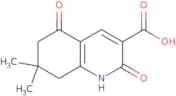
CAS:Controlled Product9-Fluoro-10,13,17-Trimethyl-2,3,4,5,6,7,8,11,12,14,15,16-Dodecahydro-1H-Cyclopenta[a]Phenanthrene-3,11,17-Triol is a synthetic nucleic acid molecule that can be used for diagnostic purposes. It has been shown to bind to the nucleic acid of human cells. This nucleic acid binds to the antibodies in order to detect and identify different types of RNA sequences. 9F18TMTD has also been shown to target specific sites on the DNA molecule and can be used as a probe for detecting specific sequences of DNA. The synthetic process starts by reacting an aromatic compound with methanol in the presence of a base catalyst to form an intermediate product. The intermediate is then oxidized with nitric acid and hydrogen peroxide in order form the final product.Formula:C20H33FO3Purity:Min. 95%Molecular weight:340.47 g/mol7,7-Dimethyl-2,5-dioxo-1,2,5,6,7,8-hexahydroquinoline-3-carboxylic acid
CAS:Please enquire for more information about 7,7-Dimethyl-2,5-dioxo-1,2,5,6,7,8-hexahydroquinoline-3-carboxylic acid including the price, delivery time and more detailed product information at the technical inquiry form on this pageFormula:C12H13NO4Purity:Min. 95%Color and Shape:PowderMolecular weight:235.24 g/mol4-Chloro-2-methylbenzyl alcohol
CAS:4-Chloro-2-methylbenzyl alcohol is an organic compound that has a sensor and hydroxyl group. It is used in pest control as an insecticide. 4-Chloro-2-methylbenzyl alcohol has been shown to be effective against ants, cockroaches, and other insects. There are multiple instabilities of this compound, including low oxygen stability when exposed to air, which may lead to the degradation of this chemical. Impurities in 4-chloro-2-methylbenzyl alcohol may also lead to its instability as it reacts with alkali metals at high temperatures. The instability of 4-chloro-2-methylbenzyl alcohol can be reduced by storing it at low temperatures or by adding cryogenic substances such as liquid nitrogen or carbon dioxide gas.Formula:C8H9ClOPurity:Min. 95%Molecular weight:156.61 g/mol5-Fluoro-2-methylphenol
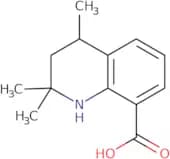
CAS:The fluoroquinolone 5-Fluoro-2-methylphenol (5FM) is an inhibitor of angiotensin, an enzyme that is involved in the regulation of blood pressure and fluid balance. The structure of this compound was optimized to make it more potent and selective for angiotensin, while minimizing its adverse effects. This optimization was achieved using high throughput screening and x-ray crystallography. The fluorine atom in 5FM binds to aspartyl protease, which prevents the protease from breaking down proteins into smaller amino acid chains. This binding also inhibits the activity of other enzymes that are involved in protein synthesis, such as aspartyl proteases and salicylic acid esterases. 5FM has been shown to inhibit the growth of bacteria such as Staphylococcus aureus at concentrations that are not toxic to mammalian cells.Formula:C7H7FOPurity:Min. 95%Color and Shape:Clear LiquidMolecular weight:126.13 g/mol2,2,4-Trimethyl-1,2,3,4-tetrahydroquinoline-8-carboxylic acid
CAS:2,2,4-Trimethyl-1,2,3,4-tetrahydroquinoline-8-carboxylic acid is a versatile building block that can be used as a reagent or speciality chemical in research and development. It is also an intermediate for the synthesis of complex compounds with various properties. This compound has been shown to be useful as a building block for the synthesis of new compounds with potential pharmaceutical applications.Formula:C13H17NO2Purity:Min. 95%Color and Shape:White Off-White PowderMolecular weight:219.28 g/mol(+)-Dehydrodiconiferyl alcohol
CAS:(+)-Dehydrodiconiferyl alcohol is a lignan, which is a type of phenolic compound naturally occurring in a variety of plant species, including those in the families Magnoliaceae, Lauraceae, and others. As a secondary metabolite derived from the oxidative coupling of coniferyl alcohol, it plays roles in plant defense and structural integrity.Formula:C20H22O6Purity:Min. 95%Molecular weight:358.39 g/mol1-Benzylglycerol
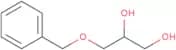
CAS:1-Benzylglycerol is a bifunctional reagent that can be used as an inorganic base or an organic solvent. It has been used to synthesize enantiopure compounds, such as fatty acids. 1-Benzylglycerol reacts with boron trifluoride etherate to form the corresponding ester, which is a reaction system for the synthesis of persulfates. The hydroxyl group on 1-benzylglycerol can be reacted with hydroxyl groups on fatty acids, catalyzed by lipase or chemoenzymes, to produce esters. 1-Benzylglycerol has been used in asymmetric synthesis and carbon tetrachloride immobilization reactions.
Formula:C10H14O3Purity:Min. 95%Color and Shape:Clear LiquidMolecular weight:182.22 g/mol(R)-(+)-3-Benzyloxy-1,2-propanediol
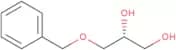
CAS:(R)-(+)-3-Benzyloxy-1,2-propanediol is a biologically active compound. It has been shown to have the ability to inhibit tumor growth and enhance the activity of certain anticancer drugs. (R)-(+)-3-Benzyloxy-1,2-propanediol is an enantiomer that has been found to be more potent than its counterpart. The biological function of (R)-(+)-3-Benzyloxy-1,2-propanediol is not entirely clear, but it may be involved in the metabolism of fatty acids and fatty acid esters. This compound can also increase levels of ATP in cells.
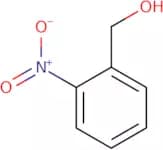
Formula:C10H14O3Purity:Min. 98%Color and Shape:PowderMolecular weight:182.22 g/mol2-Nitrobenzyl alcohol
CAS:2-Nitrobenzyl alcohol is a molecule with photochemical properties. It has been used as a solid catalyst and in genotoxic studies. 2-Nitrobenzyl alcohol is also toxic to liver cells, although the mechanism behind this toxicity is not yet clear. The chemical biology of this molecule is being studied, which includes its receptor binding and interactions with human liver cells.Formula:C7H7NO3Purity:Min. 97%Color and Shape:PowderMolecular weight:153.14 g/molLauryl isoquinolinium bromide
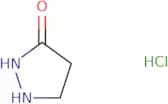
CAS:Lauryl isoquinolinium bromide is a pyridinium cationic surfactant that is used as a diagnostic agent and pharmaceutical preparation. It is also used as an antimicrobial agent in liquid chromatography, which is a technique to separate chemical compounds. Lauryl isoquinolinium bromide has been shown to be effective against Gram-positive bacteria such as Staphylococcus aureus and Enterococcus faecalis, and Gram-negative bacteria such as Pseudomonas aeruginosa. Lauryl isoquinolinium bromide has also been shown to be effective against yeast such as Candida albicans. Lauryl isoquinolinium bromide is not effective against viruses or fungi. This agent can be used to enhance the permeability of membranes during cross-linking reactions between polymers.Formula:C21H32NBrPurity:Min. 95%Color and Shape:PowderMolecular weight:378.39 g/mol4,5-Dihydro-1H-pyrazol-3-ol hydrochloride
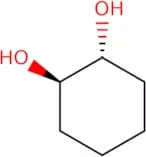
CAS:4,5-Dihydro-1H-pyrazol-3-ol hydrochloride (DHPE) is a potent inhibitor of the uptake and transport of serotonin in the rat brain. DHPE inhibits serotonin uptake by blocking the binding of serotonin to its transporter protein and also inhibits serotonin reuptake at the synapse. It is also an inhibitor of lysine hydroxylase, which converts lysine to catecholamine neurotransmitters. This inhibition leads to decreased levels of dopamine, norepinephrine and epinephrine, which can cause depression. DHPE binds to acidic amino acids such as glycine and glutamate, potentiating their actions on postsynaptic neurons. This effect may be due to increased synaptic activity or decreased inhibitory neurotransmitter release.br> br> The environment can affect the pharmacokinetics of DHPE. DHPE has been shown to have higher concentrations in acidic environments than basic environments because it is more solubleFormula:C3H6N2OPurity:Min. 95%Color and Shape:PowderMolecular weight:86.09 g/moltrans-1,2-Cyclohexanediol
CAS:Trans-1,2-cyclohexanediol is a chemical compound that has been shown to have infectivity in the treatment of cardiac disorders. It has also been shown to be an effective anti-inflammatory agent and may have clinical relevance in the treatment of congestive heart disease. The mechanism of action is unknown, but it may be due to its ability to inhibit the production of prostaglandin E2 and thromboxane A2 by inhibiting cyclooxygenase. Trans-1,2-cyclohexanediol has also been shown to be metabolized into glucuronide conjugates, which are excreted through the kidneys.
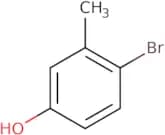
Formula:C6H12O2Purity:Min. 95%Color and Shape:PowderMolecular weight:116.16 g/mol4-Bromo-3-methylphenol
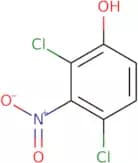
CAS:4-Bromo-3-methylphenol is a hydrochloride salt of 4-bromo-3-methylphenol that has acidic properties. It can be used as a reagent to prepare samples for phosphotungstic acid and ligand desorption techniques. It can also be used in the reduction of sulfoxides by means of hydrogen gas in an efficient method, which is suitable for on-line analysis. 4-Bromo-3-methylphenol is soluble in water and easily prepared from chlorobenzene. This compound has been extensively studied for its use in liquid phase electroosmotic techniques, which are based on the principle that the movement of ions is influenced by an electric field applied to a liquid medium.Formula:C7H7BrOPurity:Min. 95%Color and Shape:PowderMolecular weight:187.03 g/mol2,4-Dichloro-3-nitrophenol
CAS:2,4-Dichloro-3-nitrophenol is a synthetic chemical that is used as an intermediate in the synthesis of chloroamines. It is a derivative of phenol and has a chlorine atom on the 2 position. The alcohol group on the 4 position and the chlorine atom on the 3 position are both substituted with chlorine atoms. 2,4-Dichloro-3-nitrophenol has been shown to be effective for the synthesis of chloroamines resistant to nitro groups. This chemical has been shown to be resistant to amines and thus can be used for immobilization purposes. Furthermore, it can be used as an intermediate for chemists who work with organic chemistry due to its ability to undergo reactions with alcohols and phenols.Formula:C6H3Cl2NO3Purity:Min. 95%Color and Shape:White Clear LiquidMolecular weight:208 g/mol1,2-Dipalmitoyl-sn-glycero-3-phosphoethanolamine
CAS:1,2-Dipalmitoyl-sn-glycero-3-phosphoethanolamine is a phospholipid that plays an important role in many cellular processes. It is a major component of the lipid bilayer that surrounds cells and provides stability to the membrane. 1,2-Dipalmitoyl-sn-glycero-3-phosphoethanolamine can form hydrogen bonding interactions with other molecules in the cytoplasm. The redox potential of this compound is also high enough to allow it to participate in oxidation reactions. This phospholipid also has a phase transition temperature at which it changes from a liquid state to a solid state at room temperature. 1,2-Dipalmitoyl-sn-glycero-3-phosphoethanolamine can be used as a reaction mechanism for synthesizing glycosylated proteins or lipids. In vitro assays have been performed using this compound asFormula:C37H74NO8PMolecular weight:691.96 g/mol2-tert-Butyl-6-(5-chloro-2H-benzotriazol-2-yl)-4-methylphenol
CAS:2-tert-Butyl-6-(5-chloro-2H-benzotriazol-2-yl)-4-methylphenol is the chemical compound with formula C12H7ClO3. It is a white solid that is soluble in water and ethanol, but not in ether or hexane. 2,6-Tertiarybutylphenol has been used as a cell nucleus marker to study locomotion of cells, as well as to analyze other samples including metal ions and water vapor. The method involves the use of a laser ablation technique, which can be used for complex sample analysis. The compound is structurally similar to 2,4,6-trimethylphenol, which has an OH group in place of the CH3 group on the tertiary butyl side chain. This difference makes it more reactive than 2,4,6-trimethylphenol because it has a higher concentration of hydroxyl groups.Formula:C17H18ClN3OPurity:Min. 98 Area-%Color and Shape:Slightly Yellow PowderMolecular weight:315.8 g/mol3-Nitrobenzyl alcohol
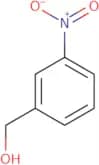
CAS:3-Nitrobenzyl alcohol is a low potency drug that is used for the treatment of cancer. It is a derivative of trifluoroacetic acid, which has been shown to have anti-tumor effects in animals. 3-Nitrobenzyl alcohol binds to the matrix on the surface of cells by hydrogen bonding and forms an intramolecular hydrogen bond with the nitrogen atom. This process leads to increased fluorescence intensity, which can be detected using matrix-assisted laser desorption ionization mass spectrometry (MALDI MS). The fatty acid group found in 3-nitrobenzyl alcohol increases its solubility in water and facilitates penetration into lipid bilayers. This compound exhibits cytotoxicity against monoclonal antibody-positive B cell lymphoma cells and may also have anti-inflammatory properties due to its inhibition of picolinic acid synthesis.Formula:C7H7NO3Purity:Min 98%Color and Shape:PowderMolecular weight:153.14 g/mol2-[[(4-Anilinophenyl)imino]methyl]-4,6-dichlorophenol
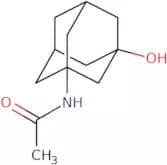
CAS:2-[[(4-Anilinophenyl)imino]methyl]-4,6-dichlorophenol is a chemical that has been used in the synthesis of pharmaceuticals and other organic compounds. It is a versatile building block for the preparation of complex compounds and fine chemicals. This product can be used as a reagent or reaction component for research purposes. It is also useful as an intermediate or building block in the synthesis of drugs and other organic compounds. CAS No. 303215-67-0Formula:C19H14Cl2N2OPurity:Min. 95%Color and Shape:Red PowderMolecular weight:357.23 g/mol3-Acetylamino-1-adamantanol
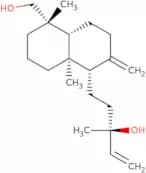
CAS:3-Acetylamino-1-adamantanol is a fluorescent, non-ionic dye that is used in the preparation of coatings and optical elements. It can also be used as an oxidation catalyst for alcohols. This compound has been shown to have excellent alkaline hydrolysis and high yield in the acetonitrile process. 3-Acetylamino-1-adamantanol has been shown to react with nitro groups to form a fluorescent product. This reaction is important because it allows for the identification of explosives. 3-Acetylamino-1-adamantanol has also been found to be useful as a hologram developer or photoresist for optical discs and lenses.Formula:C12H19NO2Purity:Min. 95%Color and Shape:White/Off-White SolidMolecular weight:209.28 g/molLABD-8(17),14-dien-13,19-diol
CAS:The active substances in LABD-8(17),14-dien-13,19-diol are hexane and diacetate. This product is analysed to be a decidua extract. Alcohols, coniferous extracts, oplodiol, epimanool and ozonization can also be found in this product. Structural analysis reveals that glycerides are the major component of this substance. A variety of other components were also detected in this substance such as methyl ester, aldehydes and diterpenes.Formula:C20H34O2Purity:Min. 95%Molecular weight:306.48 g/molN-Methyl-5-tetrazolethiol
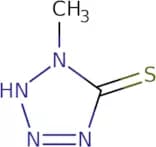
CAS:N-Methyl-5-tetrazolethiol is a vitamin B6 (pyridoxine) analog that inhibits bacterial growth by competitively inhibiting enzymes involved in the synthesis of folate. It has been shown to be toxic for animals and humans at high doses, but the toxicity of this compound has not been studied extensively. N-Methyl-5-tetrazolethiol has been shown to inhibit the activity of enzymes such as methionine synthase, cytochrome C reductase, and nitroreductase in vitro. This drug is used as a treatment for infectious diseases such as malaria and toxoplasmosis. The mechanism of action of N-methyl tetrazolethiol is not known, but it is believed to be related to its ability to inhibit enzyme activity.Formula:C2H4N4SPurity:Min. 95 Area-%Color and Shape:PowderMolecular weight:116.15 g/mol2-Phenylquinoline-4-carbohydrazide
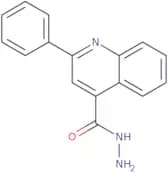
CAS:2-Phenylquinoline-4-carbohydrazide is an antibacterial agent that binds to bacterial DNA gyrase and topoisomerase, which are enzymes that maintain the integrity of bacterial DNA. It also has significant anti-inflammatory activity and can be used for the treatment of skin disorders, such as acne. 2-Phenylquinoline-4-carbohydrazide has been shown to induce apoptosis in human dermal fibroblast cells. This drug has been shown to have anticancer activity in vitro and in vivo. The anticancer activity of this drug may be due to its ability to inhibit cancer cell proliferation by binding to DNA gyrase and topoisomerase, which are enzymes that maintain the integrity of bacterial DNA.Formula:C16H13N3OPurity:Min. 95%Molecular weight:263.29 g/mol3-Aminobutan-1-ol
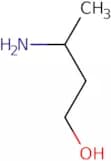
CAS:3-Aminobutan-1-ol is an amine that is synthesized industrially by the reduction of soybean trypsin with borohydride. This chemical has been used as a substrate in asymmetric synthesis and can be detected by high detection sensitivity. 3-Aminobutan-1-ol binds to the carbonyl group of amino acid residues and causes a reaction with chloride ions for detection. The product of this reaction is an enantiomer, which can be separated from other reaction products by purified chiral stationary phases. 3-Aminobutan-1-ol is also involved in the biosynthesis of proteins and enzymes. It reacts with hydrochloric acid to form a salt, which can then be used as an enzyme inhibitor.
Formula:C4H11NOPurity:Min. 95%Color and Shape:Clear LiquidMolecular weight:89.14 g/mol4,4-Dimethyl-1-[(3,4-methylenedioxy)phenyl]-1-penten-3-ol
CAS:4,4-Dimethyl-1-[(3,4-methylenedioxy)phenyl]-1-penten-3-ol is a drug that has been used in the treatment of Dravet syndrome. This drug is also known as 3,4-methylenedioxyphenylacetone. It is a competitive inhibitor of the enzyme citrate synthase and inhibits the conversion of acetate to citrate. The effect of 4,4-dimethyl-1-[(3,4-methylenedioxy)phenyl]-1-penten-3-ol on sodium citrate concentrations is concentration dependent and results in an increase in plasma sodium concentrations with prolonged administration. Other drugs that are metabolized by the cytochrome P450 system may interact with 4,4-dimethyl-1-[(3,4 methylenedioxy)phenyl]-1 penten 3 ol and lead to increased levels of these drugs in the blood.
Formula:C14H18O3Purity:Min. 95%Color and Shape:White PowderMolecular weight:234.29 g/mol2-Nitroethanol
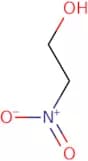
CAS:2-Nitroethanol is a chemical compound that is used as an antioxidant, antimicrobial preservative, and flavoring agent in foods. It can be synthesized in an asymmetric synthesis reaction, which involves the addition of a nitro group to one of the two carbons in ethylene glycol. The toxicity profile of 2-nitroethanol has not been extensively studied, but it appears to have low toxicity based on animal studies. A number of inhibitory compounds have been identified for 2-nitroethanol, including benzalkonium chloride and propionate. The inhibitory effects of 2-nitroethanol are concentration dependent and may be due to hydrogen bonding with proteins or intramolecular hydrogen transfer reactions with other molecules. Inhibition of viral replication by 2-nitroethanol has been observed in influenza virus and human immunodeficiency virus (HIV) studies. This inhibition may be due to alterations in fatty acid metabolism or changes in theFormula:C2H5NO3Purity:Min. 95 Area-%Color and Shape:Clear LiquidMolecular weight:91.06 g/mol(3,4,5-Trimethoxyphenyl)methyl carbinol
CAS:(3,4,5-Trimethoxyphenyl)methyl carbinol is a neuroprotective compound that belongs to the class of benzyl alcohols. It has been shown to have neuroprotective effects against daldinia-induced oxidative stress and biotoxicity. This compound has high electron transfer rates and can be used as an electron donor in enzymatic reactions. (3,4,5-Trimethoxyphenyl)methyl carbinol exhibits a high reactivity with alcohols and can be used in the synthesis of other compounds by transferring its alcohol group onto other molecules. The addition of deuterium atoms to this molecule has been shown to increase its reactivity with oxidants.
Formula:C11H16O4Purity:Min. 95%Color and Shape:LiquidMolecular weight:212.24 g/mol1,4-Cyclohexanediol (Cis/Trans Mixture)
CAS:Controlled ProductApplications 1,4-Cyclohexanediol is used as a reagent in the development of noviomimetics as C-terminal Hsp90 inhibitors.
References Anyika, M., et al.: ACS Med. Chem. Lett., 7, 67 (2016)Formula:C6H12O2Color and Shape:NeatMolecular weight:116.161-Butanol (n-Butyl Alcohol)
CAS:Controlled ProductApplications 1-Butanol is a common chemical reagent used in biodiesel production. Also it has been used in the study the polarization of vapor-deposited 1-butanol films (1) as well as in the preparation of bioavailable CB1 antagonists (2) . Drinking water contaminant candidate list 3 (CCL 3) compound as per United States Environmental Protection Agency (EPA), environmental, and food contaminants.
Not a dangerous good if item is equal to or less than 1g/ml and there is less than 100g/ml in the package
References 1. Gavra, I. et al.: J. Chem. Phys. 2017 Mar 14;146(10):104701.2. Röver, S. et al.: J. Med. Chem. 2013 Dec 27;56(24):9874-96.Formula:C4H10OColor and Shape:ColourlessMolecular weight:74.121-Ethynylcyclohexanol
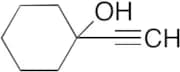
CAS:Controlled ProductApplications 1-Ethynylcyclohexanol is used in the preparation of 9-methyladenines used as adenosine receptor antagonists. Also used in the cycloadition of alkynes to organic azides.
Not a dangerous good if item is equal to or less than 1g/ml and there is less than 100g/ml in the package
References Harada, H. et al.: J. Med. Chem. 44, 170 (2001); Zhang, L. et al.: J. Am. Chem. Soc., 127, 15998 (2005);Formula:C8H12OColor and Shape:NeatMolecular weight:124.183,4-Dimethoxyphenol
CAS:Controlled ProductApplications A substituted alkynyl phenoxy compound as new synergists in pesticidal compositions.
References Hefner,T., et al.: Bioorg. Med. Chem., 10, 1731 (2002),Formula:C8H10O3Color and Shape:NeatMolecular weight:154.16N,N'-Dicyclohexylcarbodiimide Pentachlorophenol Complex
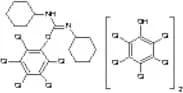
CAS:Controlled ProductStability -20°C Freezer
Applications Useful reagent for preparing amino acid pentachlorophenol active esters.
References Kovacs, J., et al.: J. Am. Chem. Soc., 89, 183 (1967)Formula:C19H23Cl5N2O·2C6HCl5OColor and Shape:NeatMolecular weight:1005.341-(Benzyloxy)-3-[[bis(benzyloxy)phosphoryl]oxy]propan-2-ol
CAS:Controlled ProductApplications 1-(Benzyloxy)-3-[[bis(benzyloxy)phosphoryl]oxy]propan-2-ol is an intermediate in the synthesis of Dihydroxyacetone Phosphate Lithium Salt (D450538), which is a metabolic intermediate involved in involved in a wide variety of metabolic pathways including glycolysis and lipid biosynthesis. In plants, Dihydroxyacetone phosphate is involved with the synthesis of vitamin B6.
References Jun Ogawa et. al.: et al.: Bioscience, biotechnology, and biochemistry, 67(4), undefined (2003-6-6); John P Richard, Biochemistry, 51(13), undefined (2012-3-14);Formula:C24H27O6PColor and Shape:NeatMolecular weight:442.441,2-Butanediol
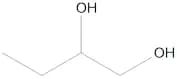
CAS:Controlled ProductApplications 1,2-Butanediol is a glycol in human serum.
References Imbert, L., et al.: J. Anal. Toxicol., 38, 676 (2014)Formula:C4H10O2Color and Shape:NeatMolecular weight:90.12N-Benzylethanolamine
CAS:Controlled ProductApplications N-Benzylethanolamine is used in the synthesis of imidazoles as potent calcitonin (CGRP) antagonists. Also it aids in the preparation of benzofused hydroxamix acids, as useful fragments for the synthesis of histone deacetylase inhibitors.
References Tora, G. et al.: Bioorg. Med. Chem. Lett., 23, 5684 (2013); Marastoni, E. et al.: Bioorg. Med. Chem. Lett., 23, 4091 (2013);Formula:C9H13NOColor and Shape:NeatMolecular weight:151.212-(4-Octylphenyl)ethanol
CAS:Controlled ProductApplications 2-(4-Octylphenyl)ethanol (cas# 162358-05-6) is a compound useful in organic synthesis.
Formula:C16H26OColor and Shape:NeatMolecular weight:234.382-Phenyl-4-nitrosophenol
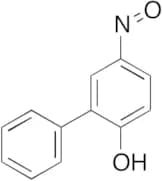
CAS:Controlled ProductApplications 2-Phenyl-4-nitrosophenol is an intermediate in the synthesis of (E)-2-((6-Hydroxy-[1,1'-biphenyl]-3-yl)((6-hydroxy-[1,1'-biphenyl]-3-yl)imino)methyl)benzoic Acid which is an impurity of (S)-Cloperastine (C587195); a drug used in the treatment of chronic non-productive cough. Also antitussive.
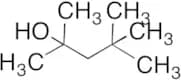
References Aliprandi, P. et al.: Drugs Exp. Clin. Res., 30, 133 (2004); Aliprandi, P. et al.: Clin. Drug Invest. 22, 209 (2002)Formula:C8H14OColor and Shape:YellowMolecular weight:126.1962,4,4-Trimethyl-2-pentanol
CAS:Controlled ProductApplications 2,4,4-Trimethyl-2-pentanol is an intermediate formed from incubation of Sphingomonas sp. strain with xeno-estrogenic octylphenol. It was used in study comparing the relative binding affinities of low-molecular-weight proteins from humans versus male rats.
References Tanghe, Tom., et al.: Biodegradation, 11, 11 (2000); Borghoff, S., et al.: Toxicol. Appl. Pharm., 119, 228 (1993);Formula:C8H18OColor and Shape:NeatMolecular weight:130.233-(2-Pentyl)phenol
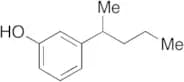
CAS:Controlled ProductApplications 3-(2-Pentyl)phenol is an intermediate in the synthesis of Bufencarb (B689385), a carbamate pesticide used mainly as an insecticide.
References Nesterova, T.N., et al.: J. Chem. Thermodyn., 21, 385 (1989);Formula:C11H16OColor and Shape:NeatMolecular weight:164.241,3-Bis(tert-Butyldimethylsiloxy)-2-propanol
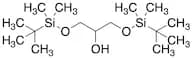
CAS:Controlled ProductApplications 1,3-Bis(tert-Butyldimethylsiloxy)-2-propanol is an intermediate in the synthesis of 2-Linoleoyl-rac-glycerol (L467960), which is a atty acid monoglycerides in vegetable oils with medium unsaturation.
References Compton, D., et al.: J. Pharmacol. Exp. Ther., 277, 586 (1996), Devane, W., et al.: Science, 258, 1946 (1992),Formula:C15H36O3Si2Color and Shape:NeatMolecular weight:320.62(S)-2-(Benzylamino)propan-1-ol
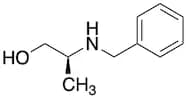
CAS:Controlled ProductApplications (S)-2-(Benzylamino)propan-1-ol is a useful research chemical for the preparation of cross-benzoin products of heteroaromatic aldehydes and amino aldehydes.
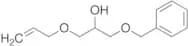
References Haghshenas, P., et al.: J. Org. Chem., 81, 12075-83 (2016);Formula:C10H15NOColor and Shape:NeatMolecular weight:165.231-(Phenylmethoxy)-3-(2-propen-1-yloxy)-2-propanol
CAS:Controlled ProductApplications 1-(Phenylmethoxy)-3-(2-propen-1-yloxy)-2-propanol (cas# 83016-75-5) is a compound useful in organic synthesis.
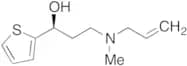
Formula:C13H18O3Color and Shape:NeatMolecular weight:222.28(S)-3-(Allyl(methyl)amino)-1-(thiophen-2-yl)propan-1-ol
Controlled ProductApplications (S)-3-(Allyl(methyl)amino)-1-(thiophen-2-yl)propan-1-ol is an intermediate in the syntehsis of 4-Hydroxy Duloxetine β-D-Glucuronide Sodium Salt (H941805), which is a metabolite of Duloxetine.
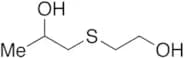
References Lantz, R.J., et al.: Drug Dispos. Metab., 31, 1142 (2003); Detke, M., et al.: J. Clin Psy., 63, 308 (2002); Bymaster, F.P., et al.: Bioorg. Med., Chem. Lett., 13, 4477 (2003);Formula:C11H17NOSColor and Shape:NeatMolecular weight:211.324Hydroxyethylthio Propanol
CAS:Controlled ProductApplications Hydroxyethylthio Propanol (cas# 6713-03-7) is a compound useful in organic synthesis.
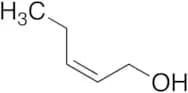
Formula:C5H12O2SColor and Shape:NeatMolecular weight:136.21(2Z)-2-Penten-1-ol
CAS:Controlled ProductApplications (2Z)-2-Penten-1-ol is one of the aroma volatiles in basil and thyme leaves with antioxidant activity.
References Lee, S., et al.: Food Chem., 91 131 (2004);Formula:C5H10OColor and Shape:NeatMolecular weight:86.1310-Amino-1-decanol
CAS:Controlled ProductApplications 10-Amino-1-decanol (cas# 23160-46-5) is a compound useful in organic synthesis.
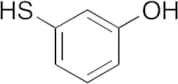
References Lee, T., et al.: J. Biol. Chem., 270, 5375 (1995),Formula:C10H23NOColor and Shape:NeatMolecular weight:173.33-Mercaptophenol
CAS:Controlled ProductApplications 3-Mercaptophenol is a versatile reactant used in the study of mechanism and catalysis of the native chemical ligation reaction. It was also used as a reactant in the synthesis and biological evaluation of HSP90 inhibitors based on molecular dynamic calculated conformational analysis of radicicol and its analogs.
References Moulin, E., et al.: J. Am. Chem. Soc., 127, 6999 (2005); Johnson, E., Kent, S.: J. Am. Chem. Soc., 128, 6640 (2006);Formula:C6H6OSColor and Shape:NeatMolecular weight:126.183-[[(1,1-Dimethylethyl)diphenylsilyl]oxy]-1,2-propanediol
CAS:Controlled ProductApplications 3-[[(1,1-Dimethylethyl)diphenylsilyl]oxy]-1,2-propanediol is an intermediate in the synthesis of 1,2-Dioleoyl-rac-glycerol (D482175), which is an analog of 1,3-Dioleoylglycerol (D484210) which is used in the synthesis of amphiphilic gadolinium complexes as MRI contrast agents.
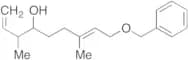
References Accardo, A., et. al.: J. Mater. Chem. B., 1, 617 (2013)Formula:C19H26O3SiColor and Shape:NeatMolecular weight:330.499-(Benzyloxy)-3,7-dimethylnona-1,7-dien-4-ol
Controlled ProductApplications 9-(Benzyloxy)-3,7-dimethylnona-1,7-dien-4-ol is an intermediate in the synthesis of Menaquinone 6 (M218590). Menaquinones are isoprenoid quinones of the naphthalene series and belongs to the K2 Vitamin homologs. Menaquinones were originally discovered as the anti-hemorrhagic factor and now encompasses a variety of physiological processes. Menaquinone-6 were the major isoprenoid quinones found in membrane preparations of Campylobacter jejuni and Campylobacter fetus.
References Kiesel, B., et al.: Biodegradation, 19, 435 (2008), Suhara, Y., et al.: Bioorg. Med. Chem., 16, 3108 (2008), Gast, G., et al.: Nut., Metab., Cardiovas., Diseases, 19, 504 (2009); Carlone G.M., et al.: J. Gen. Microbiol., 129, 3385 (1983);Formula:C18H26O2Color and Shape:NeatMolecular weight:274.43-[(tert-Butyldimethylsilyl)oxy]-1-propanol
CAS:Controlled ProductApplications 3-[(tert-Butyldimethylsilyl)oxy]-1-propanol (cas# 73842-99-6) is a compound useful in organic synthesis.
Formula:C9H22O2SiColor and Shape:NeatMolecular weight:190.361-Butanol-d
CAS:Controlled ProductApplications Labelled form of 1-Butanol, which is used for the production of dimethylfuran for liquid fuels.
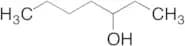
References Roman-Leshkov, Y. et al.: Nature, 447, 982 (2007);Formula:C4DH9OColor and Shape:NeatMolecular weight:75.13(±)-3-Heptanol
CAS:Controlled ProductApplications (±)-3-Heptanol, is a volatile components of various plants, and can be used as flavor and fragrance ingredients. It is also used as building block used for the synthesis of various chemicals. It is used for the preparation of biologically active ester derivatives as potent inhibitors of the soluble epoxide hydrolase.
Not a dangerous good if item is equal to or less than 1g/ml and there is less than 100g/ml in the package
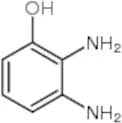
References Kim, I., et al.: Bioorg. Med. Chem. Lett., 55 (18), 5889 (2012); Gibka, J., et al.: Zeszyty Naukowe - Politechnika Lodzka, 60, 65 (1998);Formula:C7H16OColor and Shape:NeatMolecular weight:116.22,3-Diaminophenol
CAS:Controlled ProductApplications 2,3-Diaminophenol
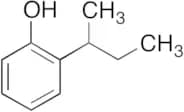
Formula:C6H8N2OColor and Shape:NeatMolecular weight:124.142-sec-Butylphenol
CAS:Controlled ProductApplications 2-sec-Butylphenol is a substance used in checking the effect of different enhancers on transdermal permation of insulin. It also acts as one of the substances used as models, which are helpful for aiding screening and development of androgenic compounds.
Not a dangerous good if item is equal to or less than 1g/ml and there is less than 100g/ml in the package
References Yerramsetty, K. M., et al.: Int. J. Pharm., 398, 83 (2010); Jia, Y., et al.: isuanji Yu Yingyong Huaxue, 24, 1469 (2007)Formula:C10H14OColor and Shape:NeatMolecular weight:150.223-(3-(3-(Benzyloxy)propoxy)propoxy)propan-1-ol
Controlled ProductApplications 3-(3-(3-(Benzyloxy)propoxy)propoxy)propan-1-ol is an intermediate in the synthesis of 3,3'-[Oxybis(3,1-propanediyloxy)]bis[1-propanol] (O870290). 3,3'-[Oxybis(3,1-propanediyloxy)]bis[1-propanol] is derived from 3-(Benzyloxy)propyl 4-Toluenesulfonate (B288830), which is used as a reagent in the synthesis of Silodosin (S465000); an antidysuria drug. 3-(Benzyloxy)propyl 4-Toluenesulfonate is also used as a reagent in the preparation of aryloxyalkyl derivatives of adenine which have antiviral activity.
References Calogero, F., et al.: Eur. J. Org. Chem., 2015, 6011 (2015); Petrov, V.I., et al.: Chem. Heterocyc. Compd., 39, 1218 (2003)Formula:C16H26O4Color and Shape:NeatMolecular weight:282.375(E)-2-Hexadecen-1-ol
CAS:Controlled ProductApplications (E)-2-Hexadecen-1-ol (cas# 26993-32-8) is a compound useful in organic synthesis.
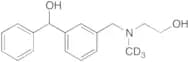
Formula:C16H32OColor and Shape:NeatMolecular weight:240.422-((3-Hydroxy(phenyl)methyl)benzyl)(methyl)amino)ethanol
Controlled ProductApplications (3-(((2-Hydroxyethyl)(methyl)amino)methyl)phenyl)(phenyl)methanone-d3 is an intermediate in the synthesis of Nefopam-d3 (N389402), a cyclized labelled analog of orphenadrine and diphenhydramine; representative of a new class of centrally acting skeletal muscle relaxants.
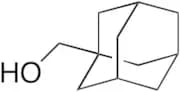
References Bassett, et al.: Br. J. Pharmacol., 37, 69 (1969), Klohs, et al.: Arzneim.-Forsch., 22, 132 (1972), Hell, et al.: Drugs, 19, 249 (1980),Formula:C17D3H18NO2Color and Shape:NeatMolecular weight:274.3731-Adamantanemethanol
CAS:Controlled ProductApplications 1-Adamantanemethanol is used as a reagent in the synthesis of adamantane and noradamantane based histone deacetylase (HDAC) inhibitors for the treatment of cancer. It is also used as a reagent in the synthesis of (1-adamantyl)methyl glycidyl ether, a versatile building block for living polymerization.
References Gopalan, B., et al.: Bioorg. Med. Chem. Lett., 23, 2532 (2013); Suzuki, T., et al.: J. Med. Chem., 55, 9562 (2012); Moers, C., et al.: Macromol. Rapid Comm., 35, 1075 (2014)Formula:C11H18OColor and Shape:NeatMolecular weight:166.263-Hexyn-1-ol
CAS:Controlled ProductApplications 3-Hexyn-1-ol is an unsaturated alcohol that, when subjected to stereoselective hydrogenation, produces cis-3-Hexen-1-ol (H295005), a compound that is important in the fragrance industry. 3-Hexyn-1-ol also exhibits antifungal properties against Aspergillus oryzae, a fungus that is used to produce fermented foods and beverages in Japan.
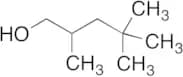
References Machida, M., et al.: Nature, 438, 1157 (2005); Sachse, A., et al.: Dalt. Trans., 42, 1378 (2013); Witte, P., et al.: Stud. Surf. Sci. Catal., 175, 135 (2010)Formula:C6H10OColor and Shape:NeatMolecular weight:98.142,4,4-Trimethyl-1-pentanol
CAS:Controlled ProductApplications 2,4,4-Trimethyl-1-pentanol is the principal metabolite of 2,2,4-trimethylpentane (T796535), a general solvent used in organic synthesis..
Not a dangerous good if item is equal to or less than 1g/ml and there is less than 100g/ml in the package
References Gaur, R. et al.: Asian J. Biochem., 10, 52 (2015);Formula:C8H18OColor and Shape:NeatMolecular weight:130.23

![(1R,4aS,7S,7aR)-Hexahydro-4,7-dimethylcyclopenta[c]pyran-1-ol](/_next/image/?url=https%3A%2Fstatic.cymitquimica.com%2Fproducts%2F3D%2Fthumb-webp%2FFH106458.webp&w=3840&q=75)

![9-Fluoro-3-methyl-7-oxo-10-(1-piperazinyl)-2,3-dihydro-7H-[1,4]oxazino[2,3,4-Ij]quinoline-6-carbox…](/_next/image/?url=https%3A%2Fstatic.cymitquimica.com%2Fproducts%2F3D%2Fthumb-webp%2FFF102861.webp&w=3840&q=75)




![9-Fluoro-10,13,17-Trimethyl-2,3,4,5,6,7,8,11,12,14,15,16-Dodecahydro-1H-Cyclopenta[a]Phenanthrene-…](/_next/image/?url=https%3A%2Fstatic.cymitquimica.com%2Fproducts%2F3D%2Fthumb-webp%2FFF103008.webp&w=3840&q=75)






![2-[[(4-Anilinophenyl)imino]methyl]-4,6-dichlorophenol](/_next/image/?url=https%3A%2Fstatic.cymitquimica.com%2Fproducts%2F3D%2Fthumb-webp%2FFA71703.webp&w=3840&q=75)
![4,4-Dimethyl-1-[(3,4-methylenedioxy)phenyl]-1-penten-3-ol](/_next/image/?url=https%3A%2Fstatic.cymitquimica.com%2Fproducts%2F3D%2Fthumb-webp%2FFS27881.webp&w=3840&q=75)




![1-(Benzyloxy)-3-[[bis(benzyloxy)phosphoryl]oxy]propan-2-ol](/_next/image/?url=https%3A%2Fstatic.cymitquimica.com%2Fproducts%2FTR%2Fthumb-webp%2FB796875.webp&w=3840&q=75)



![3-[[(1,1-Dimethylethyl)diphenylsilyl]oxy]-1,2-propanediol](/_next/image/?url=https%3A%2Fstatic.cymitquimica.com%2Fproducts%2FTR%2Fthumb-webp%2FD182005.webp&w=3840&q=75)
![3-[(tert-Butyldimethylsilyl)oxy]-1-propanol](/_next/image/?url=https%3A%2Fstatic.cymitquimica.com%2Fproducts%2FTR%2Fthumb-webp%2FB691575.webp&w=3840&q=75)