Amines
Amines are a set of molecules containing an amino functional group (derived from ammonia). This category includes amines at any level of substitution : primary, secondary, tertiary, and ammonium salts. Amines are fundamental in organic synthesis and are widely used in pharmaceuticals, agrochemicals, and materials science. At CymitQuimica, we provide a comprehensive selection of amines to meet your research and industrial needs. Our range ensures access to various amines for diverse chemical processes and innovative research.
Subcategories of "Amines"
- Nitrosamines(2,606 products)
- Primary Amines(30,947 products)
- Quaternary Ammonium Cations and Salts(1,098 products)
- Secondary Amines(20,886 products)
- Tertiary Amines(17,193 products)
Found 8780 products of "Amines"
Sort by
Purity (%)
0
100
|
0
|
50
|
90
|
95
|
100
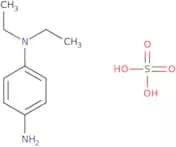
p-Amino-N,N-diethylaniline sulfate
CAS:<p>p-Amino-N,N-diethylaniline sulfate (ADESA) is an organic compound that has been used as a reagent in analytical chemistry. ADESA is used to measure the concentration of 5-hmf, a metabolite of vitamin C, and it is also used to analyze the concentration of hydrogen chloride and hydrogen sulfate in water samples. ADESA is prepared by mixing hydrochloric acid with ethylene diamine and then adding diethaniline. It can be purified by chromatography or electrochemical methods. ADESA is an oxidant that can be used for analytical purposes because it reacts with potassium dichromate to form a colorless complex. This reaction has been shown to be useful for analyzing antioxidants in food products, such as pomegranate juice.</p>Formula:C10H18N2O4SColor and Shape:White PowderMolecular weight:262.33 g/mol2-[3-[N-(4-tert-Butylbenzyl)-N-(pyridin-3-ylsulfonyl)aminomethyl]phenoxy]acetic acid
CAS:<p>2-[3-[N-(4-tert-Butylbenzyl)-N-(pyridin-3-ylsulfonyl)aminomethyl]phenoxy]acetic acid is a synthetic chemical compound, which is derived from organic synthesis processes involving aromatic compounds. It functions primarily through the modulation of specific biochemical pathways, likely involving interactions with enzymatic or receptor targets due to its structural characteristics. This compound is particularly noteworthy for its potential applications in biomedical research, where it may serve as a lead or active molecule in the development of new pharmaceutical agents. Its unique structure, featuring both aromatic and sulfonyl groups, allows for versatile interactions with biological targets, opening possibilities for its use in therapeutic development. Further research into its exact mechanisms and potential therapeutic uses could yield significant advancements in the treatment of various ailments.</p>Formula:C25H28N2O5SPurity:Min. 98 Area-%Color and Shape:PowderMolecular weight:468.57 g/molPurmorphamine
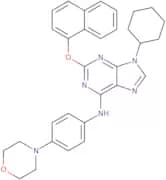
CAS:<p>Purmorphamine is a cell factor that belongs to the group of morphogens. It is structurally related to dopamine and has been shown to be effective in the treatment of Parkinson's disease. Purmorphamine is involved in the regulation of neuronal survival, differentiation, proliferation, and axon guidance. Purmorphamine binds to a receptor on neurons called the cholinergic receptor, which stimulates a G-protein linked signal transduction pathway. This leads to an increase in intracellular calcium levels and activation of protein kinase C. Purmorphamine also has anti-inflammatory effects and can inhibit leukemia inhibitory factor (LIF). It has been shown to be effective against LPS-induced inflammatory responses by inhibiting protein synthesis. Purmorphamine also inhibits cancer cells through its ability to stimulate growth factor-β1 (GF-β1) gene expression.</p>Formula:C31H32N6O2Purity:Min. 95%Color and Shape:PowderMolecular weight:520.63 g/mol4-Amino isoquinoline
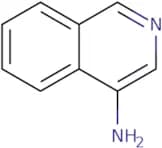
CAS:<p>4-Amino isoquinoline is a synthetic chemical that has a pyridine ring and chlorine atom. It can be synthesized by reacting 2,4-dichlorobenzene with acetaldehyde and hydrochloric acid. 4-Amino isoquinoline binds to the receptor that it interacts with, such as the ligand, dimethyl acetylenedicarboxylate, or taraxasterol acetate. This binding process can be used for treatment purposes. The ligand is usually introduced into the body through injection or ingestion of a drug. The ligand can also be attached to an antibody in order to target specific cells. The ligand has shown efficacy in treating cancerous tumors and other diseases like Parkinson's disease and Alzheimer's disease.</p>Formula:C9H8N2Purity:Min. 95%Color and Shape:White To Brown SolidMolecular weight:144.17 g/molFmoc-4-(Boc-amino)-D-phenylalanine
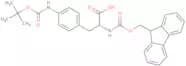
CAS:<p>Fmoc-4-(Boc-amino)-D-phenylalanine is a versatile building block and a useful intermediate in organic synthesis. It is used as a reaction component in the synthesis of pharmaceuticals, antibiotics, herbicides, pesticides and other organic compounds. Fmoc-4-(Boc-amino)-D-phenylalanine is also used as an additive for the production of polyurethane foams. This compound has a high quality and purity level and can be used as a reagent for chemical reactions.</p>Formula:C29H30N2O6Purity:Min. 98 Area-%Color and Shape:White Off-White PowderMolecular weight:502.56 g/mol1-(Methylbenzyl)amine sulphate
1-(Methylbenzyl)amine sulphate is a high quality chemical that is an intermediate to the production of many useful compounds. It can be used in research as a building block for new compounds, or as a versatile building block for reactions. 1-(Methylbenzyl)amine sulphate has many uses, including being a reagent for the synthesis of complex compounds with high purity and usefulness as a speciality chemical in fine chemicals and research chemicals. CAS No.: 1026-97-3Formula:C8H11NSO4Purity:Min. 95%Color and Shape:PowderMolecular weight:217.00 g/mol(2S)-N-Boc-2-amino-4-azido-butanoic acid methyl ester
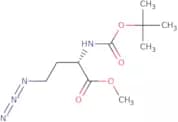
CAS:<p>(2S)-N-Boc-2-amino-4-azido-butanoic acid methyl ester is a high quality, reagent, complex compound, useful intermediate, fine chemical that is used as a building block in the synthesis of speciality chemicals.</p>Formula:C10H18N4O4Purity:Min. 95%Color and Shape:PowderMolecular weight:258.27 g/mol1,4-Diamino-2,3-dihydroanthraquinone
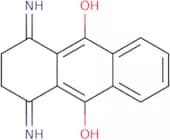
CAS:<p>1,4-Diamino-2,3-dihydroanthraquinone is an impurity found in the manufacture of the drug dermatan sulfate. It can be used as a chromatographic method for the detection of skin tumor cells. This compound has been shown to have neurodevelopmental and environmental effects. The liquid chromatography methods for this compound are based on its fluorescence properties, but it can also be detected by optical absorbance or by nmr spectroscopy. 1,4-Diamino-2,3-dihydroanthraquinone has been shown to cause cytotoxicity and morphological changes in liver cells in vitro.</p>Formula:C14H12N2O2Purity:Min. 95%Color and Shape:Green PowderMolecular weight:240.26 g/mol3-Nitro-5-(trifluoromethyl)benzene-1,2-diamine
CAS:<p>3-Nitro-5-(trifluoromethyl)benzene-1,2-diamine is a chemical compound that can be used as a reaction component or reagent in research. It is a useful scaffold and building block for complex compounds. 3-Nitro-5-(trifluoromethyl)benzene-1,2-diamine has CAS No. 2078-01-5 and is classified as a speciality chemical. This chemical is versatile because it has many uses in both organic chemistry and biology, including use as an intermediate or building block for more complex compounds.</p>Formula:C7H6F3N3O2Purity:Min. 95%Color and Shape:PowderMolecular weight:221.14 g/molTriethylmethylammonium chloride
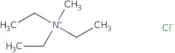
CAS:<p>Triethylmethylammonium chloride is a disulfide bond forming agent that reacts with 4-benzoyloxybenzoic acid to produce an inorganic acid. It also reacts with the substrate film to form a nitrogen atom. This product has been used as a phase transition temperature indicator and as a probe for investigating the effects of thermal expansion on electrochemical impedance spectroscopy measurements. Triethylmethylammonium chloride has also been shown to cause acid formation from sodium carbonate, which can be used in the production of hydroxyl groups, amides or fatty acids.</p>Formula:C7H18ClNPurity:Min. 95%Color and Shape:PowderMolecular weight:151.68 g/molDimethyldistearylammonium chloride
CAS:<p>Dimethyldistearylammonium chloride is a chemical compound that is used as an antimicrobial agent. It is a cationic quaternary ammonium salt that functions by forming a covalent bond with the sulfhydryl group of cysteine residues in proteins, which disrupts the disulfide bonds in the protein's tertiary or quaternary structure. Dimethyldistearylammonium chloride has been shown to have high antimicrobial activity against gram-positive bacteria and fungi but low activity against gram-negative bacteria. The optimum concentration for this compound is 0.2%. Dimethyldistearylammonium chloride has been used as a model system to study the effect of molecular weight on transfer reactions and polymer compositions, and it has also been used to study the biological properties of human immunoglobulin G (IgG).</p>Formula:C38H80ClNColor and Shape:PowderMolecular weight:586.5 g/mol3-Aminoisoxazole
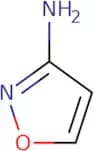
CAS:<p>3-Aminoisoxazole is a chemical compound that belongs to the class of quinoline derivatives. It has potent antitumor activity and has been shown to inhibit the growth of cancer cells in vitro. 3-Aminoisoxazole is also an inhibitor of inflammatory disease, and has been shown to inhibit the production of cytokines (e.g., TNF-α) and nitric oxide, which are key mediators of inflammation. The mechanism by which 3-aminoisoxazole inhibits the production of inflammatory cytokines and nitric oxide may be due to its ability to react with nucleophilic groups on proteins and deactivate them, or by inhibiting the formation of reactive oxygen species through chemical reactions.</p>Formula:C3H4N2OPurity:Min. 95%Color and Shape:Light (Or Pale) Yellow LiquidMolecular weight:84.08 g/mol3-Amino-2,5,6-trifluorobenzoic acid
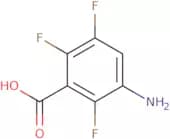
CAS:<p>3-Amino-2,5,6-trifluorobenzoic acid is a pharmaceutical agent that can be used in the synthesis of dyestuffs and as a matrix for laser desorption/ionization (LDI) mass spectrometry. 3-Amino-2,5,6-trifluorobenzoic acid has been shown to form crystals that are insoluble in water or organic solvents. The crystal morphology was determined by using XRD and FTIR. 3-Amino-2,5,6-trifluorobenzoic acid also has high concentrations of impurities such as 2,4,6-trichloroaniline and 2-(3,4 dichlorophenyl) ethyl amine.</p>Formula:C7H4F3NO2Purity:Min. 95%Color and Shape:PowderMolecular weight:191.11 g/molColumbamine chloride
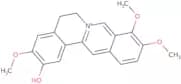
CAS:<p>Columbamine chloride is an alkaloid compound, which is a synthetic derivative known for its relevance in biochemical and pharmacological research. This compound is derived from plant sources, primarily found in specific species within the Berberidaceae family. It functions by interacting with cellular pathways, influencing various cellular processes through its effects on signaling pathways and enzyme activity.</p>Formula:C20H20NO4•ClPurity:Min. 98%Color and Shape:PowderMolecular weight:373.83 g/molSulfur trioxide triethylamine complex
CAS:<p>Sulfur trioxide triethylamine complex is a second-order rate constant for the reaction of ester hydrochloride with carbapenem. It has been shown to have anti-inflammatory properties, which may be due to its inhibition of prostaglandin synthesis. Sulfur trioxide triethylamine complex has also been shown to be an effective inhibitor of pyrazoles and chromatographic analysis at nmr spectra. It has been found to act as a substrate for hydroxyl group, fetal bovine serum, and metabolic disorders in urine samples. Disulfate is a byproduct of this reaction.</p>Formula:C6H15N·SO3Purity:Min. 95%Color and Shape:White PowderMolecular weight:181.25 g/mol3-(Methylamino)propiophenone hydrochloride
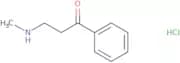
CAS:3-(Methylamino)propiophenone hydrochloride is a synthetic compound that can be used as an alternative to fluoxetine in microwave irradiation. It has similar effects to the drug, including advances in neurodegenerative diseases. 3-(Methylamino)propiophenone hydrochloride has been shown to improve the effects of radiation therapy on cancer cells, by inhibiting the production of reactive oxygen species and improving cell survival.Formula:C10H13NO•HClPurity:Min. 95%Color and Shape:PowderMolecular weight:199.68 g/mol4-Aminobenzoic acid sodium salt
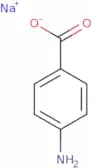
CAS:<p>4-Aminobenzoic acid sodium salt is an aminobenzoic acid that is used as a pharmaceutical intermediate. It is soluble in water and alcohol and has a pH of 4.5. The compound has been shown to inhibit the growth of bacteria by binding to enzymes involved in fatty acid synthesis, which prevents the formation of fatty acids and results in cell death. The compound also inhibits allergic reactions through its inhibition of histamine release from mast cells. 4-Aminobenzoic acid sodium salt has been found to have anti-inflammatory properties, which may be due to its ability to bind to epidermal growth factor receptors on the surface of keratinocytes, leading to increased cell proliferation and less inflammation.</p>Formula:C7H6NO2NaPurity:Min. 95%Color and Shape:PowderMolecular weight:159.12 g/molKetorolac tromethamine
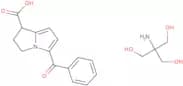
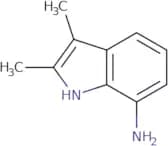
CAS:<p>Ketorolac tromethamine salt is a nonsteroidal anti-inflammatory drug used to treat pain and inflammation. It is often administered intravenously or intramuscularly. Ketorolac tromethamine salt may interact with other drugs, such as monoethyl ethers or benzalkonium chloride, which can result in adverse effects. The polymerase chain reaction (PCR) method was used to detect the presence of ketorolac and its metabolite, ketorolac tromethamine in neural cells. The PCR method has been shown to be a statistically reliable method for detecting these substances.</p>Formula:C15H13NO3•C4H11NO3Purity:Min. 98 Area-%Color and Shape:PowderMolecular weight:376.4 g/mol2,3-Dimethyl-1H-indol-7-amine
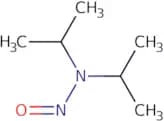
CAS:<p>2,3-Dimethyl-1H-indol-7-amine is an organic compound that belongs to the group of ethyl acetoacetate esters. It is a colorless liquid with a sweet odor and can be used as a solvent and in the manufacture of other compounds such as dibenzoylmethane. 2,3-Dimethyl-1H-indol-7-amine reacts with acetylacetone to form acetoacetic acid, which is then catalyzed by alcohol dehydrogenase to form oxaloacetate. This reaction also produces acetoacetate, which is oxidized by the enzyme dibenzoylmethane to form benzaldehyde.</p>Formula:C10H12N2Purity:Min. 95%Color and Shape:PowderMolecular weight:160.22 g/molN-Nitrosodiisopropylamine
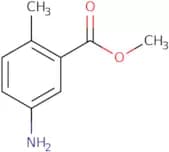
CAS:<p>N-Nitrosodiisopropylamine is an alkylating agent that binds to DNA and inhibits the synthesis of proteins, leading to cell death. It has been shown to be carcinogenic in animal studies, where it caused bladder cancer in Sprague-Dawley rats. N-Nitrosodiisopropylamine is also a reactive chemical compound that reacts with other chemicals in the body. It is often found as a contaminant in urine samples of smokers who are exposed to nitrites and other nitrogen oxides and can be detected using gas chromatography mass spectrometry (GC-MS/MS) methods. The most common method for sample preparation is liquid–liquid extraction followed by hydrolysis with hydroxide solution.</p>Formula:C6H14N2OPurity:Min. 95 Area-%Color and Shape:Off-White PowderMolecular weight:130.19 g/molMethyl 5-amino-2-methylbenzoate
CAS:Methyl 5-amino-2-methylbenzoate is a potent inhibitor of the B-Raf protein, which is involved in cell proliferation and differentiation. Methyl 5-amino-2-methylbenzoate has been shown to inhibit the growth of cancer cells in vitro and in vivo. Methyl 5-amino-2-methylbenzoate inhibits the activity of b-Raf (a protein that plays a role in cell proliferation and differentiation) by binding to its ATP site and blocking phosphorylation. This inhibition leads to decreased cellular activity, resulting in tumor regression. Methyl 5-amino-2-methylbenzoate also shows efficacy against other proteins, such as BclxL, HSP90, and NF1. It does this by inhibiting their ATP sites and preventing them from functioning properly. For these reasons, methyl 5-amino-2-methylbenzoate is considered a promising drug for fighting cancer.Formula:C9H11NO2Purity:Min. 95%Color and Shape:PowderMolecular weight:165.19 g/molN-(2-Aminoethyl)aminomethyl polystyrene resin, cross-linked with 1% DVB, 50-100mesh, loading 3.1-3.5mmol/g
<p>N-(2-Aminoethyl)aminomethyl polystyrene resin, cross-linked with 1% DVB, 50-100mesh, loading 3.1-3.5mmol/g is a fine chemical that can be used to synthesize complex compounds. This resin is a versatile building block that can be used as a reagent or reaction component in chemical synthesis. It is also useful as a scaffold for drug discovery and as a building block for the synthesis of complex molecules. N-(2-Aminoethyl)aminomethyl polystyrene resin, cross-linked with 1% DVB, 50-100mesh, loading 3.1-3.5mmol/g is available in high quality and is supplied with CAS No., which makes it an ideal research chemical for use in laboratories.</p>Purity:Min. 95%2-(1H-Benzoimidazol-2-yl)-ethylamine
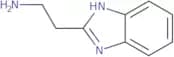
CAS:2-(1H-Benzoimidazol-2-yl)-ethylamine is a metal complex that has energies of 2.8 and 2.6 eV. It is an equimolar mixture of the two compounds pyridoxal, pyridoxamine, or their derivatives with a molecular weight of 214.2 g/mol. The crystal structure of this compound was determined by single-crystal x-ray diffraction analysis to be [C(NCH)NH][Mn(OH)(HO)]. This compound has been shown to have an X-ray crystallographic structure that is consistent with the molecular structure and electronic properties reported in the literature.Formula:C9H11N3Purity:Min. 95%Color and Shape:PowderMolecular weight:161.2 g/molEthyl 6-aminoveratrate
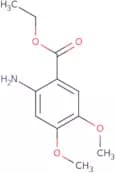
CAS:<p>Ethyl 6-aminoveratrate (EAOV) is a urea derivative that has been shown to have analgesic effects in vitro and in vivo. EAOV was found to be more potent than morphine, but with less side effects. EAOV's antinociceptive effects are due to its ability to inhibit the activity of protein kinase C and phosphorylate the extracellular signal-regulated kinases ERK1/2. EAOV also showed metabolic stability and chemical stability, which may be due to its lack of reactive functional groups. The low potency of EAOV makes it an attractive candidate for research into the development of a new generation of painkillers.</p>Formula:C11H15NO4Purity:Min. 95%Color and Shape:PowderMolecular weight:225.24 g/mol4-Aminosalicylic acid hydrazide
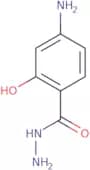
CAS:<p>4-Aminosalicylic acid hydrazide is a reactive functional group that is used as an intermediate in organic synthesis. It has a structural formula of C6H7N3O2 and is a white solid. 4-Aminosalicylic acid hydrazide has been shown to be highly resistant to mycobacterium avium, and can be used for the treatment of tuberculosis. The reactivity of this compound was studied by gravimetric analysis. This reaction is also degradable due to the presence of chloride ions and amido groups.</p>Formula:C7H9N3O2Purity:Min. 95%Color and Shape:PowderMolecular weight:167.17 g/mol2-Bromo-5-fluorobenzylamine hydrochloride
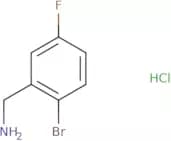
CAS:<p>2-Bromo-5-fluorobenzylamine hydrochloride is a high quality, reagent, complex compound that is useful as an intermediate for the synthesis of fine chemicals, speciality chemicals and research chemicals. This chemical can be used as a versatile building block in the synthesis of various compounds with different functional groups. 2-Bromo-5-fluorobenzylamine hydrochloride is also a useful scaffold for the synthesis of new organic compounds. It has been shown to react with other chemical compounds to produce a wide range of products that are useful in industry and research.</p>Formula:C7H7BrFN•HClPurity:Min. 95%Color and Shape:PowderMolecular weight:240.5 g/mol3-[(Aminocarbonyl)amino]-5-[4-(morpholin-4-ylmethyl)phenyl]thiophene-2-carboxamide
CAS:<p>3-[(Aminocarbonyl)amino]-5-[4-(morpholin-4-ylmethyl)phenyl]thiophene-2-carboxamide is a chemical inhibitor that inhibits the activity of kinases. It has been shown to be cytotoxic against cancer cells and to induce apoptosis through a number of different mechanisms. 3-[(Aminocarbonyl)amino]-5-[4-(morpholin-4-ylmethyl)phenyl]thiophene-2-carboxamide binds to DNA and induces DNA repair, which can lead to cell death. This drug also has an anti-inflammatory effect, which may be due to its ability to inhibit pro-inflammatory cytokines such as TNFα and IL1β.</p>Formula:C17H20N4O3SPurity:Min. 95%Color and Shape:PowderMolecular weight:360.43 g/molrac Octopamine hydrochloride
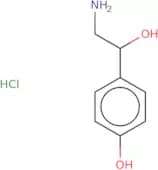
CAS:Controlled Product<p>Rac octopamine hydrochloride is an alkyl alkyl amine. It is used as a diagnostic agent and has been shown to be a substrate for the enzyme dopamine β-hydroxylase in human blood serum. Rac octopamine hydrochloride is also metabolized by enzymes such as monoamine oxidase, which may lead to toxicological effects. The metabolic rate of rac octopamine hydrochloride has been shown to be increased in patients with cardiac disease or undergoing chemotherapeutic treatment.</p>Formula:C8H12ClNO2Purity:Min. 95%Color and Shape:SolidMolecular weight:189.64 g/molN,N-Diethyl-2-[4-[(Z)-1-(4-Fluorophenyl)-2-Phenylethenyl]Phenoxy]Ethanamine
CAS:Controlled ProductDiethylstilbestrol (DES) is a synthetic, nonsteroidal estrogen that is used to treat breast cancer and other estrogen-dependent conditions. DES binds to the estrogen receptor and acts as an agonist. It has minimal liver toxicity and is not metabolized by the body because it is rapidly excreted in urine. DES can be synthesized from benzyl chloride and diethylstolbesterol. This process requires two steps: first, benzyl chloride reacts with diethylstilbesterol to form a triazene intermediate; second, treatment of the triazene intermediate with hydrogen chloride yields DES.Formula:C26H28FNOPurity:Min. 95%Molecular weight:389.51 g/molTetraethylammonium acetate tetrahydrate
CAS:Tetraethylammonium acetate tetrahydrate (TEAT) is a trifluoroacetic acid salt that is used as a cyclase inhibitor. TEAT inhibits the activity of cyclases, which are enzymes that catalyze the formation of cyclic AMP (cAMP). This inhibition prevents the activation of protein kinases and subsequent phosphorylation of cytosolic proteins. TEAT has been shown to inhibit human serum albumin binding, transport properties, and fluorescence detector response in vitro. It also binds to DNA as a hydrogen-bond acceptor and can be used in enzymatic assays for DNA polymerase chain reaction.Formula:C10H23NO2·4H2OColor and Shape:PowderMolecular weight:261.36 g/molα-Aminoisobutyric acid methyl ester hydrochloride
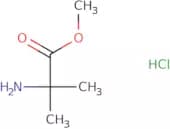
CAS:<p>Alpha-aminoisobutyric acid methyl ester hydrochloride (AABME) is an amino acid that is a metabolite of the neurotransmitter GABA. It has been shown to be transported across the blood-brain barrier by a carrier-mediated transport system and is taken up by neurons via a solute carrier family 38 member 2 transporter. AABME has been observed at physiological levels in maternal blood plasma, urine, cerebrospinal fluid, and brain tissue. It has also been studied in vitro using 3T3-L1 preadipocytes as a model for adipogenesis. In this context, it has been shown to increase cell proliferation and inhibit apoptosis.</p>Formula:C5H11NO2•HClColor and Shape:PowderMolecular weight:153.61 g/mol4-Carbethoxyaminothiazole
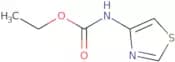
CAS:<p>4-Carbethoxyaminothiazole is a versatile building block for the synthesis of many fine chemicals and complex compounds. It is a reagent that can be used in research, as a speciality chemical, or as an intermediate to produce other useful compounds. 4-Carbethoxyaminothiazole is also a useful scaffold for the synthesis of organic molecules with interesting biological properties.</p>Formula:C6H8N2O2SPurity:Min. 95%Color and Shape:White solid.Molecular weight:172.21 g/mol1-Acetyl-1,2,3,4-tetrahydroquinolin-7-amine hydrochloride
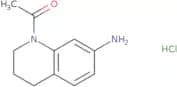
CAS:<p>1-Acetyl-1,2,3,4-tetrahydroquinolin-7-amine hydrochloride is a versatile building block that can be used in the synthesis of complex compounds with high quality and as a speciality chemical. This compound is useful as a reagent and reaction component in organic synthesis. It has been shown to be useful in the synthesis of new scaffolds for drug discovery.</p>Formula:C11H14N2O·HClPurity:Min. 95%Color and Shape:Off-White PowderMolecular weight:226.7 g/mol1-(3-Chlorophenyl)biguanide hydrochlorid
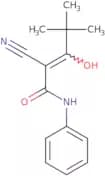
CAS:N-(3-Chlorophenyl)-N'-(diaminomethylene)guanidine is a 5-HT3 receptor antagonist that binds to the 5-HT3 receptor in the gastrointestinal tract and blocks the voltage-dependent calcium channels. It has been shown to have a protective effect on the bowel by reducing inflammation and increasing the rate of recovery after colitis. N-(3-Chlorophenyl)-N'-(diaminomethylene)guanidine also has been shown to be effective in treating Parkinson's disease, although its mechanism of action is not yet fully understood.Formula:C8H10ClN5•HClPurity:Min. 95%Color and Shape:PowderMolecular weight:248.11 g/mol2-(2,2-dimethylpropanoyl)-3-hydroxy-3-(phenylamino)prop-2-enenitrile
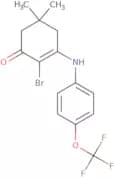
CAS:<p>Please enquire for more information about 2-(2,2-dimethylpropanoyl)-3-hydroxy-3-(phenylamino)prop-2-enenitrile including the price, delivery time and more detailed product information at the technical inquiry form on this page</p>Purity:Min. 95%2-bromo-5,5-dimethyl-3-((4-(trifluoromethoxy)phenyl)amino)cyclohex-2-en-1-one
CAS:<p>Please enquire for more information about 2-bromo-5,5-dimethyl-3-((4-(trifluoromethoxy)phenyl)amino)cyclohex-2-en-1-one including the price, delivery time and more detailed product information at the technical inquiry form on this page</p>Purity:Min. 95%N-Benzylhydroxylamine hydrochloride
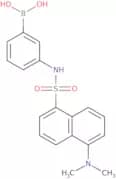
CAS:N-Benzylhydroxylamine HCl is a quinolizidine alkaloid with a hydroxamic acid group. It is used in the synthesis of various organic compounds and pharmaceuticals, such as hydroxamic acids, bisected tetrahydrofurans, and β-amino acids. N-Benzylhydroxylamine HCl is also a substrate for gelatinase. The reaction yield depends on the choice of solvent; methyl alcohol yields higher yields than does ethyl alcohol. The asymmetric synthesis of this compound is stereoselective and can be achieved through different methods, including bisection or tetrahydrofuran (THF) synthesis.Formula:C7H9NO•HClPurity:Min. 95%Molecular weight:159.61 g/mol3-Dansylaminophenylboronic acid
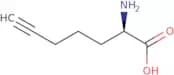
CAS:<p>3-Dansylaminophenylboronic acid is a boronic acid that forms reversible covalent bonds with dopamine. It can be used in the diagnosis of cancer, as it binds to histone lysine and magnetic particles. The fluorescence resonance of 3-Dansylaminophenylboronic acid can also be used in the diagnosis of cancer, as it produces a strong signal. This compound has been shown to have homogeneous assays for the detection of dopamine and lipoprotein lipase in urine samples. 3-Dansylaminophenylboronic acid has also been found to be effective against cancer cells in culture, although it is not active against polysialic-expressing cells.</p>Formula:C18H19BN2O4SPurity:Min. 95%Color and Shape:PowderMolecular weight:370.23 g/mol(2R)-2-Aminohept-6-ynoic acid
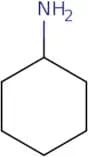
CAS:<p>2-Aminohept-6-ynoic acid is a useful building block and can be used as a reagent in organic synthesis. It is a versatile building block, and can be used as an intermediate or scaffold in the preparation of complex compounds. CAS No. 211054-03-4</p>Formula:C7H11NO2Purity:Min. 95%Color and Shape:PowderMolecular weight:141.17 g/molCyclohexylamine
CAS:<p>Cyclohexylamine is a basic organic compound with the molecular formula CH(NH). It can be synthesized by the reaction of anhydrous sodium with p-nitrophenyl phosphate. Cyclohexylamine has been shown to have synergistic effects when combined with metal hydroxides and metal carbonyls, which may be due to its ability to reduce their potential for oxidation. Cyclohexylamine has been used as a model compound in an electrochemical impedance spectroscopy study of the interaction between enzyme activity and metal ions. In addition, cyclohexylamine has been found to have carcinogenic properties in cell line studies.</p>Formula:C6H13NPurity:Min. 98%Color and Shape:Clear LiquidMolecular weight:99.17 g/molN-(1R,8S,9s)-Bicyclo[6.1.0]non-4-yn-9-ylmethyloxycarbonyl-1,8-diamino-3,6-dioxaoctane
CAS:<p>N-(1R,8S,9s)-Bicyclo[6.1.0]non-4-yn-9-ylmethyloxycarbonyl-1,8-diamino-3,6-dioxaoctane is a polymerase that has been developed for use in vaccines and as an agrochemical for the control of plant diseases. This enzyme has been shown to have high activity against cancer cells, including lung cancer cells and breast cancer cells. It is also autofluorescent and can be used as a cell marker in flow cytometry experiments. N-(1R,8S,9s)-Bicyclo[6.1.0]non-4-yn-9-ylmethyloxycarbonyl-1,8-diamino-3,6-dioxaoctane also has antiinflammatory effects on macrophages by inhibiting the production of proinflammatory cytokines such as IL 12p</p>Formula:C17H28N2O4Purity:Min. 95%Color and Shape:Colorless Clear LiquidMolecular weight:324.42 g/mol2-Amino-5-iodobenzoic acid ethyl ester
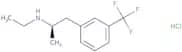
CAS:<p>2-Amino-5-iodobenzoic acid ethyl ester is a chemical reagent that is used to prepare 2-chloro-5-iodobenzoic acid. It can be prepared by the hydrolysis of 2,4,6-trinitrobenzene with an aqueous solution of sodium hydroxide. The iodination reaction proceeds in two steps: (1) chlorination of methyl anthranilate with chlorine and (2) addition of the resultant product to 2,4,6-trinitrobenzene. In the first step, methyl anthranilate reacts with chlorine to form 2-chloro-5-iodobenzoic acid ethyl ester and hydrogen chloride gas. In the second step, this product reacts with 2,4,6-trinitrobenzene to form 2-amino 5 -iodobenzoic acid ethyl ester and nitrogen gas</p>Formula:C9H10INO2Purity:Min. 95%Color and Shape:PowderMolecular weight:291.09 g/mol(R)-(-)-Fenfluramine hydrochloride
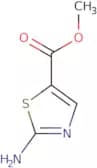
CAS:Controlled Product<p>Serotonin reuptake inhibitor; anorectic</p>Formula:C12H17ClF3NPurity:Min. 95%Molecular weight:267.72 g/molMethyl 2-aminothiazole-5-carboxylate
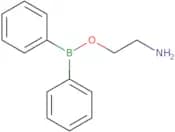
CAS:<p>Methyl 2-aminothiazole-5-carboxylate is a molecule that has been shown to have anticancer effects in vivo. It is an aromatic heterocycle with the chemical formula C6H4N2S. Methyl 2-aminothiazole-5-carboxylate has been found to inhibit the chloride channel ClC-2, which leads to decreased cell proliferation and cancer progression. This molecule also demonstrated synergistic effects when used with other anticancer therapeutics, such as chloroquinoxaline.<br>Methyl 2-aminothiazole-5-carboxylate is a synthetic compound that can be used as an anticancer drug for the treatment of cancer.</p>Formula:C5H6N2O2SPurity:Min. 95%Molecular weight:158.18 g/mol2-Aminoethyl diphenylborinate
CAS:<p>2-Aminoethyl diphenylborinate (2-APB) is a pharmacological agent that has been shown to be an effective inhibitor of growth factor-β1. This compound also has minimal toxicity, and it is a natural product. 2-APB inhibits the activity of borate channels in cell membranes and blocks intracellular calcium channels, which prevents the influx of calcium into cells. This compound has been shown to act as an inhibitor molecule by blocking the channel or 2-aminoethoxydiphenyl borate, which is an intracellular inhibitor molecule.</p>Formula:C14H16BNOPurity:(%) Min. 97%Color and Shape:PowderMolecular weight:225.09 g/molAncamine T
CAS:<p>Ancamine T is an amine curing agent, which is derived from synthetic chemical processes, specifically developed for use in epoxy systems. Its mode of action involves catalyzing the cross-linking reaction between epoxide groups in epoxy resins, leading to the formation of a highly cross-linked, thermoset polymer network. This curing process is essential for achieving the desired mechanical, thermal, and chemical resistance properties of the final product.</p>Purity:Min. 95%(3-Chloropropyl)-trimethylammonium chloride
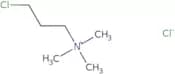
CAS:<p>Please enquire for more information about (3-Chloropropyl)-trimethylammonium chloride including the price, delivery time and more detailed product information at the technical inquiry form on this page</p>Formula:C6H15ClN•ClPurity:Min. 95%Molecular weight:172.1 g/molProtamine sulfate
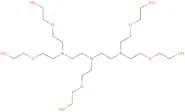
CAS:<p>Protamine sulfate is a fusogenic protein that is used to maintain the pH balance in the blood. It binds to hematopoietic cells and inhibits their uptake by macrophages, which reduces the removal of immune complexes. Protamine sulfate can also inhibit erythrocyte aggregation and reduce the production of reactive oxygen species. Protamine sulfate has been shown to be effective in vitro against HIV infection and fusogenic viruses such as influenza virus and herpes simplex virus. Protamine sulfate has also been shown to be effective in vivo for the treatment of autoimmune diseases such as multiple sclerosis.</p>Color and Shape:White PowderN,N,N',N'-Tetraacetylethylenediamine
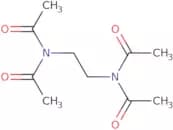
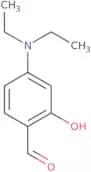
CAS:<p>Tetraacetylethylenediamine is a model system that has been shown to be effective in inhibiting the growth of bacteria. It has an inhibitory dose of 0.2 mg/L, and it can be used as a wastewater treatment agent. Tetraacetylethylenediamine inhibits bacterial growth by reacting with nitrogen atoms in the cell wall and forming an inorganic acid that destroys the cell membrane. This compound also has high antibacterial efficacy against various surface-associated bacteria, including Staphylococcus aureus, Pseudomonas aeruginosa, and Escherichia coli.</p>Formula:C10H16N2O4Purity:Min. 95%Color and Shape:PowderMolecular weight:228.25 g/mol4-(N,N-Diethylamino)salicylaldehyde
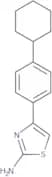
CAS:<p>4-(N,N-Diethylamino)salicylaldehyde is a coumarin derivative that has been shown to be a fluorescent probe for proton transfer. It emits light at around 400 nm when the probe is excited by light of wavelength greater than 300 nm. The emission spectrum changes from green to red as the pH increases. 4-(N,N-Diethylamino)salicylaldehyde also exhibits fluorescence enhancement in the presence of metal ions such as Fe3+, Cu2+, or Cr3+. This compound can be used as a fluorescent probe for hydrogen bonding interactions and metal hydroxides.</p>Formula:C11H15NO2Purity:Min. 95%Color and Shape:PowderMolecular weight:193.24 g/mol4-(4-Cyclohexylphenyl)-1,3-thiazol-2-amine
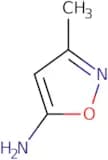
CAS:<p>Please enquire for more information about 4-(4-Cyclohexylphenyl)-1,3-thiazol-2-amine including the price, delivery time and more detailed product information at the technical inquiry form on this page</p>Formula:C15H18N2SPurity:Min. 95%Molecular weight:258.38 g/mol5-Amino-3-methylisoxazole
CAS:<p>5-Amino-3-methylisoxazole is a tetronic acid that can be switched between two forms, the cis and trans form. It is a structural analogue of salicylaldehyde and has a similar functional theory. 5-Amino-3-methylisoxazole is an intermediate in the synthesis of quinoline derivatives, sulfa drugs and other chemicals. It can also be used as an antibacterial agent because it has been shown to have activity against E. coli and Staphylococcus aureus. The cis form of 5-amino-3-methylisoxazole is formed when it reacts with chloride ions or sodium salts under ultrasonication. This activated form has been shown to have antimicrobial activity against gram negative bacteria such as E. coli and Salmonella typhi, although not for gram positive bacteria such as S. aureus or Proteus vulgaris. The trans form of the molecule contains no</p>Formula:C4H6N2OPurity:Min. 95%Molecular weight:98.1 g/molFurfurylamine
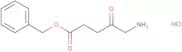
CAS:<p>Furfurylamine is a model system of fatty acid. It is an organic compound with the chemical formula C4H6O2, which belongs to the group of amines. Furfurylamine has been shown to have significant interactions with autoimmune diseases and infectious diseases. Furfurylamine has been shown to inhibit the production of prostaglandin E2 (PGE2) in animal models and may be effective at treating inflammatory diseases such as asthma and arthritis. Furfurylamine also displays anti-inflammatory properties that are independent of its effects on PGE2 production.</p>Formula:C5H7NOPurity:Min. 99.0 Area-%Color and Shape:Colorless Yellow Clear LiquidMolecular weight:97.12 g/mol5-Amino-4-oxopentanoic acid benzyl ester hydrochloride
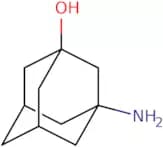
CAS:<p>Please enquire for more information about 5-Amino-4-oxopentanoic acid benzyl ester hydrochloride including the price, delivery time and more detailed product information at the technical inquiry form on this page</p>Formula:C12H15NO3·HClPurity:Min. 97%Color and Shape:PowderMolecular weight:257.71 g/mol3-Amino-1-adamantanol
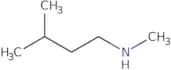
CAS:<p>Intermediate in the synthesis of vildagliptin</p>Purity:Min. 95%Color and Shape:PowderMolecular weight:167.25 g/molN-Methylisoamylamine
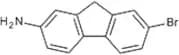
CAS:<p>N-Methylisoamylamine is a molecule that has been found to bind to opioid receptors in the brain, leading to pain relief. It also binds to monoamine oxidase (MAO) and prevents it from breaking down neurotransmitters such as dopamine and serotonin. The drug is an enantiomer of methylamine. This means that it has two chiral centers, which are not identical. N-Methylisoamylamine binds to phosphine in deionized water, forming a cycloaliphatic compound. This reaction is catalyzed by aminotriazole, which is present in tobacco leaves. N-Methylisoamylamine can be used as a binder for hydrogen peroxide and hydrochloric acid, or as a peroxide decomposition catalyst for sulfophenyl compounds. It may also be used as a silicon additive in the manufacturing of semiconductors.</p>Formula:C6H15NPurity:Min. 97 Area-%Color and Shape:Clear LiquidMolecular weight:101.19 g/mol7-Bromo-9H-fluoren-2-amine
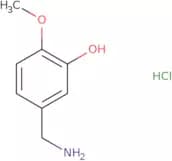
CAS:<p>7-Bromo-9H-fluoren-2-amine is a constant analog of the naturally occurring hormone progesterone. It is used in biological studies as a fluorescence probe for the study of progesterone receptor. 7-Bromo-9H-fluoren-2-amine has been shown to have efficient absorption and emission spectra, as well as photophysical properties. This compound has been shown to enhance the fluorescence of other molecules, such as amines, which may be due to its ability to act as an energy transfer agent. This chemical has also been shown to be pharmacokinetically active and increase the fluorescence emissions from cells in culture.</p>Formula:C13H10BrNPurity:Min. 95%Molecular weight:260.13 g/mol3-Hydroxy-4-methoxybenzylamine hydrochloride
CAS:3-Hydroxy-4-methoxybenzylamine hydrochloride is a vanilloid receptor 1 (VR1) antagonist. It has been shown to inhibit the growth of prostate cancer cells in cell-based assays and to have potential as a therapeutic for prostate cancer patients with high triglycerides. 3-Hydroxy-4-methoxybenzylamine hydrochloride is also an inhibitor of guanosine, which is involved in the production of energy. It has been shown to enhance the antitumor effects of cetuximab, an antibody that targets the epidermal growth factor receptor (EGFR). 3-Hydroxy-4-methoxybenzylamine hydrochloride is soluble in water and can be used as a solvent for other compounds. 3-Hydroxy-4-methoxybenzylamine hydrochloride is also known by its chemical name, N-(3,4 dimethylphenyl)-Formula:C8H12ClNO2Purity:Min. 95%Color and Shape:PowderMolecular weight:189.64 g/mol2-(Aminosulfonyl)benzoic acid
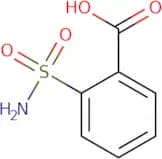
CAS:<p>2-(Aminosulfonyl)benzoic acid is a chemical compound that can be found in urine samples. It is used to detect the presence of saccharin and other artificial sweeteners, which are commonly used as substitutes for sugar. 2-(Aminosulfonyl)benzoic acid is also used to measure the presence of calcium pantothenate in food products. The chemical structure of this compound contains a hydrogen bond between the sulfur atom and the amine group. Hydrochloric acid can be used to break down 2-(Aminosulfonyl)benzoic acid into its constituent parts, which are sulfuric acid and benzoic acid. Uv absorption studies have also shown that 2-(Aminosulfonyl)benzoic acid absorbs ultraviolet light at 280 nm with an extinction coefficient of 20,000 M-1cm-1. This compound has been shown to have toxic effects on diabetic patients when taken orally in doses that</p>Formula:C7H7NO4SPurity:Min. 95%Color and Shape:PowderMolecular weight:201.2 g/mol3-Chloro-N-methyl-5-(trifluoromethyl)-2-pyridinamine
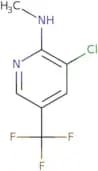
CAS:<p>3-Chloro-N-methyl-5-(trifluoromethyl)-2-pyridinamine is a fine chemical that is used as a versatile building block for the synthesis of other chemical compounds. 3-Chloro-N-methyl-5-(trifluoromethyl)-2-pyridinamine is also useful as an intermediate in research and development, and can be used to produce speciality chemicals. This compound has shown to be a useful reagent and is of high quality.</p>Formula:C7H6ClF3N2Purity:Min. 95%Molecular weight:210.58 g/mol6-Aminouracil
CAS:<p>6-Aminouracil is a hydroxylated form of uracil. It has inhibitory properties against protein synthesis in bacteria, acting as an inhibitor of the enzyme dihydroorotase. 6-Aminouracil has been shown to be effective against PC3 cells and has high resistance to hydrolysis by acid or alkali. The reaction mechanism for the conversion of uracil to 6-aminouracil is unclear; however, it may involve a nucleophilic attack on the hydroxyl group.</p>Formula:C4H5N3O2Purity:Min. 95%Color and Shape:PowderMolecular weight:127.1 g/mol3-[1-(Dimethylamino)ethyl]phenol
CAS:<p>Intermediate in the synthesis of rivastigmine</p>Formula:C10H15NOPurity:Min. 95%Color and Shape:White PowderMolecular weight:165.23 g/molAminomethyl polystyrene resin
CAS:<p>Aminomethyl polystyrene resin is a reagent that can be used to measure the concentration of glycol ethers in a reaction solution. This compound is also an inhibitor of enzyme activity, and has been shown to have inhibitory properties on some biochemical reactions. The redox potentials of this compound are maintained at a high level by the addition of methyl ethyl ketone. The structural analysis of aminomethyl polystyrene resin was performed with the use of electron microscopy and atomic force microscopy. Aminomethyl polystyrene resin has been shown to be effective against carcinoma cell lines, as well as congestive heart failure (CHF) patients due to its ability to inhibit plasma mass spectrometry and electrochemical impedance spectroscopy.</p>Formula:(C9H11N•C8H8)xColor and Shape:PowderMolecular weight:237.34 g/mol2-[[1-Methyl-2-[3-(Trifluoromethyl)Phenyl]Ethyl]Amino]Ethyl
CAS:Controlled Product2-[[1-Methyl-2-[3-(Trifluoromethyl)Phenyl]Ethyl]Amino]Ethyl (2ME2EAE) is a natriuretic drug that is used to treat congestive heart failure. It has been shown to reduce the production of brain natriuretic peptide (BNP) by the kidneys and to increase blood flow in the lungs. 2ME2EAE has also been shown to have positive effects on blood pressure, glycerides, and fatty acid levels in animals with congestive heart failure. 2ME2EAE can be taken orally or injected into the pleural cavity. It should not be given intravenously as it may cause kidney damage.Formula:C19H20ClF3N2O4SPurity:Min. 95%Molecular weight:464.89 g/mol7-Methylgramine
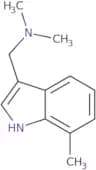
CAS:<p>Please enquire for more information about 7-Methylgramine including the price, delivery time and more detailed product information at the technical inquiry form on this page</p>Formula:C12H16N2Purity:Min. 95%Color and Shape:PowderMolecular weight:188.27 g/mol4-(Acetylamino)-3-chlorobenzoic acid
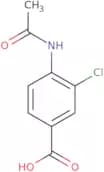
CAS:<p>4-(Acetylamino)-3-chlorobenzoic acid is a fine chemical that can be used as a building block in research, as a reagent in the synthesis of complex compounds, or as an intermediate for the synthesis of versatile scaffolds. This compound has been shown to be an effective starting material for the preparation of 4-aminomethylbenzoic acid derivatives. It is soluble in water and has a melting point of 215°C.</p>Formula:C9H8ClNO3Purity:Min. 95%Color and Shape:Pale brown solid.Molecular weight:213.62 g/mol6-Amino-5-bromoquinoxaline
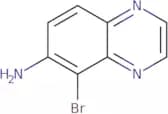
CAS:<p>6-Amino-5-bromoquinoxaline is an inhibitor of serine proteases that has been shown to be effective in cell culture and in wild-type mice. It inhibits the enzyme by binding to the catalytic site, blocking the formation of a covalent bond between polypeptide chain and amino acid substrate. 6-Amino-5-bromoquinoxaline has also been shown to have an inhibitory effect on fibrinogen and polyclonal antibodies and can be used as a buffer for other proteases. In addition, this compound also inhibits caproic acid production from fatty acids via an unknown mechanism.br><br>6-Amino-5-bromoquinoxaline is not active against synthetic substrates or monoclonal antibodies.</p>Formula:C8H6BrN3Purity:Min. 95%Color and Shape:PowderMolecular weight:224.05 g/mol[(N-Acryloylamino)phenyl]mercuric chloride
CAS:Controlled Product<p>[(N-Acryloylamino)phenyl]mercuric chloride is a compound that can be used to treat bladder cancer. It is a small molecule that has been shown to inhibit the growth of bladder cancer cells in vitro, and it may have potential as a treatment for primary tumors in other tissues. The therapeutic efficacy of [(N-acryloylamino)phenyl]mercuric chloride was investigated in two multicenter phase II trials conducted by the National Cancer Institute. The results of these trials showed that it had a response rate of 30% and an overall survival rate of 59%. This drug is effective against primarily women with body mass index greater than or equal to 25 kg/m2. It binds to the receptor on the surface of cells, which inhibits proliferation and induces cell death.</p>Formula:C9H8ClHgNOPurity:Min. 95%Color and Shape:White PowderMolecular weight:382.21 g/mol4-Aminobenzamide
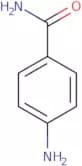
CAS:<p>4-Aminobenzamide is a compound that is used as an anti-tuberculosis drug. It inhibits the activity of aminotransferase, which is an enzyme responsible for converting amino acids into other compounds. 4-Aminobenzamide has been shown to have antimicrobial properties against bacteria, fungi and protozoa. It also has a protective effect on human liver cells, but can cause damage to rat liver cells in vitro. 4-Aminobenzamide also shows some activity against microbial metabolism and can be hydrolyzed by hydrochloric acid to form phenylacetic acid and ammonia. This compound has been shown to inhibit the nervous system disease progression of Huntington's disease in mice.</p>Purity:Min. 95%Color and Shape:PowderMolecular weight:136.15 g/mol4-(N-Boc-aminomethyl)aniline
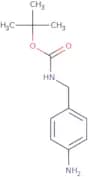
CAS:<p>4-(N-Boc-aminomethyl)aniline is a cavity-preventing agent that has been demonstrated to be neuroprotective in vitro. The drug also inhibits the growth of bacteria, fungi, and viruses in cell culture and animal models. 4-(N-Boc-aminomethyl)aniline is an innovative compound class that has shown potential for treating infectious diseases such as HIV, tuberculosis, and malaria. It has been shown to act by interfering with viral replication and inhibiting the production of inflammatory cytokines (e.g., tumor necrosis factor). Furthermore, 4-(N-Boc-aminomethyl)aniline can be used as a matrix effector or nucleophile to form hydrogen bonds with other molecules. It can also have an impact on nanomaterials when it is incorporated into their surface.</p>Formula:C12H18N2O2Purity:Min. 97 Area-%Color and Shape:Yellow PowderMolecular weight:222.28 g/mol3-Aminobenzhydrazide
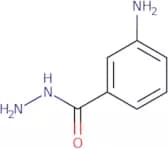
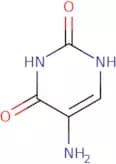
CAS:<p>3-Aminobenzhydrazide is a monomer that belongs to the group of hydrophobic molecules. It can be used as a chemical treatment for protein denaturation in vitro. 3-Aminobenzhydrazide is synthesized by bacteria and fungi through biosynthesis, which is catalyzed by the enzyme anilinohydrolase. 3-Aminobenzhydrazide has been shown to have no effect on water permeability or osmosis, but does have a significant effect on chloride ion permeability. This molecule also has functional groups such as a nitro group and amino group, which are responsible for its solubility in organic solvents and its ability to react with other compounds. 3-Aminobenzhydrazide can be used in vitro to remove chlorides from solutions containing high concentrations of chloride ions.</p>Formula:C7H9N3OPurity:Min. 95%Color and Shape:PowderMolecular weight:151.17 g/mol5-Aminouracil
CAS:<p>5-Aminouracil is a pyrimidine nucleoside that is used in the treatment of cancer, psoriasis and other autoimmune disorders. 5-Aminouracil is a prodrug that undergoes intracellular transformation to become an inhibitor of DNA synthesis. It promotes apoptosis by inhibiting the production of RNA and protein synthesis, leading to cell death. 5-Aminouracil has been shown to be effective against malignant cells in tissue culture as well as various types of cancer cells. A study using hydrogen bonding interactions showed that 5-aminouracil binds to the ribosomal protein L10 and inhibits its function in the polymerase chain reaction (PCR). Molecular docking studies have also shown that this drug can bind with redox potentials in both the active site and ligand binding site of human topoisomerase II alpha, which may lead to inhibition of enzyme activity or cell death.</p>Formula:C4H5N3O2Purity:Min. 95%Color and Shape:White PowderMolecular weight:127.1 g/mol1,2,3,4-Tetrahydro-1-naphthylamine hydrochloride
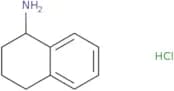
CAS:<p>1,2,3,4-Tetrahydro-1-naphthylamine hydrochloride is a high quality reagent that can be used as an intermediate in the synthesis of various organic compounds. It has been shown to be a useful building block for the synthesis of complex compounds and speciality chemicals. Tetrahydro-1-naphthylamine hydrochloride is also a versatile building block for reactions involving amines or other nucleophiles. Tetrahydro-1-naphthylamine hydrochloride is an interesting scaffold for research chemicals due to its ability to react with various functional groups.</p>Formula:C10H13N•HClPurity:Min. 95%Color and Shape:PowderMolecular weight:183.68 g/mol3-Amino-4-methylbenzoic acid
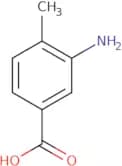
CAS:<p>3-Amino-4-methylbenzoic acid is a chemical that is used in the synthesis of pharmaceuticals. It has been shown to have receptor binding activity and is able to inhibit aminotransferase activity. 3-Amino-4-methylbenzoic acid has been shown to be a competitive inhibitor of ptp1b, an enzyme that degrades phosphatidylinositol (3,4,5)-triphosphate. This property may be useful for treating inflammatory diseases such as Crohn's disease and rheumatoid arthritis. 3-Amino-4-methylbenzoic acid binds to the active site of ptp1b with high affinity and forms a coordination complex with two zinc ions. Monomers are also able to bind to ptp1b and inhibit its function.<br>3-Amino-4-methylbenzoic acid has been tested in vitro for its ability to inhibit the growth</p>Purity:Min. 95%Color and Shape:PowderMolecular weight:151.16 g/molDidecyl dimethyl ammonium bromide
CAS:<p>Didecyl dimethyl ammonium bromide is an antimicrobial peptide that has high resistance to antibiotic-resistant strains. It is a phosphonate compound that is used in the analytical method of titration calorimetry. The didecyl dimethyl ammonium bromide molecule can be seen as having two reactive centers, one on the phosphorus atom and one on the methyl group. These reactive centers are involved in intramolecular hydrogen transfer reactions and transfer reactions with other molecules, leading to its antimicrobial activity. Didecyl dimethyl ammonium bromide can also be used as a disinfectant or as a monoethyl ether for organic synthesis.</p>Formula:C22H48BrNPurity:Min. 98%Color and Shape:PowderMolecular weight:406.53 g/mol5-Acetamido-6-amino-3-methyluracil hydrate
CAS:<p>5-Acetamido-6-amino-3-methyluracil hydrate (AAU) is a drug that is used as an analytical reagent in the determination of caffeine, 5-hydroxytryptophan, and other compounds. It can be used to assess interactions between drugs and enzyme activities. AAU has been shown to be a suitable substrate for many enzymes, including alcohol dehydrogenase, acetylcholinesterase, catalase, and glucose oxidase. The sample preparation procedure is performed by dissolving the compound in water or ethanol. The sample is then filtered before it is analyzed using high performance liquid chromatography (HPLC). The chemical properties of AAU are such that it can be easily transported from one place to another without undergoing significant changes in physical properties. AAU has been shown to have no effect on biological samples when exposed to radiation.</p>Formula:C7H10N4O3·H2OPurity:Min. 95%Color and Shape:Slightly Yellow PowderMolecular weight:216.2 g/mol5-Amino-1,3-benzoxazol-2(3H)-one hydrochloride
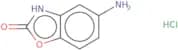
CAS:<p>5-Amino-1,3-benzoxazol-2(3H)-one hydrochloride is a fine chemical that belongs to the group of compounds known as benzoxazoles. Benzoxazoles are used as building blocks for the preparation of other compounds. 5-Amino-1,3-benzoxazol-2(3H)-one hydrochloride is soluble in water, and it can be used as a research chemical or intermediate in organic synthesis. This compound has a CAS number of 77408-77-6 and can be purchased at high quality.</p>Formula:C7H6N2O2·HClPurity:Min. 95%Color and Shape:Off-White PowderMolecular weight:186.6 g/mol4-Amino-1,8-naphthalimide
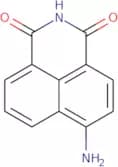
CAS:<p>4-Amino-1,8-naphthalimide is a fluorescent derivative that is used as a probe to detect hydrogen bonds in molecular models. It can be used to study the interactions of molecules with hydrogen bonding partners. 4-Amino-1,8-naphthalimide has been shown to have broad spectrum antimicrobial activity against Gram-positive and Gram-negative bacteria. This compound also enhances the fluorescence of certain compounds by forming an intermolecular hydrogen bond.</p>Formula:C12H8N2O2Purity:Min. 95%Color and Shape:Orange PowderMolecular weight:212.2 g/mol4'-Amino-4-hydroxystilbene
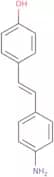
CAS:<p>4'-Amino-4-hydroxystilbene is a hydrocarbon that has been extracted from various plant sources. It can be dissolved in acetone and is soluble in alkanes. 4'-Amino-4-hydroxystilbene has been analyzed for its aromatic hydrocarbons, including naphthalene. This chemical can be used as a solvent extraction agent and may also have applications as an analytical reagent.</p>Formula:C14H13NOPurity:Min. 95%Color and Shape:PowderMolecular weight:211.26 g/mol4-[2-(4-Aminophenyl)ethyl]phenol
CAS:<p>4-[2-(4-Aminophenyl)ethyl]phenol belongs to the class of organogelators. It is an organic compound that has been used in various studies on supramolecular chemistry and catalytic rate research. 4-[2-(4-Aminophenyl)ethyl]phenol has been shown to form gels with a variety of solvents, including water, ethanol, and acetone. The compounds have also been studied for their ability to act as heterogeneously catalysts in the synthesis of polymers. These compounds are polymorphs, meaning they can exist in different crystal structures. Structural studies have revealed that these polymorphs display different architectures and reactivities.</p>Formula:C14H15NOPurity:Min. 95%Color and Shape:PowderMolecular weight:213.28 g/mol(R)-3-Aminopyrrolidin-2-one
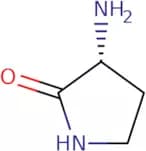
CAS:<p>(R)-3-Aminopyrrolidin-2-one is a versatile building block used as a reagent, intermediate or speciality chemical in research. CAS No. 121010-86-4 is a fine chemical that can be used to synthesize complex compounds. It is an important intermediate for the synthesis of many biologically active compounds and has been extensively studied as a drug candidate for cancer treatment. (R)-3-Aminopyrrolidin-2-one has also been shown to have antiviral effects against HIV and influenza A virus and may be useful in the treatment of viral infections.</p>Formula:C4H8N2OPurity:Min. 95%Color and Shape:PowderMolecular weight:100.12 g/mol2,5-Dimethoxy-N-[(2-methoxyphenyl)methyl]-4-(trifluoromethyl)benzeneethanamine
CAS:Controlled Product2,5-Dimethoxy-N-[(2-methoxyphenyl)methyl]-4-(trifluoromethyl)benzeneethanamine is a synthetic drug that belongs to the group of psychotropic drugs. It has been shown to cause death in rats, which is likely due to its ability to inhibit serotonin uptake by neurons. 2,5-Dimethoxy-N-[(2-methoxyphenyl)methyl]-4-(trifluoromethyl)benzeneethanamine also inhibits the enzyme monoamine oxidase and prevents the breakdown of monoamines such as serotonin. This drug has been shown to have both stimulant and depressant properties. 2,5-Dimethoxy-N-[(2-methoxyphenyl)methyl]-4-(trifluoromethyl)benzeneethanamine can be quantified in human blood samples using liquid chromatography with aFormula:C19H22F3NO3Purity:Min. 95%Molecular weight:369.38 g/molN-[(4-Amino-2-methylpyrimidin-5-yl)methyl]formamide
CAS:<p>N-[(4-Amino-2-methylpyrimidin-5-yl)methyl]formamide (NAMPT) is a triazolo compound that inhibits the ATP binding cassette transporter and blocks the uptake of uridine and pyrimidine compounds. It also inhibits inorganic pyrophosphatase, which is an enzyme that catalyzes the hydrolysis of pyrophosphate to inorganic phosphate. NAMPT has been shown to be a substrate for hypochlorous acid production in neutrophils, suggesting it may play a role in the regulation of oxidative stress. Chemical biology studies have demonstrated that NAMPT plays a physiological function as an intermediate in vitamin B1 biosynthesis.</p>Formula:C7H10N4OPurity:Min. 95%Color and Shape:PowderMolecular weight:166.18 g/mol2-Amino-5-bromobenzoic acid methyl ester
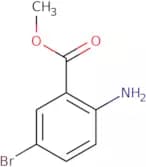
CAS:<p>2-Amino-5-bromobenzoic acid methyl ester is a small molecule with antiviral potency. It has a dipole moment and can form hydrogen bonds. 2-Amino-5-bromobenzoic acid methyl ester inhibits the PDE5 enzyme, which is an enzyme that breaks down cGMP. This inhibition of PDE5 leads to the increase in cGMP, which causes blood vessels to relax and widen. As a result, 2-amino-5-bromobenzoic acid methyl ester has been shown to decrease high blood pressure and improve heart function.</p>Formula:C8H8BrNO2Purity:Min. 95%Color and Shape:PowderMolecular weight:230.06 g/mol2-(1H-Indazol-3-yl)ethanamine hydrochloride
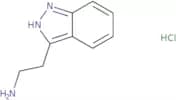
CAS:<p>2-(1H-Indazol-3-yl)ethanamine hydrochloride is a chemical building block that can be used as a reaction component, reagent or useful scaffold. It is also a versatile building block in organic synthesis and can be used to make fine chemicals, speciality chemicals and research compounds. 2-(1H-Indazol-3-yl)ethanamine hydrochloride has been shown to have high purity and is suitable for use in pharmaceuticals, agrochemicals, dyestuffs, flavors and fragrances.</p>Formula:C9H12ClN3Purity:Min. 95%Color and Shape:PowderMolecular weight:197.66 g/mol4-(2-Bromophenyl)-1,3-thiazol-2-amine
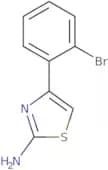
CAS:<p>Please enquire for more information about 4-(2-Bromophenyl)-1,3-thiazol-2-amine including the price, delivery time and more detailed product information at the technical inquiry form on this page</p>Purity:Min. 95%1,3-Bis[tris(hydroxymethyl)methylamino]propane
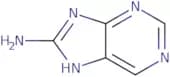
CAS:<p>1,3-Bis[tris(hydroxymethyl)methylamino]propane, most commonly known as Bis-TRIS propane, is often referred to as the universal buffer because of its wide buffering range from pH 6.3 to 9.5. Its dual pKa values (~ 6.8 and 9.0) allow it to stabilize the pH in a variety of biological applications, including molecular biology, biochemistry, and electrophoresis.</p>Formula:C11H26N2O6Purity:Min. 95%Color and Shape:PowderMolecular weight:282.3 g/mol8-Aminopurine
CAS:<p>8-Aminopurine is an aminopurine that is used as a research tool in magnetic resonance spectroscopy. The proton magnetic resonance spectrum of 8-aminopurine shows two characteristic peaks at 3.0 and 4.2 ppm, which are assigned to the aminopurine tautomers (3-HPA, 4-HPA). The kinetic stability of 8-aminopurine in water is pH dependent and has been shown to be strongly dependent on the presence of aldehyde oxidase (AO) activity. AO activity can be inhibited by the addition of dimethylformamide or other non-specific inhibitors such as 2,6-dichloroisonicotinic acid.</p>Formula:C5H5N5Purity:Min. 95%Color and Shape:White PowderMolecular weight:135.13 g/mol(R)-(+)-3-Dimethylamino pyrrolidine
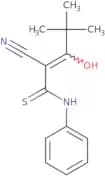
CAS:<p>(R)-(+)-3-Dimethylamino pyrrolidine is a potent inhibitor of protein kinase C (PKC) with micromolar inhibitory concentrations. It binds to the enzyme and inhibits PKC activity by preventing the phosphorylation of threonine residues on the PKC substrate. 3DAP has been shown to be selective for PKC, as it does not inhibit other kinases or phosphatases at similar concentrations. 3DAP has also been shown to have antituberculosis activity in human cells and has been shown to have a high affinity for PKC in humans, which may be due to its selectivity for PKC over other kinases.</p>Formula:C6H14N2Purity:Min. 95%Color and Shape:PowderMolecular weight:114.19 g/mol2-(2,2-dimethylpropanoyl)-3-(phenylamino)-3-sulfanylprop-2-enenitrile
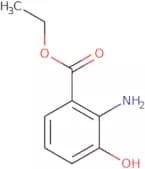
CAS:Please enquire for more information about 2-(2,2-dimethylpropanoyl)-3-(phenylamino)-3-sulfanylprop-2-enenitrile including the price, delivery time and more detailed product information at the technical inquiry form on this pagePurity:Min. 95%2-Amino-3-hydroxybenzoic acid ethyl ester
CAS:<p>2-Amino-3-hydroxybenzoic acid ethyl ester is soluble in organic solvents and is a catalyst for the hydrolysis of phenoxazinones. It has been shown to be the most active among the amino acid esters at pH 7. The optimum temperature for this enzyme is 37 degrees Celsius. The substrate specificity of this enzyme, which was purified by fractionation, is 3-hydroxyanthranilic acid and 3-hydroxyanthranilic acid with metals such as copper or zinc ions. This enzyme also catalyses the hydrolysis of proteins and peptides containing hydrophobic amino acids.</p>Formula:C9H11NO3Purity:Min. 95%Color and Shape:PowderMolecular weight:181.19 g/mol7-Benzyloxytryptamine
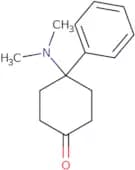
CAS:Controlled Product<p>7-Benzyloxytryptamine is a tryptamine derivative that binds to the 5-HT2A serotonin receptor. It has been shown to have antidepressant properties in ovary cells and other assays. 7-Benzyloxytryptamine acts as a psychostimulant and produces an increase in synaptic activity in the brain. This compound also has high affinity for 5-hydroxytryptamine (5-HT) receptors, which may be responsible for its antidepressant effects. The compound has been shown to be selective for 5-HT2A receptors, but not for other serotonin receptors such as 5-HT1A or 5-HT2C.</p>Formula:C17H18N2OColor and Shape:PowderMolecular weight:266.34 g/mol4-(Dimethylamino)-4-phenylcyclohexan-1-one
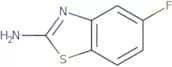
CAS:Controlled Product<p>Dimethylphencyclidine is a potent analgesic with high affinity for opioid receptors. It is an agonist at the μ-opioid receptor and κ-opioid receptor. Dimethylphencyclidine may also act as a nociceptive agent and has been shown to modulate pain in animals. This drug has also been shown to be neuropathic, as it inhibits the development of chronic constriction injury (CCI) in rats by reducing the formation of reactive oxygen species and increasing the expression of brain-derived neurotrophic factor (BDNF). Dimethylphencyclidine has undergone clinical trials for the treatment of neuropathic pain and is currently in phase II clinical development.<br>The pharmacological properties of dimethylphencyclidine are due to its ability to act on opioid receptors and other neurotransmitter systems, including serotonin, dopamine, acetylcholine, glutamate, and glycine. The chemical name for this drug is 4-(Dimethylamino)-4-phen</p>Formula:C14H19NOPurity:Min. 95%Molecular weight:217.31 g/mol2-Amino-5-fluorobenzothiazole
CAS:<p>2-Amino-5-fluorobenzothiazole is a synthetic compound that is used as an agrochemical. It has low efficiency and can be found in tissue culture. The biological properties of this compound are not fully understood. It has been shown to have potential antitumor activity and may be able to inhibit tyrosine kinase. 2-Amino-5-fluorobenzothiazole is also found in the inorganic section of the periodic table. This compound is water soluble, but does not dissolve well in organic solvents such as acetone or chloroform. 2-Amino-5-fluorobenzothiazole also has agricultural applications, being used as a pesticide and for controlling tuberculosis in animals.</p>Formula:C7H5FN2SPurity:Min. 95%Color and Shape:PowderMolecular weight:168.19 g/molN-(5-Amino-2-methylphenyl)-4-(3-pyridyl)-2-pyrimidineamine
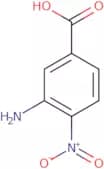
CAS:<p>Imatinib is an anticancer drug that belongs to the class of trimethyls. It is a potent inhibitor of tyrosine-specific protein kinases, including Bcr-Abl and Src family kinases. It has been shown to have antineoplastic properties in human cells in vitro. Imatinib is structurally similar to the anticancer agent lapatinib and inhibits G1 phase cell cycle progression by preventing phosphorylation of retinoblastoma protein (Rb). Imatinib is also genotoxic due to its structural similarity to other known genotoxic compounds such as bromo-2′-deoxyuridine and 2-chloroimidazole.</p>Formula:C16H15N5Purity:Min. 95%Color and Shape:PowderMolecular weight:277.32 g/mol3-Amino-4-nitrobenzoic acid
CAS:<p>3-Amino-4-nitrobenzoic acid is a synthetic compound, which has been shown to inhibit the activity of trypanothione reductase. This inhibition of the enzyme causes an increase in the level of intracellular trypanothione, which is then acetylated by ATP sulfurylase and converted to trypanothione. 3-Amino-4-nitrobenzoic acid is also a potent inhibitor of fxa, which is a coagulation factor necessary for blood clotting. The active site of 3-amino-4-nitrobenzoic acid contains two nitroarenes that are responsible for its antithrombotic properties.</p>Formula:C7H6N2O4Purity:Min. 95%Color and Shape:PowderMolecular weight:182.13 g/molSodium ammonium phosphate tetrahydrate
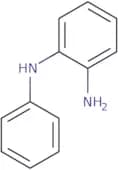
CAS:<p>Sodium ammonium phosphate tetrahydrate is an inorganic compound that is a salt. It is used as a test compound to measure the inhibition of viral growth. The test compound binds to the virus and prevents it from binding to cells, thus inhibiting viral replication. Sodium ammonium phosphate tetrahydrate can also be used as a means of preventing cavities by lowering the pH level in the mouth and inhibiting bacterial growth. Selenium compounds have been shown to have antiviral properties when tested on the typhimurium virus. Selenium compounds are not active against herpes simplex virus, but protocatechuic acid has been shown to inhibit herpes simplex virus replication in vitro and in vivo. Protocatechuic acid has also been shown to inhibit fatty acid synthesis and chloride ion uptake into cells, which may be responsible for its anti-viral properties.</p>Formula:NaNH5PO4·4H2OPurity:Min. 95%Color and Shape:PowderMolecular weight:209.07 g/mol2-Aminodiphenylamine
CAS:<p>2-Aminodiphenylamine is a chemical compound with the molecular formula CHN. It is a white solid that has a melting point of about 170°C and a boiling point of about 360°C. 2-Aminodiphenylamine can be synthesized by reacting diphenylmethane with hydrochloric acid, followed by hydrogenation of the resulting diaminodiphenyl methane. It is an aromatic amine that has two nitrogen atoms in its structure. The molecule has a redox potential of -0.2 volts and can exist as either an acidic or basic form depending on pH levels. 2-Aminodiphenylamine also reacts with azobenzene to form coumarin derivatives, which are used in analytical chemistry for titration calorimetry, electrochemical impedance spectroscopy, and structural analysis.</p>Formula:C12H12N2Purity:Min. 95%Color and Shape:PowderMolecular weight:184.24 g/molMethyl 2-amino-4-(trifluoromethyl)benzoate
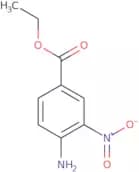
CAS:<p>Methyl 2-amino-4-(trifluoromethyl)benzoate is a non-steroidal anti-inflammatory drug that is structurally related to anthranilic acid. It has been shown to reduce the proliferation of human breast cancer cells in vitro. This drug inhibits the activity of cellular senescence, which has been implicated in aging and cancer progression. Methyl 2-amino-4-(trifluoromethyl)benzoate binds to receptor sites on the cell nucleus and prevents the binding of ligands to these receptors, thereby inhibiting transcriptional activity. This compound also increases cell sensitivity to radiation and chemotherapeutic agents by preventing DNA repair mechanisms from functioning properly. Methyl 2-amino-4-(trifluoromethyl)benzoate inhibits the production of reactive oxygen species by inducing oxidative stress in cells and may inhibit protein synthesis through its ability to bind tightly to proteins.</p>Formula:C9H8F3NO2Purity:Min. 95%Color and Shape:Slightly Yellow PowderMolecular weight:219.16 g/molEthyl 4-amino-3-nitrobenzoate
CAS:<p>Ethyl 4-amino-3-nitrobenzoate is a molecule that is used as an inhibitor of butyrylcholinesterase. It has been shown to have inhibitory effects on enzymes such as cholinesterase, which are involved in the breakdown of acetylcholine and other neurotransmitters. Ethyl 4-amino-3-nitrobenzoate is a dihydrate and it has been found to be an efficient inhibitor of butyrylcholinesterase with a KI value of 0.2 mM. Single crystal x-ray diffraction analysis showed that the compound was centrosymmetric with hydrogen bonding interactions. The parameters were rationalized by this analysis, which led to the discovery of a more efficient method for synthesizing this molecule.</p>Formula:C9H10N2O4Purity:Min. 95%Color and Shape:PowderMolecular weight:210.19 g/mol

![2-[3-[N-(4-tert-Butylbenzyl)-N-(pyridin-3-ylsulfonyl)aminomethyl]phenoxy]acetic acid](/_next/image/?url=https%3A%2Fstatic.cymitquimica.com%2Fproducts%2F3D%2Fthumb-webp%2FFT145127.webp&w=3840&q=75)

![3-[(Aminocarbonyl)amino]-5-[4-(morpholin-4-ylmethyl)phenyl]thiophene-2-carboxamide](/_next/image/?url=https%3A%2Fstatic.cymitquimica.com%2Fproducts%2F3D%2Fthumb-webp%2FFA18119.webp&w=3840&q=75)
![N,N-Diethyl-2-[4-[(Z)-1-(4-Fluorophenyl)-2-Phenylethenyl]Phenoxy]Ethanamine](/_next/image/?url=https%3A%2Fstatic.cymitquimica.com%2Fproducts%2F3D%2Fthumb-webp%2FFD99813.webp&w=3840&q=75)



![N-(1R,8S,9s)-Bicyclo[6.1.0]non-4-yn-9-ylmethyloxycarbonyl-1,8-diamino-3,6-dioxaoctane](/_next/image/?url=https%3A%2Fstatic.cymitquimica.com%2Fproducts%2F3D%2Fthumb-webp%2FFB60339.webp&w=3840&q=75)



![3-[1-(Dimethylamino)ethyl]phenol](/_next/image/?url=https%3A%2Fstatic.cymitquimica.com%2Fproducts%2F3D%2Fthumb-webp%2FFD22323.webp&w=3840&q=75)

![2-[[1-Methyl-2-[3-(Trifluoromethyl)Phenyl]Ethyl]Amino]Ethyl](/_next/image/?url=https%3A%2Fstatic.cymitquimica.com%2Fproducts%2F3D%2Fthumb-webp%2FFM101485.webp&w=3840&q=75)
![[(N-Acryloylamino)phenyl]mercuric chloride](/_next/image/?url=https%3A%2Fstatic.cymitquimica.com%2Fproducts%2F3D%2Fthumb-webp%2FFA17210.webp&w=3840&q=75)


![4-[2-(4-Aminophenyl)ethyl]phenol](/_next/image/?url=https%3A%2Fstatic.cymitquimica.com%2Fproducts%2F3D%2Fthumb-webp%2FFA66482.webp&w=3840&q=75)
![2,5-Dimethoxy-N-[(2-methoxyphenyl)methyl]-4-(trifluoromethyl)benzeneethanamine](/_next/image/?url=https%3A%2Fstatic.cymitquimica.com%2Fproducts%2F3D%2Fthumb-webp%2FFD100429.webp&w=3840&q=75)
![N-[(4-Amino-2-methylpyrimidin-5-yl)methyl]formamide](/_next/image/?url=https%3A%2Fstatic.cymitquimica.com%2Fproducts%2F3D%2Fthumb-webp%2FFA31702.webp&w=3840&q=75)
![1,3-Bis[tris(hydroxymethyl)methylamino]propane](/_next/image/?url=https%3A%2Fstatic.cymitquimica.com%2Fproducts%2F3D%2Fthumb-webp%2FFB09448.webp&w=3840&q=75)